英语词汇词典 | 单词含义、定义和示例
a person who does not believe in something, especially a religion or idea
"He was called a disbeliever for rejecting the traditional faith."
to relieve someone of a burden or load
"She disburdened herself of worries by sharing them with her friend."
to pay out money, especially from a fund
"The organization will disburse the funds to the affected families."
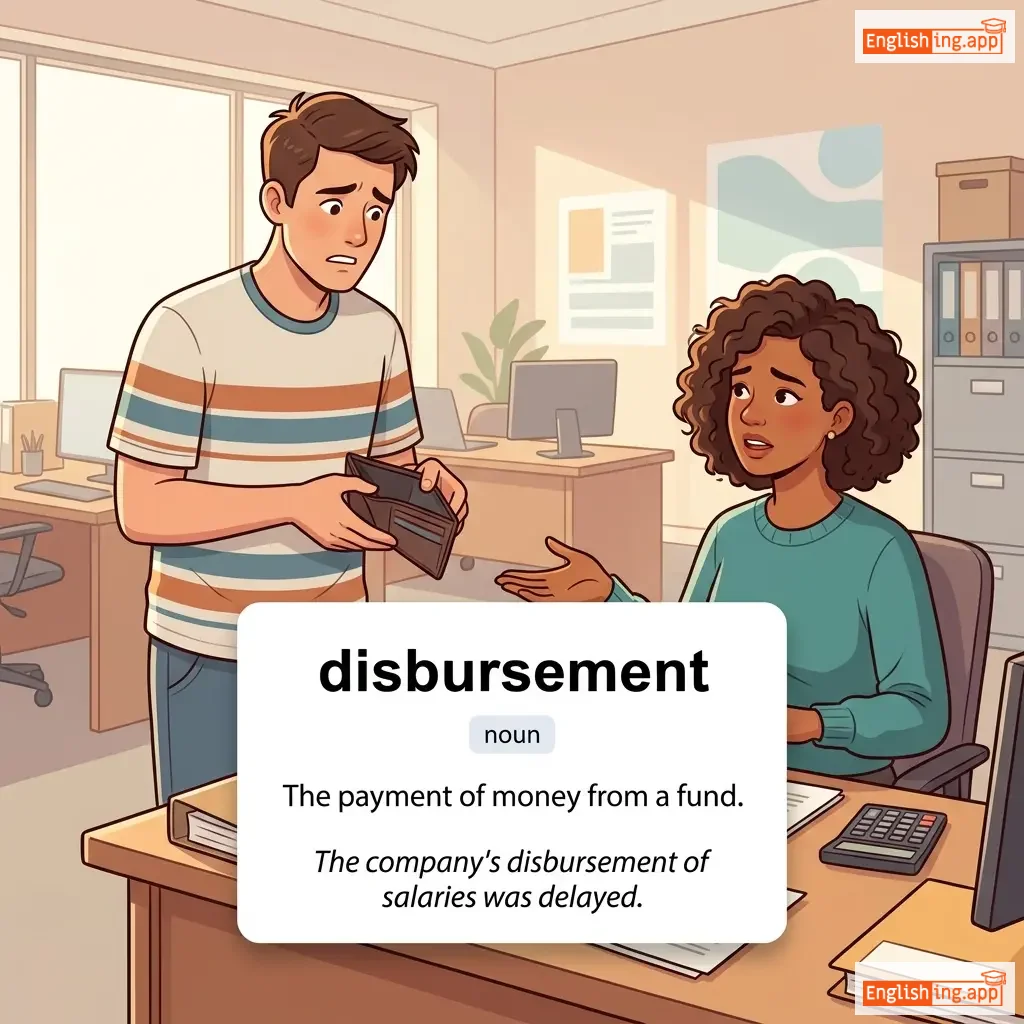
The payment of money from a fund.
"The company's disbursement of salaries was delayed."
a flat, thin, round object or surface
"He inserted the music disc into the player."
to throw away something that is no longer needed
"She decided to discard the old clothes."
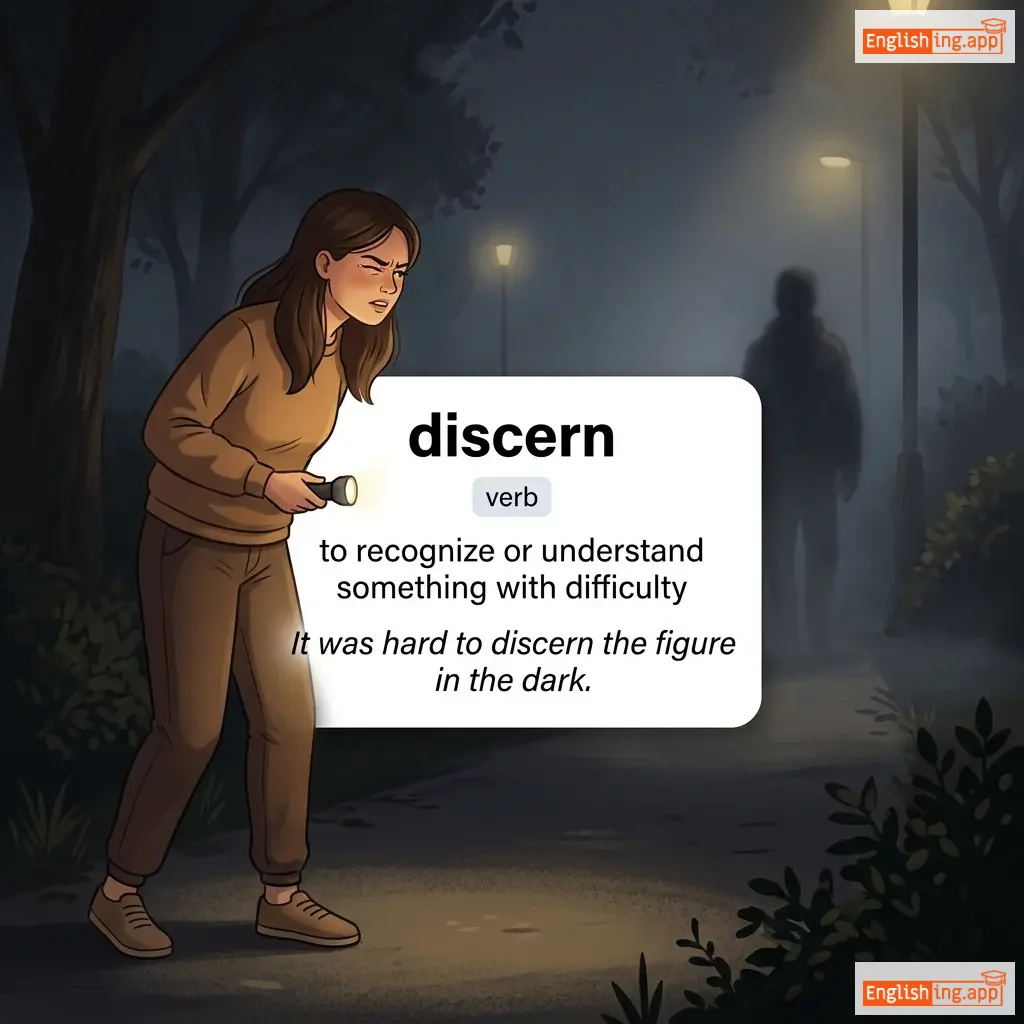
to recognize or understand something with difficulty
"It was hard to discern the figure in the dark."
able to be seen, recognized, or understood
"There was a discernible change in his behavior."
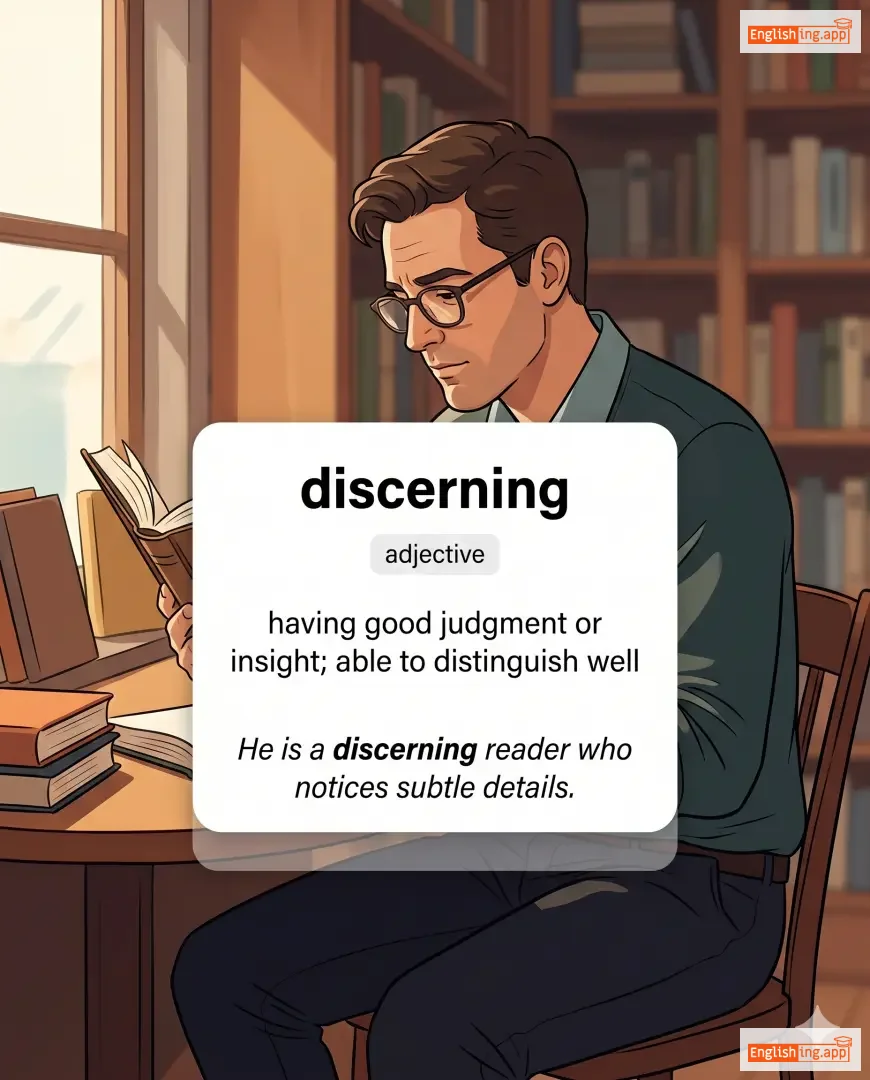
having good judgment or insight; able to distinguish well
"He is a discerning reader who notices subtle details."
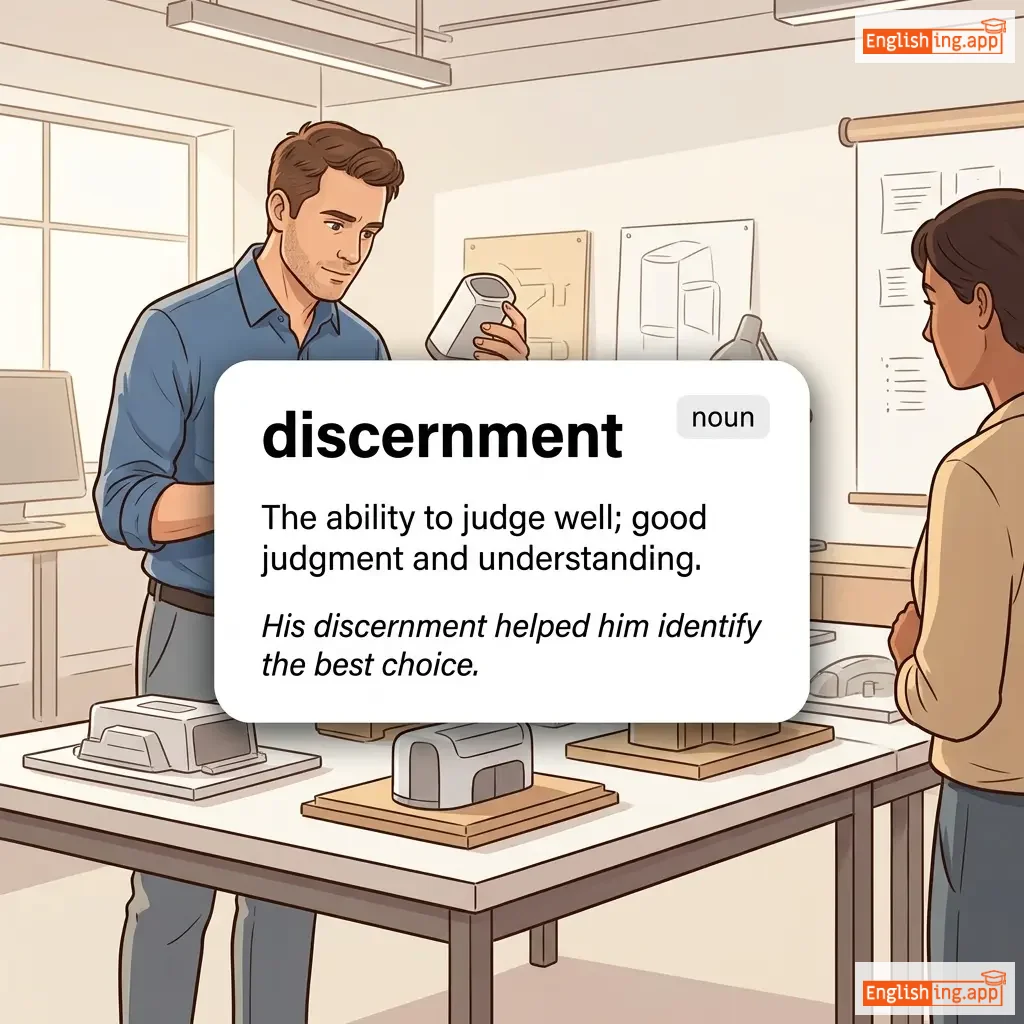
The ability to judge well; good judgment and understanding.
"His discernment helped him identify the best choice."

to release from a duty, responsibility, or place; to let something out
"The hospital decided to discharge the patient after a full recovery."
a follower or student of a teacher, leader, or philosophy
"He was a devoted disciple of the famous philosopher."
relating to the enforcement of rules and correction of behavior
"The employee was warned after a disciplinary hearing."

the practice of training people to obey rules or self-control
"Good discipline is essential for success in school."
to deny responsibility or connection with something
"The company disclaimed responsibility for the accident."
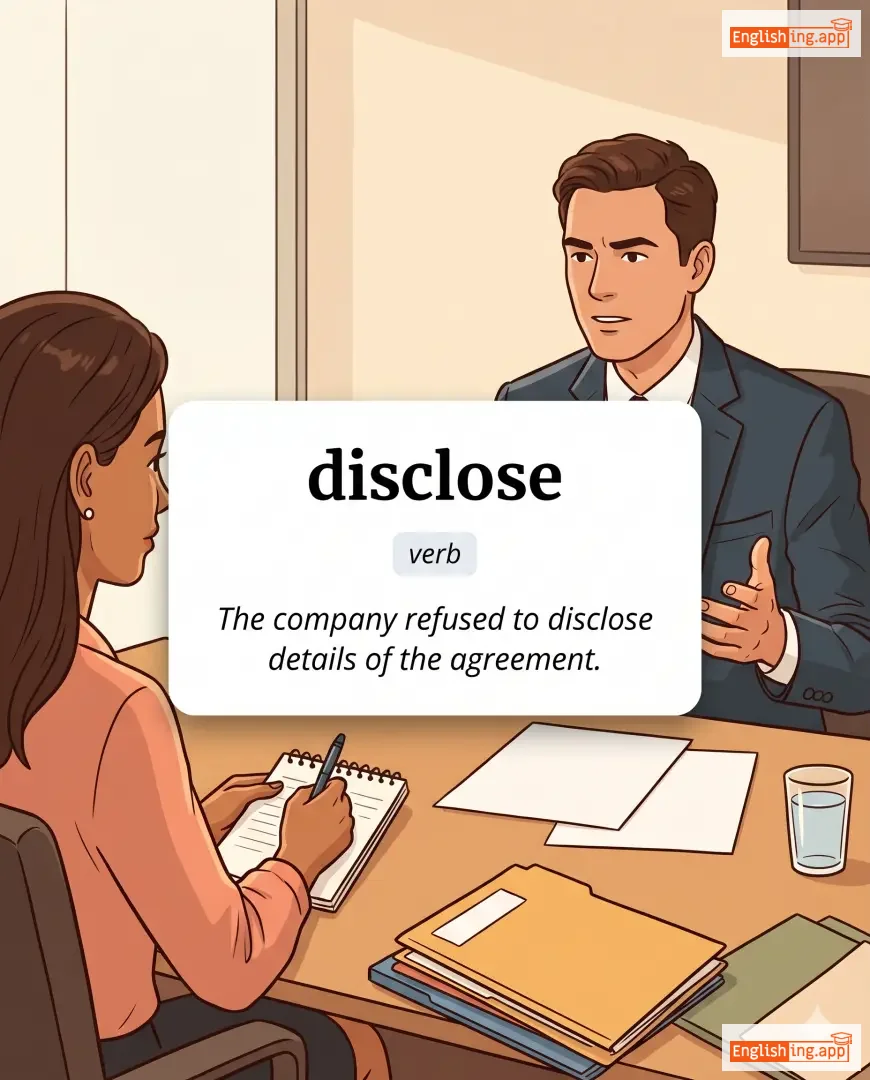
the action of making something known or public
"The disclosure of the company's financial status was delayed."
to change color, especially in a way that spoils the original appearance
"The fabric began to discolor after being left in the sun."
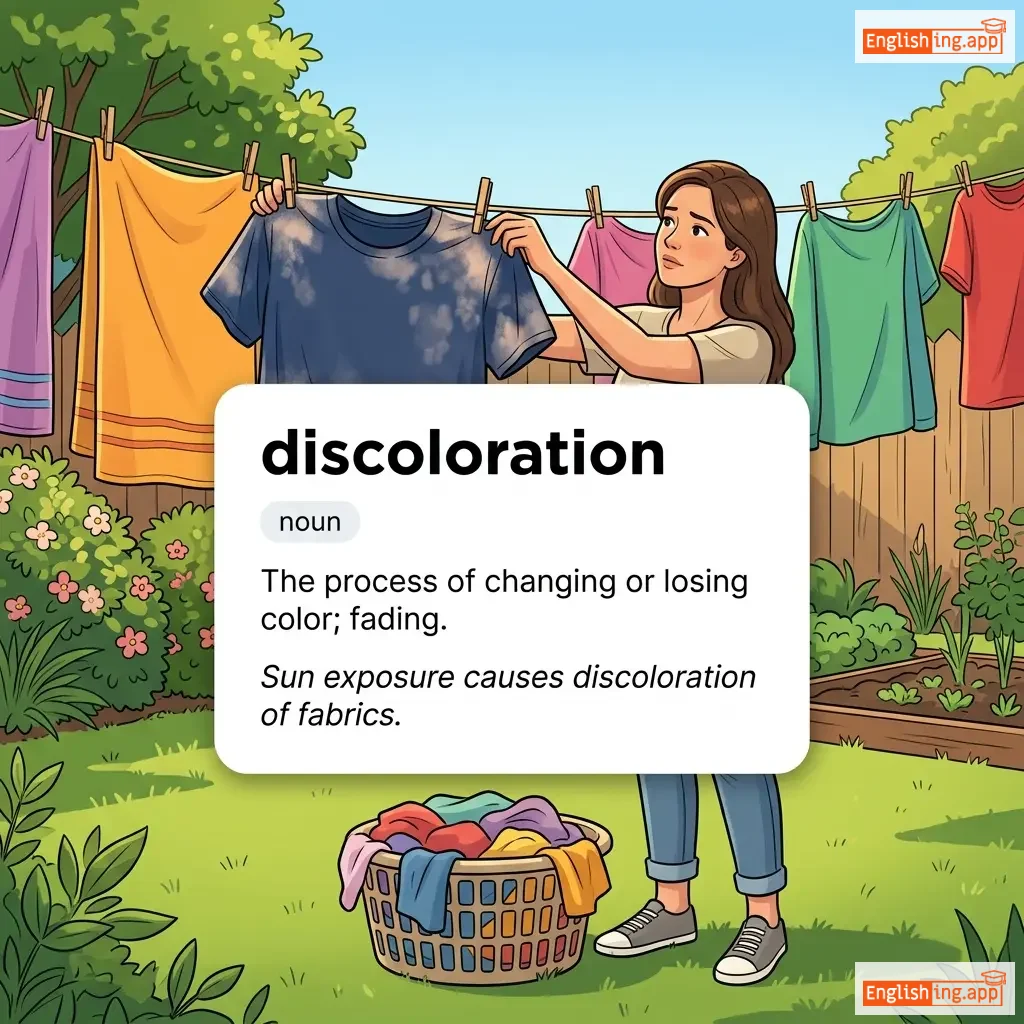
The process of changing or losing color; fading.
"Sun exposure causes discoloration of fabrics."
to confuse or disconcert; to upset the normal order
"The sudden question seemed to discombobulate him."
confused and disoriented; feeling unsettled
"She looked discombobulated after hearing the unexpected news."

to make someone feel uneasy, embarrassed, or confused
"The interviewer’s tough questions discomfited the candidate."
Causing unease, embarrassment, or discomfort.
"His discomfiting questions made everyone shift uncomfortably in their seats."
A feeling of slight pain, unease, or awkwardness.
"She shifted in her chair due to discomfort in her back."
To cause inconvenience or trouble to someone.
"I hope my request does not discommode you."
To disturb the order or calmness of something or someone.
"The unexpected question seemed to discompose her."
To unsettle, confuse, or disturb the composure of someone.
"The sudden change of plans disconcerted the team."
to detach or separate from a connection or source
"Please disconnect the charger from the power outlet."
very unhappy and unable to be comforted
"She was disconsolate after hearing the bad news."
the act of stopping something, especially permanently
"The discontinuance of the service disappointed many customers."
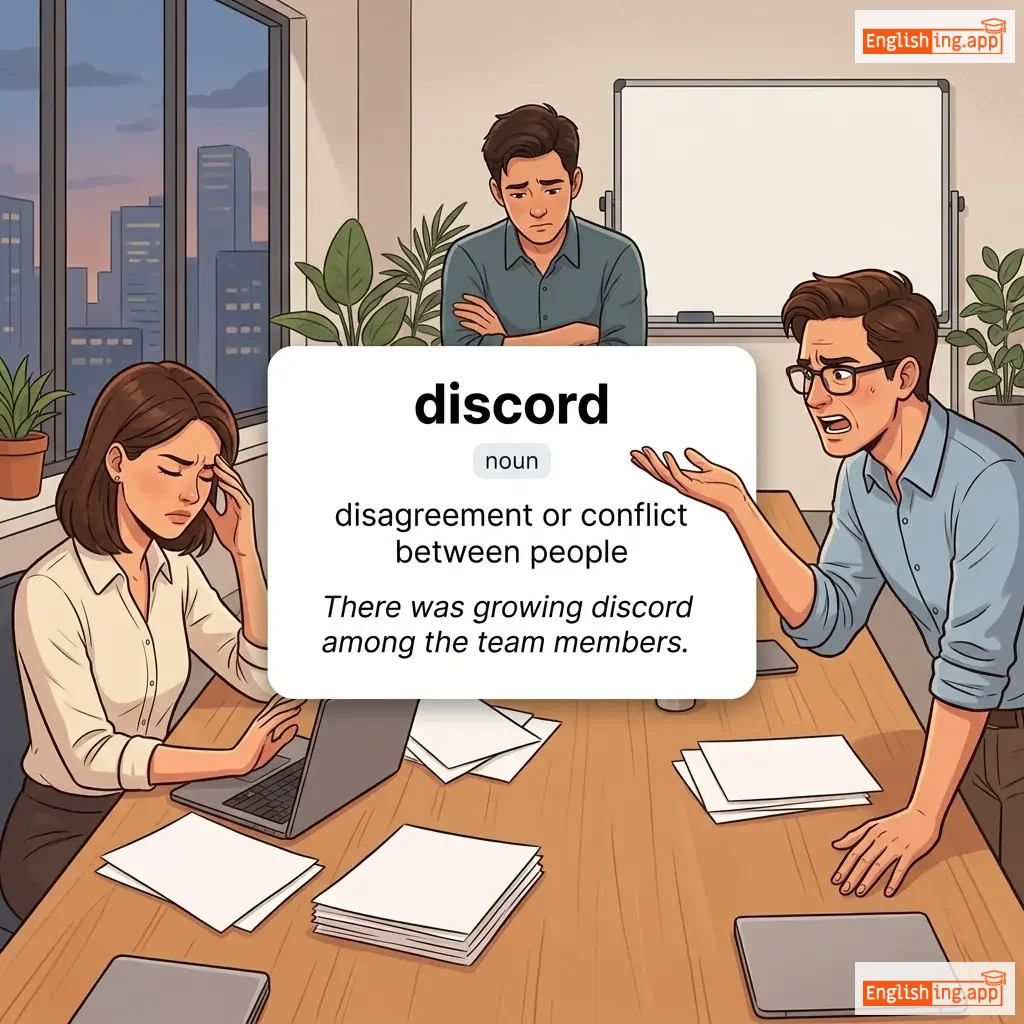
disagreement or conflict between people
"There was growing discord among the team members."
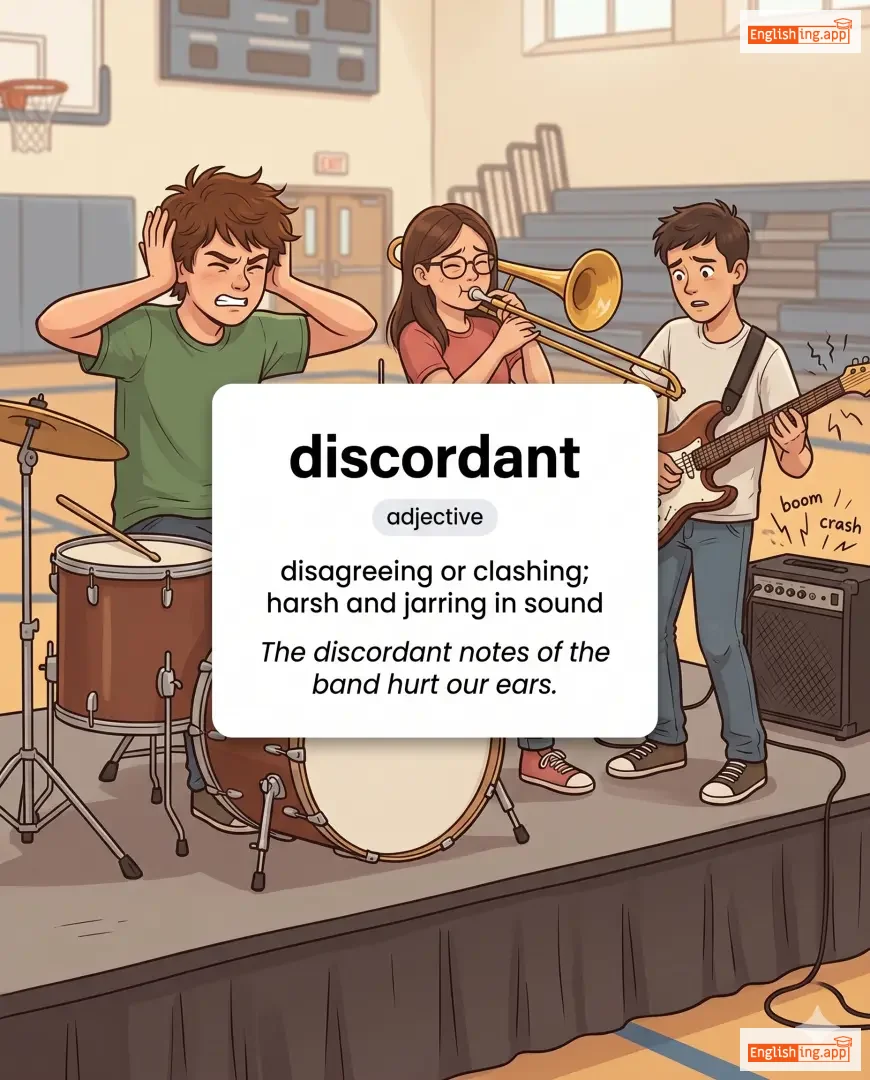
disagreeing or clashing; harsh and jarring in sound
"The discordant notes of the band hurt our ears."
A reduction in the usual price of something; to reduce the price of something.
"The store offered a 20% discount on all electronics."
To disapprove of or discourage something.
"The teacher strongly discountenanced cheating in exams."
to make someone less confident or enthusiastic about doing something
"Failure should not discourage you from trying again."
making someone feel less confident or enthusiastic about doing something
"The coach's discouraging words affected the team's morale."
Written or spoken communication or debate.
"The professor gave a discourse on ancient philosophy."
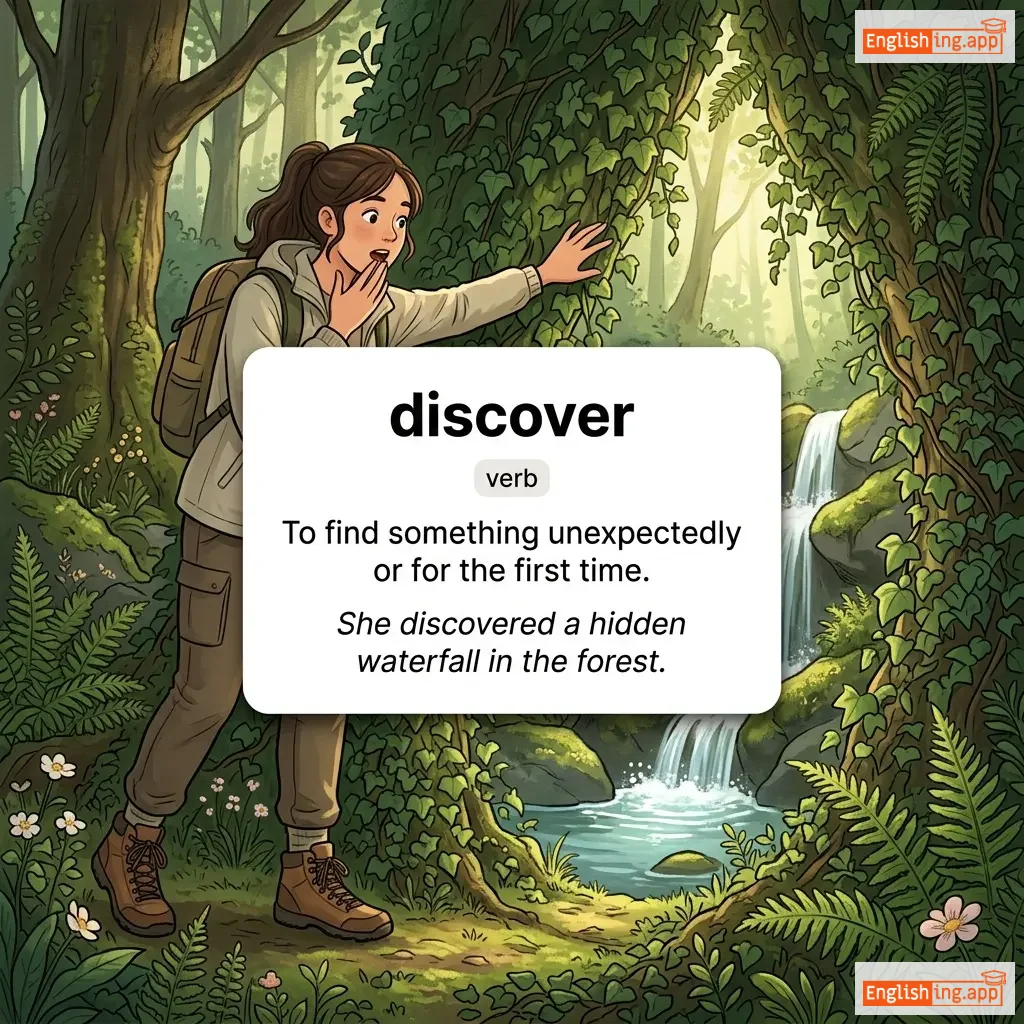
To find something unexpectedly or for the first time.
"She discovered a hidden waterfall in the forest."
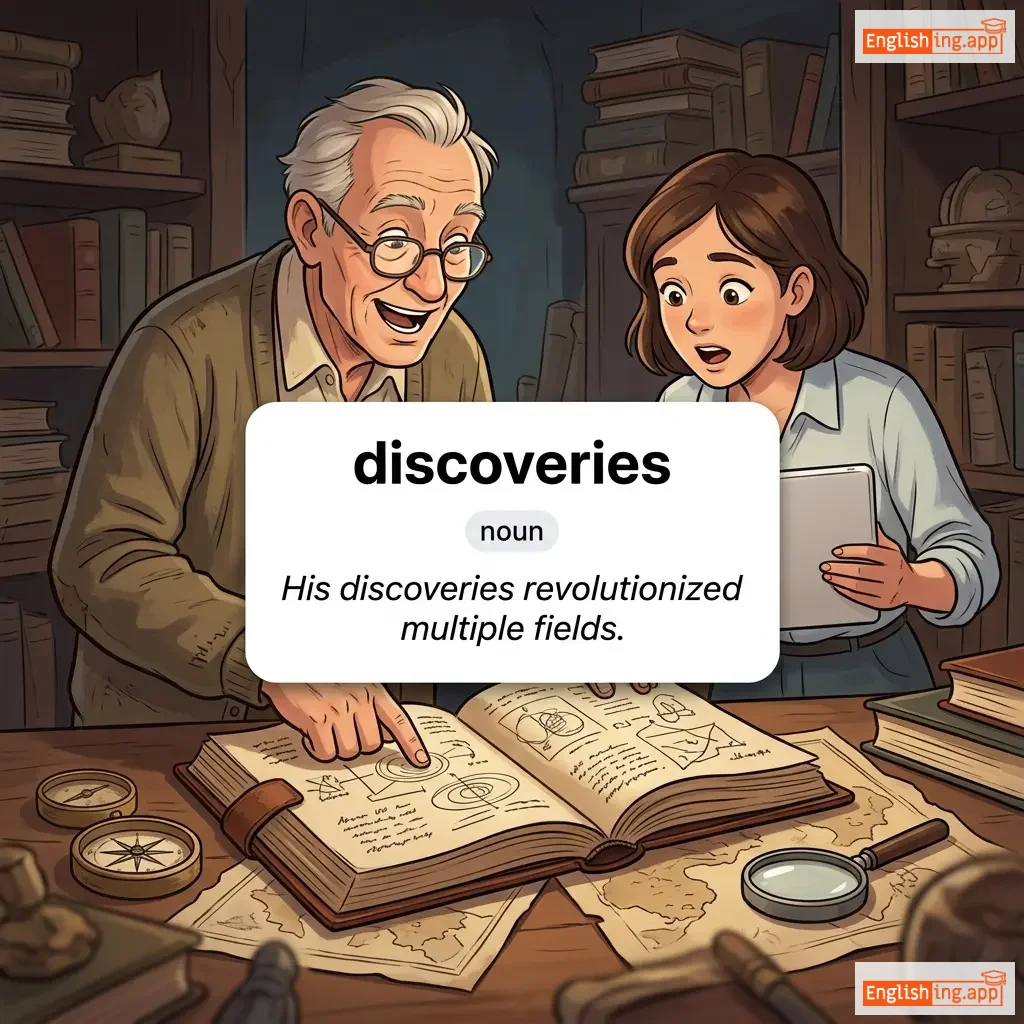
The action or process of finding or learning something for the first time; facts or things discovered.
"His discoveries revolutionized multiple fields."
The act of finding or learning something for the first time.
"The discovery of penicillin changed medical history."
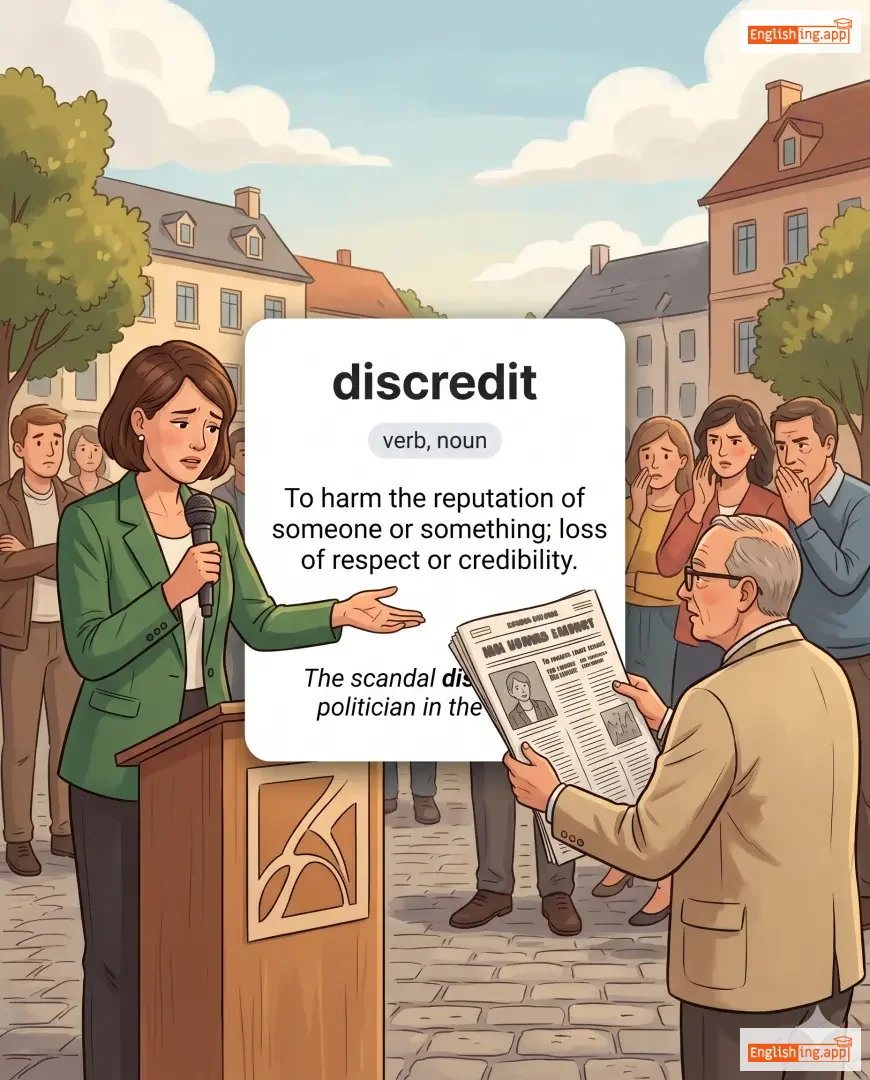
To harm the reputation of someone or something; loss of respect or credibility.
"The scandal discredited the politician in the eyes of the public."
careful and prudent in one's speech or actions, especially to keep something confidential or avoid embarrassment
"She was discreet about the details of their conversation."

Differences between things that should be the same
"Discrepancies in regulations delay progress."
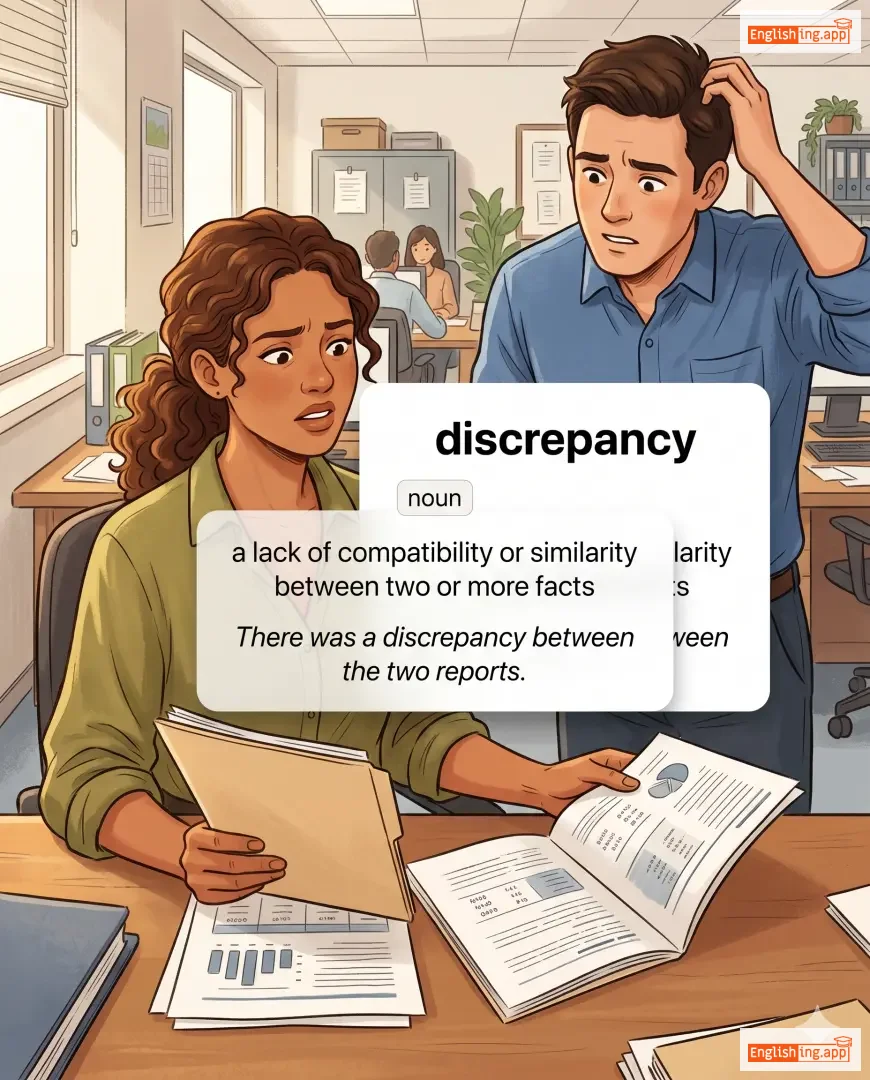
a lack of compatibility or similarity between two or more facts
"There was a discrepancy between the two reports."
showing a difference or inconsistency
"The witnesses gave discrepant accounts of the incident."
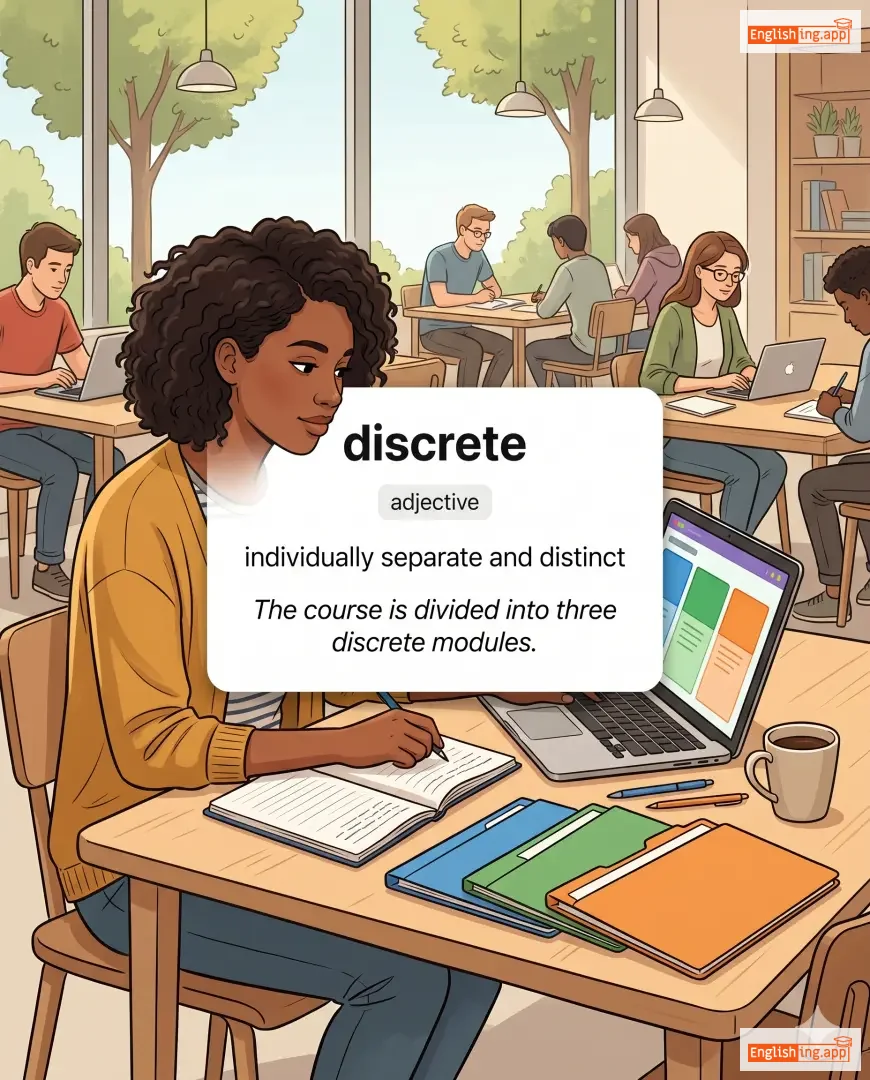
individually separate and distinct
"The course is divided into three discrete modules."
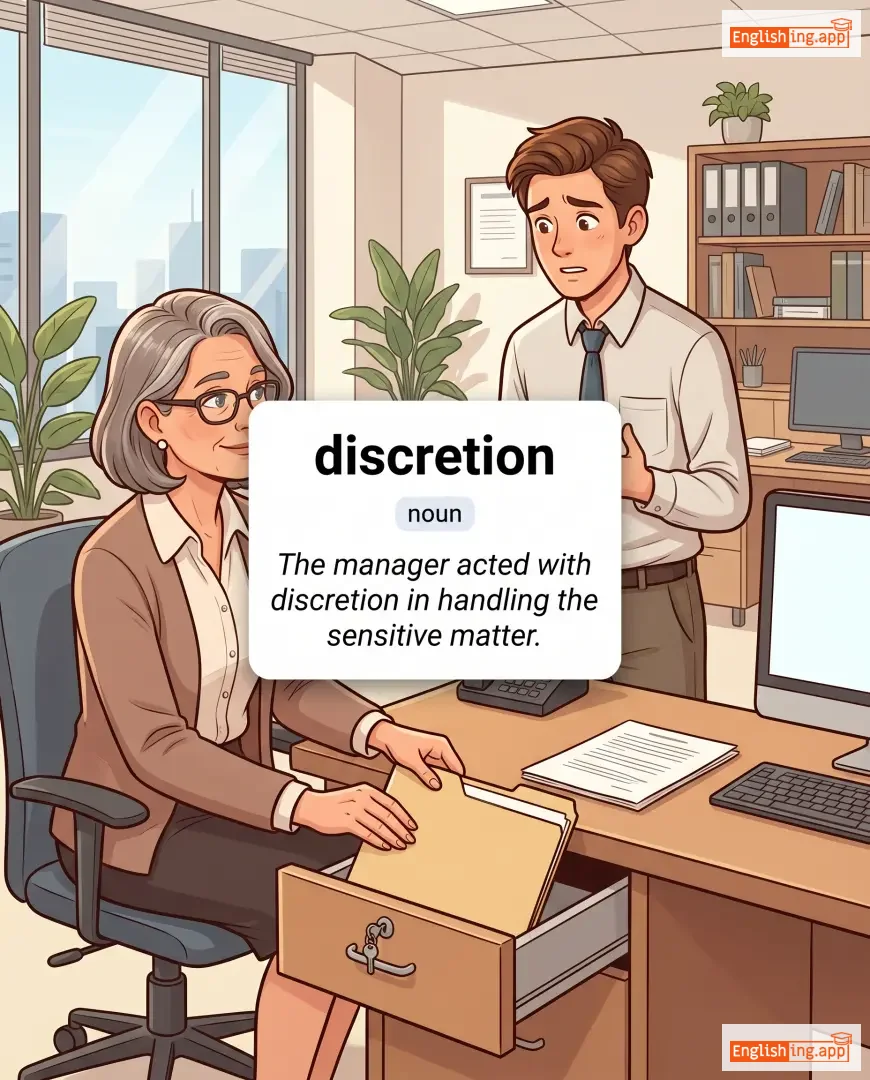
the quality of behaving or speaking in a way to avoid causing offense or revealing private information; the freedom to decide what should be done in a particular situation
"The manager acted with discretion in handling the sensitive matter."
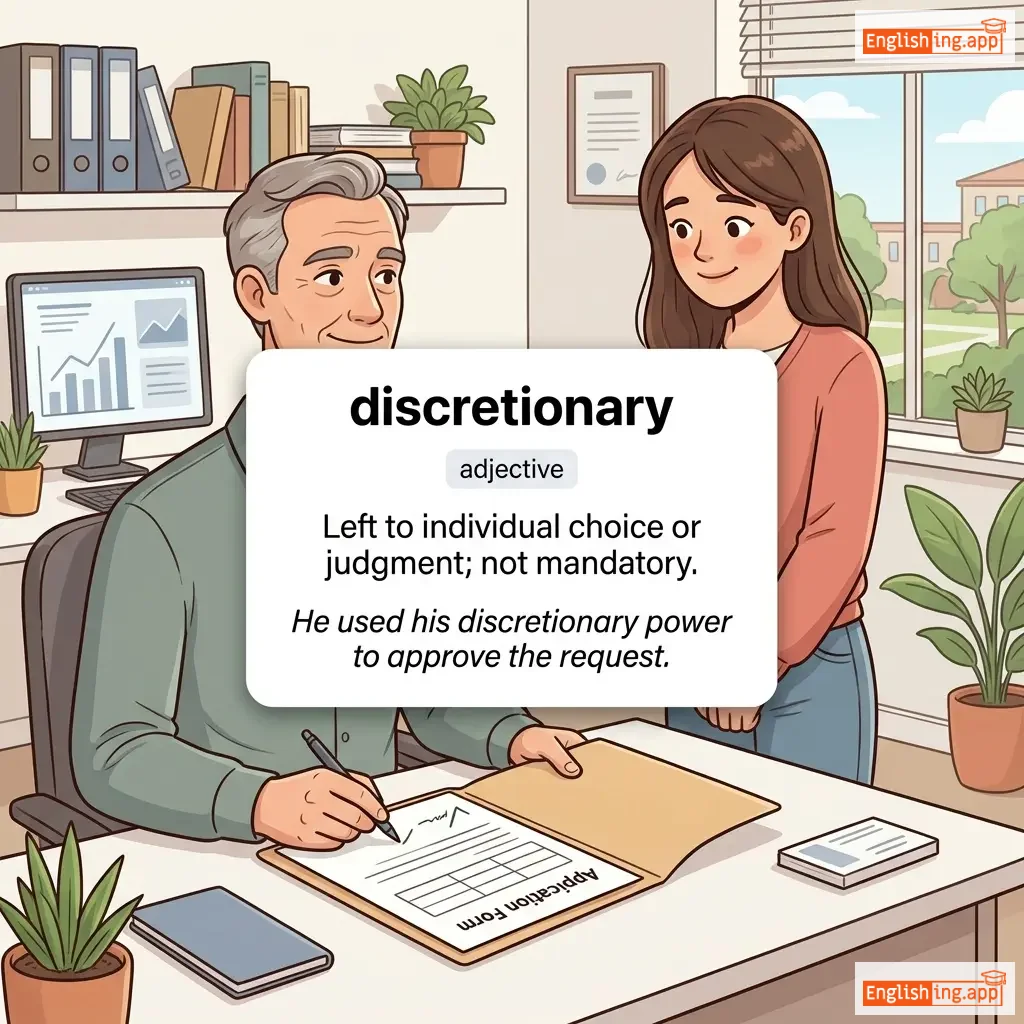
Left to individual choice or judgment; not mandatory.
"He used his discretionary power to approve the request."
To treat someone unfairly based on race, gender, or other differences; or to recognize a distinction.
"The law prohibits employers from discriminating against women."
Having refined taste or good judgment; able to recognize subtle differences.
"She is known for her discriminating taste in art."