Словари

Словарь английского языка | Значения слов, определения и примеры

adjective
/leɪm/
хромой; инвалид (khromoy; invalid)

unable to walk normally because of an injury or illness affecting the leg or foot; weak and unconvincing

"The injured horse was lame and couldn't walk properly."
"Раненная лошадь была хромой и не могла нормально идти." (Ranennaia loshad' byla khromoĭ i ne mogla normal'no idti.)
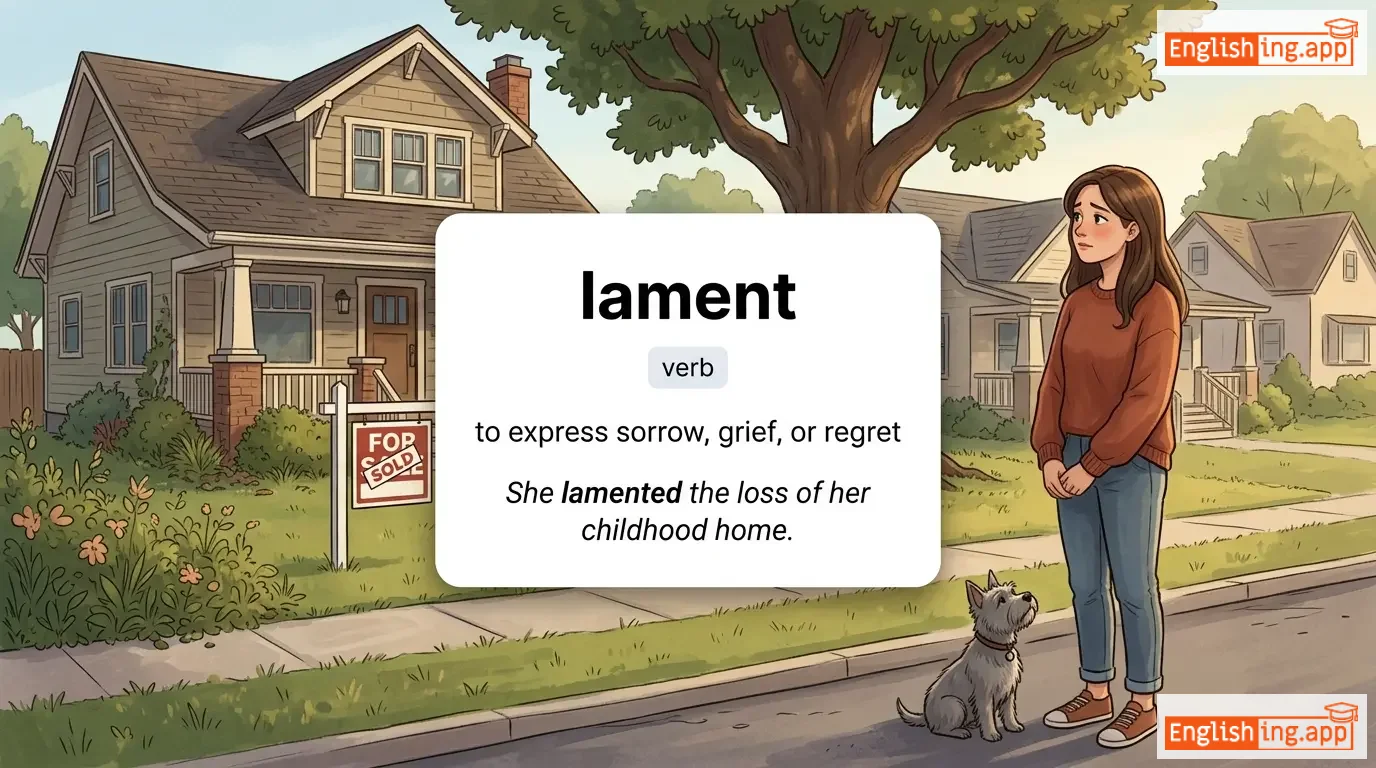
lament definition card — visual illustration of the meaning
verb
/ləˈmɛnt/
оплакивать (oplakivat)

to express sorrow, grief, or regret

"She lamented the loss of her childhood home."

"Она оплакивала потерю своего детства дома." (Ona oplakivala poteryu svoego detstva doma.)
adjective
/ˈlæm.ən.tə.bəl/
плачевный (plachevny)

deserving to be criticized or regretted; unfortunate

"The team’s lamentable performance disappointed their fans."

"Плачевное выступление команды разочаровало их фанатов." (Plachevnoe vystuplenie komandy razocharovalo ikh fanatov.)
verb
/ˈlæmɪˌneɪt/
ламинировать (laminirovat)

to cover or enclose something with a protective layer, usually plastic

"She laminated her important documents to protect them from damage."
"Она ламинировала свои важные документы, чтобы защитить их от повреждений." (Ona laminirovala svoi vazhnye dokumenty, chtoby zashchitit' ikh ot povrezhdeniy.)
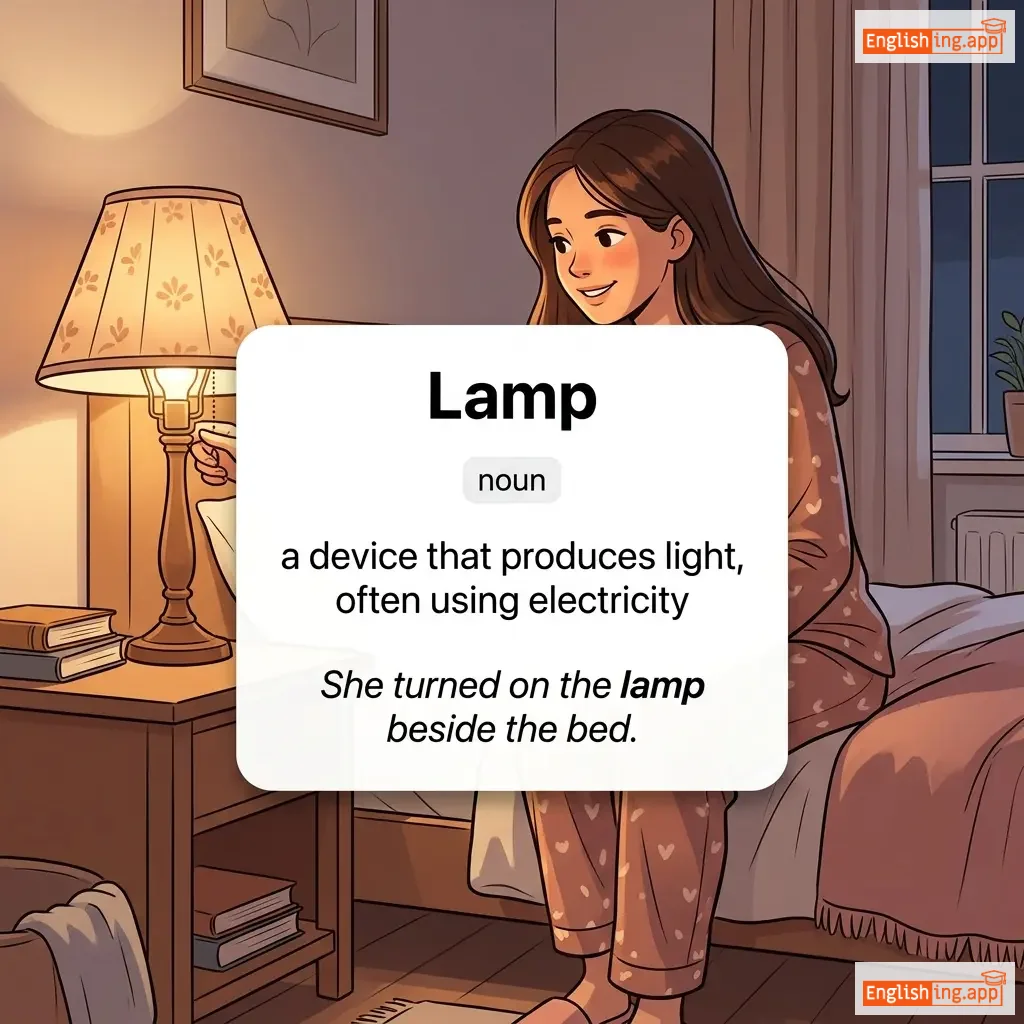
Lamp definition card — visual illustration of the meaning
noun
/læmp/
счастье (schast'ye)

a device that produces light, often using electricity

"She turned on the lamp beside the bed."

"Она не могла скрыть своего счастья, когда получила награду." (Ona ne mogla skryt' svoego schast'ya, kogda poluchila nagradu.)
verb
/læmˈpuːn/
осмеивать (osmeyivat)

to publicly criticize or ridicule someone or something with humor, irony, or sarcasm

"The cartoonist lampooned the politician for his contradictory statements."
"Карикатурист осмеял политика за его противоречивые заявления." (Karikaturist osmeyal politika za ego protivorechivye zayavleniya.)
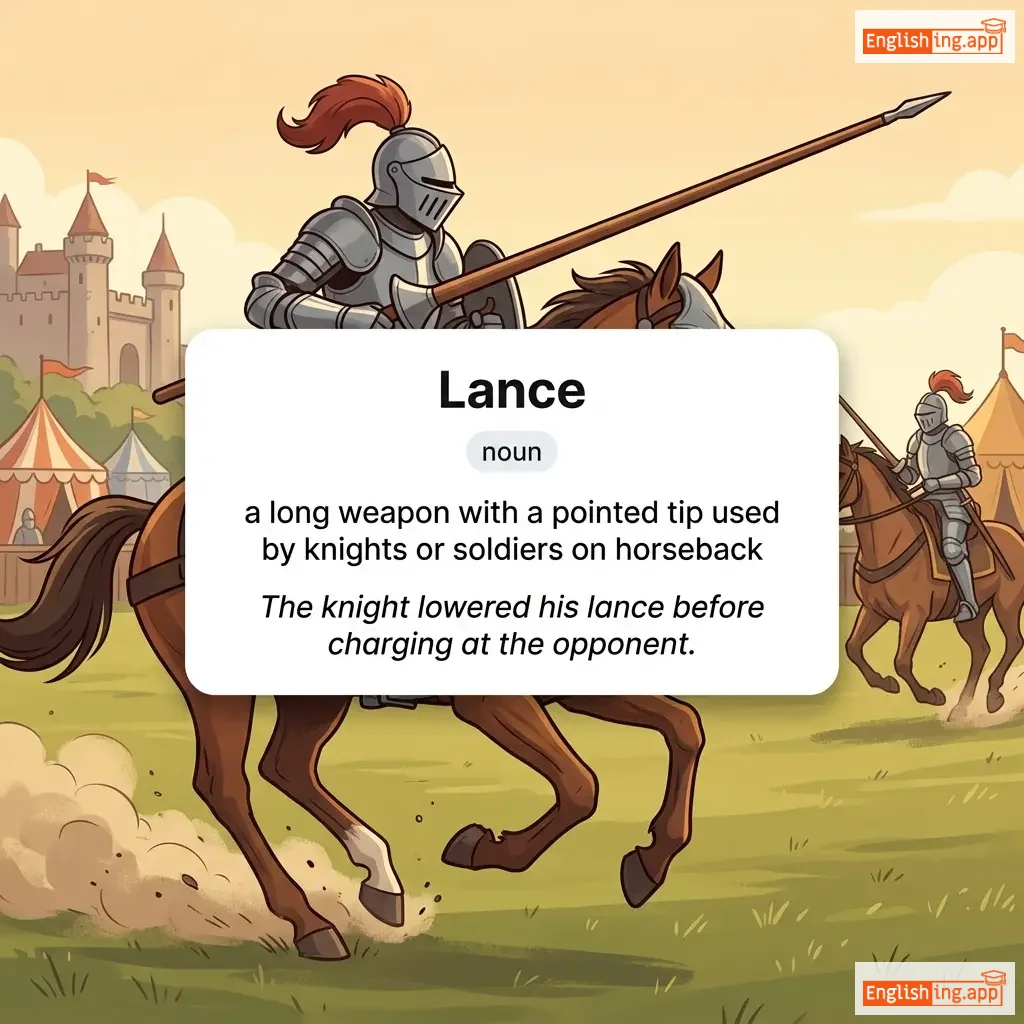
Lance definition card — visual illustration of the meaning
noun
/læns/
копьё (kop'yo)

a long weapon with a pointed tip used by knights or soldiers on horseback

"The knight lowered his lance before charging at the opponent."

"Рыцарь опустил своё копьё перед тем, как накинуться на противника." (Rytsar' opustil svoe kop'yo pered tem, kak nakinutsya na protivnika.)
noun
/ˈlæn.sɪt/
хирургический нож (khirurgicheskiy nozh)

a small, sharp, two-edged surgical knife used for making small incisions

"The doctor used a lancet to prick the patient’s finger for a blood test."
"Врач использовал ланцет, чтобы проколоть палец пациента для анализа крови." (Vrach ispol'zoval lancet, chtoby prokolot' palets patsiyenta dlya analiza krovi.)
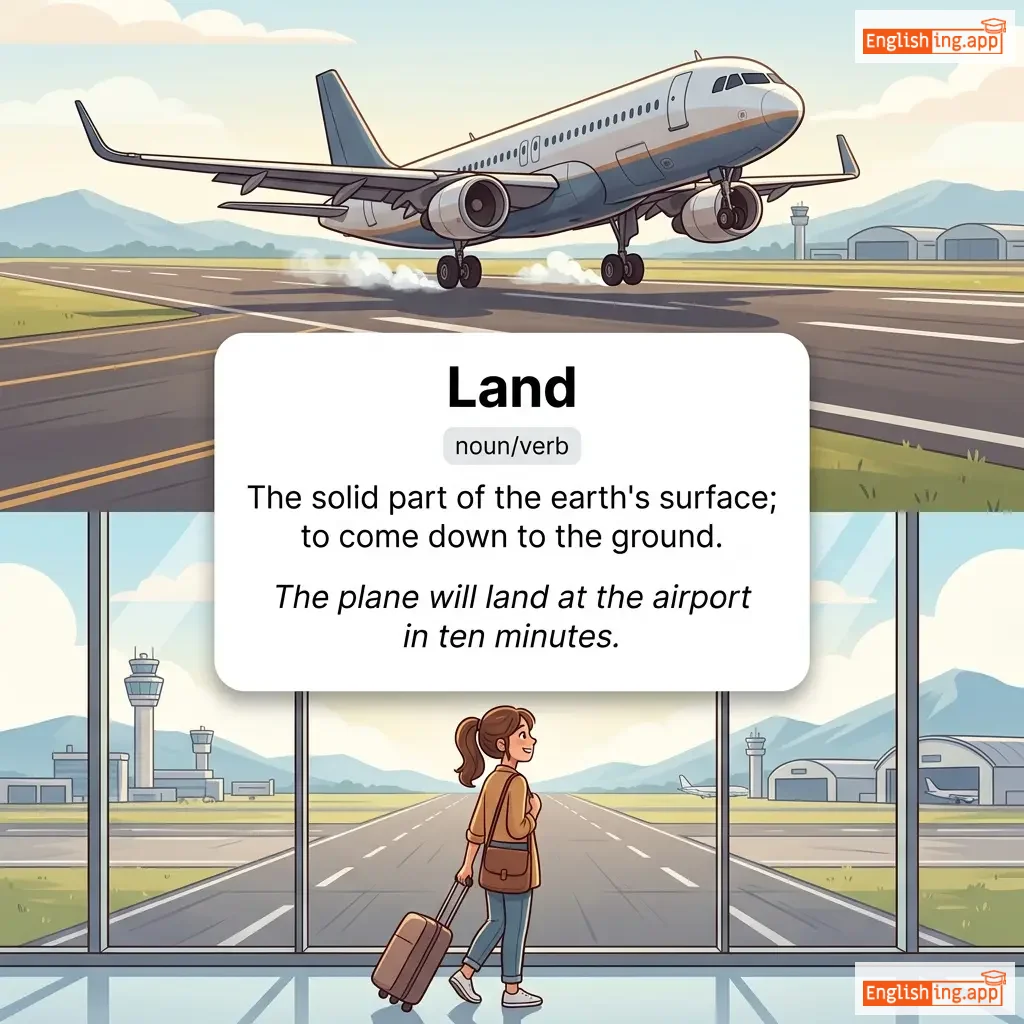
Land definition card — visual illustration of the meaning
noun/verb
/lænd/
земля / приземляться (zemlya / prizemlyatsya)

The solid part of the earth's surface; to come down to the ground.

"The plane will land at the airport in ten minutes."
"Самолет приземлится в аэропорту через десять минут." (Samolyot prizemlitsya v aeroportu cherez desyat' minut.)
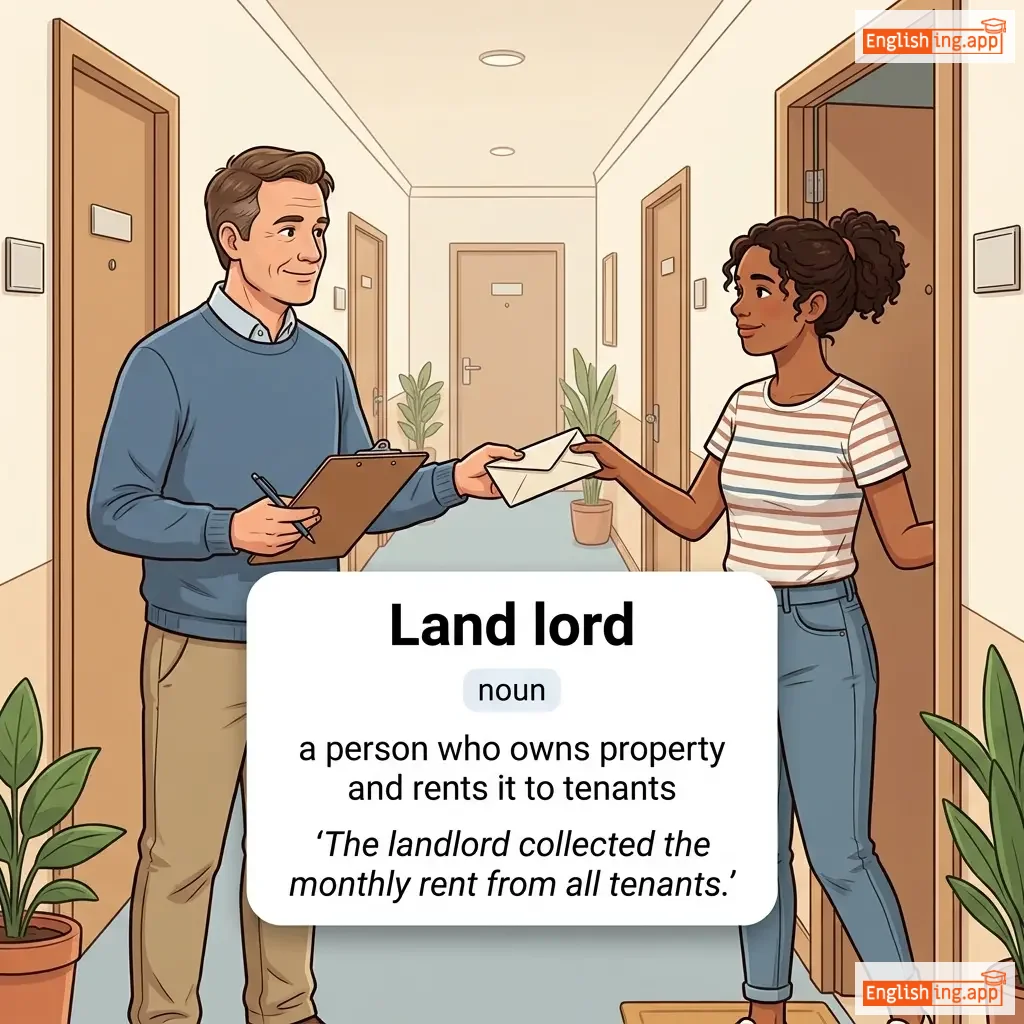
Land lord definition card — visual illustration of the meaning
noun
/ˈlænd.lɔːrd/
арендодатель (arendodatel)

a person who owns property and rents it to tenants

"The landlord collected the monthly rent from all tenants."

"Арендодатель собрал ежемесячную арендную плату от всех арендаторов." (Arendodatel sobral ezhemesyachnuyu arendnuyu platu ot vsekh arendatorov.)
noun
/ˈlænd.fɪl/
свалка (svalka)

a site where waste material is buried under the ground

"The city built a new landfill to manage its growing waste problem."

"Город построил новую свалку для решения растущей проблемы с отходами." (Gorod postroil novuyu svalku dlya resheniya rastushchey problemy s otkhodami.)
noun
/ˈlændˌhoʊl.dər/
землевладелец (zemlevladelets)

a person who owns land, especially in large amounts

"The landholder leased part of his property to local farmers."

"Землевладелец сдал часть своей собственности в аренду местным фермерам." (Zemlevladelets sdal chast' svoey sobstvennosti v arendu mestnym fermeram.)
noun
/ˈlændɪŋ/
посадка (posadka)

the act of coming down to the ground or a surface from the air

"The plane made a smooth landing on the runway."

"Самолёт совершил мягкую посадку на взлётной полосе." (Samolyot sovershil myagkuyu posadku na vzlyotnoy polose.)
noun
/ˈlænd.leɪ.di/
арендодательница (arendodatelnitsa)

a woman who rents out land, a building, or accommodation; a female property owner

"The friendly landlady provided fresh towels and showed us around the apartment."

"Добрая арендодательница предоставила свежие полотенца и показала нам квартиру." (Dobrya arendodatelnitsa predostavila svezhiye polotentsa i pokazala nam kvartiru.)
noun
/ˈlændlɔːrd/
арендодатель (arendodatel)

A person who owns and rents out land, buildings, or accommodation.

"The landlord increased the rent for all tenants this year."
"Арендодатель повысил аренду для всех арендаторов в этом году." (Arendodatel povysil arendu dlya vsekh arendatorov v etom godu.)
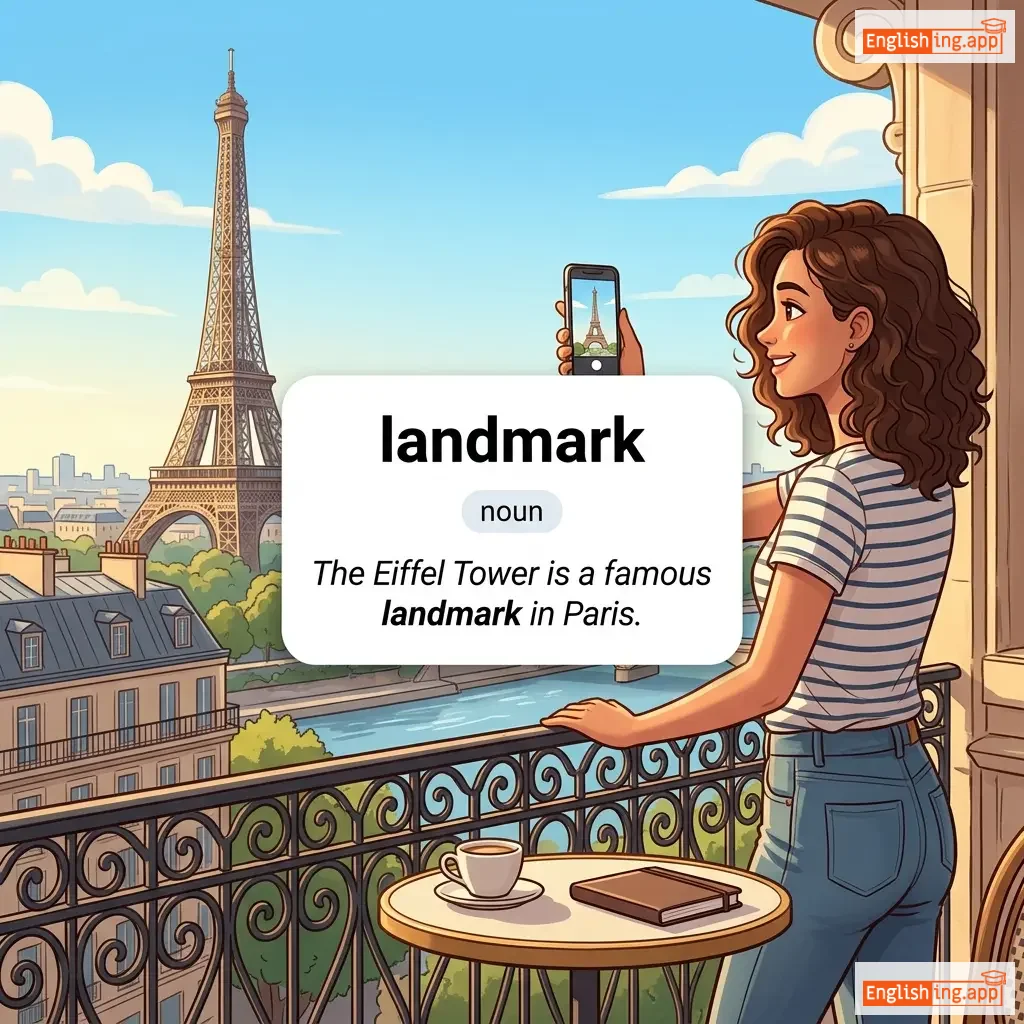
landmark definition card — visual illustration of the meaning
noun
/ˈlændmɑːrk/
ориентир (oriyentir)

A recognizable object or structure that serves as a point of reference, or an event marking an important stage.

"The Eiffel Tower is a famous landmark in Paris."

"Эйфелева башня — знаменитый ориентир в Париже." (Eiffelova bashnya — znamenityy orientir v Parizhe.)
noun
/ˈlændskeɪp/
пейзаж (peizazh)

All the visible features of an area of land, often considered in terms of their aesthetic appeal.

"The mountain landscape was breathtaking."

"Горный пейзаж был захватывающим." (Gorny peyzazh byl zakhvatyvayushchim.)
noun
/ˈlænd.slaɪd/
оползень (opolzen)

a collapse of a mass of earth or rock from a mountain or cliff; an overwhelming victory in an election

"Heavy rains triggered a massive landslide that blocked the mountain highway."

"Сильные дожди вызвали огромный оползень, который перекрыл горное шоссе." (silnye dozhdi vyzvali ogromny opolzen kotoryi perekryl gornoe shosse.)
noun
/leɪn/
переулок (pereulok)

a narrow road or path, often in the countryside or for specific traffic

"They walked down a quiet country lane."
"Они шли по тихому сельскому переулку." (Oni shli po tikhomu selskomu pereulku.)
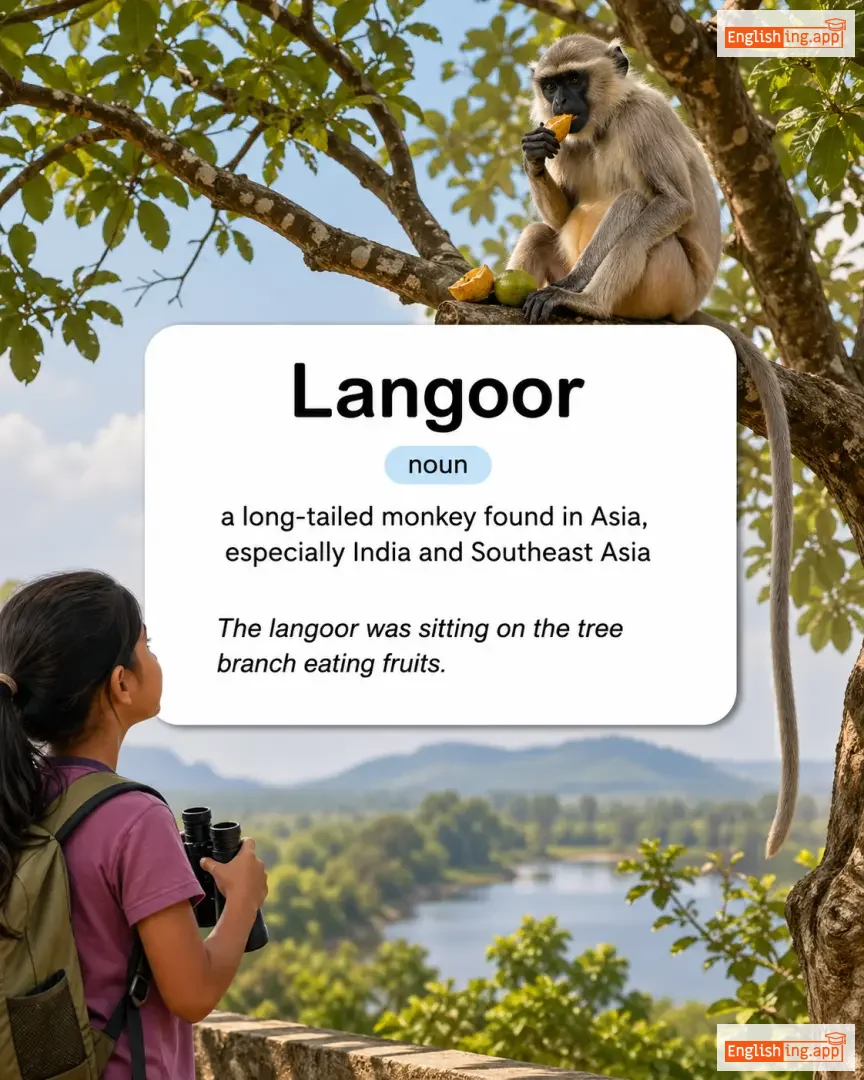
Langoor definition card — visual illustration of the meaning
noun
/læŋ'ɡʊər/
лангур (langur)

a long-tailed monkey found in Asia, especially India and Southeast Asia

"The langoor was sitting on the tree branch eating fruits."
"Лангур сидел на ветке дерева, поедая фрукты." (Langur siddel na vetke dereva, poyedaya frukty.)
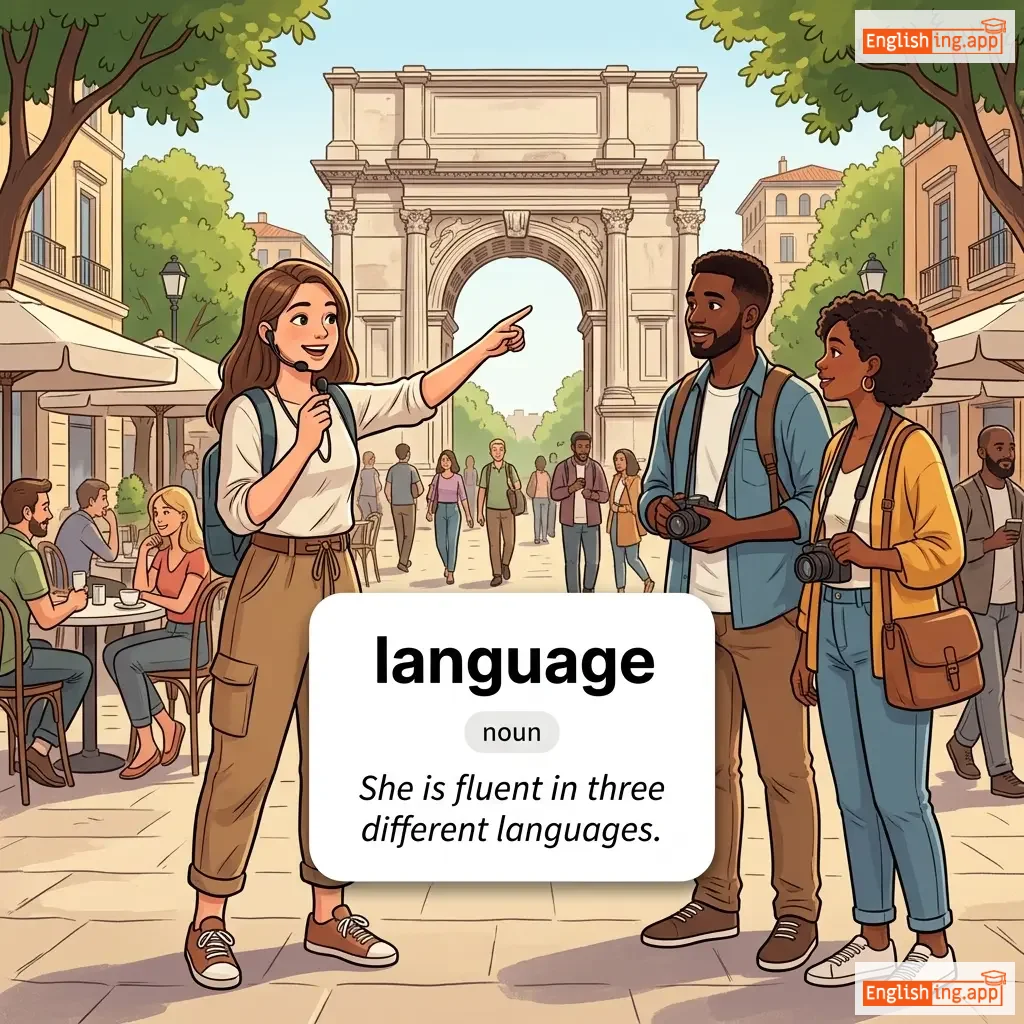
language definition card — visual illustration of the meaning
noun
/ˈlæŋɡwɪdʒ/
язык (yazyk)

the system of communication used by a particular community, including spoken and written words

"She is fluent in three different languages."

"Она свободно говорит на трех разных языках." (Ona svobodno govori na tryokh raznykh yazykaakh.)
language apps definition card — visual illustration of the meaning
noun
ˈlæŋɡwɪdʒ æps
языковые приложения (yazykovye prilozheniya)

Mobile or computer applications designed to help users learn new languages through interactive lessons and exercises.

"Language apps make learning easier."

"Языковые приложения упрощают обучение." (Yazykovye prilozheniya uproshchayut obucheniye.)
adjective
/ˈlæŋɡwɪd/
вялый (vyalyj)

Displaying or having a disinclination for physical exertion; weak or faint.

"He gave a languid wave before leaving the room."
"Он сделал вялый жест, перед тем как покинуть комнату." (On sdelal vyalyj zhest, pered tem kak pokinut' komnatu.)
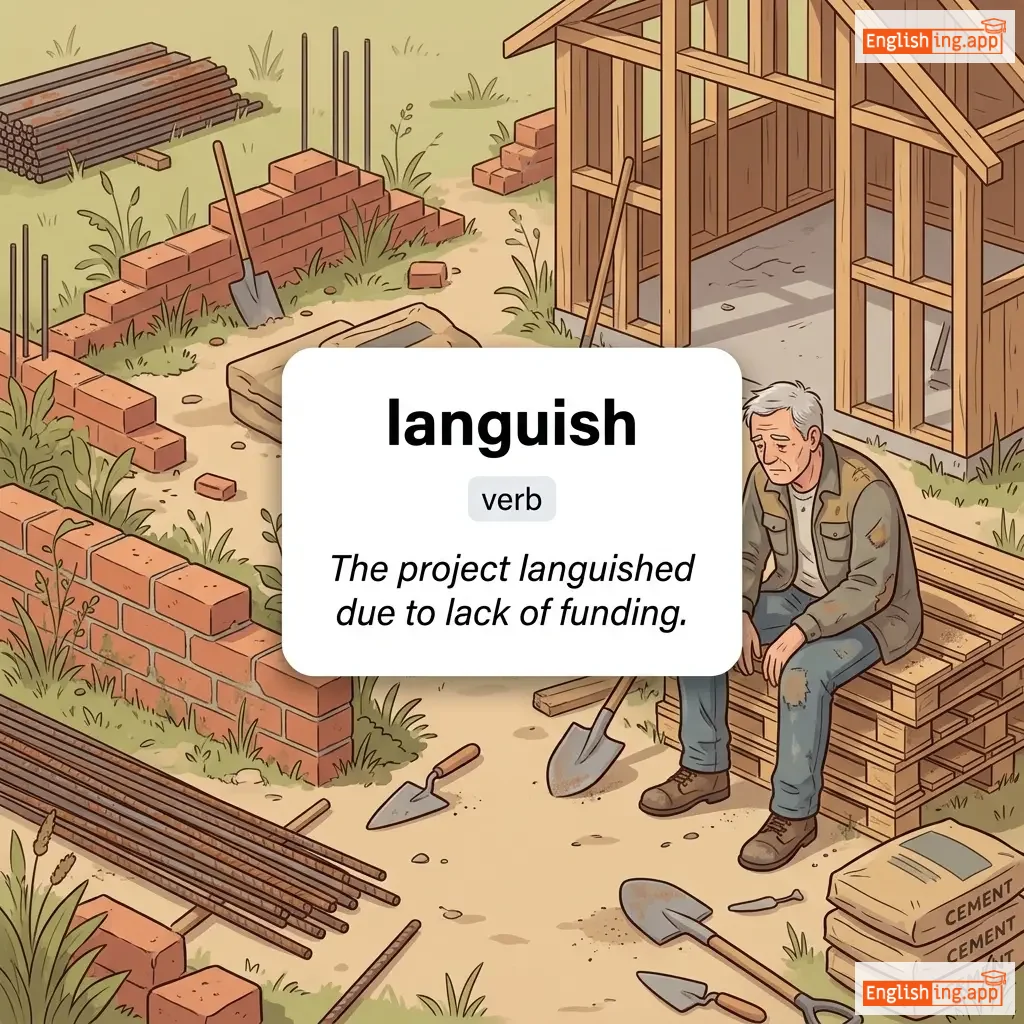
languish definition card — visual illustration of the meaning
verb
/ˈlæŋɡwɪʃ/
слабеть / оставаться в запущенном состоянии (slabet / ostavatsya v zapusshennom sostoyanii)

To become weak or feeble; to suffer neglect or remain in an unpleasant situation for a long time.

"The project languished due to lack of funding."

"Проект оказался в застое из-за нехватки финансирования." (Proyekt okazalsya v zastoie iz-za nekhvatki finansirovaniya.)
noun
/ˈlæŋɡər/
вялость (vyalost)

A state of tiredness, inertia, or dreamy relaxation.

"The hot afternoon filled her with languor."

"Жаркий полдень наполнил её вялостью." (Zharkiy polden' napolnil yeye vyalost'yu.)
adjective
/læŋk/
высокий и худой (vysokiy i khudoy)

Tall, thin, and often awkward in appearance.

"The lank teenager towered over his classmates."
"Этот высокий и худой подросток возвышался над своими одноклассниками." (Etot vysokiy i khudoy podrostok vozvishalsya nad svoimi odnoklassnikami.)
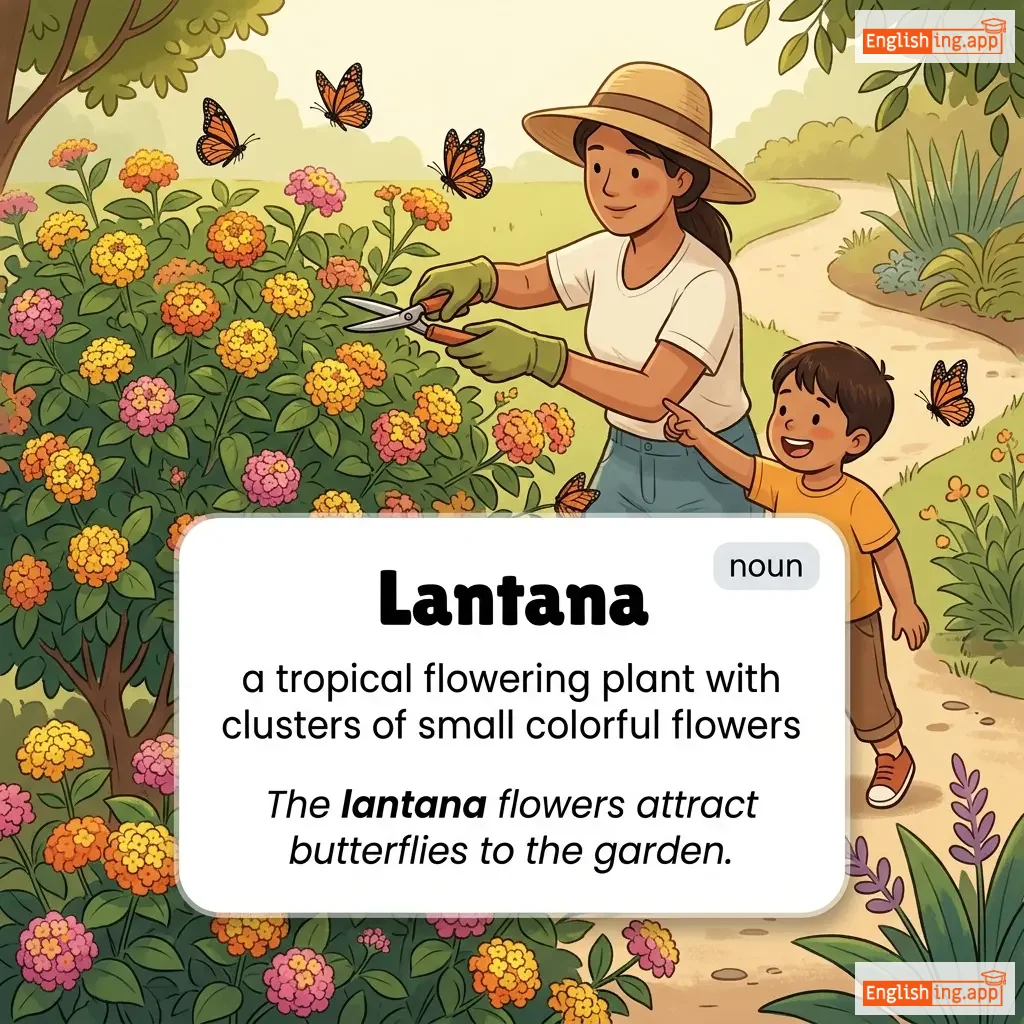
Lantana definition card — visual illustration of the meaning
noun
/lænˈtɑː.nə/
лантана (lantana)

a tropical flowering plant with clusters of small colorful flowers

"The lantana flowers attract butterflies to the garden."
"Цветы лантаны привлекают бабочек в сад." (Tsvety lantany privlekayut babochek v sad.)
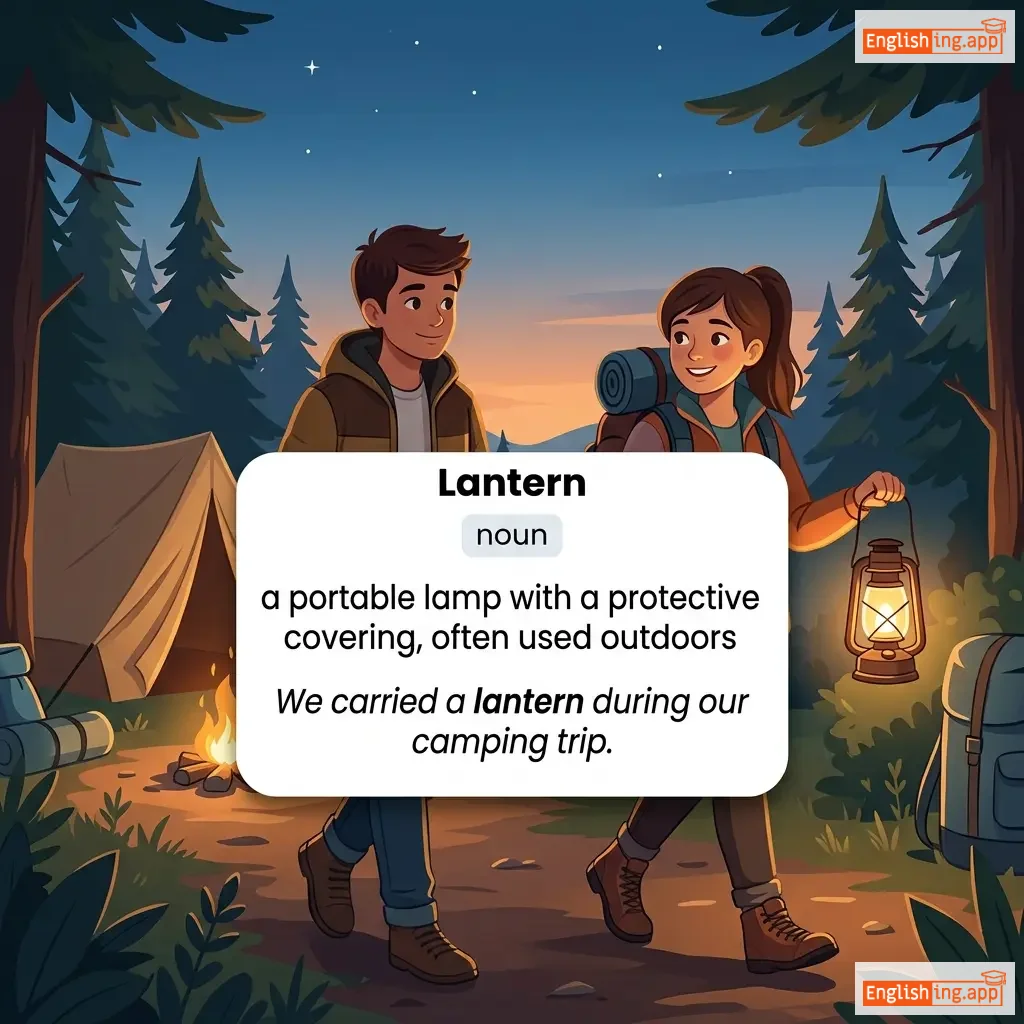
Lantern definition card — visual illustration of the meaning
noun
/ˈlæn.tərn/
фонарь (fonar')

a portable lamp with a protective covering, often used outdoors

"We carried a lantern during our camping trip."
"Мы несли фонарь во время нашего похода." (My nesli fonar' vo vremya nashego pokhoda.)
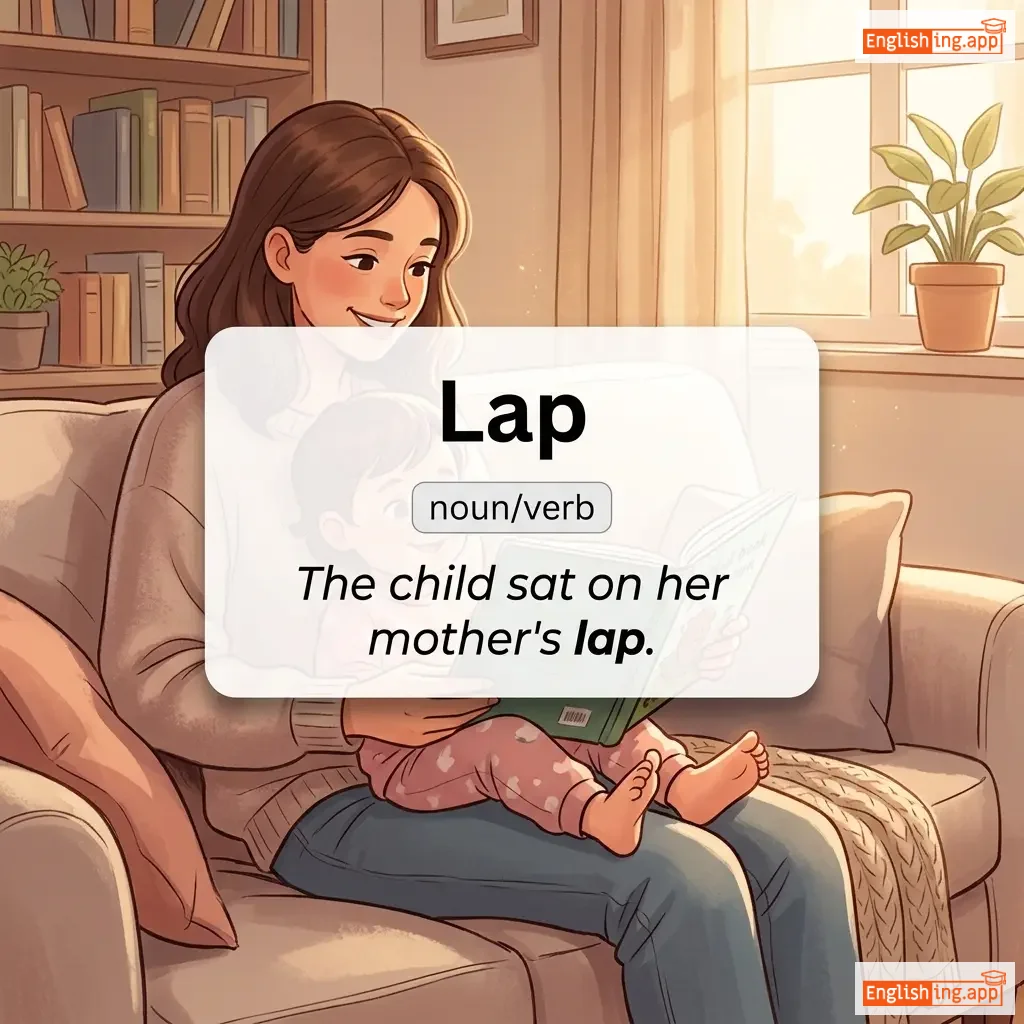
Lap definition card — visual illustration of the meaning
noun/verb
/læp/
счастье (schastye)

As noun: the flat area between the waist and knees of a seated person; As verb: to drink liquid with the tongue.

"The child sat on her mother's lap."

"Она не могла скрыть своего счастья, когда получила награду." (Ona ne mogla skryt' svoego schast'ya, kogda poluchila nagradu.)
noun/adjective
/ˈlæpɪˌdɛri/
геммолог (gemmolog)

As noun: a person who cuts, polishes, or engraves precious stones; As adjective: relating to such work.

"The museum displayed lapidary tools used in ancient times."

"Музей показал инструменты для работы с драгоценными камнями, использовавшиеся в древности." (Muzej pokazal instrumenty dlya raboty s dragocennymi kamnyami, ispol'zovavshiesya v drevnosti.)
noun/verb
/læps/
ошибка (oshibka)

As noun: a temporary failure or slip; As verb: to end or fall into disuse.

"She apologized for her lapse in judgment."

"Она извинилась за свой просчет в суждении." (Ona izvini-las' za svoi pro-schet v suzhdenii.)
noun
/ˈlɑːrsəni/
кража (krazha)

The unlawful taking of personal property with intent to deprive the rightful owner of it.

"He was arrested for committing larceny at the store."

"Его арестовали за совершение кражи в магазине." (Ego arestovali za soversheniye krazhi v magazine.)
noun
/ˈlɑːrdər/
кладовая (kladovaya)

A place, such as a pantry, where food is stored.

"The larder was full of fresh bread and cheese."
"Кладовая была полна свежего хлеба и сыра." (Kladovaya byla polna svezhogo khleba i syra.)
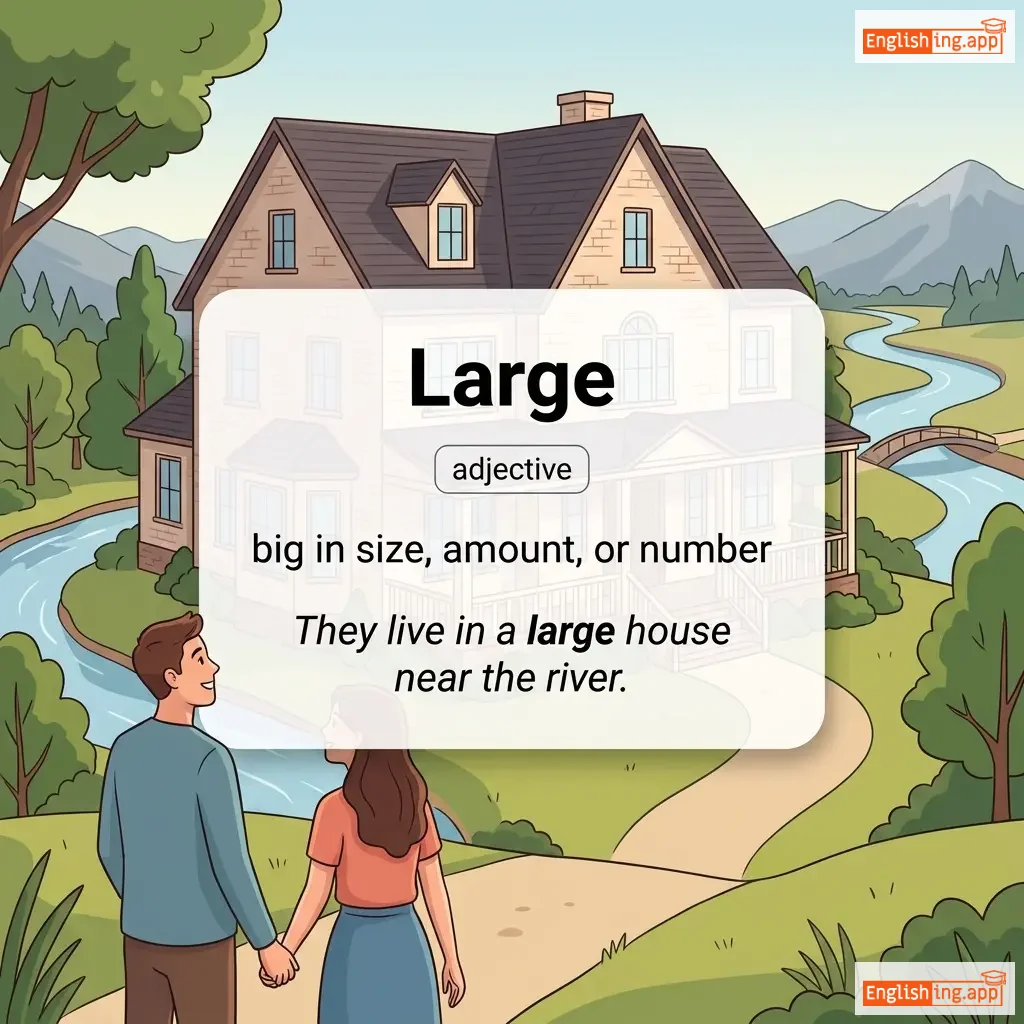
Large definition card — visual illustration of the meaning
adjective
/lɑrdʒ/
большой (bolshoy)

big in size, amount, or number

"They live in a large house near the river."

"Они живут в большом доме у реки." (Oni zhivut v bolshom dome u reki.)
adjective
/lɑːrdʒ skeɪl/
крупномасштабный (krupnomasshtabny)

involving a large number or quantity, or covering a large area

"The company is planning a large-scale expansion into international markets."

"Компания планирует крупномасштабное расширение на международные рынки." (Kompaniya planiruet krupnomasshtabnoe rasshirenie na mezhdunarodnye rynki.)
adverb
/ˈlɑːrdʒli/
в основном (v osnovnom)

to a great extent; mostly or mainly

"The success of the project was largely due to teamwork."

"Успех проекта в основном был обусловлен командной работой." (Uspekh proekta v osnovnom byl obuslovlen komandnoy rabotoy.)
noun
/lɑːrˈʒes/
щедрость (shchedrost)

Generosity in giving gifts or money.

"The foundation survived thanks to the largess of wealthy donors."
"Фонд выжил благодаря щедрости богатых доноров." (Fond vyzhil blagodarya shchedrosti bogatykh donorov.)
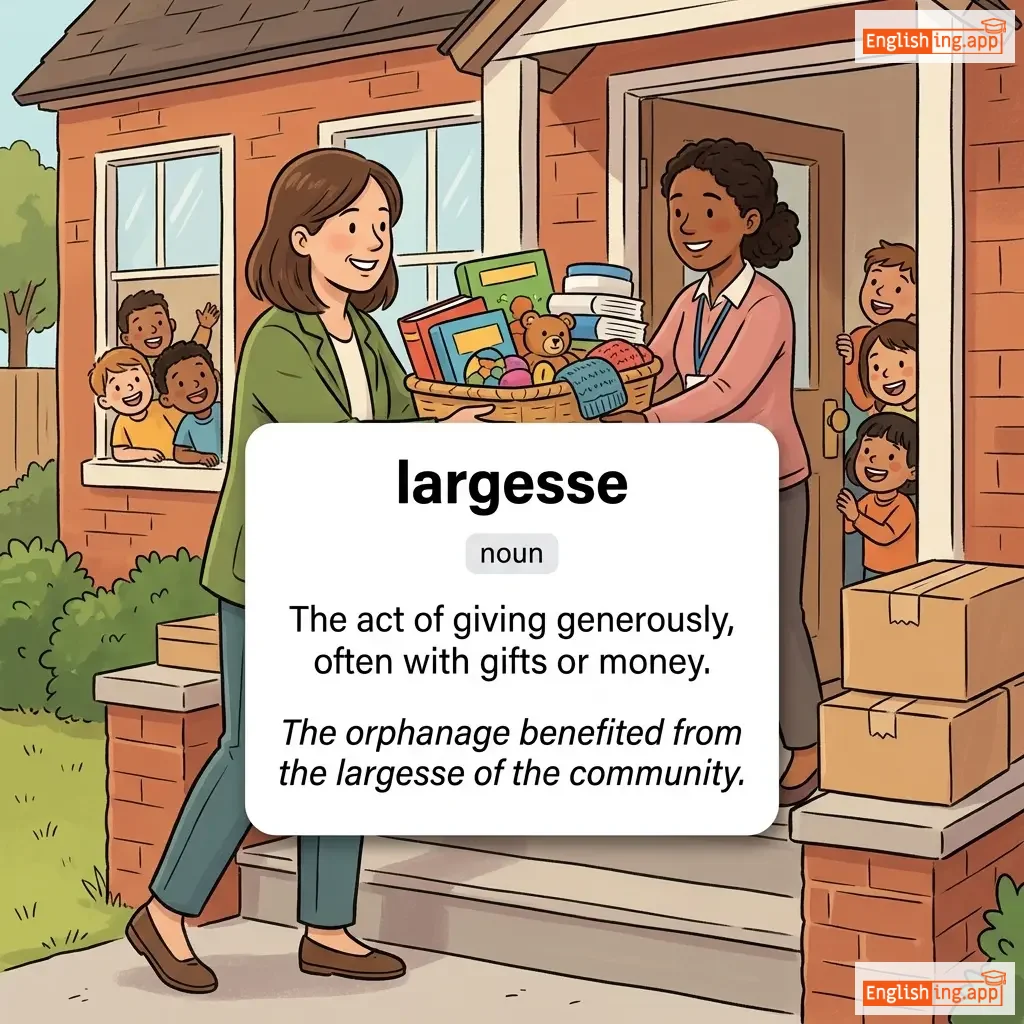
largesse definition card — visual illustration of the meaning
noun
/lɑːrˈʒɛs/
щедрость (shchedrost)

The act of giving generously, often with gifts or money.

"The orphanage benefited from the largesse of the community."

"Приют benefited от щедрости сообщества." (Priyut benefited ot shchedrosti soobshchestva.)
noun
/ˈlæriət/
петля (petlya)

A long rope with a noose at one end used to catch animals such as cattle or horses.

"The cowboy threw his lariat to catch the stray horse."
"Ковбой бросил свою петлю, чтобы поймать заблудшую лошадь." (Kovboy brosil svoyu petlyu, chtoby poymat' zabludshuyu loshad'.)
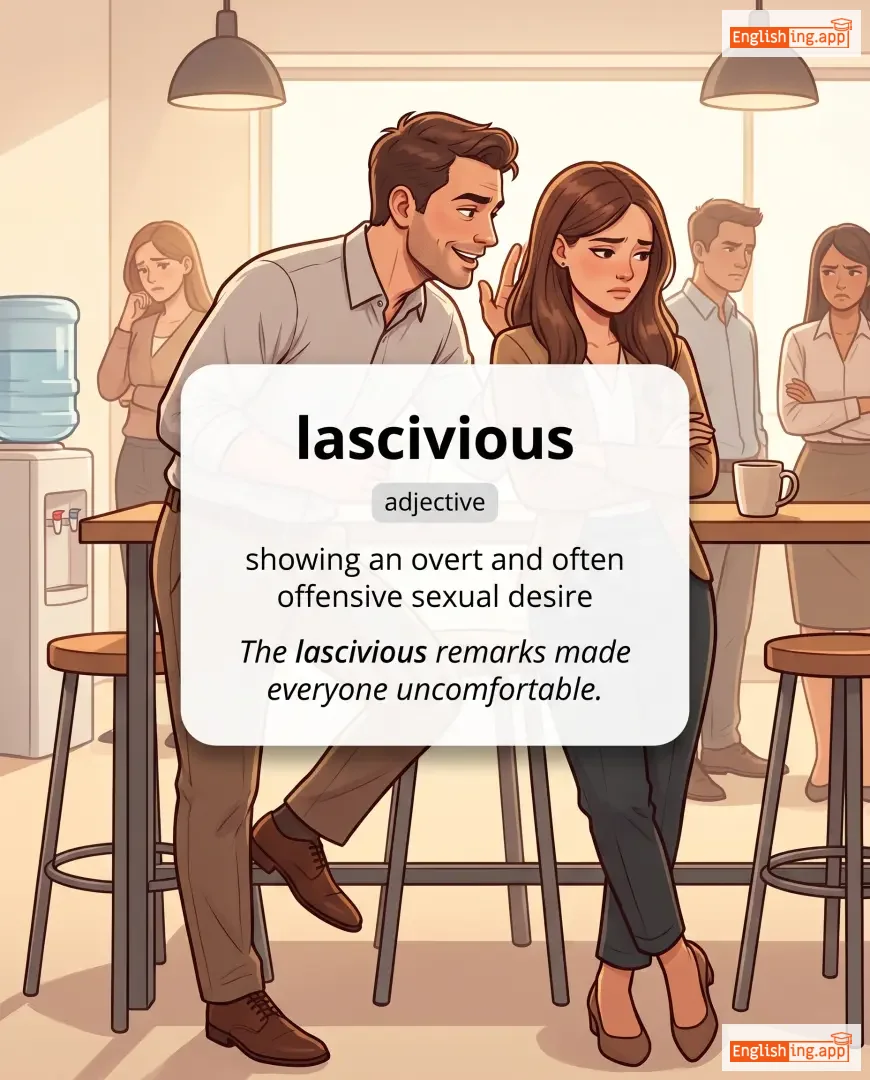
lascivious definition card — visual illustration of the meaning
adjective
/ləˈsɪviəs/
похотливый (pokhotlivyy)

showing an overt and often offensive sexual desire

"The lascivious remarks made everyone uncomfortable."

"Похотливые замечания заставили всех чувствовать себя неловко." (Pokhotlivye zamechaniya zastavili vsekh chuvstvovat' sebya nelovko.)
noun
/ˈleɪzər/
лазер (lazer)

a device that emits a concentrated beam of light

"The doctor used a laser to perform eye surgery."

"Врач использовал лазер для проведения операции на глазах." (Vrach ispol'zoval lazer dlya provedeniya operatsii na glazakh.)
verb
/læʃ/
хлестать/привязывать (khlestat'/privyazivat')

to strike with a whip or to fasten tightly

"The sailor lashed the rope to the mast."

"Моряк привязал веревку к мачте." (Moryak privyazal veryovku k machte.)
noun
/ˈlæsi/
молодая девушка (molodaya devushka)

a young girl (informal, mainly Scottish)

"The old man greeted the little lassie warmly."
"Старик тепло поприветствовал маленькую девушку." (Starik teplo poprevyestvoval malen'kuyu devushku.)
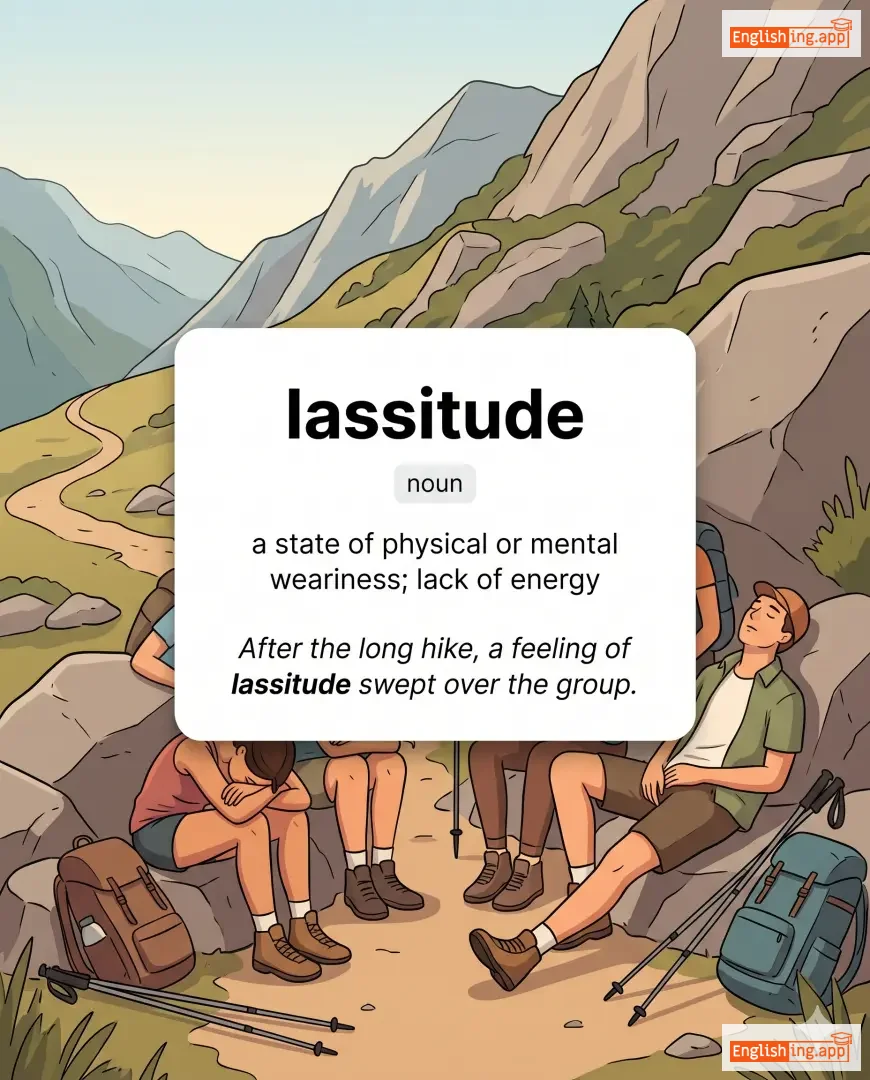
lassitude definition card — visual illustration of the meaning
noun
/ˈlæsɪtjuːd/
усталость (ustalost)

a state of physical or mental weariness; lack of energy

"After the long hike, a feeling of lassitude swept over the group."

"После долгого похода чувство усталости охватило группу." (Posle dolgogo pokhoda chuvstvo ustalosti okhvatilo gruppu.)
noun/verb
/læˈsuː/
ласко (lasko)

a rope with a loop used to catch animals; to catch with such a rope

"The cowboy lassoed the horse quickly."

"Ковбой быстро поймал лошадь с помощью лассо." (Kovboy bystro poymal loshad' s pomoshch'yu lasso.)
last definition card — visual illustration of the meaning
verb/adjective/noun
/læst/
длиться / последний (dlit'sya / posledniy)

to continue for a period of time; coming after all others

"The meeting lasted for two hours."

"Совещание длилось два часа." (Soveshchaniye dliolos' dva chasa.)
adjective
/ˈlæstɪŋ/
постоянный; долговечный (postoyannyy; dolgovechnyy)

enduring for a long time; permanent; durable

"Their friendship had a lasting impact on both their lives."

"Их дружба оказала постоянное влияние на их жизни." (Ikh druzhba okazala postoyannoe vliyanie na ikh zhizni.)
verb
/lætʃ/
закрыть задвижкой (zakryt' zadvizhkoy)

to fasten or close something with a latch

"She latched the door before leaving the house."

"Она закрыла дверь с помощью задвижки перед тем, как уйти из дома." (Ona zakryla dver' s pomoshch'yu zadvizhki pered tem, kak uyti iz doma.)
adjective/adverb
/leɪt/
опоздавший (opozdavshiy)

arriving, happening, or done after the expected time

"He arrived late to the meeting."

"Он пришел на встречу с опозданием." (On prishol na vstrechu s opozdaniem.)
adverb
/ˈleɪtli/
недавно (nedavno)

recently; during a period of time not long ago

"I haven’t seen her much lately."

"Я не видел её недавно." (Ya ne videl yeyo nedavno.)