語彙集

英単語辞書 | 単語の意味、定義、例文

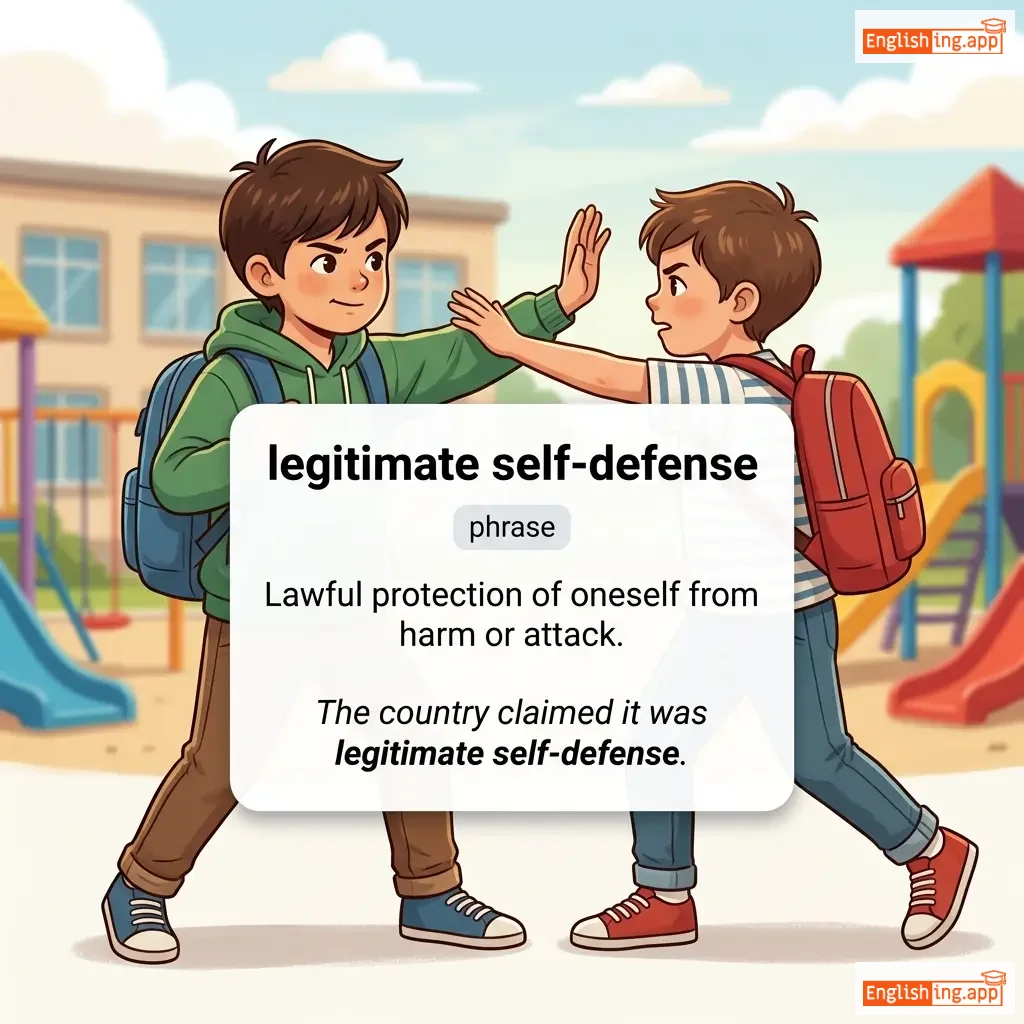
legitimate self-defense definition card — visual illustration of the meaning
phrase
lɪˈdʒɪt.ɪ.mət sɛlf dɪˈfens
正当防衛 (seitou bouei)

Lawful protection of oneself from harm or attack.

"The country claimed it was legitimate self-defense."

"その国は正当防衛であると主張しました。" (Sono kuni wa seitou bouei de aru to shuchou shimashita.)
noun
/ˈliːʒər/ or /ˈlɛʒər/
余暇 (yoka)

Free time when one is not working or occupied; time for relaxation.

"She spends her leisure reading novels."

"彼女は余暇の時間を小説を読んで過ごしています。" (Kanojo wa yoka no jikan o shōsetsu o yonde sugoshiteimasu.)
noun
/ˈlɛmən/
レモン (remon)

a yellow citrus fruit with a sour taste

"She added lemon to the tea for extra flavor."
"彼女はお茶に風味を加えるためにレモンを入れた。" (Kanojo wa ocha ni fūmi o kuwaeru tame ni remon o ireta.)
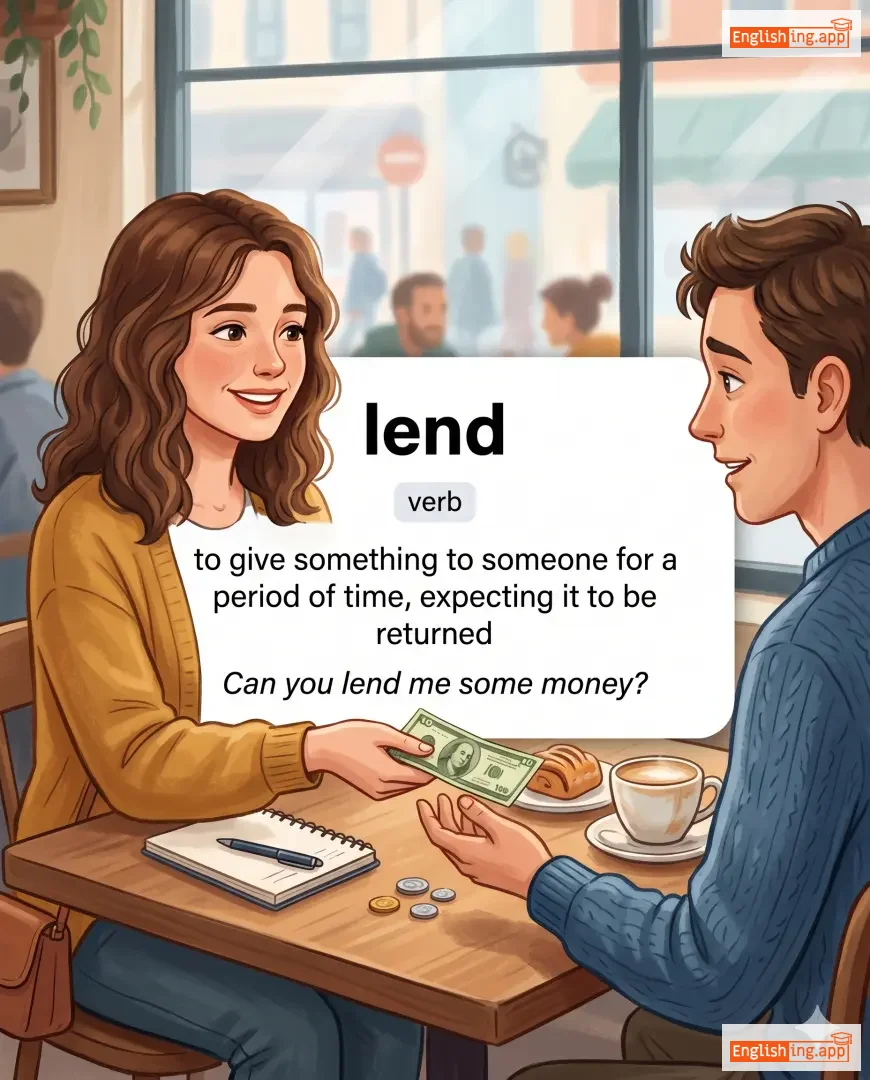
lend definition card — visual illustration of the meaning
verb
/lend/
幸せ (shiawase)

to give something to someone for a period of time, expecting it to be returned

"Can you lend me some money?"

"お金を貸してくれますか?" (Okane wo kashite kuremasu ka?)
noun
/lɛŋkθ/
長さ (nagasa)

The measurement or extent of something from end to end.

"The length of the bridge is two kilometers."

"橋の長さは2キロメートルです。" (Hashi no nagasa wa 2 kirometoru desu.)
adverb
/ˈleŋθ.waɪz/
長さに沿って; 最長の寸法に沿って (nagasa ni sotte; saichou no sunpou ni sotte)

in the direction of the length; along the longest dimension

"Fold the paper lengthwise to make it easier to carry."

"紙を長さに沿って折りたたんで、持ち運びやすくします。" (kami o nagasa ni sotte oritatande, mochihakobiyasuku shimasu.)
adjective
/ˈlɛŋθi/
長い (nagai)

long in duration or extent

"The meeting was lengthy, lasting over three hours."

"会議は長く、3時間以上続きました。" (Kaigi wa nagaku, sanjikan ijou tsudzukimashita.)
noun
/ˈliːniənsi/
寛大 (kandai)

The quality of being more merciful or tolerant than expected.

"The judge showed leniency in his ruling."

"裁判官は判決で寛大さを示した。" (Saibankan wa hanketsu de kandaisa o shimeshita.)
adjective
/ˈliːniənt/
寛大な (kandaina)

Permissive, merciful, or tolerant.

"Her parents are lenient with her curfew."

"彼女の両親は彼女の門限に寛大です。" (Kanojo no ryoushin wa kanojo no mongen ni kandaina desu.)
noun
/lenz/
レンズ (renzu)

a curved piece of glass or plastic that makes things look clearer or larger when you look through it

"He cleaned the camera lens before taking the picture."

"彼は写真を撮る前にカメラのレンズをきれいにしました。" (Kare wa shashin o toru mae ni kamera no renzu o kirei ni shimashita.)
noun
/ˈlen.tɪl/
レンズ豆 (renzu mame)

a small round flat seed of a leguminous plant, used as food

"Lentils are a good source of protein for vegetarians."

"レンズ豆はベジタリアンにとって良いタンパク源です。" (renzu mame wa bejitarian ni totte yoi tanpaku gen desu)
adjective
/ˈliːənaɪn/
ライオンのような (raion no yōna)

Of or resembling a lion.

"His leonine hair made him stand out in the crowd."

"彼のライオンのような髪は、群衆の中で目立たせた。" (Kare no raion no yōna kami wa, gunshū no naka de medataseta.)
noun
/ˈlep.ərd/
ヒョウ (hyō)

a large wild cat with yellow fur and black spots

"The leopard climbed the tree to rest in the shade."

"ヒョウは木に登って、日陰で休んでいました。" (Hyō wa ki ni nobotte, hikage de yasunde imashita.)
noun/adjective
/ˈlɛzbiən/
レズビアン (rezubian)

a woman who is romantically or sexually attracted to other women

"She is a proud lesbian and advocates for equal rights."

"彼女は誇り高いレズビアンで、平等な権利を支持しています。" (Kanojo wa hokori takai rezubian de, byoudou na kenri wo shiji shiteimasu.)
noun
/ˈliːʒən/
(kizu)

An area of damage or abnormal change in the tissue of an organism, often caused by injury or disease.

"The doctor examined the skin lesion carefully."

"医者は皮膚の傷を注意深く調べました。" (Isha wa hifu no kizu wo chūibukaku shirabemashita.)
adjective/adverb
/lɛs/
少ない (sukunai)

A smaller amount; not as much.

"She spends less money than her brother."

"彼女は兄よりお金を使うのが少ない。" (Kanojo wa ani yori okane o tsukau no ga sukunai.)
adjective
/ˈlɛsər/
より重要でない (yori jūyō denai)

of lower importance or smaller in degree or amount

"The lesser known facts about the topic were fascinating."

"そのトピックに関するあまり知られていない事実は魅力的でした。" (Sono topikku ni kansuru amari shirarete inai jijitsu wa miryokuteki deshita.)
noun
/ˈlɛsən/
レッスン (ressun)

A unit of teaching or something learned through experience.

"The teacher explained the lesson clearly."
"先生はレッスンを明確に説明しました。" (Sensei wa ressun o meikaku ni setsumei shimashita.)
let definition card — visual illustration of the meaning
verb
/lɛt/
許可する (kyoka suru)

To allow someone to do something; to permit.

"She let him borrow her book."

"彼女は彼に彼女の本を借りさせた。" (Kanojo wa kare ni kanojo no hon wo karisaseta.)
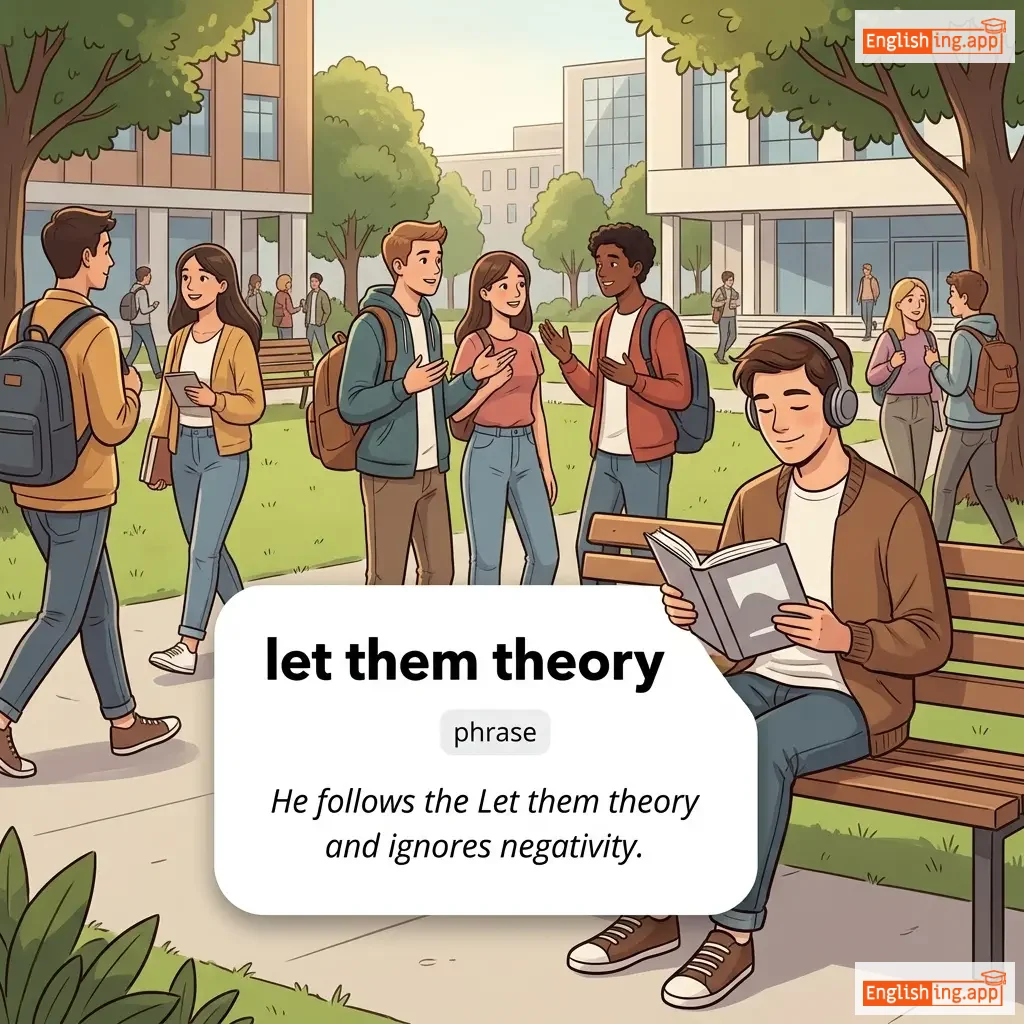
let them theory definition card — visual illustration of the meaning
phrase
/lɛt ðɛm ˈθɪə.ri/
彼らに好きなことを考えさせる理論 (karera ni sukina koto o kangaesaseru riron)

A philosophy of not trying to control others' actions or opinions and allowing them to be themselves.

"He follows the Let them theory and ignores negativity."

"彼は「彼らに好きなことを考えさせる理論」を実践し、否定的な考えを無視します。" (Kare wa 'karera ni sukina koto o kangaesaseru riron' o jissen shi, hiteiteki na kangae o mushi shimasu.)
adjective
/ˈliːθəl/
致命的 (chimeiteki)

Able to cause death; deadly.

"The snake's venom is extremely lethal."
"ヘビの毒は非常に致命的です。" (Hebi no doku wa hijō ni chimeiteki desu.)
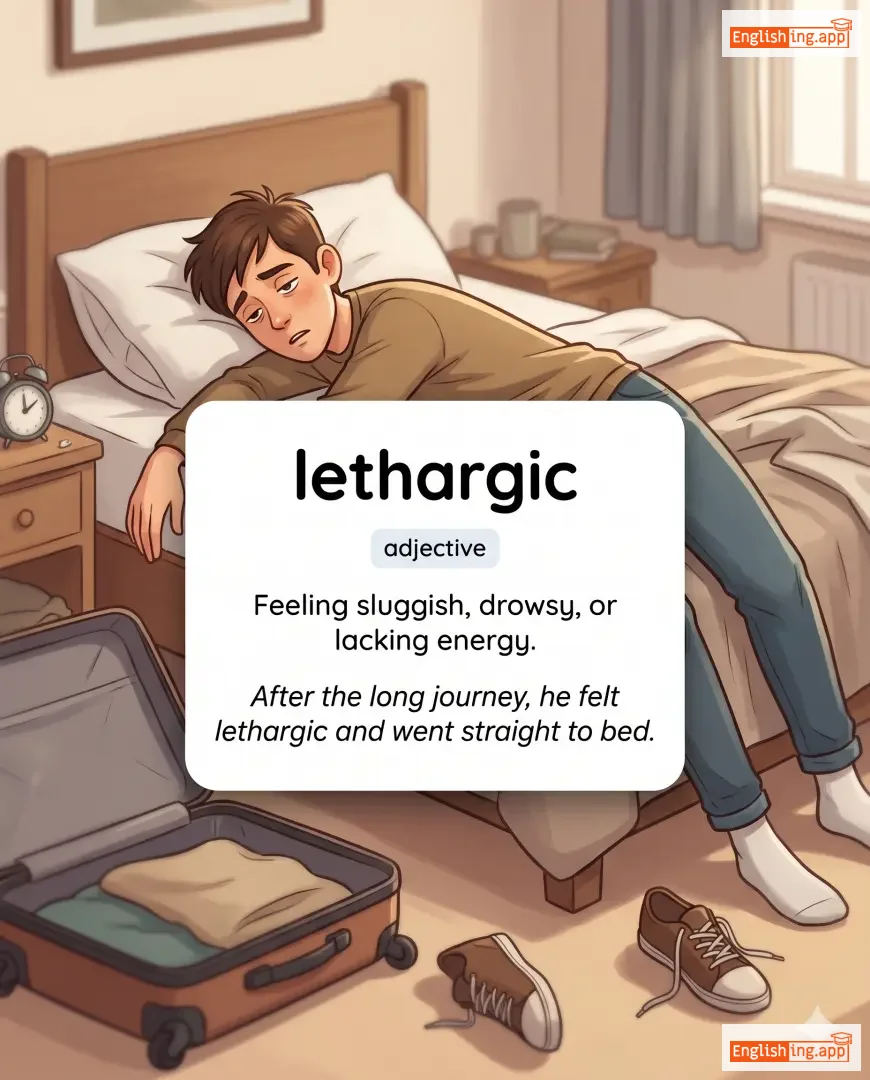
lethargic definition card — visual illustration of the meaning
adjective
/ləˈθɑːrdʒɪk/
無気力な (mukiryokuna)

Feeling sluggish, drowsy, or lacking energy.

"After the long journey, he felt lethargic and went straight to bed."

"長旅の後、彼は無気力で、すぐにベッドに行った。" (Nagoyatra no ato, kare wa mukiryokude, sugu ni beddo ni itta.)
noun
/ˈleθərdʒi/
無気力 (mukiryoku)

A state of tiredness, lack of energy, or drowsiness.

"The hot weather caused a feeling of lethargy among the workers."

"暑い天気は労働者の間で無気力を引き起こしました。" (Atsui tenki wa roudousha no aida de mukiryoku o hikiokoshimashita.)
noun
/ˈlɛtər/
手紙 (tegami)

A written or printed message sent to someone.

"He wrote a letter to his friend."

"彼は友達に手紙を書いた。" (Kare wa tomodachi ni tegami o kaita.)
noun
/ˈlɛtɪs/
レタス (retasu)

a leafy green vegetable commonly used in salads and sandwiches

"She added fresh lettuce to the sandwich."
"彼女はサンドイッチに新鮮なレタスを加えた。" (kanojo wa sandoitchi ni shinsen na retasu o kuwaeta)
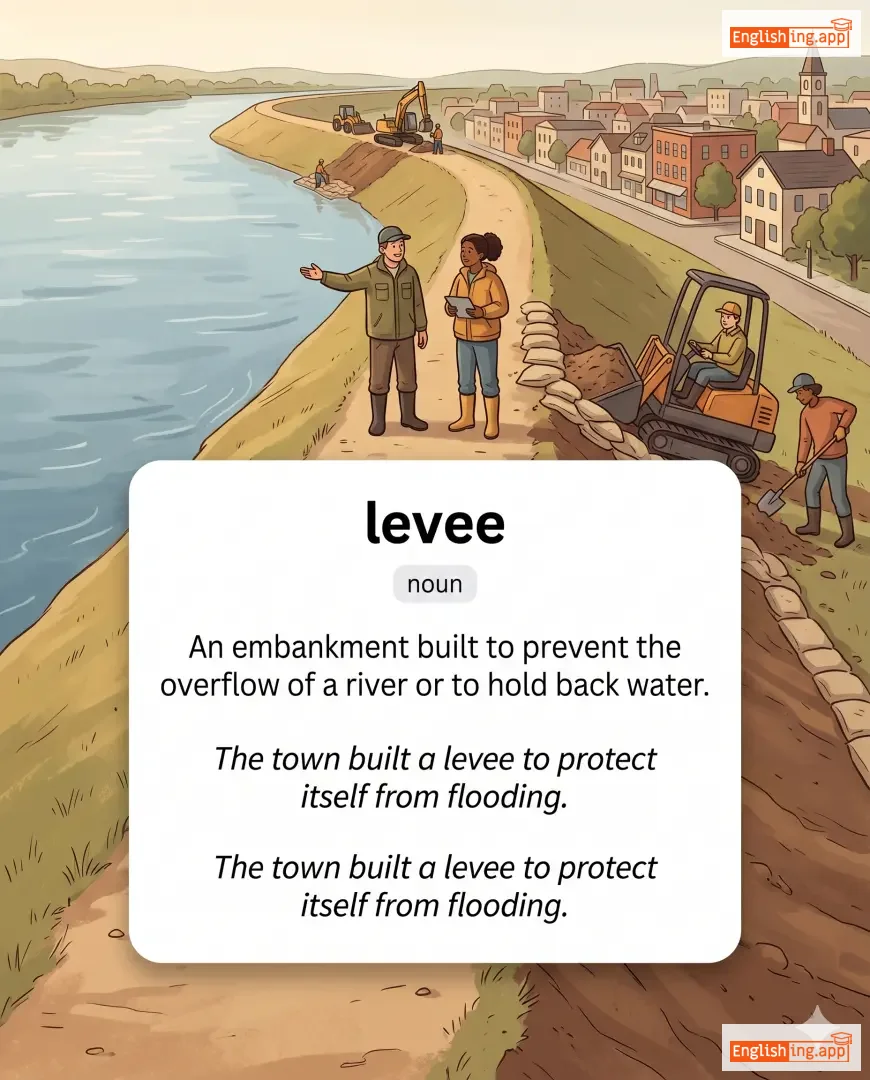
levee definition card — visual illustration of the meaning
noun
/ˈlɛvi/
堤防 (teibou)

An embankment built to prevent the overflow of a river or to hold back water.

"The town built a levee to protect itself from flooding."
"その町は洪水から守るために堤防を作った。" (Sono machi wa koudzui kara mamoru tame ni teibou wo tsukutta.)
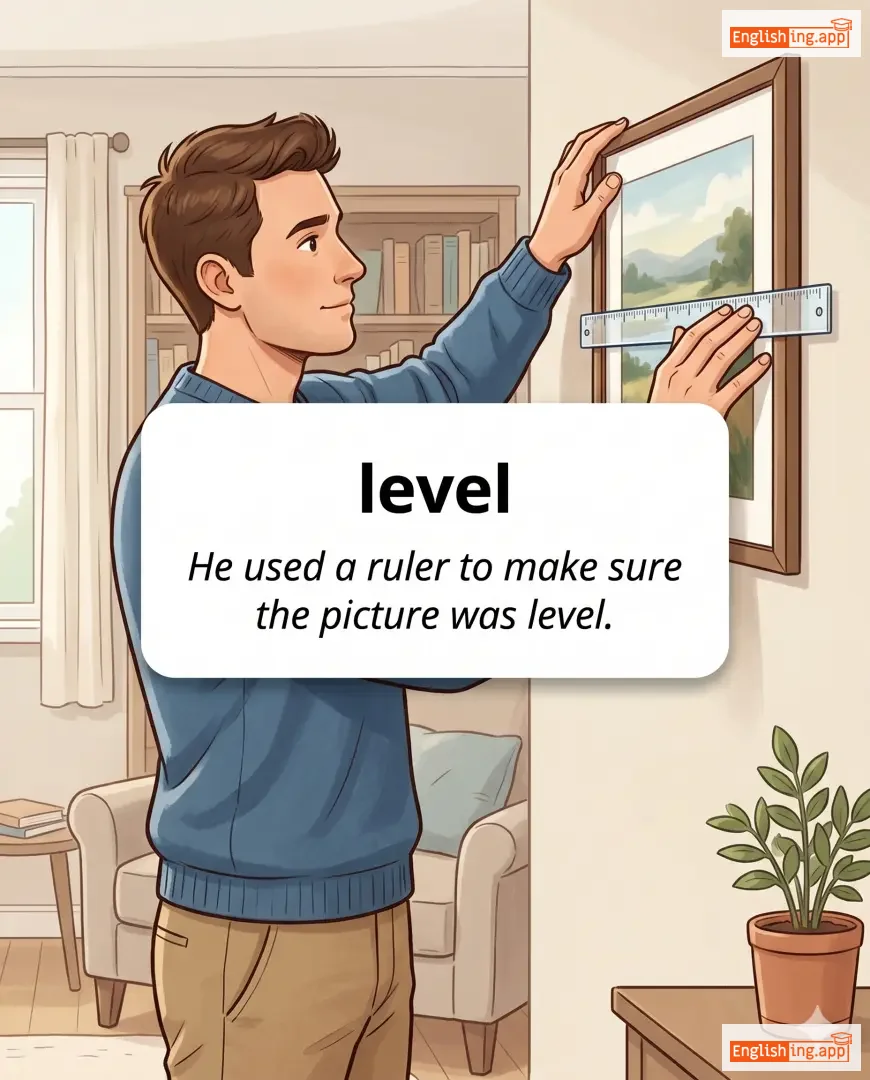
level definition card — visual illustration of the meaning
noun, verb, adjective
/ˈlɛvəl/
レベル、段階 (reberu, dankai)

a flat or even surface; a stage in scale or rank; to make something flat or equal.

"He used a ruler to make sure the picture was level."

"彼は絵が水平かどうか確認するために定規を使いました。" (Kare wa e ga suihei ka dō ka kakunin suru tame ni jōgi o tsukaimashita.)
adjective
/ˌlɛvəlˈhɛdɪd/
冷静で賢明 (reisei de kenmei)

calm and sensible; showing good judgment.

"She remained levelheaded during the crisis."

"彼女は危機の間冷静を保った。" (Kanojo wa kiki no aida reisei o tamotta.)
noun, verb
/ˈliːvər/ or /ˈlɛvər/
てこの原理, かたくなな棒 (tekonogenri, katakuna na bō)

a rigid bar used to move or lift heavy objects; to move something using leverage.

"He used a lever to lift the heavy stone."
"彼は重い石を持ち上げるためにレバーを使いました。" (Kare wa omoi ishi o mochiageru tame ni rebā o tsukaimashita.)
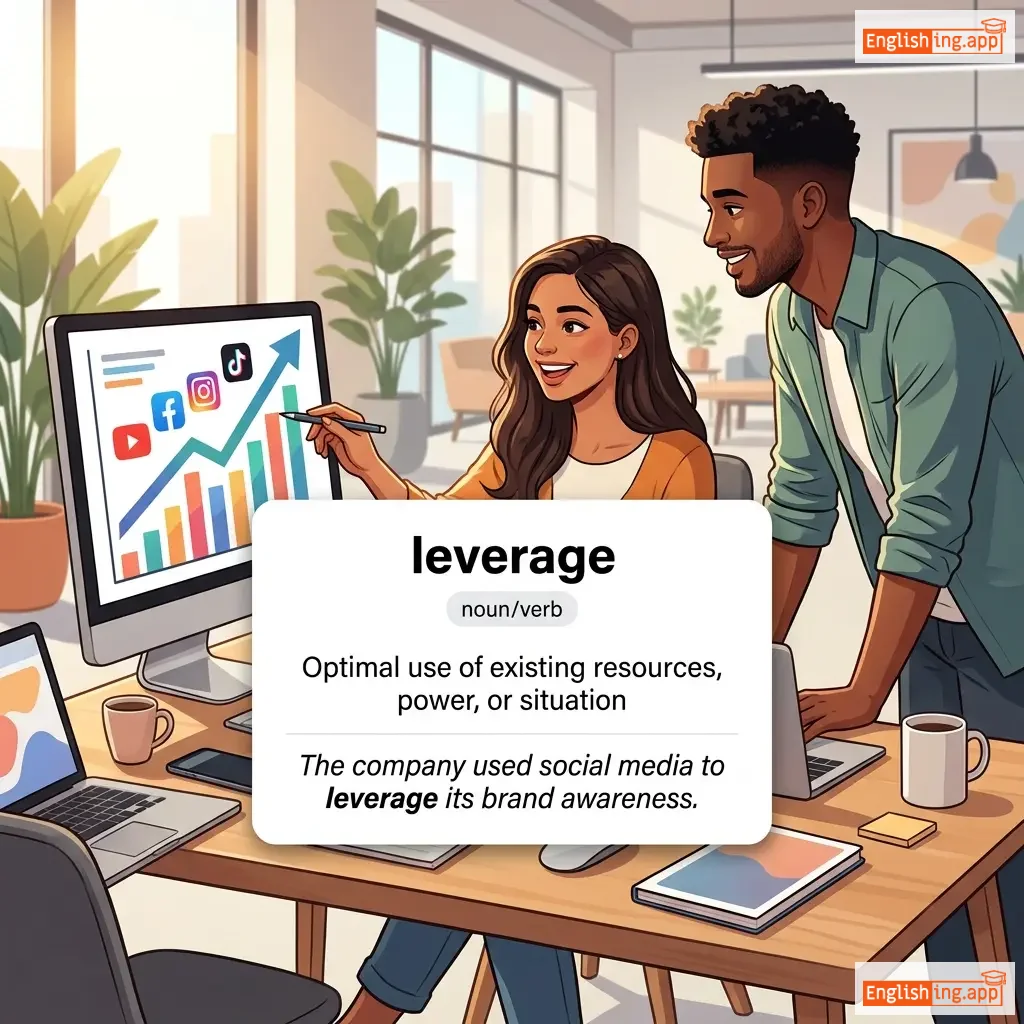
leverage definition card — visual illustration of the meaning
noun/verb
/ˈlɛv.ər.ɪdʒ/
活用 (katsuyou)

Optimal use of existing resources, power, or situation

"The company used social media to leverage its brand awareness."

"企業はブランド認知度を高めるためにソーシャルメディアを活用しました。" (Kigyō wa burando ninchido o takameru tame ni sōsharumedia o katsuyō shimashita.)
noun
/lɪˈvaɪəθən/
巨大な海の怪物 (kyodō na umi no kaibutsu)

a huge sea monster or something very large and powerful.

"The ship looked like a leviathan on the horizon."

"その船は地平線上で巨大な海の怪物のように見えました。" (Sono fune wa chiheisen-jō de kyodō na umi no kaibutsu no yō ni miemashita.)
verb
/ˈlɛvɪteɪt/
浮遊 (fuyu)

to rise or float in the air, usually without visible support.

"The magician made the table levitate during the show."
"魔法使いはショーの間にテーブルを浮かせた。" (Mahōtsukai wa shō no aida ni tēburu o ukaseta.)
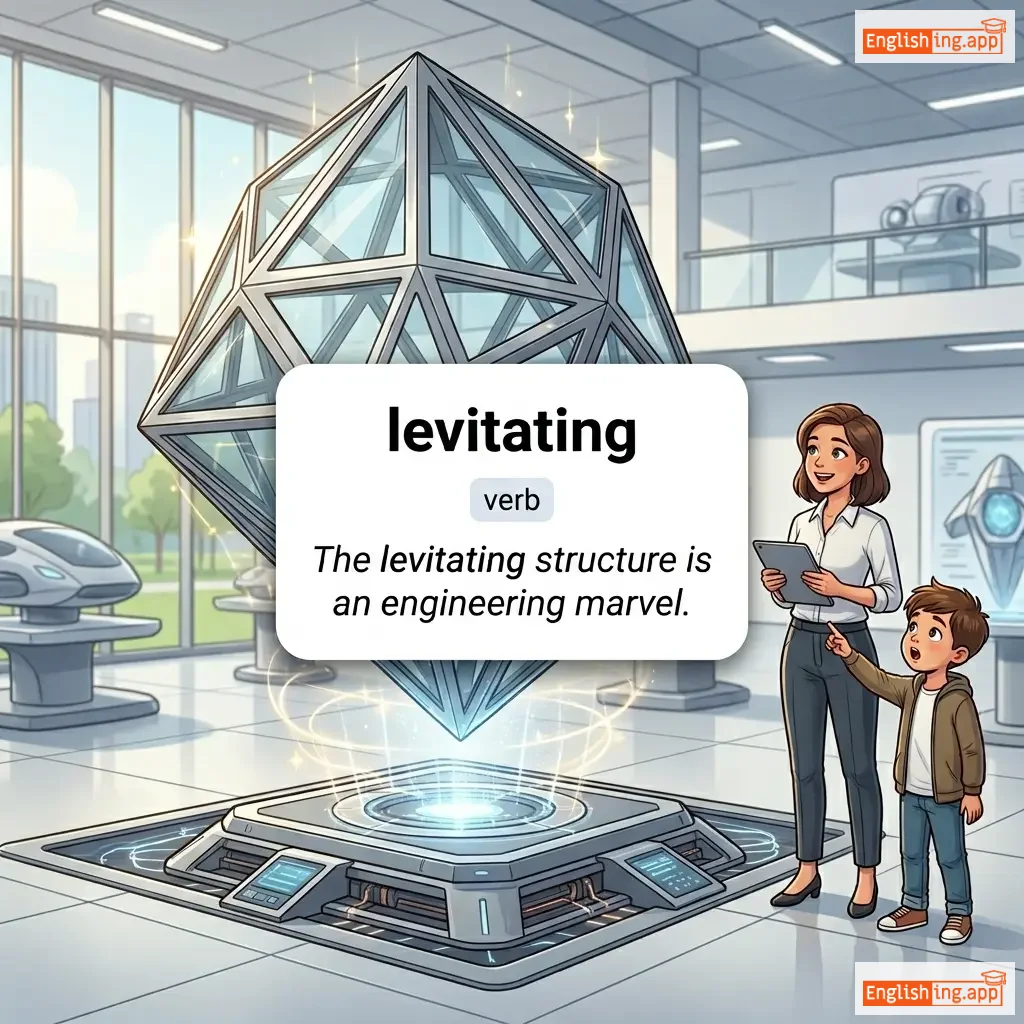
levitating definition card — visual illustration of the meaning
verb
ˈlev.ɪ.teɪ.tɪŋ
浮遊 (fuyu)

Rising and hovering in the air, especially as a result of supernatural or magical power.

"The levitating structure is an engineering marvel."

"その浮遊する構造は工学の驚異です。" (Sono fuyu suru kōzō wa kōgaku no kyōi desu.)
Levity definition card — visual illustration of the meaning
noun
/ˈlɛvɪti/

Lightness of manner or speech, especially when inappropriate; lack of seriousness.

"His attempt to bring levity to the tense meeting was appreciated."

verb
/ˈlɛvi/
課税する (kazei suru)

To impose or collect, especially a tax or fine.

"The government decided to levy a new tax on luxury goods."

"政府は高級品に新しい税金を課すことに決めました。" (Seifu wa kōkyūhin ni atarashī zeikin o kasu koto ni kimemashita.)
adjective
/luːd/
下品な (gehin na)

Sexually offensive, obscene, or vulgar.

"He was arrested for making lewd remarks in public."

"彼は公共の場で下品な発言をしたため、逮捕された。" (Kare wa kōkyō no ba de gehin na hatsugen o shita tame, taiho sareta.)
noun
/ˌlɛksɪˈkɒɡrəfər/
辞書編纂者 (jisho hensan-sha)

A person who compiles, writes, or edits dictionaries.

"The lexicographer spent years compiling the dictionary."

"そのレキシコグラファーは辞書を編纂するのに数年を費やした。" (Sono rekishikogurafā wa jisho o hensan suru no ni sūnen o tsuiyashita.)
noun
/ˌlɛksɪˈkɒɡrəfi/
辞書学 (jishogaku)

The art or practice of compiling dictionaries.

"Lexicography requires both linguistic and cultural knowledge."
"辞書学は、言語学と文化的な知識の両方を必要とします。" (Jishogaku wa, gengogaku to bunkateki na chishiki no ryōhō wo hitsuyō to shimasu.)
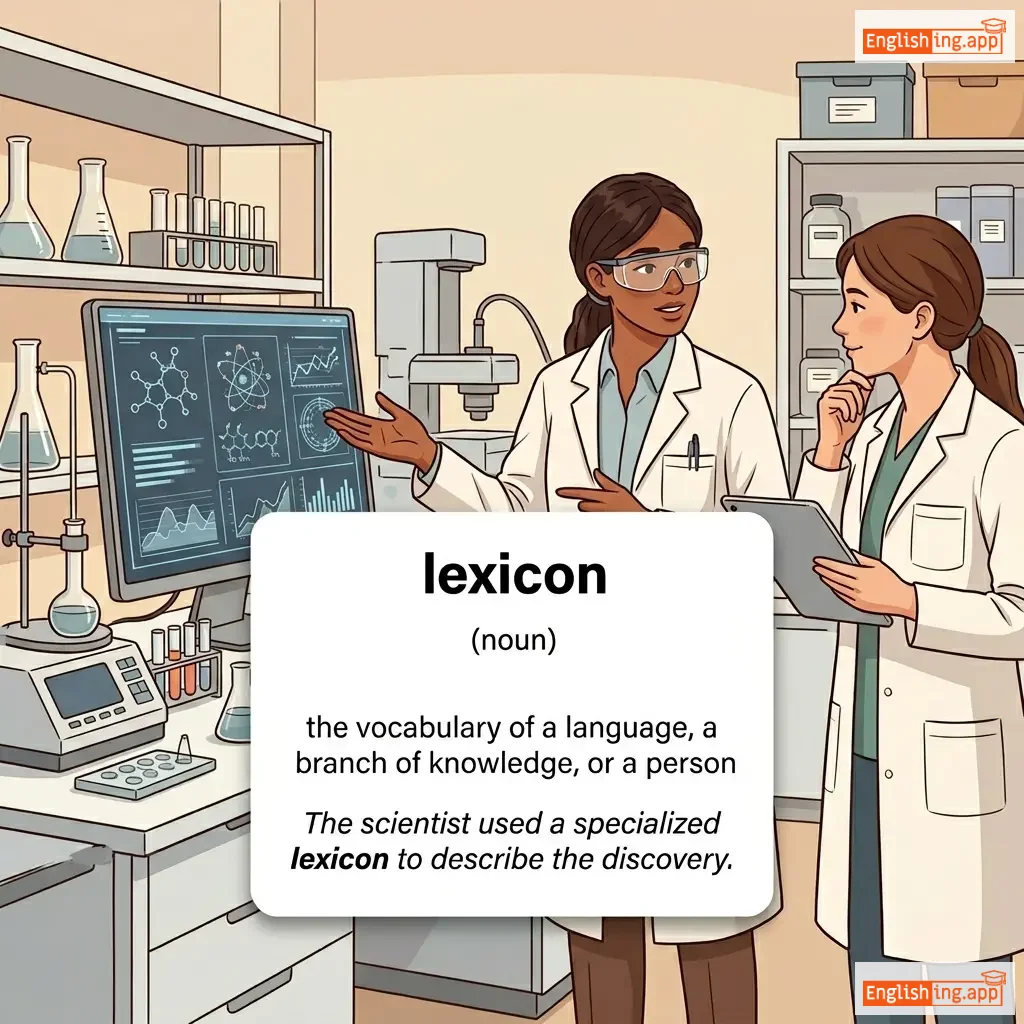
lexicon definition card — visual illustration of the meaning
noun
/ˈlɛksɪkən/
語彙集 (goishū)

the vocabulary of a language, a branch of knowledge, or a person

"The scientist used a specialized lexicon to describe the discovery."

"科学者は発見を説明するために専門的な語彙集を使用しました。" (Kagakusha wa hakken o setsumei suru tame ni senmon-tekina goishū o shiyō shimashita.)
liability definition card — visual illustration of the meaning
noun
/ˌlaɪəˈbɪləti/
責任 (sekinin)

the state of being legally responsible for something; something that acts as a disadvantage

"The company’s financial liability increased after the lawsuit."

"訴訟後、会社の財務責任は増加しました。" (Sosougo, kaisha no zaimu sekinin wa zouka shimashita.)
adjective
/ˈlaɪəbl/
責任がある (sekinin ga aru)

legally responsible or likely to be affected by something

"He is liable to pay damages for the accident."

"彼は事故の損害賠償を支払う責任があります。" (Kare wa jiko no songaibaishō o shiharau sekinin ga arimasu.)
noun
/liˈeɪzɒn/
連絡係 (renraku gakari)

communication or cooperation between people or groups for a smooth working relationship

"She works as a liaison between the company and its clients."

"彼女は会社と顧客の間のリエゾンとして働いています。" (Kanojo wa kaisha to kokyaku no aida no riezon to shite hataraiteimasu.)
noun
/ˈlaɪ.ər/
嘘つき (usotsuki)

a person who tells lies; someone who does not tell the truth

"Nobody trusts him because he is a liar."

"誰も彼を信じません、彼は嘘つきだからです。" (Dare mo kare o shinji masen, kare wa usotsuki dakara desu.)
noun
/ˈlaɪbəl/
名誉毀損 (meiyokison)

a published false statement that damages a person's reputation

"The newspaper was sued for libel after publishing false claims."

"新聞は虚偽の主張を掲載した後、名誉毀損で訴えられました。" (Shinbun wa kyogi no shuchou o keisai shita ato, meiyokison de utaeraremashita.)
adjective
/ˈlaɪbələs/
名誉毀損 (meiyo kison)

containing or constituting a false published statement that damages a person's reputation

"The article was found to be libelous and had to be retracted."
"その記事は名誉毀損であると見なされ、撤回する必要があった。" (Sono kiji wa meiyo kison de aru to minasa re, tetsukai suru hitsuyō ga atta)
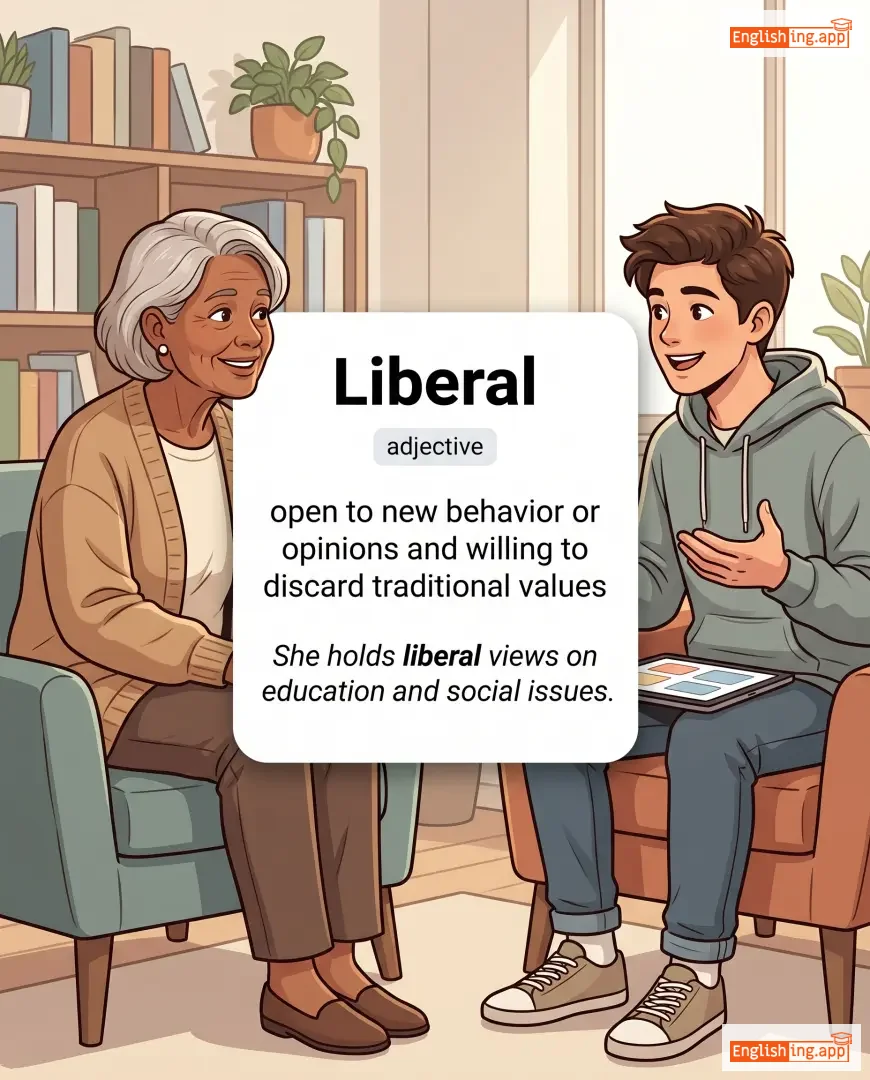
Liberal definition card — visual illustration of the meaning
adjective
/ˈlɪbərəl/
リベラル (riberaru)

open to new behavior or opinions and willing to discard traditional values

"She holds liberal views on education and social issues."

"彼女は教育と社会問題についてリベラルな見解を持っている。" (Kanojo wa kyōiku to shakai mondai ni tsuite riberaru na kenkai o motte iru.)
noun
/ˈlɪbərəlɪzəm/
リベラリズム (riberarizumu)

a political and social philosophy advocating individual freedoms, democracy, and equality

"Liberalism emphasizes freedom of speech and human rights."

"リベラリズムは言論の自由と人権を強調します。" (Riberarizumu wa genron no jiyū to jinken o kyōchō shimasu.)
noun
/ˈlɪbərəlɪst/
リベラリスト (riberarisuto)

a person who supports liberal ideas and principles

"He is a well-known liberalist advocating human rights."
"彼は人権を擁護することで知られるリベラリストです。" (Kare wa jinken o yōgo suru koto de shirareru riberarisuto desu.)
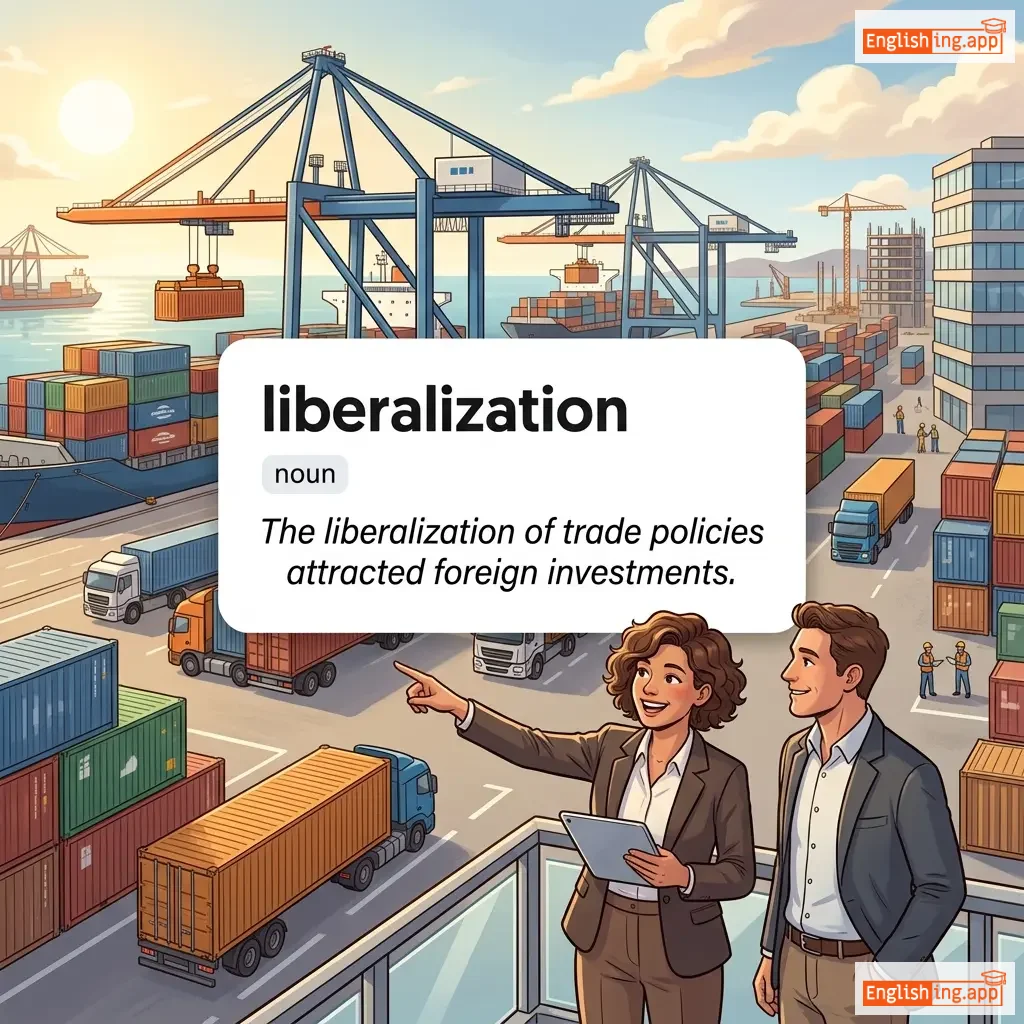
liberalization definition card — visual illustration of the meaning
noun
ˌlɪb.ər.ə.laɪˈzeɪ.ʃən
自由化 (jiyūka)

The removal or loosening of restrictions on something, typically an economic or political system.

"The liberalization of trade policies attracted foreign investments."
"貿易政策の自由化が外国からの投資を引き寄せました。" (Bōeki seisaku no jiyūka ga gaikoku kara no tōshi o hikiyosemashita.)
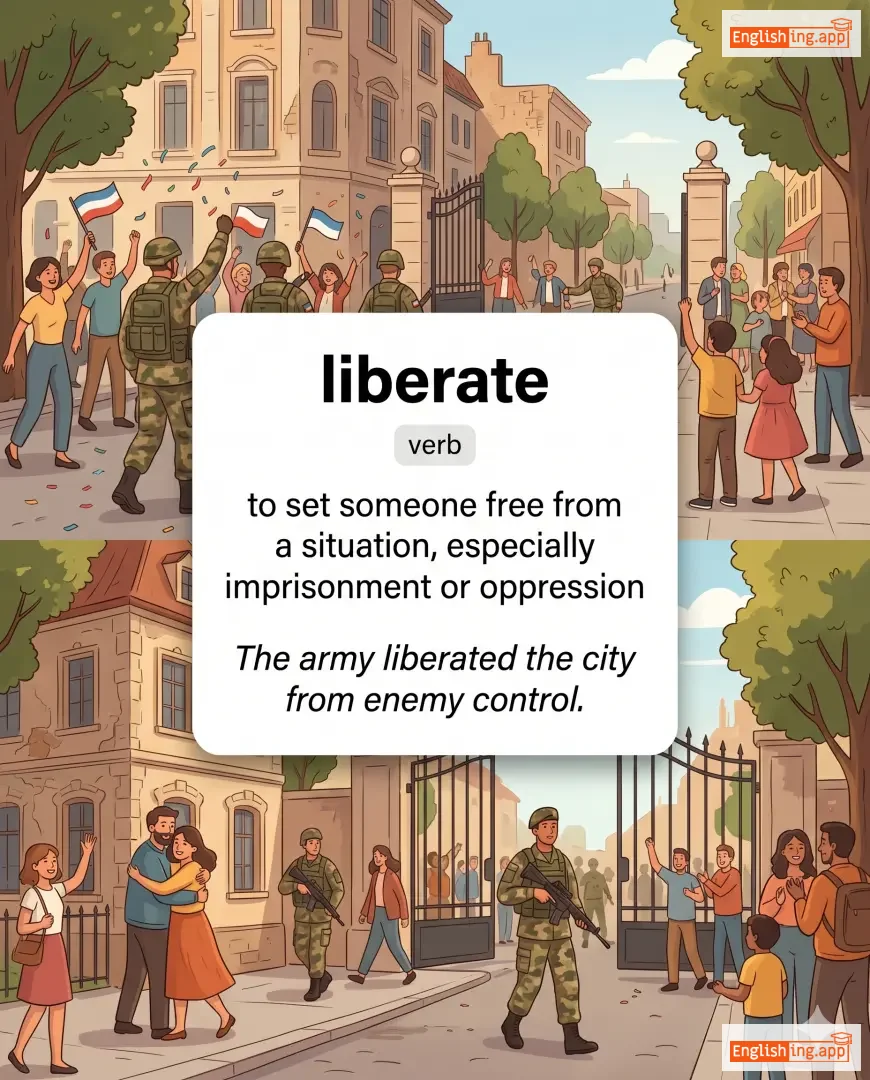
liberate definition card — visual illustration of the meaning
verb
/ˈlɪbəreɪt/
解放する (kaihō suru)

to set someone free from a situation, especially imprisonment or oppression

"The army liberated the city from enemy control."

"軍隊は街を敵の支配から解放した。" (Guntai wa machi o teki no shihai kara kaihō shita.)