

Upgrade für Zugriff auf alle Vokabeln
Erhalten Sie unbegrenzten Zugriff auf alle Vokabeln mit Pro-Mitgliedschaft
Upgrade auf ProÜbersetzung
Vergangenheit
Partizip Perfekt
Dritte Person Singular
Gerundium
Bedeutung
Beispielsatz
Übersetzung Beispielsatz
Synonyme
Antonyme
Kollokationen
Eselsbrücke
Swipe left or right, or use the buttons. Tap image to zoom.
Upgrade für Zugriff auf alle Sätze
Erhalten Sie unbegrenzten Zugriff auf alle Sätze mit Pro-Mitgliedschaft
Upgrade auf ProÜbersetzung Beispielsatz
Wort
Lesson 7Lesson 7 - Maske umschalten
|
Emoji
|
Wort | Images | Übersetzung | Vergangenheit | Partizip Perfekt | Dritte Person Singular | Gerundium | Bedeutung | Beispielsatz | Übersetzung Beispielsatz | Beispielausdruck | Bedeutung Beispielausdruck | Übersetzung Beispielausdruck | Synonyme | Antonyme | Kollokationen | Eselsbrücke |
|---|---|---|---|---|---|---|---|---|---|---|---|---|---|---|---|---|---|
|
#299
😒
|
/əˈnɔɪɪŋ/
adjective
(annoying)
••••••
|
- •••••• |
nervig
nervig
••••••
|
- •••••• | - •••••• | - •••••• | - •••••• |
causing irritation or mild anger; bothersome or troublesome
••••••
|
The constant noise from the street was extremely annoying.
Der konstante Lärm von der Straße war extrem annoying.
••••••
|
Der ständige Lärm von der Straße war extrem nervig.
der staendige laerm von der strasse war extrem nervig
••••••
|
annoying habit
annoying habit
••••••
|
a behavior that repeatedly irritates others
••••••
|
nervige Angewohnheit
nervige angewohnheit
••••••
|
irritating, bothersome, frustrating, vexing, troublesome
••••••
|
pleasant, agreeable, enjoyable
••••••
|
annoying noise, annoying habit, annoying problem, really annoying
••••••
|
Annoying = nervig, geht auf die Nerven
••••••
|
|
#300
📅
|
/ˈæn.ju.əl/
adjective
(annual)
••••••
|
- •••••• |
jährlich
jaehrlich
••••••
|
- •••••• | - •••••• | - •••••• | - •••••• |
happening once every year
••••••
|
The company holds an annual meeting for all its shareholders. |
Das Unternehmen hält jedes Jahr eine jährliche Sitzung für alle seine Aktionäre ab.
Das Unternehmen haelt jedes Jahr eine jaehrliche Sitzung fuer alle seine Aktionaere ab.
••••••
|
annual tradition |
a custom or event repeated every year
••••••
|
jährliche Tradition
jaehrliche Tradition
••••••
|
yearly, once-a-year, periodic, regular
••••••
|
monthly, daily
••••••
|
annual meeting, annual report, annual budget, annual celebration
••••••
|
Annual bedeutet jährlich, wie ‘ANNUell kommt es jedes Jahr’.
••••••
|
|
#301
📅
|
/ˈænjuəli/
adverb
(annuel)
••••••
|
- •••••• |
jährlich
jaehrlich
••••••
|
- •••••• | - •••••• | - •••••• | - •••••• |
once every year; yearly
••••••
|
The company holds a general meeting annually. |
Das Unternehmen hält einmal im Jahr ein allgemeines Treffen ab.
Das Unternehmen hält einmal im Jahr ein allgemeines Treffen ab.
••••••
|
annual report |
a document that summarizes a company's yearly activities and finances
••••••
|
Jahresbericht
Jahresbericht
••••••
|
yearly, per year, every year, once a year
••••••
|
monthly, daily
••••••
|
annually report, meet annually, pay annually, celebrate annually
••••••
|
Annual bedeutet jährlich, also bedeutet annually jährlich. Wie ein Jahresbericht.
••••••
|
|
#302
❌
|
/əˈnʌl/
verb
(anul)
••••••
|
- •••••• |
annullieren
annullieren
••••••
|
annulled
anullt
••••••
|
annulled
anullt
••••••
|
annuls
anullt
••••••
|
annulling
anullend
••••••
|
to declare something legally invalid or cancel it
••••••
|
The court decided to annul the marriage due to fraud.
Das Gericht entschied, die Ehe aufgrund von Betrug zu annullieren.
••••••
|
Das Gericht entschied, die Ehe aufgrund von Betrug zu annullieren.
Das Gericht entschied, die Ehe aufgrund von Betrug zu annullieren.
••••••
|
annul a contract
einen Vertrag annullieren
••••••
|
to cancel or invalidate a legal agreement
••••••
|
einen Vertrag annullieren
einen Vertrag annullieren
••••••
|
cancel, invalidate, repeal, void, abolish
••••••
|
validate, enforce, approve
••••••
|
annul a contract, annul a marriage, annul a law, annul officially
••••••
|
Annul bedeutet annullieren, das heißt etwas rechtlich für ungültig erklären.
••••••
|
|
#303
👤
|
/əˈnɒnɪməs/
adjective
(anonym)
••••••
|
- •••••• |
anonym
anonym
••••••
|
- •••••• | - •••••• | - •••••• | - •••••• |
without a name; not identified by name
••••••
|
The donation was made by an anonymous benefactor.
Die Spende wurde von einem anonymen Wohltäter gemacht.
••••••
|
Die Spende wurde von einem anonymen Wohltäter gemacht.
Die Spende wurde von einem anonymen Wohltäter gemacht.
••••••
|
anonymous tip
anonymer Hinweis
••••••
|
information given without revealing the identity of the informant
••••••
|
anonymer Hinweis
anonymer Hinweis
••••••
|
nameless, unidentified, unknown, incognito
••••••
|
named, identified
••••••
|
anonymous source, anonymous donor, remain anonymous, anonymous letter
••••••
|
Anonym bedeutet ohne Namen - kein Name, kein Problem!
••••••
|
|
#304
➕
|
/əˈnʌðər/
determiner/pronoun
(anóther)
••••••
|
- •••••• |
ein anderer
ein anderer
••••••
|
- •••••• | - •••••• | - •••••• | - •••••• |
one more person or thing of the same type
••••••
|
Can I have another cup of tea? |
Kann ich noch eine Tasse Tee haben?
Kann ich noch eine Tasse Tee haben?
••••••
|
another day |
a different or additional day
••••••
|
ein anderer Tag
ein anderer Tag
••••••
|
one more, additional, extra, different
••••••
|
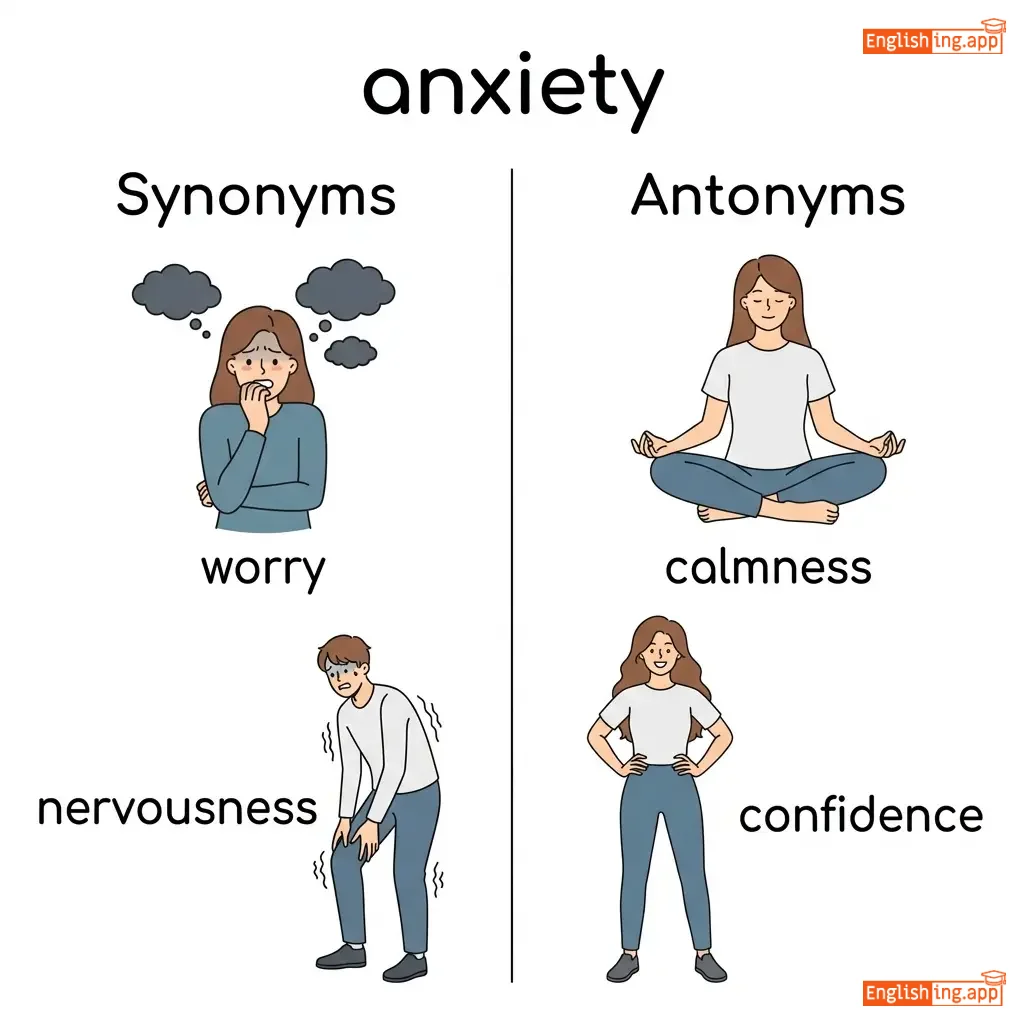
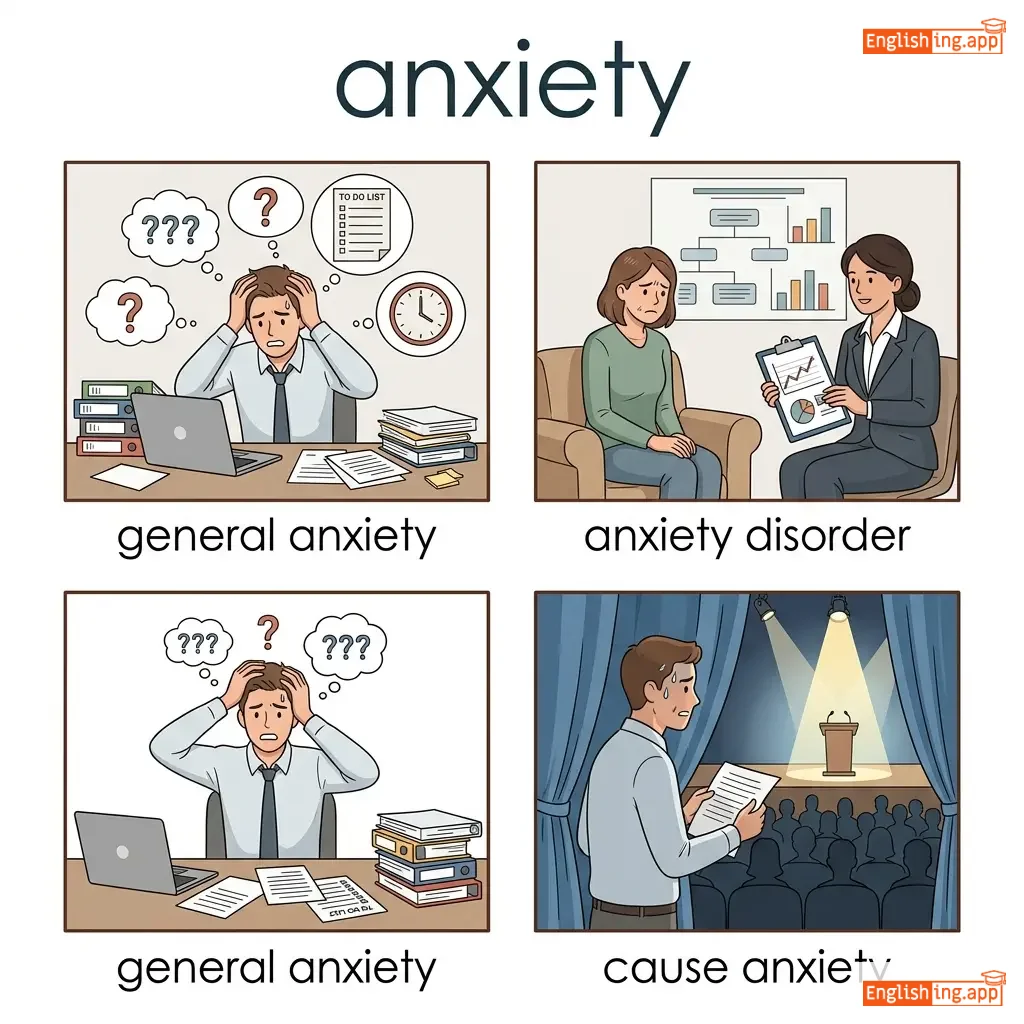
same, identical
••••••
|
another chance, another reason, another person, another story
••••••
|
Another bedeutet ein anderer—Teatime erfordert immer noch eine weitere Tasse Tee.
••••••
|
|
#305
🗣️
|
/ˈænsər/
noun, verb
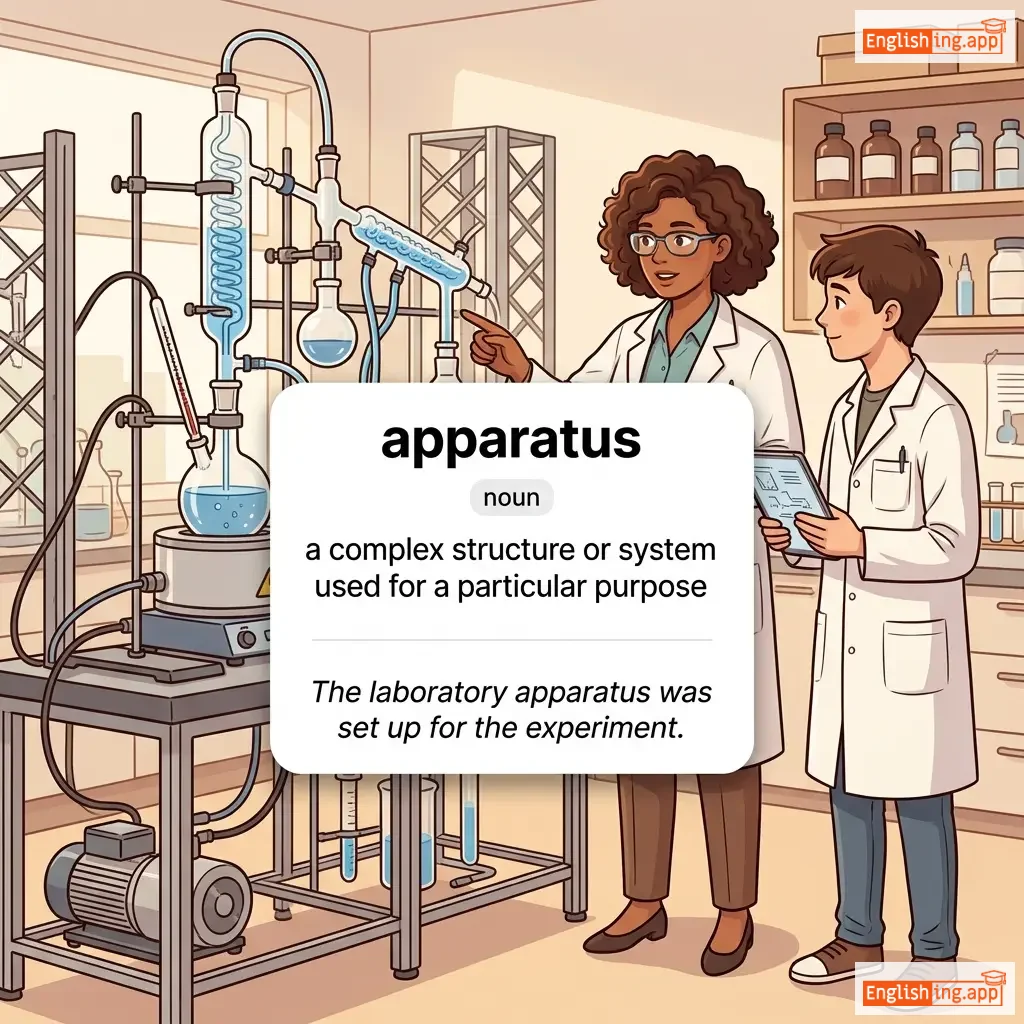
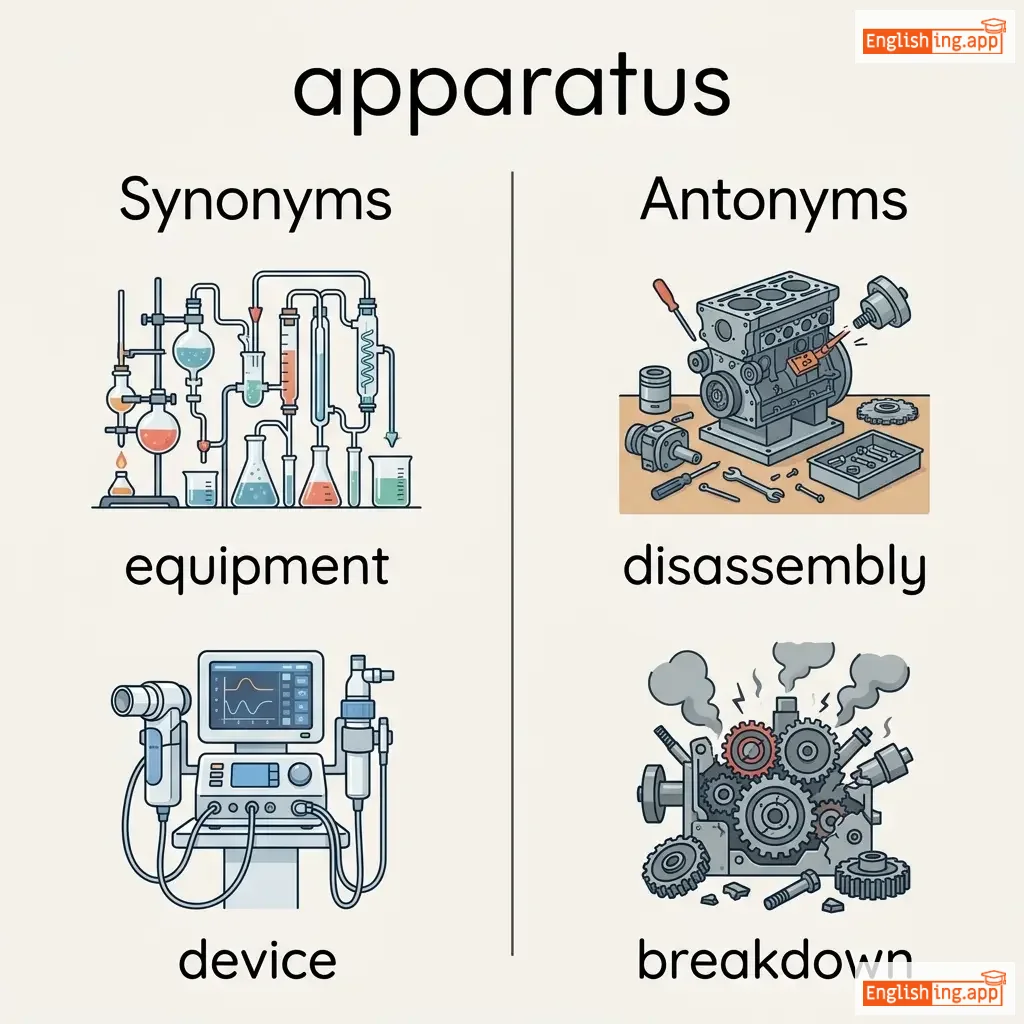
(änsər)
••••••
|
|
Antwort
antwort
••••••
|
answered
änsərd
••••••
|
answered
änsərd
••••••
|
answers
änsərs
••••••
|
answering
änsəring
••••••
|
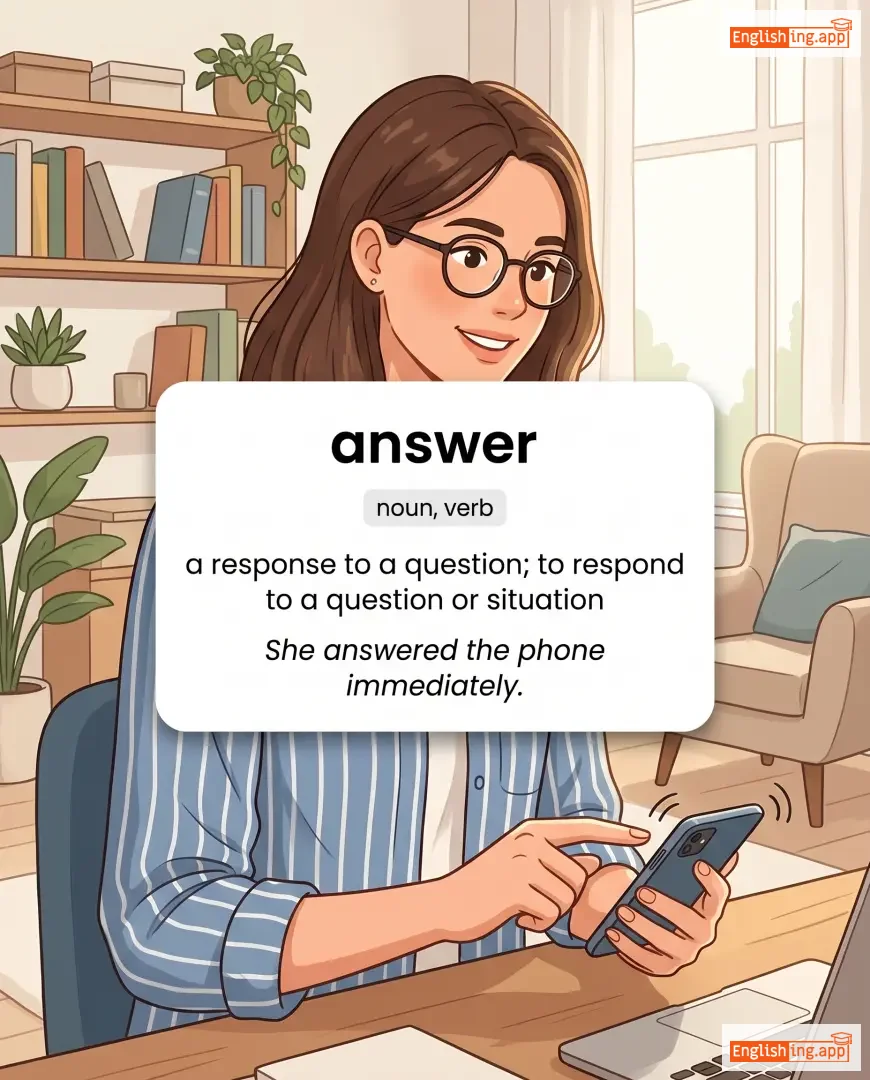
a response to a question; to respond to a question or situation
••••••
|
She answered the phone immediately.
Sie antwortete sofort auf das Telefon.
••••••
|
Sie antwortete sofort auf das Telefon.
Sie antwortete sofort auf das Telefon.
••••••
|
have no answer
keine Antwort haben
••••••
|
to not know how to respond to a question or situation
••••••
|
keine Antwort haben
keine Antwort haben
••••••
|
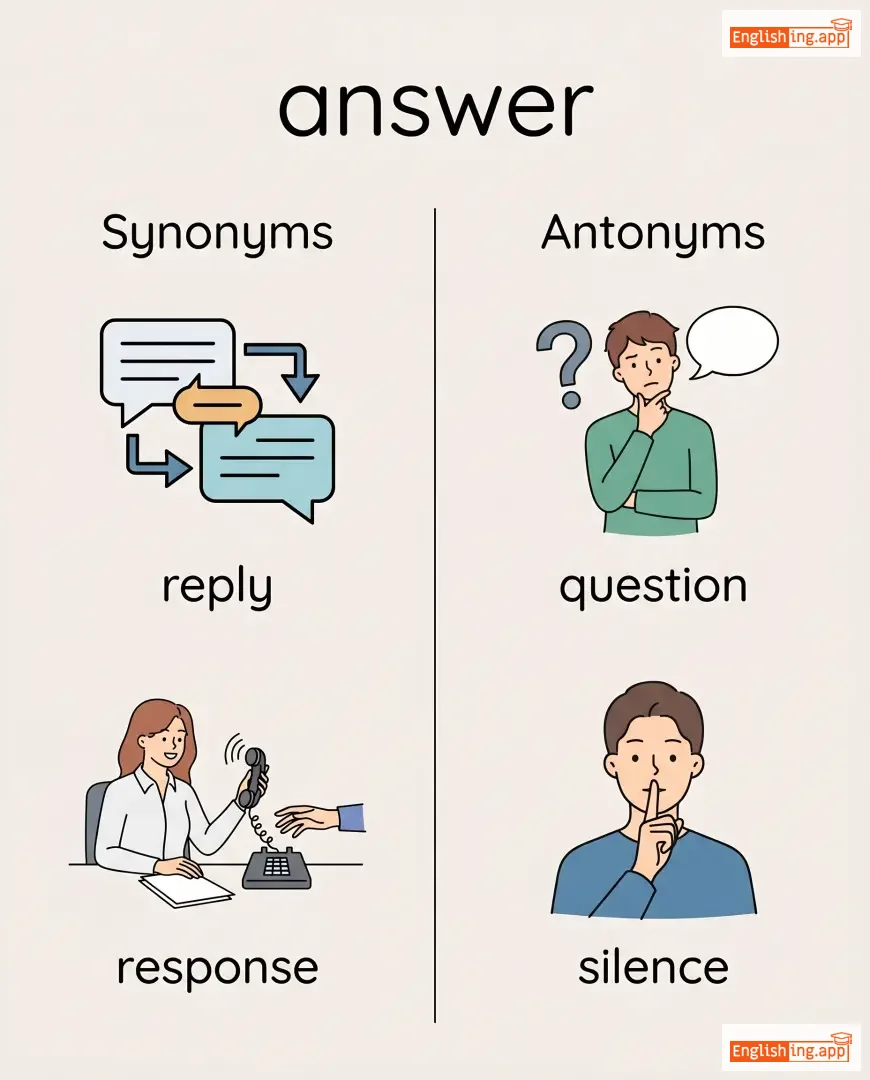
reply, response, solution, explanation, comeback
••••••
|
question, silence, ignorance
••••••
|
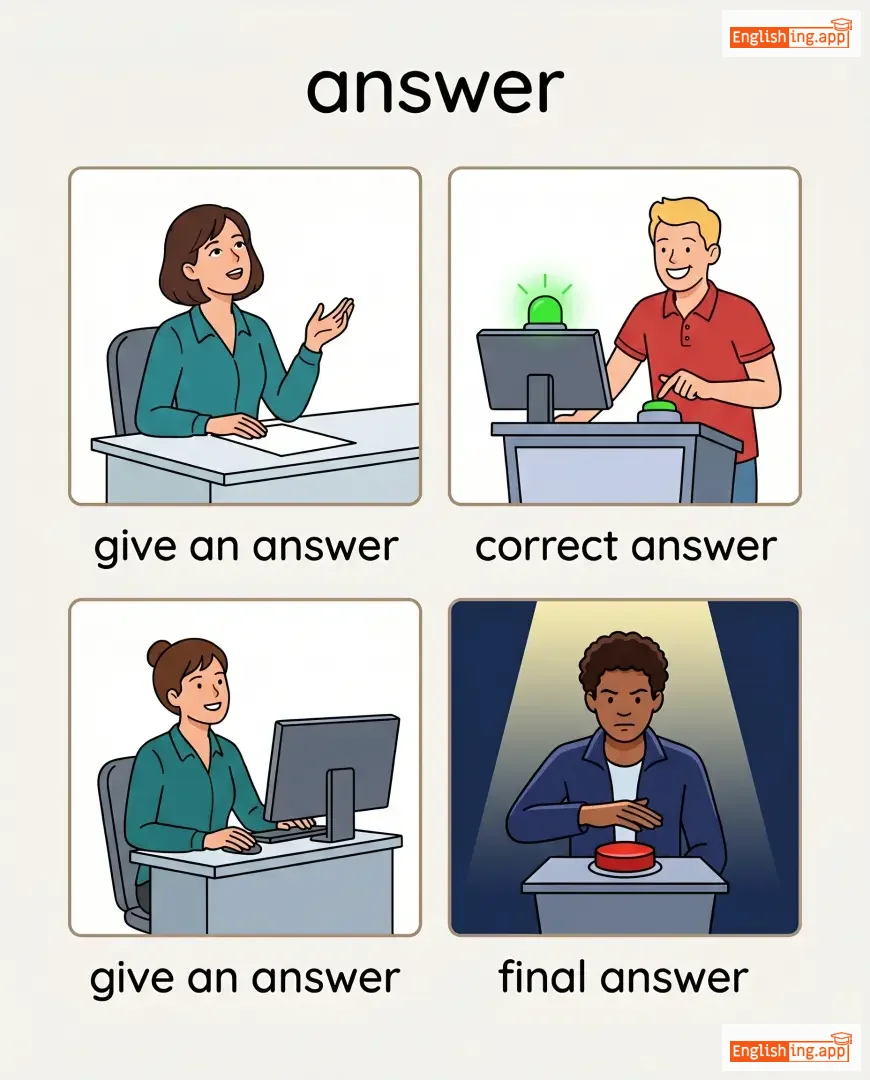
give an answer, correct answer, final answer, answer quickly
••••••
|
Answer in English corresponds to Antwort in German.
••••••
|
|
#306
🔮
|
/ænˈtɪsɪˌpeɪt/
verb
(antizipiert)
••••••
|
- •••••• |
erwarten
erwarten
••••••
|
anticipated
antizipiert
••••••
|
anticipated
antizipiert
••••••
|
anticipates
antizipiert
••••••
|
anticipating
antizipierend
••••••
|
to expect or look forward to something; to realize or foresee in advance
••••••
|
We anticipate a large crowd at the event.
Wir erwarten eine große Menschenmenge bei der Veranstaltung.
••••••
|
Wir erwarten eine große Menschenmenge bei der Veranstaltung.
Wir erwarten eine große Menschenmenge bei der Veranstaltung.
••••••
|
anticipate the worst
das Schlechteste erwarten
••••••
|
to expect the most negative or undesirable outcome
••••••
|
das Schlechteste erwarten
das Schlechteste erwarten
••••••
|
expect, foresee, predict, await, prepare
••••••
|
doubt, ignore, neglect
••••••
|
anticipate problems, anticipate demand, anticipate success, anticipate changes
••••••
|
Antizipieren ist wie etwas im Voraus wissen oder fühlen.
••••••
|
|
#307
😰
|
/æŋˈzaɪəti/
noun
(angzaiyeti)
••••••
|
|
Angst
angst
••••••
|
- •••••• | - •••••• | - •••••• | - •••••• |
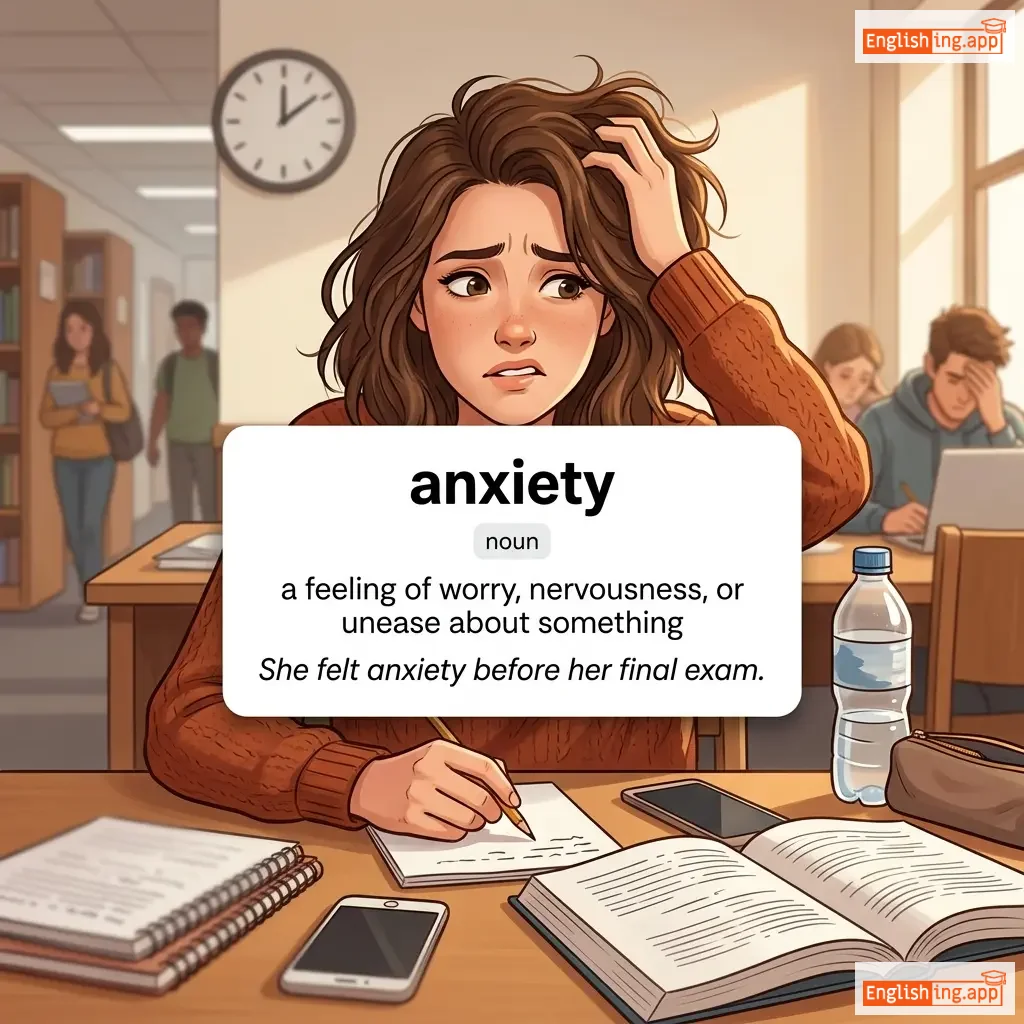
a feeling of worry, nervousness, or unease about something
••••••
|
She felt anxiety before her final exam. |
Sie fühlte Angst vor ihrer Abschlussprüfung.
Sie fuehlte Angst vor ihrer Abschlusspruefung.
••••••
|
separation anxiety |
a feeling of distress when separated from a loved one
••••••
|
Trennungsangst
Trennungsangst
••••••
|
worry, nervousness, unease, tension, apprehension
••••••
|
calmness, confidence, peace
••••••
|
general anxiety, anxiety disorder, cause anxiety, reduce anxiety
••••••
|
Vor der Prüfung wächst die Angst, Angst bedeutet Sorge.
••••••
|
|
#308
😟
|
/ˈæŋkʃəs/
adjective
(æŋkʃəs)
••••••
|
- •••••• |
ängstlich
aengstlich
••••••
|
- •••••• | - •••••• | - •••••• | - •••••• |
feeling worried, nervous, or uneasy about something
••••••
|
She felt anxious before her job interview. |
Sie fühlte sich ängstlich vor ihrem Vorstellungsgespräch.
Sie fühlte sich ängstlich vor ihrem Vorstellungsgespräch.
••••••
|
anxious about |
to feel worried or uneasy regarding something
••••••
|
ängstlich über
ängstlich über
••••••
|
worried, nervous, uneasy, restless, apprehensive
••••••
|
calm, relaxed, confident
••••••
|
feel anxious, anxious about, anxious to, anxious for
••••••
|
Ängstlich bedeutet, nervös zu sein — vor einem Interview wird jeder ängstlich.
••••••
|
|
#309
😰
|
/ˈæŋkʃəsli/
adverb
(engziosli)
••••••
|
- •••••• |
ängstlich
aengstlich
••••••
|
- •••••• | - •••••• | - •••••• | - •••••• |
in a worried, nervous, or uneasy manner; with anxious anticipation
••••••
|
She waited anxiously for the exam results.
Sie wartete nervös auf die Prüfungsergebnisse.
••••••
|
Sie wartete ängstlich auf die Prüfungsergebnisse.
sie wartete aengstlich auf die pruefungsergebnisse
••••••
|
wait anxiously
nervös warten
••••••
|
to wait with worry or nervous expectation
••••••
|
nervös warten
nervoes warten
••••••
|
nervously, worriedly, uneasily, apprehensively
••••••
|
calmly, confidently
••••••
|
wait anxiously, watch anxiously, look anxiously, anxiously await
••••••
|
Ängstlich = Angst, जैसे anxious
••••••
|
|
#310
🔄
|
/ˈɛni/
determiner/pronoun
(ɛni)
••••••
|
- •••••• |
irgendein
irgendein
••••••
|
- •••••• | - •••••• | - •••••• | - •••••• |
one, some, or all, without specifying which
••••••
|
Do you have any questions? |
Hast du irgendwelche Fragen?
Hast du irgendwelche Fragen?
••••••
|
any day now |
something expected to happen very soon
••••••
|
irgendein Tag jetzt
irgendein Tag jetzt
••••••
|
some, whatever, each, all, every
••••••
|
none, nothing
••••••
|
any chance, any time, any questions, any problem
••••••
|
ANY bedeutet irgendein, wie in 'irgendein Tag kann heute sein'.
••••••
|
|
#311
👤
|
/ˈɛniˌbɒdi/
pronoun
(énibodi)
••••••
|
- •••••• |
jeder
jeder
••••••
|
- •••••• | - •••••• | - •••••• | - •••••• |
any person; anyone
••••••
|
Anybody can join the club. |
Jeder kann dem Club beitreten.
Jeder kann dem Club beitreten.
••••••
|
- •••••• | - •••••• | - •••••• |
anyone, somebody, whoever, everyone
••••••
|
nobody, no one
••••••
|
ask anybody, tell anybody, anybody else, anybody interested
••••••
|
ANYBODY bedeutet jeder, wie in Anybody can dance on the stage.
••••••
|
|
#312
⏳
|
/ˌɛniˈmɔr/
adverb
(enimor)
••••••
|
- •••••• |
nicht mehr
nicht mehr
••••••
|
- •••••• | - •••••• | - •••••• | - •••••• |
used to refer to the present time, typically to mean no longer
••••••
|
He doesn’t live here anymore. |
Er lebt hier nicht mehr.
Er lebt hier nicht mehr.
••••••
|
- •••••• | - •••••• | - •••••• |
no longer, not now, no more
••••••
|
still, yet
••••••
|
not anymore, hardly anymore, anymore questions
••••••
|
nicht mehr bedeutet ANYMORE, wie ich lebe hier nicht mehr.
••••••
|
|
#313
👤
|
/ˈɛniwʌn/
pronoun
(éniwán)
••••••
|
- •••••• |
jemand
jemand
••••••
|
- •••••• | - •••••• | - •••••• | - •••••• |
any person at all; used to refer to an unspecified person
••••••
|
Does anyone know the answer to this question? |
Weiß jemand die Antwort auf diese Frage?
Weiß jemand die Antwort auf diese Frage?
••••••
|
anyone's guess |
something that is very difficult to predict or know
••••••
|
jedermanns Vermutung
jedermanns Vermutung
••••••
|
somebody, anybody, person, individual, someone
••••••
|
nobody, no one
••••••
|
anyone else, if anyone, hardly anyone, ask anyone
••••••
|
ANYONE bedeutet 'jemand', wie wir im Deutschen sagen 'jemand'.
••••••
|
|
#314
🔑
|
/ˈɛnɪθɪŋ/
pronoun
(ˈɛnɪθɪŋ)
••••••
|
- •••••• |
alles
alles
••••••
|
- •••••• | - •••••• | - •••••• | - •••••• |
any object, event, or matter; whatever thing
••••••
|
You can ask me anything about the project. |
Du kannst mich alles über das Projekt fragen.
Du kannst mich alles über das Projekt fragen.
••••••
|
anything but |
definitely not something
••••••
|
alles außer
alles außer
••••••
|
whatever, everything, object, matter, item
••••••
|
nothing, none
••••••
|
do anything, say anything, anything else, almost anything
••••••
|
ANYTHING bedeutet 'alles'—wie wir auf Deutsch sagen: 'alles'.
••••••
|
|
#315
➡️
|
/ˈɛniweɪ/
adverb
(éniewe)
••••••
|
- •••••• |
auf jeden Fall
auf jeden Fall
••••••
|
- •••••• | - •••••• | - •••••• | - •••••• |
used to emphasize a statement or to return to a previous subject; regardless of what happened
••••••
|
I was tired, but I went to the meeting anyway. |
Ich war müde, aber ich ging trotzdem zum Treffen.
Ich war müde, aber ich ging trotzdem zum Treffen.
••••••
|
anyway you slice it |
no matter how you look at it
••••••
|
wie auch immer
wie auch immer
••••••
|
regardless, nevertheless, still, anyhow, though
••••••
|
because, therefore
••••••
|
but anyway, anyway you, anyway possible
••••••
|
Auf jeden Fall wird er gehen – wie auch immer.
••••••
|
|
#316
🌍
|
/ˈɛnɪwɛər/
adverb
(anywhere)
••••••
|
- •••••• |
überall
ueberall
••••••
|
- •••••• | - •••••• | - •••••• | - •••••• |
in, at, or to any place
••••••
|
You can find good food anywhere in this city.
Man findet gutes Essen überall in dieser Stadt.
••••••
|
Man findet gutes Essen überall in dieser Stadt.
Man findet gutes Essen ueberall in dieser Stadt.
••••••
|
go anywhere
geh überall hin
••••••
|
to have freedom to travel or move to any place
••••••
|
geh überall hin
geh ueberall hin
••••••
|
everywhere, someplace, anyplace, location, place
••••••
|
nowhere, somewhere specific
••••••
|
anywhere else, almost anywhere, find anywhere, go anywhere
••••••
|
Mnemonik: überall = ueber all; stell dir vor ein großes schild zeigt dir zu jedem Ort; go anywhere
••••••
|
|
#317
↔️
|
/əˈpɑːrt/
adverb
(apart)
••••••
|
- •••••• |
voneinander
voneinander
••••••
|
- •••••• | - •••••• | - •••••• | - •••••• |
separated by distance or time; into pieces
••••••
|
They live miles apart from each other.
Sie wohnen Meilen voneinander entfernt.
••••••
|
Sie wohnen Meilen voneinander entfernt.
Sie wohnen Meilen voneinander entfernt.
••••••
|
fall apart
auseinanderfallen
••••••
|
to break into pieces or fail completely
••••••
|
auseinanderfallen
auseinanderfallen
••••••
|
separately, away, aside, alone, divided
••••••
|
together, close
••••••
|
miles apart, set apart, apart from, fall apart
••••••
|
Mnemonic: A PART of cake drifts away, zwei Freunde sagen 'von einander' – voneinander means apart
••••••
|
|
#318
🏢
|
/əˈpɑːrtmənt/
noun
(apartament)
••••••
|
- •••••• |
wohnung
wohnung
••••••
|
- •••••• | - •••••• | - •••••• | - •••••• |
a set of rooms forming a residence within a building
••••••
|
She rented an apartment in the city center.
Sie mietete eine Wohnung im Stadtzentrum.
••••••
|
Sie mietete eine Wohnung im Stadtzentrum.
Sie mietete eine Wohnung im Stadtzentrum.
••••••
|
apartment complex
Wohnanlage
••••••
|
a group of apartment buildings in one area
••••••
|
Wohnanlage
Wohnanlage
••••••
|
flat, unit, residence, condo, lodging
••••••
|
house, bungalow
••••••
|
rent an apartment, small apartment, apartment building, apartment complex
••••••
|
APARTMENT bedeutet Wohnung, genau wie wir es im Englischen sagen.
••••••
|
|
#319
🙏
|
/əˈpɒlədʒaɪz/
verb
(apologize)
••••••
|
- •••••• |
entschuldigen
entschuldigen
••••••
|
apologized
apologisiert
••••••
|
apologized
apologisiert
••••••
|
apologizes
apologisiert
••••••
|
apologizing
apologisierend
••••••
|
to say sorry for something wrong you have done
••••••
|
He apologized for being late to the meeting.
Er entschuldigte sich für seine Verspätung zum Meeting.
••••••
|
Er entschuldigte sich für seine Verspätung zum Meeting.
Er entschuldigte sich fur seine Verspatung zum Meeting.
••••••
|
apologize sincerely
sich aufrichtig entschuldigen
••••••
|
to express genuine regret for a mistake or wrongdoing
••••••
|
sich aufrichtig entschuldigen
sich aufrichtig entschuldigen
••••••
|
regret, repent, ask forgiveness, express remorse
••••••
|
accuse, blame, deny
••••••
|
apologize for mistake, apologize sincerely, apologize publicly
••••••
|
Entschuldigen bedeutet sich für Fehler zu entschuldigen, wie bei 'Entschuldigung' sagen.
••••••
|
|
#320
🙏
|
/əˈpɒlədʒi/
noun
(Apologie)
••••••
|
- •••••• |
Entschuldigung
Entschuldigung
••••••
|
- •••••• | - •••••• | - •••••• | - •••••• |
a statement expressing regret for something wrong or hurtful
••••••
|
He offered an apology for being late to the meeting.
Er entschuldigte sich dafür, dass er zu spät zum Meeting gekommen war.
••••••
|
Er entschuldigte sich dafür, dass er zu spät zum Meeting gekommen war.
Er entschuldigte sich dafuer, dass er zu spaet zum Meeting gekommen war.
••••••
|
make an apology |
to formally express regret for a mistake or offense
••••••
|
eine Entschuldigung machen
eine Entschuldigung machen
••••••
|
regret, excuse, admission, acknowledgment
••••••
|
defiance, denial, justification
••••••
|
offer an apology, sincere apology, formal apology, public apology
••••••
|
Ende der Schuld: imagine Entschuldigung as End + Schuld + igung = end guilt, the German word for apology
••••••
|
|
#321
😱
|
/əˈpɔːl/
verb
(apol)
••••••
|
- •••••• |
erschüttern
erschuettern
••••••
|
appalled
apold
••••••
|
appalled
apold
••••••
|
appalls
apols
••••••
|
appalling
apoling
••••••
|
To shock or horrify someone with something unpleasant or bad.
••••••
|
The cruelty of the crime appalled the entire community.
Die Grausamkeit des Verbrechens erschütterte die gesamte Gemeinschaft.
••••••
|
Die Grausamkeit des Verbrechens erschütterte die gesamte Gemeinschaft.
Die Grausamkeit des Verbrechens erschütterte die gesamte Gemeinschaft.
••••••
|
- •••••• | - •••••• | - •••••• |
shock, horrify, disgust, outrage, distress
••••••
|
please, delight, satisfy
••••••
|
appall the public, appalling crime, appalling behavior, deeply appalled
••••••
|
Appall klingt wie 'all are shocked'—alle sind erschüttert.
••••••
|
|
#322
🛠️
|
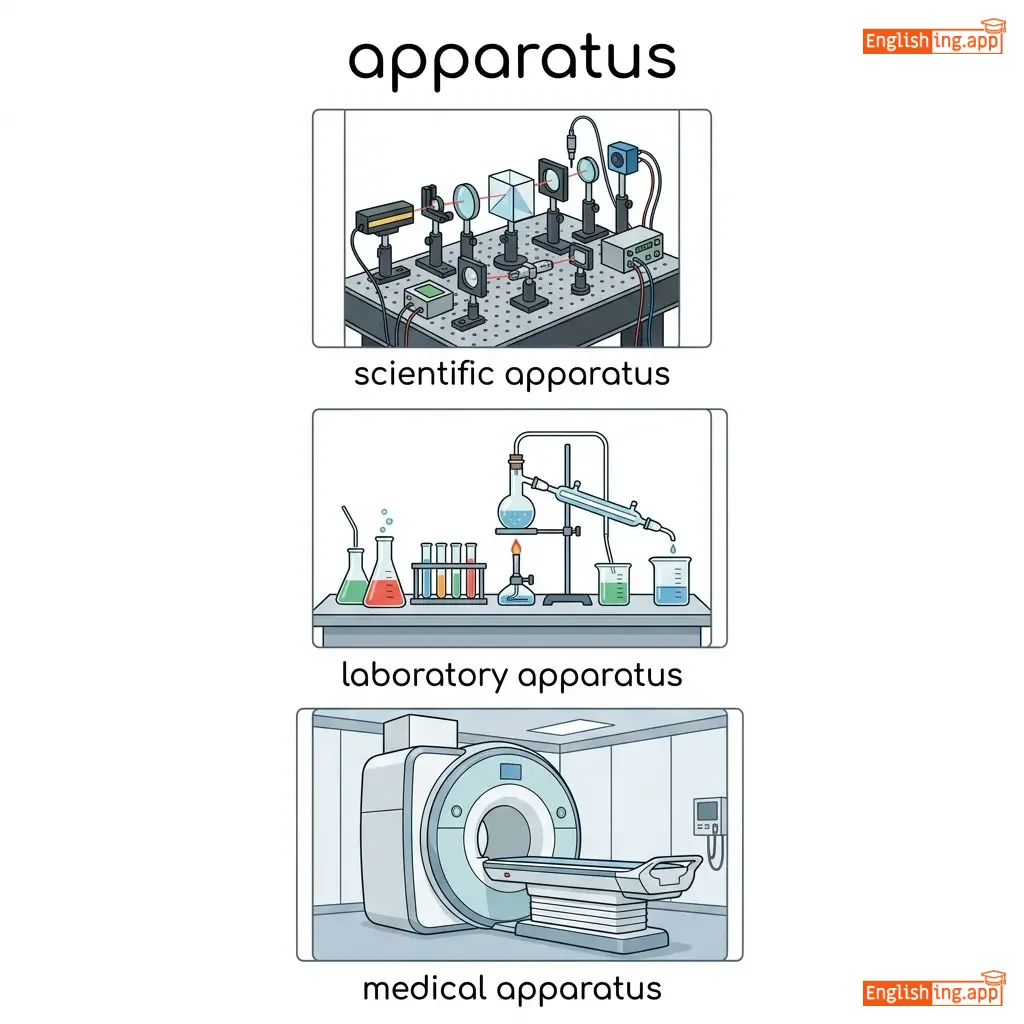
/ˌæpəˈreɪtəs/
noun
(aparatəs)
••••••
|
|
gerät
geraet
••••••
|
- •••••• | - •••••• | - •••••• | - •••••• |
a complex structure or system used for a particular purpose
••••••
|
The laboratory apparatus was set up for the experiment.
Das Laborgerät wurde für das Experiment eingerichtet.
••••••
|
Das Laborgerät wurde für das Experiment eingerichtet.
Das Laborgerät wurde für das Experiment eingerichtet.
••••••
|
- •••••• | - •••••• | - •••••• |
equipment, device, machinery, instrument
••••••
|
disassembly, breakdown
••••••
|
scientific apparatus, laboratory apparatus, medical apparatus
••••••
|
Erinnere dich an das Gerät, wie ein Laborgerät (Erinnere dich an das Gerät, wie ein Laborgerät)
••••••
|
|
#323
👀
|
/əˈpærənt/
adjective
(apärent)
••••••
|
- •••••• |
offensichtlich
offensichtlich
••••••
|
- •••••• | - •••••• | - •••••• | - •••••• |
Clearly visible or understood; obvious.
••••••
|
It soon became apparent that he was not telling the truth.
Es wurde bald deutlich, dass er die Wahrheit nicht sagte.
••••••
|
Es wurde bald deutlich, dass er die Wahrheit nicht sagte.
Es wurde bald deutlich, dass er die Wahrheit nicht sagte.
••••••
|
apparent reason
offensichtlicher Grund
••••••
|
an obvious or clear reason
••••••
|
offensichtlicher Grund
offensichtlicher Grund
••••••
|
obvious, evident, clear, plain, visible
••••••
|
hidden, obscure, unclear
••••••
|
apparent reason, apparent mistake, became apparent, quite apparent
••••••
|
Apparent bedeutet das, was klar sichtbar oder offensichtlich ist, also offensichtlich.
••••••
|
|
#324
👀
|
/əˈperəntli/
adverb
(apärentli)
••••••
|
- •••••• |
anscheinend;
anscheinend
••••••
|
- •••••• | - •••••• | - •••••• | - •••••• |
seemingly; as far as one knows or can see; clearly; evidently
••••••
|
Apparently, the meeting has been postponed to next week.
Anscheinend wurde das Treffen auf nächste Woche verschoben.
••••••
|
Anscheinend wurde das Treffen auf nächste Woche verschoben.
anscheinend wurde das treffen auf naechste woche verschoben.
••••••
|
- •••••• | - •••••• | - •••••• |
seemingly, evidently, clearly, obviously
••••••
|
actually, really, truly, certainly
••••••
|
apparently not, apparently so, quite apparently
••••••
|
Der scheinbare Erfolg kann den nächsten Schritt zeigen.
••••••
|
|
#325
📢
|
/əˈpiːl/
verb, noun
(apil)
••••••
|
- •••••• |
appell / anziehung
appell / anziehung
••••••
|
appealed
apild
••••••
|
appealed
apild
••••••
|
appeals
apils
••••••
|
appealing
apiling
••••••
|
to make a serious request; to be attractive or interesting; a formal request to a higher authority for a decision to be changed
••••••
|
The charity appealed to the public for donations.
die wohltätigkeitsorganisation apelierte an die öffentlichkeit um spenden.
••••••
|
Die wohltätigkeitsorganisation appellierte an die öffentlichkeit um spenden.
Die wohltätigkeitsorganisation appellierte an die öffentlichkeit um spenden.
••••••
|
make an appeal
einen appell machen
••••••
|
to formally ask for something, often publicly
••••••
|
einen appell machen
einen appell machen
••••••
|
request, petition, attraction, plea, entreaty
••••••
|
demand, order, repulsion
••••••
|
appeal to, appeal against, strong appeal, emotional appeal
••••••
|
Appeal = appell, stellen Sie sich vor, jemand benutzt 📢 um einen appell zu machen — Appeal = appell
••••••
|
|
#326
😍
|
/əˈpiː.lɪŋ/
adjective
(æpílɪŋ)
••••••
|
- •••••• |
ansprechend; interessant; angenehm
ansprechend; interessant; angenehm
••••••
|
- •••••• | - •••••• | - •••••• | - •••••• |
attractive; interesting; pleasing
••••••
|
The colorful garden looks very appealing to visitors.
Der bunte Garten sieht für Besucher sehr ansprechend aus.
••••••
|
Der bunte Garten sieht für Besucher sehr ansprechend aus.
Der bunte Garten sieht für Besucher sehr ansprechend aus.
••••••
|
- •••••• | - •••••• | - •••••• |
attractive, charming, alluring, enticing
••••••
|
repulsive, unattractive, disgusting
••••••
|
appealing idea, appealing offer, visually appealing
••••••
|
Appealing sounds like 'ansprechend' – this colorful garden looks very ansprechend (appealing).
••••••
|
|
#327
👀
|
/əˈpɪə/
verb
(apir)
••••••
|
- •••••• |
erscheinen
erscheinen
••••••
|
appeared
apird
••••••
|
appeared
apird
••••••
|
appears
apiers
••••••
|
appearing
apiering
••••••
|
to become visible or come into sight; to seem
••••••
|
She appeared suddenly at the door.
Sie apird plötzlich an der Tür.
••••••
|
Sie erschien plötzlich an der Tür.
Sie erschien plötzlich an der Tür.
••••••
|
appear out of thin air
apir aus der dünnen Luft
••••••
|
to emerge suddenly and unexpectedly
••••••
|
aus dem Nichts erscheinen
aus dem Nichts erscheinen
••••••
|
emerge, show, arise, surface, seem
••••••
|
disappear, vanish, hide
••••••
|
appear suddenly, appear in court, appear likely
••••••
|
Erscheinen: wie jemand plötzlich an der Tür auftaucht.
••••••
|
|
#328
👀
|
/əˈpɪərəns/
noun
(apirens)
••••••
|
- •••••• |
Erscheinung
Erscheinung
••••••
|
- •••••• | - •••••• | - •••••• | - •••••• |
the way that someone or something looks
••••••
|
His sudden appearance surprised everyone. |
Sein plötzliches Erscheinen überraschte alle.
Sein plötzliches Erscheinen überraschte alle.
••••••
|
keep up appearances |
to maintain an outward show of good behavior or success
••••••
|
den Schein wahren
den Schein wahren
••••••
|
look, aspect, presence, form, figure
••••••
|
disappearance, absence
••••••
|
physical appearance, public appearance, sudden appearance, outward appearance
••••••
|
Appearance bedeutet Erscheinung — die Erscheinung zeigt den Charakter.
••••••
|
|
#329
🤲
|
/əˈpiːz/
verb
(apiz)
••••••
|
|
besänftigen / zufriedenstellen
besaenftigen / zufriedenstellen
••••••
|
appeased
apizt
••••••
|
appeased
apizt
••••••
|
appeases
apizes
••••••
|
appeasing
apizing
••••••
|
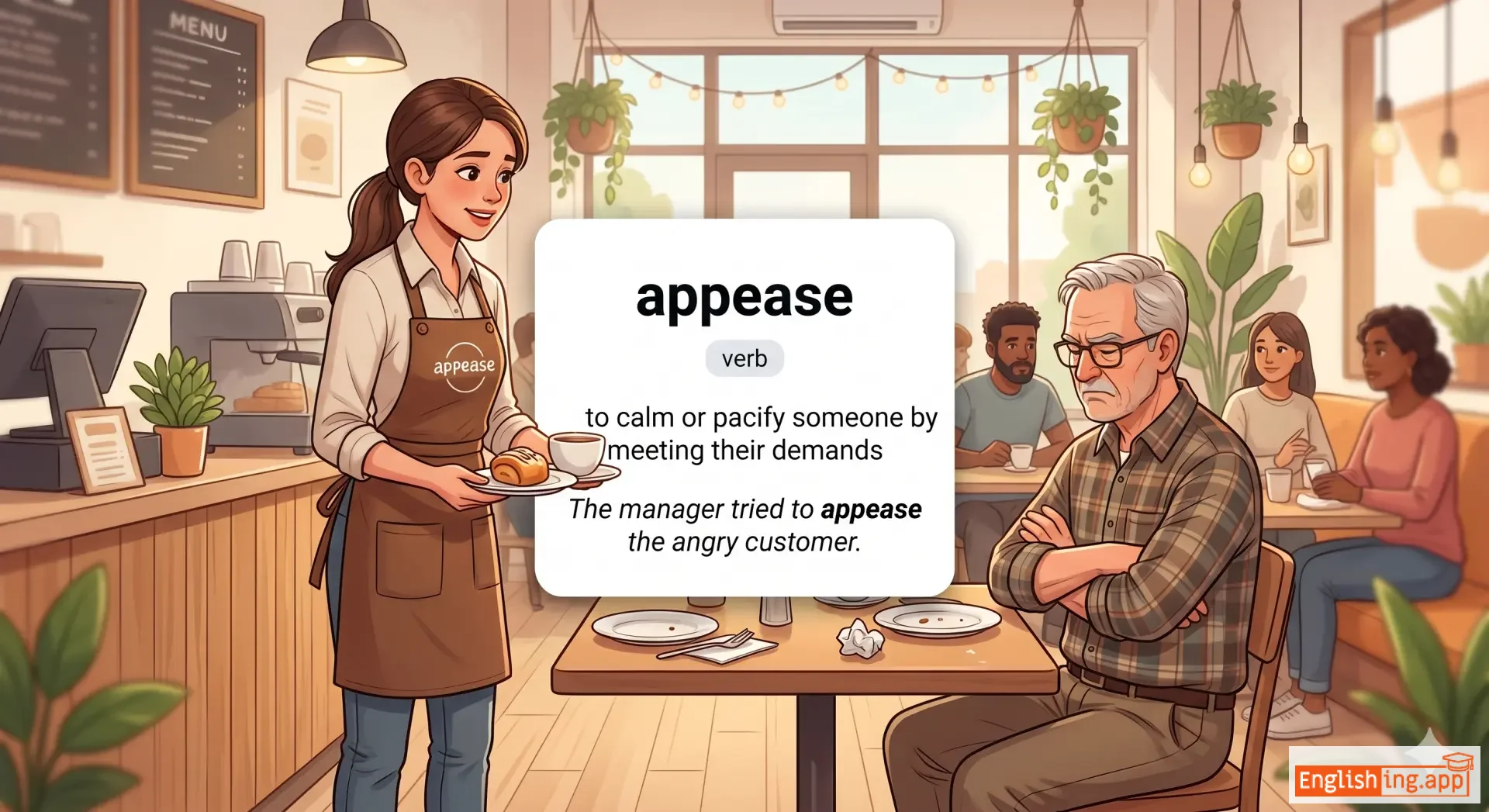
to calm or pacify someone by meeting their demands
••••••
|
The manager tried to appease the angry customer.
Der Manager versuchte, den wütenden Kunden zu besänftigen.
••••••
|
Der Manager versuchte, den wütenden Kunden zu besänftigen.
Der Manager versuchte, den wuetenden Kunden zu besaenftigen.
••••••
|
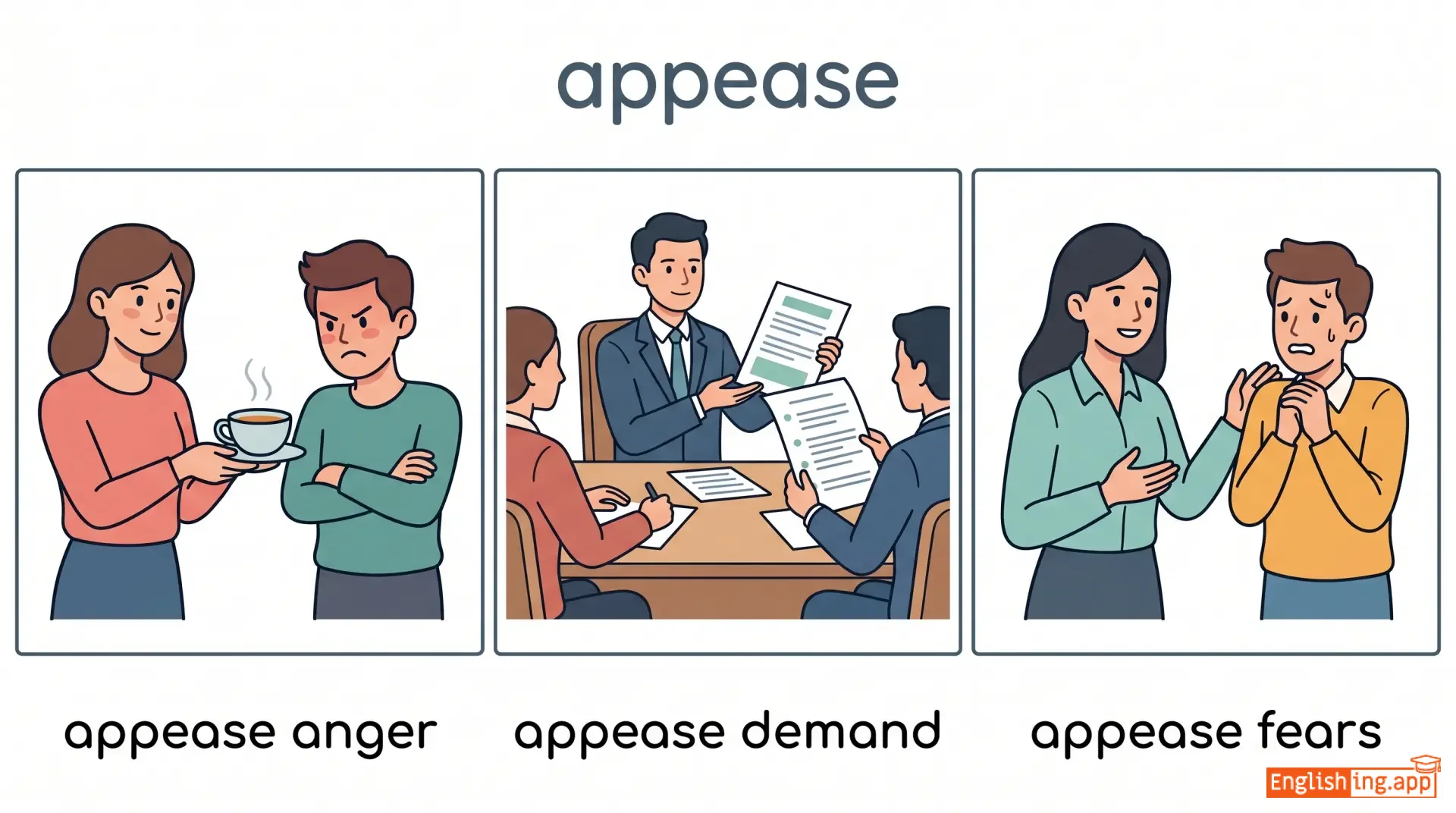
appease someone's anger
jemandes Wut besänftigen
••••••
|
to reduce someone's anger by satisfying them
••••••
|
jemandes Wut besänftigen
jemandes Wut besaenftigen
••••••
|
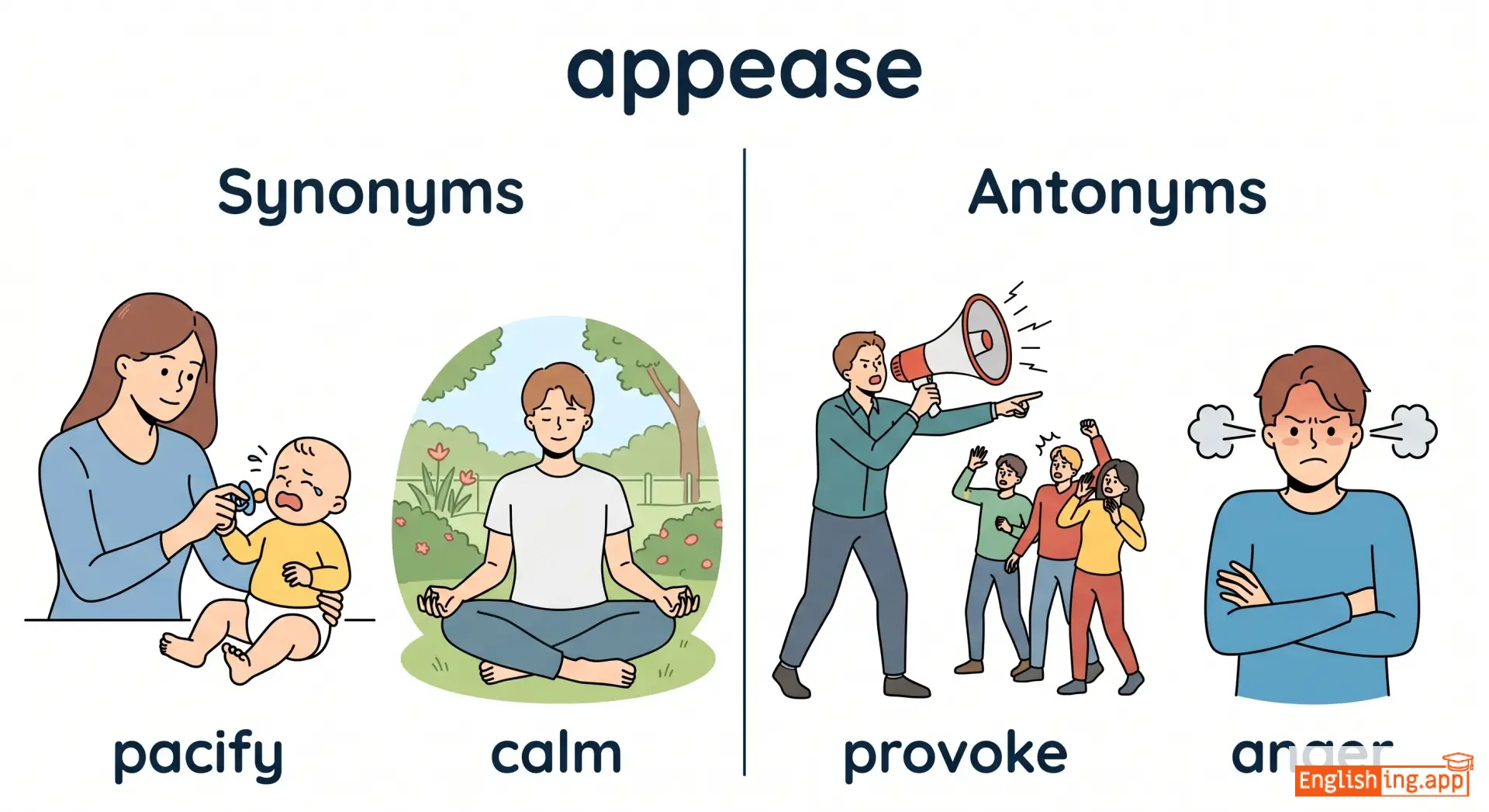
pacify, calm, satisfy, placate, soothe
••••••
|
provoke, anger, agitate
••••••
|
appease anger, appease demand, appease fears
••••••
|
Appease bedeutet besänftigen, denke daran, dass du besänftigen musst, um ‘Peace’ zu bringen.
••••••
|
|
#330
🍽️
|
/ˈæpɪtaɪt/
noun
(appetait)
••••••
|
|
Appetit
Appetit
••••••
|
- •••••• | - •••••• | - •••••• | - •••••• |
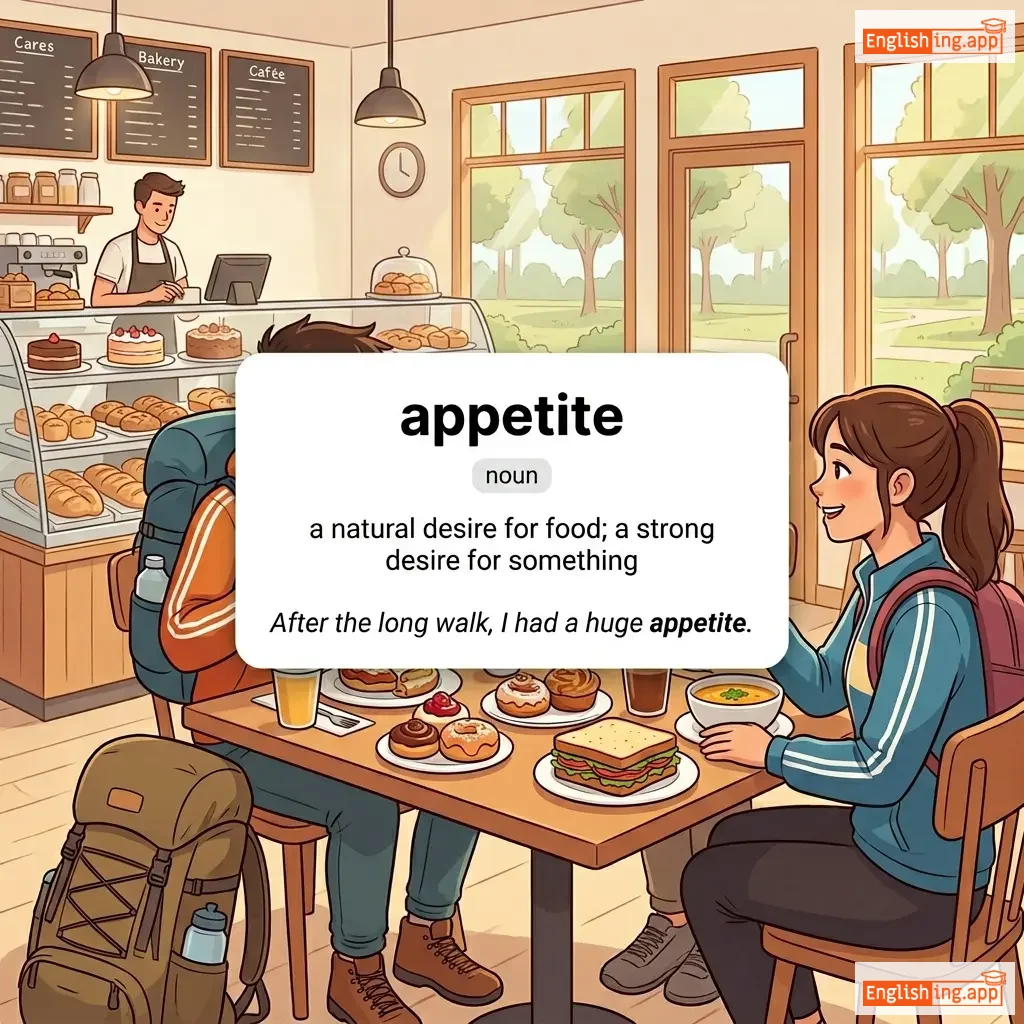
a natural desire for food; a strong desire for something
••••••
|
After the long walk, I had a huge appetite. |
Nach dem langen Spaziergang hatte ich großen Appetit.
Nach dem langen Spaziergang hatte ich großen Appetit.
••••••
|
whet the appetite |
to stimulate interest or desire
••••••
|
den Appetit anregen
den Appetit anregen
••••••
|
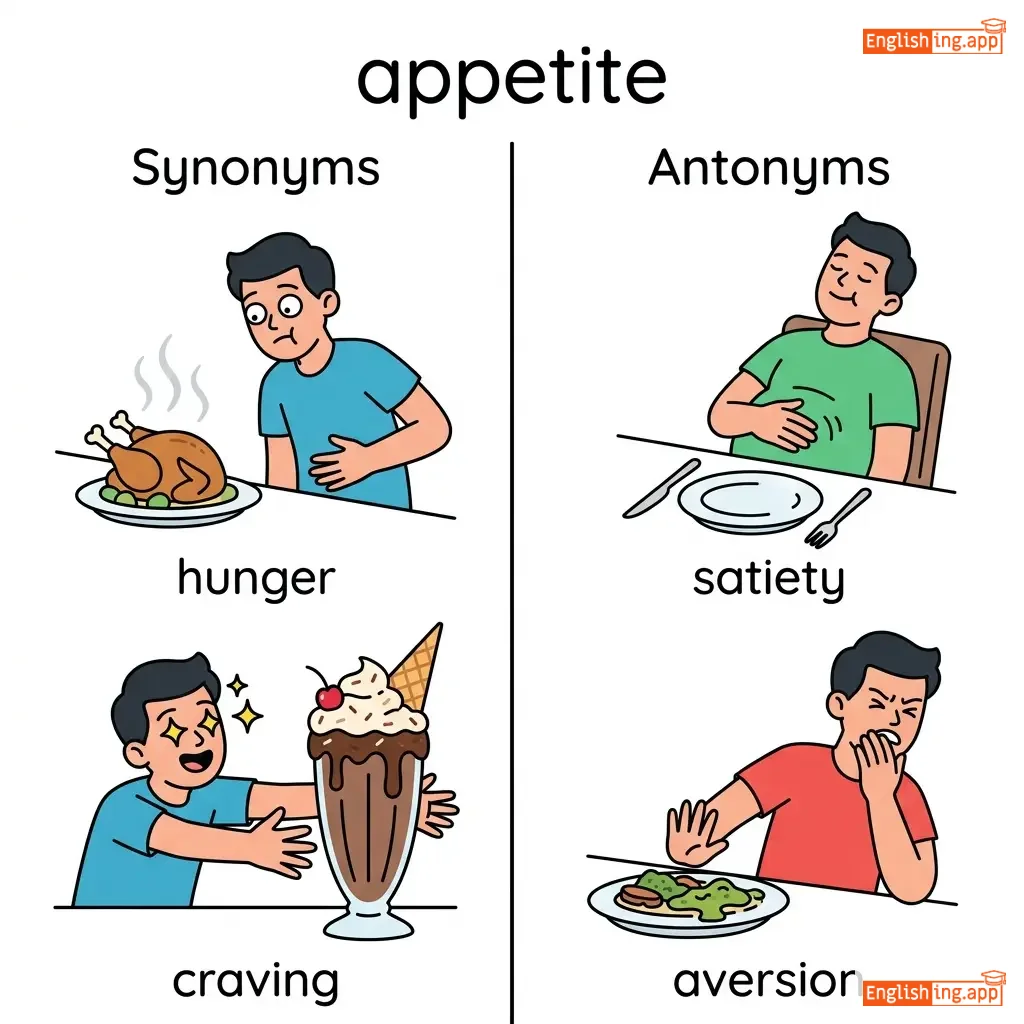
hunger, craving, desire, urge, longing
••••••
|
satiety, aversion
••••••
|
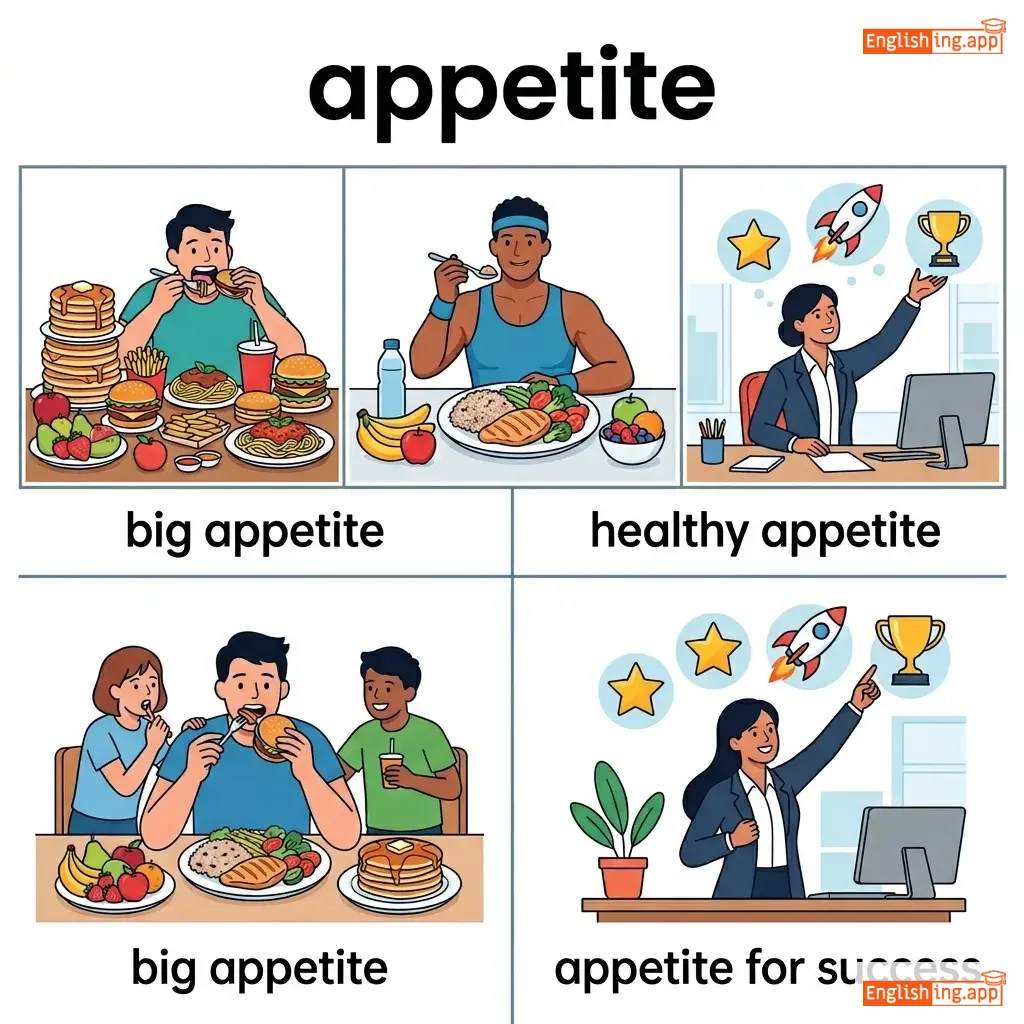
big appetite, healthy appetite, appetite for success
••••••
|
Appetite bedeutet Hunger – Appetit bedeutet Wunsch nach Essen.
••••••
|
|
#331
🍽️
|
/ˈæpɪtaɪz/
verb
(äpitaiz)
••••••
|
- •••••• |
Appetit anregen
Appetit anregen
••••••
|
appetized
äpitaizt
••••••
|
appetized
äpitaizt
••••••
|
appetizes
äpitaizt
••••••
|
appetizing
äpitaizend
••••••
|
to stimulate the appetite; to make someone eager or interested
••••••
|
The aroma of fresh bread will appetize the guests before dinner.
Der Duft von frischem Brot wird die Gäste appetizen.
••••••
|
Der Duft von frischem Brot wird den Appetit der Gäste anregen.
Der Duft von frischem Brot wird den Appetit der Gaeste anregen
••••••
|
- •••••• | - •••••• | - •••••• |
stimulate, whet, entice, tempt, arouse
••••••
|
repel, discourage, suppress
••••••
|
appetize the guests, appetize the senses, appetize appetite, appetize interest
••••••
|
Appetize klingt wie Appetit—also Appetit anregen.
••••••
|
|
#332
👏
|
/əˈplɔːd/
verb
(ap-plaud)
••••••
|
- •••••• |
applaudieren
applaudieren
••••••
|
applauded
ap-plaud-ed
••••••
|
applauded
ap-plaud-ed
••••••
|
applauds
ap-plauds
••••••
|
applauding
ap-plaud-ing
••••••
|
to show approval by clapping or expressing admiration
••••••
|
The audience applauded the performance.
Das Publikum applaudierte der Aufführung.
••••••
|
Das Publikum applaudierte der Aufführung.
Das Publikum applaudierte der Aufführung.
••••••
|
- •••••• | - •••••• | - •••••• |
cheer, praise, commend, hail
••••••
|
criticize, condemn
••••••
|
applaud enthusiastically, applaud someone for something
••••••
|
Applaud sounds like 'Appl' – also applaudieren Sie, wenn Sie etwas mögen!
••••••
|
|
#333
🍎
|
/ˈæpəl/
noun
(æpl)
••••••
|
- •••••• |
Apfel
Apfel
••••••
|
- •••••• | - •••••• | - •••••• | - •••••• |
a round fruit with red, green, or yellow skin
••••••
|
She ate a red apple for breakfast. |
Sie aß einen roten Apfel zum Frühstück.
Sie aß einen roten Apfel zum Frühstück.
••••••
|
the apple of one's eye |
a person or thing that is greatly loved or treasured
••••••
|
der Apfel des Auges
der Apfel des Auges
••••••
|
fruit, pome, produce
••••••
|
null
••••••
|
apple pie, apple tree, apple juice, eat an apple
••••••
|
Apfel - 'Ein Apfel am Tag hält den Arzt fern' merken!
••••••
|
|
#334
📌
|
/ˈæplɪkəbl/
adjective
(aplikabl)
••••••
|
|
anwendbar
anwendbar
••••••
|
- •••••• | - •••••• | - •••••• | - •••••• |
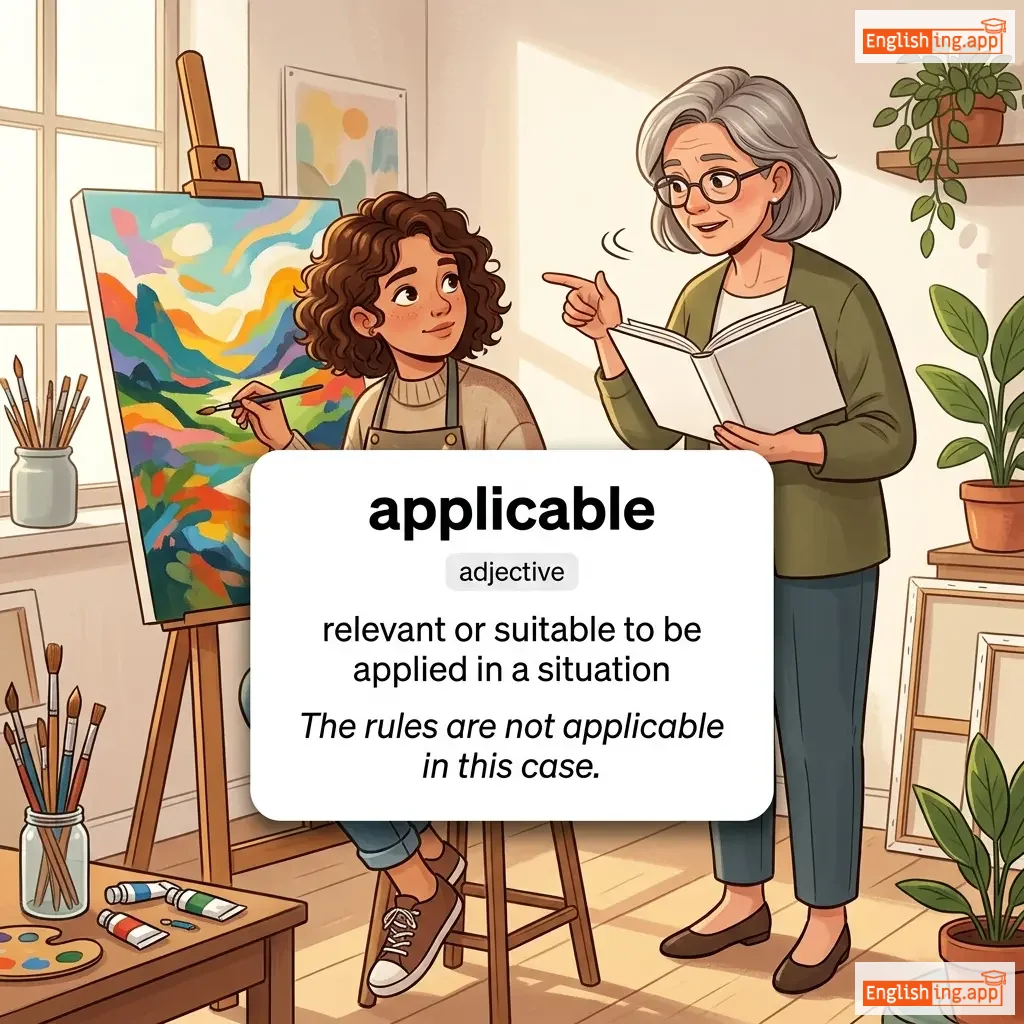
relevant or suitable to be applied in a situation
••••••
|
The rules are not applicable in this case. |
Die Regeln sind in diesem Fall nicht anwendbar.
Die Regeln sind in diesem Fall nicht anwendbar.
••••••
|
- •••••• | - •••••• | - •••••• |
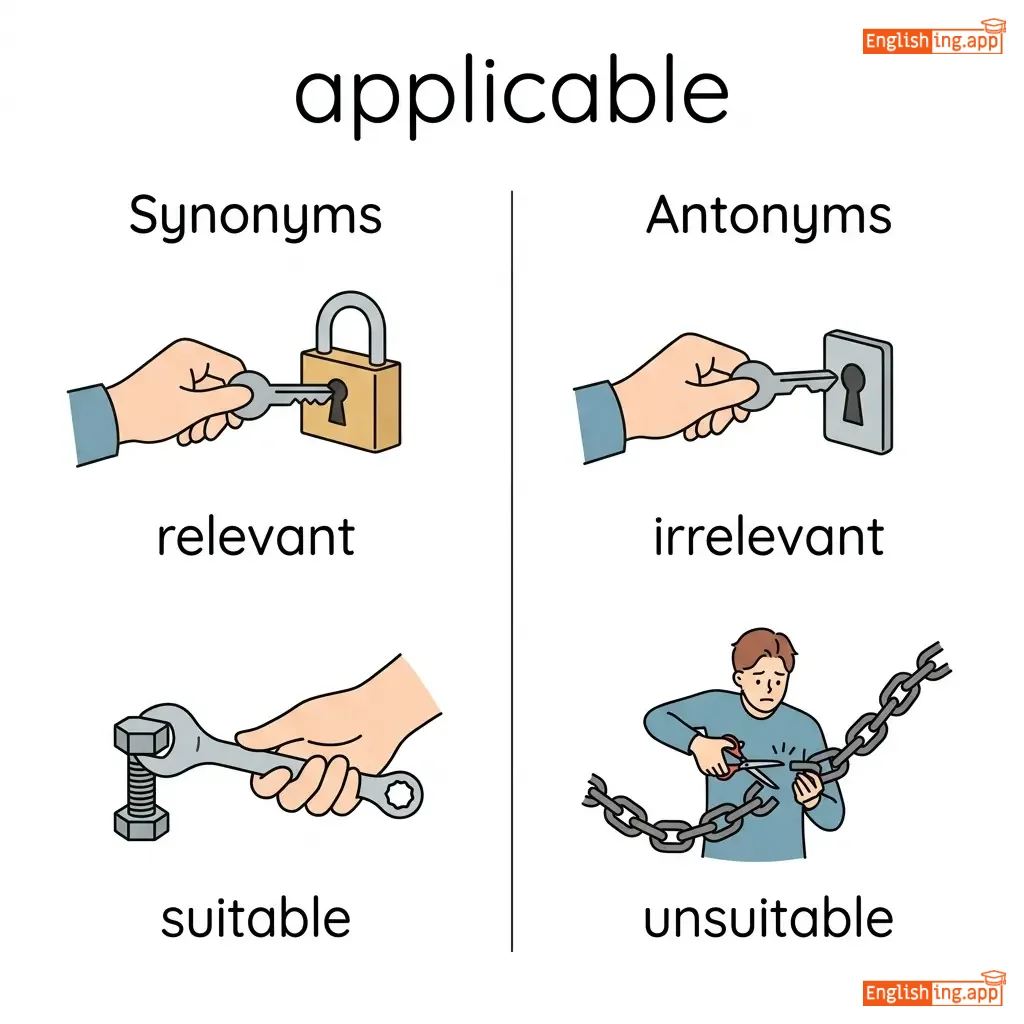
relevant, suitable, appropriate, pertinent, fitting
••••••
|
irrelevant, unsuitable, inappropriate
••••••
|
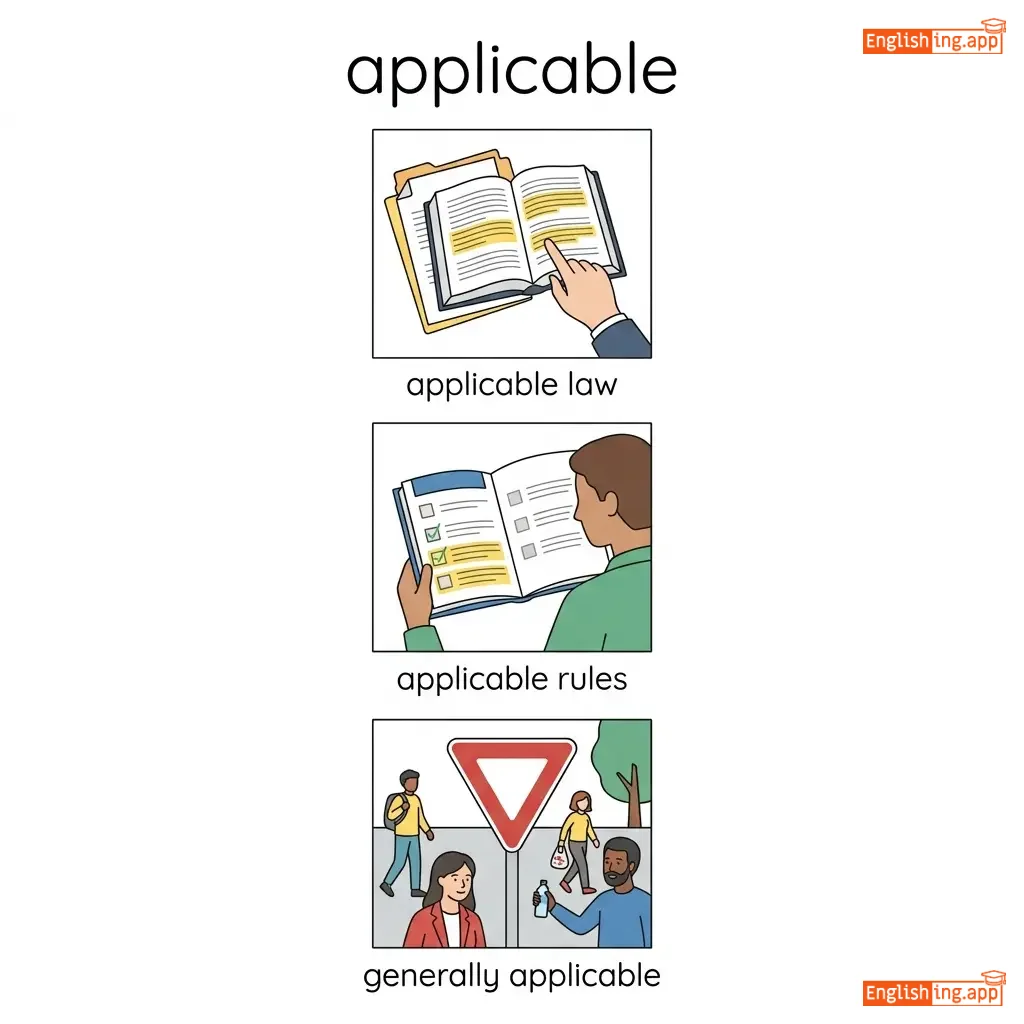
applicable law, applicable rules, generally applicable
••••••
|
Applicable bedeutet etwas, das angewendet werden kann, also anwendbar.
••••••
|
|
#335
📝
|
/ˈæplɪkənt/
noun
(æplikant)
••••••
|
- •••••• |
Bewerber
Bewerber
••••••
|
- •••••• | - •••••• | - •••••• | - •••••• |
a person who applies for something, such as a job or a position
••••••
|
The applicant was interviewed for the position. |
Der Bewerber wurde für die Position interviewt.
Der Bewerber wurde für die Position interviewt.
••••••
|
- •••••• | - •••••• | - •••••• |
candidate, contender, petitioner, seeker
••••••
|
employer, recruiter
••••••
|
job applicant, applicant form, qualified applicant
••••••
|
An applicant is someone who applies (bewirbt sich) for a position.
••••••
|
|
#336
📝
|
/ˌæplɪˈkeɪʃən/
noun
(applikation)
••••••
|
- •••••• |
Antrag / Anwendung / Software
antrag / anwendung / software
••••••
|
- •••••• | - •••••• | - •••••• | - •••••• |
a formal request for something; the act of putting something into operation; or a software program
••••••
|
She submitted her application for the scholarship. |
Sie hat ihren Antrag für das Stipendium eingereicht.
Sie hat ihren Antrag für das Stipendium eingereicht.
••••••
|
put into application |
to use something practically
••••••
|
in Anwendung bringen
in anwendung bringen
••••••
|
request, use, implementation, petition, software
••••••
|
withdrawal, neglect
••••••
|
job application, application form, software application, practical application
••••••
|
Application bedeutet Antrag oder App, beide werden verwendet.
••••••
|
|
#337
📄
|
/əˈplaɪ/
verb
(aplai)
••••••
|
- •••••• |
bewerben / anwenden
bewerben / anwenden
••••••
|
applied
aplaid
••••••
|
applied
aplaid
••••••
|
applies
appliziert
••••••
|
applying
anwendend
••••••
|
to make a formal request for something; to put into practice
••••••
|
He decided to apply for the scholarship.
Er entschied sich, sich um das Stipendium zu bewerben.
••••••
|
Er entschied sich, sich um das Stipendium zu bewerben.
Er entschied sich, sich um das Stipendium zu bewerben.
••••••
|
apply oneself
sich selbst anwenden
••••••
|
to make a serious effort to do something
••••••
|
sich ernsthaft anstrengen
sich ernsthaft anstrengen
••••••
|
request, use, implement, employ, submit
••••••
|
ignore, neglect
••••••
|
apply for a job, apply pressure, apply rules, apply cream
••••••
|
Apply bedeutet sich bewerben - Mehr bewerben bedeutet mehr Erfolg.
••••••
|
|
#338
📌
|
/əˈpɔɪnt/
verb
(apɔɪnt)
••••••
|
|
ernennen
ernennen
••••••
|
appointed
apɔɪntəd
••••••
|
appointed
apɔɪntəd
••••••
|
appoints
apɔɪnts
••••••
|
appointing
apɔɪntɪŋ
••••••
|
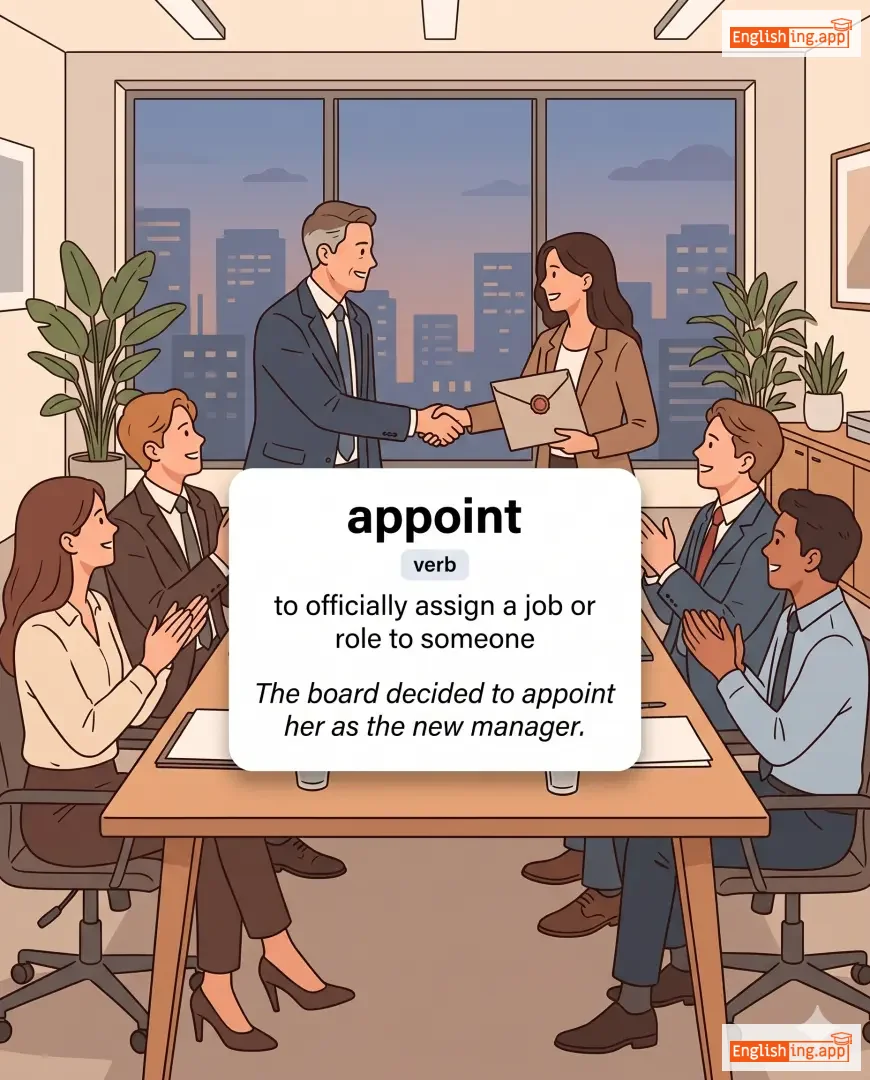
to officially assign a job or role to someone
••••••
|
The board decided to appoint her as the new manager.
Der Vorstand beschloss, sie zur neuen Managerin zu ernennen.
••••••
|
Der Vorstand beschloss, sie zur neuen Managerin zu ernennen.
Der Vorstand beschloss, sie zur neuen Managerin zu ernennen.
••••••
|
appoint someone to a post
jemanden zu einem Posten ernennen
••••••
|
to officially give someone a position or job
••••••
|
jemanden zu einem Posten ernennen
jemanden zu einem Posten ernennen
••••••
|
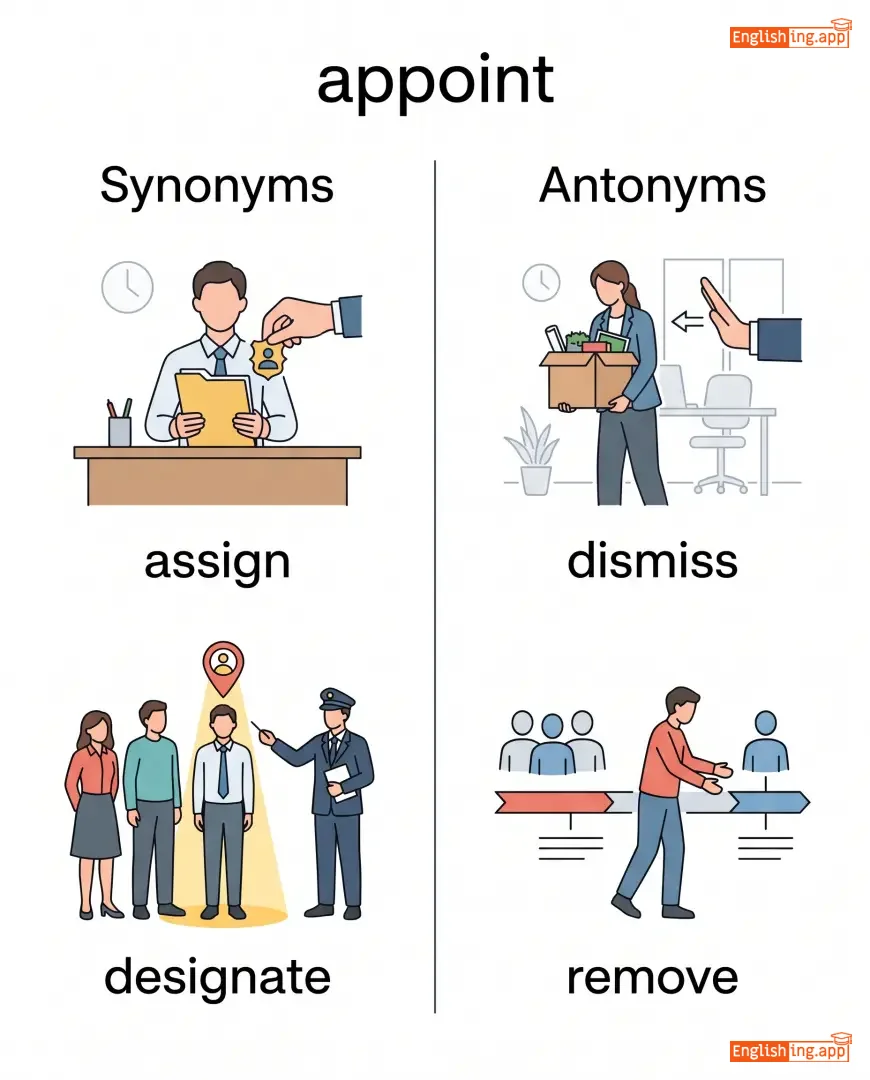
assign, designate, nominate, delegate, commission
••••••
|
dismiss, remove, reject
••••••
|
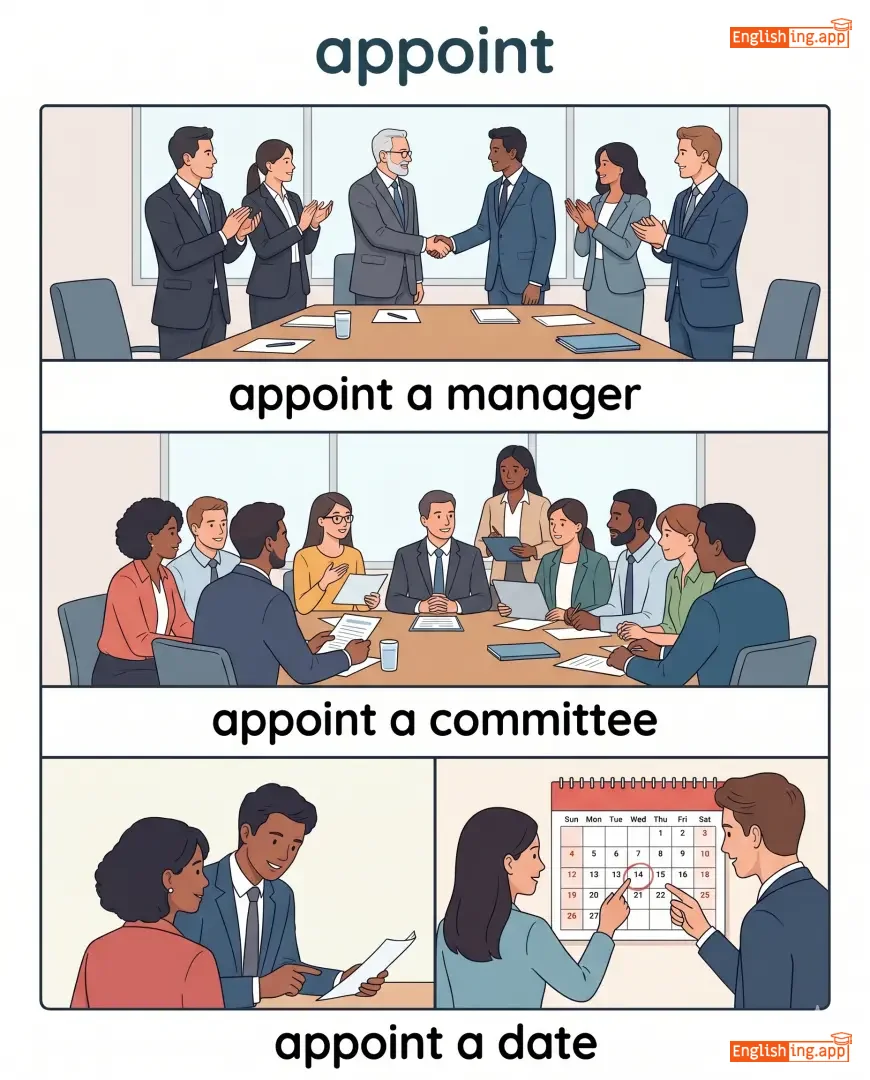
appoint a manager, appoint a committee, appoint a date, appoint someone
••••••
|
Appoint bedeutet ernennen—'Appoint, eine Person für eine Aufgabe auswählen'.
••••••
|
|
#339
📅
|
/əˈpɔɪntmənt/
noun
(apɔɪntmənt)
••••••
|
- •••••• |
Termin
Termin
••••••
|
- •••••• | - •••••• | - •••••• | - •••••• |
an arrangement to meet someone at a particular time
••••••
|
I have a doctor's appointment tomorrow. |
Ich habe morgen einen Arzttermin.
Ich habe morgen einen Arzttermin.
••••••
|
keep an appointment |
to attend an arranged meeting
••••••
|
einen Termin wahrnehmen
einen Termin wahrnehmen
••••••
|
meeting, arrangement, date, schedule, reservation
••••••
|
cancellation, absence
••••••
|
make an appointment, cancel an appointment, keep an appointment, appointment time
••••••
|
Appointment bedeutet Termin — plane es rechtzeitig!
••••••
|
|
#340
🙏
|
/əˈpriːʃieɪt/
verb
(ap-re-shee-ayt)
••••••
|
|
wertschätzen
wert-schet-zen
••••••
|
appreciated
ap-re-shee-ay-ted
••••••
|
appreciated
ap-re-shee-ay-ted
••••••
|
appreciates
ap-re-shee-ayts
••••••
|
appreciating
ap-re-shee-ay-ting
••••••
|
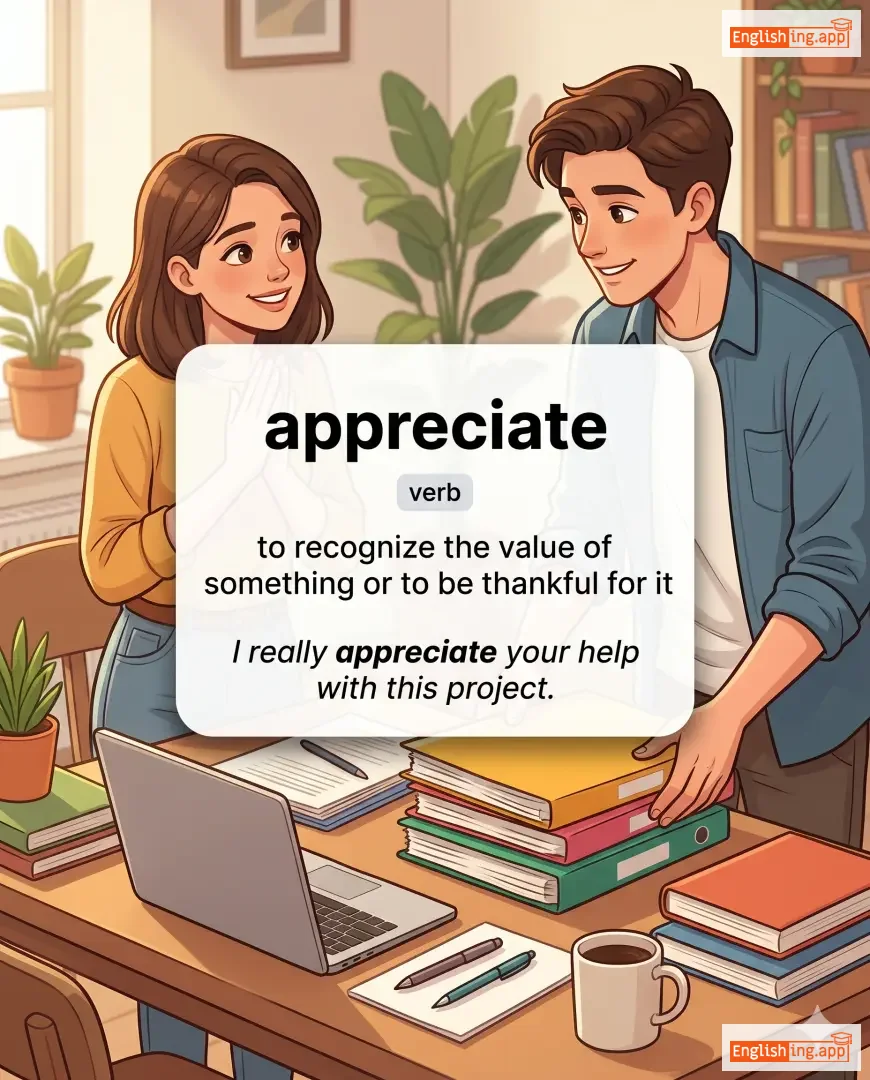
to recognize the value of something or to be thankful for it
••••••
|
I really appreciate your help with this project.
Ich schätze wirklich Ihre Hilfe bei diesem Projekt.
••••••
|
Ich schätze wirklich Ihre Hilfe bei diesem Projekt.
Ih schät-ze virk-lich Ih-re Hil-fe bei di-sem Pro-jekt.
••••••
|
appreciate the gesture
die Geste schätzen
••••••
|
to value someone's action or kindness
••••••
|
die Geste schätzen
die Geste schät-zen
••••••
|
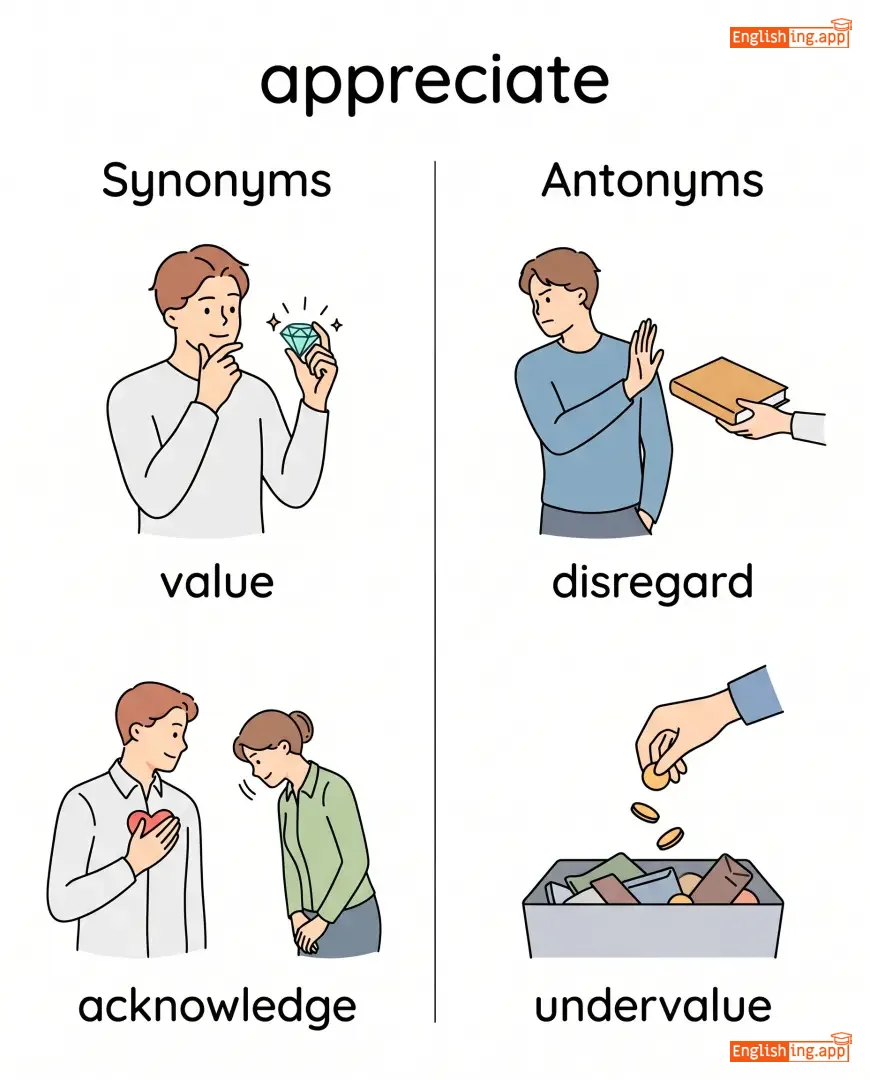
value, acknowledge, recognize, respect, admire
••••••
|
disregard, undervalue, ignore
••••••
|
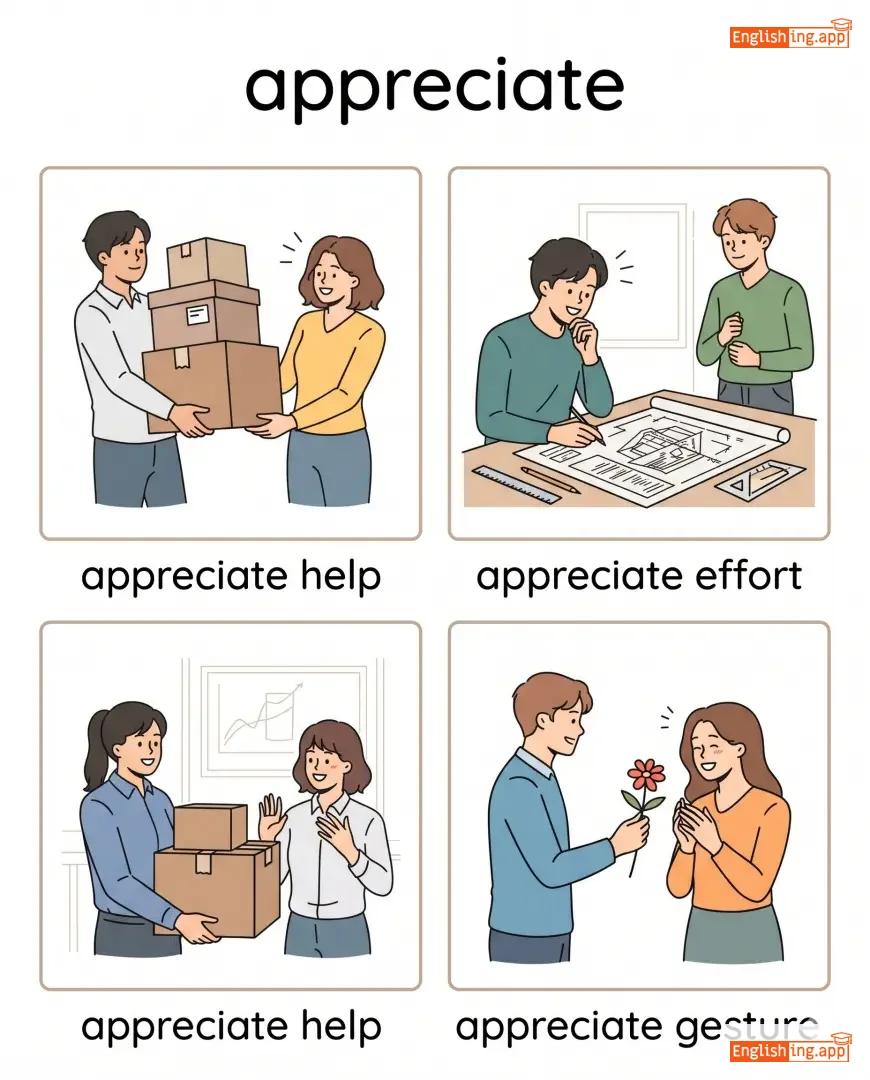
appreciate help, appreciate effort, appreciate gesture, appreciate support
••••••
|
Appreciate ist wie 'danke' sagen 🙏
••••••
|
|
#341
💐
|
/əˌpriːʃiˈeɪʃən/
noun
(apʁesiˈaːt͡sjoːn)
••••••
|
|
Anerkennung, Wertschätzung
Anerkennung, Wertschätzung
••••••
|
- •••••• | - •••••• | - •••••• | - •••••• |
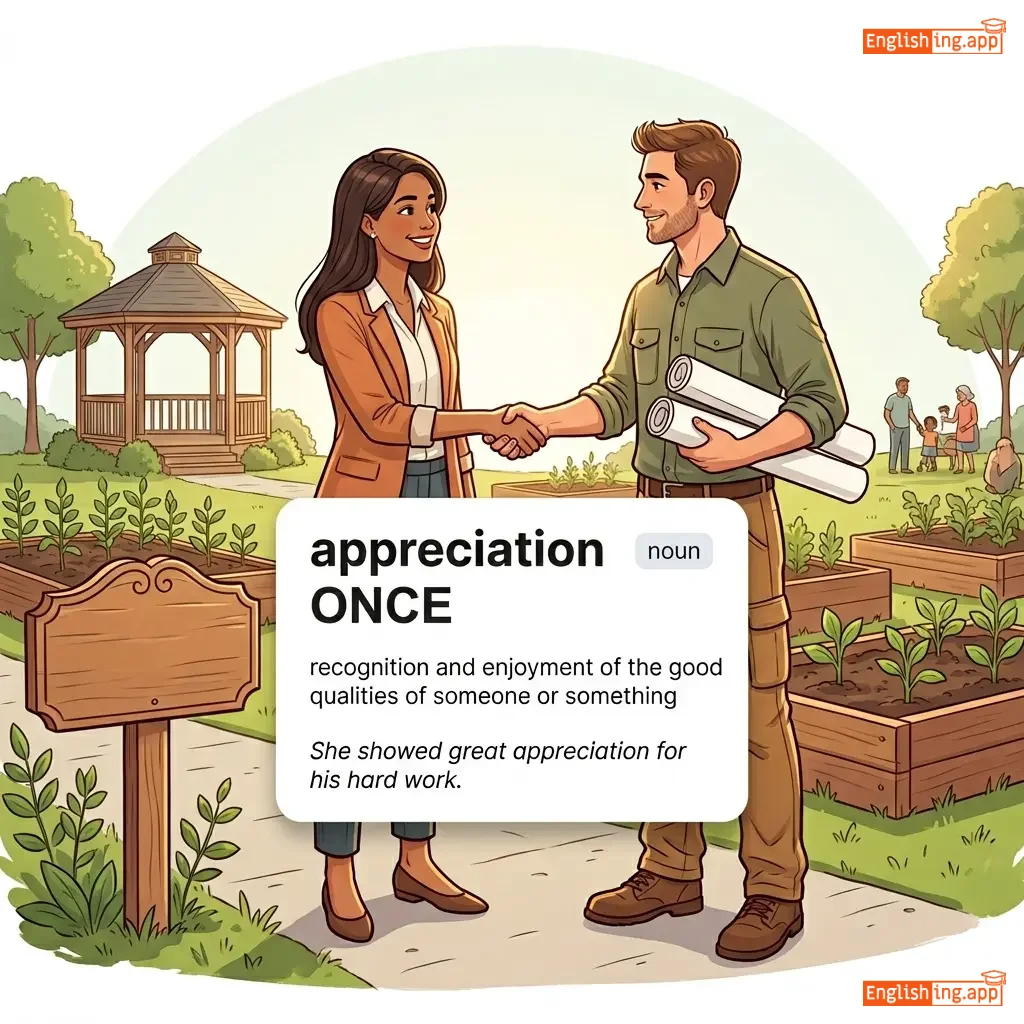
recognition and enjoyment of the good qualities of someone or something
••••••
|
She showed great appreciation for his hard work. |
Sie zeigte große Anerkennung für seine harte Arbeit.
Sie zeigte große Anerkennung für seine harte Arbeit.
••••••
|
token of appreciation |
a small gift or gesture to show gratitude
••••••
|
Zeichen der Anerkennung
Zeichen der Anerkennung
••••••
|
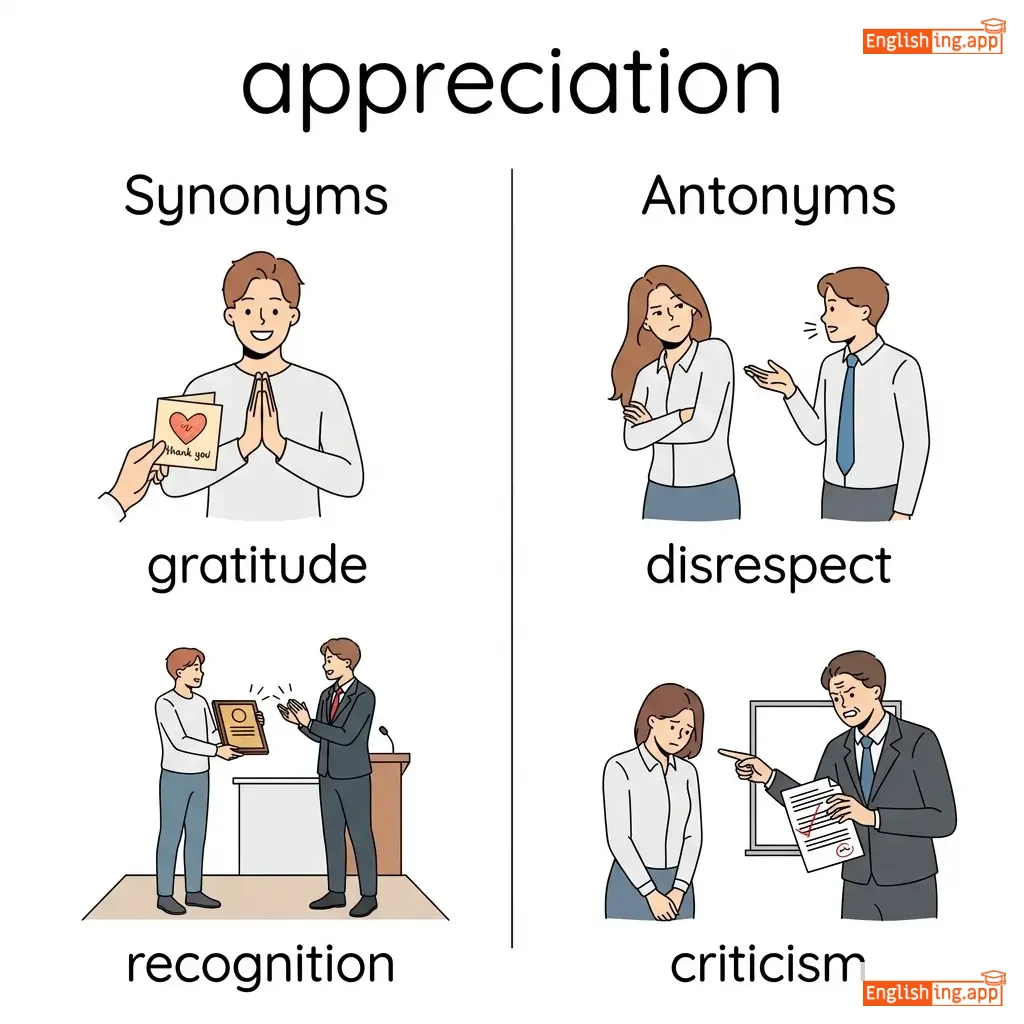
gratitude, recognition, admiration, thankfulness, respect
••••••
|
disrespect, criticism, ungratefulness
••••••
|
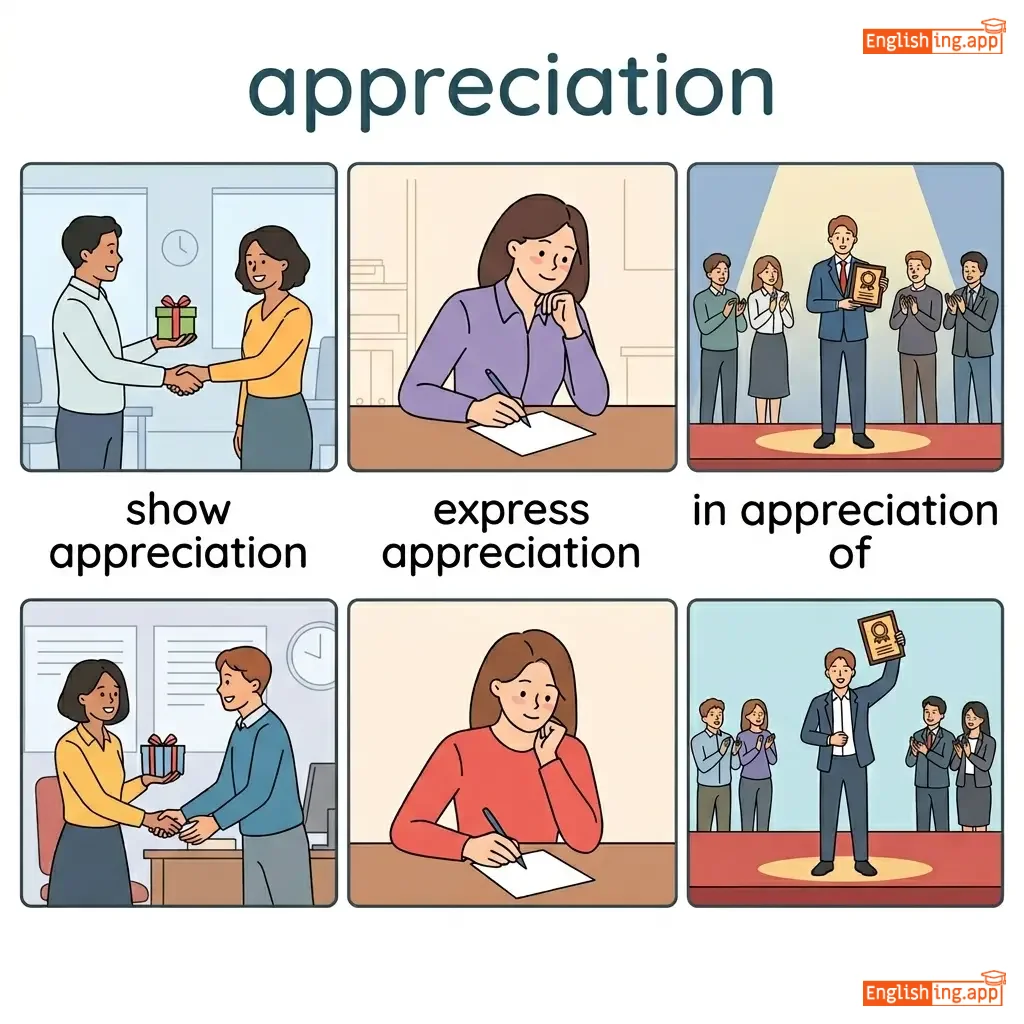
show appreciation, express appreciation, in appreciation of
••••••
|
Anerkennung bedeutet wertschätzen, deshalb bedeutet appreciation wertschätzen — denke daran, jeder möchte appreciation bekommen 🎁
••••••
|
|
#342
🚓
|
/ˌæprɪˈhɛnd/
verb
(aprihend)
••••••
|
- •••••• |
verhaften
verhaften
••••••
|
apprehended
aprihendet
••••••
|
apprehended
aprihendet
••••••
|
apprehends
aprihends
••••••
|
apprehending
aprihendend
••••••
|
to arrest or seize someone; to understand or perceive something
••••••
|
The police managed to apprehend the thief after a long chase.
Die Polizei konnte den Dieb nach einer langen Verfolgung festnehmen.
••••••
|
Die Polizei konnte den Dieb nach einer langen Verfolgung festnehmen.
Die Polizei konnte den Dieb nach einer langen Verfolgung festnehmen.
••••••
|
apprehend the meaning
den Sinn erfassen
••••••
|
to understand or grasp the meaning
••••••
|
den Sinn erfassen
den Sinn erfassen
••••••
|
arrest, capture, seize, detain, grasp
••••••
|
release, free, liberate
••••••
|
apprehend a suspect, apprehend quickly, apprehend the meaning
••••••
|
Verhaften (festnehmen) wird durchgeführt, um den Sinn der Tat zu begreifen.
••••••
|
|
#343
📢
|
/əˈpraɪz/
verb
(apraiz)
••••••
|
|
informieren
informieren
••••••
|
apprised
apraizd
••••••
|
apprised
apraizd
••••••
|
apprises
apraizes
••••••
|
apprising
apraizing
••••••
|
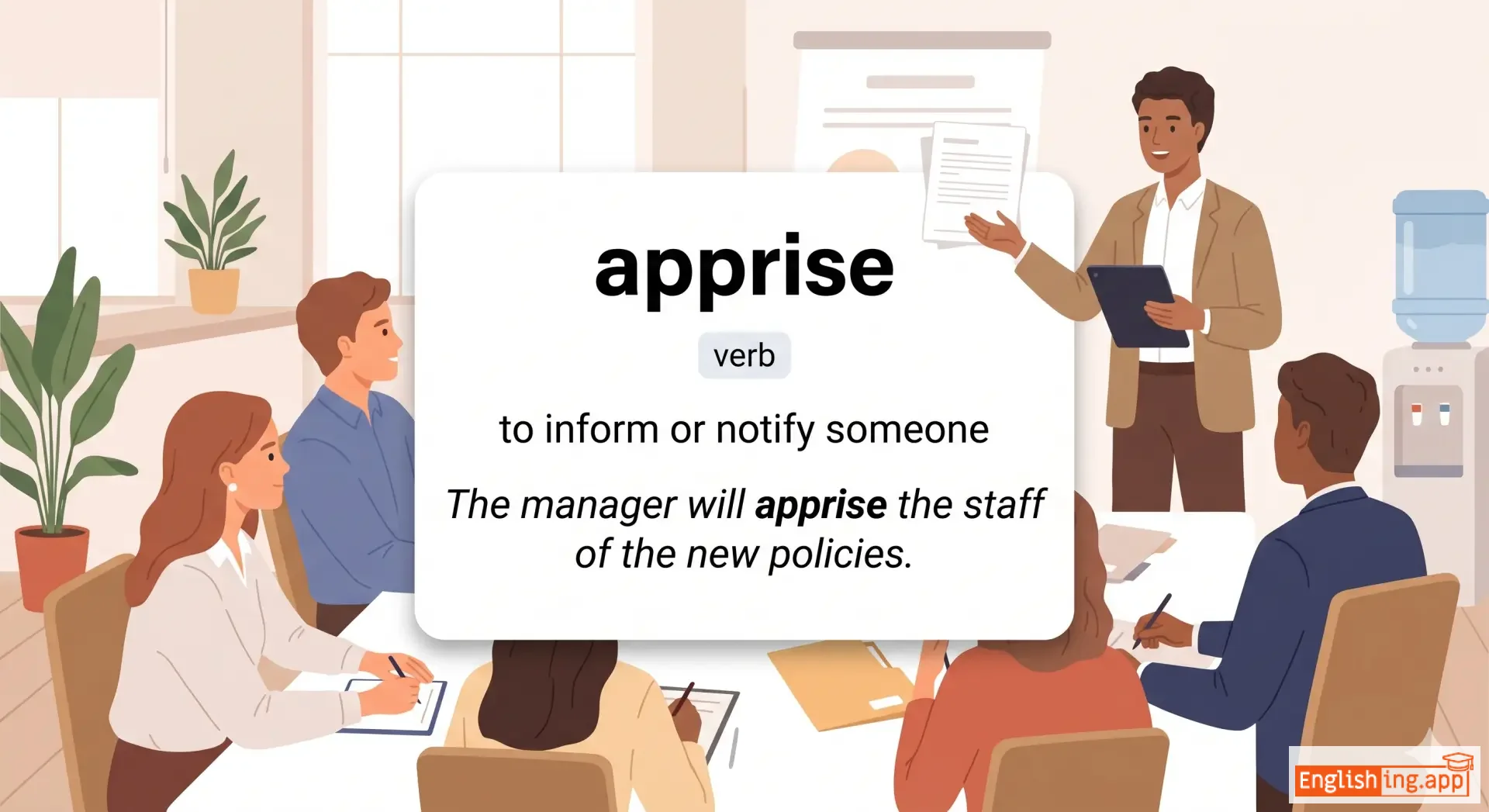
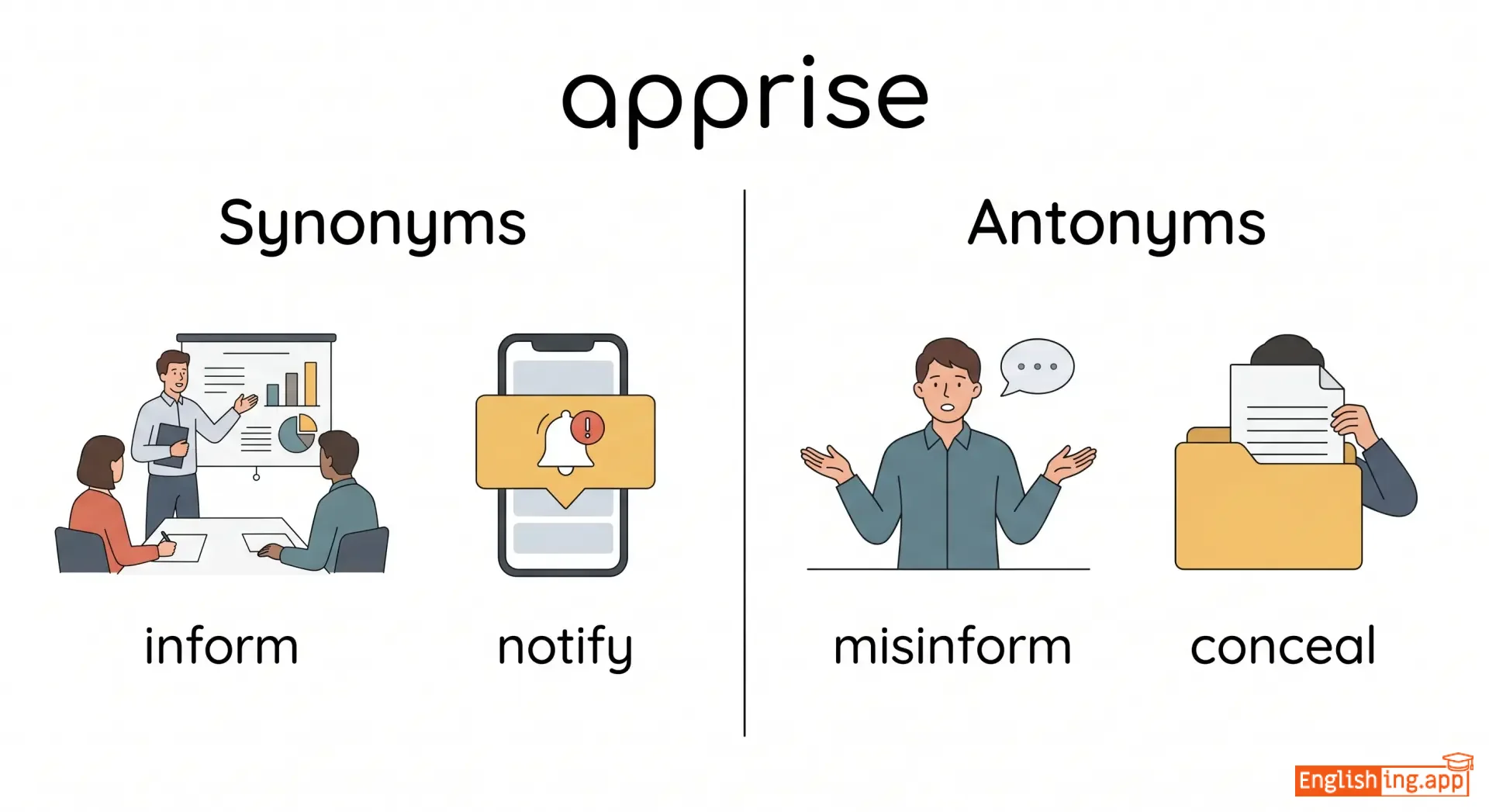
to inform or notify someone
••••••
|
The manager will apprise the staff of the new policies.
Der Manager wird das Personal über die neuen Richtlinien informieren.
••••••
|
Der Manager wird das Personal über die neuen Richtlinien informieren.
Der Manager wird das Personal über die neuen Richtlinien informieren.
••••••
|
keep apprised
informiert bleiben
••••••
|
to keep informed about something
••••••
|
informiert bleiben
informiert bleiben
••••••
|
inform, notify, brief, update, advise
••••••
|
misinform, conceal
••••••
|
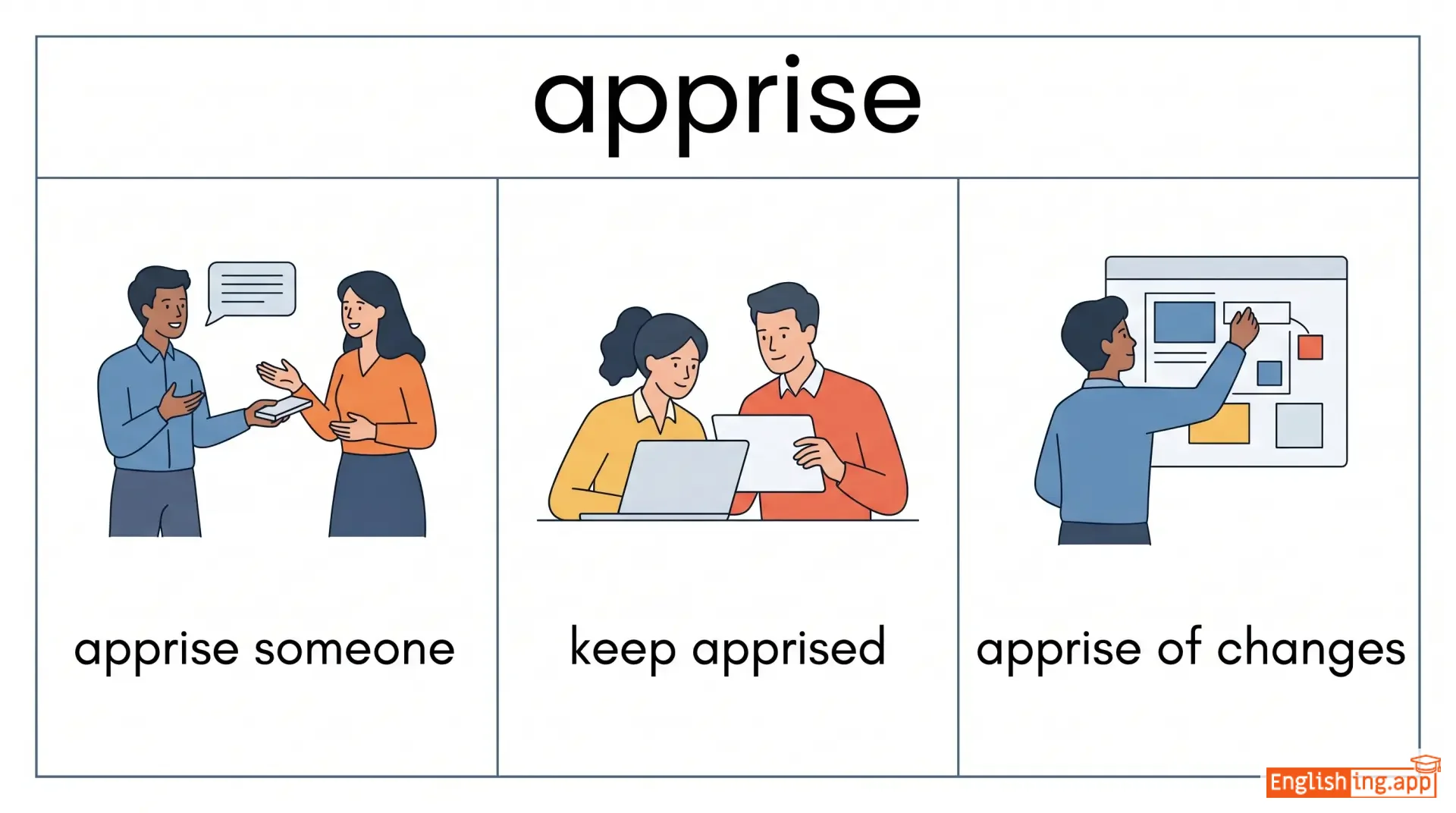
apprise someone, keep apprised, apprise of changes
••••••
|
Denke an 'apprise' wie an 'aufklären' – es geht um Information.
••••••
|
|
#344
➡️
|
/əˈproʊtʃ/
verb
(aprosch)
••••••
|
- •••••• |
sich nähern / mit etwas umgehen
sich naehern / mit etwas umgehen
••••••
|
approached
aproesht
••••••
|
approached
aproesht
••••••
|
approaches
aprotsches
••••••
|
approaching
aproching
••••••
|
to move closer to someone or something; to deal with a situation or problem
••••••
|
The teacher approached the student to offer help.
Der Lehrer näherte sich dem Schüler, um Hilfe anzubieten.
••••••
|
Der Lehrer näherte sich dem Schüler, um Hilfe anzubieten.
Der Lehrer naeherte sich dem Schueler, um Hilfe anzubieten.
••••••
|
approach with caution
mit Vorsicht annähern
••••••
|
to be careful when dealing with something or someone
••••••
|
mit Vorsicht annähern
mit Vorsicht naehern
••••••
|
come near, advance, move toward, reach, tackle
••••••
|
retreat, withdraw, avoid
••••••
|
new approach, practical approach, approach a problem, approach someone
••••••
|
Sich nähern bedeutet, sich einem Problem zu stellen: man geht näher und begegnet dann der Herausforderung.
••••••
|
|
#345
✔️
|
/əˈproʊpriət/ (adj), /əˈproʊprieɪt/ (verb)
adjective, verb
(aproprieit)
••••••
|
|
angemessen / sich aneignen
angemessen / sich aneignen
••••••
|
appropriated
apropriiert
••••••
|
appropriated
apropriiert
••••••
|
appropriates
apropriiert
••••••
|
appropriating
apropriiertend
••••••
|
suitable or proper in the circumstances (adj); to take something for one’s own use, often without permission (verb)
••••••
|
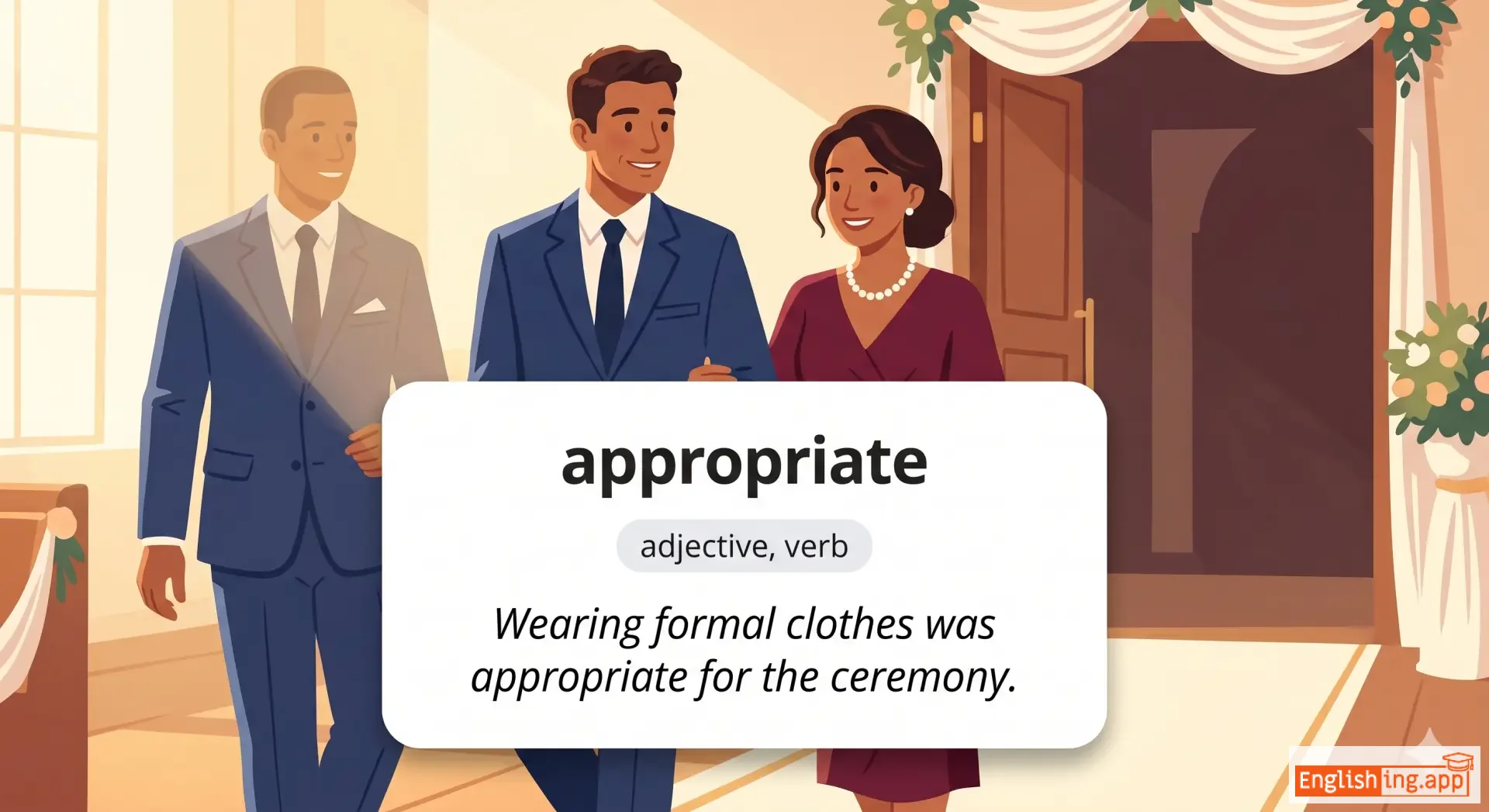
Wearing formal clothes was appropriate for the ceremony.
Das Tragen von formeller Kleidung war für die Zeremonie angemessen.
••••••
|
Das Tragen von formeller Kleidung war für die Zeremonie angemessen.
Das Tragen von formeller Kleidung war für die Zeremonie angemessen.
••••••
|
- •••••• | - •••••• | - •••••• |
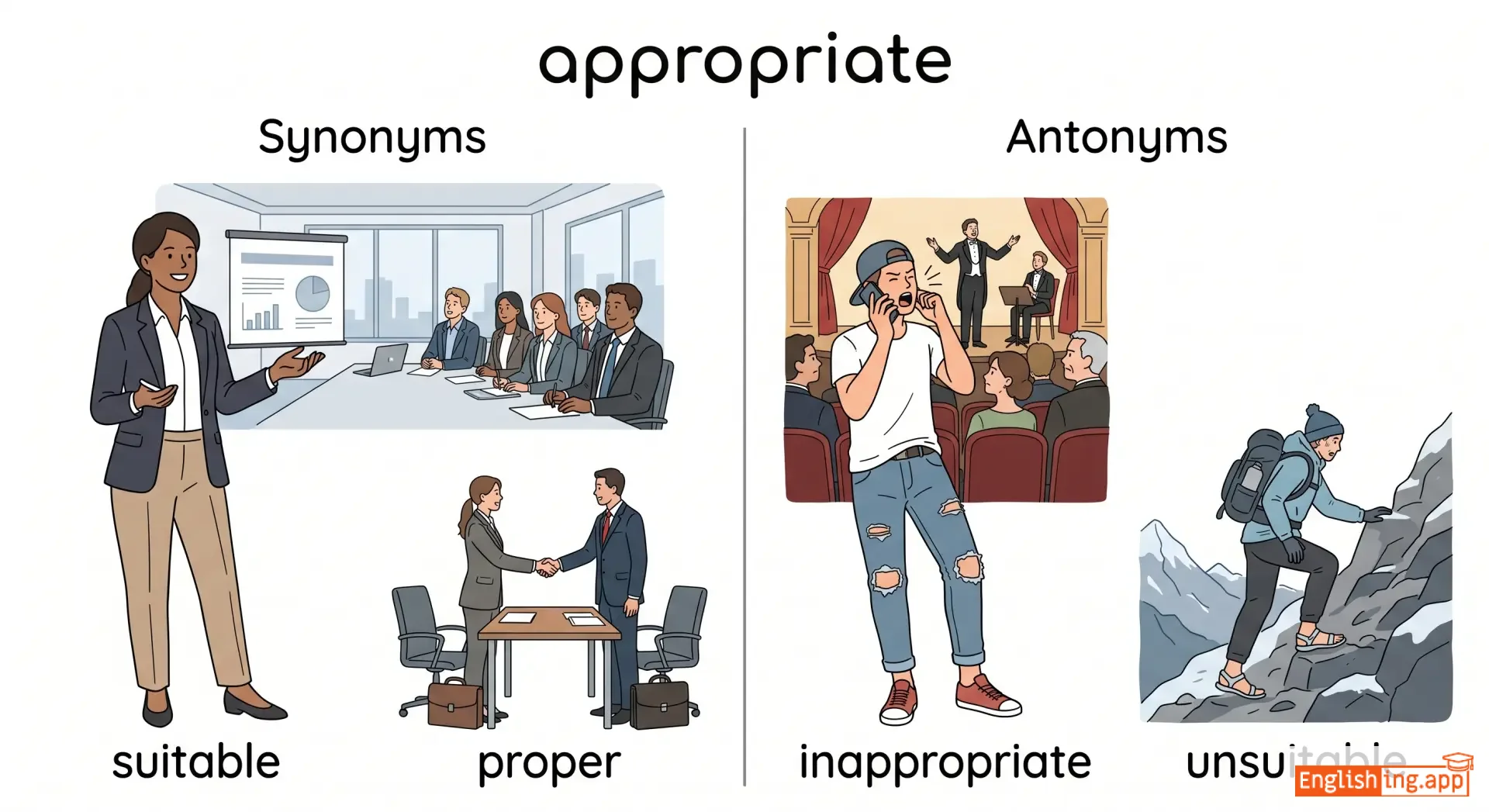
suitable, proper, fitting, apt, seize
••••••
|
inappropriate, unsuitable
••••••
|
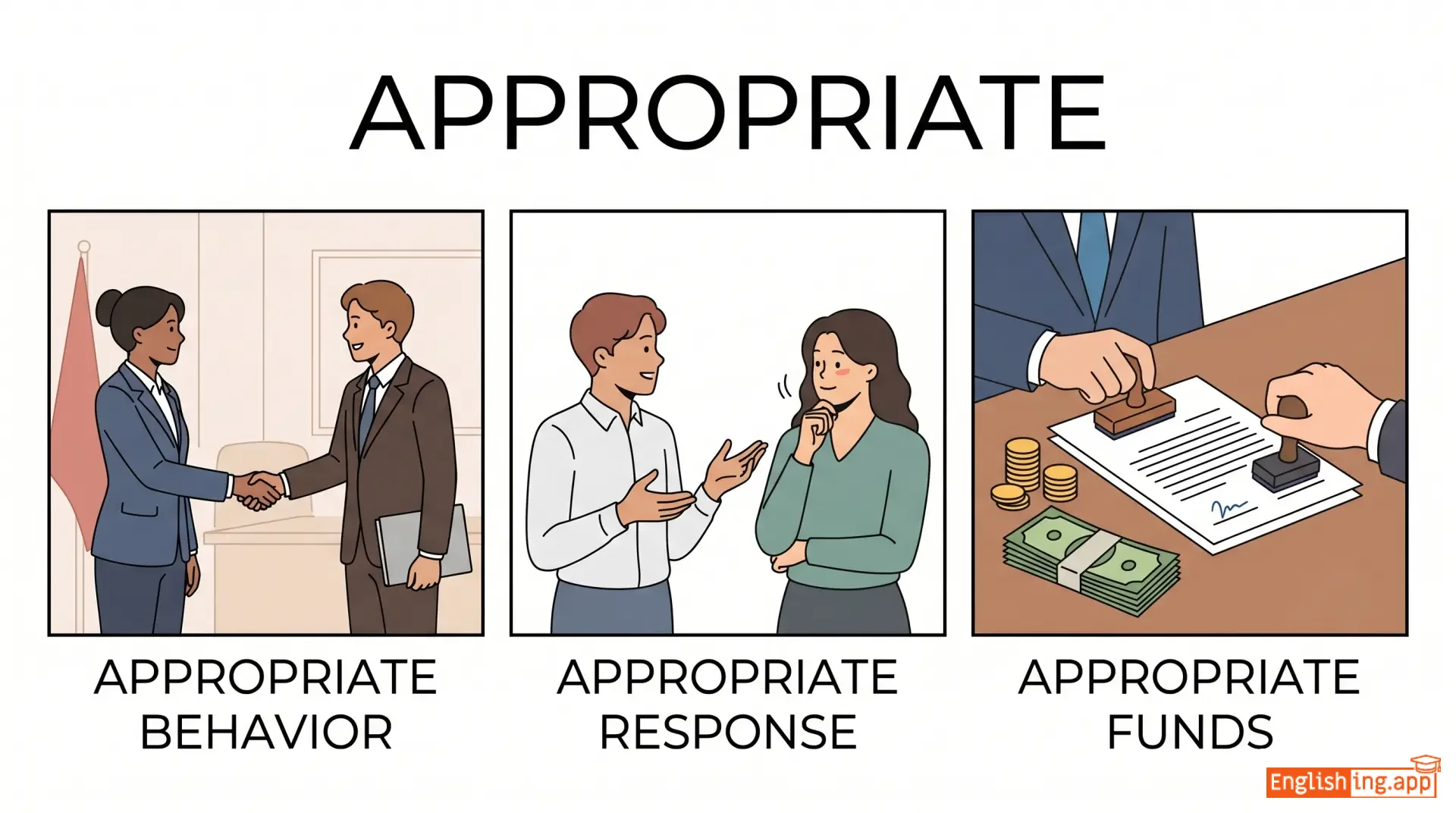
appropriate behavior, appropriate response, appropriate funds, culturally appropriate
••••••
|
Appropriert bedeutet passend—was je nach Situation angemessen ist, und manchmal auch etwas ohne Erlaubnis nehmen.
••••••
|
|
#346
👌
|
/əˈproʊpriətli/
adverb
(apropriatly)
••••••
|
- •••••• |
angemessen
angemessen
••••••
|
- •••••• | - •••••• | - •••••• | - •••••• |
in a way that is suitable or proper for a particular situation
••••••
|
She was dressed appropriately for the event.
Sie war für die Veranstaltung angemessen gekleidet.
••••••
|
Sie war für die Veranstaltung angemessen gekleidet.
Sie war fuer die Veranstaltung angemessen gekleidet.
••••••
|
- •••••• | - •••••• | - •••••• |
suitably, properly, fittingly, correctly
••••••
|
inappropriately, wrongly
••••••
|
act appropriately, dress appropriately, respond appropriately
••••••
|
Wenn du angemessen handelst, bist du 'angemessen' für den Anlass.
••••••
|
|
#347
✔️
|
/əˈpruː.vəl/
noun
(apruval)
••••••
|
- •••••• |
Zustimmung
zustimmung
••••••
|
- •••••• | - •••••• | - •••••• | - •••••• |
official permission or agreement for something
••••••
|
The project received government approval. |
Das Projekt erhielt die Zustimmung der Regierung.
Das Projekt erhielt die Zustimmung der Regierung.
••••••
|
seal of approval |
official acceptance or endorsement
••••••
|
Zustimmungsstempel
zustimmungsstempel
••••••
|
acceptance, consent, permission, endorsement, authorization
••••••
|
disapproval, rejection, denial
••••••
|
gain approval, seek approval, official approval, parental approval
••••••
|
Approval bedeutet Zustimmung ✔️ — alles wird 'zugelassen', wenn es genehmigt wird.
••••••
|
|
#348
✅
|
/əˈpruːv/
verb
(apruv)
••••••
|
- •••••• |
genehmigen
genehmigen
••••••
|
approved
apruft
••••••
|
approved
apruft
••••••
|
approves
apruft
••••••
|
approving
apruvning
••••••
|
to officially accept, agree to, or allow something
••••••
|
The manager approved the budget for next year.
Der Manager hat das Budget für das nächste Jahr genehmigt.
••••••
|
Der Manager hat das Budget für das nächste Jahr genehmigt.
Der Manager hat das Budget für das nächste Jahr genehmigt.
••••••
|
approve of
genehmigen von
••••••
|
to think well of something or someone
••••••
|
genehmigen von
genehmigen von
••••••
|
authorize, endorse, accept, permit, sanction
••••••
|
reject, deny, disapprove
••••••
|
approve plan, approve application, approve budget
••••••
|
Genehmigen = ✅ genehmigen – Manager hat das Budget genehmigt
••••••
|
Vocabulary Quiz
Test your vocabulary by matching words with their translations or meanings.
Login to take the quiz
Comments (0)
Share your thoughts and join the discussion.
Join the discussion by logging in
Login to CommentNo comments yet
Be the first to share your thoughts!