Словари

Словарь английского языка | Значения слов, определения и примеры

noun
/ˌriː.əˈdʒʌst.mənt/
адаптация (readjustment)

The act of changing or correcting something again to make it suitable or balanced.

"After moving to a new city, he went through a period of readjustment."

"После переезда в новый город он прошёл период адаптации." (Posle pereezda v novyy gorod on proshel period adaptatsii.)
adjective
/ˈrɛd.i/
готовый (gotovyy)

Prepared or available for use or action.

"She was ready to leave for the airport."

"Она была готова поехать в аэропорт." (Ona byla gotova poyekhat' v aeroport.)
verb
/ˌriːəˈfɜːrm/
подтвердить снова (podtverdit snova)

To state again strongly; to confirm or strengthen a statement or belief.

"The president reaffirmed his commitment to education reform."

"Президент снова подтвердил свою приверженность реформе образования." (Prezident snova podtverdil svoyu priverzhennost reforme obrazovaniya.)
adjective
/riːəl/
реальный (real'nyy)

actually existing or happening; true and not imagined

"This is the real deal, no gimmicks."

"Это настоящая сделка, без уловок." (Eto nastoyashchaya sdelka, bez ulovok.)
noun
/ˈrɪə.lɪ.zəm/
реализм (realizm)

The quality of representing things as they are; a practical or factual view.

"Her paintings are admired for their realism."

"Её картины восхищают своим реализмом." (Eyo kartiny voskhishchayut svoim realizmom.)
adjective
/ˌriːəˈlɪstɪk/
реалистичный (realistichny)

having or showing a sensible and practical idea of what can be achieved or expected

"She gave a realistic estimate of the project's cost."

"Она дала реалистичную оценку стоимости проекта." (Ona dala realistichnuyu otsenku stoimosti proyekte.)
reality definition card — visual illustration of the meaning
noun
/riˈæləti/
реальность (real'nost)

the state of things as they actually exist, rather than as they may appear or might be imagined

"The reality of the situation is more complicated than we thought."

"Реальность ситуации более сложна, чем мы думали." (Real'nost' situatsii bolee slozhna, chem my dumali.)
noun
/ˌrɪəlɪˈzeɪʃən/
осознание (osoznanie)

the act of becoming fully aware of something as a fact

"Her realization of the problem helped solve the issue."

"Её осознание проблемы помогло решить вопрос." (Eyo osoznanie problemy pomoglo reshit' vopros.)
adjective
/ˈræspi/
хриплый (khriply)

having a harsh, rough, or grating sound

"His raspy voice revealed years of smoking."

"Его хриплый голос показал годы курения." (Ego khriplyi golos pokazal gody kureniya.)
noun
/prəʊ/
профессионал (professional)

a professional, especially in sports; or a person who is in favor of something

"He plays tennis like a pro."
"Он играет в теннис как профессионал." (On igraet v tennis kak professional)
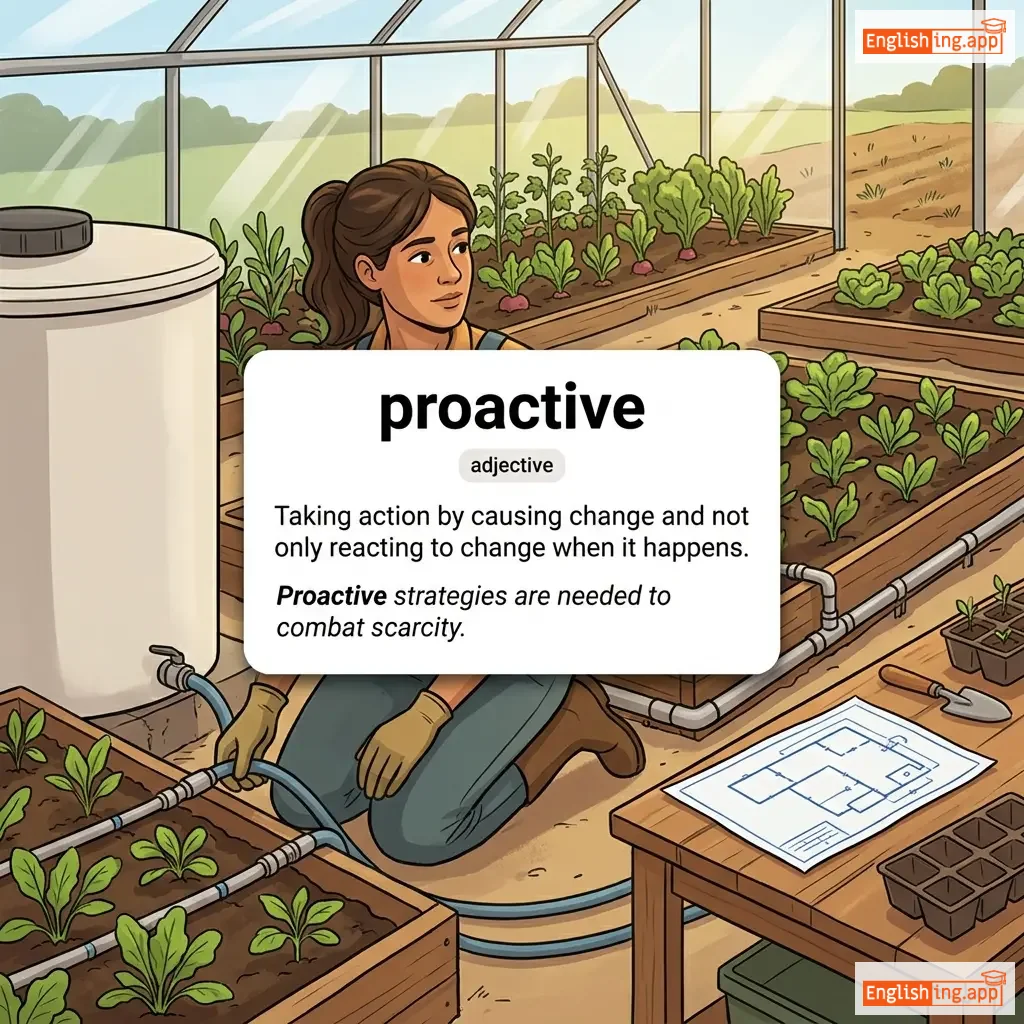
proactive definition card — visual illustration of the meaning
adjective
ˌprəʊˈæk.tɪv
проактивный (proaktivny)

Taking action by causing change and not only reacting to change when it happens.

"Proactive strategies are needed to combat scarcity."
"Проактивные стратегии необходимы для борьбы с нехваткой." (Proaktivnye strategii neobkhodimy dlya bor'by s nekhvatkoy.)
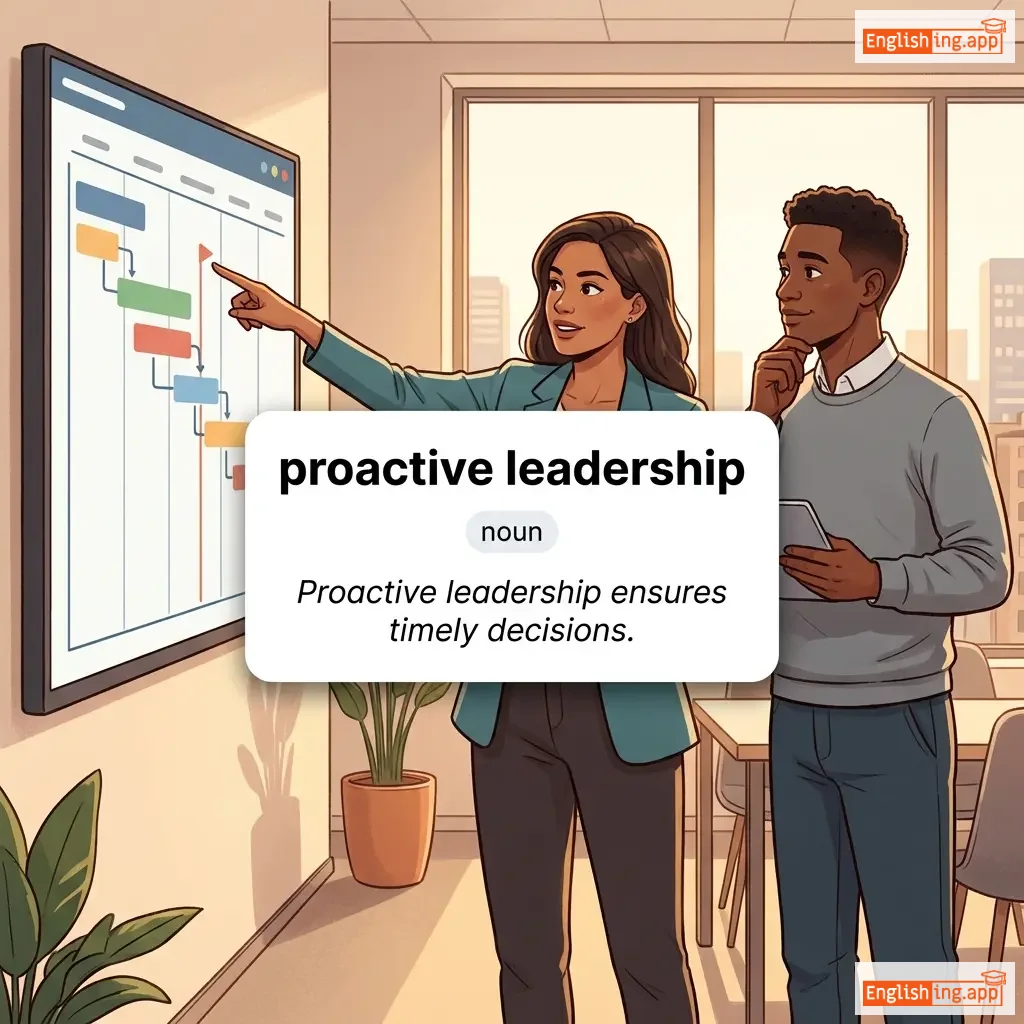
proactive leadership definition card — visual illustration of the meaning
noun
/ˌprəʊˈæk.tɪv ˈliː.də.ʃɪp/
проактивное лидерство (proaktivnoe liderstvo)

Leadership that takes initiative and anticipates problems before they occur, rather than reacting to events.

"Proactive leadership ensures timely decisions."

"Проактивное лидерство обеспечивает своевременные решения." (Proaktivnoe liderstvo obespechivaet svoevremennye resheniya.)
proactive saving definition card — visual illustration of the meaning
noun
proʊˈæktɪv ˈseɪvɪŋ
проактивные сбережения (proaktivnye sberegeniya)

Actively planning and setting aside money in advance to prepare for future financial needs

"Proactive saving ensures financial stability in old age."
"Проактивные сбережения обеспечивают финансовую стабильность в старости." (Proaktivnye sberegeniya obespechivayut finansovuyu stabil'nost' v starosti.)
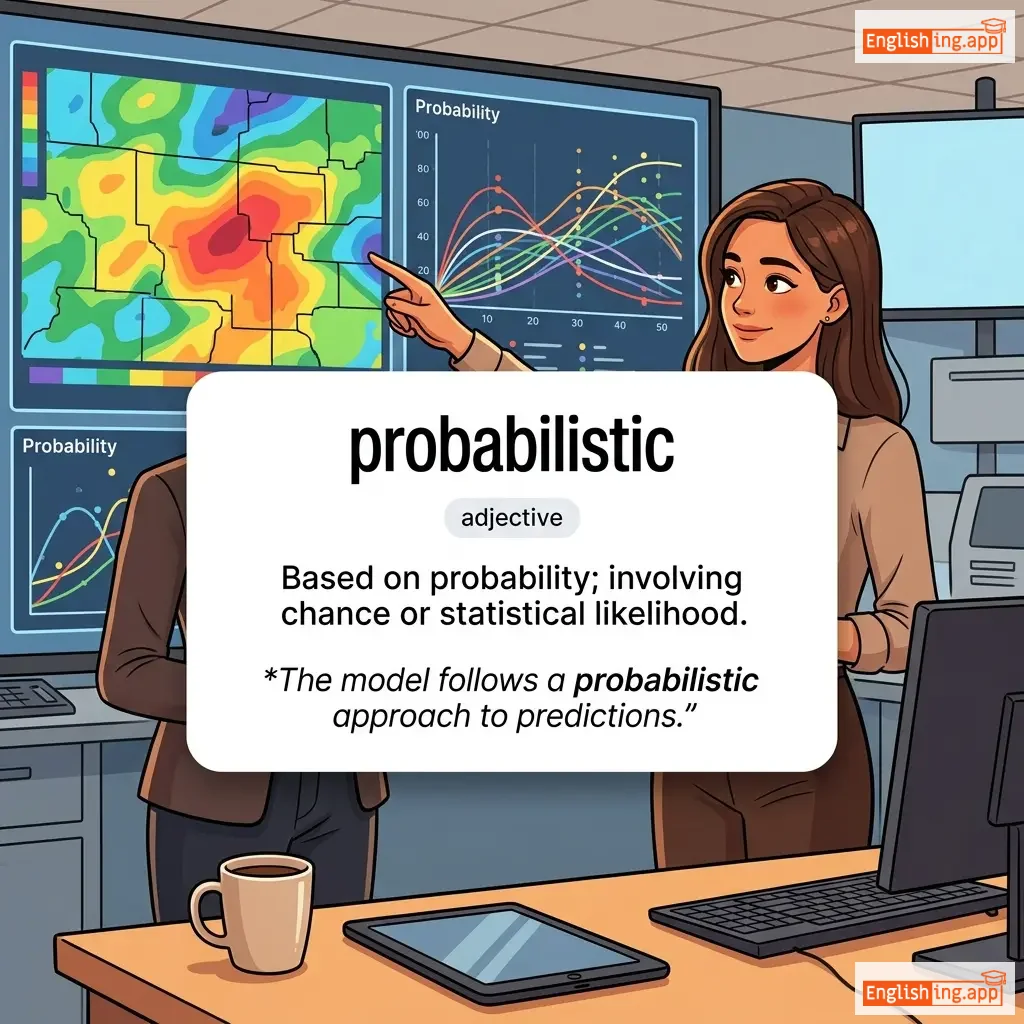
probabilistic definition card — visual illustration of the meaning
adjective
ˌprɒb.ə.bɪˈlɪs.tɪk
основывающийся на вероятности (probabilisticheskiy)

Based on probability; involving chance or statistical likelihood.

"The model follows a probabilistic approach to predictions."

"Модель использует вероятностный подход для предсказаний." (Model' ispol'zuyet veroyatnostnyy podkhod dlya predsказaniy.)
noun
/ˌprɒbəˈbɪləti/
вероятность (veroyatnost)

the likelihood or chance of something happening

"The probability of rain tomorrow is high according to the forecast."

"Вероятность дождя завтра высока, согласно прогнозу." (Veroyatnost' dozhdya zavtra vysokaya, soglasno prognozu.)
adjective
/ˈprɒbəbl̩/
вероятный (veroyatnyy)

likely to happen or be true, but not certain

"Rain is probable tomorrow according to the forecast."

"По прогнозу дождь вероятен завтра." (Po prognozu dozhd' veroyaten zavtra.)
adverb
/ˈprɒbəbli/
вероятно (veroyatno)

used to mean that something is very likely to happen or be true

"He will probably be late to the meeting."

"Он, вероятно, опоздает на встречу." (On, veroyatno, opozdayet na vstrechu.)
noun
/ˈproʊbeɪt/
завещание проверка (zaveshchanie proverka)

the official proving of a will in a court of law

"The family had to go through probate after his death."

"Семья должна была пройти через процесс проверки завещания после его смерти." (Sem'ya dolzhna byla proyti cherez protsess proverki zaveshchaniya posle ego smerti.)
noun
/proʊˈbeɪʃən/
испытательный срок (ispytatel'nyy srok)

a period of testing or supervision, especially for offenders or new employees

"He was placed on probation for six months."
"Его поставили на испытательный срок на шесть месяцев." (Yego postavili na ispytatel'nyy srok na shest' mesyatsev.)
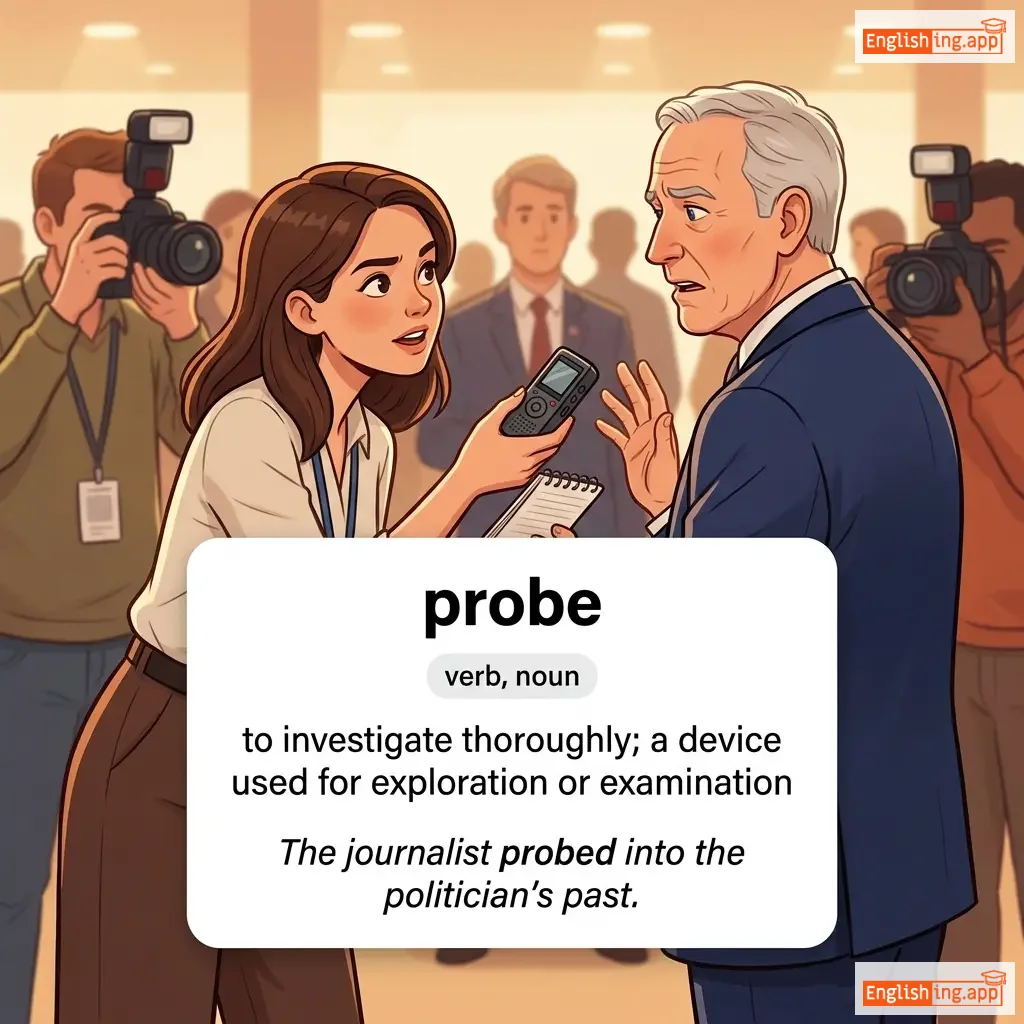
probe definition card — visual illustration of the meaning
verb, noun
/proʊb/
исследовать (issledovat')

to investigate thoroughly; a device used for exploration or examination

"The journalist probed into the politician’s past."
"Журналист исследовал прошлое политика." (Zhurnalist issledoval proshloye politika.)
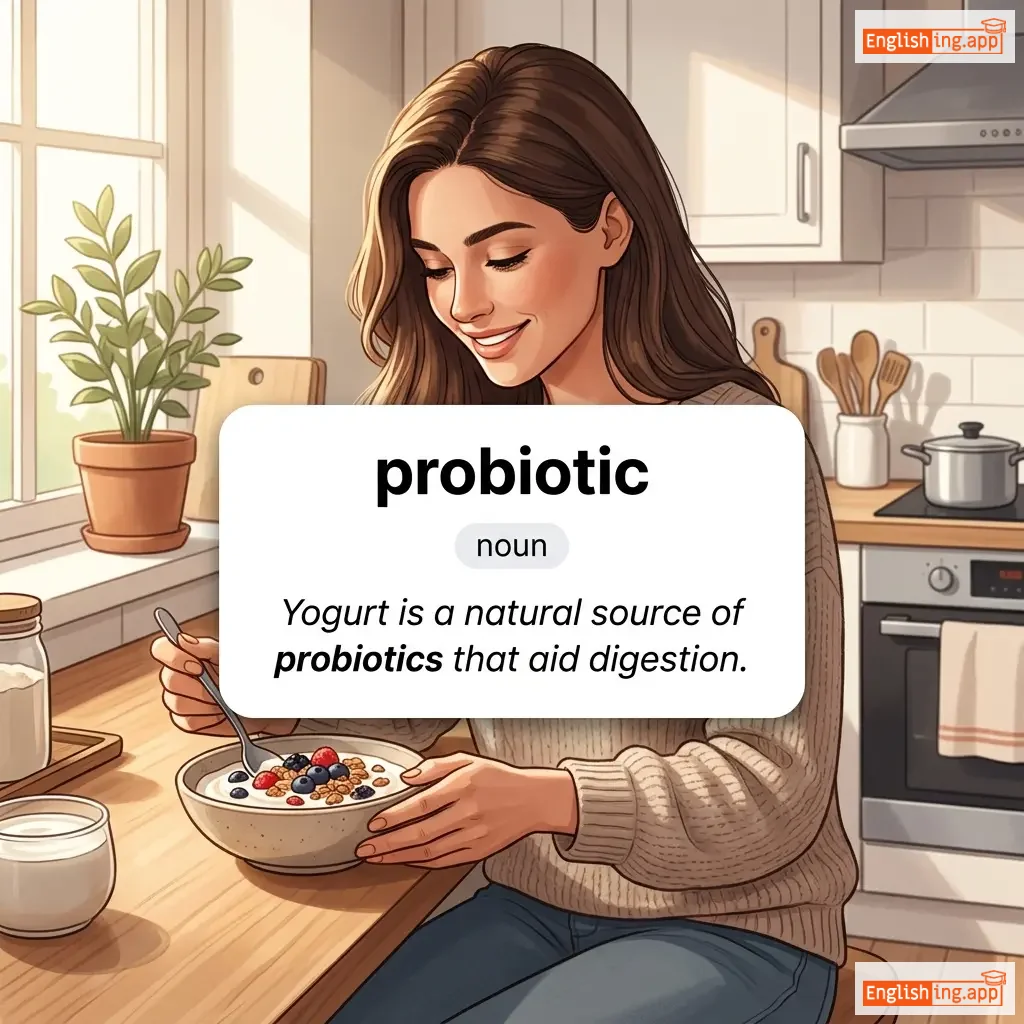
probiotic definition card — visual illustration of the meaning
noun
ˌprəʊ.baɪˈɒt.ɪk
полезные бактерии (poleznye bakterii)

Live microorganisms that provide health benefits when consumed in adequate amounts.

"Yogurt is a natural source of probiotics that aid digestion."

"Йогурт является природным источником пробиотиков, которые помогают пищеварению." (Yogurt yavljayetsya prirodnym istochnikom probiotikov, kotorye pomogayut pishchevareniyu.)
probiotics definition card — visual illustration of the meaning
noun
/ˌprəʊ.baɪˈɒt.ɪks/
пробиотики (probiotiki)

Live microorganisms that, when administered in adequate amounts, confer health benefits to the host, especially for digestive health.

"Probiotics improve digestion and enhance gut health."
"Пробиотики улучшают пищеварение и поддерживают здоровье кишечника." (Probiotiki uluchshayut pishchevareniye i podderzhivayut zdorov'ye kishechnika.)
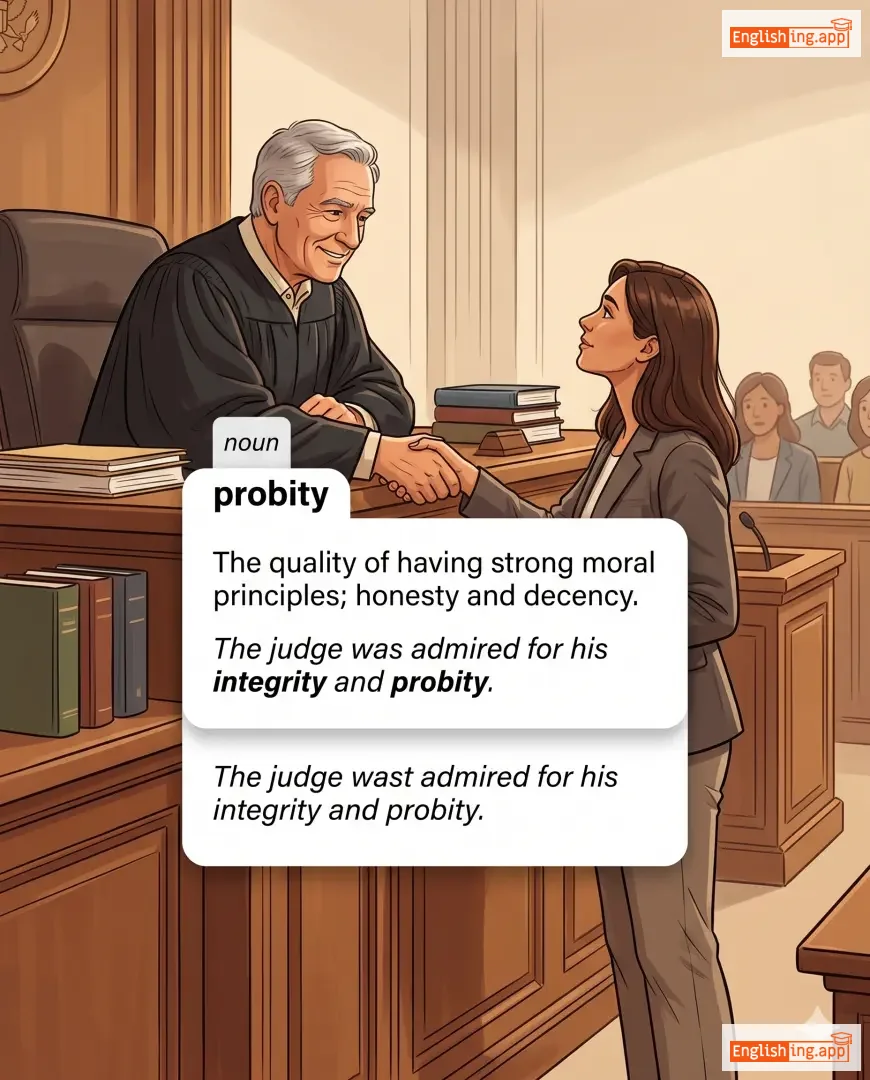
probity definition card — visual illustration of the meaning
noun
/ˈproʊbɪti/
пробити (probiti)

The quality of having strong moral principles; honesty and decency.

"The judge was admired for his integrity and probity."
"Судья был восхищён своей целеустремленностью и пробитостью." (Sudyya byl voskhishchyon svoey tseleustremlyonnost'yu i probitoyst'yu.)
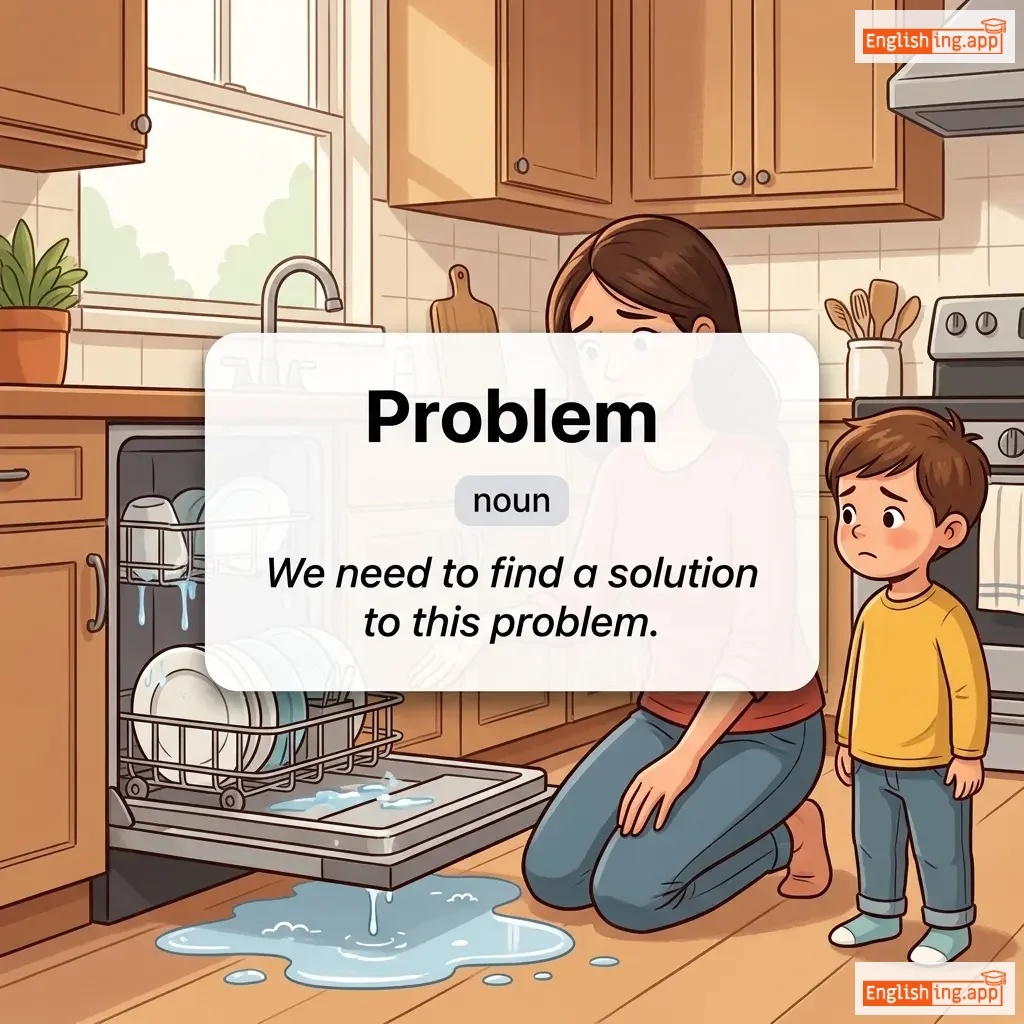
Problem definition card — visual illustration of the meaning
noun
/ˈprɒbləm/
проблема (problema)

a matter or situation regarded as unwelcome or harmful and needing to be dealt with and overcome

"We need to find a solution to this problem."
"Нам нужно найти решение этой проблемы." (Nam nuzhno nayti reshenie etoy problemy.)
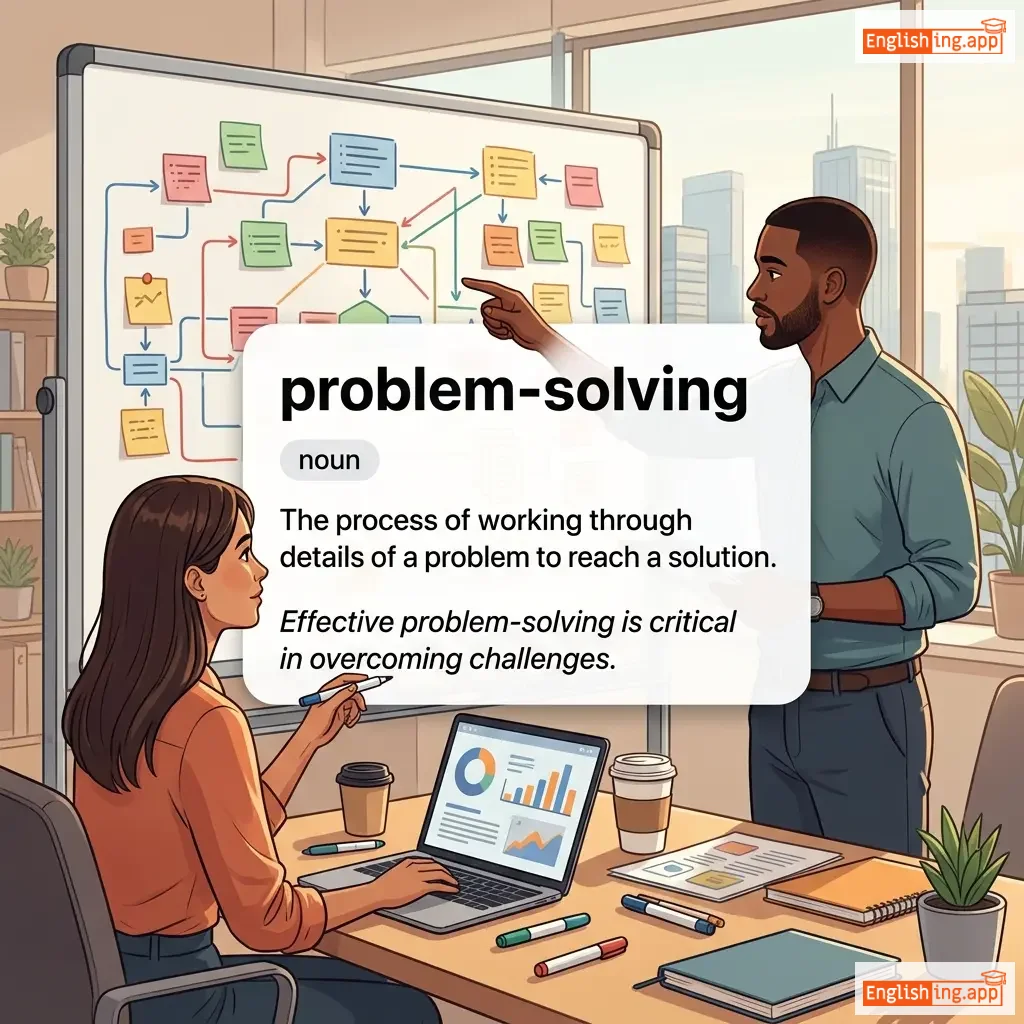
problem-solving definition card — visual illustration of the meaning
noun
/ˈprɒbləm ˈsɒlvɪŋ/
решение проблем (reshenie problem)

The process of working through details of a problem to reach a solution.

"Effective problem-solving is critical in overcoming challenges."
"Эффективное решение проблем критично для преодоления вызовов." (Effektivnoe reshenie problem kritichno dlya preodoleniya vyzovov.)
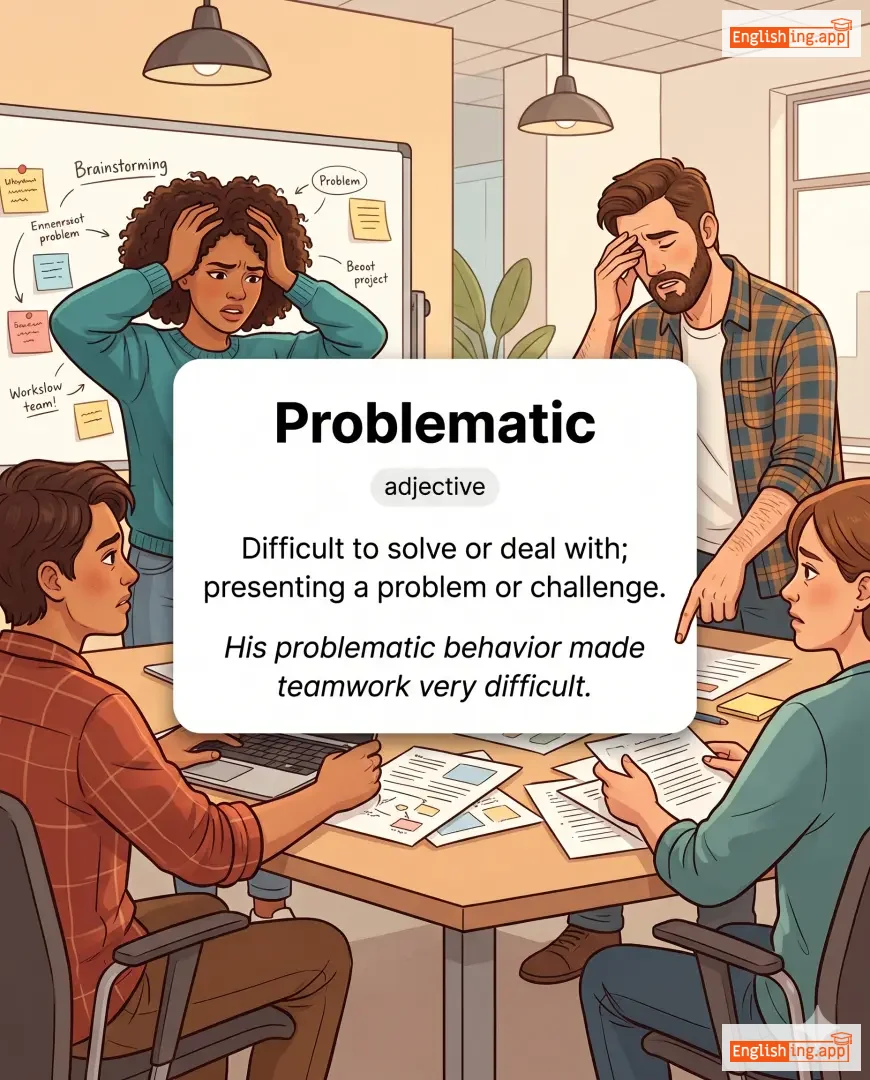
Problematic definition card — visual illustration of the meaning
adjective
/ˌprɒbləˈmætɪk/
проблематичный (problematichny)

Difficult to solve or deal with; presenting a problem or challenge.

"His problematic behavior made teamwork very difficult."

"Его проблемное поведение сделало командную работу очень трудной." (Yego problemnoe povedenie sdelalo komandnuyu rabotu ochen' trudnoy.)
noun
/proʊˈbɑːsɪs/
хобот (khobot)

The long, flexible nose of some animals, especially an elephant, or a tubular feeding and sucking organ in insects.

"The elephant used its proboscis to grab food."

"Слон использовал свой хобот, чтобы взять еду." (Slon ispol'zoval svoy khobot, chtoby vzyat' yedu.)
adjective
/prəˈsiːdʒərəl/
процедурный (procedurnyy)

Relating to an established or official way of doing something; concerned with procedure.

"The committee followed the procedural rules strictly."
"Комитет строго следовал процедурным правилам." (Komitet strogo sleduval protsedurnym pravilam.)
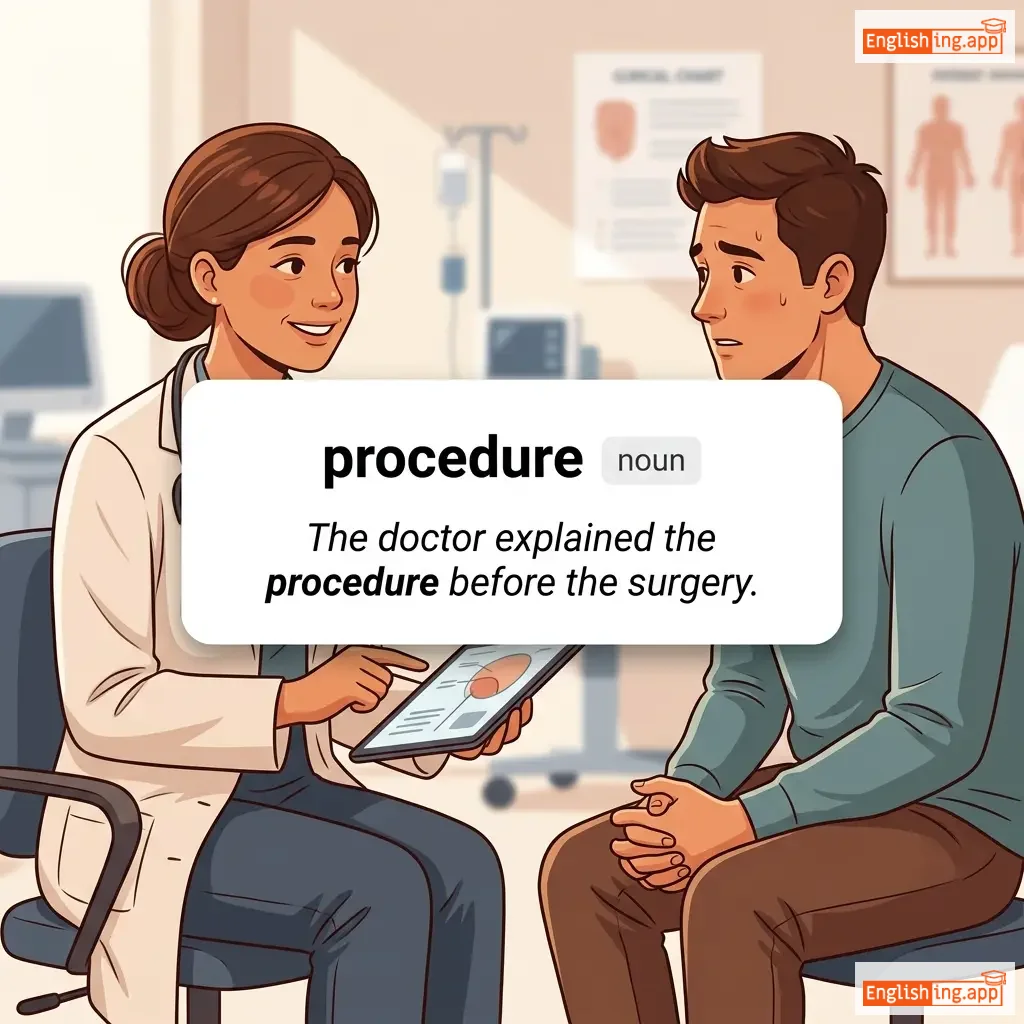
procedure definition card — visual illustration of the meaning
noun
/prəˈsiːdʒər/
процедура (protsedura)

An established or official way of doing something; a series of actions conducted in a certain order.

"The doctor explained the procedure before the surgery."

"Врач объяснил процедуру перед операцией." (Vrach ob'yasnil protseduru pered operatsiey.)
➡️

proceed

verb
/prəˈsiːd/

to begin or continue an action or process after a pause or interruption

"After the short break, the speaker proceeded with his lecture."

noun
/prəˈsiːdɪŋ/
процесс (protsess)

a course of action; often used for a legal process or event

"The court proceedings lasted for several hours."
"Судебные разбирательства продолжались несколько часов." (Sudebnye razbiratel'stva prodolzhalis' neskol'ko chasov.)
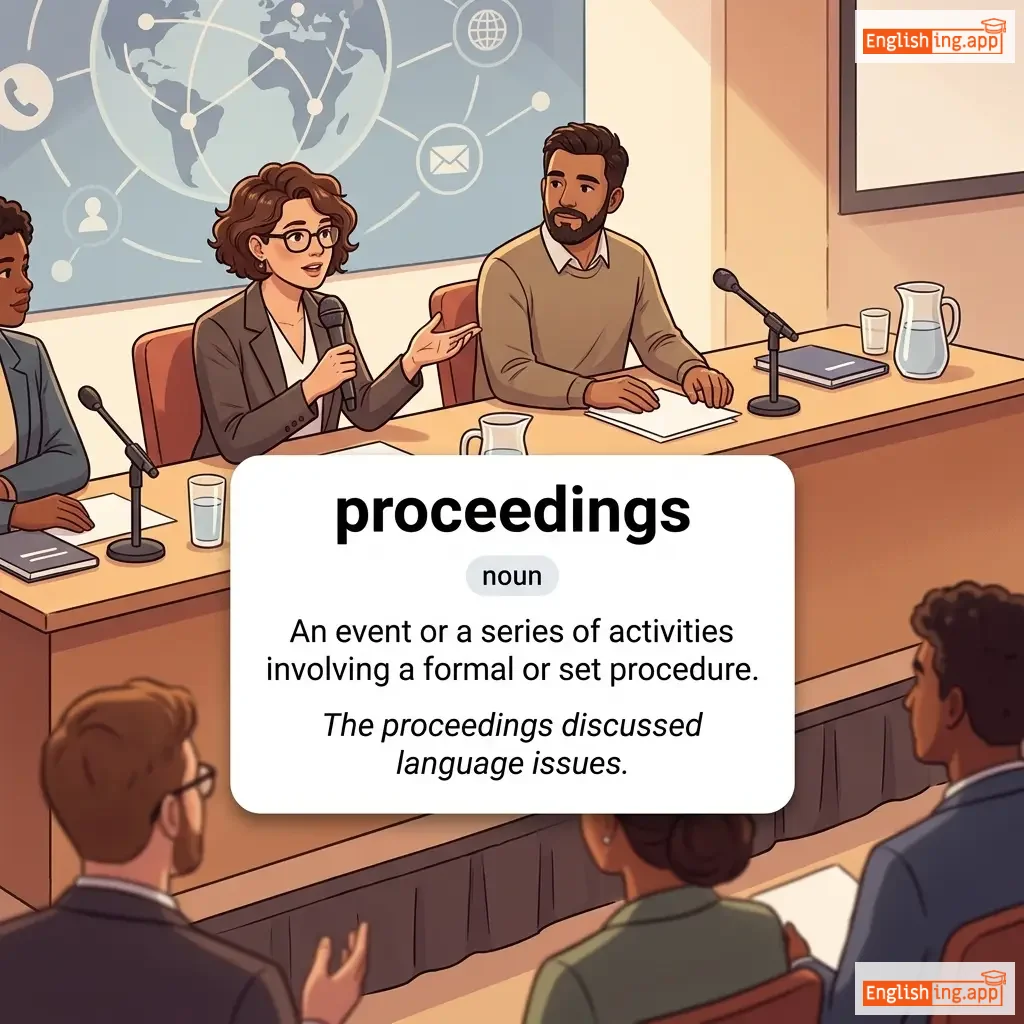
proceedings definition card — visual illustration of the meaning
noun
prəˈsiːdɪŋz
процедуры (protsedury)

An event or a series of activities involving a formal or set procedure.

"The proceedings discussed language issues."

"Процедуры обсудили проблемы с языком." (Protsedury obsudili problemy s yazykam.)
noun
/ˈprəʊsiːdz/
поступления (postupleniya)

money obtained from an event, activity, or sale

"The proceeds from the charity event were donated to the orphanage."
"Поступления от благотворительного мероприятия были переданы в детский дом." (Postupleniya ot blagotvoritelnogo meropriyatiya byli peredany v detskiy dom.)
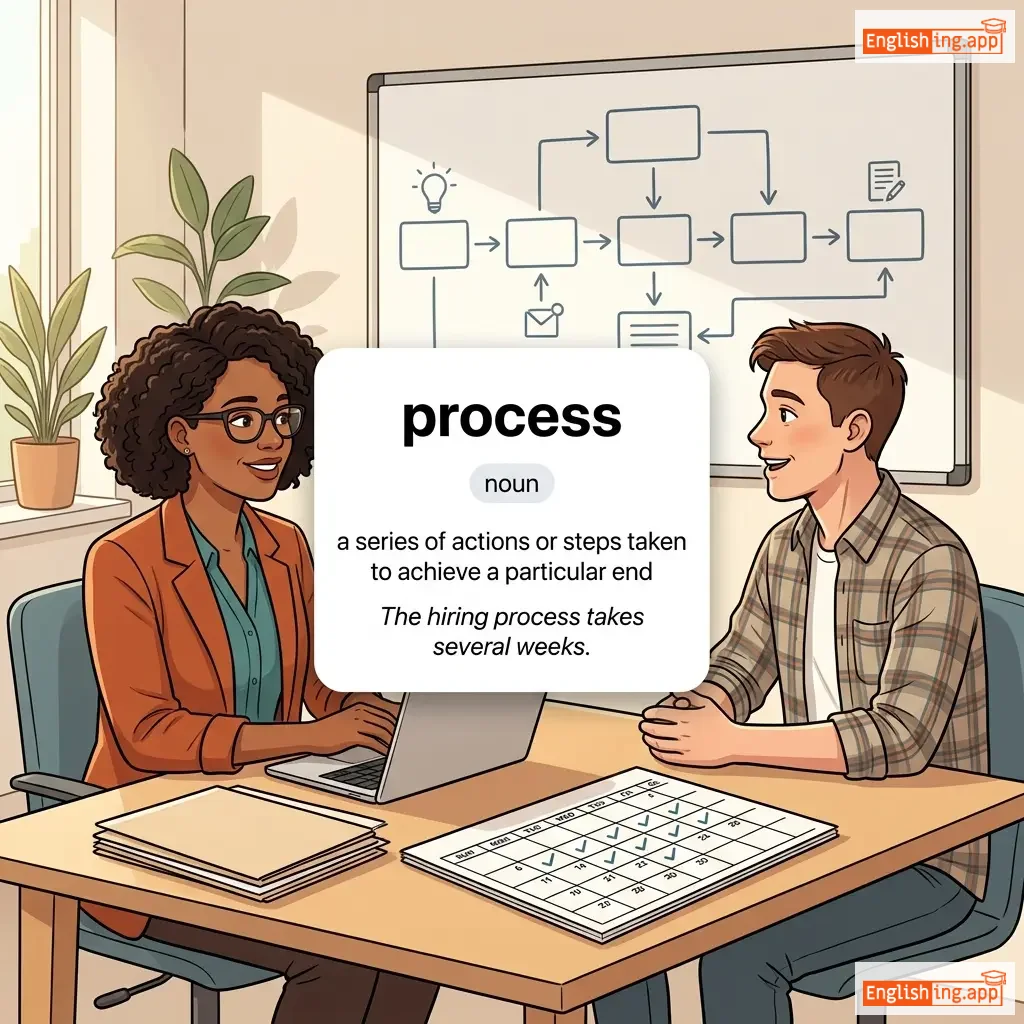
process definition card — visual illustration of the meaning
noun
/ˈprəʊsɛs/
процесс (protsess)

a series of actions or steps taken to achieve a particular end

"The hiring process takes several weeks."
"Процесс найма занимает несколько недель." (Protsess nayma zanyimayet neskol'ko nedel.)
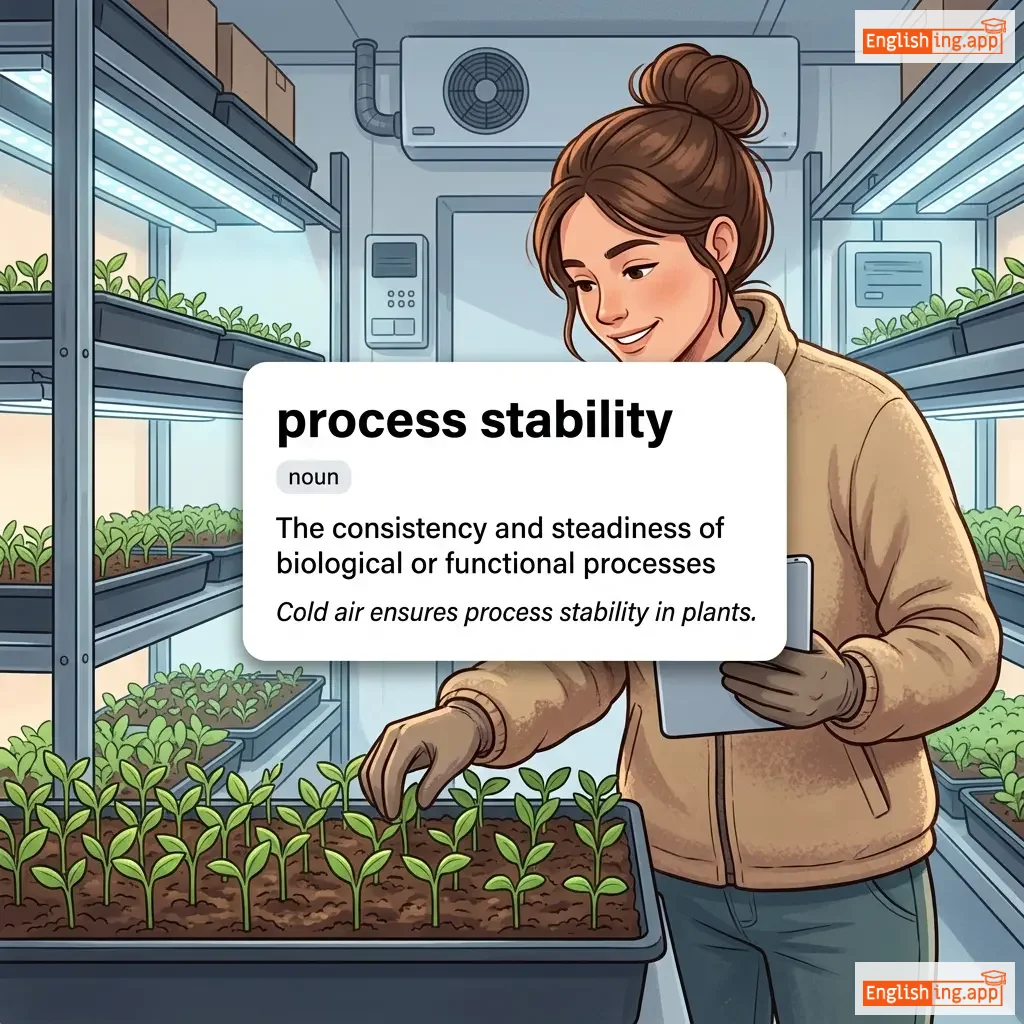
process stability definition card — visual illustration of the meaning
noun
ˈprəʊses stəˈbɪlɪti
стабильность процесса (stabil'nost' protsessa)

The consistency and steadiness of biological or functional processes

"Cold air ensures process stability in plants."
"Холодный воздух обеспечивает стабильность процесса в растениях." (Kholodnyy vozdukh obespechivayet stabil'nost' protsessa v rasteniyakh.)
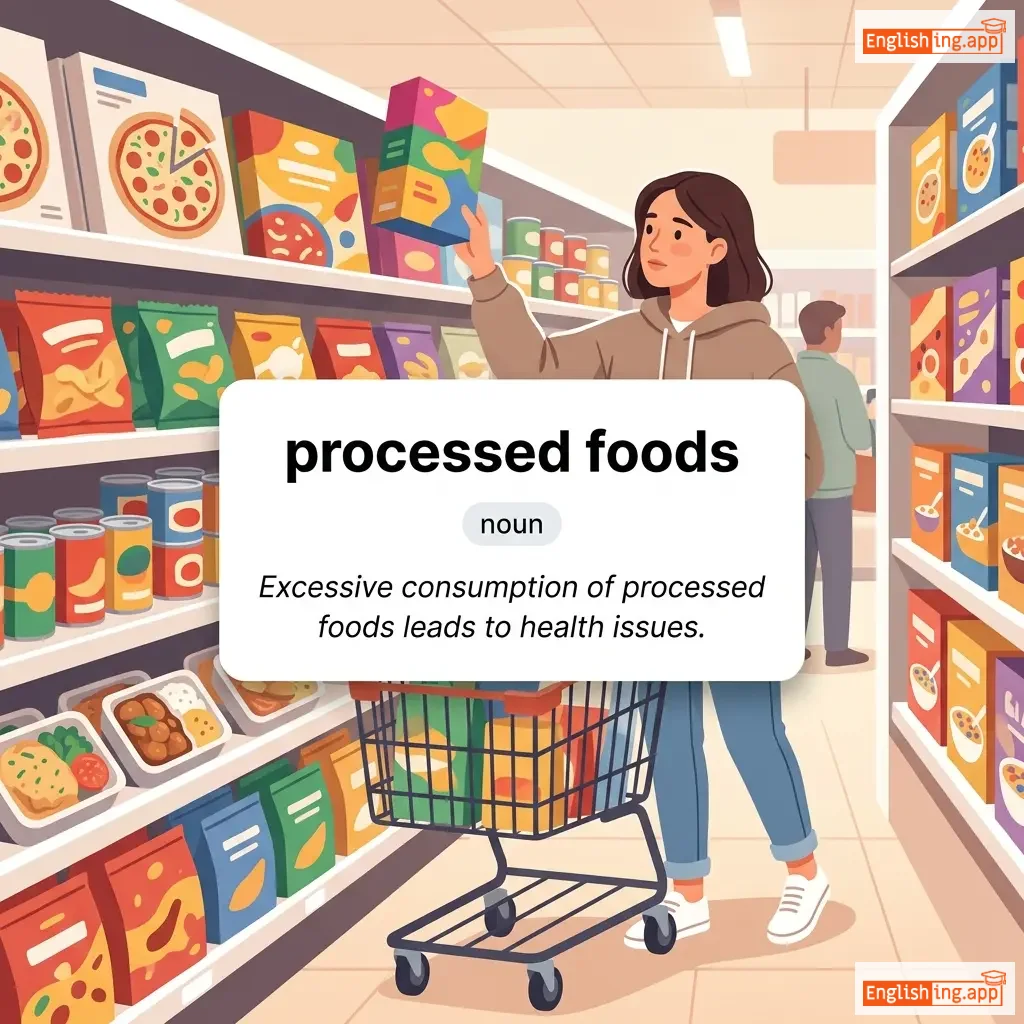
processed foods definition card — visual illustration of the meaning
noun
ˈprɑː.sest fuːdz
обработанные продукты питания (obrabotannye produkty pitaniya)

Foods that have been altered from their natural state through various methods such as canning, freezing, refrigeration, dehydration and aseptic processing.

"Excessive consumption of processed foods leads to health issues."

"Чрезмерное потребление обработанных продуктов питания ведет к проблемам со здоровьем." (Chrezmernoe potreblenie obrabotannykh produktov pitaniya vedet k problemam so zdorov'yem.)
noun
/ˈprəʊsesɪŋ/
обработка (obrabotka)

the series of actions or steps taken to achieve a particular end, especially in data or food handling

"Data processing takes place in the server."

"Обработка данных происходит на сервере." (Obrabotka dannykh proiskhodit na servere.)
🚶‍♂️🚶‍♀️

Procession (процессия)

noun
/prəˈseʃ.ən/
процессия; шествие; (protsessiya)

a group of people or vehicles moving forward in an organized way, especially as part of a ceremony

"The wedding procession walked slowly to the church."

"Свадебная процессия шла медленно к церкви." (Svyadebnaya protsessiya shla medlenno k tserkvi.)
noun
/ˈprəʊsesə/
процессор (protsessor)

a machine or device that processes something, especially a computer's central processing unit (CPU)

"The new laptop has a faster processor."

"У нового ноутбука есть более быстрый процессор." (U novogo noutbuka est' boleye bystryy protsessor.)
verb
/prəˈkleɪm/
провозглашать (provozglashat')

to announce something publicly or officially, especially something important

"The president proclaimed a national day of mourning."

"Президент провозгласил национальный день траура." (Prezident provozglasil natsional'nyy den' traura.)
noun
/ˌprɒkləˈmeɪʃən/
прокламация (proklamatsiya)

an official public announcement made by a person in authority

"The king issued a proclamation declaring the new law."
"Король издал прокламацию, объявляющую новый закон." (Korol' izdal proklamatsiyu, ob'yavlyayushchuyu novyy zakon.)
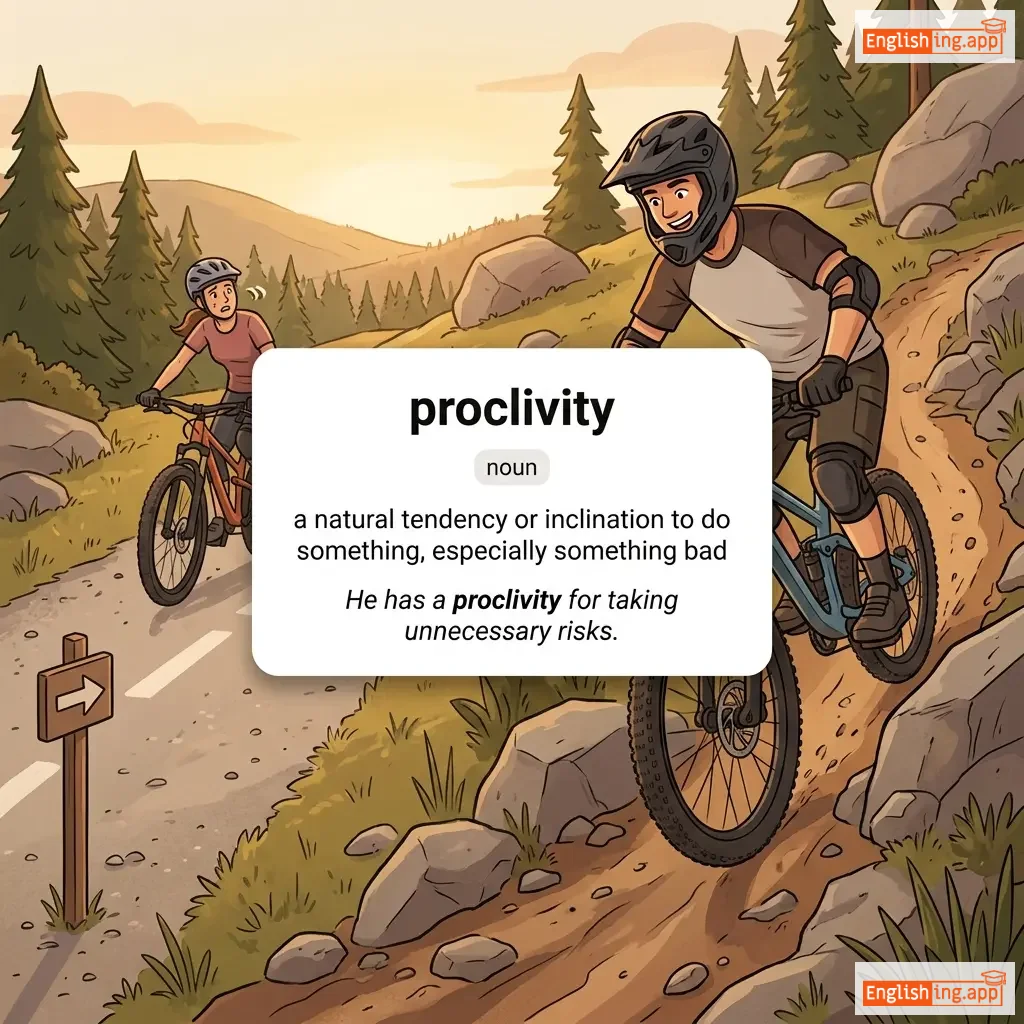
proclivity definition card — visual illustration of the meaning
noun
/prəˈklɪvɪti/
склонность (sklonnost)

a natural tendency or inclination to do something, especially something bad

"He has a proclivity for taking unnecessary risks."

"У него есть склонность к принятию ненужных рисков." (U nego yest' sklonnost' k prinyatiyu nenuzhnykh riskov.)
procrastinate definition card — visual illustration of the meaning
verb
/prəˈkræs.tɪ.neɪt/
прокрастинировать (prokrastinirovat)

to delay doing something, often unnecessarily or habitually

"He tends to procrastinate instead of finishing his assignments on time."

"Он склонен прокрастинировать, вместо того чтобы вовремя закончить задания." (On sklonen prokrastinirovat', vmesto togo chtoby vovremya zakonchit' zadaniya.)
procrastination definition card — visual illustration of the meaning
noun
/prəˌkræs.tɪˈneɪ.ʃən/
откладывание (otkladyvanie)

the act of delaying or postponing something

"Procrastination often leads to unnecessary stress before deadlines."

"Прокрастинация часто приводит к ненужному стрессу перед сроками." (Prokrastinatsiya chasto privodit k nenuzhnomu stressu pered srokami.)
noun
/ˈprɒk.tər/
надзиратель на экзамене (nadziratel na ekzamine)

a person who supervises students during an examination

"The proctor reminded students to keep their phones switched off."

"Надзиратель напомнил студентам выключить свои телефоны." (Nadziratel' napomnil studentam vyklyuchit' svoi telefony.)
verb
/prəˈkjʊər/
добывать (dobyvat)

to obtain something, especially with effort or difficulty

"They managed to procure enough supplies for the expedition."

"Они смогли получить достаточно припасов для экспедиции." (Oni smogli poluchit' dostatochno pripasov dlya ekspeditsii.)
procurement definition card — visual illustration of the meaning
noun
/prəˈkjʊə.mənt/
закупка (zakupka)

the process of obtaining goods or services, often for business or government

"The company focuses on the efficient procurement of raw materials."

"Компания сосредоточена на эффективной закупке сырьевых материалов." (Kompaniya sosredotochena na effektivnoy zakupke syryevykh materialov.)
verb
/prɒd/
потыкать (potykat)

to poke or push someone or something with a finger, foot, or pointed object

"She prodded him in the arm to get his attention."

"Она толкнула его в руку, чтобы привлечь его внимание." (Ona tolkhnula ego v ruku, chtoby privlech' ego vnimanie.)
prodigal definition card — visual illustration of the meaning
adjective
/ˈprɒdɪɡəl/
расточительный (rastochitel'nyy)

spending money or resources freely and recklessly; wastefully extravagant

"The prodigal son returned home after wasting his inheritance."

"Блудный сын вернулся домой после того, как растратил свое наследство." (Bludnyy syn vernulsya domoy posle togo, kak rastratil svoe nasledstvo.)
adjective
/prəˈfjuːs/
обильный (obil'nyy)

existing or given in large amounts; abundant

"He offered profuse thanks for their timely help."

"Он выразил обильную благодарность за своевременную помощь." (On vyrazil ob'ylnuyu blagodarnost' za svoevremennuyu pomoshch'.)