The Path to Peace
ラハットと兄のソヘルは何年も話していなかった。彼らは以前、絶えず fight し、小さなことで argue し、anger に満ちた shout loud 言葉を投げ合っていた。家族はとても sad で、worried していた。
ある日、母親が fell 重病になった。病院で、二人の兄弟はついに met。しかしその時でさえ、二人の間には silence があり、hearts の中に guilt と長年の fighting による shame があった。
「君が母さんのことで worried してるって heard したよ」とソヘルは quietly 言った。ラハットはうなずき、目は sad で、涙がこぼれそうだった。彼は wanted cry したが、pride が彼を silent にした。
母親は二人を見て弱く微笑んだ。「来てくれて glad よ」とささやいた。「でも、もし仲直りしてくれたらもっと glad、もっと proud。どうか peace を作って。」
ラハットは felt guilt に押しつぶされそうだった。「本当に sorry」と突然言った。声が震えていた。「あの loud shouts、あの anger、あの fights——本当に sorry。君を傷つけるつもりはなかったと swear する。」
ソヘルは shocked hear した。彼の heart にも guilt があった。「僕も sorry」と replied した。声は quiet だったが、誠実だった。「僕は believe、僕たちはどちらも間違っていた。僕たちの pride と anger が関係を壊したんだ。」
日が経ち、母はゆっくりと回復した。その間、ラハットとソヘルは何年ぶりに本当の会話をした。もう loud arguments も angry shouts もなく、ただ heart からの quiet な対話だった。
「ずっと worried してた」とラハットは告白した。「fighting していた時も worried だった。でも pride と anger が邪魔して言えなかった。」
「わかるよ」とソヘルは言った。「僕も felt 同じだった。sad だったけど、shame が邪魔して連絡できなかった。君は僕の sorry を believe しないと思ってた。」
母はベッドから二人を見て、喜びの涙を流した。「本当に glad よ」と言った。「とても proud。あなたたちは peace を見つけたのね。覚えておいて、peace は anger を乗り越え、guilt を認め、心から sorry を言った時にだけ訪れるの。」
「Thank you 母さん」と二人は同時に言った。「Thank you 教えてくれて。」
何年も後、誰かが彼らの話を尋ねると、ソヘルは言った。「僕たちは以前 fight、argue loudly、anger の中で shout していた。僕たちの hearts は guilt と shame でいっぱいだった。家族は sad、worried だった。でも危機が僕たちを変えた。僕たちは pride が fights を生み、anger が sadness を生むことを学んだ。でも sorry を言い、heart から hear し、peace を作ると、すべてが changes する。僕は fights を proud に思わないけど、和解を proud に思う。anger に glad ではないが、peace を見つけたことに glad だ。僕は swear、最高の決断は shame を乗り越え、sorry を言い、believe 許しを信じることだった。だからもし誰かと fighting しているなら、anger に勝たせないで。後悔する shout loud 言葉を言わないで。heart から話すべき時に quiet でいないで。sorry を言い、相手の sorry を hear し、peace を見つけて。人生は guilt のために短すぎ、sadness のために貴重すぎ、fights のために価値がありすぎる。Thank 許しを teach してくれる人たちに感謝し、peace を選ぶ自分を proud に思って。」
ラハットとソヘルの anger から peace への旅は、多くの家族を励ましている。彼らは suffer し、fight しながらもお互いを worry している。そして sorry を言いたくても shame がそれを止めている。彼らの物語は、heal し、forgive し、peace を見つけるのに遅すぎることはないと証明している。
|
絵文字
|
単語 | Images | 翻訳 | 過去 | 過去分詞 | 三人称単数 | 動名詞 | 意味 | 例文 | 例文の翻訳 | 表現例 | 表現例の意味 | 表現例の翻訳 | 同義語 | 対義語 | コロケーション | ニーモニック |
|---|---|---|---|---|---|---|---|---|---|---|---|---|---|---|---|---|---|
|
😡
••••••
|
/ˈæŋɡər/
noun
(エンガー)
••••••
|
- •••••• |
怒り
ikari
••••••
|
- •••••• | - •••••• | - •••••• | - •••••• |
A strong feeling of displeasure or hostility.
••••••
|
He couldn't control his anger after the argument. |
彼は議論の後、自分の怒りを制御できなかった。
Kare wa giron no ato, jibun no ikari o seiryō dekinakatta.
••••••
|
fit of anger |
a sudden, intense outburst of anger
••••••
|
怒りの爆発
ikari no bakuhatsu
••••••
|
rage, fury, irritation, resentment, wrath
••••••
|
calm, peace, happiness
••••••
|
express anger, control anger, suppress anger, anger management
••••••
|
Angerは怒り - エンガーが怒りに変わる。
••••••
|
|
🗣️
••••••
|
/ˈɑːrɡjuː/
verb
(āgyu)
••••••
|
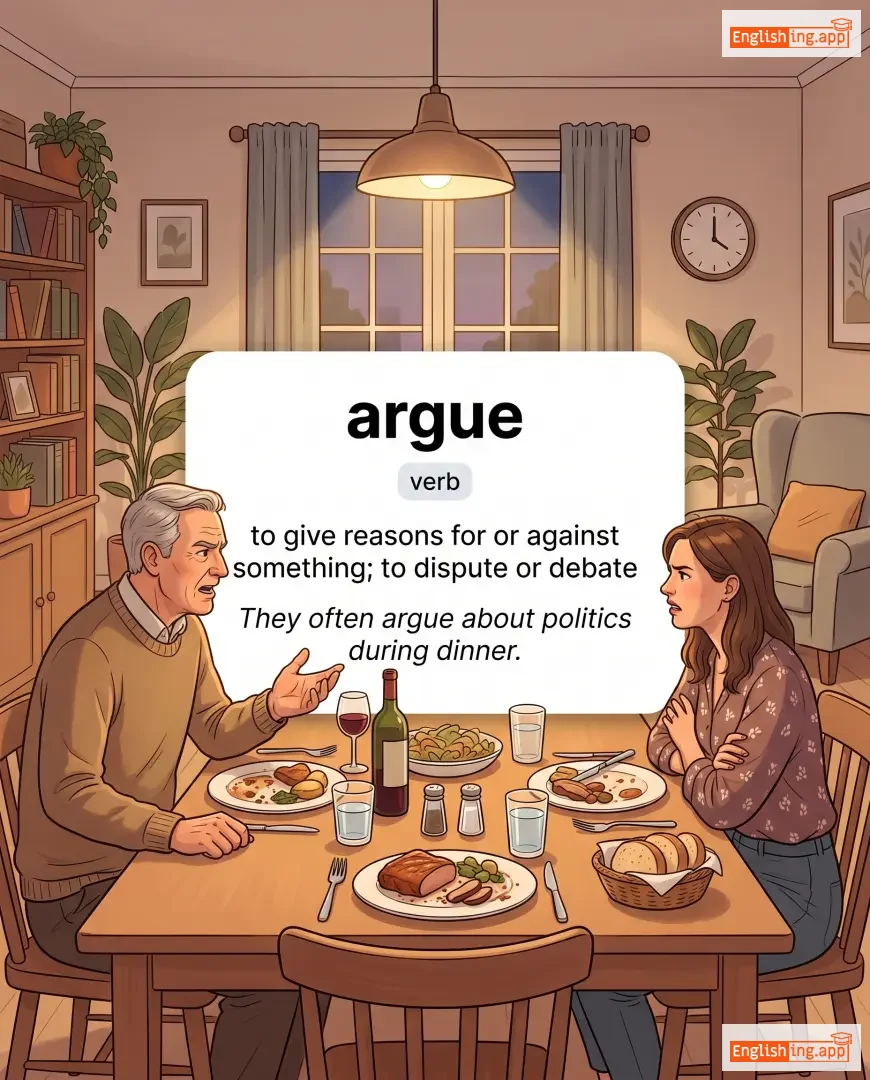
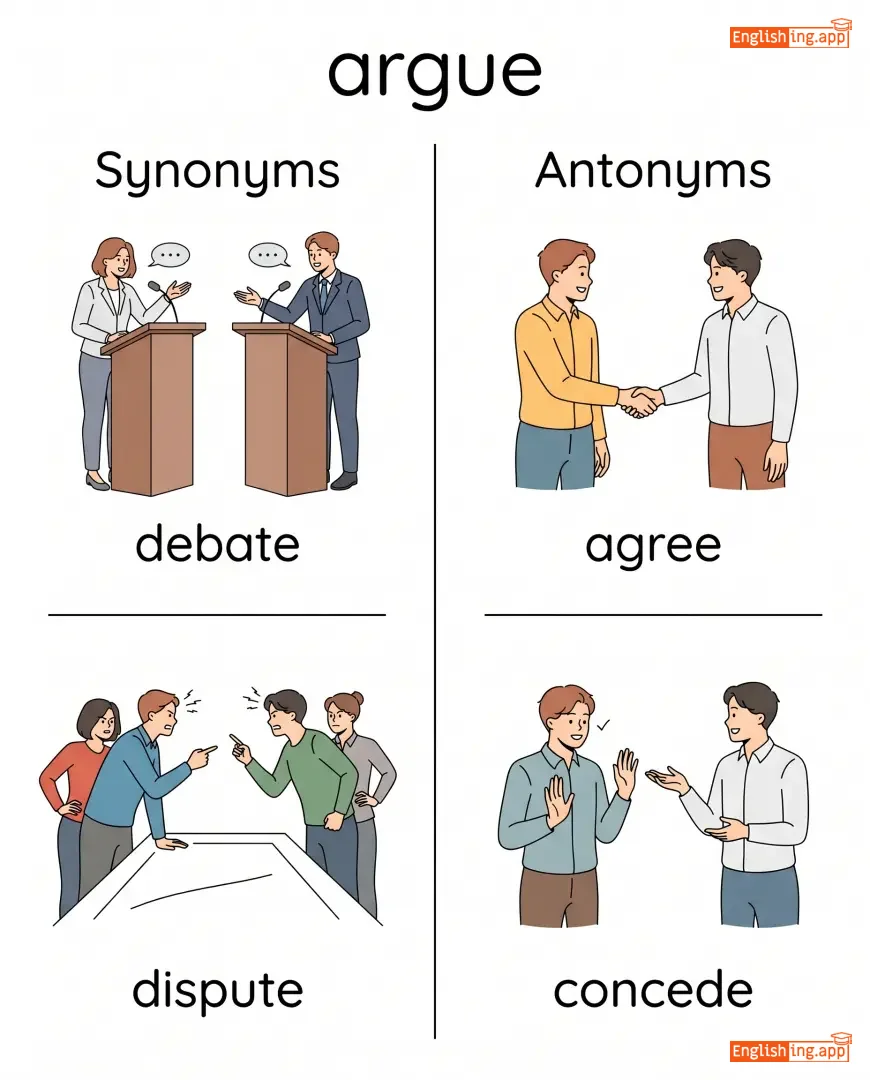
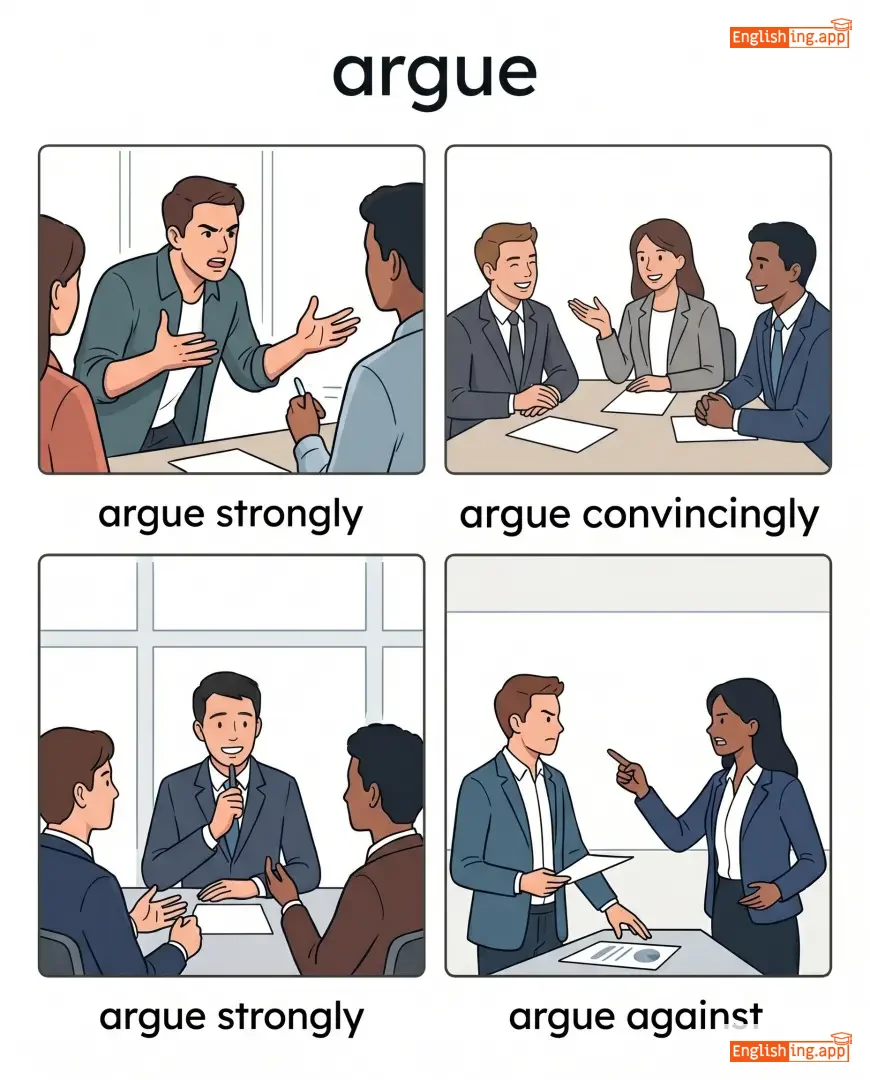
|
議論する
giron suru
••••••
|
argued
āgyud
••••••
|
argued
āgyud
••••••
|
argues
āgyus
••••••
|
arguing
āgyuing
••••••
|
to give reasons for or against something; to dispute or debate
••••••
|
They often argue about politics during dinner.
彼らは夕食時に政治についてよく議論します。
••••••
|
彼らは夕食時に政治についてよく議論します。
Karera wa yūshoku-ji ni seiji ni tsuite yoku giron shimasu.
••••••
|
argue the toss
議論の余地を残す
••••••
|
to dispute or complain about a decision that has already been made
••••••
|
既に決まった決定に対して議論する
sudeni kimatta kettei ni taishite giron suru
••••••
|
debate, dispute, contend, reason, quarrel
••••••
|
agree, concede, accept
••••••
|
argue strongly, argue convincingly, argue against, argue about
••••••
|
議論するは、argueのように議論を交わすことから。
••••••
|
|
🙏
••••••
|
/bɪˈliːv/
verb
(ビリーブ)
••••••
|
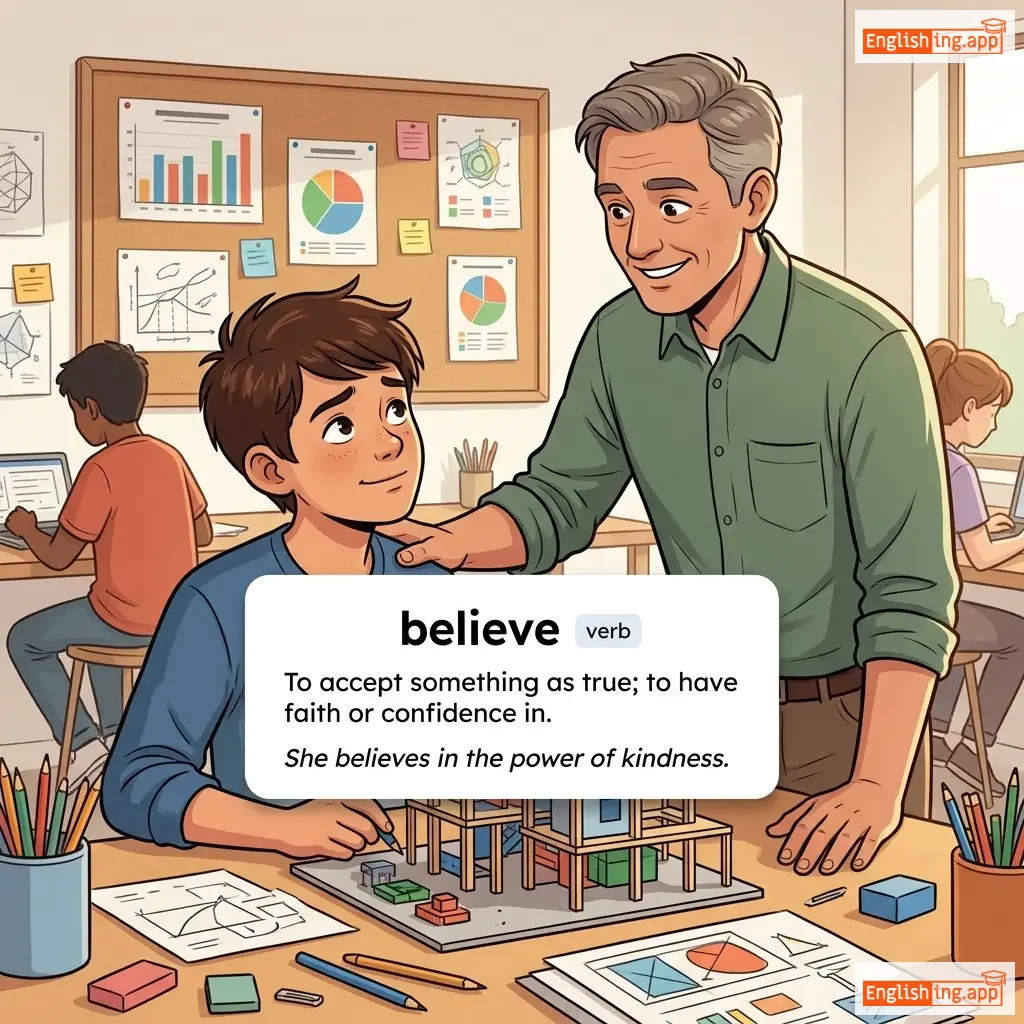
|
信じる
shinjiru
••••••
|
believed
ビリーブド
••••••
|
believed
ビリーブド
••••••
|
believes
ビリーブズ
••••••
|
believing
ビリーヴィング
••••••
|
To accept something as true; to have faith or confidence in.
••••••
|
She believes in the power of kindness.
彼女は親切の力を信じています。
••••••
|
彼女は親切の力を信じています。
Kanojo wa shinsetsu no chikara o shinjiteimasu.
••••••
|
believe in
信じる
••••••
|
To have confidence or trust in someone or something.
••••••
|
信じる
shinjiru
••••••
|
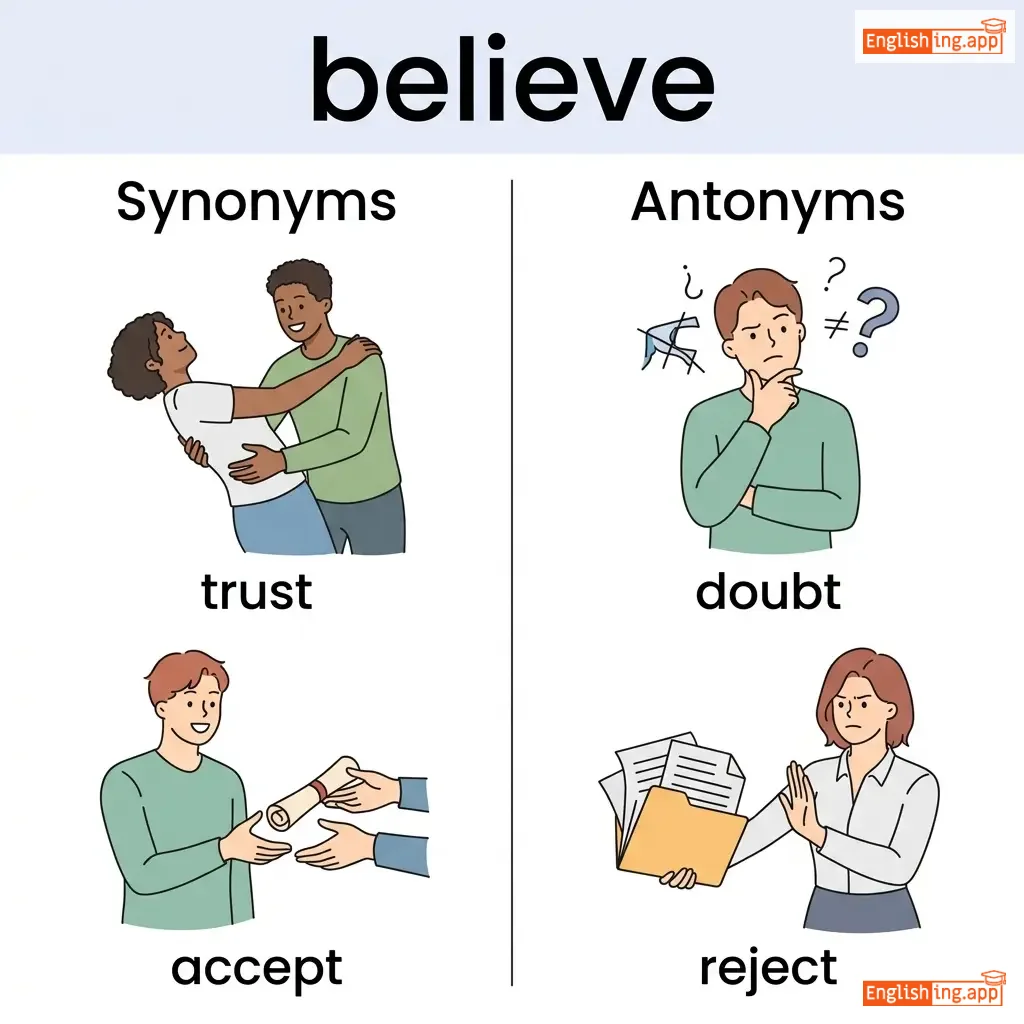
trust, accept, credit, rely on, be convinced
••••••
|
doubt, reject, distrust
••••••
|
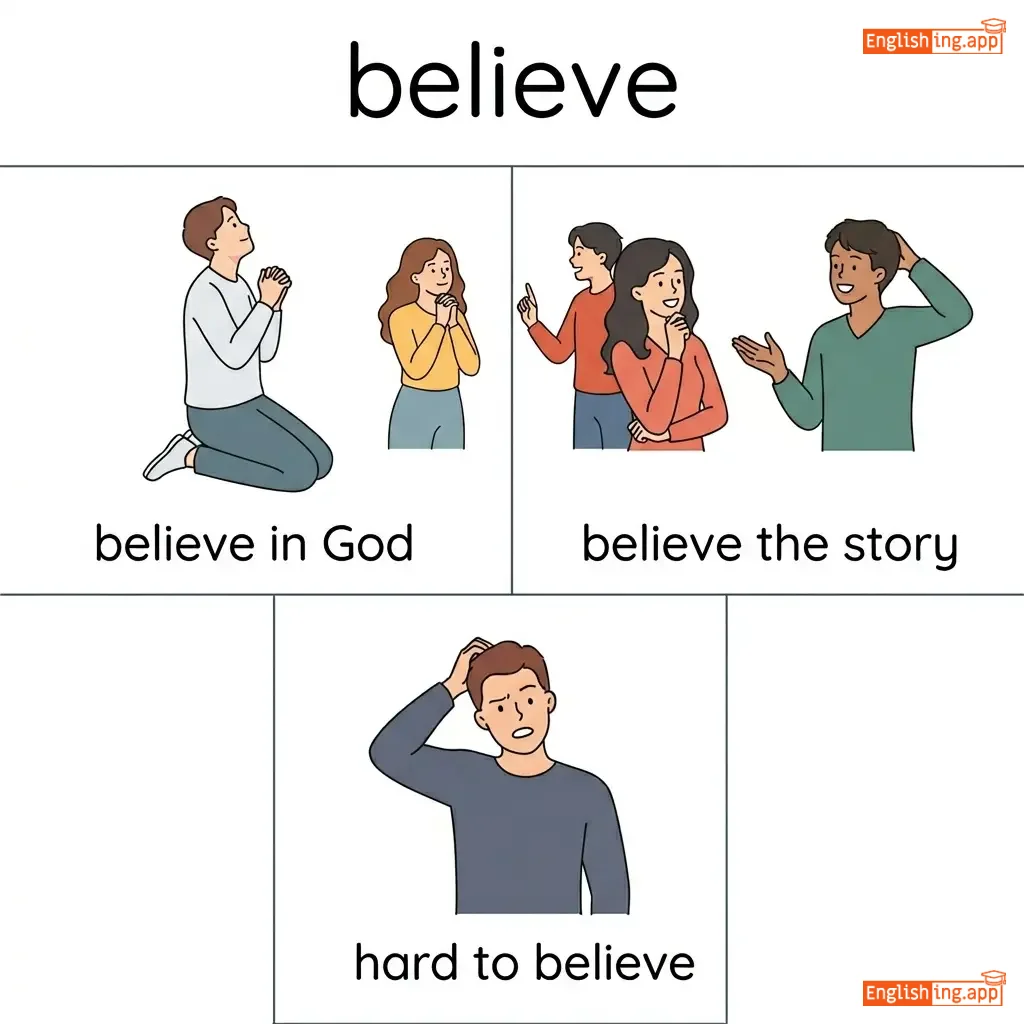
believe in God, believe the story, hard to believe, believe strongly
••••••
|
信じる = 信 + ジル—信じることで、可能性が広がる!
••••••
|
|
😢
••••••
|
/kraɪ/
verb, noun
••••••
|
- •••••• | - •••••• |
cried
••••••
|
cried
••••••
|
cries
••••••
|
crying
••••••
|
To shed tears as an expression of emotion such as sadness or pain; also a loud call or shout.
••••••
|
The baby began to cry when she was hungry. |
- •••••• |
cry over spilled milk |
To waste time worrying about something that has already happened and cannot be changed.
••••••
|
- •••••• |
weep, sob, wail, scream, yell
••••••
|
laugh, smile, rejoice
••••••
|
cry out, cry for help, cry with joy, loud cry
••••••
|
No •••••• |
|
🥊
••••••
|
/faɪt/
verb
(fait)
••••••
|
- •••••• |
戦う
tatakau
••••••
|
fought
fot
••••••
|
fought
fot
••••••
|
fights
fai-tsu
••••••
|
fighting
faitingu
••••••
|
to take part in a violent struggle or to try hard to achieve something
••••••
|
They had to fight for their rights.
彼らは権利のために戦わなければならなかった。
••••••
|
彼らは権利のために戦わなければならなかった。
Karera wa kenri no tame ni tatakawanakereba naranakatta.
••••••
|
fight tooth and nail
歯を食いしばって戦う
••••••
|
to fight or argue with great determination
••••••
|
歯を食いしばって戦う
Ha wo kuishibatte tatakau
••••••
|
battle, combat, struggle, conflict, clash
••••••
|
peace, surrender, agreement
••••••
|
fight back, fight against, fight for, fight with, fight hard
••••••
|
Fightは戦う意味 – 🥊 戦うことによって権利 (kenri) が得られる
••••••
|
|
😊
••••••
|
/ɡlæd/
verb
(グラッド)
••••••
|
|
うれしい
ureshii
••••••
|
gladded
グラデッド
••••••
|
gladded
グラデッド
••••••
|
glads
グラッズ
••••••
|
gladding
グラディング
••••••
|
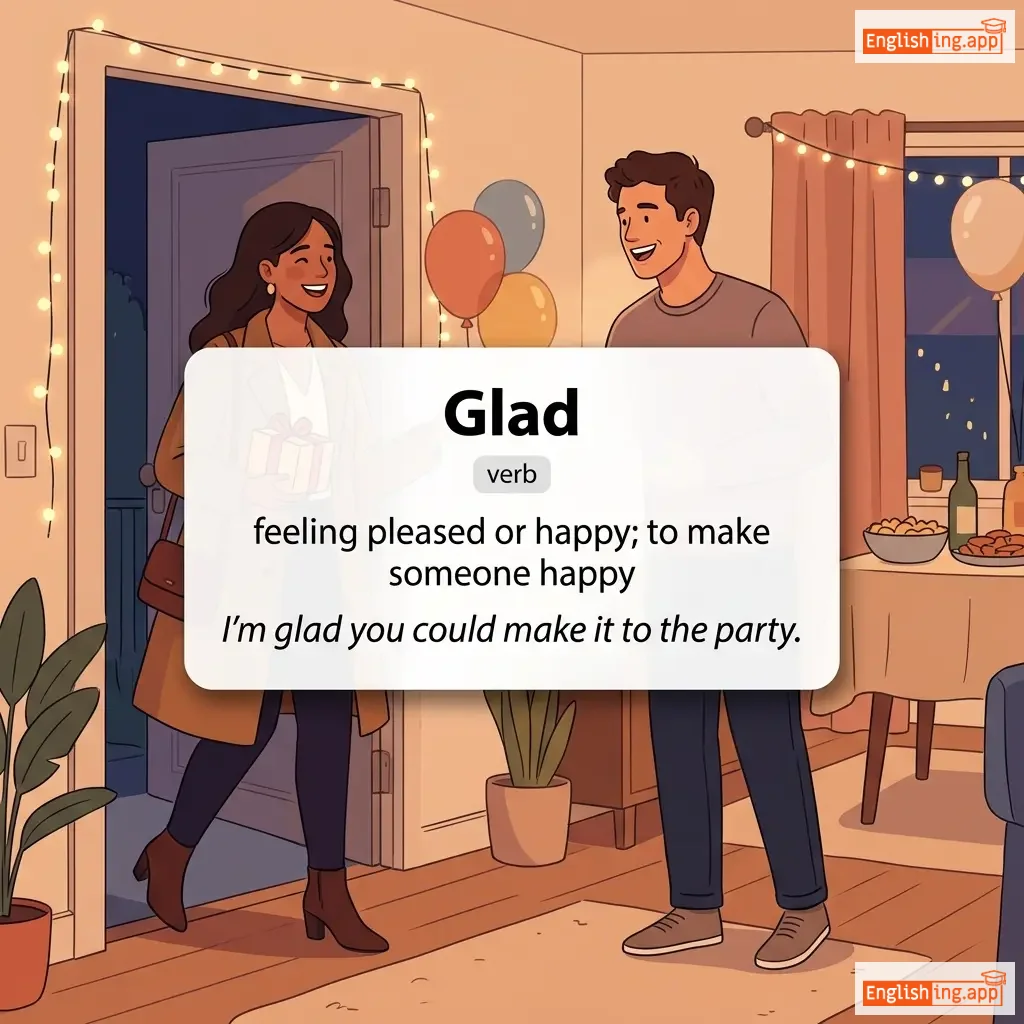
feeling pleased or happy; to make someone happy
••••••
|
I'm glad you could make it to the party.
パーティーに来てくれてうれしい。
••••••
|
パーティーに来てくれてうれしい。
Pātī ni kite kurete ureshī.
••••••
|
- •••••• | - •••••• | - •••••• |
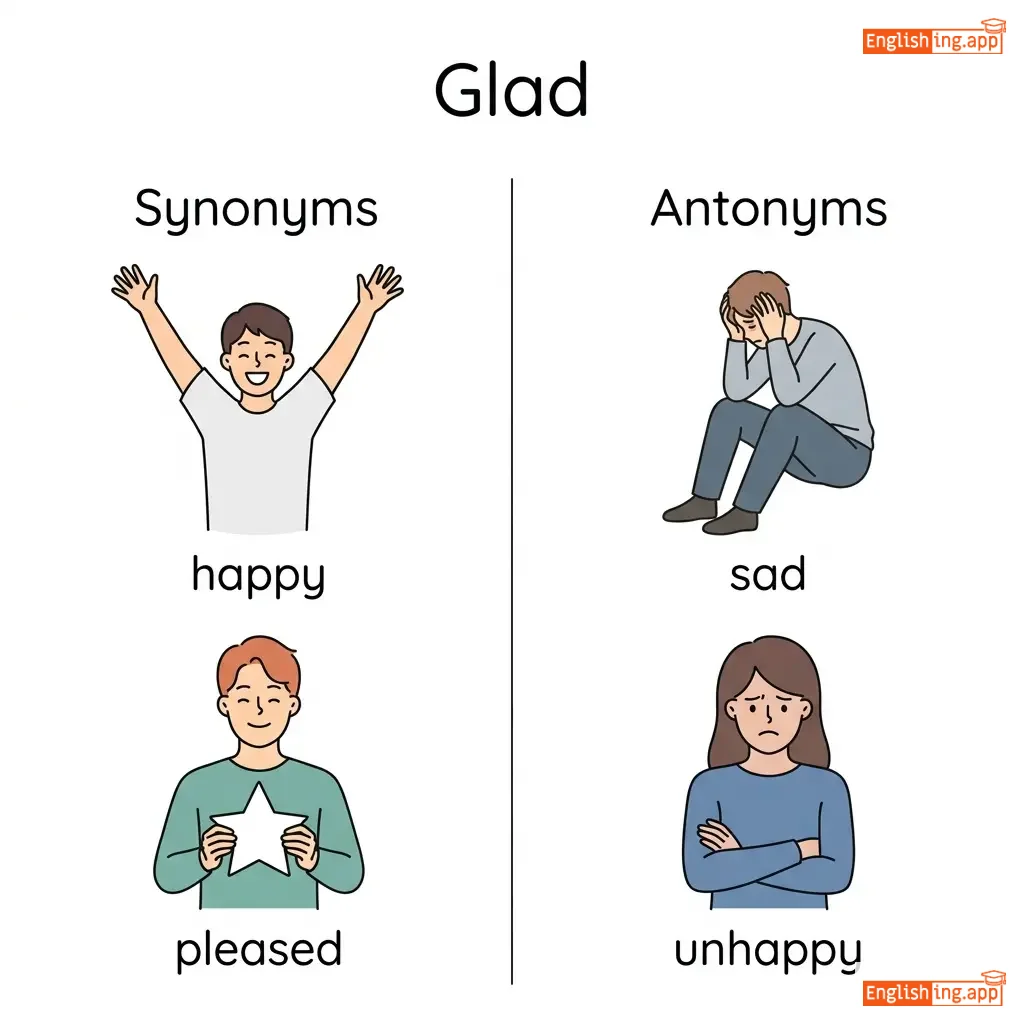
happy, pleased, delighted, joyful
••••••
|
sad, unhappy, disappointed, upset
••••••
|
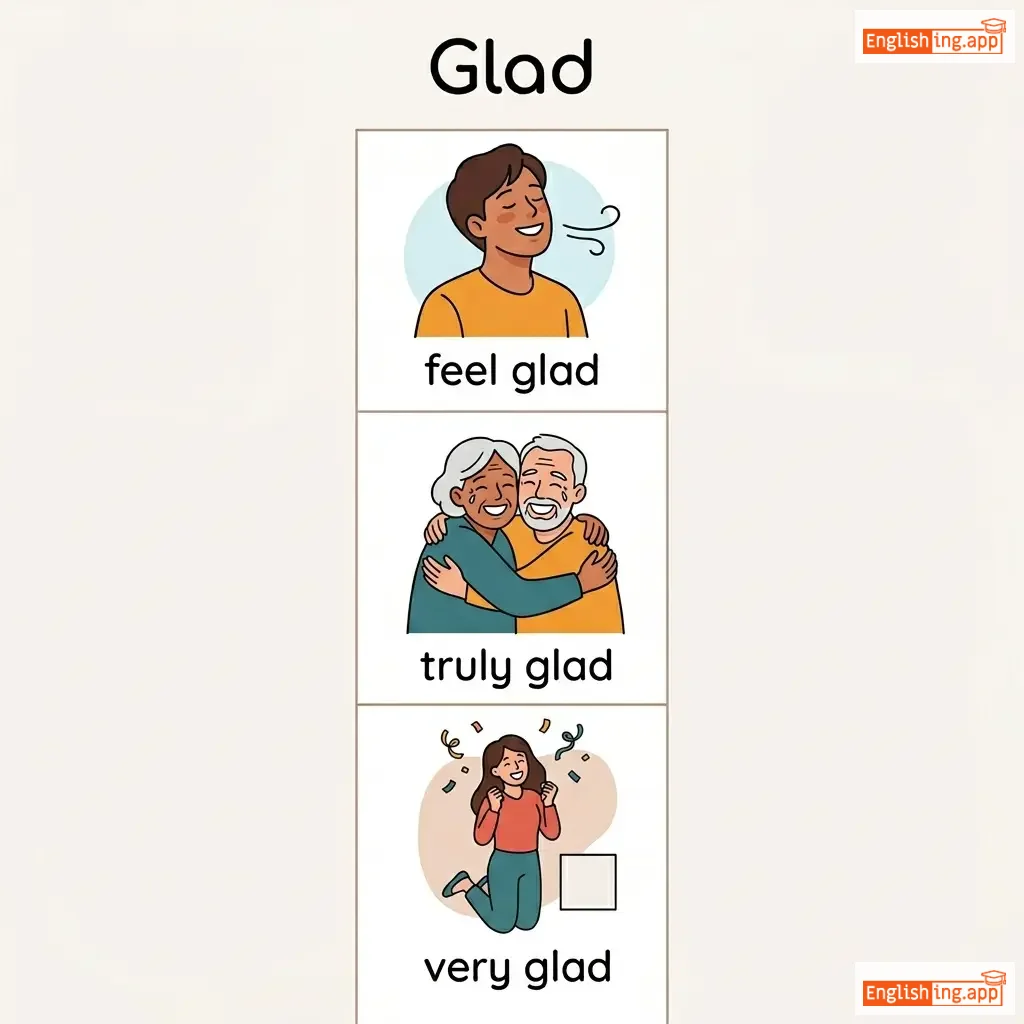
feel glad, truly glad, very glad, so glad, really glad
••••••
|
Happy to feel glad in Japanese
••••••
|
|
😔
••••••
|
/ɡɪlt/
noun
(ギルト)
••••••
|
- •••••• |
罪悪感
zaiakukan
••••••
|
- •••••• | - •••••• | - •••••• | - •••••• |
A feeling of responsibility or remorse for an offense or wrongdoing
••••••
|
She felt deep guilt after lying to her friend. |
彼女は友達に嘘をついた後、深い罪悪感を感じた。
Kanojo wa tomodachi ni uso o tsuita ato, fukai zaiakukan o kanjita.
••••••
|
guilty conscience |
a feeling of guilt for wrongdoing
••••••
|
罪の意識
tsumi no ishiki
••••••
|
remorse, shame, regret, fault
••••••
|
innocence, blamelessness
••••••
|
feel guilt, deep guilt, sense of guilt
••••••
|
Guiltは日本語で '罪悪感' に変換されます。嘘をついた後に感じる重い罪悪感を想像してみてください。
••••••
|
|
👂
••••••
|
/hɪr/
verb
(hiā)
••••••
|
|
聞く
kiku
••••••
|
heard
hādo
••••••
|
heard
hādo
••••••
|
hears
hiāzu
••••••
|
hearing
hīringu
••••••
|
To perceive sound with the ear.
••••••
|
I can hear birds singing outside.
私は外で鳥が歌っているのを聞くことができます。
••••••
|
私は外で鳥が歌っているのを聞くことができます。
Watashi wa soto de tori ga utatte iru no o kiku koto ga dekimasu.
••••••
|
hear from someone
誰かから聞く
••••••
|
to receive news or communication from someone
••••••
|
誰かから聞く
Dareka kara kiku
••••••
|
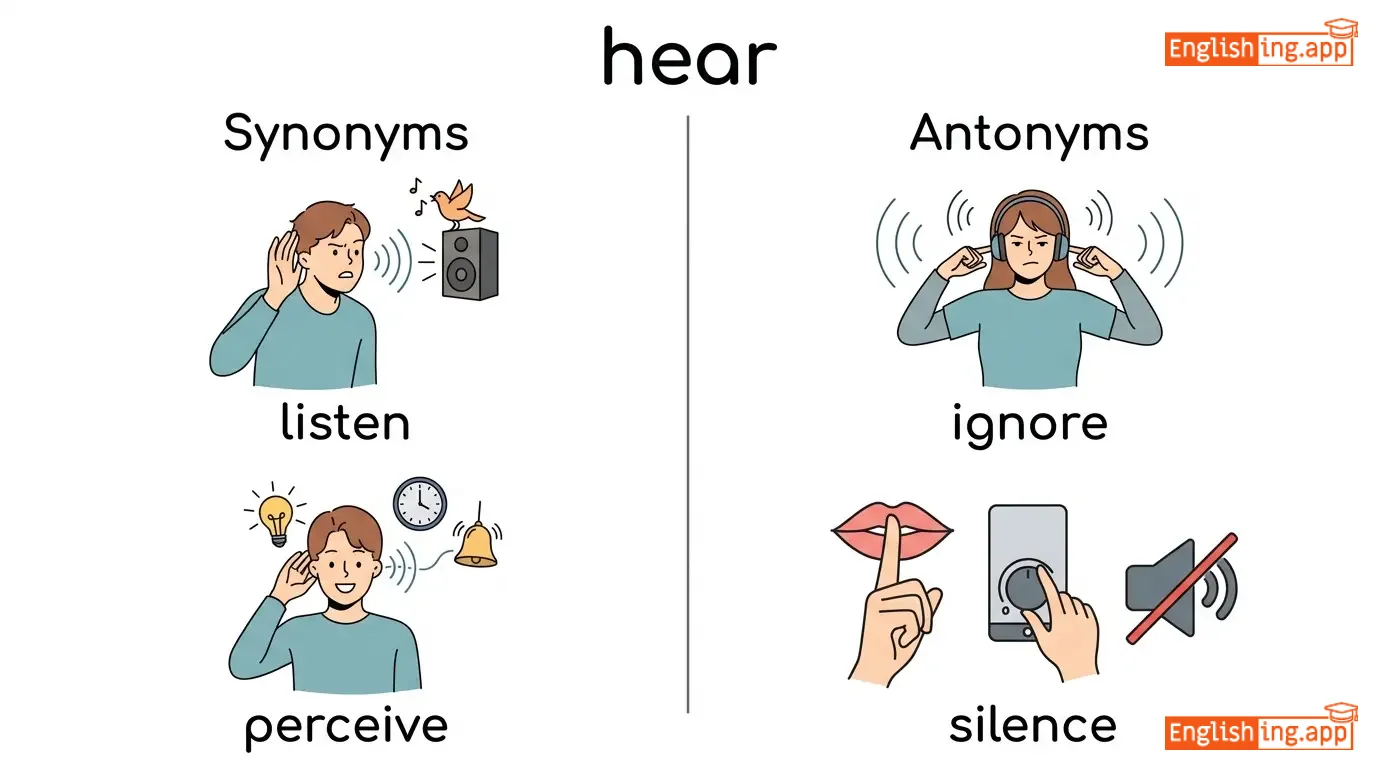
listen, perceive, detect, notice, overhear
••••••
|
ignore, silence
••••••
|
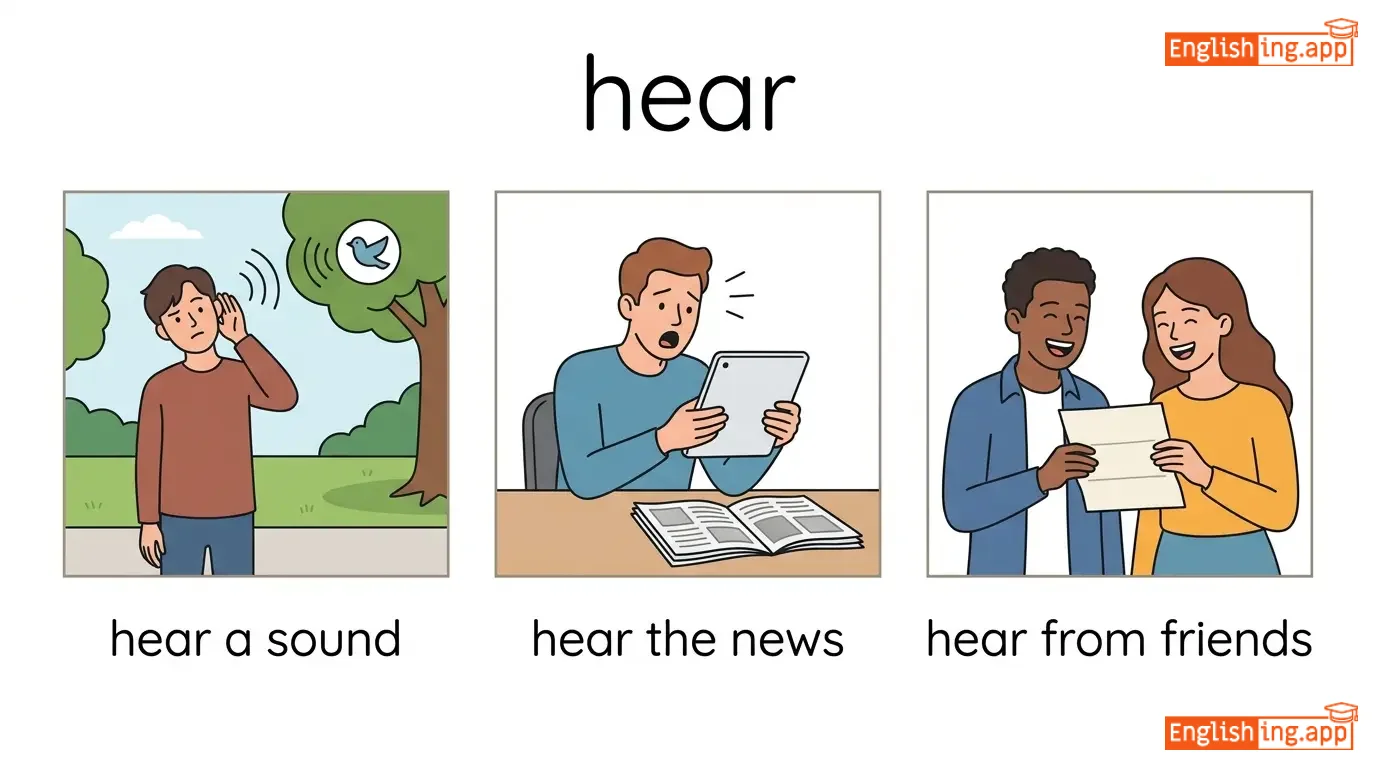
hear a sound, hear the news, hear from friends, hear clearly
••••••
|
聞くは耳で音を感じ取ること。
••••••
|
|
❤️
••••••
|
/hɑːrt/
noun
(ハート)
••••••
|
- •••••• |
心臓
shinzou
••••••
|
- •••••• | - •••••• | - •••••• | - •••••• |
the organ that pumps blood through the body; also the center of emotions
••••••
|
Her heart was beating fast with excitement.
彼女の心臓は興奮で速く鼓動していた。
••••••
|
彼女の心臓は興奮で速く鼓動していた。
Kanojo no shinzou wa koufun de hayaku kodou shiteita.
••••••
|
at heart
心から
••••••
|
in essence or fundamentally
••••••
|
心から
kokoro kara
••••••
|
core, center, emotion, spirit, soul
••••••
|
mind, brain
••••••
|
heart attack, broken heart, kind heart, follow your heart
••••••
|
心臓 ❤️ つまり心臓 – 愛と感情は心臓から生まれる
••••••
|
|
🔊
••••••
|
/laʊd/
adjective/adverb
(ラウド)
••••••
|
- •••••• |
大きい
ookii
••••••
|
- •••••• | - •••••• | - •••••• | - •••••• |
Producing or capable of producing much noise.
••••••
|
The music was too loud to concentrate. |
音楽はあまりにも大きすぎて、集中できませんでした。
Ongaku wa amari ni mo ookisugite, shuuchuu dekimasen deshita.
••••••
|
loud and clear |
understood perfectly without any doubt
••••••
|
大きくてはっきり
ookikute hakkiri
••••••
|
noisy, boisterous, deafening, clamorous
••••••
|
quiet, silent, soft
••••••
|
speak loud, loud noise, loud voice, loud music
••••••
|
Loudは、スピーカーのように大きな音を出すことです。
••••••
|
|
☮️
••••••
|
/piːs/
noun
(ピース)
••••••
|
- •••••• |
平和
heiwa
••••••
|
- •••••• | - •••••• | - •••••• | - •••••• |
a state of tranquility or quiet, freedom from disturbance
••••••
|
They hope for peace in the region.
彼らは地域での平和を望んでいます。
••••••
|
彼らは地域での平和を望んでいます。
Karera wa chiiki de no heiwa o nozondeimasu.
••••••
|
- •••••• | - •••••• | - •••••• |
calm, serenity, harmony, tranquility
••••••
|
conflict, war
••••••
|
world peace, peace of mind, peace treaty, keep the peace
••••••
|
平和は心の静けさから始まります。
••••••
|
|
🦚
••••••
|
/praʊd/
adjective
(プラウド)
••••••
|
- •••••• |
誇り高い
hokori takai
••••••
|
- •••••• | - •••••• | - •••••• | - •••••• |
Feeling deep pleasure or satisfaction as a result of achievements or qualities.
••••••
|
She felt proud of her son's accomplishments. |
彼女は息子の業績を誇りに思っていた。
Kanojo wa musuko no gyouseki o hokori ni omotte ita.
••••••
|
proud as a peacock |
extremely proud or arrogant
••••••
|
孔雀のように誇り高い
Kujaku no you ni hokori takai
••••••
|
pleased, honored, satisfied, delighted
••••••
|
ashamed, humble
••••••
|
proud of, feel proud, proud moment, proud parent
••••••
|
Proudとは、他の人や自分の成果を誇りに思うことです。
••••••
|
|
🤫
••••••
|
/ˈkwaɪət/
adjective
(kwaietto)
••••••
|
- •••••• |
静かな
shizukana
••••••
|
- •••••• | - •••••• | - •••••• | - •••••• |
Making little or no noise; free from disturbance.
••••••
|
The library is a very quiet place to study. |
図書館はとても静かな勉強場所です。
Toshokan wa totemo shizukana benkyō basho desu.
••••••
|
keep quiet |
to stop talking or remain silent
••••••
|
静かにしている
shizuka ni shite iru
••••••
|
silent, calm, peaceful, hushed, still
••••••
|
loud, noisy, rowdy
••••••
|
quiet place, quiet voice, quiet night, keep quiet
••••••
|
Quietは静かという意味 – 試験中に先生は'keep quiet'と言います、それは静かにしているという意味です。
••••••
|
|
😢
••••••
|
/sæd/
adjective
(サッド)
••••••
|
- •••••• |
悲しい
kanashii
••••••
|
- •••••• | - •••••• | - •••••• | - •••••• |
feeling or showing sorrow; unhappy
••••••
|
She felt sad after hearing the bad news. |
悪いニュースを聞いて、彼女は悲しい気持ちになった。
Warui nyūsu wo kiite, kanojo wa kanashii kimochi ni natta.
••••••
|
sad but true |
something that is unfortunate but factual
••••••
|
悲しいけど、真実
kanashii kedo, shinjitsu
••••••
|
unhappy, sorrowful, depressed, gloomy
••••••
|
happy, joyful, cheerful
••••••
|
sad face, sad story, feel sad, sad news
••••••
|
Sad は悲しい意味—悪いニュースを聞くと悲しくなる。
••••••
|
|
😔
••••••
|
/ʃeɪm/
noun
(シェイム)
••••••
|
- •••••• |
恥
haji
••••••
|
- •••••• | - •••••• | - •••••• | - •••••• |
a painful feeling of humiliation or distress caused by the consciousness of wrong or foolish behavior
••••••
|
He felt deep shame after lying to his friend. |
彼は友人に嘘をついた後、深い恥を感じた。
Kare wa yūjin ni uso o tsuita ato, fukai haji o kanjita.
••••••
|
crying shame |
something that is very unfortunate
••••••
|
泣くような恥
naku yō na haji
••••••
|
embarrassment, guilt, humiliation, disgrace
••••••
|
pride, honor
••••••
|
feel shame, bring shame, deep shame, public shame
••••••
|
恥は、間違ったことをしたときの気持ち、まるで‘Shame!’
••••••
|
|
📢
••••••
|
/ʃaʊt/
verb
(シャウト)
••••••
|
- •••••• |
叫ぶ
sakebu
••••••
|
shouted
シャウテッド
••••••
|
shouted
シャウテッド
••••••
|
shouts
シャウツ
••••••
|
shouting
シャウティング
••••••
|
to say something very loudly
••••••
|
He shouted at the top of his lungs to get their attention.
彼は彼らの注意を引くために全力で叫んだ。
••••••
|
彼は彼らの注意を引くために全力で叫んだ。
Kare wa karera no chūi o hiku tame ni zenryoku de sakenda.
••••••
|
Shout from the rooftops
屋根の上で叫ぶ
••••••
|
To tell everyone about something in a very public way
••••••
|
屋根の上で叫ぶ
Yane no ue de sakebu
••••••
|
yell, scream, holler, cry
••••••
|
whisper, mumble
••••••
|
shout loudly, shout angrily, shout for help
••••••
|
叫んでみんなに知らせよう!
••••••
|
|
😔
••••••
|
/ˈsɔːri/
adjective
(ソーリー)
••••••
|
- •••••• |
ごめん
gomen
••••••
|
- •••••• | - •••••• | - •••••• | - •••••• |
feeling regret or sympathy
••••••
|
She felt sorry for what had happened. |
彼女は起こったことを後悔していた。
Kanojo wa okotta koto o kōkai shite ita.
••••••
|
I'm sorry! |
an expression of apology or regret
••••••
|
ごめん!
Gomen!
••••••
|
apologetic, regretful, remorseful, contrite
••••••
|
happy, glad
••••••
|
sorry for, sorry about, deeply sorry
••••••
|
SORRY, she feels regret and apologizes.
••••••
|
|
🗣️
••••••
|
/swɛər/
verb
(スウェア)
••••••
|
|
誓う
chikau
••••••
|
swore
スウォア
••••••
|
sworn
スウォーン
••••••
|
swears
スウェアズ
••••••
|
swearing
スウェアリング
••••••
|
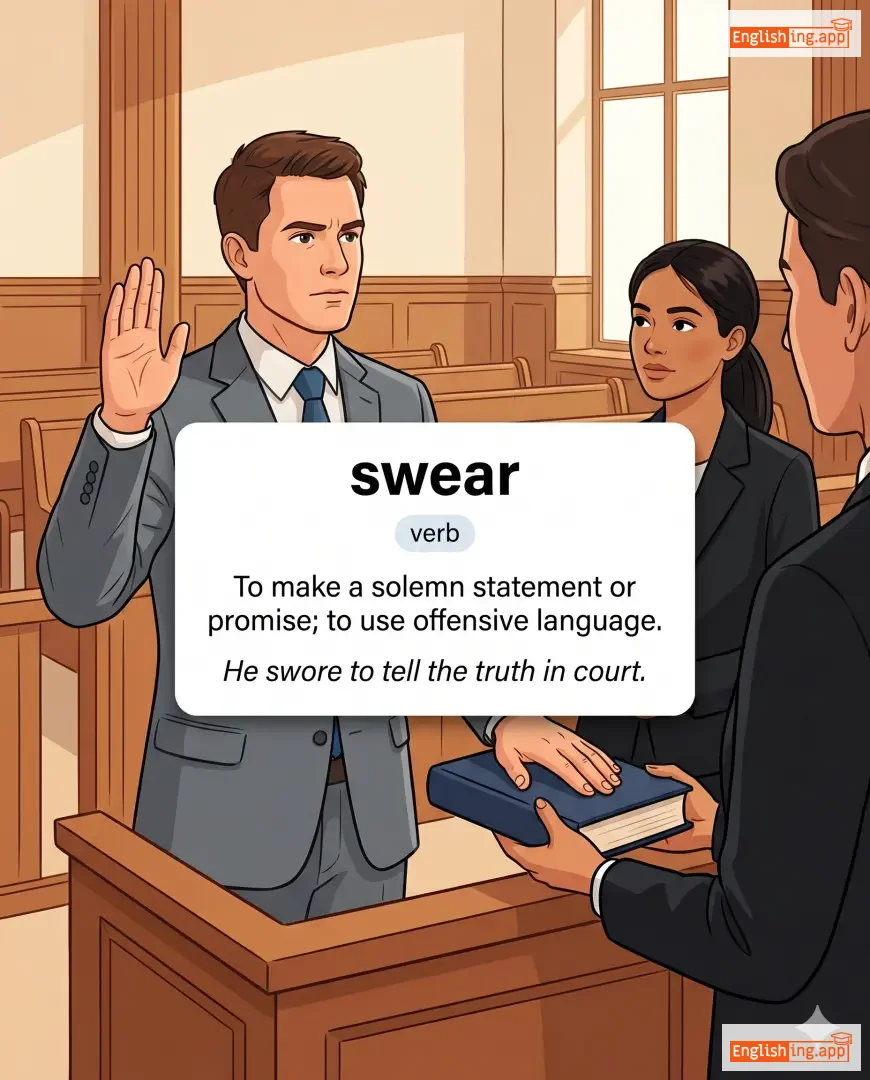
To make a solemn statement or promise; to use offensive language.
••••••
|
He swore to tell the truth in court.
ヒー スウォア トゥ テル ザ トゥルース イン コート
••••••
|
彼は法廷で真実を話すと誓った。
Kare wa hōtei de shinjitsu o hanasu to chikatta.
••••••
|
swear by
スウェア バイ
••••••
|
To have great confidence in something.
••••••
|
何かに誓う
nanika ni chikau
••••••
|
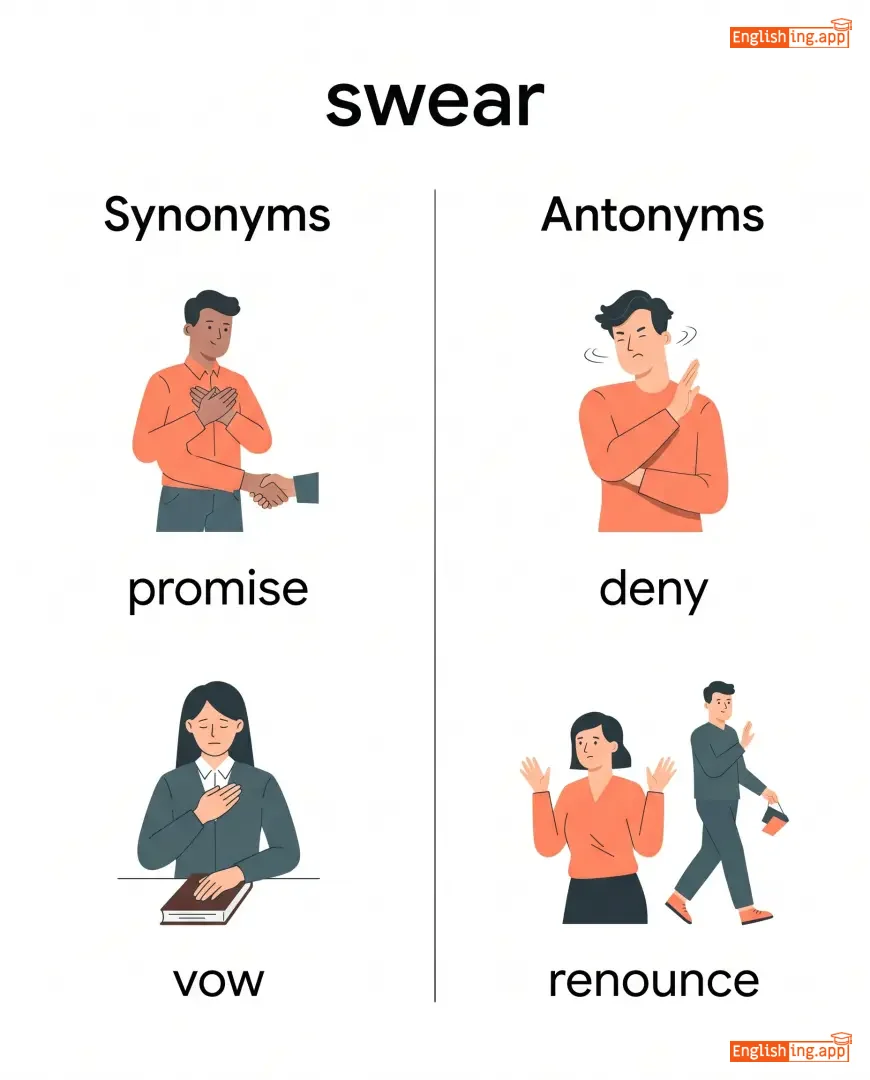
promise, vow, curse, pledge, affirm
••••••
|
deny, renounce, retract
••••••
|
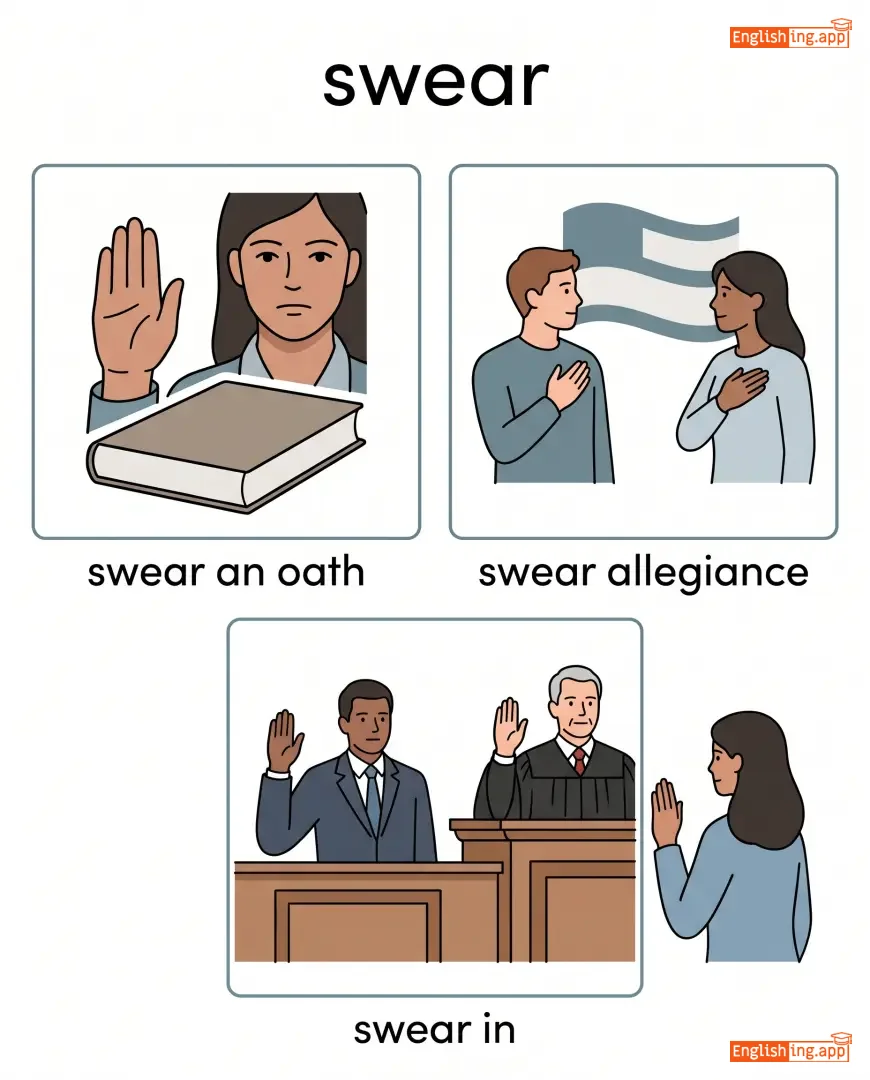
swear an oath, swear allegiance, swear in, swear by
••••••
|
Swear は誓うという意味 – 法廷で誓う。
••••••
|
|
🙏
••••••
|
/θæŋk/
verb
(サンク)
••••••
|
|
感謝する
kansha suru
••••••
|
thanked
サンクド
••••••
|
thanked
サンクド
••••••
|
thanks
サンクス
••••••
|
thanking
サンキング
••••••
|
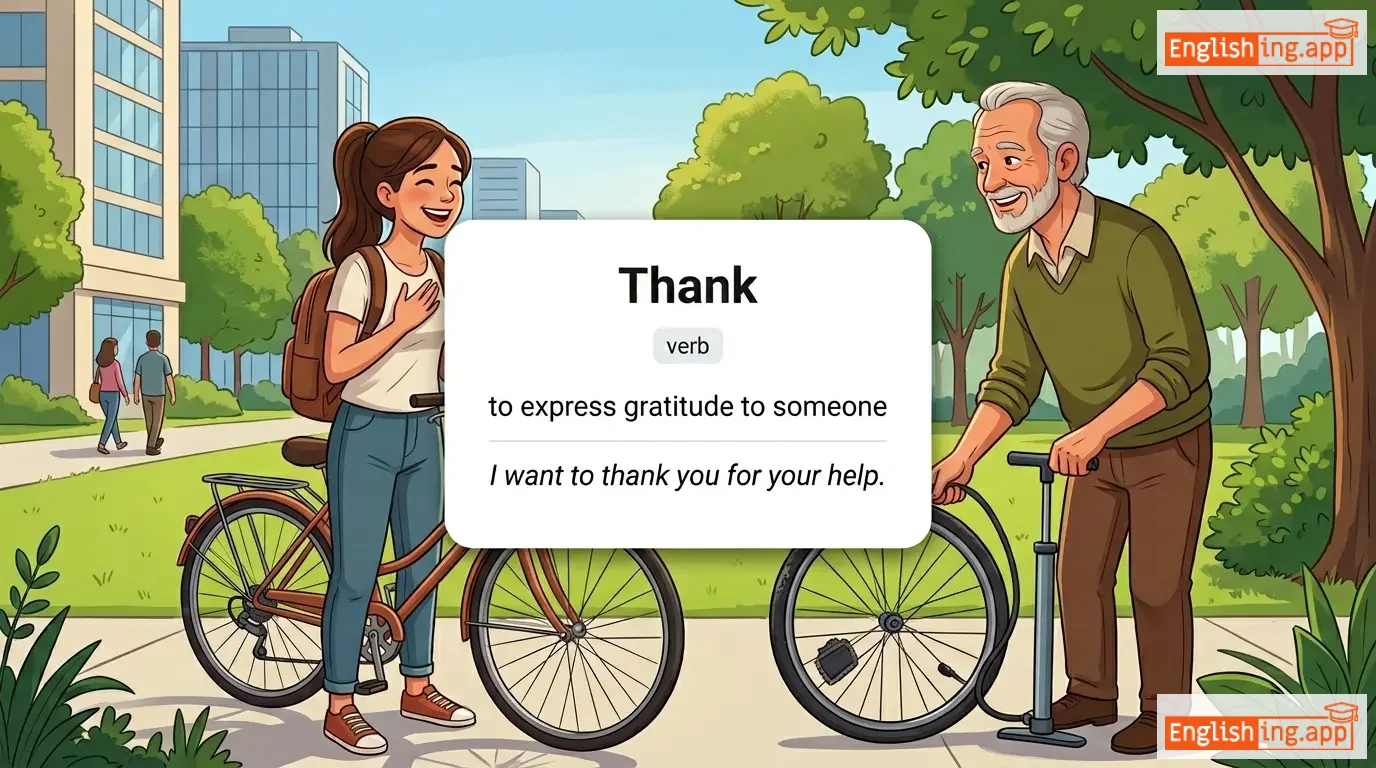
to express gratitude to someone
••••••
|
I want to thank you for your help.
私はあなたの助けに感謝したいです。
••••••
|
私はあなたの助けに感謝したいです。
Watashi wa anata no tasuke ni kansha shitai desu.
••••••
|
Thank you
ありがとう
••••••
|
expression of gratitude
••••••
|
ありがとう
Arigatou
••••••
|
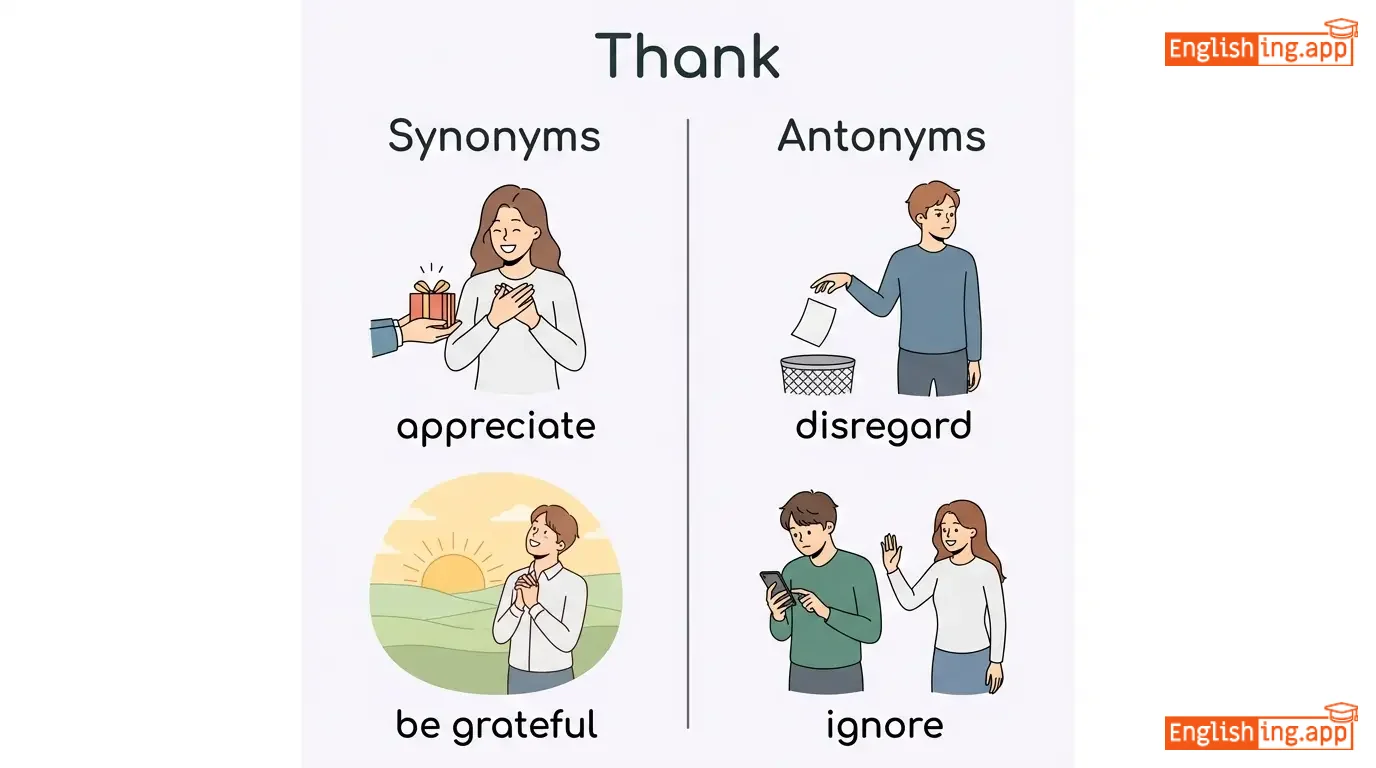
appreciate, be grateful, acknowledge, express thanks
••••••
|
disregard, ignore, neglect
••••••
|
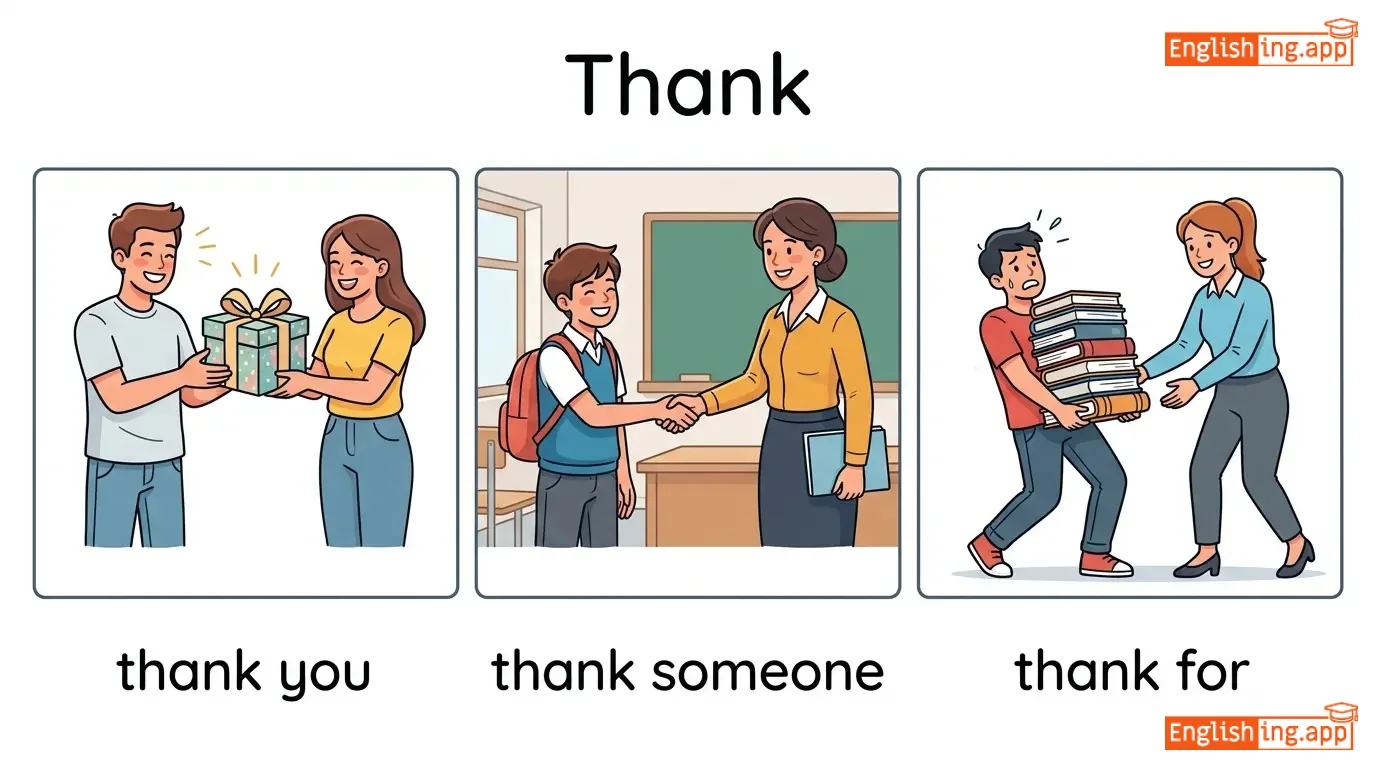
thank you, thank someone, thank for, thanking you
••••••
|
Thank you for helping – ありがとう (Arigatou) for your kindness
••••••
|
|
😟
••••••
|
/ˈwʌri/
verb
••••••
|
- •••••• | - •••••• |
worried
••••••
|
worried
••••••
|
worries
••••••
|
worrying
••••••
|
to feel anxious or concerned about something
••••••
|
Don’t worry, everything will be okay. |
- •••••• |
Worrying about something is like paying interest on a debt you may never owe. |
Worrying about things that may never happen is not helpful.
••••••
|
- •••••• |
anxiety, concern, stress, fret
••••••
|
calm, ease, peace
••••••
|
worry about, cause worry, don’t worry, make worry
••••••
|
No •••••• |

