Словари

Словарь английского языка | Значения слов, определения и примеры

adverb
/ˈəʊvəli/
чрезмерно (chrezmerno)

to an excessive degree or extent

"She was overly concerned about the results."

"Она была чрезмерно обеспокоена результатами." (Ona byla chrezmerno obespokoyena rezul'tatami.)
adverb, adjective
/ˌəʊvəˈnaɪt/
сразу же (srazu zhe)

for or during the night; suddenly or in a very short time

"Her small business became famous overnight after a viral video."

"Ее малый бизнес стал известен сразу же после вирусного видео." (Eeyo malyy biznes stal izvesten srazu zhe posle virusnogo video.)
noun
/ˈoʊvərpæs/
эстакада (estakada)

A bridge that carries one road or railway over another.

"The new overpass reduced traffic congestion in the city."

"Новая эстакада уменьшила заторы на дорогах города." (Novaya estakada umen'shila zatory na dorogakh goroda.)
verb
/ˌoʊvərˈpeɪ/
переплатить (pereplatit)

To pay more than is necessary or reasonable.

"She realized she had overpaid for the concert tickets."

"Она поняла, что переплатила за билеты на концерт." (Ona ponyala, chto pereplachivala za bilety na kontsert.)
verb
/ˌoʊvərˈpaʊər/
побеждать (pobezhdat)

To defeat or gain control over someone or something by using greater strength or force.

"The soldiers managed to overpower the enemy forces."

"Солдаты смогли победить вражеские силы." (Soldaty smogli pobedit' vrazheskie sily.)
noun
/ˌoʊvərprəˈdʌkʃən/
перепроизводство (pereproduzivanie)

The act of producing more of something than is needed or can be consumed.

"The economic crisis was caused by the overproduction of goods."

"Экономический кризис был вызван перепроизводством товаров." (Ekonomicheskiy krizis byl vyzvan pereproizvodstvom tovarov.)
verb
/ˌoʊvərˈriːtʃ/
перегрузка (peregruzka)

to go beyond what is proper, acceptable, or achievable; to overextend

"The politician overreached by making promises he couldn't keep."
"Политик перегрузил себя, пообещав то, чего не мог выполнить." (Politik peregruzil sebya, poobeshchav to, chego ne mog vypolnit.)
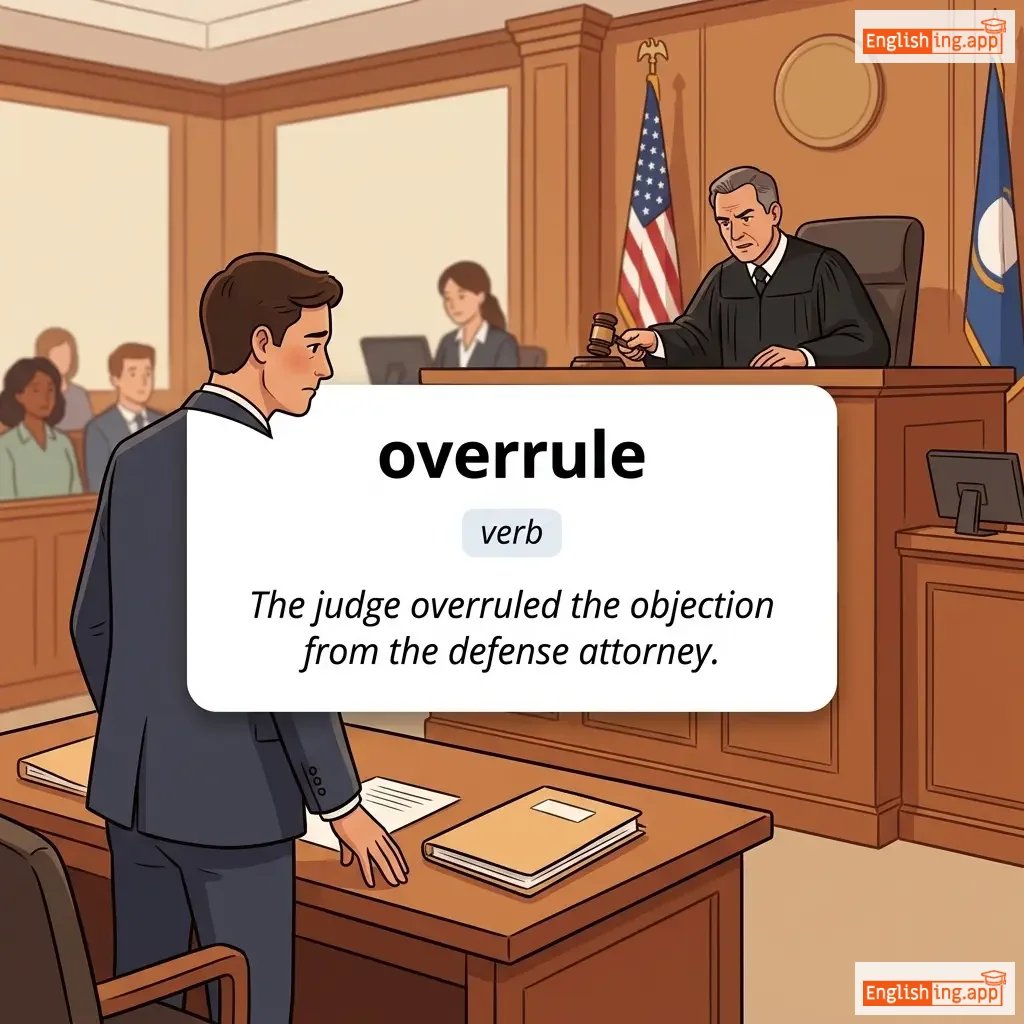
overrule definition card — visual illustration of the meaning
verb
/ˌoʊvərˈruːl/
отменить (otmenit)

to reject or disallow by exercising one's superior authority; to override a decision

"The judge overruled the objection from the defense attorney."

"Судья отклонил возражение адвоката защиты." (Sudya otklonil vozrazhenie advokata zashchity.)
verb
/ˌoʊvərˈrʌn/
переполнять (perepolnyat')

to spread over or occupy completely; to exceed a limit or time

"The garden was overrun with weeds."

"Сад был переполнен сорняками." (Sad byl perepolnen sornyakamy.)
adjective
/ˌoʊvərˈsiːz/
за границей (za granitsey)

in or to a foreign country across the sea

"He went overseas for higher education."
"Он поехал за границу для получения высшего образования." (On poekhal za granitsu dlya polucheniya vysshego obrazovaniya.)
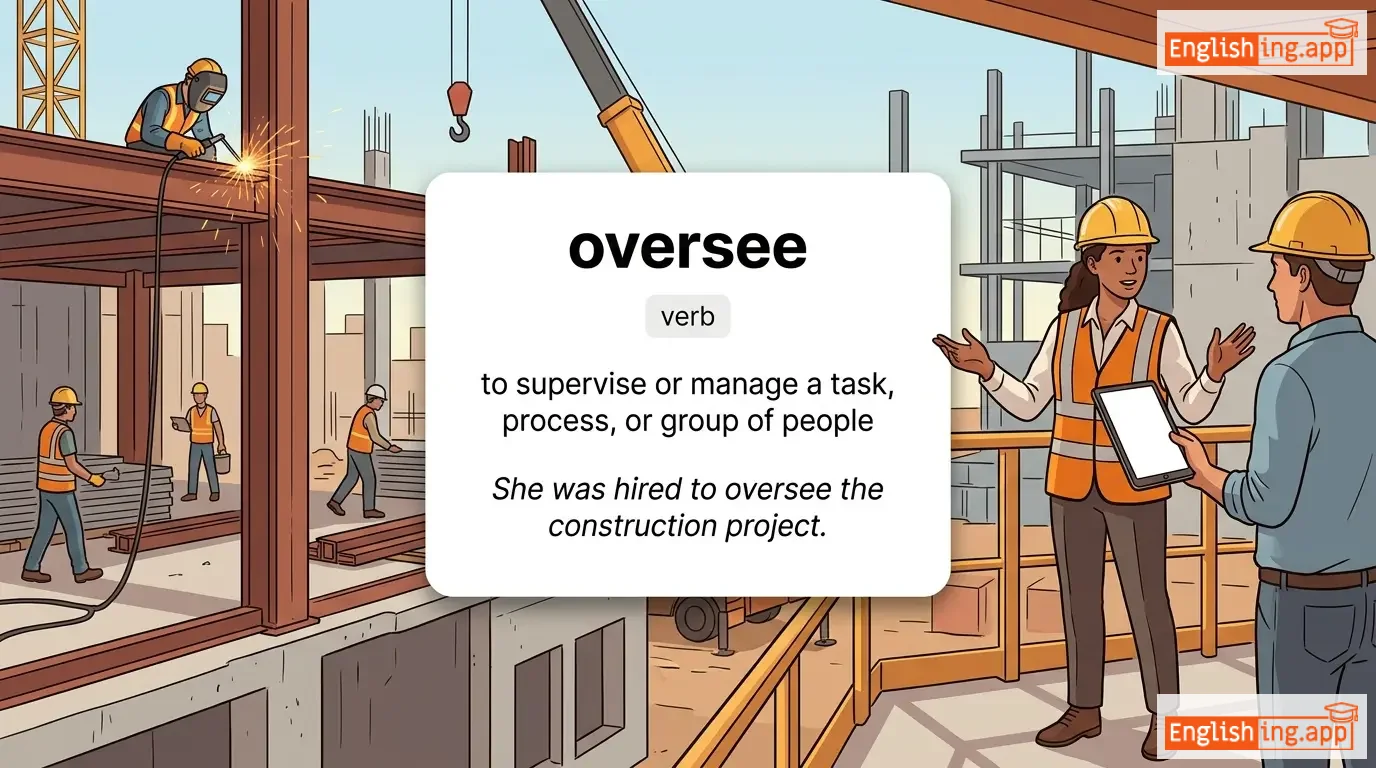
oversee definition card — visual illustration of the meaning
verb
/ˌoʊvərˈsiː/
контролировать (kontrolirovat)

to supervise or manage a task, process, or group of people

"She was hired to oversee the construction project."

"Ее наняли для того, чтобы контролировать строительный проект." (Eyo nanyali dlya togo, chtoby kontrolirovat' stroitel'nyy proyekt.)
noun
/ˈoʊvərˌsiːər/
надсмотрщик (nadsmotrschik)

a person who supervises work or workers; a manager

"The overseer made sure the workers followed safety rules."

"Надсмотрщик убедился, что рабочие соблюдают правила безопасности." (Nadsmotrschik ubedilsya, chto rabochie soblyudayut pravila bezopasnosti.)
verb
/ˌoʊvərˈʃædoʊ/
затмить (zatmit)

to appear more important or significant than something else, reducing its impact

"The scandal overshadowed his achievements."
"Скандал затмел его достижения." (Skandal zatmel ego dostizheniya.)
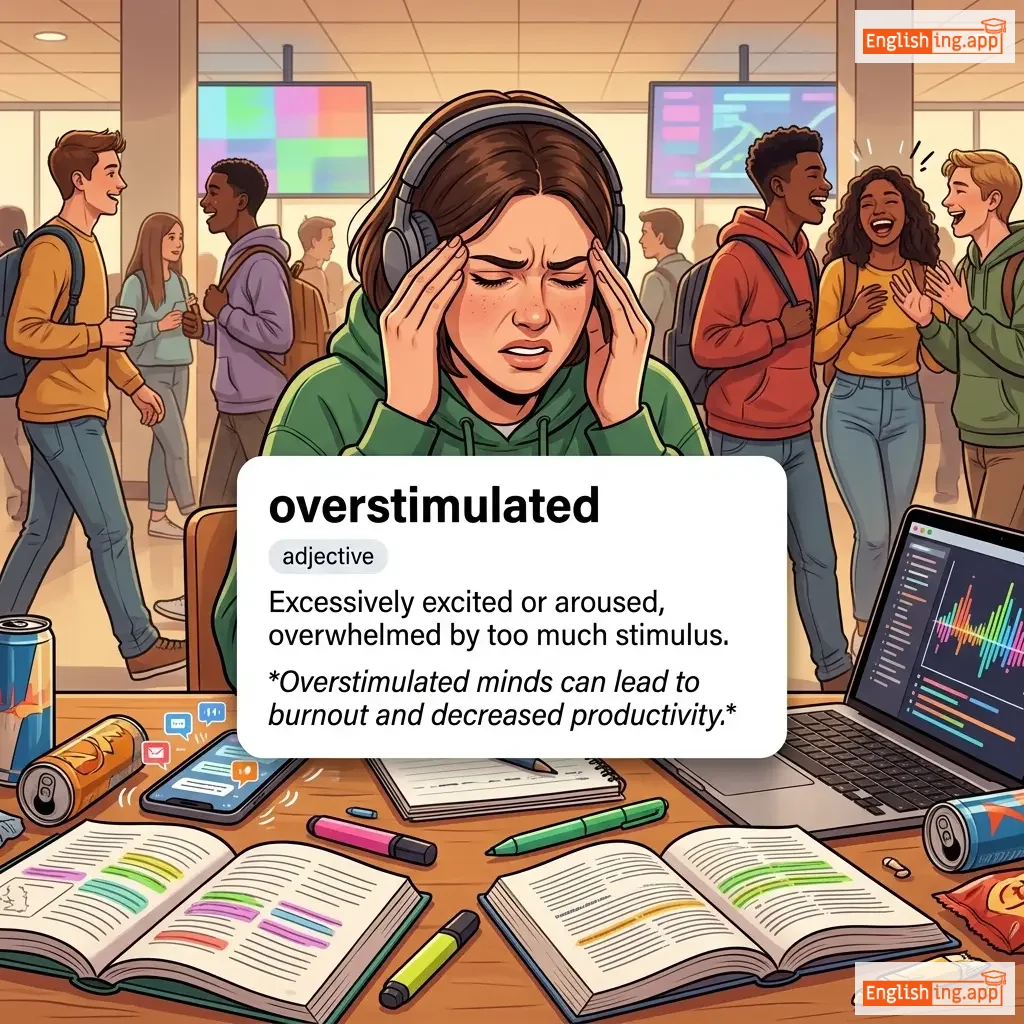
overstimulated definition card — visual illustration of the meaning
adjective
/ˌəʊvərˈstɪmjʊˌleɪtɪd/

Excessively excited or aroused, overwhelmed by too much stimulus.

"Overstimulated minds can lead to burnout and decreased productivity."

verb
/ˌoʊvərˈstraɪd/
перешагнуть (pereshagnut)

To stride over something; to step across with long steps.

"He managed to overstride the narrow stream with ease."

"Ему удалось легко пересечь узкий ручей." (Emu udalos' legko peresech' uzkiy ruchey.)
adjective
/oʊˈvɜːrt/
открытый (otkrytyi)

Done or shown openly; not hidden or secret.

"There was an overt display of hostility between the rivals."
"Было открытое проявление враждебности между соперниками." (Bylo otkrytoe proyavlenie vrazhdebnosti mezhdu sopernikami.)
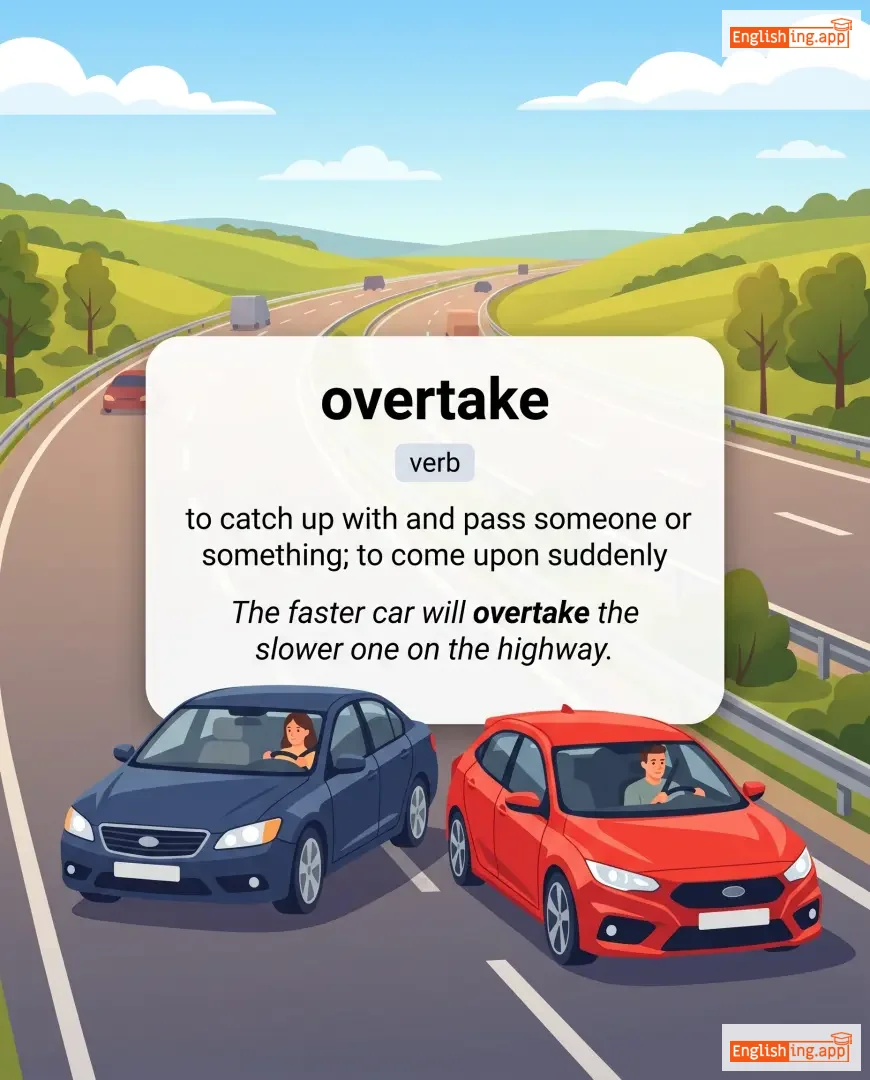
overtake definition card — visual illustration of the meaning
verb
/ˌoʊvərˈteɪk/
обогнать (obognat)

to catch up with and pass someone or something; to come upon suddenly

"The faster car will overtake the slower one on the highway."

"Более быстрая машина обгонит медленную на шоссе." (Bolee bystraya mashina obgonit medlennuyu na shosse.)
verb
/ˌoʊvərˈθroʊ/
счастье (schast'ye)

To remove a leader or government from power, often by force.

"The rebels planned to overthrow the corrupt regime."

"Она не могла скрыть своего счастья, когда получила награду." (Ona ne mogla skryt' svoego schast'ya, kogda poluchila nagradu.)
noun
/ˈoʊvərˌtoʊn/
тонкая коннотация (tonkaya konnotatsiya)

A subtle quality, implication, or additional meaning beyond the obvious.

"His speech had political overtones that were hard to ignore."

"Его речь имела политические подтоны, которые было трудно игнорировать." (Ego rech' imela politicheskie podtony, kotorye bylo trudno ignorirovat'.)
noun
/ˈoʊvərˌtʊr/
уведо́мление / предложение (uvedomlenie / predlozhenie)

An introduction to something more substantial; a proposal or preliminary action.

"The peace overture was welcomed by both nations."

"Мирное предложение было встречено обеими нациями." (Mirnoe predlozhenie bylo vstrecheno obemi natsiyami.)
verb
/ˌoʊvərˈtɜrn/
перевернуть / отменить решение (perevernut / otmenit reshenie)

to turn something upside down or to reverse a decision or judgment

"The court decided to overturn the previous ruling."

"Суд решил отменить предыдущее решение." (Sud reshil otmenit predydushchee reshenie.)
adjective
/ˌoʊvərˈwiːnɪŋ/
чересчур высокомерный (chereschur vysokomernyy)

excessively arrogant or prideful

"His overweening pride cost him many friends."

"Его чрезмерная гордость стоила ему многих друзей." (Yego chrezmernaia gordost' stoila yemu mnogikh druzey.)
adjective
/ˌoʊvərˈweɪt/
избыточный вес (izbytochnyy ves)

heavier than is considered healthy or normal

"The doctor advised him to lose weight as he was overweight."

"Врач посоветовал ему сбросить вес, так как он был с избыточным весом." (Vrach posovetoval emu sbrosit' ves, tak kak on byl s izbytochnym vesom.)
verb
/ˌoʊvərˈwɛlm/

to overpower someone emotionally or physically; to be too much to handle

"She was overwhelmed with gratitude after receiving the help."
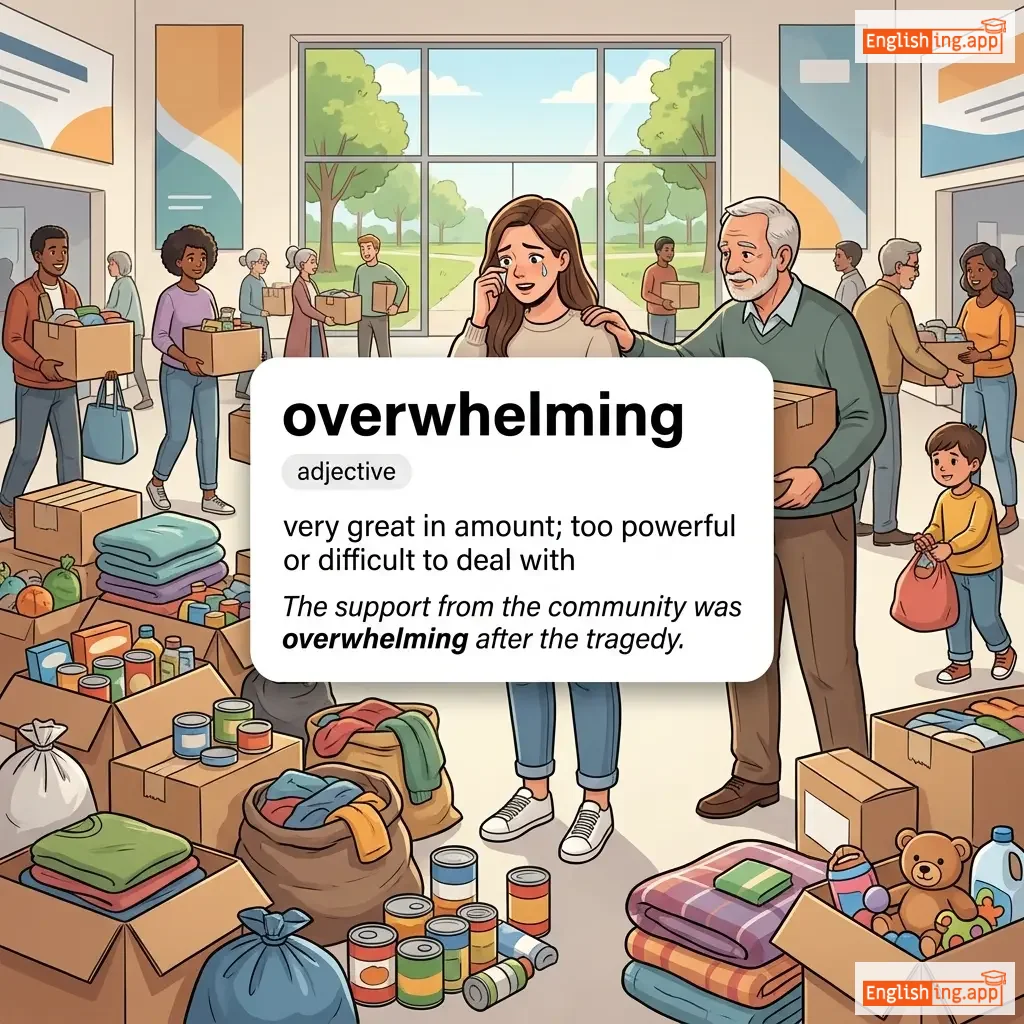
overwhelming definition card — visual illustration of the meaning
adjective
/ˌəʊvəˈwelmɪŋ/
непреодолимый, ошеломляющий (nepreodolimy, oshelomlyayushchiy)

very great in amount; too powerful or difficult to deal with

"The support from the community was overwhelming after the tragedy."

"Поддержка сообщества была ошеломляющей после трагедии." (Podderzhka soobshchestva byla oshelomlyayushchey posle tragedii.)
adjective
/ˌoʊvərˈrɔt/
взволнованный / чрезмерно нервный (vzbivnovenniy / chrezmerno nervniy)

extremely agitated or nervous; excessively elaborate

"She was too overwrought to speak clearly after the accident."

"Она была слишком взволнована, чтобы говорить ясно после аварии." (Ona byla slishkom vzvolnovanna, chtoby govorit' yasno posle avarii.)
adjective
/ˈoʊ.vɔɪd/
овальный (oval'nyy)

egg-shaped; resembling an oval or ellipse

"The artist painted an ovoid shape in the center of the canvas."
"Художник нарисовал овальную форму в центре холста." (Khudozhnik narisoval oval'nuyu formu v tsentre kholsta.)
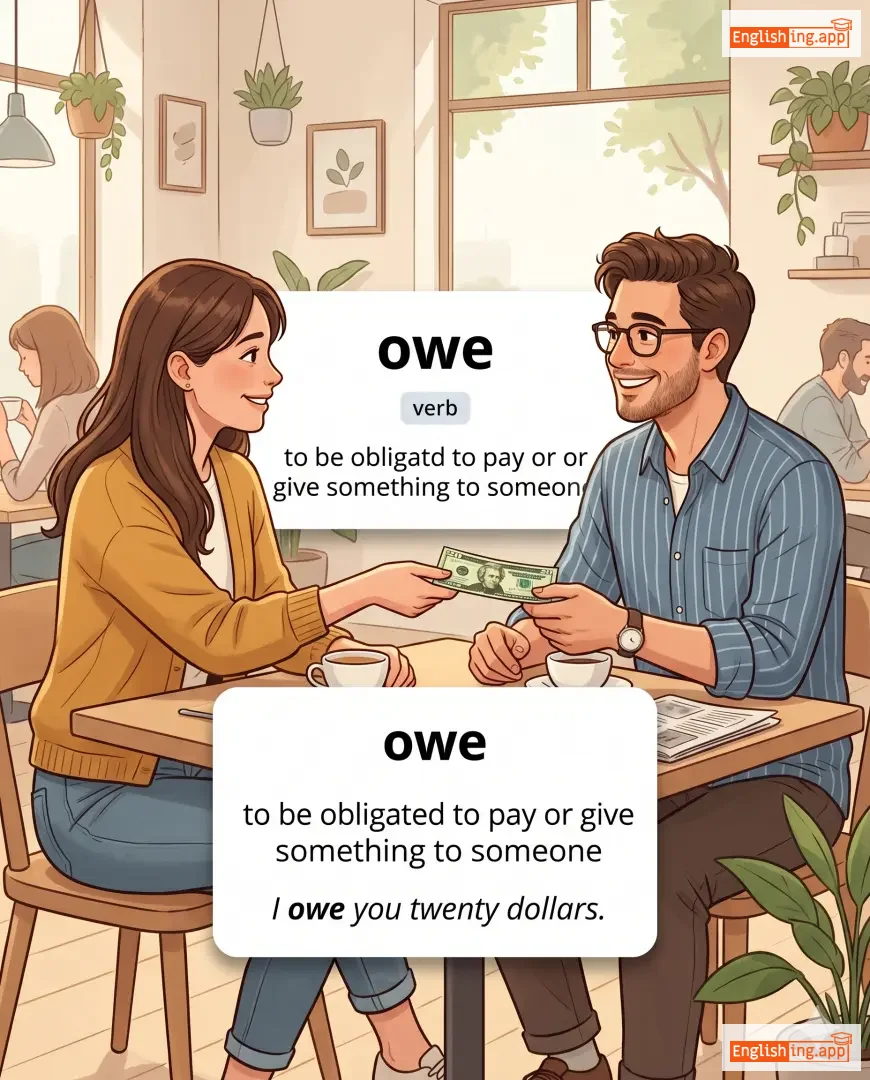
owe definition card — visual illustration of the meaning
verb
/oʊ/
долг (dolg)

to be obligated to pay or give something to someone

"I owe you twenty dollars."

"Я должен тебе двадцать долларов." (Ya dolzhen tebe dvadtsat' dollarov.)
noun
/aʊl/
сова (sova)

a nocturnal bird of prey with large eyes and a hooked beak

"The owl hooted softly in the darkness of the forest."

"Сова ухала тихо в темноте леса." (Sova ukhala tikho v temnote lesa.)
verb, adjective
/oʊn/
владеть (vladet')

to possess something; belonging to oneself

"She owns a beautiful house in the city."

"Она владеет красивым домом в городе." (Ona vladeyet krasivym domom v gorode.)
noun
/ˈoʊnər/
владелец (vladel'ets)

a person who owns something

"She is the owner of the car."

"Она владелица машины." (Ona vladelitsa mashiny.)
ownership definition card — visual illustration of the meaning
noun
/ˈoʊnərʃɪp/
собственность (sobstvennost)

the state or fact of owning something; legal right of possession

"He took full ownership of the company after his father retired."

"Он взял на себя полную собственность компании после того, как его отец ушел на пенсию." (On vzyal na sebya polnuyu sobstvennost' kompanii posle togo, kak ego otets ushel na pensiyu.)
noun
/ɑːks/
бык (byk)

a large strong animal used for pulling heavy loads or plowing fields

"The farmer used an ox to plow the field."
"Фермер использовал быка для того, чтобы вспахать поле." (Fermyer ispol'zoval byka dlya togo, chtoby vspakhat' pole.)
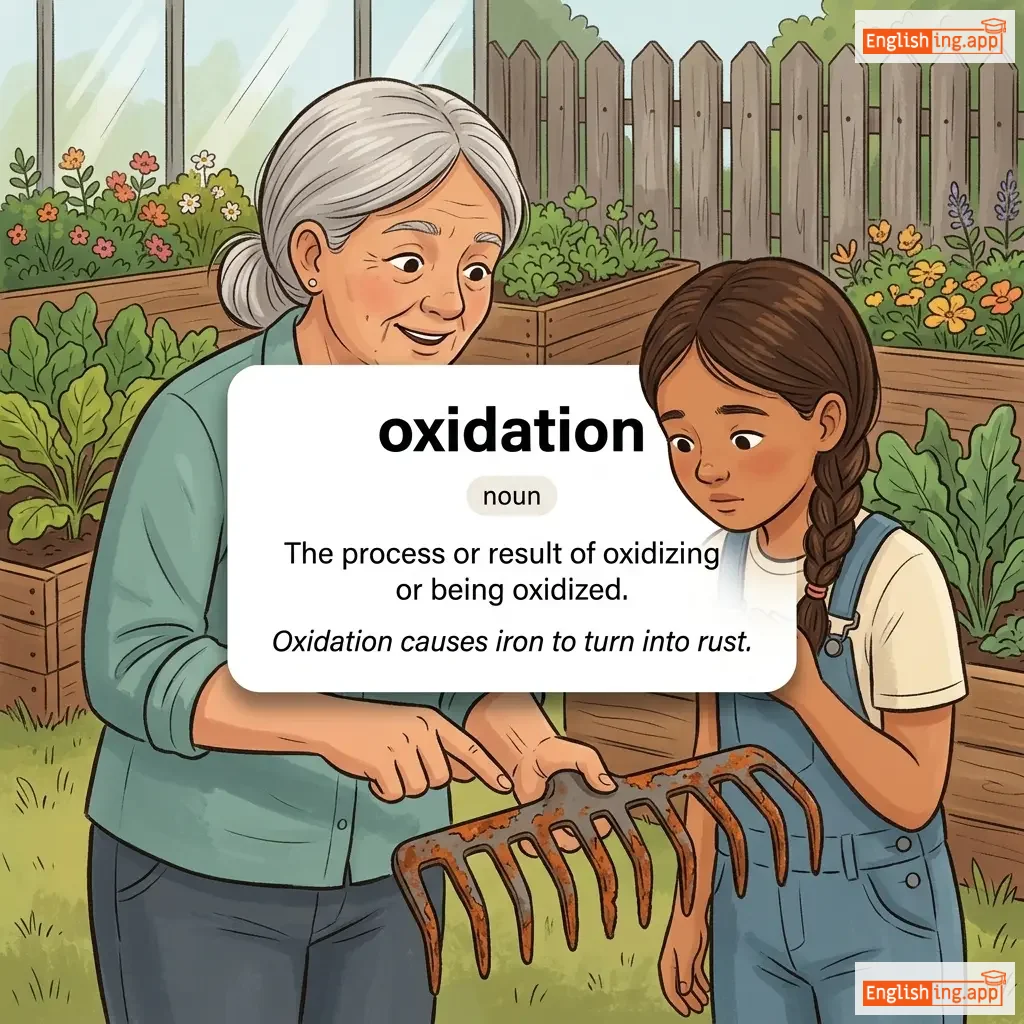
oxidation definition card — visual illustration of the meaning
noun
/ˌɒk.sɪˈdeɪ.ʃən/
окисление (okislenie)

The process or result of oxidizing or being oxidized.

"Oxidation causes iron to turn into rust."
"Окисление заставляет железо превращаться в ржавчину." (Okislenie zastavlyaet zhelezo prevrashchat'sya v rzhavchinu.)
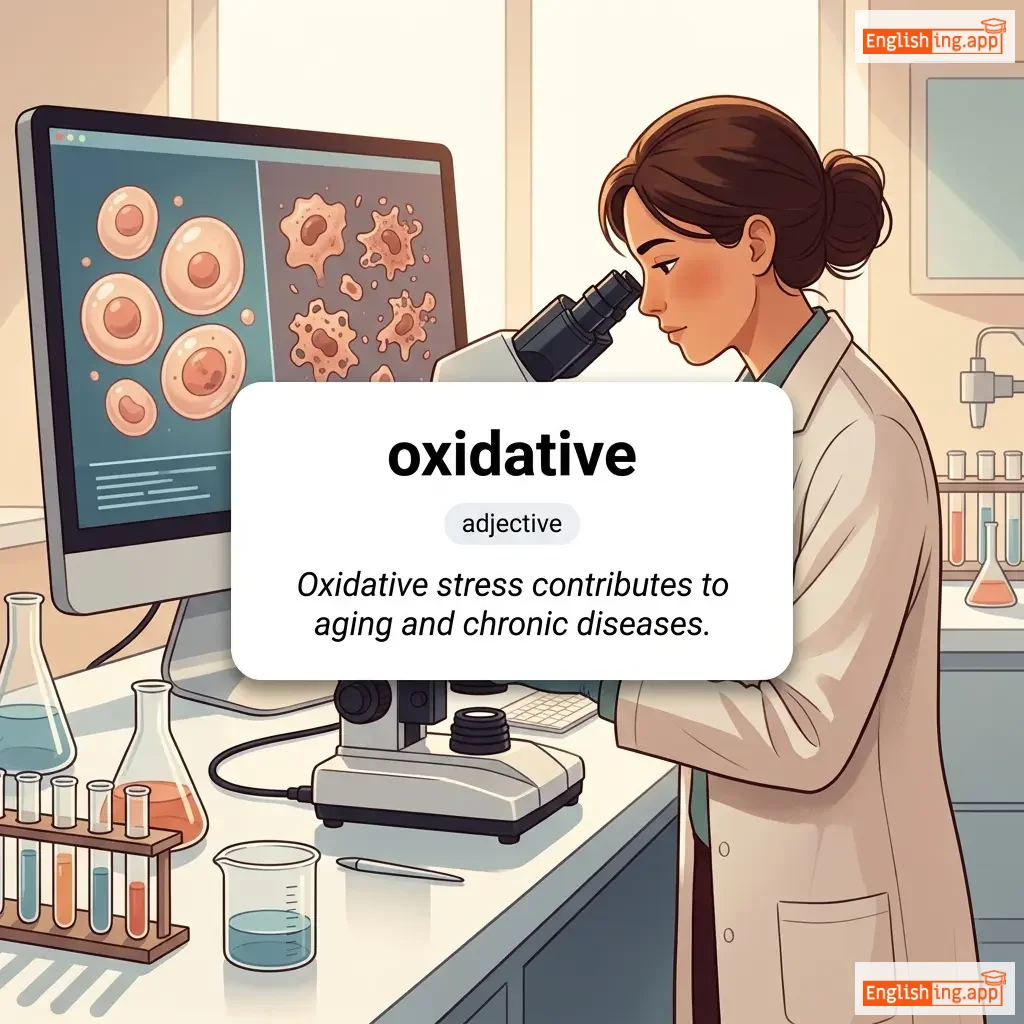
oxidative definition card — visual illustration of the meaning
adjective
/ˈɒk.sɪ.də.tɪv/
окислительный (okislitel'nyy)

Relating to or involving oxidation, particularly processes that can cause cellular damage through free radical formation.

"Oxidative stress contributes to aging and chronic diseases."
"Окислительный стресс способствует старению и хроническим заболеваниям." (Okislitel'nyy stress sposobstvuet stareniyu i khronicheskim zabolevaniyam.)
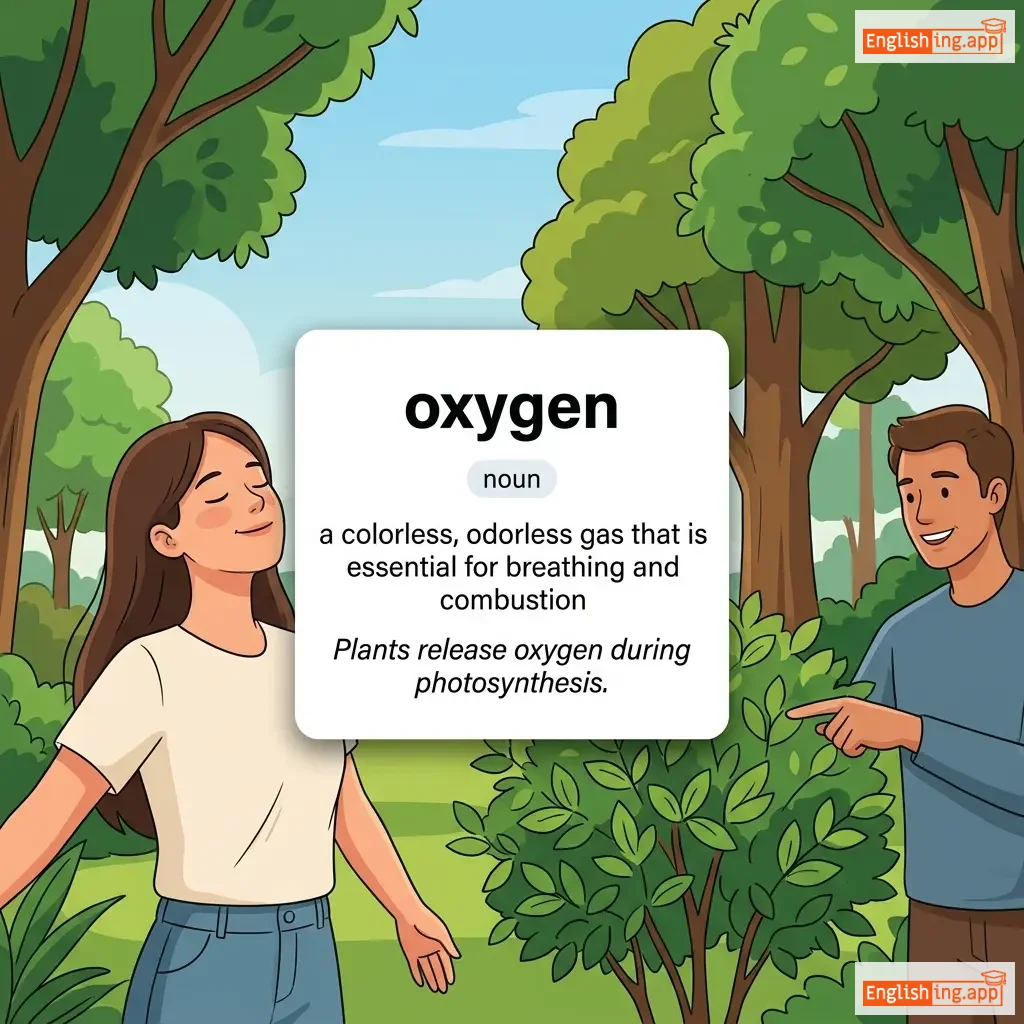
oxygen definition card — visual illustration of the meaning
noun
/ˈɒksɪdʒən/
кислород (kislorod)

a colorless, odorless gas that is essential for breathing and combustion

"Plants release oxygen during photosynthesis."
"Растения выделяют кислород во время фотосинтеза." (Rastenia vydelyayut kislorod vo vremya fotosinteza.)
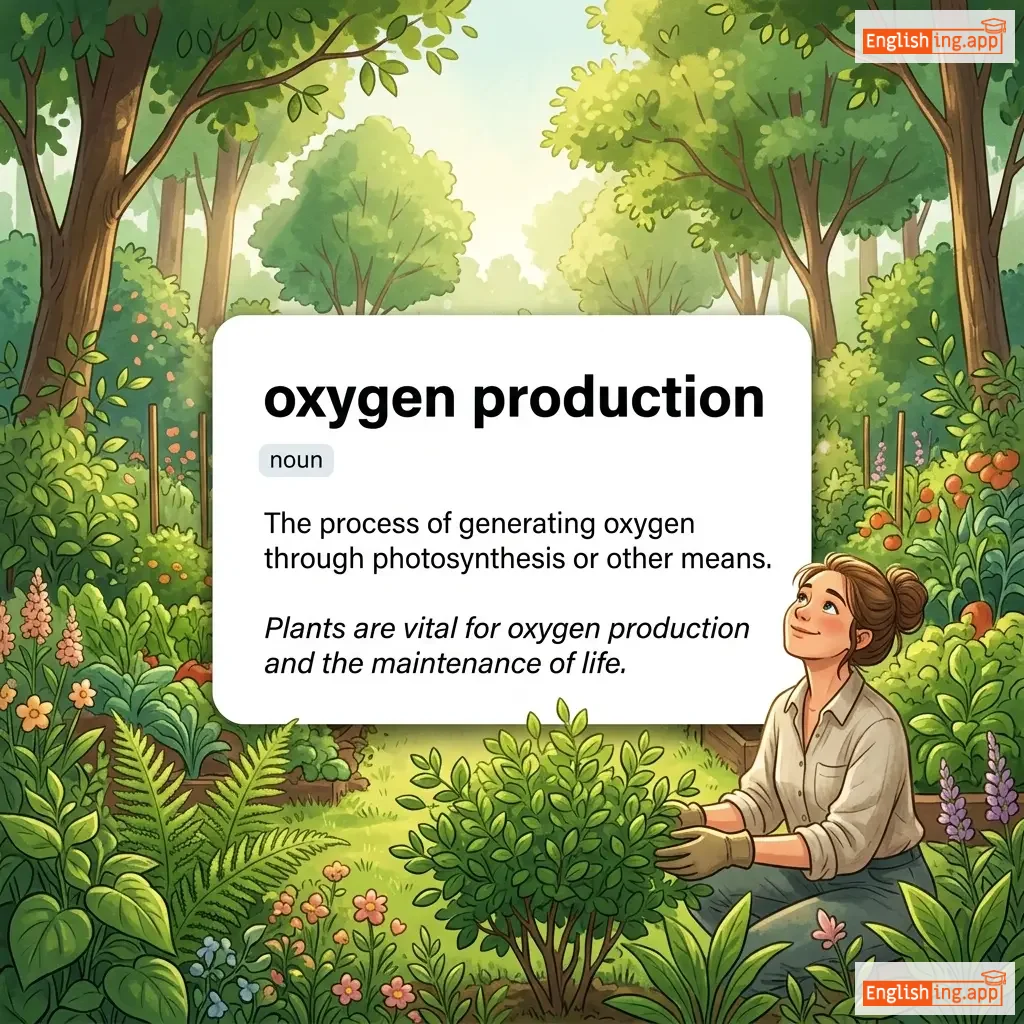
oxygen production definition card — visual illustration of the meaning
noun
ˈɒksɪdʒən prəˈdʌkʃən
производство кислорода (proizvodstvo kisloroda)

The process of generating oxygen through photosynthesis or other means.

"Plants are vital for oxygen production and the maintenance of life."
"Растения жизненно важны для производства кислорода и поддержания жизни." (Rasteniya zhiznenno vazhny dlya proizvodstva kisloroda i podderzhaniya zhizni.)
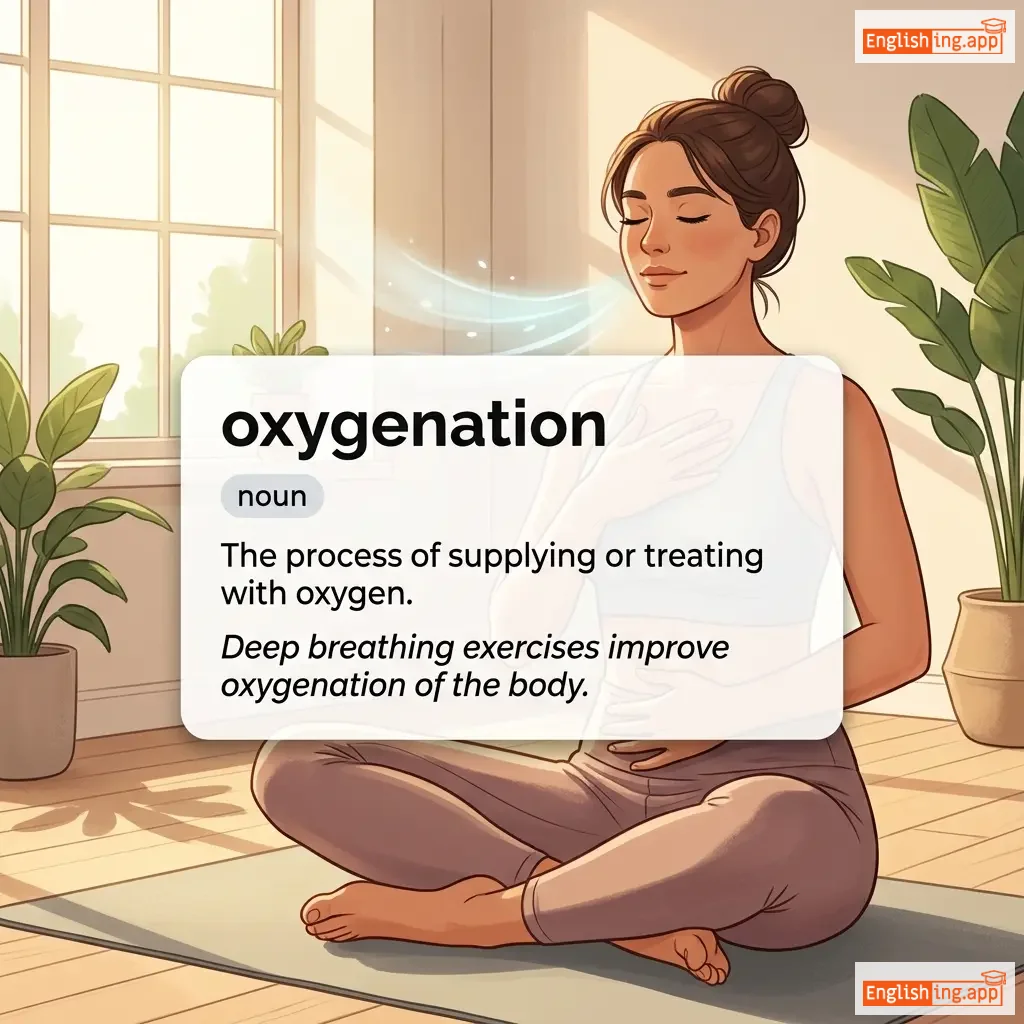
oxygenation definition card — visual illustration of the meaning
noun
/ˌɒk.sɪ.dʒɪˈneɪ.ʃən/
поставка или лечение кислородом (postavka ili lechenie kislorodom)

The process of supplying or treating with oxygen.

"Deep breathing exercises improve oxygenation of the body."

"Упражнения на глубокое дыхание улучшают кислородоснабжение тела." (Uprazhneniya na glubokoe dikhanie uluchshayut kislorodosnabzhenie tela.)
noun
/ˌɑːk.sɪˈmɔːr.ɒn/
оксюморон (oksyumoron)

a figure of speech where two contradictory terms are combined

"The phrase 'deafening silence' is a classic oxymoron."

"Фраза 'оглушительная тишина' - классический оксюморон." (Fraza 'oglushitel'naya tishina' - klassicheskiy oksyumoron.)
noun
/ˈɔɪ.stər/
устрица (ustrica)

a type of shellfish that can be eaten and sometimes contains pearls

"She ordered fresh oysters at the seafood restaurant."
"Она заказала свежие устрицы в ресторане морепродуктов." (Ona zakazala svezhiye ustritsy v restorane moreproduktov.)
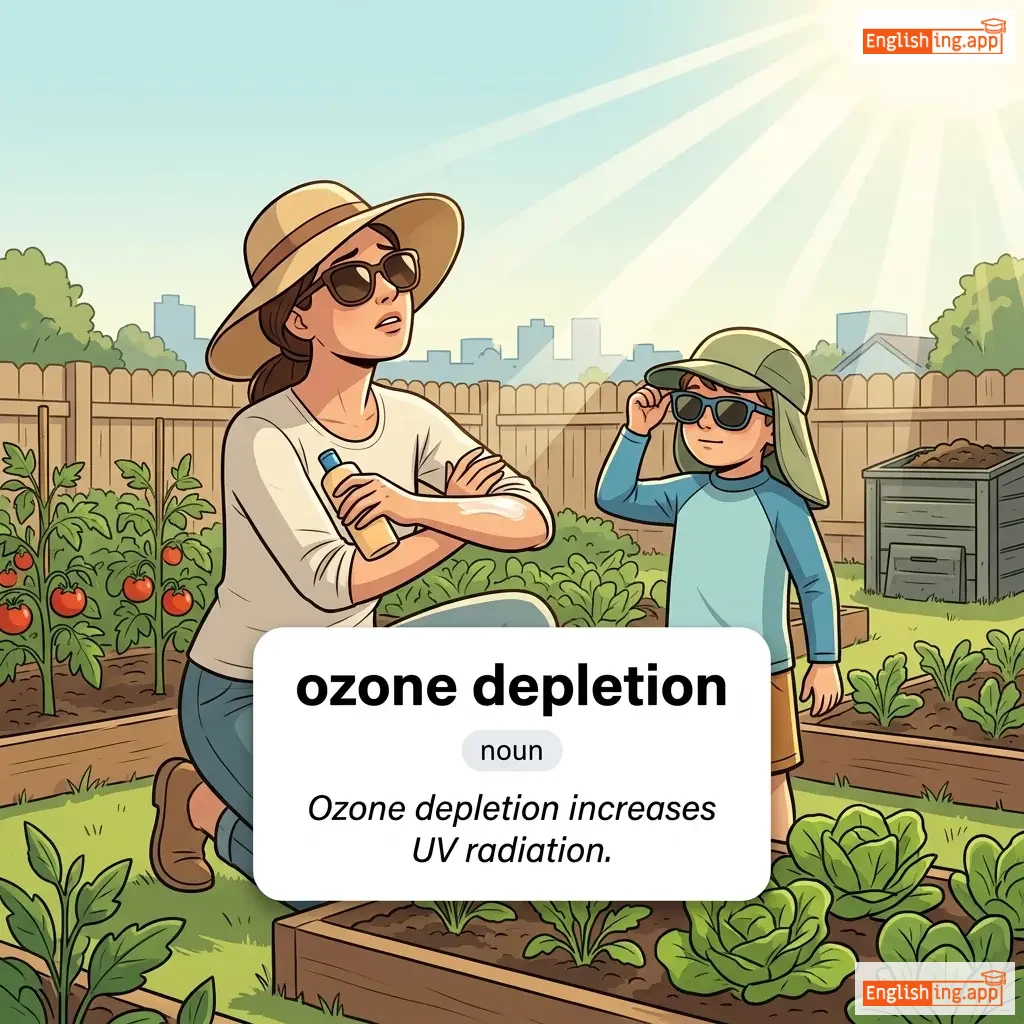
ozone depletion definition card — visual illustration of the meaning
noun
ˈoʊzoʊn dɪˈpliʃən
истощение озона (istochenie ozona)

The reduction in the amount of ozone in the Earth's stratosphere, leading to increased UV radiation.

"Ozone depletion increases UV radiation."

"Исчерпание озона увеличивает ультрафиолетовое излучение." (Ischerpanie ozona uvelichivaet ul'trafioletovoe izlucheniye.)