|
絵文字
|
単語 | Images | 翻訳 | 過去 | 過去分詞 | 三人称単数 | 動名詞 | 意味 | 例文 | 例文の翻訳 | 表現例 | 表現例の意味 | 表現例の翻訳 | 同義語 | 対義語 | コロケーション | ニーモニック |
|---|---|---|---|---|---|---|---|---|---|---|---|---|---|---|---|---|---|
|
🌍
••••••
|
/ˈtʊərɪst/
noun
(ツーリスト)
••••••
|
- •••••• |
観光客
kankōkyaku
••••••
|
- •••••• | - •••••• | - •••••• | - •••••• |
a person who is traveling or visiting a place for pleasure
••••••
|
The city attracts many tourists every year.
その都市は毎年多くの観光客を引き付けます。
••••••
|
その都市は毎年多くの観光客を引き付けます。
Sono toshi wa mainen ōku no kankōkyaku o hikitsukemasu.
••••••
|
- •••••• | - •••••• | - •••••• |
traveler, sightseer, visitor, globetrotter
••••••
|
local
••••••
|
tourist attraction, tourist destination, tourist spot
••••••
|
観光客として、毎回新しい冒険を楽しんで!
••••••
|
|
➡️
••••••
|
/tɔːrd/
preposition
(トワード)
••••••
|
- •••••• |
に向かって
ni mukatte
••••••
|
- •••••• | - •••••• | - •••••• | - •••••• |
in the direction of
••••••
|
She walked toward the door. |
彼女はドアに向かって歩いた。
Kanojo wa doa ni mukatte aruita.
••••••
|
- •••••• | - •••••• | - •••••• |
to, in the direction of, for
••••••
|
away, backward
••••••
|
move toward, head toward, go toward
••••••
|
ドアに向かって歩く - move toward the door
••••••
|
|
➡️
••••••
|
/tɔːrdz/
preposition
(トワーズ)
••••••
|
- •••••• |
へ
e
••••••
|
- •••••• | - •••••• | - •••••• | - •••••• |
in the direction of
••••••
|
He is running towards the park. |
彼は公園へ向かって走っています。
Kare wa kōen e mukatte hashitteimasu.
••••••
|
- •••••• | - •••••• | - •••••• |
toward, in the direction of
••••••
|
away, backward
••••••
|
go towards, move towards, head towards
••••••
|
公園へ走る - run towards the park
••••••
|
|
🧻
••••••
|
/ˈtaʊəl/
noun
(タオル)
••••••
|
- •••••• |
タオル
taoru
••••••
|
- •••••• | - •••••• | - •••••• | - •••••• |
a piece of absorbent cloth used for drying or wiping
••••••
|
She grabbed a towel after her shower. |
彼女はシャワー後にタオルを取った。
Kanojo wa shawāgo ni taoru o totta.
••••••
|
throw in the towel |
to give up or admit defeat
••••••
|
タオルを投げる
taoru o nageru
••••••
|
cloth, napkin, wipe, hand towel, rag
••••••
|
none
••••••
|
bath towel, hand towel, paper towel, wet towel
••••••
|
Towel 🧻 = タオル — ‘タオルを投げる’ は降伏する意味。
••••••
|
|
🗼
••••••
|
/ˈtaʊər/
noun
(タワー)
••••••
|
- •••••• |
塔
tou
••••••
|
- •••••• | - •••••• | - •••••• | - •••••• |
a tall, narrow structure, often a part of a building
••••••
|
The tower stood tall above the city. |
塔は街の上に高くそびえていた。
Tou wa machi no ue ni takaku sobiiete ita.
••••••
|
- •••••• | - •••••• | - •••••• |
spire, steeple, pinnacle
••••••
|
ground, base
••••••
|
clock tower, radio tower, watch tower
••••••
|
タワー (tower) は高くそびえる - A tower stands tall
••••••
|
|
🏙️
••••••
|
/taʊn/
noun
(タウン)
••••••
|
- •••••• |
町
machi
••••••
|
- •••••• | - •••••• | - •••••• | - •••••• |
a human settlement smaller than a city
••••••
|
The town was quiet on Sundays.
町は日曜日は静かでした。
••••••
|
町は日曜日は静かでした。
Machi wa nichiyoubi wa shizuka deshita.
••••••
|
- •••••• | - •••••• | - •••••• |
village, settlement, community
••••••
|
city, metropolis
••••••
|
small town, old town, town center
••••••
|
町は落ち着いている場所
••••••
|
|
☠️
••••••
|
/ˈtɒksɪk/
adjective
(トクシック)
••••••
|
- •••••• |
有毒な
yūdoku na
••••••
|
- •••••• | - •••••• | - •••••• | - •••••• |
poisonous or harmful; causing damage physically or emotionally
••••••
|
The waste materials were highly toxic to the environment.
廃棄物は環境に非常に有毒でした。
••••••
|
廃棄物は環境に非常に有毒でした。
Haikimono wa kankyō ni hijō ni yūdoku deshita.
••••••
|
toxic relationship
有毒な関係
••••••
|
a harmful or unhealthy relationship
••••••
|
有毒な関係
yūdoku na kankei
••••••
|
poisonous, harmful, venomous, dangerous, noxious
••••••
|
safe, harmless, healthy
••••••
|
toxic waste, toxic chemicals, toxic fumes, toxic relationship
••••••
|
有毒な ☠️ の関係は有害で、感情的に害を与える。
••••••
|
|
🧸
••••••
|
/tɔɪ/
noun
(トイ)
••••••
|
- •••••• |
おもちゃ
omocha
••••••
|
- •••••• | - •••••• | - •••••• | - •••••• |
an object for children to play with
••••••
|
The child received a toy car for his birthday. |
その子は誕生日におもちゃの車をもらいました。
Sono ko wa tanjoubi ni omocha no kuruma o moraimashita.
••••••
|
not a toy |
used to emphasize that something should not be taken lightly
••••••
|
おもちゃではない
omocha de wa nai
••••••
|
plaything, game, doll, trinket
••••••
|
tool, equipment
••••••
|
toy car, toy shop, toy soldier, toy industry
••••••
|
Toy 🧸 はおもちゃを意味し、おもちゃは子供が遊ぶための物です。
••••••
|
|
🕵️
••••••
|
/treɪs/
noun, verb
(トレース)
••••••
|
- •••••• |
痕跡
koseki
••••••
|
traced
トレースド
••••••
|
traced
トレースド
••••••
|
traces
トレースズ
••••••
|
tracing
トレースイング
••••••
|
a mark, object, or sign that shows the existence or development of something
••••••
|
She traced the path of the river on the map.
彼女は地図に川の道をトレースしました。
••••••
|
彼女は地図に川の道をトレースしました。
Kanojo wa chizu ni kawa no michi o toresu shimashita.
••••••
|
- •••••• | - •••••• | - •••••• |
track, path, sign
••••••
|
obscure, erase
••••••
|
trace the steps, trace the origin, leave a trace
••••••
|
痕跡 (koseki) は道の痕跡です - tracing the path が道を見つけるのを助けます
••••••
|
|
🛤️
••••••
|
/træk/
noun
(トラック)
••••••
|

|
トレース
track
••••••
|
- •••••• | - •••••• | - •••••• | - •••••• |
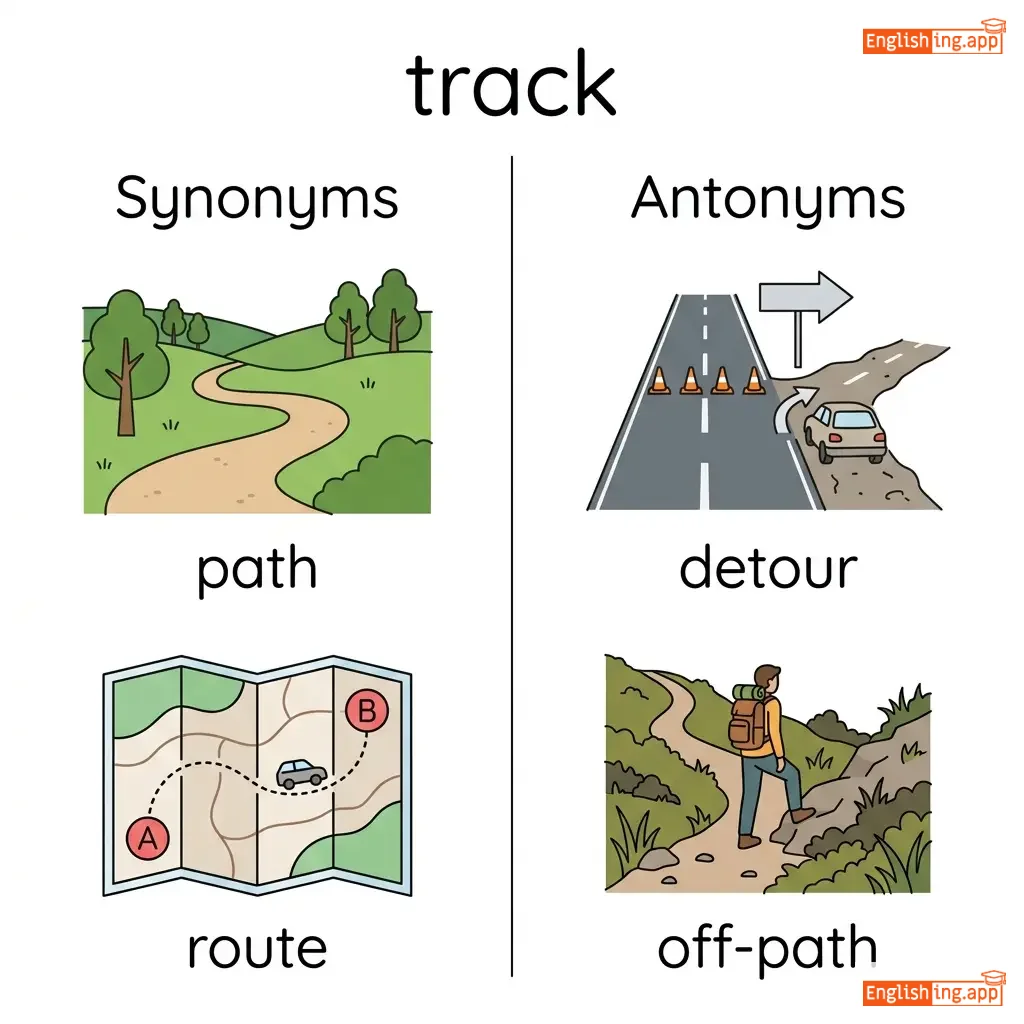
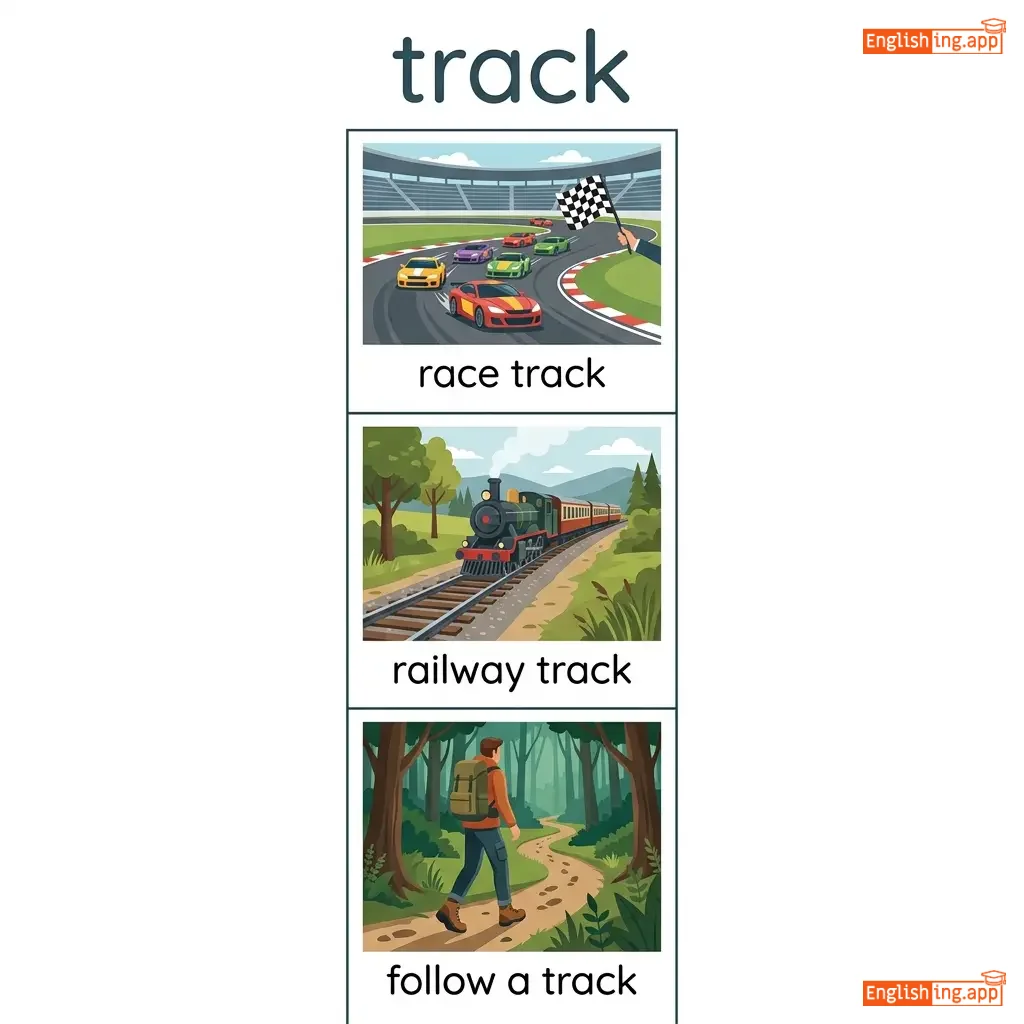
a rough path or minor road; a course or route followed; to follow or trace
••••••
|
The detective was able to track the suspect's movements through the city. |
探偵は街を通して容疑者の動きを追跡することができました。
Tantei wa machi o tōshite yōgisha no ugoki o tsuiseki suru koto ga dekimashita.
••••••
|
- •••••• | - •••••• | - •••••• |
path, trail, route, follow, trace
••••••
|
lose, abandon, ignore
••••••
|
race track, train track, track record, keep track
••••••
|
Track – 道をたどれば、答えが見つかる。
••••••
|
|
💱
••••••
|
/treɪd/
noun, verb
••••••
|

|
- •••••• |
traded
••••••
|
traded
••••••
|
trades
••••••
|
trading
••••••
|
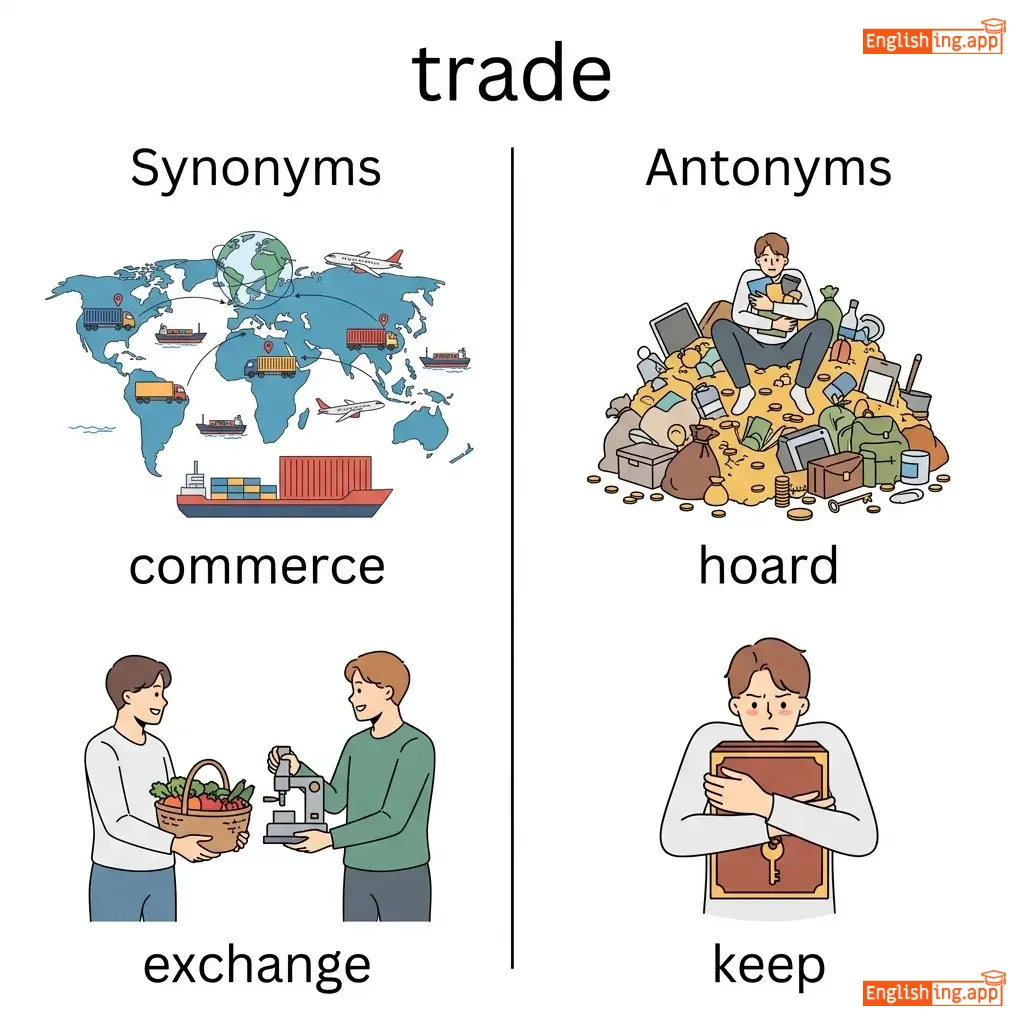
The action of buying, selling, or exchanging goods and services.
••••••
|
The company trades in electronic goods worldwide. |
- •••••• |
trade off |
To balance one thing against another in a compromise.
••••••
|
- •••••• |
commerce, exchange, business, deal, barter
••••••
|
hoard, keep, retain
••••••
|
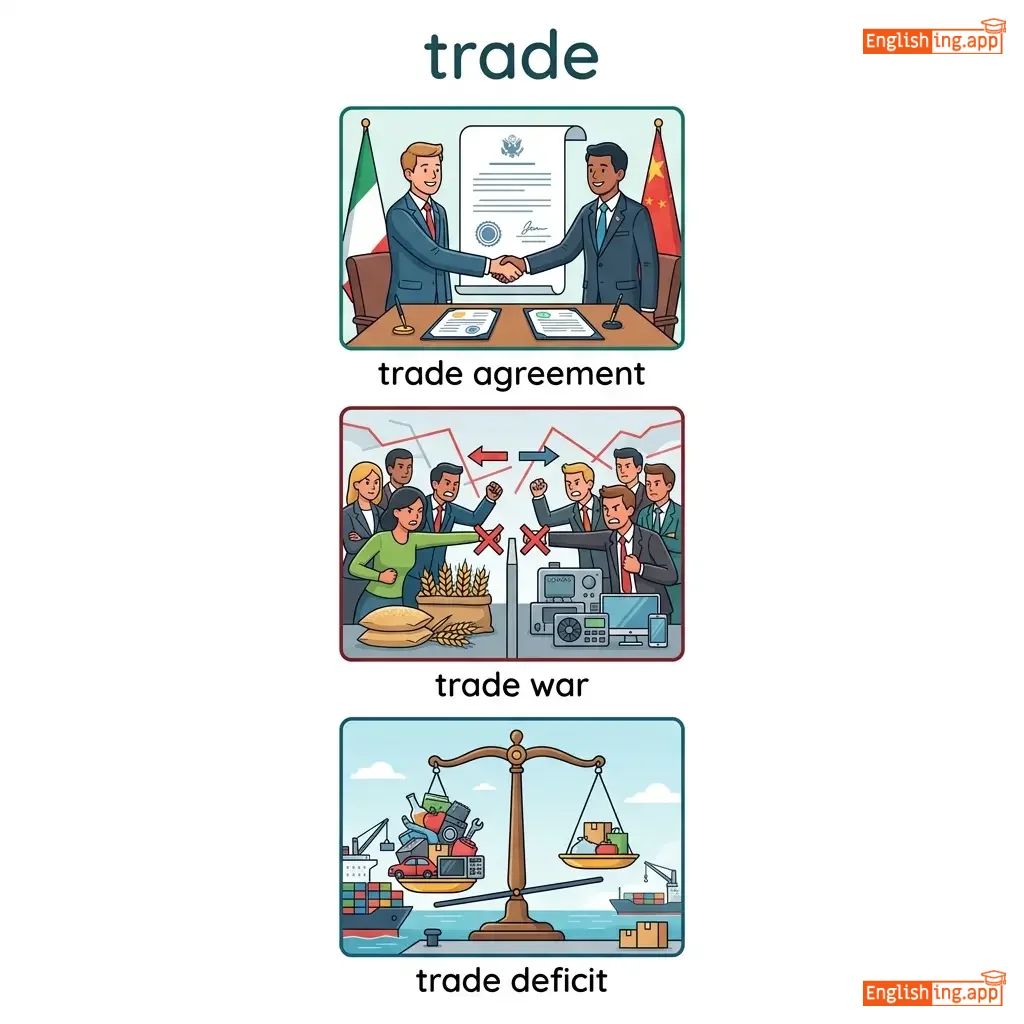
trade agreement, trade war, trade deficit, trade partner, trade secret
••••••
|
No •••••• |
|
™️
••••••
|
/ˈtreɪdmɑːrk/
noun
(トレードマーク)
••••••
|
- •••••• |
商標
shōhyō
••••••
|
- •••••• | - •••••• | - •••••• | - •••••• |
a symbol, word, or words legally registered or established by use as representing a company or product
••••••
|
The company’s logo is its trademark. |
その会社のロゴはその商標です。
Sono kaisha no rogo wa sono shōhyō desu.
••••••
|
- •••••• | - •••••• | - •••••• |
brand, logo, symbol, emblem
••••••
|
generic, unbranded
••••••
|
registered trademark, trademark symbol, trademark infringement
••••••
|
商標:企業を象徴するロゴ
••••••
|
|
💹
••••••
|
/ˈtreɪdɪŋ/
noun
(トレーディング)
••••••
|
- •••••• |
取引
torihiki
••••••
|
- •••••• | - •••••• | - •••••• | - •••••• |
the act or business of buying and selling goods or services
••••••
|
She made a fortune through online trading. |
彼女はオンライン取引で大金を稼ぎました。
Kanojo wa onrain torihiki de taikin wo kasegimashita.
••••••
|
trading places |
to exchange roles or positions with someone
••••••
|
場所を交換する
basho wo koukan suru
••••••
|
commerce, exchange, business, dealing, transaction
••••••
|
consumption, keeping
••••••
|
stock trading, trading platform, trading company, trading day
••••••
|
取引は交換、いつも利益を追い求めている!
••••••
|
|
🏛️
••••••
|
/trəˈdɪʃ.ən/
noun
(トラディション)
••••••
|
- •••••• |
伝統
dentou
••••••
|
- •••••• | - •••••• | - •••••• | - •••••• |
the transmission of customs or beliefs from generation to generation; a long-established custom or belief
••••••
|
It's a family tradition to gather for dinner every Sunday evening.
日曜日の夜に家族全員でディナーを共にするのは、我が家の伝統です。
••••••
|
日曜日の夜に家族全員でディナーを共にするのは、我が家の伝統です。
Nichiyoubi no yoru ni kazoku zen'in de dinaa o tomo ni suru no wa, wagaya no dentou desu.
••••••
|
- •••••• | - •••••• | - •••••• |
custom, heritage, convention, practice, ritual
••••••
|
innovation, modernization, change
••••••
|
family tradition, cultural tradition, oral tradition, break tradition
••••••
|
伝統と家族は日曜日のディナーで繋がっている。
••••••
|
|
🏛️
••••••
|
/trəˈdɪʃənəl/
adjective
(トラディショナル)
••••••
|
- •••••• |
伝統的な
dentō-teki na
••••••
|
- •••••• | - •••••• | - •••••• | - •••••• |
relating to or following long-established customs; conventional
••••••
|
They had a traditional wedding ceremony. |
彼らは伝統的な結婚式を行いました。
Karera wa dentō-teki na kekkon-shiki o okonaimashita.
••••••
|
- •••••• | - •••••• | - •••••• |
conventional, customary, classical, orthodox
••••••
|
modern, contemporary, innovative, unconventional
••••••
|
traditional values, traditional music, traditional medicine
••••••
|
Traditional = 'Dentō-teki', like the traditional Japanese tea ceremonies.
••••••
|
|
🎎
••••••
|
/trəˈdɪʃənəli/
adverb
(トラディショナリー)
••••••
|
- •••••• |
伝統的に
dentōteki ni
••••••
|
- •••••• | - •••••• | - •••••• | - •••••• |
according to custom or long-established practice
••••••
|
Bangladesh is traditionally known for its hospitality. |
バングラデシュは伝統的にそのおもてなしで知られています。
Banguradeshu wa dentōteki ni sono omotenashi de shirareteimasu.
••••••
|
- •••••• | - •••••• | - •••••• |
conventionally, customarily, habitually, historically
••••••
|
modernly, newly
••••••
|
traditionally dressed, traditionally believed, traditionally made
••••••
|
Traditionally の日本語は '伝統的に', つまり伝統に従うという意味。
••••••
|
|
🚗
••••••
|
/ˈtræfɪk/
noun
(トラフィック)
••••••
|
- •••••• |
交通
kōtsū
••••••
|
- •••••• | - •••••• | - •••••• | - •••••• |
movement of vehicles, goods, or people
••••••
|
There was heavy traffic on the highway this morning. |
今朝、高速道路には多くの交通がありました。
Kesa, kōsokudōro ni wa ōku no kōtsū ga arimashita.
••••••
|
- •••••• | - •••••• | - •••••• |
congestion, transport, transportation, flow
••••••
|
clearance, open road
••••••
|
traffic jam, heavy traffic, traffic lights, traffic signal
••••••
|
交通は道路上の車と人々の流れを意味します。
••••••
|
|
😢
••••••
|
/ˈtrædʒ.ə.di/
noun
(トラジディ)
••••••
|
- •••••• |
悲劇; 災難
higeki
••••••
|
- •••••• | - •••••• | - •••••• | - •••••• |
an event causing great suffering, destruction, and distress; a serious drama with an unhappy ending
••••••
|
The earthquake was a tragedy that affected thousands of families.
地震は多くの家族に影響を与えた悲劇でした。
••••••
|
地震は多くの家族に影響を与えた悲劇でした。
Jishin wa ōku no kazoku ni eikyō o ataeta higeki deshita.
••••••
|
- •••••• | - •••••• | - •••••• |
disaster, catastrophe, calamity, misfortune, drama
••••••
|
comedy, fortune, blessing, success
••••••
|
great tragedy, personal tragedy, tragic event, family tragedy
••••••
|
Tragedy – 日本では、悲劇という言葉は痛みを伴う出来事を指します。
••••••
|
|
💔
••••••
|
/ˈtrædʒɪk/
adjective
(トラジック)
••••••
|
- •••••• |
悲劇的な
higekiteki na
••••••
|
- •••••• | - •••••• | - •••••• | - •••••• |
causing great sadness or suffering; very unfortunate
••••••
|
The news of the accident was truly tragic. |
事故のニュースは本当に悲劇的だった。
Jiko no nyu-su wa hontou ni higekiteki datta.
••••••
|
tragic end |
a very sad or disastrous conclusion
••••••
|
悲劇的な結末
higekiteki na ketsumatsu
••••••
|
sad, disastrous, heartbreaking, mournful, catastrophic
••••••
|
happy, joyful, fortunate
••••••
|
tragic accident, tragic death, tragic story, tragic loss
••••••
|
Tragic は悲劇的な意味です。何か悲しいことが起きた時、私たちは言います — it’s tragic!
••••••
|
|
🥾
••••••
|
/treɪl/
noun
(トレイル)
••••••
|
- •••••• |
小道
shodō
••••••
|
- •••••• | - •••••• | - •••••• | - •••••• |
a path or track left by something that has passed
••••••
|
The hikers followed the trail through the forest. |
ハイカーたちは森の中の小道を辿った。
Haikā-tachi wa mori no naka no shodō o tadotta.
••••••
|
- •••••• | - •••••• | - •••••• |
path, track, route, way
••••••
|
obstacle, block
••••••
|
mountain trail, hiking trail, follow a trail, well-worn trail
••••••
|
Trailは日本語で小道、君が辿る道だよ。
••••••
|
|
🎞️
••••••
|
/ˈtreɪlər/
noun
(トレーラー)
••••••
|
- •••••• |
予告編 / トレーラー
yokokuhen / torērā
••••••
|
- •••••• | - •••••• | - •••••• | - •••••• |
a preview of a movie or a vehicle used for transporting goods
••••••
|
The movie trailer was released last week. |
映画の予告編は先週公開されました。
Eiga no yokokuhen wa senshū kōkai saremashita.
••••••
|
- •••••• | - •••••• | - •••••• |
preview, teaser, vehicle, hauler
••••••
|
feature, full movie
••••••
|
movie trailer, truck trailer, official trailer, trailer park
••••••
|
映画のトレーラーを見ると、次の映画が楽しみになる!
••••••
|
|
🏃♂️
••••••
|
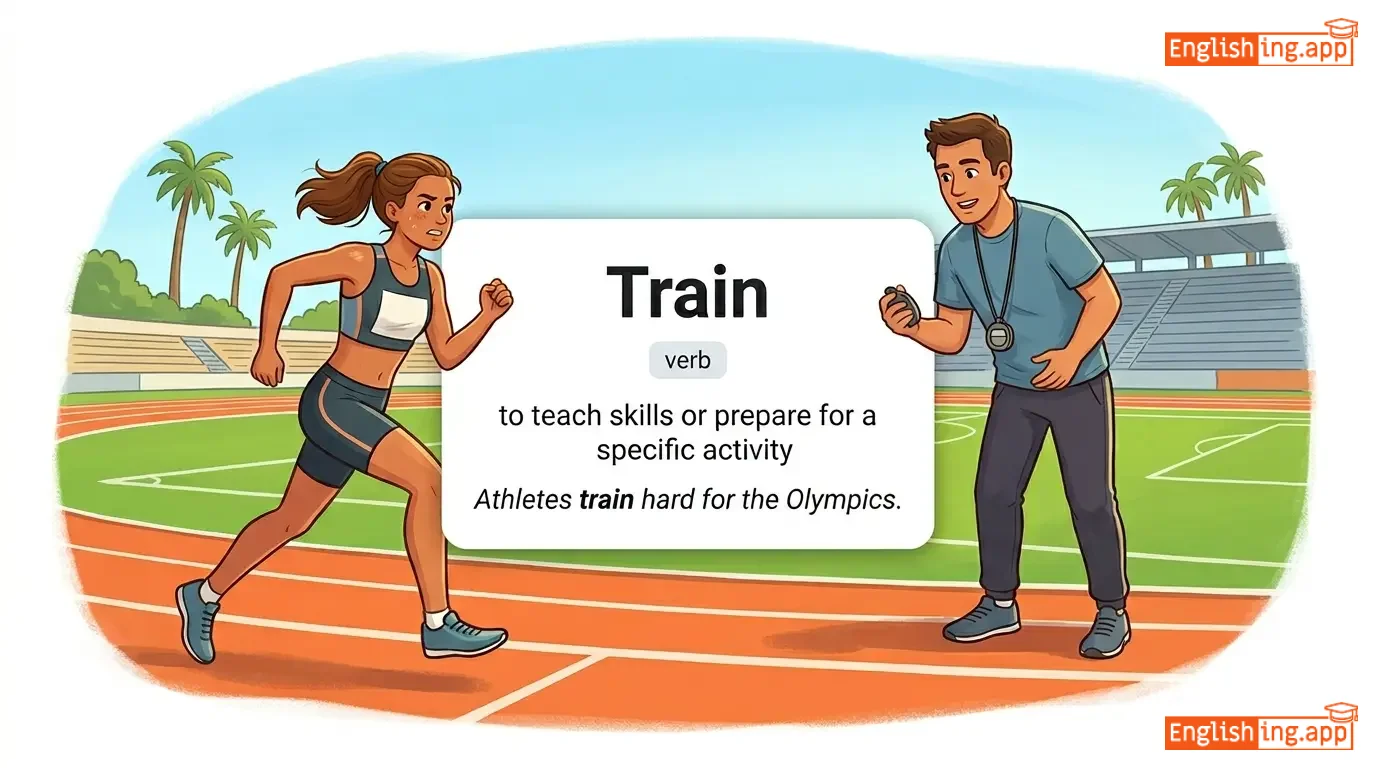
/treɪn/
verb
(トレイン)
••••••
|
|
トレーニングする
torēningu suru
••••••
|
Trained
トレインド
••••••
|
Trained
トレインド
••••••
|
Trains
トレインズ
••••••
|
Training
トレイニング
••••••
|
to teach skills or prepare for a specific activity
••••••
|
Athletes train hard for the Olympics.
アスリートはオリンピックのために一生懸命トレーニングをしています。
••••••
|
アスリートはオリンピックのために一生懸命トレーニングをしています。
Asurīto wa orimpikku no tame ni isshōkenmei torēningu o shiteimasu.
••••••
|
- •••••• | - •••••• | - •••••• |
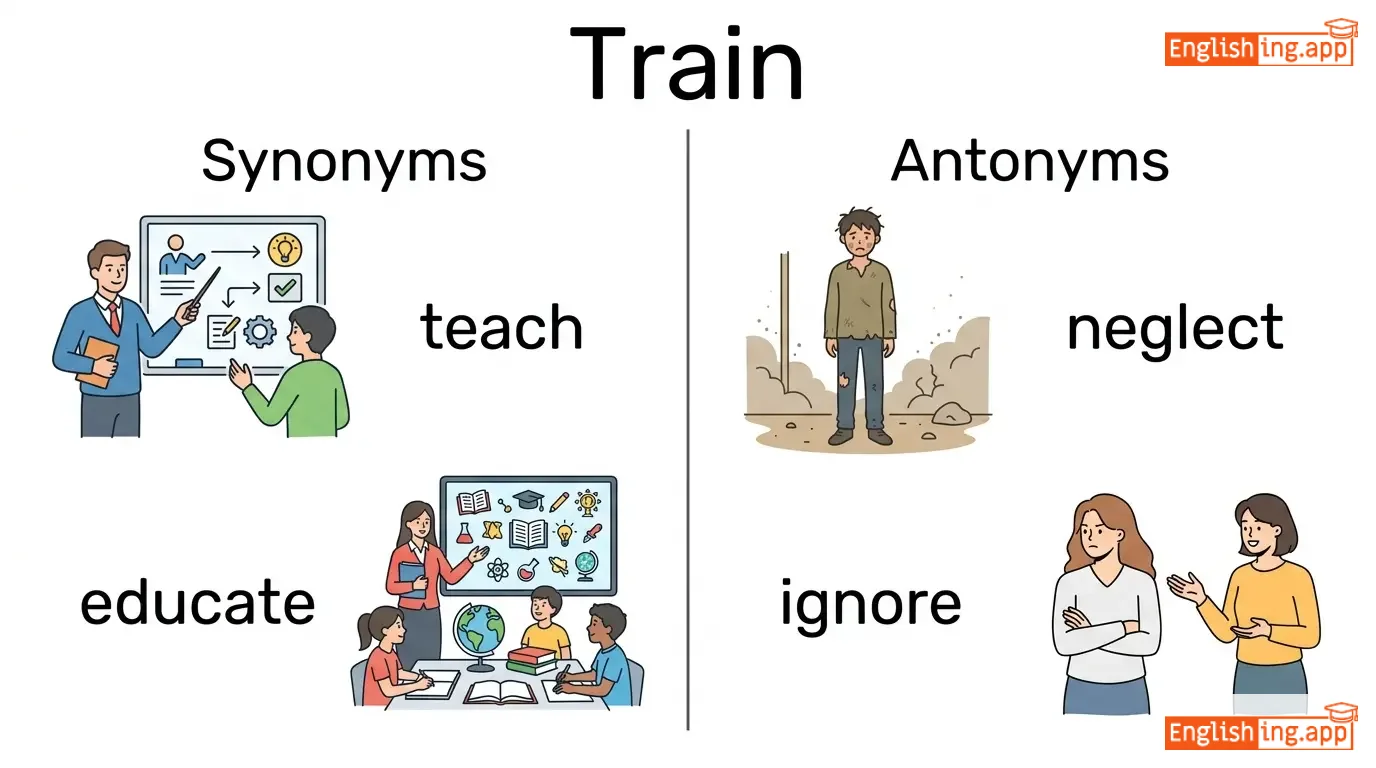
teach, educate, coach, prepare
••••••
|
neglect, ignore, abandon, discourage
••••••
|
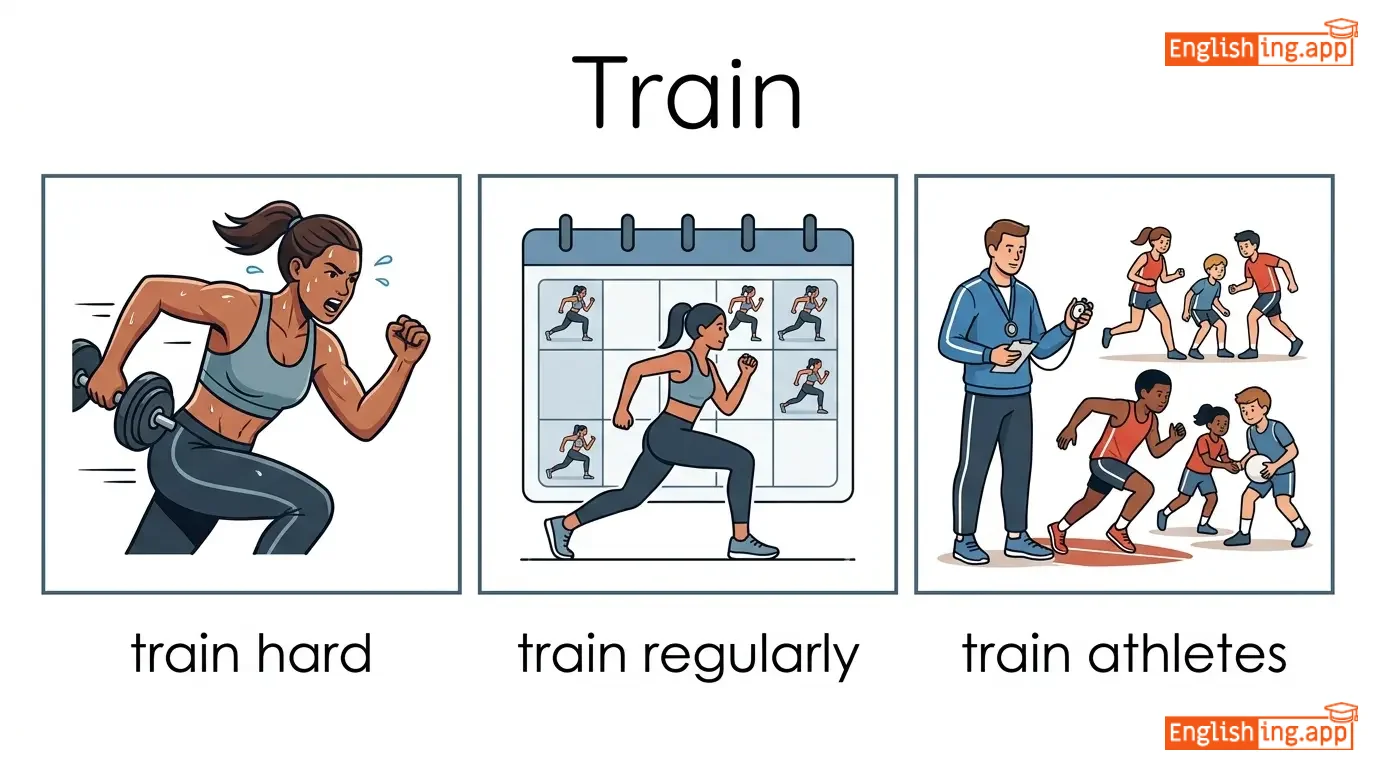
train hard, train regularly, train athletes, provide training
••••••
|
Train = トレーニングする, アスリートが練習しているように
••••••
|
|
🏋️
••••••
|
/ˈtreɪnər/
noun
(トレーナー)
••••••
|
- •••••• |
トレーナー
torēnā
••••••
|
- •••••• | - •••••• | - •••••• | - •••••• |
a person who teaches skills or gives training
••••••
|
The fitness trainer helped me improve my posture. |
フィットネストレーナーは私の姿勢を改善するのを手伝ってくれました。
Fitnesu torēnā wa watashi no shisei o kaizen suru no o tetsudatte kuremashita.
••••••
|
personal trainer |
a professional coach who gives one-on-one fitness guidance
••••••
|
パーソナルトレーナー
pāsonaru torēnā
••••••
|
coach, instructor, mentor, educator
••••••
|
student, trainee
••••••
|
fitness trainer, professional trainer, animal trainer, corporate trainer
••••••
|
Trainerはトレーニングを提供する人、身体を鍛えるコーチです!
••••••
|
|
🎓
••••••
|
/ˈtreɪnɪŋ/
noun
(トレーニング)
••••••
|
- •••••• |
訓練
kunren
••••••
|
- •••••• | - •••••• | - •••••• | - •••••• |
the process of teaching or learning a particular skill or type of behavior
••••••
|
She completed her training as a nurse last year. |
彼女は昨年、看護師としての訓練を完了しました。
Kanojo wa sakunen, kangoshi toshite no kunren o kanryo shimashita.
••••••
|
- •••••• | - •••••• | - •••••• |
instruction, education, coaching, preparation
••••••
|
ignorance, inexperience
••••••
|
employee training, intensive training, training course, job training
••••••
|
訓練でスキルを向上させることができます。看護師の訓練のように。
••••••
|
|
🧬
••••••
|
/treɪt/
noun
(トレイト)
••••••
|
- •••••• |
特性
tokusei
••••••
|
- •••••• | - •••••• | - •••••• | - •••••• |
a distinguishing quality or characteristic of a person; an inherited feature
••••••
|
Patience is an important trait for anyone working with children.
忍耐は子供と一緒に働く上で重要な特性です。
••••••
|
忍耐は子供と一緒に働く上で重要な特性です。
Nintai wa kodomo to issho ni hataraku ue de juuyou na tokusei desu.
••••••
|
- •••••• | - •••••• | - •••••• |
characteristic, quality, feature, attribute, property
••••••
|
absence, lack, deficiency
••••••
|
personality trait, genetic trait, positive trait, character trait
••••••
|
特性 = 他の人と一緒に働くために必要な資質
••••••
|
|
💳
••••••
|
/trænˈzækʃən/
noun
(トランザクション)
••••••
|
- •••••• |
取引
torihiki
••••••
|
- •••••• | - •••••• | - •••••• | - •••••• |
an instance of buying or selling something; a business deal or exchange
••••••
|
Every online transaction is recorded for security purposes.
すべてのオンライン取引はセキュリティ目的で記録されます。
••••••
|
すべてのオンライン取引はセキュリティ目的で記録されます。
Subete no onrain torihiki wa sekyuriti mokuteki de kiroku saremasu.
••••••
|
financial transaction
金融取引
••••••
|
an exchange involving money or payment
••••••
|
金融取引
kin'yū torihiki
••••••
|
deal, exchange, trade, operation, agreement
••••••
|
gift, donation, withdrawal
••••••
|
online transaction, bank transaction, business transaction, secure transaction
••••••
|
取引はお金を動かすことです。商売の基本!
••••••
|
|
📄
••••••
|
/ˈtrænskrɪpt/
noun
(トランスクリプト)
••••••
|
- •••••• |
写し
utsushi
••••••
|
- •••••• | - •••••• | - •••••• | - •••••• |
a written or printed version of material originally presented in another medium
••••••
|
The professor asked for a transcript of the meeting. |
教授は会議のトランスクリプトを要求しました。
Kyōju wa kaigi no toransukuriputo o yōkyū shimashita.
••••••
|
- •••••• | - •••••• | - •••••• |
record, copy, documentation, account
••••••
|
original, draft
••••••
|
academic transcript, transcript of records, official transcript
••••••
|
トランスクリプトは、会議の記録を示す書類!
••••••
|
|
🔄
••••••
|
/ˈtrænsfɜːr/
verb
(ハピネス)
••••••
|
|
幸せ
shiawase
••••••
|
transferred
••••••
|
transferred
••••••
|
transfers
••••••
|
transferring
••••••
|
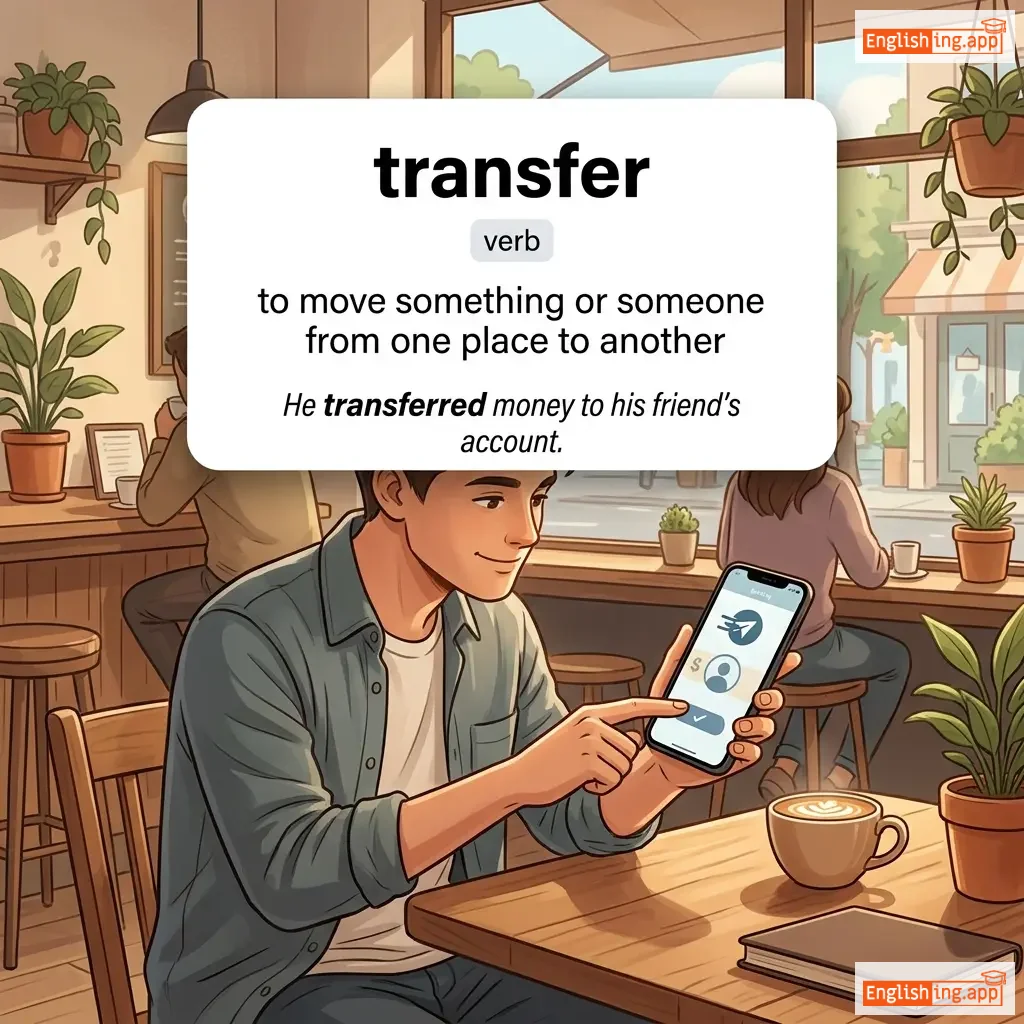
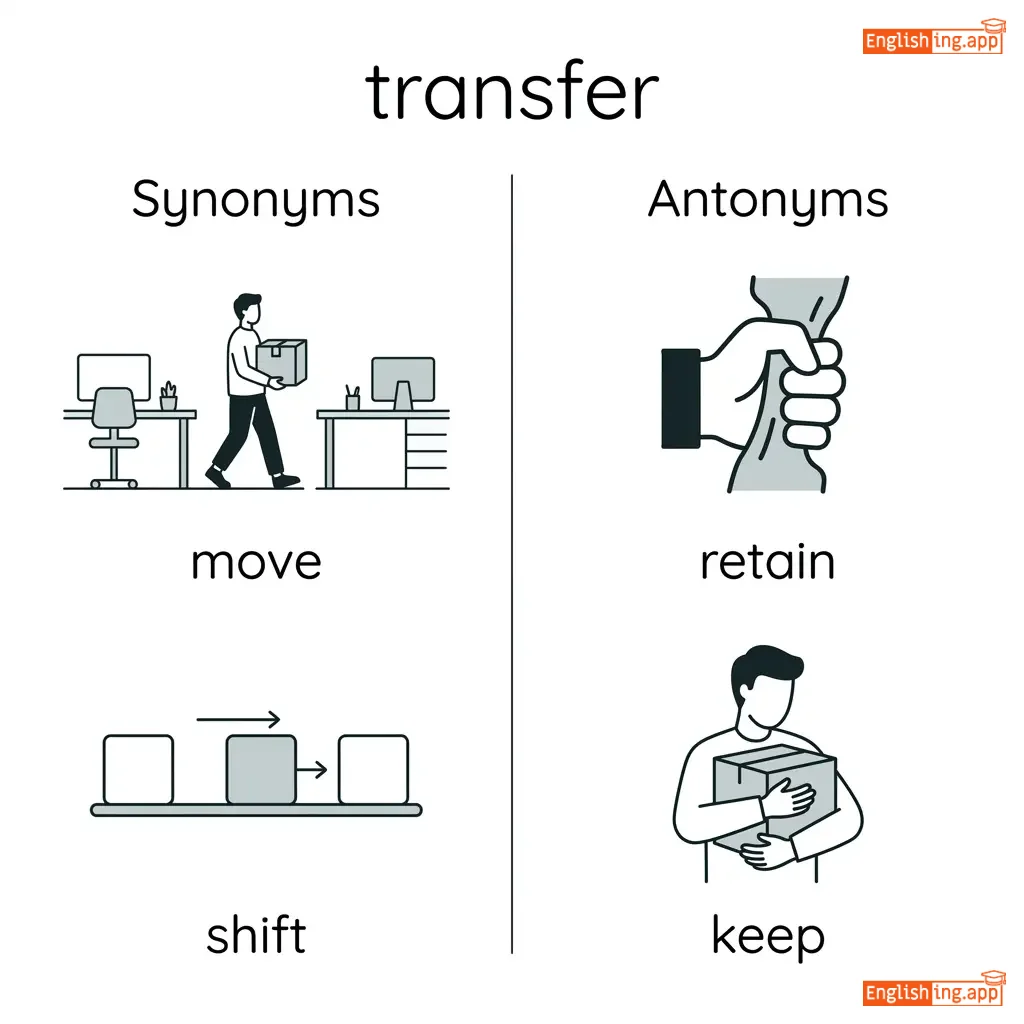
to move something or someone from one place to another
••••••
|
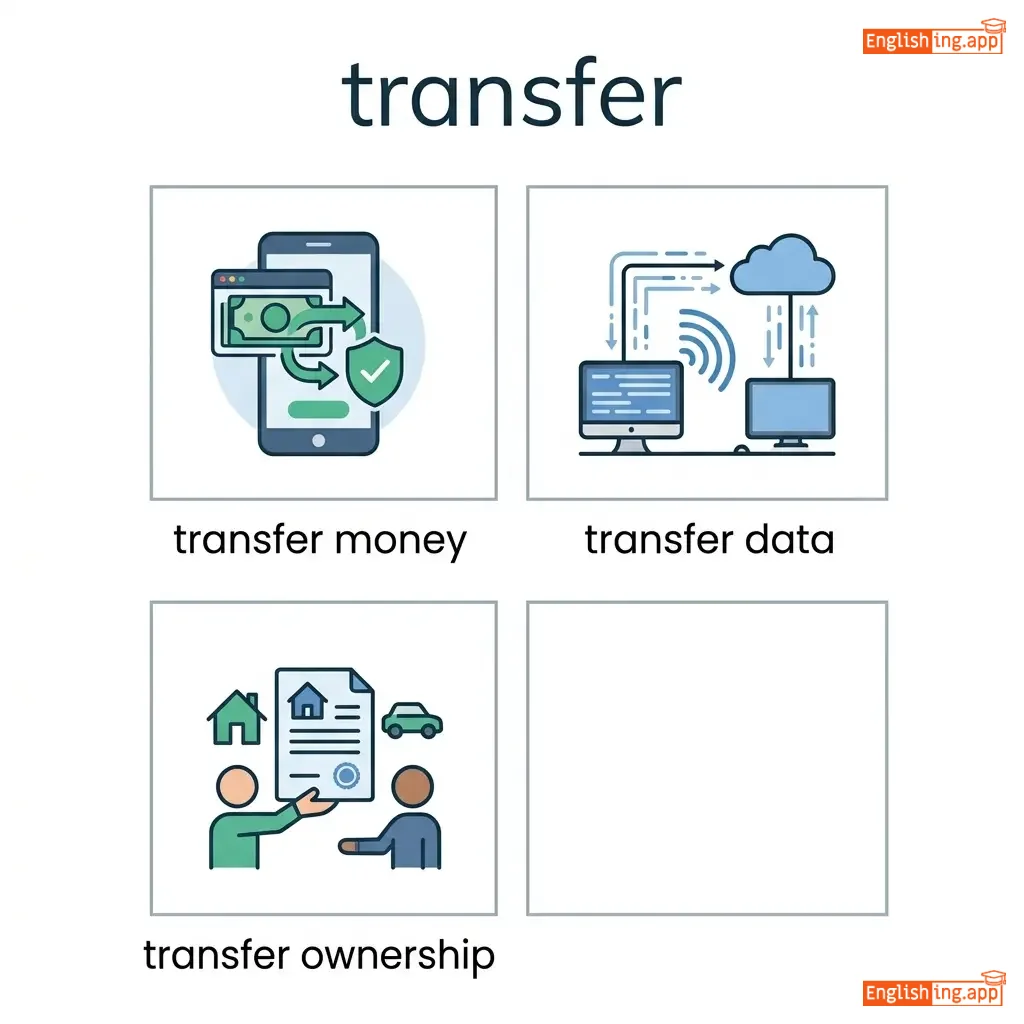
He transferred money to his friend's account. |
彼女は賞を受け取ったとき、幸せを隠せなかった。
Kanojo wa shō o uketotta toki, shiawase o kakusenakatta.
••••••
|
transfer ownership |
to officially give control or rights of something to another person
••••••
|
幸せの追求
shiawase no tsuikyū
••••••
|
move, shift, relocate, transmit, hand over
••••••
|
retain, keep, hold
••••••
|
transfer money, transfer data, transfer ownership, transfer files
••••••
|
幸せは人生の目的 - 幸せ (shiawase)
••••••
|
|
🔄
••••••
|
/trænsˈfɔːrm/
verb
(トランスフォーム)
••••••
|
|
変形する
henkei suru
••••••
|
transformed
トランスフォームド
••••••
|
transformed
トランスフォームド
••••••
|
transforms
トランスフォームス
••••••
|
transforming
トランスフォームイング
••••••
|
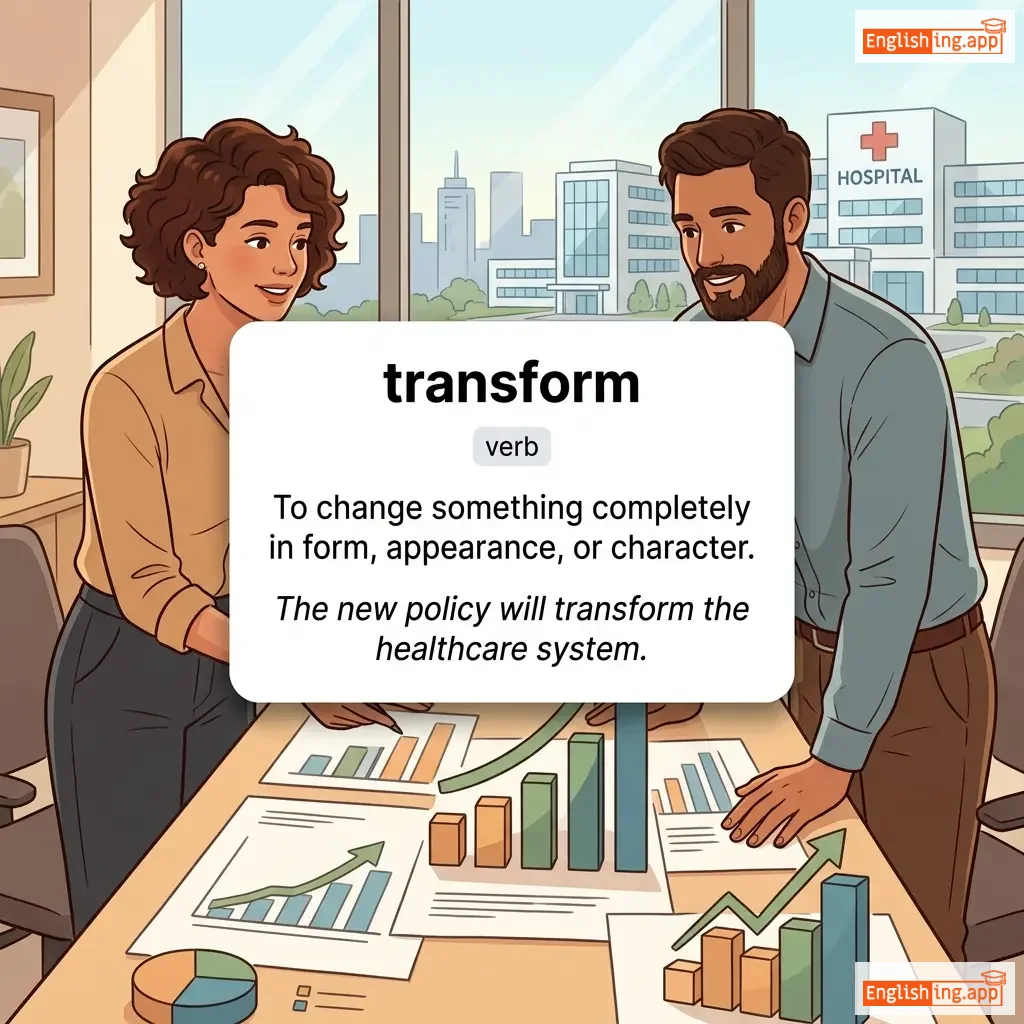
To change something completely in form, appearance, or character.
••••••
|
The new policy will transform the healthcare system.
新しい政策は医療制度を変革するでしょう。
••••••
|
新しい政策は医療制度を変革するでしょう。
Atarashī seisaku wa iryō seido o henka suru deshō.
••••••
|
transform lives
命を変える
••••••
|
To make a big positive change in people's lives.
••••••
|
命を変える
Inochi o kaeru
••••••
|
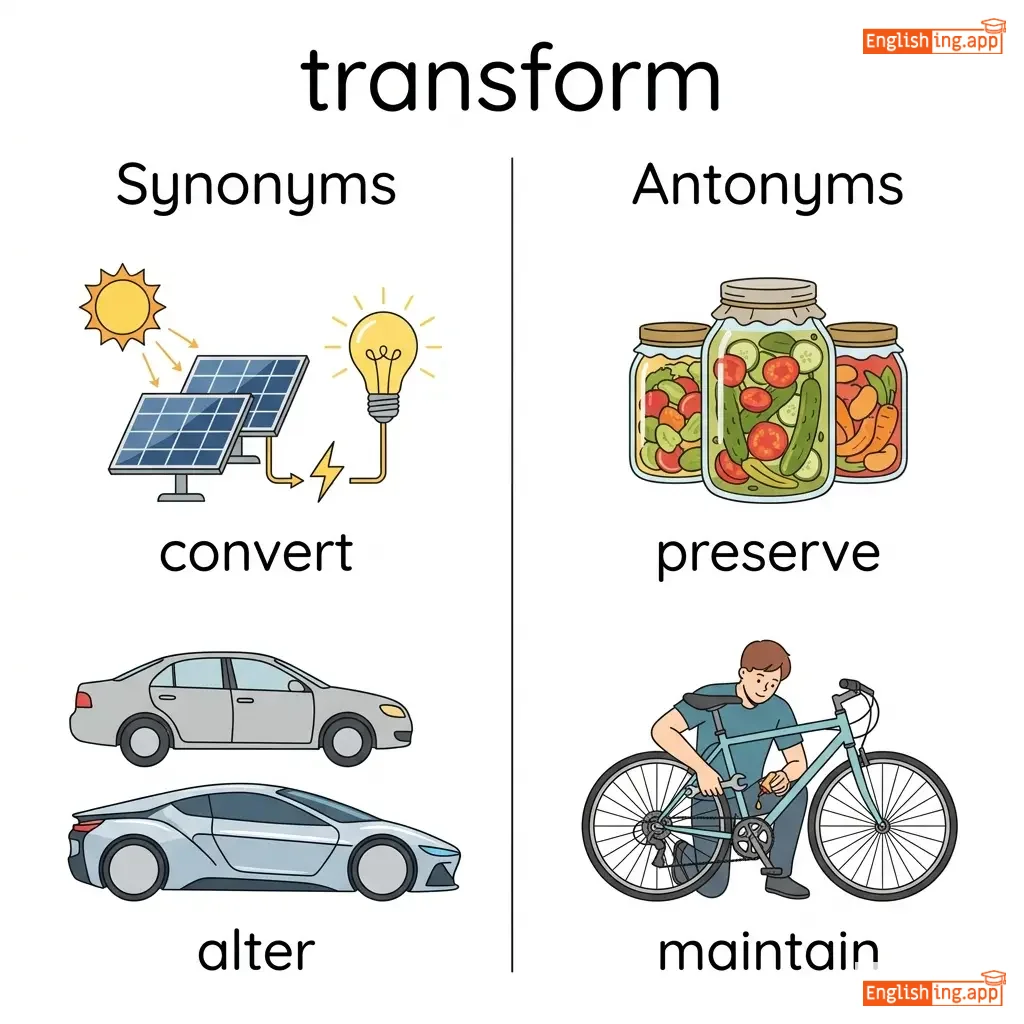
convert, alter, revolutionize, reshape, modify
••••••
|
preserve, maintain, keep
••••••
|
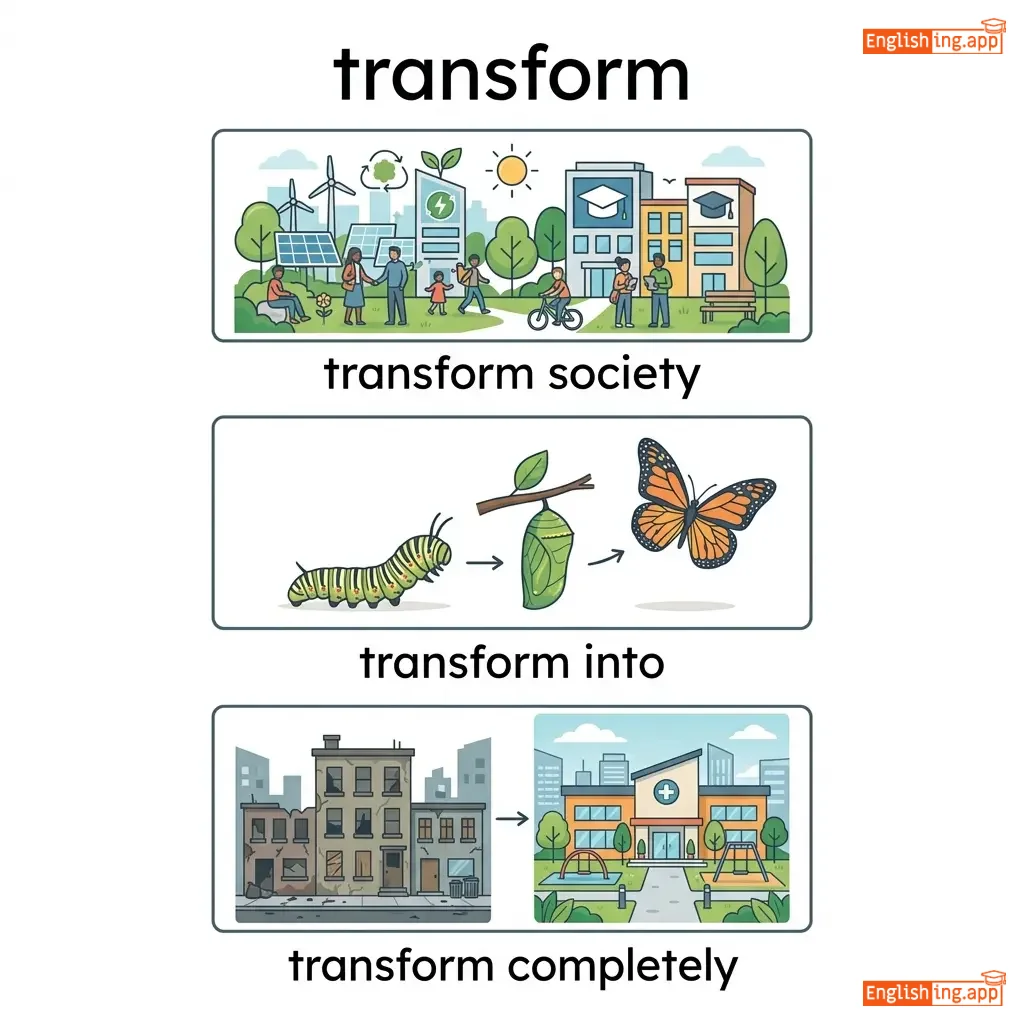
transform society, transform into, transform completely, transform the system
••••••
|
変形する、まるで変わった形のように!
••••••
|
|
🔄
••••••
|
/ˌtrænsfərˈmeɪʃən/
noun
(トランスフォーメーション)
••••••
|
|
変革
henkaku
••••••
|
- •••••• | - •••••• | - •••••• | - •••••• |
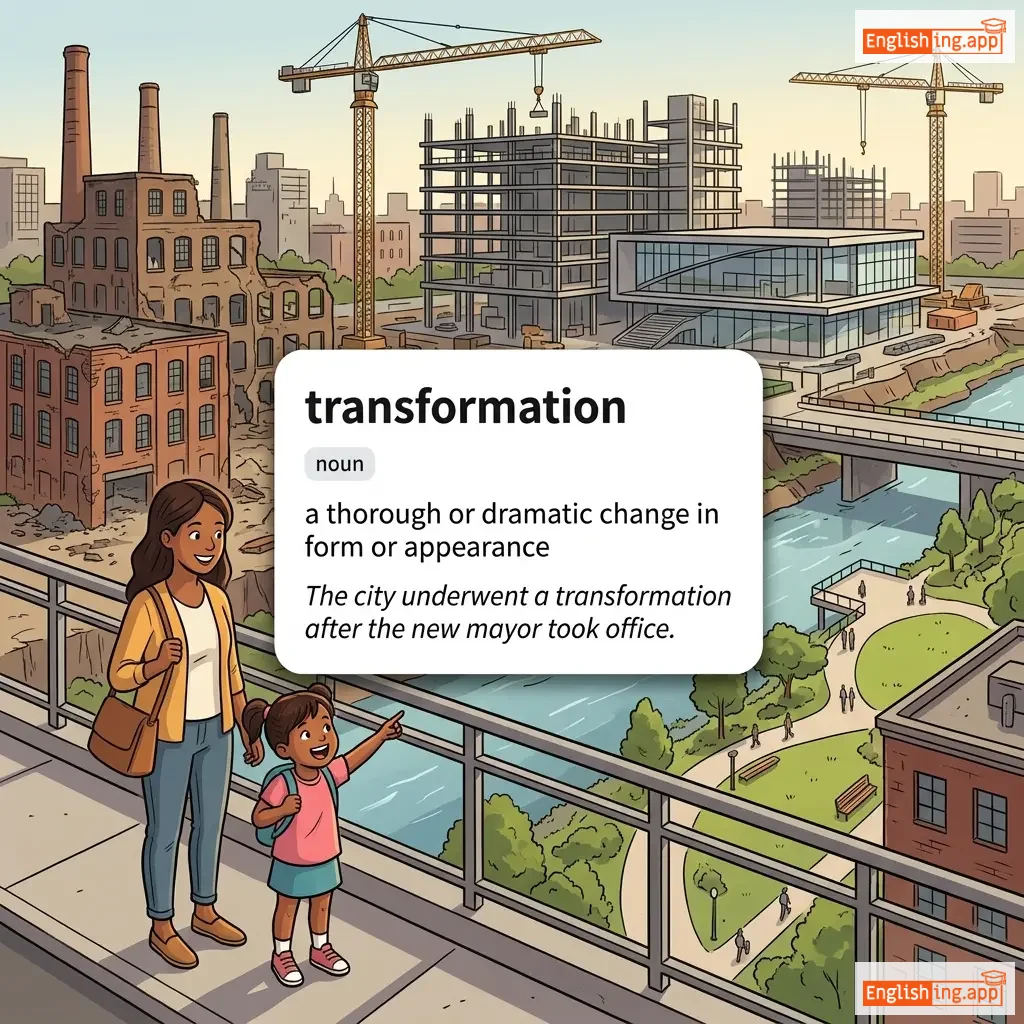
the action or process of changing something into a different form or structure
••••••
|
The transformation of the company took several years to complete.
会社のトランスフォーメーションには数年かかりました。
••••••
|
会社の変革には数年かかりました。
Kaisha no henkaku ni wa suunen kakarimashita.
••••••
|
- •••••• | - •••••• | - •••••• |
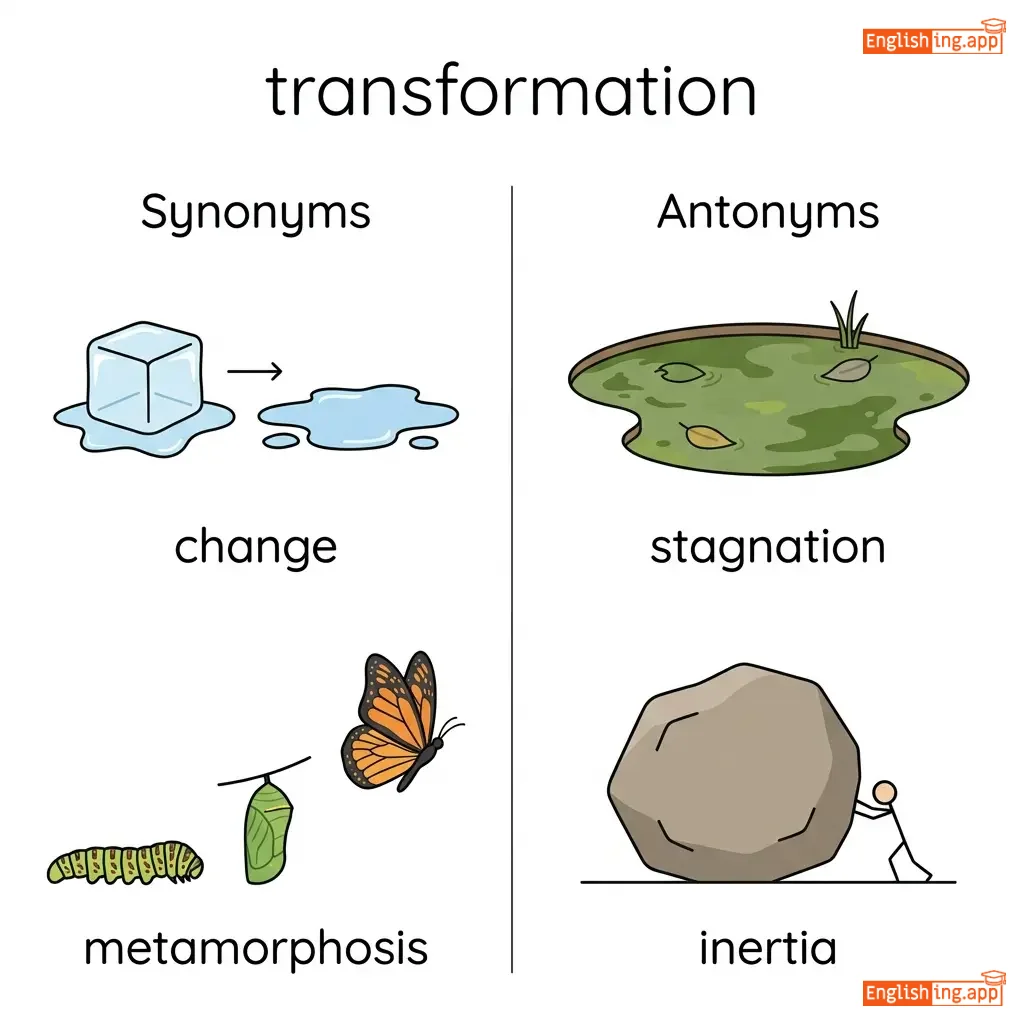
change, conversion, metamorphosis, alteration
••••••
|
stagnation, preservation, maintenance
••••••
|
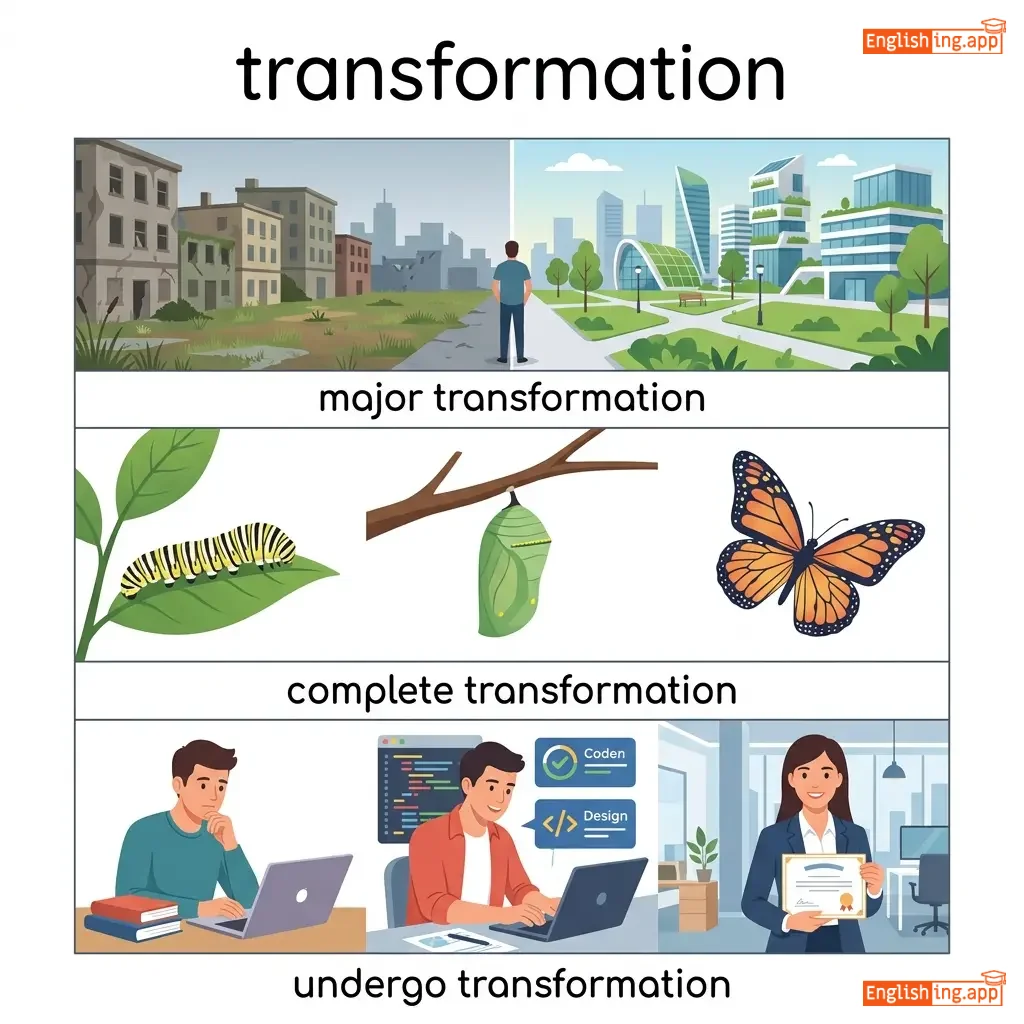
digital transformation, complete transformation, undergo transformation
••••••
|
変革 (変わる) - 何かが変わる過程を思い描いてみてください。
••••••
|
|
🚛
••••••
|
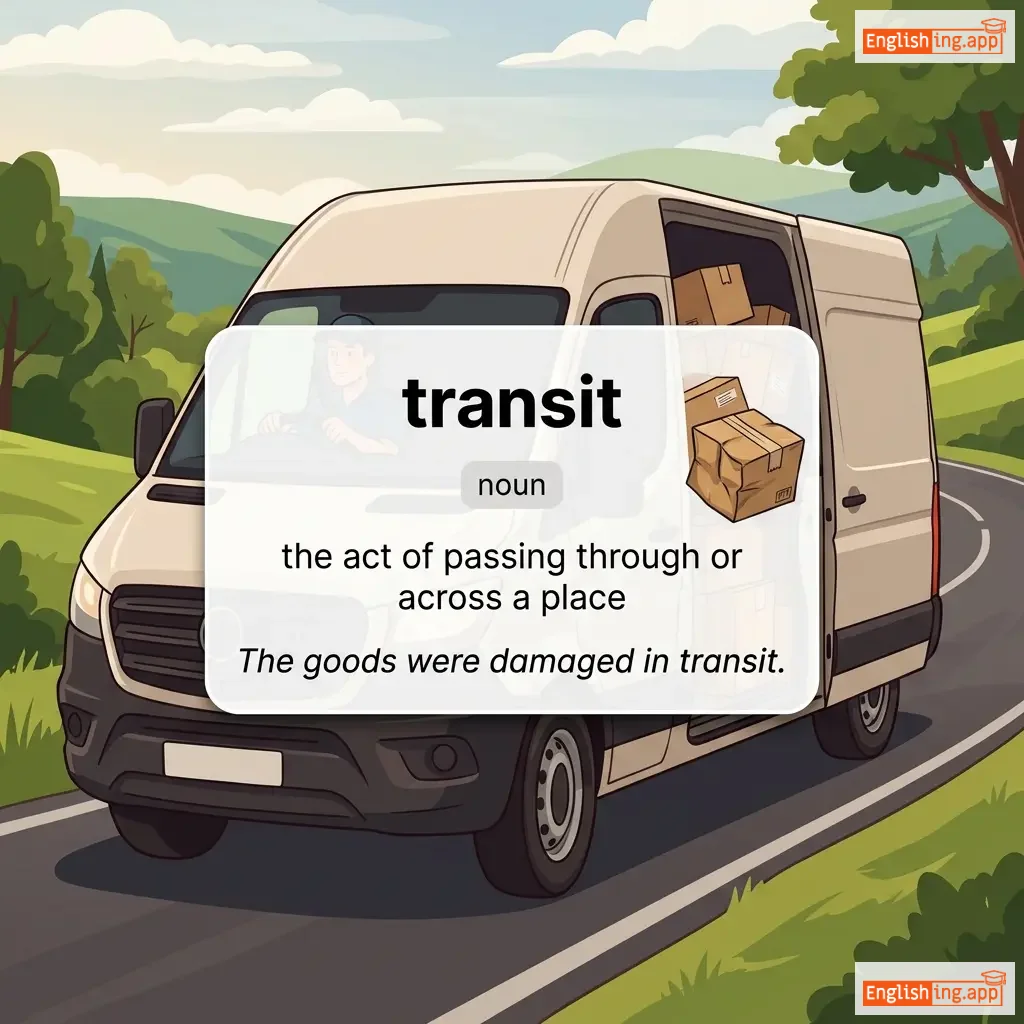
/ˈtrænzɪt/
noun
(トランジット)
••••••
|
|
輸送
yusou
••••••
|
- •••••• | - •••••• | - •••••• | - •••••• |
the act of passing through or across a place
••••••
|
The goods were damaged in transit. |
商品は輸送中に損傷しました。
shouhin wa yusou-chuu ni sonshou shimashita.
••••••
|
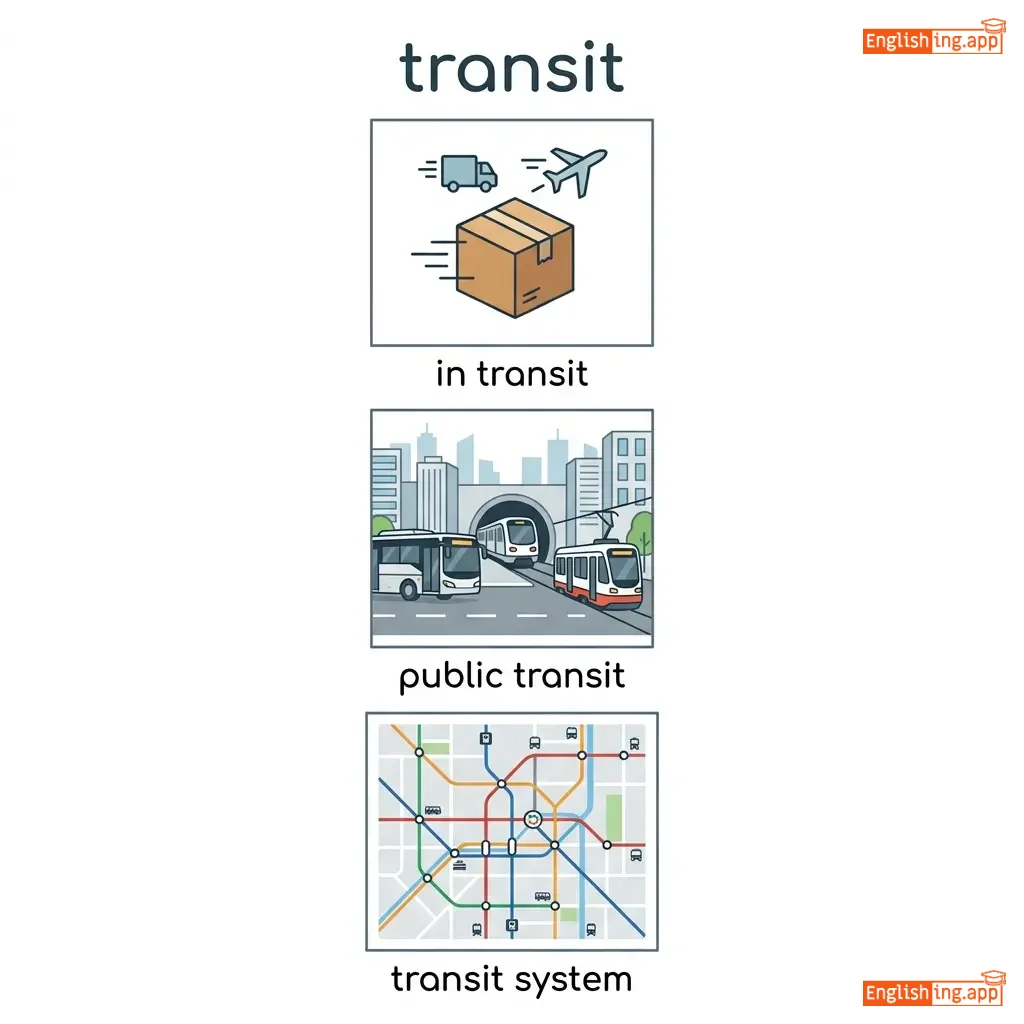
in transit |
in the process of being transported from one place to another
••••••
|
輸送中
yusou-chuu
••••••
|
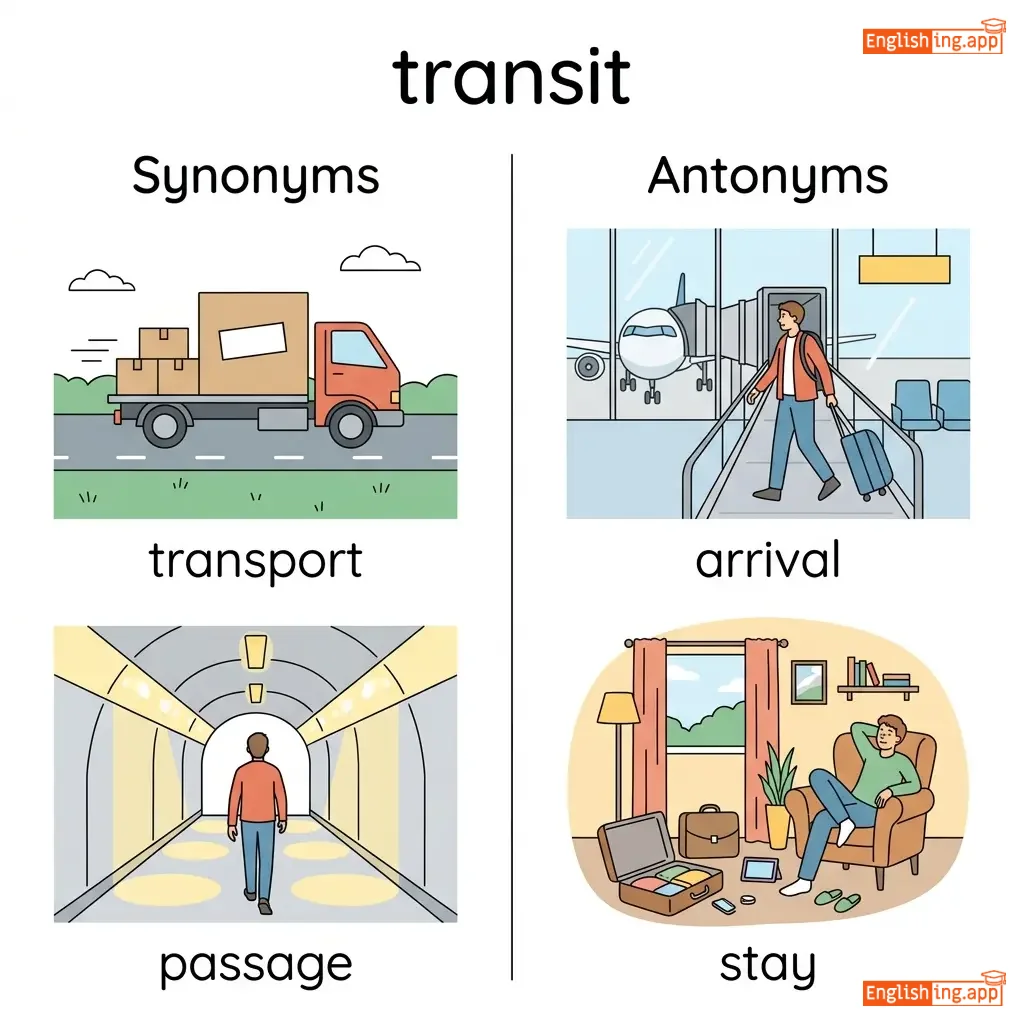
transport, passage, travel, movement, shipment
••••••
|
arrival, stay, halt
••••••
|
in transit, public transit, transit system, transit visa
••••••
|
トランジットは移動中の輸送です
••••••
|
|
🔄
••••••
|
/trænˈzɪʃən/
noun
(トランジション)
••••••
|
|
移行
ikou
••••••
|
- •••••• | - •••••• | - •••••• | - •••••• |
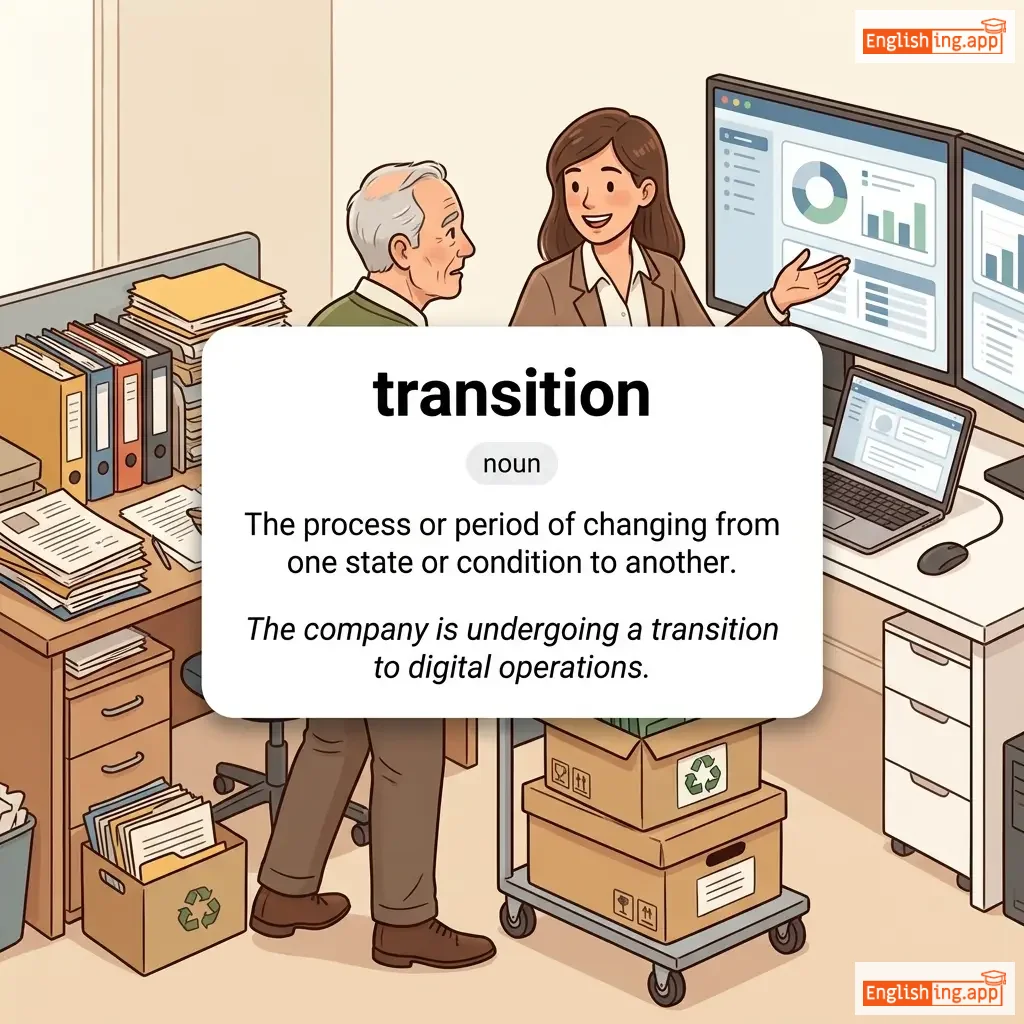
The process or period of changing from one state or condition to another.
••••••
|
The company is undergoing a transition to digital operations.
その会社はデジタル運営への移行を進めています。
••••••
|
その会社はデジタル運営への移行を進めています。
Sono kaisha wa dejitaru un'ei e no ikou wo susumeteimasu.
••••••
|
smooth transition
スムーズな移行
••••••
|
A gradual and easy change
••••••
|
スムーズな移行
sumuuzu na ikou
••••••
|
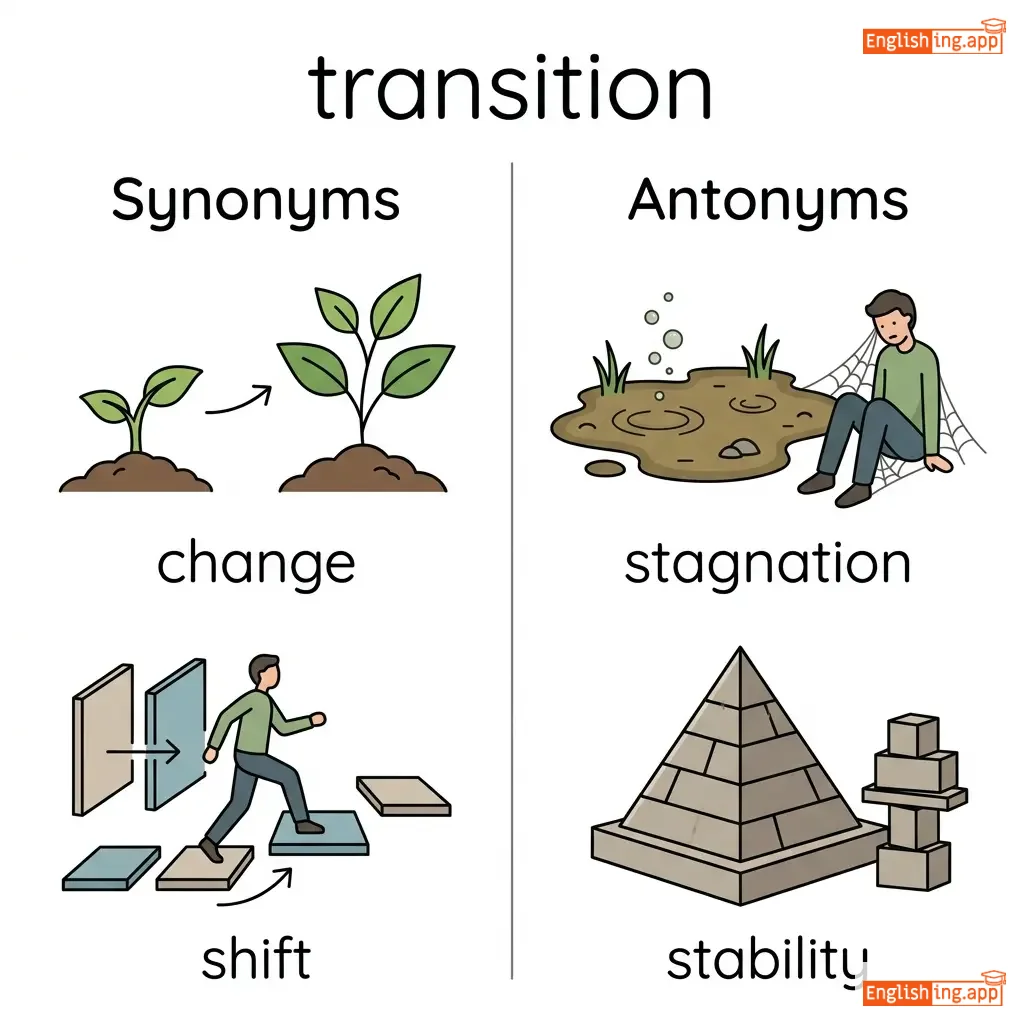
change, shift, conversion, transformation
••••••
|
stagnation, stability
••••••
|
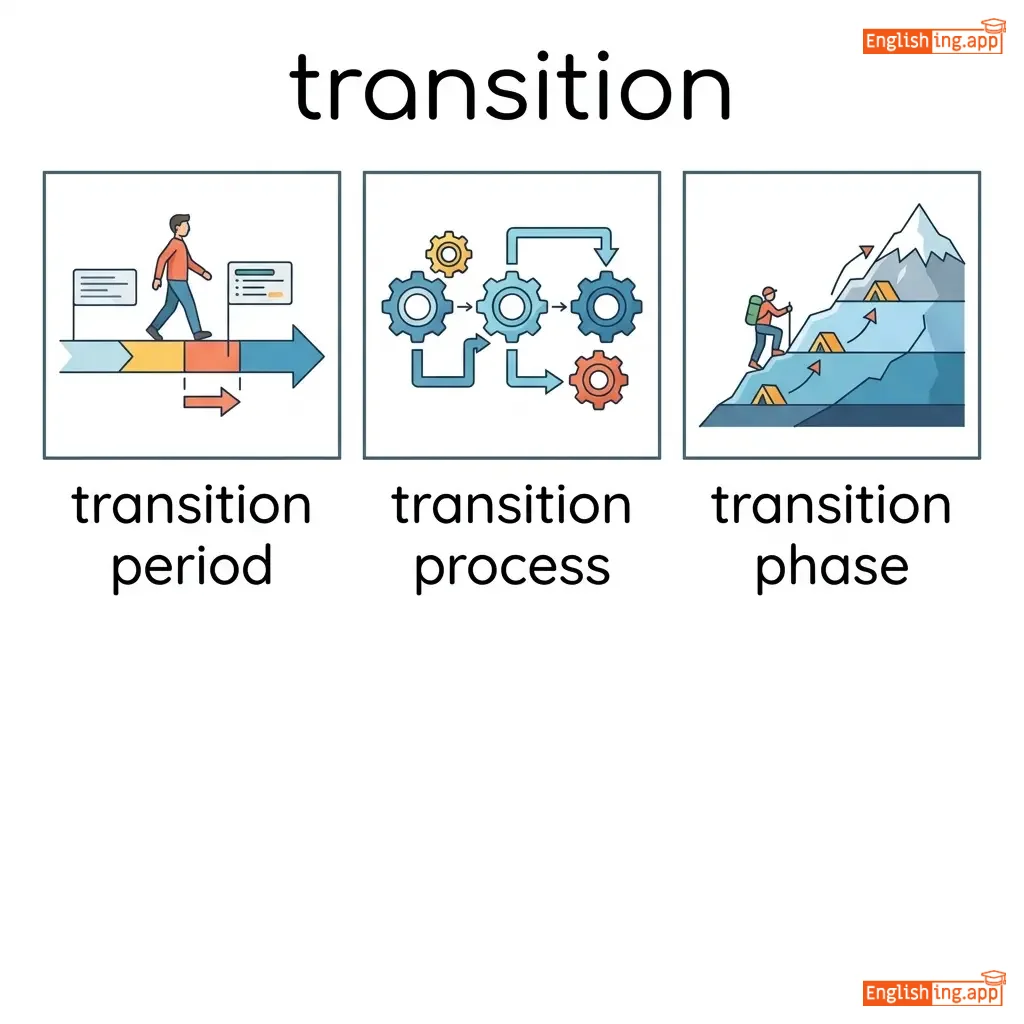
transition period, transition process, transition phase
••••••
|
移行は一つのステーションから次のステーションへ行くようなものです
••••••
|
|
🌐
••••••
|
/trænsˈleɪt/
verb
••••••
|
|
- •••••• |
translated
••••••
|
translated
••••••
|
translates
••••••
|
translating
••••••
|
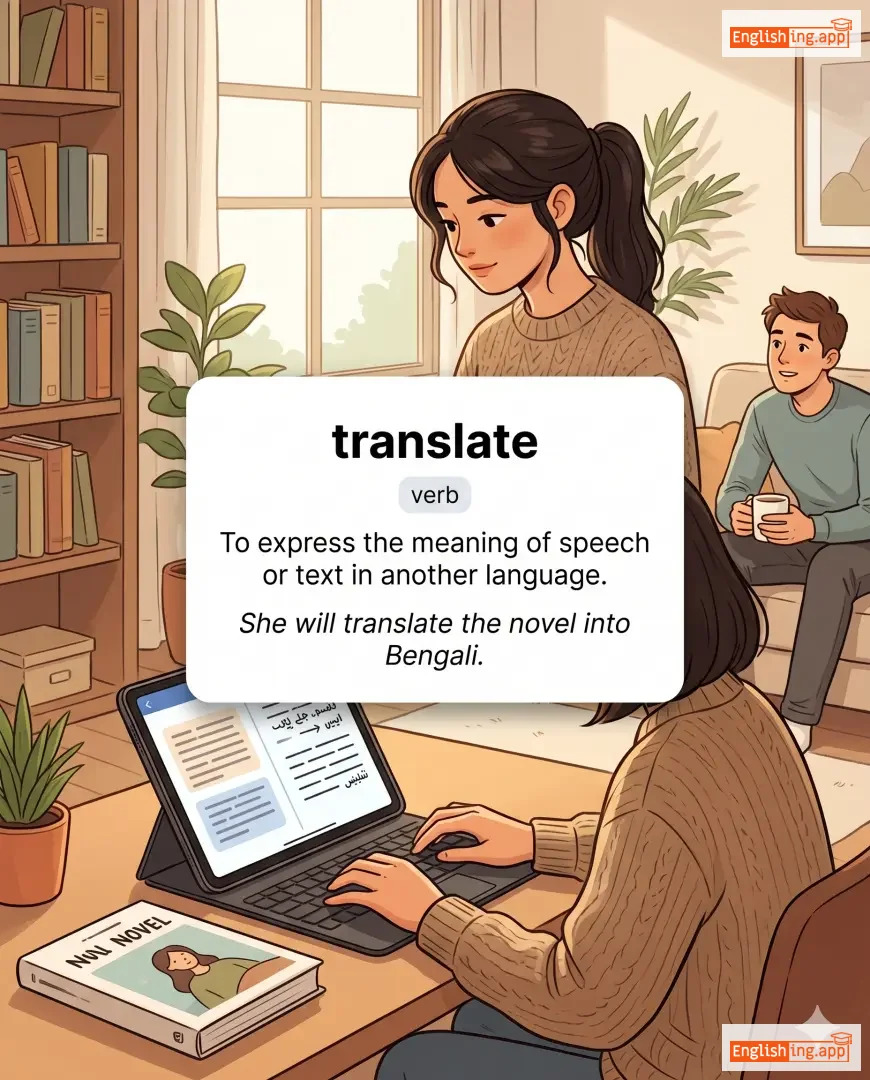
To express the meaning of speech or text in another language.
••••••
|
She will translate the novel into Bengali. |
- •••••• |
lost in translation |
Something that does not carry over clearly from one language or context to another
••••••
|
- •••••• |
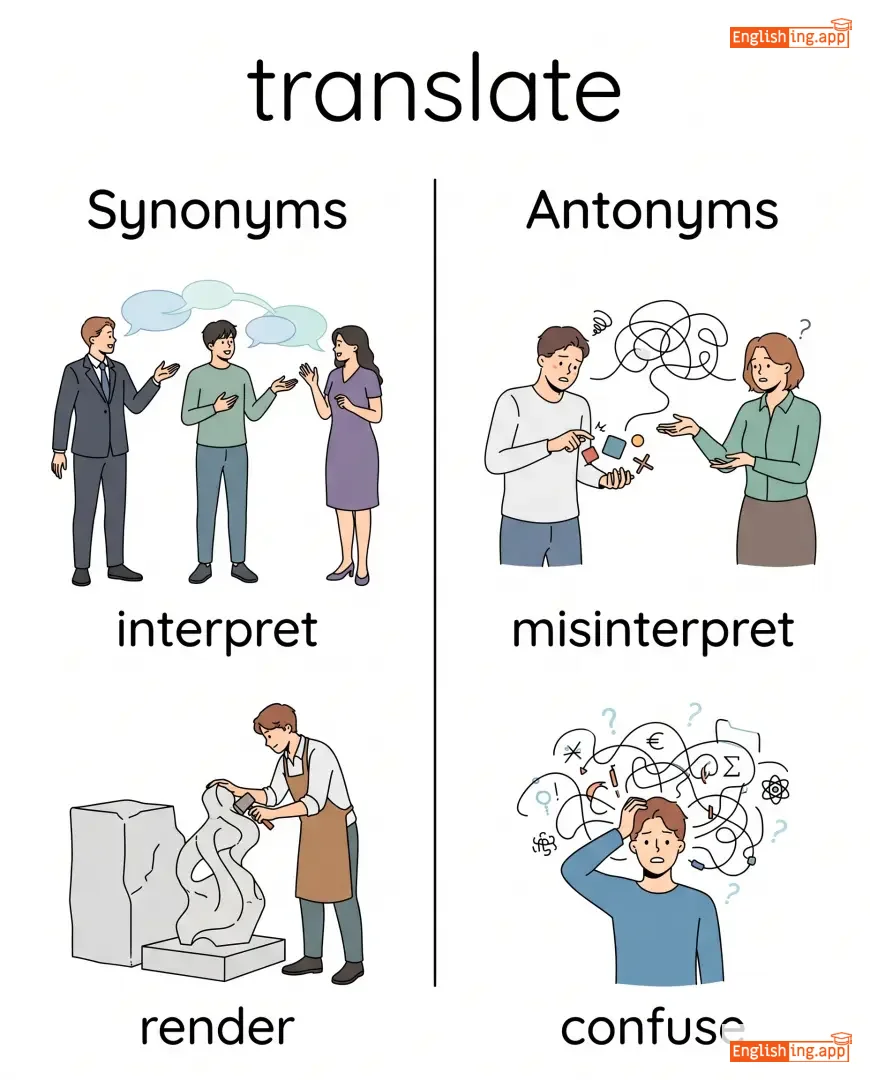
interpret, render, convert, decode
••••••
|
misinterpret, confuse
••••••
|
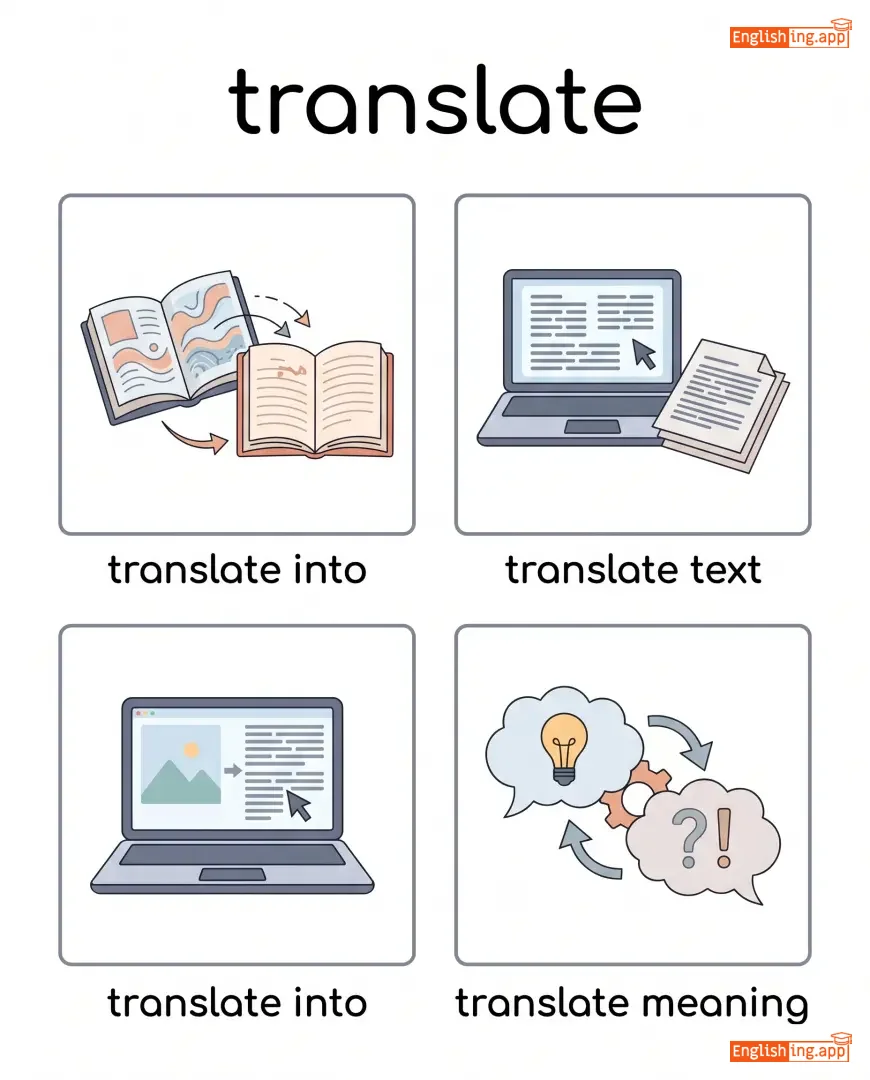
translate into, translate text, translate meaning
••••••
|
No •••••• |
|
🌐
••••••
|
/trænzˈleɪʃən/
noun
(トランスレーション)
••••••
|
- •••••• |
翻訳
hon'yaku
••••••
|
- •••••• | - •••••• | - •••••• | - •••••• |
the process of converting text or speech from one language into another
••••••
|
She completed the translation of the book within two months.
彼女は2ヶ月でその本の翻訳を終えました。
••••••
|
彼女は2ヶ月でその本の翻訳を終えました。
Kanojo wa 2 kagetsu de sono hon no hon'yaku o oemashita.
••••••
|
lost in translation
翻訳の中で失われる
••••••
|
when something loses its original meaning in another language
••••••
|
翻訳の中で失われる
Hon'yaku no naka de ushinawareru
••••••
|
interpretation, version, conversion, rendering, adaptation
••••••
|
original, source, misinterpretation
••••••
|
machine translation, language translation, translation service, translation app
••••••
|
翻訳は言葉を異なる世界に持っていく魔法 🌍
••••••
|
|
🌐
••••••
|
/trænzˈleɪtər/
noun
(トランスレイター)
••••••
|
- •••••• |
翻訳者
honyakusha
••••••
|
- •••••• | - •••••• | - •••••• | - •••••• |
a person or tool that converts words or text from one language into another
••••••
|
The translator helped the tourists understand the guide. |
翻訳者は観光客がガイドを理解するのを助けました。
Honyakusha wa kankōkyaku ga gaido o rikai suru no o tasukemashita.
••••••
|
- •••••• | - •••••• | - •••••• |
interpreter, linguist, adapter, converter, mediator
••••••
|
speaker, listener
••••••
|
professional translator, human translator, machine translator, translator app
••••••
|
Translator は翻訳者 – translate (翻訳する) 言語を変換すること。
••••••
|
|
📡
••••••
|
/trænzˈmɪʃən/
noun
(トランスミッション)
••••••
|
- •••••• |
伝送, 送信
densou, soushin
••••••
|
- •••••• | - •••••• | - •••••• | - •••••• |
the act of sending, passing, or spreading something such as information, energy, or disease
••••••
|
The transmission of data over the internet is very fast. |
インターネット上でのデータの伝送は非常に速い。
Inta-netto jou de no deeta no densou wa hijou ni hayai.
••••••
|
word-of-mouth transmission |
the spreading of information by verbal communication
••••••
|
口伝えによる伝達
kuchidutae ni yoru dentatsu
••••••
|
transfer, communication, sending, broadcast, spread
••••••
|
retention, containment
••••••
|
data transmission, disease transmission, power transmission
••••••
|
Transmission = 転送 + ミッション – データや病気を送るミッション。
••••••
|
|
📡
••••••
|
/trænzˈmɪt/
verb
(トランスミット)
••••••
|
- •••••• |
送信する
sōshin suru
••••••
|
transmitted
トランスミットした
••••••
|
transmitted
トランスミットした
••••••
|
transmits
トランスミットする
••••••
|
transmitting
トランスミットしている
••••••
|
to send or pass something from one place or person to another
••••••
|
The antenna can transmit signals over a long distance.
アンテナは長距離にわたって信号を送信することができます。
••••••
|
アンテナは長距離にわたって信号を送信することができます。
Antena wa chōkyori ni watatte shingō o sōshin suru koto ga dekimasu.
••••••
|
transmit knowledge
知識を伝達する
••••••
|
to share or pass on knowledge to others
••••••
|
知識を伝達する
chishiki o dentatsu suru
••••••
|
send, convey, deliver, communicate, transfer
••••••
|
receive, block, withhold
••••••
|
transmit data, transmit message, transmit disease, transmit signal
••••••
|
列車が信号を送信しているのを想像してみてください 📡 - '送信する' は何かを送ることを意味します。
••••••
|
|
🔍
••••••
|
/trænsˈpærənsi/
noun
(トランスペアレンシー)
••••••
|

|
透明性
toumeisei
••••••
|
- •••••• | - •••••• | - •••••• | - •••••• |
the quality of being open and honest; the condition of being easily understood or seen through
••••••
|
The company is known for its transparency in business practices. |
その会社は、ビジネス慣行における透明性で知られています。
Sono kaisha wa, bijinesu kankou ni okeru toumeisei de shirareteimasu.
••••••
|
- •••••• | - •••••• | - •••••• |
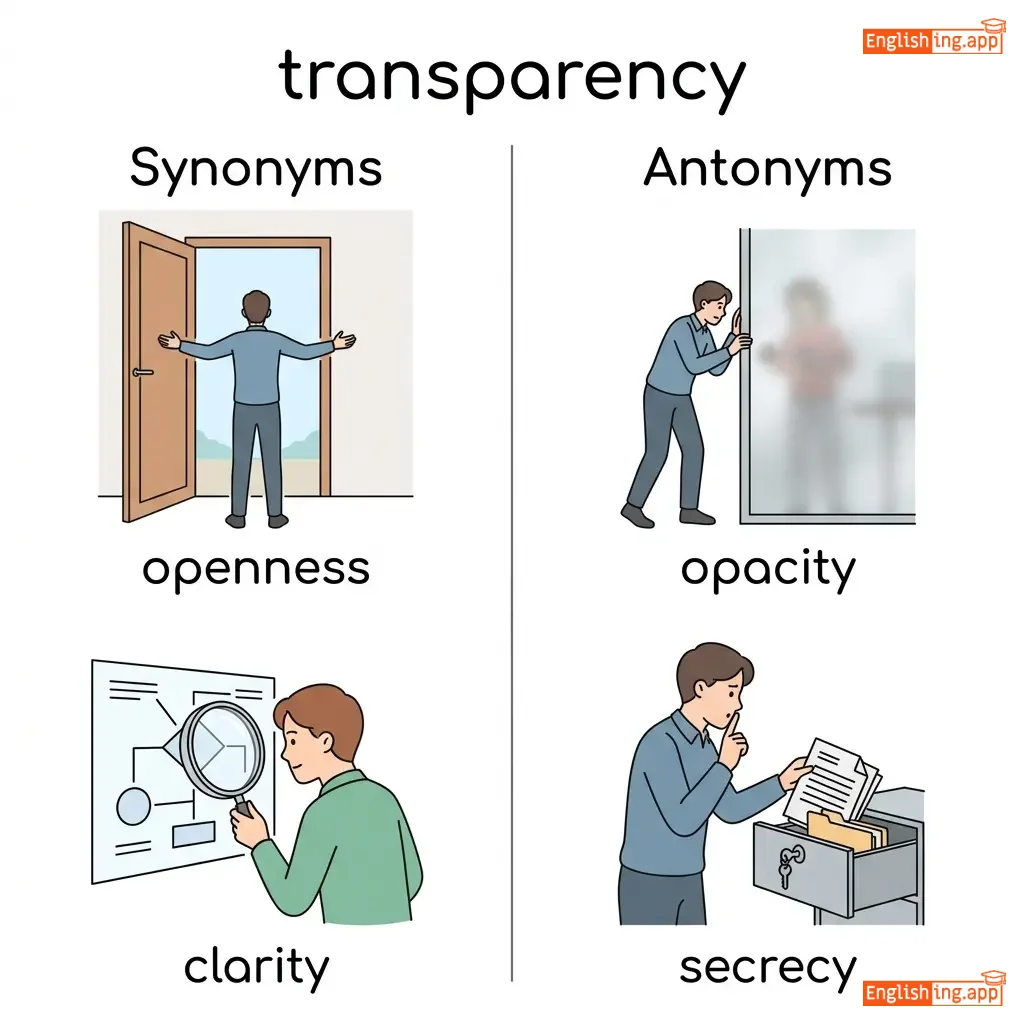
openness, clarity, honesty, visibility
••••••
|
opacity, secrecy
••••••
|
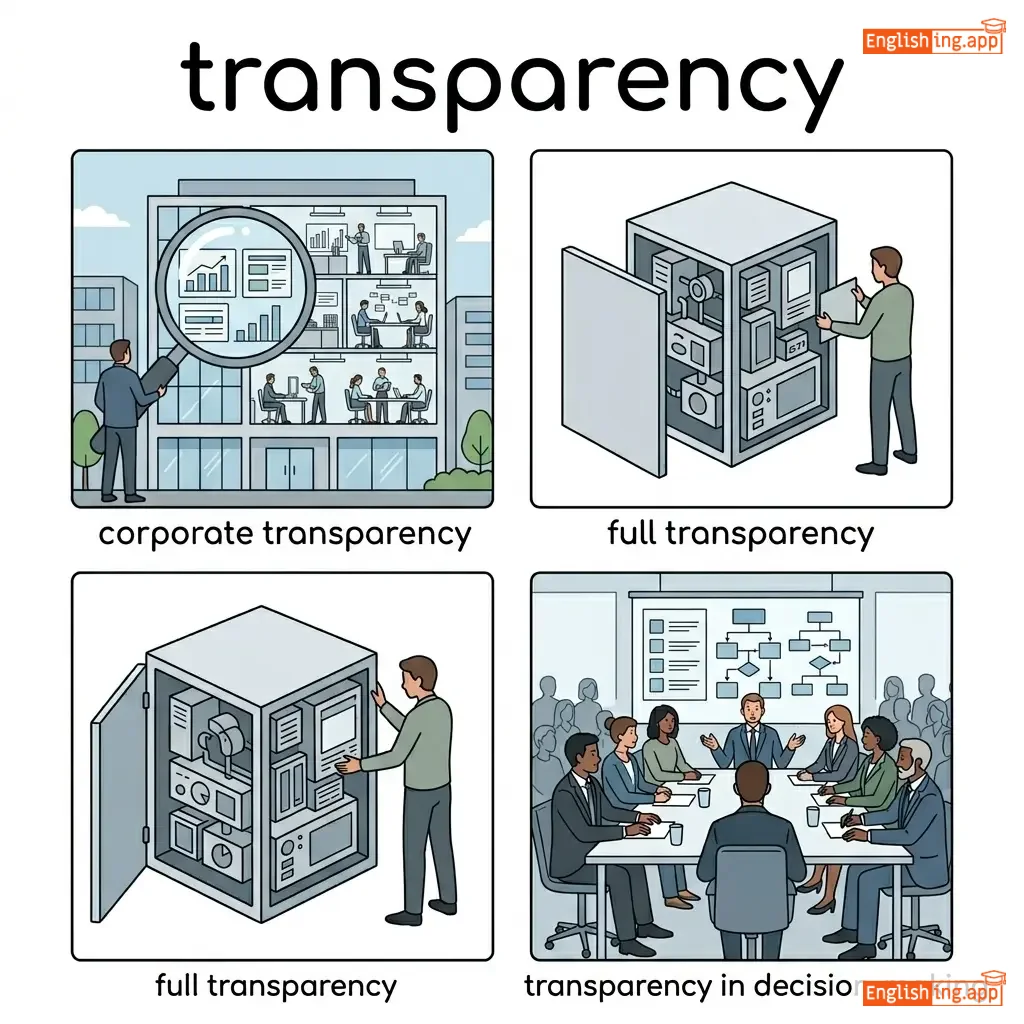
corporate transparency, full transparency, transparency in decision-making
••••••
|
透明性は、明確さと正直さを意味します!
••••••
|
|
🔍
••••••
|
/trænsˈpɛrənt/
adjective
(トランスペアレント)
••••••
|
- •••••• |
透明
tōmei
••••••
|
- •••••• | - •••••• | - •••••• | - •••••• |
allowing light to pass through so that objects behind can be clearly seen
••••••
|
The glass is transparent enough to see through. |
ガラスは十分透明で、それを通して見ることができます。
Garasu wa jūbun tōmei de, sore o tōshite miru koto ga dekimasu.
••••••
|
transparent process |
a process that is open, clear, and easy to understand
••••••
|
透明なプロセス
tōmei na purosesu
••••••
|
clear, see-through, obvious, lucid, apparent
••••••
|
opaque, cloudy, hidden
••••••
|
transparent glass, transparent process, transparent material, transparent policy
••••••
|
Transparent は日本語で透明、ガラスのように見える
••••••
|
|
🪤
••••••
|
/træp/
verb
(トラップ)
••••••
|
- •••••• |
罠にかける
wana ni kakeru
••••••
|
trapped
トラップド
••••••
|
trapped
トラップド
••••••
|
traps
トラップス
••••••
|
trapping
トラッピング
••••••
|
to catch or hold something or someone so they cannot escape
••••••
|
The fox was trapped in a cage.
ザ・フォックス ワズ トラップド イン ア ケイジ
••••••
|
狐は檻に閉じ込められていた。
Kitsune wa ori ni tojikomere rarete ita.
••••••
|
fall into a trap
フォール インツ ア トラップ
••••••
|
to be tricked or deceived into a bad situation
••••••
|
罠に落ちる
wana ni ochiru
••••••
|
catch, ensnare, imprison, capture, confine
••••••
|
free, release, liberate
••••••
|
set a trap, mouse trap, fall into a trap, trap animal
••••••
|
罠にかけるは罠に落ちることのようなもの 🪤
••••••
|
|
💔
••••••
|
/ˈtrɔːmə/
noun
(トラウマ)
••••••
|
- •••••• |
トラウマ
torauma
••••••
|
- •••••• | - •••••• | - •••••• | - •••••• |
a deeply distressing or disturbing experience; physical injury or emotional shock
••••••
|
The accident left her with lasting emotional trauma.
その事故は彼女に永続的な感情的トラウマを残した。
••••••
|
その事故は彼女に永続的な感情的トラウマを残した。
Sono jiko wa kanojo ni eizoku-teki na kanjō-teki torauma o nokoshita.
••••••
|
recover from trauma
トラウマから回復する
••••••
|
to heal mentally or emotionally after a painful experience
••••••
|
トラウマから回復する
Torauma kara kaifuku suru
••••••
|
shock, distress, suffering, injury, agony
••••••
|
comfort, peace, relief
••••••
|
childhood trauma, emotional trauma, trauma patient, trauma center
••••••
|
トラウマは列車事故後の心の傷 💔
••••••
|
|
✈️
••••••
|
/ˈtrævəl/
verb
(トラベル)
••••••
|
- •••••• |
旅行
ryokou
••••••
|
traveled
トラヴェルド
••••••
|
traveled
トラヴェルド
••••••
|
travels
トラヴェルス
••••••
|
traveling
トラヴェリング
••••••
|
to make a journey, typically to a distant or unfamiliar place
••••••
|
I love to travel around the world and explore new cultures.
私は世界中を旅行し、新しい文化を探求するのが好きです。
••••••
|
私は世界中を旅行し、新しい文化を探求するのが好きです。
Watashi wa sekaijuu o ryokou shi, atarashii bunka o tankyuu suru no ga suki desu.
••••••
|
- •••••• | - •••••• | - •••••• |
journey, roam, explore, tour
••••••
|
stay, remain
••••••
|
travel abroad, travel light, travel the world, travel by train
••••••
|
世界を旅し、新しい文化を学びましょう!
••••••
|
|
🧳
••••••
|
/ˈtrævələr/
noun
(トラベラー)
••••••
|
- •••••• |
旅行者
ryokousha
••••••
|
- •••••• | - •••••• | - •••••• | - •••••• |
A person who is on a journey or frequently travels to different places.
••••••
|
The traveller set out early in the morning to explore new lands.
トラベラーは新しい土地を探検するために朝早く出発した。
••••••
|
旅行者は新しい土地を探検するために朝早く出発した。
Ryokousha wa atarashii tochi o tanken suru tame ni asa hayaku shuppatsu shita.
••••••
|
globe-trotter
グローブトロッター
••••••
|
A person who travels widely around the world.
••••••
|
グローブトロッター
gurobu-trotter
••••••
|
voyager, explorer, tourist, wayfarer
••••••
|
homebody, settler
••••••
|
frequent traveller, seasoned traveller, adventurous traveller
••••••
|
旅行者 = travel + 者 = tabi suru hito
••••••
|
|
💎
••••••
|
/ˈtrɛʒər/
noun, verb
(トレジャー)
••••••
|
- •••••• |
宝物
takaramono
••••••
|
treasured
トレジャード
••••••
|
treasured
トレジャード
••••••
|
treasures
トレジャーズ
••••••
|
treasuring
トレジャリング
••••••
|
a collection of valuable things such as gold, jewels, or anything of great worth; to value something highly
••••••
|
She kept the necklace as a family treasure.
彼女はそのネックレスを家族の宝物として大切にしていました。
••••••
|
彼女はそのネックレスを家族の宝物として大切にしていました。
Kanojo wa sono nekkuresu o kazoku no takaramono toshite taisetsu ni shite imashita.
••••••
|
treasure trove
宝物の山
••••••
|
a valuable collection of things found together
••••••
|
宝物の山
takaramono no yama
••••••
|
wealth, riches, fortune, valuables, prize
••••••
|
trash, worthless, loss
••••••
|
hidden treasure, family treasure, treasure chest, national treasure
••••••
|
Treasure = 宝物 (takaramono), hidden like treasure in a chest
••••••
|
|
💊
••••••
|
/triːt/
verb
(トリート)
••••••
|
- •••••• |
治療する
chiryo suru
••••••
|
treated
トリーテッド
••••••
|
treated
トリーテッド
••••••
|
treats
トリーツ
••••••
|
treating
トリーティング
••••••
|
to behave toward someone or something in a particular way
••••••
|
The doctor treated me with great care during my recovery.
医者は回復中に私を非常に慎重に治療しました。
••••••
|
医者は回復中に私を非常に慎重に治療しました。
Isha wa kaifuku-chu ni watashi o hijō ni shinchō ni chiryō shimashita.
••••••
|
- •••••• | - •••••• | - •••••• |
care for, handle, deal with, address
••••••
|
ignore, neglect
••••••
|
treat someone well, treat a disease, treat with kindness
••••••
|
Treat with care, そして最高の治療を受ける!
••••••
|
|
💊
••••••
|
/ˈtriːtmənt/
noun
(treatment)
••••••
|
- •••••• |
治療
chiryo
••••••
|
- •••••• | - •••••• | - •••••• | - •••••• |
medical care given to a patient for an illness or injury; the action of treating someone or something
••••••
|
The doctor recommended a new treatment for her condition.
医者は彼女の状態に新しい治療法を勧めました。
••••••
|
医者は彼女の状態に新しい治療法を勧めました。
Isha wa kanojo no jotai ni atarashii chiryoho o susumemashita.
••••••
|
- •••••• | - •••••• | - •••••• |
therapy, care, cure, medication
••••••
|
neglect, harm, damage
••••••
|
medical treatment, receive treatment, effective treatment
••••••
|
治療は病を治します。
••••••
|
|
📜
••••••
|
/ˈtriːti/
noun
(torīti)
••••••
|
- •••••• |
条約
jōyaku
••••••
|
- •••••• | - •••••• | - •••••• | - •••••• |
a formally concluded and ratified agreement between countries or states
••••••
|
The peace treaty was signed after years of negotiations.
平和条約は長年の交渉後に署名されました。
••••••
|
平和条約は長年の交渉後に署名されました。
Heiwa jōyaku wa naganen no kōshōgo ni shomei saremashita.
••••••
|
- •••••• | - •••••• | - •••••• |
agreement, pact, accord, contract
••••••
|
war, conflict, disagreement
••••••
|
peace treaty, sign a treaty, international treaty
••••••
|
JŌYAKU (treaty) and SIGN (to sign the treaty)
••••••
|
|
🌳
••••••
|
/triː/
noun
(トゥリー)
••••••
|
- •••••• |
木
ki
••••••
|
- •••••• | - •••••• | - •••••• | - •••••• |
a large plant with a trunk, branches, and leaves
••••••
|
The tree in our backyard is over a hundred years old. |
私たちの裏庭にある木は百年以上の歴史があります。
Watashitachi no uraniwa ni aru ki wa hyaku-nen ijō no rekishi ga arimasu.
••••••
|
- •••••• | - •••••• | - •••••• |
plant, shrub, bush
••••••
|
weed, grass
••••••
|
fruit tree, shade tree, tall tree
••••••
|
Ki is the tree, grows with time!
••••••
|
|
💥
••••••
|
/trəˈmɛndəs/
adjective
(トレメンドス)
••••••
|
- •••••• |
巨大な
kyodaina
••••••
|
- •••••• | - •••••• | - •••••• | - •••••• |
very great in amount, scale, or intensity
••••••
|
She made a tremendous effort to finish the project on time. |
彼女はプロジェクトを時間通りに終わらせるために巨大な努力をしました。
Kanojo wa purojekuto o jikan dōri ni owaraseru tame ni kyodaina doryoku o shimashita.
••••••
|
tremendous amount |
a very large quantity of something
••••••
|
巨大な量
kyodaina ryō
••••••
|
huge, enormous, immense, colossal, vast
••••••
|
tiny, small, slight
••••••
|
tremendous effort, tremendous pressure, tremendous success, tremendous energy
••••••
|
Tremendous effort = 巨大な努力。
••••••
|
|
📈
••••••
|
/trend/
noun
(トレンド)
••••••
|

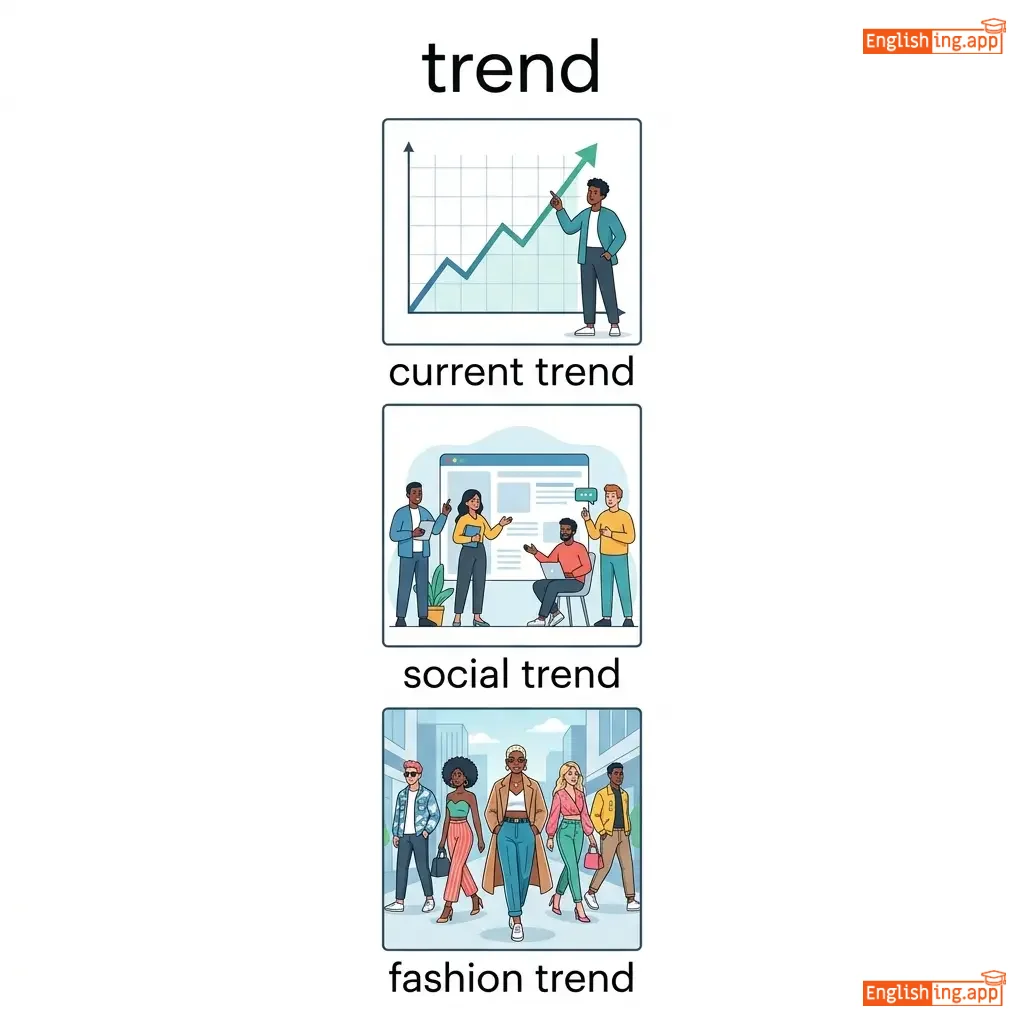
|
トレンド; 流行; 傾向
torendo; ryūkō; keikō
••••••
|
- •••••• | - •••••• | - •••••• | - •••••• |
a general direction in which something is developing or changing; a fashion or style that is popular
••••••
|
The trend towards online shopping continues to grow. |
オンラインショッピングのトレンドは引き続き成長しています。
Onrain shoppingu no torendo wa hikitsuzuki seichō shiteimasu.
••••••
|
- •••••• | - •••••• | - •••••• |
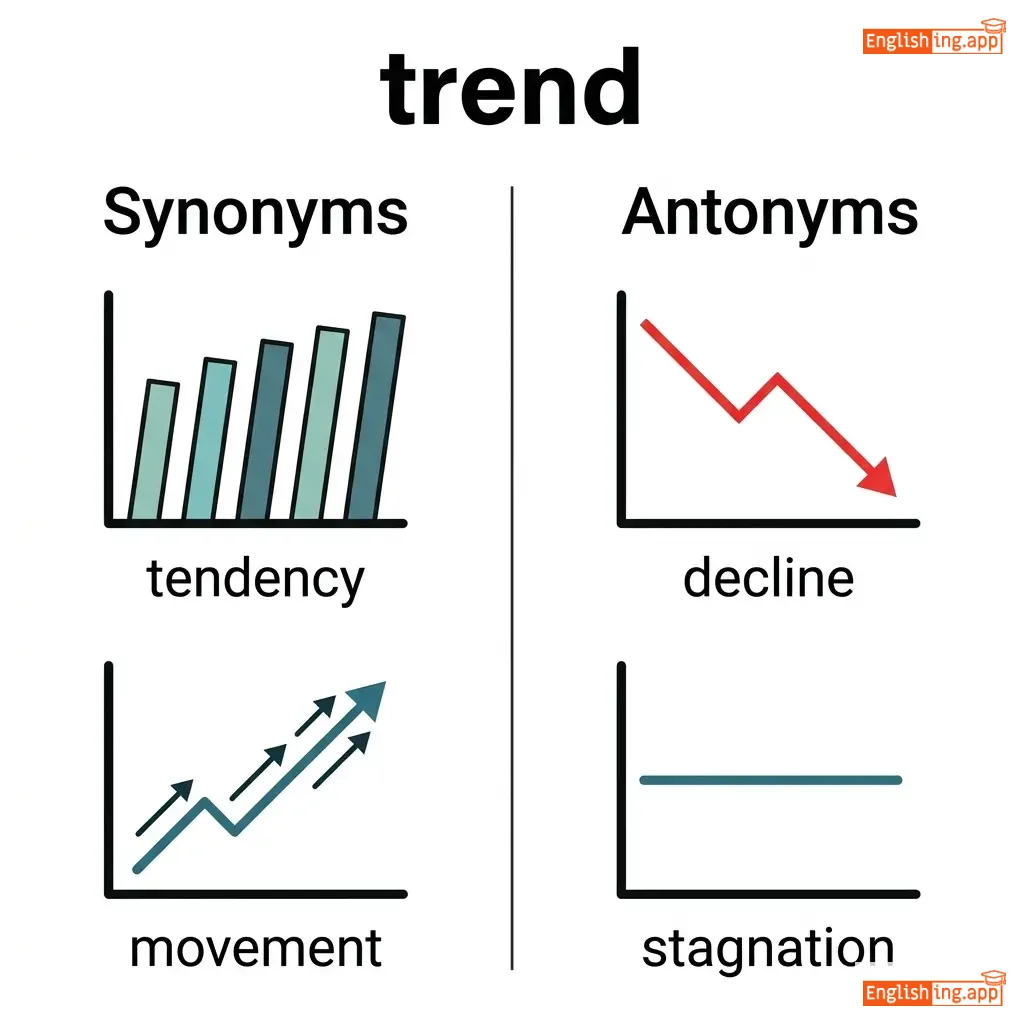
tendency, direction, pattern, fashion
••••••
|
stability, constancy, tradition
••••••
|
current trend, fashion trend, market trend
••••••
|
トレンド (torendo) は流行が進む方向
••••••
|

