|
表情符号
|
单词 | Images | 翻译 | 过去时 | 过去分词 | 第三人称单数 | 动名词 | 含义 | 例句 | 例句翻译 | 示例表达 | 示例表达含义 | 示例表达翻译 | 同义词 | 反义词 | 搭配词 | 助记符 |
|---|---|---|---|---|---|---|---|---|---|---|---|---|---|---|---|---|---|
|
🌍
••••••
|
/ˈtʊərɪst/
noun
(旅游者)
••••••
|
- •••••• |
游客
yóukè
••••••
|
- •••••• | - •••••• | - •••••• | - •••••• |
a person who is traveling or visiting a place for pleasure
••••••
|
The city attracts many tourists every year.
这座城市每年吸引许多游客。
••••••
|
这座城市每年吸引许多游客。
Zhè zuò chéngshì měi nián xīyǐn xǔduō yóukè.
••••••
|
- •••••• | - •••••• | - •••••• |
traveler, sightseer, visitor, globetrotter
••••••
|
local
••••••
|
tourist attraction, tourist destination, tourist spot
••••••
|
当你是游客时,每一场旅行都充满了新奇的乐趣!
••••••
|
|
➡️
••••••
|
/tɔːrd/
preposition
(toward)
••••••
|
- •••••• |
朝着
cháo zhe
••••••
|
- •••••• | - •••••• | - •••••• | - •••••• |
in the direction of
••••••
|
She walked toward the door. |
她走向门。
Tā zǒu xiàng mén.
••••••
|
- •••••• | - •••••• | - •••••• |
to, in the direction of, for
••••••
|
away, backward
••••••
|
move toward, head toward, go toward
••••••
|
朝着门走 - move toward the door
••••••
|
|
➡️
••••••
|
/tɔːrdz/
preposition
(tɔːrdz)
••••••
|
- •••••• |
朝
cháo
••••••
|
- •••••• | - •••••• | - •••••• | - •••••• |
in the direction of
••••••
|
He is running towards the park. |
他正在朝公园跑。
Tā zhèngzài cháo gōngyuán pǎo.
••••••
|
- •••••• | - •••••• | - •••••• |
toward, in the direction of
••••••
|
away, backward
••••••
|
go towards, move towards, head towards
••••••
|
朝着公园跑 - run towards the park
••••••
|
|
🧻
••••••
|
/ˈtaʊəl/
noun
(towel)
••••••
|
- •••••• |
毛巾
maojin
••••••
|
- •••••• | - •••••• | - •••••• | - •••••• |
a piece of absorbent cloth used for drying or wiping
••••••
|
She grabbed a towel after her shower. |
她在洗澡后拿了一条毛巾。
Tā zài xǐzǎo hòu nále yītiáo máojīn.
••••••
|
throw in the towel |
to give up or admit defeat
••••••
|
放弃
fàngqì
••••••
|
cloth, napkin, wipe, hand towel, rag
••••••
|
none
••••••
|
bath towel, hand towel, paper towel, wet towel
••••••
|
Towel 🧻 = 毛巾 — ‘放弃’表示承认失败。
••••••
|
|
🗼
••••••
|
/ˈtaʊər/
noun
(塔)
••••••
|
- •••••• |
塔
tǎ
••••••
|
- •••••• | - •••••• | - •••••• | - •••••• |
a tall, narrow structure, often a part of a building
••••••
|
The tower stood tall above the city. |
塔高高地耸立在城市上方。
Tǎ gāo gāo de sǒnglì zài chéngshì shàngfāng.
••••••
|
- •••••• | - •••••• | - •••••• |
spire, steeple, pinnacle
••••••
|
ground, base
••••••
|
clock tower, radio tower, watch tower
••••••
|
塔 (tower) 高耸入云 - A tower stands tall
••••••
|
|
🏙️
••••••
|
/taʊn/
noun
(镇)
••••••
|
- •••••• |
城镇
chéngzhèn
••••••
|
- •••••• | - •••••• | - •••••• | - •••••• |
a human settlement smaller than a city
••••••
|
The town was quiet on Sundays.
镇子在星期天很安静。
••••••
|
镇子在星期天很安静。
Zhènzi zài xīngqītiān hěn ānjìng.
••••••
|
- •••••• | - •••••• | - •••••• |
village, settlement, community
••••••
|
city, metropolis
••••••
|
small town, old town, town center
••••••
|
镇是安静而舒适的地方
••••••
|
|
☠️
••••••
|
/ˈtɒksɪk/
adjective
(tóuxī kè)
••••••
|
- •••••• |
有毒的
yǒudú de
••••••
|
- •••••• | - •••••• | - •••••• | - •••••• |
poisonous or harmful; causing damage physically or emotionally
••••••
|
The waste materials were highly toxic to the environment.
废物材料对环境非常有毒。
••••••
|
废物材料对环境非常有毒。
Fèiwù cáiliào duì huánjìng fēicháng yǒudú.
••••••
|
toxic relationship
有毒的关系
••••••
|
a harmful or unhealthy relationship
••••••
|
有毒的关系
yǒudú de guānxì
••••••
|
poisonous, harmful, venomous, dangerous, noxious
••••••
|
safe, harmless, healthy
••••••
|
toxic waste, toxic chemicals, toxic fumes, toxic relationship
••••••
|
有毒的 ☠️ 就像有毒的关系一样,让你受到伤害。
••••••
|
|
🧸
••••••
|
/tɔɪ/
noun
(托伊)
••••••
|
- •••••• |
玩具
wanju
••••••
|
- •••••• | - •••••• | - •••••• | - •••••• |
an object for children to play with
••••••
|
The child received a toy car for his birthday. |
孩子收到了一个玩具车作为生日礼物。
Haizi shoudao le yige wanju che zuo wei shengri liwu.
••••••
|
not a toy |
used to emphasize that something should not be taken lightly
••••••
|
不是玩具
bushi wanju
••••••
|
plaything, game, doll, trinket
••••••
|
tool, equipment
••••••
|
toy car, toy shop, toy soldier, toy industry
••••••
|
Toy 🧸 意味着玩具,玩具是孩子玩的东西。
••••••
|
|
🕵️
••••••
|
/treɪs/
noun, verb
(tres)
••••••
|
- •••••• |
痕迹
henji
••••••
|
traced
tresd
••••••
|
traced
tresd
••••••
|
traces
treses
••••••
|
tracing
tresing
••••••
|
a mark, object, or sign that shows the existence or development of something
••••••
|
She traced the path of the river on the map.
她在地图上描绘了河流的路径。
••••••
|
她在地图上描绘了河流的路径。
Ta zai ditu shang miaohui le heliu de lujing.
••••••
|
- •••••• | - •••••• | - •••••• |
track, path, sign
••••••
|
obscure, erase
••••••
|
trace the steps, trace the origin, leave a trace
••••••
|
痕迹 (henji) 是路上的痕迹 - tracing the path 帮助找到道路
••••••
|
|
🛤️
••••••
|
/træk/
noun
(特拉克)
••••••
|

|
轨道
track
••••••
|
- •••••• | - •••••• | - •••••• | - •••••• |
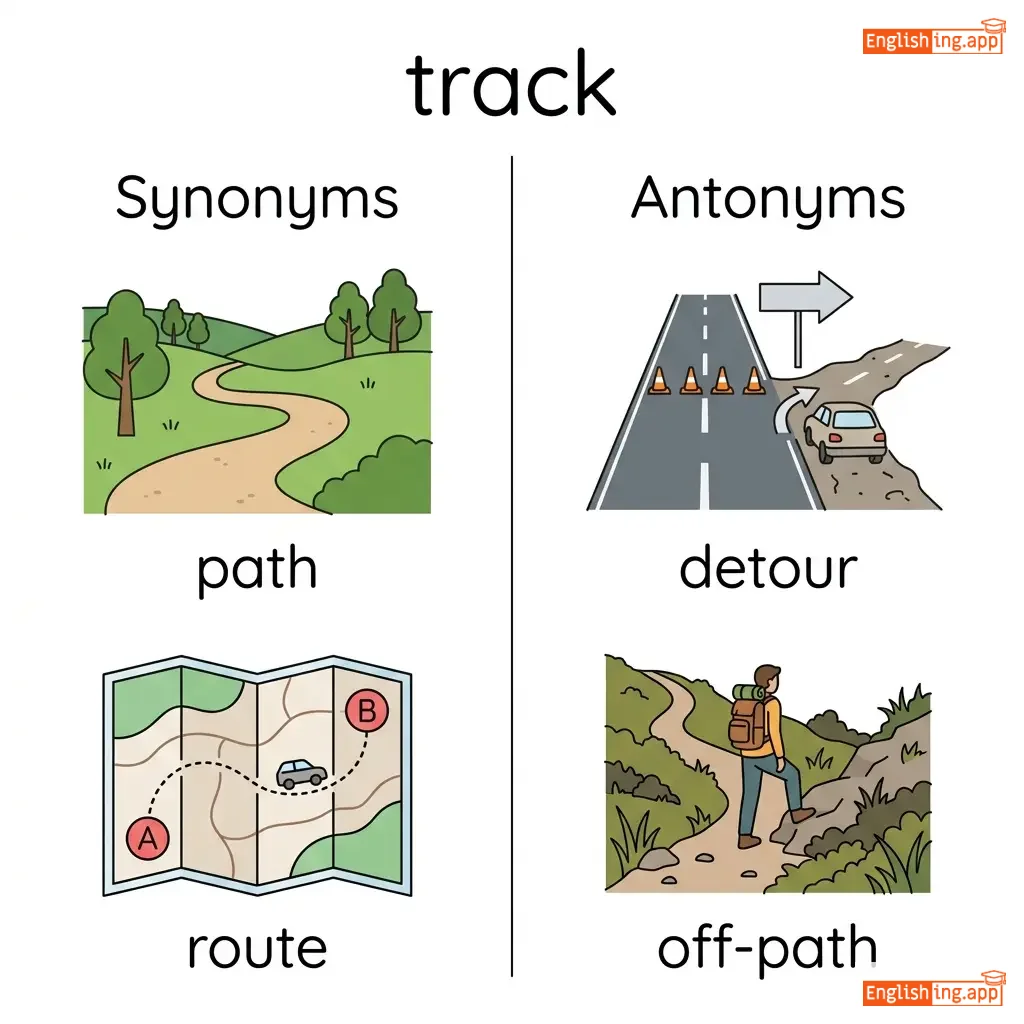
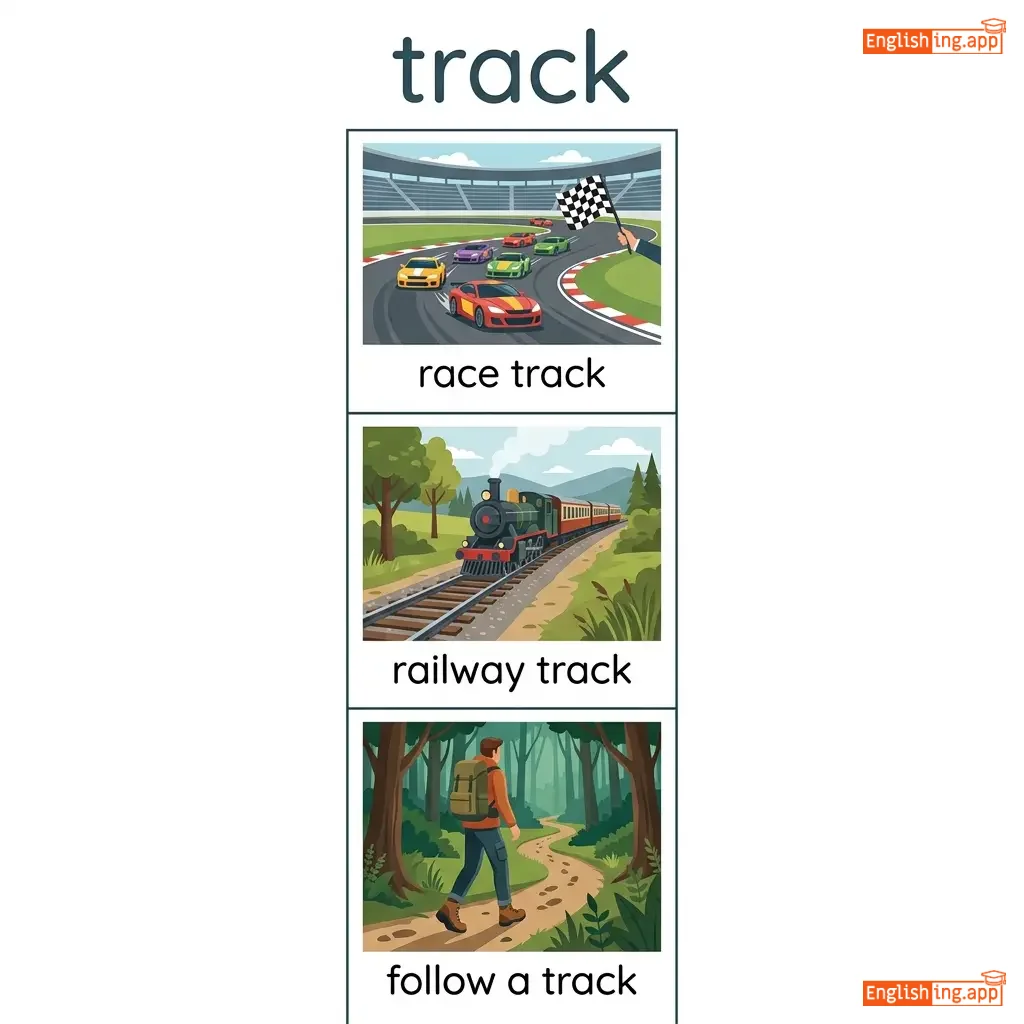
a rough path or minor road; a course or route followed; to follow or trace
••••••
|
The detective was able to track the suspect's movements through the city. |
侦探能够通过城市追踪嫌疑人的动向。
zhentan nenggou tongguo chengshi zhuizhong xianyiren de dongxiang.
••••••
|
- •••••• | - •••••• | - •••••• |
path, trail, route, follow, trace
••••••
|
lose, abandon, ignore
••••••
|
race track, train track, track record, keep track
••••••
|
Track – 一旦你追踪了路径,你就能找到目标。
••••••
|
|
💱
••••••
|
/treɪd/
noun, verb
••••••
|

|
- •••••• |
traded
••••••
|
traded
••••••
|
trades
••••••
|
trading
••••••
|
The action of buying, selling, or exchanging goods and services.
••••••
|
The company trades in electronic goods worldwide. |
- •••••• |
trade off |
To balance one thing against another in a compromise.
••••••
|
- •••••• |
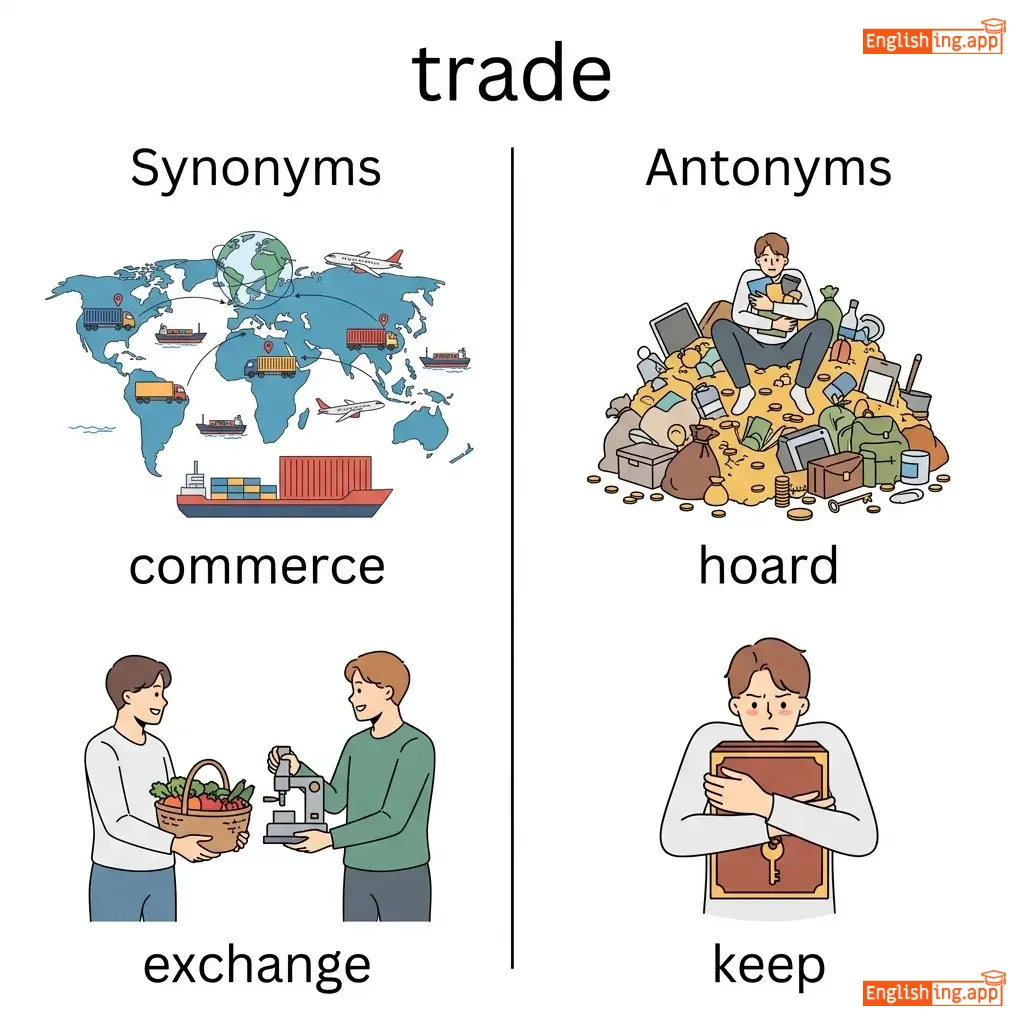
commerce, exchange, business, deal, barter
••••••
|
hoard, keep, retain
••••••
|
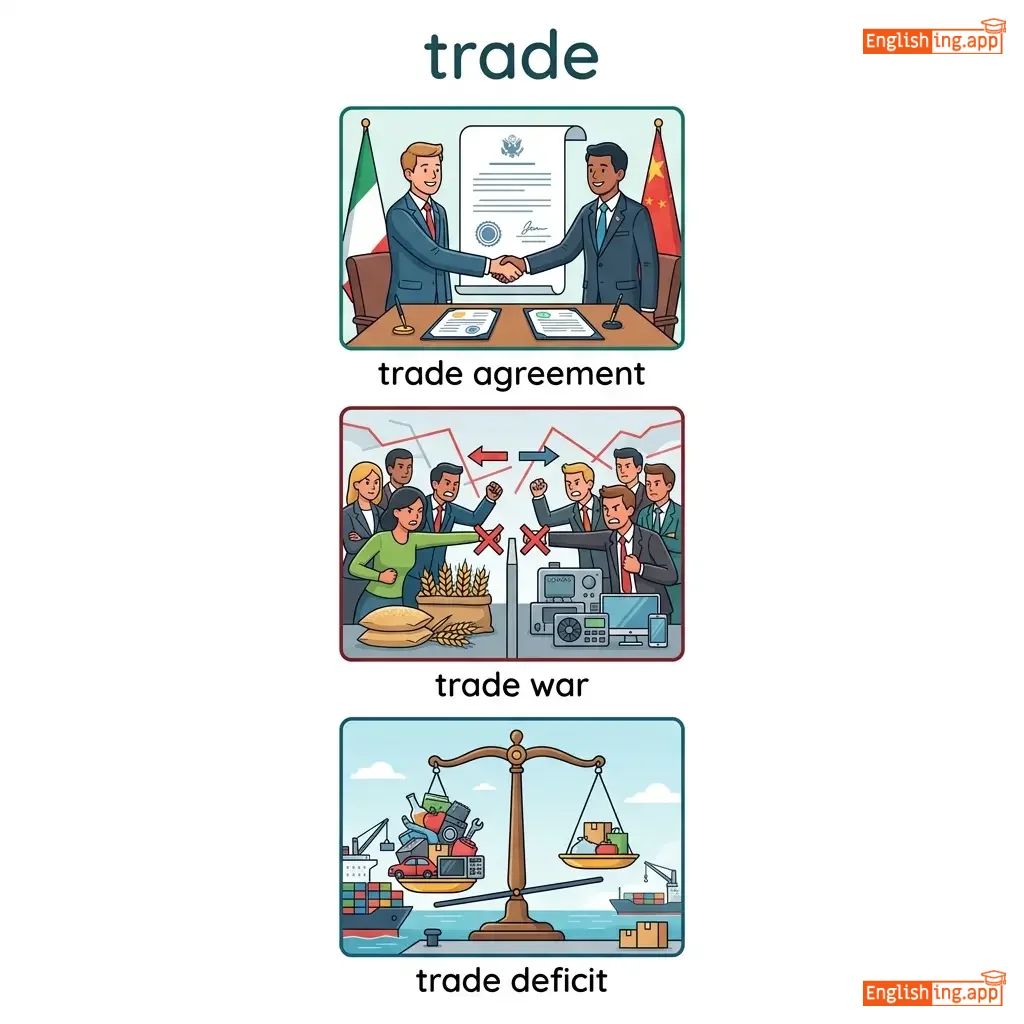
trade agreement, trade war, trade deficit, trade partner, trade secret
••••••
|
No •••••• |
|
™️
••••••
|
/ˈtreɪdmɑːrk/
noun
(商标)
••••••
|
- •••••• |
商标
shāngbiāo
••••••
|
- •••••• | - •••••• | - •••••• | - •••••• |
a symbol, word, or words legally registered or established by use as representing a company or product
••••••
|
The company’s logo is its trademark. |
公司的标志就是它的商标。
Gōngsī de biāozhì jiùshì tā de shāngbiāo.
••••••
|
- •••••• | - •••••• | - •••••• |
brand, logo, symbol, emblem
••••••
|
generic, unbranded
••••••
|
registered trademark, trademark symbol, trademark infringement
••••••
|
商标:公司独特的标志,让人一眼认出
••••••
|
|
💹
••••••
|
/ˈtreɪdɪŋ/
noun
(交易)
••••••
|
- •••••• |
交易
jiaoyi
••••••
|
- •••••• | - •••••• | - •••••• | - •••••• |
the act or business of buying and selling goods or services
••••••
|
She made a fortune through online trading. |
她通过在线交易赚取了财富。
Ta tongguo zaixian jiaoyi zhuanqule cai fu.
••••••
|
trading places |
to exchange roles or positions with someone
••••••
|
交换位置
jiao huan wei zhi
••••••
|
commerce, exchange, business, dealing, transaction
••••••
|
consumption, keeping
••••••
|
stock trading, trading platform, trading company, trading day
••••••
|
交易就像交换商品,始终追求利润!
••••••
|
|
🏛️
••••••
|
/trəˈdɪʃ.ən/
noun
(chuántǒng)
••••••
|
- •••••• |
传统
chuantong
••••••
|
- •••••• | - •••••• | - •••••• | - •••••• |
the transmission of customs or beliefs from generation to generation; a long-established custom or belief
••••••
|
It's a family tradition to gather for dinner every Sunday evening.
这是我们每周日晚上全家聚餐的传统。
••••••
|
这是我们每周日晚上全家聚餐的传统。
Zhe shi women mei zhou ri wanshang quanjia jucan de chuantong.
••••••
|
- •••••• | - •••••• | - •••••• |
custom, heritage, convention, practice, ritual
••••••
|
innovation, modernization, change
••••••
|
family tradition, cultural tradition, oral tradition, break tradition
••••••
|
传统和家庭像每周聚餐一样紧密相连。
••••••
|
|
🏛️
••••••
|
/trəˈdɪʃənəl/
adjective
(传统的)
••••••
|
- •••••• |
传统的
chuántǒng de
••••••
|
- •••••• | - •••••• | - •••••• | - •••••• |
relating to or following long-established customs; conventional
••••••
|
They had a traditional wedding ceremony. |
他们举办了一个传统的婚礼仪式。
Tāmen jǔbànle yīgè chuántǒng de hūnlǐ yíshì.
••••••
|
- •••••• | - •••••• | - •••••• |
conventional, customary, classical, orthodox
••••••
|
modern, contemporary, innovative, unconventional
••••••
|
traditional values, traditional music, traditional medicine
••••••
|
Traditional = 'Chuántǒng', like the rich cultural celebrations of Chinese New Year.
••••••
|
|
🎎
••••••
|
/trəˈdɪʃənəli/
adverb
(传统上)
••••••
|
- •••••• |
传统上
chuántǒng shàng
••••••
|
- •••••• | - •••••• | - •••••• | - •••••• |
according to custom or long-established practice
••••••
|
Bangladesh is traditionally known for its hospitality. |
孟加拉国传统上以其热情好客而闻名。
Mèngjiālāguó chuántǒng shàng yǐ qí rèqíng hǎokè ér wénmíng.
••••••
|
- •••••• | - •••••• | - •••••• |
conventionally, customarily, habitually, historically
••••••
|
modernly, newly
••••••
|
traditionally dressed, traditionally believed, traditionally made
••••••
|
Traditionally 在中文是 '传统上', 就是按照传统来做。
••••••
|
|
🚗
••••••
|
/ˈtræfɪk/
noun
(trāfīk)
••••••
|
- •••••• |
交通
jiaotong
••••••
|
- •••••• | - •••••• | - •••••• | - •••••• |
movement of vehicles, goods, or people
••••••
|
There was heavy traffic on the highway this morning. |
今天早上高速公路上交通繁忙。
Jīntiān zǎoshang gāosù gōnglù shàng jiāotōng fánmáng.
••••••
|
- •••••• | - •••••• | - •••••• |
congestion, transport, transportation, flow
••••••
|
clearance, open road
••••••
|
traffic jam, heavy traffic, traffic lights, traffic signal
••••••
|
交通代表着道路上车辆和人的流动。
••••••
|
|
😢
••••••
|
/ˈtrædʒ.ə.di/
noun
(tragedy)
••••••
|
- •••••• |
悲剧; 灾难
beiju
••••••
|
- •••••• | - •••••• | - •••••• | - •••••• |
an event causing great suffering, destruction, and distress; a serious drama with an unhappy ending
••••••
|
The earthquake was a tragedy that affected thousands of families.
地震是一场悲剧,影响了数千个家庭。
••••••
|
地震是一场悲剧,影响了数千个家庭。
Dìzhèn shì yī chǎng bēijù, yǐngxiǎngle shù qiān gè jiātíng.
••••••
|
- •••••• | - •••••• | - •••••• |
disaster, catastrophe, calamity, misfortune, drama
••••••
|
comedy, fortune, blessing, success
••••••
|
great tragedy, personal tragedy, tragic event, family tragedy
••••••
|
Tragedy – 悲剧在中国是让人感到痛苦的灾难事件,地震就像一个悲剧。
••••••
|
|
💔
••••••
|
/ˈtrædʒɪk/
adjective
(trājik)
••••••
|
- •••••• |
悲剧的
beijude
••••••
|
- •••••• | - •••••• | - •••••• | - •••••• |
causing great sadness or suffering; very unfortunate
••••••
|
The news of the accident was truly tragic. |
事故的消息真是悲剧的。
Shigu de xiaoxi zhenshi beijude de.
••••••
|
tragic end |
a very sad or disastrous conclusion
••••••
|
悲剧结局
beiju jieju
••••••
|
sad, disastrous, heartbreaking, mournful, catastrophic
••••••
|
happy, joyful, fortunate
••••••
|
tragic accident, tragic death, tragic story, tragic loss
••••••
|
Tragic 意味着悲剧的。每当发生悲伤的事情时,我们就说 — it’s tragic!
••••••
|
|
🥾
••••••
|
/treɪl/
noun
(trɛɪl)
••••••
|
- •••••• |
小道
xiaodao
••••••
|
- •••••• | - •••••• | - •••••• | - •••••• |
a path or track left by something that has passed
••••••
|
The hikers followed the trail through the forest. |
远足者沿着森林中的小道走。
Yuanzuzhe yanzhe senlin zhong de xiaodao zou.
••••••
|
- •••••• | - •••••• | - •••••• |
path, track, route, way
••••••
|
obstacle, block
••••••
|
mountain trail, hiking trail, follow a trail, well-worn trail
••••••
|
Trail在中文中是小道,就像你走的路一样。
••••••
|
|
🎞️
••••••
|
/ˈtreɪlər/
noun
(预告片)
••••••
|
- •••••• |
预告片 / 拖车
yùgàopiàn / tuōchē
••••••
|
- •••••• | - •••••• | - •••••• | - •••••• |
a preview of a movie or a vehicle used for transporting goods
••••••
|
The movie trailer was released last week. |
电影预告片上周发布了。
Diànyǐng yùgàopiàn shàng zhōu fābùle.
••••••
|
- •••••• | - •••••• | - •••••• |
preview, teaser, vehicle, hauler
••••••
|
feature, full movie
••••••
|
movie trailer, truck trailer, official trailer, trailer park
••••••
|
电影预告片就像是电影的“预告”!
••••••
|
|
🏃♂️
••••••
|
/treɪn/
verb
(特雷恩)
••••••
|
|
训练
xùnliàn
••••••
|
Trained
特雷恩德
••••••
|
Trained
特雷恩德
••••••
|
Trains
特雷恩斯
••••••
|
Training
特雷宁
••••••
|
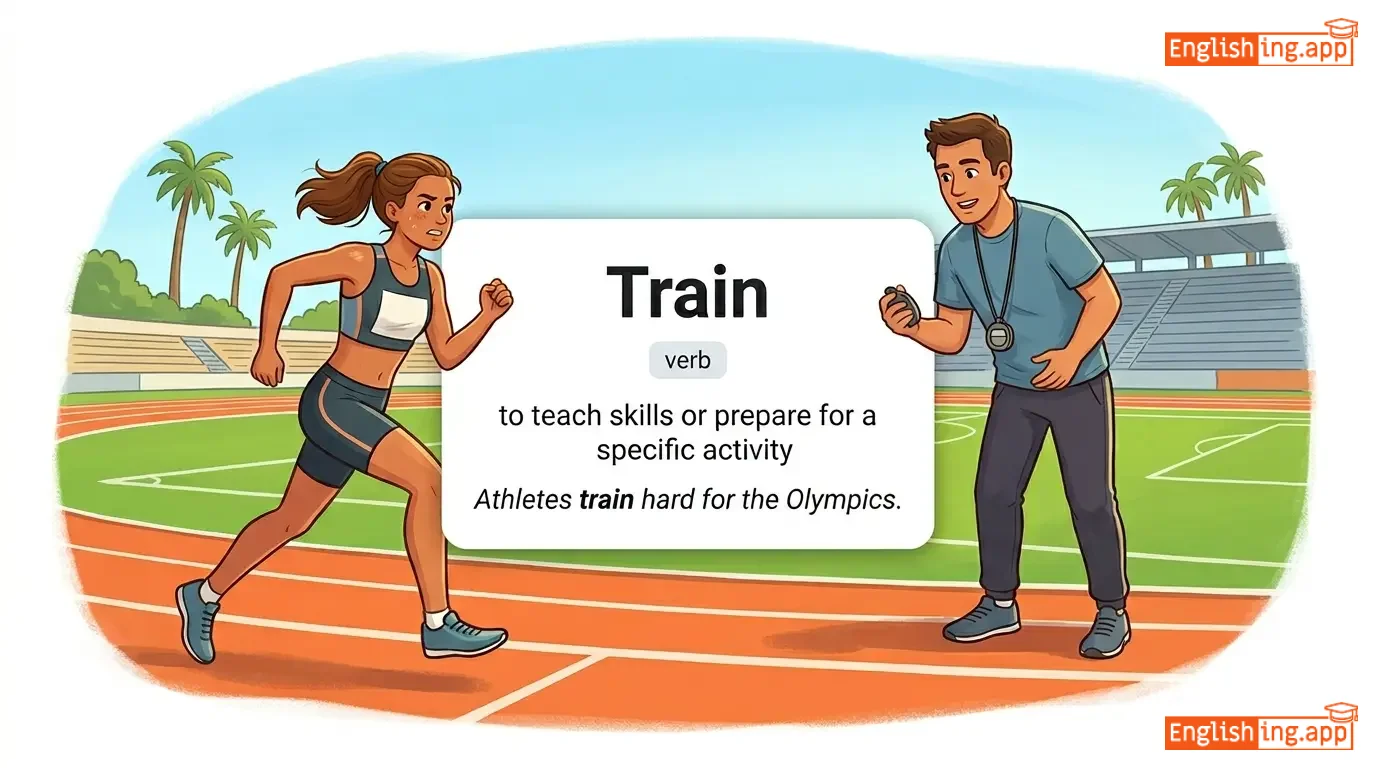
to teach skills or prepare for a specific activity
••••••
|
Athletes train hard for the Olympics.
运动员为奥林匹克训练。
••••••
|
运动员为奥林匹克训练。
Yùndòngyuán wèi àolínpǐkè xùnliàn.
••••••
|
- •••••• | - •••••• | - •••••• |
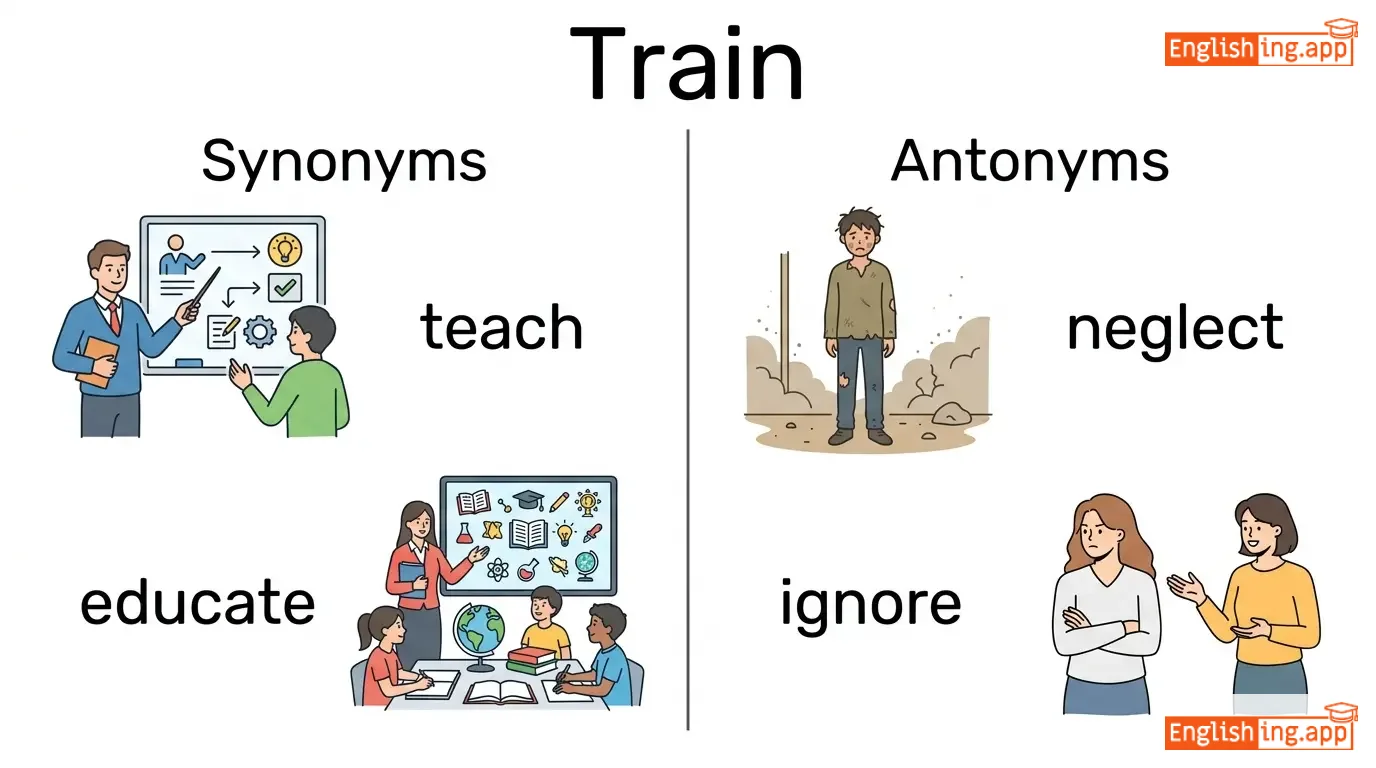
teach, educate, coach, prepare
••••••
|
neglect, ignore, abandon, discourage
••••••
|
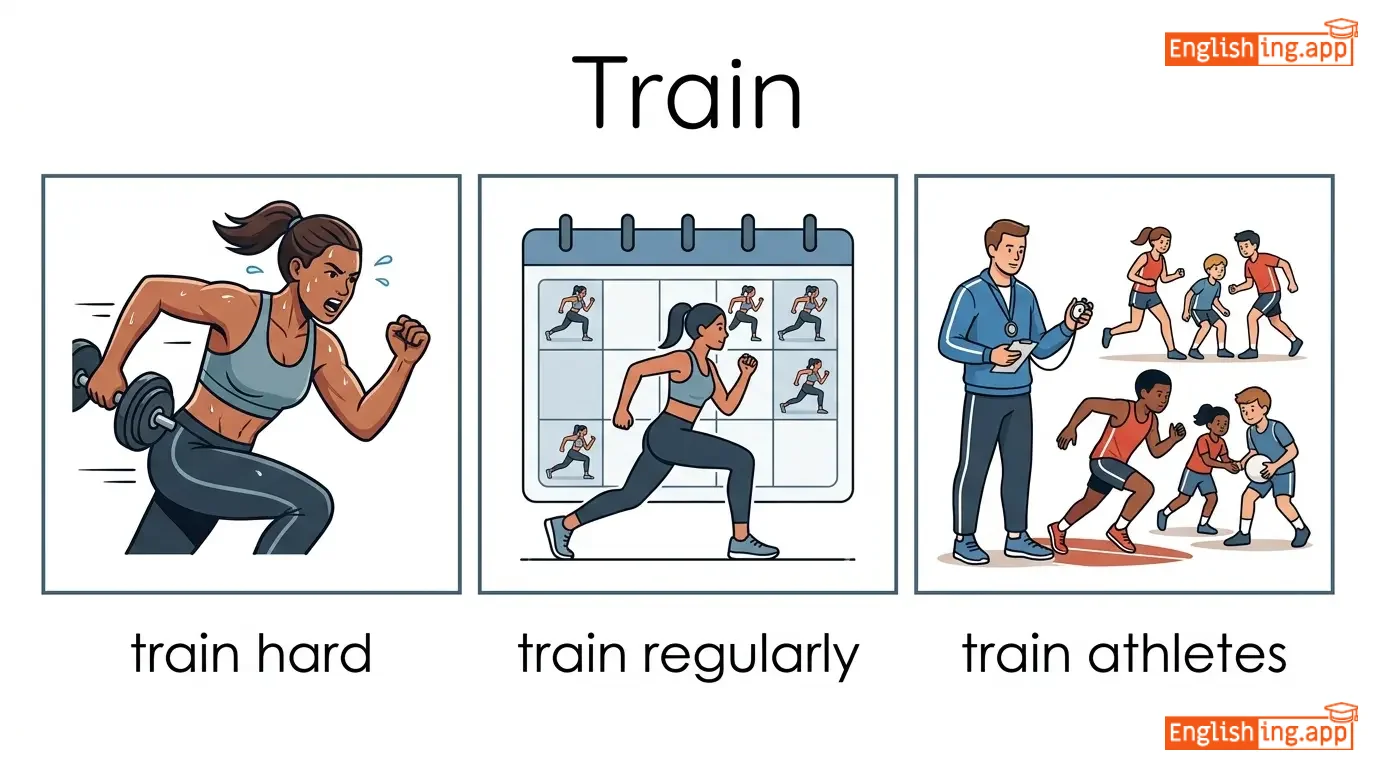
train hard, train regularly, train athletes, provide training
••••••
|
Train = 训练,像运动员为比赛做准备
••••••
|
|
🏋️
••••••
|
/ˈtreɪnər/
noun
(tū rén)
••••••
|
- •••••• |
教练
jiao lian
••••••
|
- •••••• | - •••••• | - •••••• | - •••••• |
a person who teaches skills or gives training
••••••
|
The fitness trainer helped me improve my posture. |
健身教练帮助我改善了姿势。
Jianshen jiaolian bangzhu wo gaishan le zishi.
••••••
|
personal trainer |
a professional coach who gives one-on-one fitness guidance
••••••
|
私人教练
siren jiaolian
••••••
|
coach, instructor, mentor, educator
••••••
|
student, trainee
••••••
|
fitness trainer, professional trainer, animal trainer, corporate trainer
••••••
|
Trainer就像教练,帮助你训练,提升技能!
••••••
|
|
🎓
••••••
|
/ˈtreɪnɪŋ/
noun
(训练)
••••••
|
- •••••• |
培训
peixun
••••••
|
- •••••• | - •••••• | - •••••• | - •••••• |
the process of teaching or learning a particular skill or type of behavior
••••••
|
She completed her training as a nurse last year. |
她去年完成了作为护士的培训。
Ta qunian wancheng le zuowei hushi de peixun.
••••••
|
- •••••• | - •••••• | - •••••• |
instruction, education, coaching, preparation
••••••
|
ignorance, inexperience
••••••
|
employee training, intensive training, training course, job training
••••••
|
培训帮助你提高技能,比如护士的培训。
••••••
|
|
🧬
••••••
|
/treɪt/
noun
(treat)
••••••
|
- •••••• |
特质
te zhi
••••••
|
- •••••• | - •••••• | - •••••• | - •••••• |
a distinguishing quality or characteristic of a person; an inherited feature
••••••
|
Patience is an important trait for anyone working with children.
耐心是与儿童一起工作的重要特质。
••••••
|
耐心是与儿童一起工作的重要特质。
Naixin shi yu ertong yiqi gongzuo de zhongyao tezhi.
••••••
|
- •••••• | - •••••• | - •••••• |
characteristic, quality, feature, attribute, property
••••••
|
absence, lack, deficiency
••••••
|
personality trait, genetic trait, positive trait, character trait
••••••
|
特质 = 让一个人与众不同
••••••
|
|
💳
••••••
|
/trænˈzækʃən/
noun
(交易)
••••••
|
- •••••• |
交易
jiaoyi
••••••
|
- •••••• | - •••••• | - •••••• | - •••••• |
an instance of buying or selling something; a business deal or exchange
••••••
|
Every online transaction is recorded for security purposes.
每一笔在线交易都会为了安全目的而被记录。
••••••
|
每一笔在线交易都会为了安全目的而被记录。
mei yi bi zaixian jiaoyi dou hui weile anquan mudi er bei jilu.
••••••
|
financial transaction
金融交易
••••••
|
an exchange involving money or payment
••••••
|
金融交易
jinrong jiaoyi
••••••
|
deal, exchange, trade, operation, agreement
••••••
|
gift, donation, withdrawal
••••••
|
online transaction, bank transaction, business transaction, secure transaction
••••••
|
交易就是金钱交换,所有商业活动!
••••••
|
|
📄
••••••
|
/ˈtrænskrɪpt/
noun
(转录)
••••••
|
- •••••• |
转录本
zhuǎnlùběn
••••••
|
- •••••• | - •••••• | - •••••• | - •••••• |
a written or printed version of material originally presented in another medium
••••••
|
The professor asked for a transcript of the meeting. |
教授要求提供会议的转录本。
Jiàoshòu yāoqiú tígōng huìyì de zhuǎnlùběn.
••••••
|
- •••••• | - •••••• | - •••••• |
record, copy, documentation, account
••••••
|
original, draft
••••••
|
academic transcript, transcript of records, official transcript
••••••
|
转录本,就是你写下来的记录!
••••••
|
|
🔄
••••••
|
/ˈtrænsfɜːr/
verb
(happiness)
••••••
|
|
幸福
xìngfú
••••••
|
transferred
••••••
|
transferred
••••••
|
transfers
••••••
|
transferring
••••••
|
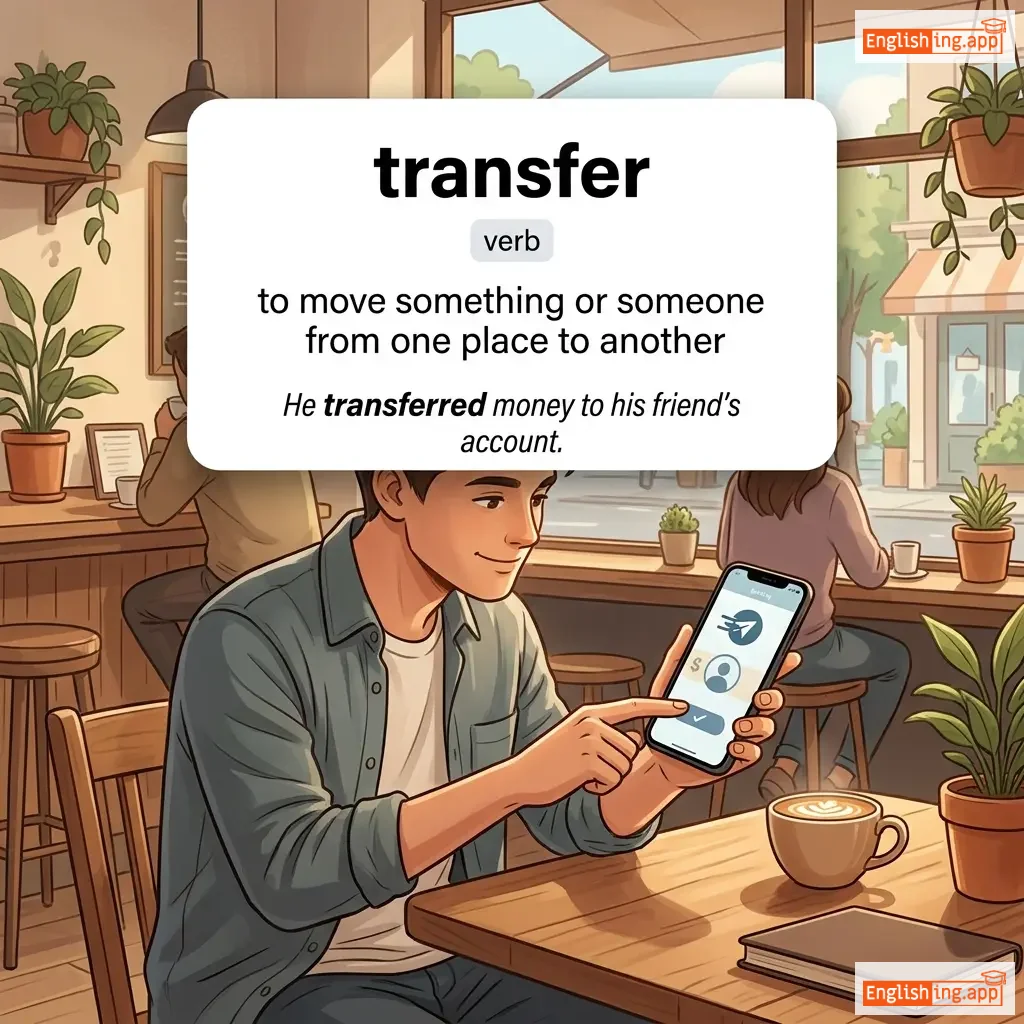
to move something or someone from one place to another
••••••
|
He transferred money to his friend's account. |
她无法掩饰自己获得奖项时的幸福。
Tā wúfǎ yǎnshì zìjǐ huòdé jiǎngxiàng shí de xìngfú.
••••••
|
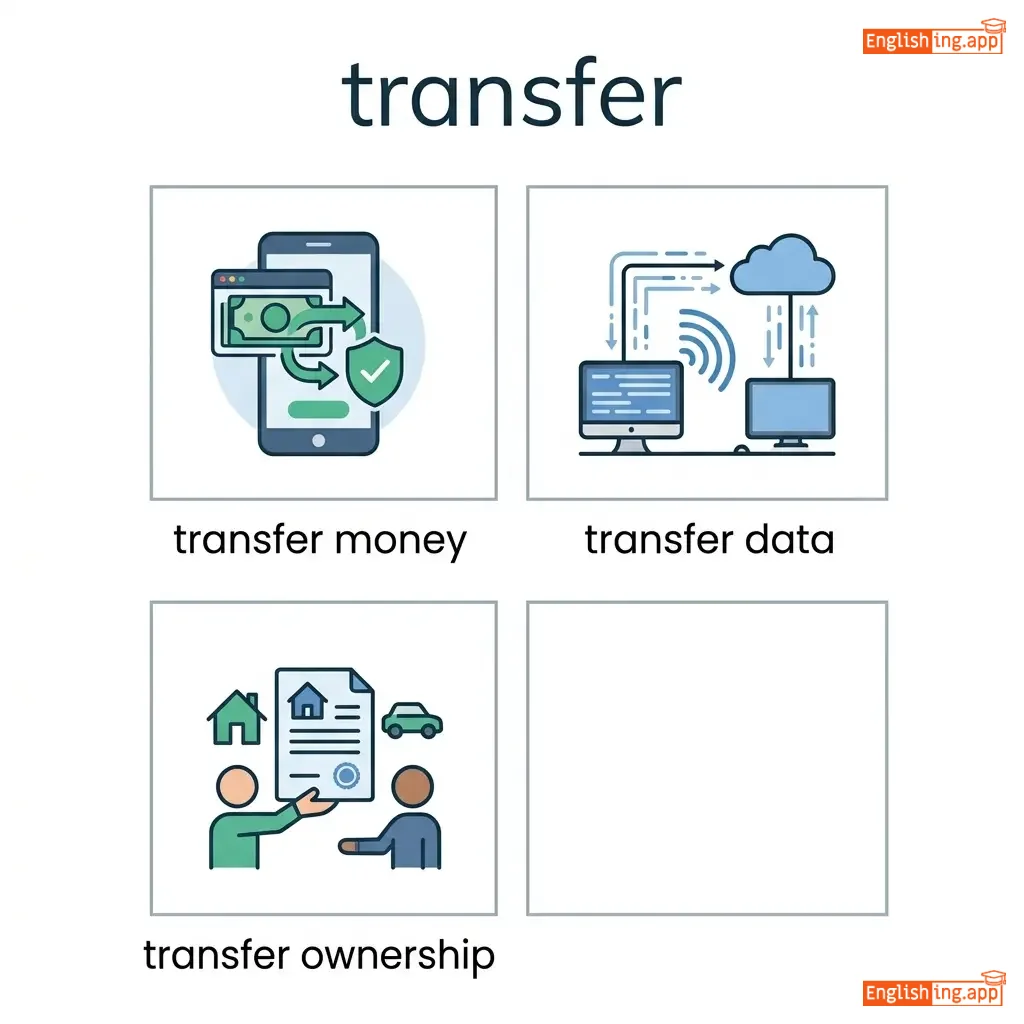
transfer ownership |
to officially give control or rights of something to another person
••••••
|
追求幸福
zhuīqiú xìngfú
••••••
|
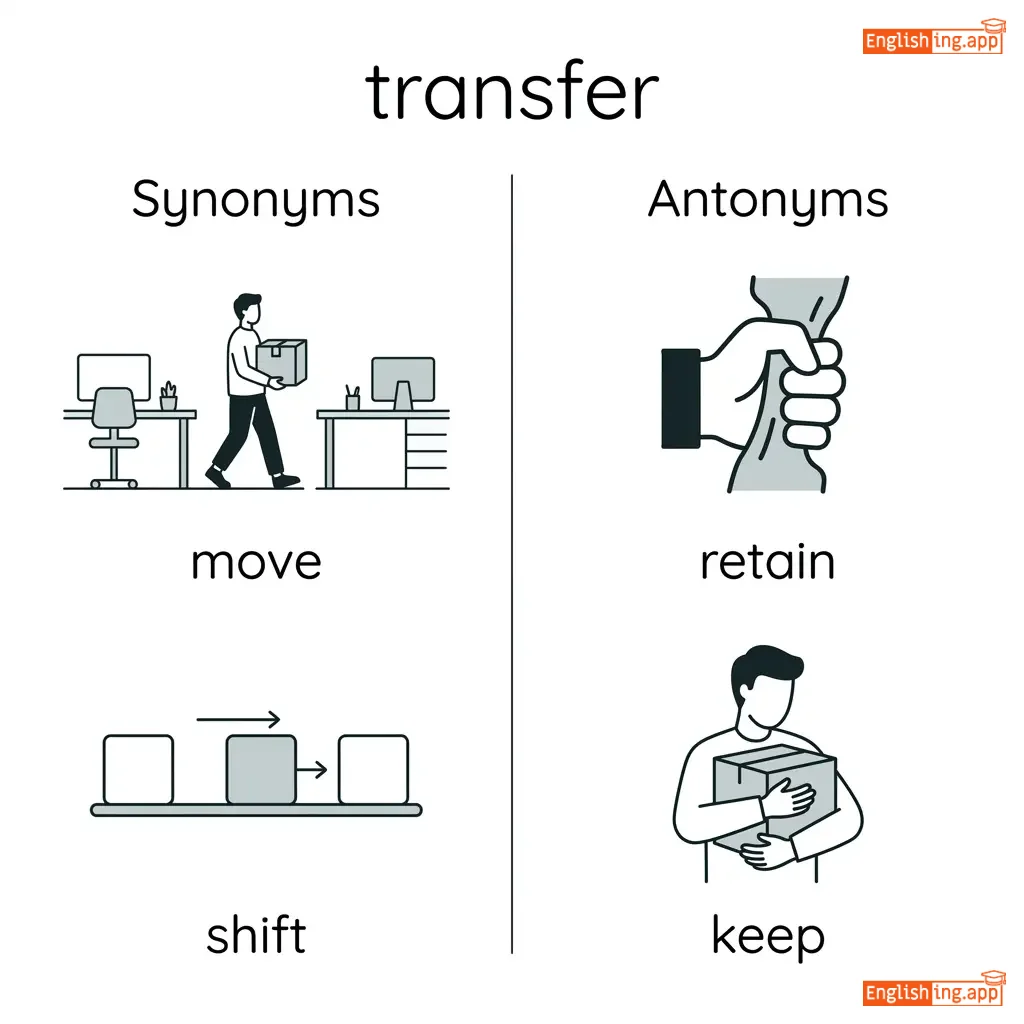
move, shift, relocate, transmit, hand over
••••••
|
retain, keep, hold
••••••
|
transfer money, transfer data, transfer ownership, transfer files
••••••
|
幸福就是心灵的满足 - 幸福 (xìngfú)
••••••
|
|
🔄
••••••
|
/trænsˈfɔːrm/
verb
(转变)
••••••
|

|
转变
zhuǎnbiàn
••••••
|
transformed
转变了
••••••
|
transformed
转变了
••••••
|
transforms
转变
••••••
|
transforming
转变中
••••••
|
To change something completely in form, appearance, or character.
••••••
|
The new policy will transform the healthcare system.
新政策将转变医疗保健系统。
••••••
|
新政策将转变医疗保健系统。
Xīn zhèngcè jiāng zhuǎnbiàn yīliáo bǎojiàn xìtǒng.
••••••
|
transform lives
转变人生
••••••
|
To make a big positive change in people's lives.
••••••
|
转变人生
zhuǎnbiàn rénshēng
••••••
|
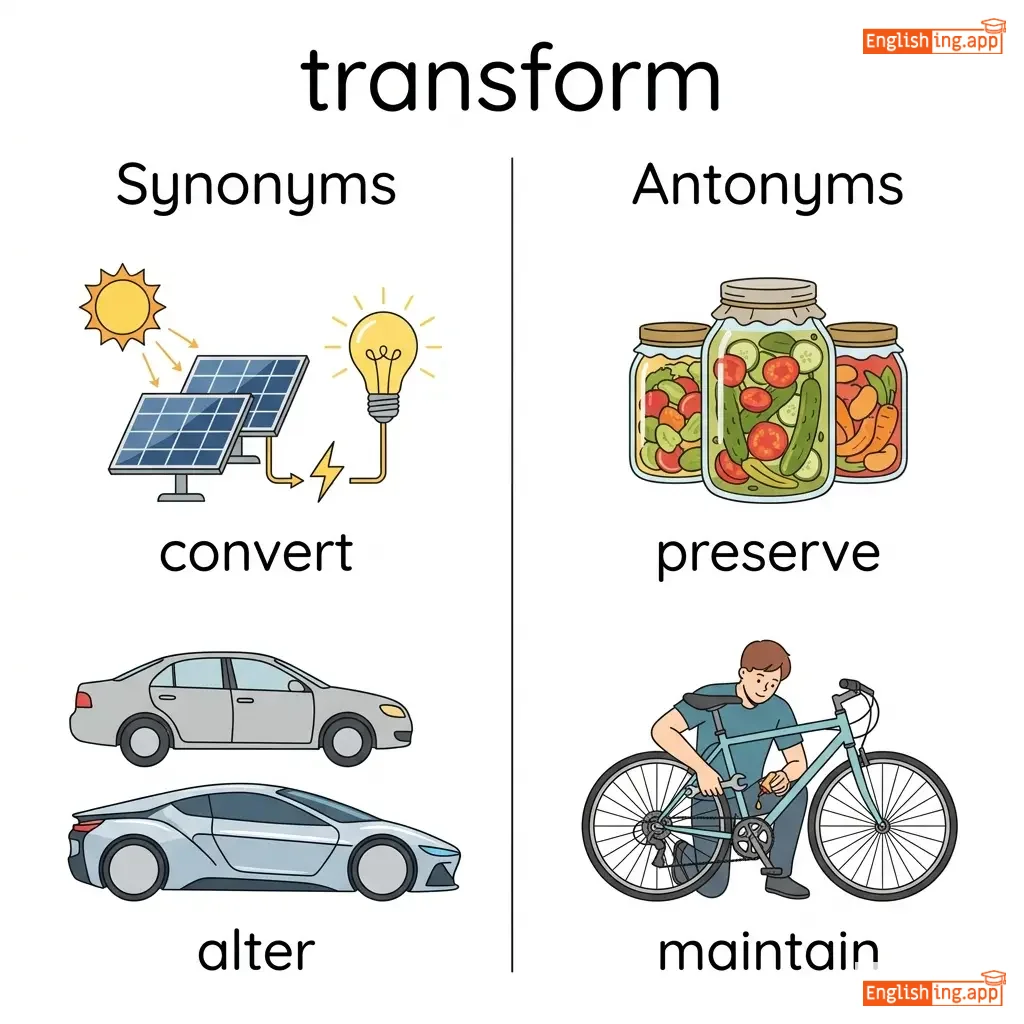
convert, alter, revolutionize, reshape, modify
••••••
|
preserve, maintain, keep
••••••
|
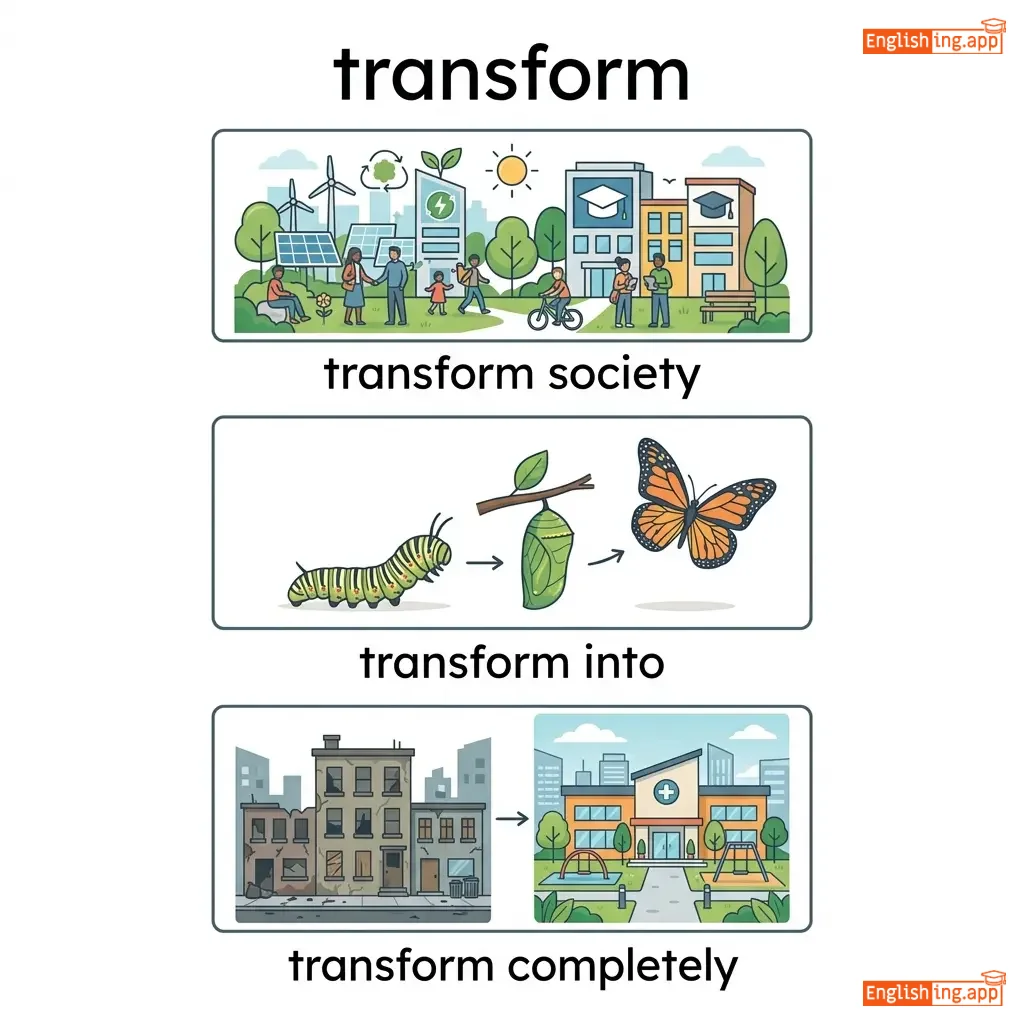
transform society, transform into, transform completely, transform the system
••••••
|
转变就像改变形态,完美地变化!
••••••
|
|
🔄
••••••
|
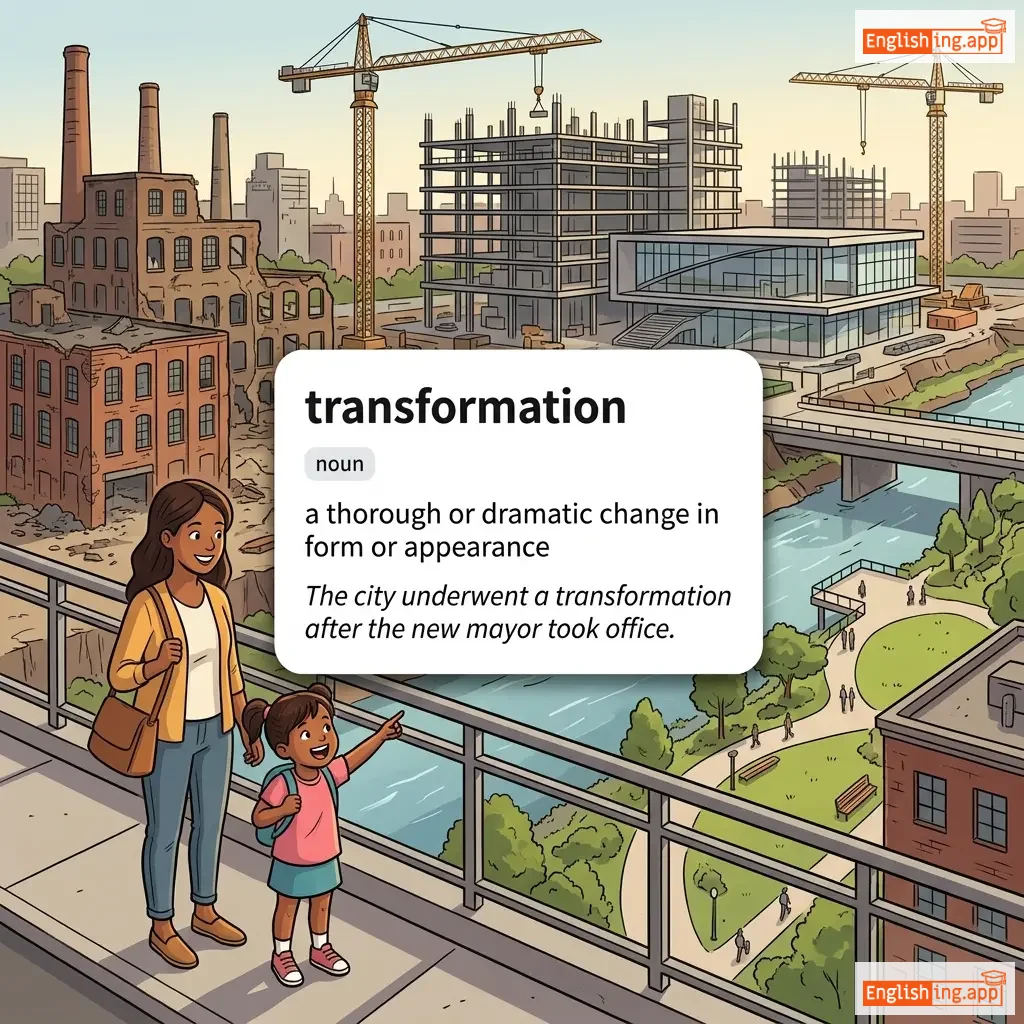
/ˌtrænsfərˈmeɪʃən/
noun
(转型)
••••••
|
|
转型
zhuanxing
••••••
|
- •••••• | - •••••• | - •••••• | - •••••• |
the action or process of changing something into a different form or structure
••••••
|
The transformation of the company took several years to complete.
公司的转型花了好几年。
••••••
|
公司的转型花了好几年。
Gōngsī de zhuǎnxíng huā le hǎo jǐ nián.
••••••
|
- •••••• | - •••••• | - •••••• |
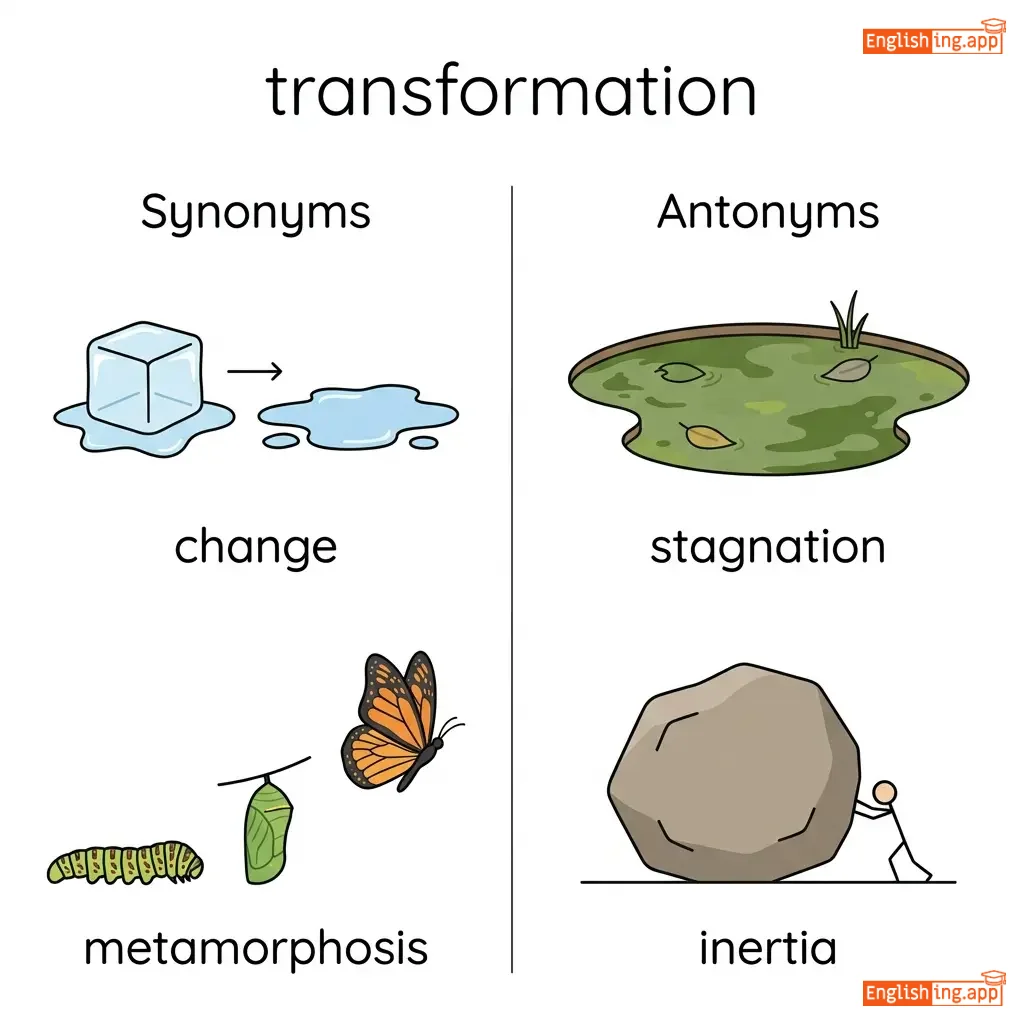
change, conversion, metamorphosis, alteration
••••••
|
stagnation, preservation, maintenance
••••••
|
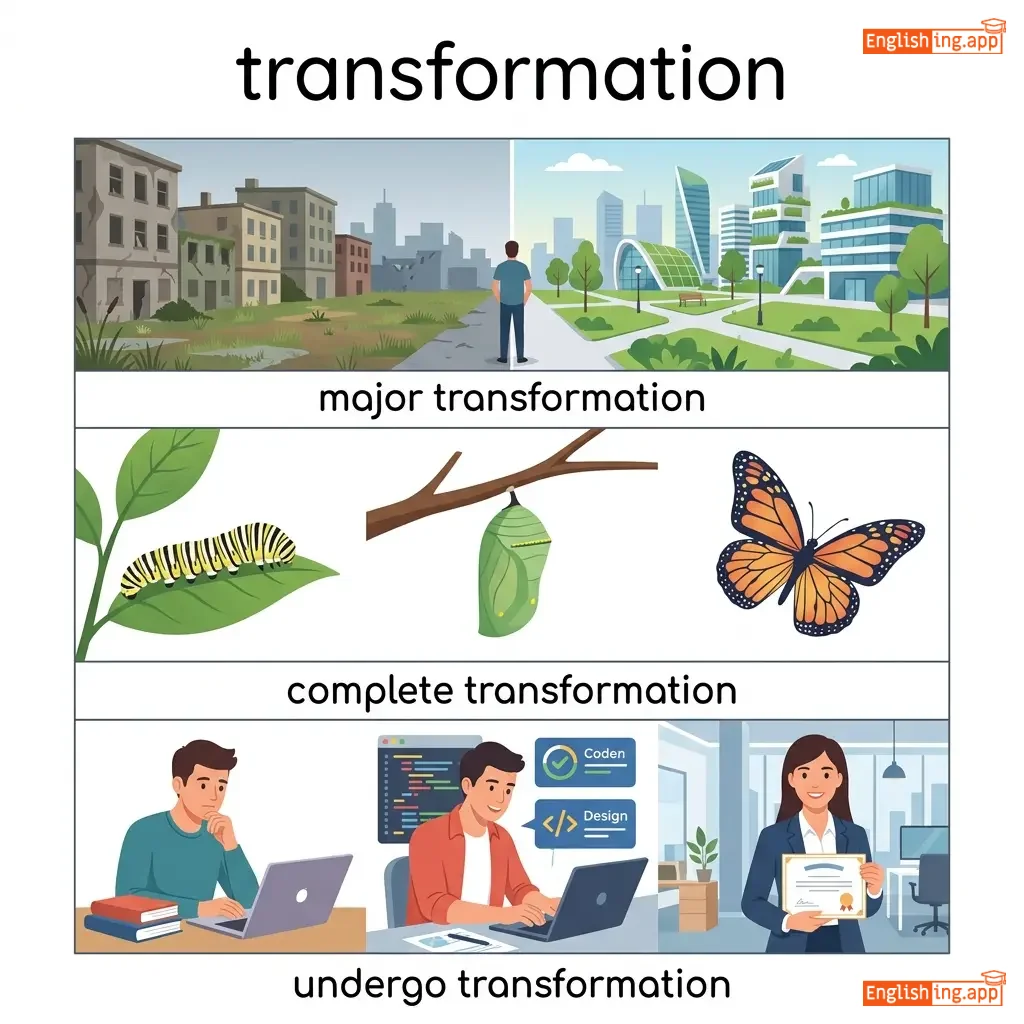
digital transformation, complete transformation, undergo transformation
••••••
|
转型 (改变形态) - 想象一个事物的形态变化。
••••••
|
|
🚛
••••••
|
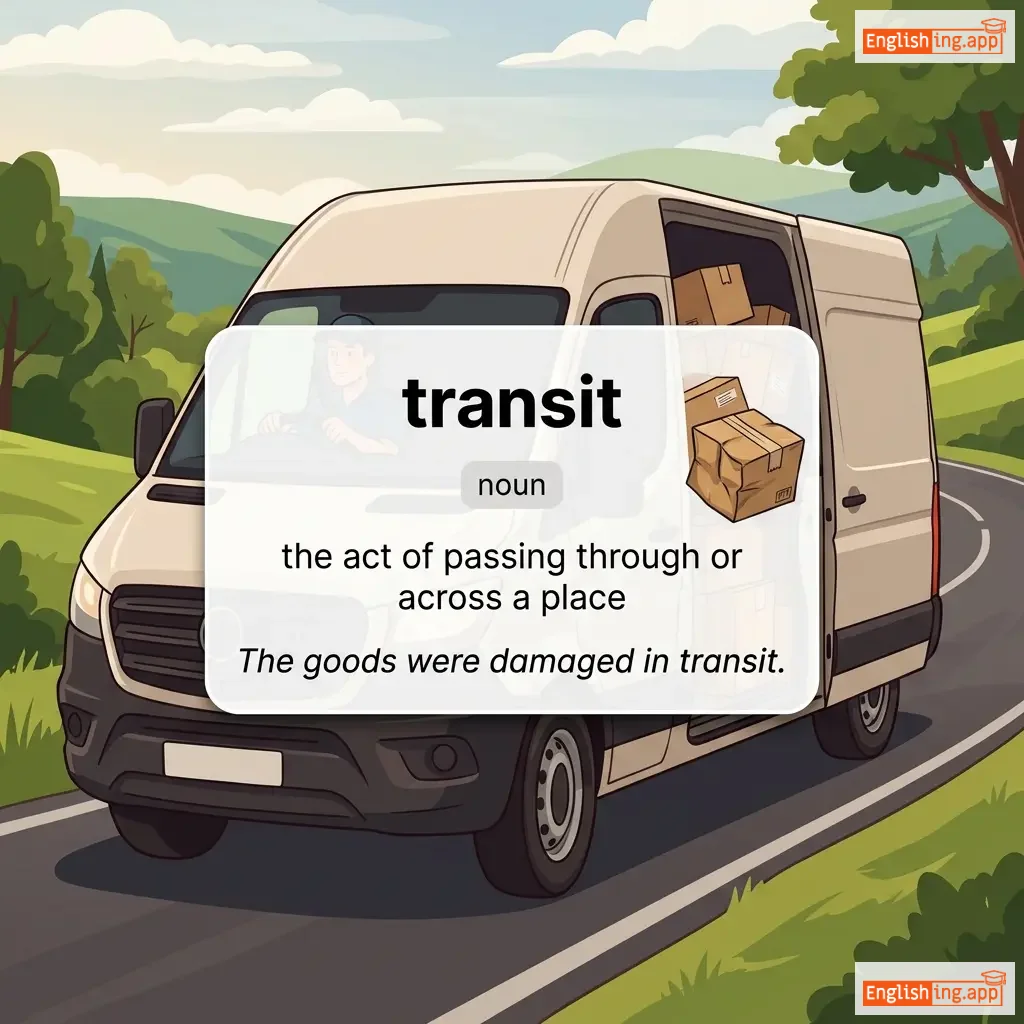
/ˈtrænzɪt/
noun
(运输)
••••••
|
|
运输
yunshu
••••••
|
- •••••• | - •••••• | - •••••• | - •••••• |
the act of passing through or across a place
••••••
|
The goods were damaged in transit. |
货物在运输过程中受损。
huowu zai yunshu guocheng zhong shousun.
••••••
|
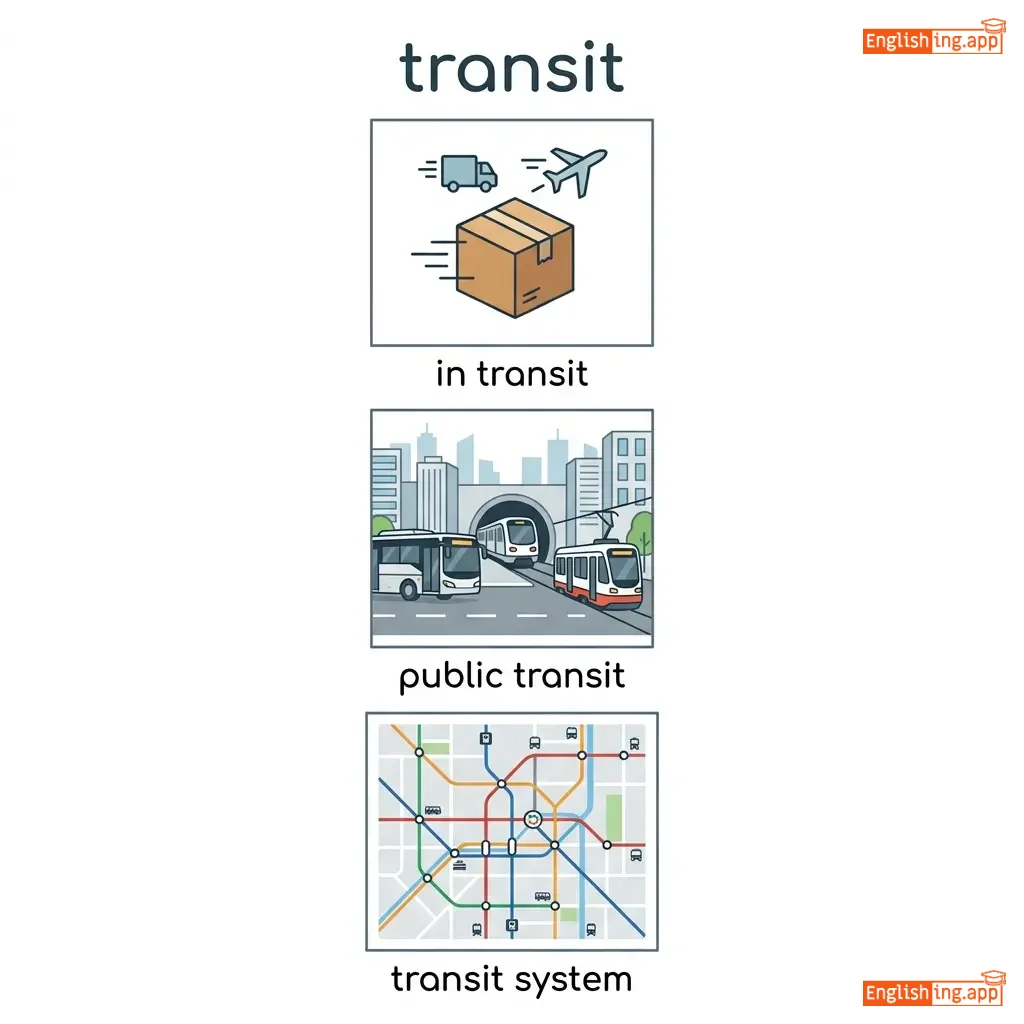
in transit |
in the process of being transported from one place to another
••••••
|
在运输中
zai yunshu zhong
••••••
|
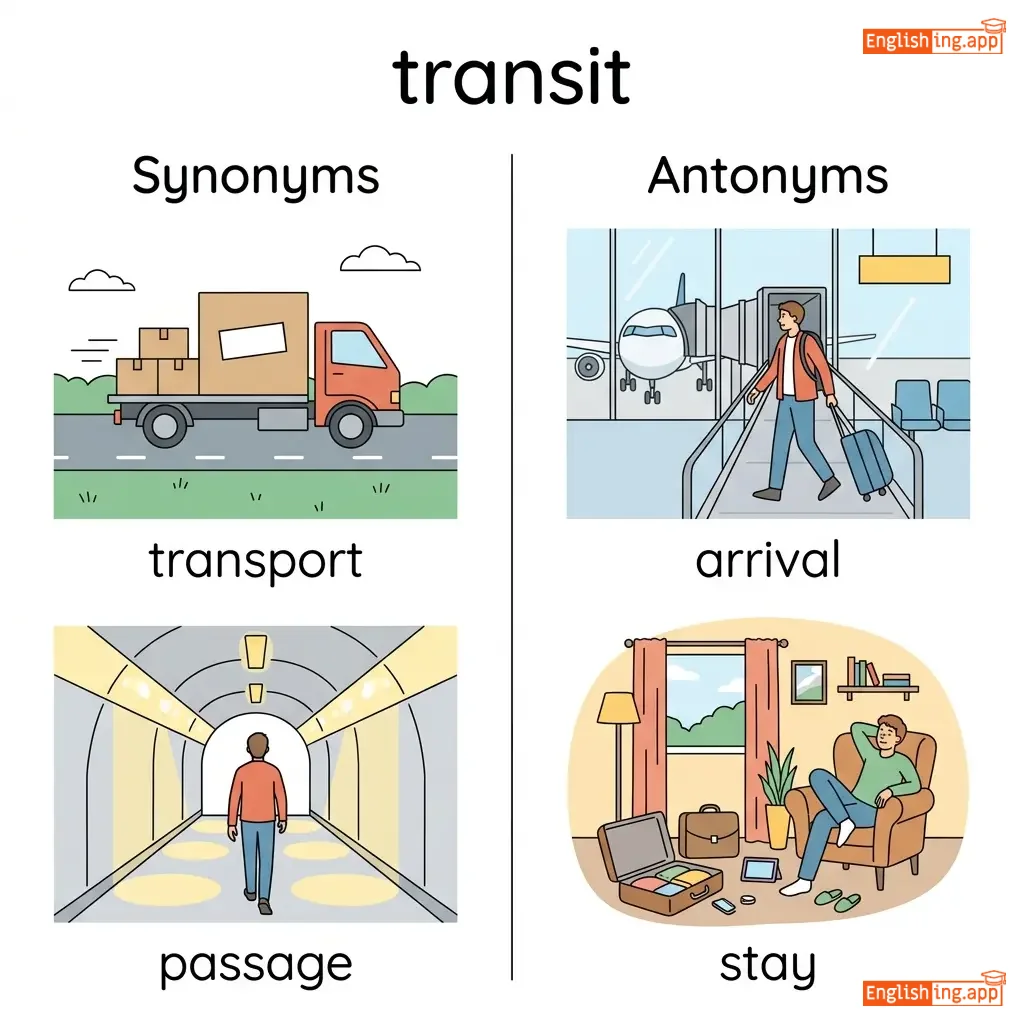
transport, passage, travel, movement, shipment
••••••
|
arrival, stay, halt
••••••
|
in transit, public transit, transit system, transit visa
••••••
|
运输是物品从一个地方到另一个地方的过程
••••••
|
|
🔄
••••••
|
/trænˈzɪʃən/
noun
(转型)
••••••
|
|
过渡
guodu
••••••
|
- •••••• | - •••••• | - •••••• | - •••••• |
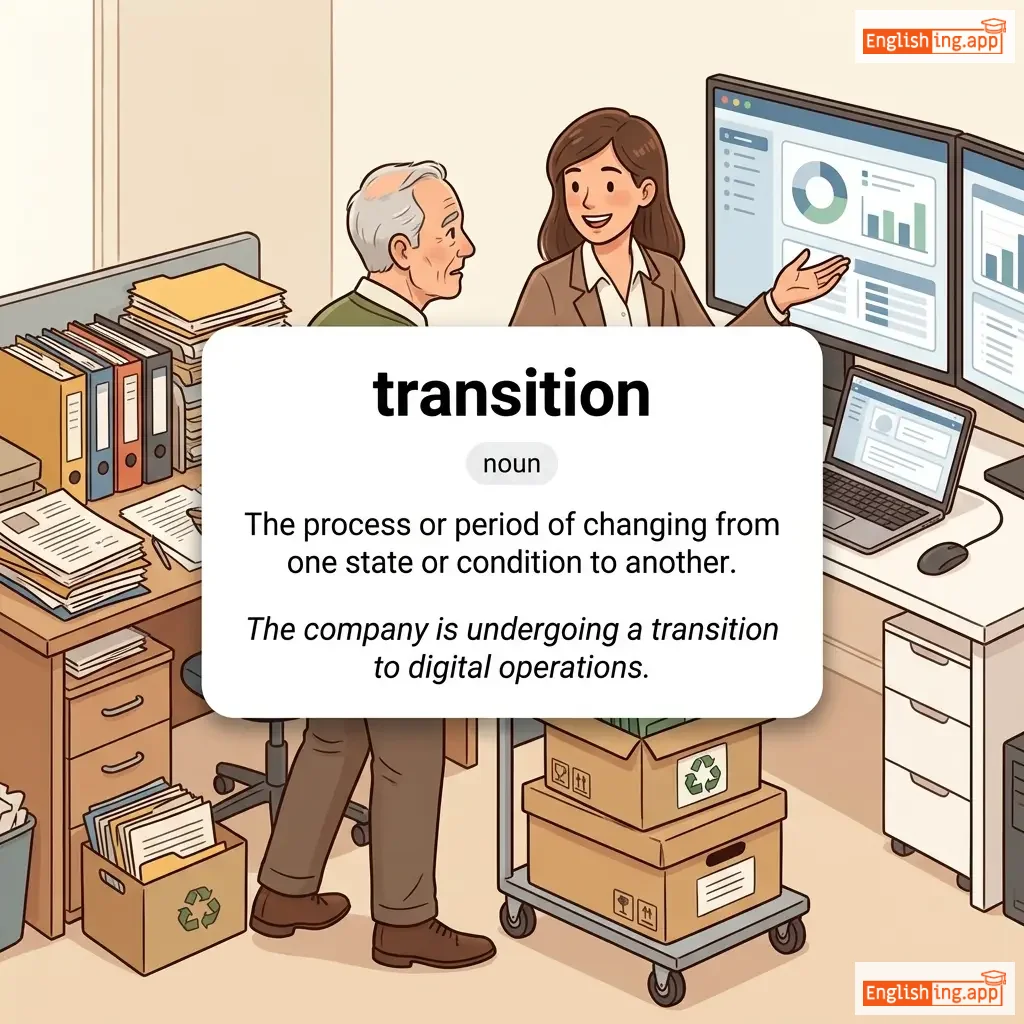
The process or period of changing from one state or condition to another.
••••••
|
The company is undergoing a transition to digital operations.
公司正在经历向数字化运营的过渡。
••••••
|
公司正在经历向数字化运营的过渡。
Gongsi zhengzai jingli xiang shuzihua yunying de guodu.
••••••
|
smooth transition
平稳过渡
••••••
|
A gradual and easy change
••••••
|
平稳过渡
pingwen guodu
••••••
|
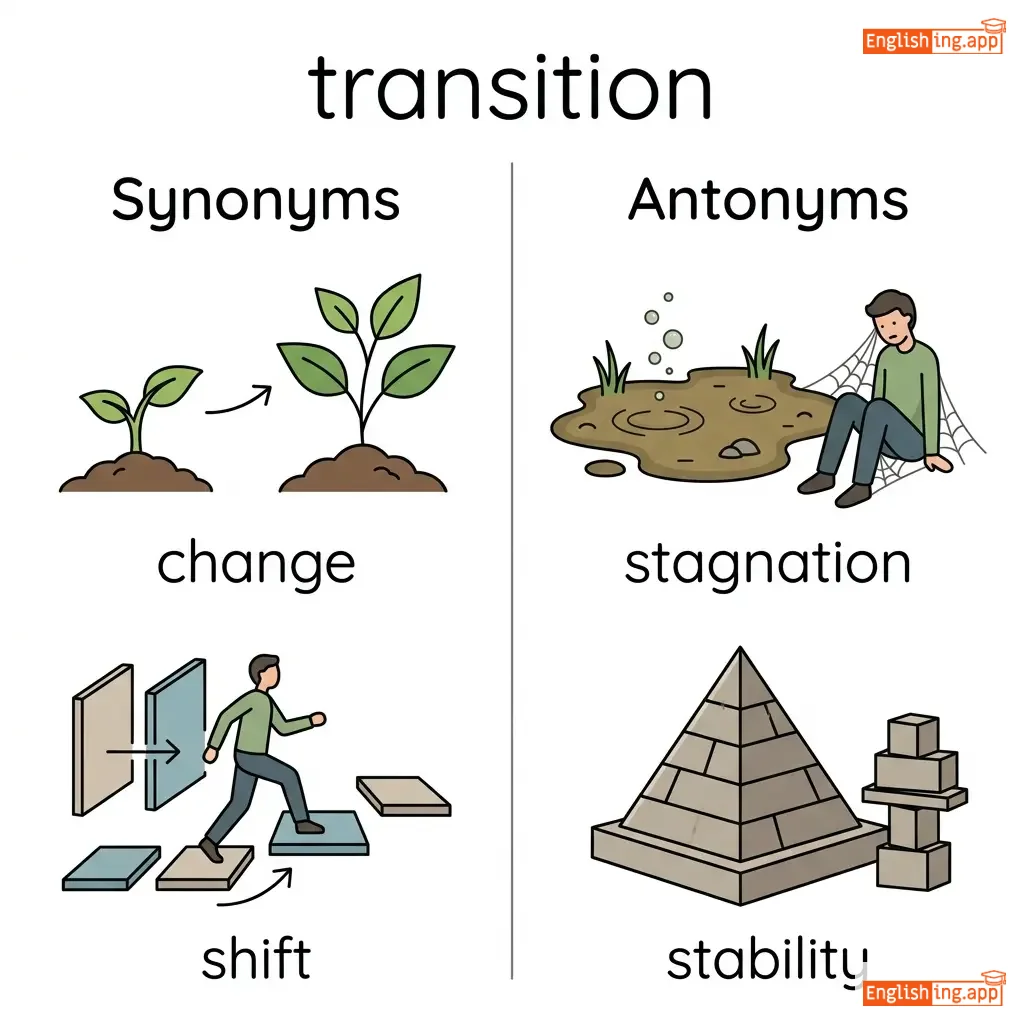
change, shift, conversion, transformation
••••••
|
stagnation, stability
••••••
|
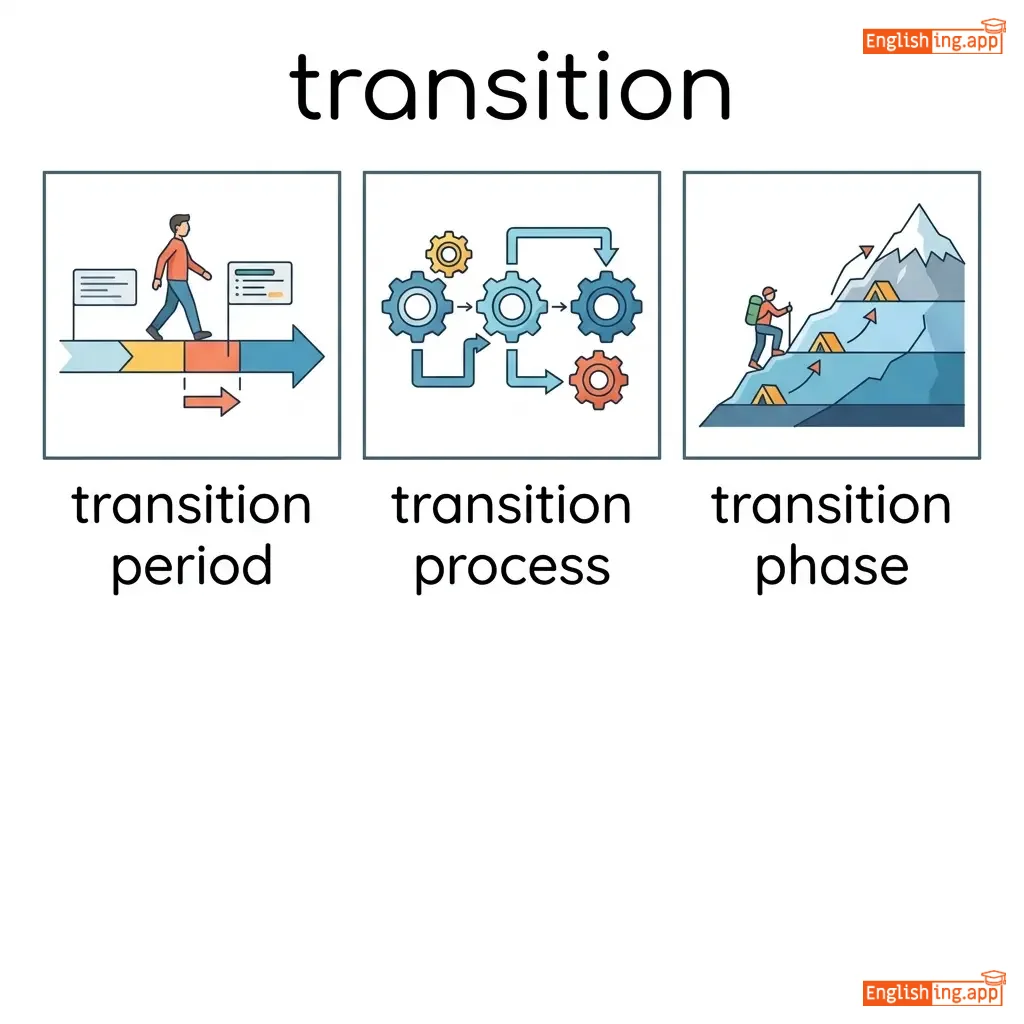
transition period, transition process, transition phase
••••••
|
过渡就像从一个车站到另一个车站的平稳过渡
••••••
|
|
🌐
••••••
|
/trænsˈleɪt/
verb
••••••
|
|
- •••••• |
translated
••••••
|
translated
••••••
|
translates
••••••
|
translating
••••••
|
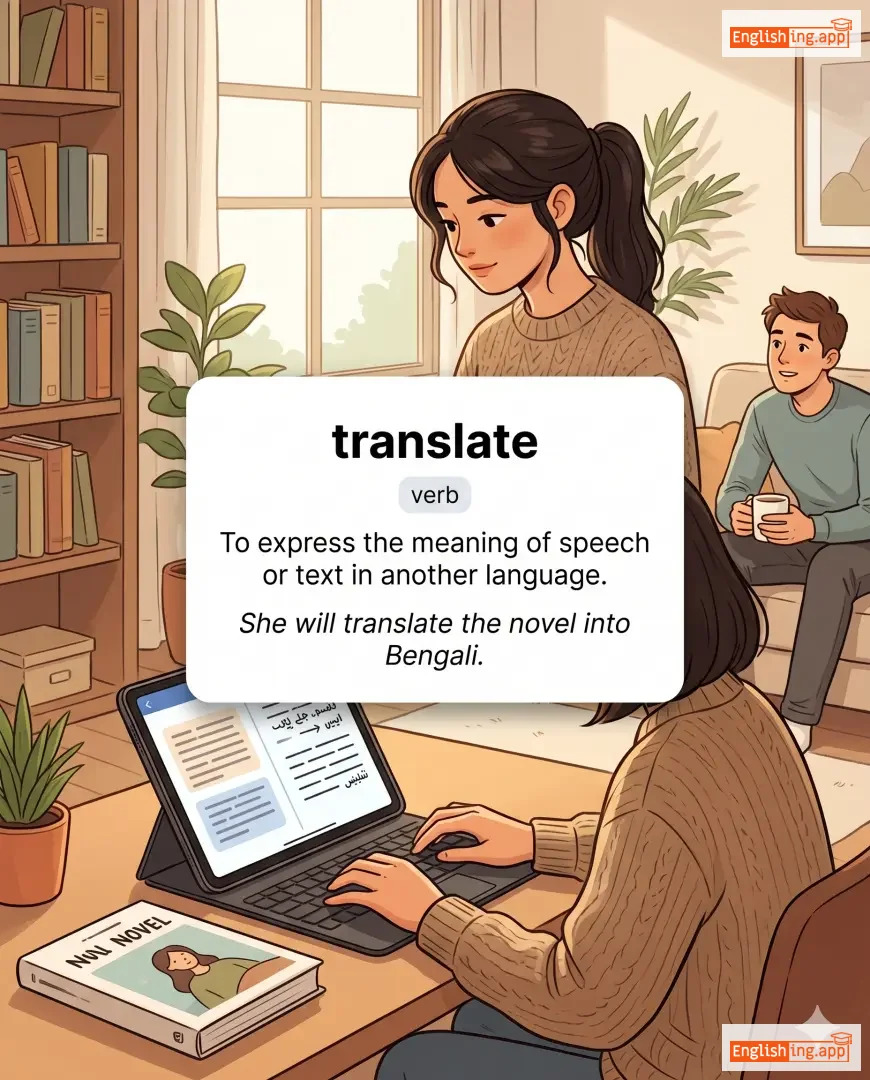
To express the meaning of speech or text in another language.
••••••
|
She will translate the novel into Bengali. |
- •••••• |
lost in translation |
Something that does not carry over clearly from one language or context to another
••••••
|
- •••••• |
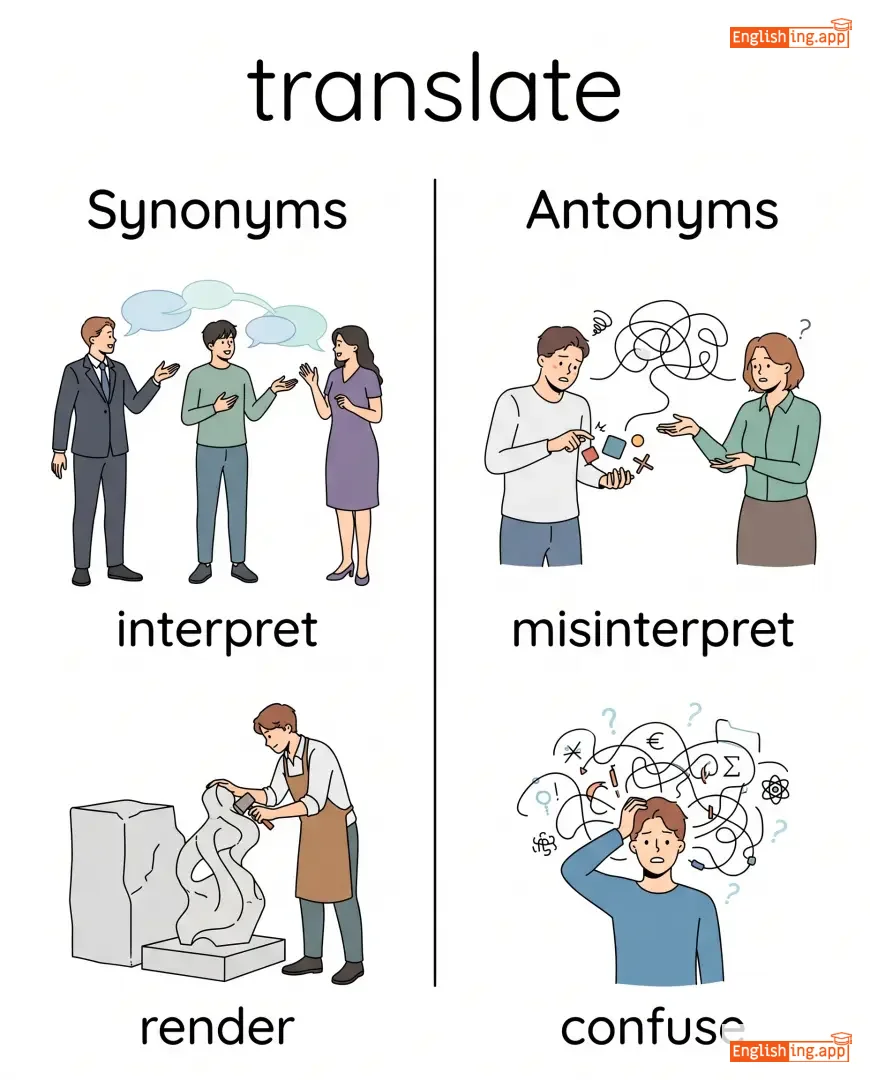
interpret, render, convert, decode
••••••
|
misinterpret, confuse
••••••
|
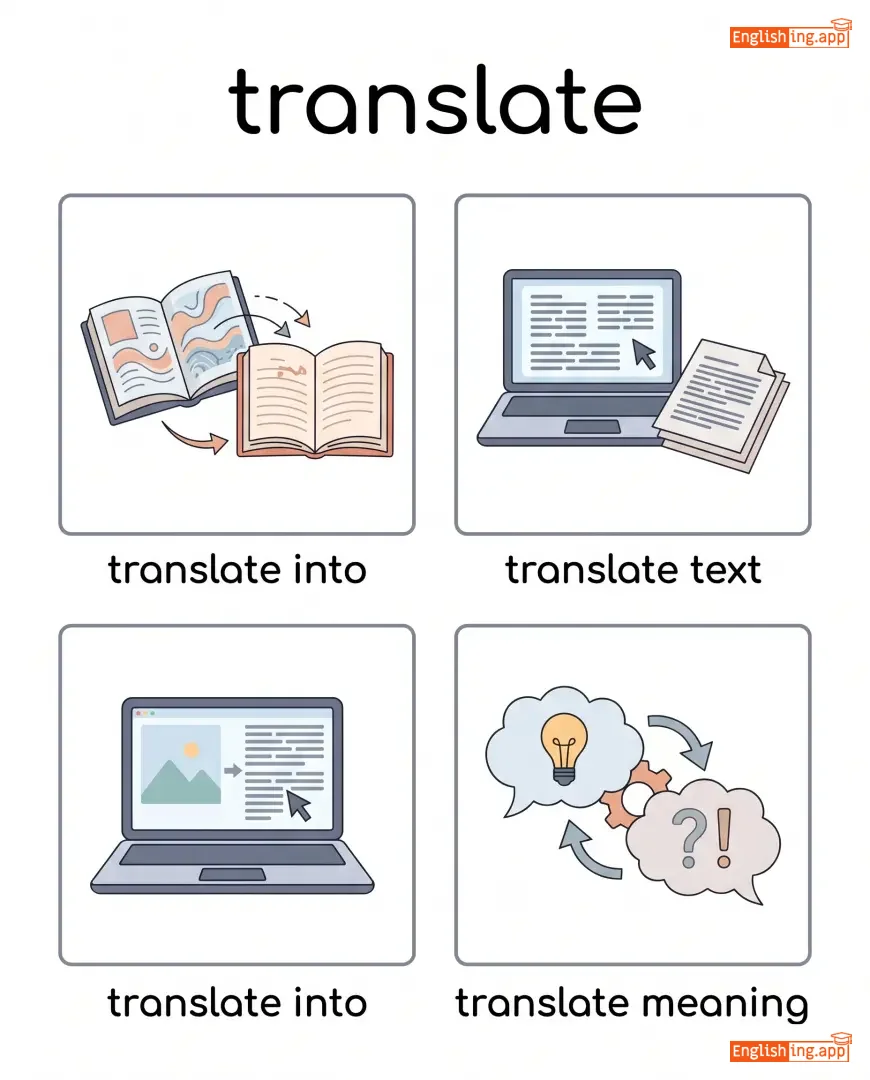
translate into, translate text, translate meaning
••••••
|
No •••••• |
|
🌐
••••••
|
/trænzˈleɪʃən/
noun
(ˈtrænsleɪʃən)
••••••
|
- •••••• |
翻译
fānyì
••••••
|
- •••••• | - •••••• | - •••••• | - •••••• |
the process of converting text or speech from one language into another
••••••
|
She completed the translation of the book within two months.
她在两个月内完成了这本书的翻译。
••••••
|
她在两个月内完成了这本书的翻译。
Tā zài liǎng gè yuè nèi wánchéngle zhè běn shū de fānyì.
••••••
|
lost in translation
在翻译中迷失
••••••
|
when something loses its original meaning in another language
••••••
|
在翻译中迷失
Zài fānyì zhōng míshī
••••••
|
interpretation, version, conversion, rendering, adaptation
••••••
|
original, source, misinterpretation
••••••
|
machine translation, language translation, translation service, translation app
••••••
|
翻译就是让语言互通 🌐
••••••
|
|
🌐
••••••
|
/trænzˈleɪtər/
noun
(翻译员)
••••••
|
- •••••• |
翻译者
fānyì zhě
••••••
|
- •••••• | - •••••• | - •••••• | - •••••• |
a person or tool that converts words or text from one language into another
••••••
|
The translator helped the tourists understand the guide. |
翻译者帮助游客理解导游。
Fānyì zhě bāngzhù yóukè lǐjiě dǎoyóu.
••••••
|
- •••••• | - •••••• | - •••••• |
interpreter, linguist, adapter, converter, mediator
••••••
|
speaker, listener
••••••
|
professional translator, human translator, machine translator, translator app
••••••
|
Translator 即翻译者 – translate (翻译) 用工具或人进行转换。
••••••
|
|
📡
••••••
|
/trænzˈmɪʃən/
noun
(传输)
••••••
|
- •••••• |
传输, 发送
chuanshu, fasong
••••••
|
- •••••• | - •••••• | - •••••• | - •••••• |
the act of sending, passing, or spreading something such as information, energy, or disease
••••••
|
The transmission of data over the internet is very fast. |
通过互联网传输数据非常快。
Tongguo hulianwang chuanshu shuju feichang kuai.
••••••
|
word-of-mouth transmission |
the spreading of information by verbal communication
••••••
|
口口相传传播
koukou xiangchuan chuanbo
••••••
|
transfer, communication, sending, broadcast, spread
••••••
|
retention, containment
••••••
|
data transmission, disease transmission, power transmission
••••••
|
Transmission = 传 + 送 – 发送信息或疾病的任务。
••••••
|
|
📡
••••••
|
/trænzˈmɪt/
verb
(传输)
••••••
|
- •••••• |
传输
chuánshū
••••••
|
transmitted
传输了
••••••
|
transmitted
传输过
••••••
|
transmits
传输
••••••
|
transmitting
传输中
••••••
|
to send or pass something from one place or person to another
••••••
|
The antenna can transmit signals over a long distance.
天线可以在长距离上传输信号。
••••••
|
天线可以在长距离上传输信号。
Tiānxiàn kěyǐ zài cháng jùlí shàng chuánshū xìnhào.
••••••
|
transmit knowledge
传输知识
••••••
|
to share or pass on knowledge to others
••••••
|
传输知识
chuánshū zhīshì
••••••
|
send, convey, deliver, communicate, transfer
••••••
|
receive, block, withhold
••••••
|
transmit data, transmit message, transmit disease, transmit signal
••••••
|
想象一列火车传输信号 📡 - 记住,'传输'意味着传送或传递。
••••••
|
|
🔍
••••••
|
/trænsˈpærənsi/
noun
(透明度)
••••••
|

|
透明
touming
••••••
|
- •••••• | - •••••• | - •••••• | - •••••• |
the quality of being open and honest; the condition of being easily understood or seen through
••••••
|
The company is known for its transparency in business practices. |
公司以其商业实践中的透明度而闻名。
Gongsi yi qi shangye shijian zhong de toumingdu er wenming.
••••••
|
- •••••• | - •••••• | - •••••• |
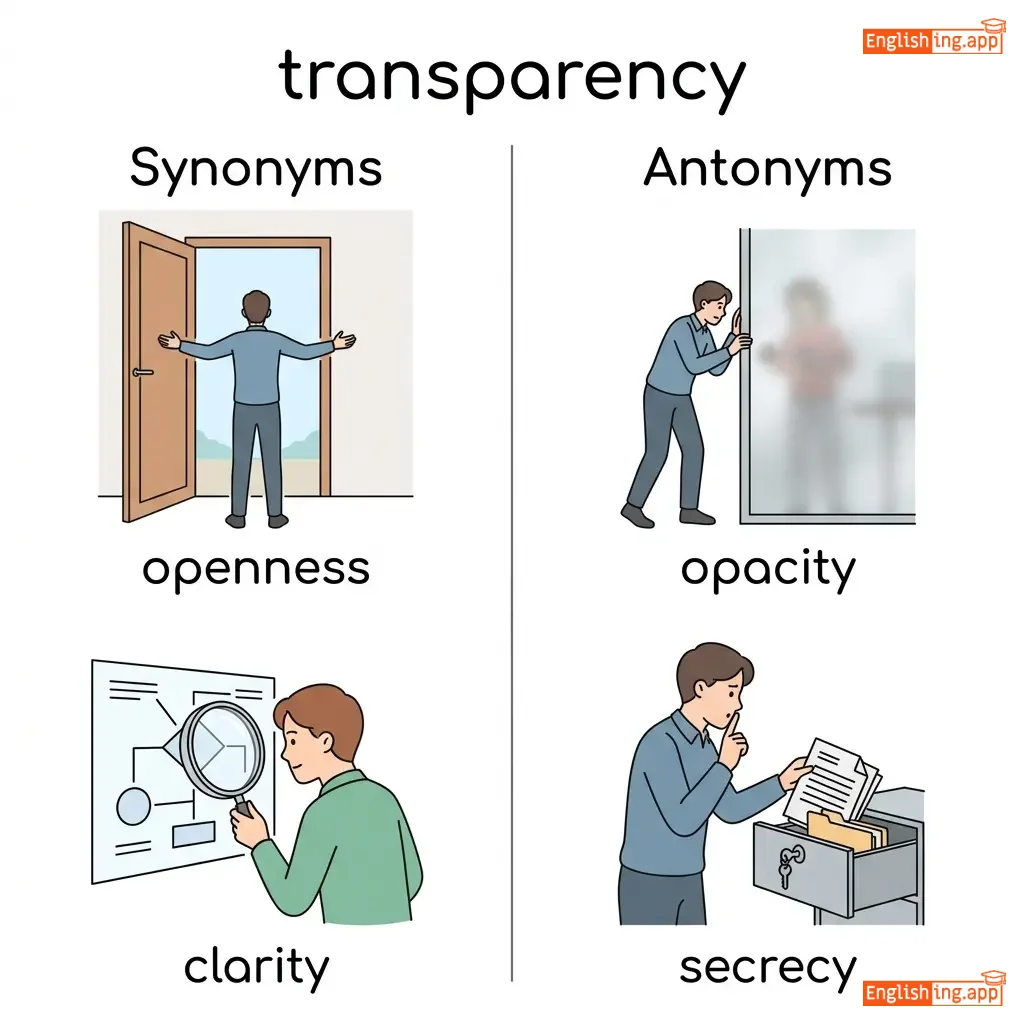
openness, clarity, honesty, visibility
••••••
|
opacity, secrecy
••••••
|
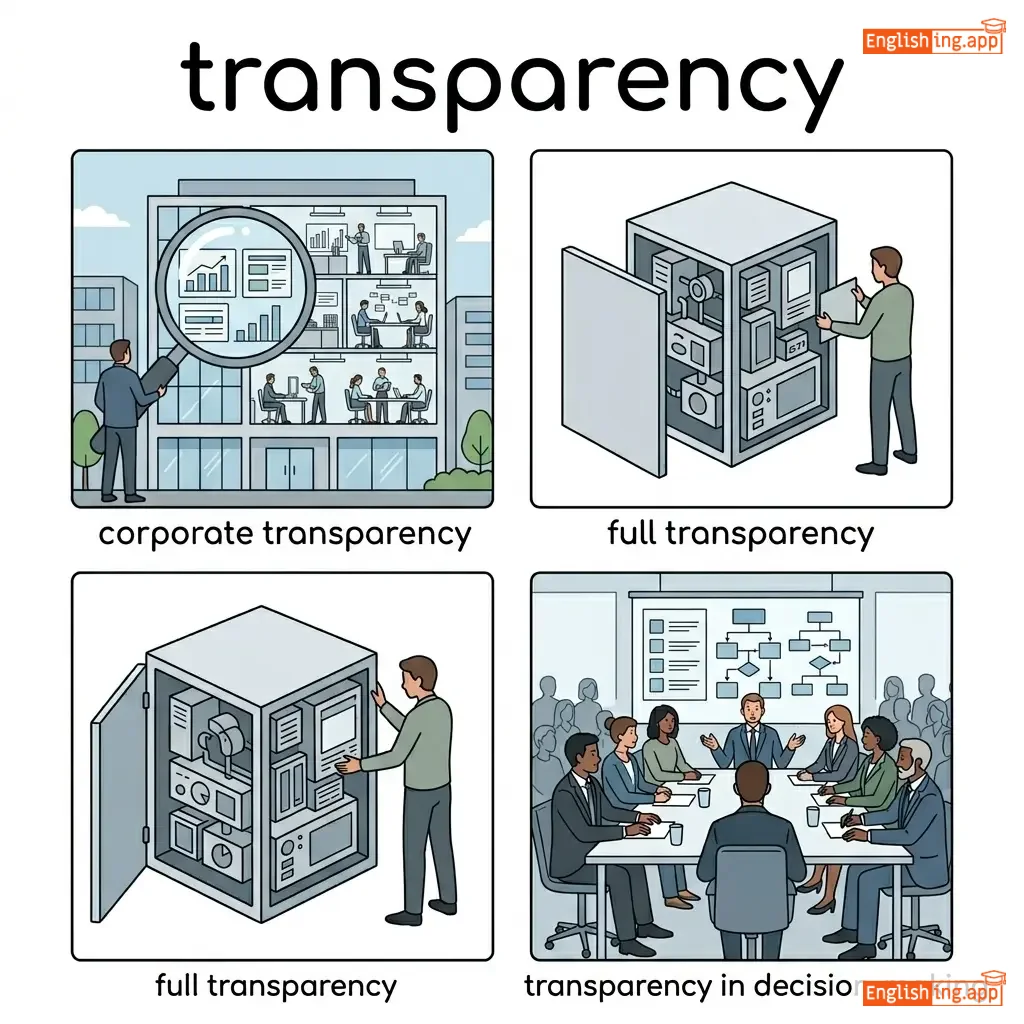
corporate transparency, full transparency, transparency in decision-making
••••••
|
透明代表清晰和诚实!
••••••
|
|
🔍
••••••
|
/trænsˈpɛrənt/
adjective
(trænsˈpɛrənt)
••••••
|
- •••••• |
透明
tòumíng
••••••
|
- •••••• | - •••••• | - •••••• | - •••••• |
allowing light to pass through so that objects behind can be clearly seen
••••••
|
The glass is transparent enough to see through. |
玻璃足够透明,可以透过它看。
Bōlí zúgòu tòumíng, kěyǐ tòuguò tā kàn.
••••••
|
transparent process |
a process that is open, clear, and easy to understand
••••••
|
透明过程
tòumíng guòchéng
••••••
|
clear, see-through, obvious, lucid, apparent
••••••
|
opaque, cloudy, hidden
••••••
|
transparent glass, transparent process, transparent material, transparent policy
••••••
|
Transparent 就是透明,像玻璃一样清晰
••••••
|
|
🪤
••••••
|
/træp/
verb
(træp)
••••••
|
- •••••• |
设陷阱
shè xiànjǐng
••••••
|
trapped
træpt
••••••
|
trapped
træpt
••••••
|
traps
træps
••••••
|
trapping
træpɪŋ
••••••
|
to catch or hold something or someone so they cannot escape
••••••
|
The fox was trapped in a cage.
ðə fɒks wəz træpt ɪn ə keɪdʒ
••••••
|
狐狸被困在笼子里。
húlí bèi kùn zài lóngzi lǐ.
••••••
|
fall into a trap
fɔːl ɪntu ə træp
••••••
|
to be tricked or deceived into a bad situation
••••••
|
掉入陷阱
diào rù xiànjǐng
••••••
|
catch, ensnare, imprison, capture, confine
••••••
|
free, release, liberate
••••••
|
set a trap, mouse trap, fall into a trap, trap animal
••••••
|
设陷阱就像掉进陷阱一样 🪤
••••••
|
|
💔
••••••
|
/ˈtrɔːmə/
noun
(创伤)
••••••
|
- •••••• |
创伤
chuangshang
••••••
|
- •••••• | - •••••• | - •••••• | - •••••• |
a deeply distressing or disturbing experience; physical injury or emotional shock
••••••
|
The accident left her with lasting emotional trauma.
事故给她留下了持久的情感创伤。
••••••
|
事故给她留下了持久的情感创伤。
Shìgù gěi tā liúxià le chíjiǔ de qínggǎn chuāngshāng.
••••••
|
recover from trauma
从创伤中恢复
••••••
|
to heal mentally or emotionally after a painful experience
••••••
|
从创伤中恢复
cóng chuāngshāng zhōng huīfù
••••••
|
shock, distress, suffering, injury, agony
••••••
|
comfort, peace, relief
••••••
|
childhood trauma, emotional trauma, trauma patient, trauma center
••••••
|
创伤就像火车事故后遗留下的💔
••••••
|
|
✈️
••••••
|
/ˈtrævəl/
verb
(旅行)
••••••
|
- •••••• |
旅行
lüxing
••••••
|
traveled
旅行过
••••••
|
traveled
旅行过
••••••
|
travels
旅行
••••••
|
traveling
旅行中
••••••
|
to make a journey, typically to a distant or unfamiliar place
••••••
|
I love to travel around the world and explore new cultures.
我喜欢环游世界,探索新文化。
••••••
|
我喜欢环游世界,探索新文化。
Wo xihuan huanyou shijie, tansuo xin wenhua.
••••••
|
- •••••• | - •••••• | - •••••• |
journey, roam, explore, tour
••••••
|
stay, remain
••••••
|
travel abroad, travel light, travel the world, travel by train
••••••
|
环游世界,探索新文化!
••••••
|
|
🧳
••••••
|
/ˈtrævələr/
noun
(特拉维勒)
••••••
|
- •••••• |
旅行者
lvxingzhe
••••••
|
- •••••• | - •••••• | - •••••• | - •••••• |
A person who is on a journey or frequently travels to different places.
••••••
|
The traveller set out early in the morning to explore new lands.
特拉维勒一大早出发去探索新的土地。
••••••
|
旅行者一大早出发去探索新的土地。
Lvxingzhe yi dazao chufa qu tansuo xin de tudi.
••••••
|
globe-trotter
环球旅行者
••••••
|
A person who travels widely around the world.
••••••
|
环球旅行者
huanqiu lvxingzhe
••••••
|
voyager, explorer, tourist, wayfarer
••••••
|
homebody, settler
••••••
|
frequent traveller, seasoned traveller, adventurous traveller
••••••
|
旅行者 = travel + 者 = 做travel的人
••••••
|
|
💎
••••••
|
/ˈtrɛʒər/
noun, verb
(tʂɛʒɚ)
••••••
|
- •••••• |
宝藏
baocang
••••••
|
treasured
tʂɛʒəd
••••••
|
treasured
tʂɛʒəd
••••••
|
treasures
tʂɛʒəz
••••••
|
treasuring
tʂɛʒɪŋ
••••••
|
a collection of valuable things such as gold, jewels, or anything of great worth; to value something highly
••••••
|
She kept the necklace as a family treasure.
她把项链当作家族的珍宝。
••••••
|
她把项链当作家族的珍宝。
Ta ba xianglian dangzuo jiazhu de zhenbao.
••••••
|
treasure trove
宝藏
••••••
|
a valuable collection of things found together
••••••
|
宝藏
baocang
••••••
|
wealth, riches, fortune, valuables, prize
••••••
|
trash, worthless, loss
••••••
|
hidden treasure, family treasure, treasure chest, national treasure
••••••
|
Treasure = 宝藏 (baocang), as if hidden under a treasure chest
••••••
|
|
💊
••••••
|
/triːt/
verb
(trit)
••••••
|
- •••••• |
治疗
zhiliao
••••••
|
treated
trit-ed
••••••
|
treated
trit-ed
••••••
|
treats
trits
••••••
|
treating
triting
••••••
|
to behave toward someone or something in a particular way
••••••
|
The doctor treated me with great care during my recovery.
医生在我恢复期间对我进行了非常细心的治疗。
••••••
|
医生在我恢复期间对我进行了非常细心的治疗。
Yisheng zai wo huifu qijian dui wo jinxing le feichang xixin de zhiliao.
••••••
|
- •••••• | - •••••• | - •••••• |
care for, handle, deal with, address
••••••
|
ignore, neglect
••••••
|
treat someone well, treat a disease, treat with kindness
••••••
|
Treat with care, 你会得到最好的治疗!
••••••
|
|
💊
••••••
|
/ˈtriːtmənt/
noun
(tritment)
••••••
|
- •••••• |
治疗
zhiliao
••••••
|
- •••••• | - •••••• | - •••••• | - •••••• |
medical care given to a patient for an illness or injury; the action of treating someone or something
••••••
|
The doctor recommended a new treatment for her condition.
医生为她的病情推荐了新的治疗方法。
••••••
|
医生为她的病情推荐了新的治疗方法。
Yisheng wei tade bingqing tuijianle xinde zhiliaofangfa.
••••••
|
- •••••• | - •••••• | - •••••• |
therapy, care, cure, medication
••••••
|
neglect, harm, damage
••••••
|
medical treatment, receive treatment, effective treatment
••••••
|
治疗让病人康复。
••••••
|
|
📜
••••••
|
/ˈtriːti/
noun
(tīrìtì)
••••••
|
- •••••• |
条约
tiaoyue
••••••
|
- •••••• | - •••••• | - •••••• | - •••••• |
a formally concluded and ratified agreement between countries or states
••••••
|
The peace treaty was signed after years of negotiations.
和平条约在多年谈判后签署。
••••••
|
和平条约在多年谈判后签署。
Heping tiaoyue zai duonian tanpan hou qianshu.
••••••
|
- •••••• | - •••••• | - •••••• |
agreement, pact, accord, contract
••••••
|
war, conflict, disagreement
••••••
|
peace treaty, sign a treaty, international treaty
••••••
|
TIAOYUE (treaty) and SIGNING (sign treaty)
••••••
|
|
🌳
••••••
|
/triː/
noun
(tʃɻiː)
••••••
|
- •••••• |
树
shu
••••••
|
- •••••• | - •••••• | - •••••• | - •••••• |
a large plant with a trunk, branches, and leaves
••••••
|
The tree in our backyard is over a hundred years old. |
我们院子里的树已经有一百多年历史。
Wǒmen yuànzi lǐ de shù yǐjīng yǒu yībǎi duō nián lìshǐ.
••••••
|
- •••••• | - •••••• | - •••••• |
plant, shrub, bush
••••••
|
weed, grass
••••••
|
fruit tree, shade tree, tall tree
••••••
|
Shu is the tree, grows up to the sky!
••••••
|
|
💥
••••••
|
/trəˈmɛndəs/
adjective
(特雷门德斯)
••••••
|
- •••••• |
巨大的
jù dà de
••••••
|
- •••••• | - •••••• | - •••••• | - •••••• |
very great in amount, scale, or intensity
••••••
|
She made a tremendous effort to finish the project on time. |
她付出了巨大的努力,以准时完成项目。
Tā fù chū le jù dà de nǔ lì, yǐ zhǔn shí wán chéng xiàng mù.
••••••
|
tremendous amount |
a very large quantity of something
••••••
|
巨大的数量
jù dà de shù liàng
••••••
|
huge, enormous, immense, colossal, vast
••••••
|
tiny, small, slight
••••••
|
tremendous effort, tremendous pressure, tremendous success, tremendous energy
••••••
|
Tremendous effort = 巨大的努力。
••••••
|
|
📈
••••••
|
/trend/
noun
(趋势)
••••••
|

|
趋势; 潮流; 流行
qūshì; cháoliú; liúxíng
••••••
|
- •••••• | - •••••• | - •••••• | - •••••• |
a general direction in which something is developing or changing; a fashion or style that is popular
••••••
|
The trend towards online shopping continues to grow. |
向在线购物的趋势持续增长。
Xiàng zàixiàn gòuwù de qūshì chíxù zēngzhǎng.
••••••
|
- •••••• | - •••••• | - •••••• |
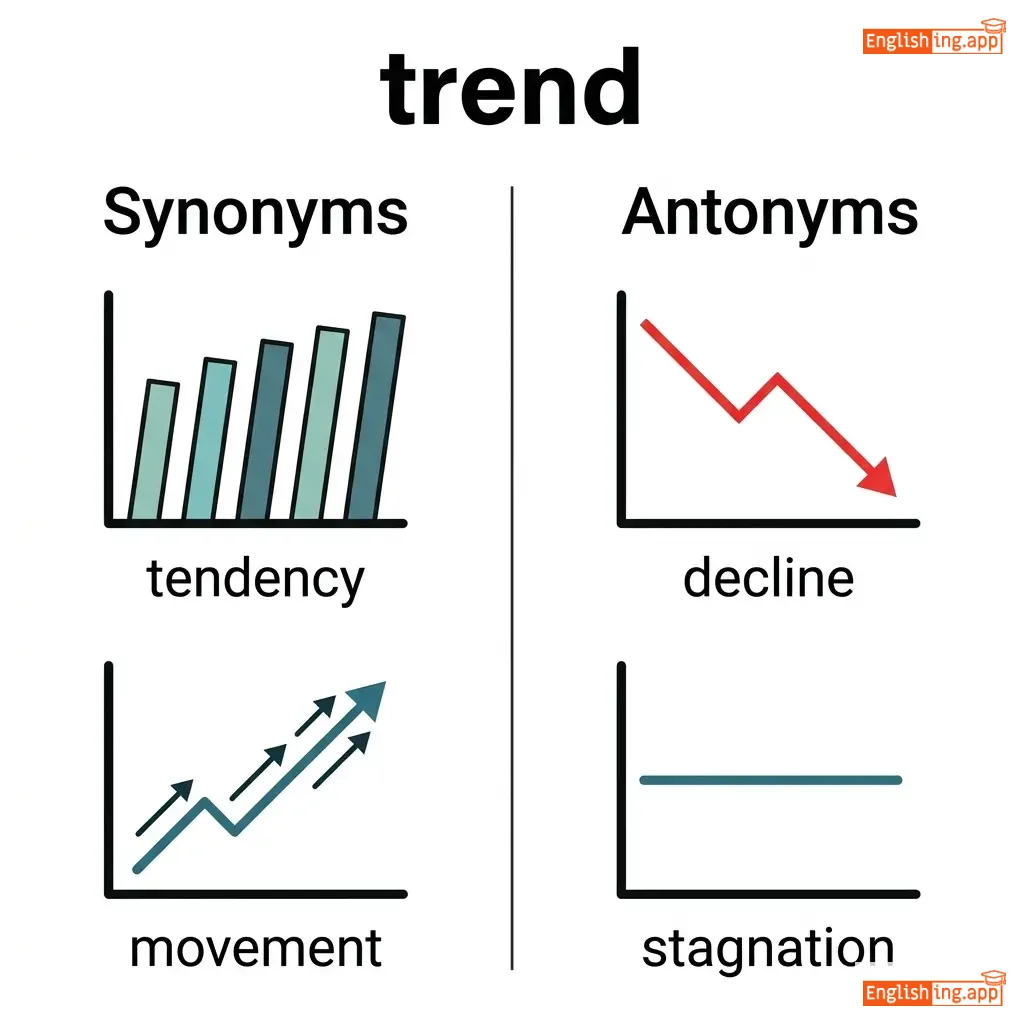
tendency, direction, pattern, fashion
••••••
|
stability, constancy, tradition
••••••
|
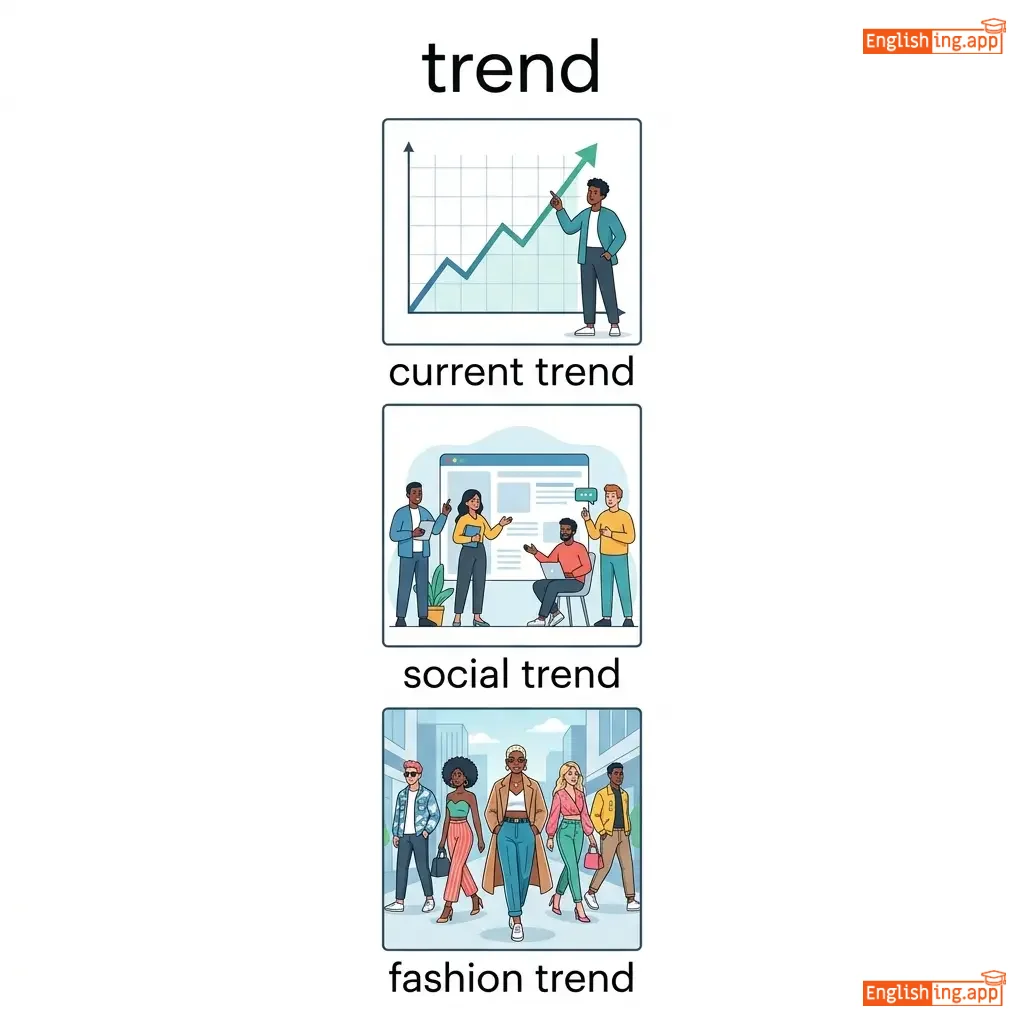
current trend, fashion trend, market trend
••••••
|
趋势 (qūshì) 就像时尚流行的方向
••••••
|

