Словари

Словарь английского языка | Значения слов, определения и примеры

noun
/ˈfɪzɪks/
физика (fizika)

the natural science that studies matter, energy, and the interactions between them

"She decided to major in physics at the university."

"Она решила изучать физику в университете." (Ona reshil izuchat' fiziku v universitete.)
noun
/ˌfɪzɪˈɑːkrəsi/
физиократия (fiziokratiya)

an economic theory that land and its natural products are the source of wealth

"Physiocracy emphasized the importance of agriculture in national wealth."

"Физиократия подчеркнула важность сельского хозяйства для национального богатства." (Fiziokratiya podcherknula vazhnost' selskokhozyaystva dlya natsional'nogo bogatstva.)
noun
/ˌfɪziˈɒnəmi/
анализ лица (analiz litsa)

the study of facial features to judge character or personality

"He believed in physiognomy and tried to read people's personalities from their faces."

"Он верил в физиономию и пытался читать личность людей по их лицам." (On veril v fizionomiyu i pytalsya chitat' lichnost' lyudey po ikh litsam.)
noun
/ˌfɪziˈɑːɡrəfi/
физиография (fiziografiya)

the study of the physical features of the earth's surface

"He specialized in physiography to understand the landscape of the region."

"Он специализировался по физиографии, чтобы понять ландшафт региона." (On spetsializirovalsya po fiziografii, chtoby ponyat' landshaft regiona.)
physiological definition card — visual illustration of the meaning
adjective
/ˌfɪziəˈlɑːdʒɪkəl/
физиологический (fiziologicheskiy)

relating to the functions and processes of living organisms

"The study focused on the physiological responses to stress."

"Исследование сосредоточилось на физиологических реакциях на стресс." (Issledovanie sosredotochilos' na fiziologicheskikh reaktsiyakh na stress.)
noun
/ˌfɪziˈɑːlədʒi/
физиология (fiziologiya)

the scientific study of the functions and mechanisms in a living system

"She is majoring in human physiology at the university."

"Она изучает физиологию человека в университете." (Ona izuchayet fiziologiyu cheloveka v universitete.)
noun
/fɪˈziːk/
телосложение (teloslozhenie)

the form, size, and development of a person's body

"He has an athletic physique due to years of training."

"У него атлетическое телосложение благодаря многолетним тренировкам." (U nego atleteskoe teloslozhenie blagodarya mnogoletnim trenirovkam.)
phytochemicals definition card — visual illustration of the meaning
noun
/ˌfaɪ.təʊˈkem.ɪ.kəlz/
фитохимикаты (fitokhimikaty)

Natural chemical compounds produced by plants that provide health benefits beyond basic nutrition, often having antioxidant properties.

"Phytochemicals in green tea help reduce inflammation."
"Фитохимикаты в зеленом чае помогают уменьшить воспаление." (Fitokhimikaty v zelenom chae pomogayut umenshit' vospaleniye.)
phytonutrient definition card — visual illustration of the meaning
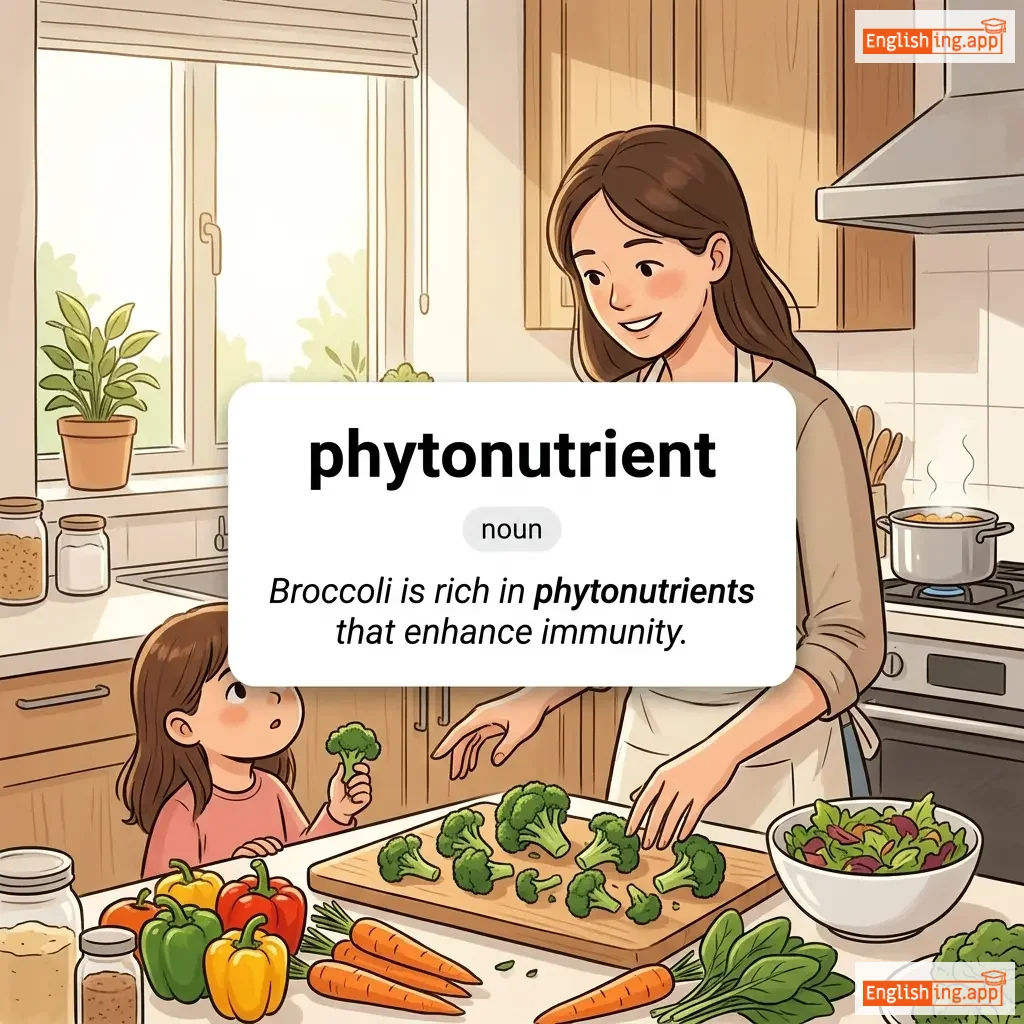
noun
ˈfaɪ.təʊˌnjuː.tri.ənt
фитонутриент (fitonutrient)

Chemical compounds produced by plants that are beneficial to human health but not essential nutrients.

"Broccoli is rich in phytonutrients that enhance immunity."
"Брокколи богаты фитонутриентами, которые улучшают иммунитет." (Brokkoli bogaty fitonutrientami, kotorye uluchshayut immunitet.)
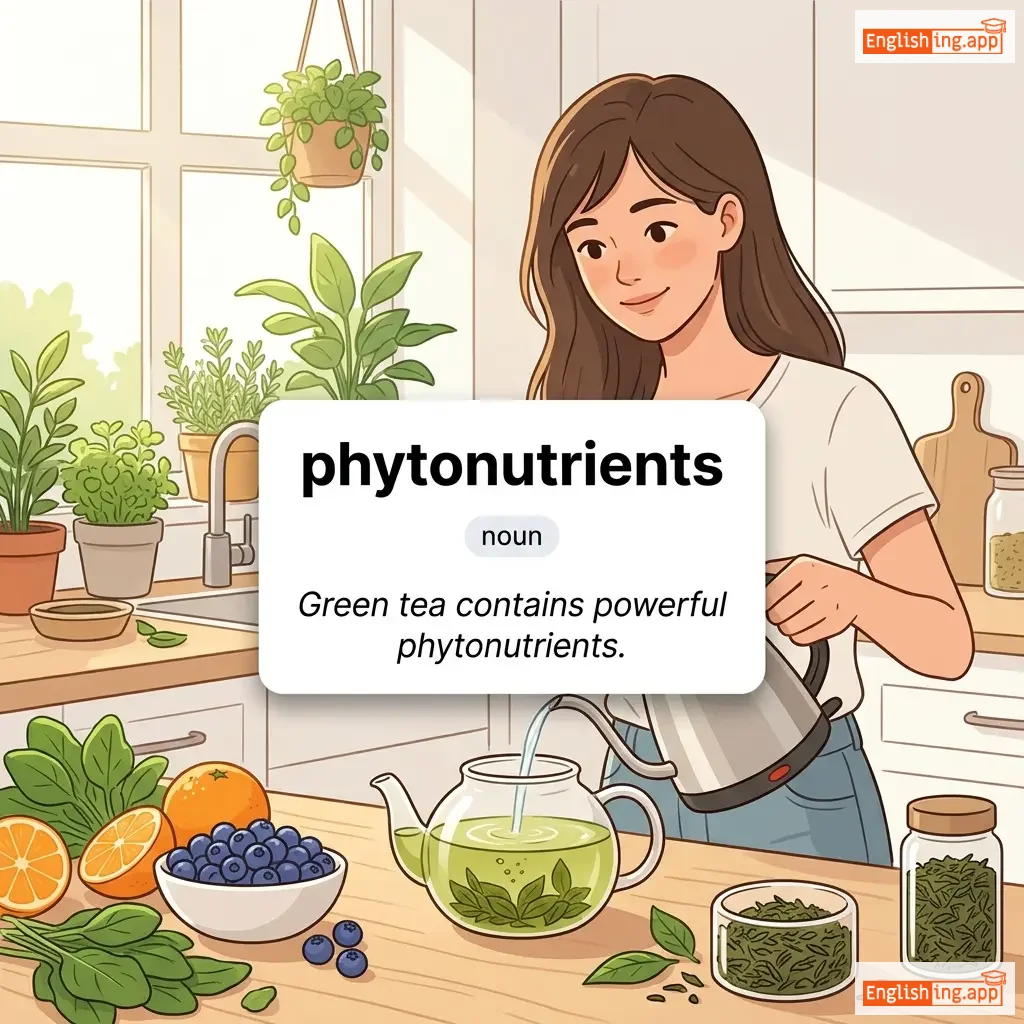
phytonutrients definition card — visual illustration of the meaning
noun
ˈfaɪ.təʊˌnjuː.tri.ənts
фитонутриенты (fitonutriyenty)

Bioactive compounds found in plants that have health benefits beyond basic nutrition.

"Green tea contains powerful phytonutrients."

"Зеленый чай содержит мощные фитонутриенты." (Zelenyy chay soderzhit moshchnye fitonutriyenty.)
noun
/piˈænoʊ/
пианино (piano)

a large musical instrument with a keyboard, played by pressing keys that cause hammers to strike strings

"She played a beautiful tune on the piano during the concert."

"Она сыграла прекрасную мелодию на пианино во время концерта." (Ona sygrala prekrasnuyu melodiyu na pianino vo vremya kontserta.)
adjective
/ˌpɪkəˈrɛsk/
история о хитром герое (istoriya o khitrom geroe)

relating to a style of fiction depicting the adventures of a roguish hero

"The novel is a picaresque tale of a clever vagabond."

"Роман - это пикареск о хитром бродяге." (Roman - eto picaresk o khitrom brodyage.)
adjective
/ˌpɪkəˈjuːn/
незначительный, тривиальный (neznačitel'nyj, triviálnyj)

of little value or importance; trivial

"He complained about the picayune details of the contract."

"Он жаловался на тривиальные детали контракта." (On žalovalsya na triviálnye detali kontrakta.)
noun
/ˈpɪkəloʊ/
маленькая флейта (malyenkaya fleyta)

a small flute, higher in pitch than the regular flute

"She played a lively tune on the piccolo during the concert."
"Она сыграла живую мелодию на пикколо во время концерта." (Ona sygrala zhivuyu melodiya na pikkolo vo vremya kontserta.)
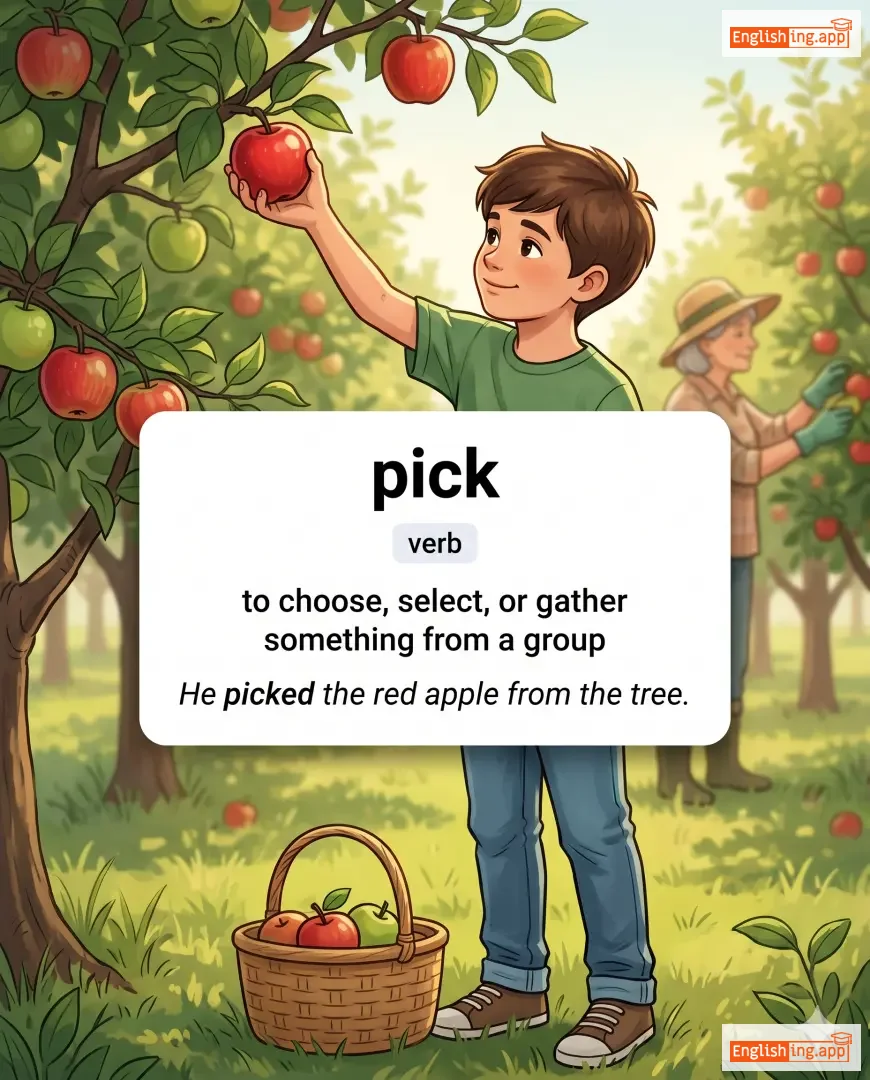
pick definition card — visual illustration of the meaning
verb
/pɪk/
выбирать (vybirat)

to choose, select, or gather something from a group

"He picked the red apple from the tree."

"Он выбрал красное яблоко с дерева." (On vybral krasnoe yabloko s dereva.)
phrasal verb
/pɪk ʌp/
поднимать; забирать; усваивать (podnimat; zabirat; usvaivat)

to lift something; to collect or receive someone or something; to learn or acquire gradually; to improve or increase

"She picked up the book from the floor."

"Она подняла книгу с пола." (Ona podnyala knigu s pola)
noun
/ˈpɪk.æks/
кирка (kirka)

a tool with a heavy metal head and long handle used for breaking up hard ground or rock

"The miner used a pick-axe to break through the rocky surface."

"Шахтер использовал кирку, чтобы пробить каменную поверхность." (Shakhter ispol'zoval kirkу, chtoby probit' kamennuyu poverkhnost'.)
noun
/ˈpɪkʌp/
маленький грузовик с открытым кузовом; акт сбора или улучшения чего-либо (malen'kiy gruzovik s otkrytym kuzovom; akt sbora ili uluchsheniya chego-libo)

a small truck with an open back; the act of collecting or improving something

"The company scheduled a pickup for the returned goods."

"Компания запланировала сбор возвращенных товаров." (Kompaniya zaplanirovala sbory vozvrashchennykh tovarov.)
noun
/ˈpɪktʃər/
картина (kartina)

a visual representation made by painting, drawing, or photography

"The picture on the wall was painted by a famous artist."

"Картина на стене была написана знаменитым художником." (Kartina na stene byla napisana znamenitym khudozhnikom.)
adjective
/ˈpɪdlɪŋ/
незначительный, тривиальный (neznachitel'nyy, triviial'nyy)

trivial or insignificant; very small

"He made a piddling amount of money from that deal."

"Он заработал незначительную сумму денег с этой сделки." (On zarabotал neznachitel'nuyu summu deneg s etoy sdelki.)
noun
/paɪ/
пирог (pirog)

a baked dish typically consisting of a pastry crust and filling

"She baked an apple pie for dessert."

"Она испекла яблочный пирог на десерт." (Ona ispekla yablochny pirog na desert.)
adjective
/ˈpaɪbɔːld/
пятнистый двухцветный (pyatnistyy dvukhtsvetnyy)

having irregular patches of two colors, especially black and white

"The farmer owns a piebald horse with black and white spots."

"У фермера есть лошадь пиебальд с черными и белыми пятнами." (U fermera yest' loshad' piebald s chernymi i belymi pyatnami.)
noun
/piːs/
кусок (kusok)

a portion or part of something

"He gave me a piece of cake."

"Он дал мне кусок торта." (On dal mne kusok torta.)
noun
/ˈpiːs ɡʊdz/
ткань на развес (tkhan na razves)

textiles or fabrics sold by the yard or meter; cloth materials

"The tailor bought piece-goods from the wholesale market to make custom dresses."

"Портной купил ткань на развес на оптовом рынке для изготовления платьев по заказу." (Portnoy kupil tkan' na razves na optovom rynke dlya izgotovleniya platev po zakazu.)
adjective
/ˈpiːsmiːl/
поэтапно (poetapno)

done or made in separate stages rather than all at once

"The construction of the new building was carried out piecemeal over several years."

"Строительство нового здания проводилось поэтапно в течение нескольких лет." (Stroitel'stvo novogo zdaniya provodilos' poetapno v techeniye nekotorykh let.)
adjective
/paɪd/
пестрого окраса (pestrogo okrasa)

having two or more different colors, typically in blotches

"The pied cat had black and white patches all over its body."
"Пьед кошка имела черные и белые пятна по всему телу." (P'yed koshka imela chernye i belye pyatna po vsemu telu.)
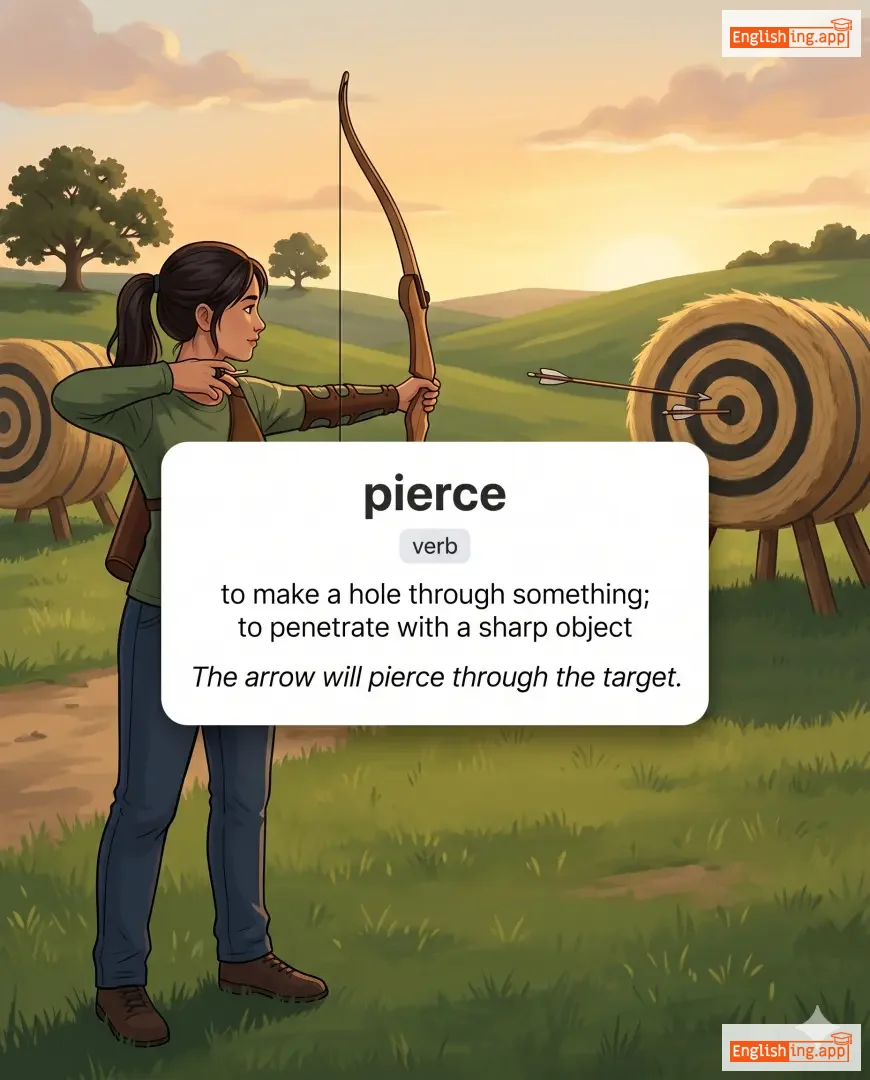
pierce definition card — visual illustration of the meaning
verb
/pɪəs/
проколоть (prokolot')

to make a hole through something; to penetrate with a sharp object

"The arrow will pierce through the target."

"Стрела пробьет мишень." (Strela prob'yot mishen'.)
Piety definition card — visual illustration of the meaning
noun
/ˈpaɪəti/
благочестие (blagoschestie)

the quality of being religious or showing reverence for God

"Her piety was evident in the way she prayed every morning."

"Ее благочестие было очевидно в том, как она молилась каждое утро." (Eyo blagoschestie bylo ochevidno v tom, kak ona molilas' kazhdoe utro.)
noun
/pɪɡ/
свинья (svinya)

a farm animal with a snout used for digging and a curly tail; kept for meat such as pork or bacon

"The pig rolled happily in the mud."

"Свинья счастливо каталась в грязи." (Svin'ya schastlivo katalas' v gryazi.)
noun
/ˈpɪdʒ.ən/
голубь (golub)

a grey and white bird with a fat body that is common in cities

"The pigeon pecked at breadcrumbs on the sidewalk."

"Голубь клевал крошки хлеба на тротуаре." (Golub' klyeval kroshki khleba na trotware.)
noun
/ˈpɪɡmənt/
пигмент (pigment)

a natural or artificial substance used to give color to something

"The artist mixed different pigments to create the perfect shade of blue."
"Художник смешал различные пигменты, чтобы создать идеальный оттенок синего." (Khudozhnik smeshal razlichnye pigmenty, chtoby sozdadit' ideal'nyy otdenok sinego.)
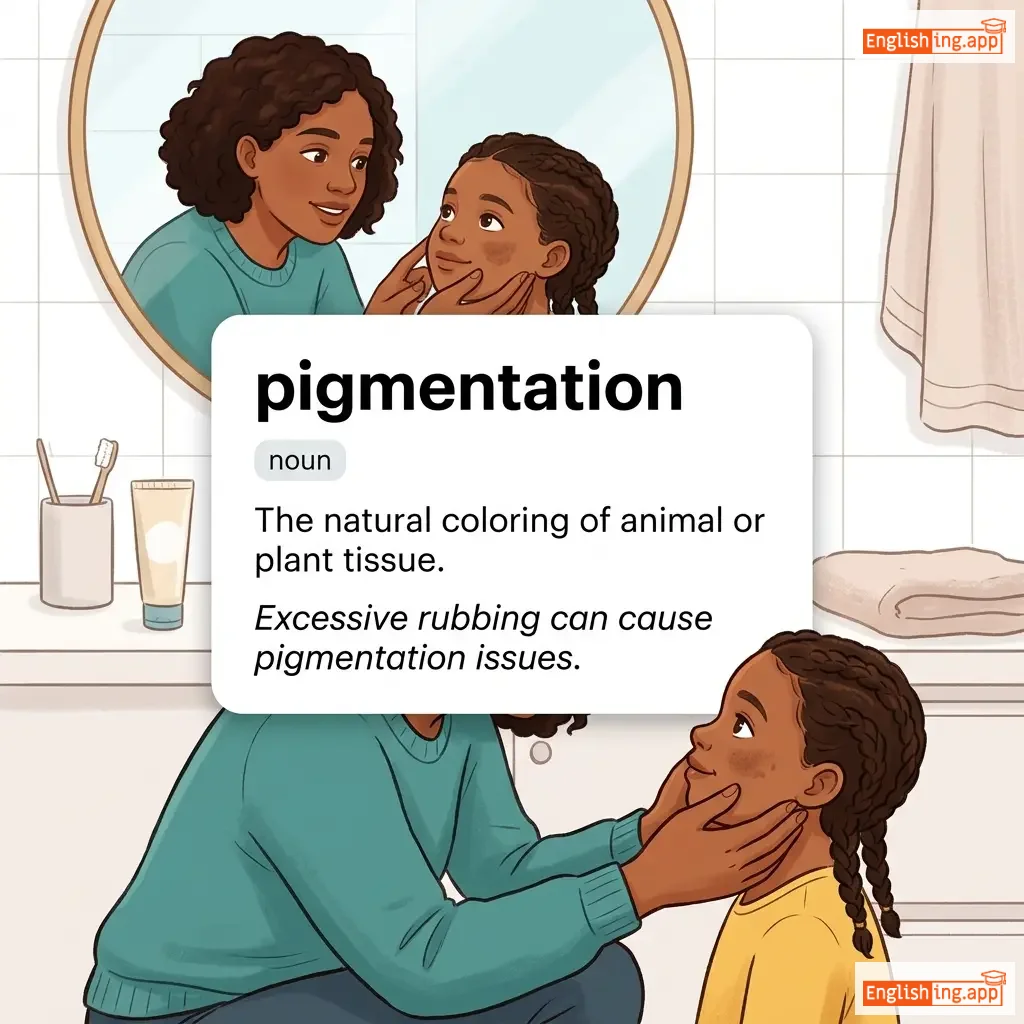
pigmentation definition card — visual illustration of the meaning
noun
/ˌpɪɡ.menˈteɪ.ʃən/
пигментация (pigmentatsiya)

The natural coloring of animal or plant tissue.

"Excessive rubbing can cause pigmentation issues."

"Чрезмерное трение может вызвать проблемы с пигментацией." (Chrezmernoye trenie mozhet vyzvat' problemy s pigmentatsiey.)
noun
/paɪl/
куча (kucha)

a large amount of something stacked or placed in a heap

"He placed the books in a pile on the table."

"Он положил книги в кучу на столе." (On polozhil knigi v kuchu na stole.)
🕵️‍♂️

pilfer (пилфер)

verb
/ˈpɪlfər/
красть (krast)

to steal things of small value or in small quantities

"The employee was caught pilfering office supplies."

"Сотрудник был пойман на краже офисных принадлежностей." (Sotrudnik byl poyman na kazhe ofisnykh prinadlezhnostey.)
noun
/ˈpɪl.fər.ɪdʒ/
кража мелких предметов (pilferidzh)

the theft of small amounts or items, especially from one's workplace

"The company installed cameras to prevent pilferage."

"Компания установила камеры, чтобы предотвратить кражу мелких предметов." (Kompaniya ustanovila kamery chtoby predotvratit krazhu melkikh predmetov.)
noun
/ˈpɪl.ɡrɪm/
пилигрим; путешественник (piligrim; puteshestvennik)

a person who journeys to a sacred place for religious reasons; a traveler

"The pilgrim walked for days to reach the holy shrine."

"Пилигрим шел несколько дней, чтобы добраться до святого святилища." (Piligrim shel neskol'ko dney, chtoby dobrat'sya do svyatogo svyatilishcha.)
noun
/pɪl/
таблетка (tabletka)

a small round piece of medicine to be swallowed

"He took a pill to relieve his headache."

"Он принял таблетку, чтобы облегчить головную боль." (On prinyal tabletku, chtoby oblegchit' golovnuju bol'.)
verb
/ˈpɪlɪdʒ/
грабить (grabit')

to rob or plunder a place, especially during war

"The invading army pillaged the village and took all valuables."

"Вторгшаяся армия разграбила деревню и забрала все ценности." (Vtorzhshayasya armiya razgrabila derevnyu i zabrala vse tsennosti.)
noun
/ˈpɪlər/
столб (stolb)

a strong vertical support or mainstay of a structure or system

"The ancient temple was supported by massive stone pillars."

"Древний храм поддерживался массивными каменными столбами." (Drevniy khram podderzhivalsya massivnymi kamennymi stolbami.)
noun
/pɪˈlɑːf/
пилав (pilav)

a dish of rice cooked in seasoned broth, often with meat and vegetables

"We enjoyed a delicious chicken pillaw for dinner."

"Мы наслаждались вкусным куриным пилавом на ужин." (My naslazhdalis' vkusnym kurinym pilavom na uzhin.)
noun/verb
/ˈpɪləri/
устройство для публичного наказания (ustroystvo dlya publichnogo nakazaniya)

a device for publicly punishing someone / to expose to public ridicule

"The corrupt official was placed in the pillory for the town to jeer at."

"Коррумпированного чиновника поместили в пилори, чтобы город мог насмехаться над ним." (Korrumpirovannogo chinovnika pomestili v pillory, chtoby gorod mog nasmekhat'sya nad nim.)
noun
/ˈpɪloʊ/
подушка (podushka)

a soft cushion filled with material used to support the head while sleeping or resting

"She placed her head on the soft pillow and fell asleep quickly."

"Она положила голову на мягкую подушку и быстро уснула." (Ona polozhila golovu na myagkuyu podushku i bystro usnula.)
noun/verb
/ˈpaɪlət/
пилот (pilot)

a person who operates an aircraft / to guide or lead through a trial

"She piloted the plane safely through the storm."

"Она безопасно вела самолет через бурю." (Ona bezopasno vela samolet cherez buryu.)
noun
/ˈpɪm.pəl/
прыщ (pryshch)

a small, inflamed elevation of the skin; a spot on the skin, especially on the face

"She was embarrassed about the pimple on her forehead."

"Она была смущена прыщом на лбу." (Ona byla smushchena pryshchom na lbu.)
noun
/pɪn/
булавка (bulavka)

a small thin piece of metal used to fasten or hold things together

"She used a pin to attach the note to the board."

"Она использовала булавку, чтобы прикрепить записку к доске." (Ona ispol'zovala bulavku, chtoby prikrepit' zapisku k doske.)
noun
/ˈpɪnsərz/
пассатижи (passatizhi)

a gripping tool with two arms used for holding or pulling objects

"He used pincers to remove the hot nail from the wood."

"Он использовал пассатижи, чтобы удалить горячий гвоздь из дерева." (On ispol'zoval passatizhi, chtoby udalit' goryachiy gvozd' iz dereva.)
verb
/pɪntʃ/
щипать (shchipat)

to squeeze tightly between the fingers; to take a small amount

"She pinched a bit of salt into the soup."

"Она добавила немного соли в суп." (Ona dobavila nemnogo soli v sup.)
noun
/ˈpɪntʃərz/
щипцы (shchiptsi)

a tool used for gripping or squeezing objects

"Use the pinchers to remove the hot coal safely."

"Используйте щипцы для безопасного удаления горячего угля." (Ispol'zuyte shchiptsi dlya bezopasnogo udaleniya goryachego uglya.)
verb
/paɪn/
тосковать (toskovat)

to long intensely for something or someone; to suffer from longing

"He pined for his hometown after moving abroad."

"После того как он переехал за границу, он сильно тосковал по своему родному городу." (Posle togo kak on pereekhal za granitsu, on sil'no toskoval po svoemu rodnomu gorodu.)
noun
/ˈpaɪn.æp.əl/
ананас (ananas)

a large tropical fruit with a tough skin and sweet yellow flesh

"The pineapple has a crown of spiky leaves on top."

"У ананаса есть корона из колючих листьев сверху." (U ananasa yest' korona iz kolyuchikh list'yev sverkhu)