Словари

Словарь английского языка | Значения слов, определения и примеры
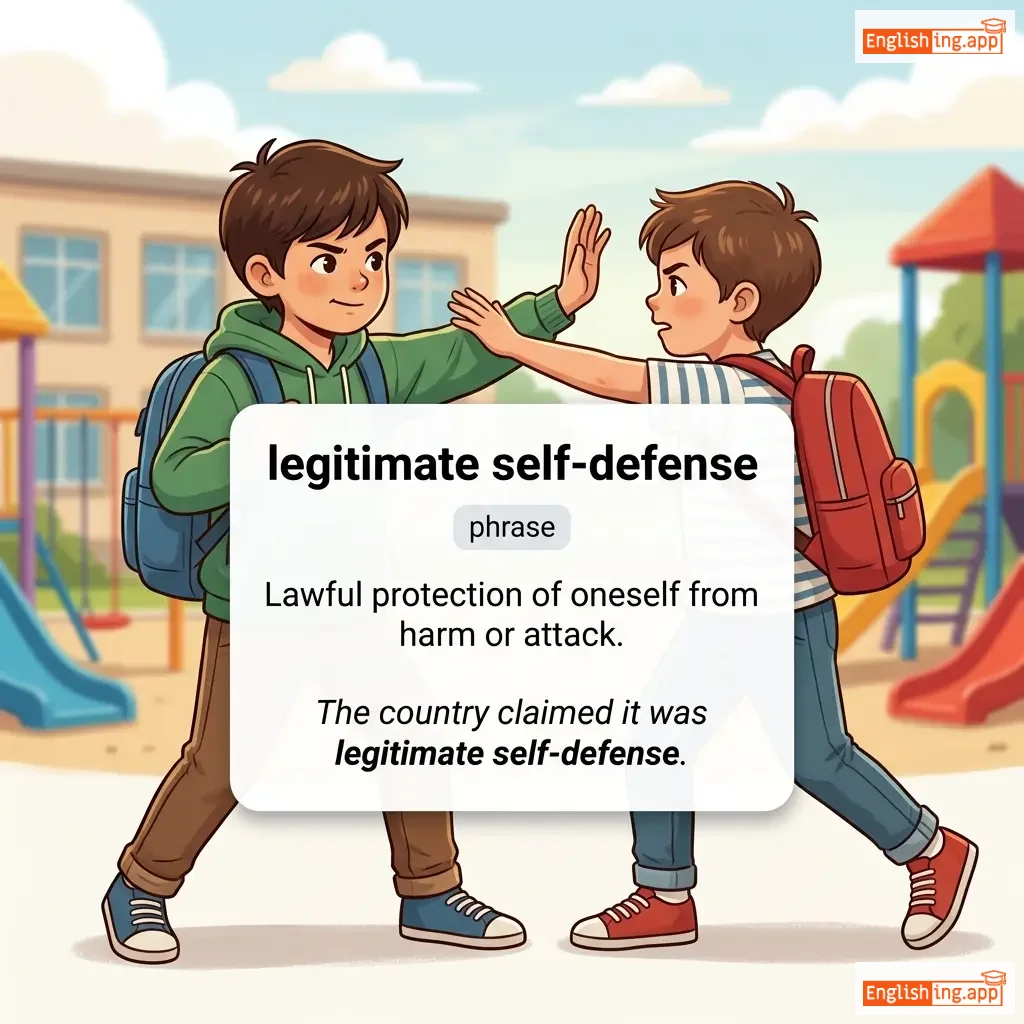
legitimate self-defense definition card — visual illustration of the meaning
phrase
lɪˈdʒɪt.ɪ.mət sɛlf dɪˈfens
законная самооборона (zakonnaya samoborona)

Lawful protection of oneself from harm or attack.

"The country claimed it was legitimate self-defense."

"Страна заявила, что это была законная самооборона." (Strana zayavila, chto eto byla zakonnaya samoborona.)
noun
/ˈliːʒər/ or /ˈlɛʒər/
досуг (dosug)

Free time when one is not working or occupied; time for relaxation.

"She spends her leisure reading novels."

"Она проводит свой досуг за чтением романов." (Ona prohodit svoy dosug za chteniem romanov.)
noun
/ˈlɛmən/
лимон (limon)

a yellow citrus fruit with a sour taste

"She added lemon to the tea for extra flavor."
"Она добавила лимон в чай для дополнительного вкуса." (Ona dobavila limon v chay dlya dopolnitel'nogo vkusa.)
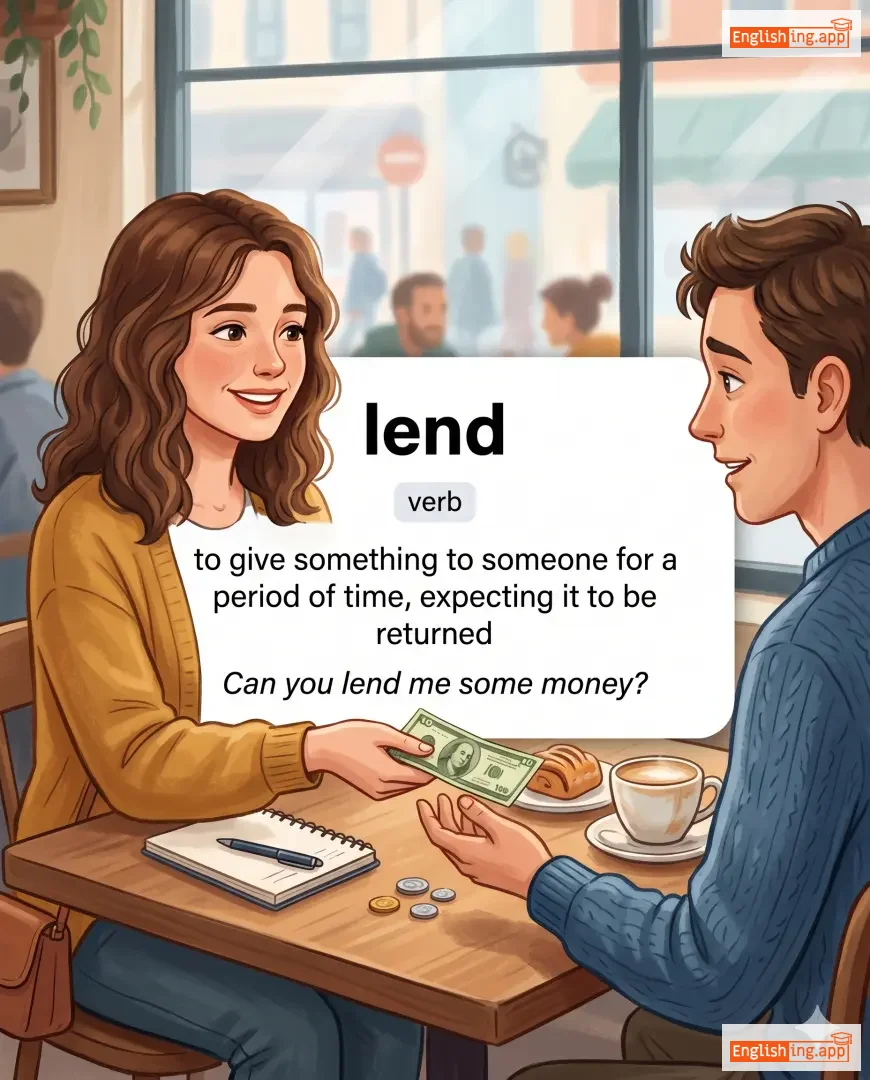
lend definition card — visual illustration of the meaning
verb
/lend/
счастье (schastye)

to give something to someone for a period of time, expecting it to be returned

"Can you lend me some money?"

"Ты можешь одолжить мне немного денег?" (Ty mozhesh' odolzhit' mne nemnogo deneg?)
noun
/lɛŋkθ/
длина (dlina)

The measurement or extent of something from end to end.

"The length of the bridge is two kilometers."

"Длина моста два километра." (Dlinna mosta dva kilometra.)
adverb
/ˈleŋθ.waɪz/
по длине; вдоль самой длинной оси (po dline; vdl' samoi dlinnoi osi)

in the direction of the length; along the longest dimension

"Fold the paper lengthwise to make it easier to carry."

"Сложите бумагу вдоль длины, чтобы было легче носить." (Slozhite bumagu vdl' dliny, chtoby bylo legche nosit'.)
adjective
/ˈlɛŋθi/
долгий (dolgiy)

long in duration or extent

"The meeting was lengthy, lasting over three hours."

"Совещание было долгим, продолжавшимся более трех часов." (Soveschanie bylo dolgim, prodolzhavshimsya bolee trekh chasov.)
noun
/ˈliːniənsi/
прощение (proshchenie)

The quality of being more merciful or tolerant than expected.

"The judge showed leniency in his ruling."

"Судья проявил прощение в своем решении." (Sud'ya proyavil proshchenie v svoem reshenii.)
adjective
/ˈliːniənt/
снисходительный (sniskhoditel'nyy)

Permissive, merciful, or tolerant.

"Her parents are lenient with her curfew."

"Её родители снисходительны к её времени возвращения." (Yeyo roditeli sniskhoditel'ny k yeyo vremeni vozvrashcheniya.)
noun
/lenz/
линза (linza)

a curved piece of glass or plastic that makes things look clearer or larger when you look through it

"He cleaned the camera lens before taking the picture."

"Он очистил объектив камеры перед тем, как сделать снимок." (On ochistil obyektiv kamery pered tem, kak sdelat' snimok.)
noun
/ˈlen.tɪl/
чечевица (chechevitsa)

a small round flat seed of a leguminous plant, used as food

"Lentils are a good source of protein for vegetarians."

"Чечевица - хороший источник белка для вегетарианцев." (Chechevitsa - khoroshiy istochnik belka dlya vegetariantsev)
adjective
/ˈliːənaɪn/
похожие на льва (pokhozhiye na l'va)

Of or resembling a lion.

"His leonine hair made him stand out in the crowd."

"Его львиная шевелюра выделяла его среди толпы." (Yego l'vinyaya shevelyura vydelyala yego sredi tolpy.)
noun
/ˈlep.ərd/
леопард (leopard)

a large wild cat with yellow fur and black spots

"The leopard climbed the tree to rest in the shade."

"Леопард забрался на дерево, чтобы отдохнуть в тени." (Leopard zabral'sya na derevo, chtoby otdokhnut' v teni.)
noun/adjective
/ˈlɛzbiən/
лесбиянка (lesbiyanka)

a woman who is romantically or sexually attracted to other women

"She is a proud lesbian and advocates for equal rights."

"Она гордая лесбиянка и выступает за равные права." (Ona gordaya lesbiyanka i vystupaet za ravnye prava.)
noun
/ˈliːʒən/
ранение (ranenie)

An area of damage or abnormal change in the tissue of an organism, often caused by injury or disease.

"The doctor examined the skin lesion carefully."

"Врач внимательно осмотрел кожную рану." (Vrach vnimatel'no osmotrel kozhnyu ranu.)
adjective/adverb
/lɛs/
меньше (men'she)

A smaller amount; not as much.

"She spends less money than her brother."

"Она тратит меньше денег, чем её брат." (Ona tratit men'she deneg, chem yeye brat.)
adjective
/ˈlɛsər/
менее важный (menye vazhny)

of lower importance or smaller in degree or amount

"The lesser known facts about the topic were fascinating."

"Менее известные факты об этом предмете были захватывающими." (Menee izvestnye fakty ob etom predmete byli zakhvatyvayushchimi.)
noun
/ˈlɛsən/
урок (urok)

A unit of teaching or something learned through experience.

"The teacher explained the lesson clearly."
"Учитель объяснил урок ясно." (Uchitel ob'ysnil urok yasno.)
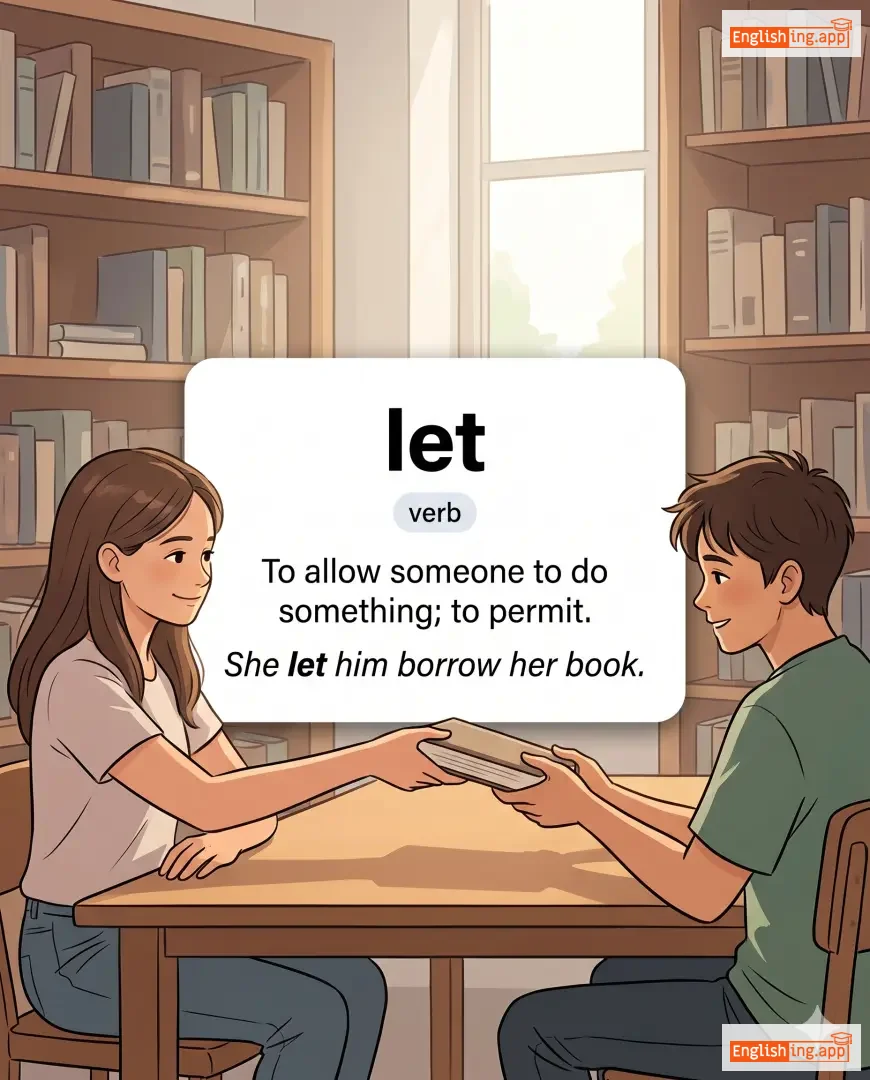
let definition card — visual illustration of the meaning
verb
/lɛt/
позволить (pozvolit')

To allow someone to do something; to permit.

"She let him borrow her book."
"Она позволила ему взять книгу." (Ona pozvolila emu vzyat' knigu.)
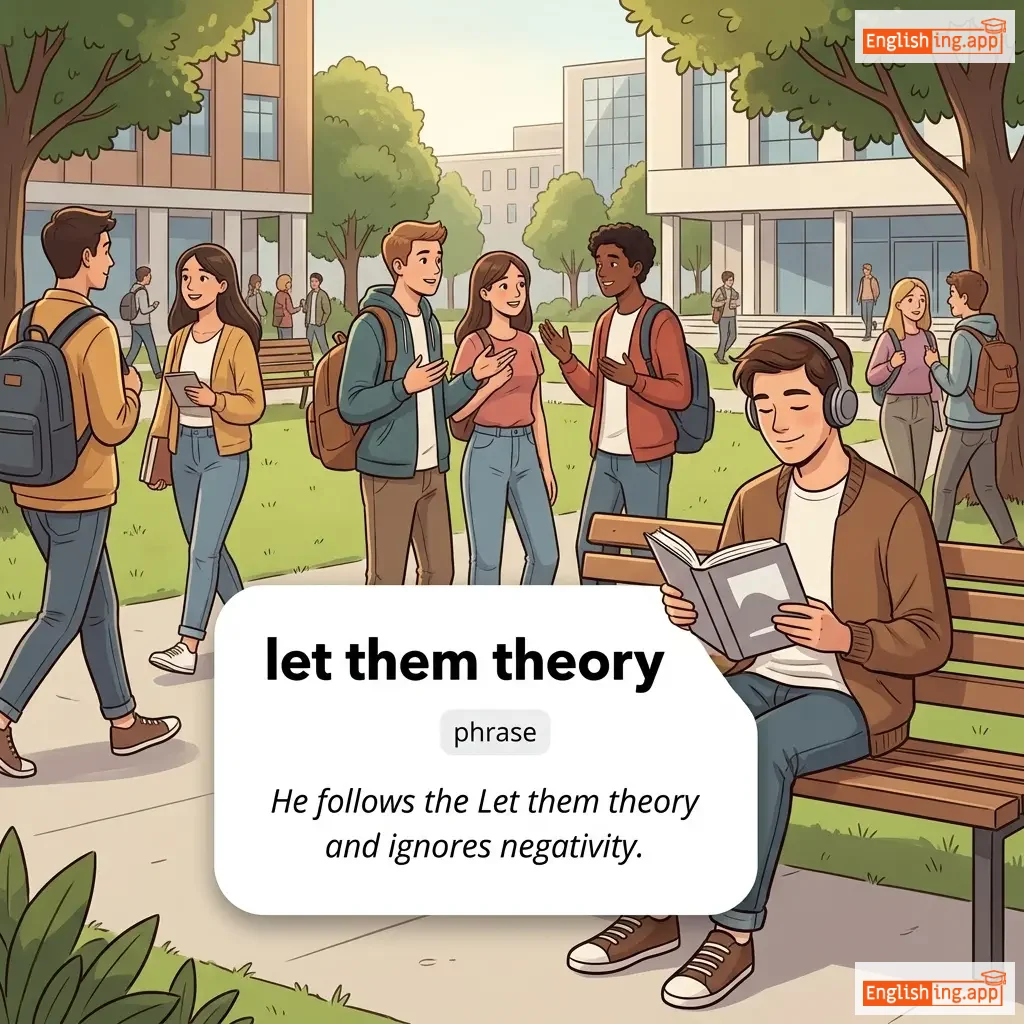
let them theory definition card — visual illustration of the meaning
phrase
/lɛt ðɛm ˈθɪə.ri/
теория «пусть они думают, что хотят» (teoriya «pust' oni dumayut, chto khotyat»)

A philosophy of not trying to control others' actions or opinions and allowing them to be themselves.

"He follows the Let them theory and ignores negativity."

"Он следует теории «пусть они» и игнорирует негативность." (On sleduyet teorii «pust' oni» i ignoriruyet negativnost'.)
adjective
/ˈliːθəl/
смертельный (smertel'nyy)

Able to cause death; deadly.

"The snake's venom is extremely lethal."
"Яд змеи крайне смертелен." (Yad zmei krayne smertelen.)
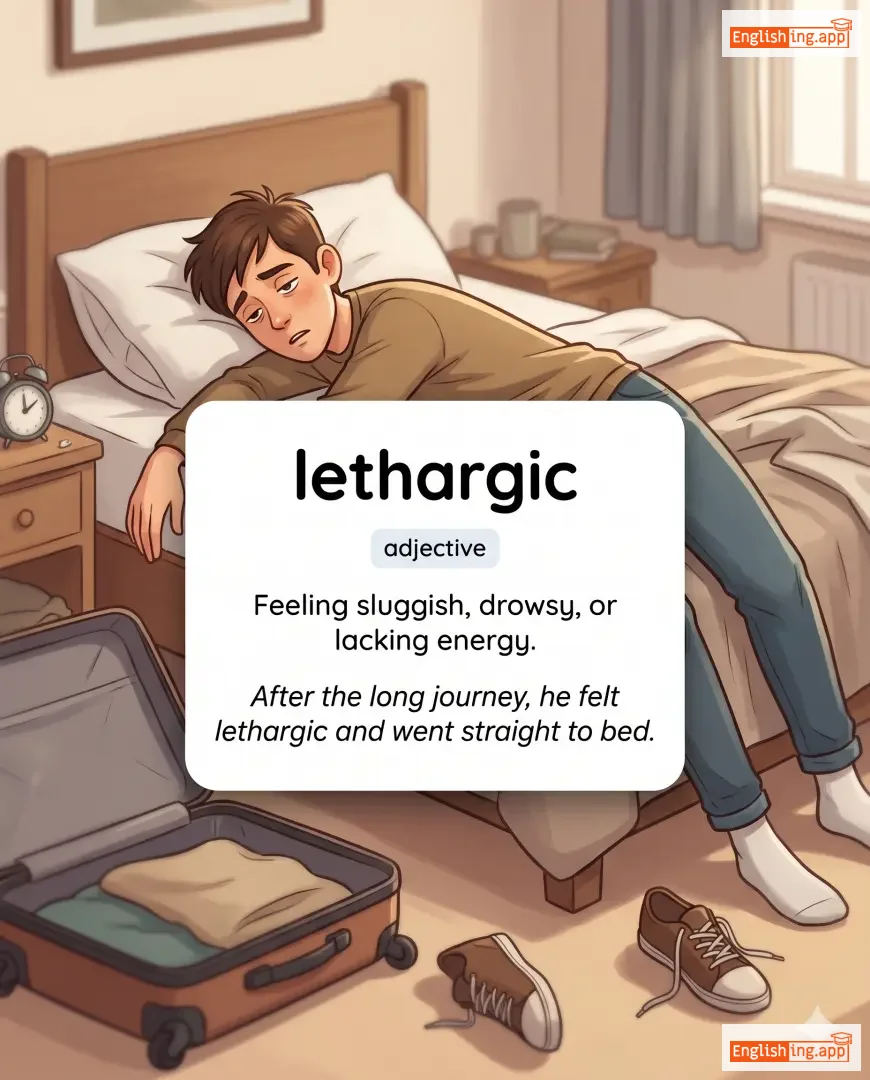
lethargic definition card — visual illustration of the meaning
adjective
/ləˈθɑːrdʒɪk/
летаргичный (letargichnyy)

Feeling sluggish, drowsy, or lacking energy.

"After the long journey, he felt lethargic and went straight to bed."

"После долгого путешествия он почувствовал себя летаргичным и сразу пошел спать." (Posle dolgogo puteshestviya on pochuvstvoval sebya letargichnym i srazu poshel spat'.)
noun
/ˈleθərdʒi/
летаргия (letargiya)

A state of tiredness, lack of energy, or drowsiness.

"The hot weather caused a feeling of lethargy among the workers."

"Жаркая погода вызвала чувство летаргии среди работников." (Zharkaya pogoda vyzvala chuvstvo letargii sredi rabotnikov.)
noun
/ˈlɛtər/
письмо (pis'mo)

A written or printed message sent to someone.

"He wrote a letter to his friend."

"Он написал письмо своему другу." (On napisal pis'mo svoemu drugu.)
noun
/ˈlɛtɪs/
салат-латук (salat latuk)

a leafy green vegetable commonly used in salads and sandwiches

"She added fresh lettuce to the sandwich."
"Она добавила свежий салат-латук в сэндвич." (ona dobavila svezhii salat latuk v sendvich)
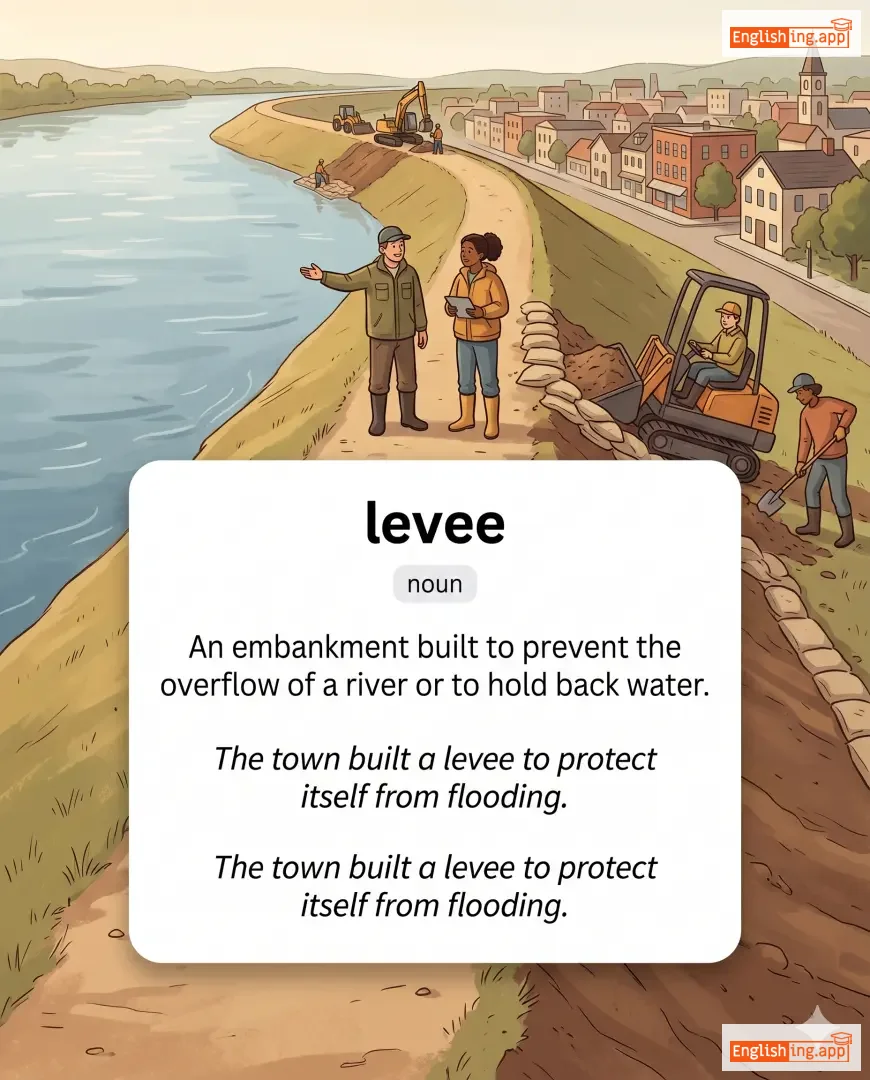
levee definition card — visual illustration of the meaning
noun
/ˈlɛvi/
дамба (damba)

An embankment built to prevent the overflow of a river or to hold back water.

"The town built a levee to protect itself from flooding."
"Город построил дамбу, чтобы защититься от наводнений." (Gorod postroil dambu, chtoby zashchititsya ot navodneniy.)
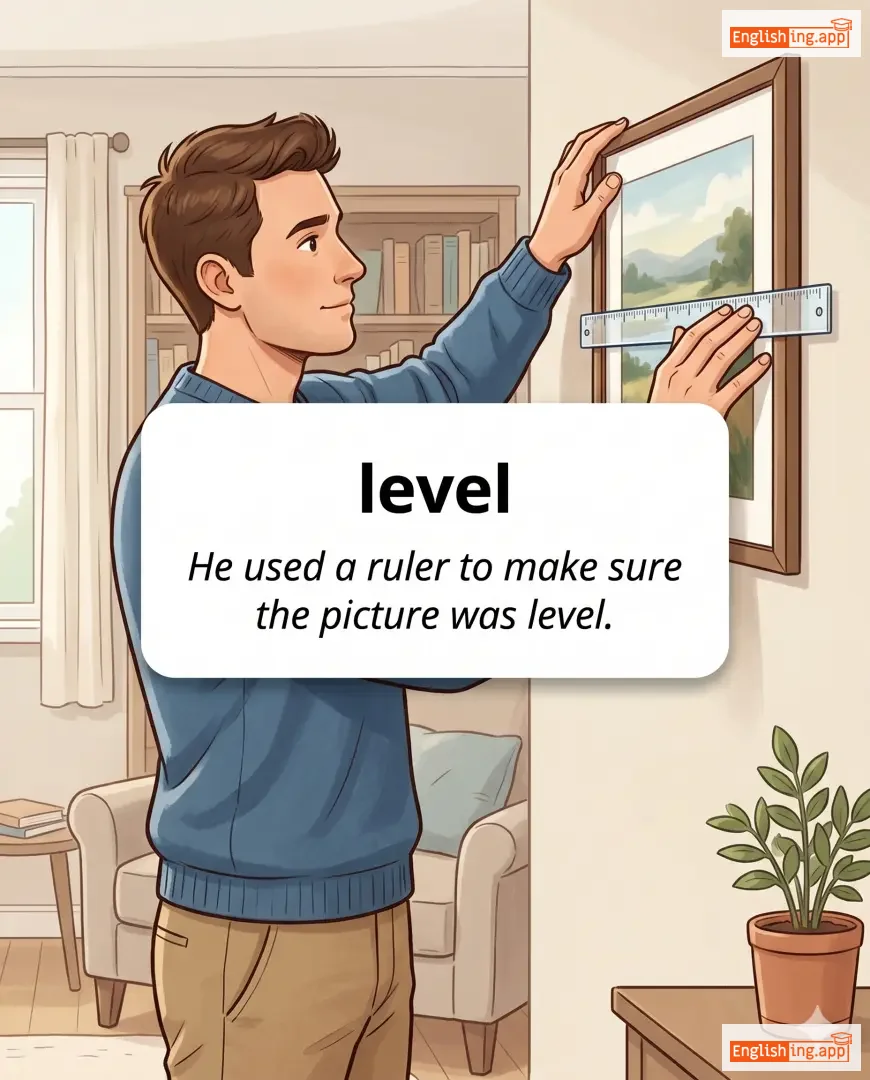
level definition card — visual illustration of the meaning
noun, verb, adjective
/ˈlɛvəl/
уровень, этап (uroven, etap)

a flat or even surface; a stage in scale or rank; to make something flat or equal.

"He used a ruler to make sure the picture was level."

"Он использовал линейку, чтобы убедиться, что изображение было на уровне." (On ispol'zoval lineyku, chtoby ubeditsya, chto izobrazhenie bylo na urovne.)
adjective
/ˌlɛvəlˈhɛdɪd/
спокойный и разумный (spokoynyy i razoumnyy)

calm and sensible; showing good judgment.

"She remained levelheaded during the crisis."

"Она осталась спокойной в кризисной ситуации." (Ona ostalas' spokoynoy v krizisnoy situatsii.)
noun, verb
/ˈliːvər/ or /ˈlɛvər/
рычаг, жесткий стержень (rychag, zhestkiy sterzhen')

a rigid bar used to move or lift heavy objects; to move something using leverage.

"He used a lever to lift the heavy stone."
"Он использовал рычаг, чтобы поднять тяжелый камень." (On ispol'zoval rychag, chtoby podnyat' tyazhelyy kamen'.)
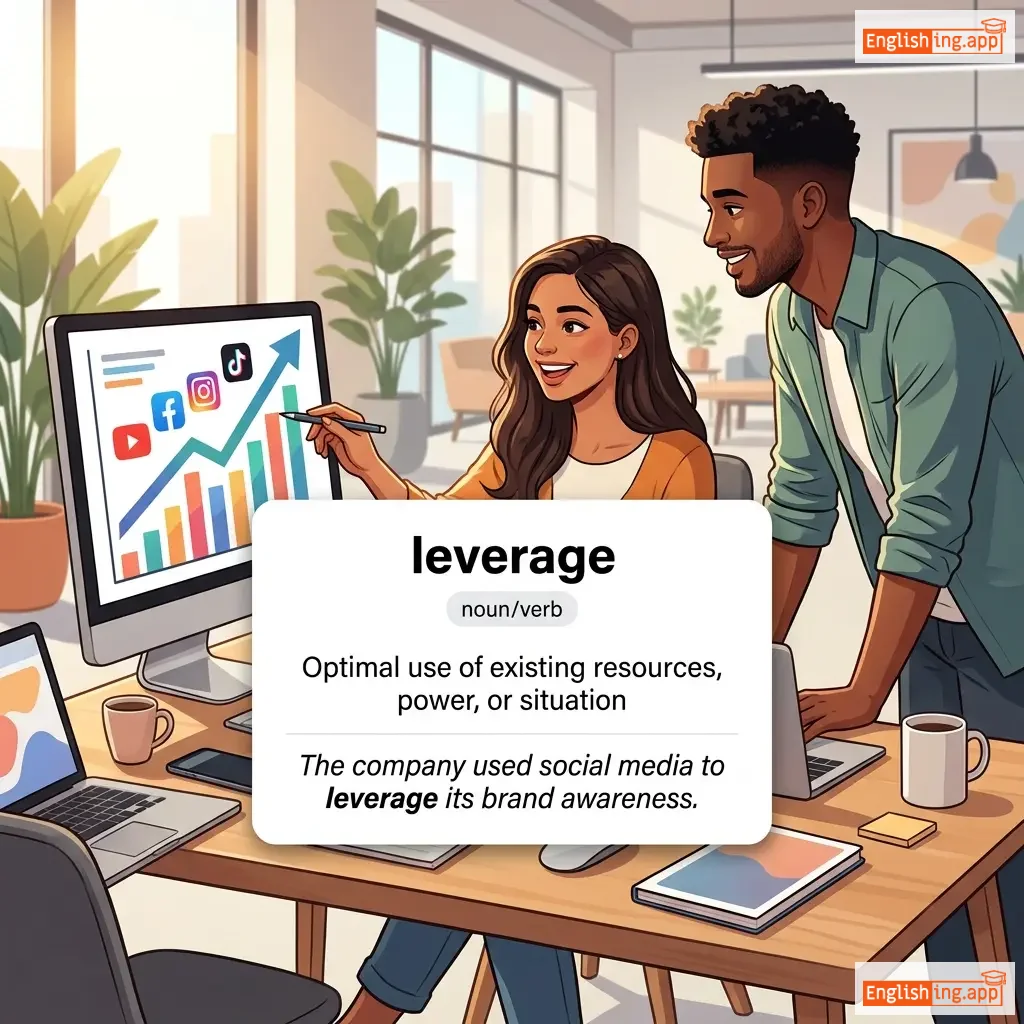
leverage definition card — visual illustration of the meaning
noun/verb
/ˈlɛv.ər.ɪdʒ/
использовать (ispol'zovat')

Optimal use of existing resources, power, or situation

"The company used social media to leverage its brand awareness."

"Компания использовала социальные сети, чтобы повысить узнаваемость своего бренда." (Kompaniya ispol'zovala sotsial'nye seti, chtoby povysit' uznayemost' svoego brenda.)
noun
/lɪˈvaɪəθən/
огромное морское чудовище (ogromnoye morskoye chudovishche)

a huge sea monster or something very large and powerful.

"The ship looked like a leviathan on the horizon."

"Корабль выглядел как огромное морское чудовище на горизонте." (Korabl' viglyadel kak ogromnoye morskoye chudovishche na gorizonte.)
verb
/ˈlɛvɪteɪt/
левитировать (levitirovat)

to rise or float in the air, usually without visible support.

"The magician made the table levitate during the show."
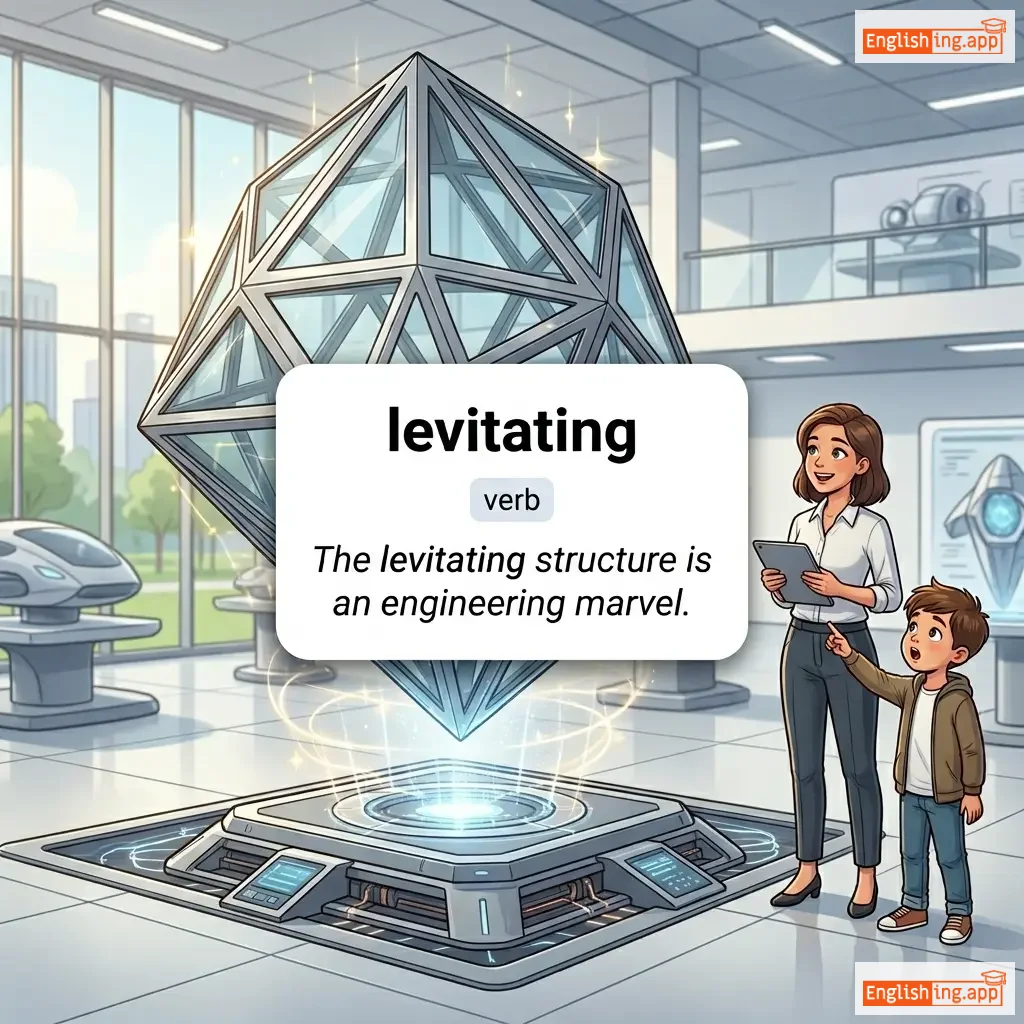
"Фокусник заставил стол левитировать во время шоу." (Fokusnik zastavil stol levitirovat vo vremya shou.)
levitating definition card — visual illustration of the meaning
verb
ˈlev.ɪ.teɪ.tɪŋ
парящий (paryashchiy)

Rising and hovering in the air, especially as a result of supernatural or magical power.

"The levitating structure is an engineering marvel."

"Парящая структура — инженерное чудо." (Paryashchaya struktura — inzhenernoe chudo.)
Levity definition card — visual illustration of the meaning
noun
/ˈlɛvɪti/

Lightness of manner or speech, especially when inappropriate; lack of seriousness.

"His attempt to bring levity to the tense meeting was appreciated."

verb
/ˈlɛvi/
взимать (vzimat)

To impose or collect, especially a tax or fine.

"The government decided to levy a new tax on luxury goods."

"Правительство решило ввести новый налог на роскошные товары." (Pravitel'stvo reshilo vvesti novyy nalog na roskoshnye tovaru.)
adjective
/luːd/
непристойный (nepristoynyy)

Sexually offensive, obscene, or vulgar.

"He was arrested for making lewd remarks in public."

"Его арестовали за непристойные замечания на публике." (Ego arestovali za nepristoynye zamechaniya na publike.)
noun
/ˌlɛksɪˈkɒɡrəfər/
лексикограф (leksikograf)

A person who compiles, writes, or edits dictionaries.

"The lexicographer spent years compiling the dictionary."

"Лексикограф провел годы, собирая словарь." (Leksikograf provel gody, sobiraya slovar'.)
noun
/ˌlɛksɪˈkɒɡrəfi/
лексикография (leksikografiya)

The art or practice of compiling dictionaries.

"Lexicography requires both linguistic and cultural knowledge."
"Лексикография требует как лингвистических, так и культурных знаний." (Leksikografiya trebuyet kak lingvisticheskikh, tak i kul'turnykh znaniy.)
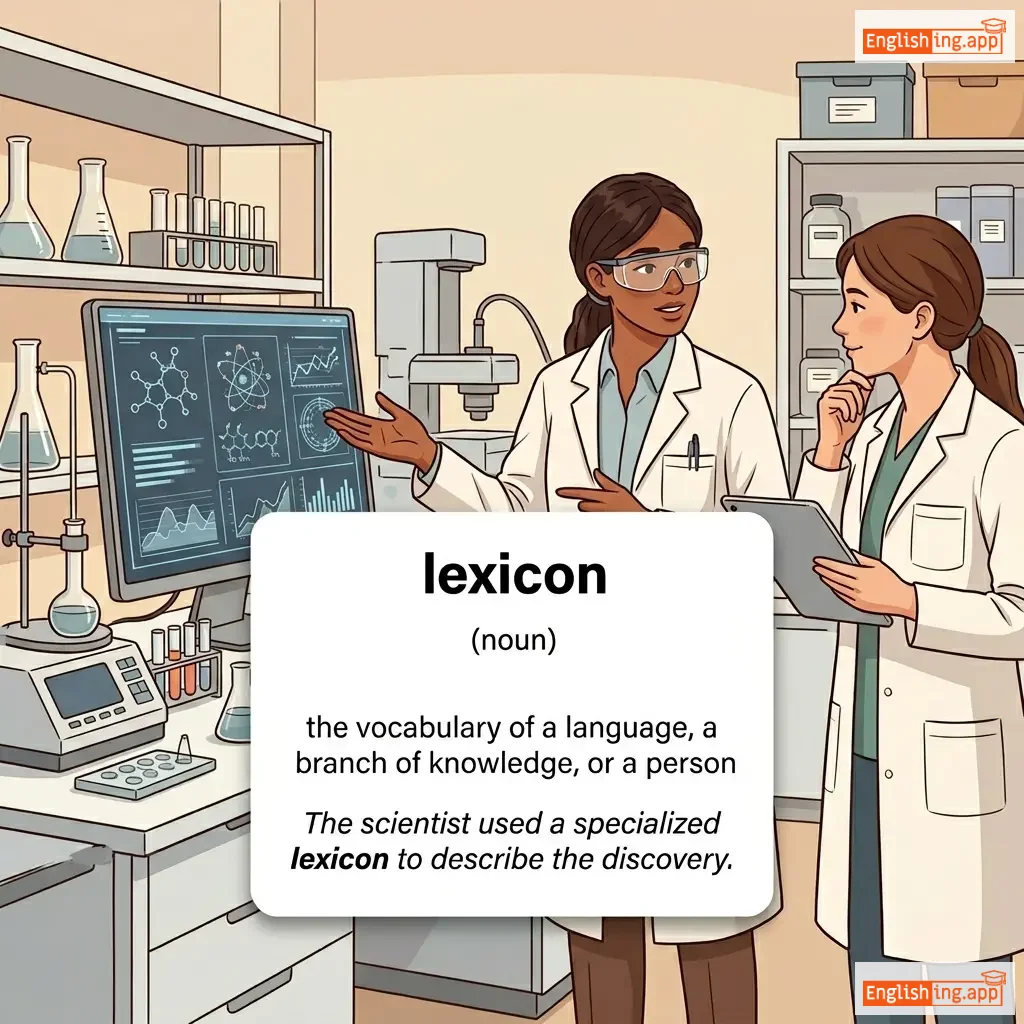
lexicon definition card — visual illustration of the meaning
noun
/ˈlɛksɪkən/
лексикон (leksikon)

the vocabulary of a language, a branch of knowledge, or a person

"The scientist used a specialized lexicon to describe the discovery."
"Ученый использовал специализированный лексикон, чтобы описать открытие." (Uchyoniy ispol'zoval spetsializirovanniy leksikon, chtoby opisat' otkrytiye.)
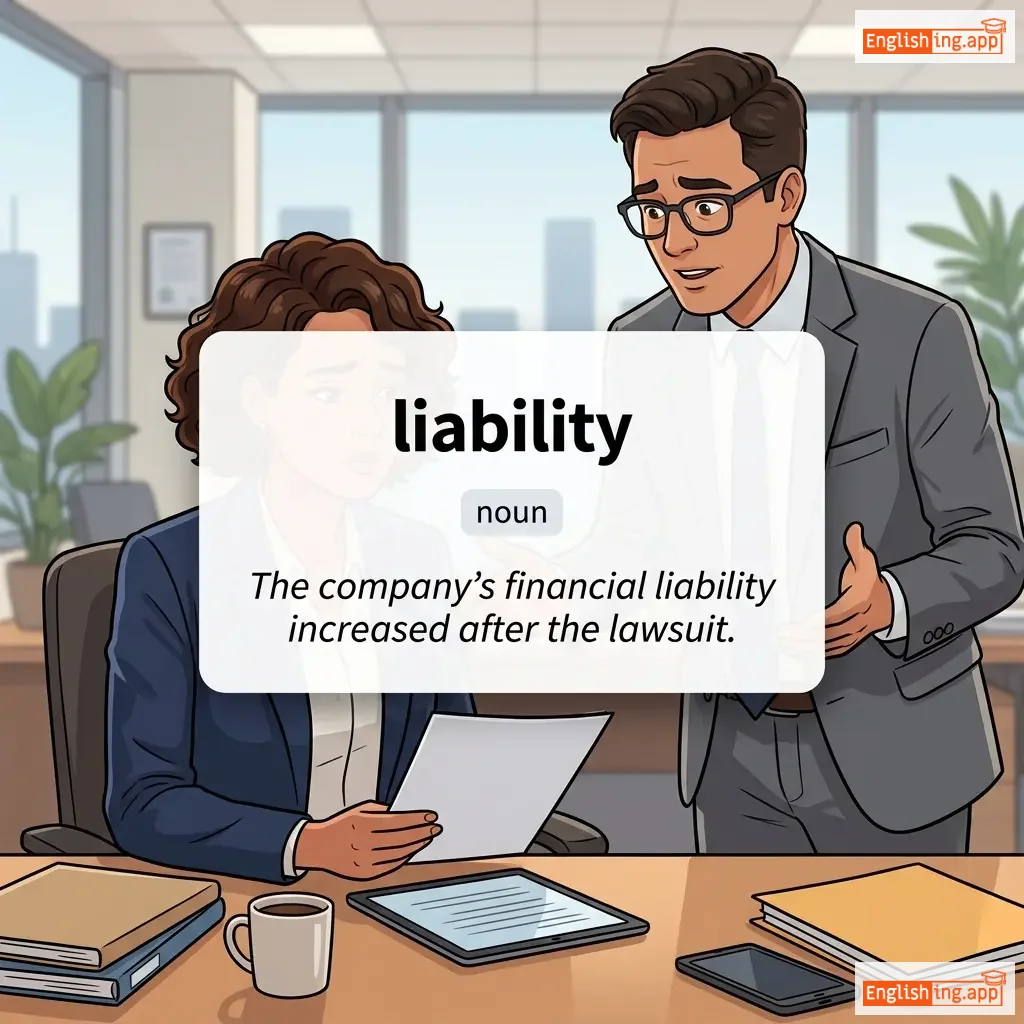
liability definition card — visual illustration of the meaning
noun
/ˌlaɪəˈbɪləti/
ответственность (otvetstvennost)

the state of being legally responsible for something; something that acts as a disadvantage

"The company’s financial liability increased after the lawsuit."

"Финансовая ответственность компании увеличилась после иска." (Finansovaya otvetstvennost' kompanii uvelichilas' posle iska.)
adjective
/ˈlaɪəbl/
ответственный (otvetstvennyy)

legally responsible or likely to be affected by something

"He is liable to pay damages for the accident."

"Он ответственен за выплату компенсации за аварию." (On otvetstvenen za vyplatu kompensatsii za avariyu.)
noun
/liˈeɪzɒn/
связь (svyaz)

communication or cooperation between people or groups for a smooth working relationship

"She works as a liaison between the company and its clients."

"Она работает как связующее звено между компанией и её клиентами." (Ona rabotayet kak svyazuyushchee zveno mezhdu kompaniyey i yeye klientami.)
noun
/ˈlaɪ.ər/
лжец (lzhets)

a person who tells lies; someone who does not tell the truth

"Nobody trusts him because he is a liar."

"Никто ему не доверяет, потому что он лжец." (Nikto yemu ne doveryayet, potomu chto on lzhets.)
noun
/ˈlaɪbəl/
клевета (kleveta)

a published false statement that damages a person's reputation

"The newspaper was sued for libel after publishing false claims."

"Газета была подана в суд за клевету после публикации ложных заявлений." (Gazeta byla podana v sud za klevetu posle publikatsii lozhnykh zayavleniy.)
adjective
/ˈlaɪbələs/
клеветнический (klevenicheskij)

containing or constituting a false published statement that damages a person's reputation

"The article was found to be libelous and had to be retracted."
"Статья была признана клеветнической и должна была быть отозвана." (Stat'ya byla prizyvana klevetnicheskoy i dolzhna byla byt' otozvana)
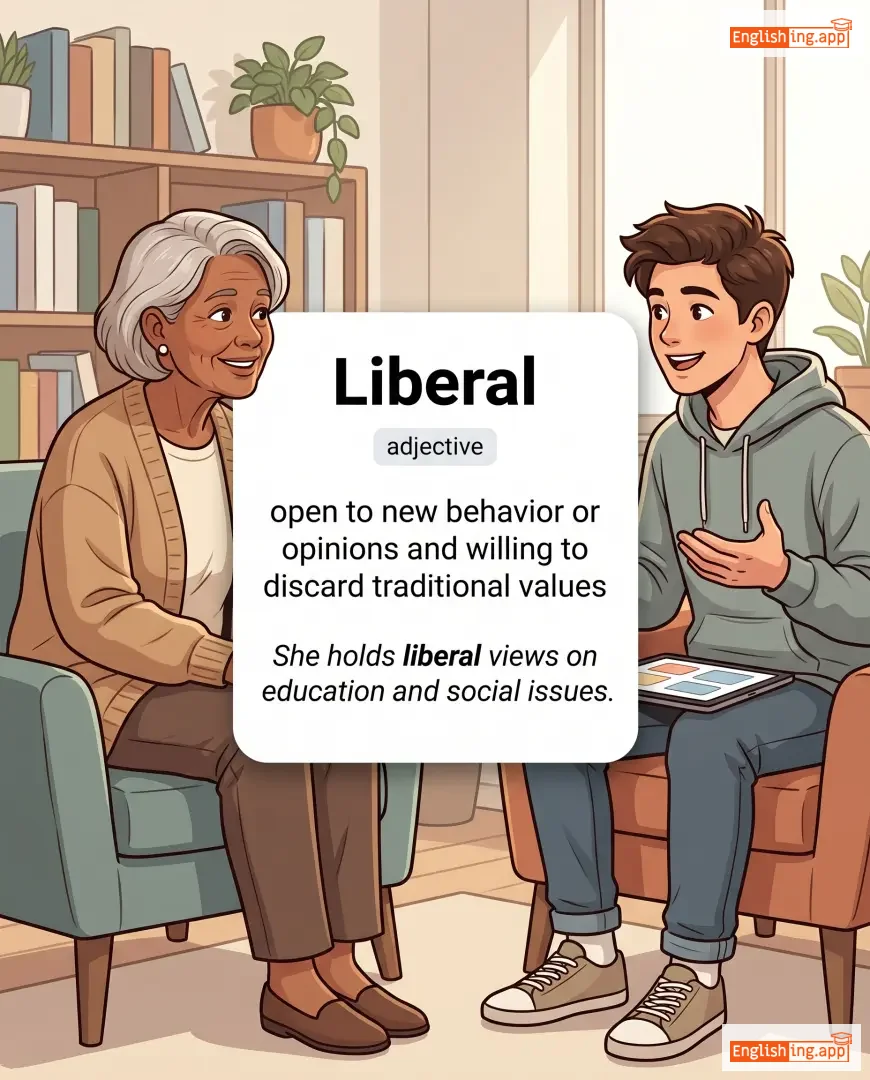
Liberal definition card — visual illustration of the meaning
adjective
/ˈlɪbərəl/
либеральный (liberal'nyy)

open to new behavior or opinions and willing to discard traditional values

"She holds liberal views on education and social issues."

"У неё либеральные взгляды на образование и социальные проблемы." (U neyo liberal'nye vzglyady na obrazovanie i sotsial'nye problemy.)
noun
/ˈlɪbərəlɪzəm/
либерализм (liberalizm)

a political and social philosophy advocating individual freedoms, democracy, and equality

"Liberalism emphasizes freedom of speech and human rights."

"Либерализм подчеркивает свободу слова и права человека." (Liberalizm podcherkivayet svobodu slova i prava cheloveka.)
noun
/ˈlɪbərəlɪst/
либерал (liberal)

a person who supports liberal ideas and principles

"He is a well-known liberalist advocating human rights."
"Он известный либерал, защищающий права человека." (On izvestnyy liberal, zashchishchayushchiy prava cheloveka.)
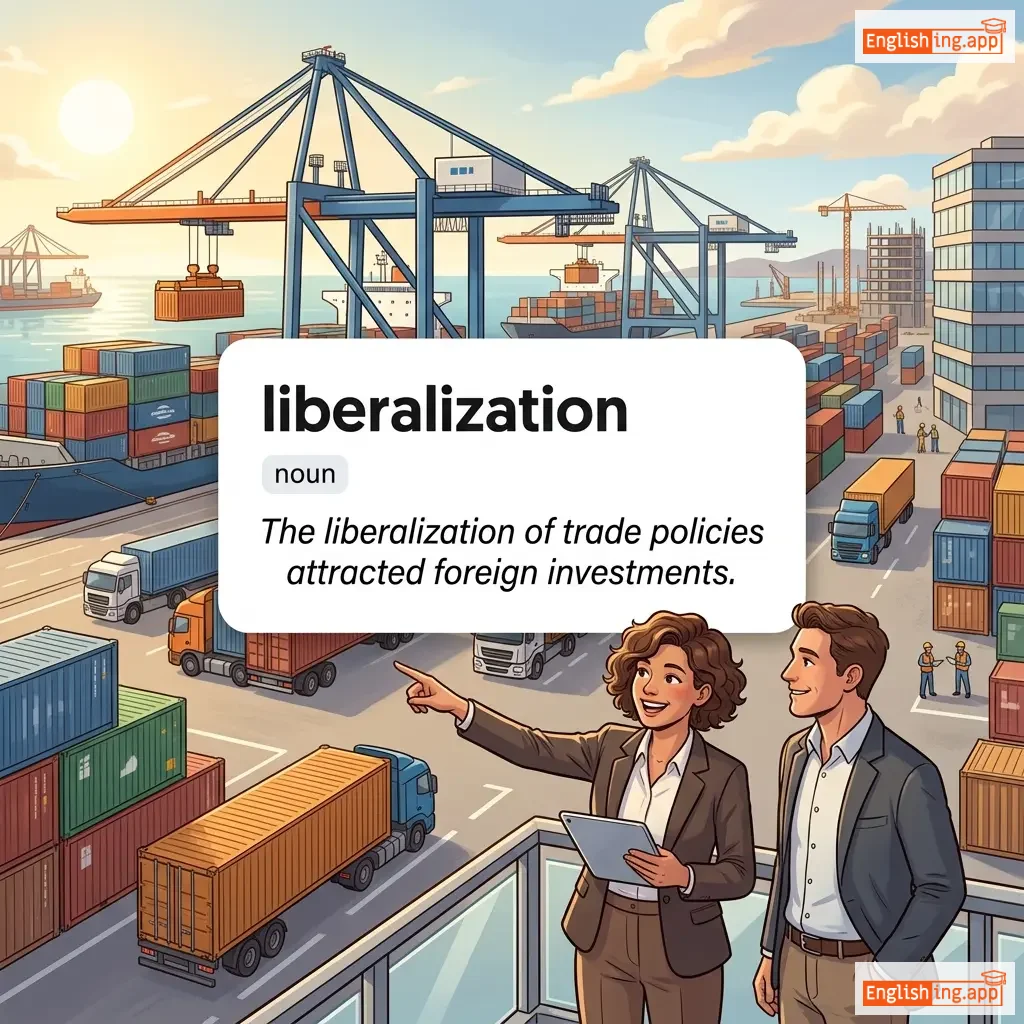
liberalization definition card — visual illustration of the meaning
noun
ˌlɪb.ər.ə.laɪˈzeɪ.ʃən
либерализация (liberalizatsiya)

The removal or loosening of restrictions on something, typically an economic or political system.

"The liberalization of trade policies attracted foreign investments."
"Либерализация торговой политики привлекла иностранные инвестиции." (Liberalizatsiya torgovoy politiki privlekla inostrannyye investitsii.)
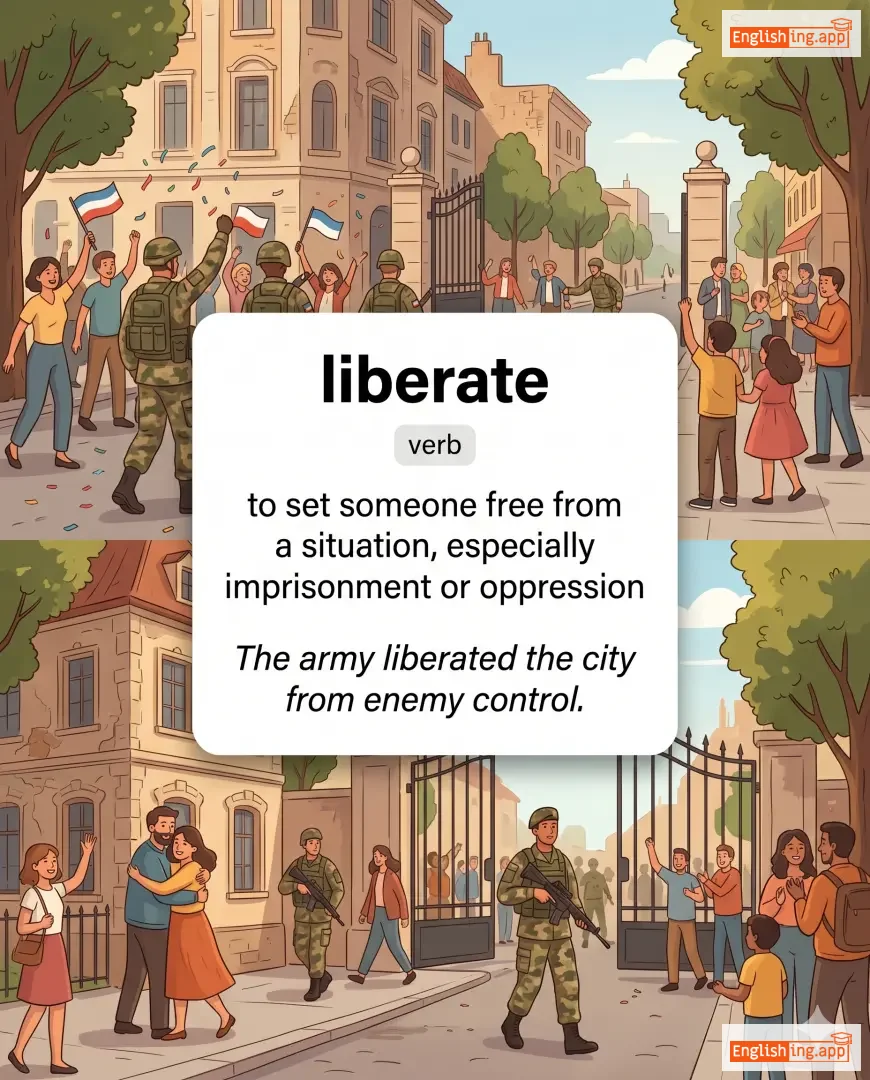
liberate definition card — visual illustration of the meaning
verb
/ˈlɪbəreɪt/
освобождать (osvobozhdat')

to set someone free from a situation, especially imprisonment or oppression

"The army liberated the city from enemy control."

"Армия освободила город от вражеского контроля." (Armiya osvobodila gorod ot vrazheskogo kontrolya.)