

翻訳
過去
過去分詞
三人称単数
動名詞
意味
例文
例文の翻訳
同義語
対義語
コロケーション
ニーモニック






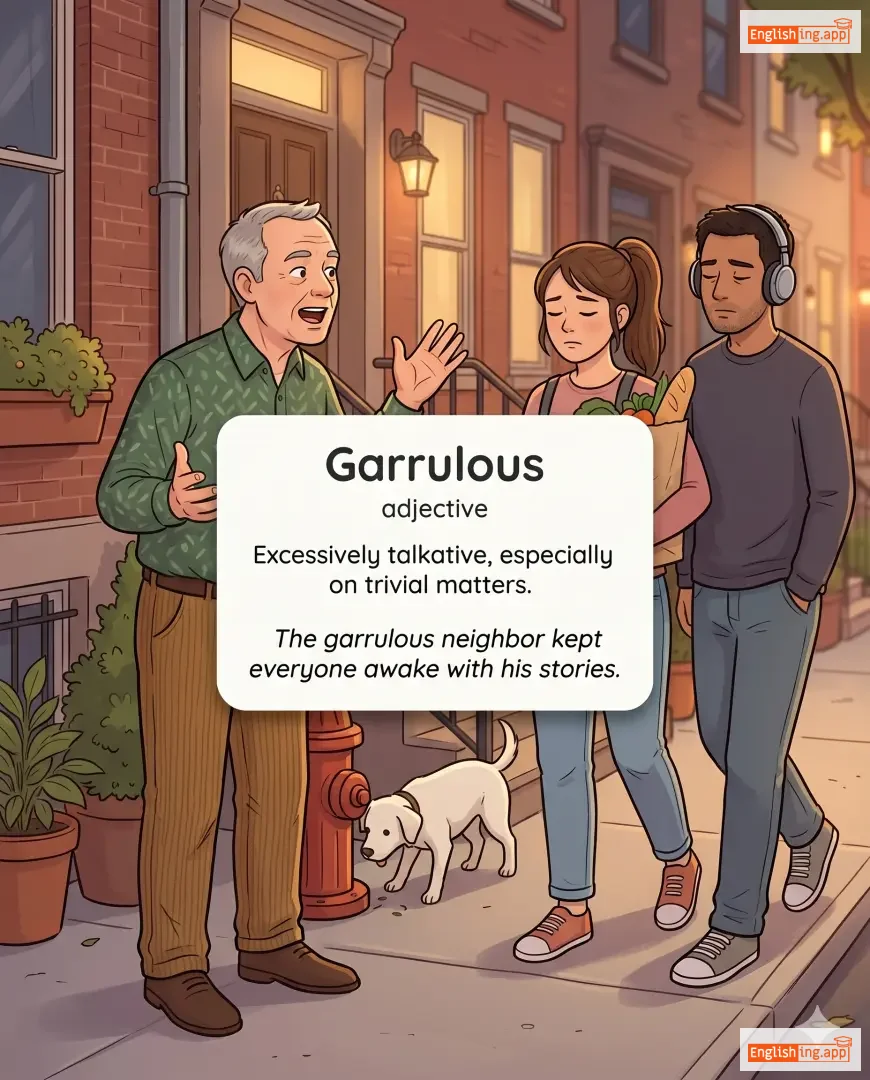
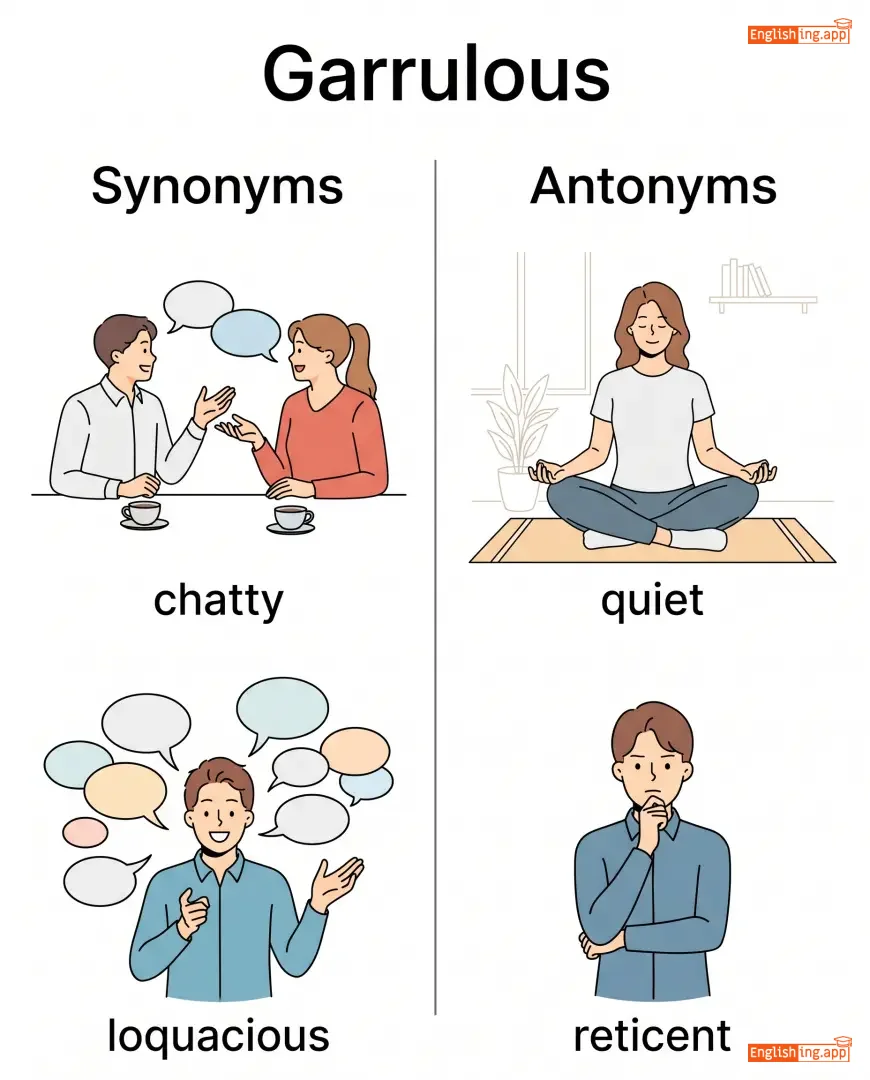
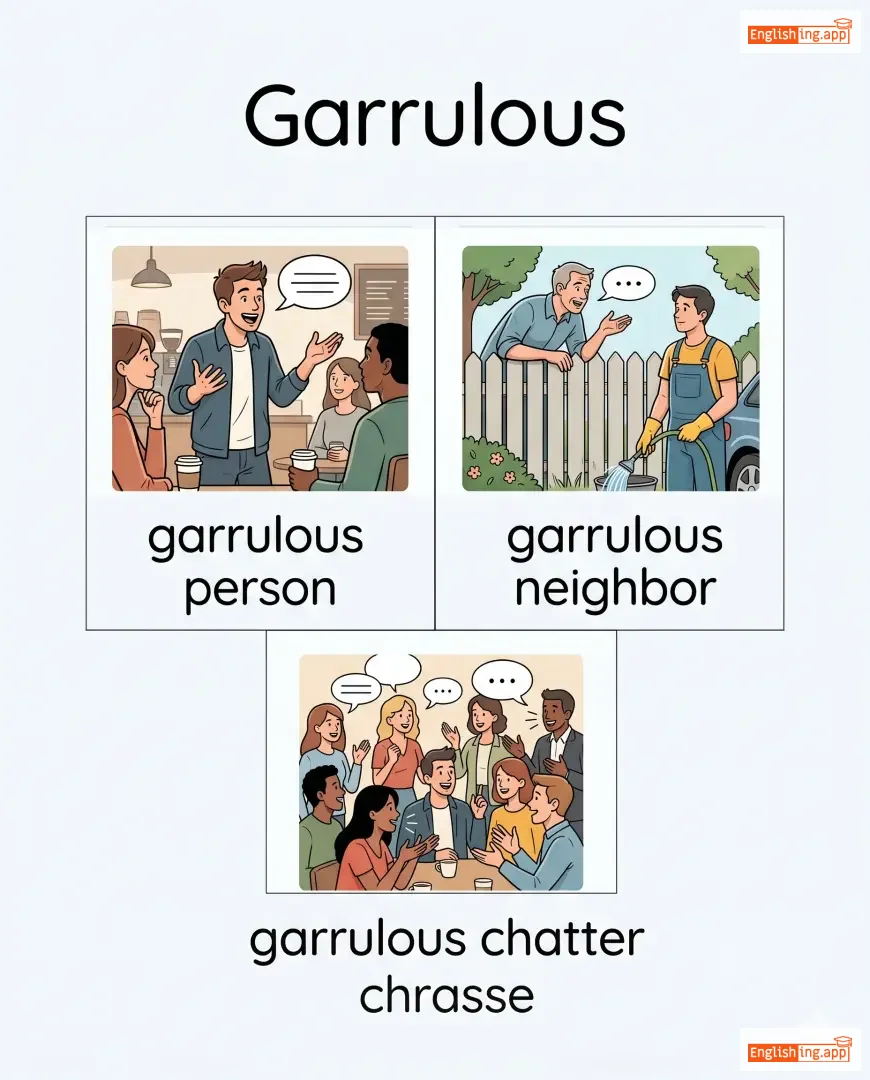

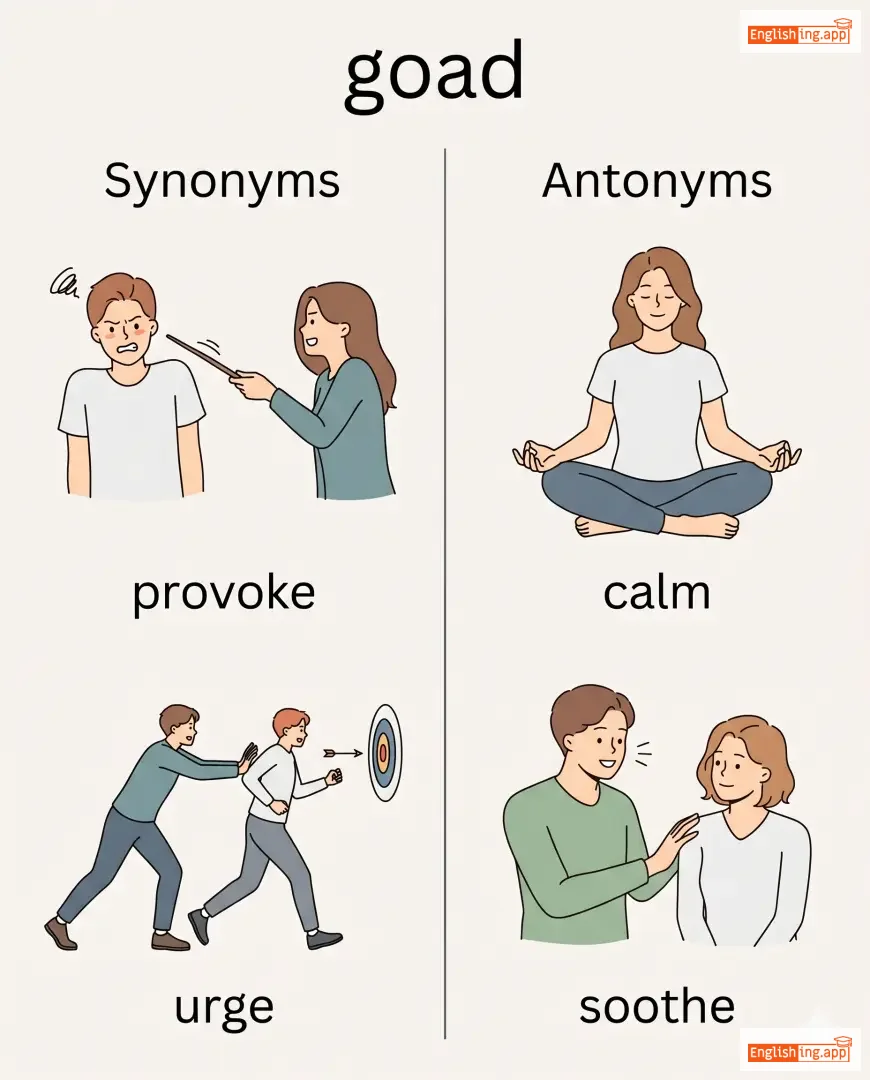
Swipe left or right, or use the buttons. Tap image to zoom.
例文の翻訳
単語
Lesson 6Lesson 6 - マスクトグル
|
絵文字
|
単語 | Images | 翻訳 | 過去 | 過去分詞 | 三人称単数 | 動名詞 | 意味 | 例文 | 例文の翻訳 | 表現例 | 表現例の意味 | 表現例の翻訳 | 同義語 | 対義語 | コロケーション | ニーモニック |
|---|---|---|---|---|---|---|---|---|---|---|---|---|---|---|---|---|---|
|
#126
🔮
|
/ˌɛsəˈtɛrɪk/
adjective
(エソテリック)
••••••
|
|
秘教的
hikyou teki
••••••
|
- •••••• | - •••••• | - •••••• | - •••••• |
intended for or understood by only a small number of people with special knowledge
••••••
|
The professor gave an esoteric lecture on ancient philosophy. |
教授は古代哲学に関する秘教的な講義を行いました。
Kyouju wa kodai tetsugaku ni kansuru hikyou teki na kougi wo okonai mashita.
••••••
|
- •••••• | - •••••• | - •••••• |
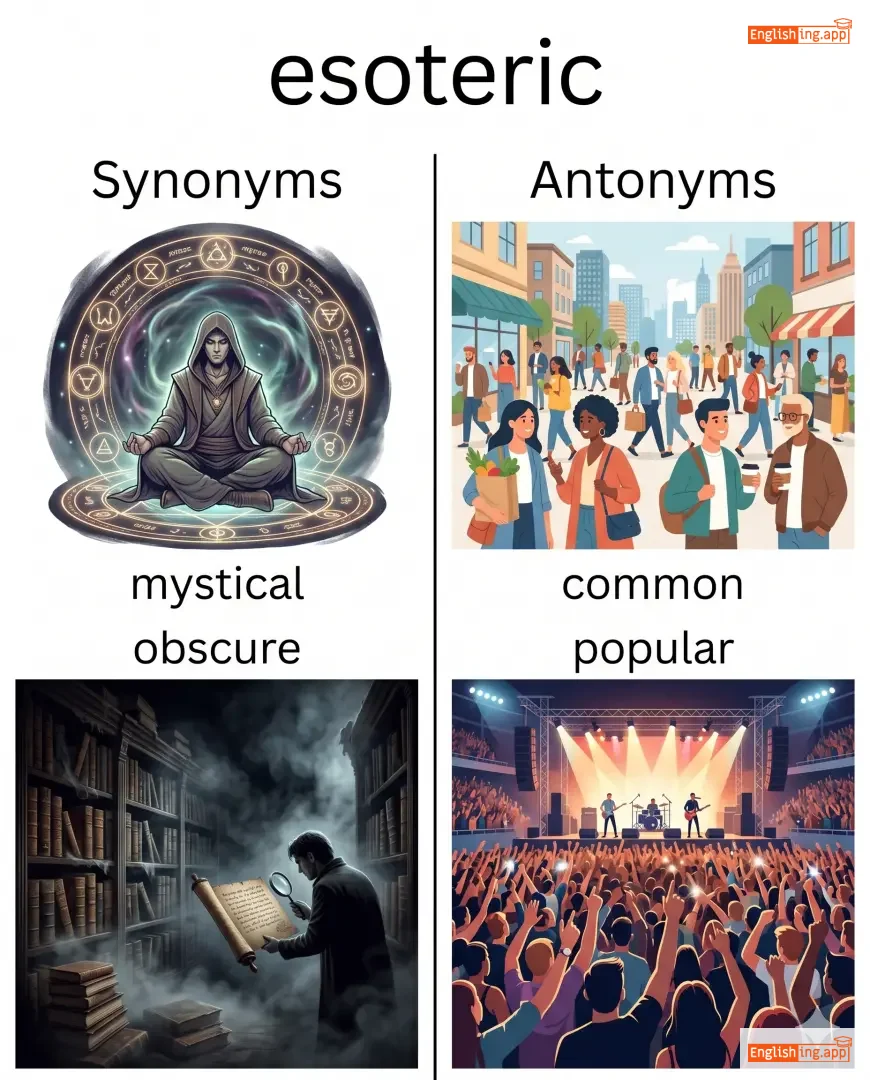
mystical, obscure, cryptic, abstract, arcane
••••••
|
common, popular, simple
••••••
|
esoteric knowledge, esoteric subject, esoteric teaching
••••••
|
Eso (エソ) + テリック、意味は少数の専門家だけが理解できること
••••••
|
|
#127
💐
|
/ˈjuːlədʒi/
noun
(ユーロジー)
••••••
|
|
弔辞
chouji
••••••
|
- •••••• | - •••••• | - •••••• | - •••••• |
A speech or piece of writing that praises someone, especially after their death.
••••••
|
Her brother delivered a heartfelt eulogy at the funeral. |
彼女の兄は葬式で感動的な弔辞を述べました。
Kanojo no ani wa soushiki de kandouteki na chouji o nobemashita.
••••••
|
- •••••• | - •••••• | - •••••• |
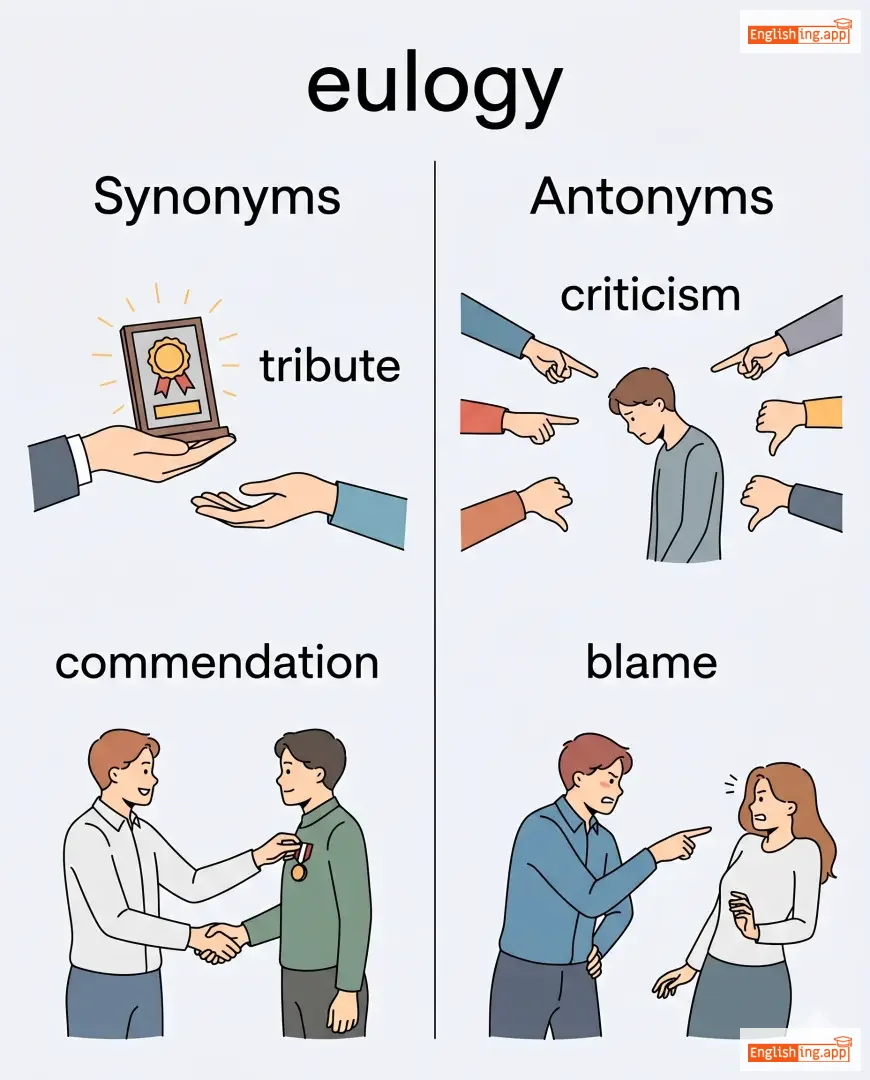
tribute, commendation, accolade, praise
••••••
|
criticism, blame
••••••
|
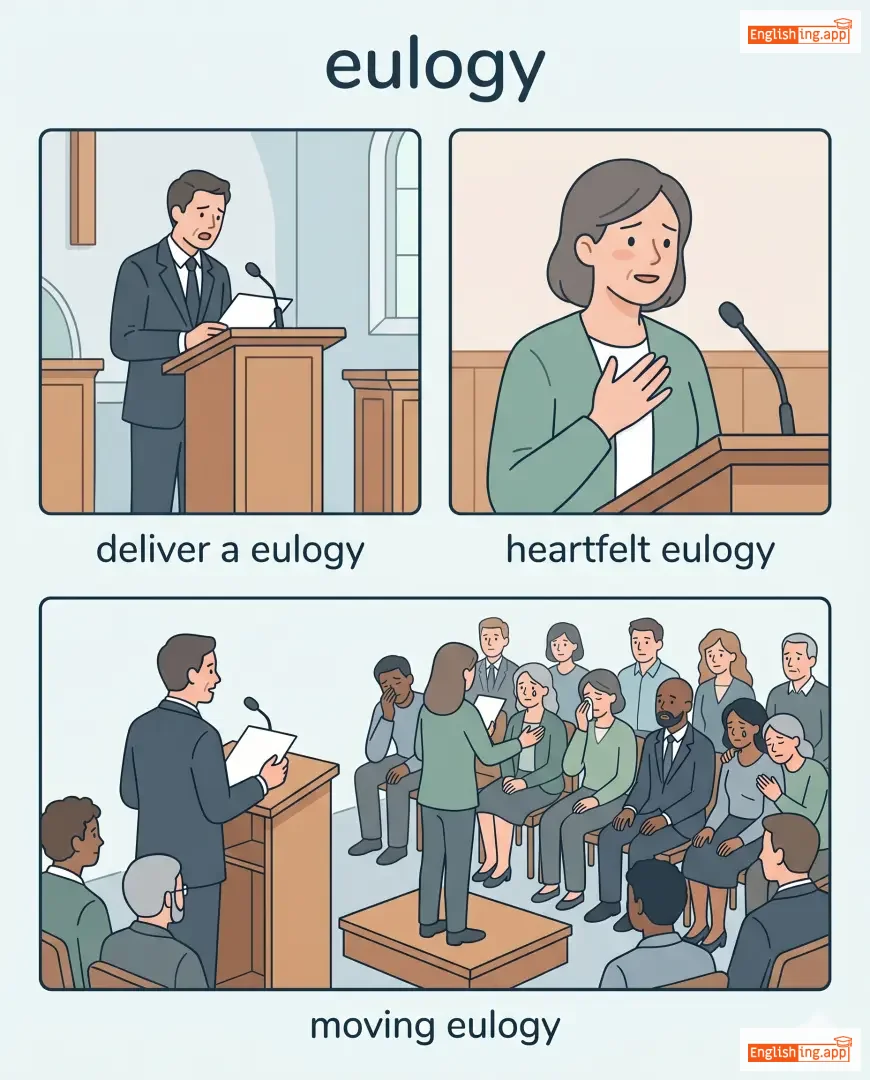
deliver a eulogy, heartfelt eulogy, moving eulogy
••••••
|
弔辞(chouji)は、故人を称賛するための言葉です。
••••••
|
|
#128
🗣️
|
/ˈjuːfəmɪzəm/
noun
(ユーフェミズム)
••••••
|
|
婉曲語
wankyokugo
••••••
|
- •••••• | - •••••• | - •••••• | - •••••• |
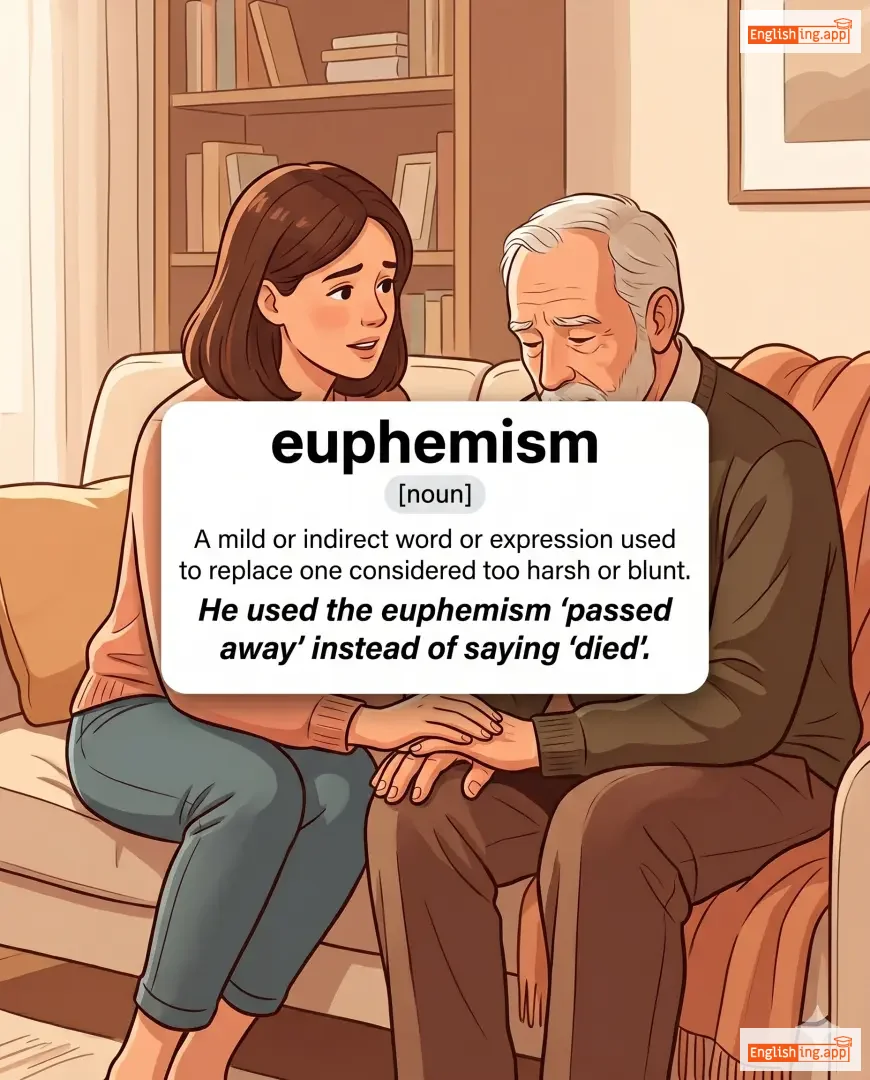
A mild or indirect word or expression used to replace one considered too harsh or blunt.
••••••
|
He used the euphemism 'passed away' instead of saying 'died'. |
彼は「亡くなった」という代わりに「逝った」という婉曲語を使った。
Kare wa 'nakunatta' to iu kawari ni 'itta' to iu wankyokugo o tsukatta.
••••••
|
- •••••• | - •••••• | - •••••• |
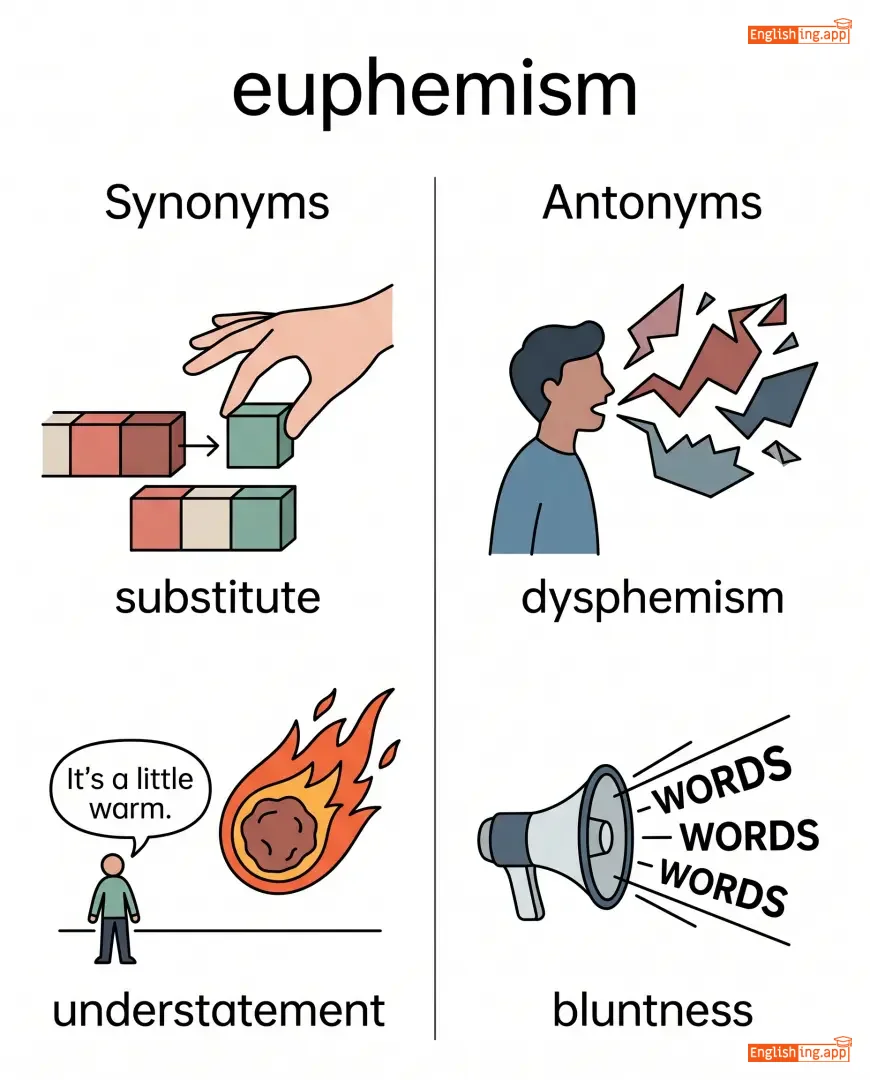
substitute, understatement, circumlocution, softening, polite term
••••••
|
dysphemism, bluntness, directness
••••••
|
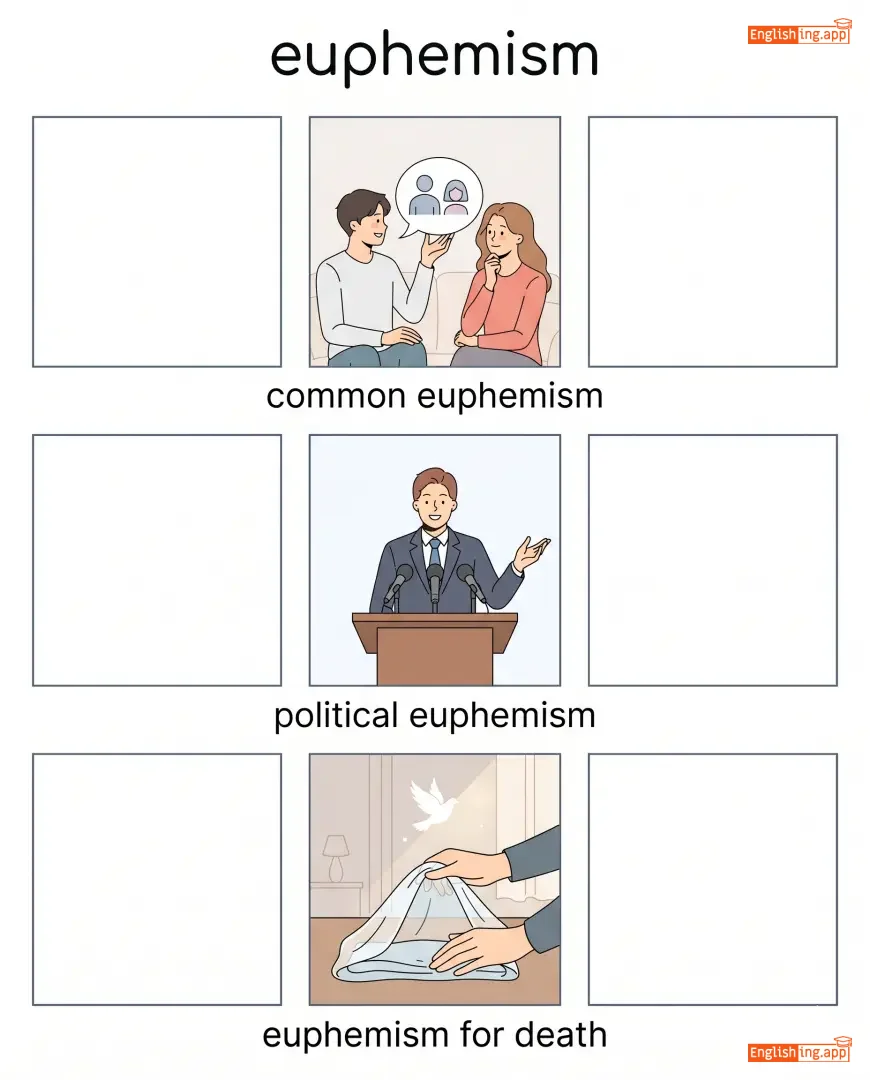
common euphemism, political euphemism, euphemism for death, use a euphemism
••••••
|
婉曲語は '優しく話す' ことを意味します—例えば '亡くなった' ではなく '逝った' と言うことです。
••••••
|
|
#129
🔥
|
/ɪɡˈzæsərˌbeɪt/
verb
(エクササーベイト)
••••••
|
|
悪化させる
akka saseru
••••••
|
exacerbated
エクササーベイテッド
••••••
|
exacerbated
エクササーベイテッド
••••••
|
exacerbates
エクササーベイツ
••••••
|
exacerbating
エクササーベイティング
••••••
|
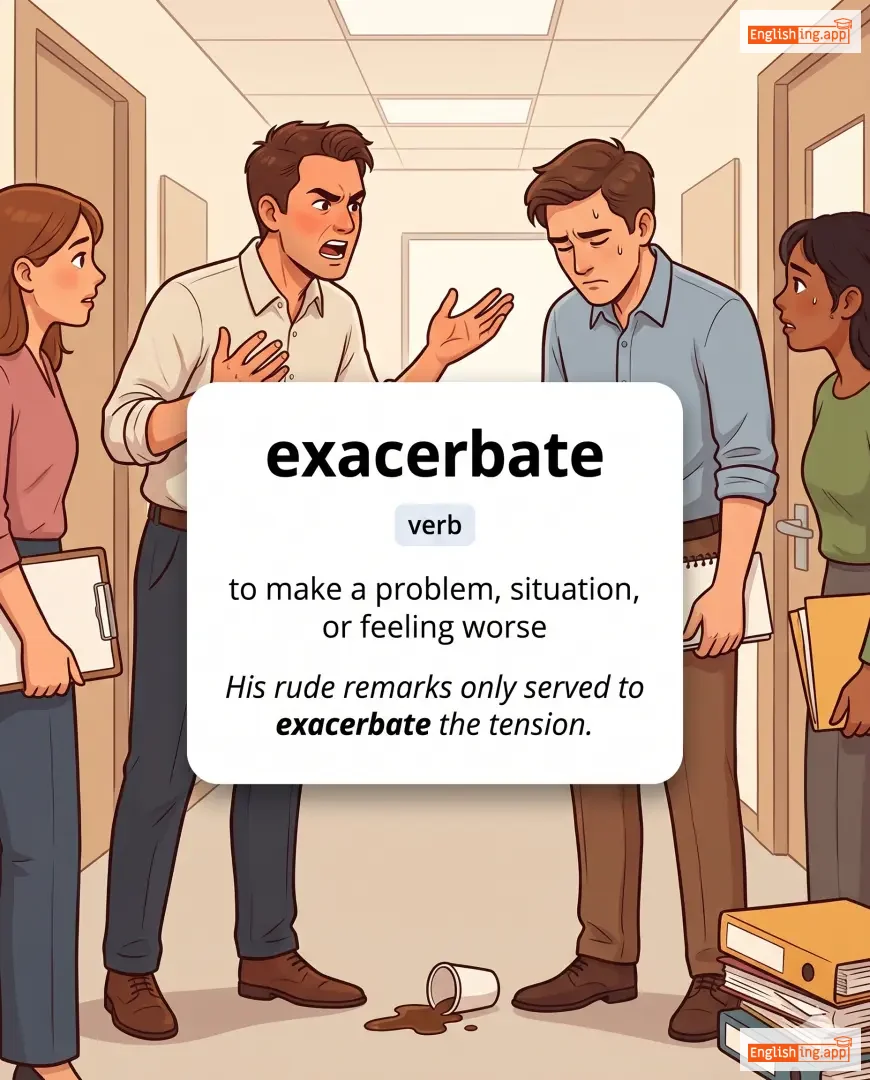
to make a problem, situation, or feeling worse
••••••
|
His rude remarks only served to exacerbate the tension.
彼の失礼なコメントは、緊張を悪化させるだけだった。
••••••
|
彼の失礼なコメントは、緊張を悪化させるだけだった。
Kare no shitsurei na komento wa, kinchou wo akka saseru dake datta.
••••••
|
- •••••• | - •••••• | - •••••• |
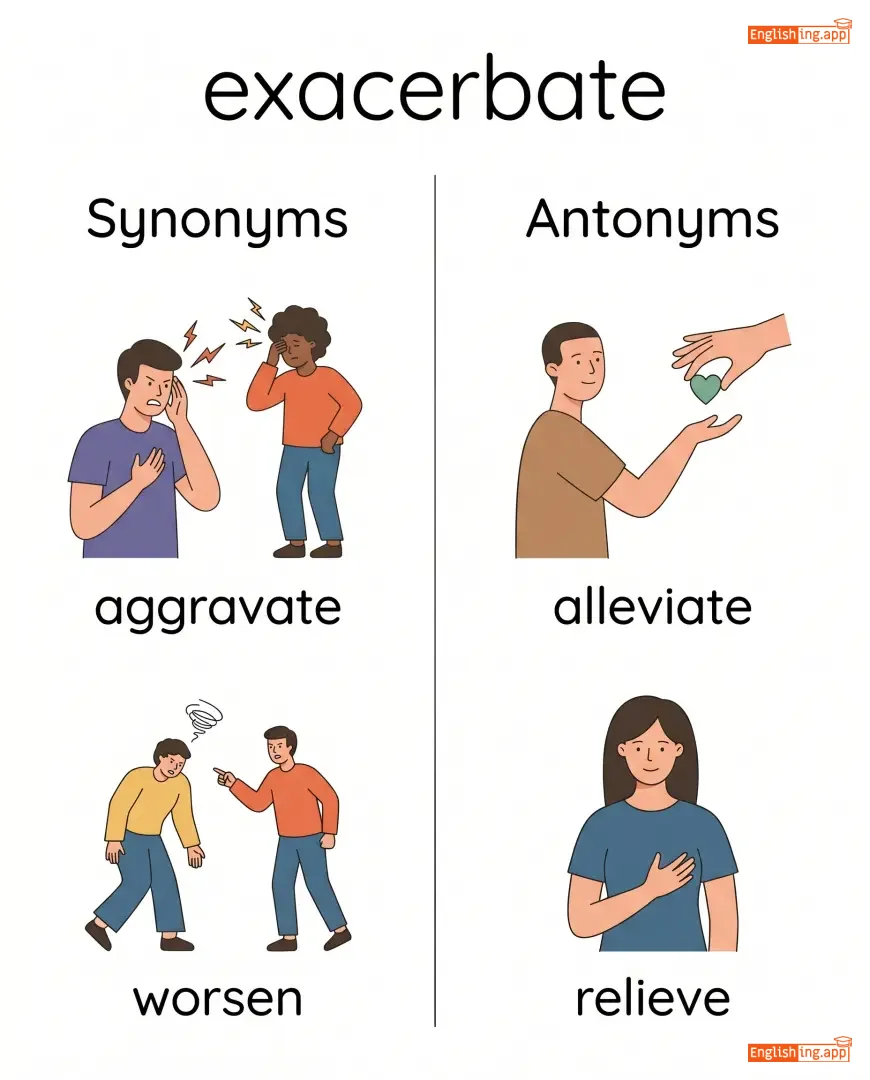
aggravate, worsen, intensify, heighten, inflame
••••••
|
alleviate, relieve, improve
••••••
|
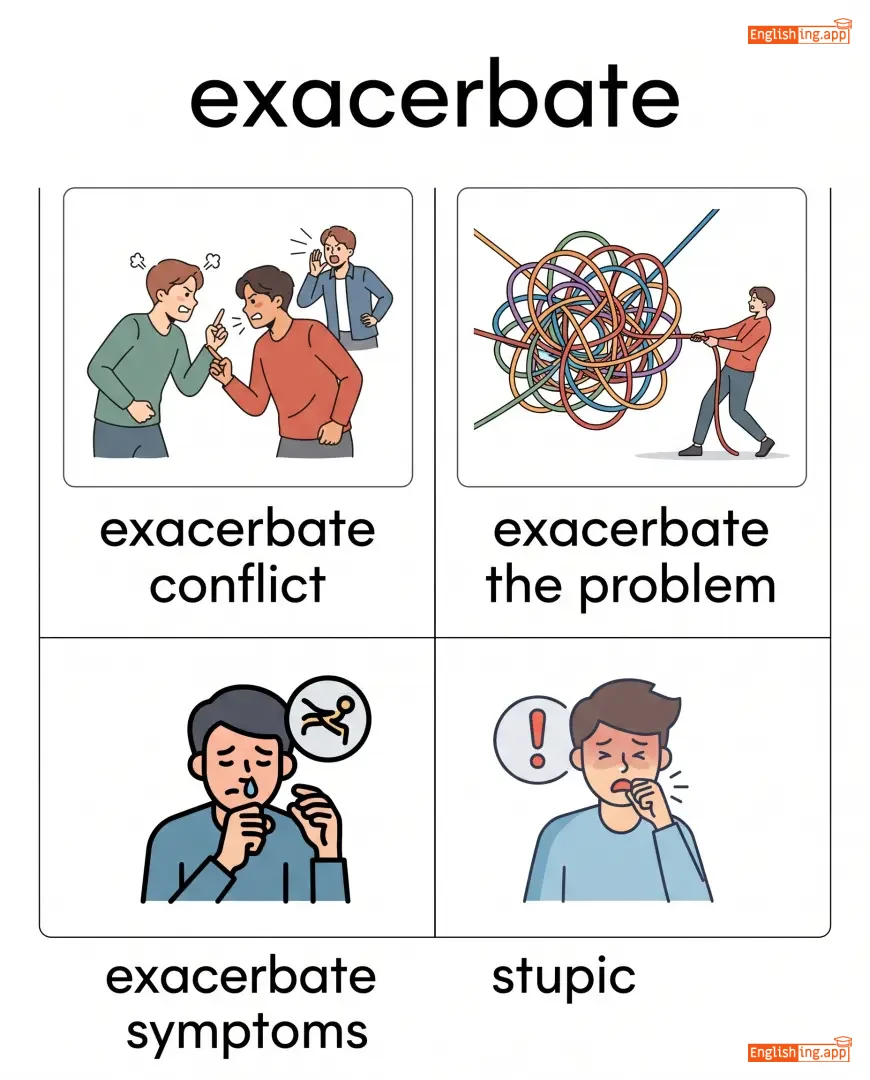
exacerbate conflict, exacerbate the problem, exacerbate symptoms, exacerbate tension
••••••
|
エクササーベイトは状況を悪化させること、問題をもっとひどくすることを意味します。
••••••
|
|
#130
⚖️
|
/ˈɛkskʌlpeɪt/
verb
(エクスカルペイト)
••••••
|
|
免罪する
menzai suru
••••••
|
exculpated
エクスカルペイテッド
••••••
|
exculpated
エクスカルペイテッド
••••••
|
exculpates
エクスカルペイツ
••••••
|
exculpating
エクスカルペイティング
••••••
|
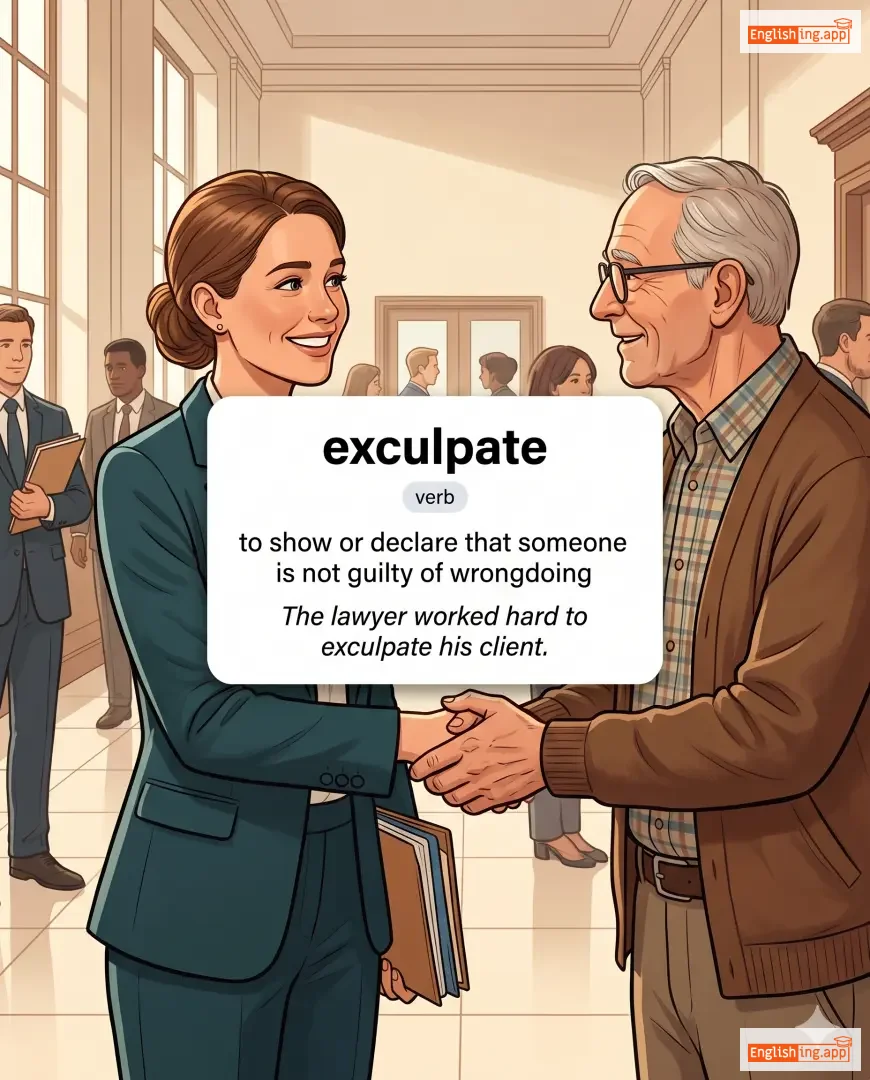
to show or declare that someone is not guilty of wrongdoing
••••••
|
The lawyer worked hard to exculpate his client.
弁護士はクライアントを無罪にするために懸命に働いた。
••••••
|
弁護士はクライアントを無罪にするために懸命に働いた。
Bengoshi wa kuraianto o muzai ni suru tame ni kenmei ni hataraita.
••••••
|
- •••••• | - •••••• | - •••••• |
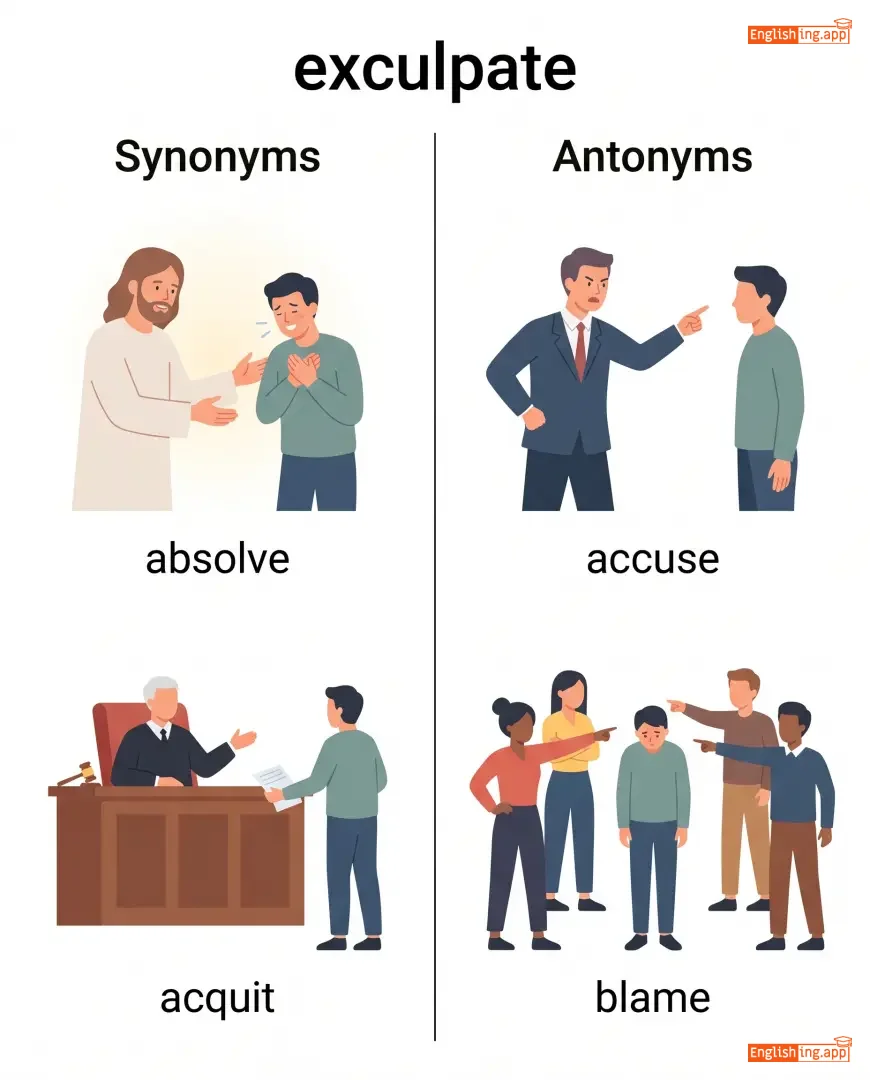
absolve, acquit, vindicate, exonerate
••••••
|
accuse, blame, convict
••••••
|
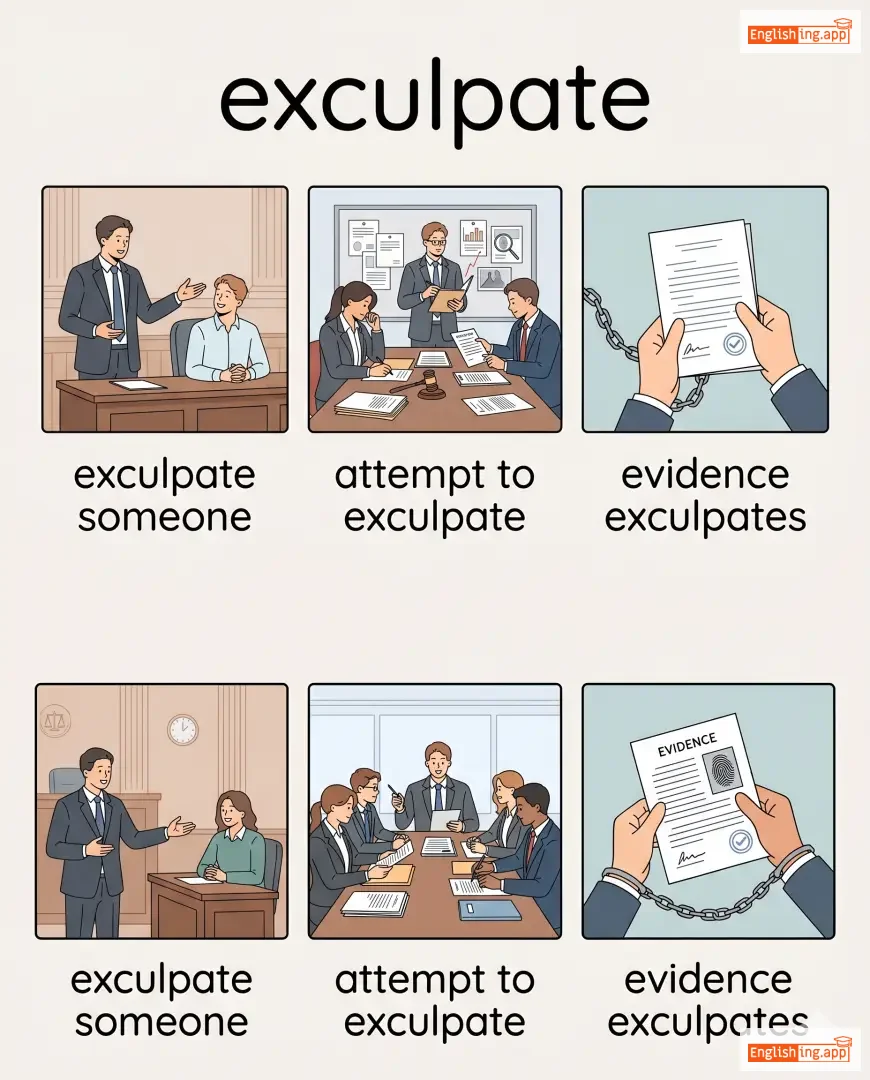
exculpate someone, attempt to exculpate, evidence exculpates
••••••
|
Exculpate = 免罪する → 免罪する犯人
••••••
|
|
#131
⏰
|
/ˈɛksɪdʒənsi/
noun
(ekusijensi)
••••••
|
|
緊急の必要性
kinkyu no hitsuyosei
••••••
|
- •••••• | - •••••• | - •••••• | - •••••• |
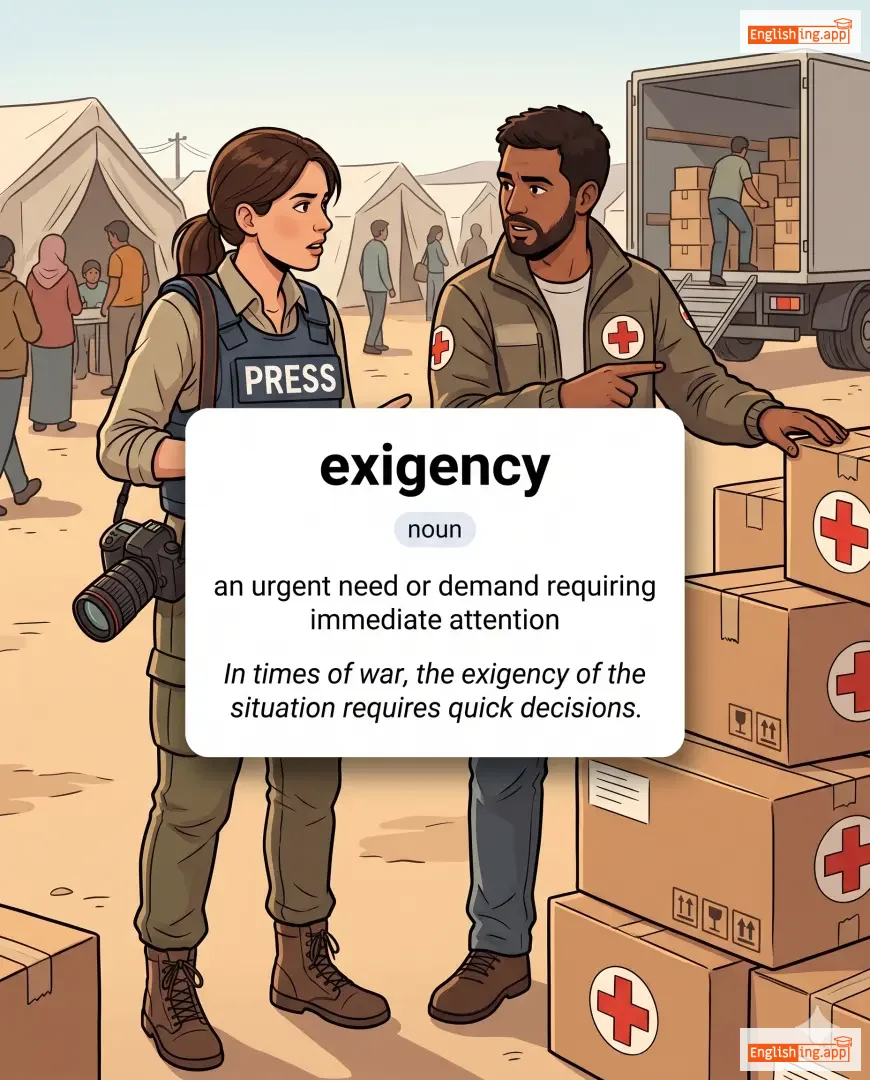
an urgent need or demand requiring immediate attention
••••••
|
In times of war, the exigency of the situation requires quick decisions. |
戦争の時、状況の緊急の必要性は迅速な決定を要求する。
Sensō no toki, jōkyō no kinkyu no hitsuyōsei wa jinsoku na kettei o yōkyū suru.
••••••
|
- •••••• | - •••••• | - •••••• |
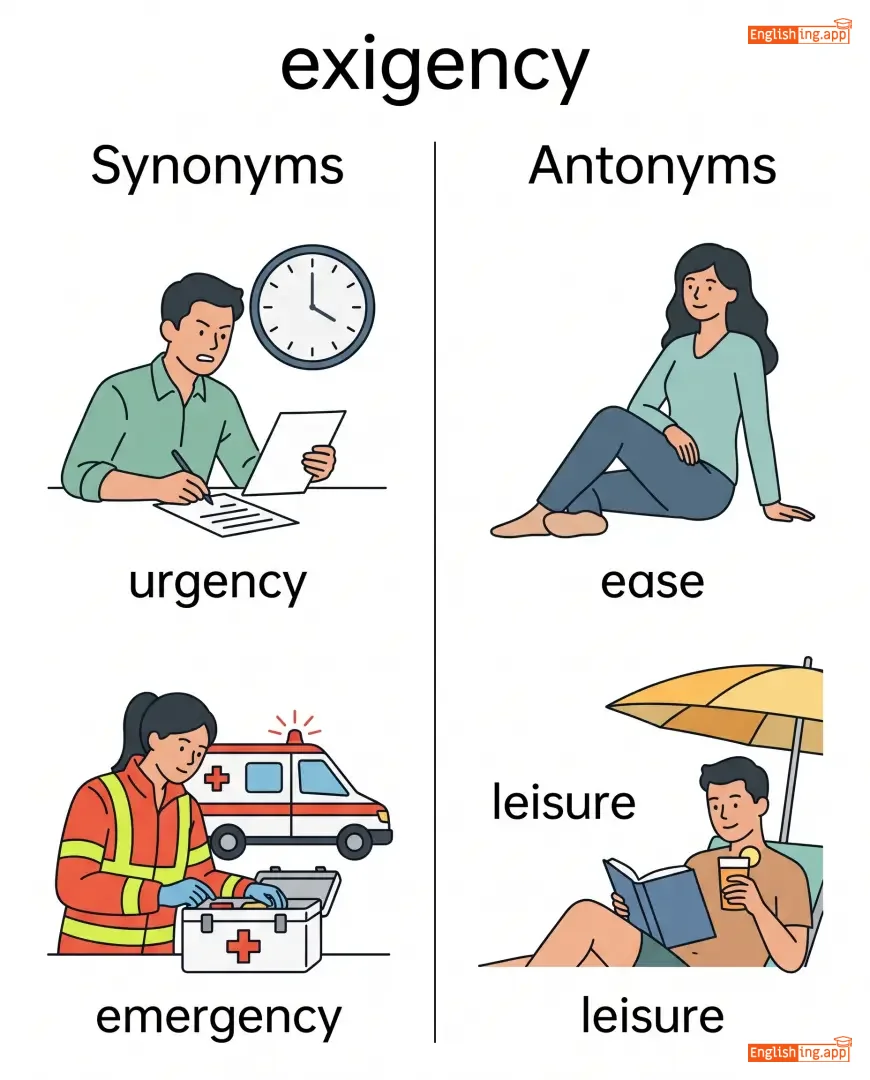
urgency, emergency, necessity, demand
••••••
|
ease, leisure, calm
••••••
|
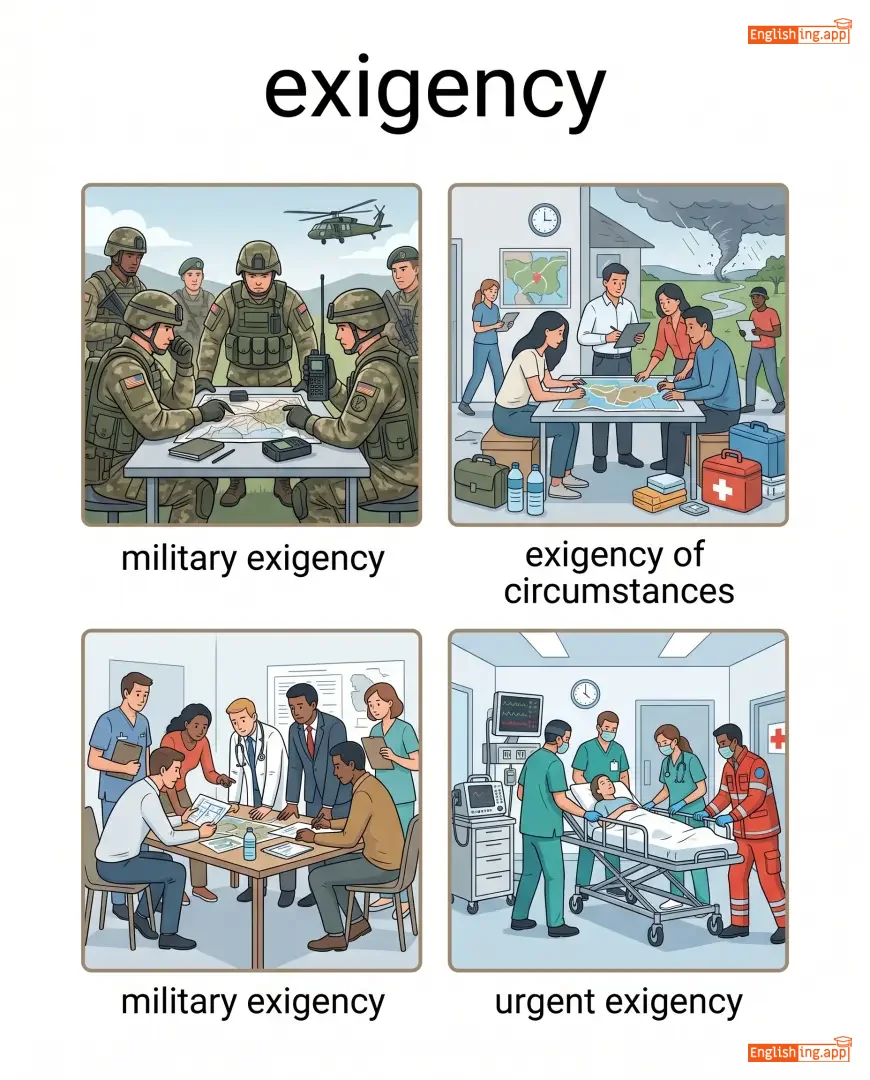
military exigency, exigency of circumstances, urgent exigency
••••••
|
Exigencyは日本語で緊急の必要性 – 緊急の対応を必要とする状況。
••••••
|
|
#132
🔮
|
/ɪkˌstræp.əˈleɪ.ʃən/
noun
(エクストラポレーション)
••••••
|
|
外挿
gaizō
••••••
|
- •••••• | - •••••• | - •••••• | - •••••• |
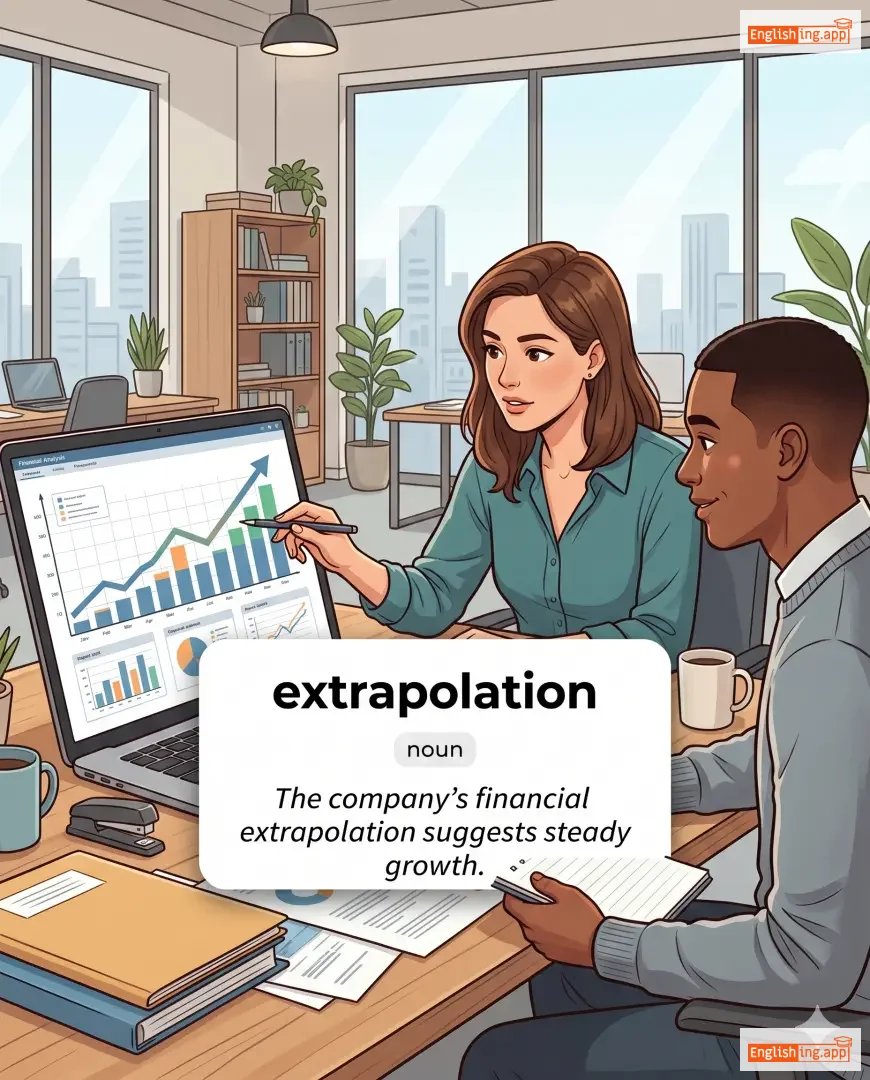
The process of estimating or predicting something based on extending known information.
••••••
|
The company's financial extrapolation suggests steady growth. |
その会社の財務的外挿は、安定した成長を示唆しています。
sono kaisha no zaimutekī gaizō wa, antei shita seichō o shisa shiteimasu.
••••••
|
- •••••• | - •••••• | - •••••• |
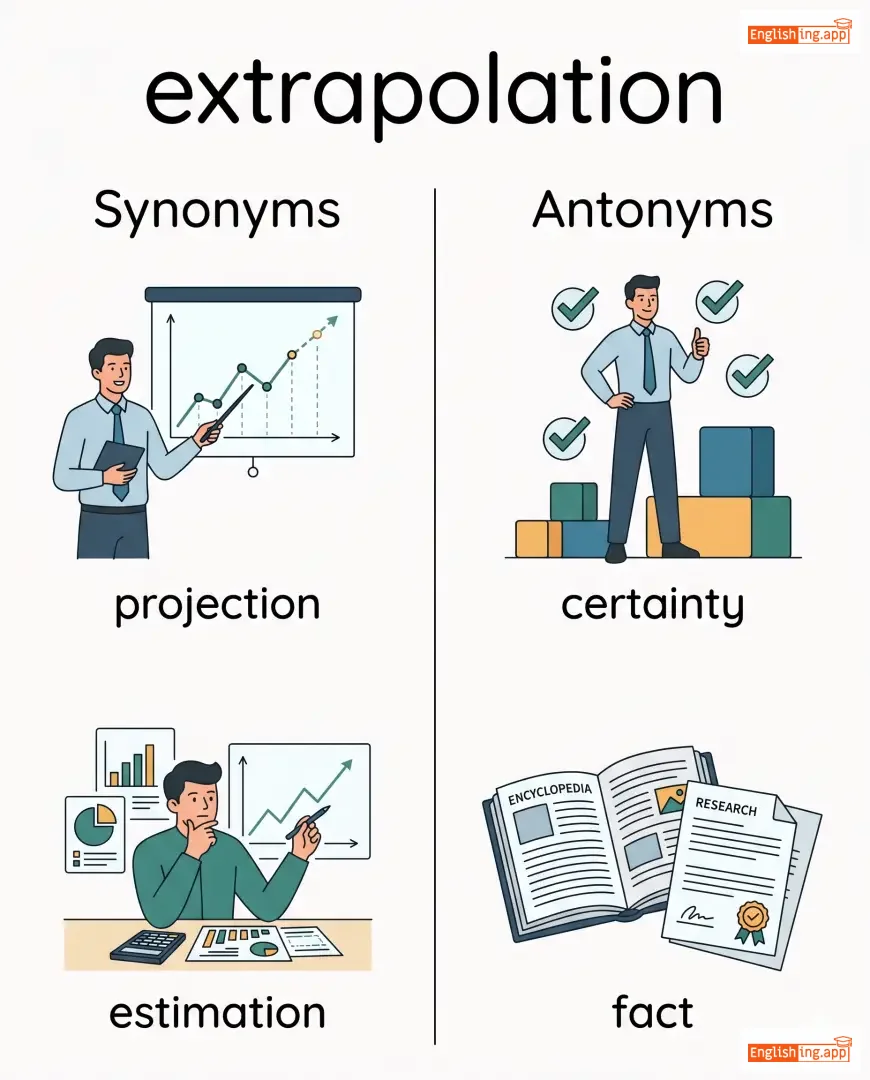
projection, estimation, inference, prediction, forecast
••••••
|
certainty, fact
••••••
|
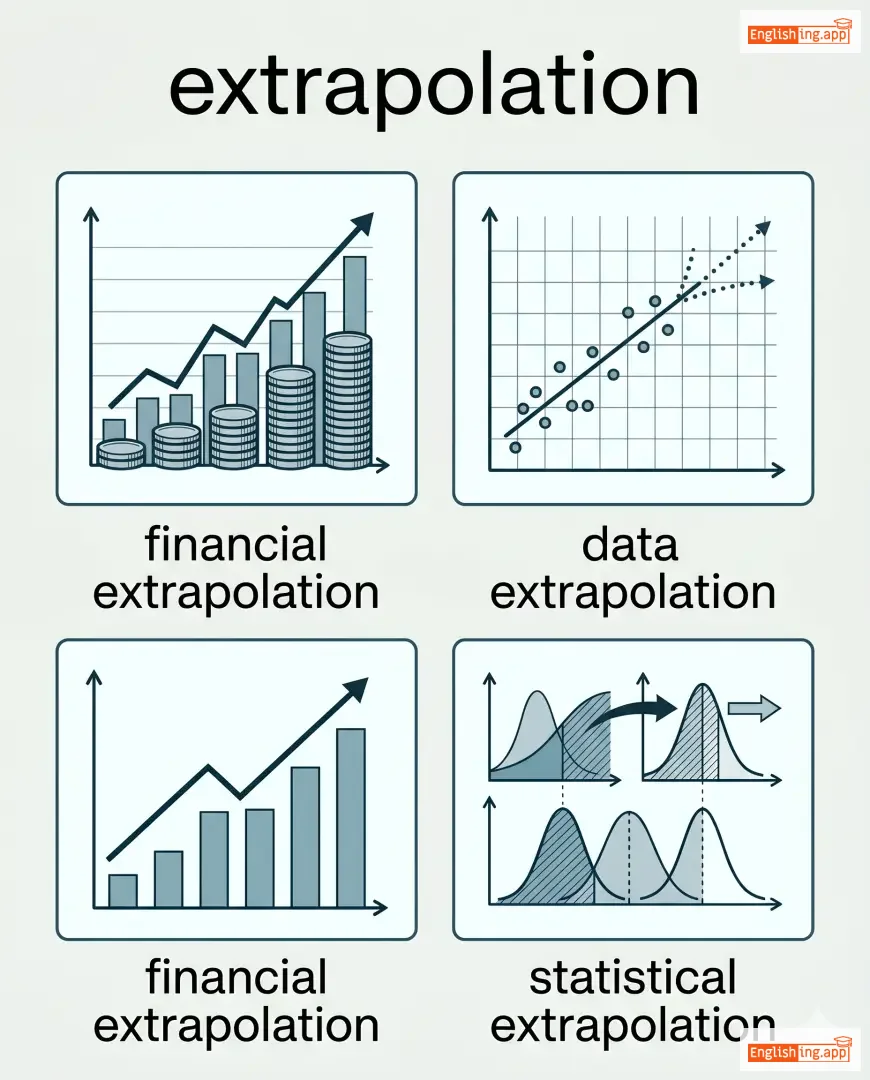
financial extrapolation, data extrapolation, statistical extrapolation, extrapolation method
••••••
|
Extrapolation = extra + 予測 → 追加データから予測する。
••••••
|
|
#133
😏
|
/fəˈsiːʃəs/
adjective
(フェイシャス)
••••••
|
|
皮肉な
hiniku na
••••••
|
- •••••• | - •••••• | - •••••• | - •••••• |
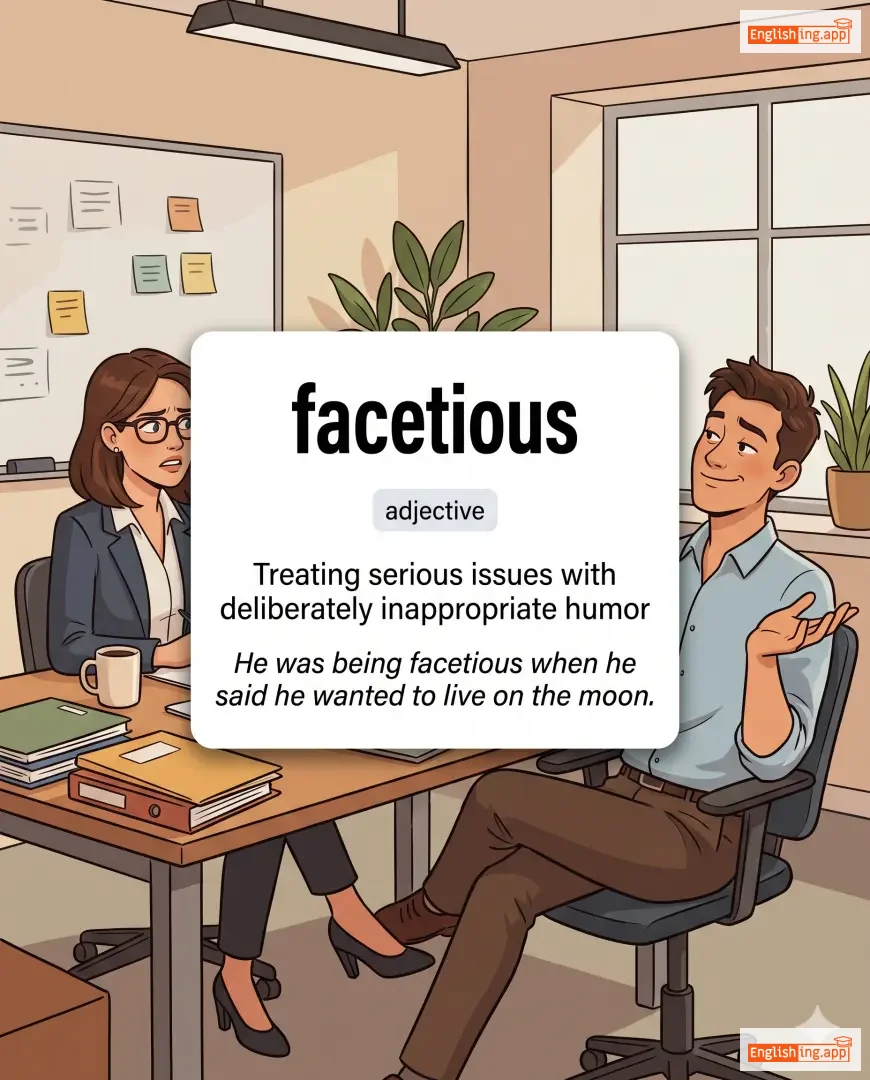
Treating serious issues with deliberately inappropriate humor
••••••
|
He was being facetious when he said he wanted to live on the moon. |
彼は月に住みたいと言ったとき、皮肉を言っていた。
Kare wa tsuki ni sumitai to itta toki, hiniku o itte ita.
••••••
|
- •••••• | - •••••• | - •••••• |
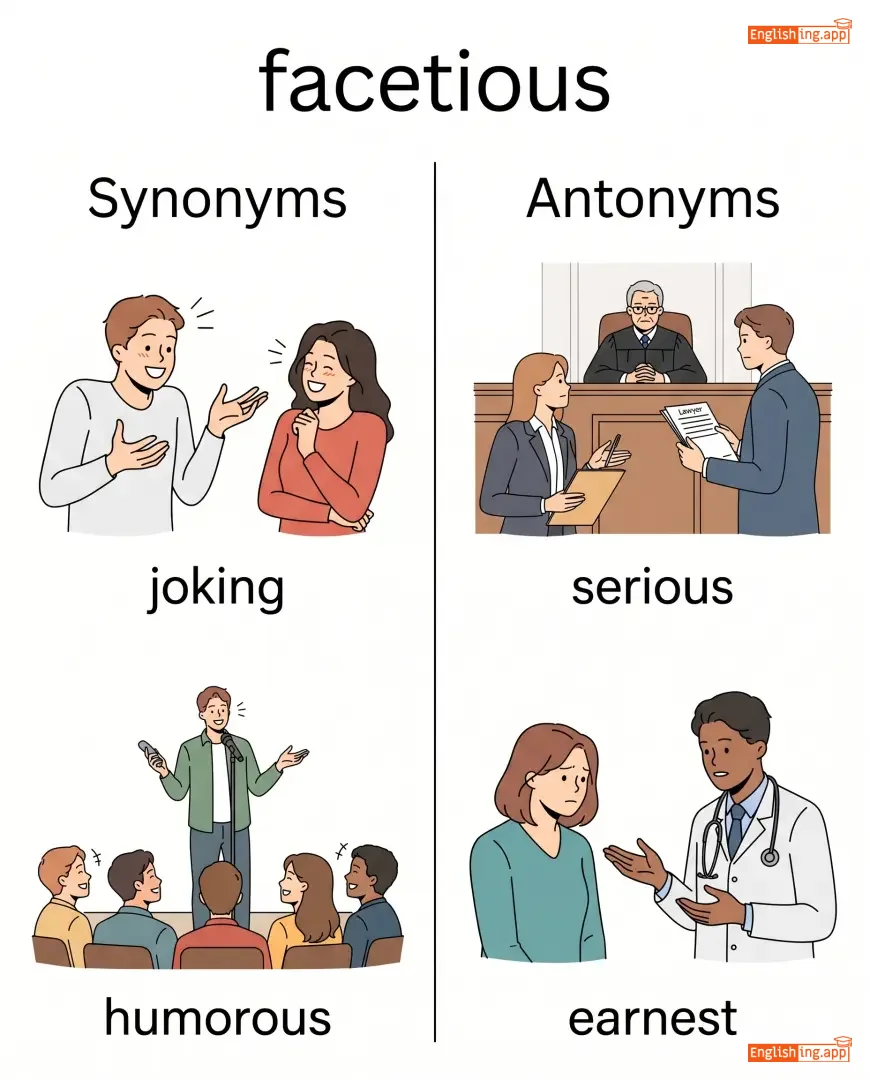
joking, humorous, playful, witty, flippant
••••••
|
serious, earnest, solemn
••••••
|
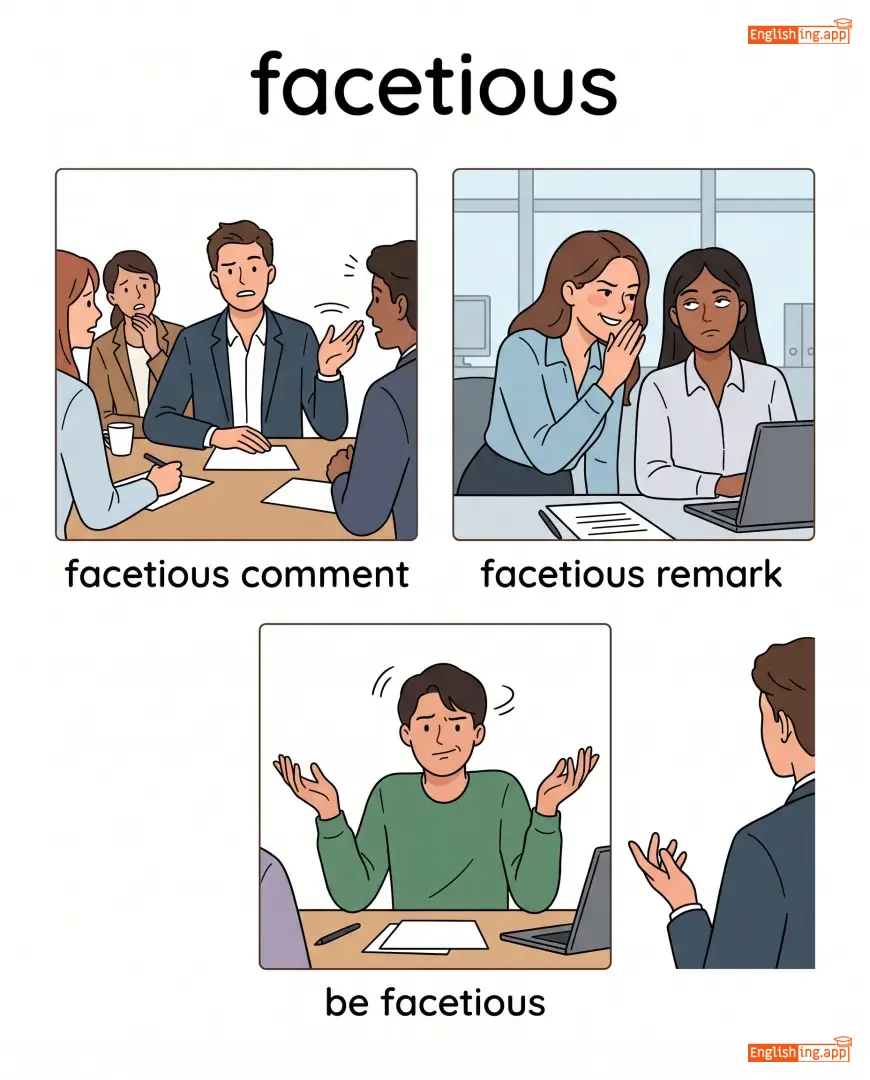
facetious comment, facetious remark, be facetious
••••••
|
Facetious = 'Face' と '皮肉' で真面目なことを冗談にする。
••••••
|
|
#134
⚙️
|
/fəˈsɪlɪteɪt/
verb
(ファシリテート)
••••••
|
|
促進する、容易にする
sokushin suru, yōi ni suru
••••••
|
facilitated
ファシリテーテッド
••••••
|
facilitated
ファシリテーテッド
••••••
|
facilitates
ファシリテーツ
••••••
|
facilitating
ファシリテーティング
••••••
|
to make an action or process easier or smoother
••••••
|
The new software will facilitate communication between departments.
新しいソフトウェアは部門間のコミュニケーションを促進します。
••••••
|
新しいソフトウェアは部門間のコミュニケーションを促進します。
Atarashī sofutowea wa bumonkan no komyunikēshon o sokushin shimasu.
••••••
|
- •••••• | - •••••• | - •••••• |
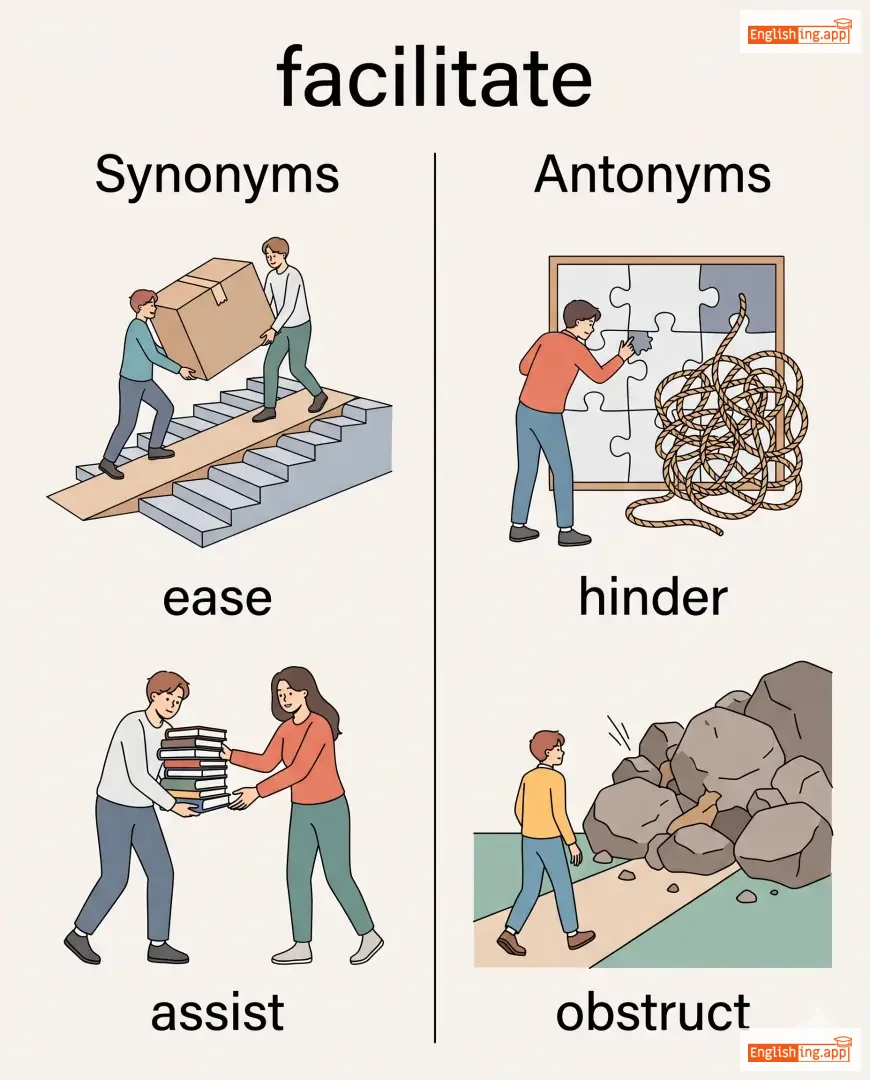
ease, assist, simplify, aid
••••••
|
hinder, obstruct, complicate
••••••
|
facilitate communication, facilitate process, facilitate learning, facilitate discussion
••••••
|
Facilitate - Face ill を楽にする
••••••
|
|
#135
❌
|
/fəˈleɪ.ʃəs/
adjective
(ファレイシャス)
••••••
|
|
誤解を招く
gokai wo maneku
••••••
|
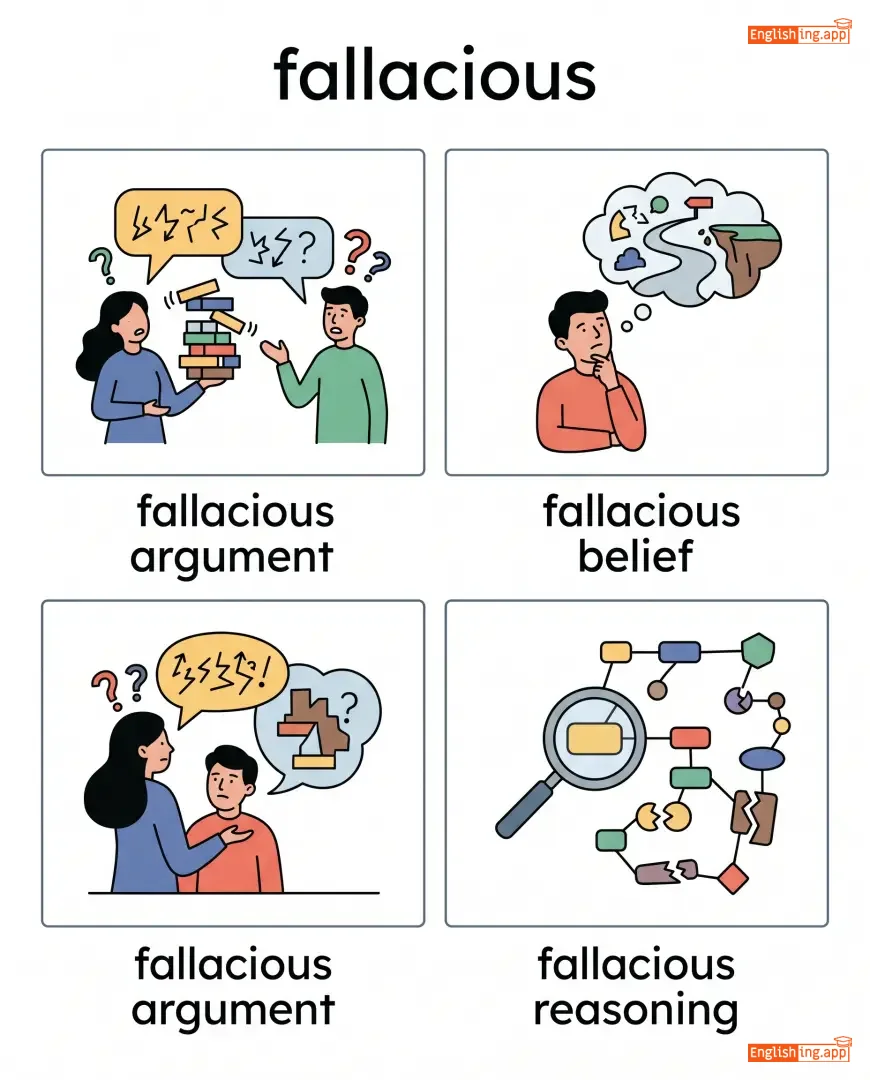
- •••••• | - •••••• | - •••••• | - •••••• |
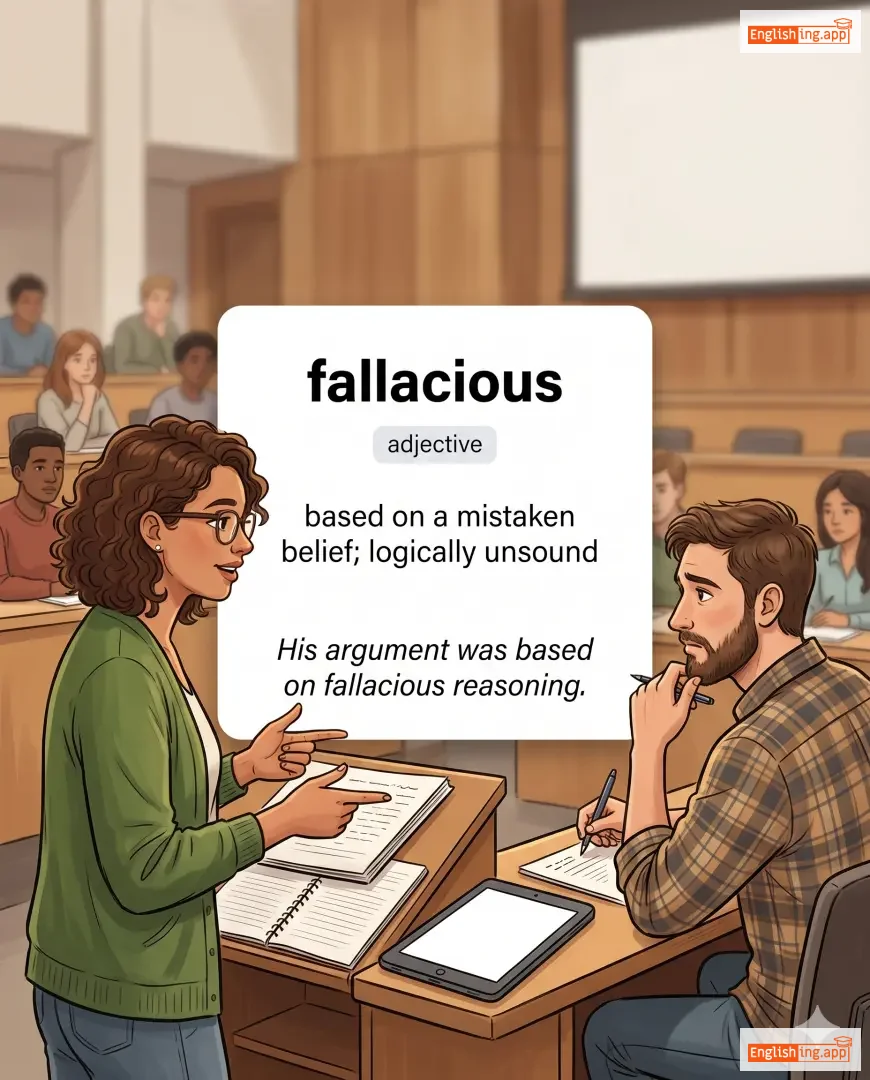
based on a mistaken belief; logically unsound
••••••
|
His argument was based on fallacious reasoning. |
彼の議論は誤解を招く推論に基づいていた。
Kare no giron wa gokai wo maneku suiron ni motozuite ita.
••••••
|
- •••••• | - •••••• | - •••••• |
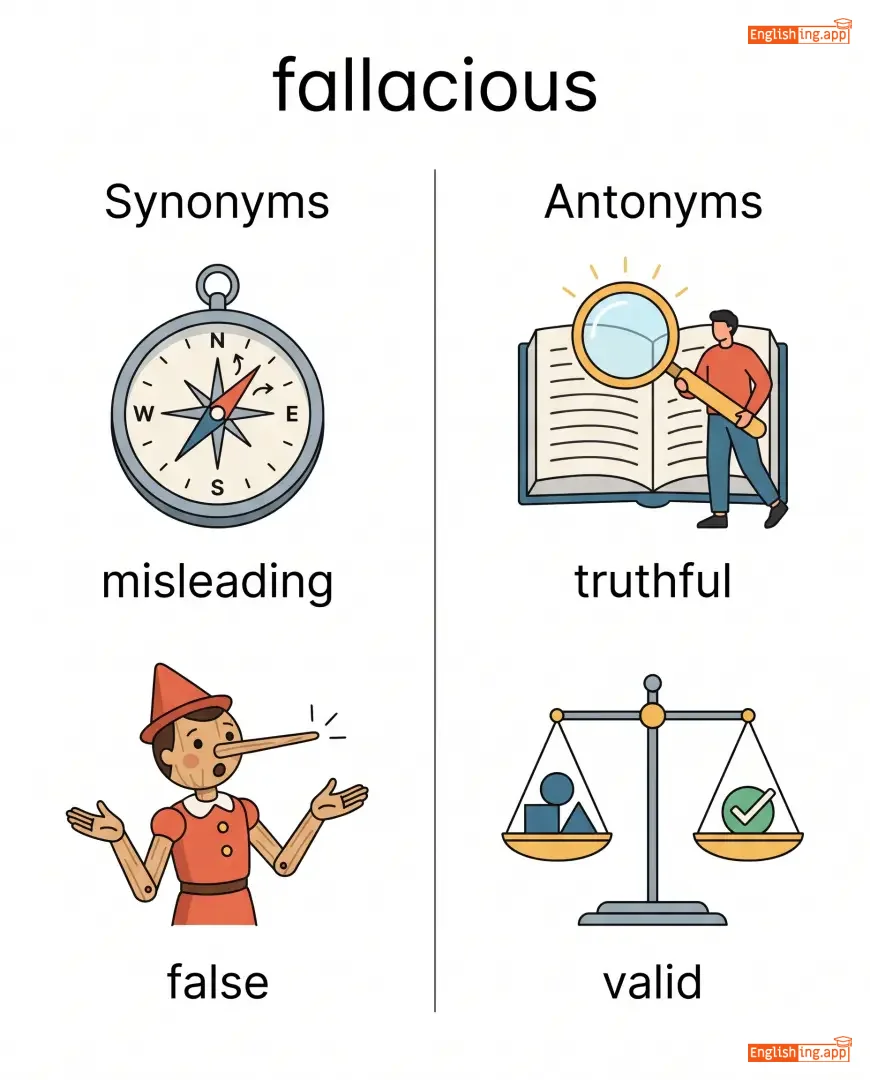
misleading, false, erroneous, deceptive
••••••
|
truthful, valid, sound
••••••
|
fallacious argument, fallacious belief, fallacious reasoning
••••••
|
Fallacious = 誤った信念 + 反論
••••••
|
|
#136
🤪
|
/ˈfætʃuəs/
adjective
(ファチュアス)
••••••
|
|
愚か
oroka
••••••
|
- •••••• | - •••••• | - •••••• | - •••••• |
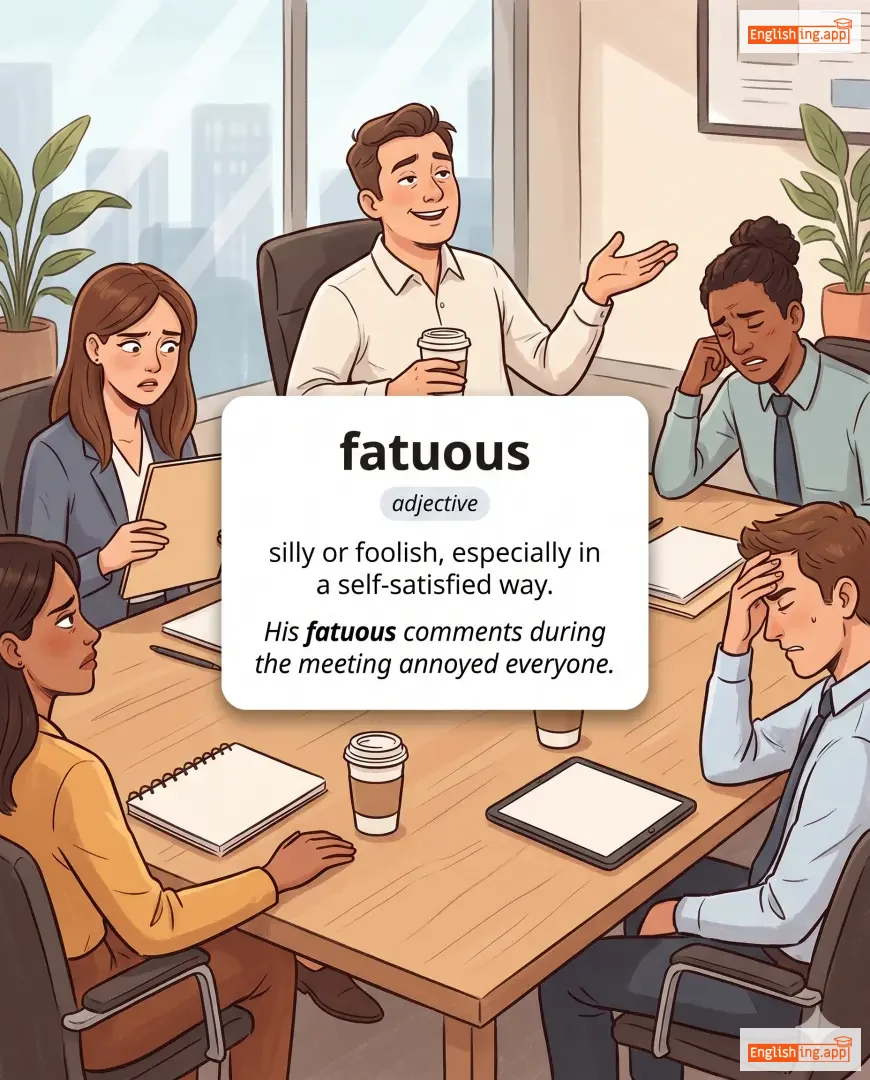
silly or foolish, especially in a self-satisfied way
••••••
|
His fatuous comments during the meeting annoyed everyone. |
会議中に彼の愚かなコメントは皆を苛立たせました。
Kaigi-chuu ni kare no oroka na komento wa mina o iradatasemashita.
••••••
|
- •••••• | - •••••• | - •••••• |
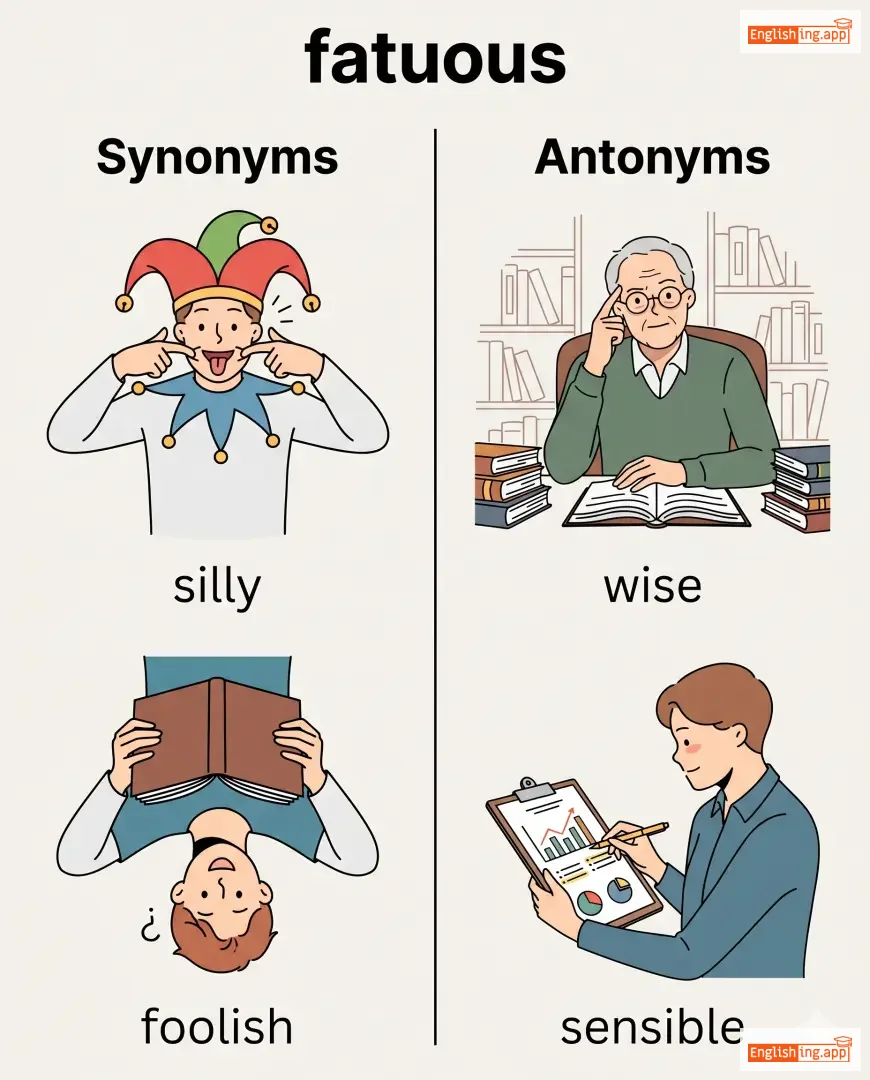
silly, foolish, inane, absurd
••••••
|
wise, sensible, intelligent
••••••
|
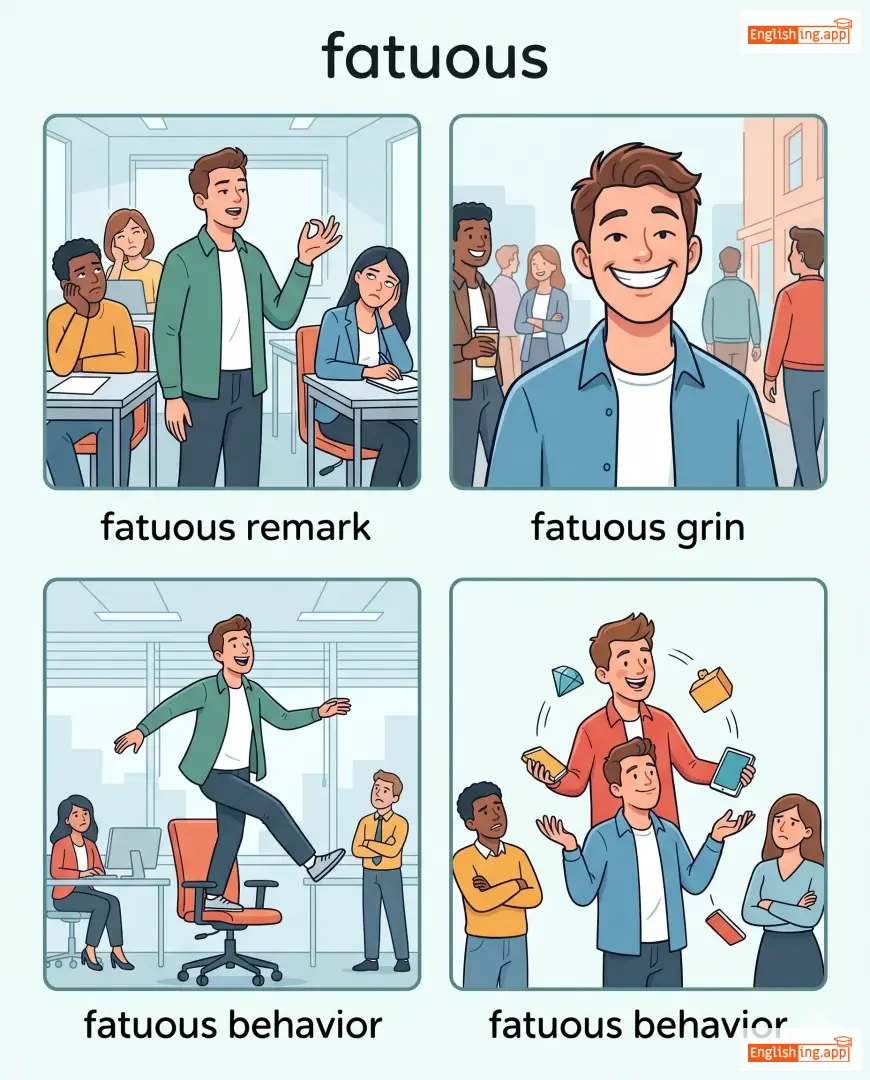
fatuous remark, fatuous grin, fatuous behavior
••••••
|
Fatuousは自分に満足している愚か者です。
••••••
|
|
#137
🙇
|
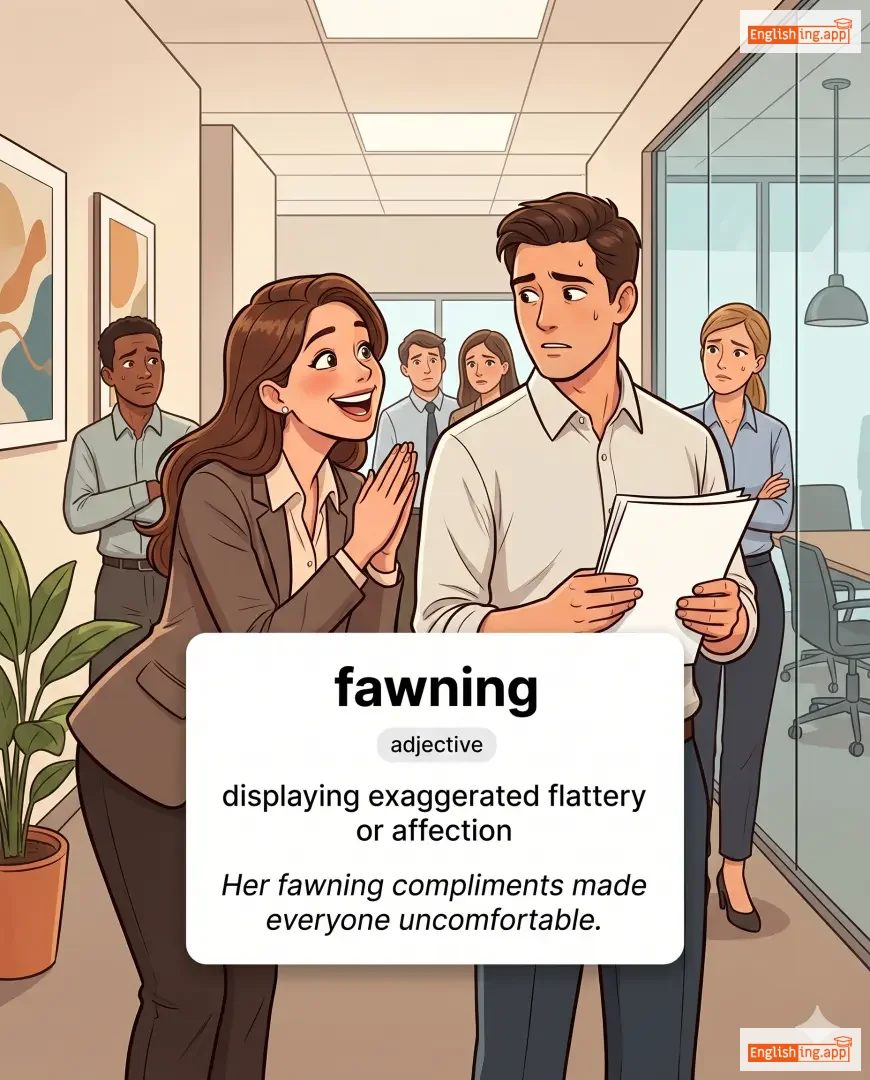
/ˈfɔːnɪŋ/
adjective
(フォーニング)
••••••
|
|
過度のほめ言葉
kado no homekotoba
••••••
|
- •••••• | - •••••• | - •••••• | - •••••• |
displaying exaggerated flattery or affection
••••••
|
Her fawning compliments made everyone uncomfortable. |
彼女の過度のほめ言葉は、皆を不快にさせました。
Kanojo no kado no homekotoba wa, mina o fukai ni sasemashita.
••••••
|
- •••••• | - •••••• | - •••••• |
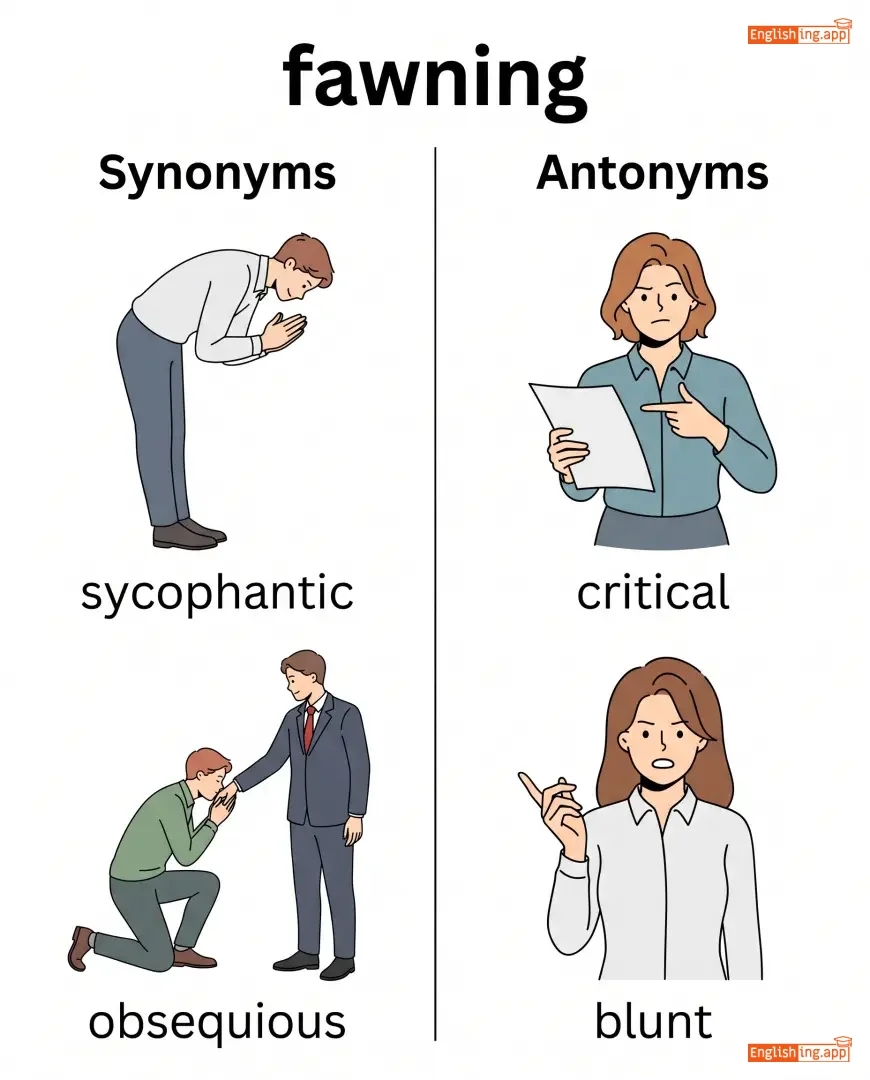
sycophantic, obsequious, flattering, ingratiating
••••••
|
critical, blunt
••••••
|
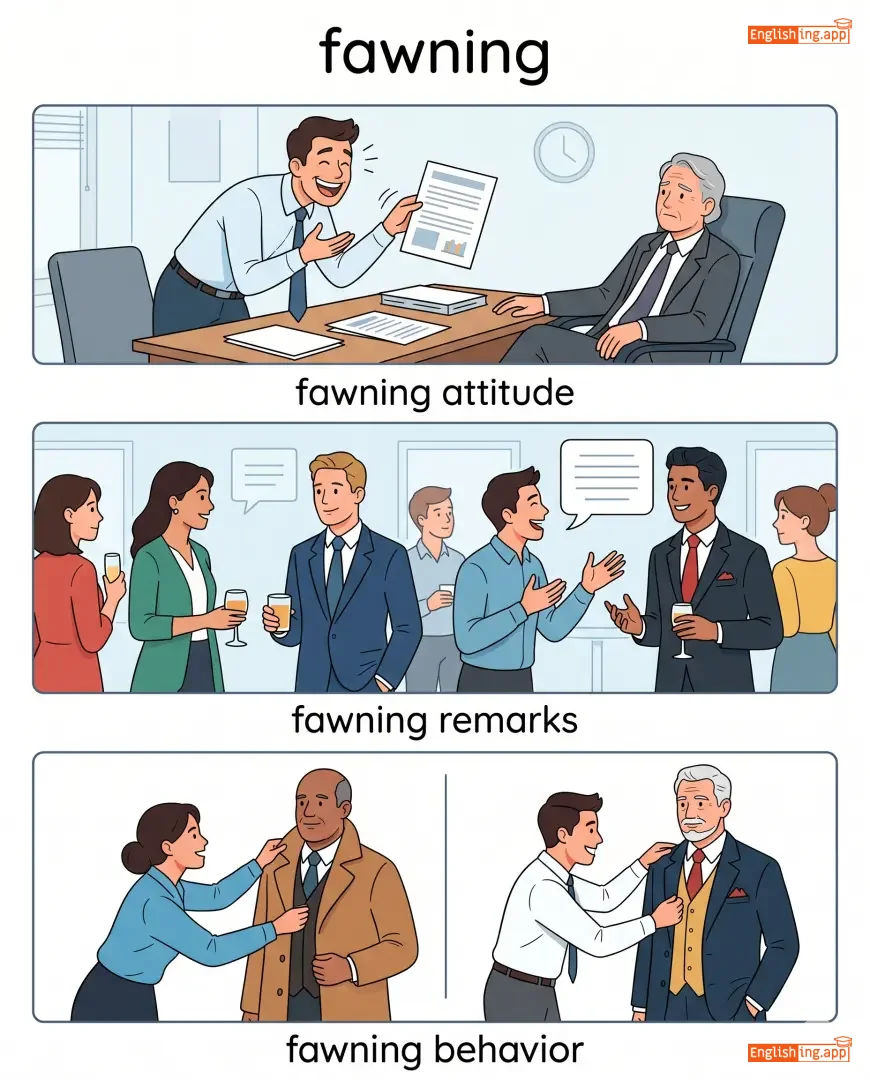
fawning attitude, fawning remarks, fawning behavior
••••••
|
Fawning = Flattering indefinitely makes it fawning
••••••
|
|
#138
😊
|
/fəˈlɪsɪtəs/
adjective
(フェリシタス)
••••••
|
|
適切な、ふさわしい、または楽しい; 幸運や幸福で特徴付けられる
tekisetsuna, fusawashī, mata wa tanoshī; kōun ya kōfuku de tokuchō zukeraru
••••••
|
- •••••• | - •••••• | - •••••• | - •••••• |
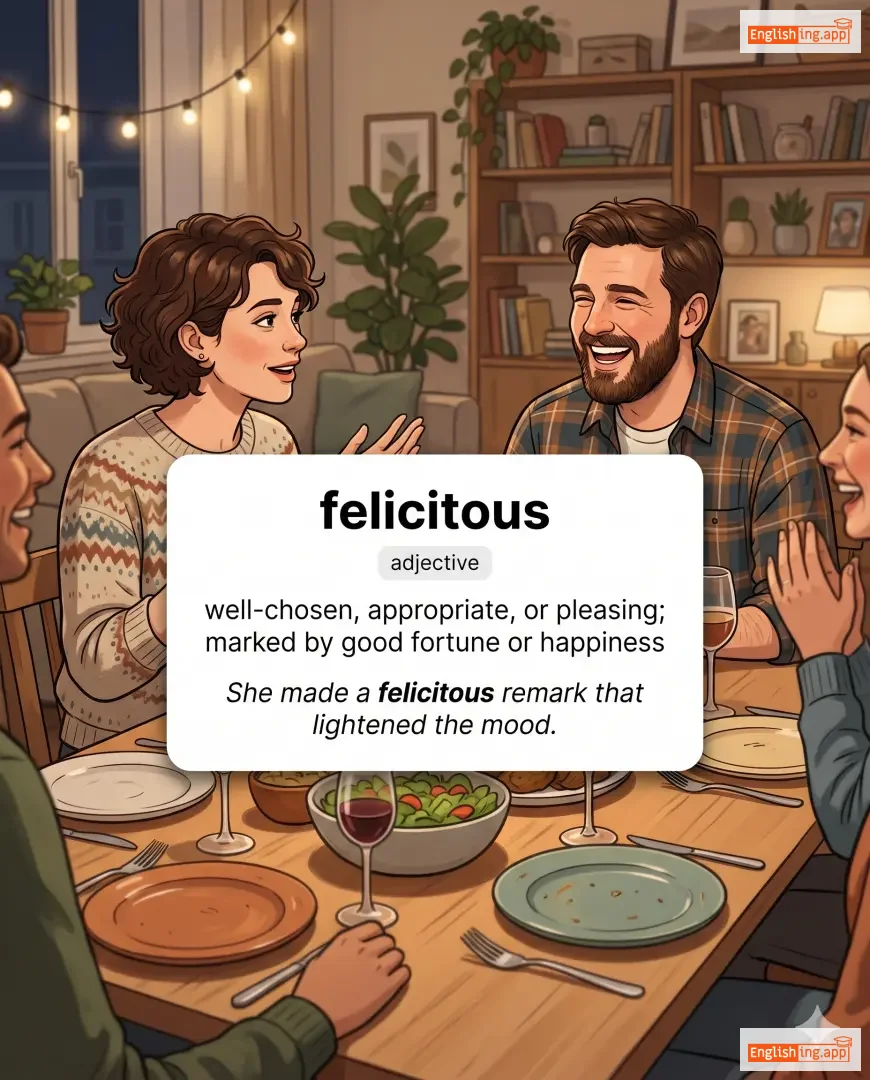
well-chosen, appropriate, or pleasing; marked by good fortune or happiness
••••••
|
She made a felicitous remark that lightened the mood. |
彼女は気分を軽くする適切なコメントをしました。
Kanojo wa kibun o karuku suru tekisetsuna komento o shimashita.
••••••
|
- •••••• | - •••••• | - •••••• |
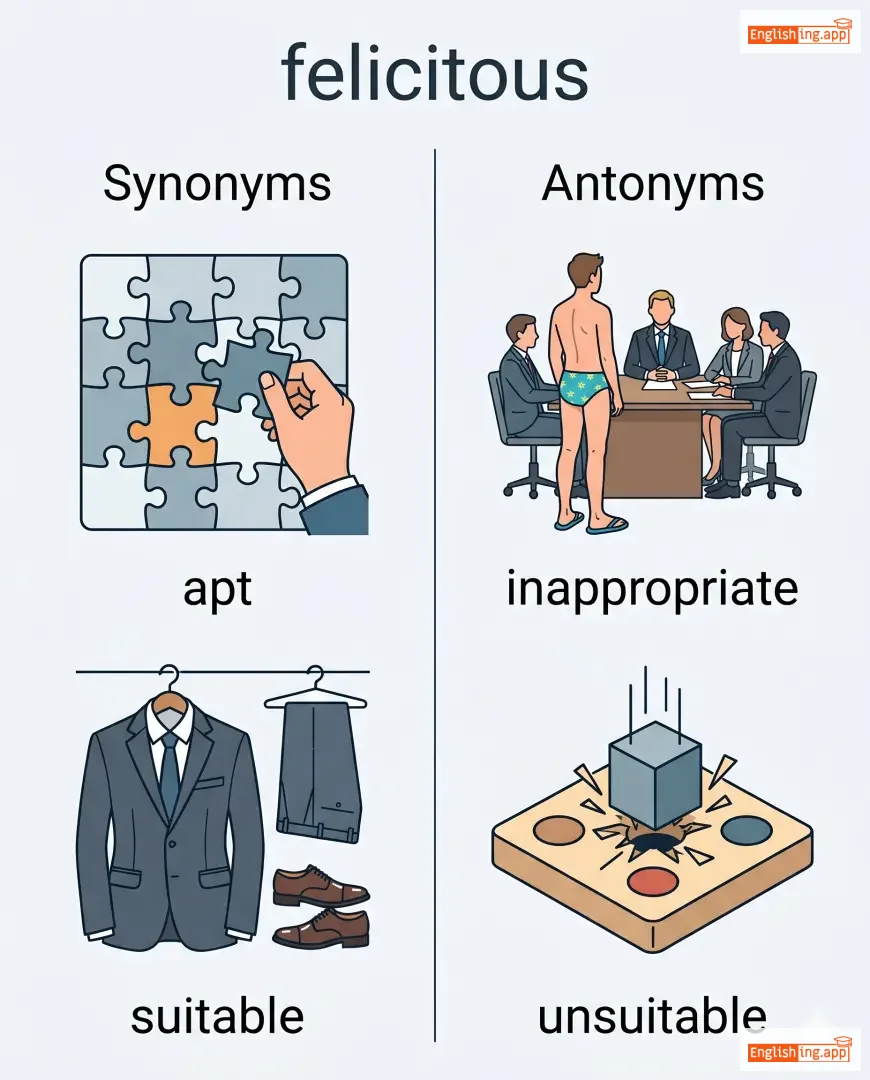
apt, suitable, appropriate, fortunate
••••••
|
inappropriate, unsuitable
••••••
|
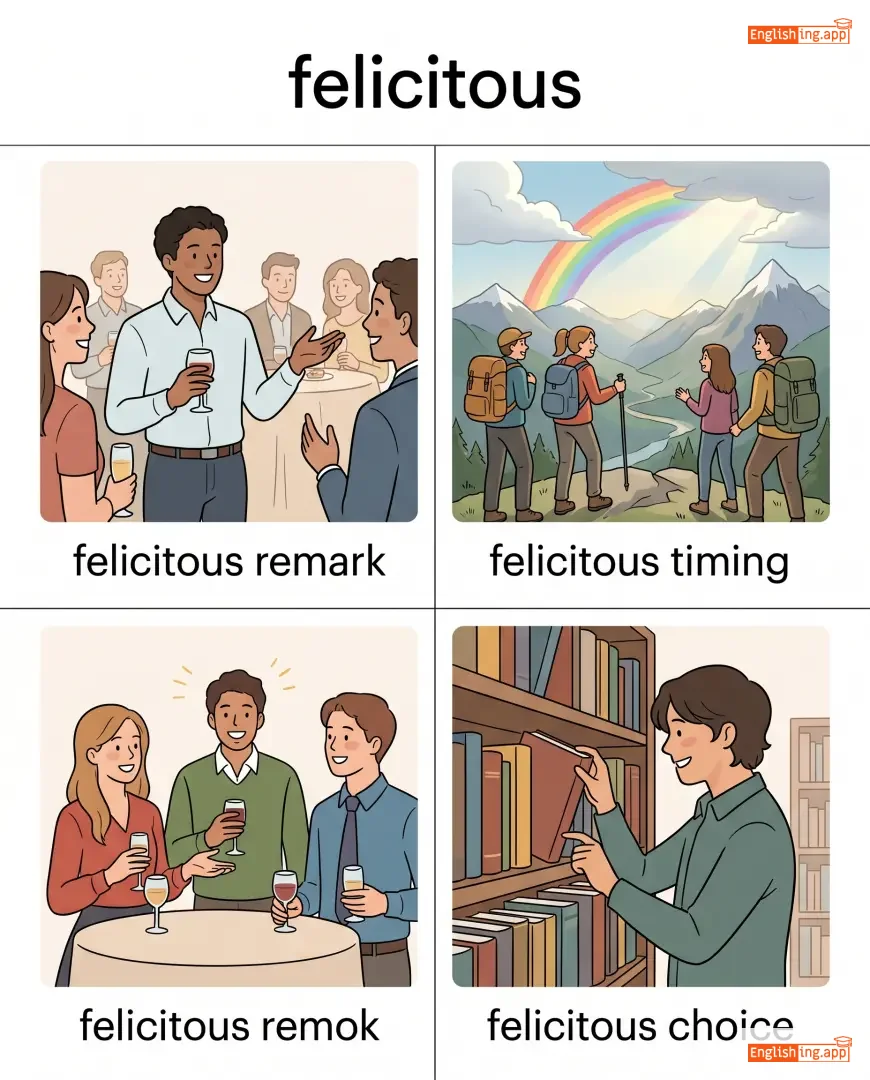
felicitous remark, felicitous timing, felicitous choice
••••••
|
FELICitous = FELICity, 幸福なコメントが雰囲気を明るくする。
••••••
|
|
#139
🔥
|
/ˈfɜːrvər/
noun
(ファーヴォー)
••••••
|
|
熱意, 情熱
netsui, jounetsu
••••••
|
- •••••• | - •••••• | - •••••• | - •••••• |
intense and passionate feeling
••••••
|
She spoke with great fervor about the importance of education.
彼女は教育の重要性について情熱的に話しました。
••••••
|
彼女は教育の重要性について情熱的に話しました。
Kanojo wa kyouiku no juuyousei ni tsuite jounetsuteki ni hanashimashita.
••••••
|
- •••••• | - •••••• | - •••••• |
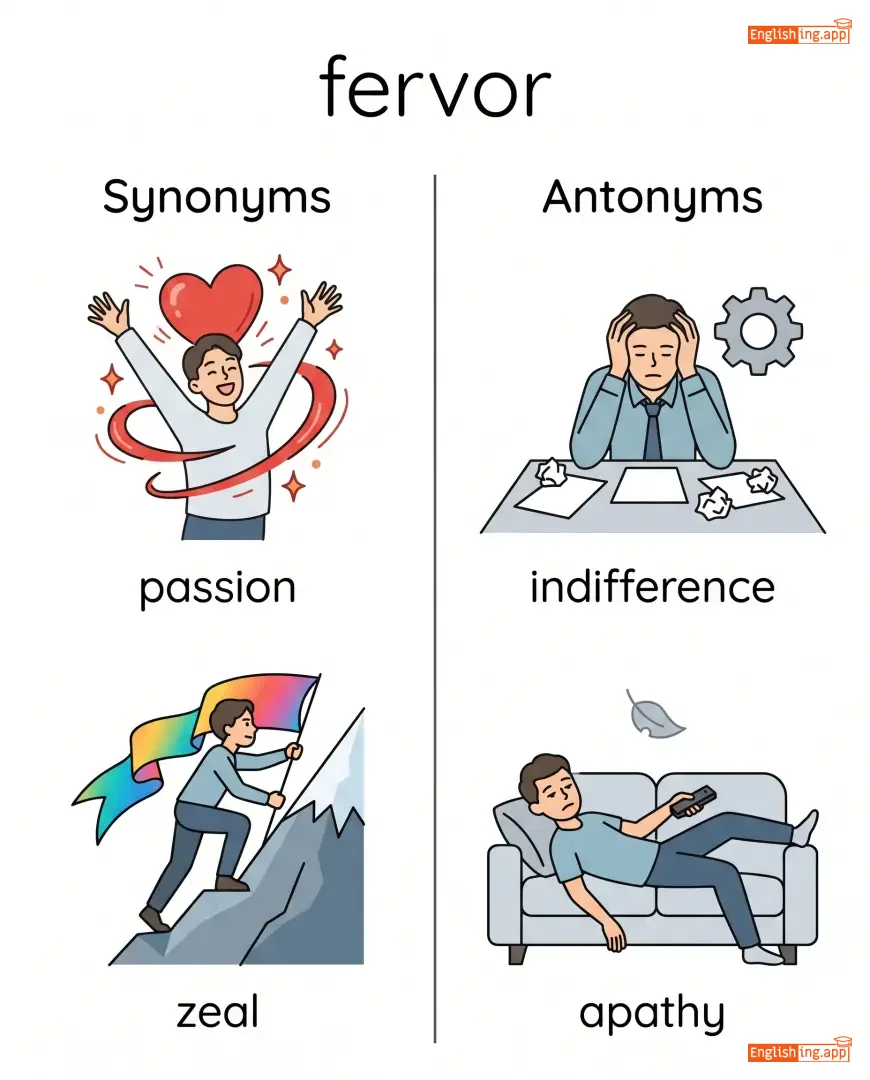
passion, zeal, enthusiasm, ardor
••••••
|
indifference, apathy
••••••
|
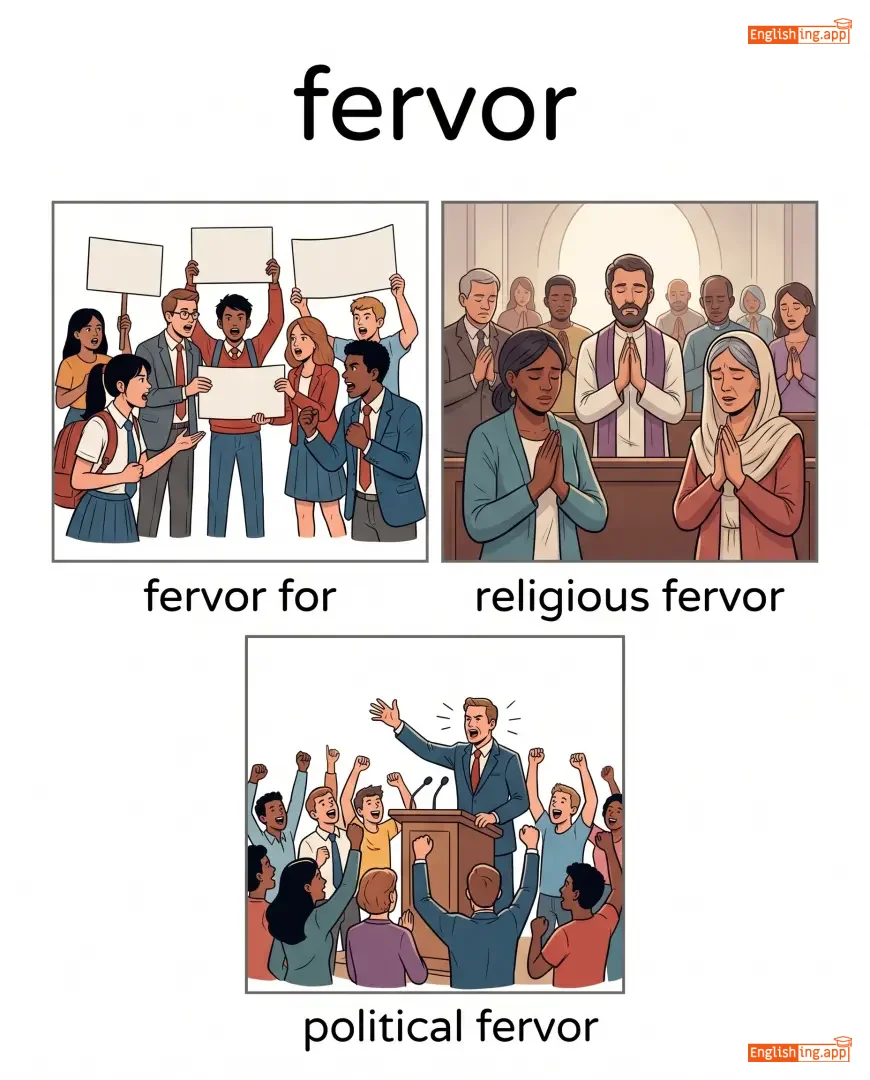
fervor for, religious fervor, political fervor
••••••
|
Fervor は火のようなもの - 常に情熱とエネルギーに満ちている
••••••
|
|
#140
🚩
|
/flæɡ/
noun, verb
••••••
|
|
- •••••• |
flagged
••••••
|
flagged
••••••
|
flags
••••••
|
flagging
••••••
|
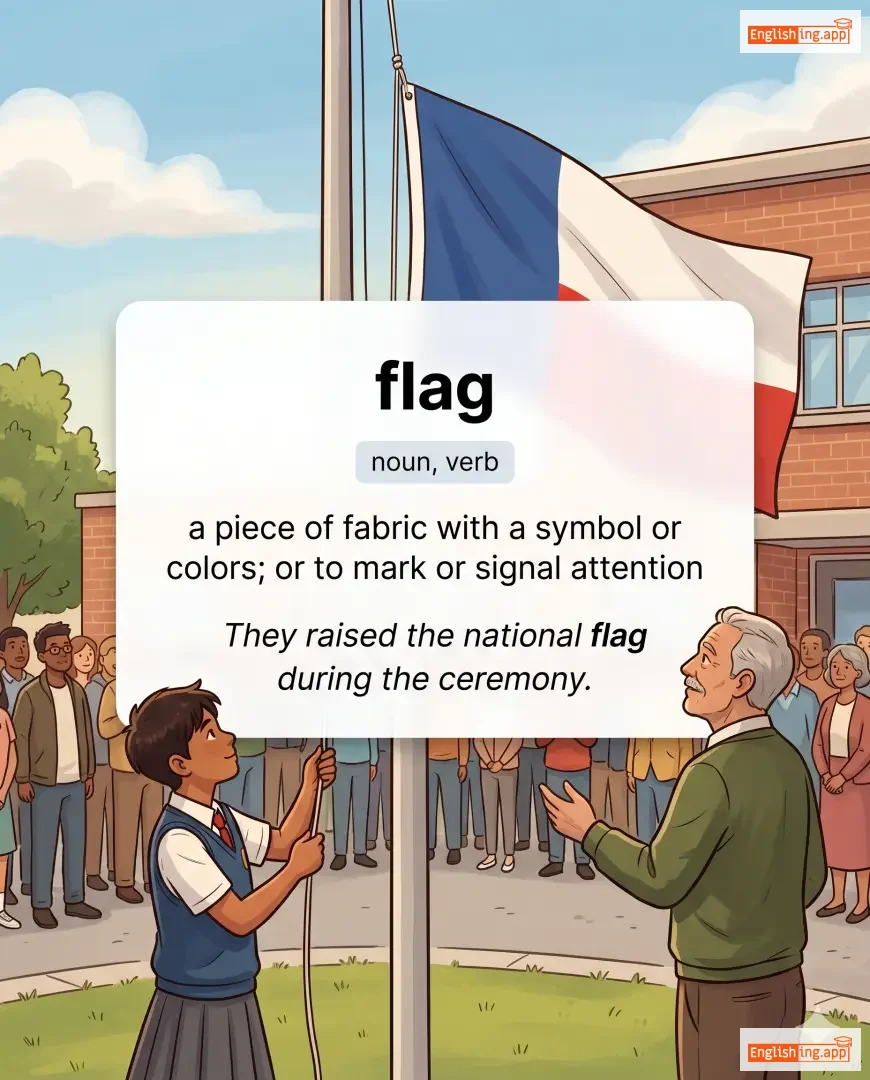
a piece of fabric with a symbol or colors; or to mark or signal attention
••••••
|
They raised the national flag during the ceremony. |
- •••••• |
red flag |
a warning sign or indication of danger
••••••
|
- •••••• |
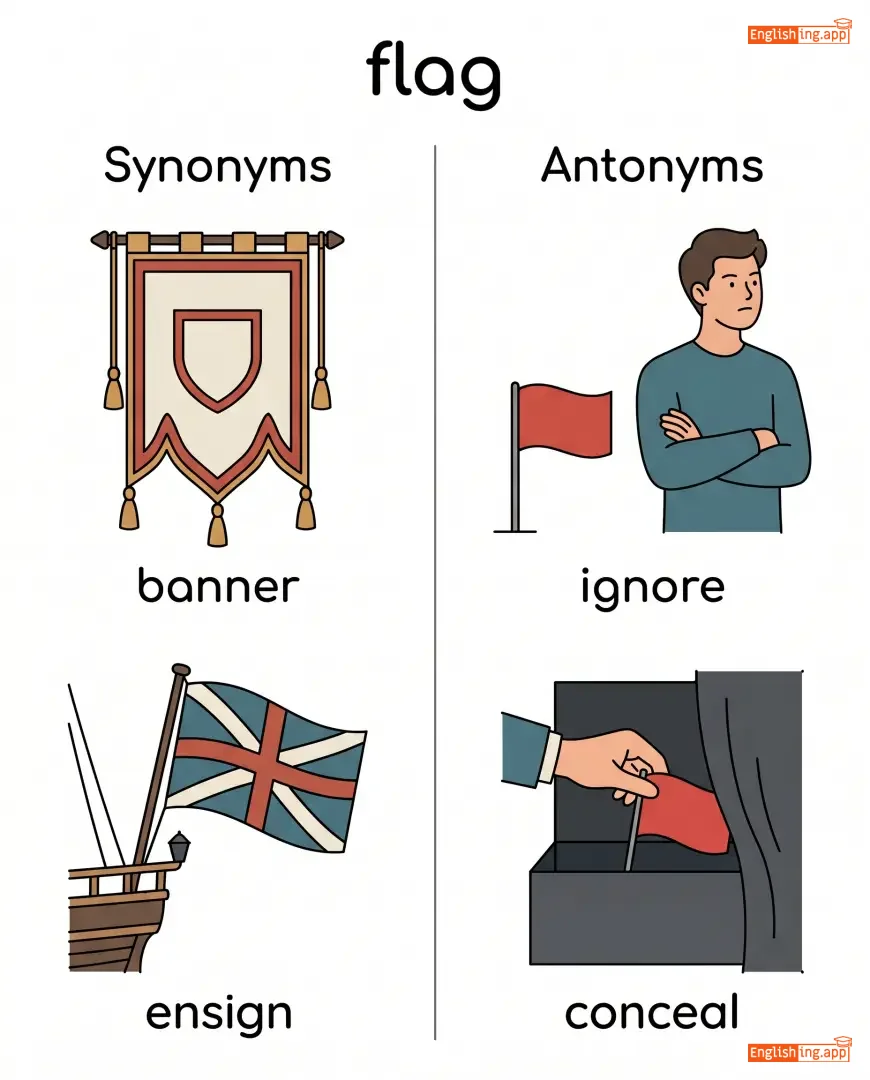
banner, ensign, signal, mark
••••••
|
ignore, conceal
••••••
|
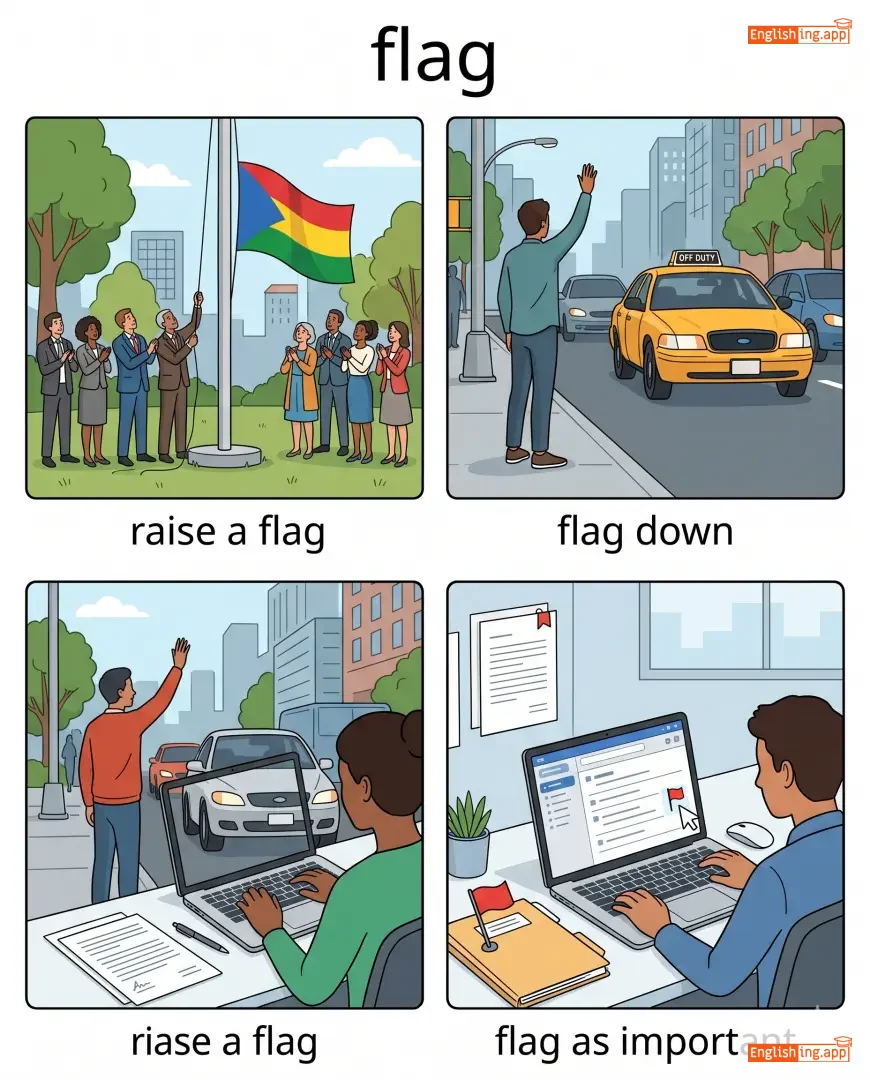
raise a flag, flag down, flag as important, flag a message
••••••
|
No •••••• |
|
#141
🌱
|
/ˈflɛdʒlɪŋ/
noun/adjective
(フレッジリング)
••••••
|
|
初心者
shoshinsha
••••••
|
- •••••• | - •••••• | - •••••• | - •••••• |
A young bird just learning to fly; also used for a person or organization that is inexperienced or new.
••••••
|
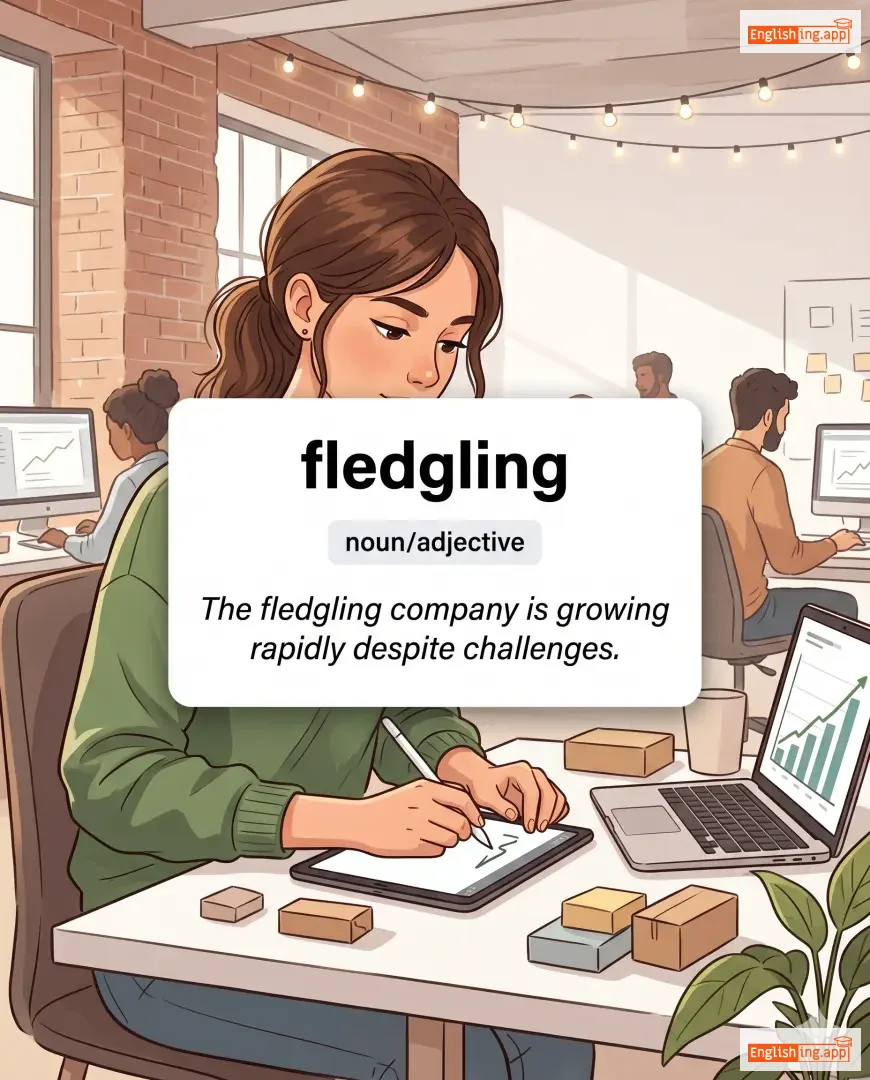
The fledgling company is growing rapidly despite challenges. |
新興企業は、課題にもかかわらず急速に成長しています。
Shinkou kigyou wa, kadai ni mo kakawarazu kyūsoku ni seichō shiteimasu.
••••••
|
- •••••• | - •••••• | - •••••• |
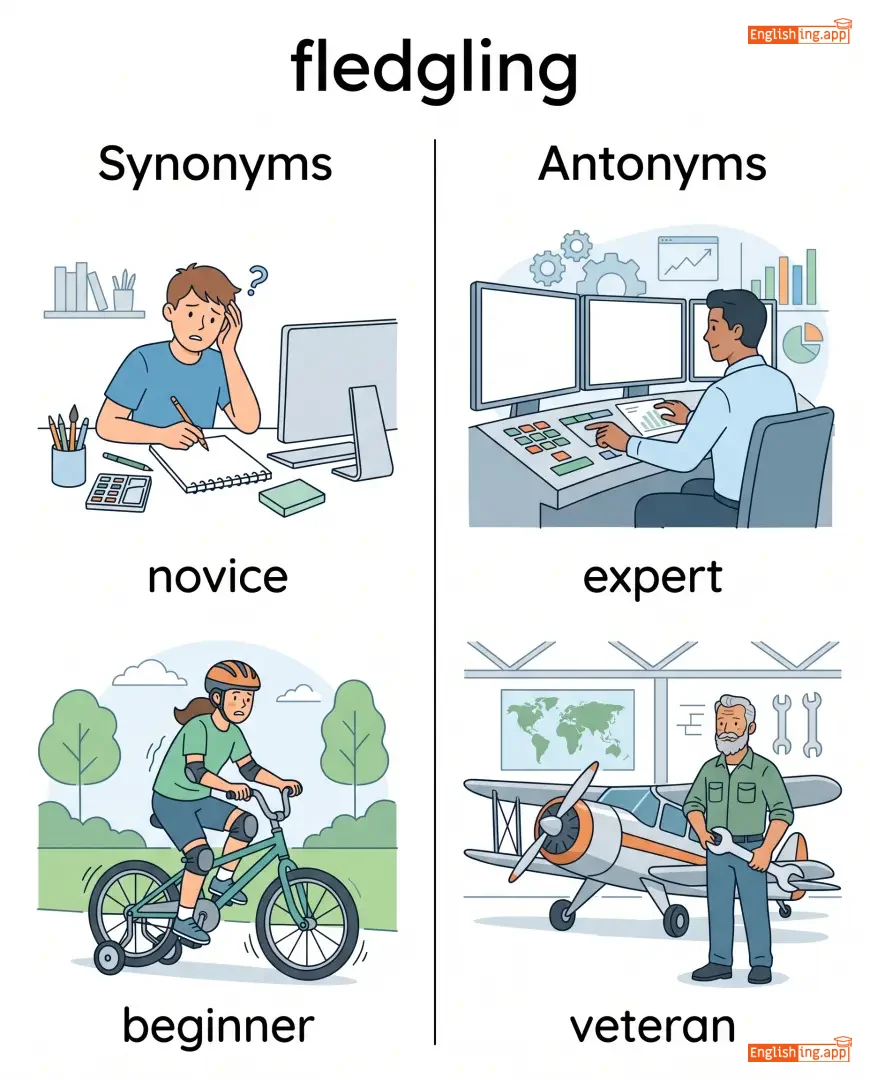
novice, beginner, rookie, apprentice
••••••
|
expert, veteran
••••••
|
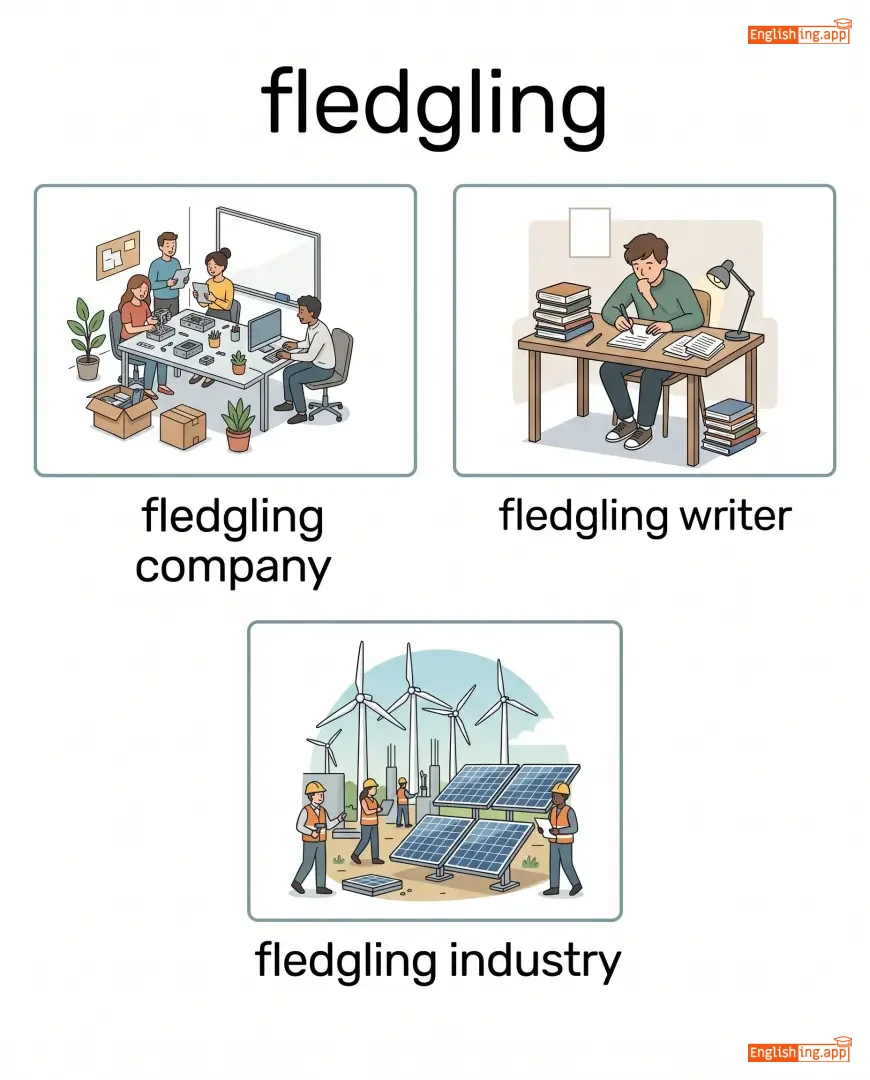
fledgling company, fledgling writer, fledgling industry
••••••
|
FLEDGLING は初心者を意味します — 新しいビジネスや飛んでいる鳥のように。
••••••
|
|
#142
🚫
|
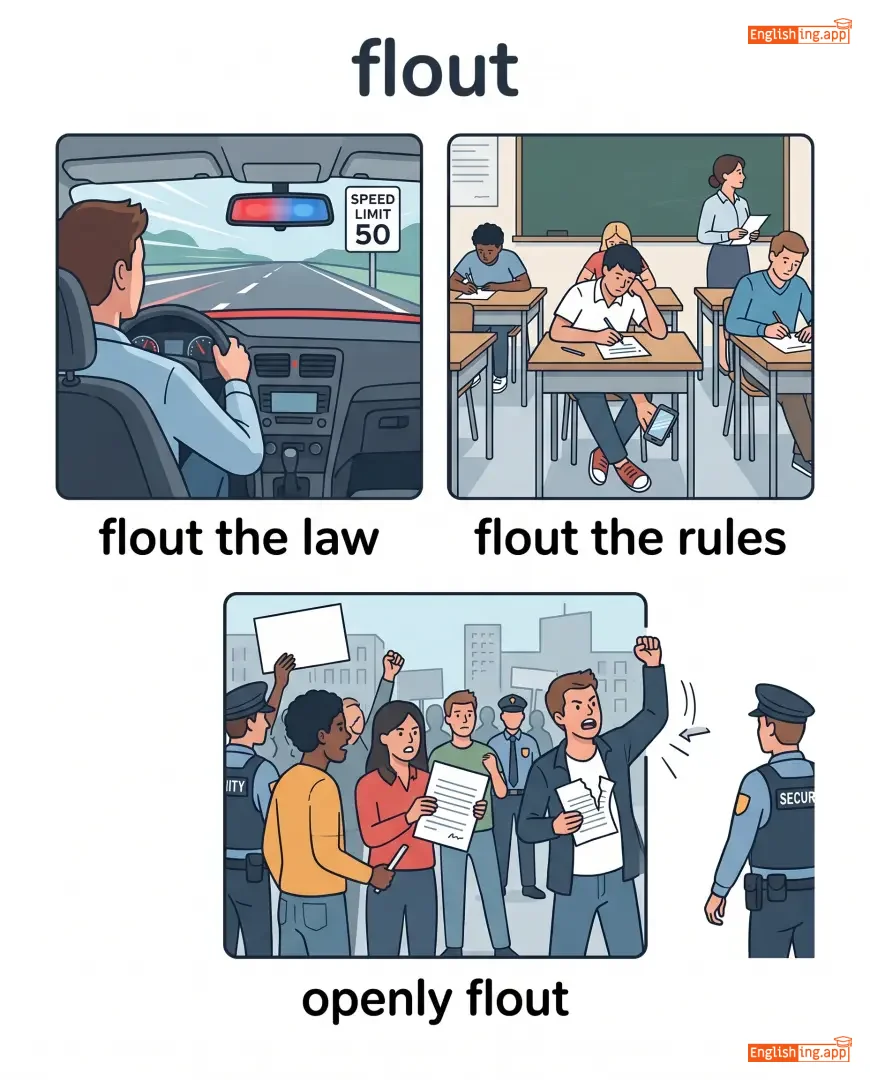
/flaʊt/
verb
(フラウト)
••••••
|
|
無視する
mushi suru
••••••
|
flouted
フラウテッド
••••••
|
flouted
フラウテッド
••••••
|
flouts
フラウツ
••••••
|
flouting
フラウティング
••••••
|
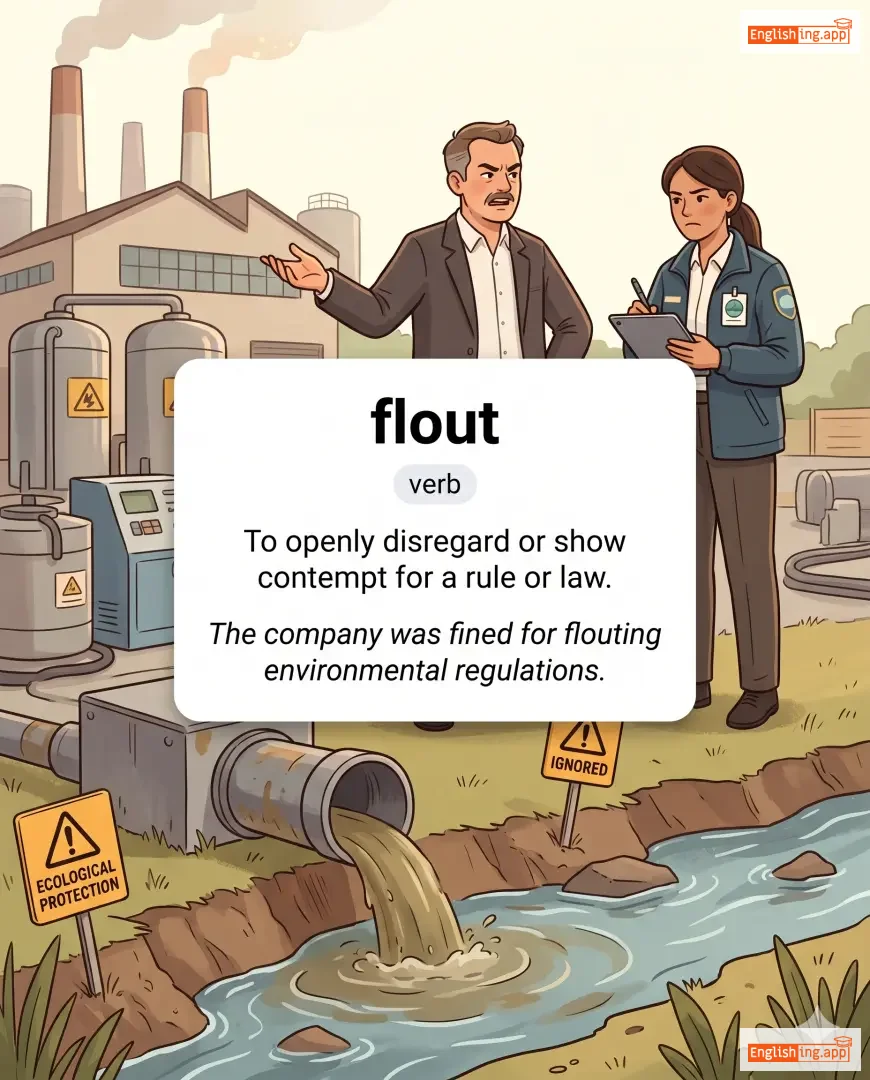
To openly disregard or show contempt for a rule or law.
••••••
|
The company was fined for flouting environmental regulations.
その会社は環境規制を無視したため罰金を科せられました。
••••••
|
その会社は環境規制を無視したため罰金を科せられました。
Sono kaisha wa kankyō kisei o mushi shita tame bakkin o kase raremashita.
••••••
|
- •••••• | - •••••• | - •••••• |
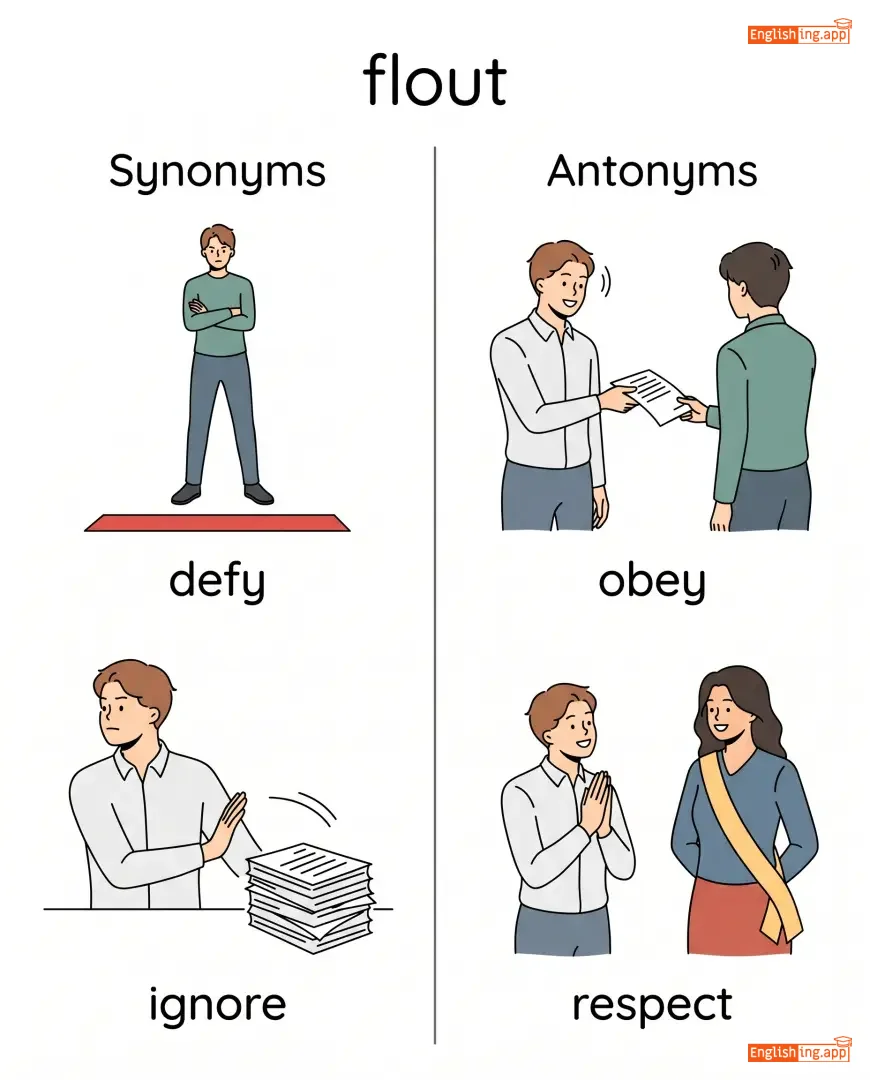
defy, ignore, disregard, mock, violate
••••••
|
obey, respect, follow
••••••
|
flout the law, flout the rules, openly flout
••••••
|
Flout というのは無視すること、フラウト(フルート)ではない!
••••••
|
|
#143
🔥
|
/foʊˈmɛnt/
verb
(フォーメント)
••••••
|
|
扇動する
sendou suru
••••••
|
fomented
フォーメンテッド
••••••
|
fomented
フォーメンテッド
••••••
|
foments
フォーメンツ
••••••
|
fomenting
フォーメンティング
••••••
|
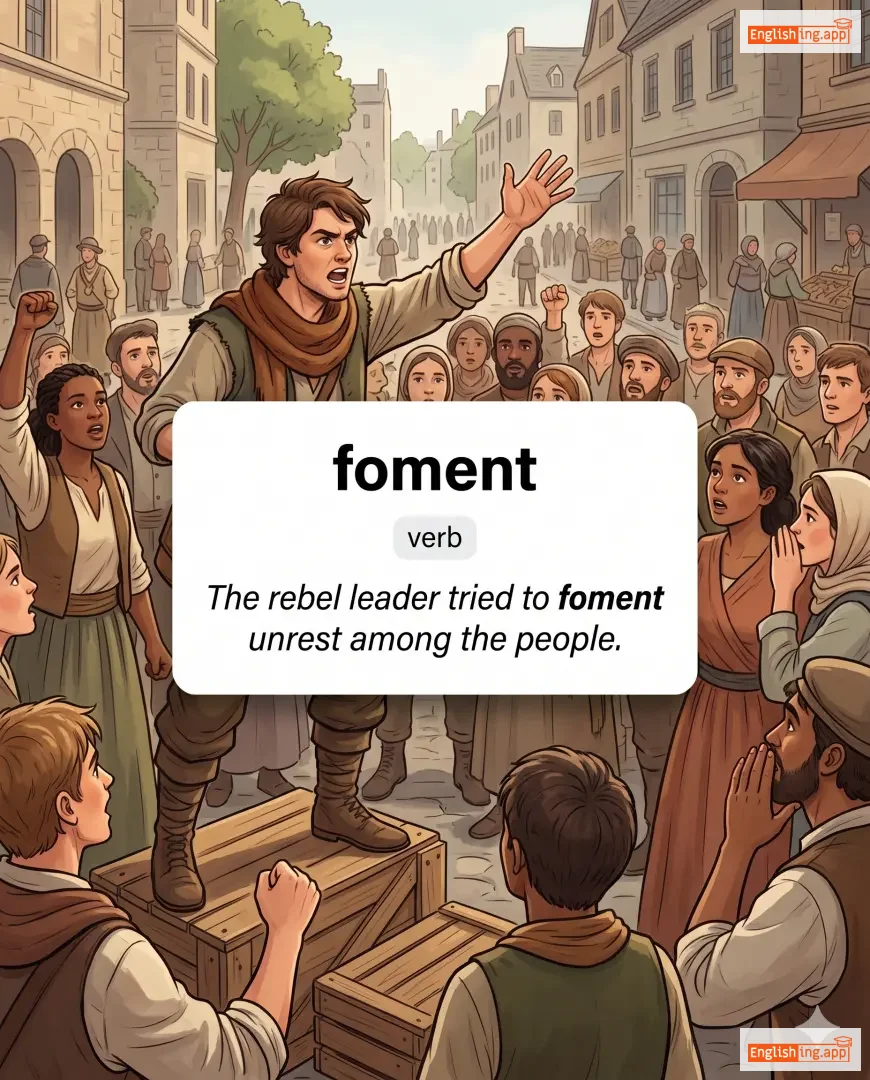
To instigate or stir up (an undesirable or violent sentiment or course of action).
••••••
|
The rebel leader tried to foment unrest among the people.
反乱の指導者は、人々の間で騒動を煽ろうとした。
••••••
|
反乱の指導者は、人々の間で騒動を煽ろうとした。
Hanran no shidōsha wa, hitobito no aida de sōdō o aorō to shita.
••••••
|
- •••••• | - •••••• | - •••••• |
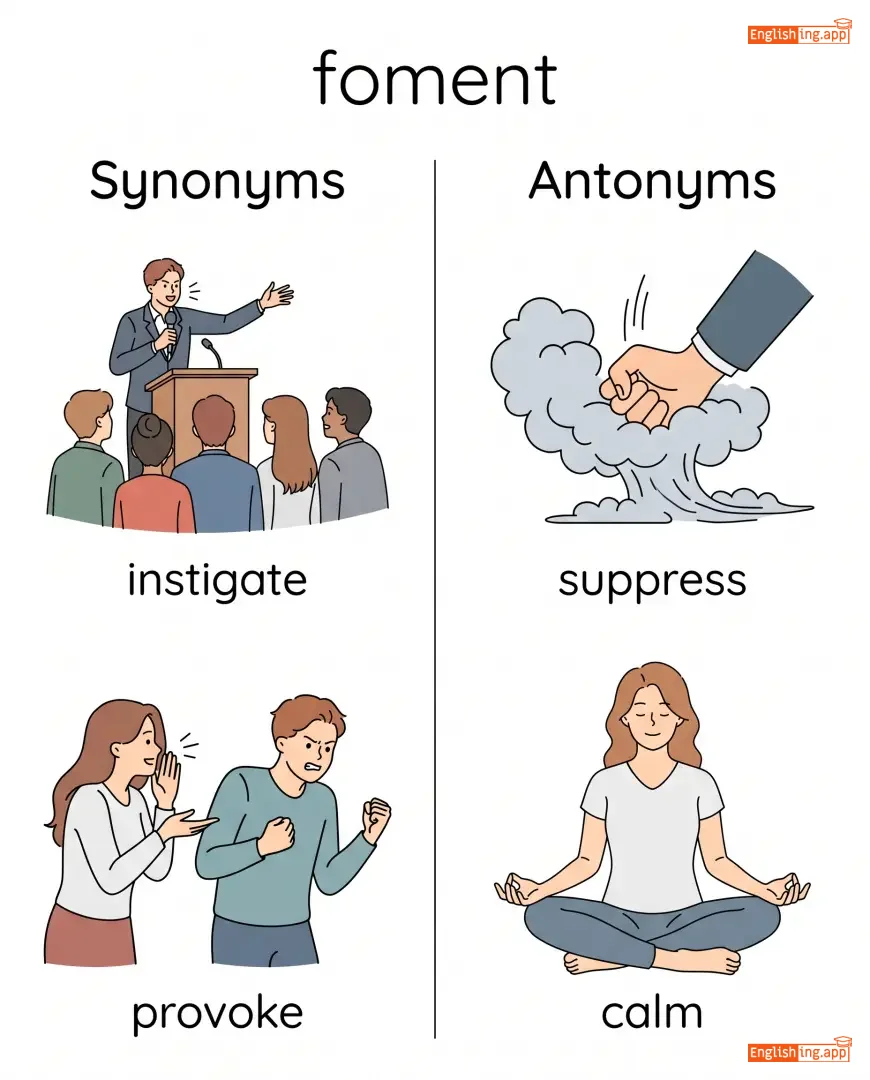
instigate, provoke, incite, agitate, encourage
••••••
|
suppress, calm, pacify
••••••
|
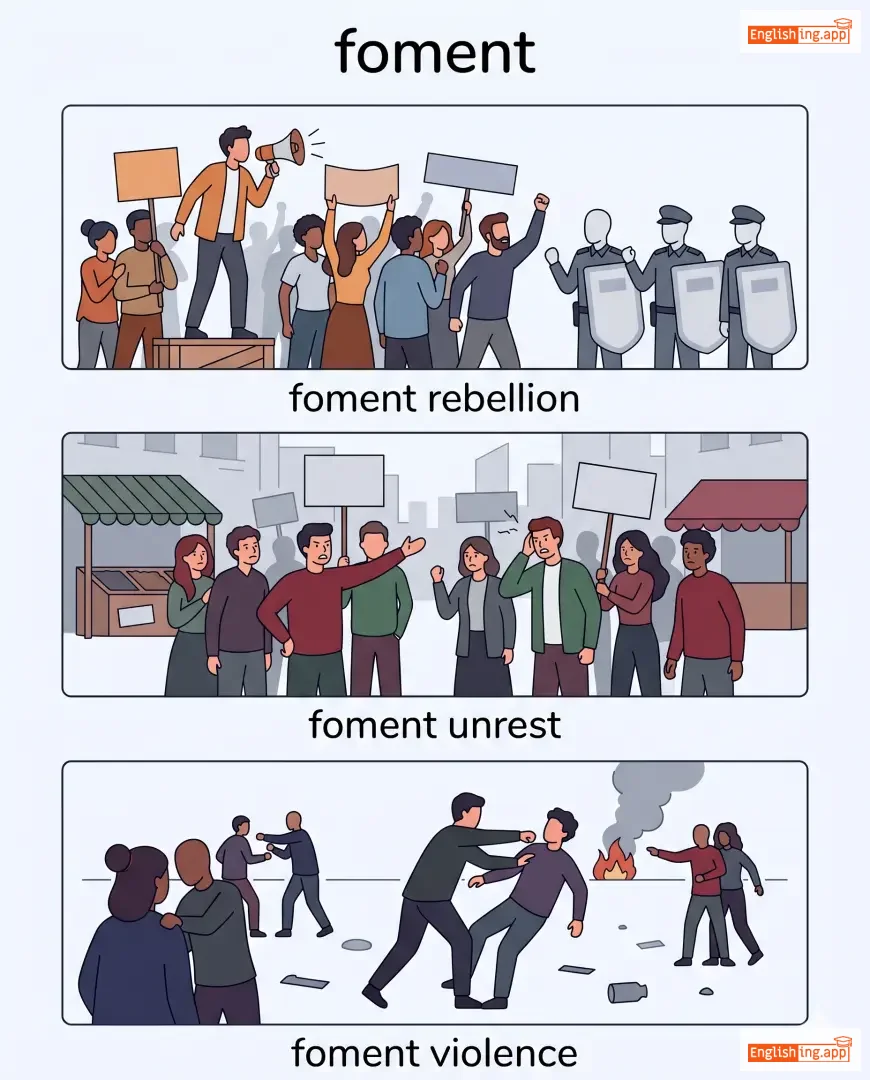
foment rebellion, foment unrest, foment violence, foment discontent
••••••
|
扇動する - 火をつけるように - 騒動を引き起こす 🔥
••••••
|
|
#144
🛡️
|
/fɔrˈstɔl/
verb
(フォレストール)
••••••
|
|
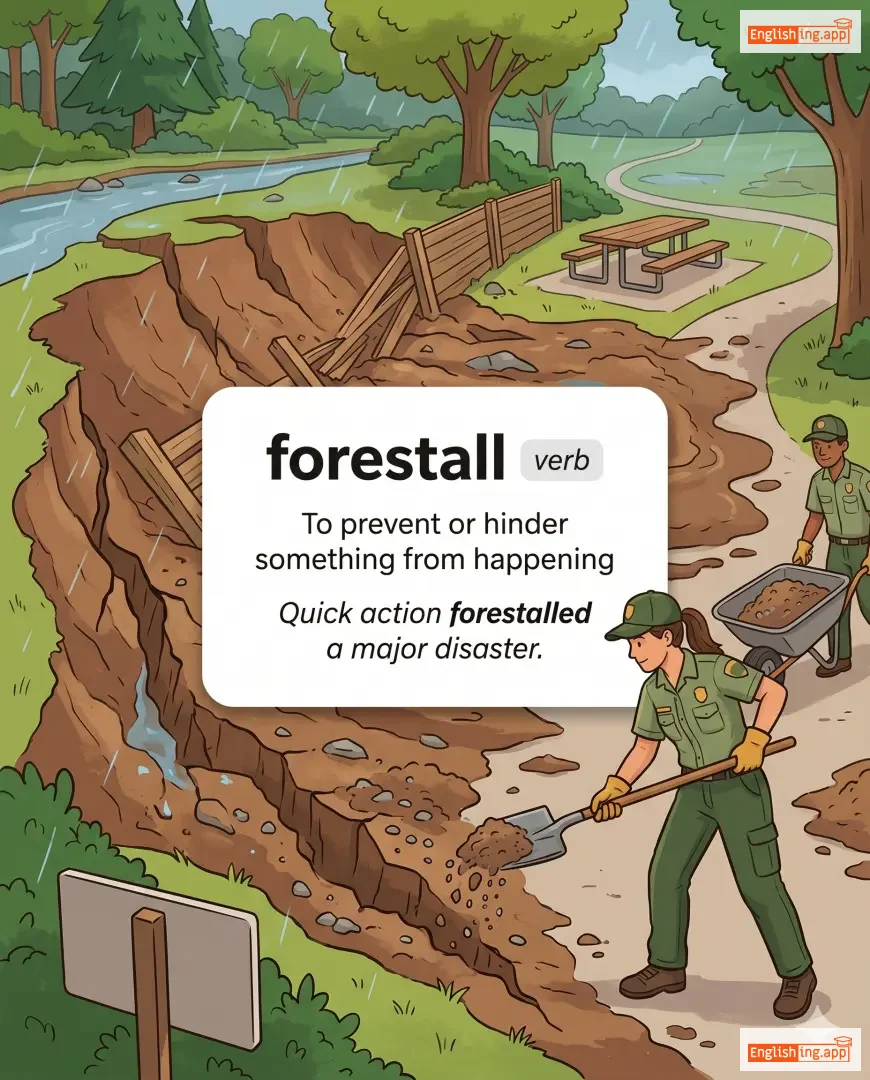
事前に防ぐ
jizen ni fuseru
••••••
|
forestalled
フォレストールド
••••••
|
forestalled
フォレストールド
••••••
|
forestalls
フォレストールス
••••••
|
forestalling
フォレストーリング
••••••
|
to prevent by acting in advance; to anticipate and counter
••••••
|
They forestalled the crisis by taking immediate action.
彼らは即座に行動することで危機を回避した。
••••••
|
彼らは即座に行動することで危機を回避した。
Karera wa sokuzani kōdō suru koto de kiki o kaishi shita.
••••••
|
- •••••• | - •••••• | - •••••• |
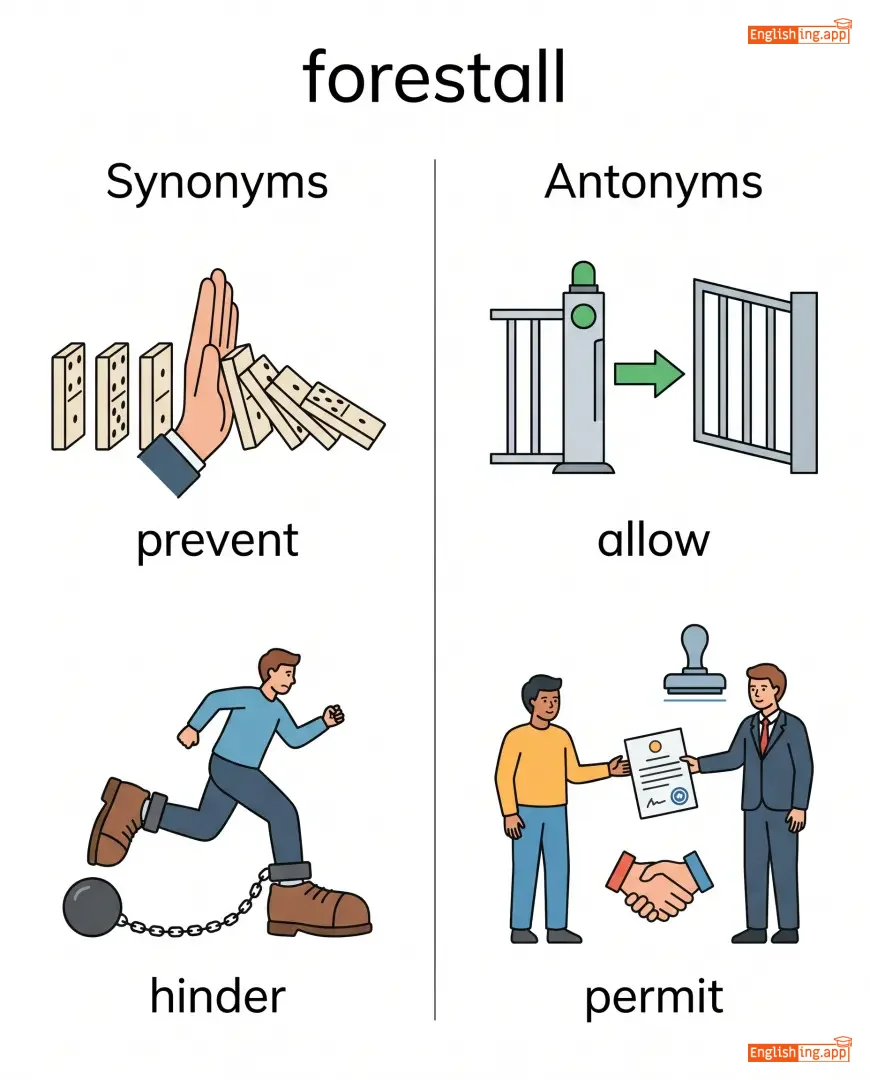
prevent, anticipate, preclude, avert
••••••
|
allow, permit, enable
••••••
|
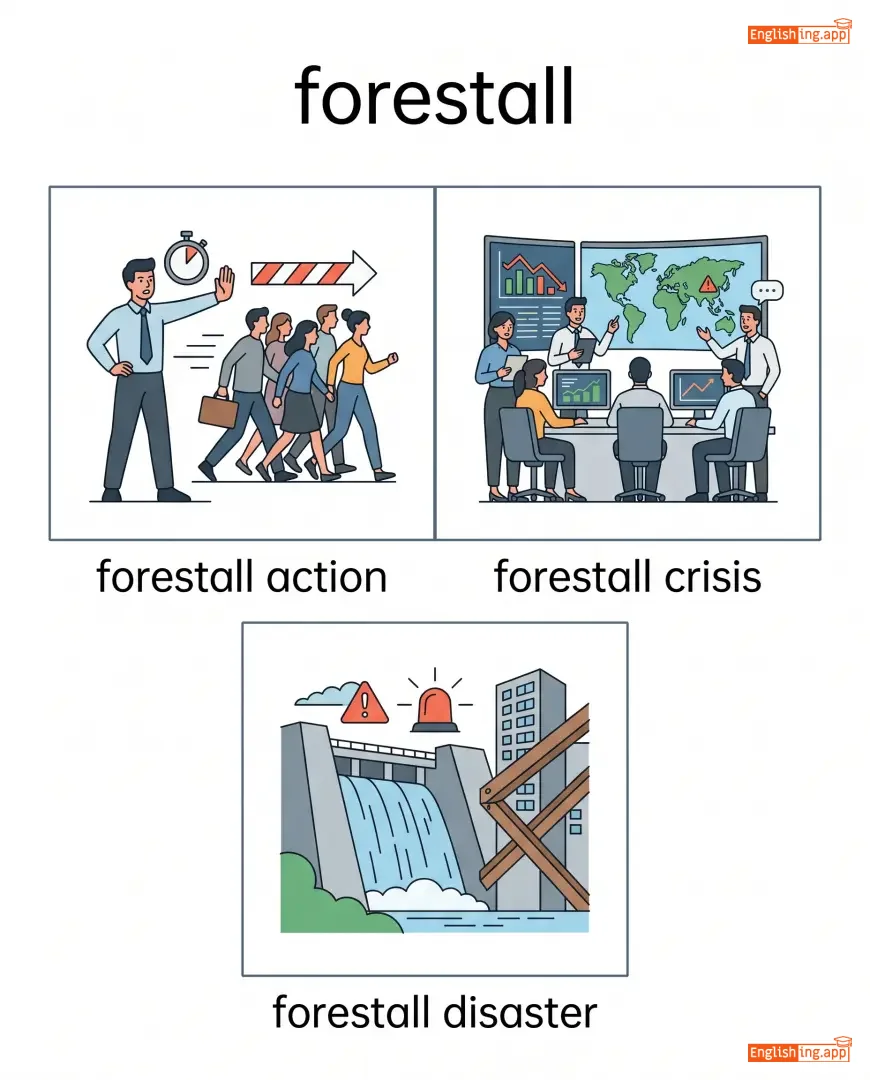
forestall problems, forestall disaster, forestall criticism, forestall action
••••••
|
Forestall = 先に行動して問題を避ける。
••••••
|
|
#145
💰
|
/fruːˈɡæl.ə.ti/
noun
(フルガリティ)
••••••
|
|
倹約
ken'yaku
••••••
|
- •••••• | - •••••• | - •••••• | - •••••• |
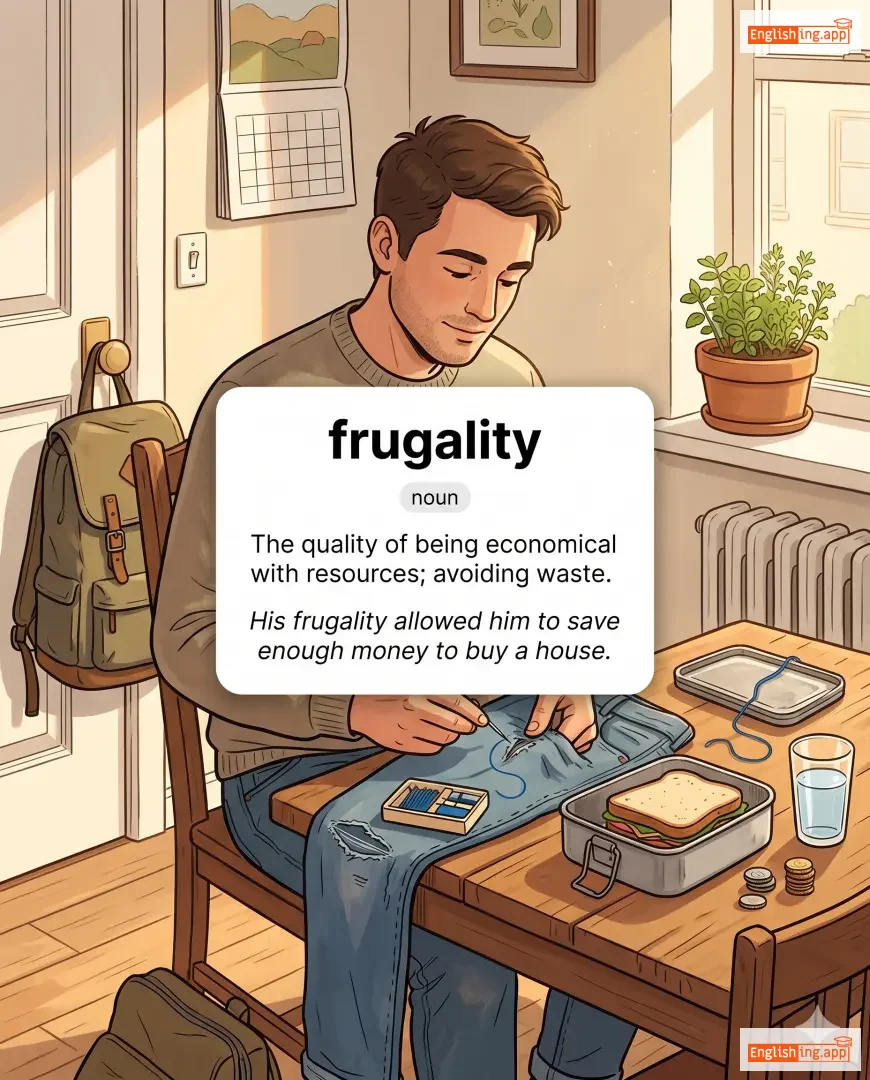
the quality of being economical in use or expenditure; not wasteful
••••••
|
His frugality during his youth allowed him to save enough money for retirement. |
若い頃の倹約のおかげで、退職後に十分なお金を貯めることができました。
Wakai koro no ken'yaku no okage de, taishoku go ni juubun'na okane wo tameru koto ga dekimashita.
••••••
|
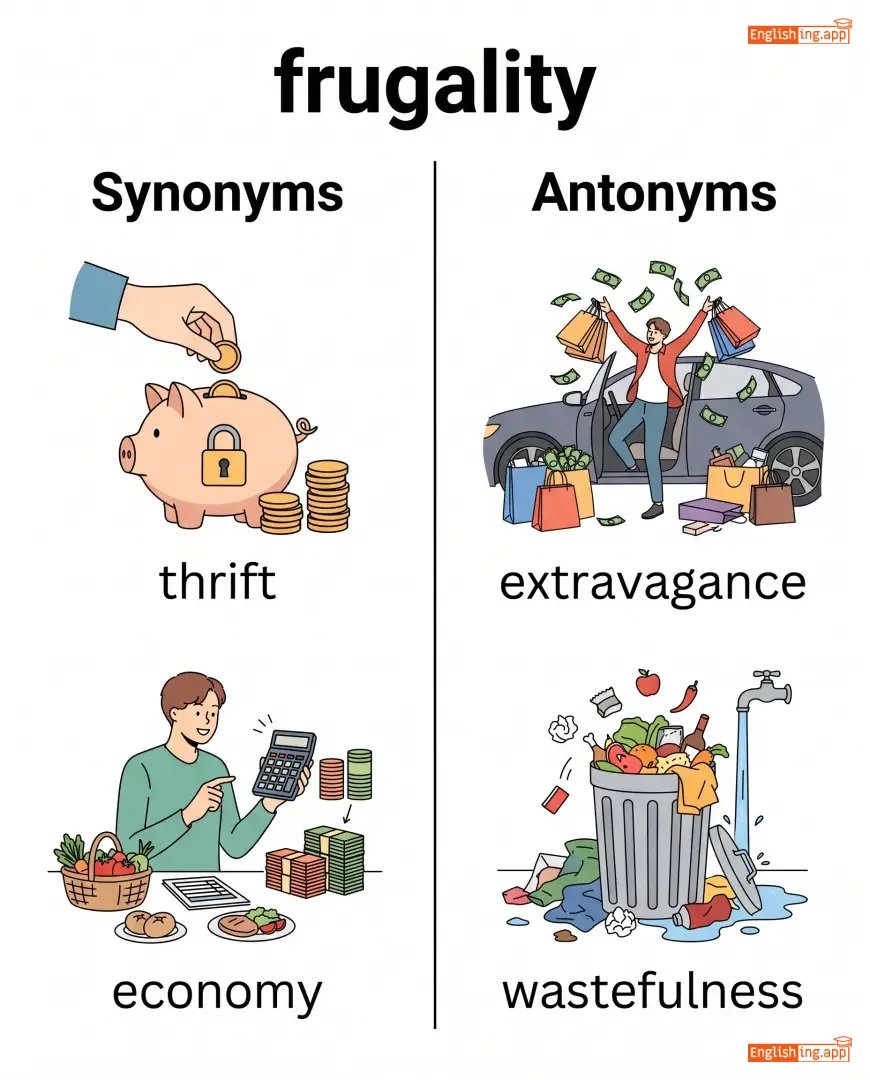
- •••••• | - •••••• | - •••••• |
thrift, economy, prudence, saving
••••••
|
extravagance, waste, lavishness, profligacy
••••••
|
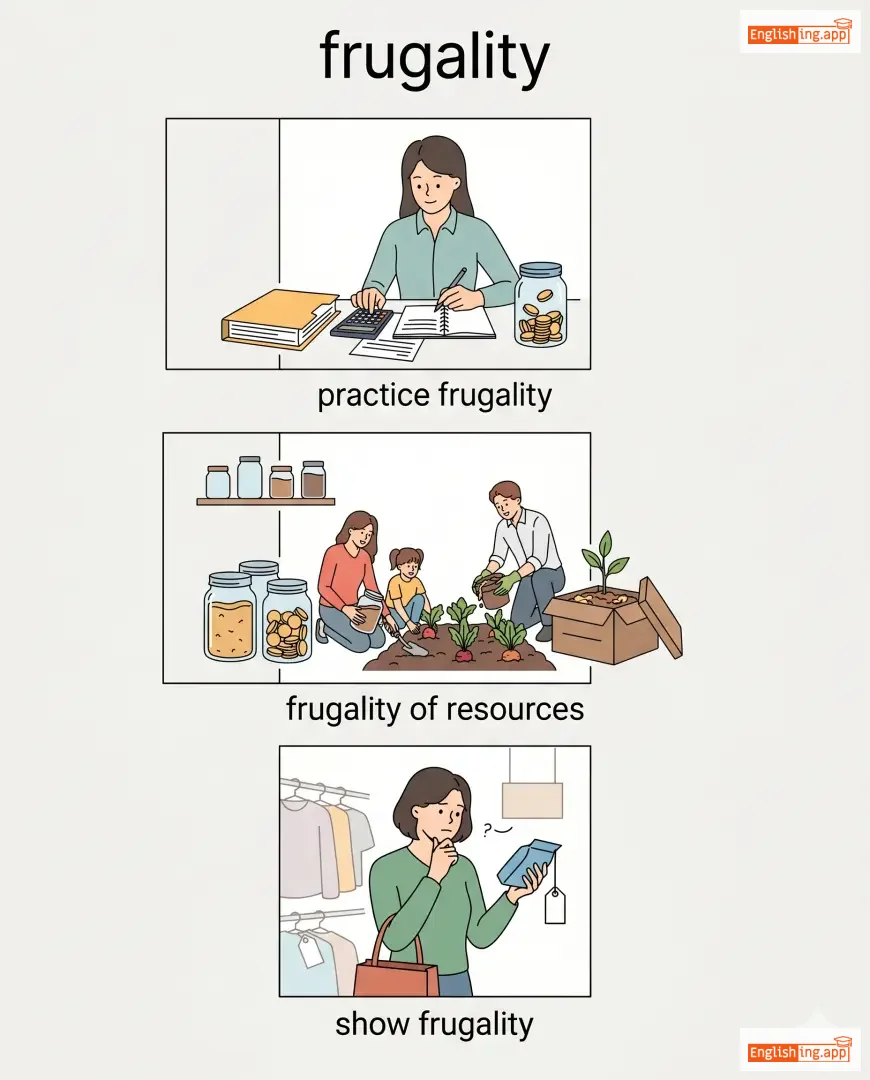
practice frugality, strict frugality, admirable frugality
••••••
|
倹約を実践して未来の安心を手に入れよう。
••••••
|
|
#146
🚫
|
/ˈfjuː.taɪl/
adjective
(fyūtairu)
••••••
|
|
無駄
mudā
••••••
|
- •••••• | - •••••• | - •••••• | - •••••• |
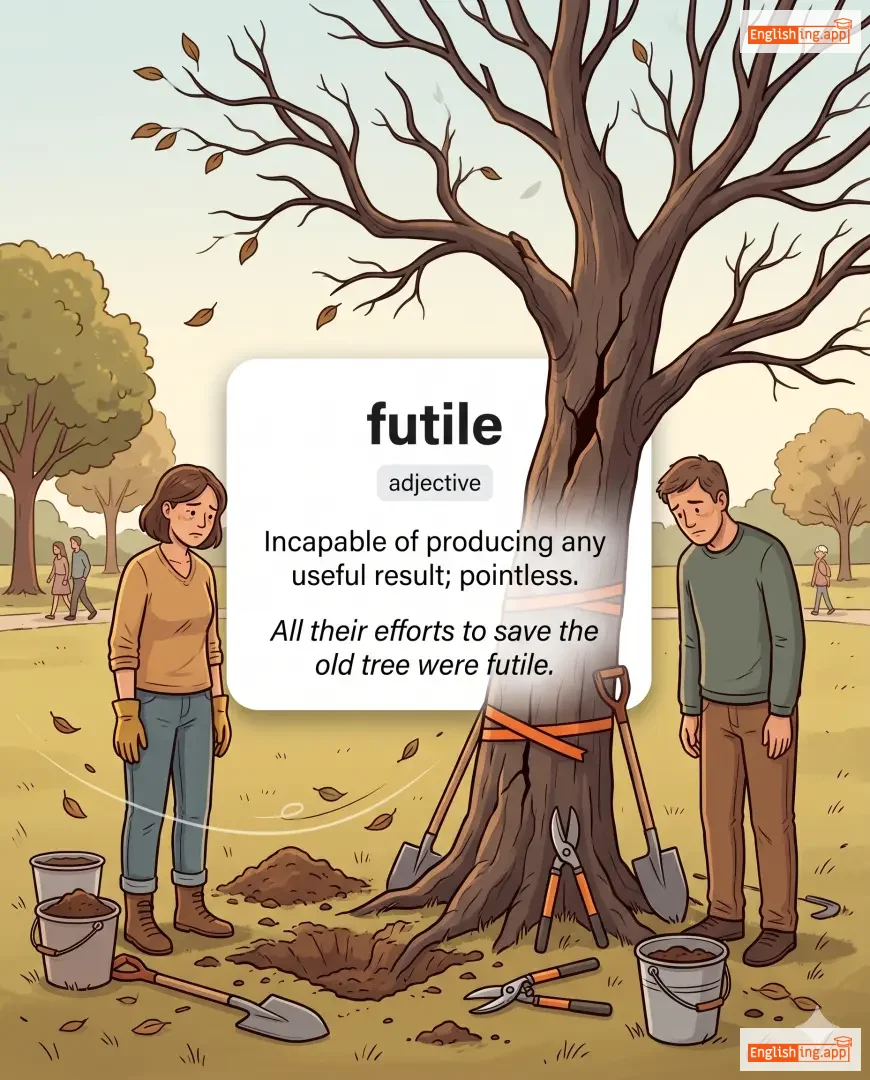
Incapable of producing any useful result; pointless.
••••••
|
All their efforts to save the old tree were futile.
古い木を救うための彼らのすべての努力は無駄でした。
••••••
|
古い木を救うための彼らのすべての努力は無駄でした。
Furui ki o sukuu tame no karera no subete no doryoku wa muda deshita.
••••••
|
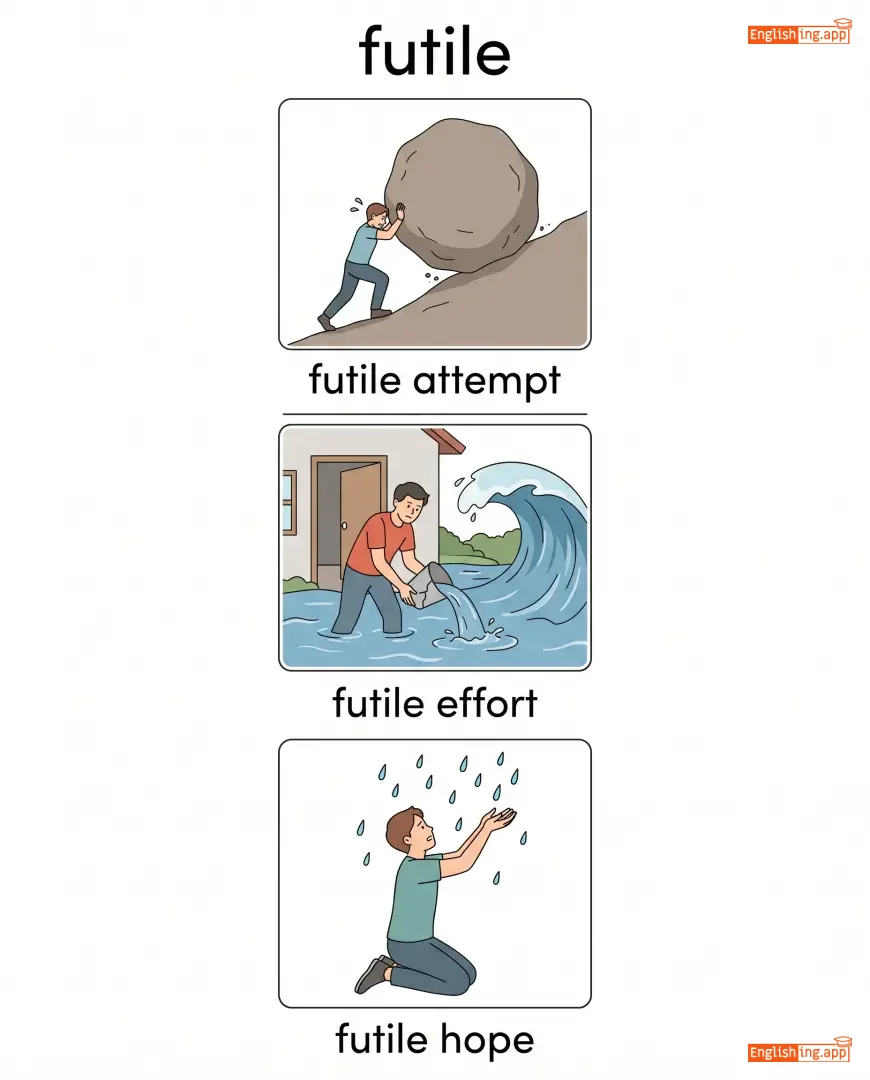
futile attempt
無駄な試み
••••••
|
An attempt that has no chance of success.
••••••
|
無駄な試み
mudā na kokoromi
••••••
|
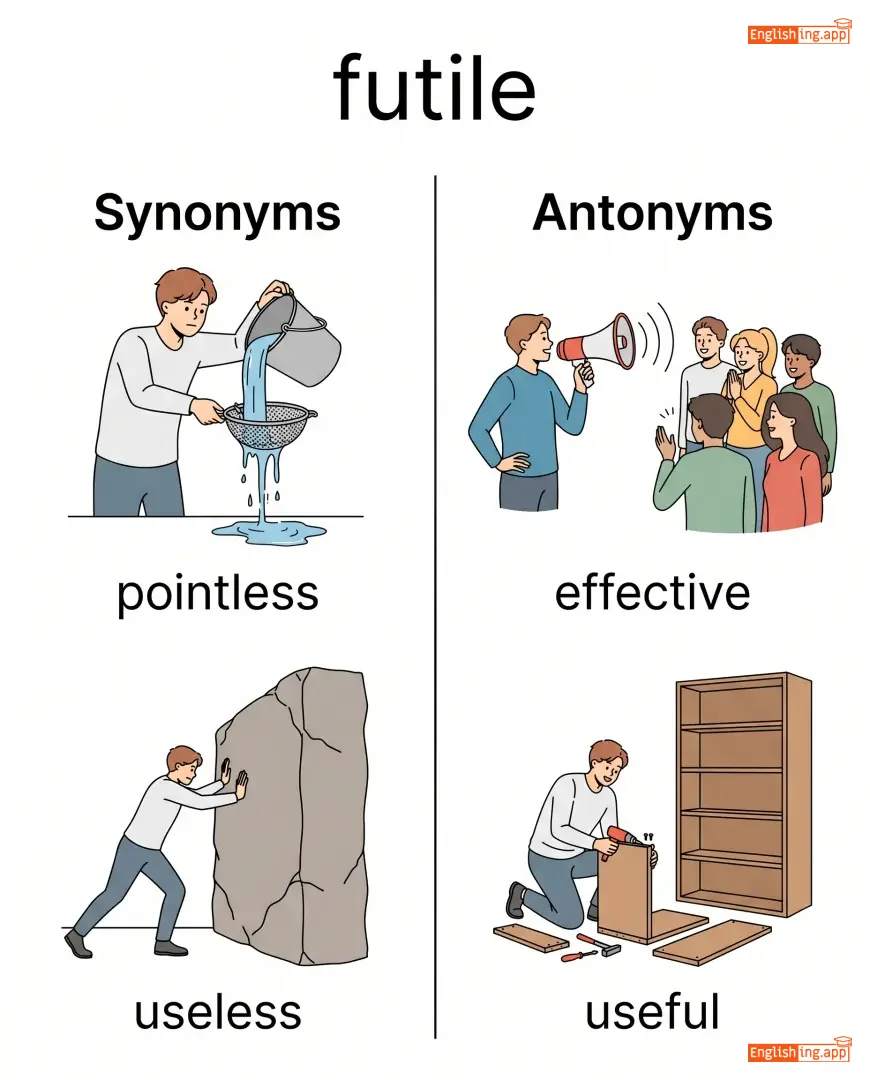
pointless, useless, ineffective, vain, fruitless
••••••
|
effective, useful, successful
••••••
|
futile attempt, futile effort, futile hope, seem futile
••••••
|
Futileは日本語で無駄: 無駄な試みは意味がない。
••••••
|
|
#147
🙅
|
/ˌɡeɪnˈseɪ/
verb
(ゲインセイ)
••••••
|
|
反論する
hanron suru
••••••
|
gainsaid
ゲインセイド
••••••
|
gainsaid
ゲインセイド
••••••
|
gainsays
ゲインセイズ
••••••
|
gainsaying
ゲインセイング
••••••
|
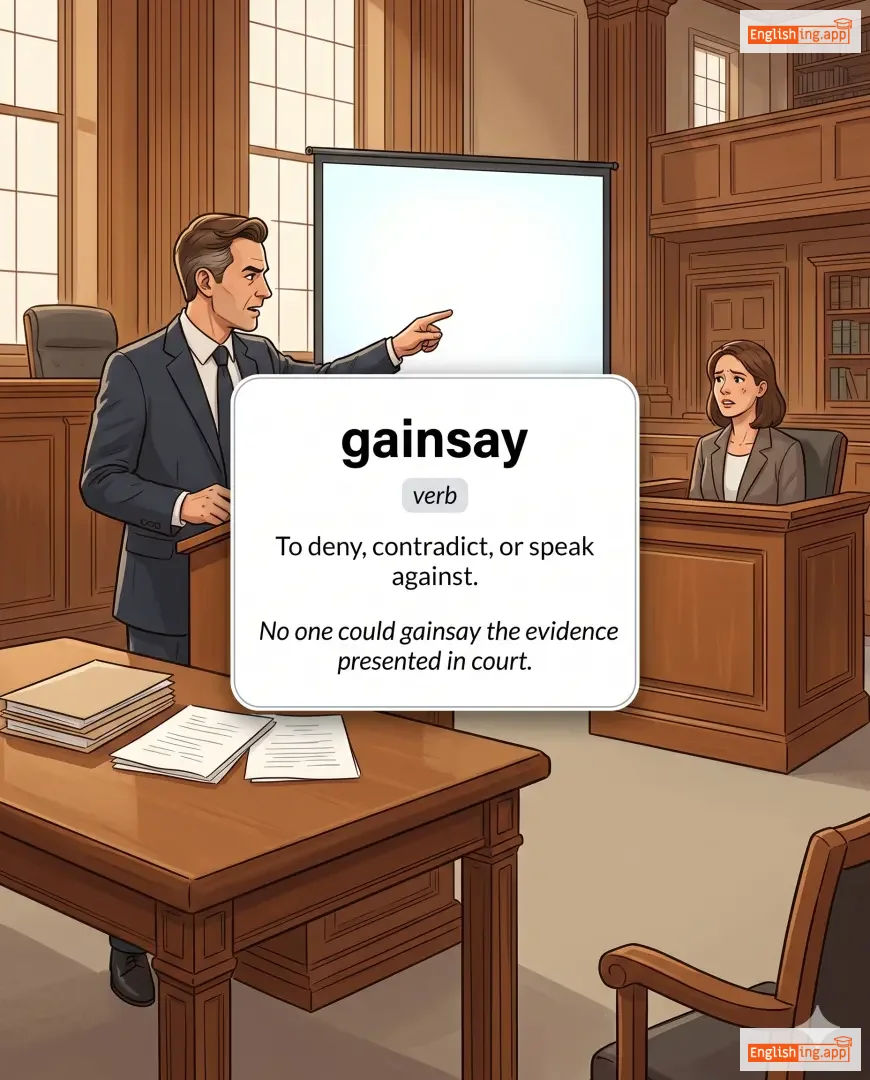
To deny, contradict, or speak against.
••••••
|
No one could gainsay the evidence presented in court.
裁判所で提出された証拠を誰も反論できなかった。
••••••
|
裁判所で提出された証拠を誰も反論できなかった。
Saibansho de teishutsu sareta shōko o dare mo hanron dekinakatta.
••••••
|
- •••••• | - •••••• | - •••••• |
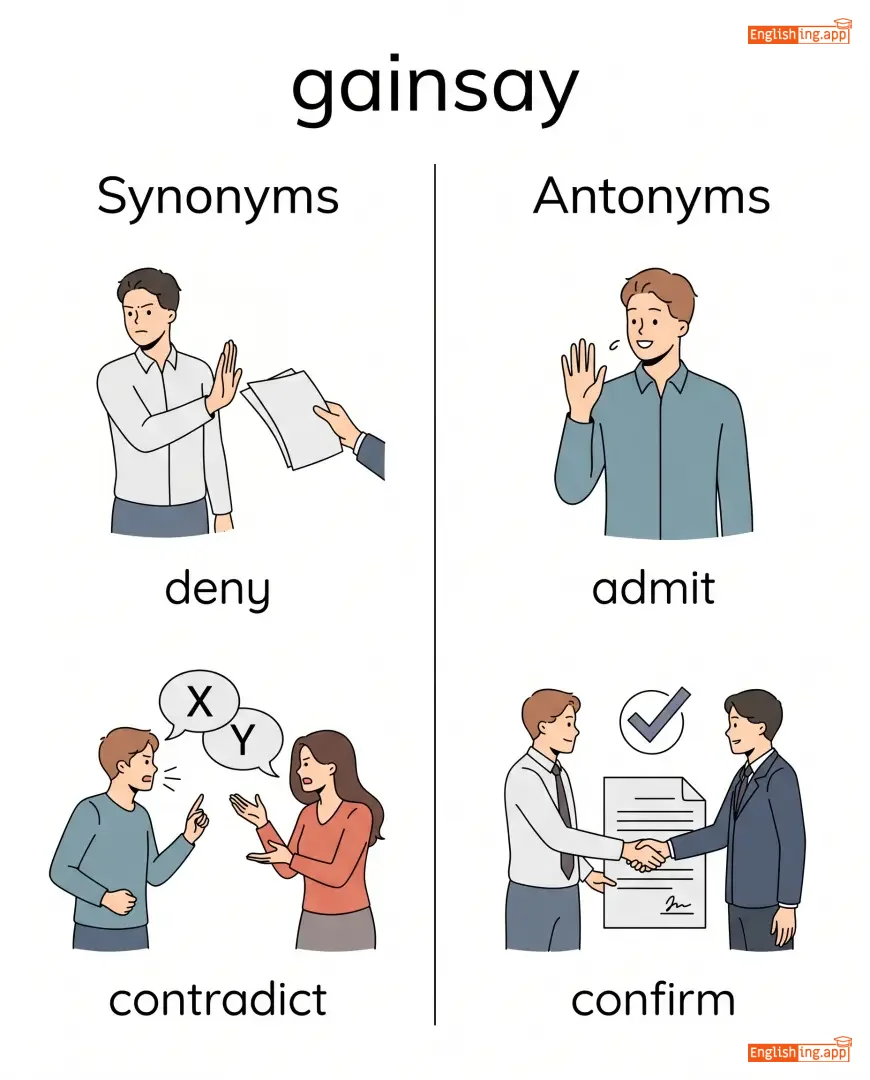
deny, contradict, oppose, refute
••••••
|
admit, confirm, accept
••••••
|
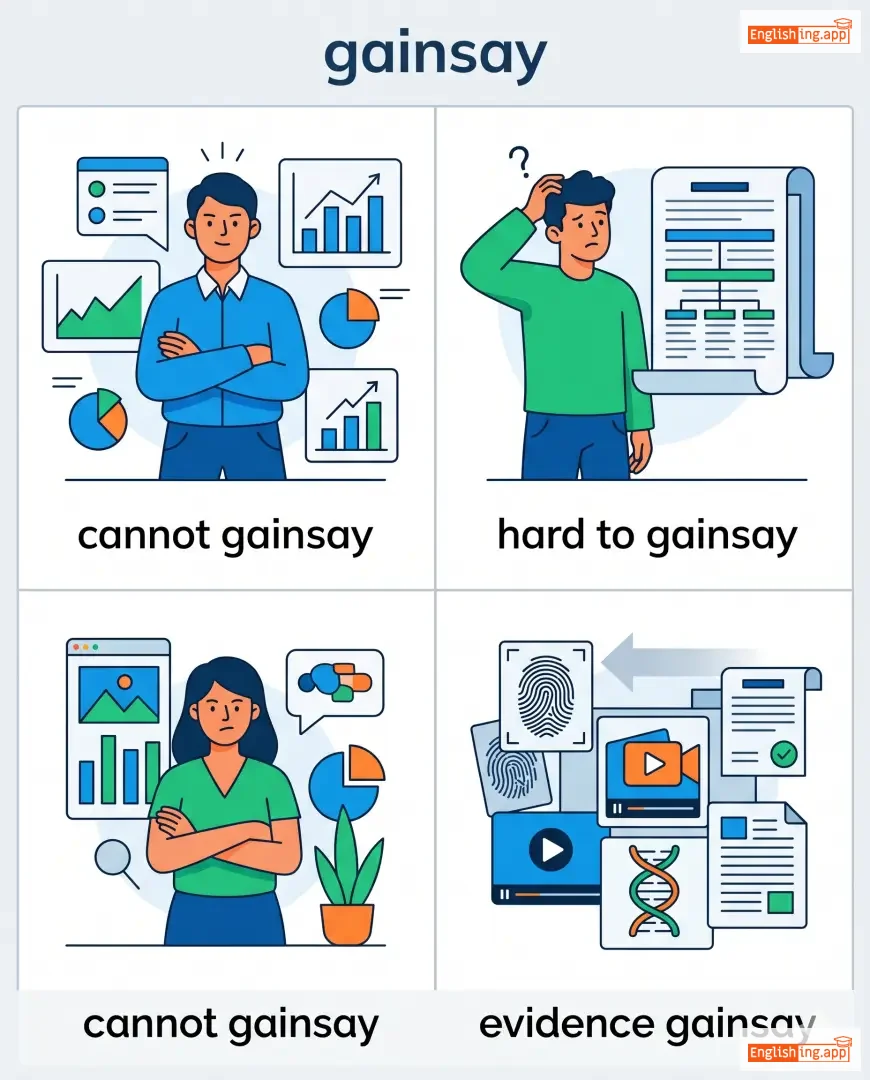
cannot gainsay, hard to gainsay, evidence gainsay
••••••
|
Gainsay = Gain (得る) と Say (言う) – 言ったことを否定する意味。
••••••
|
|
#148
🗣️
|
/ˈɡær.ə.ləs/
adjective
(ギャルラス)
••••••
|
|
おしゃべりな; うるさい; 話好き
oshaberi na, urusai, hanashizuki
••••••
|
- •••••• | - •••••• | - •••••• | - •••••• |
excessively talkative, especially on trivial matters; chatty and rambling in speech
••••••
|
The garrulous old man at the coffee shop would talk for hours about his travels. |
カフェでおしゃべりな年寄りの男は、旅行について何時間も話していた。
kafe de oshaberi na toshiyori no otoko wa, ryokou ni tsuite nan jikan mo hanashiteta.
••••••
|
- •••••• | - •••••• | - •••••• |
talkative, chatty, loquacious, verbose
••••••
|
quiet, taciturn, silent, reserved
••••••
|
garrulous person, garrulous nature, garrulous conversation
••••••
|
Garrulous は、長時間喋り続けることを意味します。カフェで旅行の話をするおしゃべりな老人のように。
••••••
|
|
#149
⚡
|
/ɡoʊd/
verb
(ゴード)
••••••
|
|
挑発する
chouhatsu suru
••••••
|
goaded
ゴーデッド
••••••
|
goaded
ゴーデッド
••••••
|
goads
ゴーズ
••••••
|
goading
ゴーディング
••••••
|
to provoke, annoy, or urge someone to take action
••••••
|
He tried to goad his opponent into making a mistake.
ヒー トライド トゥ ゴード ヒズ オポーネント イントゥ メイキング ア ミステイク。
••••••
|
彼は対戦相手をミスを犯させるために挑発しようとした。
Kare wa taisen aite o misu o okosaseru tame ni chouhatsu shiyou to shita.
••••••
|
goad into action
ゴード イントゥ アクション
••••••
|
to provoke or push someone to act
••••••
|
行動に挑発する
koudou ni chouhatsu suru
••••••
|
provoke, urge, incite, push, irritate
••••••
|
calm, soothe, dissuade
••••••
|
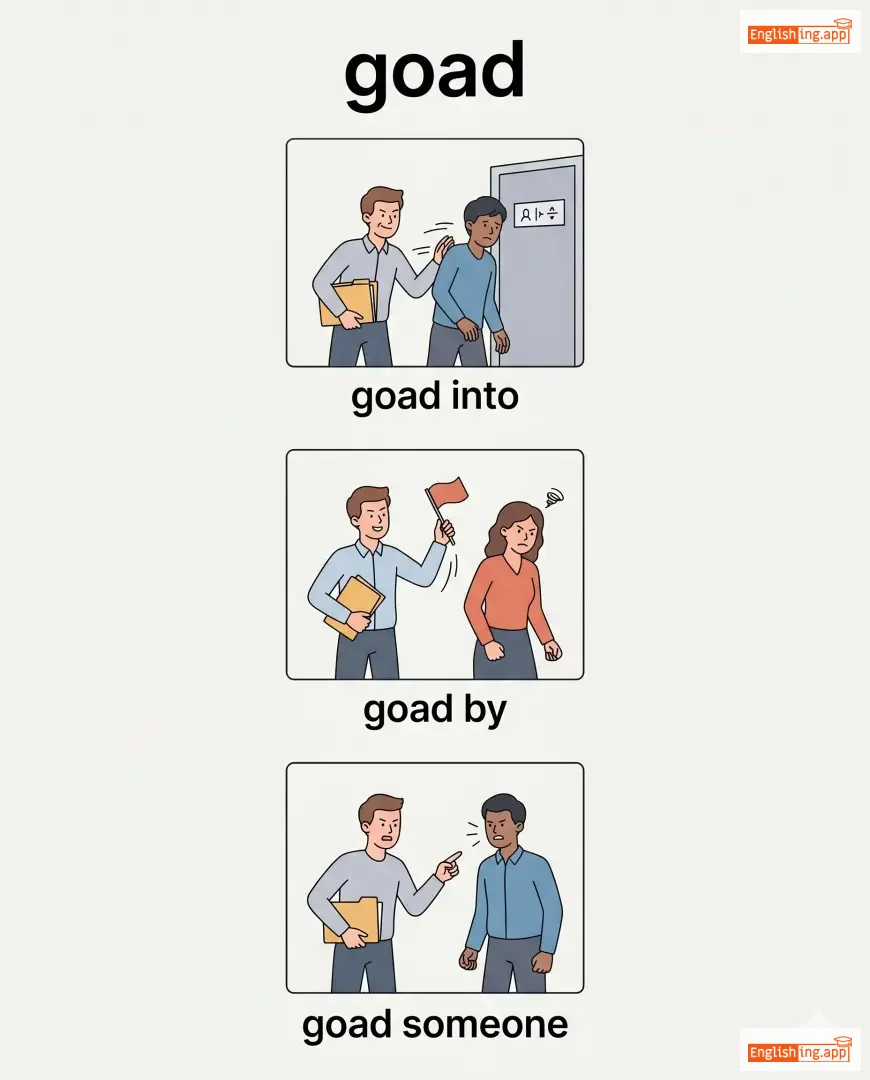
goad into, goad by, goad someone
••••••
|
Goad = Go + Add, 誰かを行動に挑発
••••••
|
|
#150
🪓
|
/ɡaʊdʒ/
verb, noun
(ガウジ)
••••••
|
|
えぐる、不当に高く売る
eguru, futōni takaku uru
••••••
|
gouged
ガウジド
••••••
|
gouged
ガウジド
••••••
|
gouges
ガウジズ
••••••
|
gouging
ガウジング
••••••
|
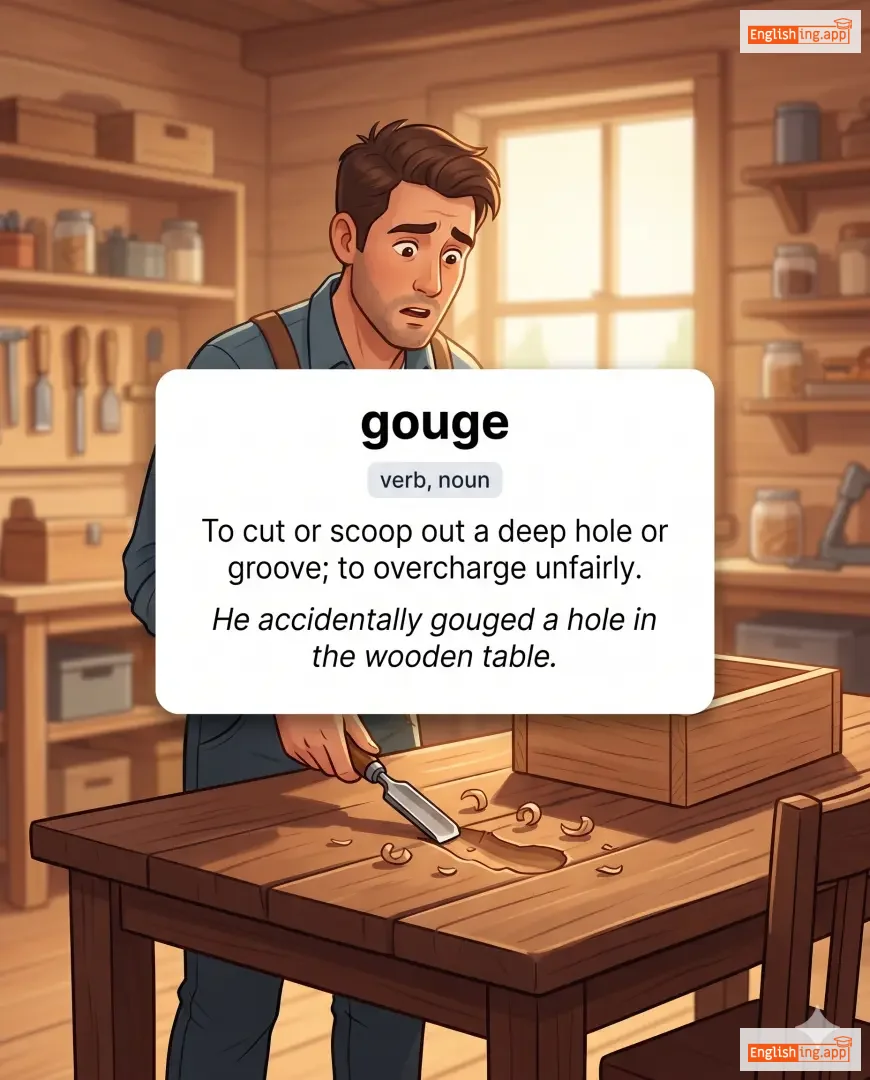
To cut or scoop out a deep hole or groove; to overcharge unfairly.
••••••
|
He accidentally gouged a hole in the wooden table.
彼はうっかり木製のテーブルに穴を開けました。
••••••
|
彼はうっかり木製のテーブルに穴を開けました。
Kare wa ukkari mokusei no tēburu ni ana o akemashita.
••••••
|
price gouging
価格吊り上げ
••••••
|
Charging excessively high prices, especially during crises.
••••••
|
価格吊り上げ
kakaku tsuriage
••••••
|
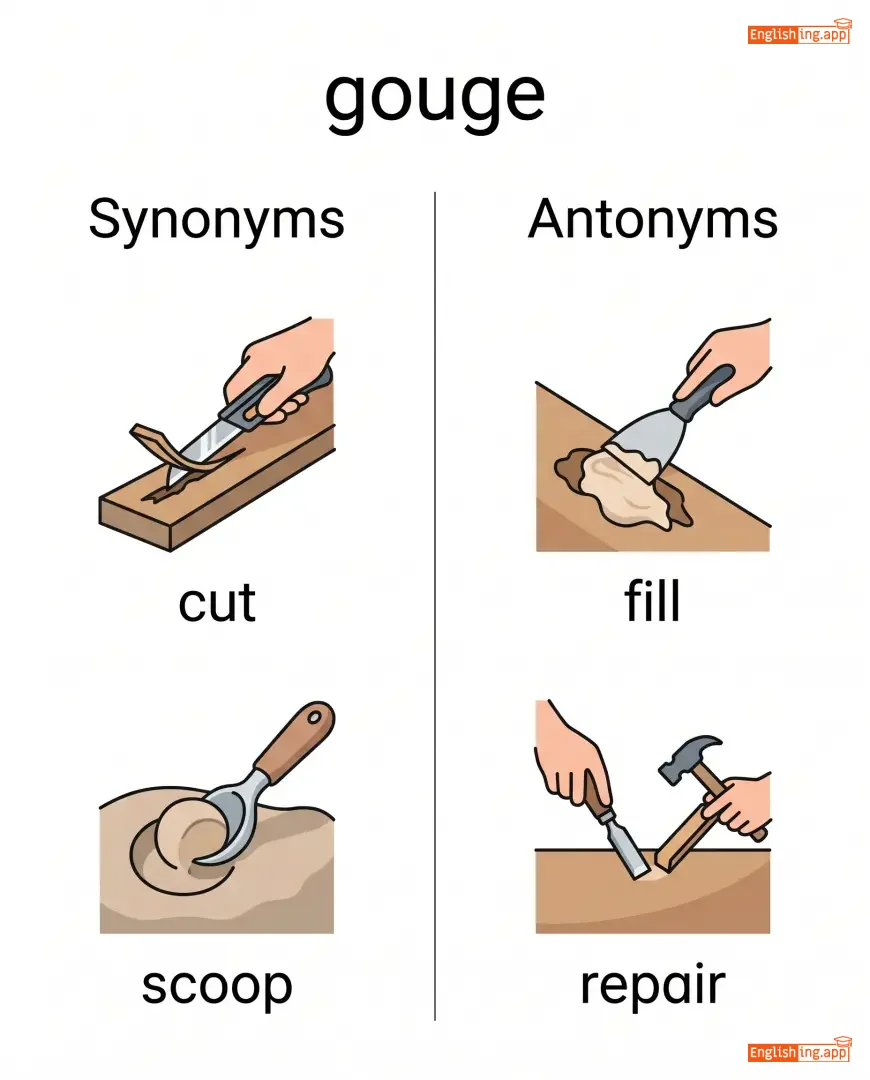
cut, scoop, dig, chisel, overcharge
••••••
|
fill, repair, fairness
••••••
|
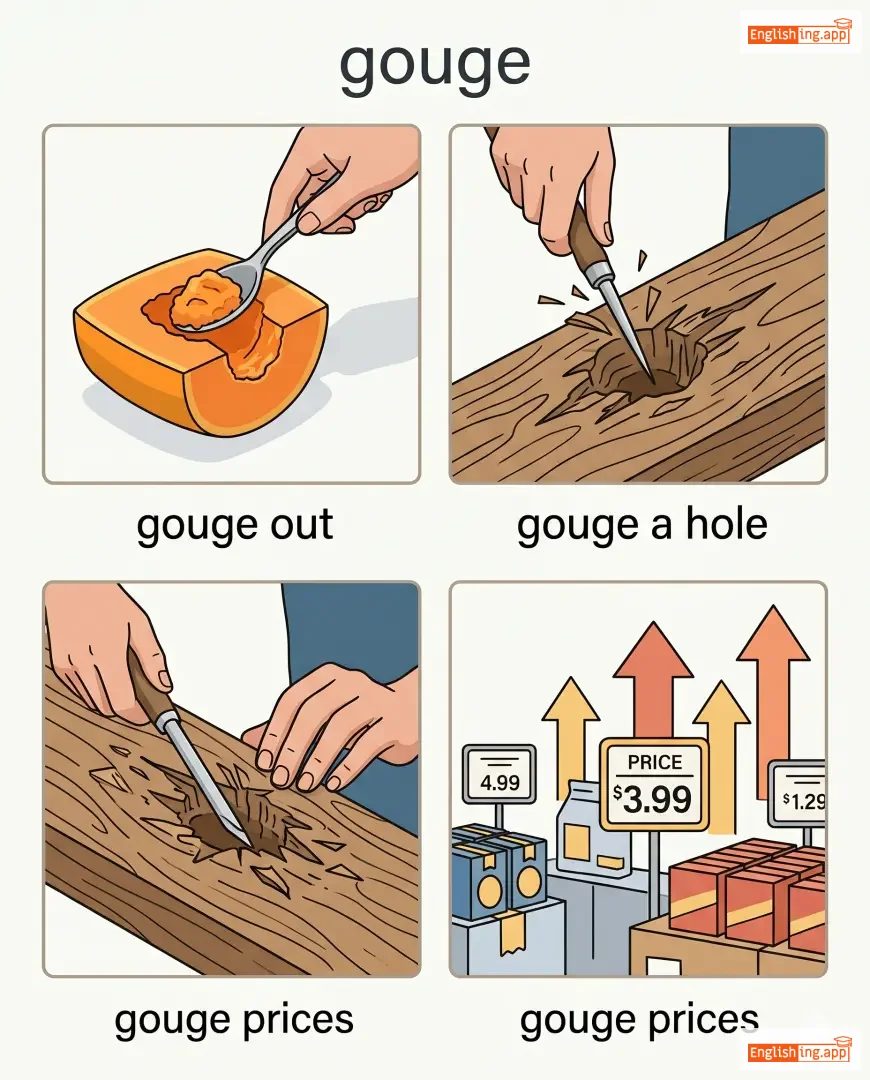
gouge out, gouge a hole, gouge prices, gouge customers
••••••
|
Gougeはgou (穴)を作り、価格を吊り上げること
••••••
|
Vocabulary Quiz
Test your vocabulary by matching words with their translations or meanings.
Login to take the quiz
Comments (0)
Share your thoughts and join the discussion.
Join the discussion by logging in
Login to CommentNo comments yet
Be the first to share your thoughts!