

翻訳
過去
過去分詞
三人称単数
動名詞
意味
例文
例文の翻訳
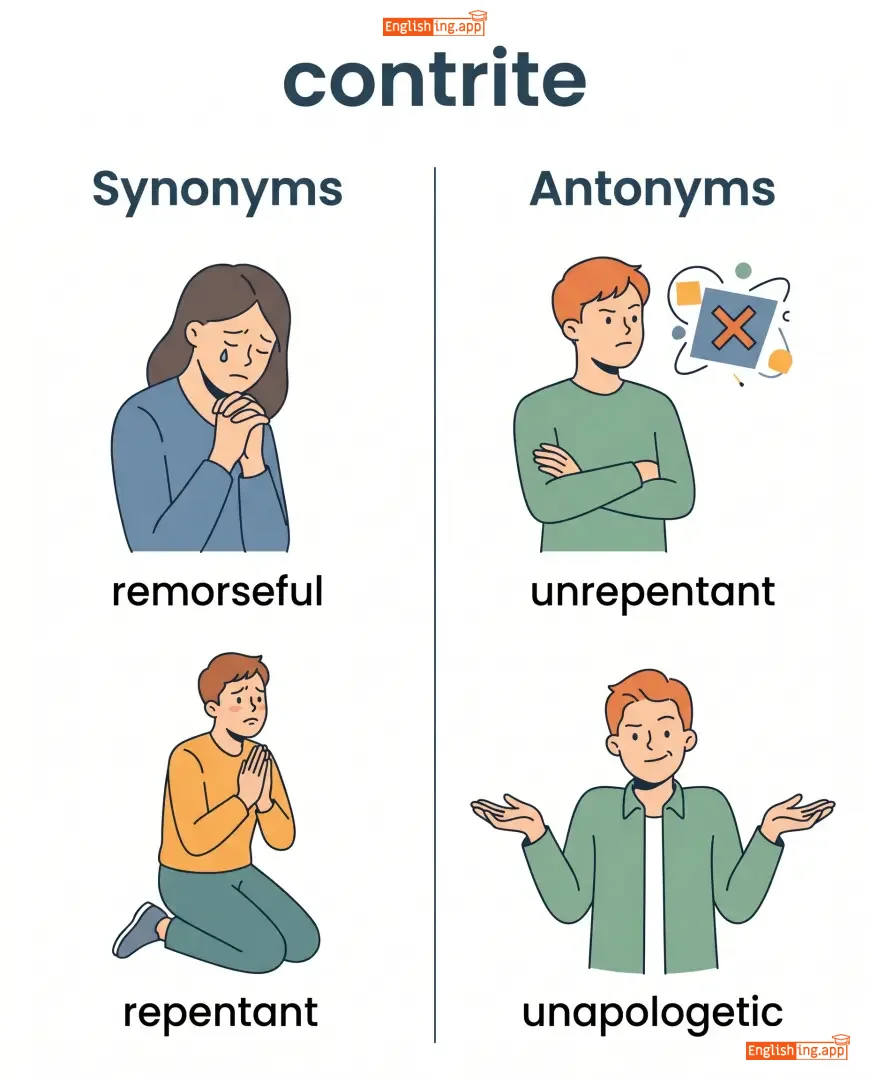
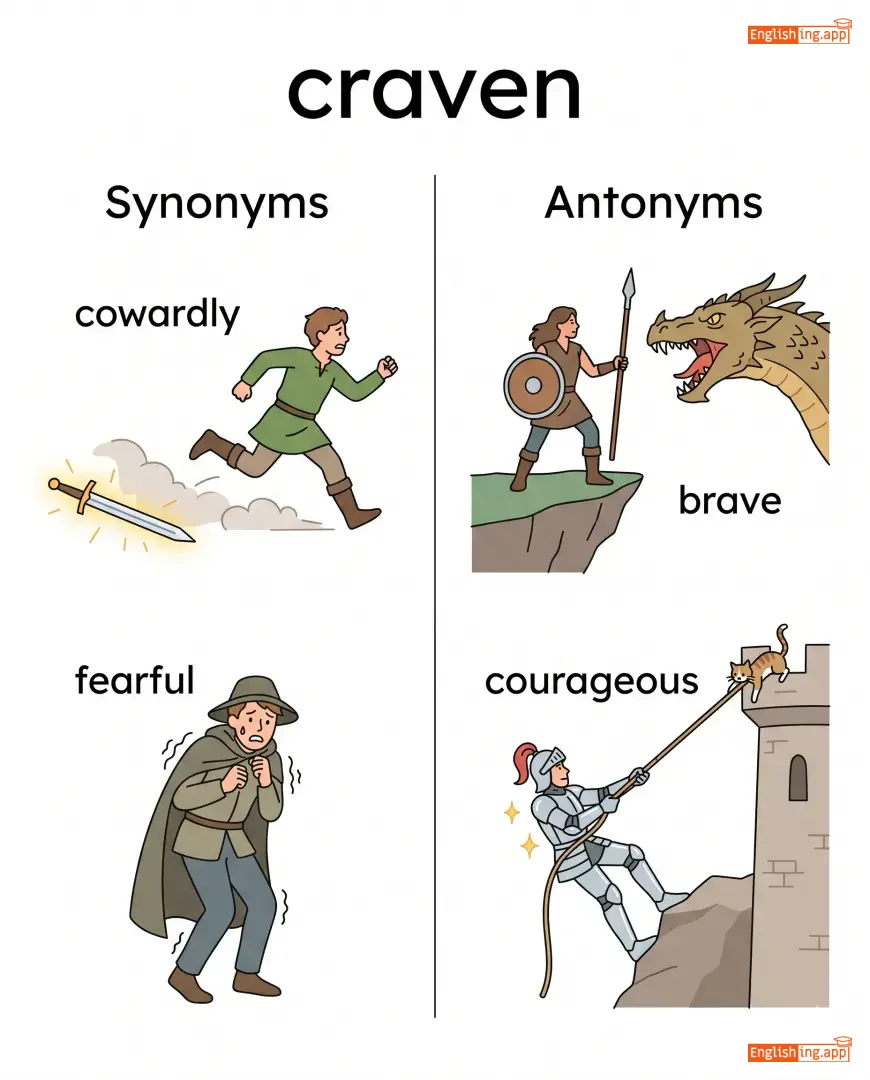
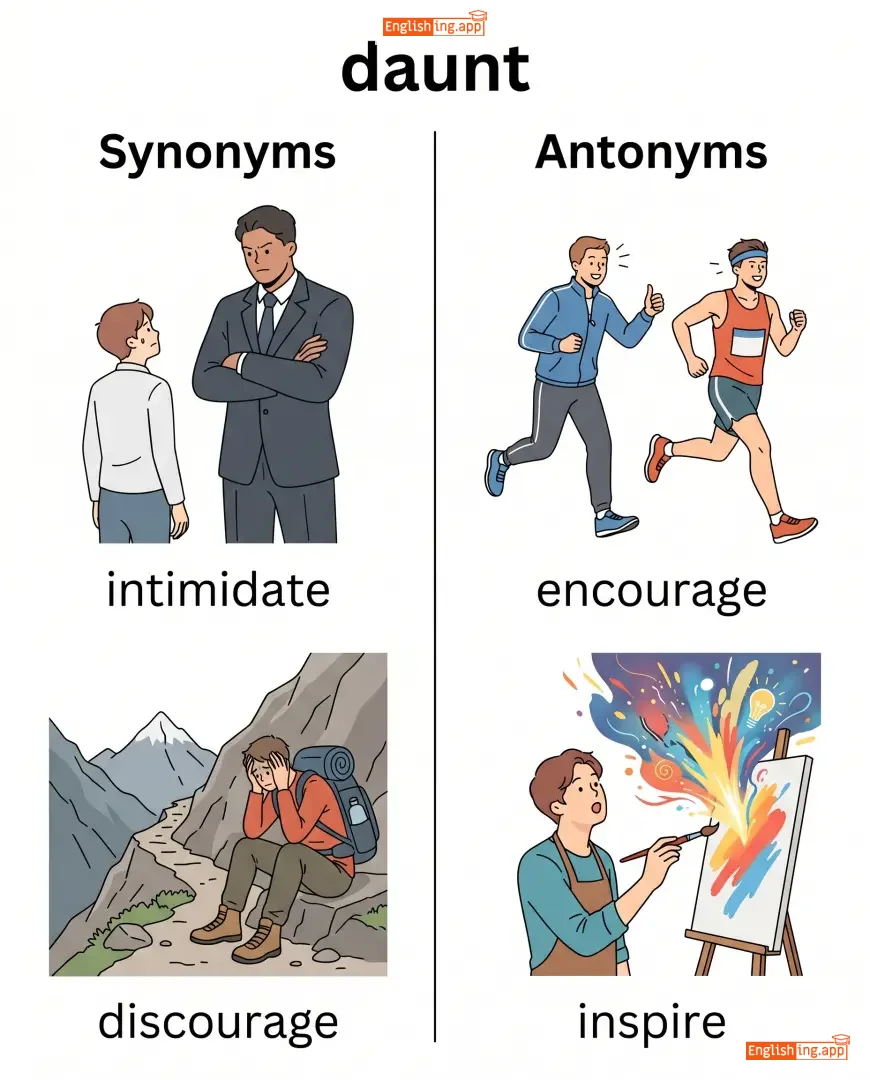
同義語
対義語
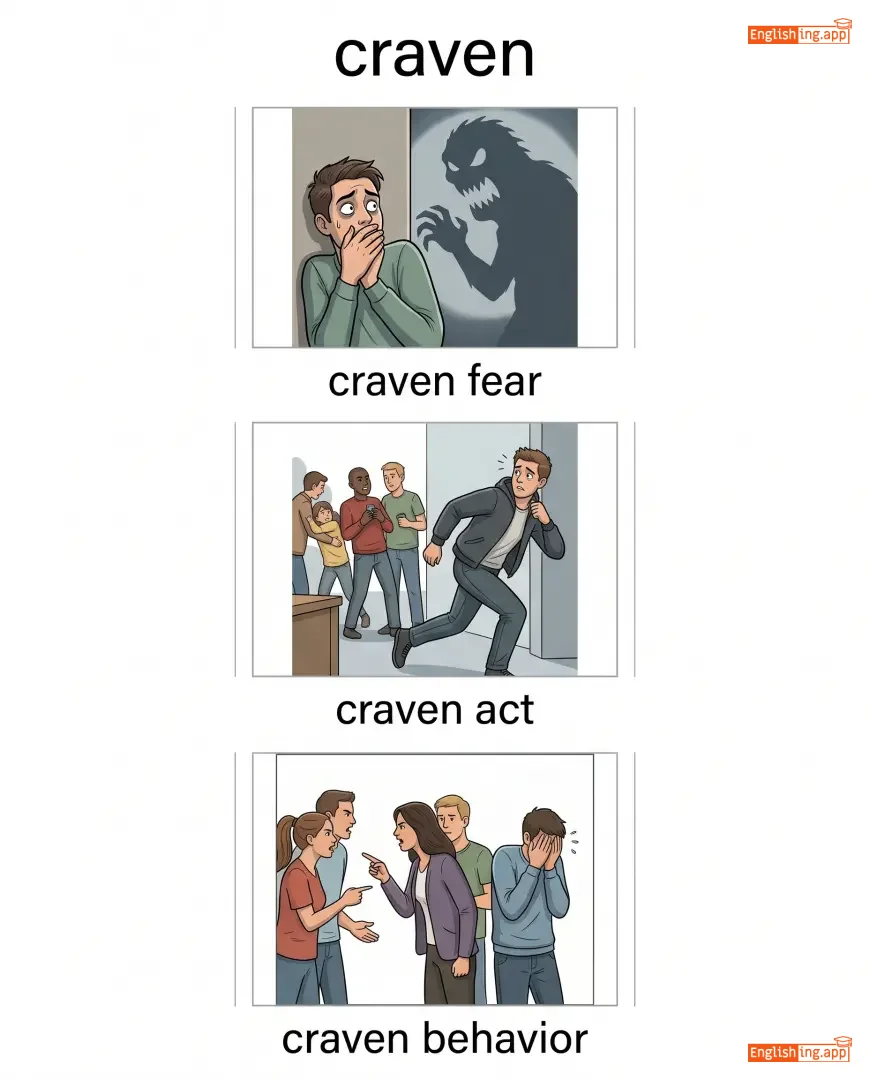
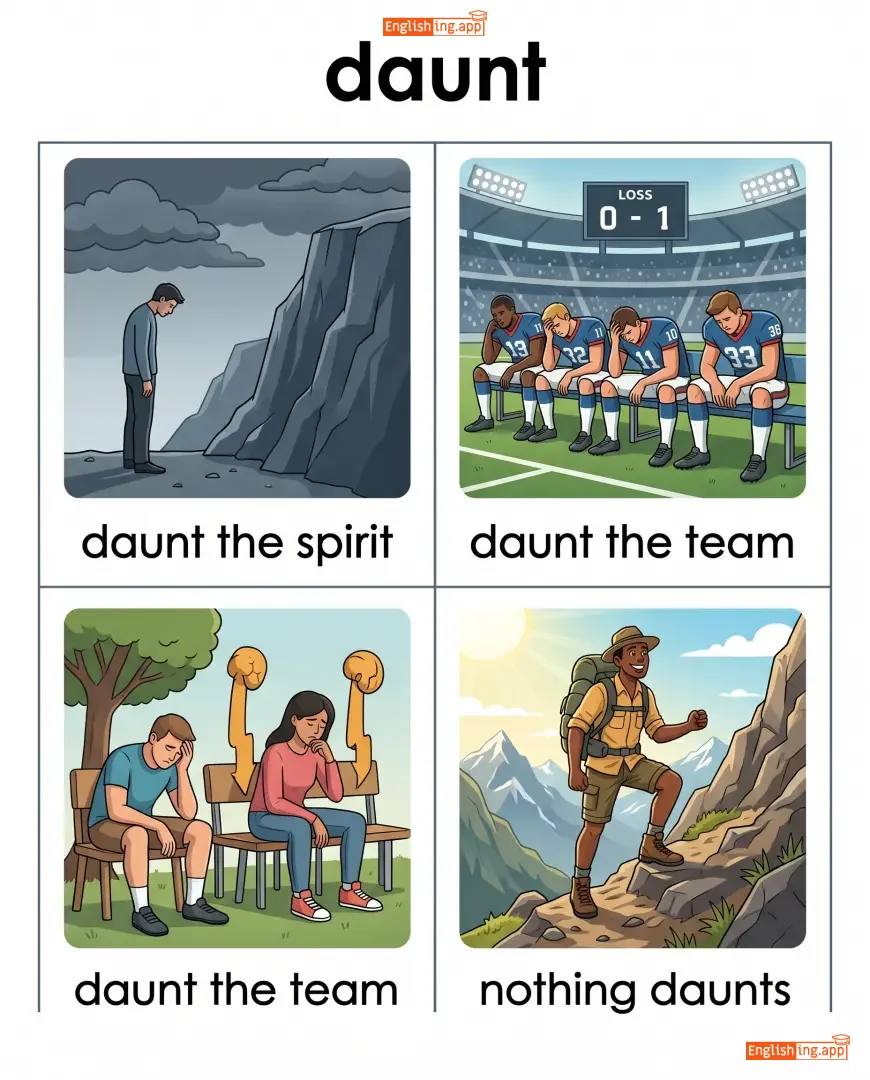
コロケーション
ニーモニック



Swipe left or right, or use the buttons. Tap image to zoom.
例文の翻訳
単語
Lesson 3Lesson 3 - マスクトグル
|
絵文字
|
単語 | Images | 翻訳 | 過去 | 過去分詞 | 三人称単数 | 動名詞 | 意味 | 例文 | 例文の翻訳 | 表現例 | 表現例の意味 | 表現例の翻訳 | 同義語 | 対義語 | コロケーション | ニーモニック |
|---|---|---|---|---|---|---|---|---|---|---|---|---|---|---|---|---|---|
|
#51
🔚
|
/ˈkoʊdə/
noun
(コーダ)
••••••
|
|
コーダ
koda
••••••
|
- •••••• | - •••••• | - •••••• | - •••••• |
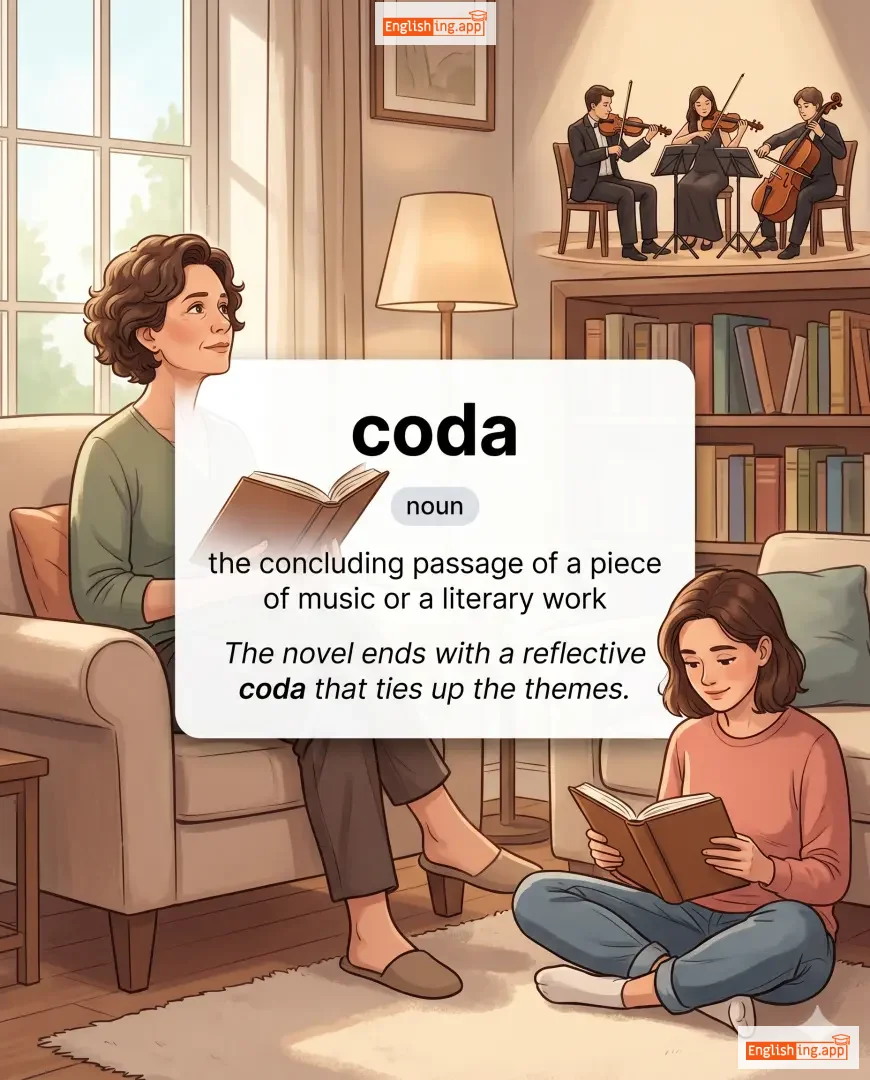
the concluding passage of a piece of music or a literary work
••••••
|
The novel ends with a reflective coda that ties up the themes. |
その小説は、テーマを結びつける反省的なコーダで終わります。
Sono shousetsu wa, tēma o musubitsukeru hanseiteki na koda de owarimasu.
••••••
|
- •••••• | - •••••• | - •••••• |
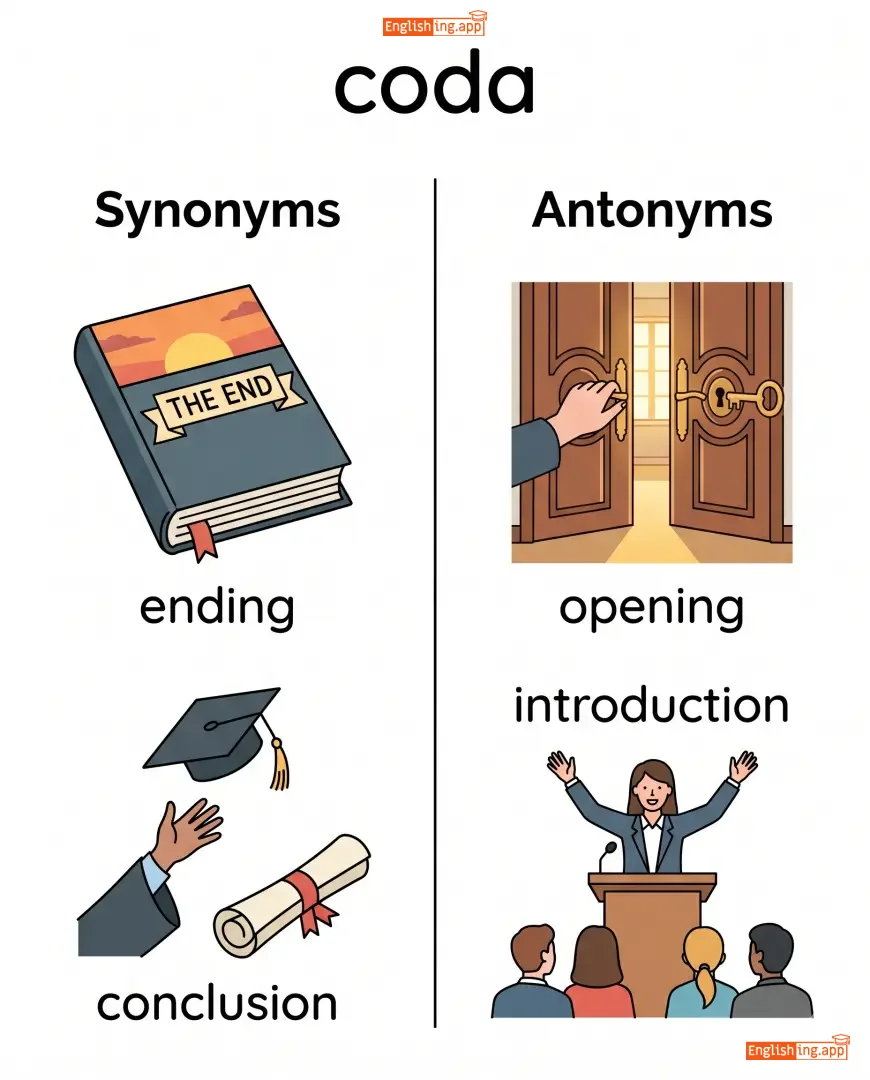
ending, conclusion, finale, epilogue
••••••
|
opening, introduction, beginning
••••••
|
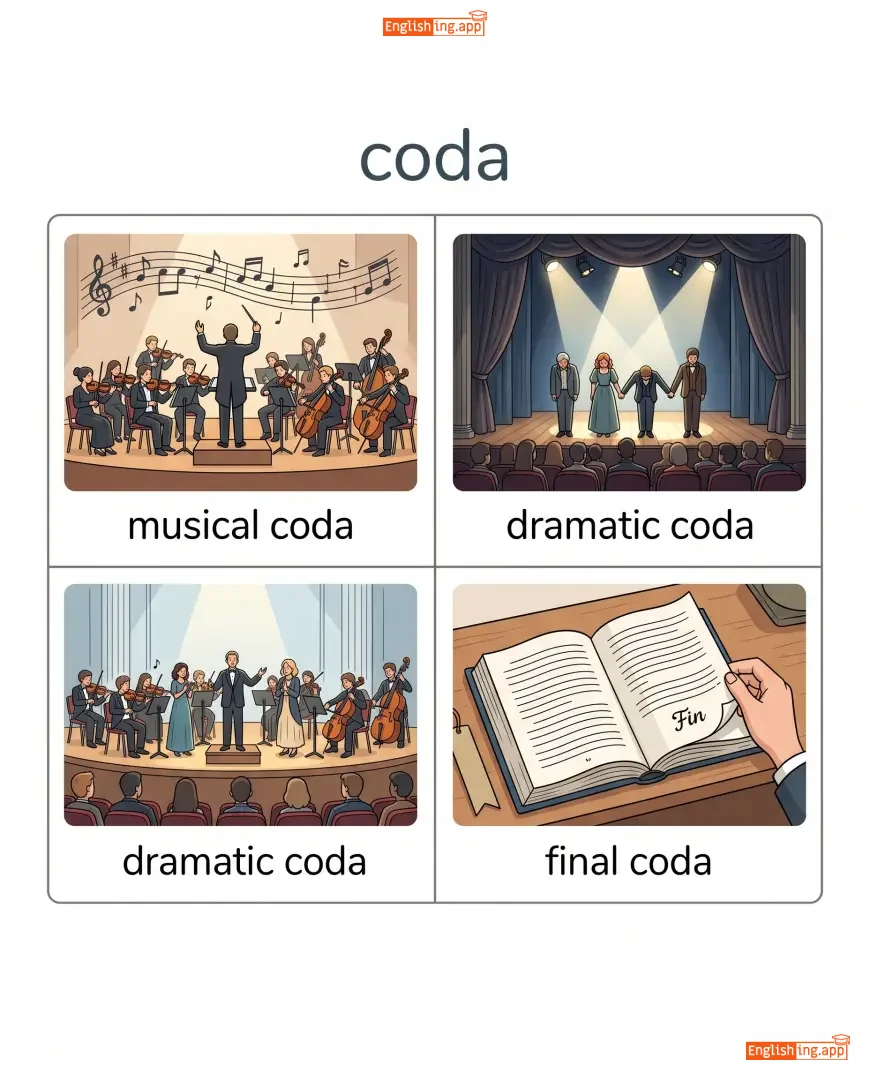
musical coda, dramatic coda, final coda
••••••
|
Codaは作品の終わりの部分です。音楽や本の最後の部分のように。
••••••
|
|
#52
🧠
|
/ˈkoʊdʒənt/
adjective
(コージェント)
••••••
|
|
明確で論理的
meikaku de ronriteki
••••••
|
- •••••• | - •••••• | - •••••• | - •••••• |
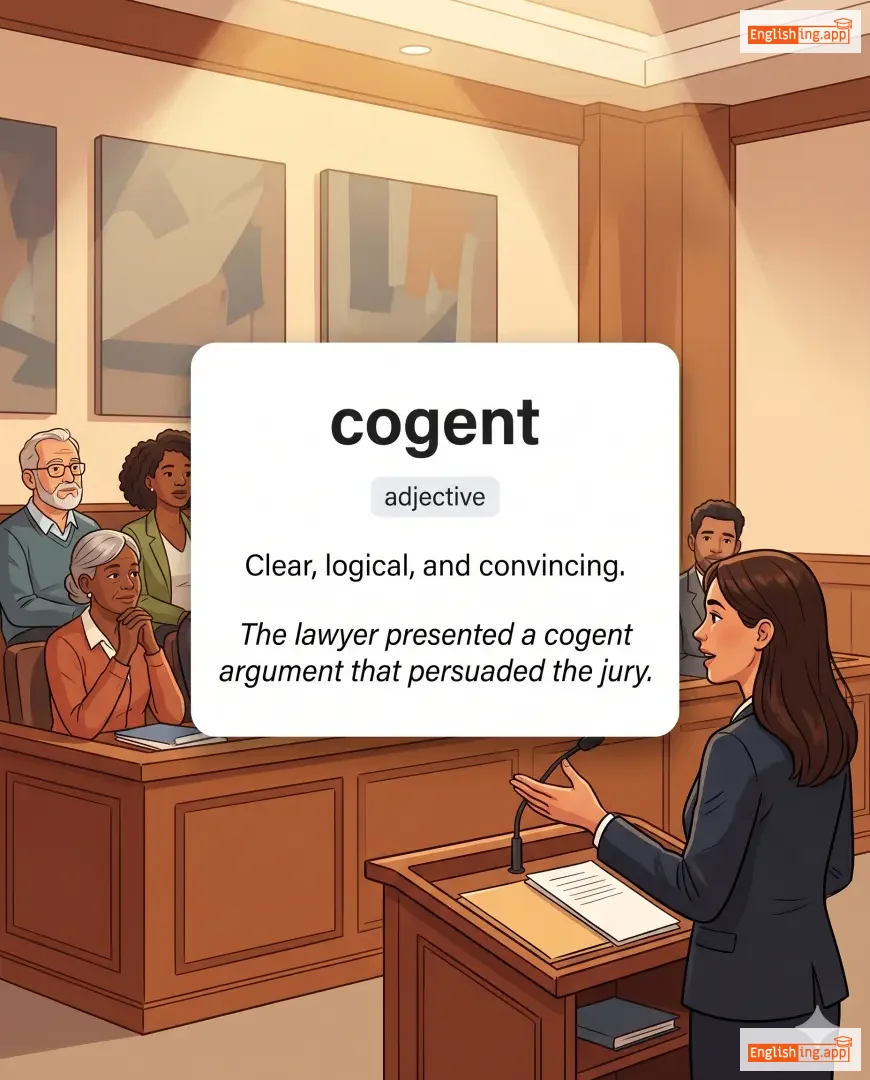
Clear, logical, and convincing.
••••••
|
The lawyer presented a cogent argument that persuaded the jury. |
弁護士は明確で論理的な議論を提示し、陪審員を納得させました。
Bengoshi wa meikaku de ronriteki na giron o teiji shi, baishin'in o nattoku sasemashita.
••••••
|
- •••••• | - •••••• | - •••••• |
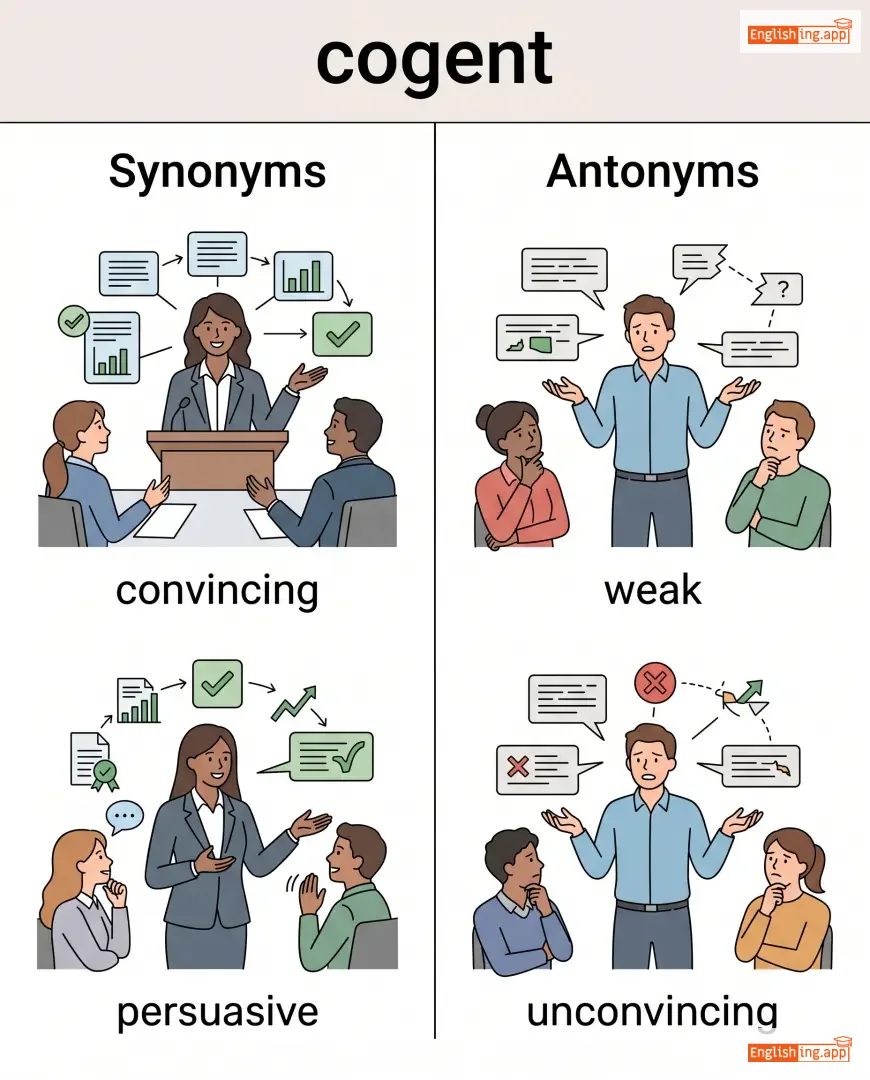
convincing, persuasive, compelling, logical, forceful
••••••
|
weak, unconvincing, illogical
••••••
|
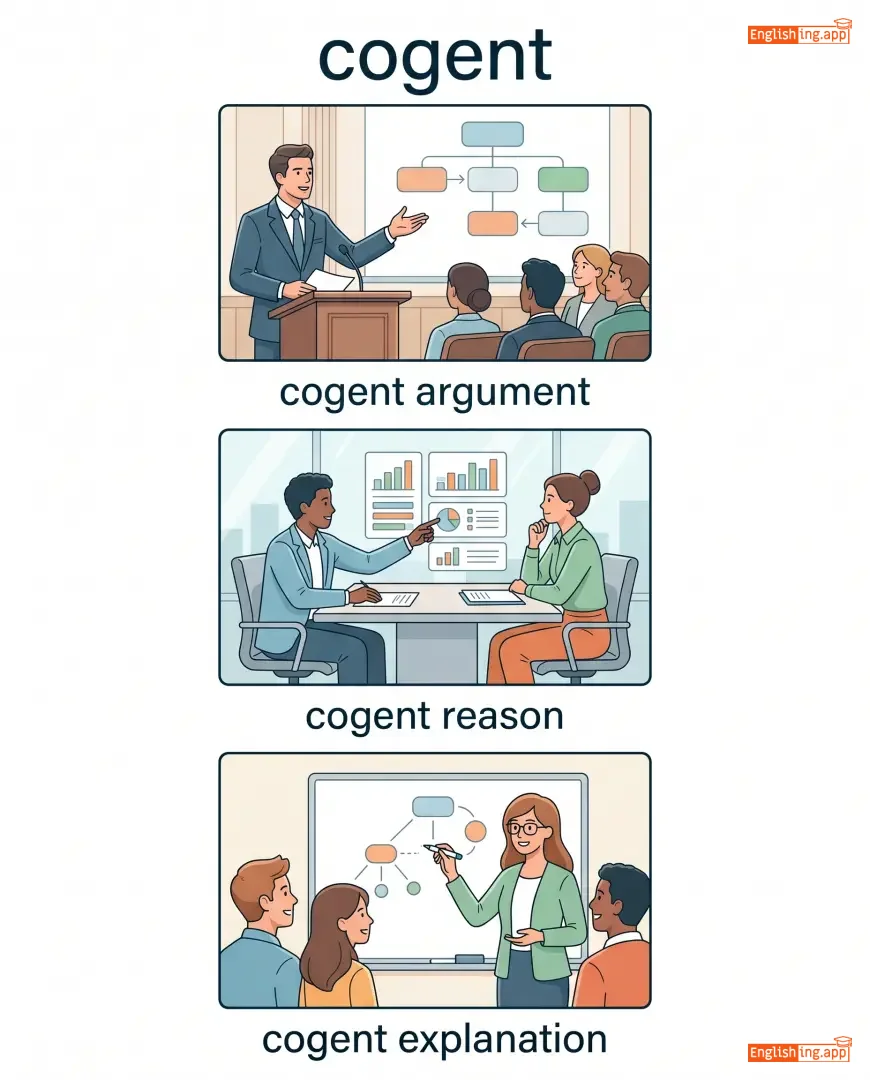
cogent argument, cogent reason, cogent explanation, cogent evidence
••••••
|
Cogentは明確で説得力のある意味—日本語では、コー=言うことが簡単で論理的な議論。
••••••
|
|
#53
⚖️
|
/kəˈmɛnʃərət/
adjective
(コメンスレート)
••••••
|
|
比例的
hireteki
••••••
|
- •••••• | - •••••• | - •••••• | - •••••• |
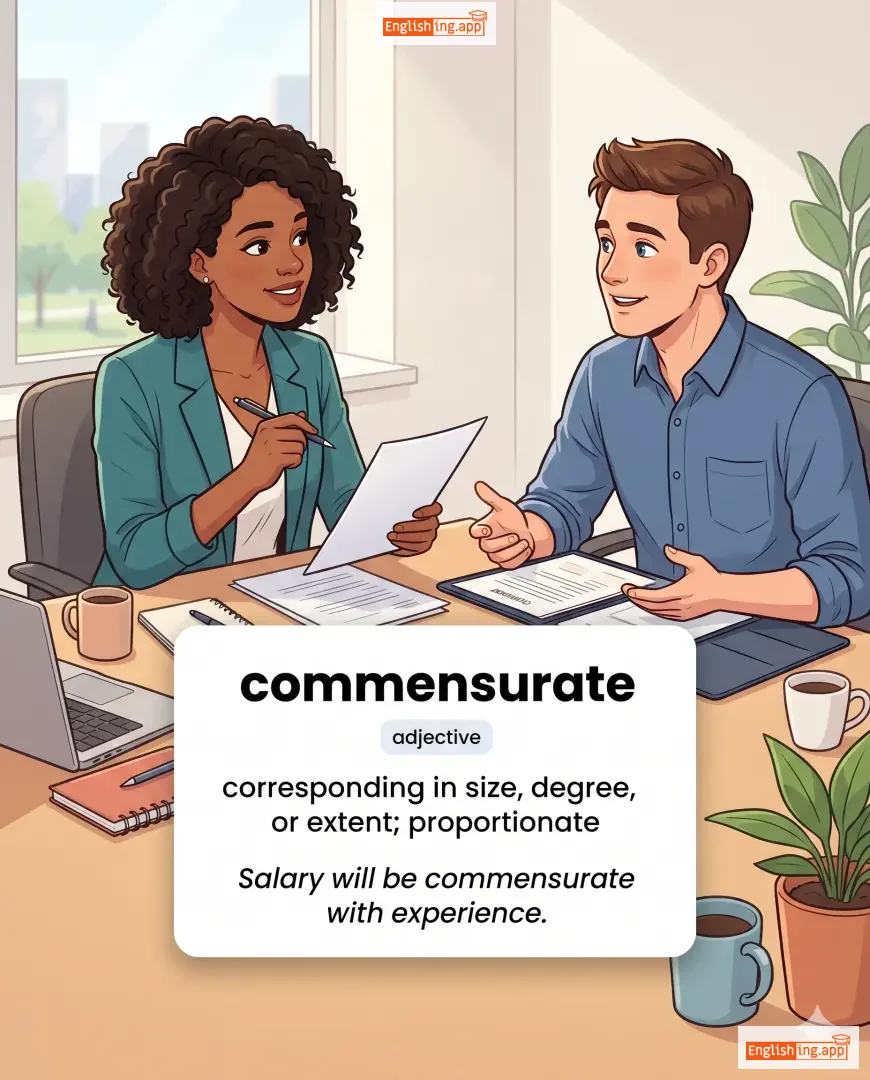
corresponding in size, degree, or extent; proportionate
••••••
|
Salary will be commensurate with experience. |
給料は経験に比例します。
Kyūryō wa keiken ni hire shimasu.
••••••
|
- •••••• | - •••••• | - •••••• |
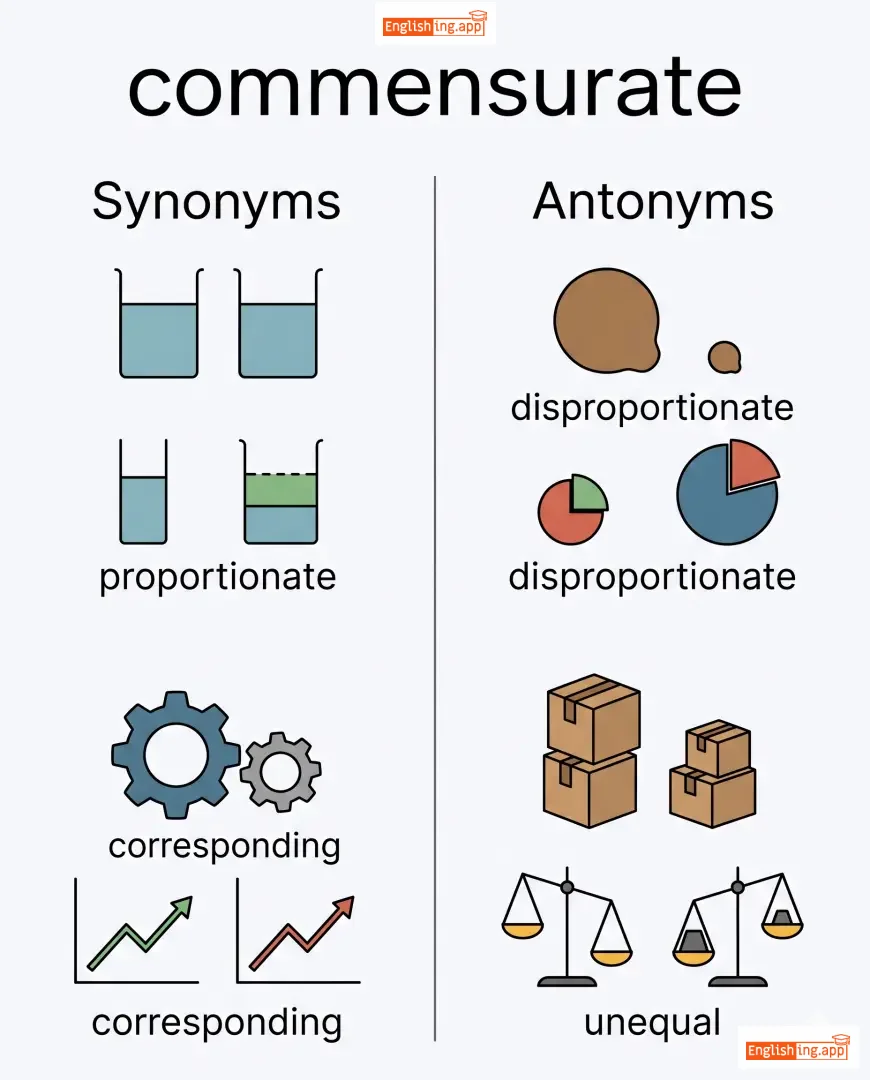
proportionate, corresponding, equal, comparable, adequate
••••••
|
disproportionate, unequal, inappropriate
••••••
|
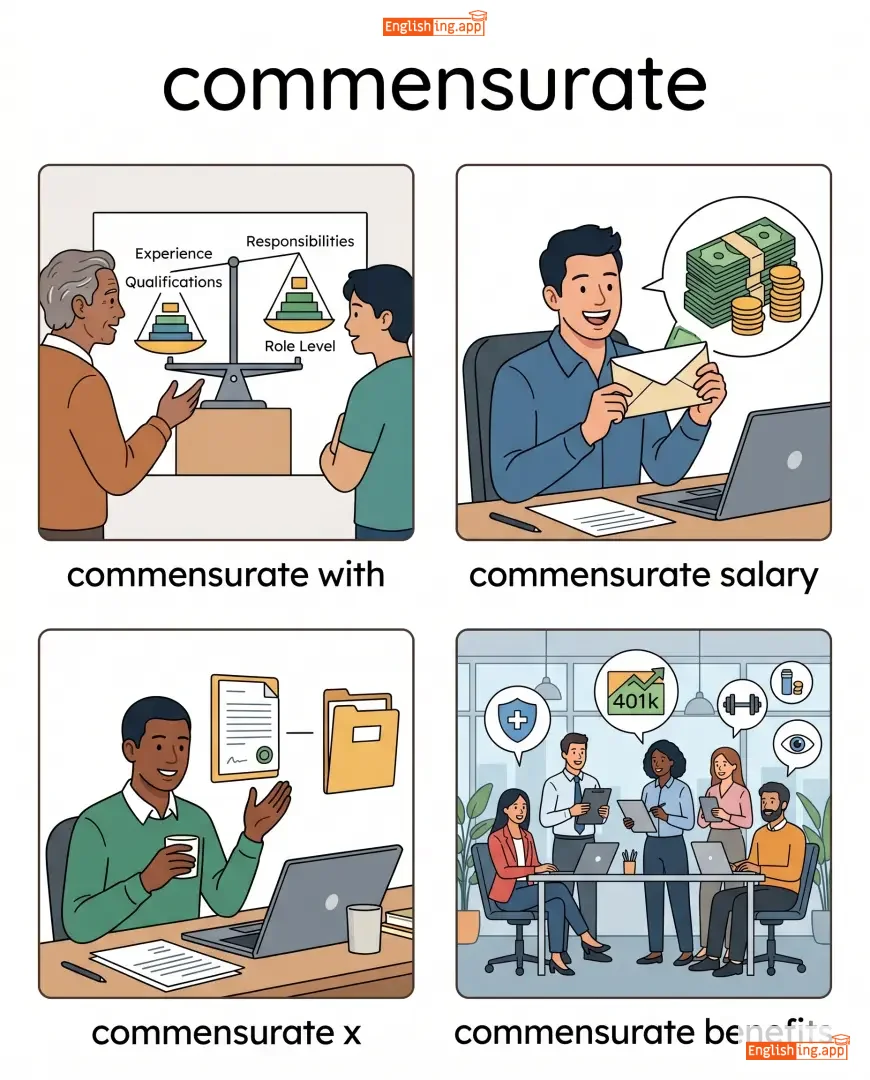
commensurate with, commensurate salary, commensurate benefits, commensurate reward
••••••
|
Commensurate は、経験に比例して支払われることを意味します。
••••••
|
|
#54
📚
|
/kəmˈpɛndiəm/
noun
(コンペンディウム)
••••••
|
|
コンペンディウム
konpendium
••••••
|
- •••••• | - •••••• | - •••••• | - •••••• |
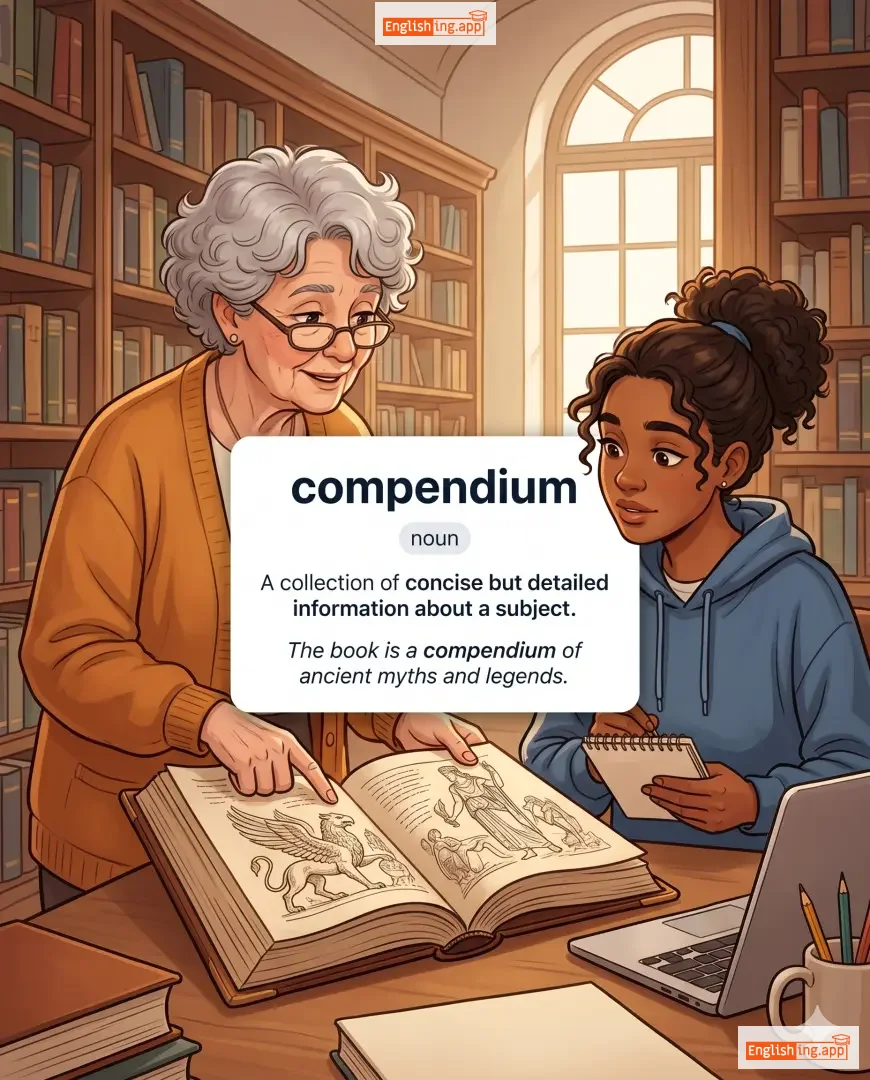
A collection of concise but detailed information about a subject.
••••••
|
The book is a compendium of ancient myths and legends.
その本は古代の神話と伝説のコンペンディウムです。
••••••
|
その本は古代の神話と伝説のコンペンディウムです。
Sono hon wa kodai no shinwa to densetsu no konpendium desu.
••••••
|
- •••••• | - •••••• | - •••••• |
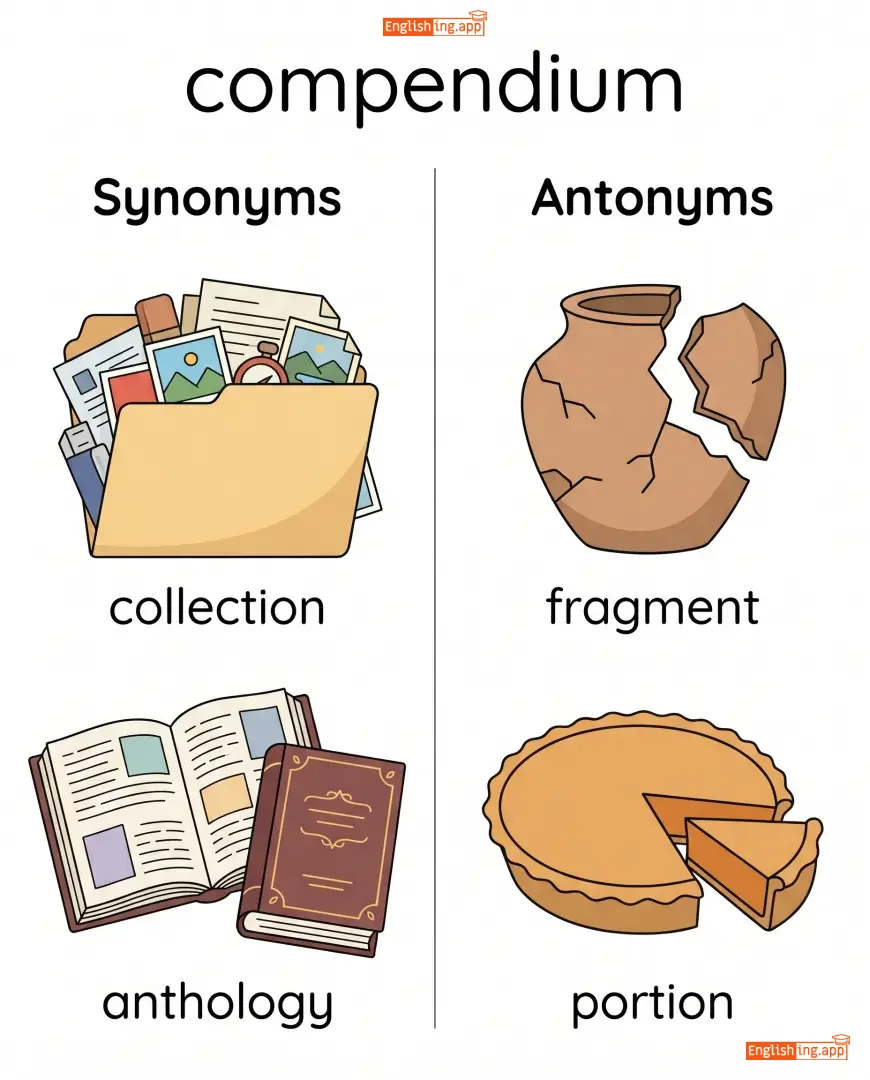
collection, anthology, digest, summary, compilation
••••••
|
fragment, portion, extract
••••••
|
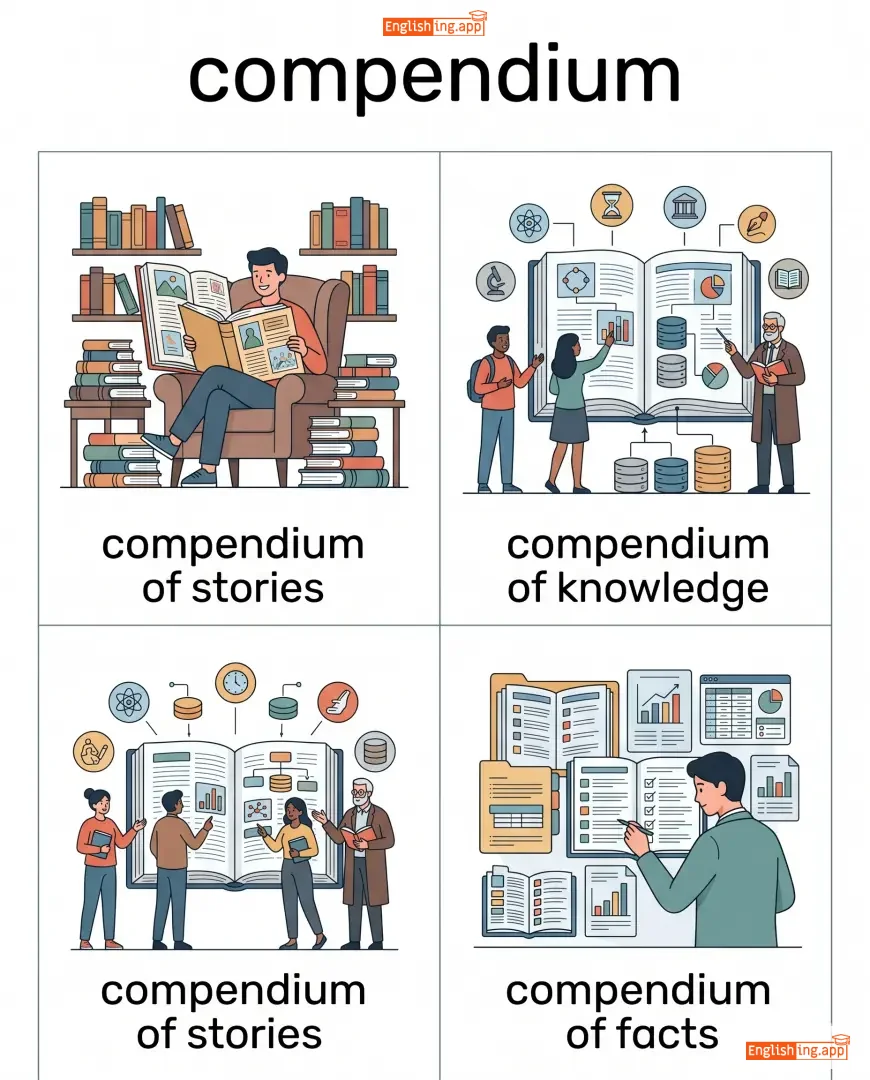
compendium of stories, compendium of knowledge, compendium of facts, compendium of laws
••••••
|
コンペンディウムは「コンパクト」+「データ」を集めたもの。
••••••
|
|
#55
🤗
|
/kəmˈpleɪzənt/
adjective
(コンプレイザント)
••••••
|
|
過度に従順
kado ni jūjun
••••••
|
- •••••• | - •••••• | - •••••• | - •••••• |
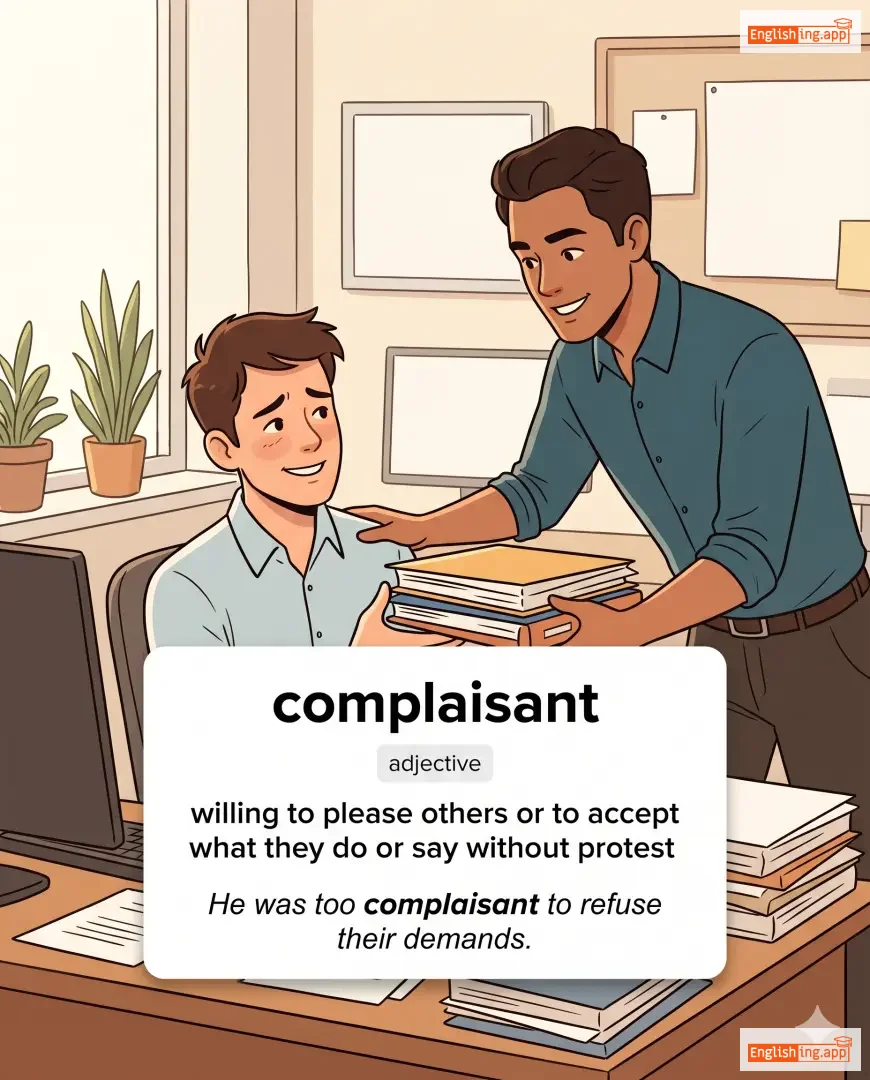
willing to please others or to accept what they do or say without protest
••••••
|
He was too complaisant to refuse their demands. |
彼は彼らの要求を断るにはあまりにも従順すぎた。
Kare wa karera no yōkyū wo kotowaru ni wa amari ni mo jūjun sugita.
••••••
|
- •••••• | - •••••• | - •••••• |
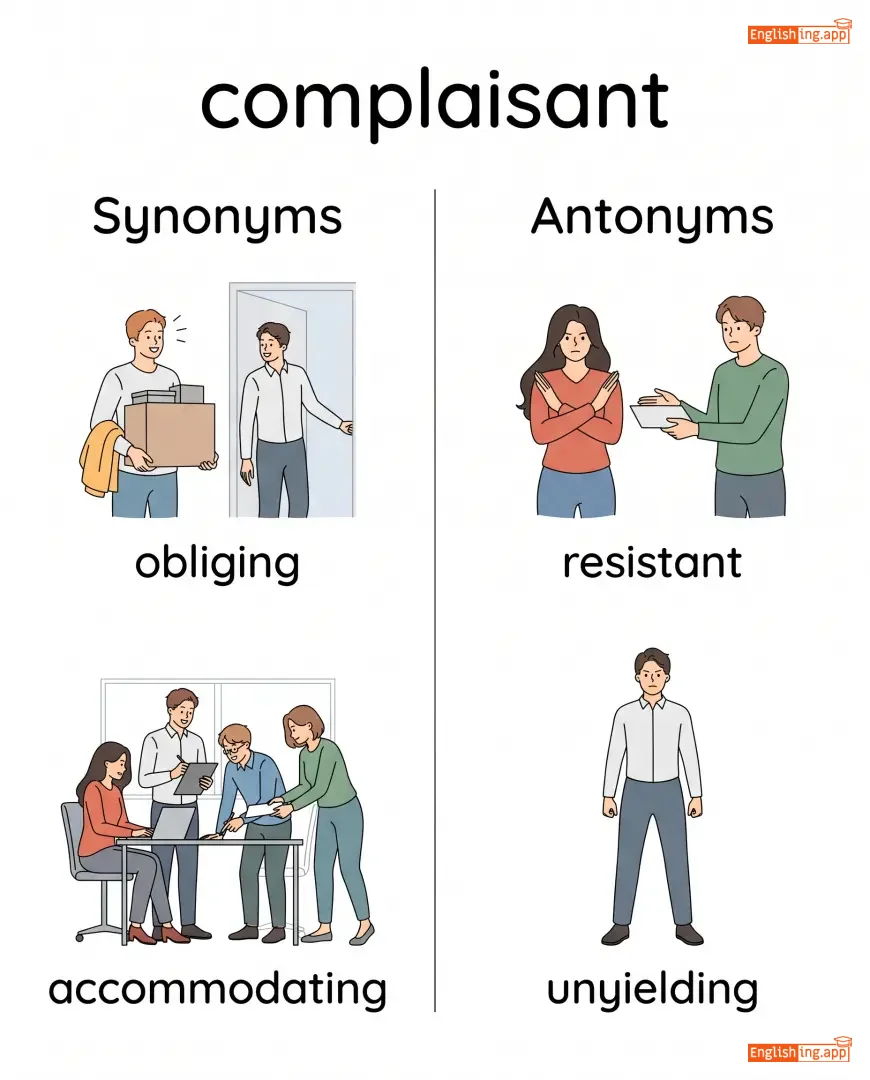
obliging, accommodating, agreeable, cooperative
••••••
|
resistant, unyielding
••••••
|
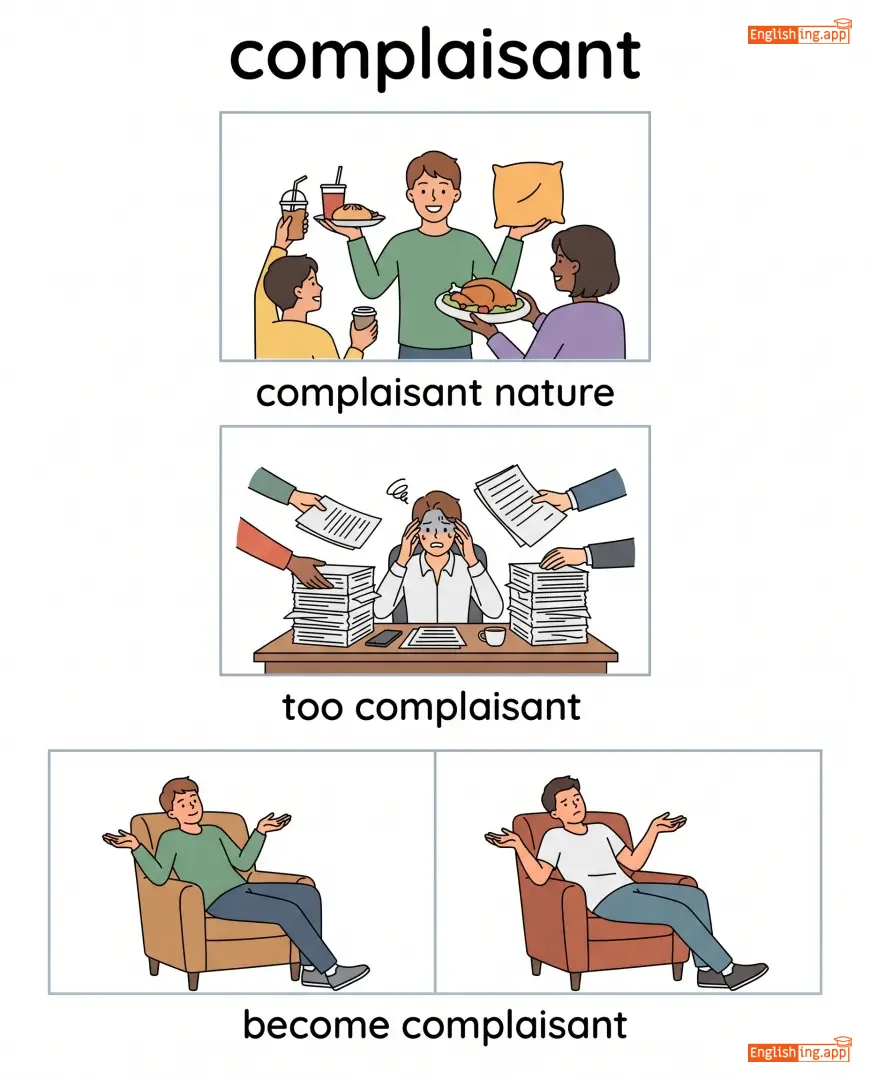
complaisant nature, too complaisant, become complaisant
••••••
|
従順 – いつも他人に従う
••••••
|
|
#56
🙇
|
/kəmˈplaɪənt/
adjective
(コンプライアント)
••••••
|
|
従順
juujun
••••••
|
- •••••• | - •••••• | - •••••• | - •••••• |
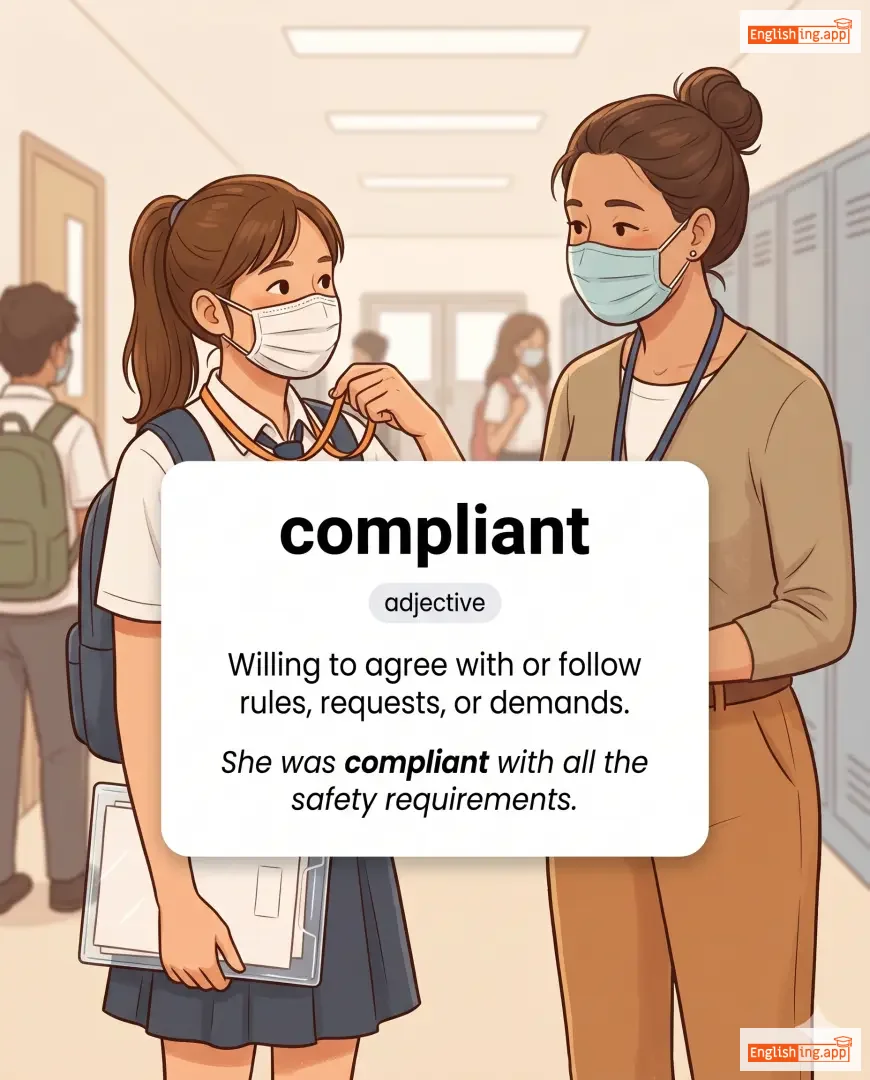
Willing to agree with or follow rules, requests, or demands.
••••••
|
She was compliant with all the safety requirements.
彼女はすべての安全要件に従いました。
••••••
|
彼女はすべての安全要件に従いました。
Kanojo wa subete no anzen youken ni shitagaimashita.
••••••
|
- •••••• | - •••••• | - •••••• |
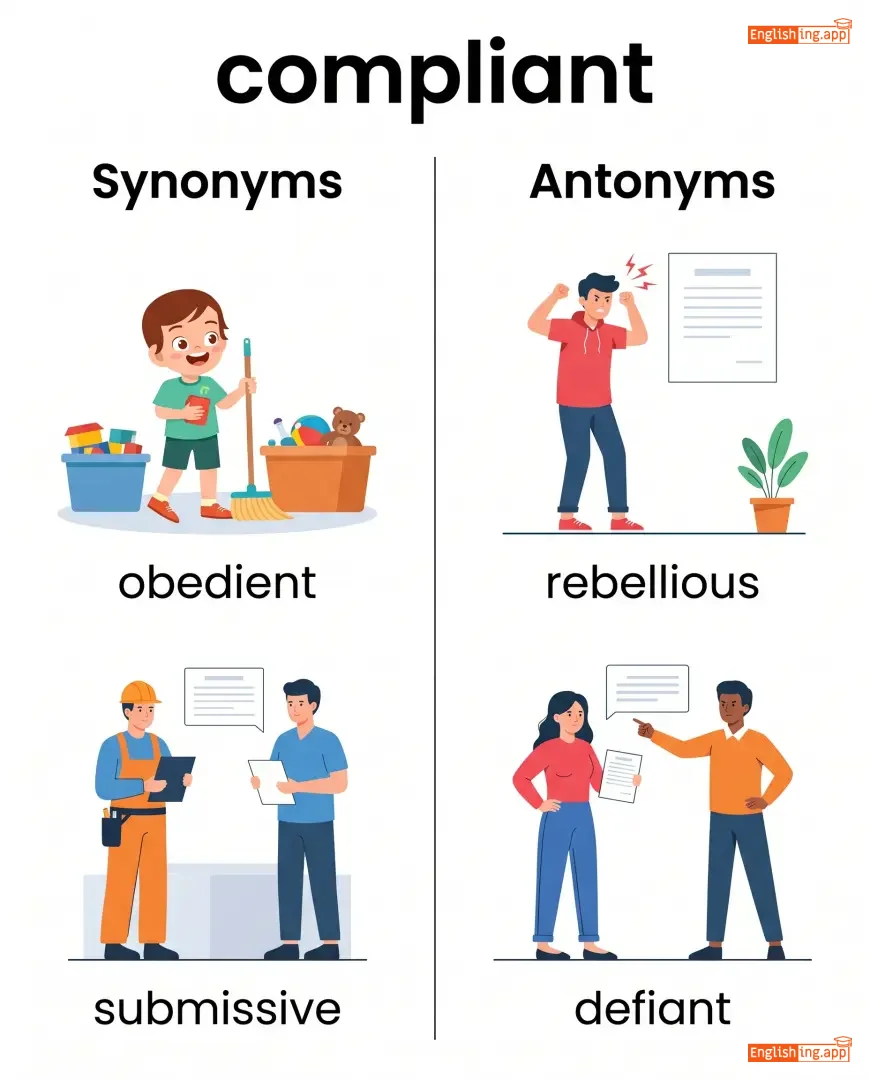
obedient, submissive, docile, accommodating
••••••
|
rebellious, defiant, resistant
••••••
|
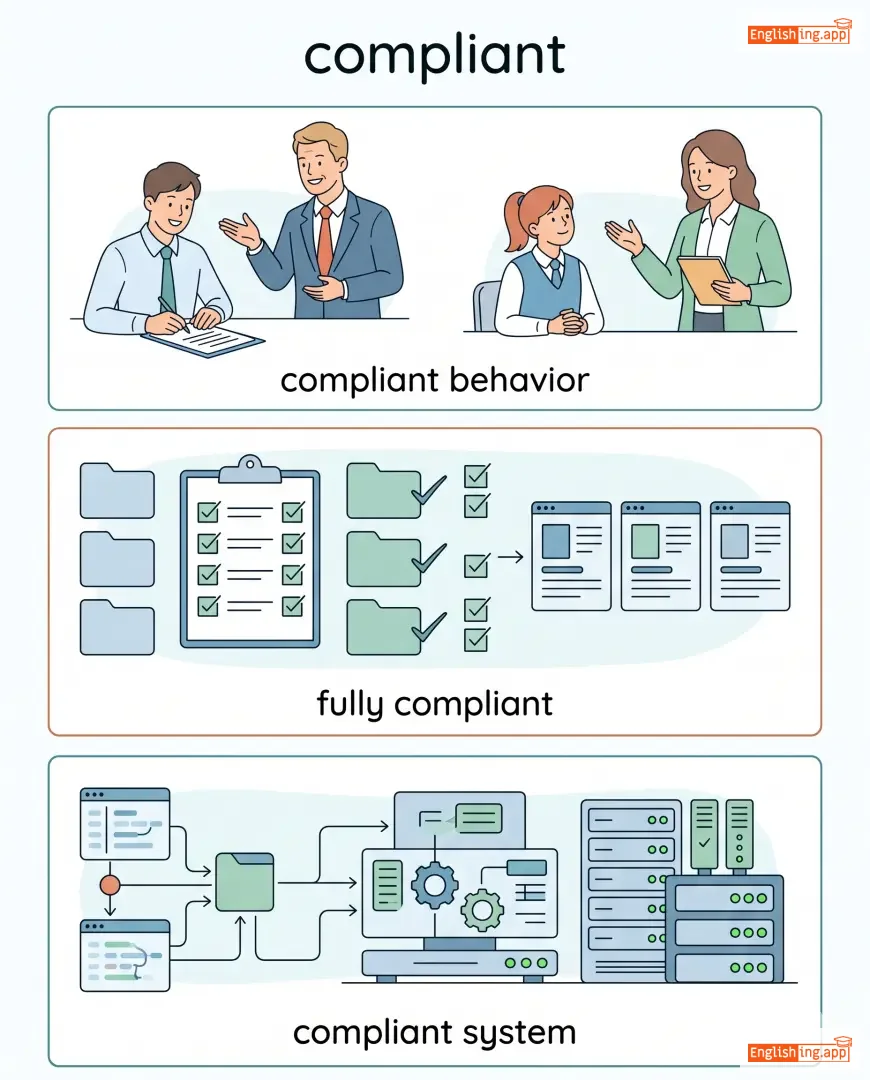
compliant behavior, fully compliant, compliant system, compliant child
••••••
|
従順とは、ルールに従うことです。
••••••
|
|
#57
🕊️
|
/kənˈsɪliətɔːri/
adjective
(コンシリアトリー)
••••••
|
|
和解的
wakai-teki
••••••
|
- •••••• | - •••••• | - •••••• | - •••••• |
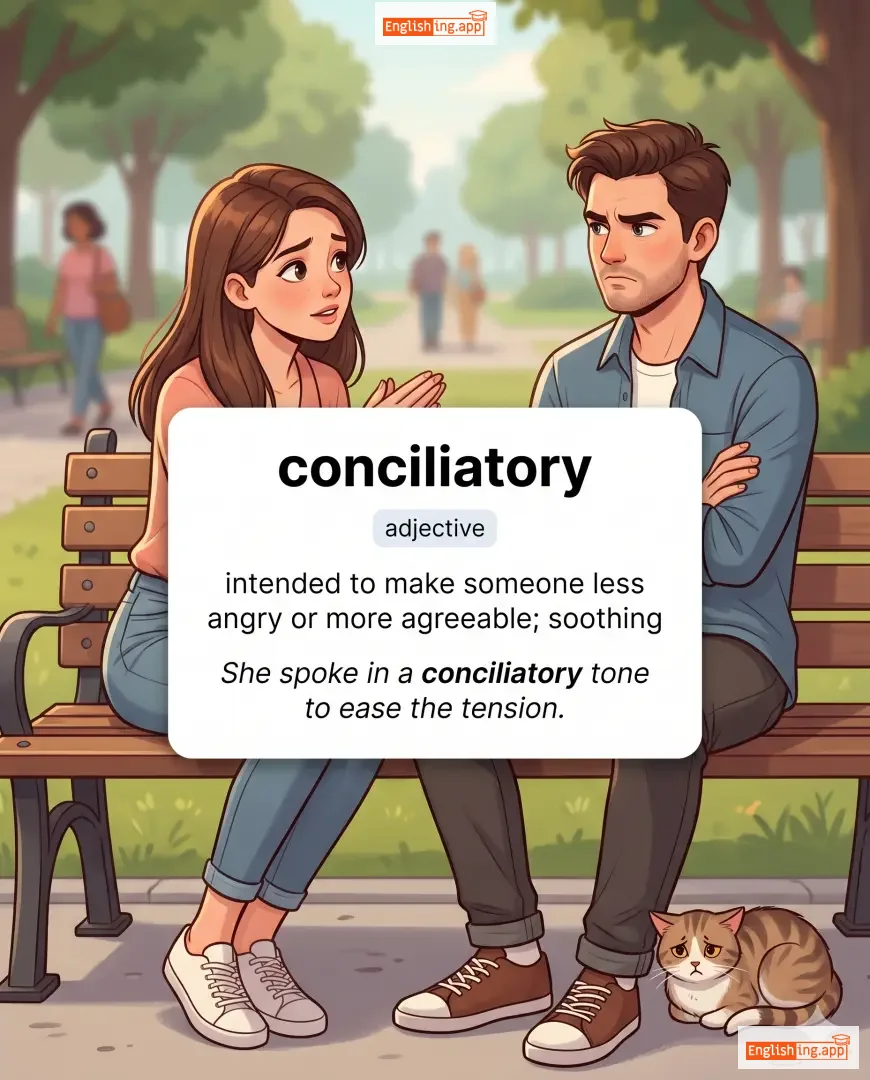
intended to make someone less angry or more agreeable; soothing
••••••
|
She spoke in a conciliatory tone to ease the tension. |
彼女は緊張を和らげるために和解的な口調で話した。
Kanojo wa kinchō o yawarageru tame ni wakai-teki na kuchō de hanashita.
••••••
|
- •••••• | - •••••• | - •••••• |
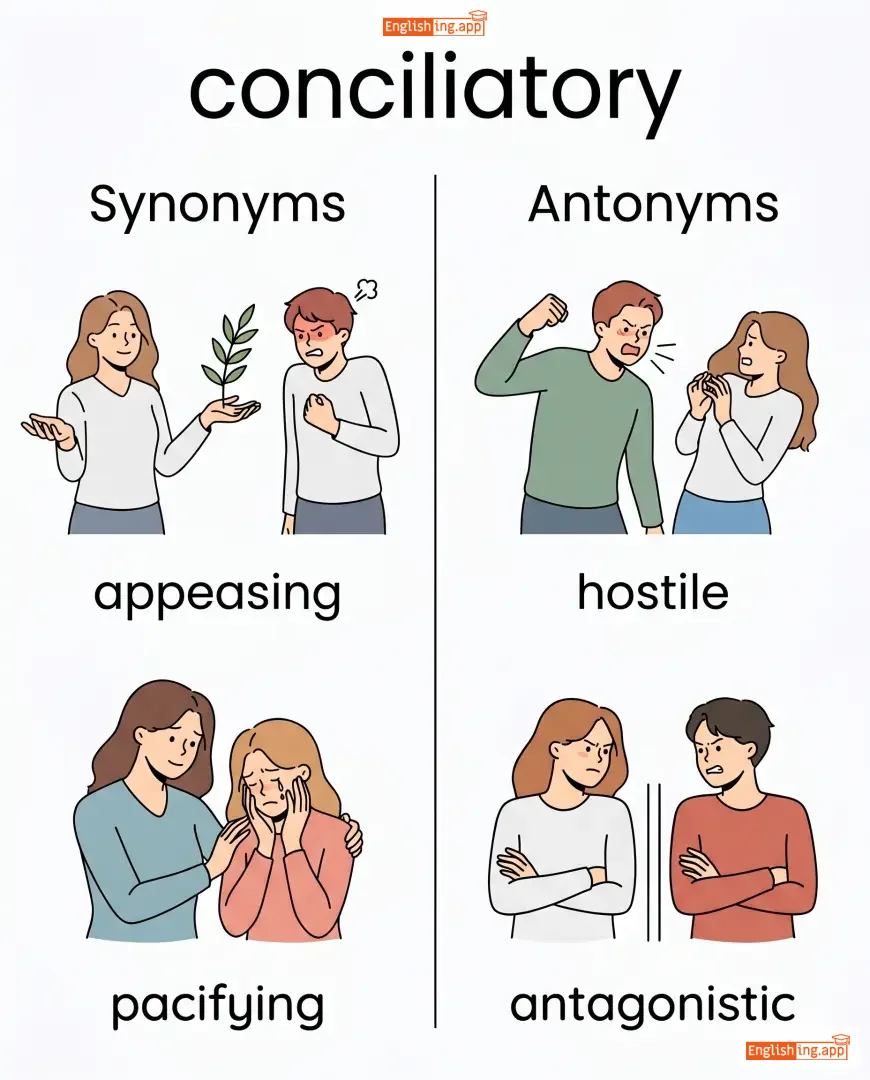
appeasing, pacifying, soothing, placatory, calming
••••••
|
hostile, antagonistic, confrontational
••••••
|
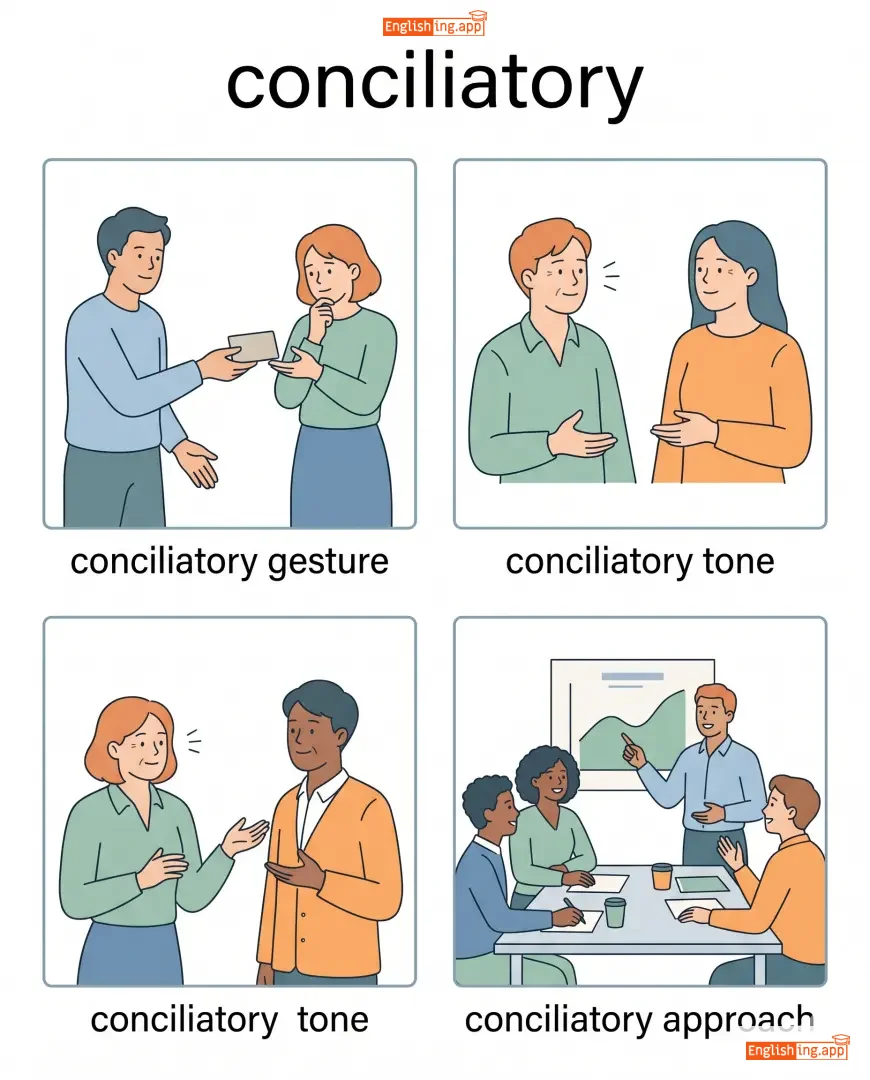
conciliatory gesture, conciliatory tone, conciliatory approach
••••••
|
和解的は和解するための方法
••••••
|
|
#58
🙈
|
/kənˈdəʊn/
verb
(コンドーン)
••••••
|
|
容認する
yōnin suru
••••••
|
condoned
コンドーンド
••••••
|
condoned
コンドーンド
••••••
|
condones
コンドーンズ
••••••
|
condoning
コンドーニング
••••••
|
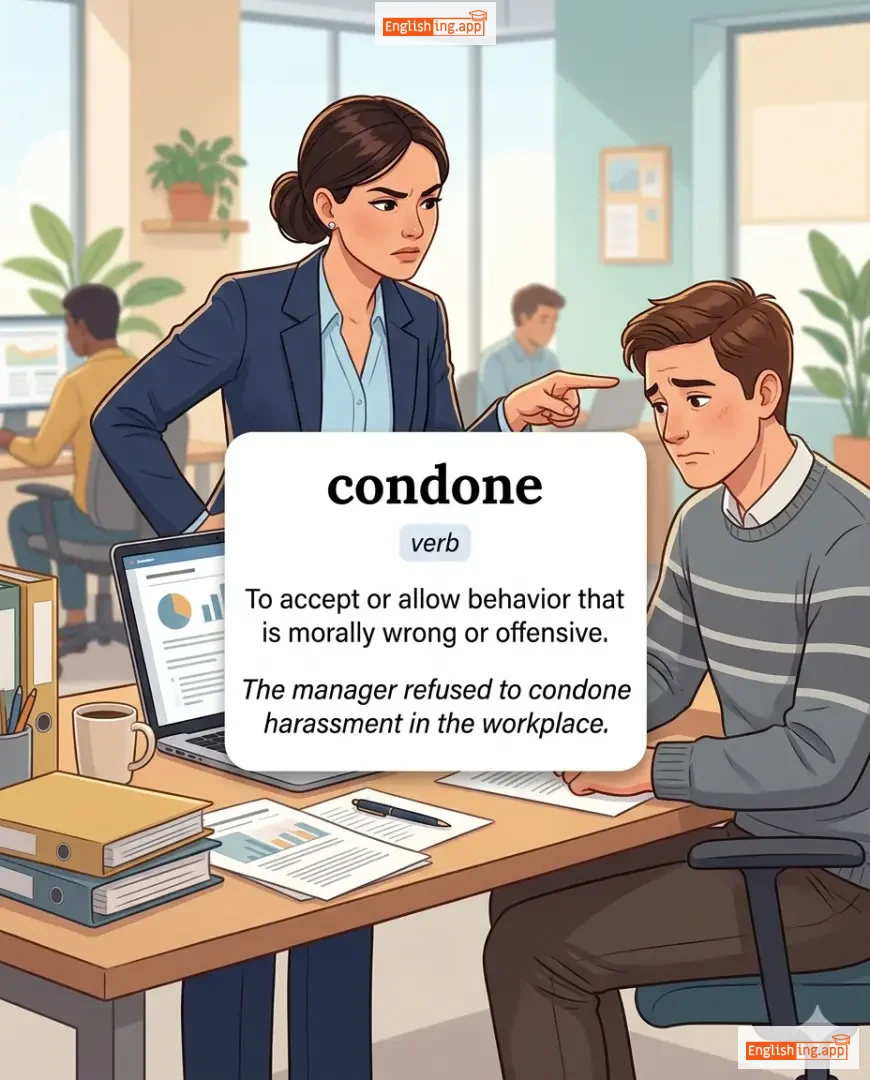
To accept or allow behavior that is morally wrong or offensive.
••••••
|
The manager refused to condone harassment in the workplace.
マネージャーは職場での嫌がらせをコンドーンすることを拒否しました。
••••••
|
マネージャーは職場での嫌がらせを容認することを拒否しました。
Manējā wa shokuba de no iyagarase o yōnin suru koto o kyohi shimashita.
••••••
|
- •••••• | - •••••• | - •••••• |
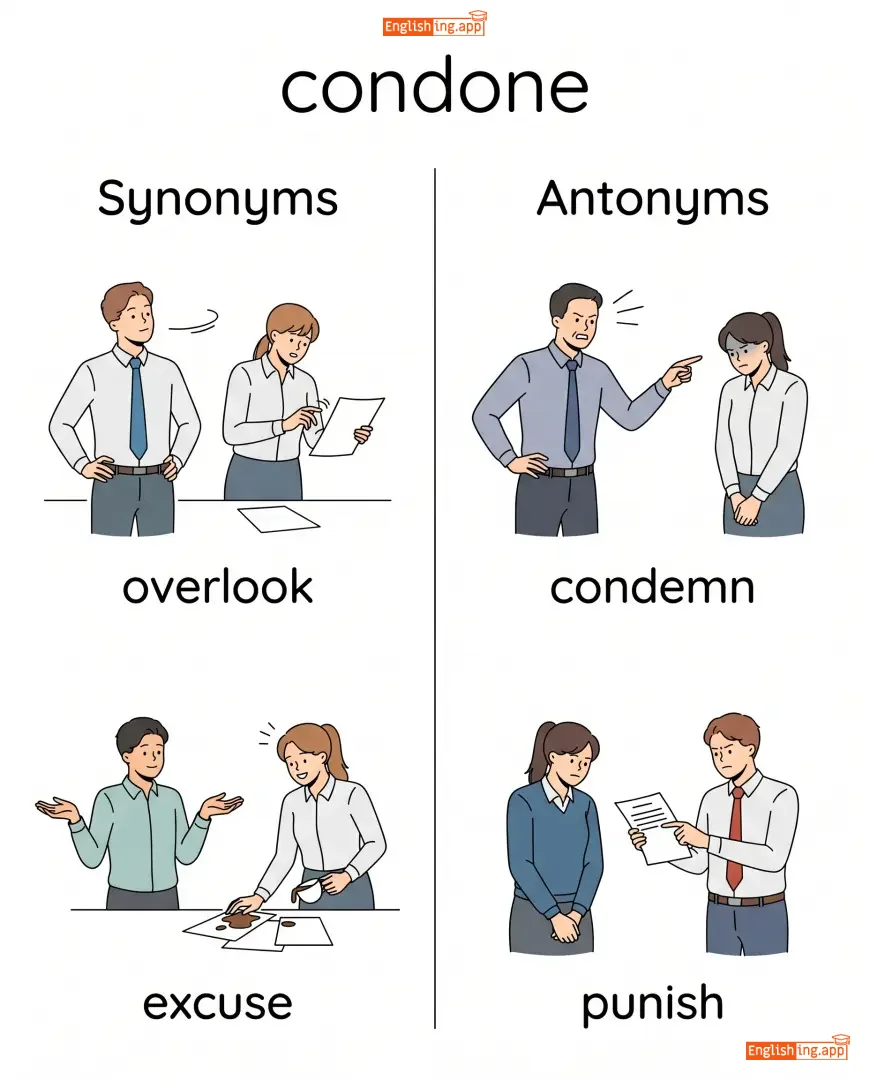
overlook, excuse, forgive, tolerate
••••••
|
condemn, punish, disapprove
••••••
|
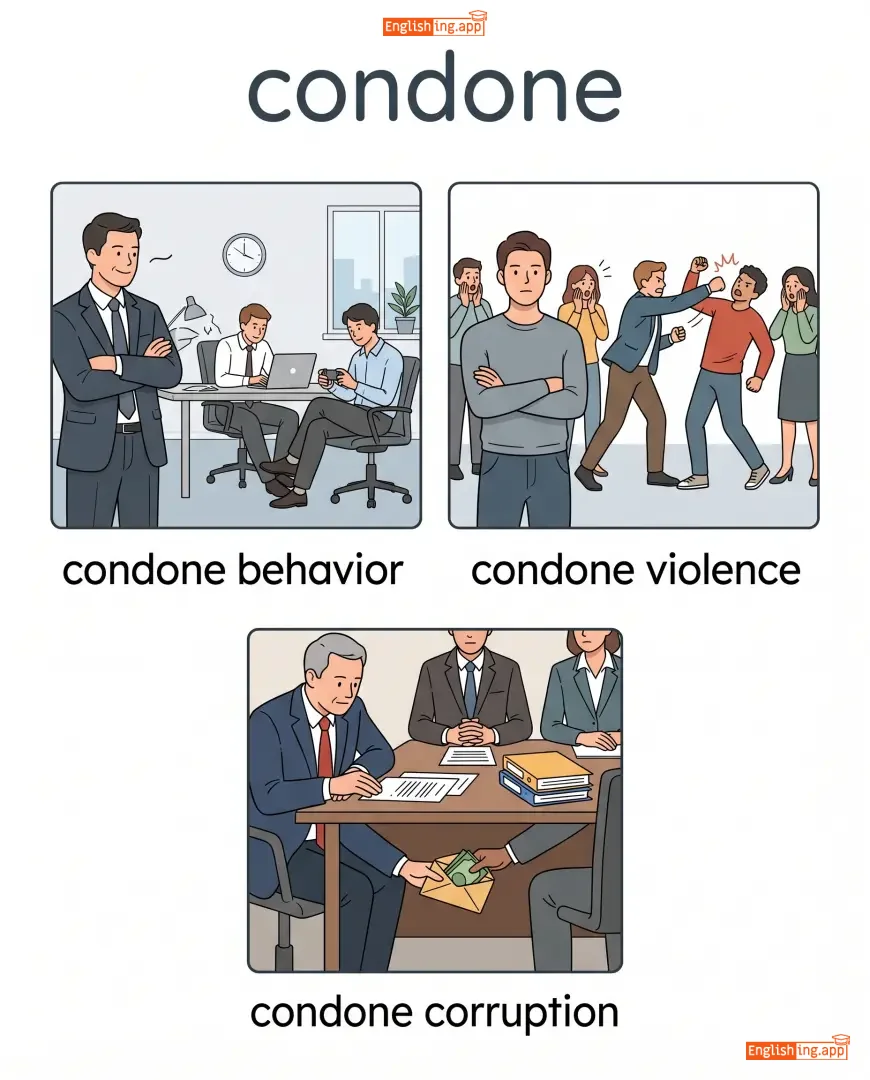
condone behavior, condone violence, condone corruption
••••••
|
Condone は条件なしで容認すること
••••••
|
|
#59
🤯
|
/kənˈfaʊnd/
verb
••••••
|
|
- •••••• |
confounded
••••••
|
confounded
••••••
|
confounds
••••••
|
confounding
••••••
|
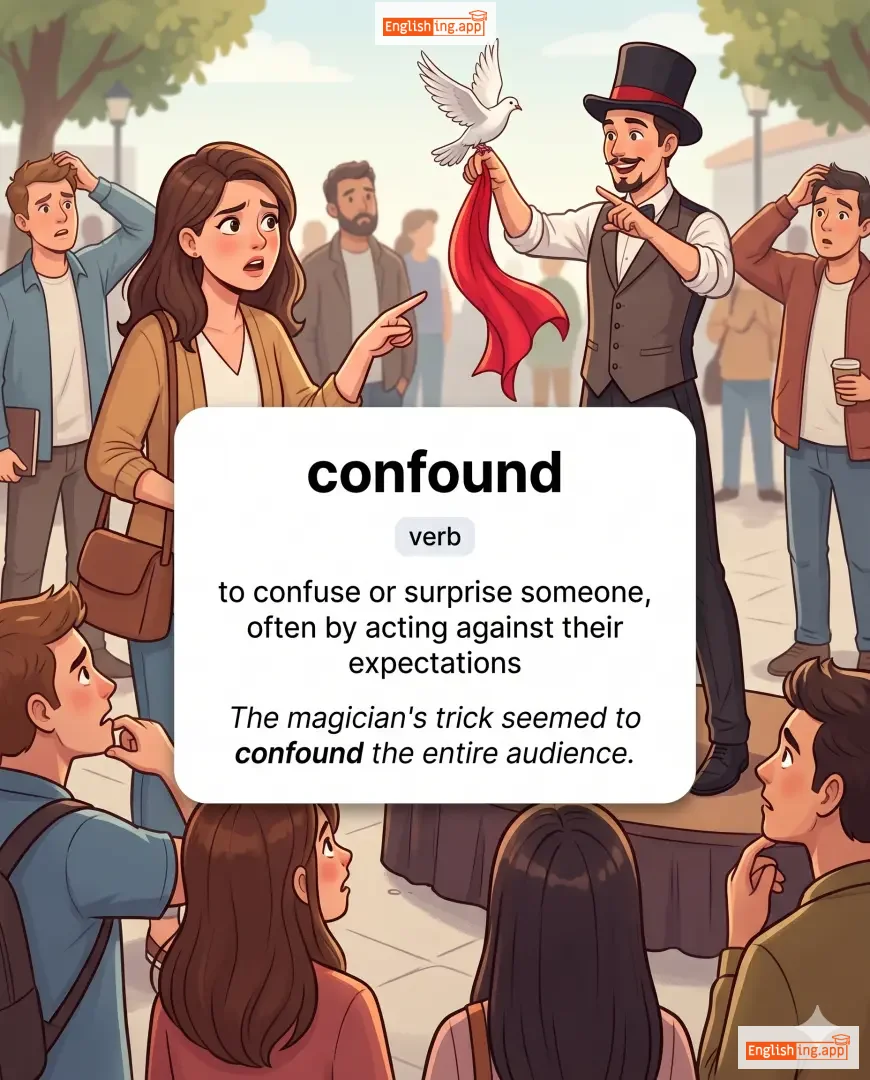
to confuse or surprise someone, often by acting against their expectations
••••••
|
The magician's trick seemed to confound the entire audience. |
- •••••• |
confound it |
an old-fashioned exclamation of annoyance or frustration
••••••
|
- •••••• |
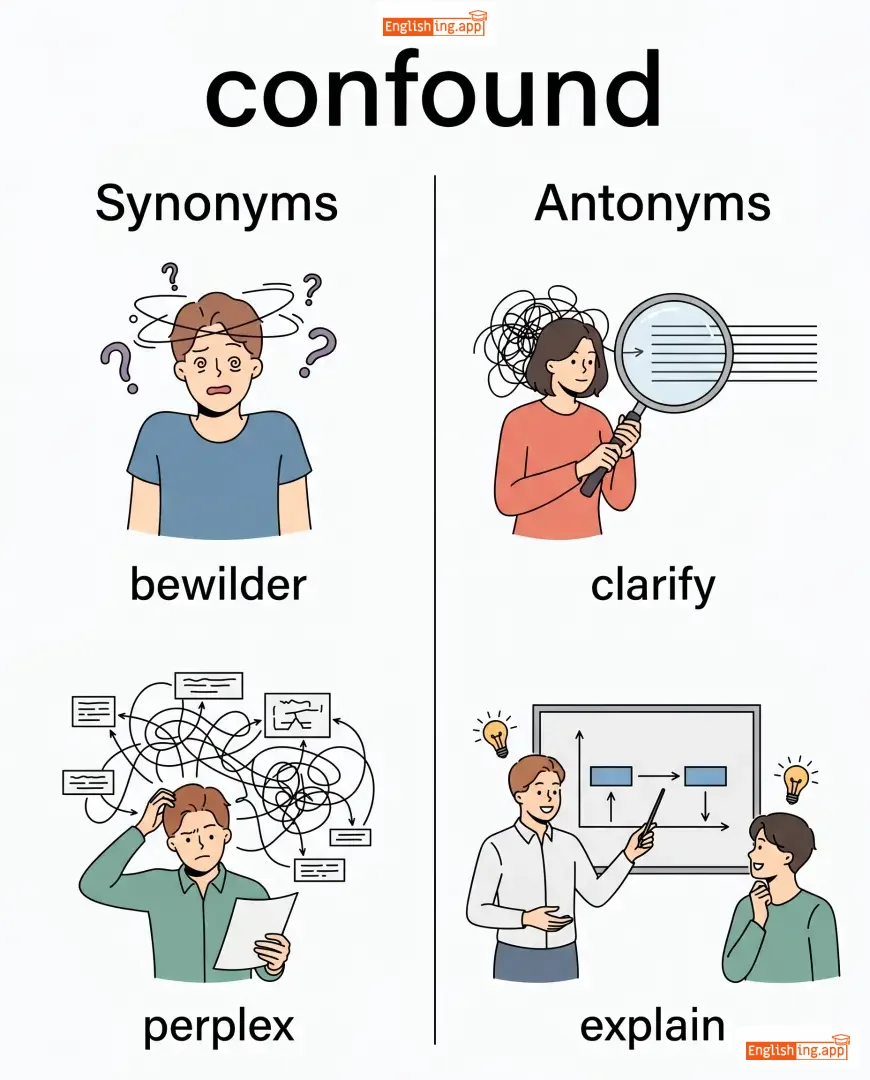
bewilder, perplex, baffle, amaze, astonish
••••••
|
clarify, explain, enlighten
••••••
|
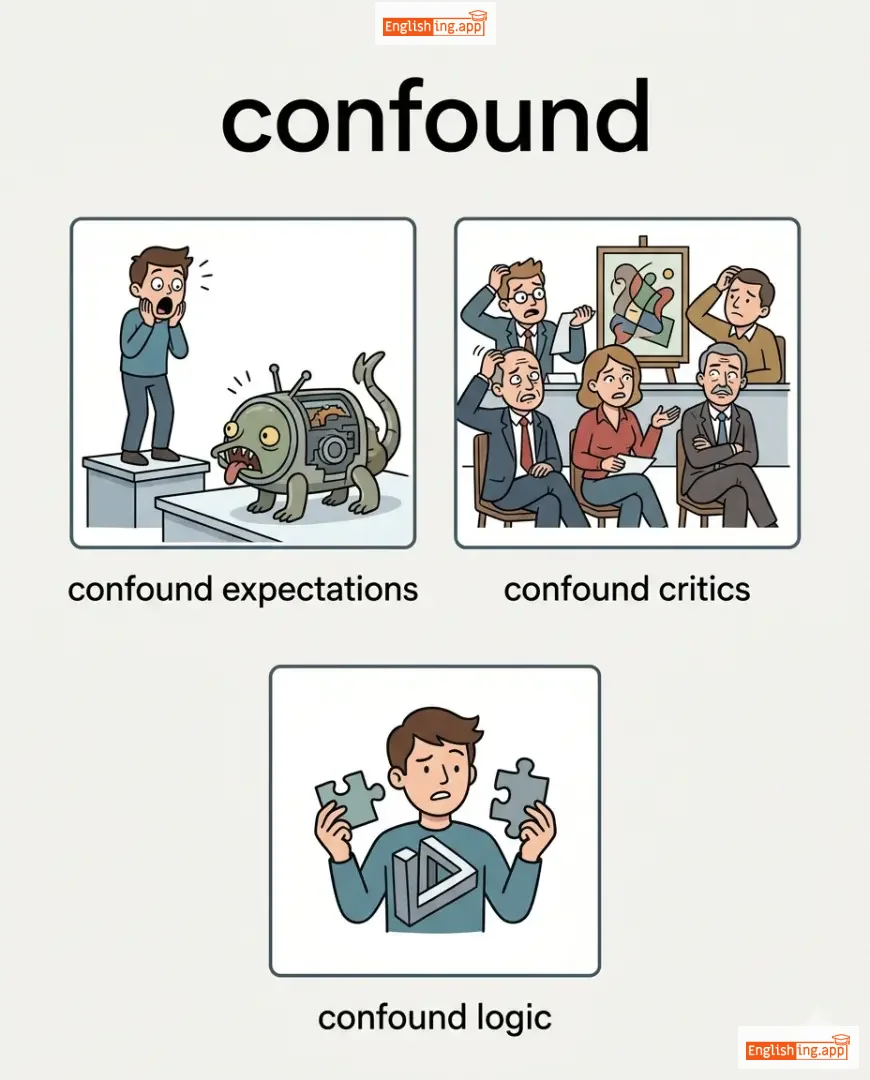
confound expectations, confound critics, confound logic, confound the mind
••••••
|
No •••••• |
|
#60
🎨
|
/ˌkɒn.əˈsɜːr/
noun
(コノスール)
••••••
|
|
鑑定家
kanteika
••••••
|
- •••••• | - •••••• | - •••••• | - •••••• |
an expert judge in matters of taste, especially in food, art, or wine
••••••
|
She is a true connoisseur of fine art. |
彼女は本物の芸術の鑑定家です。
Kanojo wa honmono no geijutsu no kanteika desu.
••••••
|
- •••••• | - •••••• | - •••••• |
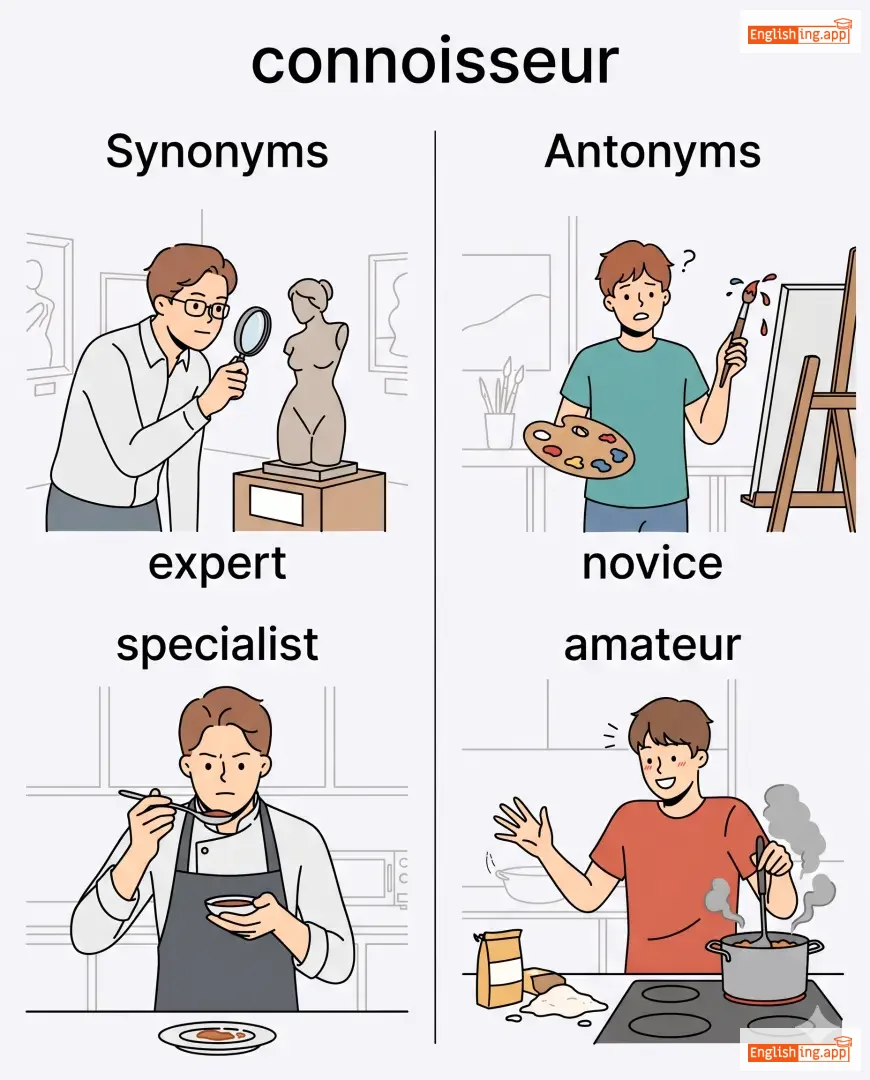
expert, specialist, critic, authority
••••••
|
novice, amateur, layman
••••••
|
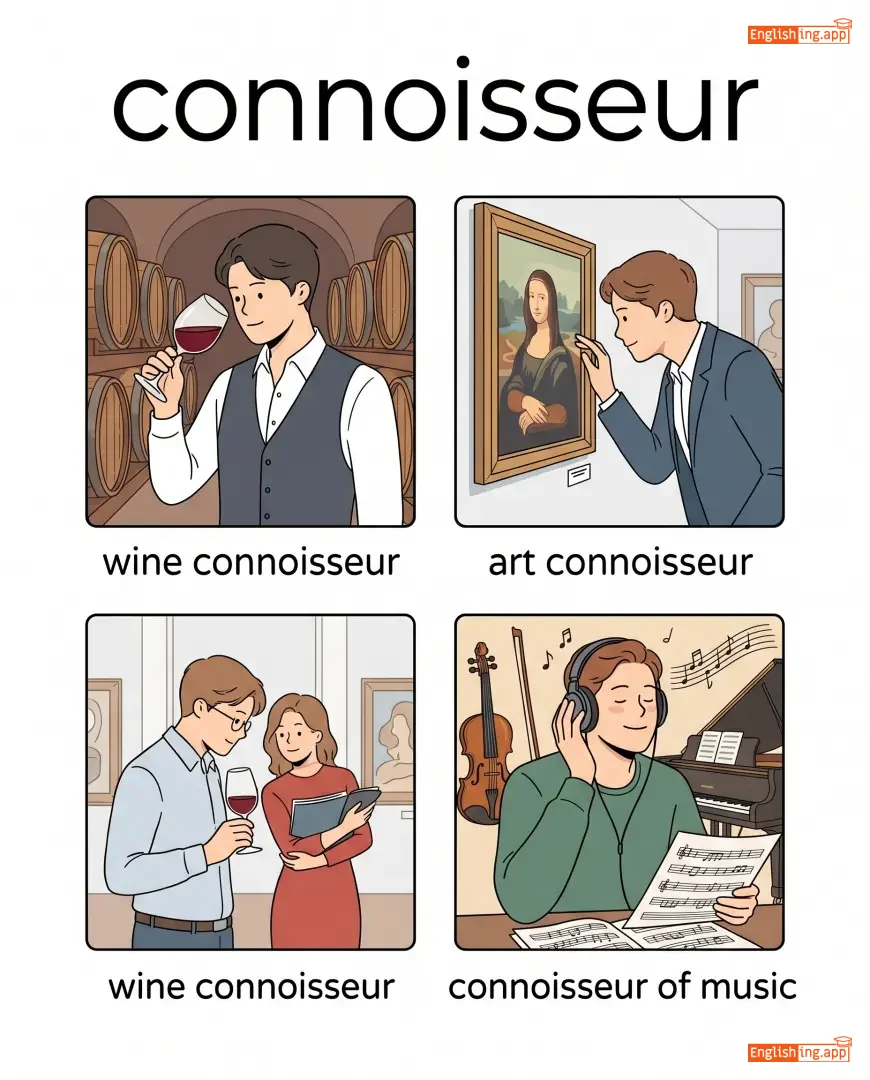
wine connoisseur, art connoisseur, connoisseur of music
••••••
|
鑑定家は、優れた芸術やワインを見分けることができます。
••••••
|
|
#61
⚔️
|
/kənˈtɛnʃən/
noun
(コンテンション)
••••••
|
|
争い, 意見の相違
arasoi, iken no soui
••••••
|
- •••••• | - •••••• | - •••••• | - •••••• |
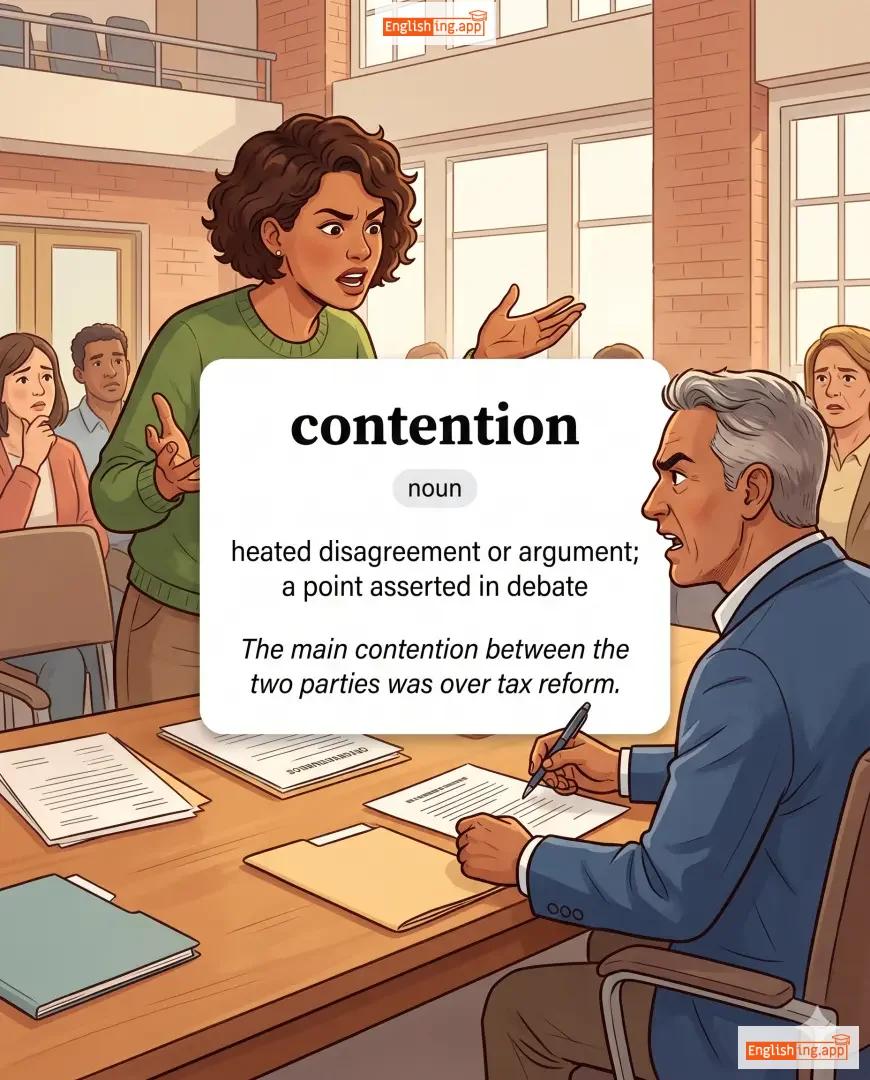
heated disagreement or argument; a point asserted in debate
••••••
|
The main contention between the two parties was over tax reform. |
二つの党派間での主要な争いは税制改革に関するものでした。
Futatsu no tōhakanai de no shuyō na arasoi wa zeisei kaikaku ni kansuru mono deshita.
••••••
|
- •••••• | - •••••• | - •••••• |
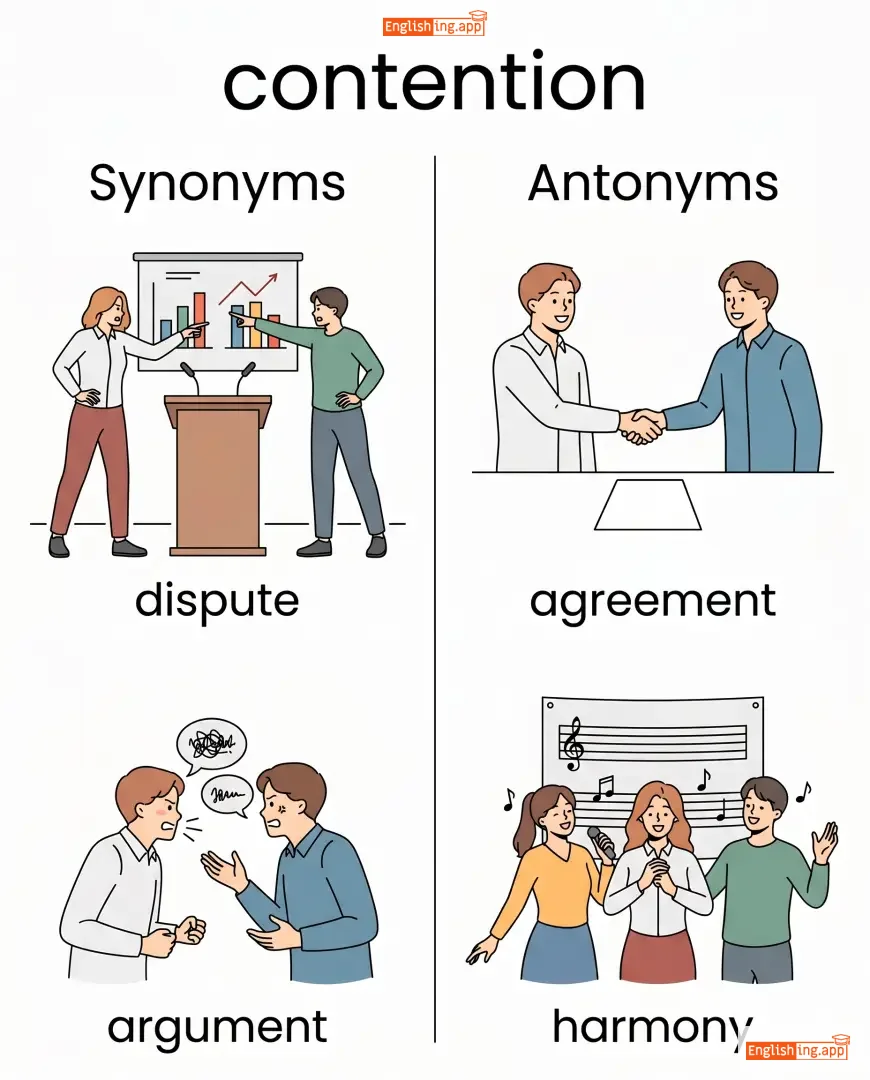
dispute, argument, debate, disagreement
••••••
|
agreement, harmony
••••••
|
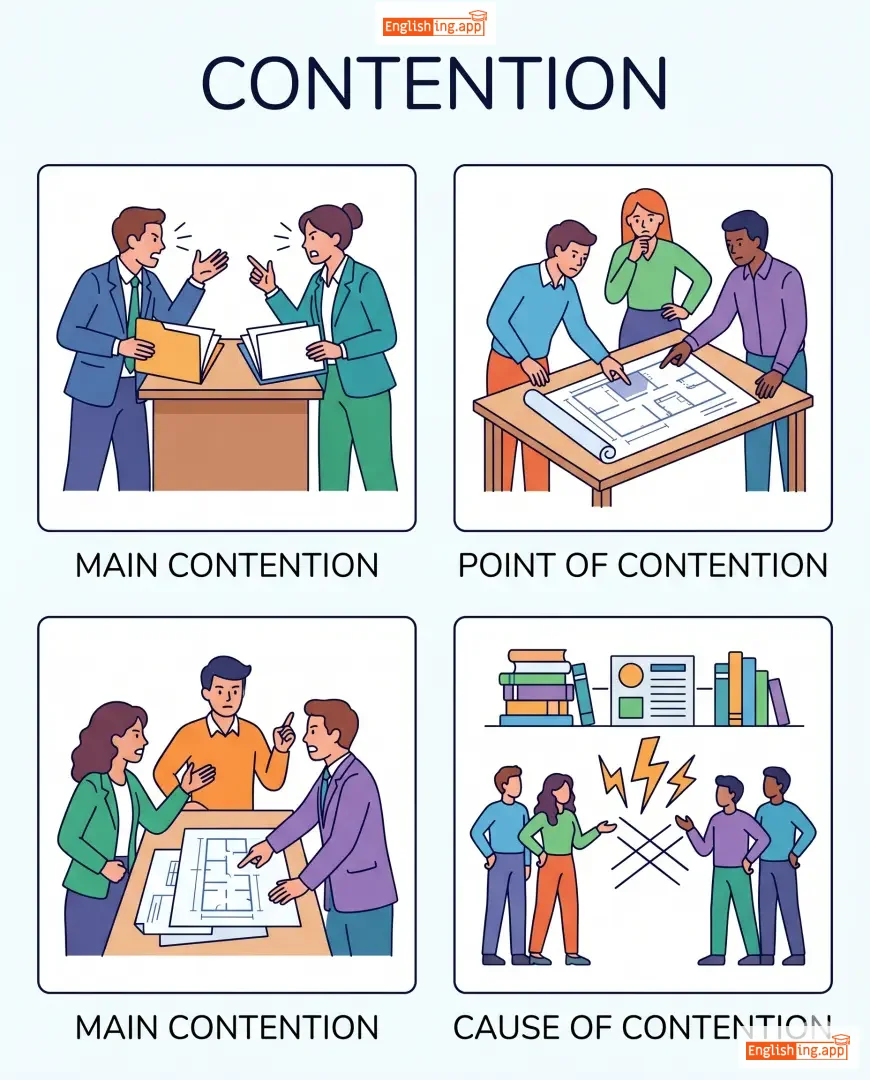
main contention, point of contention, cause of contention, fierce contention
••••••
|
Contention では二つの党派が争っています - Imagine two parties in contention
••••••
|
|
#62
🔥
|
/kənˈtɛnʃəs/
adjective
(コンテンシャス)
••••••
|
|
物議を醸す
butsugi o kasu
••••••
|
- •••••• | - •••••• | - •••••• | - •••••• |
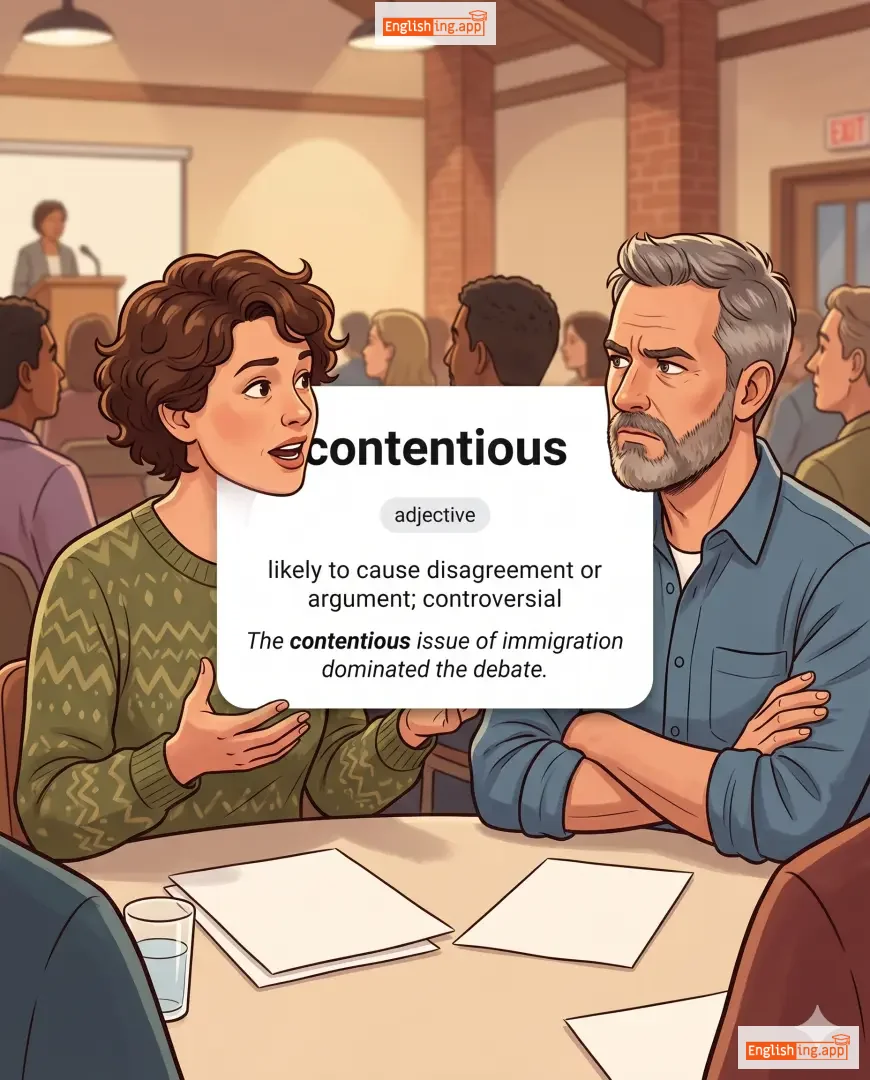
likely to cause disagreement or argument; controversial
••••••
|
The contentious issue of immigration dominated the debate. |
移民問題の物議を醸す議題は討論を支配した。
Imin mondai no butsugi o kasu gidai wa tōron o shihaishita.
••••••
|
- •••••• | - •••••• | - •••••• |
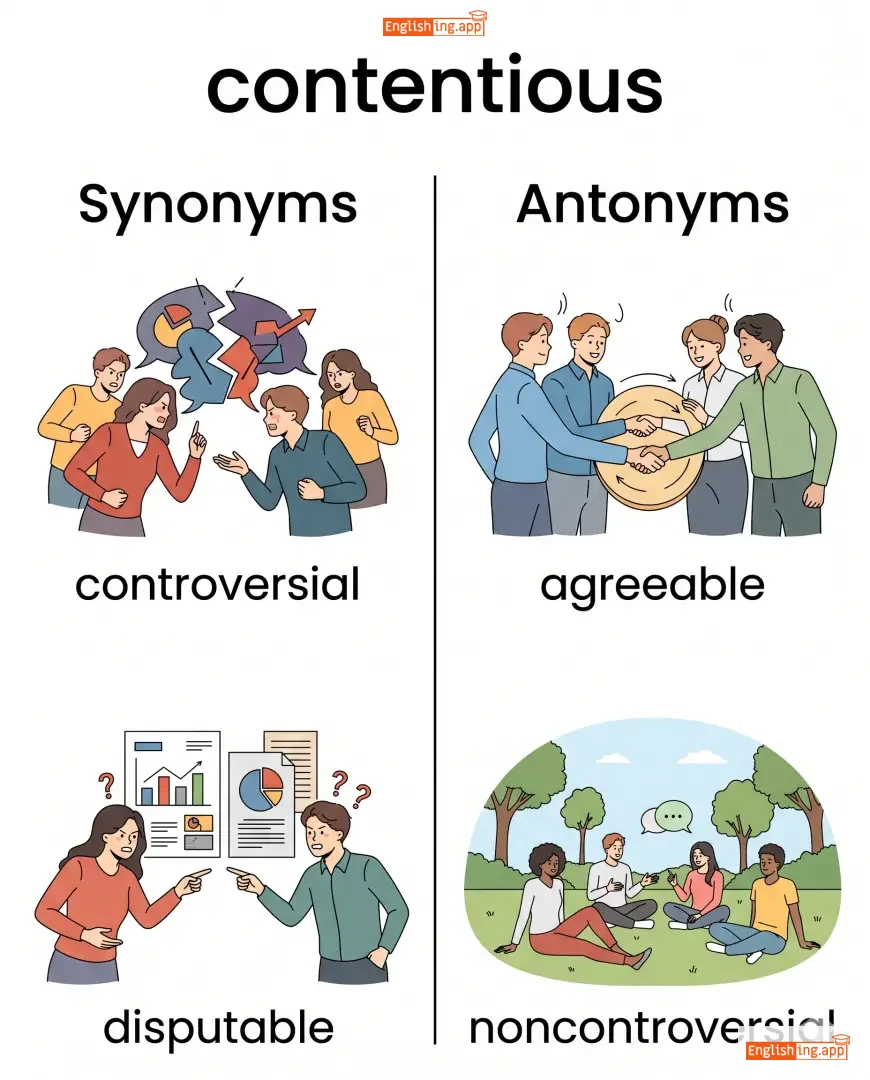
controversial, disputable, debatable, argumentative
••••••
|
agreeable, noncontroversial
••••••
|
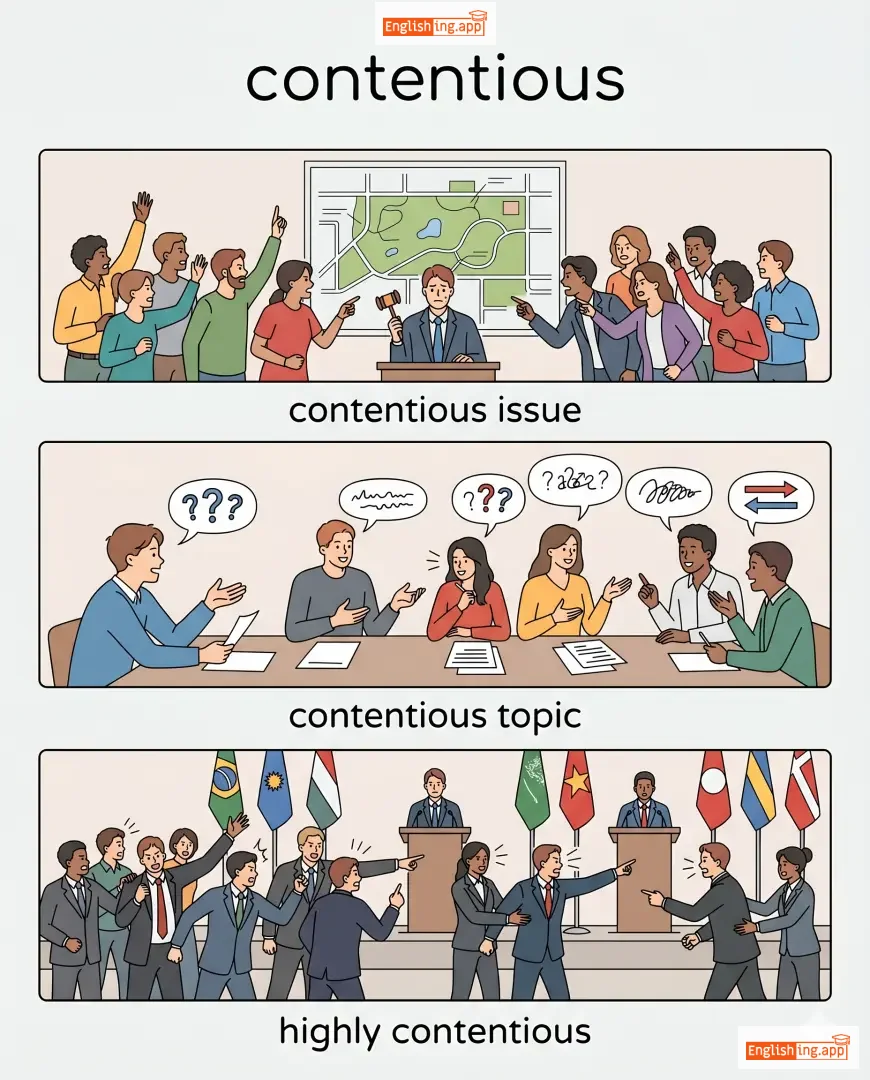
contentious issue, contentious topic, highly contentious, contentious debate
••••••
|
Contentious は論争を呼び起こす、'物議を醸す'のように。
••••••
|
|
#63
😔
|
/kənˈtraɪt/
adjective
(kənˈtraɪt)
••••••
|
|
後悔している
kōkai shite iru
••••••
|
- •••••• | - •••••• | - •••••• | - •••••• |
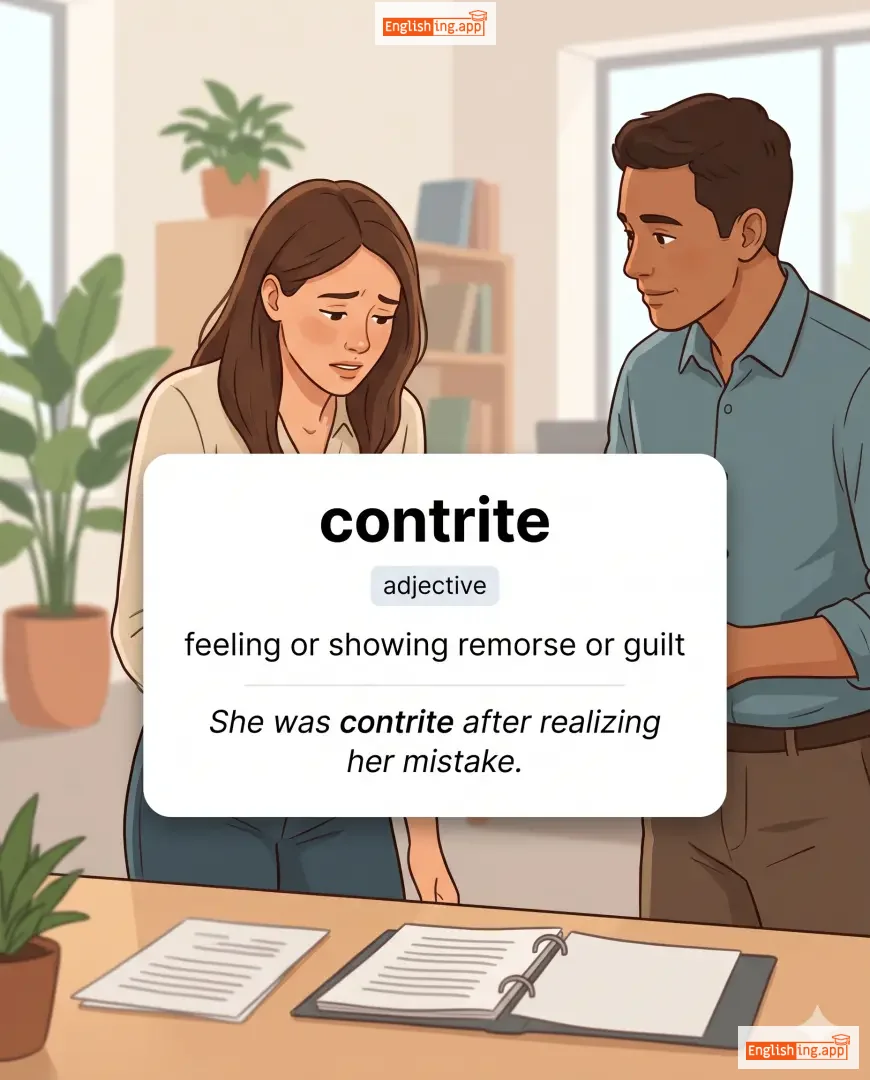
feeling or showing remorse or guilt
••••••
|
She was contrite after realizing her mistake. |
彼女は自分の間違いに気づいた後、後悔していた。
Kanojo wa jibun no machigai ni kizuita ato, kōkai shite ita.
••••••
|
- •••••• | - •••••• | - •••••• |
remorseful, repentant, sorry, penitent, regretful
••••••
|
unrepentant, unapologetic
••••••
|
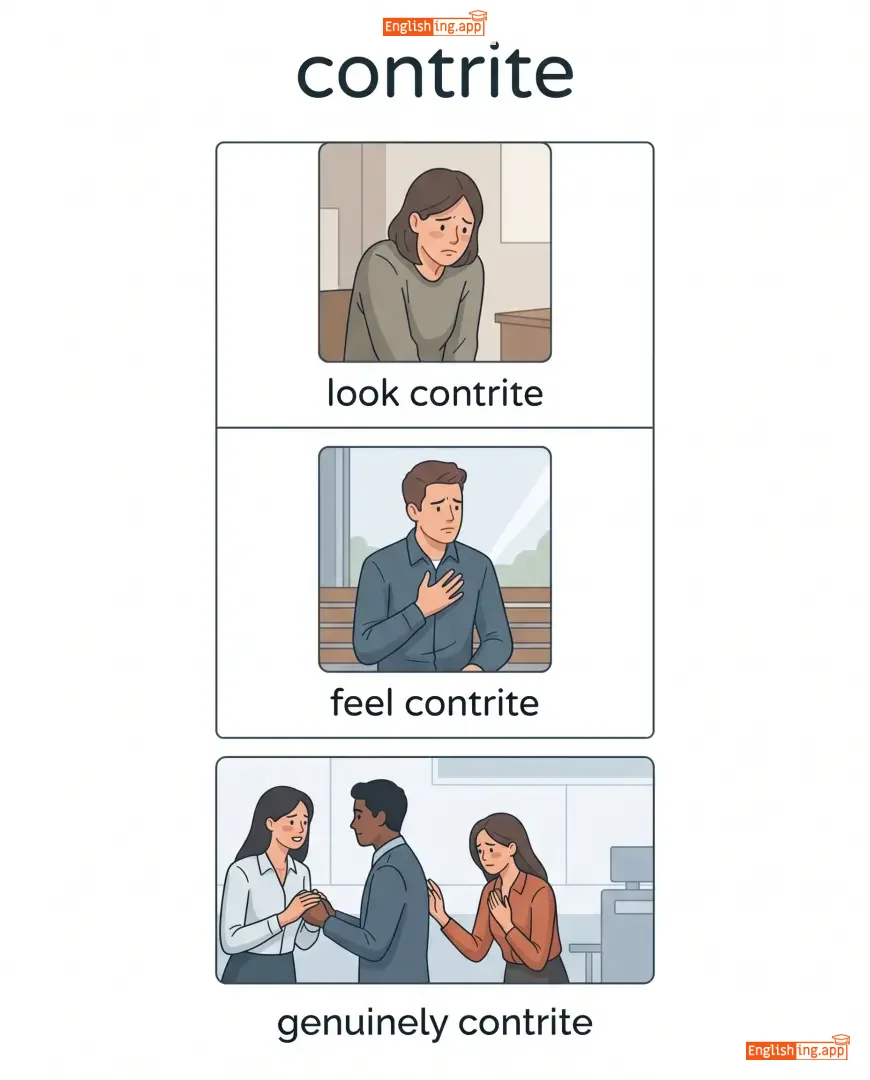
look contrite, feel contrite, genuinely contrite, appear contrite
••••••
|
Con TRITE 間違えた後に後悔している
••••••
|
|
#64
🧩
|
/kəˈnʌndrəm/
noun
(コナンドラム)
••••••
|
|
難問
nanmon
••••••
|
- •••••• | - •••••• | - •••••• | - •••••• |
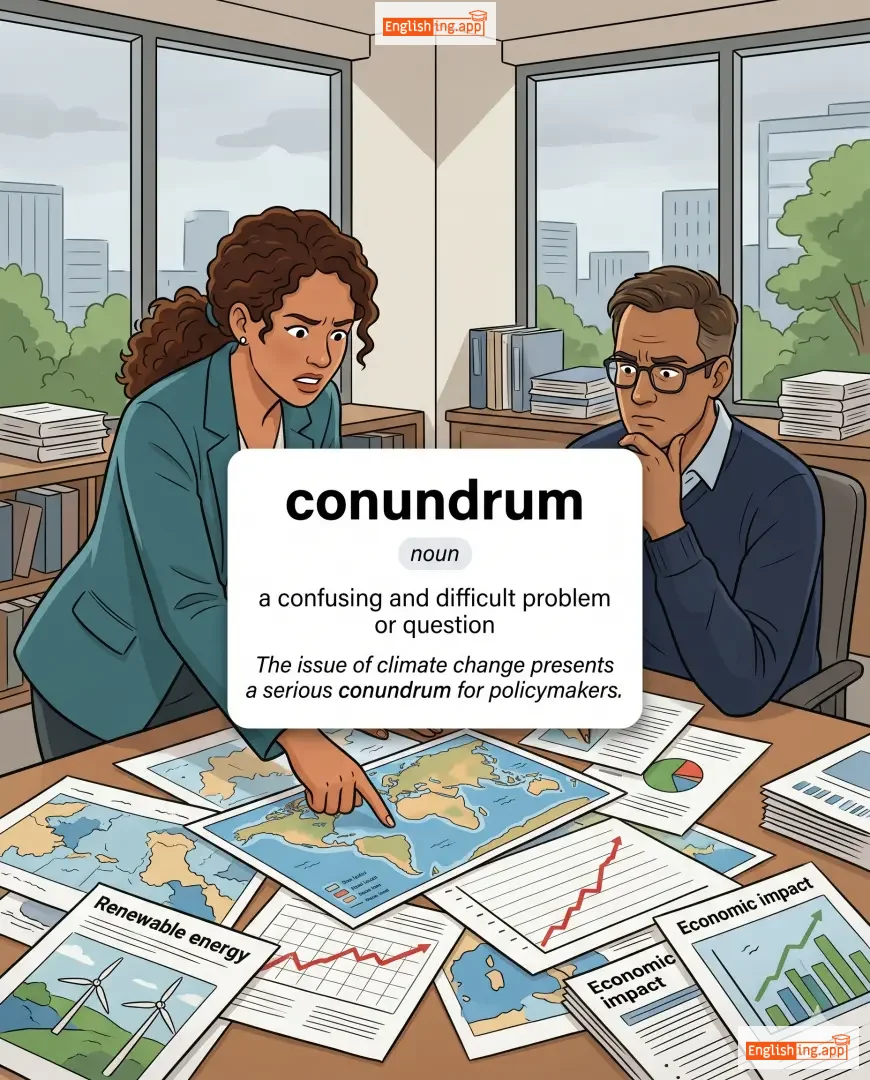
a confusing and difficult problem or question
••••••
|
The issue of climate change presents a serious conundrum for policymakers. |
気候変動の問題は政策決定者にとって深刻な難問を呈しています。
Kikou hendou no mondai wa seisaku kettei sha ni totte shinkoku na nanmon wo teishite imasu.
••••••
|
- •••••• | - •••••• | - •••••• |
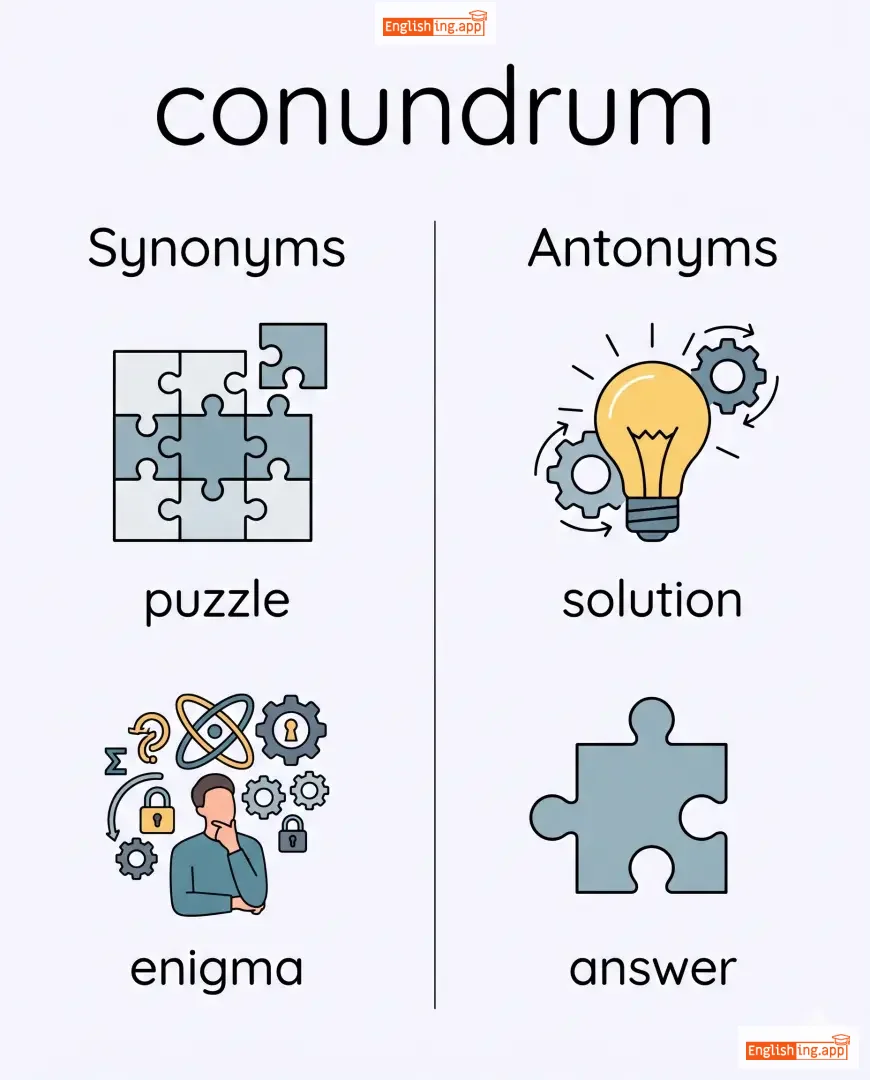
puzzle, enigma, riddle, dilemma, problem
••••••
|
solution, answer, clarity
••••••
|
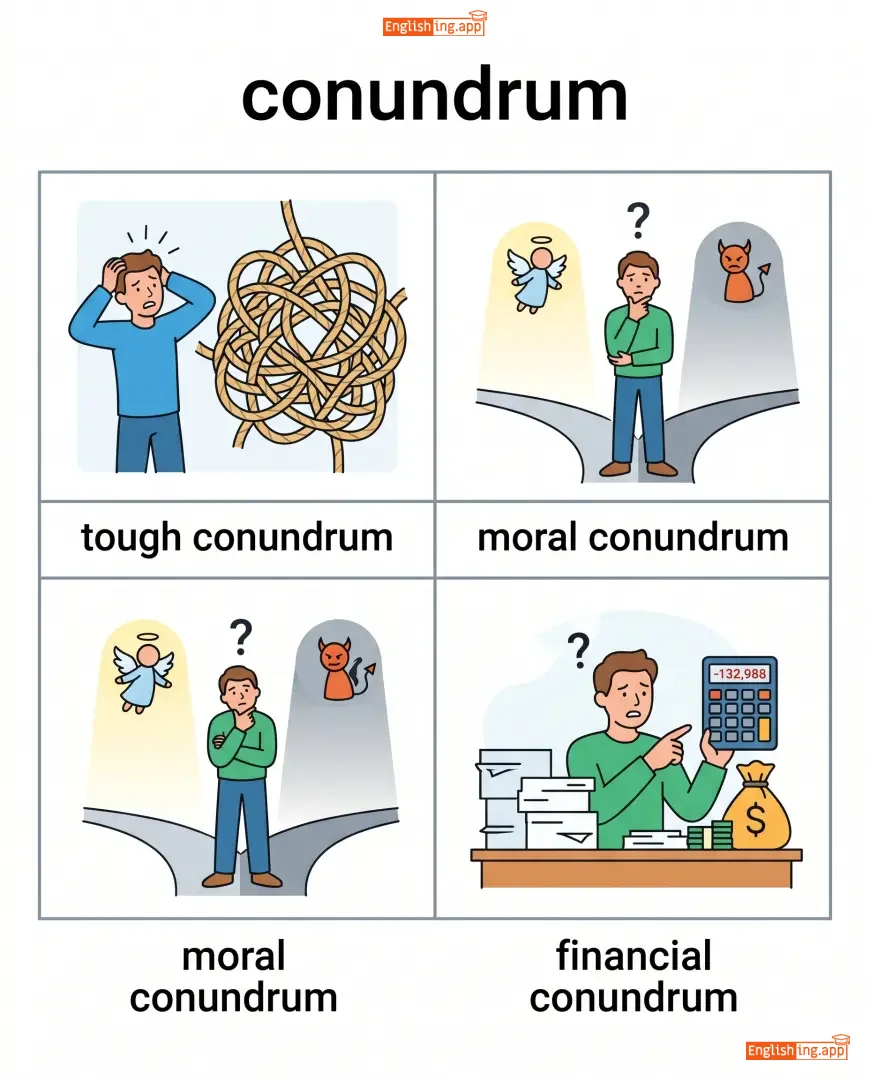
tough conundrum, moral conundrum, financial conundrum
••••••
|
難問を解くために一生懸命考えてみましょう。
••••••
|
|
#65
🔄
|
/kənˈvɜːrdʒ/
verb
(コンヴァージ)
••••••
|
|
合流する
gōryū suru
••••••
|
converged
コンヴァージド
••••••
|
converged
コンヴァージド
••••••
|
converges
コンヴァージズ
••••••
|
converging
コンヴァージング
••••••
|
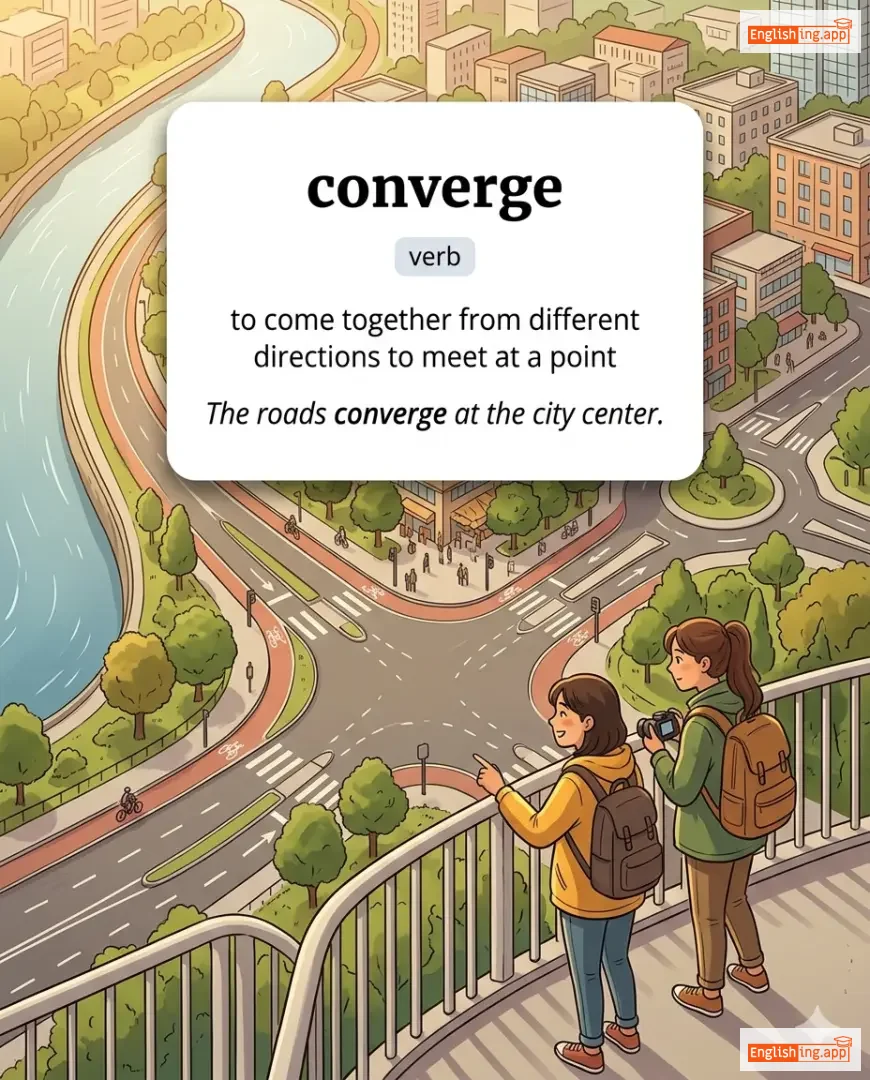
to come together from different directions; to meet at a point
••••••
|
The roads converge at the city center.
道路は市の中心で合流します。
••••••
|
道路は市の中心で合流します。
Dōro wa shi no chūshin de gōryū shimasu.
••••••
|
- •••••• | - •••••• | - •••••• |
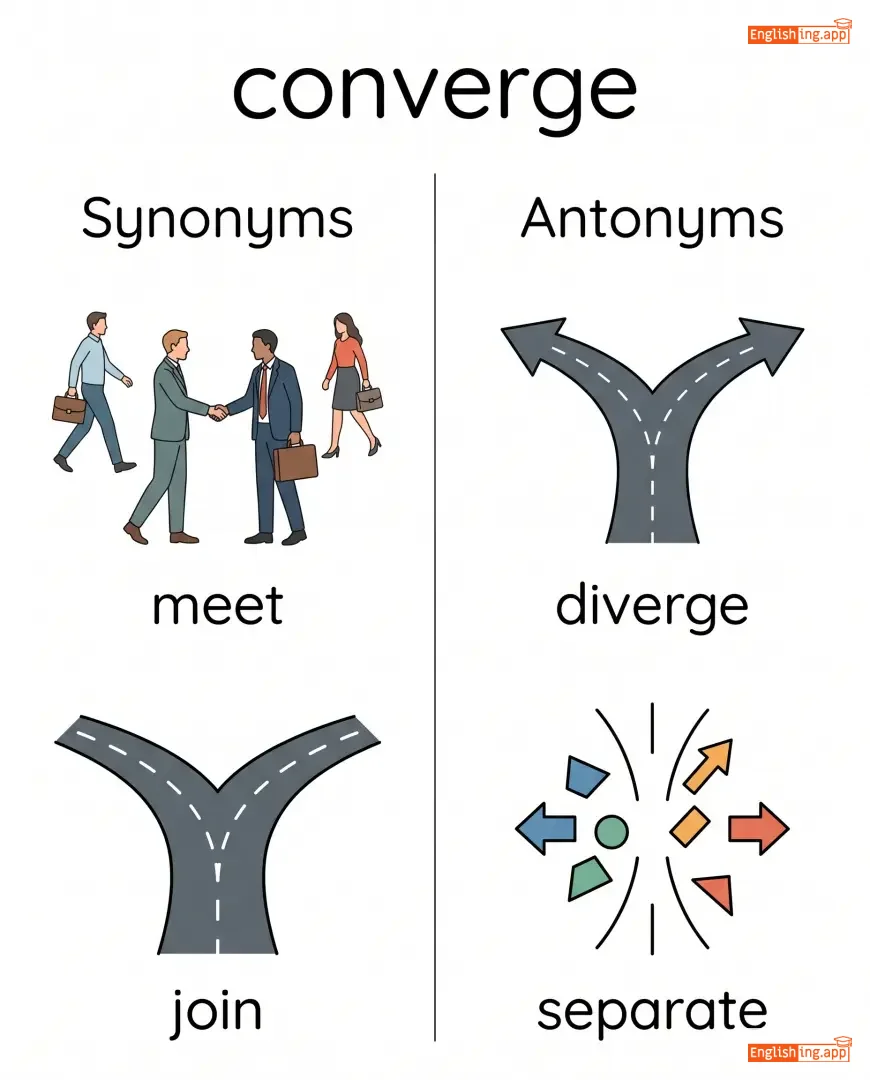
meet, unite, merge, come together, join
••••••
|
diverge, separate, spread, scatter
••••••
|
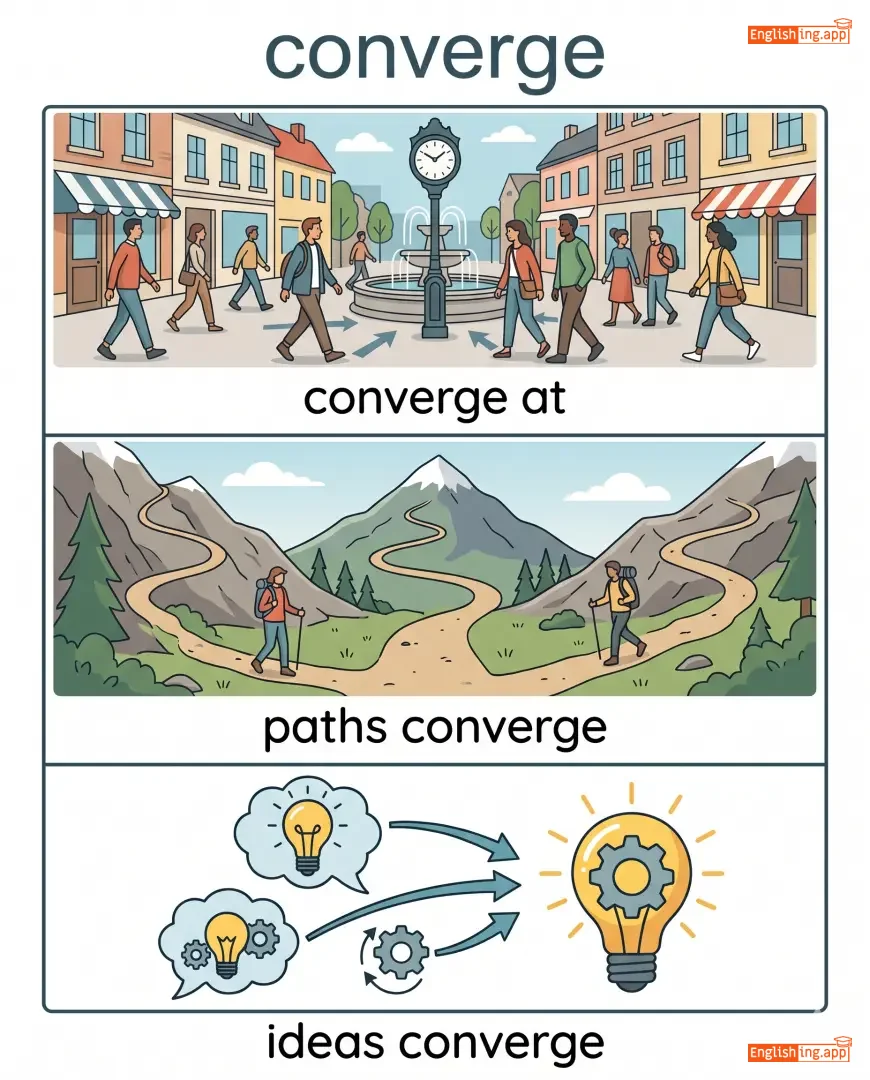
converge on, converge at, converge together, roads converge, lines converge
••••••
|
道路が合流して中央で交差するイメージ
••••••
|
|
#66
🌀
|
/ˈkɒnvəluːtɪd/
adjective
(コンヴォリューテッド)
••••••
|
|
複雑で入り組んだ
fukuzatsu de irikunda
••••••
|
- •••••• | - •••••• | - •••••• | - •••••• |
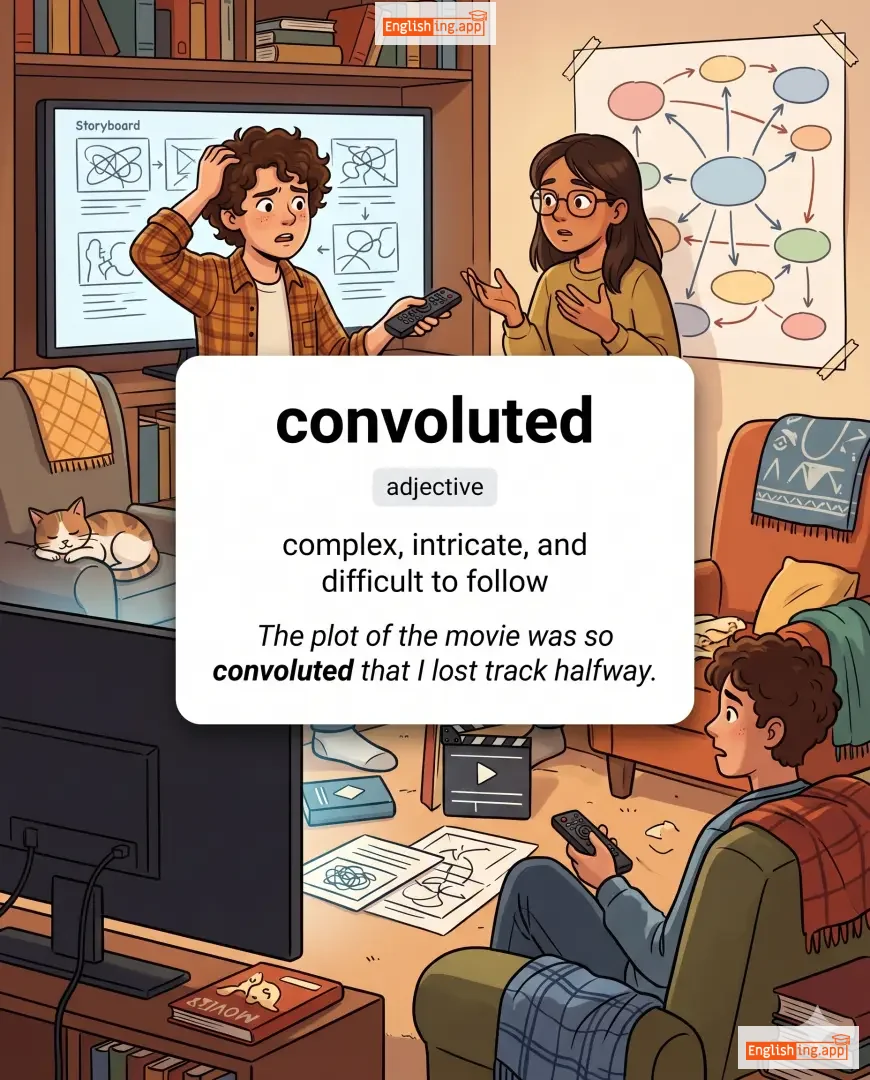
complex, intricate, and difficult to follow
••••••
|
The plot of the movie was so convoluted that I lost track halfway. |
映画のプロットはとても複雑で、途中で方向を見失ってしまった。
Eiga no purotto wa totemo fukuzatsu de, tochu de hokou o miushinatte shimatta.
••••••
|
- •••••• | - •••••• | - •••••• |
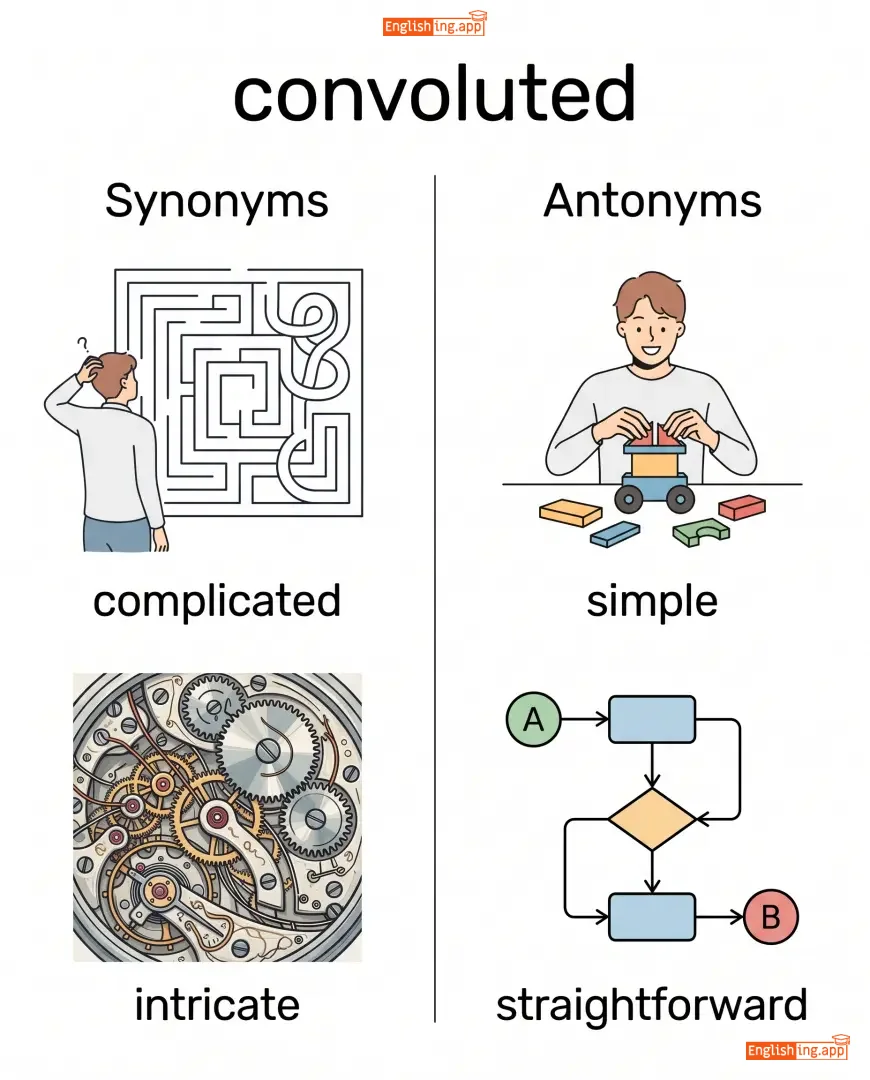
complicated, intricate, twisted, tangled
••••••
|
simple, straightforward
••••••
|
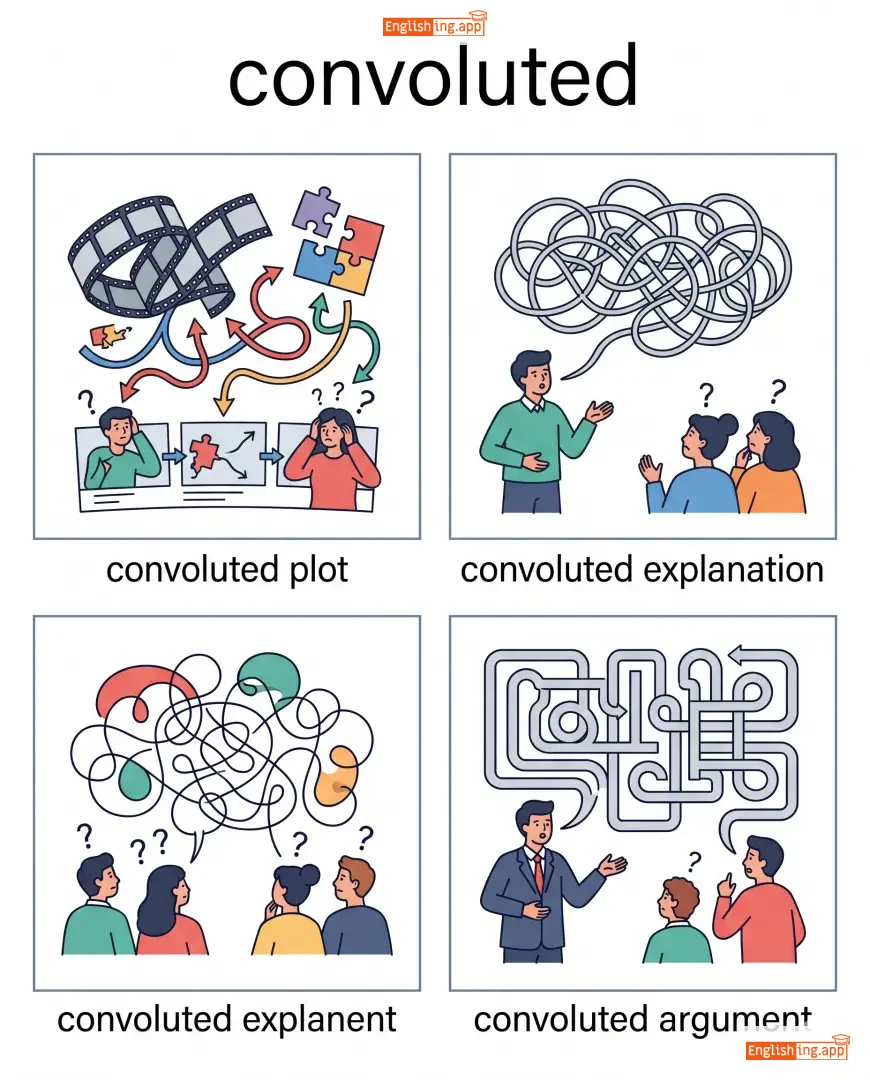
convoluted plot, convoluted explanation, convoluted argument
••••••
|
複雑な道、迷子になる
••••••
|
|
#67
😨
|
/ˈkreɪvən/
adjective
(kréiven)
••••••
|
|
臆病
okubyō
••••••
|
- •••••• | - •••••• | - •••••• | - •••••• |
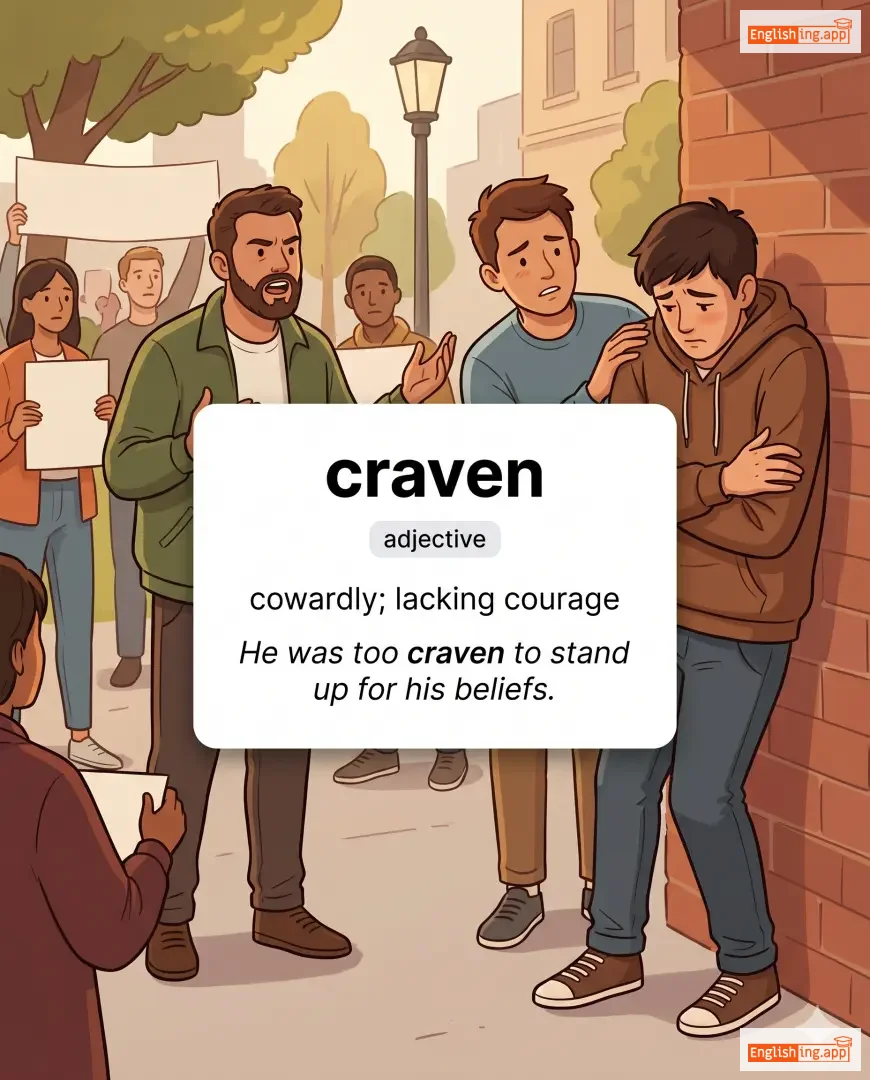
cowardly; lacking courage
••••••
|
He was too craven to stand up for his beliefs.
彼は自分の信念のために立ち上がるにはあまりにも臆病でした。
••••••
|
彼は自分の信念のために立ち上がるにはあまりにも臆病でした。
Kare wa jibun no shinnen no tame ni tachiagaru ni wa amari ni mo okubyō deshita.
••••••
|
- •••••• | - •••••• | - •••••• |
cowardly, fearful, timid, pusillanimous
••••••
|
brave, courageous, bold
••••••
|
craven fear, craven act, craven behavior
••••••
|
CRAVE しない、臆病な人
••••••
|
|
#68
😨
|
/dɔːnt/
verb
(ダウント)
••••••
|
|
脅す
odosu
••••••
|
daunted
ダウンテッド
••••••
|
daunted
ダウンテッド
••••••
|
daunts
ダウントス
••••••
|
daunting
ダウンティング
••••••
|
to make someone feel intimidated, discouraged, or less confident
••••••
|
The steep climb did not daunt the experienced hikers.
急な登りは経験豊富なハイカーを怖がらせませんでした。
••••••
|
急な登りは経験豊富なハイカーを怖がらせませんでした。
Kyū na nobori wa keiken hōfu na haikā o kowagarasemasen deshita.
••••••
|
nothing daunts him
何も彼を怖がらせません
••••••
|
he is not easily discouraged or intimidated
••••••
|
何も彼を怖がらせません
Nani mo kare o kowagarasemasen
••••••
|
intimidate, discourage, dishearten, deter, frighten
••••••
|
encourage, inspire, embolden
••••••
|
daunt the spirit, daunt the team, nothing daunts, daunt the enemy
••••••
|
Don't (ダウント) 脅す—Dauntは脅すという意味です
••••••
|
|
#69
📜
|
/dɪˈkɔːrəm/
noun
(デコラム)
••••••
|
|
礼儀
reigi
••••••
|
- •••••• | - •••••• | - •••••• | - •••••• |
behavior in keeping with good taste and propriety
••••••
|
The students maintained decorum during the ceremony. |
学生たちは式典中に礼儀を守った。
Gakusei-tachi wa shikiten-chū ni reigi o mamotta.
••••••
|
maintain decorum |
to behave in a proper and respectful manner
••••••
|
礼儀を守る
reigi o mamoru
••••••
|
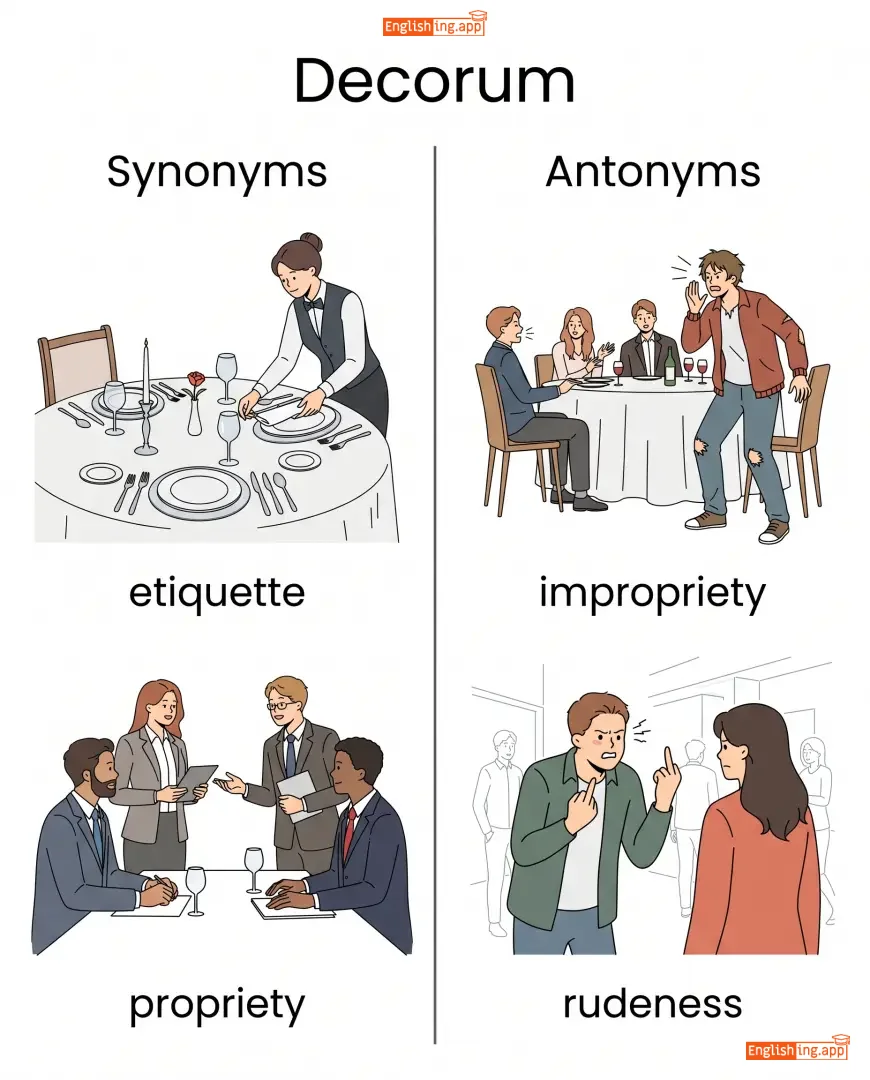
etiquette, propriety, manners, civility, dignity
••••••
|
impropriety, rudeness, disorder
••••••
|
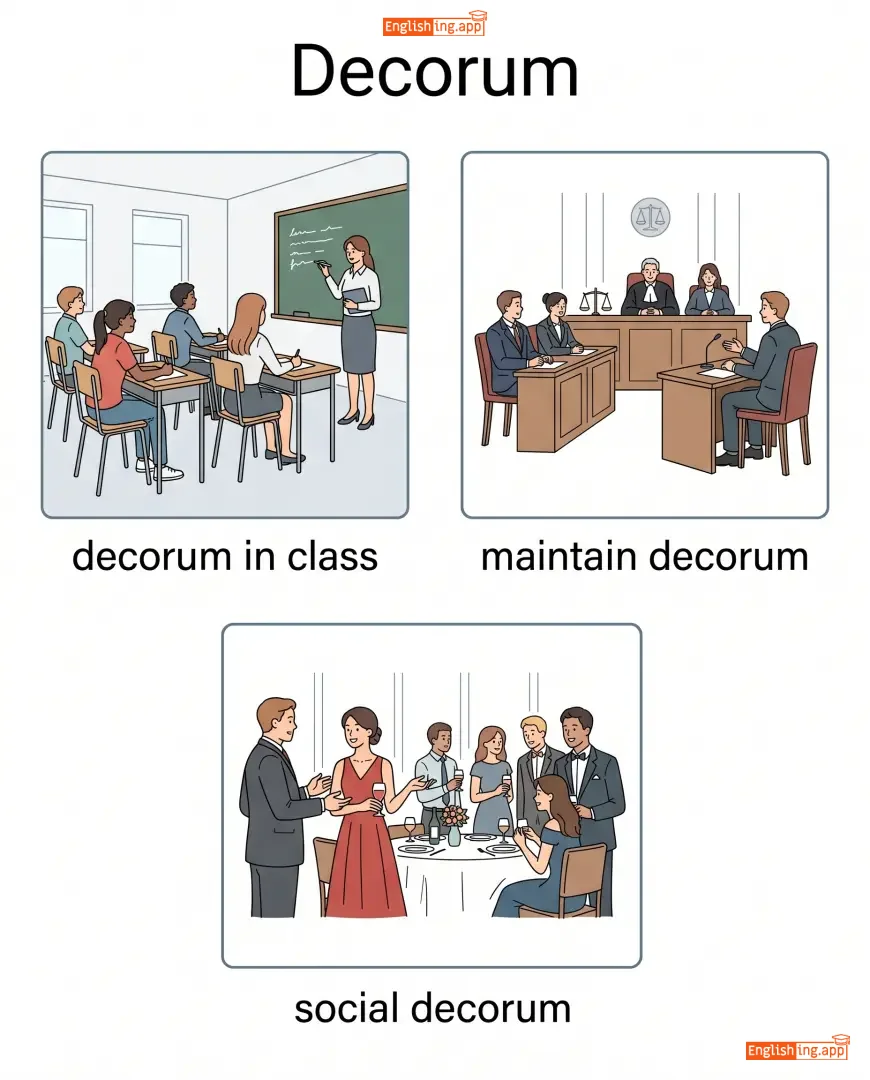
decorum in class, maintain decorum, social decorum
••••••
|
デコラムとは、礼儀正しく振る舞うことです。
••••••
|
|
#70
⚠️
|
/dɪˈfɔːlt/
noun, verb
(デフォルト)
••••••
|
|
デフォルト
deforuto
••••••
|
defaulted
デフォルテッド
••••••
|
defaulted
デフォルテッド
••••••
|
defaults
デフォルツ
••••••
|
defaulting
デフォルティング
••••••
|
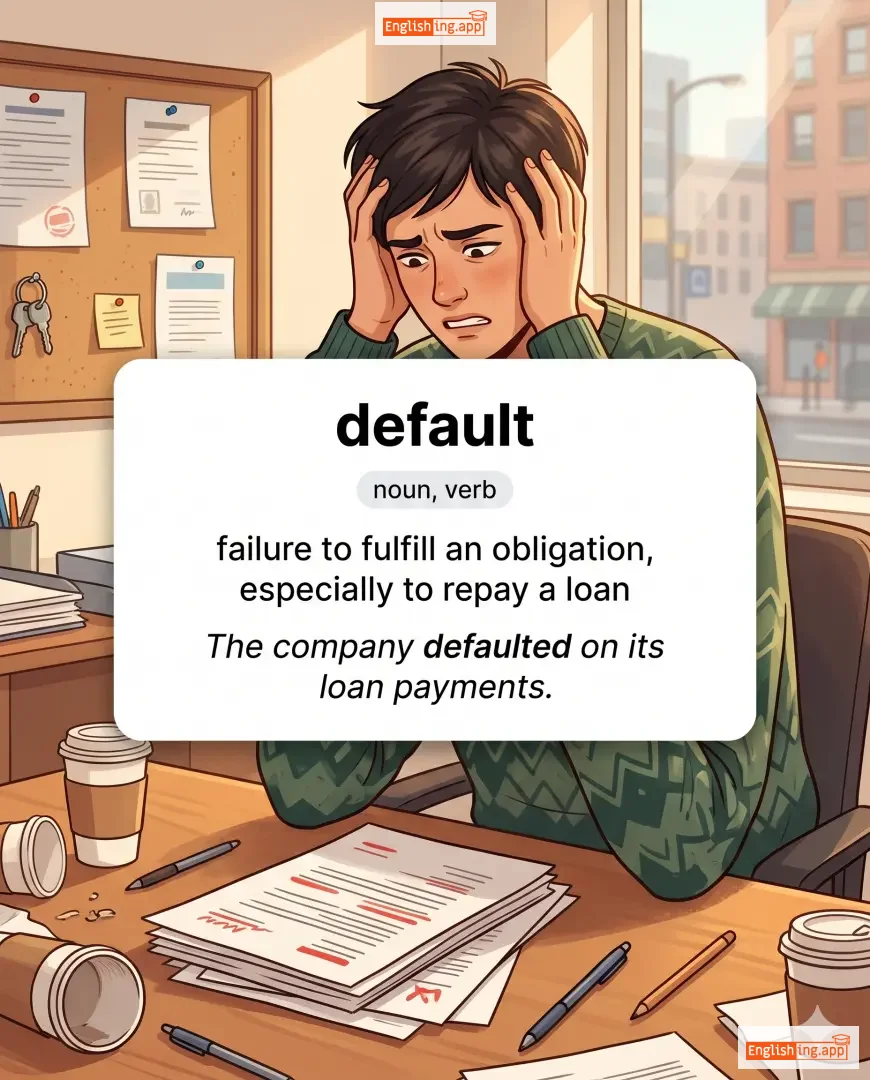
failure to fulfill an obligation, especially to repay a loan
••••••
|
The company defaulted on its loan payments.
会社はローンの支払いでデフォルトしました。
••••••
|
会社はローンの支払いでデフォルトしました。
Kaisha wa rōn no shiharai de deforuto shimashita.
••••••
|
in default
デフォルト中
••••••
|
in a state of failing to fulfill an obligation
••••••
|
デフォルト状態
deforuto jōtai
••••••
|
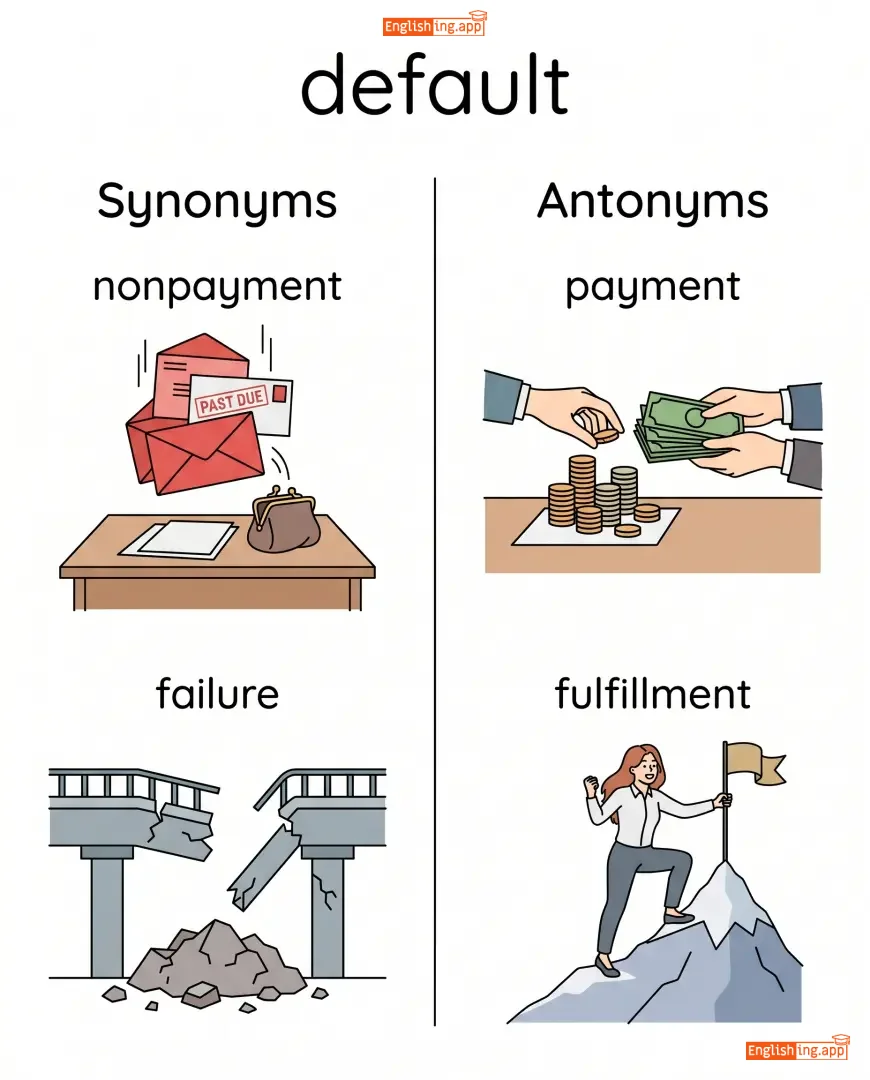
nonpayment, failure, negligence, omission
••••••
|
payment, fulfillment, compliance
••••••
|
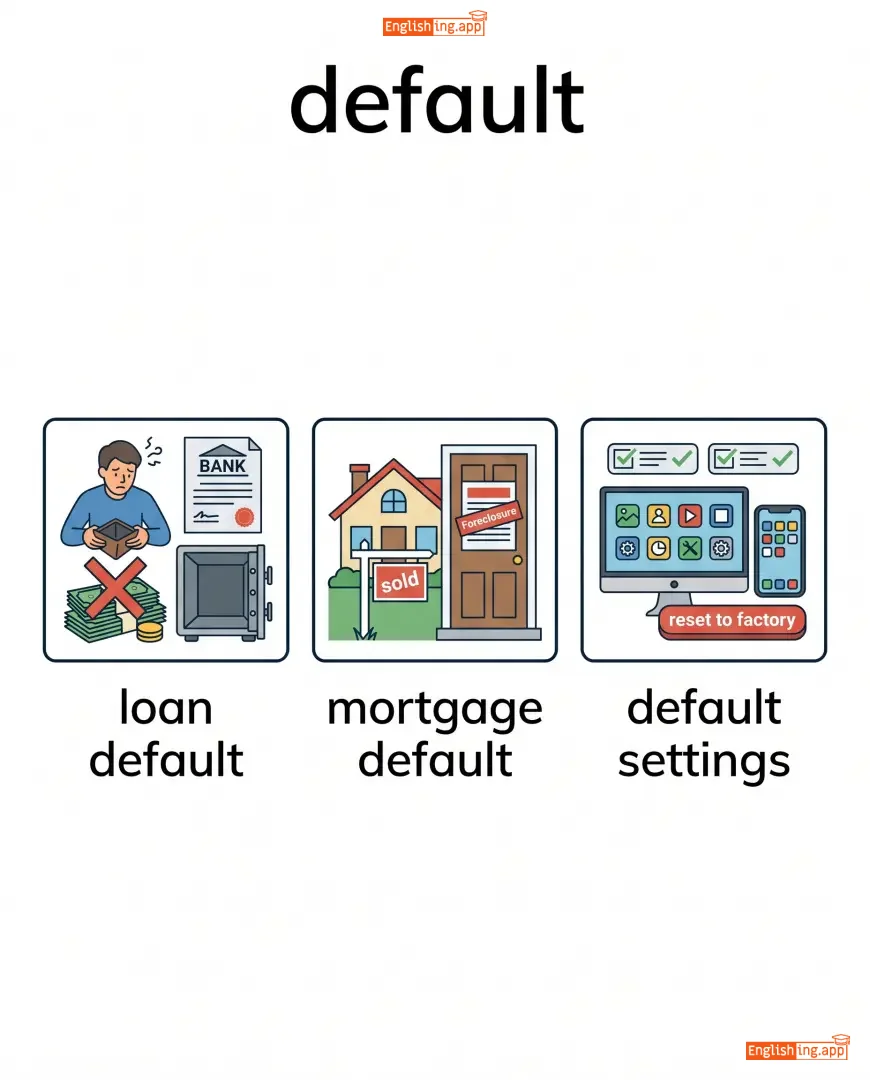
loan default, mortgage default, default settings, default judgment
••••••
|
デフォルト → 借金の返済をしない
••••••
|
|
#71
🙏
|
/ˈdɛfərəns/
noun
(デファレンス)
••••••
|
|
敬意
keii
••••••
|
- •••••• | - •••••• | - •••••• | - •••••• |
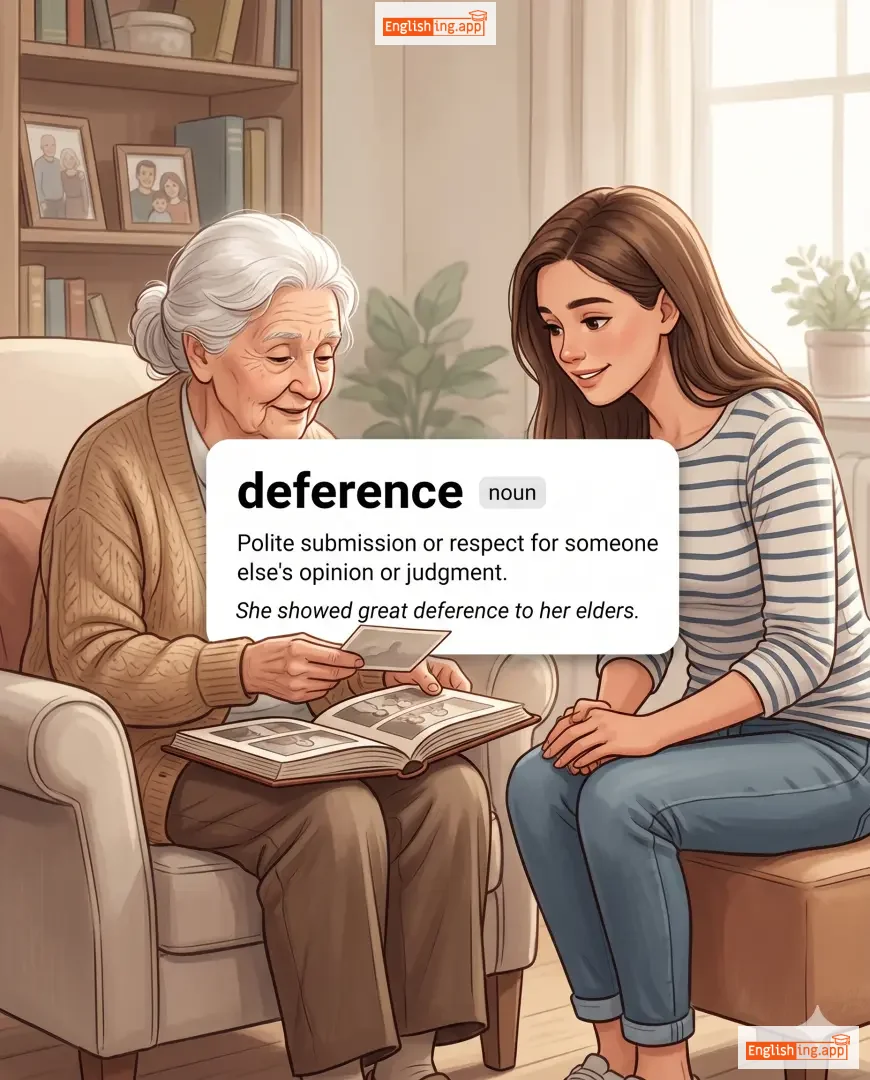
Polite submission or respect for someone else's opinion or judgment.
••••••
|
She showed great deference to her elders. |
彼女は年長者に大きな敬意を示しました。
Kanojo wa nenchōsha ni ōkina keii o shimeshimashita.
••••••
|
in deference to |
Out of respect or regard for someone or something.
••••••
|
敬意を表して
Keii o hyōshite
••••••
|
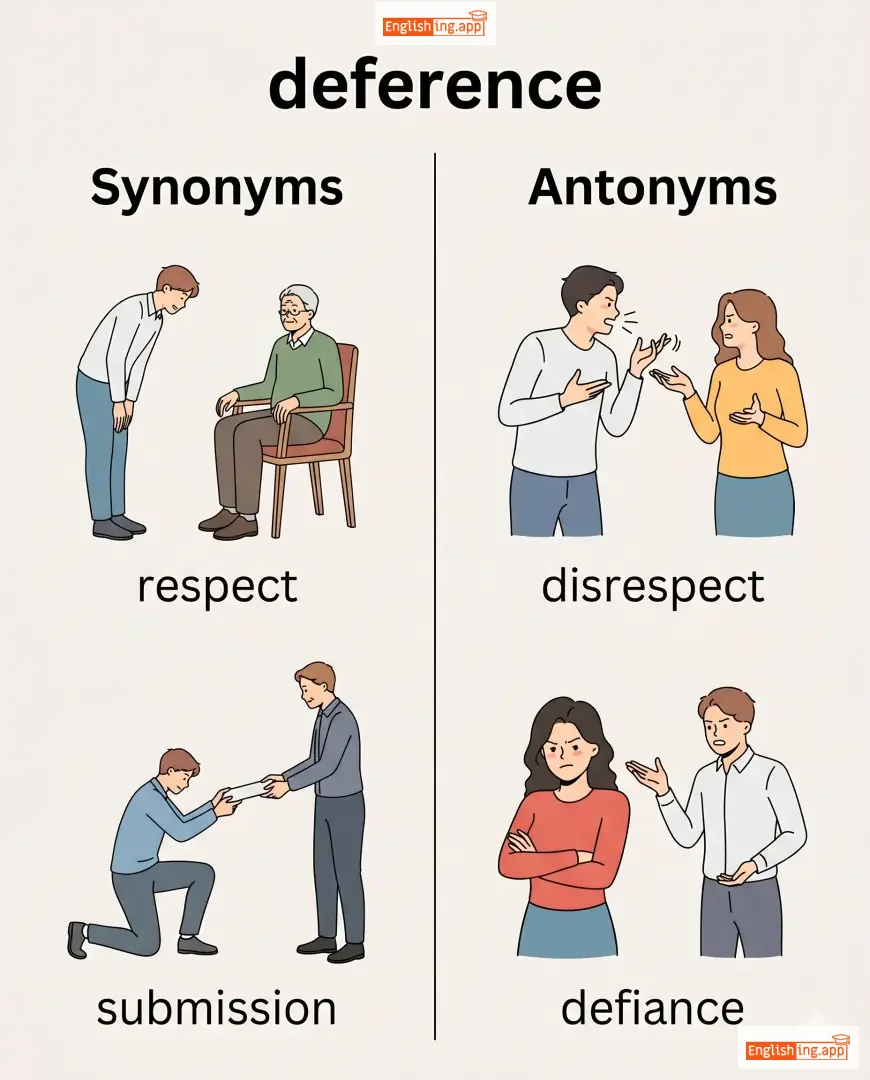
respect, submission, obedience, reverence
••••••
|
disrespect, defiance, disregard
••••••
|
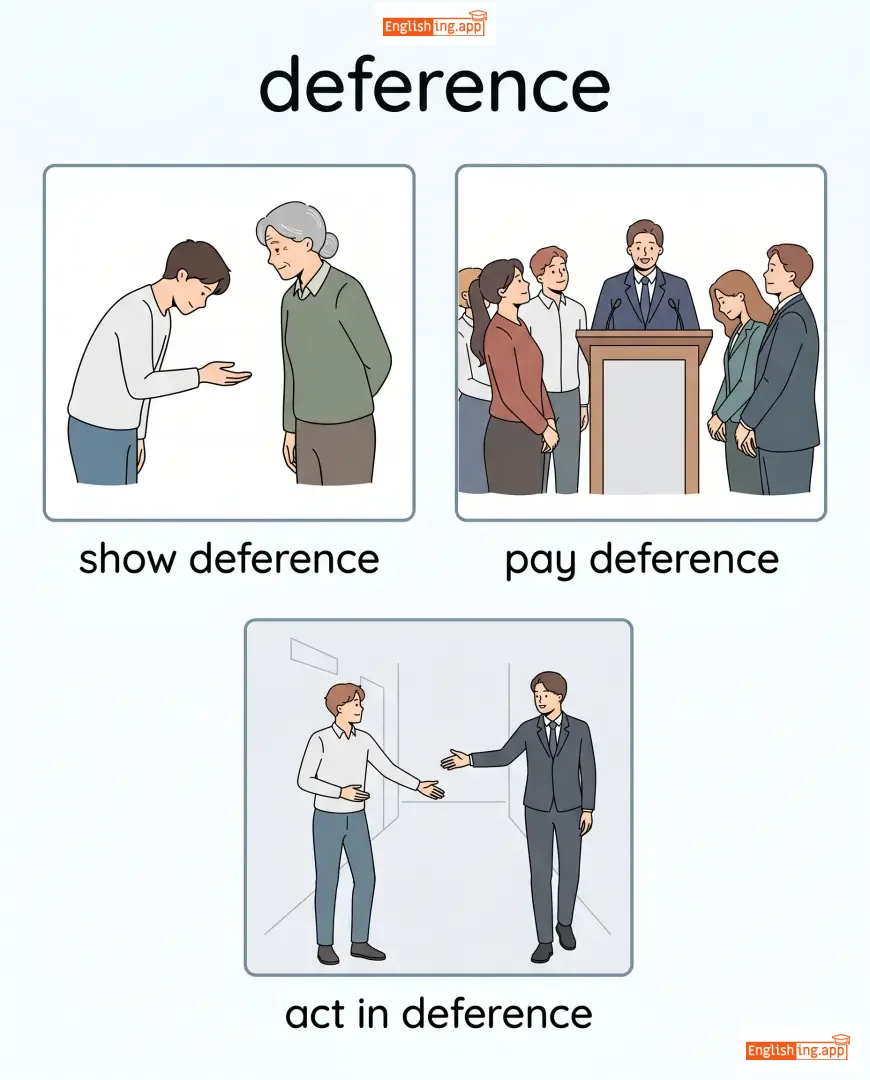
show deference, pay deference, act in deference
••••••
|
Deference は defer (延期する) + ence → 他人のために自分の意志を延期し、敬意を示す。
••••••
|
|
#72
📝
|
/dɪˈlɪnieɪt/
verb
(デリニエイト)
••••••
|
|
明確に描く
meikaku ni kaku
••••••
|
delineated
デリニエイテッド
••••••
|
delineated
デリニエイテッド
••••••
|
delineates
デリニエイツ
••••••
|
delineating
デリニエイティング
••••••
|
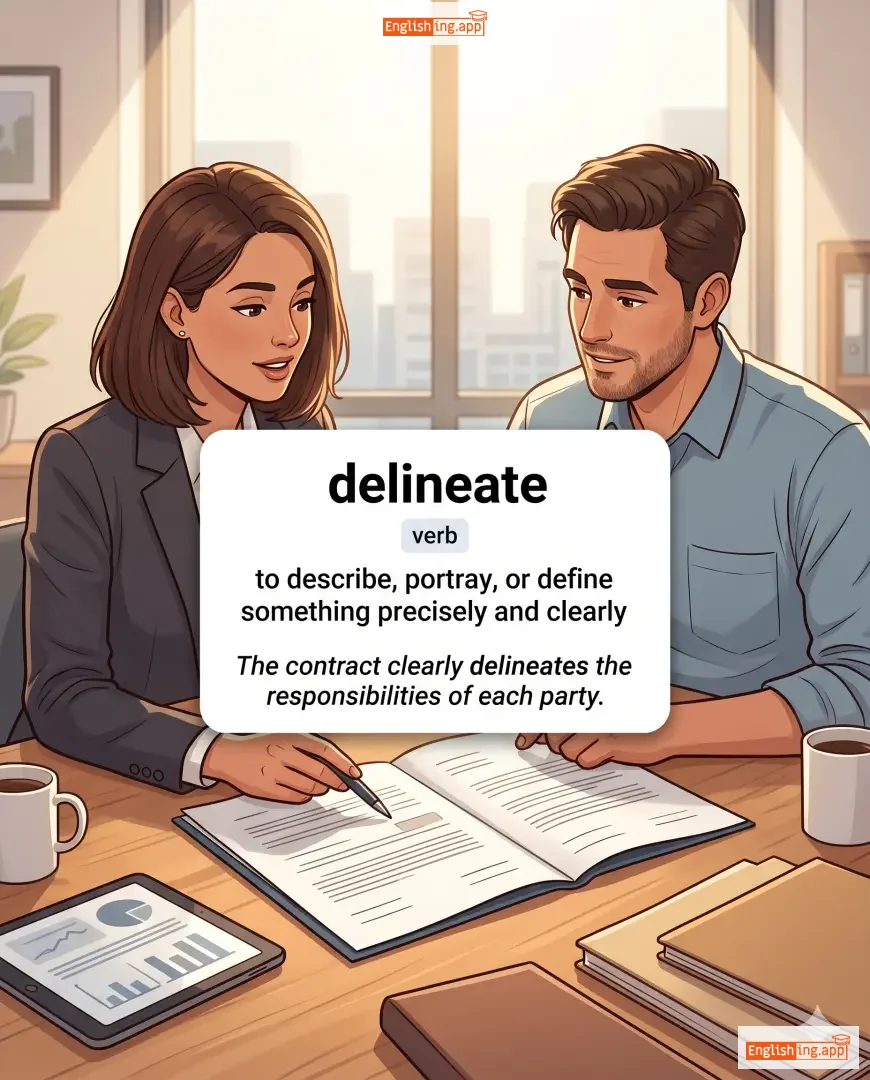
to describe, portray, or define something precisely and clearly
••••••
|
The contract clearly delineates the responsibilities of each party.
契約書は各当事者の責任を明確に定義しています。
••••••
|
契約書は各当事者の責任を明確に定義しています。
Keiyaku-sho wa kaku tōjisha no sekinin o meikaku ni teigi shiteimasu.
••••••
|
- •••••• | - •••••• | - •••••• |
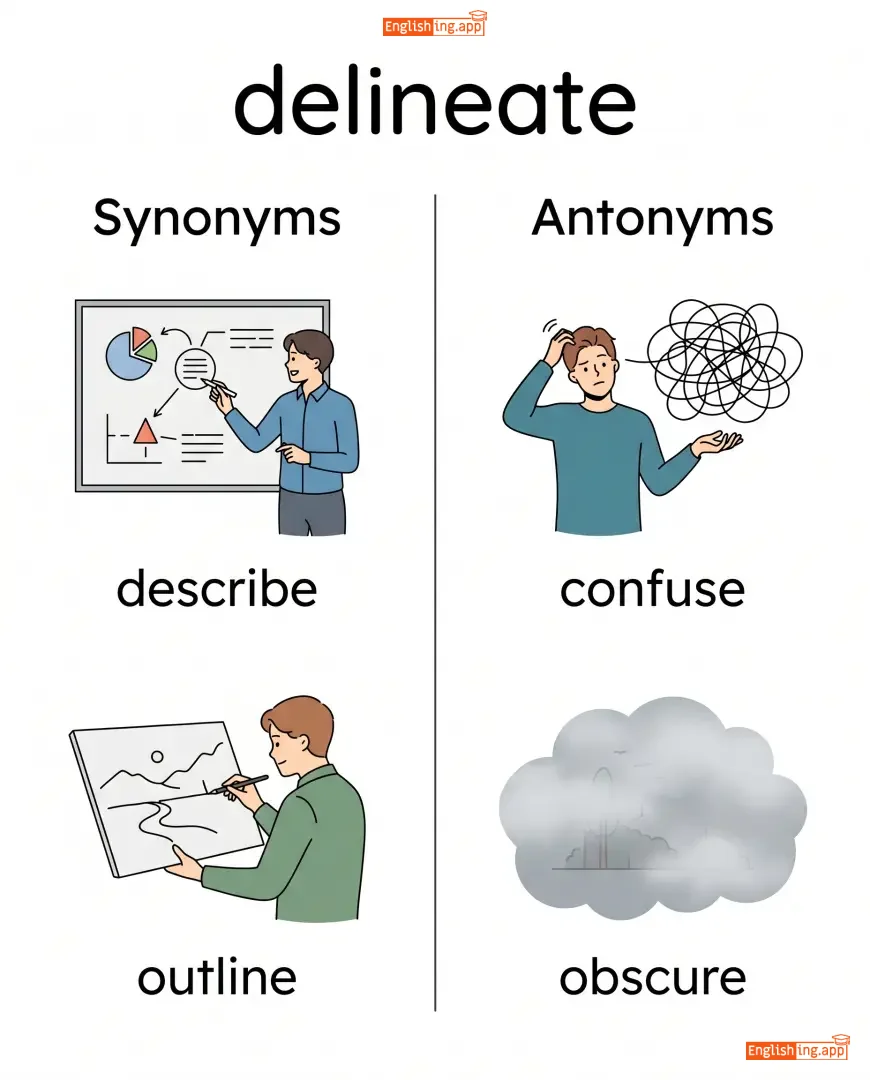
describe, outline, depict, portray, specify
••••••
|
confuse, obscure, distort
••••••
|
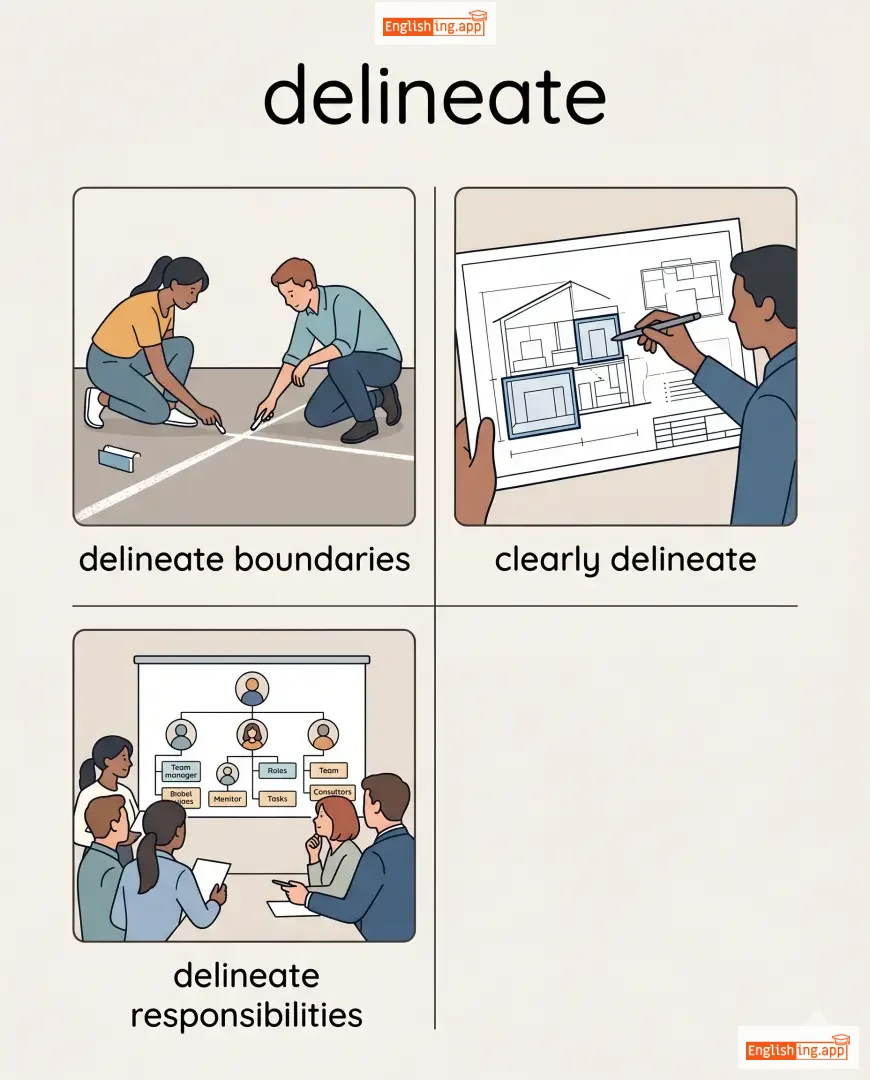
delineate boundaries, clearly delineate, delineate responsibilities, delineate process
••••••
|
明確に描く、線を描くように
••••••
|
|
#73
🗣️
|
/ˈdɛnɪˌɡreɪt/
verb
(デニグレイト)
••••••
|
|
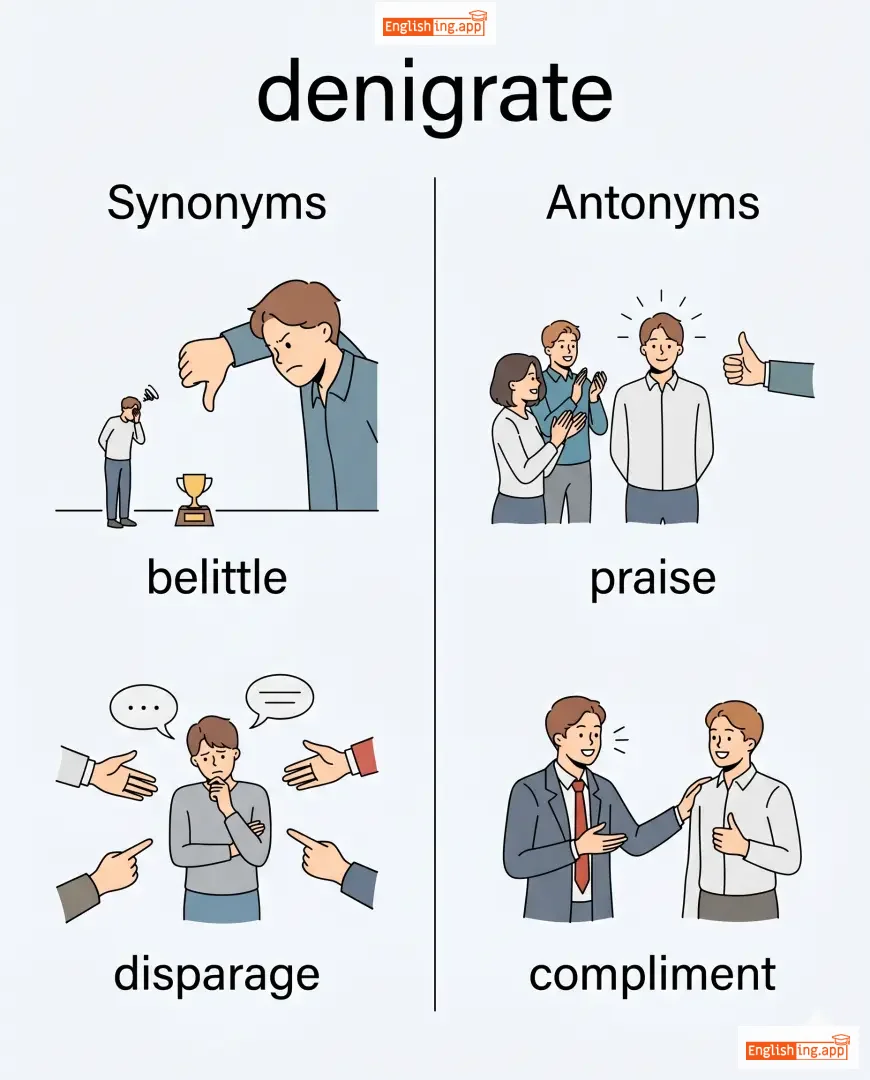
貶める
otoshimeru
••••••
|
denigrated
デニグレイテッド
••••••
|
denigrated
デニグレイテッド
••••••
|
denigrates
デニグレイツ
••••••
|
denigrating
デニグレイティング
••••••
|
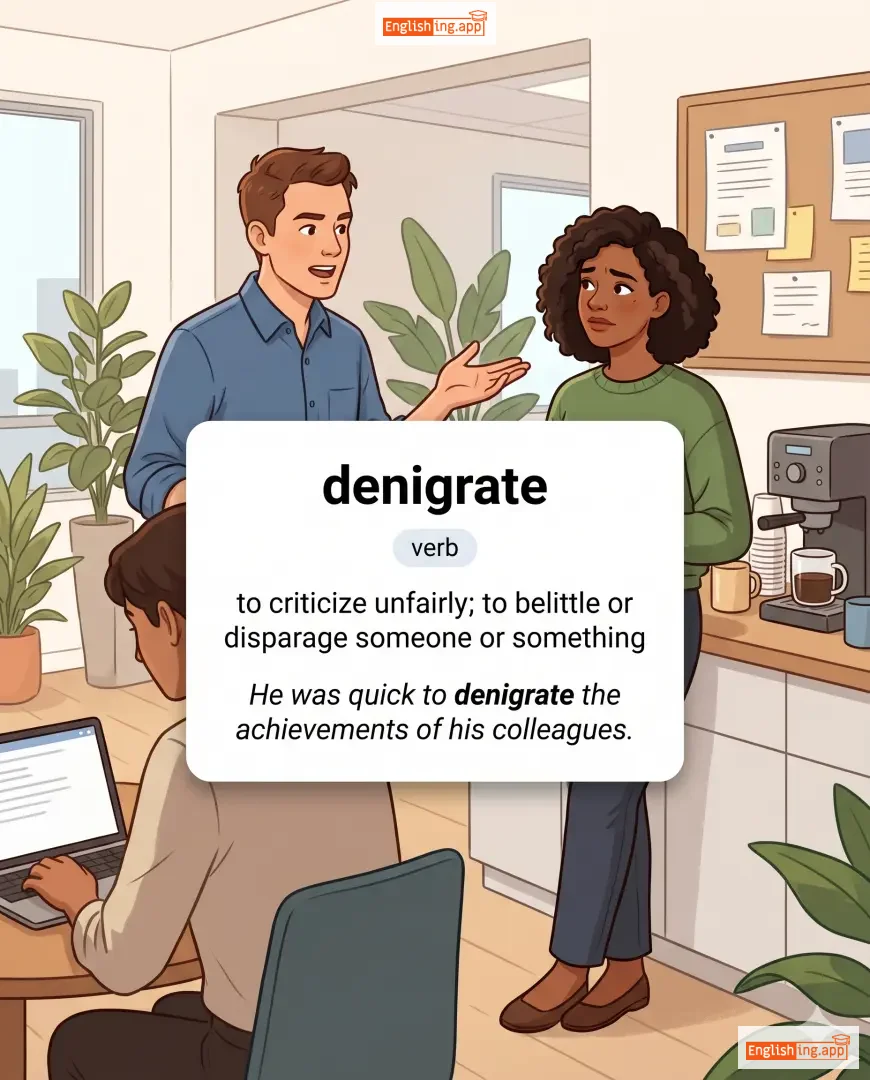
to criticize unfairly; to belittle or disparage someone or something
••••••
|
He was quick to denigrate the achievements of his colleagues.
彼は同僚の業績をすぐに軽視しました。
••••••
|
彼は同僚の業績をすぐに貶めました。
Kare wa dōryō no gyōseki o sugu ni otoshimemashita.
••••••
|
- •••••• | - •••••• | - •••••• |
belittle, disparage, defame, slander, deprecate
••••••
|
praise, compliment, honor
••••••
|
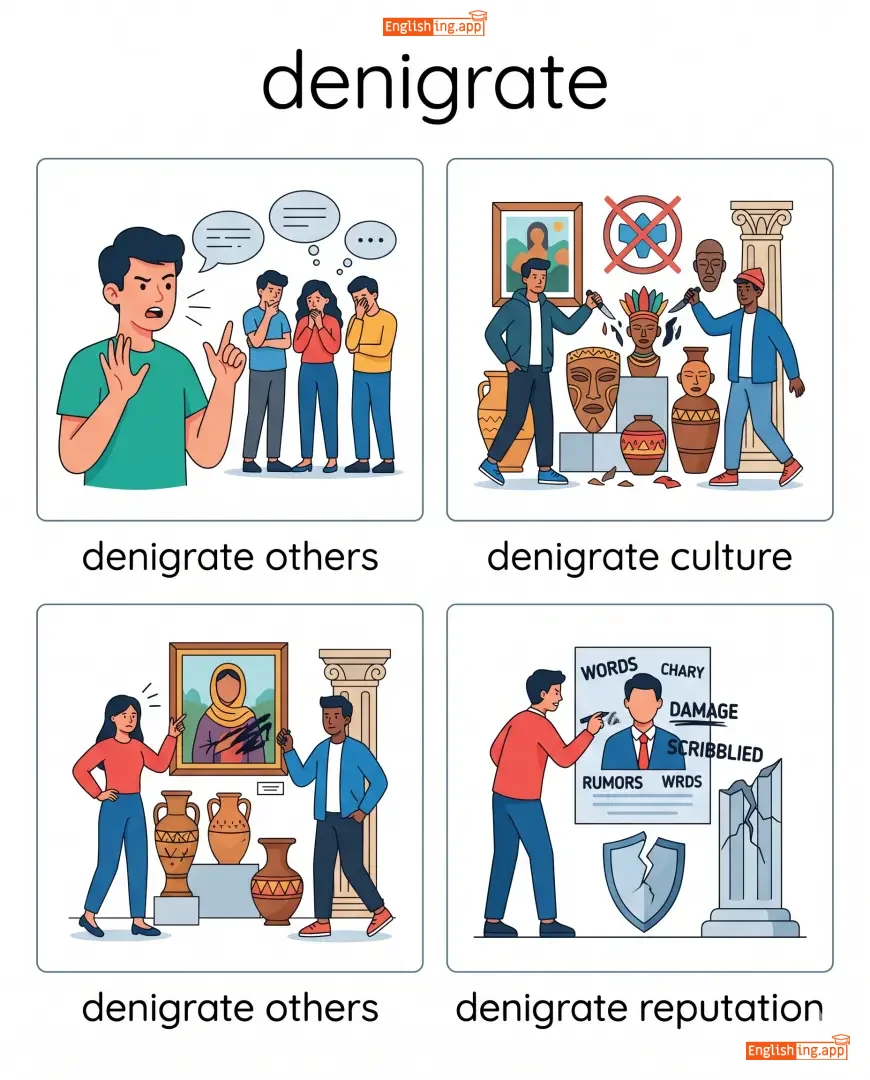
denigrate others, denigrate culture, denigrate reputation, denigrate efforts
••••••
|
貶める = 'デニグレイト'という言葉が‘軽視’に似ている
••••••
|
|
#74
😂
|
/dɪˈraɪd/
verb
(ディライド)
••••••
|
|
嘲笑する
choushou suru
••••••
|
derided
ディライデッド
••••••
|
derided
ディライデッド
••••••
|
derides
ディライドス
••••••
|
deriding
ディライディング
••••••
|
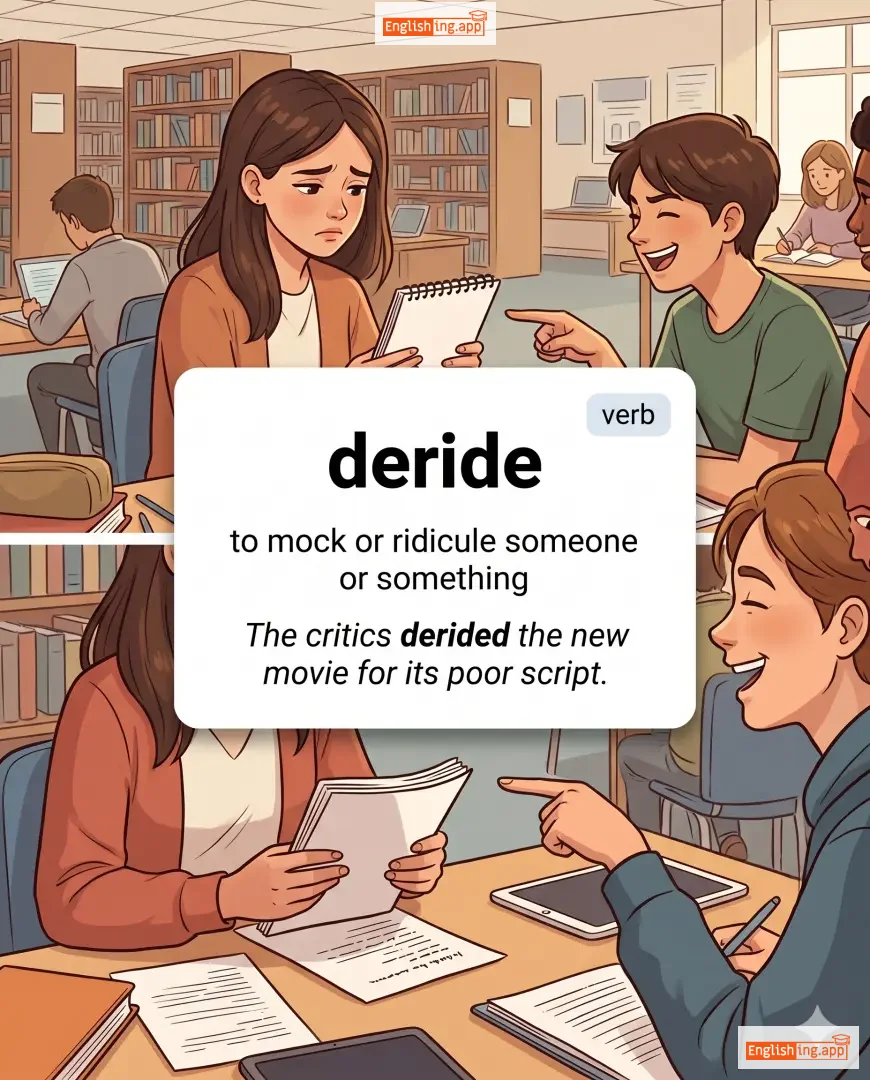
to mock or ridicule someone or something
••••••
|
The critics derided the new movie for its poor script.
批評家たちはその新しい映画を悪い脚本のせいで嘲笑した。
••••••
|
批評家たちはその新しい映画を悪い脚本のせいで嘲笑した。
Hihyōka-tachi wa sono atarashī eiga wo warui kyakuhon no sei de chōshō shita.
••••••
|
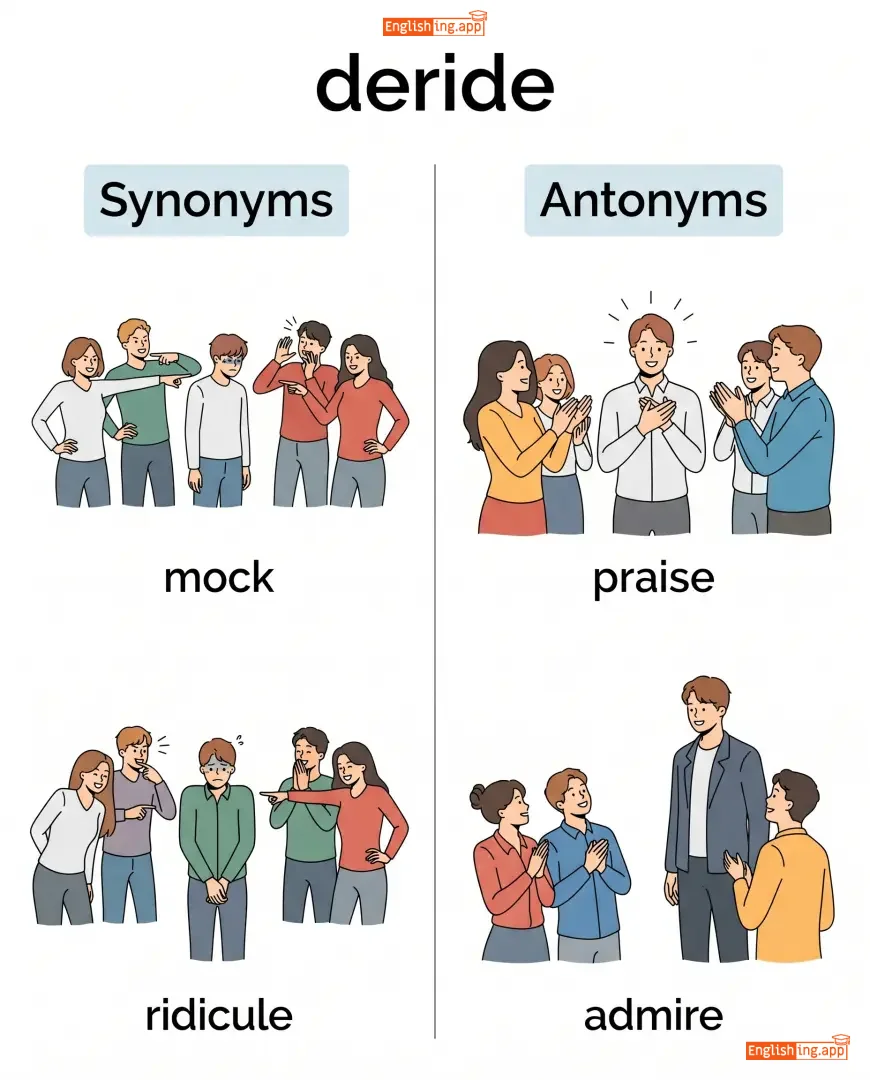
- •••••• | - •••••• | - •••••• |
mock, ridicule, scorn, sneer, jeer
••••••
|
praise, admire, respect
••••••
|
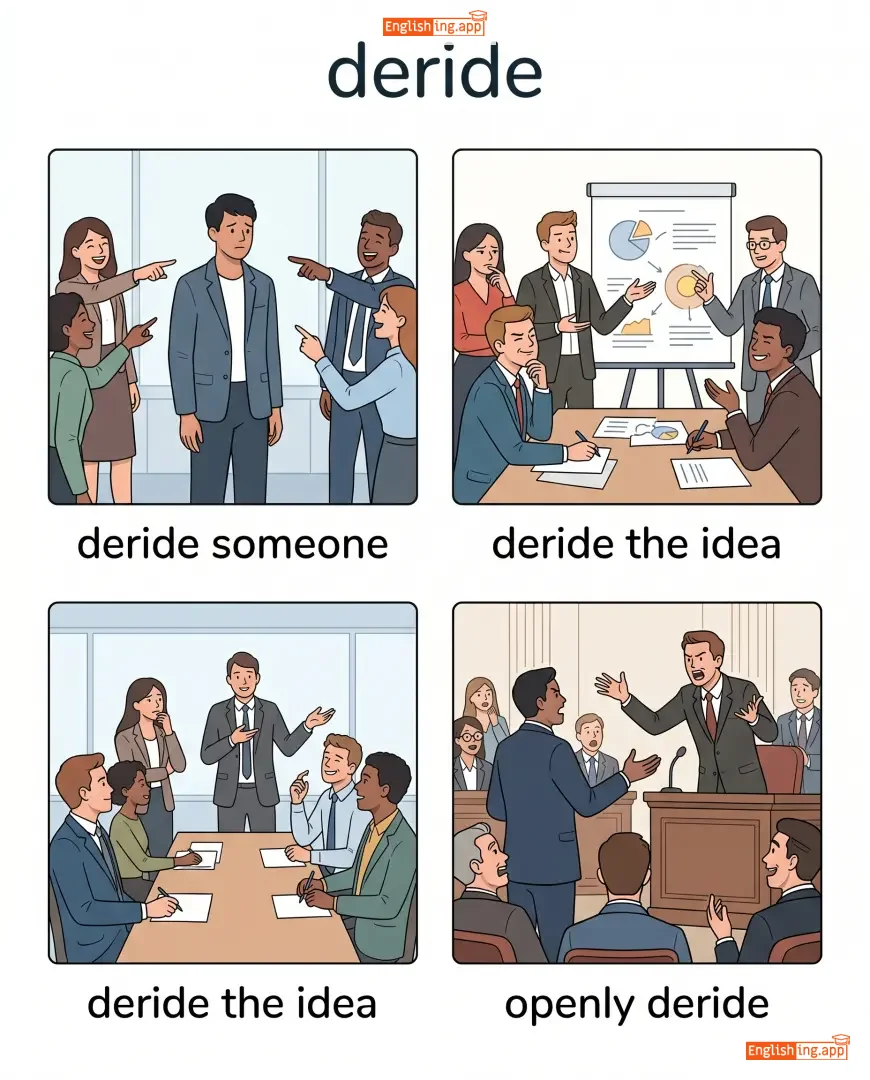
deride someone, deride the idea, openly deride
••••••
|
‘Deride’は‘嘲笑する’のように聞こえます – 何かを見下して笑う。
••••••
|
|
#75
🔄
|
/dɪˈrɪvətɪv/
noun, adjective
(デリバティブ)
••••••
|
|
派生物
haseibutsu
••••••
|
- •••••• | - •••••• | - •••••• | - •••••• |
Something that is based on another source; in math, a measure of how a function changes.
••••••
|
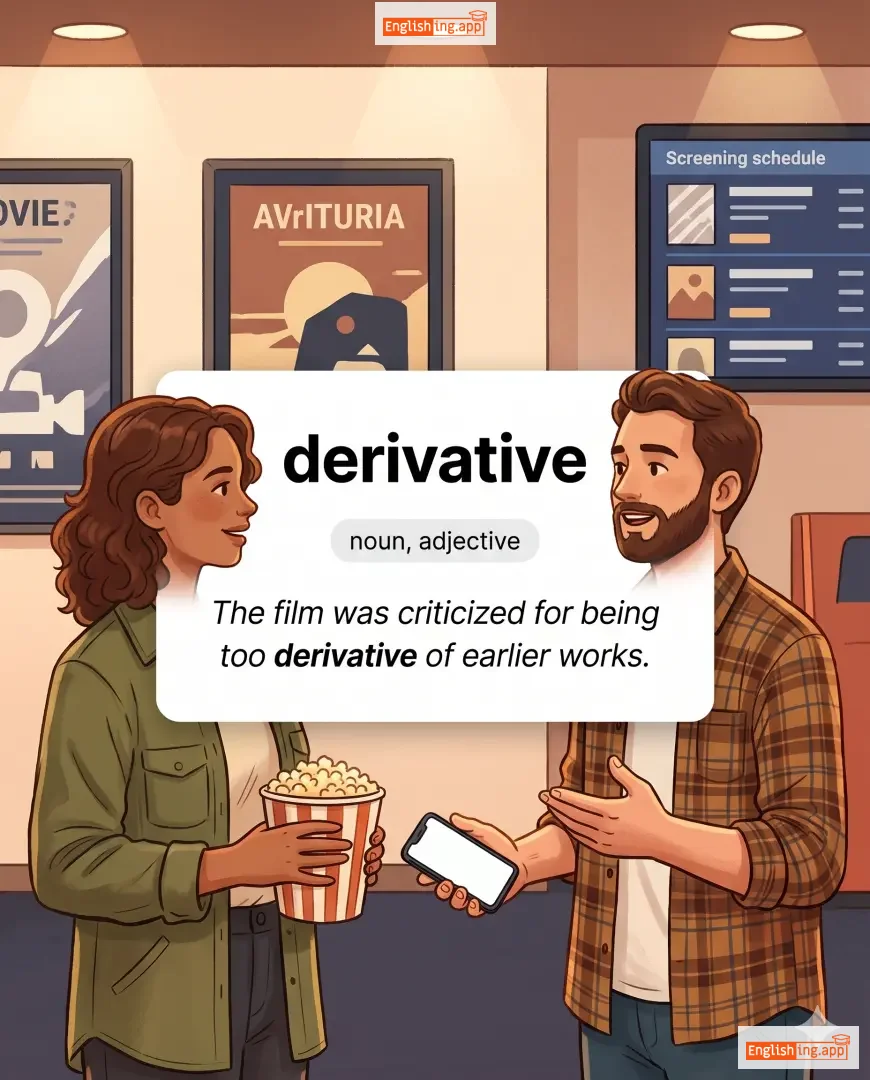
The film was criticized for being too derivative of earlier works.
その映画は、前の作品を模倣しすぎて批判されました。
••••••
|
その映画は、前の作品を模倣しすぎて批判されました。
Sono eiga wa, mae no sakuhin o mohō shisugite hihan saremashita.
••••••
|
- •••••• | - •••••• | - •••••• |
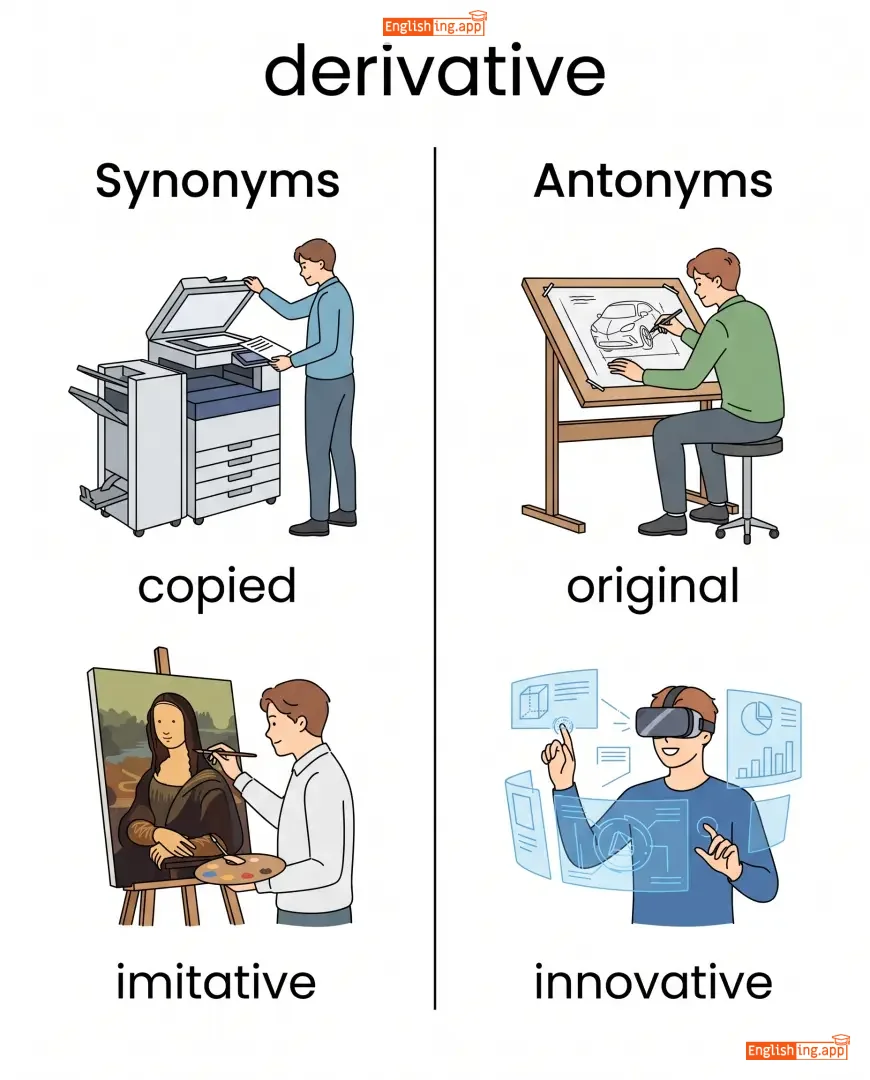
copied, imitative, secondary, unoriginal
••••••
|
original, innovative, creative
••••••
|
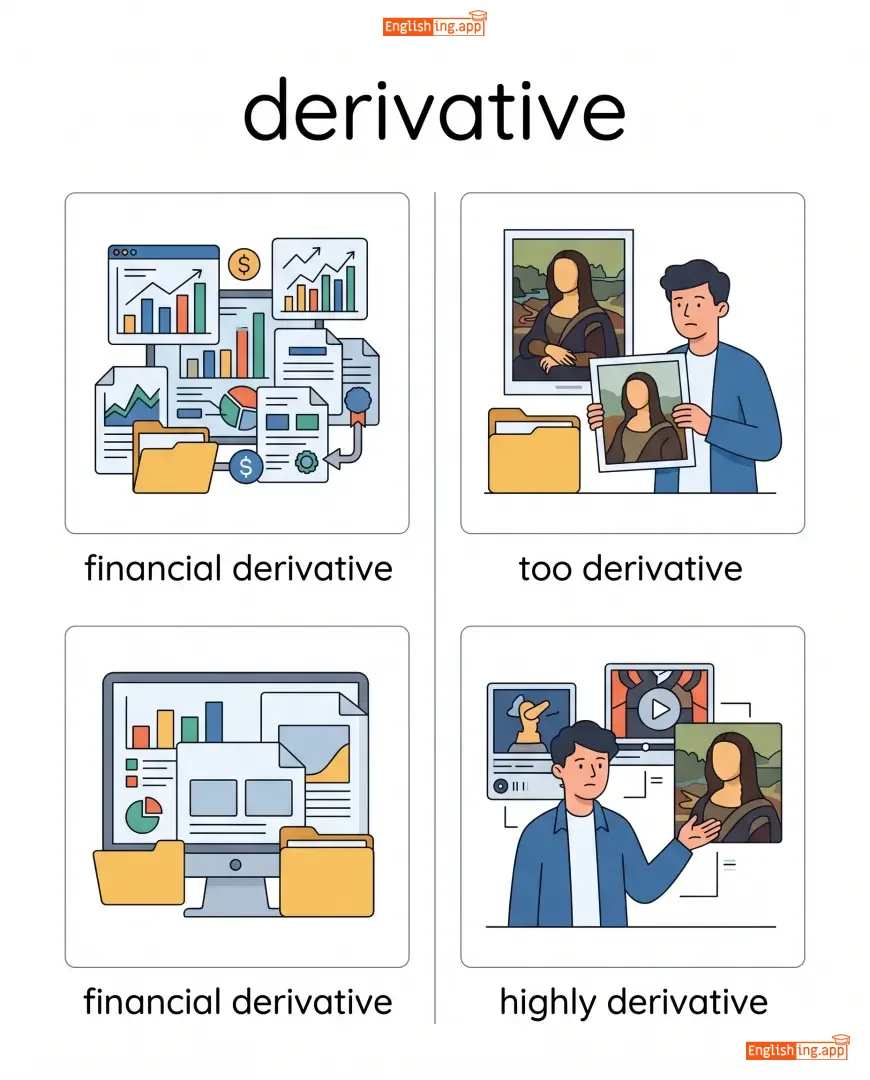
financial derivative, too derivative, highly derivative
••••••
|
派生物とは他のものから取られたもの – 'デリバティブ'は模倣から来ている。
••••••
|
Vocabulary Quiz
Test your vocabulary by matching words with their translations or meanings.
Login to take the quiz
Comments (0)
Share your thoughts and join the discussion.
Join the discussion by logging in
Login to CommentNo comments yet
Be the first to share your thoughts!