

翻訳
過去
過去分詞
三人称単数
動名詞
意味
例文
例文の翻訳
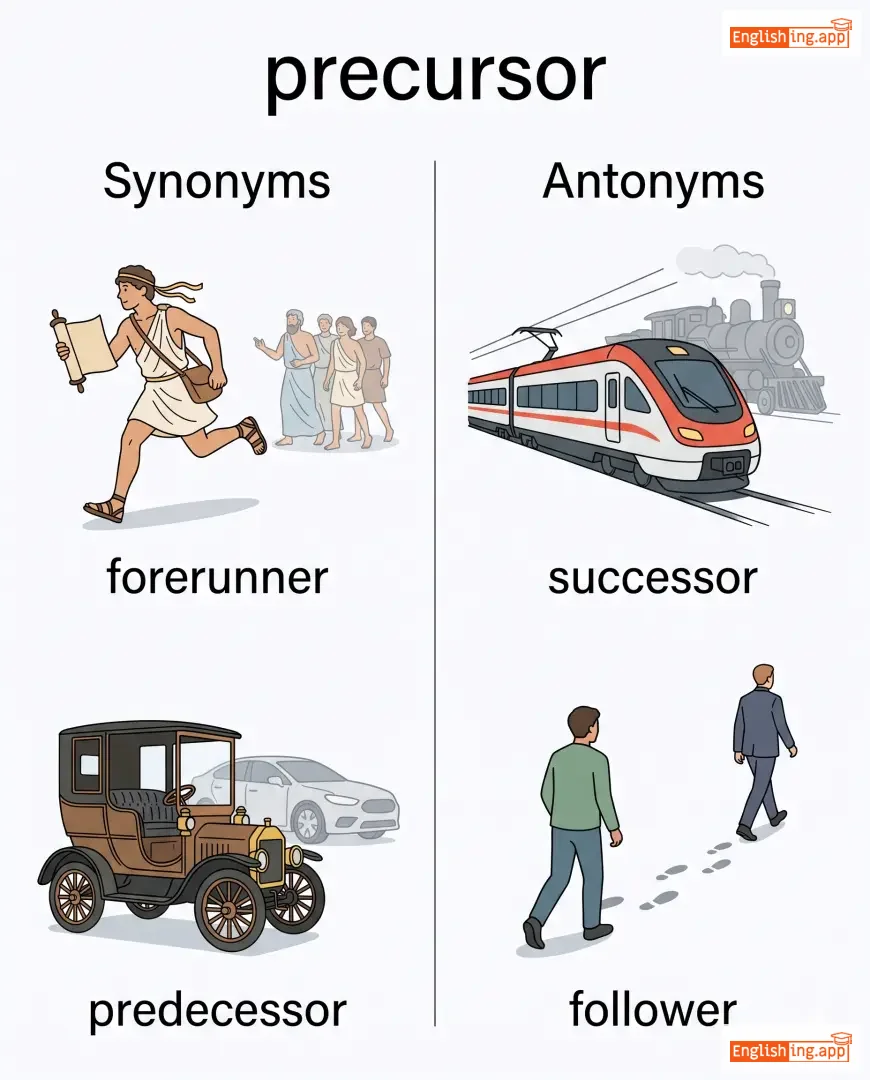
同義語
対義語
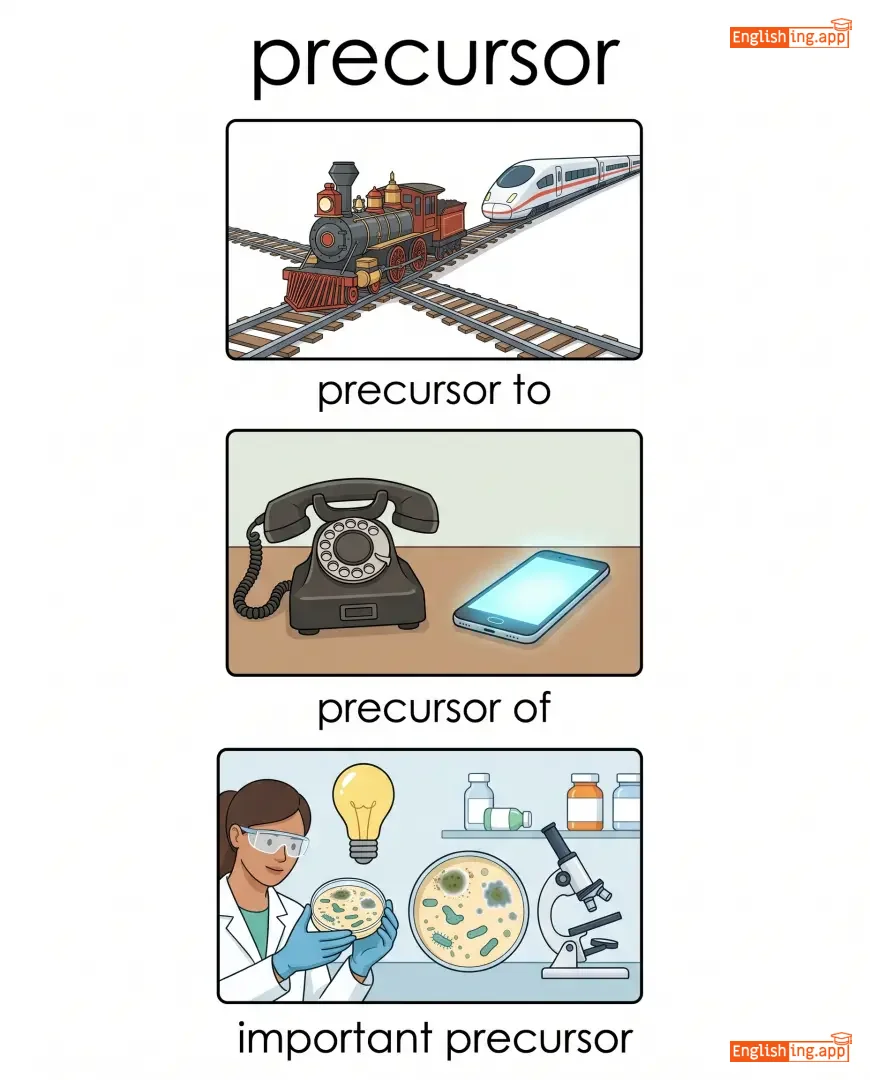
コロケーション
ニーモニック







Swipe left or right, or use the buttons. Tap image to zoom.
例文の翻訳
単語
Lesson 11Lesson 11 - マスクトグル
|
絵文字
|
単語 | Images | 翻訳 | 過去 | 過去分詞 | 三人称単数 | 動名詞 | 意味 | 例文 | 例文の翻訳 | 表現例 | 表現例の意味 | 表現例の翻訳 | 同義語 | 対義語 | コロケーション | ニーモニック |
|---|---|---|---|---|---|---|---|---|---|---|---|---|---|---|---|---|---|
|
#251
💨
|
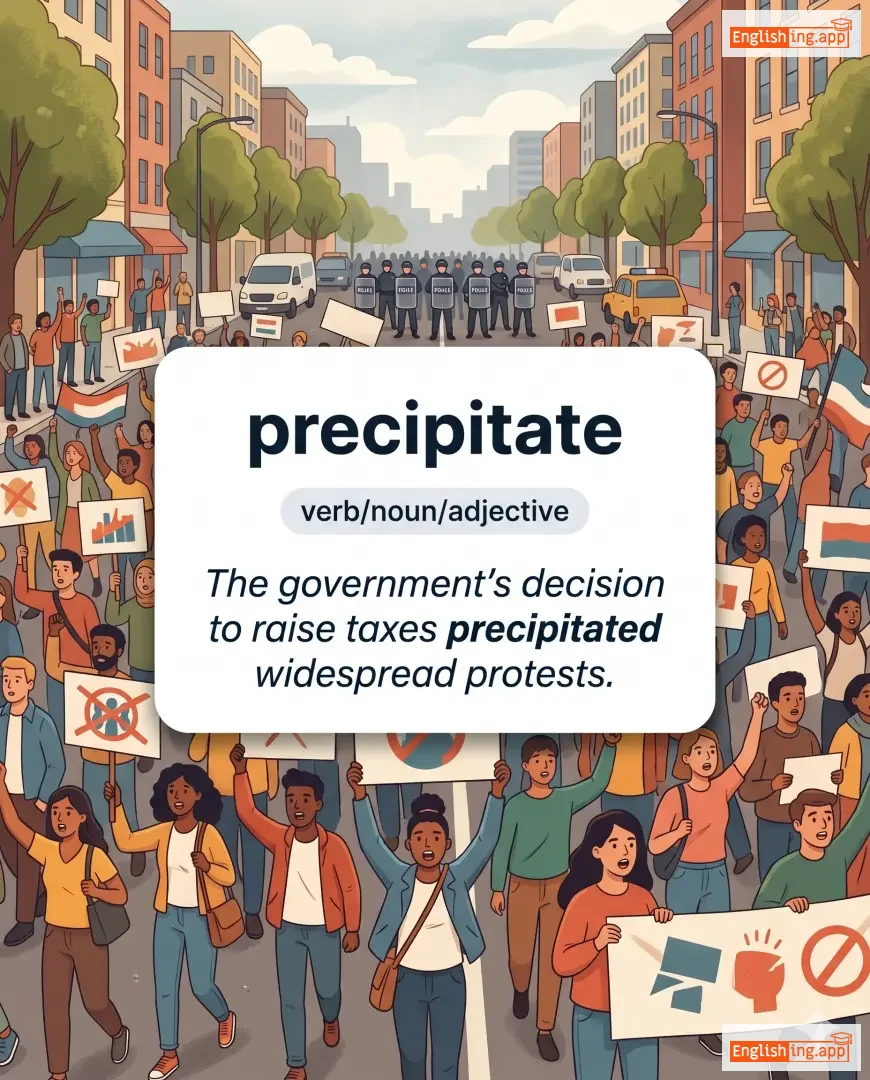
/prɪˈsɪpɪteɪt/
verb/noun/adjective
••••••
|
|
- •••••• |
precipitated
••••••
|
precipitated
••••••
|
precipitates
••••••
|
precipitating
••••••
|
As a verb: to cause an event or situation, often suddenly or prematurely; as a noun: a solid formed in a chemical solution; as an adjective: done hastily.
••••••
|
The government's decision to raise taxes precipitated widespread protests. |
- •••••• |
precipitate into |
to cause something to suddenly fall into or result in a situation
••••••
|
- •••••• |
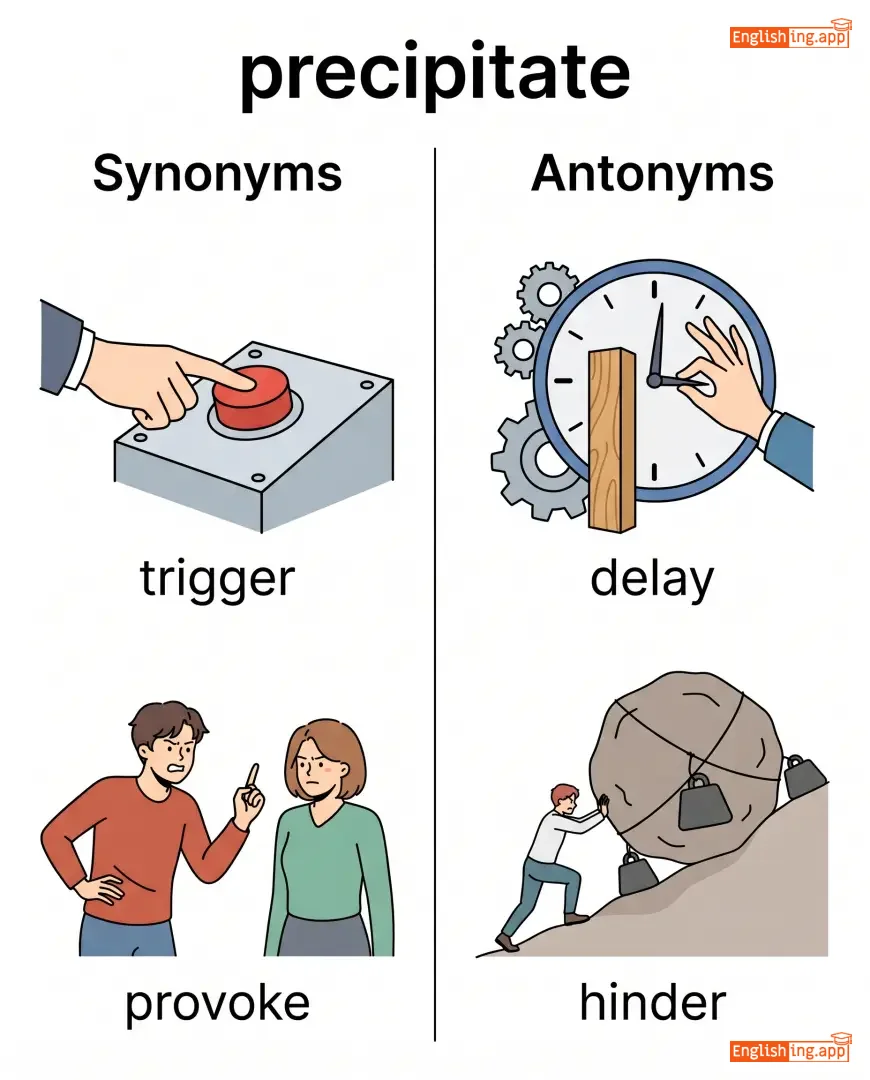
trigger, provoke, accelerate, hasten, instigate
••••••
|
delay, hinder, prevent
••••••
|
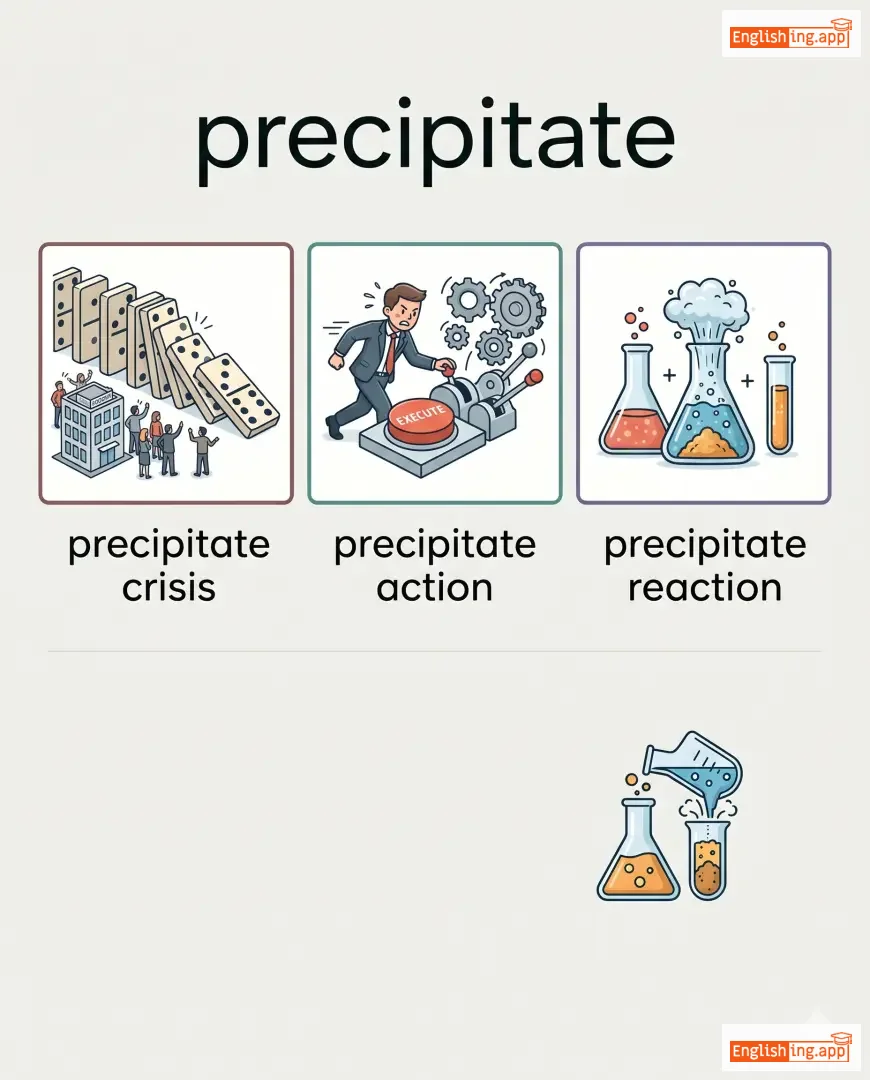
precipitate crisis, precipitate action, precipitate reaction
••••••
|
No •••••• |
|
#252
⏳
|
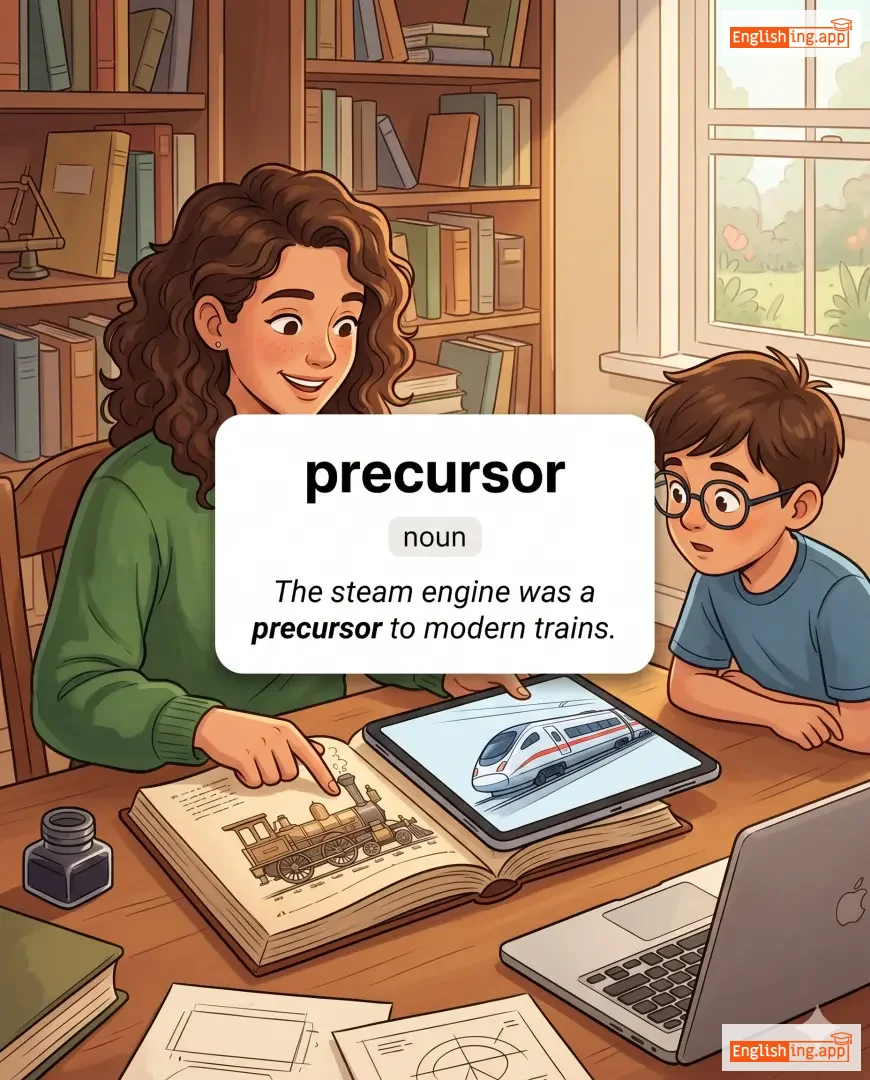
/ˈpriːˌkɜrsər/
noun
(purīkāsā)
••••••
|
|
前兆
zenchou
••••••
|
- •••••• | - •••••• | - •••••• | - •••••• |
Something or someone that comes before another and indicates the approach of something else.
••••••
|
The steam engine was a precursor to modern trains.
蒸気機関車は現代の列車の前身でした。
••••••
|
蒸気機関車は現代の列車の前兆でした。
Jouki kikansha wa gendai no ressha no zenchou deshita.
••••••
|
- •••••• | - •••••• | - •••••• |
forerunner, predecessor, harbinger, pioneer, antecedent
••••••
|
successor, follower, outcome
••••••
|
precursor to, precursor of, important precursor
••••••
|
前兆 = 前 (zen) と 兆 (chou) - 来るものの兆し。
••••••
|
|
#253
😏
|
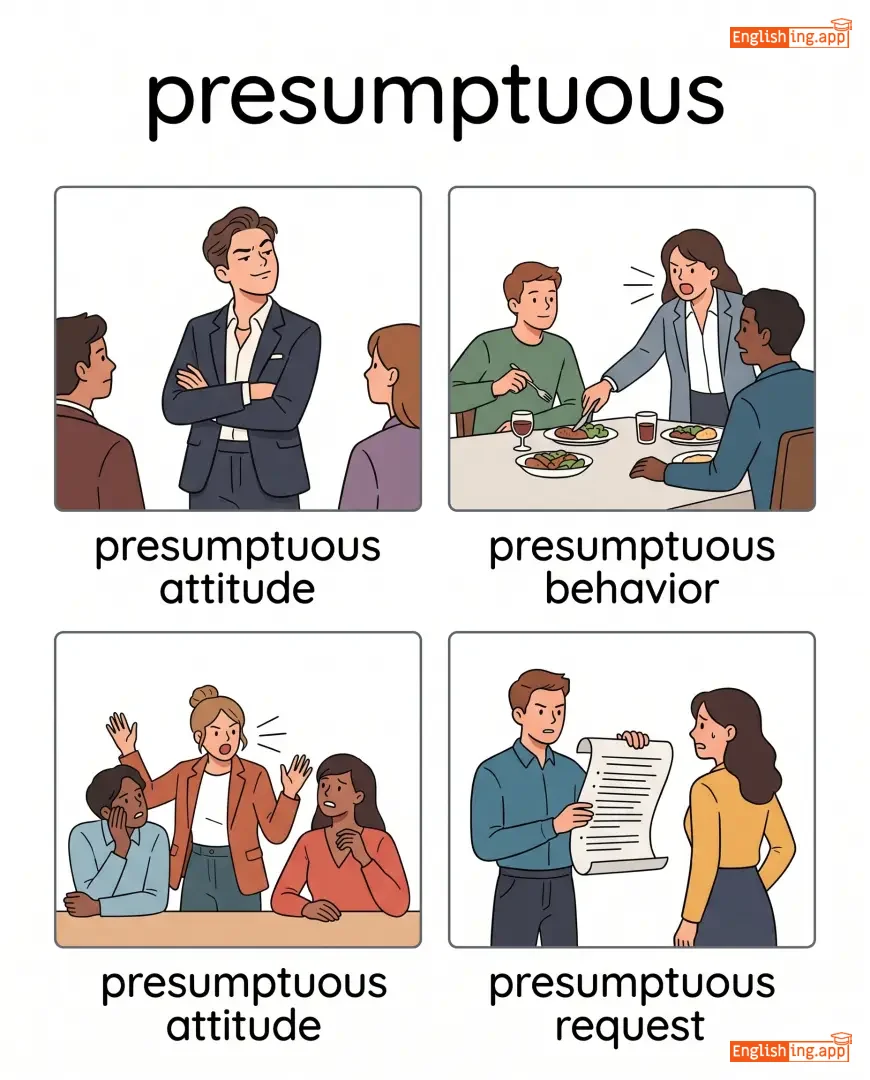
/prɪˈzʌmp.tʃu.əs/
adjective
(purizampushuasu)
••••••
|
|
生意気な
namaiki na
••••••
|
- •••••• | - •••••• | - •••••• | - •••••• |
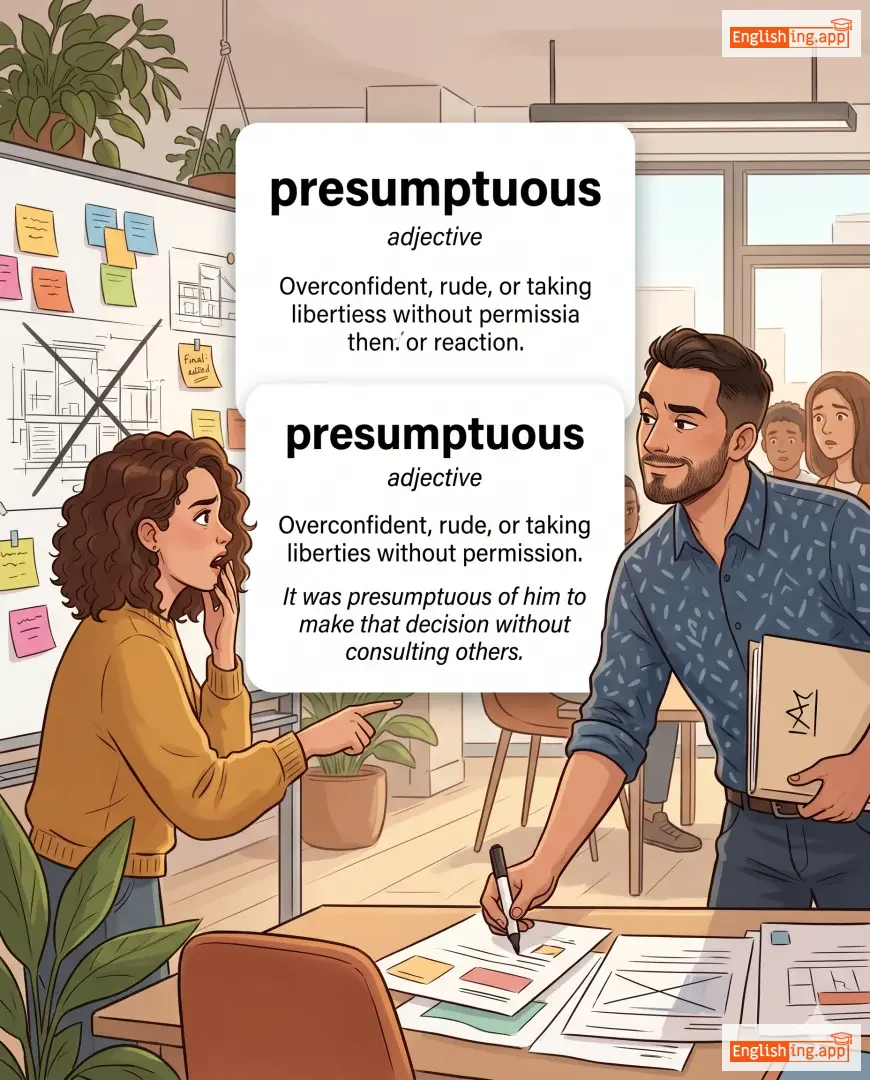
Overconfident, rude, or taking liberties without permission.
••••••
|
It was presumptuous of him to make that decision without consulting others. |
他が他の人と相談せずにその決定を下したのは生意気だった。
Kare ga hoka no hito to sōdan sezu ni sono kettei o kudashita no wa namaiki datta.
••••••
|
- •••••• | - •••••• | - •••••• |
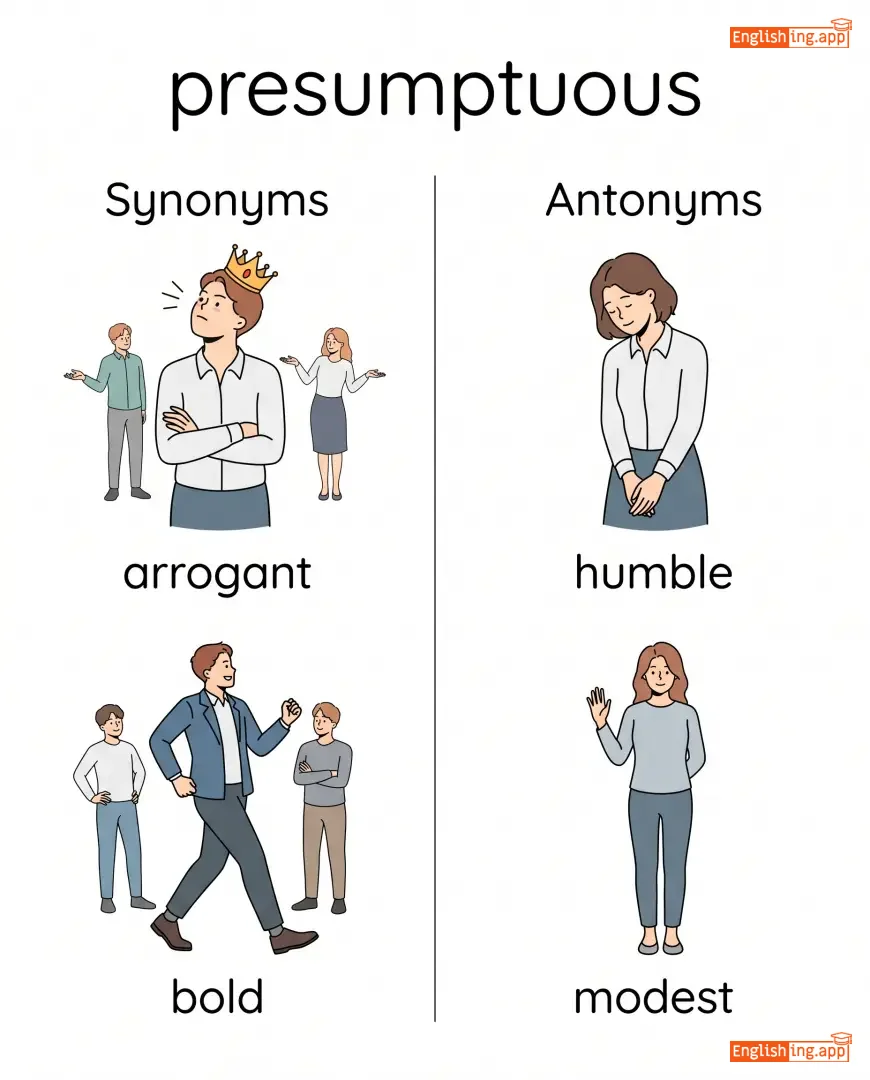
arrogant, bold, forward, overconfident
••••••
|
humble, modest
••••••
|
presumptuous attitude, presumptuous behavior, presumptuous request
••••••
|
生意気なは、許可なく何でもやってみようとする態度を示す。
••••••
|
|
#254
🤥
|
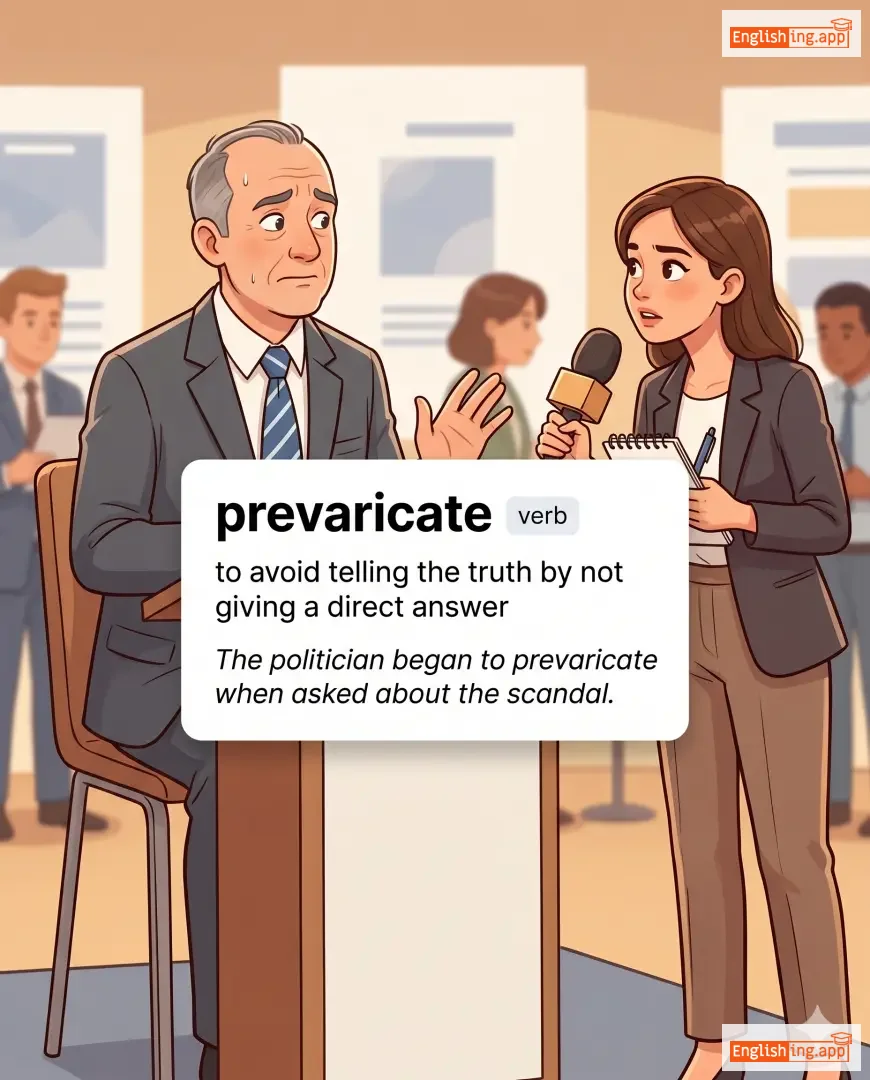
/prɪˈværɪkeɪt/
verb
••••••
|
|
- •••••• |
prevaricated
••••••
|
prevaricated
••••••
|
prevaricates
••••••
|
prevaricating
••••••
|
to avoid telling the truth by not giving a direct answer
••••••
|
The politician began to prevaricate when asked about the scandal. |
- •••••• |
beat around the bush |
to avoid talking about something directly
••••••
|
- •••••• |
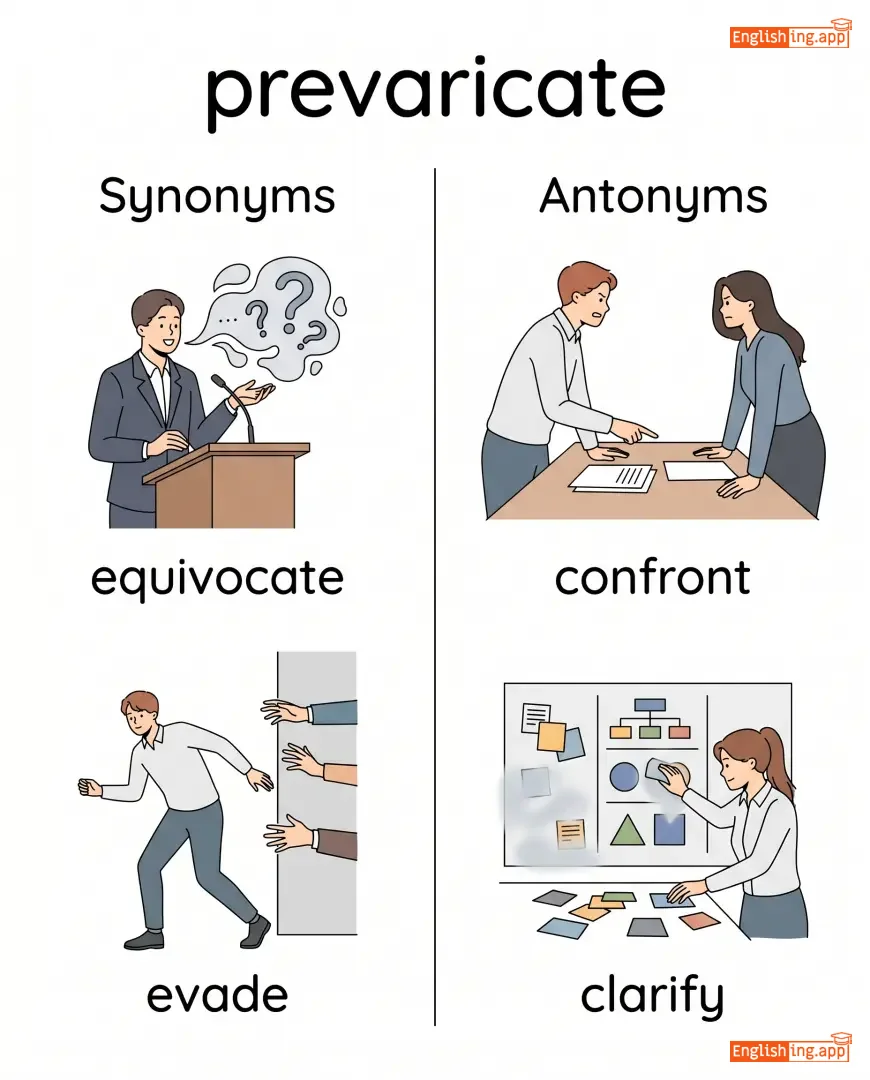
equivocate, evade, mislead, hedge, waffle
••••••
|
confront, clarify, admit
••••••
|
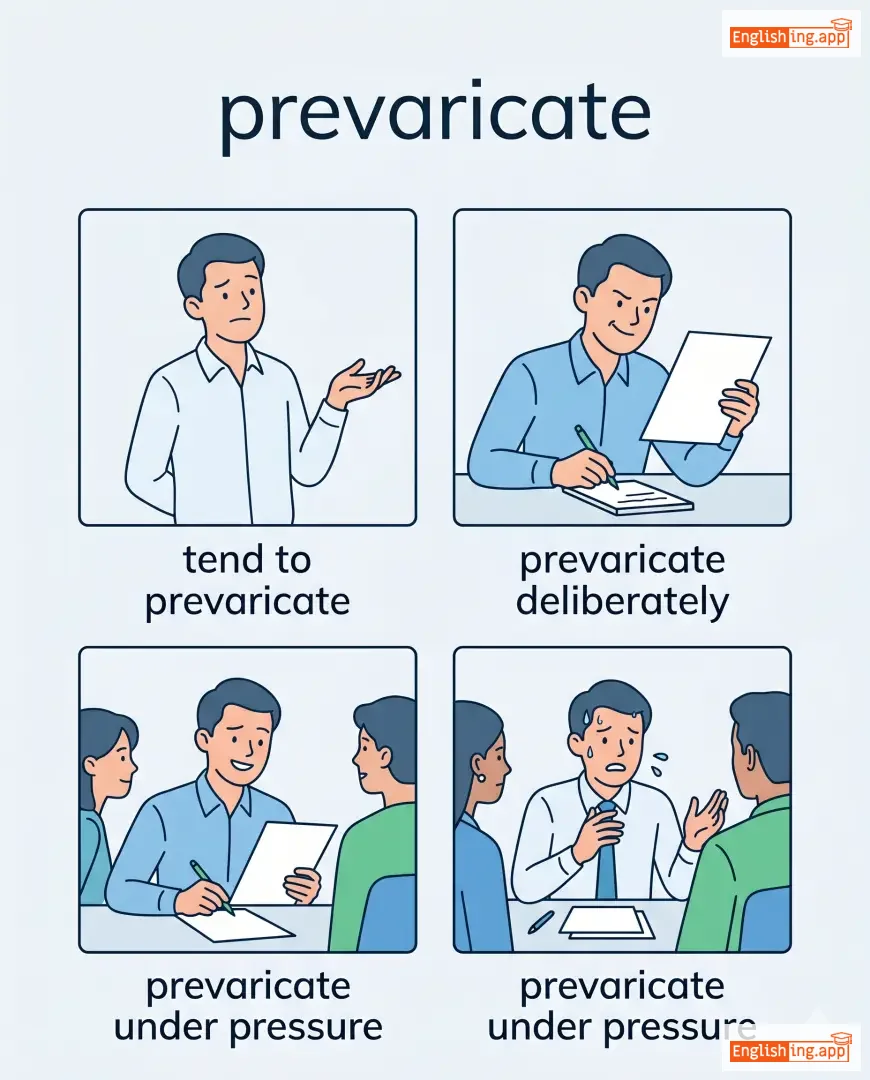
tend to prevaricate, prevaricate deliberately, prevaricate under pressure
••••••
|
No •••••• |
|
#255
🌿
|
/ˈprɪstiːn/
adjective
••••••
|
|
- •••••• | - •••••• | - •••••• | - •••••• | - •••••• |
In its original condition; unspoiled, clean, and fresh.
••••••
|
The hikers were amazed by the pristine beauty of the untouched forest. |
- •••••• |
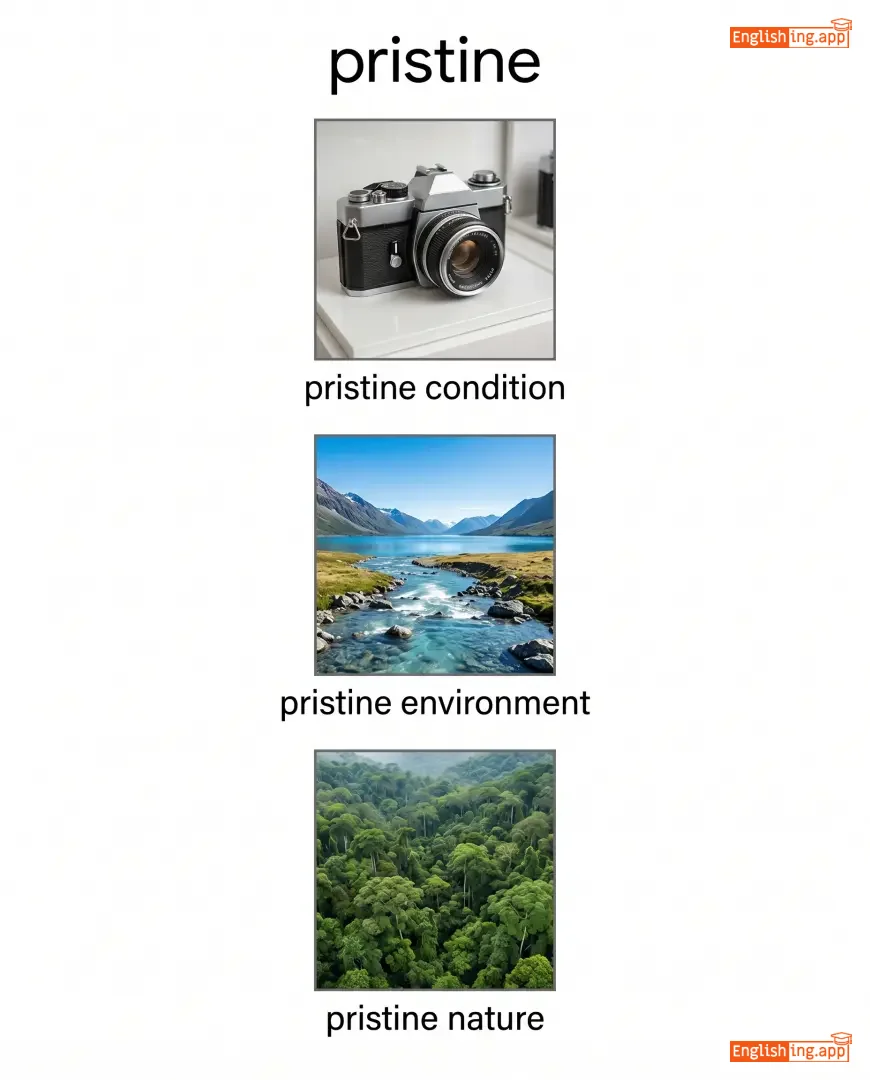
pristine condition |
Something that is perfectly clean, undamaged, or in its original state.
••••••
|
- •••••• |
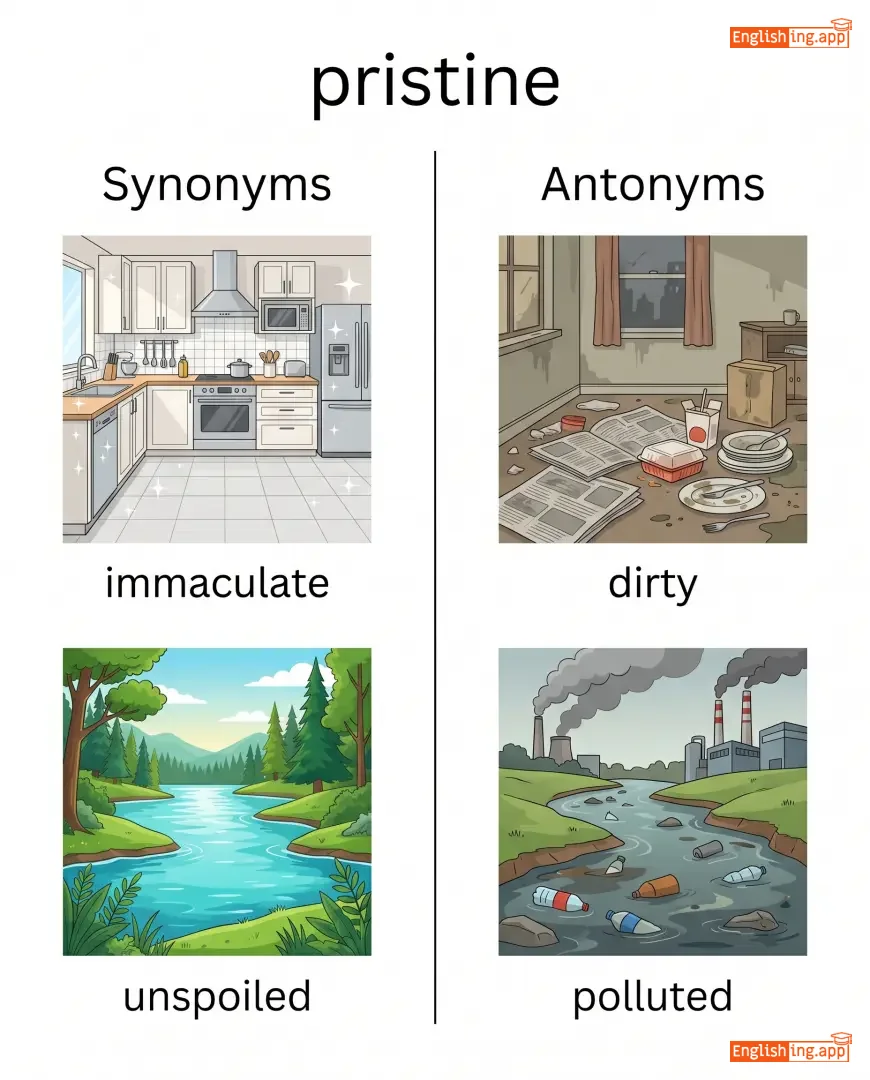
immaculate, unspoiled, untouched, pure, fresh
••••••
|
dirty, polluted, spoiled
••••••
|
pristine condition, pristine environment, pristine nature, pristine forest
••••••
|
No •••••• |
|
#256
⚖️
|
/ˈproʊbɪti/
noun
(purobitī)
••••••
|
|
誠実
seijitsu
••••••
|
- •••••• | - •••••• | - •••••• | - •••••• |
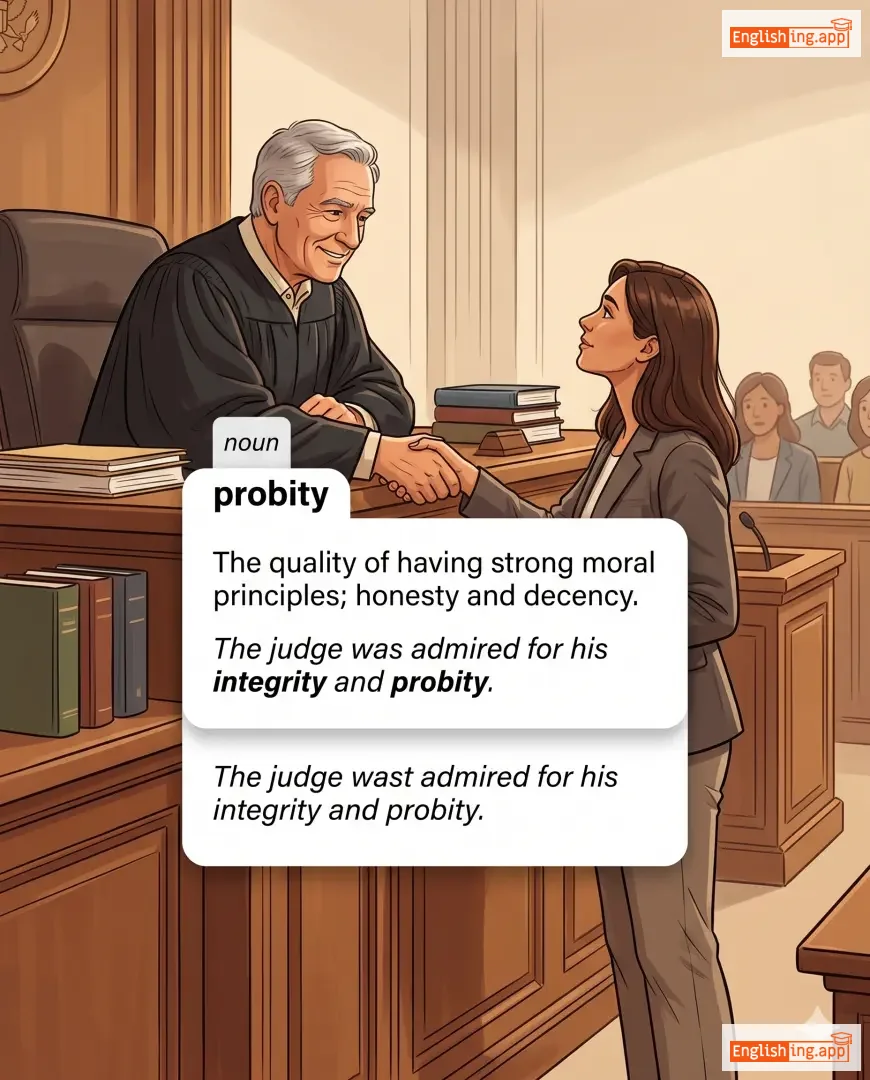
The quality of having strong moral principles; honesty and decency.
••••••
|
The judge was admired for his integrity and probity.
その裁判官は、誠実さと正直さで賞賛されました。
••••••
|
その裁判官は、誠実さと正直さで賞賛されました。
Sono saiban-kan wa, seijitsusa to shōjitsusa de shōsan saremashita.
••••••
|
- •••••• | - •••••• | - •••••• |
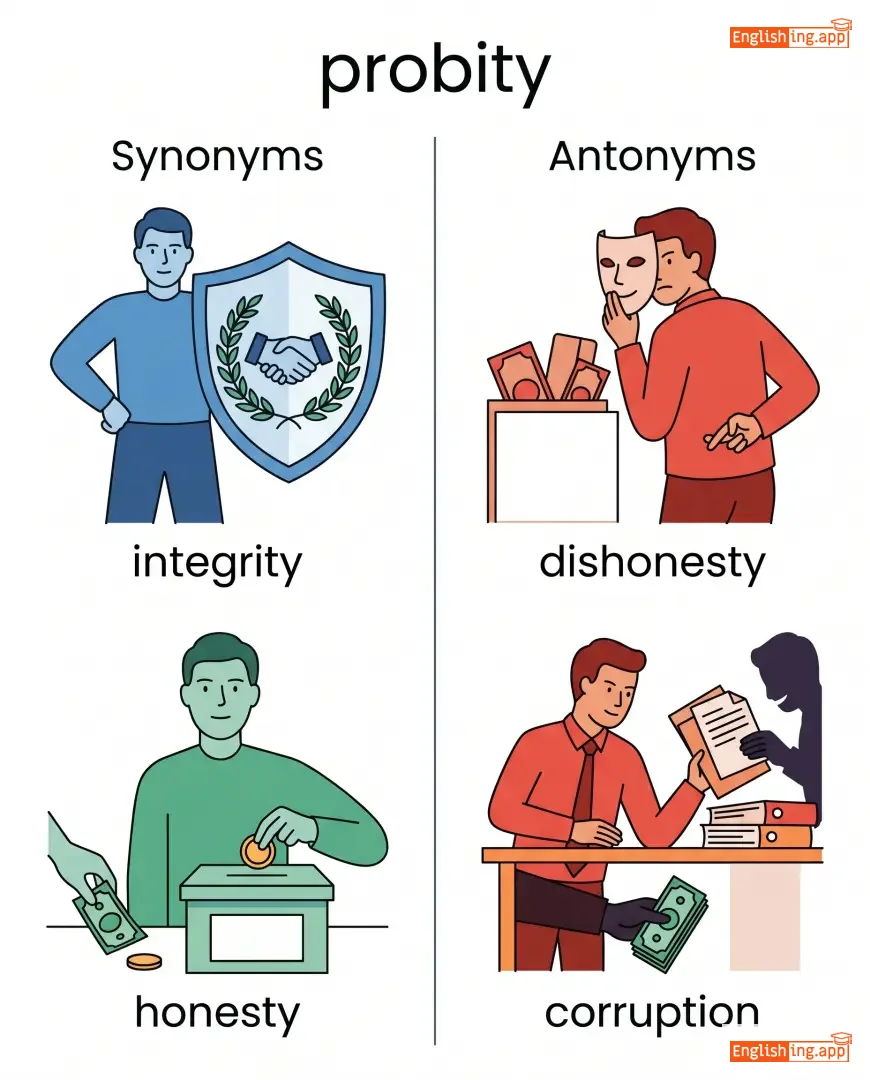
integrity, honesty, uprightness, morality, rectitude
••••••
|
dishonesty, corruption, immorality
••••••
|
probity in public life, professional probity, integrity and probity, probity standards
••••••
|
Probity = PROper + 誠実 - プロパー誠実とは誠実な人を意味します。
••••••
|
|
#257
⚠️
|
/ˌprɒb.ləˈmæt.ɪk/
adjective
(プロブレマティック)
••••••
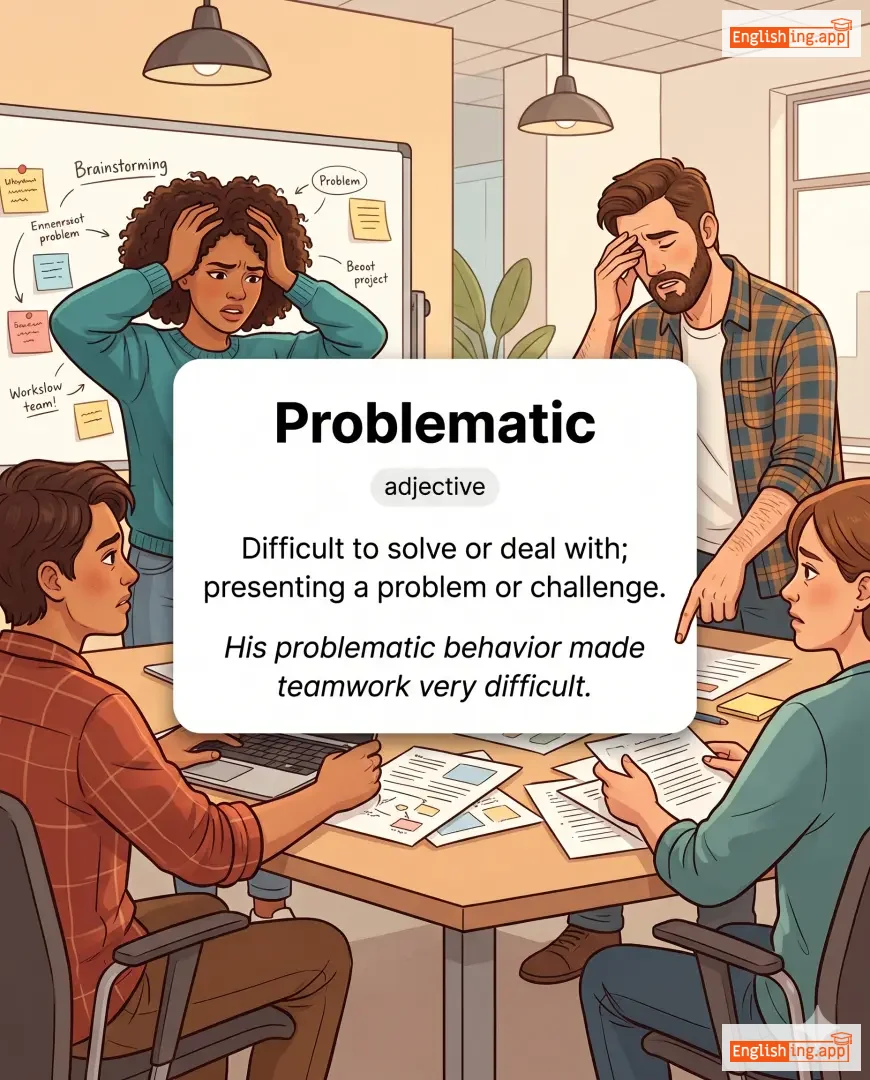
|
|
問題のある; 問題を引き起こす
mondai no aru; mondai o hikiokosu
••••••
|
- •••••• | - •••••• | - •••••• | - •••••• |
causing problems; troublesome; difficult to deal with
••••••
|
The new policy changes are problematic and need to be reviewed.
新しい政策変更は問題があり、再評価する必要があります。
••••••
|
新しい政策変更は問題があり、再評価する必要があります。
Atarashii seisaku henkou wa mondai ga ari, saihyouka suru hitsuyou ga arimasu.
••••••
|
- •••••• | - •••••• | - •••••• |
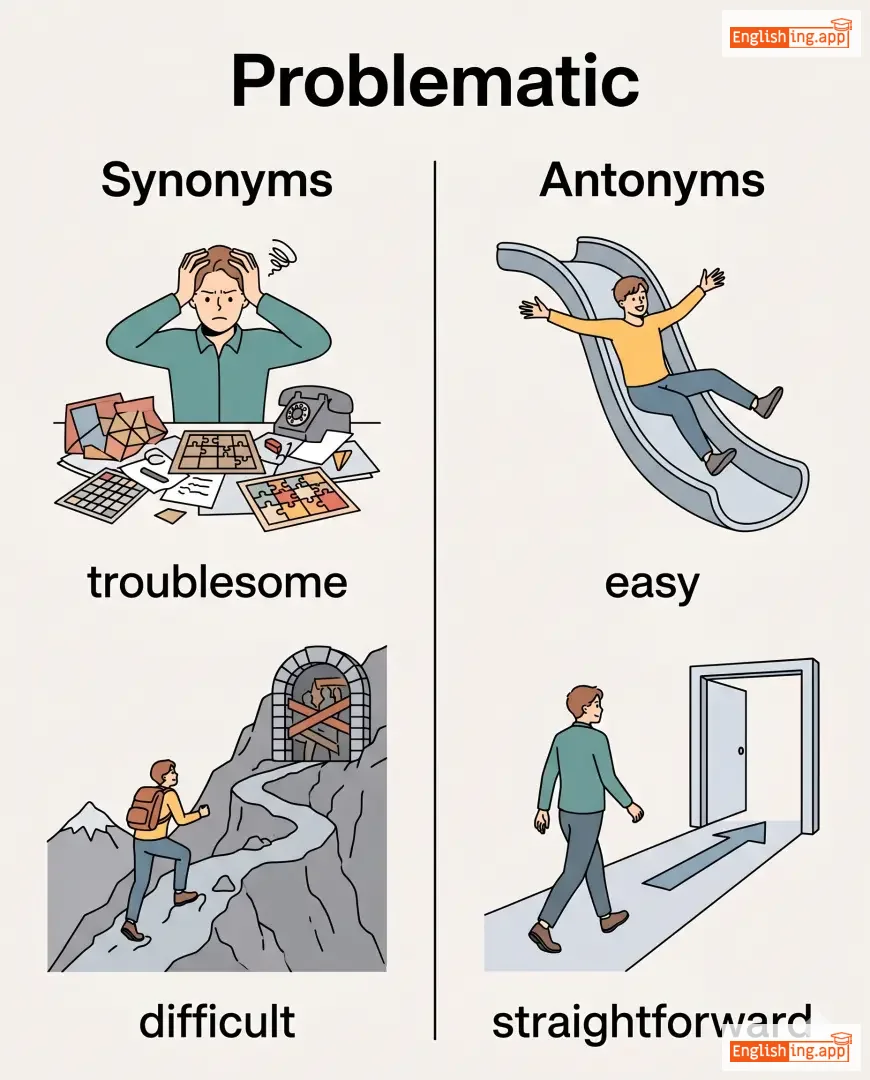
troublesome, difficult, challenging, questionable
••••••
|
unproblematic, easy, simple, straightforward
••••••
|
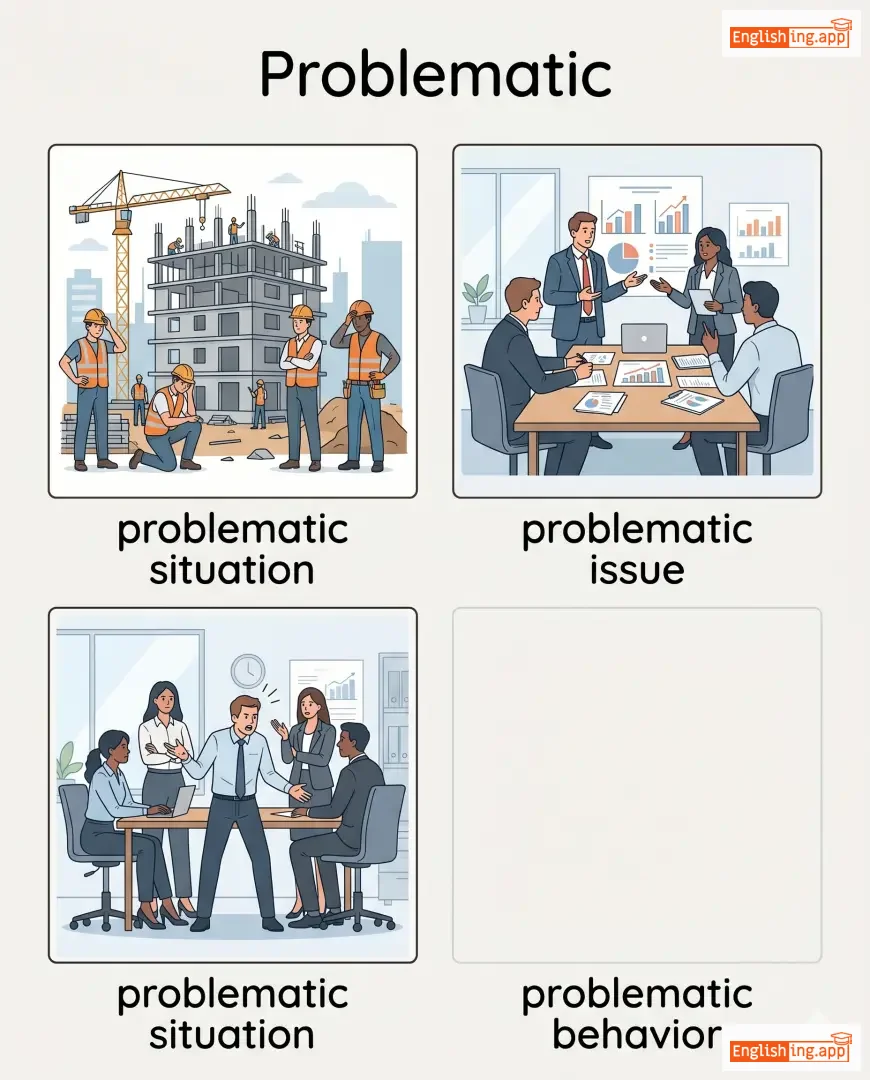
problematic situation, problematic behavior, highly problematic, potentially problematic
••••••
|
問題 (mondai) + の (no) = 問題のある (mondai no aru)
••••••
|
|
#258
💸
|
/ˈprɒdɪɡəl/
adjective
(プロディガル)
••••••
|
|
浪費家
rōhika
••••••
|
- •••••• | - •••••• | - •••••• | - •••••• |
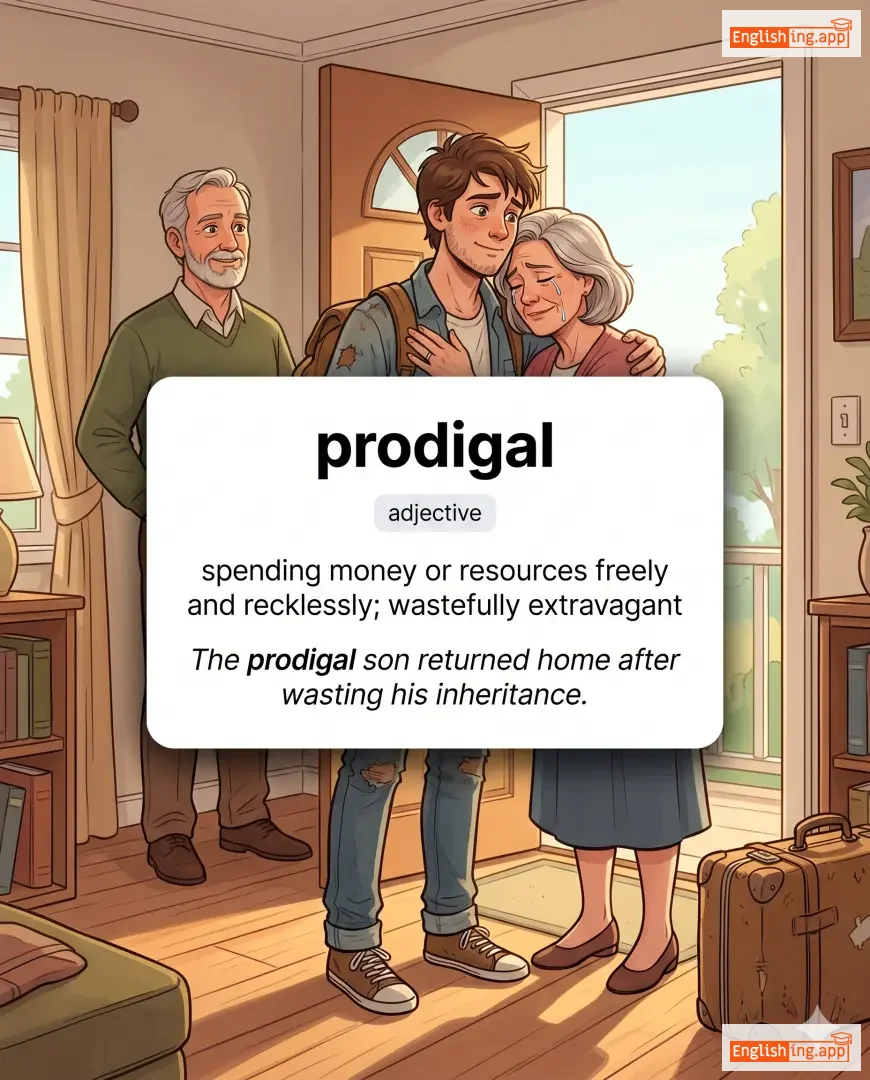
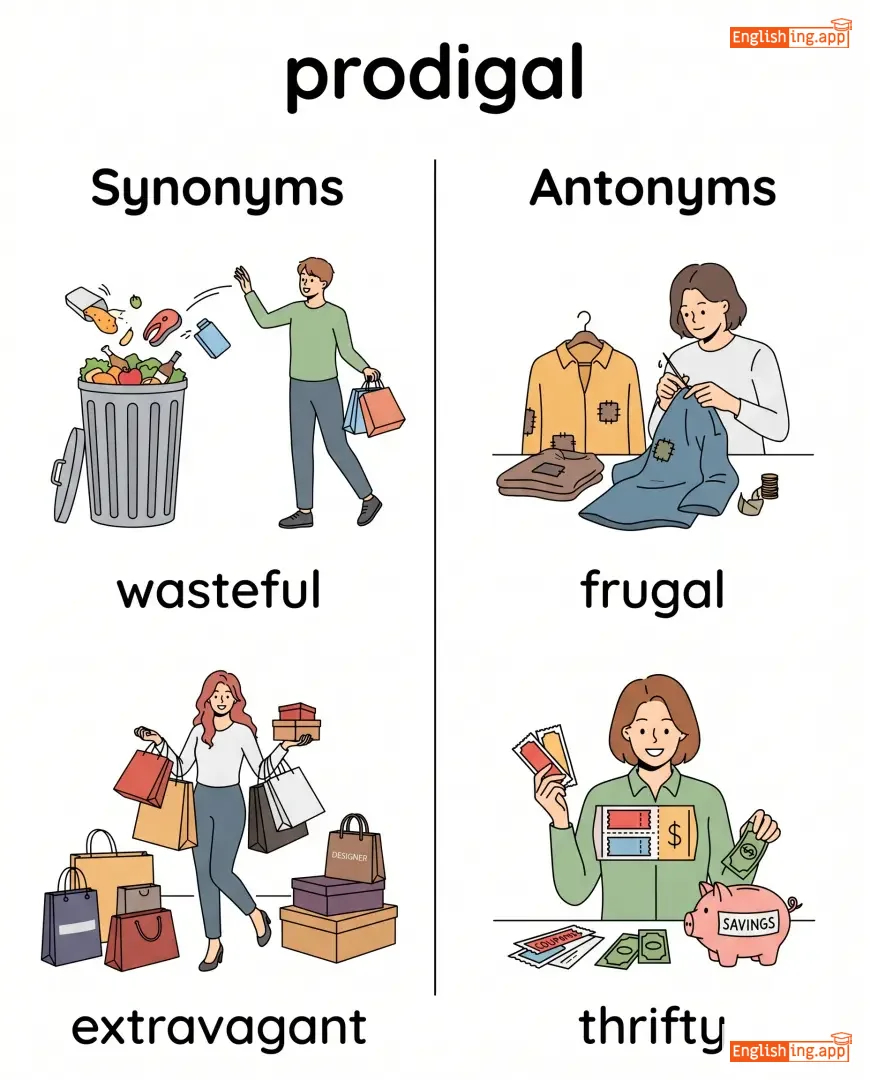
spending money or resources freely and recklessly; wastefully extravagant
••••••
|
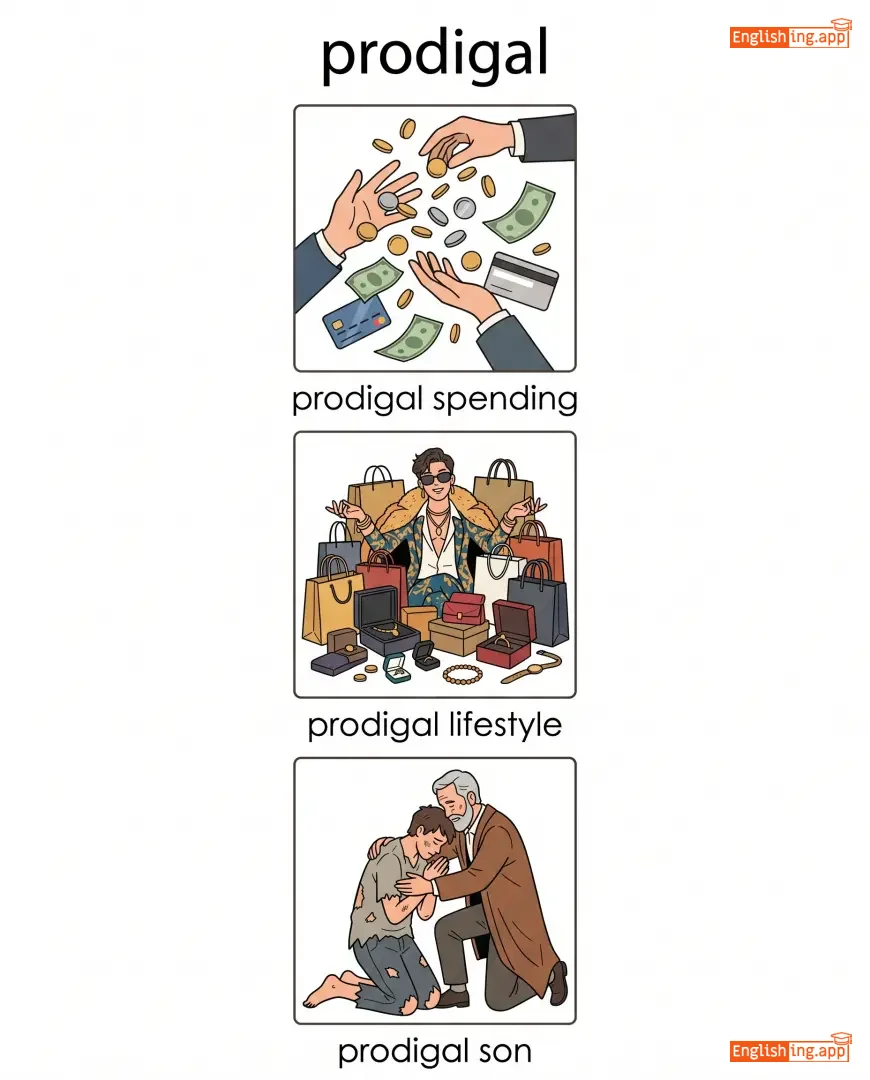
The prodigal son returned home after wasting his inheritance. |
浪費家の息子は、遺産を浪費した後、家に帰りました。
Rōhika no musuko wa, isan o rōhi shita ato, ie ni kaerimashita.
••••••
|
prodigal son |
a person who leaves home and behaves recklessly but later returns, repentant
••••••
|
浪費家の息子
rōhika no musuko
••••••
|
wasteful, extravagant, lavish, reckless
••••••
|
frugal, thrifty, economical
••••••
|
prodigal spending, prodigal lifestyle, prodigal son
••••••
|
浪費家、すべてを使い果たして悔い改めて帰る。
••••••
|
|
#259
🧠
|
/prəˈfaʊnd/
adjective
(プロファウンド)
••••••
|
|
深遠
shinen
••••••
|
- •••••• | - •••••• | - •••••• | - •••••• |
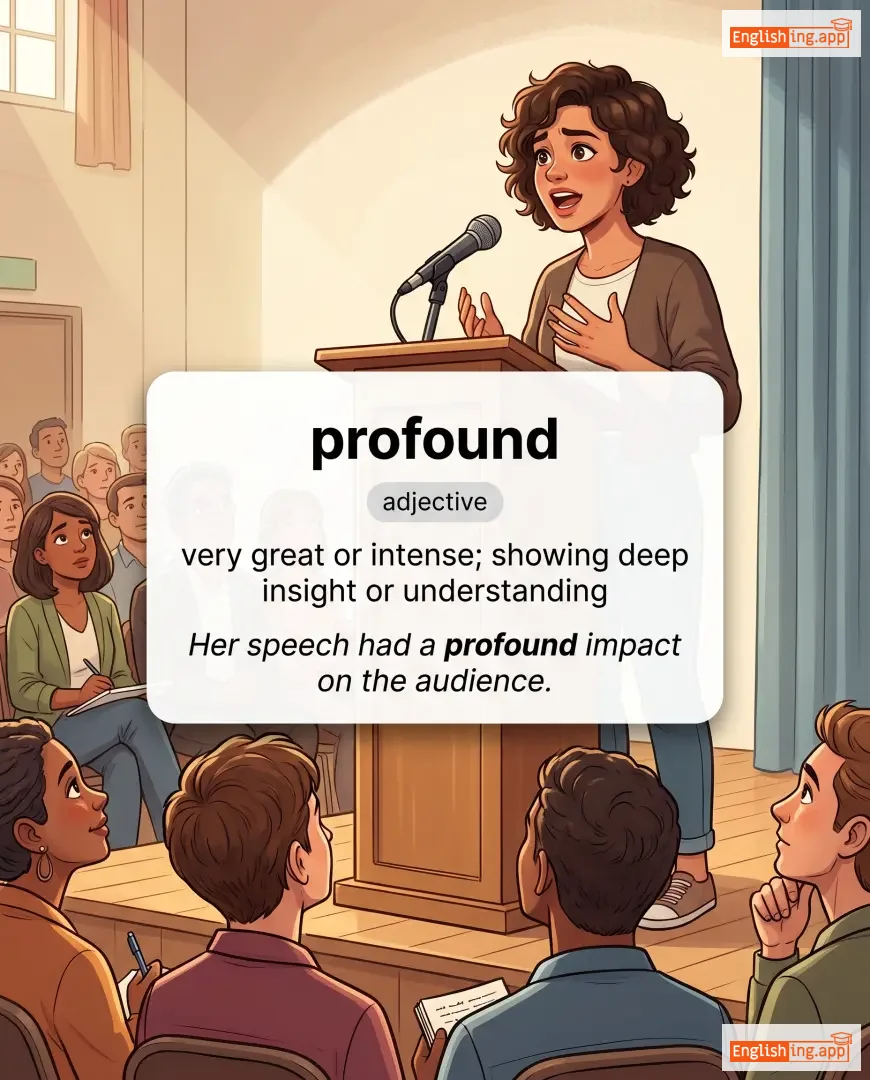
very great or intense; showing deep insight or understanding
••••••
|
Her speech had a profound impact on the audience. |
彼女のスピーチは観客に深い影響を与えました。
Kanojo no supīchi wa kankyaku ni fukai eikyō o ataemashita.
••••••
|
- •••••• | - •••••• | - •••••• |
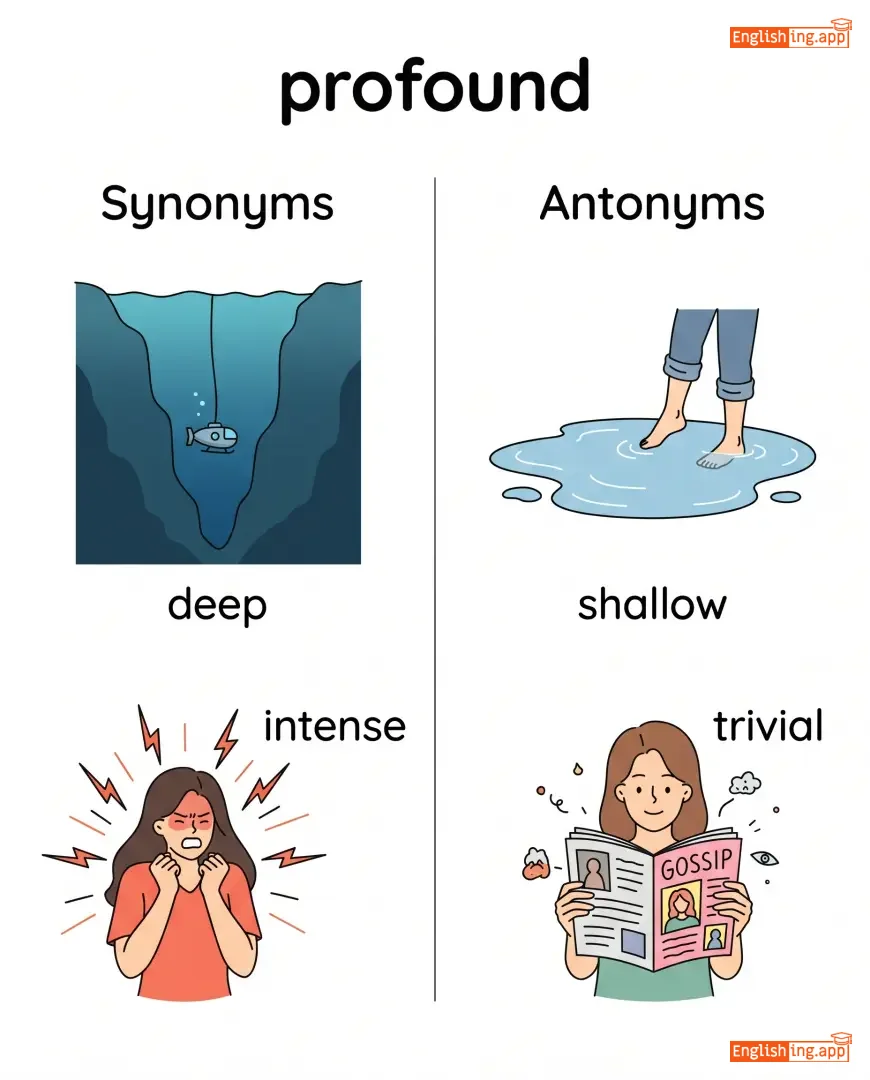
deep, intense, thoughtful, insightful, weighty
••••••
|
shallow, trivial, superficial
••••••
|
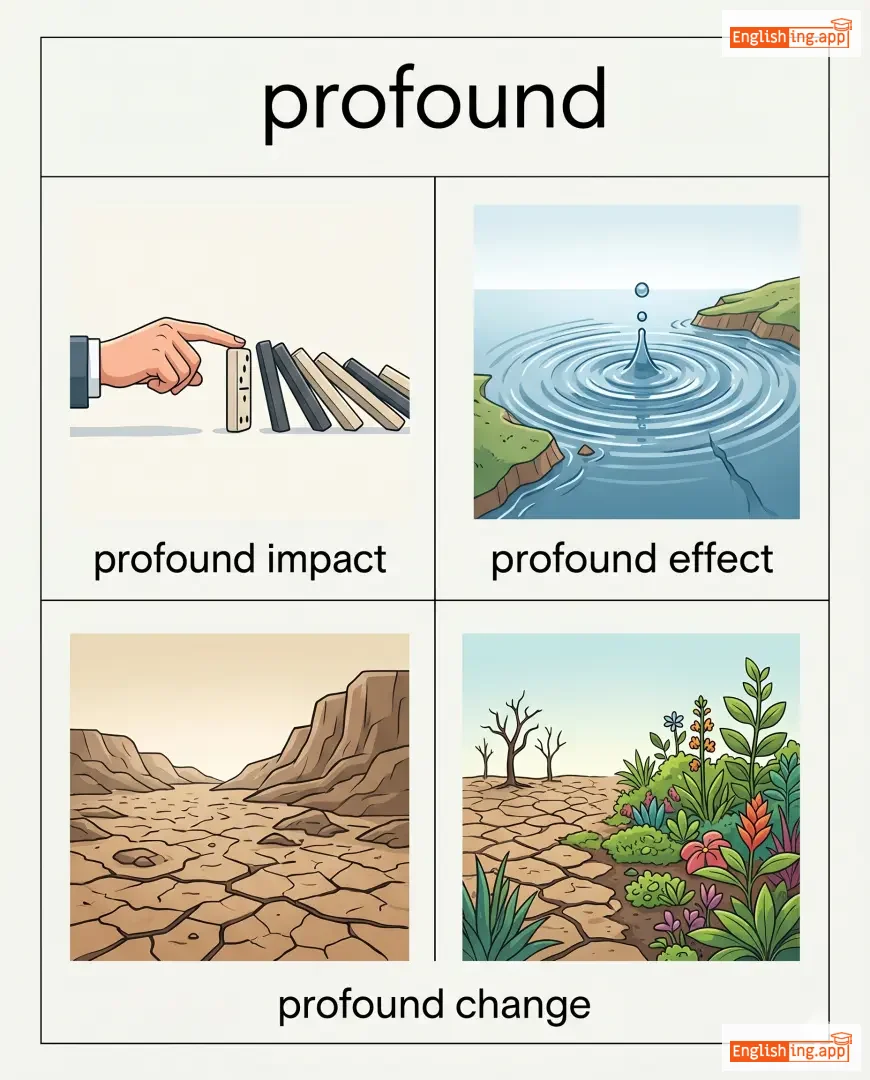
profound impact, profound effect, profound change, profound insight, profound silence
••••••
|
深遠、海のように深く、いつまでも続く。
••••••
|
|
#260
💸
|
/prəˈhɪbɪtɪv/
adjective
(プロヒビティブ)
••••••
|
|
禁止するような高い
kinshi suru yō na takai
••••••
|
- •••••• | - •••••• | - •••••• | - •••••• |
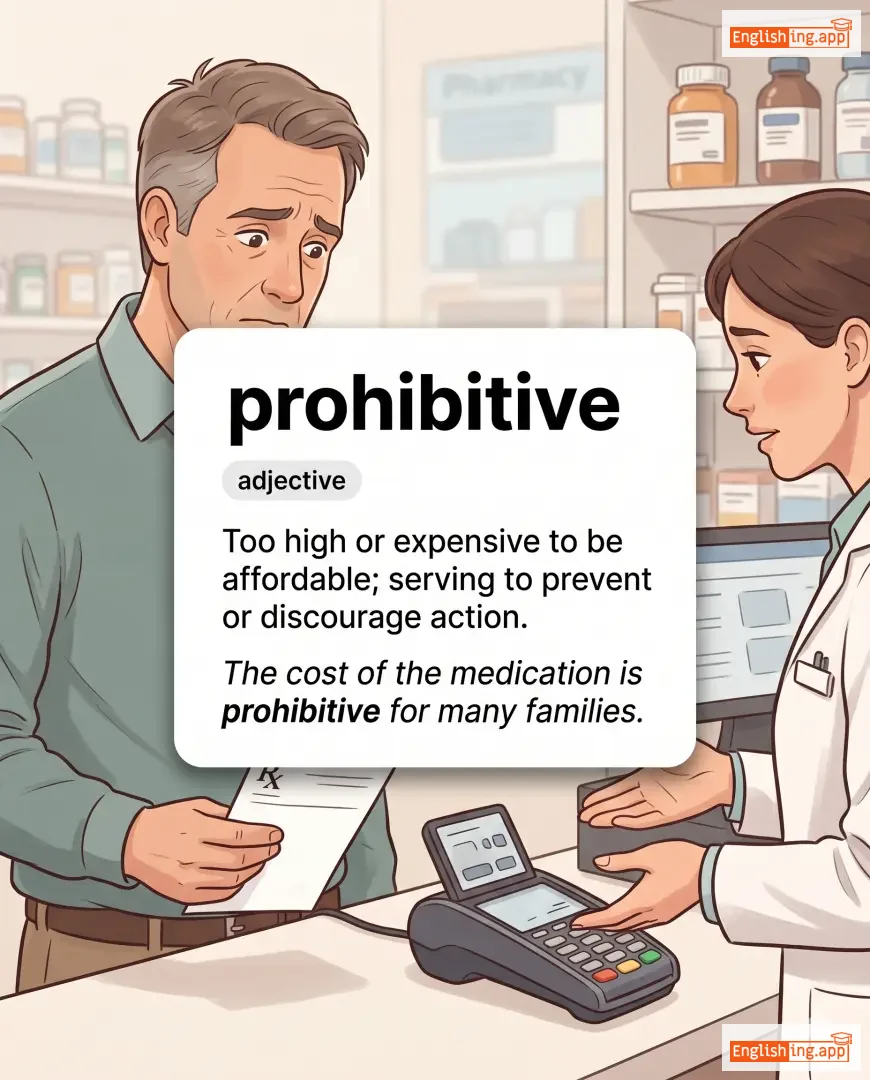
Too high or expensive to be affordable; serving to prevent or discourage action.
••••••
|
The cost of the medication is prohibitive for many families. |
その薬の費用は多くの家族にとって高すぎる。
Sono kusuri no hiyō wa ōku no kazoku ni totte takasugiru.
••••••
|
- •••••• | - •••••• | - •••••• |
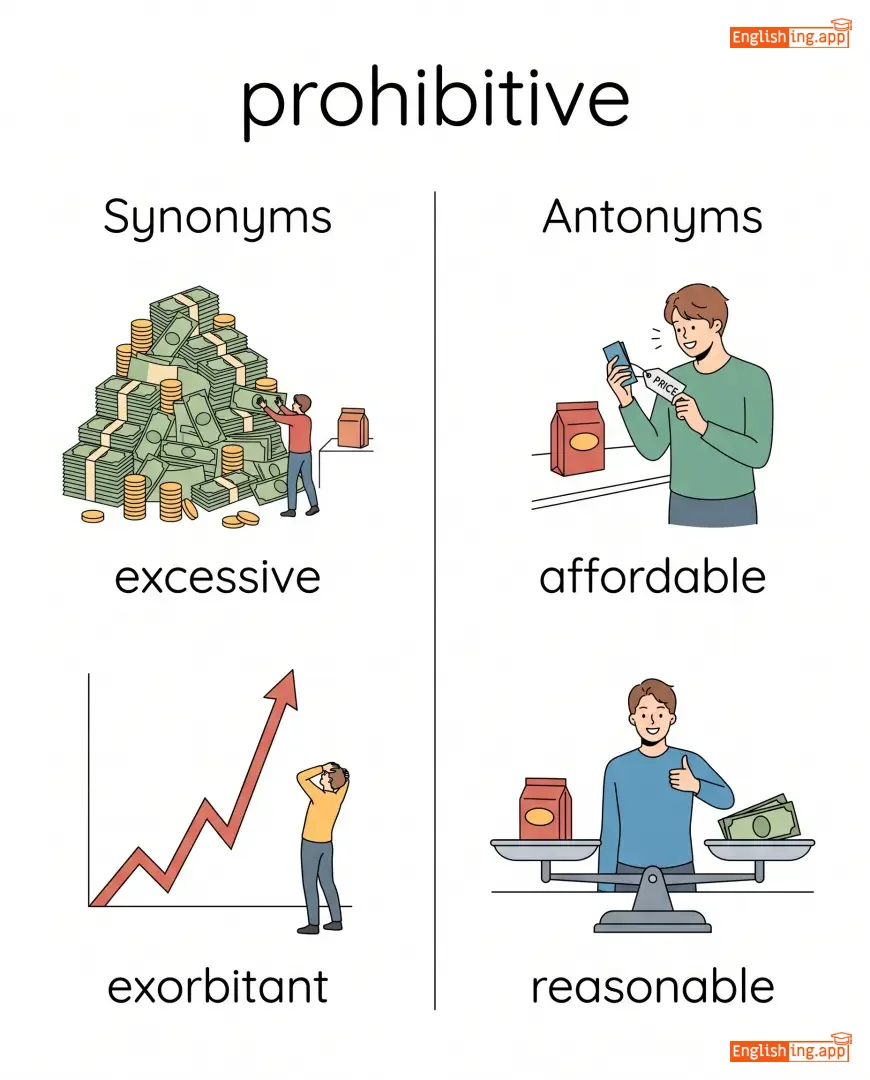
excessive, exorbitant, restrictive, expensive
••••••
|
affordable, reasonable, cheap
••••••
|
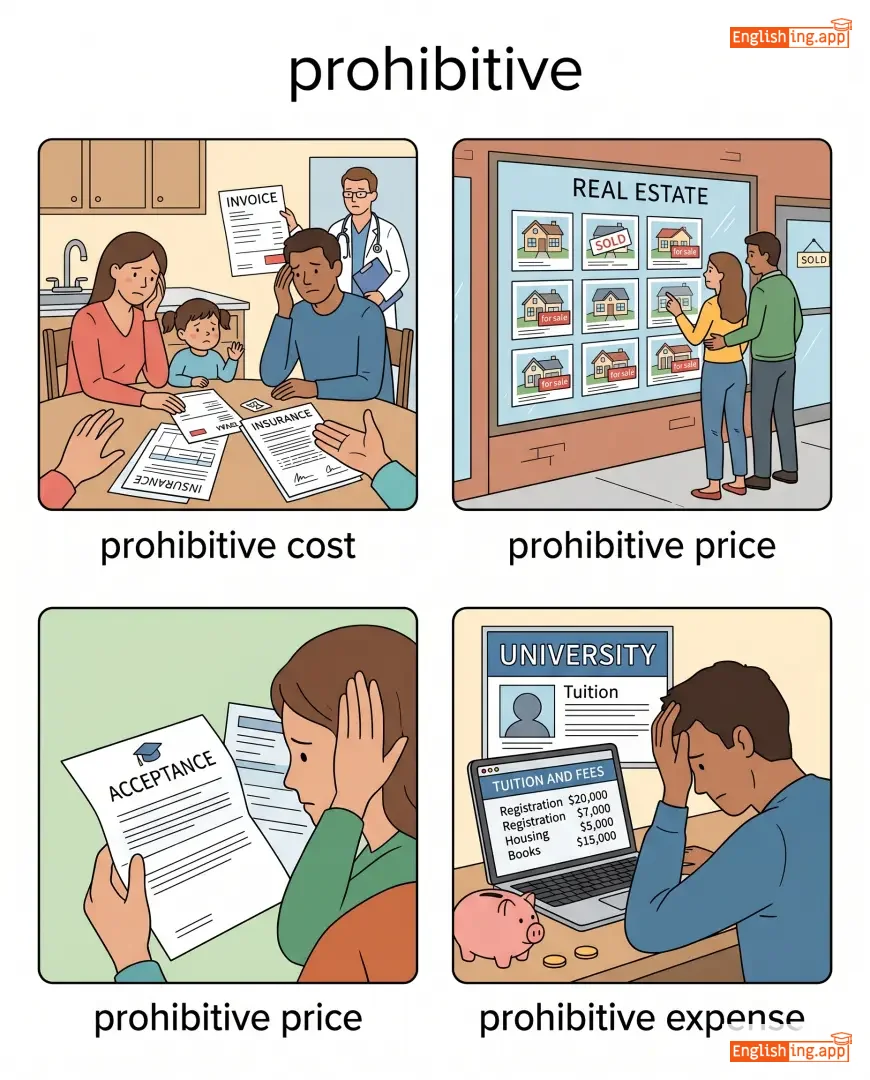
prohibitive cost, prohibitive price, prohibitive expense
••••••
|
Prohibitiveは、買えないほど高いことを意味します。
••••••
|
|
#261
🌱
|
/prəˈlɪfəreɪt/
verb
(プロリフェレート)
••••••
|
|
拡大する
kakudai suru
••••••
|
proliferated
プロリフェレーテッド
••••••
|
proliferated
プロリフェレーテッド
••••••
|
proliferates
プロリフェレーツ
••••••
|
proliferating
プロリフェレーティング
••••••
|
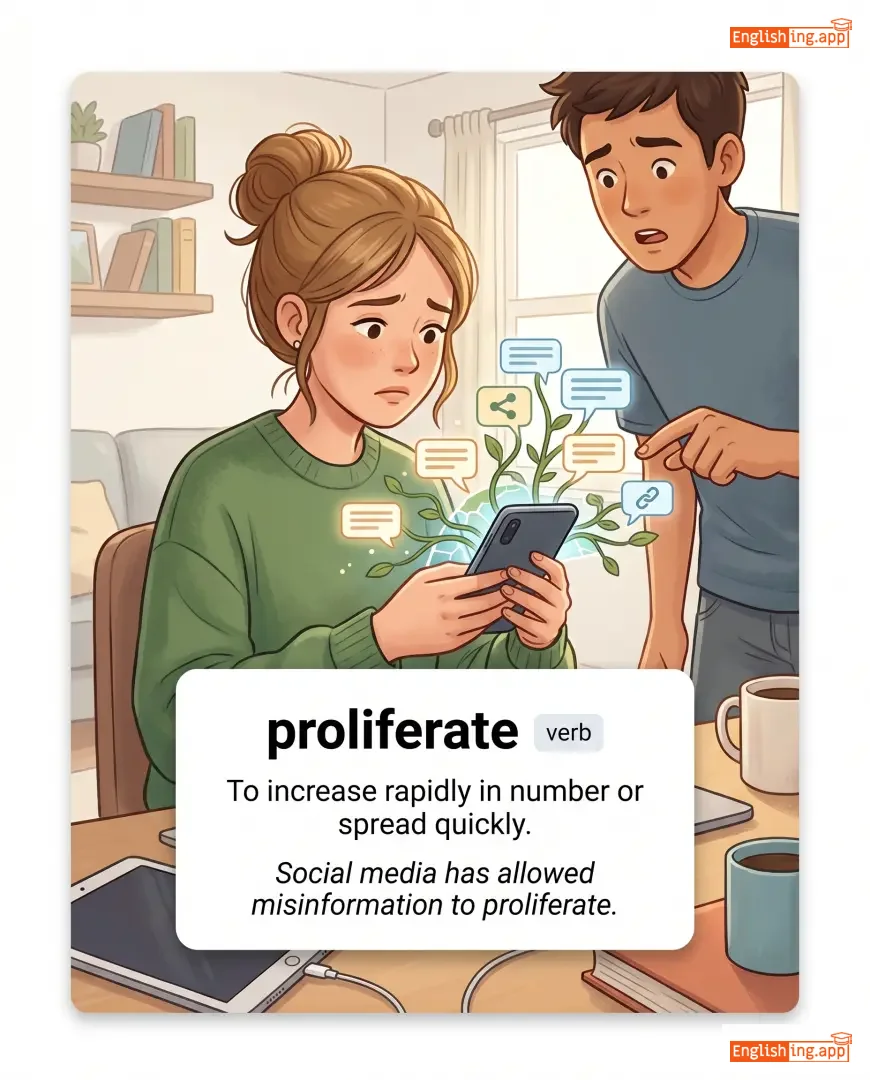
To increase rapidly in number or spread quickly.
••••••
|
Social media has allowed misinformation to proliferate.
ソーシャルメディアは、誤った情報を急速に広めることを可能にしました。
••••••
|
ソーシャルメディアは、誤った情報を急速に広めることを可能にしました。
Sōsharu media wa, ayamatta jōhō o kyūsoku ni hiromeru koto o kanō ni shimashita.
••••••
|
- •••••• | - •••••• | - •••••• |
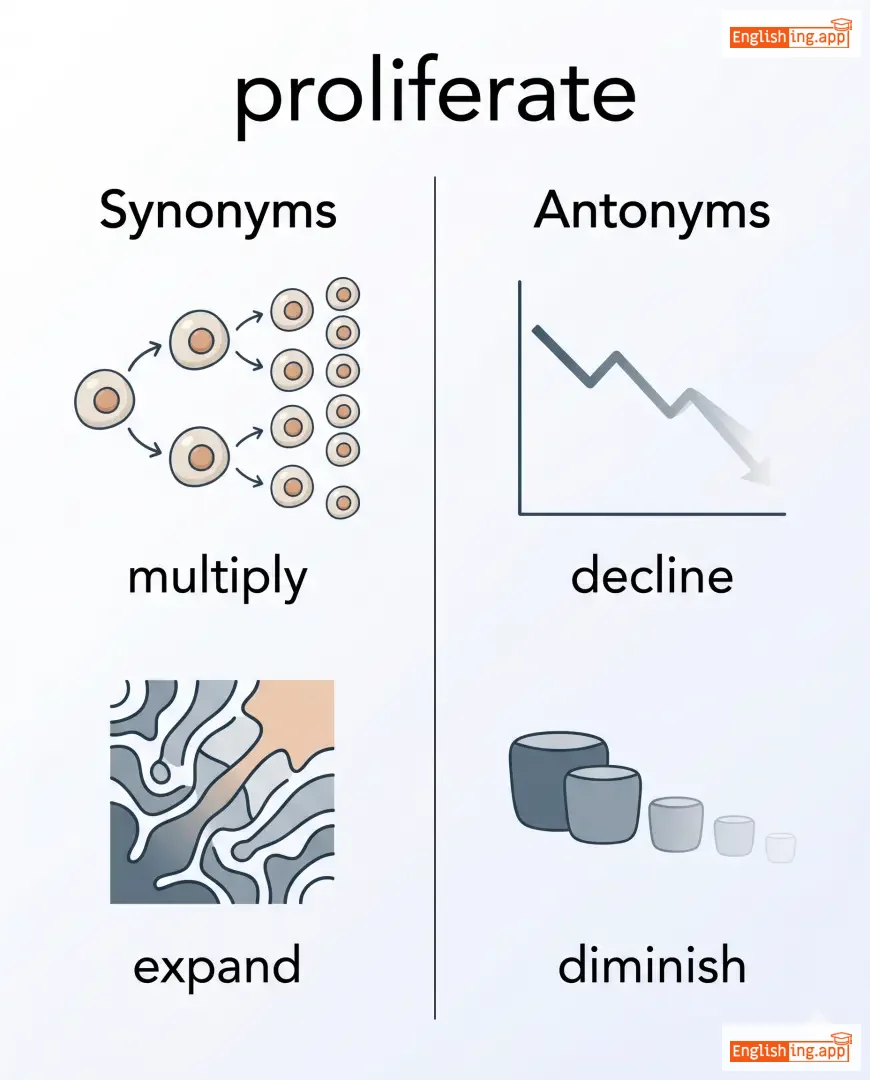
multiply, expand, grow, spread, escalate
••••••
|
decline, diminish, shrink
••••••
|
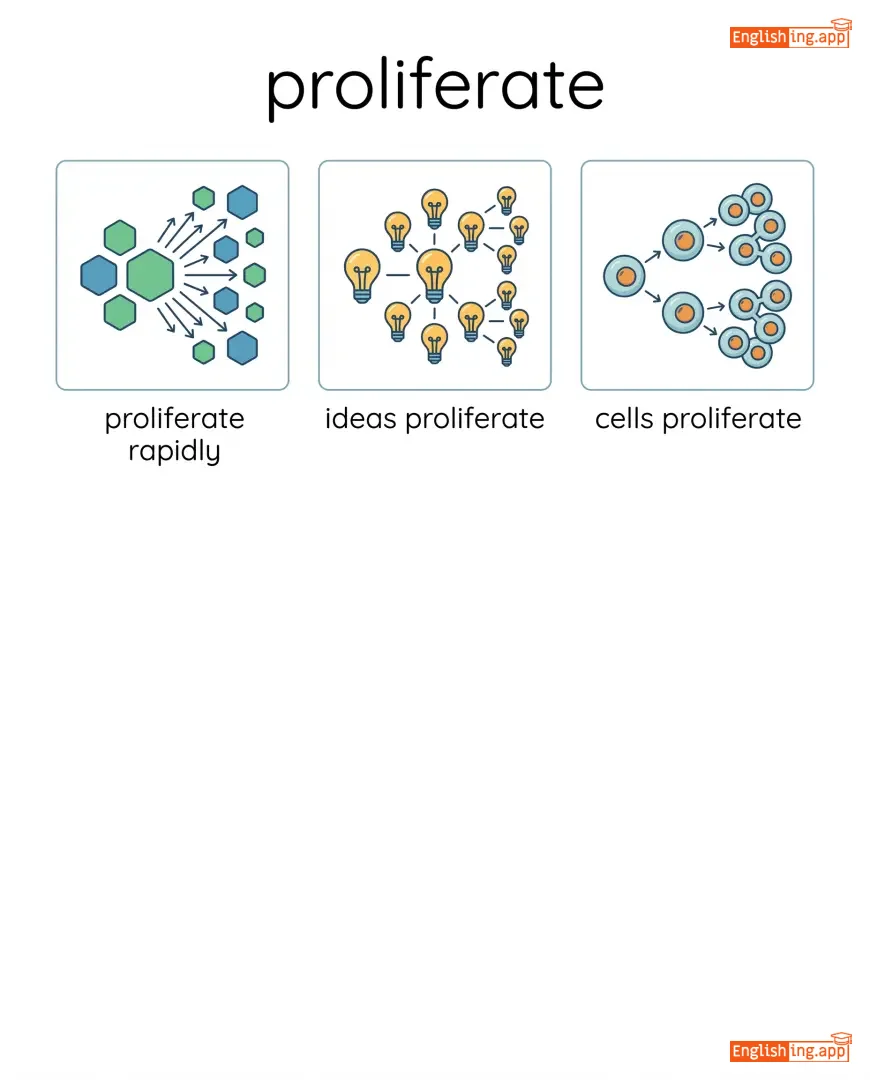
proliferate rapidly, ideas proliferate, cells proliferate
••••••
|
Proliferate は日本語で葉が急速に広がることに似ています。
••••••
|
|
#262
🎯
|
/prəˈpɛnsəti/
noun
(プロペンシティ)
••••••
|
|
傾向
keikou
••••••
|
- •••••• | - •••••• | - •••••• | - •••••• |
a natural tendency or inclination to behave in a particular way
••••••
|
She has a propensity to trust people too easily.
彼女は人々をあまりにも簡単に信じる傾向がある。
••••••
|
彼女は人々をあまりにも簡単に信じる傾向がある。
Kanojo wa hitobito o amari ni mo kantan ni shinjiru keikou ga aru.
••••••
|
- •••••• | - •••••• | - •••••• |
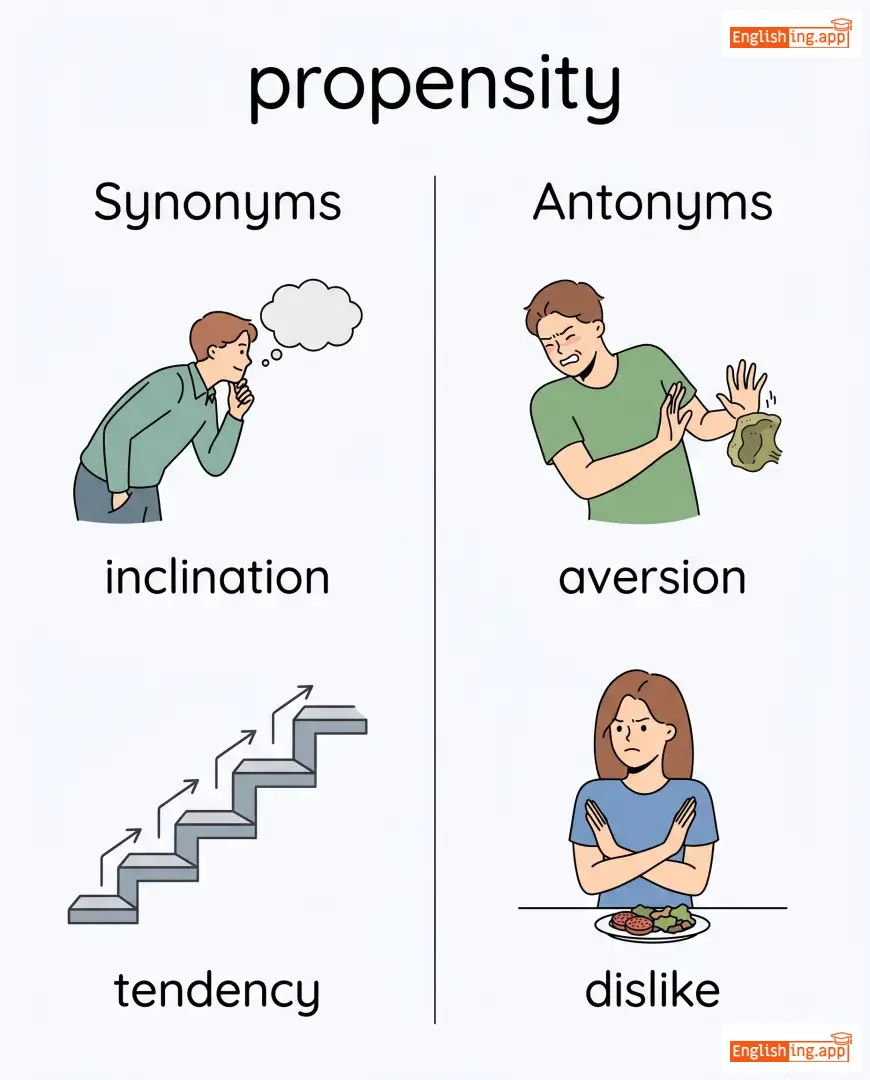
inclination, tendency, predisposition, leaning, proclivity
••••••
|
aversion, dislike, disinclination
••••••
|
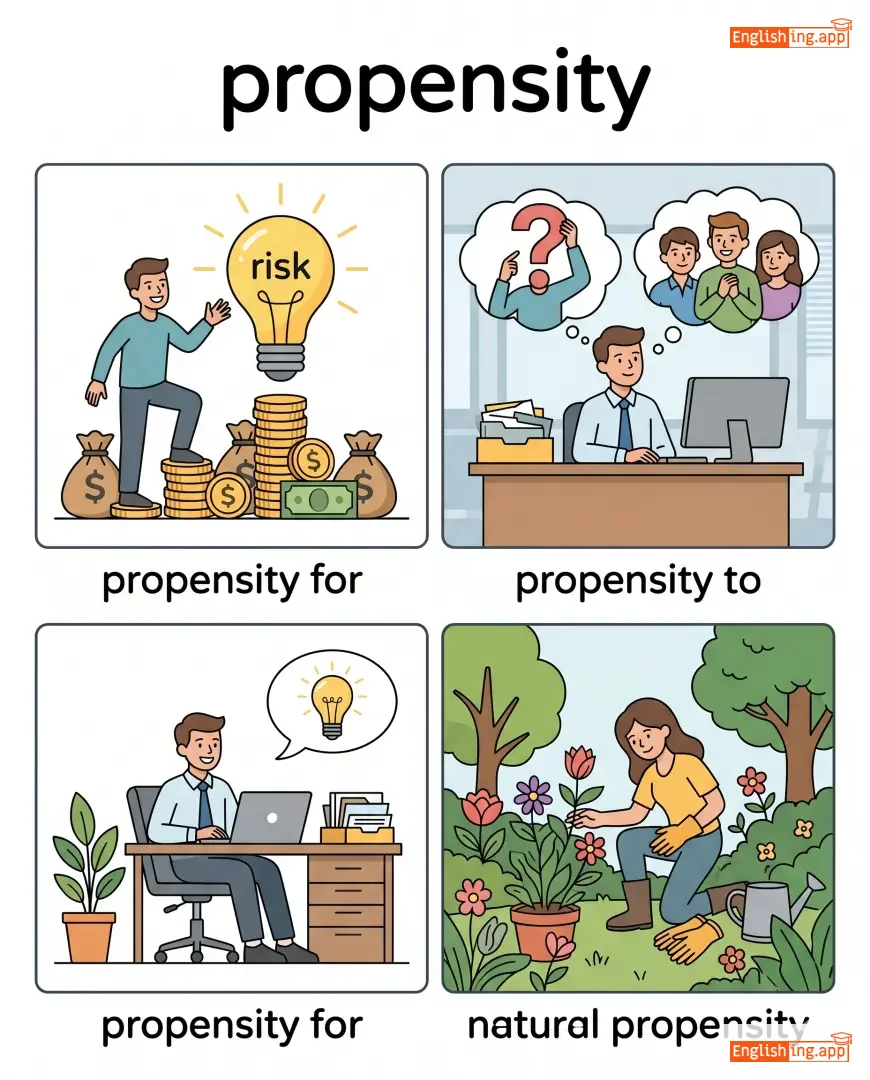
propensity for, propensity to, natural propensity, strong propensity
••••••
|
Propensity は傾向を意味します。'傾向' は自然な傾向を覚えてください。
••••••
|
|
#263
🎁
|
/prəˈpɪʃieɪt/
verb
(プロピシエイト)
••••••
|
|
なだめる
nadameru
••••••
|
propitiated
プロピシエイテッド
••••••
|
propitiated
プロピシエイテッド
••••••
|
propitiates
プロピシエイツ
••••••
|
propitiating
プロピシエイティング
••••••
|
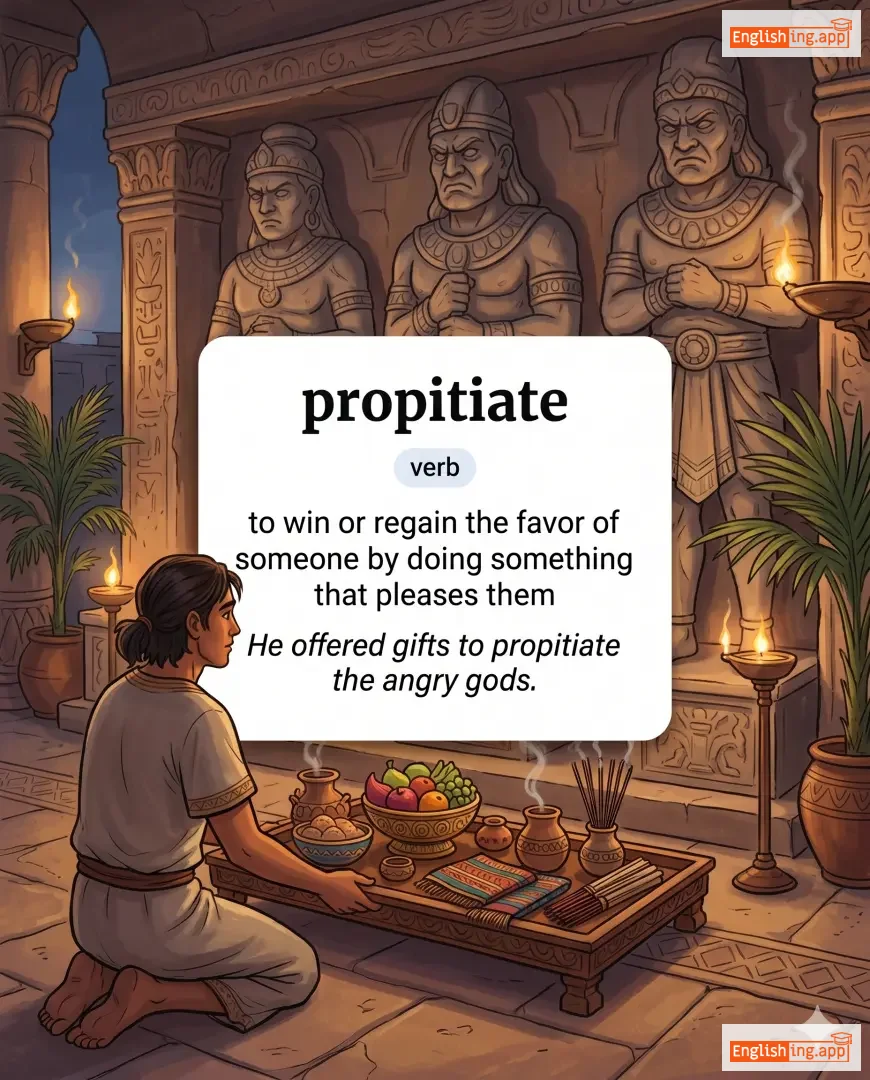
to win or regain the favor of someone by doing something that pleases them
••••••
|
He offered gifts to propitiate the angry gods.
彼は怒った神々をなだめるために贈り物を捧げました。
••••••
|
彼は怒った神々をなだめるために贈り物を捧げました。
Kare wa okotta kamigami o nadameru tame ni okurimono o sasagemashita.
••••••
|
- •••••• | - •••••• | - •••••• |
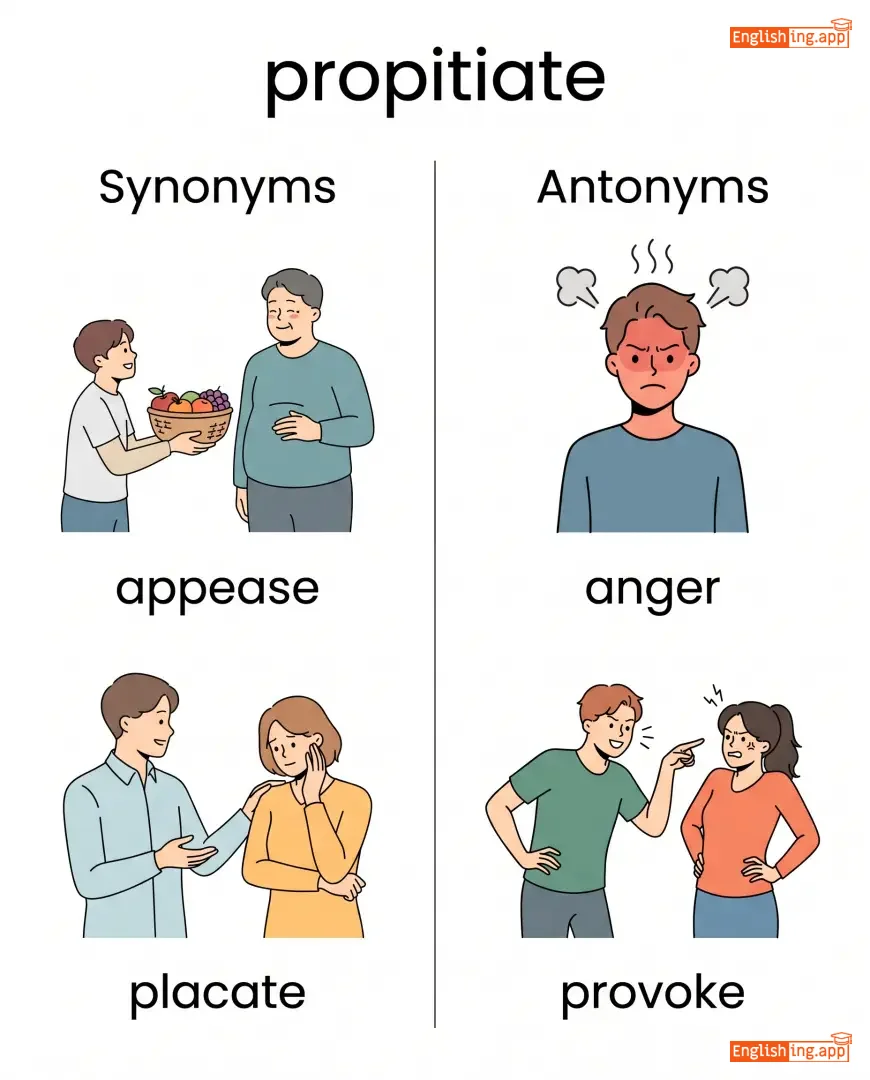
appease, placate, conciliate, mollify, pacify
••••••
|
anger, provoke, enrage
••••••
|
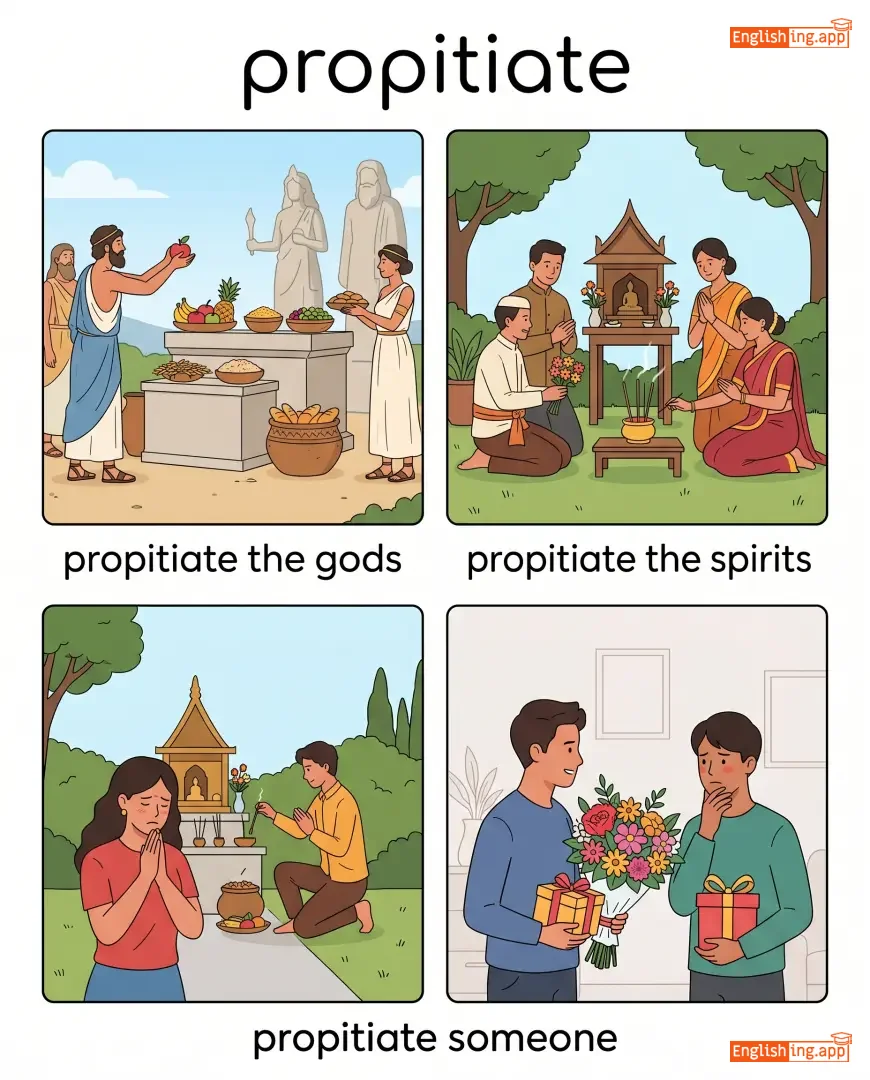
propitiate the gods, propitiate the spirits, propitiate someone
••••••
|
Propitiateは、贈り物で神々をなだめることを意味します。
••••••
|
|
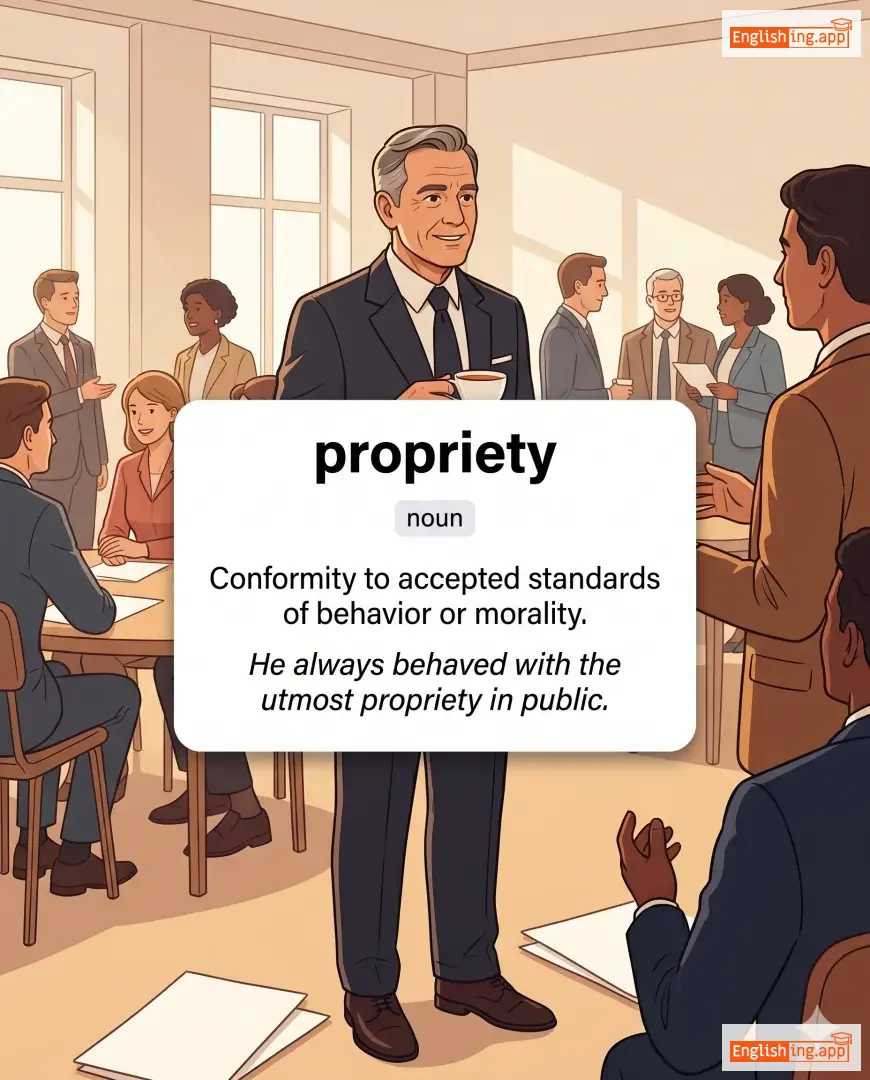
#264
🤵
|
/prəˈpraɪəti/
noun
(プロプライエティ)
••••••
|
|
適切
tekisetsu
••••••
|
- •••••• | - •••••• | - •••••• | - •••••• |
Conformity to accepted standards of behavior or morality.
••••••
|
He always behaved with the utmost propriety in public. |
彼は公共の場で常に最大限の適切さを持って振る舞いました。
Kare wa koukyou no ba de tsune ni saidaigen no tekisetsu-sa wo motte furumaimashita.
••••••
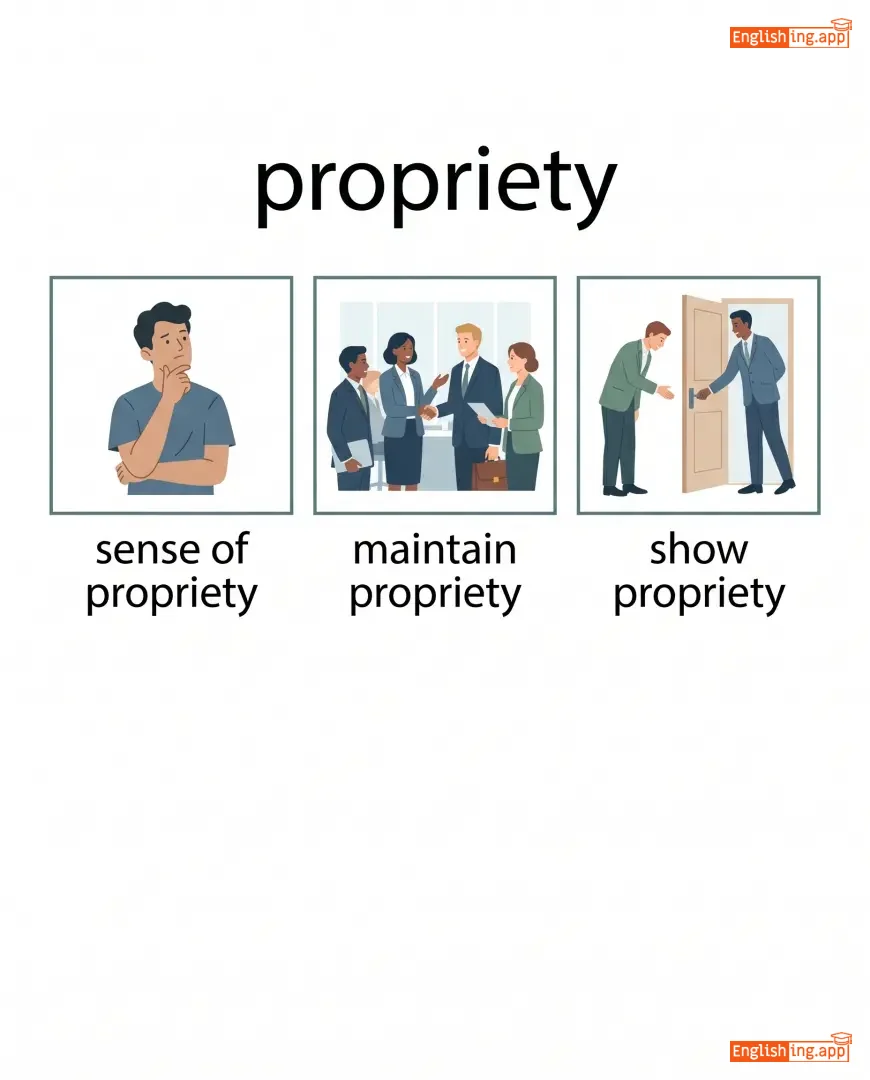
|
sense of propriety |
Awareness of what is socially acceptable and proper.
••••••
|
適切さの感覚
tekisetsu-sa no kankaku
••••••
|
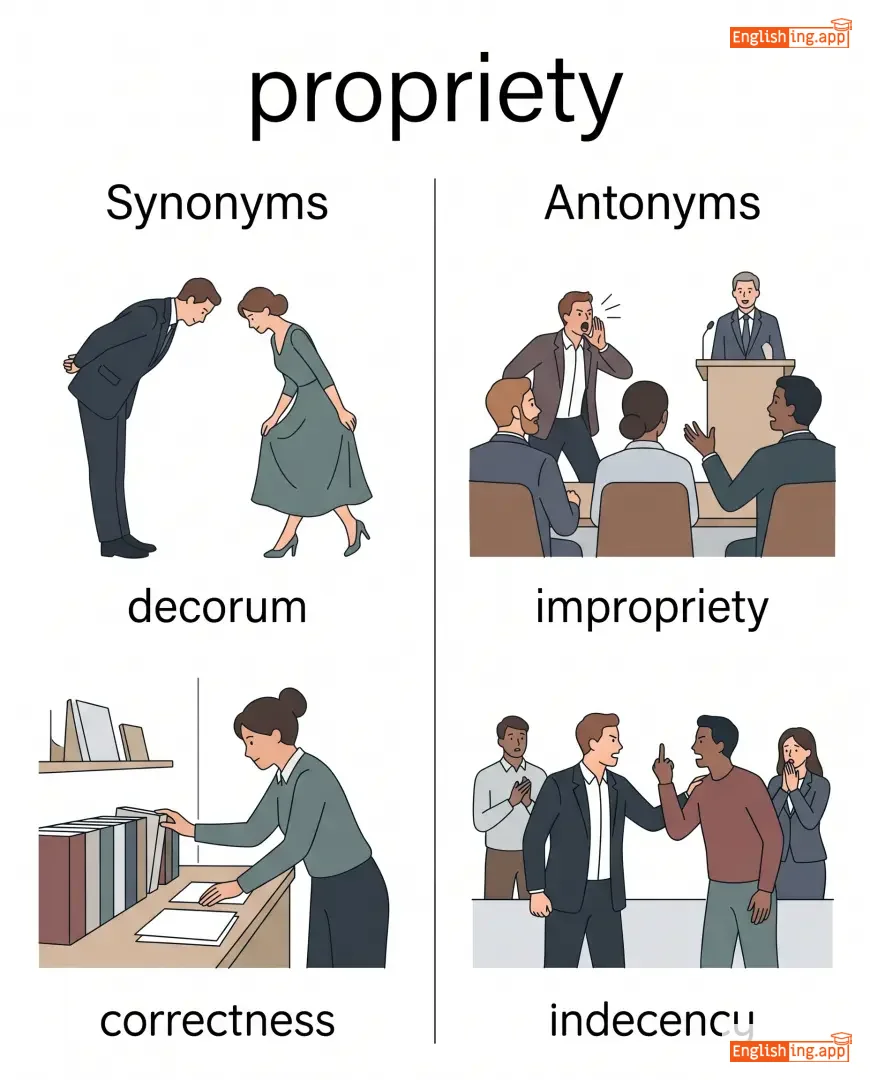
decorum, correctness, civility, respectability, modesty
••••••
|
impropriety, indecency, rudeness
••••••
|
sense of propriety, maintain propriety, show propriety, question of propriety
••••••
|
適切 = propriety
••••••
|
|
#265
🚫
|
/proʊˈskraɪb/
verb
(プロスクリブ)
••••••
|
|
禁止する
kinshi suru
••••••
|
proscribed
プロスクリブド
••••••
|
proscribed
プロスクリブド
••••••
|
proscribes
プロスクリブス
••••••
|
proscribing
プロスクリビング
••••••
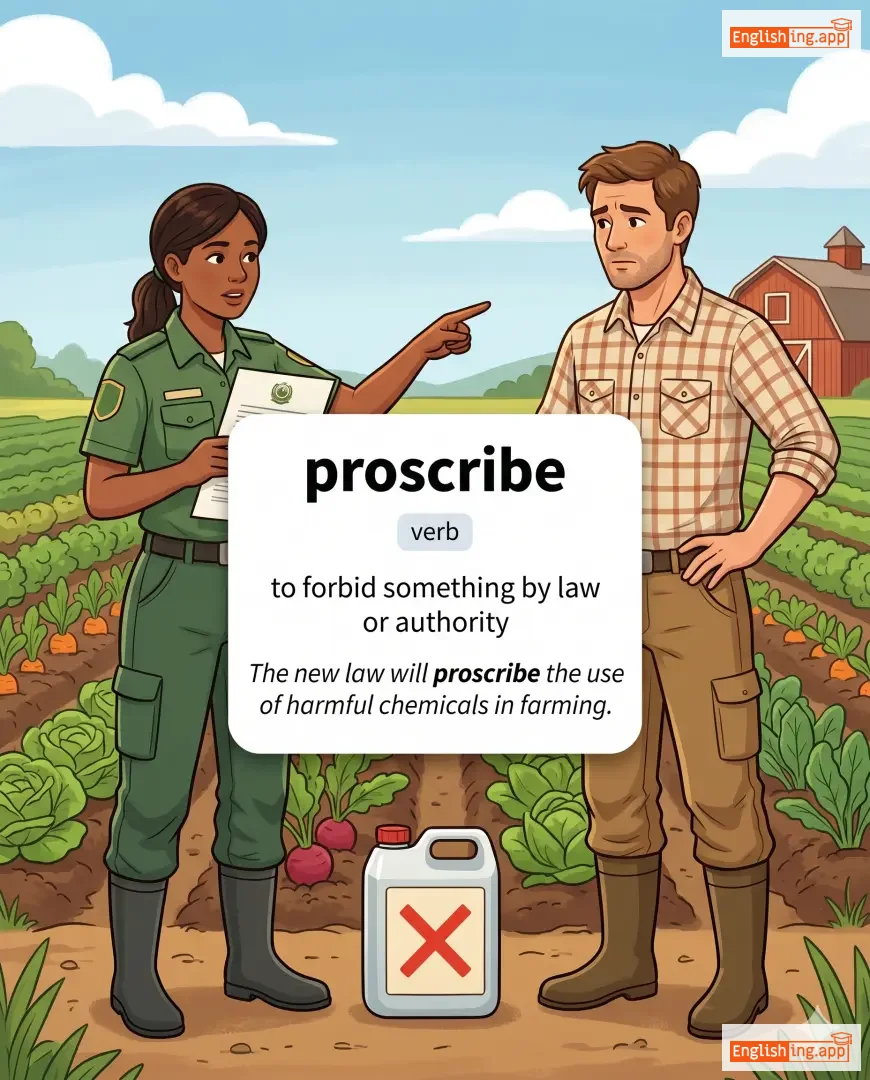
|
to forbid something by law or authority
••••••
|
The new law will proscribe the use of harmful chemicals in farming.
ザ ニュー ロー ウィル プロスクリブ ザ ユーズ オブ ハームフル ケミカルズ イン ファーミング。
••••••
|
新しい法律は農業で有害な化学物質の使用を禁止します。
Atarashī hōritsu wa nōgyō de yūgaina kagakubushitsu no shiyō o kinshi shimasu.
••••••
|
- •••••• | - •••••• | - •••••• |
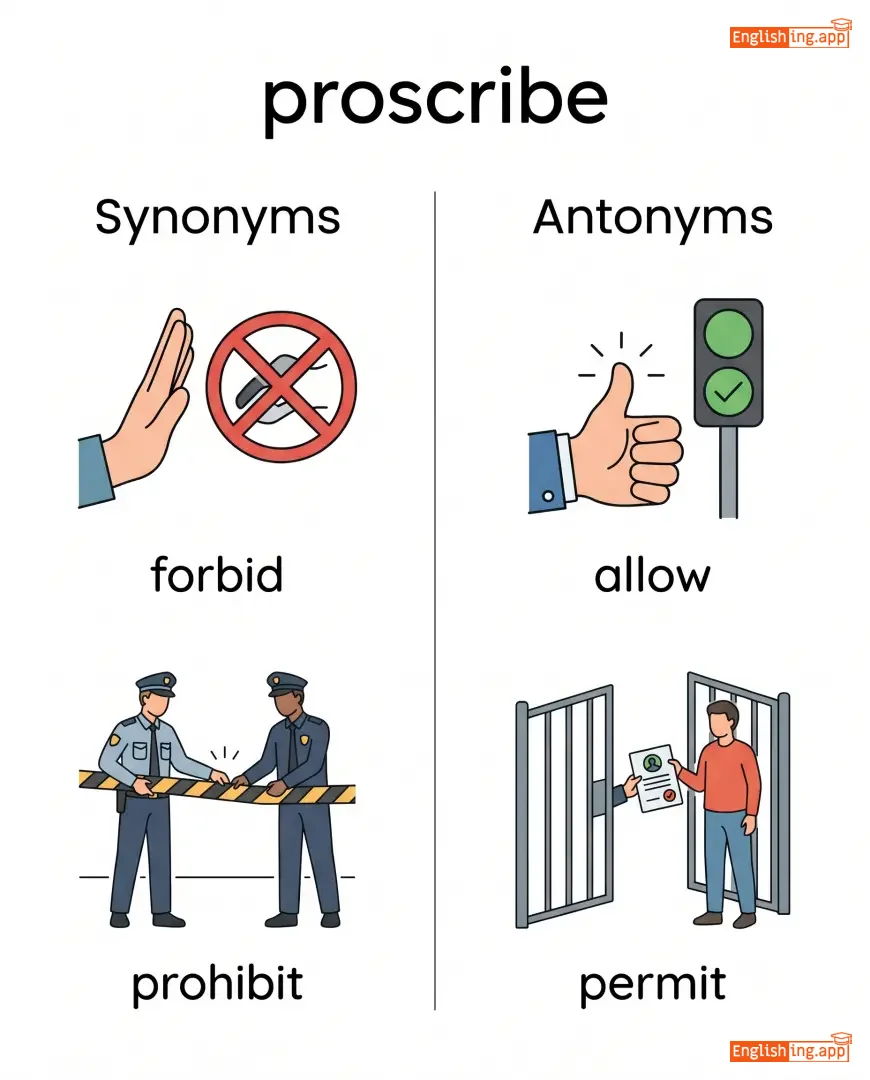
forbid, prohibit, ban, outlaw, restrict
••••••
|
allow, permit, authorize
••••••
|
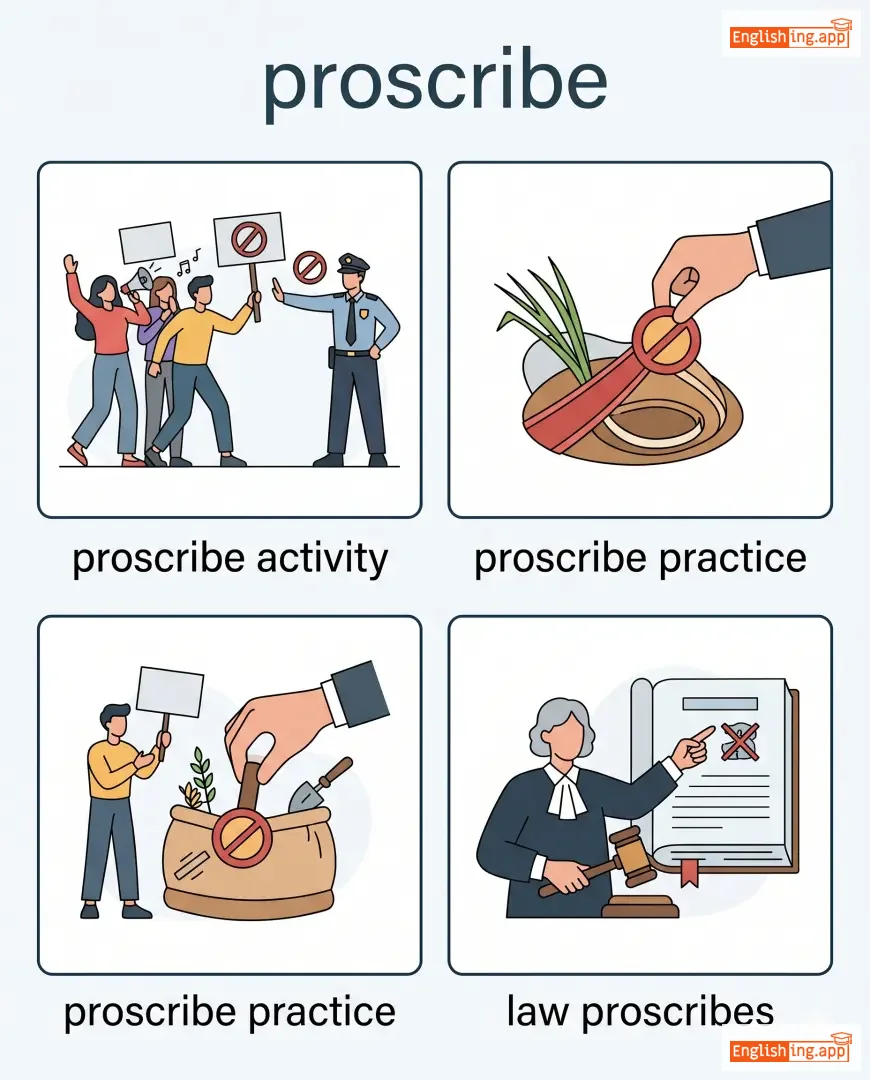
proscribe activity, proscribe practice, law proscribes, proscribe behavior
••••••
|
Proscribeは登録ではなく禁止すること 🚫
••••••
|
|
#266
👃
|
/ˈpʌndʒənt/
adjective
(パンジェント)
••••••
|
|
強い匂いや味
tsuyoi nioi ya aji
••••••
|
- •••••• | - •••••• | - •••••• | - •••••• |
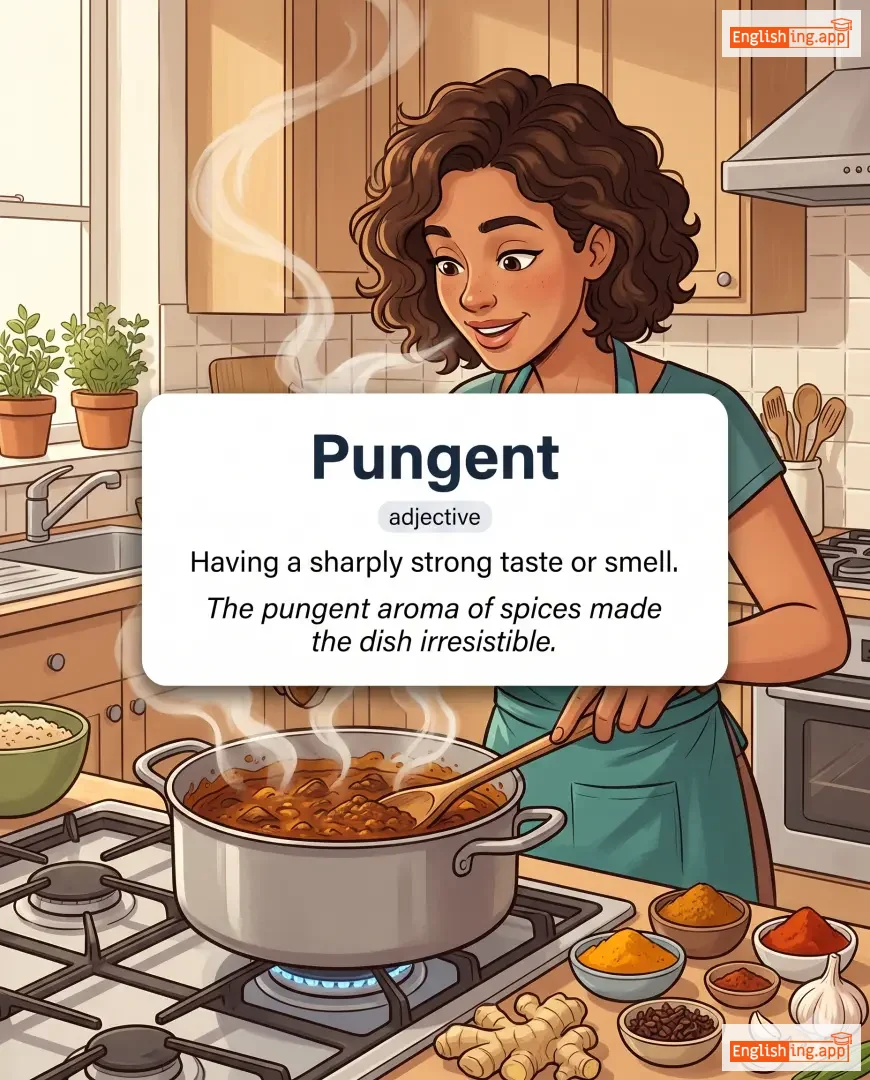
Having a sharply strong taste or smell.
••••••
|
The pungent aroma of spices made the dish irresistible. |
スパイスの強い香りがその料理を抗しがたくした。
supaisu no tsuyoi kaori ga sono ryouri wo kōshigataku shita.
••••••
|
pungent wit |
A sharp and biting sense of humor.
••••••
|
鋭いユーモア
surudoi yūmoa
••••••
|
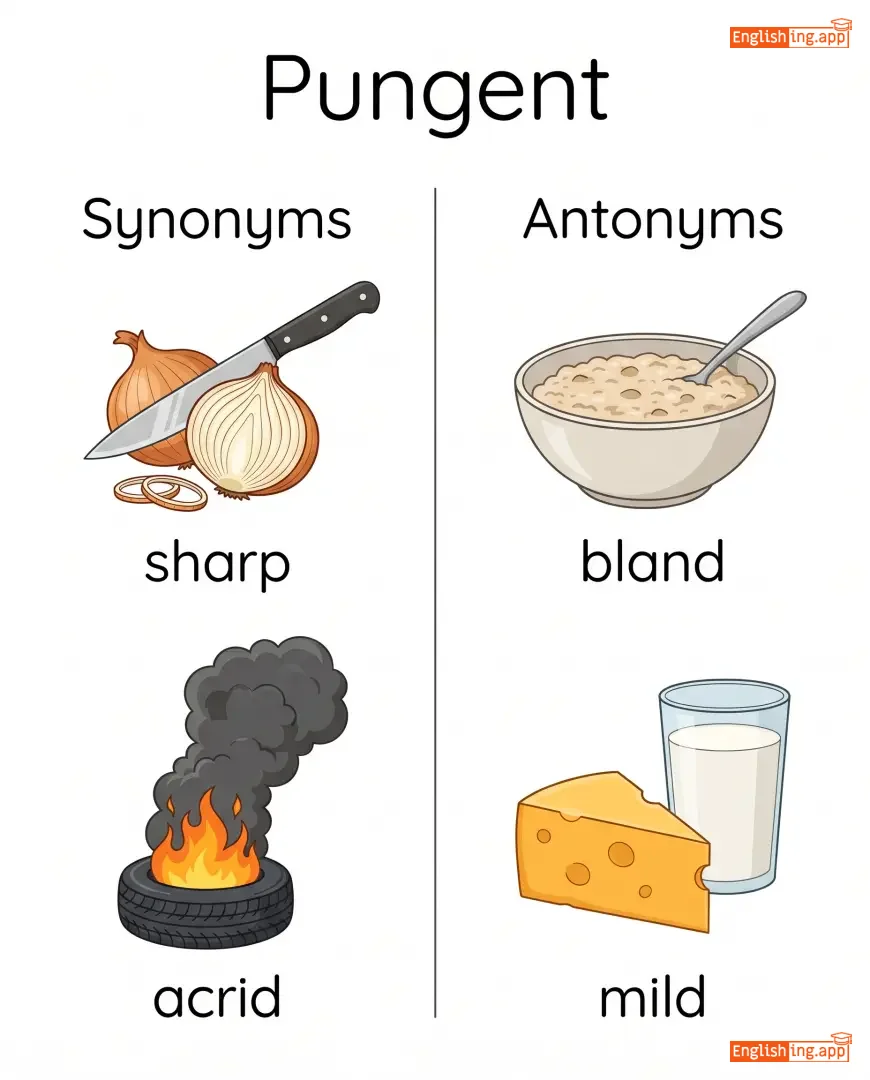
sharp, acrid, biting, spicy, strong
••••••
|
bland, mild, weak
••••••
|
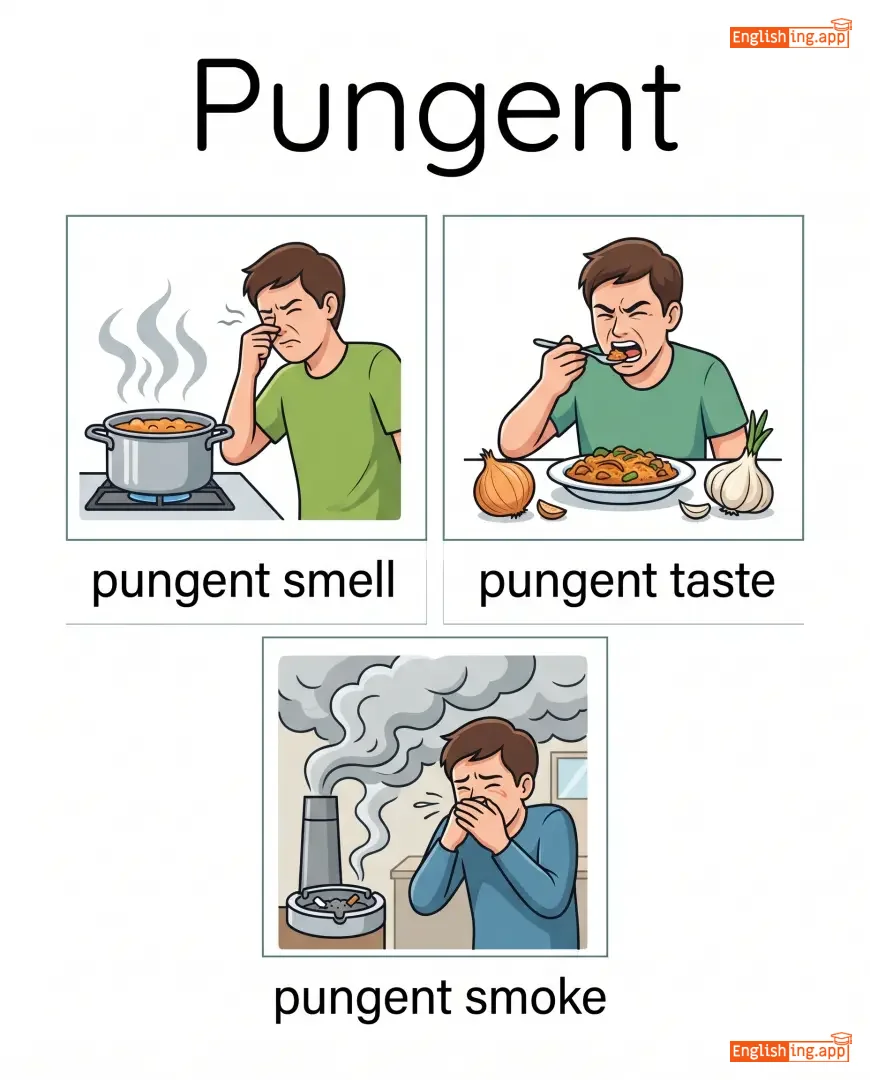
pungent smell, pungent taste, pungent smoke, pungent remark
••••••
|
Pungent は鋭い感覚を持っているように感じる。
••••••
|
|
#267
🎓
|
/ˈkwɒlɪfaɪd/
adjective
(クオリファイド)
••••••
|
|
資格のある
shikaku no aru
••••••
|
- •••••• | - •••••• | - •••••• | - •••••• |
officially recognized as being trained or knowledgeable for a particular job or activity
••••••
|
She is a qualified doctor with years of experience.
彼女は経験豊富な資格を持つ医者です。
••••••
|
彼女は経験豊富な資格を持つ医者です。
Kanojo wa keiken houfu na shikaku wo motsu isha desu.
••••••
|
qualified success
資格のある成功
••••••
|
a success that is only partial or limited
••••••
|
資格のある成功
shikaku no aru seikou
••••••
|
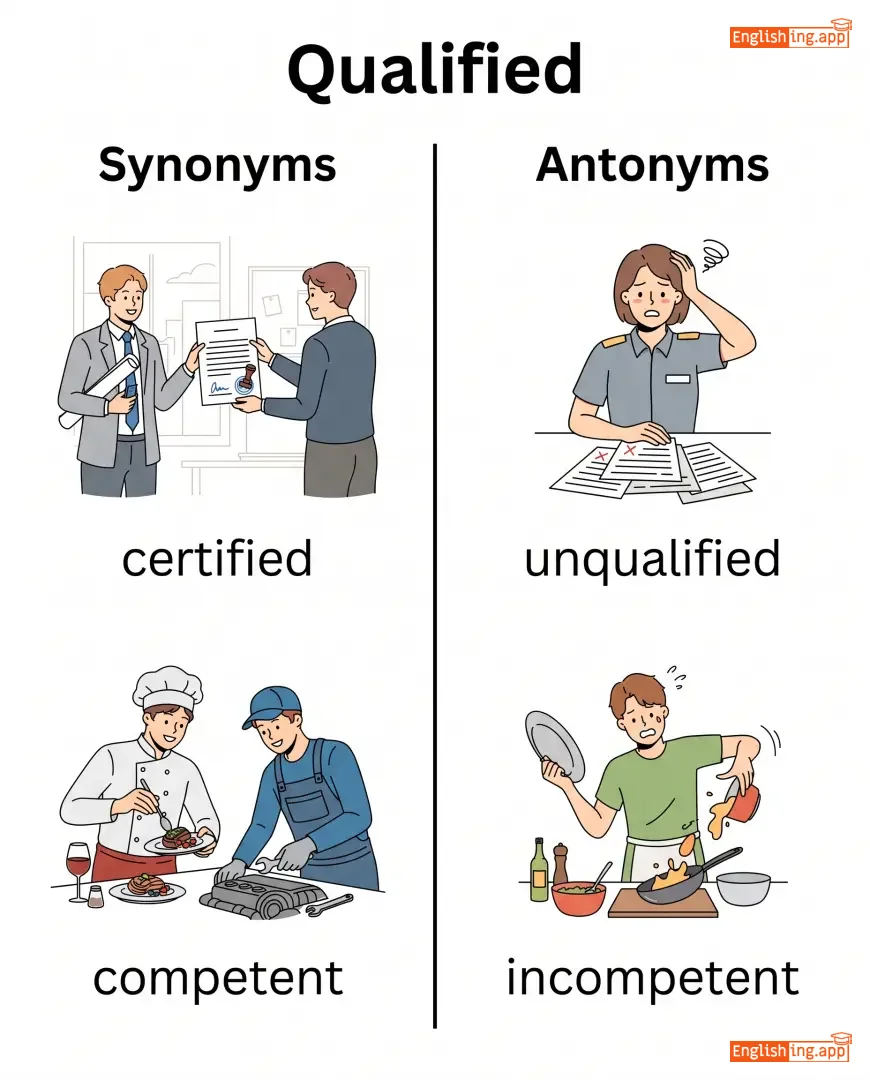
certified, competent, skilled, trained, capable
••••••
|
unqualified, incompetent, incapable
••••••
|
qualified teacher, qualified candidate, qualified doctor, qualified professional
••••••
|
資格 = 経験 + 成功 → 資格のある人は常に成功します。
••••••
|
|
#268
🗣️
|
/ˈkwɪbəl/
verb/noun
••••••
|
|
- •••••• |
quibbled
••••••
|
quibbled
••••••
|
quibbles
••••••
|
quibbling
••••••
|
To argue or raise objections about a trivial matter; a petty objection.
••••••
|
They quibbled over who should pay the bill. |
- •••••• |
split hairs |
to argue about small or unimportant details
••••••
|
- •••••• |
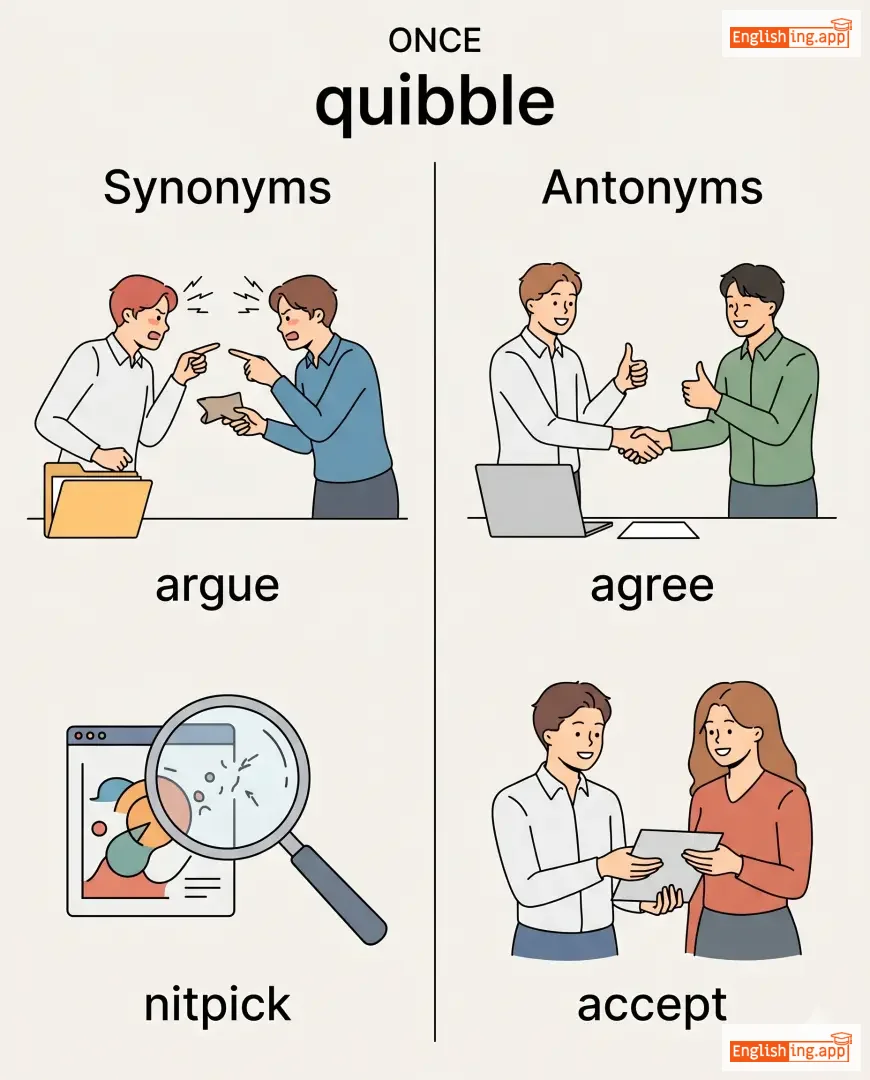
argue, nitpick, cavil, bicker, dispute
••••••
|
agree, accept, concede
••••••
|
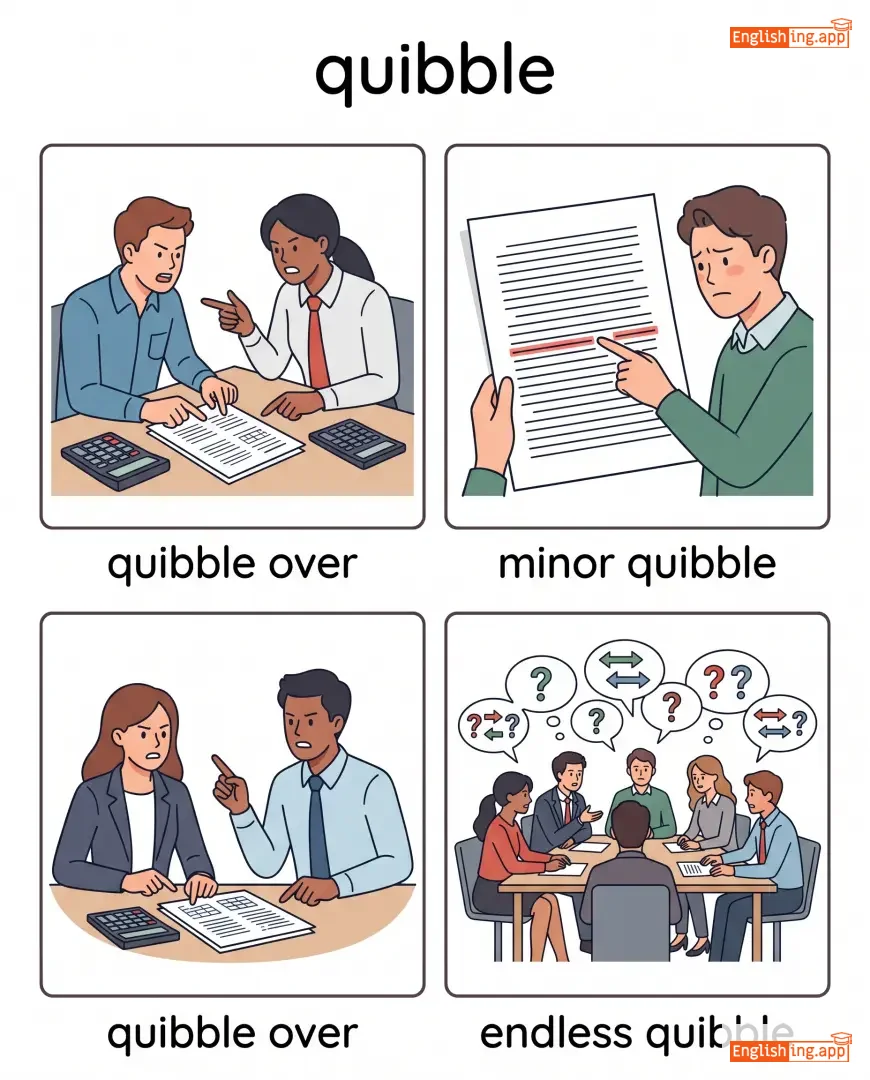
quibble over, minor quibble, endless quibble, quibble about details
••••••
|
No •••••• |
|
#269
🤫
|
/kwaɪˈesnt/
adjective
(クワイエセント)
••••••
|
|
静止した; 穏やかな; 活動していない;
kwai-esent
••••••
|
- •••••• | - •••••• | - •••••• | - •••••• |
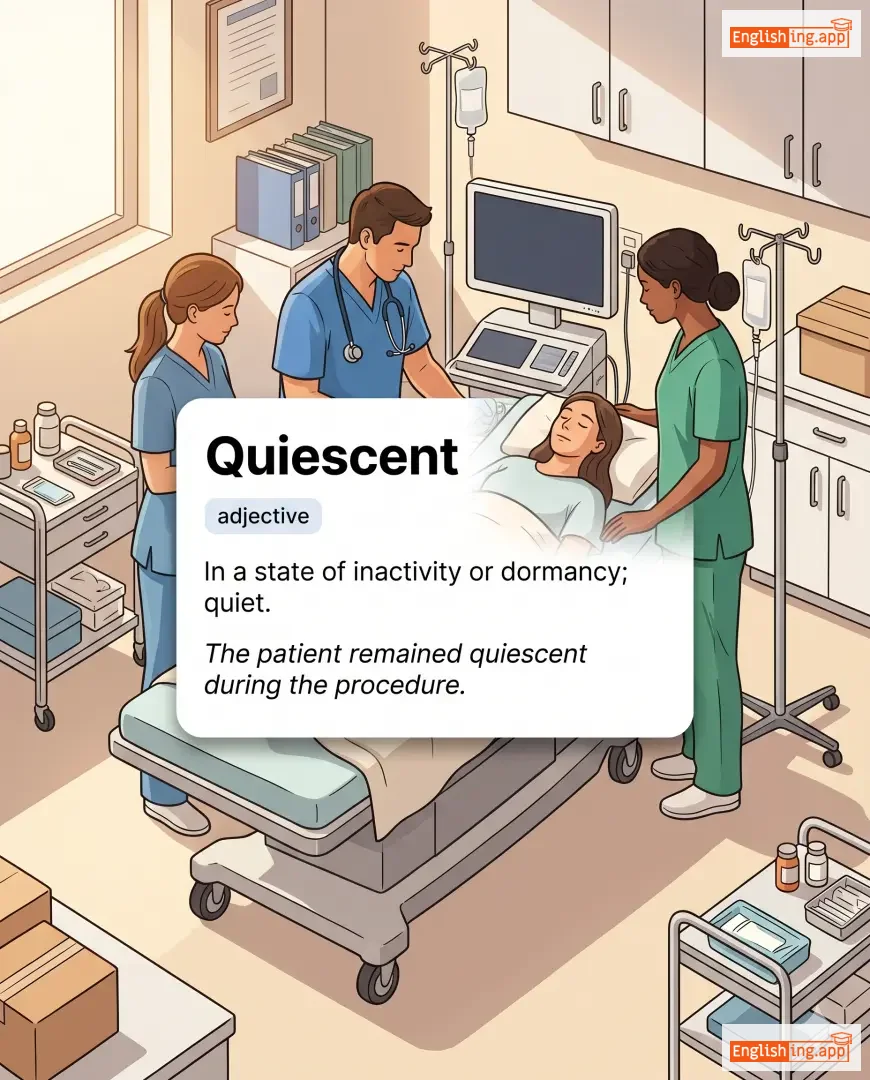
quiet; peaceful; inactive; dormant; at rest
••••••
|
The volcano has been quiescent for over a century. |
その火山は百年以上静止した状態です。
Sono kazan wa hyaku-nen ijō seishishita jōtai desu.
••••••
|
- •••••• | - •••••• | - •••••• |
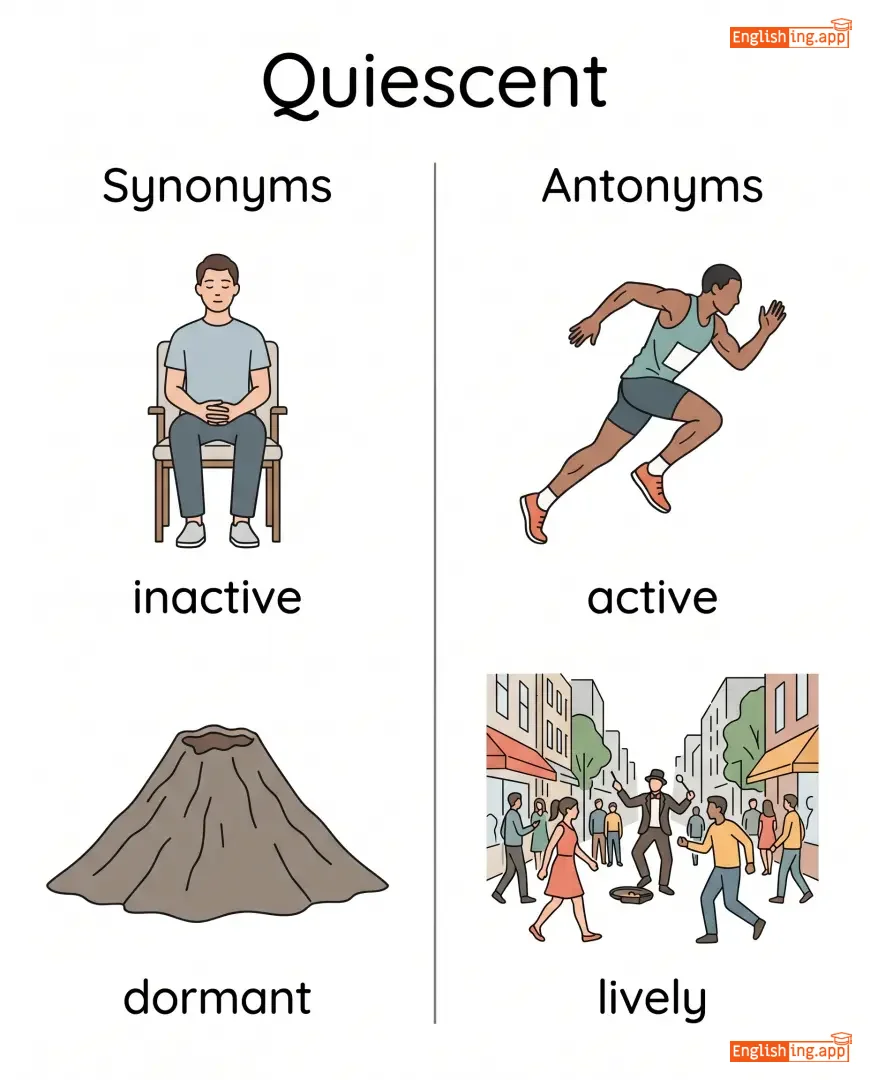
dormant, inactive, peaceful, still
••••••
|
active, turbulent, agitated, restless
••••••
|
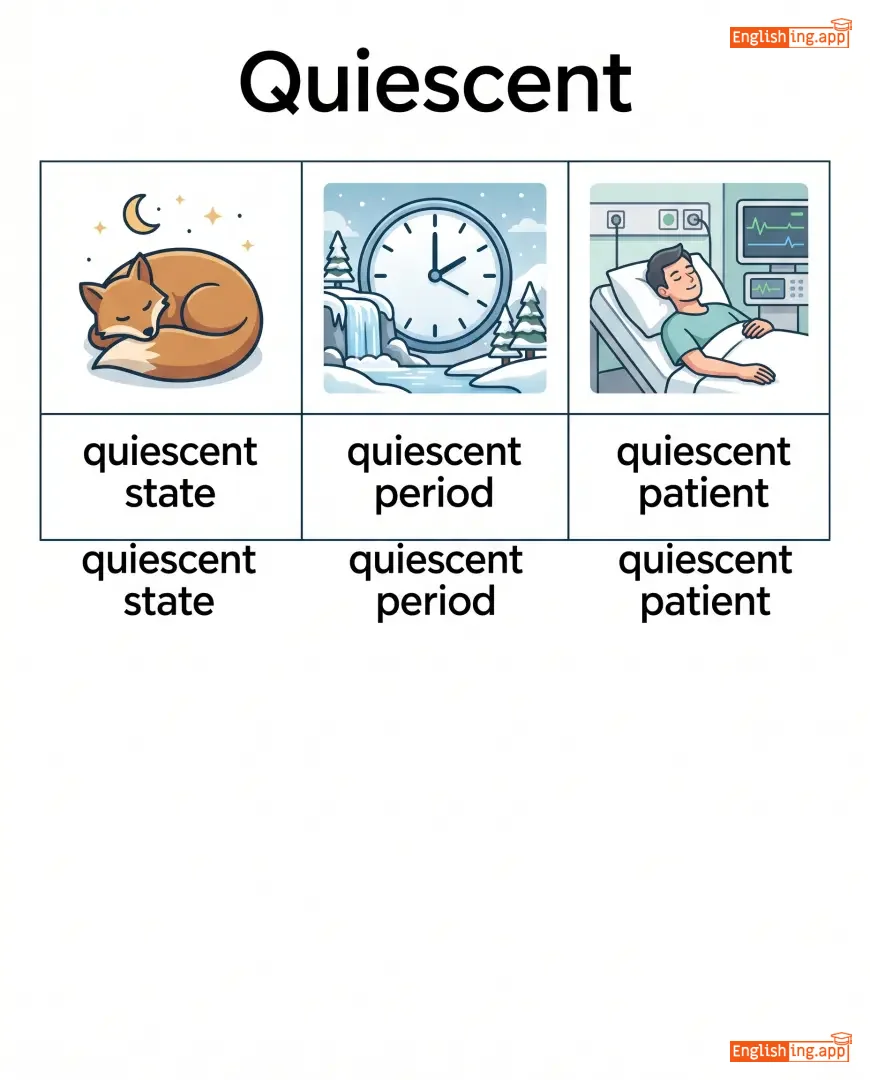
quiescent state, quiescent period, quiescent volcano
••••••
|
A peaceful volcano resting quietly, as it remains dormant for years.
••••••
|
|
#270
🌌
|
/ˈreə.rɪ.faɪd/
adjective
••••••
|
|
- •••••• | - •••••• | - •••••• | - •••••• | - •••••• |
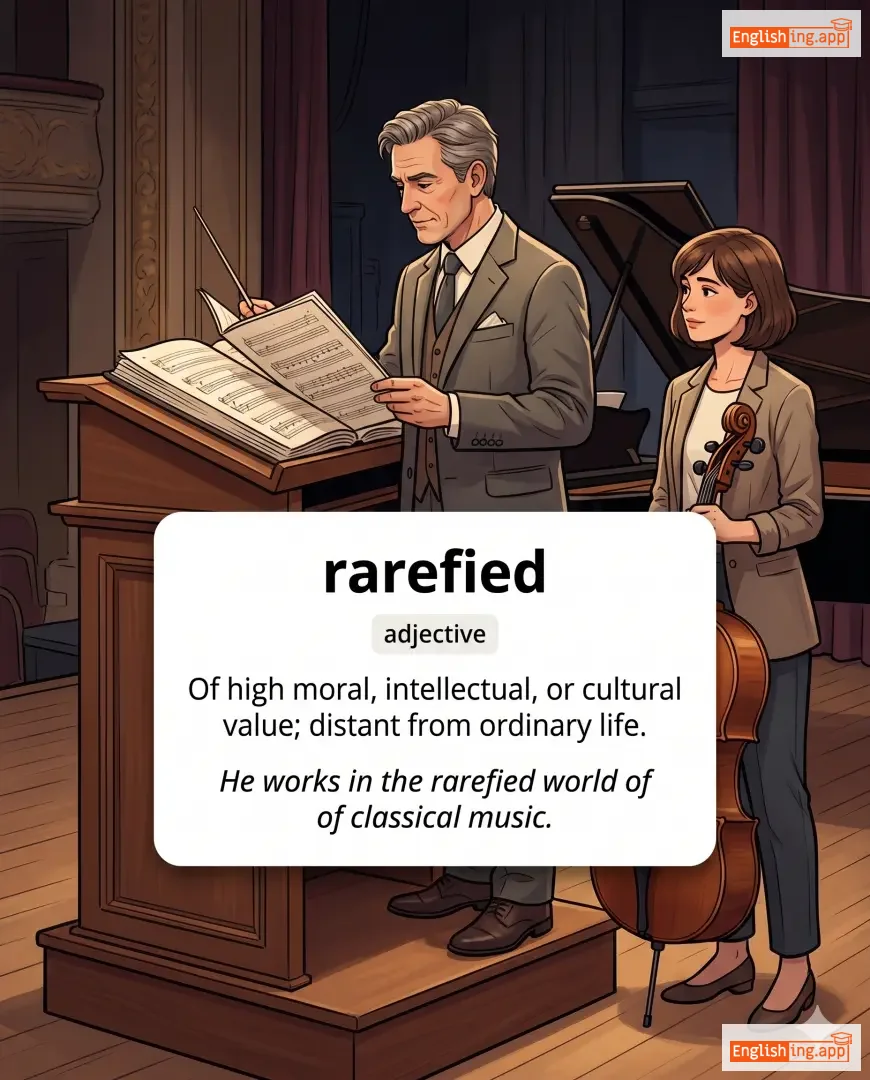
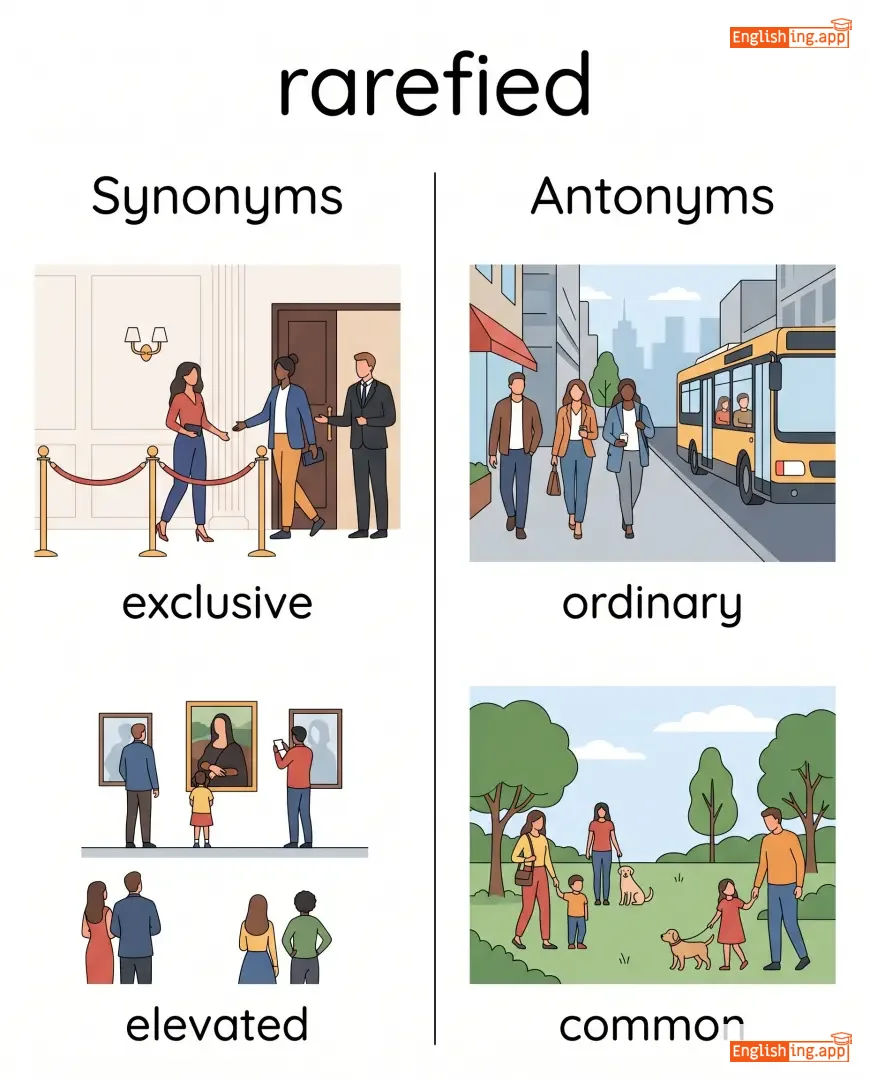
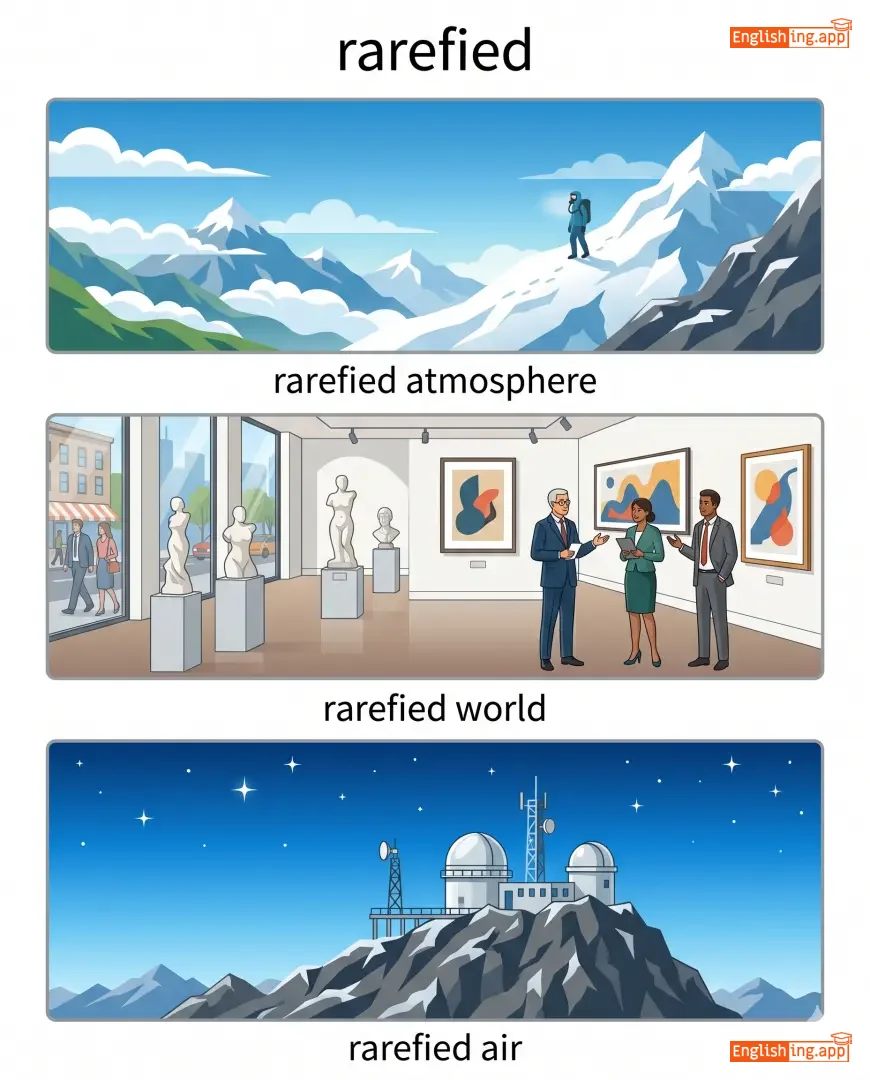
Of high moral, intellectual, or cultural value; distant from ordinary life.
••••••
|
He works in the rarefied world of classical music. |
- •••••• | - •••••• | - •••••• | - •••••• |
exclusive, elevated, refined, exalted, sophisticated
••••••
|
ordinary, common, mundane
••••••
|
rarefied atmosphere, rarefied world, rarefied air
••••••
|
No •••••• |
|
#271
🙅
|
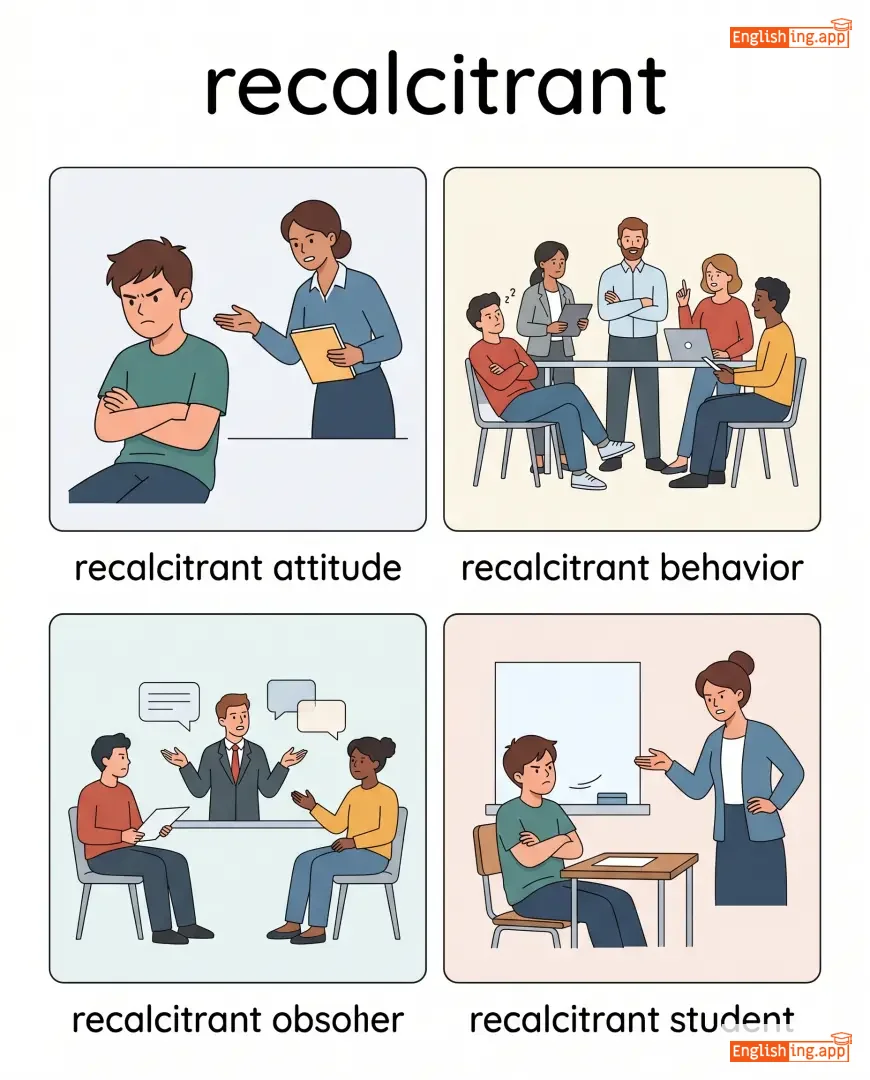
/rɪˈkælsɪtrənt/
adjective
••••••
|
|
- •••••• | - •••••• | - •••••• | - •••••• | - •••••• |
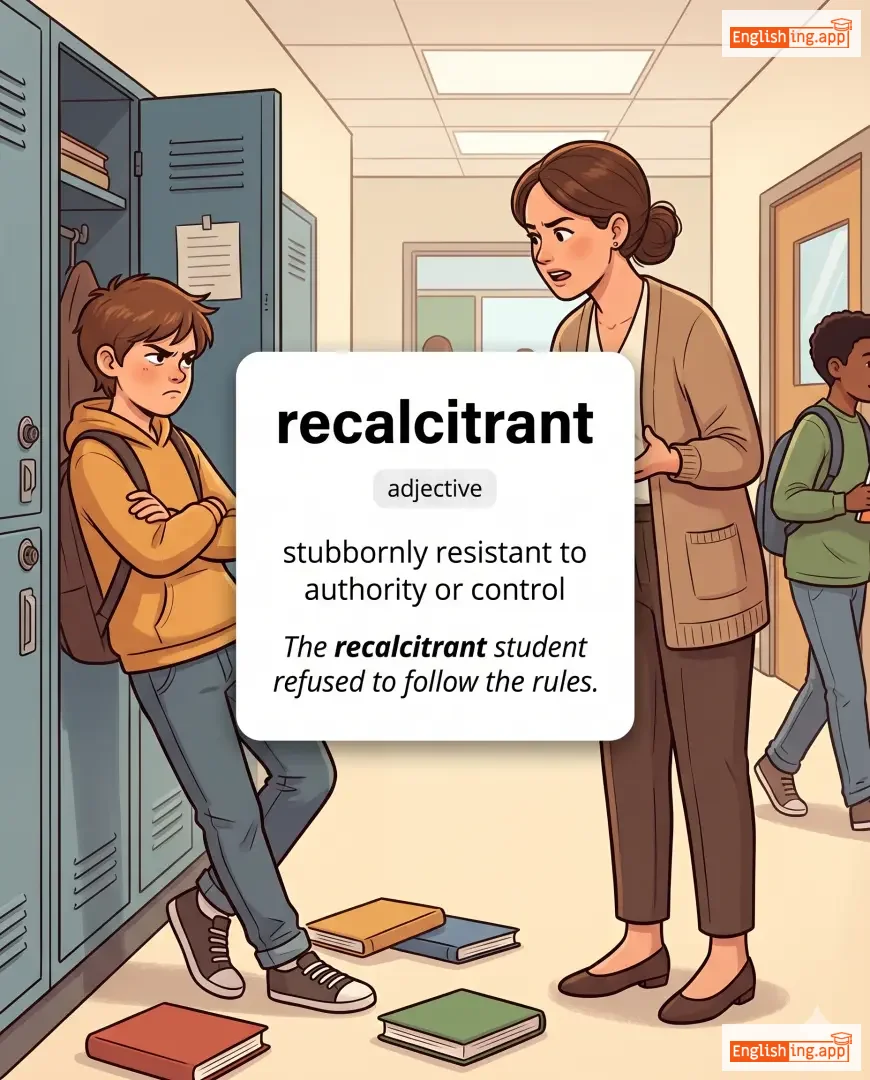
stubbornly resistant to authority or control
••••••
|
The recalcitrant student refused to follow the rules. |
- •••••• | - •••••• | - •••••• | - •••••• |
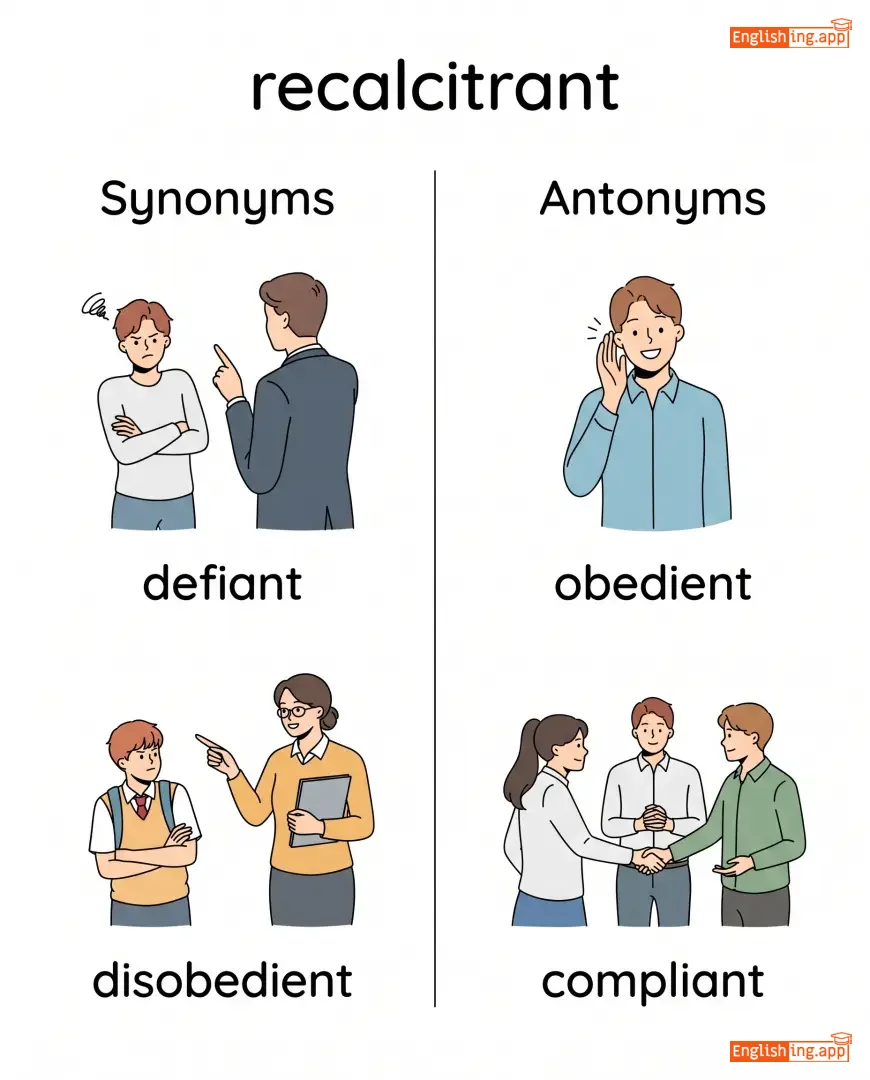
defiant, disobedient, rebellious, obstinate, uncooperative
••••••
|
obedient, compliant, cooperative
••••••
|
recalcitrant attitude, recalcitrant behavior, recalcitrant student
••••••
|
No •••••• |
|
#272
🗣️
|
/rɪˈkænt/
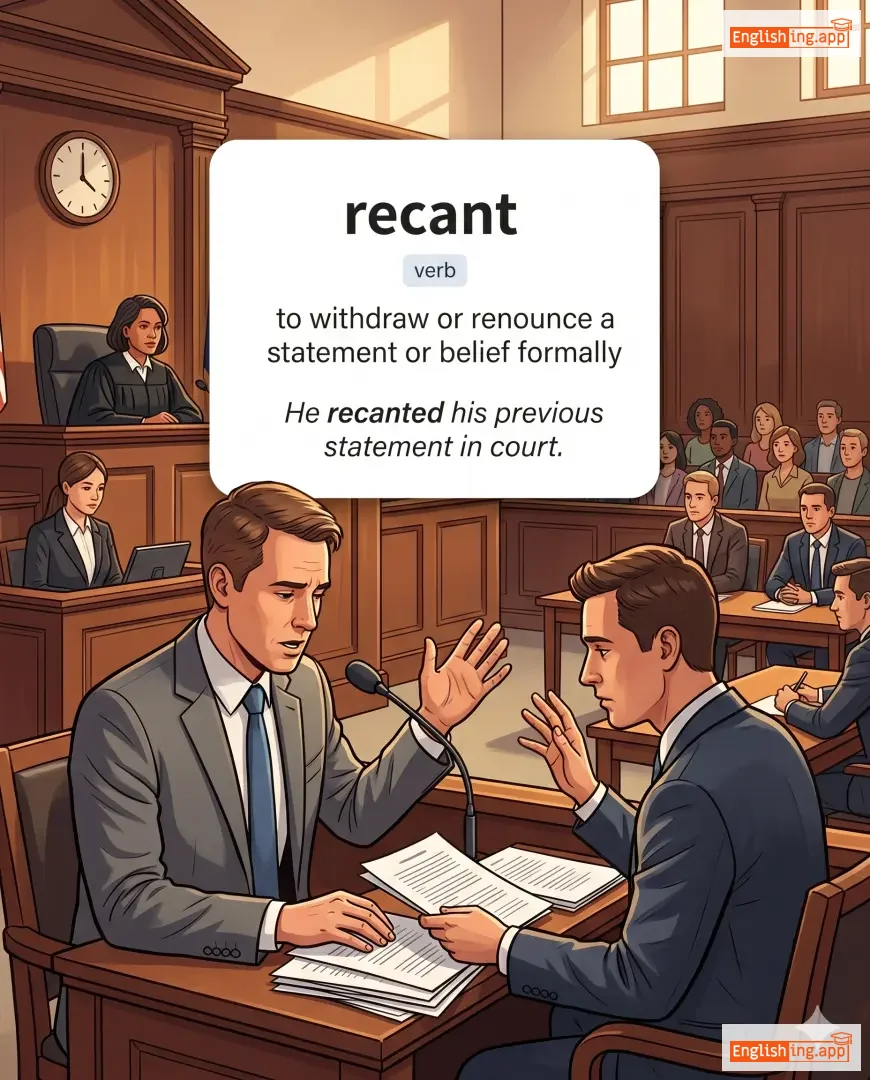
verb
(リカント)
••••••
|
|
撤回する
tekkai suru
••••••
|
recanted
リカンテッド
••••••
|
recanted
リカンテッド
••••••
|
recants
リカンツ
••••••
|
recanting
リカンティング
••••••
|
to withdraw or renounce a statement or belief formally
••••••
|
He recanted his previous statement in court.
彼は裁判で以前の発言を撤回しました。
••••••
|
彼は裁判で以前の発言を撤回しました。
Kare wa saiban de izen no hatsugen o tekkai shimashita.
••••••
|
recant a confession
自白を撤回する
••••••
|
to officially take back an earlier confession
••••••
|
自白を撤回する
jihaku o tekkai suru
••••••
|
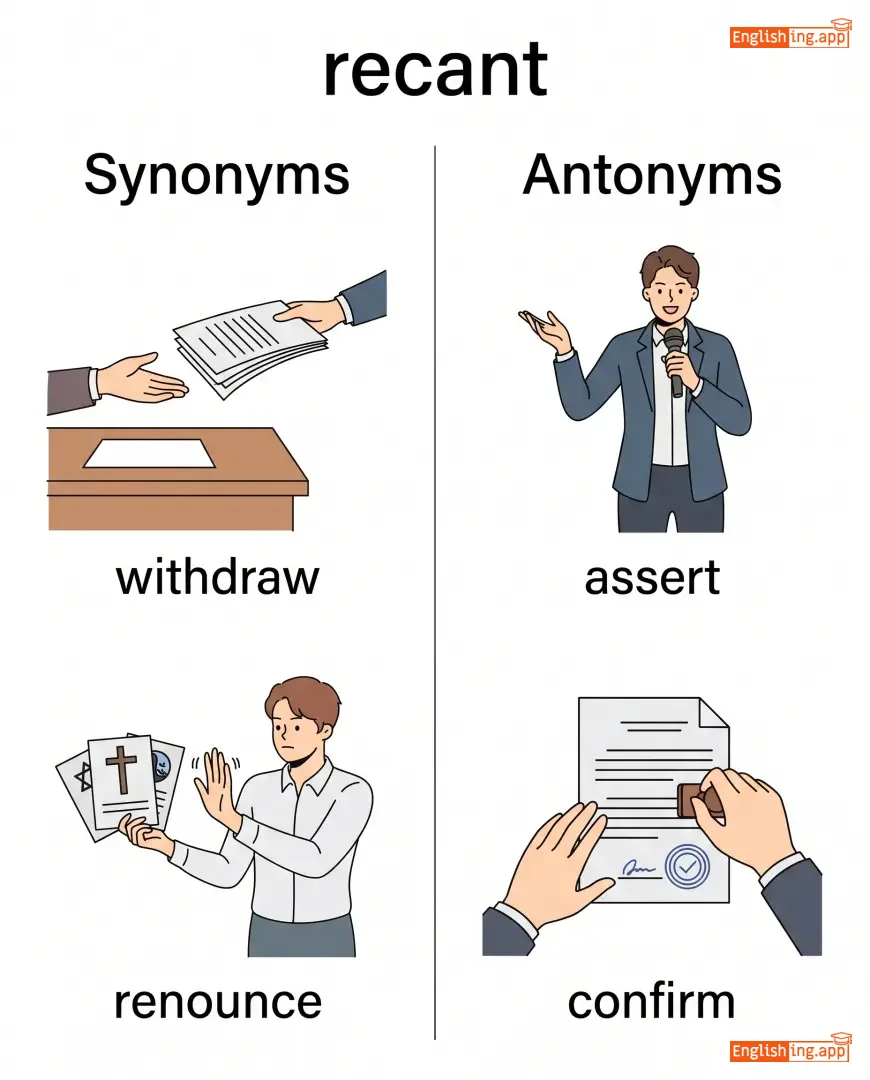
withdraw, renounce, retract, deny, repudiate
••••••
|
assert, confirm, maintain
••••••
|
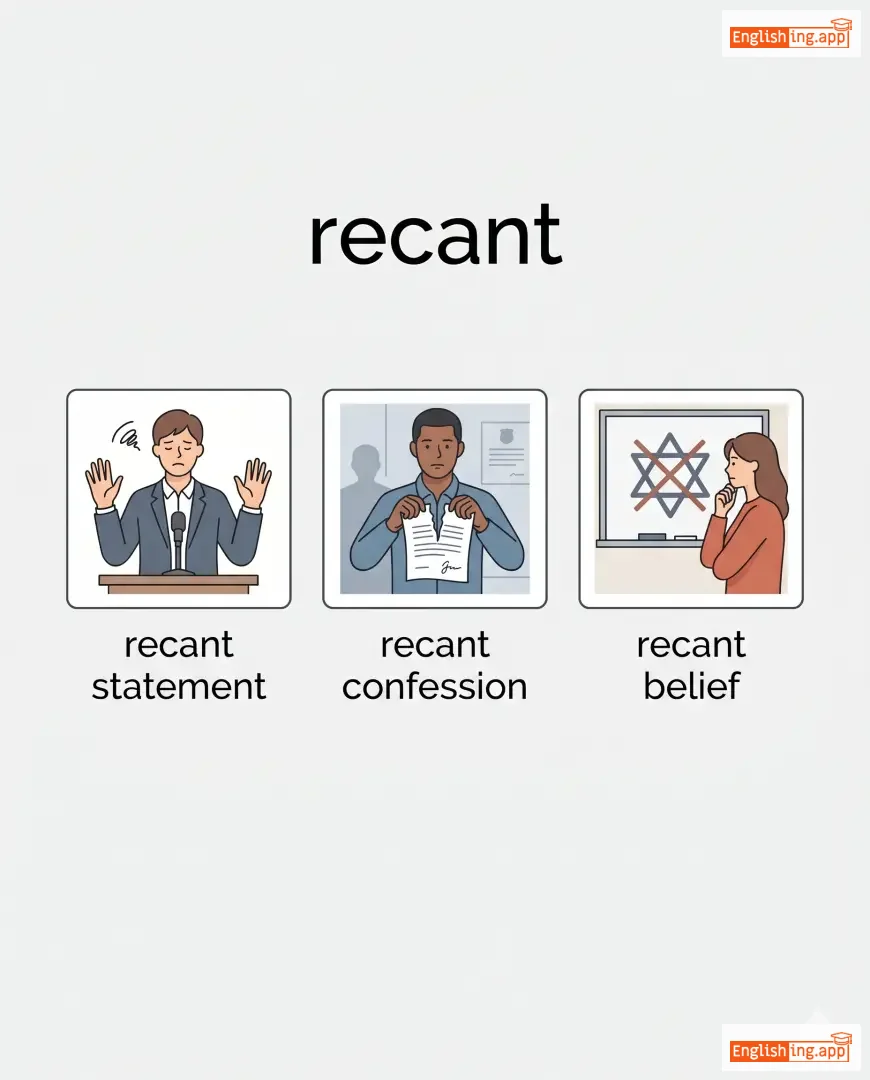
recant statement, recant confession, recant belief, recant testimony
••••••
|
Re-CANTと言って言ったことを撤回すること。
••••••
|
|
#273
🏔️
|
/rɪˈkluːs/
noun
(レクルーズ)
••••••
|
|
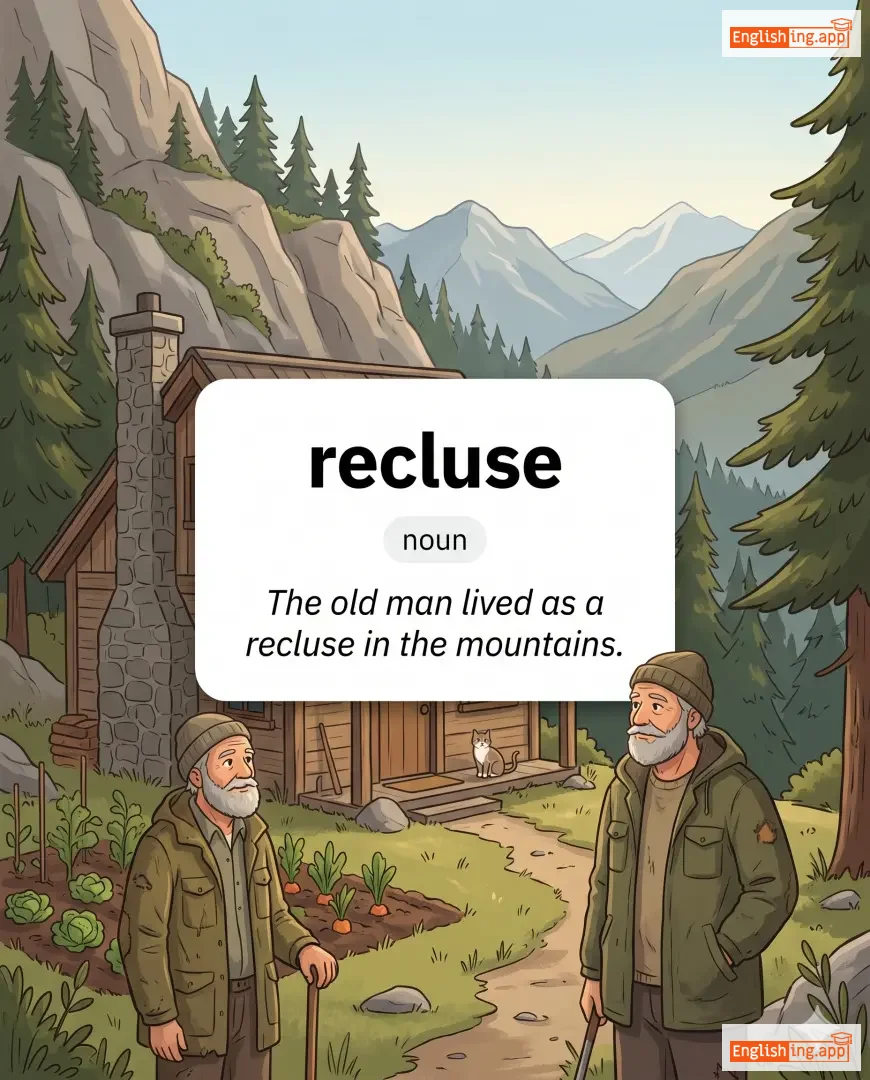
隠者
inja
••••••
|
- •••••• | - •••••• | - •••••• | - •••••• |
A person who lives alone and avoids other people; someone who lives a solitary life.
••••••
|
The old man lived as a recluse in the mountains. |
その老人は山の中で隠者として暮らしていた。
Sono rōjin wa yama no naka de inja to shite kurashite ita.
••••••
|
- •••••• | - •••••• | - •••••• |
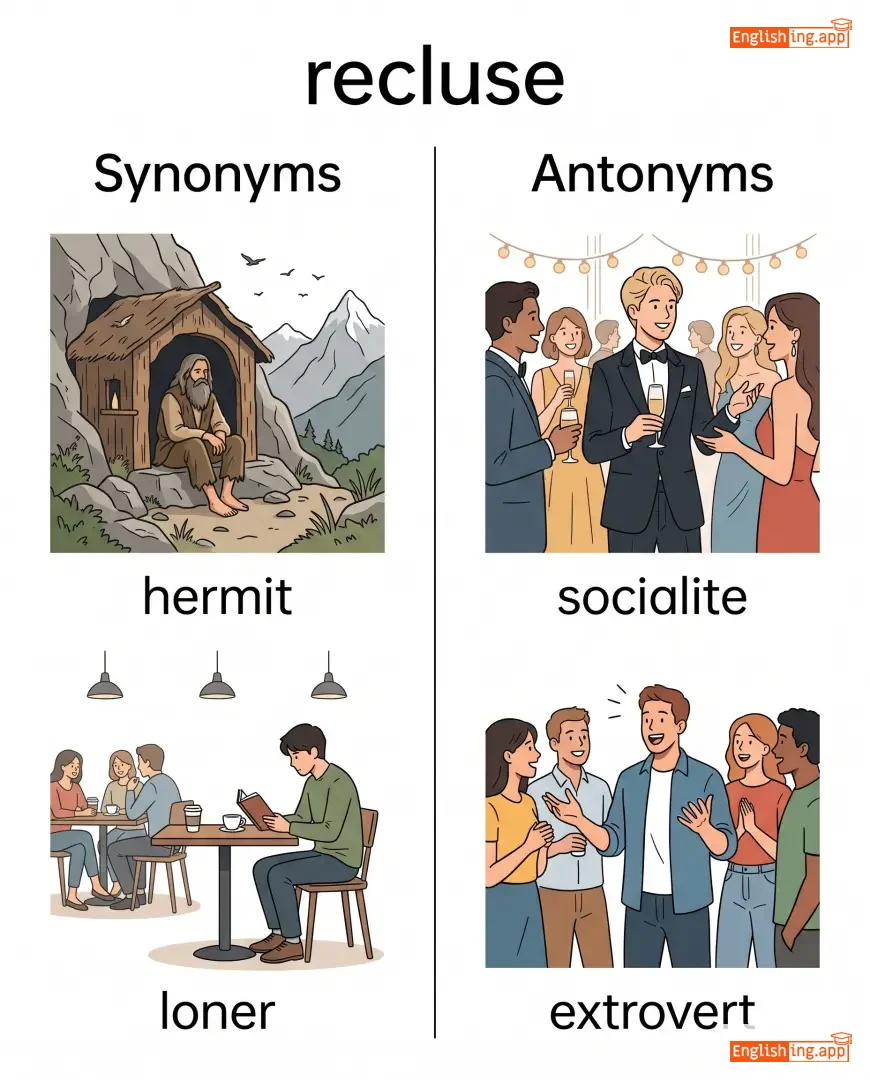
hermit, loner, solitary, ascetic, introvert
••••••
|
socialite, extrovert, companion
••••••
|
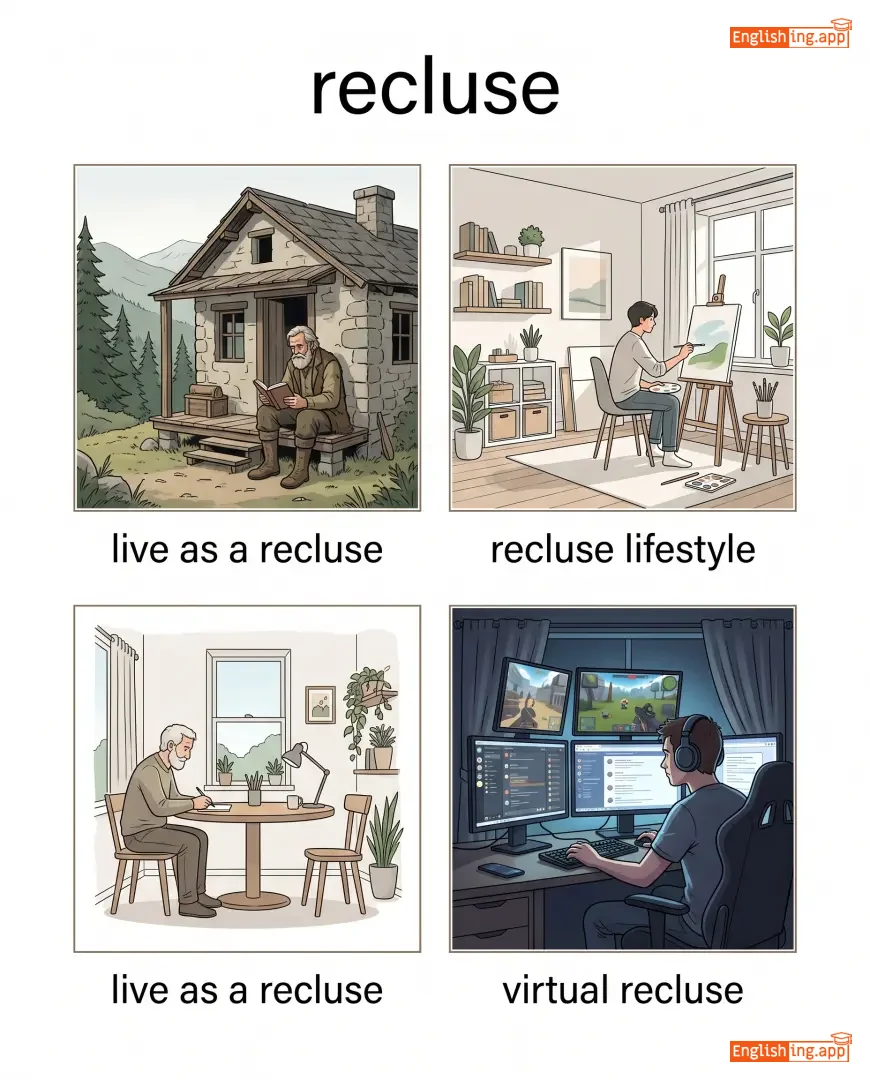
live as a recluse, recluse lifestyle, virtual recluse
••••••
|
Recluse = 隠者、一人で生活している人。
••••••
|
|
#274
📚
|
/ˈrɛkənˌdaɪt/ or /ˈrɛkəndaɪt/
adjective
(レコンダイト)
••••••
|
|
ほとんど知られていない、または理解しにくい
hotondo shirarete inai, matawa rikai shinikui
••••••
|
- •••••• | - •••••• | - •••••• | - •••••• |
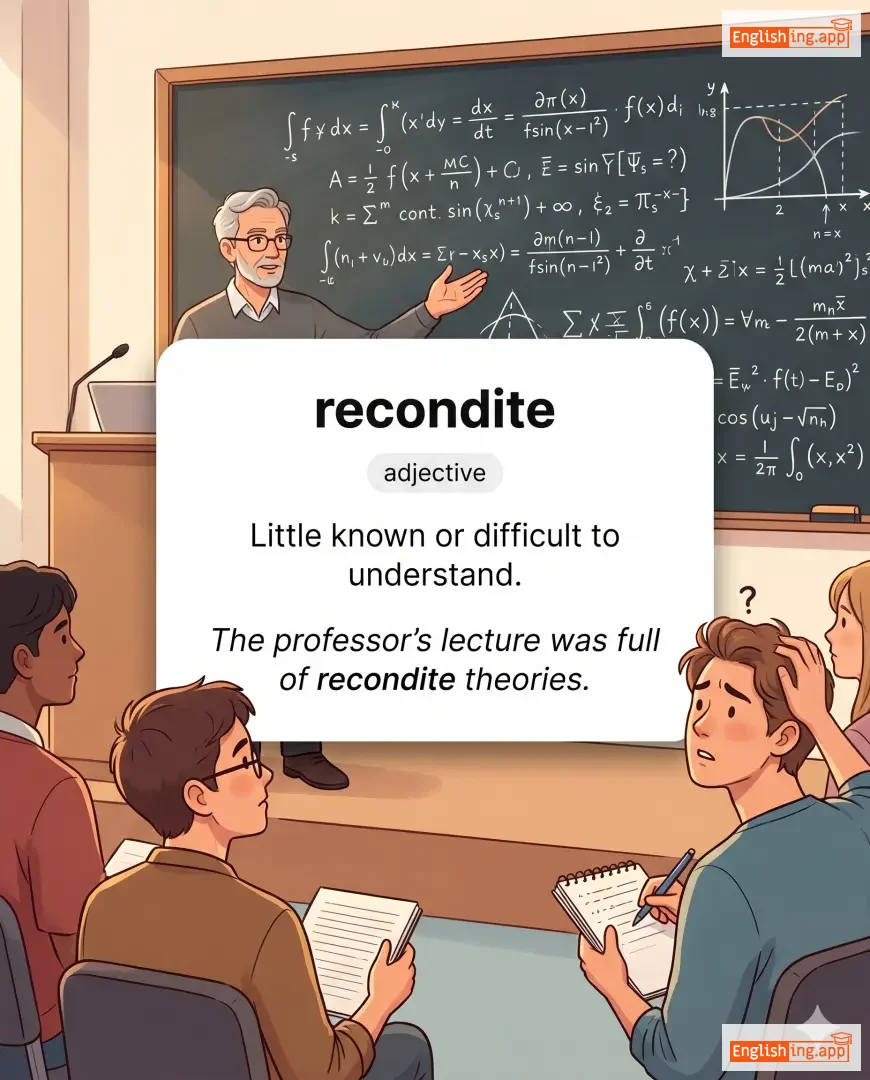
Little known or difficult to understand.
••••••
|
The professor’s lecture was full of recondite theories.
教授の講義は難解な理論で満ちていた。
••••••
|
教授の講義は難解な理論で満ちていた。
Kyoju no kogī wa nankai na riron de michite ita.
••••••
|
- •••••• | - •••••• | - •••••• |
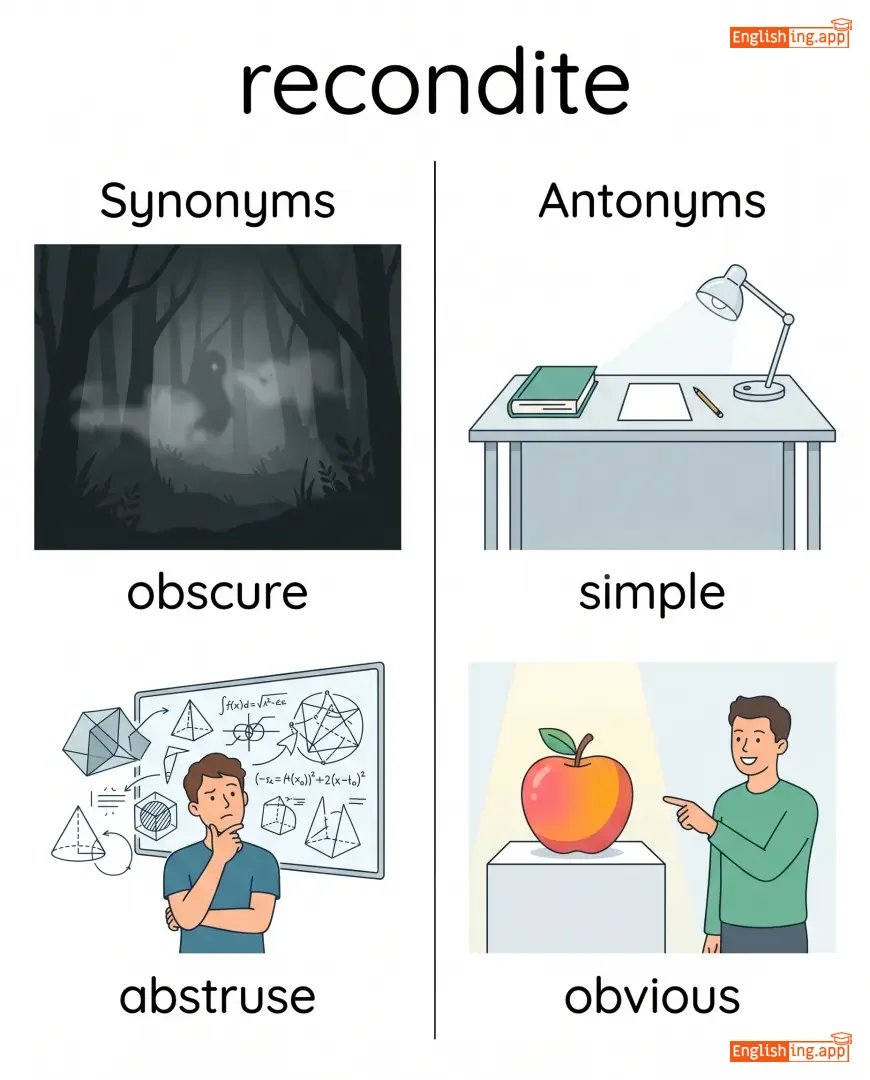
obscure, abstruse, complex, esoteric
••••••
|
simple, obvious, clear
••••••
|
recondite knowledge, recondite subject, recondite theory
••••••
|
Reconditeは「難解なもの」と考え、理解するのが難しいことを示します。
••••••
|
|
#275
🙅
|
/rɪˈfræktəri/
adjective
(リフラクタリー)
••••••
|
|
反抗的
hankou teki
••••••
|
- •••••• | - •••••• | - •••••• | - •••••• |
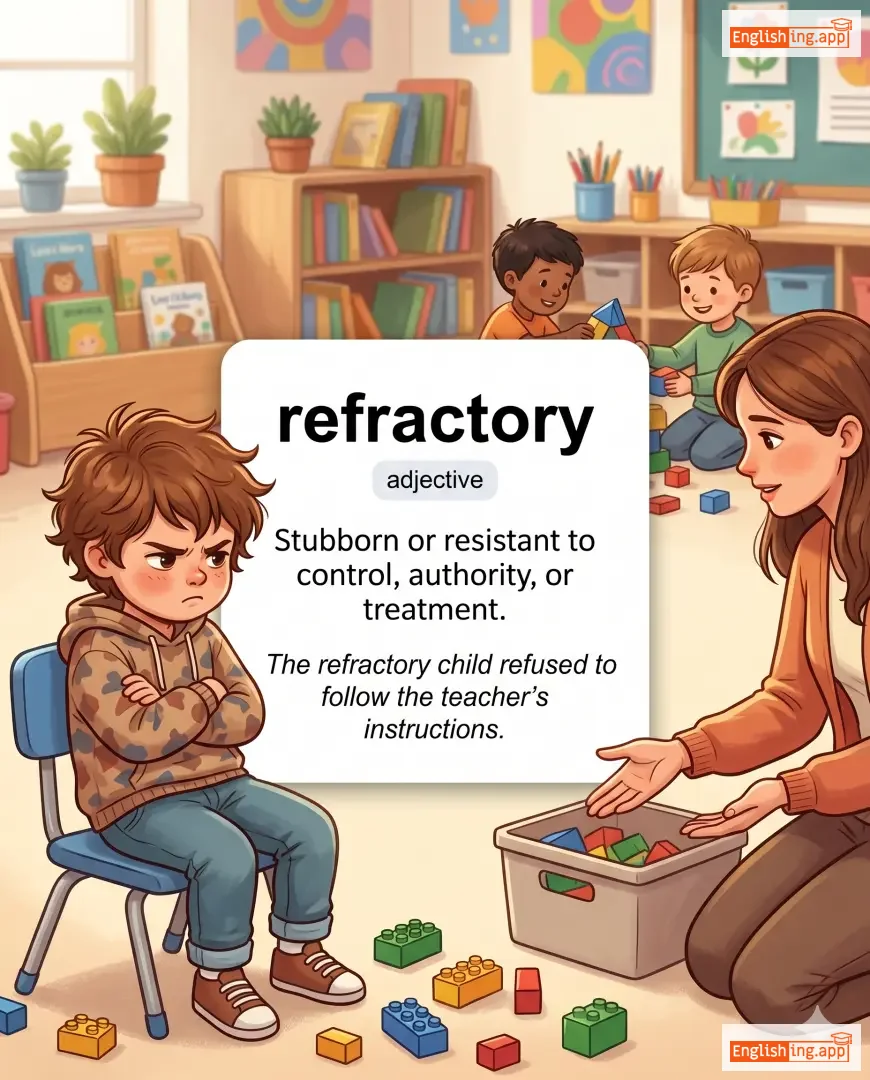
Stubborn or resistant to control, authority, or treatment.
••••••
|
The refractory child refused to follow the teacher's instructions. |
反抗的な子供は教師の指示に従うのを拒否した。
Hankō teki na kodomo wa kyōshi no shiji ni shitagau no o kyohi shita.
••••••
|
- •••••• | - •••••• | - •••••• |
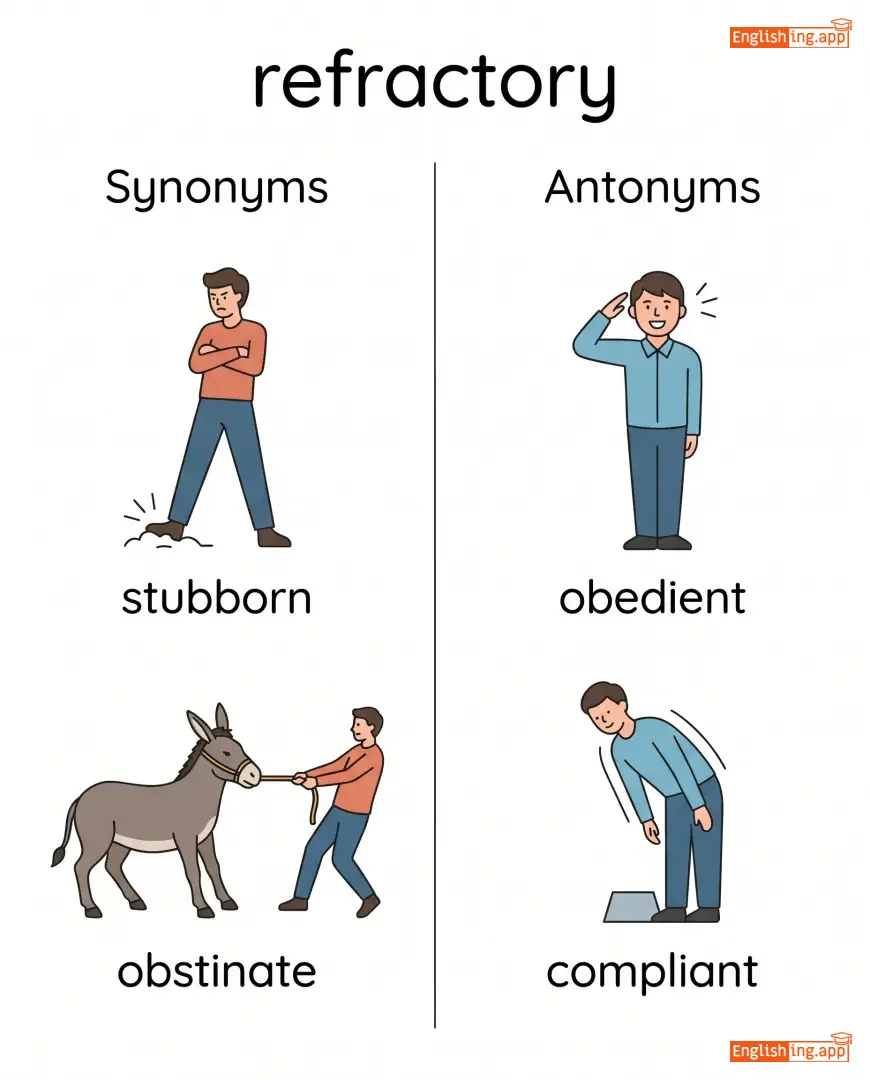
stubborn, obstinate, unmanageable, disobedient, resistant
••••••
|
obedient, compliant, submissive
••••••
|
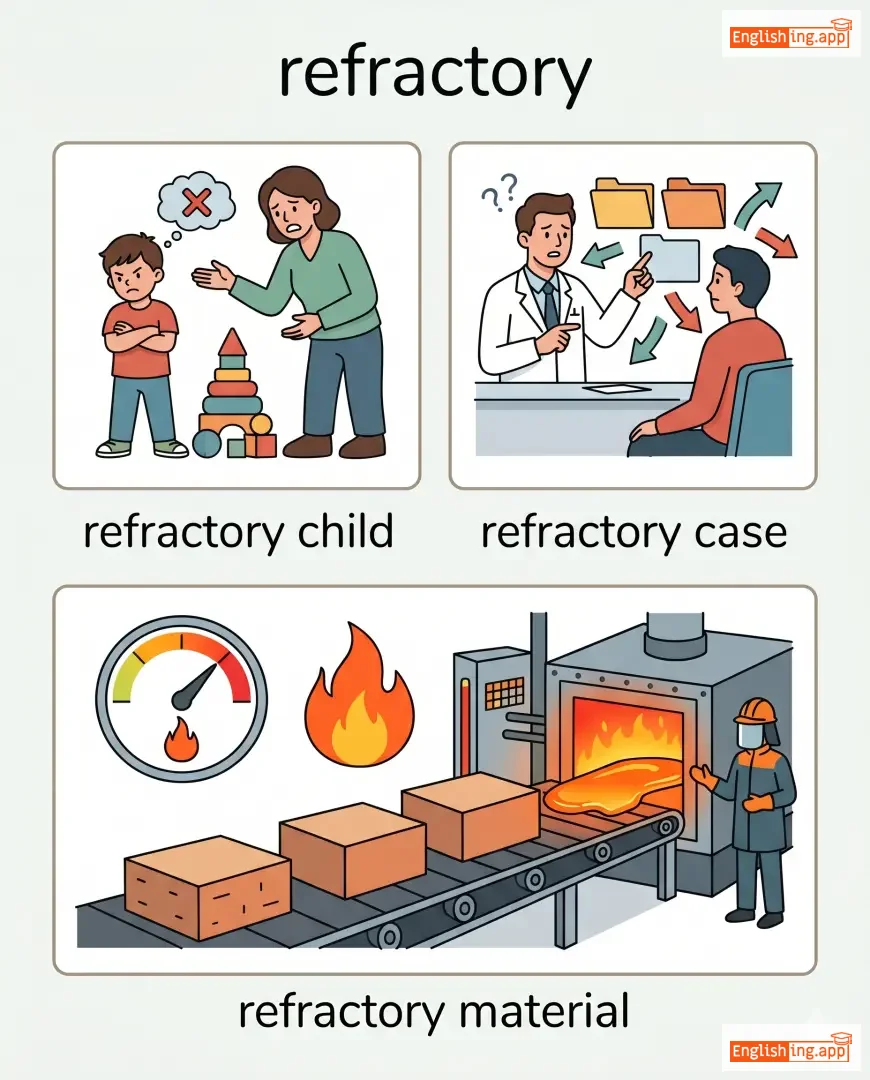
refractory child, refractory case, refractory material, refractory period
••••••
|
Re-factory (工場に行かない) → 反抗的な、命令に従わない。
••••••
|
Vocabulary Quiz
Test your vocabulary by matching words with their translations or meanings.
Login to take the quiz
Comments (0)
Share your thoughts and join the discussion.
Join the discussion by logging in
Login to CommentNo comments yet
Be the first to share your thoughts!