

翻訳
過去
過去分詞
三人称単数
動名詞
意味
例文
例文の翻訳
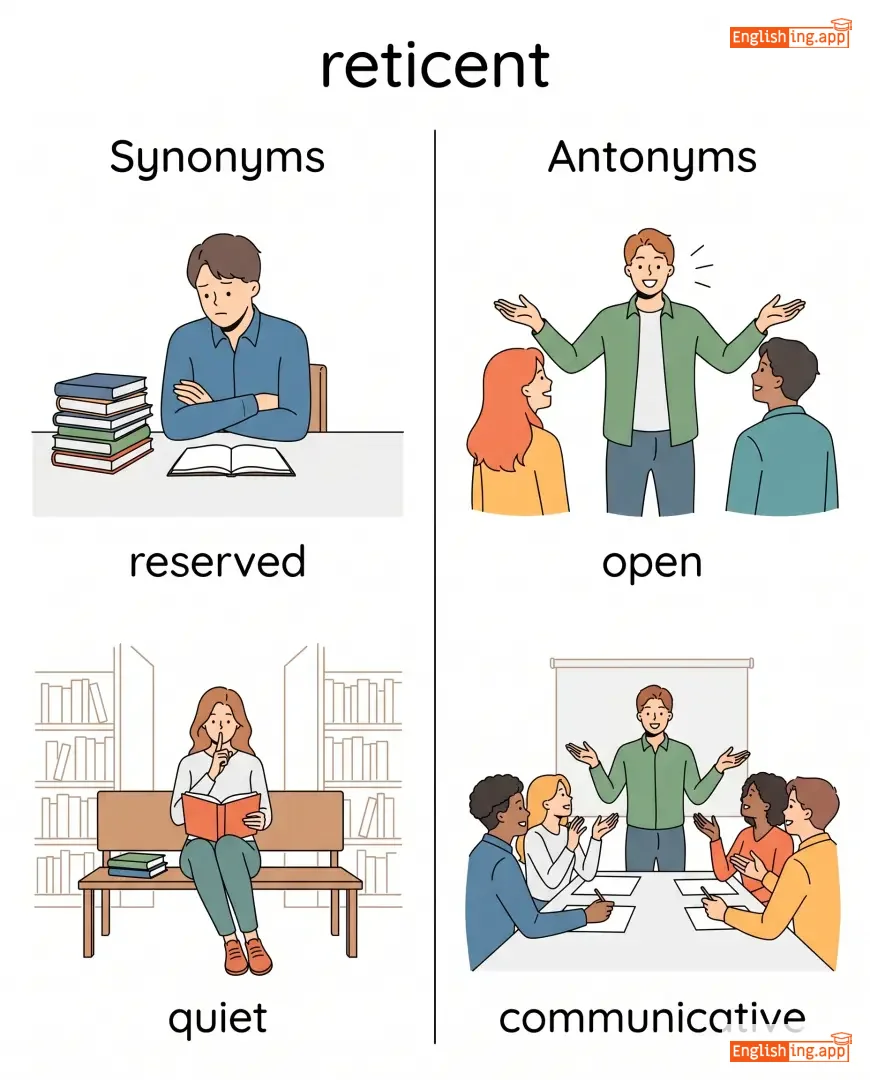
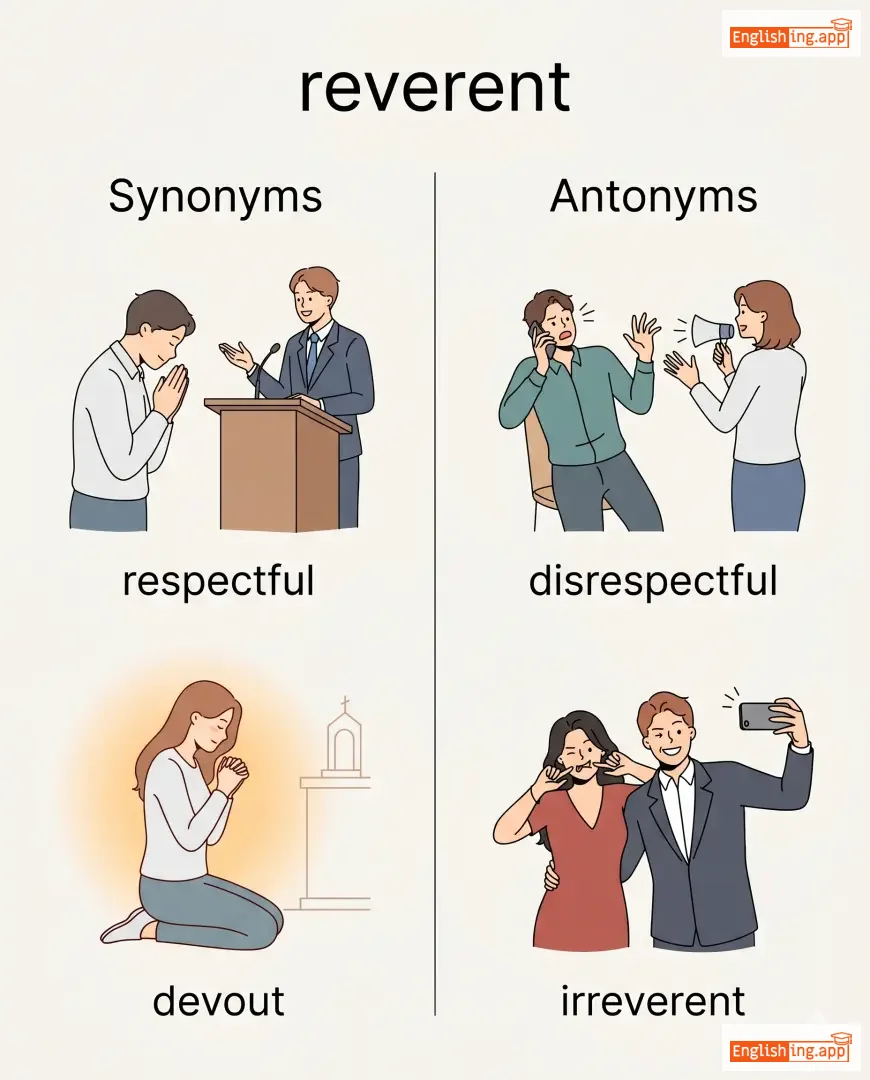
同義語
対義語
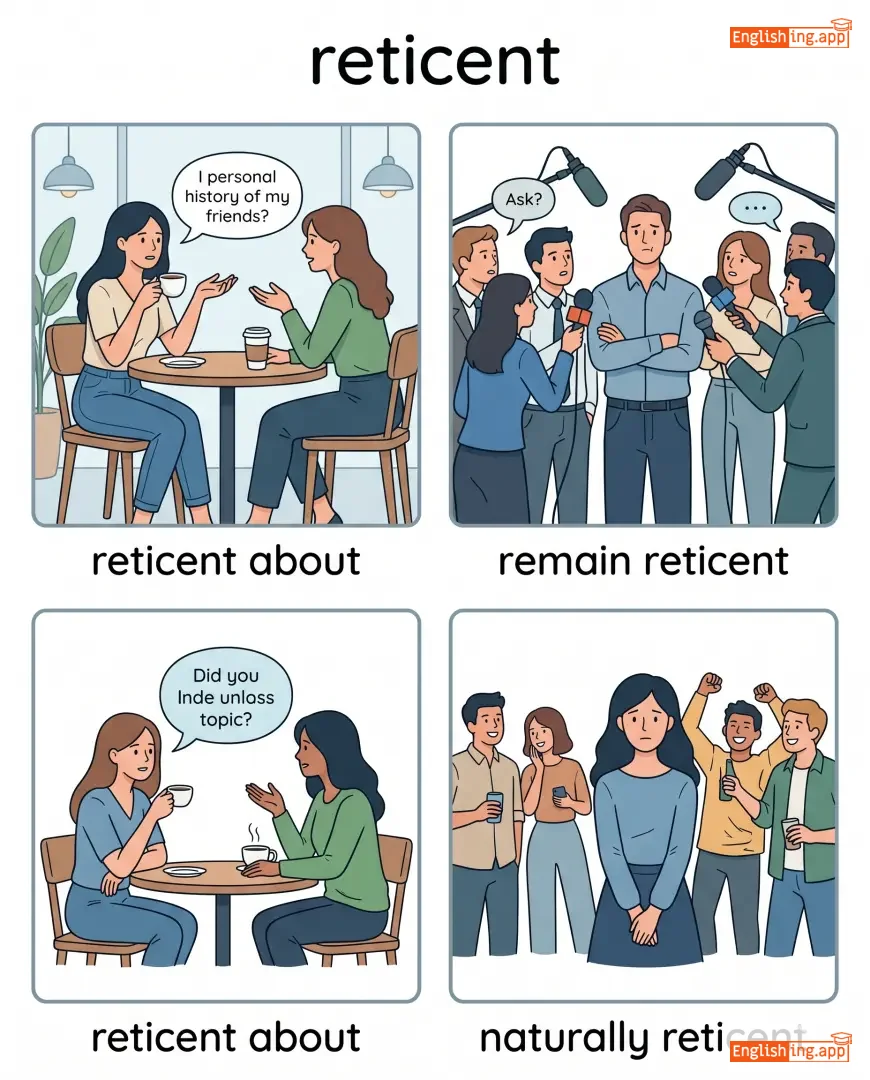
コロケーション
ニーモニック


Swipe left or right, or use the buttons. Tap image to zoom.
例文の翻訳
単語
Lesson 12Lesson 12 - マスクトグル
|
絵文字
|
単語 | Images | 翻訳 | 過去 | 過去分詞 | 三人称単数 | 動名詞 | 意味 | 例文 | 例文の翻訳 | 表現例 | 表現例の意味 | 表現例の翻訳 | 同義語 | 対義語 | コロケーション | ニーモニック |
|---|---|---|---|---|---|---|---|---|---|---|---|---|---|---|---|---|---|
|
#276
🚫
|
/rɪˈfjuːt/
verb
(リフュート)
••••••
|
|
反論する
hanron suru
••••••
|
refuted
リフューテッド
••••••
|
refuted
リフューテッド
••••••
|
refutes
リフューツ
••••••
|
refuting
リフューティング
••••••
|
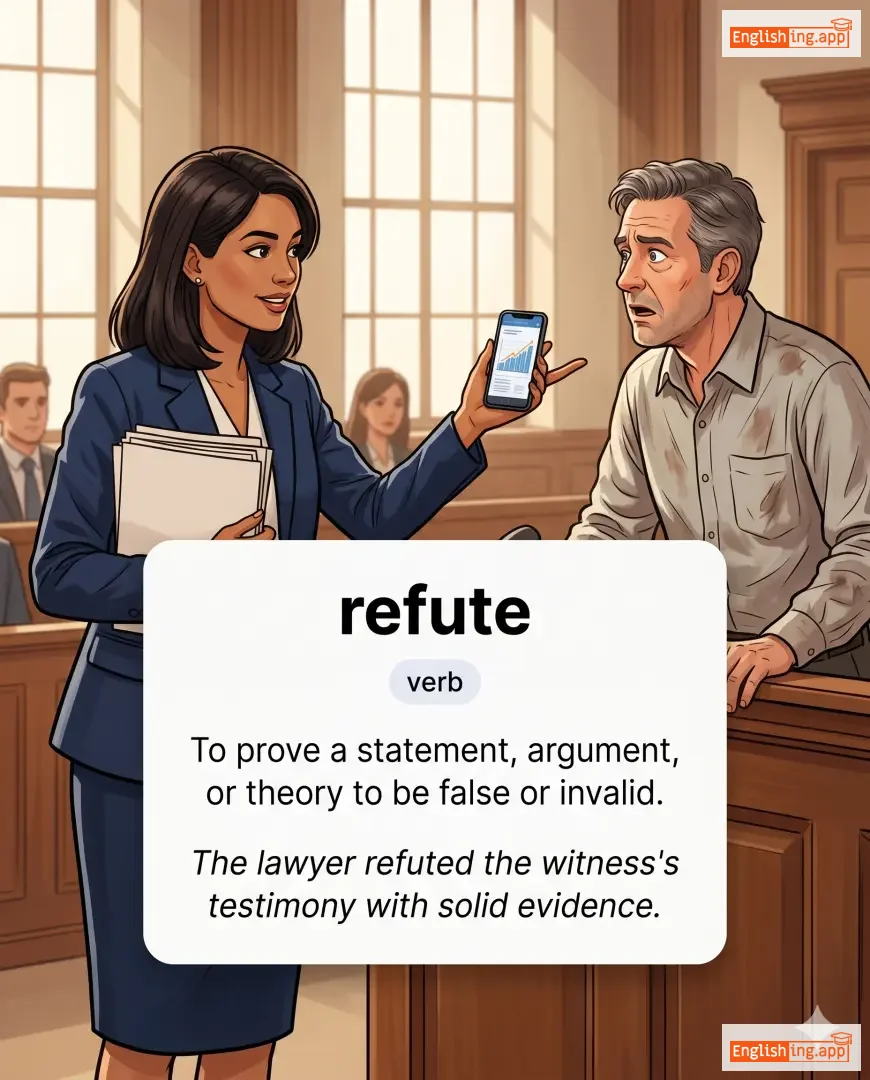
To prove a statement, argument, or theory to be false or invalid.
••••••
|
The lawyer refuted the witness's testimony with solid evidence.
弁護士は証人の証言を確かな証拠で反論しました。
••••••
|
弁護士は証人の証言を確かな証拠で反論しました。
Bengoshi wa shounin no shougen wo tashikana shouko de hanron shimashita.
••••••
|
- •••••• | - •••••• | - •••••• |
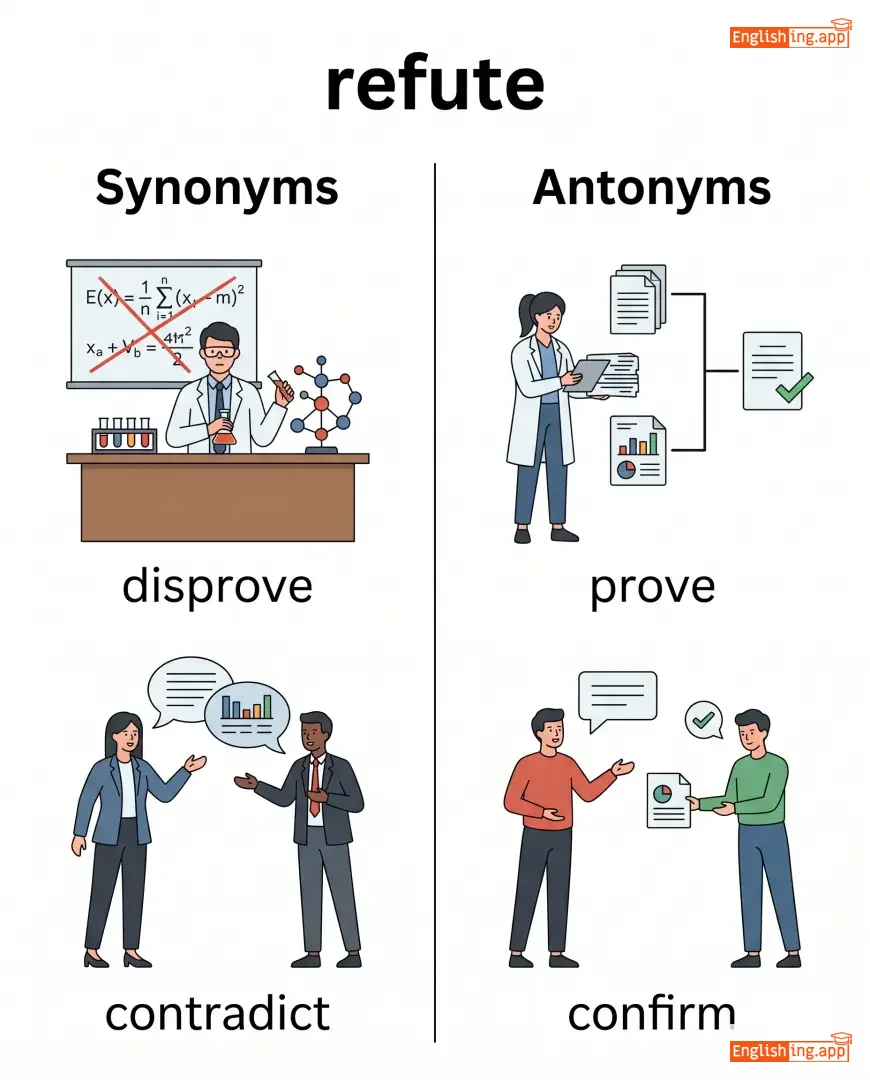
disprove, contradict, counter, deny
••••••
|
prove, confirm, validate
••••••
|
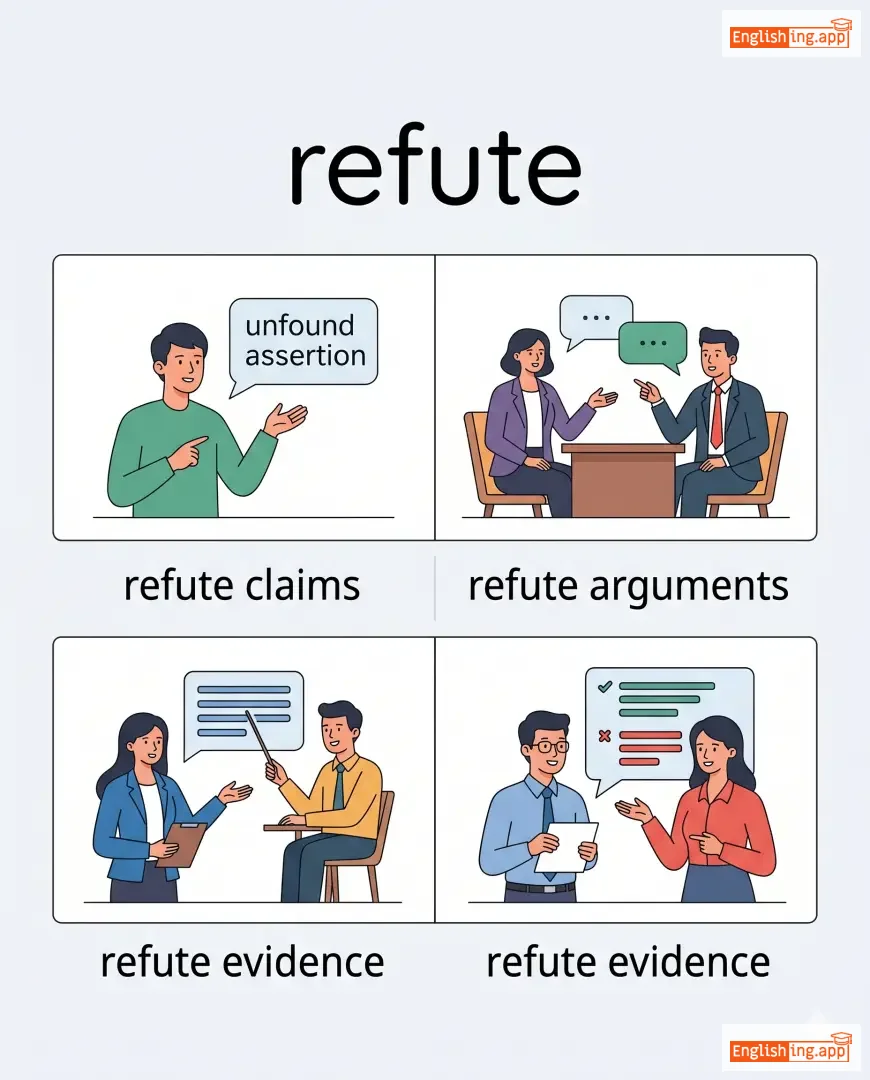
refute claims, refute arguments, refute evidence
••••••
|
Refuteは、反論すること、つまり誤りを否定することです。
••••••
|
|
#277
⬇️
|
/ˈrɛlɪɡeɪt/
verb
(レリゲート)
••••••
|
|
降格する
kōkaku suru
••••••
|
relegated
レリゲートされた
••••••
|
relegated
レリゲートされた
••••••
|
relegates
レリゲートする
••••••
|
relegating
レリゲートしている
••••••
|
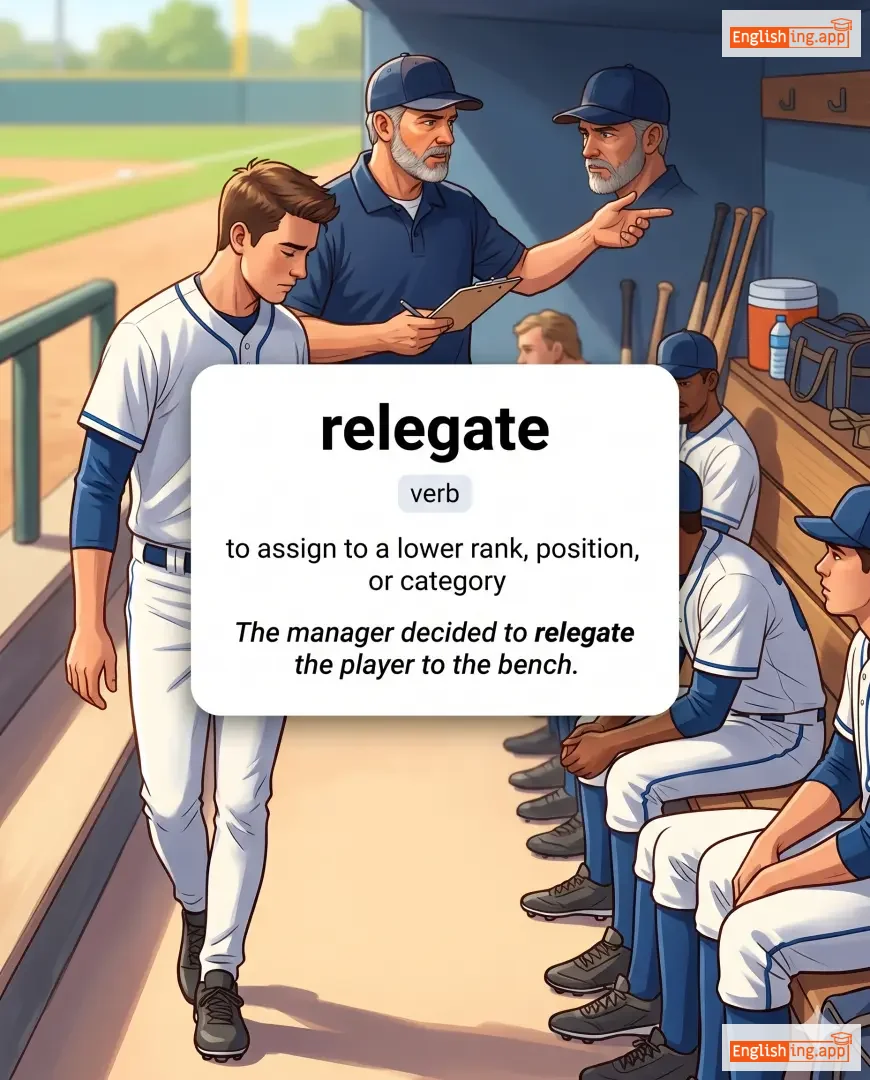
to assign to a lower rank, position, or category
••••••
|
The manager decided to relegate the player to the bench.
マネージャーは選手をベンチにレリゲートすることを決定しました。
••••••
|
マネージャーは選手をベンチにレリゲートすることを決定しました。
Manējā wa senshu o benchi ni rerigēto suru koto o kettei shimashita.
••••••
|
- •••••• | - •••••• | - •••••• |
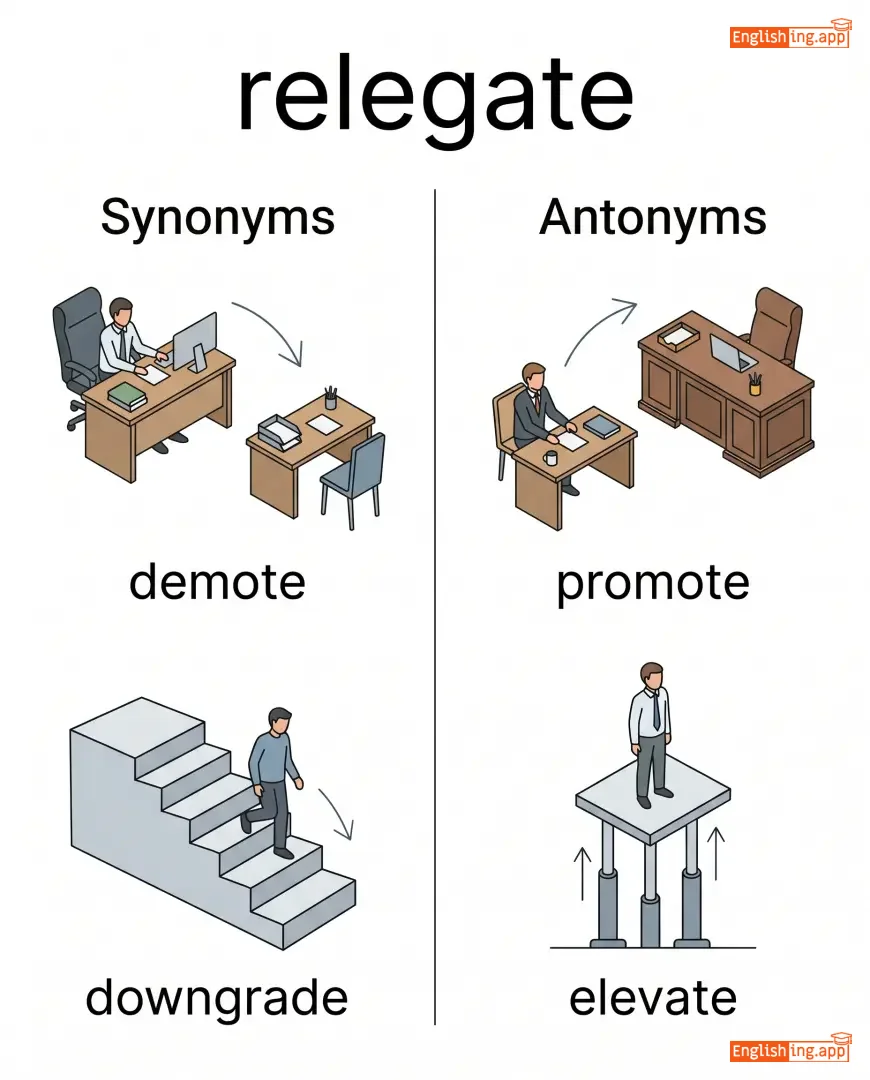
demote, downgrade, consign, assign
••••••
|
promote, elevate, upgrade
••••••
|
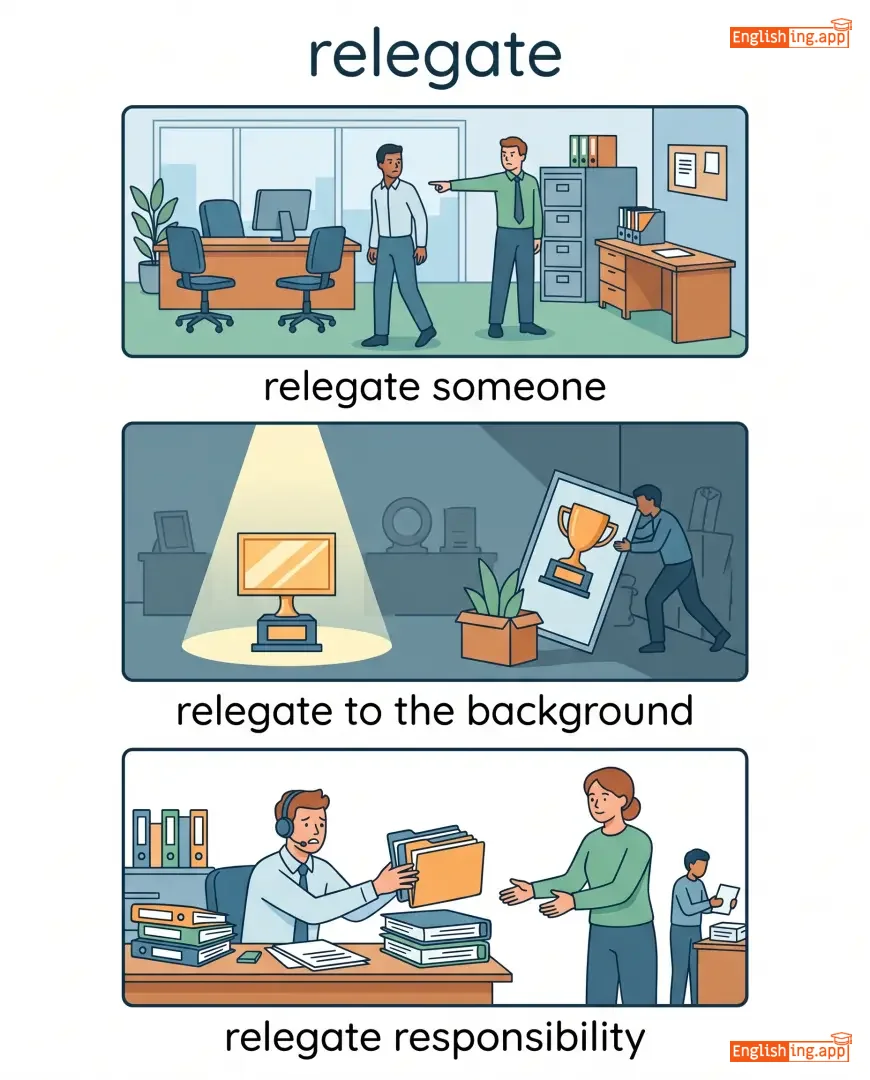
relegate someone, relegate to the background, relegate responsibility
••••••
|
レリゲートとはランクを下げること - '降格' と 'ベンチ' が一緒に覚えやすい。
••••••
|
|
#278
👎
|
/rɪˈproʊtʃ/
noun/verb
(レプローチ)
••••••
|
|
非難 / 批判
hinan / hihan
••••••
|
reproached
レプローチド
••••••
|
reproached
レプローチド
••••••
|
reproaches
レプローチズ
••••••
|
reproaching
レプローチング
••••••
|
An expression of disapproval or disappointment; to criticize someone for doing wrong.
••••••
|
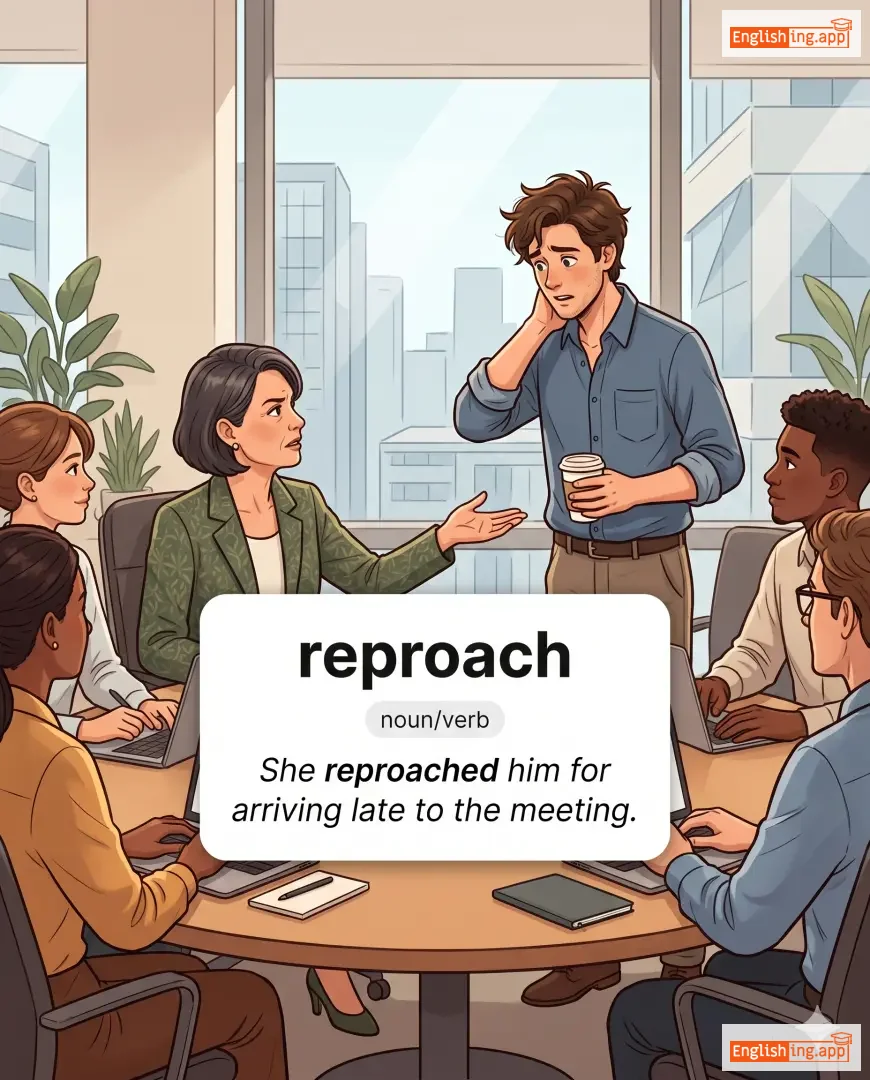
She reproached him for arriving late to the meeting.
彼女は会議に遅れたことを彼に非難した。
••••••
|
彼女は会議に遅れたことを彼に非難した。
Kanojo wa kaigi ni okureta koto o kare ni hinan shita.
••••••
|
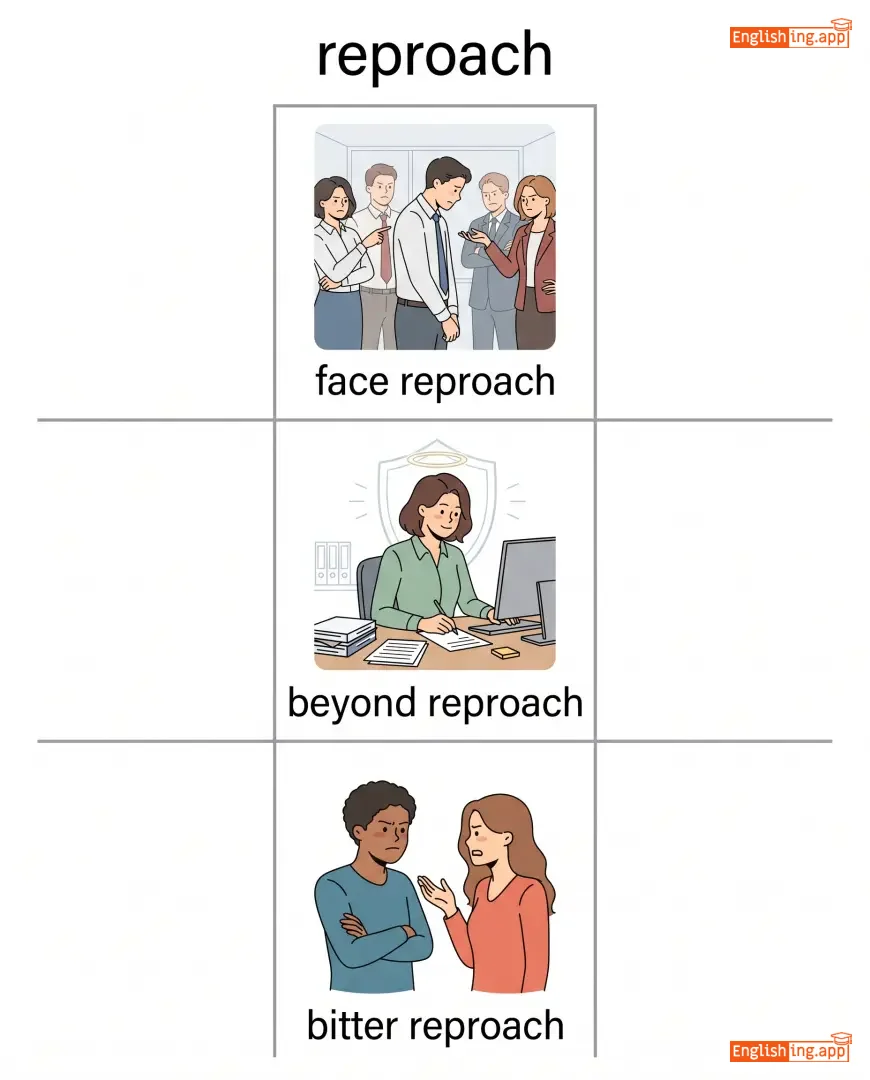
beyond reproach
非難を越えて
••••••
|
So good that there is no fault or criticism.
••••••
|
非難を越えて
hihan o koete
••••••
|
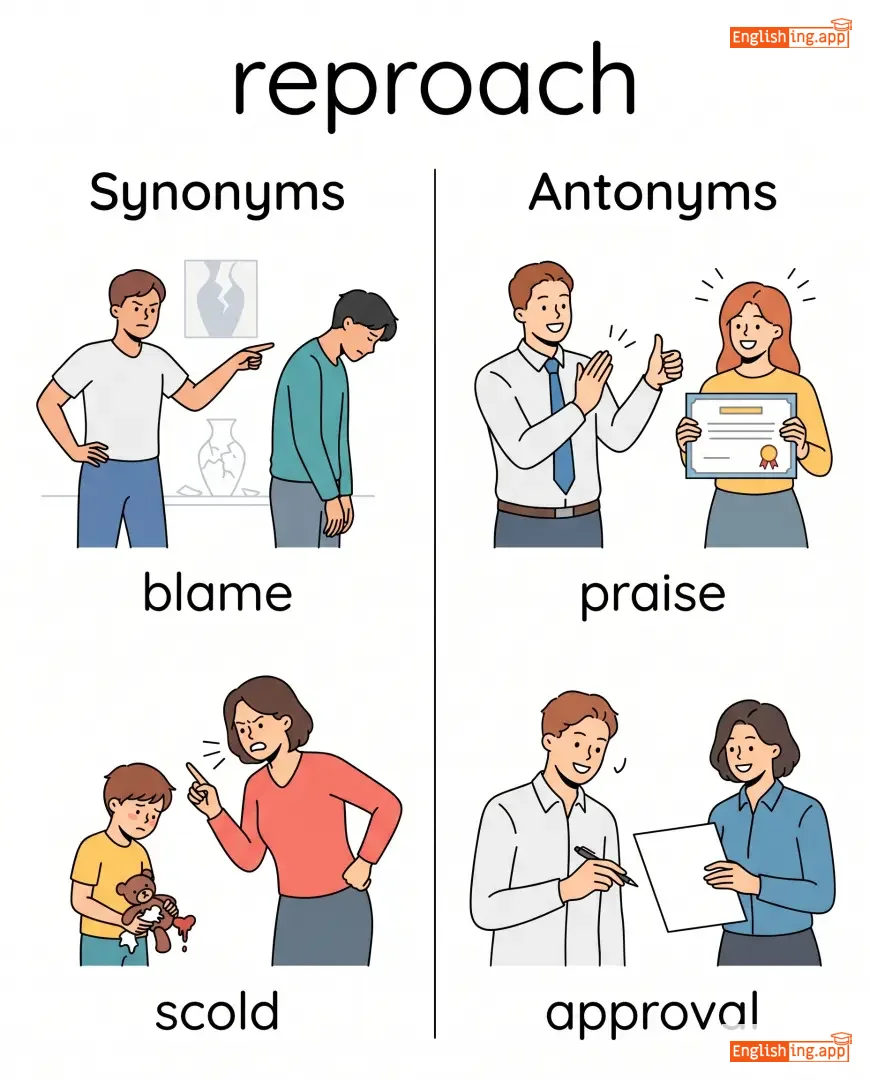
blame, scold, rebuke, criticism, censure
••••••
|
praise, approval, commendation
••••••
|
face reproach, beyond reproach, bitter reproach, severe reproach
••••••
|
Re-proach → 非難は再び近づいて批判すること。
••••••
|
|
#279
😈
|
/ˈrɛprəˌbeɪt/
noun, adjective, verb
••••••
|
|
- •••••• |
reprobated
••••••
|
reprobated
••••••
|
reprobates
••••••
|
reprobating
••••••
|
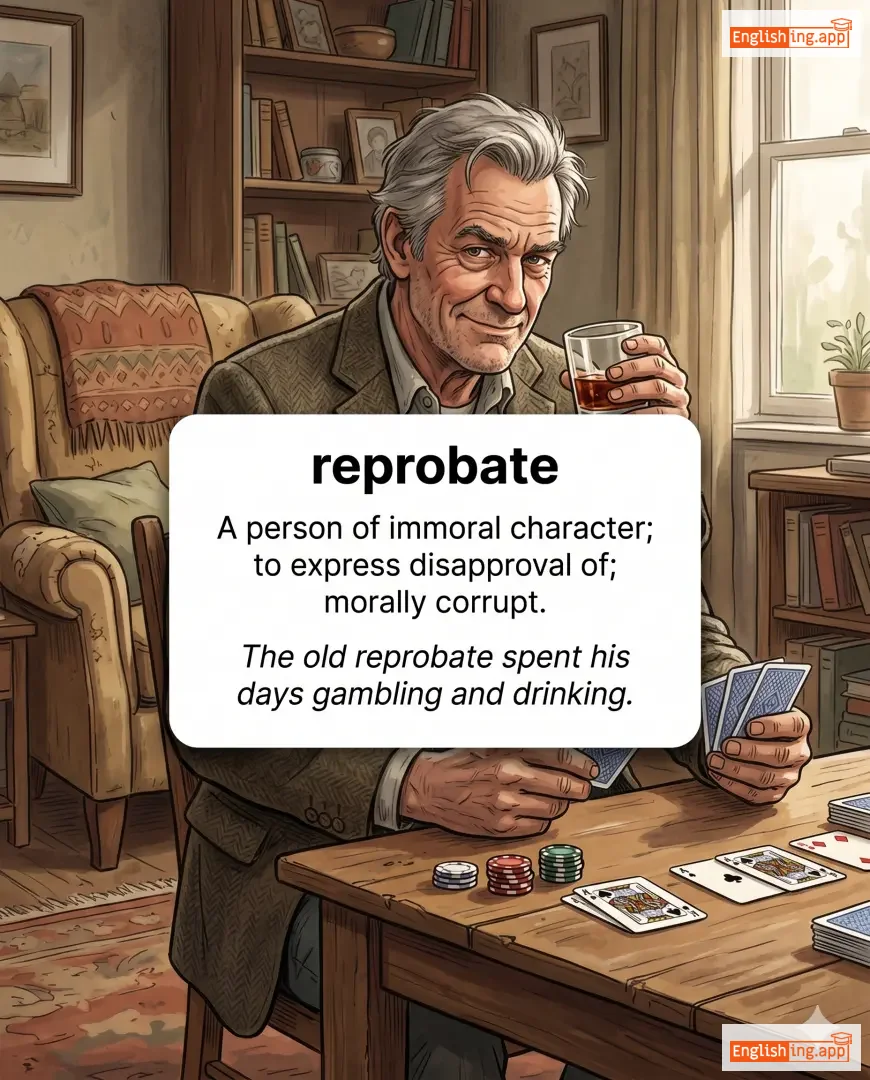
A person of immoral character; to express disapproval of; morally corrupt.
••••••
|
The old reprobate spent his days gambling and drinking. |
- •••••• |
an old reprobate |
a person with a long history of immoral or disapproved behavior
••••••
|
- •••••• |
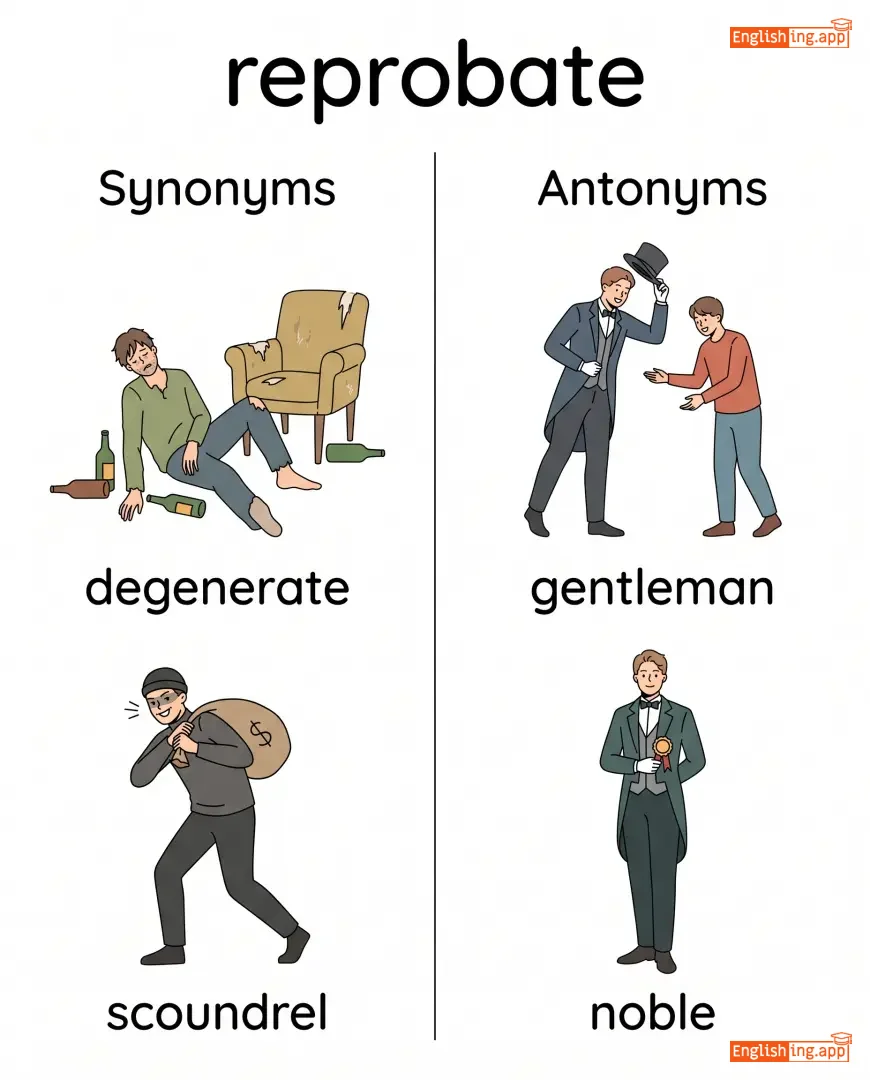
degenerate, scoundrel, rogue, villain, miscreant
••••••
|
gentleman, noble, virtuous
••••••
|
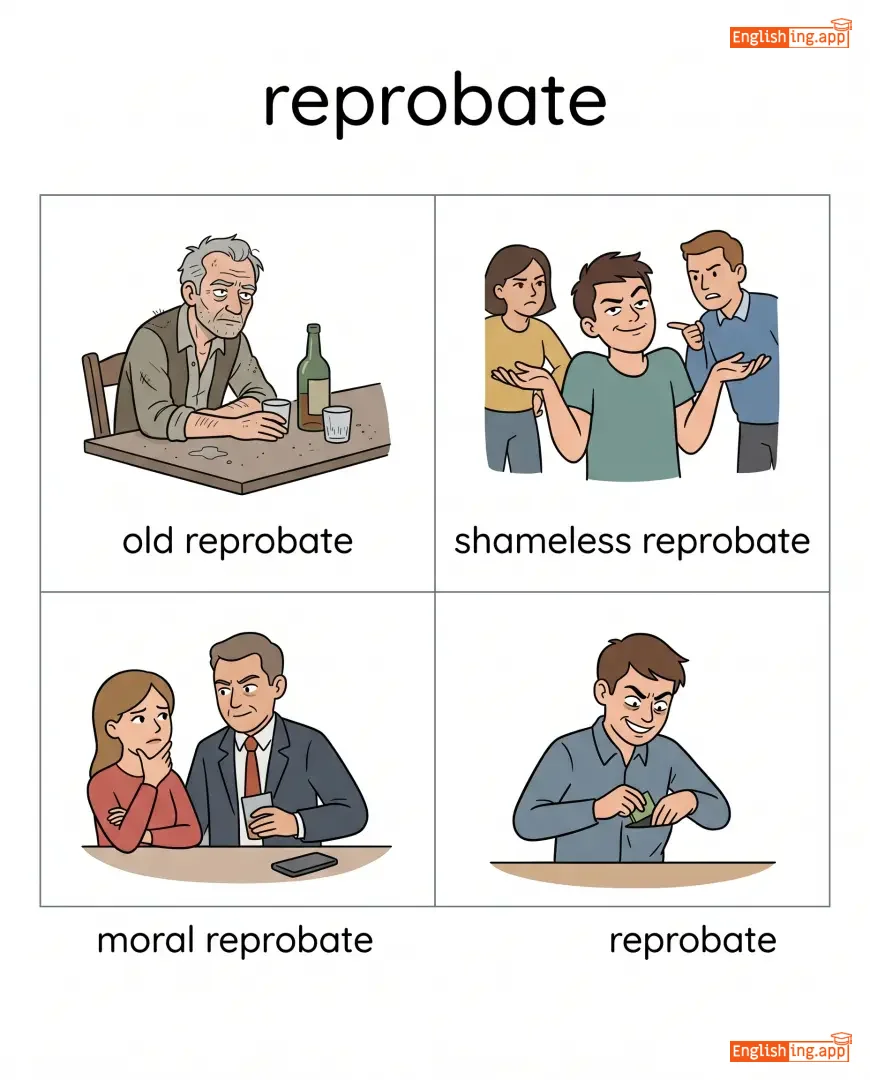
old reprobate, shameless reprobate, moral reprobate
••••••
|
No •••••• |
|
#280
🙅
|
/rɪˈpjuː.di.eɪt/
verb
(リピュディエイト)
••••••
|
|
否定する
hitei suru
••••••
|
repudiated
リピュディエイテッド
••••••
|
repudiated
リピュディエイテッド
••••••
|
repudiates
リピュディエイツ
••••••
|
repudiating
リピュディエイティング
••••••
|
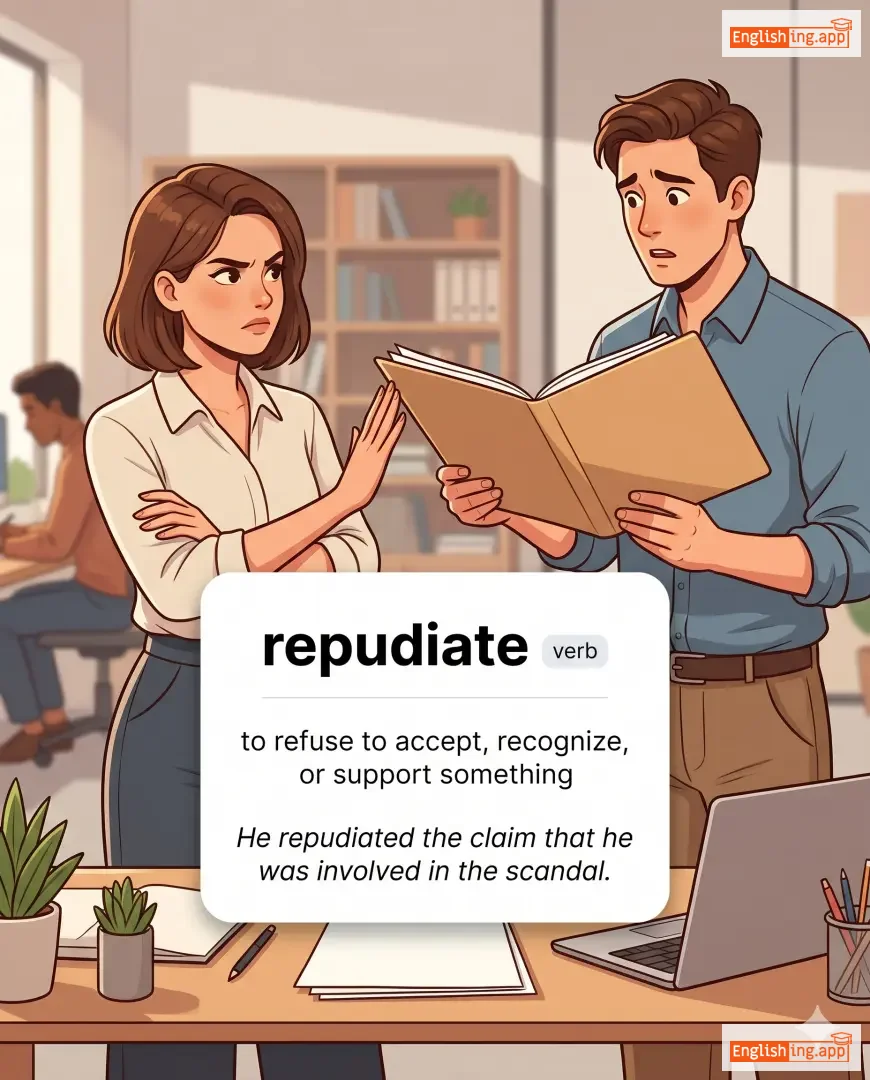
to refuse to accept, recognize, or support something
••••••
|
He repudiated the claim that he was involved in the scandal.
彼はそのスキャンダルに関与していたという主張を否定しました。
••••••
|
彼はそのスキャンダルに関与していたという主張を否定しました。
Kare wa sono sukyandaru ni kan'yo shite ita to iu shuchou o hitei shimashita.
••••••
|
repudiate a claim
主張を否定する
••••••
|
to formally reject or deny a statement or allegation
••••••
|
主張を否定する
Shuchou o hitei suru
••••••
|
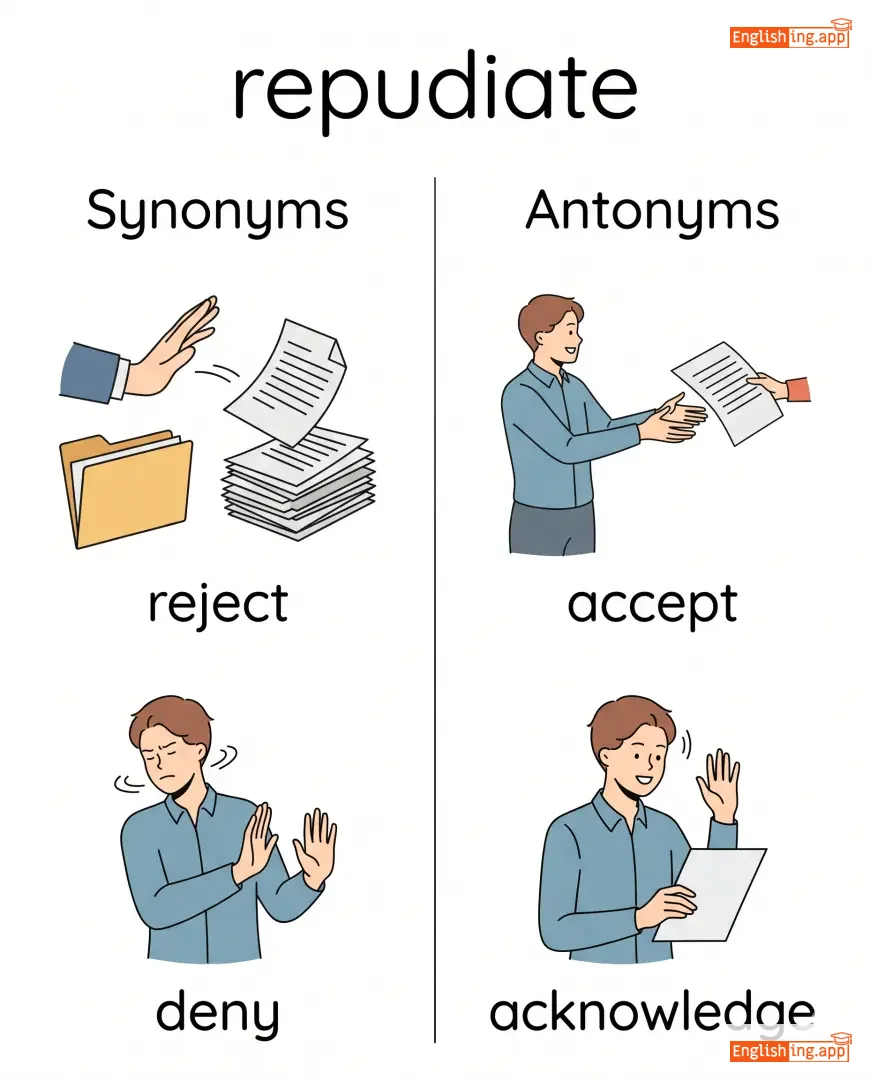
reject, deny, renounce, disown, disclaim
••••••
|
accept, acknowledge, admit
••••••
|
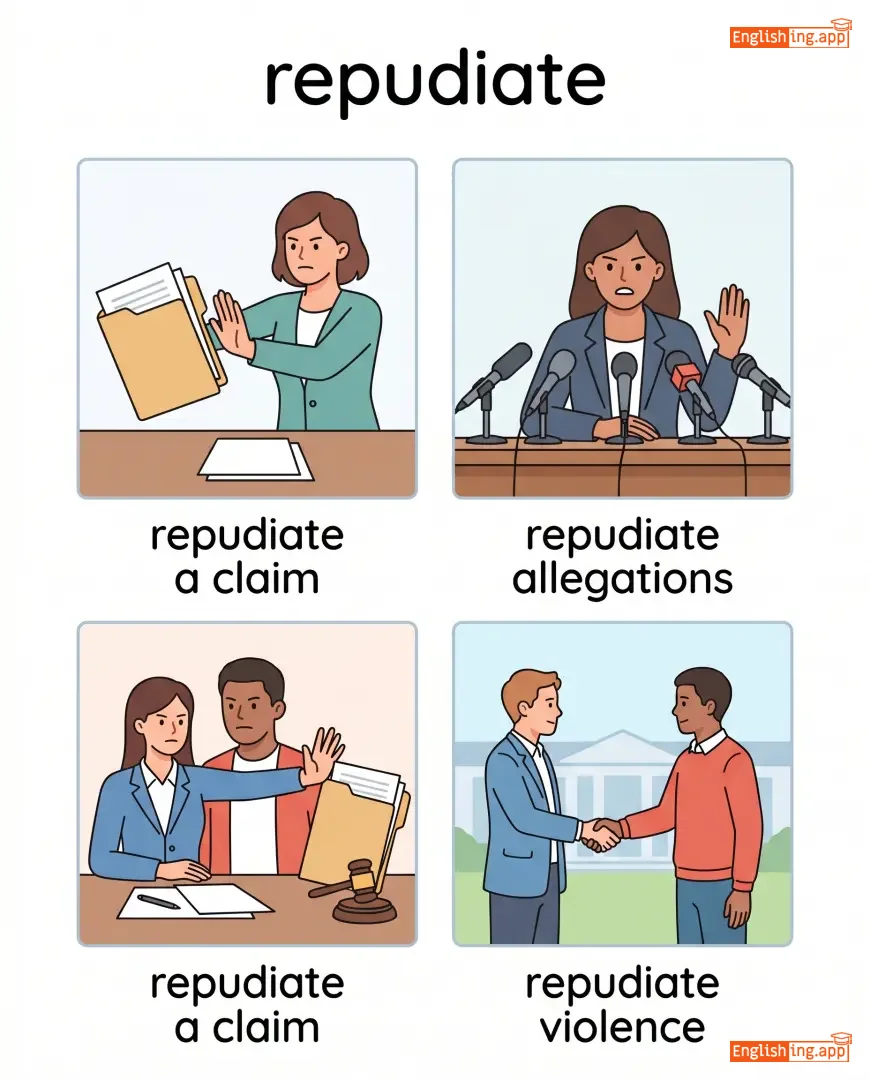
repudiate a claim, repudiate allegations, repudiate violence, repudiate responsibility
••••••
|
Re + 否定 → 否定する
••••••
|
|
#281
❌
|
/rɪˈsɪnd/
verb
(リシンド)
••••••
|
|
取り消す
torikesu
••••••
|
rescinded
リシンデッド
••••••
|
rescinded
リシンデッド
••••••
|
rescinds
リシンズ
••••••
|
rescinding
リシンディング
••••••
|
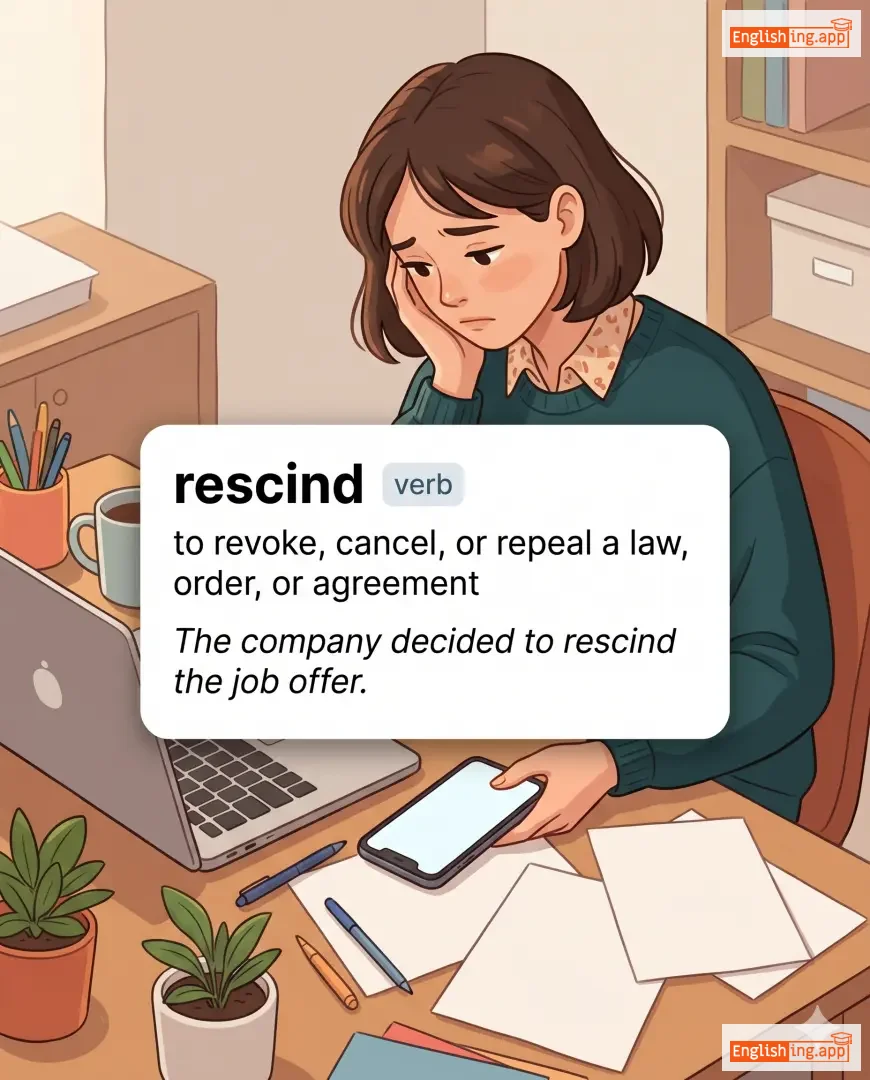
to revoke, cancel, or repeal a law, order, or agreement
••••••
|
The company decided to rescind the job offer.
その会社は仕事のオファーを取り消すことを決定しました。
••••••
|
その会社は仕事のオファーを取り消すことを決定しました。
Sono kaisha wa shigoto no ofā o torikesu koto o kettei shimashita.
••••••
|
rescind an offer
オファーを取り消す
••••••
|
to officially cancel an offer
••••••
|
オファーを取り消す
ofā o torikesu
••••••
|
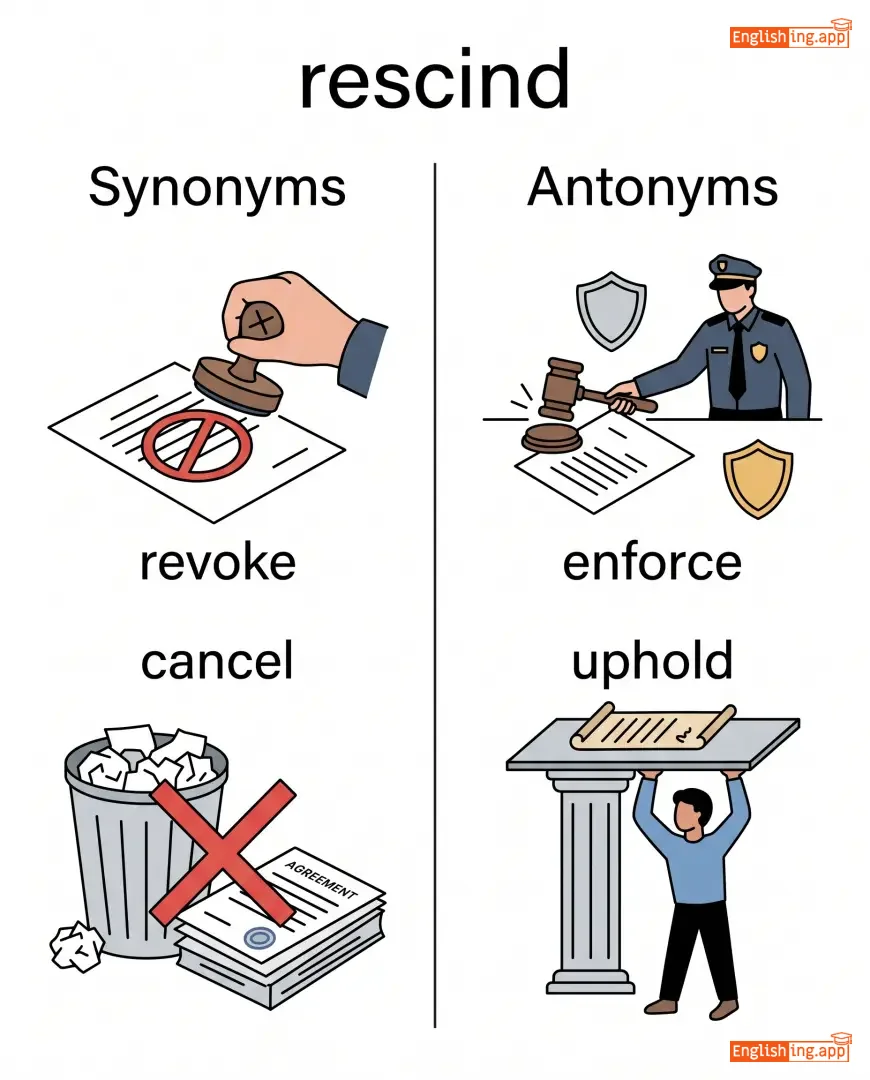
revoke, cancel, repeal, annul, withdraw
••••••
|
enforce, uphold, implement
••••••
|
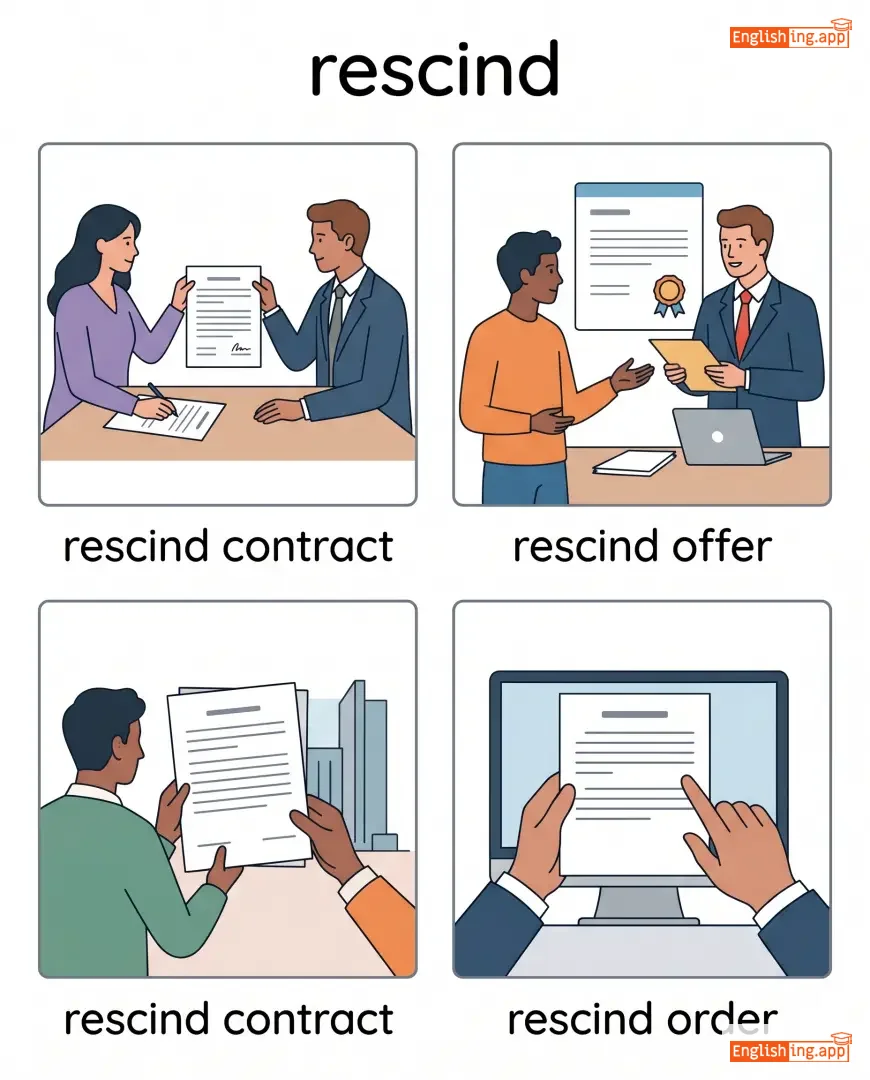
rescind contract, rescind offer, rescind order, rescind decision
••••••
|
Re-Sind はオファーを取り消すことを意味します。
••••••
|
|
#282
📜
|
/ˌrɛzəˈluːʃən/
noun
(rezoryūshon)
••••••
|
|
決意
ketsui
••••••
|
- •••••• | - •••••• | - •••••• | - •••••• |
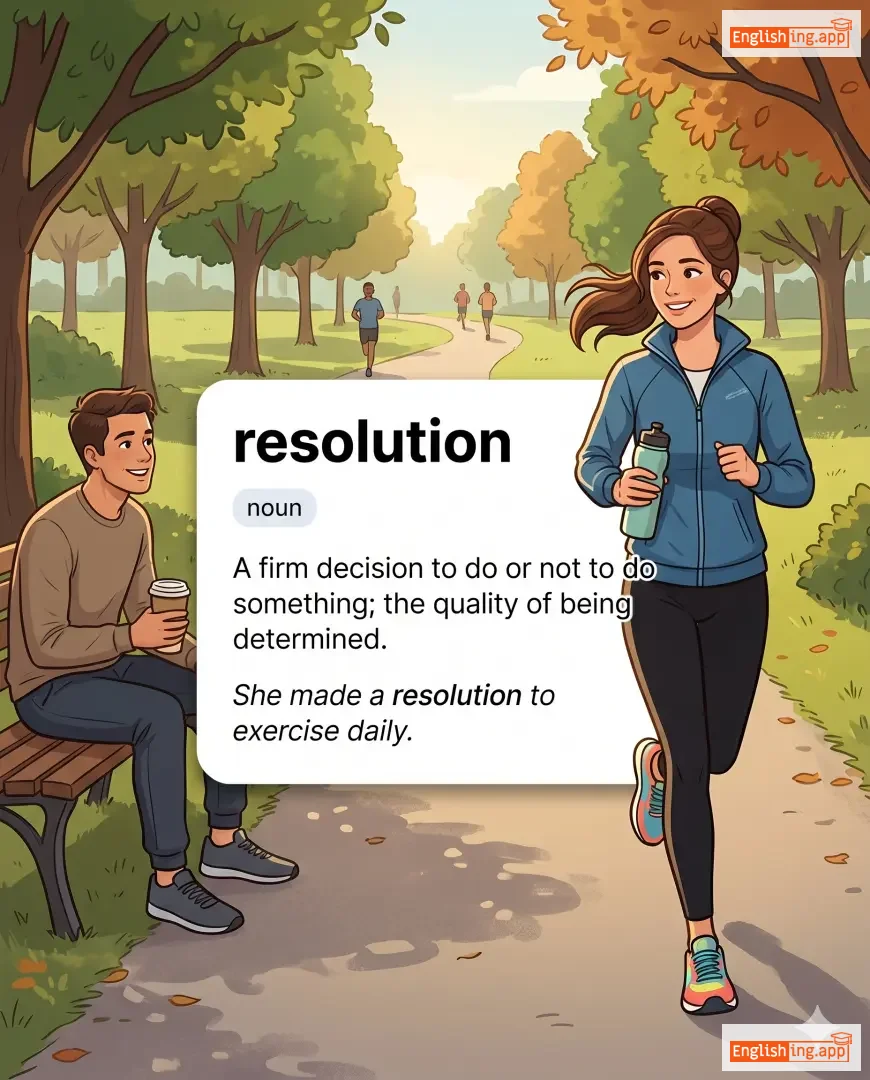
A firm decision to do or not to do something; the quality of being determined.
••••••
|
She made a resolution to exercise daily. |
彼女は毎日運動する決意をした。
Kanojo wa mainichi undō suru ketsui o shita.
••••••
|
New Year's resolution |
A firm decision or goal set at the beginning of a new year
••••••
|
新年の決意
Shinnen no ketsui
••••••
|
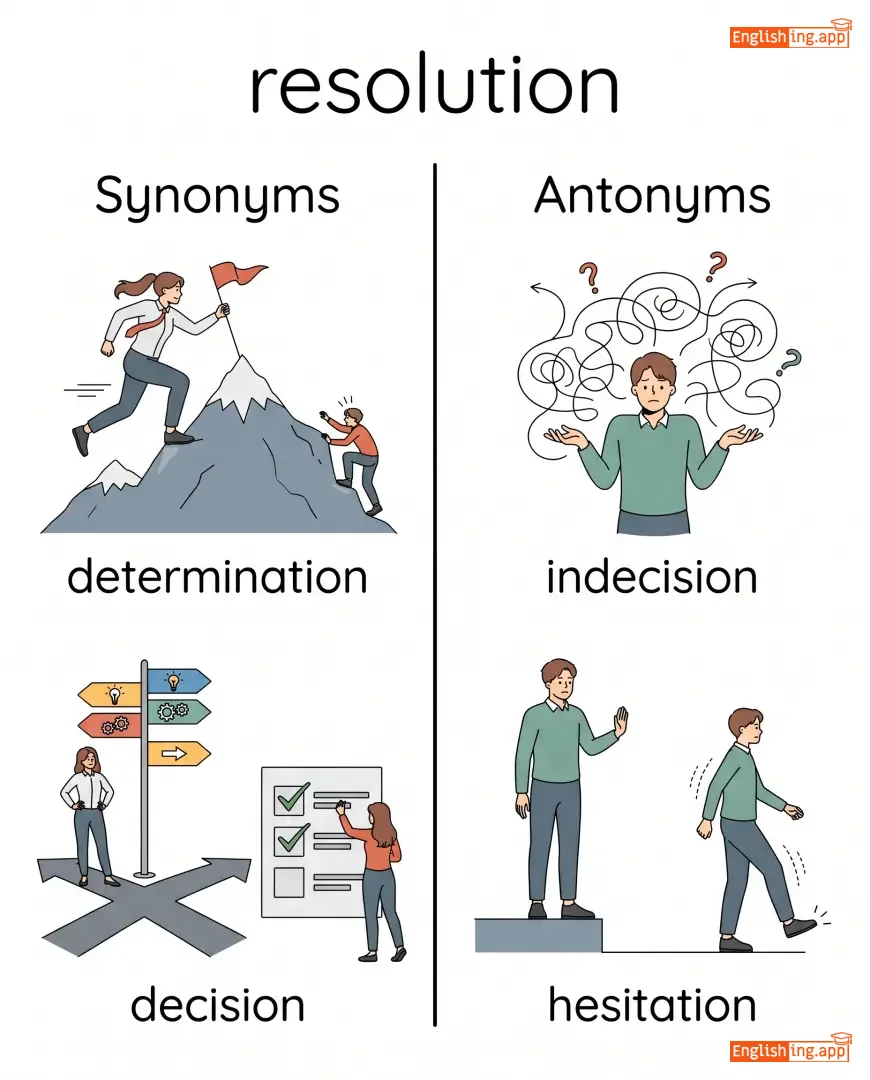
determination, decision, resolve, commitment, intention
••••••
|
indecision, hesitation, doubt
••••••
|
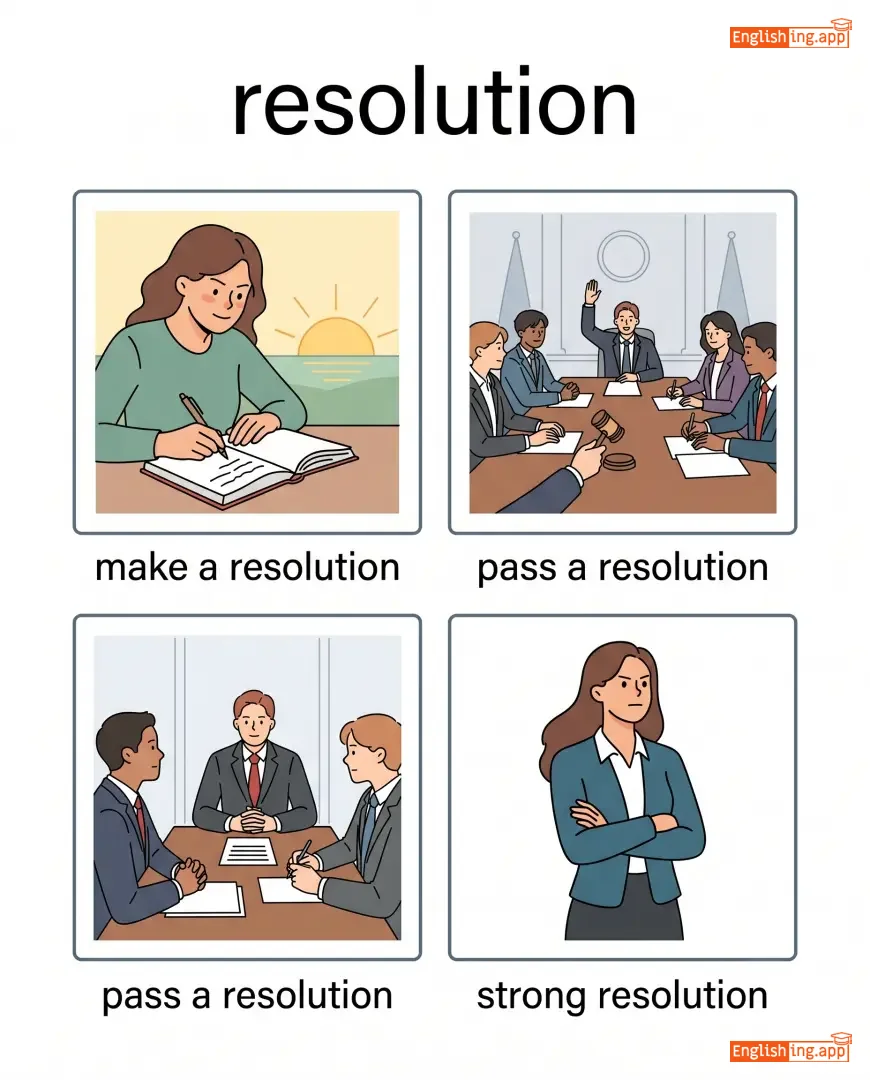
make a resolution, pass a resolution, strong resolution, resolution adopted
••••••
|
Resolution(決意)は日本語の決意と似ていて、新年に目標を決めよう!
••••••
|
|
#283
✅
|
/rɪˈzɒlv/
verb
(リゾルヴ)
••••••
|
|
解決する
kaiketsu suru
••••••
|
resolved
リゾルヴド
••••••
|
resolved
リゾルヴド
••••••
|
resolves
リゾルヴス
••••••
|
resolving
リゾルヴィング
••••••
|
To decide firmly on a course of action; to settle or solve a problem.
••••••
|
They resolved to finish the project on time.
彼らはプロジェクトを時間通りに終わらせる決意をした。
••••••
|
彼らはプロジェクトを時間通りに終わらせる決意をした。
Karera wa purojekuto o jikan doori ni owaraseru ketsui o shita.
••••••
|
resolve a conflict
対立を解決する
••••••
|
To find a solution to a disagreement
••••••
|
対立を解決する
Tairitsu o kaiketsu suru
••••••
|
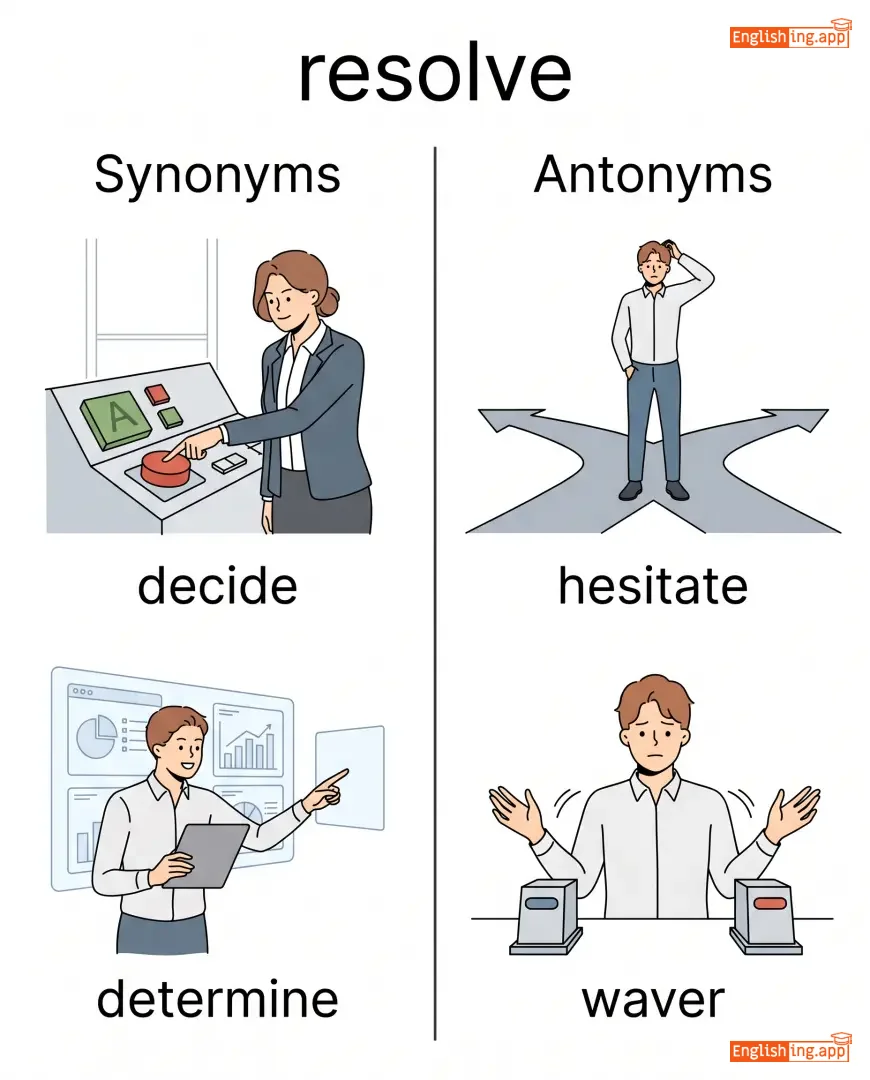
decide, determine, settle, conclude, fix
••••••
|
hesitate, waver, delay
••••••
|
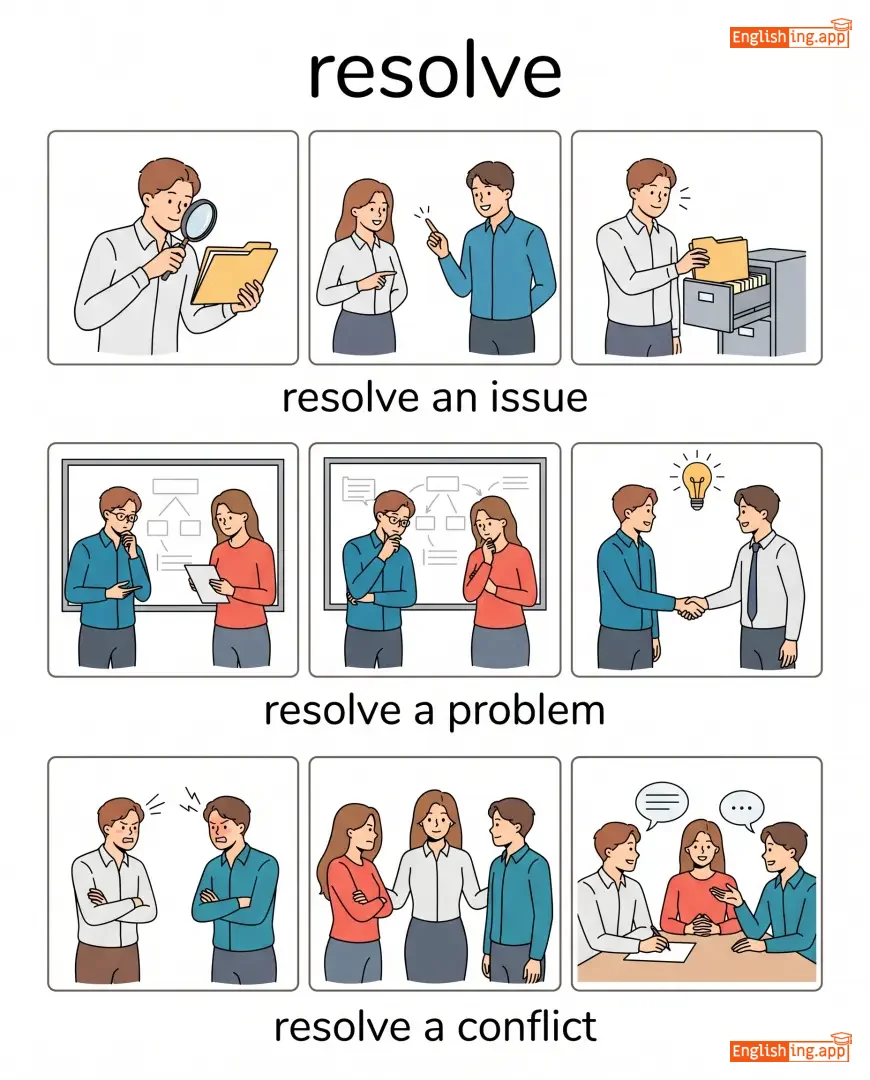
resolve an issue, resolve a problem, resolve a conflict, resolve to do
••••••
|
Resolve = 解決する、問題を解決するために。
••••••
|
|
#284
🙊
|
/ˈrɛtɪsənt/
adjective
(レティセント)
••••••
|
|
控えめ
hikaeme
••••••
|
- •••••• | - •••••• | - •••••• | - •••••• |
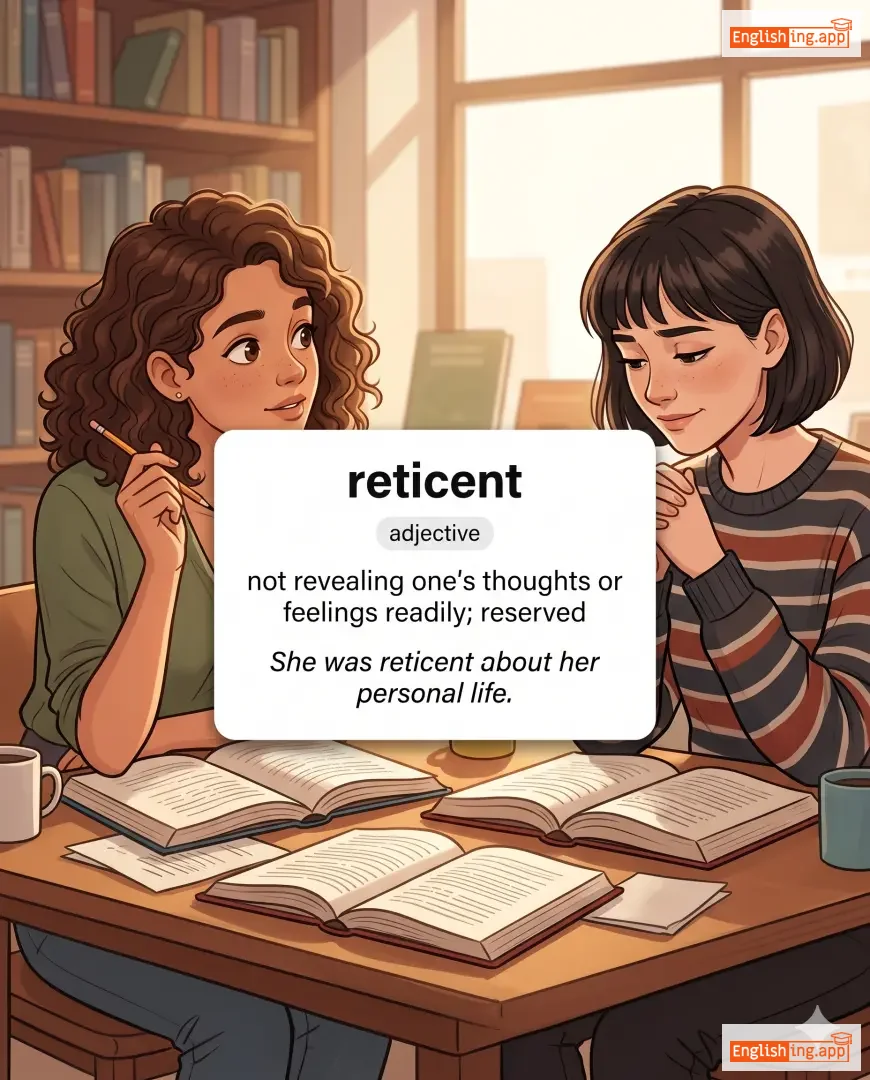
not revealing one's thoughts or feelings readily; reserved
••••••
|
She was reticent about her personal life. |
彼女は自分の個人的な生活について控えめでした。
Kanojo wa jibun no kojinteki na seikatsu ni tsuite hikaememashita.
••••••
|
- •••••• | - •••••• | - •••••• |
reserved, quiet, silent, secretive, restrained
••••••
|
open, communicative, talkative
••••••
|
reticent about, remain reticent, naturally reticent
••••••
|
Reticentは、控えめに心の中で思いを隠すような感じ。
••••••
|
|
#285
🕊️
|
/ˈrɛvərənt/
adjective
(レヴェレント)
••••••
|
|
敬虔な
keiken na
••••••
|
- •••••• | - •••••• | - •••••• | - •••••• |
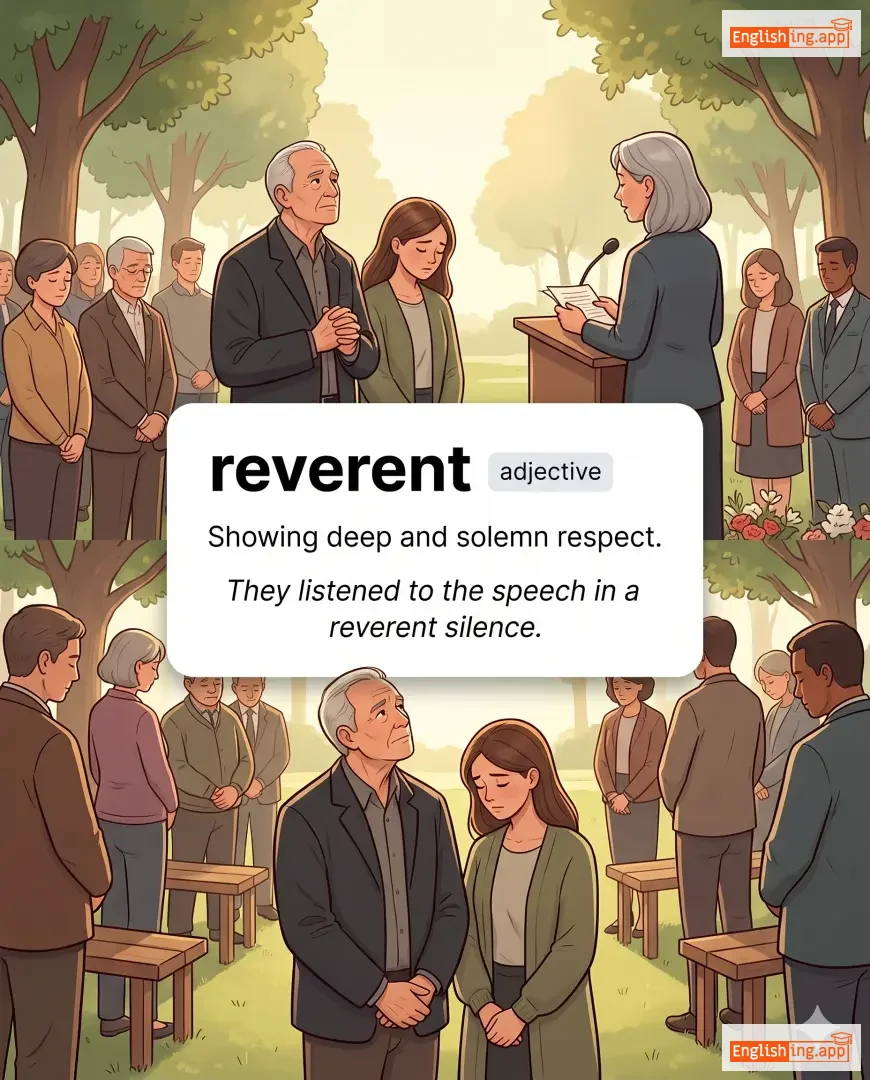
Showing deep and solemn respect.
••••••
|
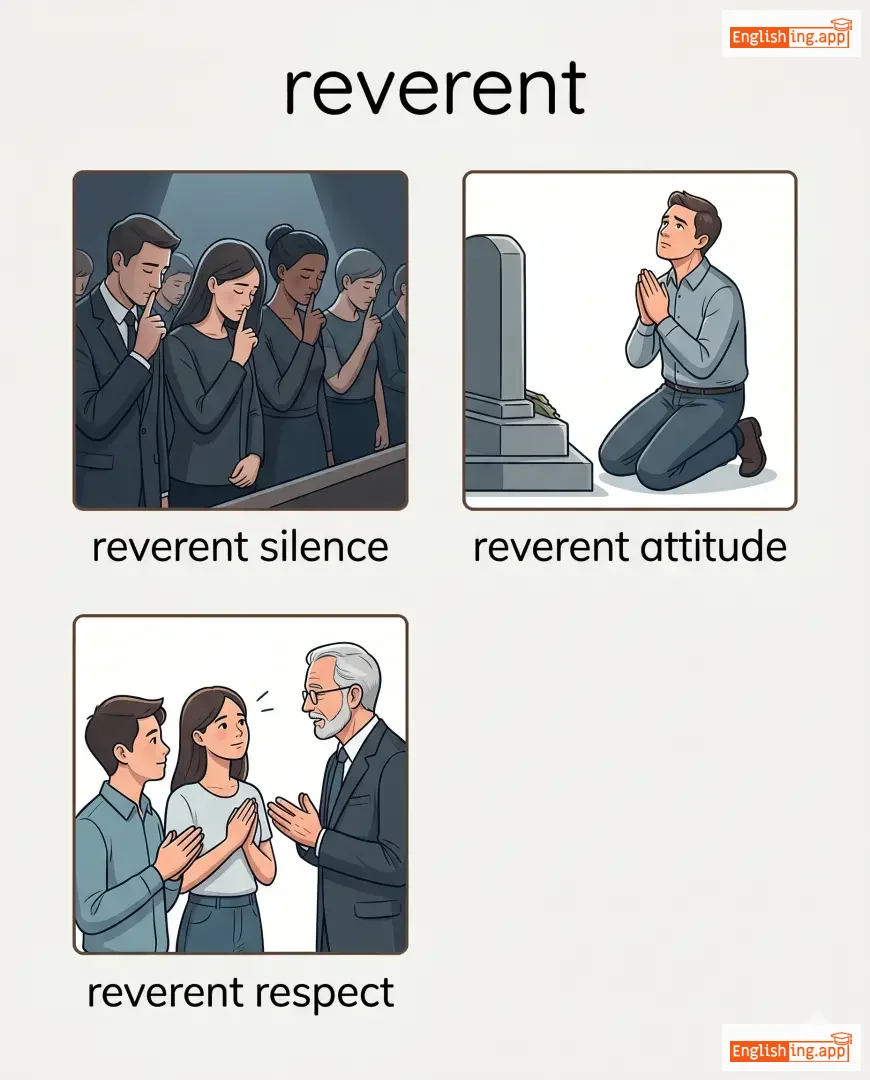
They listened to the speech in a reverent silence.
彼らは敬虔な沈黙の中でスピーチを聞いた。
••••••
|
彼らは敬虔な沈黙の中でスピーチを聞いた。
Karera wa keiken na chinmoku no naka de supīchi o kiita.
••••••
|
- •••••• | - •••••• | - •••••• |
respectful, devout, admiring, dutiful
••••••
|
disrespectful, irreverent
••••••
|
reverent silence, reverent attitude, reverent respect, reverent tone
••••••
|
敬虔なは深い尊敬を示す – keiken na.
••••••
|
|
#286
👴
|
/seɪdʒ/
noun
(セージ)
••••••
|
|
賢者
kenja
••••••
|
- •••••• | - •••••• | - •••••• | - •••••• |
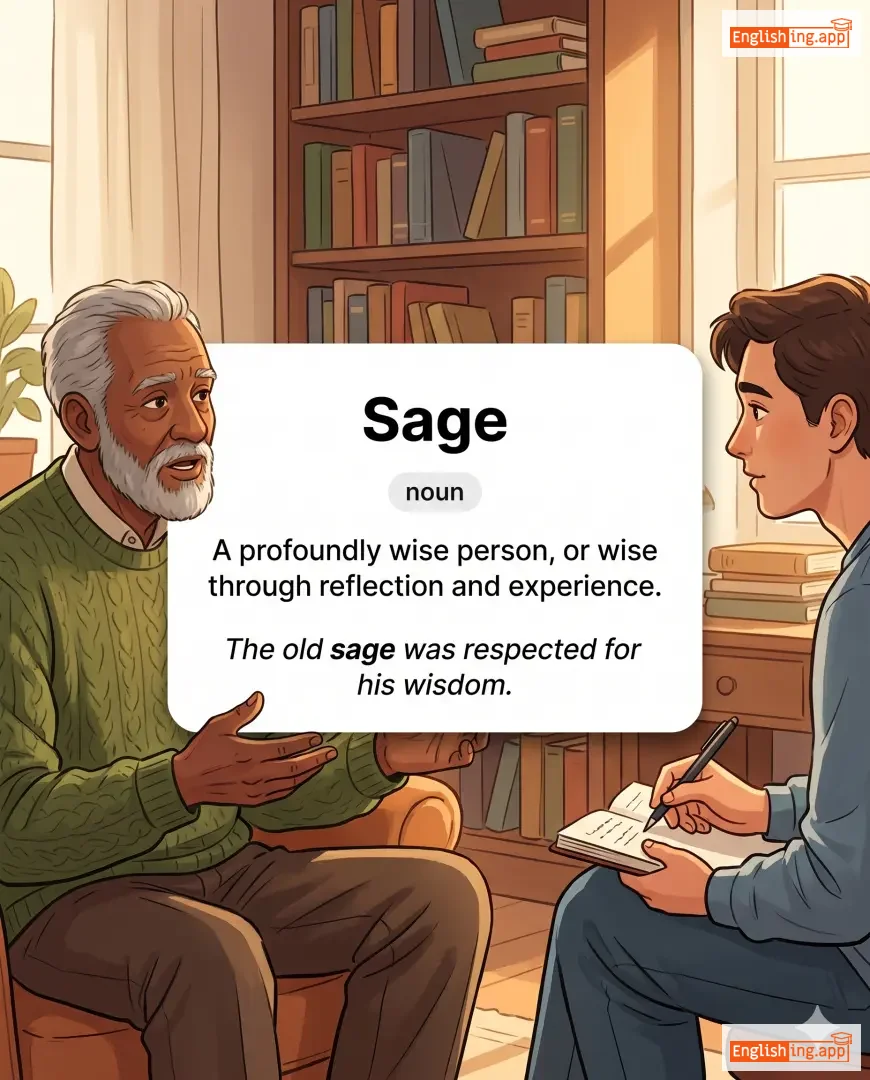
A profoundly wise person, or wise through reflection and experience.
••••••
|
The old sage was respected for his wisdom. |
その古い賢者はその知恵で尊敬されていました。
Sono furui kenja wa sono chie de sonkei sarete imashita.
••••••
|
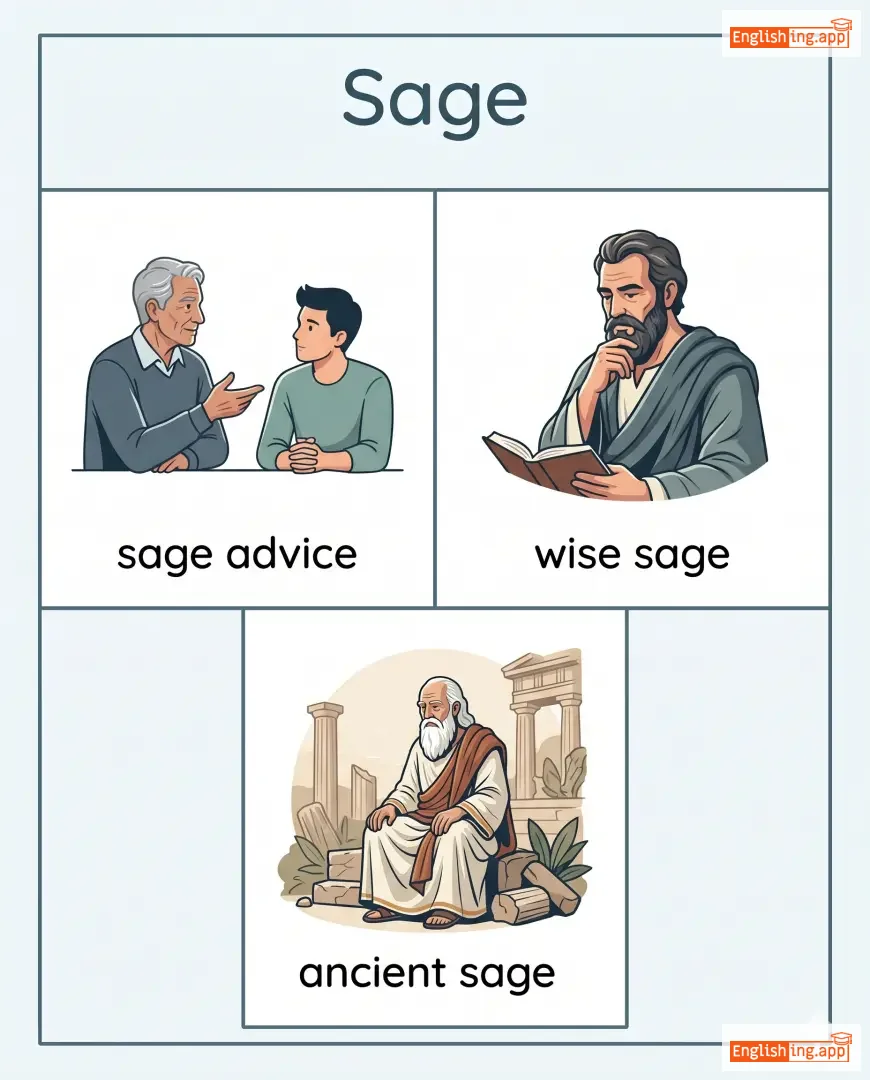
sage advice |
very wise or sensible advice
••••••
|
賢者のアドバイス
kenja no adobaisu
••••••
|
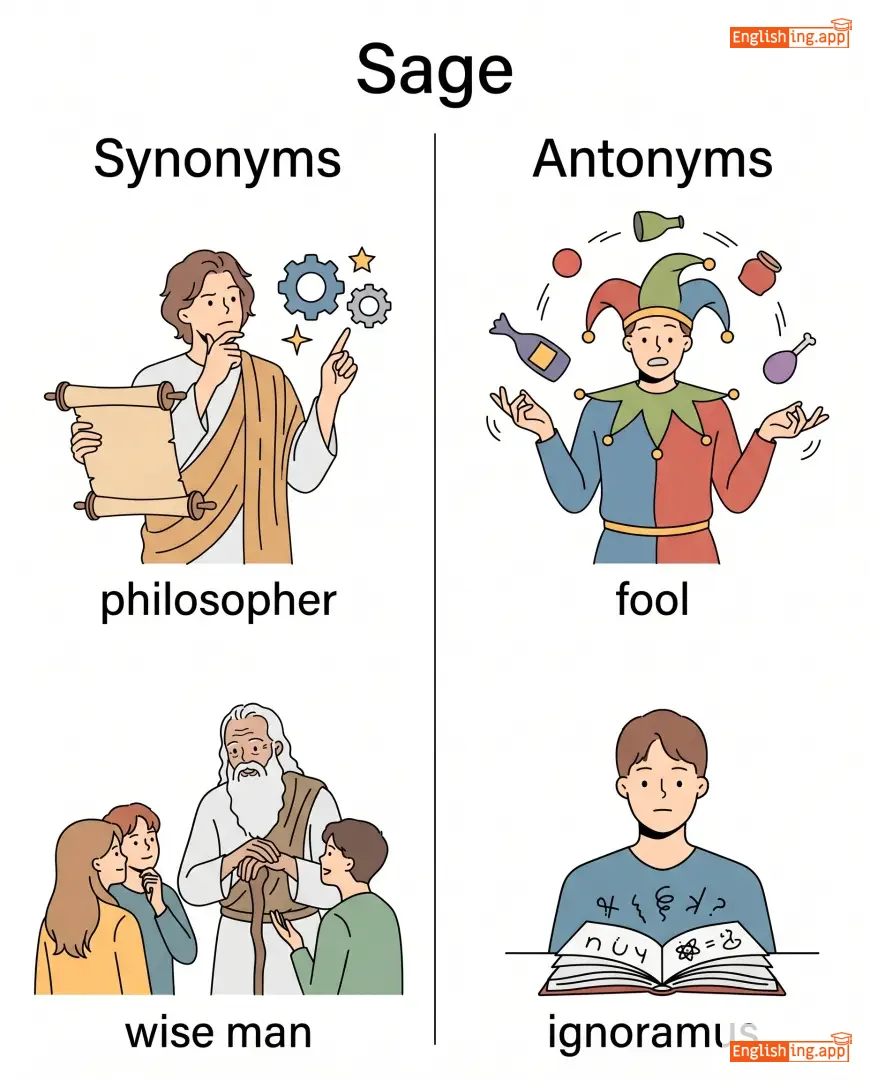
philosopher, wise man, guru, thinker
••••••
|
fool, ignoramus
••••••
|
sage advice, wise sage, ancient sage, sage counsel
••••••
|
賢者 = Sage, 何でも知っているような人物。
••••••
|
|
#287
🌱
|
/səˈluː.bri.əs/
adjective
(サルブリオス)
••••••
|
|
健康的な
kenkōtekina
••••••
|
- •••••• | - •••••• | - •••••• | - •••••• |
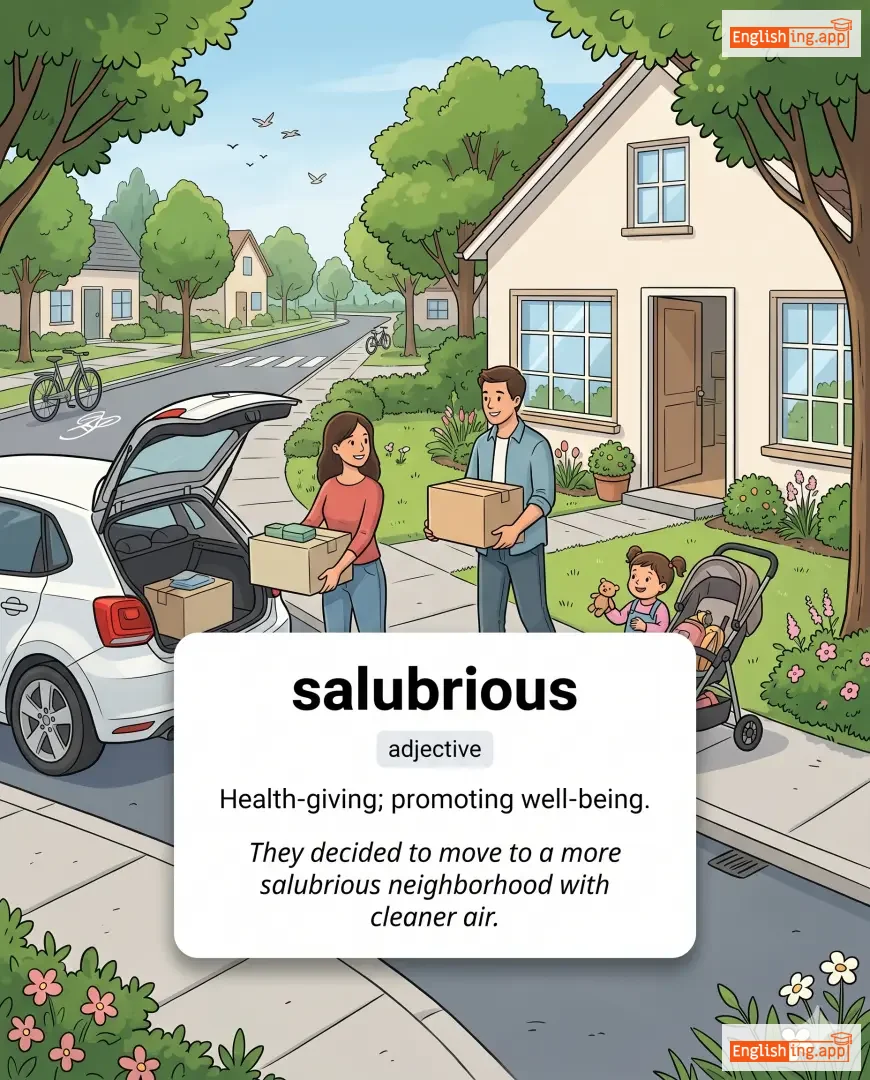
Health-giving; promoting well-being.
••••••
|
They decided to move to a more salubrious neighborhood with cleaner air. |
彼らは、より健康的な空気の清潔な街区に引っ越すことに決めました。
Karera wa, yori kenkōtekina kūki no seiketsu na kaku ni hikkosu koto ni kimemashita.
••••••
|
- •••••• | - •••••• | - •••••• |
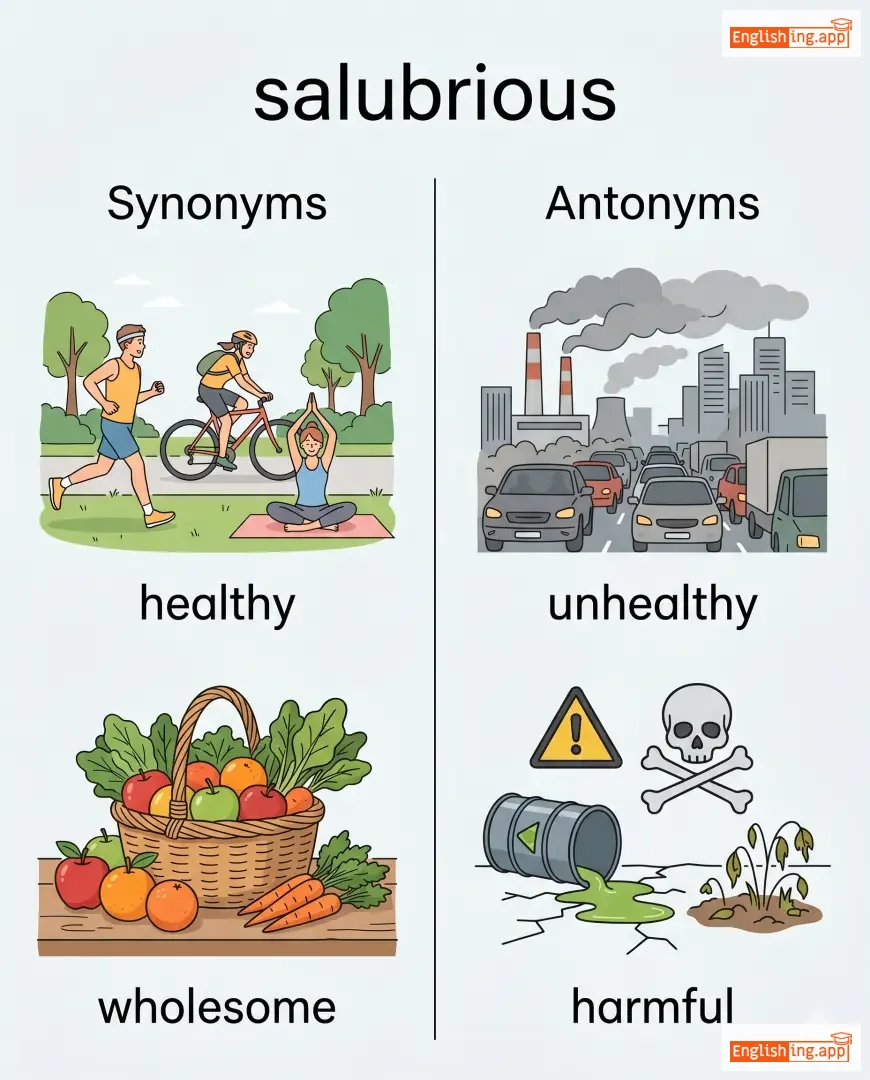
healthy, wholesome, beneficial, hygienic, invigorating
••••••
|
unhealthy, harmful, insalubrious
••••••
|
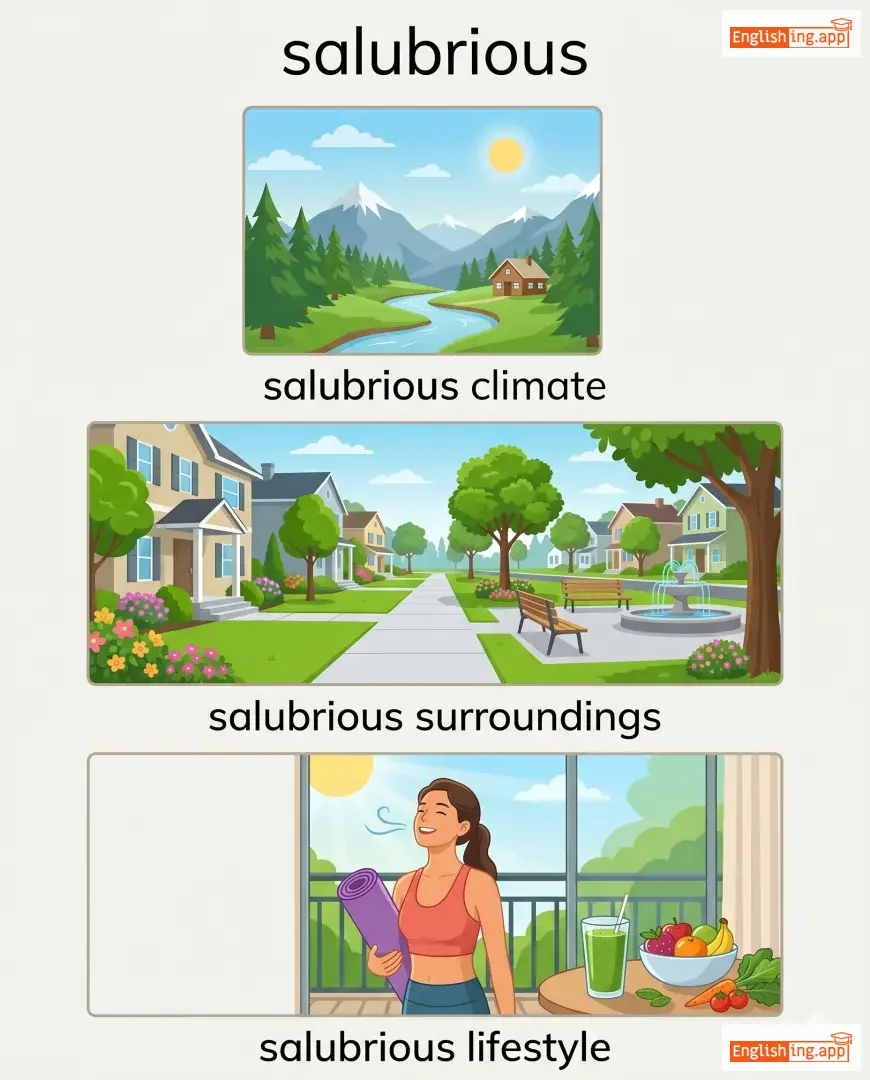
salubrious climate, salubrious surroundings, salubrious lifestyle
••••••
|
Salubriousは健康的な環境を意味し、健康をサポートする場所です。
••••••
|
|
#288
⚖️
|
/ˈsæŋkʃən/
noun/verb
••••••
|
|
- •••••• |
sanctioned
••••••
|
sanctioned
••••••
|
sanctions
••••••
|
sanctioning
••••••
|
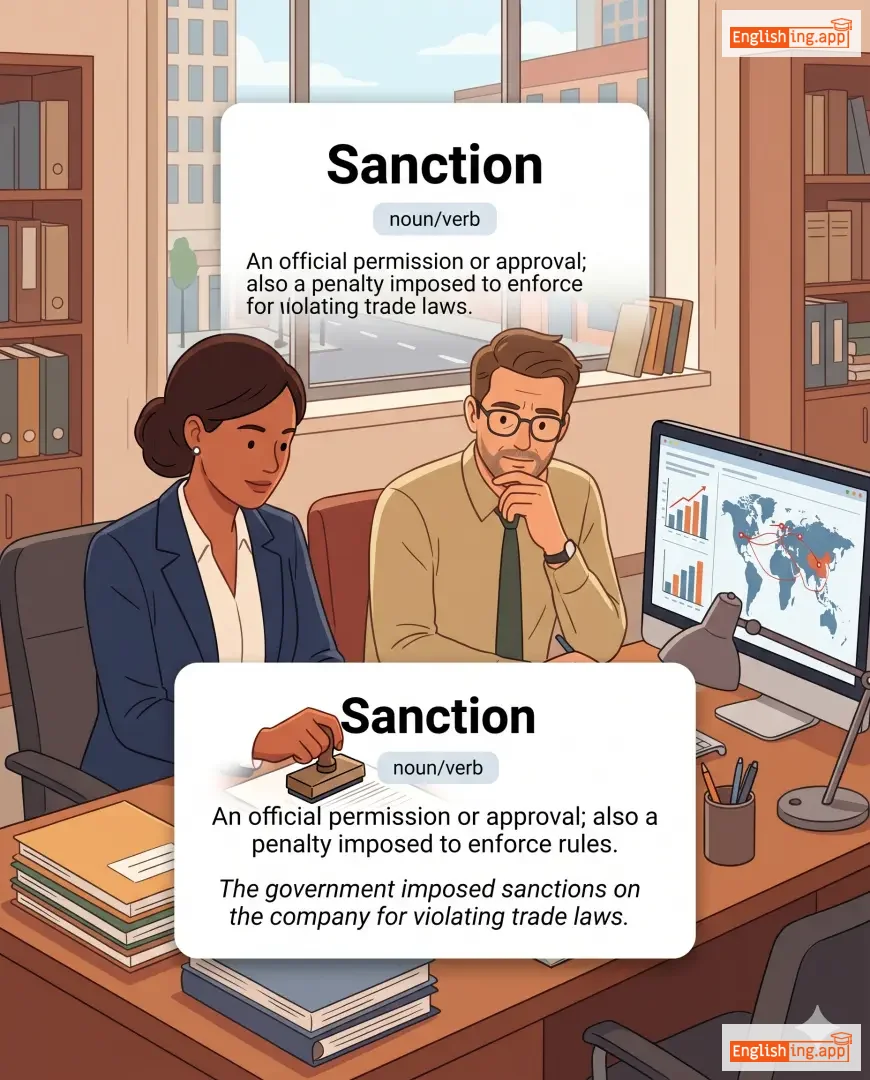
An official permission or approval; also a penalty imposed to enforce rules.
••••••
|
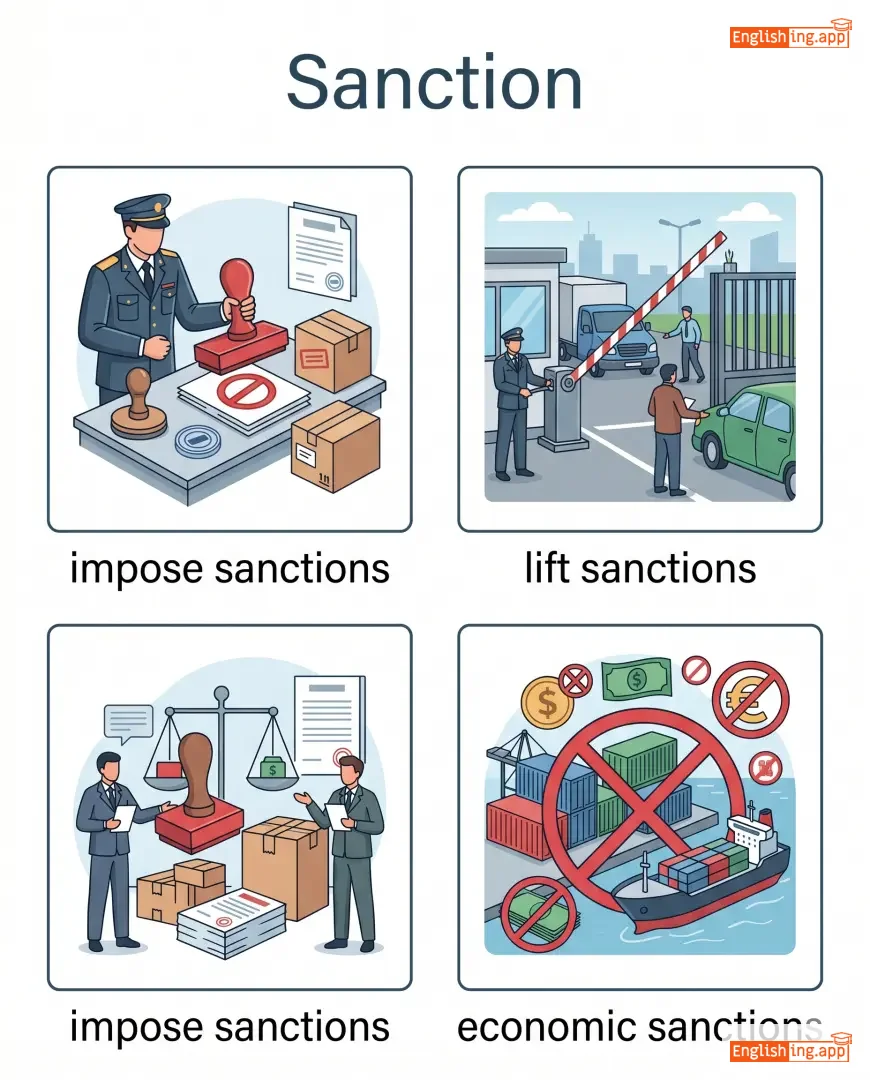
The government imposed sanctions on the company for violating trade laws. |
- •••••• |
economic sanctions |
penalties imposed by one country on another to enforce international law
••••••
|
- •••••• |
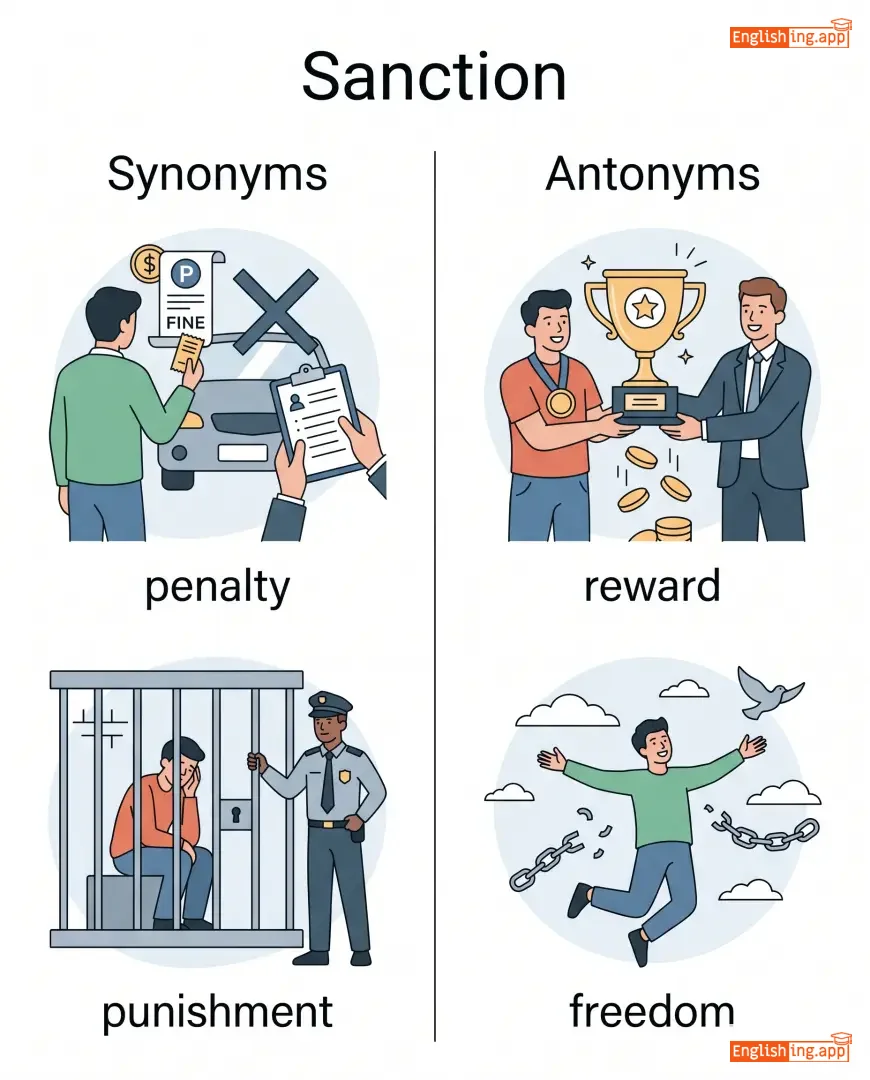
penalty, punishment, approval, authorization, restriction
••••••
|
reward, freedom, allowance
••••••
|
impose sanctions, lift sanctions, economic sanctions, trade sanctions
••••••
|
No •••••• |
|
#289
🍽️
|
/ˈseɪʃiˌeɪt/
verb
(seishiet)
••••••
|
|
満たす
mitasu
••••••
|
satiated
seishieted
••••••
|
satiated
seishieted
••••••
|
satiates
seishiets
••••••
|
satiating
seishieting
••••••
|
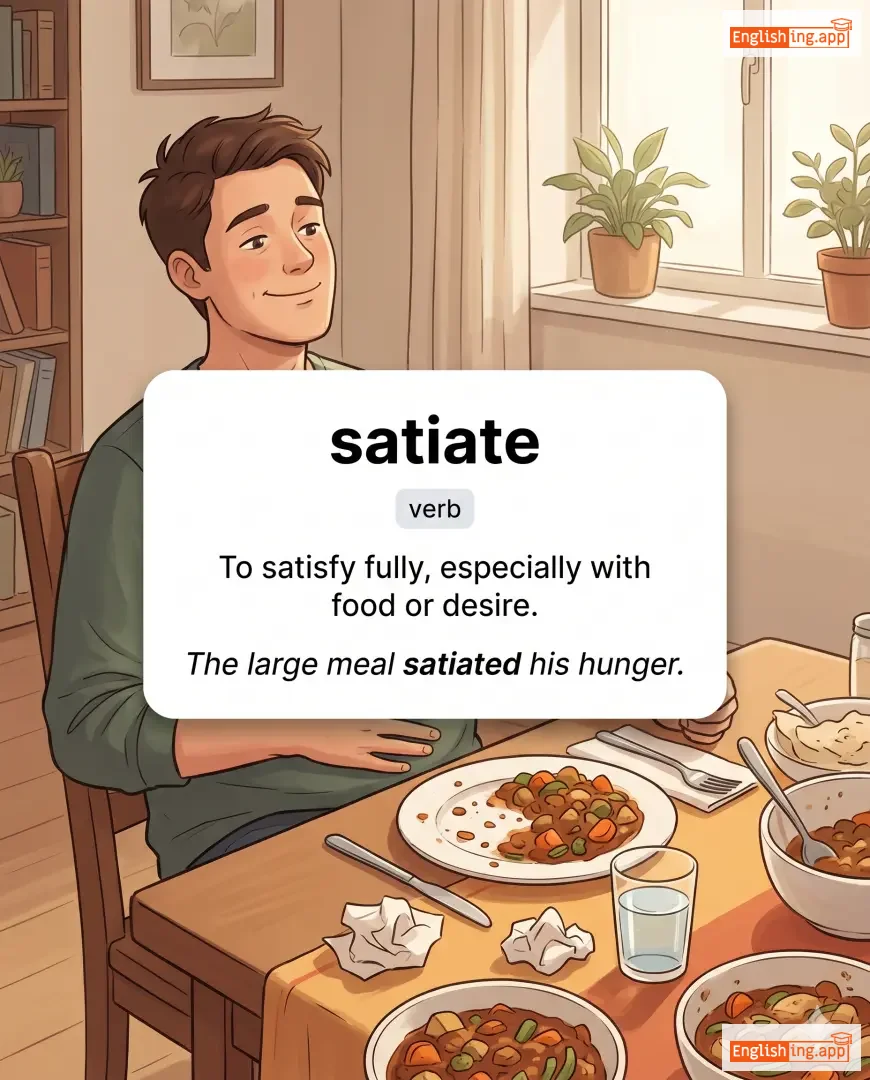
To satisfy fully, especially with food or desire.
••••••
|
The large meal satiated his hunger.
大きな食事が彼の空腹を満たしました。
••••••
|
大きな食事が彼の空腹を満たしました。
Ookina shokuji ga kare no kuufuku o mitashimashita.
••••••
|
- •••••• | - •••••• | - •••••• |
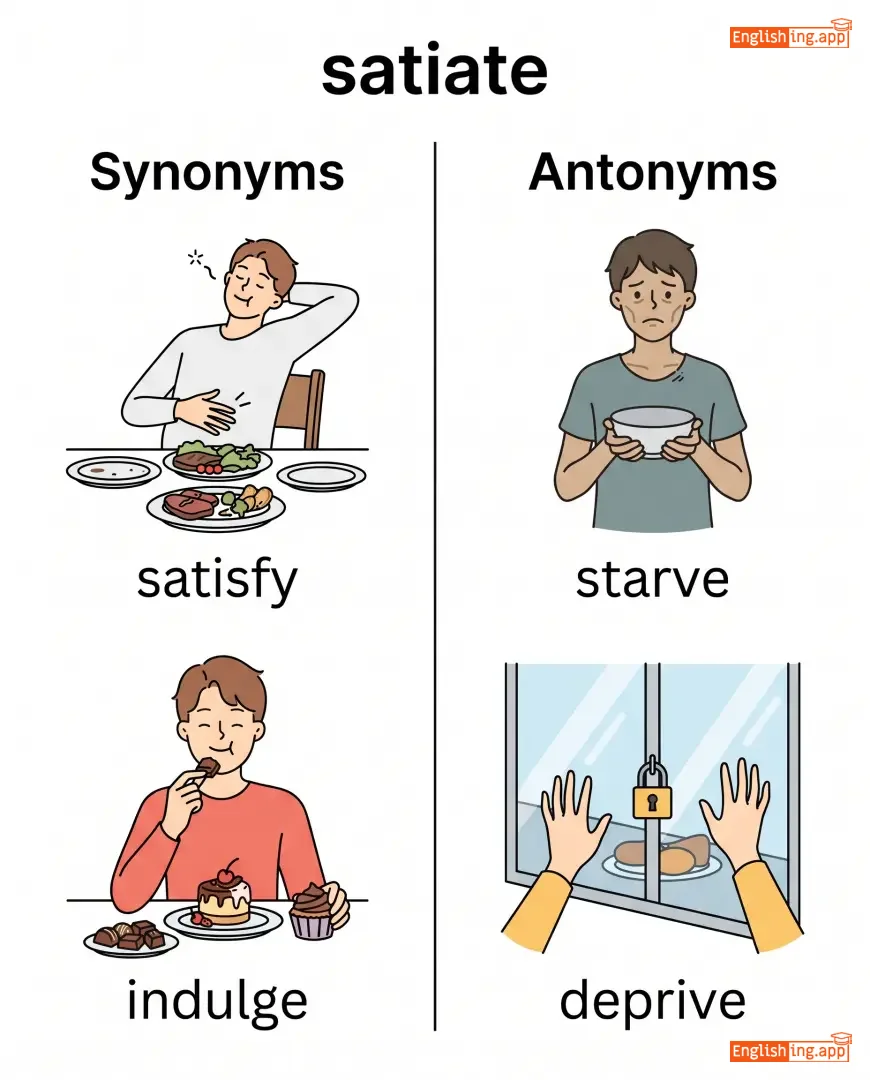
satisfy, indulge, fulfill, gratify
••••••
|
starve, deprive
••••••
|
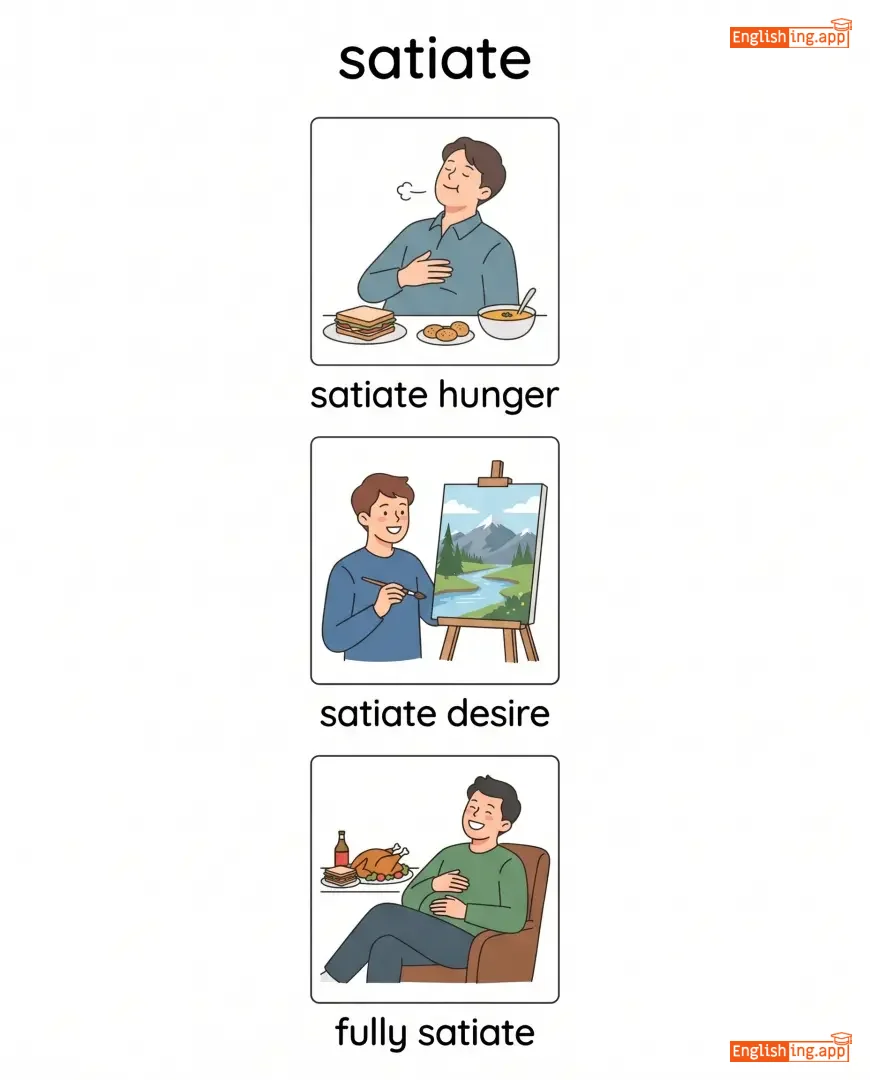
satiate hunger, satiate desire, fully satiate
••••••
|
‘セッション’後、食事を完全に食べて満たされる – satiate
••••••
|
|
#290
💧
|
/ˈsætʃəˌreɪt/
verb
••••••
|
|
- •••••• |
saturated
••••••
|
saturated
••••••
|
saturates
••••••
|
saturating
••••••
|
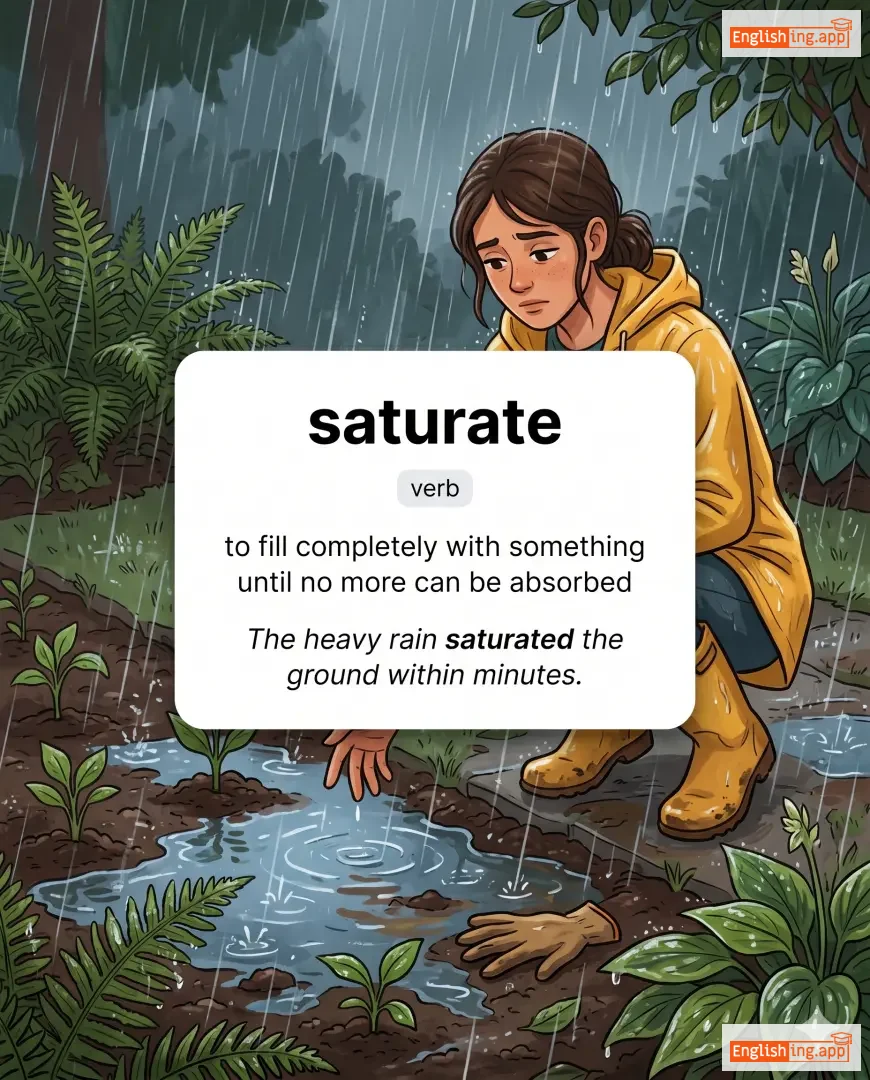
to fill completely with something until no more can be absorbed
••••••
|
The heavy rain saturated the ground within minutes. |
- •••••• |
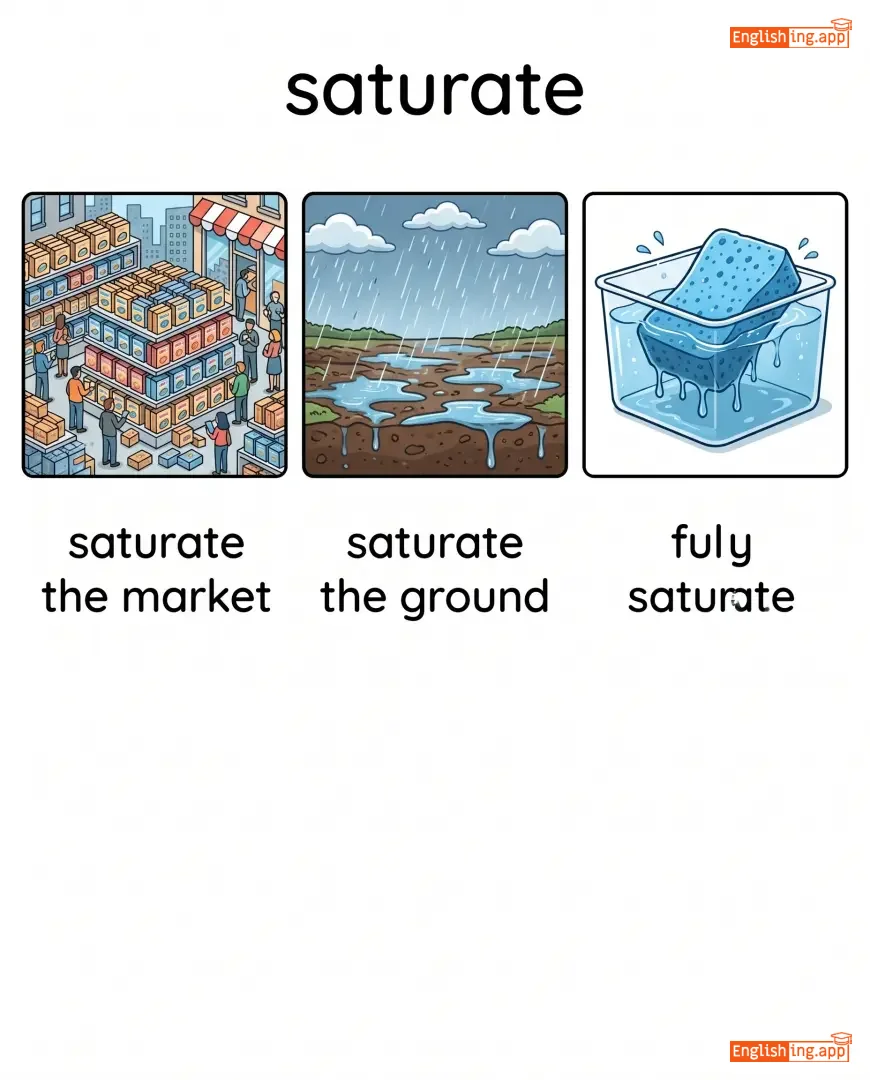
saturate the market |
to supply so much of a product that demand is fully met or exceeded
••••••
|
- •••••• |
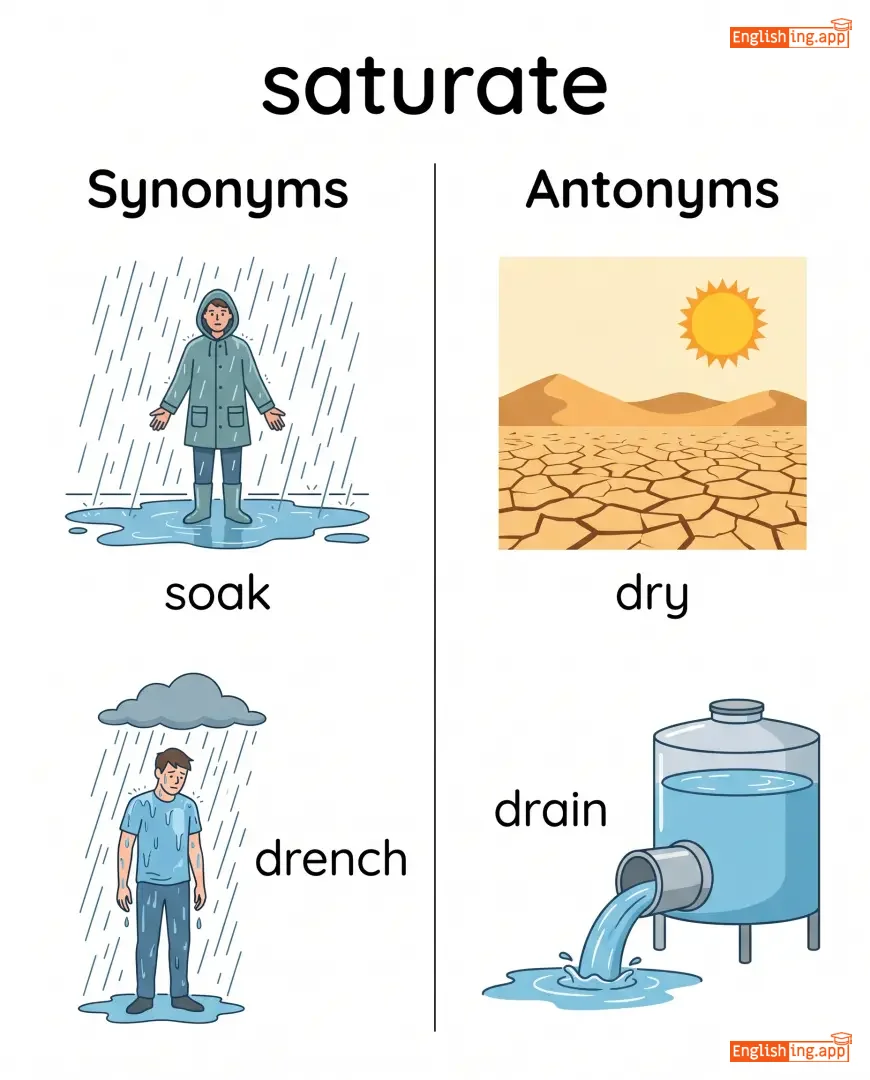
soak, drench, flood, permeate, fill
••••••
|
dry, drain, empty
••••••
|
saturate the market, saturate the ground, fully saturate, saturate completely
••••••
|
No •••••• |
|
#291
😋
|
/ˈseɪ.vər/
verb
(セイヴァー)
••••••
|
|
味わう
ajiwau
••••••
|
savored
セイヴァード
••••••
|
savored
セイヴァード
••••••
|
savors
セイヴァーズ
••••••
|
savoring
セイヴァリング
••••••
|
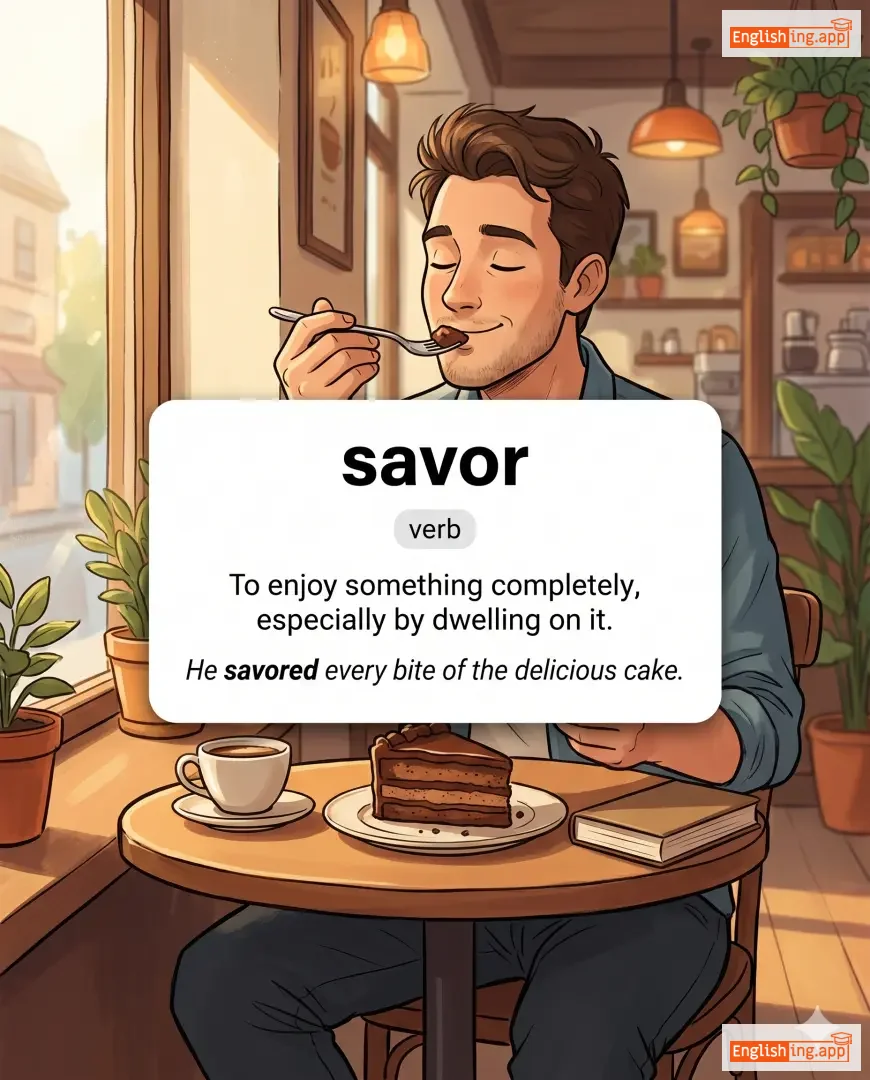
To enjoy something completely, especially by dwelling on it.
••••••
|
He savored every bite of the delicious cake.
彼はおいしいケーキの一口一口を味わった。
••••••
|
彼はおいしいケーキの一口一口を味わった。
Kare wa oishii kēki no hitokuchi hitokuchi o ajiwatta.
••••••
|
savor the moment
その瞬間を楽しむ
••••••
|
To fully appreciate and enjoy a particular experience.
••••••
|
その瞬間を楽しむ
Sono shunkan o tanoshimu
••••••
|
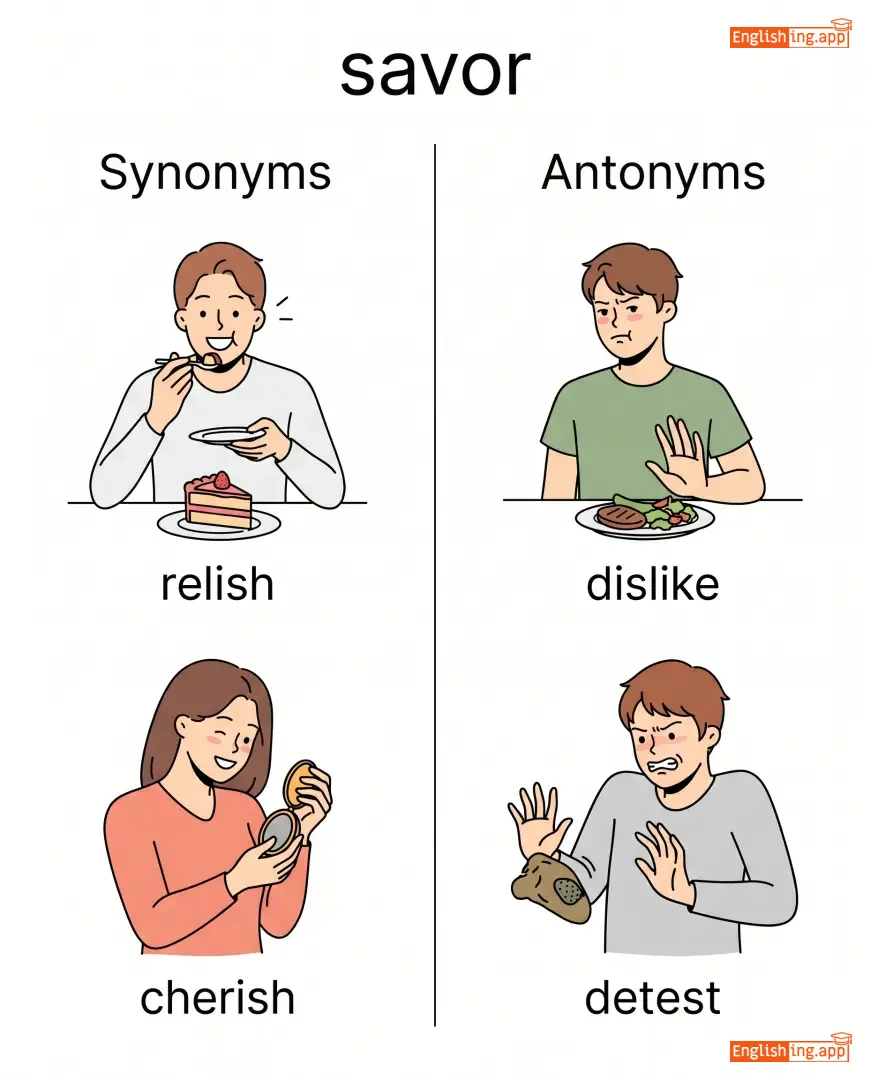
relish, cherish, appreciate, enjoy, delight in
••••••
|
dislike, detest, avoid
••••••
|
savor the flavor, savor the moment, savor success
••••••
|
Savorは、味わうこと、そして瞬間を楽しむことです。
••••••
|
|
#292
💧
|
/sɪˈkriːt/
verb
(sikuret)
••••••
|
|
分泌する
bimpisu suru
••••••
|
secreted
sikuretedo
••••••
|
secreted
sikuretedo
••••••
|
secretes
sikuretsu
••••••
|
secreting
sikuretingu
••••••
|
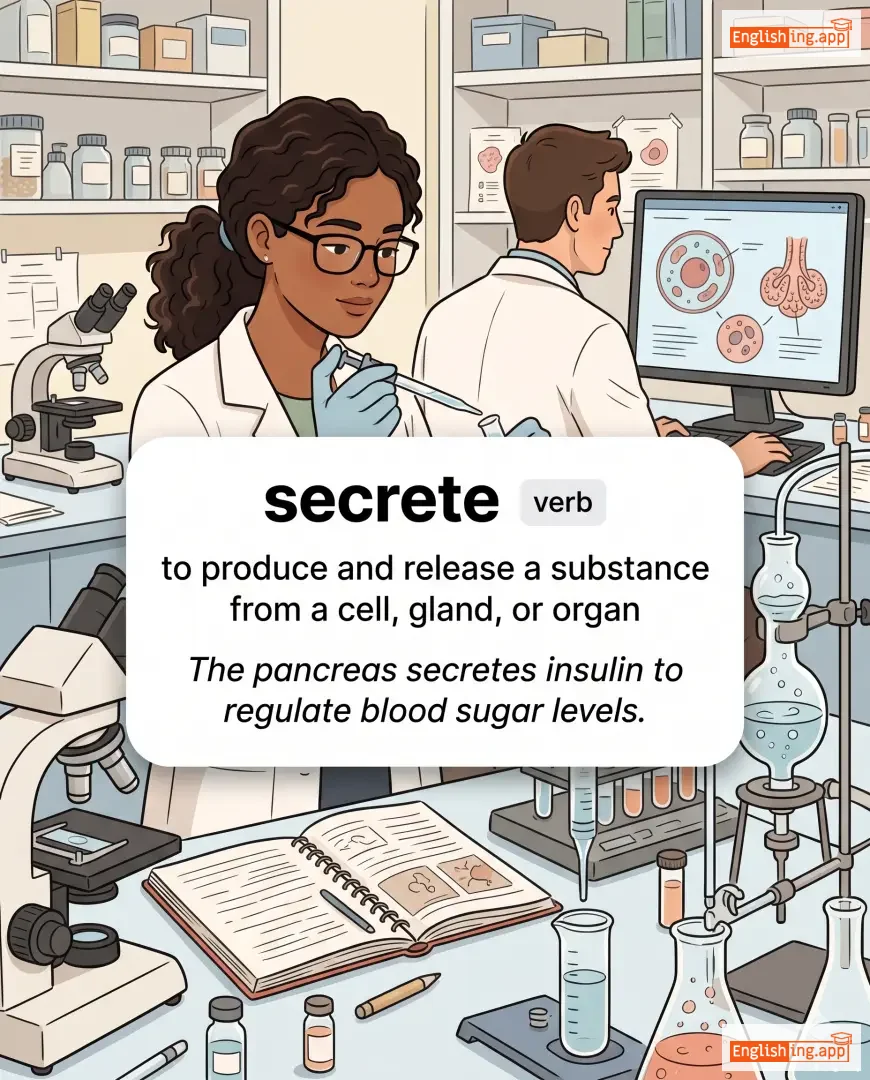
to produce and release a substance from a cell, gland, or organ
••••••
|
The pancreas secretes insulin to regulate blood sugar levels.
膵臓は血糖値を調整するためにインスリンを分泌します。
••••••
|
膵臓は血糖値を調整するためにインスリンを分泌します。
Suizō wa kettōchi o chōsei suru tame ni insurīn o bimpisu shimasu.
••••••
|
- •••••• | - •••••• | - •••••• |
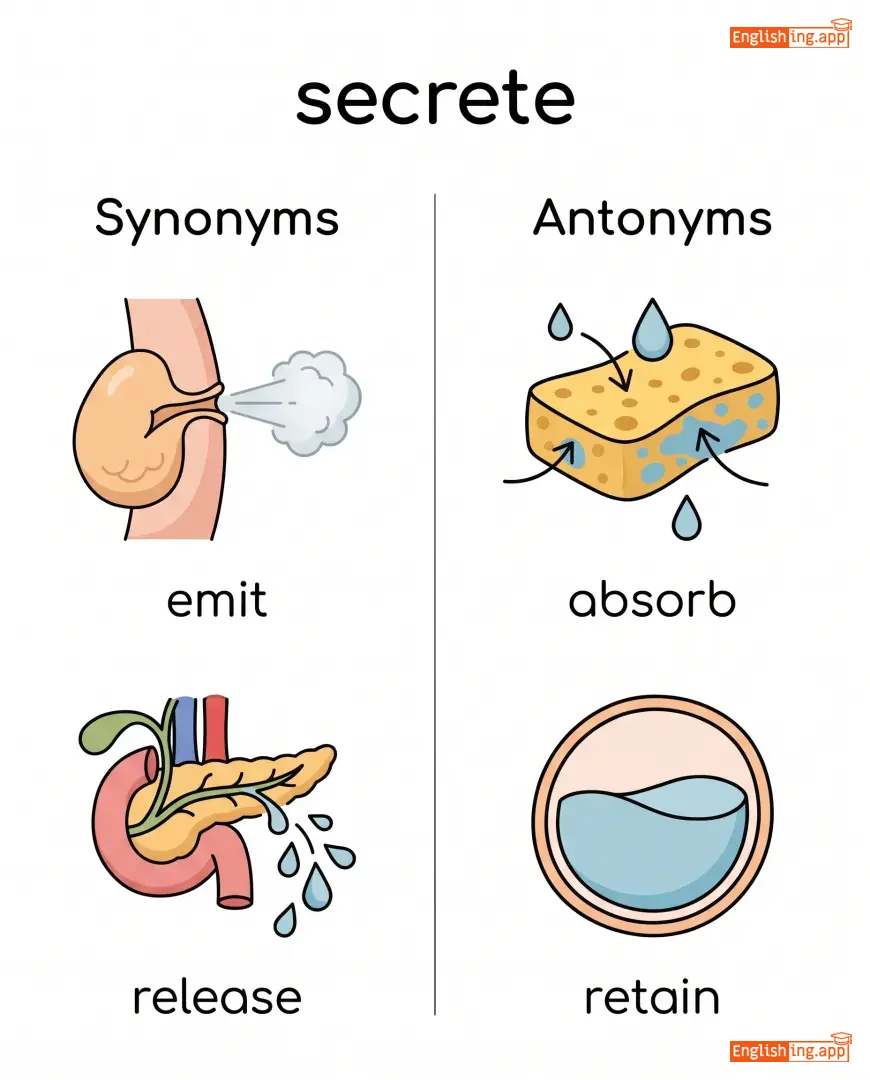
emit, release, discharge, excrete, produce
••••••
|
absorb, retain, hold
••••••
|
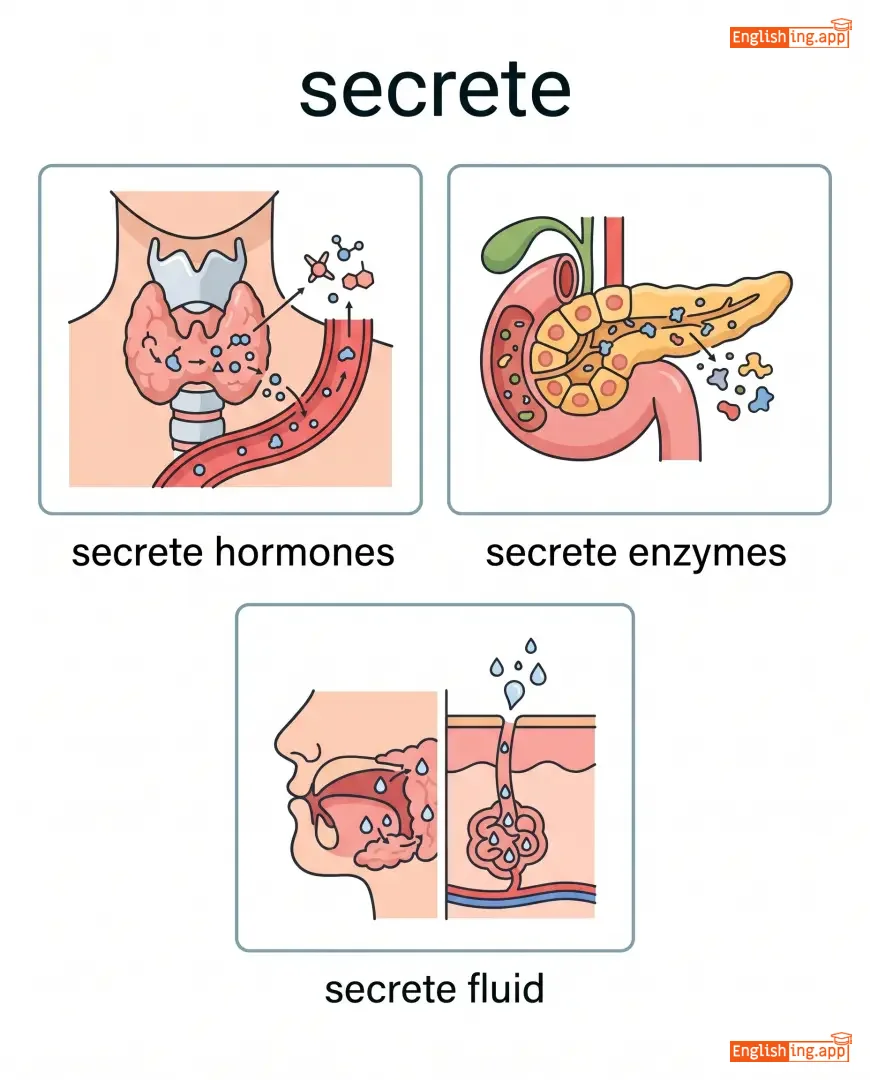
secrete hormones, secrete enzymes, secrete fluid, secrete mucus
••••••
|
Secretを分泌する、つまり体から出すことです。
••••••
|
|
#293
🪨
|
/ʃɑːrd/
noun
(シャード)
••••••
|
|
破片
hapen
••••••
|
- •••••• | - •••••• | - •••••• | - •••••• |
a broken piece of glass, metal, or pottery
••••••
|
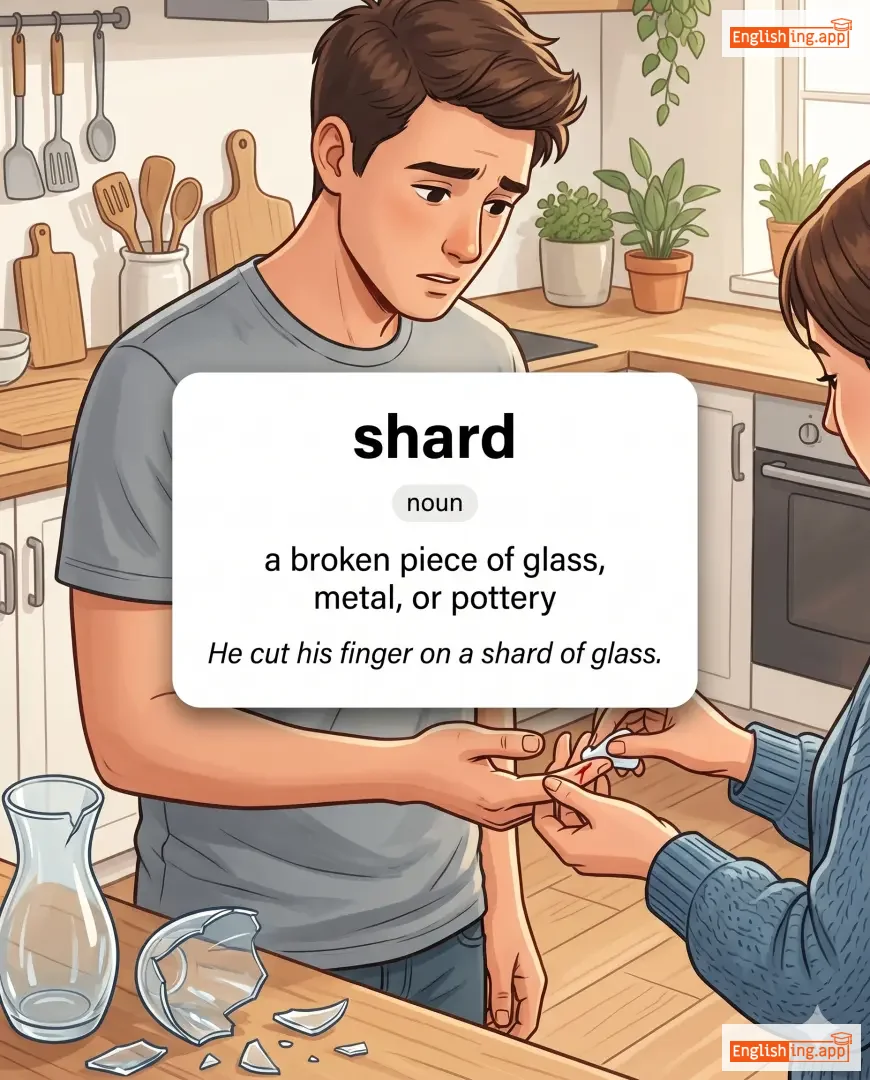
He cut his finger on a shard of glass. |
彼はガラスの破片で指を切った。
Kare wa garasu no hapen de yubi o kitta.
••••••
|
- •••••• | - •••••• | - •••••• |
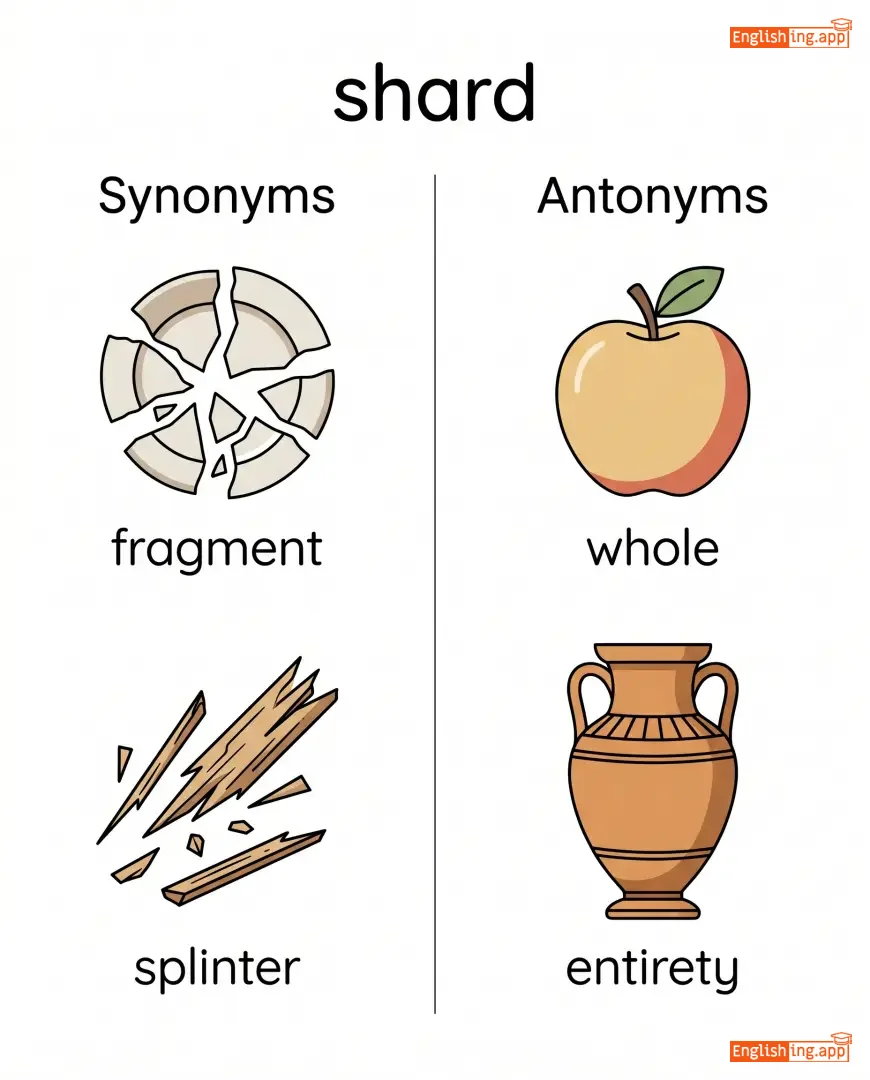
fragment, splinter, sliver, piece
••••••
|
whole, entirety, unity
••••••
|
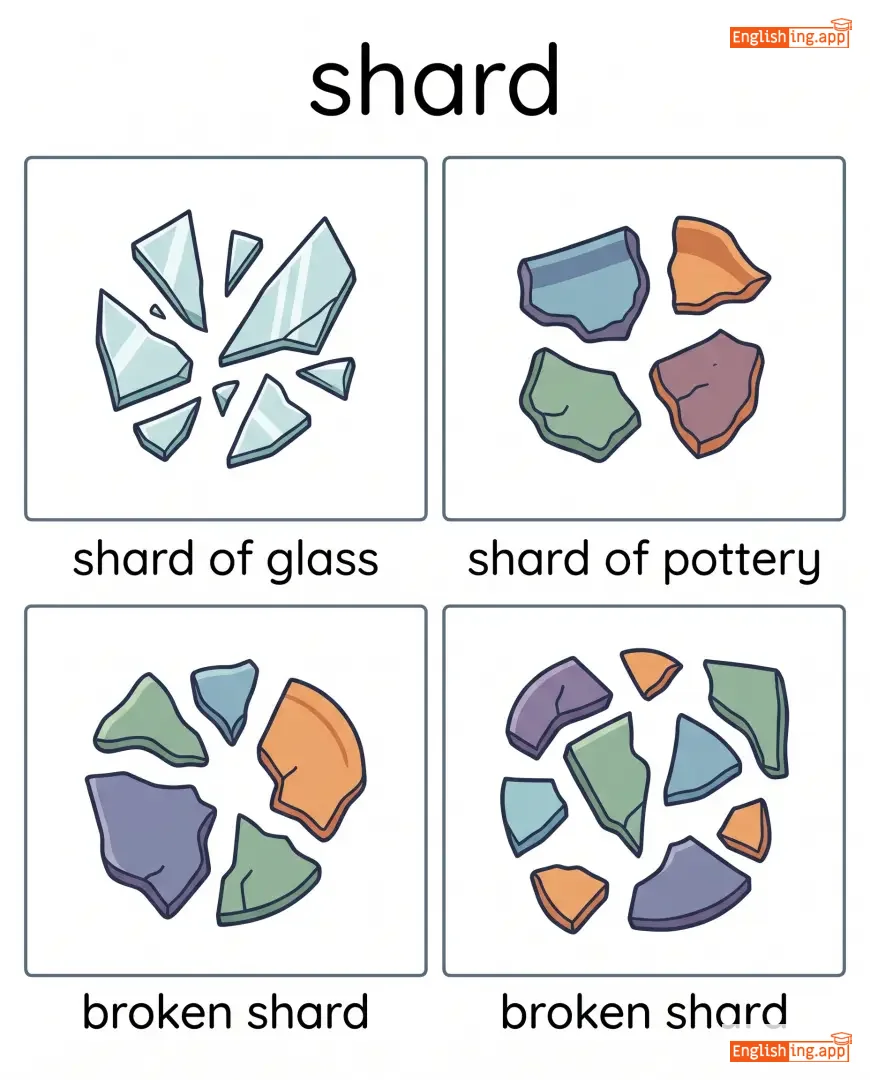
shard of glass, shard of pottery, broken shard
••••••
|
Shardは sharp 破片 – 割れたガラスの破片を意味します。
••••••
|
|
#294
🤔
|
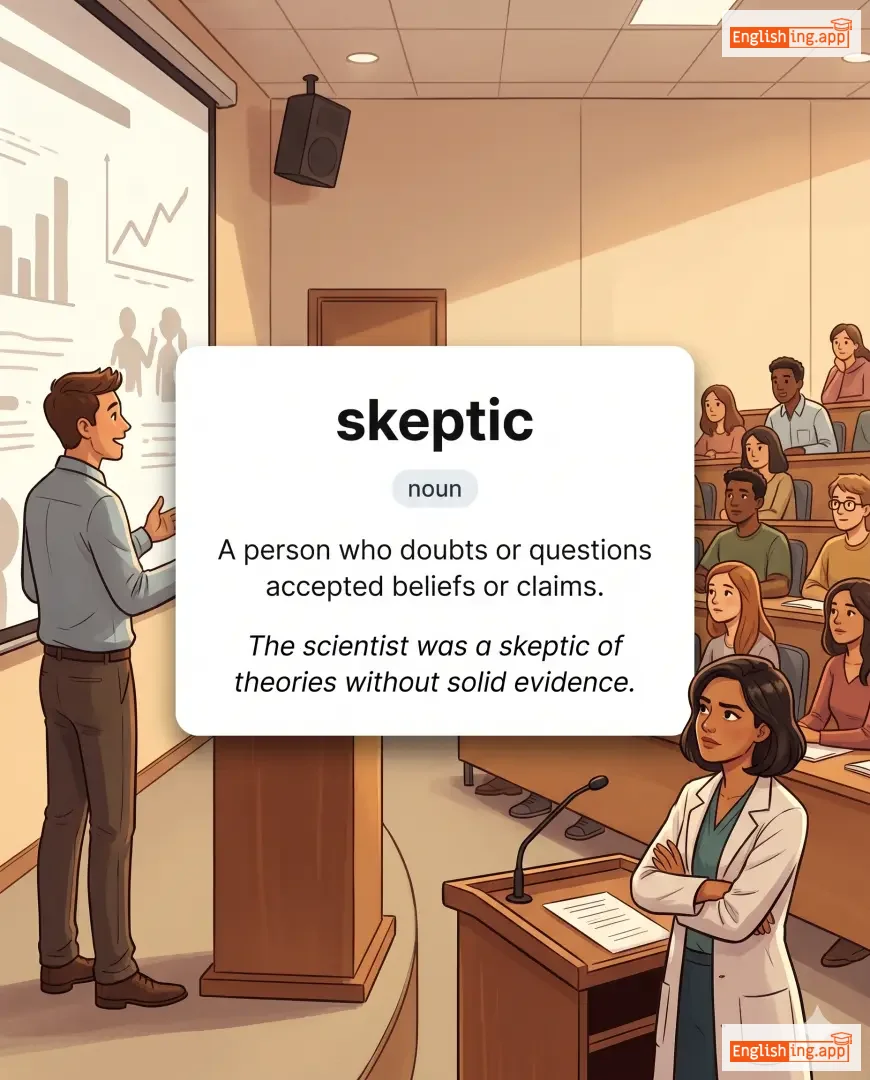
/ˈskɛptɪk/
noun
(スケプティック)
••••••
|
|
懐疑論者
kaigironsha
••••••
|
- •••••• | - •••••• | - •••••• | - •••••• |
A person who doubts or questions accepted beliefs or claims.
••••••
|
The scientist was a skeptic of theories without solid evidence. |
その科学者は確固たる証拠のない理論に懐疑的でした。
Sono kagakusha wa kakotaru shouko no nai riron ni kaigiteki deshita.
••••••
|
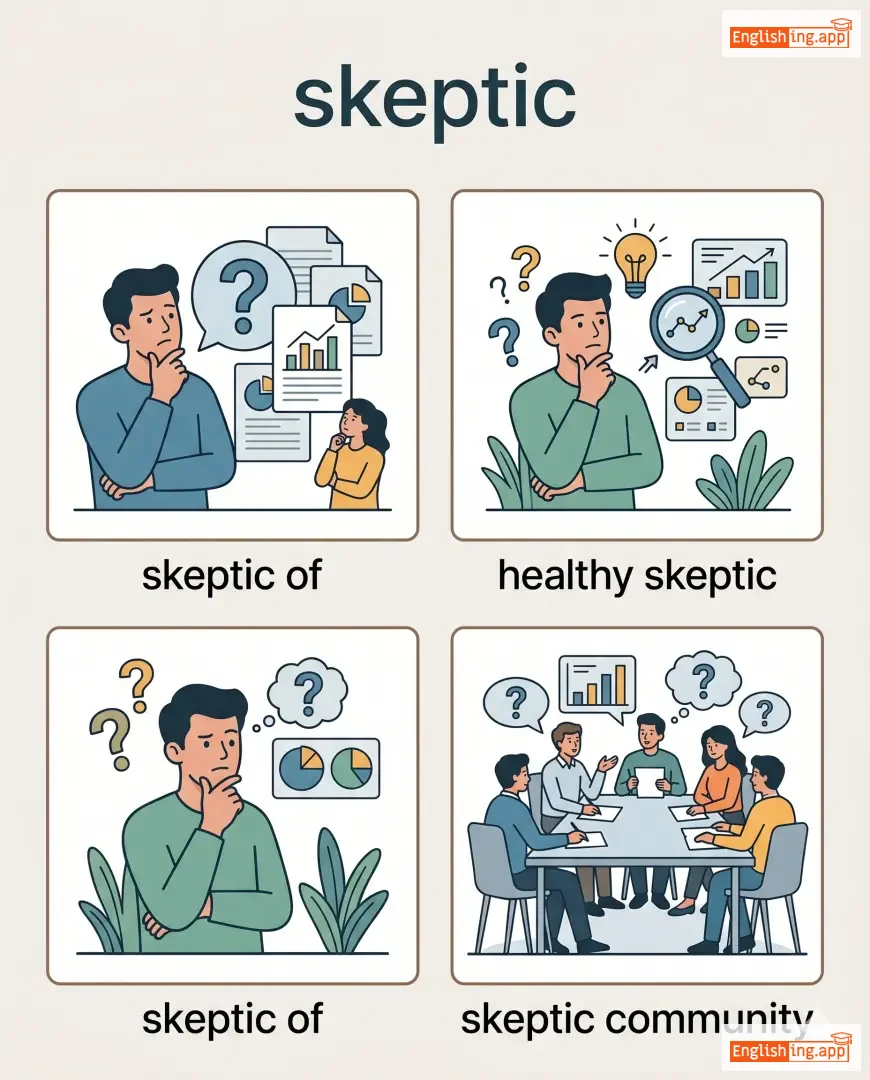
healthy skeptic |
A person who doubts claims in a rational and balanced way.
••••••
|
健康的な懐疑論者
kenkouteki na kaigironsha
••••••
|
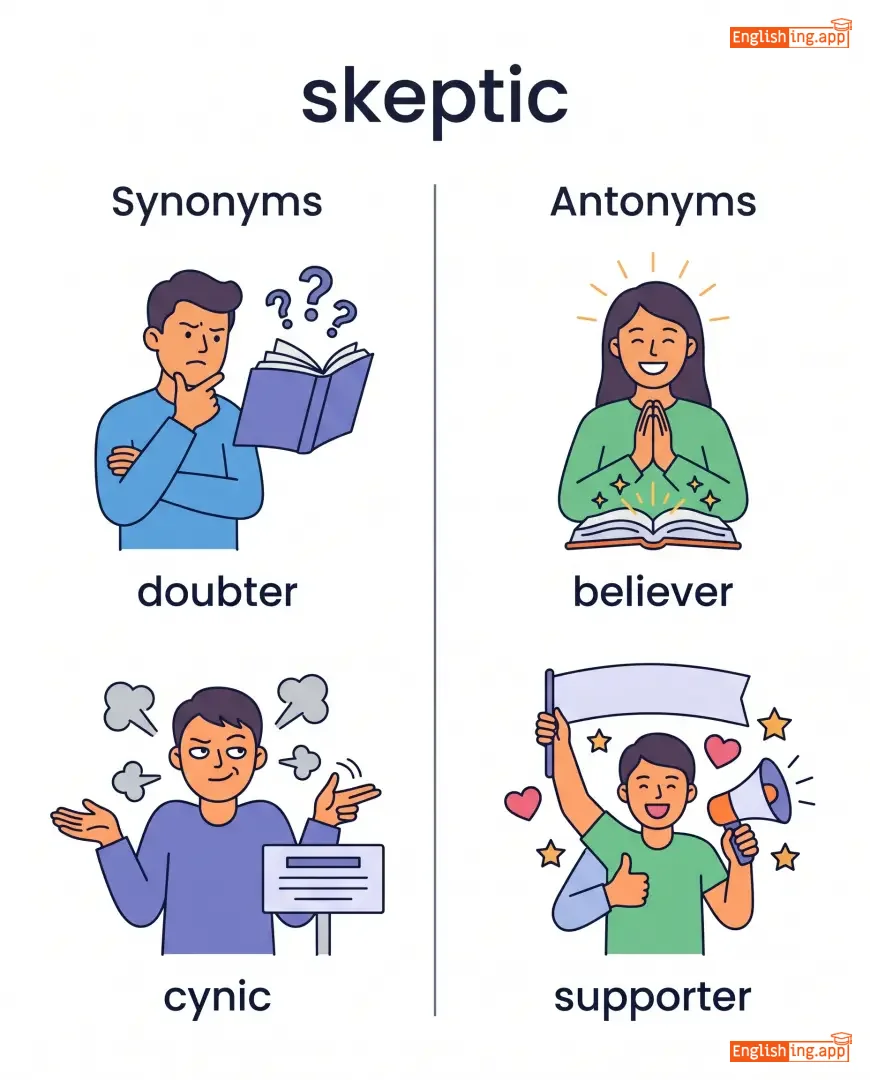
doubter, cynic, questioner, disbeliever
••••••
|
believer, supporter
••••••
|
skeptic of, healthy skeptic, skeptic community, skeptic movement
••••••
|
懐疑論者はすべてに疑問を抱く、まるで真実を追い求める探偵のように。
••••••
|
|
#295
💖
|
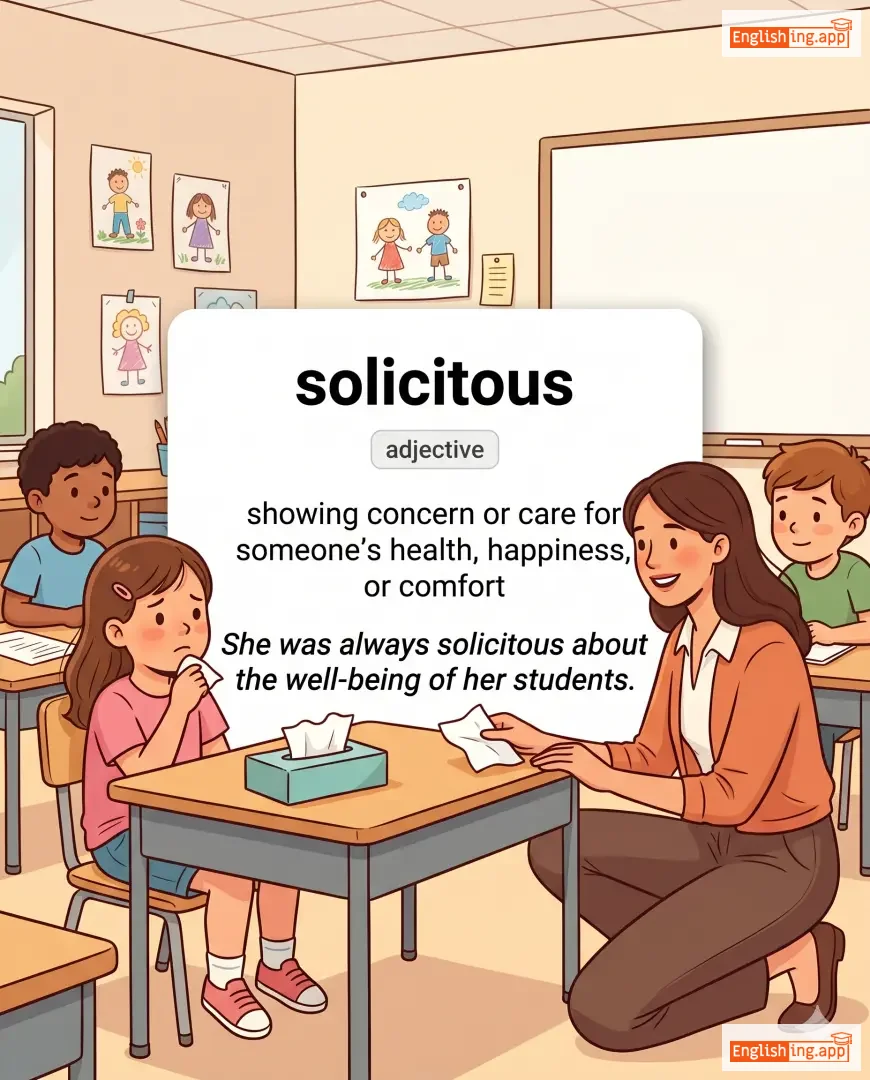
/səˈlɪsɪtəs/
adjective
(ソリシタス)
••••••
|
|
思いやり
omoiyari
••••••
|
- •••••• | - •••••• | - •••••• | - •••••• |
showing concern or care for someone's health, happiness, or comfort
••••••
|
She was always solicitous about the well-being of her students. |
彼女はいつも学生たちの幸福に気を配っていました。
Kanojo wa itsumo gakusei-tachi no kōfuku ni ki o kubatte imashita.
••••••
|
- •••••• | - •••••• | - •••••• |
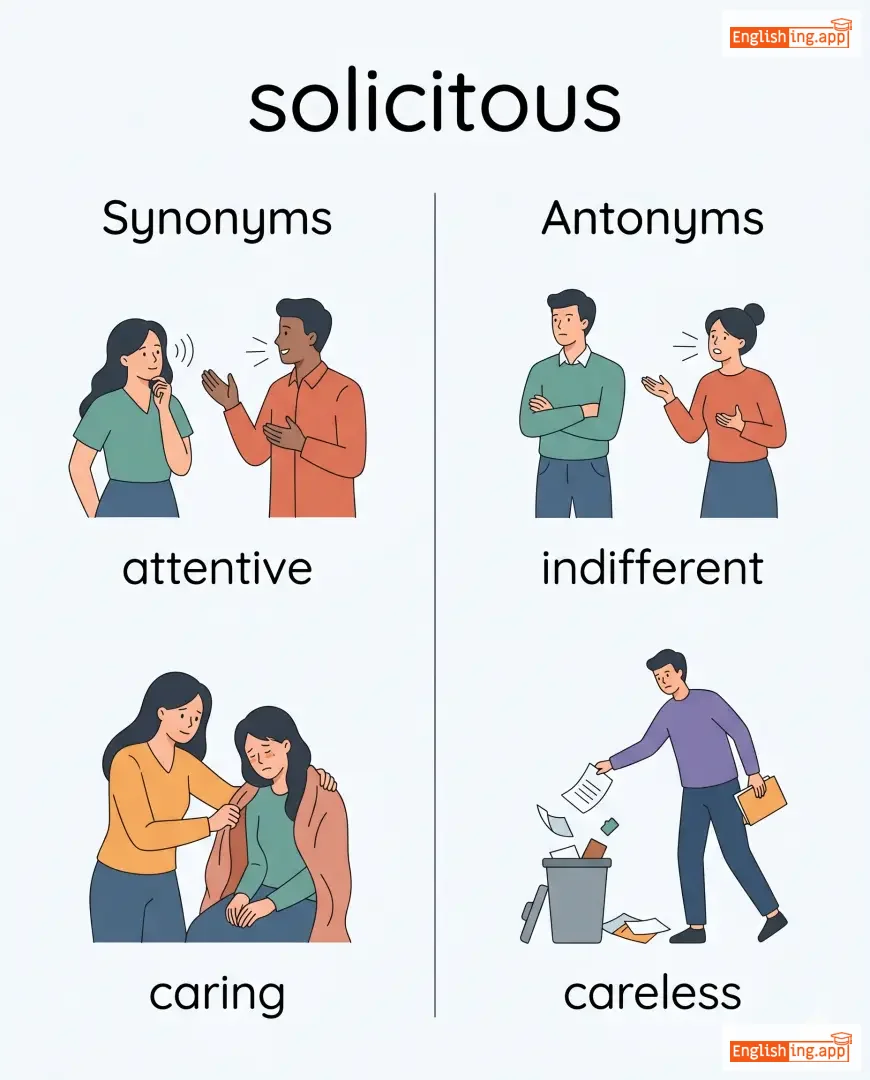
attentive, caring, concerned, considerate, thoughtful
••••••
|
indifferent, careless, neglectful
••••••
|
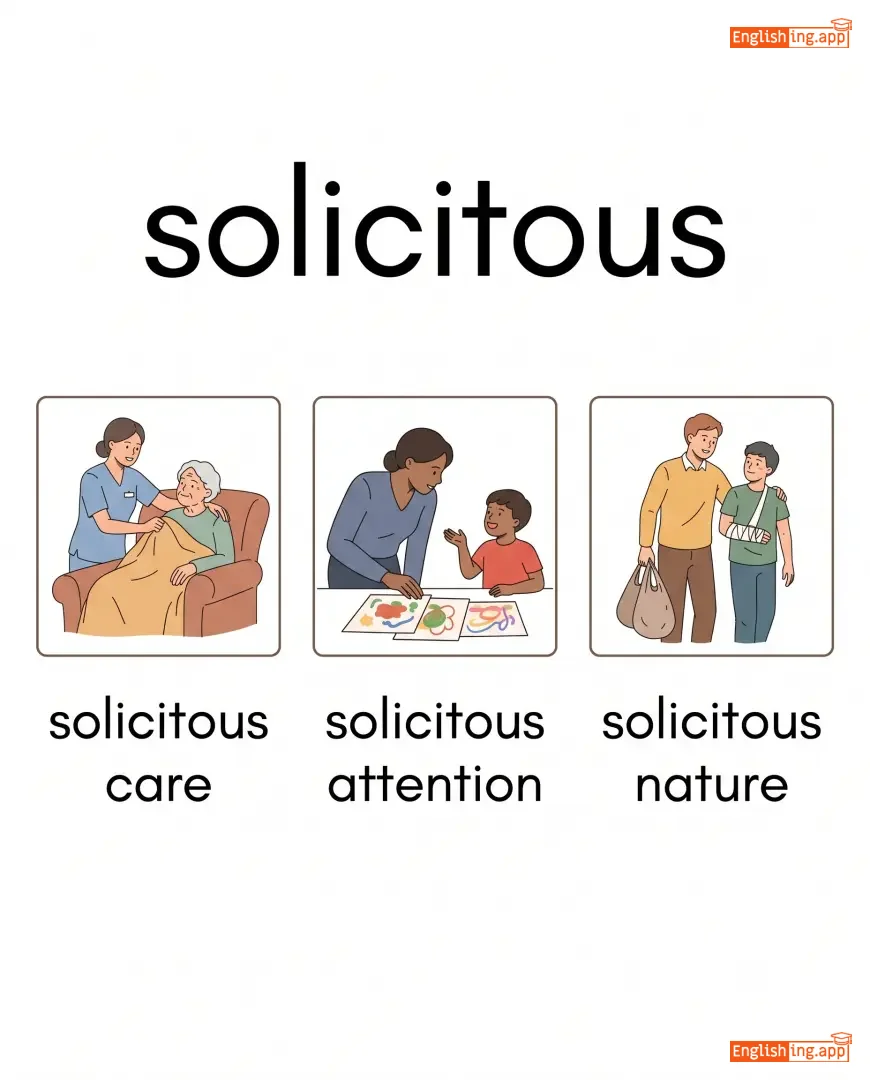
solicitous care, solicitous attention, solicitous nature
••••••
|
Solicitousは思いやりを意味する、'so listen to us'を思い出して= 思いやり 💖
••••••
|
|
#296
😴
|
/ˌsɒpəˈrɪfɪk/
adjective
(ハピネス)
••••••
|
|
幸せ
shiawase
••••••
|
- •••••• | - •••••• | - •••••• | - •••••• |
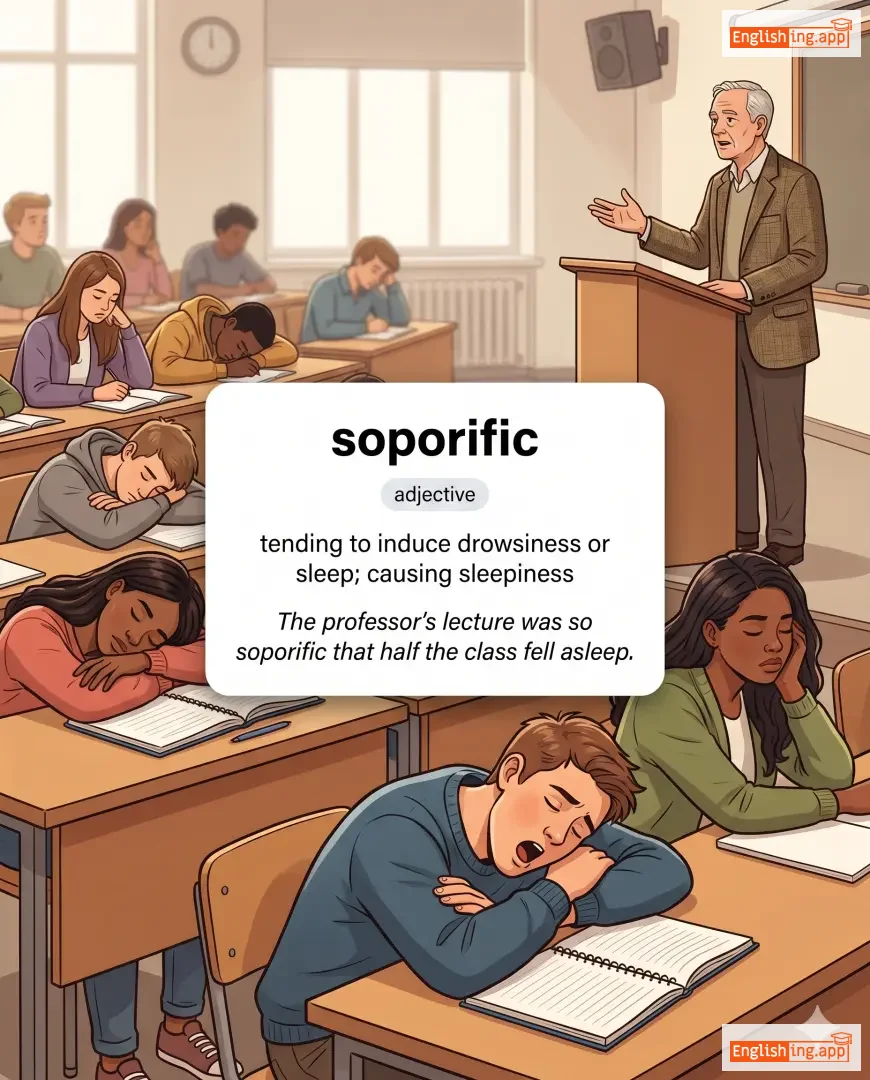
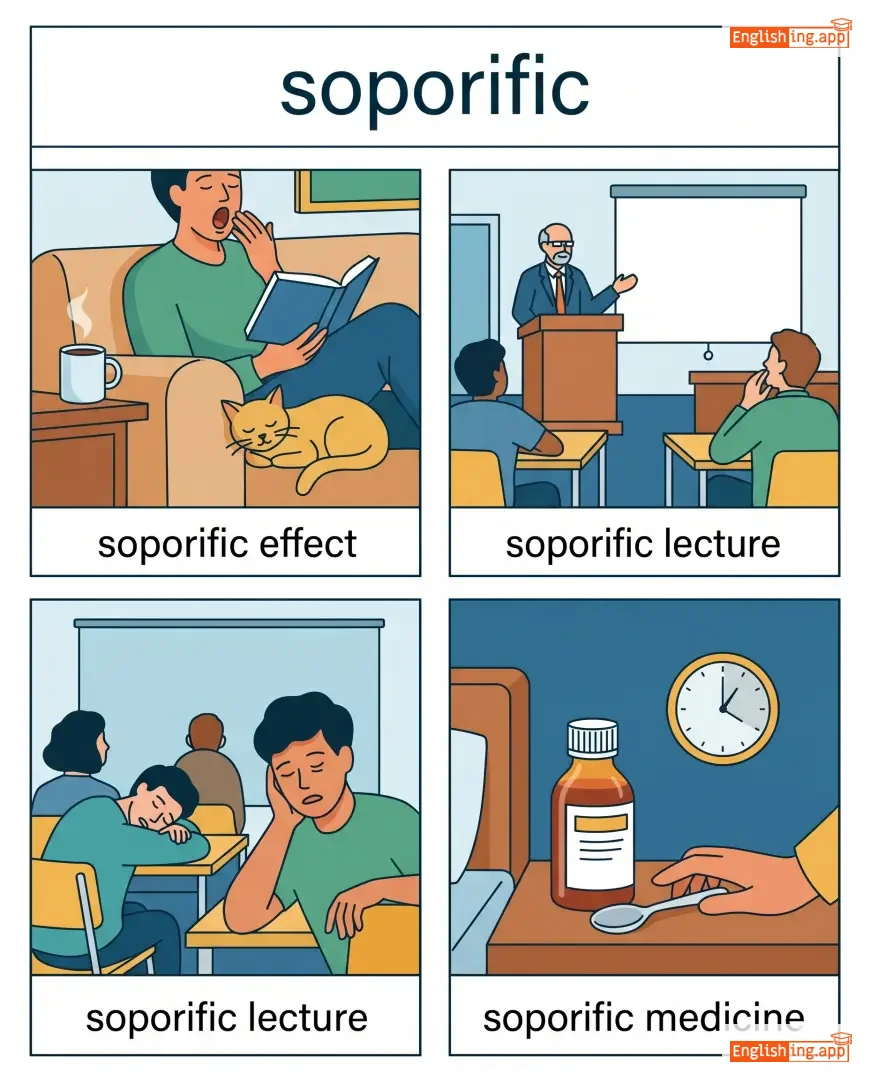
tending to induce drowsiness or sleep; causing sleepiness
••••••
|
The professor's lecture was so soporific that half the class fell asleep.
彼女は賞を受け取ったとき、その幸せを隠すことができませんでした。
••••••
|
彼女は賞を受け取ったとき、その幸せを隠すことができませんでした。
Kanojo wa shō o uketotta toki, sono shiawase o kakusu koto ga dekimasen deshita.
••••••
|
- •••••• | - •••••• |
幸せの追求
shiawase no tsuikyū
••••••
|
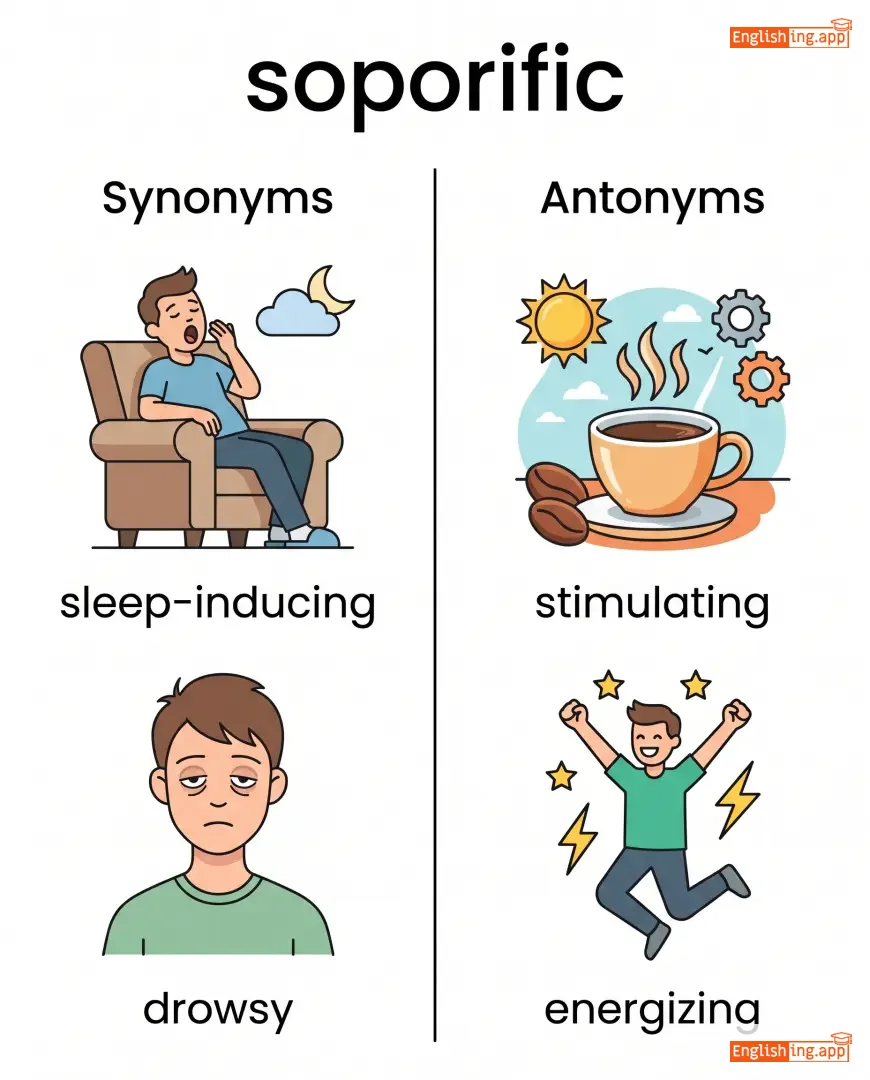
sleep-inducing, drowsy, hypnotic, sedative, calming
••••••
|
stimulating, energizing, exciting
••••••
|
soporific effect, soporific lecture, soporific medicine, soporific atmosphere
••••••
|
幸せ - 幸せに海を感じて、心が満たされる。
••••••
|
|
#297
🎭
|
/ˈspiːʃəs/
adjective
(スピシャス)
••••••
|
|
見せかけの
misekake no
••••••
|
- •••••• | - •••••• | - •••••• | - •••••• |
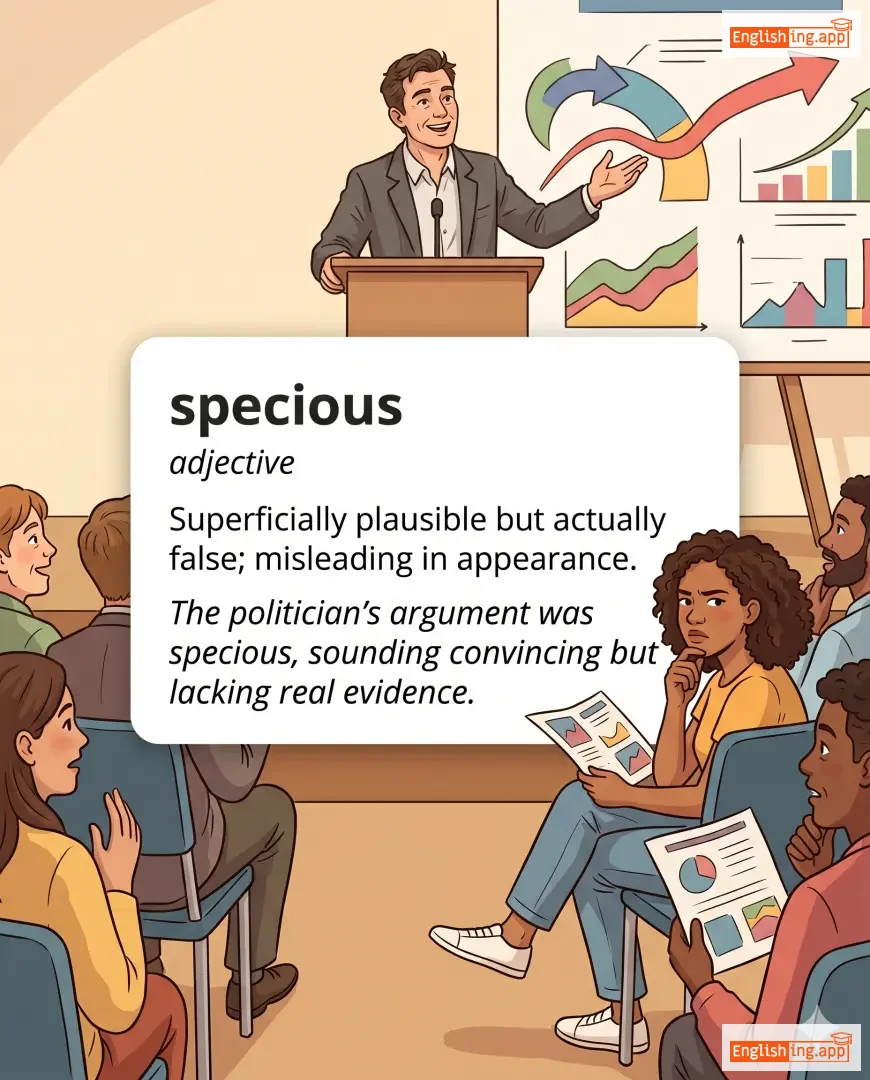
Superficially plausible but actually false; misleading in appearance.
••••••
|
The politician’s argument was specious, sounding convincing but lacking real evidence. |
その政治家の議論は見せかけのもので、説得力があるように見えたが、実際の証拠は欠けていた。
Sono seijika no giron wa misekake no mono de, settokuryoku ga aru you ni mieta ga, jissai no shouko wa kakete ita.
••••••
|
- •••••• | - •••••• | - •••••• |
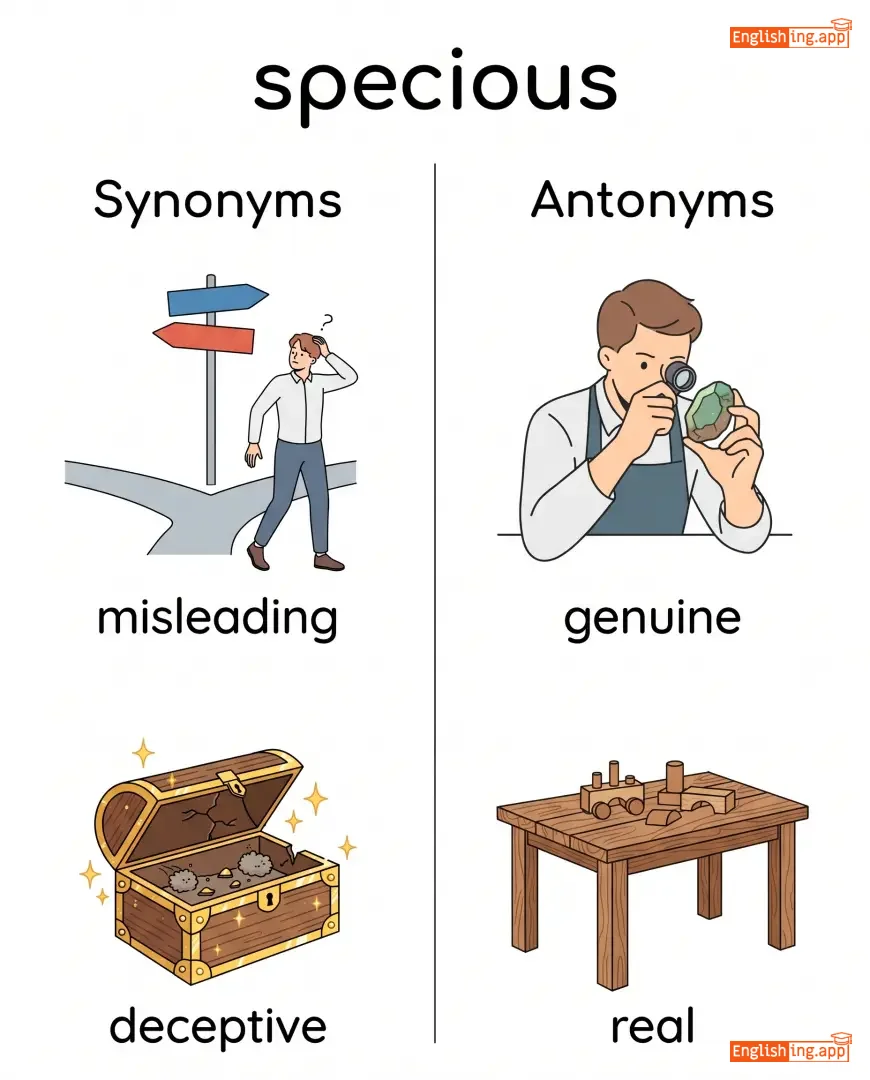
misleading, deceptive, false, fallacious, illusory
••••••
|
genuine, real, true
••••••
|
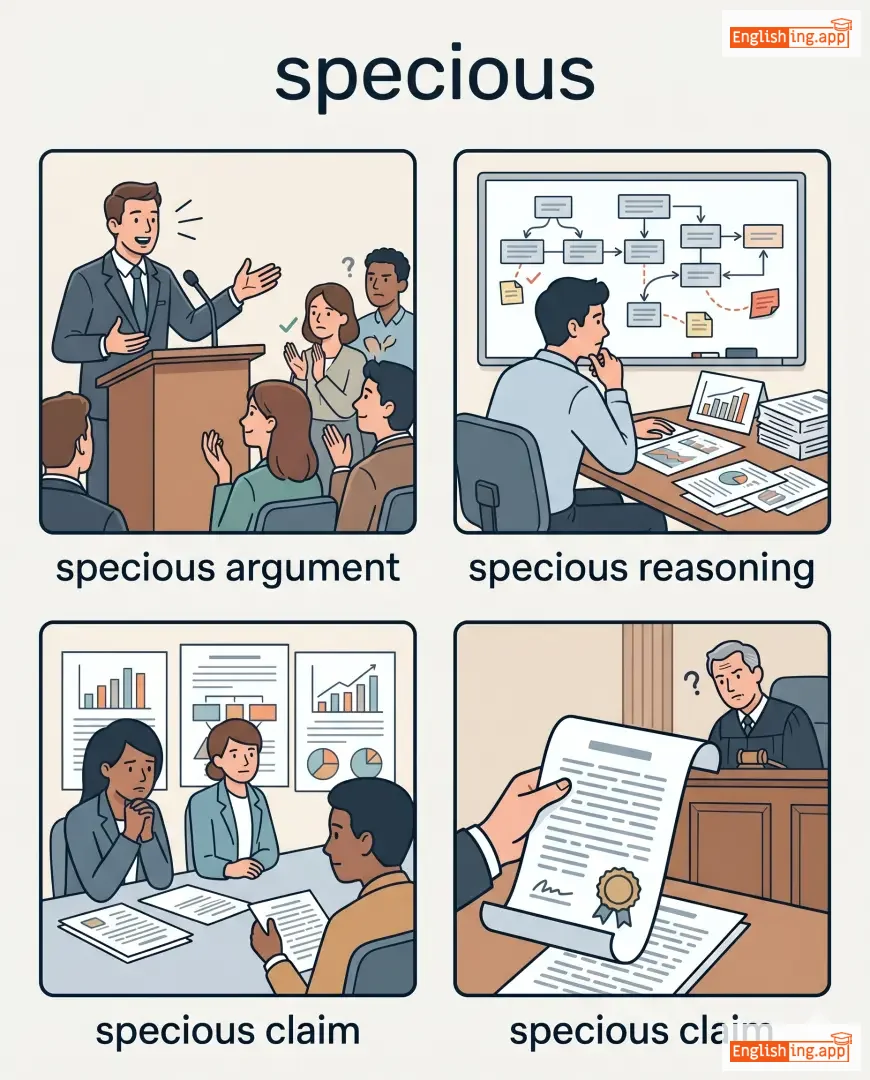
specious argument, specious reasoning, specious claim
••••••
|
見せかけの(misekake no)と聞くと、嘘をついている感じがする。
••••••
|
|
#298
🌈
|
/ˈspɛktrəm/
noun
(スペクトル)
••••••
|
|
スペクトル
supekutoru
••••••
|
- •••••• | - •••••• | - •••••• | - •••••• |
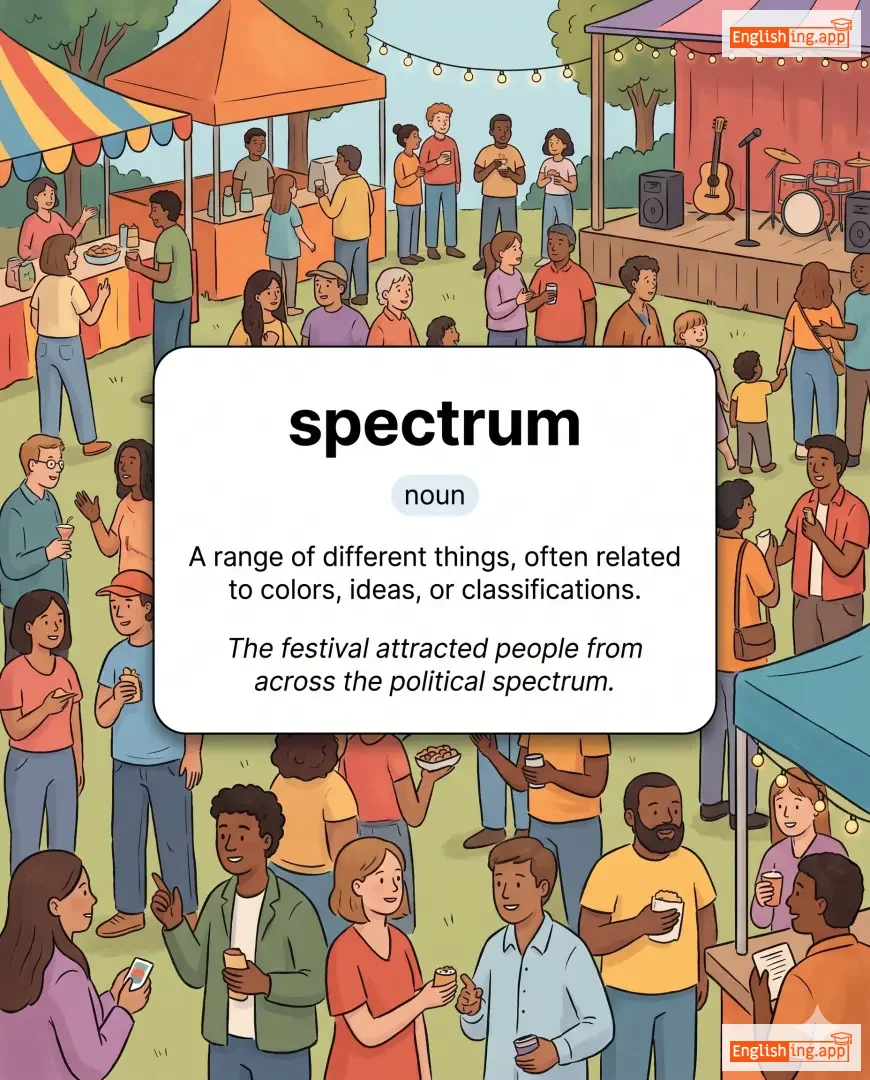
A range of different things, often related to colors, ideas, or classifications.
••••••
|
The festival attracted people from across the political spectrum. |
その祭りは政治的スペクトル全体から人々を引き付けました。
Sono matsuri wa seijiteki supekutoru zentai kara hitobito o hiki tsukemashita.
••••••
|
broad spectrum |
Covering a wide range of ideas or possibilities.
••••••
|
広範なスペクトル
Kōhan na supekutoru
••••••
|
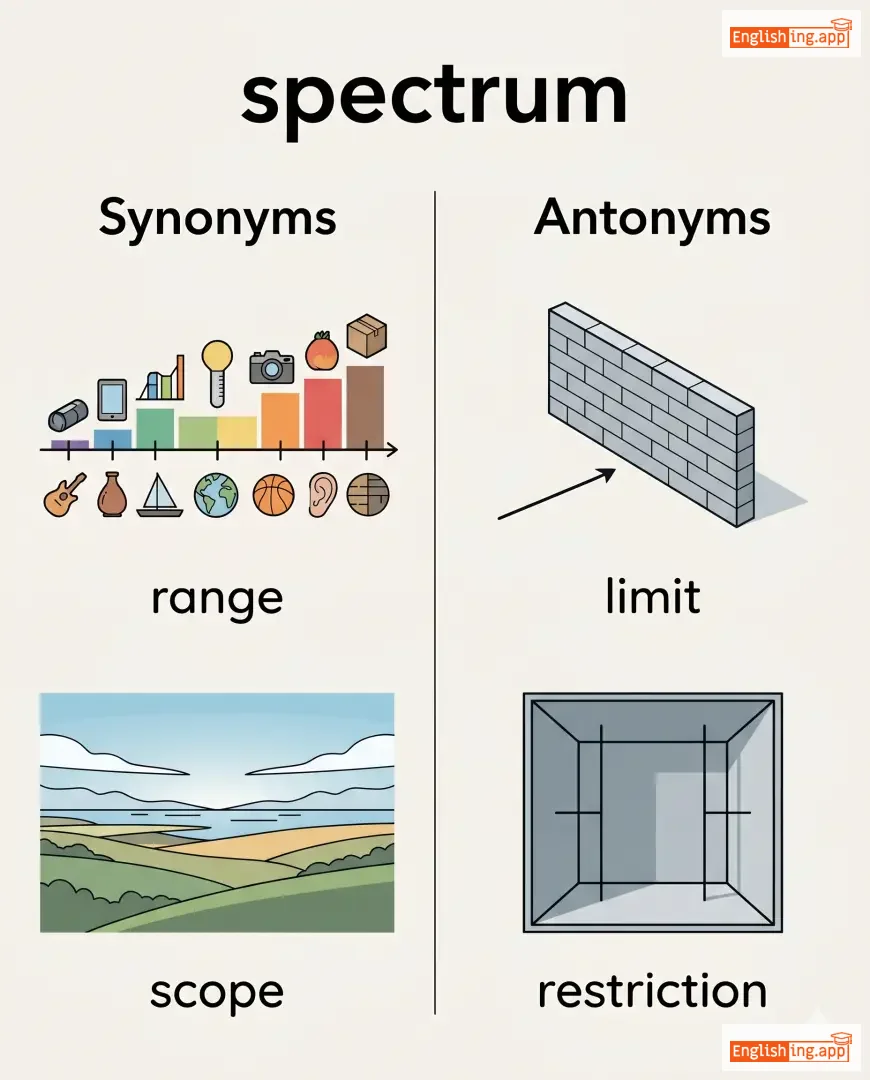
range, scope, span, variety, gamut
••••••
|
limit, restriction, boundary
••••••
|
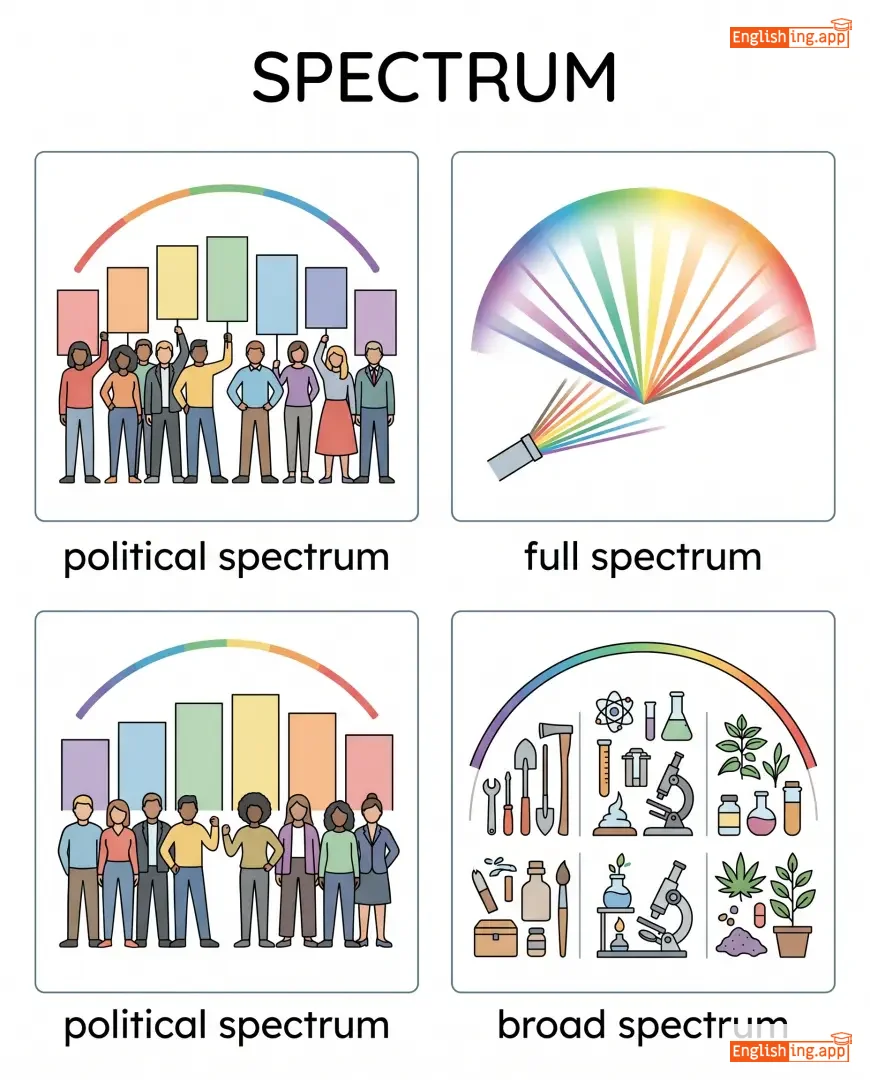
political spectrum, full spectrum, broad spectrum, across the spectrum
••••••
|
スペクトルは色の完全な範囲を意味します 🌈、スペクトルにすべてが含まれています。
••••••
|
|
#299
🌧️
|
/spəˈrædɪk/
adjective
(スポラディック)
••••••
|
|
散発的
sanpatsuteki
••••••
|
- •••••• | - •••••• | - •••••• | - •••••• |
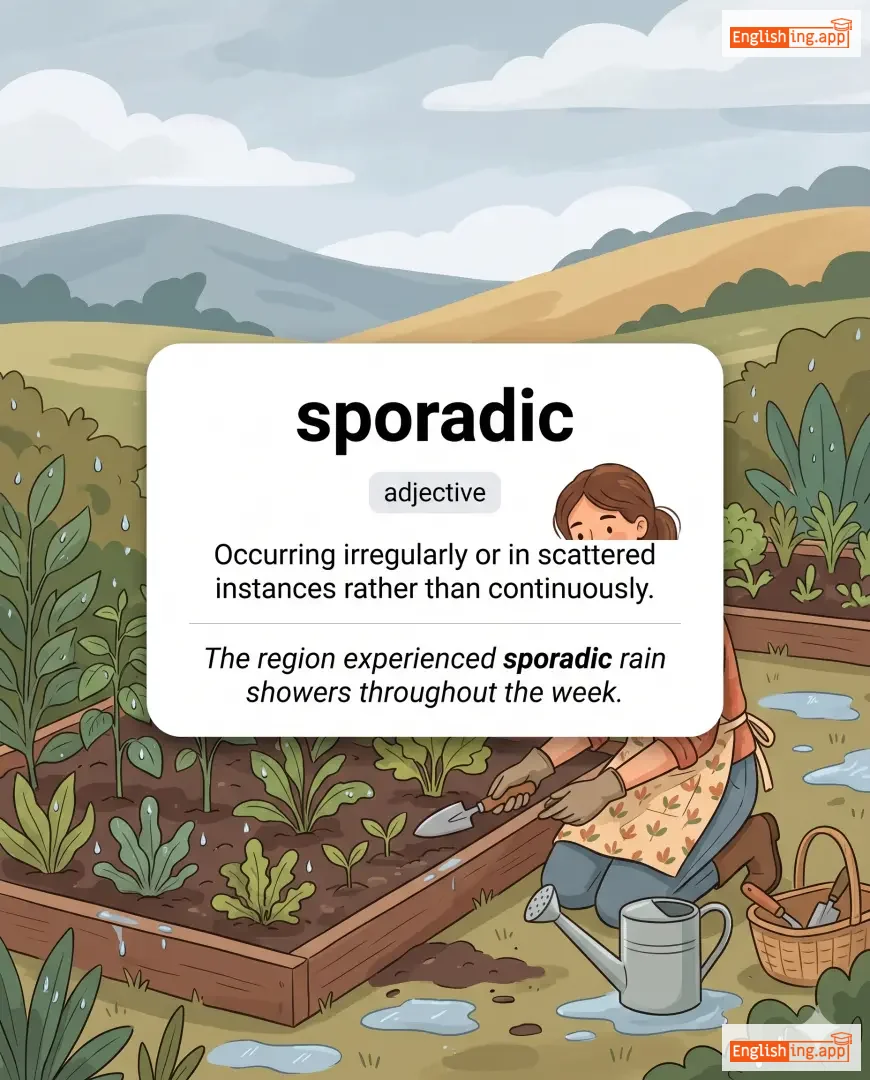
Occurring irregularly or in scattered instances rather than continuously.
••••••
|
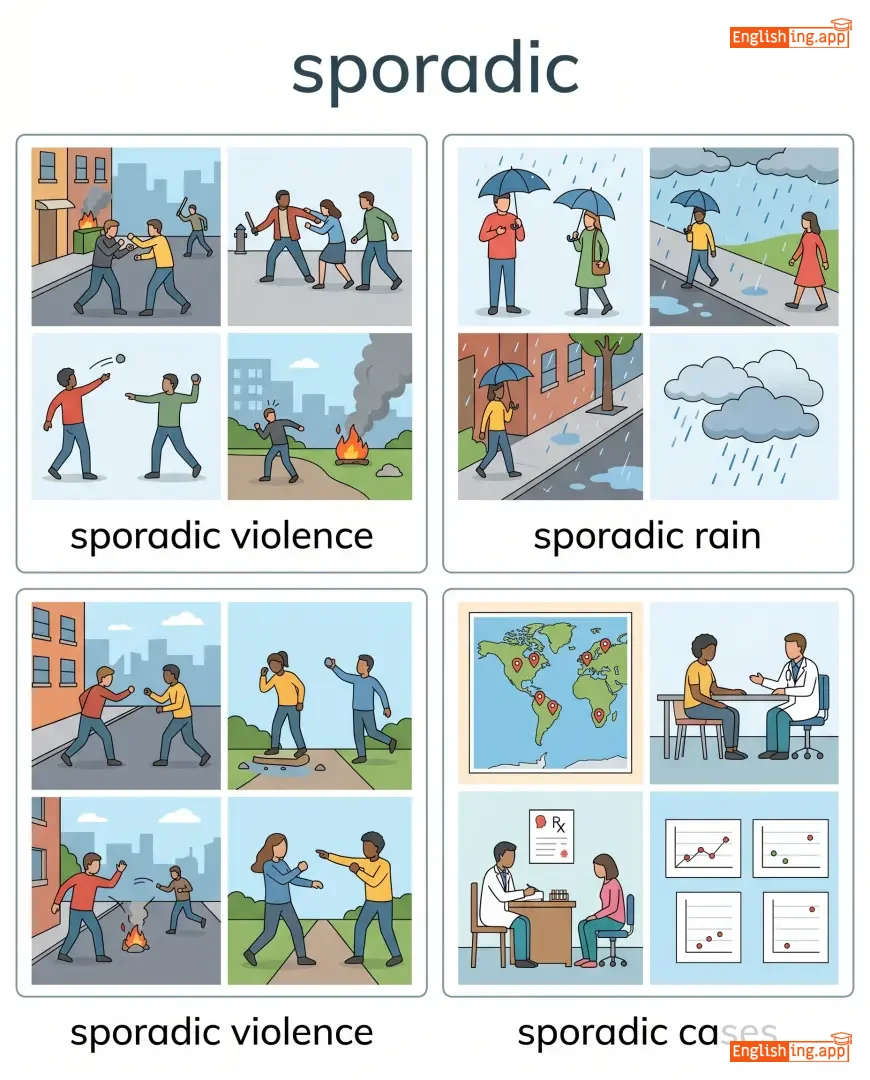
The region experienced sporadic rain showers throughout the week.
その地域は1週間にわたって散発的な雨に見舞われました。
••••••
|
その地域は1週間にわたって散発的な雨が降りました。
Sono chiiki wa 1 shūkan ni watatte sanpatsuteki na ame ga furimashita.
••••••
|
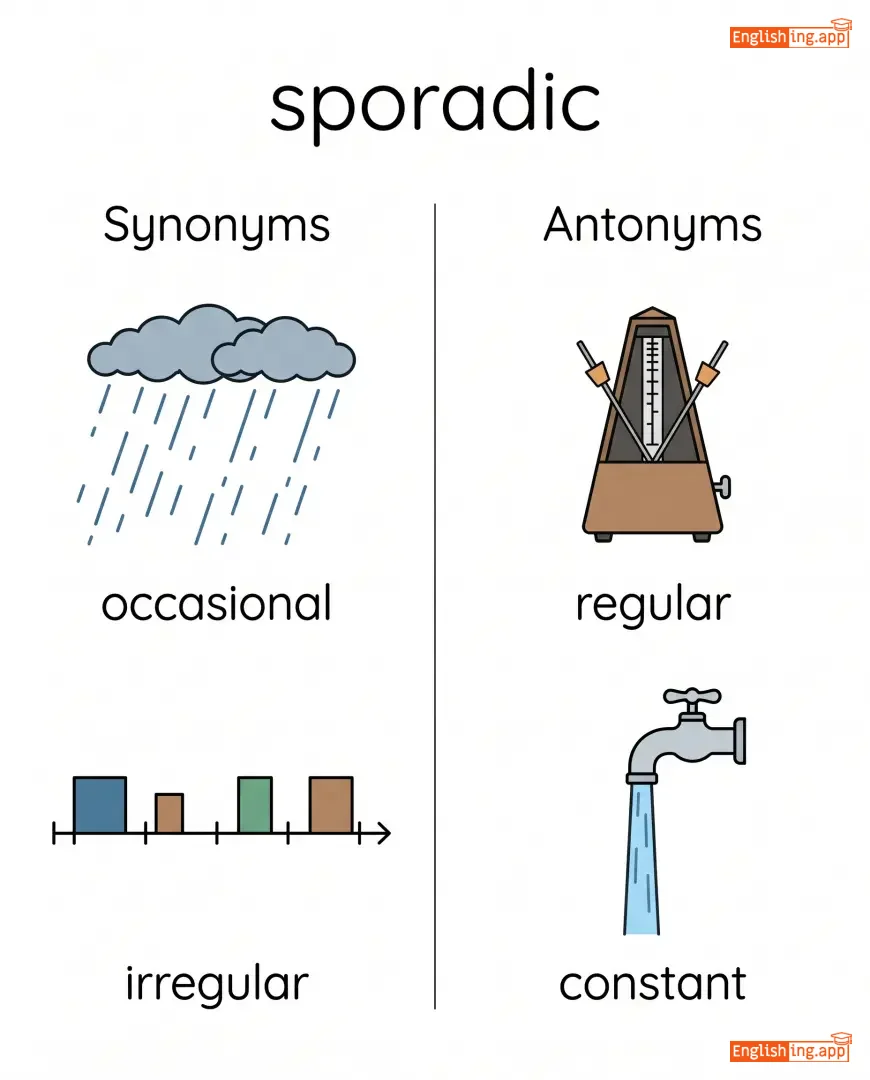
- •••••• | - •••••• | - •••••• |
occasional, irregular, infrequent, scattered, random
••••••
|
regular, constant, continuous
••••••
|
sporadic violence, sporadic rain, sporadic cases, sporadic attacks
••••••
|
Sporadicは、散発的な雨のように、ランダムに降ることを意味します。
••••••
|
|
#300
⚠️
|
/ˈstɪɡmə/
noun
(スティグマ)
••••••
|
|
汚名
omei
••••••
|
- •••••• | - •••••• | - •••••• | - •••••• |
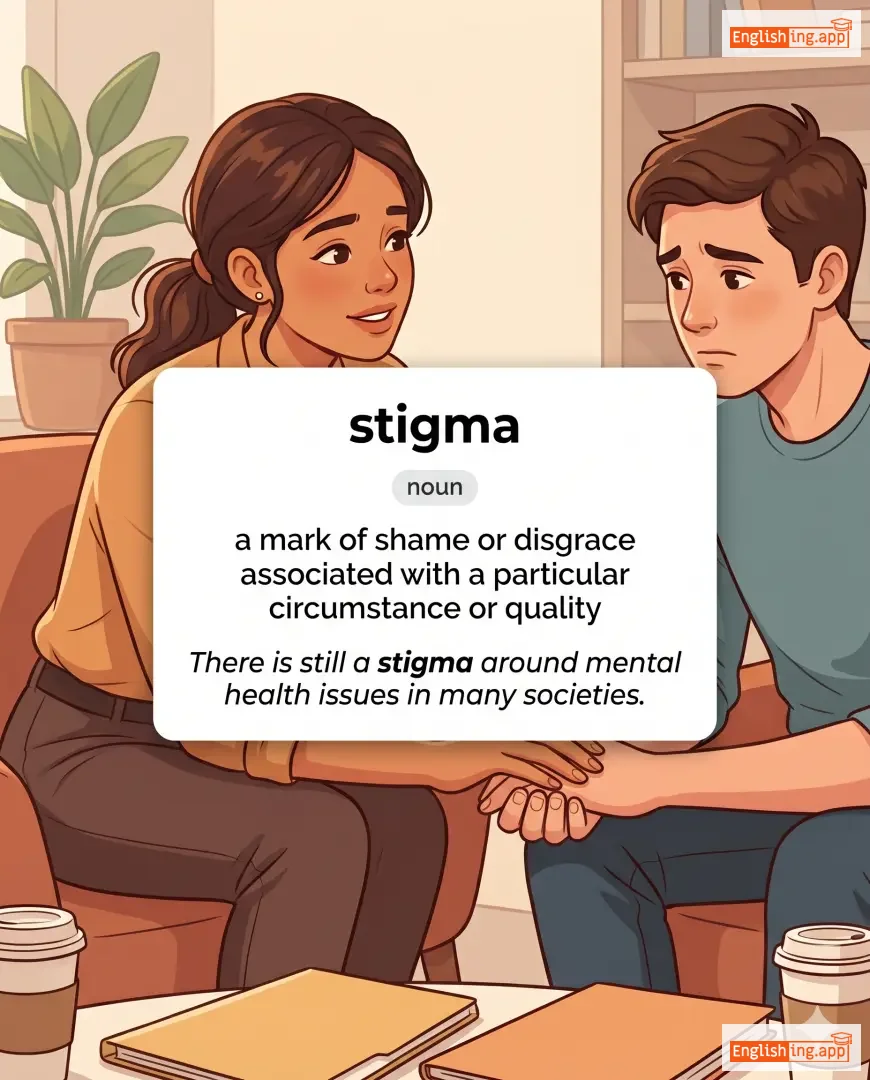
a mark of shame or disgrace associated with a particular circumstance or quality
••••••
|
There is still a stigma around mental health issues in many societies. |
多くの社会では、精神的な健康問題に関して未だに汚名がついています。
Ōku no shakai de wa, seishinteki na kenkō mondai ni kanshite imada ni omei ga tsuiteimasu.
••••••
|
- •••••• | - •••••• | - •••••• |
disgrace, shame, taint, blot, dishonor
••••••
|
honor, respect, esteem
••••••
|
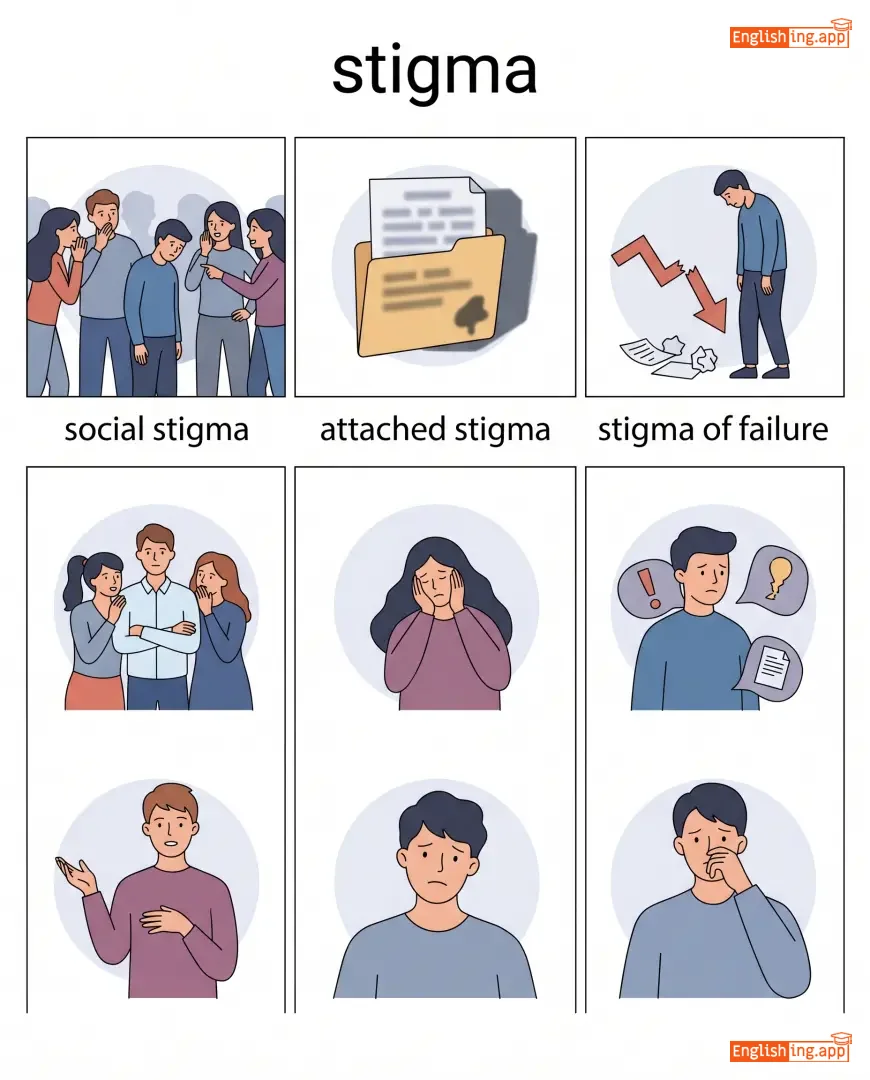
social stigma, attached stigma, stigma of failure, stigma surrounding
••••••
|
Stigma = 恥の印 = 汚名
••••••
|
Vocabulary Quiz
Test your vocabulary by matching words with their translations or meanings.
Login to take the quiz
Comments (0)
Share your thoughts and join the discussion.
Join the discussion by logging in
Login to CommentNo comments yet
Be the first to share your thoughts!