

翻訳
過去
過去分詞
三人称単数
動名詞
意味
例文
例文の翻訳
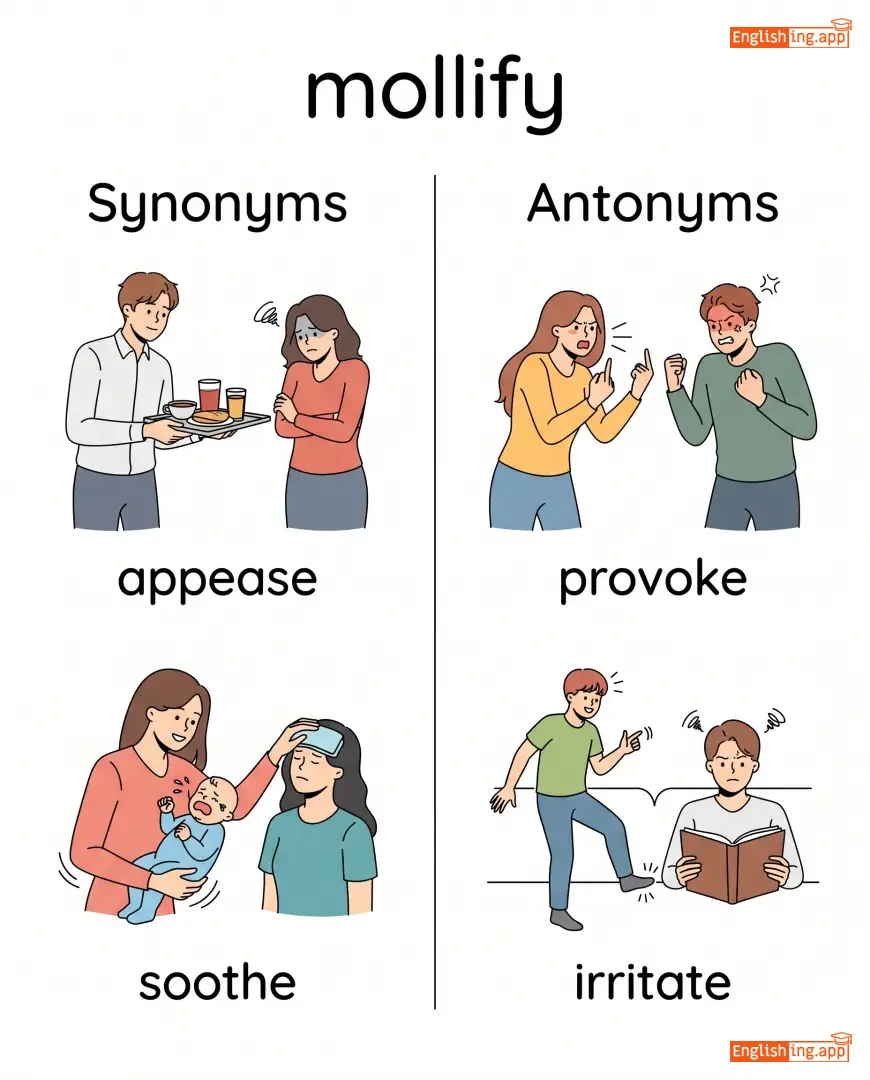
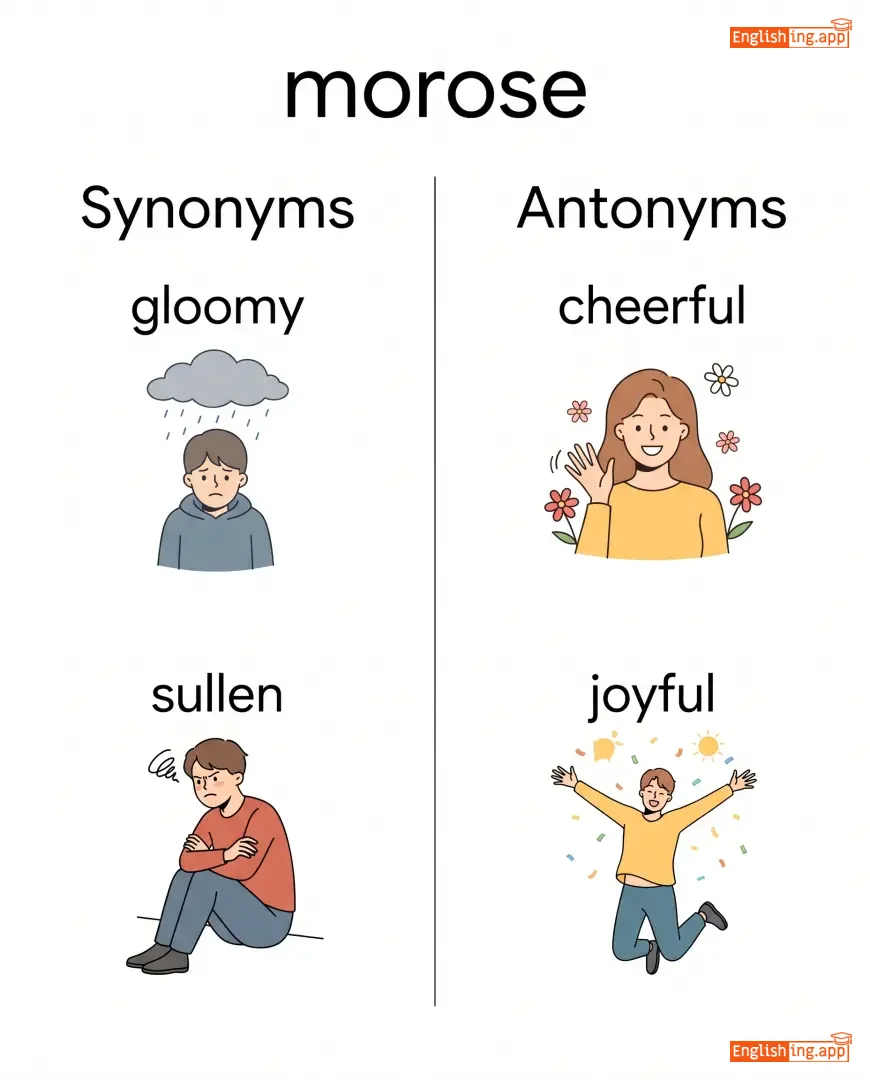
同義語
対義語
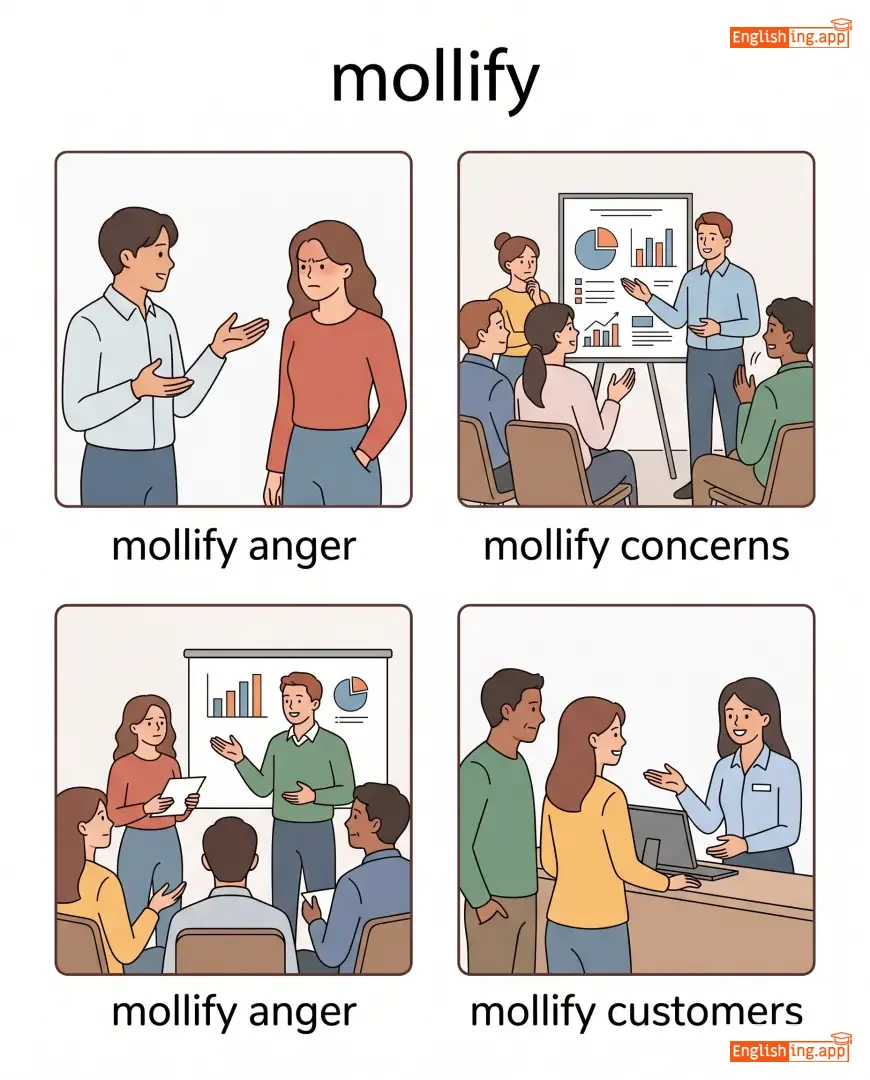
コロケーション
ニーモニック








Swipe left or right, or use the buttons. Tap image to zoom.
例文の翻訳
単語
Lesson 9Lesson 9 - マスクトグル
|
絵文字
|
単語 | Images | 翻訳 | 過去 | 過去分詞 | 三人称単数 | 動名詞 | 意味 | 例文 | 例文の翻訳 | 表現例 | 表現例の意味 | 表現例の翻訳 | 同義語 | 対義語 | コロケーション | ニーモニック |
|---|---|---|---|---|---|---|---|---|---|---|---|---|---|---|---|---|---|
|
#201
🌲
|
/lɒɡ/
noun, verb
(ログ)
••••••
|
|
丸太, 記録
maruta, kiroku
••••••
|
logged
ログイン
••••••
|
logged
ログイン
••••••
|
logs
ログス
••••••
|
logging
ログギング
••••••
|
A part of the trunk or a large branch of a tree that has fallen or been cut off; also to record information systematically.
••••••
|
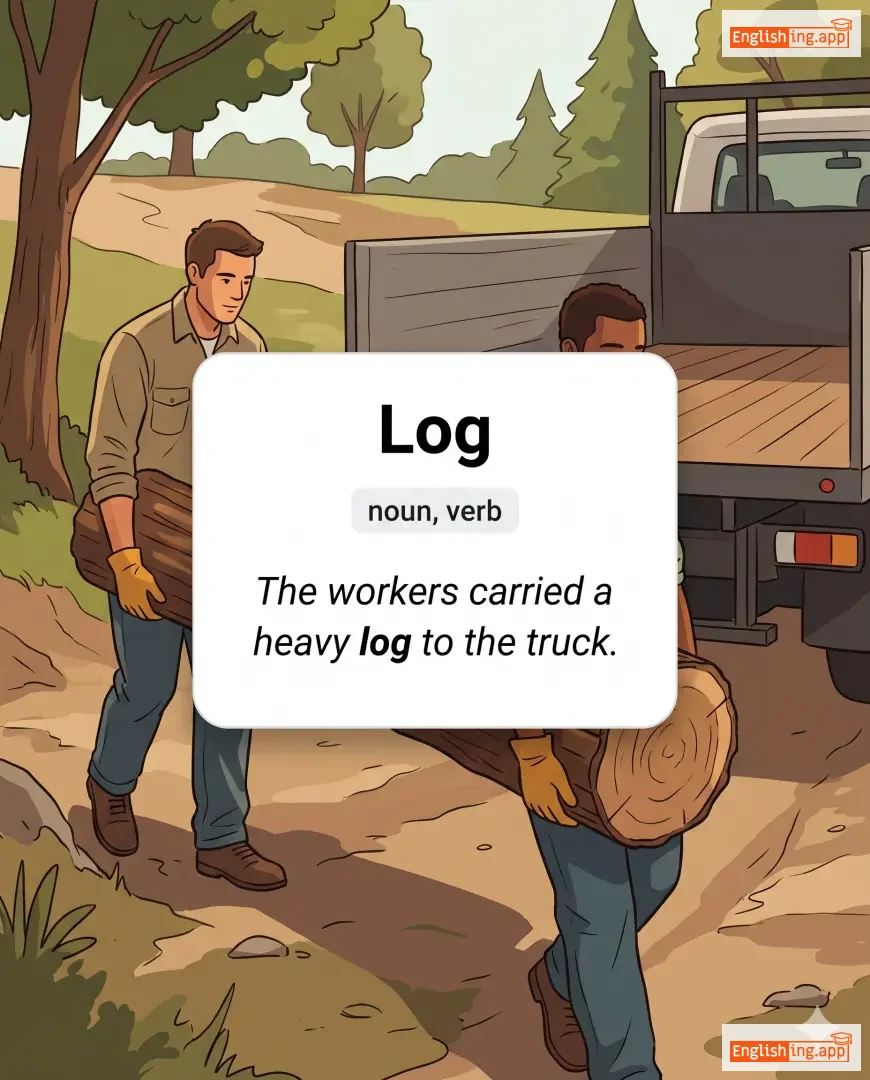
The workers carried a heavy log to the truck.
作業員は重い丸太をトラックに運びました。
••••••
|
作業員は重い丸太をトラックに運びました。
Sagyouin wa omoi maruta o torakku ni hakobimashita.
••••••
|
sleep like a log
丸太のように寝る
••••••
|
to sleep very deeply and soundly
••••••
|
丸太のように寝る
maruta no you ni neru
••••••
|
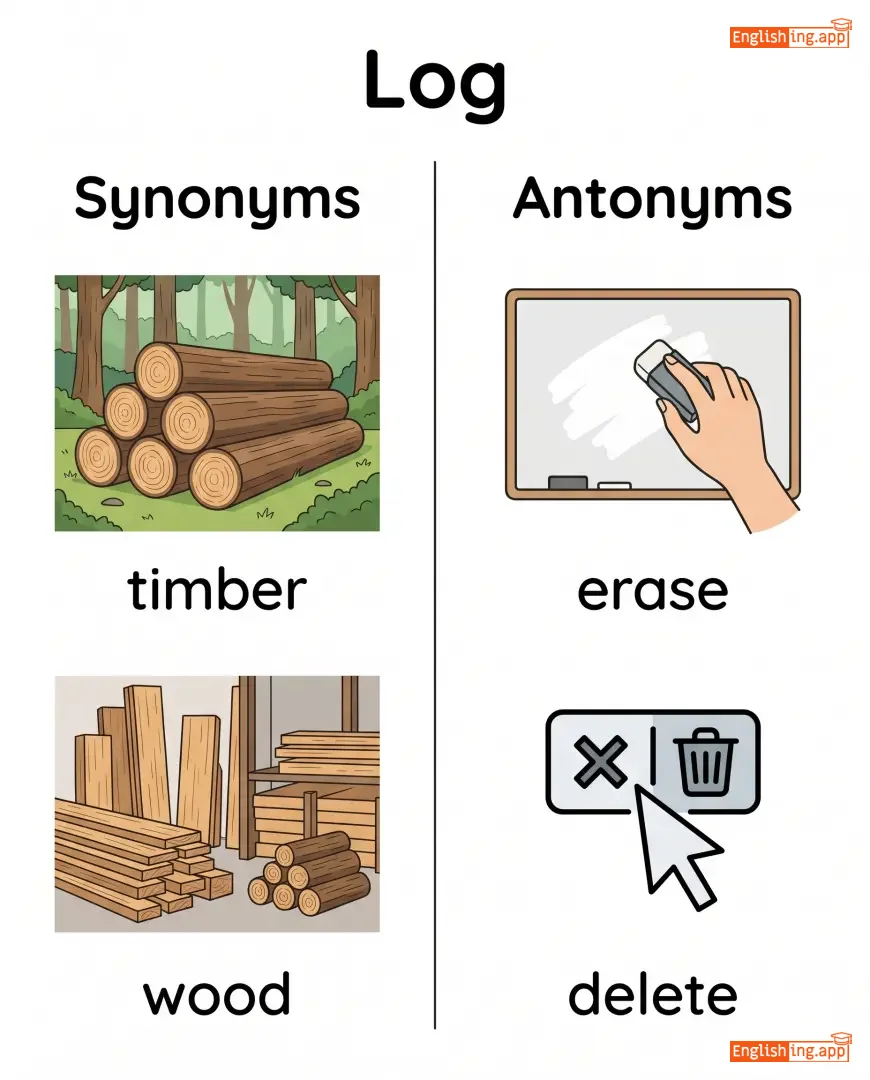
timber, wood, record, register, journal
••••••
|
erase, delete
••••••
|
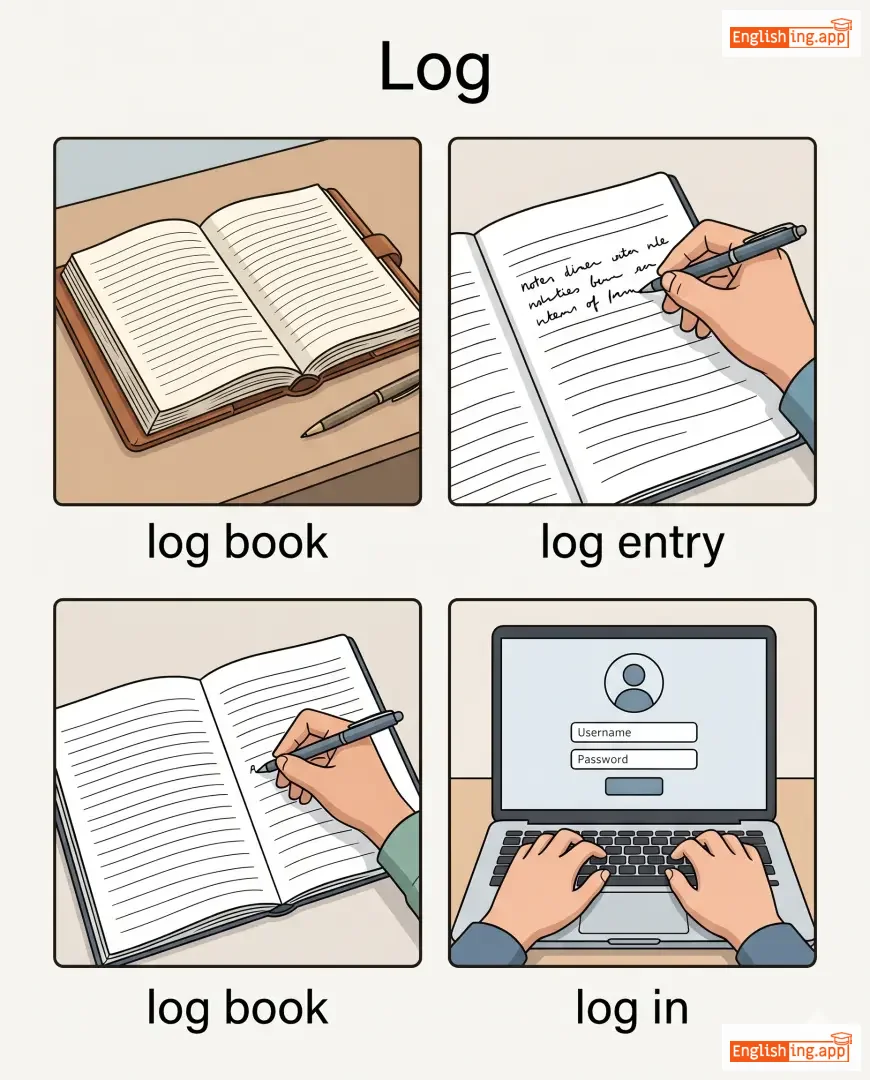
log book, log entry, log in, log data
••••••
|
Log (log) は丸太を意味し、ログイン (login) は記録を残すことです。
••••••
|
|
#202
🗣️
|
/loʊˈkweɪʃəs/
adjective
(ロケイシャス)
••••••
|
|
おしゃべりな
oshaberina
••••••
|
- •••••• | - •••••• | - •••••• | - •••••• |
tending to talk a great deal; very talkative
••••••
|
The loquacious child entertained everyone with endless stories.
そのおしゃべりな子供は、終わりのない物語で皆を楽しませた。
••••••
|
おしゃべりな子供は、終わりのない物語で皆を楽しませた。
Oshaberina kodomo wa, owari no nai monogatari de mina wo tanoshimaseta.
••••••
|
- •••••• | - •••••• | - •••••• |
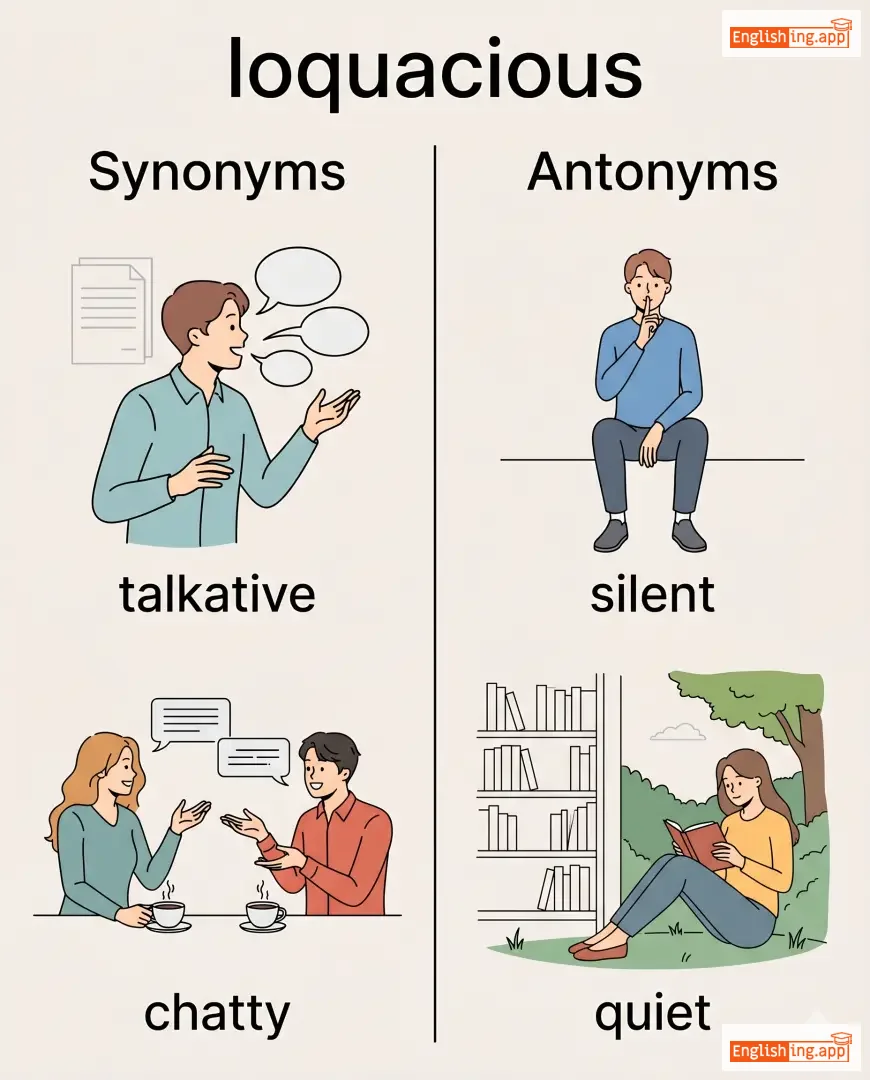
talkative, chatty, verbose, garrulous, communicative
••••••
|
silent, quiet, reserved
••••••
|
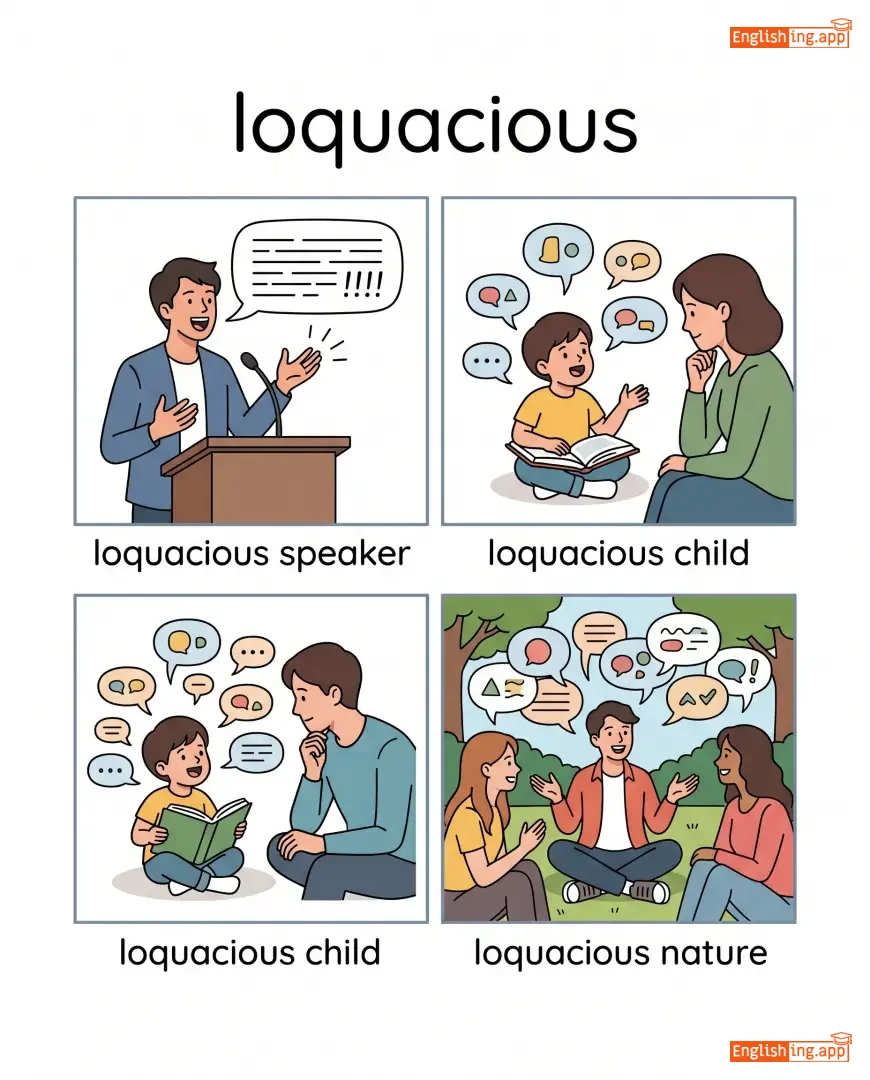
loquacious speaker, loquacious child, loquacious nature, loquacious host
••••••
|
Loquaciousは話すのが得意、'おしゃべりな'ことを思い出して。
••••••
|
|
#203
💡
|
/ˈluːsɪd/
adjective
(ルシッド)
••••••
|
|
明晰
meiseki
••••••
|
- •••••• | - •••••• | - •••••• | - •••••• |
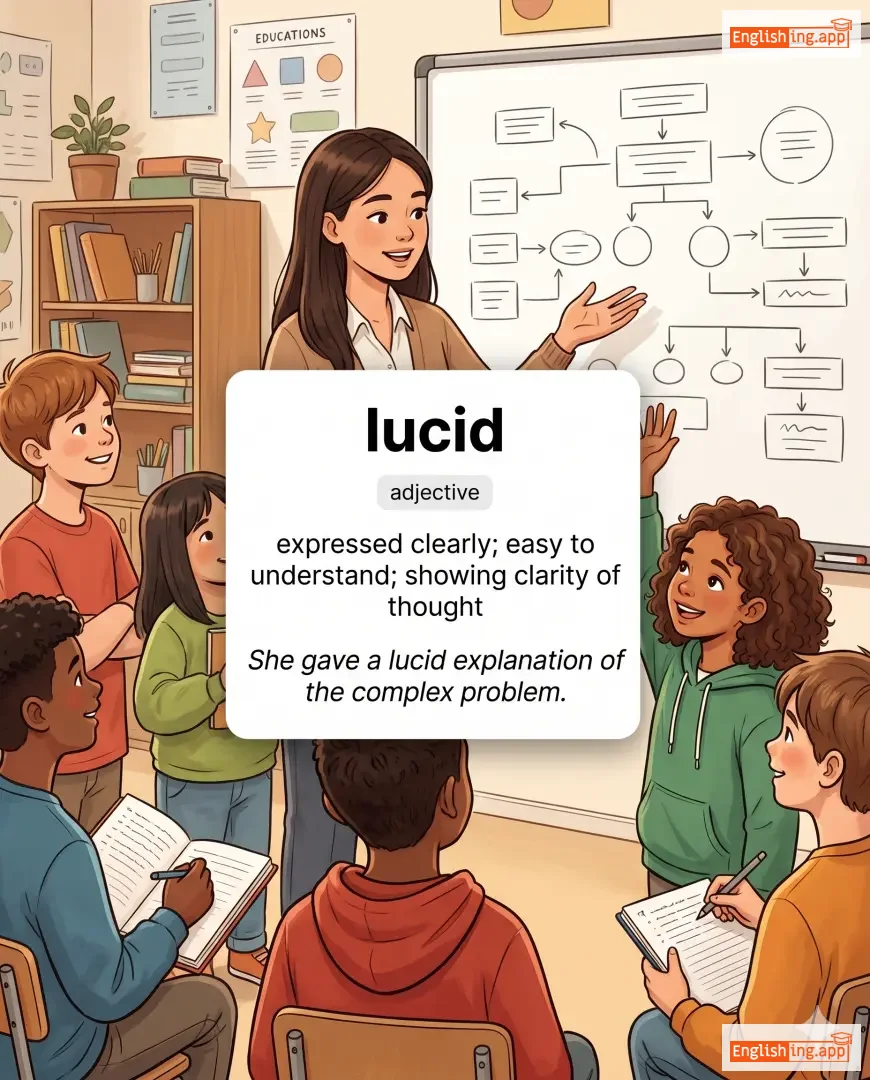
expressed clearly; easy to understand; showing clarity of thought
••••••
|
She gave a lucid explanation of the complex problem. |
彼女は複雑な問題の明確な説明をしました。
Kanojo wa fukuzatsu na mondai no meikaku na setsumei o shimashita.
••••••
|
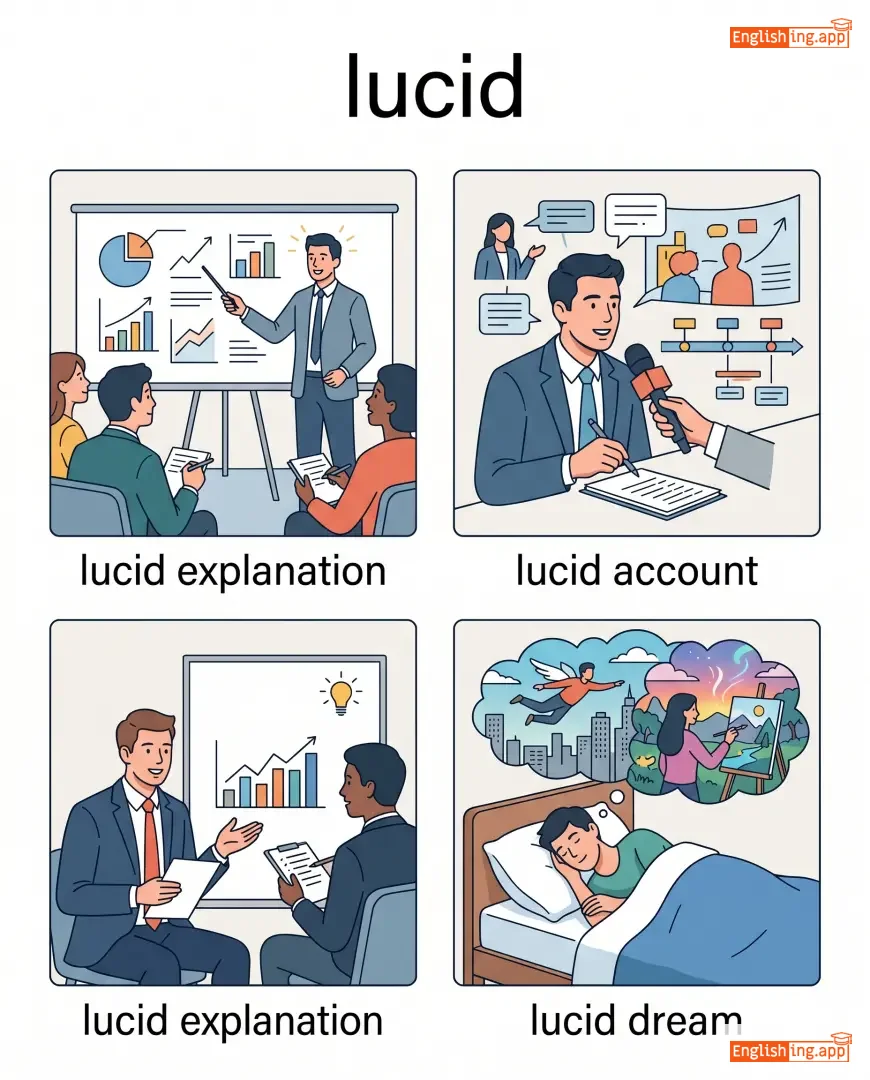
lucid dream |
a dream in which the dreamer is aware that they are dreaming
••••••
|
明晰夢
meiseki yume
••••••
|
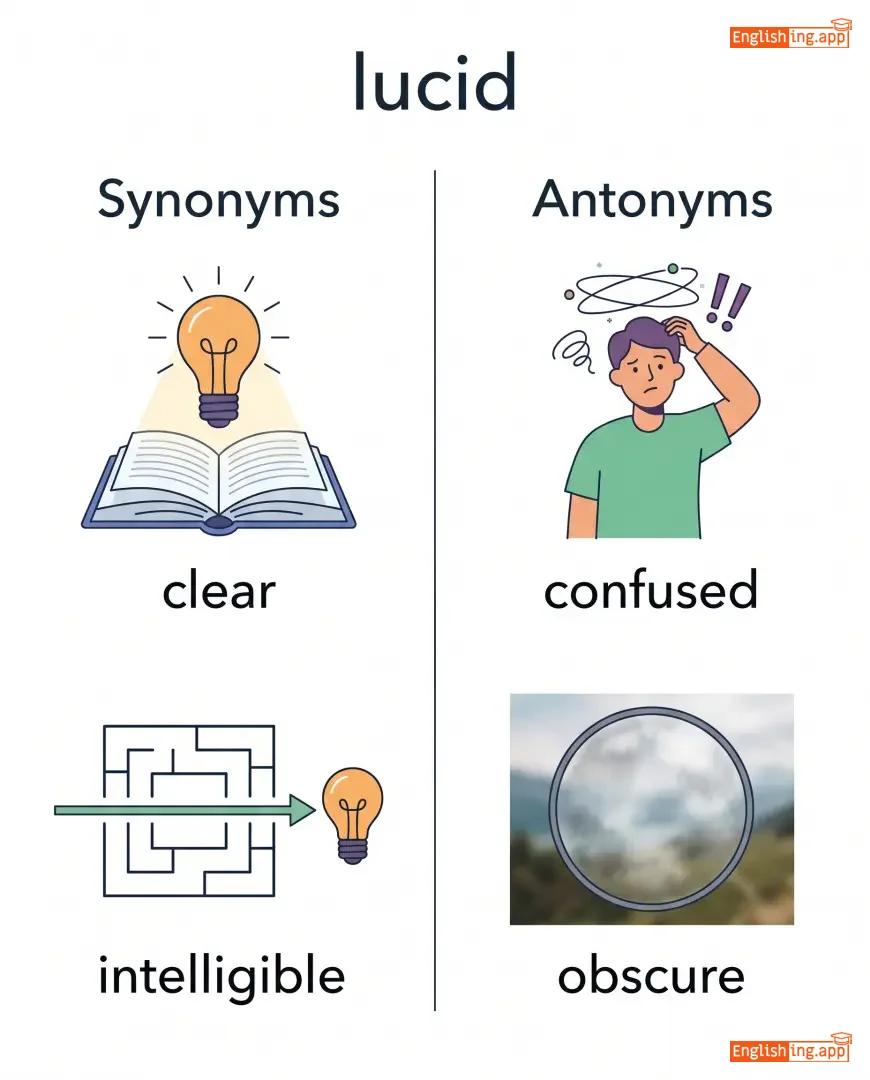
clear, intelligible, coherent, transparent, rational
••••••
|
confused, obscure, unclear
••••••
|
lucid explanation, lucid account, lucid dream, lucid style
••••••
|
明晰は明確、まるで鏡のように (meiseki)
••••••
|
|
#204
✨
|
/ˈluː.mɪ.nəs/
adjective
(ルミナス)
••••••
|
|
光輝の
kōki no
••••••
|
- •••••• | - •••••• | - •••••• | - •••••• |
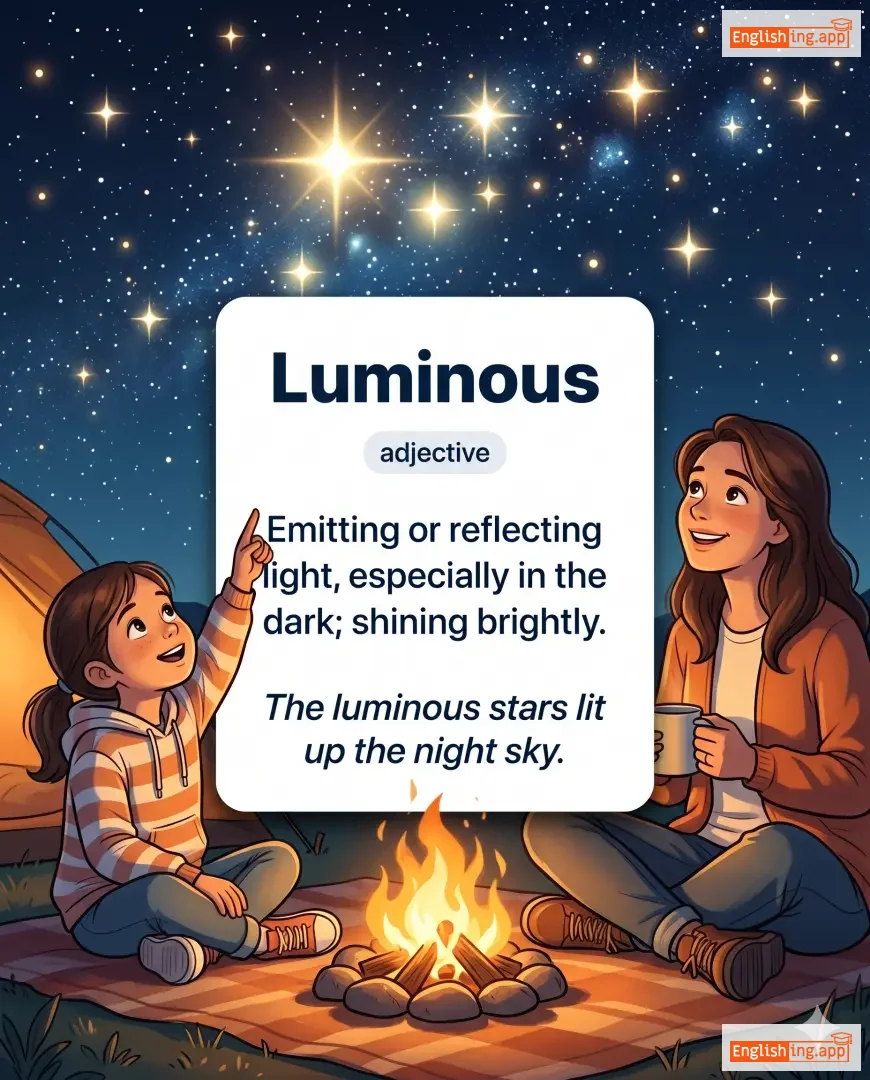
Emitting or reflecting light, especially in the dark; shining brightly.
••••••
|
The luminous stars lit up the night sky. |
光輝の星々が夜空を照らした。
Kōki no hoshiboshi ga yozora o terashita.
••••••
|
luminous beauty |
A striking and radiant kind of beauty.
••••••
|
光輝の美しさ
kōki no utsukushisa
••••••
|
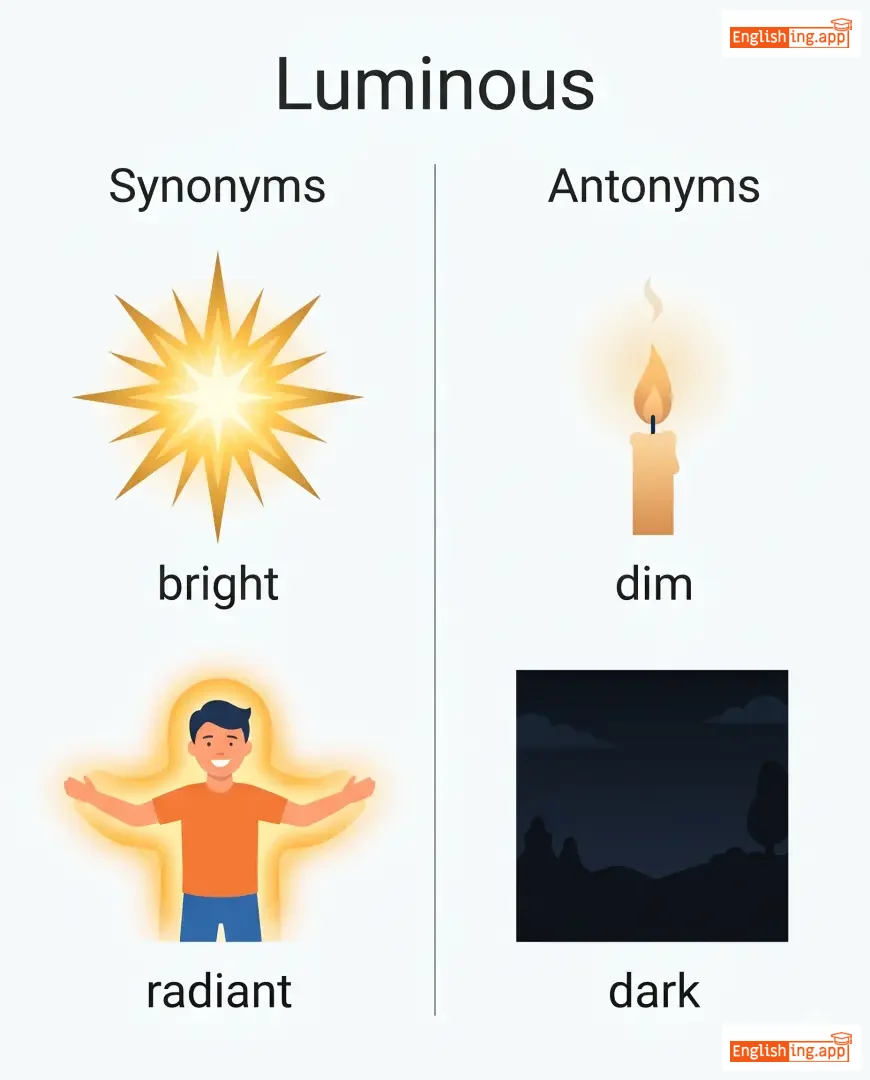
bright, radiant, glowing, shining, brilliant
••••••
|
dim, dark, dull
••••••
|
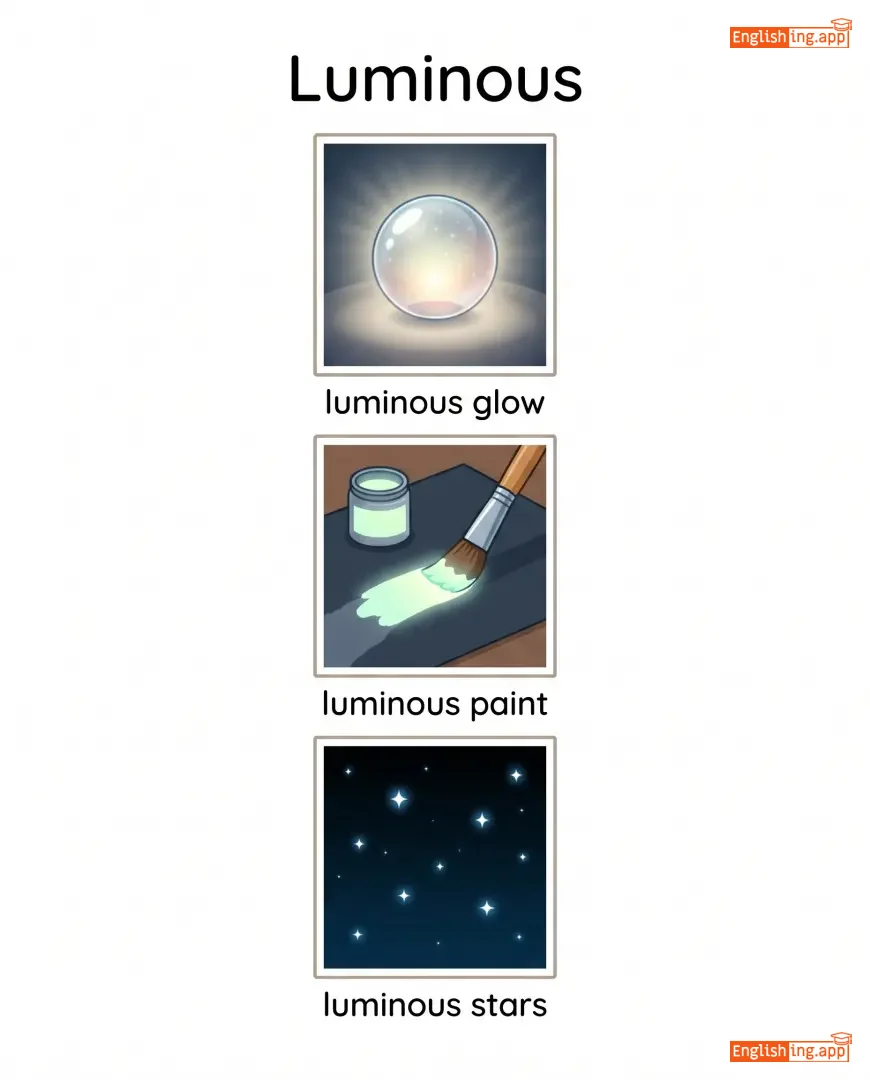
luminous glow, luminous paint, luminous stars, luminous eyes
••••••
|
Luminous は明るく光ること、まるで星のように輝くこと。
••••••
|
|
#205
👑
|
/ˌmæɡ.nəˈnɪ.mɪ.ti/
noun
(マグナニミティ)
••••••
|
|
寛大さ; 寛容
magunanimiti
••••••
|
- •••••• | - •••••• | - •••••• | - •••••• |
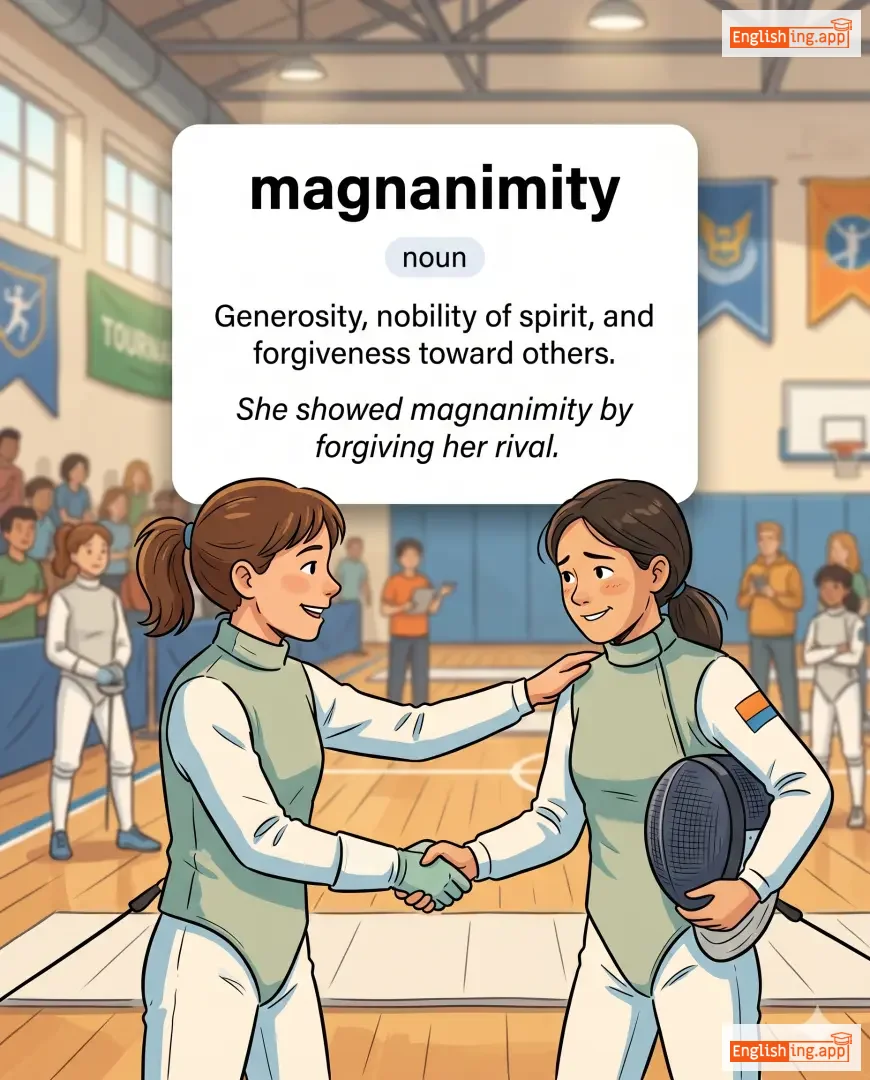
generosity in forgiving an insult or injury; nobility of spirit or action; generosity
••••••
|
He showed great magnanimity in victory. |
彼は勝利において寛大さを示しました。
Kare wa shouri ni oite kandaisa o shimeshimashita.
••••••
|
- •••••• | - •••••• | - •••••• |
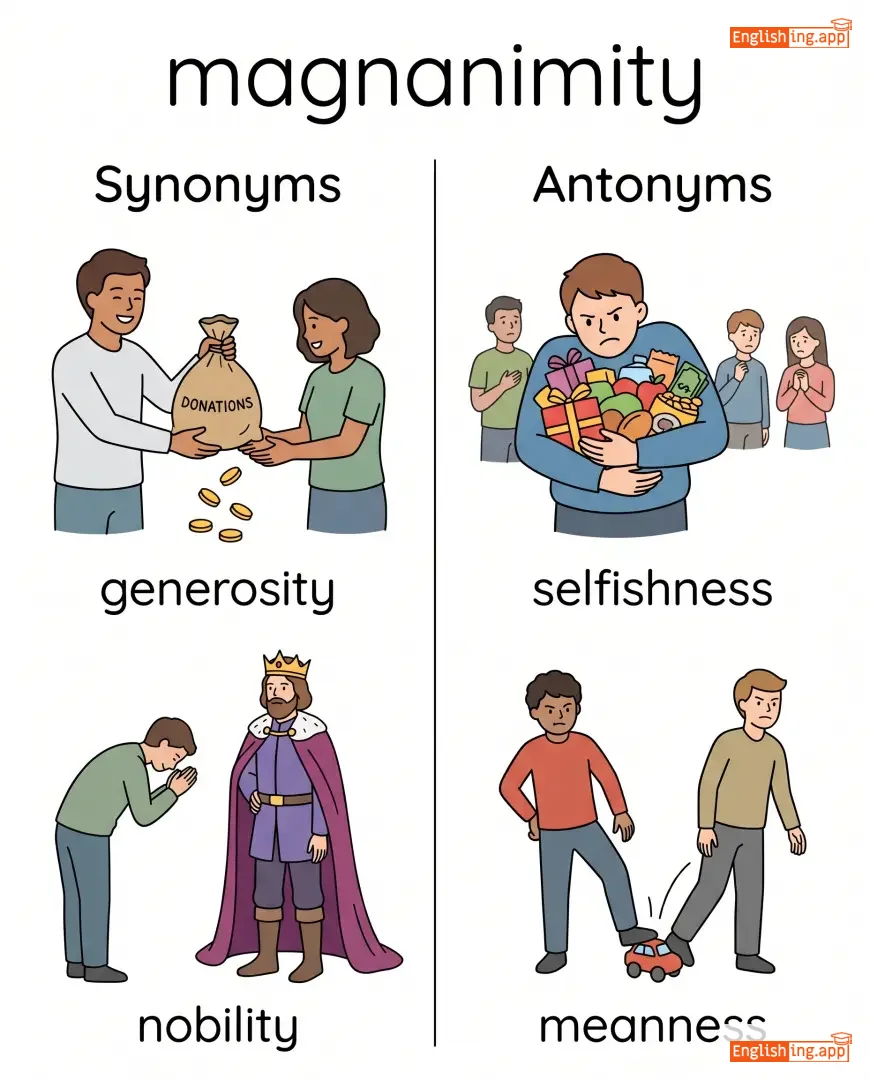
generosity, nobility, forgiveness, kindness
••••••
|
pettiness, meanness, vindictiveness
••••••
|
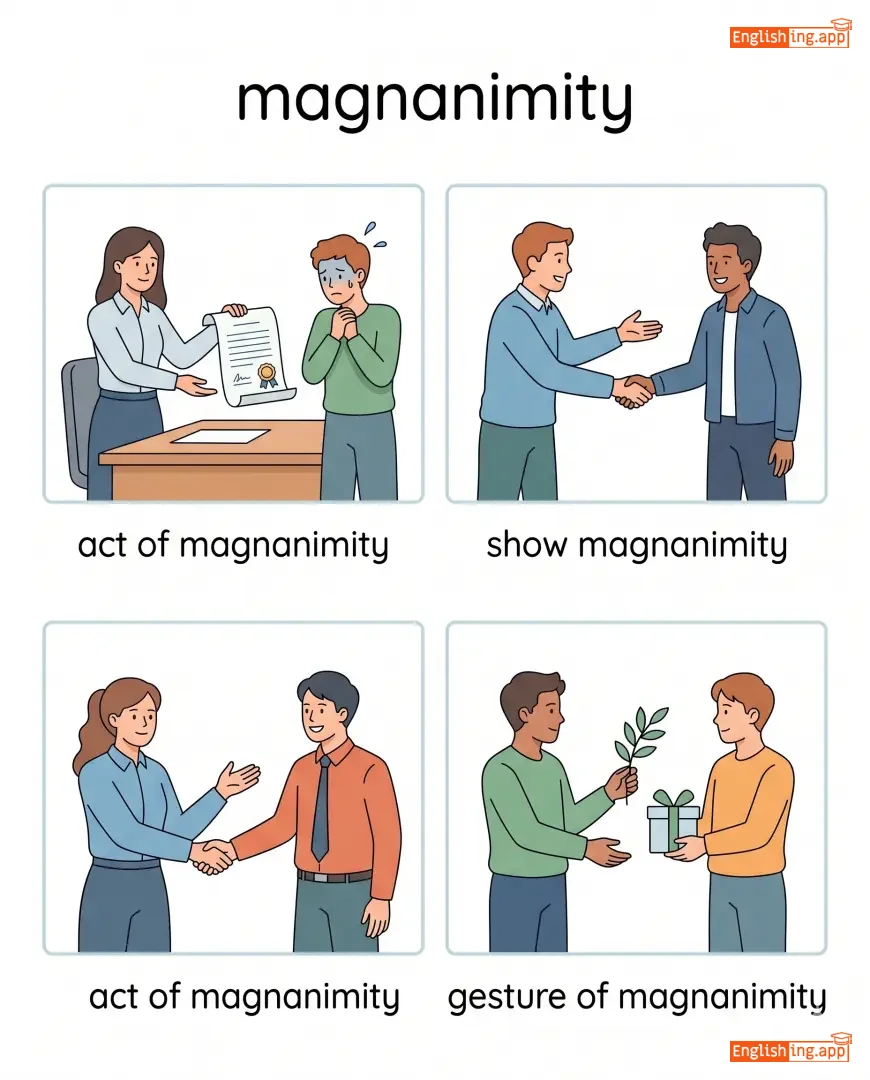
show magnanimity, act of magnanimity, great magnanimity
••••••
|
寛大さが人を尊敬させる。
••••••
|
|
#206
😴
|
/məˈlɪŋɡərər/
noun
(マリンガラー)
••••••
|
|
病気を装う人
byouki wo yosou hito
••••••
|
- •••••• | - •••••• | - •••••• | - •••••• |
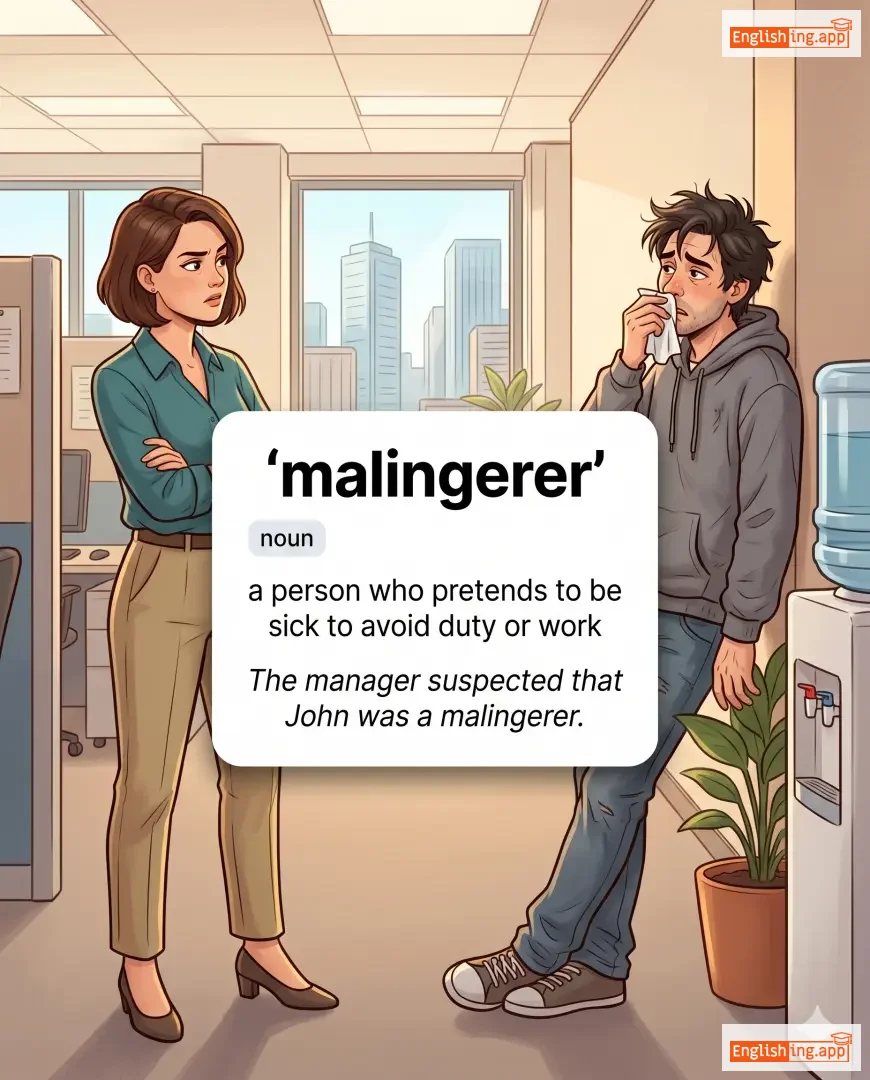
a person who pretends to be sick to avoid duty or work
••••••
|
The manager suspected that John was a malingerer. |
マネージャーはジョンがマリンガラーだと疑っていた。
Manejā wa Jon ga Maringarā da to utagatte ita.
••••••
|
- •••••• | - •••••• | - •••••• |
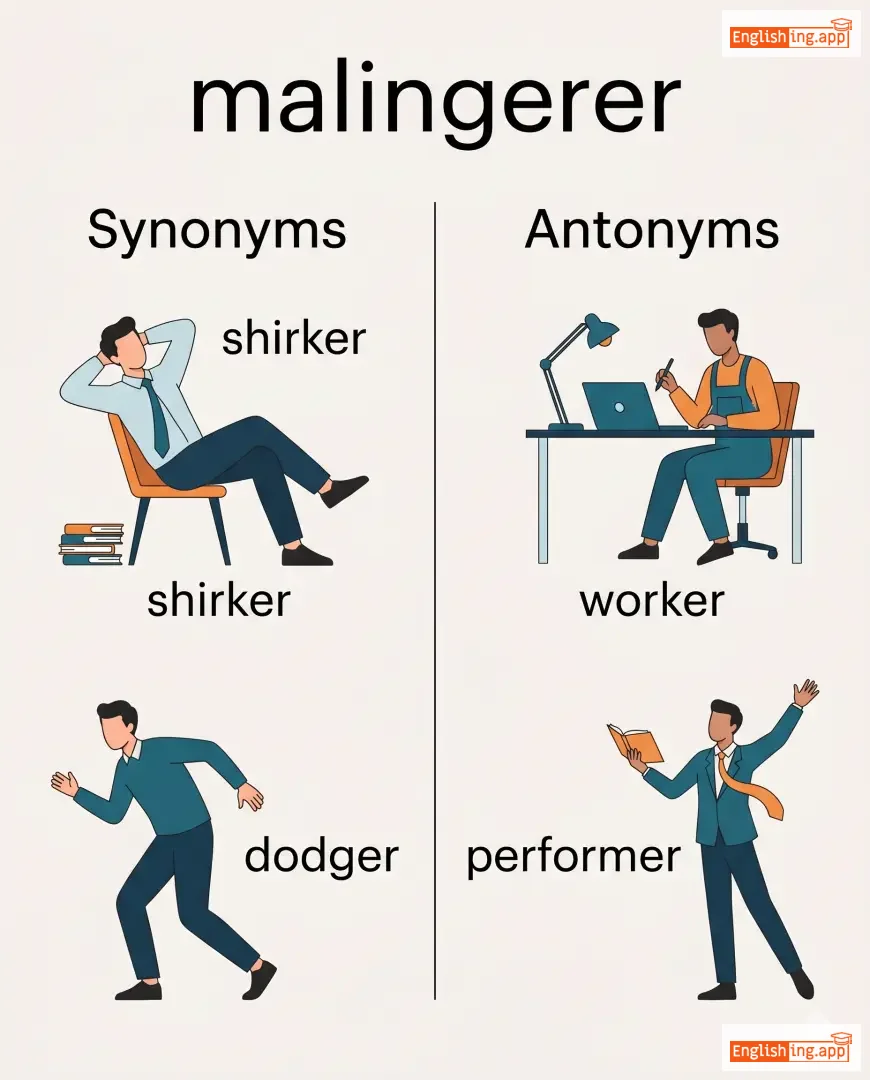
shirker, dodger, pretender, faker
••••••
|
worker, performer
••••••
|
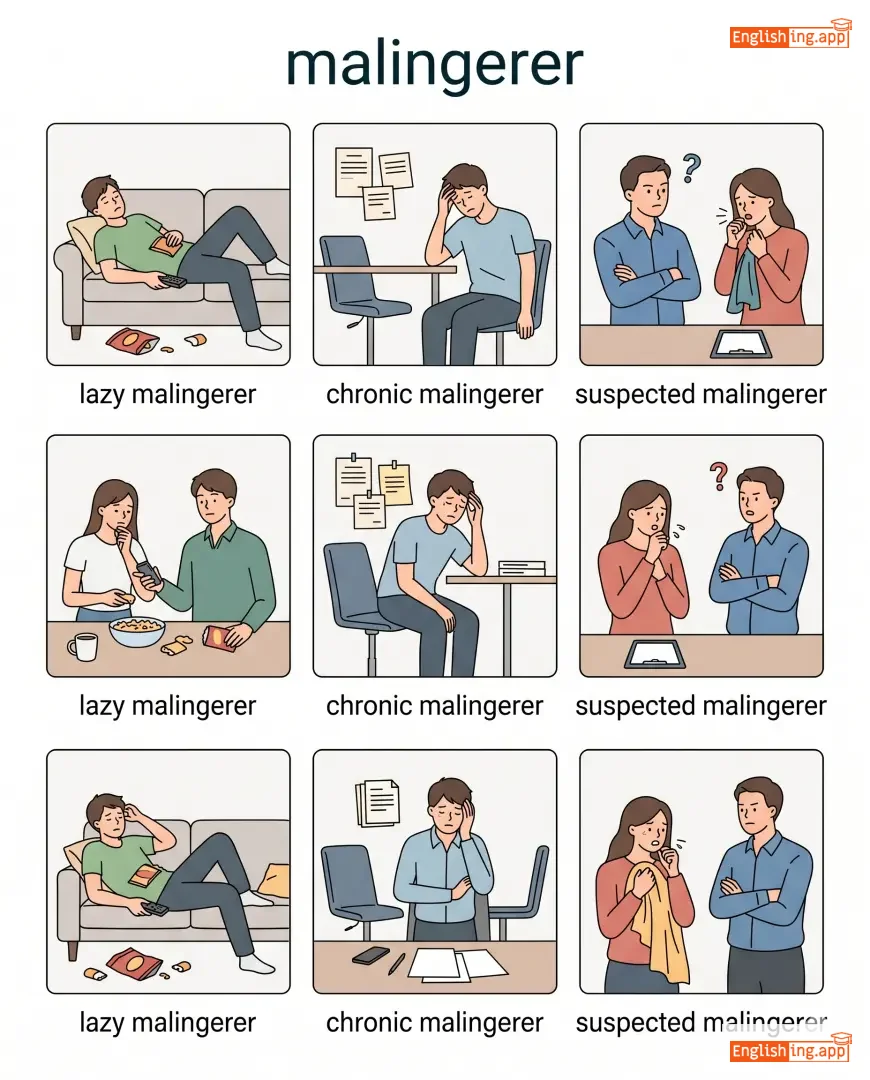
lazy malingerer, chronic malingerer, suspected malingerer
••••••
|
Malingerer: 病気を装う人、'マリンガ'の'マ'は病気、'ガ'は回避する。
••••••
|
|
#207
🔧
|
/ˈmæliəbl̩/
adjective
(マリヤブル)
••••••
|
|
柔軟な
nyūn'nan na
••••••
|
- •••••• | - •••••• | - •••••• | - •••••• |
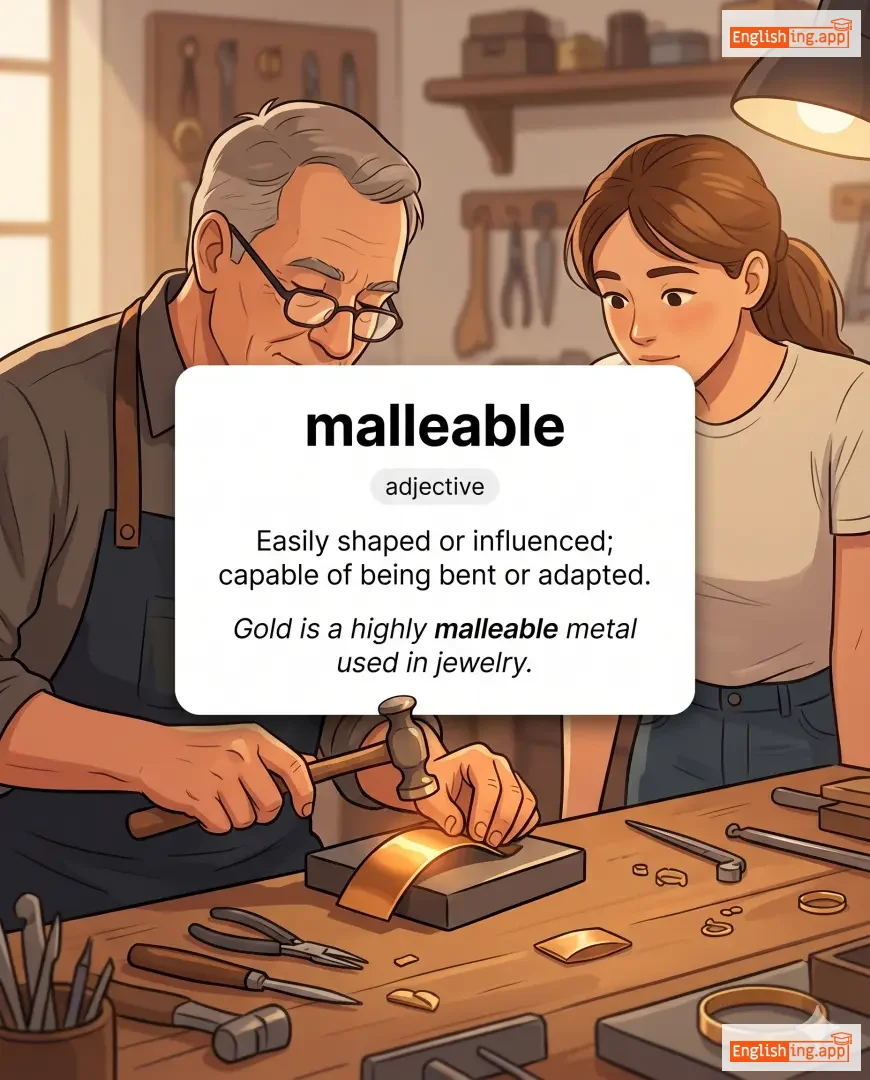
Easily shaped or influenced; capable of being bent or adapted.
••••••
|
Gold is a highly malleable metal used in jewelry. |
金は非常に柔軟な金属で、ジュエリーに使用されます。
Kin wa hijō ni nyūn'nan na kinzoku de, juerī ni shiyō saremasu.
••••••
|
- •••••• | - •••••• | - •••••• |
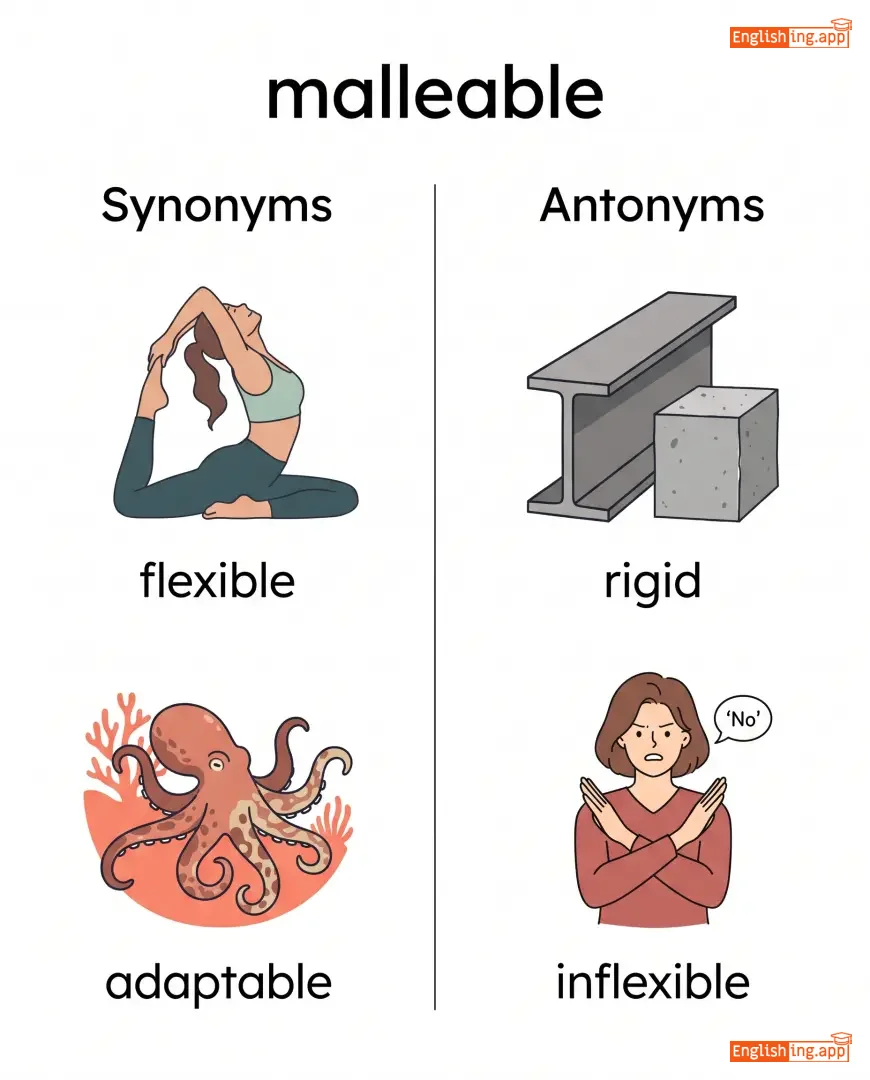
flexible, adaptable, pliable, ductile, impressionable
••••••
|
rigid, inflexible, stiff
••••••
|
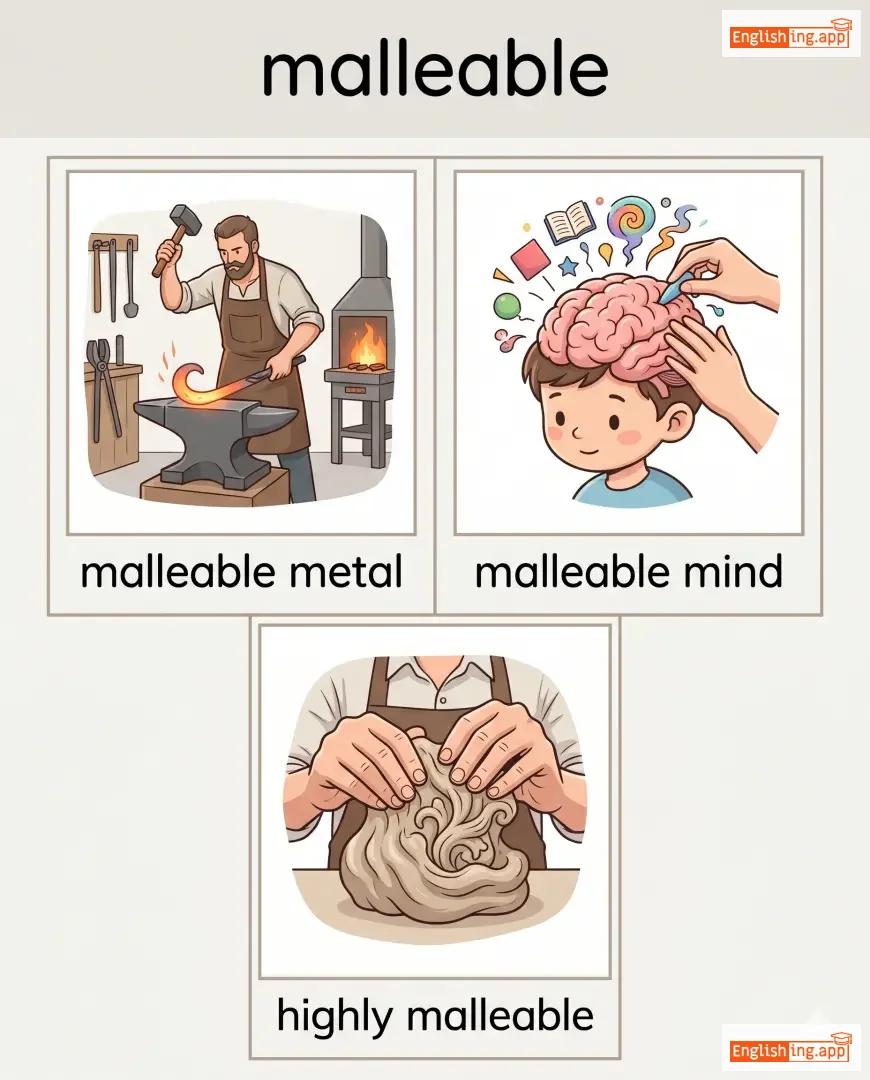
malleable metal, malleable mind, highly malleable, malleable material
••••••
|
柔軟な金属である金は、ジュエリーに変形可能です。
••••••
|
|
#208
🤠
|
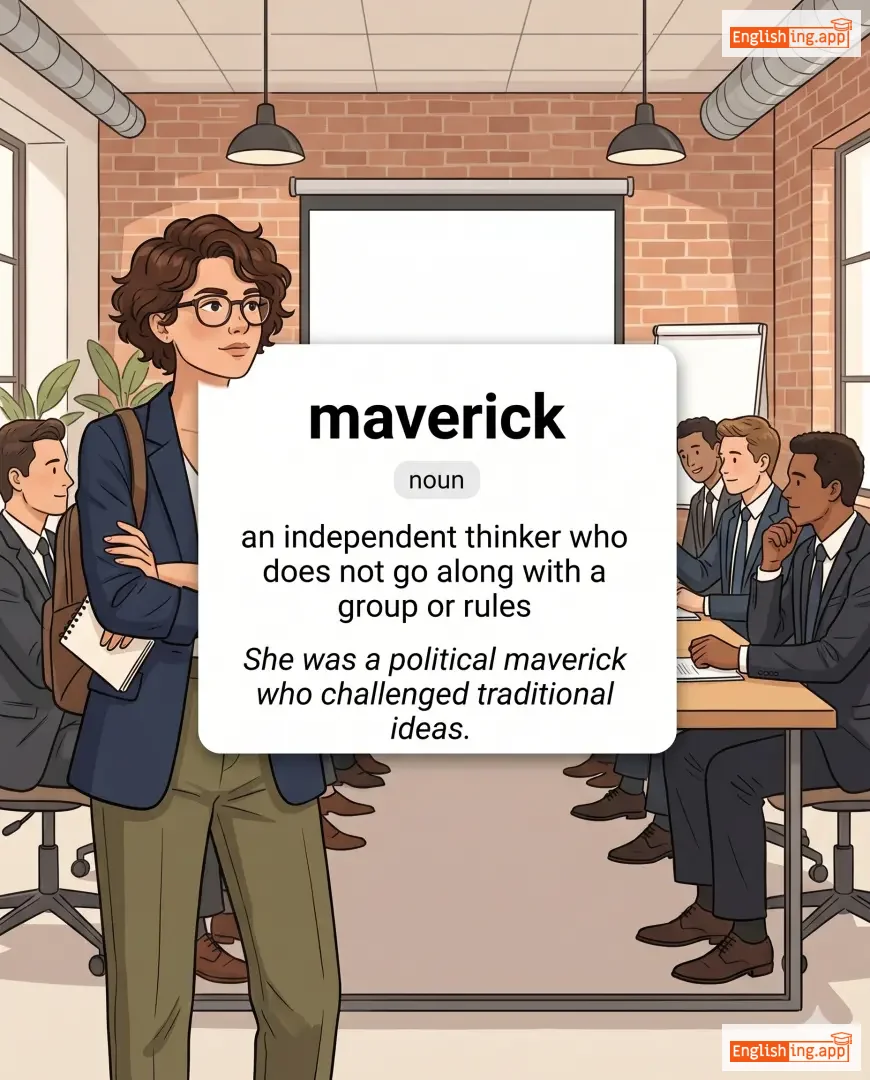
/ˈmævərɪk/
noun
(マヴェリック)
••••••
|
|
独立独歩
dokuritsu dokuhō
••••••
|
- •••••• | - •••••• | - •••••• | - •••••• |
an independent thinker who does not go along with a group or rules
••••••
|
She was a political maverick who challenged traditional ideas.
彼女は伝統的な考えに挑戦した政治的なマヴェリックだった。
••••••
|
彼女は伝統的な考えに挑戦した政治的な独立独歩だった。
Kanojo wa dentō-teki na kangae ni chōsen shita seiji-teki na dokuritsu dokuhō datta.
••••••
|
- •••••• | - •••••• | - •••••• |
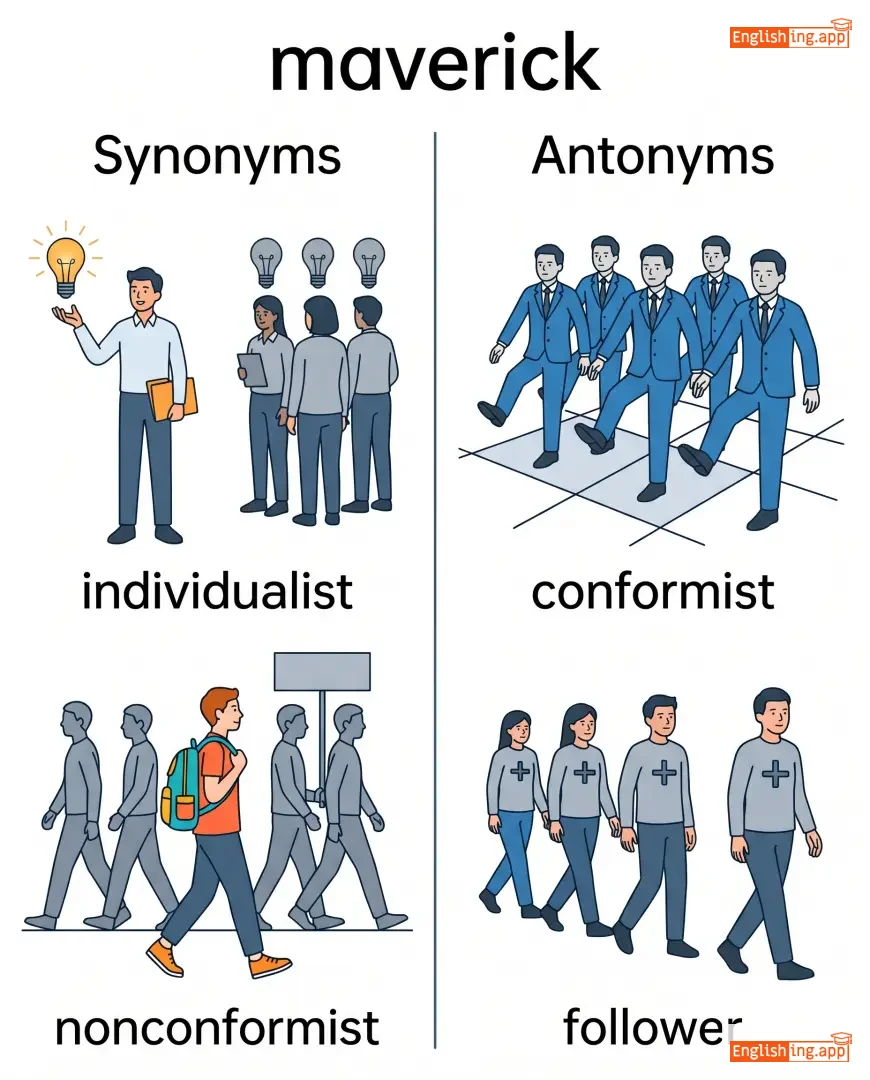
individualist, nonconformist, rebel, innovator, radical
••••••
|
conformist, follower, traditionalist
••••••
|
political maverick, corporate maverick, real maverick, maverick thinker
••••••
|
Maverick は、みんなと違う道を行く、独立独歩な人です。
••••••
|
|
#209
🤥
|
/mɛnˈdeɪʃəs/
adjective
(メンデイシャス)
••••••
|
|
虚偽の
kyogi no
••••••
|
- •••••• | - •••••• | - •••••• | - •••••• |
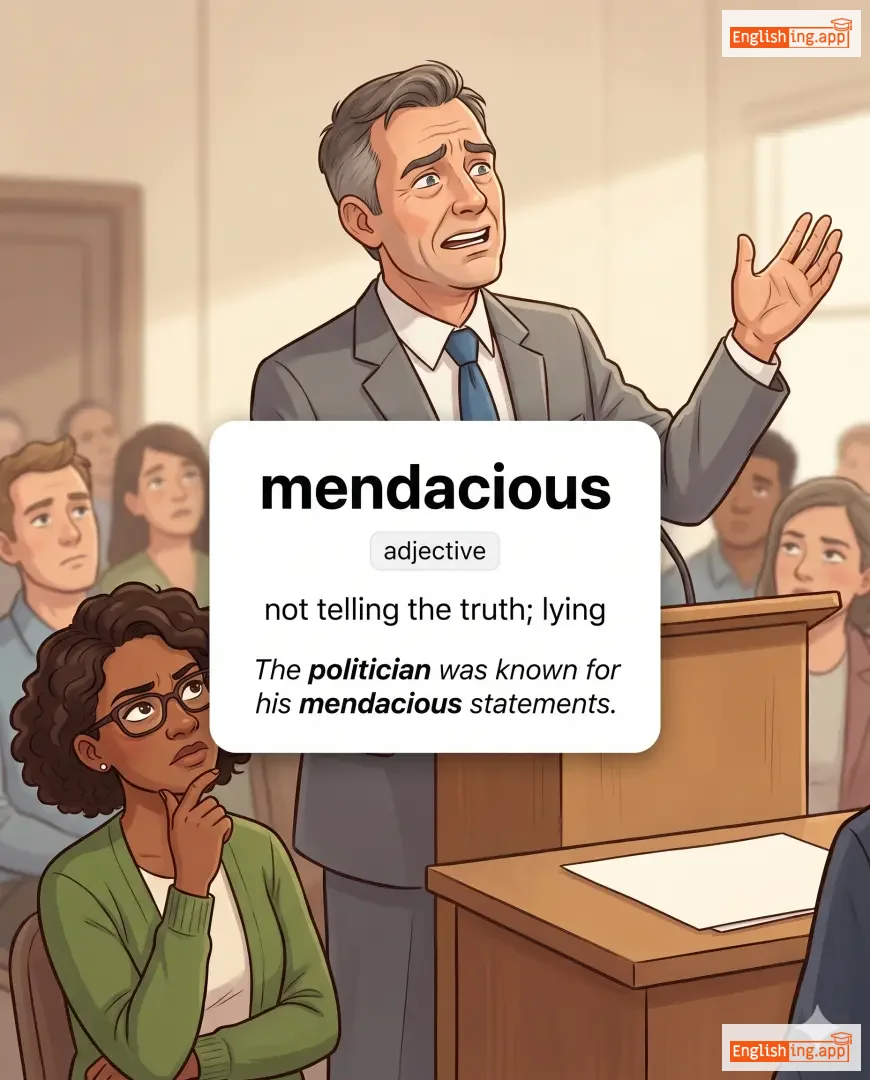
not telling the truth; lying
••••••
|
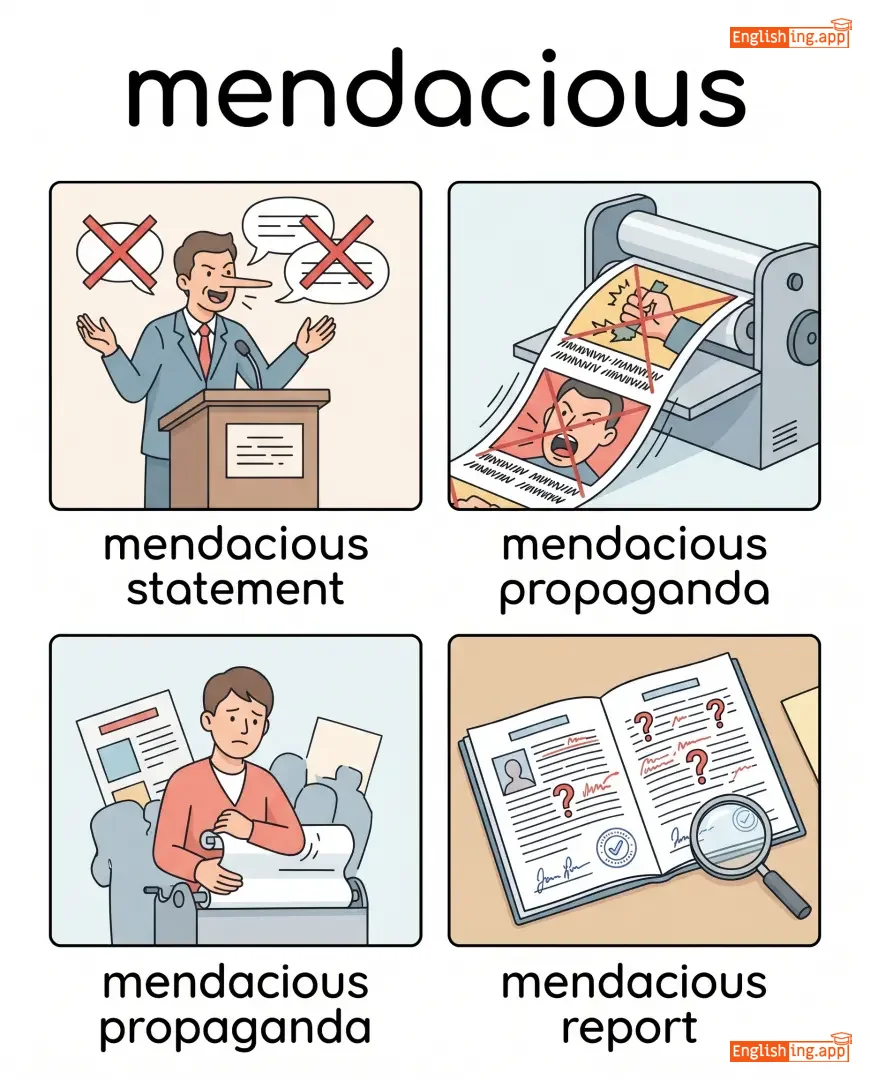
The politician was known for his mendacious statements. |
その政治家は嘘の発言で知られていました。
Sono seijika wa uso no hatsugen de shirarete imashita.
••••••
|
- •••••• | - •••••• | - •••••• |
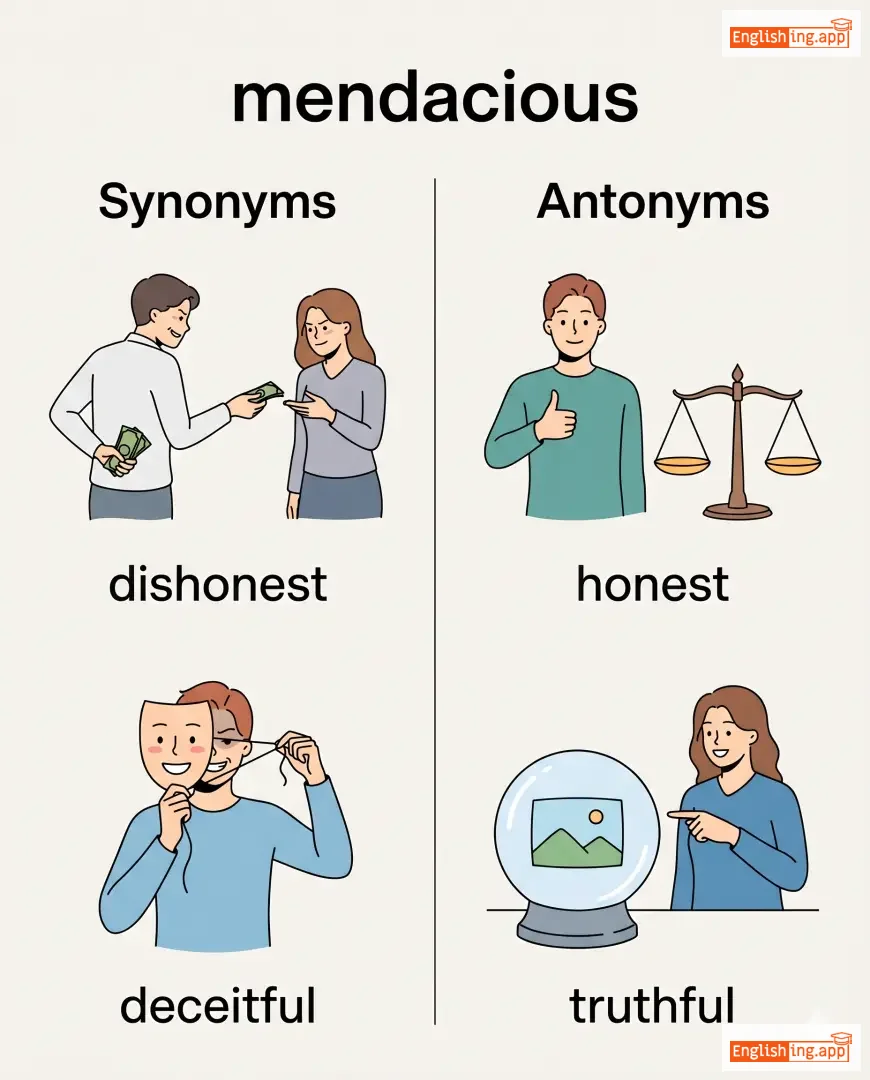
dishonest, deceitful, lying, untruthful
••••••
|
honest, truthful, sincere
••••••
|
mendacious statement, mendacious propaganda, mendacious report
••••••
|
Mendaciousは虚偽の意味です。mendは修理を意味し、mendaciousは嘘をつく意味です。
••••••
|
|
#210
🐛➡️🦋
|
/ˌmɛtəˈmɔrfəsɪs/
noun
(メタモルフォーシス)
••••••
|
|
変態
hentai
••••••
|
- •••••• | - •••••• | - •••••• | - •••••• |
A process of transformation from one form to another, especially in biology, such as the change from a caterpillar to a butterfly.
••••••
|
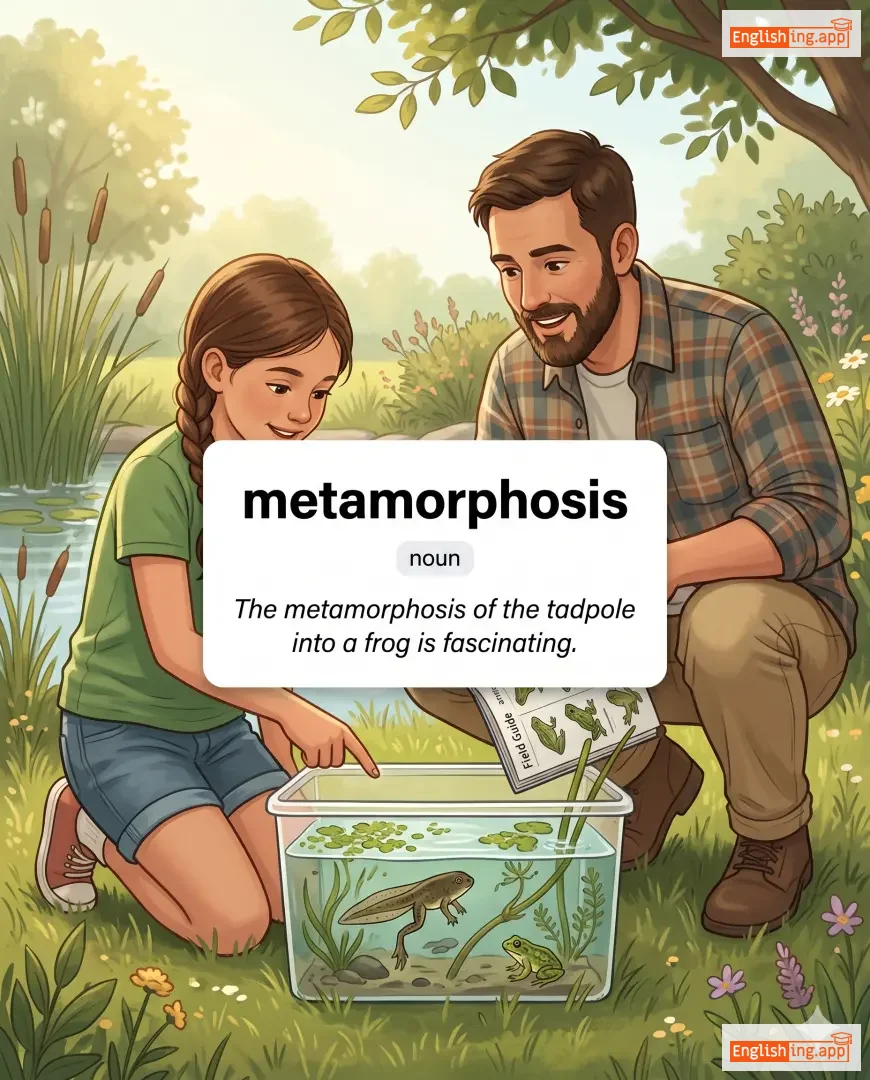
The metamorphosis of the tadpole into a frog is fascinating. |
オタマジャクシからカエルへの変態は魅力的です。
Otamajakushi kara kaeru e no hentai wa miryokuteki desu.
••••••
|
- •••••• | - •••••• | - •••••• |
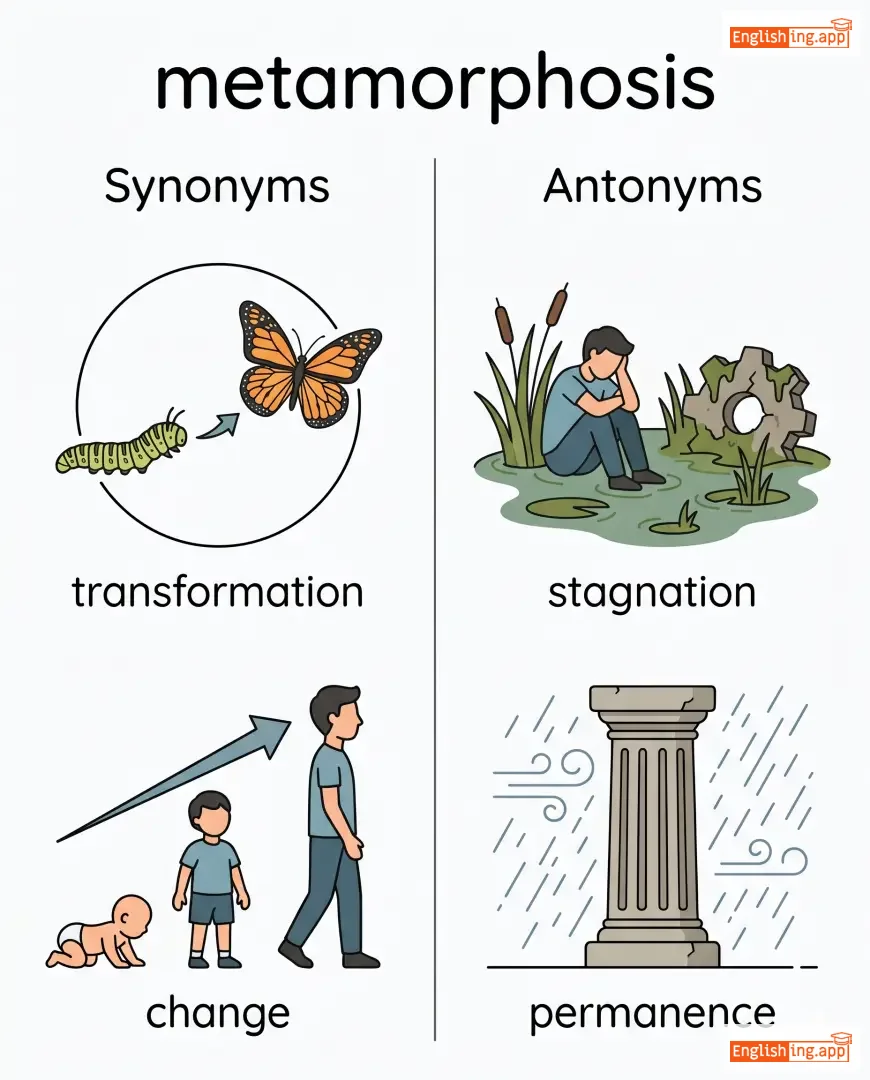
transformation, change, evolution, alteration, mutation
••••••
|
stagnation, permanence, constancy
••••••
|
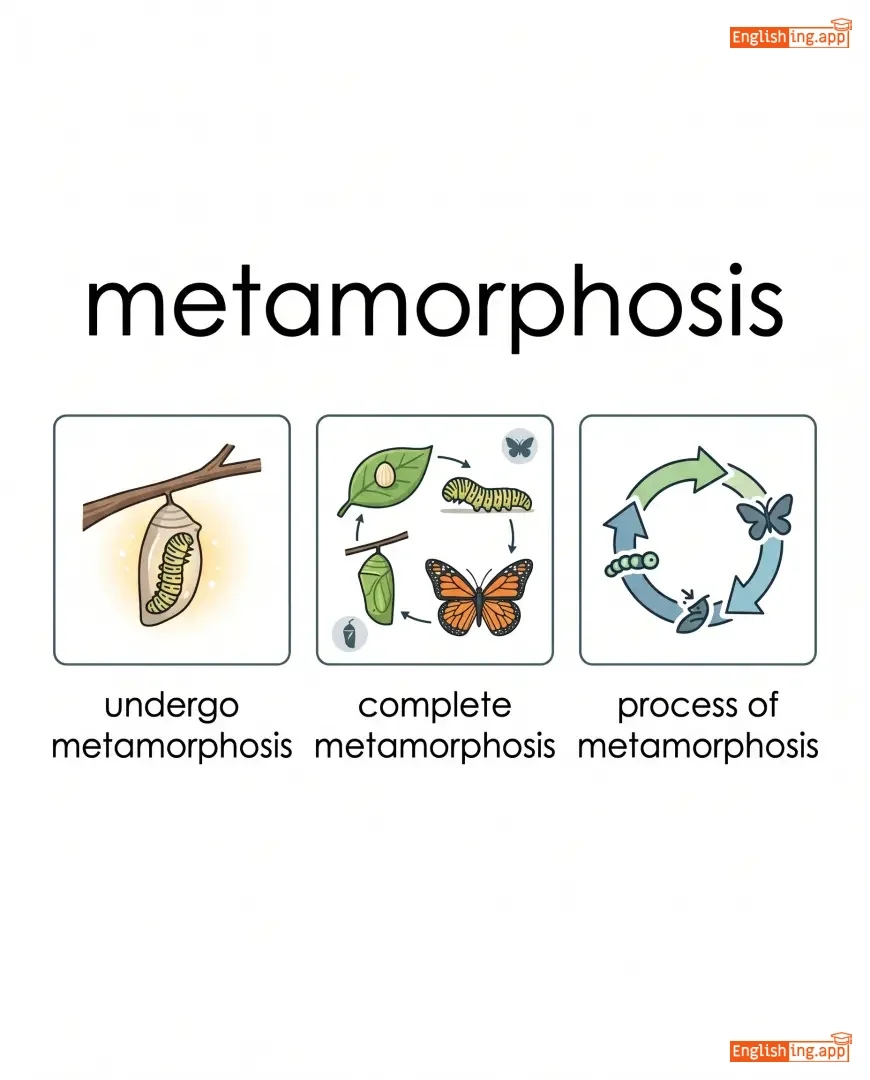
undergo metamorphosis, complete metamorphosis, process of metamorphosis
••••••
|
Metamorphosis = Meta (変化) + Morph (形態) + sis (状態) → 変態状態。
••••••
|
|
#211
🧐
|
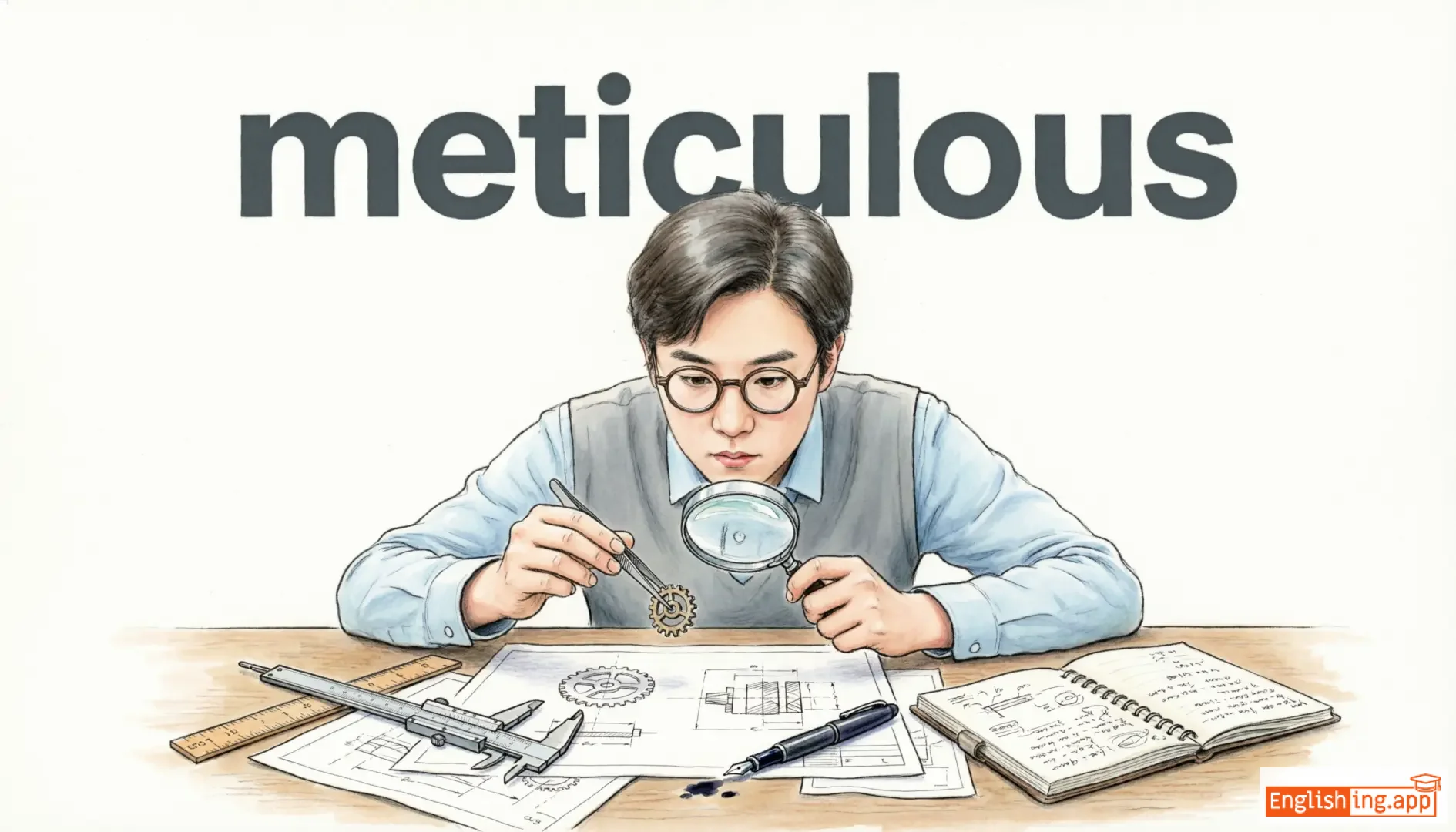
/məˈtɪkjʊləs/
adjective
(メティキュラス)
••••••
|
|
几帳面
kichoumen
••••••
|
- •••••• | - •••••• | - •••••• | - •••••• |
Showing great attention to detail; very careful and precise.
••••••
|
The artist was meticulous in painting every tiny detail. |
その芸術家は、すべての小さな詳細を描くのに几帳面でした。
Sono geijutsuka wa, subete no chiisana shousai o kaku no ni kichoumen deshita.
••••••
|
- •••••• | - •••••• | - •••••• |
precise, careful, thorough, detailed, diligent
••••••
|
careless, sloppy, negligent
••••••
|
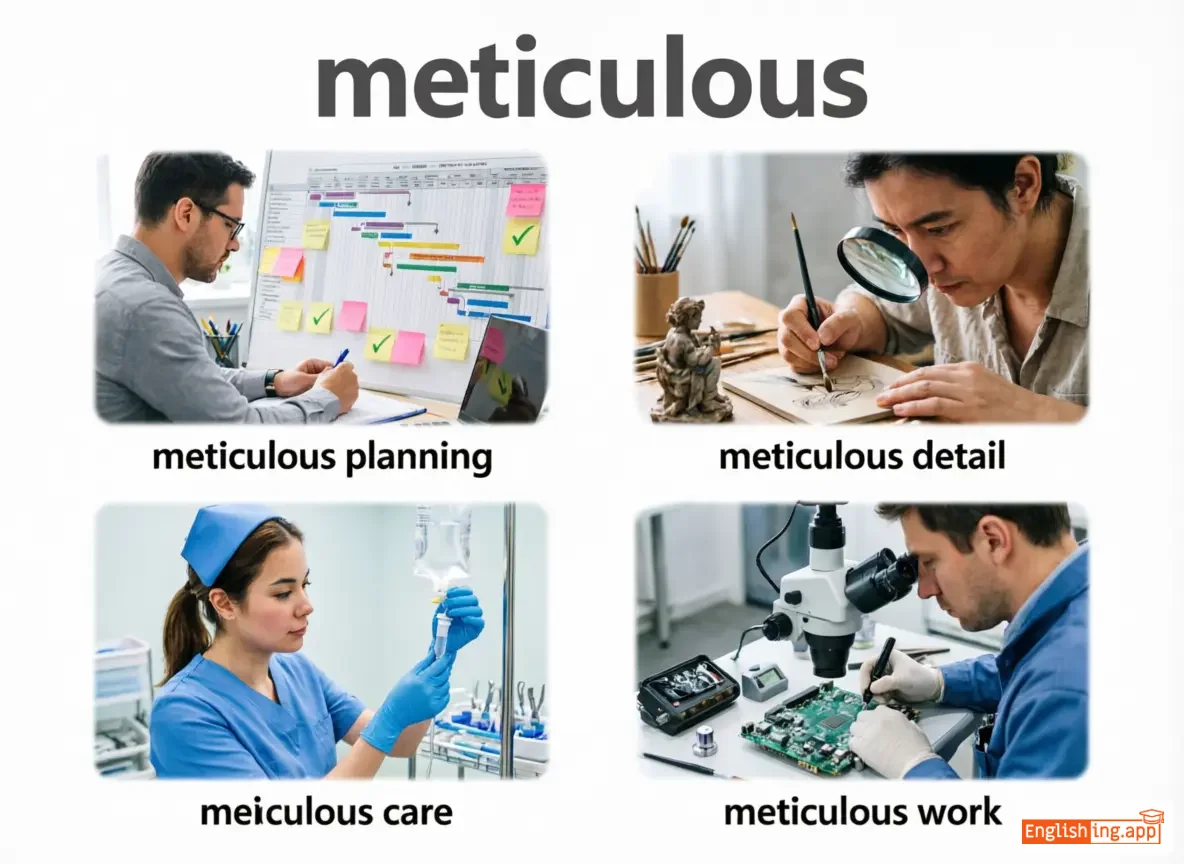
meticulous planning, meticulous detail, meticulous care, meticulous work
••••••
|
Metiは細かい詳細を掘ることを意味します -几帳面は細部に非常に注意を払い、慎重で正確であることを意味します。
••••••
|
|
#212
😒
|
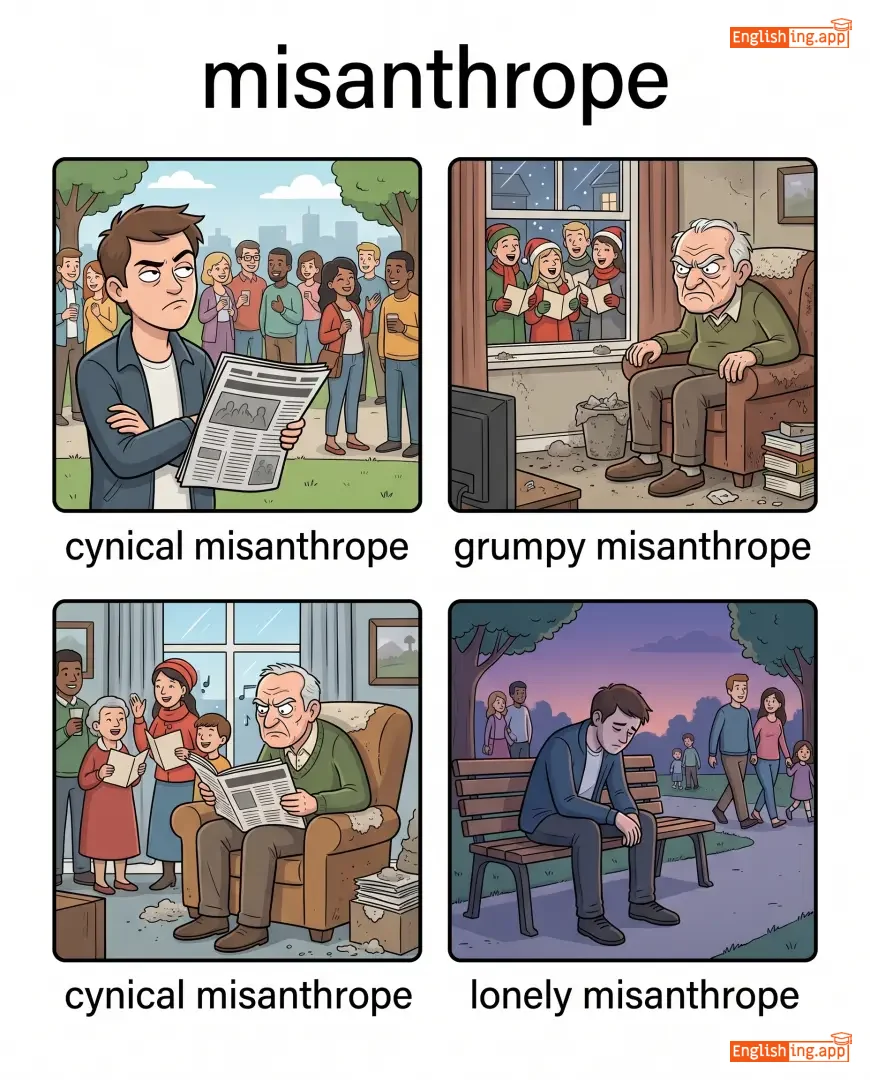
/ˈmɪsənˌθroʊp/
noun
(ミサントロープ)
••••••
|
|
人間嫌い
ningengirai
••••••
|
- •••••• | - •••••• | - •••••• | - •••••• |
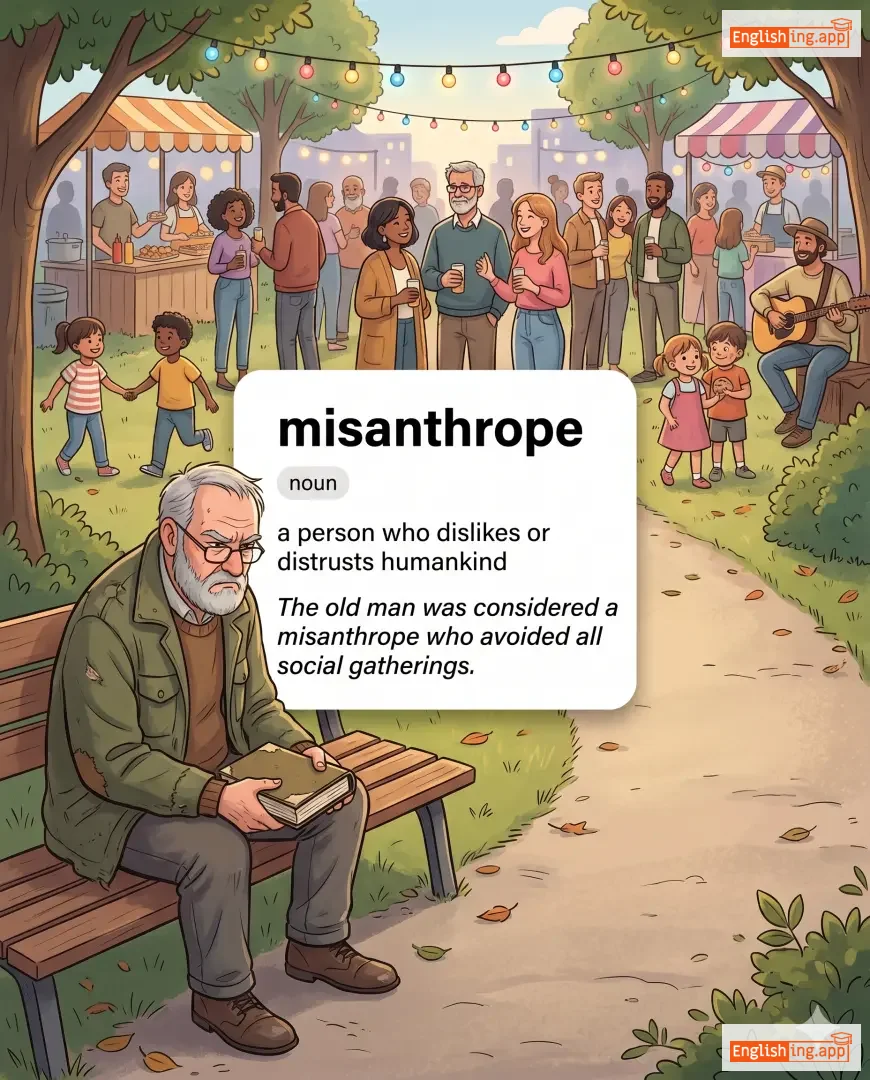
a person who dislikes or distrusts humankind
••••••
|
The old man was considered a misanthrope who avoided all social gatherings.
その老人は、すべての社交的な集まりを避けるミサントロープと見なされていました。
••••••
|
その老人は、すべての社交的な集まりを避けるミサントロープと見なされていました。
Sono rōjin wa, subete no shakaiteki na atsumari o yokeru misantoroopu to minasareteimashita.
••••••
|
- •••••• | - •••••• | - •••••• |
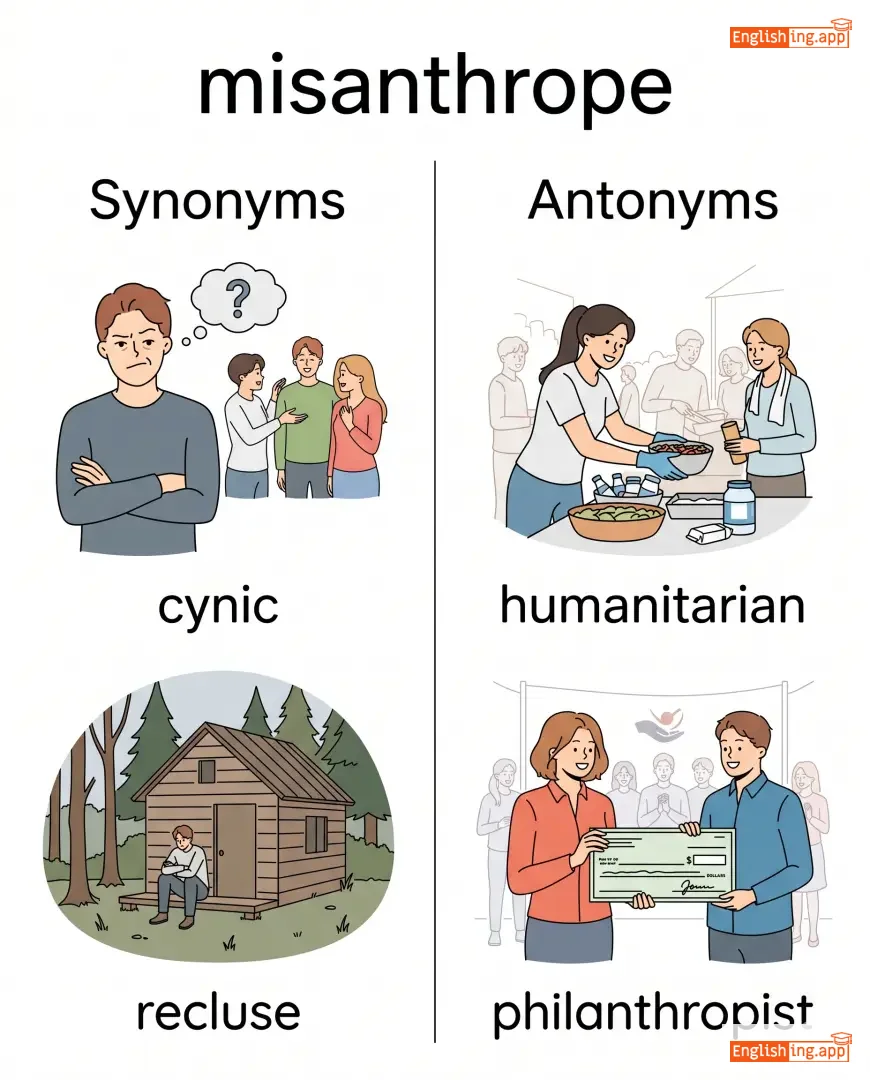
cynic, recluse, hermit, pessimist, loner
••••••
|
humanitarian, philanthropist, optimist
••••••
|
cynical misanthrope, grumpy misanthrope, lonely misanthrope
••••••
|
MISA(ミサ)は人々を避ける - 人間嫌いとは人類を嫌うこと。
••••••
|
|
#213
⚖️
|
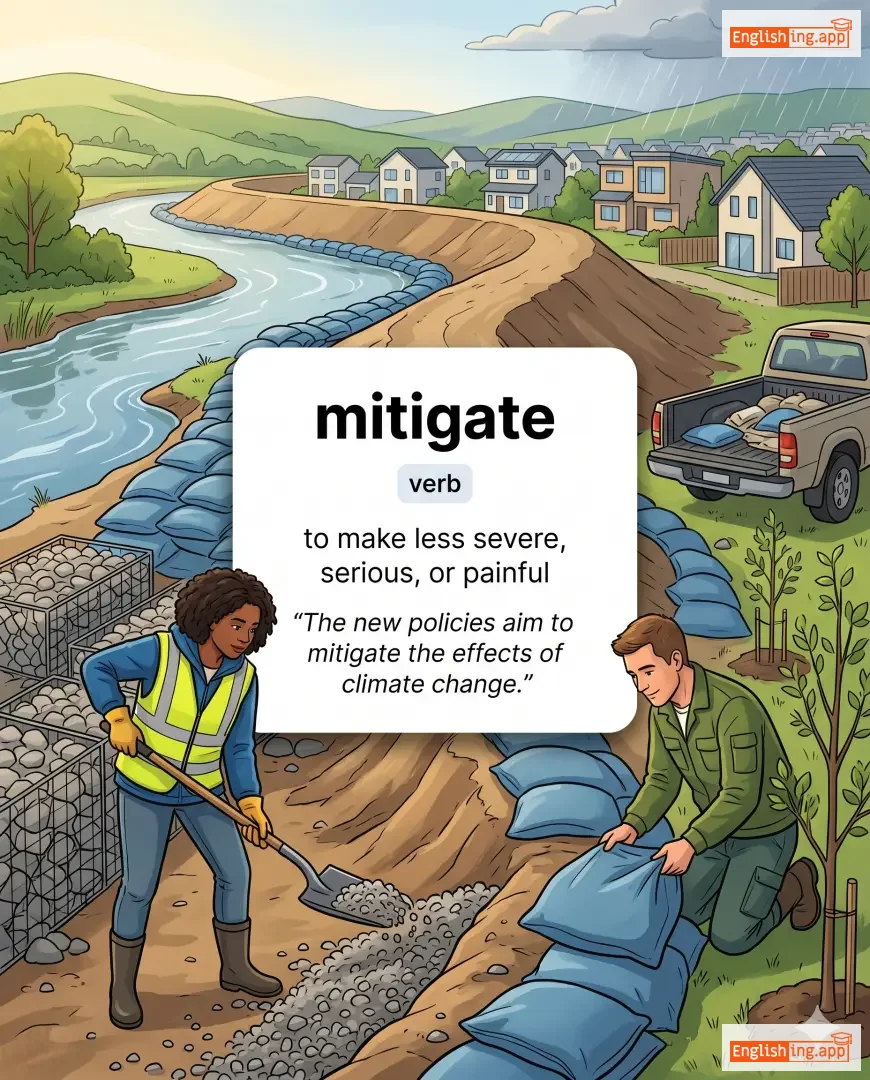
/ˈmɪtɪˌɡeɪt/
verb
(ミティゲート)
••••••
|
|
軽減する
keigen suru
••••••
|
mitigated
ミティゲイテッド
••••••
|
mitigated
ミティゲイテッド
••••••
|
mitigates
ミティゲイツ
••••••
|
mitigating
ミティゲイティング
••••••
|
to make less severe, serious, or painful
••••••
|
The new policies aim to mitigate the effects of climate change.
新しい政策は気候変動の影響を軽減することを目指しています。
••••••
|
新しい政策は気候変動の影響を軽減することを目指しています。
Atarashii seisaku wa kikō hendō no eikyō o keigen suru koto o mezashiteimasu.
••••••
|
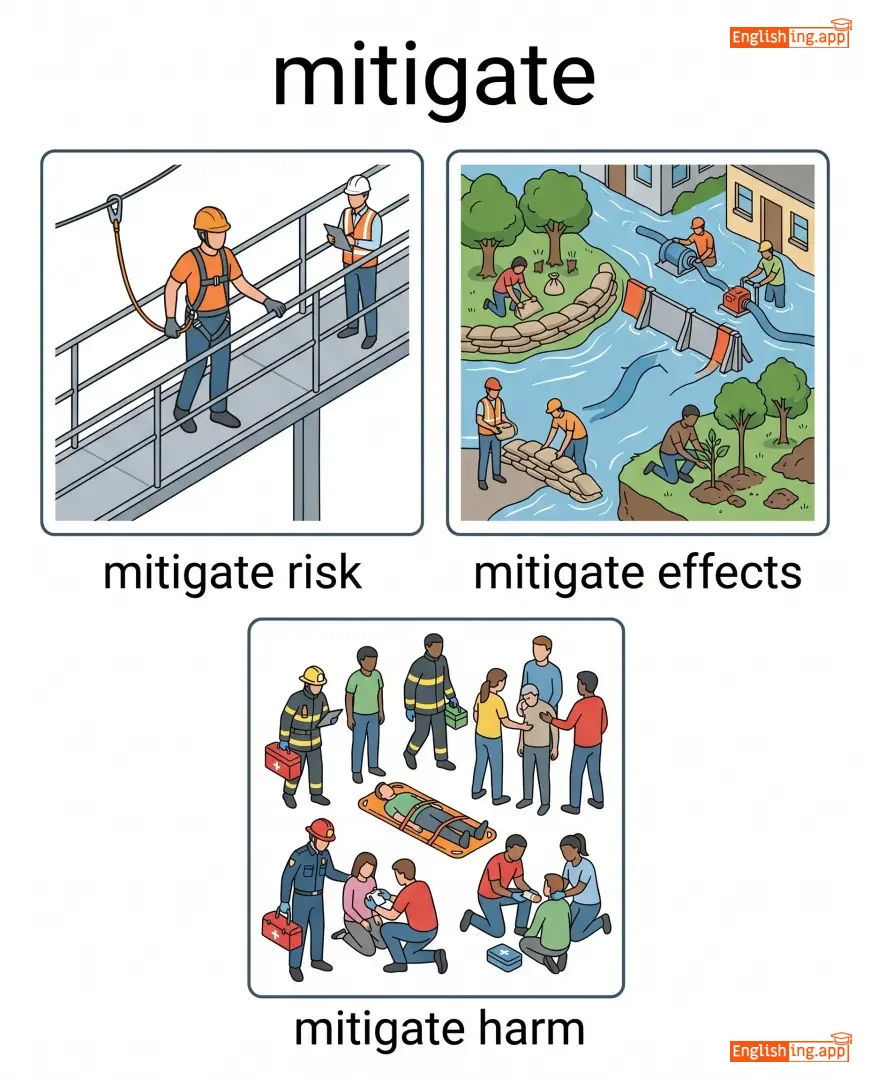
mitigate risk
リスクを軽減する
••••••
|
to reduce the potential danger or harm
••••••
|
リスクを軽減する
risuku o keigen suru
••••••
|
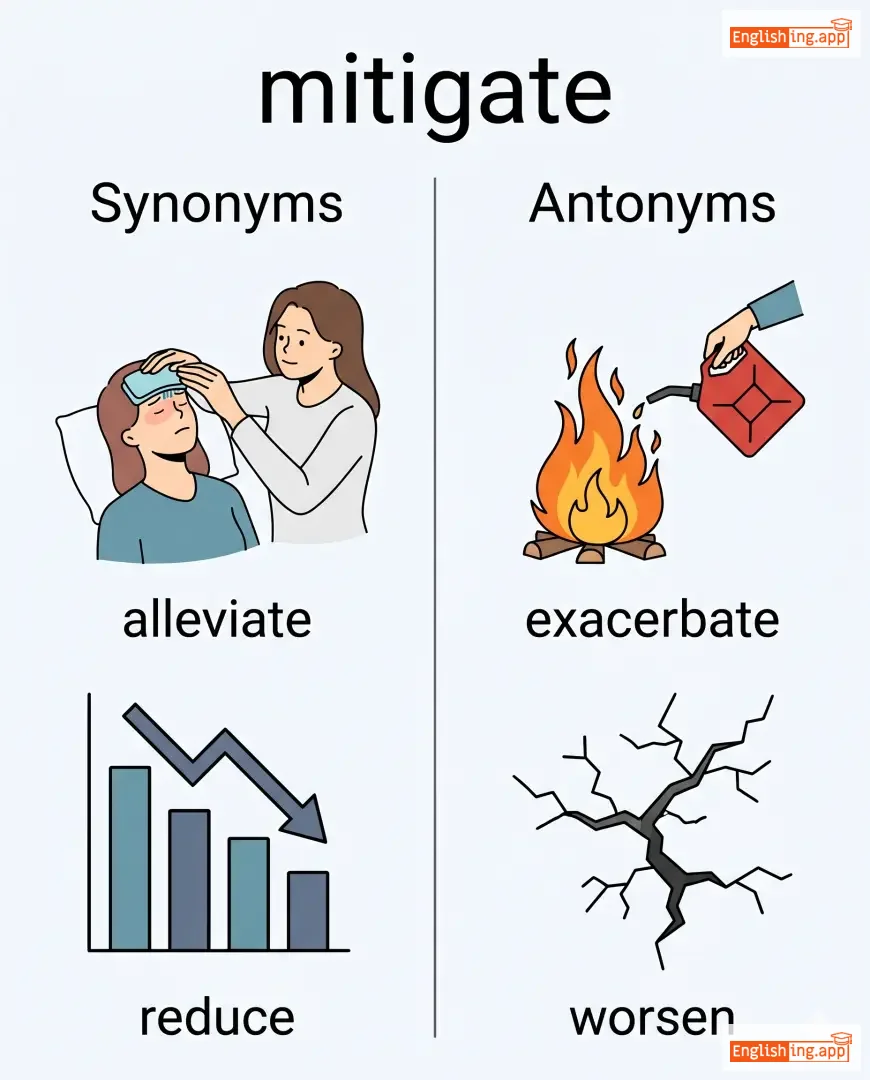
alleviate, reduce, ease, lessen, soften
••••••
|
exacerbate, worsen, intensify
••••••
|
mitigate risk, mitigate effects, mitigate harm, mitigate damage
••••••
|
軽減する = ケアを減らす、リスクを減らす
••••••
|
|
#214
🤲
|
/ˈmɒlɪfaɪ/
verb
(モリファイ)
••••••
|
|
なだめる
nadameru
••••••
|
mollified
モリファイド
••••••
|
mollified
モリファイド
••••••
|
mollifies
モリファイズ
••••••
|
mollifying
モリファイング
••••••
|
To calm or soothe someone's anger or anxiety.
••••••
|
The manager tried to mollify the angry customers with discounts.
マネージャーは割引で怒った顧客をなだめようとした。
••••••
|
マネージャーは割引で怒った顧客をなだめようとした。
Manejā wa waribiki de okotta kokyaku o nadameyō to shita.
••••••
|
- •••••• | - •••••• | - •••••• |
appease, soothe, pacify, calm
••••••
|
provoke, irritate, anger
••••••
|
mollify anger, mollify concerns, mollify customers, mollify critics
••••••
|
Mollify = '物理'(ブツリ)で静かにする
••••••
|
|
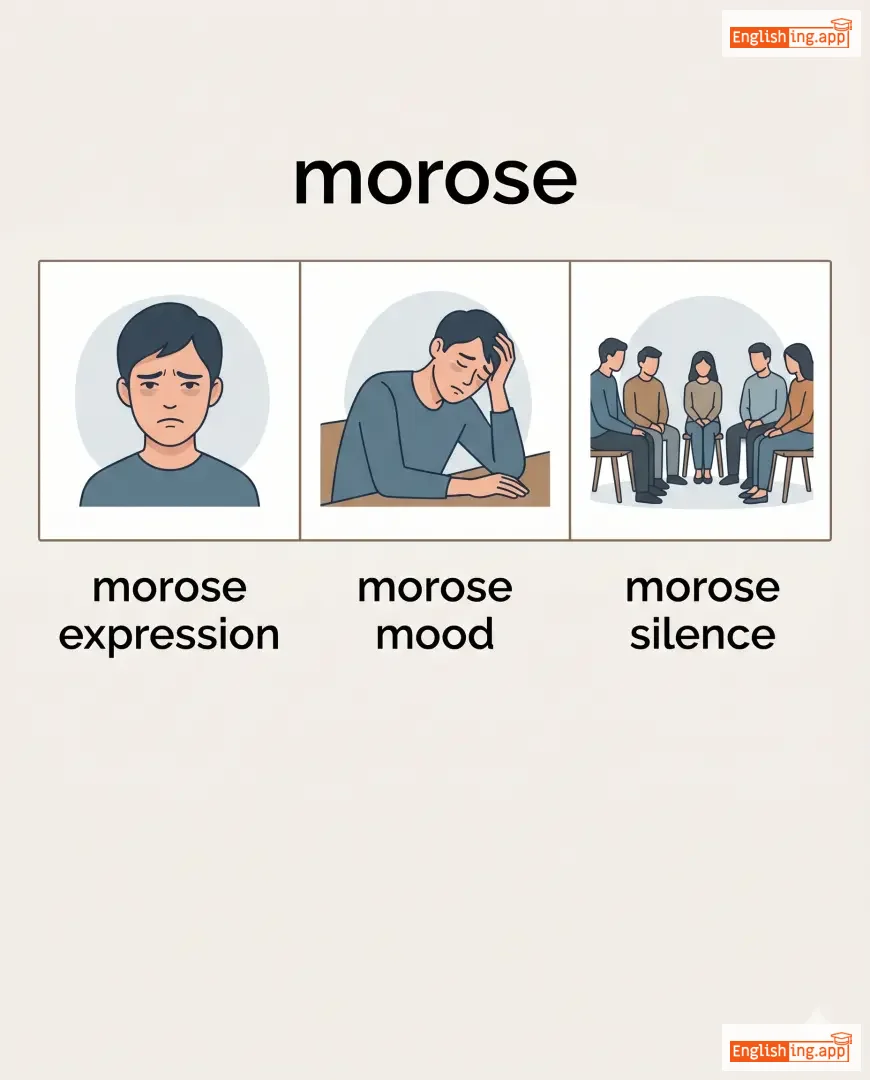
#215
😔
|
/məˈroʊs/
adjective
(モローズ)
••••••
|
|
陰鬱
in'utsu
••••••
|
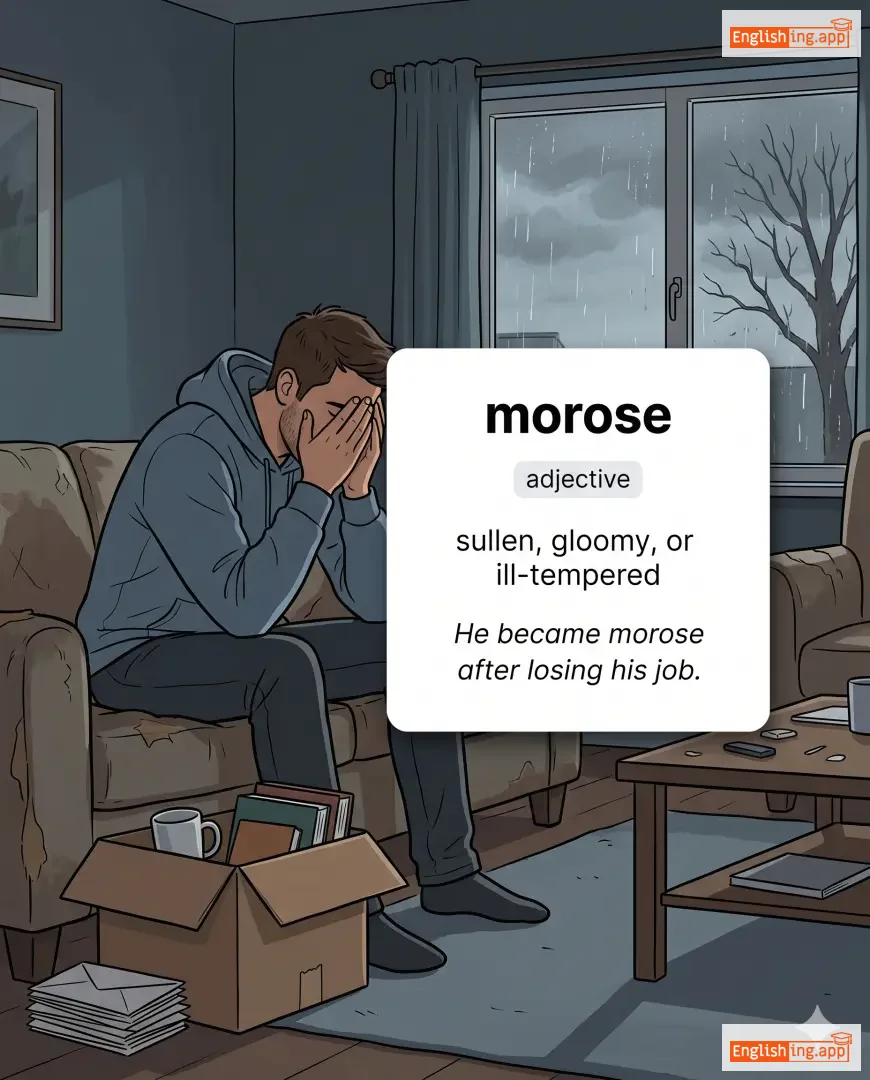
- •••••• | - •••••• | - •••••• | - •••••• |
sullen, gloomy, or ill-tempered
••••••
|
He became morose after losing his job.
彼は仕事を失った後、落ち込んでしまった。
••••••
|
彼は仕事を失った後、落ち込んでしまった。
Kare wa shigoto o ushinatta ato, ochikonde shimatta.
••••••
|
- •••••• | - •••••• | - •••••• |
gloomy, sullen, melancholic, depressed
••••••
|
cheerful, joyful, optimistic
••••••
|
morose expression, morose mood, morose silence
••••••
|
Morose = 陰鬱 → morose = 陰鬱
••••••
|
|
#216
😐
|
/mʌnˈdeɪn/
adjective
(マンデン)
••••••
|
|
平凡
heibon
••••••
|
- •••••• | - •••••• | - •••••• | - •••••• |
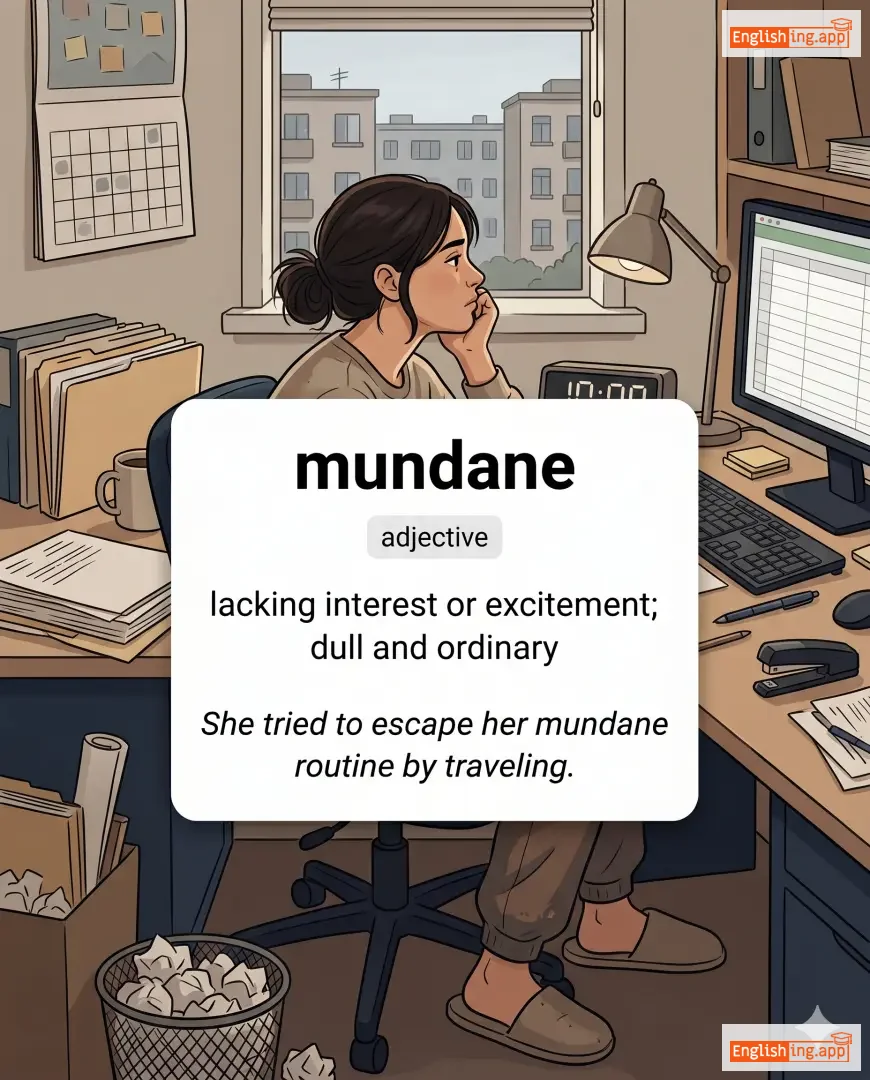
lacking interest or excitement; dull and ordinary
••••••
|
She tried to escape her mundane routine by traveling. |
彼女は旅行をして平凡な日常から逃げようとした。
Kanojo wa ryokou o shite heibon na nichijou kara nigeyou to shita.
••••••
|
mundane task |
a dull or repetitive job
••••••
|
平凡な仕事
heibon na shigoto
••••••
|
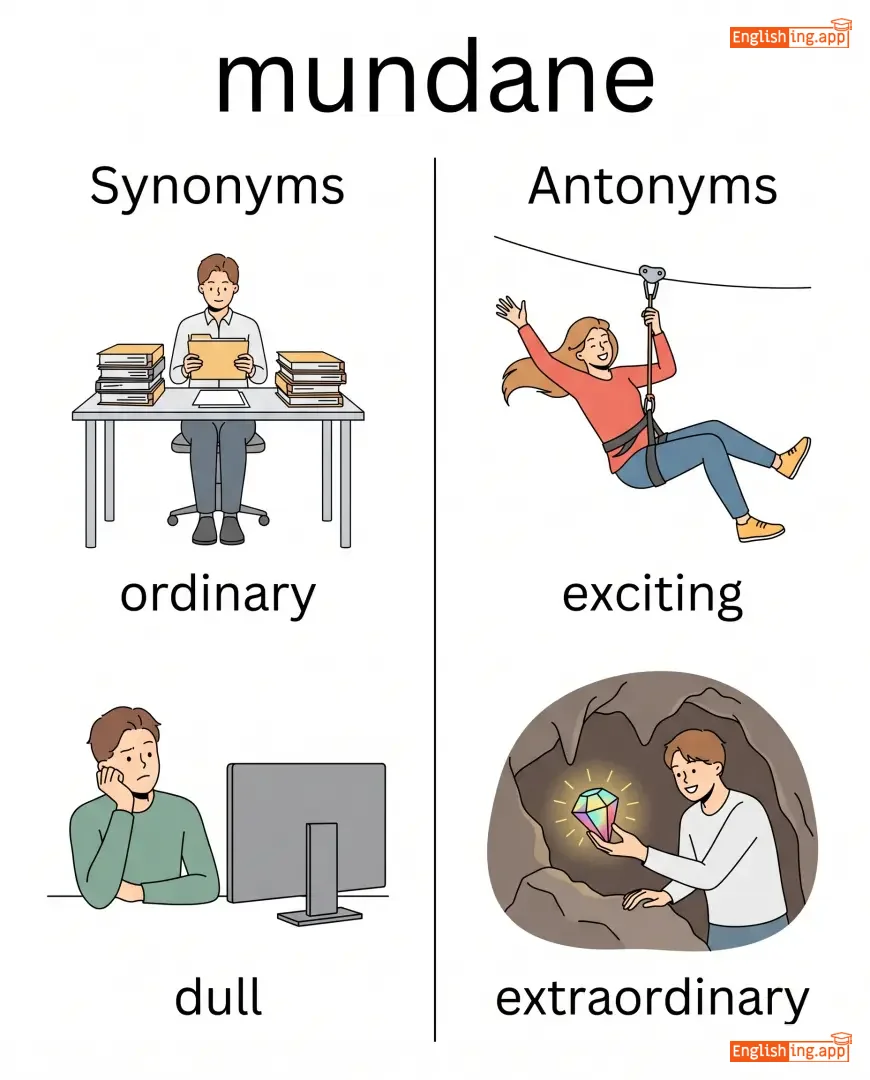
ordinary, dull, boring, routine, monotonous
••••••
|
exciting, extraordinary, unusual
••••••
|
mundane details, mundane routine, mundane life, mundane task
••••••
|
MUN (ムン) は退屈で平凡な日常を示す
••••••
|
|
#217
🚫
|
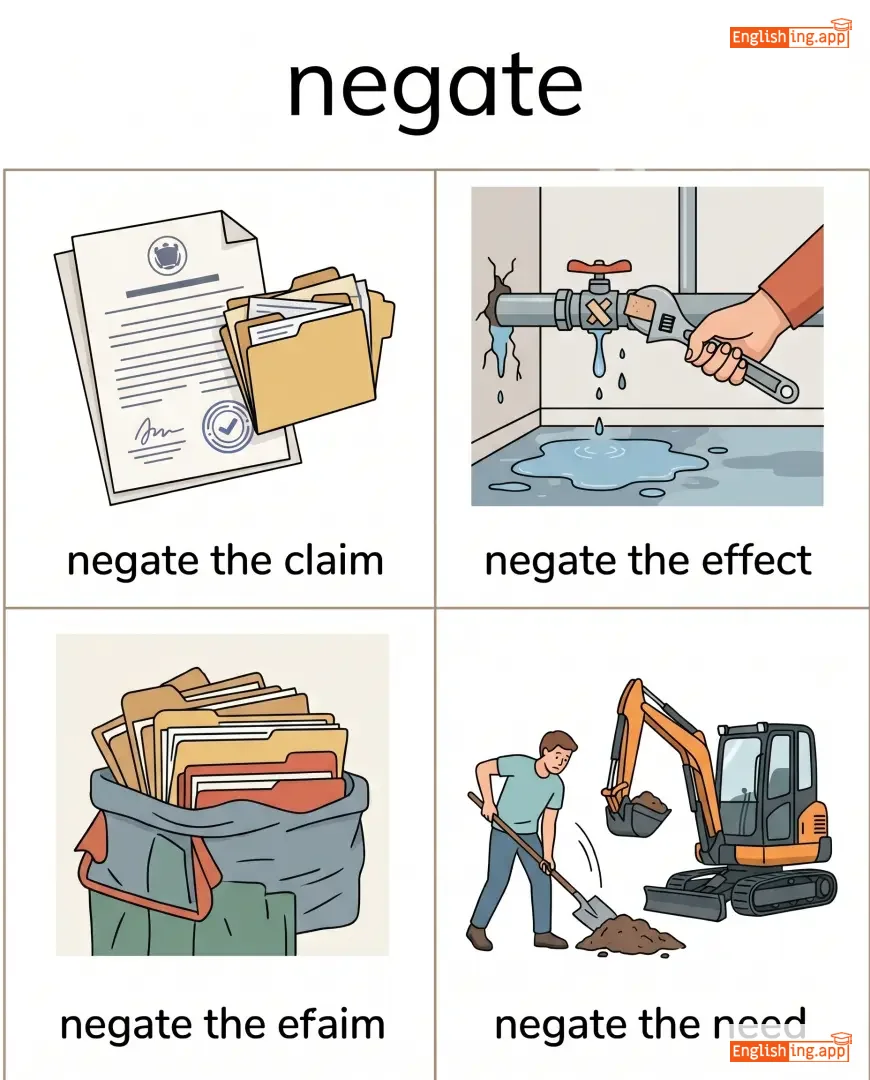
/nɪˈɡeɪt/
verb
••••••
|
|
- •••••• |
negated
••••••
|
negated
••••••
|
negates
••••••
|
negating
••••••
|
To cancel out or make ineffective; to deny the truth of something.
••••••
|
The new evidence will negate the claims made earlier. |
- •••••• |
negate the effect |
To cancel or reduce the impact of something.
••••••
|
- •••••• |
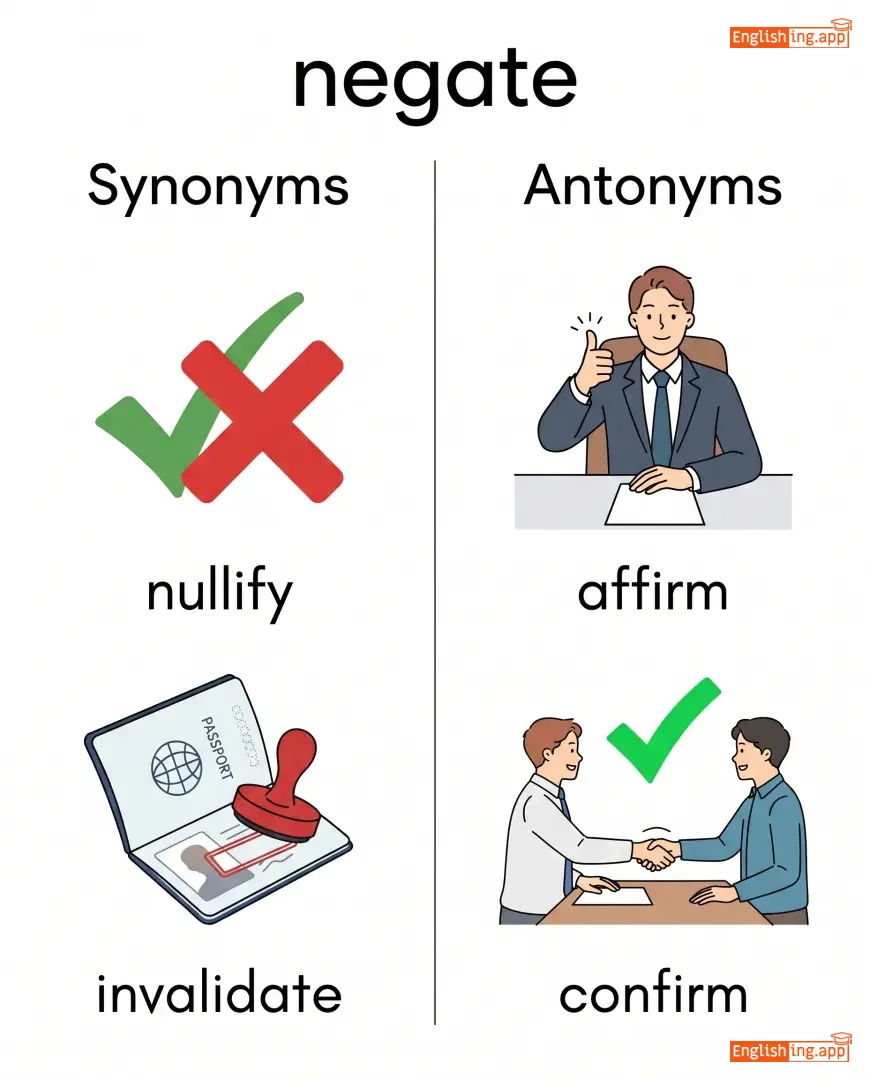
nullify, invalidate, deny, cancel, counteract
••••••
|
affirm, confirm, validate
••••••
|
negate the claim, negate the effect, negate the need, negate responsibility
••••••
|
No •••••• |
|
#218
🌱
|
/ˈniːəˌfaɪt/
noun
(ネオファイト)
••••••
|
|
初心者
shoshinsha
••••••
|
- •••••• | - •••••• | - •••••• | - •••••• |
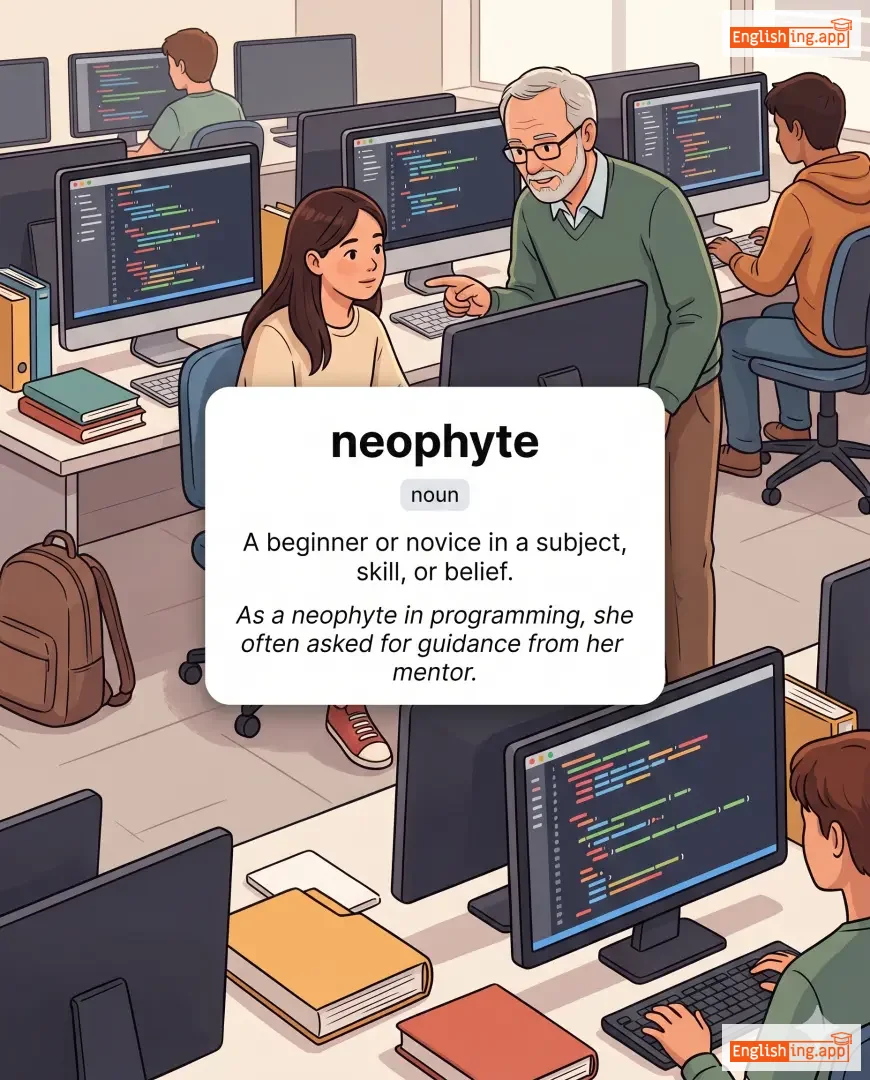
A beginner or novice in a subject, skill, or belief.
••••••
|
As a neophyte in programming, she often asked for guidance from her mentor. |
プログラミングの初心者として、彼女はよくメンターに指導を求めていた。
Puroguramingu no shoshinsha to shite, kanojo wa yoku mentā ni shidō o motomete ita.
••••••
|
- •••••• | - •••••• | - •••••• |
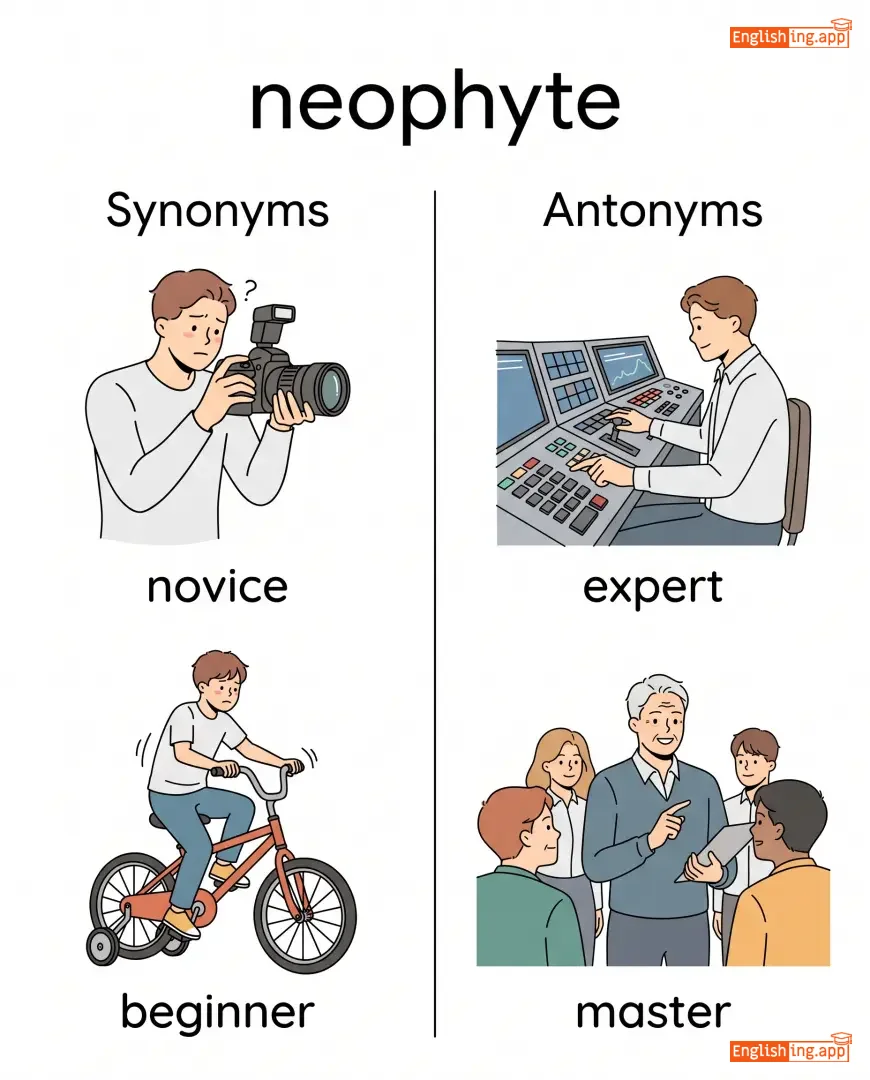
novice, beginner, newcomer, rookie, trainee
••••••
|
expert, master, veteran
••••••
|
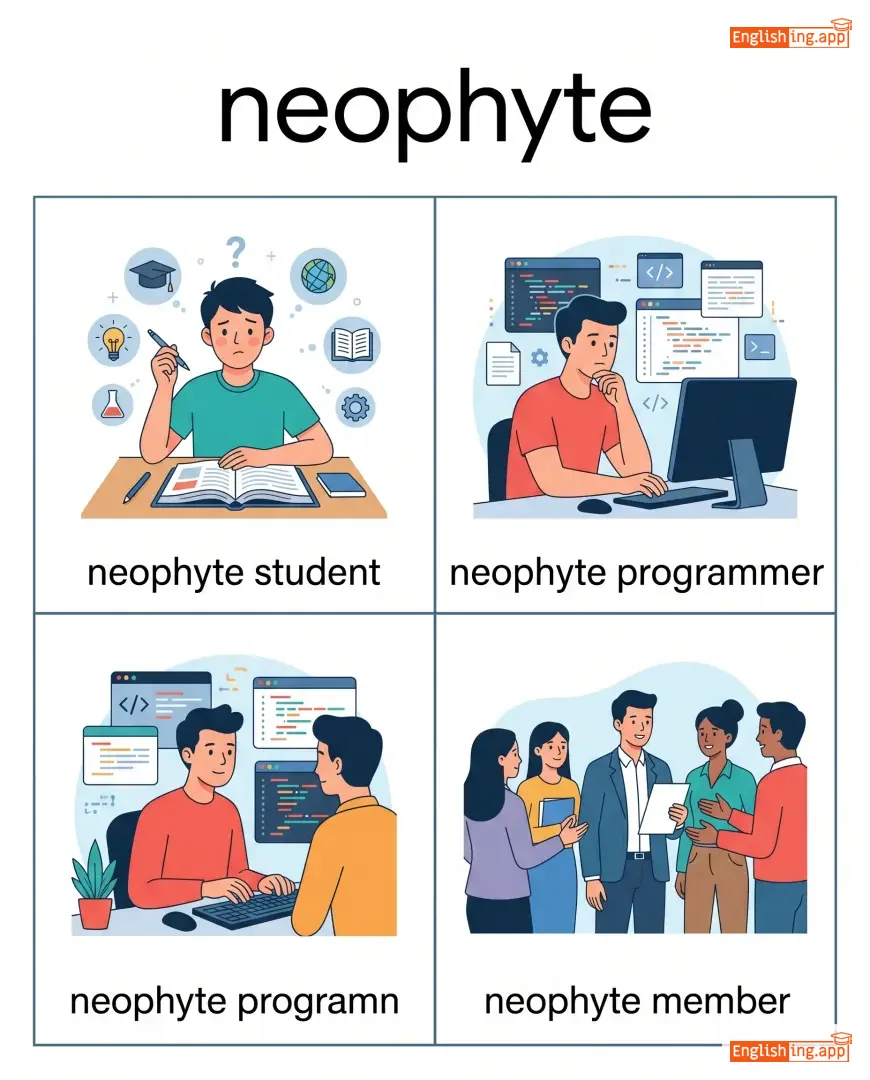
neophyte student, neophyte programmer, neophyte member
••••••
|
Neoは新しいという意味 + phyteは植物という意味 → 初心者は新しい植物のように成長を始める。
••••••
|
|
#219
🪨
|
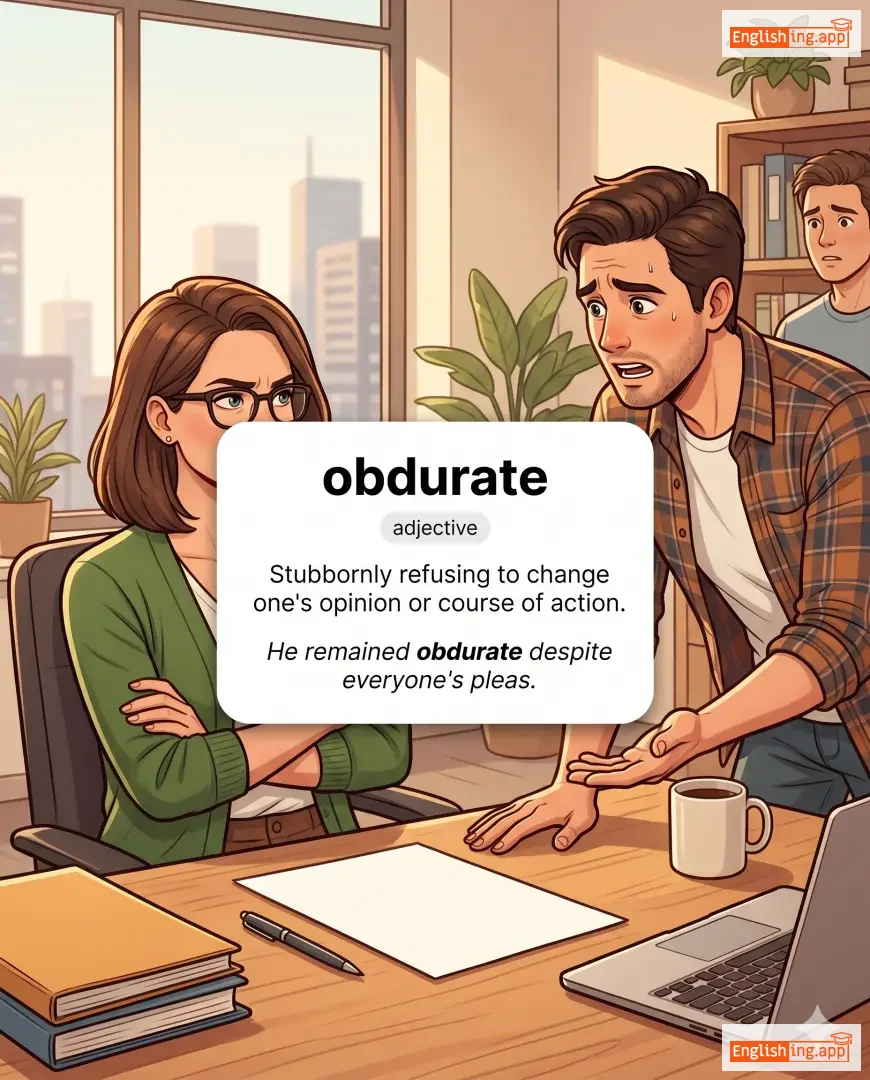
/ˈɑːbdjʊrət/
adjective
(ob-dyu-reito)
••••••
|
|
頑固
ganko
••••••
|
- •••••• | - •••••• | - •••••• | - •••••• |
Stubbornly refusing to change one's opinion or course of action.
••••••
|
He remained obdurate despite everyone's pleas.
彼は皆の懇願にもかかわらず、頑固なままでした。
••••••
|
彼は皆の懇願にもかかわらず、頑固なままでした。
Kare wa mina no kongan ni mo kakawarazu, ganko na mama deshita.
••••••
|
- •••••• | - •••••• | - •••••• |
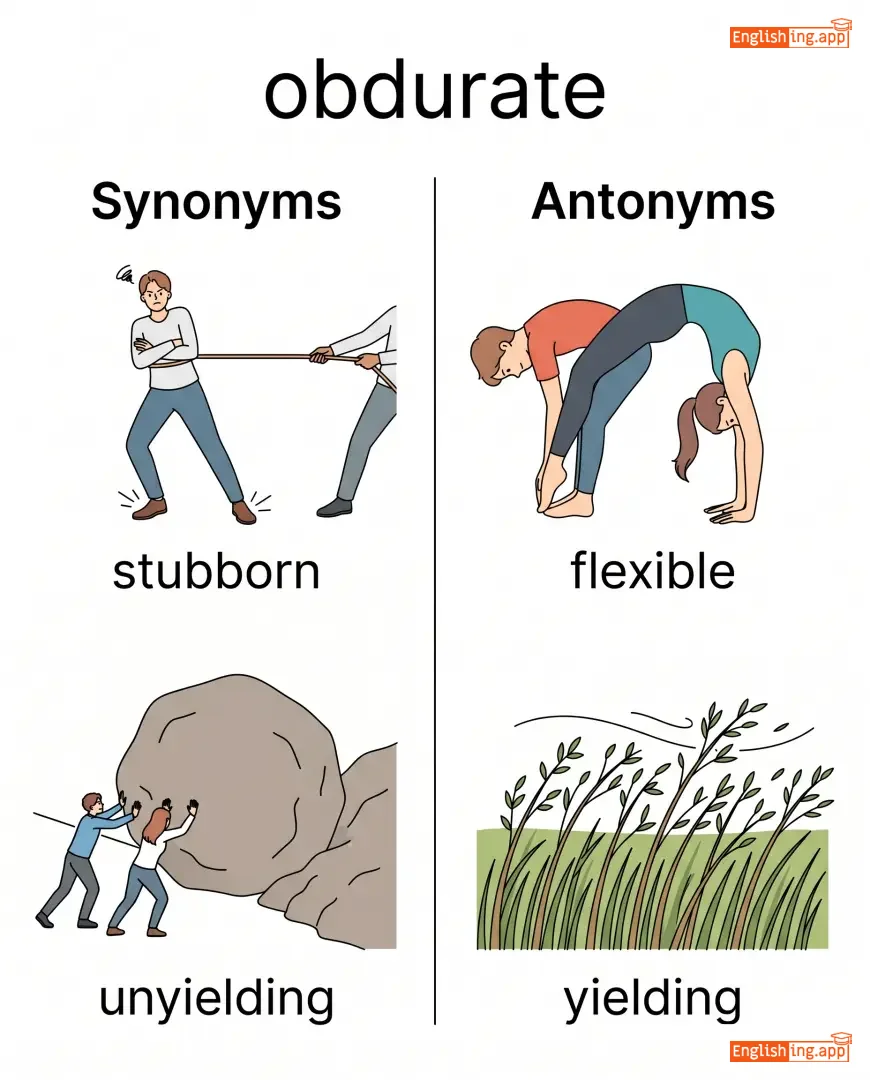
stubborn, unyielding, inflexible, rigid, adamant
••••••
|
flexible, yielding, compliant
••••••
|
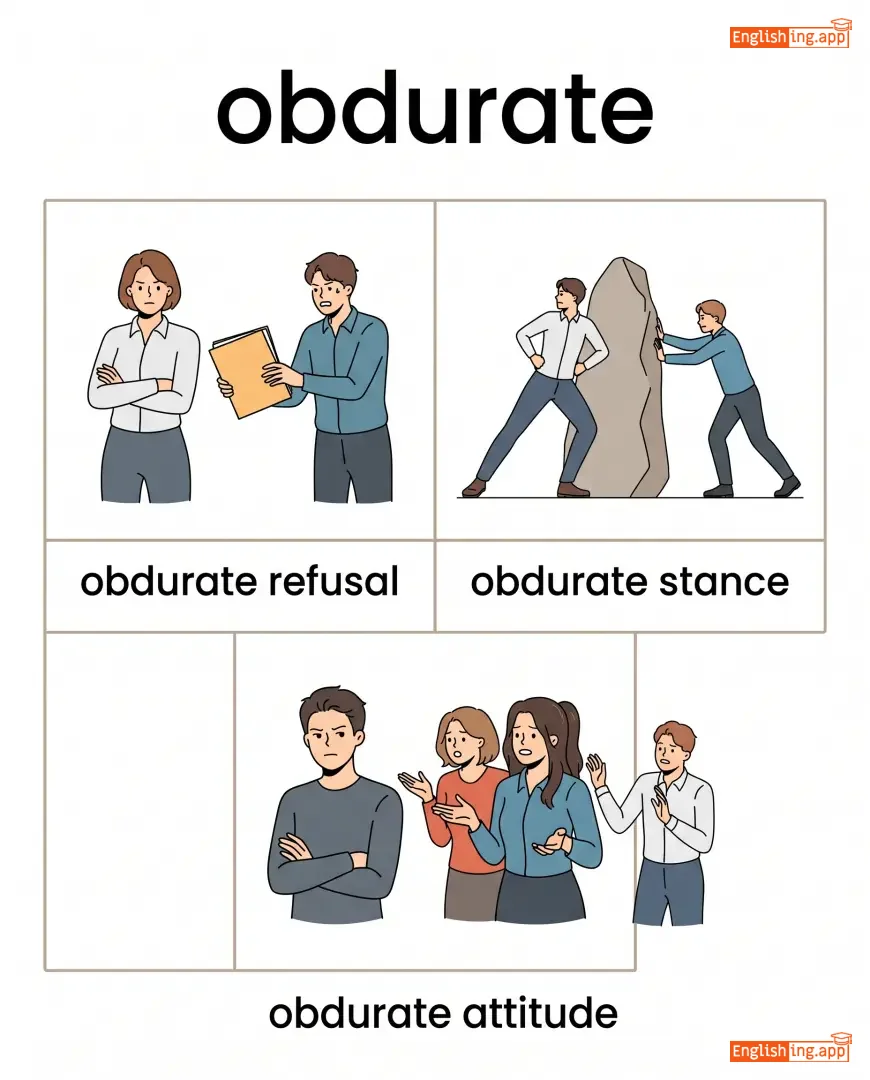
obdurate refusal, obdurate stance, obdurate attitude
••••••
|
Obdurateとは、頑固であり、他の人の意見や助言に耳を貸さず、自己の道を貫くことです。
••••••
|
|
#220
🙇
|
/əbˈsiːkwɪəs/
adjective
(オブセキウス)
••••••
|
|
お世辞
oseji
••••••
|
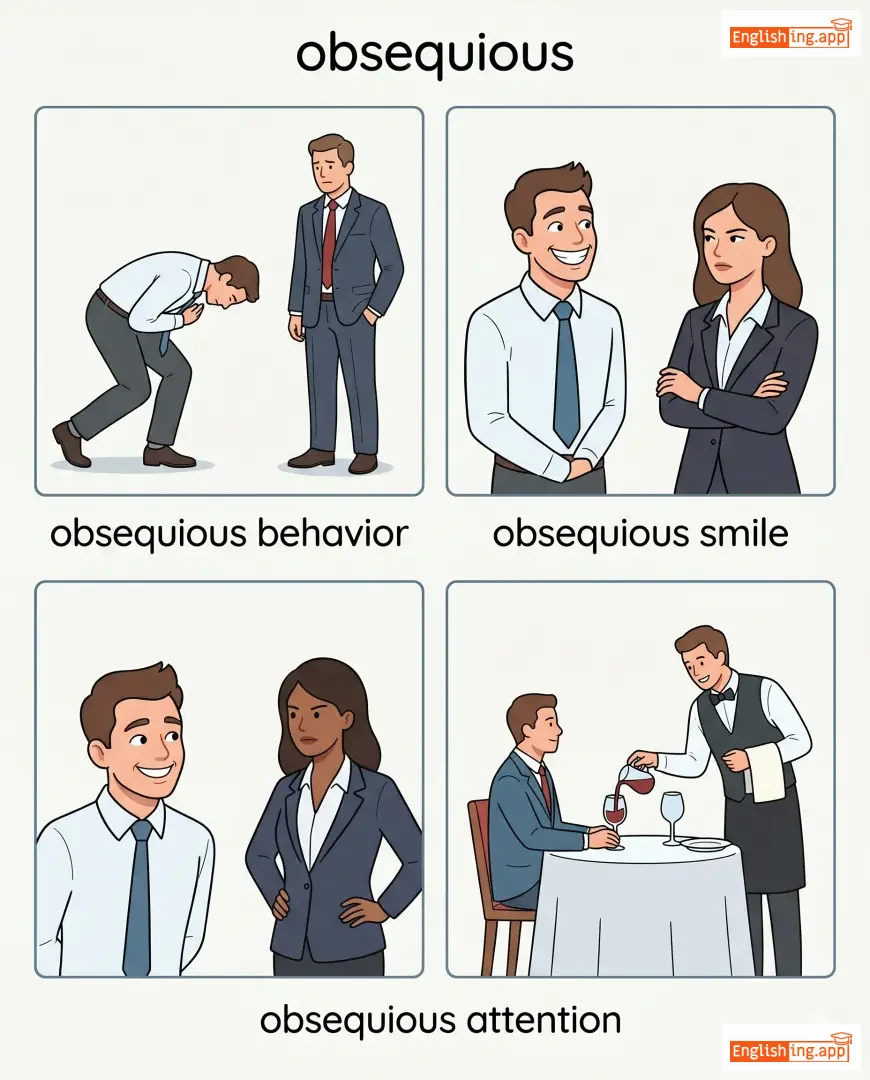
- •••••• | - •••••• | - •••••• | - •••••• |
Excessively obedient or attentive in a servile way.
••••••
|
The waiter gave an obsequious bow to every customer.
ウェイターは各顧客に対してお世辞のようなお辞儀をしました。
••••••
|
ウェイターは各顧客にお世辞のようなお辞儀をしました。
Ueitaa wa kaku kokyaku ni oseji no yō na ojigi o shimashita.
••••••
|
- •••••• | - •••••• | - •••••• |
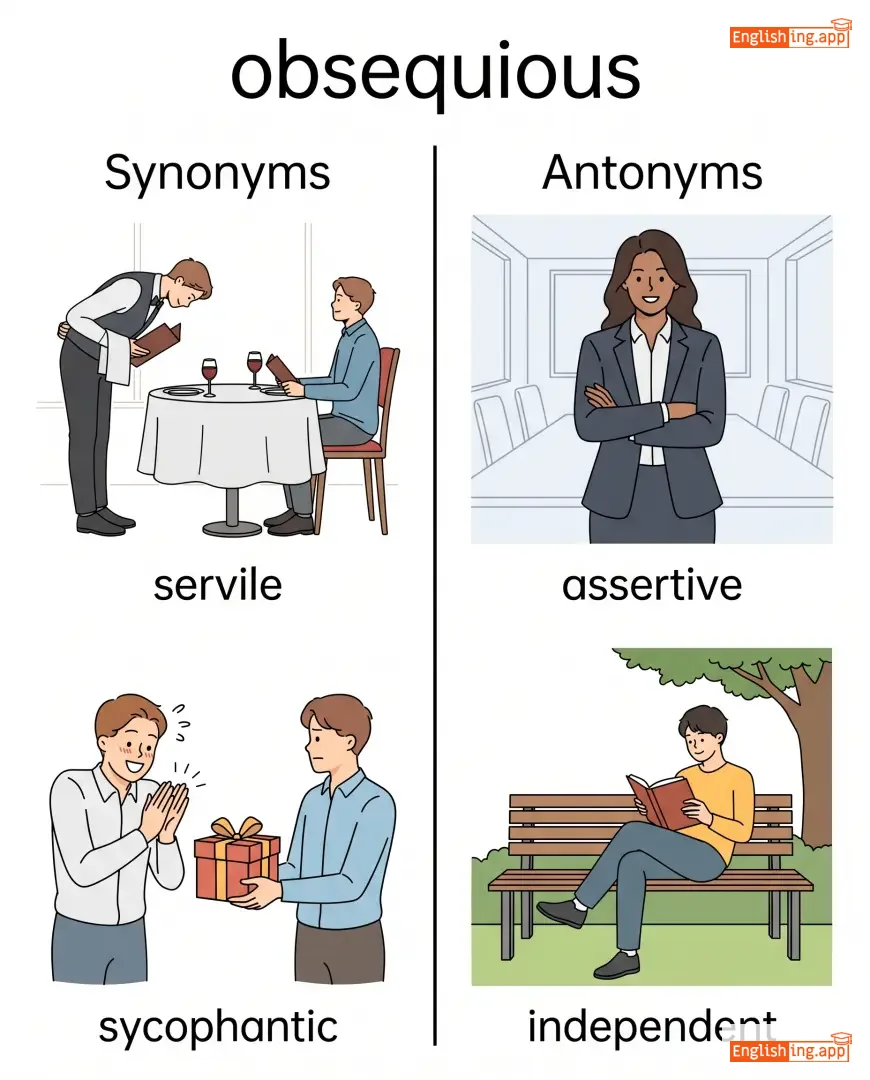
servile, sycophantic, fawning, submissive
••••••
|
assertive, independent
••••••
|
obsequious behavior, obsequious smile, obsequious attention
••••••
|
Obsequiousはお世辞を意味します、覚えやすく言うと「Obey」 + 「quick」=お世辞
••••••
|
|
#221
🚫
|
/ˈɑːbvieɪt/
verb
(オブビエイト)
••••••
|
|
排除する
haijo suru
••••••
|
obviated
オブビエイテッド
••••••
|
obviated
オブビエイテッド
••••••
|
obviates
オブビエイツ
••••••
|
obviating
オブビエイティング
••••••
|
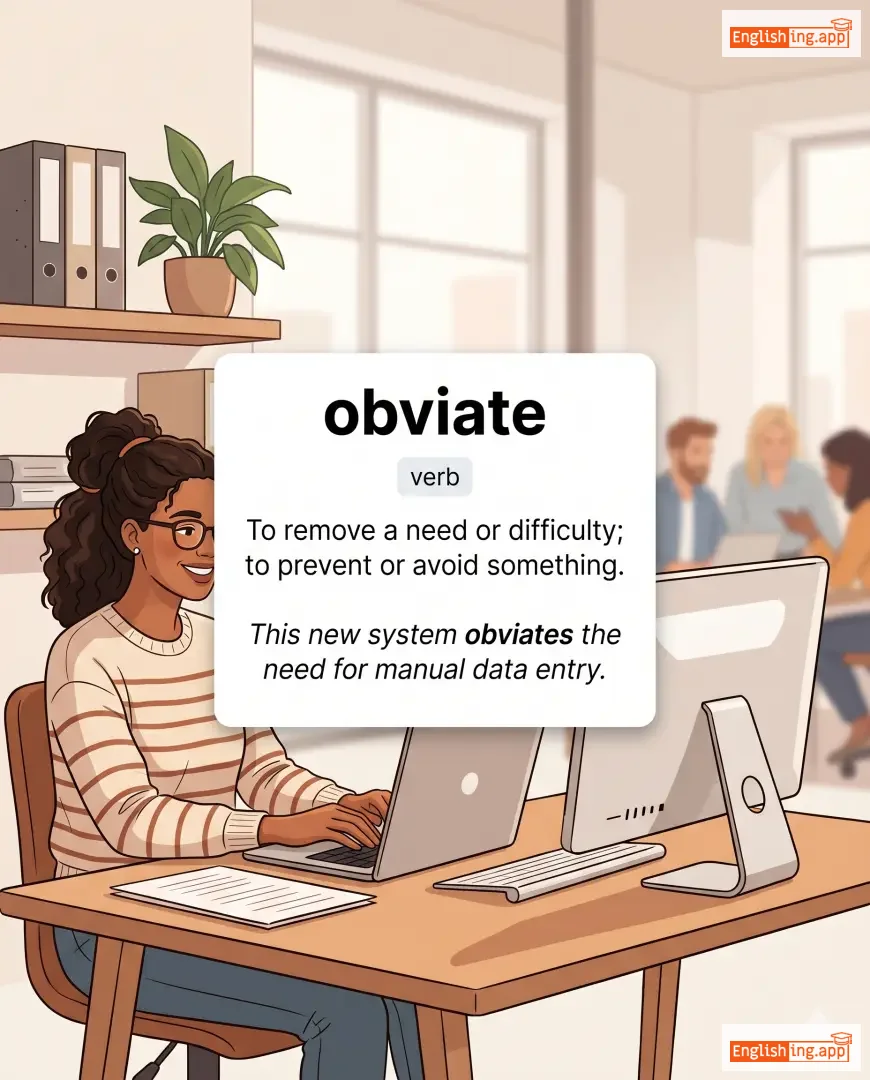
To remove a need or difficulty; to prevent or avoid something.
••••••
|
This new system obviates the need for manual data entry.
この新しいシステムは手動データ入力の必要性を排除します。
••••••
|
この新しいシステムは手動データ入力の必要性を排除します。
Kono atarashii shisutemu wa shudou deeta nyuuryoku no hitsuyousei o haijo shimasu.
••••••
|
- •••••• | - •••••• | - •••••• |
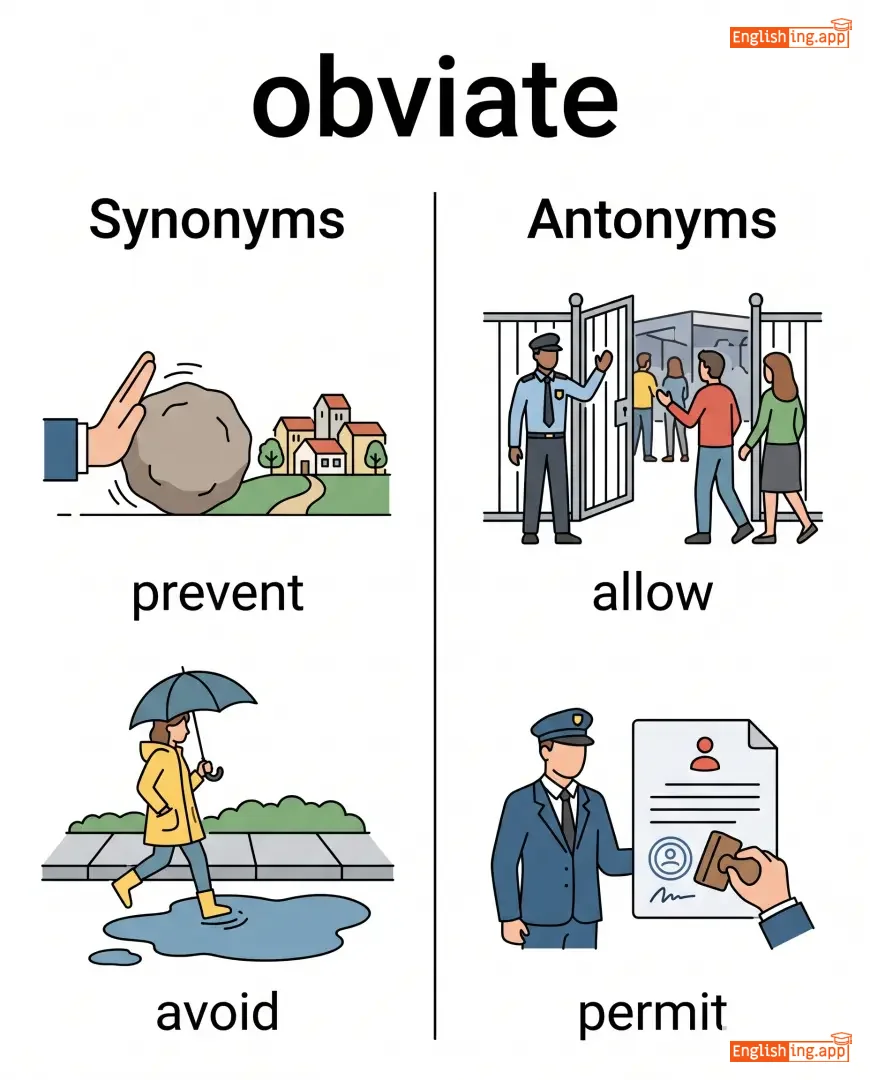
prevent, avoid, eliminate, preclude, remove
••••••
|
allow, permit, require
••••••
|
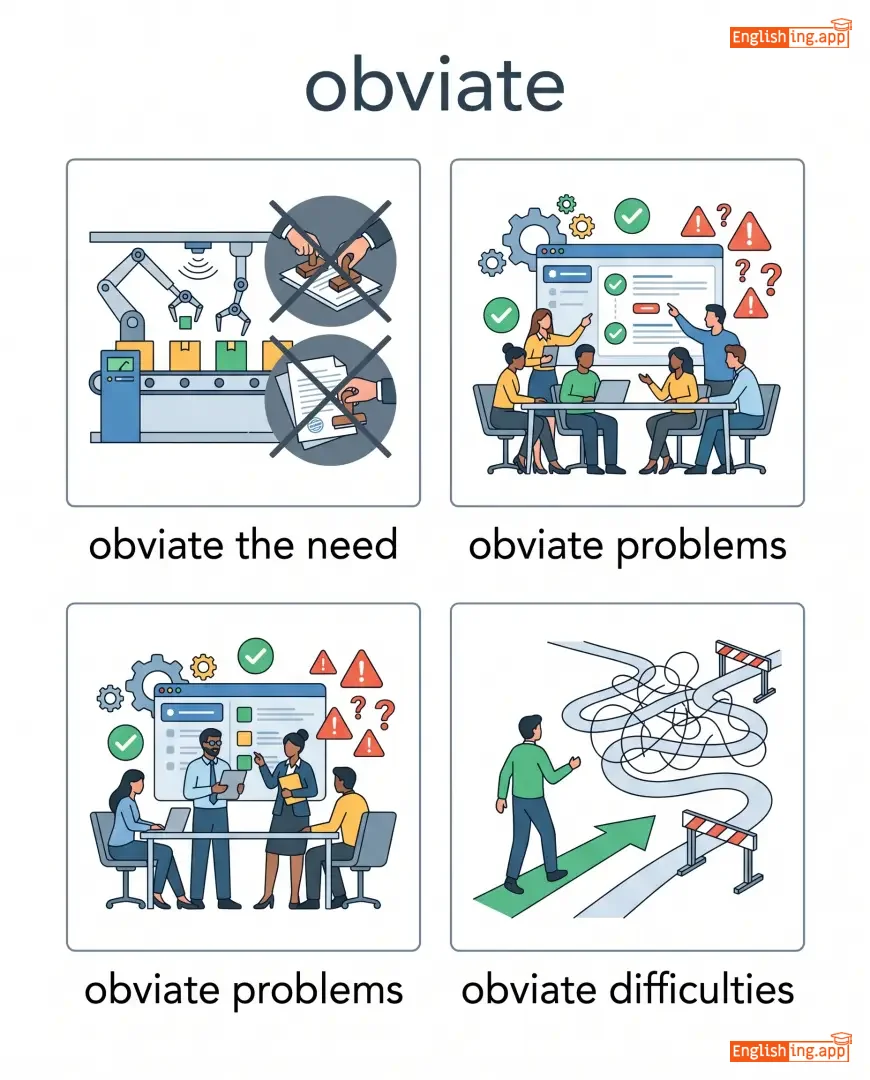
obviate the need, obviate problems, obviate difficulties
••••••
|
Obviateとは問題が起こる前にそれを取り除くことです。
••••••
|
|
#222
🚧
|
/əˈkluːd/
verb
(オクルード)
••••••
|
|
閉塞する
ヘイソクスル
••••••
|
occluded
オクルーデッド
••••••
|
occluded
オクルーデッド
••••••
|
occludes
オクルーズ
••••••
|
occluding
オクルーディング
••••••
|
To block or close up an opening or passage.
••••••
|
The pipe was occluded by mineral deposits.
パイプは鉱物の堆積物で閉塞されていました。
••••••
|
パイプは鉱物の堆積物で閉塞されていました。
Paipu wa kōbutsu no taisekimotsu de heisoku sarete imashita.
••••••
|
- •••••• | - •••••• | - •••••• |
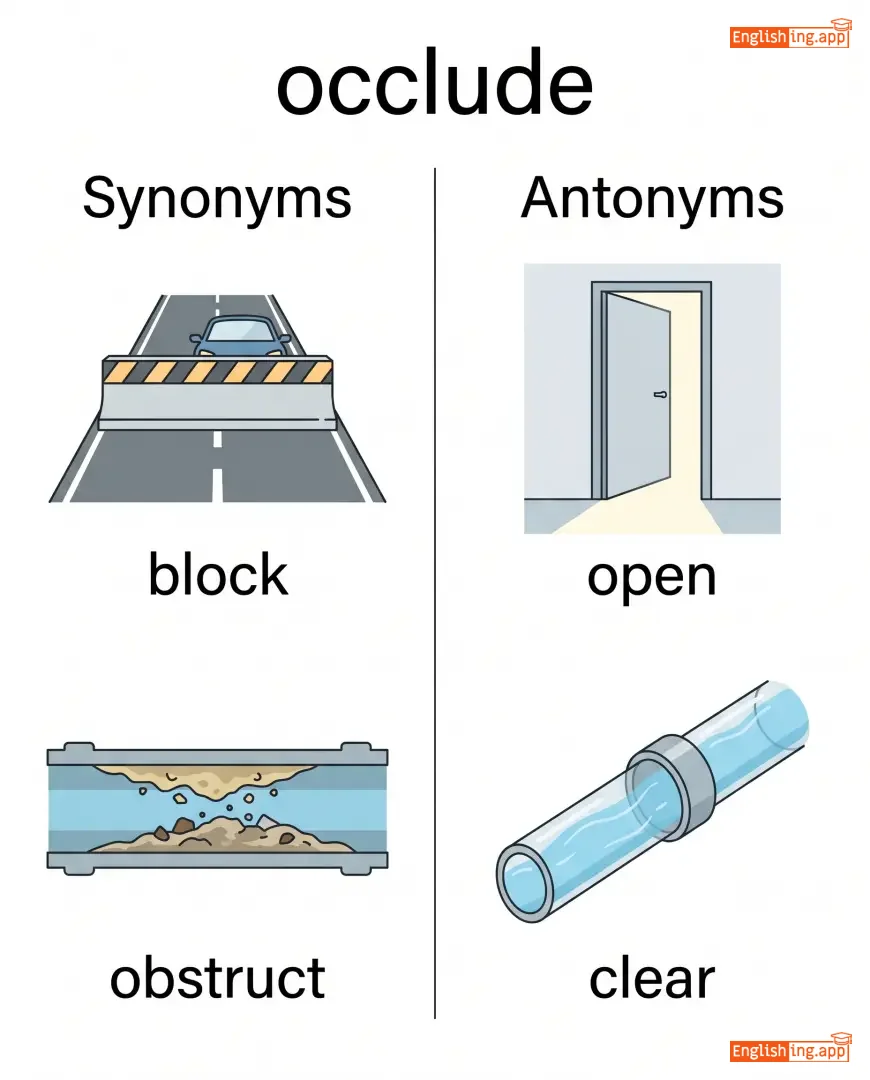
block, obstruct, close, seal, clog
••••••
|
open, clear, unblock
••••••
|
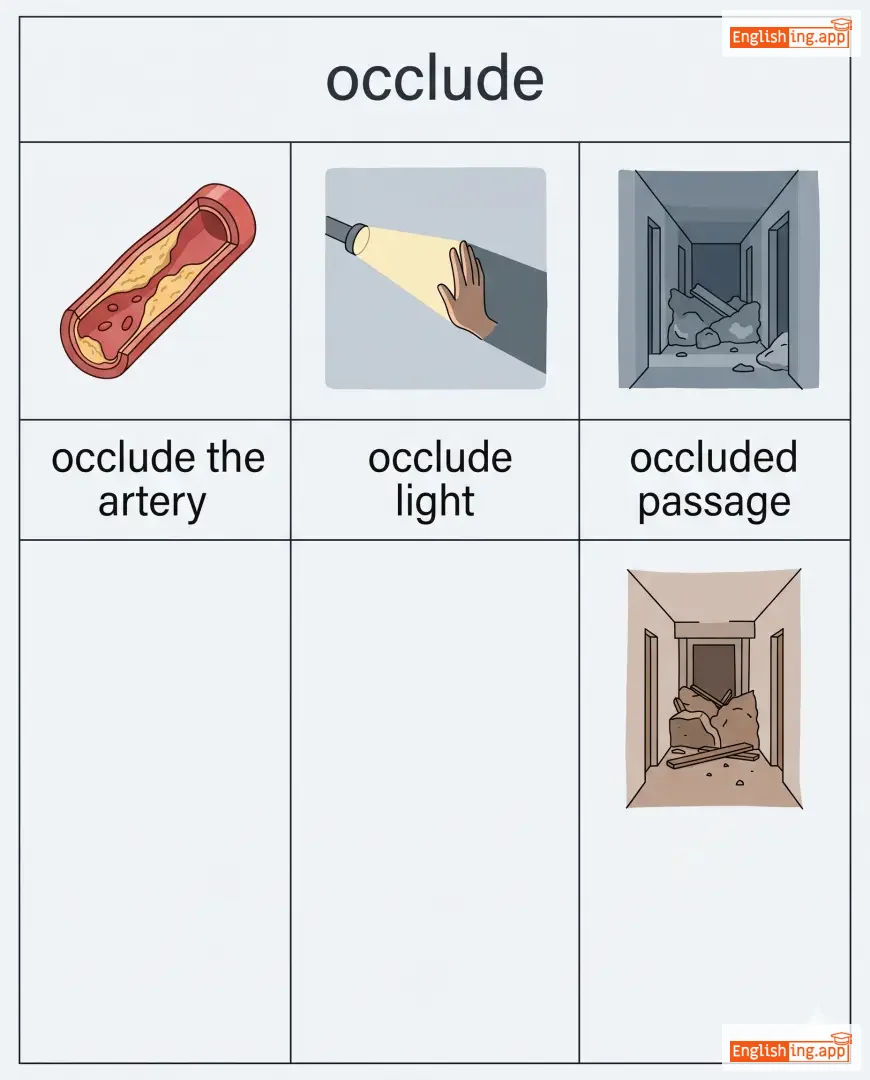
occlude the artery, occlude light, occluded passage
••••••
|
Occludeは閉じる、手がかりを隠す、道を塞ぐことです。
••••••
|
|
#223
🙄
|
/əˈfɪʃəs/
adjective
(オフィシャス)
••••••
|
|
干渉的な
kanshouteki na
••••••
|
- •••••• | - •••••• | - •••••• | - •••••• |
Excessively eager to offer unwanted help or advice; meddlesome.
••••••
|
The officious guard kept interrupting the visitors with unnecessary instructions. |
その干渉的な警備員は訪問者に不必要な指示で何度も中断させた。
Sono kanshouteki na keibiin wa houmonsha ni fuhitsuyouna shiji de nando mo chuudan saseta.
••••••
|
- •••••• | - •••••• | - •••••• |
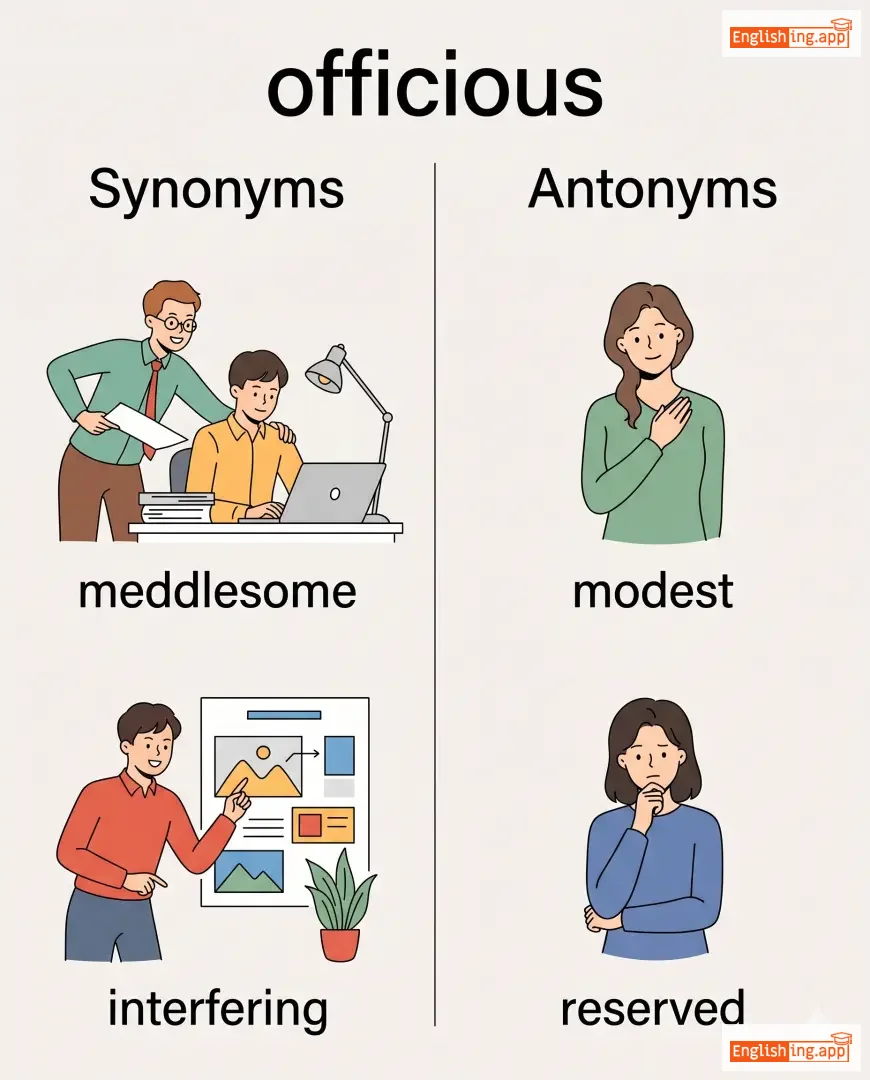
meddlesome, interfering, intrusive, bossy, overbearing
••••••
|
modest, reserved, unobtrusive
••••••
|
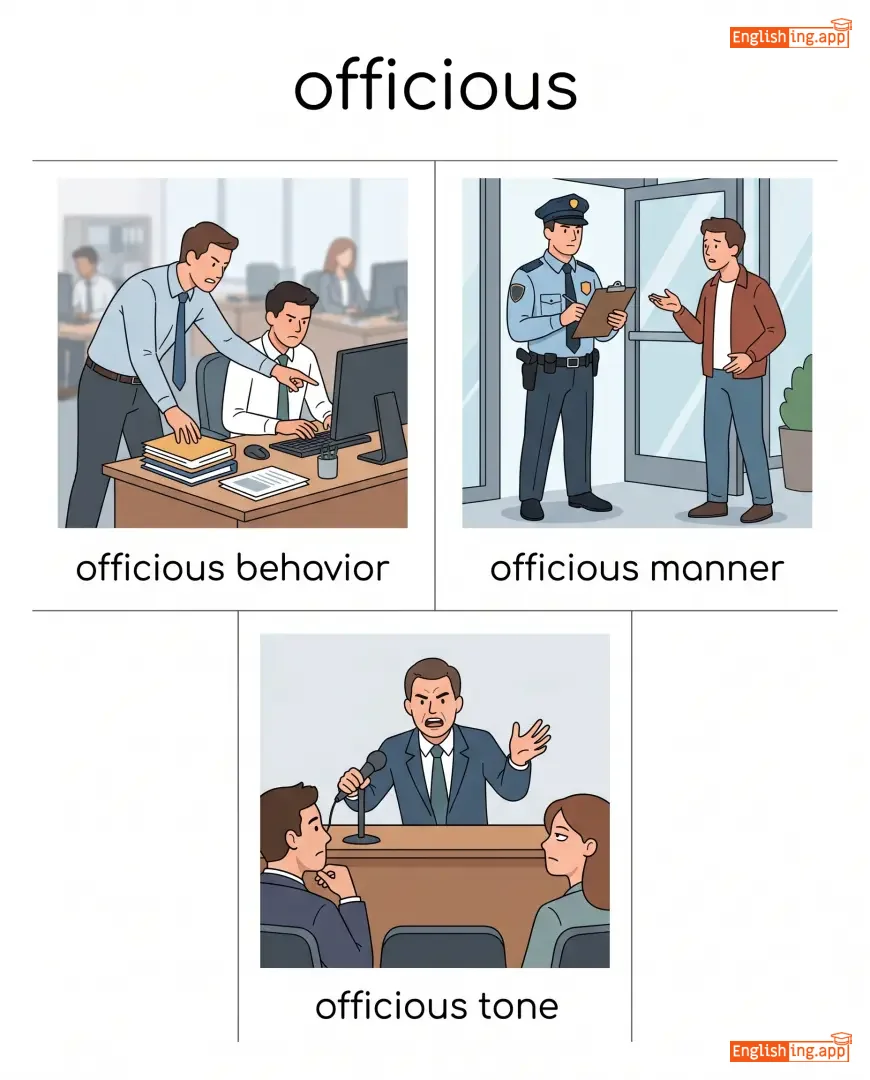
officious behavior, officious manner, officious tone, officious interference
••••••
|
Offi-CIOUS! いつも干渉して、必要ないアドバイスを与える人々。
••••••
|
|
#224
⚖️
|
/ˈəʊnərəs/
adjective
(オネラス)
••••••
|
|
重い
omoi
••••••
|
- •••••• | - •••••• | - •••••• | - •••••• |
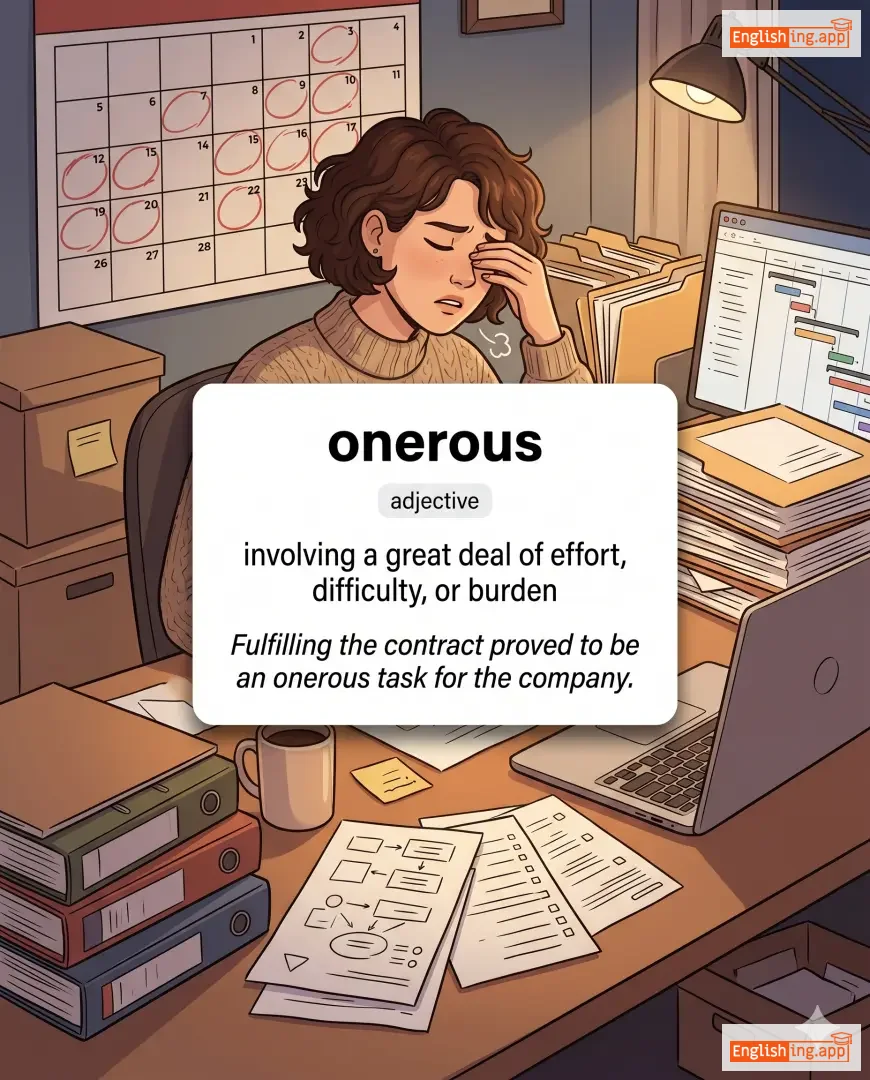
involving a great deal of effort, difficulty, or burden
••••••
|
Fulfilling the contract proved to be an onerous task for the company.
契約を履行することは会社にとって負担の大きい仕事だと証明された。
••••••
|
契約を履行することは会社にとって負担の大きい仕事だと証明された。
Keiyaku o rikō suru koto wa kaisha ni totte futan no ōkii shigoto da to shōmei sareta.
••••••
|
- •••••• | - •••••• | - •••••• |
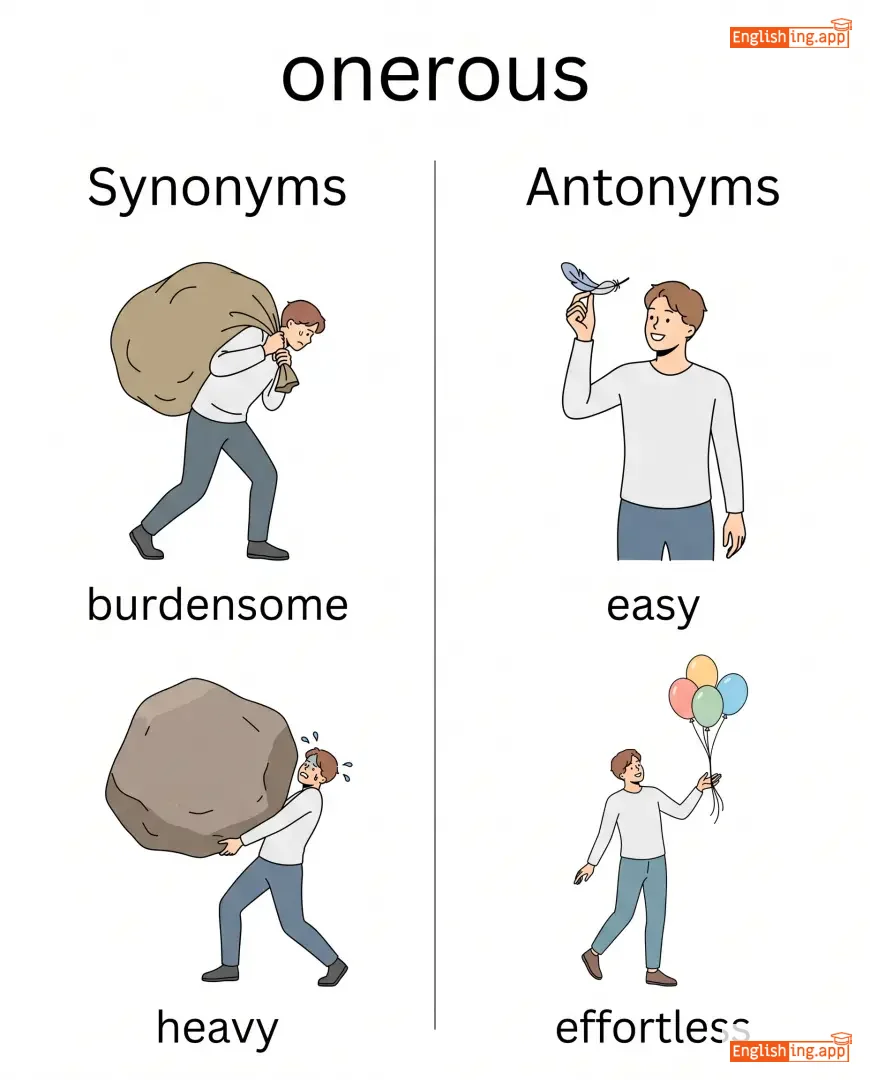
burdensome, heavy, demanding, exhausting, troublesome
••••••
|
easy, effortless, light
••••••
|
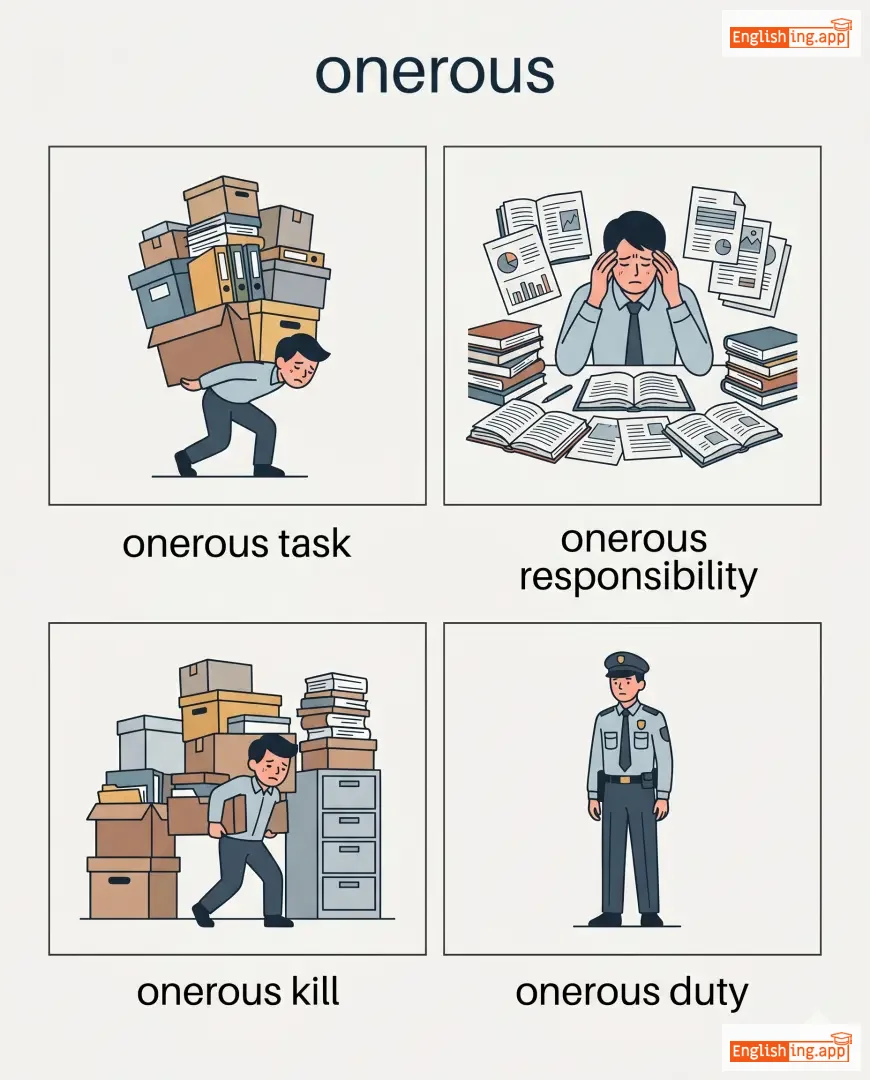
onerous task, onerous responsibility, onerous duty
••••••
|
Onerousは‘重い’に似ている—負担が大きい仕事や責任です。
••••••
|
|
#225
🚫
|
/əˈprəʊ.bri.əm/
noun
(オプロブリウム)
••••••
|
|
非難, 恥辱
hinan, chijoku
••••••
|
- •••••• | - •••••• | - •••••• | - •••••• |
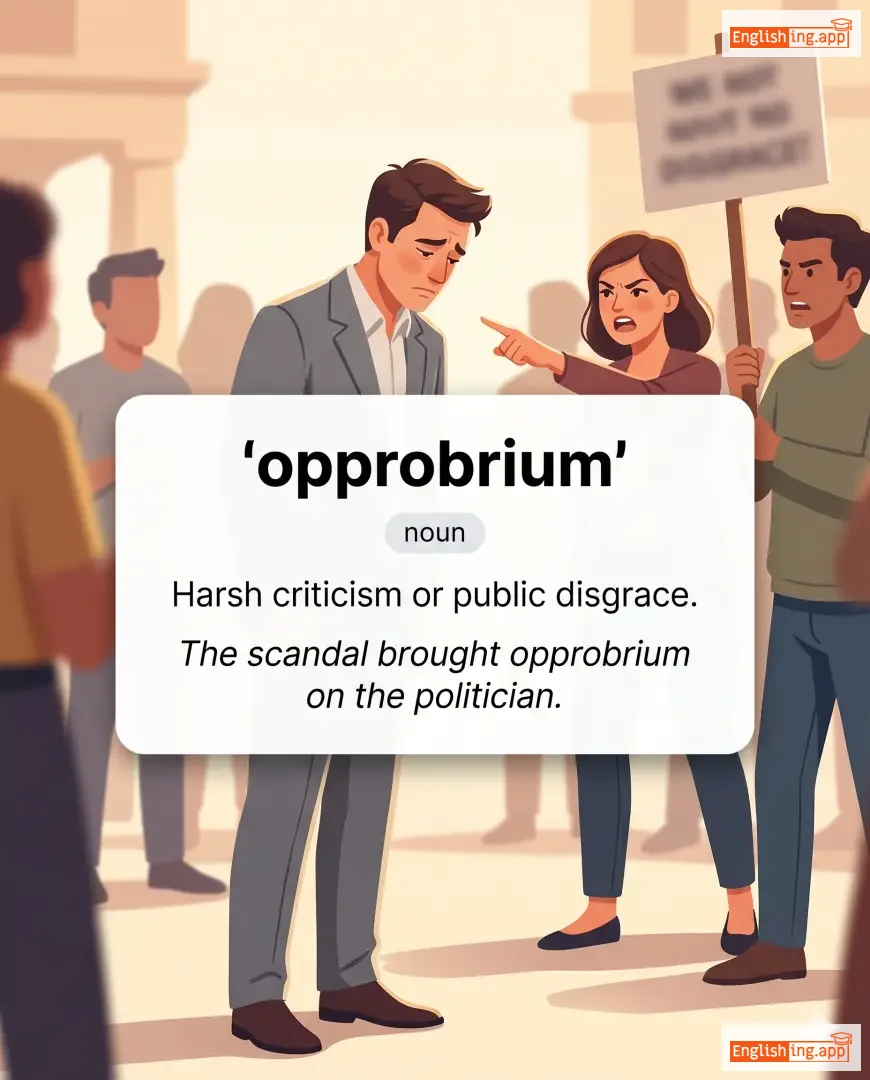
Harsh criticism or public disgrace.
••••••
|
The scandal brought opprobrium on the politician. |
スキャンダルは政治家に非難を浴びせた。
Sukyandaru wa seijika ni hinan o abiseta.
••••••
|
- •••••• | - •••••• | - •••••• |
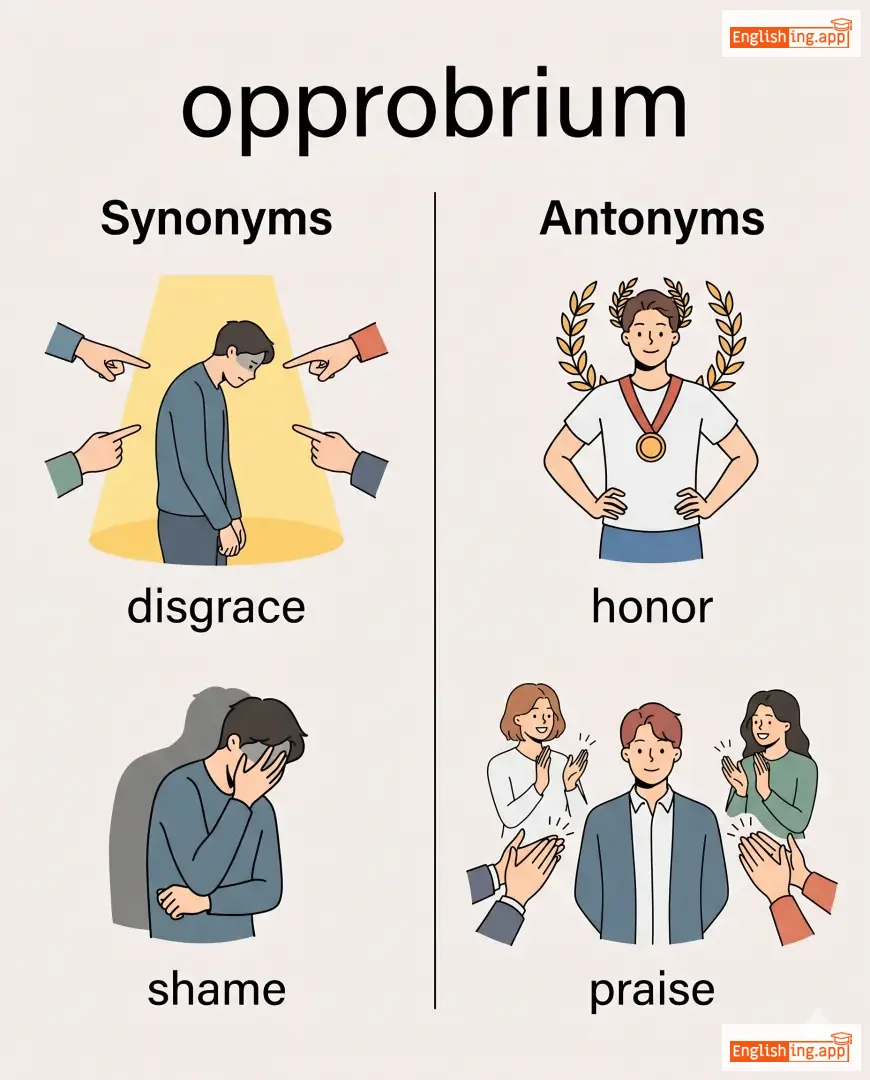
disgrace, shame, dishonor, condemnation
••••••
|
honor, praise, respect
••••••
|
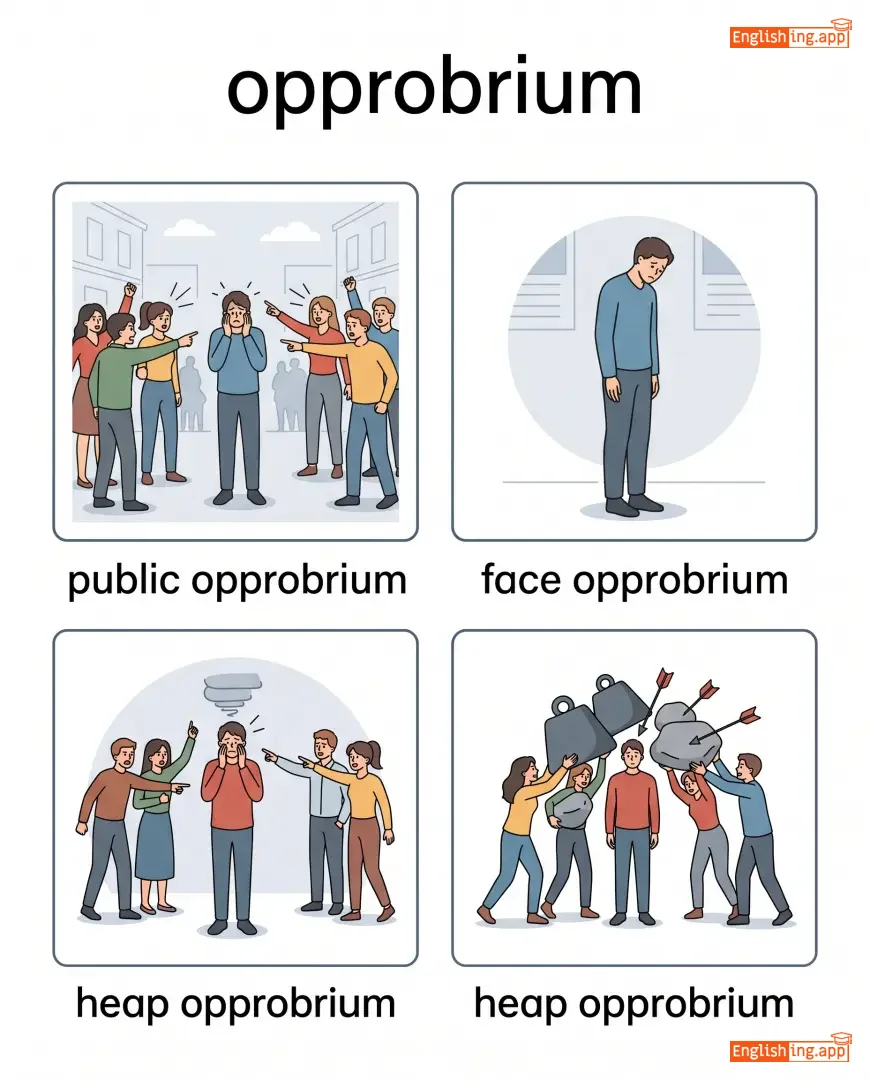
public opprobrium, face opprobrium, heap opprobrium
••••••
|
Opprobrium は公の場での恥辱 (非難) と恥を意味する。
••••••
|
Vocabulary Quiz
Test your vocabulary by matching words with their translations or meanings.
Login to take the quiz
Comments (0)
Share your thoughts and join the discussion.
Join the discussion by logging in
Login to CommentNo comments yet
Be the first to share your thoughts!