


























Swipe left or right, or use the buttons. Tap image to zoom.
例句翻译
单词
Lesson 6Lesson 6 - 遮罩切换
|
表情符号
|
单词 | Images | 翻译 | 过去时 | 过去分词 | 第三人称单数 | 动名词 | 含义 | 例句 | 例句翻译 | 示例表达 | 示例表达含义 | 示例表达翻译 | 同义词 | 反义词 | 搭配词 | 助记符 |
|---|---|---|---|---|---|---|---|---|---|---|---|---|---|---|---|---|---|
|
#126
🔮
|
/ˌɛsəˈtɛrɪk/
adjective
(神秘的)
••••••
|
|
深奥的
shen'ao de
••••••
|
- •••••• | - •••••• | - •••••• | - •••••• |
intended for or understood by only a small number of people with special knowledge
••••••
|
The professor gave an esoteric lecture on ancient philosophy. |
教授做了一场关于古代哲学的深奥讲座。
Jiaoshou zuo le yi chang guanyu gudai zhexue de shen'ao jiangzuo.
••••••
|
- •••••• | - •••••• | - •••••• |
mystical, obscure, cryptic, abstract, arcane
••••••
|
common, popular, simple
••••••
|
esoteric knowledge, esoteric subject, esoteric teaching
••••••
|
Eso (像这个) + 奥的,意味着只有少数专家能理解
••••••
|
|
#127
💐
|
/ˈjuːlədʒi/
noun
(yúlóu jí)
••••••
|
|
悼词
daoci
••••••
|
- •••••• | - •••••• | - •••••• | - •••••• |
A speech or piece of writing that praises someone, especially after their death.
••••••
|
Her brother delivered a heartfelt eulogy at the funeral. |
她的哥哥在葬礼上发表了感人的悼词。
Ta de gege zai zangli shang fabiao le ganren de daoci.
••••••
|
- •••••• | - •••••• | - •••••• |
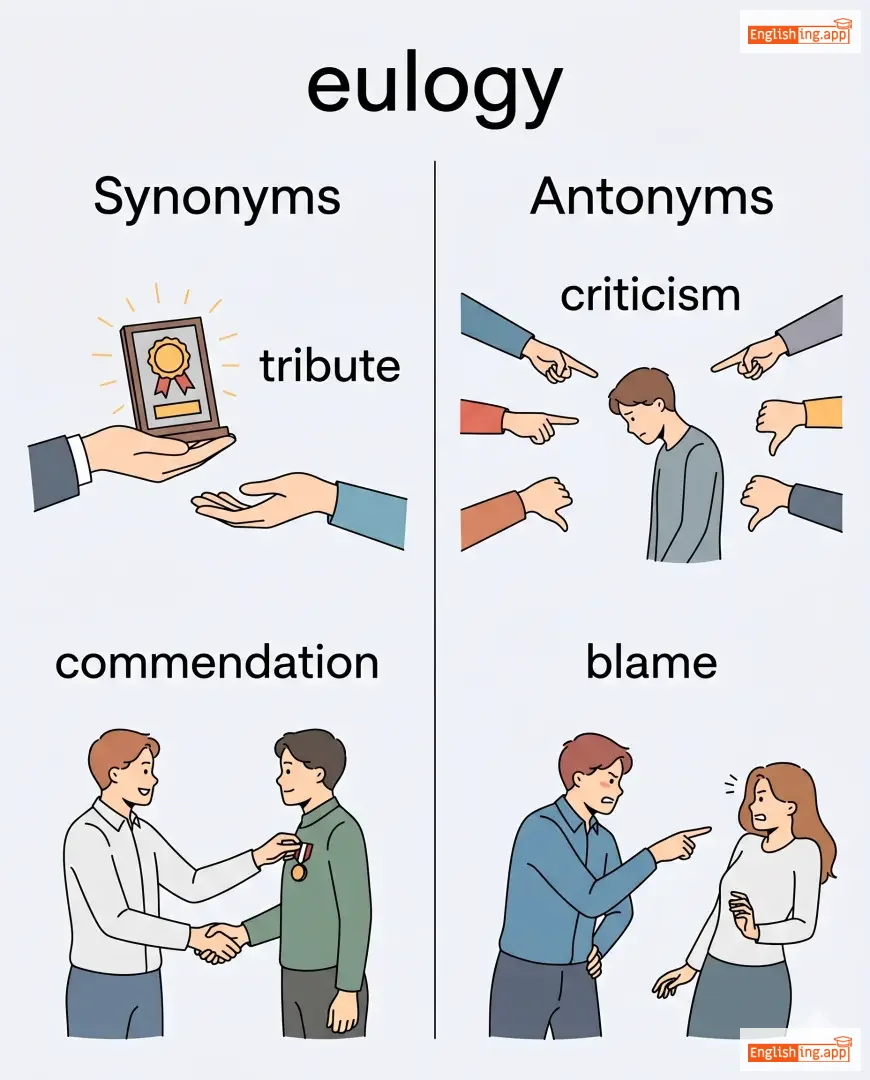
tribute, commendation, accolade, praise
••••••
|
criticism, blame
••••••
|
deliver a eulogy, heartfelt eulogy, moving eulogy
••••••
|
悼词(daoci)即为悼念已故的人所做的讲话。
••••••
|
|
#128
🗣️
|
/ˈjuːfəmɪzəm/
noun
(yūfēimízhèng)
••••••
|
|
委婉语
weiwanyu
••••••
|
- •••••• | - •••••• | - •••••• | - •••••• |
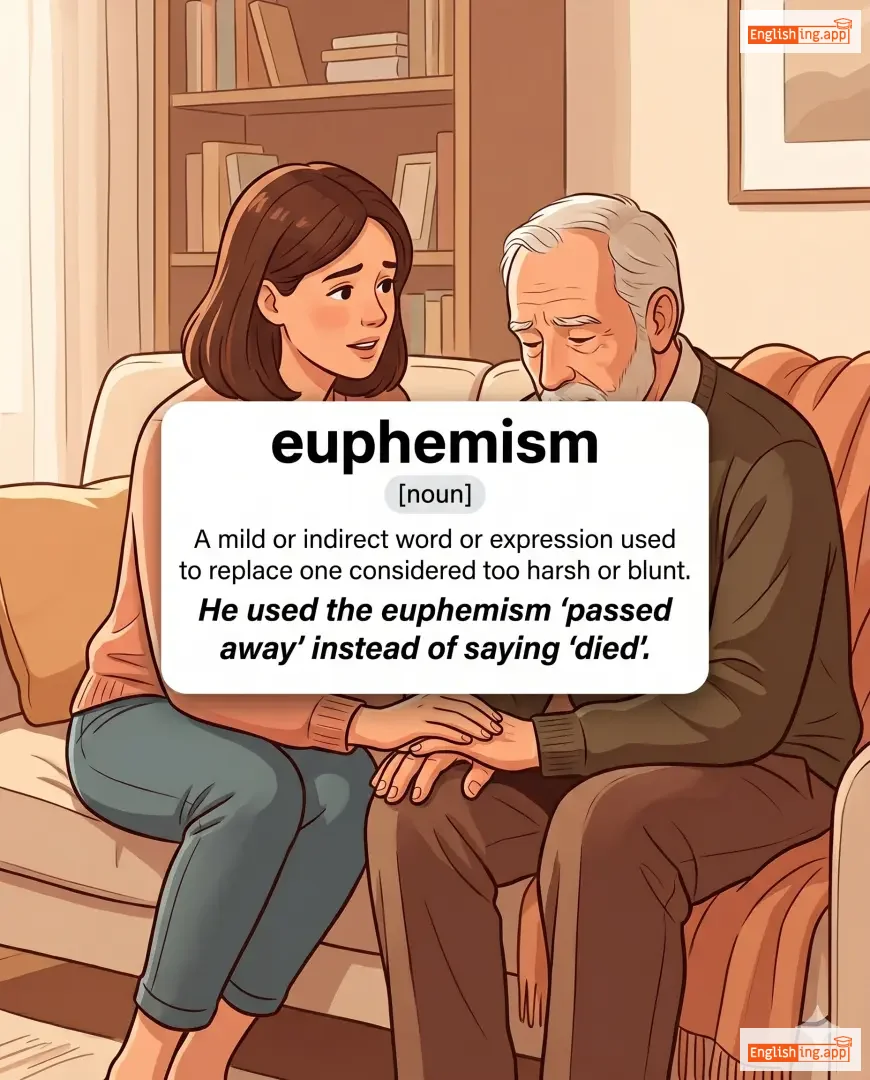
A mild or indirect word or expression used to replace one considered too harsh or blunt.
••••••
|
He used the euphemism 'passed away' instead of saying 'died'. |
他用了'去世'这一委婉语,而不是直接说'死了'。
Tā yòngle 'qùshì' zhè yī wěiwǎn yǔ, ér bùshì zhíjiē shuō 'sǐle'.
••••••
|
- •••••• | - •••••• | - •••••• |
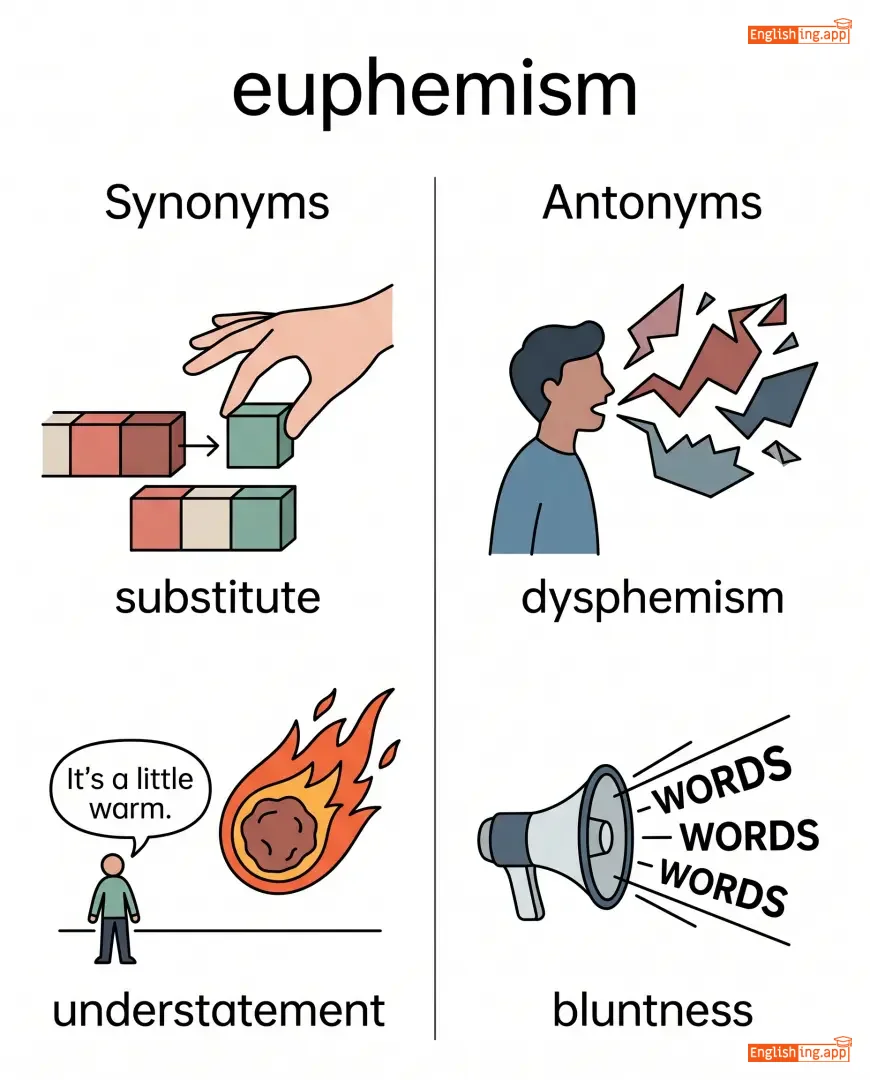
substitute, understatement, circumlocution, softening, polite term
••••••
|
dysphemism, bluntness, directness
••••••
|
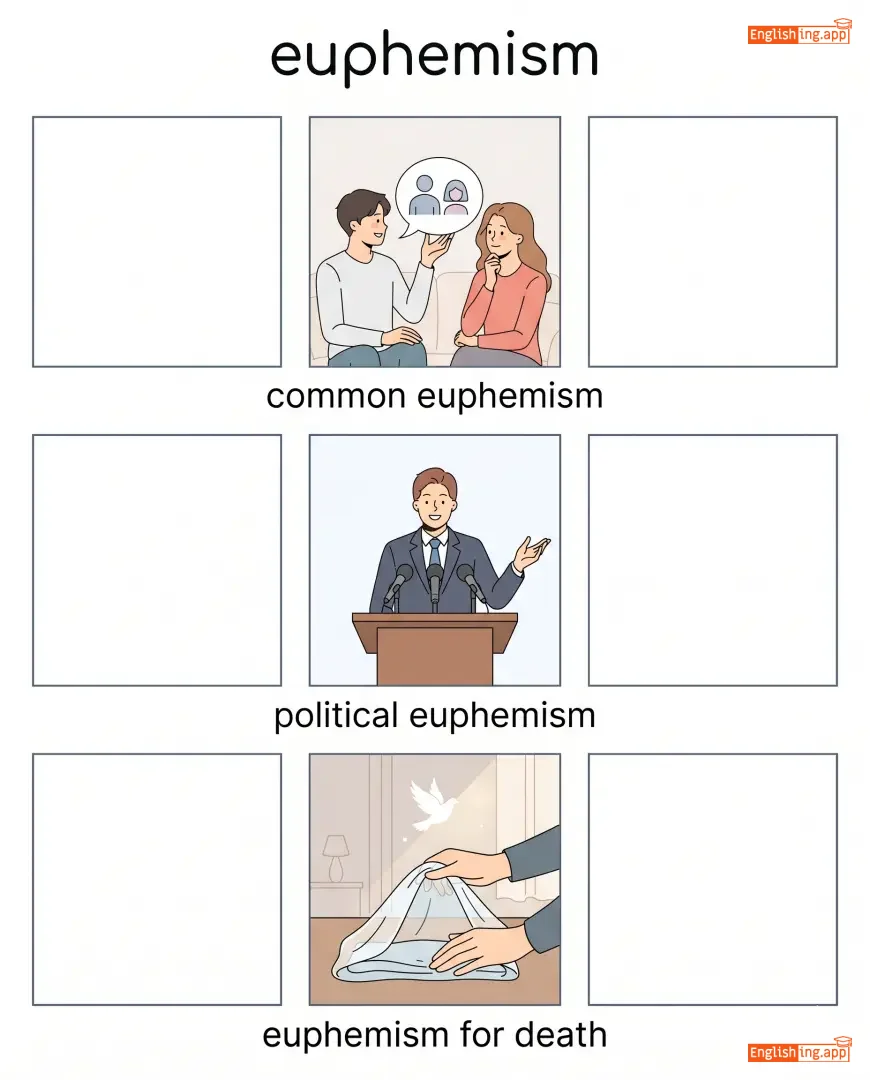
common euphemism, political euphemism, euphemism for death, use a euphemism
••••••
|
委婉语就像'温柔说话'—例如说'去世'而不是'死了'。
••••••
|
|
#129
🔥
|
/ɪɡˈzæsərˌbeɪt/
verb
(恶化)
••••••
|
|
恶化
èhuà
••••••
|
exacerbated
恶化了
••••••
|
exacerbated
恶化了
••••••
|
exacerbates
恶化
••••••
|
exacerbating
恶化中
••••••
|
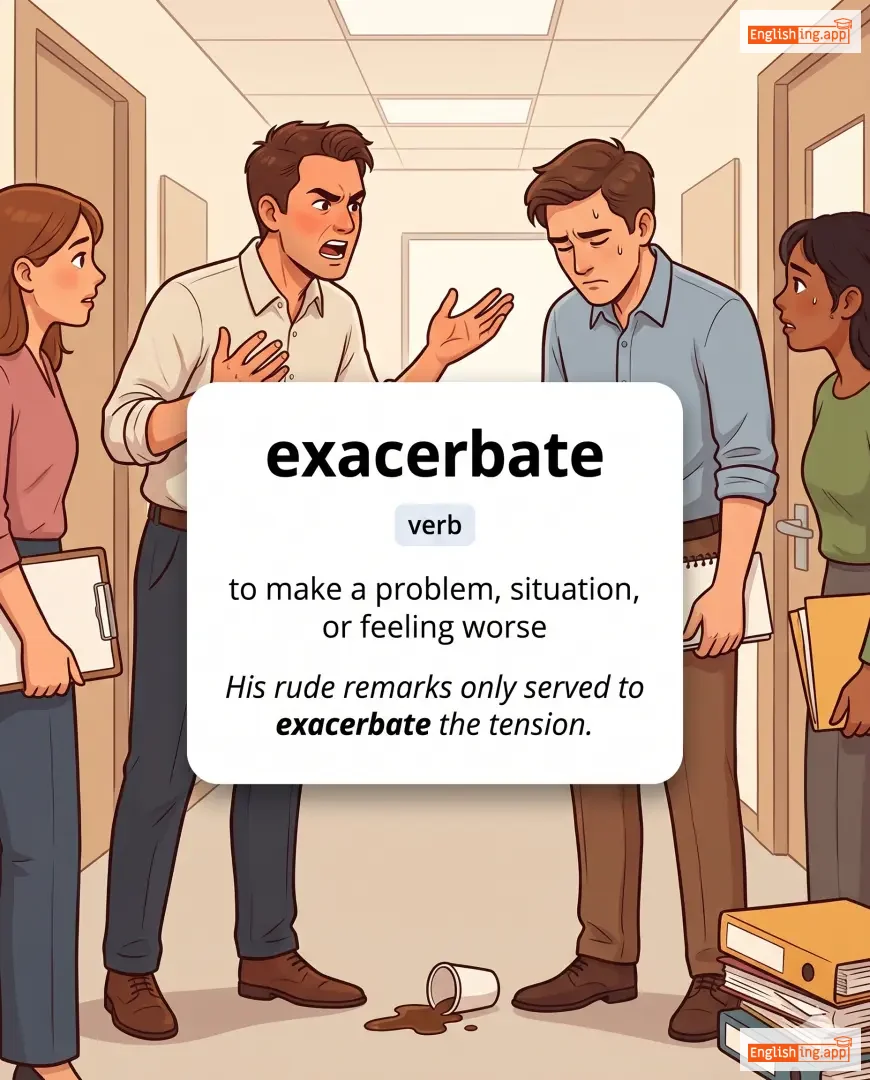
to make a problem, situation, or feeling worse
••••••
|
His rude remarks only served to exacerbate the tension.
他的粗鲁言论只会加剧紧张局势。
••••••
|
他的粗鲁言论只会加剧紧张局势。
Tā de cūlǔ yánlùn zhǐ huì jiājù jǐnzhāng júshì.
••••••
|
- •••••• | - •••••• | - •••••• |
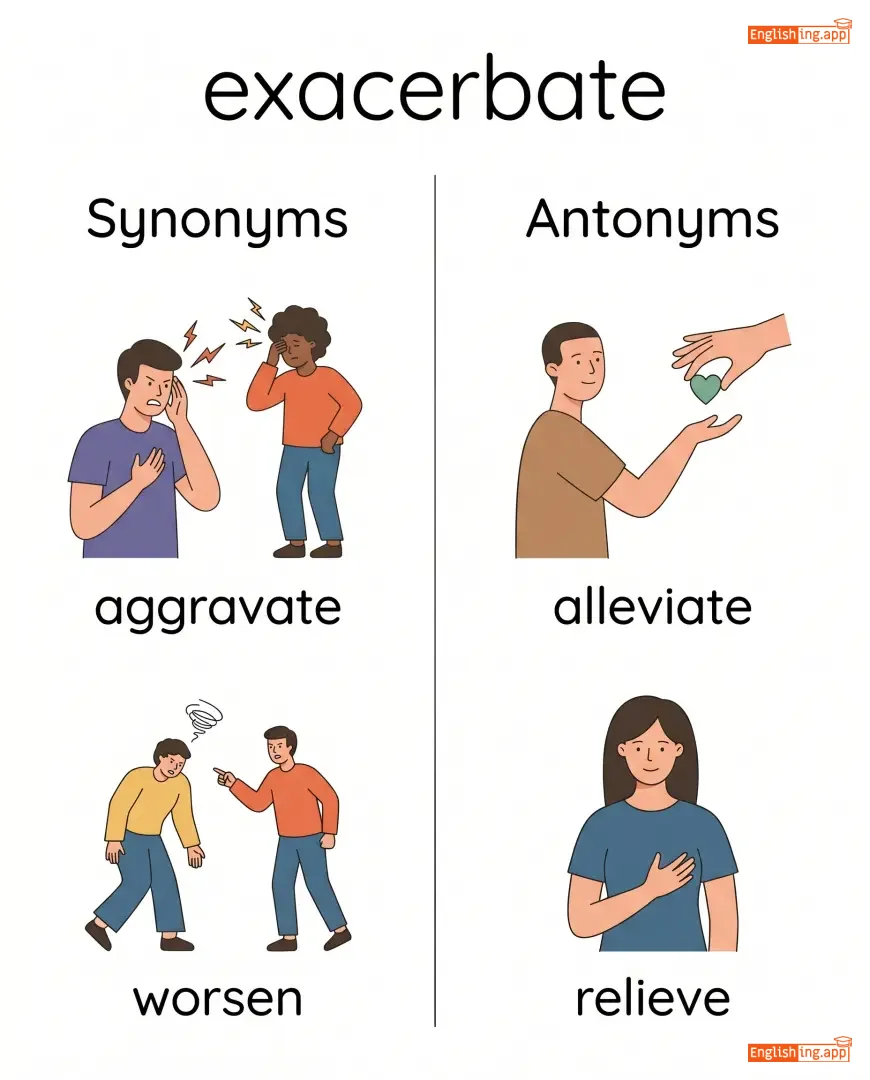
aggravate, worsen, intensify, heighten, inflame
••••••
|
alleviate, relieve, improve
••••••
|
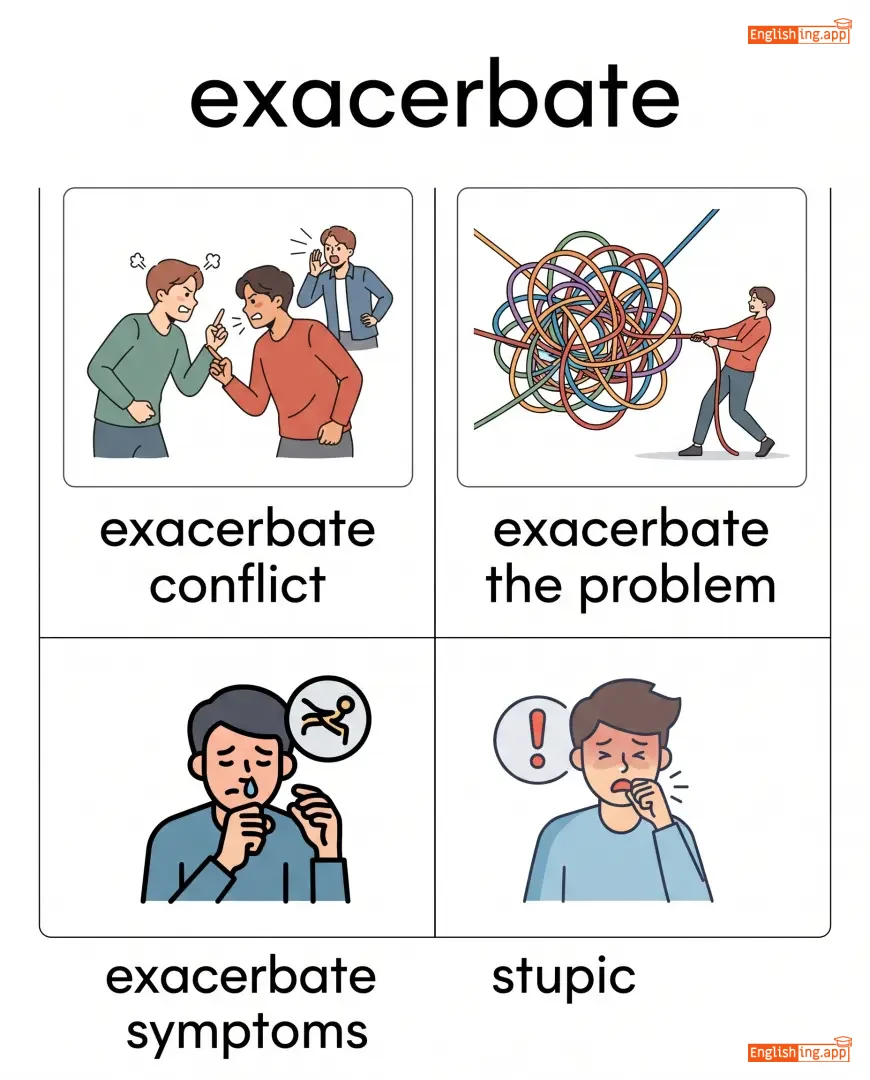
exacerbate conflict, exacerbate the problem, exacerbate symptoms, exacerbate tension
••••••
|
恶化是将事情变得更糟,就像加剧紧张气氛。
••••••
|
|
#130
⚖️
|
/ˈɛkskʌlpeɪt/
verb
(艾克斯库尔佩特)
••••••
|
|
辩解
biànjiě
••••••
|
exculpated
艾克斯库尔佩特德
••••••
|
exculpated
艾克斯库尔佩特德
••••••
|
exculpates
艾克斯库尔佩特斯
••••••
|
exculpating
艾克斯库尔佩特英
••••••
|
to show or declare that someone is not guilty of wrongdoing
••••••
|
The lawyer worked hard to exculpate his client.
律师努力工作,为他的客户辩解。
••••••
|
律师努力工作,为他的客户辩解。
Lǚshī nǔlì gōngzuò, wèi tā de kèhù biànjiě.
••••••
|
- •••••• | - •••••• | - •••••• |
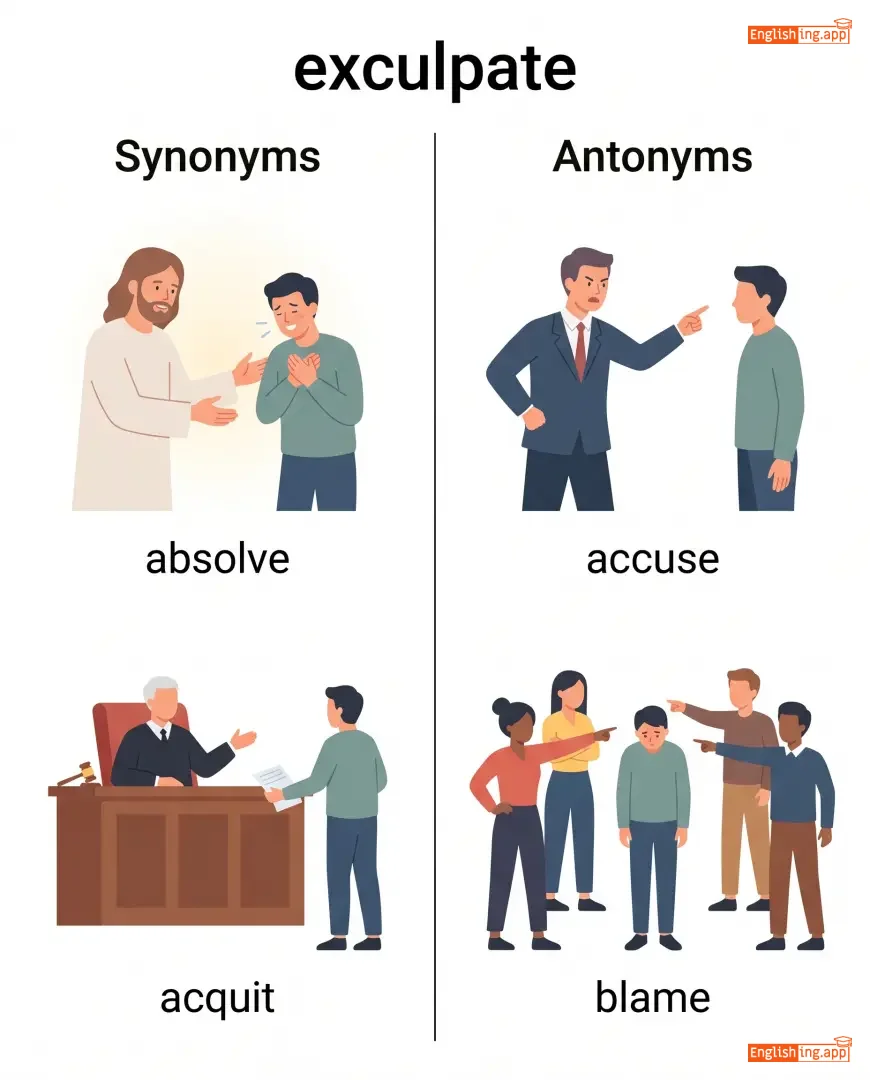
absolve, acquit, vindicate, exonerate
••••••
|
accuse, blame, convict
••••••
|
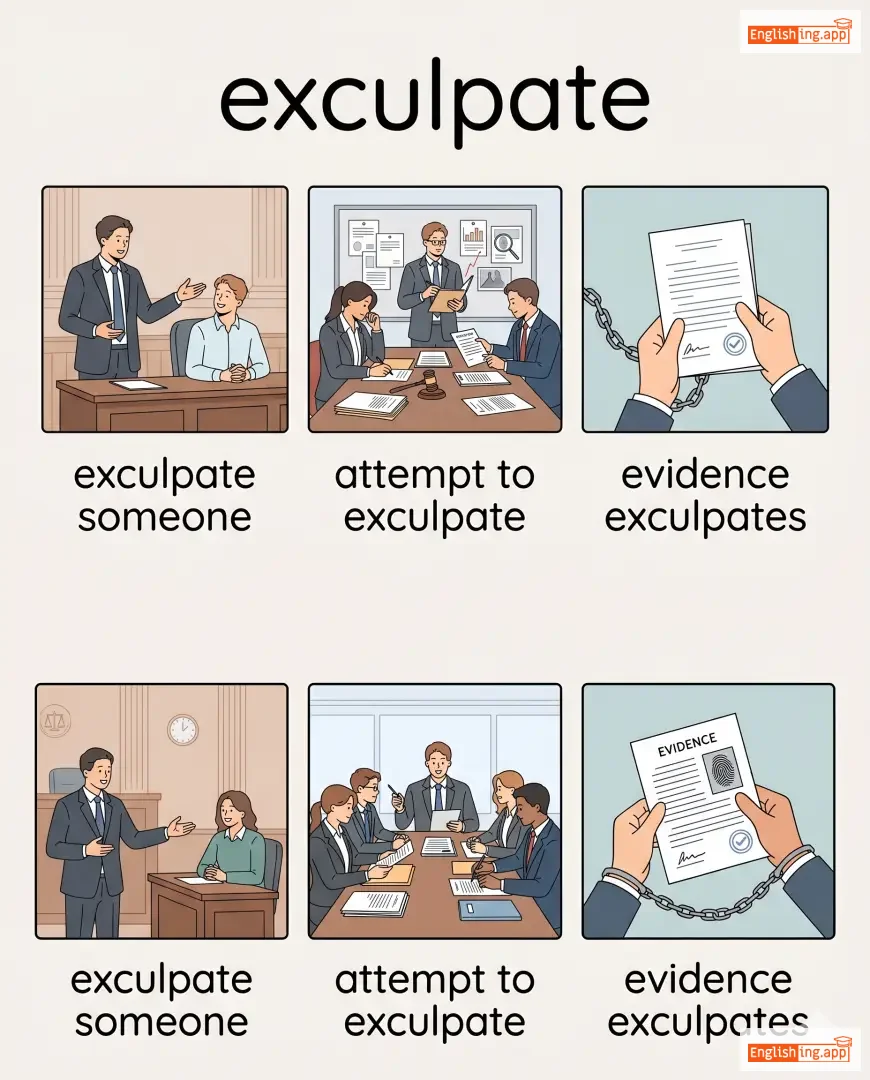
exculpate someone, attempt to exculpate, evidence exculpates
••••••
|
Exculpate = 辩解 → 辩解罪犯
••••••
|
|
#131
⏰
|
/ˈɛksɪdʒənsi/
noun
(èxījìnsī)
••••••
|
|
紧急需求
jinji xuqiu
••••••
|
- •••••• | - •••••• | - •••••• | - •••••• |
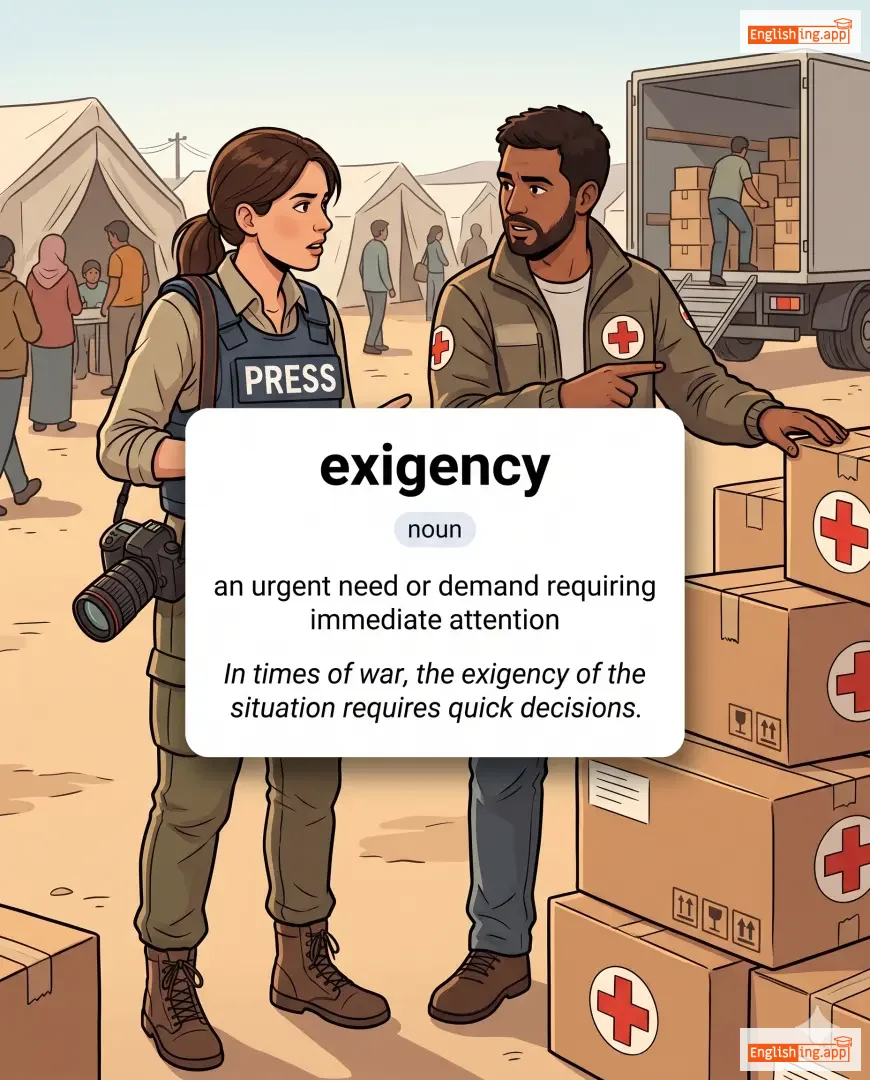
an urgent need or demand requiring immediate attention
••••••
|
In times of war, the exigency of the situation requires quick decisions. |
在战争时期,局势的紧急需求需要迅速的决策。
Zài zhànzhēng shíqī, júshì de jǐnjí xūqiú xūyào xùnsù de juécè.
••••••
|
- •••••• | - •••••• | - •••••• |
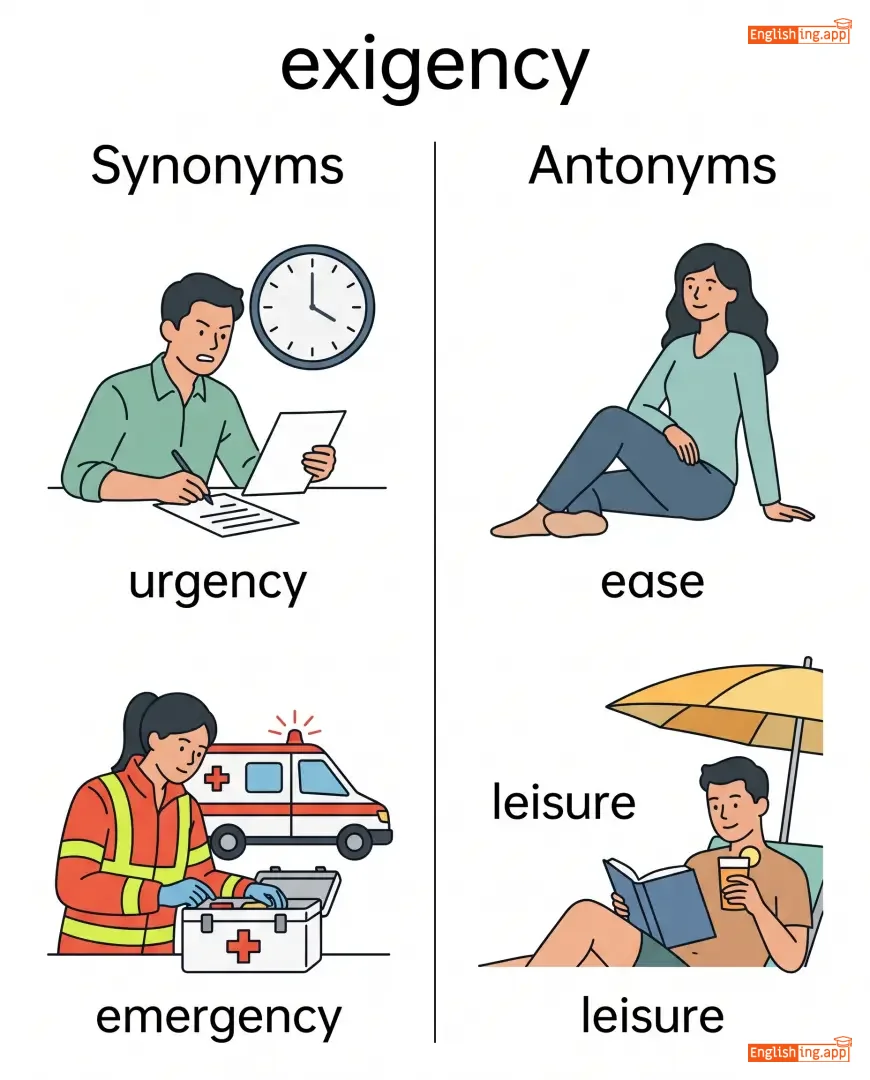
urgency, emergency, necessity, demand
••••••
|
ease, leisure, calm
••••••
|
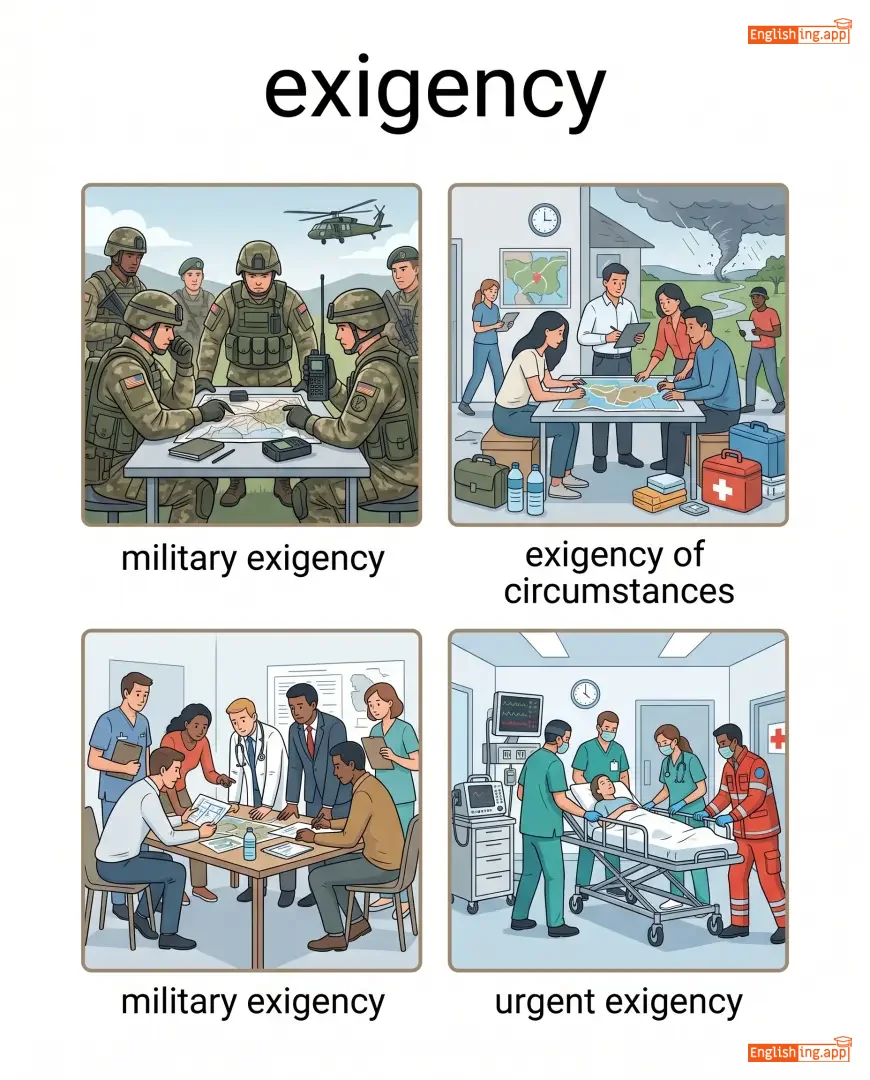
military exigency, exigency of circumstances, urgent exigency
••••••
|
Exigency的意思是紧急需求,就像需要快速解决的问题。
••••••
|
|
#132
🔮
|
/ɪkˌstræp.əˈleɪ.ʃən/
noun
(外推法)
••••••
|
|
外推法
wàituī fǎ
••••••
|
- •••••• | - •••••• | - •••••• | - •••••• |
The process of estimating or predicting something based on extending known information.
••••••
|
The company's financial extrapolation suggests steady growth. |
该公司的财务外推法建议稳步增长。
gāi gōngsī de cáiwù wàituī fǎ jiànyì wěnbù zēngzhǎng.
••••••
|
- •••••• | - •••••• | - •••••• |
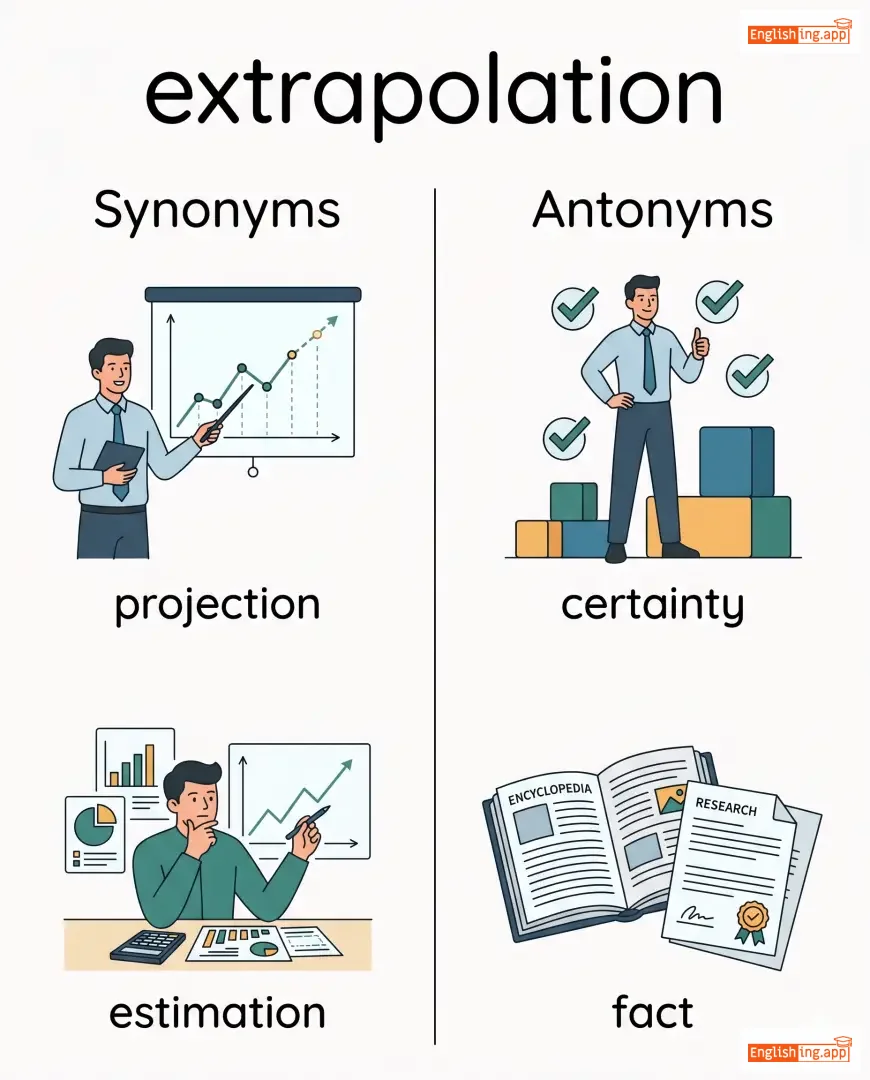
projection, estimation, inference, prediction, forecast
••••••
|
certainty, fact
••••••
|
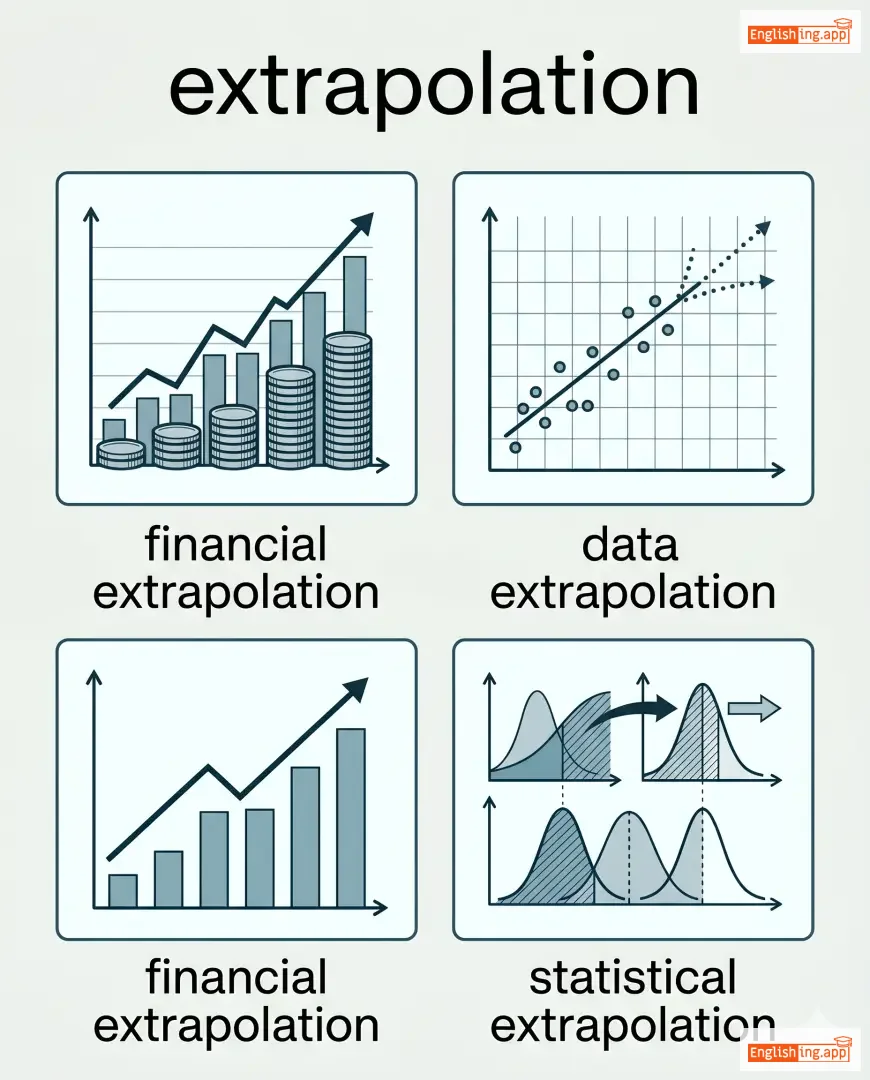
financial extrapolation, data extrapolation, statistical extrapolation, extrapolation method
••••••
|
外推法 = extra + 预测 → 从额外数据中进行预测。
••••••
|
|
#133
😏
|
/fəˈsiːʃəs/
adjective
(feisishius)
••••••
|
|
讽刺的
fengci de
••••••
|
- •••••• | - •••••• | - •••••• | - •••••• |
Treating serious issues with deliberately inappropriate humor
••••••
|
He was being facetious when he said he wanted to live on the moon. |
他说他想住在月球上时,他是在开玩笑。
Tā shuō tā xiǎng zhù zài yuèqiú shàng shí, tā shì zài kāi wánxiào.
••••••
|
- •••••• | - •••••• | - •••••• |
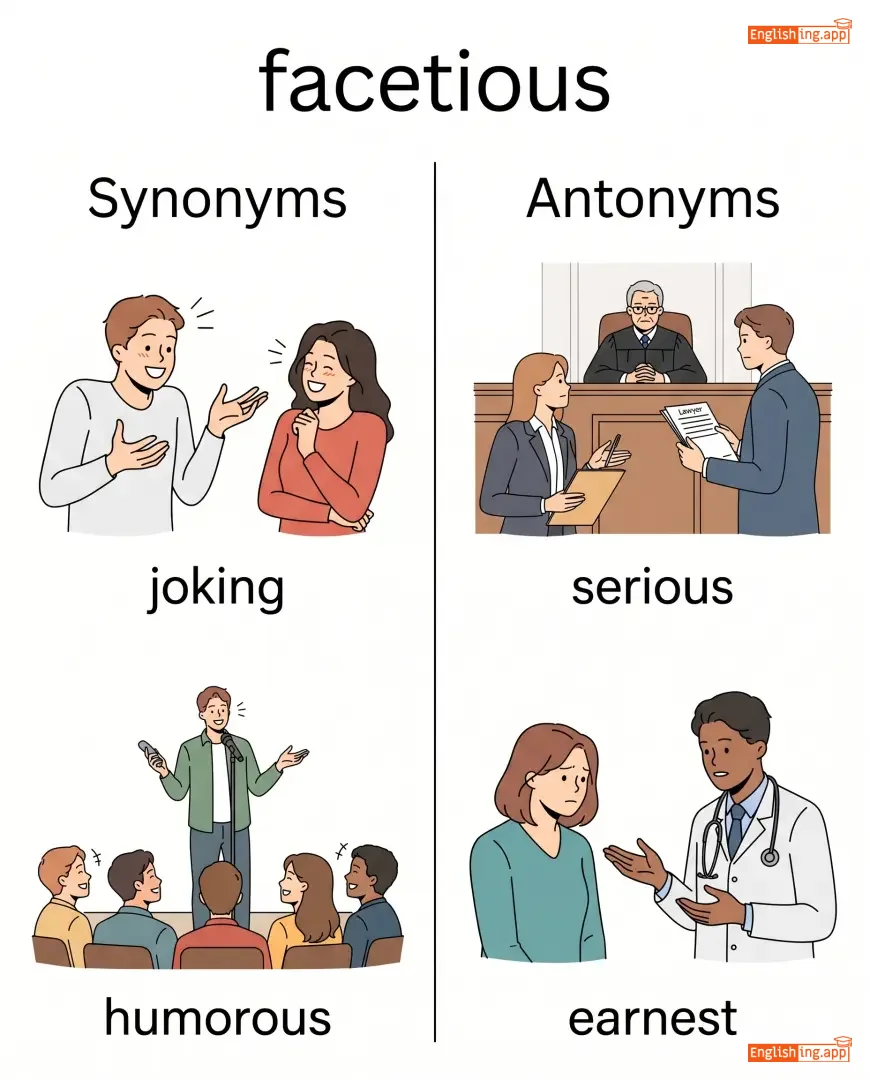
joking, humorous, playful, witty, flippant
••••••
|
serious, earnest, solemn
••••••
|
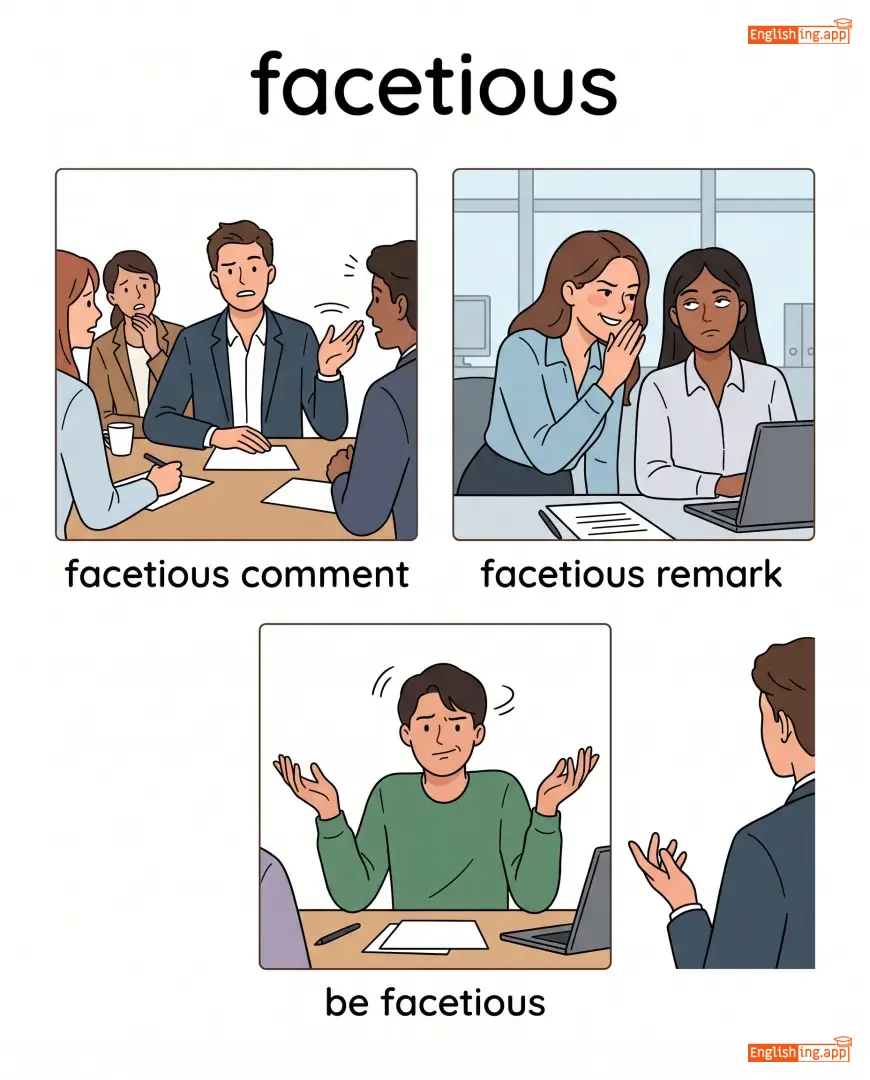
facetious comment, facetious remark, be facetious
••••••
|
Facetious = 'face' 和 '讽刺' 通过笑话让严肃变得轻松。
••••••
|
|
#134
⚙️
|
/fəˈsɪlɪteɪt/
verb
(促进)
••••••
|
|
促进,使变得更容易
cùjìn, shǐ biàn dé gèng róngyì
••••••
|
facilitated
促进了
••••••
|
facilitated
促进了
••••••
|
facilitates
促进
••••••
|
facilitating
促进中
••••••
|
to make an action or process easier or smoother
••••••
|
The new software will facilitate communication between departments.
新软件将促进部门之间的沟通。
••••••
|
新软件将促进部门之间的沟通。
Xīn ruǎnjiàn jiāng cùjìn bùmén zhī jiān de gōutōng.
••••••
|
- •••••• | - •••••• | - •••••• |
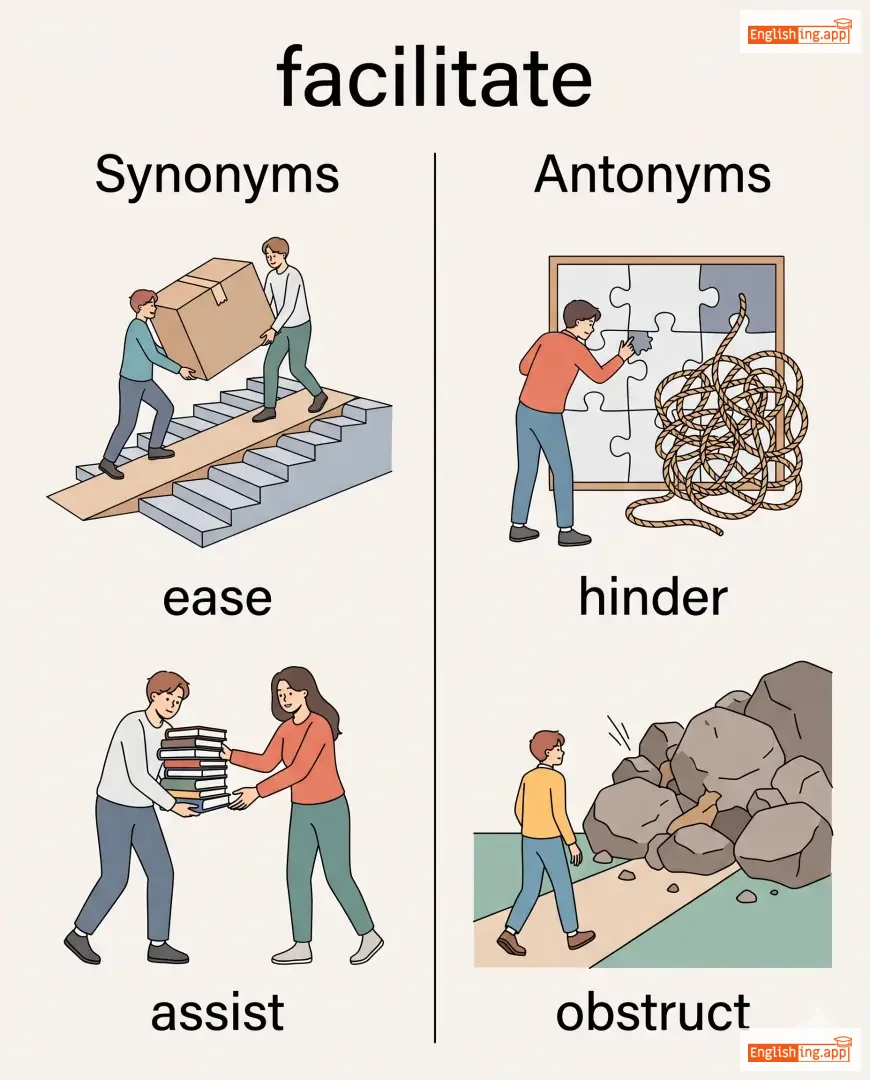
ease, assist, simplify, aid
••••••
|
hinder, obstruct, complicate
••••••
|
facilitate communication, facilitate process, facilitate learning, facilitate discussion
••••••
|
Facilitate - 'Face ill' 使事情更简单
••••••
|
|
#135
❌
|
/fəˈleɪ.ʃəs/
adjective
(法雷修斯)
••••••
|
|
虚假
xūjiǎ
••••••
|
- •••••• | - •••••• | - •••••• | - •••••• |
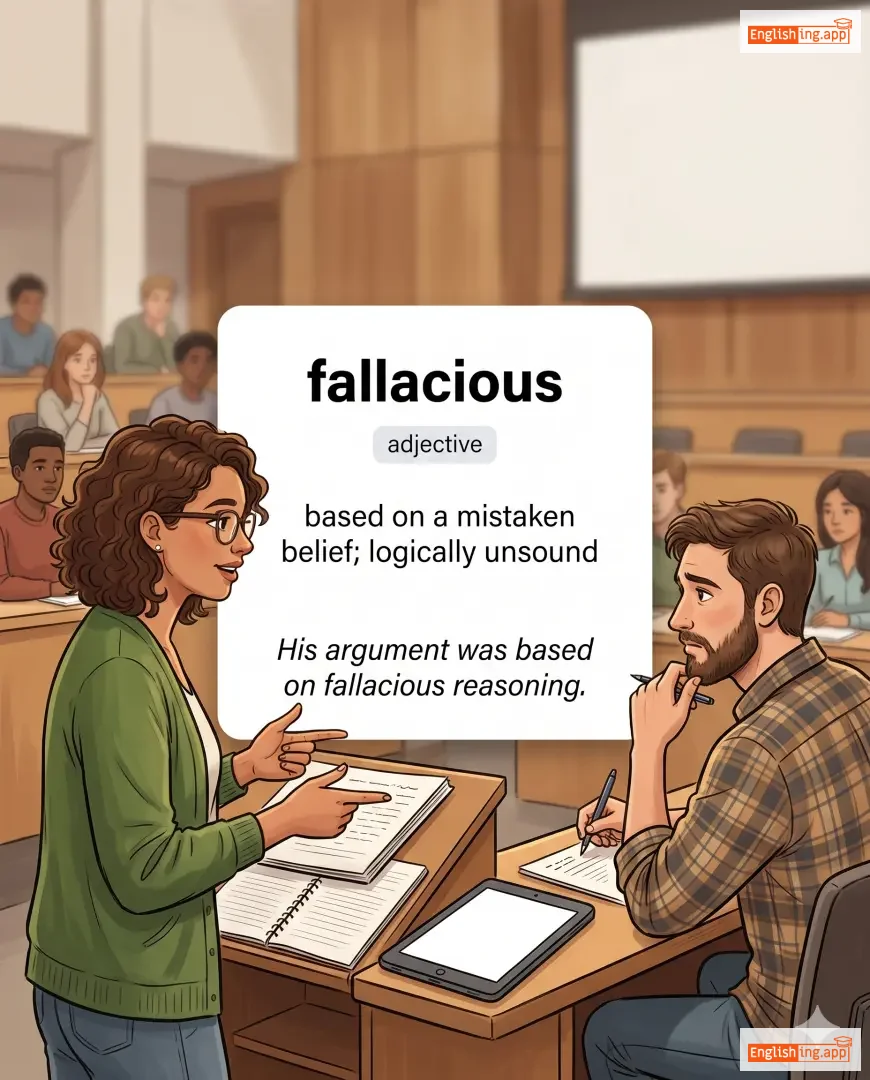
based on a mistaken belief; logically unsound
••••••
|
His argument was based on fallacious reasoning. |
他的论点建立在虚假的推理上。
Tā de lùndiǎn jiànlì zài xūjiǎ de tuīlǐ shàng.
••••••
|
- •••••• | - •••••• | - •••••• |
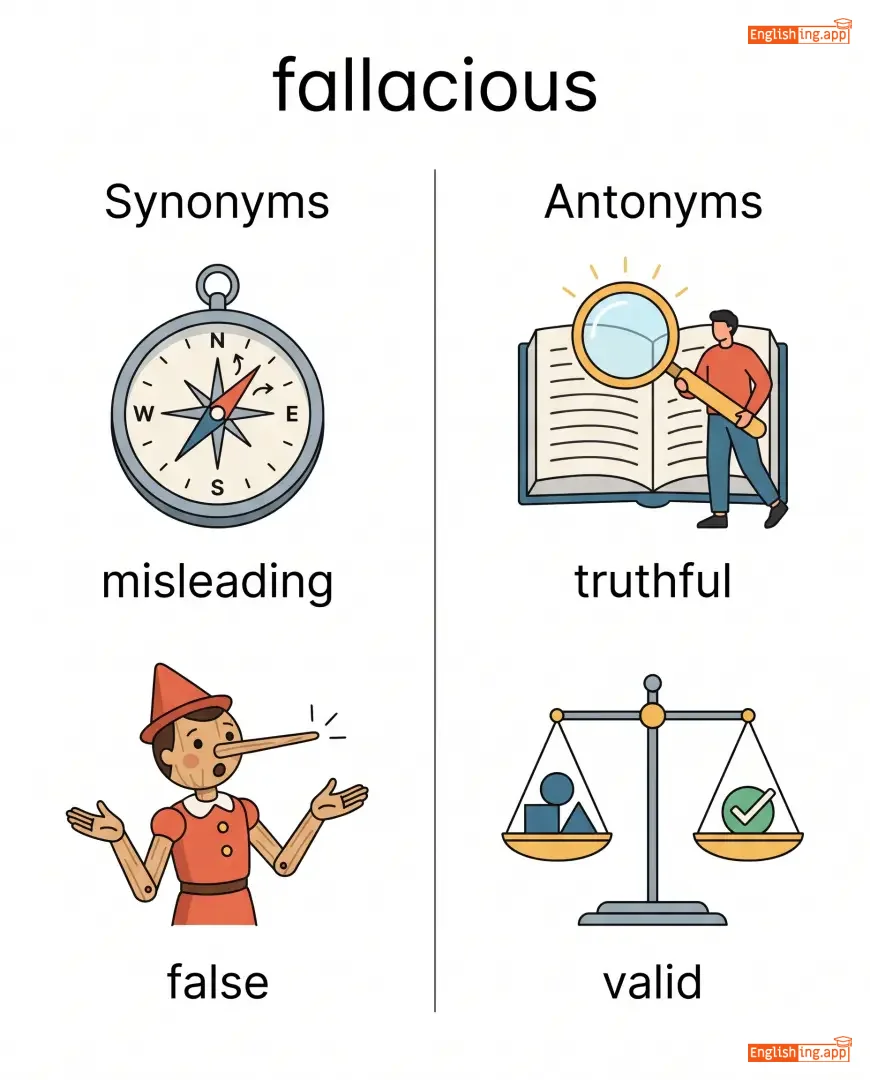
misleading, false, erroneous, deceptive
••••••
|
truthful, valid, sound
••••••
|
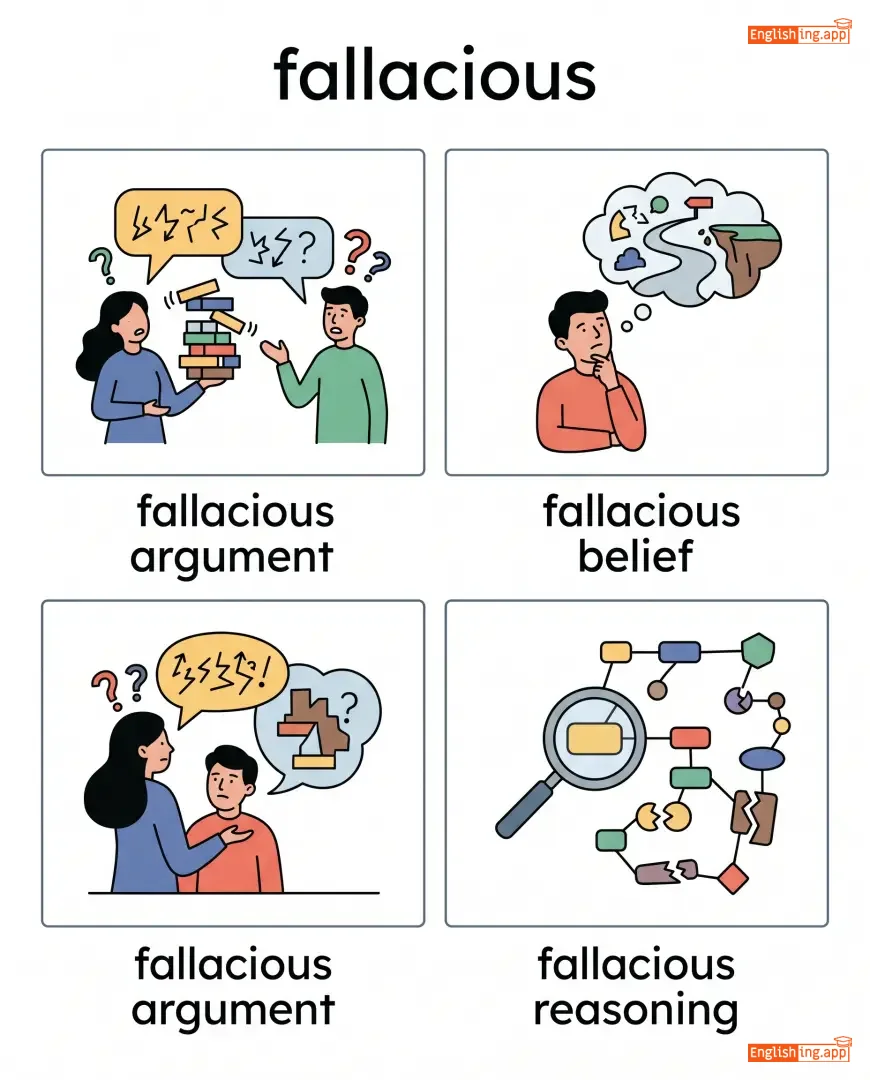
fallacious argument, fallacious belief, fallacious reasoning
••••••
|
Fallacious = 错误的信念 + 逻辑不成立
••••••
|
|
#136
🤪
|
/ˈfætʃuəs/
adjective
(法图厄斯)
••••••
|
|
愚蠢
yúchǔn
••••••
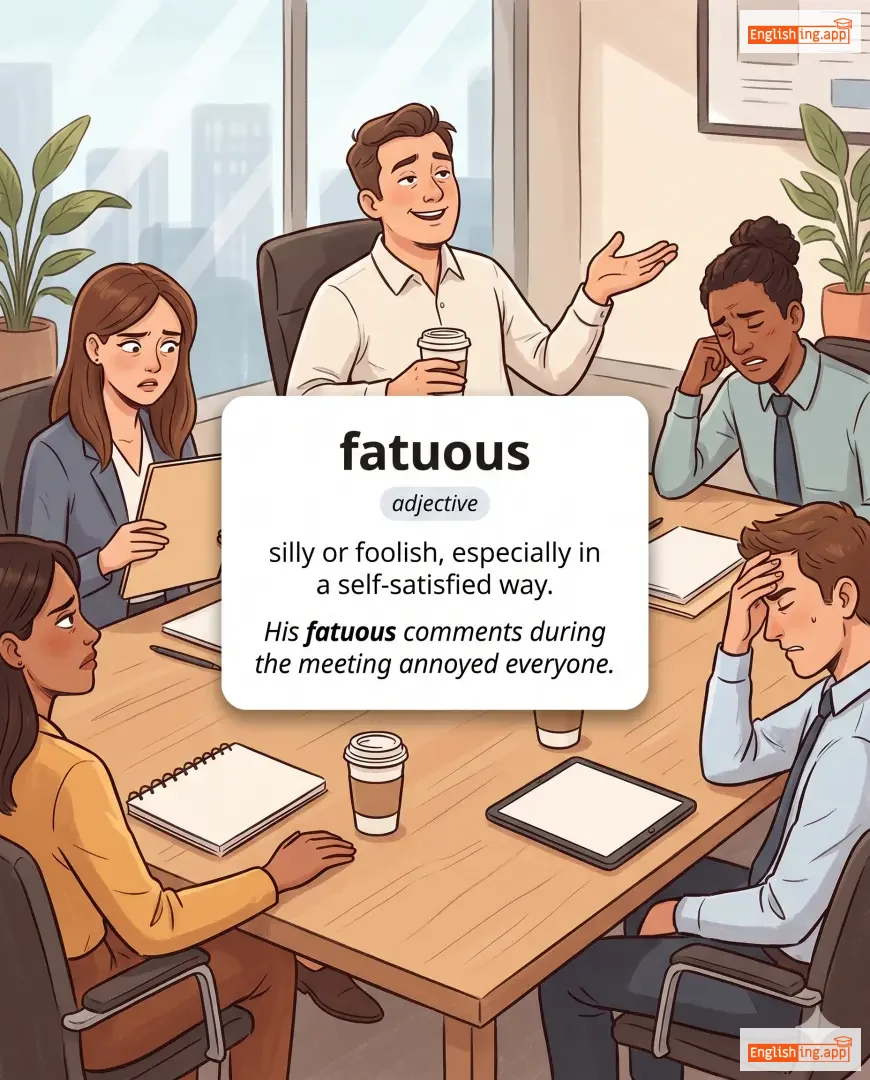
|
- •••••• | - •••••• | - •••••• | - •••••• |
silly or foolish, especially in a self-satisfied way
••••••
|
His fatuous comments during the meeting annoyed everyone. |
他在会议中的愚蠢评论让所有人都感到烦恼。
Tā zài huìyì zhōng de yúchǔn pínglùn ràng suǒyǒu rén dōu gǎndào fánnǎo.
••••••
|
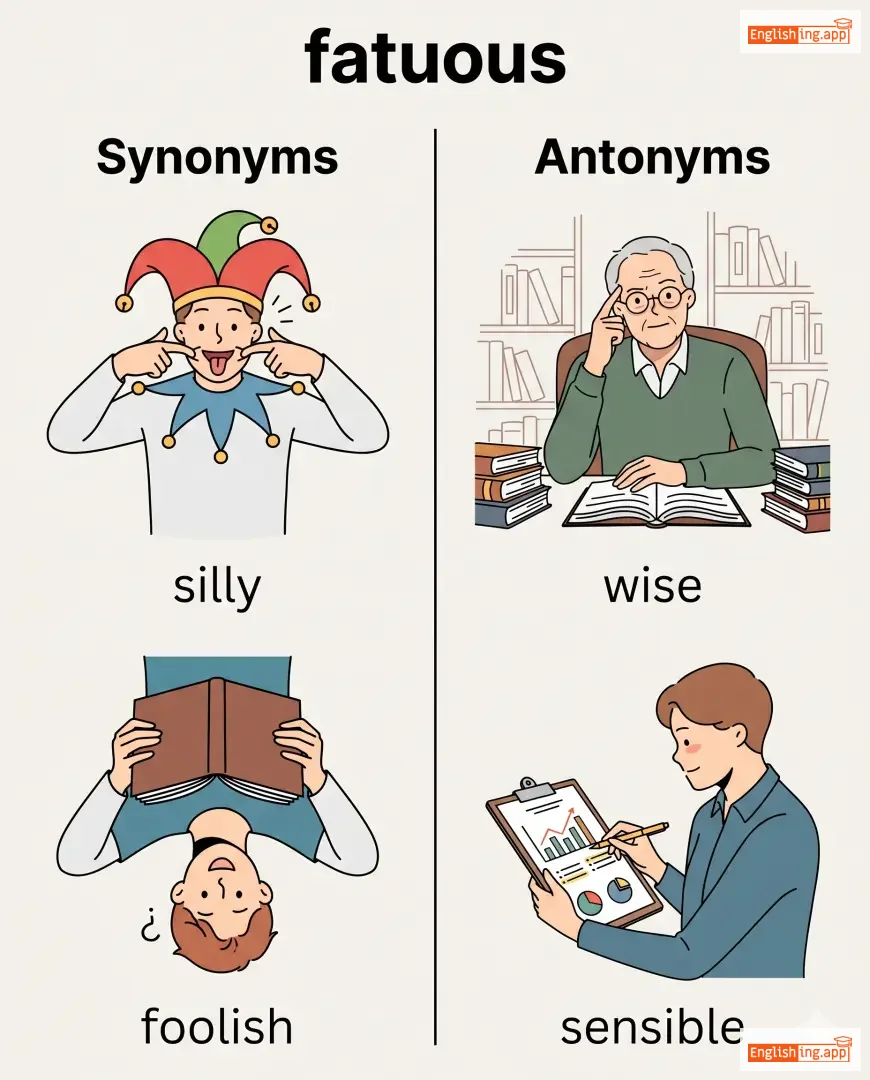
- •••••• | - •••••• | - •••••• |
silly, foolish, inane, absurd
••••••
|
wise, sensible, intelligent
••••••
|
fatuous remark, fatuous grin, fatuous behavior
••••••
|
Fatuous是一个自满的傻瓜,大家都知道他是愚蠢的。
••••••
|
|
#137
🙇
|
/ˈfɔːnɪŋ/
adjective
(fōníng)
••••••
|
|
过分的恭维
guòfèn de gōngwéi
••••••
|
- •••••• | - •••••• | - •••••• | - •••••• |
displaying exaggerated flattery or affection
••••••
|
Her fawning compliments made everyone uncomfortable. |
她过分的恭维让每个人都感到不自在。
Tā guòfèn de gōngwéi ràng měi gèrén dōu gǎndào bù zìzài.
••••••
|
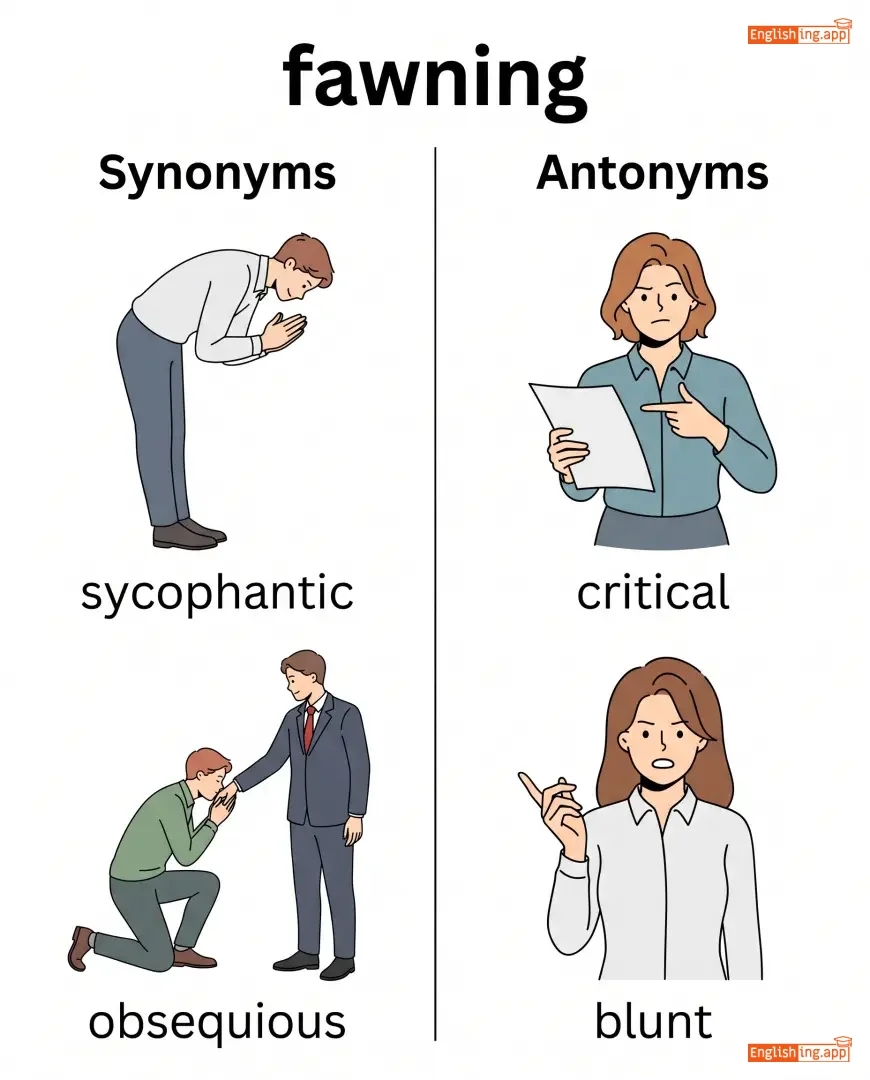
- •••••• | - •••••• | - •••••• |
sycophantic, obsequious, flattering, ingratiating
••••••
|
critical, blunt
••••••
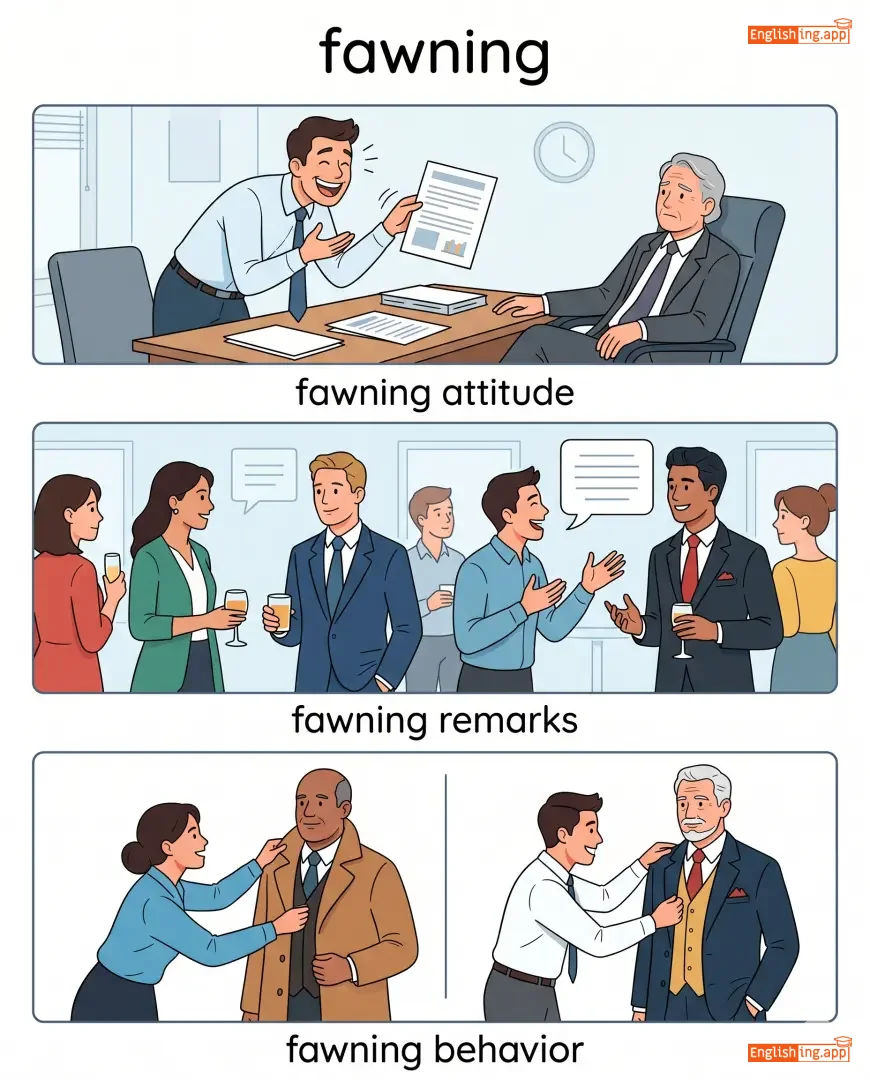
|
fawning attitude, fawning remarks, fawning behavior
••••••
|
Fawning = Flattering indefinitely makes it fawning
••••••
|
|
#138
😊
|
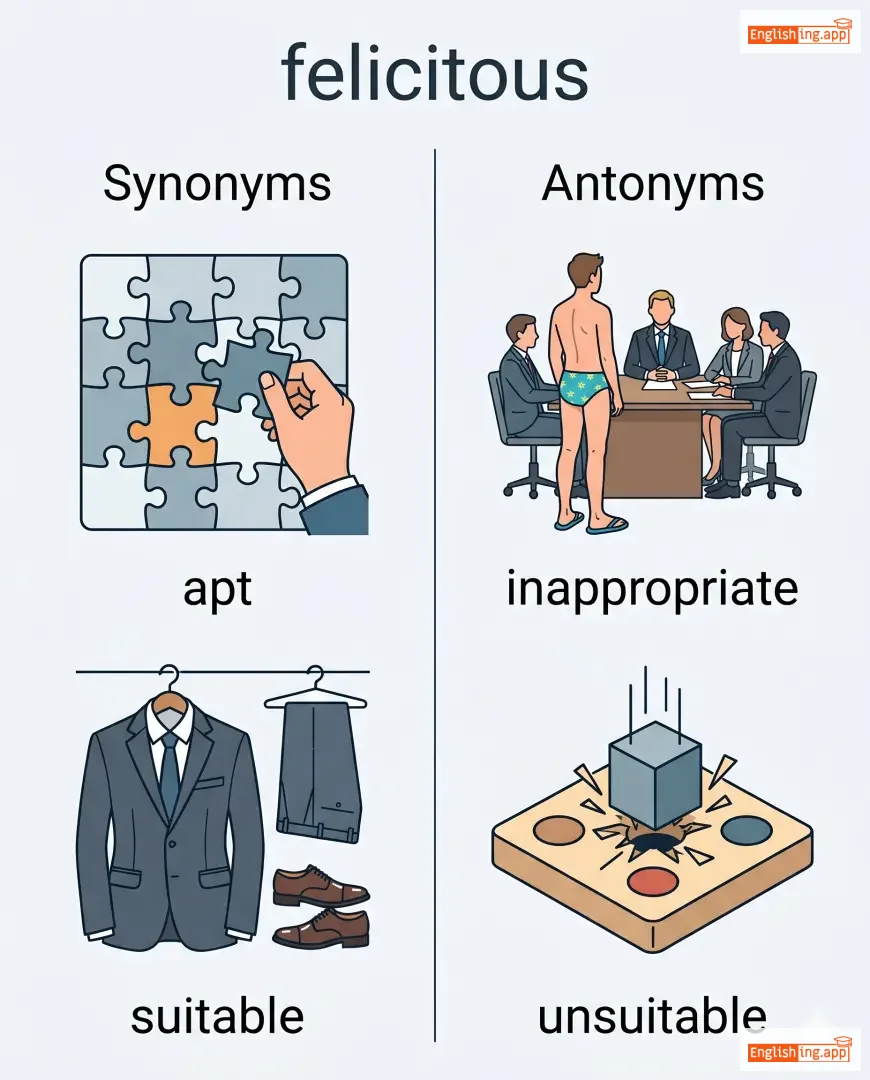
/fəˈlɪsɪtəs/
adjective
(费利西图斯)
••••••
|
|
恰当的, 合适的或令人愉快的; 由好运或幸福标志
qiàdàng de, héshì de huò lìng rén yúkuài de; yóu hǎo yùn huò xìngfú biāozhì
••••••
|
- •••••• | - •••••• | - •••••• | - •••••• |
well-chosen, appropriate, or pleasing; marked by good fortune or happiness
••••••
|
She made a felicitous remark that lightened the mood. |
她做了一个恰到好处的评论,使气氛轻松了。
Tā zuòle yīgè qià dào hǎo chù de pínglùn, shǐ qìfēn qīngsōng le.
••••••
|
- •••••• | - •••••• | - •••••• |
apt, suitable, appropriate, fortunate
••••••
|
inappropriate, unsuitable
••••••
|
felicitous remark, felicitous timing, felicitous choice
••••••
|
FELICitous = FELICity, 适当的评论,带来愉悦。
••••••
|
|
#139
🔥
|
/ˈfɜːrvər/
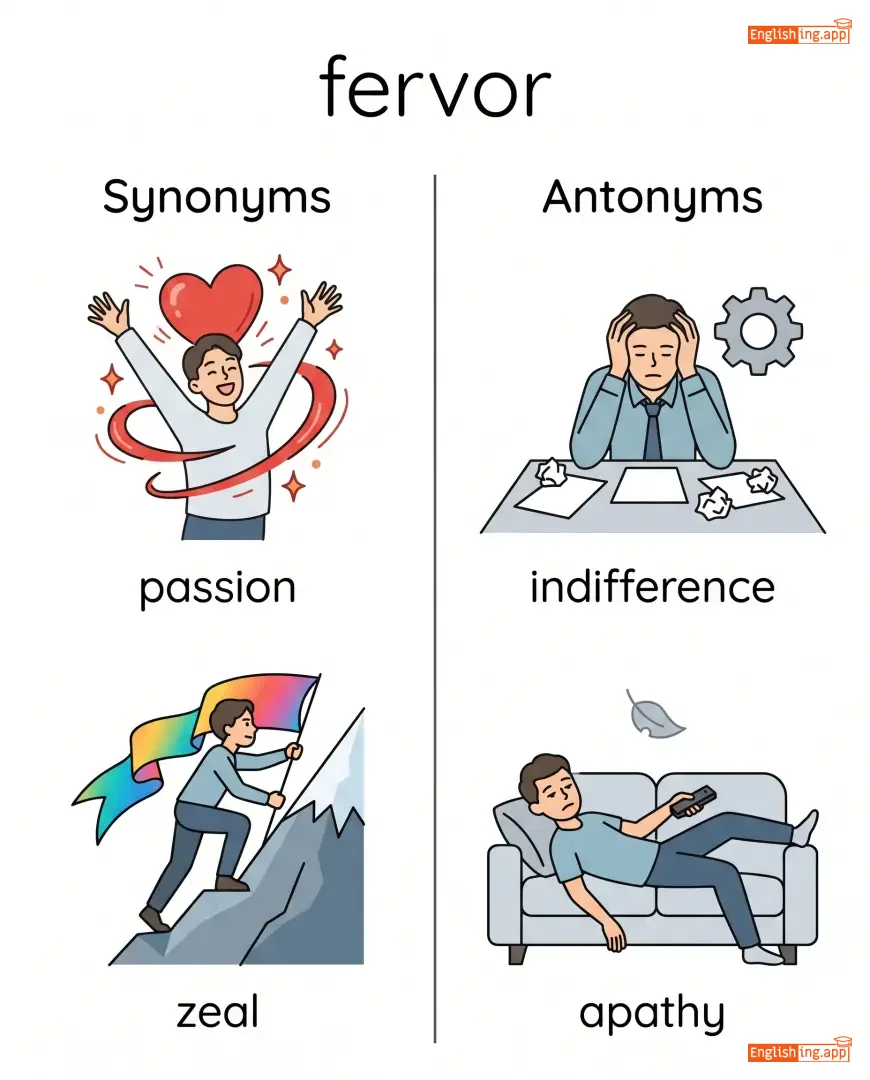
noun
(fervor)
••••••
|
|
热情, 激情
reqing, jiqing
••••••
|
- •••••• | - •••••• | - •••••• | - •••••• |
intense and passionate feeling
••••••
|
She spoke with great fervor about the importance of education.
她以极大的热情谈论教育的重要性。
••••••
|
她以极大的热情谈论教育的重要性。
Ta yi jida de reqing tanlun jiaoyu de zhongyao xing.
••••••
|
- •••••• | - •••••• | - •••••• |
passion, zeal, enthusiasm, ardor
••••••
|
indifference, apathy
••••••
|
fervor for, religious fervor, political fervor
••••••
|
Fervor 就像火 - 总是充满激情和能量
••••••
|
|
#140
🚩
|
/flæɡ/
noun, verb
••••••
|
|
- •••••• |
flagged
••••••
|
flagged
••••••
|
flags
••••••
|
flagging
••••••
|
a piece of fabric with a symbol or colors; or to mark or signal attention
••••••
|
They raised the national flag during the ceremony. |
- •••••• |
red flag |
a warning sign or indication of danger
••••••
|
- •••••• |
banner, ensign, signal, mark
••••••
|
ignore, conceal
••••••
|
raise a flag, flag down, flag as important, flag a message
••••••
|
No •••••• |
|
#141
🌱
|
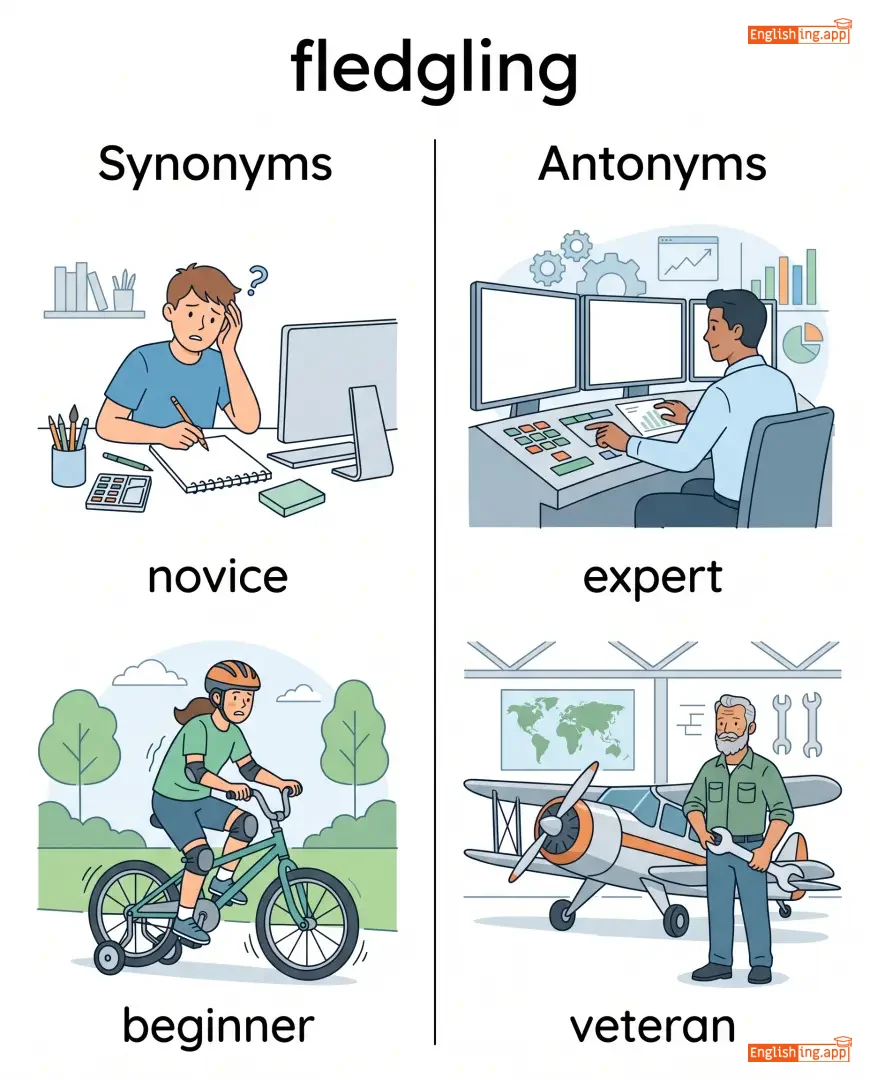
/ˈflɛdʒlɪŋ/
noun/adjective
(弗雷德林)
••••••
|
|
新手
xīnshǒu
••••••
|
- •••••• | - •••••• | - •••••• | - •••••• |
A young bird just learning to fly; also used for a person or organization that is inexperienced or new.
••••••
|
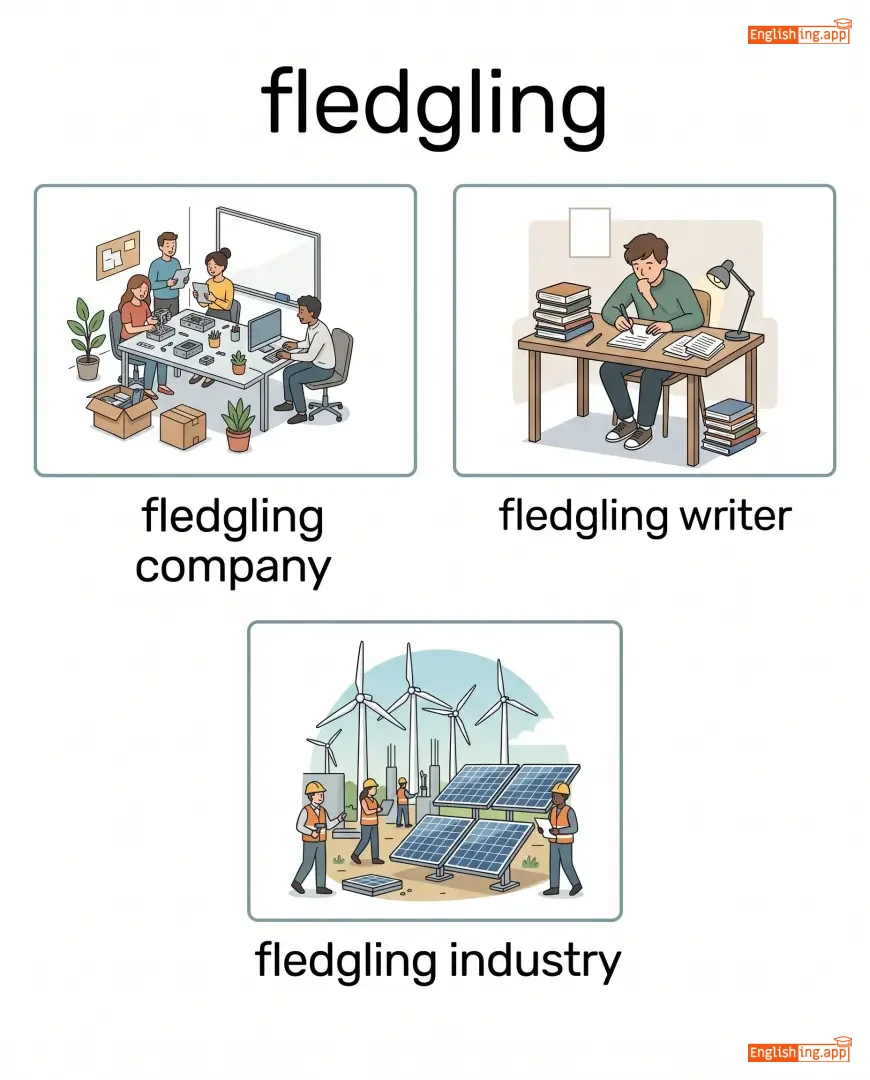
The fledgling company is growing rapidly despite challenges. |
这家新兴公司尽管面临挑战,仍在快速增长。
Zhe jia xinxing gongsi jin guan mianlin tiaozhan, reng zai kuaisu zengzhang.
••••••
|
- •••••• | - •••••• | - •••••• |
novice, beginner, rookie, apprentice
••••••
|
expert, veteran
••••••
|
fledgling company, fledgling writer, fledgling industry
••••••
|
FLEDGLING 意味着新手 — 就像一只学飞的鸟或一个新公司。
••••••
|
|
#142
🚫
|
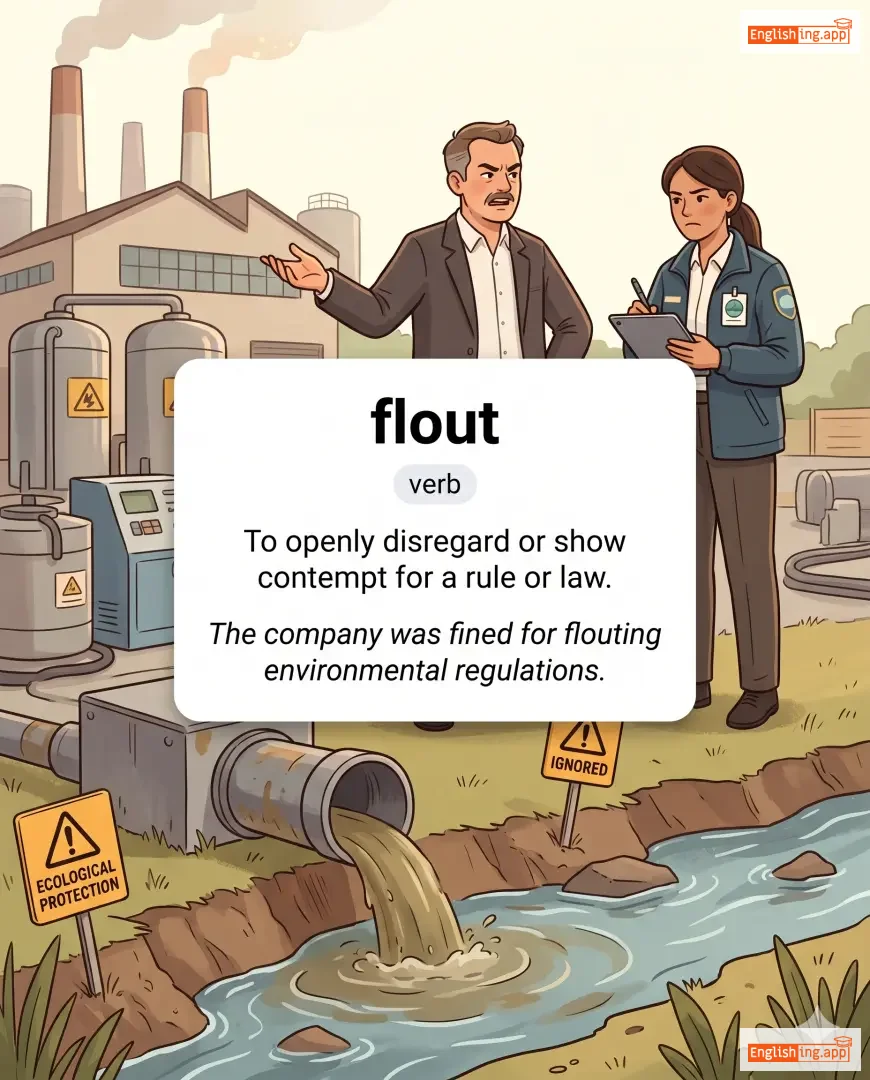
/flaʊt/
verb
(弗劳特)
••••••
|
|
蔑视
mièshì
••••••
|
flouted
弗劳特德
••••••
|
flouted
弗劳特德
••••••
|
flouts
弗劳特斯
••••••
|
flouting
弗劳廷
••••••
|
To openly disregard or show contempt for a rule or law.
••••••
|
The company was fined for flouting environmental regulations.
该公司因违反环保规定而被罚款。
••••••
|
该公司因违反环保规定而被罚款。
Gāi gōngsī yīn wéifǎn huánbǎo guīdìng ér bèi fákuǎn.
••••••
|
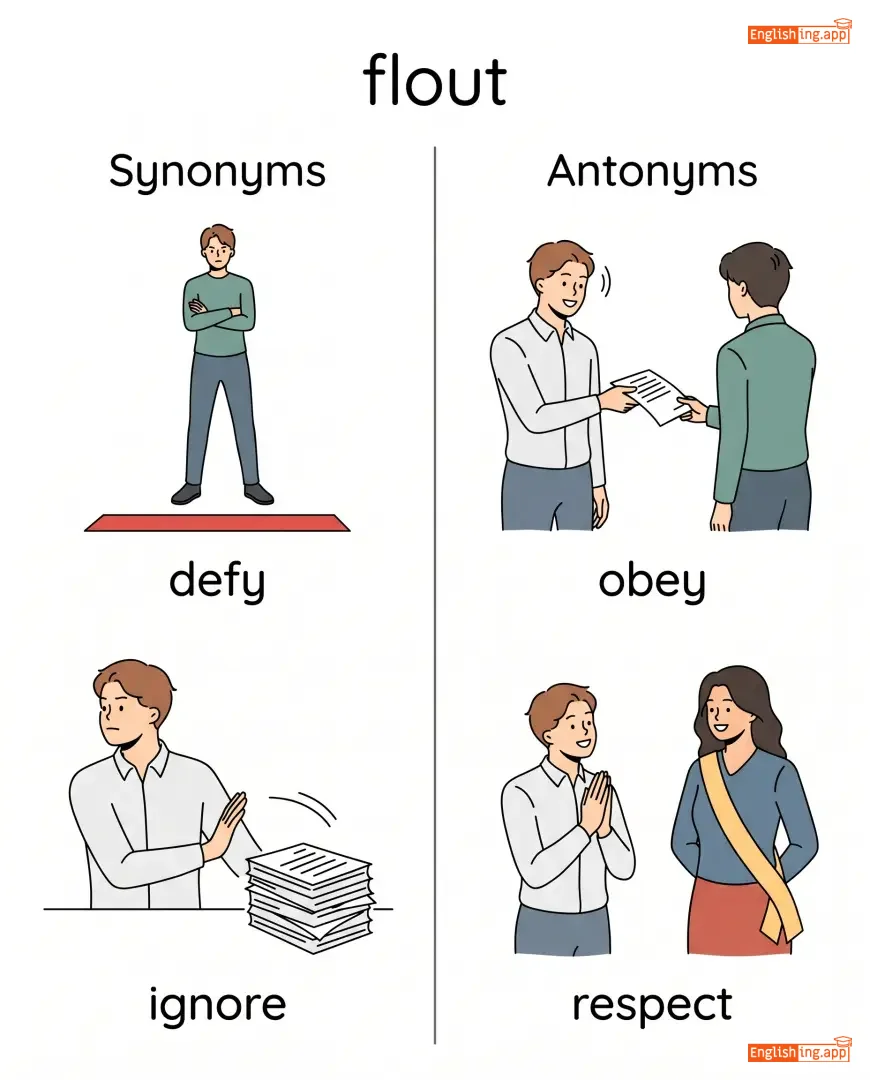
- •••••• | - •••••• | - •••••• |
defy, ignore, disregard, mock, violate
••••••
|
obey, respect, follow
••••••
|
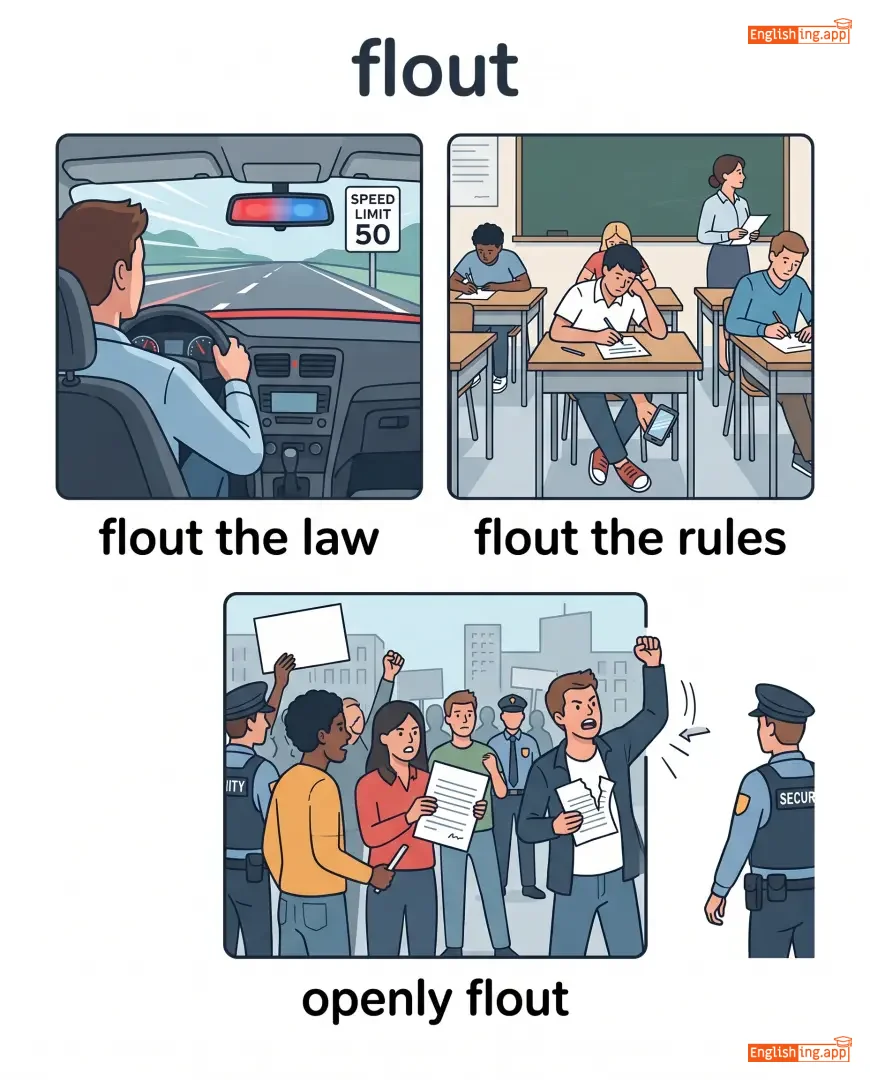
flout the law, flout the rules, openly flout
••••••
|
Flout 是不遵守规则,像是 'Flout' 后面给人惩罚。
••••••
|
|
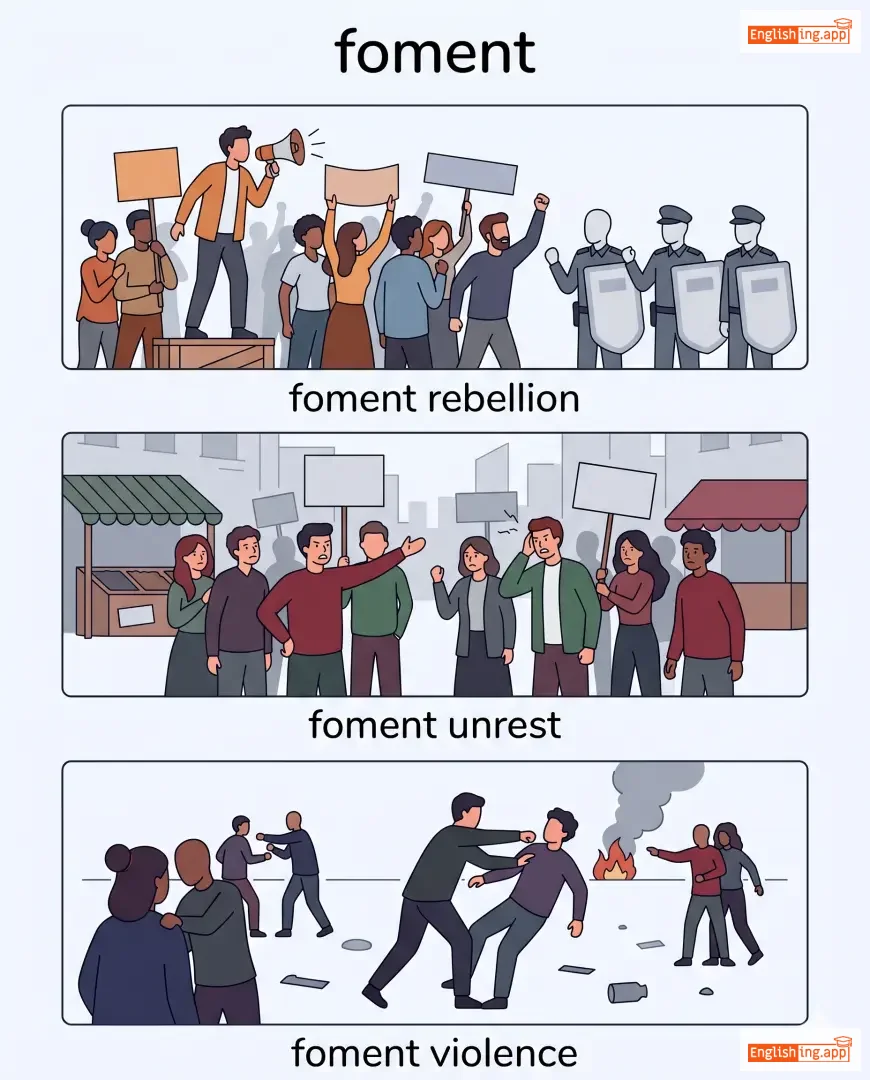
#143
🔥
|
/foʊˈmɛnt/
verb
(fóˈmɛnt)
••••••
|
|
煽动
shāndòng
••••••
|
fomented
fóˈmɛntɪd
••••••
|
fomented
fóˈmɛntɪd
••••••
|
foments
fóˈmɛnts
••••••
|
fomenting
fóˈmɛntɪng
••••••
|
To instigate or stir up (an undesirable or violent sentiment or course of action).
••••••
|
The rebel leader tried to foment unrest among the people.
叛乱领袖试图在人民中煽动骚乱。
••••••
|
叛乱领袖试图在人民中煽动骚乱。
Pànluàn lǐngxiù shìtú zài rénmín zhōng shāndòng sāoluàn.
••••••
|
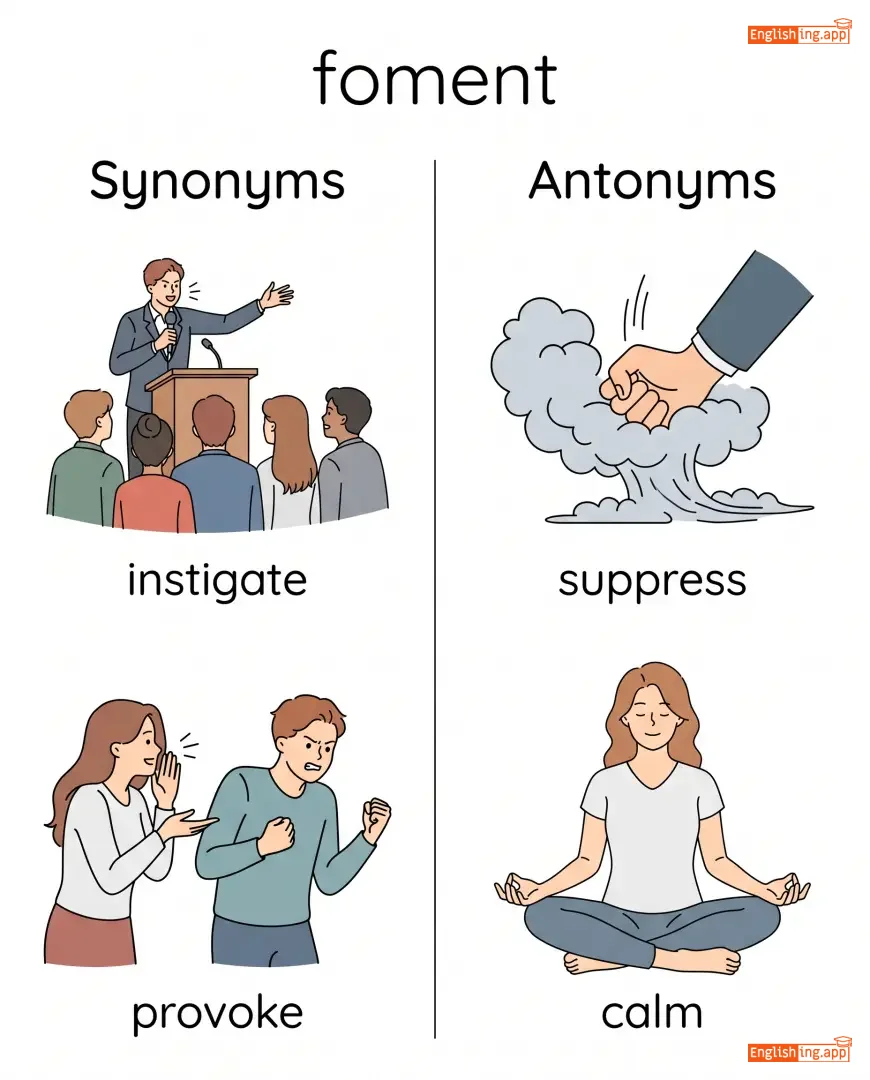
- •••••• | - •••••• | - •••••• |
instigate, provoke, incite, agitate, encourage
••••••
|
suppress, calm, pacify
••••••
|
foment rebellion, foment unrest, foment violence, foment discontent
••••••
|
煽动 - 点燃火焰 - 激起骚乱 🔥
••••••
|
|
#144
🛡️
|
/fɔrˈstɔl/
verb
(福尔斯托尔)
••••••
|
|
提前预防
tiānqíng yùfáng
••••••
|
forestalled
福尔斯托尔德
••••••
|
forestalled
福尔斯托尔德
••••••
|
forestalls
福尔斯托尔斯
••••••
|
forestalling
福尔斯托尔林
••••••
|
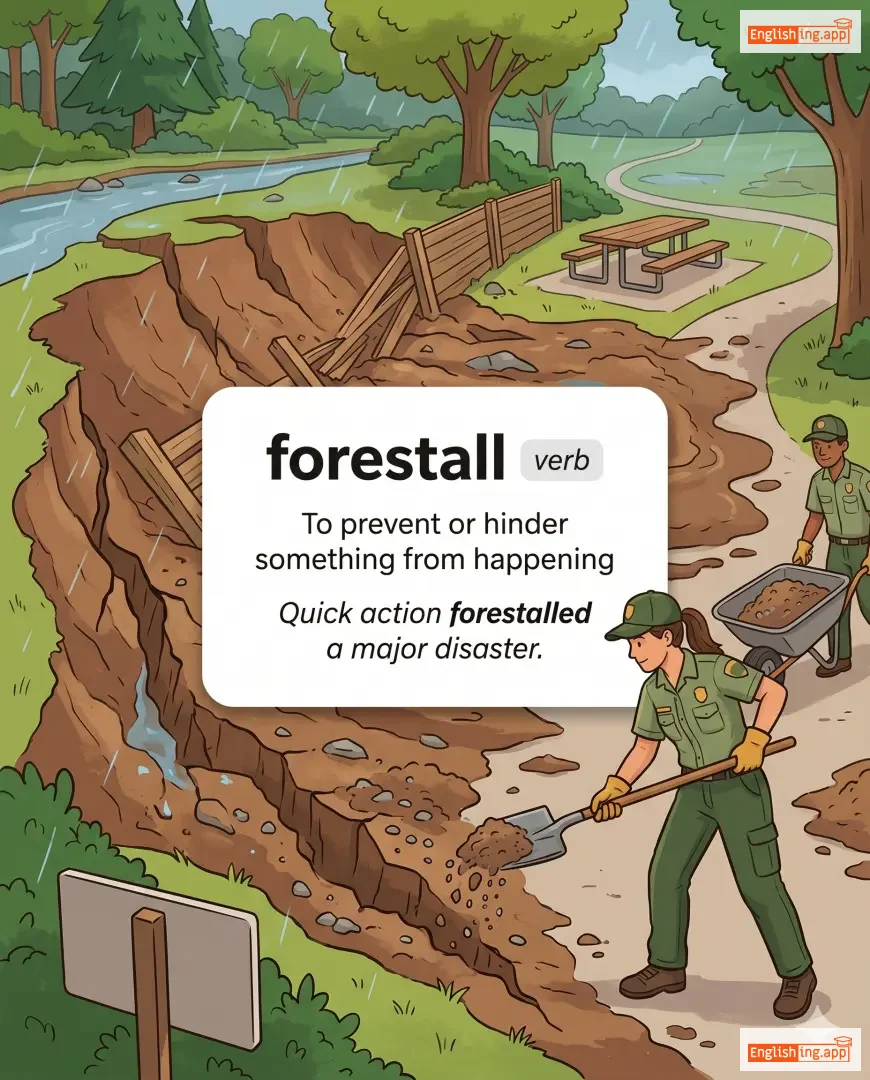
to prevent by acting in advance; to anticipate and counter
••••••
|
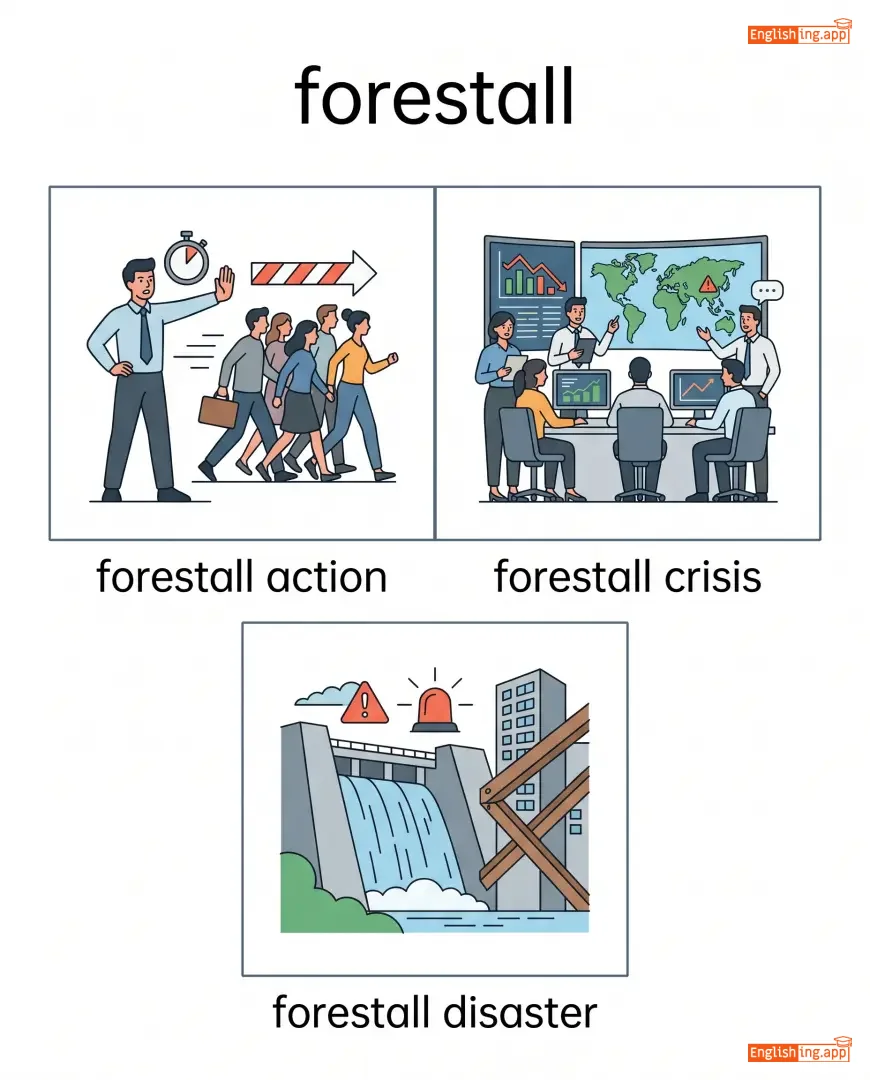
They forestalled the crisis by taking immediate action.
他们通过立即行动避免了危机。
••••••
|
他们通过立即行动避免了危机。
Tāmen tōngguò lìjí xíngdòng bìmiǎnle wéijī.
••••••
|
- •••••• | - •••••• | - •••••• |
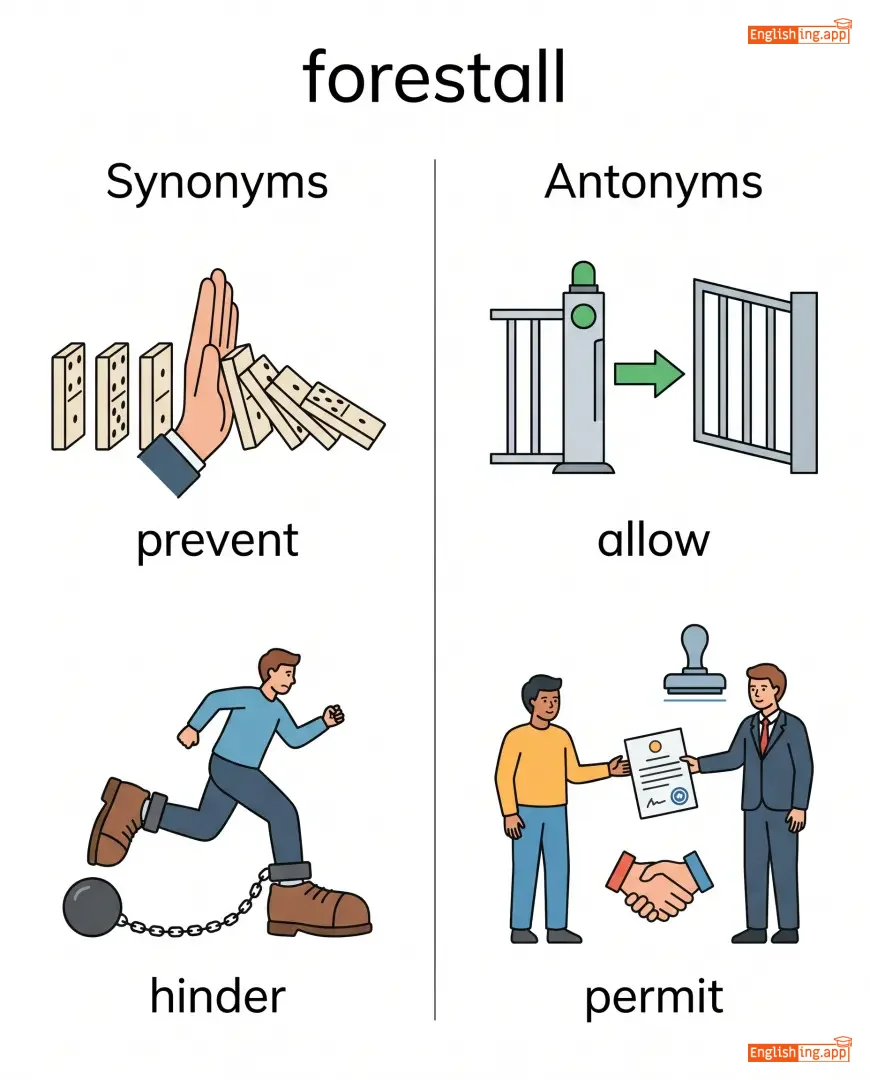
prevent, anticipate, preclude, avert
••••••
|
allow, permit, enable
••••••
|
forestall problems, forestall disaster, forestall criticism, forestall action
••••••
|
Forestall = 事先采取行动避免问题。
••••••
|
|
#145
💰
|
/fruːˈɡæl.ə.ti/
noun
(节俭)
••••••
|
|
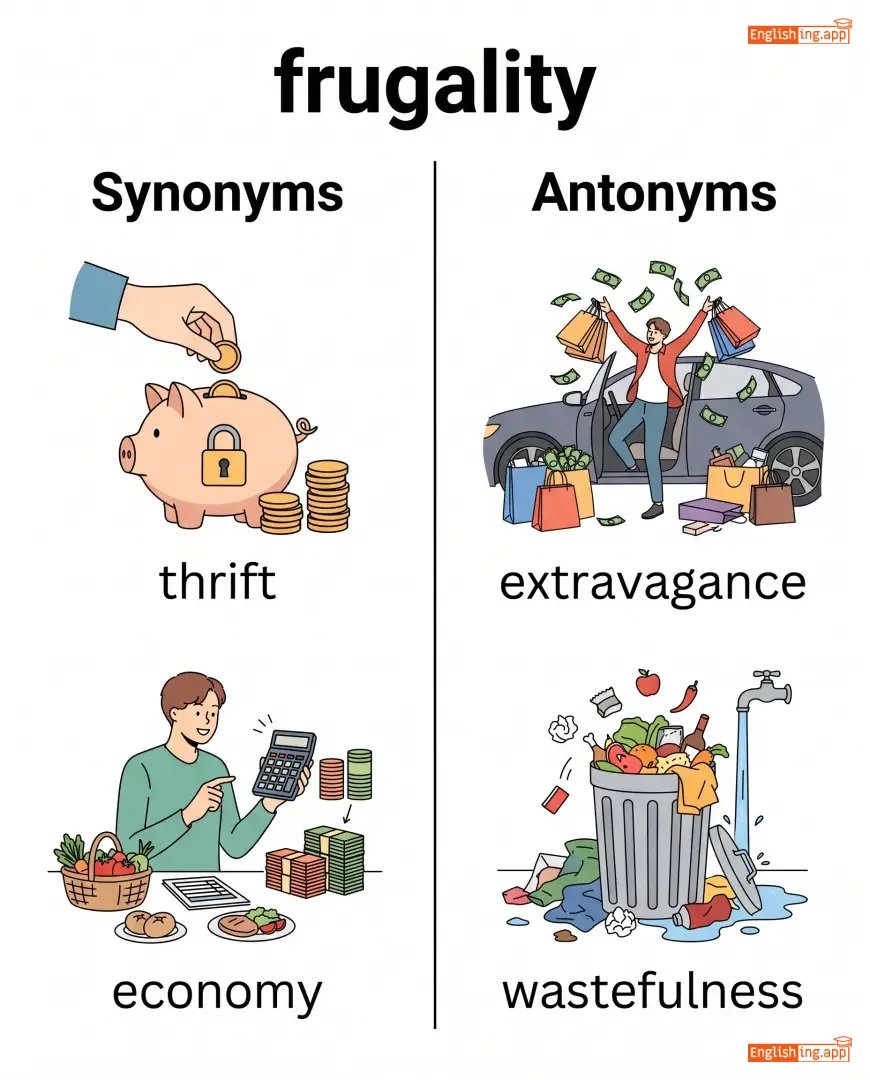
节俭
jiejian
••••••
|
- •••••• | - •••••• | - •••••• | - •••••• |
the quality of being economical in use or expenditure; not wasteful
••••••
|
His frugality during his youth allowed him to save enough money for retirement. |
他年轻时的节俭使他能够为退休储蓄足够的钱。
Ta nianqing shi de jiejian shi ta nenggou wei tuixiu chuxu zhu gou de qian.
••••••
|
- •••••• | - •••••• | - •••••• |
thrift, economy, prudence, saving
••••••
|
extravagance, waste, lavishness, profligacy
••••••
|
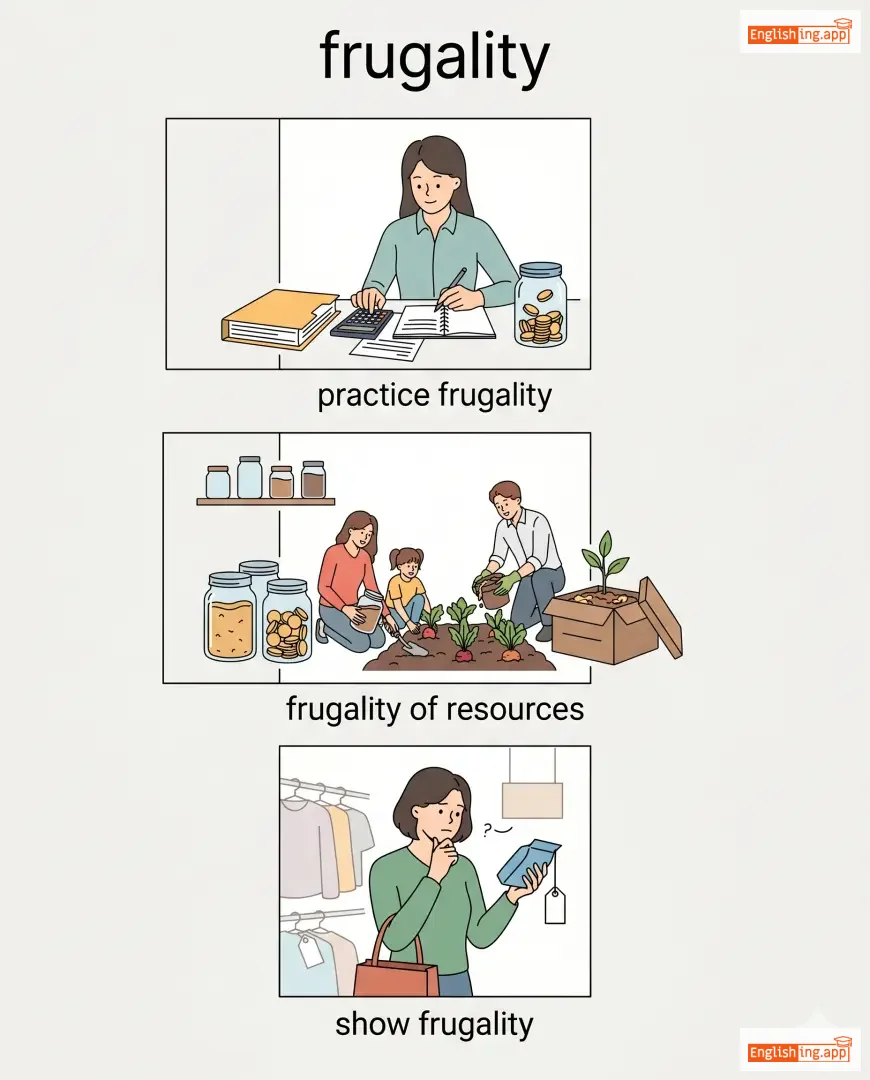
practice frugality, strict frugality, admirable frugality
••••••
|
节俭是将未来的财富储蓄到今天,确保明天的安稳。
••••••
|
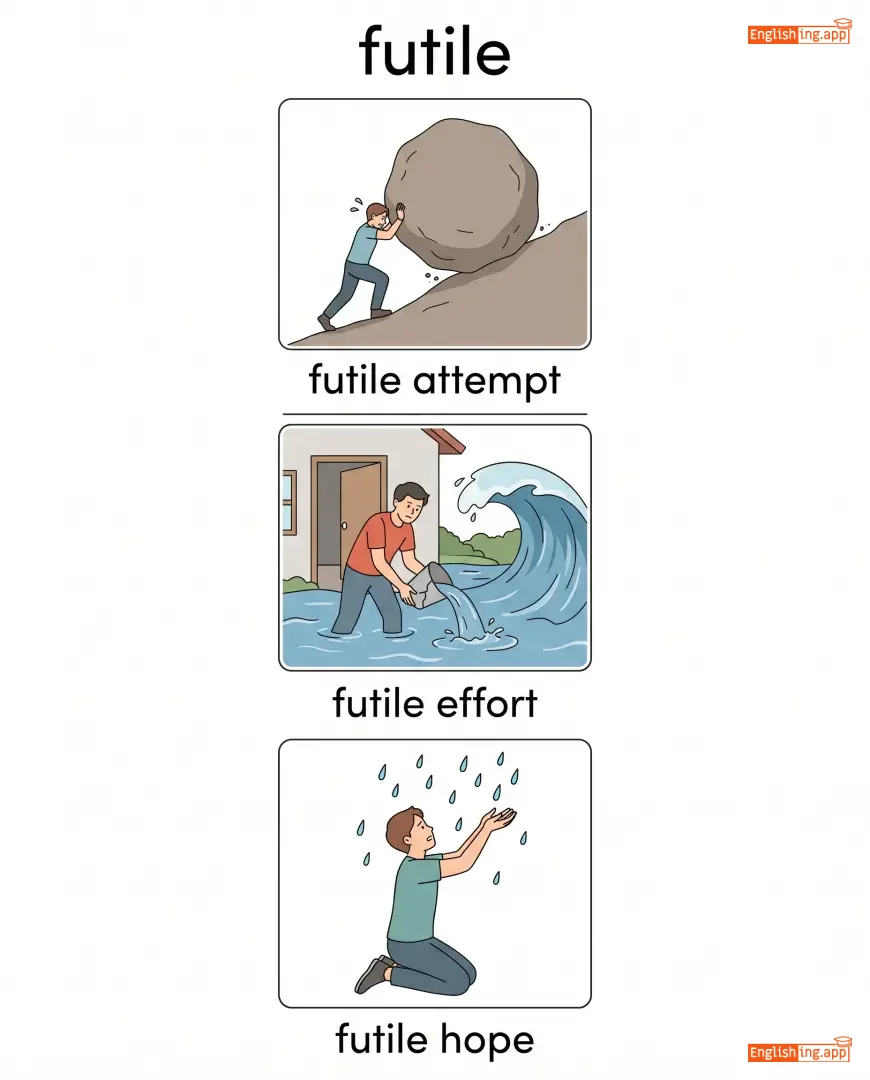
|
#146
🚫
|
/ˈfjuː.taɪl/
adjective
(fùtài'ěr)
••••••
|
|
徒劳
túláo
••••••
|
- •••••• | - •••••• | - •••••• | - •••••• |
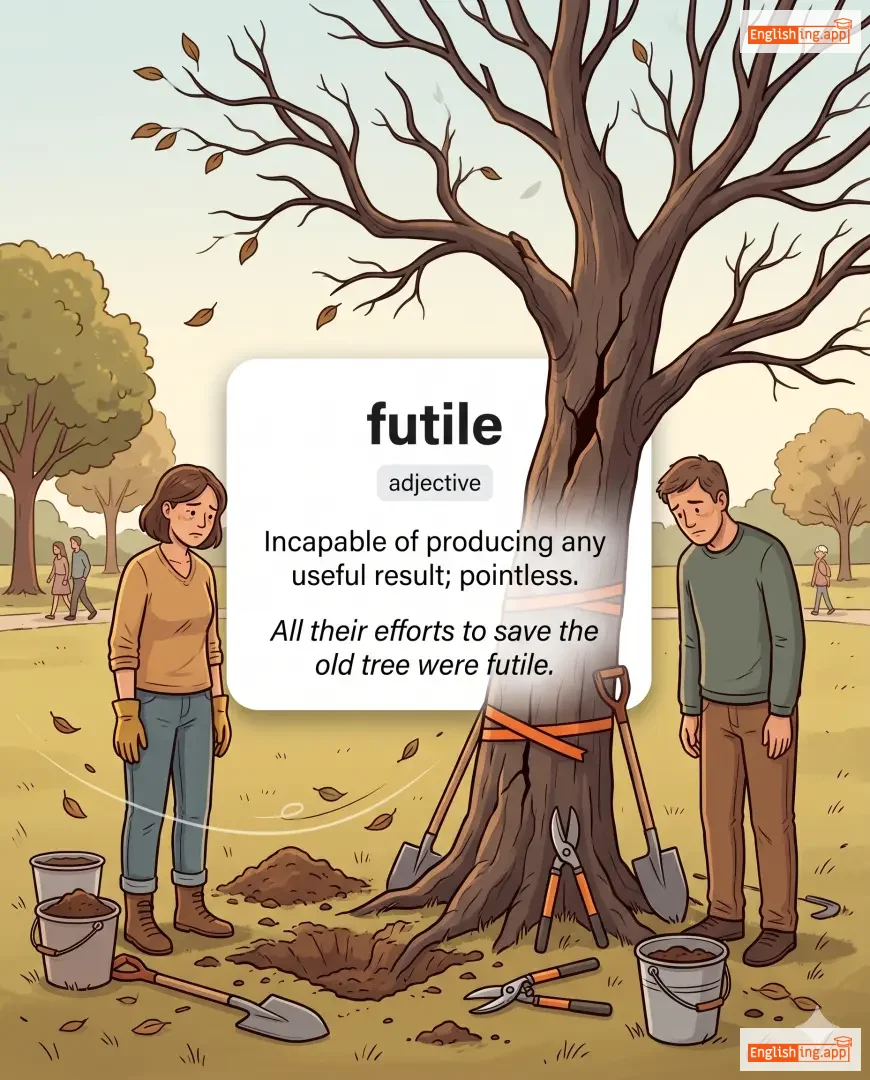
Incapable of producing any useful result; pointless.
••••••
|
All their efforts to save the old tree were futile.
他们所有拯救老树的努力都是徒劳的。
••••••
|
他们所有拯救老树的努力都是徒劳的。
Tāmen suǒyǒu zhěngjiù lǎo shù de nǔlì dōu shì túláo de.
••••••
|
futile attempt
徒劳的尝试
••••••
|
An attempt that has no chance of success.
••••••
|
徒劳的尝试
túláo de chángshì
••••••
|
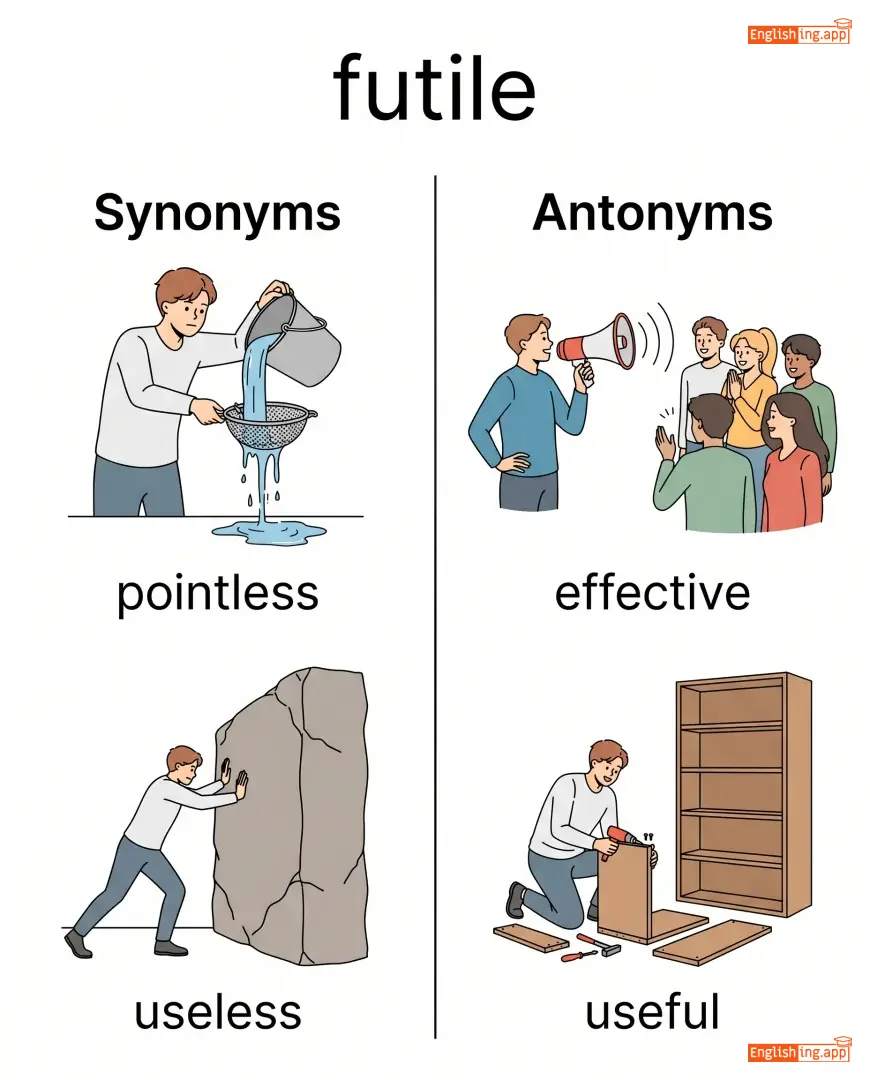
pointless, useless, ineffective, vain, fruitless
••••••
|
effective, useful, successful
••••••
|
futile attempt, futile effort, futile hope, seem futile
••••••
|
Futile 在中文中是徒劳的: 徒劳的尝试没有任何意义。
••••••
|
|
#147
🙅
|
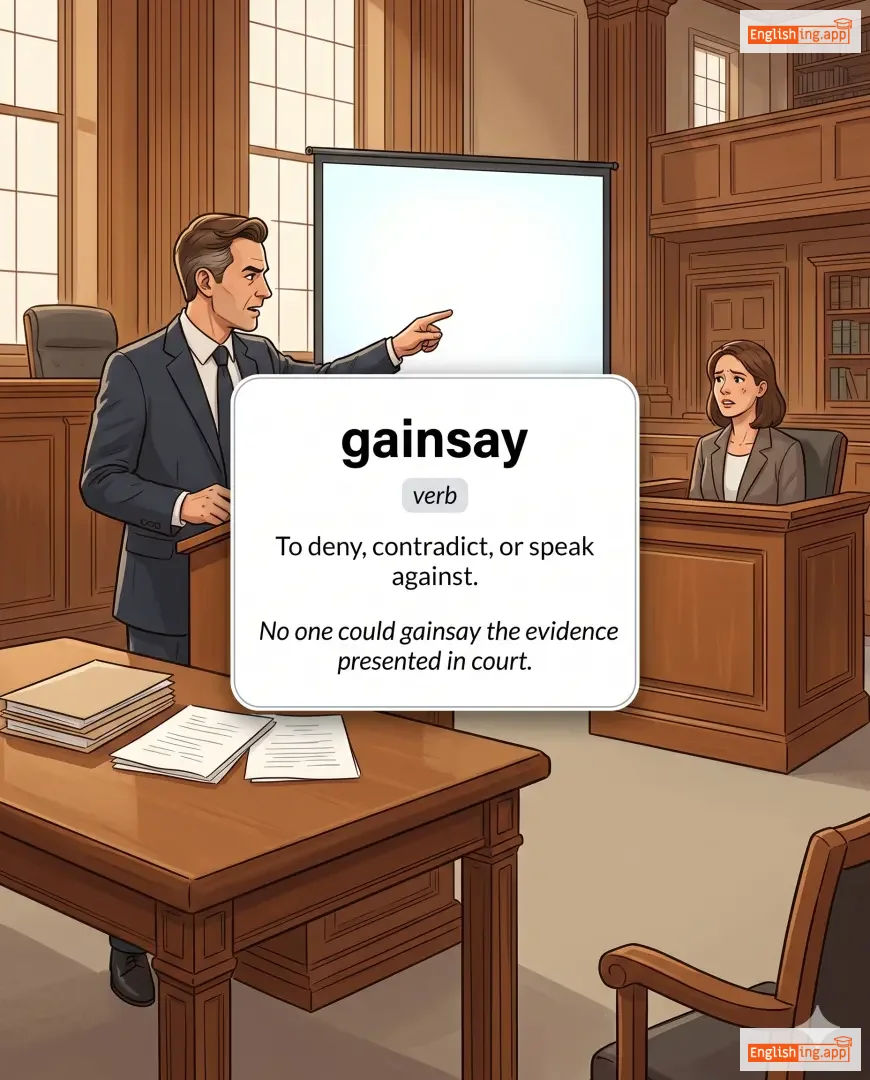
/ˌɡeɪnˈseɪ/
verb
(gein sei)
••••••
|
|
反驳
fanbo
••••••
|
gainsaid
gein seid
••••••
|
gainsaid
gein seid
••••••
|
gainsays
gein ses
••••••
|
gainsaying
gein seing
••••••
|
To deny, contradict, or speak against.
••••••
|
No one could gainsay the evidence presented in court.
没有人能够反驳法庭上提出的证据。
••••••
|
没有人能够反驳法庭上提出的证据。
Méiyǒu rén nénggòu fǎnbó fǎtíng shàng tíchū de zhèngjù.
••••••
|
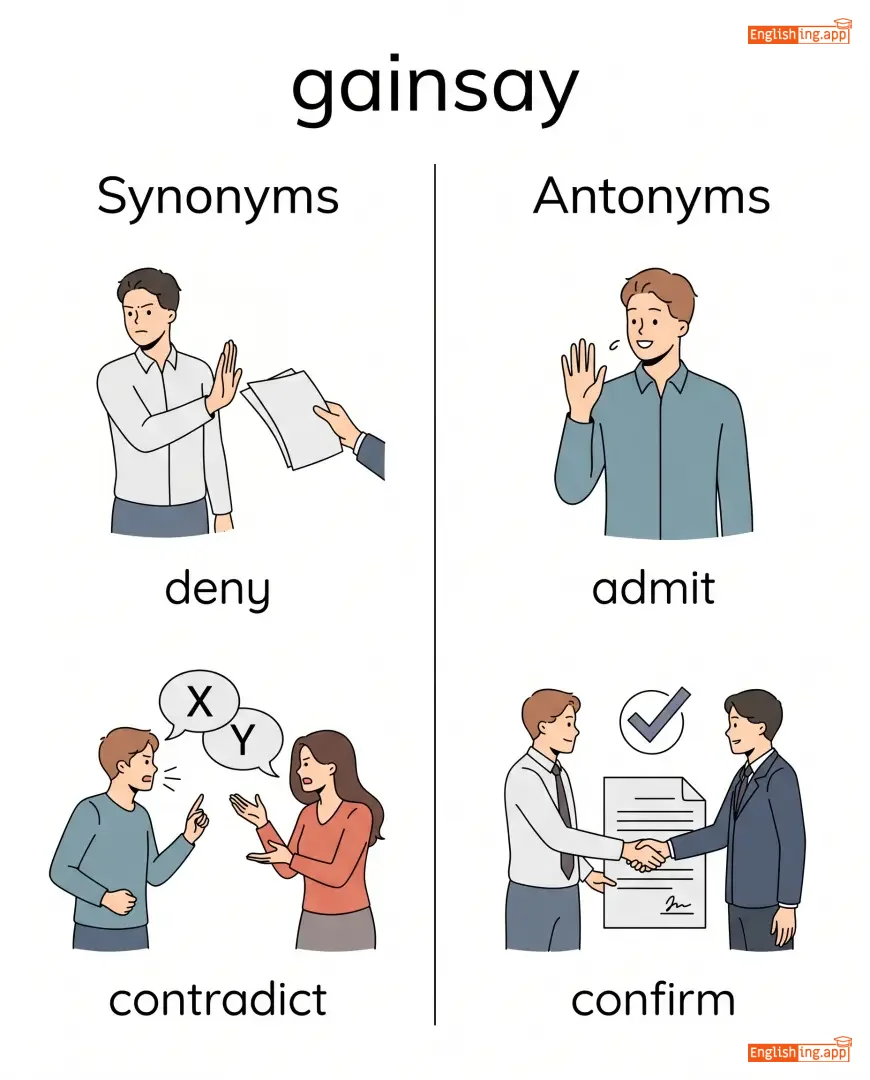
- •••••• | - •••••• | - •••••• |
deny, contradict, oppose, refute
••••••
|
admit, confirm, accept
••••••
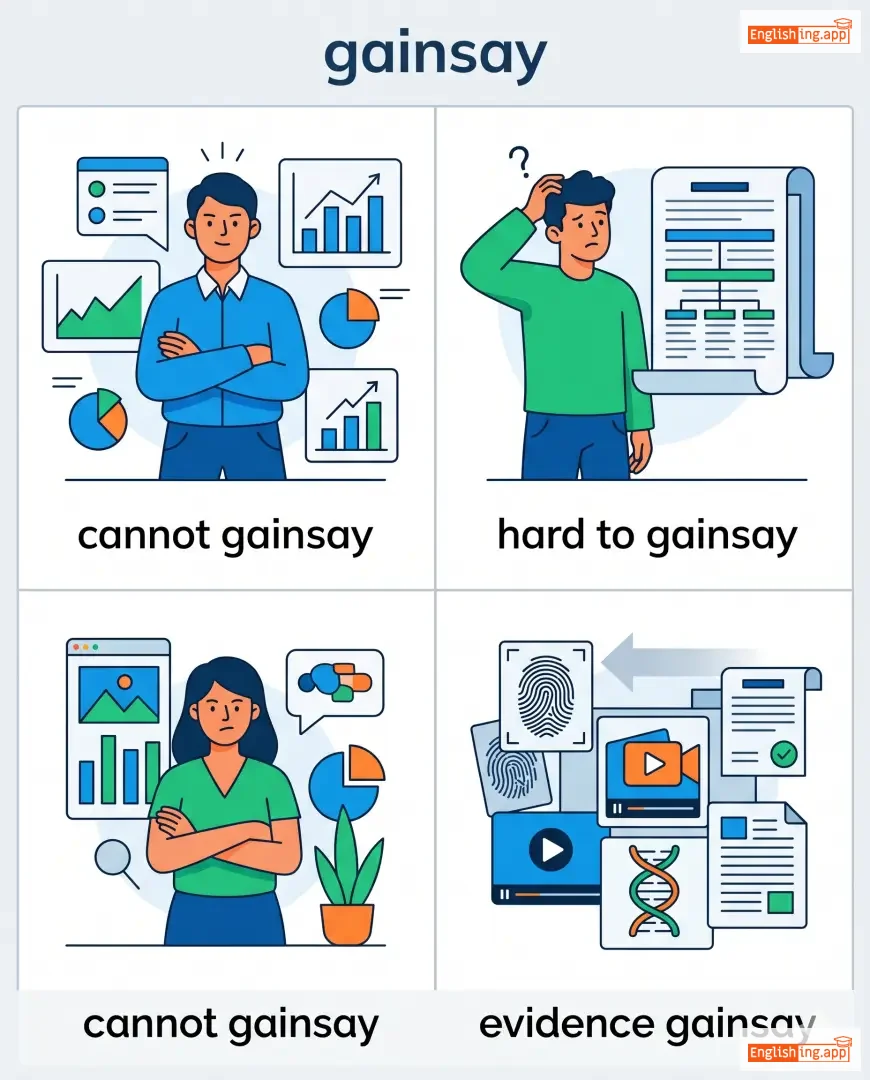
|
cannot gainsay, hard to gainsay, evidence gainsay
••••••
|
Gainsay = Gain (收获) 和 Say (说) – 否定已说的内容。
••••••
|
|
#148
🗣️
|
/ˈɡær.ə.ləs/
adjective
(ɡɑrʊləs)
••••••
|
|
话多的; 健谈的; 喋喋不休的
huà duō de, jiàn tán de, dié dié bù xiū de
••••••
|
- •••••• | - •••••• | - •••••• | - •••••• |
excessively talkative, especially on trivial matters; chatty and rambling in speech
••••••
|
The garrulous old man at the coffee shop would talk for hours about his travels. |
咖啡馆里那个话多的老头,谈了几个小时关于他的旅行。
kāfēi guǎn lǐ nàgè huà duō de lǎo tóu, tán le jǐ gè xiǎo shí guānyú tā de lǚxíng.
••••••
|
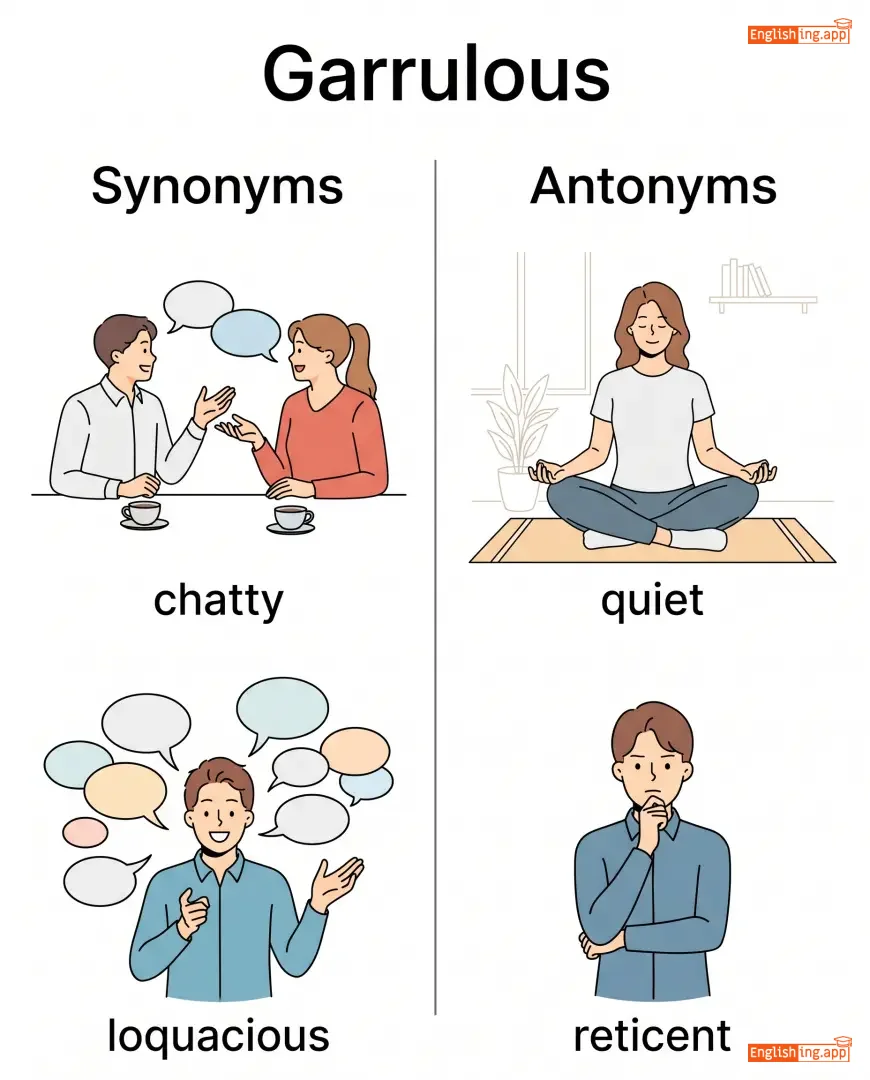
- •••••• | - •••••• | - •••••• |
talkative, chatty, loquacious, verbose
••••••
|
quiet, taciturn, silent, reserved
••••••
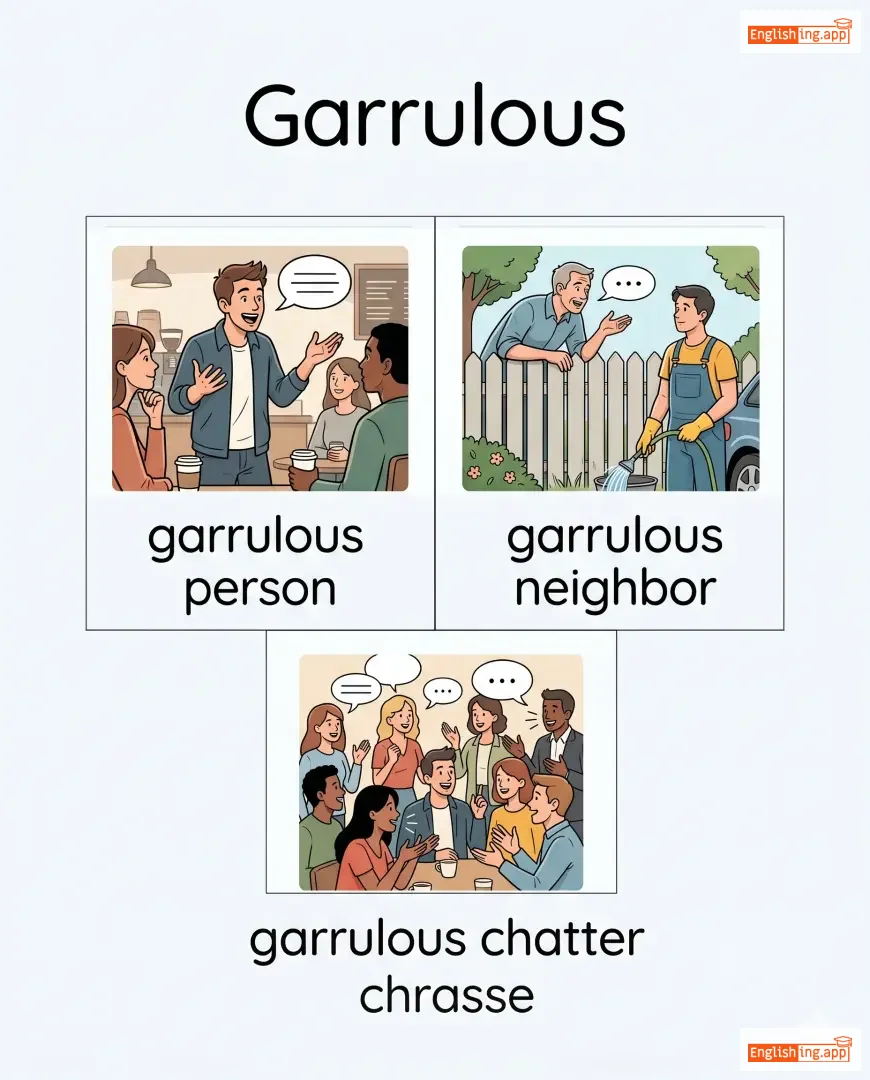
|
garrulous person, garrulous nature, garrulous conversation
••••••
|
Garrulous 描述了那些不停讲述琐事的人,就像那位在咖啡馆里总是谈论旅行的老人。
••••••
|
|
#149
⚡
|
/ɡoʊd/
verb
(戈德)
••••••
|
|
挑衅
tiaoxin
••••••
|
goaded
戈德德
••••••
|
goaded
戈德德
••••••
|
goads
戈德斯
••••••
|
goading
戈德英
••••••
|
to provoke, annoy, or urge someone to take action
••••••
|
He tried to goad his opponent into making a mistake.
他试图激怒对手让他犯错。
••••••
|
他试图激怒对手让他犯错。
Tā shìtú jīnù duìshǒu ràng tā fàncuò.
••••••
|
goad into action
刺激进入行动
••••••
|
to provoke or push someone to act
••••••
|
激怒进入行动
jīnù jìnrù xíngdòng
••••••
|
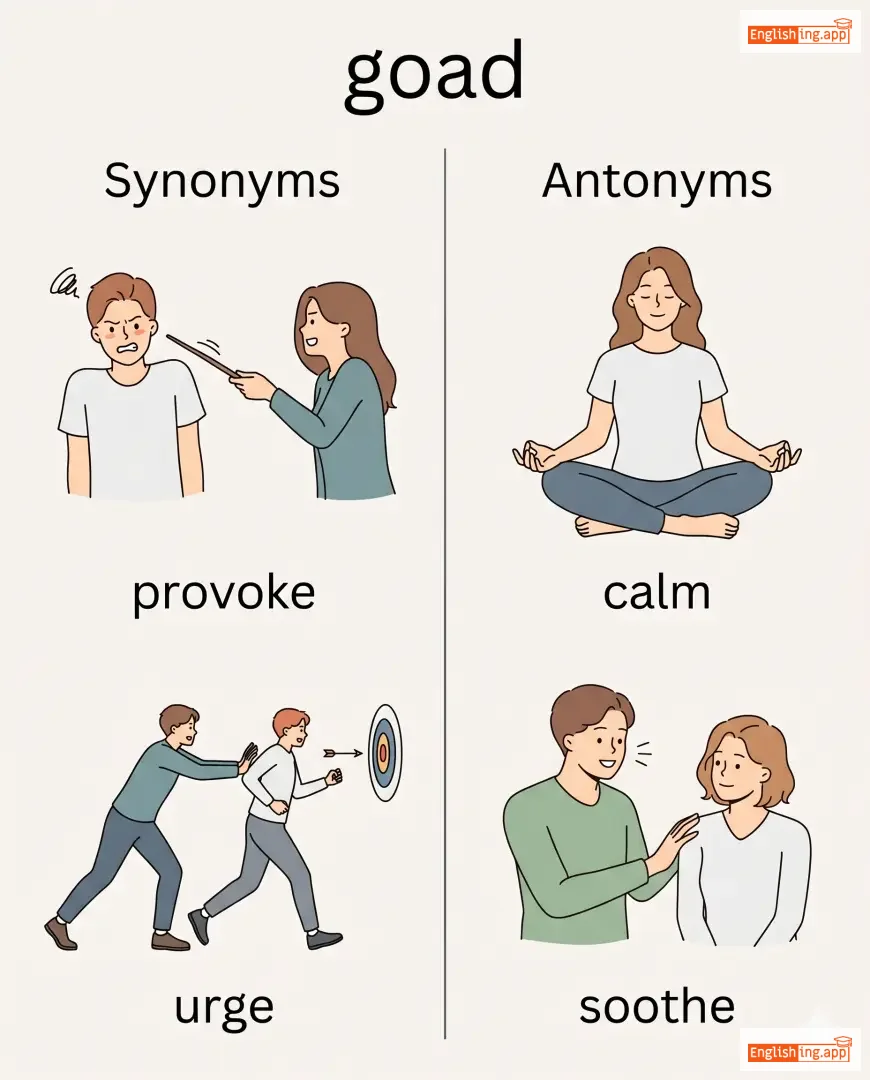
provoke, urge, incite, push, irritate
••••••
|
calm, soothe, dissuade
••••••
|
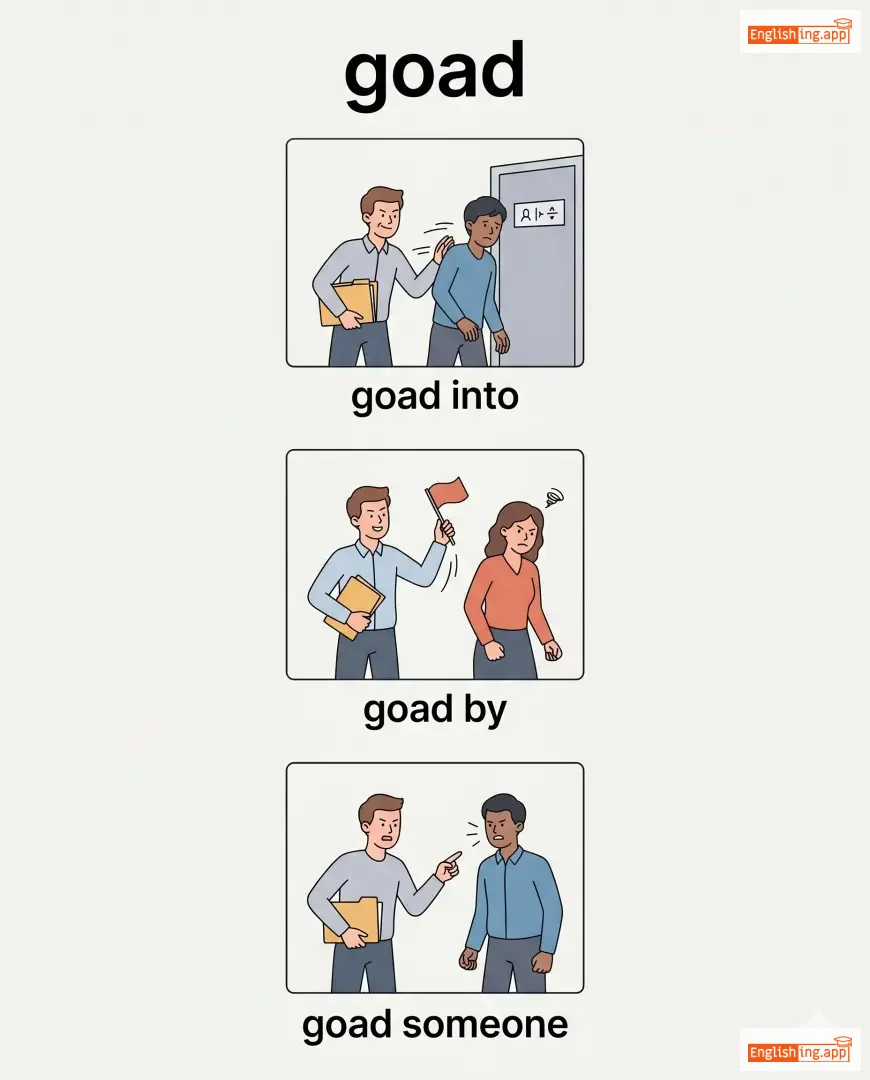
goad into, goad by, goad someone
••••••
|
Goad = Go + Add, 挑衅某人行动
••••••
|
|
#150
🪓
|
/ɡaʊdʒ/
verb, noun
(gāojí)
••••••
|
|
挖掘,漫天要价
wājué, màn tiān yàojià
••••••
|
gouged
gāojíle
••••••
|
gouged
gāojíle
••••••
|
gouges
gāojí
••••••
|
gouging
gāojíng
••••••
|
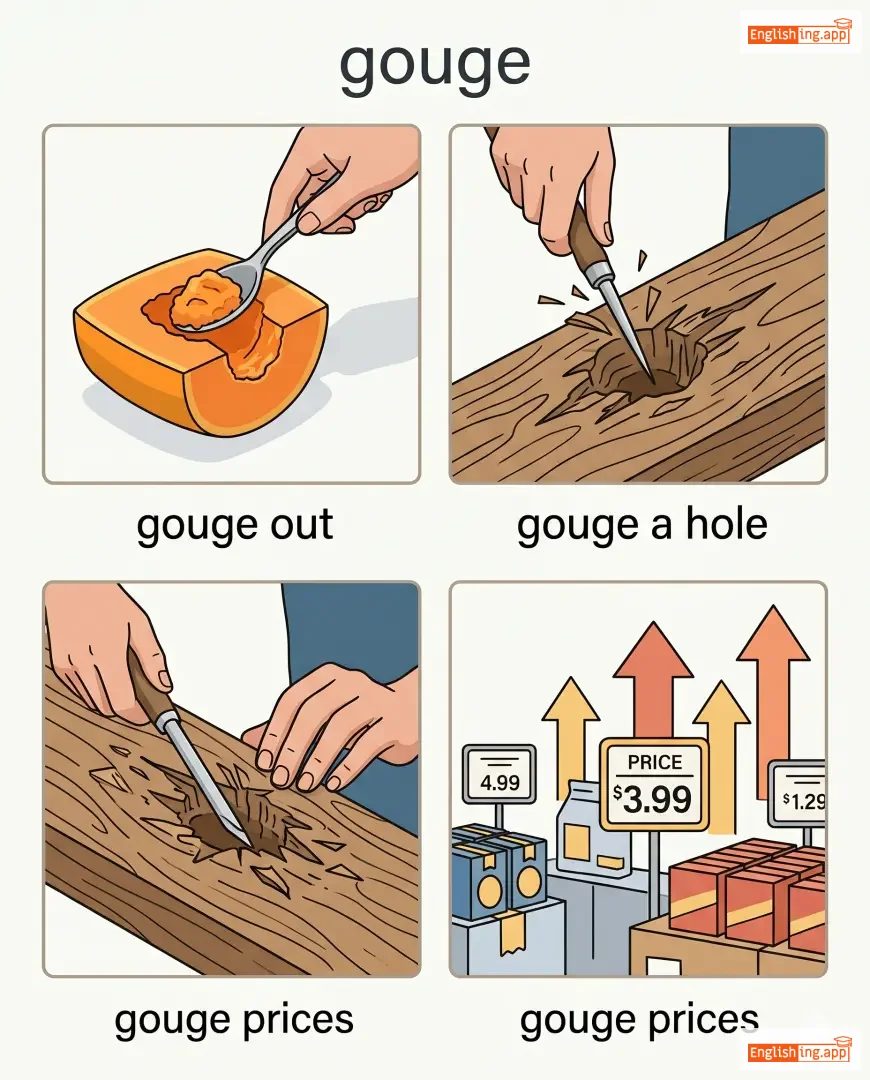
To cut or scoop out a deep hole or groove; to overcharge unfairly.
••••••
|
He accidentally gouged a hole in the wooden table.
他不小心在木桌子上挖了个洞。
••••••
|
他不小心在木桌子上挖了个洞。
Tā bù xiǎoxīn zài mù zhuōzi shàng wāle gè dòng.
••••••
|
price gouging
价格掠夺
••••••
|
Charging excessively high prices, especially during crises.
••••••
|
价格掠夺
jiàgé lüèduó
••••••
|
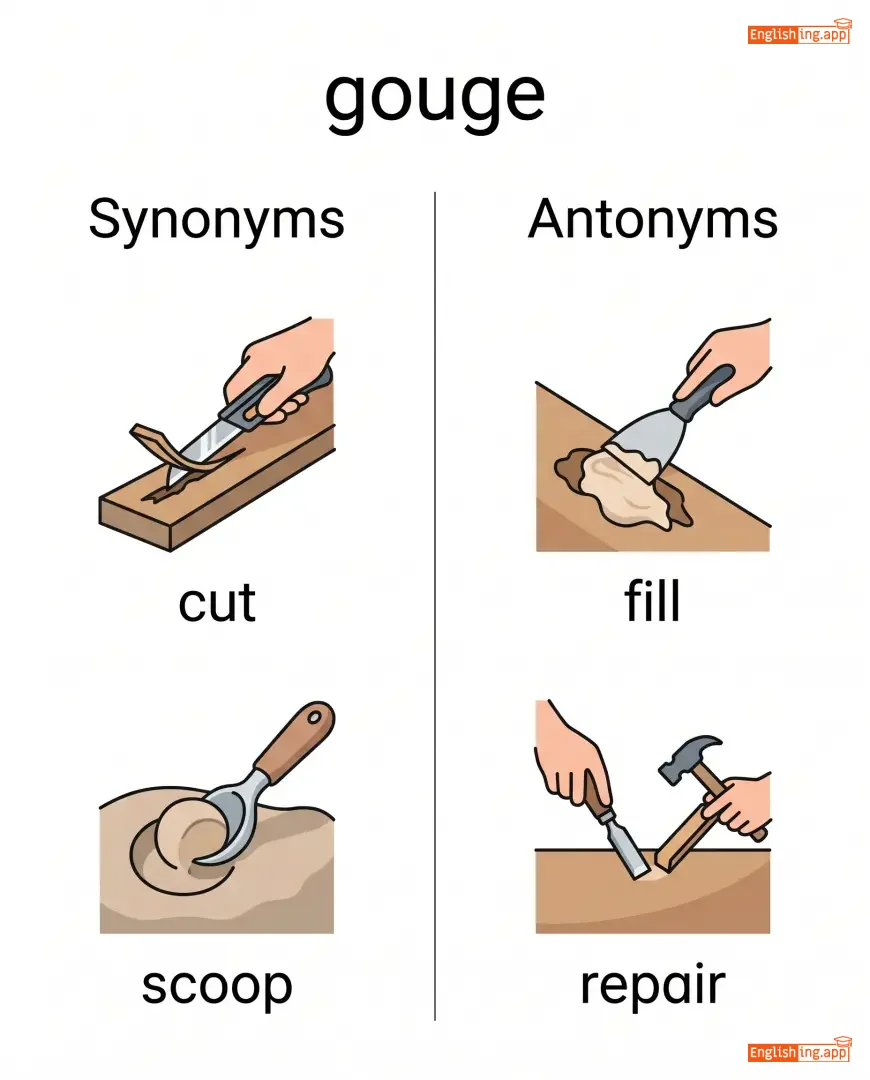
cut, scoop, dig, chisel, overcharge
••••••
|
fill, repair, fairness
••••••
|
gouge out, gouge a hole, gouge prices, gouge customers
••••••
|
Gouge 就是 gou (洞) 和提高价格
••••••
|
Vocabulary Quiz
Test your vocabulary by matching words with their translations or meanings.
Login to take the quiz
Comments (0)
Share your thoughts and join the discussion.
Join the discussion by logging in
Login to CommentNo comments yet
Be the first to share your thoughts!