









Swipe left or right, or use the buttons. Tap image to zoom.
例句翻译
单词
Lesson 1Lesson 1 - 遮罩切换
|
表情符号
|
单词 | Images | 翻译 | 过去时 | 过去分词 | 第三人称单数 | 动名词 | 含义 | 例句 | 例句翻译 | 示例表达 | 示例表达含义 | 示例表达翻译 | 同义词 | 反义词 | 搭配词 | 助记符 |
|---|---|---|---|---|---|---|---|---|---|---|---|---|---|---|---|---|---|
|
#1
🌧️
|
/əˈbeɪt/
verb
(阿贝特)
••••••
|
|
减少
jiǎnshǎo
••••••
|
abated
阿贝特德
••••••
|
abated
阿贝特德
••••••
|
abates
阿贝特斯
••••••
|
abating
阿贝特英
••••••
|
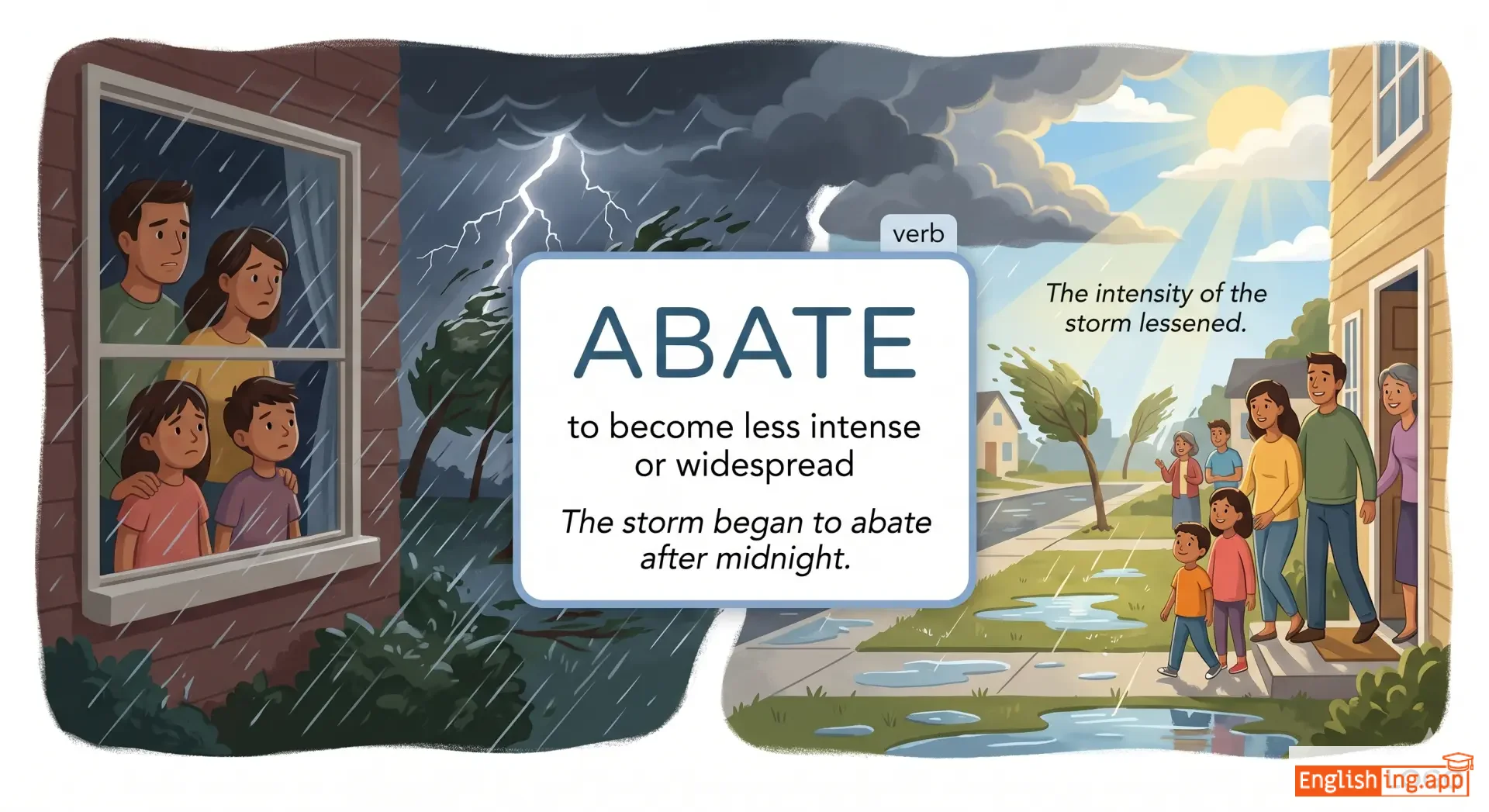
to become less intense or widespread
••••••
|
The storm began to abate after midnight.
暴风雨在午夜后开始减弱。
••••••
|
暴风雨在午夜后开始减弱。
Bàofēngyǔ zài wǔyè hòu kāishǐ jiǎnruò.
••••••
|
- •••••• | - •••••• | - •••••• |
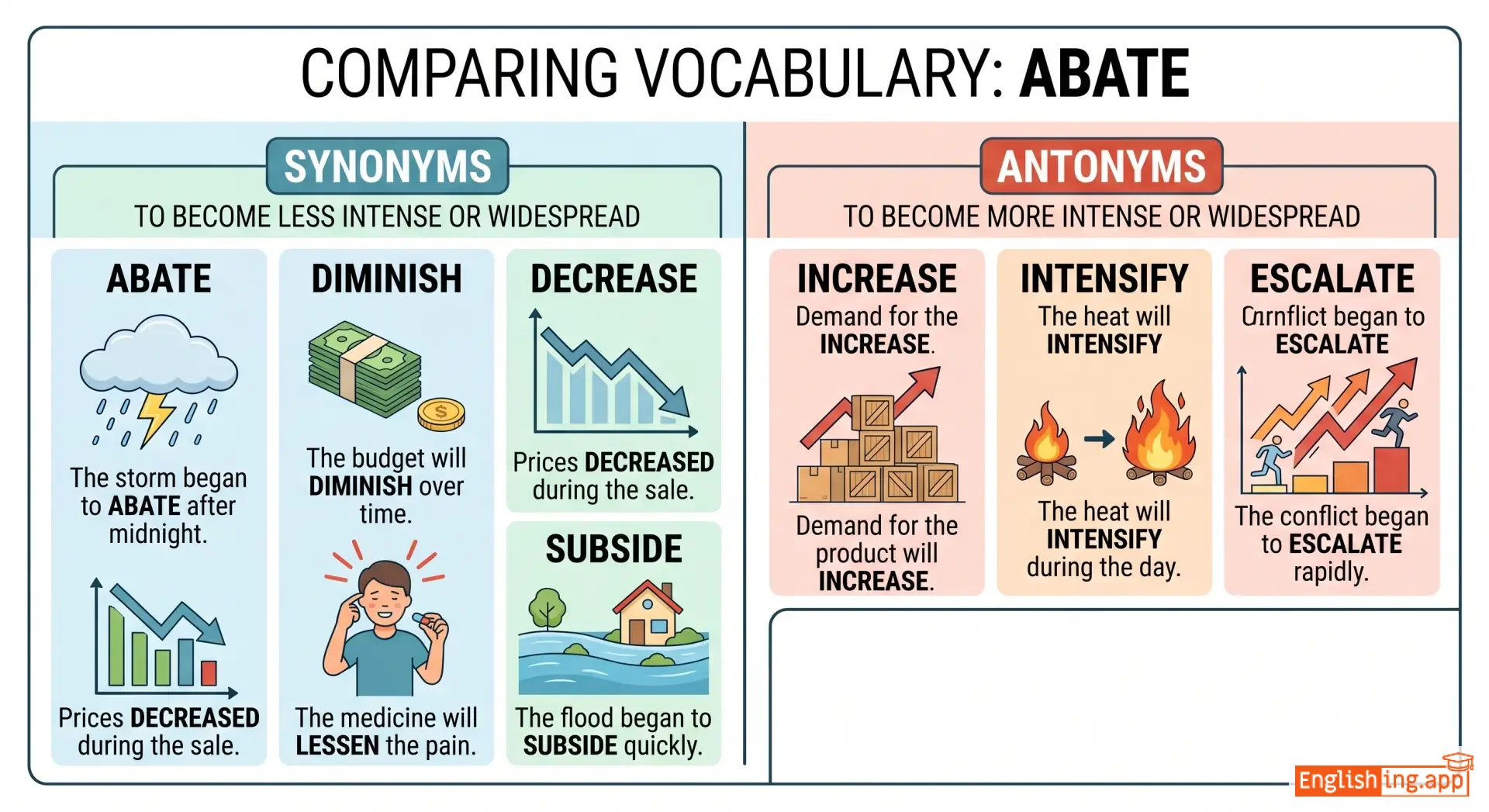
diminish, decrease, lessen, subside
••••••
|
increase, intensify, escalate
••••••
|
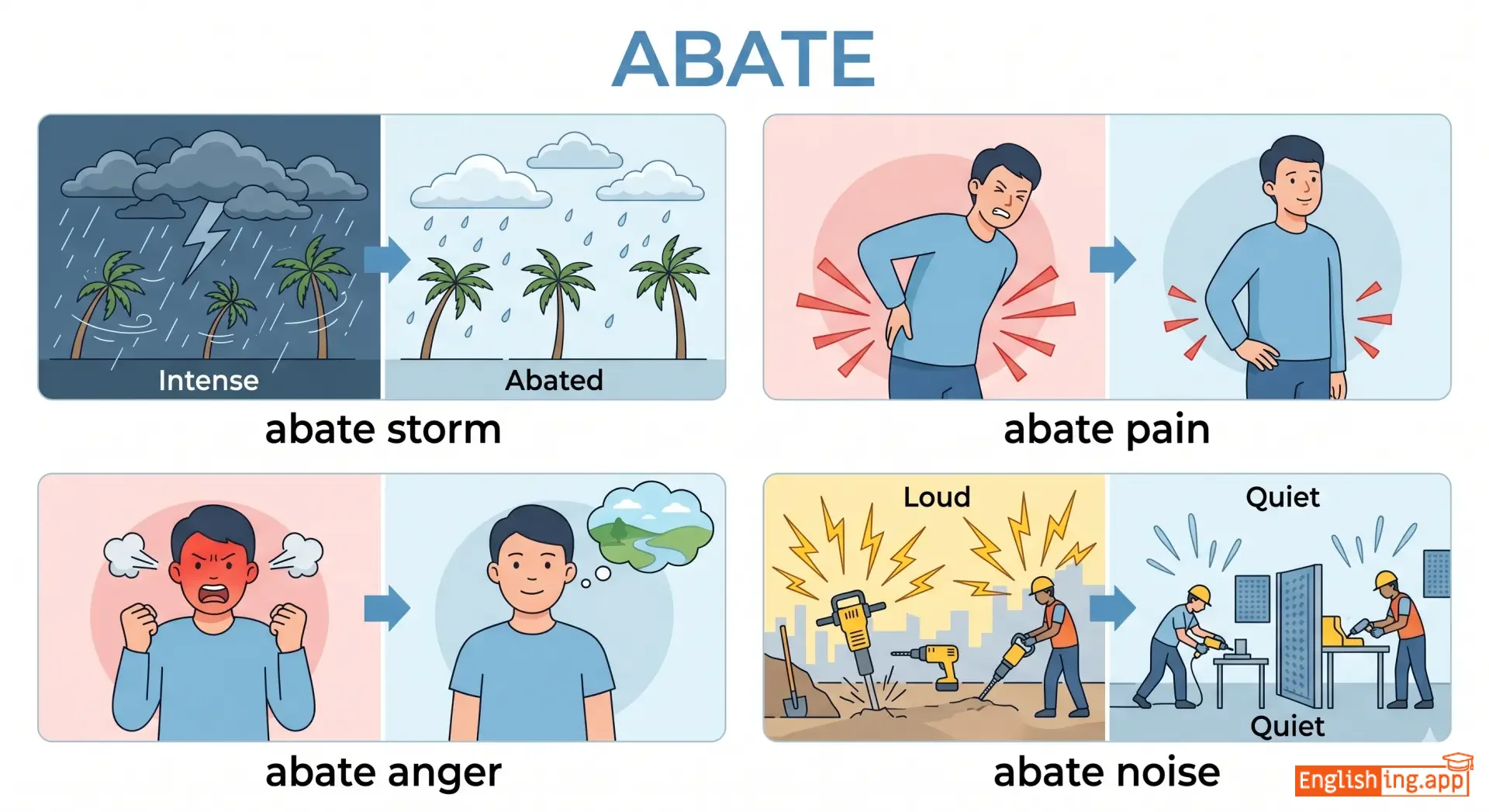
abate storm, abate pain, abate anger, abate noise
••••••
|
No •••••• |
|
#2
⚠️
|
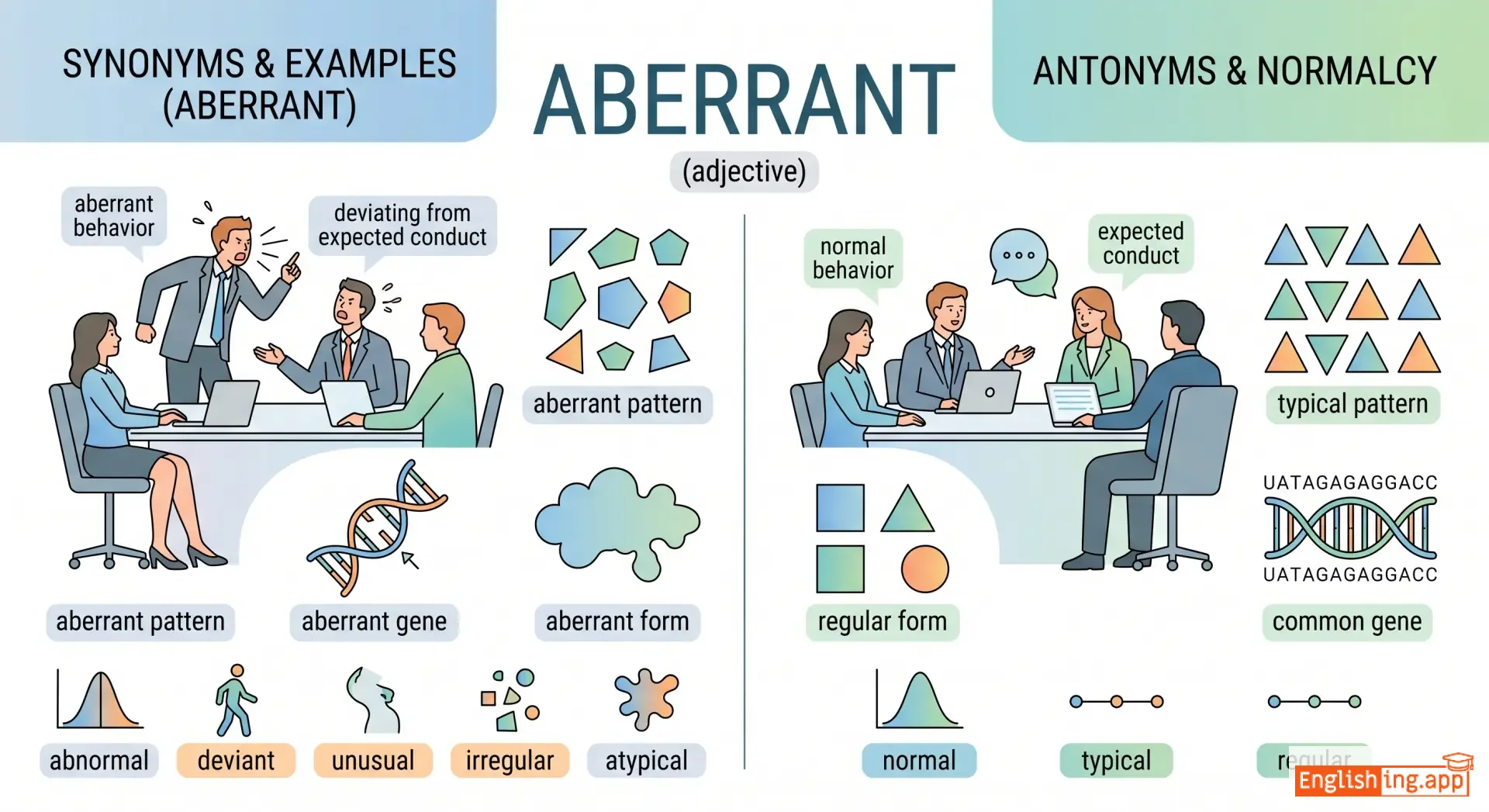
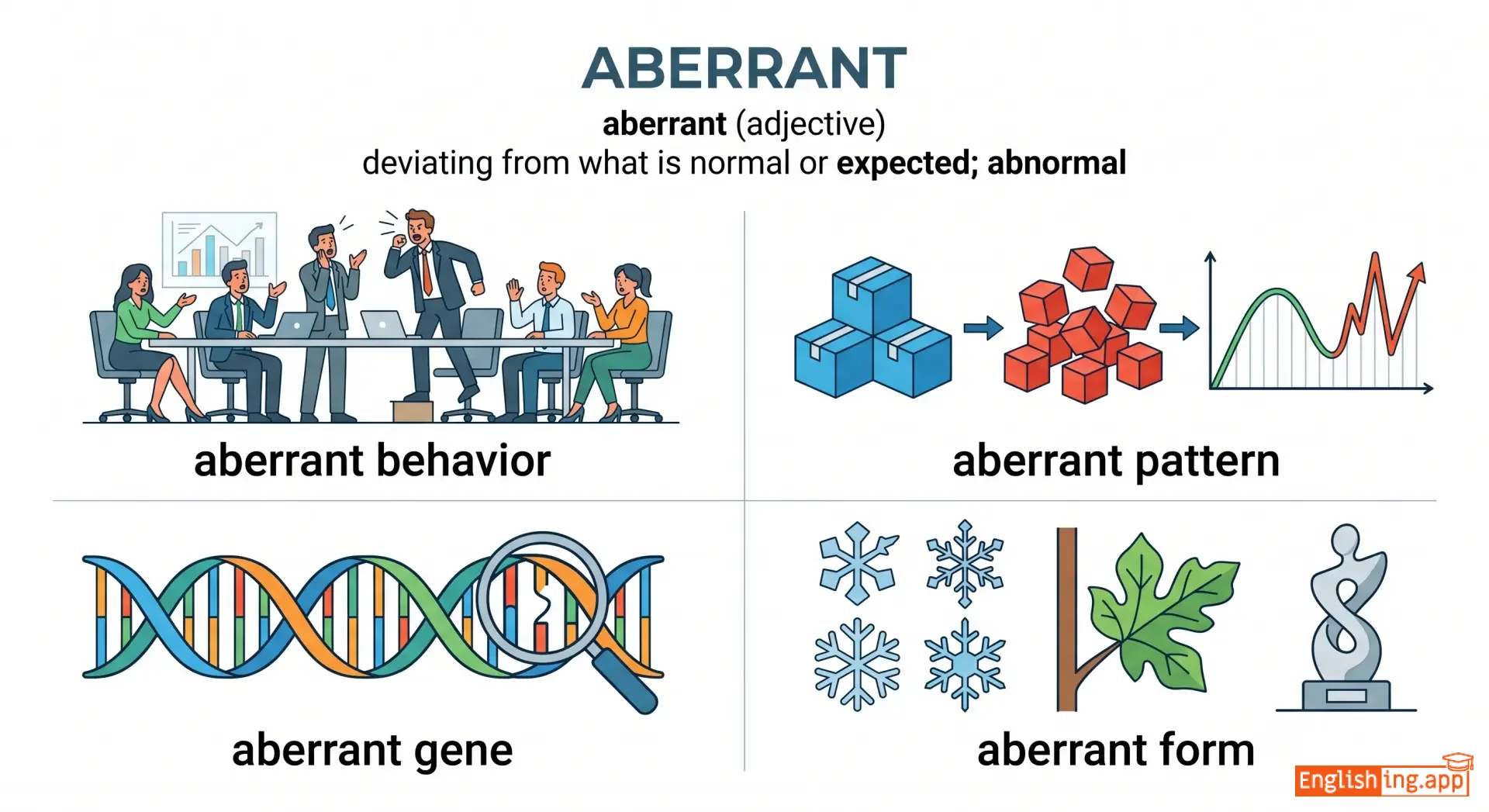
/ˈæb.ə.rənt/
adjective
(阿贝兰特)
••••••
|
|
异常
yichang
••••••
|
- •••••• | - •••••• | - •••••• | - •••••• |
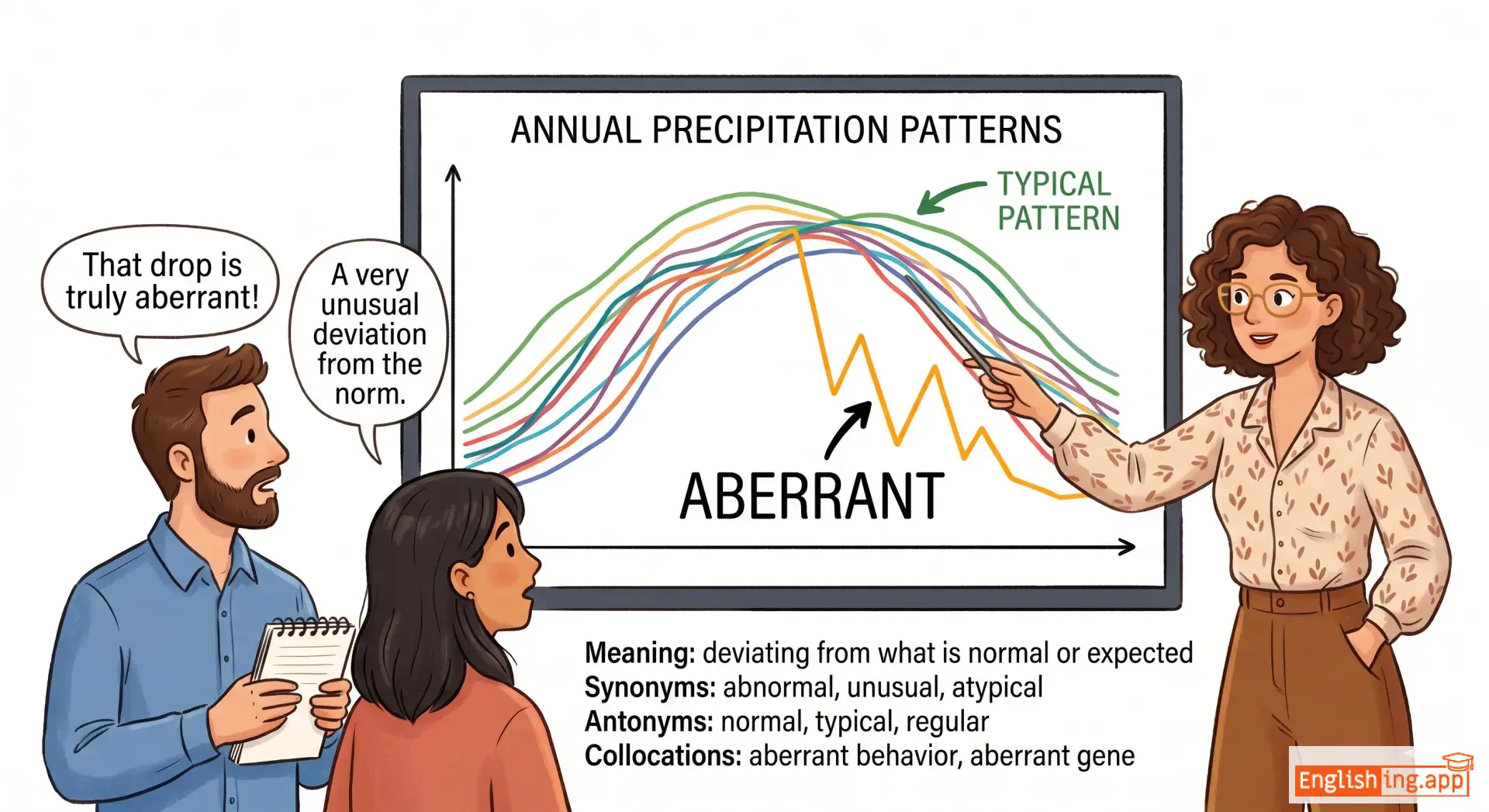
deviating from what is normal or expected; abnormal
••••••
|
His aberrant behavior shocked everyone at the meeting.
他的偏离行为让会议上的每个人都感到震惊。
••••••
|
他的异常行为让会议上的每个人都感到震惊。
Tā de yìcháng xíngwéi ràng huìyì shàng de měi gèrén dōu gǎndào zhènjīng.
••••••
|
- •••••• | - •••••• | - •••••• |
abnormal, deviant, unusual, irregular, atypical
••••••
|
normal, typical, regular
••••••
|
aberrant behavior, aberrant pattern, aberrant gene, aberrant form
••••••
|
Aberrant 意味着异常,记住 - 异常 + 错误 = 不正常的道路
••••••
|
|
#3
⏸️
|
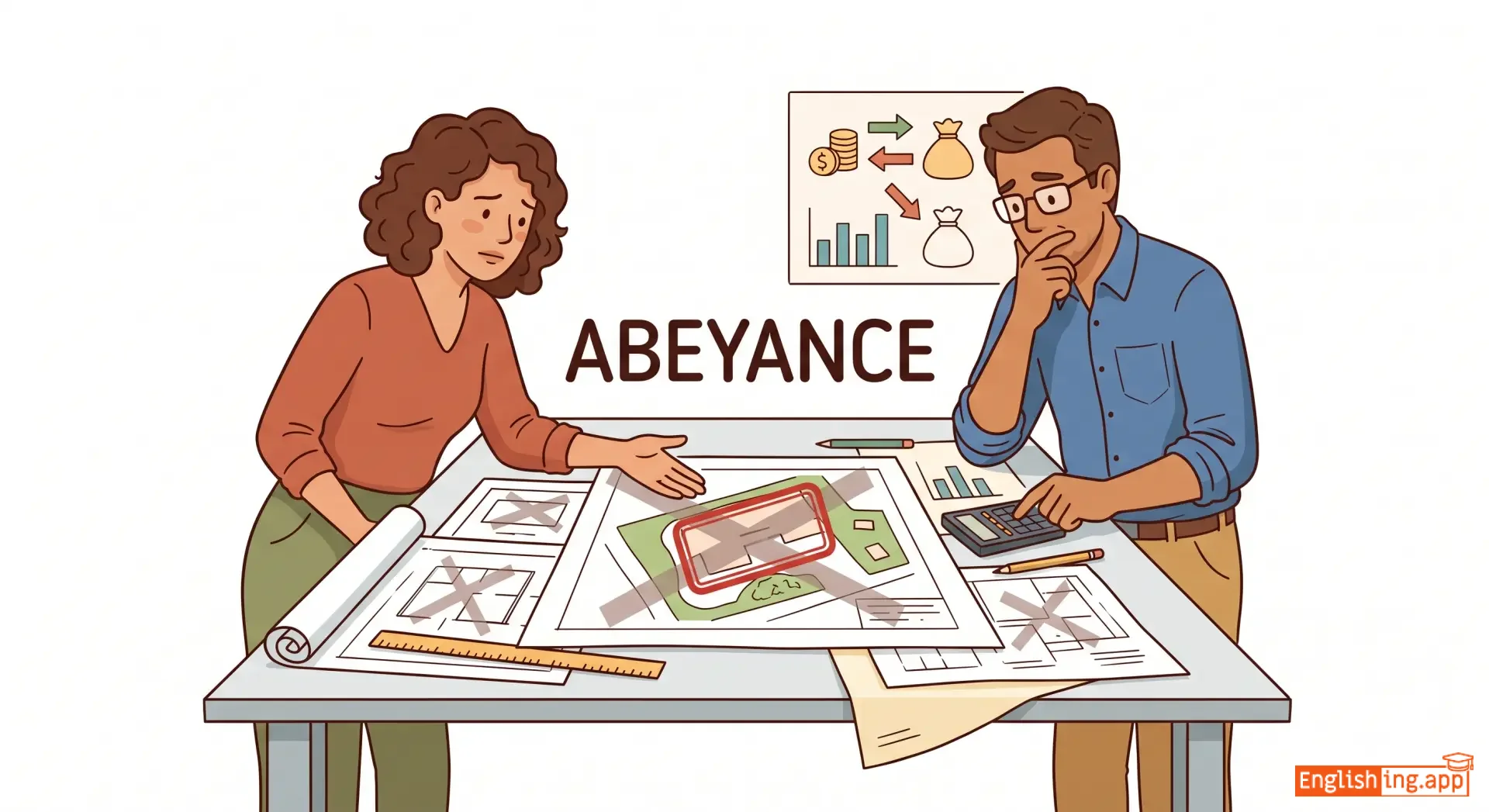
/əˈbeɪəns/
noun
(abeians)
••••••
|
|
暂时中止
zan shi zhong zhi
••••••
|
- •••••• | - •••••• | - •••••• | - •••••• |
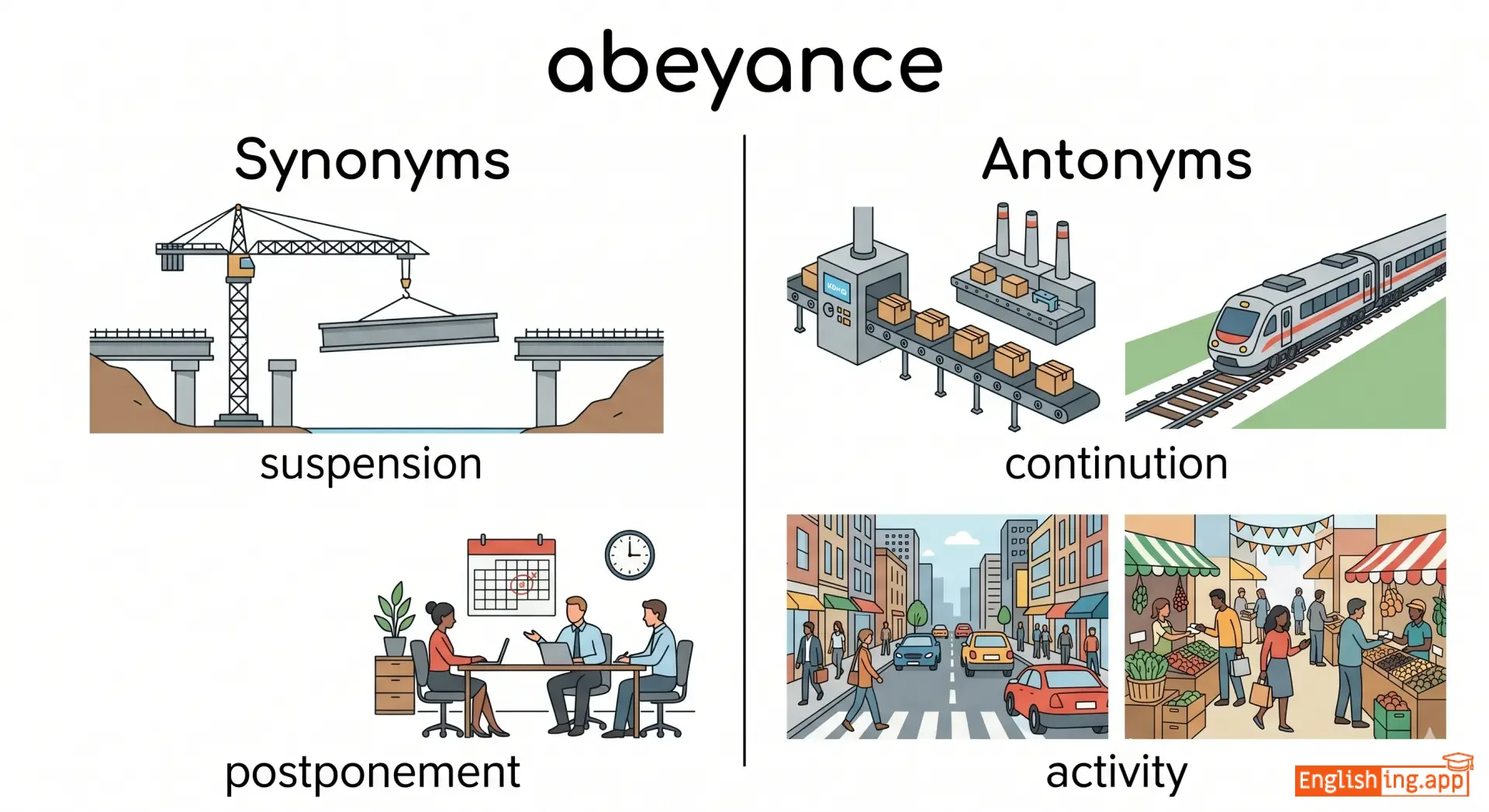
a state of temporary suspension or inactivity
••••••
|
The project was held in abeyance until funds became available.
该项目已暂停,直到资金可用。
••••••
|
该项目已暂停,直到资金可用。
Gai xiangmu yi zanting, zhidao zijin keyong.
••••••
|
- •••••• | - •••••• | - •••••• |
suspension, postponement, delay, dormancy
••••••
|
continuation, activity
••••••
|
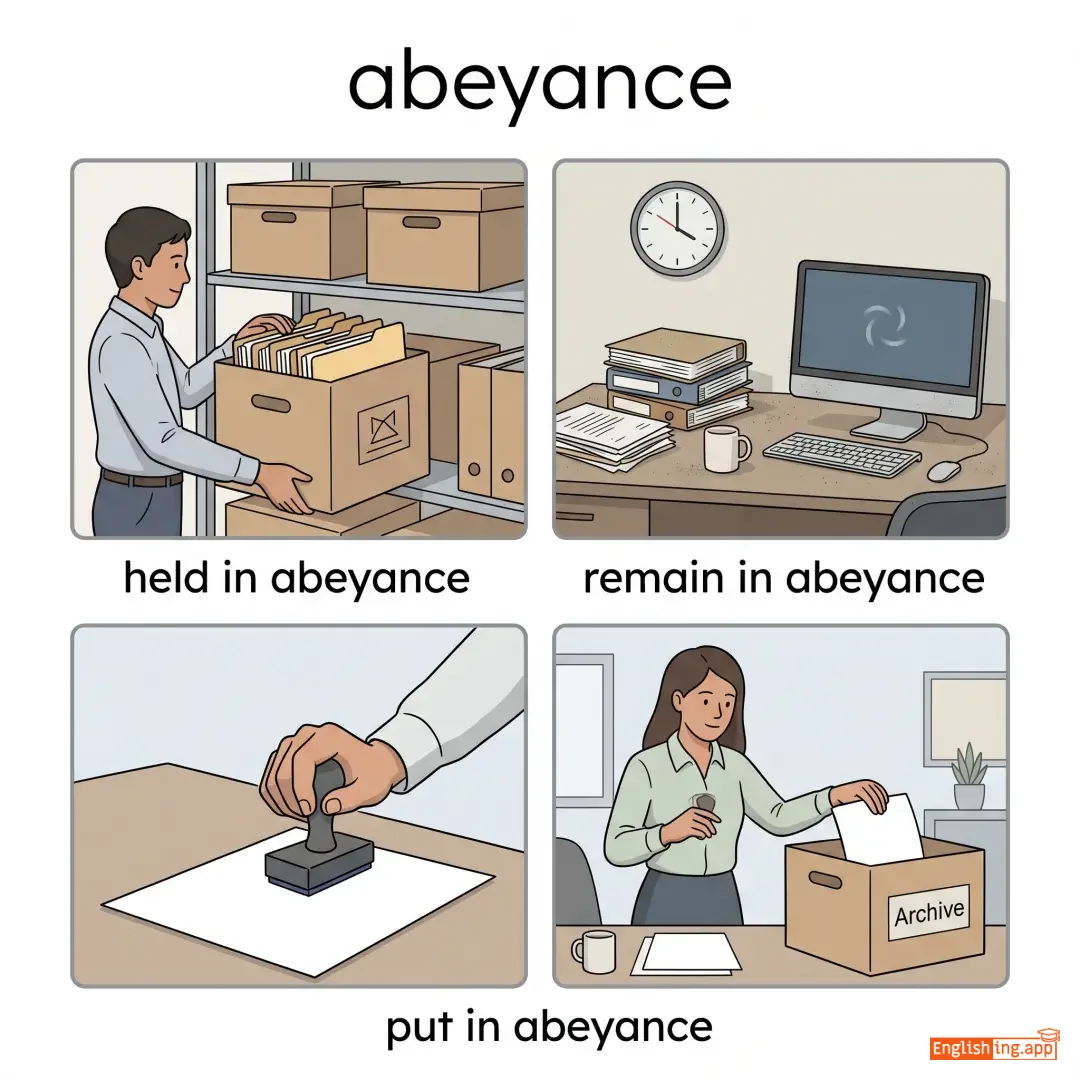
held in abeyance, remain in abeyance, put in abeyance
••••••
|
A BAY 暂停了 - abeyance 意味着中止
••••••
|
|
#4
🏃♂️
|
/əbˈskɒnd/
verb
(阿布斯康德)
••••••
|
|
逃跑
tao pao
••••••
|
absconded
阿布斯康德德
••••••
|
absconded
阿布斯康德德
••••••
|
absconds
阿布斯康德斯
••••••
|
absconding
阿布斯康丁
••••••
|
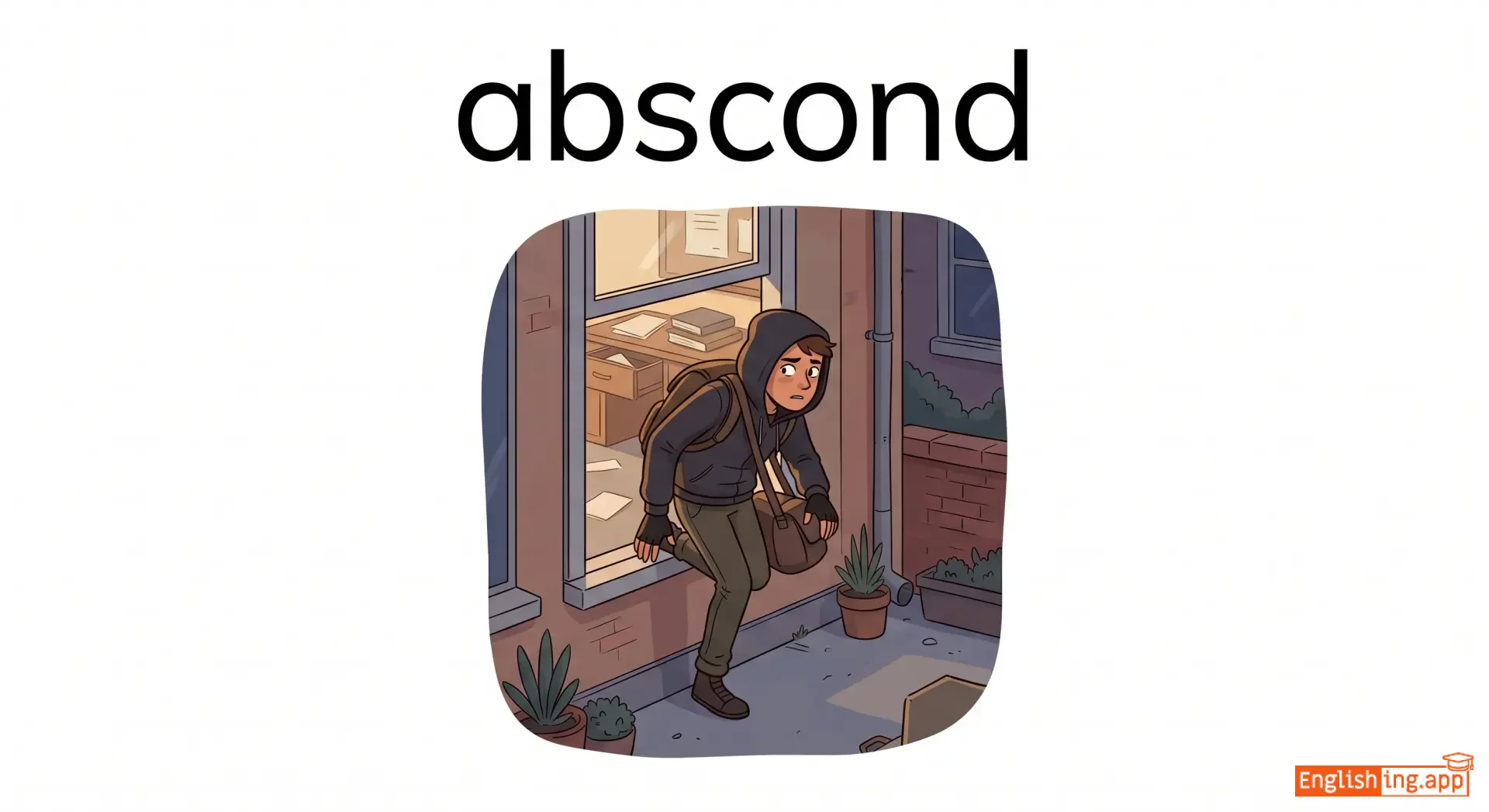
to leave secretly and quickly, often to avoid arrest or punishment
••••••
|
The thief tried to abscond with the stolen jewelry.
小偷试图带着被盗的珠宝逃跑。
••••••
|
小偷试图带着被盗的珠宝逃跑。
Xiao tou shi tu dai zhe bei dao de zhu bao tao pao.
••••••
|
abscond with
阿布斯康德与
••••••
|
to take something secretly and escape
••••••
|
带着偷来的东西逃跑
dai zhe tou lai de dong xi tao pao
••••••
|
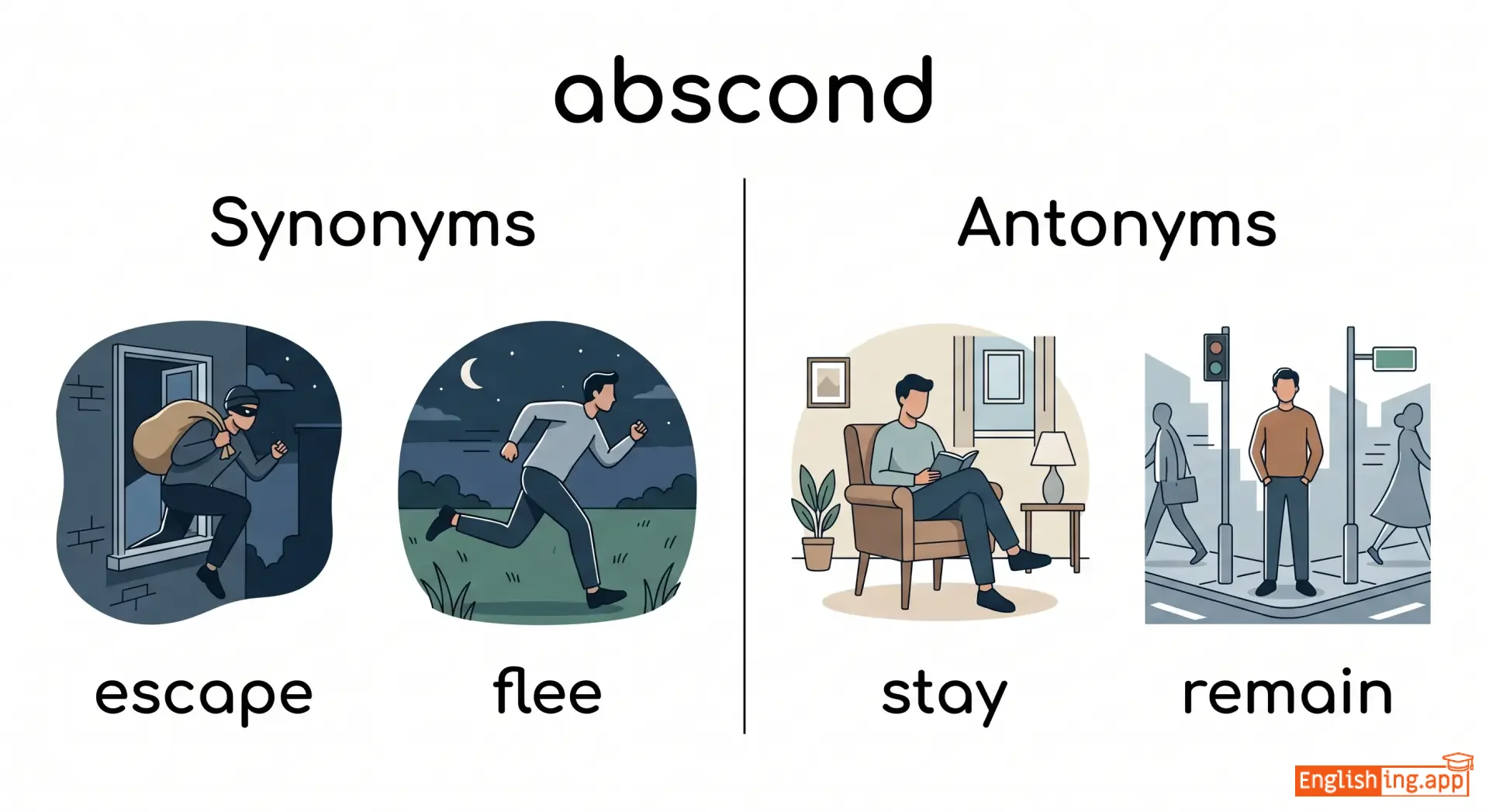
escape, flee, run away, vanish, bolt
••••••
|
stay, remain, appear
••••••
|
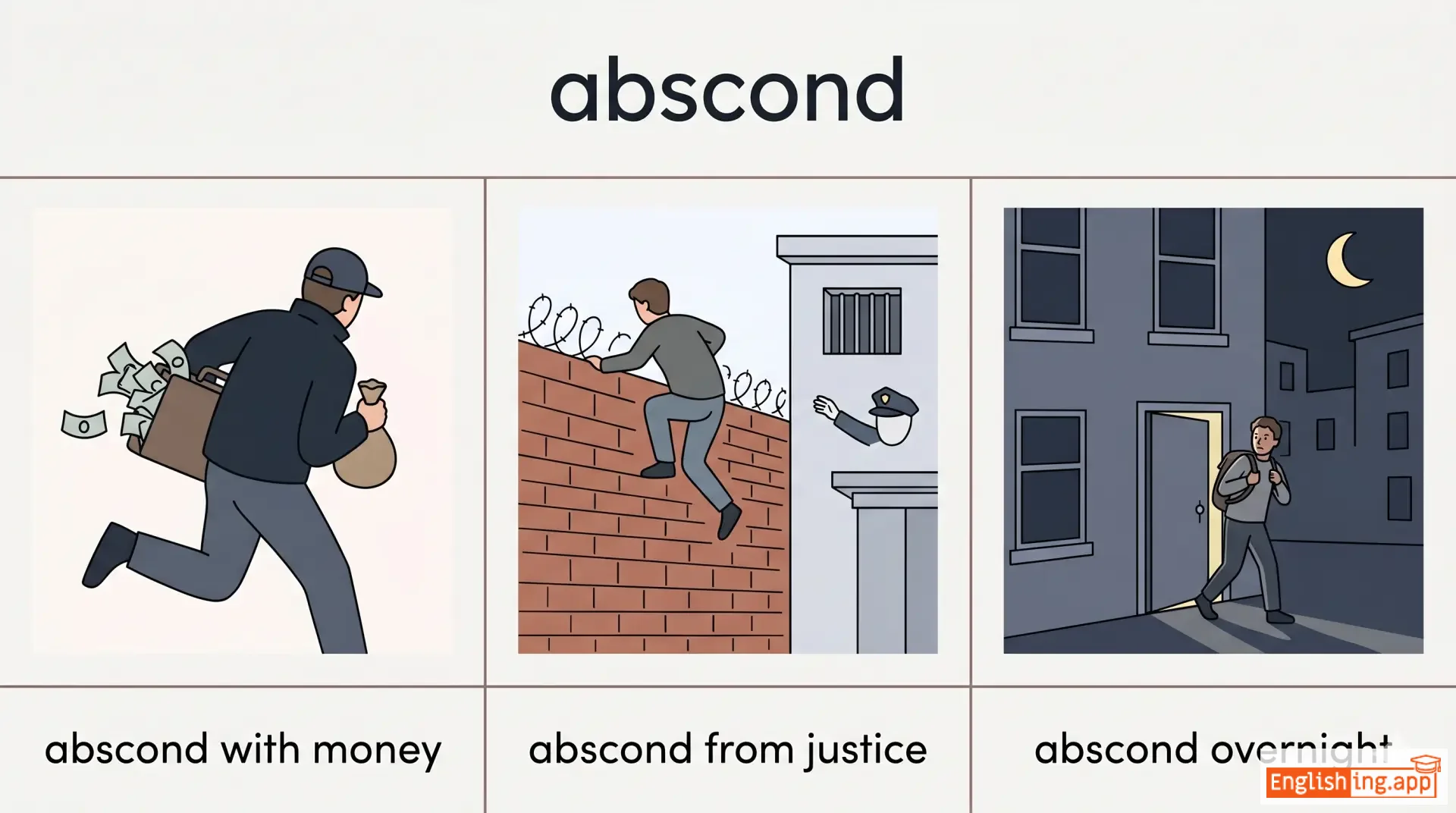
abscond with money, abscond from justice, abscond overnight
••••••
|
Abscond = ABsent + sCOND = 迅速逃离
••••••
|
|
#5
🍵
|
/æbˈstiːmiəs/
adjective
••••••
|
|
- •••••• | - •••••• | - •••••• | - •••••• | - •••••• |
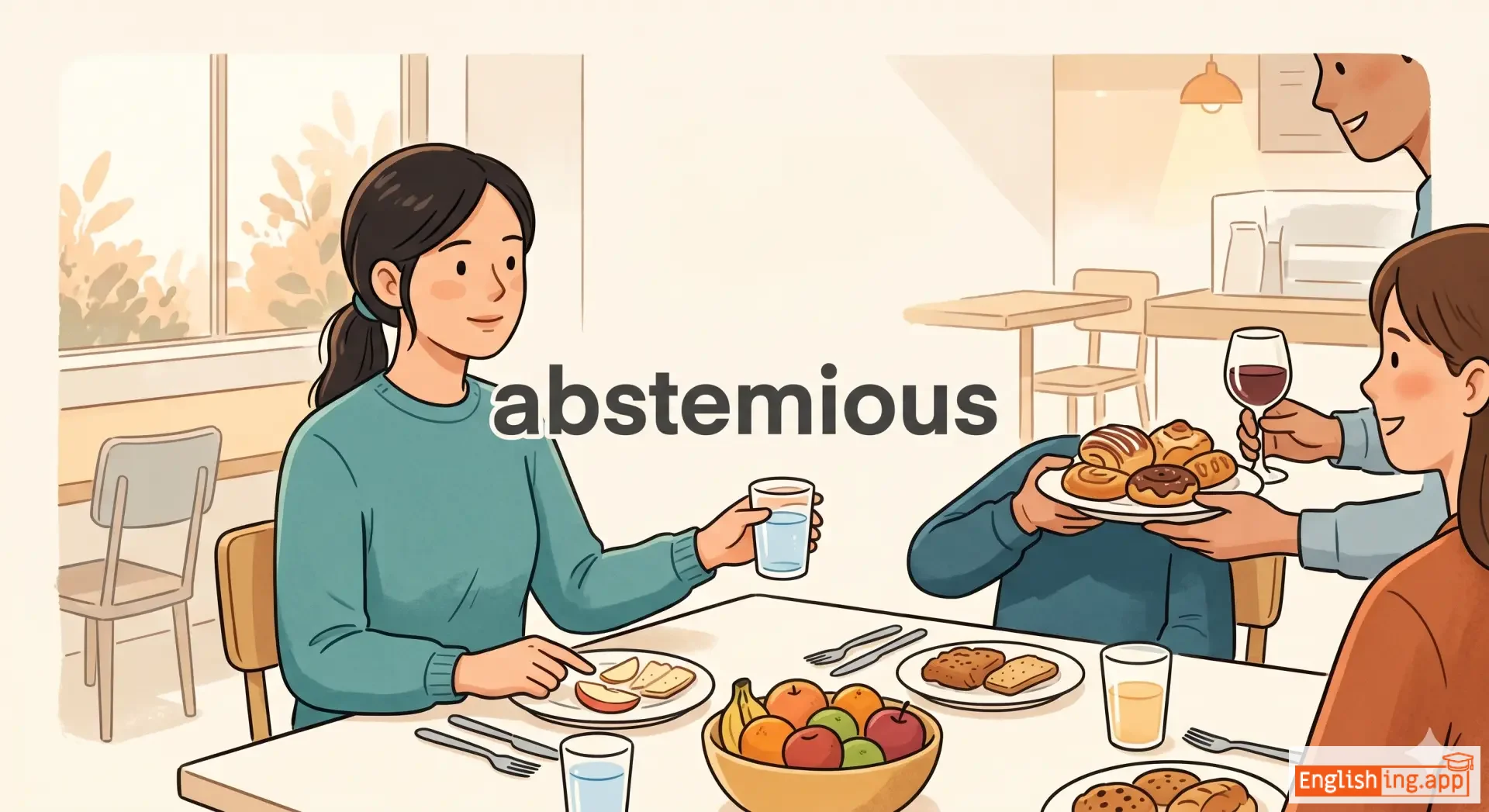
not self-indulgent, especially when eating and drinking; moderate or sparing in consumption
••••••
|
She lived an abstemious lifestyle, avoiding excesses of all kinds. |
- •••••• |
abstemious habits |
the practice of moderate and restrained consumption
••••••
|
- •••••• |
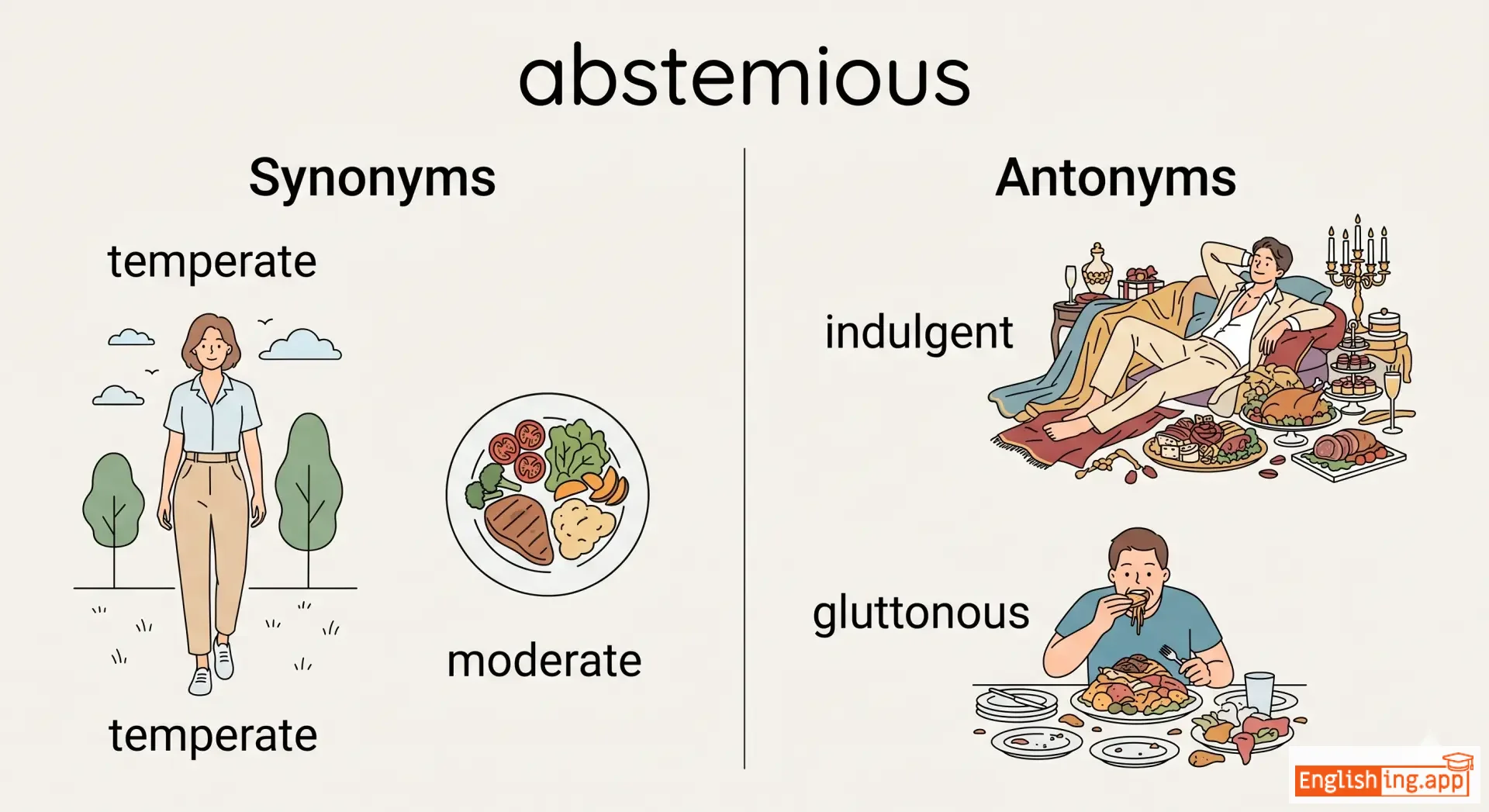
temperate, moderate, restrained, austere, ascetic
••••••
|
indulgent, gluttonous, excessive
••••••
|
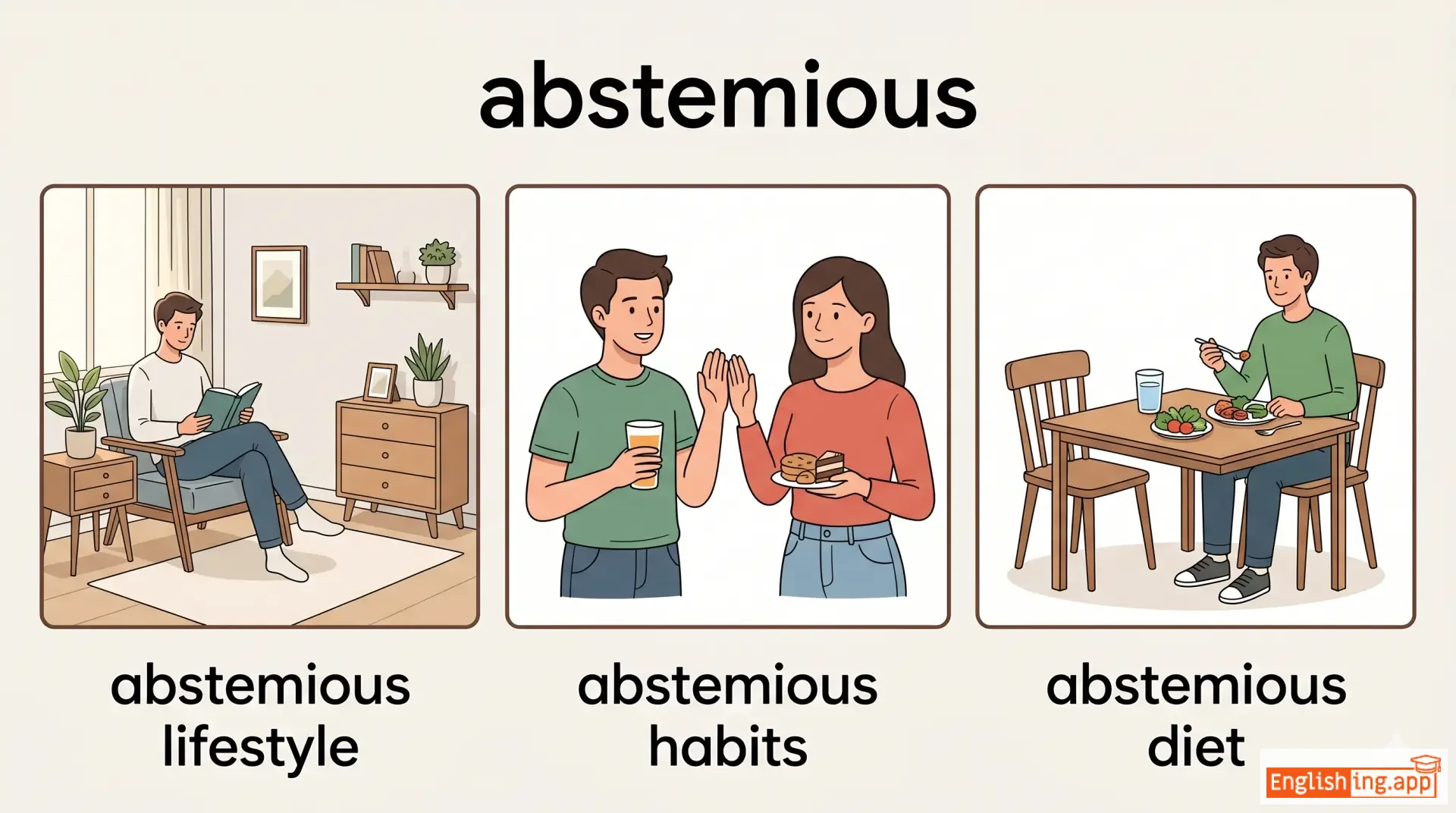
abstemious lifestyle, abstemious habits, abstemious diet, abstemious person
••••••
|
No •••••• |
|
#6
⚠️
|
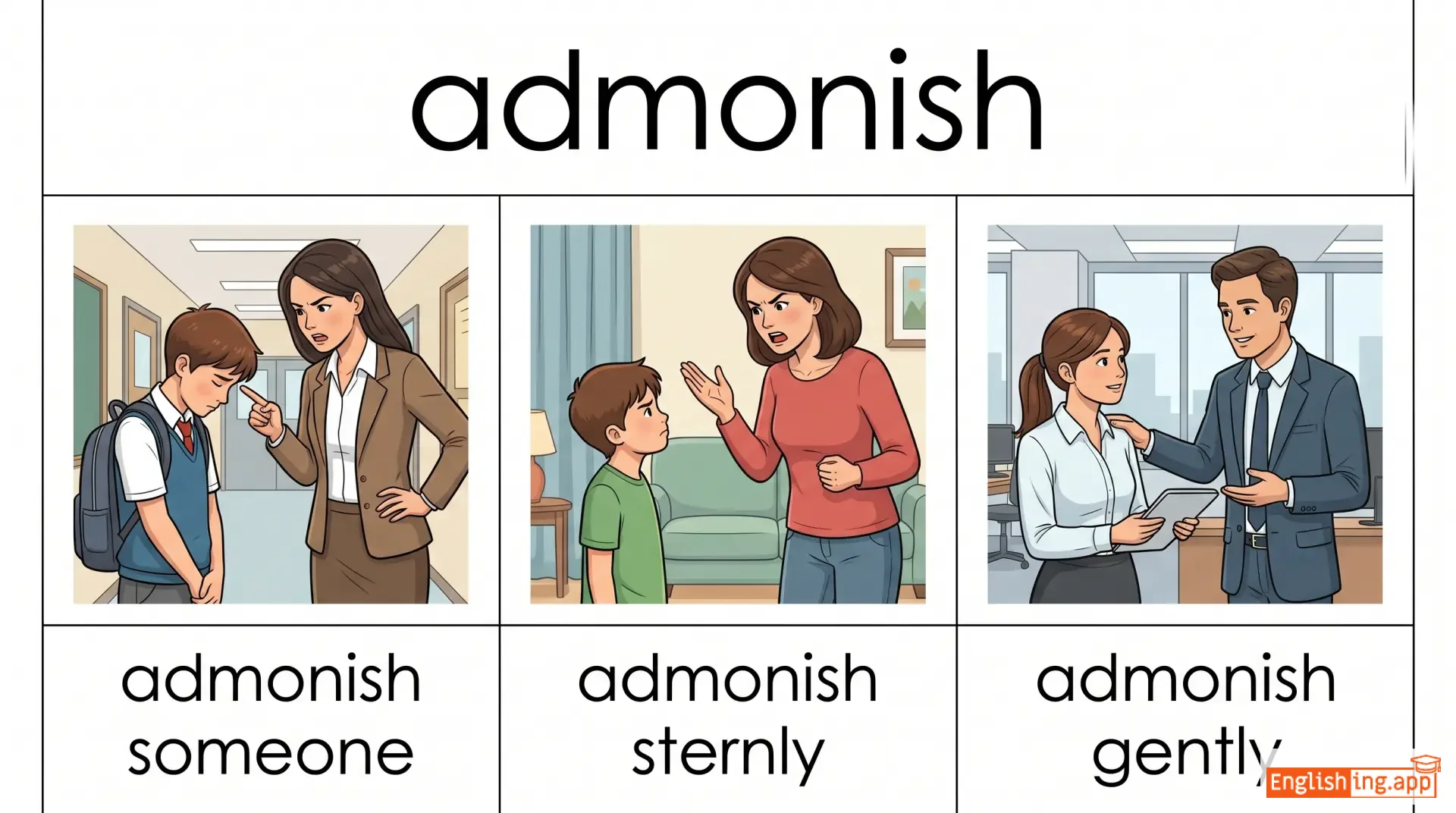
/ədˈmɒnɪʃ/
verb
(admonish)
••••••
|
|
警告
jinggao
••••••
|
admonished
admonished
••••••
|
admonished
admonished
••••••
|
admonishes
admonishes
••••••
|
admonishing
admonishing
••••••
|
to warn or reprimand someone firmly; to advise or urge earnestly
••••••
|
The teacher admonished the students for being late.
The teacher admonished the students for being late.
••••••
|
老师因为学生迟到而警告他们。
Lao shi yinwei xuesheng chidao er jinggao tamen.
••••••
|
admonish someone gently
admonish someone gently
••••••
|
to caution someone in a mild or kind manner
••••••
|
温和地警告某人
wenhe di jinggao mou ren
••••••
|
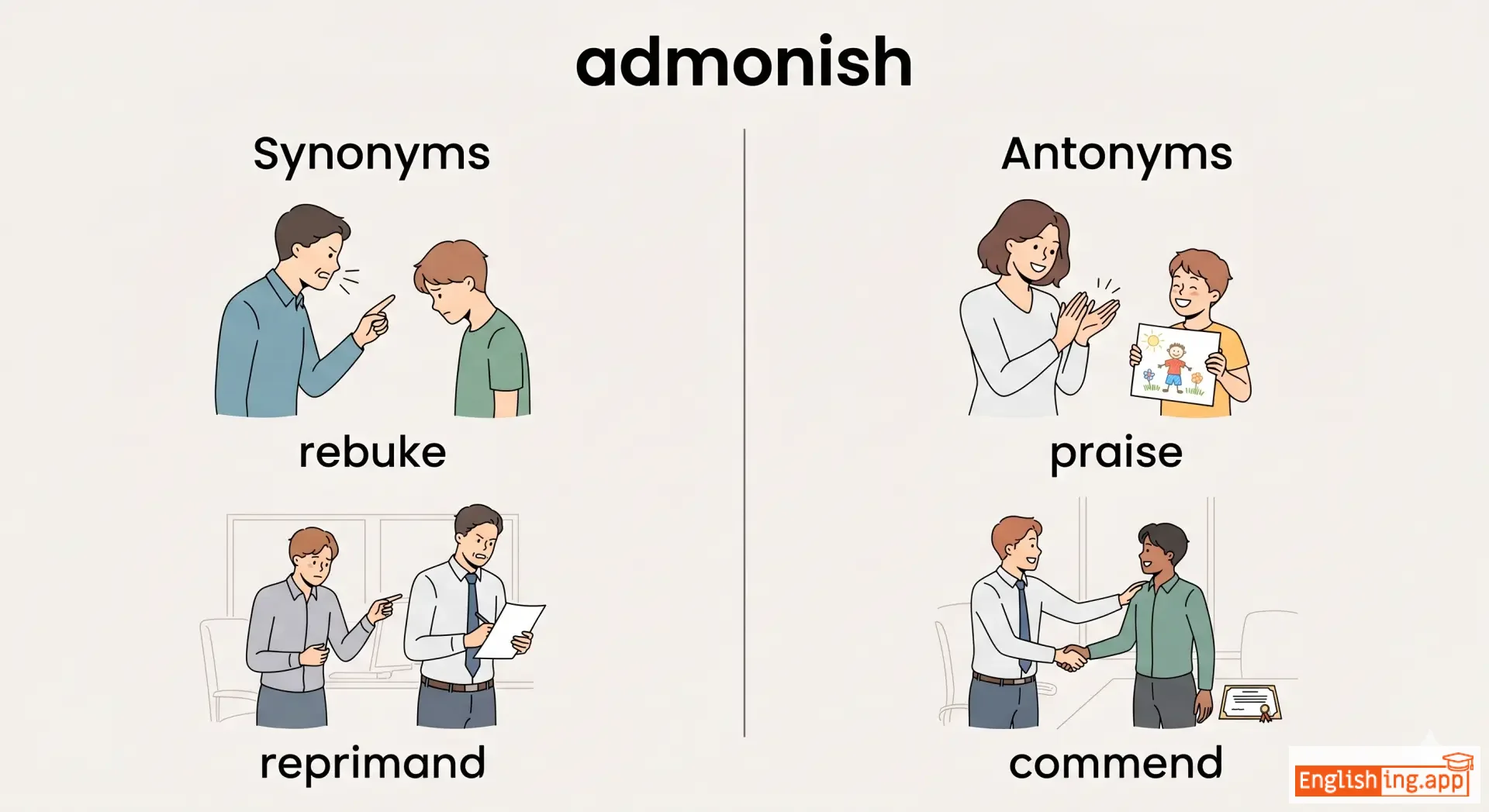
rebuke, reprimand, scold, caution, warn
••••••
|
praise, commend, approve
••••••
|
admonish someone, admonish sternly, admonish gently, admonish for behavior
••••••
|
警告就像‘警’(警觉)和‘告’(告诫),为严厉的告诫提示。
••••••
|
|
#7
🥛
|
/əˈdʌltəreɪt/
verb
(篡改)
••••••
|
|
掺假
chānjiǎ
••••••
|
adulterated
篡改过
••••••
|
adulterated
篡改过
••••••
|
adulterates
篡改
••••••
|
adulterating
篡改中
••••••
|
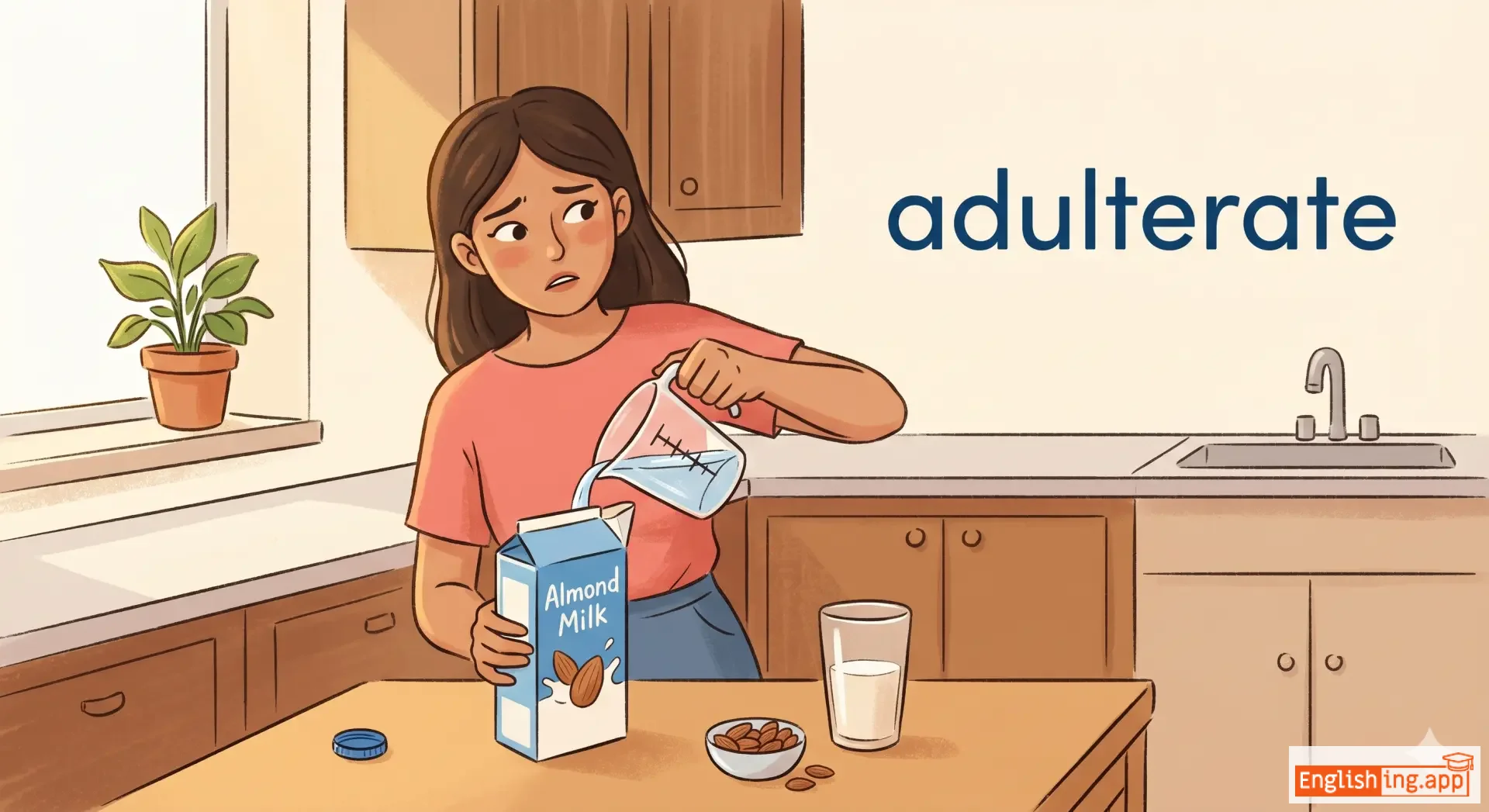
to make something poorer in quality by adding another substance, usually of lower quality
••••••
|
The company was fined for adulterating its products with cheap chemicals.
该公司因将其产品篡改成便宜的化学品而被罚款。
••••••
|
该公司因将其产品篡改成便宜的化学品而被罚款。
Gāi gōngsī yīn jiāng qí chǎnpǐn cuàngǎi chéng piányí de huàxué pǐn ér bèi fákuǎn.
••••••
|
- •••••• | - •••••• | - •••••• |
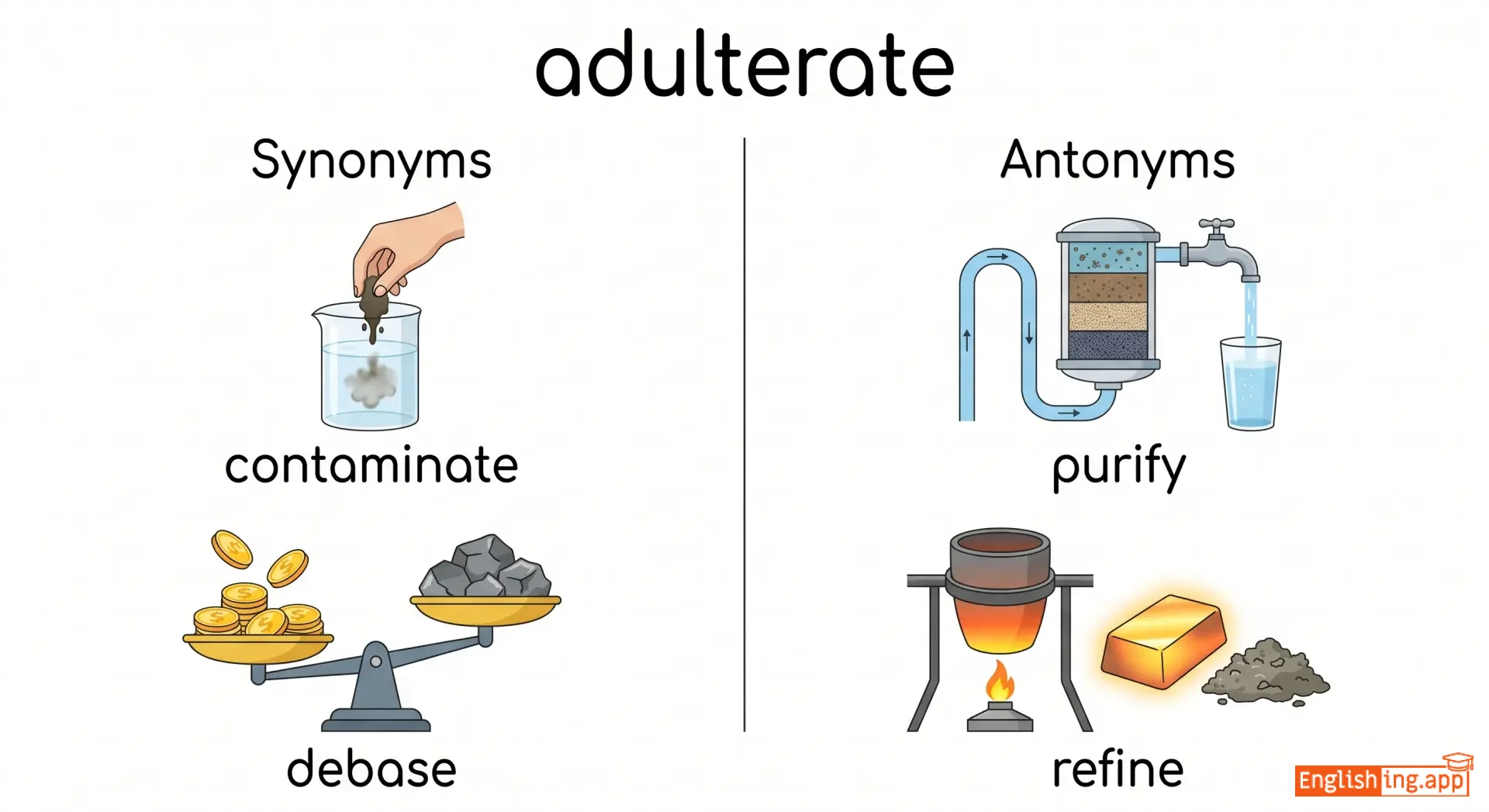
contaminate, debase, dilute, taint, spoil
••••••
|
purify, refine, cleanse
••••••
|
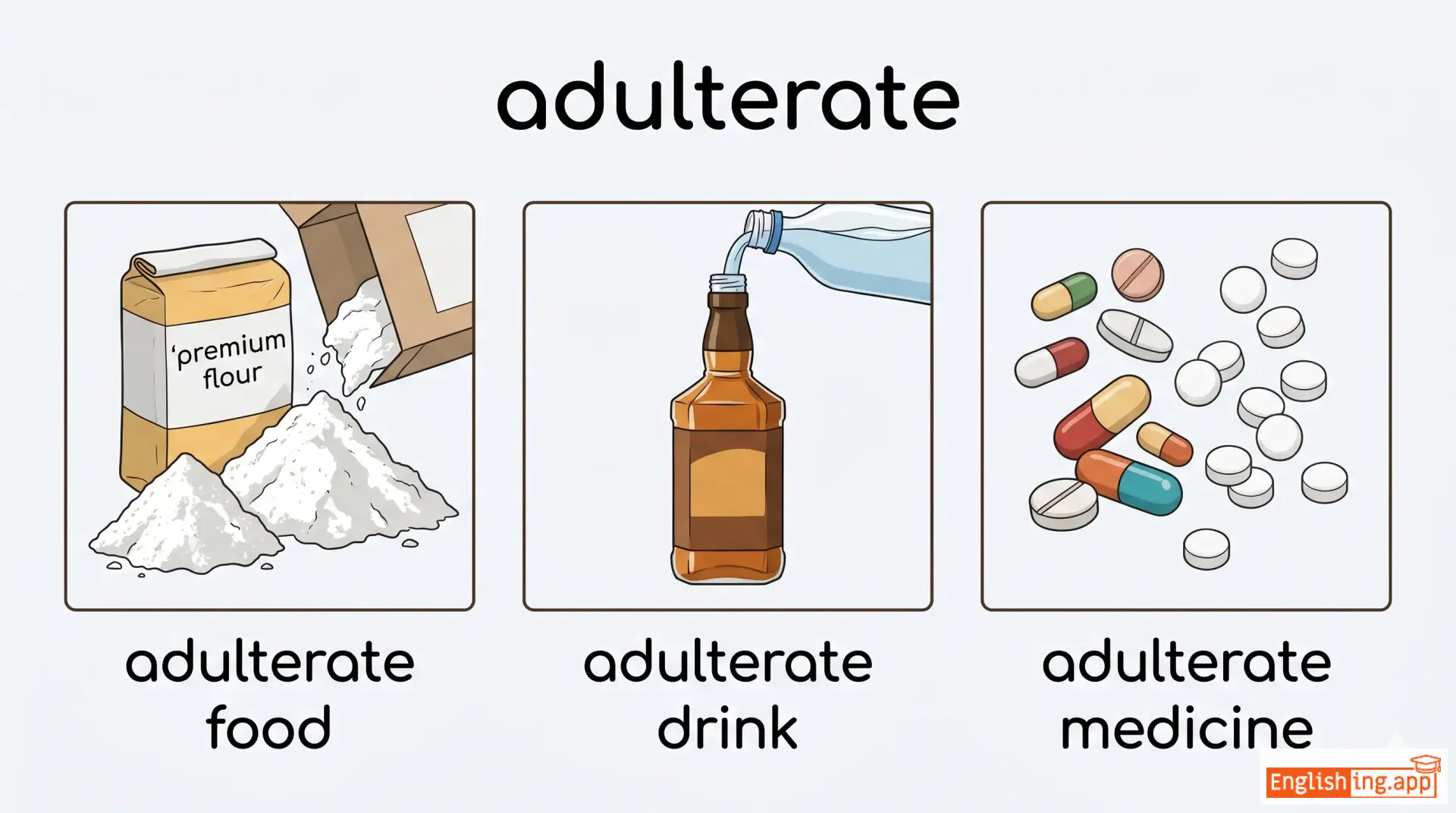
adulterate food, adulterate drink, adulterate medicine
••••••
|
篡改加上便宜的化学品 - adulterate就是掺假
••••••
|
|
#8
🎨
|
/ɛsˈθɛtɪk/
adjective
(审美的)
••••••
|
|
审美的
shenmei de
••••••
|
- •••••• | - •••••• | - •••••• | - •••••• |
concerned with beauty or the appreciation of beauty
••••••
|
The room was decorated in an aesthetic style that pleased everyone.
房间以审美风格装饰,让每个人都感到愉悦。
••••••
|
房间以审美风格装饰,让每个人都感到愉悦。
Fángjiān yǐ shěnměi fēnggé zhuāngshì, ràng měi gèrén dōu gǎndào yúyuè.
••••••
|
aesthetic appeal
审美吸引力
••••••
|
the quality of being visually attractive
••••••
|
审美吸引力
shenmei xīyǐn lì
••••••
|
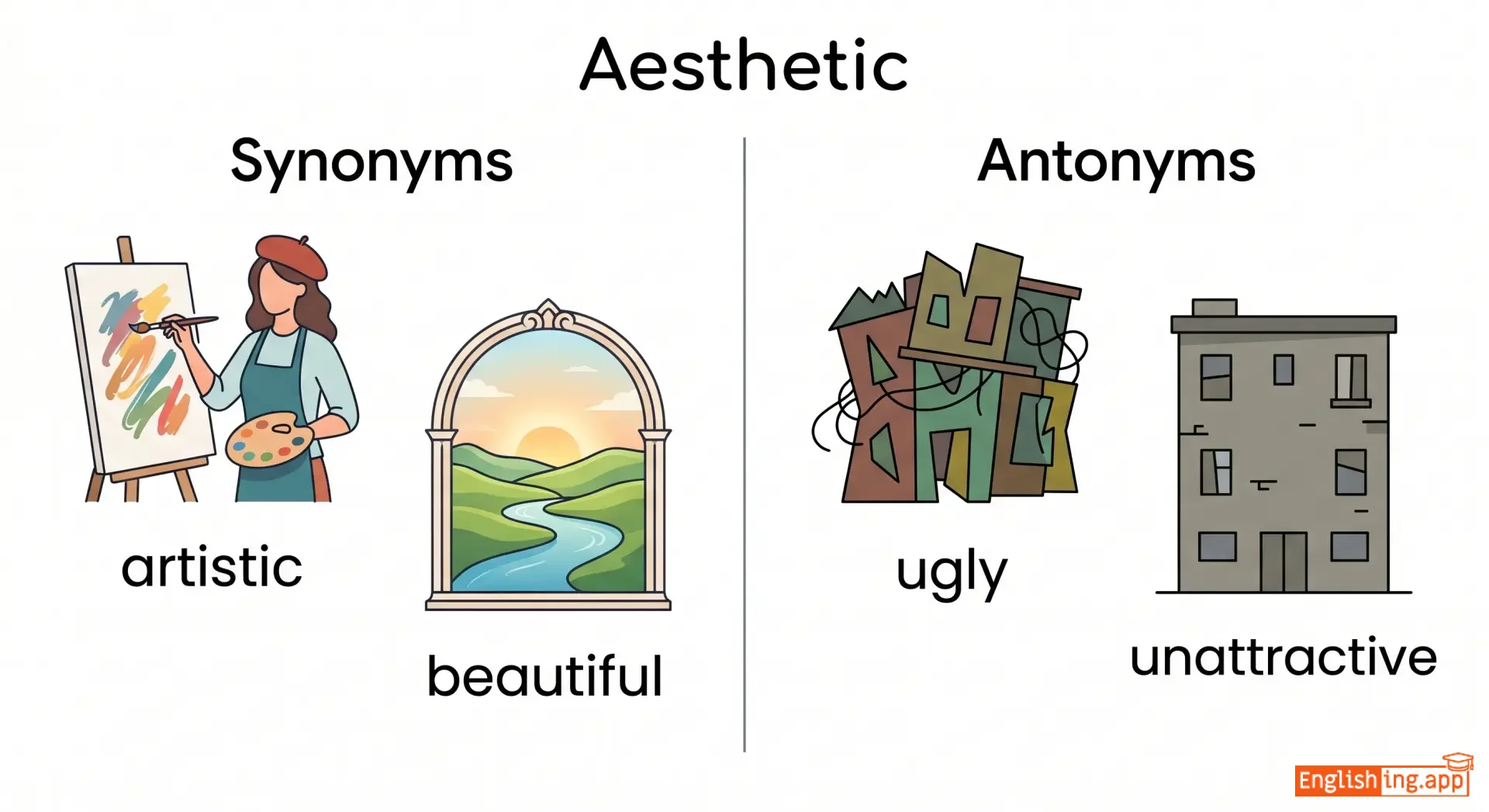
artistic, beautiful, elegant, tasteful
••••••
|
ugly, unattractive, plain
••••••
|
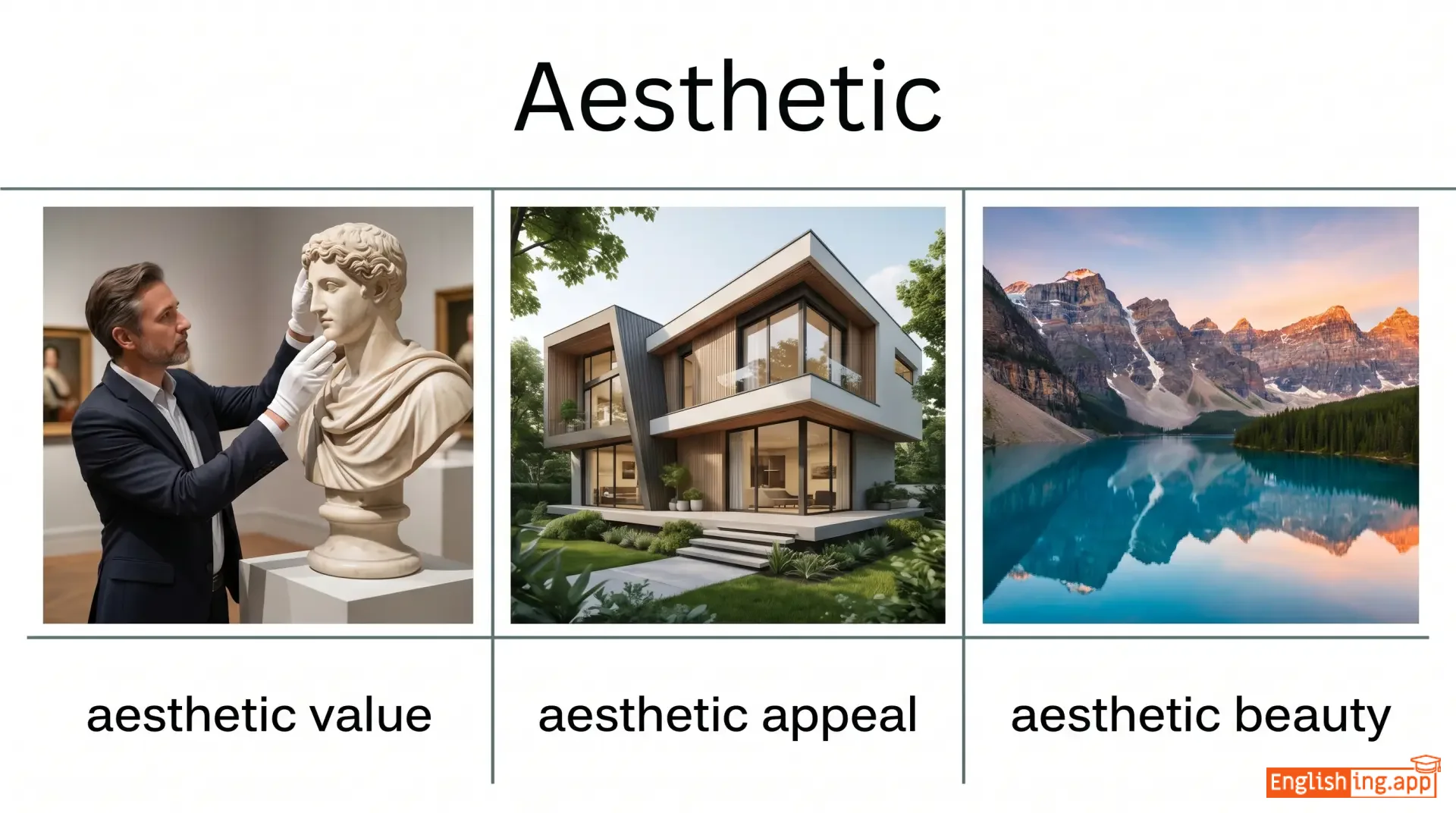
aesthetic value, aesthetic appeal, aesthetic beauty, aesthetic design
••••••
|
Aesthetic意味着美,所以审美的也与美有关。
••••••
|
|
#9
➕
|
/ˈæɡ.rɪ.ɡət/ (noun/adjective), /ˈæɡ.rɪ.ɡeɪt/ (verb)
noun, verb, adjective
(聚合)
••••••
|
|
聚合, 总体
jùhé, zǒngtǐ
••••••
|
aggregated
聚合的
••••••
|
aggregated
聚合的
••••••
|
aggregates
聚合
••••••
|
aggregating
聚合
••••••
|
A whole formed by combining several elements; to combine into a total.
••••••
|
The data was aggregated to provide a clearer picture of the market.
数据已被聚合,以提供市场的更清晰图像。
••••••
|
数据已被聚合,以提供市场的更清晰图像。
Shùjù yǐ bèi jùhé, yǐ tígōng shìchǎng de gèng qīngxī túxiàng.
••••••
|
- •••••• | - •••••• | - •••••• |
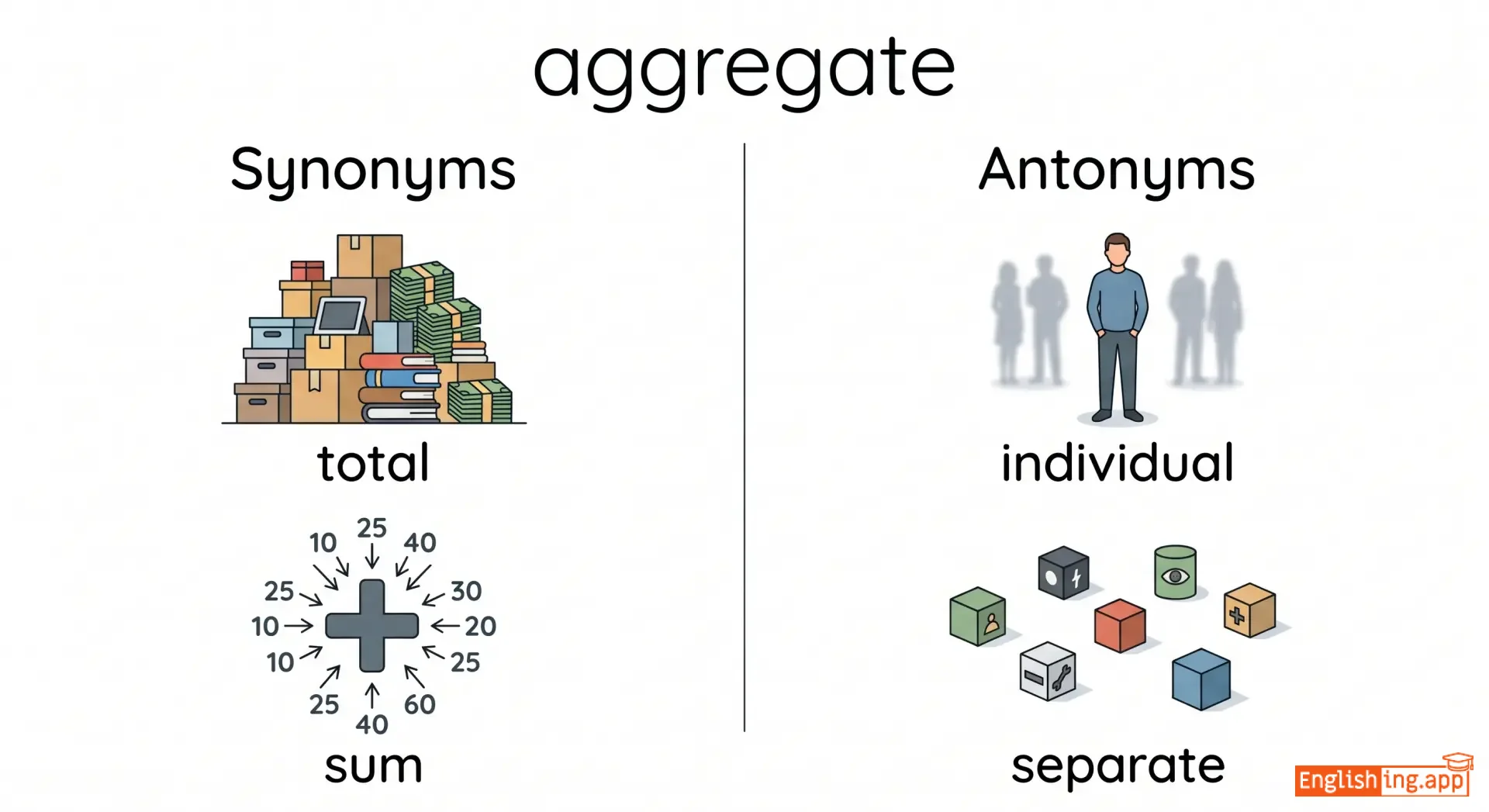
total, sum, collection, accumulate
••••••
|
individual, separate, divide
••••••
|
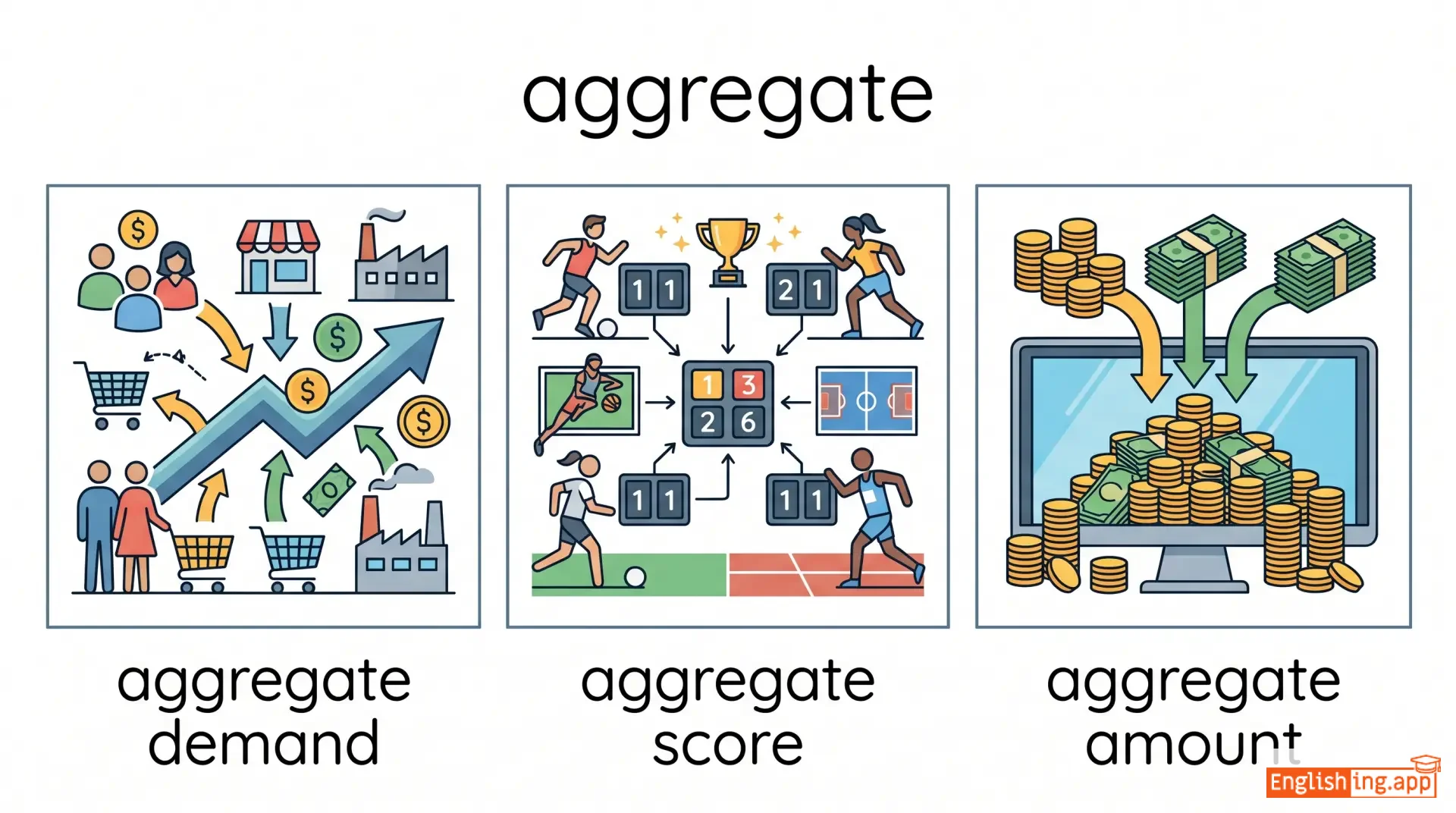
aggregate demand, aggregate score, aggregate amount, aggregate data
••••••
|
聚合是把所有东西放在一起形成一个大总和。
••••••
|
|
#10
⚡
|
/əˈlæk.rə.ti/
noun
(艾拉克里蒂)
••••••
|
|
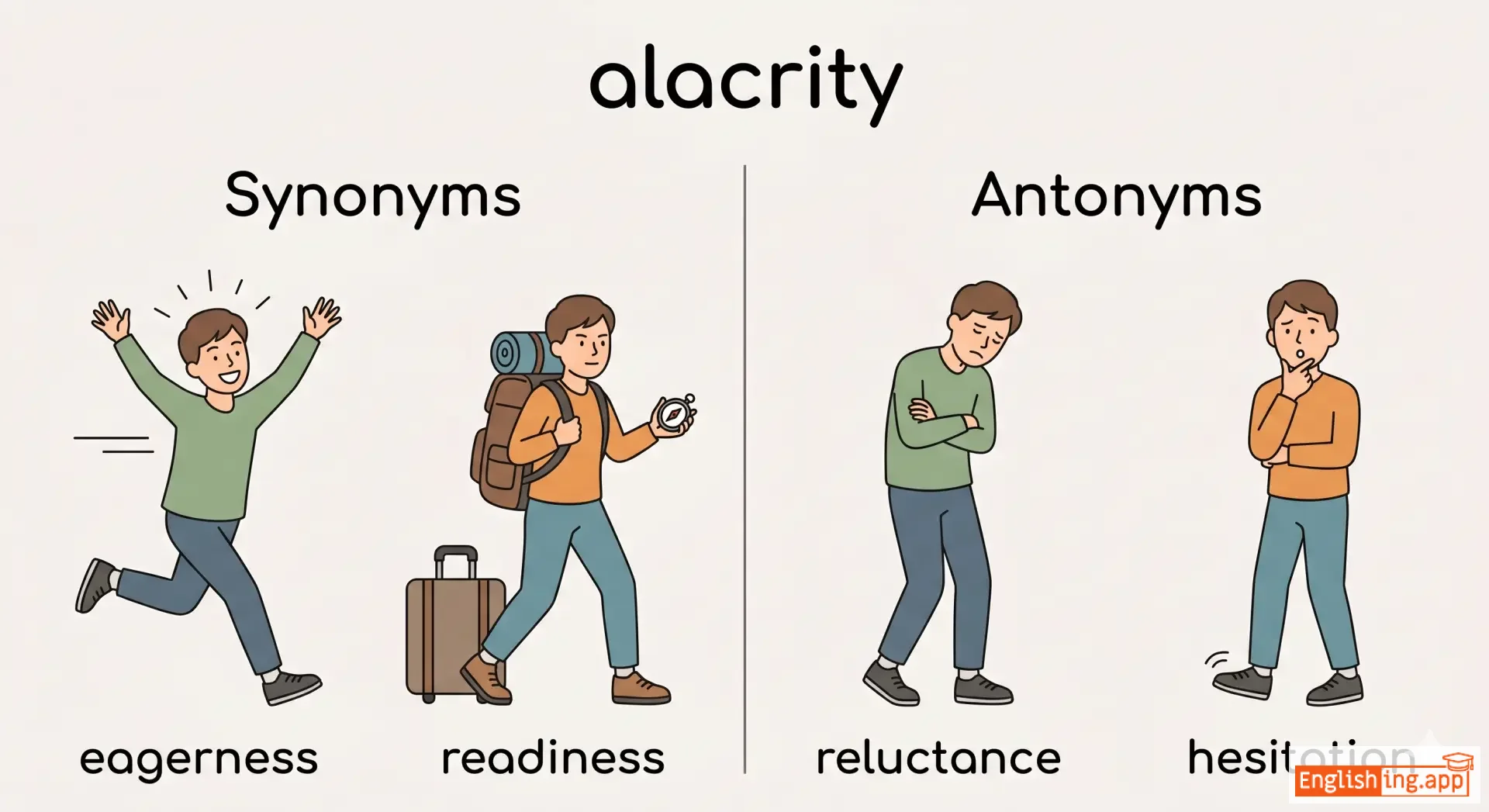
敏捷
alacrity
••••••
|
- •••••• | - •••••• | - •••••• | - •••••• |
Cheerful willingness, eagerness, or readiness to do something.
••••••
|
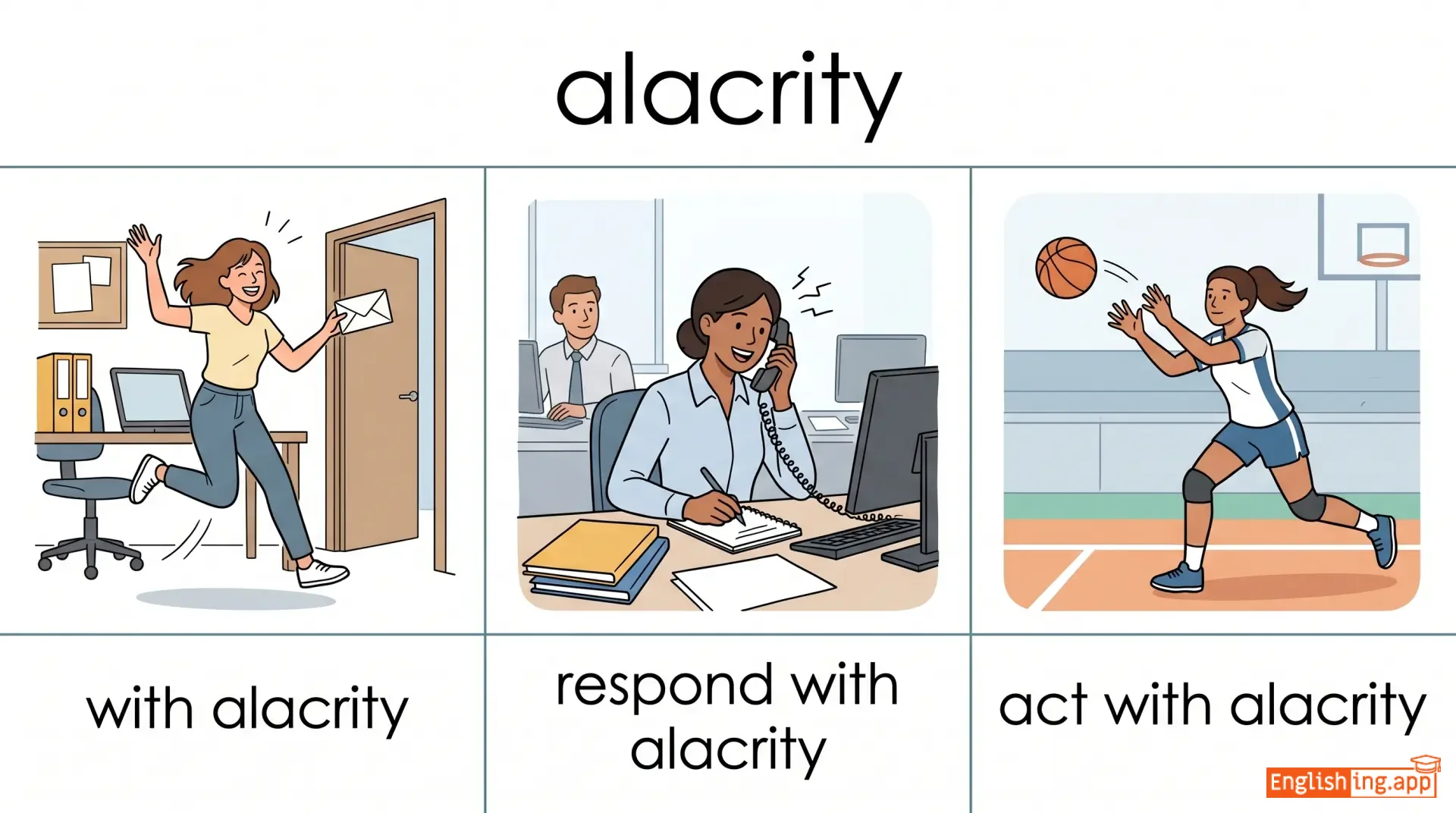
She accepted the invitation with alacrity. |
她愉快地接受了邀请。
Tā yúkuài de jiēshòu le yāoqǐng.
••••••
|
- •••••• | - •••••• | - •••••• |
eagerness, readiness, enthusiasm, willingness, promptness
••••••
|
reluctance, hesitation, unwillingness
••••••
|
with alacrity, respond with alacrity, act with alacrity
••••••
|
Alacrity像‘闪电’一样快速地行动。
••••••
|
|
#11
💊
|
/əˈliːvieɪt/
verb
(缓解)
••••••
|
|
缓解
huanjie
••••••
|
alleviated
缓解了
••••••
|
alleviated
缓解了
••••••
|
alleviates
缓解
••••••
|
alleviating
缓解着
••••••
|
to make suffering, pain, or a problem less severe
••••••
|
The medicine helped alleviate her headache.
药物帮助缓解了她的头痛。
••••••
|
药物帮助缓解了她的头痛。
Yaowu bangzhu huanjie le tade toutong.
••••••
|
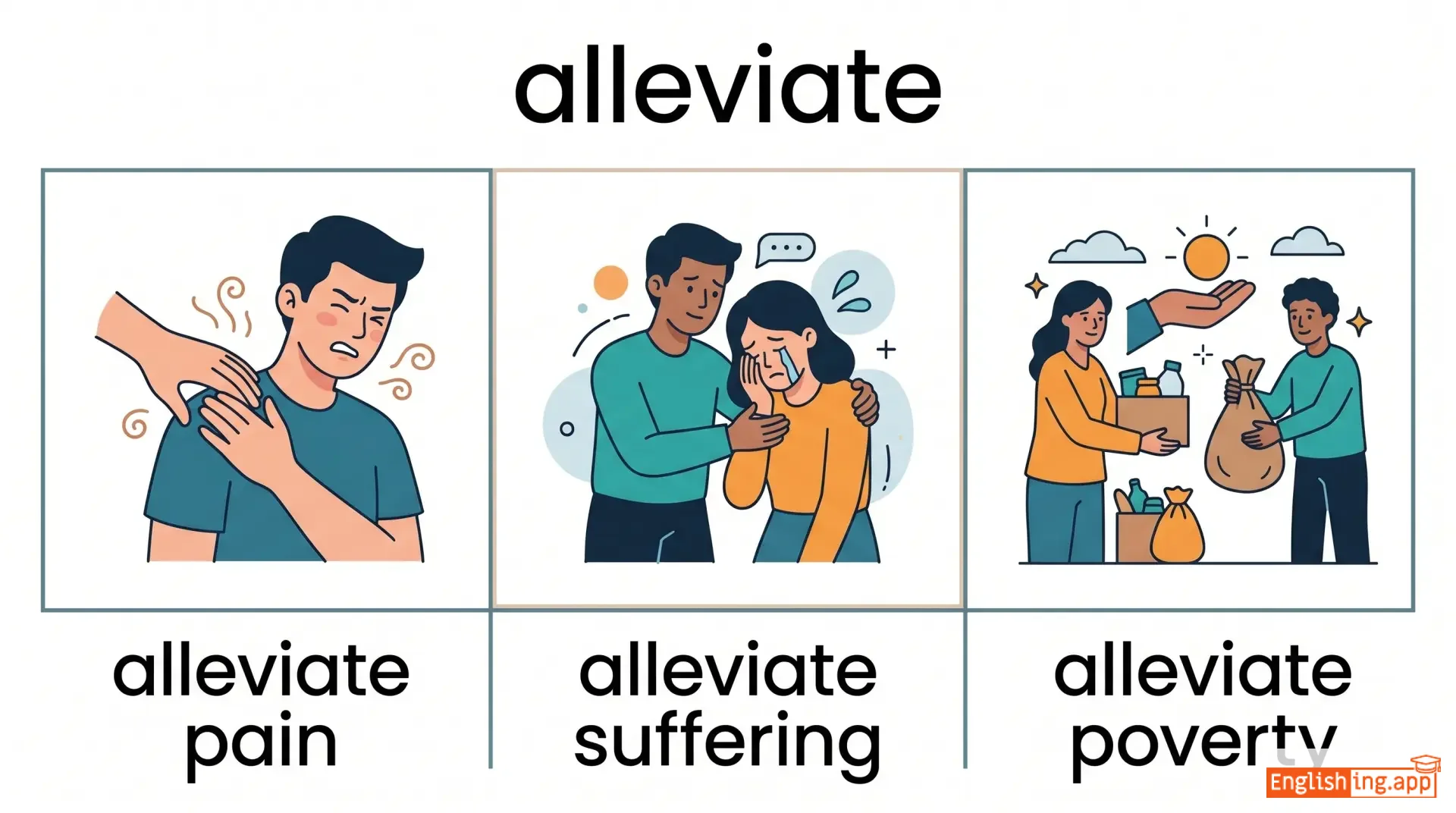
alleviate suffering
缓解痛苦
••••••
|
to reduce someone's suffering
••••••
|
缓解痛苦
huanjie tongku
••••••
|
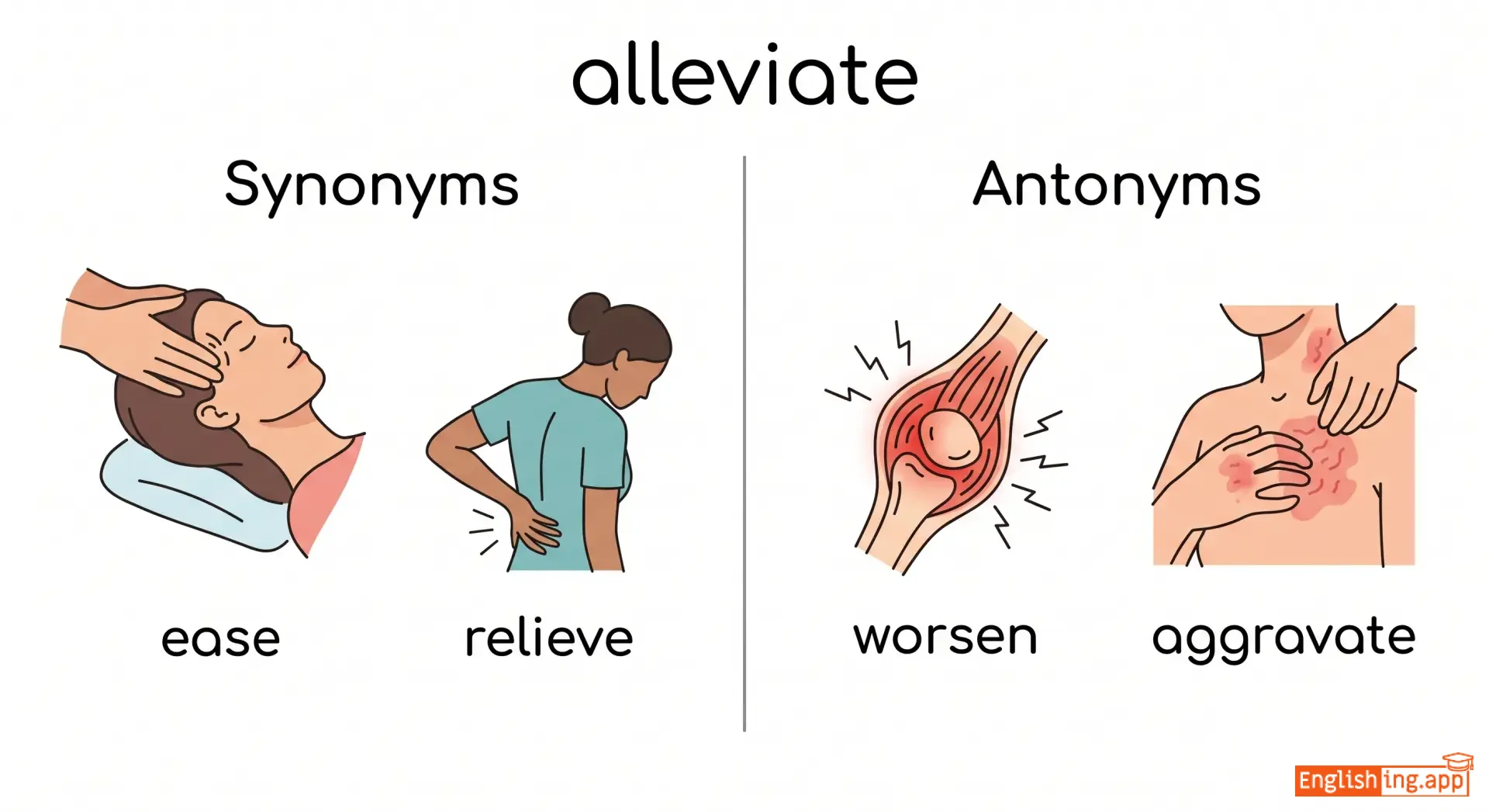
ease, relieve, lessen, mitigate, reduce
••••••
|
worsen, aggravate, intensify
••••••
|
alleviate pain, alleviate suffering, alleviate poverty, alleviate symptoms
••••••
|
缓解就像缓慢地减轻痛苦(缓解)。
••••••
|
|
#12
🔗
|
/əˈmælɡəmeɪt/
verb
(ā mǎ ěr gǎ mài tè)
••••••
|
|
合并
hé bìng
••••••
|
amalgamated
ā mǎ ěr gǎ mài tè de
••••••
|
amalgamated
ā mǎ ěr gǎ mài tè de
••••••
|
amalgamates
ā mǎ ěr gǎ mài tè sī
••••••
|
amalgamating
ā mǎ ěr gǎ mài tè zhōng
••••••
|
to combine or unite to form one organization or structure; to merge
••••••
|
The two companies decided to amalgamate their operations.
这两家公司决定合并他们的运营。
••••••
|
这两家公司决定合并他们的运营。
Zhè liǎng jiā gōngsī juédìng hébìng tāmen de yùnyíng.
••••••
|
- •••••• | - •••••• | - •••••• |
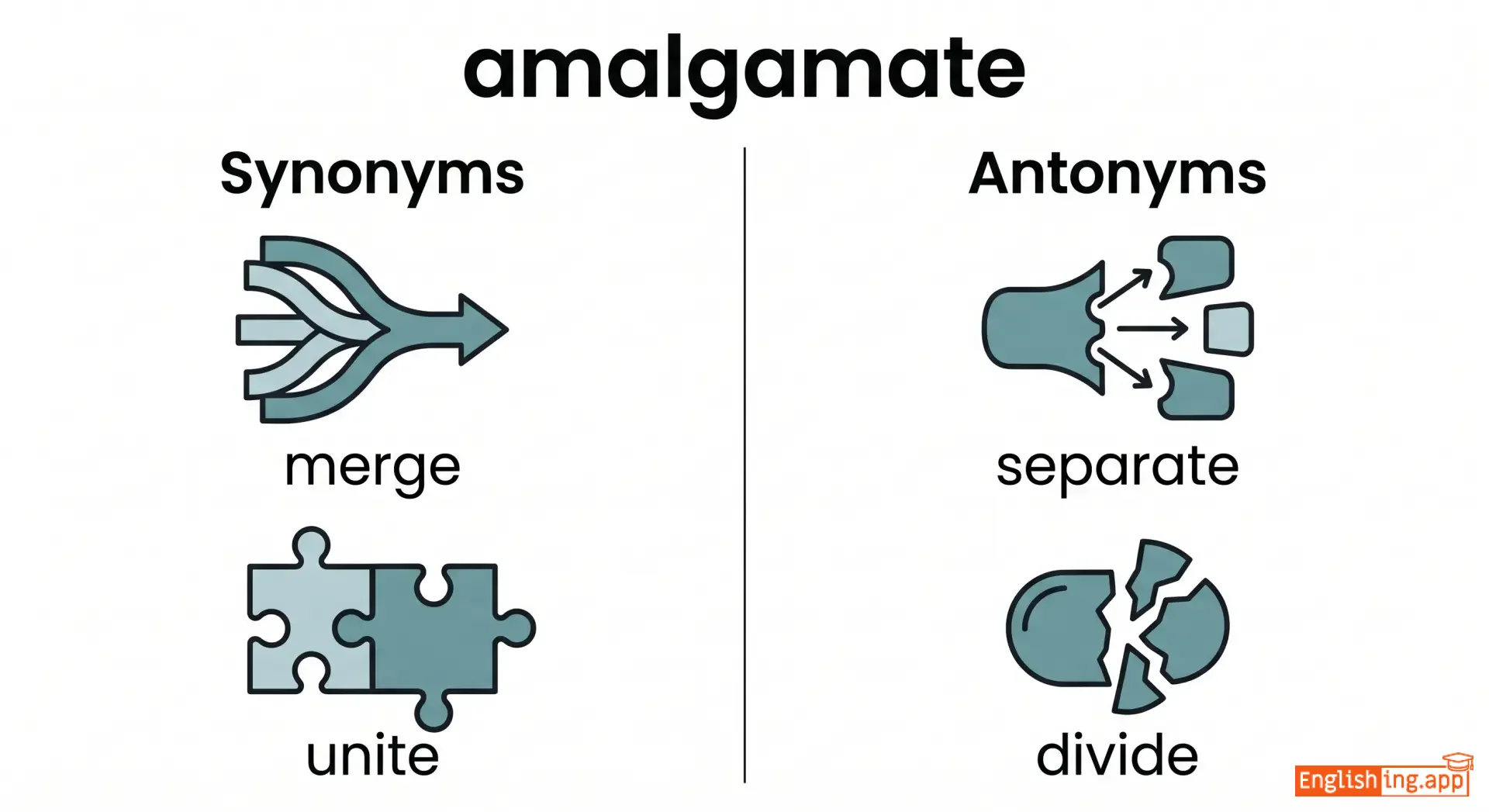
merge, combine, unite, blend
••••••
|
separate, divide, split, isolate
••••••
|
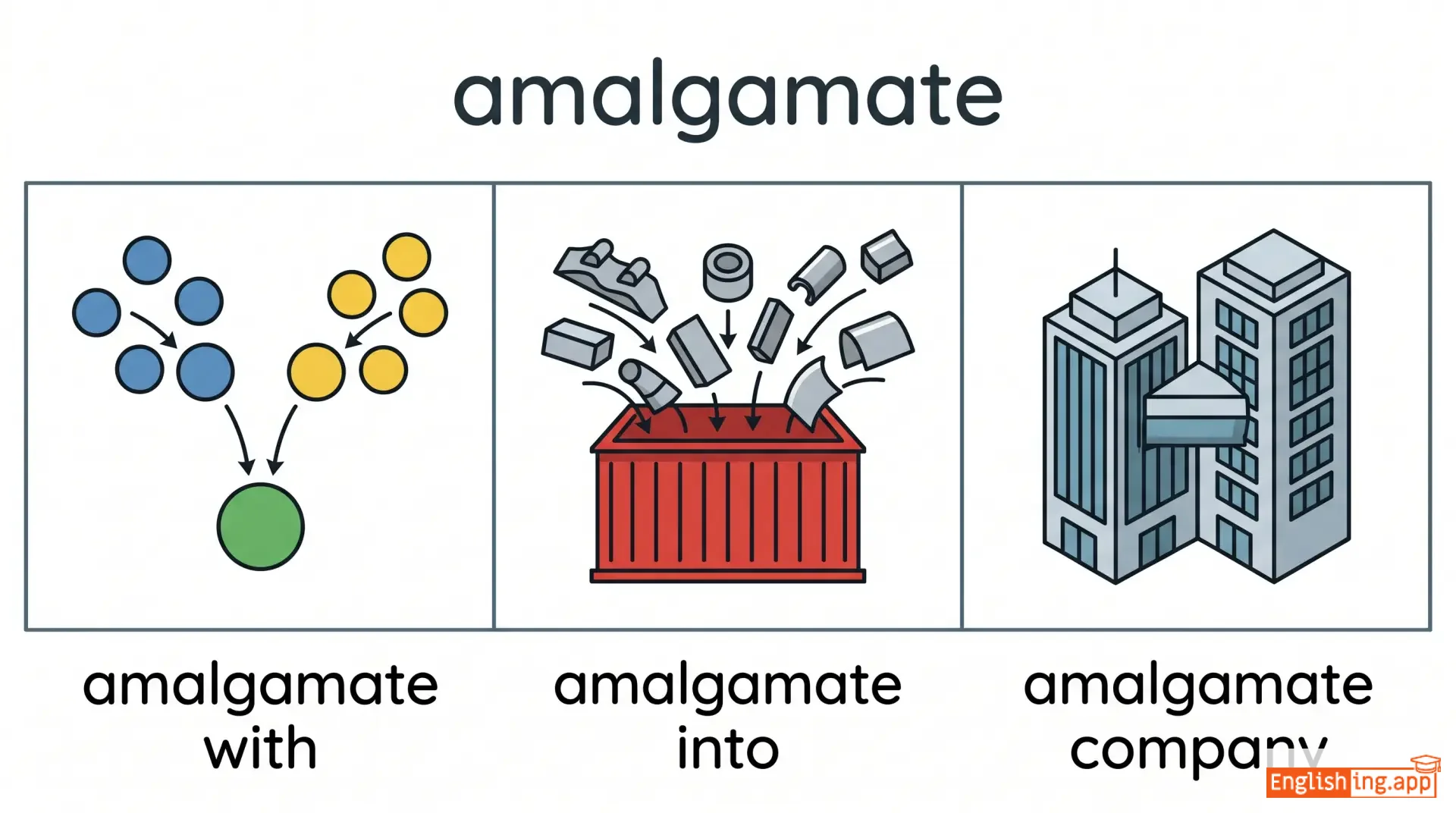
amalgamate companies, amalgamate operations, successfully amalgamate, amalgamate resources, amalgamate efforts
••••••
|
合并 (hé bìng) = merging for structure
••••••
|
|
#13
❓
|
/æmˈbɪɡjuəs/
adjective
(æmˈbɪɡjuəs)
••••••
|
|
模糊的
móhú de
••••••
|
- •••••• | - •••••• | - •••••• | - •••••• |
Open to more than one interpretation; unclear or uncertain.
••••••
|
His answer was so ambiguous that no one understood his real opinion. |
他的回答非常模糊,以至于没有人理解他的真实意见。
tā de huídá fēicháng móhú, yǐzhì méiyǒu rén lǐjiě tā de zhēnshí yìjiàn.
••••••
|
ambiguous statement |
a statement that can be interpreted in more than one way
••••••
|
模糊的声明
móhú de shēngmíng
••••••
|
unclear, vague, uncertain, equivocal, obscure
••••••
|
clear, definite, explicit
••••••
|
ambiguous statement, ambiguous meaning, ambiguous situation, ambiguous terms
••••••
|
Ambulance与模糊的音调相似,像警报声一样让人困惑。
••••••
|
|
#14
⚖️
|
/æmˈbɪvələns/
noun
(艾姆比韦伦斯)
••••••
|
|
矛盾情绪
máodùn qíngxù
••••••
|
- •••••• | - •••••• | - •••••• | - •••••• |
The state of having mixed feelings or contradictory ideas about something.
••••••
|
He felt ambivalence about moving to a new city. |
他对搬到新城市感到矛盾。
tā duì bān dào xīn chéngshì gǎndào máodùn.
••••••
|
- •••••• | - •••••• | - •••••• |
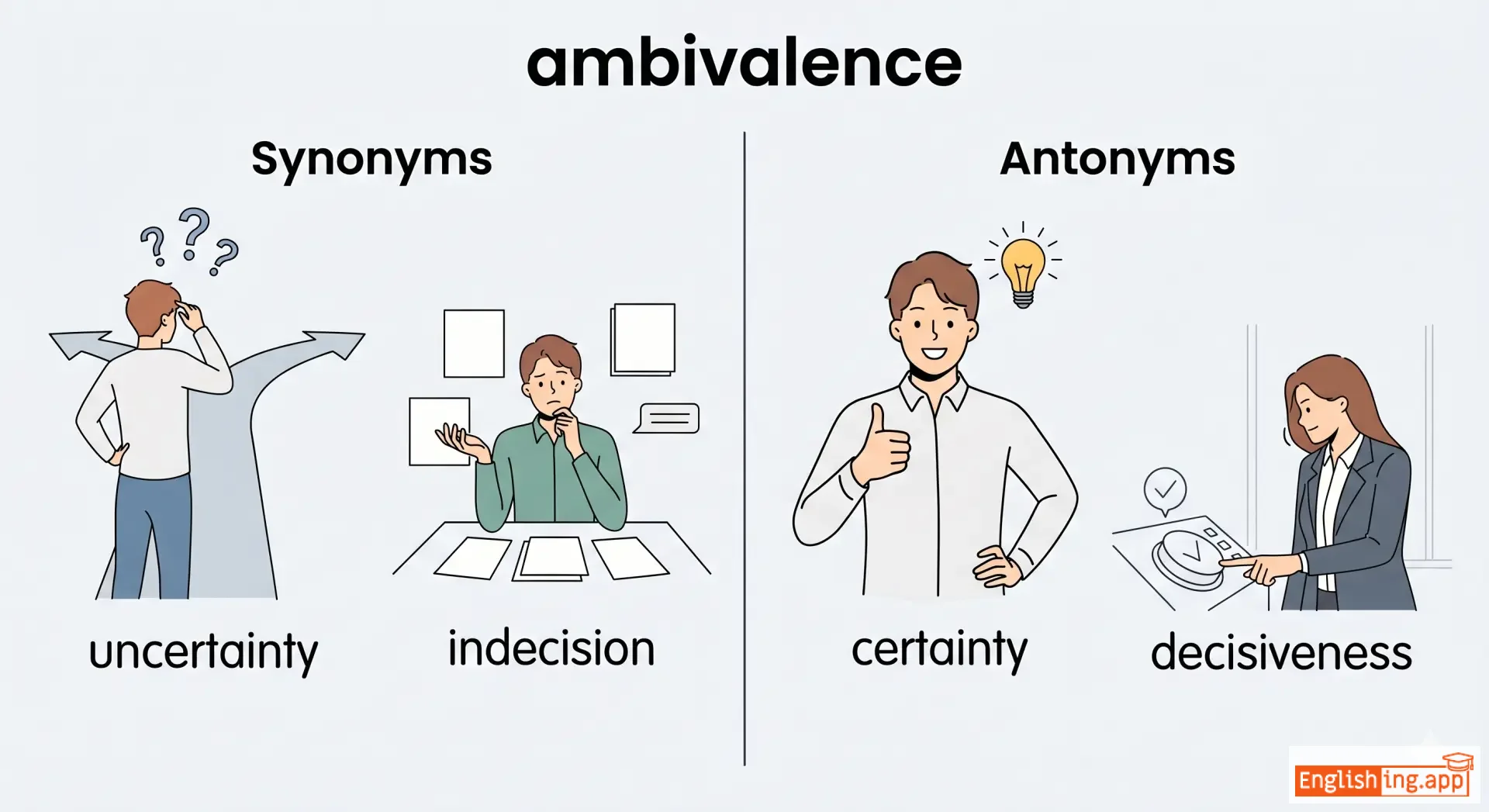
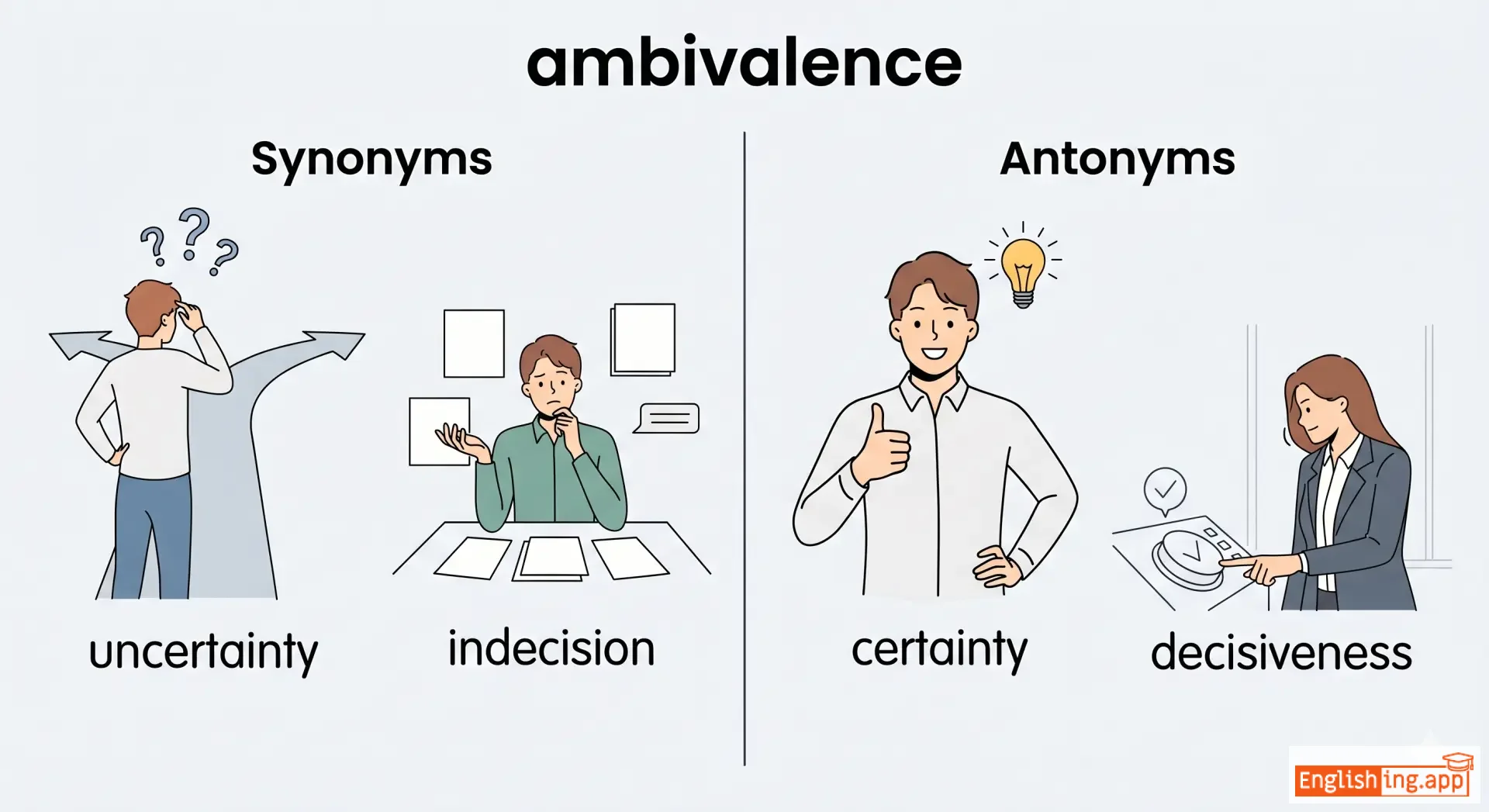
uncertainty, indecision, doubt, hesitation
••••••
|
certainty, decisiveness, clarity
••••••
|
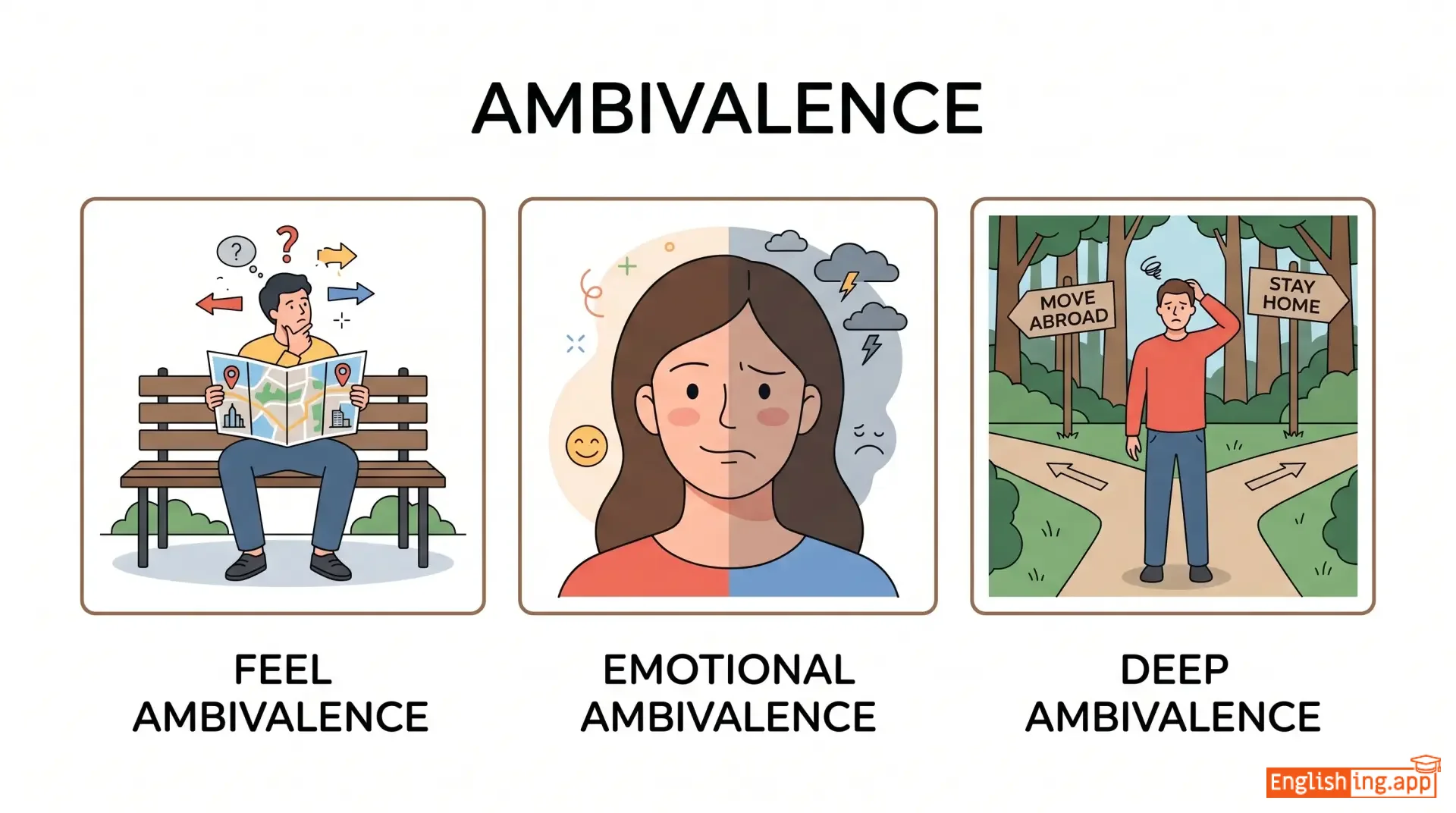
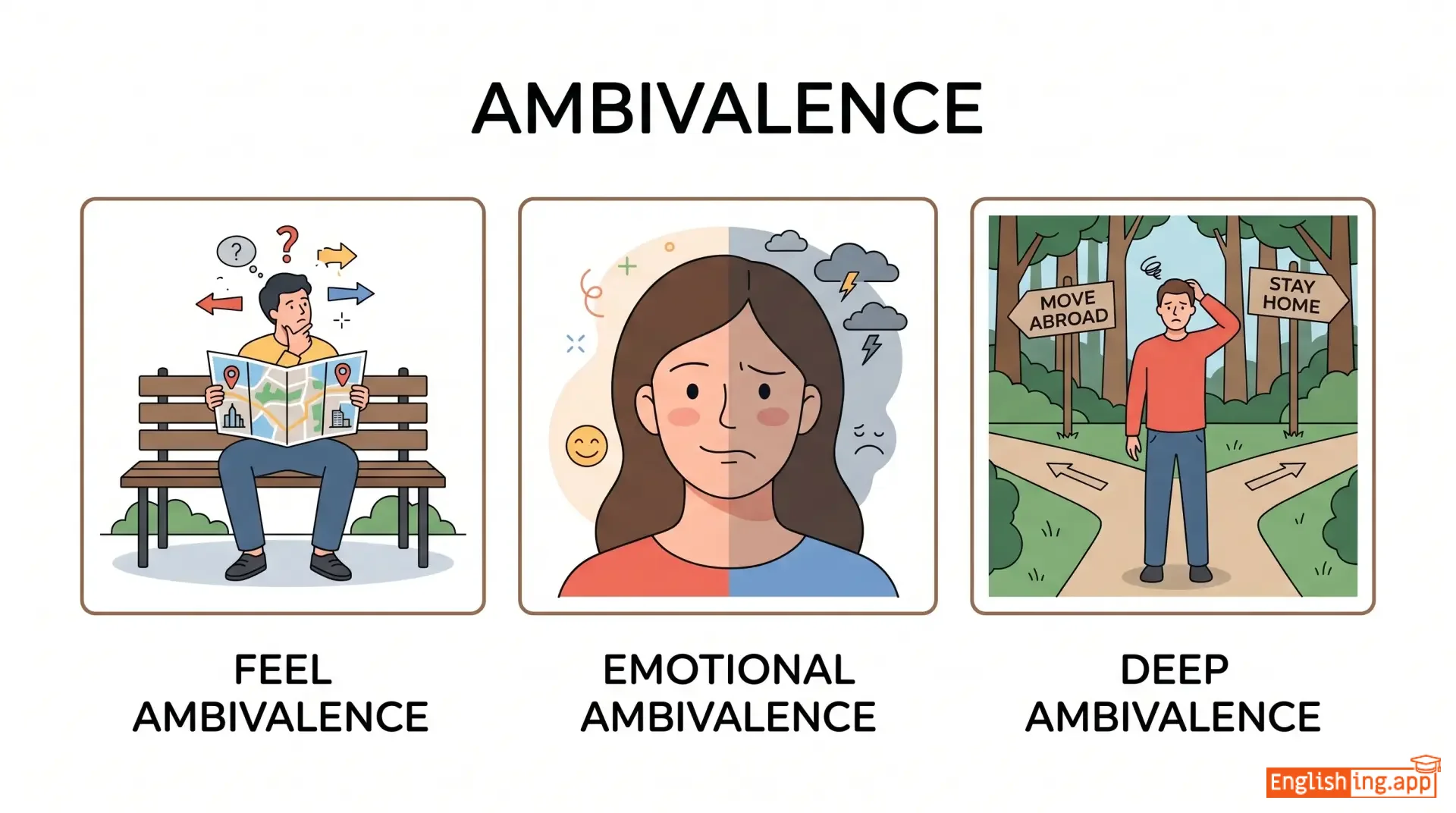
feel ambivalence, emotional ambivalence, deep ambivalence
••••••
|
在救护车中,矛盾情绪介于恐惧和希望之间。
••••••
|
|
#15
🔧
|
/əˈmiːliəreɪt/
verb
(海皮尼斯)
••••••
|
|
幸福
xìngfú
••••••
|
ameliorated
••••••
|
ameliorated
••••••
|
ameliorates
••••••
|
ameliorating
••••••
|
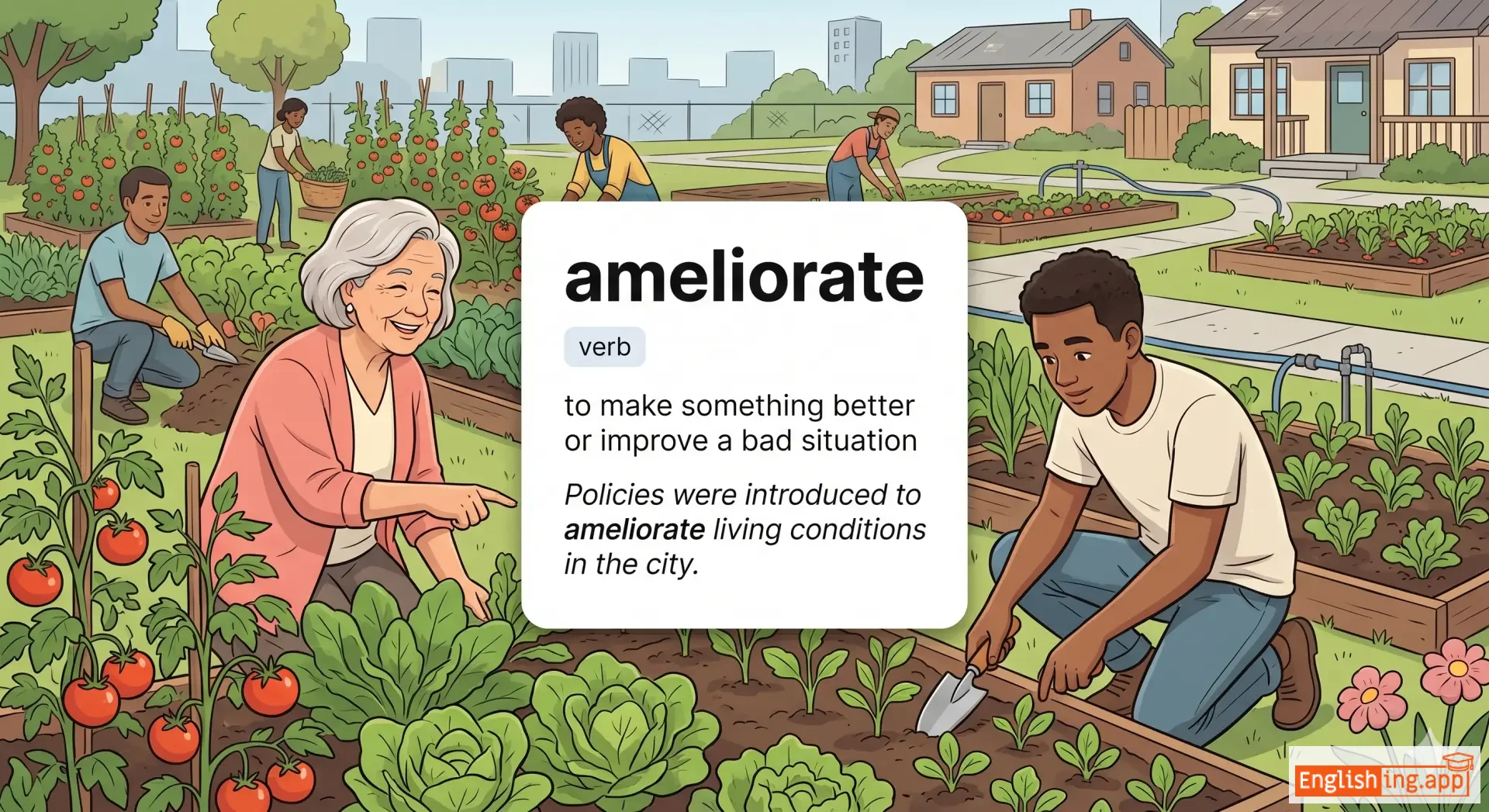
to make something better or improve a bad situation
••••••
|
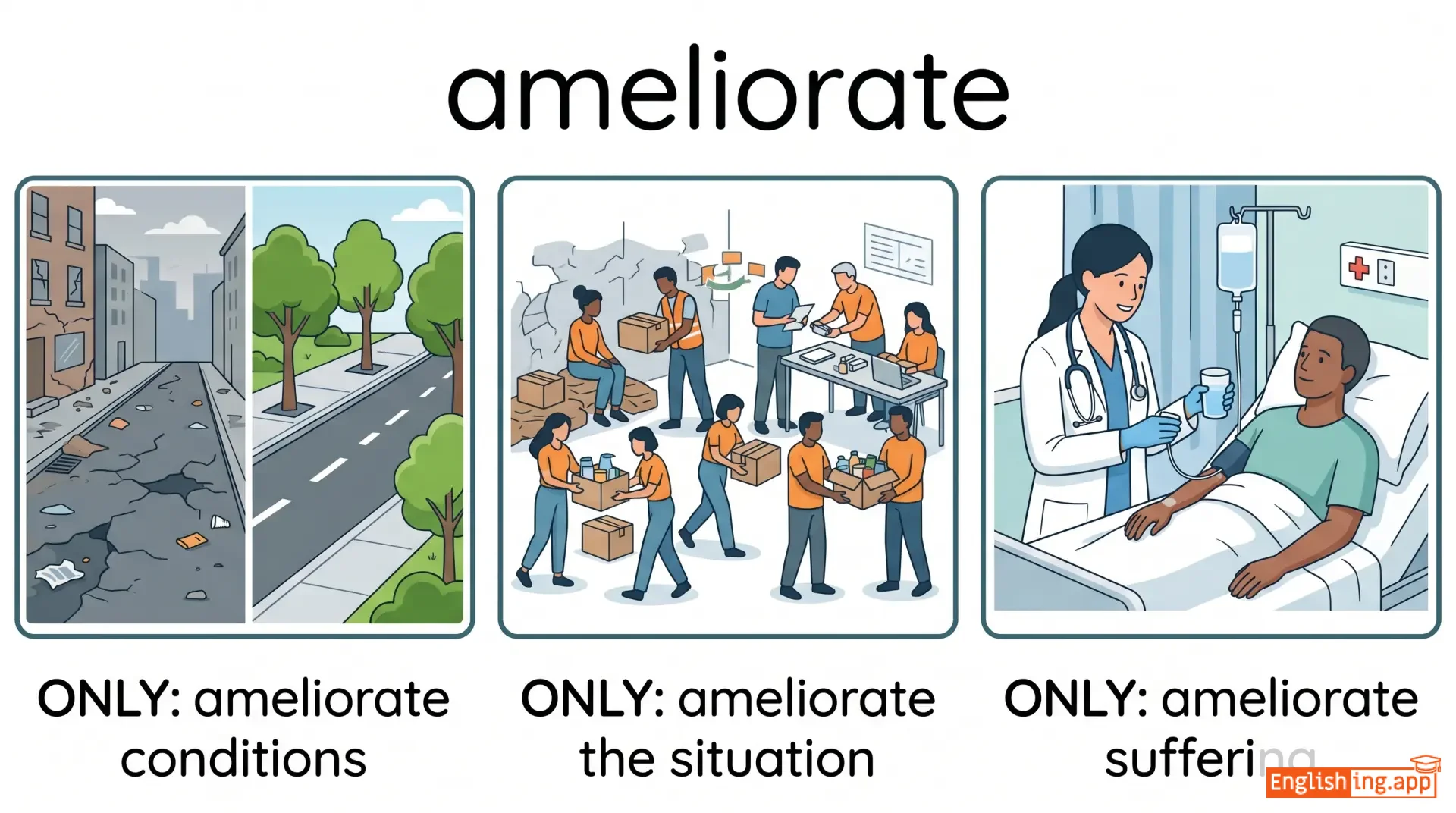
Policies were introduced to ameliorate living conditions in the city. |
已经出台了改善城市生活条件的政策。
Yǐjīng chūtái le gǎishàn chéngshì shēnghuó tiáojiàn de zhèngcè.
••••••
|
ameliorate the situation |
to improve a problematic or difficult condition
••••••
|
改善情况
gǎishàn qíngkuàng
••••••
|
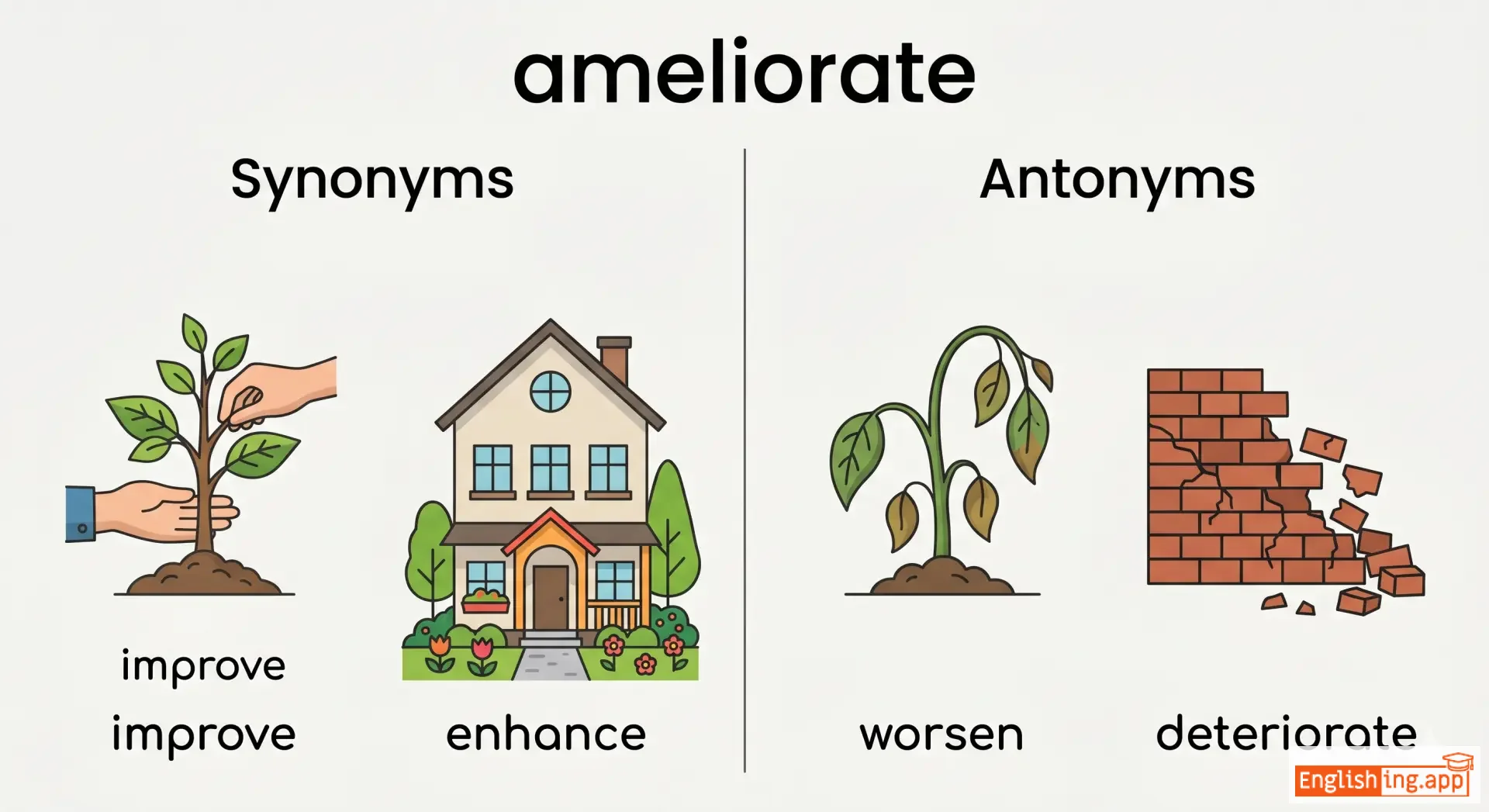
improve, enhance, upgrade, better, reform
••••••
|
worsen, deteriorate, aggravate
••••••
|
ameliorate conditions, ameliorate the situation, ameliorate suffering, ameliorate poverty
••••••
|
幸福 (xìngfú) 是当情况变得更好的时候。
••••••
|
|
#16
⌛
|
/əˈnækrəˌnɪzəm/
noun
••••••
|
|
- •••••• | - •••••• | - •••••• | - •••••• | - •••••• |
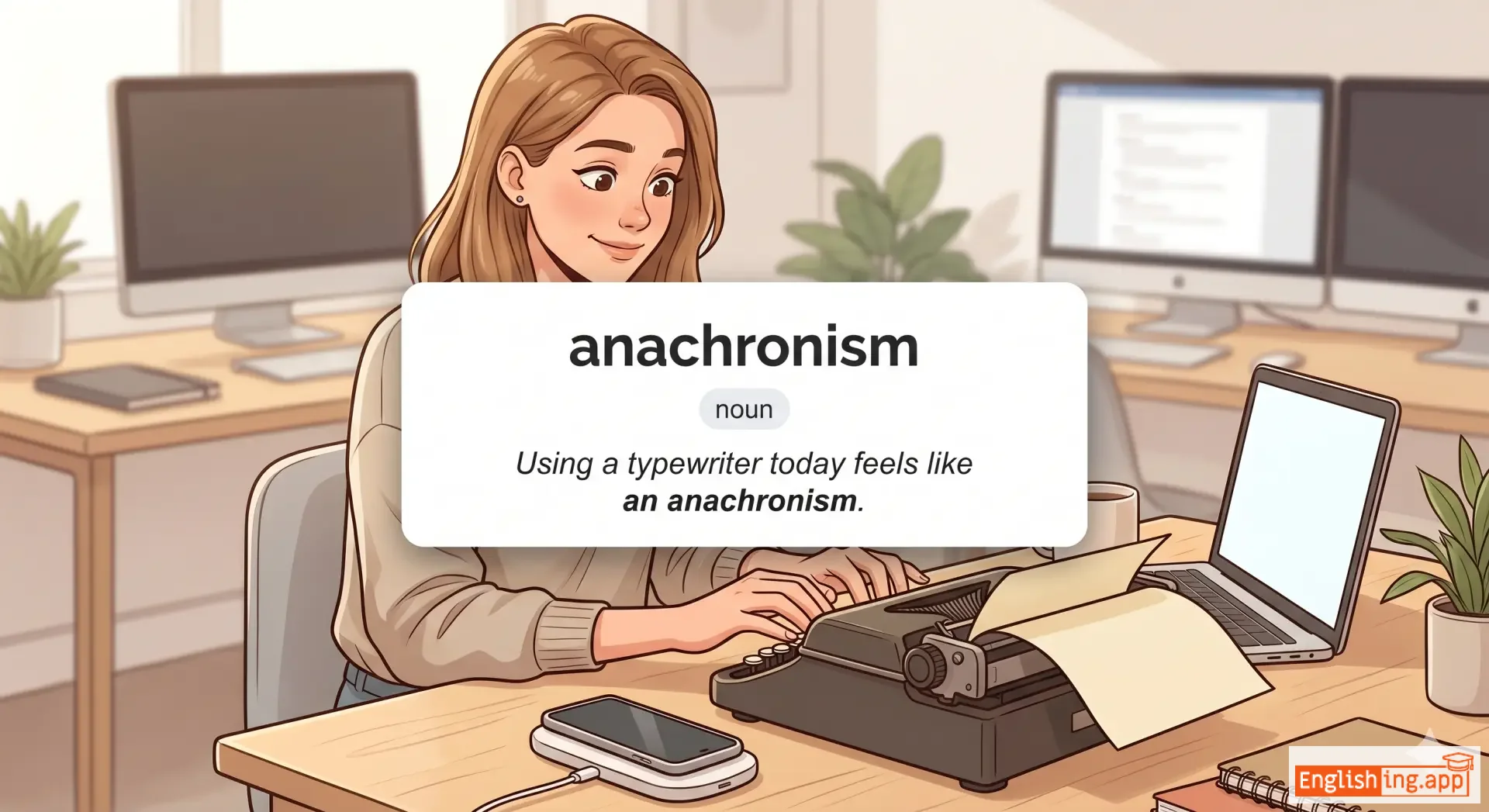
something that is out of its proper time period, especially something old-fashioned in a modern context
••••••
|
Using a typewriter today feels like an anachronism. |
- •••••• | - •••••• | - •••••• | - •••••• |
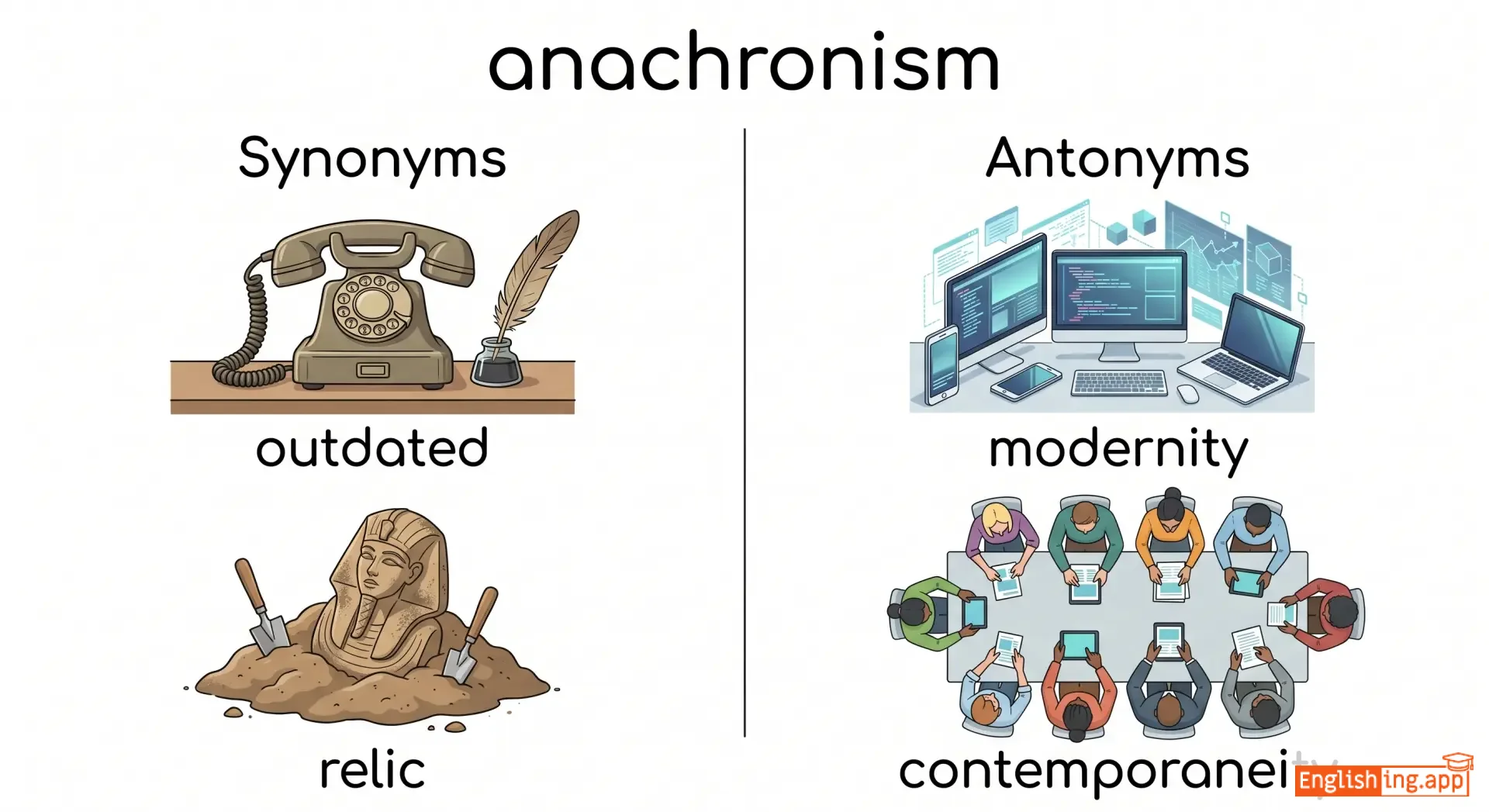
outdated, relic, antiquated, obsolete
••••••
|
modernity, contemporaneity, relevance
••••••
|
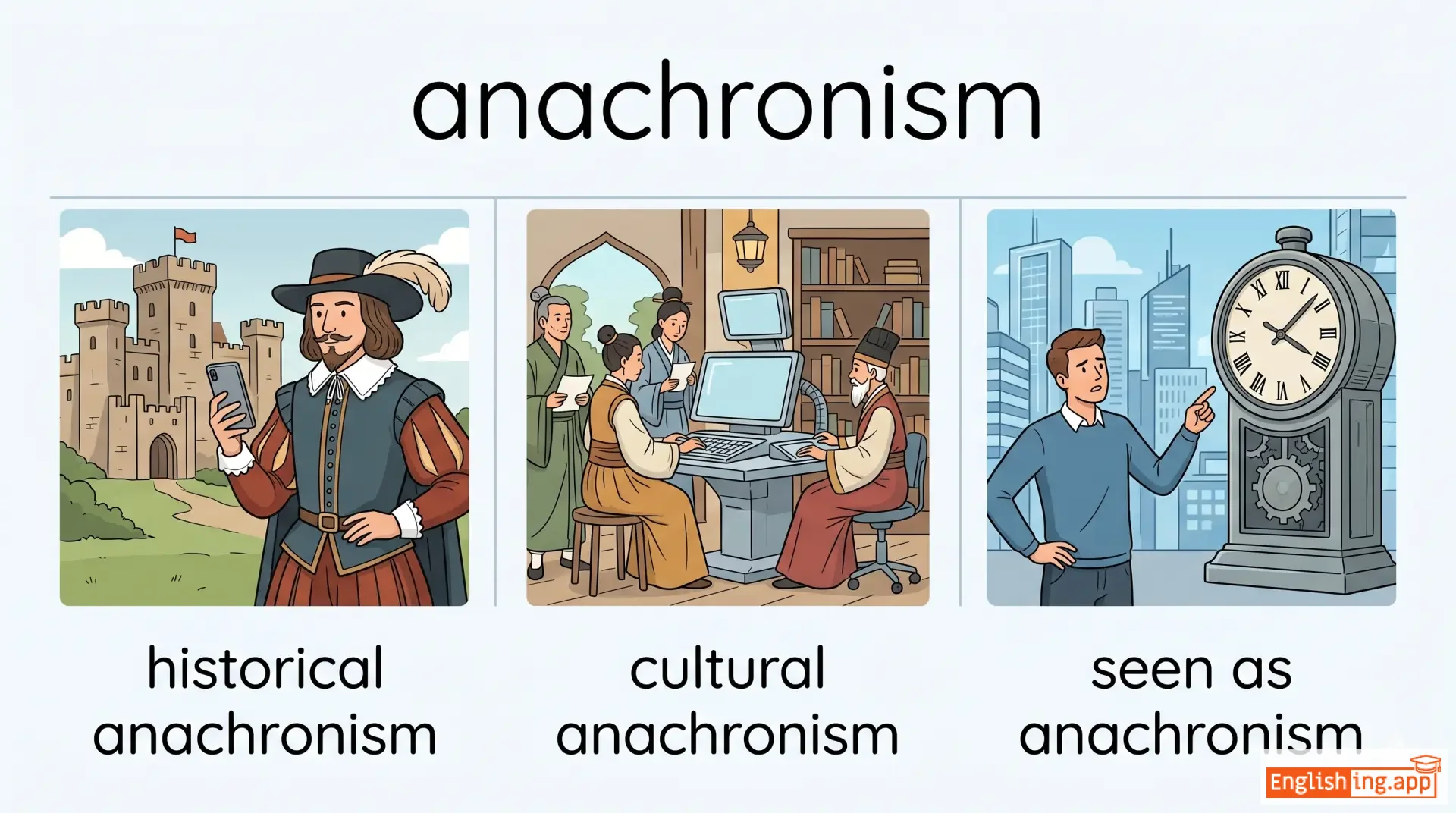
historical anachronism, cultural anachronism, seen as anachronism
••••••
|
No •••••• |
|
#17
🔗
|
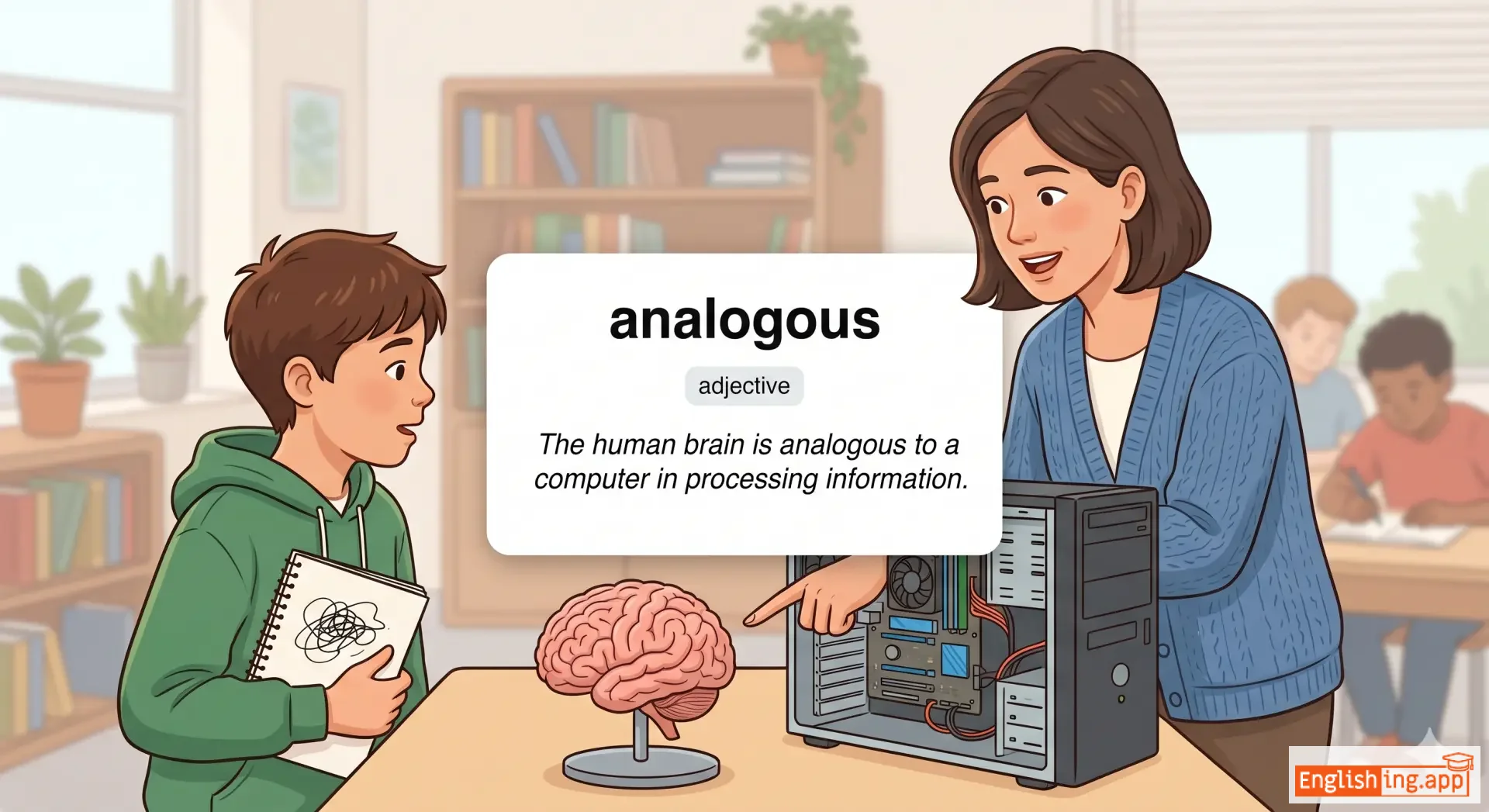
/əˈnæləɡəs/
adjective
••••••
|
|
- •••••• | - •••••• | - •••••• | - •••••• | - •••••• |
Comparable in certain respects, typically in a way that makes clearer the nature of the things compared.
••••••
|
The human brain is analogous to a computer in processing information. |
- •••••• | - •••••• | - •••••• | - •••••• |
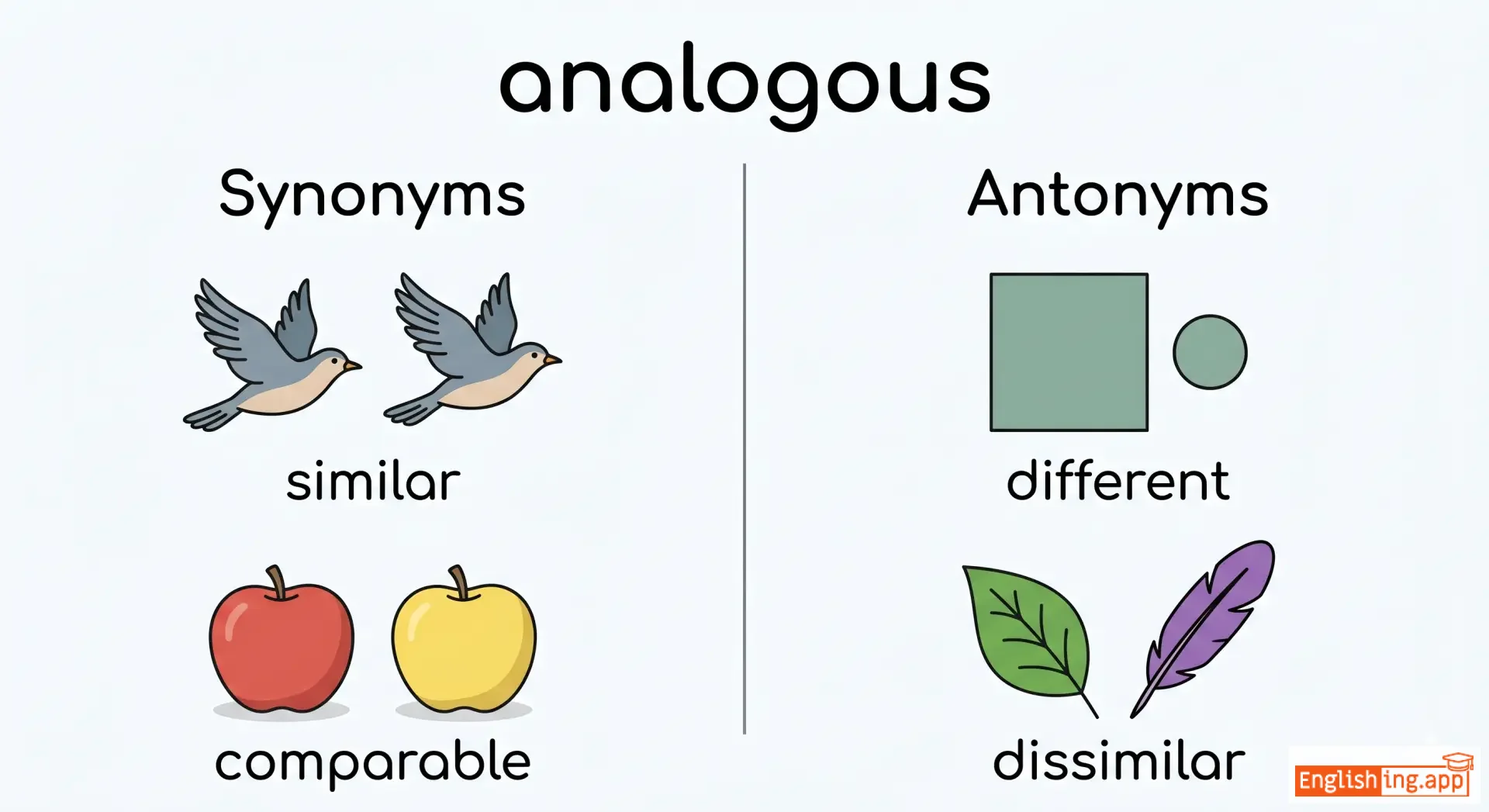
similar, comparable, alike, equivalent
••••••
|
different, dissimilar, unrelated
••••••
|
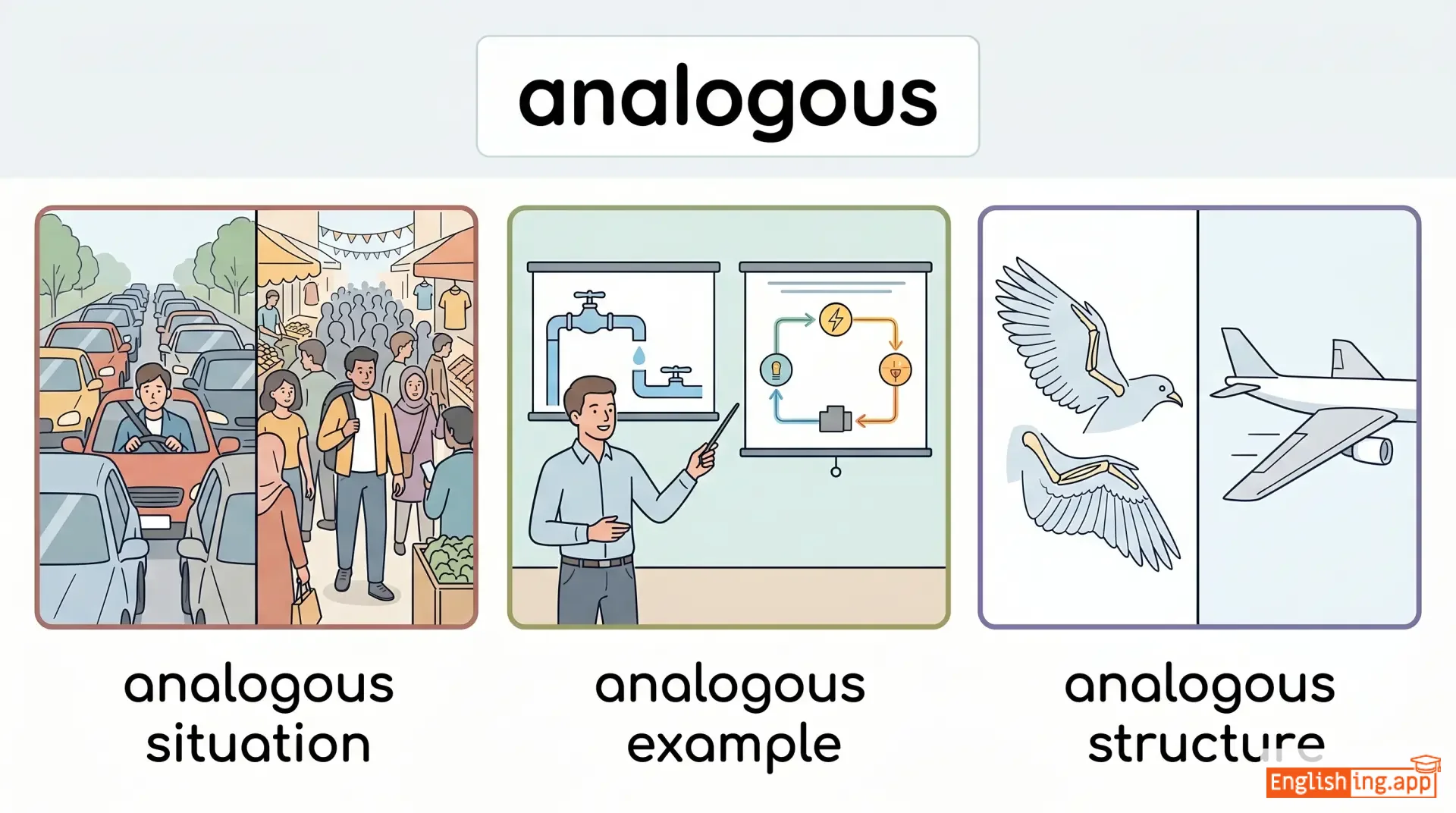
analogous situation, analogous example, analogous structure
••••••
|
No •••••• |
|
#18
⚠️
|
/ˈænərki/
noun
(ānàkì)
••••••
|
|
无政府状态
wú zhèngfǔ zhuàngtài
••••••
|
- •••••• | - •••••• | - •••••• | - •••••• |
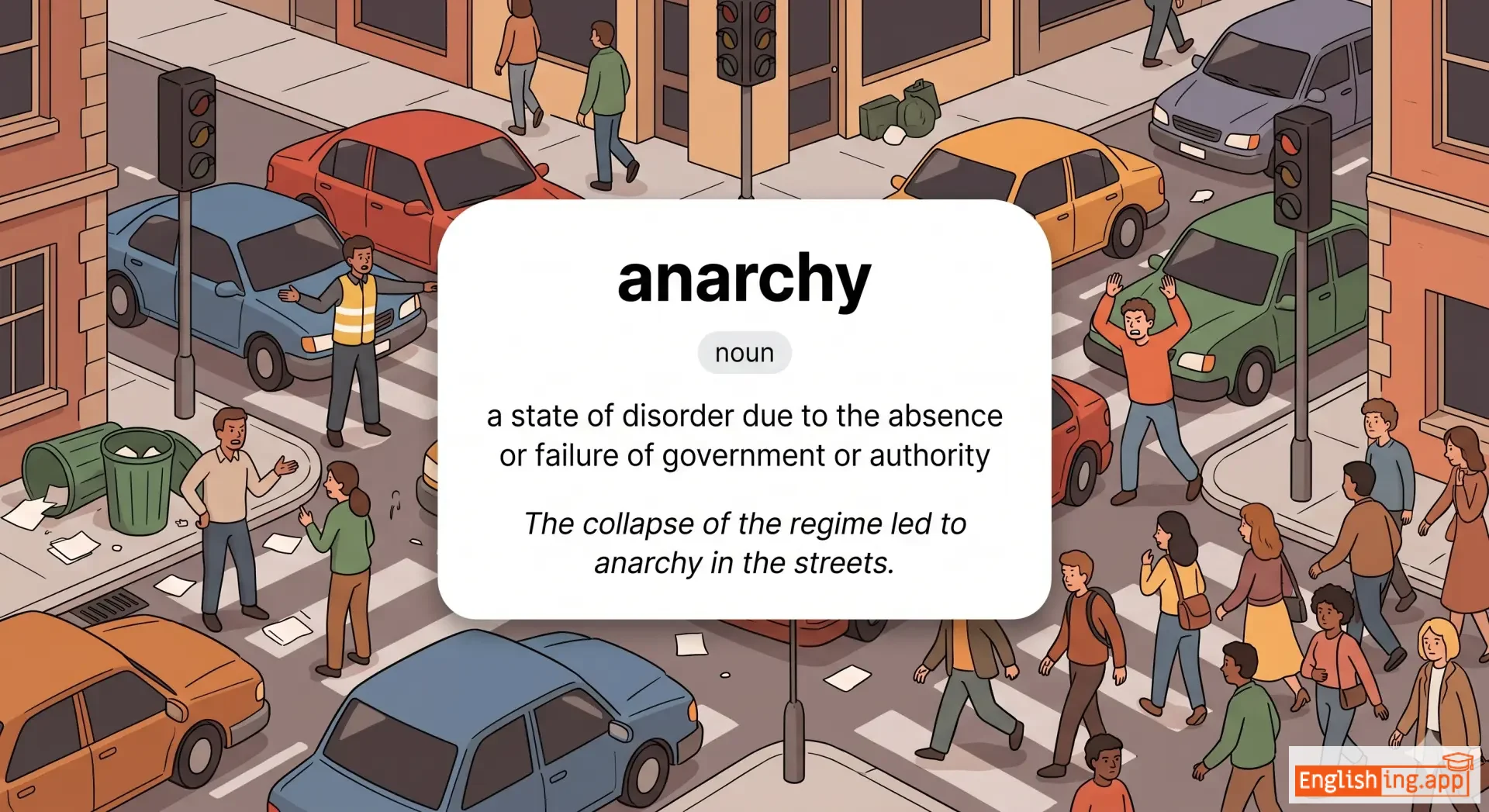
a state of disorder due to the absence or failure of government or authority
••••••
|
The collapse of the regime led to anarchy in the streets. |
政权崩溃导致街头的无政府状态。
Zhèngquán bēngkuì dǎozhì jiētóu de wú zhèngfǔ zhuàngtài.
••••••
|
- •••••• | - •••••• | - •••••• |
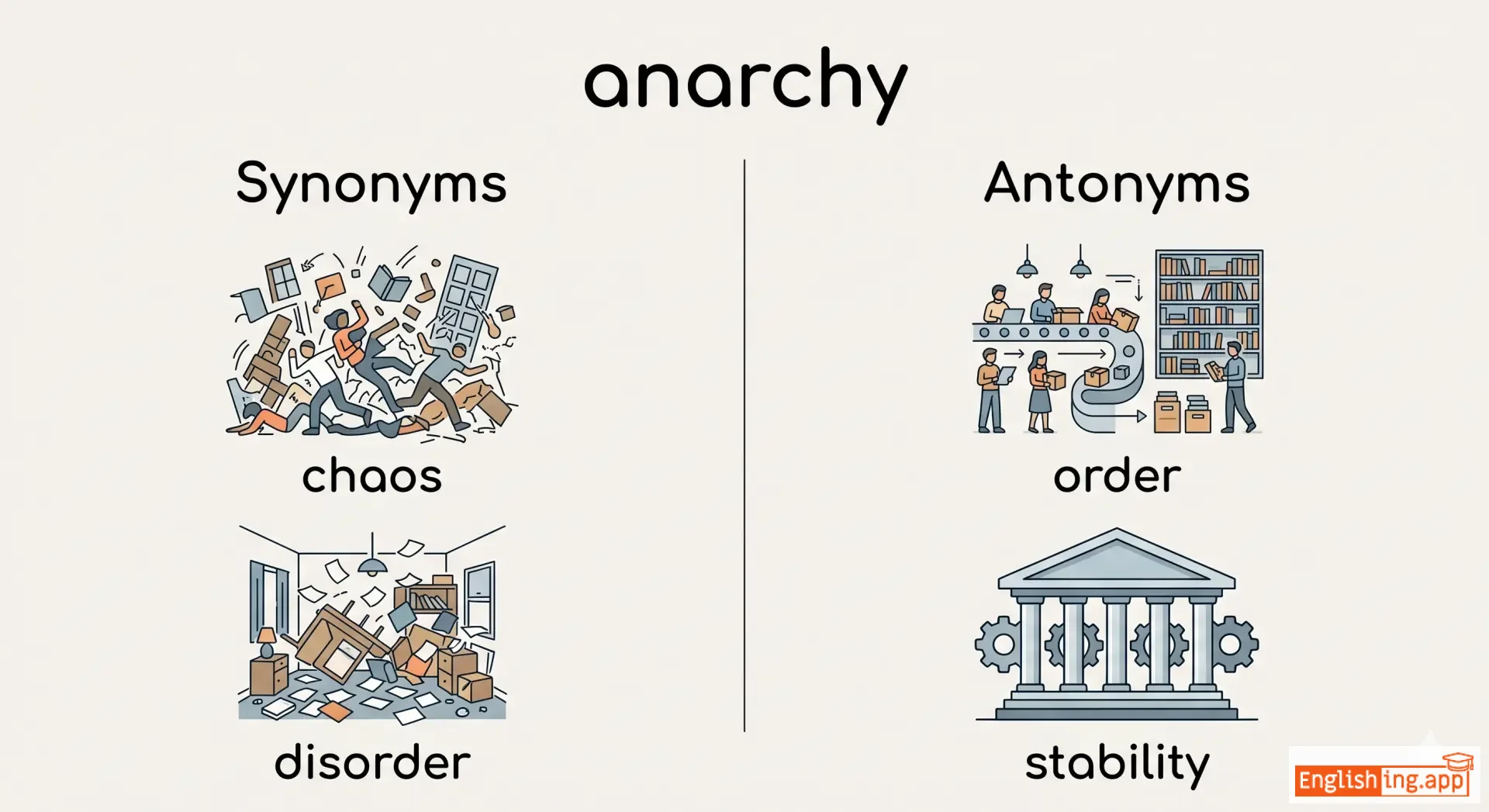
chaos, disorder, lawlessness, turmoil
••••••
|
order, stability, control
••••••
|
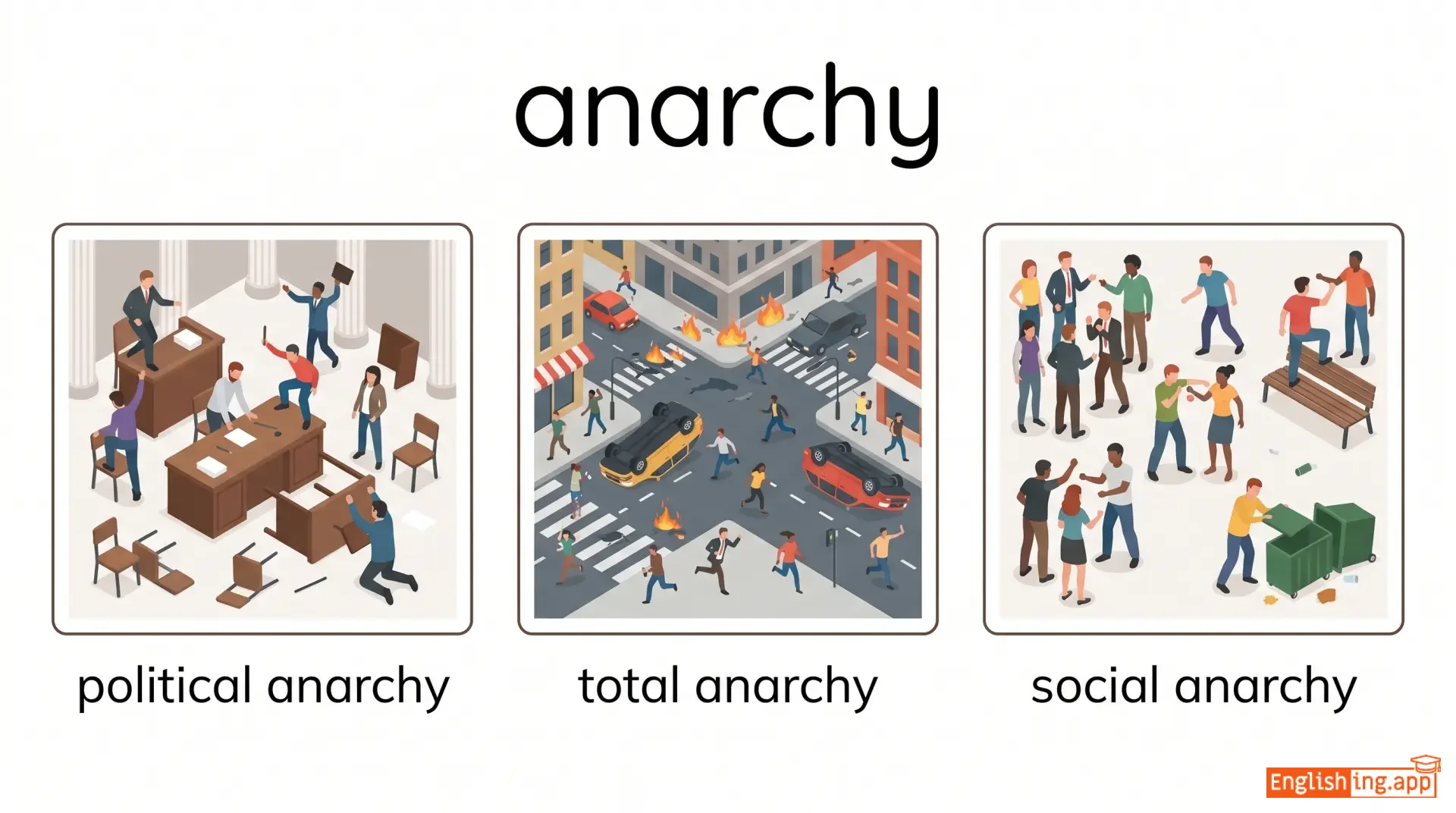
political anarchy, total anarchy, social anarchy
••••••
|
Anarchy = 'ānàkì' - 政府不见了,一切陷入混乱。
••••••
|
|
#19
⚠️
|
/əˈnɒmələs/
adjective
(非正常的)
••••••
|
|
异常
yichang
••••••
|
- •••••• | - •••••• | - •••••• | - •••••• |
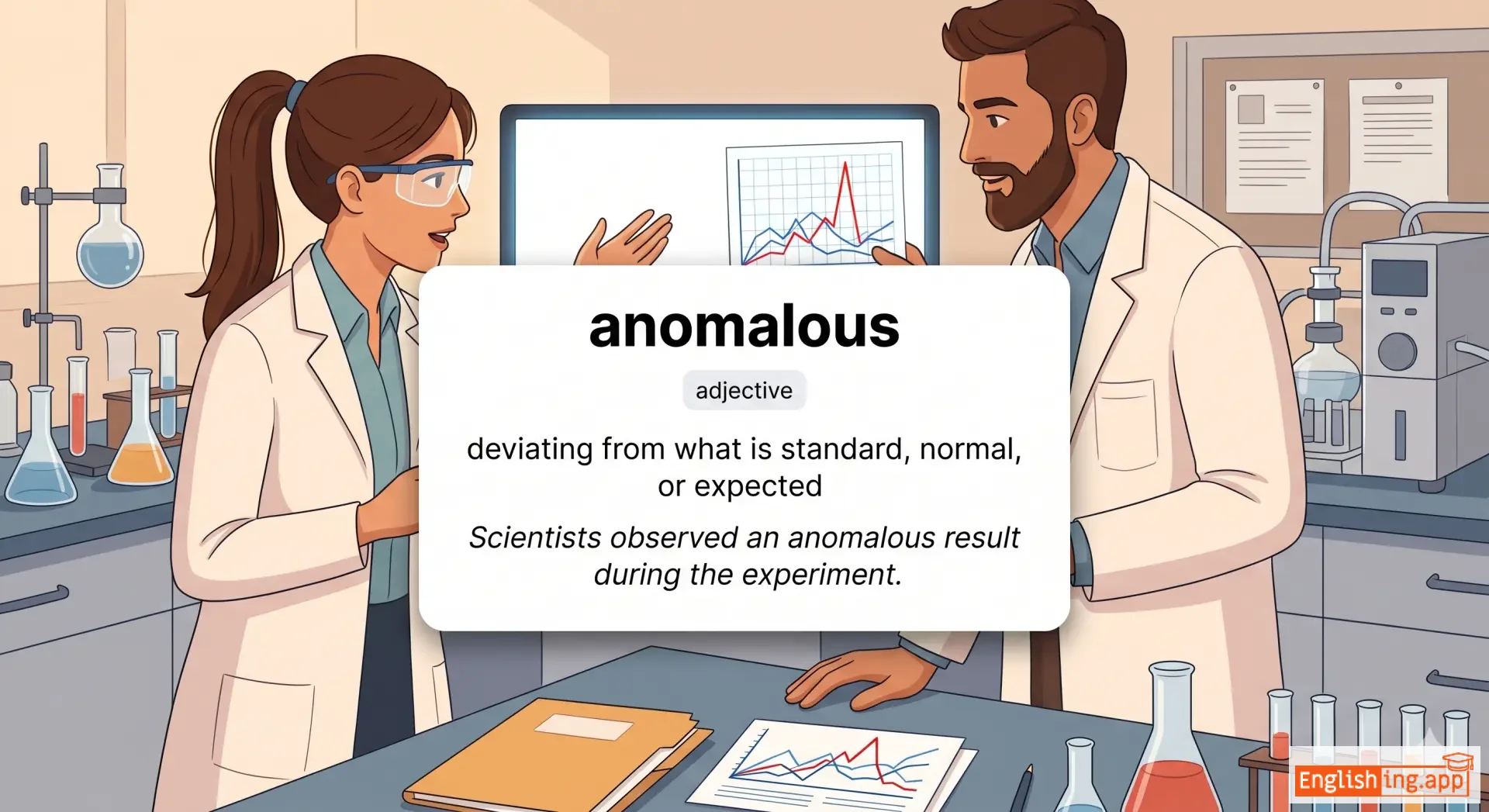
deviating from what is standard, normal, or expected
••••••
|
Scientists observed an anomalous result during the experiment.
科学家在实验中观察到了一个异常的结果。
••••••
|
科学家在实验中观察到了一个异常的结果。
Kexuejia zai shiyan zhong guancha dao le yige yichang de jieguo.
••••••
|
- •••••• | - •••••• | - •••••• |
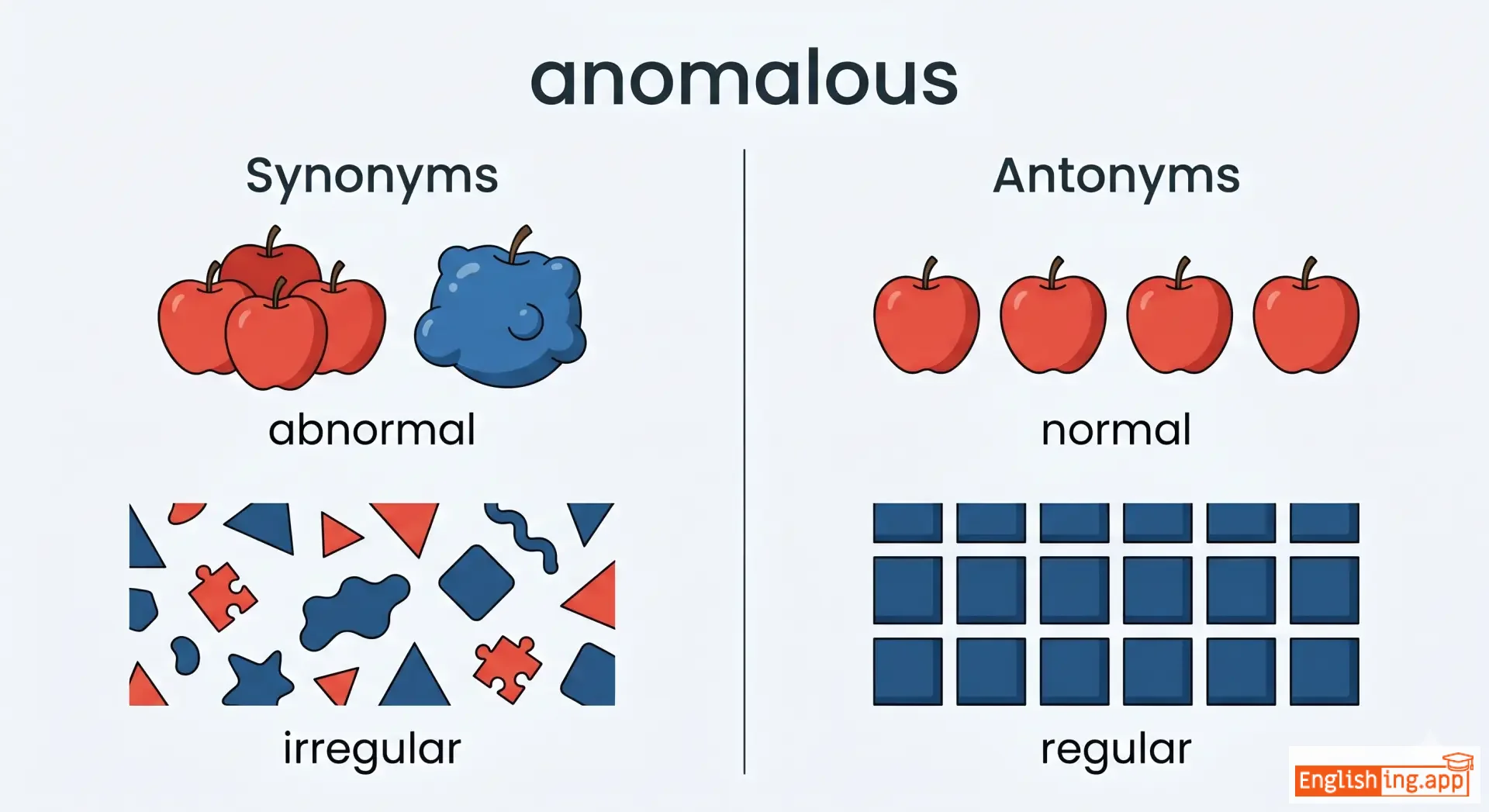
abnormal, irregular, unusual, atypical, deviant
••••••
|
normal, regular, standard
••••••
|
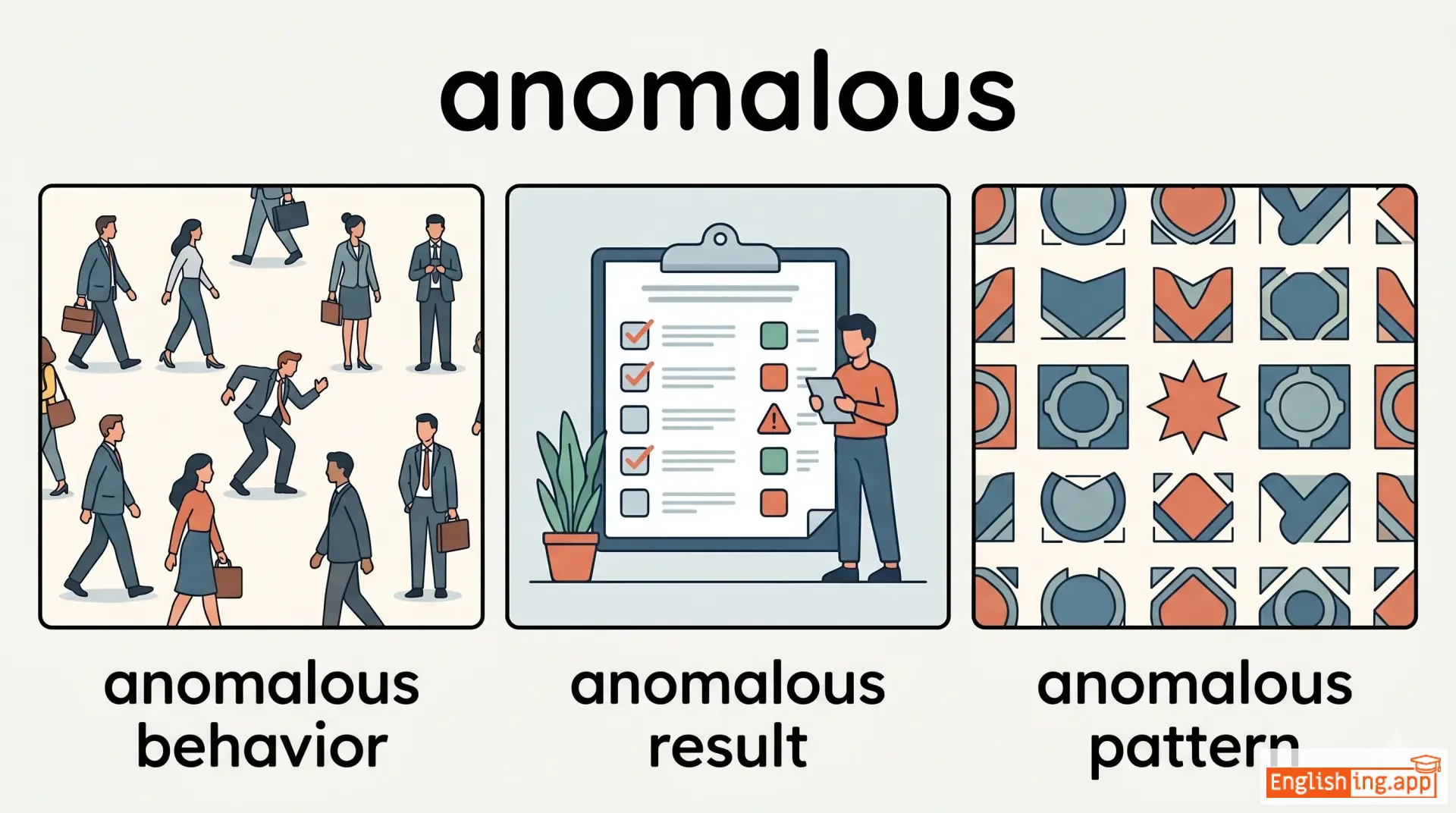
anomalous behavior, anomalous result, anomalous pattern, anomalous situation
••••••
|
Anomalous 意味着异常—Think 'A normal' but it’s unexpected.
••••••
|
|
#20
😤
|
/ænˈtɪpəθi/
noun
(反感)
••••••
|
|
反感
fǎn gǎn
••••••
|
- •••••• | - •••••• | - •••••• | - •••••• |
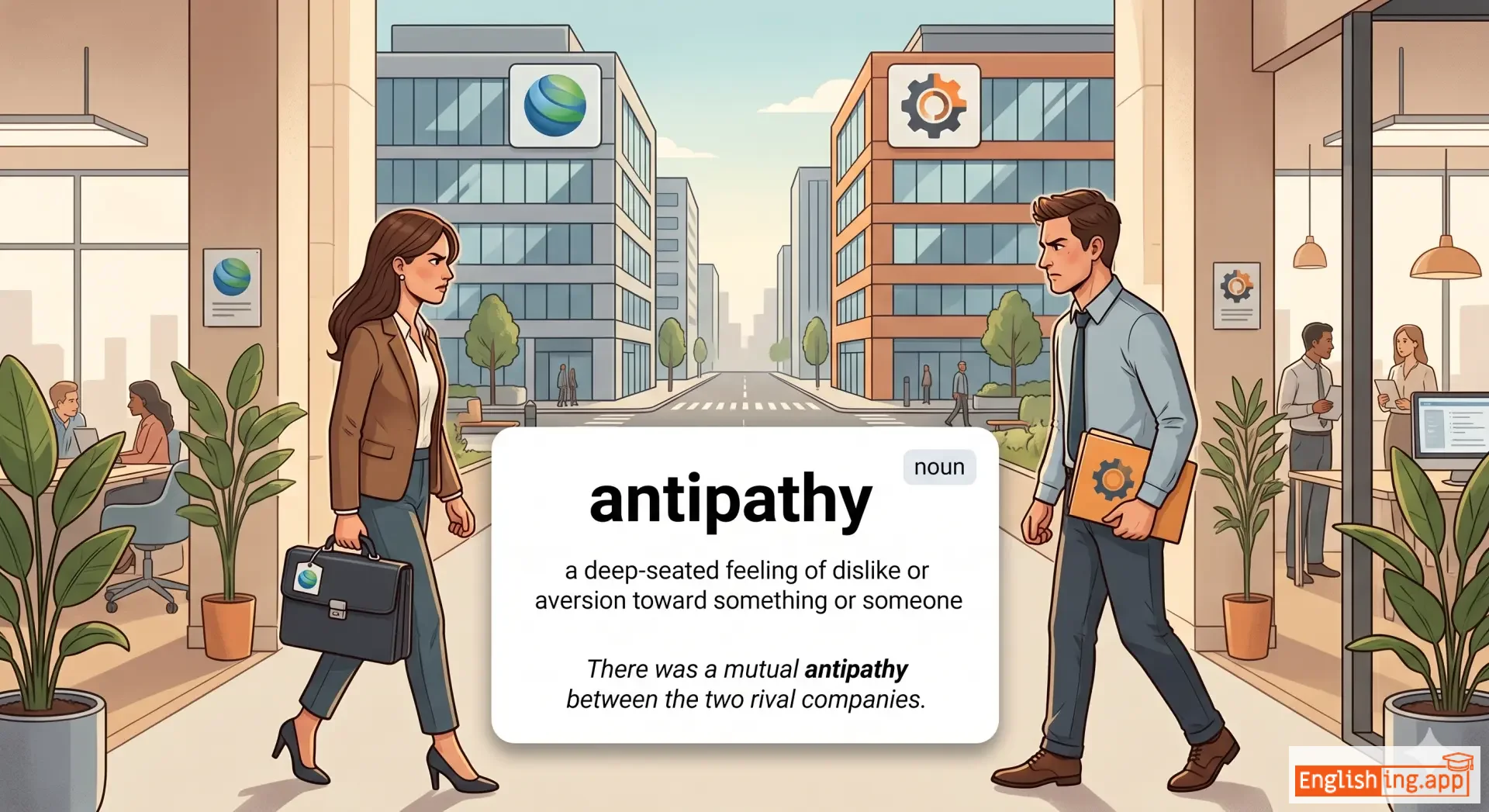
a deep-seated feeling of dislike or aversion toward something or someone
••••••
|
There was a mutual antipathy between the two rival companies. |
两家竞争对手之间存在相互的反感。
Liǎng jiā jìngzhēng duìshǒu zhījiān cúnzài xiānghù de fǎn gǎn.
••••••
|
natural antipathy |
an inherent or instinctive dislike
••••••
|
自然的反感
zìrán de fǎn gǎn
••••••
|
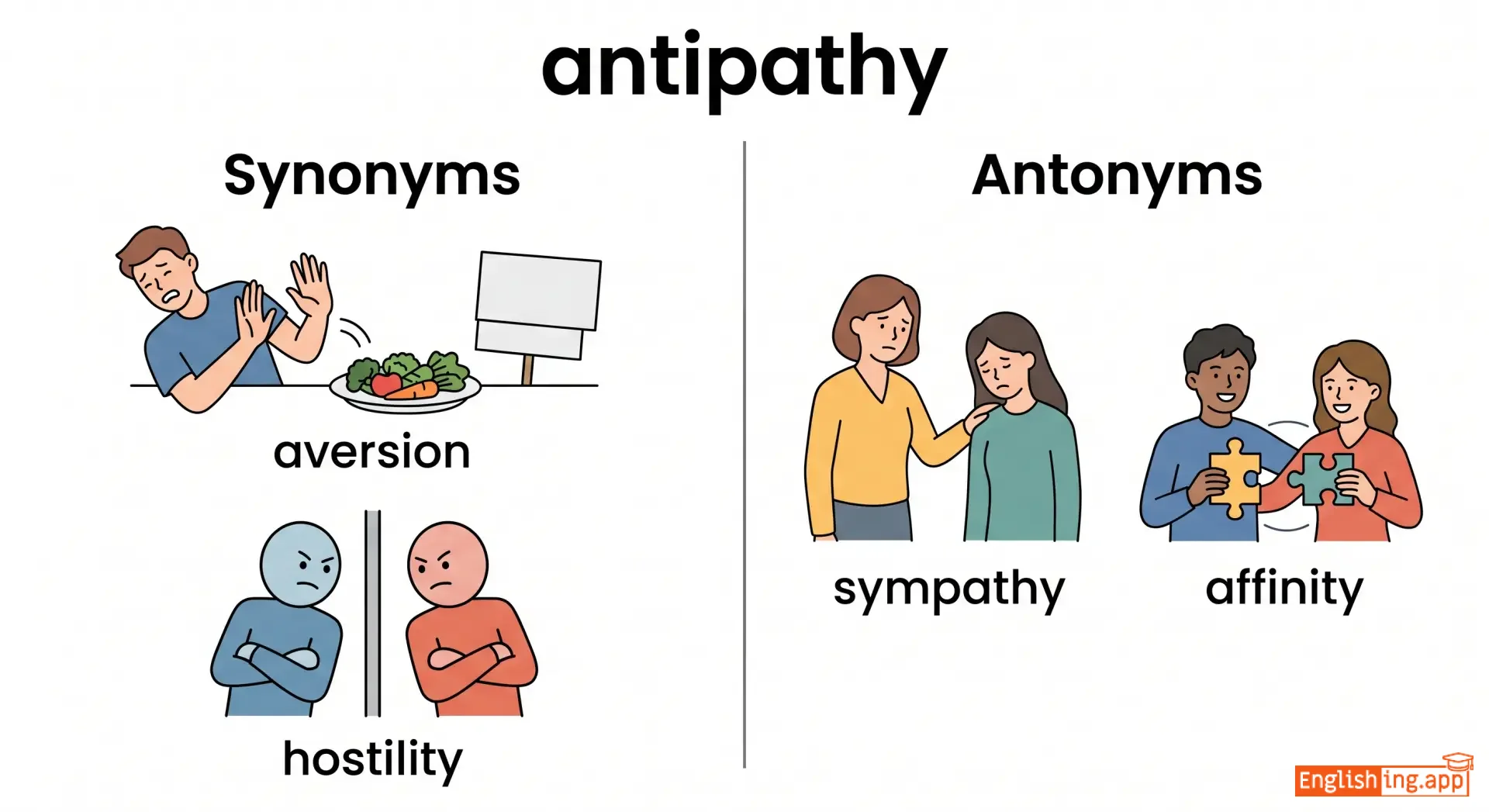
aversion, hostility, dislike, animosity, repugnance
••••••
|
sympathy, affinity, fondness
••••••
|
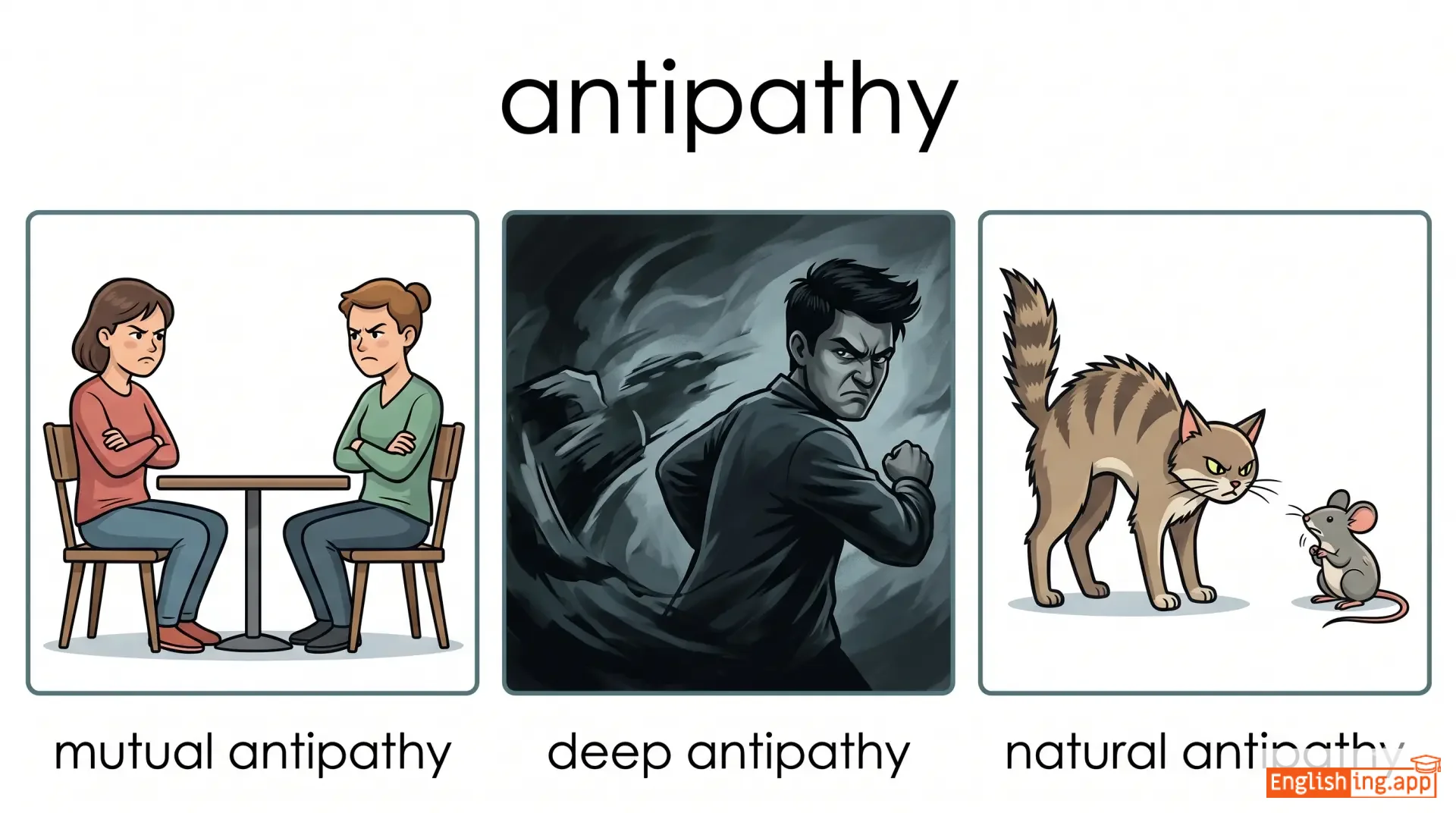
mutual antipathy, deep antipathy, natural antipathy, feel antipathy, antipathy toward
••••••
|
ANTI-PATHY意味着ANTI路径- 反感(fǎn gǎn)意味着走对立的路!
••••••
|
|
#21
😑
|
/ˈæpəθi/
noun
(阿帕西)
••••••
|
|
冷漠
lěngmò
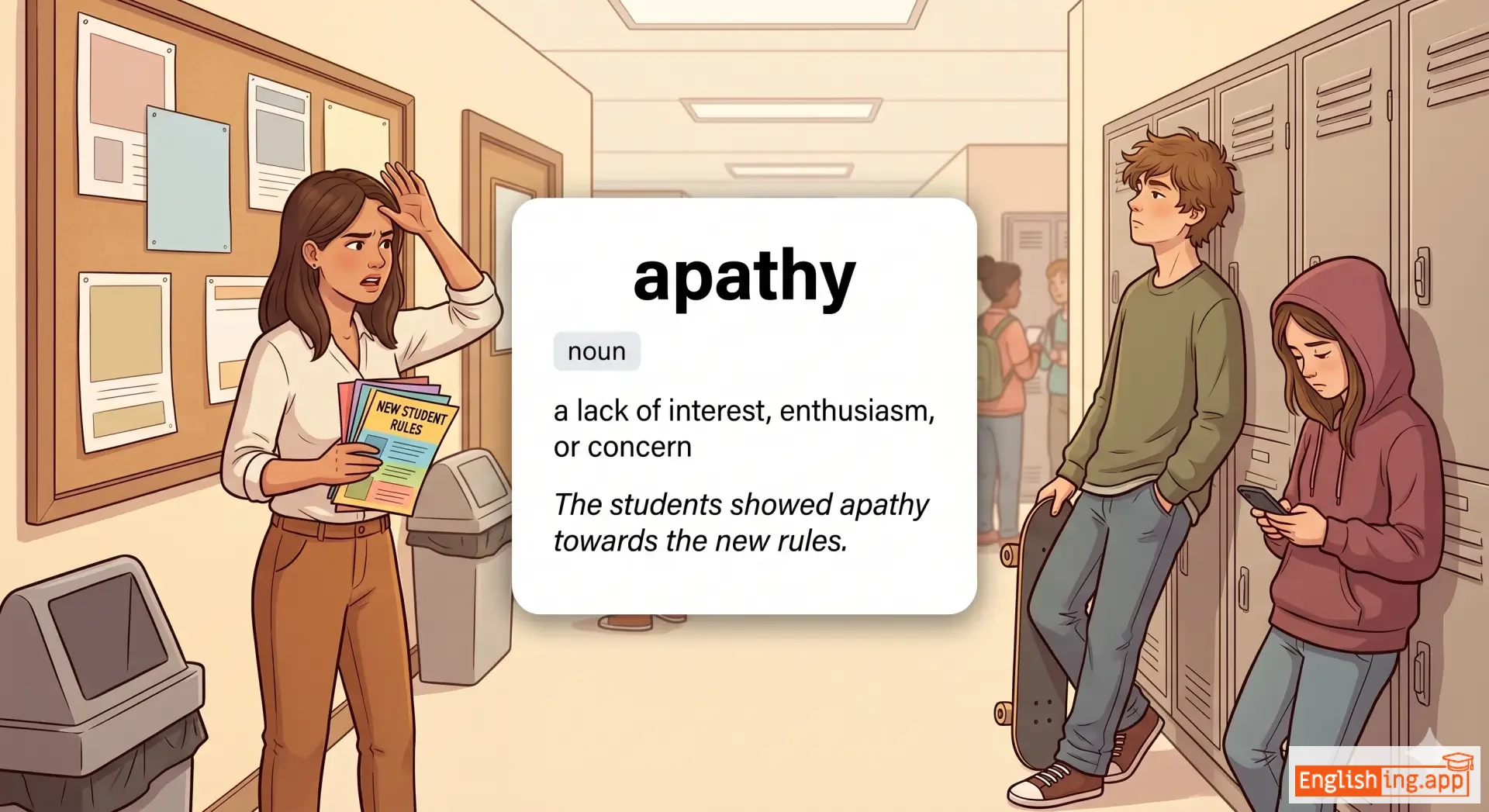
••••••
|
- •••••• | - •••••• | - •••••• | - •••••• |
a lack of interest, enthusiasm, or concern
••••••
|
The students showed apathy towards the new rules. |
学生们对新规则表现出冷漠。
Xuéshēng men duì xīn guīzé biǎoxiàn chū lěngmò.
••••••
|
- •••••• | - •••••• | - •••••• |
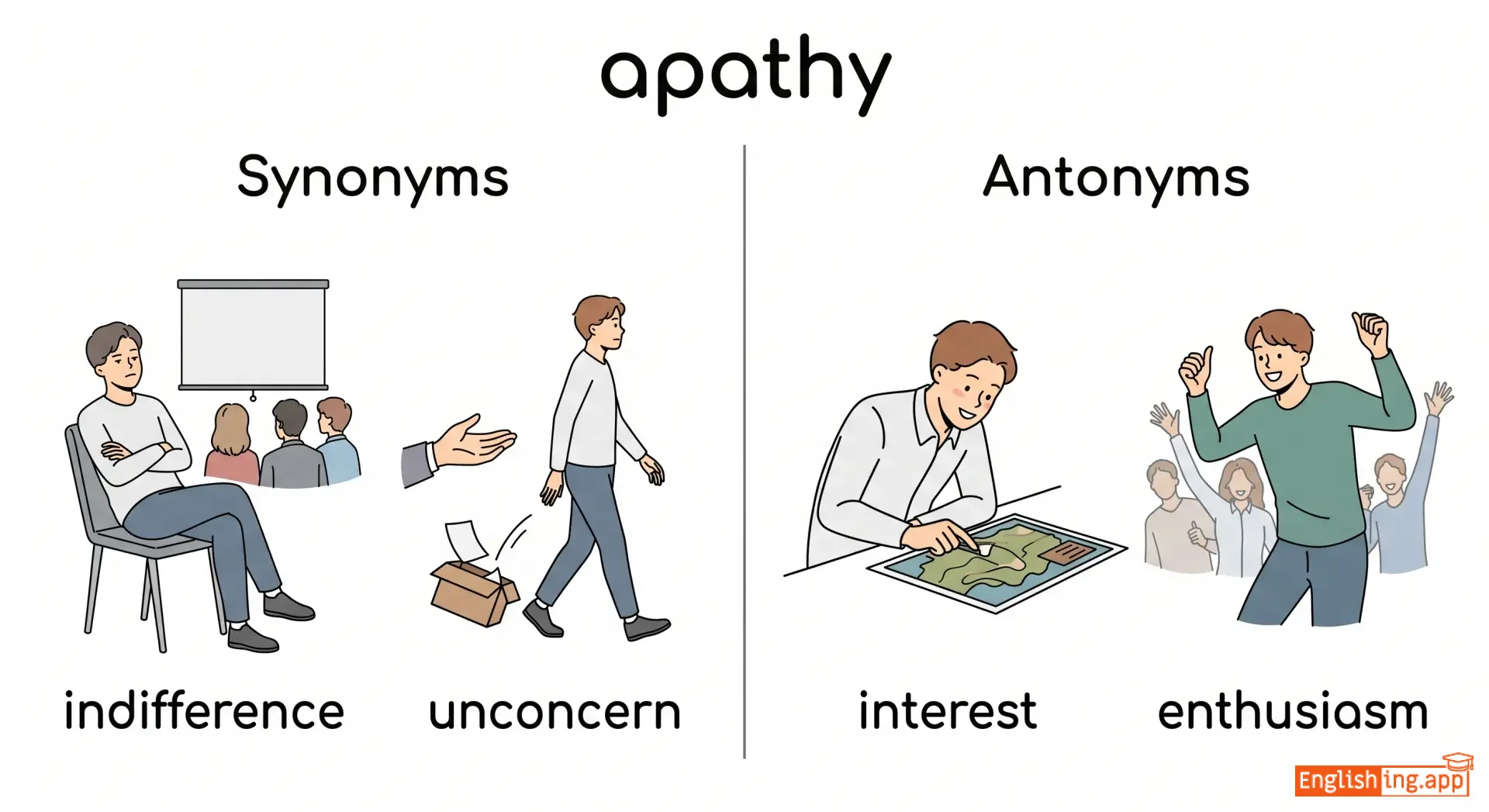
indifference, unconcern, detachment, passivity
••••••
|
interest, enthusiasm, passion
••••••
|
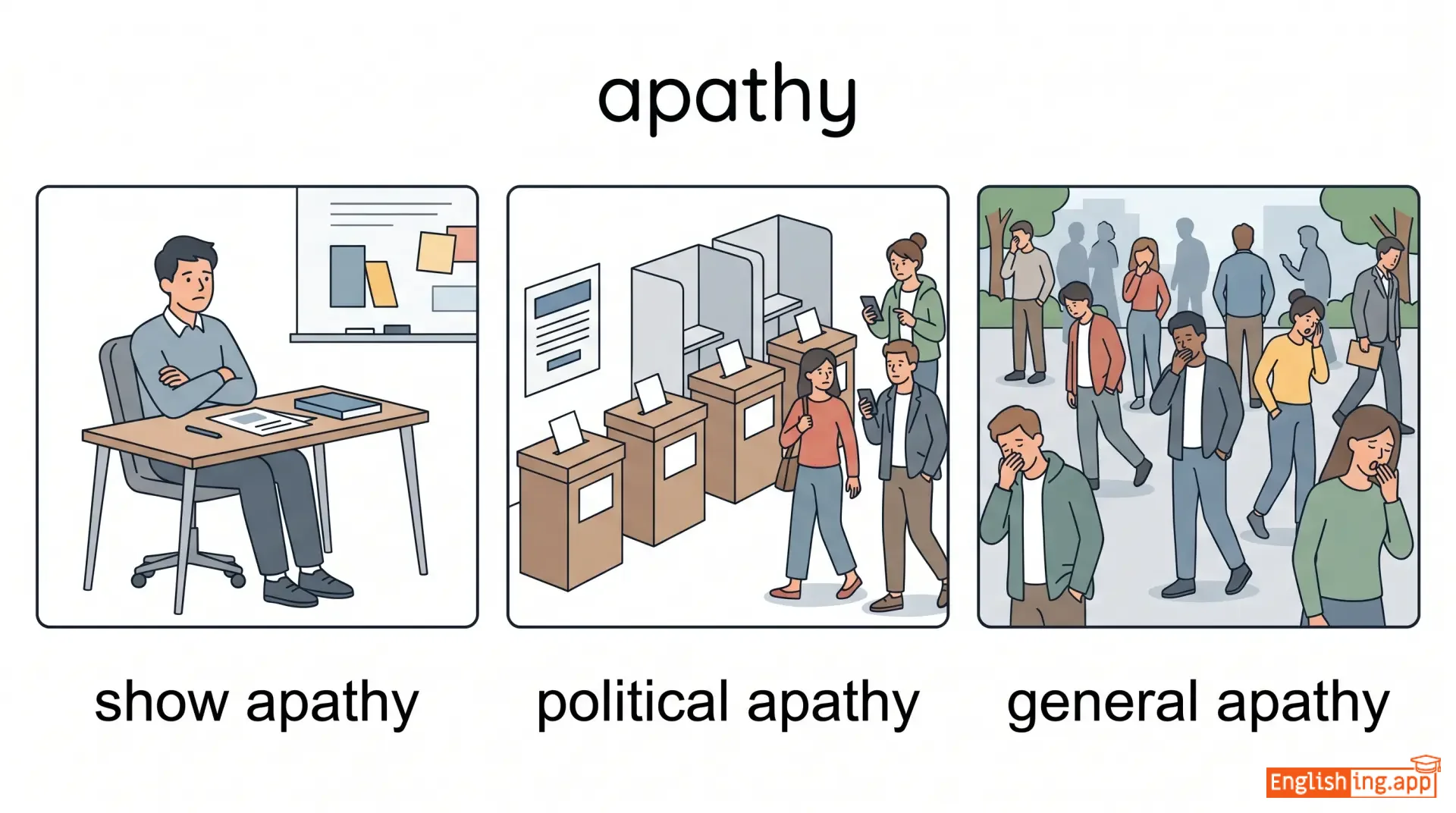
show apathy, political apathy, general apathy, apathy towards
••••••
|
Apathy 就是冷漠,什么都不关心。
••••••
|
|
#22
🤲
|
/əˈpiːz/
verb
(ā pǐ zī)
••••••
|
|
安抚 / 满足
ānfǔ / mǎnzú
••••••
|
appeased
ā pǐ zī d
••••••
|
appeased
ā pǐ zī d
••••••
|
appeases
ā pǐ zī s
••••••
|
appeasing
ā pǐ zī ng
••••••
|
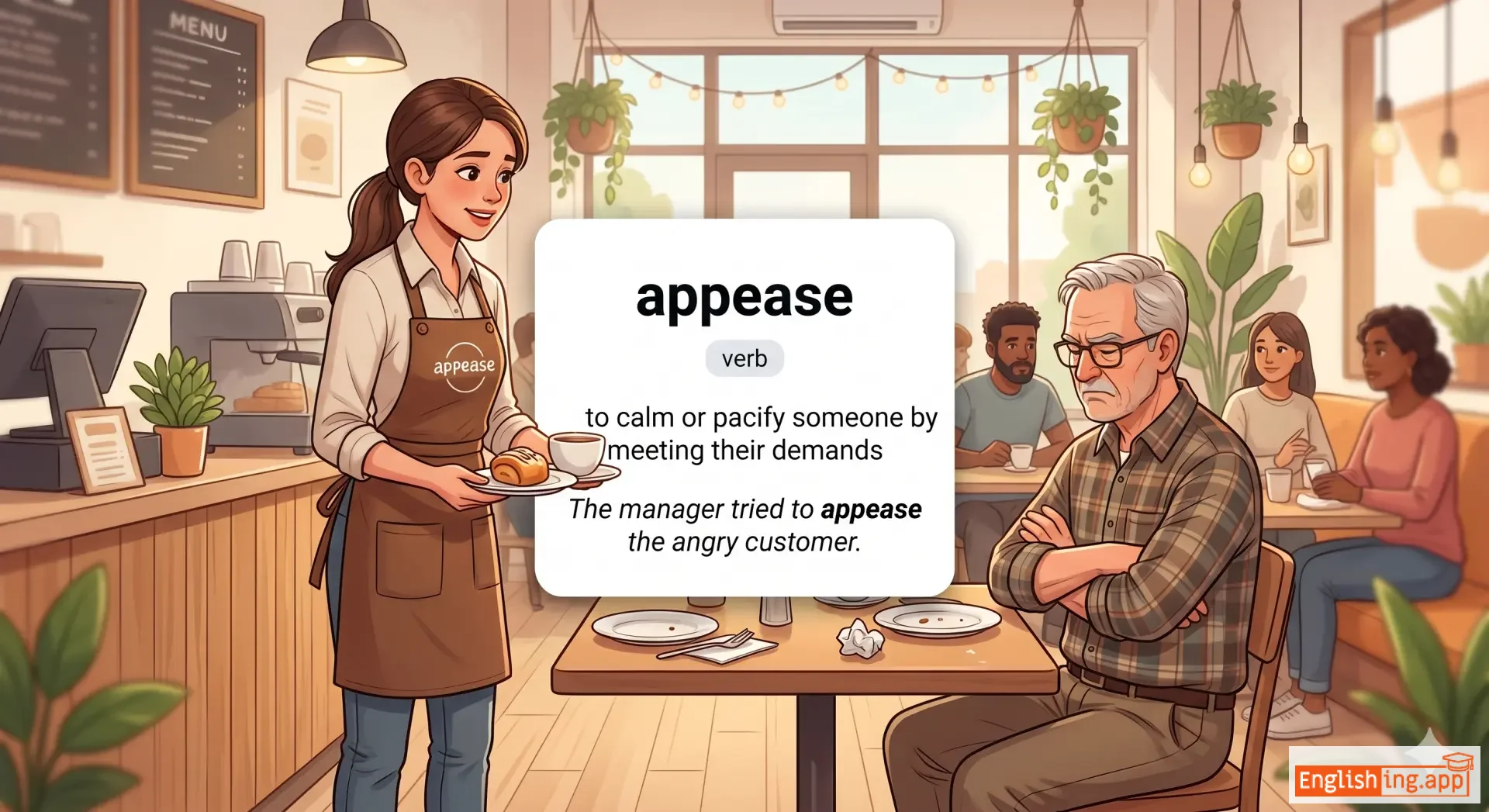
to calm or pacify someone by meeting their demands
••••••
|
The manager tried to appease the angry customer.
经理试图安抚愤怒的顾客。
••••••
|
经理试图安抚愤怒的顾客。
Jīnglǐ shìtú ānfǔ fènnù de gùkè.
••••••
|
appease someone's anger
安抚某人的愤怒
••••••
|
to reduce someone's anger by satisfying them
••••••
|
安抚某人的愤怒
ānfǔ mǒu rén de fènnù
••••••
|
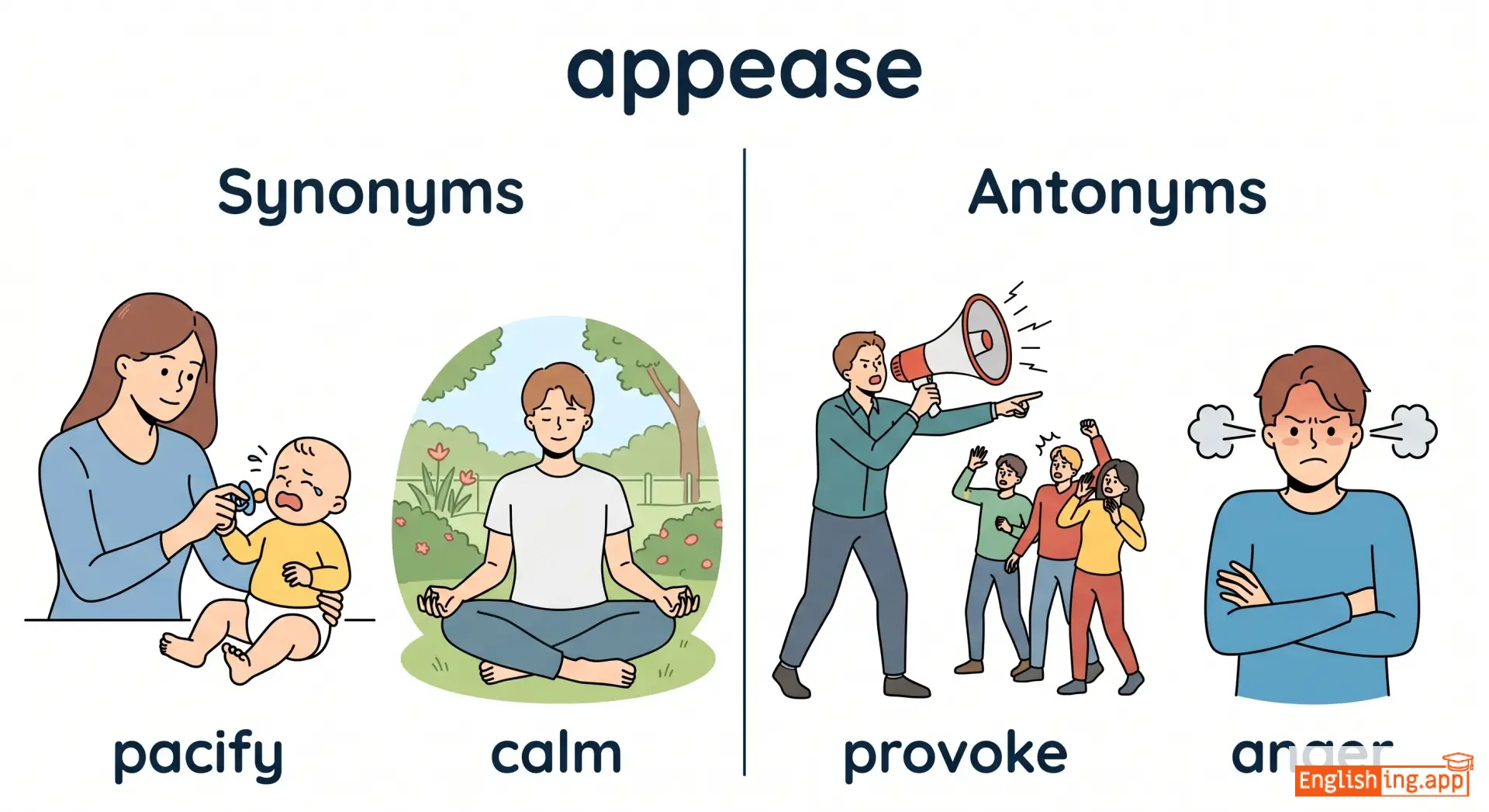
pacify, calm, satisfy, placate, soothe
••••••
|
provoke, anger, agitate
••••••
|
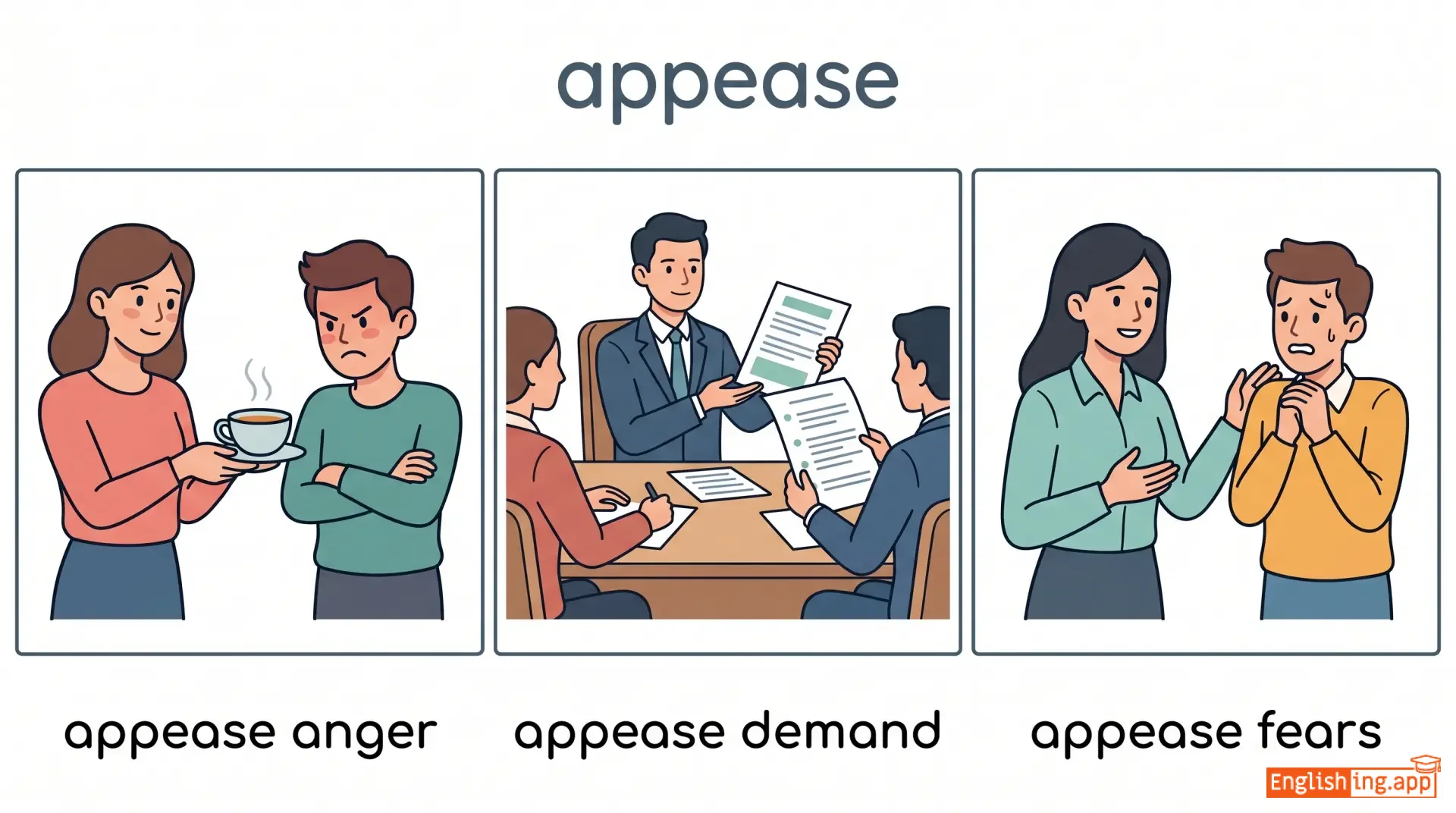
appease anger, appease demand, appease fears
••••••
|
Appease意味着安抚,想象你必须安抚以带来‘Peace’
••••••
|
|
#23
📢
|
/əˈpraɪz/
verb
(apraiz)
••••••
|
|
告知
gaozhi
••••••
|
apprised
apraizd
••••••
|
apprised
apraizd
••••••
|
apprises
apraizes
••••••
|
apprising
apraizing
••••••
|
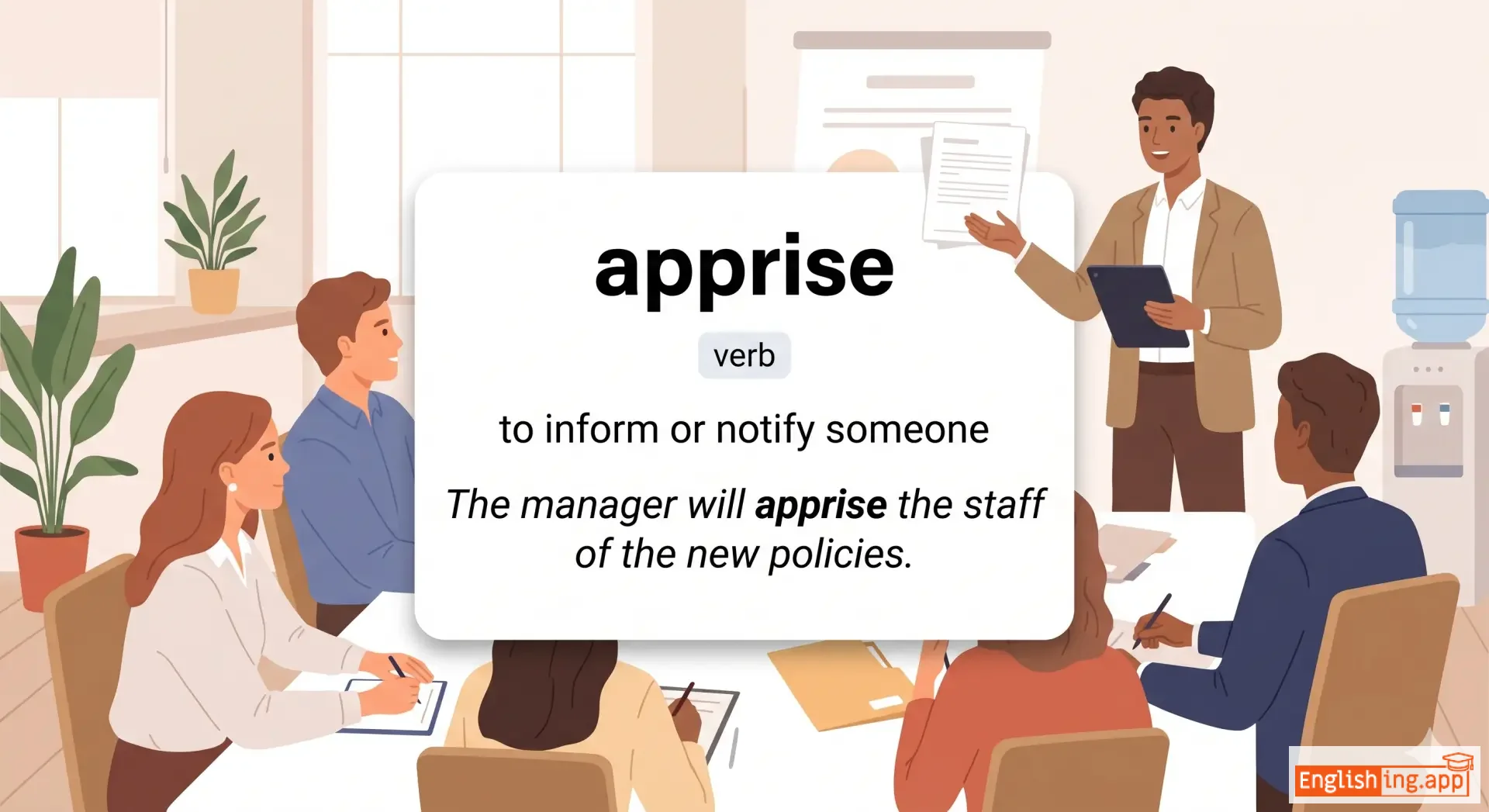
to inform or notify someone
••••••
|
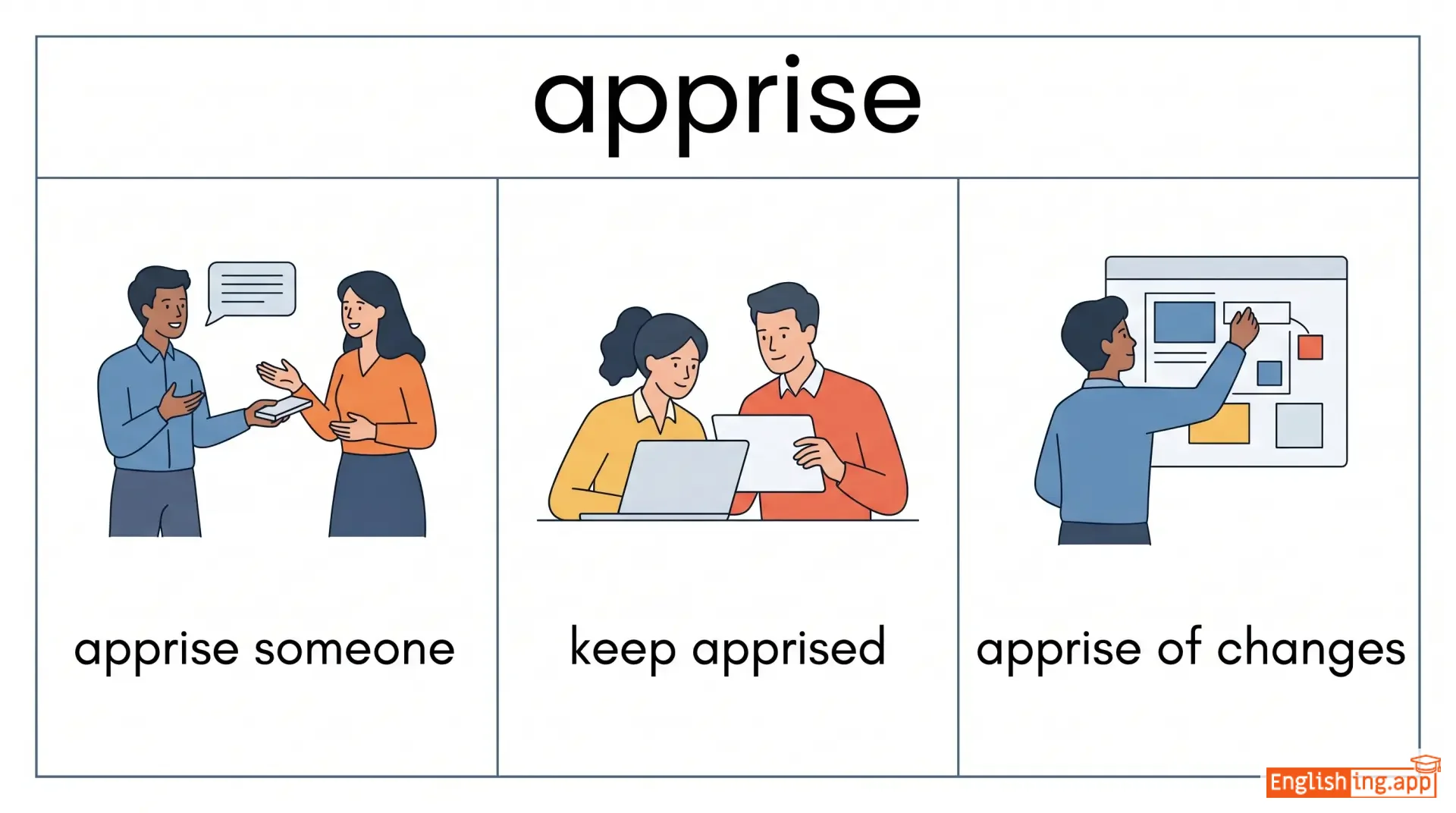
The manager will apprise the staff of the new policies.
经理将通知员工新的政策。
••••••
|
经理将通知员工新的政策。
Jingli jiang tongzhi yuangong xin de zhengce.
••••••
|
keep apprised
保持知情
••••••
|
to keep informed about something
••••••
|
保持知情
baochi zhiqing
••••••
|
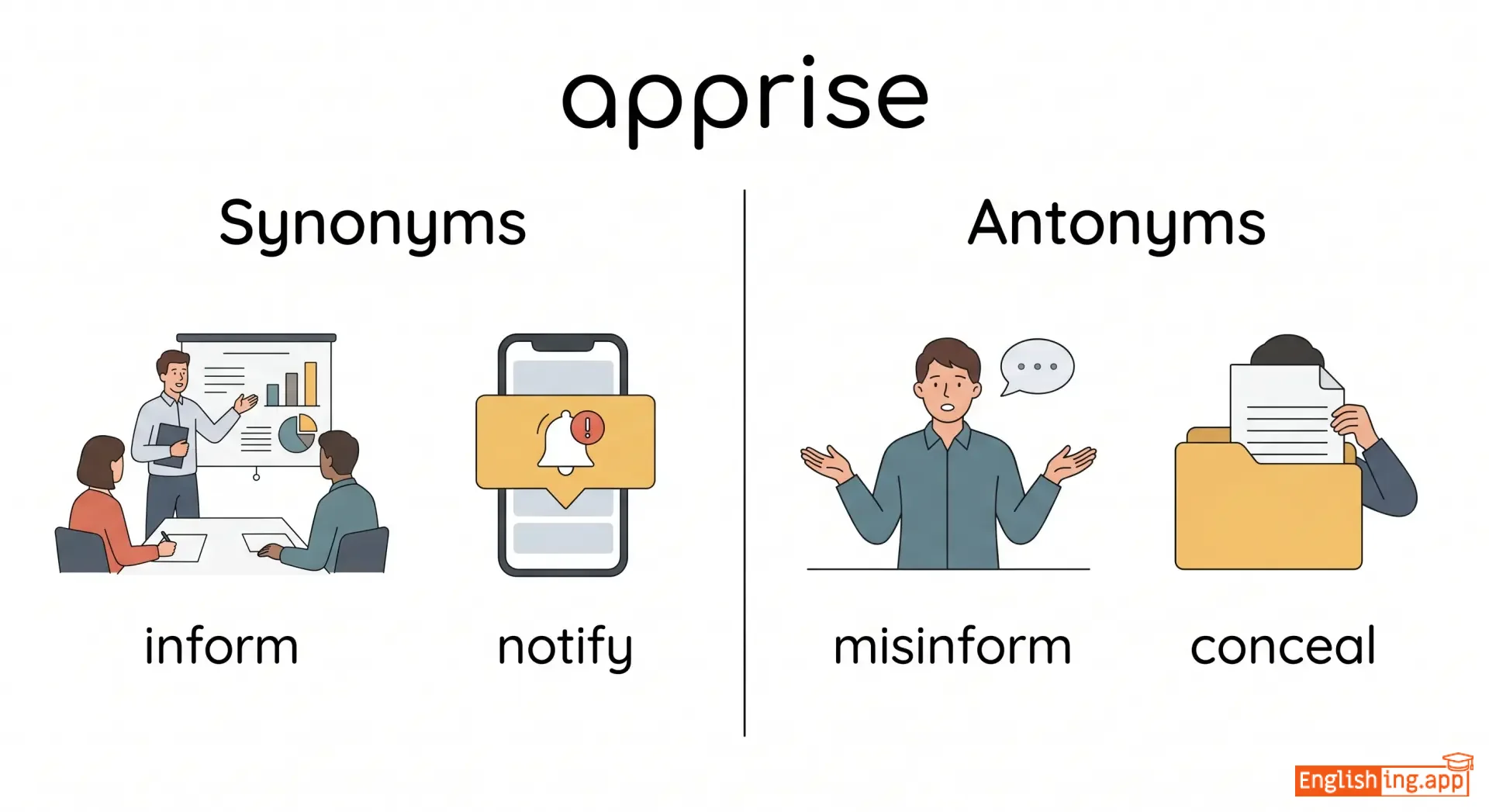
inform, notify, brief, update, advise
••••••
|
misinform, conceal
••••••
|
apprise someone, keep apprised, apprise of changes
••••••
|
Apprise 是信息的一个'prise',告知别人
••••••
|
|
#24
👍
|
/ˌæprəˈbeɪʃən/
noun
(āpíngshèng)
••••••
|
|
批准 / 赞扬
pīzhǔn / zànyáng
••••••
|
- •••••• | - •••••• | - •••••• | - •••••• |
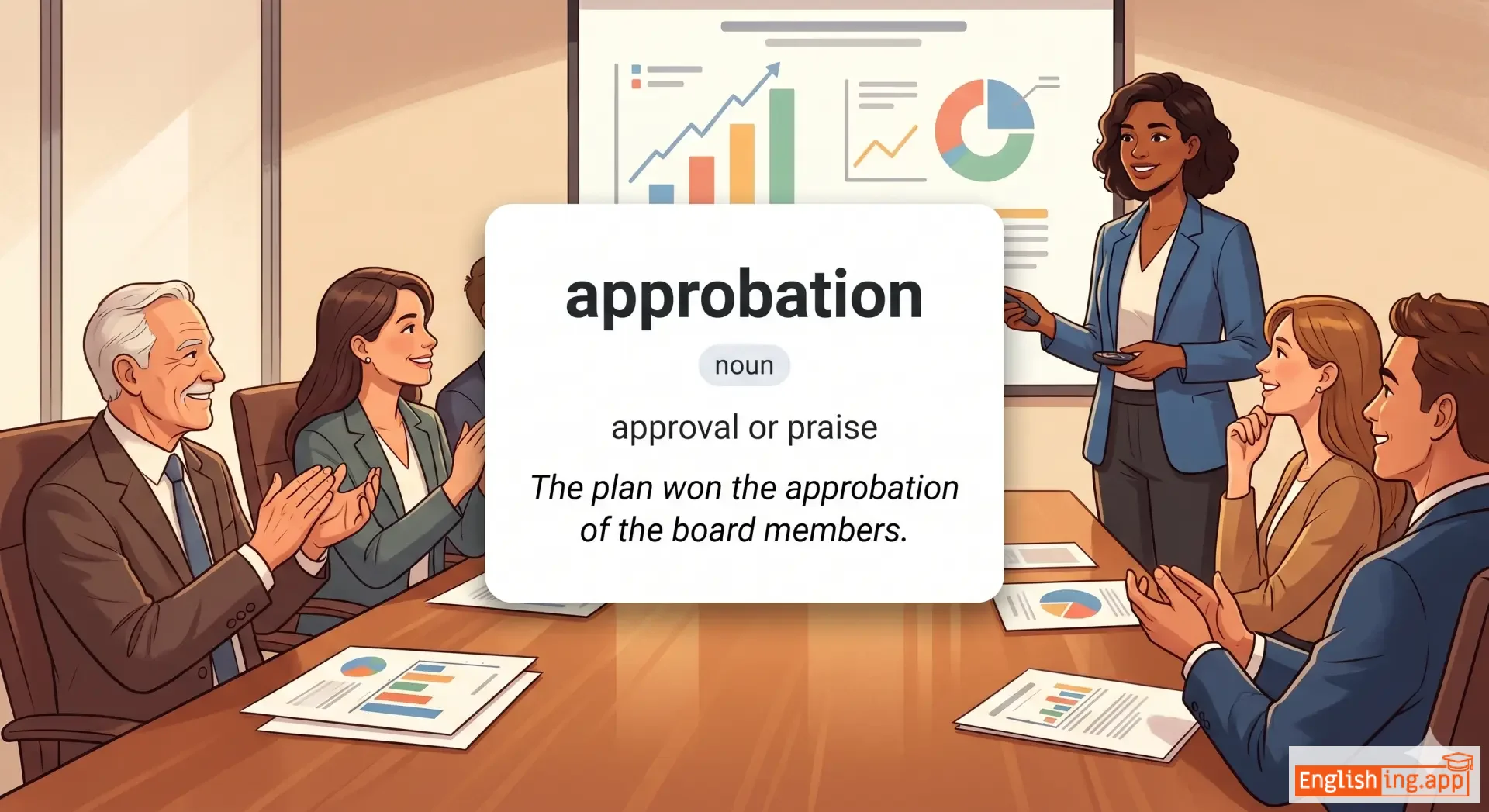
approval or praise
••••••
|
The plan won the approbation of the board members.
这个计划赢得了董事会成员的批准。
••••••
|
这个计划赢得了董事会成员的批准。
Zhege jihua yingdele dongshihui chengyuande pizhun.
••••••
|
- •••••• | - •••••• | - •••••• |
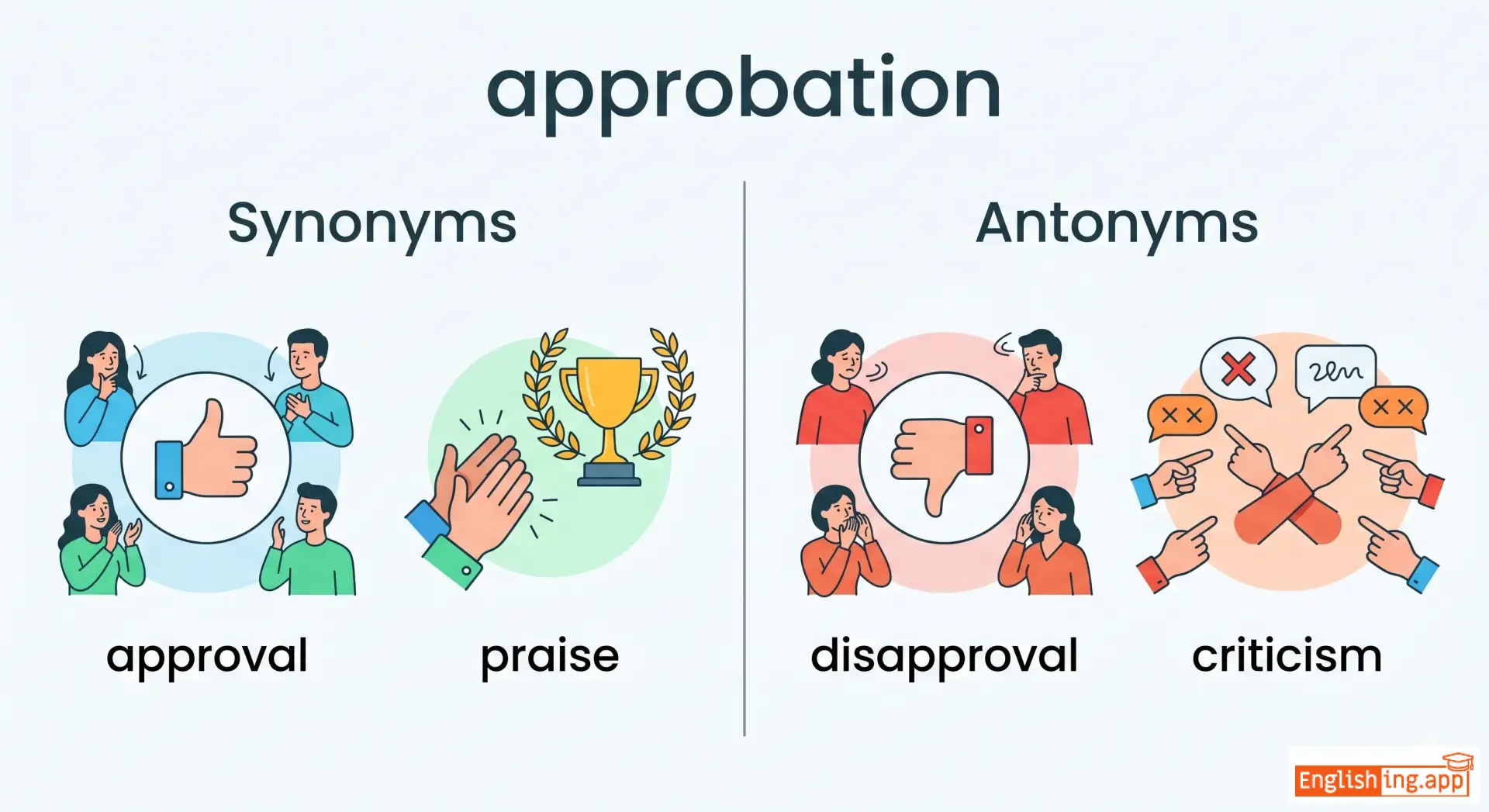
approval, praise, endorsement, admiration, recognition
••••••
|
disapproval, criticism, rejection
••••••
|
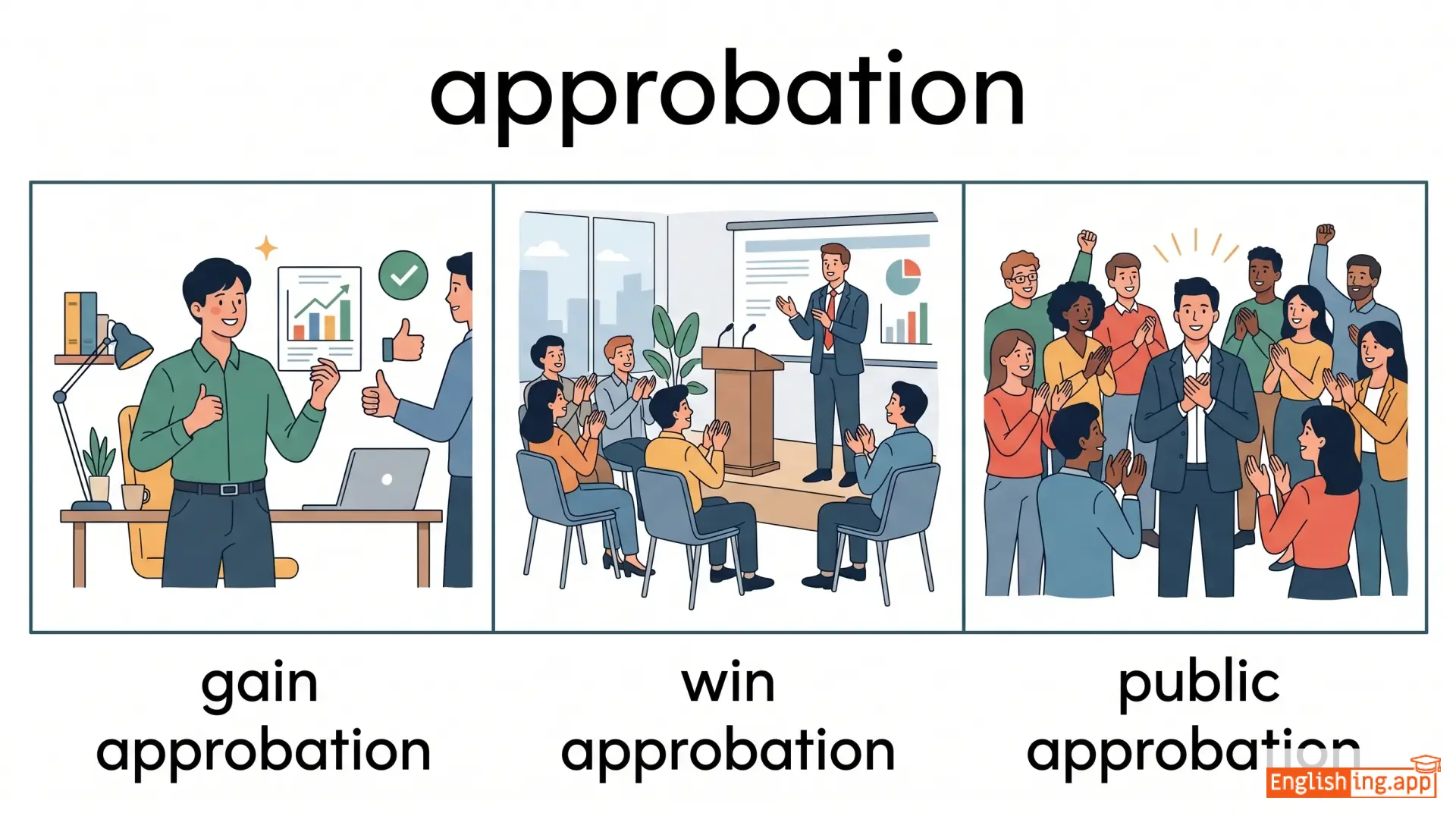
gain approbation, win approbation, public approbation, official approbation
••••••
|
Approbation 意味着 approval—获得 app 批准时,大家都很高兴。
••••••
|
|
#25
✔️
|
/əˈproʊpriət/ (adj), /əˈproʊprieɪt/ (verb)
adjective, verb
(āpɪəʊprɪət)
••••••
|
|
适当的 / 占用
shìdàng de / zhàn yòng
••••••
|
appropriated
āpɪəʊprɪeɪtɪd
••••••
|
appropriated
āpɪəʊprɪeɪtɪd
••••••
|
appropriates
āpɪəʊprɪeɪts
••••••
|
appropriating
āpɪəʊprɪeɪtɪŋ
••••••
|
suitable or proper in the circumstances (adj); to take something for one’s own use, often without permission (verb)
••••••
|
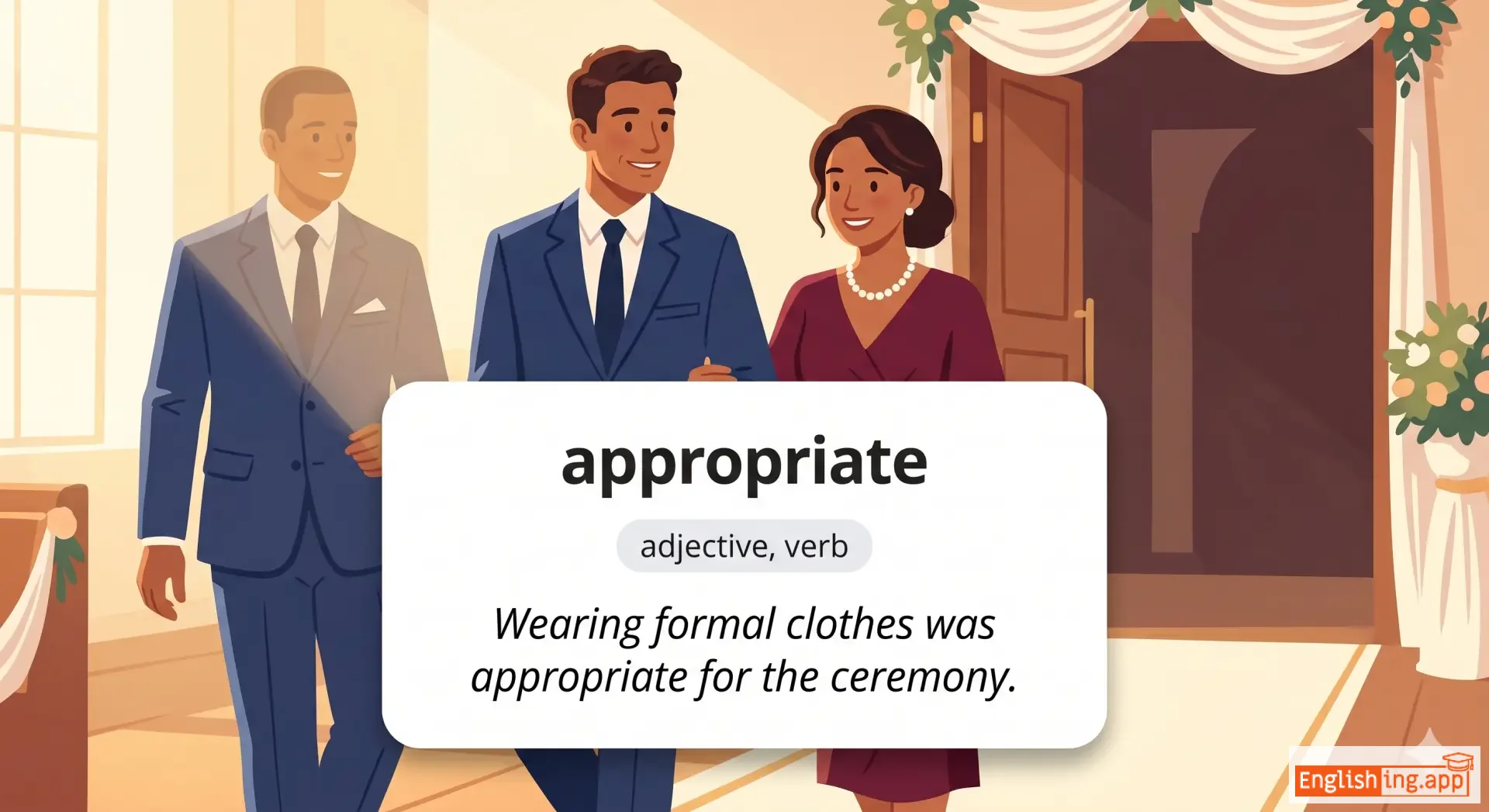
Wearing formal clothes was appropriate for the ceremony.
穿正式衣服是适合这个仪式的。
••••••
|
穿正式衣服是适合这个仪式的。
Chuān zhèngshì yīfú shì shìhé zhège yíshì de.
••••••
|
- •••••• | - •••••• | - •••••• |
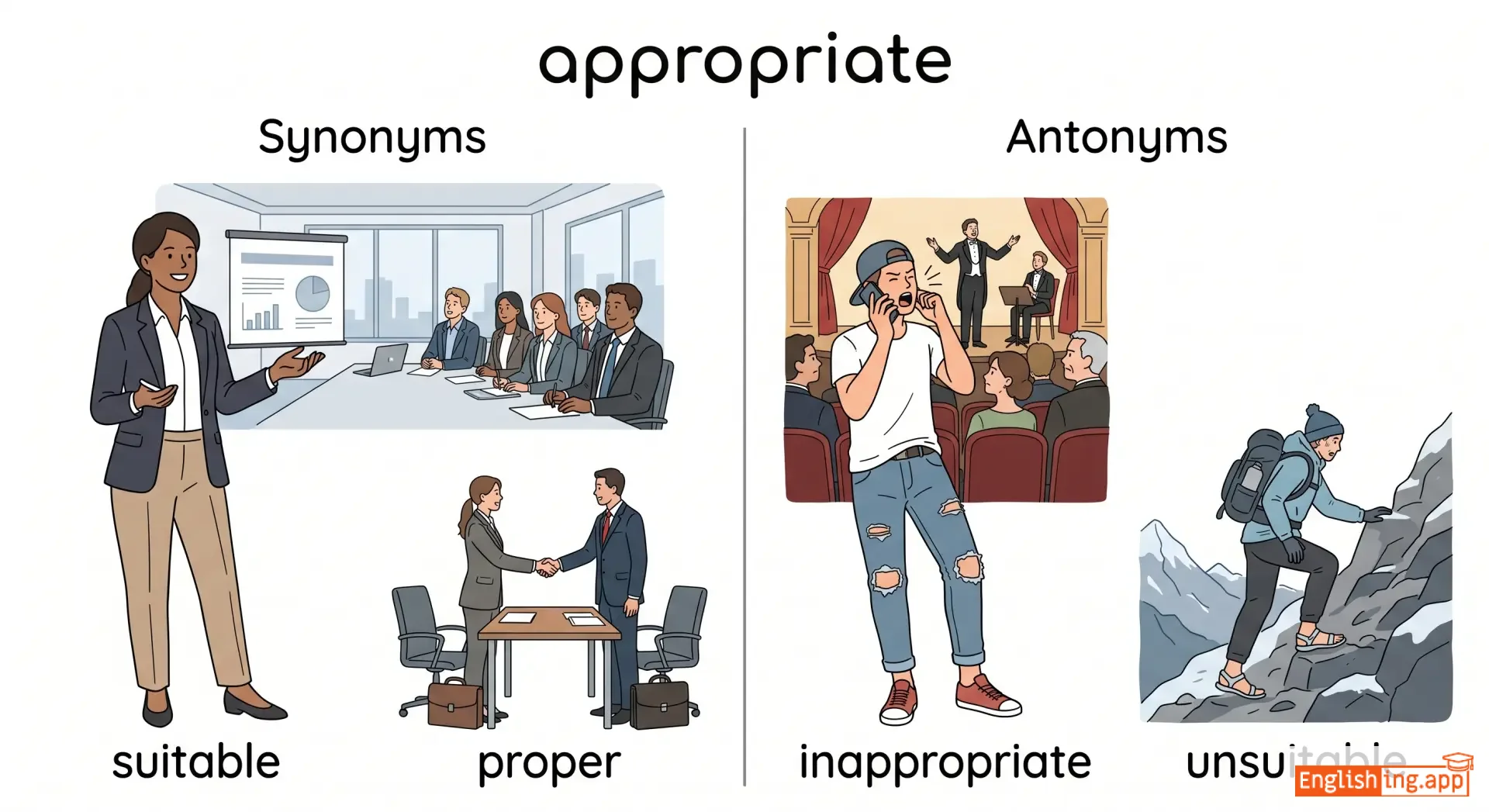
suitable, proper, fitting, apt, seize
••••••
|
inappropriate, unsuitable
••••••
|
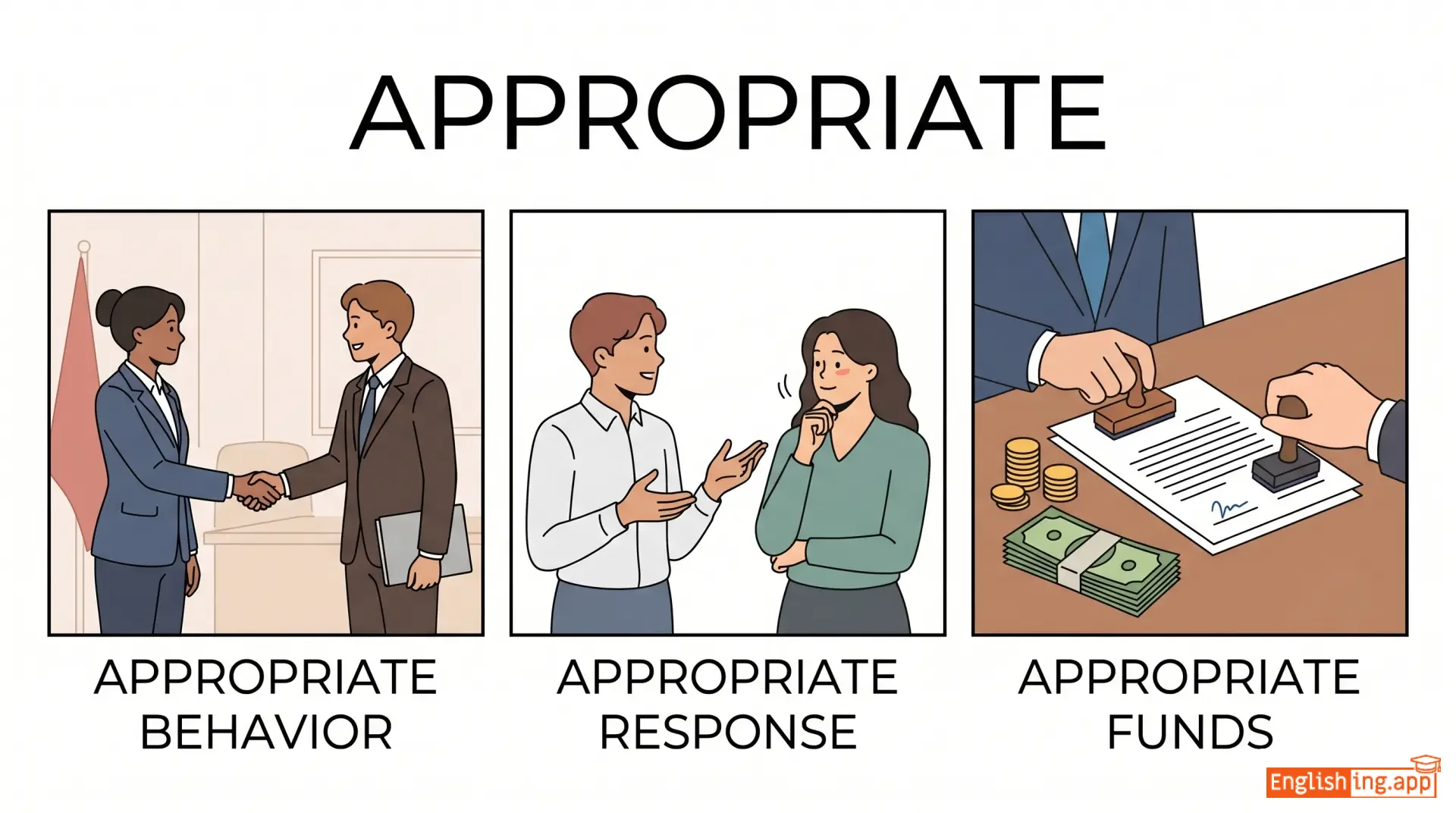
appropriate behavior, appropriate response, appropriate funds, culturally appropriate
••••••
|
Appropriate 意味着合适—根据情况来适应,有时也会未经允许占用某物。
••••••
|
Vocabulary Quiz
Test your vocabulary by matching words with their translations or meanings.
Login to take the quiz
Comments (0)
Share your thoughts and join the discussion.
Join the discussion by logging in
Login to CommentNo comments yet
Be the first to share your thoughts!