

翻訳
過去
過去分詞
三人称単数
動名詞
意味
例文
例文の翻訳
同義語
対義語
コロケーション
ニーモニック


Swipe left or right, or use the buttons. Tap image to zoom.
例文の翻訳
単語
Lesson 4Lesson 4 - マスクトグル
|
絵文字
|
単語 | Images | 翻訳 | 過去 | 過去分詞 | 三人称単数 | 動名詞 | 意味 | 例文 | 例文の翻訳 | 表現例 | 表現例の意味 | 表現例の翻訳 | 同義語 | 対義語 | コロケーション | ニーモニック |
|---|---|---|---|---|---|---|---|---|---|---|---|---|---|---|---|---|---|
|
#76
🚗
|
/ɔːˈtɒnəməs/
adjective
(オートノマス)
••••••
|
|
自律的
jiritsuteki
••••••
|
- •••••• | - •••••• | - •••••• | - •••••• |
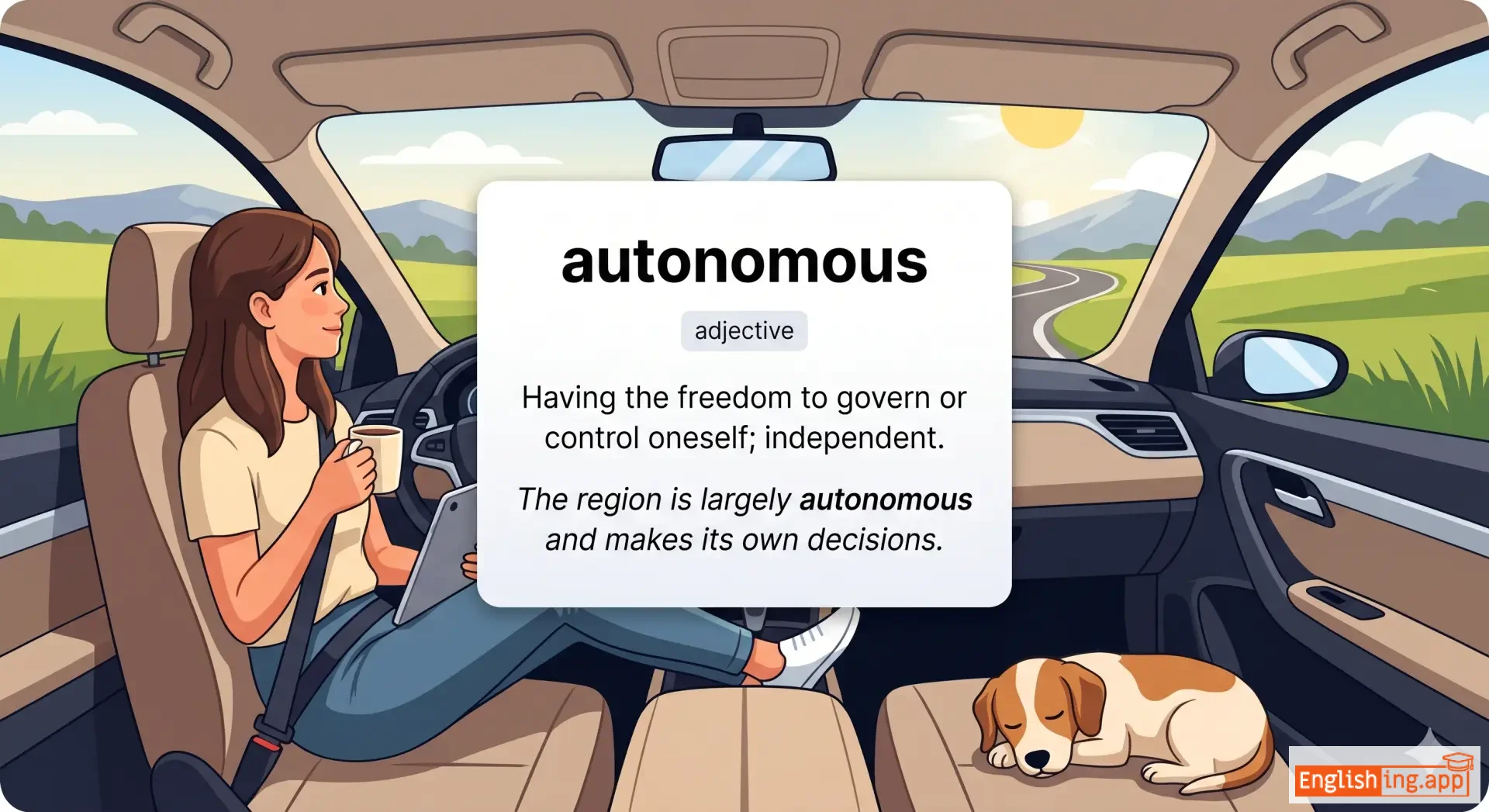
Having the freedom to govern or control oneself; independent.
••••••
|
The region is largely autonomous and makes its own decisions. |
その地域は主に自律的であり、自分の決定を下します。
Sono chiiki wa omoni jiritsuteki de ari, jibun no kettei o kudashimasu.
••••••
|
autonomous vehicle |
A self-driving vehicle that operates without human control.
••••••
|
自律型車両
jiritsugata sharyō
••••••
|
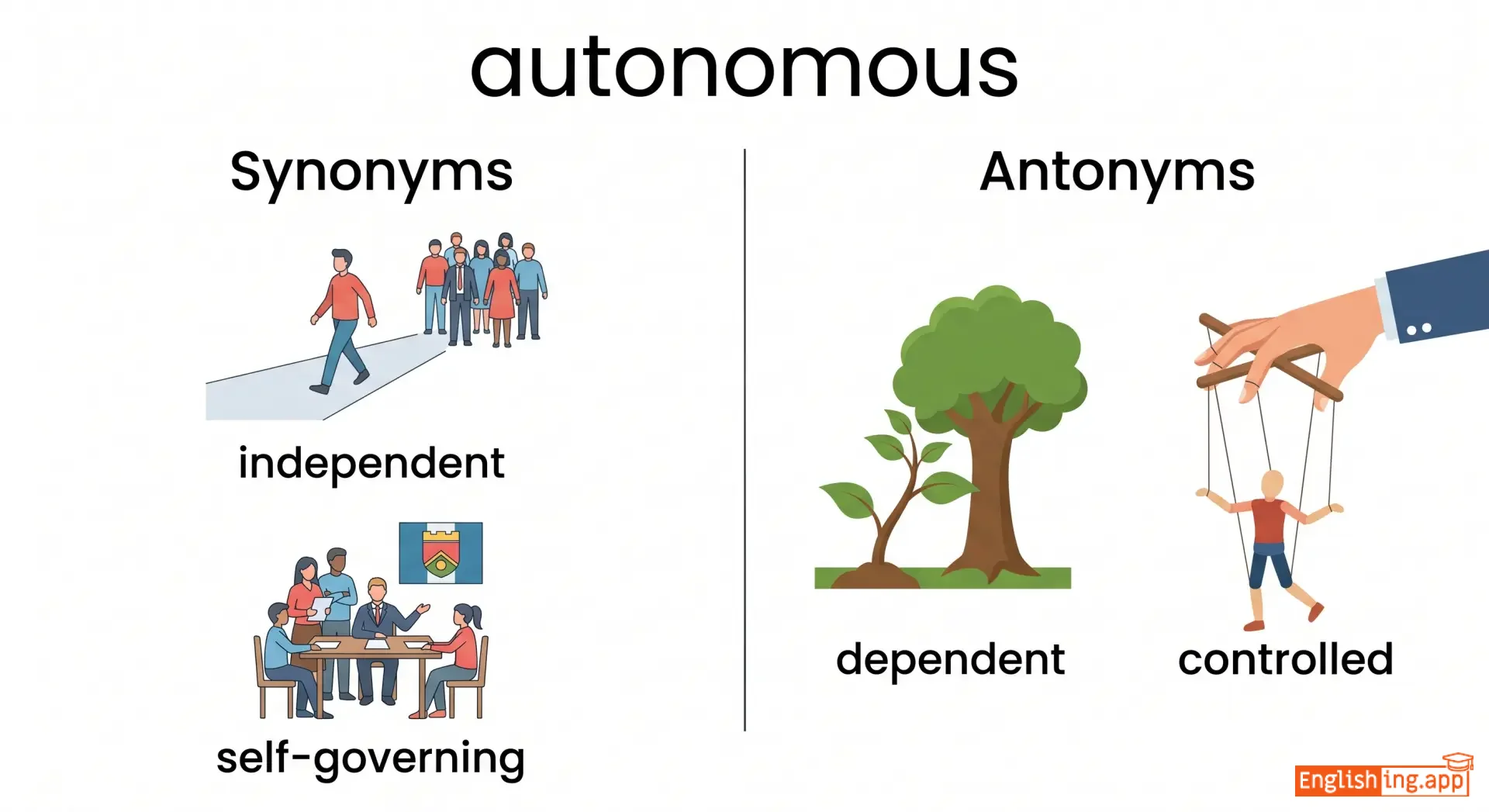
independent, self-governing, self-sufficient, sovereign
••••••
|
dependent, controlled, subordinate
••••••
|
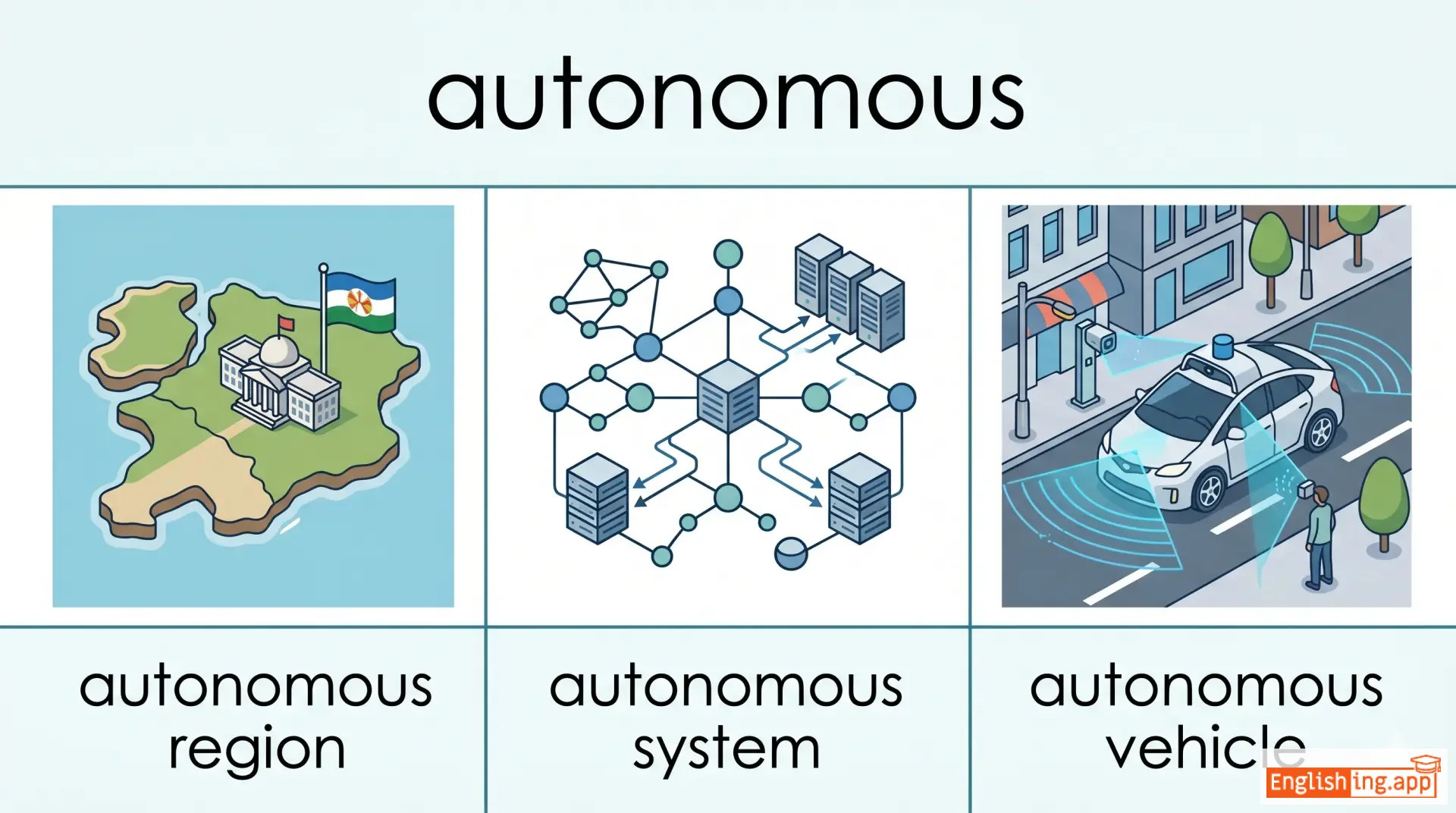
autonomous region, autonomous system, autonomous vehicle, autonomous decision
••••••
|
Auto (自分) + nomos (法) = 自分の法則で動く、自律的。
••••••
|
|
#77
💰
|
/ˈævərɪs/
noun
(アヴァリス)
••••••
|
|
強欲
gyōyoku
••••••
|
- •••••• | - •••••• | - •••••• | - •••••• |
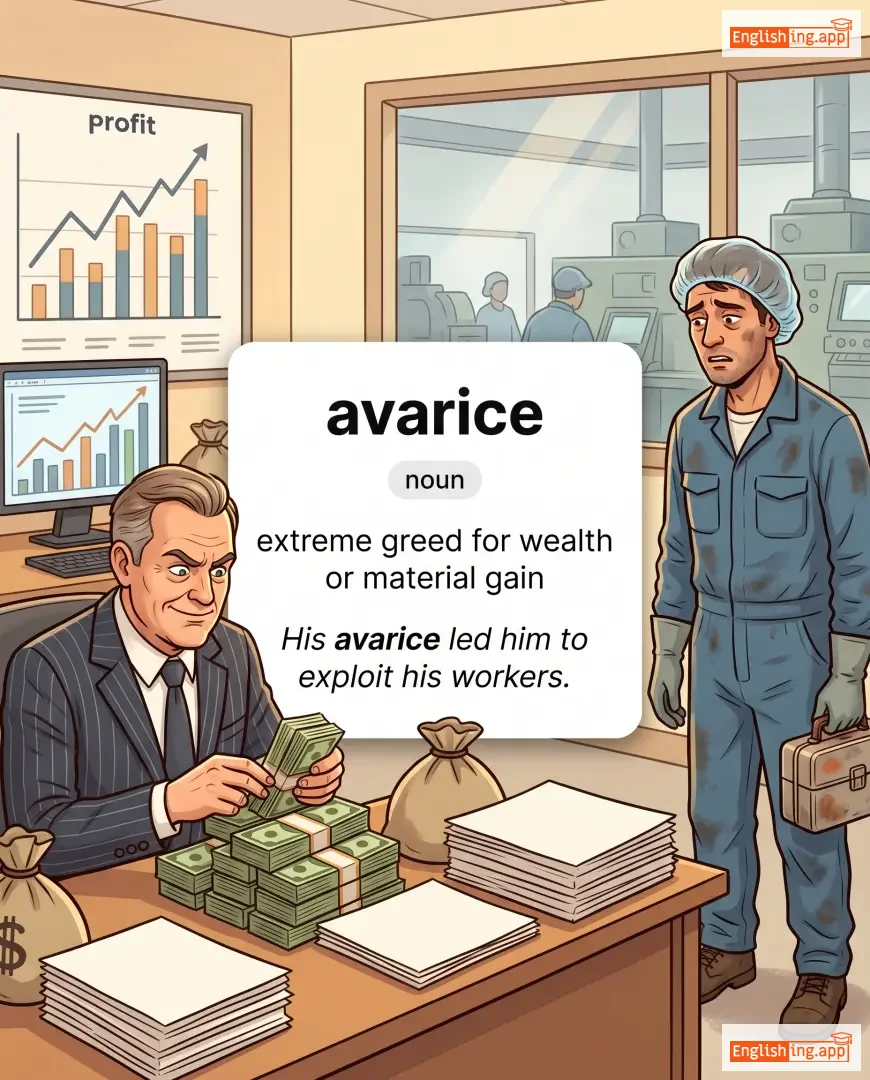
extreme greed for wealth or material gain
••••••
|
His avarice led him to exploit his workers. |
彼の強欲は彼を労働者を搾取することに導いた。
Kare no gyōyoku wa kare o rōdōsha o sakushu suru koto ni michibiita.
••••••
|
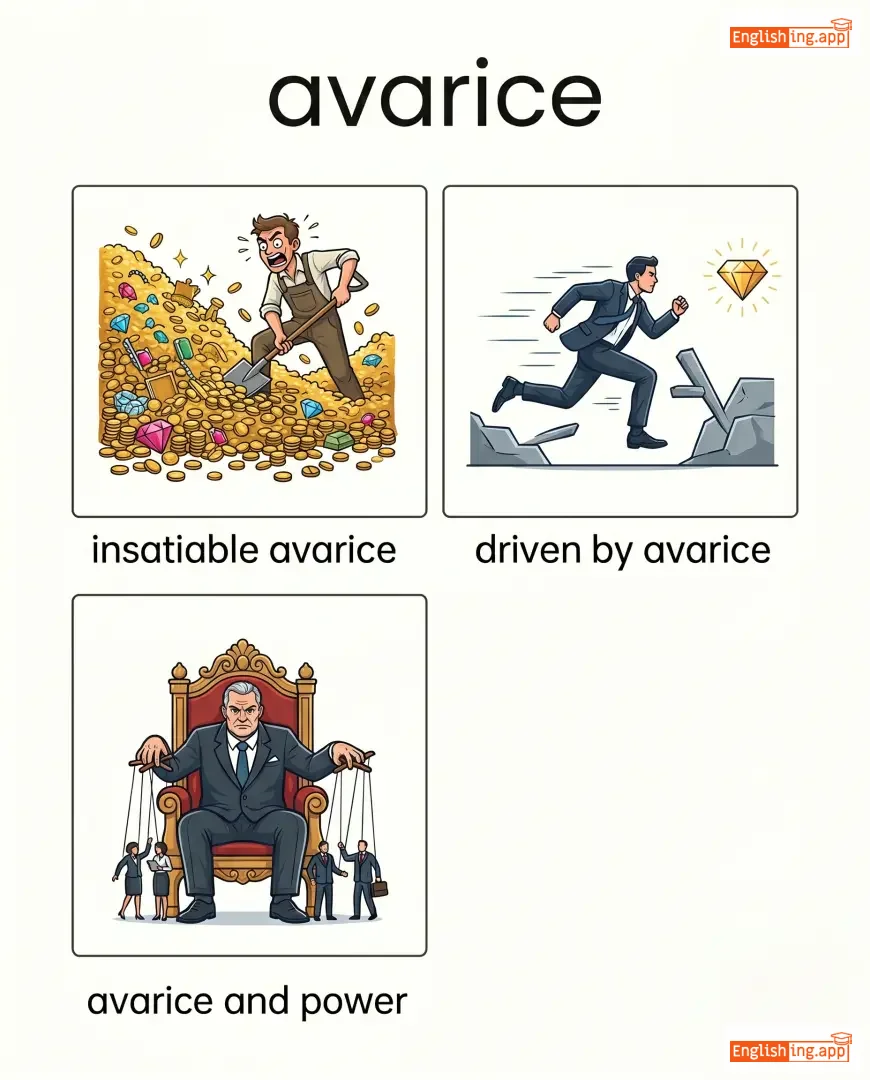
insatiable avarice |
an endless and extreme greed for wealth
••••••
|
飽くなき強欲
akunaki gyōyoku
••••••
|
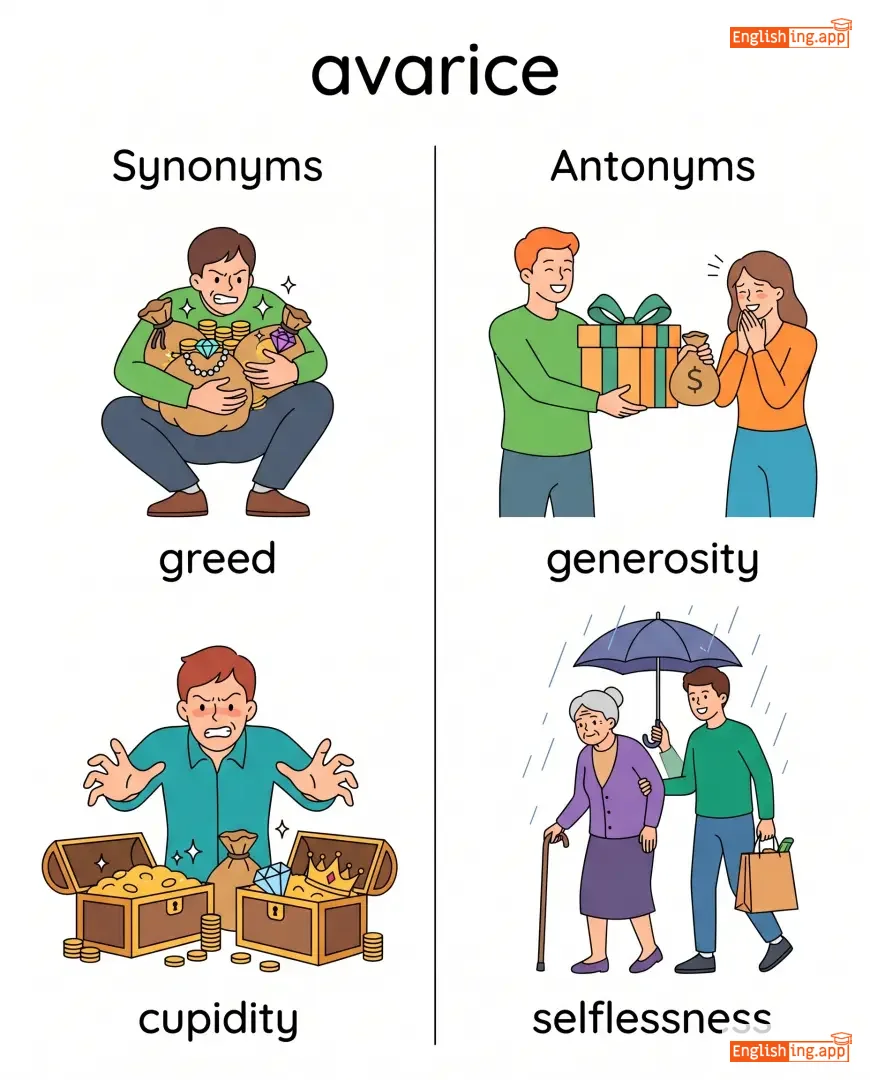
greed, cupidity, materialism, covetousness, rapacity
••••••
|
generosity, selflessness, charity
••••••
|
insatiable avarice, driven by avarice, avarice and power, human avarice
••••••
|
A+var+ice - 氷のように冷たい欲望、決して溶けることがない。
••••••
|
|
#78
📢
|
/əˈvɜːr/
verb
(アヴェア)
••••••
|
|
断言する
dangen suru
••••••
|
averred
アヴェアード
••••••
|
averred
アヴェアード
••••••
|
avers
アヴェアーズ
••••••
|
averring
アヴェアリング
••••••
|
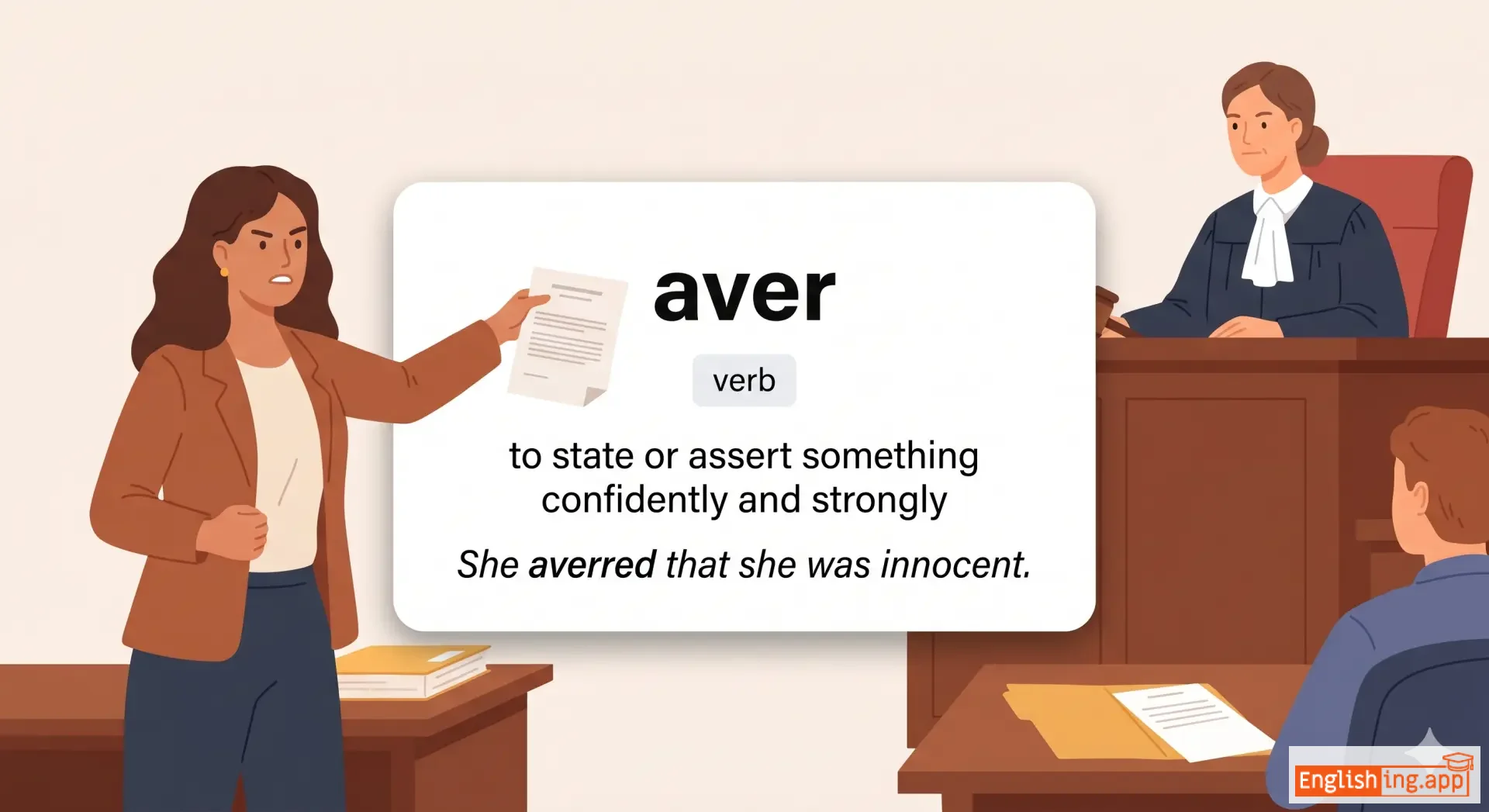
to state or assert something confidently and strongly
••••••
|
She averred that she was innocent.
彼女は無罪だと主張した。
••••••
|
彼女は無罪だと主張した。
Kanojo wa muzai da to shuchou shita.
••••••
|
- •••••• | - •••••• | - •••••• |
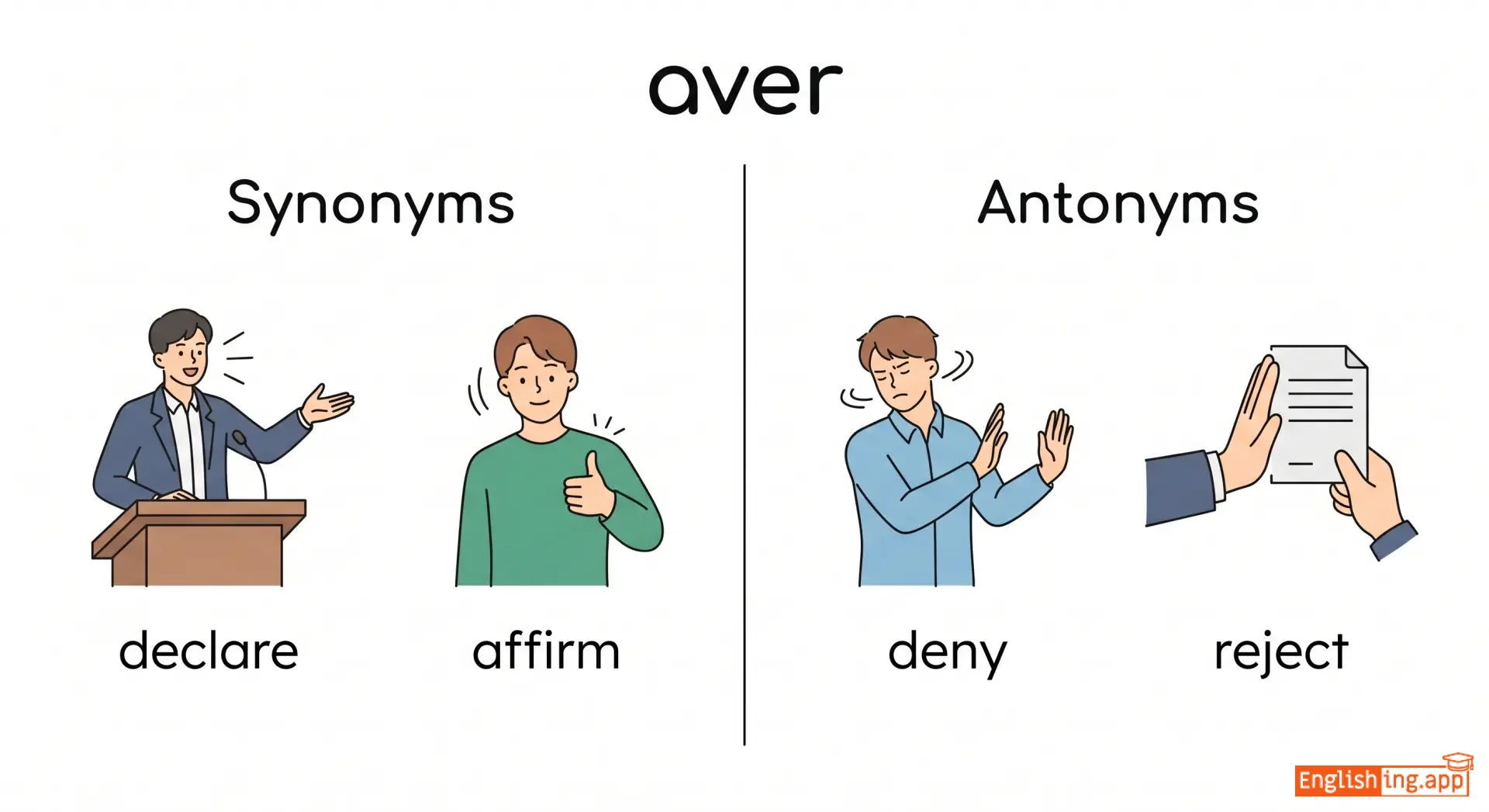
declare, affirm, assert, claim
••••••
|
deny, reject, contradict
••••••
|
aver the truth, aver innocence, aver firmly, confidently aver
••••••
|
AVERは自信を持って何かを断言することを意味します。
••••••
|
|
#79
🎨
|
/ˌæv.oʊˈkeɪ.ʃən/
noun
(エヴォケイション)
••••••
|
|
副業
fukugyo
••••••
|
- •••••• | - •••••• | - •••••• | - •••••• |
a hobby or minor occupation pursued in addition to one's main work
••••••
|
Painting is his avocation after office hours. |
絵画はオフィスの後の彼の副業です。
Kaiga wa ofisu no ato no kare no fukugyo desu.
••••••
|
- •••••• | - •••••• | - •••••• |
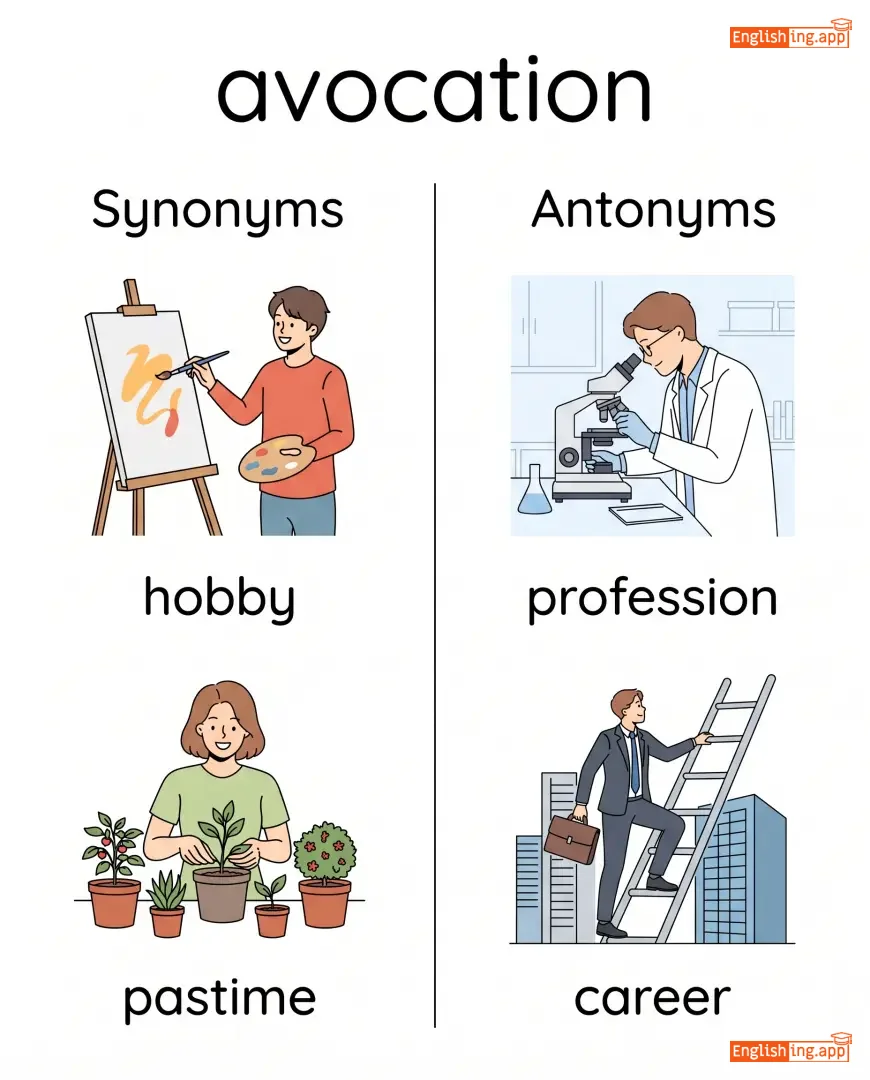
hobby, pastime, pursuit, diversion, recreation
••••••
|
profession, career, vocation
••••••
|
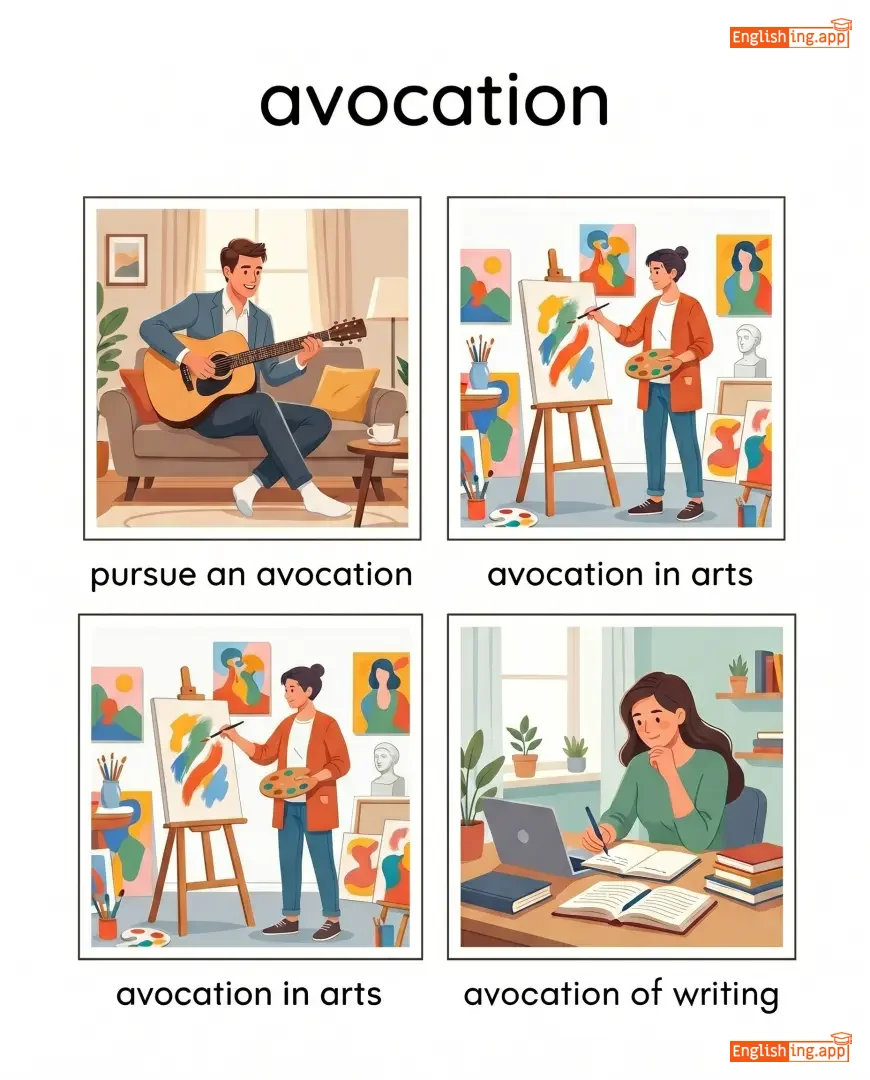
pursue an avocation, avocation in arts, avocation of writing
••••••
|
Avocation(副業)は'Vocation'の後に行う趣味です!
••••••
|
|
#80
👨🦳
|
/əˈvʌŋkjələr/
adjective
(アヴァンクラール)
••••••
|
|
おじさんのように親切
ojisan no you ni shinsetsu
••••••
|
- •••••• | - •••••• | - •••••• | - •••••• |
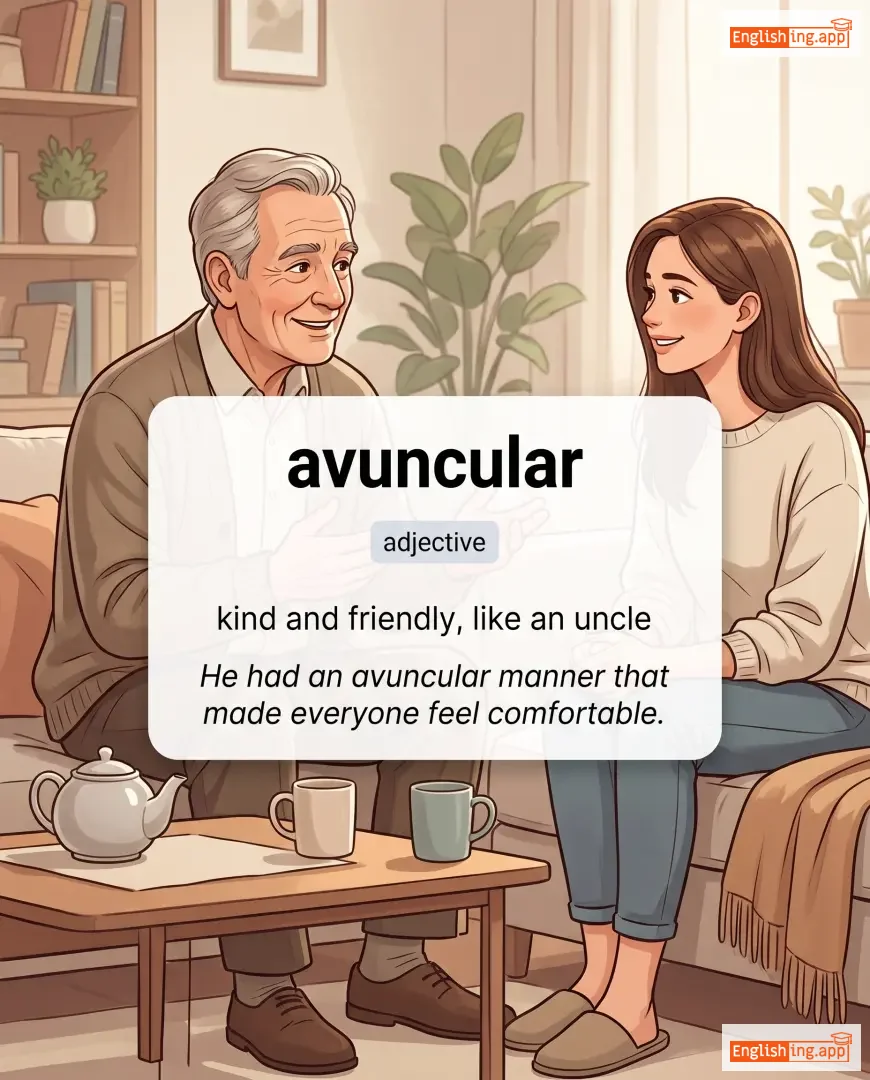
kind and friendly, like an uncle
••••••
|
He had an avuncular manner that made everyone feel comfortable.
彼は、みんなが快適に感じるようなアヴァンクラールな態度を持っていました。
••••••
|
彼は、みんなが快適に感じるようなアヴァンクラールな態度を持っていました。
Kare wa, minna ga kaiteki ni kanjiru you na avunkuraru na taido o motte imashita.
••••••
|
- •••••• | - •••••• | - •••••• |
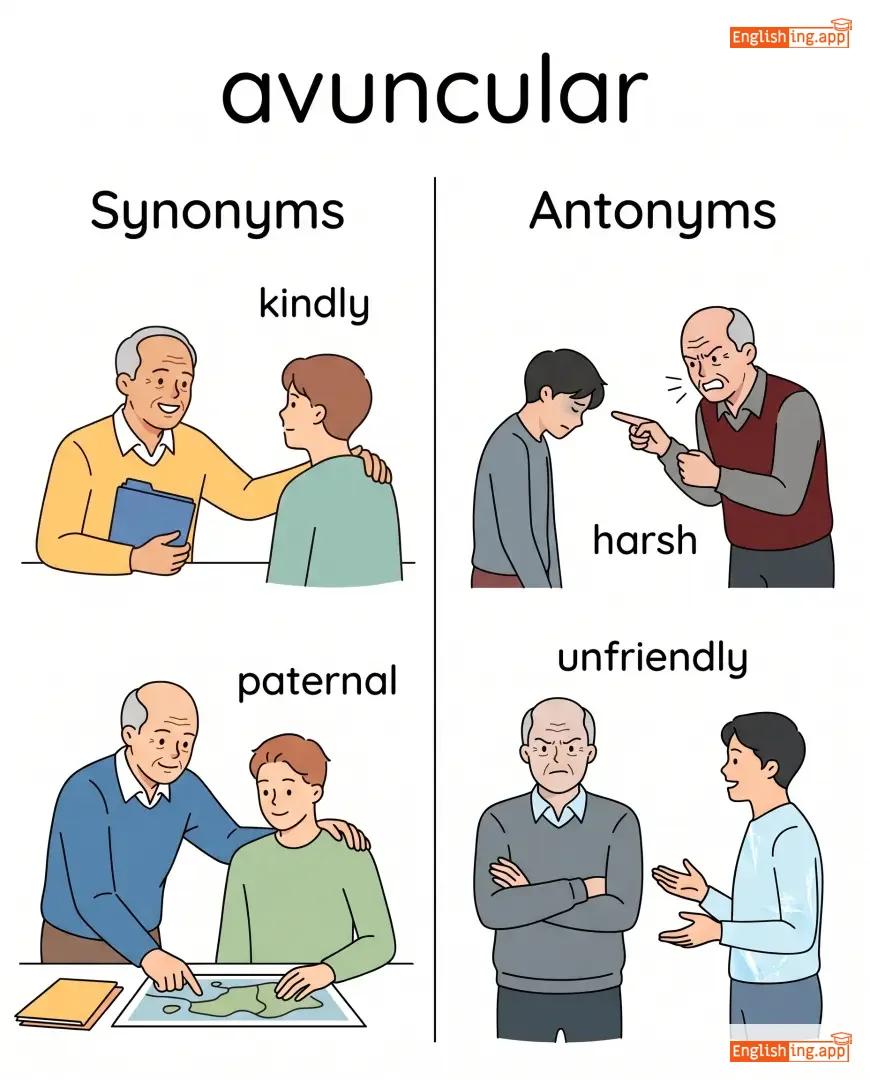
kindly, paternal, benevolent, genial
••••••
|
harsh, unfriendly, stern
••••••
|
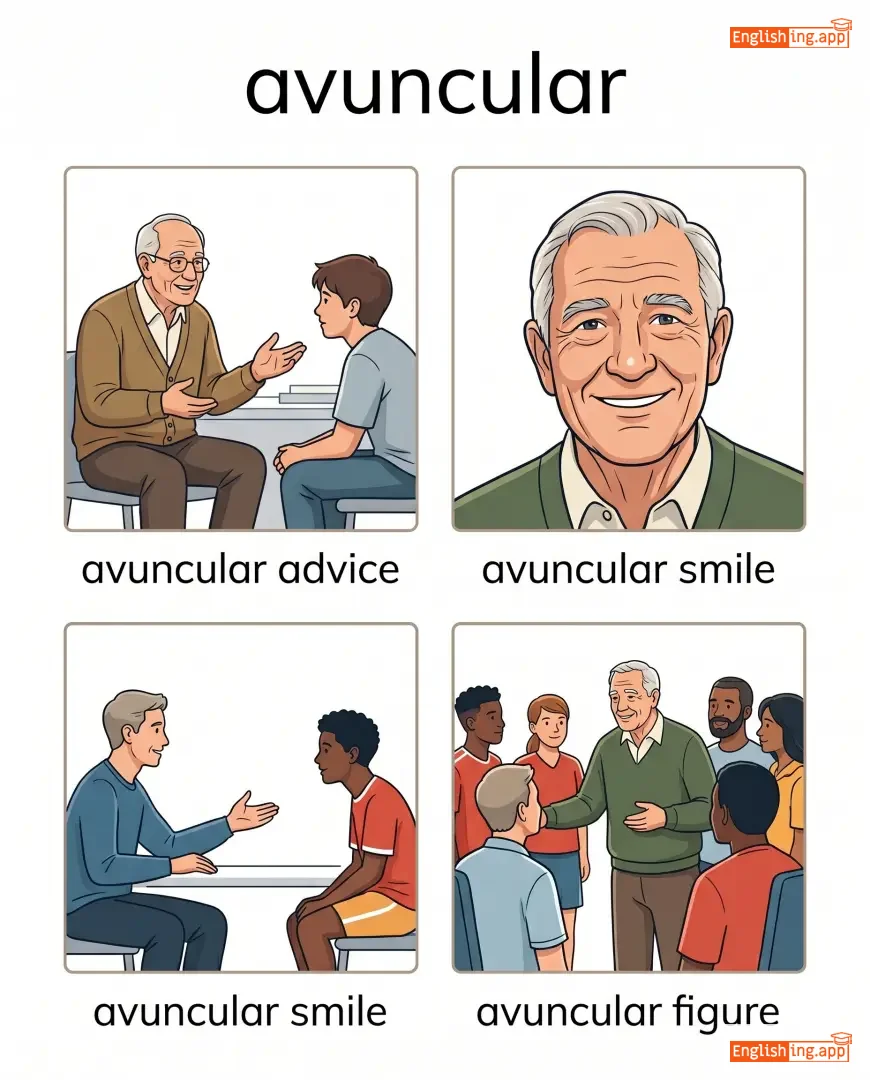
avuncular advice, avuncular smile, avuncular figure, avuncular role
••••••
|
Avuncularは、おじさんのように親切であることを意味します。
••••••
|
|
#81
✅
|
/ˌæk.si.əˈmæt.ɪk/
adjective
(アクシオマティック)
••••••
|
|
公理的
kōriteki
••••••
|
- •••••• | - •••••• | - •••••• | - •••••• |
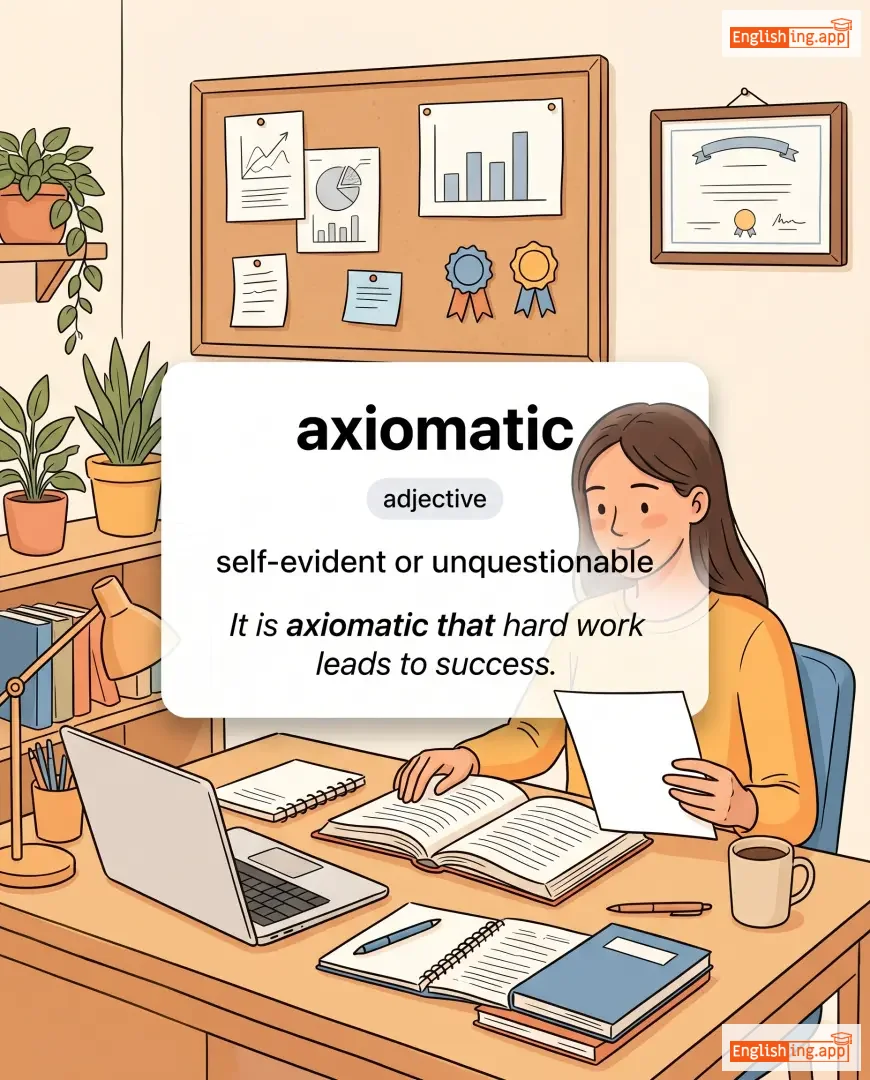
self-evident or unquestionable
••••••
|
It is axiomatic that hard work leads to success. |
それは自明であり、努力は成功に繋がることを示している。
Sore wa jimēn de ari, doryoku wa seikō ni tsunagaru koto o shimeshite iru.
••••••
|
- •••••• | - •••••• | - •••••• |
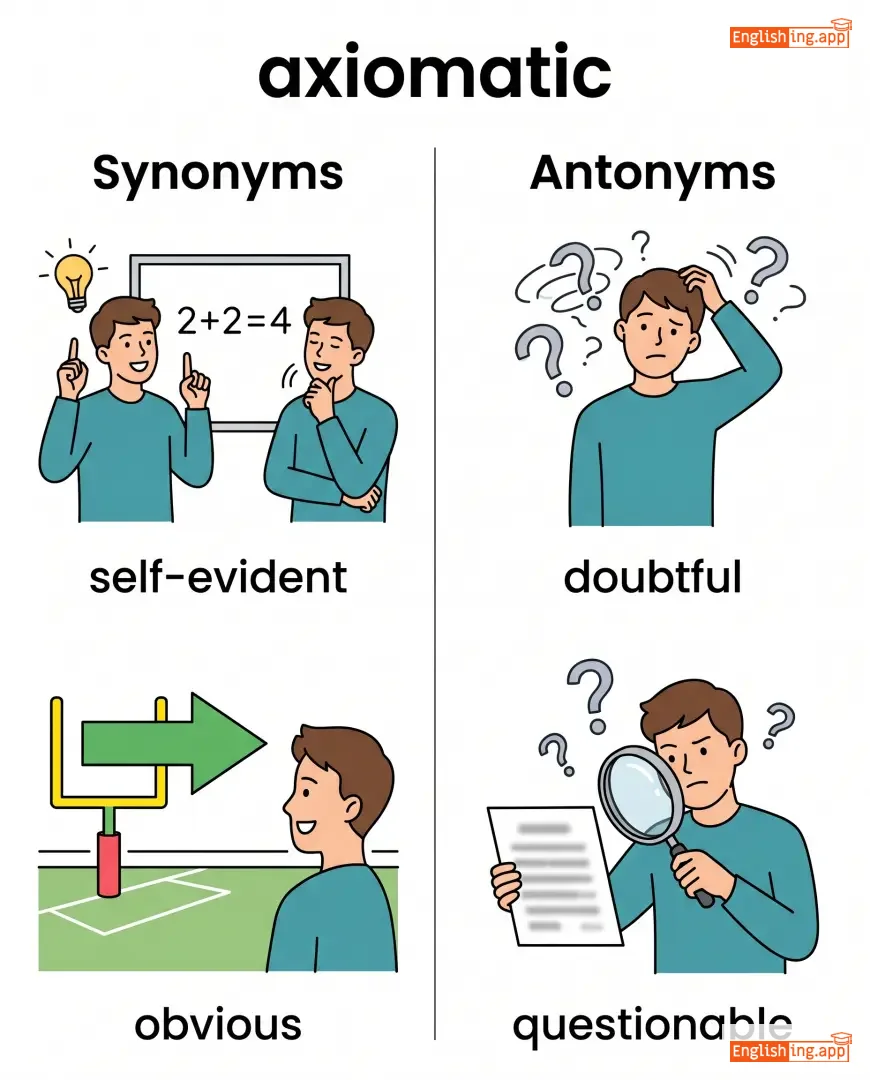
self-evident, obvious, unquestionable, indisputable
••••••
|
doubtful, questionable, uncertain
••••••
|
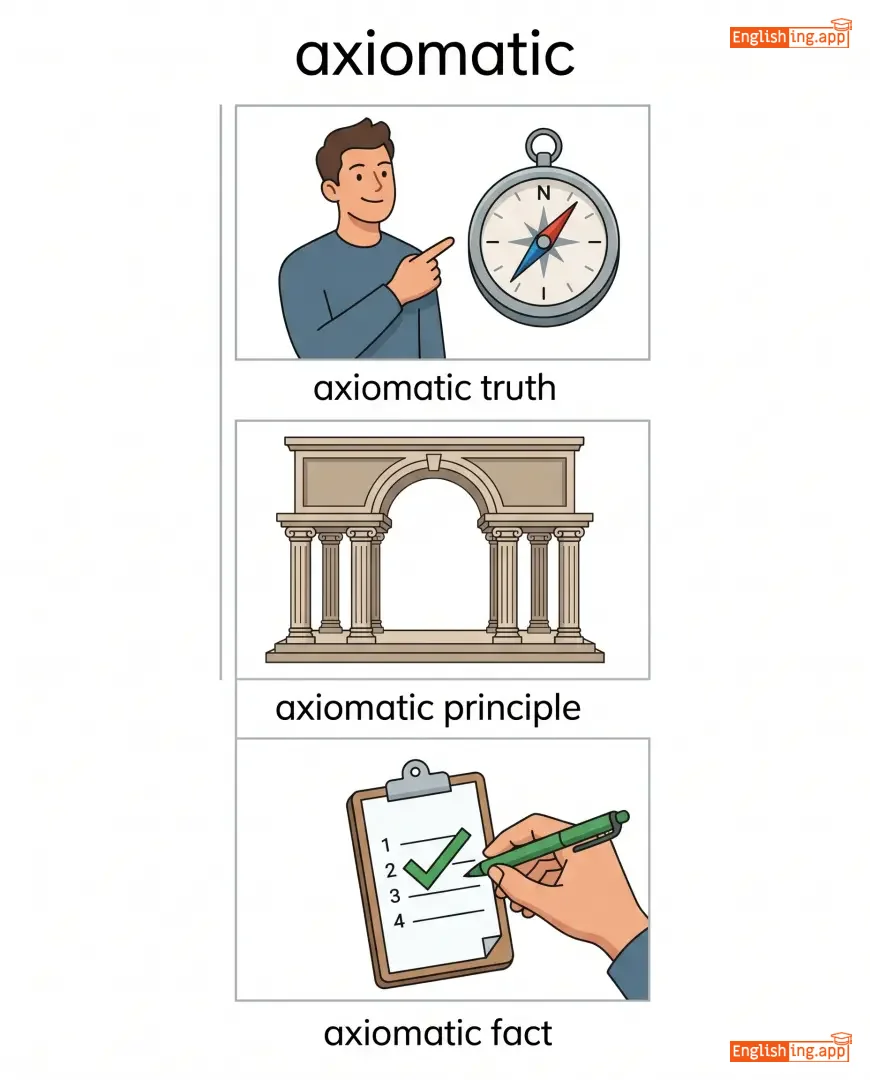
axiomatic truth, axiomatic principle, axiomatic fact
••••••
|
Axiomatic = Axiom + automatic = 疑いなく明白な、証明不要の真実。
••••••
|
|
#82
🍻
|
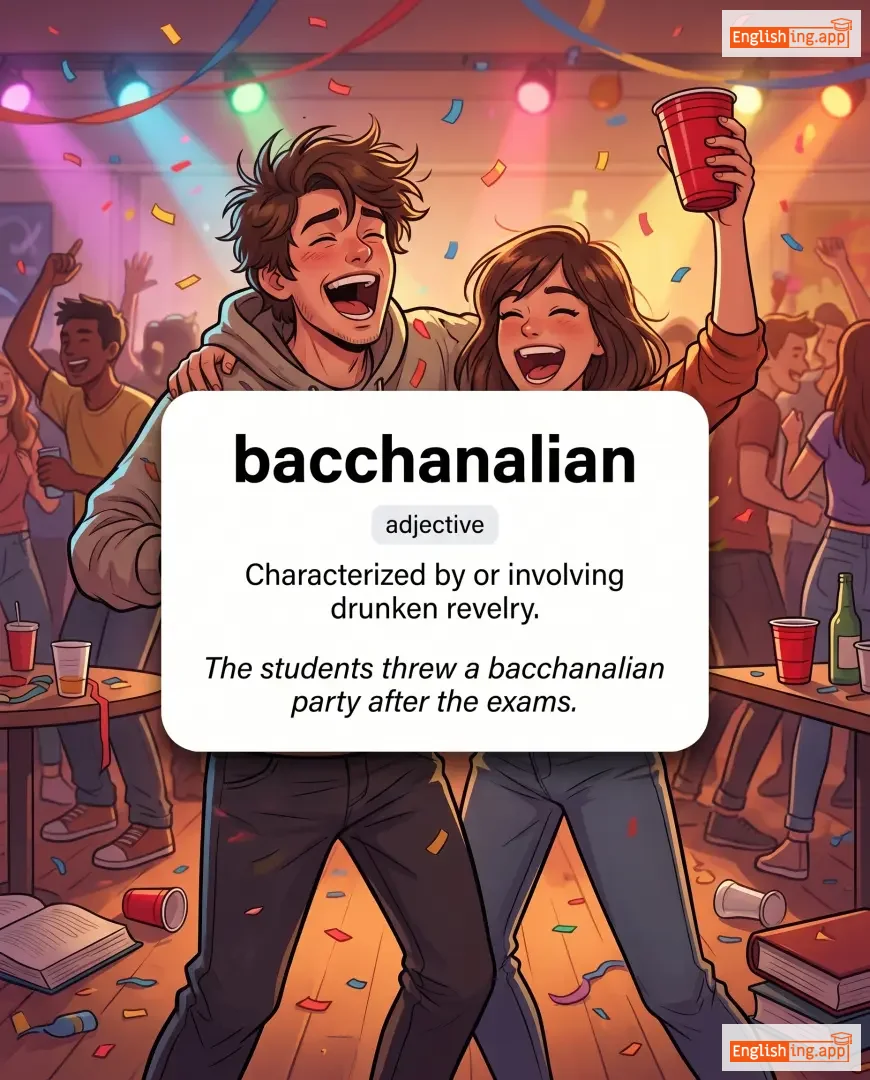
/ˌbækəˈneɪliən/
adjective
(バッカナリアン)
••••••
|
|
酔っ払いの祭りに関連する
yopparai no matsuri ni kanren suru
••••••
|
- •••••• | - •••••• | - •••••• | - •••••• |
Characterized by or involving drunken revelry.
••••••
|
The students threw a bacchanalian party after the exams. |
学生たちは試験後に酔っ払いの祭りを開いた。
Gakusei-tachi wa shiken-go ni yopparai no matsuri o hiraita.
••••••
|
- •••••• | - •••••• | - •••••• |
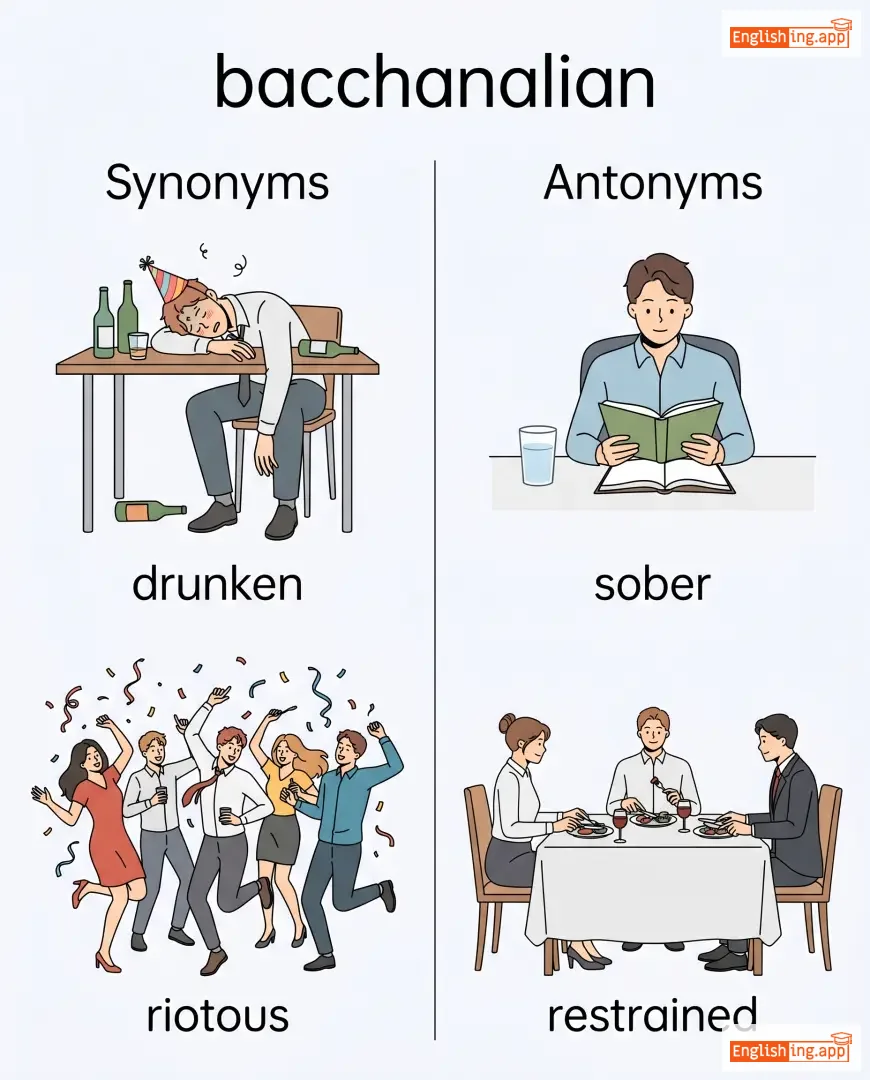
drunken, riotous, debauched, orgiastic
••••••
|
sober, restrained
••••••
|
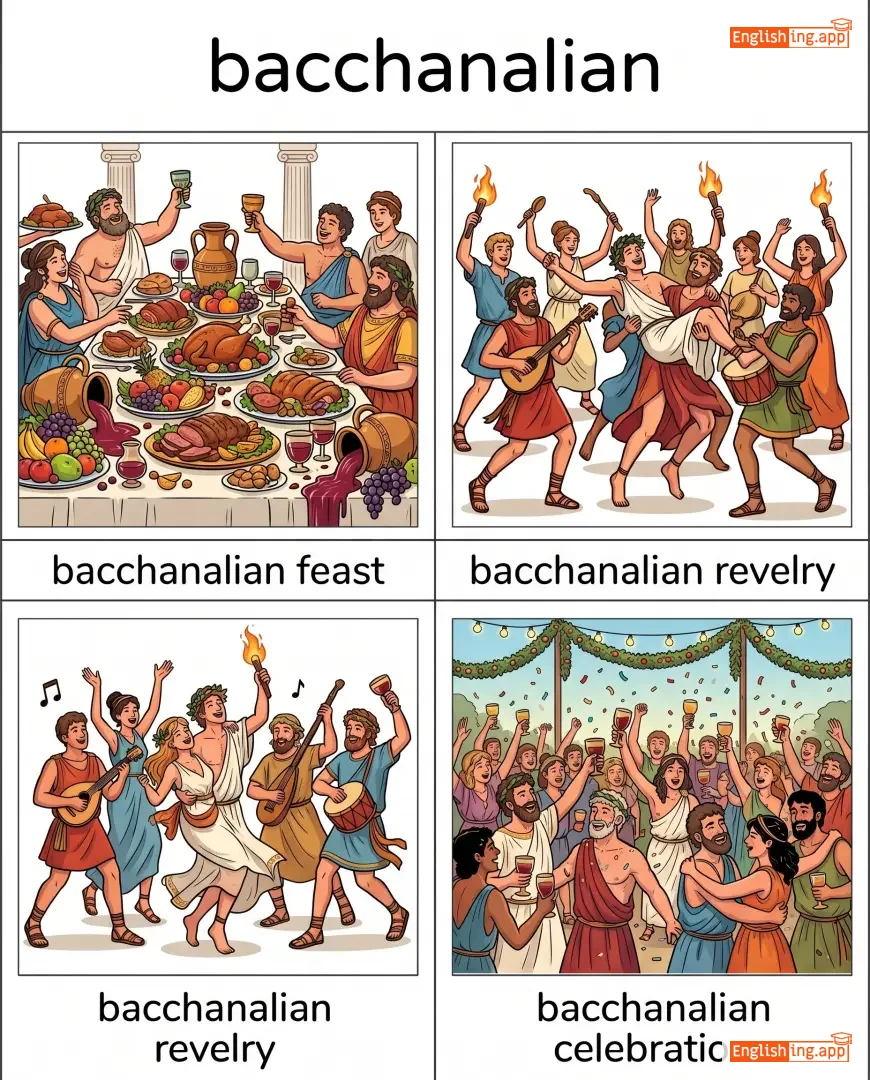
bacchanalian feast, bacchanalian revelry, bacchanalian celebration
••••••
|
Bacchanalianとは、バッカスのような酔っ払いと楽しさのあるパーティーです。
••••••
|
|
#83
😴
|
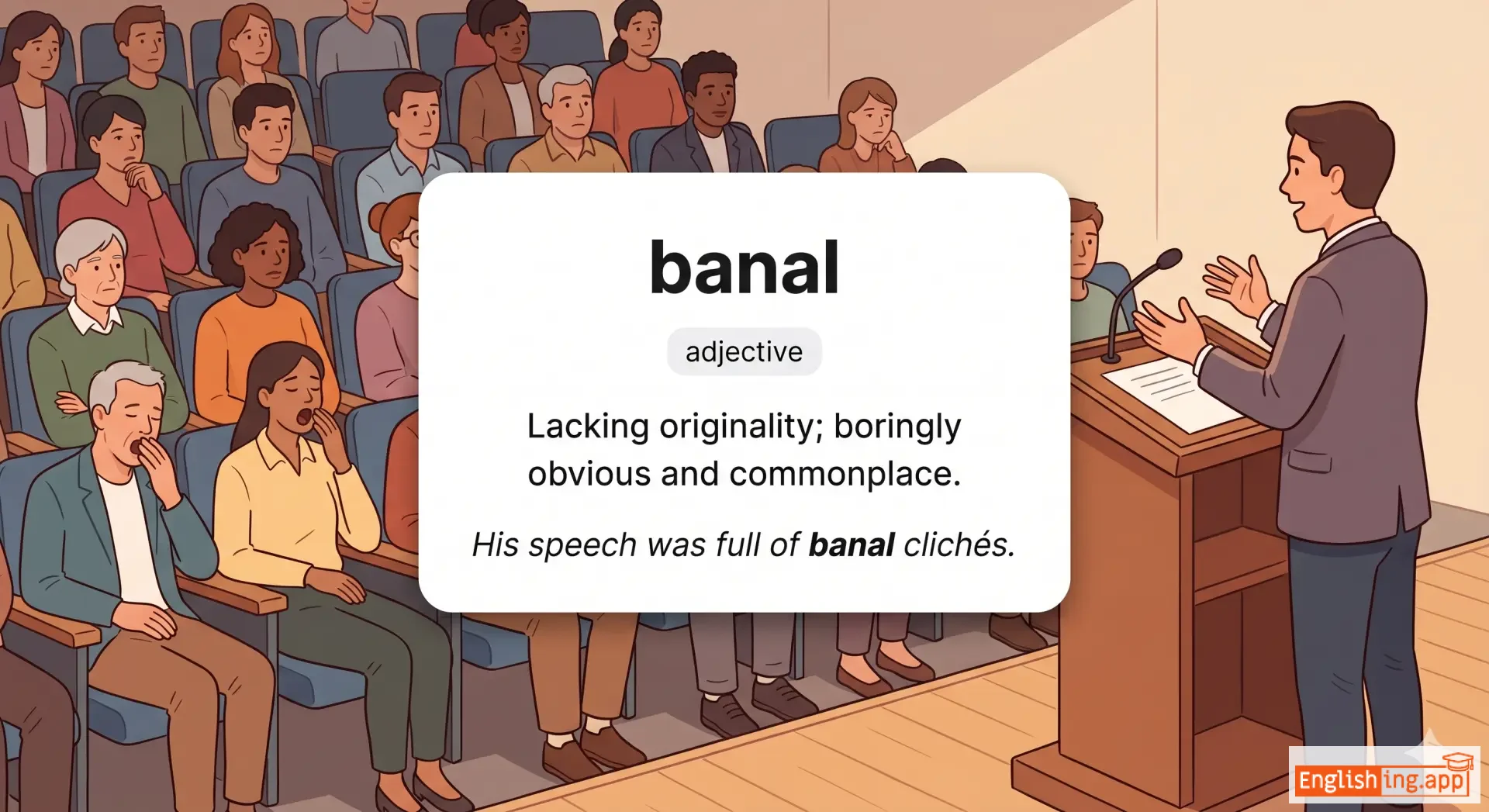
/bəˈnɑːl/ or /ˈbeɪnəl/
adjective
(バナル)
••••••
|
|
平凡
heibon
••••••
|
- •••••• | - •••••• | - •••••• | - •••••• |
Lacking originality; boringly obvious and commonplace.
••••••
|
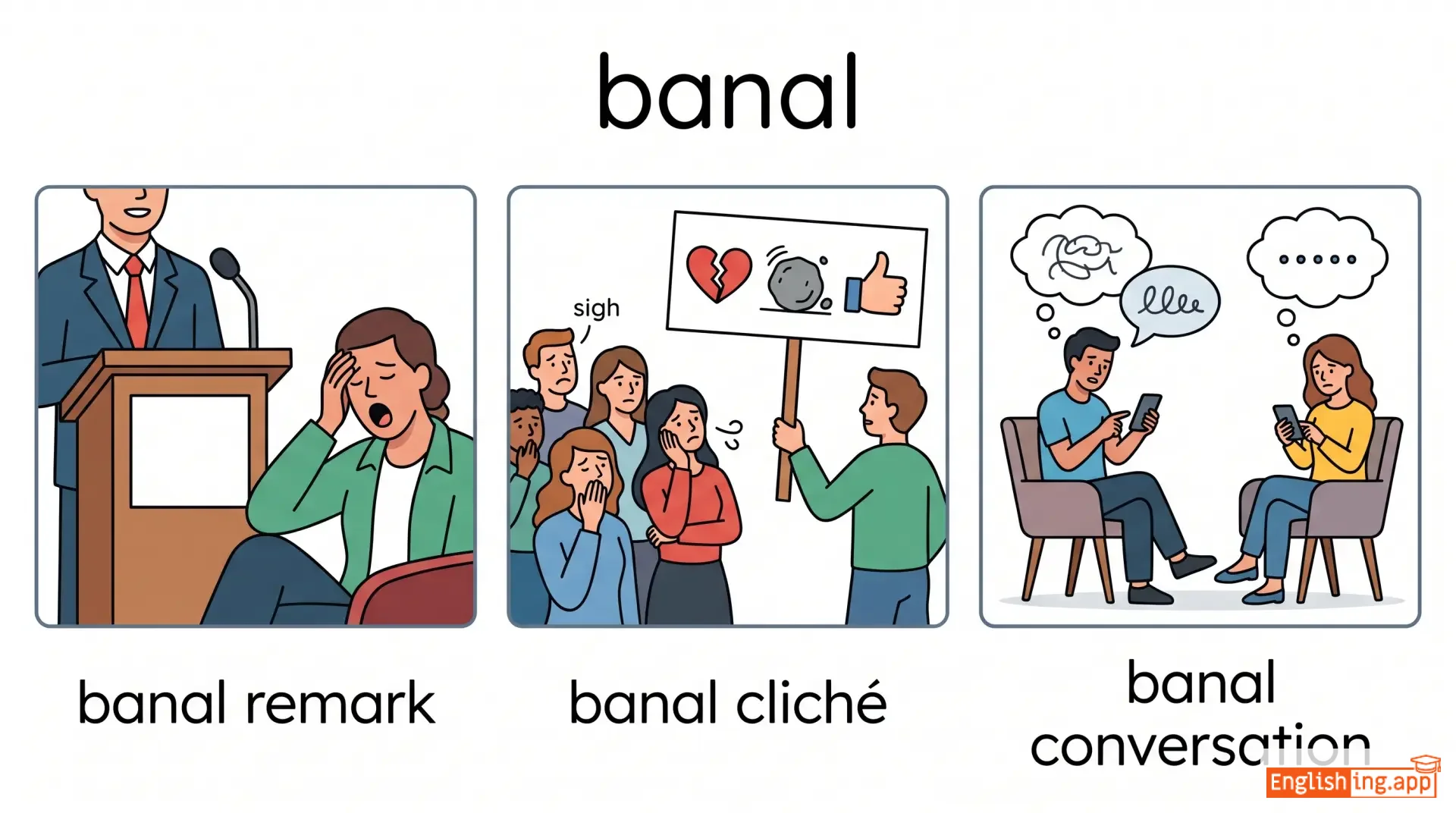
His speech was full of banal clichés. |
彼のスピーチは平凡なクリシェでいっぱいだった。
Kare no supīchi wa heibon na kurishē de ippai datta.
••••••
|
- •••••• | - •••••• | - •••••• |
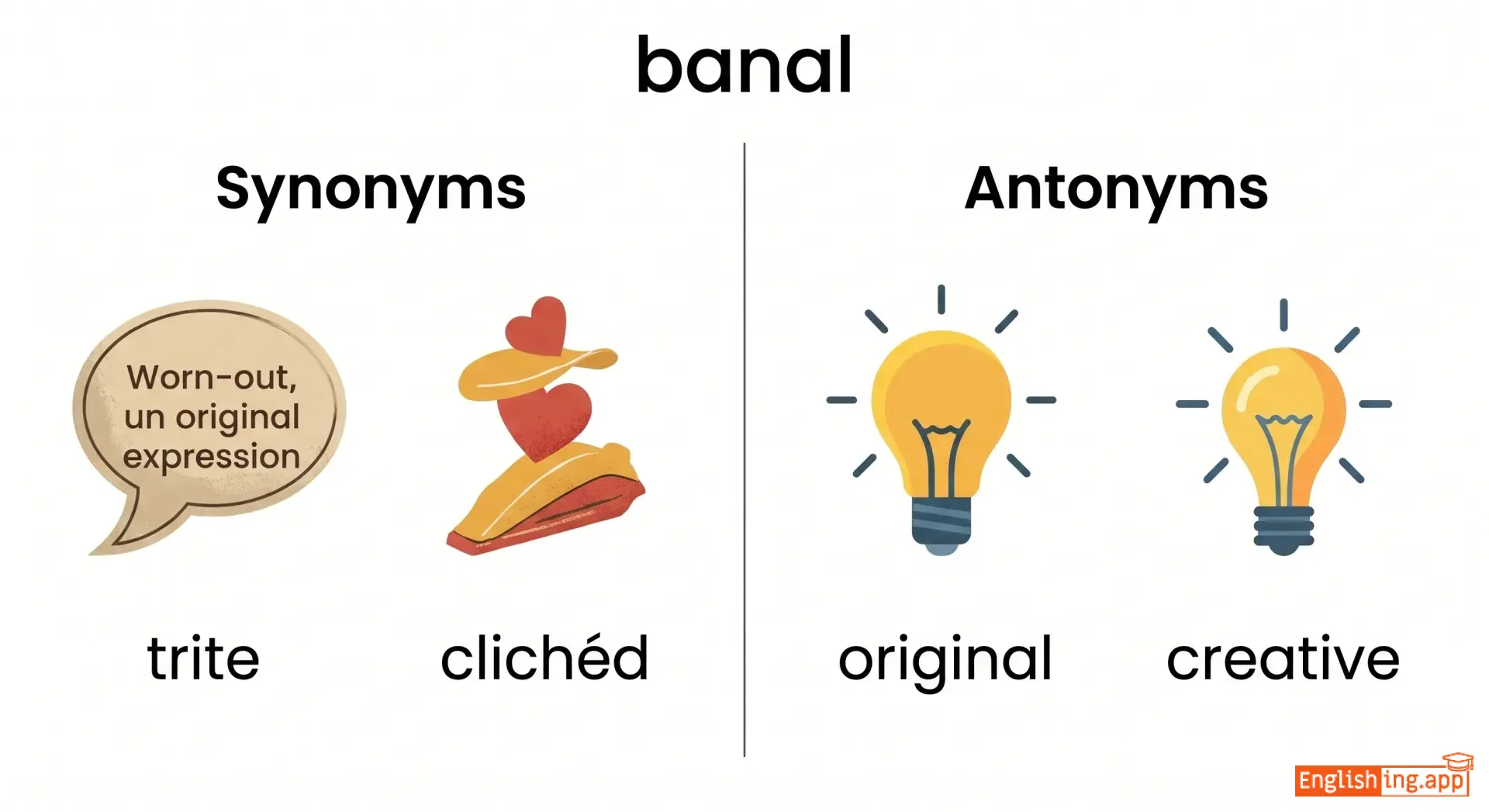
trite, clichéd, ordinary, predictable, dull
••••••
|
original, creative, unusual
••••••
|
banal remark, banal cliché, banal conversation, banal story
••••••
|
Banalは退屈で平凡 – 平凡な物事。
••••••
|
|
#84
😄
|
/ˈbæntər/
noun/verb
(バンター)
••••••
|
|
冗談
joudan
••••••
|
bantered
バンタード
••••••
|
bantered
バンタード
••••••
|
banters
バンターズ
••••••
|
bantering
バンターリング
••••••
|
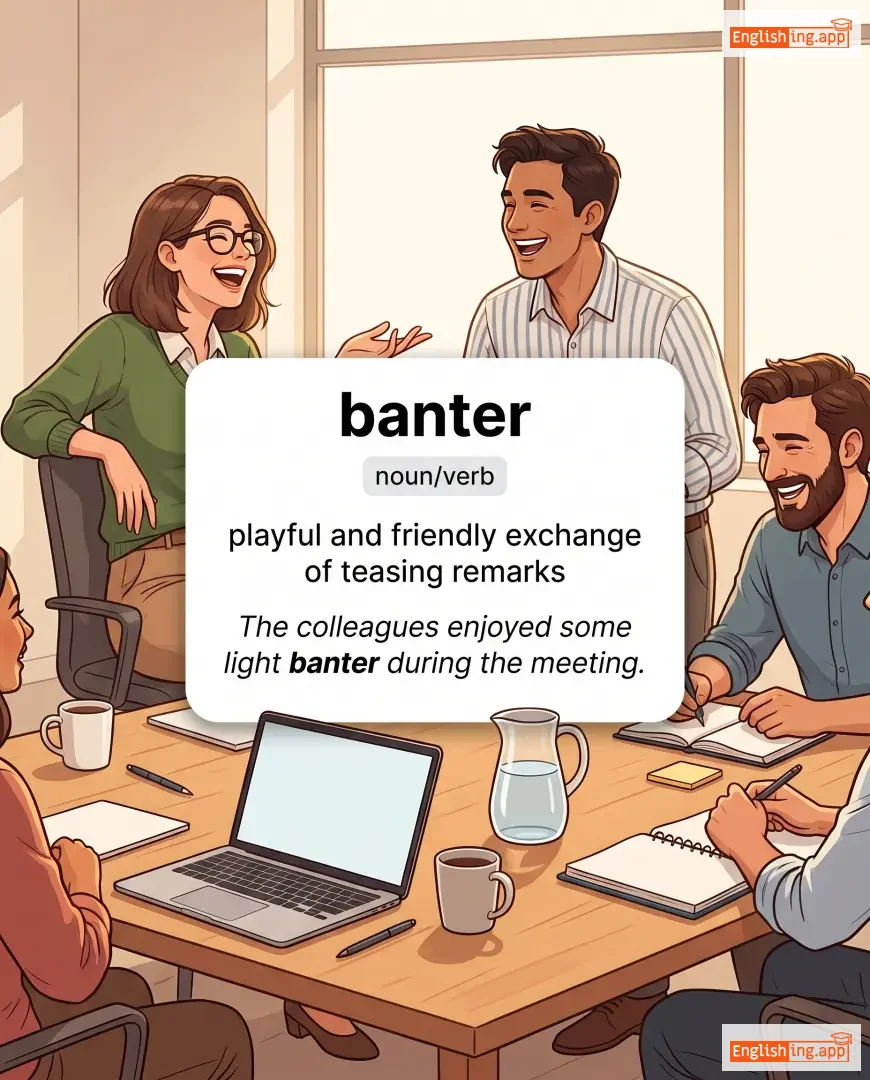
playful and friendly exchange of teasing remarks
••••••
|
The colleagues enjoyed some light banter during the meeting.
同僚たちは会議中に軽いバンターを楽しんだ。
••••••
|
同僚たちは会議中に軽いバンターを楽しんだ。
Douryoutachi wa kaigi chuu ni karui bantaa wo tanoshinda.
••••••
|
- •••••• | - •••••• | - •••••• |
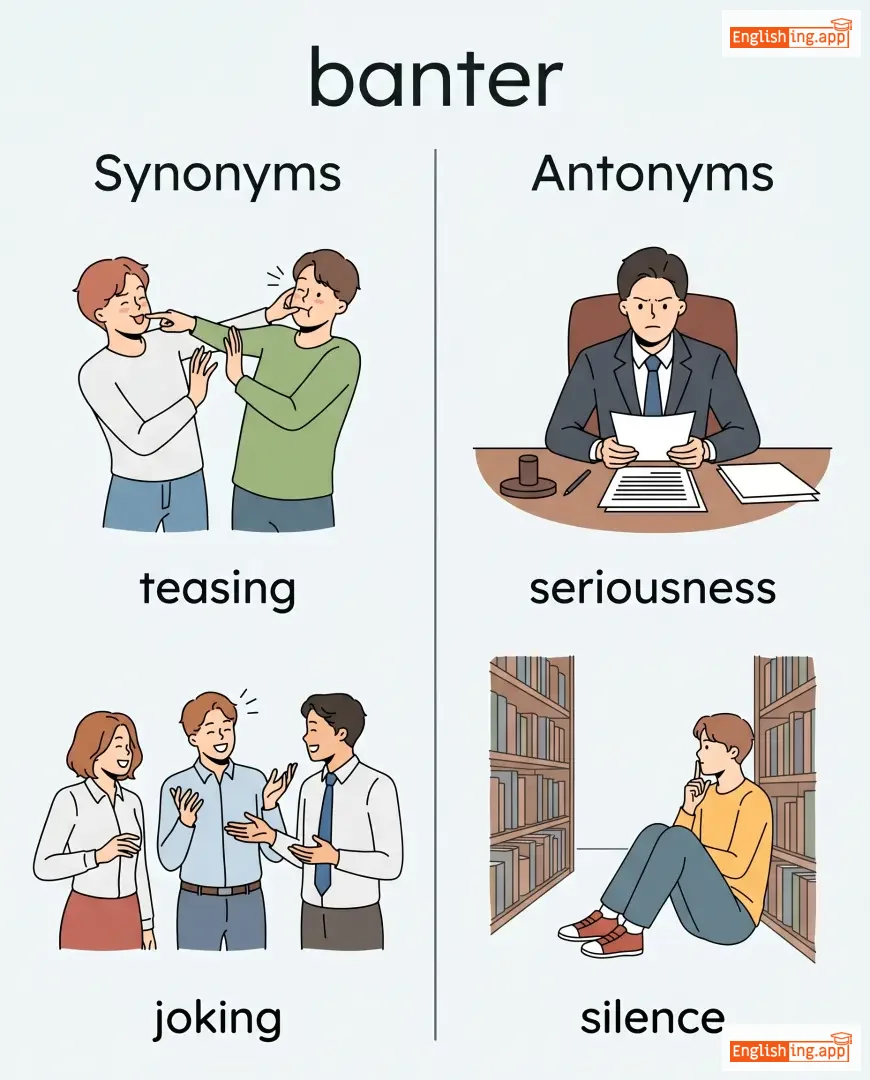
teasing, joking, kidding, repartee
••••••
|
seriousness, silence
••••••
|
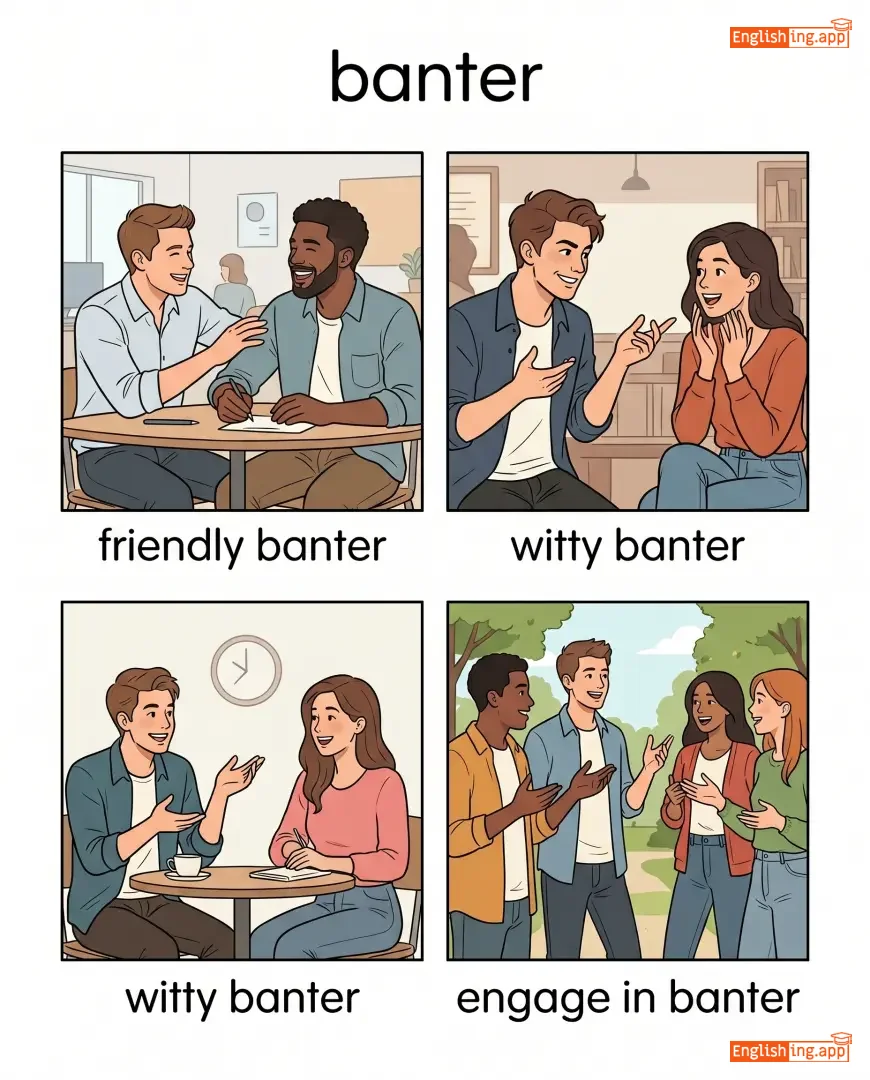
friendly banter, witty banter, engage in banter, light banter
••••••
|
Banterは'Ban' + 'tear' — 友達と冗談を言って笑いすぎて涙 ('tear') が出る時。
••••••
|
|
#85
🎭
|
/bɑːrd/
noun
(バード)
••••••
|
|
詩人
shijin
••••••
|
- •••••• | - •••••• | - •••••• | - •••••• |
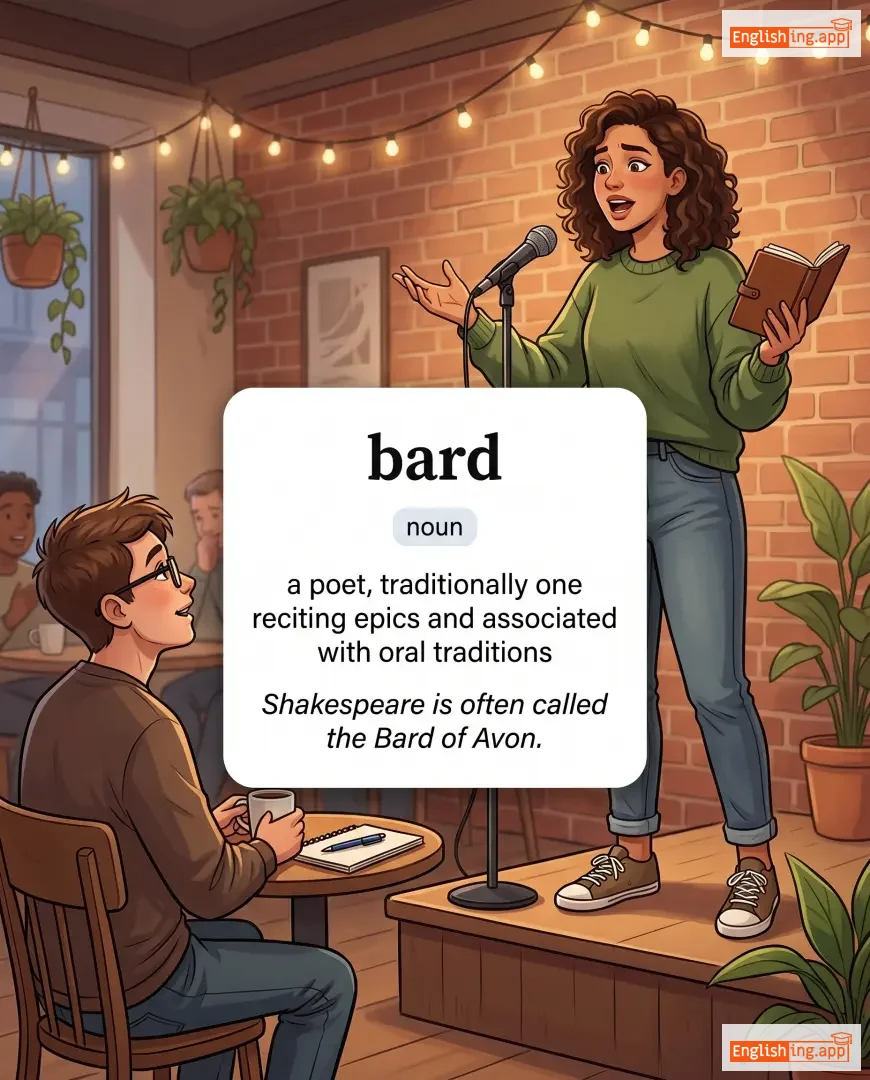
a poet, traditionally one reciting epics and associated with oral traditions
••••••
|
Shakespeare is often called the Bard of Avon. |
シェイクスピアはしばしばアヴォンの詩人と呼ばれます。
Sheikusupia wa shibashiba Avon no shijin to yobaremasu.
••••••
|
- •••••• | - •••••• | - •••••• |
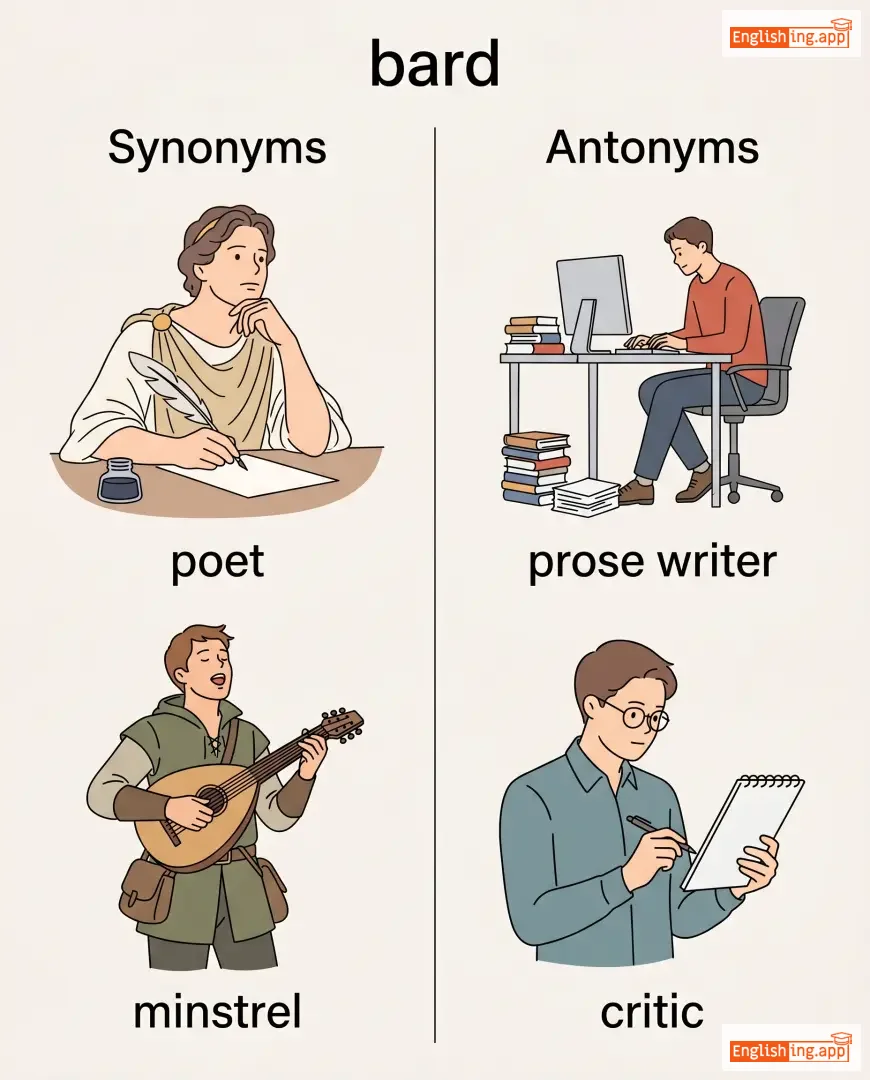
poet, minstrel, lyricist, troubadour, versifier
••••••
|
prose writer, critic
••••••
|
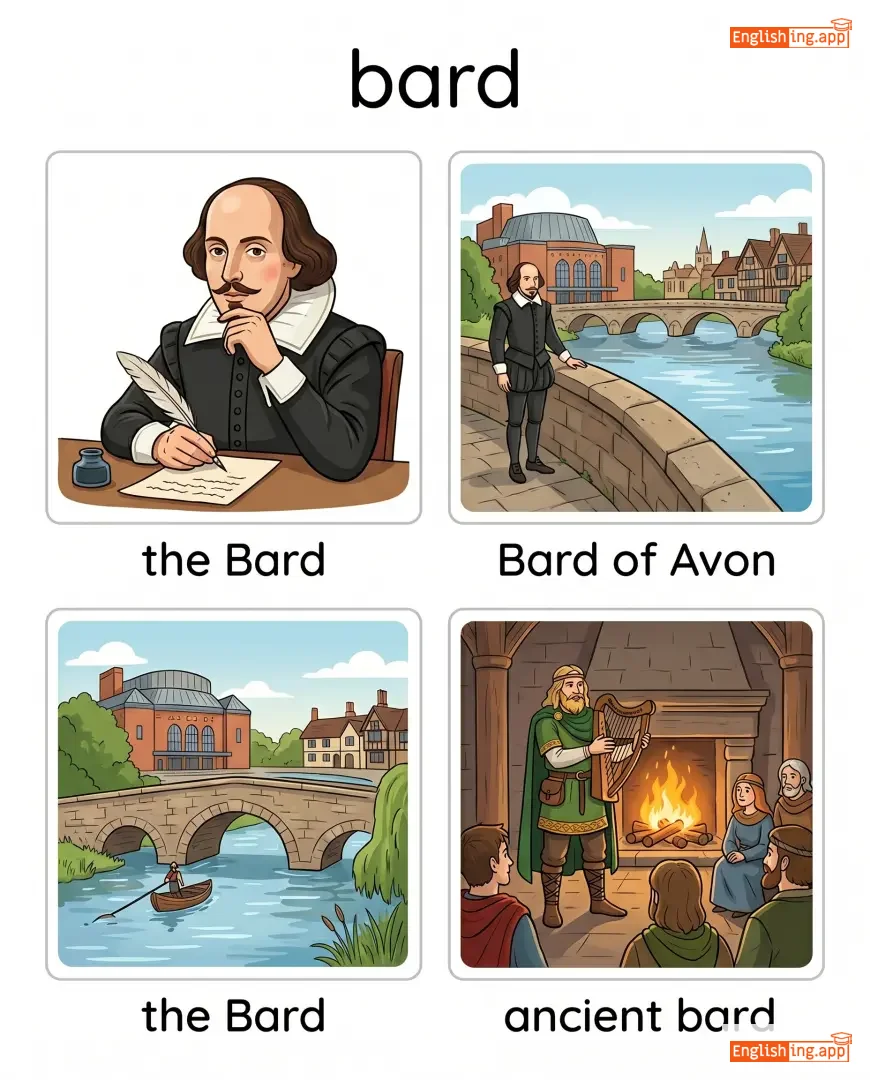
the Bard, Bard of Avon, ancient bard
••••••
|
Bardは詩人を意味し、物語を歌う人です。
••••••
|
|
#86
😏
|
/ˈbɔːdi/
adjective
(ボディ)
••••••
|
|
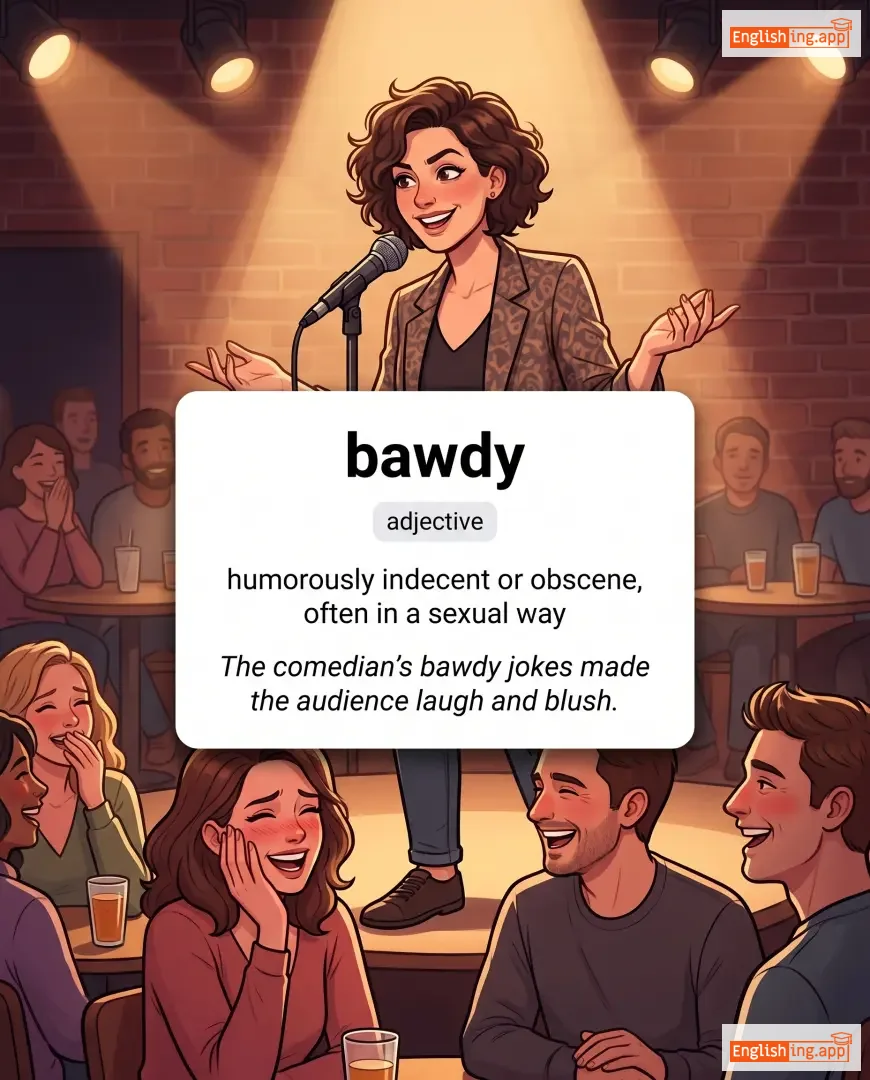
下品
gehin
••••••
|
- •••••• | - •••••• | - •••••• | - •••••• |
humorously indecent or obscene, often in a sexual way
••••••
|
The comedian’s bawdy jokes made the audience laugh and blush. |
コメディアンの下品なジョークは観客を笑わせ、顔を赤らめさせた。
Komedian no gehin na jōku wa kankyaku o warawase, kao o akaramesaseta.
••••••
|
- •••••• | - •••••• | - •••••• |
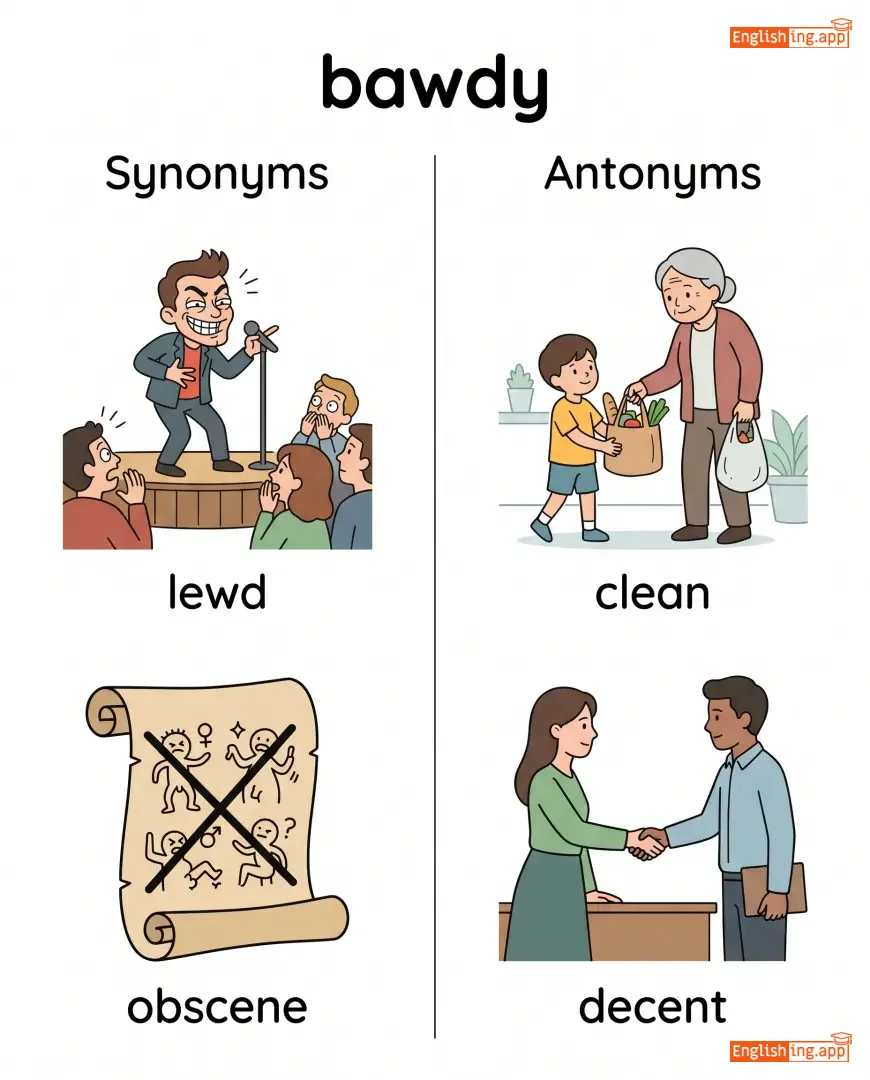
lewd, obscene, vulgar, risqué, indecent
••••••
|
clean, decent, modest
••••••
|
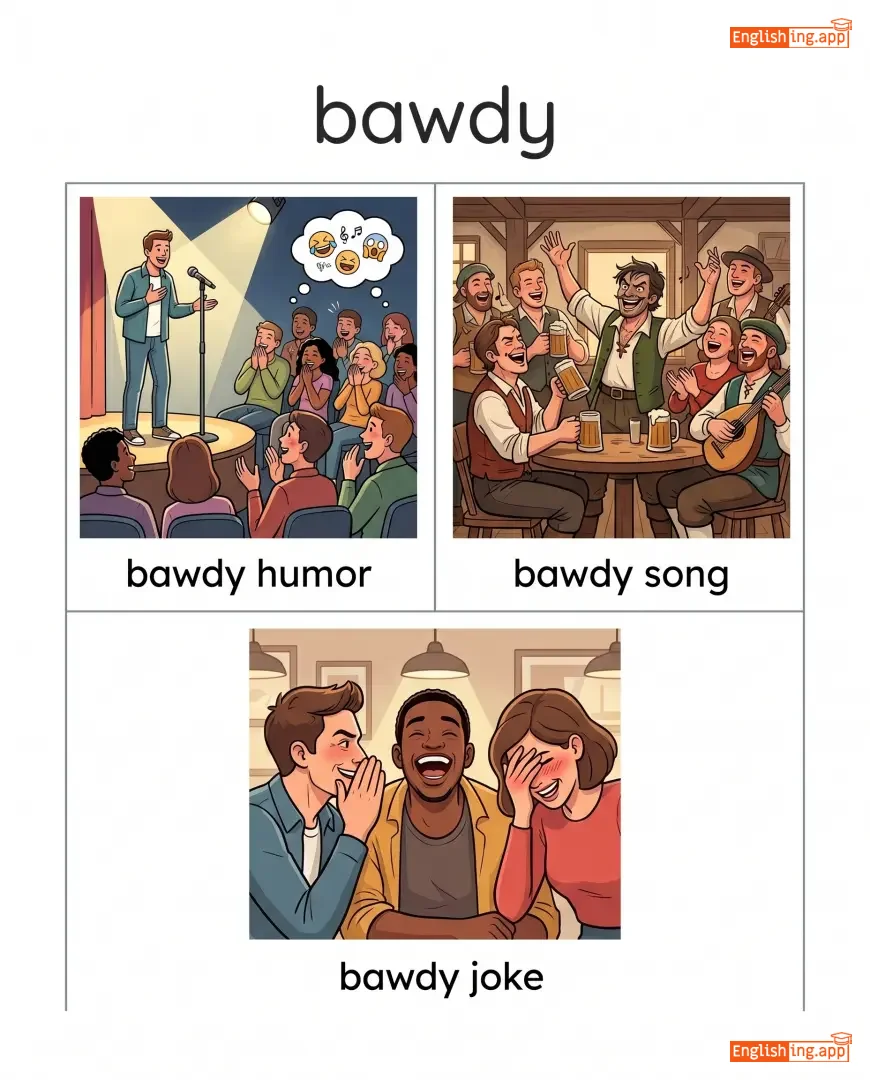
bawdy humor, bawdy song, bawdy joke, bawdy remark
••••••
|
Bawdy = ボディジョーク → 下品なジョークや性的な話
••••••
|
|
#87
🙏
|
/biˈætɪfaɪ/
verb
(ビーティファイ)
••••••
|
|
列聖
ressai
••••••
|
beatified
ビーティファイド
••••••
|
beatified
ビーティファイド
••••••
|
beatifies
ビーティファイズ
••••••
|
beatifying
ビーティファイング
••••••
|
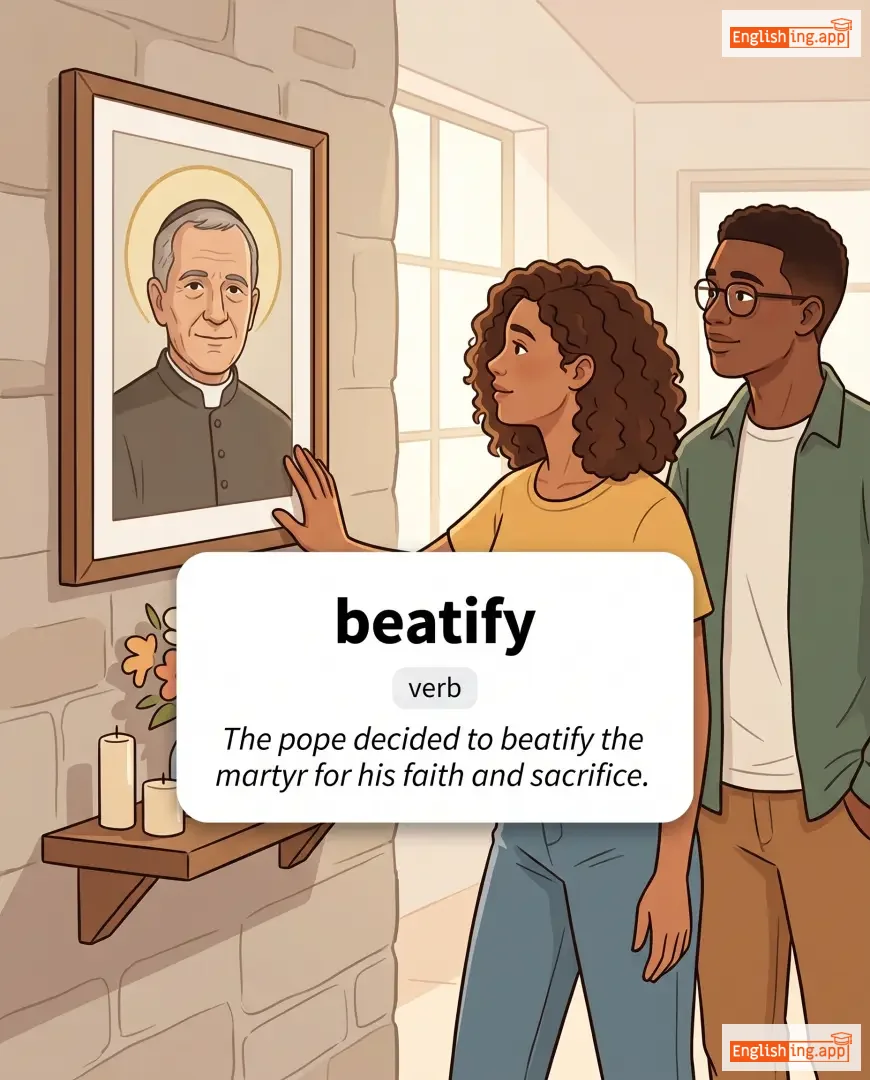
to make blessed or holy, especially in the Roman Catholic Church, to declare a deceased person to be among the blessed
••••••
|
The pope decided to beatify the martyr for his faith and sacrifice.
教皇はその信仰と犠牲により、殉教者をビーティファイすることを決定しました。
••••••
|
教皇はその信仰と犠牲により、殉教者をビーティファイすることを決定しました。
Kyōkō wa sono shinkō to gisei ni yori, junkyōsha o beatify suru koto o kettei shimashita.
••••••
|
- •••••• | - •••••• | - •••••• |
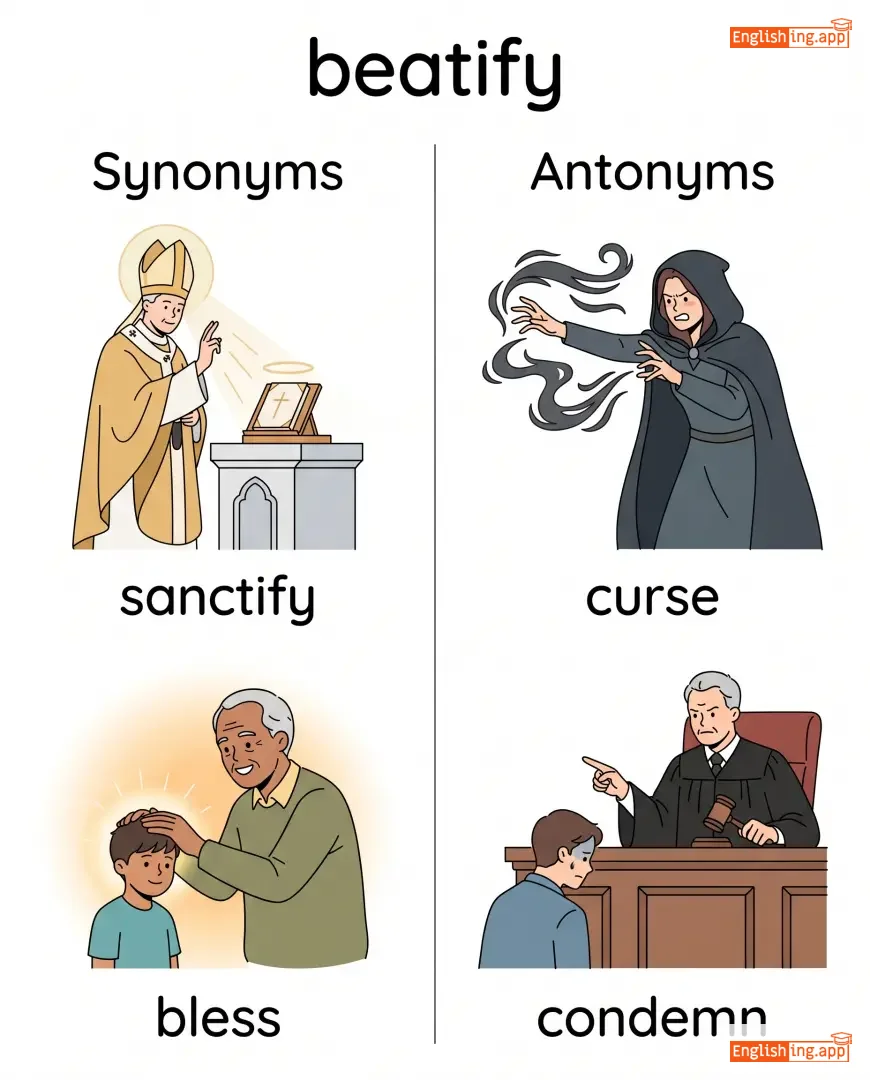
sanctify, bless, hallow, consecrate, exalt
••••••
|
curse, condemn, desecrate
••••••
|
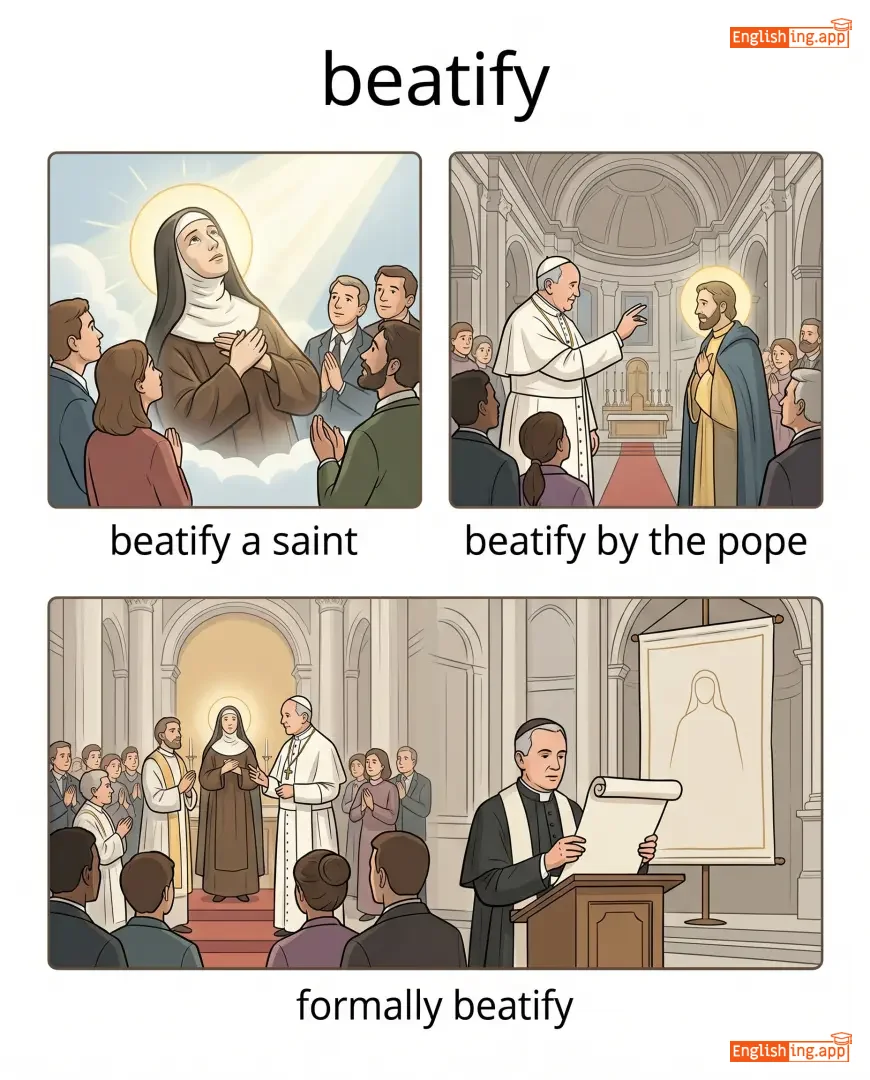
beatify a saint, beatify by the pope, formally beatify
••••••
|
ビーティファイは最終的に聖人を認定すること。教皇は殉教者を列聖する。
••••••
|
|
#88
💎
|
/bɪˈdaɪzən/
verb
(ベディゼン)
••••••
|
|
派手に飾る
hade ni kazaru
••••••
|
bedizened
ベディゼンド
••••••
|
bedizened
ベディゼンド
••••••
|
bedizens
ベディゼンス
••••••
|
bedizening
ベディゼニング
••••••
|
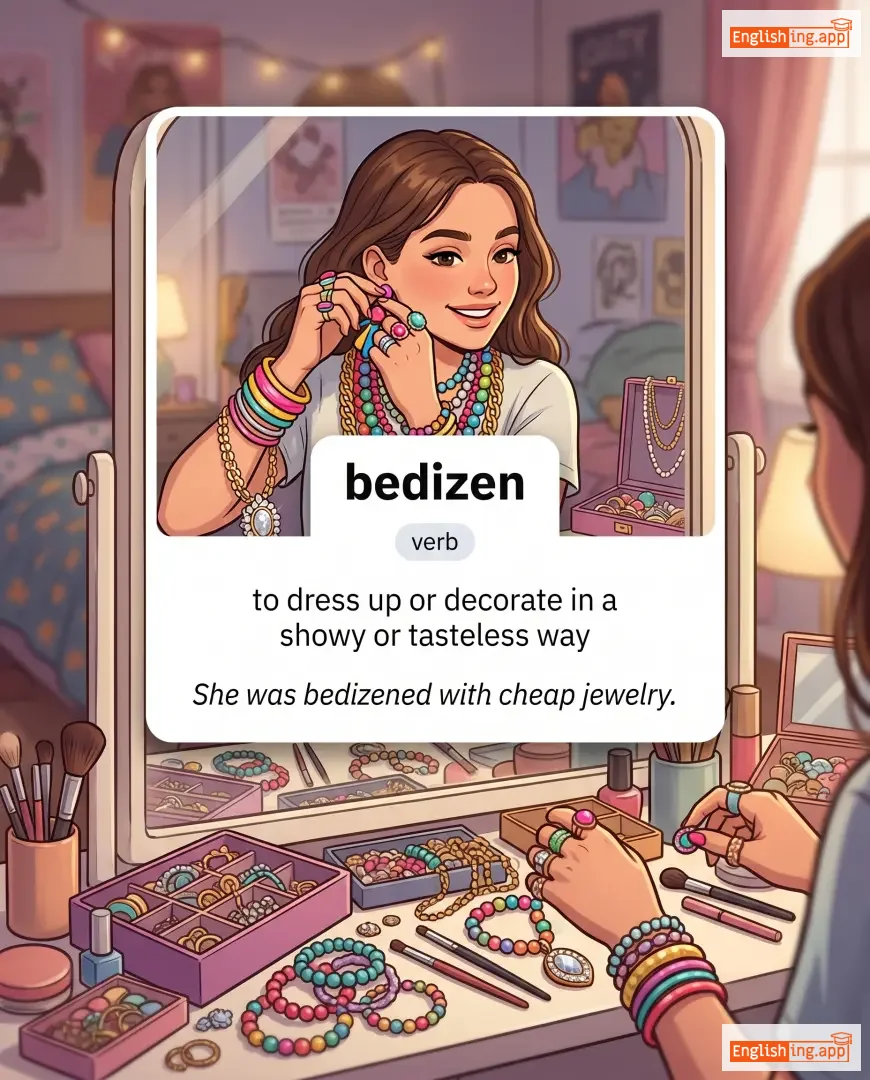
to dress up or decorate in a showy or tasteless way
••••••
|
She was bedizened with cheap jewelry.
彼女は安いジュエリーでベディゼンされていた。
••••••
|
彼女は安いジュエリーで派手に飾られていた。
Kanojo wa yasui juērī de hade ni kazararete ita.
••••••
|
- •••••• | - •••••• | - •••••• |
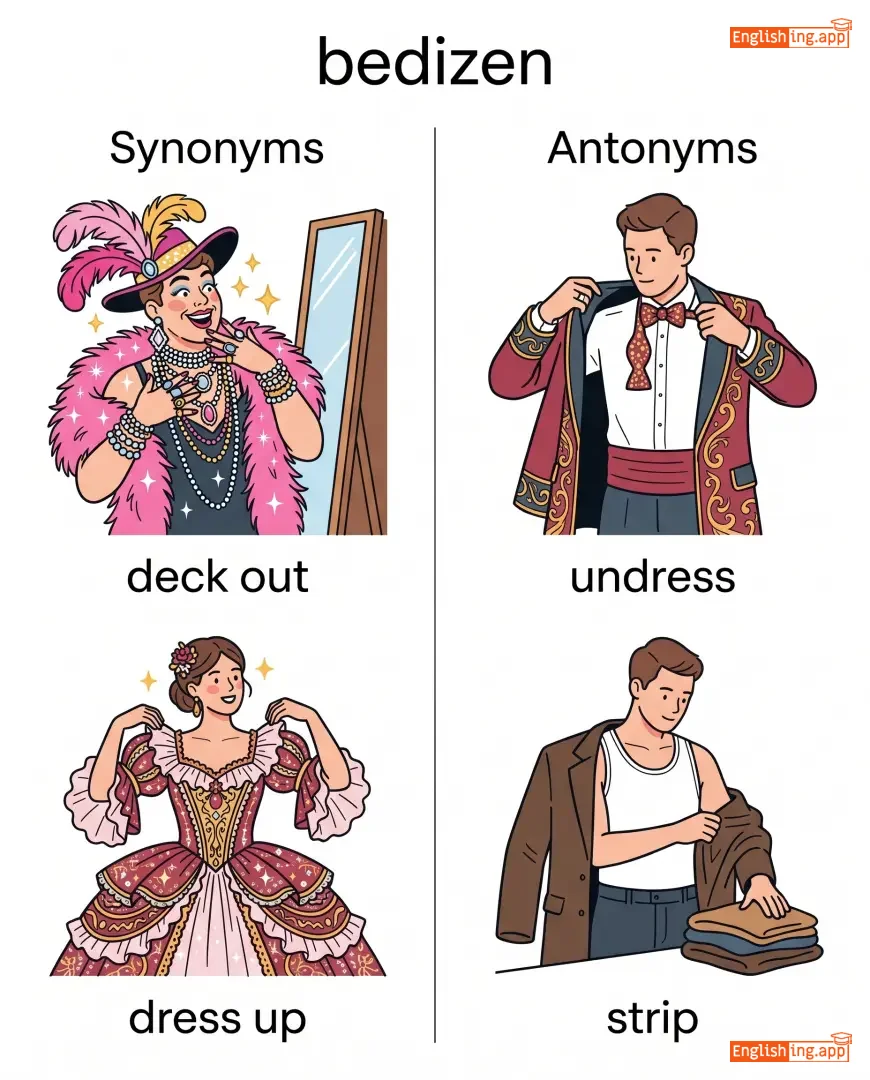
deck out, dress up, adorn, embellish, gaudy up
••••••
|
undress, strip, simplify
••••••
|
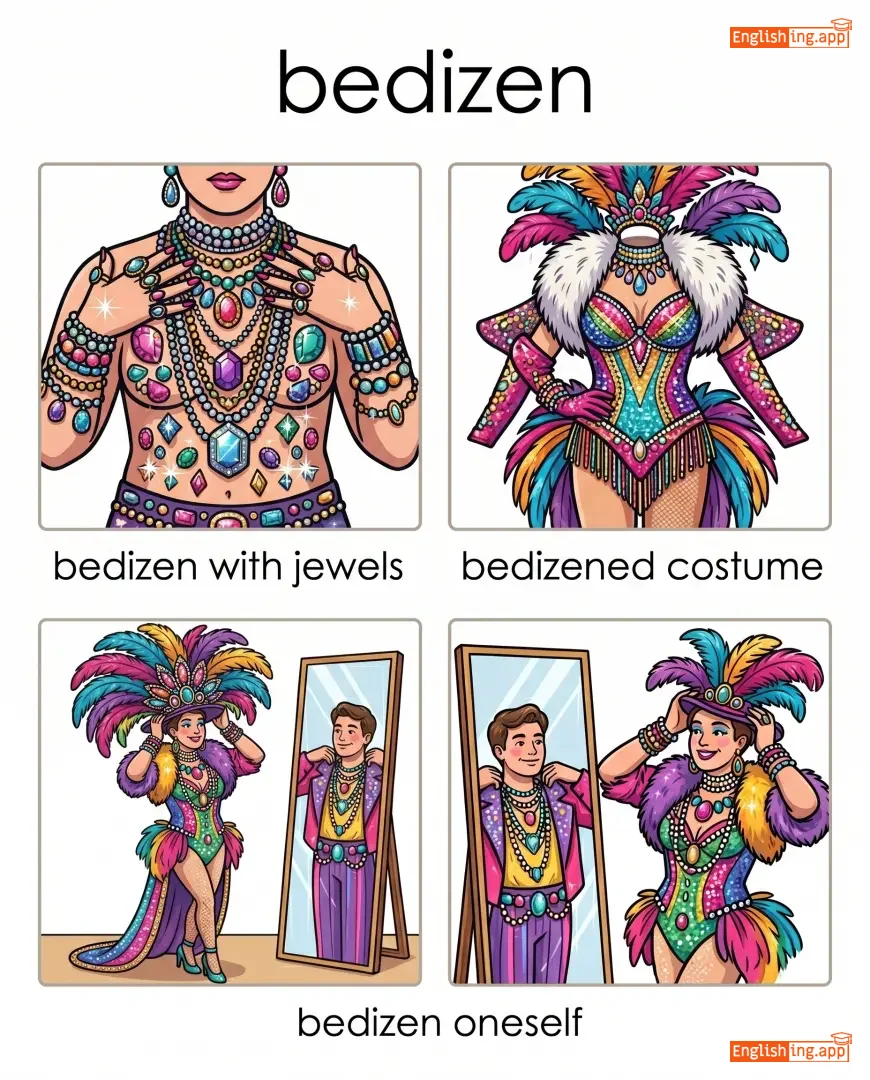
bedizen with jewels, bedizened costume, bedizen oneself
••••••
|
Bedizenは過剰に飾るという意味です — たくさんのジュエリーで飾る、まるでbedizenedのように。
••••••
|
|
#89
🐘
|
/bɪˈhiːməθ/
noun
(ビヘモス)
••••••
|
|
巨大な生物または組織
kyodaina seibutsu matawa soshiki
••••••
|
- •••••• | - •••••• | - •••••• | - •••••• |
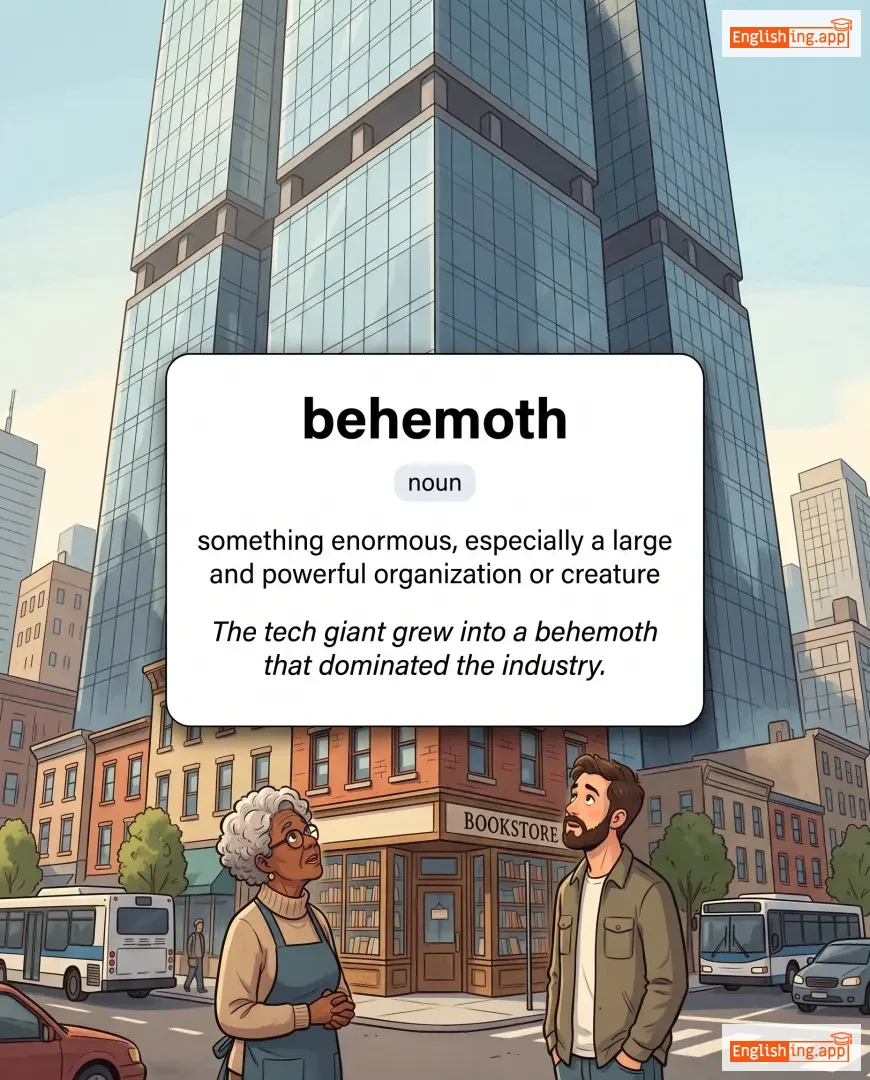
something enormous, especially a large and powerful organization or creature
••••••
|
The tech giant grew into a behemoth that dominated the industry.
そのテクノロジー企業は、業界を支配するビヘモスに成長した。
••••••
|
そのテクノロジー企業は、業界を支配するビヘモスに成長した。
Sono tekunorojī kigyō wa, gyōkai o shihai suru bihēmosu ni seichō shita.
••••••
|
- •••••• | - •••••• | - •••••• |
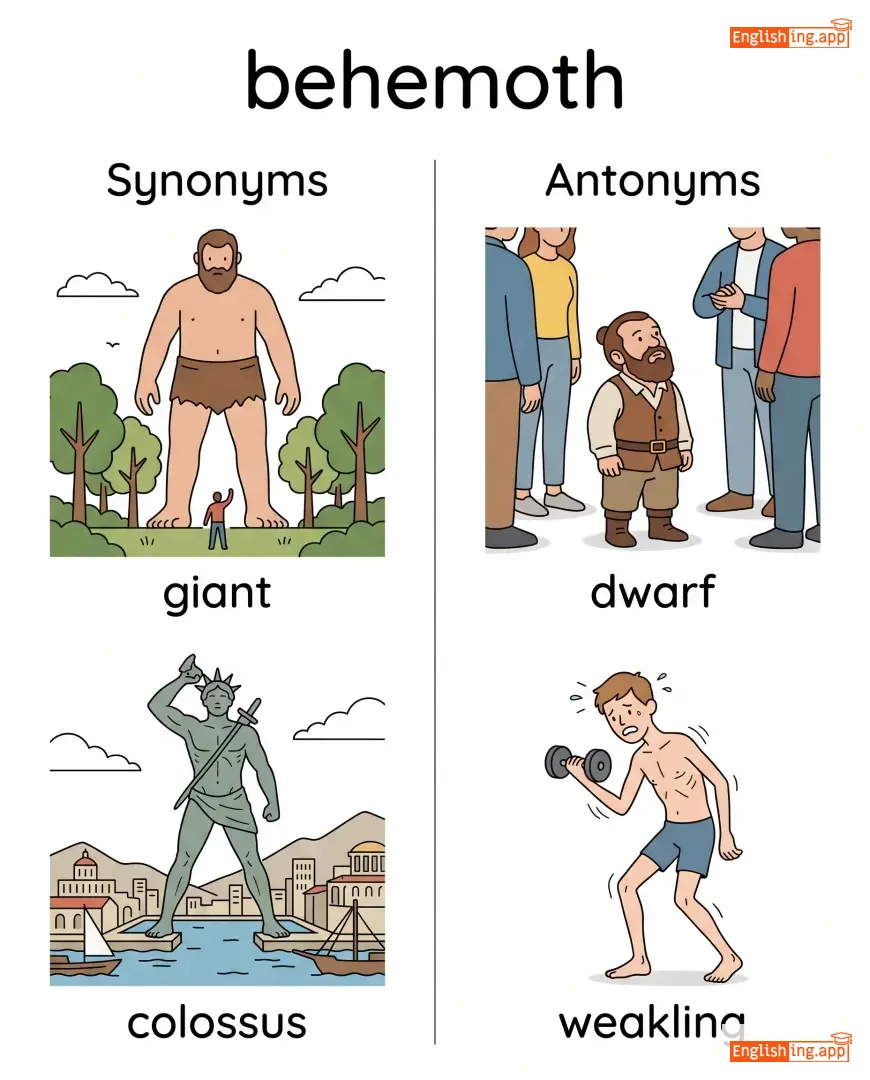
giant, colossus, titan, leviathan, powerhouse
••••••
|
dwarf, weakling, small fry
••••••
|
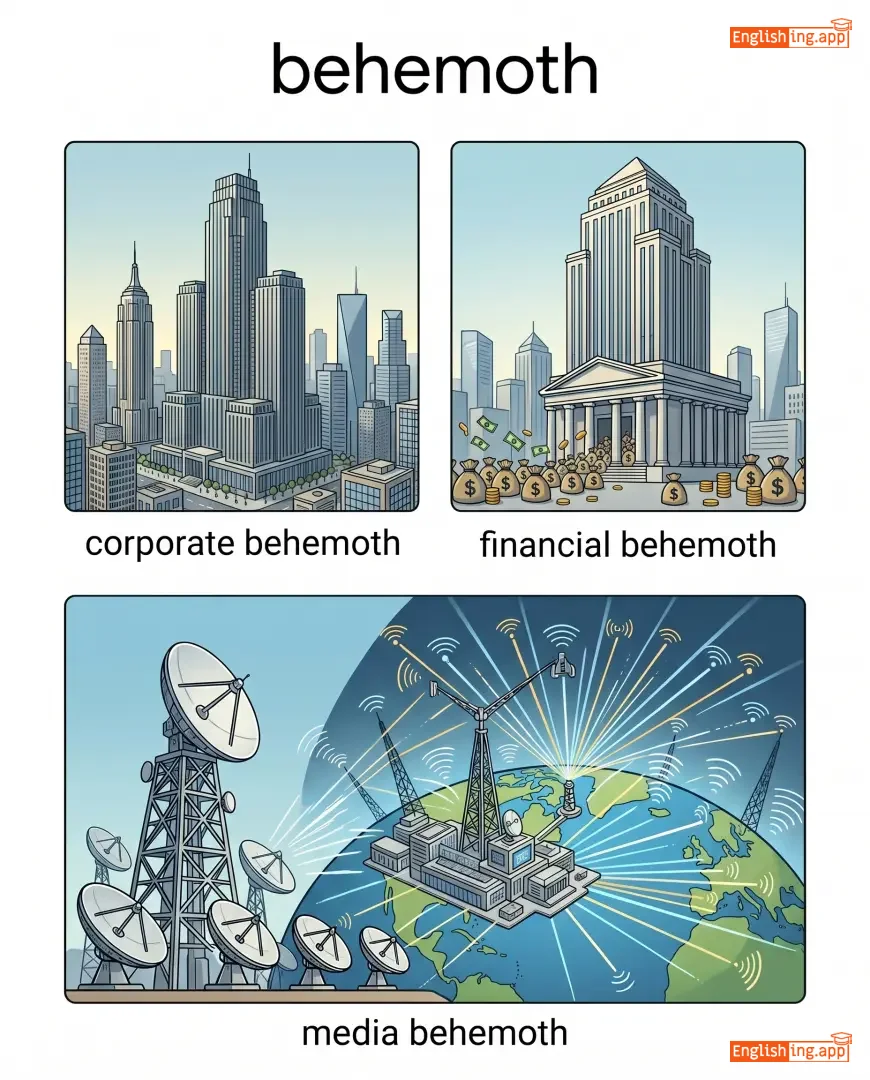
corporate behemoth, financial behemoth, media behemoth
••••••
|
Behemoth = 巨大で力強い怪物みたいなもの!
••••••
|
|
#90
🎭
|
/bɪˈlaɪ/
verb
(biri)
••••••
|
|
偽る
itsuwaru
••••••
|
belied
birai
••••••
|
belied
birai
••••••
|
belies
birai
••••••
|
belying
bīraingu
••••••
|
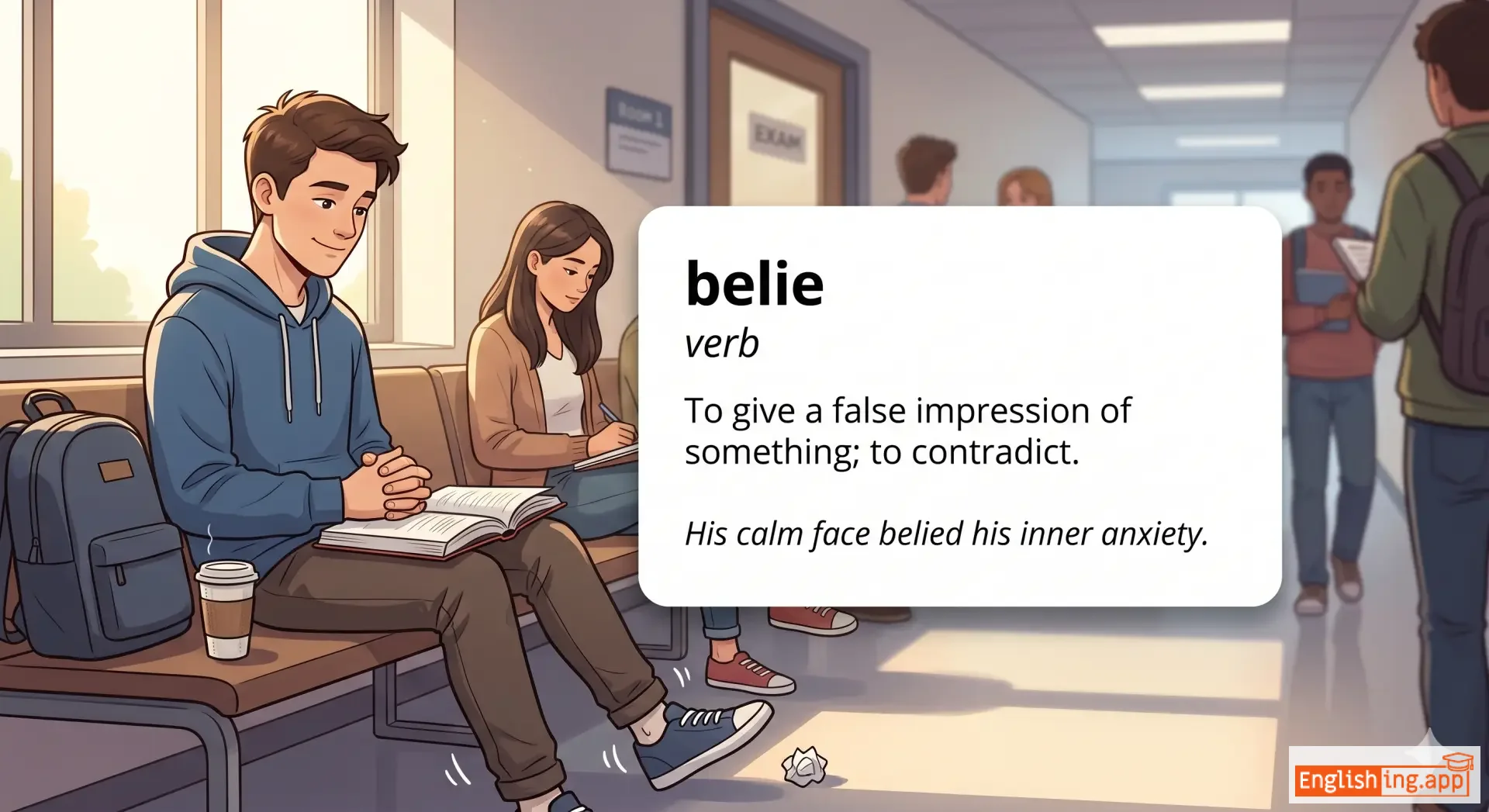
To give a false impression of something; to contradict.
••••••
|
His calm face belied his inner anxiety.
His calm face belied his inner anxiety.
••••••
|
彼の落ち着いた顔は彼の内なる不安を偽っていた。
Kare no ochitsuita kao wa kare no uchi naru fuan o itsuwatte ita.
••••••
|
- •••••• | - •••••• | - •••••• |
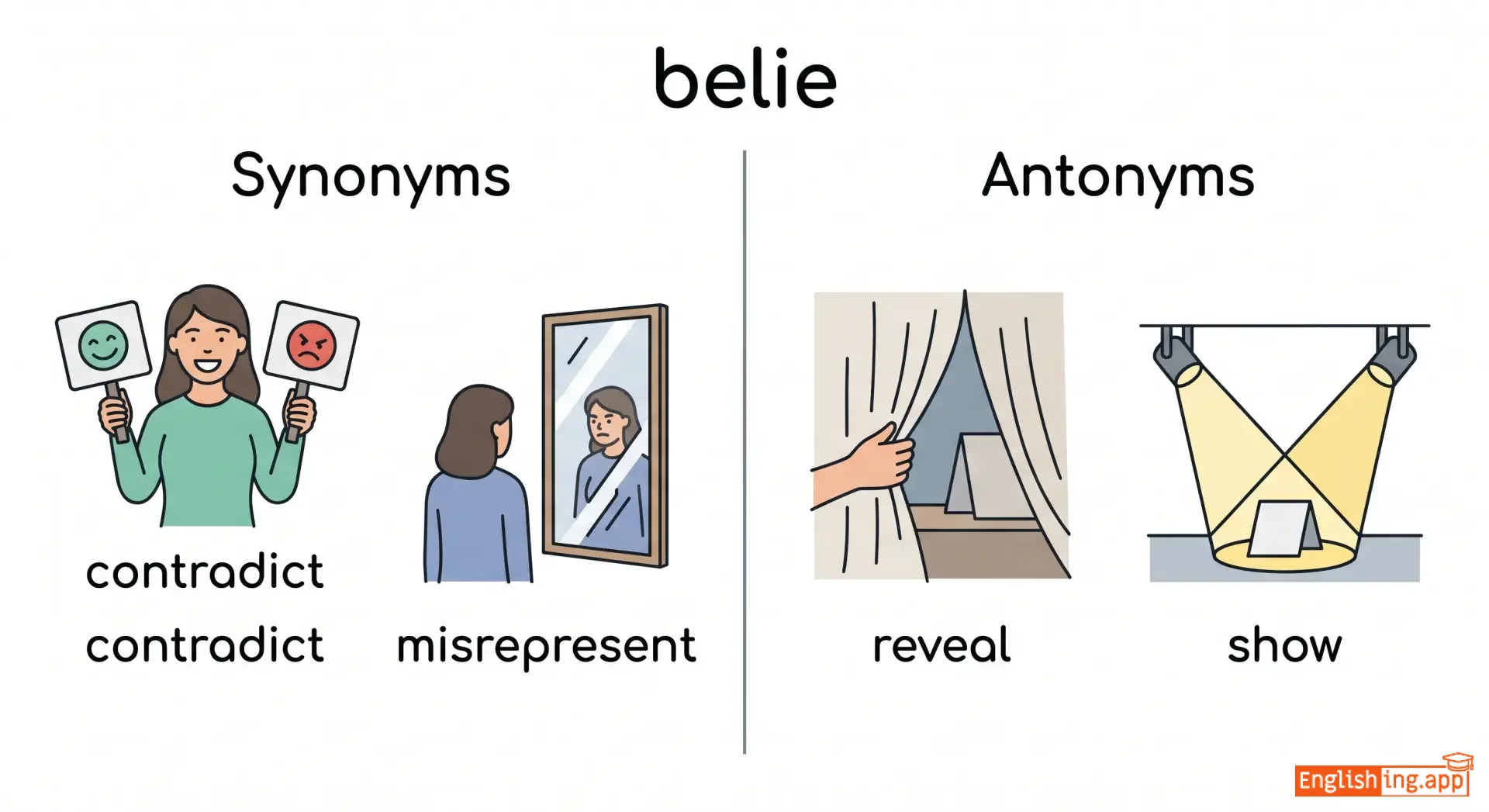
contradict, misrepresent, disguise, falsify, distort
••••••
|
reveal, show, represent
••••••
|
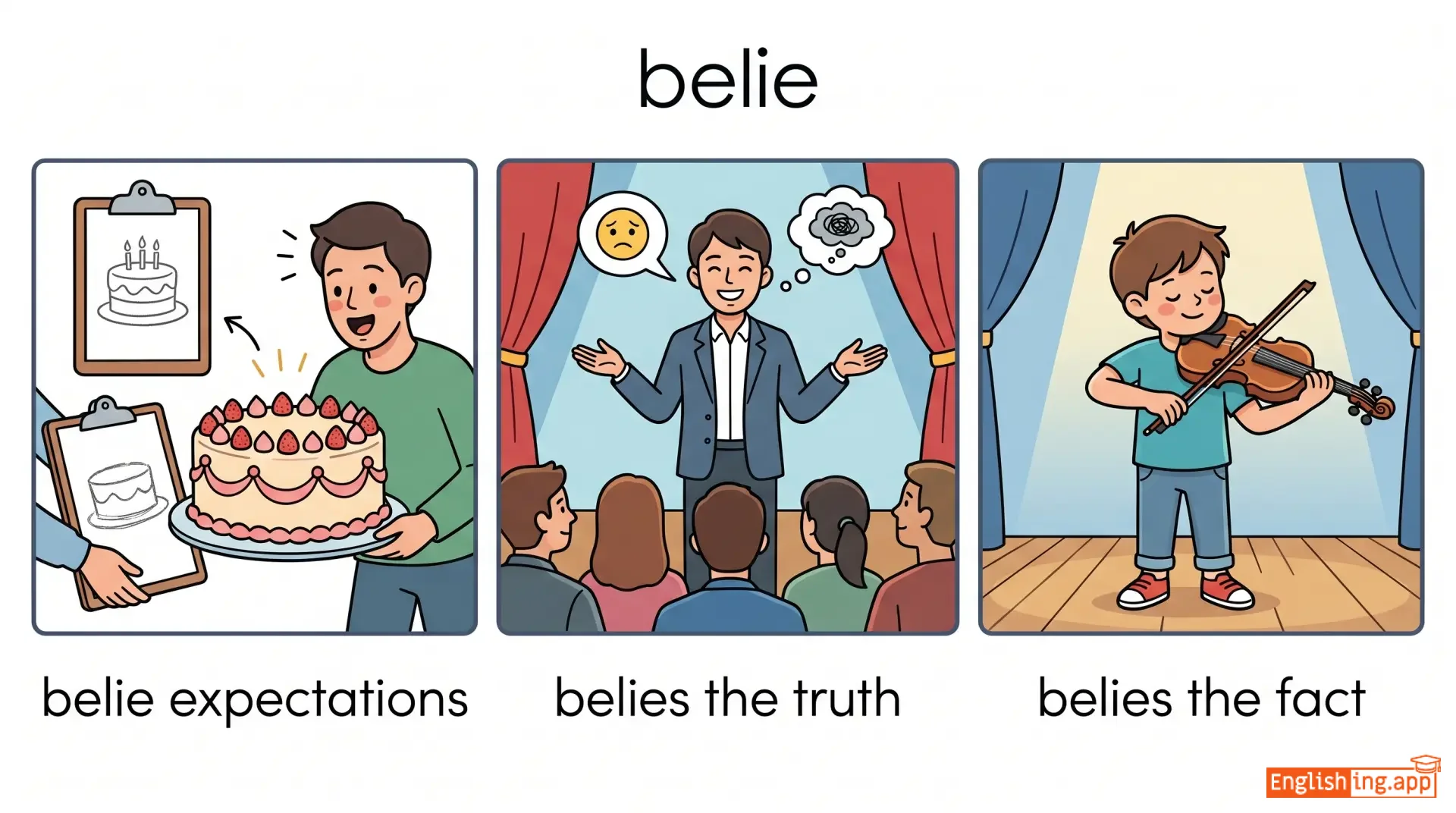
belie expectations, belies the truth, belies the fact, belied his nature
••••••
|
Belie は Believe の反対 — 見た目通りではないことを示す。
••••••
|
|
#91
🌟
|
/bəˈnɛfɪsənt/
adjective
(ベネフィセント)
••••••
|
|
慈悲深い, 寛大な
jihi fukai, kandaina
••••••
|
- •••••• | - •••••• | - •••••• | - •••••• |
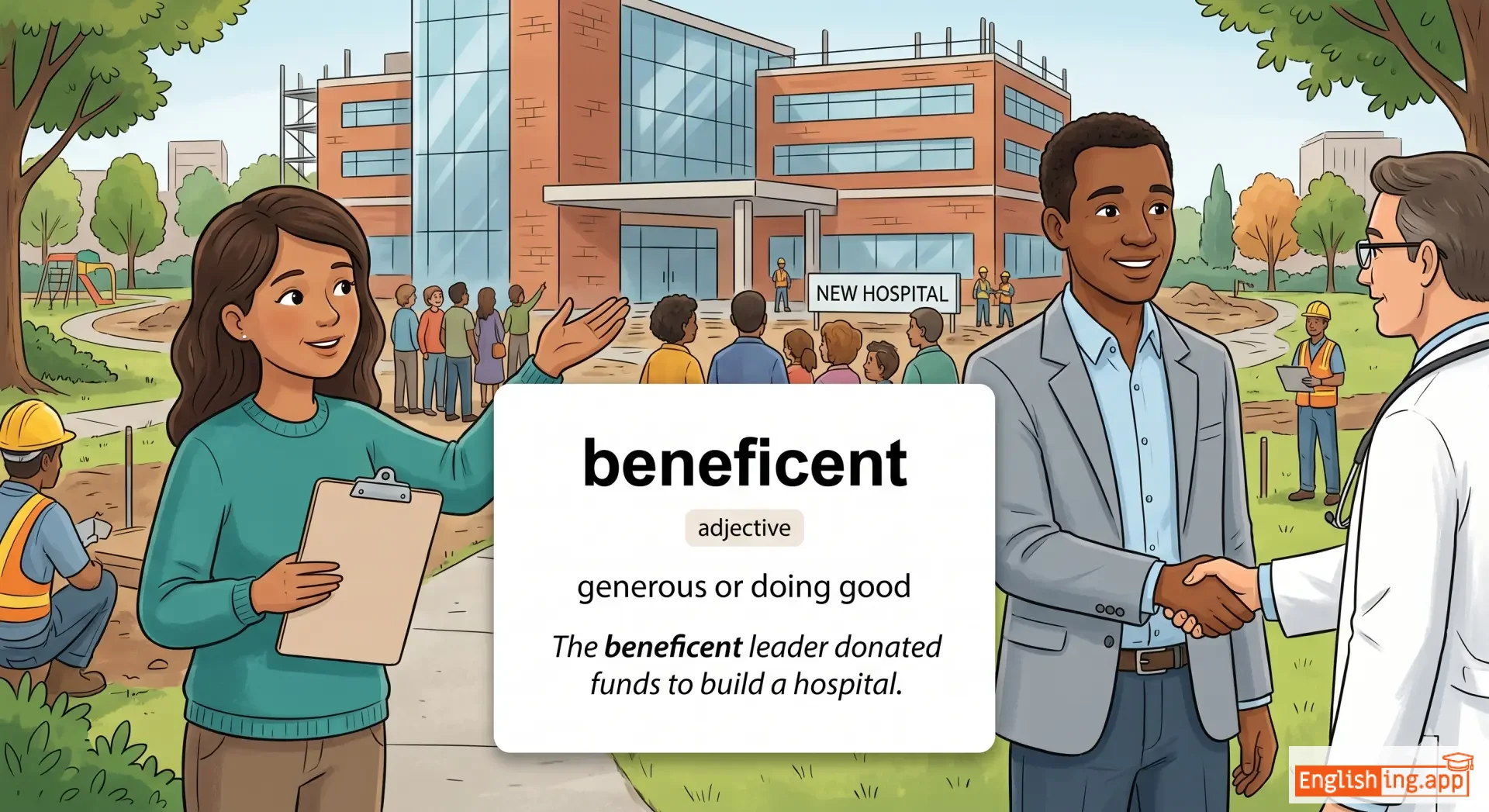
generous or doing good
••••••
|
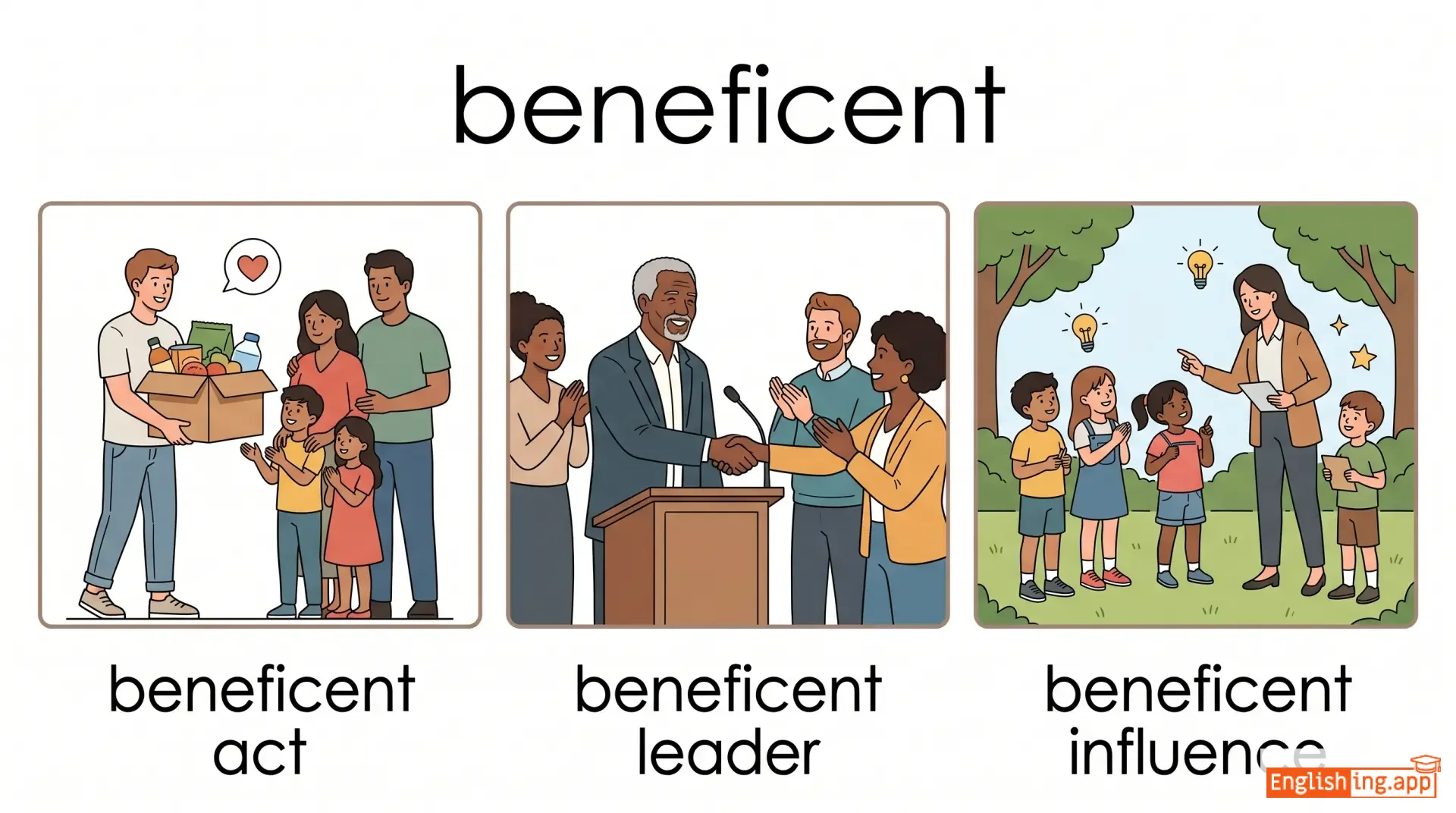
The beneficent leader donated funds to build a hospital. |
寛大な指導者は病院を建設するために資金を寄付しました。
Kandaina shidōsha wa byōin o kensetsu suru tame ni shikin o kifu shimashita.
••••••
|
- •••••• | - •••••• | - •••••• |
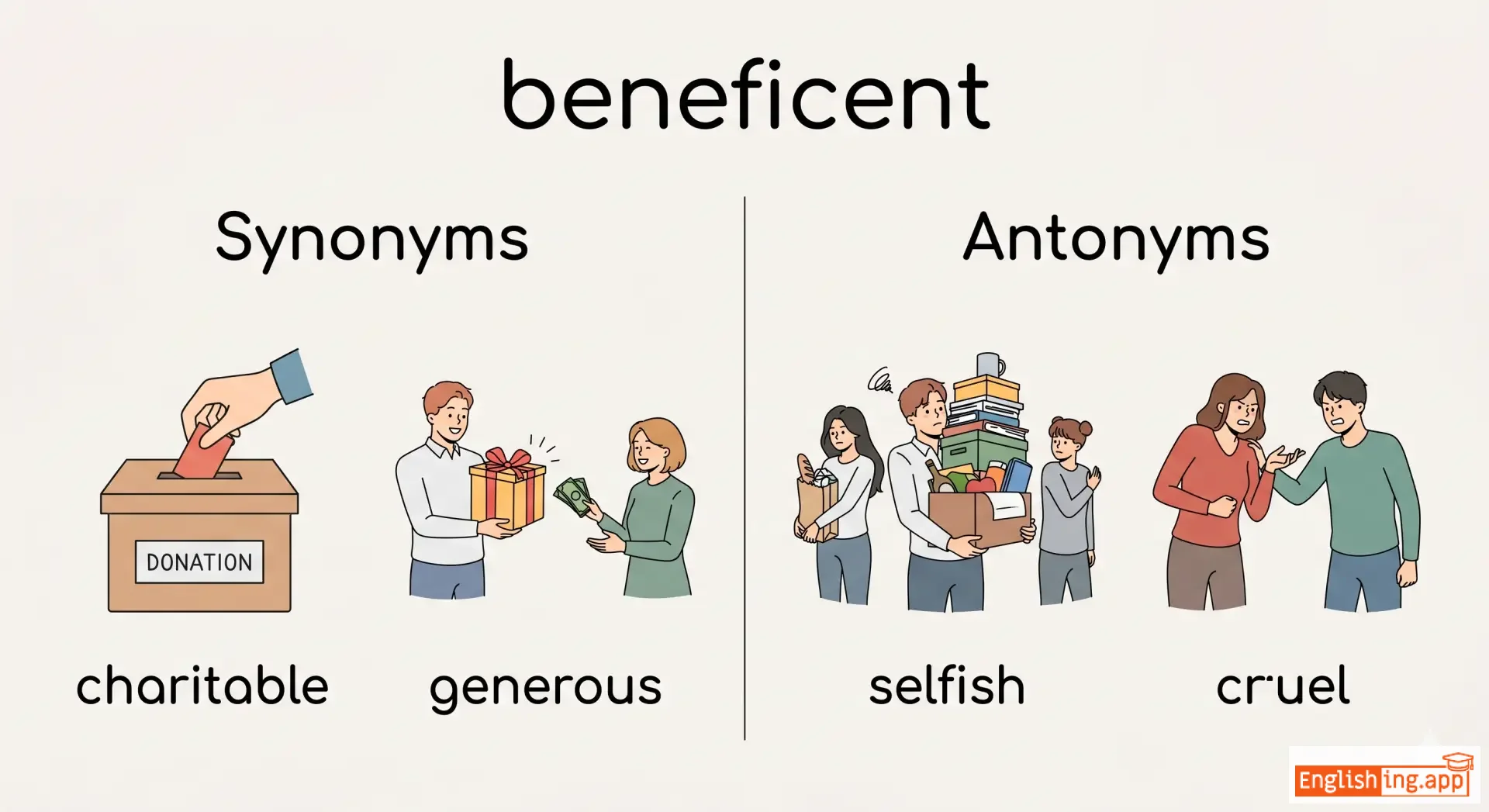
charitable, generous, kind, philanthropic
••••••
|
selfish, cruel
••••••
|
beneficent act, beneficent leader, beneficent influence
••••••
|
Beneficent = bene (良い) + efficient - 良いことを効率的に行う。
••••••
|
|
#92
🔀
|
/ˈbaɪfərˌkeɪt/
verb
(バイファーケイト)
••••••
|
|
二つに分かれる
futatsu ni wakareru
••••••
|
bifurcated
バイファーケイテッド
••••••
|
bifurcated
バイファーケイテッド
••••••
|
bifurcates
バイファーケイツ
••••••
|
bifurcating
バイファーケイティング
••••••
|
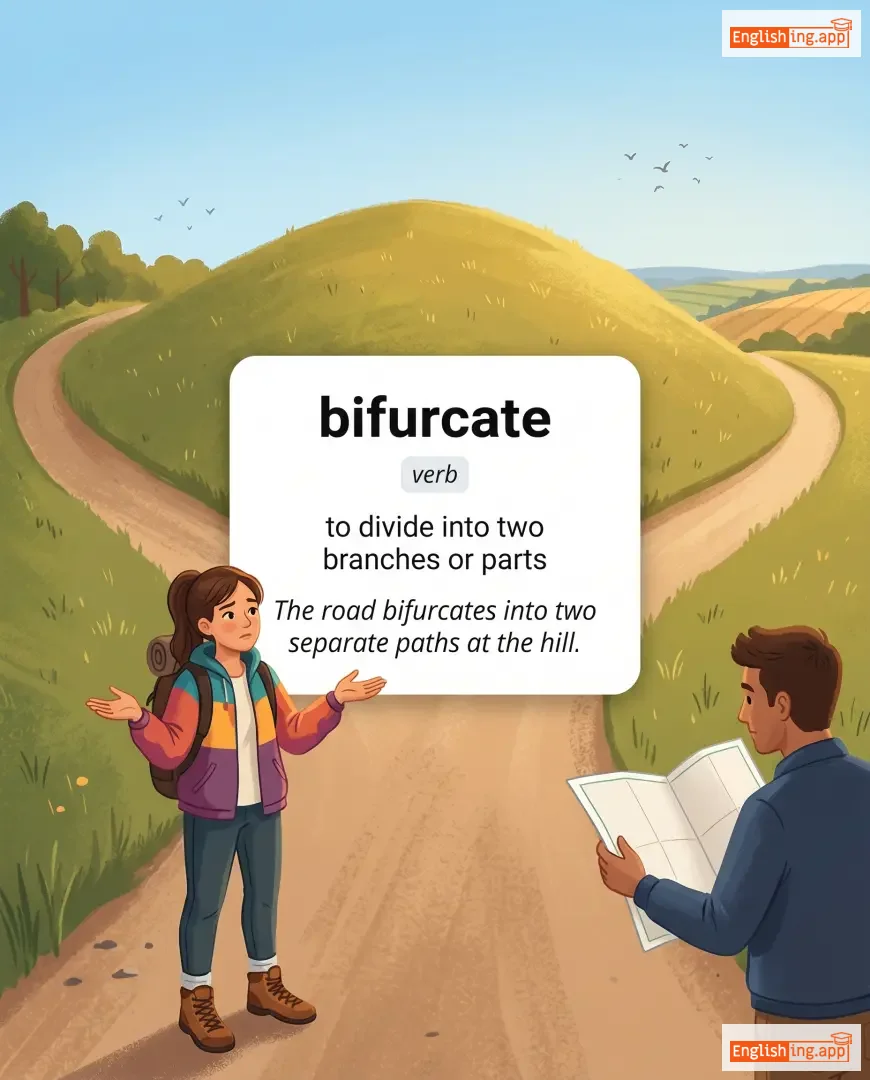
to divide into two branches or parts
••••••
|
The road bifurcates into two separate paths at the hill.
その道路は丘の上で2つの分かれ道に分かれます。
••••••
|
その道路は丘の上で2つの分かれ道に分かれます。
Sono doro wa oka no ue de futatsu no wakare michi ni wakaremasu.
••••••
|
- •••••• | - •••••• | - •••••• |
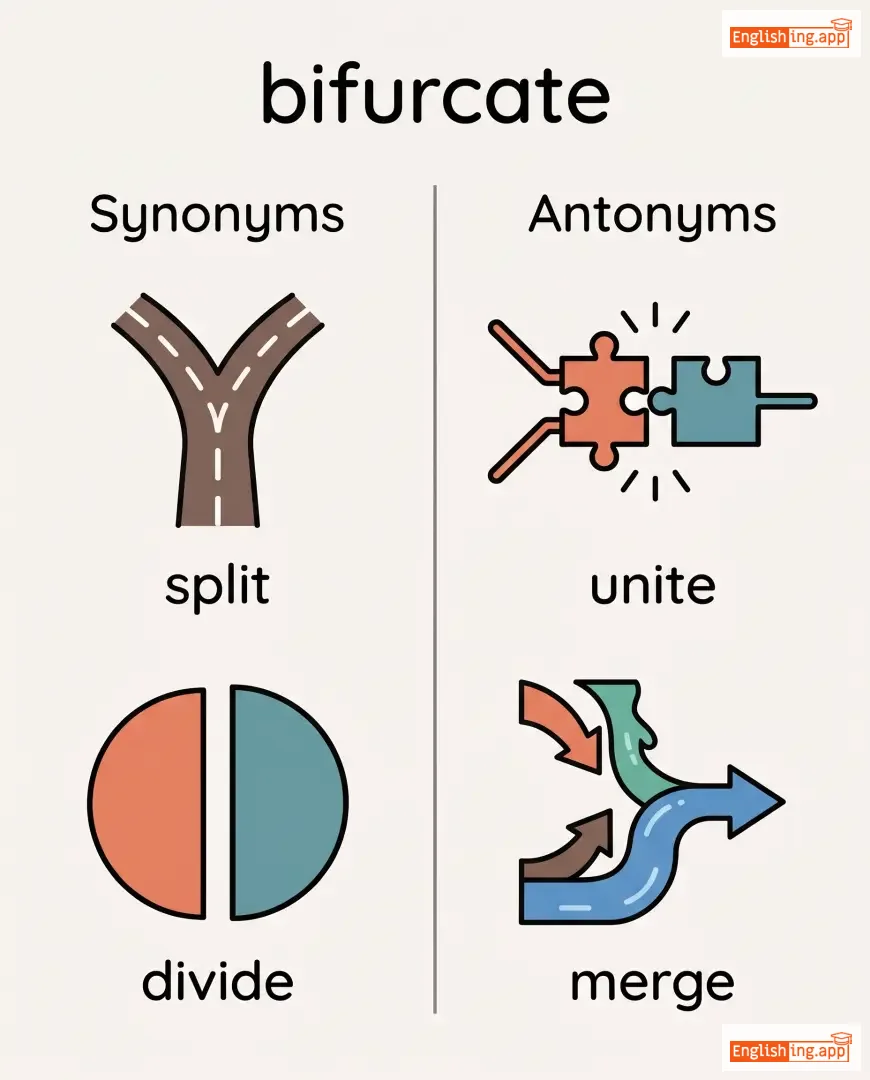
split, divide, branch, fork
••••••
|
unite, merge, join
••••••
|
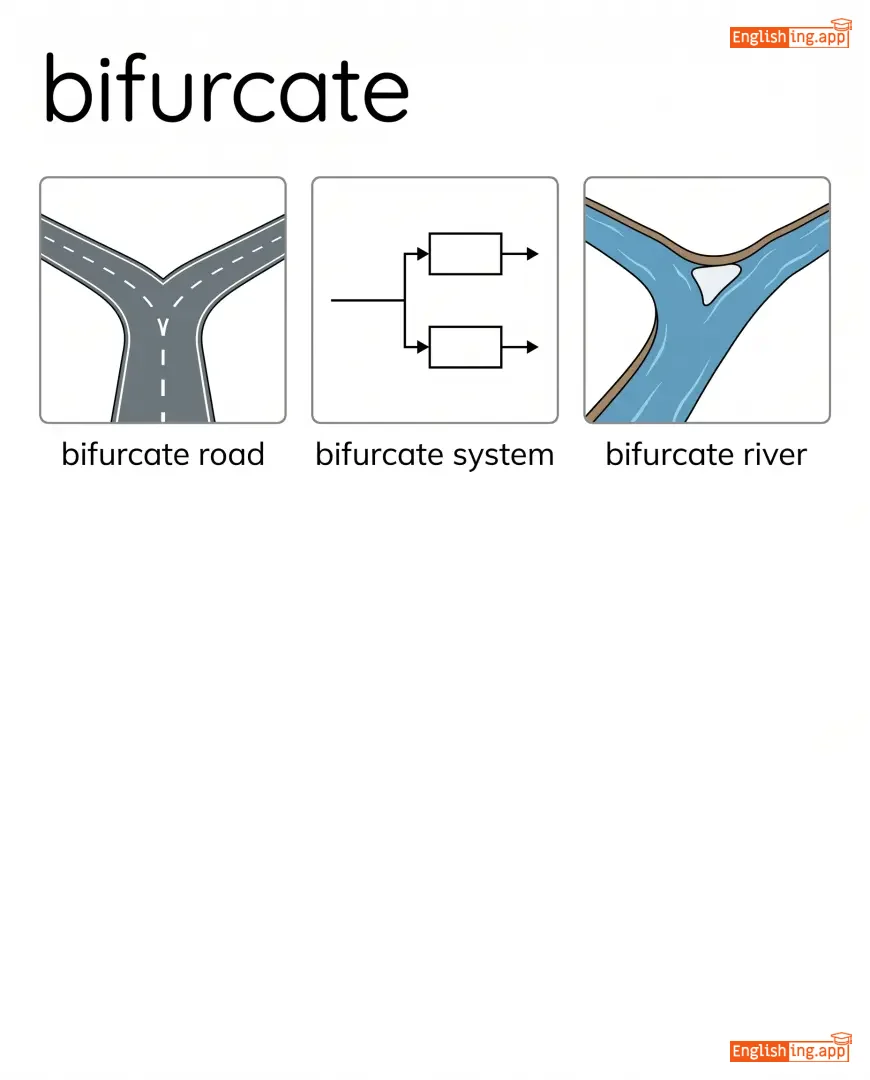
bifurcate road, bifurcate system, bifurcate river
••••••
|
BIFURCATE = 二つに分けるような分岐
••••••
|
|
#93
🗣️
|
/ˈblændɪʃmənt/
noun
(ブランディッシュメント)
••••••
|
|
お世辞
oseshi
••••••
|
- •••••• | - •••••• | - •••••• | - •••••• |
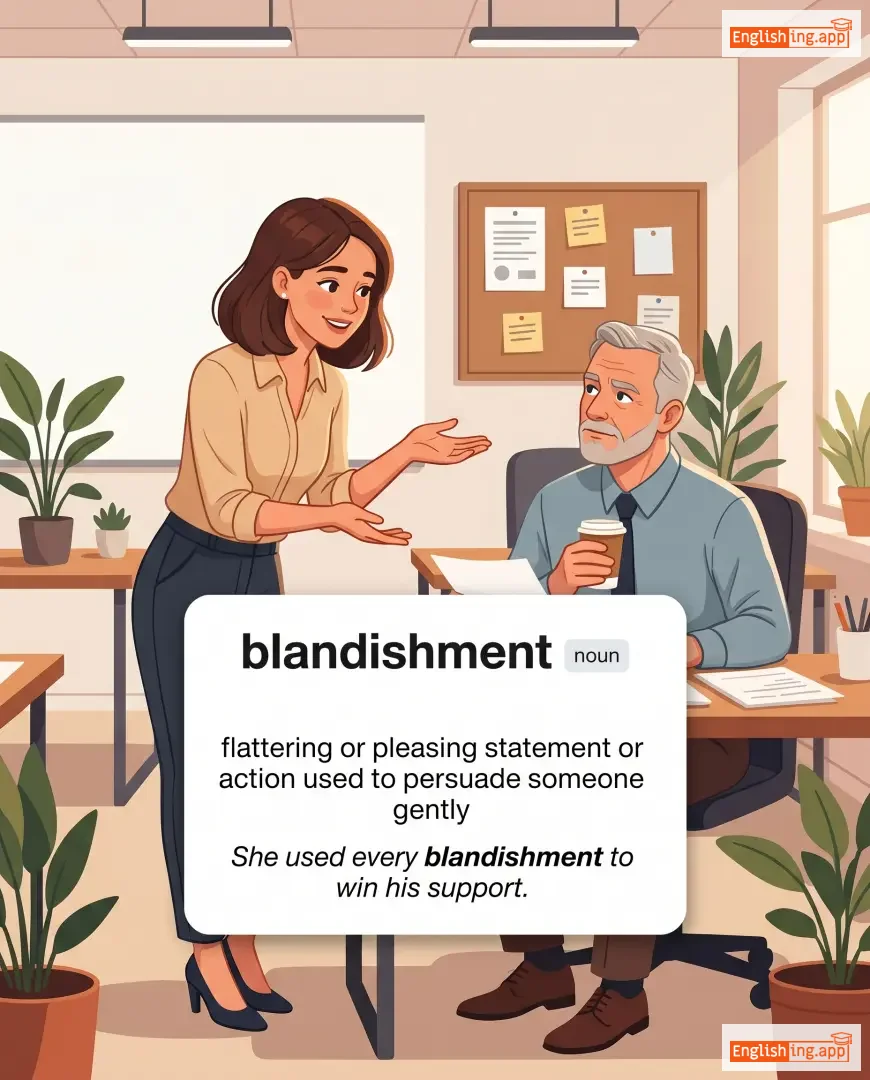
flattering or pleasing statement or action used to persuade someone gently
••••••
|
She used every blandishment to win his support. |
彼女は彼の支持を得るためにあらゆるお世辞を使った。
Kanojo wa kare no shiji o eru tame ni arayuru oseshi o tsukatta.
••••••
|
- •••••• | - •••••• | - •••••• |
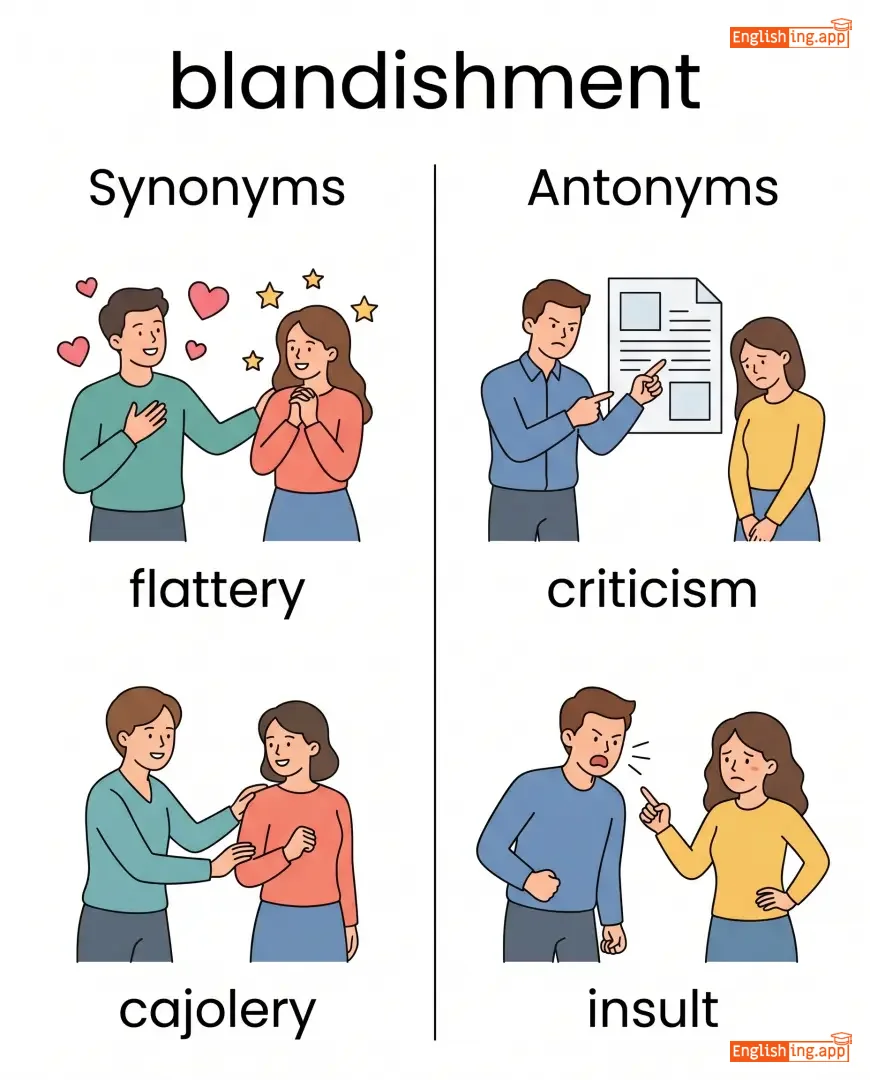
flattery, cajolery, praise, coaxing
••••••
|
criticism, insult
••••••
|
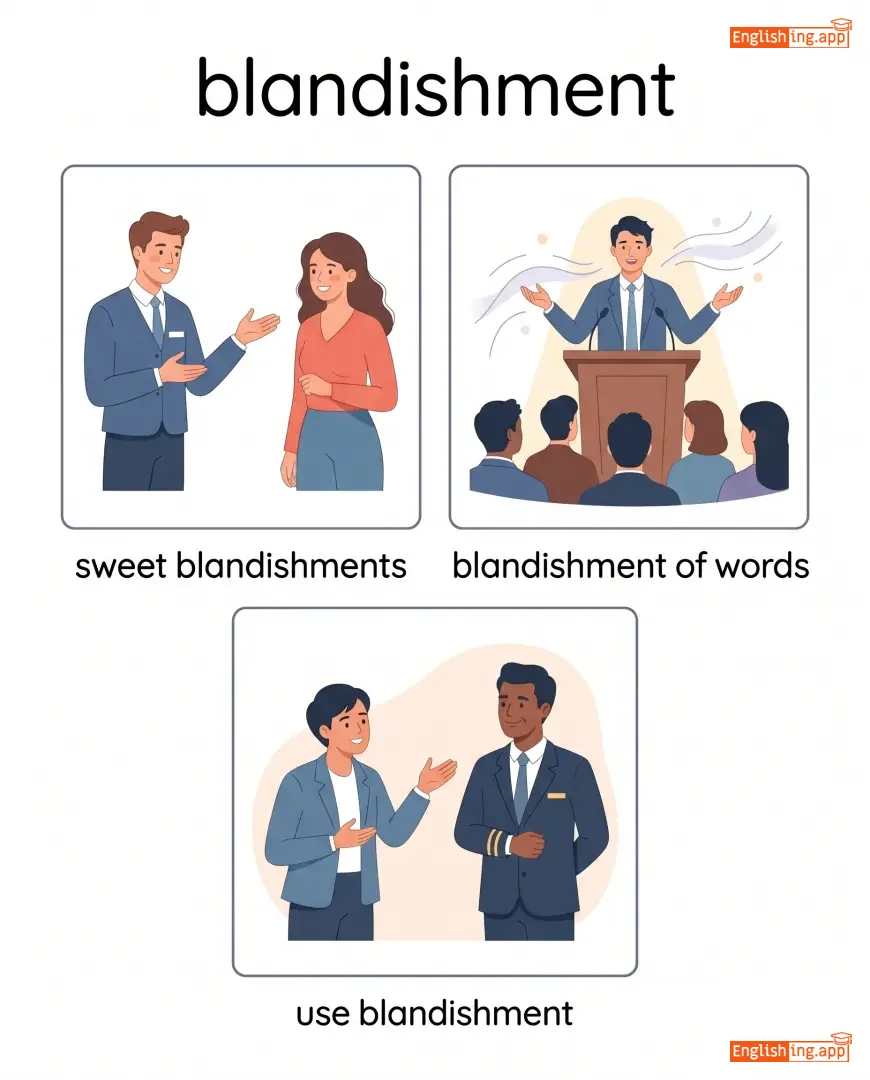
sweet blandishments, blandishment of words, use blandishment
••••••
|
Blandishment = bland + entertainment = 優しい言葉で説得する。
••••••
|
|
#94
🛏️
|
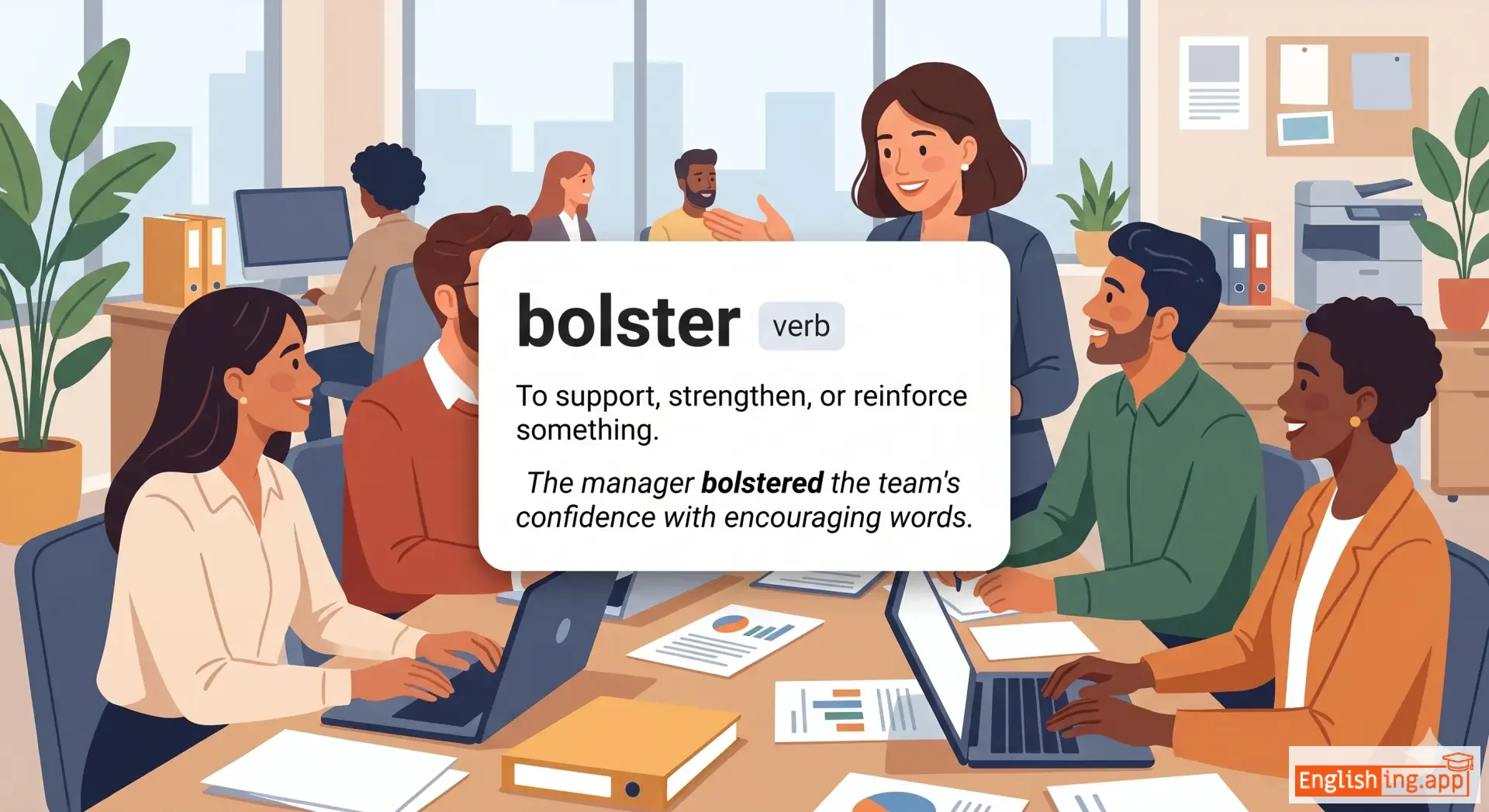
/ˈboʊlstər/
verb
••••••
|
|
- •••••• |
bolstered
••••••
|
bolstered
••••••
|
bolsters
••••••
|
bolstering
••••••
|
To support, strengthen, or reinforce something.
••••••
|
The manager bolstered the team's confidence with encouraging words. |
- •••••• |
bolster up |
To give support or encouragement to something or someone.
••••••
|
- •••••• |
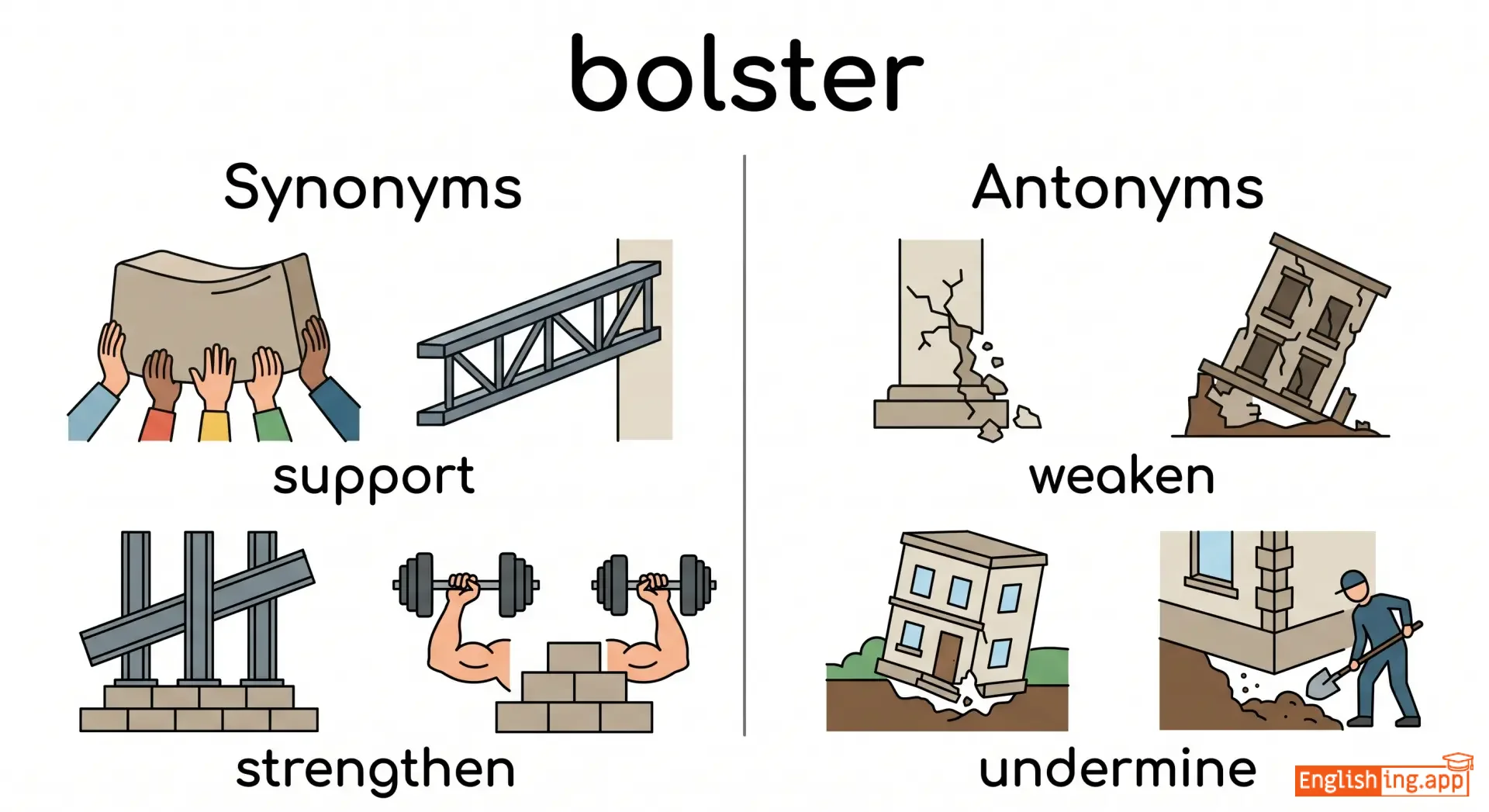
support, strengthen, boost, reinforce, encourage
••••••
|
weaken, undermine, discourage
••••••
|
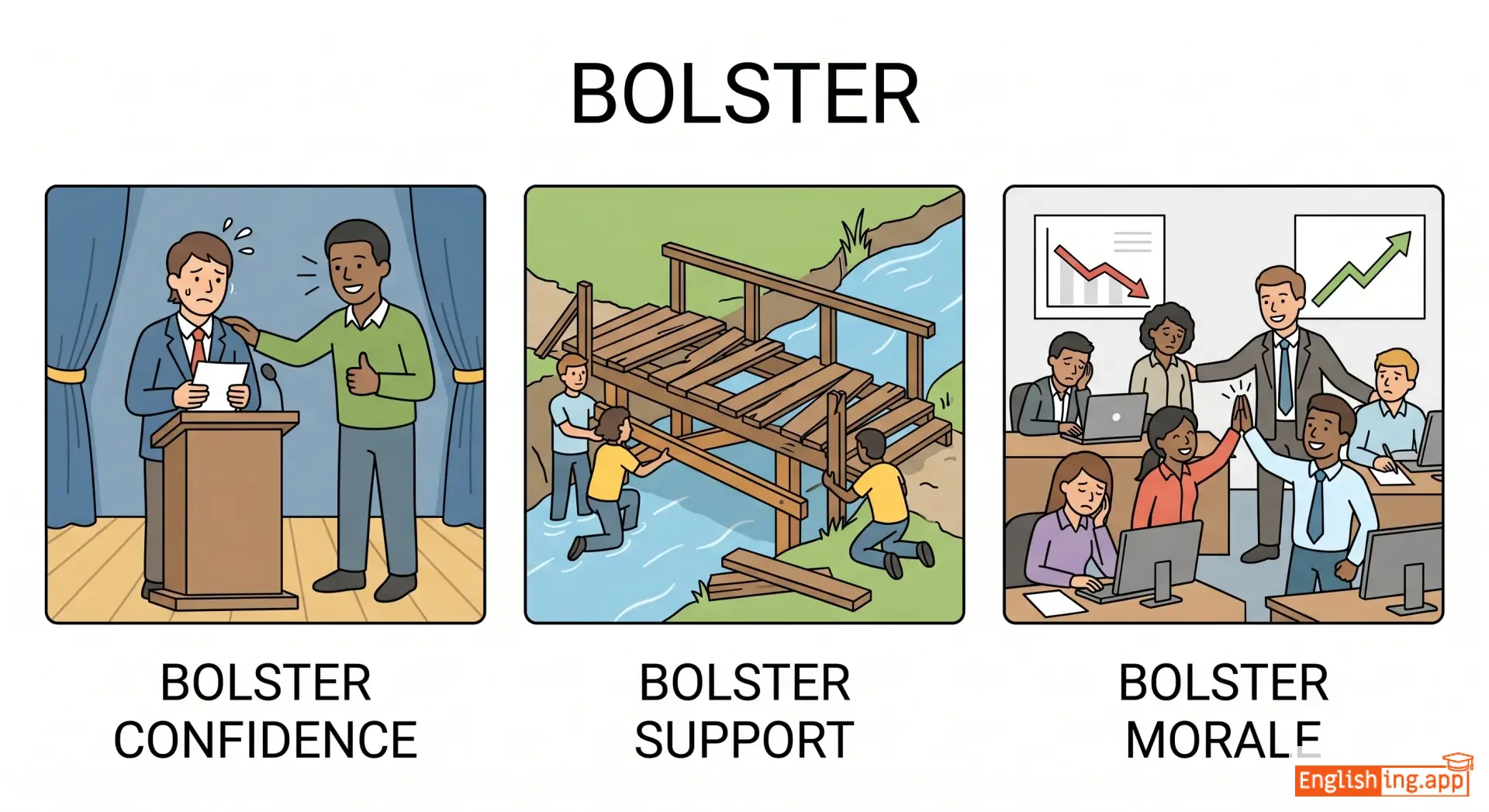
bolster confidence, bolster support, bolster morale, bolster argument
••••••
|
No •••••• |
|
#95
🎙️
|
/bɒmˈbæstɪk/
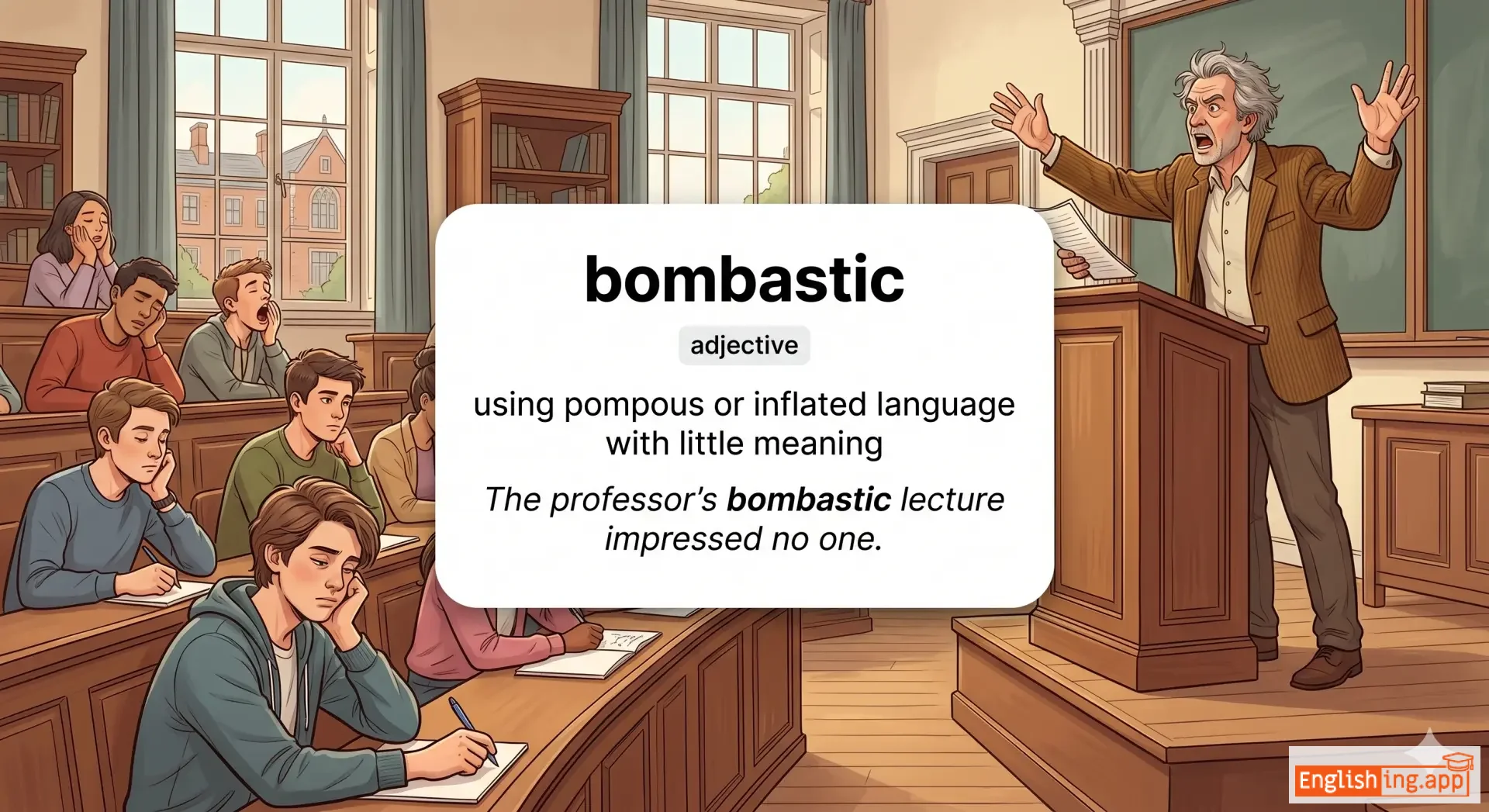
adjective
(ボンバスティック)
••••••
|
|
派手な
hade na
••••••
|
- •••••• | - •••••• | - •••••• | - •••••• |
using pompous or inflated language with little meaning
••••••
|
The professor’s bombastic lecture impressed no one.
教授のボンバスティックな講義は誰にも印象を与えませんでした。
••••••
|
教授の派手な講義は誰にも印象を与えませんでした。
Kyoushu no hade na kougi wa dare ni mo inshou o ataemasen deshita.
••••••
|
- •••••• | - •••••• | - •••••• |
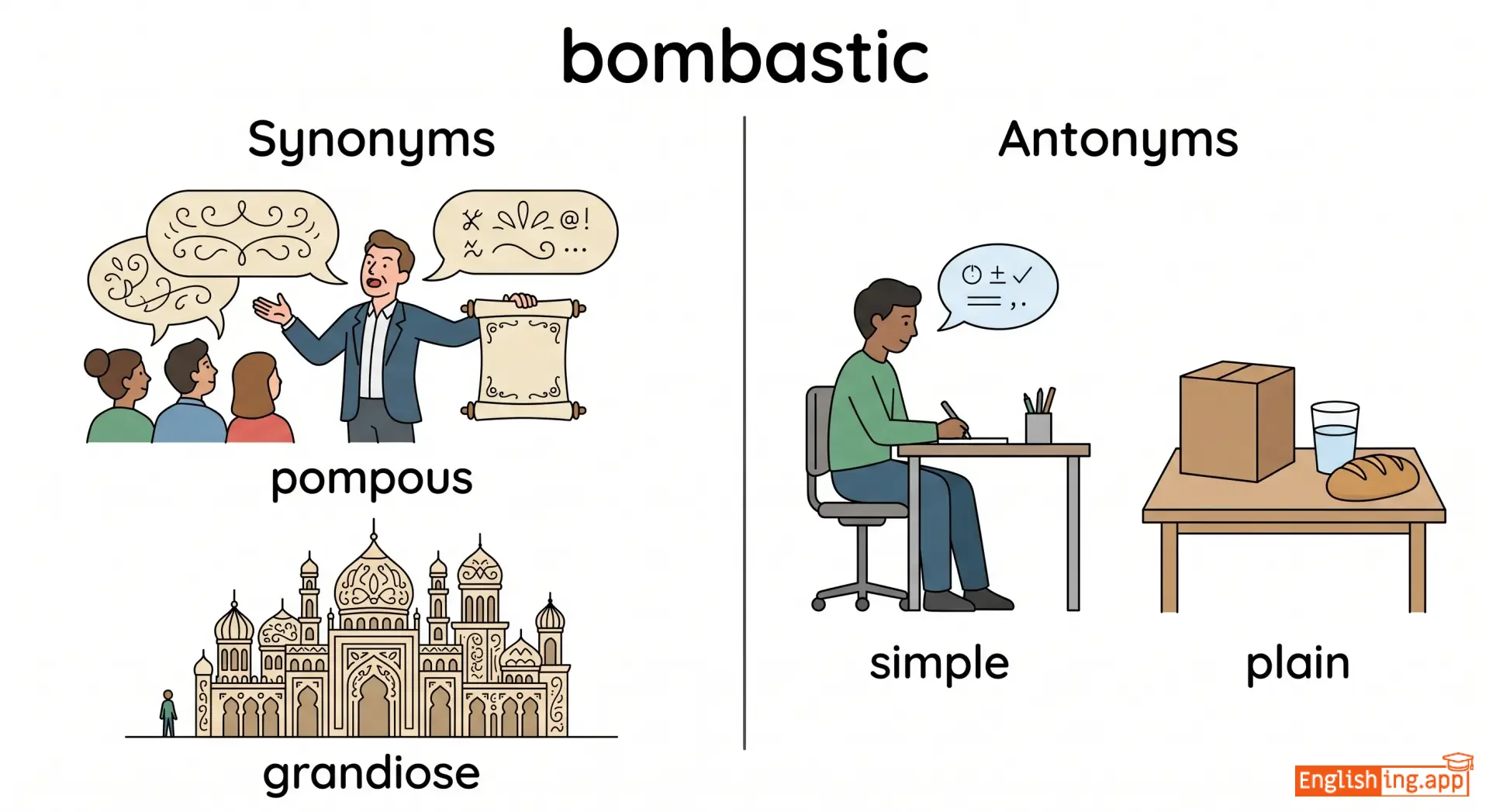
pompous, grandiose, pretentious, overblown, inflated
••••••
|
simple, plain, humble
••••••
|
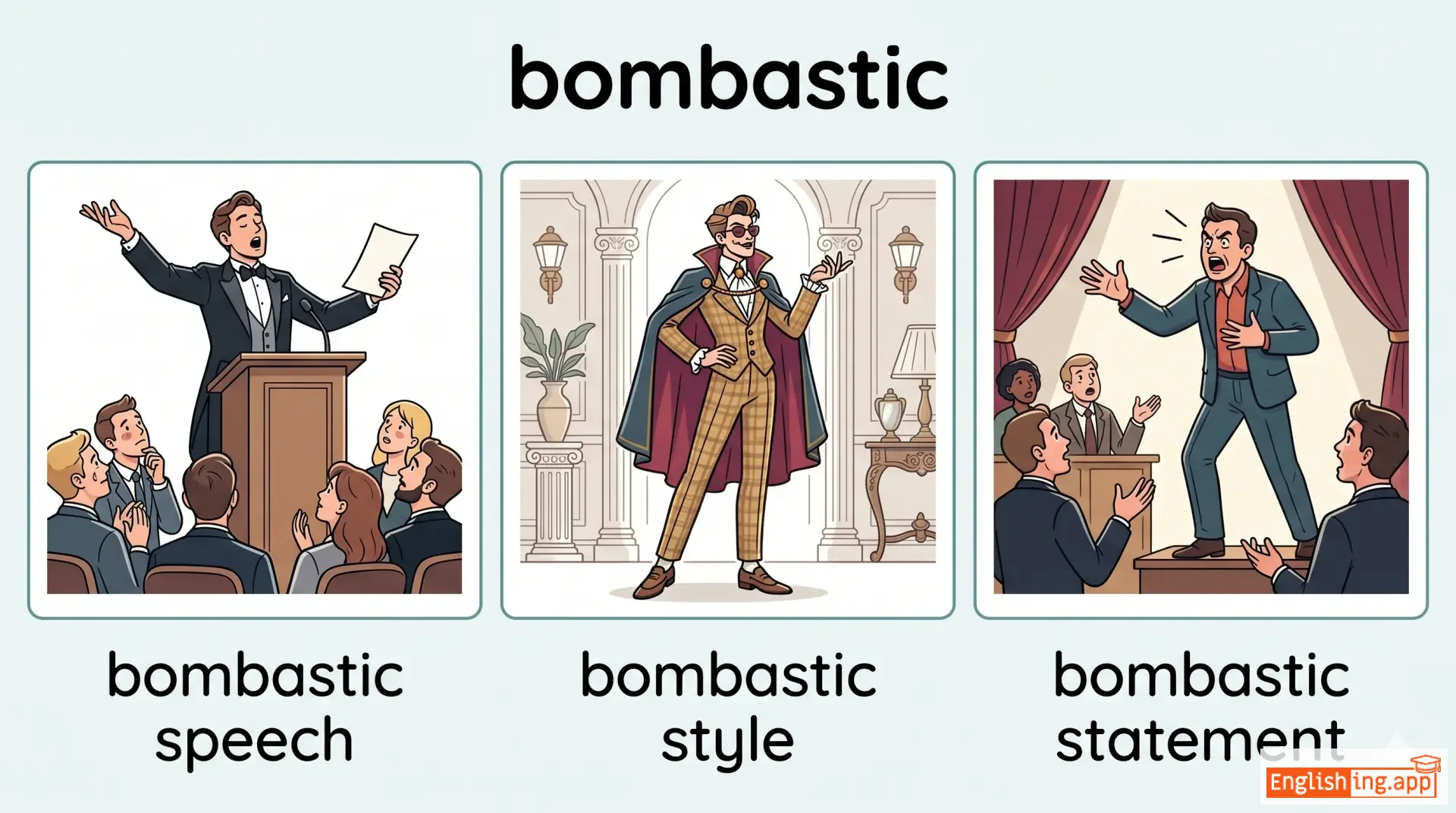
bombastic speech, bombastic style, bombastic statement
••••••
|
Bombasticは、爆弾のように見えるが、実際には中身が空っぽの言葉を使うことを意味します。
••••••
|
|
#96
🤦
|
/ˈbʊərɪʃ/
adjective
(ブーリッシュ)
••••••
|
|
粗野
soya
••••••
|
- •••••• | - •••••• | - •••••• | - •••••• |
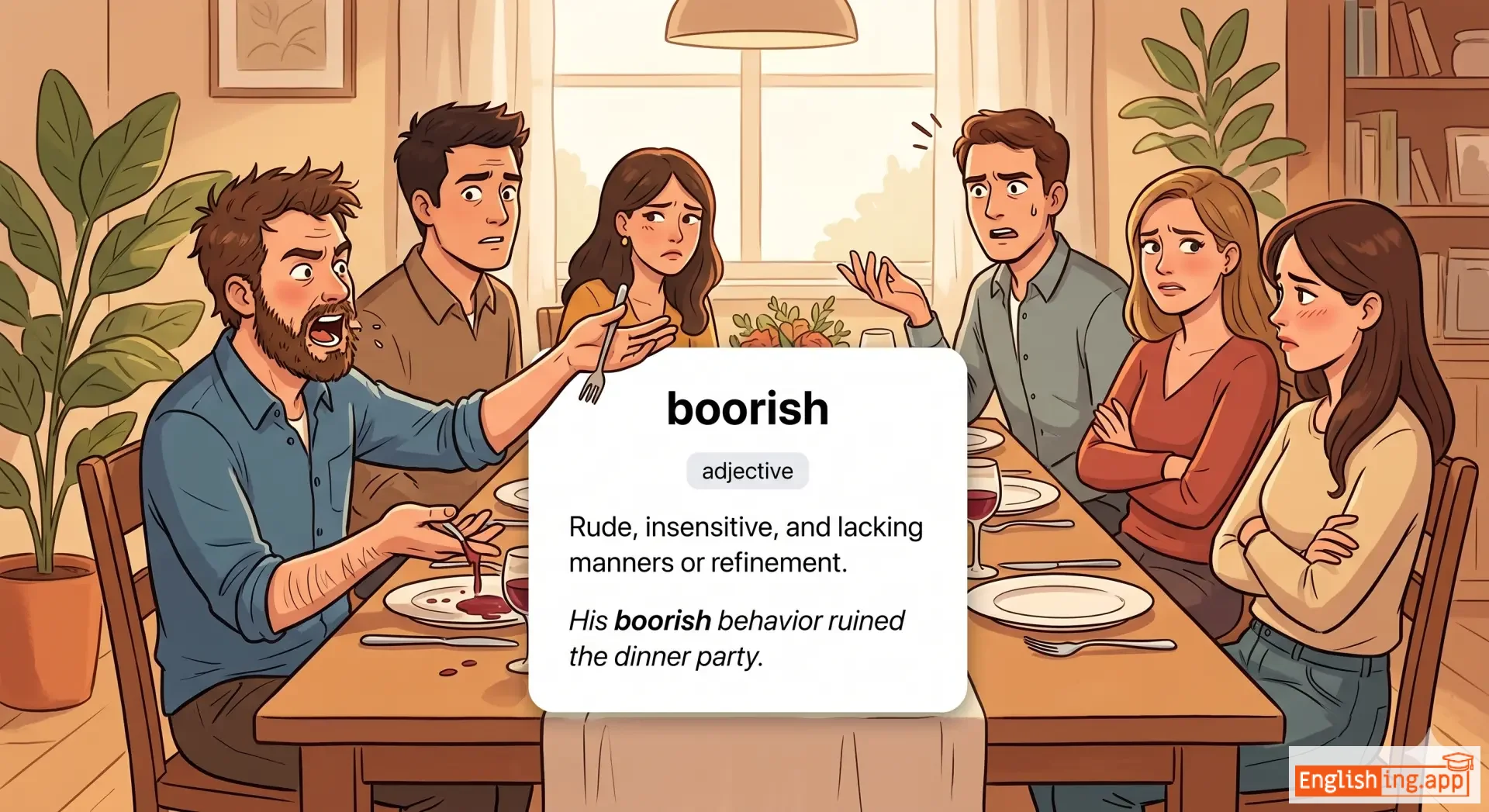
Rude, insensitive, and lacking manners or refinement.
••••••
|
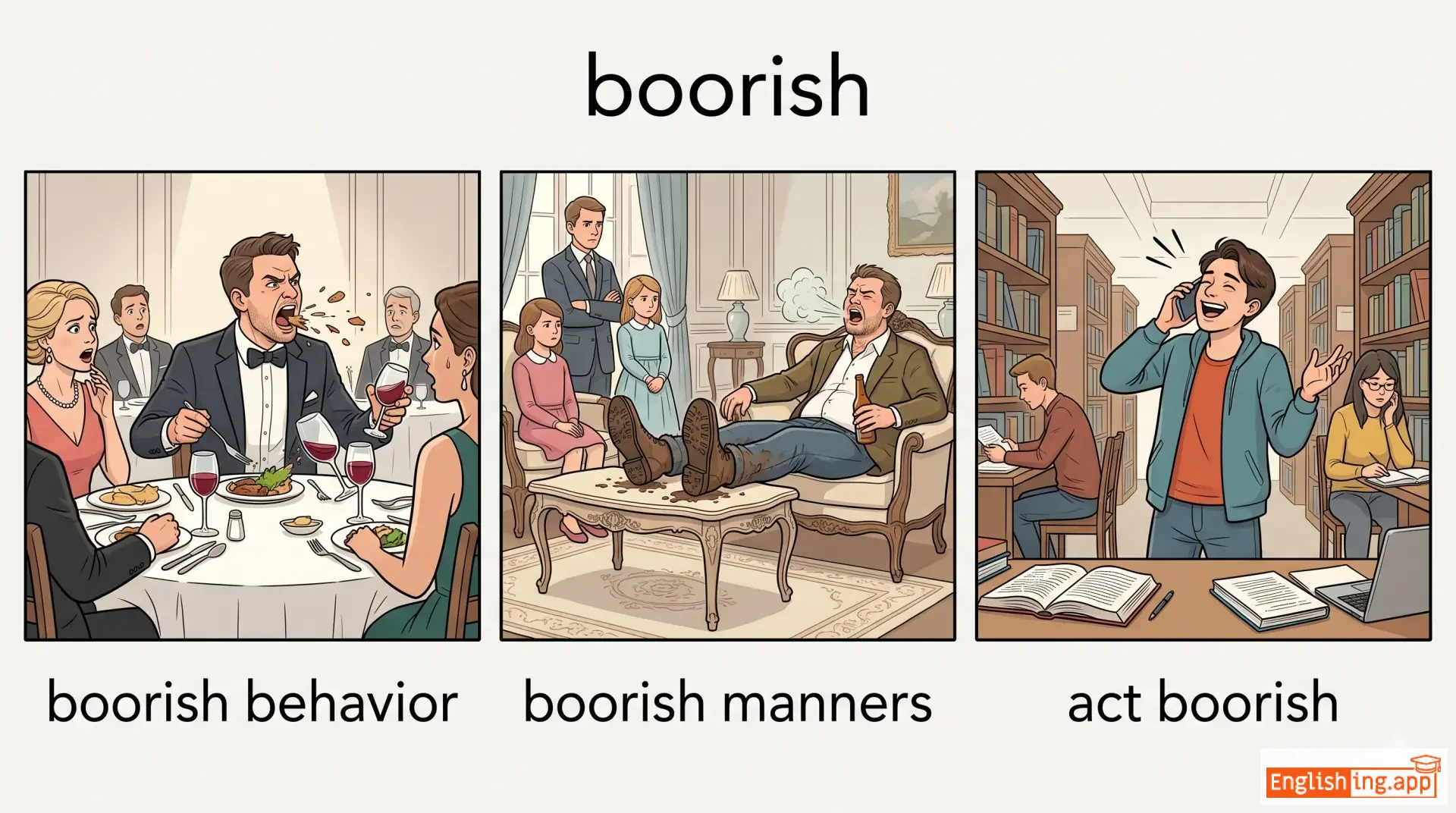
His boorish behavior ruined the dinner party.
彼のブーリッシュな行動はディナーパーティーを台無しにした。
••••••
|
彼の粗野な行動はディナーパーティーを台無しにした。
Kare no soya na kōdō wa dinā pāti o dainashi ni shita.
••••••
|
- •••••• | - •••••• | - •••••• |
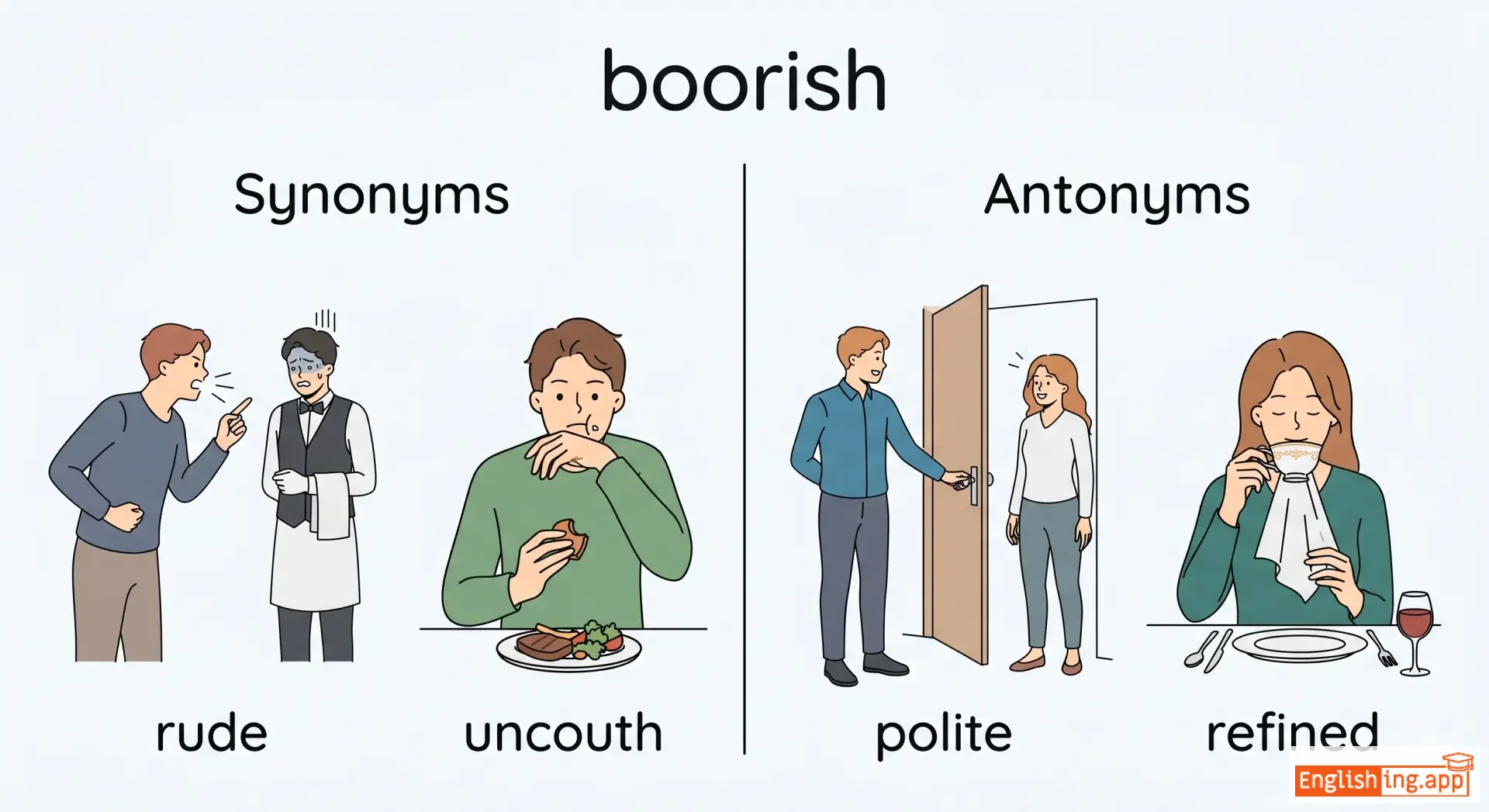
rude, uncouth, vulgar, ill-mannered, coarse
••••••
|
polite, refined, courteous
••••••
|
boorish behavior, boorish manners, act boorish
••••••
|
Boorish を粗野と記憶
••••••
|
|
#97
🐄
|
/ˈboʊvaɪn/
adjective
(ボバイン)
••••••
|
|
牛に関連する
ushi ni kanren suru
••••••
|
- •••••• | - •••••• | - •••••• | - •••••• |
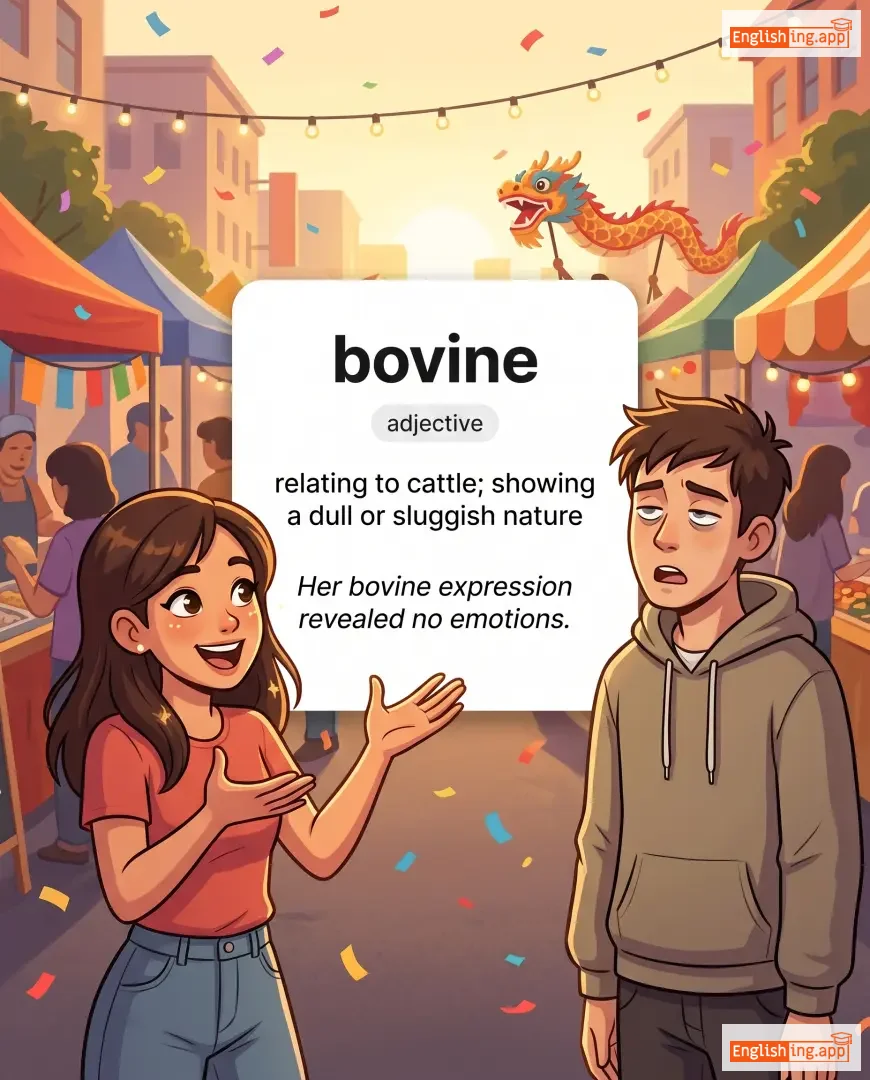
relating to cattle; showing a dull or sluggish nature
••••••
|
Her bovine expression revealed no emotions.
彼女のボバインな表情は感情を示すことはなかった。
••••••
|
彼女のボバインな表情は感情を示すことはなかった。
Kanojo no bobain na hyoujou wa kanjou o shimesu koto wa nakatta.
••••••
|
- •••••• | - •••••• | - •••••• |
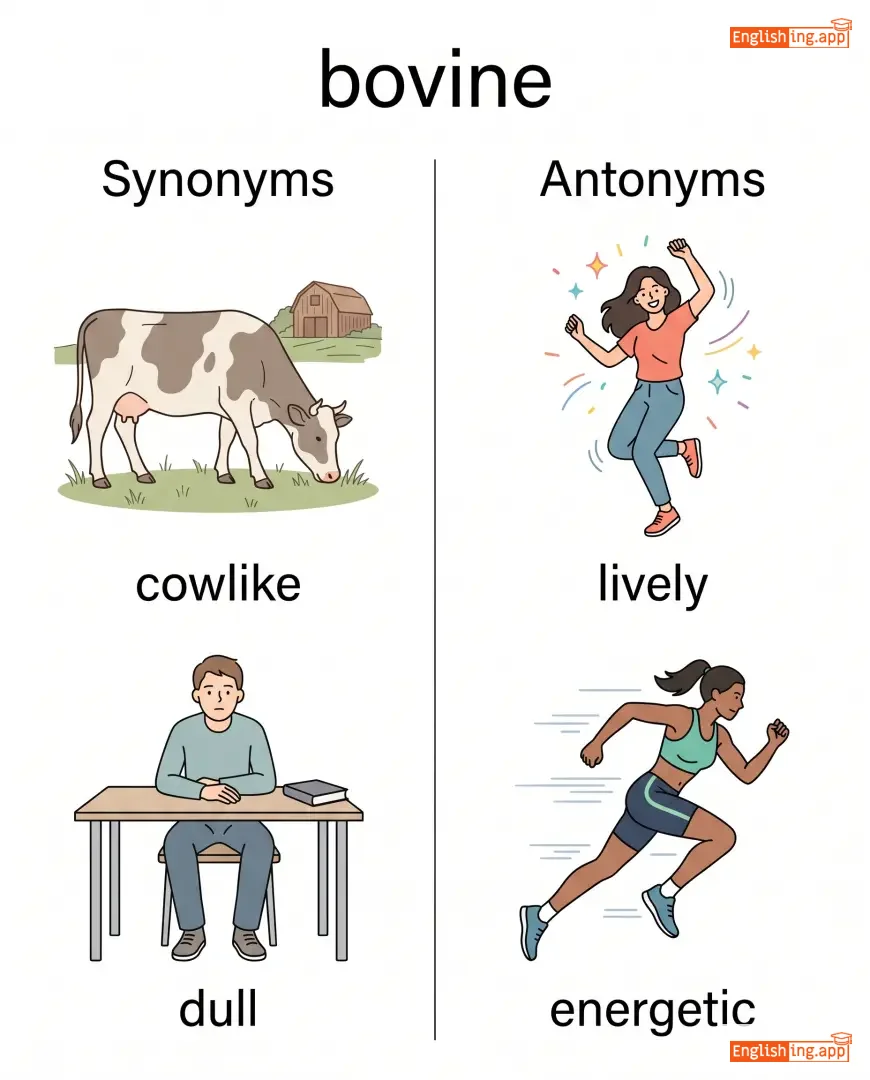
cowlike, dull, sluggish, stolid
••••••
|
lively, energetic, sharp
••••••
|
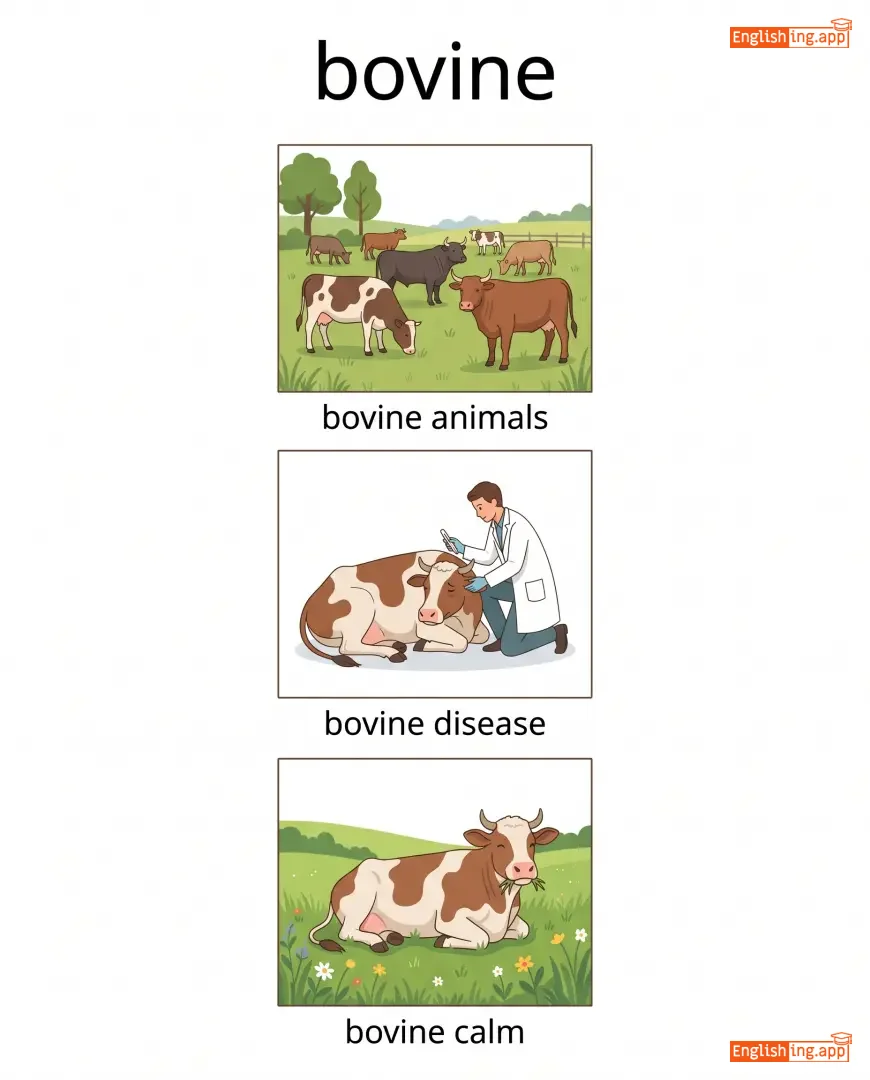
bovine animals, bovine disease, bovine calm, bovine expression
••••••
|
Bovine は牛みたい—表情が遅く、感情がない。
••••••
|
|
#98
😏
|
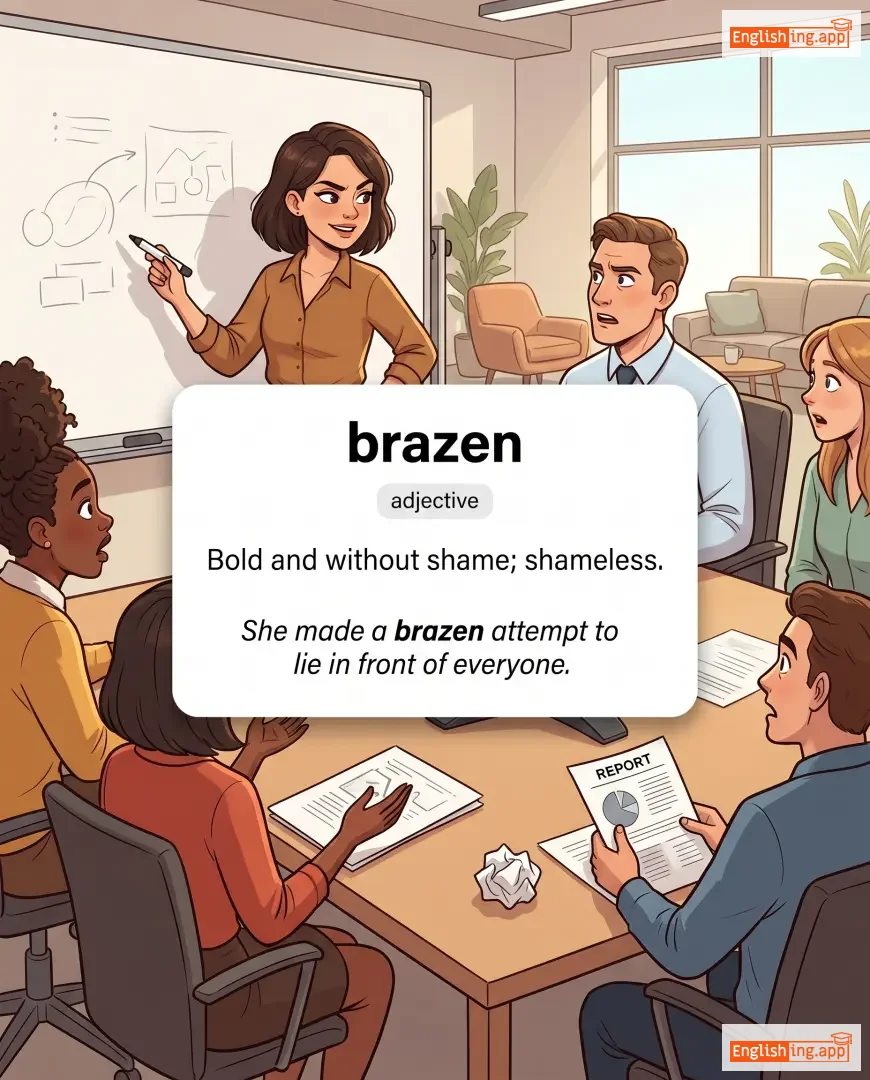
/ˈbreɪzən/
adjective
••••••
|
|
- •••••• | - •••••• | - •••••• | - •••••• | - •••••• |
Bold and without shame; shameless.
••••••
|
She made a brazen attempt to lie in front of everyone. |
- •••••• |
brazen it out |
To face a difficult situation confidently without showing shame.
••••••
|
- •••••• |
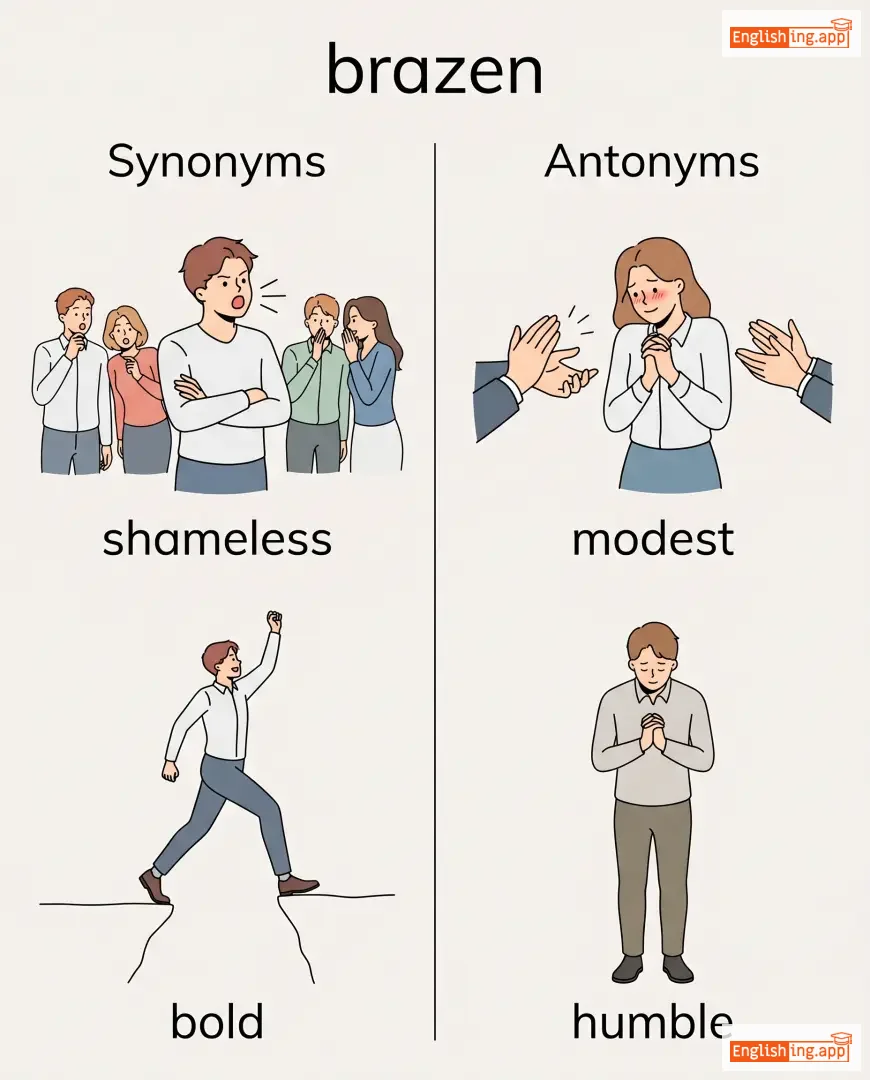
shameless, bold, audacious, impudent
••••••
|
modest, humble, shy
••••••
|
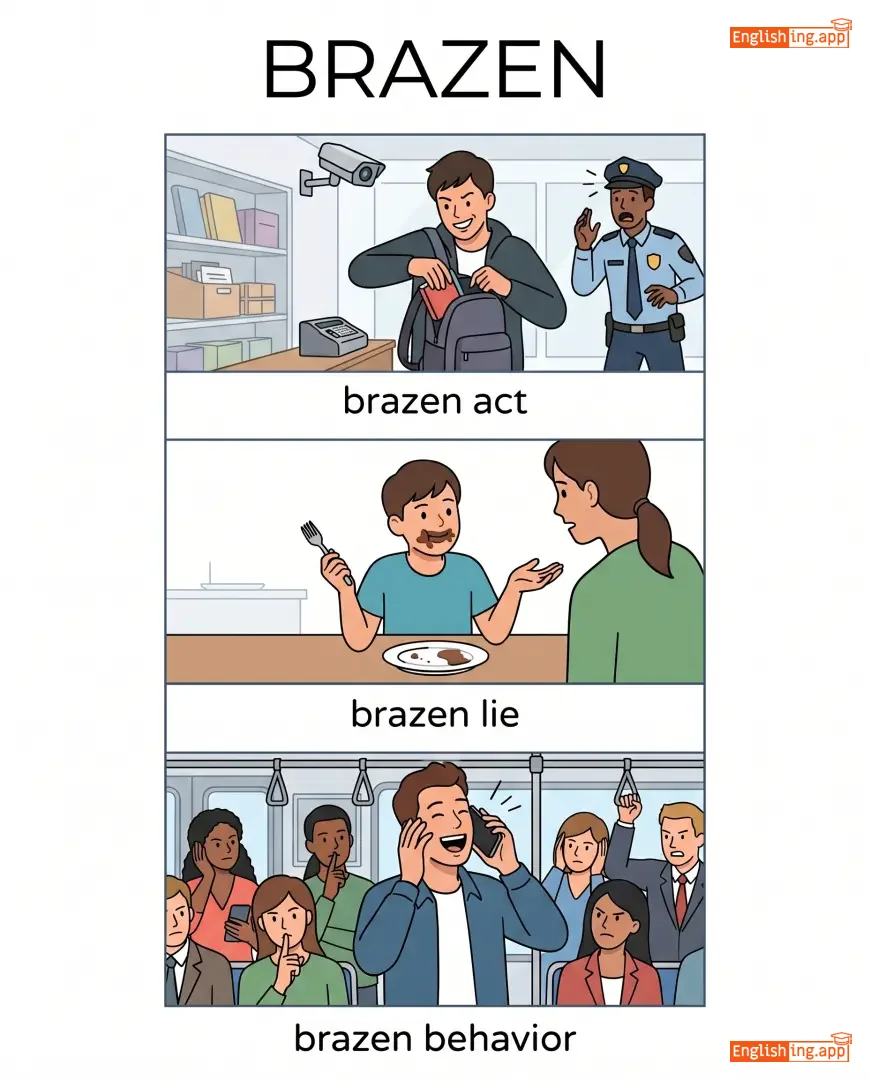
brazen act, brazen lie, brazen behavior
••••••
|
No •••••• |
|
#99
💬
|
/broʊtʃ/
verb
(ブローチ)
••••••
|
|
取り上げる
toriageru
••••••
|
broached
ブローチド
••••••
|
broached
ブローチド
••••••
|
broaches
ブローチズ
••••••
|
broaching
ブローチング
••••••
|
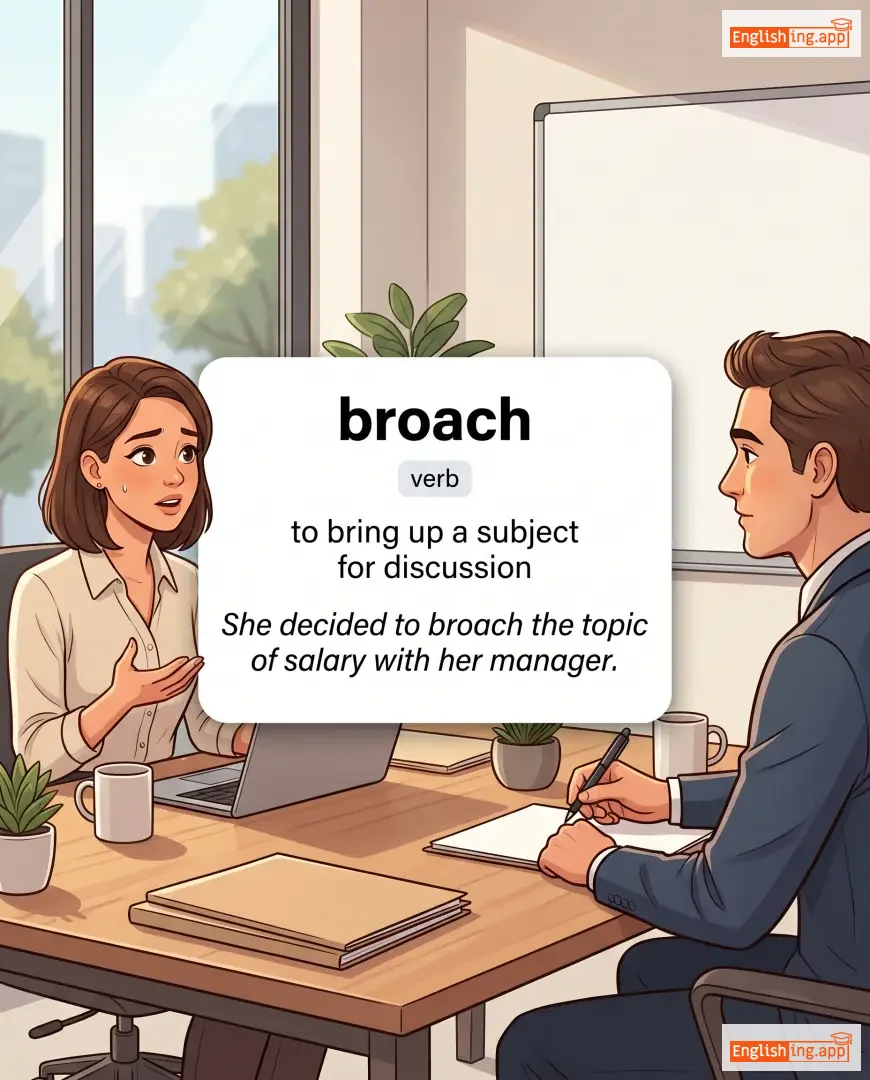
to bring up a subject for discussion
••••••
|
She decided to broach the topic of salary with her manager.
彼女はマネージャーと給料の話題を取り上げることに決めました。
••••••
|
彼女はマネージャーと給料の話題を取り上げることに決めました。
Kanojo wa maneja to kyūryō no wadai wo toriageru koto ni kimemashita.
••••••
|
broach the subject
話題を取り上げる
••••••
|
to introduce a topic for discussion
••••••
|
話題を取り上げる
Wadai wo toriageru
••••••
|
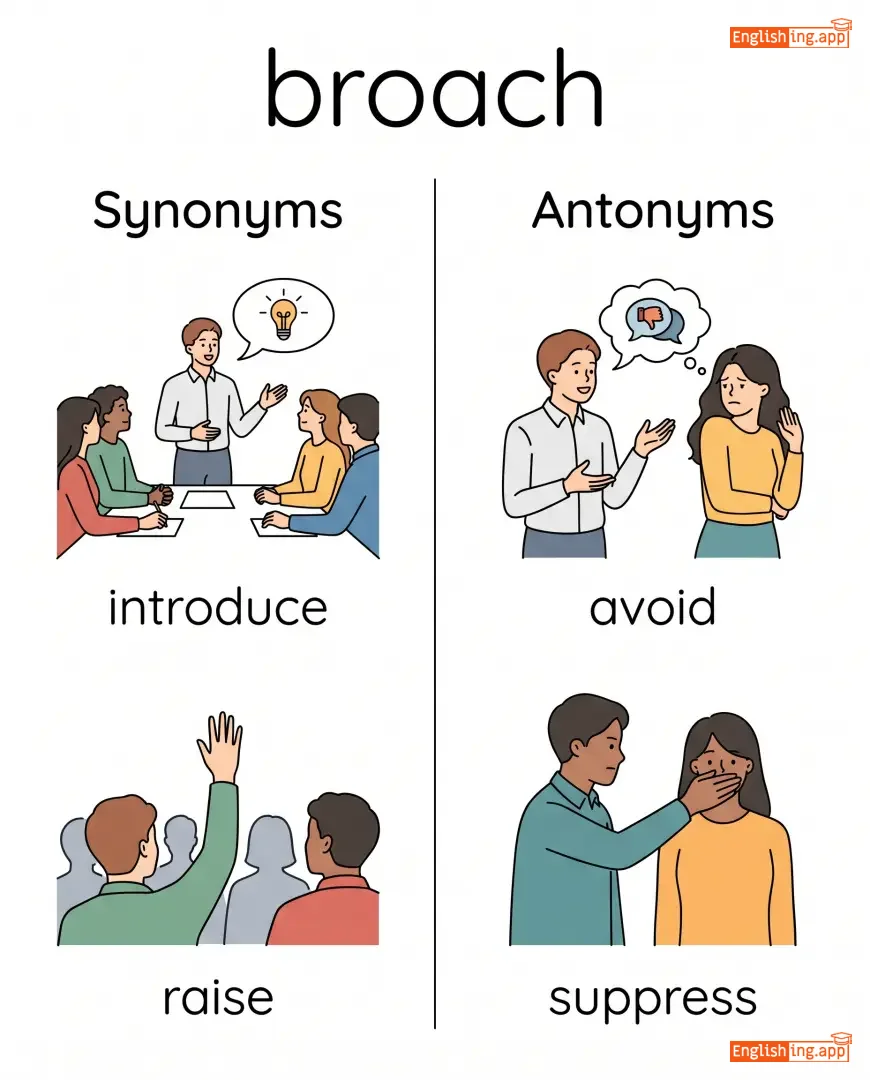
introduce, raise, mention, propose, suggest
••••••
|
avoid, suppress, conceal
••••••
|
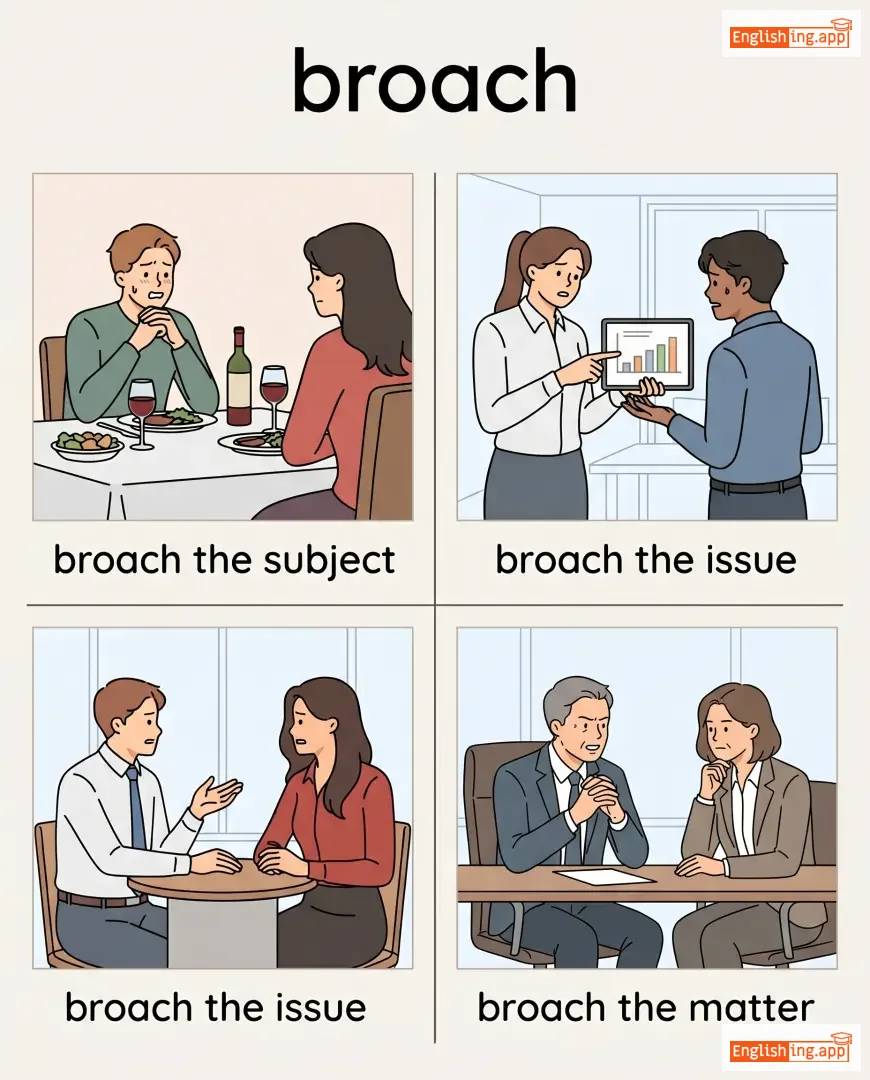
broach the subject, broach the issue, broach the matter
••••••
|
Broach はBro + Approach、トピックを取り上げるためのアプローチを示します。
••••••
|
|
#100
🌾
|
/bjuːˈkɒlɪk/
adjective
(ビユˈコリック)
••••••
|
|
田園
den'en
••••••
|
- •••••• | - •••••• | - •••••• | - •••••• |
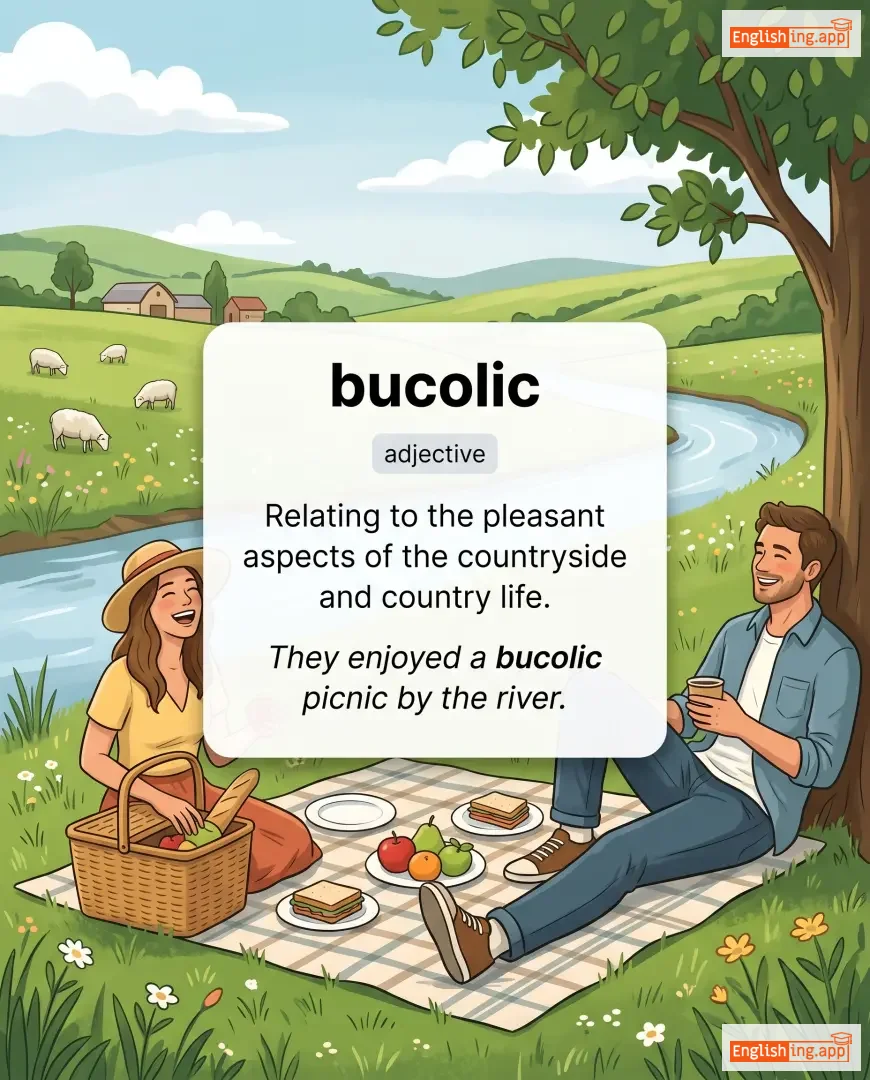
Relating to the pleasant aspects of the countryside and country life.
••••••
|
They enjoyed a bucolic picnic by the river.
彼らは川沿いで田園風のピクニックを楽しみました。
••••••
|
彼らは川沿いで田園風のピクニックを楽しみました。
Karera wa kawa-zoi de den'en-fū no pikunikku o tanoshimimashita.
••••••
|
- •••••• | - •••••• | - •••••• |
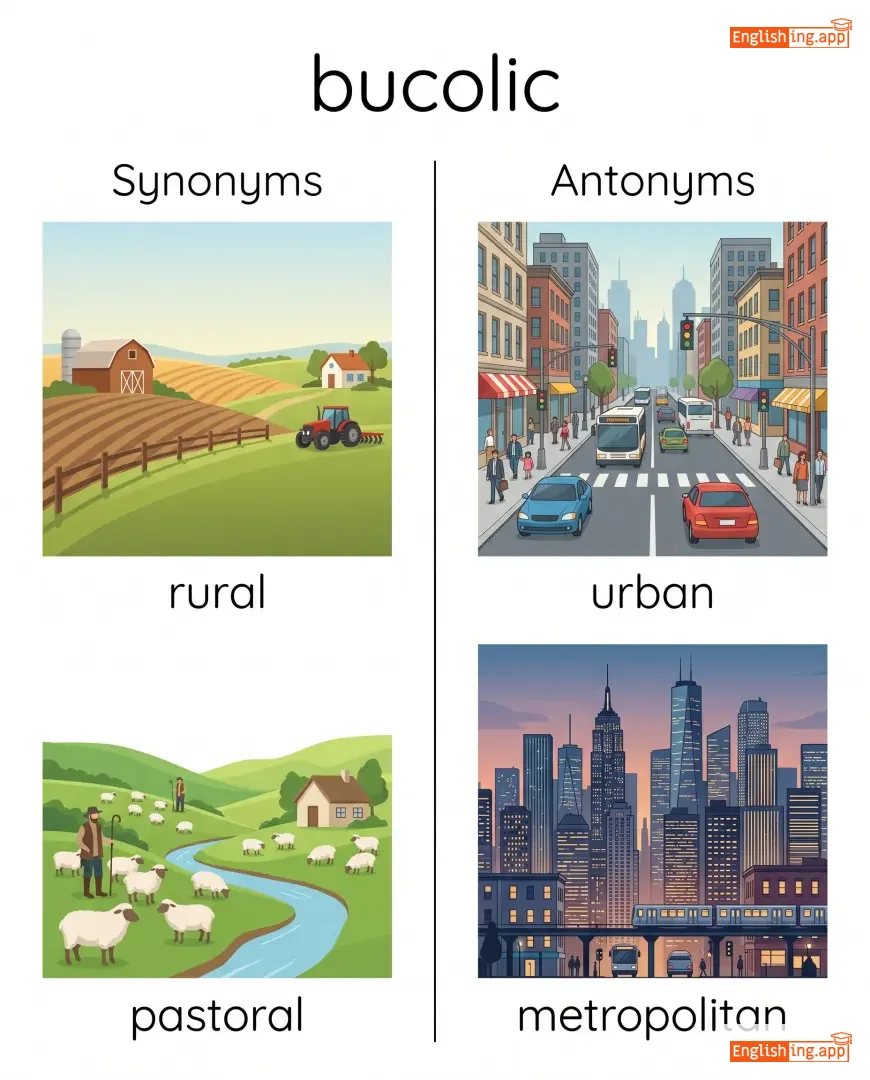
rural, pastoral, rustic, idyllic, agricultural
••••••
|
urban, metropolitan
••••••
|
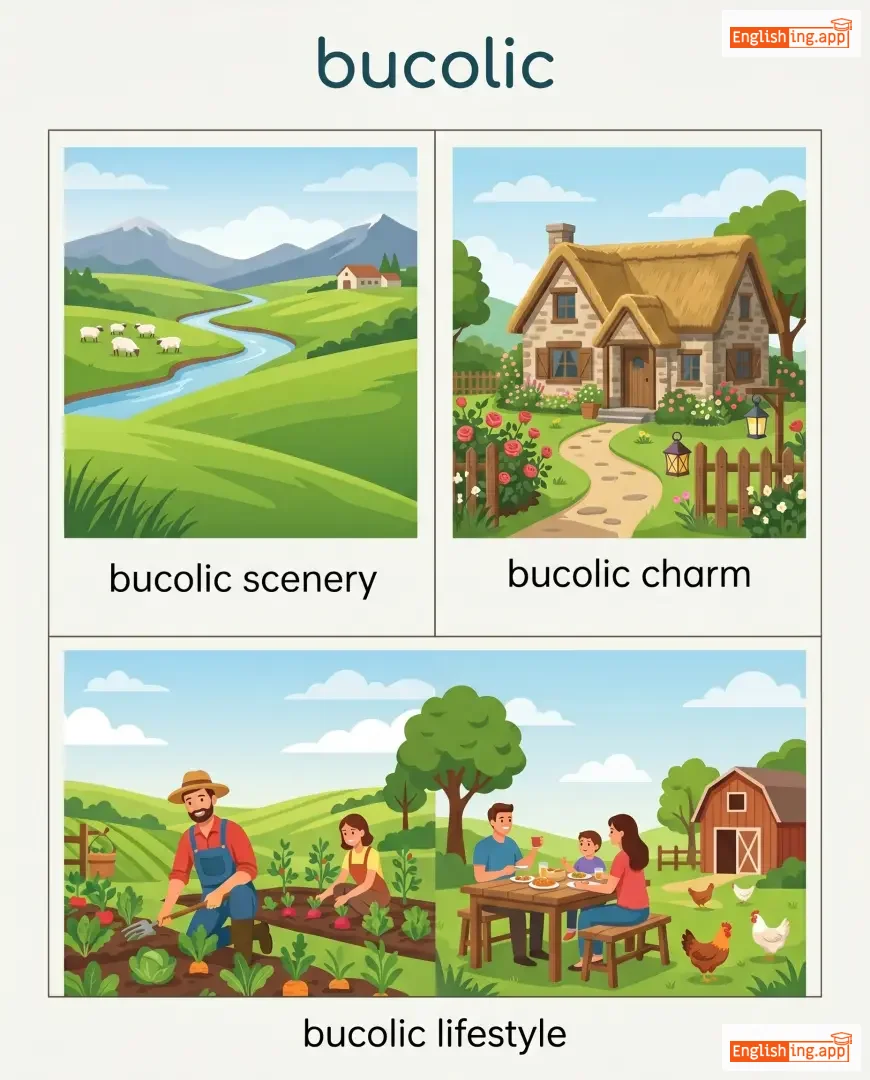
bucolic scenery, bucolic charm, bucolic lifestyle
••••••
|
Bucolic は田園的な生活に似ている、'bu'は自然、'colic'は平和を意味します。
••••••
|
Vocabulary Quiz
Test your vocabulary by matching words with their translations or meanings.
Login to take the quiz
Comments (0)
Share your thoughts and join the discussion.
Join the discussion by logging in
Login to CommentNo comments yet
Be the first to share your thoughts!