

翻訳
過去
過去分詞
三人称単数
動名詞
意味
例文
例文の翻訳
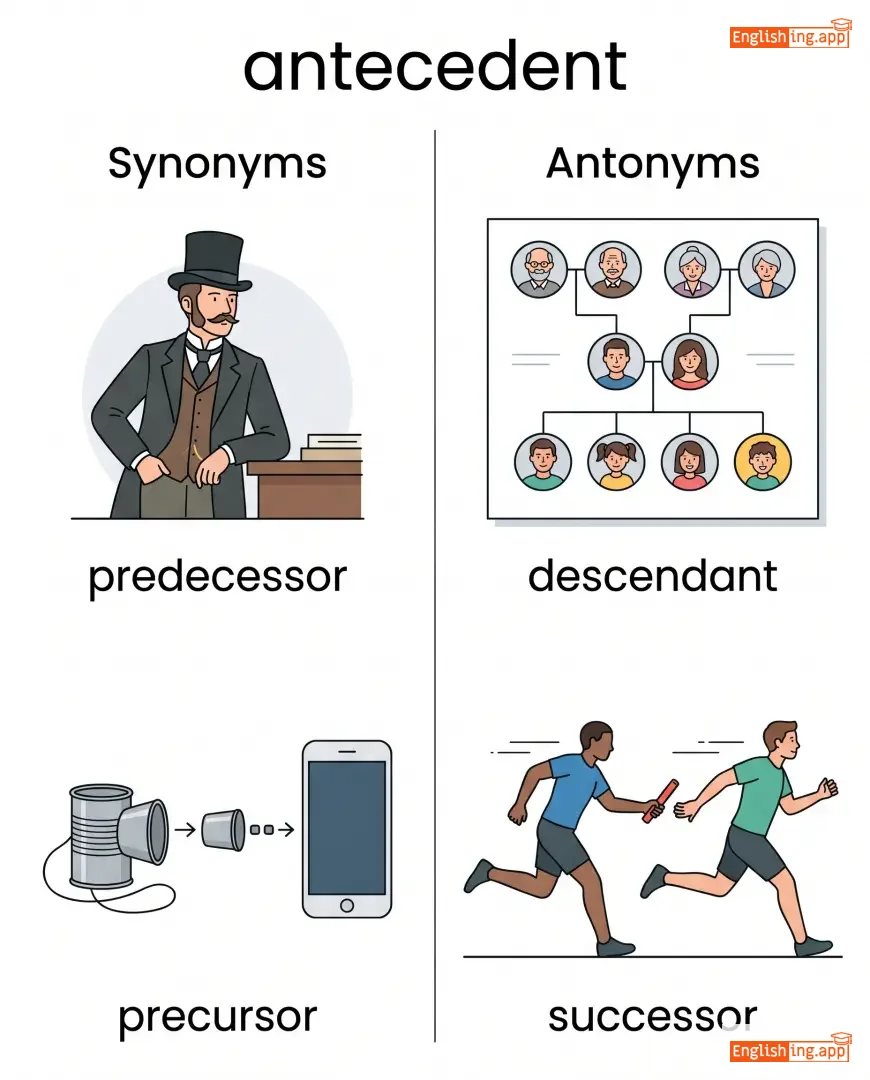
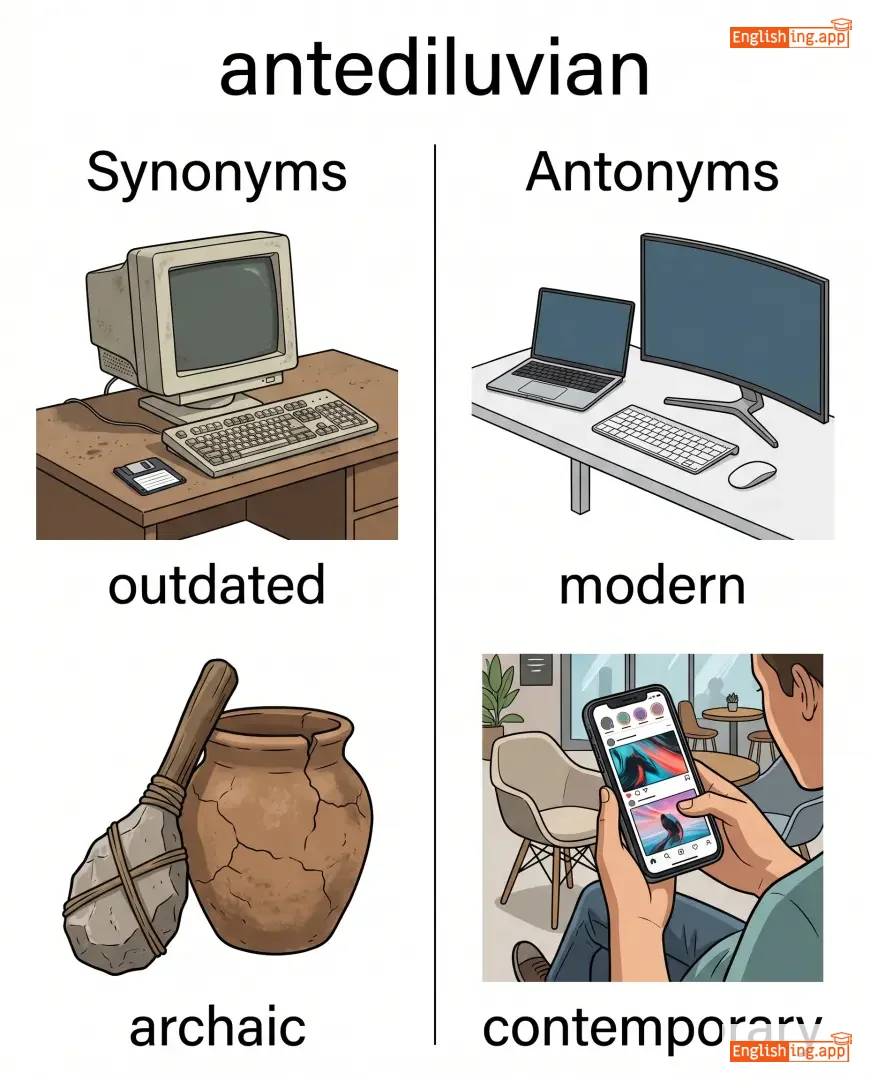
同義語
対義語
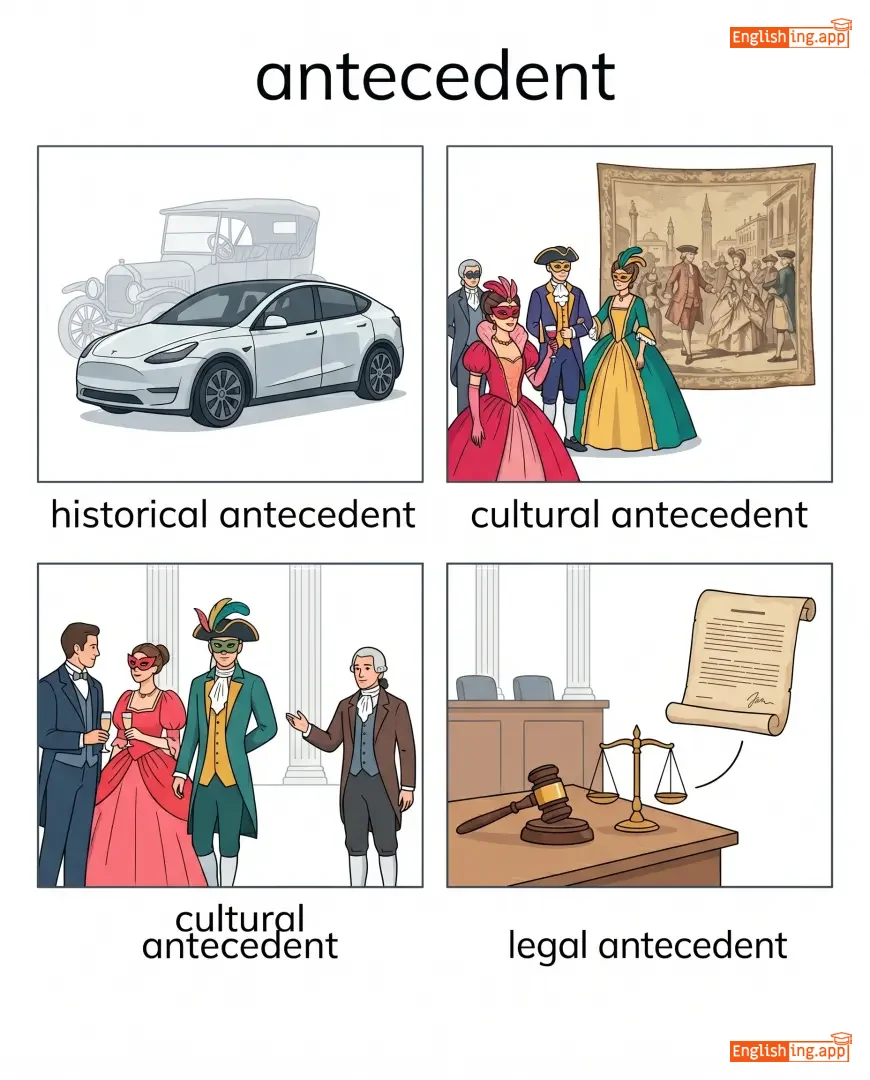
コロケーション
ニーモニック




Swipe left or right, or use the buttons. Tap image to zoom.
例文の翻訳
単語
Lesson 2Lesson 2 - マスクトグル
|
絵文字
|
単語 | Images | 翻訳 | 過去 | 過去分詞 | 三人称単数 | 動名詞 | 意味 | 例文 | 例文の翻訳 | 表現例 | 表現例の意味 | 表現例の翻訳 | 同義語 | 対義語 | コロケーション | ニーモニック |
|---|---|---|---|---|---|---|---|---|---|---|---|---|---|---|---|---|---|
|
#26
💊
|
/əˈliːvieɪt/
verb
(アリビエイト)
••••••
|
|
和らげる
yawarageru
••••••
|
alleviated
アリビエイテッド
••••••
|
alleviated
アリビエイテッド
••••••
|
alleviates
アリビエイツ
••••••
|
alleviating
アリビエイティング
••••••
|
to make suffering, pain, or a problem less severe
••••••
|
The medicine helped alleviate her headache.
その薬は頭痛を軽減するのに役立ちました。
••••••
|
その薬は頭痛を軽減するのに役立ちました。
Sono kusuri wa zutsuu o keigen suru no ni yakudachimashita.
••••••
|
alleviate suffering
苦しみを軽減する
••••••
|
to reduce someone's suffering
••••••
|
苦しみを軽減する
kurushimi o keigen suru
••••••
|
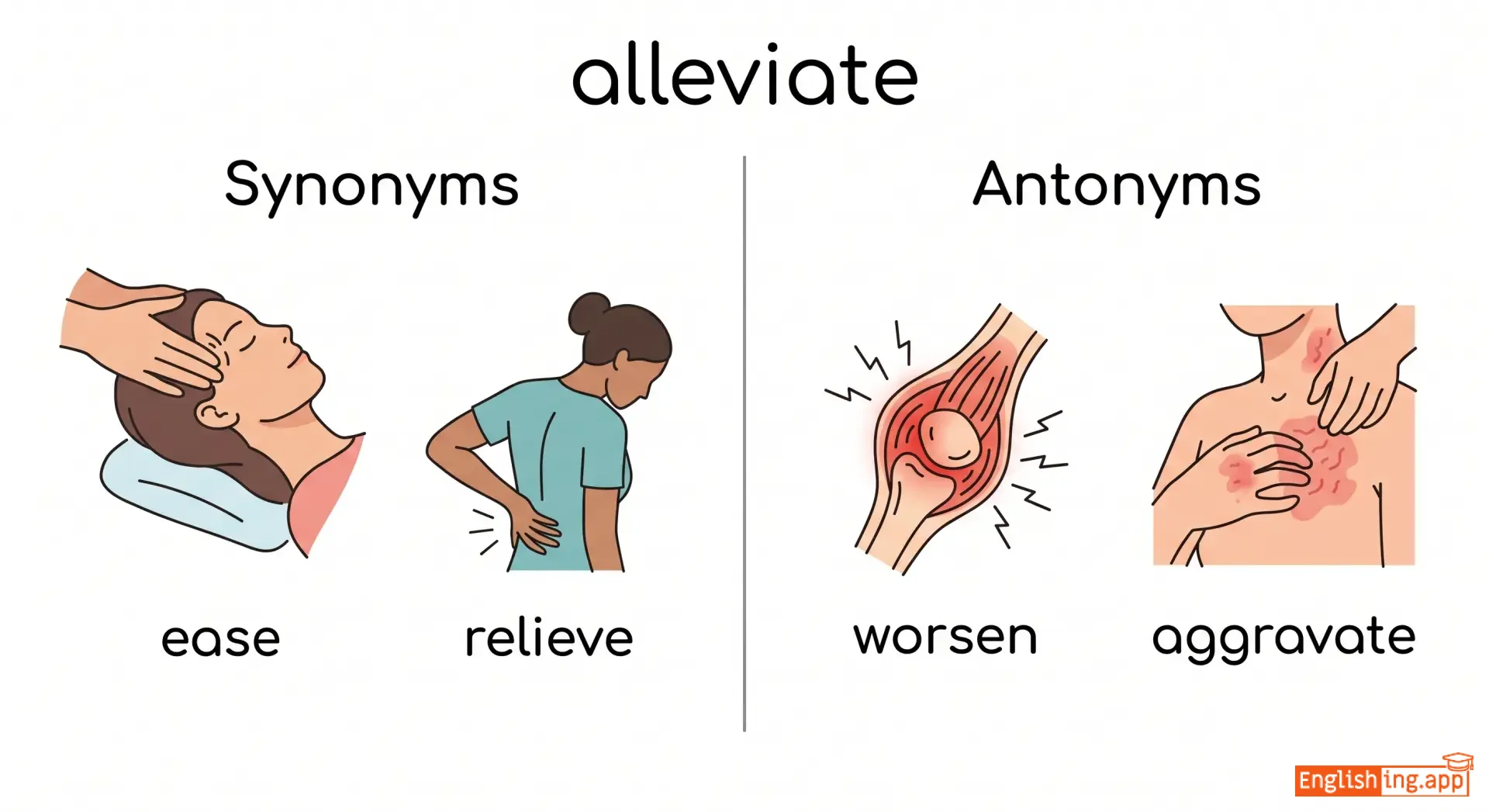
ease, relieve, lessen, mitigate, reduce
••••••
|
worsen, aggravate, intensify
••••••
|
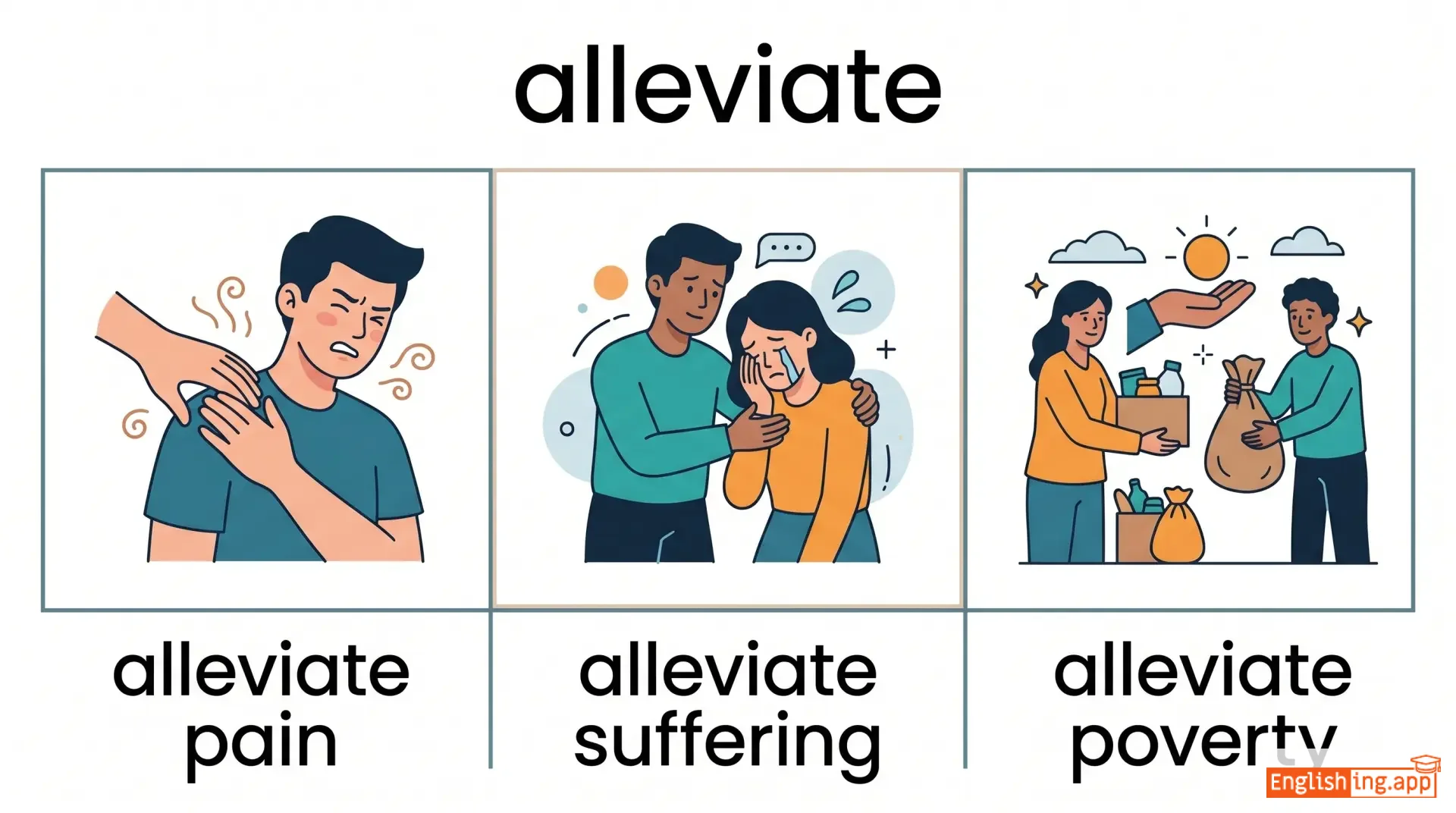
alleviate pain, alleviate suffering, alleviate poverty, alleviate symptoms
••••••
|
Yawarageru は痛みを和らげることを意味します (和らげる)。
••••••
|
|
#27
⚙️
|
/ˈælɔɪ/
noun
(アロイ)
••••••
|
|
合金
gokin
••••••
|
- •••••• | - •••••• | - •••••• | - •••••• |
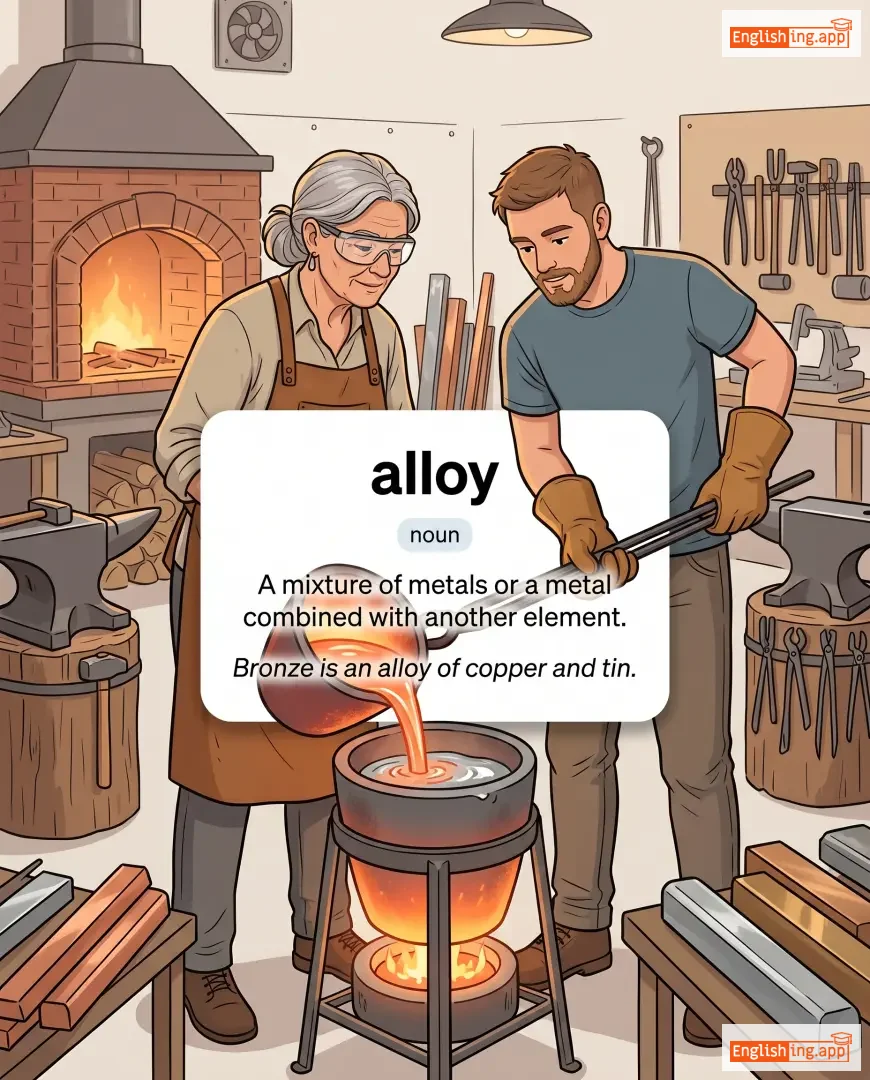
A mixture of metals or a metal combined with another element.
••••••
|
Bronze is an alloy of copper and tin. |
ブロンズは銅とスズの合金です。
Buronzu wa dō to suzu no gokin desu.
••••••
|
- •••••• | - •••••• | - •••••• |
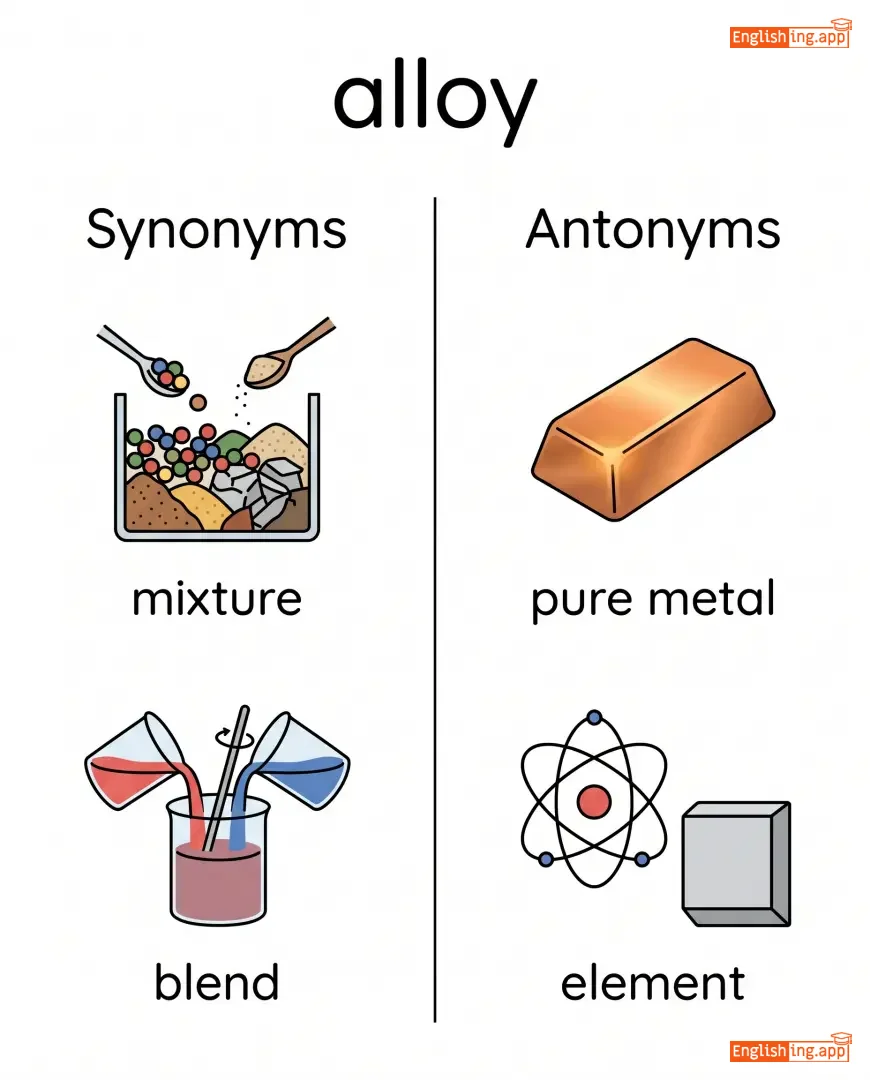
mixture, blend, composite, amalgam, fusion
••••••
|
pure metal, element
••••••
|
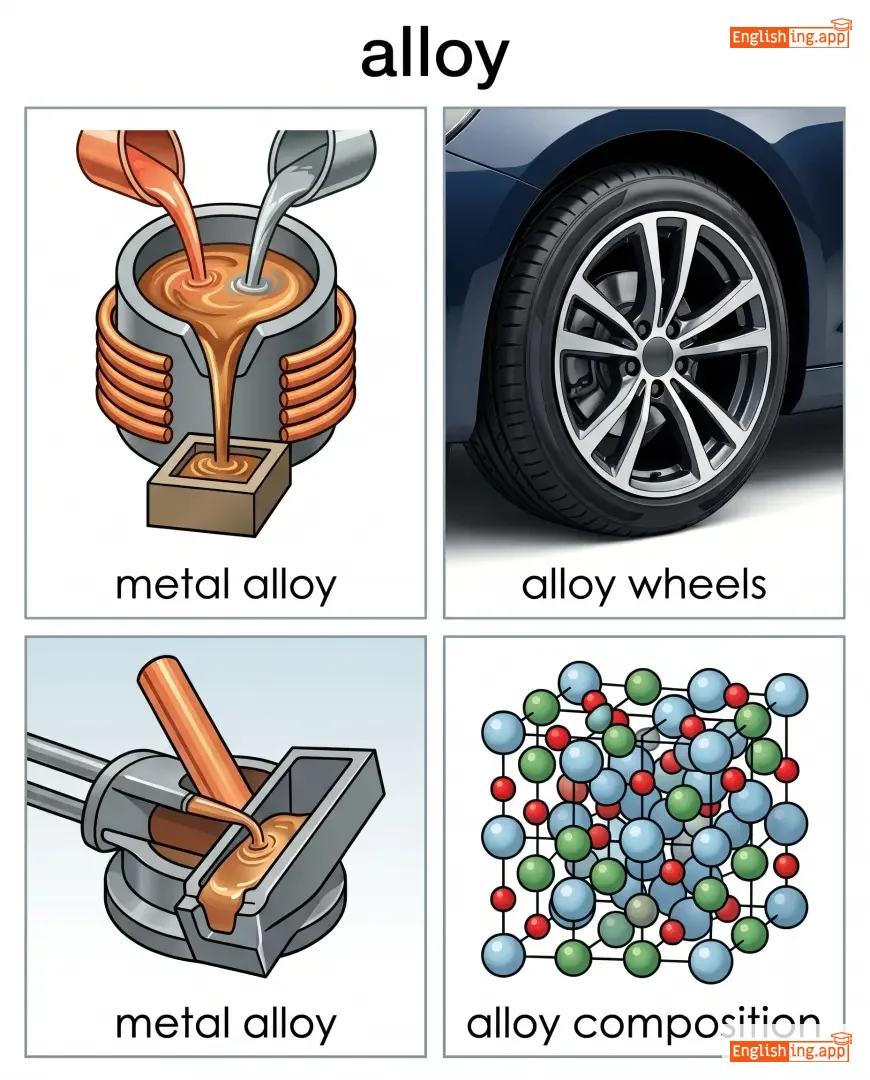
metal alloy, alloy wheels, alloy composition, alloy steel
••••••
|
Alloy=All + oy (金属を混ぜる)
••••••
|
|
#28
✨
|
/əˈlʊr/
verb
(アリュール)
••••••
|
|
魅力
miryoku
••••••
|
allured
アリュールド
••••••
|
allured
アリュールド
••••••
|
allures
アリュールズ
••••••
|
alluring
アリュリング
••••••
|
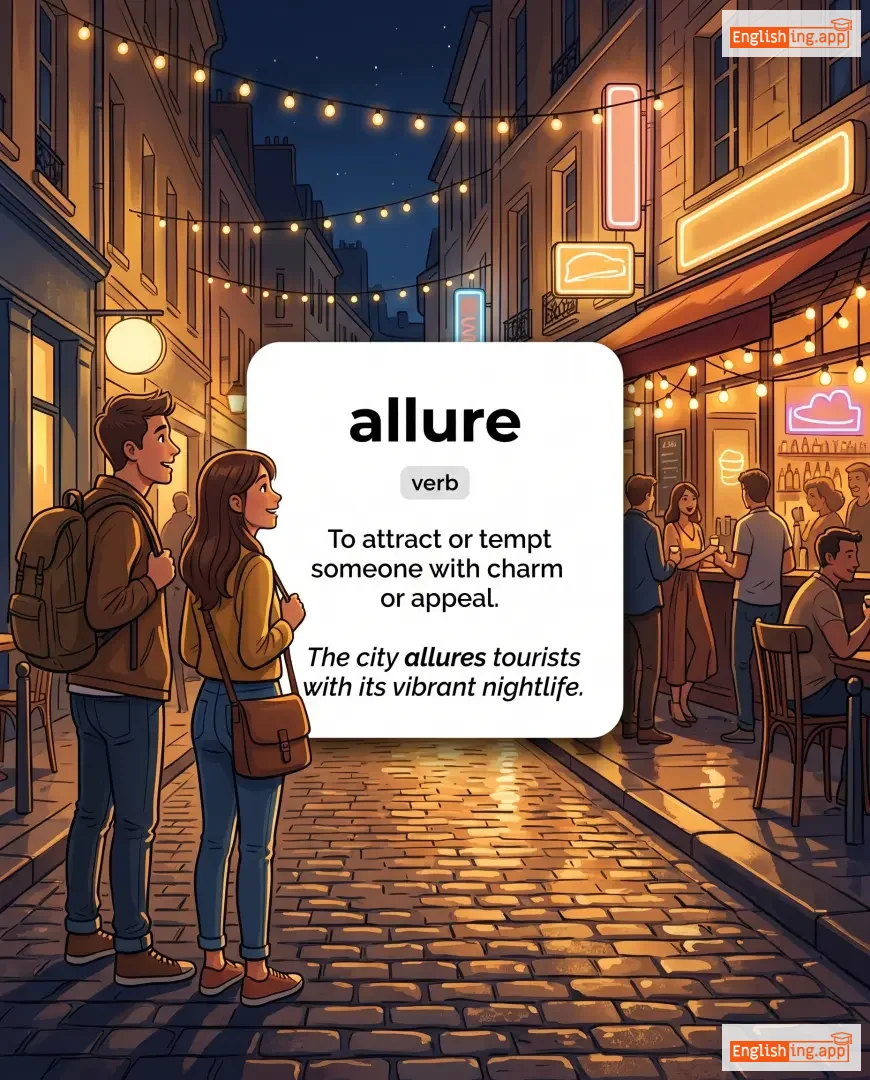
To attract or tempt someone with charm or appeal.
••••••
|
The city allures tourists with its vibrant nightlife.
この都市はその活気に満ちた夜の生活で観光客を引き寄せる。
••••••
|
この都市はその活気に満ちた夜の生活で観光客を引き寄せる。
Kono toshi wa sono kanki ni michita yoru no seikatsu de kankoukyaku wo hikiyoseru.
••••••
|
the allure of
……の魅力
••••••
|
the appeal or attraction of something
••••••
|
……の魅力
…… no miryoku
••••••
|
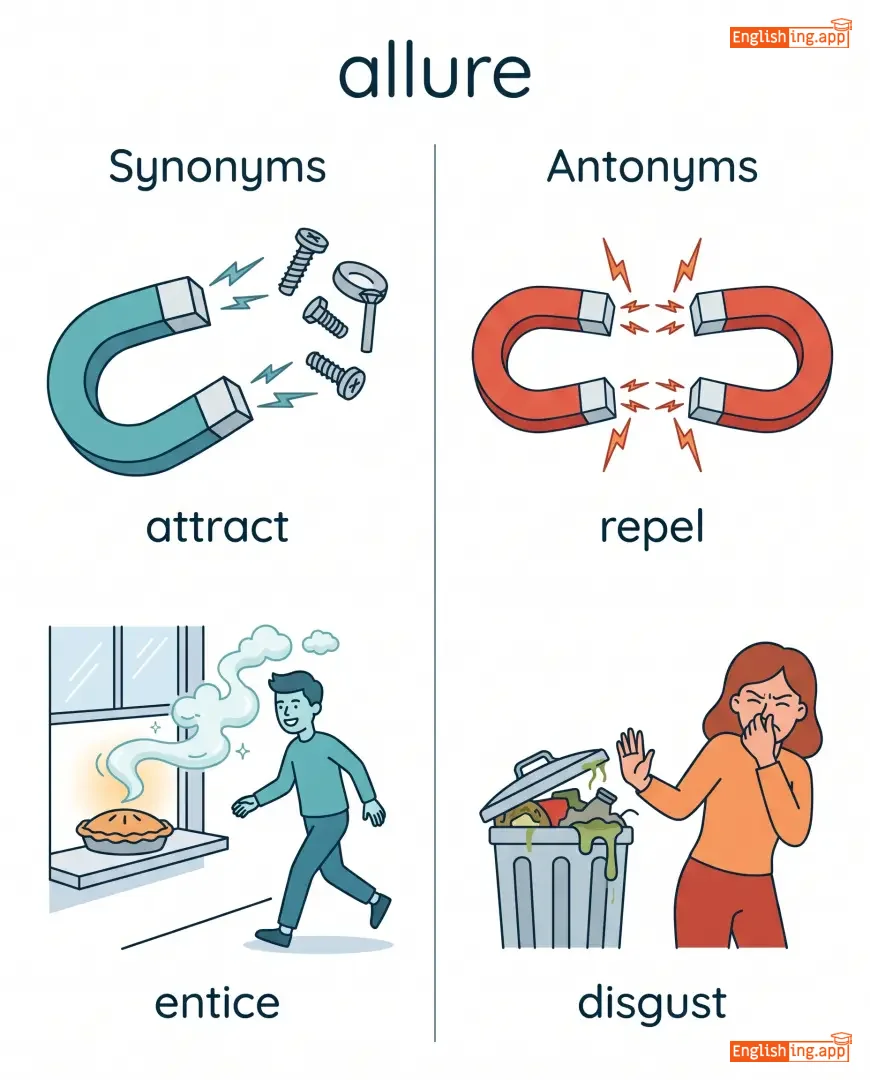
attract, entice, charm, fascinate, captivate
••••••
|
repel, disgust, deter
••••••
|
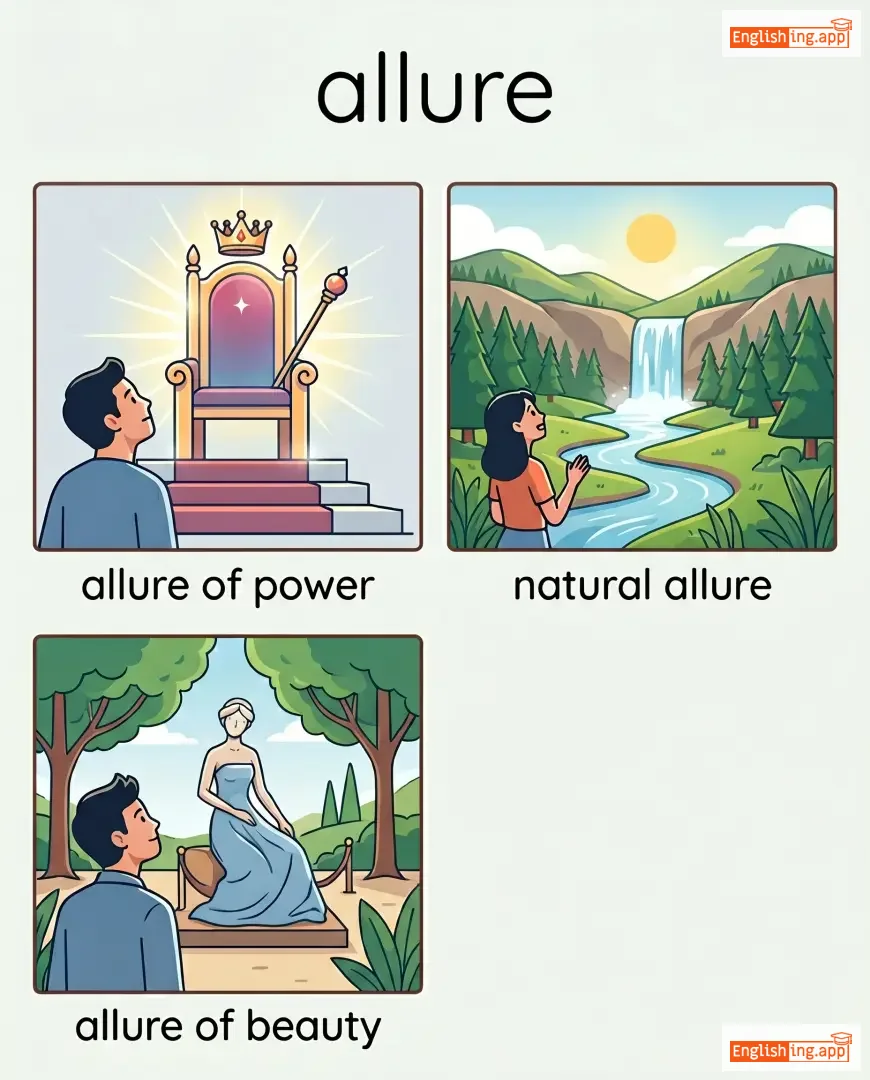
allure of power, natural allure, allure of beauty, allure tourists
••••••
|
Allureは魅力を意味します、皆を引き寄せる光のように!
••••••
|
|
#29
🔗
|
/əˈmælɡəmeɪt/
verb
(アマルガメイト)
••••••
|
|
合併する
gappei suru
••••••
|
amalgamated
アマルガメイテッド
••••••
|
amalgamated
アマルガメイテッド
••••••
|
amalgamates
アマルガメイツ
••••••
|
amalgamating
アマルガメイティング
••••••
|
to combine or unite to form one organization or structure; to merge
••••••
|
The two companies decided to amalgamate their operations.
二つの会社は運営を合併することを決定しました。
••••••
|
二つの会社は運営を合併することを決定しました。
Futatsu no kaisha wa un'ei o gappei suru koto o kettei shimashita.
••••••
|
- •••••• | - •••••• | - •••••• |
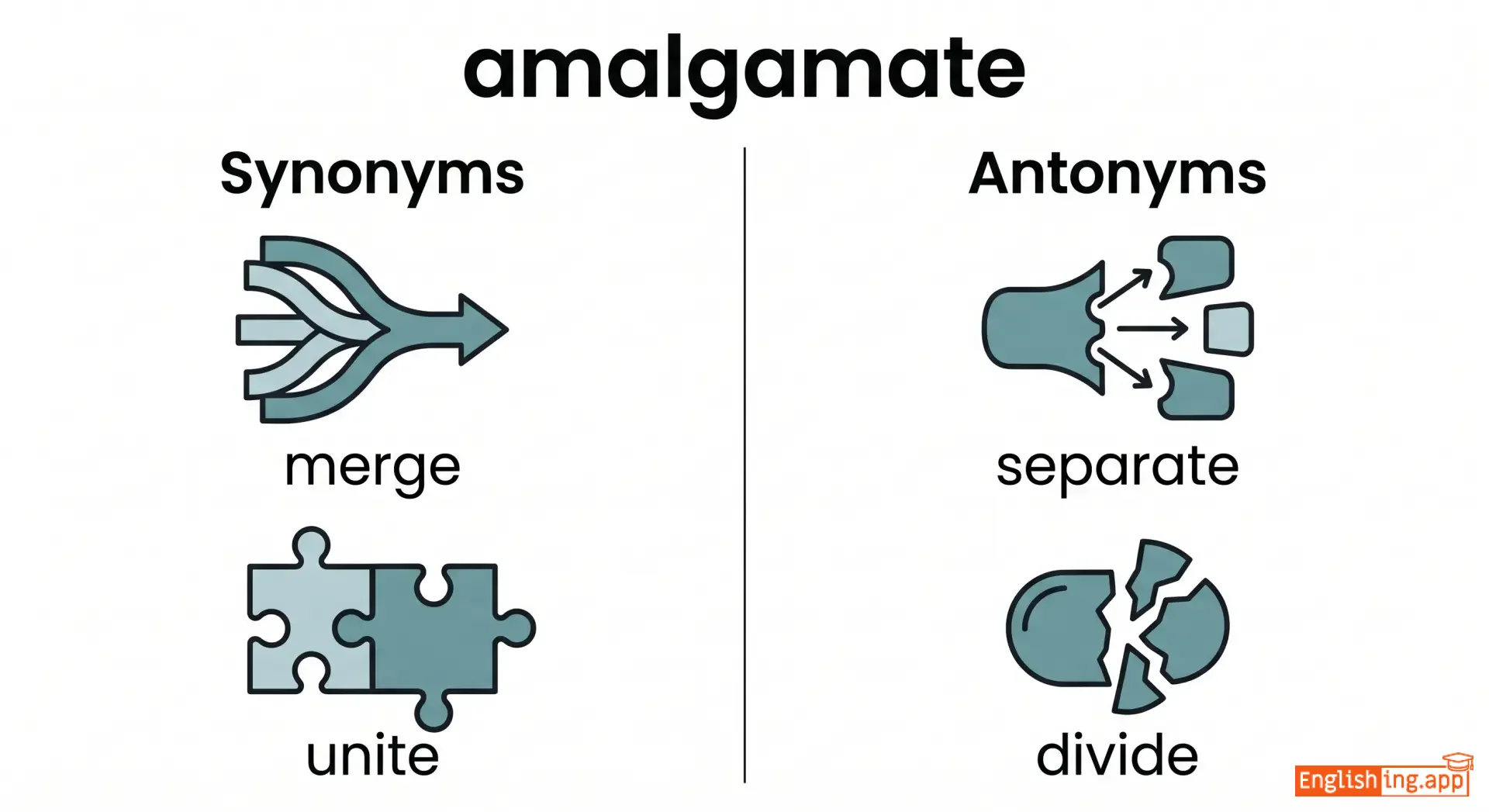
merge, combine, unite, blend
••••••
|
separate, divide, split, isolate
••••••
|
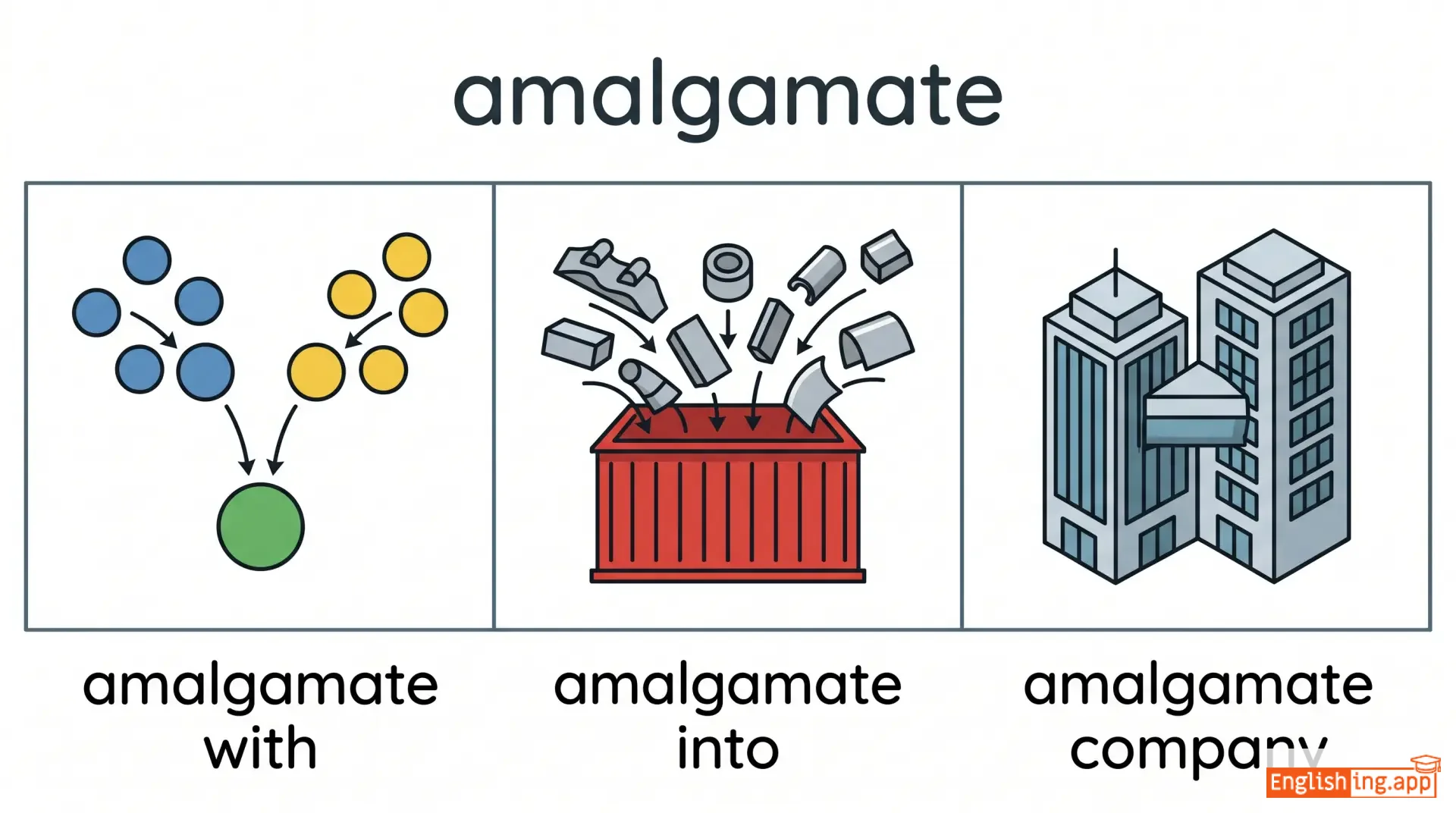
amalgamate companies, amalgamate operations, successfully amalgamate, amalgamate resources, amalgamate efforts
••••••
|
合併する = merge to combine
••••••
|
|
#30
❓
|
/æmˈbɪɡjuəs/
adjective
(アンビギュアス)
••••••
|
|
曖昧な
aimai na
••••••
|
- •••••• | - •••••• | - •••••• | - •••••• |
Open to more than one interpretation; unclear or uncertain.
••••••
|
His answer was so ambiguous that no one understood his real opinion. |
彼の答えは非常に曖昧で、誰も彼の本当の意見を理解できませんでした。
Kare no kotae wa hijō ni aimai de, dare mo kare no hontō no iken o rikai dekimasen deshita.
••••••
|
ambiguous statement |
a statement that can be interpreted in more than one way
••••••
|
曖昧な声明
aimai na seimei
••••••
|
unclear, vague, uncertain, equivocal, obscure
••••••
|
clear, definite, explicit
••••••
|
ambiguous statement, ambiguous meaning, ambiguous situation, ambiguous terms
••••••
|
Ambulanceの音は曖昧で、救急車のサイレンのように混乱を引き起こします。
••••••
|
|
#31
⚖️
|
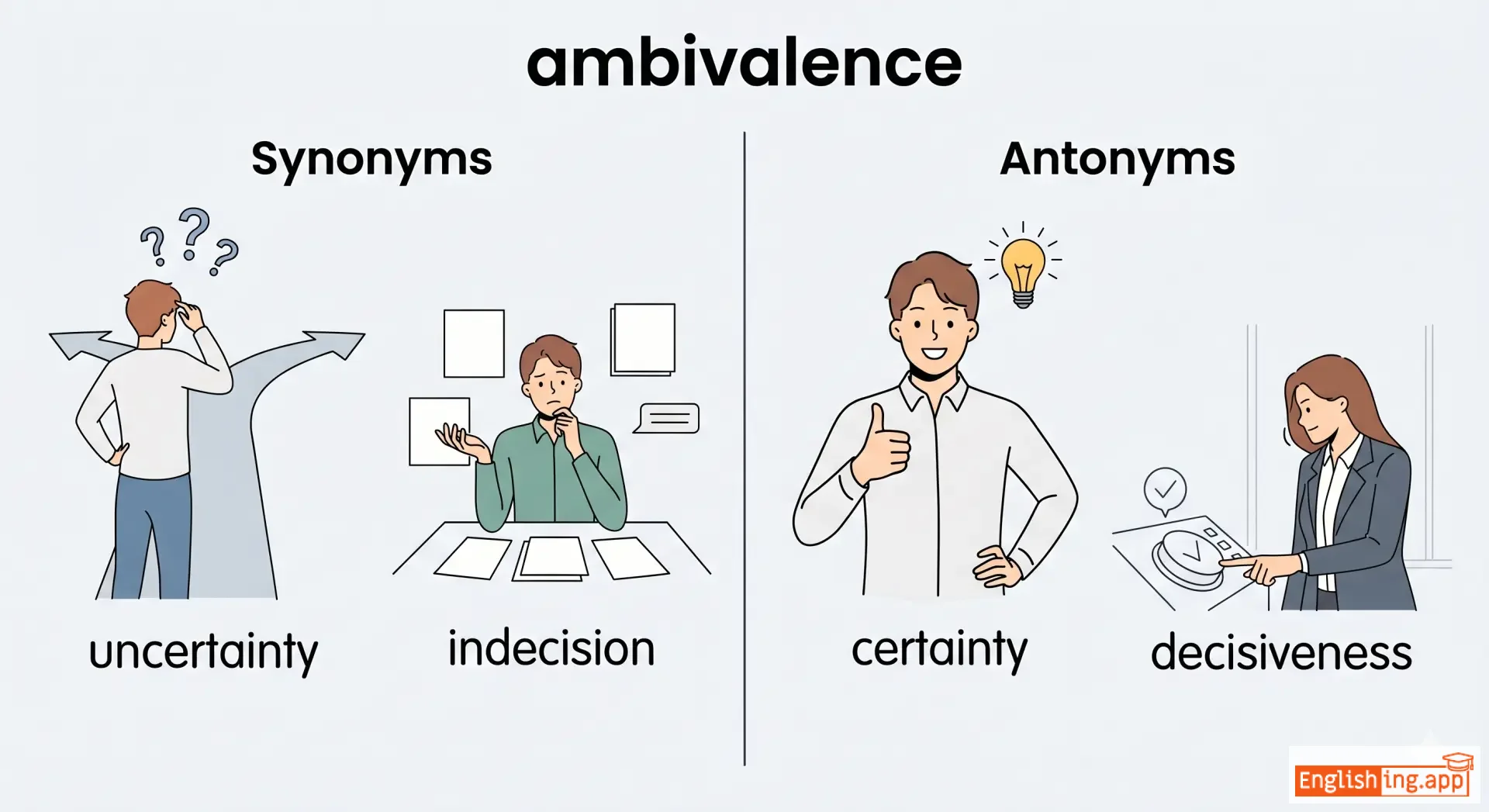
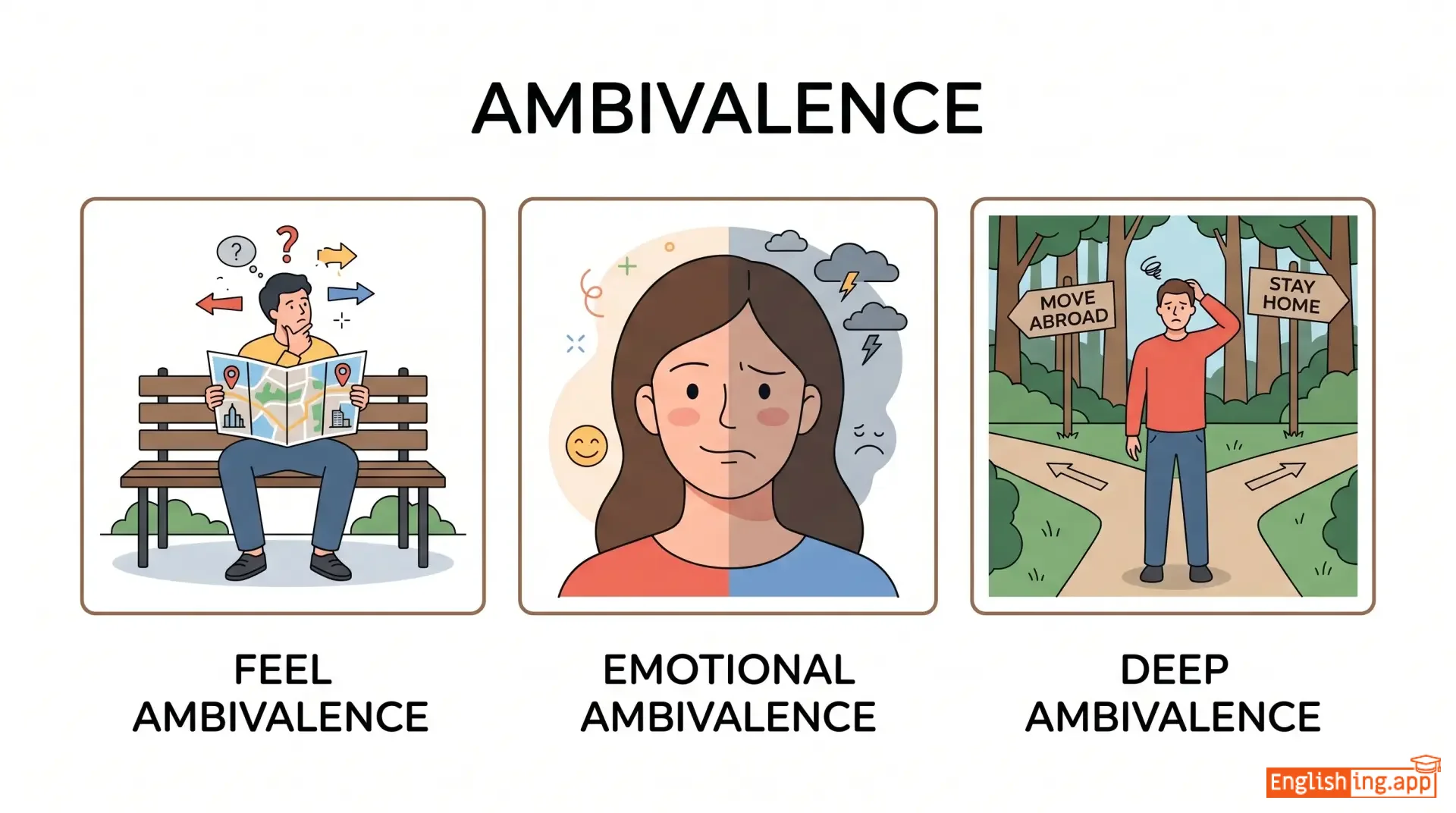
/æmˈbɪvələns/
noun
(アンビバレンス)
••••••
|
|
相反感情
sōhan kanjō
••••••
|
- •••••• | - •••••• | - •••••• | - •••••• |
The state of having mixed feelings or contradictory ideas about something.
••••••
|
He felt ambivalence about moving to a new city. |
彼は新しい都市に引っ越すことについて相反感情を抱いていました。
kare wa atarashī toshi ni hikkosu koto ni tsuite sōhan kanjō o daite imashita.
••••••
|
- •••••• | - •••••• | - •••••• |
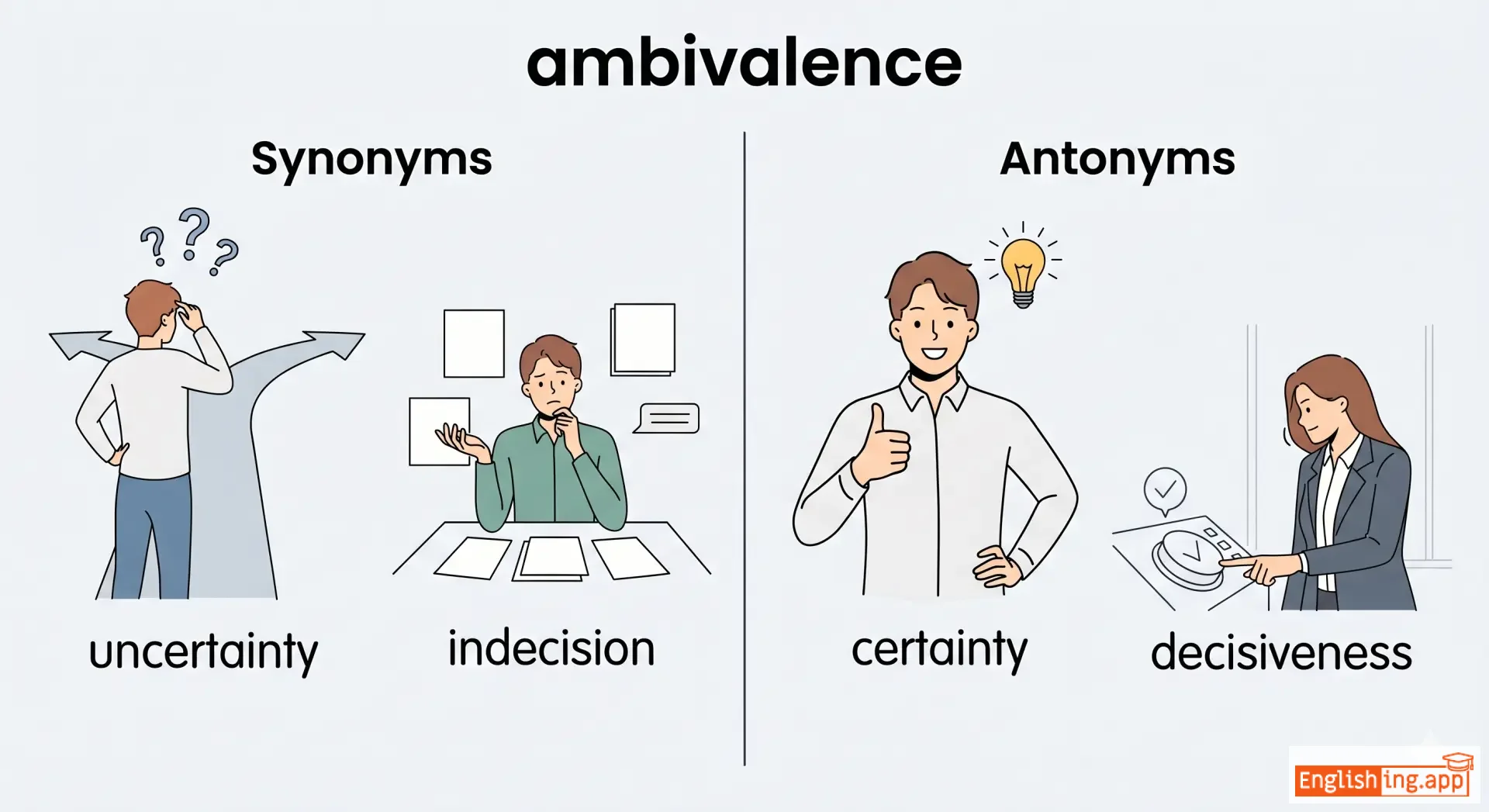
uncertainty, indecision, doubt, hesitation
••••••
|
certainty, decisiveness, clarity
••••••
|
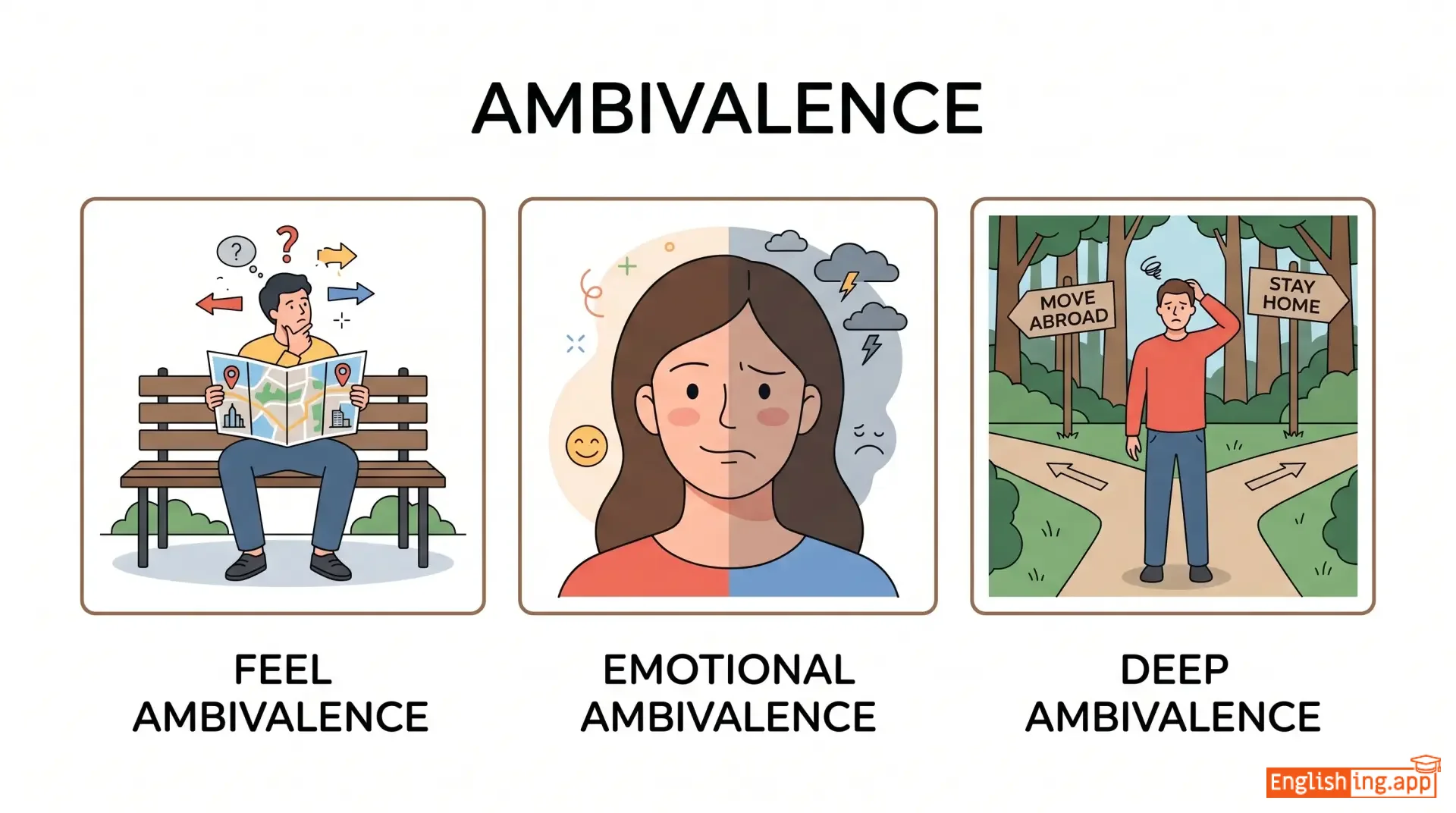
feel ambivalence, emotional ambivalence, deep ambivalence
••••••
|
救急車の中で相反感情が恐れと希望の間に感じられる。
••••••
|
|
#32
🍯
|
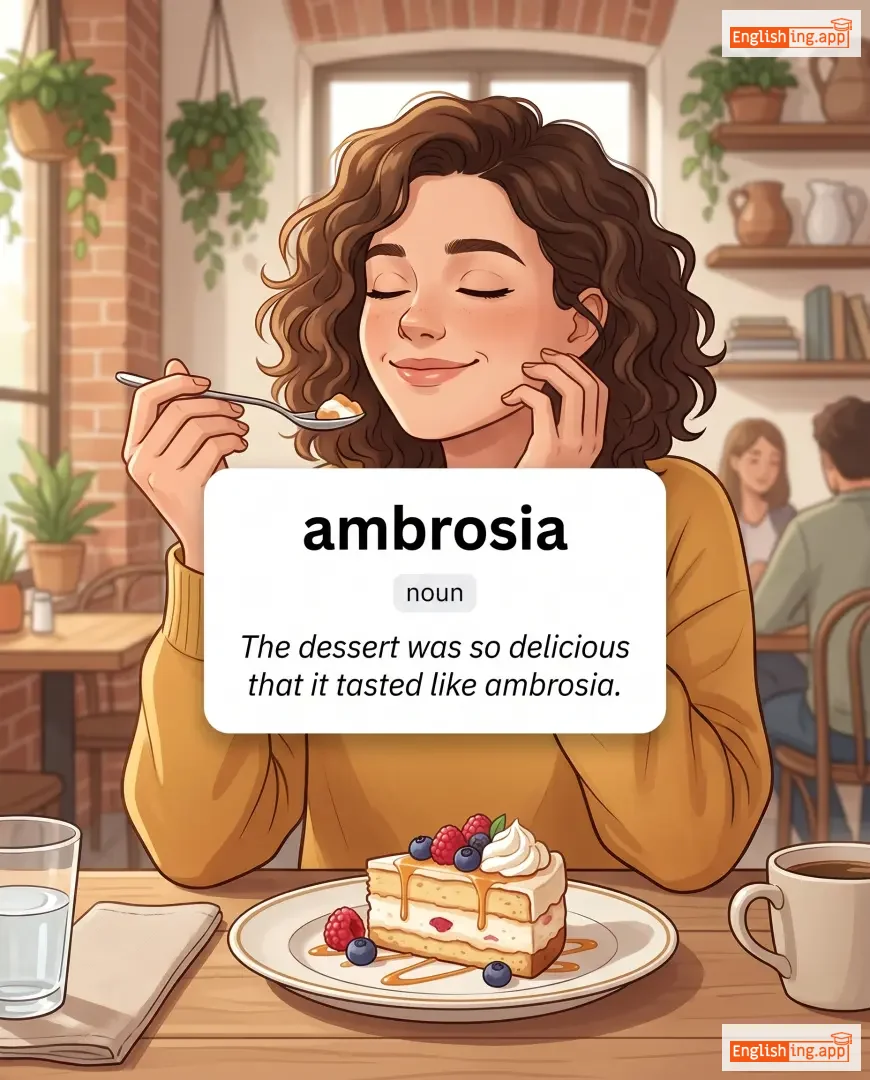
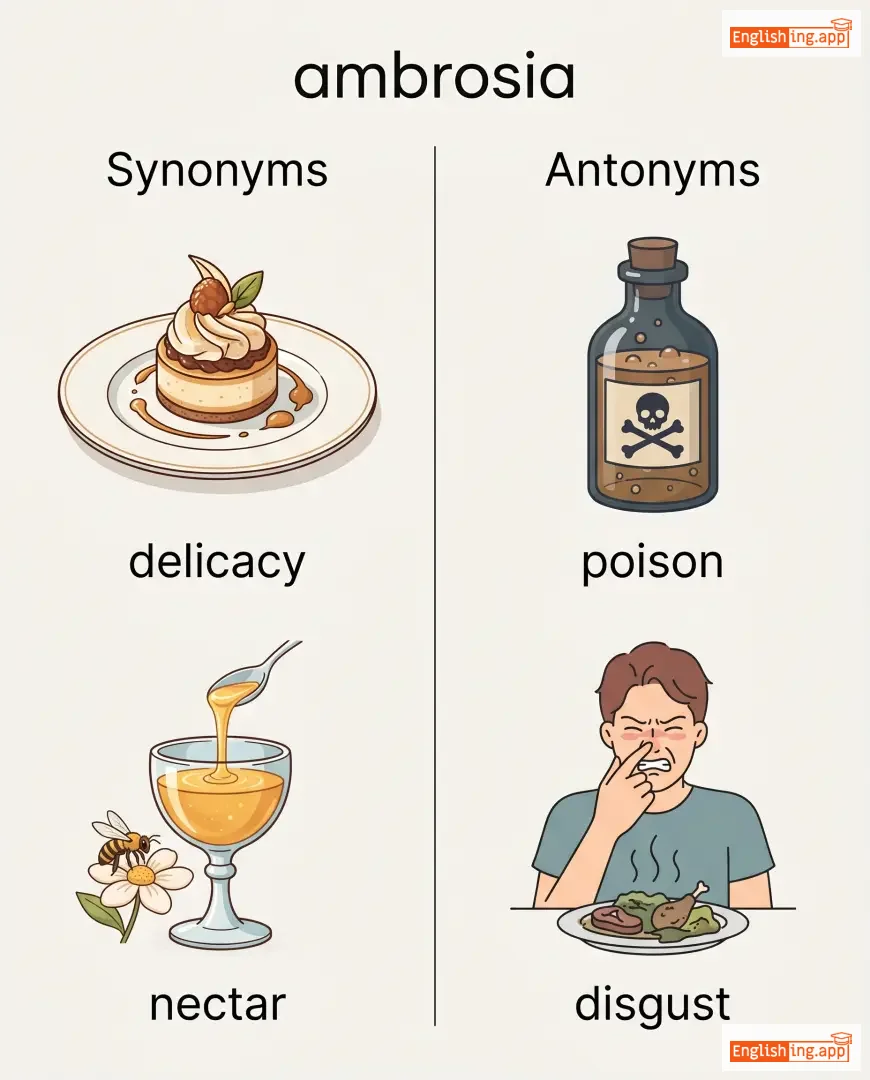
/æmˈbroʊʒə/
noun
(アンブロージア)
••••••
|
|
神の食べ物
kami no tabemono
••••••
|
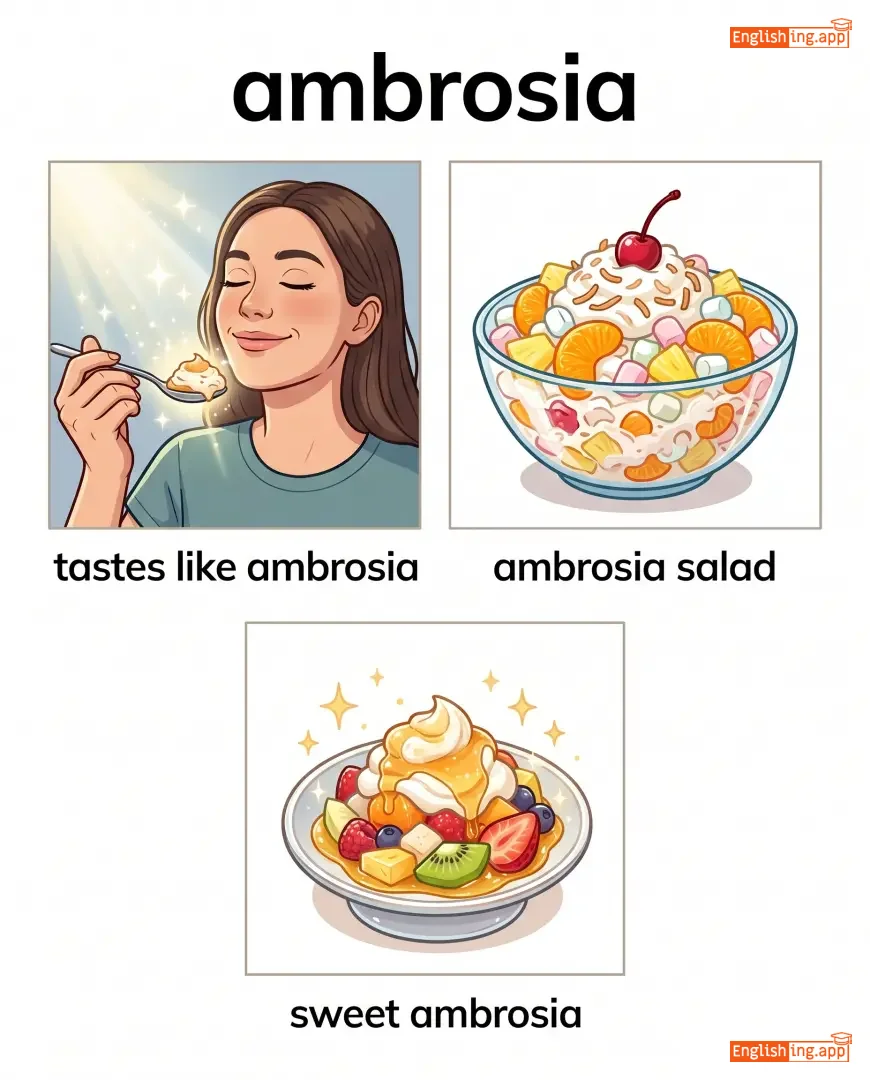
- •••••• | - •••••• | - •••••• | - •••••• |
The food of the gods in classical mythology; something extremely pleasing to taste or smell.
••••••
|
The dessert was so delicious that it tasted like ambrosia.
デザートはあまりにも美味しくて、アンブロージアのような味がしました。
••••••
|
デザートはあまりにも美味しくて、アンブロージアのような味がしました。
Dezāto wa amari ni mo oishikute, anburōjia no yō na aji ga shimashita.
••••••
|
- •••••• | - •••••• | - •••••• |
delicacy, nectar, delight, treat, luxury
••••••
|
poison, disgust, repulsion
••••••
|
tastes like ambrosia, ambrosia salad, sweet ambrosia, ambrosia dessert
••••••
|
神の食べ物は神々のための最高の味。楽園からの美味しい贈り物のように考えよう。
••••••
|
|
#33
🔧
|
/əˈmiːliəreɪt/
verb
(ハピネス)
••••••
|
|
幸福
kōfuku
••••••
|
ameliorated
••••••
|
ameliorated
••••••
|
ameliorates
••••••
|
ameliorating
••••••
|
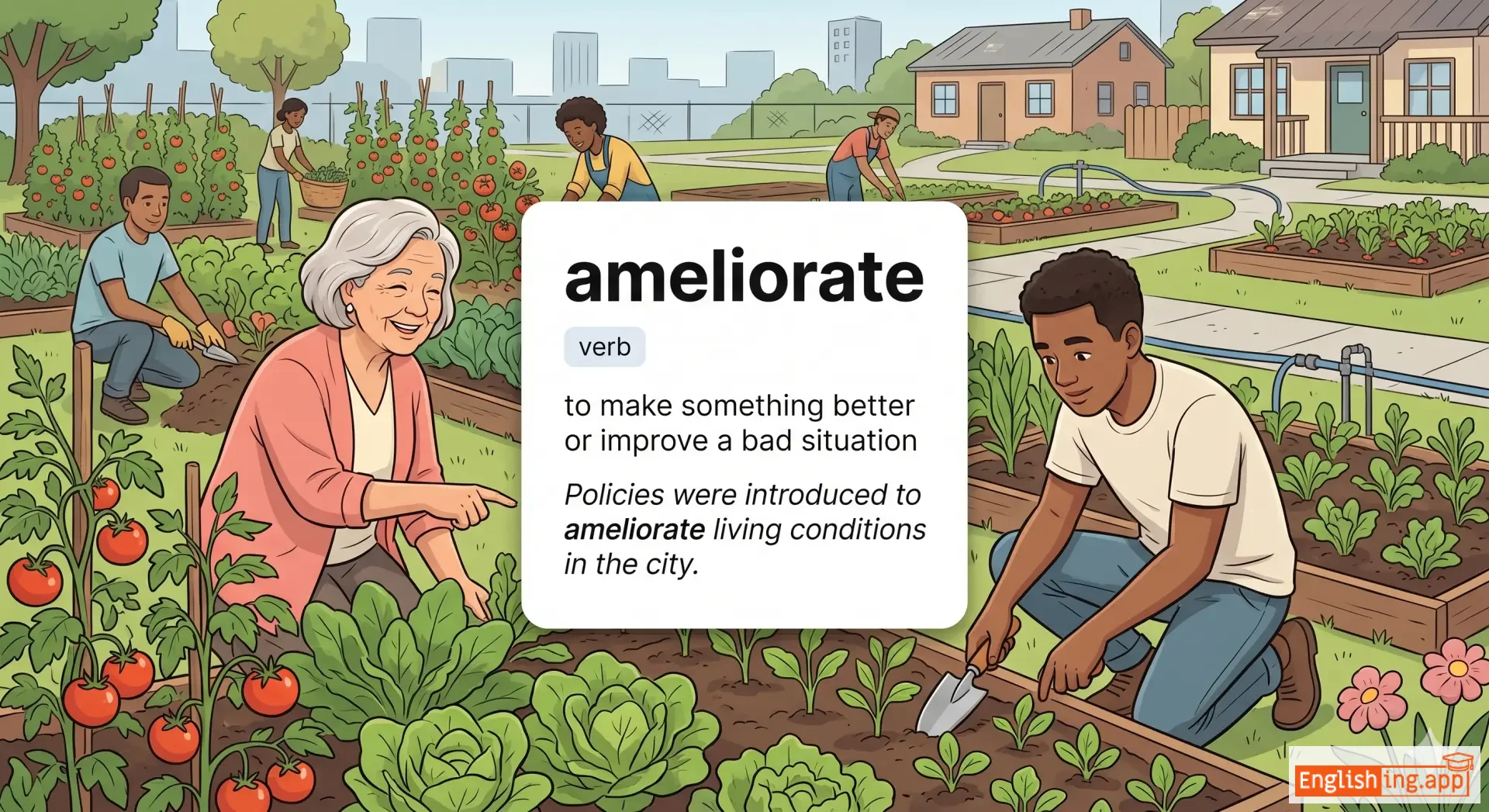
to make something better or improve a bad situation
••••••
|
Policies were introduced to ameliorate living conditions in the city. |
都市の生活条件を改善するための政策が導入されました。
Toshi no seikatsu jōken o kaizen suru tame no seisaku ga dōnyū saremashita.
••••••
|
ameliorate the situation |
to improve a problematic or difficult condition
••••••
|
状況を改善する
jōkyō o kaizen suru
••••••
|
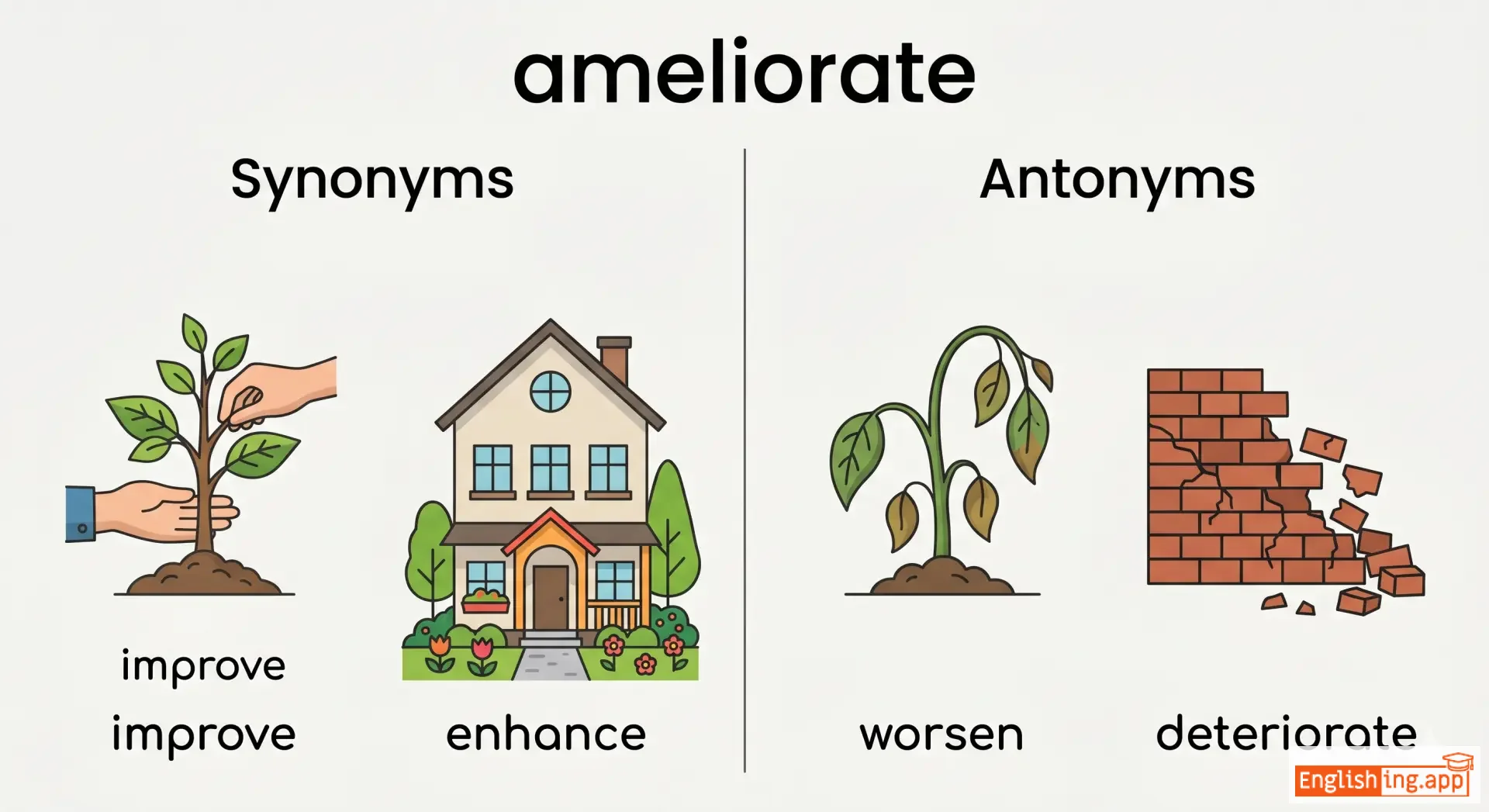
improve, enhance, upgrade, better, reform
••••••
|
worsen, deteriorate, aggravate
••••••
|
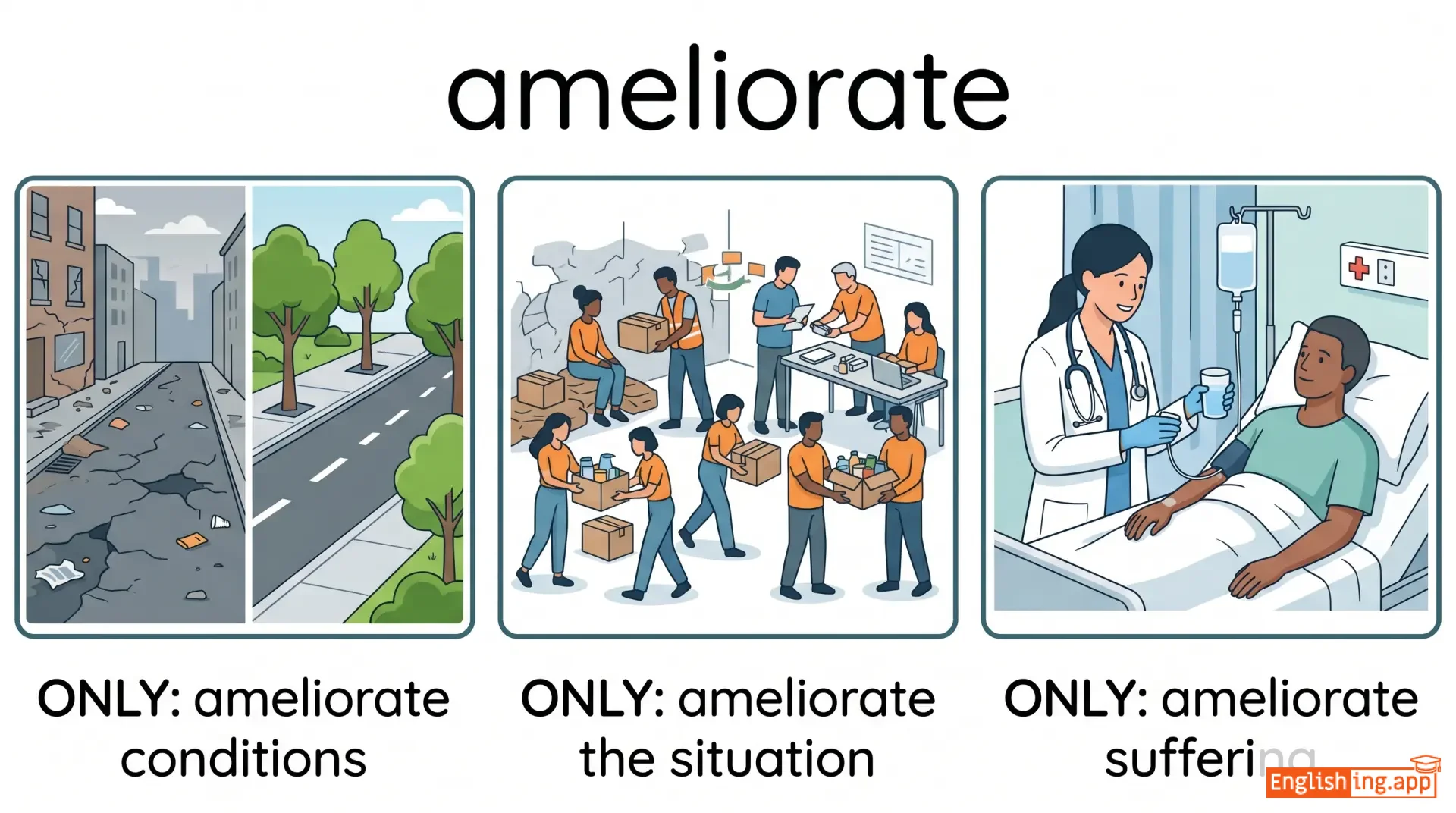
ameliorate conditions, ameliorate the situation, ameliorate suffering, ameliorate poverty
••••••
|
幸福 (kōfuku) は状況が改善されたときに感じます。
••••••
|
|
#34
😊
|
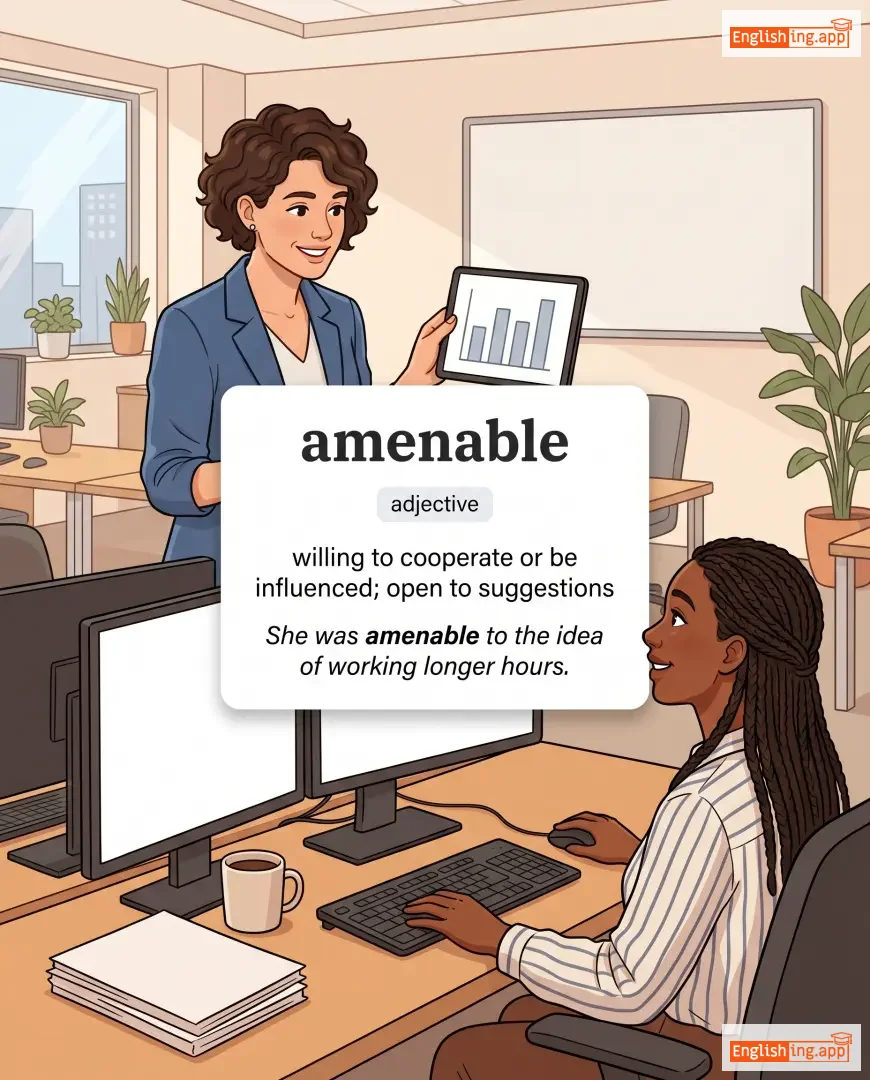
/əˈmiːnəbl/
adjective
(アメナブル)
••••••
|
|
協力的
kyōryokuteki
••••••
|
- •••••• | - •••••• | - •••••• | - •••••• |
willing to cooperate or be influenced; open to suggestions
••••••
|
She was amenable to the idea of working longer hours.
彼女は長時間働くという考えに賛成だった。
••••••
|
彼女は長時間働くという考えに賛成だった。
Kanojo wa chōjikan hataraku to iu kangae ni sansei datta.
••••••
|
- •••••• | - •••••• | - •••••• |
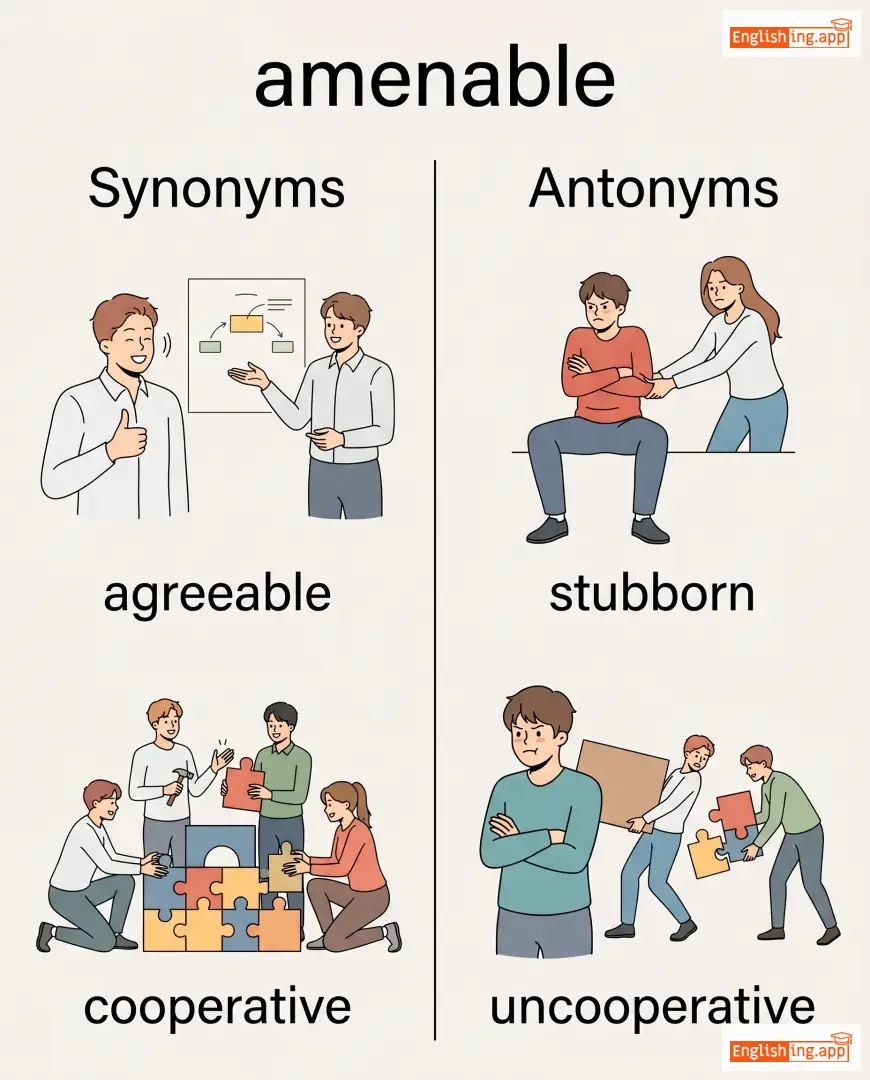
agreeable, cooperative, responsive, compliant
••••••
|
stubborn, uncooperative, resistant
••••••
|
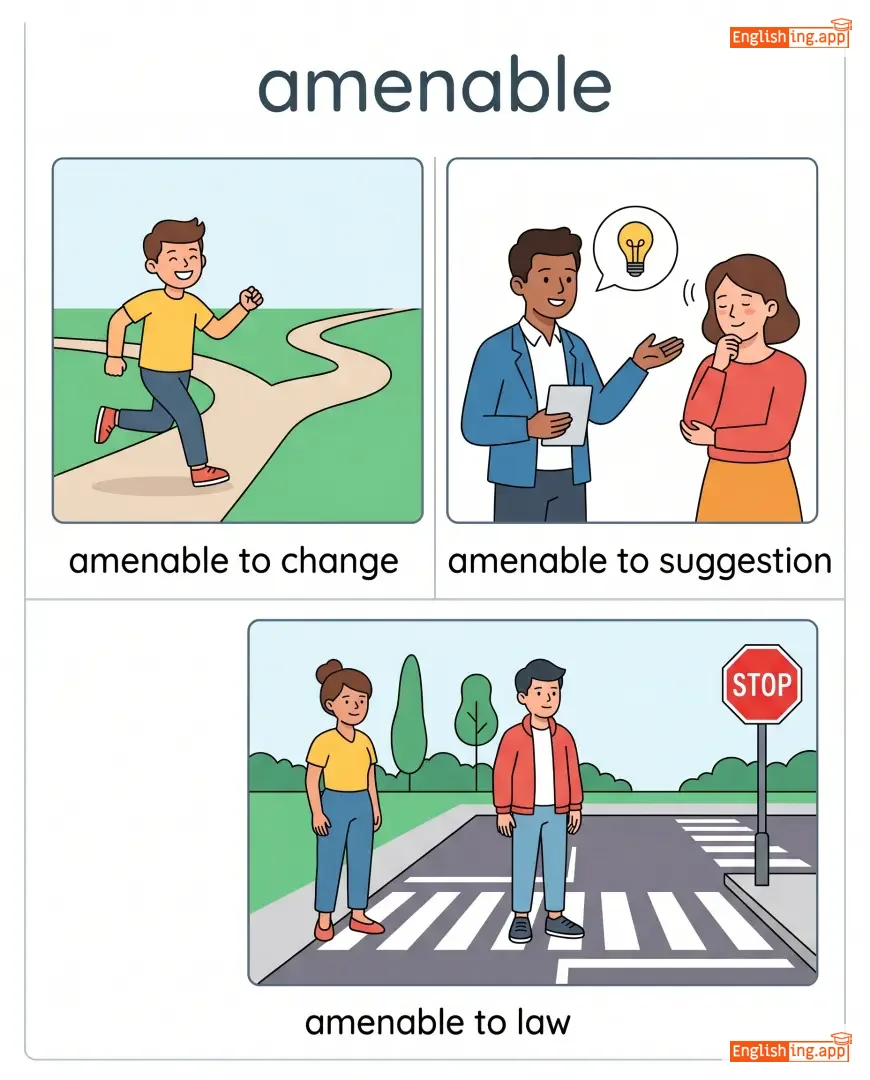
amenable to change, amenable to suggestion, amenable to law
••••••
|
協力的な人は、他の人と一緒に働くことに積極的
••••••
|
|
#35
🏘️
|
/əˈmɛnəti/
noun
(アメニティ)
••••••
|
|
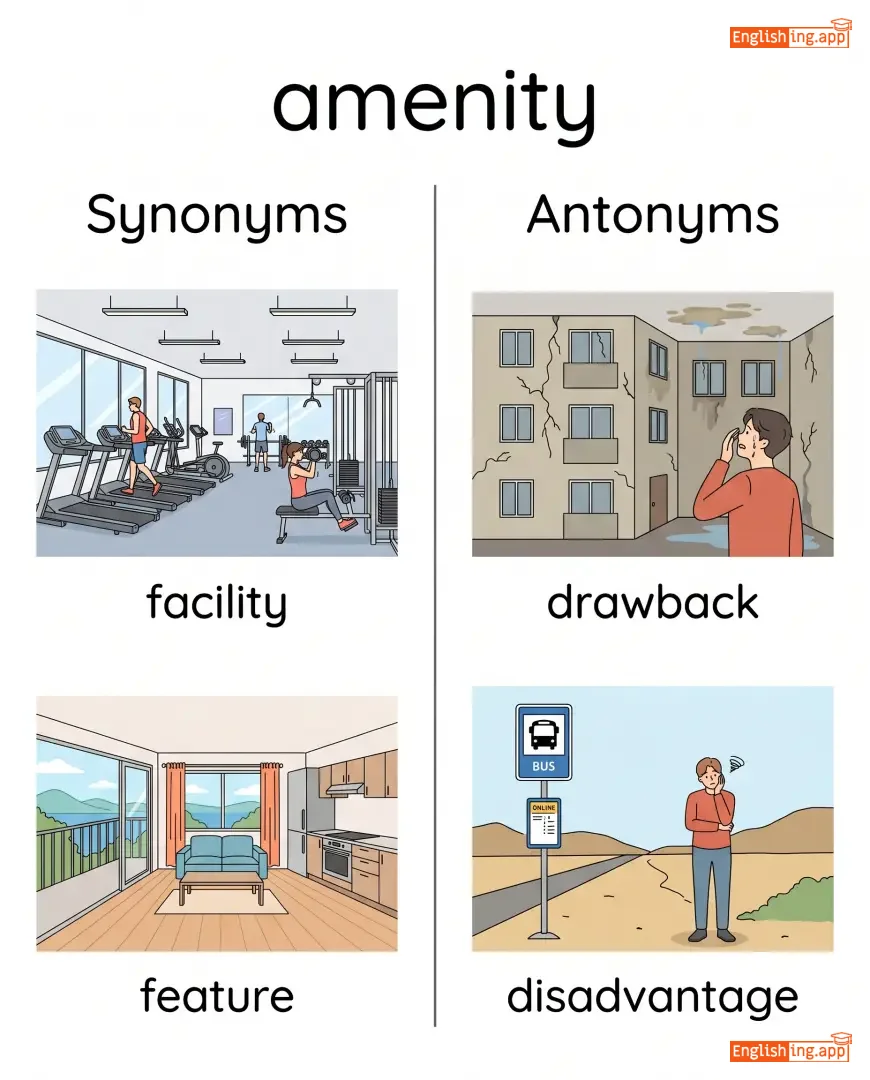
アメニティ
ameniti
••••••
|
- •••••• | - •••••• | - •••••• | - •••••• |
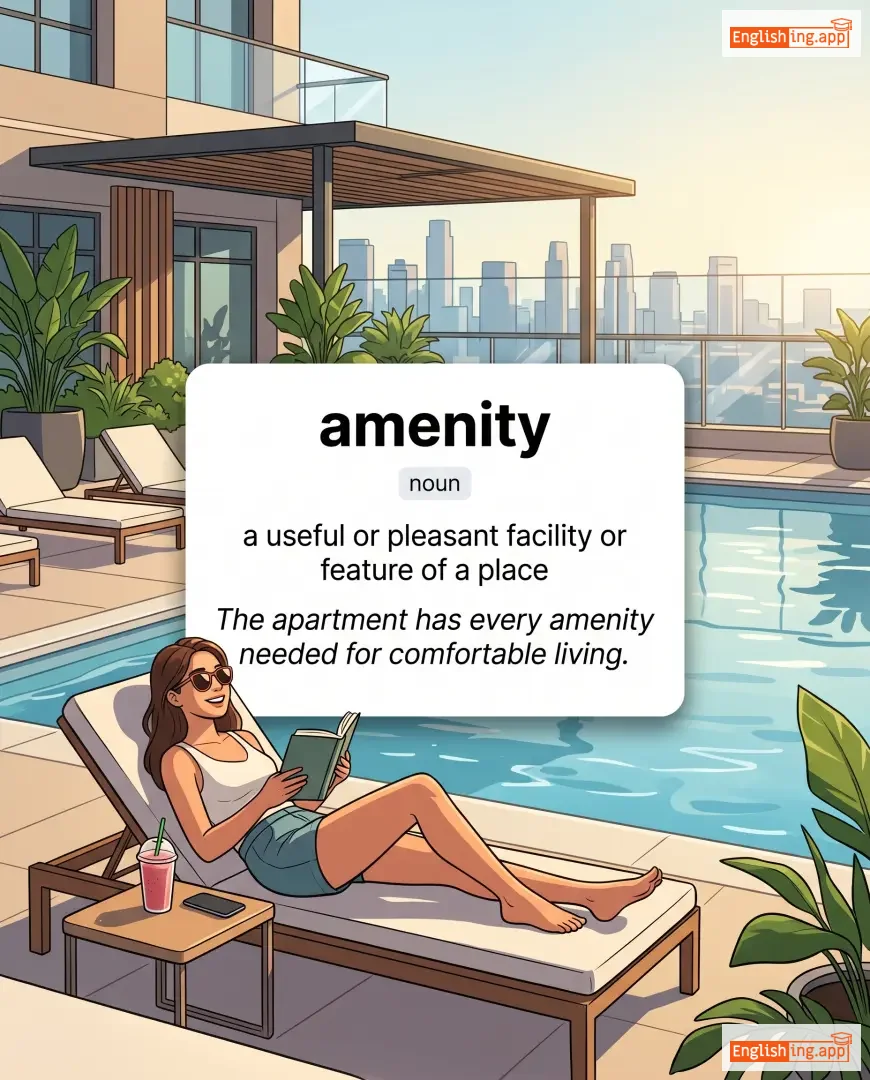
a useful or pleasant facility or feature of a place
••••••
|
The apartment has every amenity needed for comfortable living. |
アパートには快適な生活のために必要なすべてのアメニティがあります。
Apato ni wa kaiteki na seikatsu no tame ni hitsuyou na subete no ameniti ga arimasu.
••••••
|
- •••••• | - •••••• | - •••••• |
facility, feature, service, convenience
••••••
|
drawback, disadvantage
••••••
|
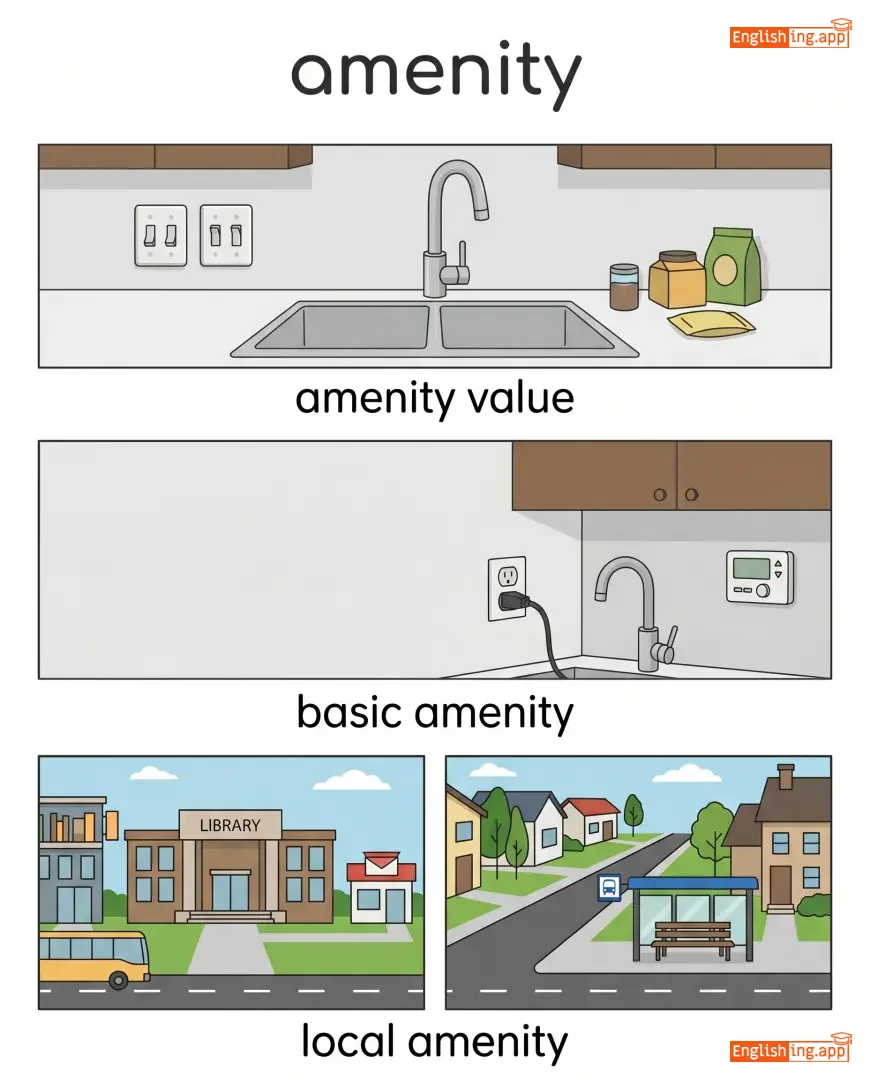
amenity value, basic amenity, local amenity
••••••
|
AmenityはAmi + 必要(必要なもの) — 快適さを求めるもの
••••••
|
|
#36
🧿
|
/ˈæmjʊlət/
noun
(アミュレット)
••••••
|
|
お守り
omamori
••••••
|
- •••••• | - •••••• | - •••••• | - •••••• |
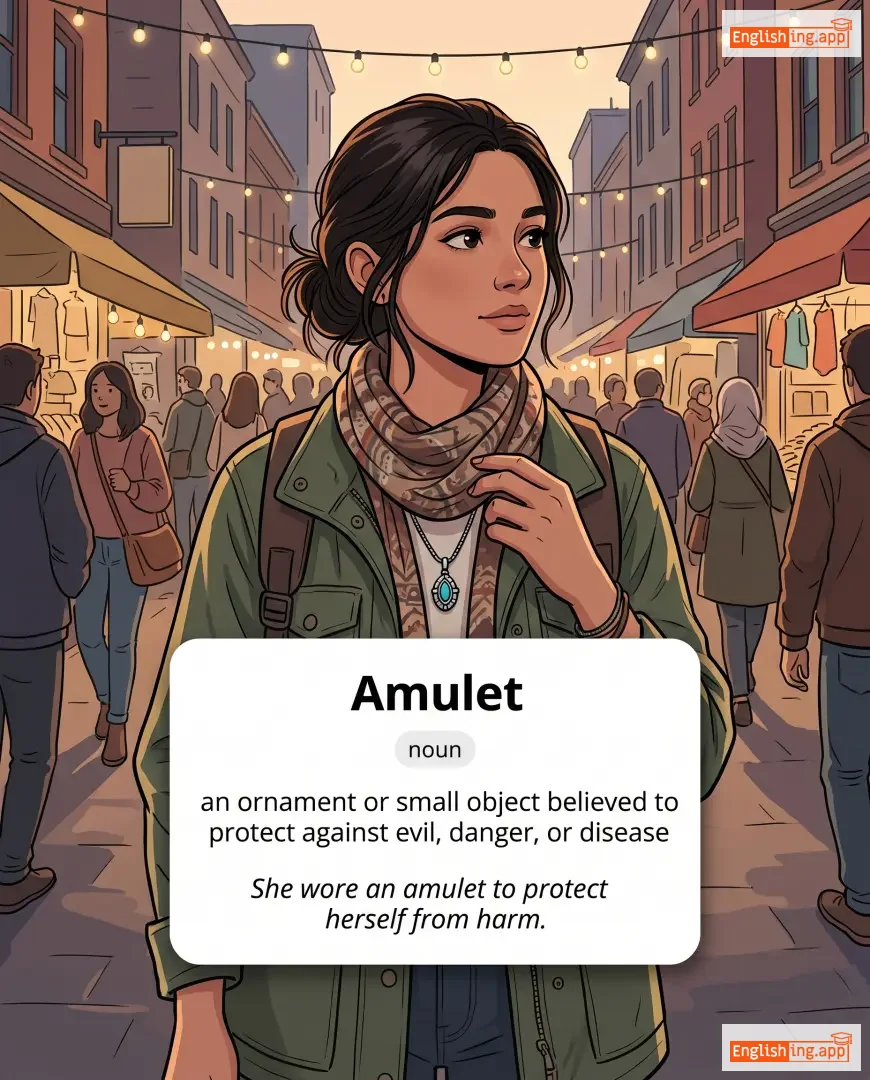
an ornament or small object believed to protect against evil, danger, or disease
••••••
|
She wore an amulet to protect herself from harm.
彼女は自分を守るためにアミュレットを身につけていました。
••••••
|
彼女は自分を守るためにお守りを身につけていました。
Kanojo wa jibun o mamoru tame ni omamori o mi ni tsukete imashita.
••••••
|
- •••••• | - •••••• | - •••••• |
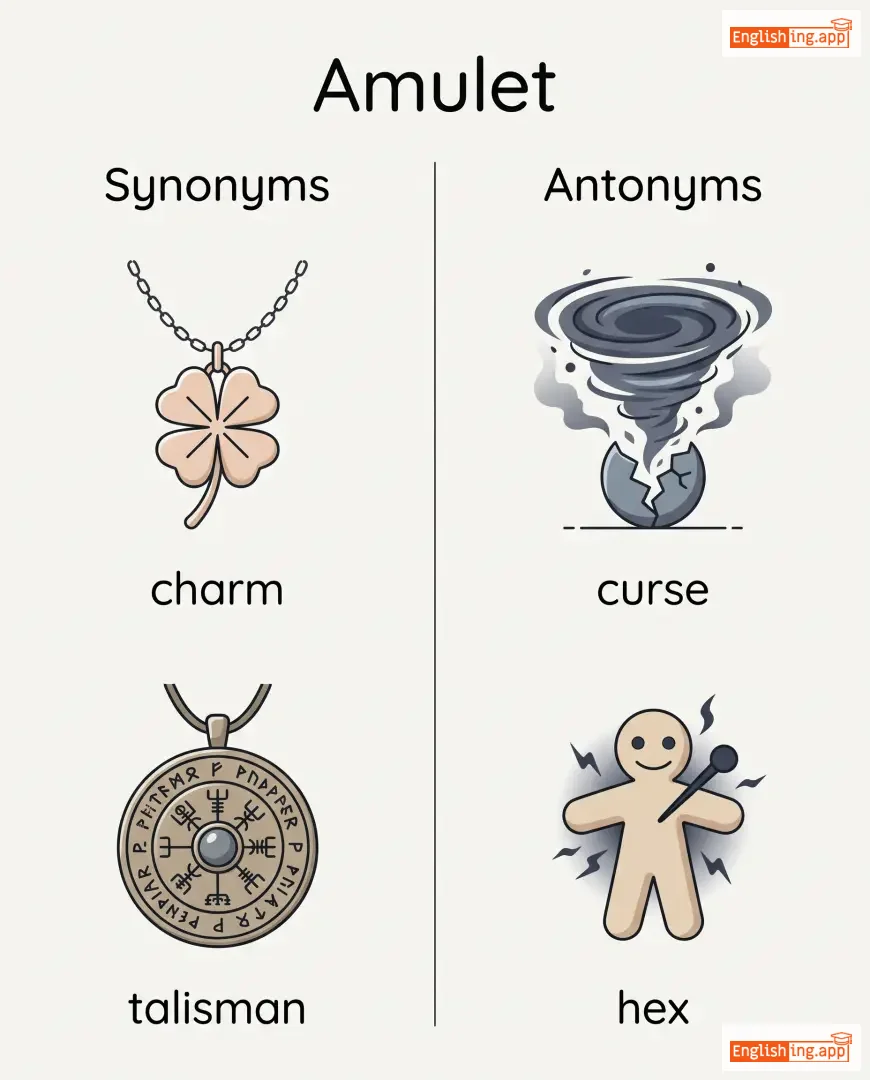
charm, talisman, pendant, token
••••••
|
curse, hex, bane
••••••
|
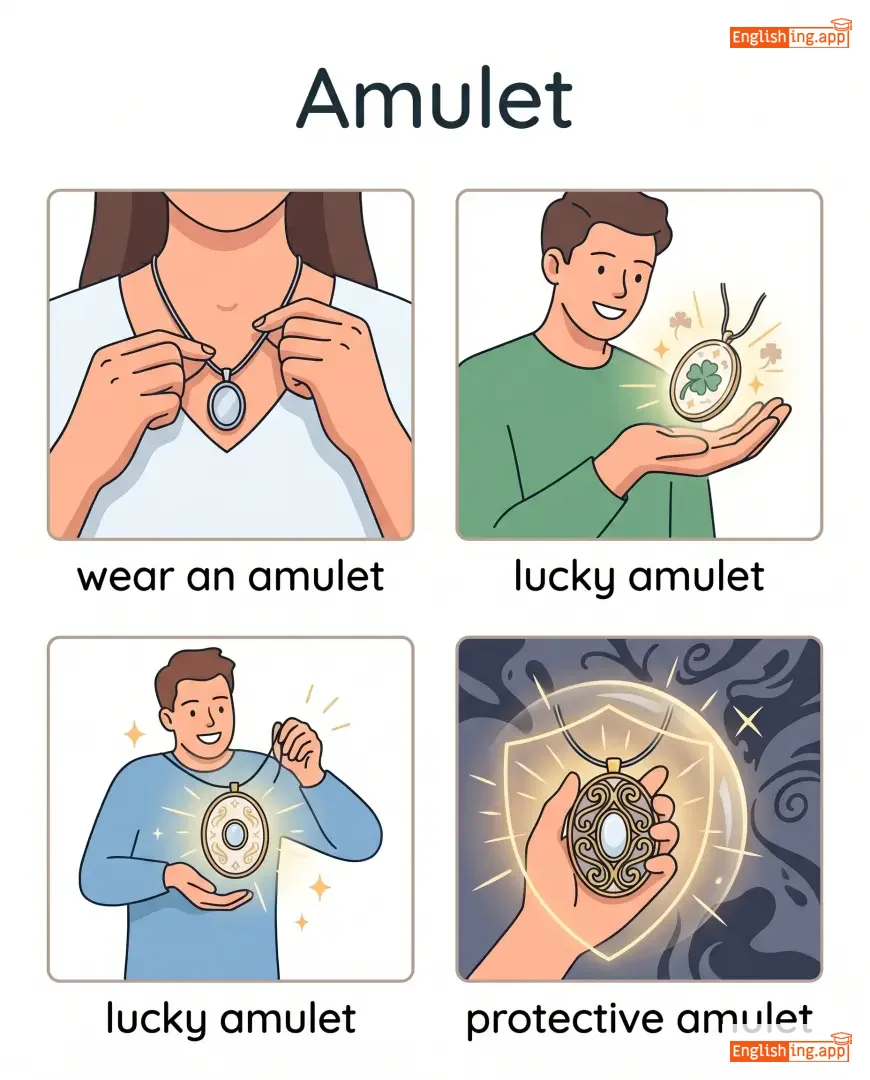
wear an amulet, lucky amulet, protective amulet
••••••
|
アミュレットはお守りです—'アム'と聞けばお守りを思い出す
••••••
|
|
#37
⌛
|
/əˈnækrəˌnɪzəm/
noun
••••••
|
|
- •••••• | - •••••• | - •••••• | - •••••• | - •••••• |
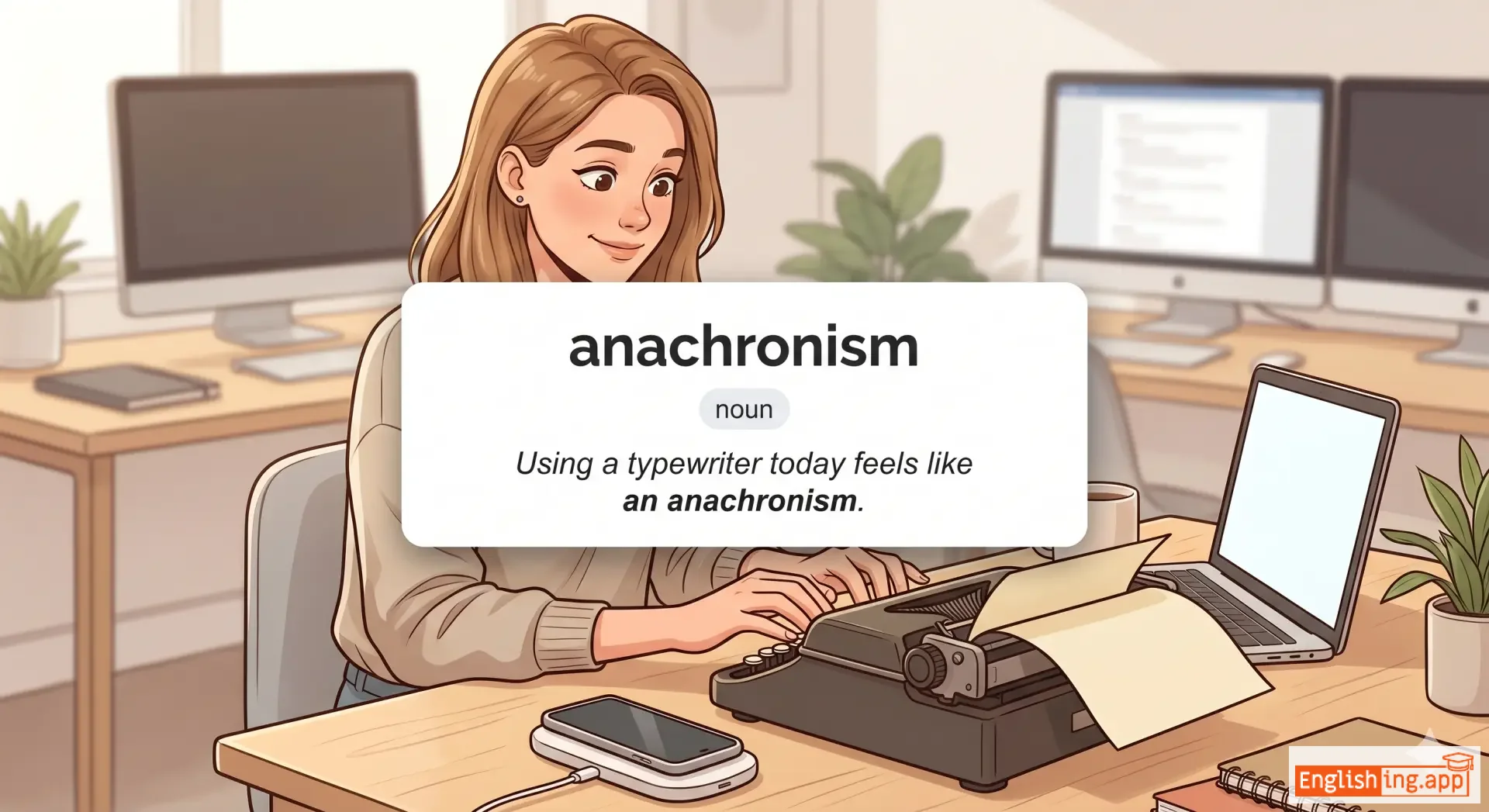
something that is out of its proper time period, especially something old-fashioned in a modern context
••••••
|
Using a typewriter today feels like an anachronism. |
- •••••• | - •••••• | - •••••• | - •••••• |
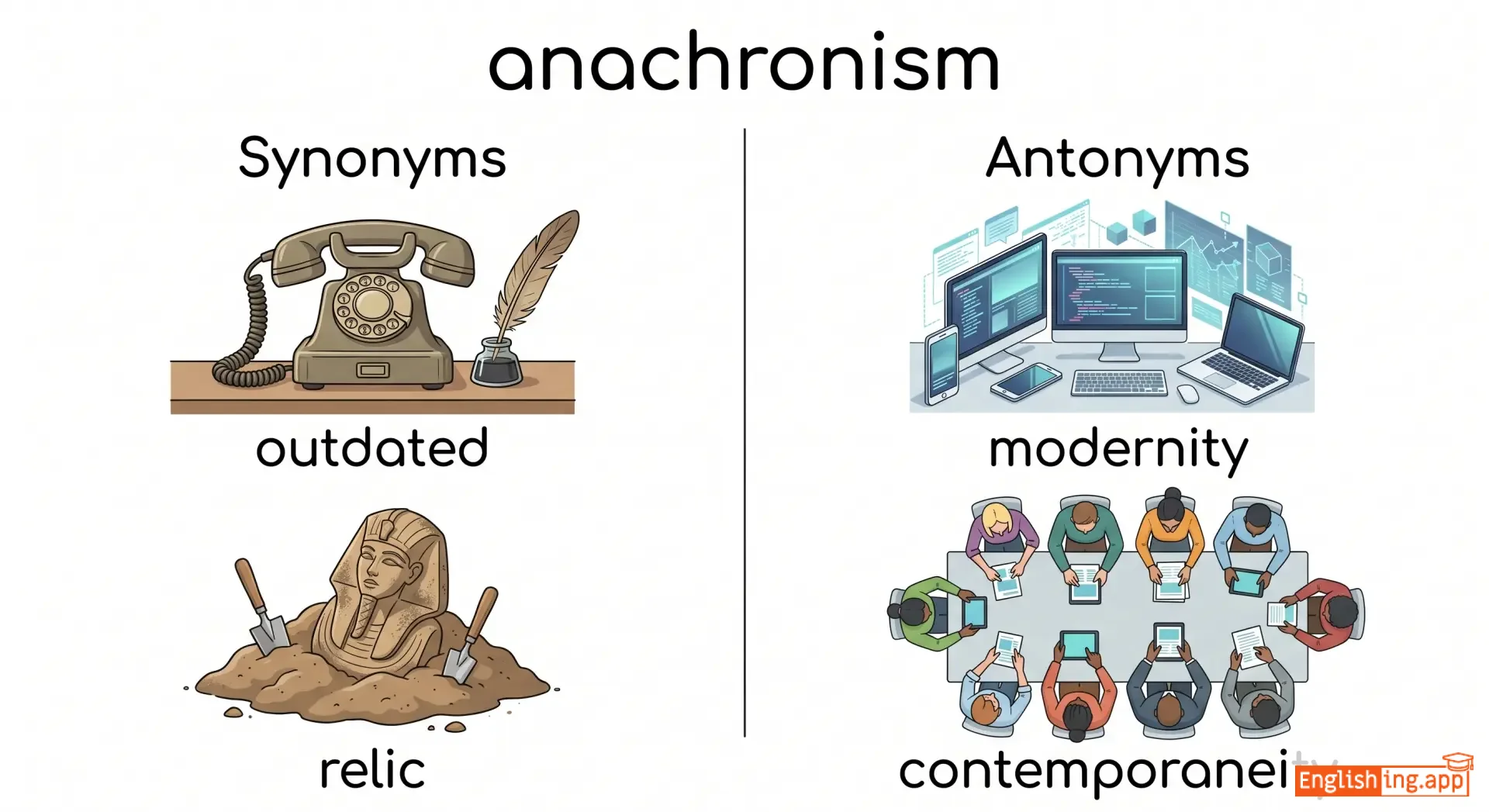
outdated, relic, antiquated, obsolete
••••••
|
modernity, contemporaneity, relevance
••••••
|
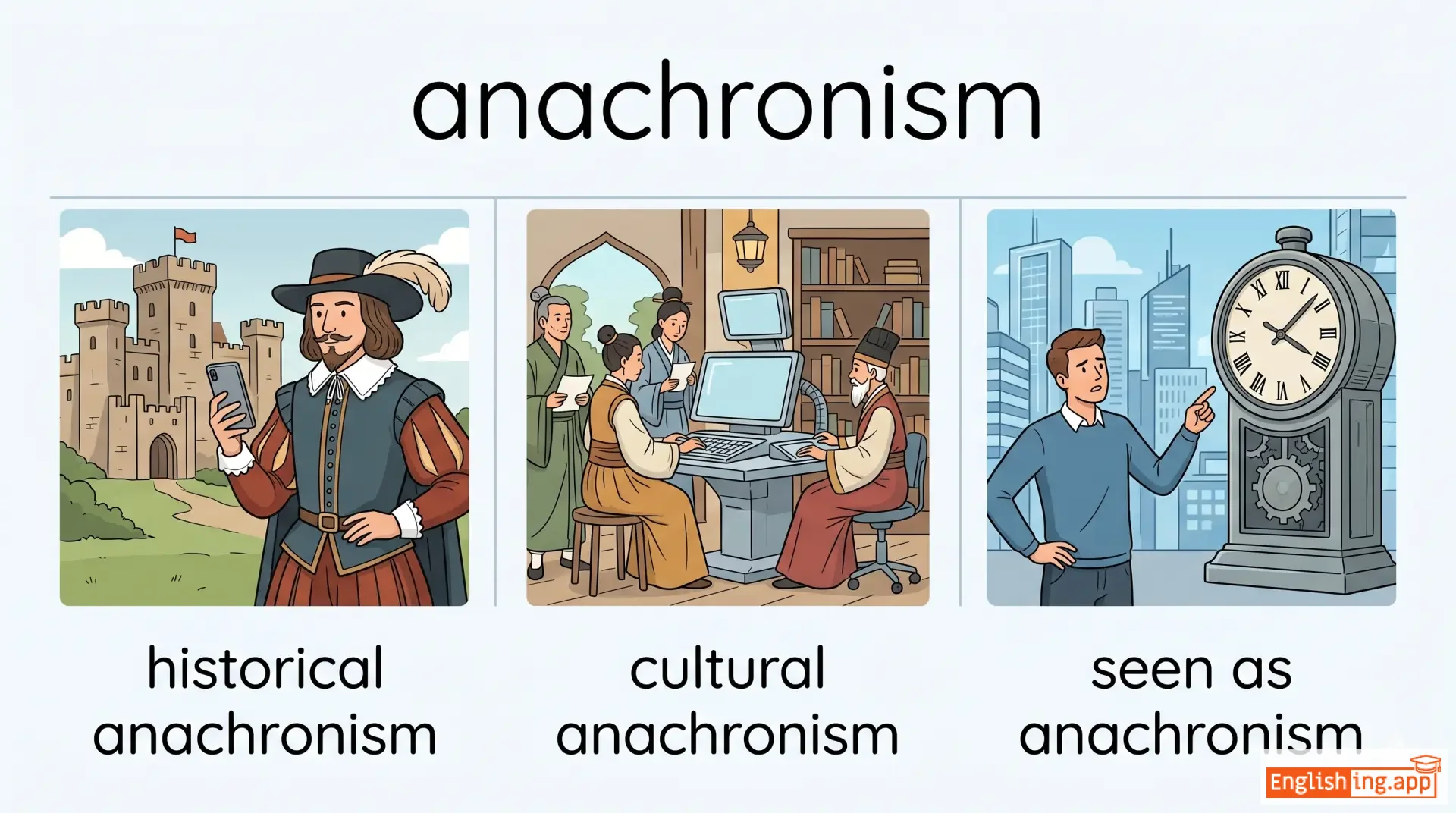
historical anachronism, cultural anachronism, seen as anachronism
••••••
|
No •••••• |
|
#38
💊
|
/ˌænəlˈdʒiːzɪk/
noun
(アナレジーシック)
••••••
|
|
鎮痛剤
chintsūzai
••••••
|
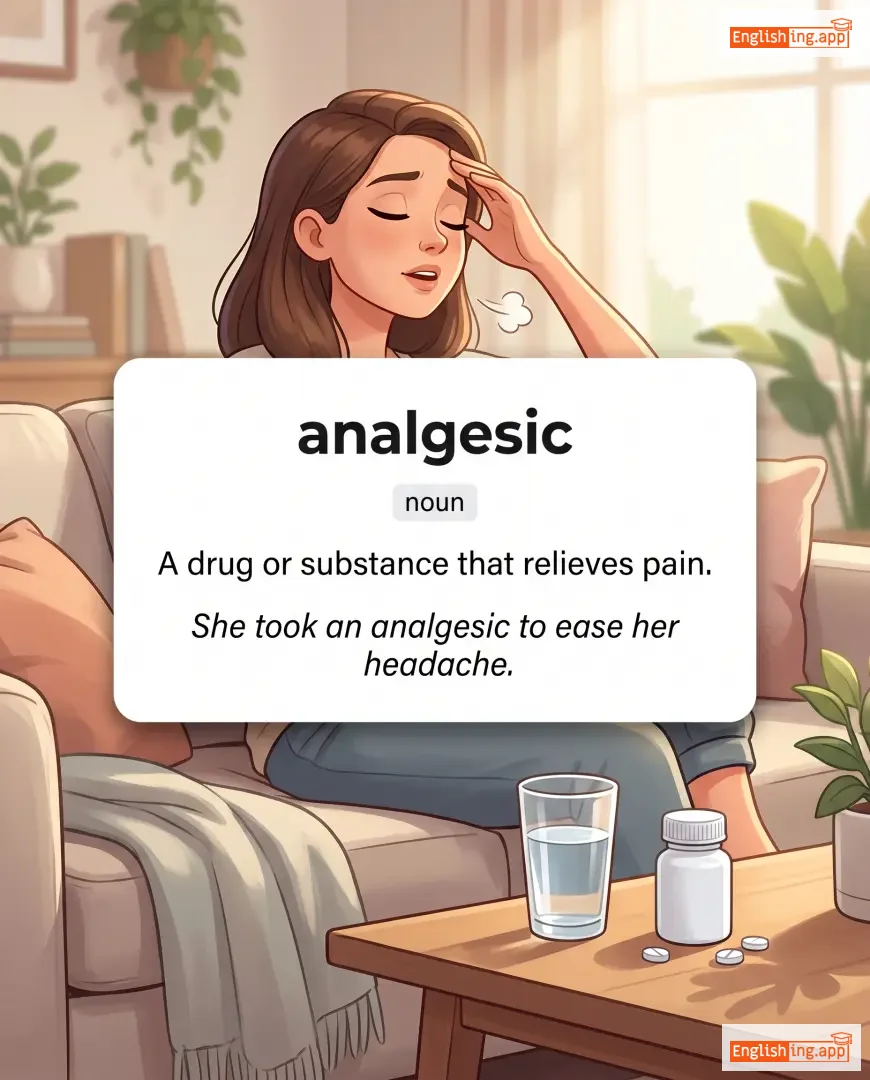
- •••••• | - •••••• | - •••••• | - •••••• |
A drug or substance that relieves pain.
••••••
|
She took an analgesic to ease her headache.
彼女は頭痛を和らげるためにアナレジーシックを飲みました。
••••••
|
彼女は頭痛を和らげるために鎮痛剤を飲みました。
Kanojo wa zutsū o yawarageru tame ni chintsūzai o nomimashita.
••••••
|
- •••••• | - •••••• | - •••••• |
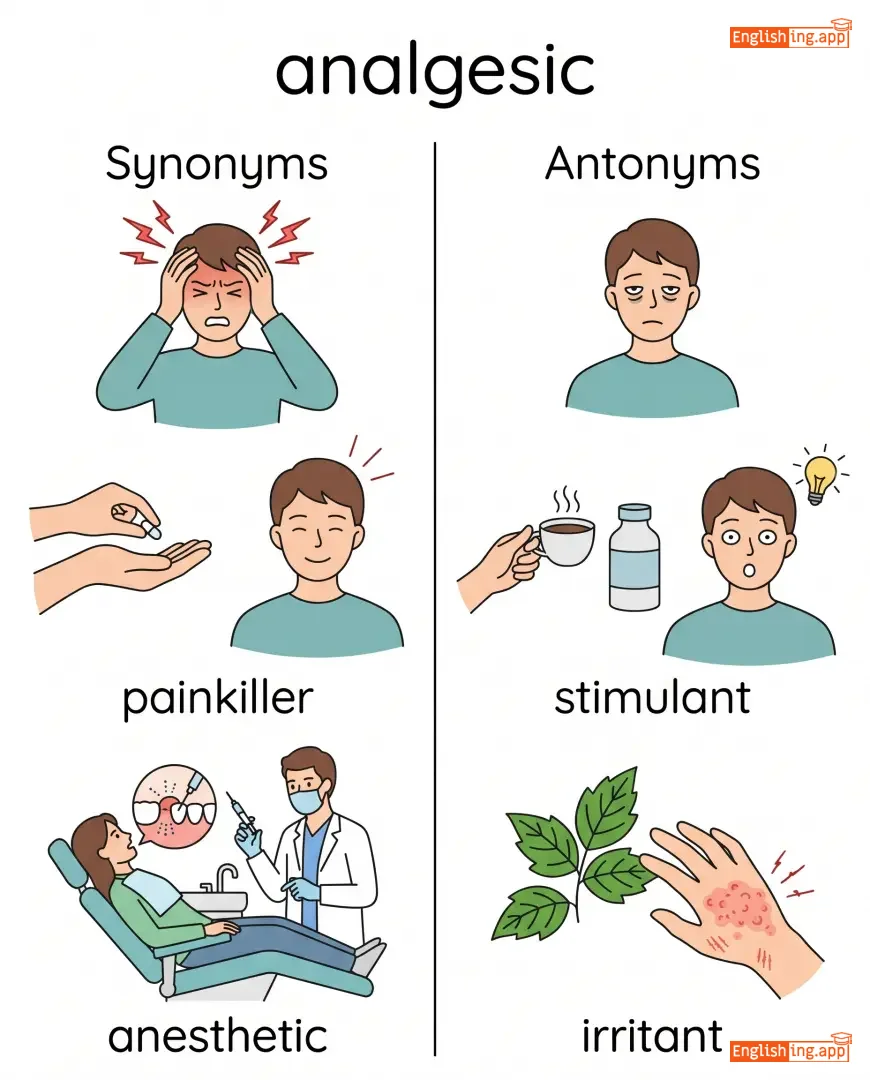
painkiller, anesthetic, sedative, remedy
••••••
|
stimulant, irritant
••••••
|
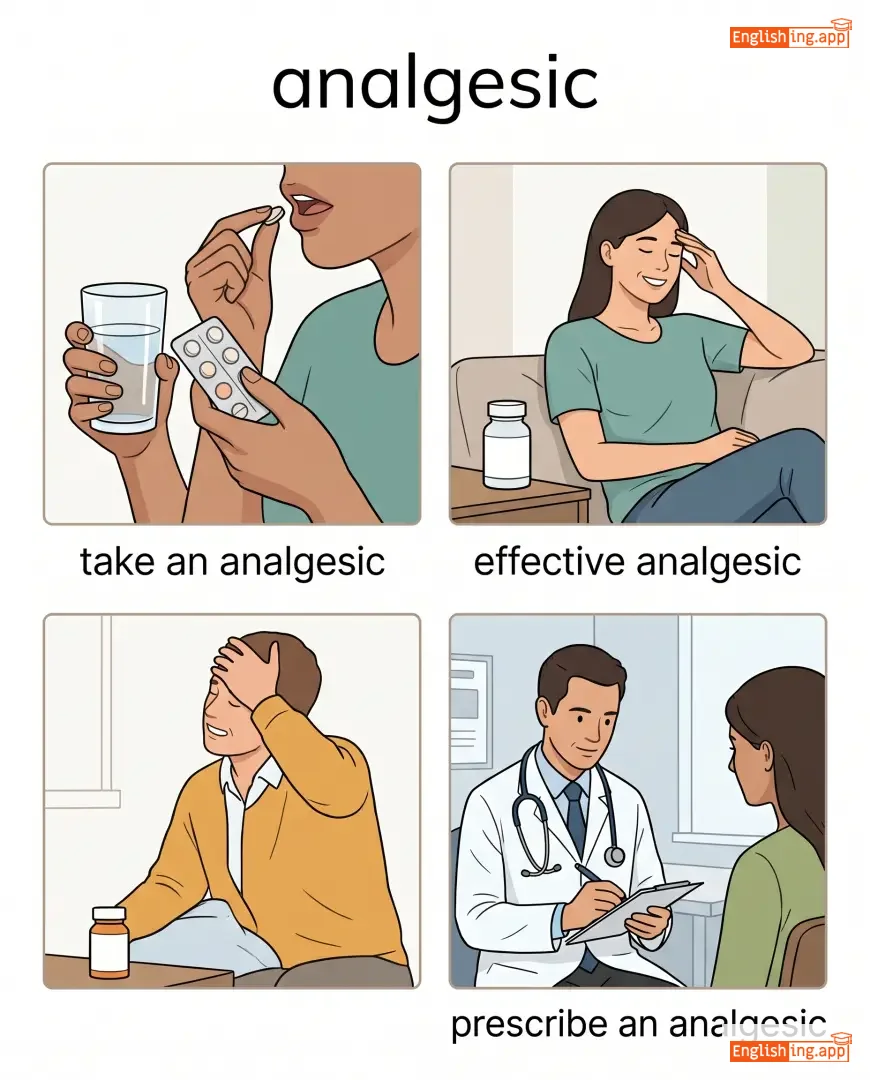
take an analgesic, effective analgesic, prescribe an analgesic
••••••
|
Analgesicは痛み止め、カタカナでは鎮痛剤。
••••••
|
|
#39
🔗
|
/əˈnæləɡəs/
adjective
••••••
|
|
- •••••• | - •••••• | - •••••• | - •••••• | - •••••• |
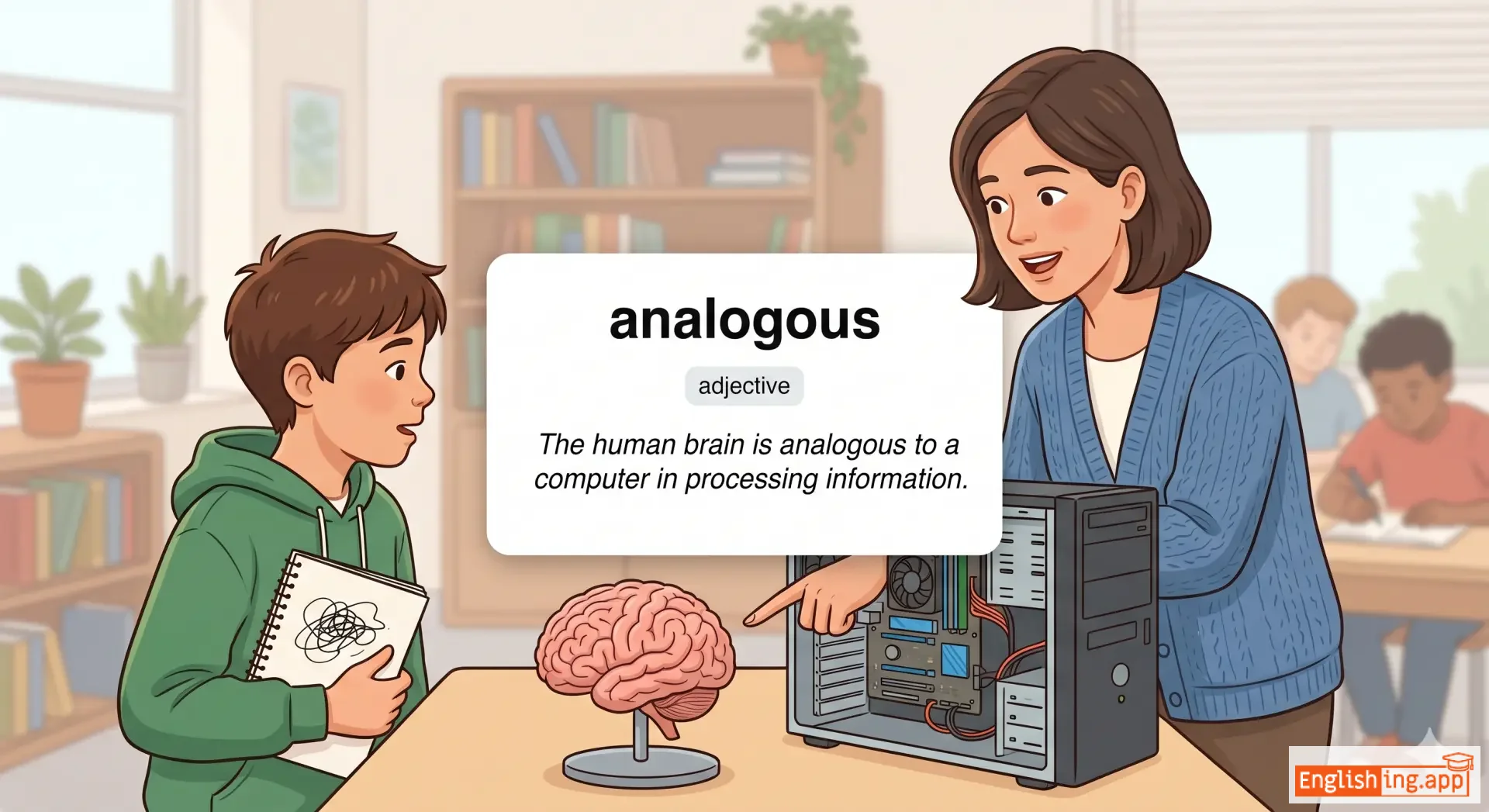
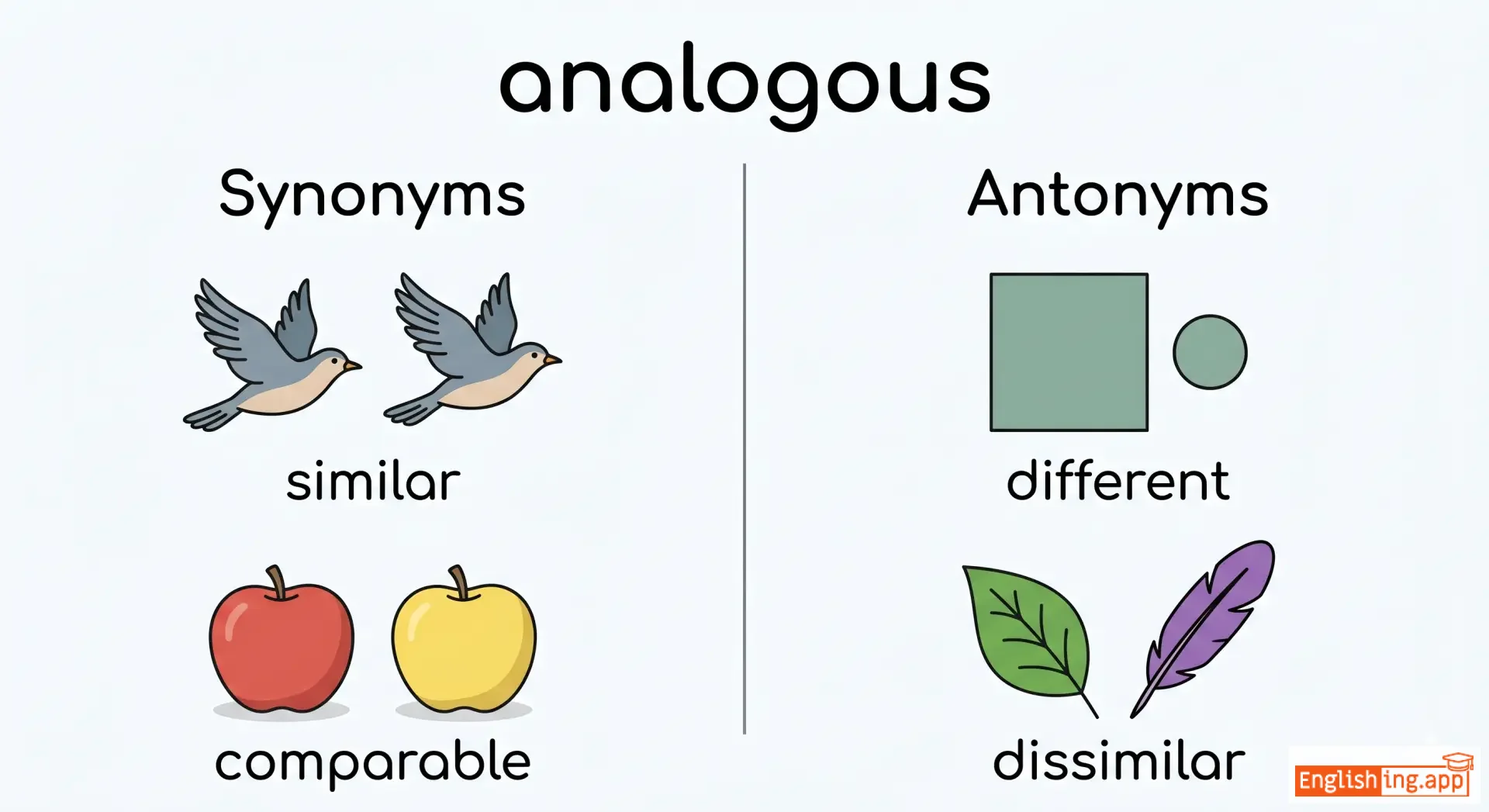
Comparable in certain respects, typically in a way that makes clearer the nature of the things compared.
••••••
|
The human brain is analogous to a computer in processing information. |
- •••••• | - •••••• | - •••••• | - •••••• |
similar, comparable, alike, equivalent
••••••
|
different, dissimilar, unrelated
••••••
|
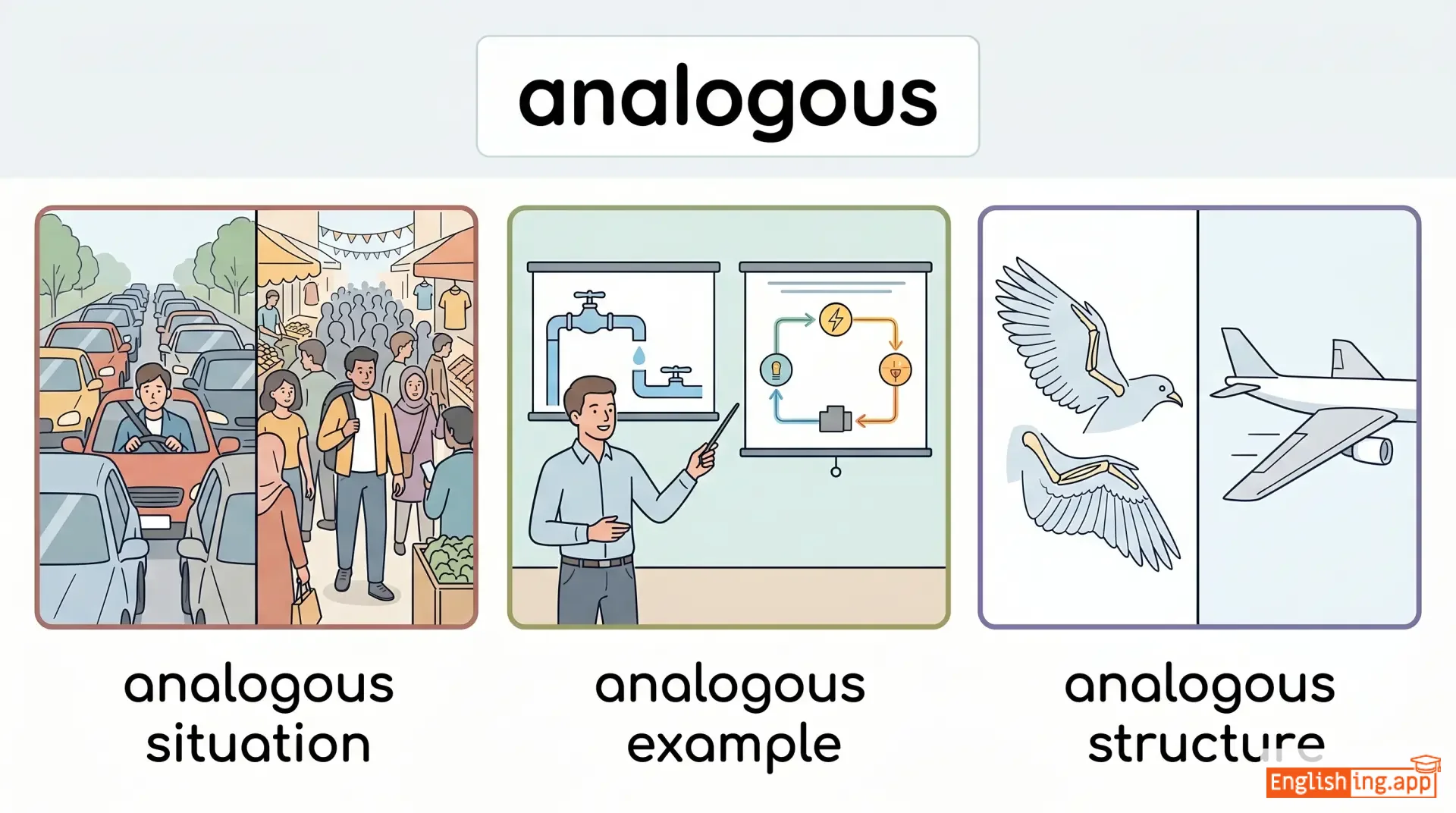
analogous situation, analogous example, analogous structure
••••••
|
No •••••• |
|
#40
⚠️
|
/ˈænərki/
noun
(anākī)
••••••
|
|
無政府状態
museifu jōtai
••••••
|
- •••••• | - •••••• | - •••••• | - •••••• |
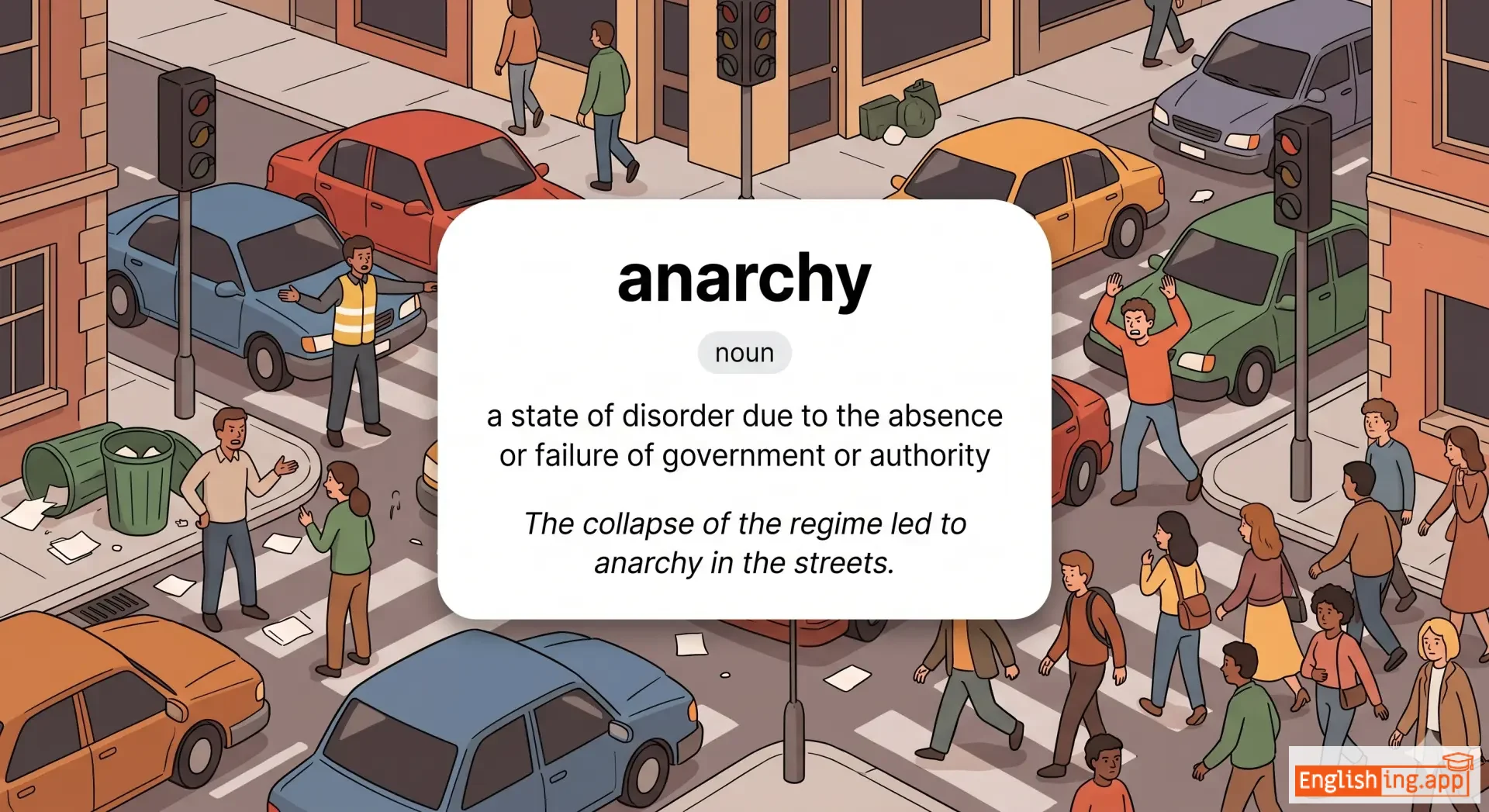
a state of disorder due to the absence or failure of government or authority
••••••
|
The collapse of the regime led to anarchy in the streets. |
政権の崩壊は街中に無政府状態を引き起こした。
Seiken no hōkai wa machi-jū ni museifu jōtai o hikiokoshita.
••••••
|
- •••••• | - •••••• | - •••••• |
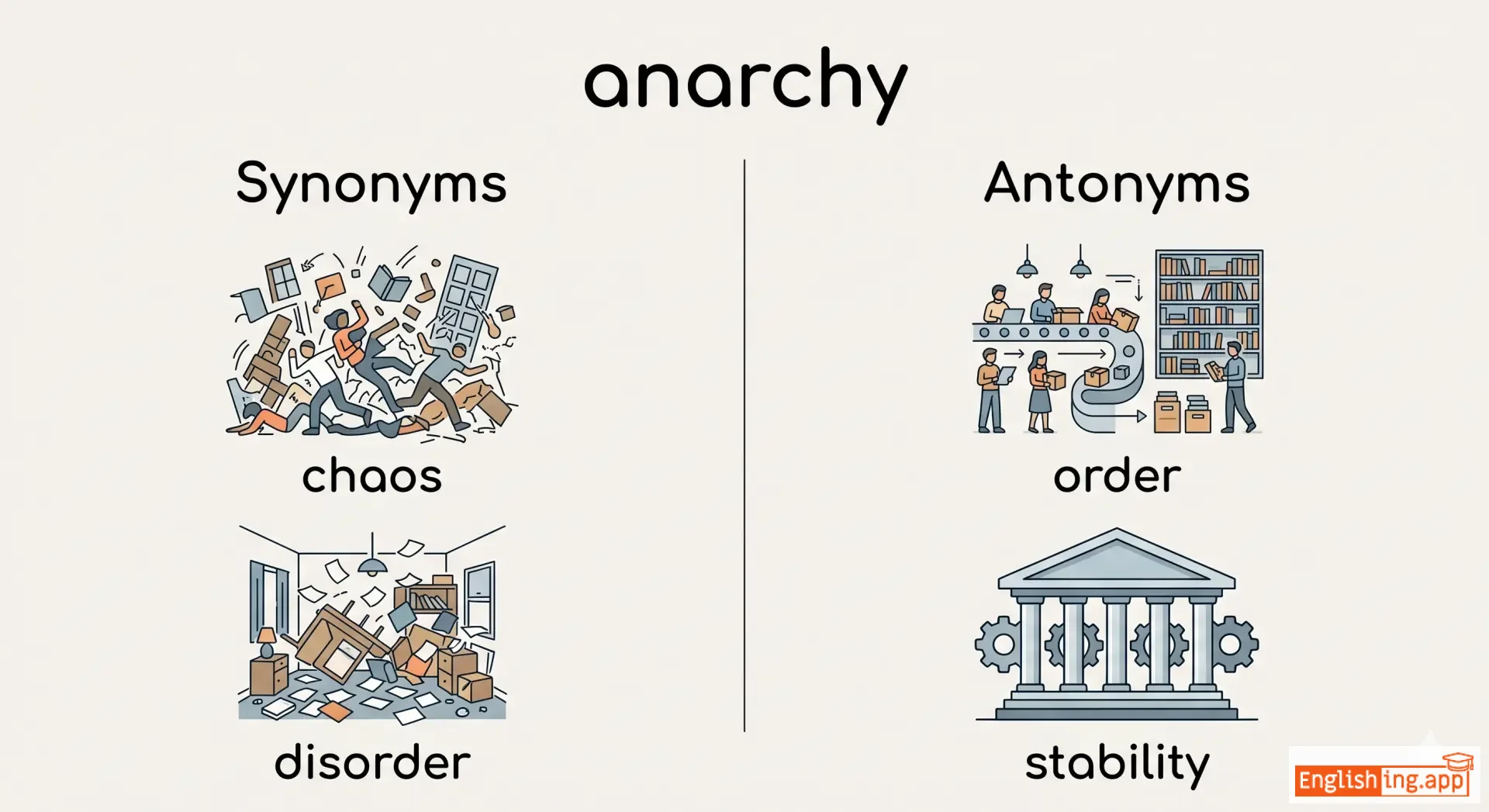
chaos, disorder, lawlessness, turmoil
••••••
|
order, stability, control
••••••
|
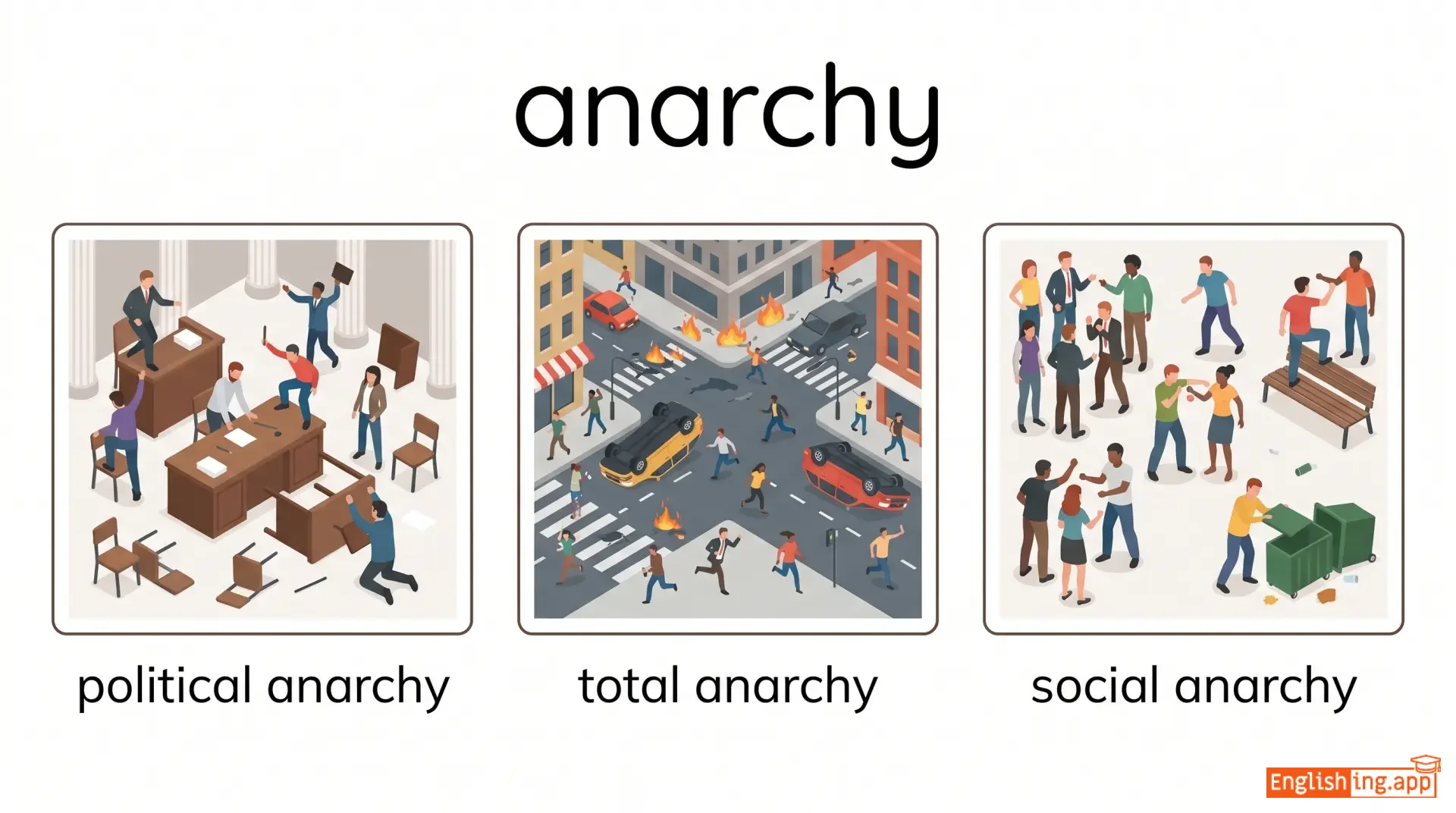
political anarchy, total anarchy, social anarchy
••••••
|
Anarchy = 'anākī' - 政府なしで、街は混乱だらけ。
••••••
|
|
#41
💊
|
/ˈæn.ə.daɪn/
adjective
(アノダイン)
••••••
|
|
無害な、痛みを和らげる
mugaina, itami o yawarageru
••••••
|
- •••••• | - •••••• | - •••••• | - •••••• |
Not likely to cause offense; bland or harmless. Also refers to something that relieves pain.
••••••
|
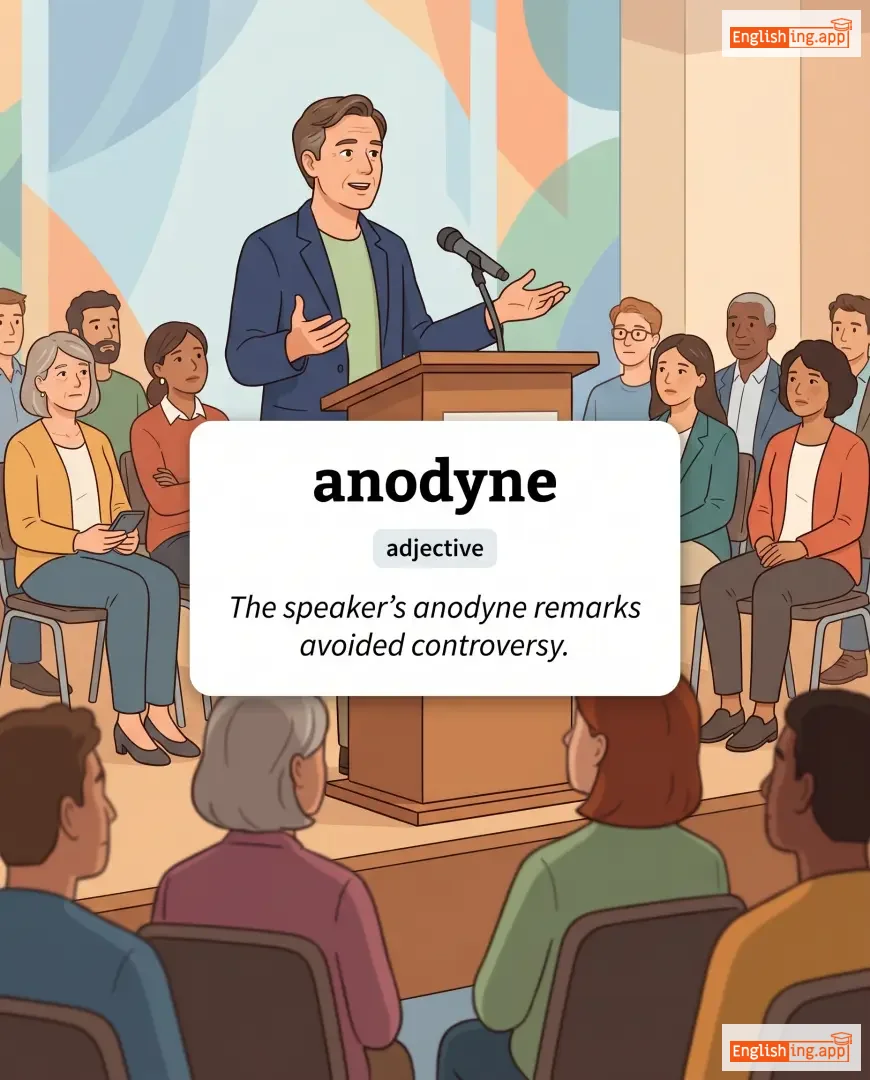
The speaker’s anodyne remarks avoided controversy. |
スピーカーの無害なコメントは論争を避けました。
Supīkā no mugaina komento wa ronsō o sake mashita.
••••••
|
- •••••• | - •••••• | - •••••• |
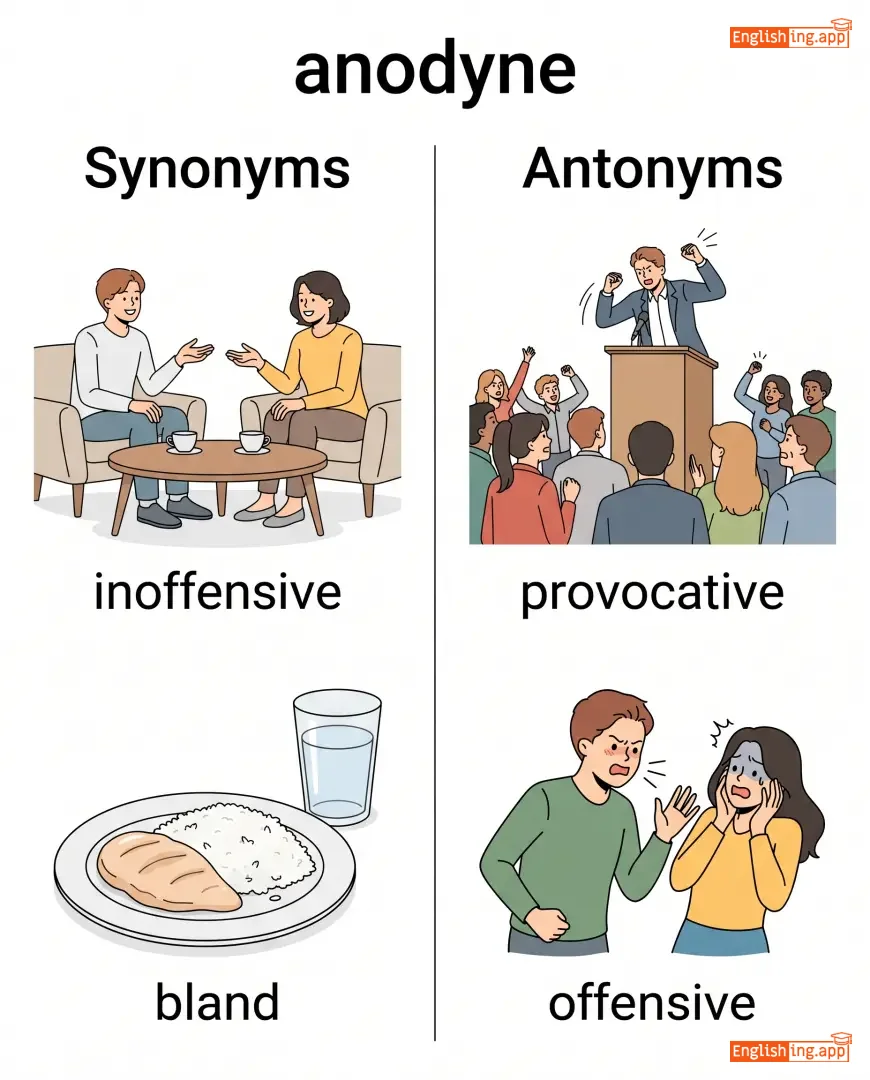
inoffensive, bland, harmless, soothing, palliative
••••••
|
provocative, offensive, harmful
••••••
|
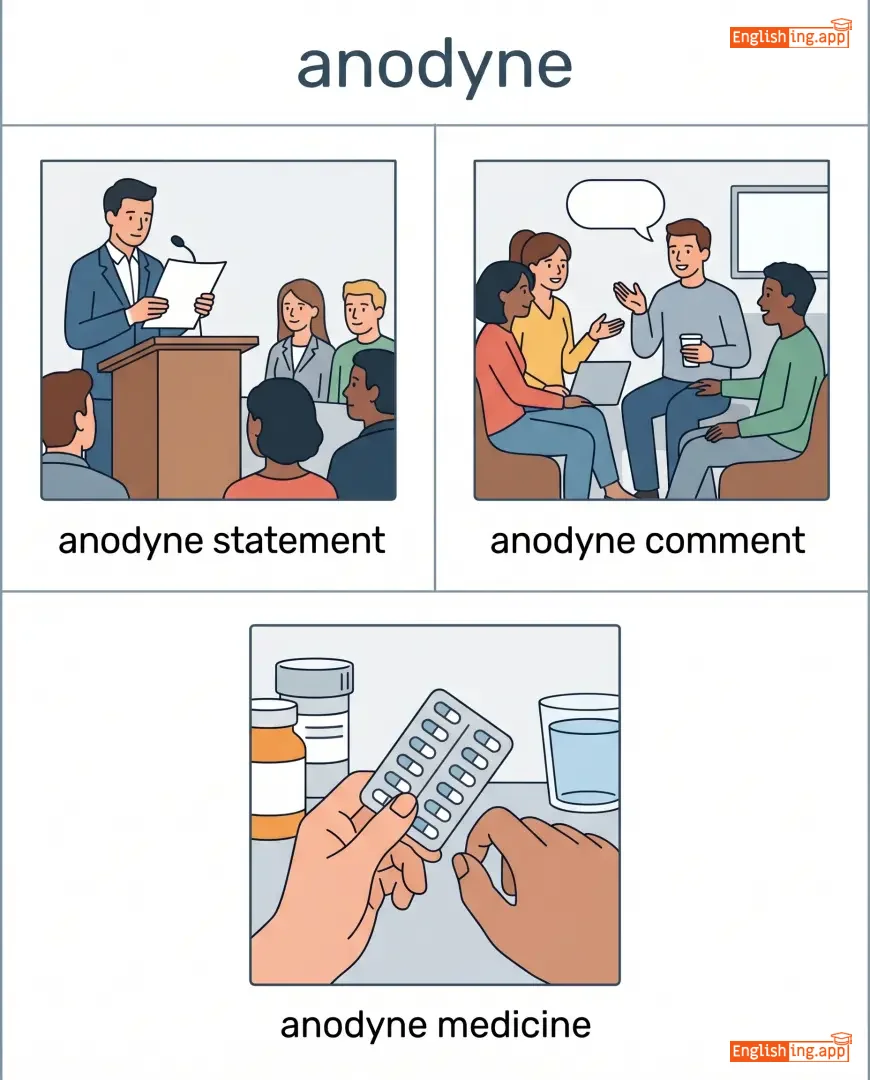
anodyne statement, anodyne comment, anodyne medicine
••••••
|
Anodyne = ‘No dyne’ → 力や損害がない、ただ無害または痛みを和らげる。
••••••
|
|
#42
⚠️
|
/əˈnɒmələs/
adjective
(アノマラス)
••••••
|
|
異常
ijou
••••••
|
- •••••• | - •••••• | - •••••• | - •••••• |
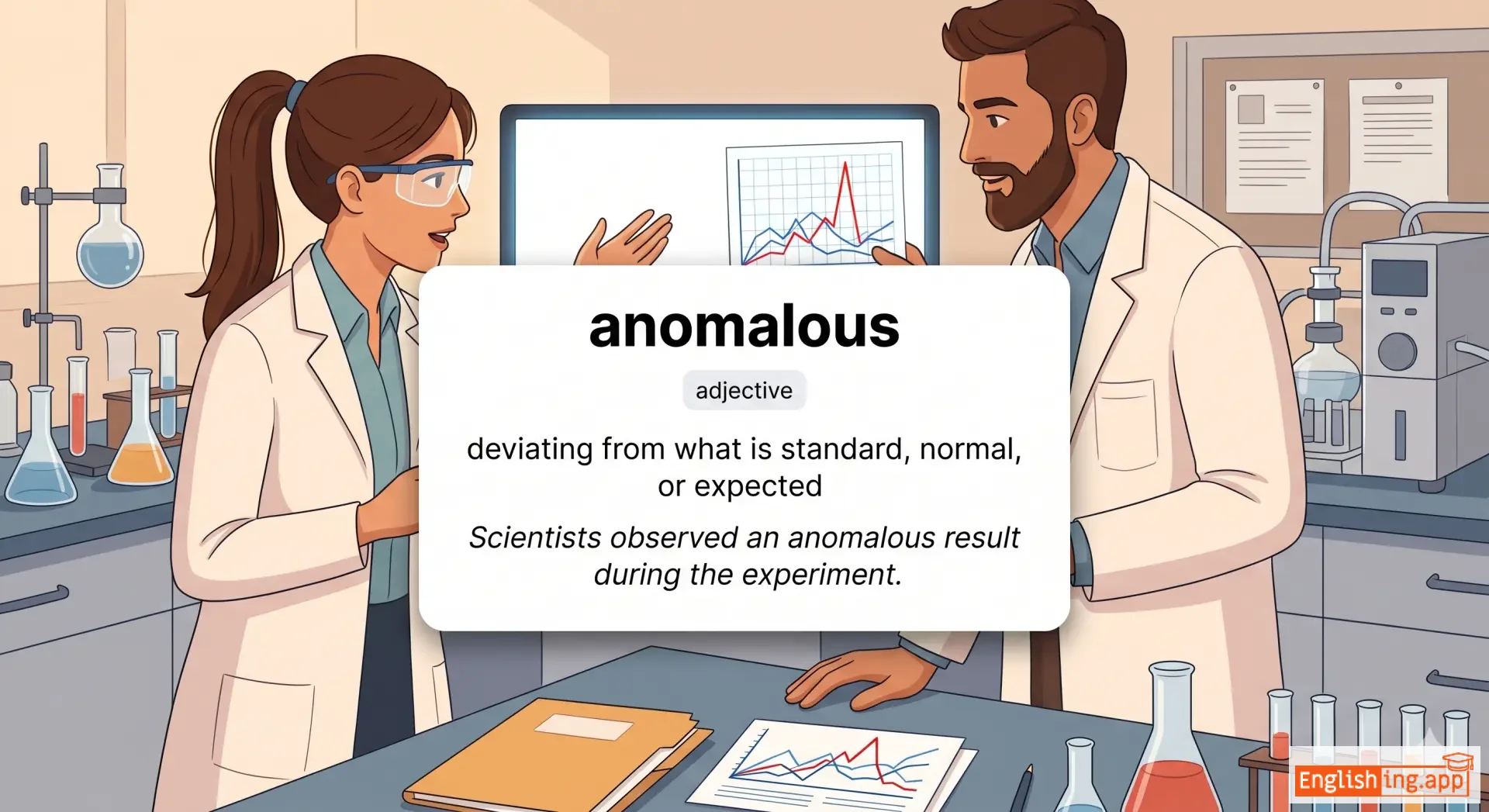
deviating from what is standard, normal, or expected
••••••
|
Scientists observed an anomalous result during the experiment.
科学者たちは実験中に異常な結果を観察しました。
••••••
|
科学者たちは実験中に異常な結果を観察しました。
Kagakusha-tachi wa jikken-chuu ni ijou na kekka o kansatsu shimashita.
••••••
|
- •••••• | - •••••• | - •••••• |
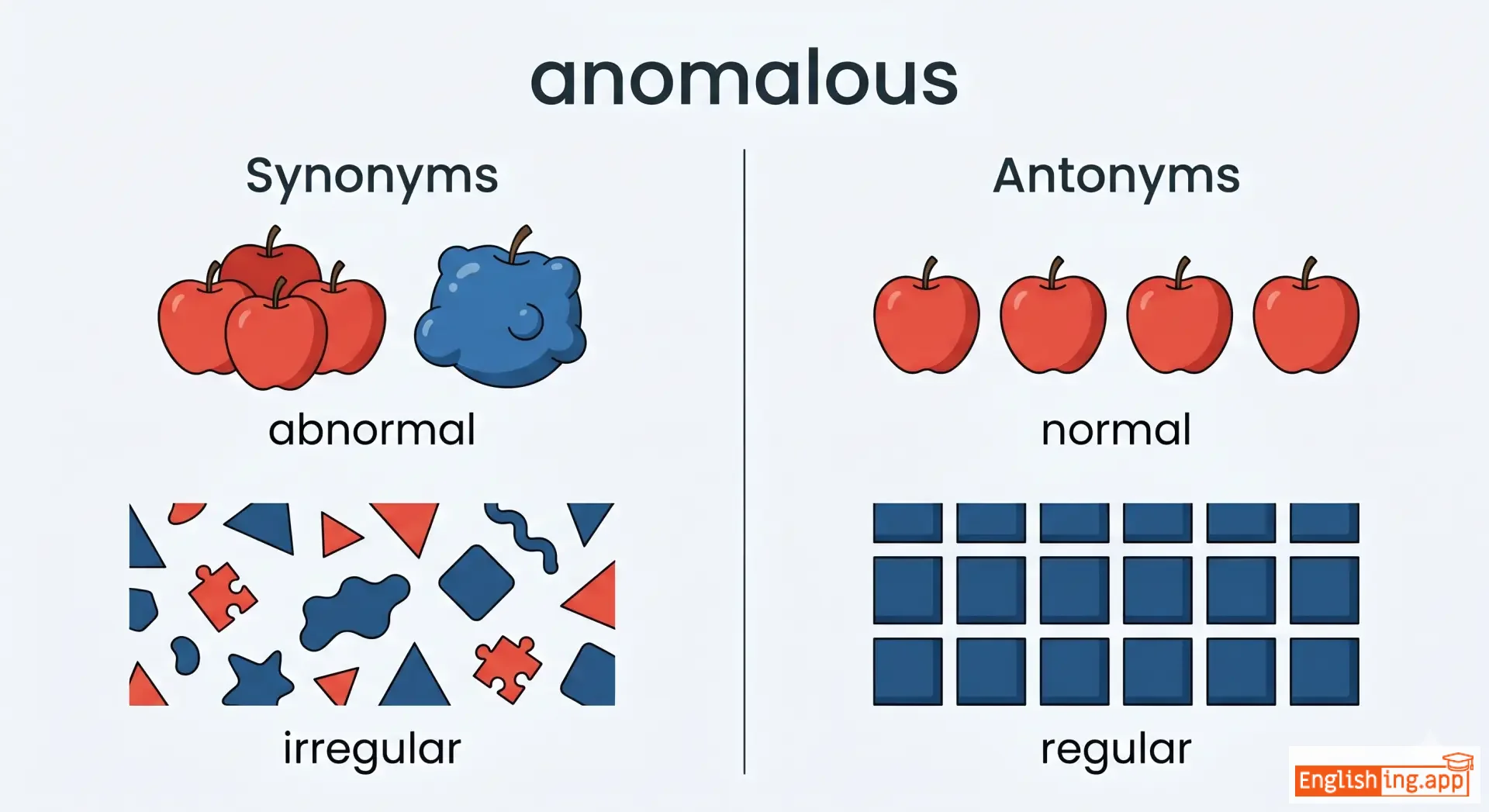
abnormal, irregular, unusual, atypical, deviant
••••••
|
normal, regular, standard
••••••
|
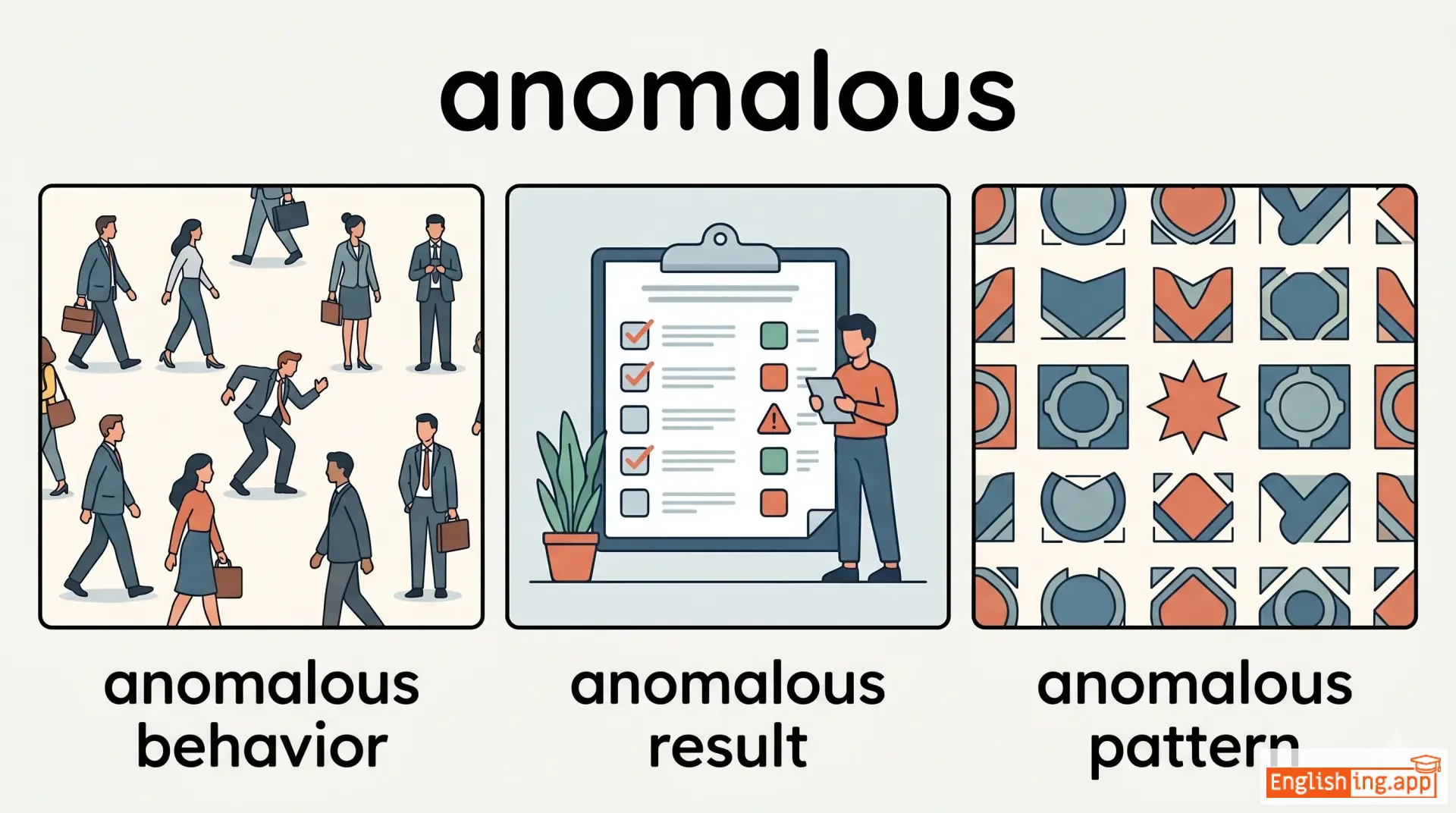
anomalous behavior, anomalous result, anomalous pattern, anomalous situation
••••••
|
Anomalousは異常を意味します—Think 'A normal' but it’s different.
••••••
|
|
#43
📜
|
/ˌæntɪˈsiːdənt/
noun
(アンティシデント)
••••••
|
|
先例
senrei
••••••
|
- •••••• | - •••••• | - •••••• | - •••••• |
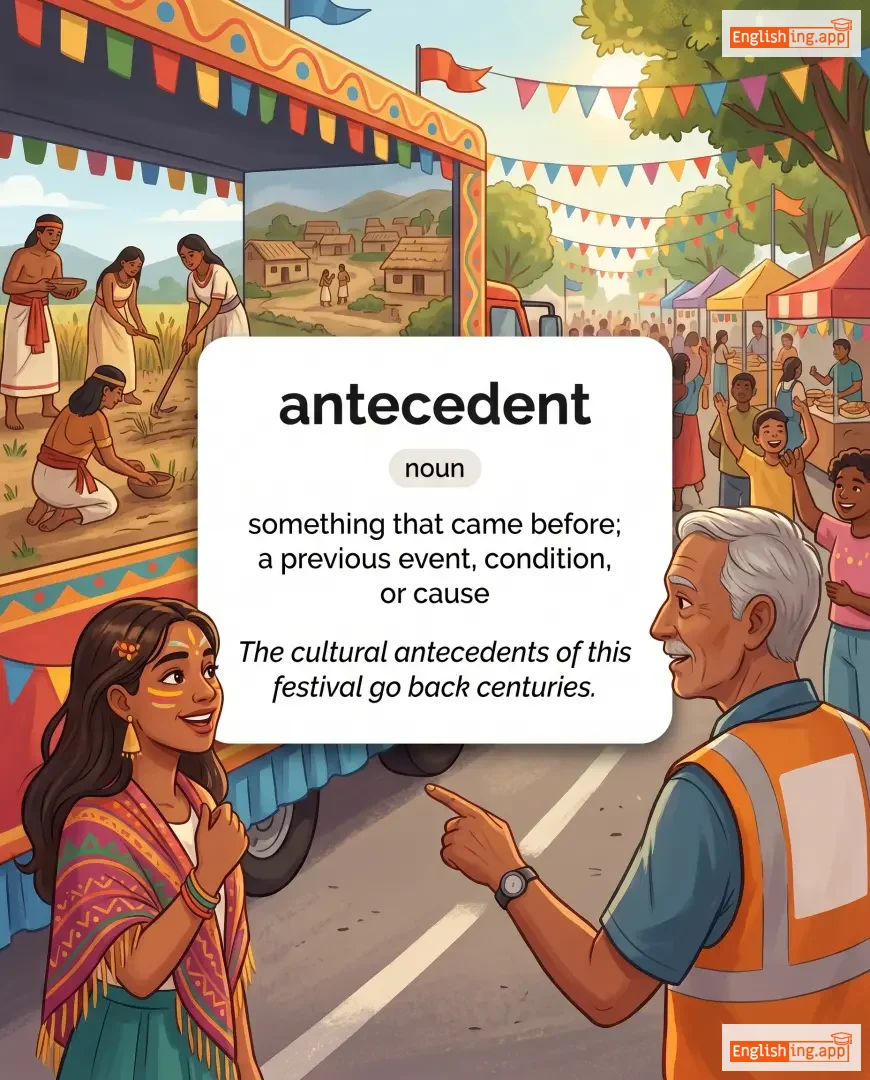
something that came before; a previous event, condition, or cause
••••••
|
The cultural antecedents of this festival go back centuries.
この祭りの文化的な前例は何世紀も前に遡ります。
••••••
|
この祭りの文化的な先例は何世紀も前に遡ります。
Kono matsuri no bunka-tekina senrei wa nan seiki mo mae ni sakanoborimasu.
••••••
|
grammatical antecedent
文法的前例
••••••
|
a word or phrase that a pronoun refers back to
••••••
|
文法的先例
bunpouteki senrei
••••••
|
predecessor, precursor, forerunner, precedent
••••••
|
descendant, successor
••••••
|
historical antecedent, cultural antecedent, legal antecedent
••••••
|
Antecedent: Ante (以前) + イベント → 以前に起こった出来事
••••••
|
|
#44
🦕
|
/ˌæntɪdəˈluːviən/
adjective
(アンティディルビアン)
••••••
|
|
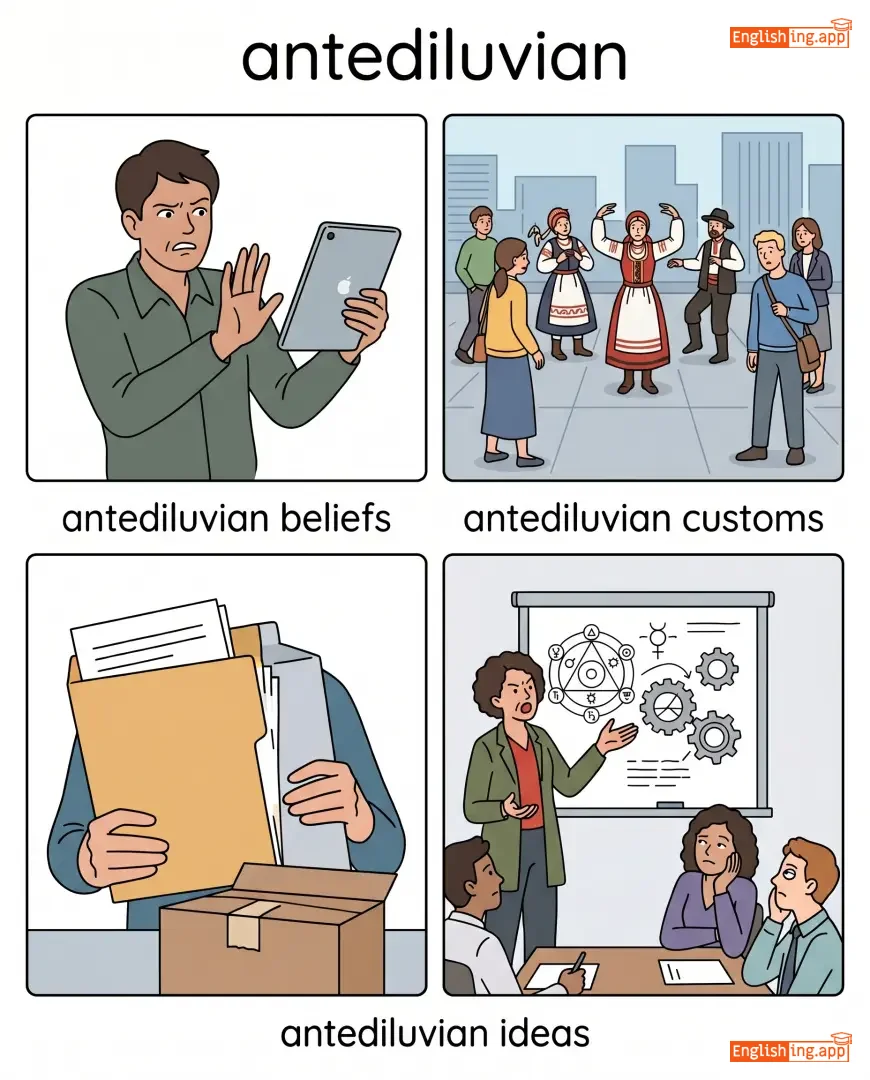
非常に古臭い
hijō ni furusai
••••••
|
- •••••• | - •••••• | - •••••• | - •••••• |
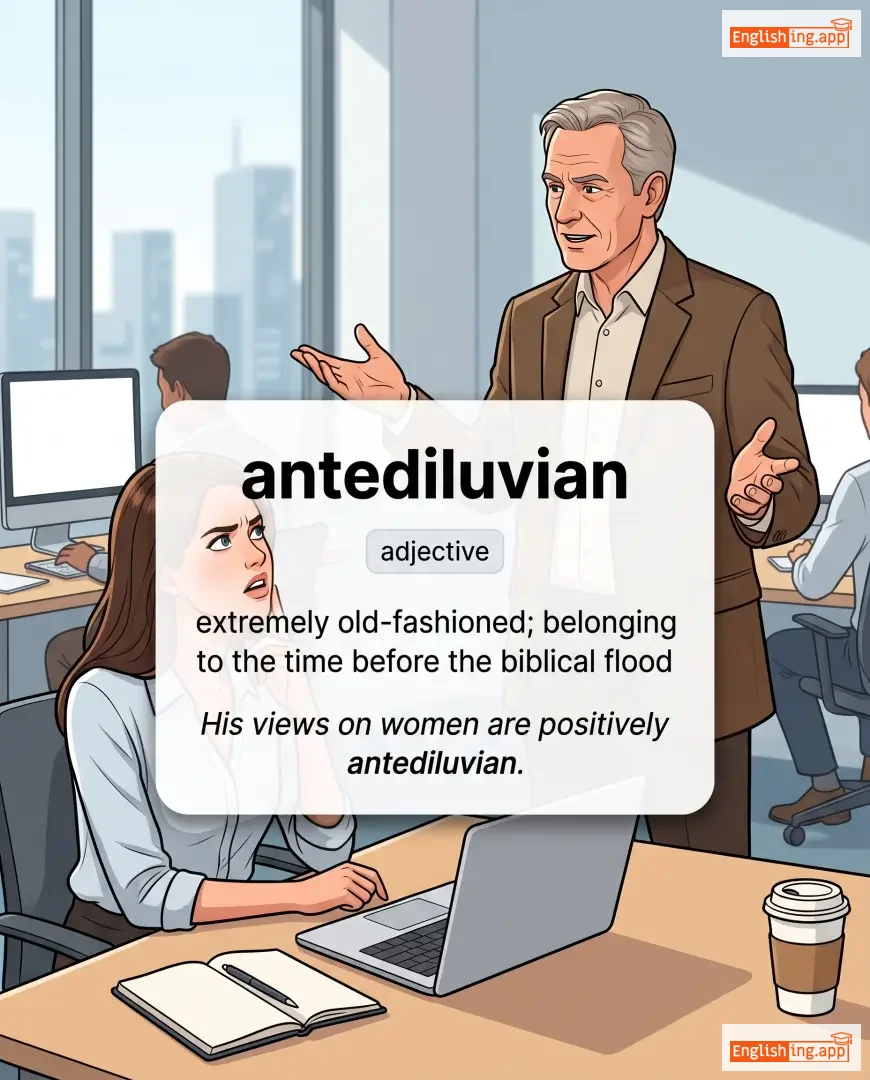
extremely old-fashioned; belonging to the time before the biblical flood
••••••
|
His views on women are positively antediluvian. |
彼の女性に対する見解は完全に時代遅れです。
Kare no josei ni taisuru kenkai wa kanzen ni jidaiokure desu.
••••••
|
- •••••• | - •••••• | - •••••• |
outdated, archaic, obsolete, primitive, ancient
••••••
|
modern, contemporary, current
••••••
|
antediluvian beliefs, antediluvian customs, antediluvian ideas
••••••
|
Antediluvianは大洪水前の時代を意味し、非常に古臭いです。
••••••
|
|
#45
😤
|
/ænˈtɪpəθi/
noun
(アンチパシー)
••••••
|
|
アンチパシー
anchipashī
••••••
|
- •••••• | - •••••• | - •••••• | - •••••• |
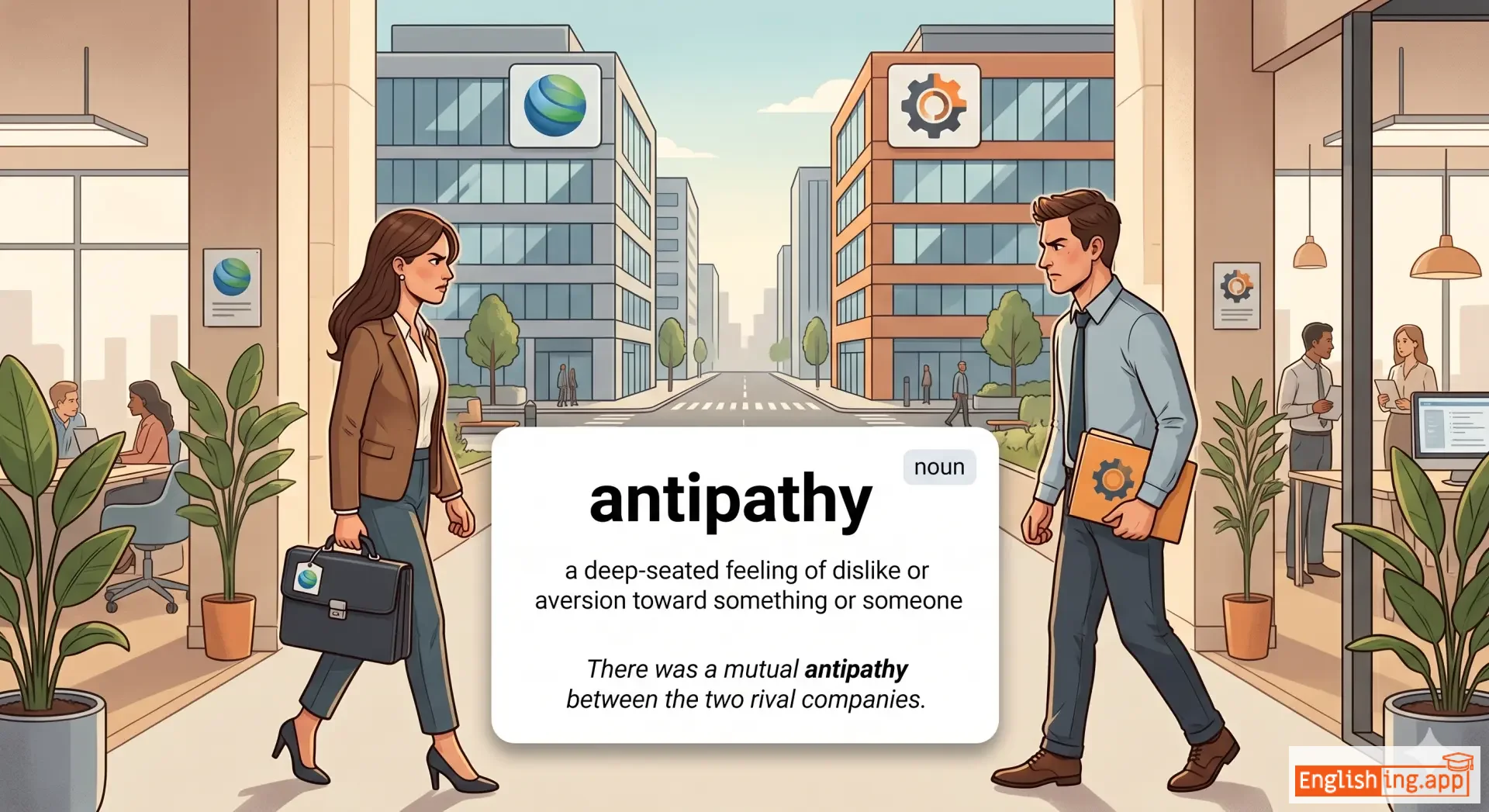
a deep-seated feeling of dislike or aversion toward something or someone
••••••
|
There was a mutual antipathy between the two rival companies. |
二つの競争する企業の間に相互のアンチパシーがありました。
Futatsu no kyōsō suru kigyō no aida ni sōgo no anchipashī ga arimashita.
••••••
|
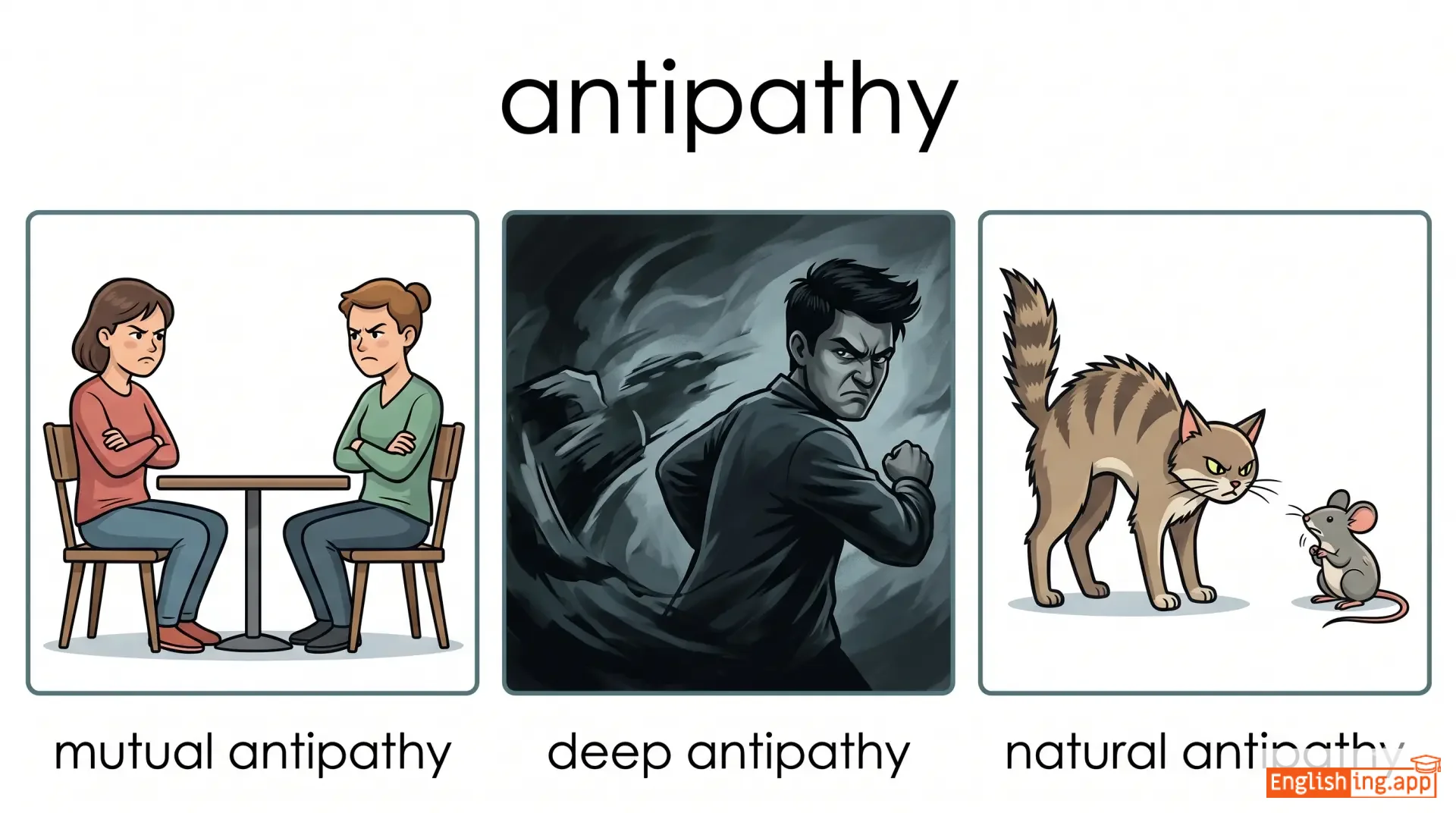
natural antipathy |
an inherent or instinctive dislike
••••••
|
自然なアンチパシー
shizen na anchipashī
••••••
|
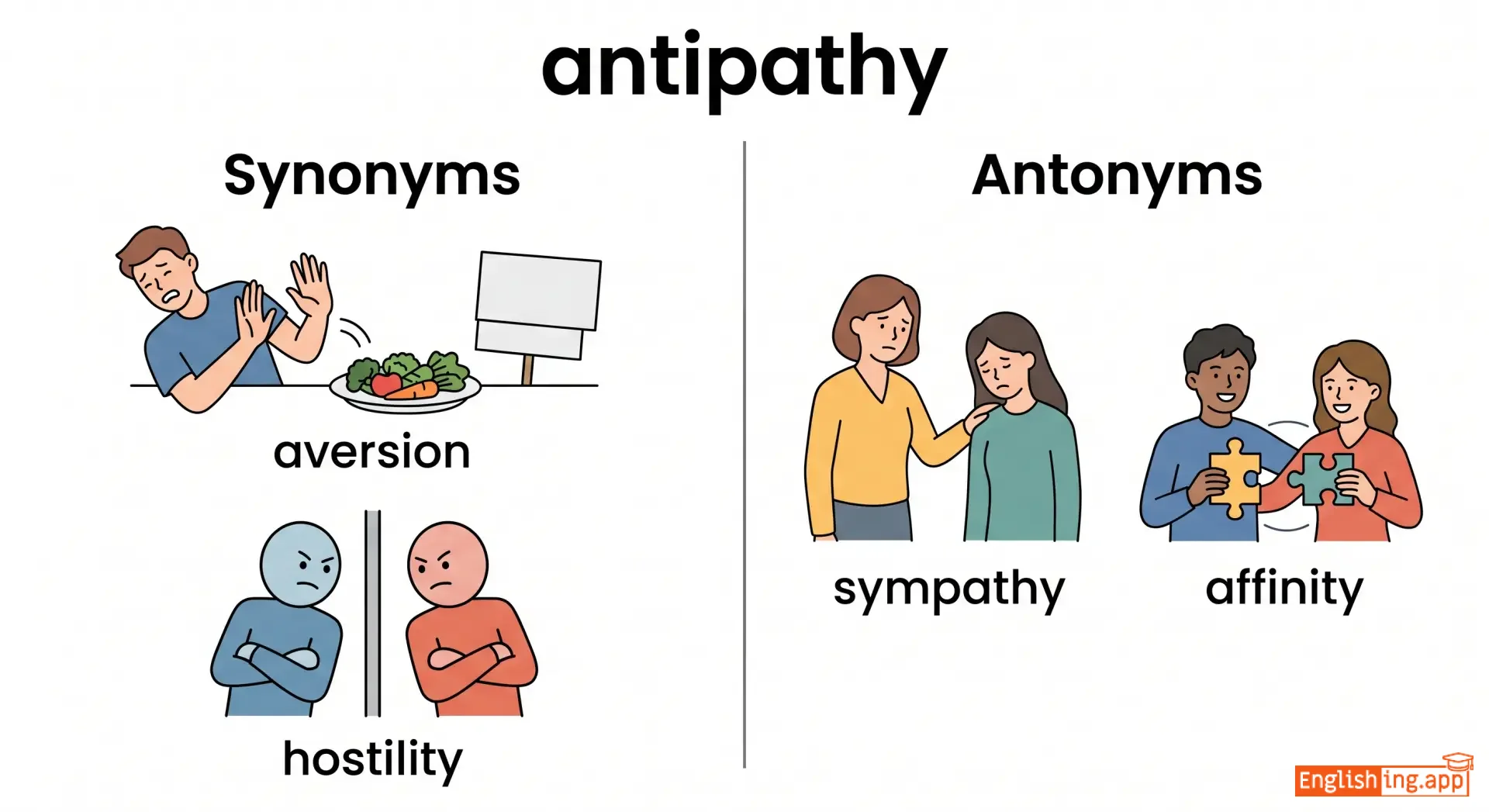
aversion, hostility, dislike, animosity, repugnance
••••••
|
sympathy, affinity, fondness
••••••
|
mutual antipathy, deep antipathy, natural antipathy, feel antipathy, antipathy toward
••••••
|
ANTI-PATHYはANTI道を意味し、アンチパシー(anchipashī)は逆の道を行くことを意味します!
••••••
|
|
#46
😑
|
/ˈæpəθi/
noun
(アパシー)
••••••
|
|
無関心
mukanshin
••••••
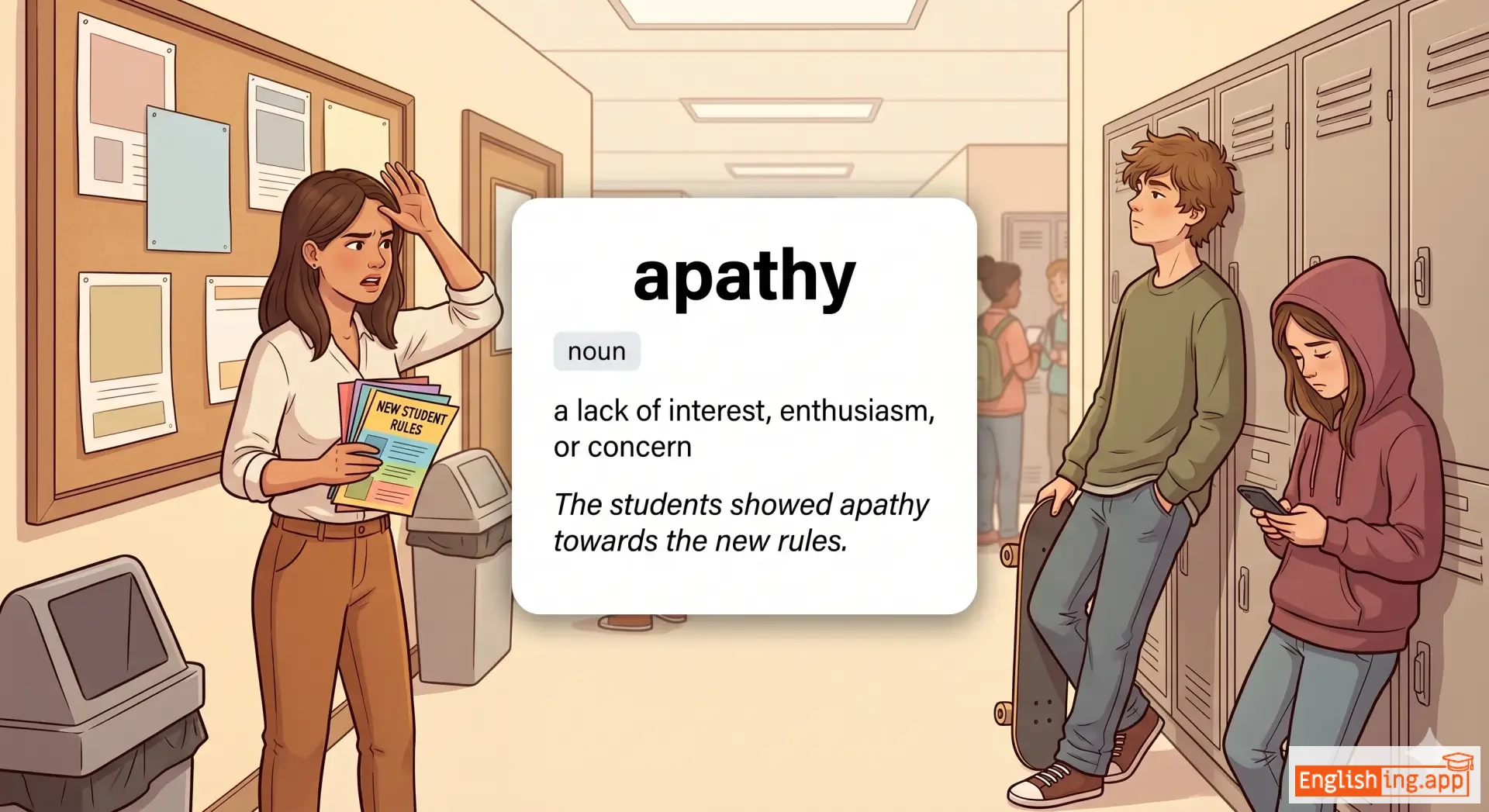
|
- •••••• | - •••••• | - •••••• | - •••••• |
a lack of interest, enthusiasm, or concern
••••••
|
The students showed apathy towards the new rules. |
学生たちは新しいルールに無関心を示しました。
Gakusei-tachi wa atarashī rūru ni mukanshin o shimeshimashita.
••••••
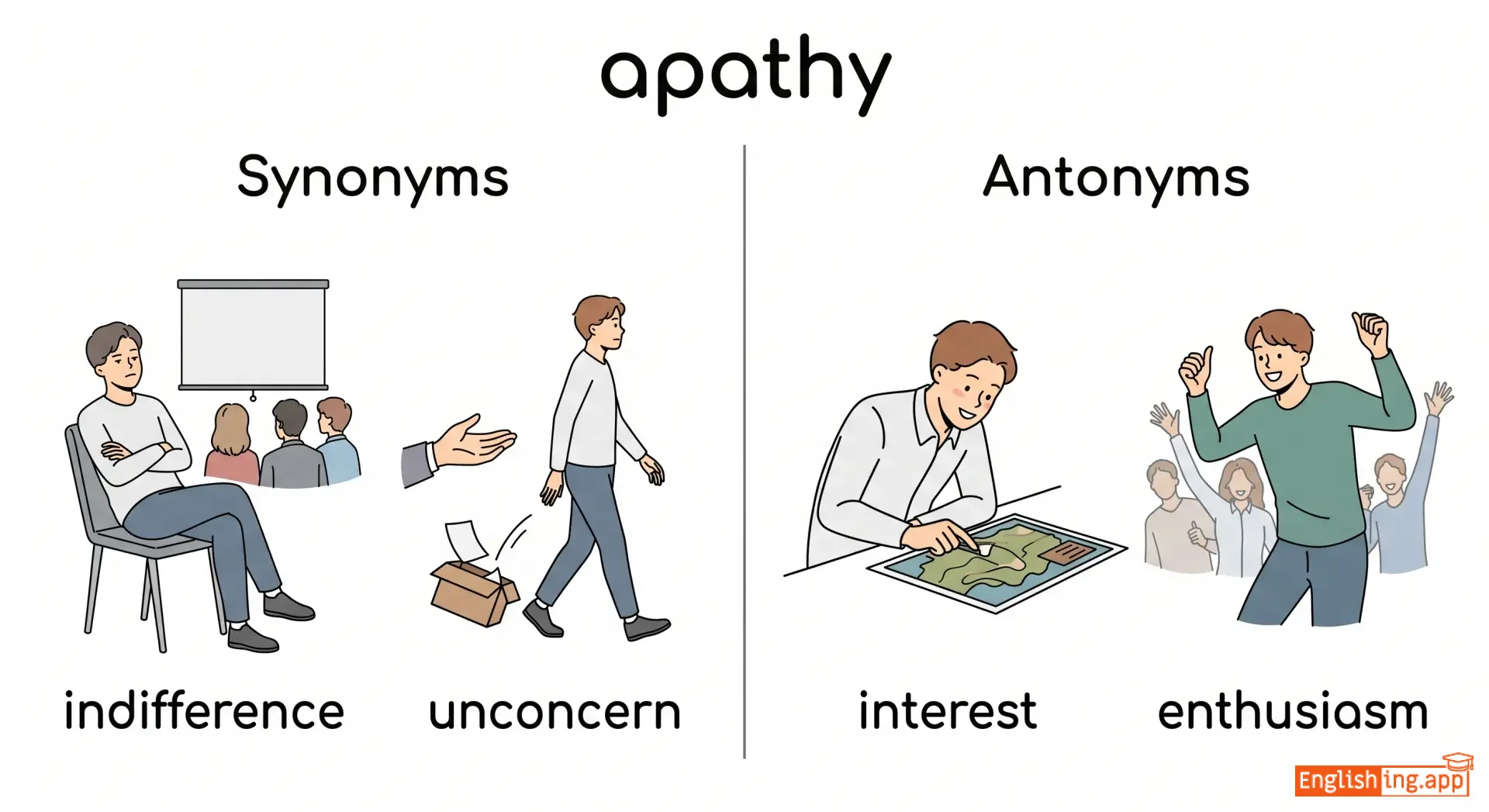
|
- •••••• | - •••••• | - •••••• |
indifference, unconcern, detachment, passivity
••••••
|
interest, enthusiasm, passion
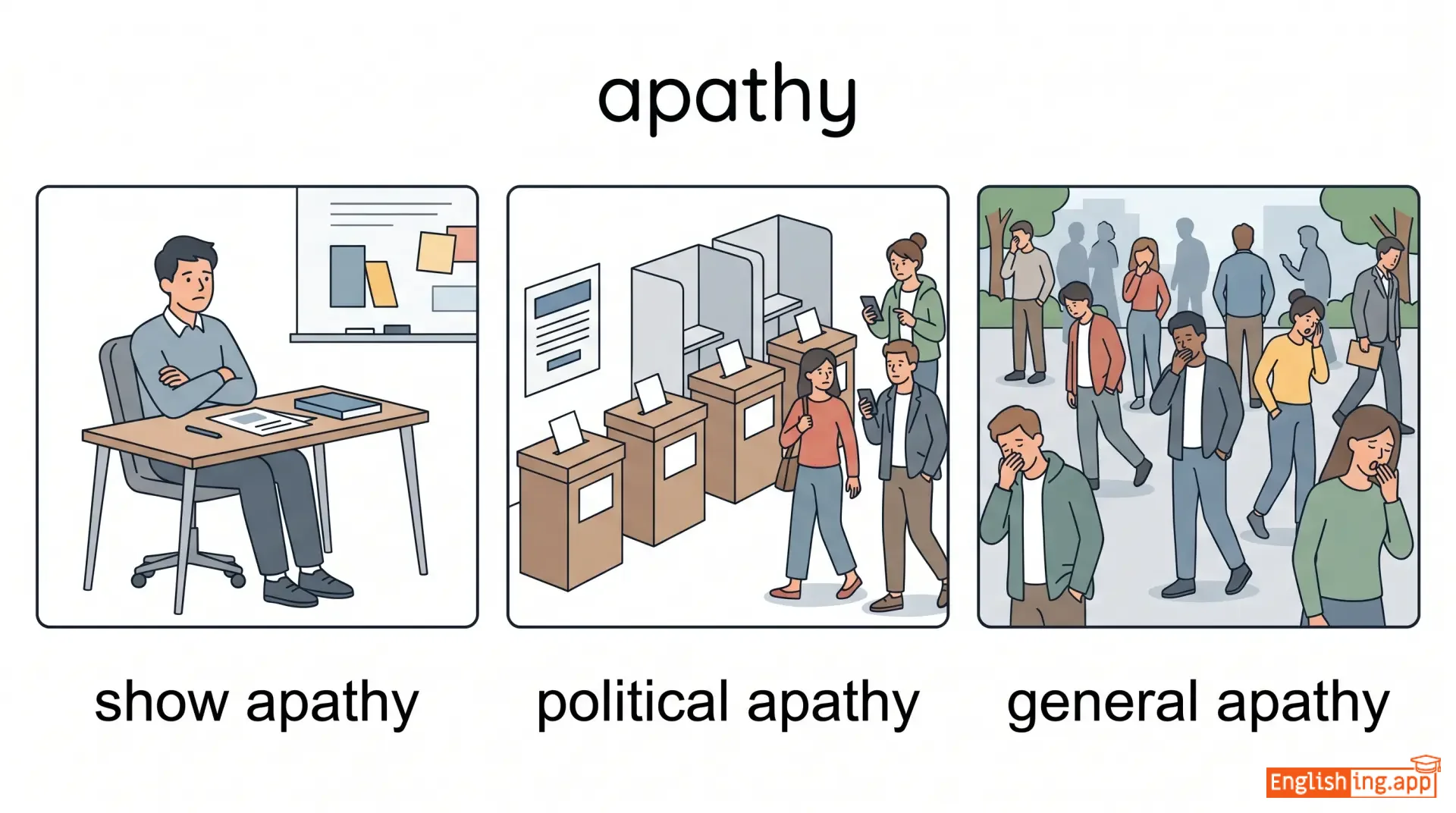
••••••
|
show apathy, political apathy, general apathy, apathy towards
••••••
|
Apathy は無関心を意味し、何も気にしないこと。
••••••
|
|
#47
⛰️
|
/ˈeɪ.pɛks/
noun
(エイペックス)
••••••
|
|
頂点
chouten
••••••
|
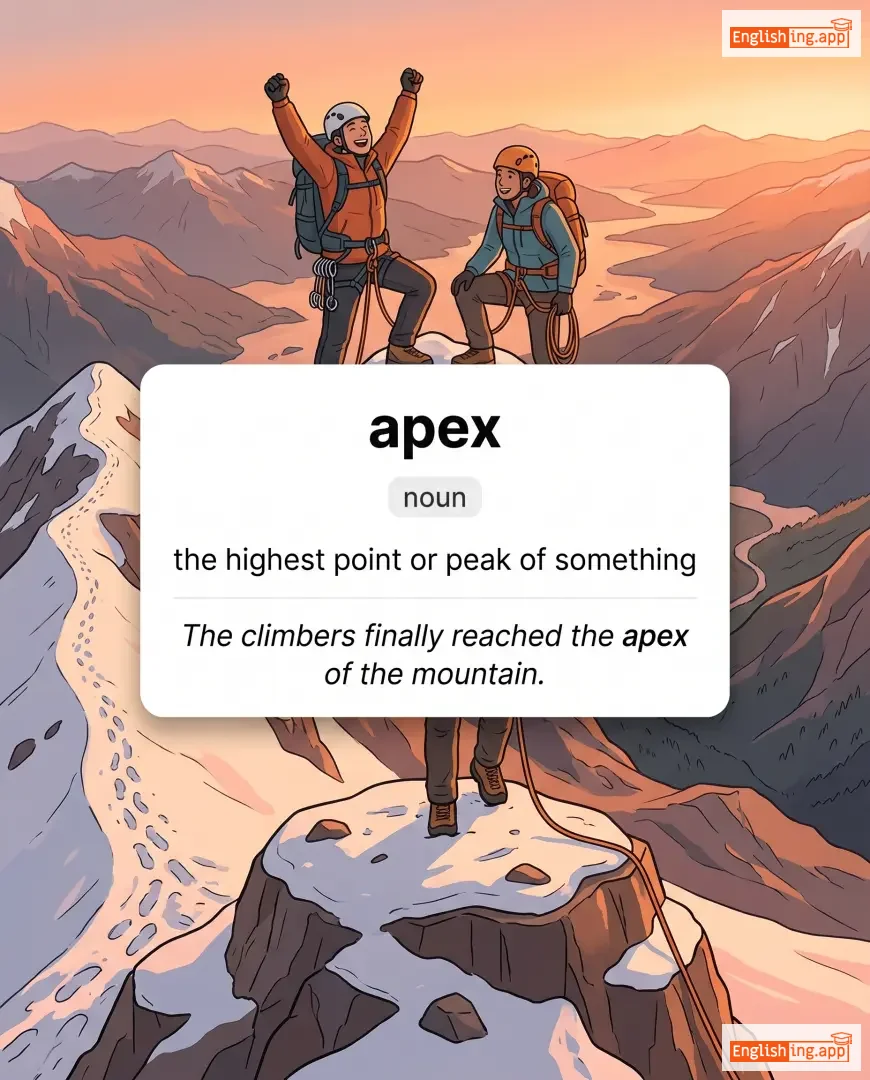
- •••••• | - •••••• | - •••••• | - •••••• |
the highest point or peak of something
••••••
|
The climbers finally reached the apex of the mountain. |
登山者たちは最終的に山の頂点に達しました。
Tozanshatachi wa saishūteki ni yama no chōten ni tasshimashita.
••••••
|
at the apex of |
at the highest or most successful point
••••••
|
頂点で
chōten de
••••••
|
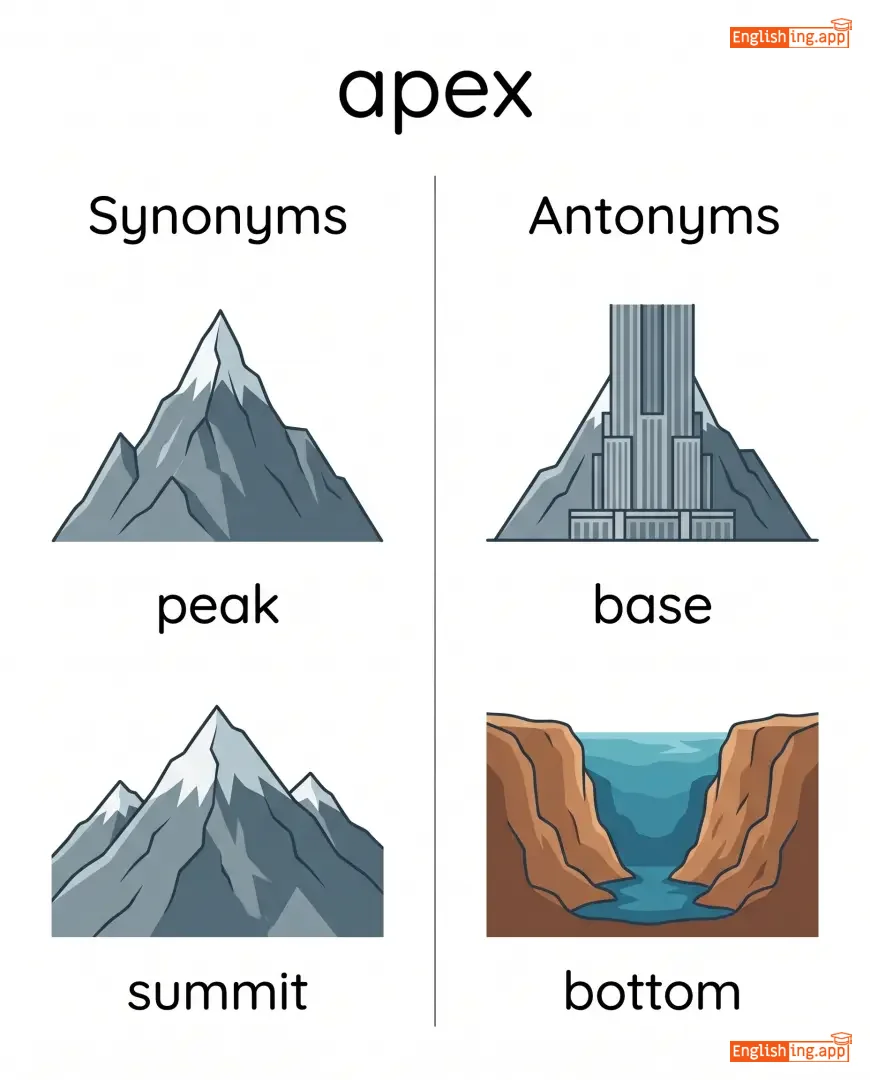
peak, summit, pinnacle, climax, acme
••••••
|
base, bottom, nadir
••••••
|
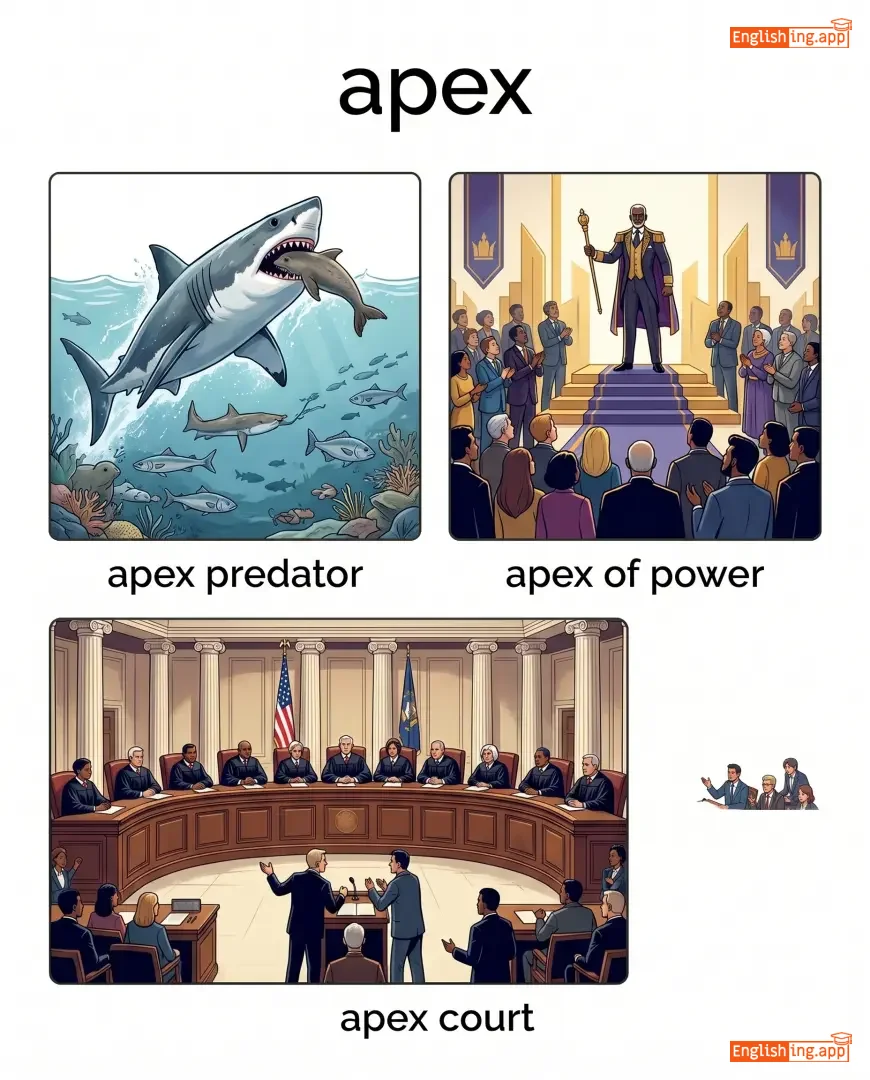
apex predator, apex of power, apex court, apex of success
••••••
|
Apexは最も高い点を意味します。ピラミッドの頂点のように。
••••••
|
|
#48
🌌
|
/ˈæpədʒiː/
noun
(アポジー)
••••••
|
|
頂点
chouten
••••••
|
- •••••• | - •••••• | - •••••• | - •••••• |
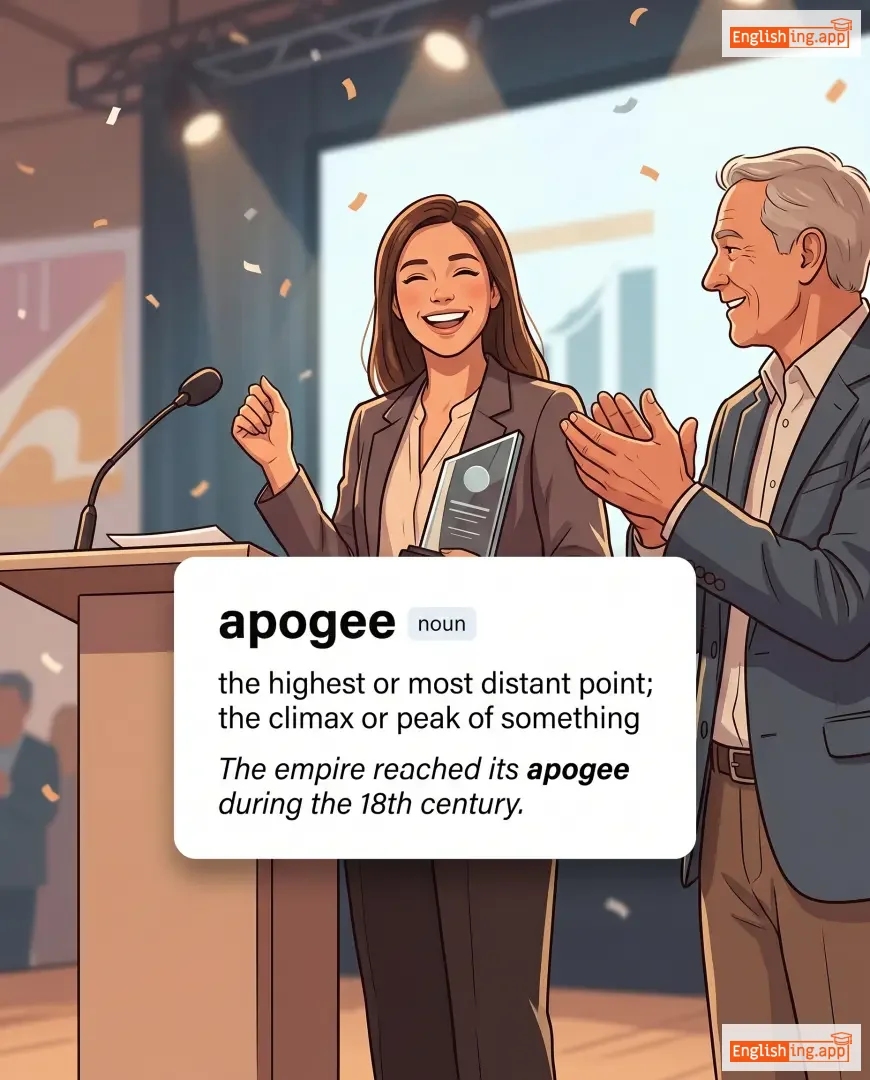
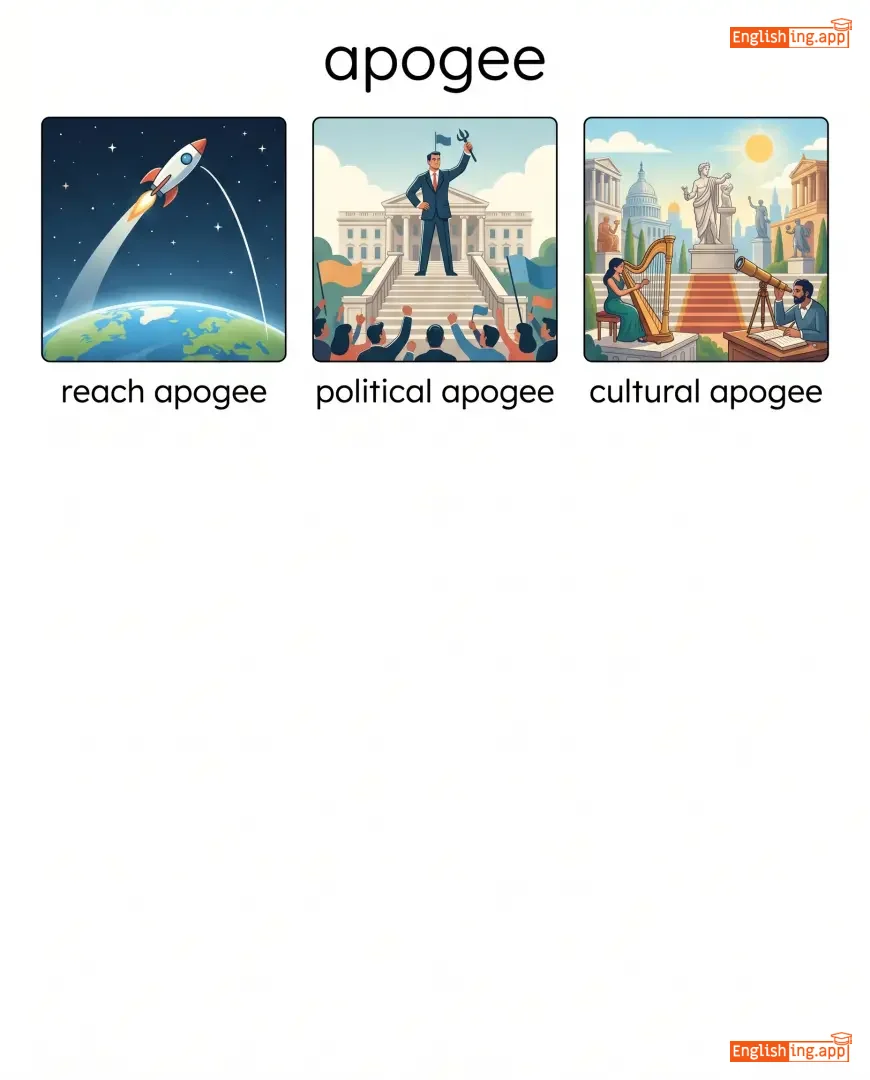
the highest or most distant point; the climax or peak of something
••••••
|
The empire reached its apogee during the 18th century. |
帝国は18世紀にその頂点に達しました。
Teikoku wa 18 seiki ni sono chouten ni tasshimashita.
••••••
|
- •••••• | - •••••• | - •••••• |
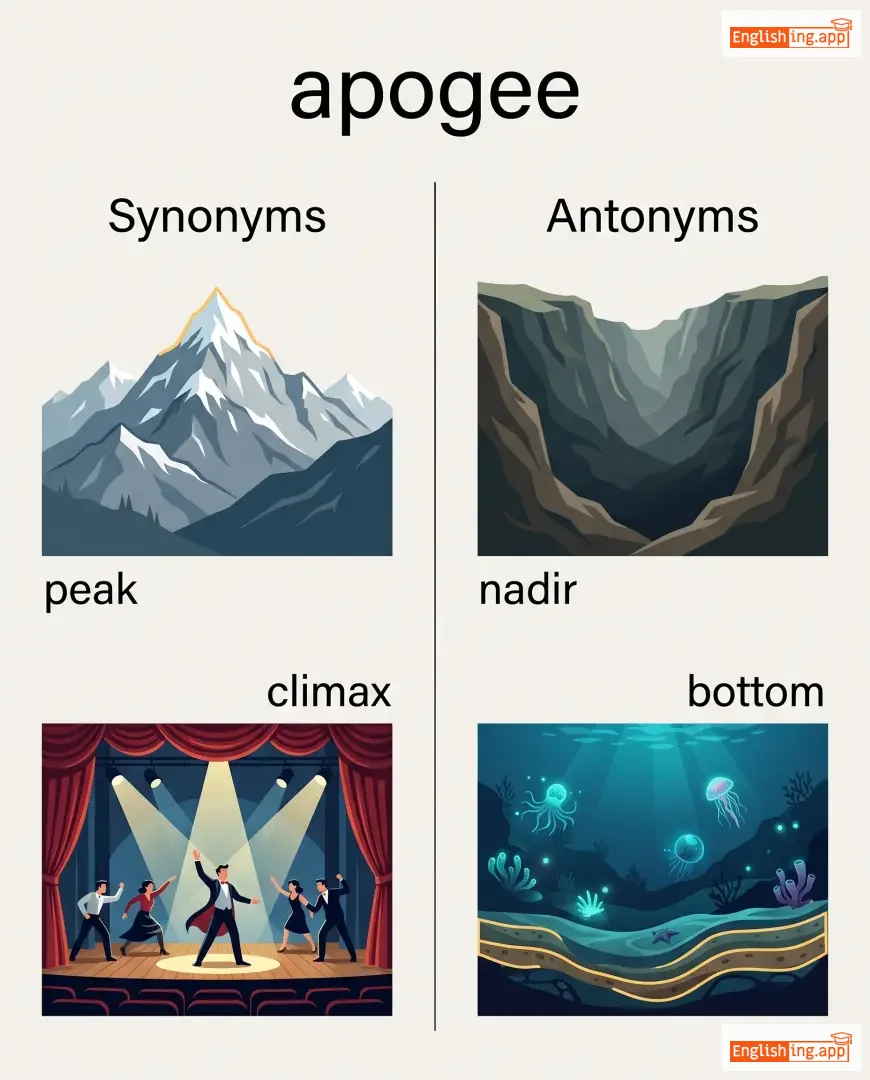
peak, climax, pinnacle, zenith, summit
••••••
|
nadir, bottom, base
••••••
|
reach apogee, political apogee, cultural apogee, apogee of power
••••••
|
アポジーは頂点に達すること、最高潮に到達すること
••••••
|
|
#49
💡
|
/ˈæpəˌθɛm/
noun
(アポセグム)
••••••
|
|
格言, 名言
kakugen, meigen
••••••
|
- •••••• | - •••••• | - •••••• | - •••••• |
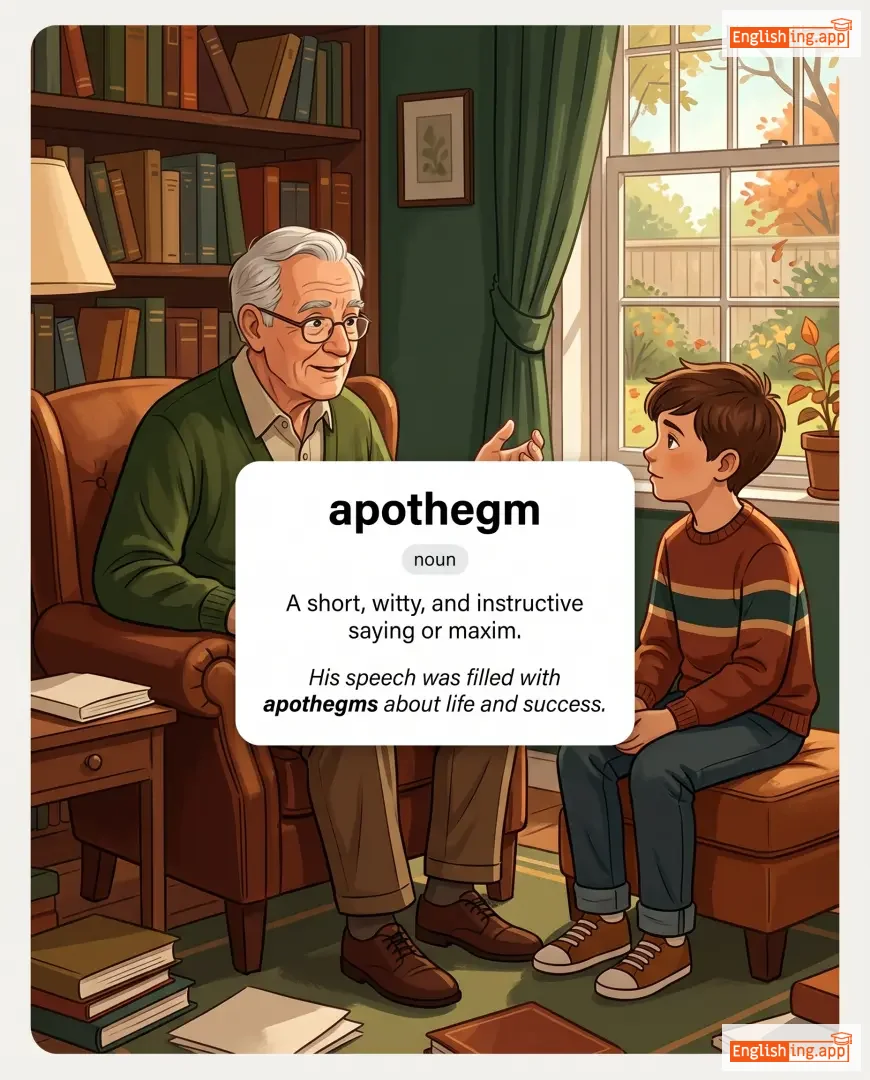
A short, witty, and instructive saying or maxim.
••••••
|
His speech was filled with apothegms about life and success. |
彼のスピーチは人生と成功に関する格言でいっぱいでした。
Kare no supīchi wa jinsei to seikō ni kansuru kakugen de ippai deshita.
••••••
|
- •••••• | - •••••• | - •••••• |
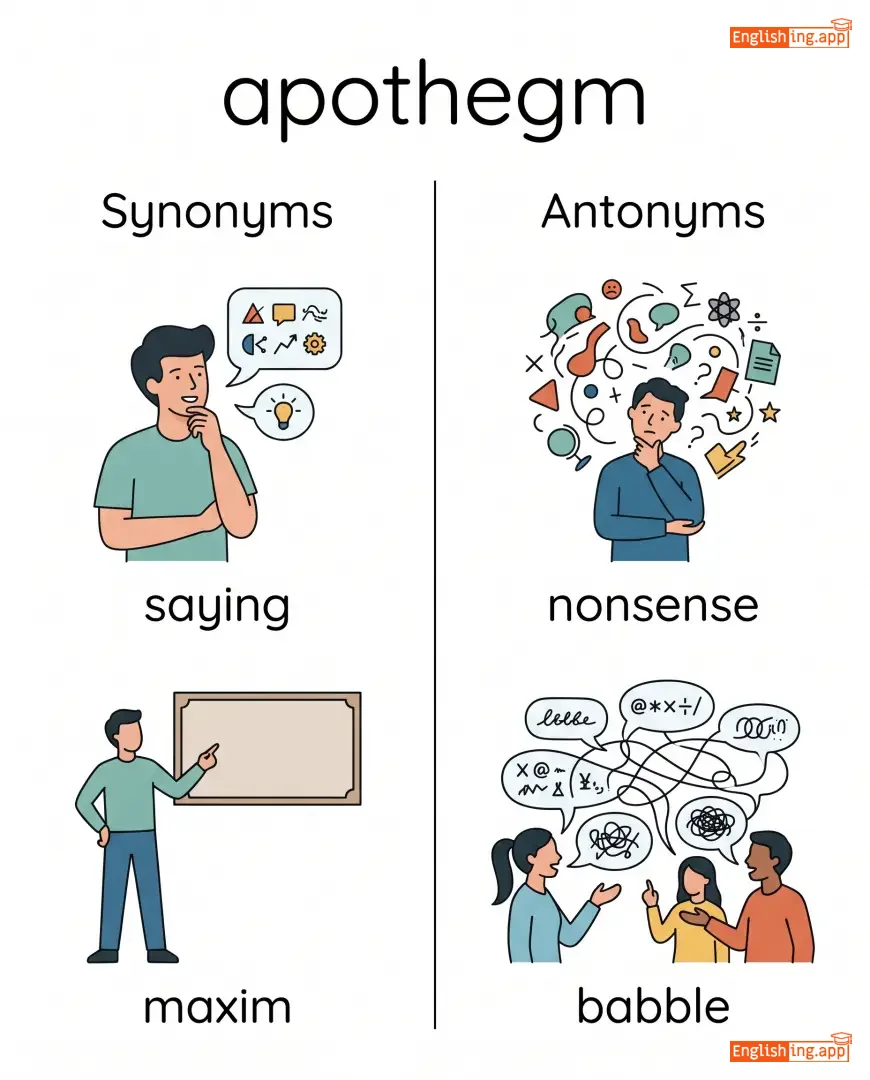
saying, maxim, aphorism, proverb, adage
••••••
|
nonsense, babble
••••••
|
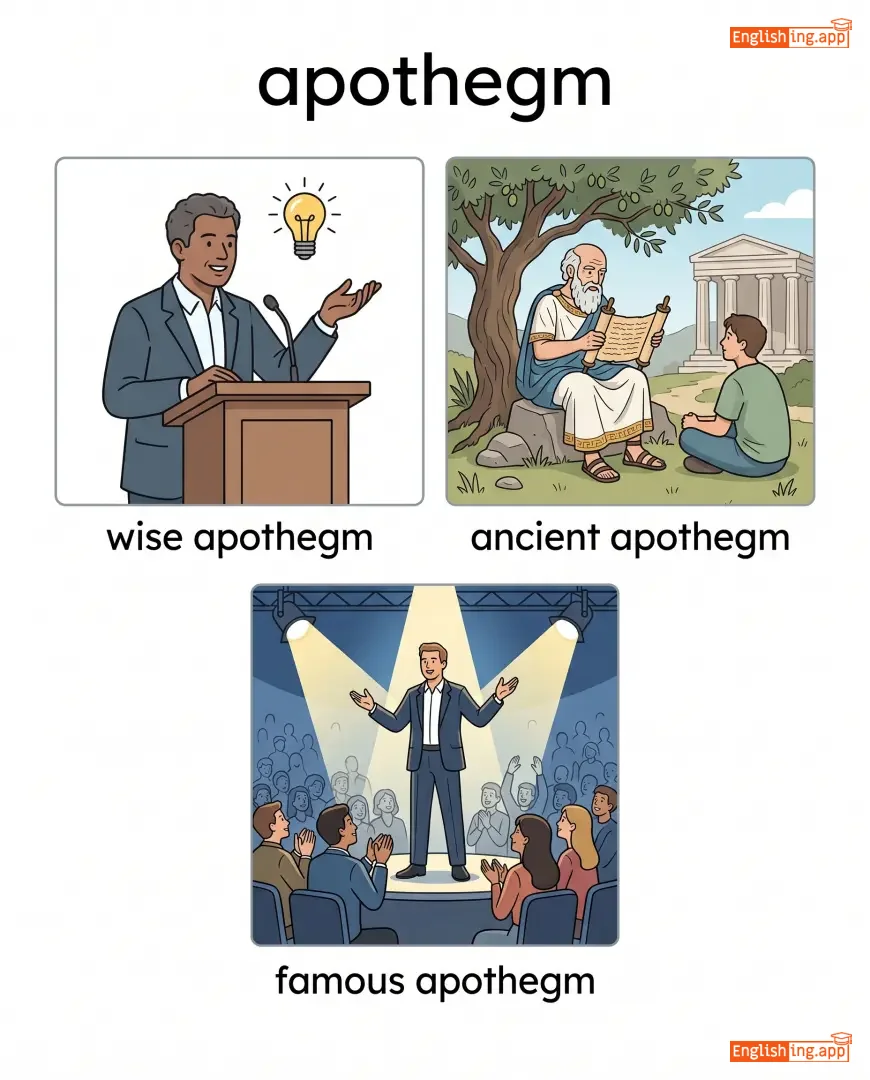
wise apothegm, ancient apothegm, famous apothegm
••••••
|
Apothegm は短くて機知に富んだ格言、覚えておいて、‘theme’ of life に基づいています。
••••••
|
|
#50
🤲
|
/əˈpiːz/
verb
(アピース)
••••••
|
|
なだめる / 満たす
nadameru / mitasu
••••••
|
appeased
アピースド
••••••
|
appeased
アピースド
••••••
|
appeases
アピースズ
••••••
|
appeasing
アピースイング
••••••
|
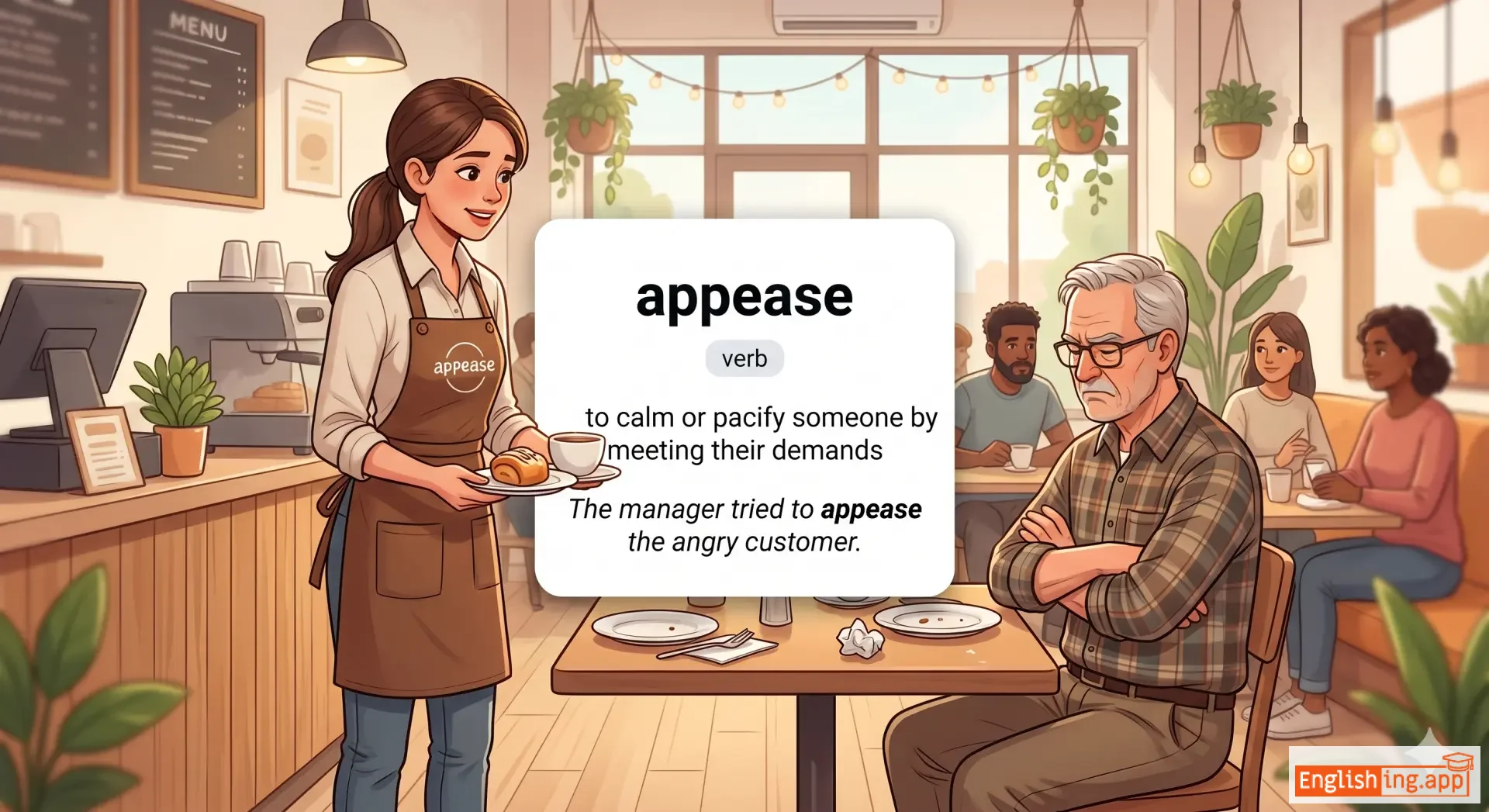
to calm or pacify someone by meeting their demands
••••••
|
The manager tried to appease the angry customer.
マネージャーは怒っている顧客をなだめようとしました。
••••••
|
マネージャーは怒っている顧客をなだめようとしました。
Manējā wa okotte iru kokyaku o nadameyō to shimashita.
••••••
|
appease someone's anger
誰かの怒りをなだめる
••••••
|
to reduce someone's anger by satisfying them
••••••
|
誰かの怒りをなだめる
dareka no ikari o nadameru
••••••
|
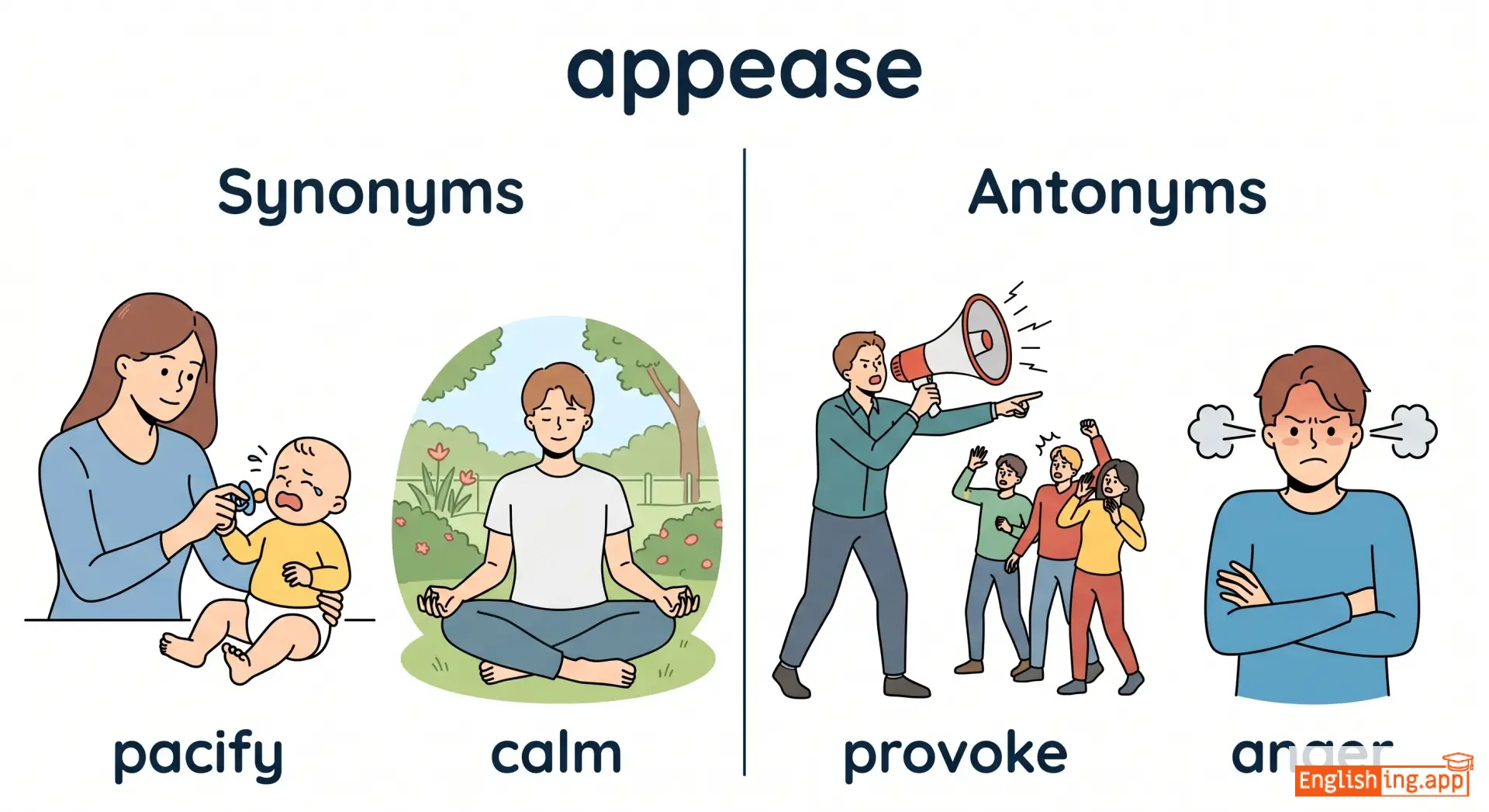
pacify, calm, satisfy, placate, soothe
••••••
|
provoke, anger, agitate
••••••
|
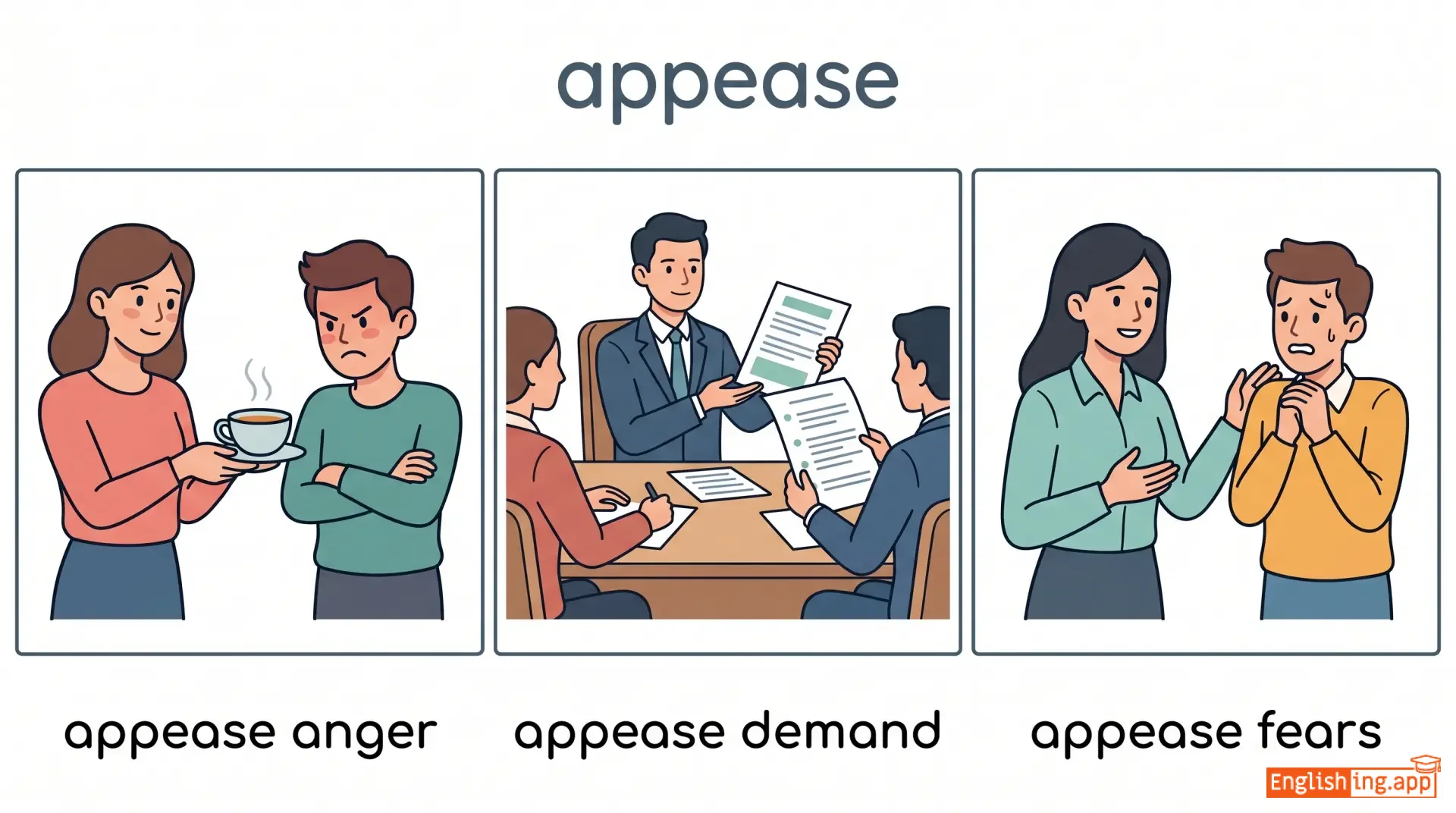
appease anger, appease demand, appease fears
••••••
|
Appeaseはなだめる意味です、‘Peace’をもたらすためになだめる必要があることを想像してください。
••••••
|
Vocabulary Quiz
Test your vocabulary by matching words with their translations or meanings.
Login to take the quiz
Comments (0)
Share your thoughts and join the discussion.
Join the discussion by logging in
Login to CommentNo comments yet
Be the first to share your thoughts!