

翻訳
過去
過去分詞
三人称単数
動名詞
意味
例文
例文の翻訳
同義語
対義語
コロケーション
ニーモニック












Swipe left or right, or use the buttons. Tap image to zoom.
例文の翻訳
単語
Lesson 3Lesson 3 - マスクトグル
|
絵文字
|
単語 | Images | 翻訳 | 過去 | 過去分詞 | 三人称単数 | 動名詞 | 意味 | 例文 | 例文の翻訳 | 表現例 | 表現例の意味 | 表現例の翻訳 | 同義語 | 対義語 | コロケーション | ニーモニック |
|---|---|---|---|---|---|---|---|---|---|---|---|---|---|---|---|---|---|
|
#51
🏷️
|
/ˌæpəˈleɪʃən/
noun
(アペレイション)
••••••
|
|
名称 / タイトル
meishou / taitoru
••••••
|
- •••••• | - •••••• | - •••••• | - •••••• |
a name or title
••••••
|
The city has earned the appellation 'The Big Apple'. |
その都市は「ビッグアップル」という名称を得ました。
Sono toshi wa 'Big Apple' to iu meishou o emashita.
••••••
|
- •••••• | - •••••• | - •••••• |
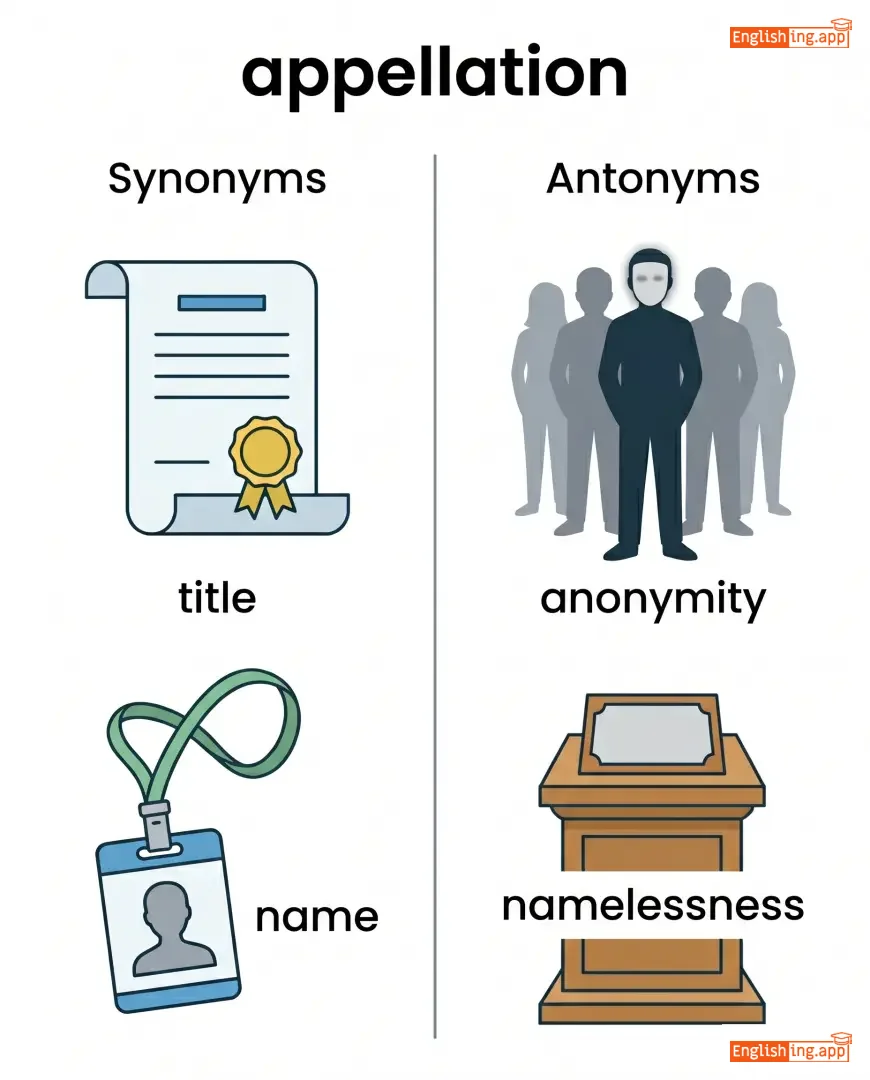
title, name, designation, label, epithet
••••••
|
anonymity, namelessness
••••••
|
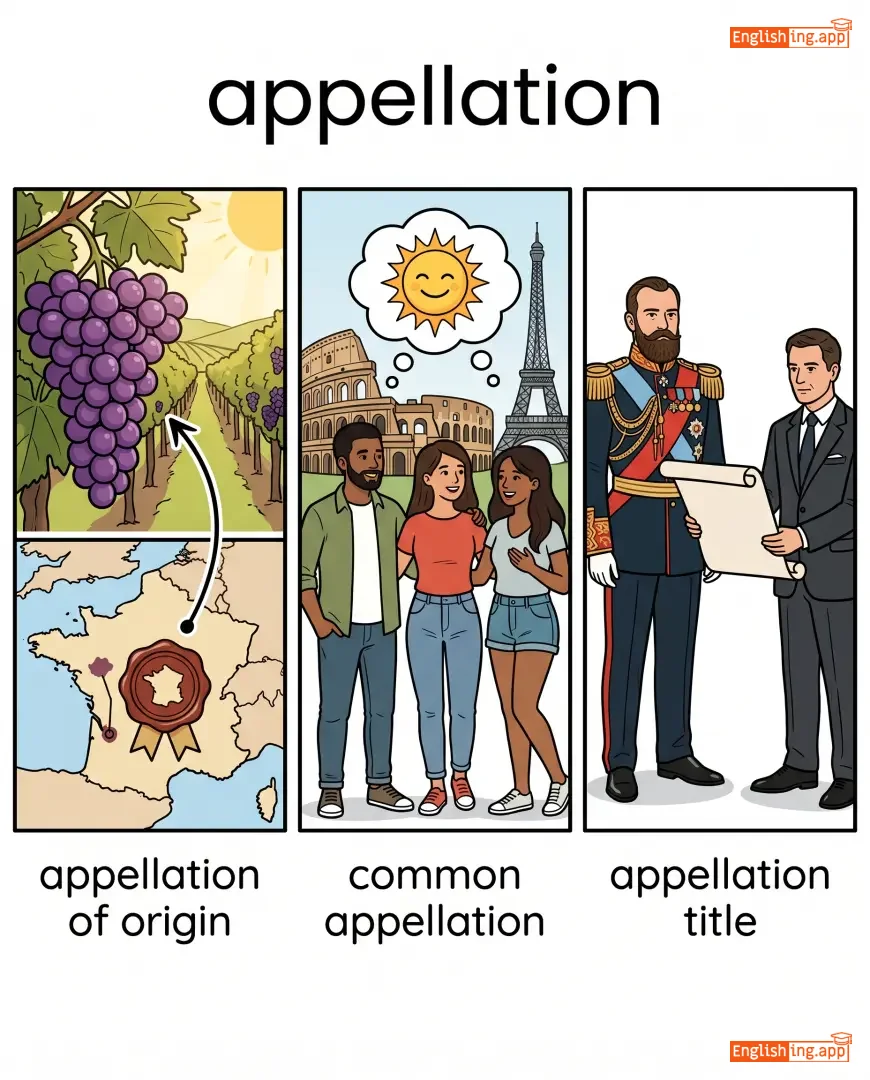
appellation of origin, common appellation, appellation title
••••••
|
Appellationは名称/タイトルを意味します — りんご🍎と関連付けて覚えてください
••••••
|
|
#52
🎯
|
/ˈæpəzɪt/
adjective
(アポジット)
••••••
|
|
適切
tekisetsu
••••••
|
- •••••• | - •••••• | - •••••• | - •••••• |
highly appropriate or relevant to what is being discussed
••••••
|
Her remark was particularly apposite to the situation. |
彼女のコメントはその状況に非常に適切でした。
Kanojo no komento wa sono joukyou ni hijou ni tekisetsu deshita.
••••••
|
- •••••• | - •••••• | - •••••• |
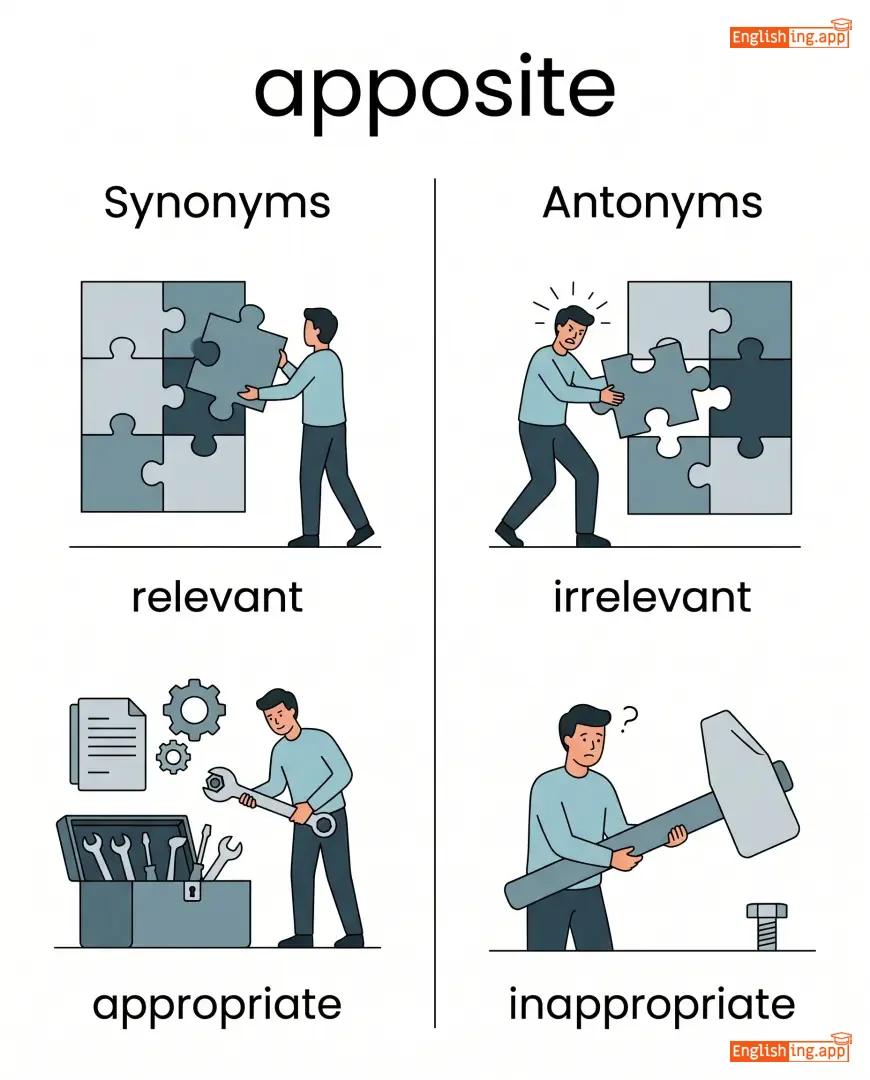
relevant, appropriate, fitting, suitable, pertinent
••••••
|
irrelevant, inappropriate, unsuitable
••••••
|
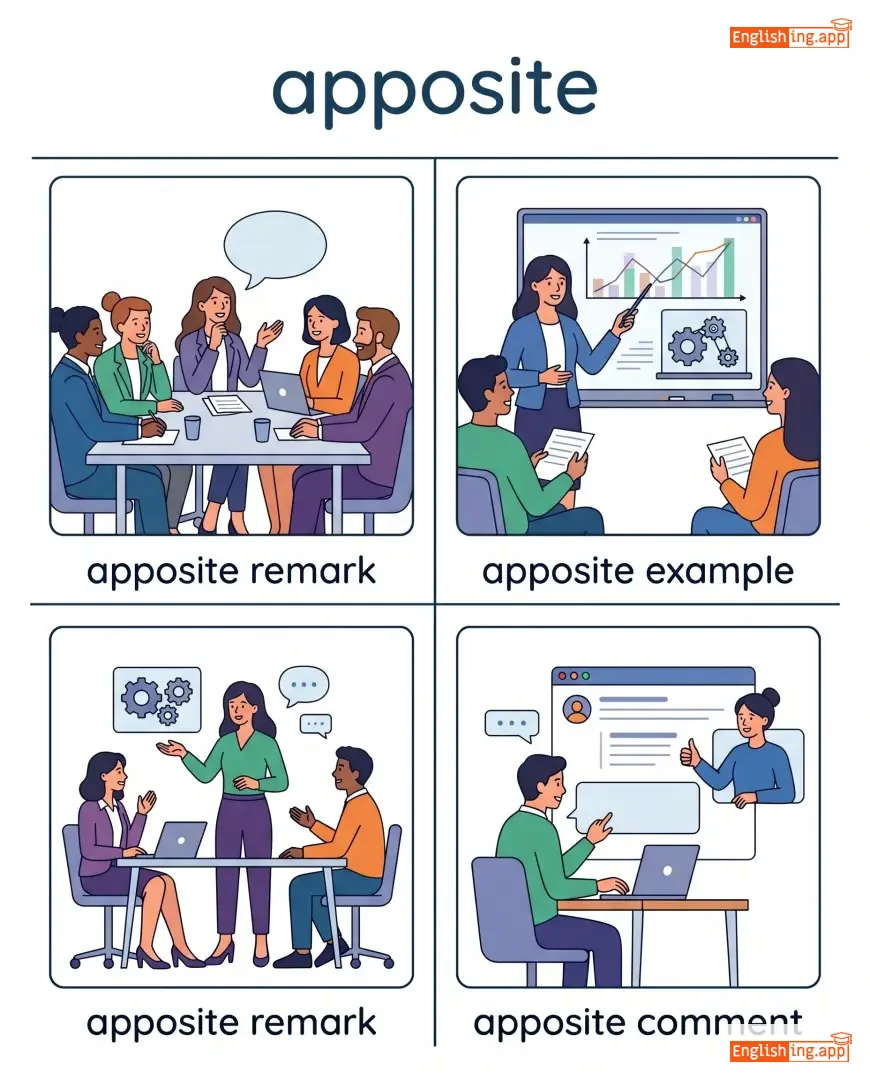
apposite remark, apposite example, apposite comment, apposite observation
••••••
|
Appositeはピッタリ、完璧なフィット感!
••••••
|
|
#53
📢
|
/əˈpraɪz/
verb
(apraizu)
••••••
|
|
知らせる
shiraseru
••••••
|
apprised
apuraizudo
••••••
|
apprised
apuraizudo
••••••
|
apprises
apuraizesu
••••••
|
apprising
apraizingu
••••••
|
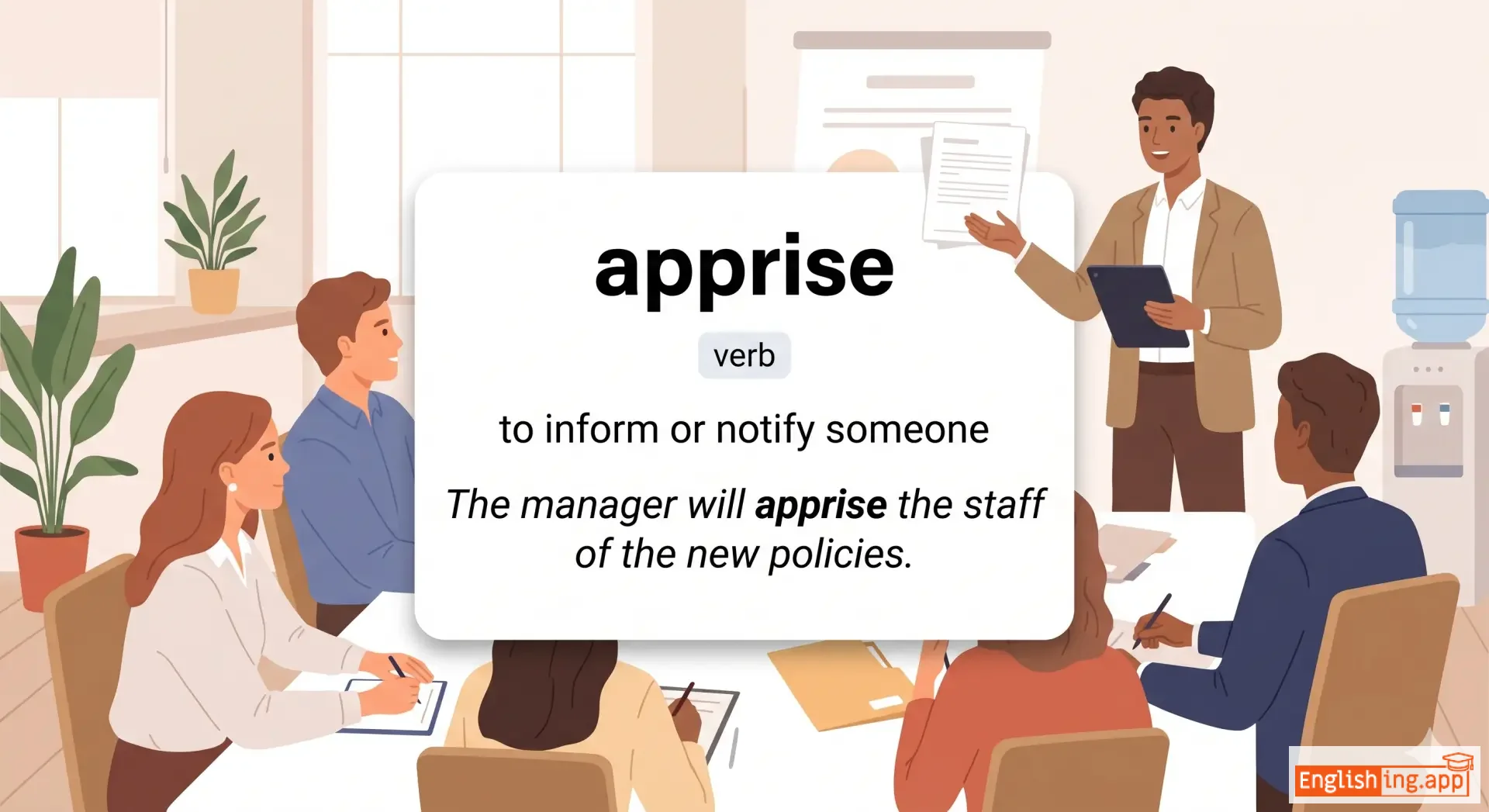
to inform or notify someone
••••••
|
The manager will apprise the staff of the new policies.
マネージャーはスタッフに新しい方針について知らせます。
••••••
|
マネージャーはスタッフに新しい方針について知らせます。
Manejā wa sutaffu ni atarashī hōshin ni tsuite shirasemasu.
••••••
|
keep apprised
情報を維持する
••••••
|
to keep informed about something
••••••
|
情報を維持する
jōhō o iji suru
••••••
|
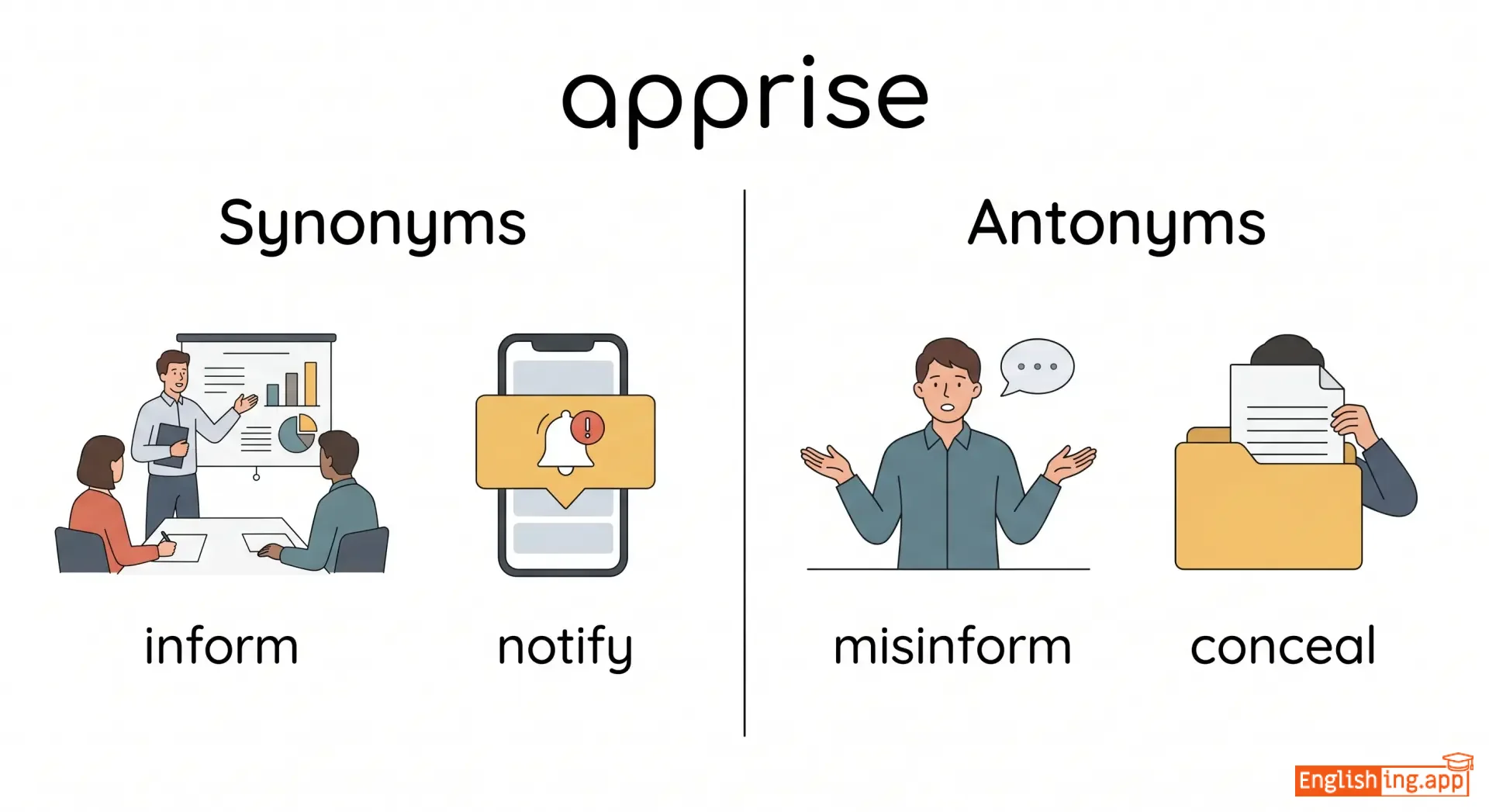
inform, notify, brief, update, advise
••••••
|
misinform, conceal
••••••
|
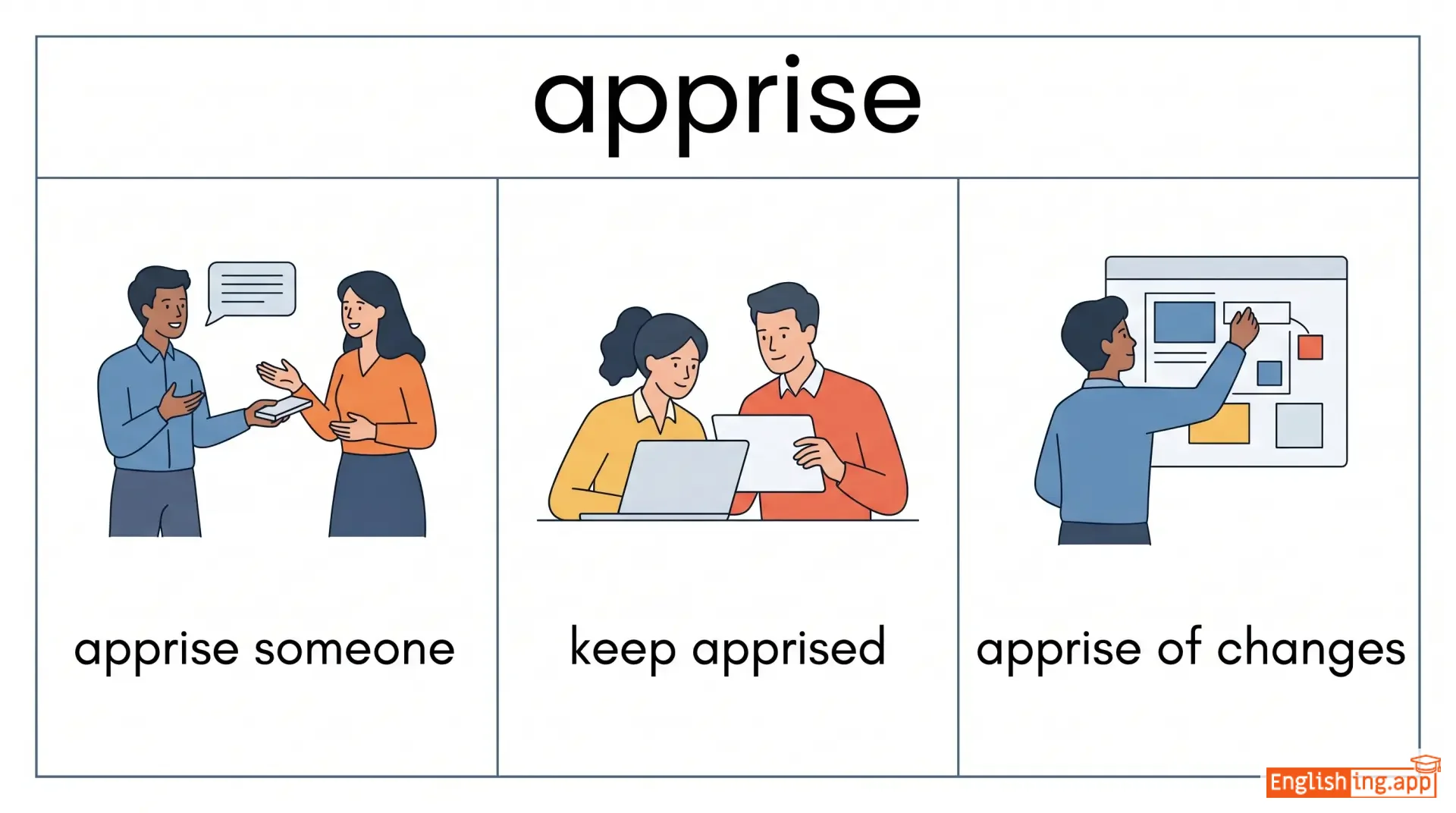
apprise someone, keep apprised, apprise of changes
••••••
|
Apprise は情報を'prise'する—更新を知らせる
••••••
|
|
#54
👍
|
/ˌæprəˈbeɪʃən/
noun
(アプロベーション)
••••••
|
|
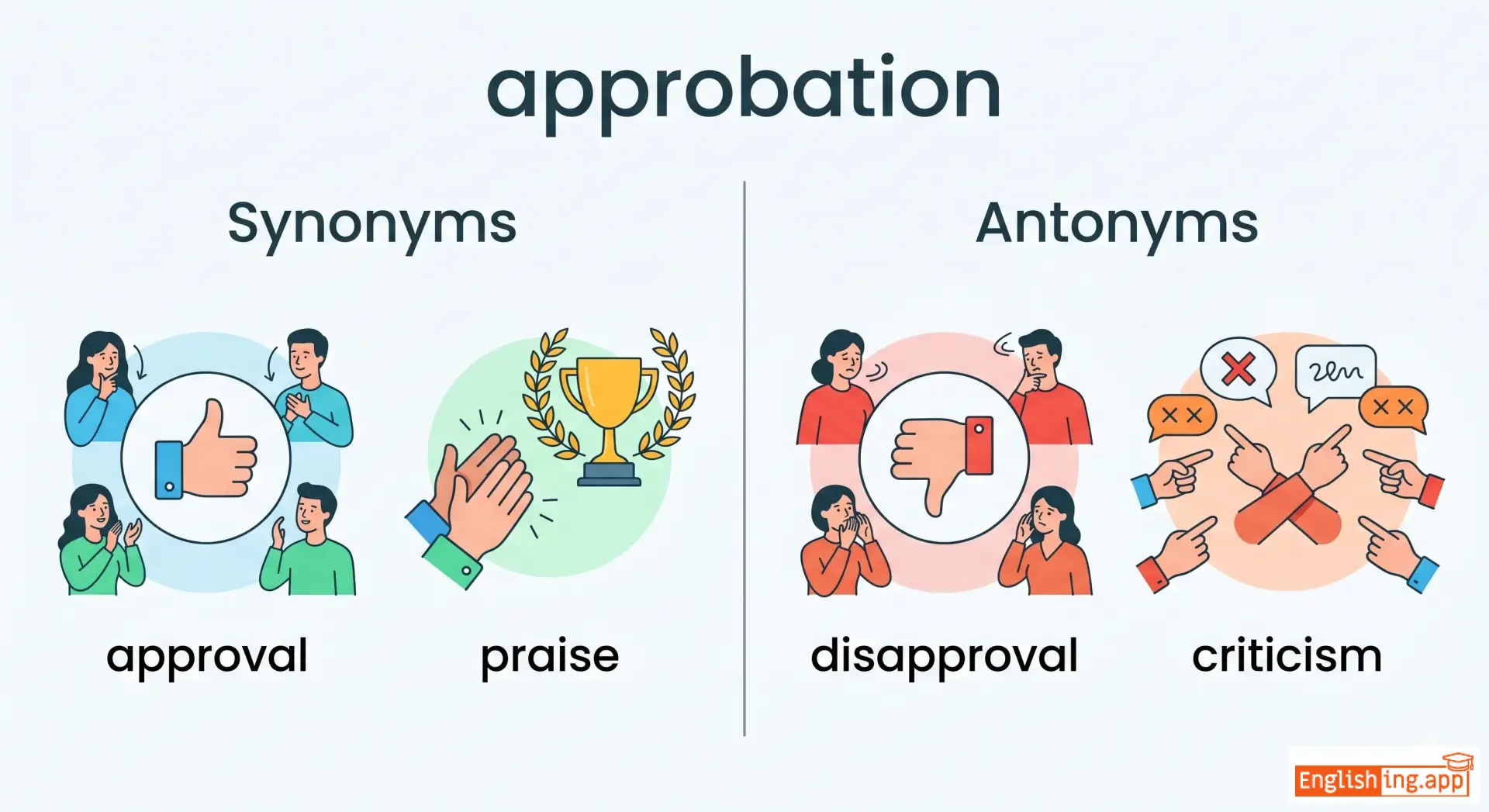
承認 / 賞賛
shōnin / shōsan
••••••
|
- •••••• | - •••••• | - •••••• | - •••••• |
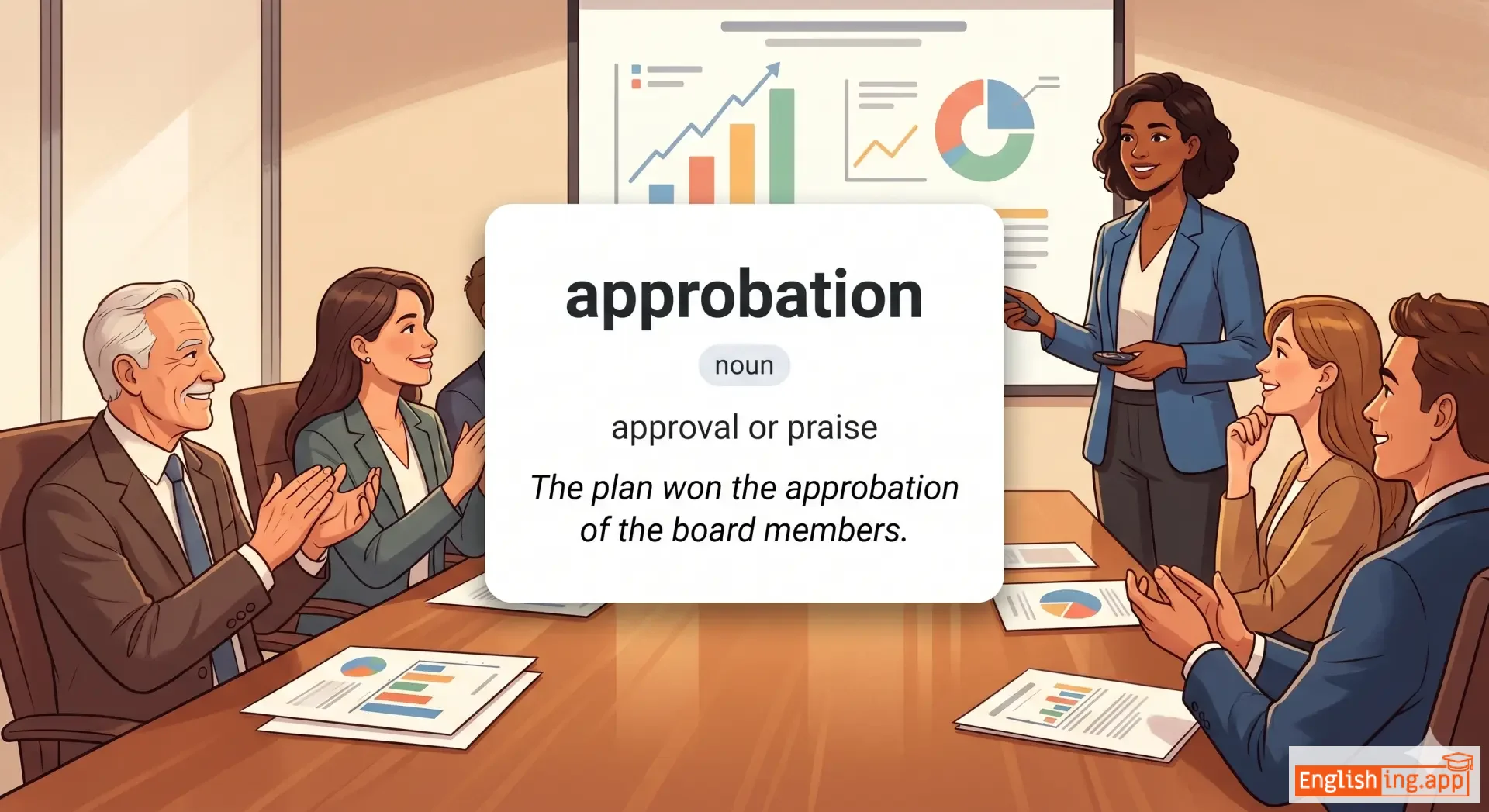
approval or praise
••••••
|
The plan won the approbation of the board members.
その計画は理事会メンバーの承認を得ました。
••••••
|
その計画は理事会メンバーの承認を得ました。
Sono keikaku wa rijikai menbā no shōnin o emashita.
••••••
|
- •••••• | - •••••• | - •••••• |
approval, praise, endorsement, admiration, recognition
••••••
|
disapproval, criticism, rejection
••••••
|
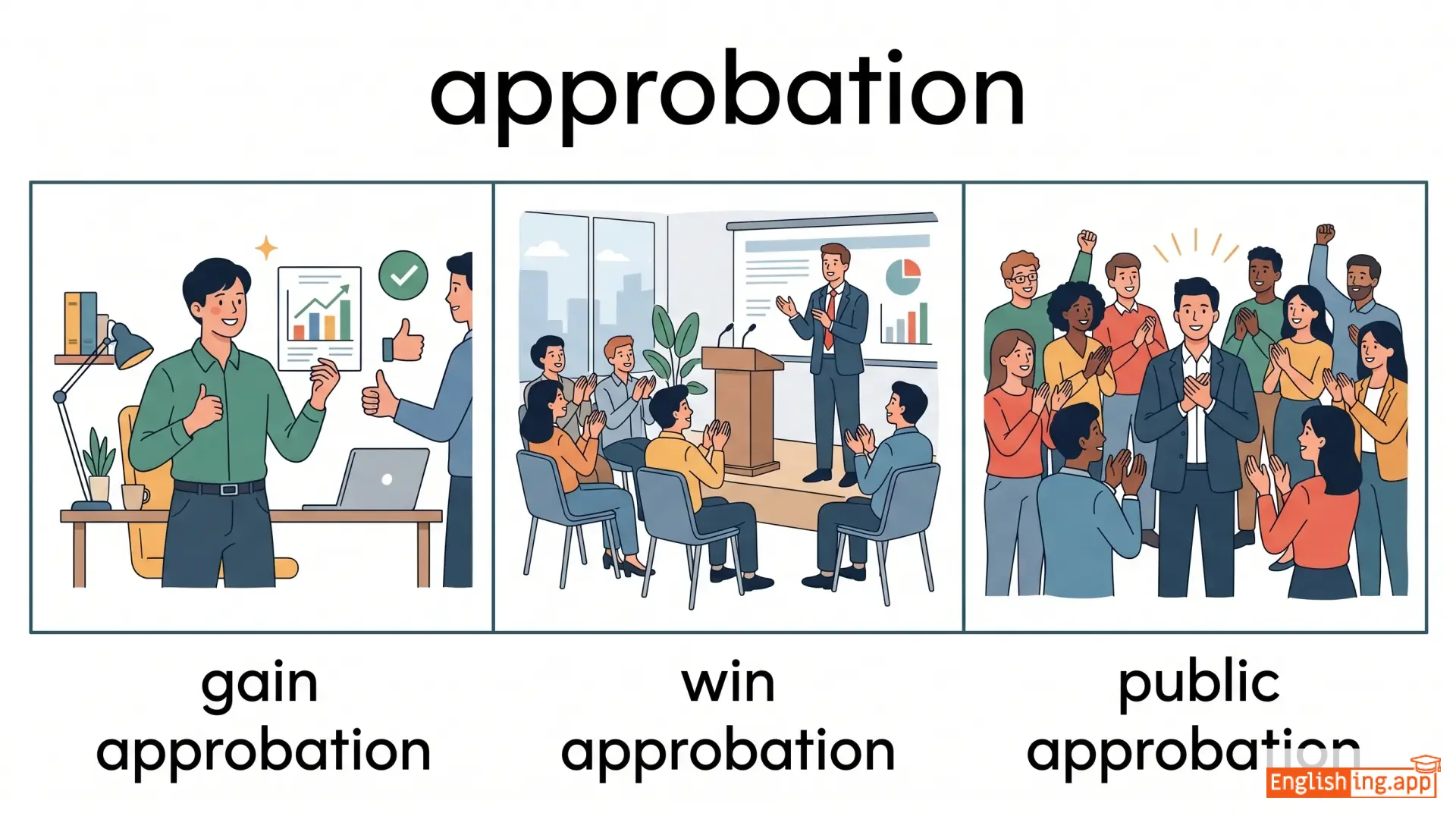
gain approbation, win approbation, public approbation, official approbation
••••••
|
Approbation は approval を意味します—app 承認を得ると、みんな幸せになります。
••••••
|
|
#55
✔️
|
/əˈproʊpriət/ (adj), /əˈproʊprieɪt/ (verb)
adjective, verb
(アプロプリエイト)
••••••
|
|
適切 / 取る
tekisetsu / toru
••••••
|
appropriated
アプロプリエイテッド
••••••
|
appropriated
アプロプリエイテッド
••••••
|
appropriates
アプロプリエイツ
••••••
|
appropriating
アプロプリエイティング
••••••
|
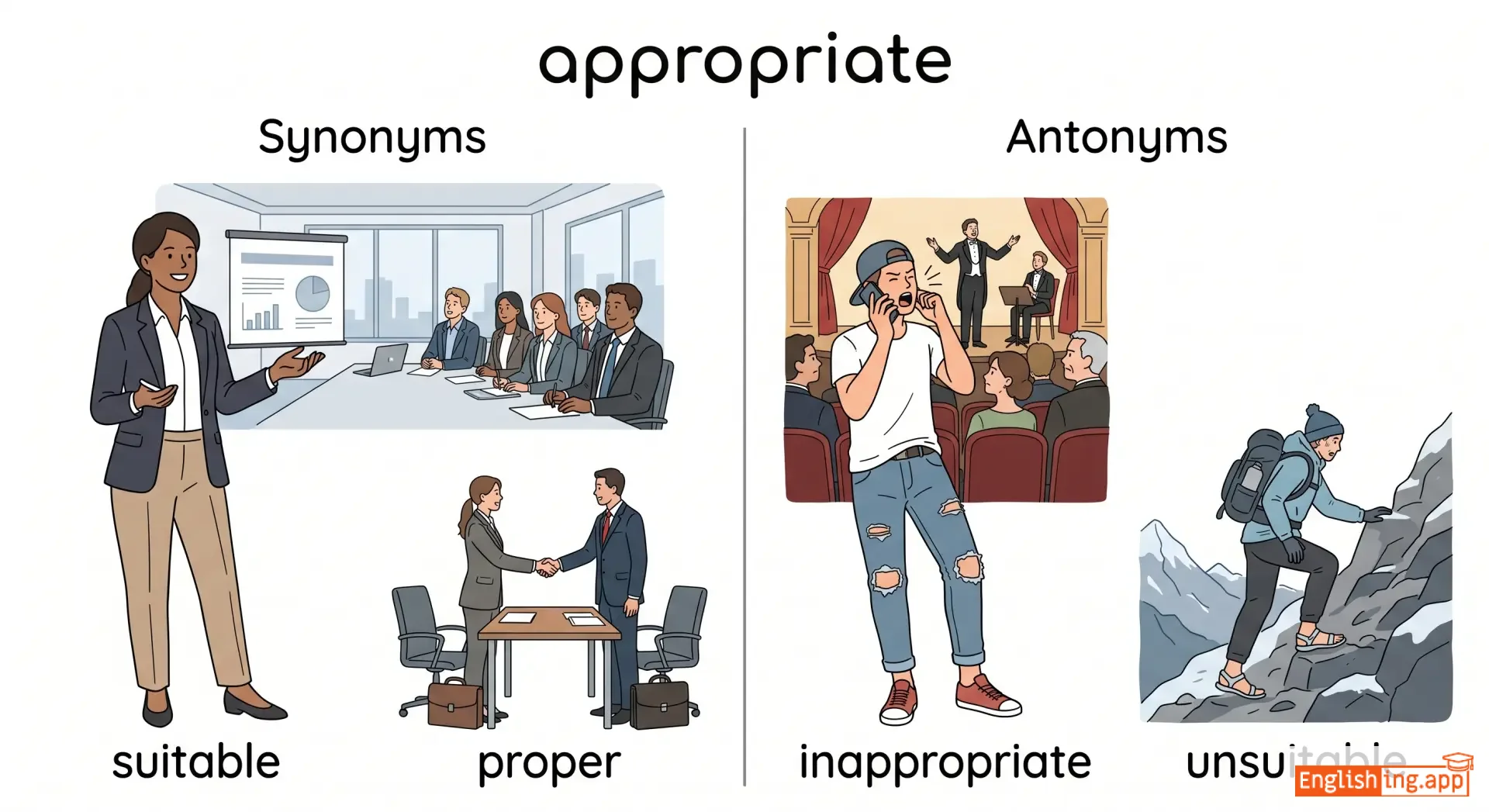
suitable or proper in the circumstances (adj); to take something for one’s own use, often without permission (verb)
••••••
|
Wearing formal clothes was appropriate for the ceremony.
フォーマルな服を着ることはその儀式には適切でした。
••••••
|
フォーマルな服を着ることはその儀式には適切でした。
Fōmaru na fuku o kiru koto wa sono gishiki ni wa tekisetsu deshita.
••••••
|
- •••••• | - •••••• | - •••••• |
suitable, proper, fitting, apt, seize
••••••
|
inappropriate, unsuitable
••••••
|
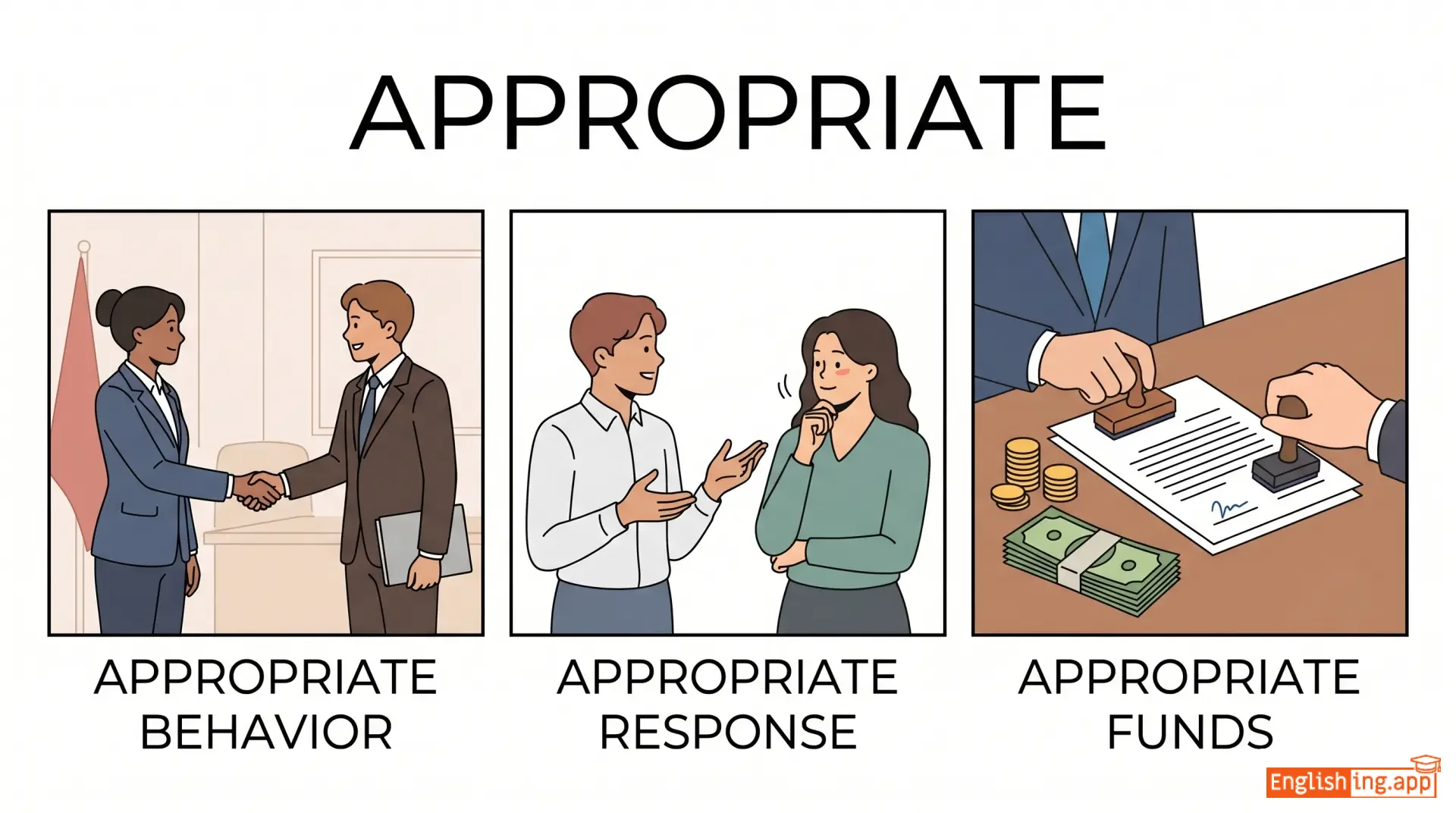
appropriate behavior, appropriate response, appropriate funds, culturally appropriate
••••••
|
Appropriate は適切—状況に合ったもの、時には許可なく取ることもある。
••••••
|
|
#56
📌
|
/ˌæ.prəˈpoʊ/
adjective/adverb
(アプロポ)
••••••
|
|
適切
tekisetsu
••••••
|
- •••••• | - •••••• | - •••••• | - •••••• |
Appropriate to the situation; relevant. As an adverb, it means 'with reference to' or 'regarding'.
••••••
|
His comments were not apropos of the discussion.
彼のコメントは議論にはアプロポではなかった。
••••••
|
彼のコメントは議論には適切ではなかった。
Kare no komento wa giron ni wa tekisetsu de wa nakatta.
••••••
|
- •••••• | - •••••• | - •••••• |
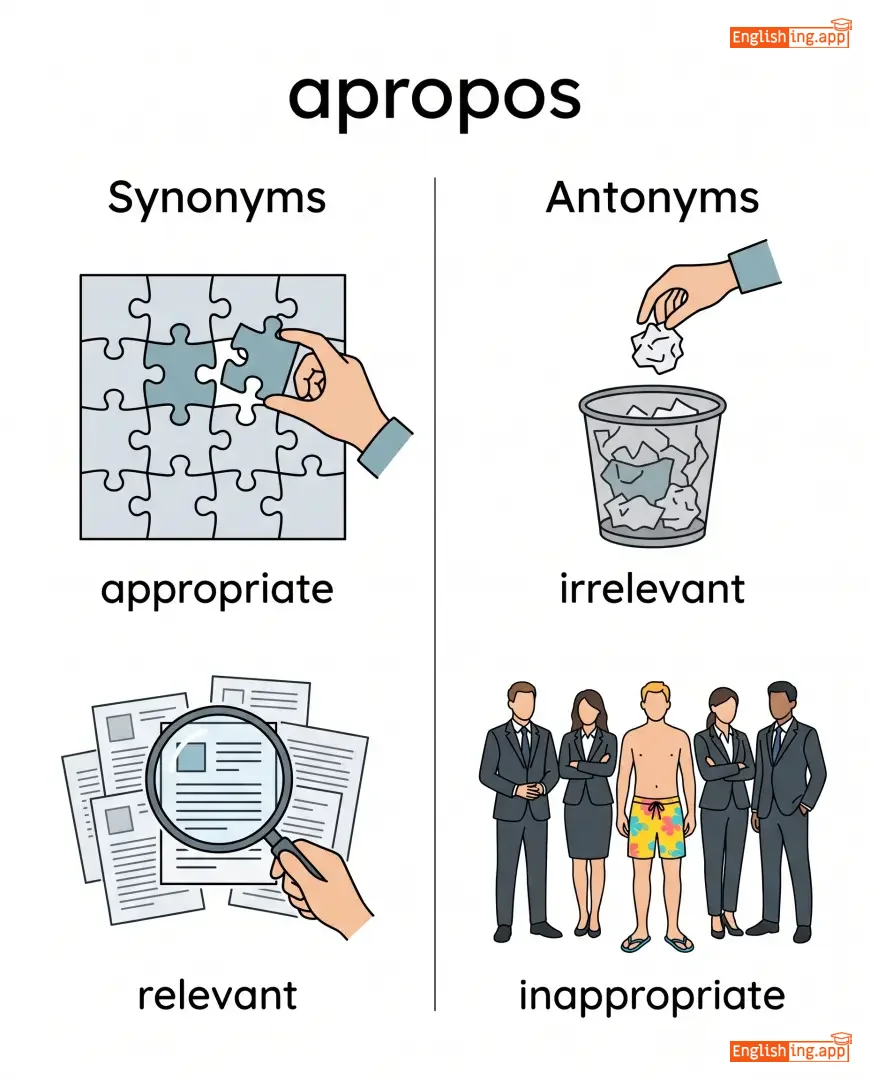
appropriate, relevant, suitable, pertinent
••••••
|
irrelevant, inappropriate
••••••
|
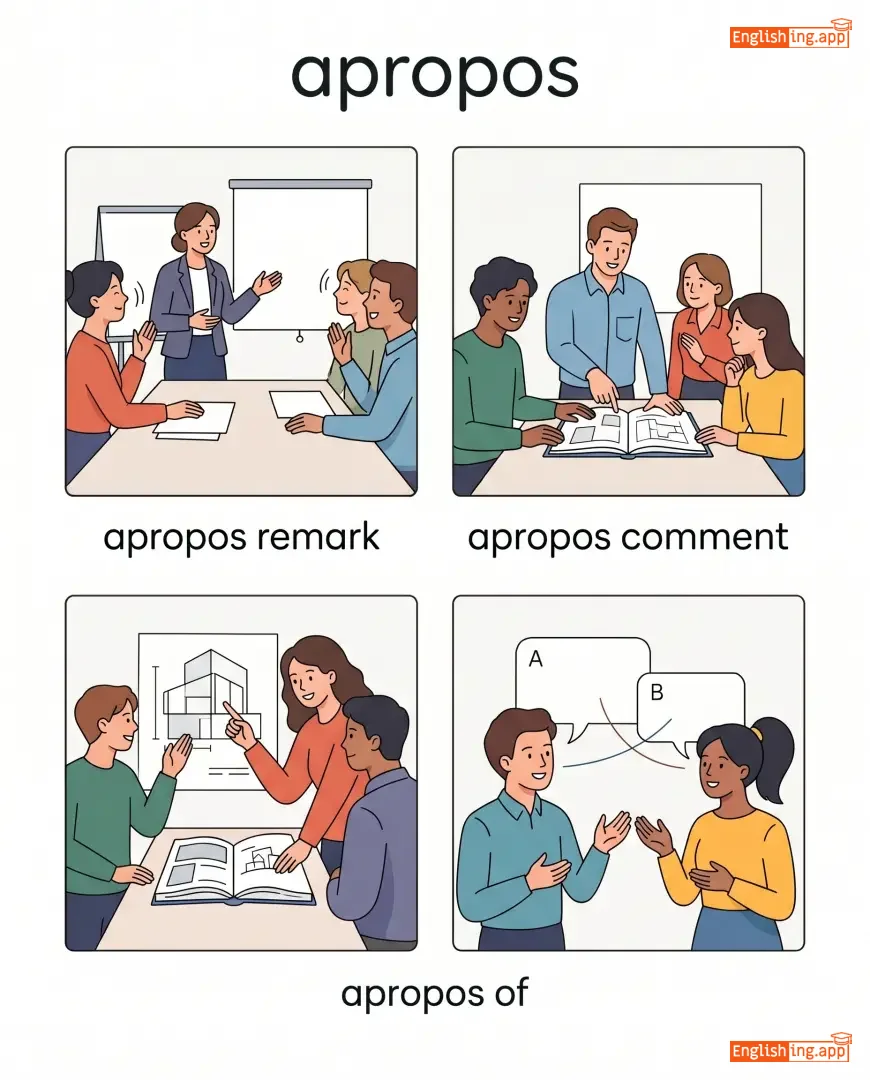
apropos remark, apropos comment, apropos of
••••••
|
Aproposは関連を意味します—提案のように、Aproposである必要があります!
••••••
|
|
#57
🎨
|
/ˌær.əˈbesk/
noun
(アラベスク)
••••••
|
|
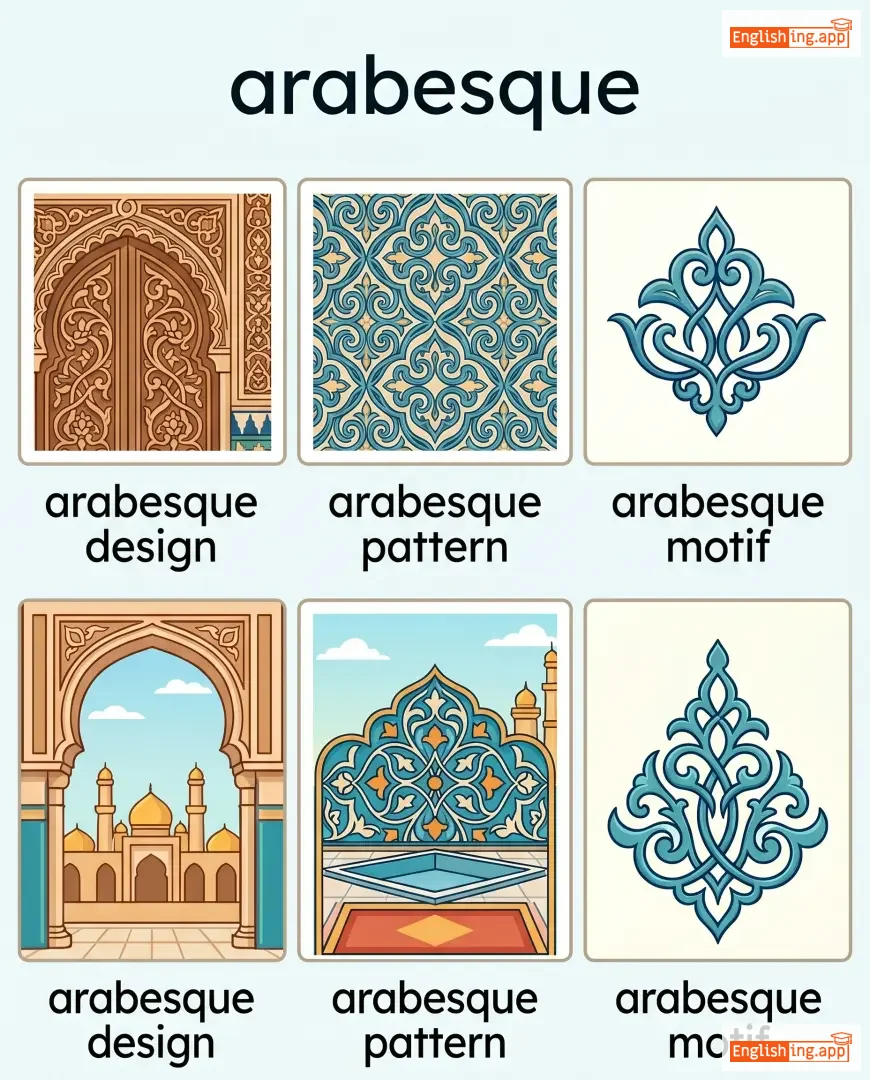
装飾的デザイン
sōshokuteki dezain
••••••
|
- •••••• | - •••••• | - •••••• | - •••••• |
a complex, ornate design featuring intertwined flowing lines, often used in architecture or ballet poses
••••••
|
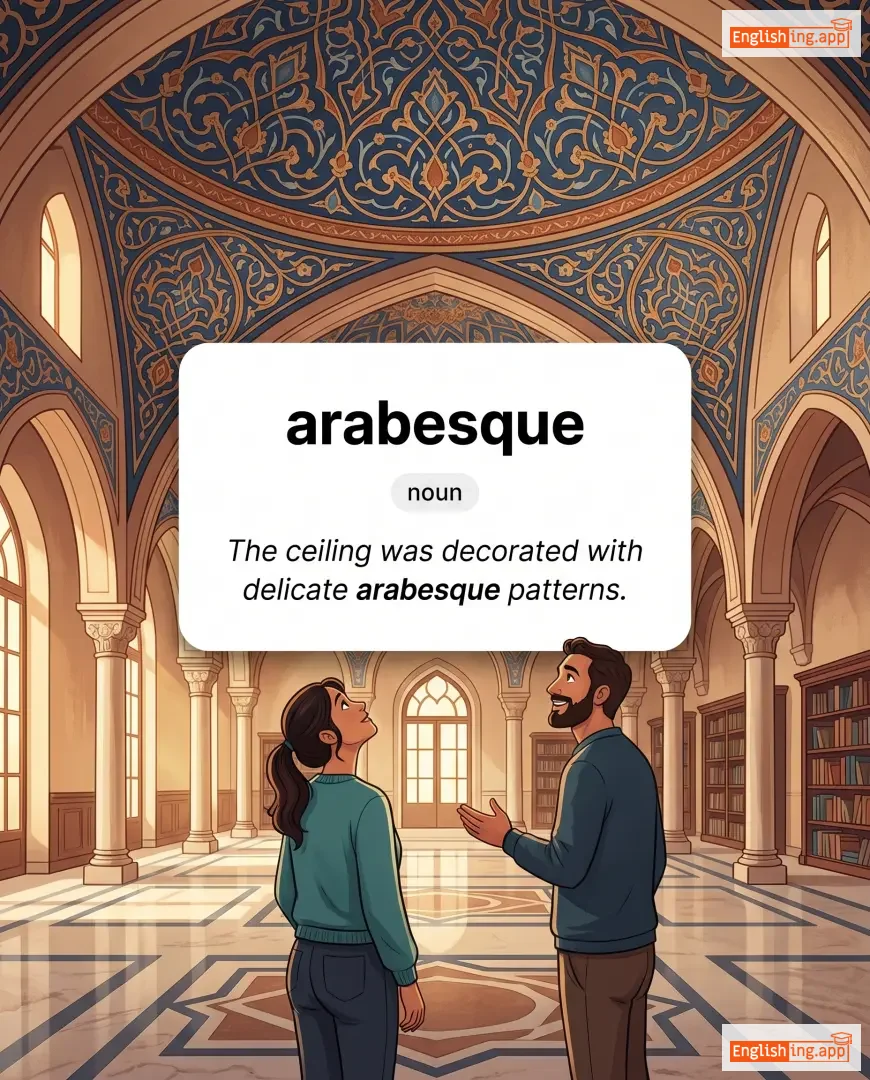
The ceiling was decorated with delicate arabesque patterns. |
天井は繊細なアラベスク模様で飾られていました。
Tenjō wa sensaina arabesuku moyō de kazararete imashita.
••••••
|
- •••••• | - •••••• | - •••••• |
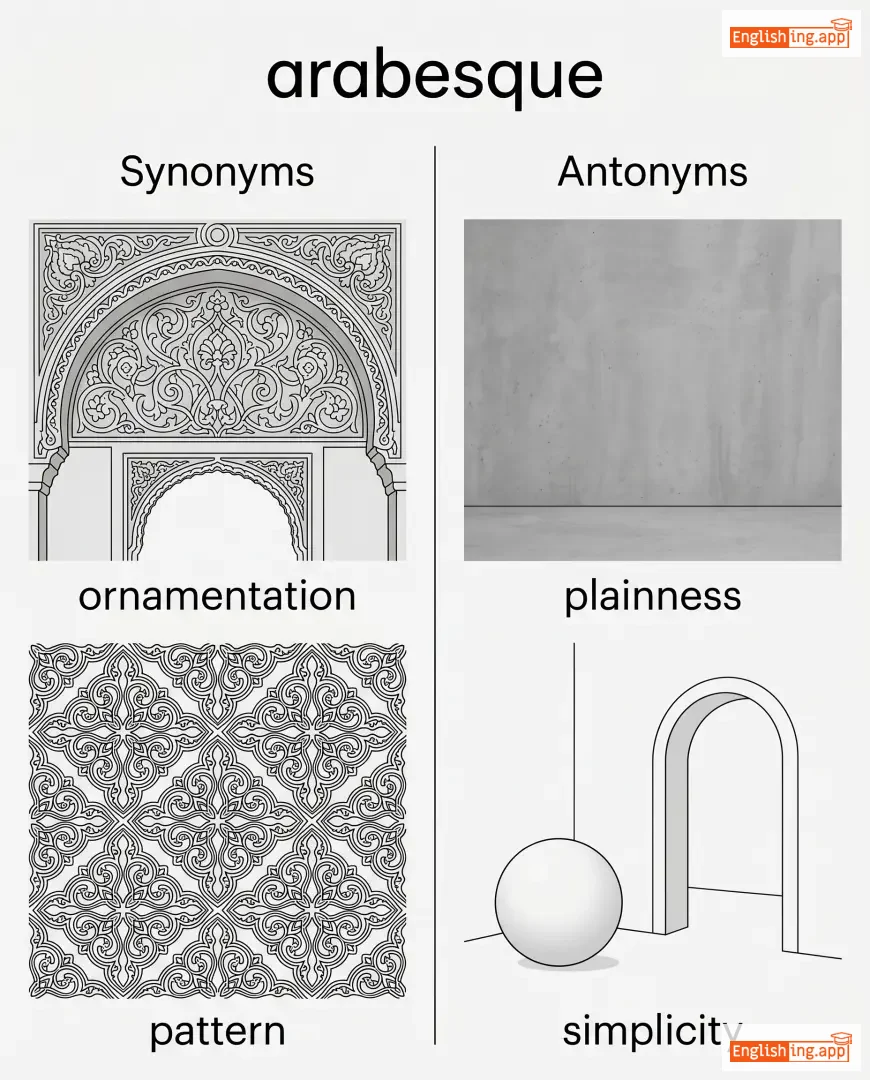
ornamentation, pattern, motif, design, flourish
••••••
|
plainness, simplicity
••••••
|
arabesque design, arabesque pattern, arabesque motif, arabesque architecture
••••••
|
アラビアのモスクで見られる美しいアラベスクデザイン 🎨
••••••
|
|
#58
🏺
|
/ˌɑːr.kiˈɑː.lə.dʒi/
noun
(考古学)
••••••
|
|
考古学
koukagaku
••••••
|
- •••••• | - •••••• | - •••••• | - •••••• |
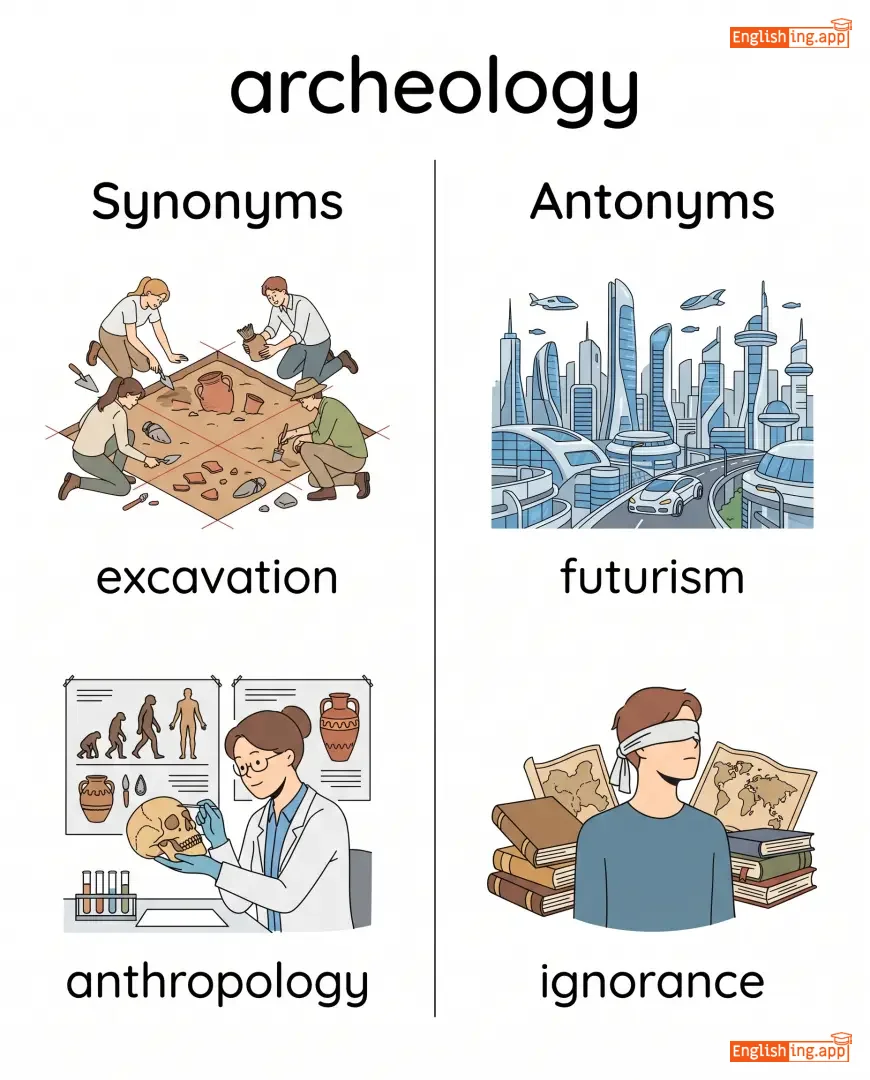
the study of human history and prehistory through excavation and analysis of artifacts and structures
••••••
|
She decided to study archeology to learn about ancient civilizations. |
彼女は古代文明について学ぶために考古学を学ぶことに決めました。
Kanojo wa kodai bunmei ni tsuite manabu tame ni koukagaku o manabu koto ni kimemashita.
••••••
|
- •••••• | - •••••• | - •••••• |
excavation, anthropology, prehistory, paleontology, history
••••••
|
futurism, ignorance
••••••
|
study archeology, archeology department, archeology site, archeology research
••••••
|
考古学 - 古代の秘密を解く学問
••••••
|
|
#59
❤️
|
/ˈɑːrdər/
noun
(アーダー)
••••••
|
|
情熱、熱意
ardor
••••••
|
- •••••• | - •••••• | - •••••• | - •••••• |
Great enthusiasm or passion.
••••••
|
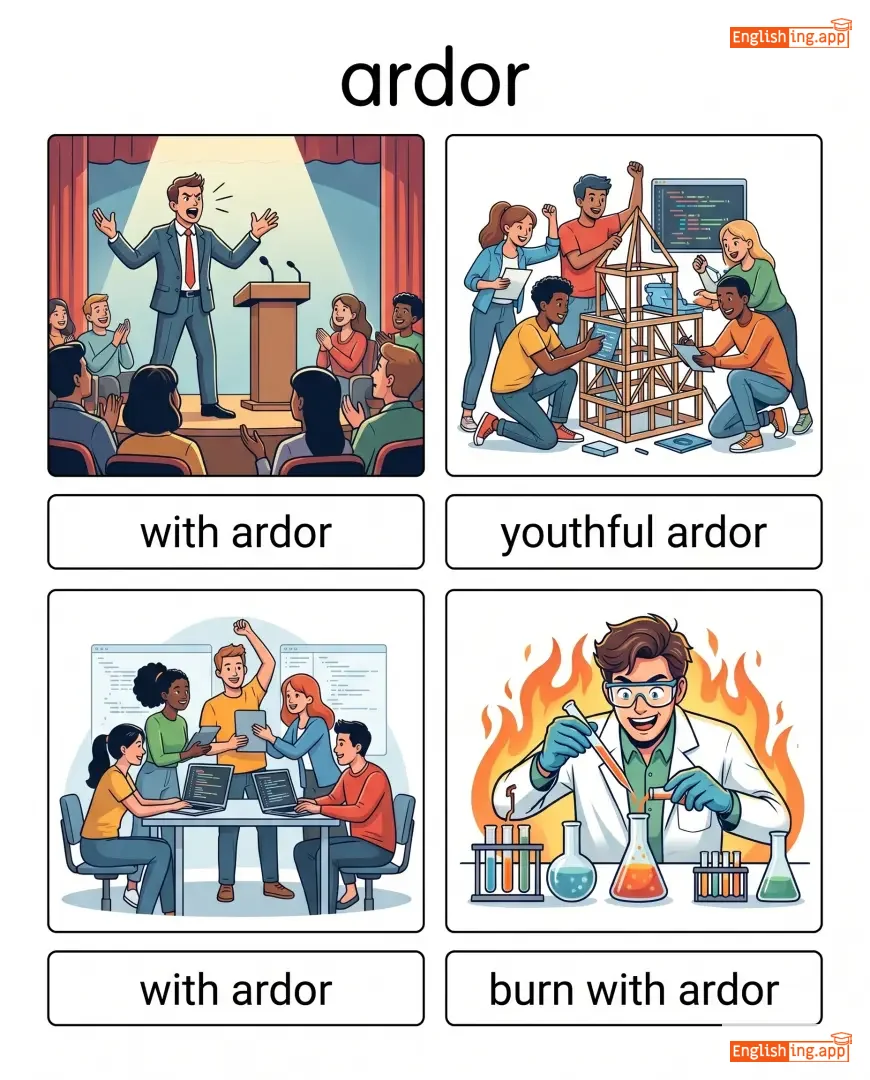
She spoke with ardor about her new project. |
彼女は新しいプロジェクトについて情熱をもって話していました。
Kanojo wa atarashī purojekuto ni tsuite jōnetsu o motte hanashite imashita.
••••••
|
burn with ardor |
To be filled with strong passion or enthusiasm.
••••••
|
情熱で燃える
jōnetsu de moeru
••••••
|
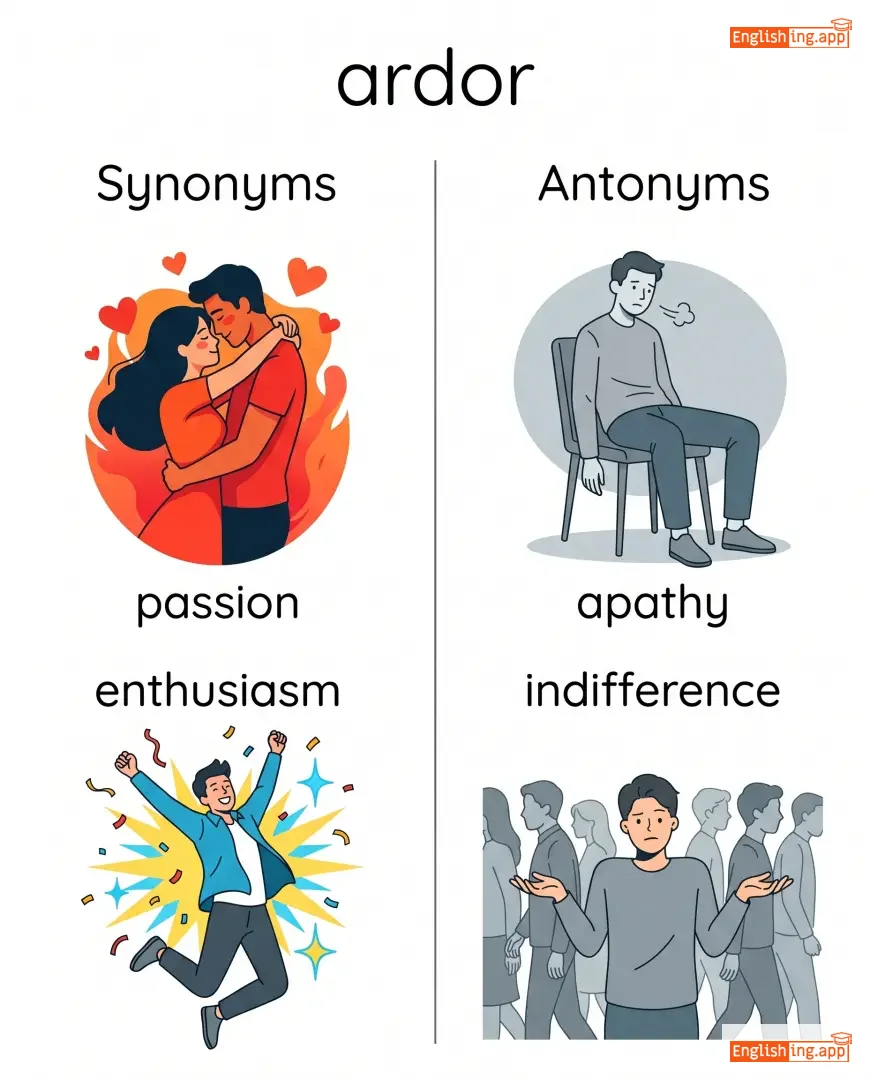
passion, enthusiasm, fervor, zeal, devotion
••••••
|
apathy, indifference
••••••
|
with ardor, youthful ardor, burn with ardor, ardor for learning
••••••
|
Ardorは‘ardent’の名詞形、心に炎のような情熱。
••••••
|
|
#60
⛰️
|
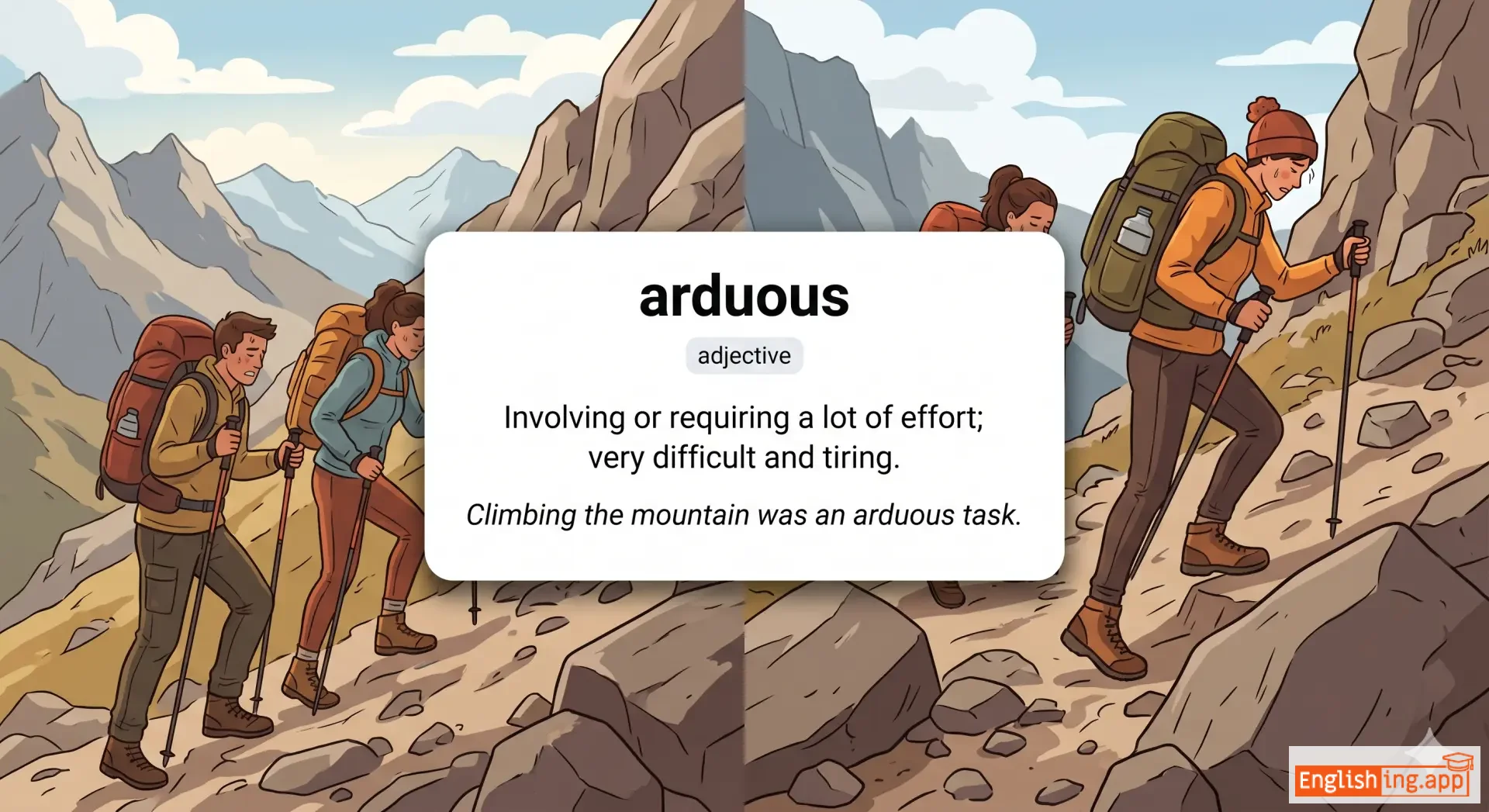
/ˈɑːrdʒuəs/
adjective
(アーデュアス)
••••••
|
|
困難
konnan
••••••
|
- •••••• | - •••••• | - •••••• | - •••••• |
Involving or requiring a lot of effort; very difficult and tiring.
••••••
|
Climbing the mountain was an arduous task. |
山を登ることは困難な仕事だった。
Yama o noboru koto wa konnan na shigoto datta.
••••••
|
- •••••• | - •••••• | - •••••• |
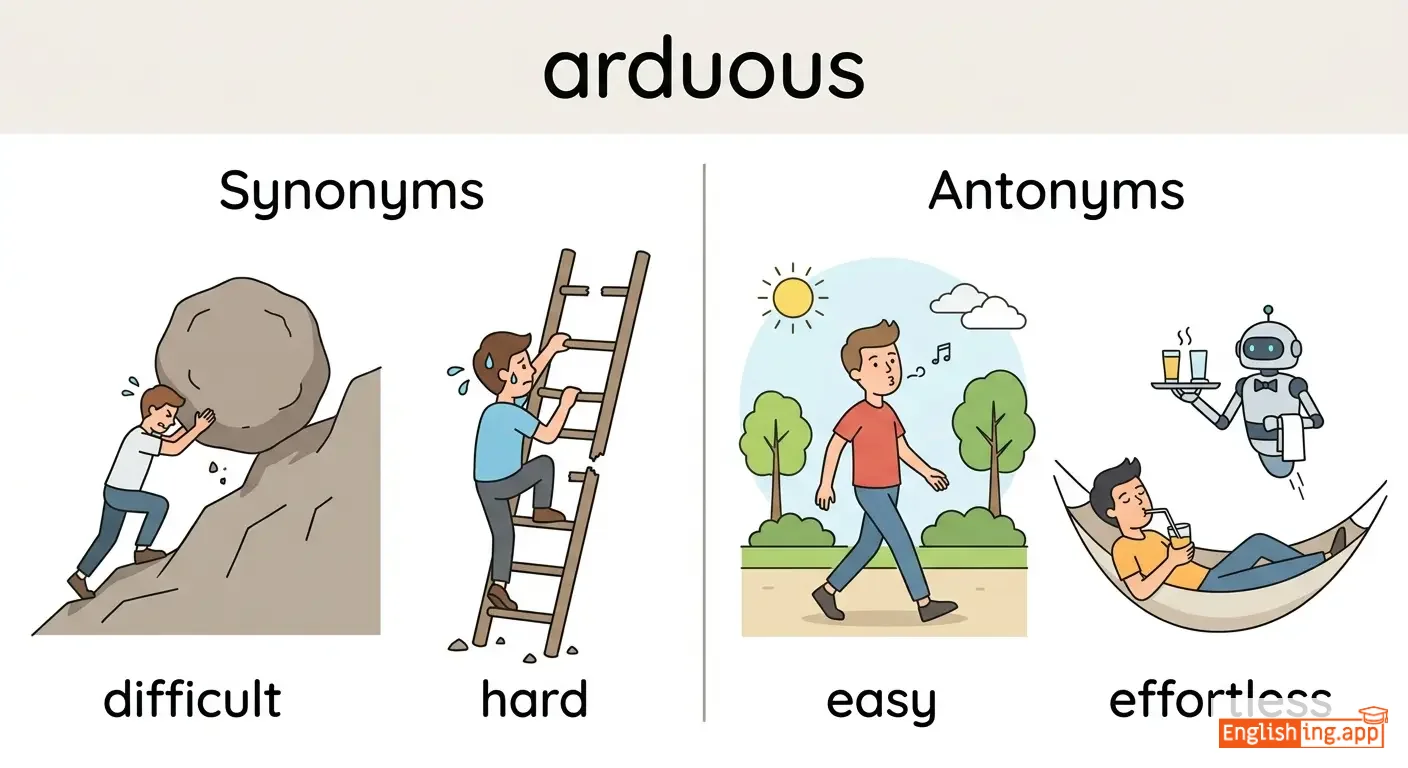
difficult, hard, demanding, strenuous, exhausting
••••••
|
easy, effortless
••••••
|
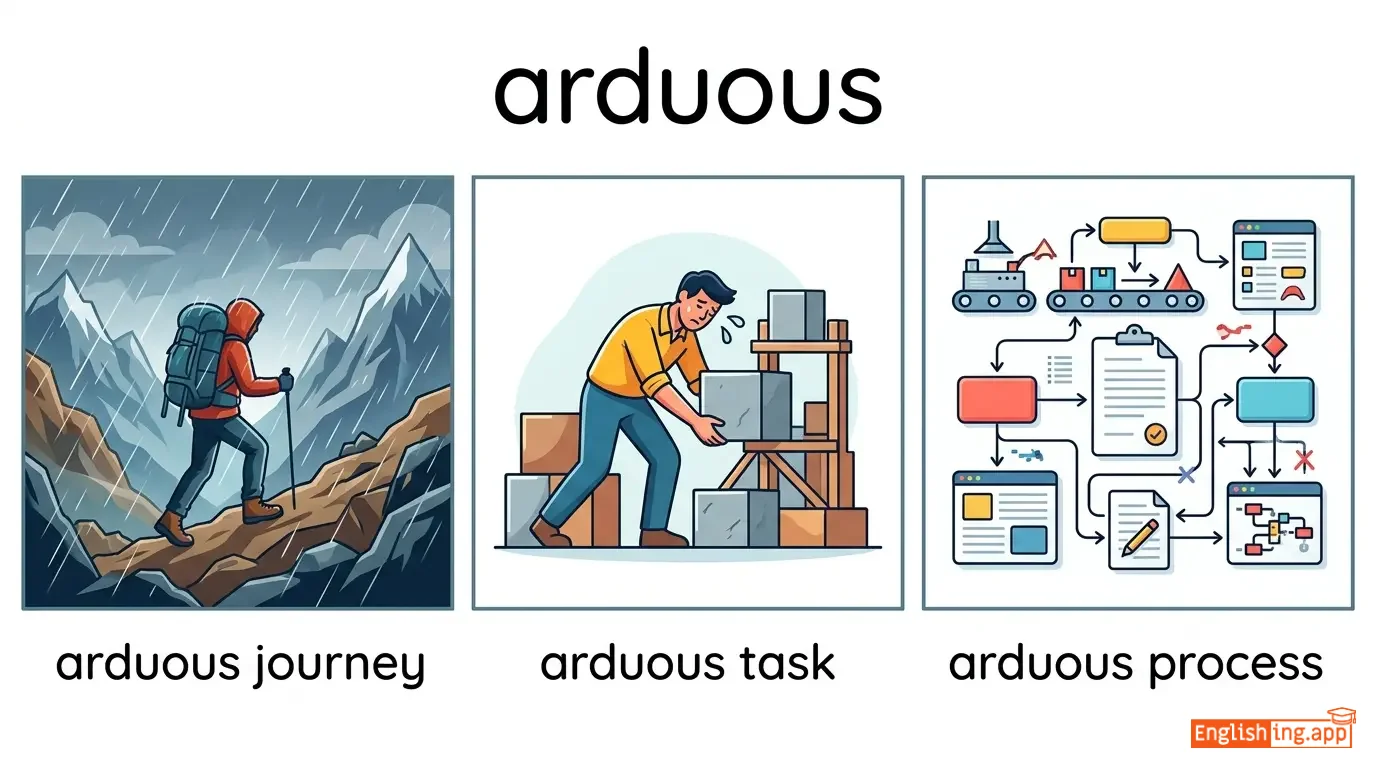
arduous journey, arduous task, arduous process, arduous climb
••••••
|
Arduousとはhard + ous – とても困難な仕事。
••••••
|
|
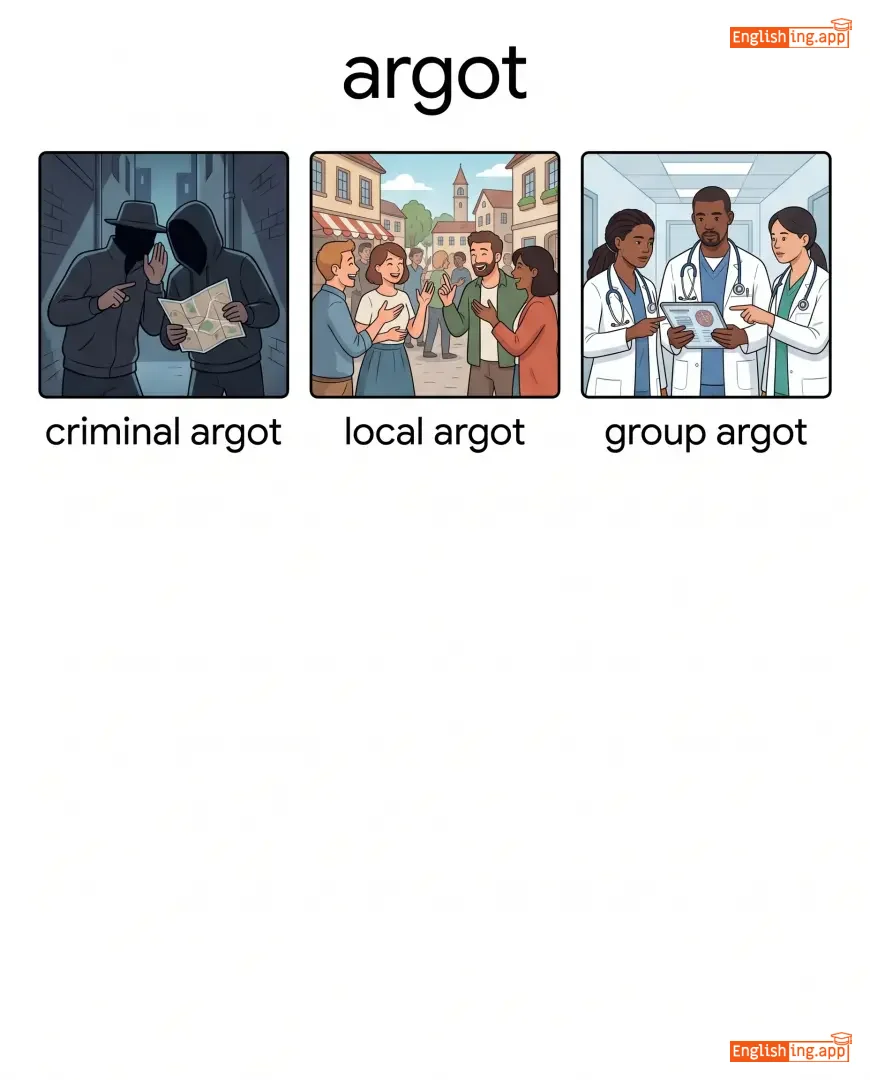
#61
🗣️
|
/ˈɑːrɡoʊ/
noun
(アルゴ)
••••••
|
|
専門用語
senmon yōgo
••••••
|
- •••••• | - •••••• | - •••••• | - •••••• |
the specialized vocabulary or jargon of a particular group, especially one with a common interest or occupation
••••••
|
The thieves communicated in an argot that outsiders could not understand.
泥棒たちは外部の人々が理解できないアルゴでコミュニケーションを取った。
••••••
|
泥棒たちは外部の人々が理解できないアルゴでコミュニケーションを取った。
Dorobō-tachi wa gaibu no hitobito ga rikai dekinai argo de komyunikeeshon o totta.
••••••
|
- •••••• | - •••••• | - •••••• |
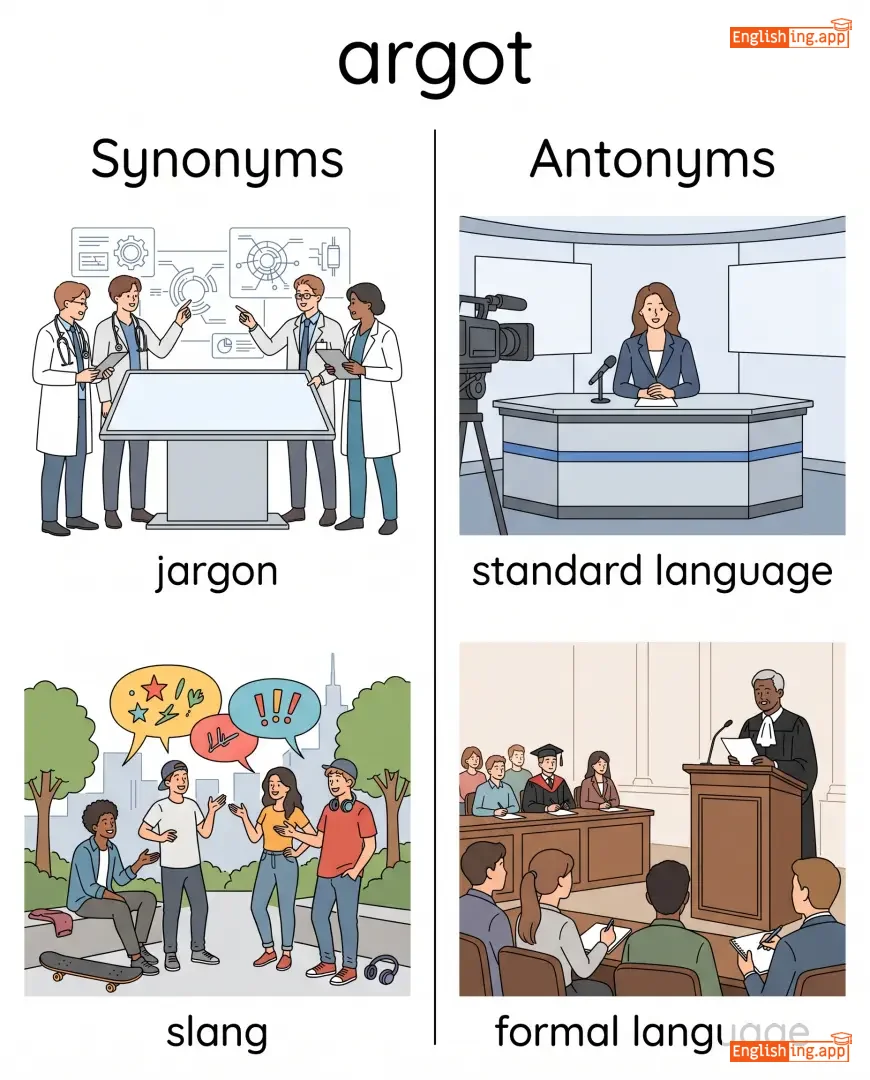
jargon, slang, dialect, lingo, terminology
••••••
|
standard language, formal language
••••••
|
criminal argot, local argot, group argot, secret argot
••••••
|
アルゴは秘密の言葉、泥棒たちが使う暗号のようなもの
••••••
|
|
#62
🚓
|
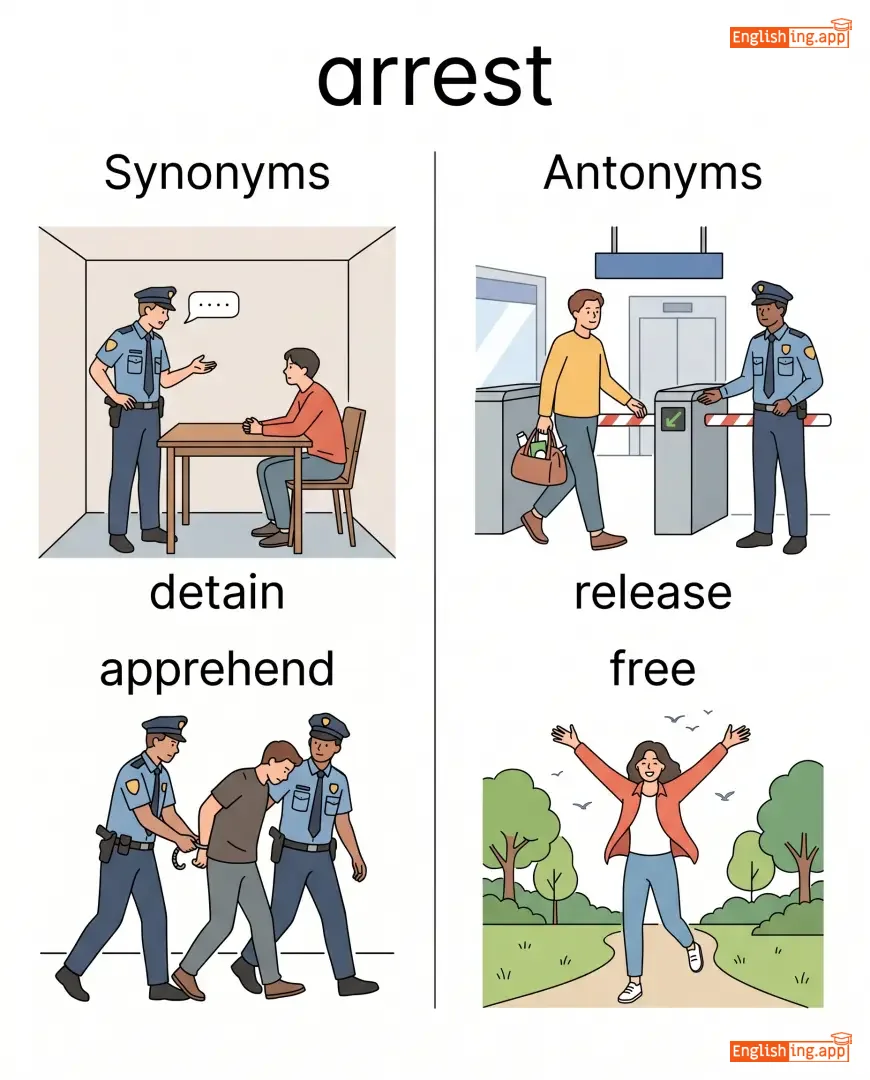
/əˈrɛst/
verb
(アレスト)
••••••
|
|
逮捕する
taiho suru
••••••
|
arrested
アレストド
••••••
|
arrested
アレストド
••••••
|
arrests
アレストス
••••••
|
arresting
アレスティング
••••••
|
To seize and hold someone by legal authority.
••••••
|
The police arrested the suspect last night.
警察は昨晩、容疑者を逮捕した。
••••••
|
警察は昨晩、容疑者を逮捕した。
Keisatsu wa sakuban, yōgisha o taiho shita.
••••••
|
under arrest
逮捕中
••••••
|
In the custody of the police.
••••••
|
逮捕中
taiho-chū
••••••
|
detain, apprehend, capture, seize, stop
••••••
|
release, free, liberate
••••••
|
arrest warrant, arrest the suspect, make an arrest
••••••
|
Arrest は Rest できない—警察があなたを逮捕するから。
••••••
|
|
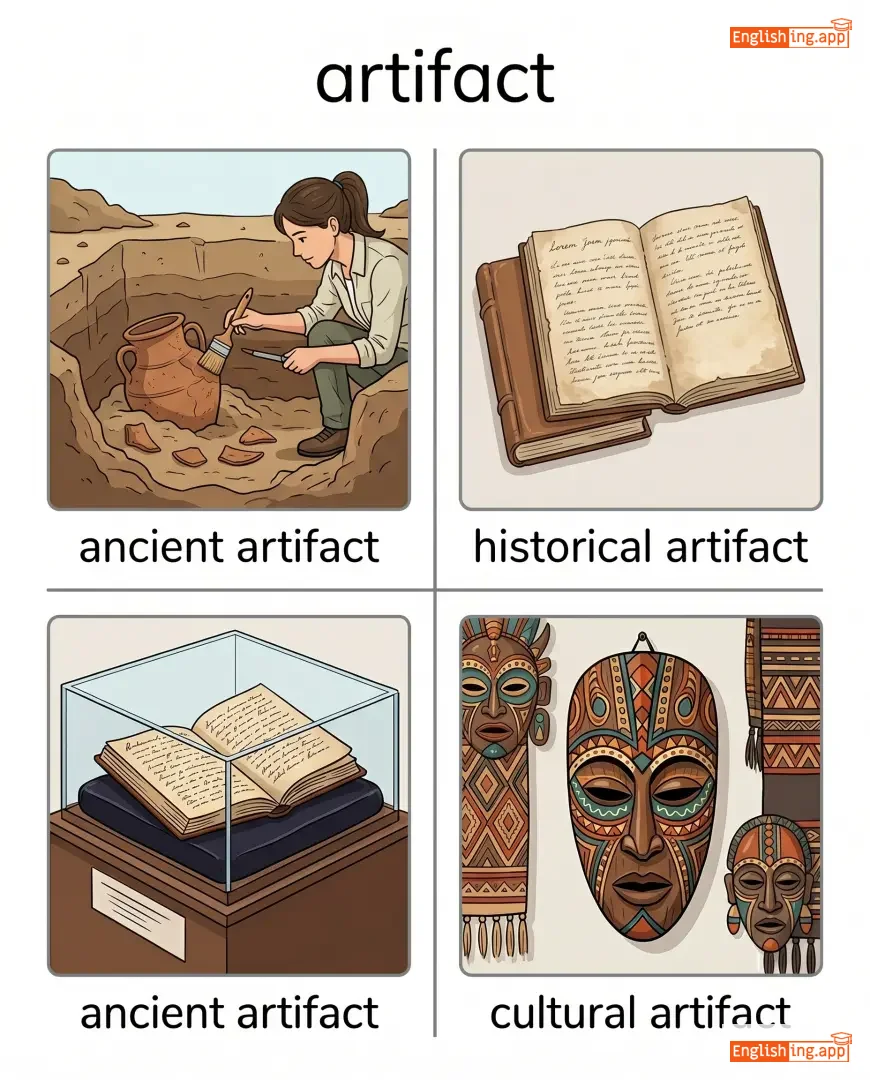
#63
🏺
|
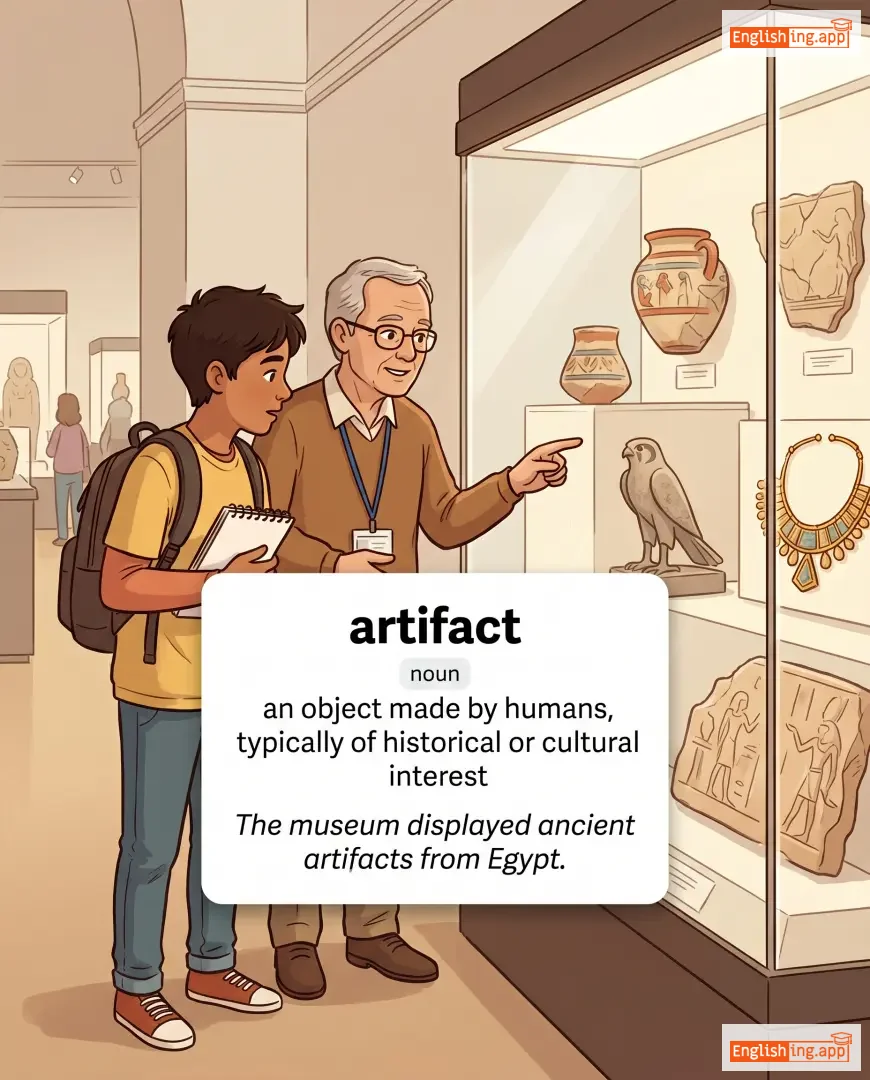
/ˈɑːrtɪˌfækt/
noun
(アーティファクト)
••••••
|
|
遺物
ibutsu
••••••
|
- •••••• | - •••••• | - •••••• | - •••••• |
an object made by humans, typically of historical or cultural interest
••••••
|
The museum displayed ancient artifacts from Egypt.
博物館はエジプトの古代のアーティファクトを展示しました。
••••••
|
博物館はエジプトの古代のアーティファクトを展示しました。
Hakubutsukan wa Ejiputo no kodai no ātofakuto o tenji shimashita.
••••••
|
- •••••• | - •••••• | - •••••• |
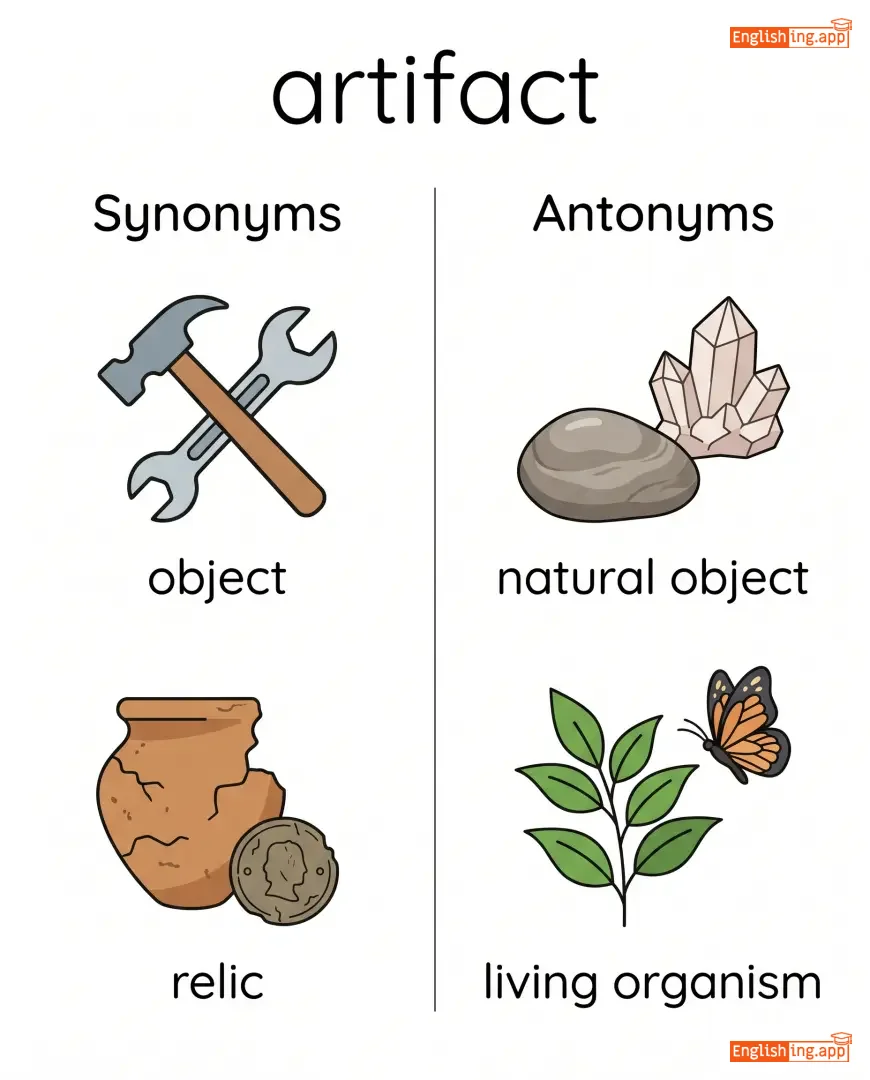
object, relic, antiquity, remain, heirloom
••••••
|
natural object, living organism
••••••
|
ancient artifact, historical artifact, cultural artifact, rare artifact
••••••
|
遺物(ibutsu): 人間の手によって作られた過去の貴重な物品
••••••
|
|
#64
😊
|
/ˈɑːrtləs/
adjective
(アートレス)
••••••
|
|
素朴, 自然
soboku, shizen
••••••
|
- •••••• | - •••••• | - •••••• | - •••••• |
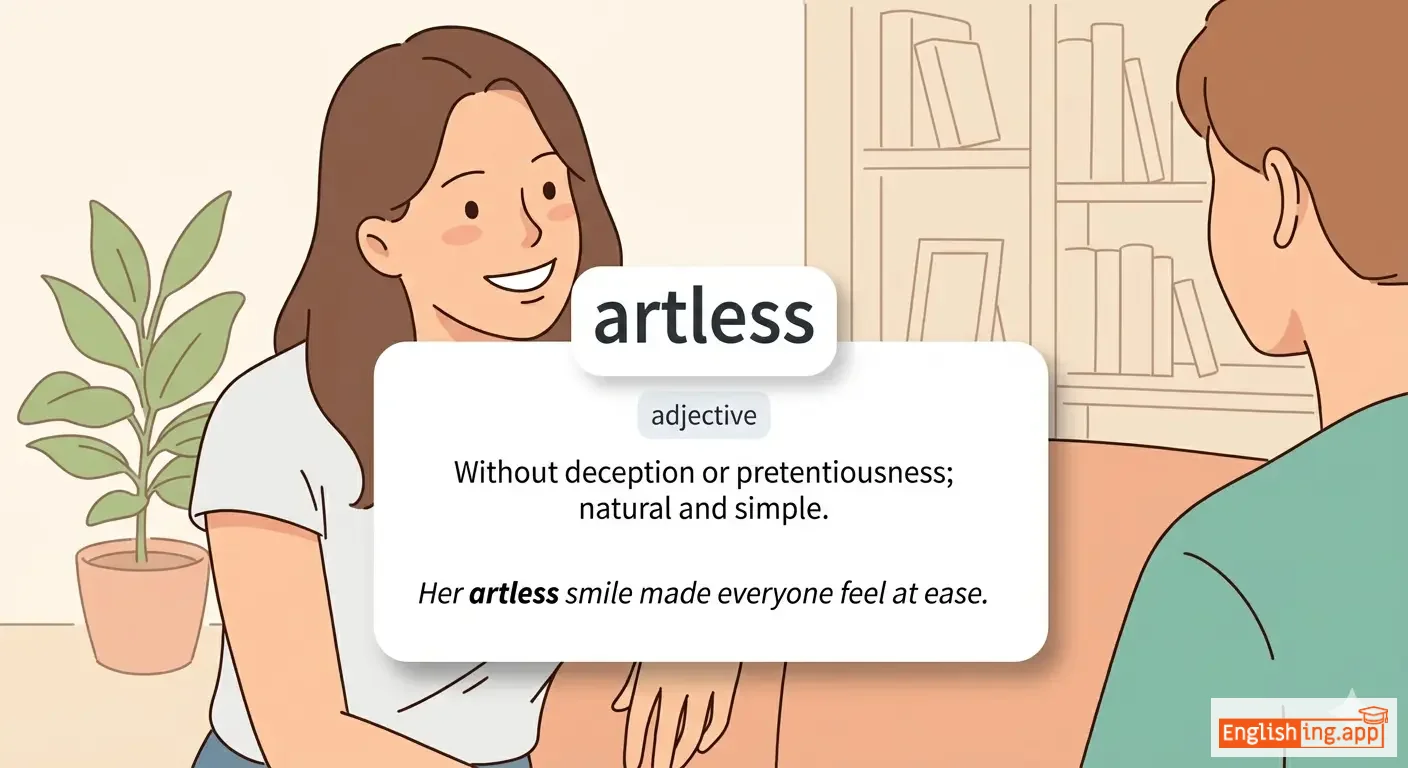
Without deception or pretentiousness; natural and simple.
••••••
|
Her artless smile made everyone feel at ease. |
彼女の素朴な笑顔は、みんなを安心させました。
kanojo no soboku na egao wa, minna o anshin saseru mashita.
••••••
|
- •••••• | - •••••• | - •••••• |
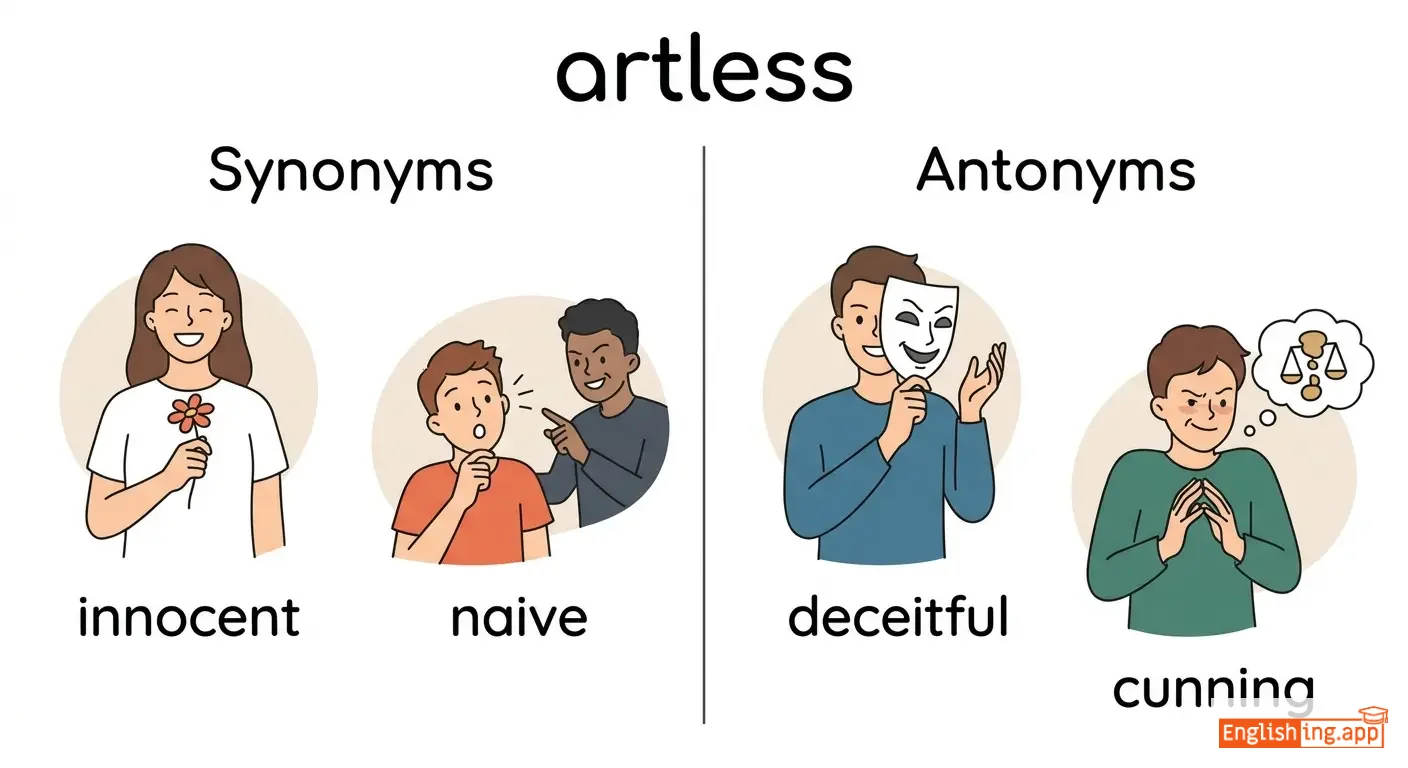
innocent, naive, guileless, sincere, genuine
••••••
|
deceitful, cunning, pretentious
••••••
|
artless charm, artless behavior, artless simplicity
••••••
|
Artがないとき、アートレス - 完全に素朴で自然です。
••••••
|
|
#65
🙏
|
/əˈsɛt.ɪk/
adjective
(アセティック)
••••••
|
|
禁欲的
kinyoku teki
••••••
|
- •••••• | - •••••• | - •••••• | - •••••• |
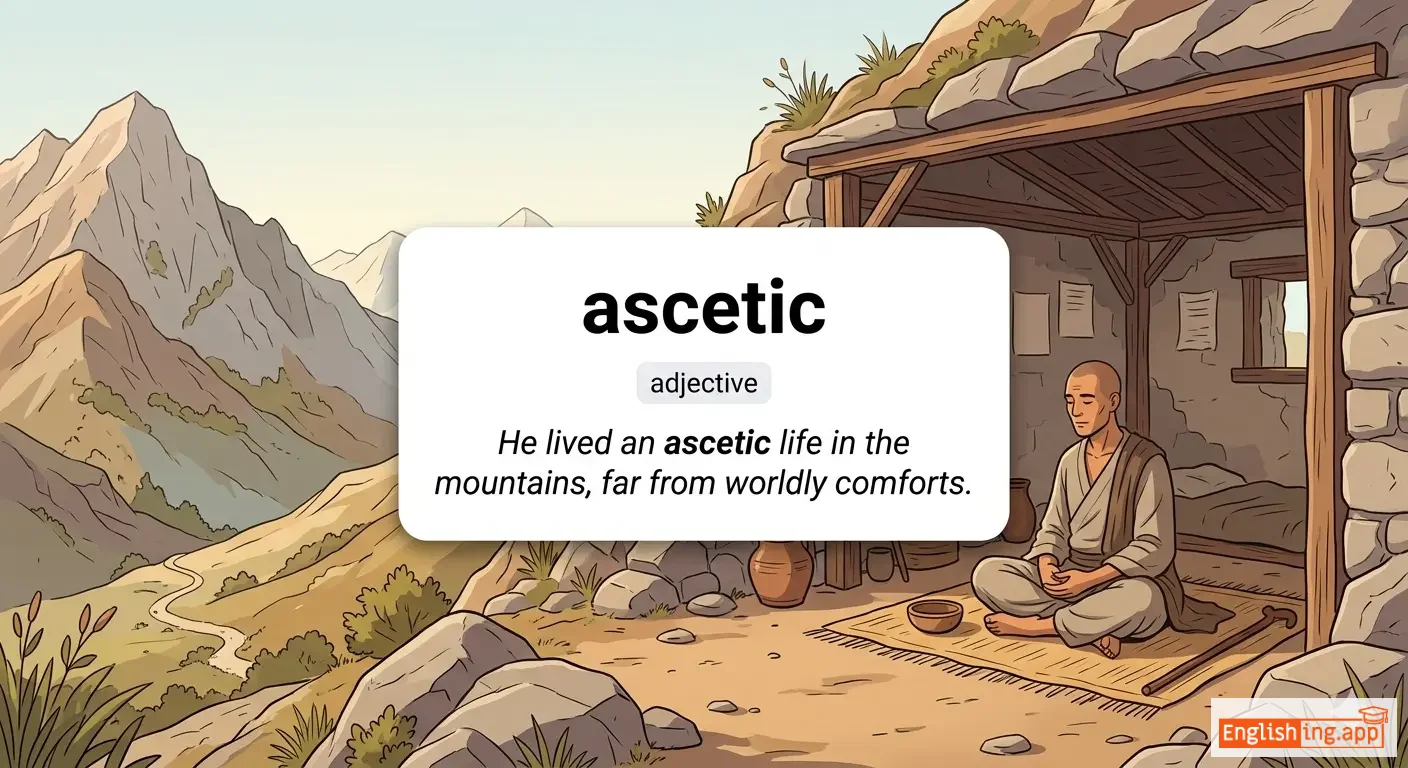
Practicing strict self-denial and abstaining from worldly pleasures, often for religious reasons.
••••••
|
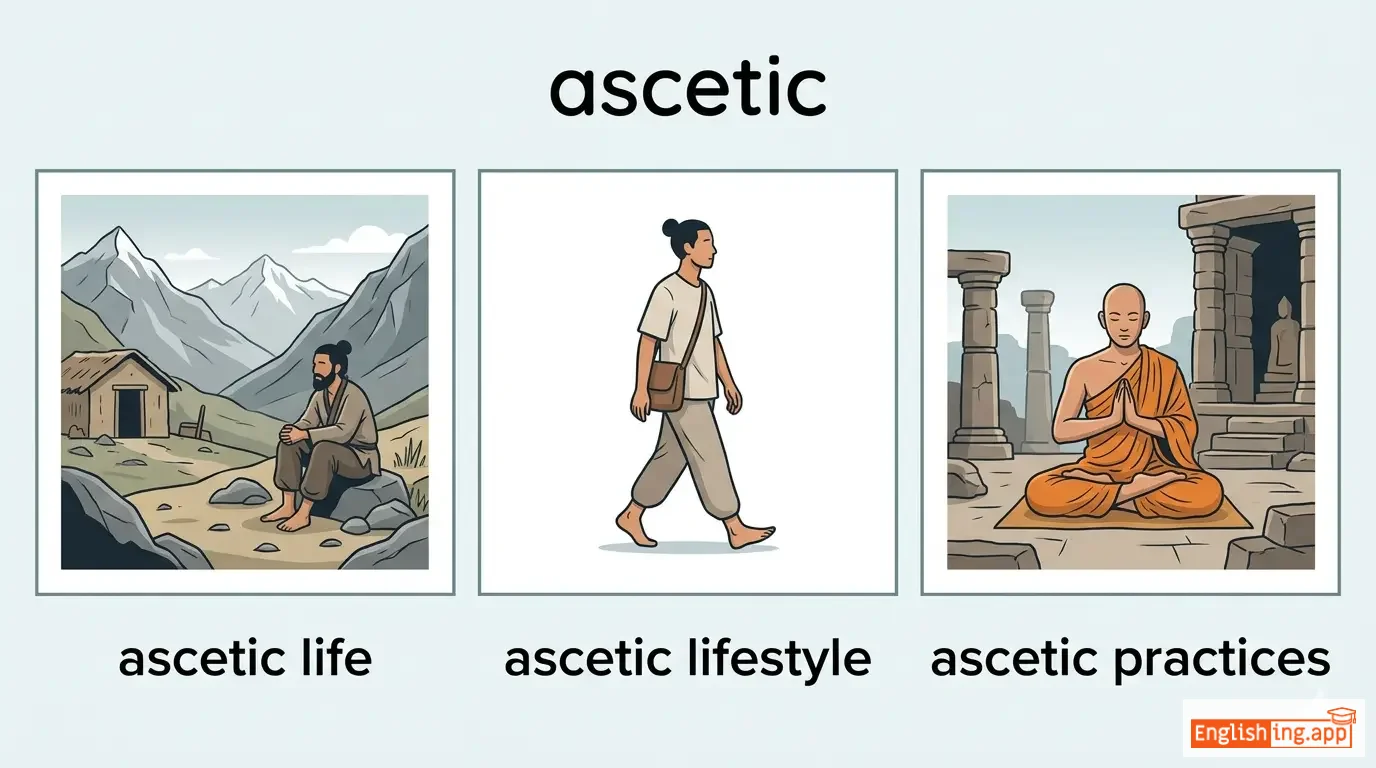
He lived an ascetic life in the mountains, far from worldly comforts. |
彼は山の中で禁欲的な生活を送り、世俗的な快適さから遠ざかっていた。
Kare wa yama no naka de kinyoku teki na seikatsu o okuri, sezokuteki na kaitekisa kara tōzakatte ita.
••••••
|
- •••••• | - •••••• | - •••••• |
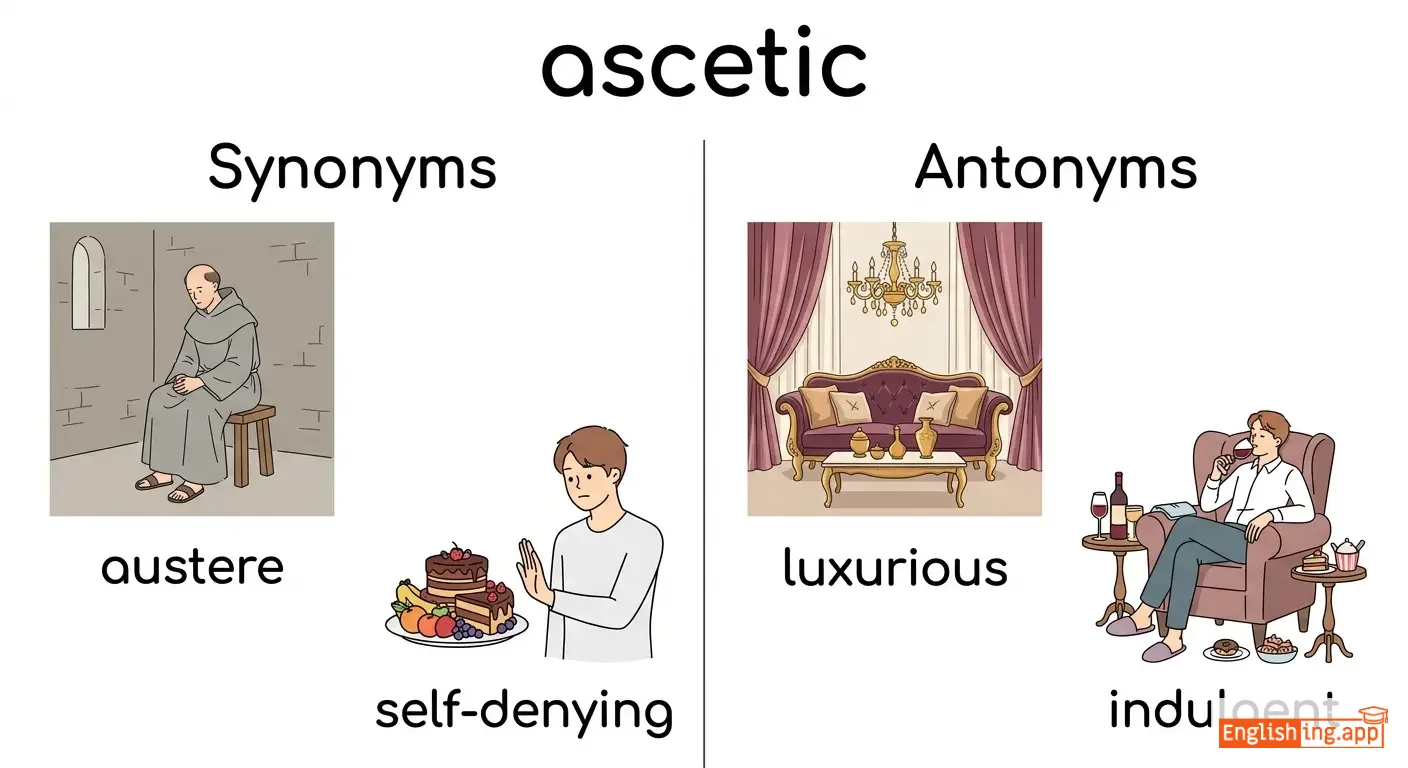
austere, self-denying, monkish, frugal, disciplined
••••••
|
luxurious, indulgent, hedonistic
••••••
|
ascetic life, ascetic lifestyle, ascetic practices, ascetic monk
••••••
|
禁欲的な生活は物質的な豊かさを避け、精神的な平安を求めるようなものです。
••••••
|
|
#66
⚡
|
/əˈsper.ɪ.ti/
noun
••••••
|
|
- •••••• | - •••••• | - •••••• | - •••••• | - •••••• |
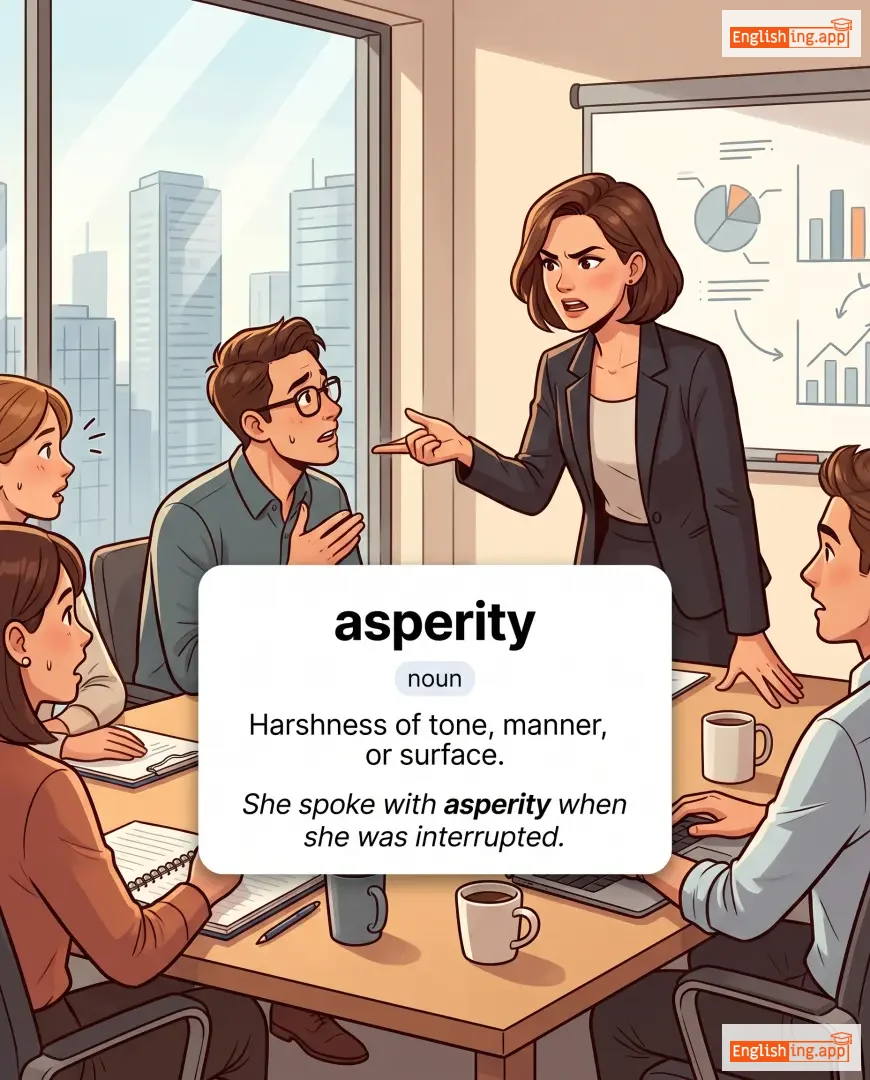
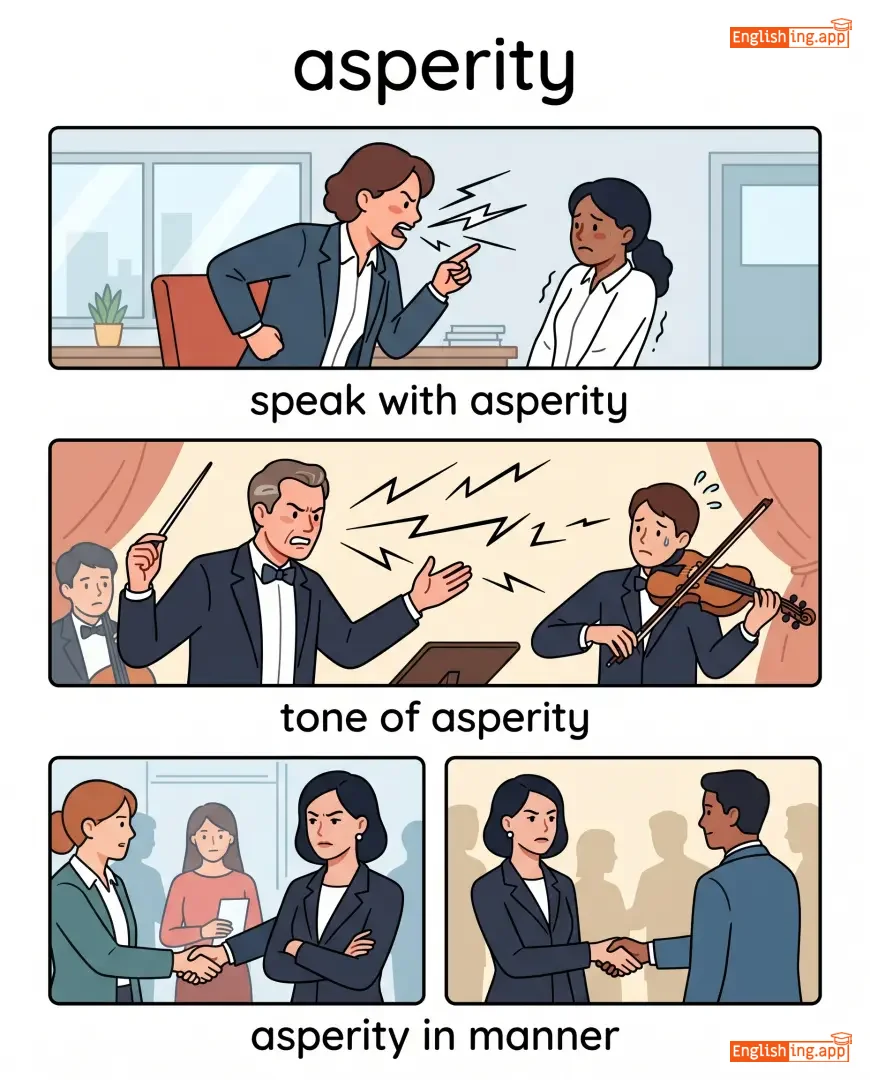
Harshness of tone, manner, or surface.
••••••
|
She spoke with asperity when she was interrupted. |
- •••••• | - •••••• | - •••••• | - •••••• |
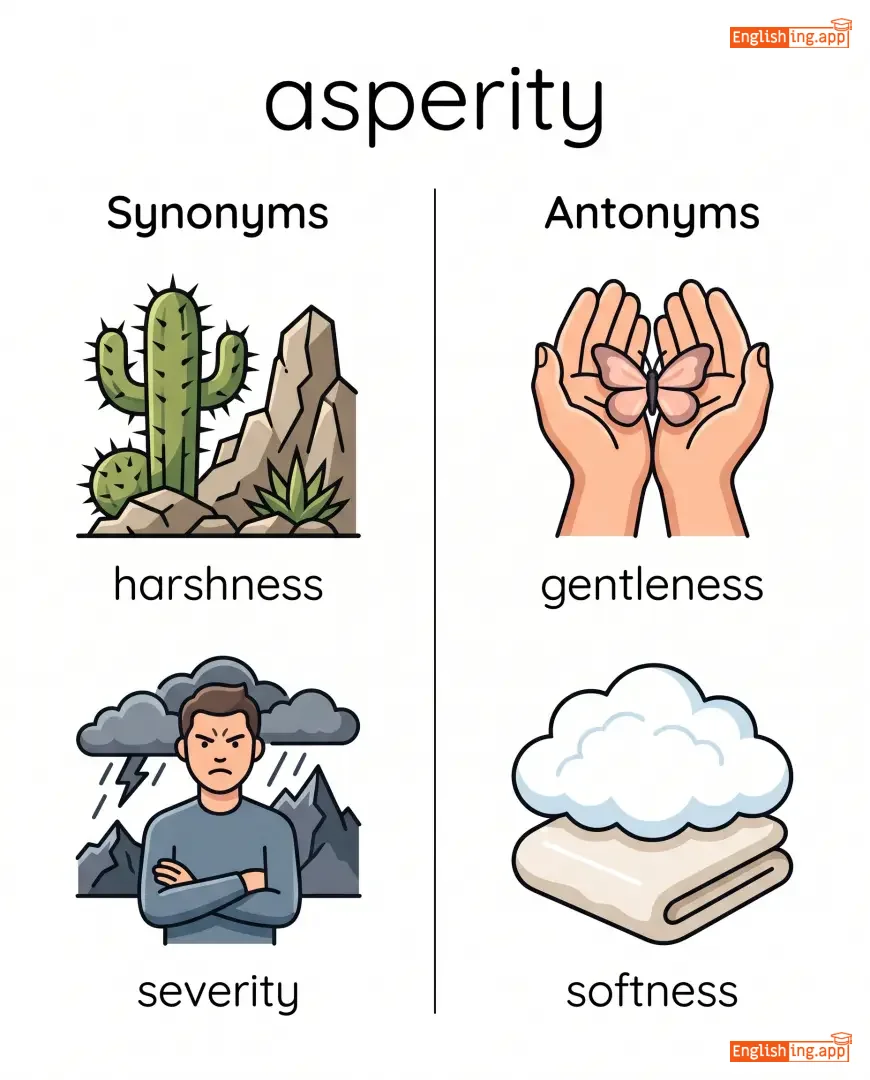
harshness, severity, sharpness, roughness
••••••
|
gentleness, softness, kindness
••••••
|
speak with asperity, tone of asperity, asperity in manner
••••••
|
No •••••• |
|
#67
🗣️
|
/əˈspɜːr.ʒən/
noun
(アスペルション)
••••••
|
|
中傷
chūshō
••••••
|
- •••••• | - •••••• | - •••••• | - •••••• |
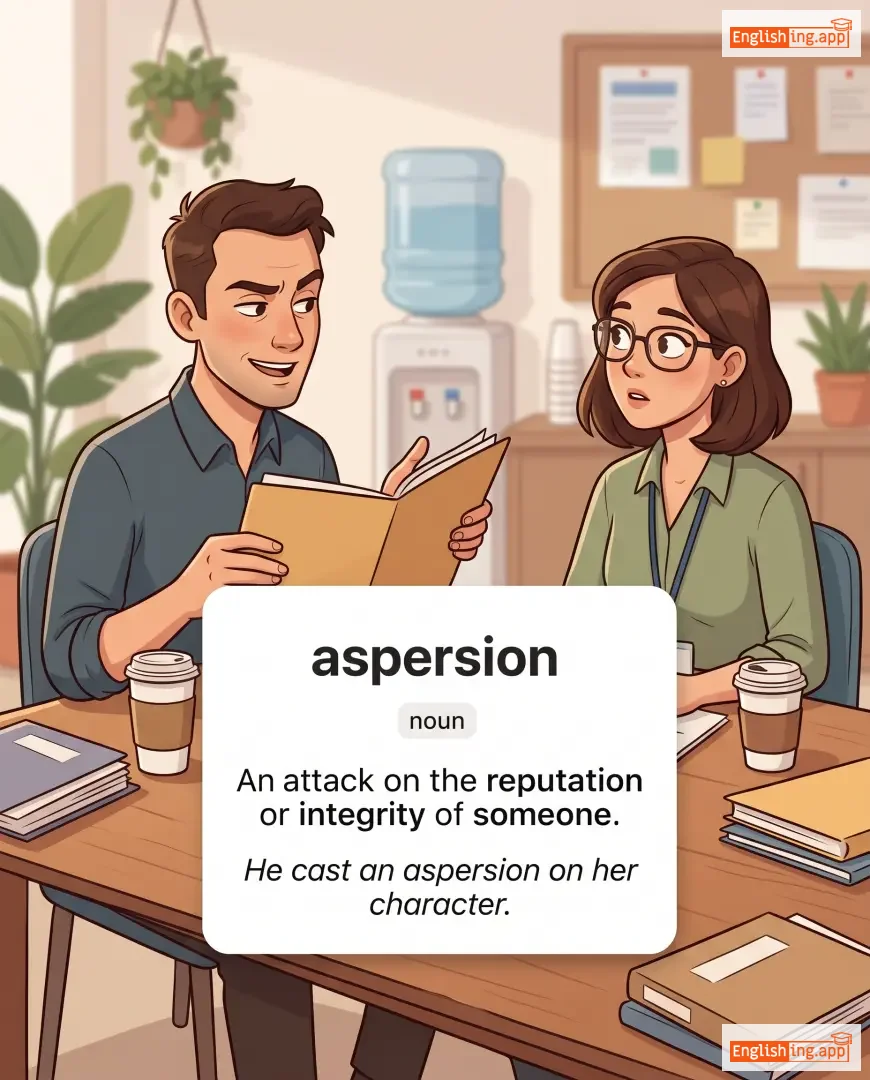
An attack on the reputation or integrity of someone.
••••••
|
He cast an aspersion on her character.
彼は彼女の性格に悪口を言いました。
••••••
|
彼は彼女の性格に中傷をしました。
Kare wa kanojo no seikaku ni chūshō o shimashita.
••••••
|
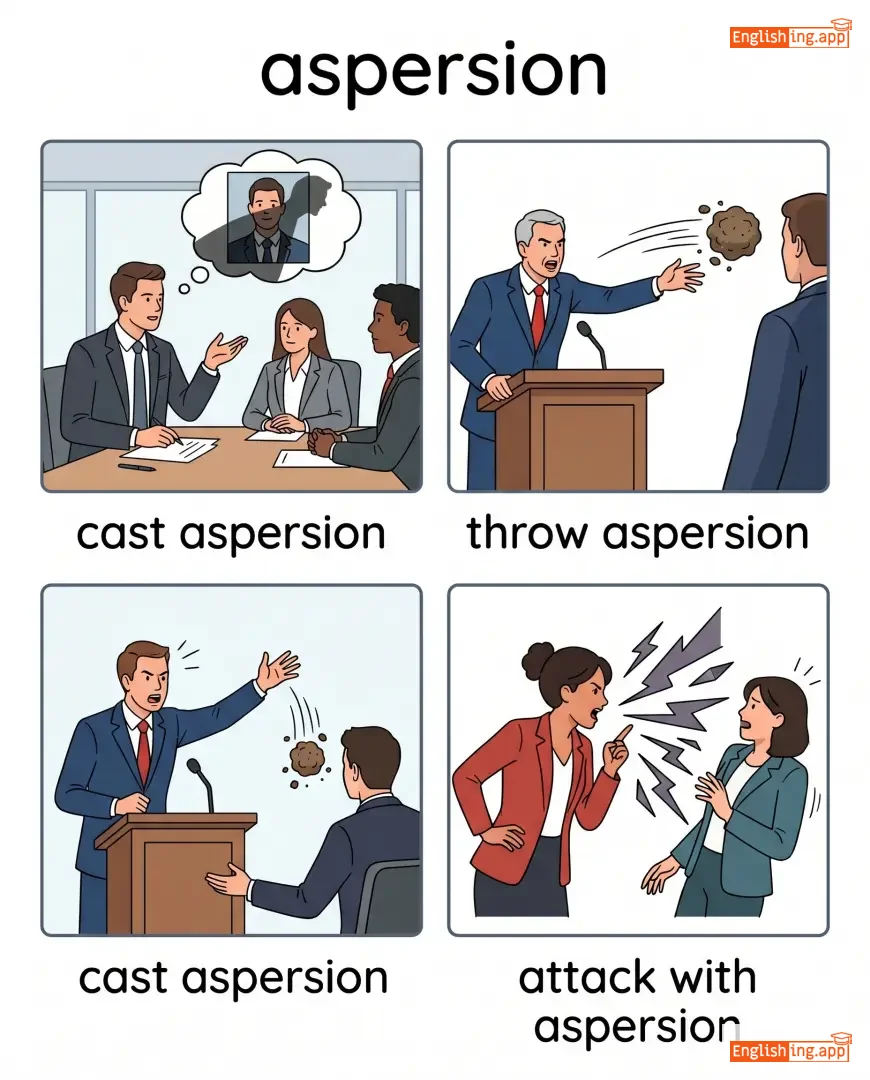
cast aspersions
悪口を言う
••••••
|
to make damaging or critical remarks about someone
••••••
|
悪口を言う
warukuchi o iu
••••••
|
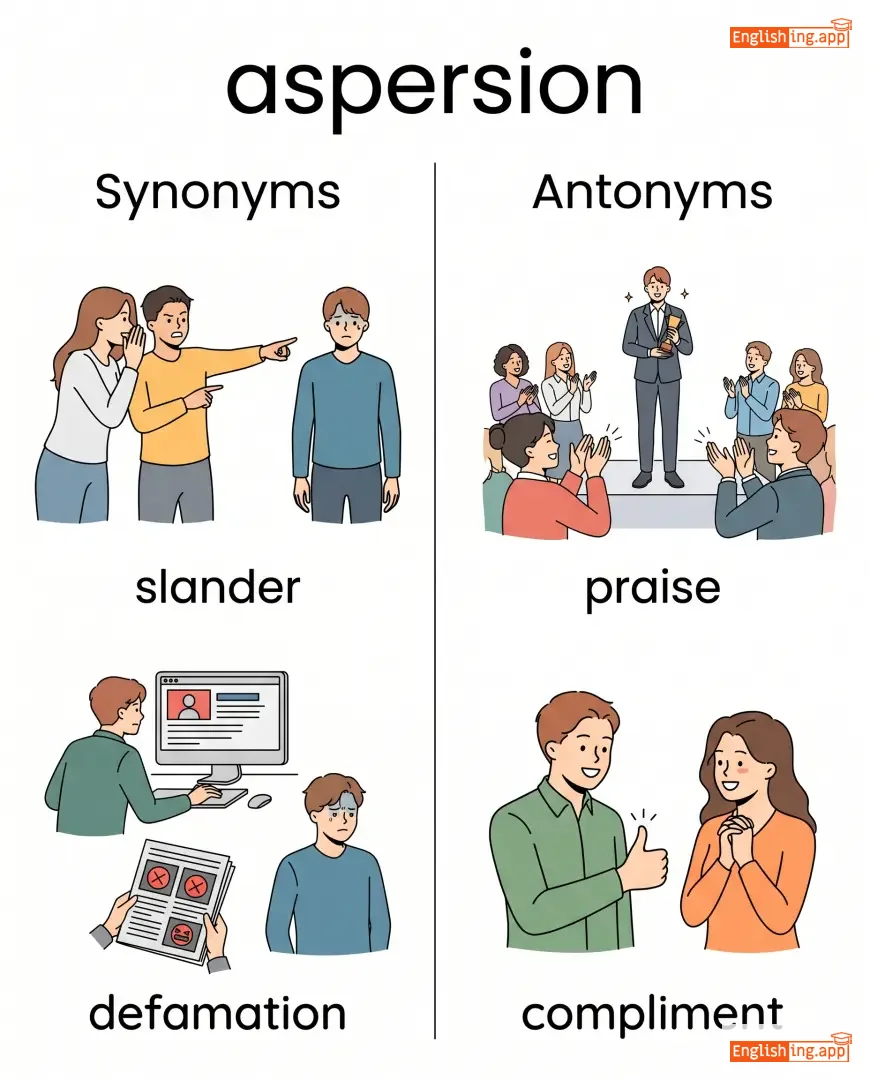
slander, defamation, smear, accusation, criticism
••••••
|
praise, compliment, approval
••••••
|
cast aspersion, throw aspersion, attack with aspersion
••••••
|
Aspersionは中傷に似ていて、評判を傷つける。
••••••
|
|
#68
📚
|
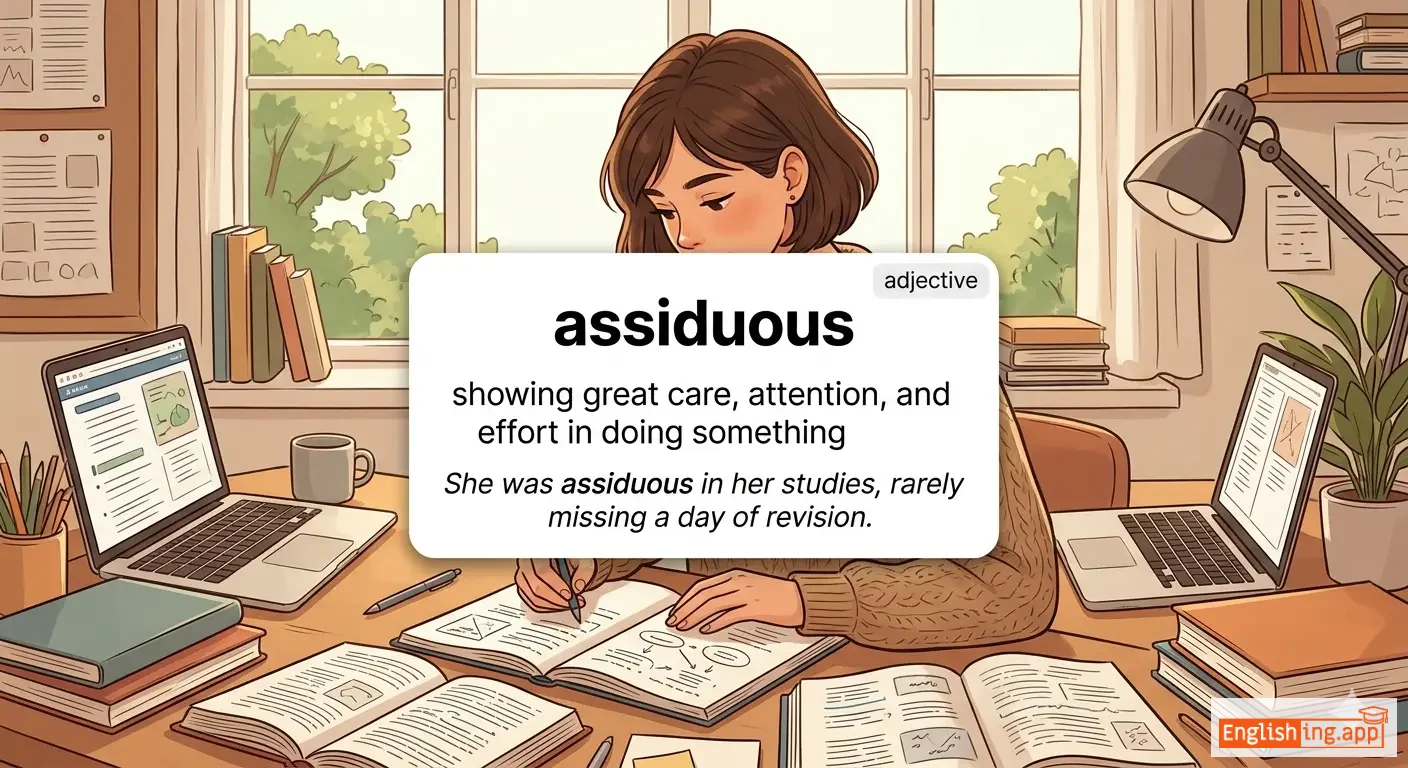
/əˈsɪdʒuəs/
adjective
(アシディウス)
••••••
|
|
勤勉な
kinben na
••••••
|
- •••••• | - •••••• | - •••••• | - •••••• |
showing great care, attention, and effort in doing something
••••••
|
She was assiduous in her studies, rarely missing a day of revision. |
彼女は勉強に勤勉で、復習を欠かすことはほとんどなかった。
Kanojo wa benkyou ni kinben de, fukushuu o kakasu koto wa hotondo nakatta.
••••••
|
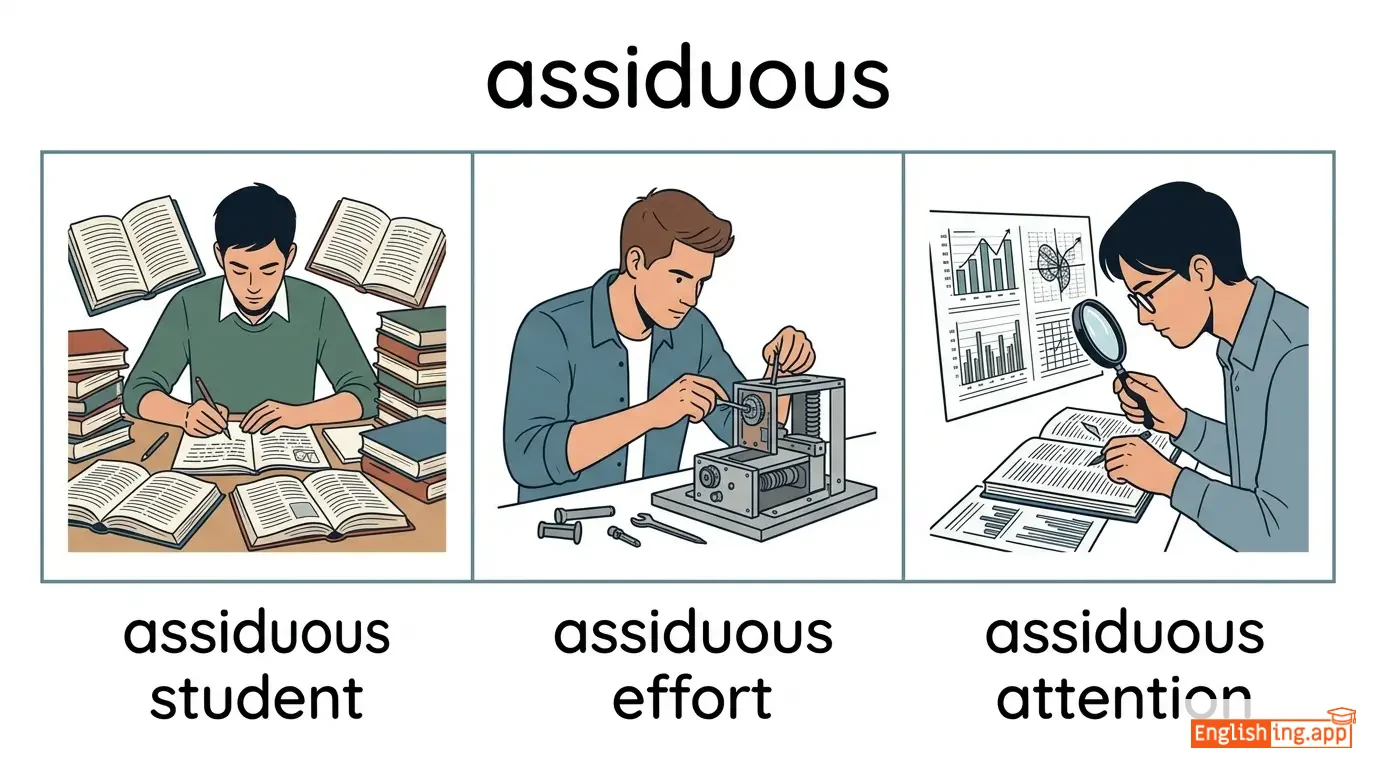
assiduous effort |
persistent and careful effort
••••••
|
勤勉な努力
kinben na doryoku
••••••
|
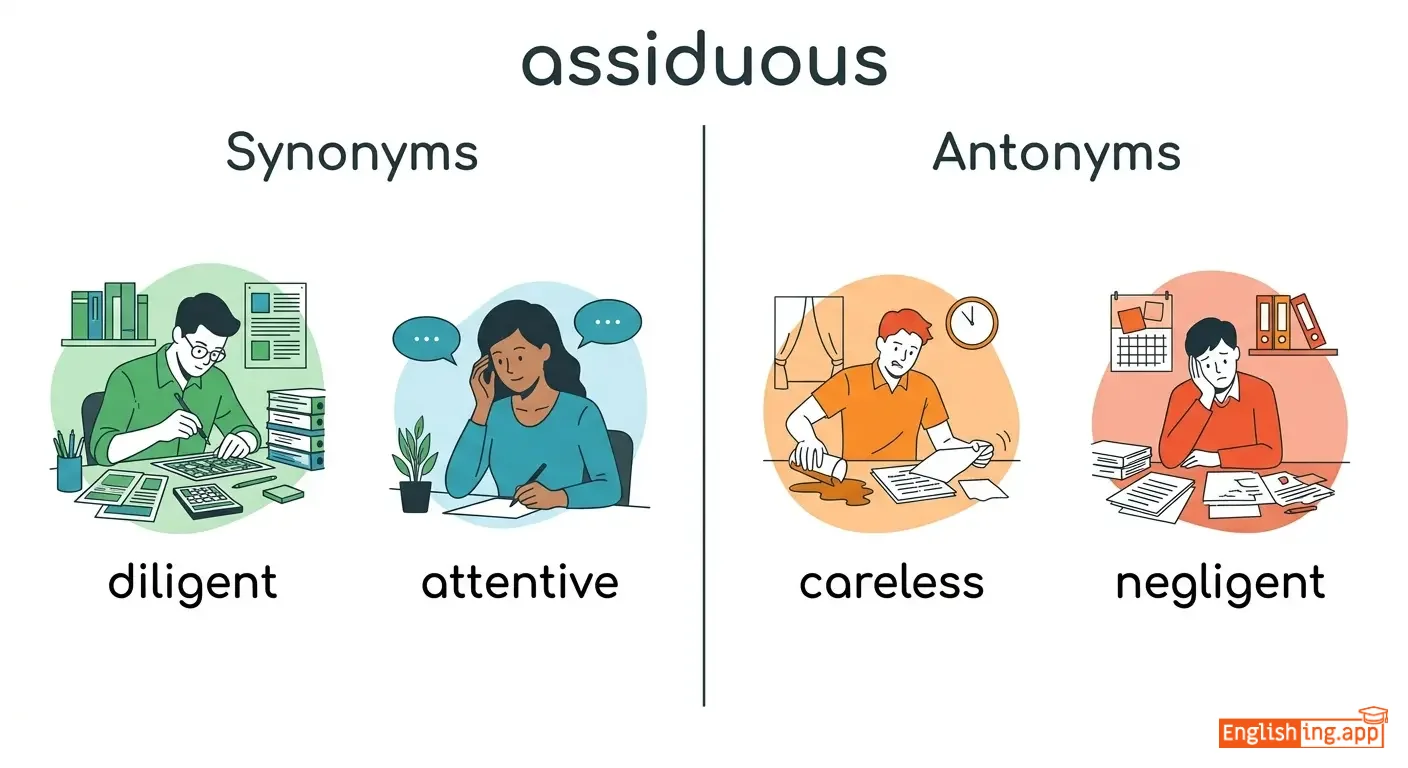
diligent, attentive, careful, industrious, meticulous
••••••
|
careless, negligent, lazy
••••••
|
assiduous student, assiduous effort, assiduous attention, assiduous care
••••••
|
Assiduousは勤勉な—勉強のように、毎日勤勉に努力することを意味します。
••••••
|
|
#69
😌
|
/əˈsweɪdʒ/
verb
(アスウェイジ)
••••••
|
|
和らげる
yawarageru
••••••
|
assuaged
アスウェイジド
••••••
|
assuaged
アスウェイジド
••••••
|
assuages
アスウェイジズ
••••••
|
assuaging
アスウェイジング
••••••
|
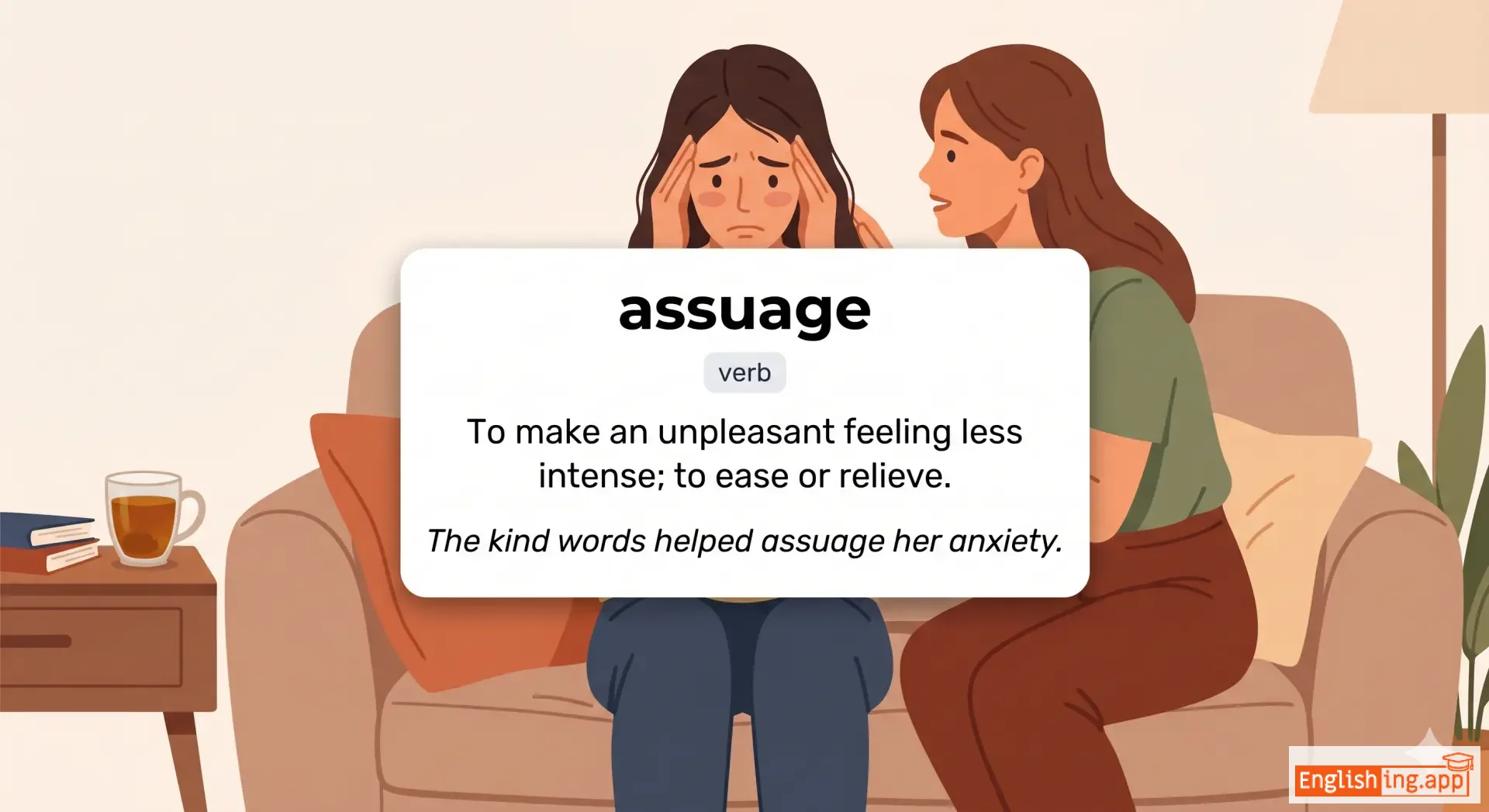
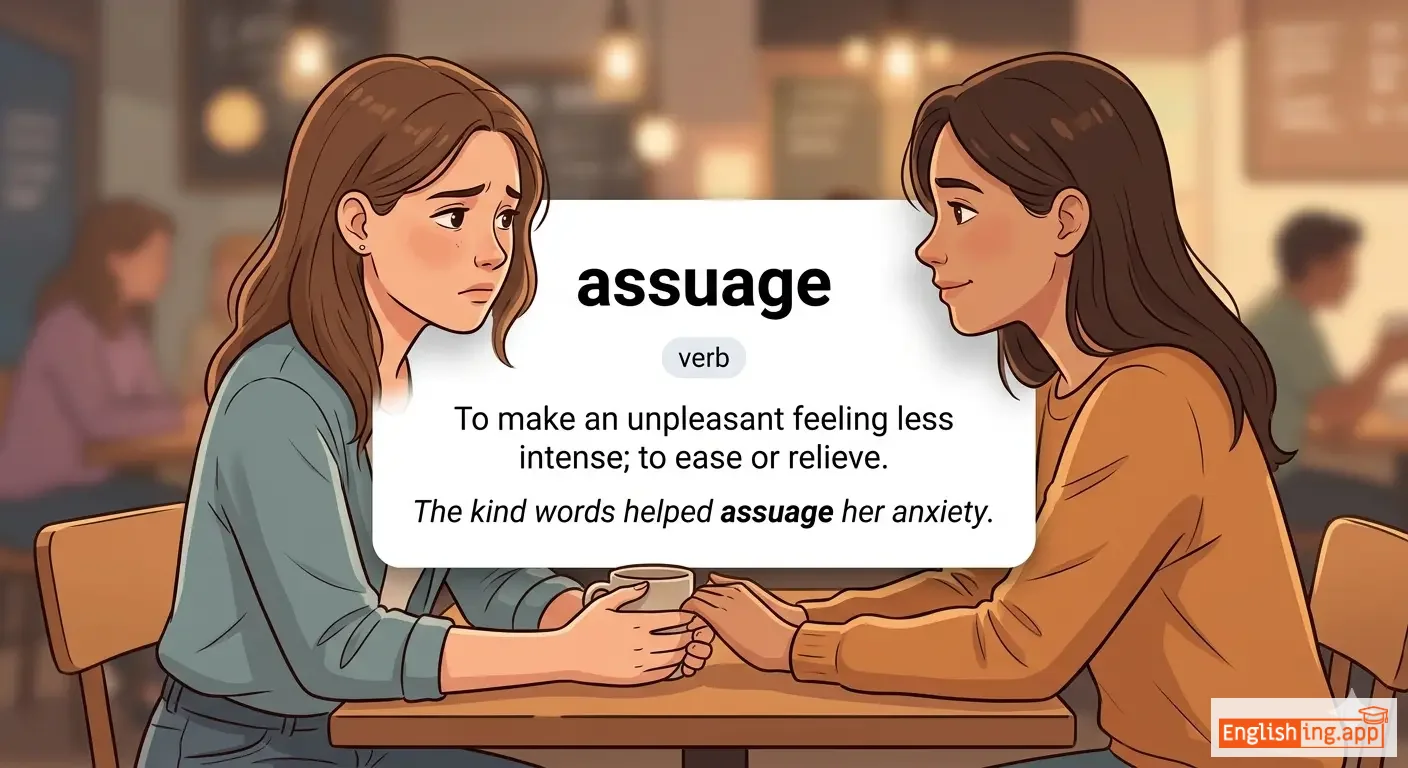
To make an unpleasant feeling less intense; to ease or relieve.
••••••
|
The kind words helped assuage her anxiety.
優しい言葉が彼女の不安を和らげるのに役立ちました。
••••••
|
優しい言葉が彼女の不安を和らげるのに役立ちました。
Yasashī kotoba ga kanojo no fuan o yawarageru no ni yakudachimashita.
••••••
|
assuage one's fears
誰かの恐怖を和らげる
••••••
|
to calm or reduce someone's fears
••••••
|
誰かの恐怖を和らげる
Dareka no kyōfu o yawarageru
••••••
|
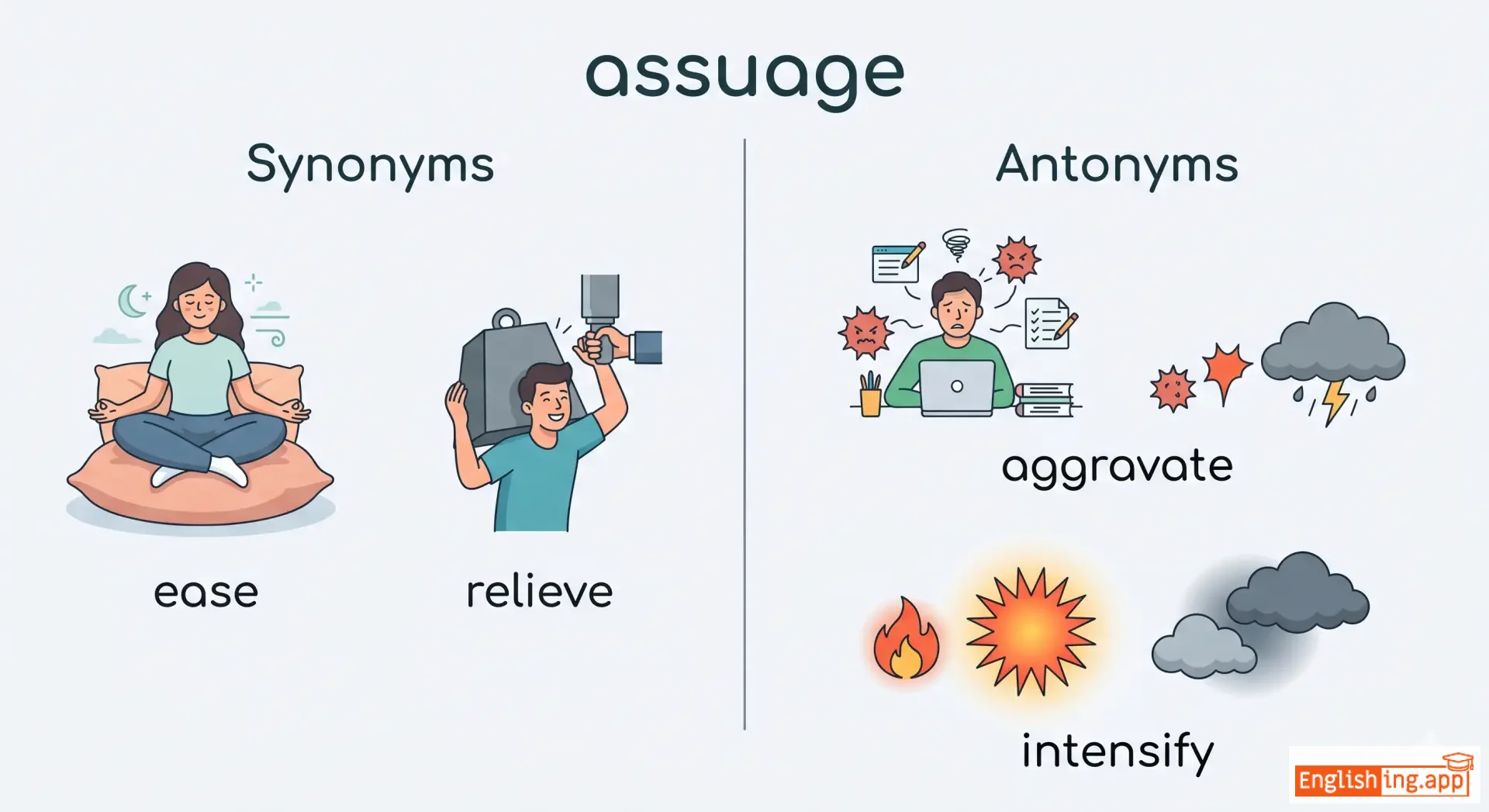
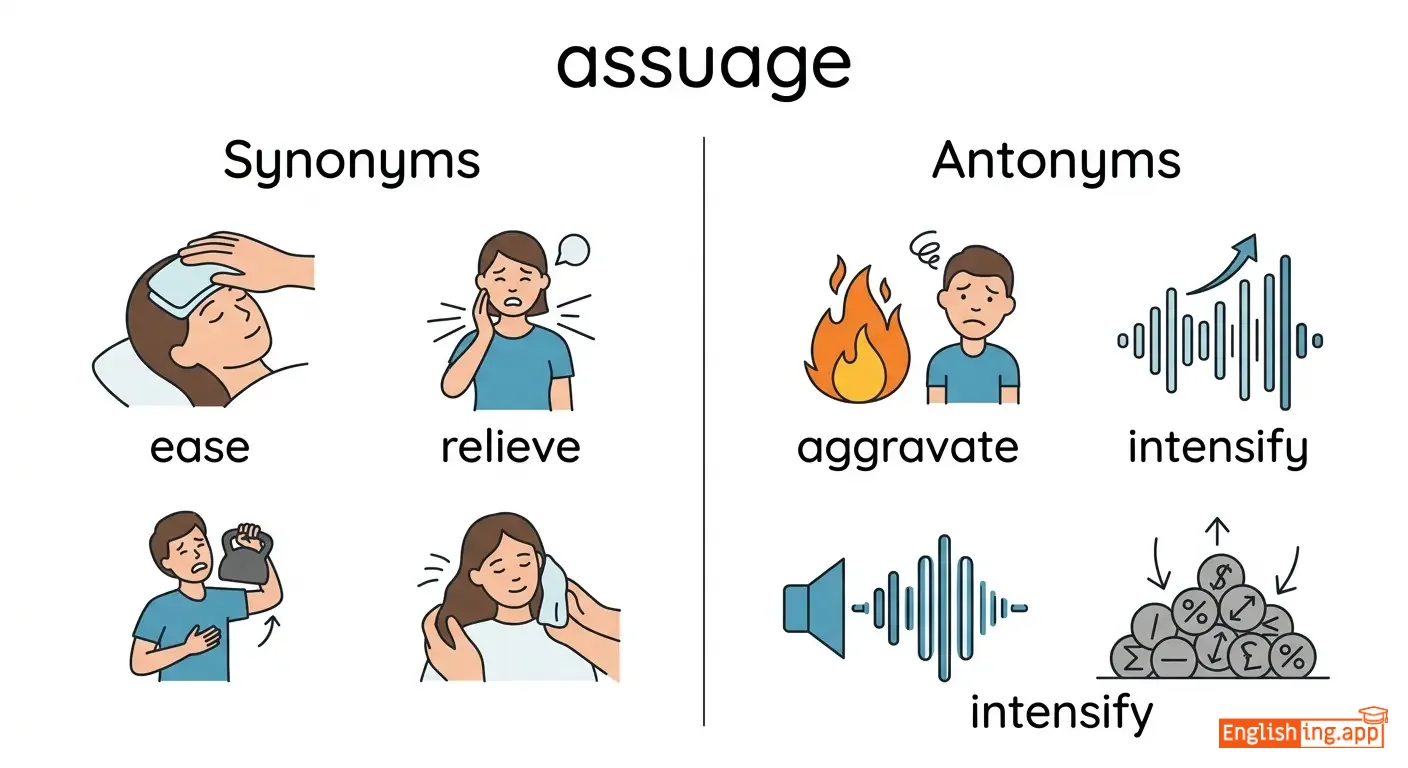
ease, relieve, alleviate, soothe, pacify
••••••
|
aggravate, intensify, worsen
••••••
|
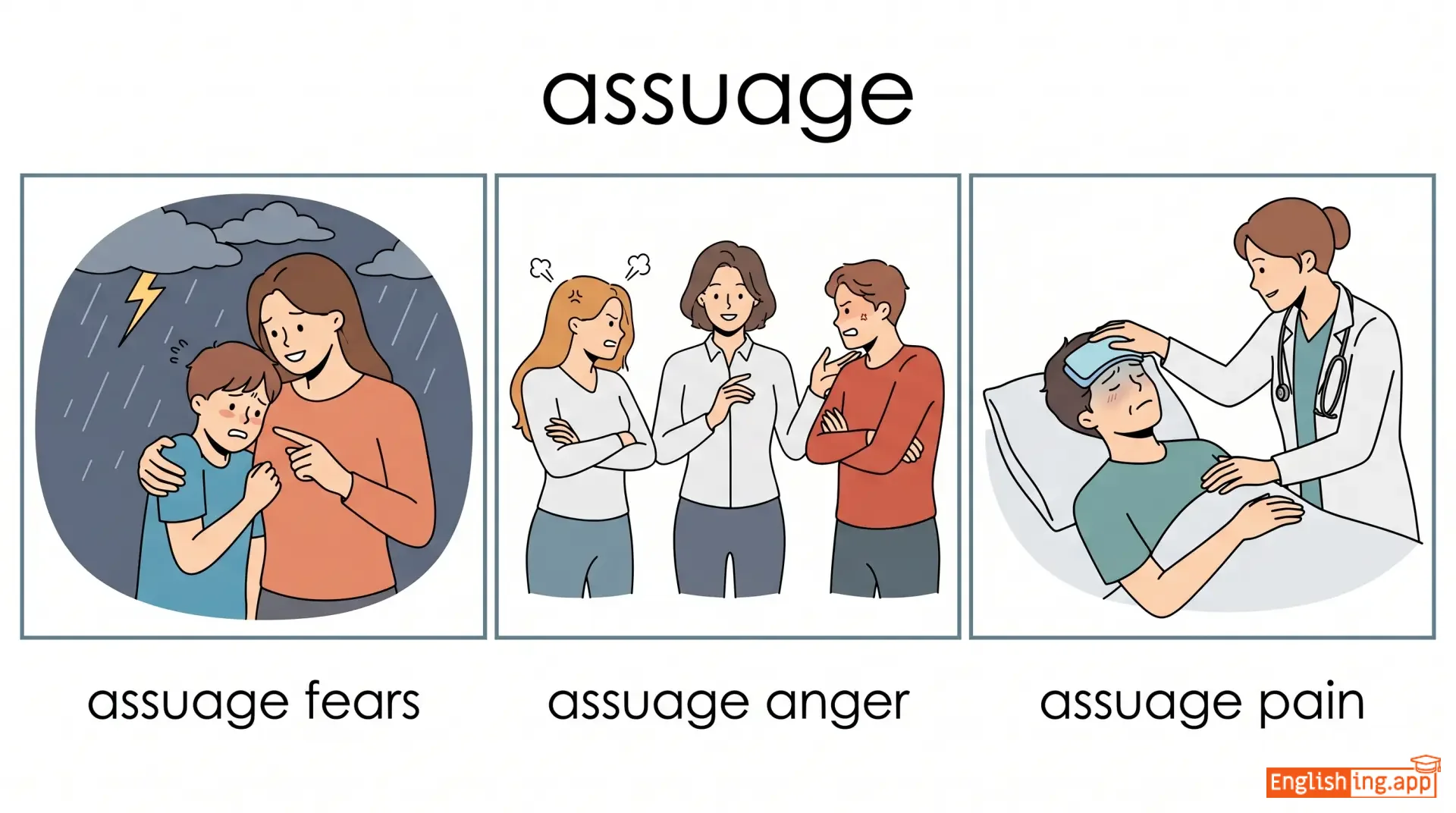
assuage fears, assuage anger, assuage pain
••••••
|
Assuageは「慰めのメッセージ」を意味します - 慰めのメッセージ。
••••••
|
|
#70
🍋
|
/əˈstrɪndʒənt/
adjective
(アストリンジェント)
••••••
|
|
厳しい
kibishii
••••••
|
- •••••• | - •••••• | - •••••• | - •••••• |
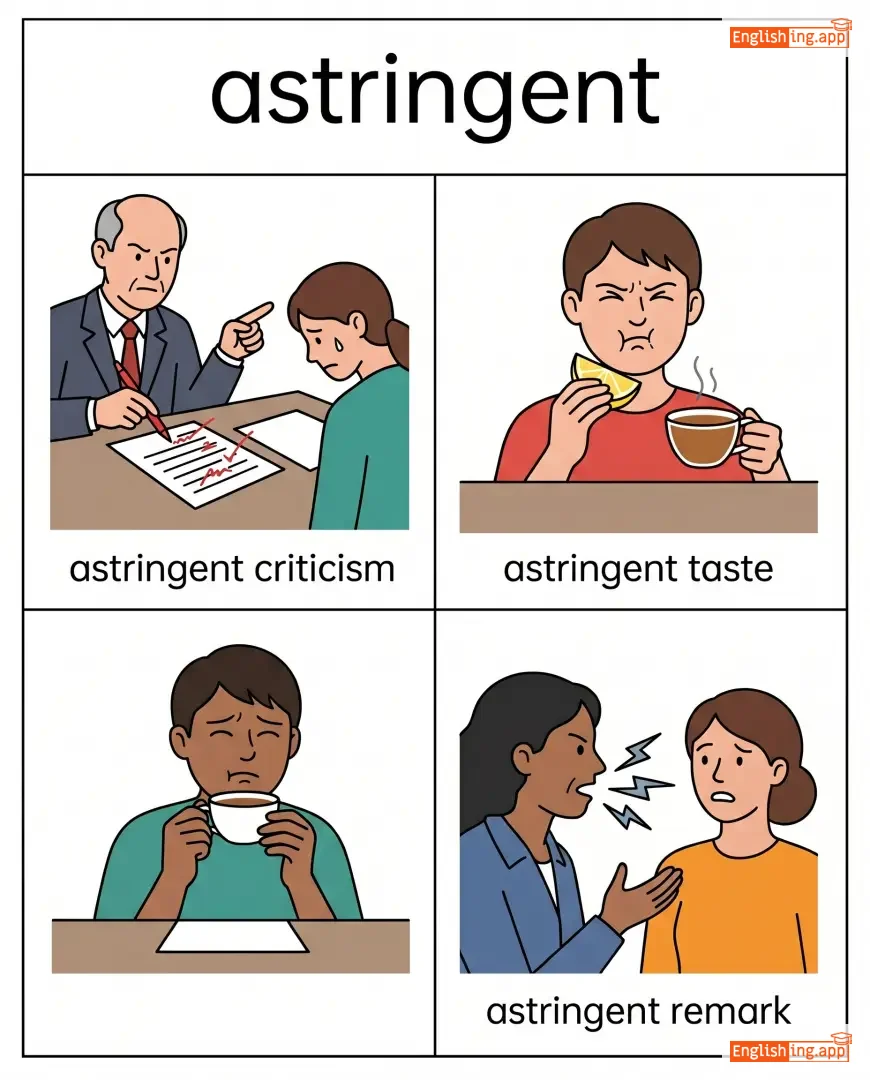
sharp or severe in manner or style; also describes a substance that contracts skin or body tissues
••••••
|
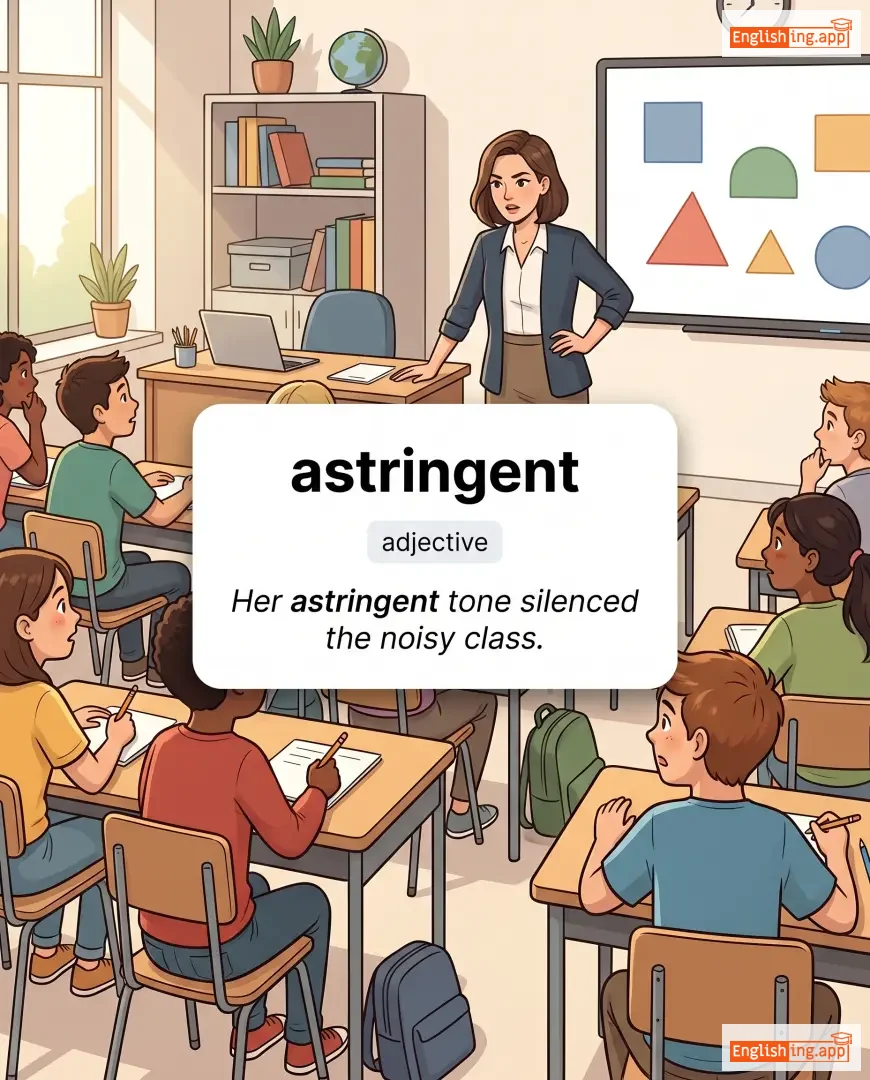
Her astringent tone silenced the noisy class. |
彼女の厳しい口調は、騒々しいクラスを静めた。
kanojo no kibishii kuchō wa, sawagashii kurasu o shizumeta
••••••
|
- •••••• | - •••••• | - •••••• |
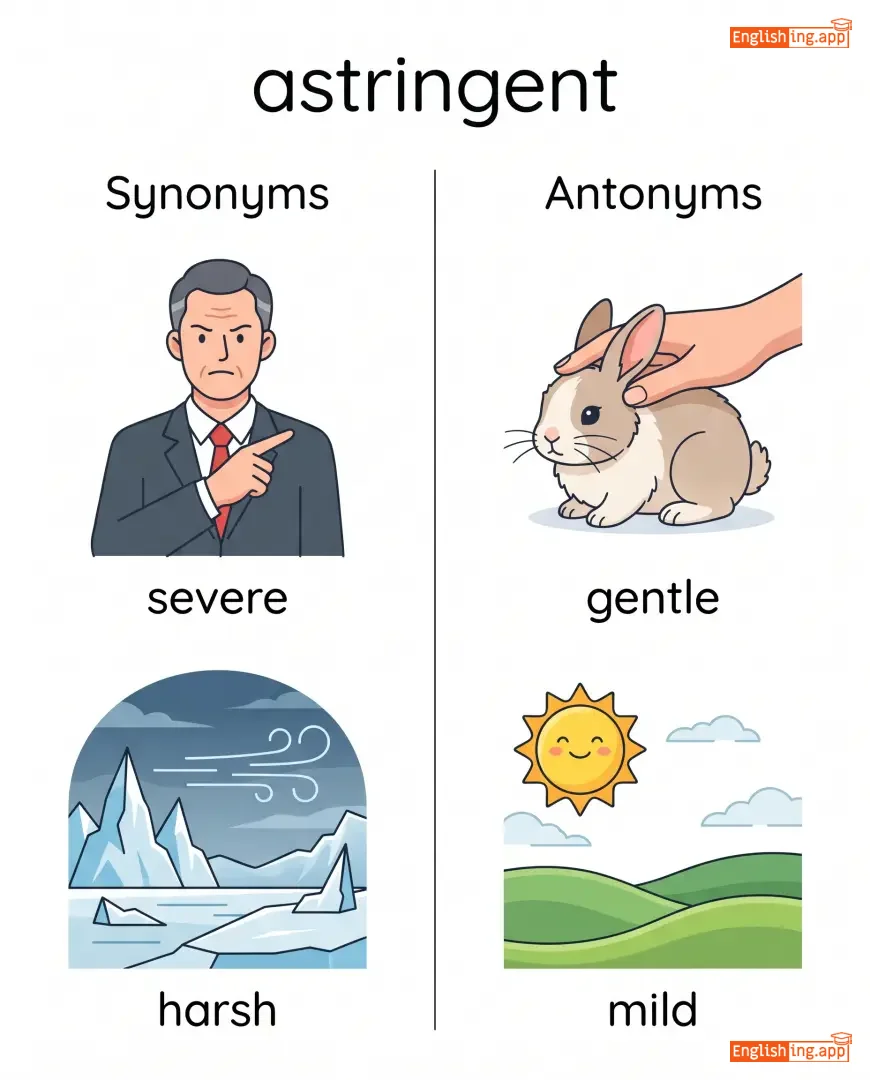
severe, harsh, stern, strict, biting
••••••
|
gentle, mild, lenient
••••••
|
astringent criticism, astringent taste, astringent remark
••••••
|
レモンの味は非常に厳しい(アストリンジェント)、強い味が厳しい行動を思い出させます
••••••
|
|
#71
🏥
|
/əˈsaɪləm/
noun
(アサイラム)
••••••
|
|
亡命
bōmei
••••••
|
- •••••• | - •••••• | - •••••• | - •••••• |
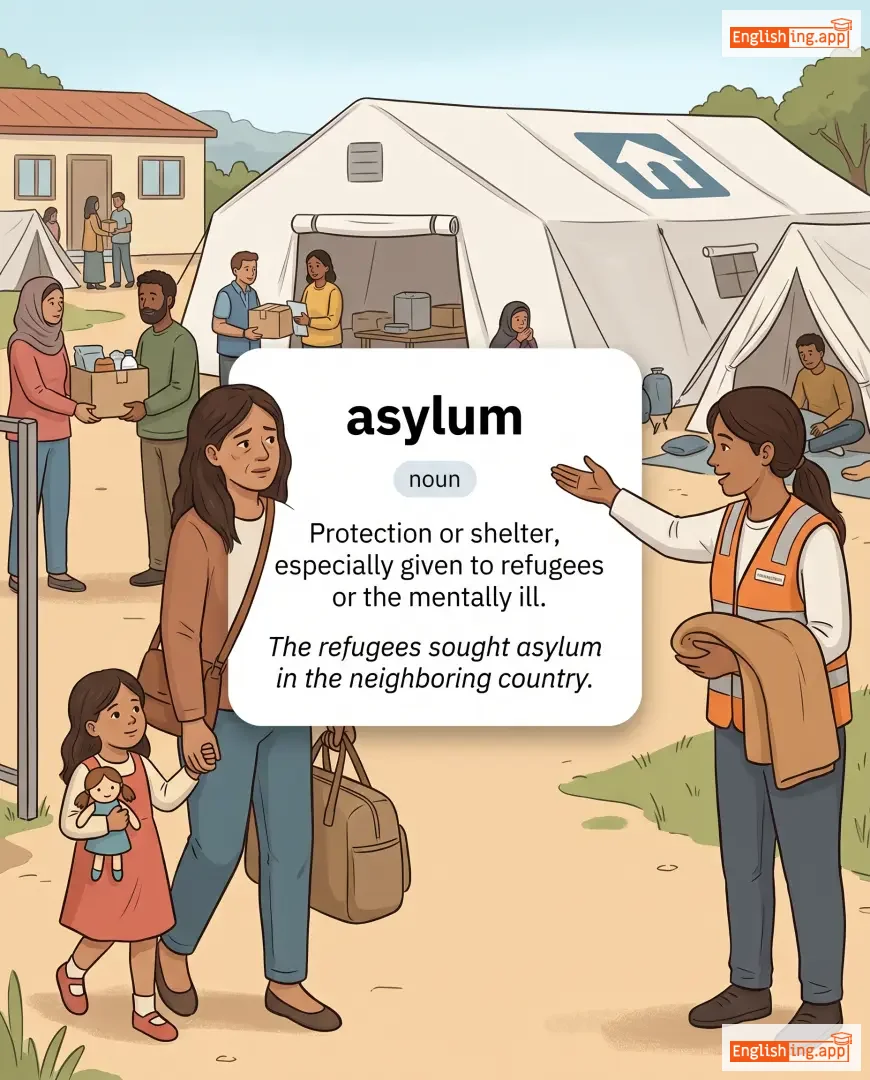
Protection or shelter, especially given to refugees or the mentally ill.
••••••
|
The refugees sought asylum in the neighboring country.
難民は隣国で亡命を求めた。
••••••
|
難民は隣国で亡命を求めた。
Nanmin wa ringoku de bōmei o motometa.
••••••
|
seek asylum
亡命を求める
••••••
|
To formally request protection in another country.
••••••
|
亡命を求める
Bōmei o motomeru
••••••
|
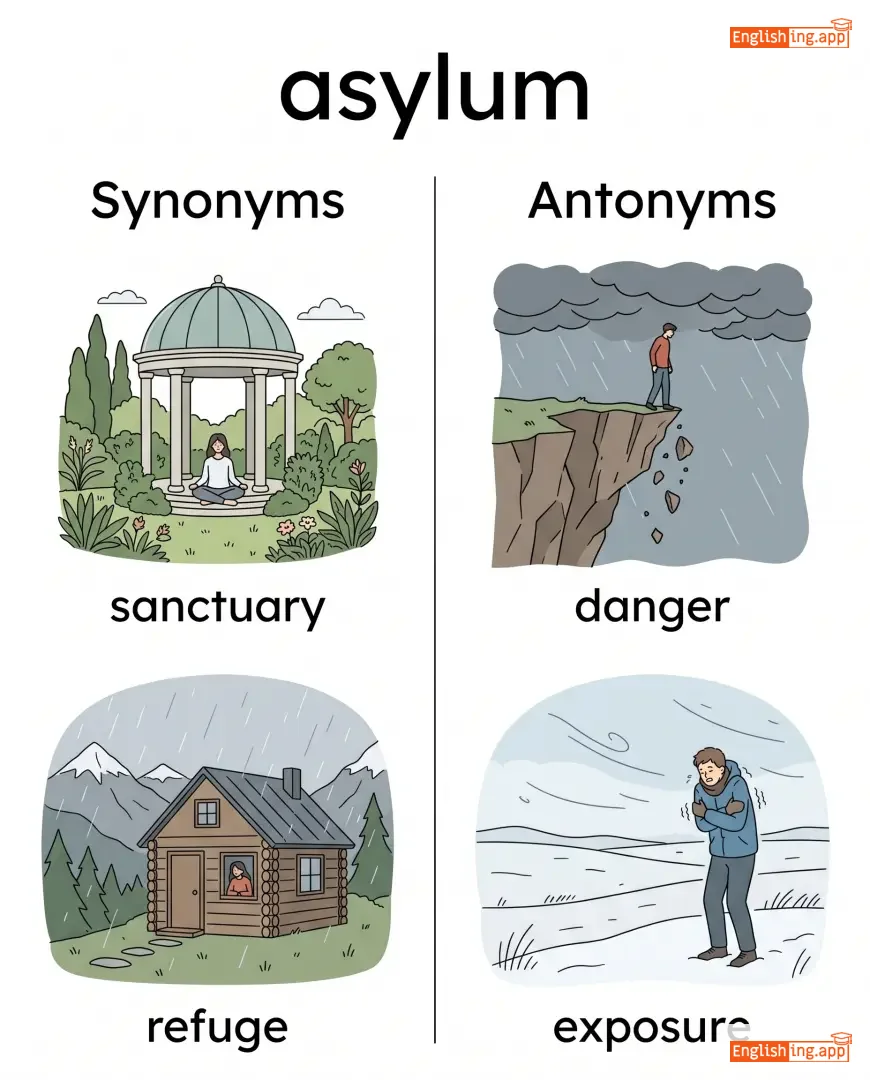
sanctuary, refuge, shelter, haven, protection
••••••
|
danger, exposure, threat
••••••
|
grant asylum, political asylum, seek asylum, asylum seeker
••••••
|
亡命は危険から逃れるために必要な保護を意味します。
••••••
|
|
#72
🧬
|
/ˈætəvɪzəm/
noun
(アタヴィズム)
••••••
|
|
先祖返り
senzo gaeri
••••••
|
- •••••• | - •••••• | - •••••• | - •••••• |
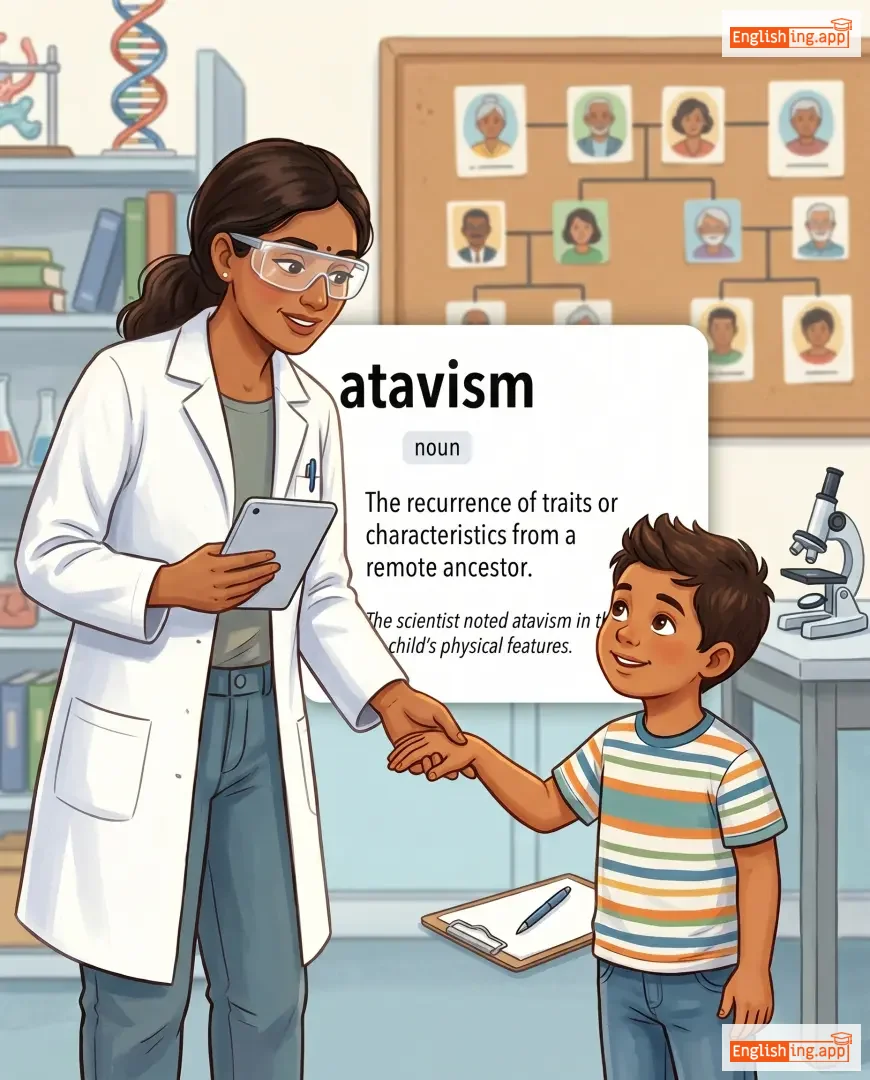
The recurrence of traits or characteristics from a remote ancestor.
••••••
|
The scientist noted atavism in the child’s physical features. |
科学者は子供の身体的特徴に先祖返りを観察しました。
Kagakusha wa kodomo no shintai-teki tokuchou ni senzo gaeri o kansatsu shimashita.
••••••
|
- •••••• | - •••••• | - •••••• |
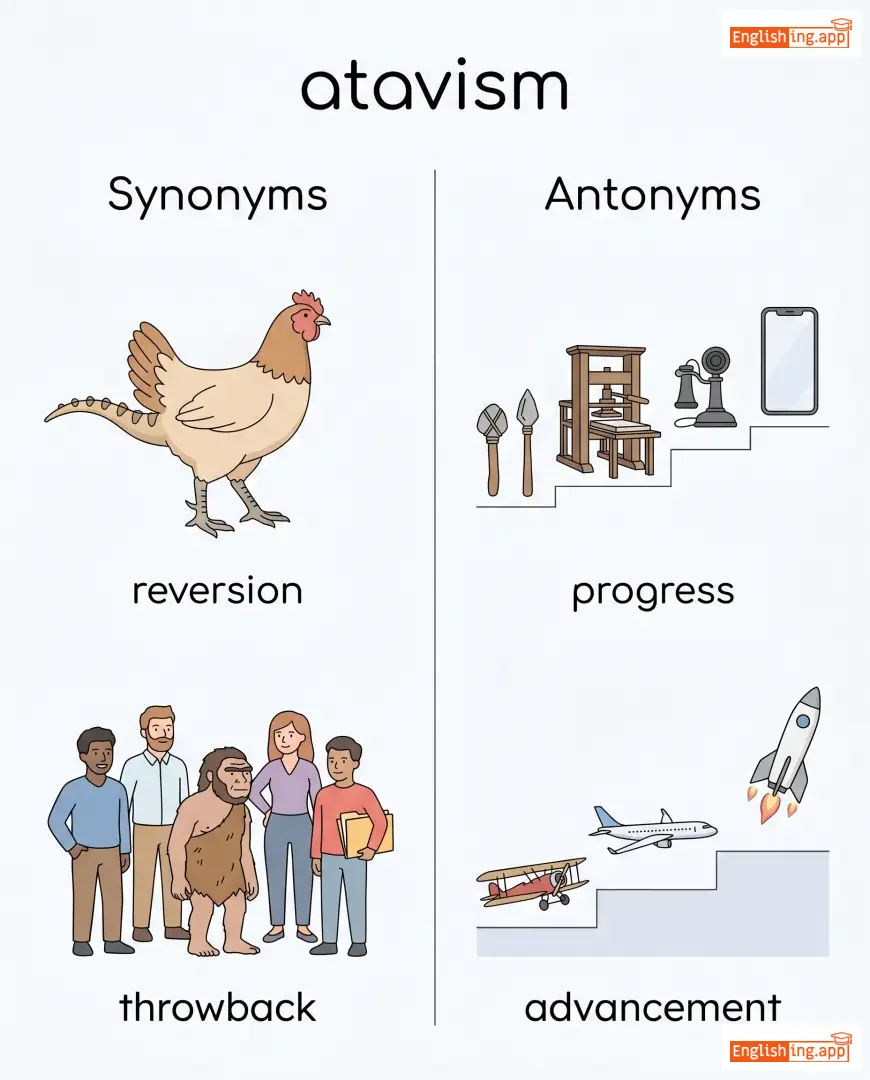
reversion, throwback, regression, recurrence
••••••
|
progress, advancement, innovation
••••••
|
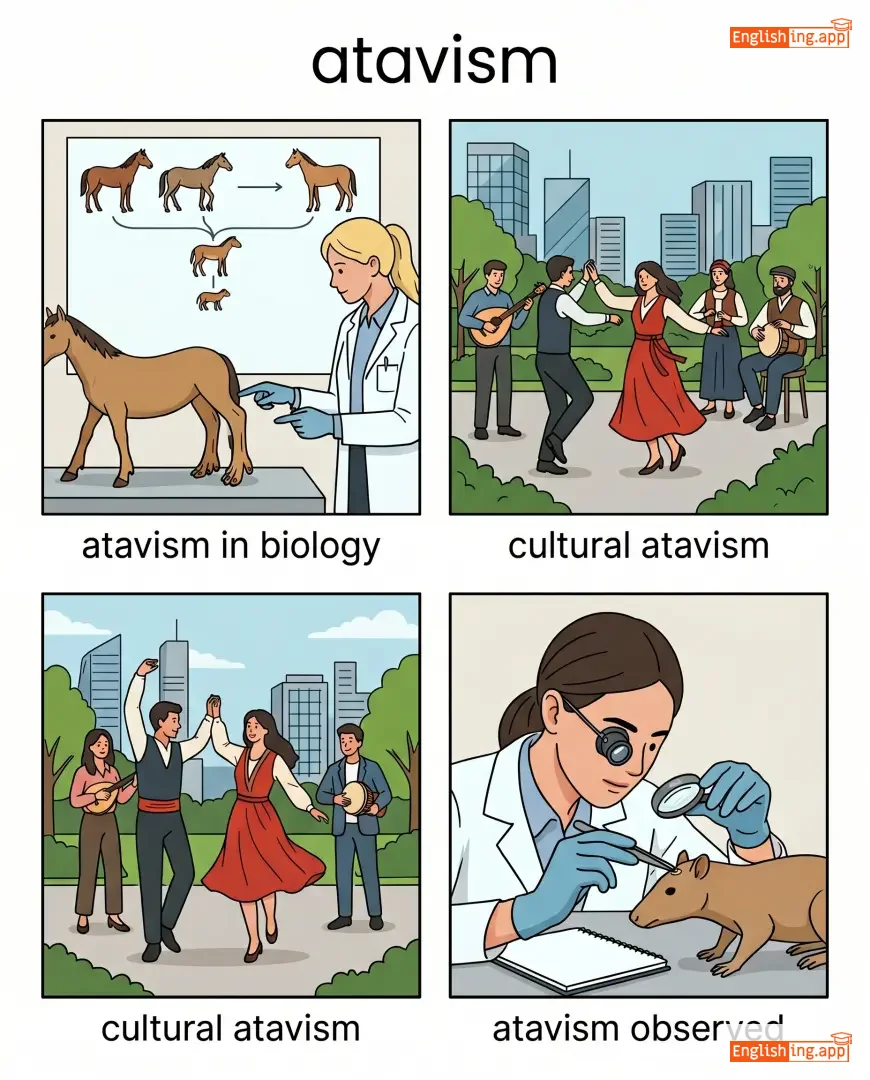
atavism in biology, cultural atavism, atavism observed
••••••
|
先祖返りとは先祖からの特徴が再び現れることです。
••••••
|
|
#73
🔽
|
/əˈtɛnjueɪt/
verb
(アテニュエイト)
••••••
|
|
和らげる
yawarageru
••••••
|
attenuated
アテニュエイテッド
••••••
|
attenuated
アテニュエイテッド
••••••
|
attenuates
アテニュエイツ
••••••
|
attenuating
アテニュエイティング
••••••
|
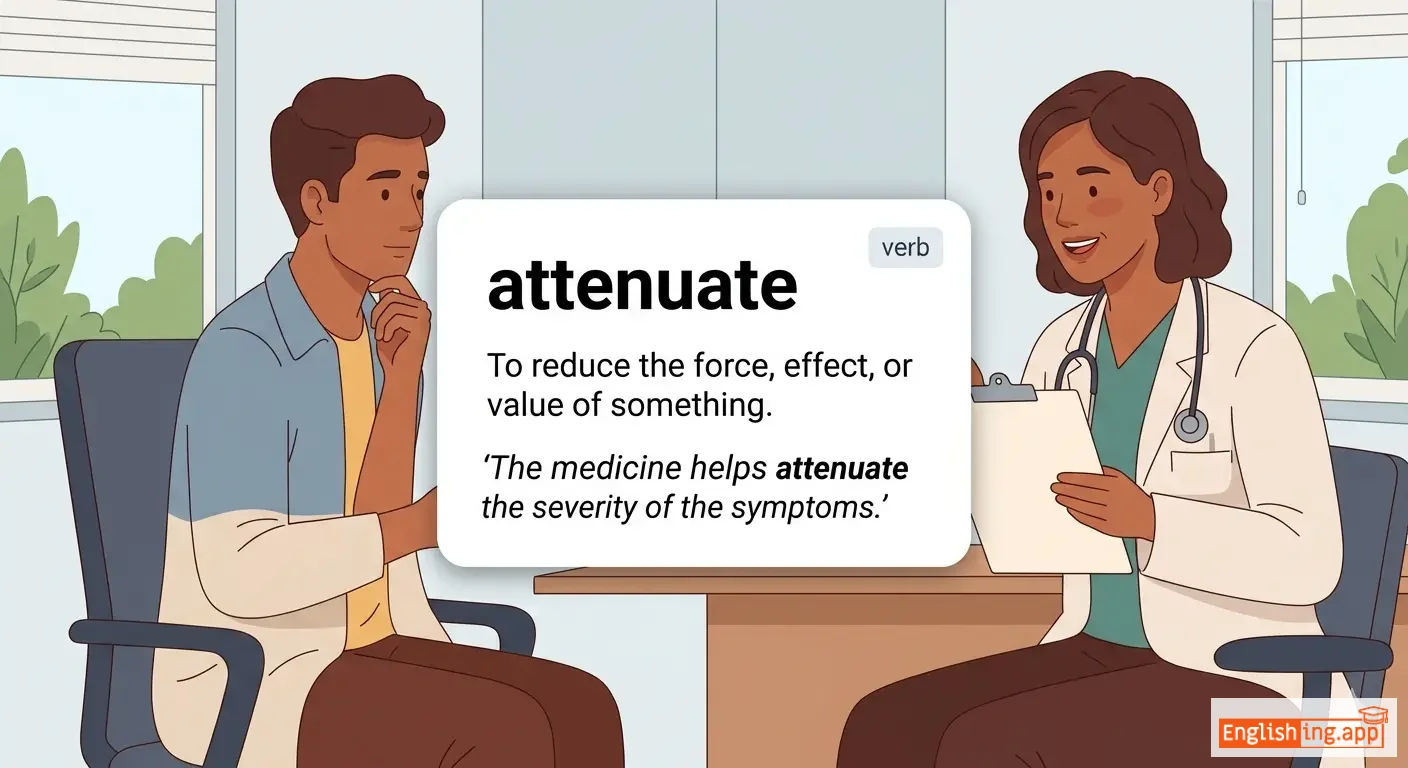
To reduce the force, effect, or value of something.
••••••
|
The medicine helps attenuate the severity of the symptoms.
その薬は症状の重症度を和らげるのに役立ちます。
••••••
|
その薬は症状の重症度を和らげるのに役立ちます。
Sono kusuri wa shoujou no jyuushoudo o yawarageru no ni yakudachimasu.
••••••
|
- •••••• | - •••••• | - •••••• |
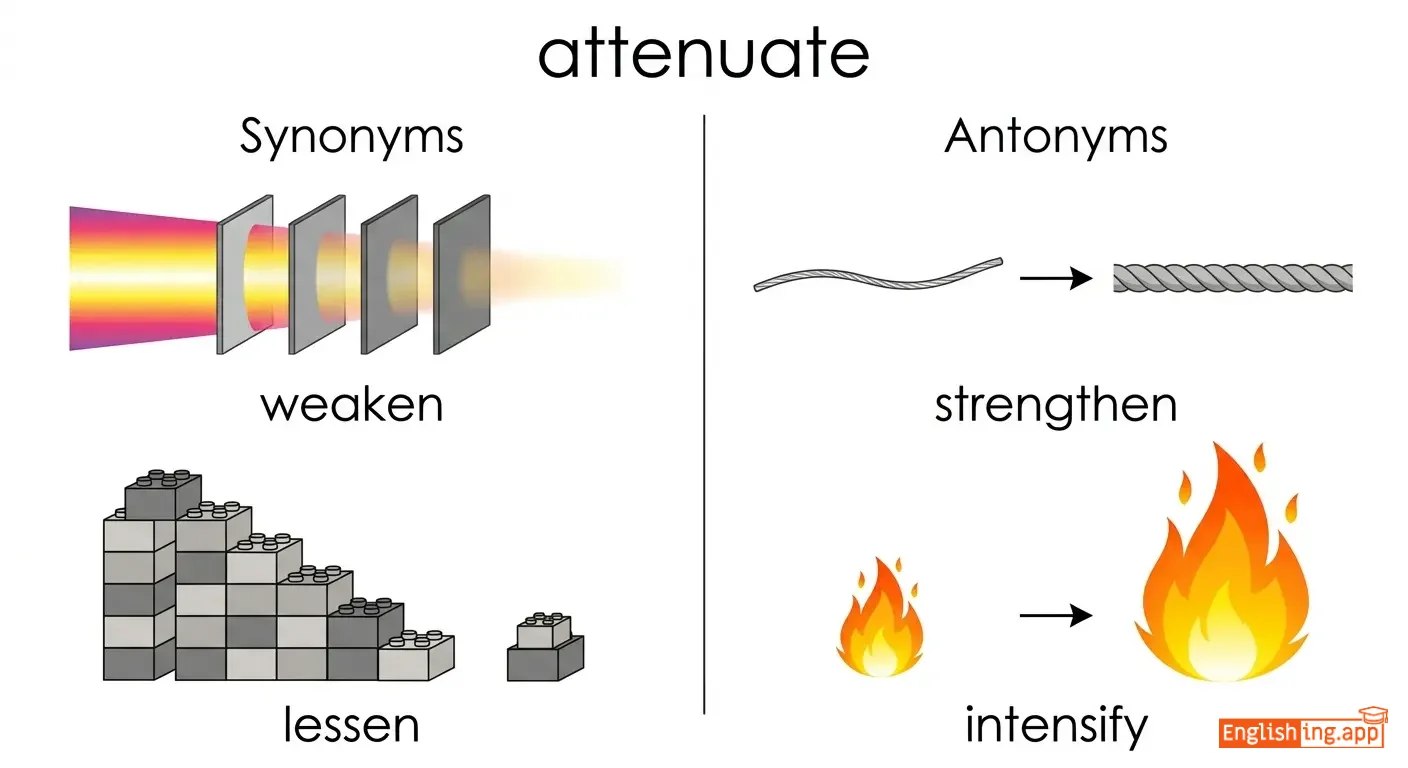
weaken, lessen, diminish, dilute, reduce
••••••
|
strengthen, intensify
••••••
|
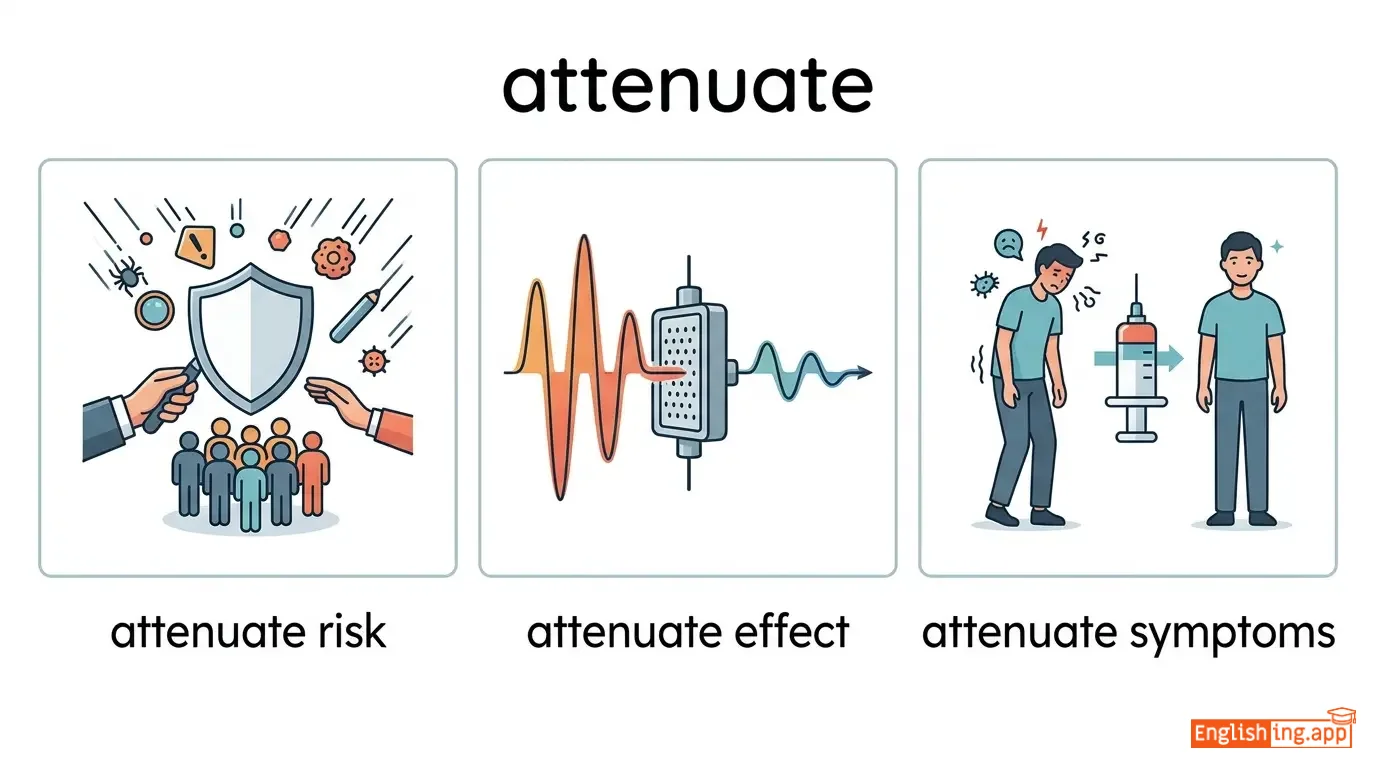
attenuate risk, attenuate effect, attenuate symptoms
••••••
|
Attenuate = 和らげる → 和らげる。
••••••
|
|
#74
🦁
|
/ɔːˈdeɪ.ʃəs/
adjective
(オーデイシャス)
••••••
|
|
大胆
daitan
••••••
|
- •••••• | - •••••• | - •••••• | - •••••• |
showing willingness to take bold risks; daring
••••••
|
His audacious plan to climb the mountain without proper equipment shocked everyone. |
彼の大胆な計画は、適切な装備なしで山を登ろうとすることで、全員を驚かせた。
Kare no daitan na keikaku wa, tekisetsu na sōbi nashi de yama o noborou to suru koto de, zen'in o odorokaseta.
••••••
|
- •••••• | - •••••• | - •••••• |
bold, daring, fearless, brave
••••••
|
timid, cautious, careful, cowardly
••••••
|
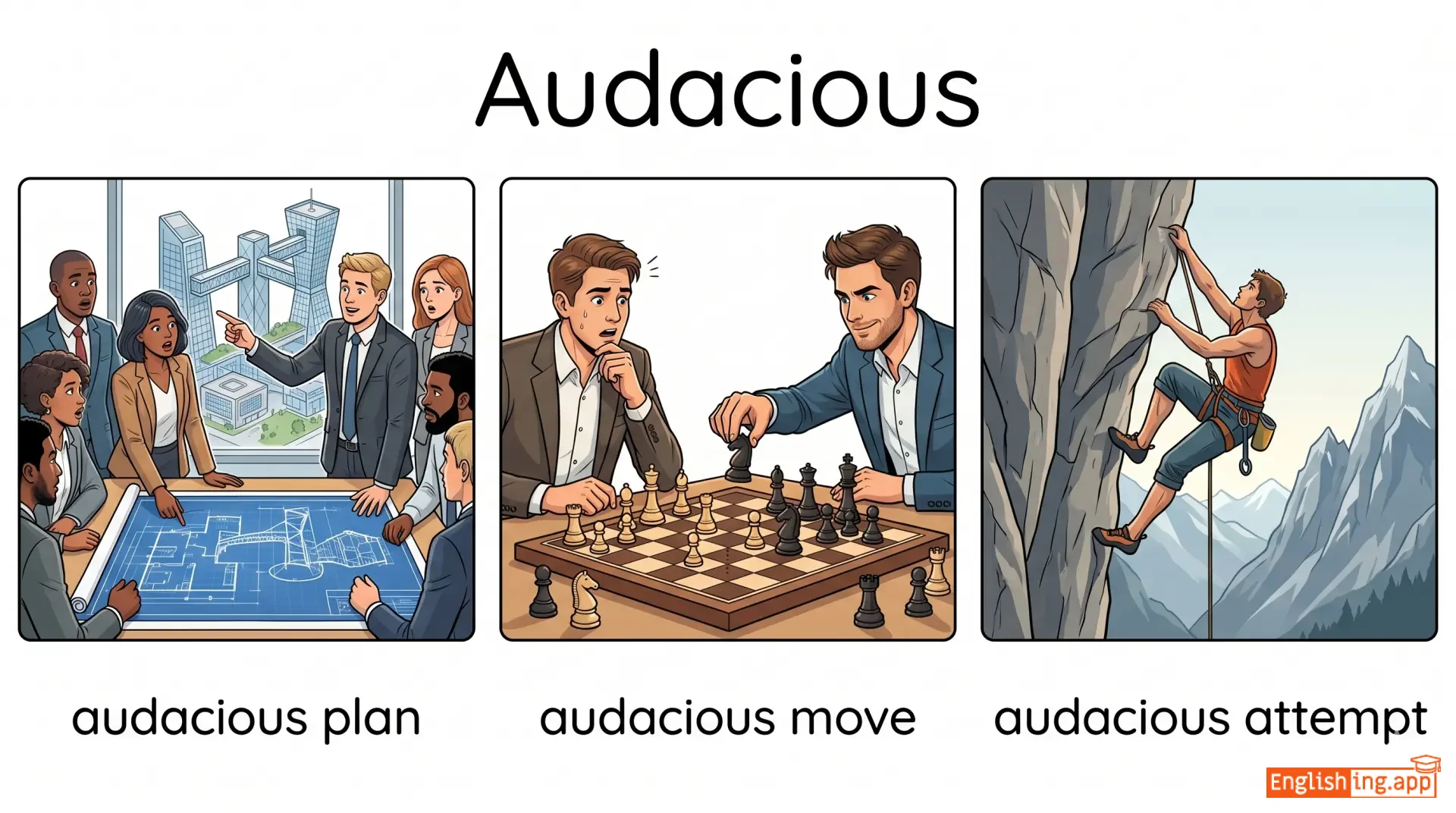
audacious plan, audacious move, audacious behavior
••••••
|
大胆 = '大'(大きい)と '胆'(胆力)から、リスクを恐れずに挑戦する人物
••••••
|
|
#75
🥋
|
/ɔːˈstɪə/
adjective
(オースティア)
••••••
|
|
厳格、簡素
genkaku, kanso
••••••
|
- •••••• | - •••••• | - •••••• | - •••••• |
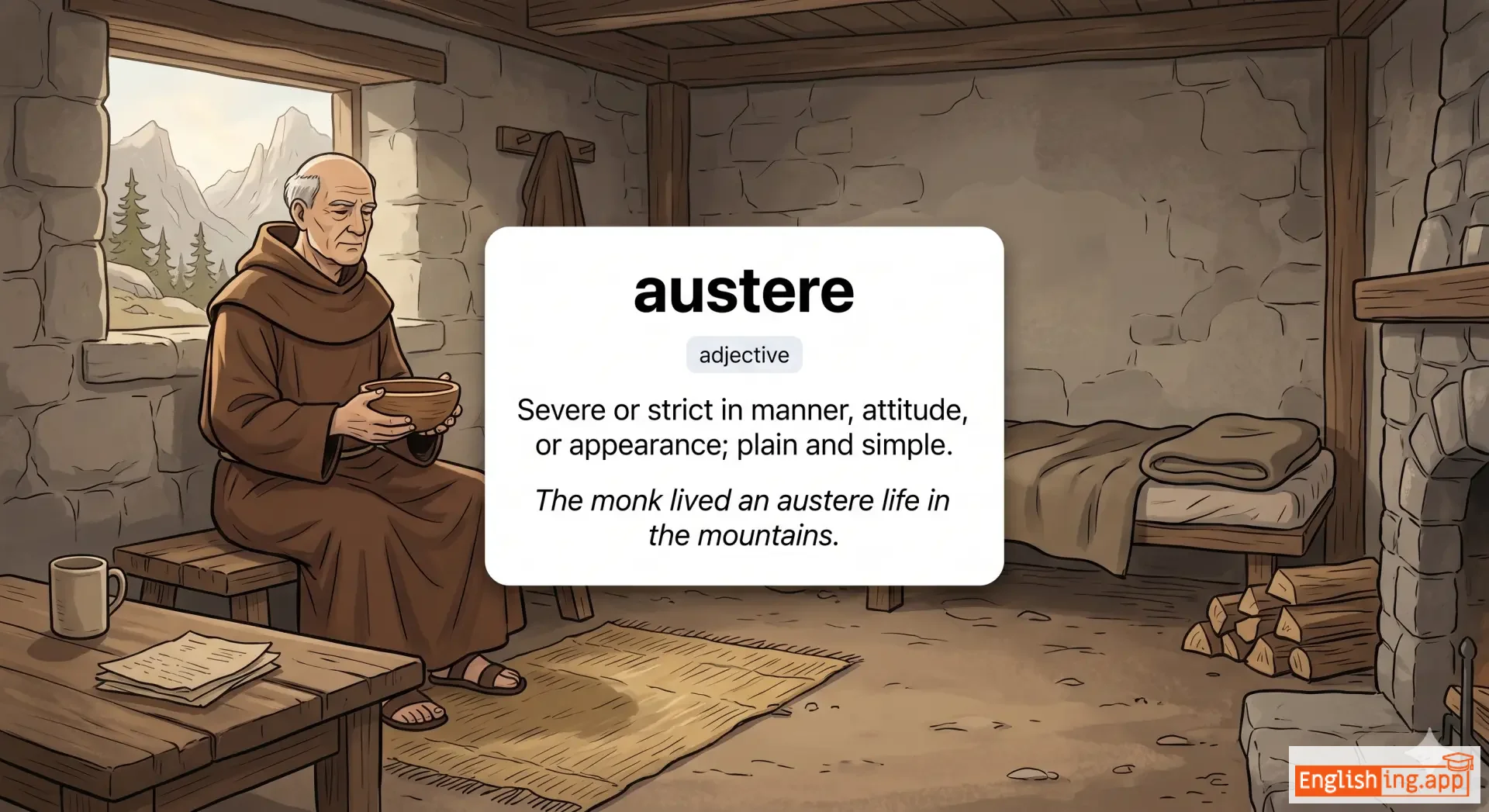
Severe or strict in manner, attitude, or appearance; plain and simple.
••••••
|
The monk lived an austere life in the mountains. |
修道士は山中で厳格な生活を送った。
Shudoushi wa sanchuu de genkaku na seikatsu wo okutta.
••••••
|
- •••••• | - •••••• | - •••••• |
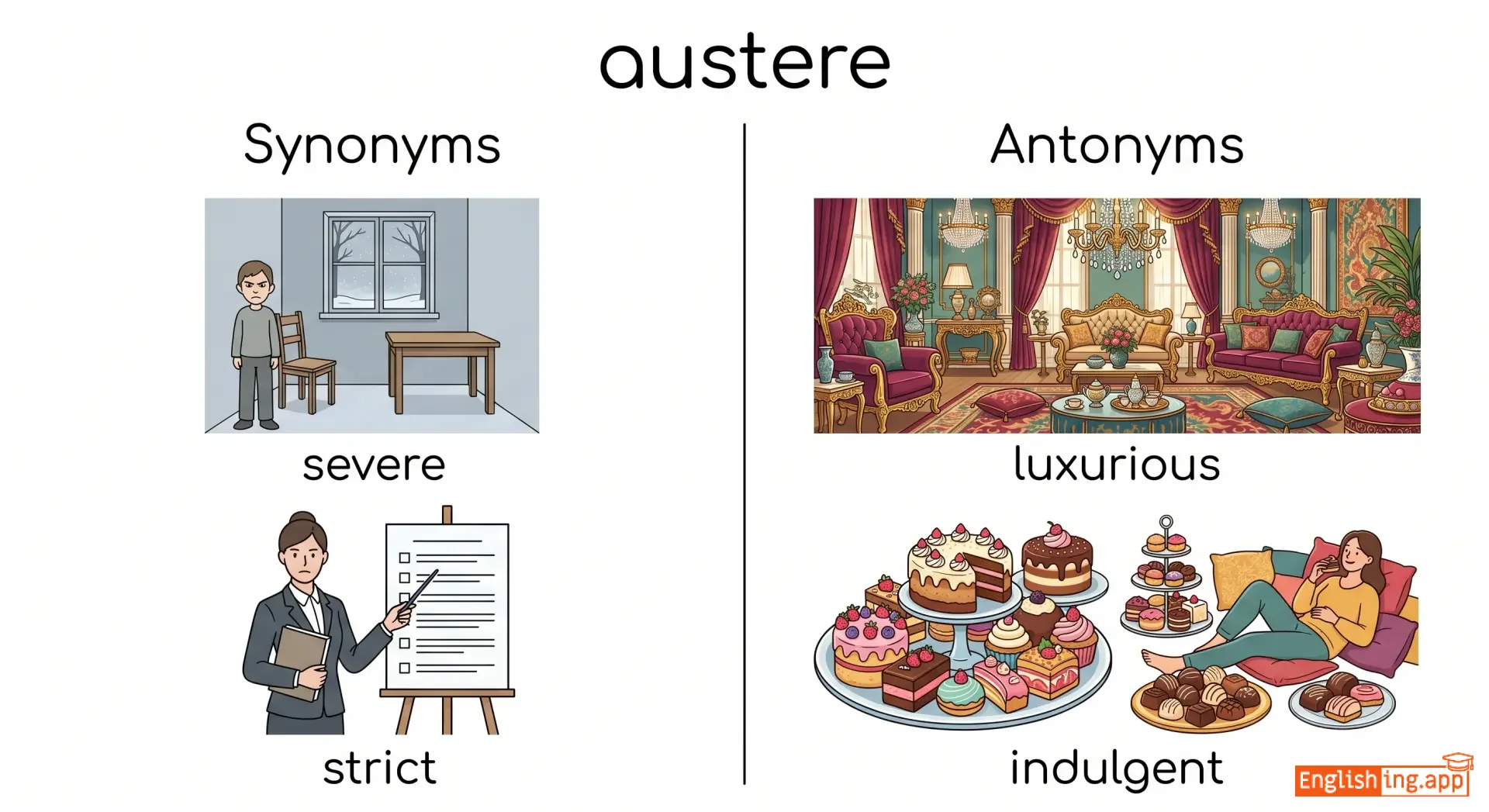
severe, strict, stern, simple, plain
••••••
|
luxurious, indulgent, elaborate
••••••
|
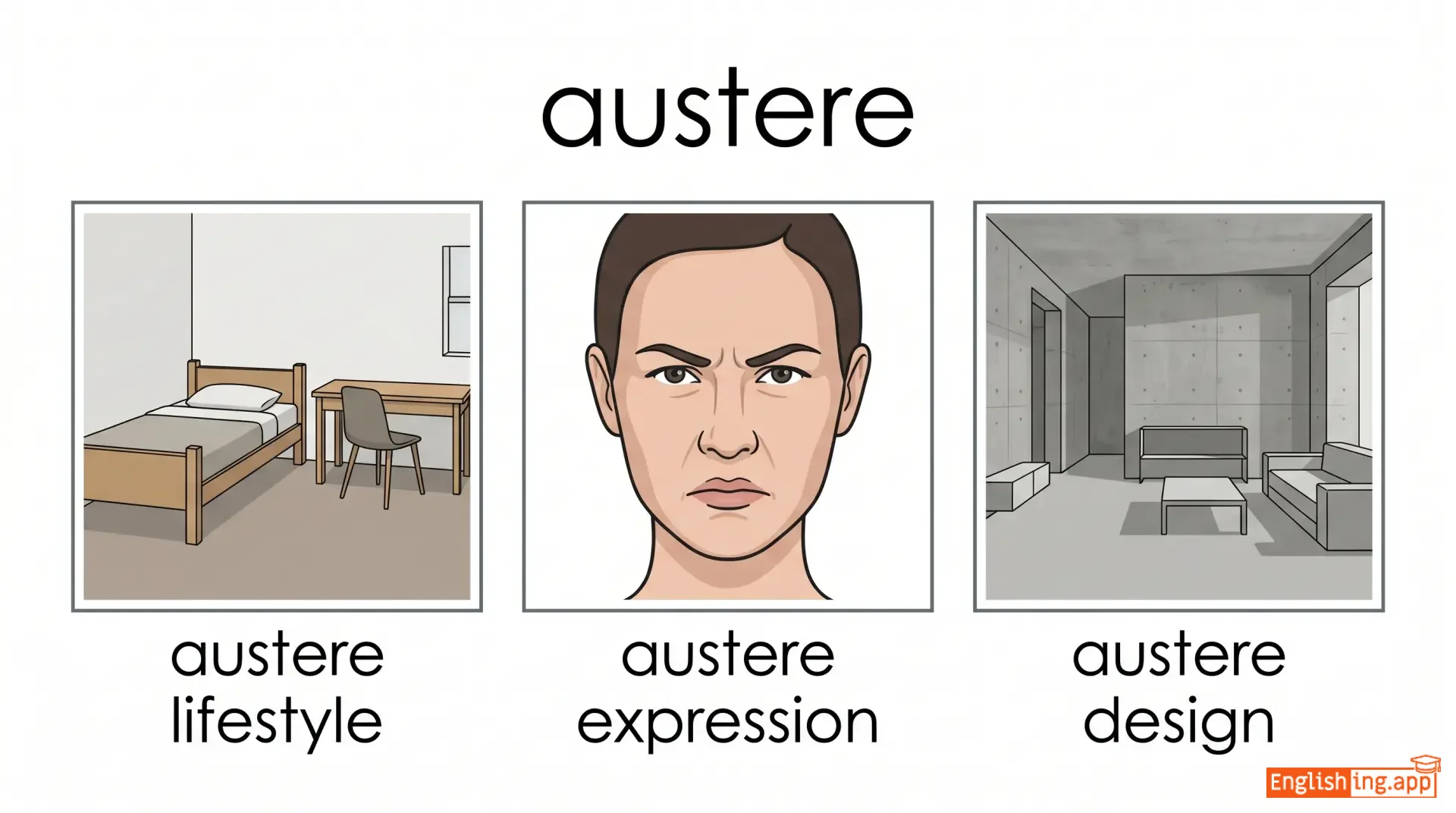
austere lifestyle, austere expression, austere design
••••••
|
Austere は厳格で、贅沢ではなく、シンプルで厳しい生活の意味です。
••••••
|
Vocabulary Quiz
Test your vocabulary by matching words with their translations or meanings.
Login to take the quiz
Comments (0)
Share your thoughts and join the discussion.
Join the discussion by logging in
Login to CommentNo comments yet
Be the first to share your thoughts!