

翻訳
過去
過去分詞
三人称単数
動名詞
意味
例文
例文の翻訳
同義語
対義語
コロケーション
ニーモニック


Swipe left or right, or use the buttons. Tap image to zoom.
例文の翻訳
単語
Lesson 21Lesson 21 - マスクトグル
|
絵文字
|
単語 | Images | 翻訳 | 過去 | 過去分詞 | 三人称単数 | 動名詞 | 意味 | 例文 | 例文の翻訳 | 表現例 | 表現例の意味 | 表現例の翻訳 | 同義語 | 対義語 | コロケーション | ニーモニック |
|---|---|---|---|---|---|---|---|---|---|---|---|---|---|---|---|---|---|
|
#501
😈
|
/ˈmɪs.kri.ənt/
noun
(misukurianto)
••••••
|
- •••••• |
悪党; 犯罪者
miscreant
••••••
|
- •••••• | - •••••• | - •••••• | - •••••• |
A person who behaves badly or illegally; a villain or criminal
••••••
|
The miscreant was caught stealing from the store.
その悪党は店で物を盗んでいるところを捕まえられました。
••••••
|
その悪党は店で物を盗んでいるところを捕まえられました。
Sono akutō wa mise de mono o nusunde iru tokoro o tsukamaeraremashita.
••••••
|
- •••••• | - •••••• | - •••••• |
villain, criminal, wrongdoer, scoundrel
••••••
|
hero, saint, good person, law-abiding citizen
••••••
|
dangerous miscreant, petty miscreant, notorious miscreant, young miscreant
••••••
|
Miscreant - A criminal. In Japanese, '悪党' refers to a bad person or villain.
••••••
|
|
#502
🚫👩
|
/mɪˈsɑːdʒɪnɪst/
noun
(ミソジニスト)
••••••
|
- •••••• |
女性嫌悪者
josei ken'oshā
••••••
|
- •••••• | - •••••• | - •••••• | - •••••• |
A person who dislikes, despises, or is strongly prejudiced against women.
••••••
|
Many condemned his speech as the words of a misogynist. |
多くの人々は彼のスピーチを女性嫌悪者の言葉として非難しました。
Ōku no hitobito wa kare no supīchi o josei ken'oshā no kotoba to shite hinan shimashita.
••••••
|
- •••••• | - •••••• | - •••••• |
woman-hater, sexist, chauvinist, anti-feminist
••••••
|
feminist, egalitarian
••••••
|
open misogynist, notorious misogynist, blatant misogynist
••••••
|
Mis + gyne (女性) → 女性嫌悪者は女性を嫌う人
••••••
|
|
#503
⚖️
|
/ˈmɪtɪˌɡeɪt/
verb
(ミティゲート)
••••••
|
|
軽減する
keigen suru
••••••
|
mitigated
ミティゲイテッド
••••••
|
mitigated
ミティゲイテッド
••••••
|
mitigates
ミティゲイツ
••••••
|
mitigating
ミティゲイティング
••••••
|
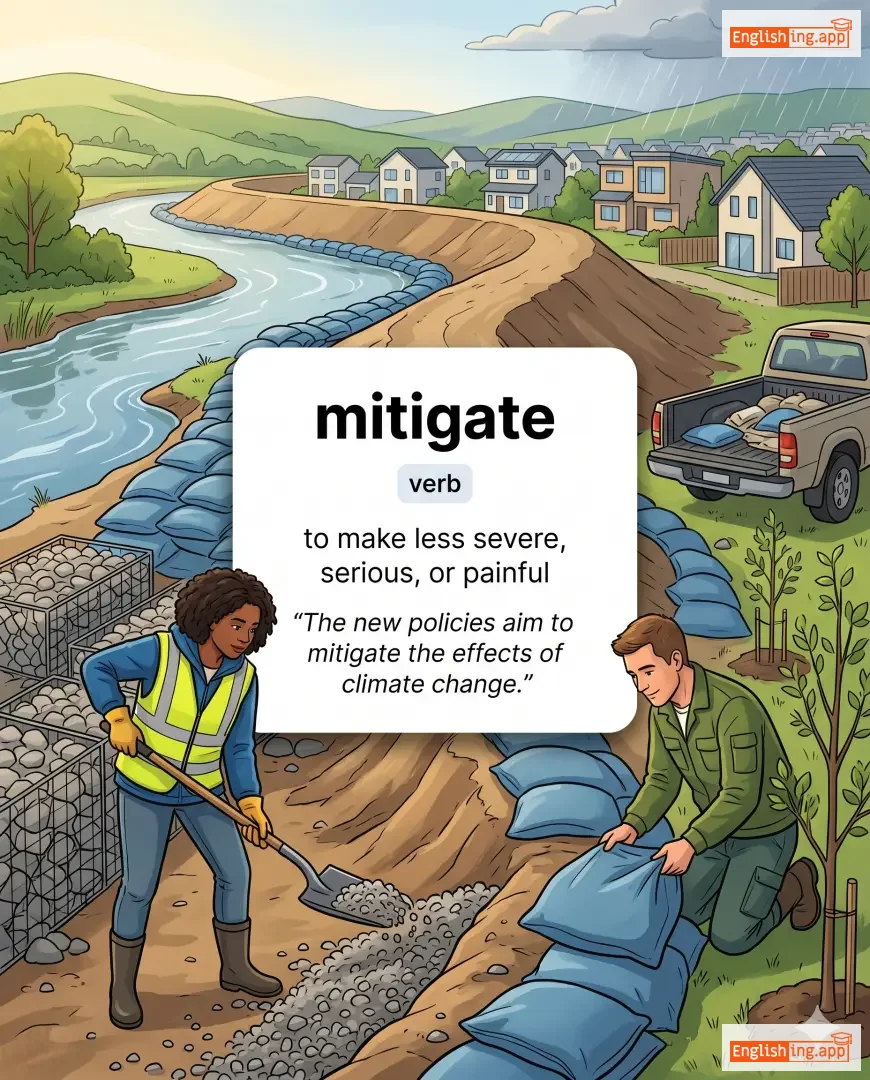
to make less severe, serious, or painful
••••••
|
The new policies aim to mitigate the effects of climate change.
新しい政策は気候変動の影響を軽減することを目指しています。
••••••
|
新しい政策は気候変動の影響を軽減することを目指しています。
Atarashii seisaku wa kikō hendō no eikyō o keigen suru koto o mezashiteimasu.
••••••
|
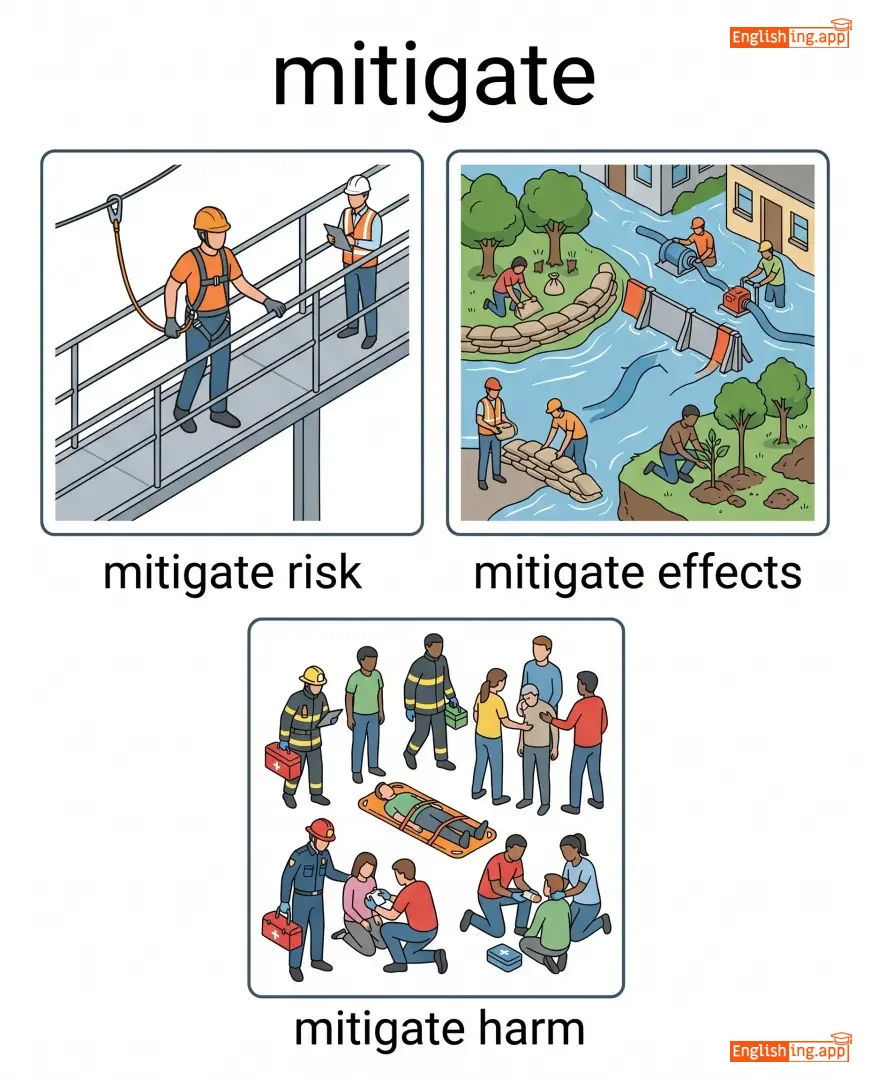
mitigate risk
リスクを軽減する
••••••
|
to reduce the potential danger or harm
••••••
|
リスクを軽減する
risuku o keigen suru
••••••
|
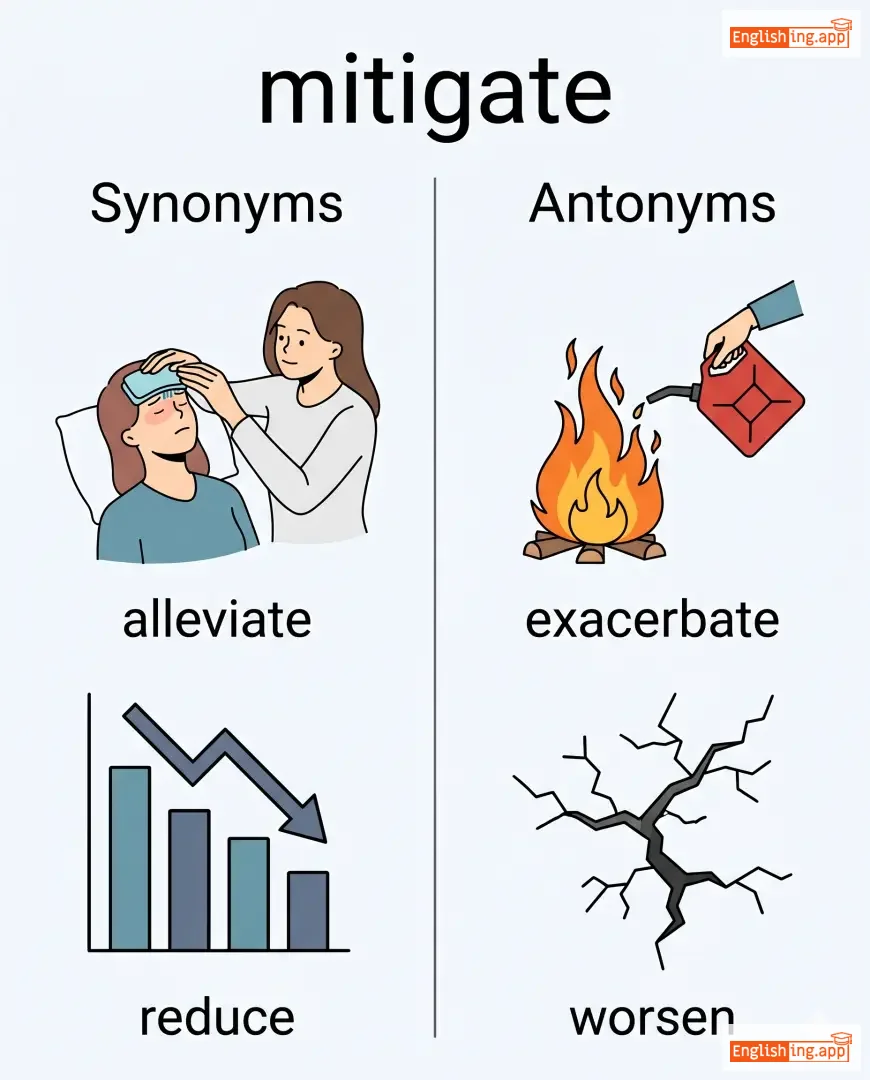
alleviate, reduce, ease, lessen, soften
••••••
|
exacerbate, worsen, intensify
••••••
|
mitigate risk, mitigate effects, mitigate harm, mitigate damage
••••••
|
軽減する = ケアを減らす、リスクを減らす
••••••
|
|
#504
🧠
|
/nɪˈmɒnɪk/
noun/adjective
••••••
|
|
- •••••• | - •••••• | - •••••• | - •••••• | - •••••• |
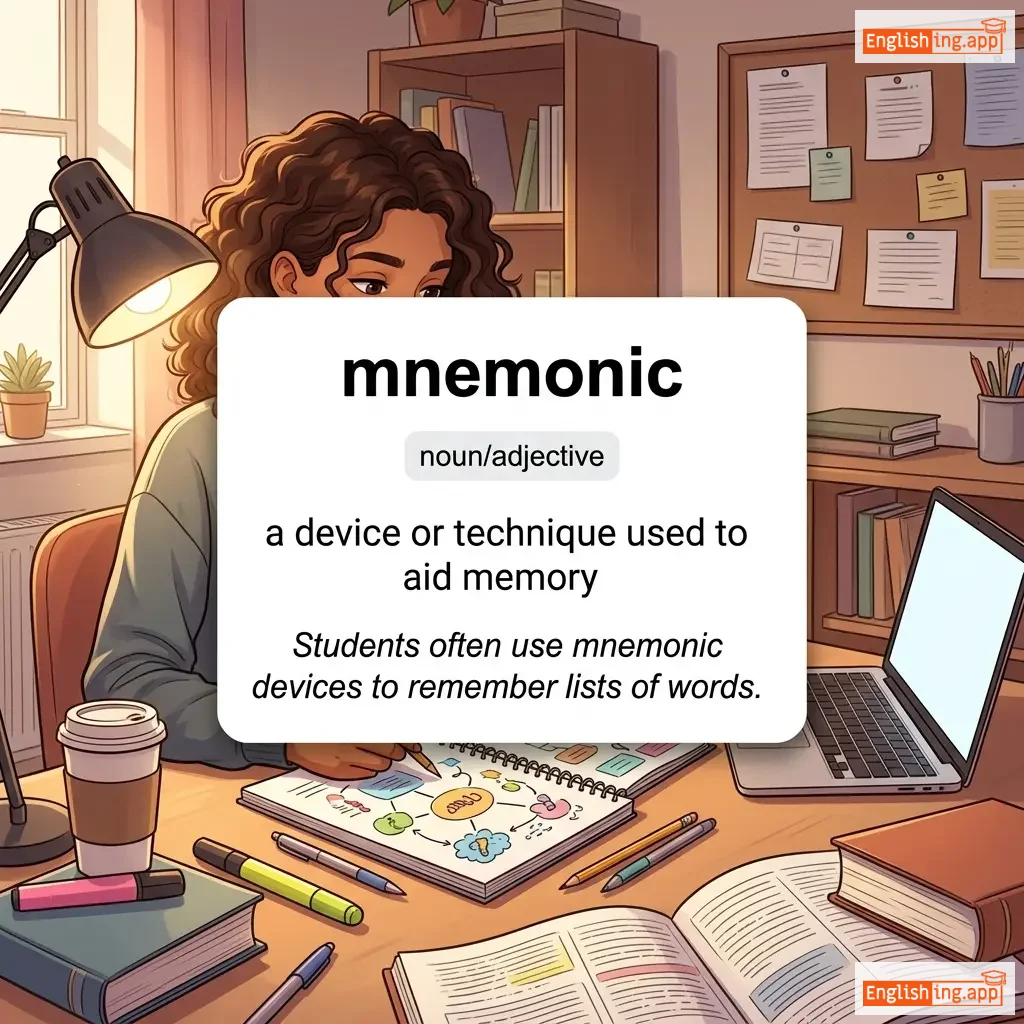
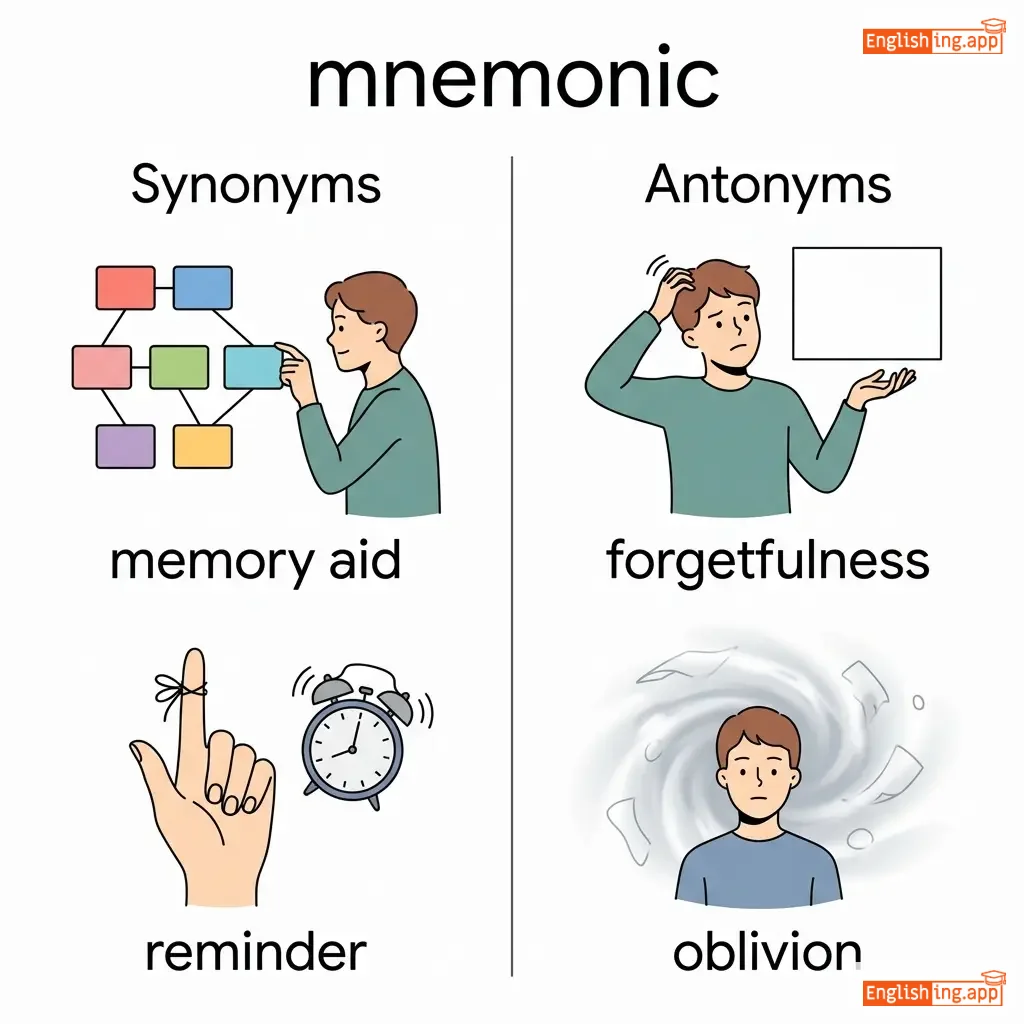
a device or technique used to aid memory
••••••
|
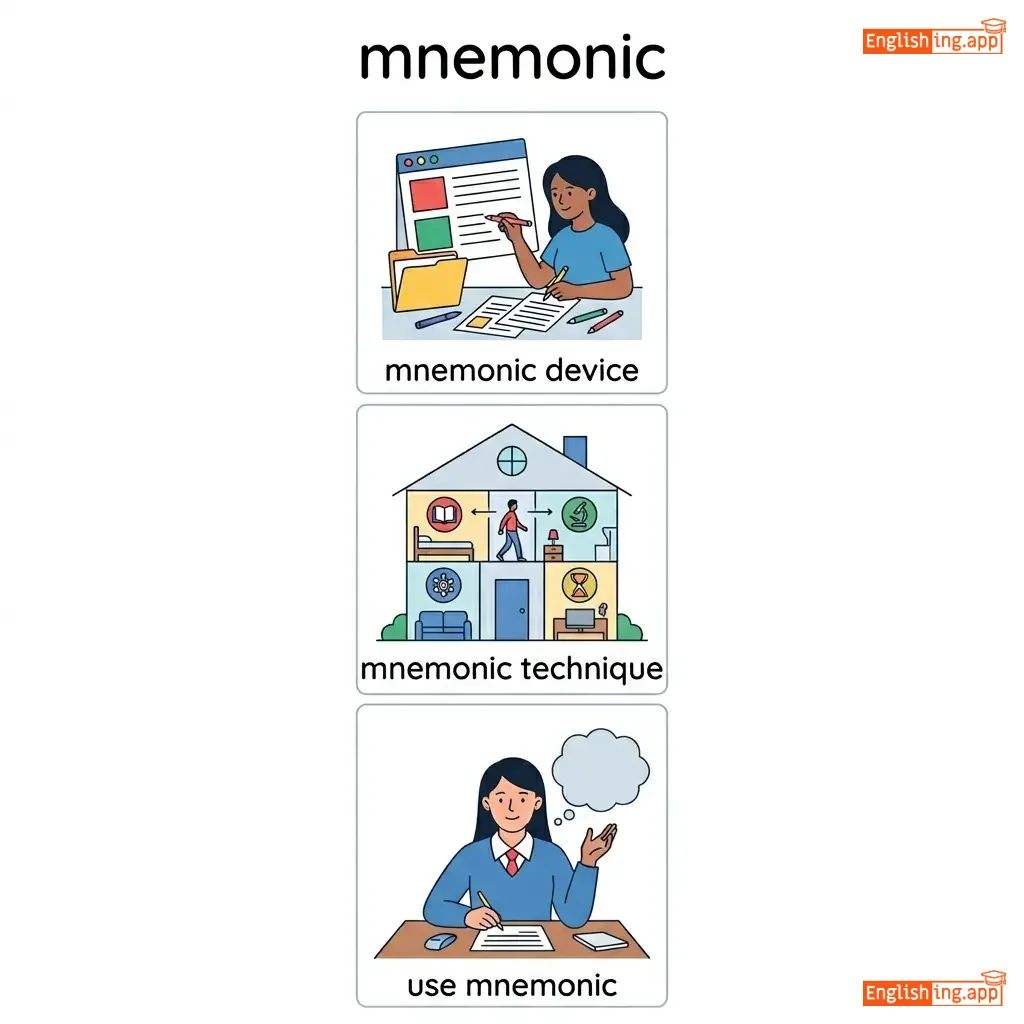
Students often use mnemonic devices to remember lists of words. |
- •••••• |
mnemonic device |
a tool to help remember information
••••••
|
- •••••• |
memory aid, reminder, clue, device, trick
••••••
|
forgetfulness, oblivion
••••••
|
mnemonic device, mnemonic technique, use mnemonic, create mnemonic
••••••
|
No •••••• |
|
#505
⚖️
|
/ˈmɒdɪkəm/
noun
(モディカム)
••••••
|
- •••••• |
少しの量
sukoshi no ryou
••••••
|
- •••••• | - •••••• | - •••••• | - •••••• |
a small or moderate amount of something, especially something valuable or desirable
••••••
|
She showed a modicum of patience during the long meeting. |
長い会議の間、彼女は少しの忍耐を見せました。
Nagai kaigi no aida, kanojo wa sukoshi no nintai o misemashita.
••••••
|
- •••••• | - •••••• | - •••••• |
small amount, bit, fragment, particle, trace
••••••
|
abundance, plenty, excess
••••••
|
modicum of respect, modicum of patience, modicum of truth
••••••
|
モディカム = 少しの量
••••••
|
|
#506
🤲
|
/ˈmɒlɪfaɪ/
verb
(モリファイ)
••••••
|
|
なだめる
nadameru
••••••
|
mollified
モリファイド
••••••
|
mollified
モリファイド
••••••
|
mollifies
モリファイズ
••••••
|
mollifying
モリファイング
••••••
|
To calm or soothe someone's anger or anxiety.
••••••
|
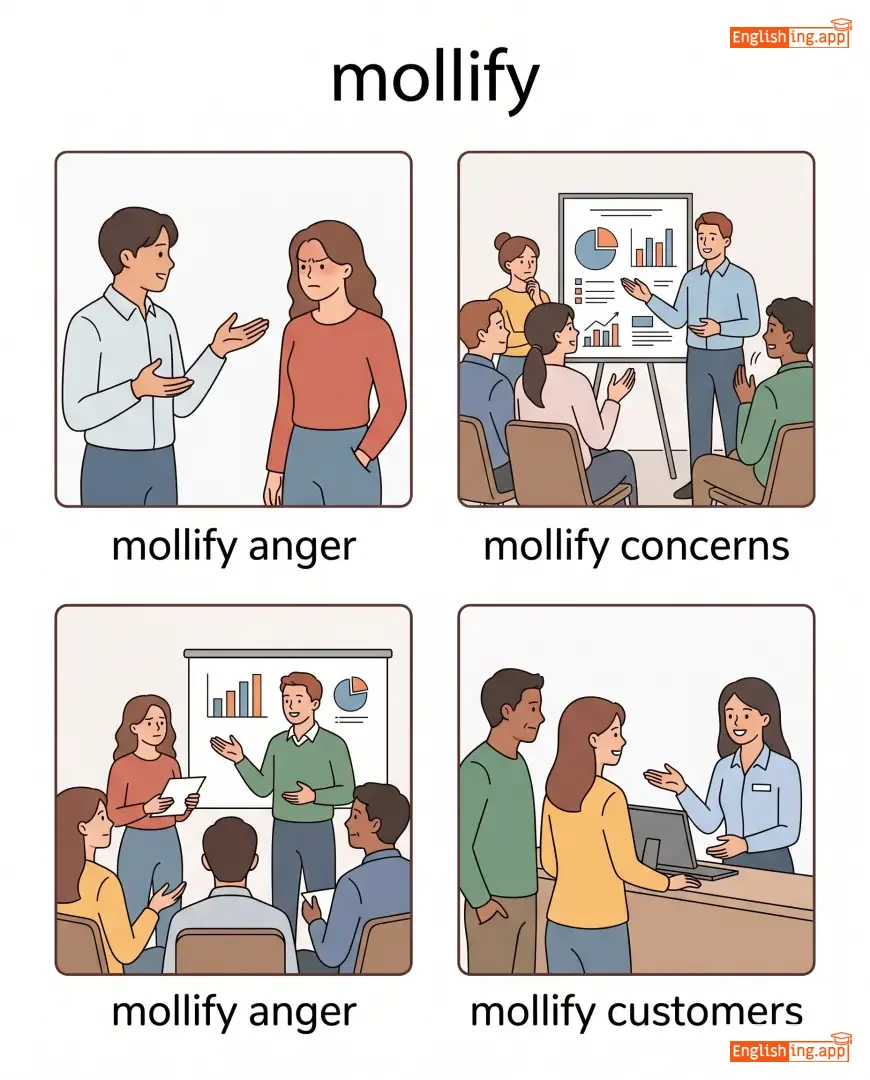
The manager tried to mollify the angry customers with discounts.
マネージャーは割引で怒った顧客をなだめようとした。
••••••
|
マネージャーは割引で怒った顧客をなだめようとした。
Manejā wa waribiki de okotta kokyaku o nadameyō to shita.
••••••
|
- •••••• | - •••••• | - •••••• |
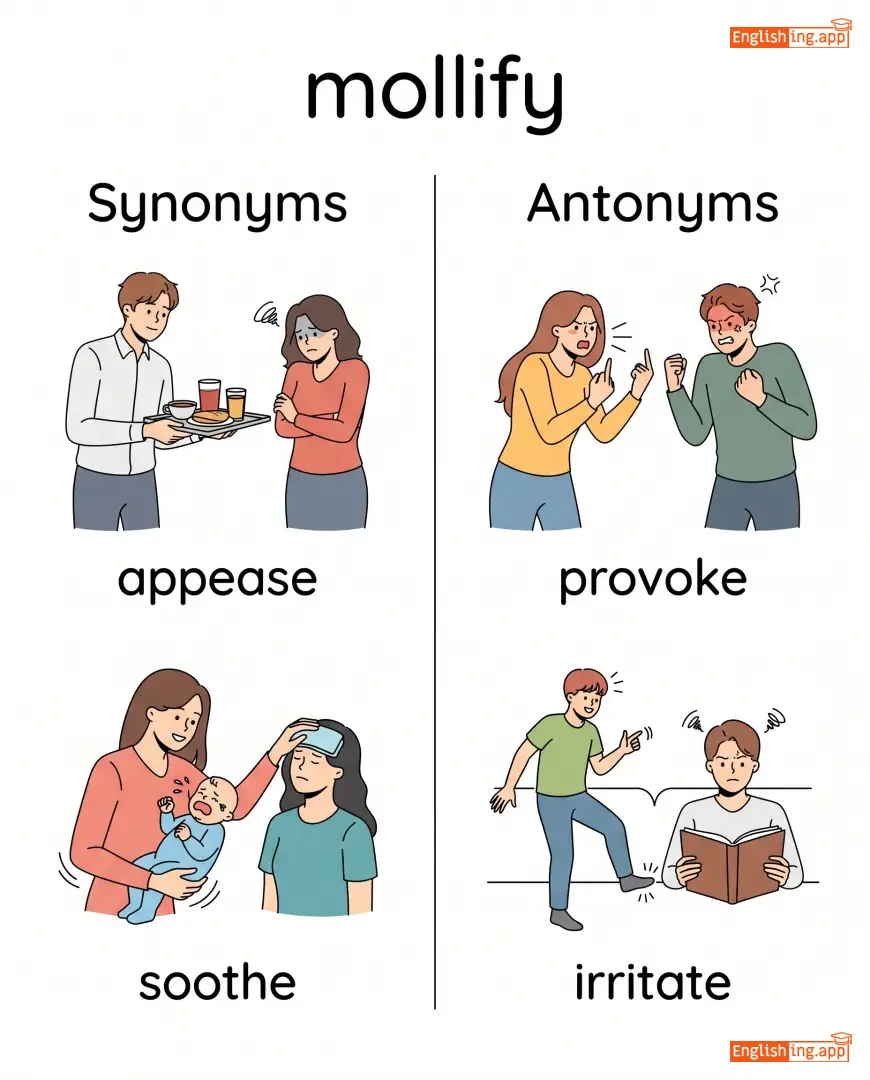
appease, soothe, pacify, calm
••••••
|
provoke, irritate, anger
••••••
|
mollify anger, mollify concerns, mollify customers, mollify critics
••••••
|
Mollify = '物理'(ブツリ)で静かにする
••••••
|
|
#507
🏢
|
/ˌmɒnəˈlɪθɪk/
adjective
(モノリシック)
••••••
|
- •••••• |
モノリシック
monorishikku
••••••
|
- •••••• | - •••••• | - •••••• | - •••••• |
Massive, uniform, and indivisible; resembling a large single stone or structure.
••••••
|
The company maintained a monolithic structure resistant to change. |
その会社は変化に強いモノリシックな構造を維持しました。
Sono kaisha wa henka ni tsuyoi monorishikku na kōzō o iji shimashita.
••••••
|
- •••••• | - •••••• | - •••••• |
massive, rigid, uniform, colossal
••••••
|
flexible, diverse, fragmented
••••••
|
monolithic structure, monolithic block, monolithic system, monolithic organization
••••••
|
Mono = 一つ、Lith = 石、モノリシック = 一つの大きな構造物。
••••••
|
|
#508
😔
|
/məˈroʊs/
adjective
(モローズ)
••••••
|
|
陰鬱
in'utsu
••••••
|
- •••••• | - •••••• | - •••••• | - •••••• |
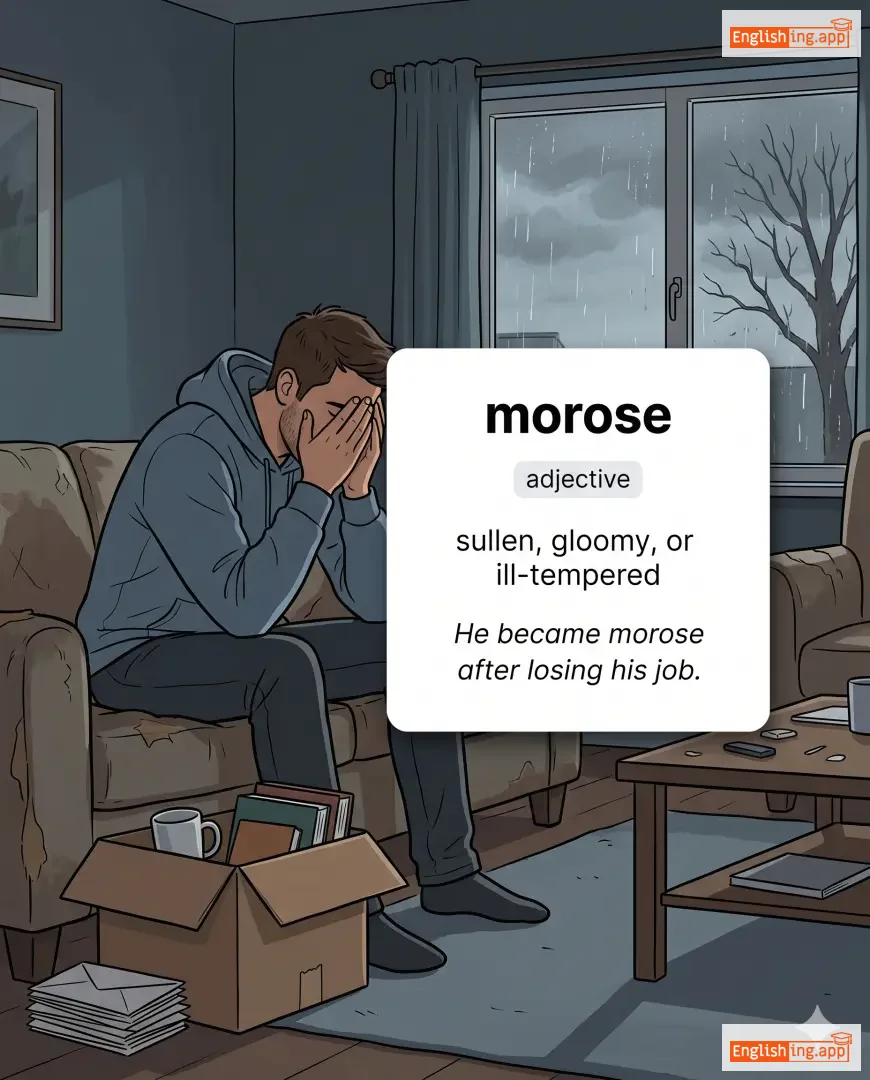
sullen, gloomy, or ill-tempered
••••••
|
He became morose after losing his job.
彼は仕事を失った後、落ち込んでしまった。
••••••
|
彼は仕事を失った後、落ち込んでしまった。
Kare wa shigoto o ushinatta ato, ochikonde shimatta.
••••••
|
- •••••• | - •••••• | - •••••• |
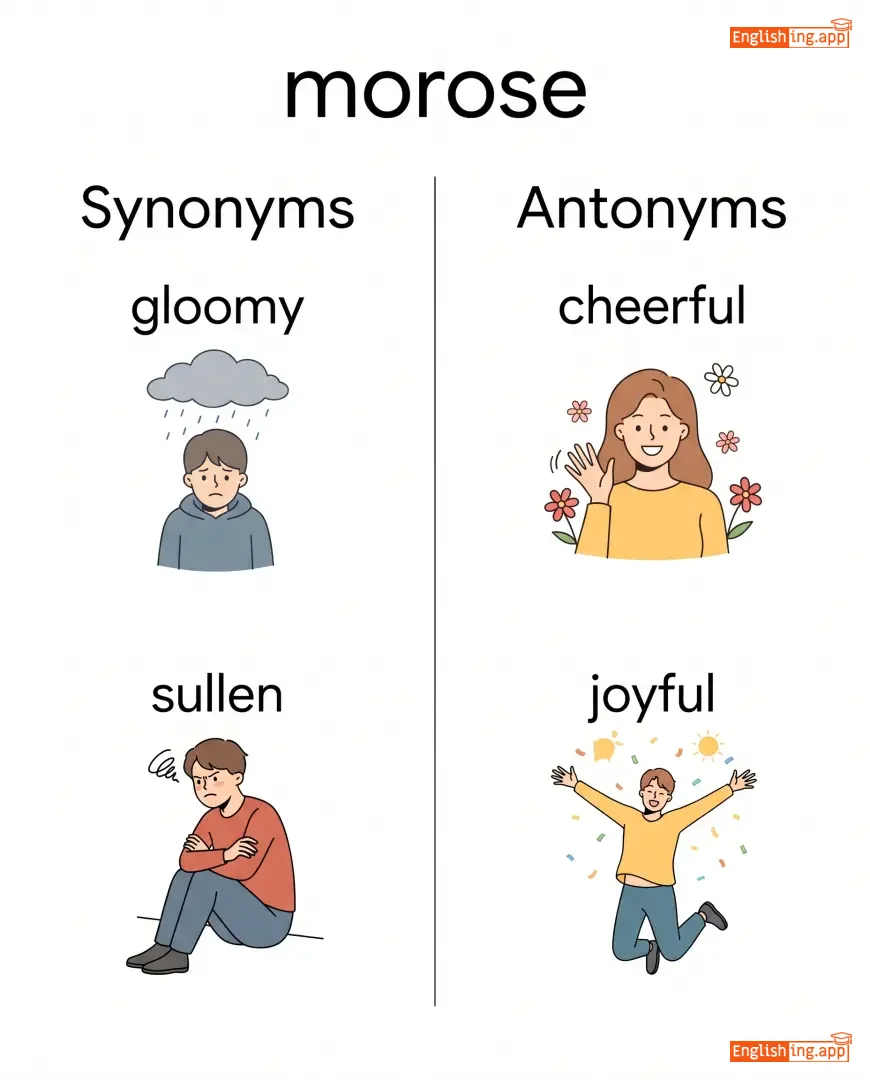
gloomy, sullen, melancholic, depressed
••••••
|
cheerful, joyful, optimistic
••••••
|
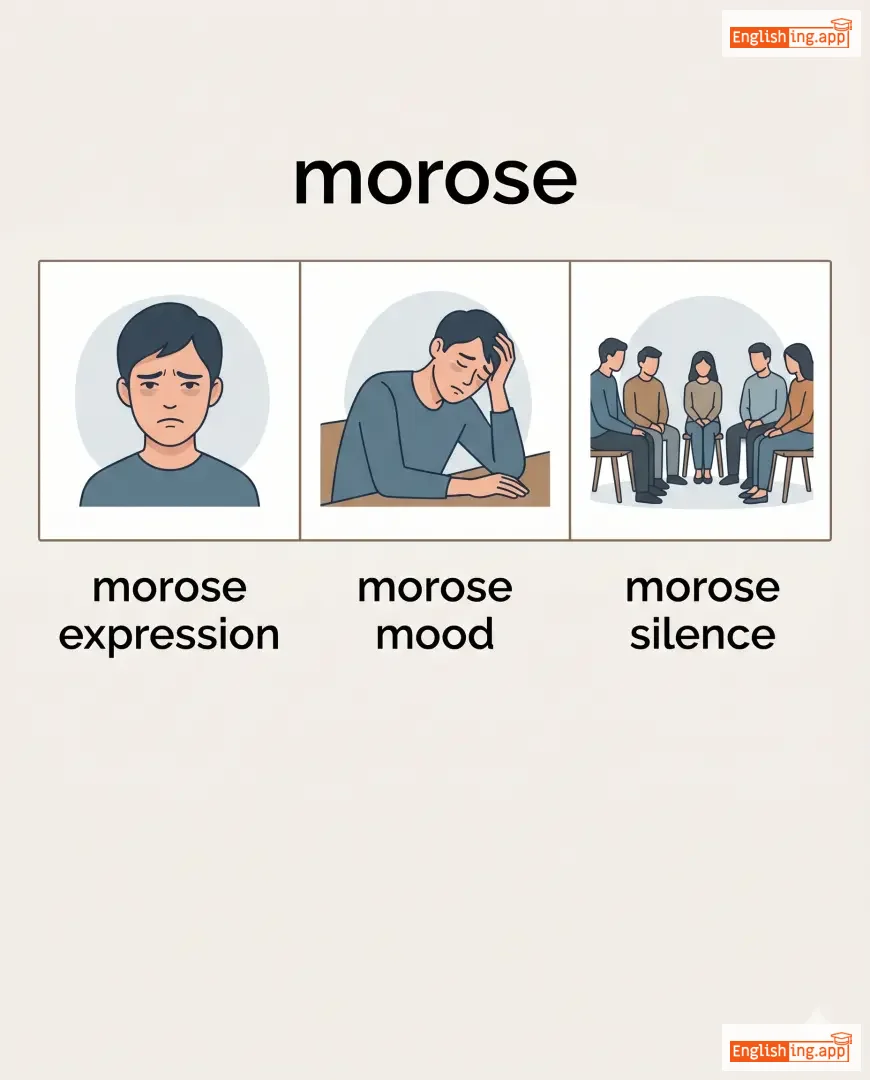
morose expression, morose mood, morose silence
••••••
|
Morose = 陰鬱 → morose = 陰鬱
••••••
|
|
#509
🎭
|
/ˈmɒtli/
adjective
(モトリー)
••••••
|
- •••••• |
混成
konsei
••••••
|
- •••••• | - •••••• | - •••••• | - •••••• |
Made up of different, often incongruous or diverse elements.
••••••
|
The festival attracted a motley crowd of artists, musicians, and tourists. |
フェスティバルはアーティスト、ミュージシャン、観光客からなる混成の群衆を引き寄せた。
Fesutibaru wa aatisuto, myuujishan, kankoukyaku kara naru konsei no gunshuu wo hiki yoseta.
••••••
|
motley crew |
A diverse, sometimes mismatched group of people.
••••••
|
混成チーム
konsei chiimu
••••••
|
mixed, varied, diverse, assorted, heterogeneous
••••••
|
uniform, homogeneous
••••••
|
motley crowd, motley crew, motley collection, motley assortment
••••••
|
Motley crew は混成チーム、みんな違うメンバーで構成されている。
••••••
|
|
#510
🌈
|
/ˌmʌl.tɪˈfeə.ri.əs/
adjective
(マルチフェリアス)
••••••
|
- •••••• |
多様な; 多方面の
tayou na; tahoumen no
••••••
|
- •••••• | - •••••• | - •••••• | - •••••• |
having many different aspects or forms; diverse and varied
••••••
|
The company has multifarious business interests including technology, finance, and healthcare. |
その会社には、テクノロジー、金融、ヘルスケアを含む多様なビジネス利益があります。
Sono kaisha ni wa, tekunorojī, kin'yū, herusukea o fukumu tayōna bijinesu rieki ga arimasu.
••••••
|
- •••••• | - •••••• | - •••••• |
diverse, varied, manifold, numerous, multiple
••••••
|
uniform, singular, simple, homogeneous
••••••
|
multifarious activities, multifarious interests, multifarious duties
••••••
|
Multifariousは日本語で '多様な' に似ていて、たくさんの違う側面がある意味です。
••••••
|
|
#511
😐
|
/mʌnˈdeɪn/
adjective
(マンデン)
••••••
|
|
平凡
heibon
••••••
|
- •••••• | - •••••• | - •••••• | - •••••• |
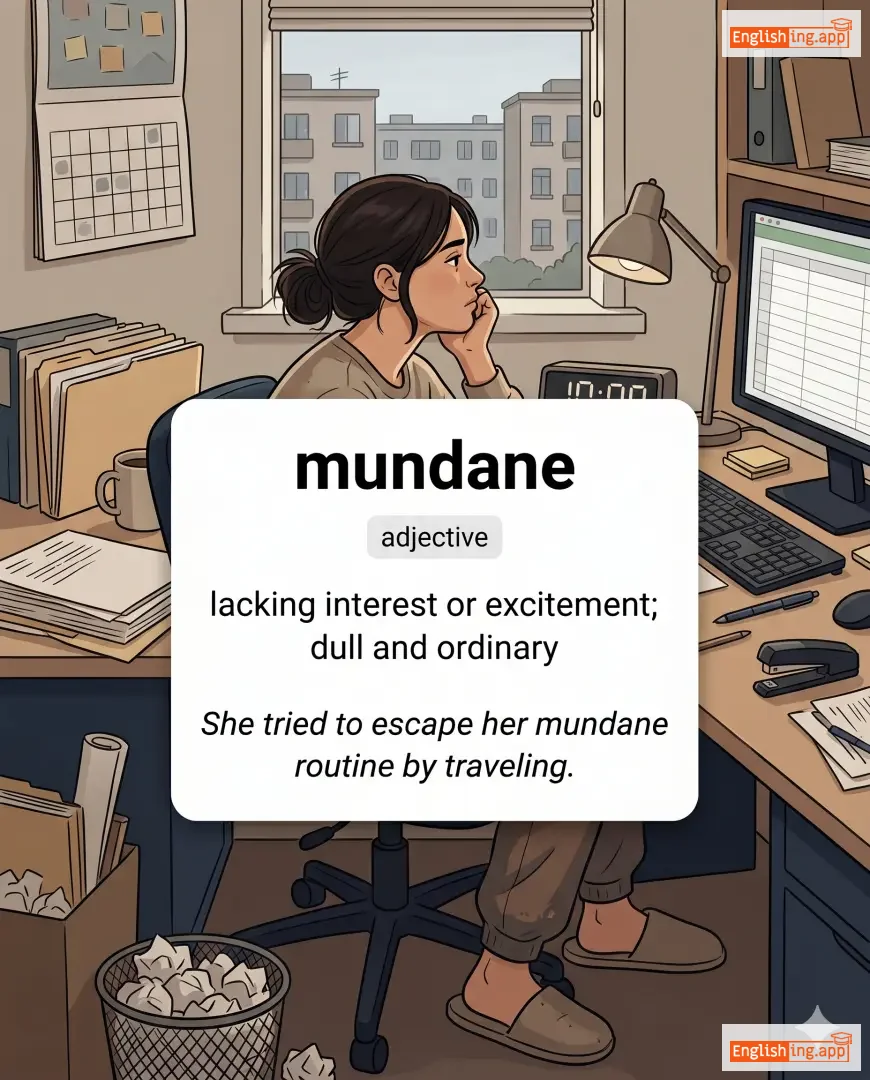
lacking interest or excitement; dull and ordinary
••••••
|
She tried to escape her mundane routine by traveling. |
彼女は旅行をして平凡な日常から逃げようとした。
Kanojo wa ryokou o shite heibon na nichijou kara nigeyou to shita.
••••••
|
mundane task |
a dull or repetitive job
••••••
|
平凡な仕事
heibon na shigoto
••••••
|
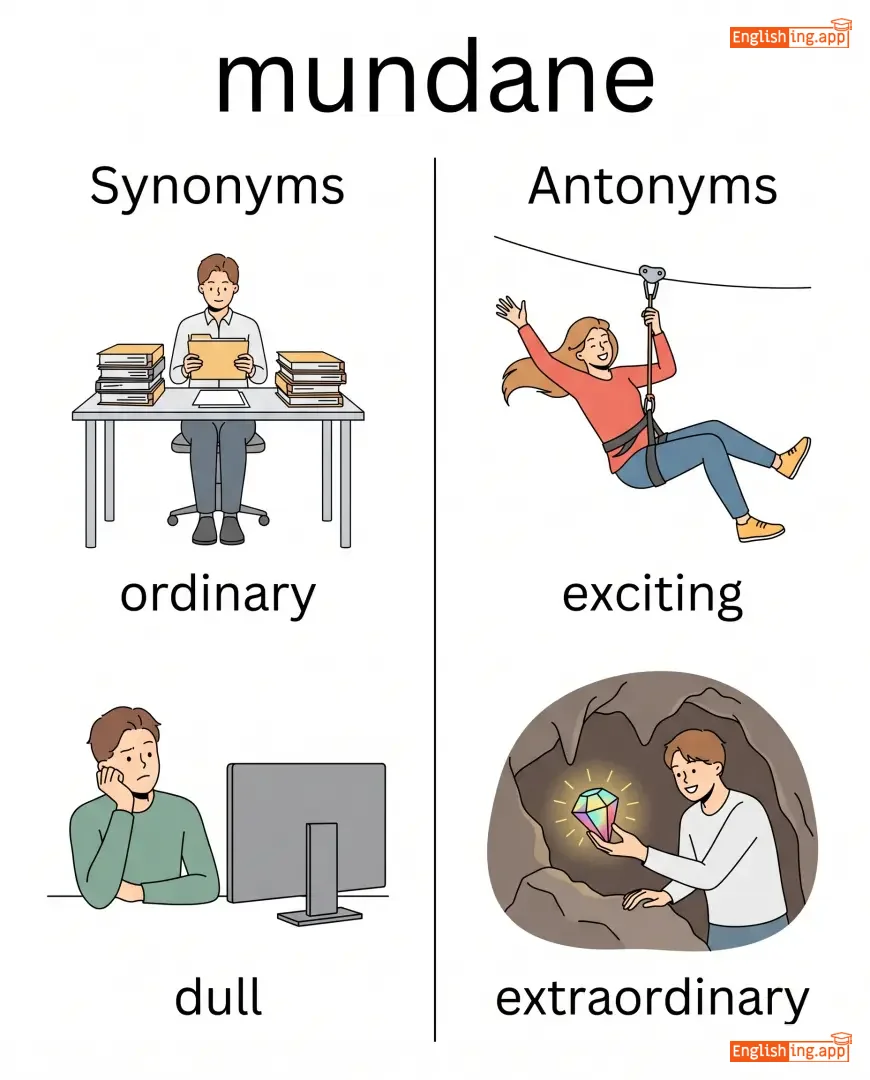
ordinary, dull, boring, routine, monotonous
••••••
|
exciting, extraordinary, unusual
••••••
|
mundane details, mundane routine, mundane life, mundane task
••••••
|
MUN (ムン) は退屈で平凡な日常を示す
••••••
|
|
#512
🔮
|
/ˈnɛkrəˌmænsi/
noun
(ネクロマンシー)
••••••
|
- •••••• |
死霊術
shireijutsu
••••••
|
- •••••• | - •••••• | - •••••• | - •••••• |
the practice of communicating with the dead, often to predict the future
••••••
|
Ancient texts described rituals of necromancy performed by priests. |
古代の文献には、神父たちによって行われた死霊術の儀式が記述されています。
Kodai no bunken ni wa, shinputa-tachi ni yotte okonawareta shireijutsu no gishiki ga kijutsusareteimasu.
••••••
|
- •••••• | - •••••• | - •••••• |
sorcery, witchcraft, black magic, occultism, divination
••••••
|
science, rationalism, realism
••••••
|
ancient necromancy, dark necromancy, practice of necromancy, art of necromancy
••••••
|
ネクロは死者、マンシーは術を意味し、死者の術=ネクロマンシー。
••••••
|
|
#513
🚫
|
/nɪˈɡeɪt/
verb
••••••
|
|
- •••••• |
negated
••••••
|
negated
••••••
|
negates
••••••
|
negating
••••••
|
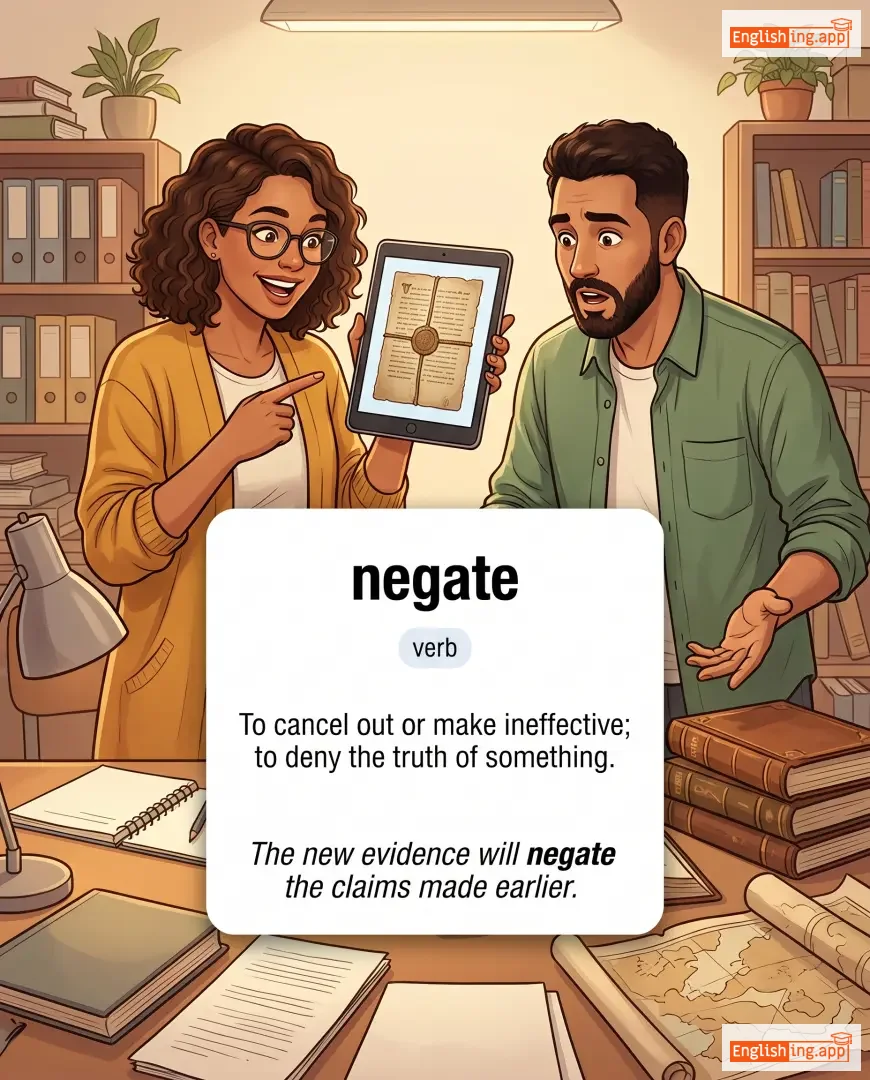
To cancel out or make ineffective; to deny the truth of something.
••••••
|
The new evidence will negate the claims made earlier. |
- •••••• |
negate the effect |
To cancel or reduce the impact of something.
••••••
|
- •••••• |
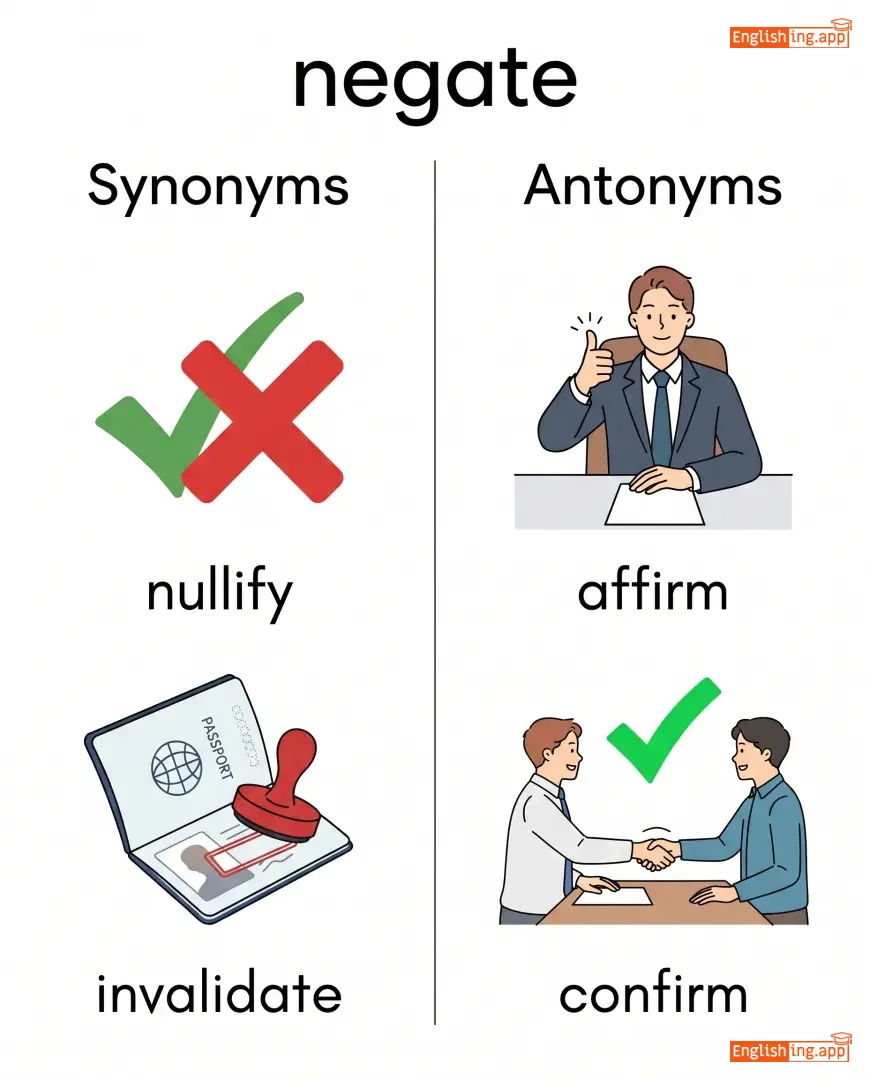
nullify, invalidate, deny, cancel, counteract
••••••
|
affirm, confirm, validate
••••••
|
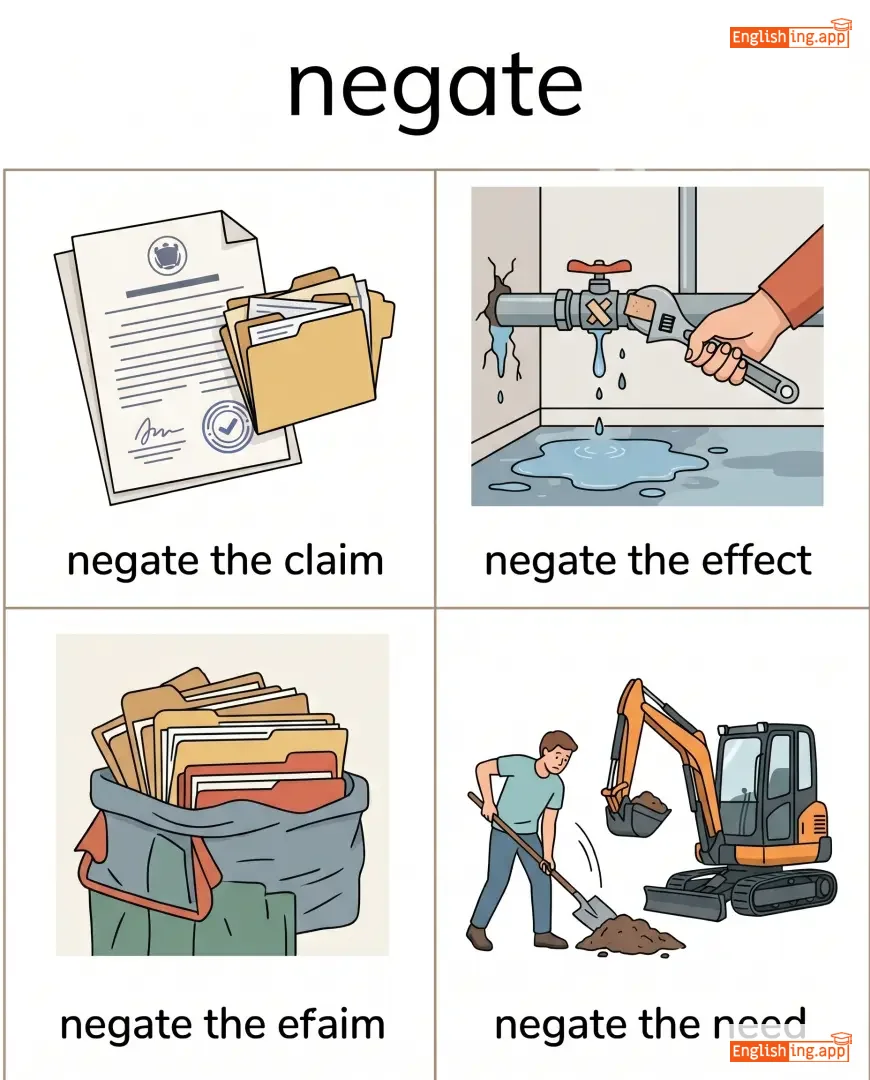
negate the claim, negate the effect, negate the need, negate responsibility
••••••
|
No •••••• |
|
#514
🆕
|
/niːˈɒlədʒɪzəm/
noun
(ネオロジズム)
••••••
|
- •••••• |
新造語
shinzōgo
••••••
|
- •••••• | - •••••• | - •••••• | - •••••• |
A newly coined word or expression.
••••••
|
The internet has given rise to many neologisms like 'selfie' and 'hashtag'. |
インターネットは「セルフィー」や「ハッシュタグ」などの多くの新造語を生み出しました。
Intānetto wa 'serufī' ya 'hasshutagu' nado no ōku no shinzōgo o umidashimashita.
••••••
|
- •••••• | - •••••• | - •••••• |
new word, coinage, term, expression
••••••
|
archaic word, old term
••••••
|
neologism usage, coin a neologism, popular neologism
••••••
|
Neo = 新しい + logism = 言葉 → 新造語
••••••
|
|
#515
🌱
|
/ˈniːəˌfaɪt/
noun
(ネオファイト)
••••••
|
|
初心者
shoshinsha
••••••
|
- •••••• | - •••••• | - •••••• | - •••••• |
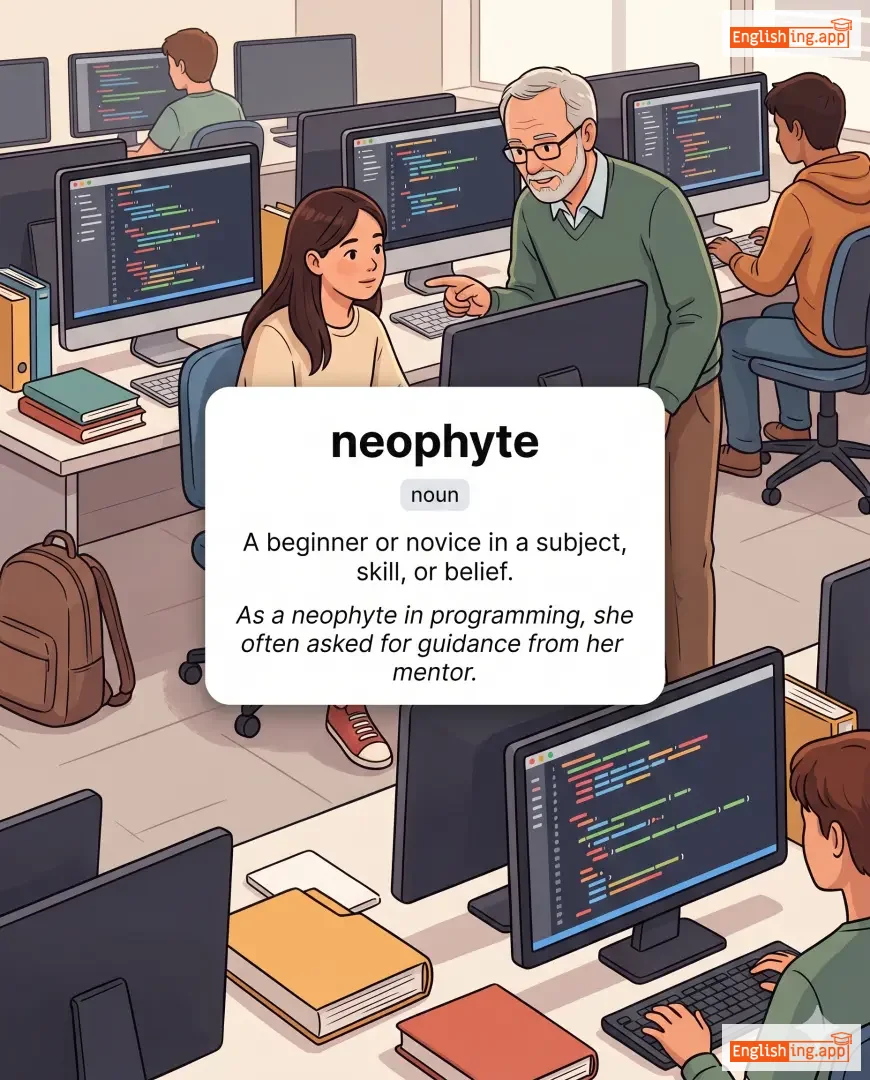
A beginner or novice in a subject, skill, or belief.
••••••
|
As a neophyte in programming, she often asked for guidance from her mentor. |
プログラミングの初心者として、彼女はよくメンターに指導を求めていた。
Puroguramingu no shoshinsha to shite, kanojo wa yoku mentā ni shidō o motomete ita.
••••••
|
- •••••• | - •••••• | - •••••• |
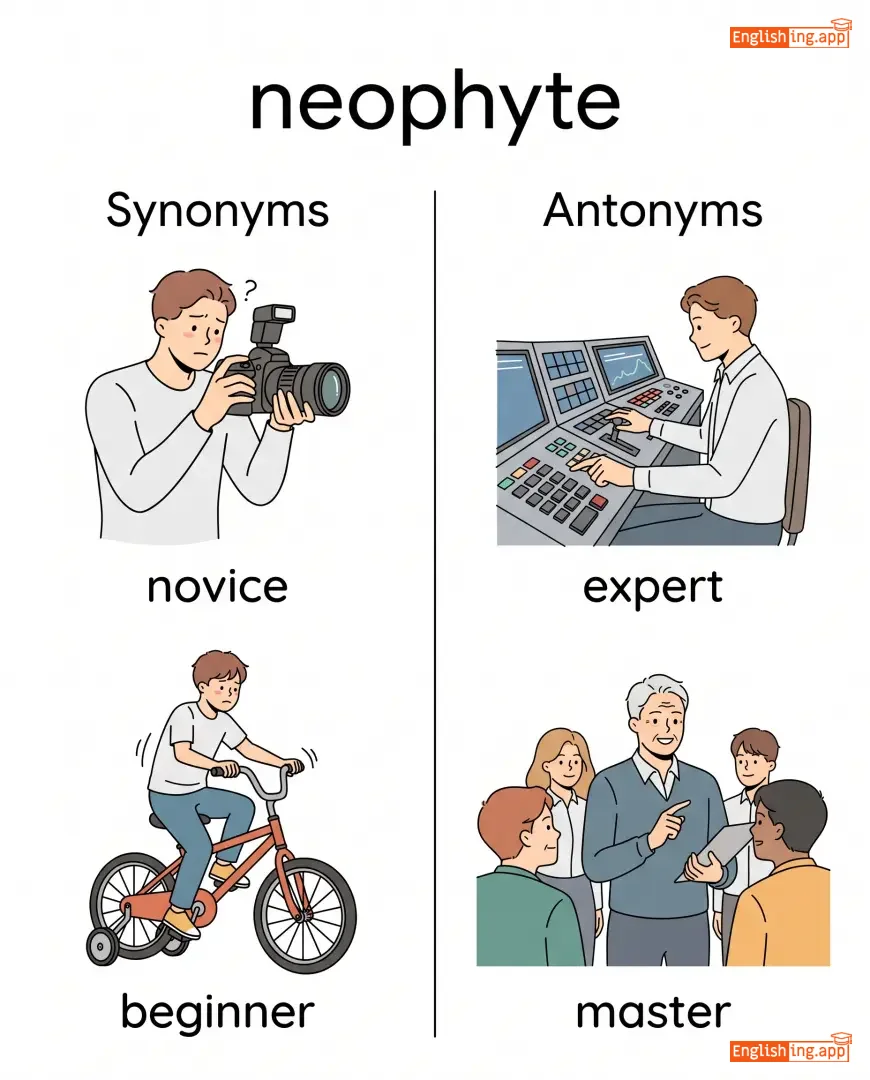
novice, beginner, newcomer, rookie, trainee
••••••
|
expert, master, veteran
••••••
|
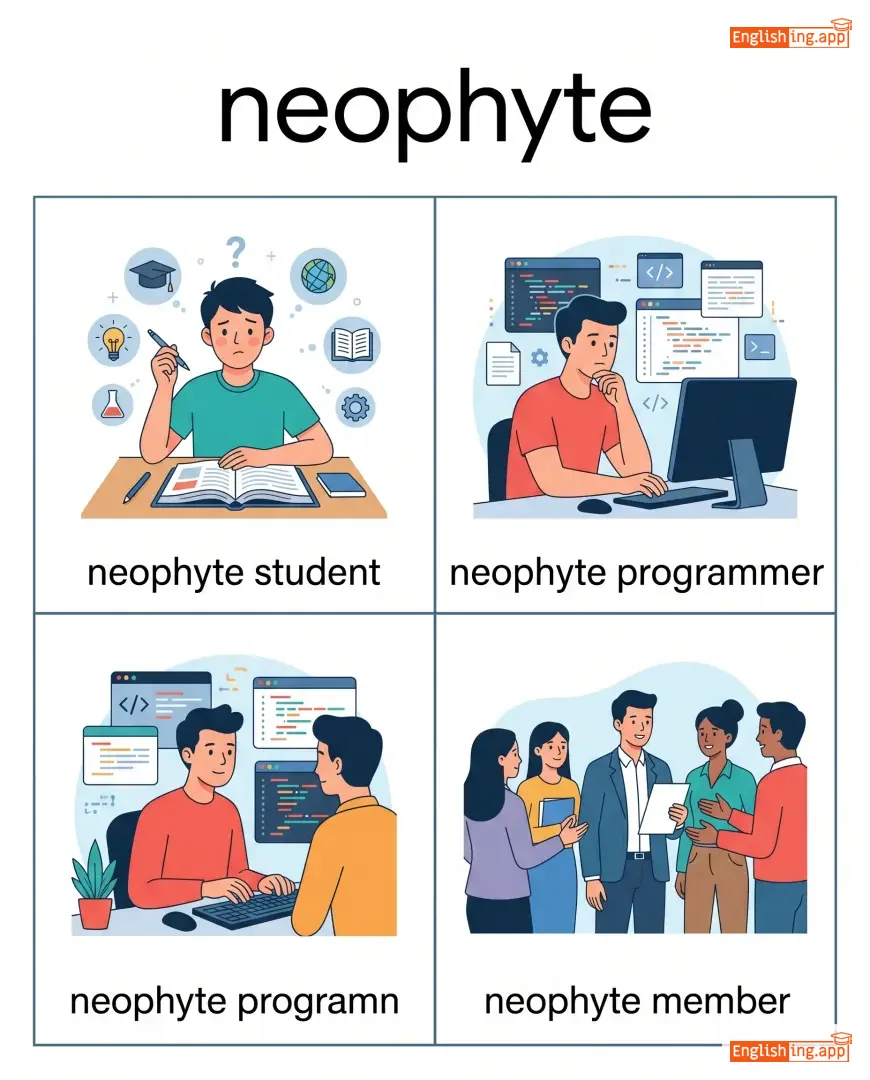
neophyte student, neophyte programmer, neophyte member
••••••
|
Neoは新しいという意味 + phyteは植物という意味 → 初心者は新しい植物のように成長を始める。
••••••
|
|
#516
🔗
|
/ˈnɛksəs/
noun
(ネクサス)
••••••
|
- •••••• |
接続
setsuzoku
••••••
|
- •••••• | - •••••• | - •••••• | - •••••• |
a connection or series of connections linking two or more things
••••••
|
The town was a nexus for trade routes in the region. |
その街は地域の貿易ルートの接続点でした。
Sono machi wa chiiki no boueki ruuto no setsuzoku ten deshita.
••••••
|
nexus of power |
the central point where power is concentrated
••••••
|
力の接続
chikara no setsuzoku
••••••
|
connection, link, bond, tie, relationship
••••••
|
disconnection, separation
••••••
|
nexus between, nexus of power, trade nexus, cultural nexus
••••••
|
Nexusは'接続'を意味し、例えば異なるアプリが接続されるインターフェースを表す。
••••••
|
|
#517
🤨
|
/ˌnɒnˈplʌst/
verb
(ノンプラスト)
••••••
|
- •••••• |
困惑
konwaku
••••••
|
nonplussed
ノンプラスト
••••••
|
nonplussed
ノンプラスト
••••••
|
- •••••• | - •••••• |
Past tense of nonplus; surprised and unsure how to react.
••••••
|
He stood nonplussed at the strange remark.
彼は奇妙なコメントにノンプラストで立ち尽くしていた。
••••••
|
彼は奇妙なコメントに困惑して立ち尽くしていた。
Kare wa kimyou na komento ni konwaku shite tachitsukushite ita.
••••••
|
- •••••• | - •••••• | - •••••• |
confused, bewildered, perplexed, puzzled
••••••
|
confident, certain
••••••
|
looked nonplussed, seemed nonplussed, left nonplussed
••••••
|
Nonplussedは困惑を意味し、何をすべきかわからない時の状態を表す。
••••••
|
|
#518
🕰️
|
/nəˈstældʒə/
noun
(ノスタルジア)
••••••
|
|
ノスタルジア
nosutarujia
••••••
|
- •••••• | - •••••• | - •••••• | - •••••• |
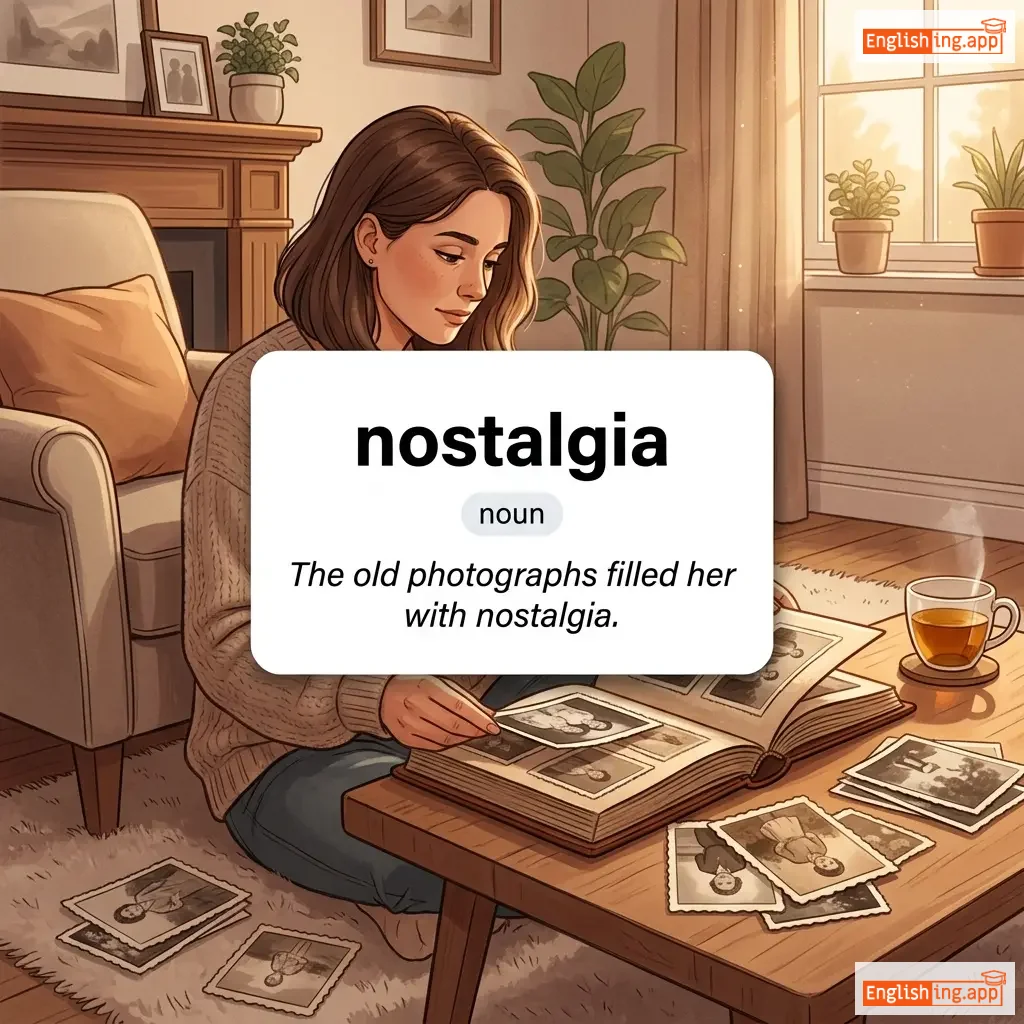
a sentimental longing for the past, often for a period or place with happy memories
••••••
|
The old photographs filled her with nostalgia. |
古い写真は彼女をノスタルジアで満たしました。
Furui shashin wa kanojo o nosutarujia de mitashimashita.
••••••
|
a wave of nostalgia |
a sudden strong feeling of longing for the past
••••••
|
ノスタルジアの波
nosutarujia no nami
••••••
|
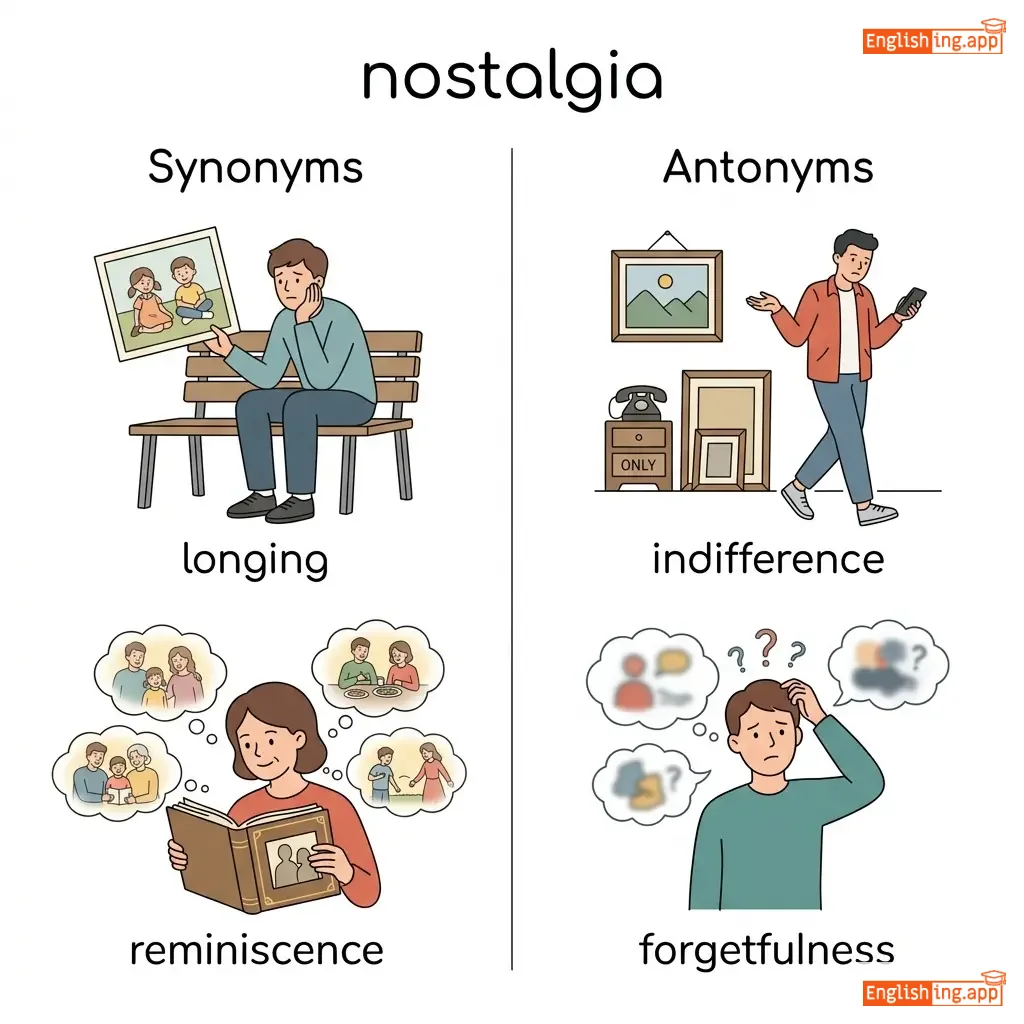
longing, reminiscence, sentimentality, homesickness
••••••
|
indifference, forgetfulness
••••••
|
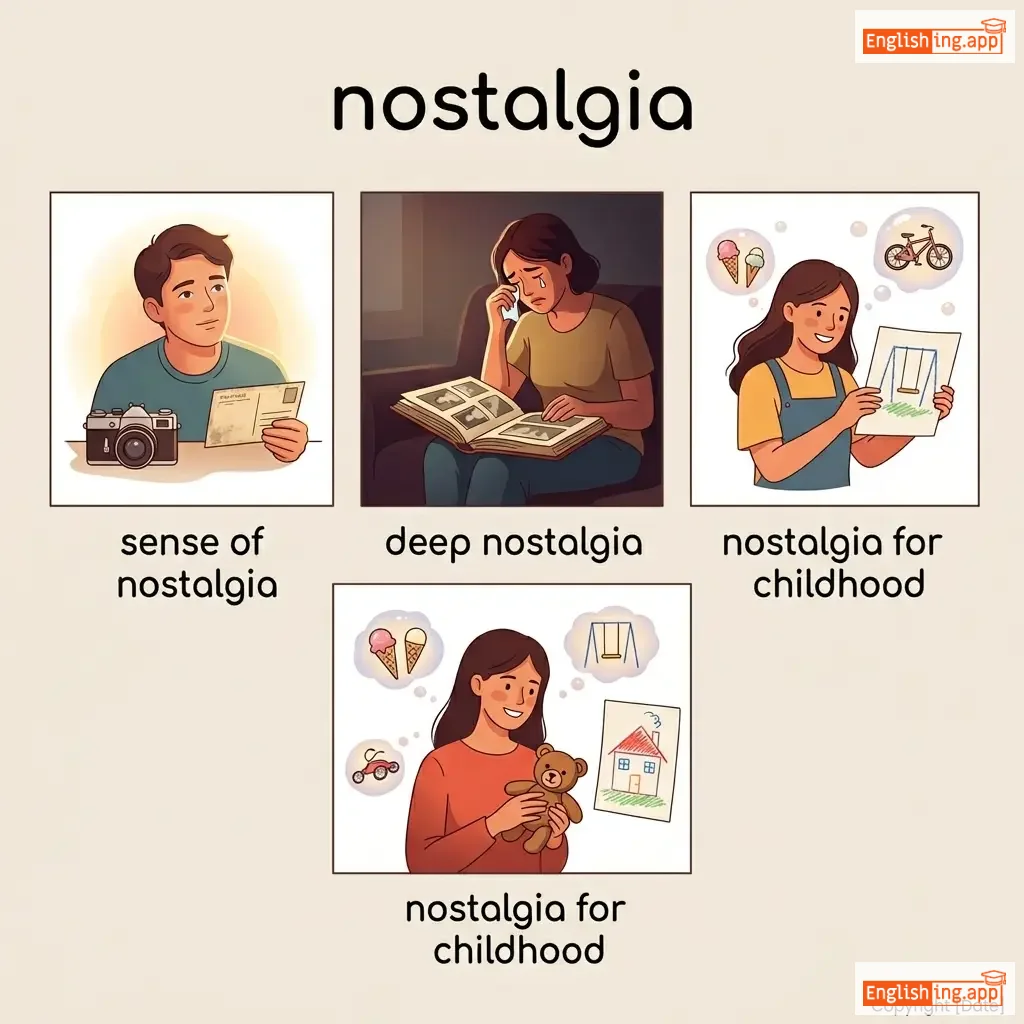
sense of nostalgia, deep nostalgia, nostalgia for childhood
••••••
|
Nostalgia = ノート + 時代; 思い出深い時代が思い出させる
••••••
|
|
#519
💊
|
/ˈnɑːstrəm/
noun
(ノストラム)
••••••
|
|
効果のない薬
kouka no nai kusuri
••••••
|
- •••••• | - •••••• | - •••••• | - •••••• |
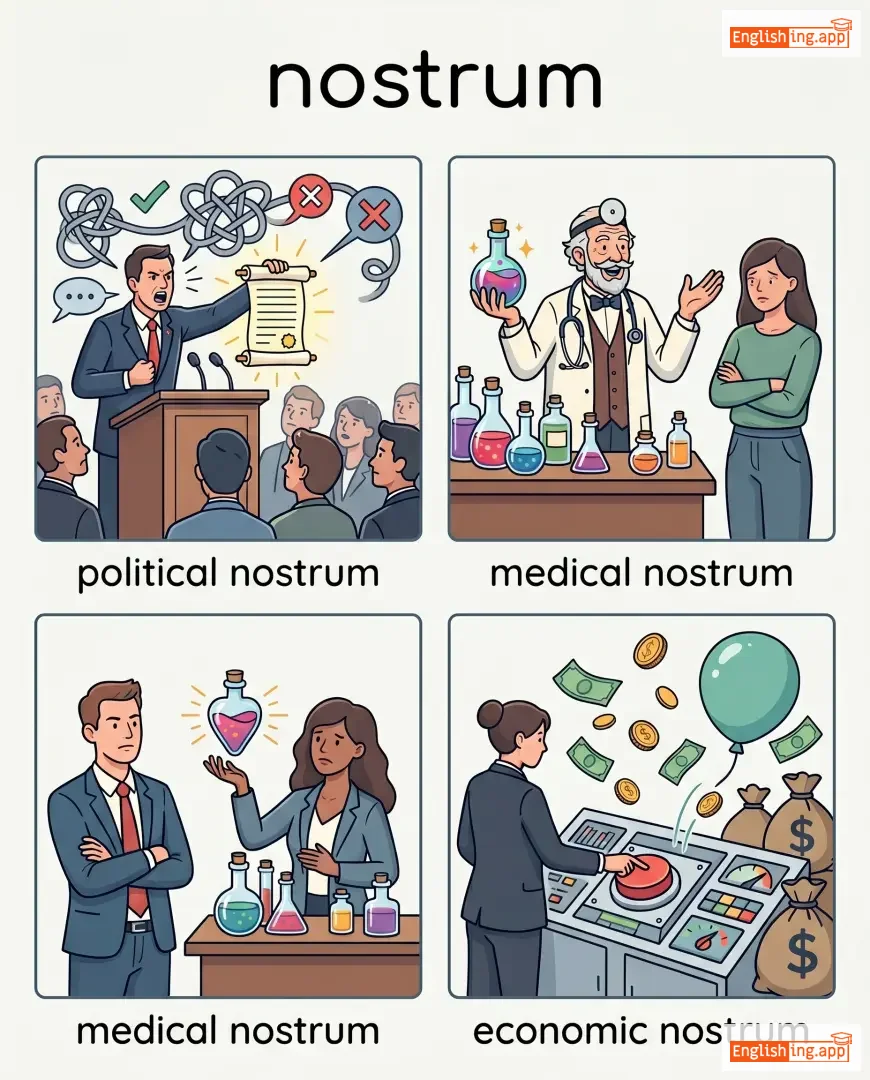
a medicine or remedy, especially one that is not considered effective; a questionable solution
••••••
|
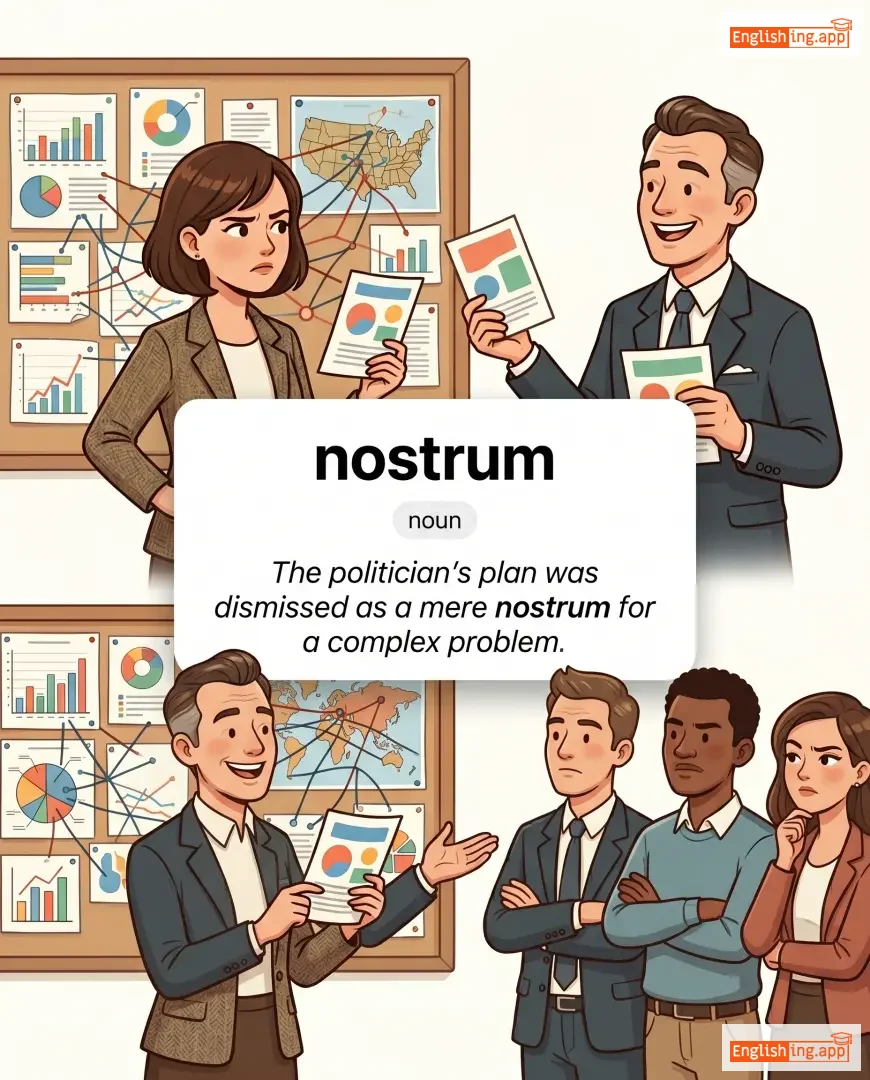
The politician’s plan was dismissed as a mere nostrum for a complex problem.
政治家の計画は、複雑な問題に対する単なるノストラムとして退けられました。
••••••
|
政治家の計画は、複雑な問題に対する単なる効果のない薬として退けられました。
Seijika no keikaku wa, fukuzatsu na mondai ni taisuru tannaru kouka no nai kusuri toshite shirizokemashita.
••••••
|
- •••••• | - •••••• | - •••••• |
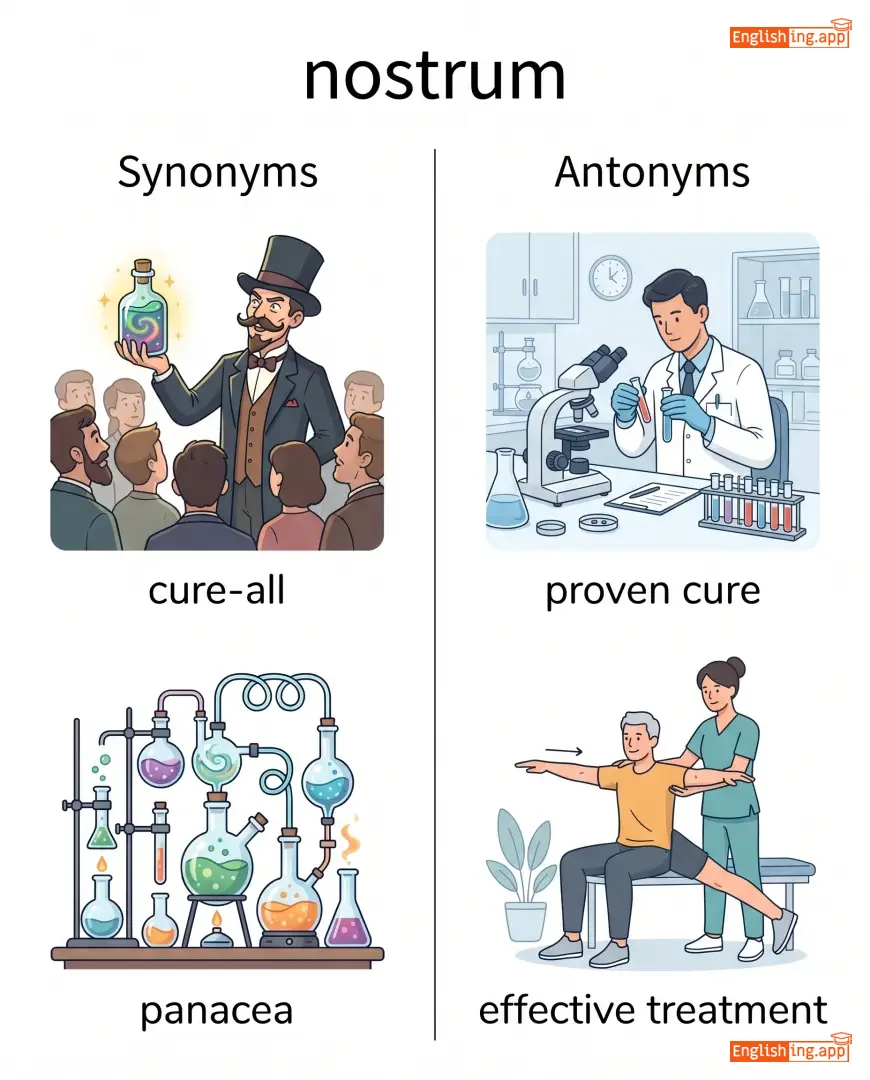
cure-all, panacea, quack remedy, placebo
••••••
|
proven cure, effective treatment
••••••
|
political nostrum, medical nostrum, economic nostrum
••••••
|
Nostrum は '効果なし' 薬に似ている
••••••
|
|
#520
🪙
|
/ˈnjuː.ɡə.tɔːr.i/
adjective
(ヌゲトリー)
••••••
|
|
無価値
mukachi
••••••
|
- •••••• | - •••••• | - •••••• | - •••••• |
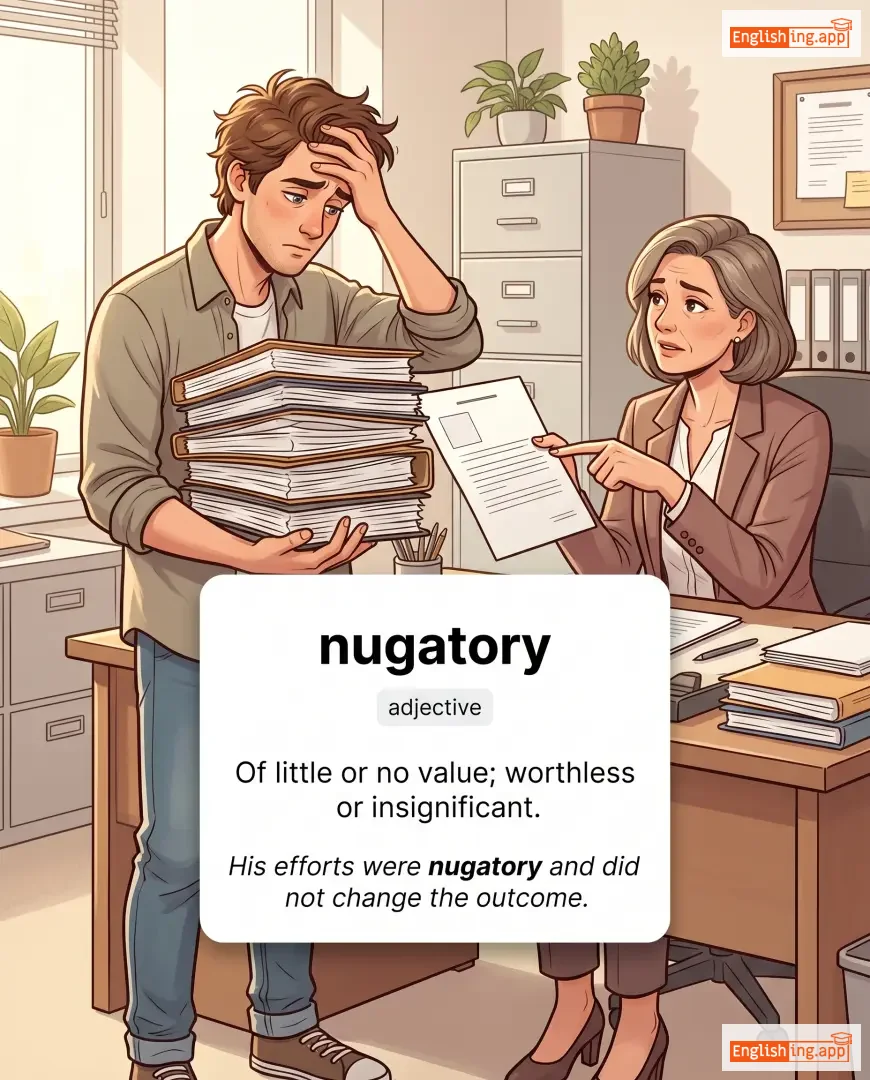
Of little or no value; worthless or insignificant.
••••••
|
His efforts were nugatory and did not change the outcome. |
彼の努力は無価値で、結果を変えることはなかった。
Kare no doryoku wa mukachi de, kekka o kaeru koto wa nakatta.
••••••
|
- •••••• | - •••••• | - •••••• |
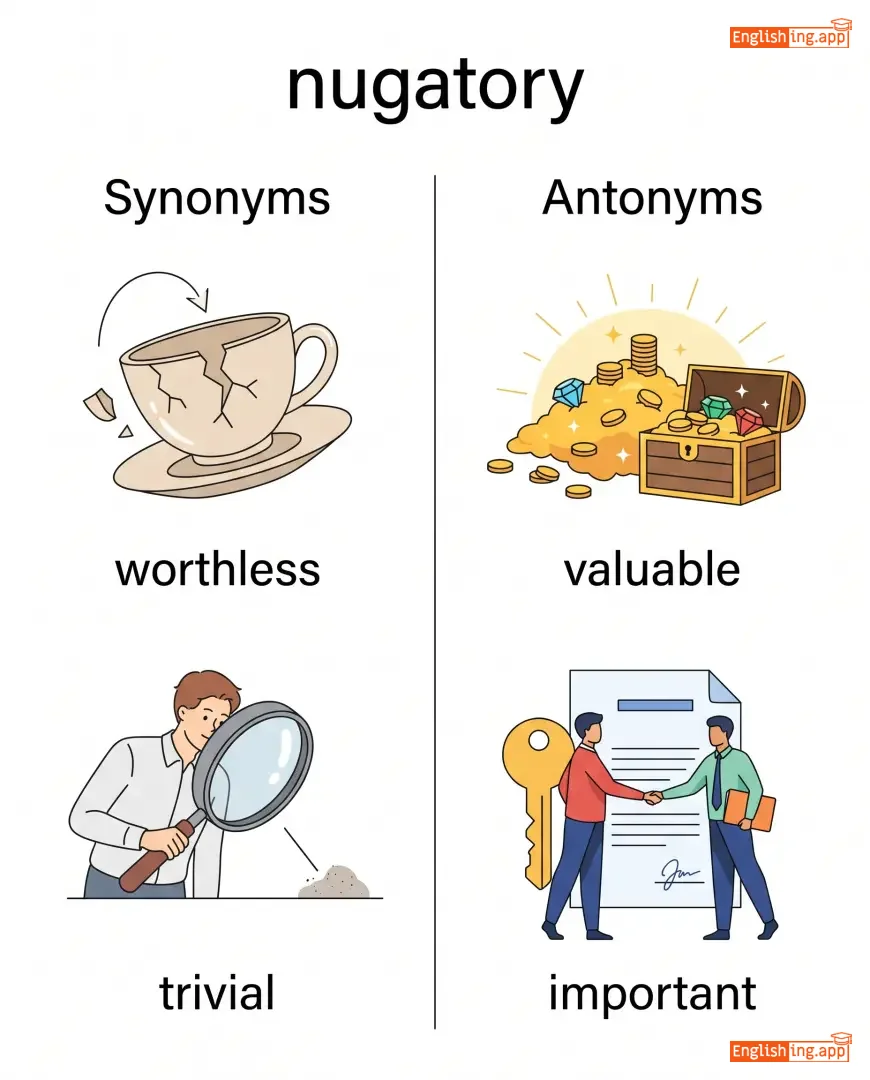
worthless, trivial, futile, insignificant, useless
••••••
|
valuable, important, significant
••••••
|
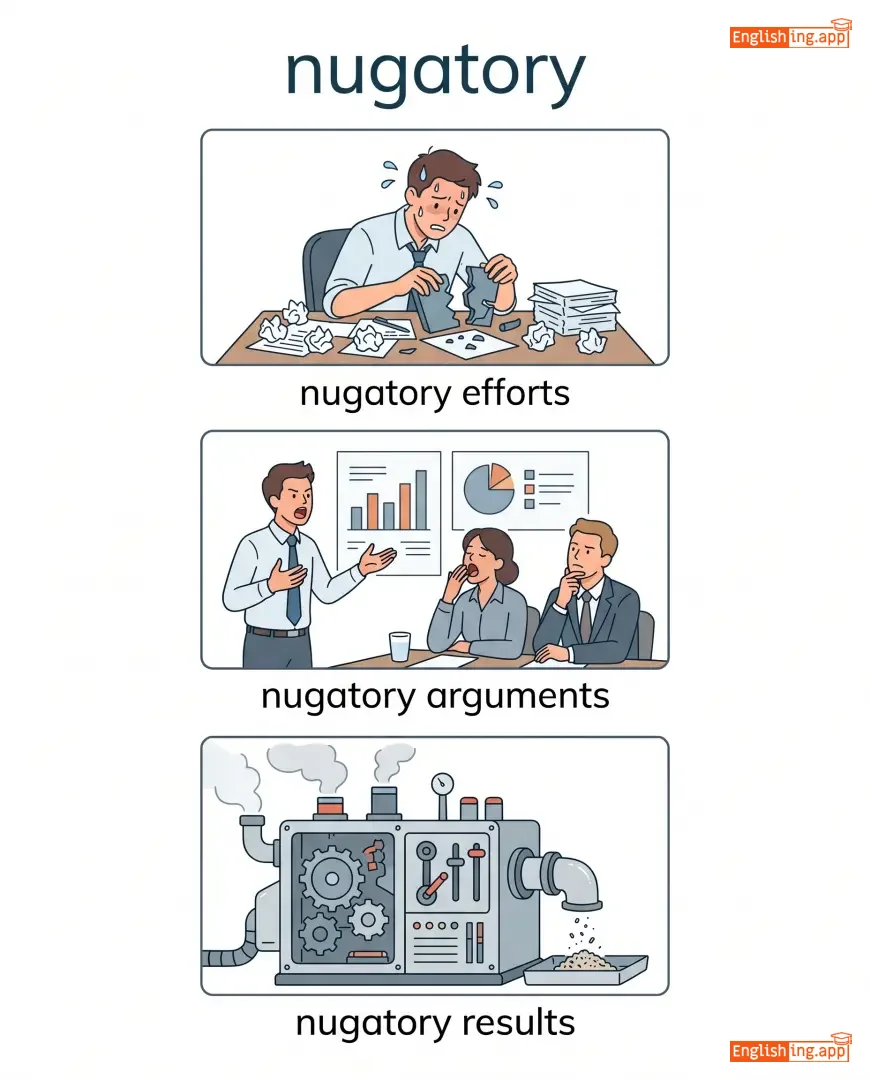
nugatory efforts, nugatory arguments, nugatory results
••••••
|
Nugatory は 'ヌーゲトリー' のように聞こえるが、価値がなければ無価値だ。
••••••
|
|
#521
🪨
|
/ˈɑːbdjʊrət/
adjective
(ob-dyu-reito)
••••••
|
|
頑固
ganko
••••••
|
- •••••• | - •••••• | - •••••• | - •••••• |
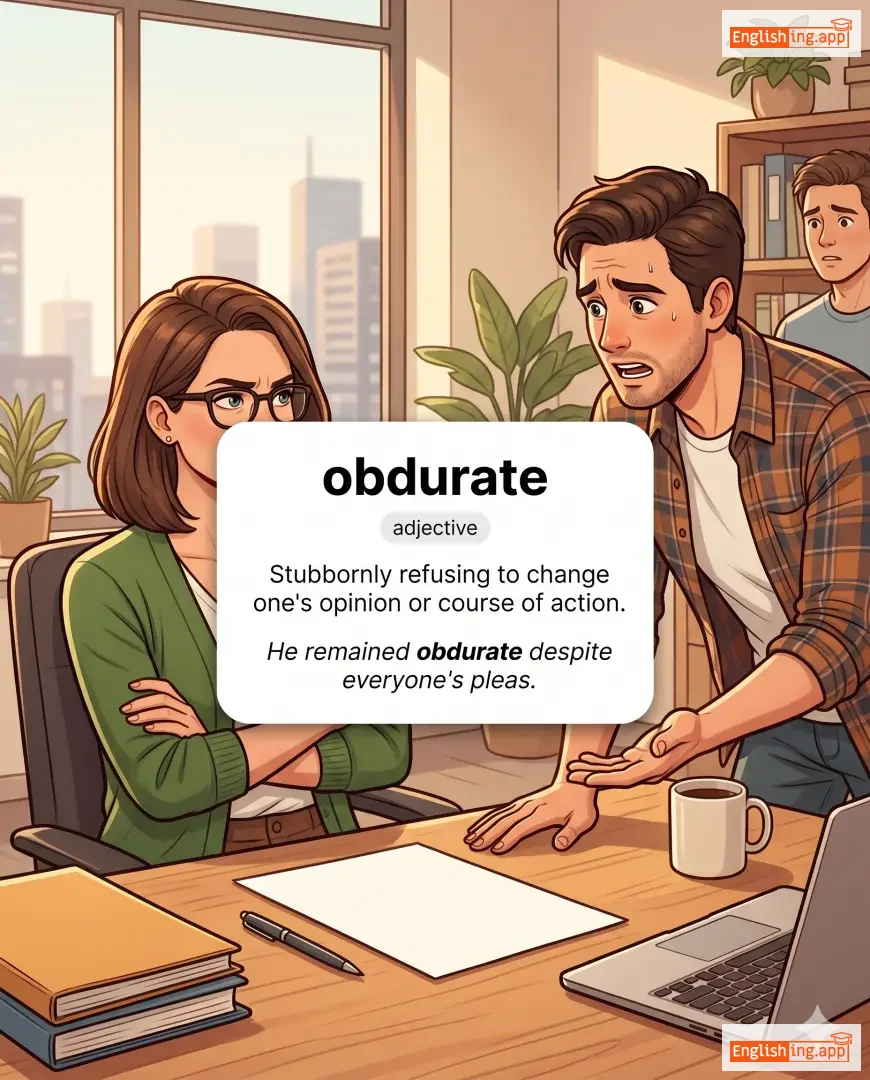
Stubbornly refusing to change one's opinion or course of action.
••••••
|
He remained obdurate despite everyone's pleas.
彼は皆の懇願にもかかわらず、頑固なままでした。
••••••
|
彼は皆の懇願にもかかわらず、頑固なままでした。
Kare wa mina no kongan ni mo kakawarazu, ganko na mama deshita.
••••••
|
- •••••• | - •••••• | - •••••• |
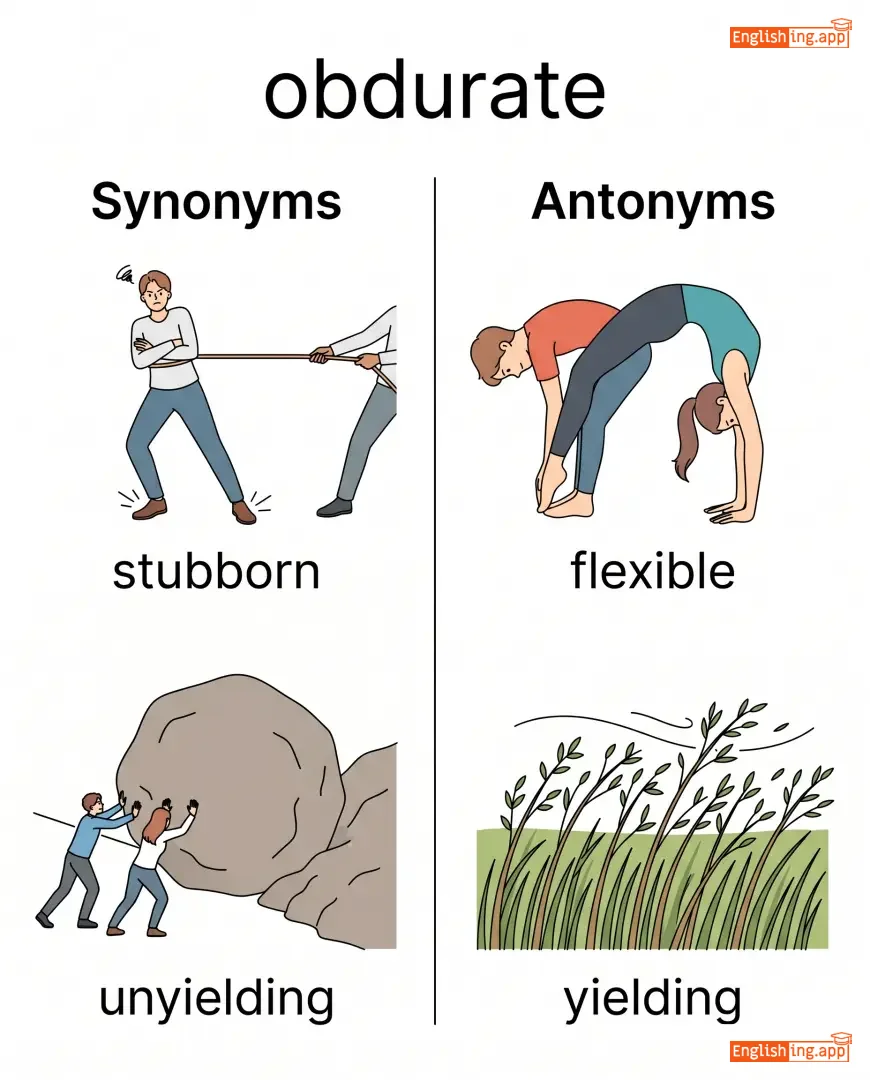
stubborn, unyielding, inflexible, rigid, adamant
••••••
|
flexible, yielding, compliant
••••••
|
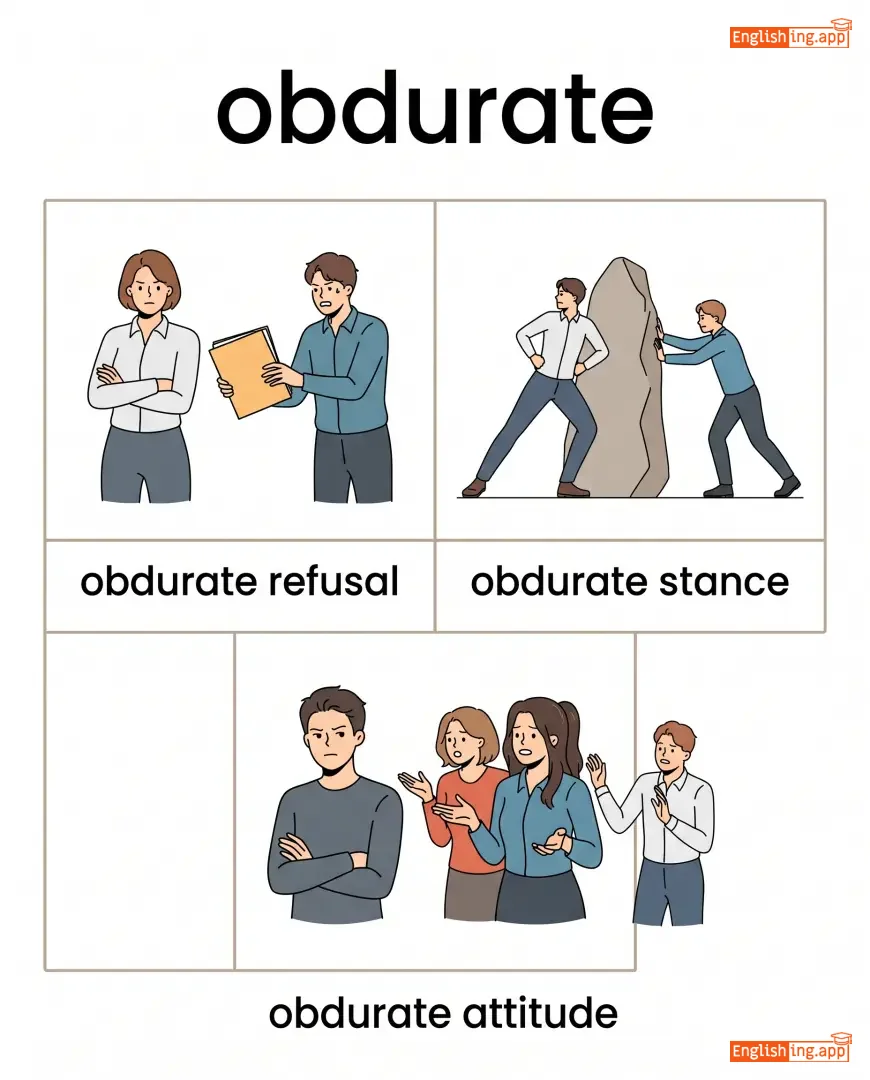
obdurate refusal, obdurate stance, obdurate attitude
••••••
|
Obdurateとは、頑固であり、他の人の意見や助言に耳を貸さず、自己の道を貫くことです。
••••••
|
|
#522
🙇
|
/əbˈsiːkwɪəs/
adjective
(オブセキウス)
••••••
|
|
お世辞
oseji
••••••
|
- •••••• | - •••••• | - •••••• | - •••••• |
Excessively obedient or attentive in a servile way.
••••••
|
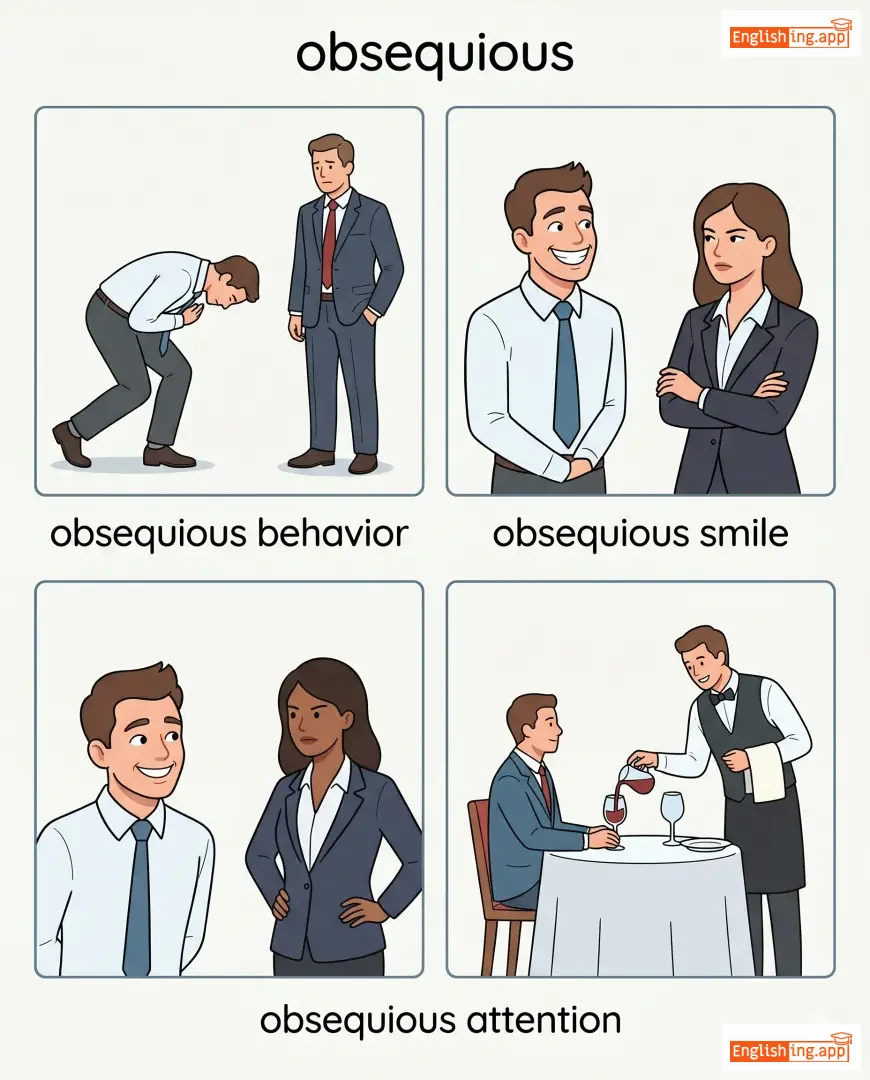
The waiter gave an obsequious bow to every customer.
ウェイターは各顧客に対してお世辞のようなお辞儀をしました。
••••••
|
ウェイターは各顧客にお世辞のようなお辞儀をしました。
Ueitaa wa kaku kokyaku ni oseji no yō na ojigi o shimashita.
••••••
|
- •••••• | - •••••• | - •••••• |
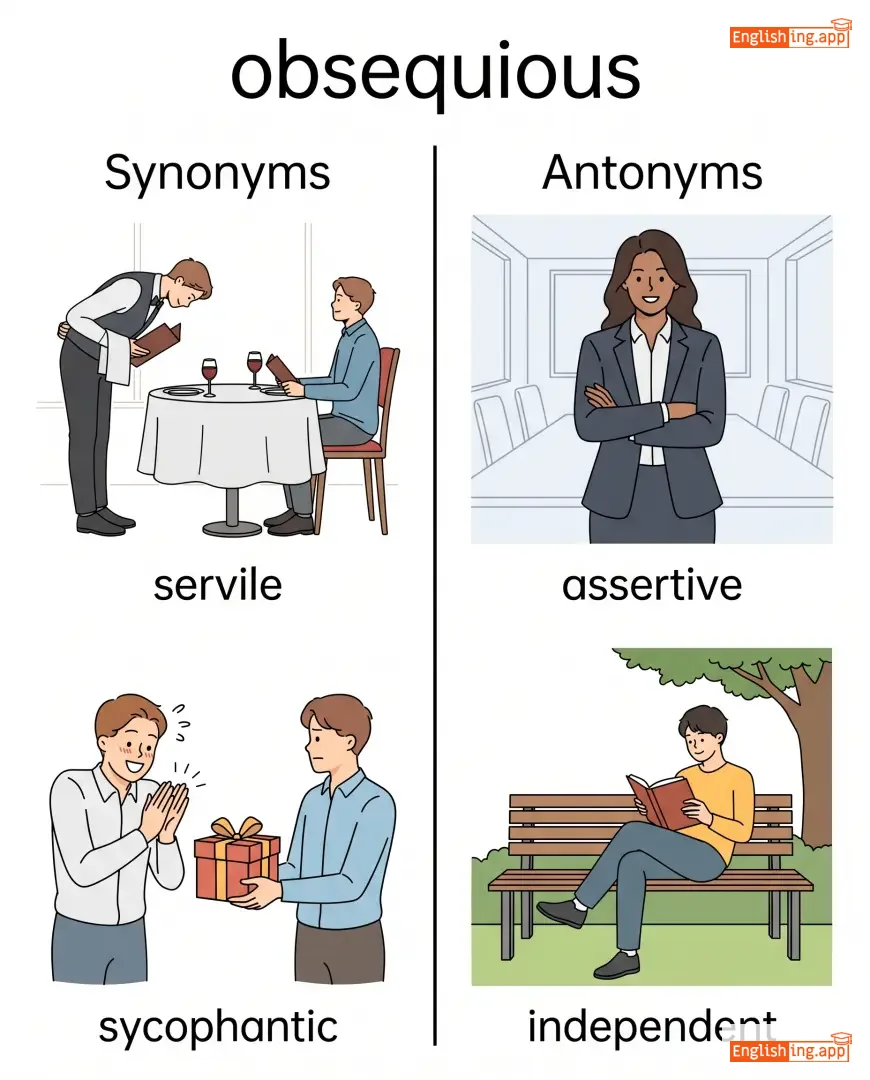
servile, sycophantic, fawning, submissive
••••••
|
assertive, independent
••••••
|
obsequious behavior, obsequious smile, obsequious attention
••••••
|
Obsequiousはお世辞を意味します、覚えやすく言うと「Obey」 + 「quick」=お世辞
••••••
|
|
#523
🕯️
|
/ˈɒbsɪkwi/
noun
(オブセクイ)
••••••
|
|
葬儀
sōgi
••••••
|
- •••••• | - •••••• | - •••••• | - •••••• |
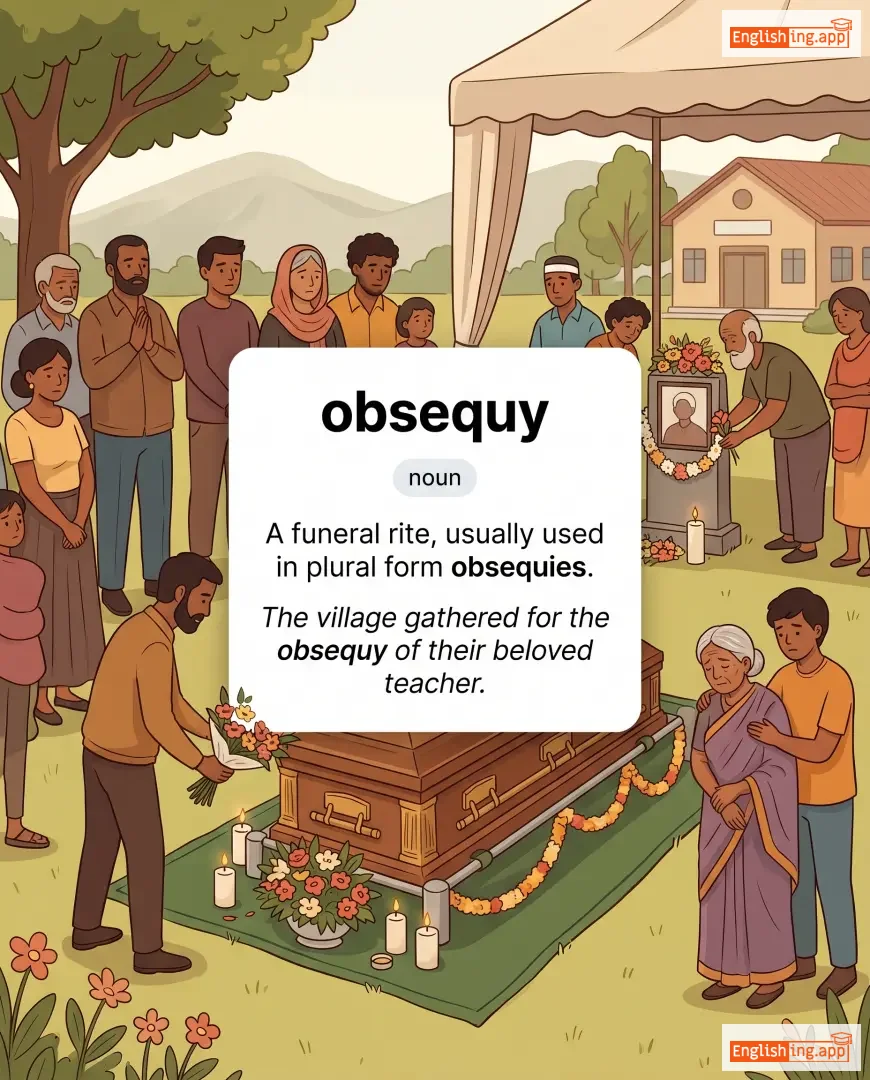
A funeral rite, usually used in plural form obsequies.
••••••
|
The village gathered for the obsequy of their beloved teacher.
村人たちは、愛する教師の葬儀のために集まりました。
••••••
|
村人たちは、愛する教師の葬儀のために集まりました。
Murabito-tachi wa, aisuru kyōshi no sōgi no tame ni atsumarimashita.
••••••
|
- •••••• | - •••••• | - •••••• |
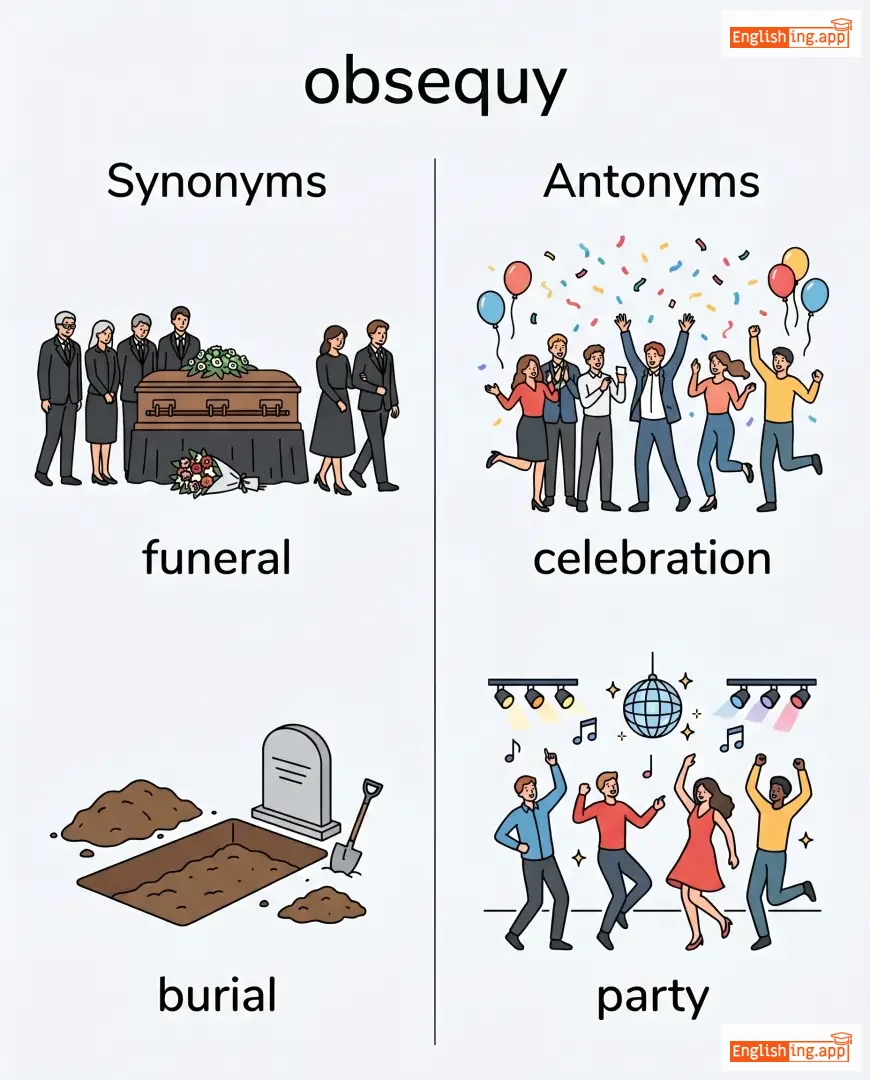
funeral, burial, rite, ceremony
••••••
|
celebration, party
••••••
|
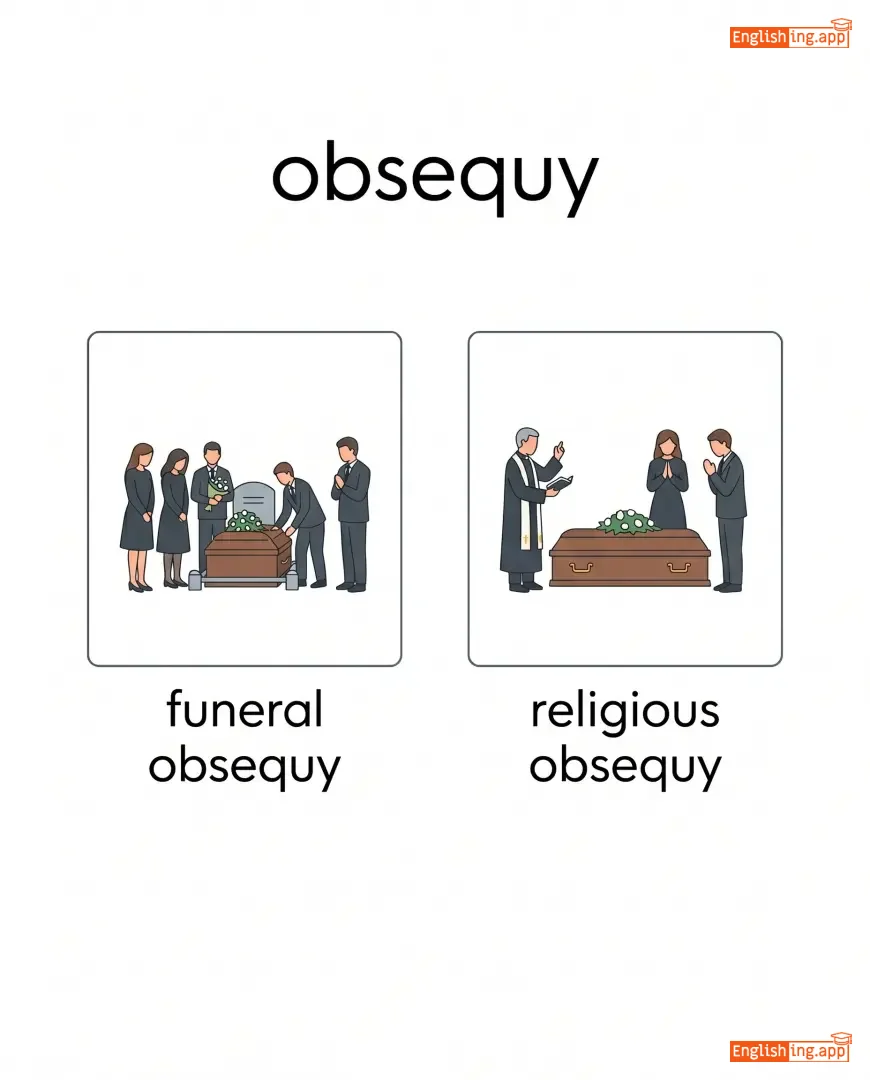
funeral obsequy, religious obsequy
••••••
|
Obsequy は葬儀、教師の葬儀を思い出してください。
••••••
|
|
#524
🚫
|
/ˈɑːbvieɪt/
verb
(オブビエイト)
••••••
|
|
排除する
haijo suru
••••••
|
obviated
オブビエイテッド
••••••
|
obviated
オブビエイテッド
••••••
|
obviates
オブビエイツ
••••••
|
obviating
オブビエイティング
••••••
|
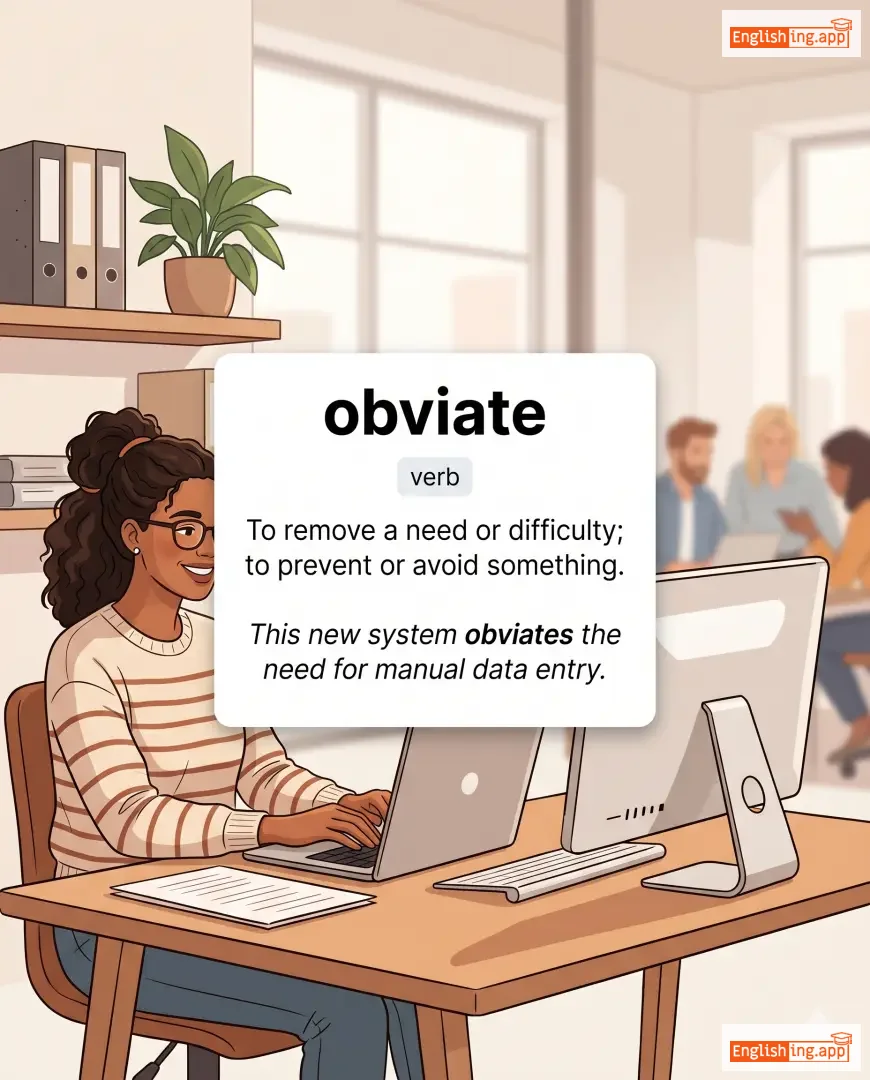
To remove a need or difficulty; to prevent or avoid something.
••••••
|
This new system obviates the need for manual data entry.
この新しいシステムは手動データ入力の必要性を排除します。
••••••
|
この新しいシステムは手動データ入力の必要性を排除します。
Kono atarashii shisutemu wa shudou deeta nyuuryoku no hitsuyousei o haijo shimasu.
••••••
|
- •••••• | - •••••• | - •••••• |
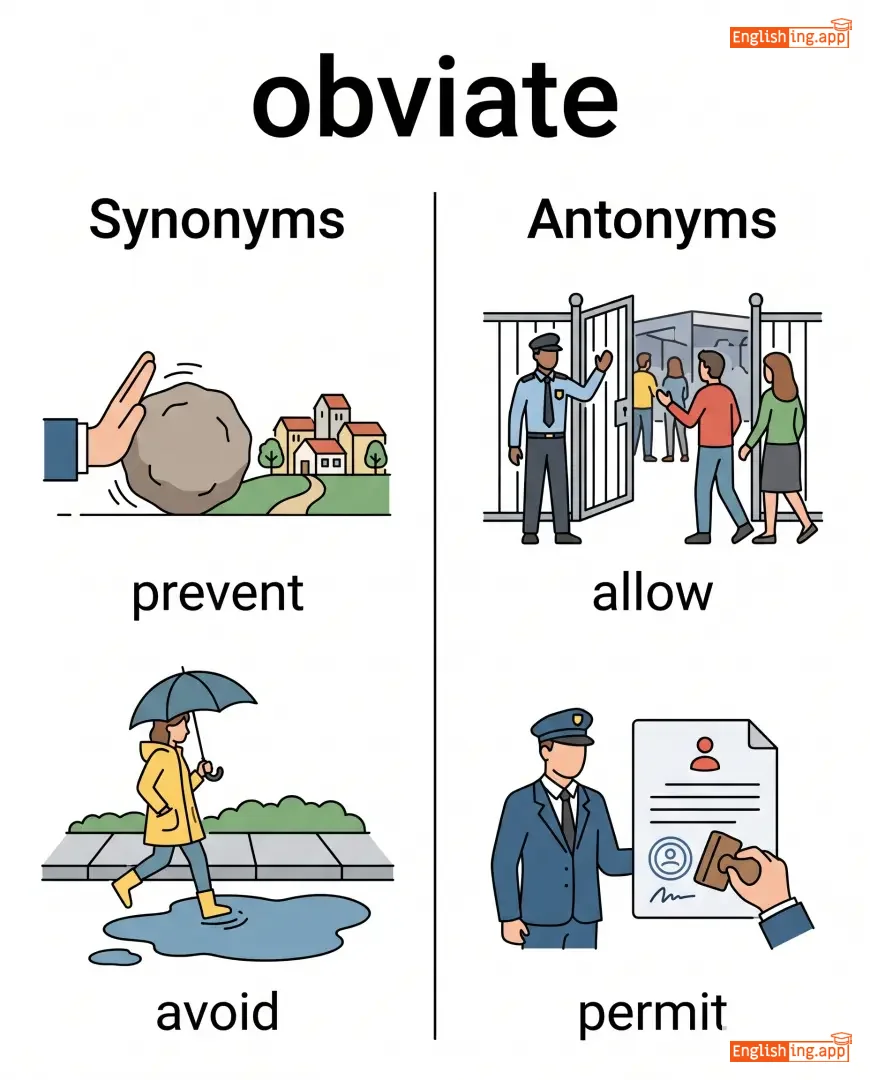
prevent, avoid, eliminate, preclude, remove
••••••
|
allow, permit, require
••••••
|
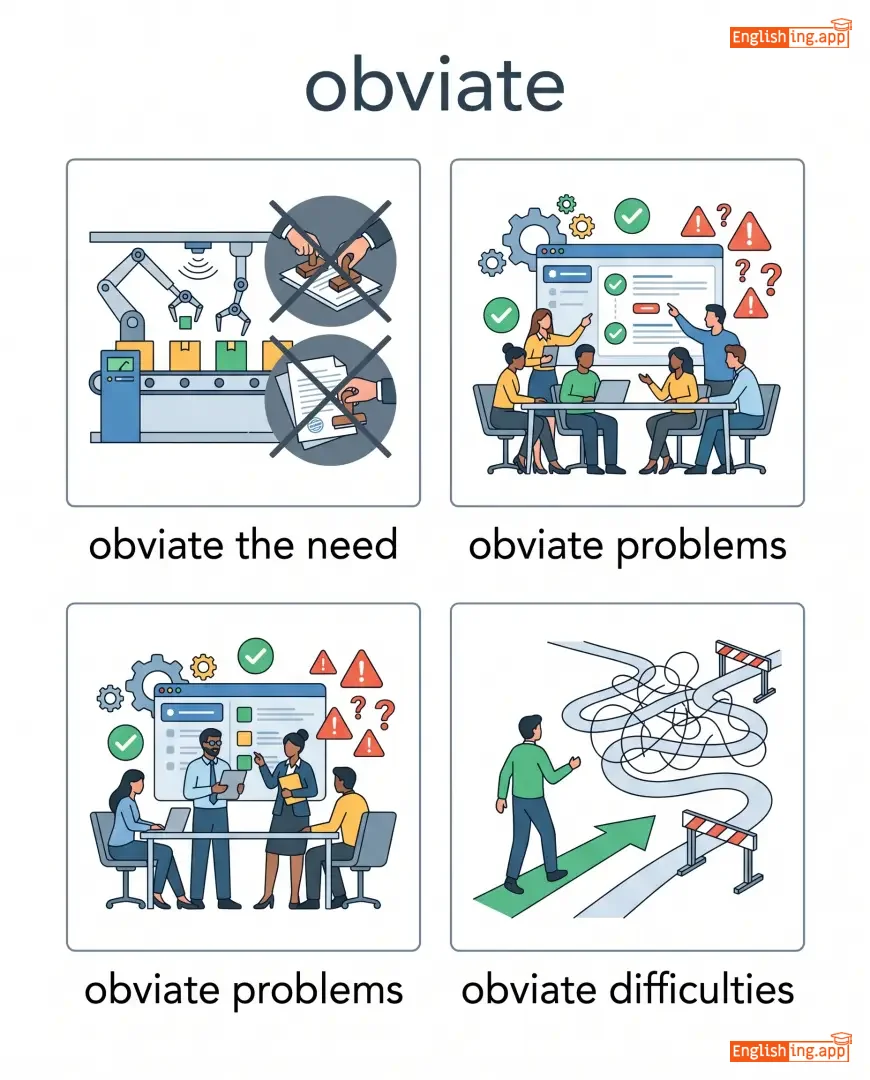
obviate the need, obviate problems, obviate difficulties
••••••
|
Obviateとは問題が起こる前にそれを取り除くことです。
••••••
|
|
#525
🚧
|
/əˈkluːd/
verb
(オクルード)
••••••
|
|
閉塞する
ヘイソクスル
••••••
|
occluded
オクルーデッド
••••••
|
occluded
オクルーデッド
••••••
|
occludes
オクルーズ
••••••
|
occluding
オクルーディング
••••••
|
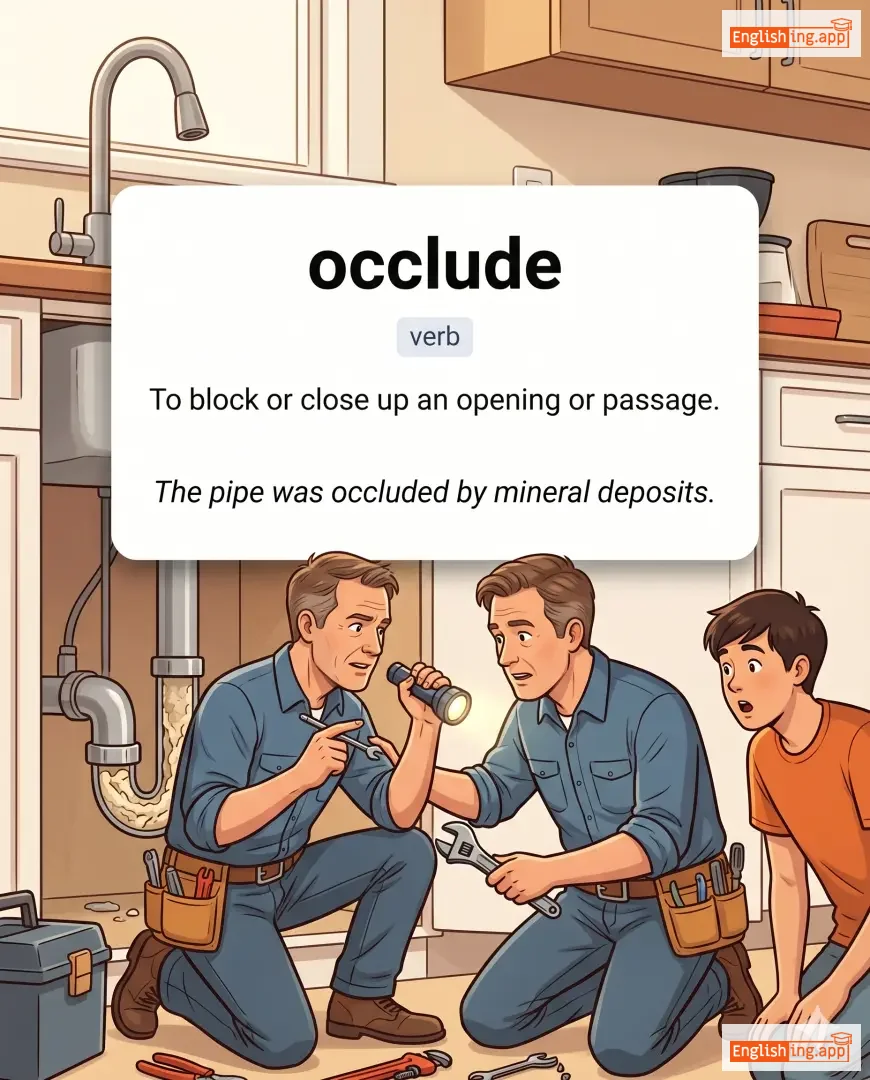
To block or close up an opening or passage.
••••••
|
The pipe was occluded by mineral deposits.
パイプは鉱物の堆積物で閉塞されていました。
••••••
|
パイプは鉱物の堆積物で閉塞されていました。
Paipu wa kōbutsu no taisekimotsu de heisoku sarete imashita.
••••••
|
- •••••• | - •••••• | - •••••• |
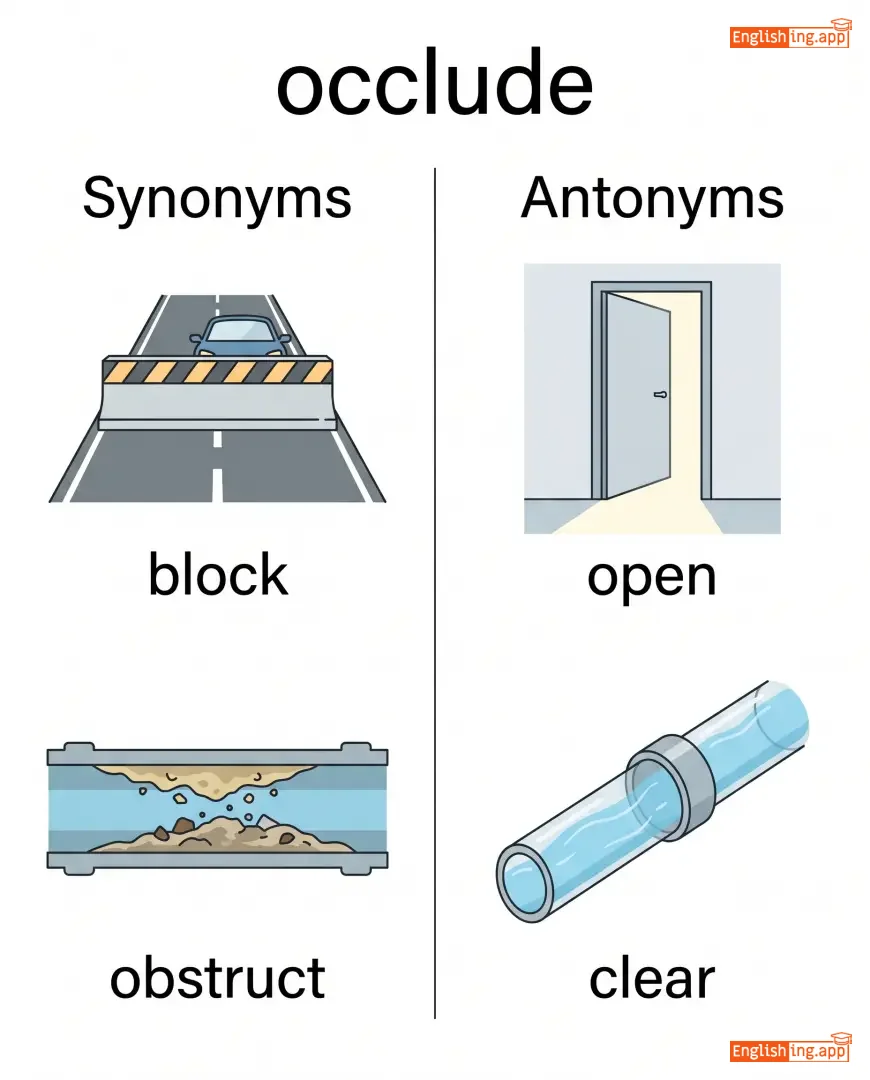
block, obstruct, close, seal, clog
••••••
|
open, clear, unblock
••••••
|
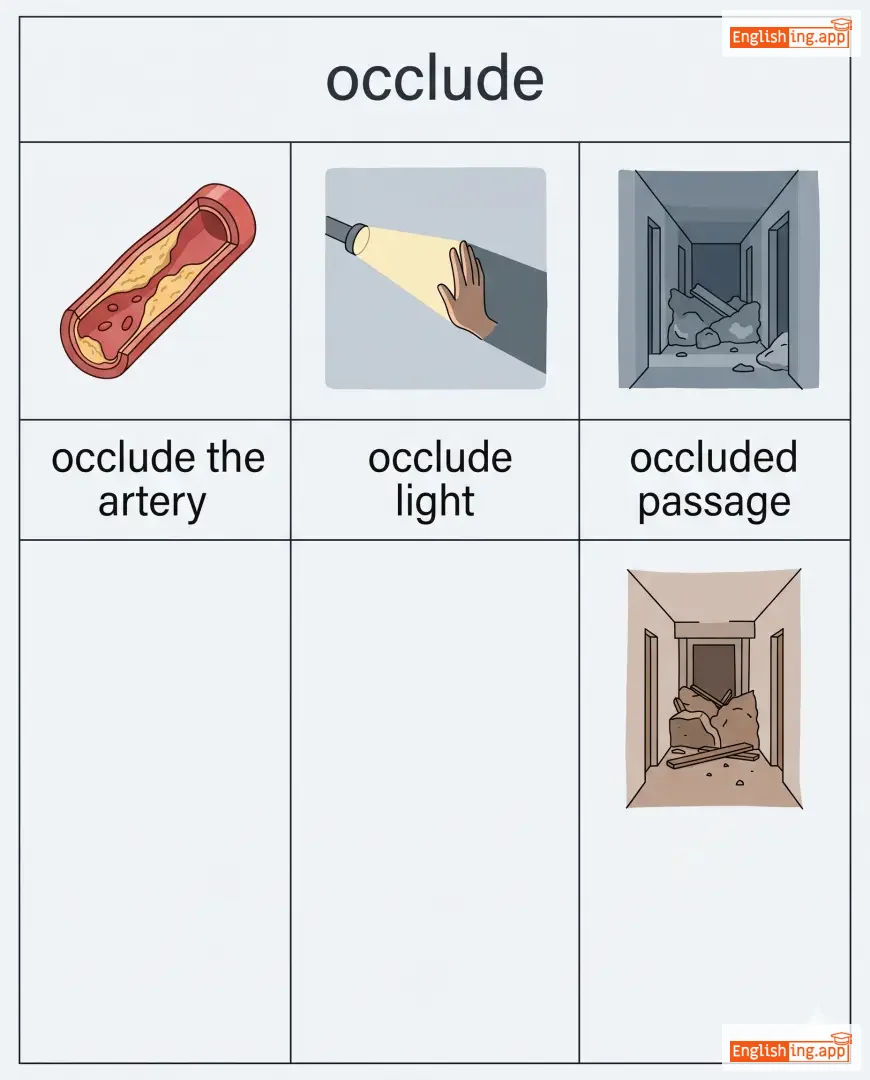
occlude the artery, occlude light, occluded passage
••••••
|
Occludeは閉じる、手がかりを隠す、道を塞ぐことです。
••••••
|
Vocabulary Quiz
Test your vocabulary by matching words with their translations or meanings.
Login to take the quiz
Comments (0)
Share your thoughts and join the discussion.
Join the discussion by logging in
Login to CommentNo comments yet
Be the first to share your thoughts!