

翻訳
過去
過去分詞
三人称単数
動名詞
意味
例文
例文の翻訳
同義語
対義語
コロケーション
ニーモニック












Swipe left or right, or use the buttons. Tap image to zoom.
例文の翻訳
単語
Lesson 19Lesson 19 - マスクトグル
|
絵文字
|
単語 | Images | 翻訳 | 過去 | 過去分詞 | 三人称単数 | 動名詞 | 意味 | 例文 | 例文の翻訳 | 表現例 | 表現例の意味 | 表現例の翻訳 | 同義語 | 対義語 | コロケーション | ニーモニック |
|---|---|---|---|---|---|---|---|---|---|---|---|---|---|---|---|---|---|
|
#451
😏
|
/ləˈsɪviəs/
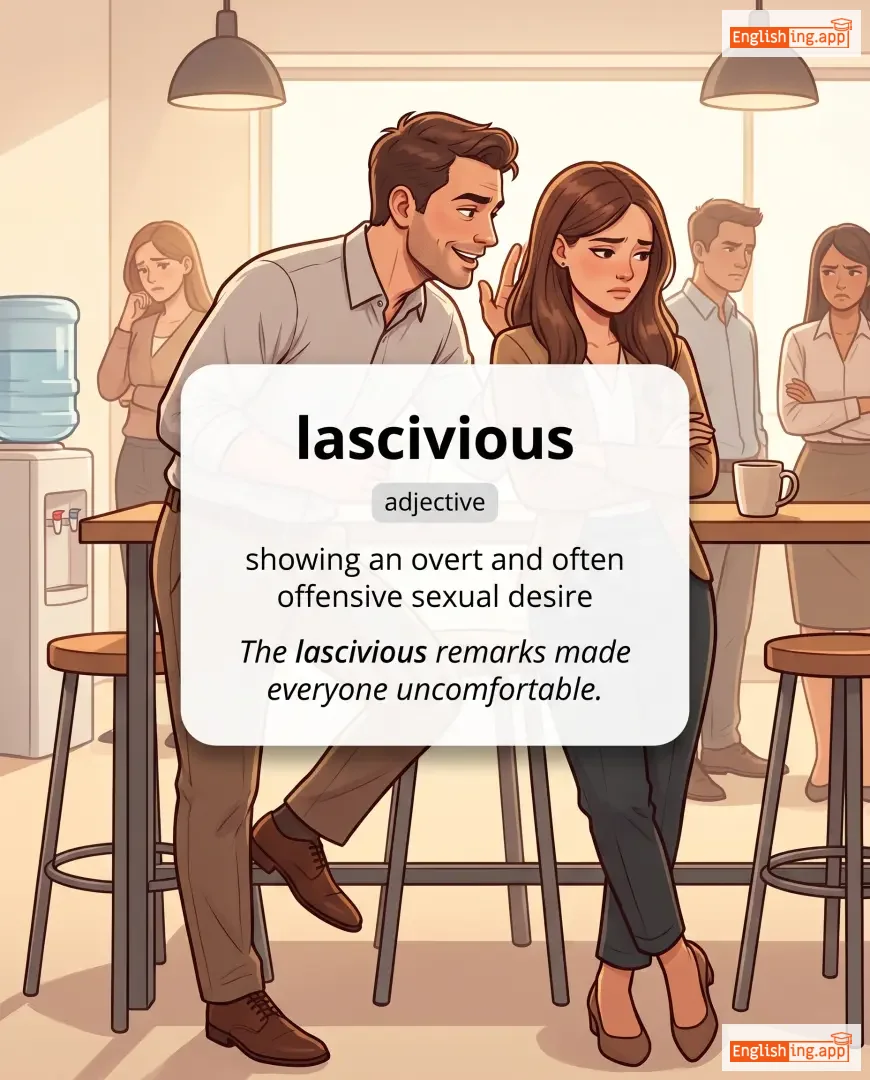
adjective
(ラシビアス)
••••••
|
|
好色な
kōshokuna
••••••
|
- •••••• | - •••••• | - •••••• | - •••••• |
showing an overt and often offensive sexual desire
••••••
|
The lascivious remarks made everyone uncomfortable. |
その好色な言葉がみんなを不快にさせた。
Sono kōshokuna kotoba ga minna o fukai ni saseta.
••••••
|
- •••••• | - •••••• | - •••••• |
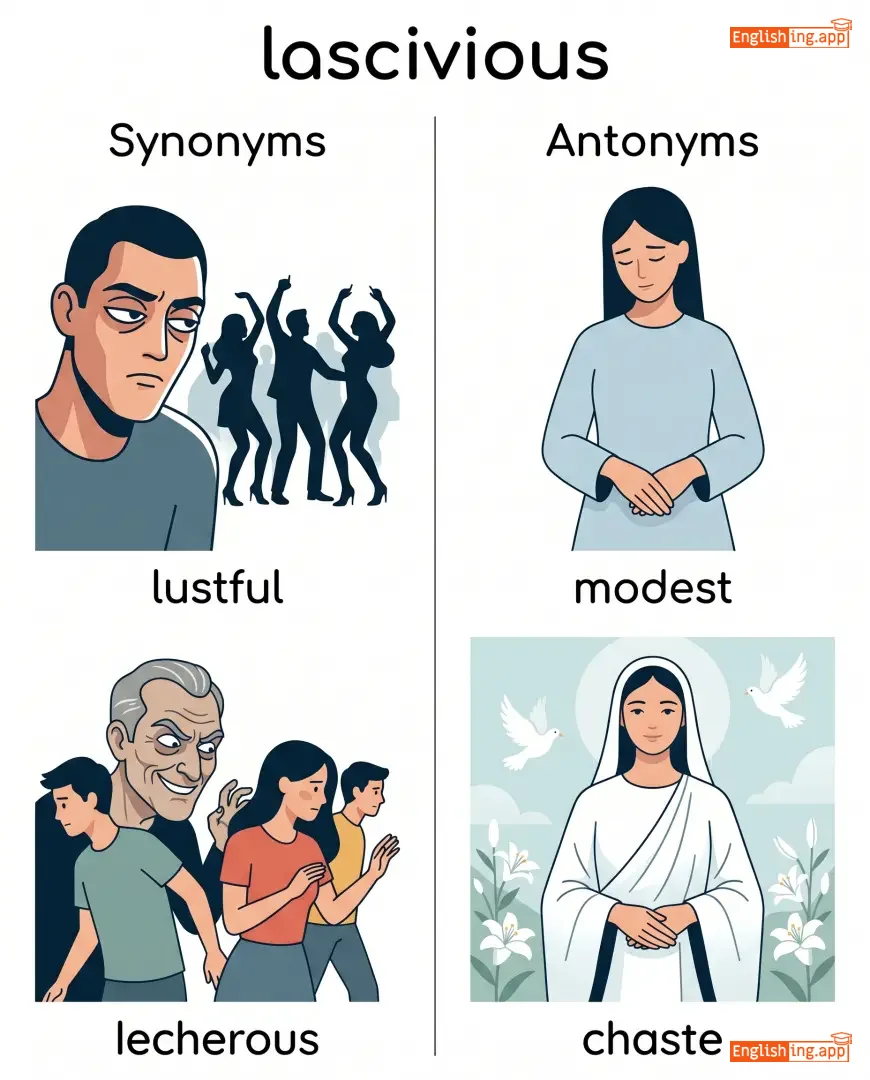
lustful, lecherous, lewd, salacious, wanton
••••••
|
modest, chaste, innocent
••••••
|
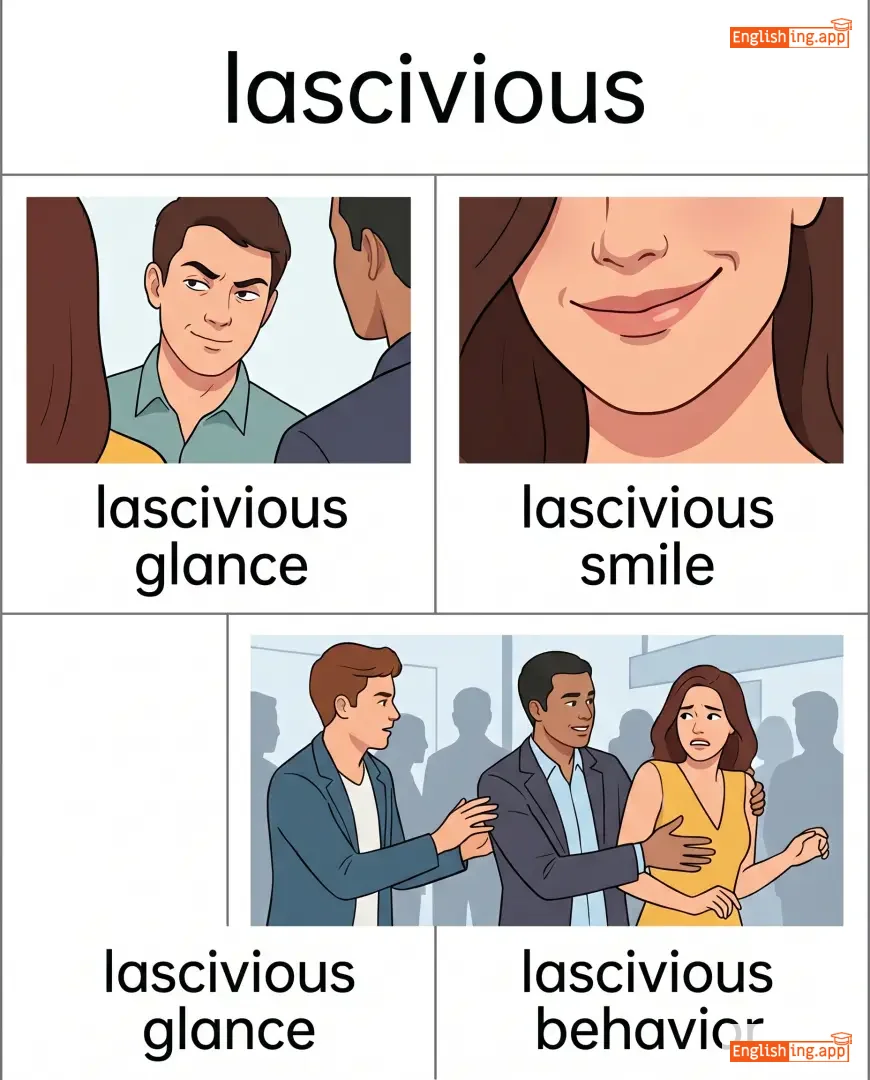
lascivious glance, lascivious smile, lascivious behavior
••••••
|
Kōshoku + 欲望 = 好色な
••••••
|
|
#452
😴
|
/ˈlæsɪtjuːd/
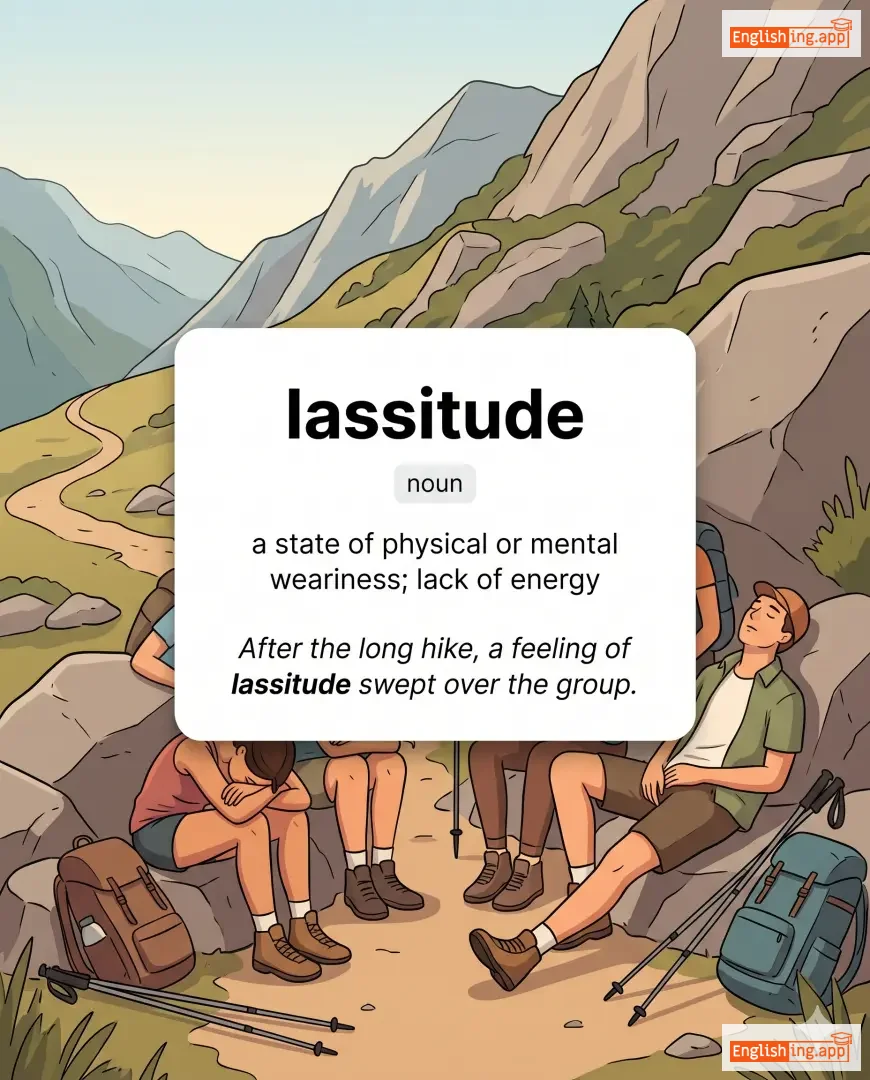
noun
(ラスティチュード)
••••••
|
|
疲労
hirou
••••••
|
- •••••• | - •••••• | - •••••• | - •••••• |
a state of physical or mental weariness; lack of energy
••••••
|
After the long hike, a feeling of lassitude swept over the group. |
長いハイキングの後、疲労感がグループに広がった。
Nagai haikingu no ato, hiroukan ga gurūpu ni hirogatta.
••••••
|
- •••••• | - •••••• | - •••••• |
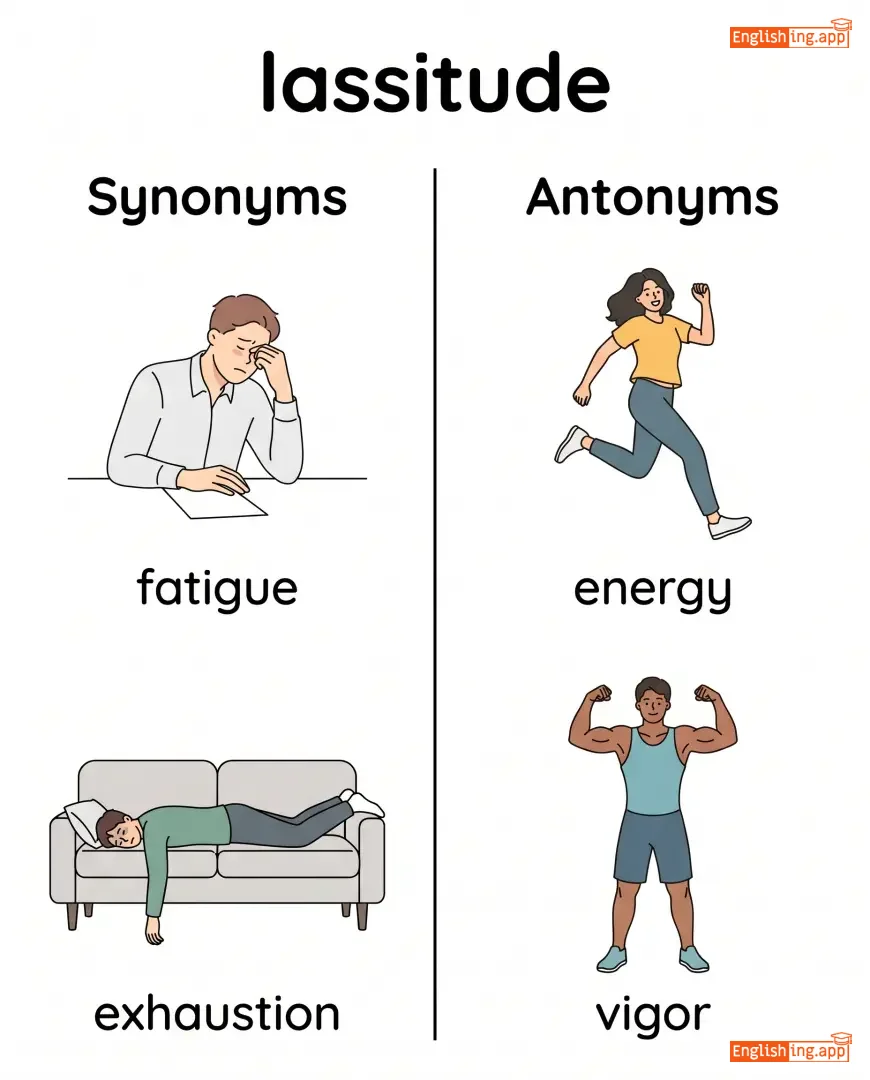
fatigue, exhaustion, tiredness, lethargy, weariness
••••••
|
energy, vigor, vitality
••••••
|
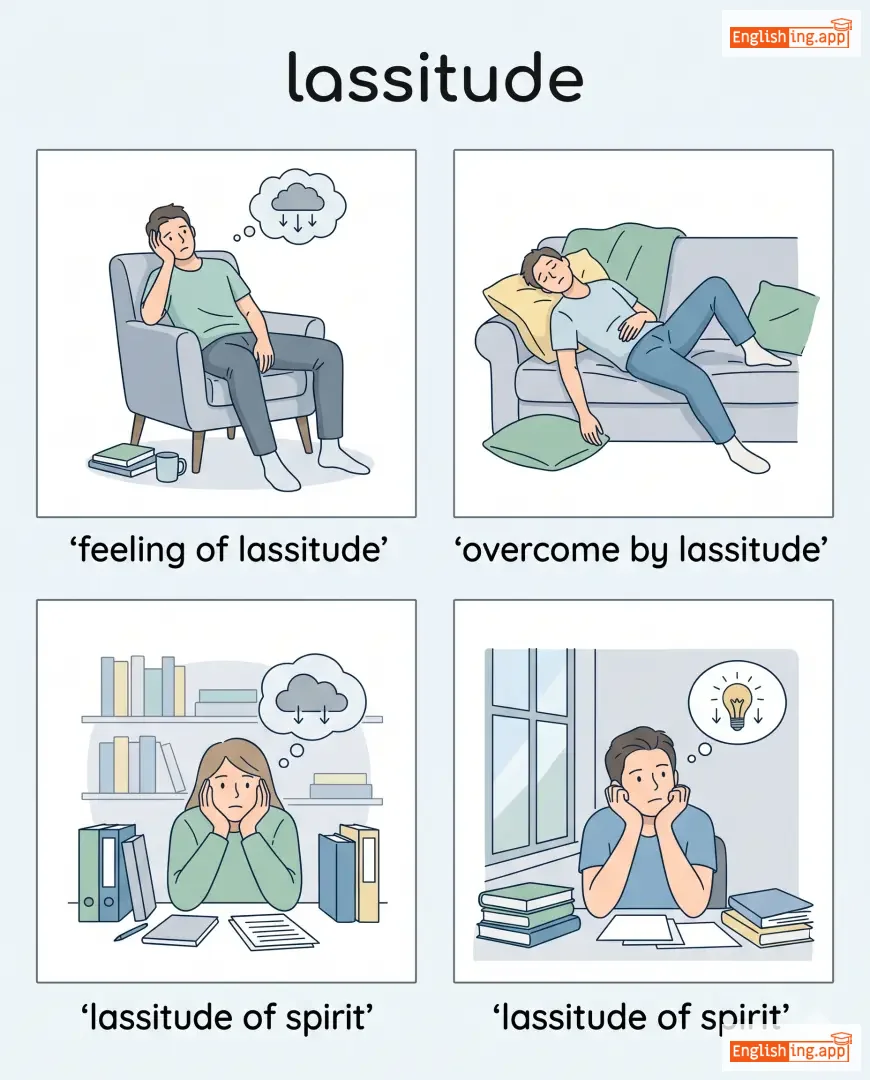
feeling of lassitude, overcome by lassitude, lassitude of spirit
••••••
|
Lassiで疲労感が増す
••••••
|
|
#453
🌱
|
/ˈleɪtənt/
adjective
••••••
|
|
- •••••• | - •••••• | - •••••• | - •••••• | - •••••• |
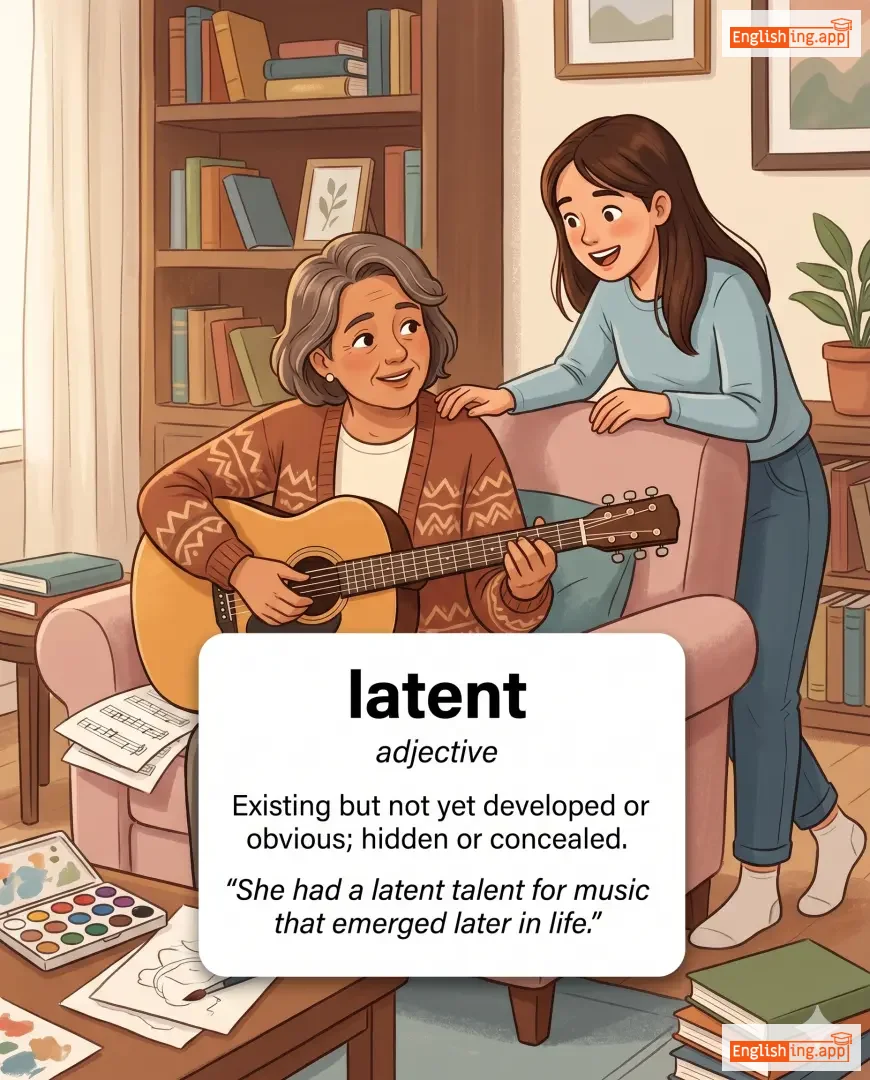
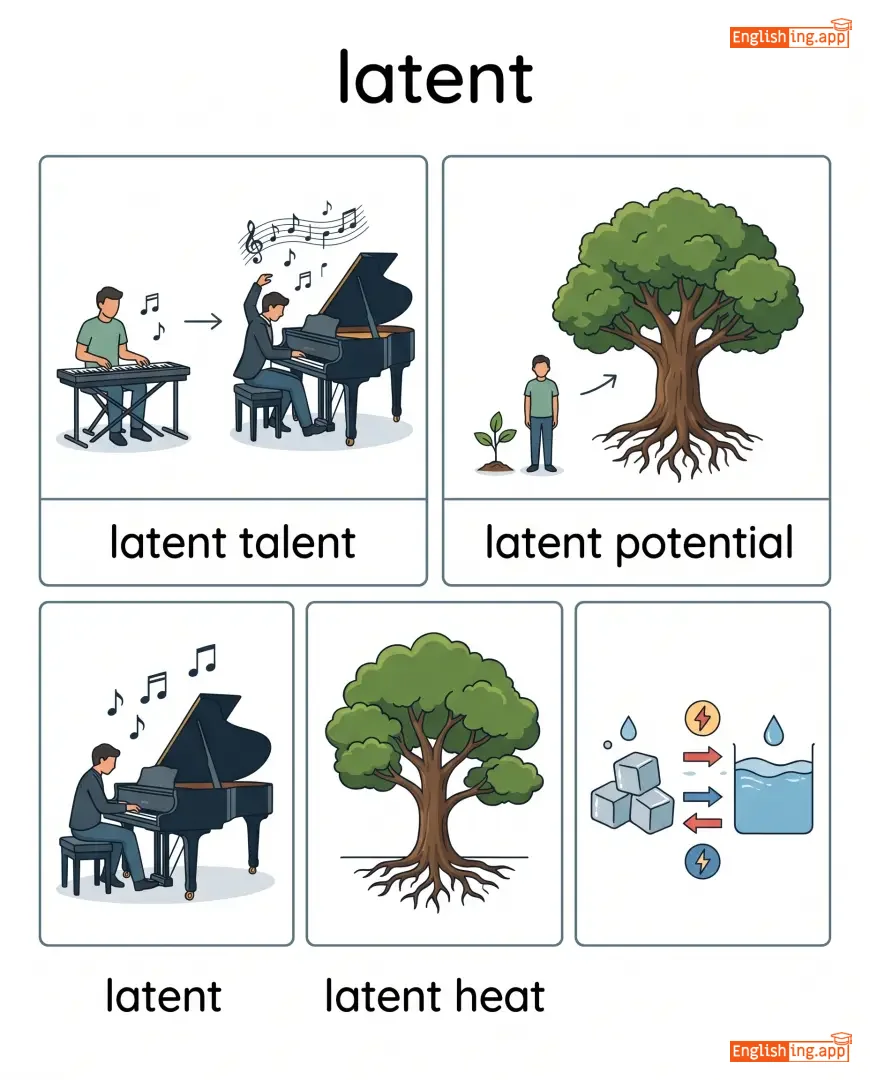
Existing but not yet developed or obvious; hidden or concealed.
••••••
|
She had a latent talent for music that emerged later in life. |
- •••••• |
latent potential |
Hidden or undeveloped ability that may emerge in the future.
••••••
|
- •••••• |
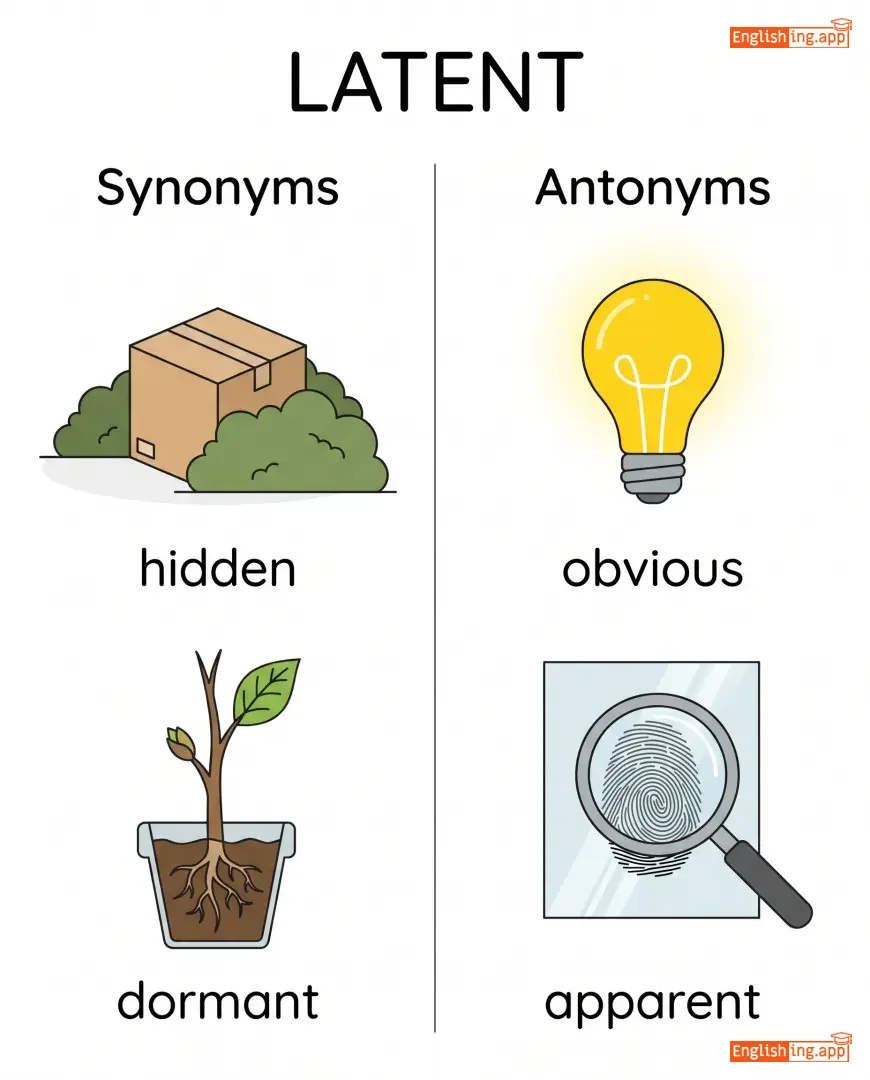
hidden, dormant, concealed, unrealized, undeveloped
••••••
|
obvious, apparent, visible
••••••
|
latent talent, latent potential, latent heat, latent disease
••••••
|
No •••••• |
|
#454
👏
|
/lɔːd/
verb
••••••
|
|
- •••••• |
lauded
••••••
|
lauded
••••••
|
lauds
••••••
|
lauding
••••••
|
To praise someone or something highly, especially in public.
••••••
|
The critic lauded the actor's performance as a masterpiece. |
- •••••• |
sing someone's praises |
to praise someone very enthusiastically
••••••
|
- •••••• |
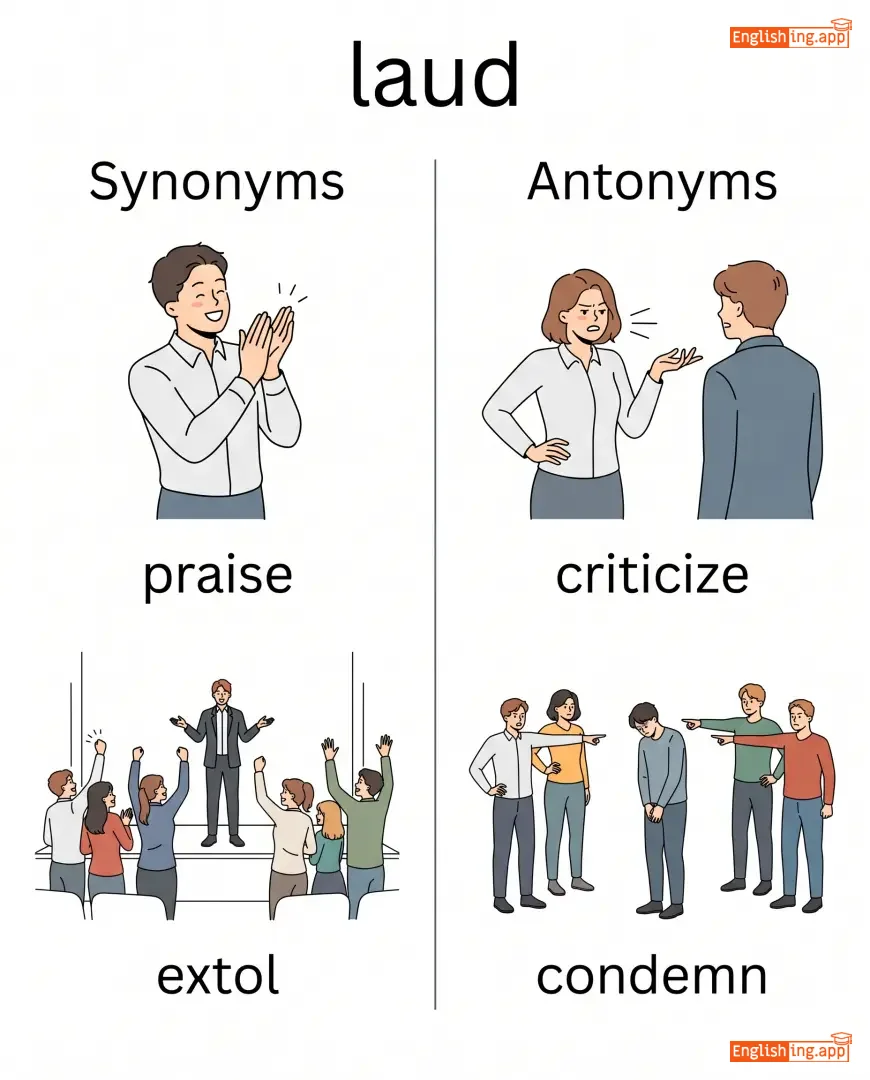
praise, extol, applaud, commend, admire
••••••
|
criticize, condemn
••••••
|
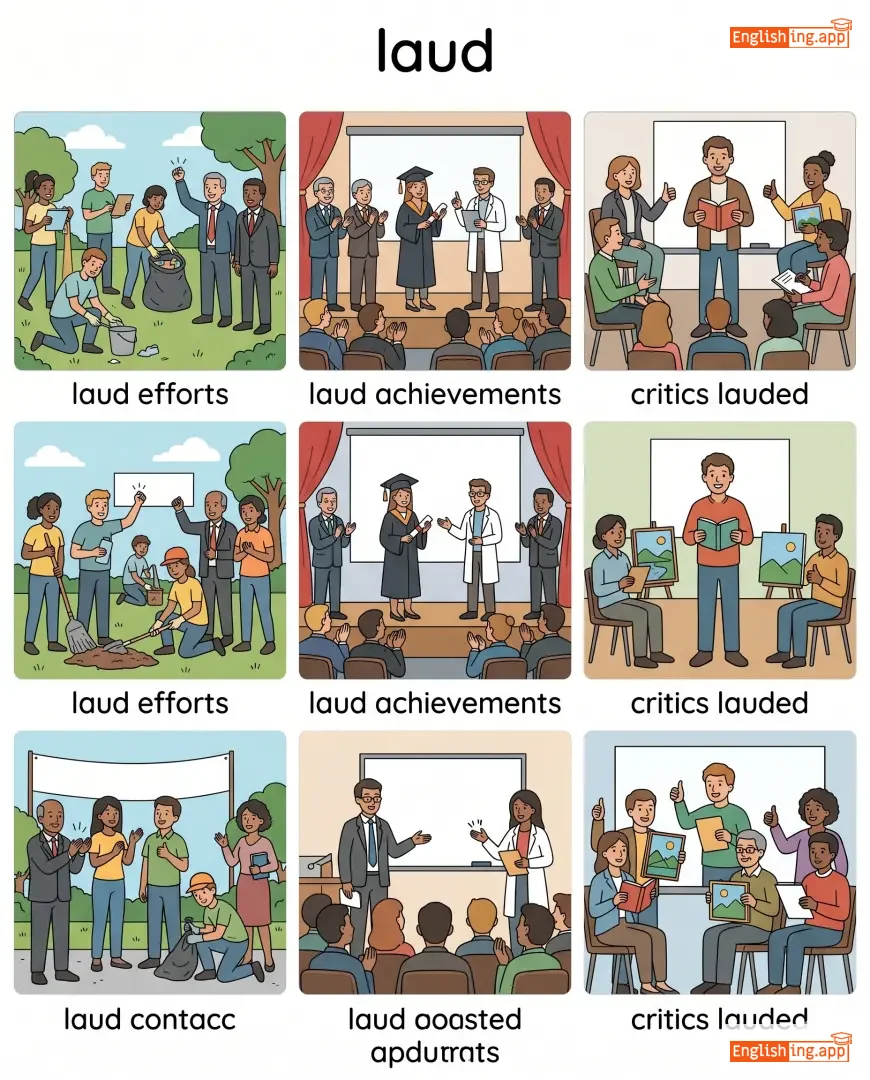
laud efforts, laud achievements, critics lauded
••••••
|
No •••••• |
|
#455
😴
|
/ləˈθɑːrdʒɪk/
adjective
(レタルジック)
••••••
|
|
無気力な
mukiryokuna
••••••
|
- •••••• | - •••••• | - •••••• | - •••••• |
Feeling sluggish, drowsy, or lacking energy.
••••••
|
After the long journey, he felt lethargic and went straight to bed. |
長旅の後、彼は無気力で、すぐにベッドに行った。
Nagoyatra no ato, kare wa mukiryokude, sugu ni beddo ni itta.
••••••
|
- •••••• | - •••••• | - •••••• |
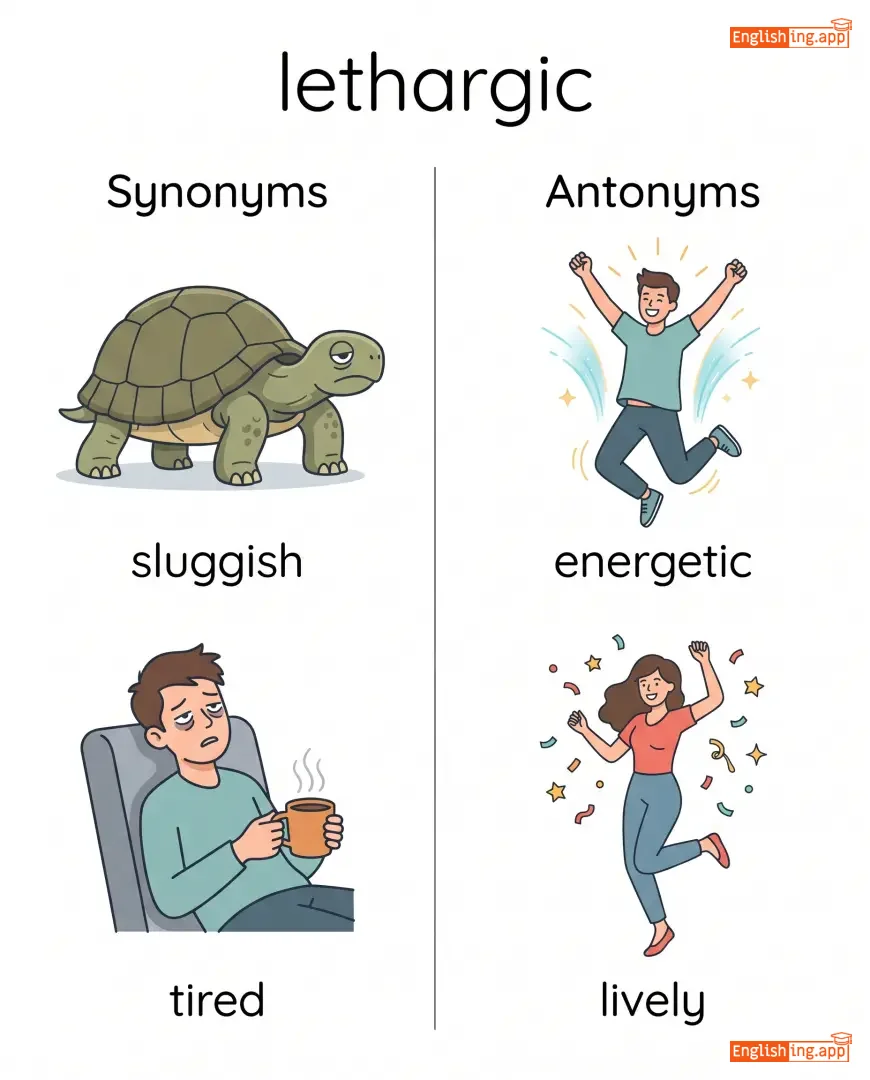
sluggish, tired, fatigued, weary, drowsy
••••••
|
energetic, lively, active
••••••
|
feel lethargic, lethargic response, lethargic behavior
••••••
|
Lethargic は無気力な状態を意味し、長旅の後、みんな無気力になります。
••••••
|
|
#456
🌊
|
/ˈlɛvi/
noun
(レヴィ)
••••••
|
|
堤防
teibou
••••••
|
- •••••• | - •••••• | - •••••• | - •••••• |
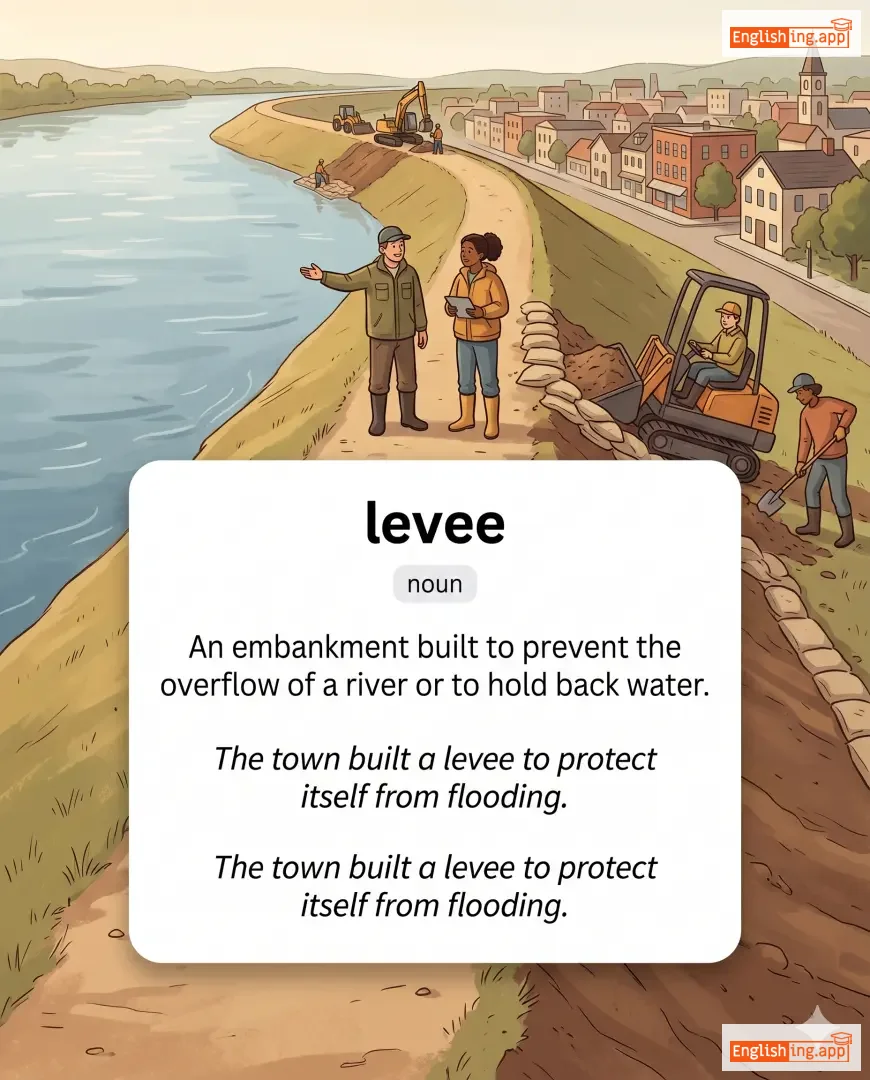
An embankment built to prevent the overflow of a river or to hold back water.
••••••
|
The town built a levee to protect itself from flooding. |
その町は洪水から守るために堤防を作った。
Sono machi wa koudzui kara mamoru tame ni teibou wo tsukutta.
••••••
|
- •••••• | - •••••• | - •••••• |
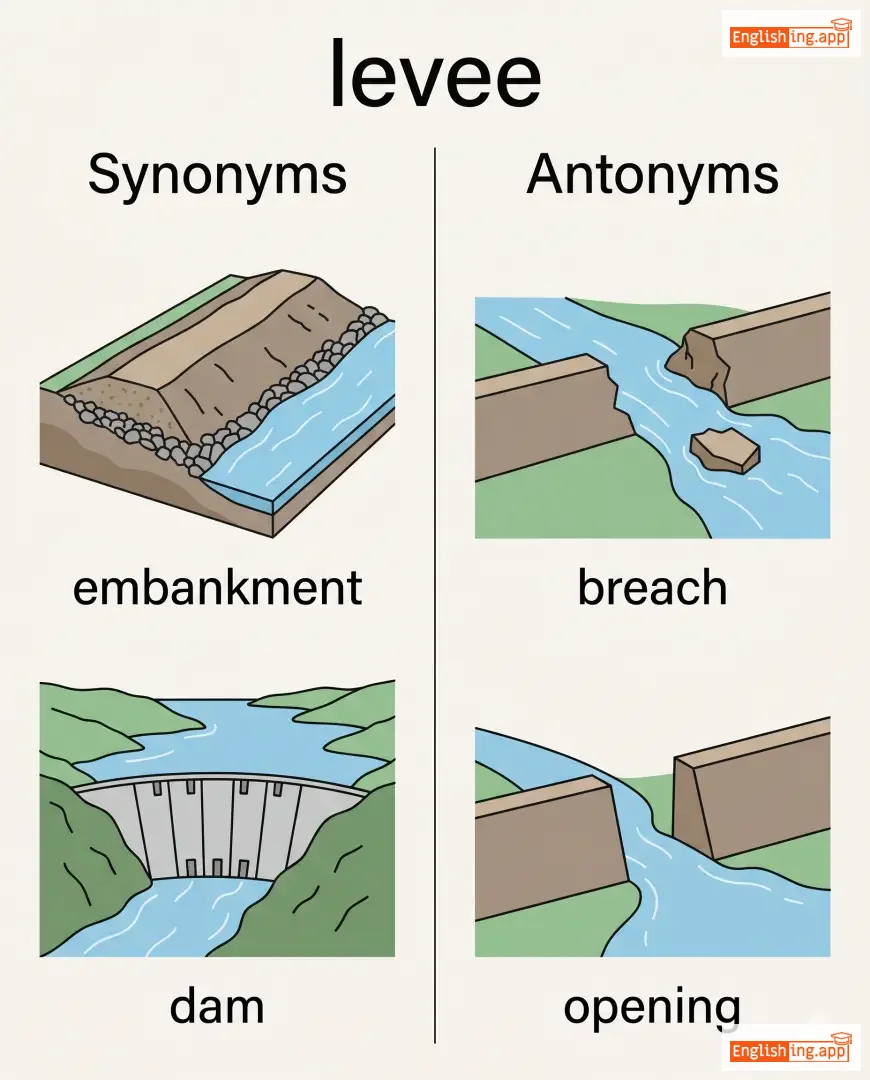
embankment, dam, dike, barrier
••••••
|
breach, opening
••••••
|
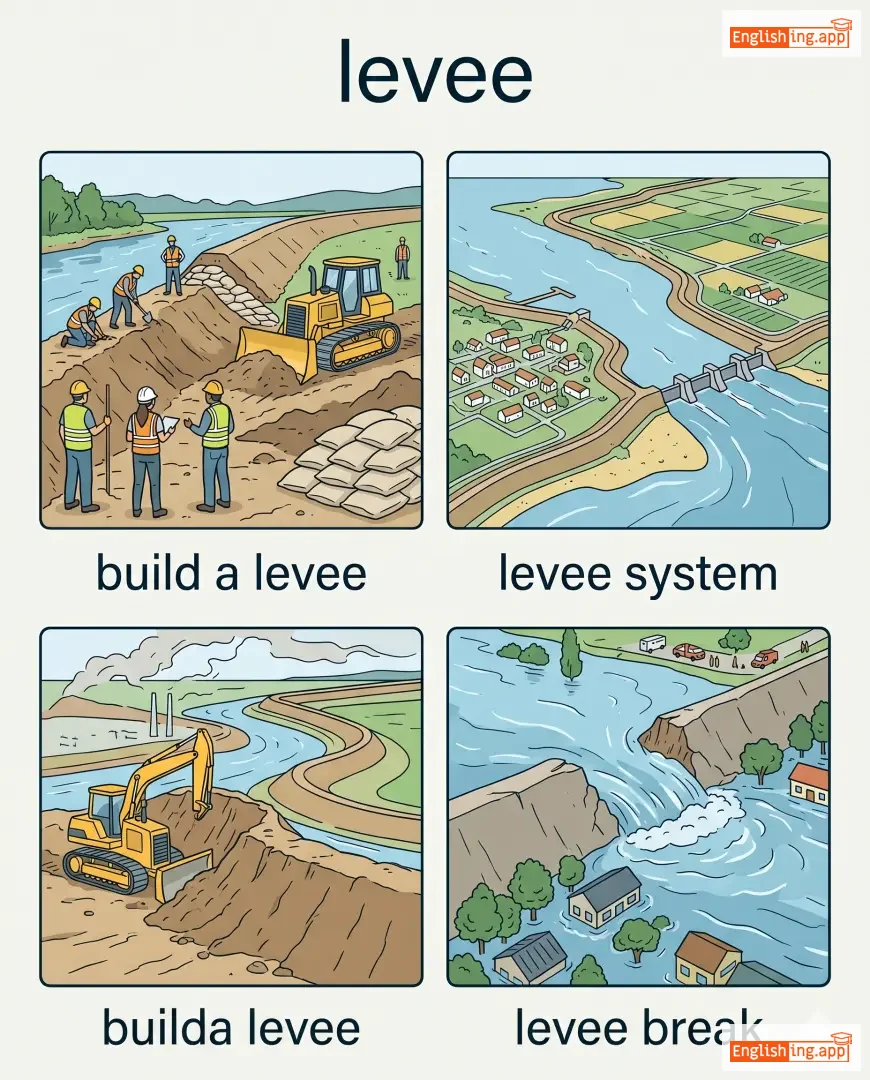
build a levee, levee system, levee break, levee construction
••••••
|
Leveeは堤防を意味します。堤防は都市を洪水から守ります。
••••••
|
|
#457
😄
|
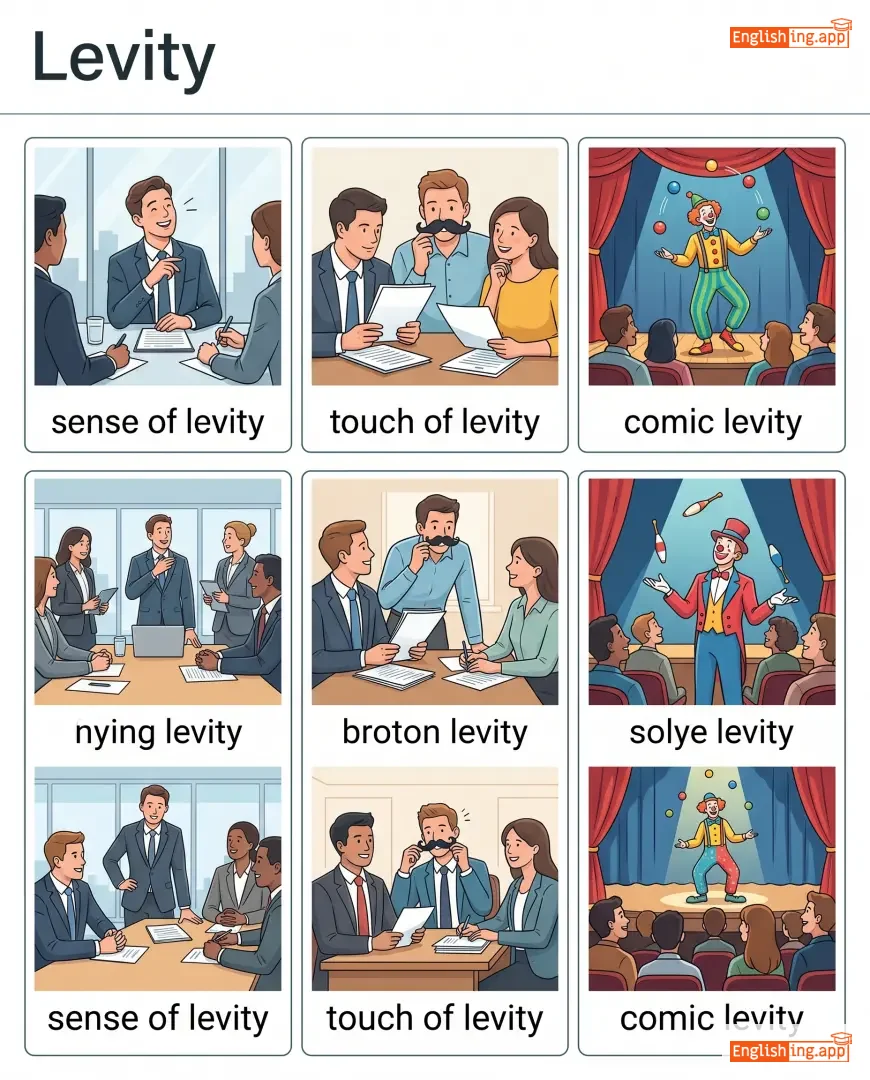
/ˈlɛvɪti/
noun
••••••
|
|
- •••••• | - •••••• | - •••••• | - •••••• | - •••••• |
Lightness of manner or speech, especially when inappropriate; lack of seriousness.
••••••
|
His attempt to bring levity to the tense meeting was appreciated. |
- •••••• |
comic levity |
Humor or lightheartedness used to reduce tension.
••••••
|
- •••••• |
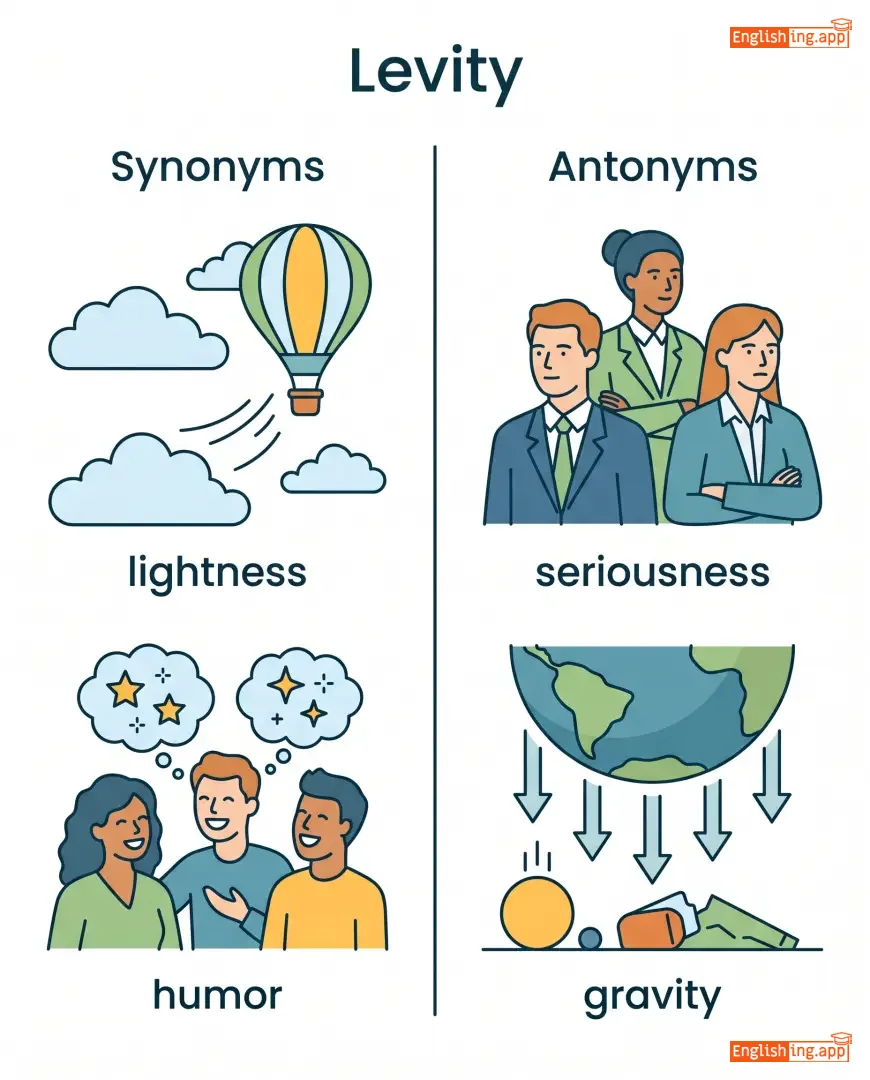
lightness, humor, frivolity, cheerfulness, jocularity
••••••
|
seriousness, gravity, solemnity
••••••
|
sense of levity, touch of levity, comic levity, add levity
••••••
|
No •••••• |
|
#458
🌍
|
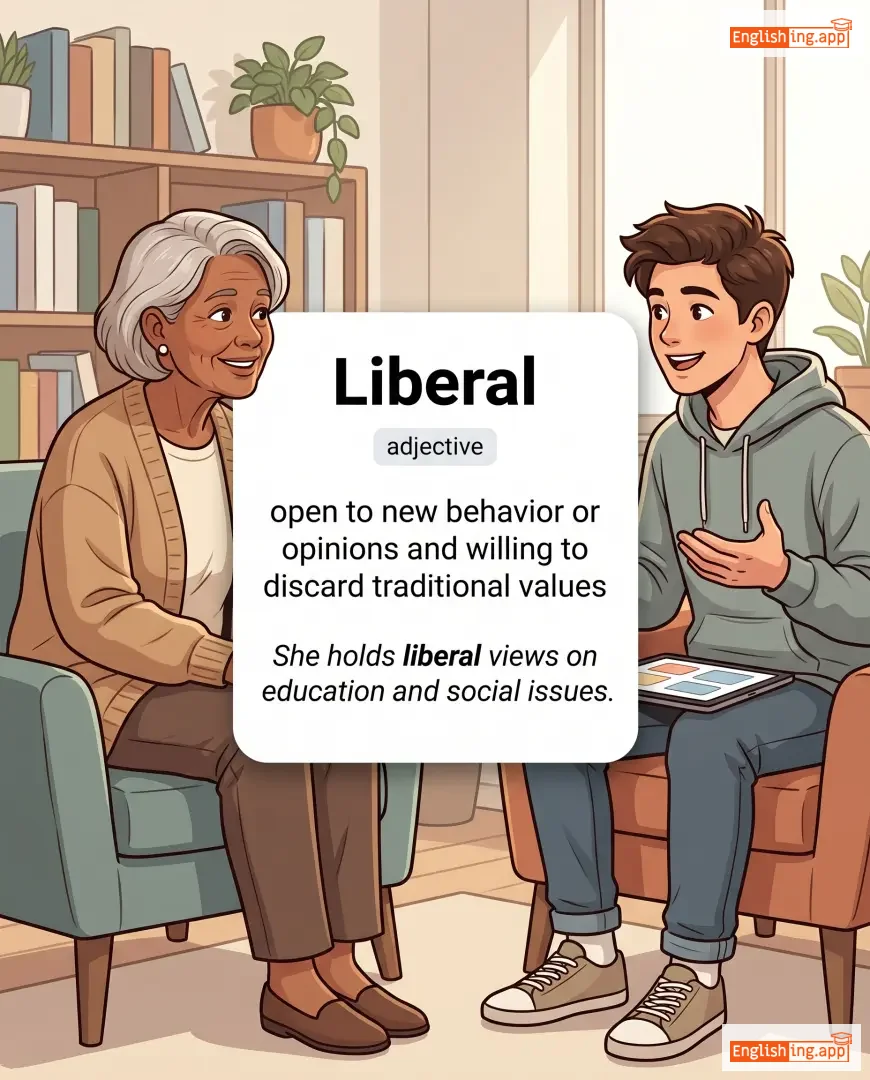
/ˈlɪbərəl/
adjective
(リベラル)
••••••
|
|
リベラル
riberaru
••••••
|
- •••••• | - •••••• | - •••••• | - •••••• |
open to new behavior or opinions and willing to discard traditional values
••••••
|
She holds liberal views on education and social issues. |
彼女は教育と社会問題についてリベラルな見解を持っている。
Kanojo wa kyōiku to shakai mondai ni tsuite riberaru na kenkai o motte iru.
••••••
|
liberal arts |
academic studies intended to develop general knowledge and intellectual ability
••••••
|
リベラルアーツ
riberaruātsu
••••••
|
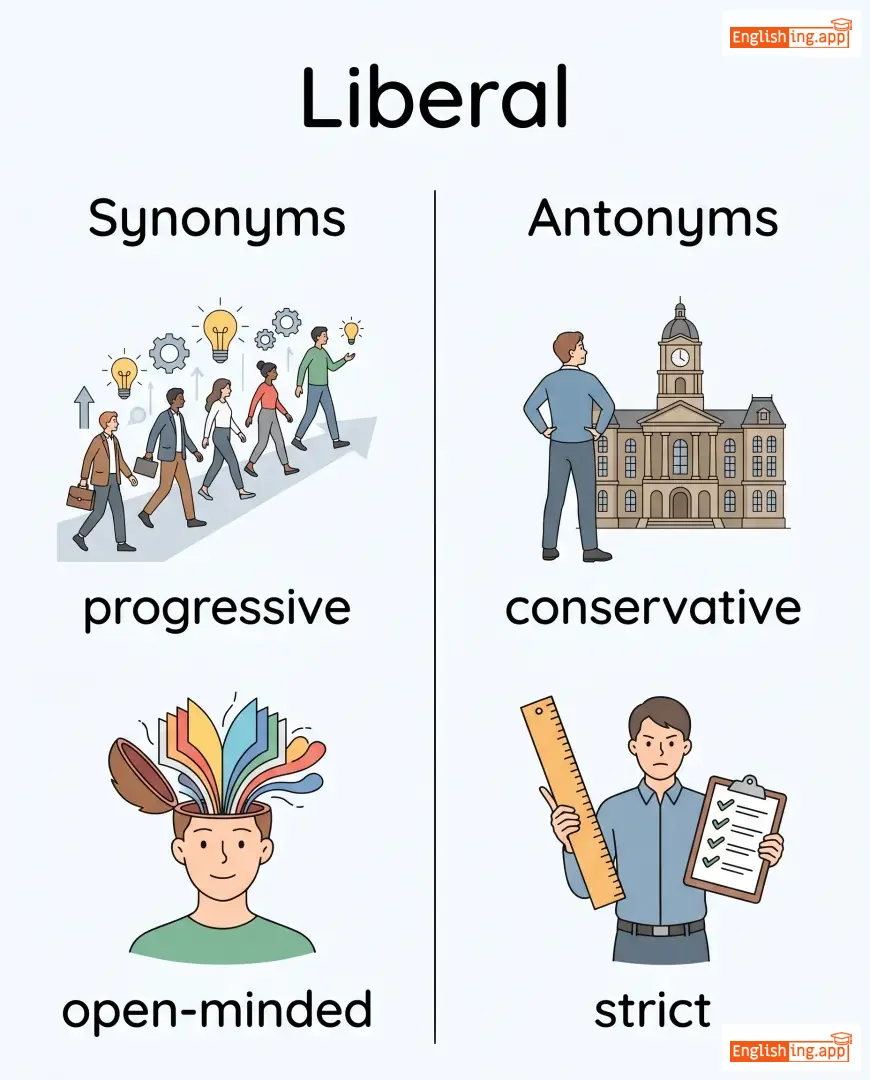
progressive, open-minded, tolerant, generous
••••••
|
conservative, strict, narrow-minded
••••••
|
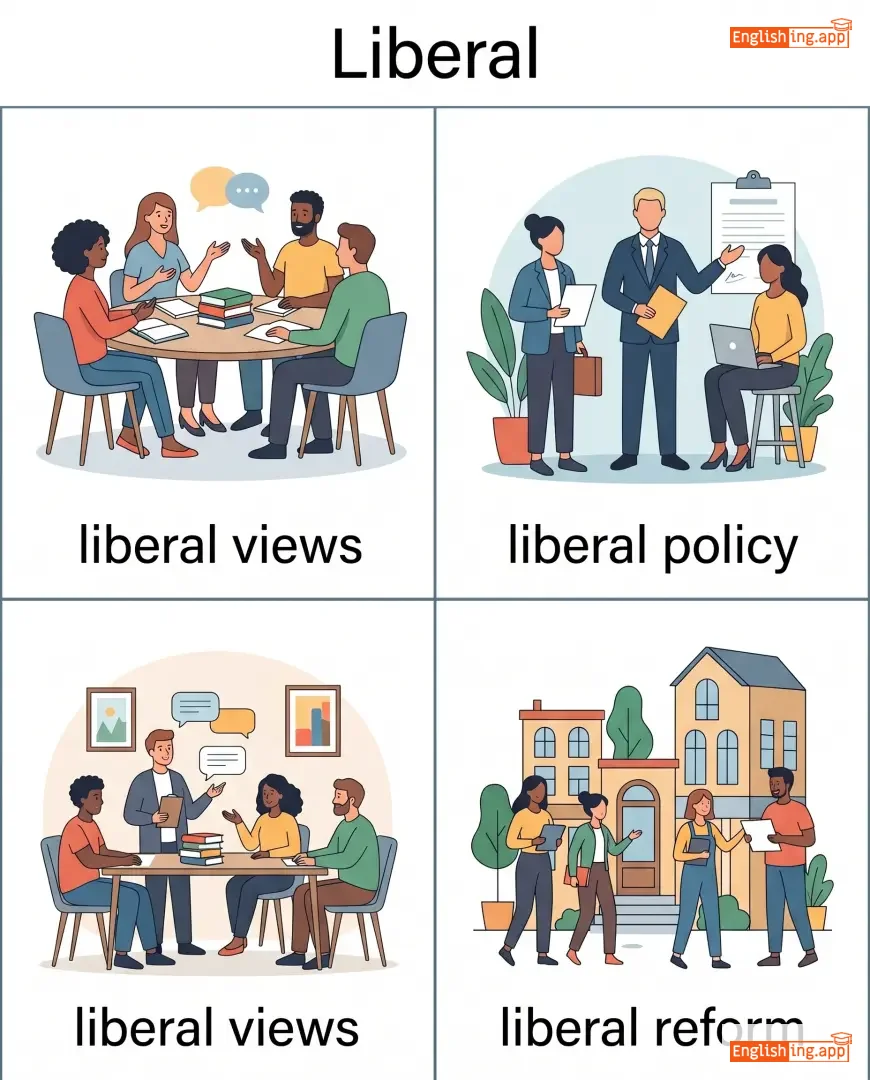
liberal views, liberal policy, liberal reform, liberal democracy
••••••
|
リベラルは自由に広がる思想を表す。
••••••
|
|
#459
🍷
|
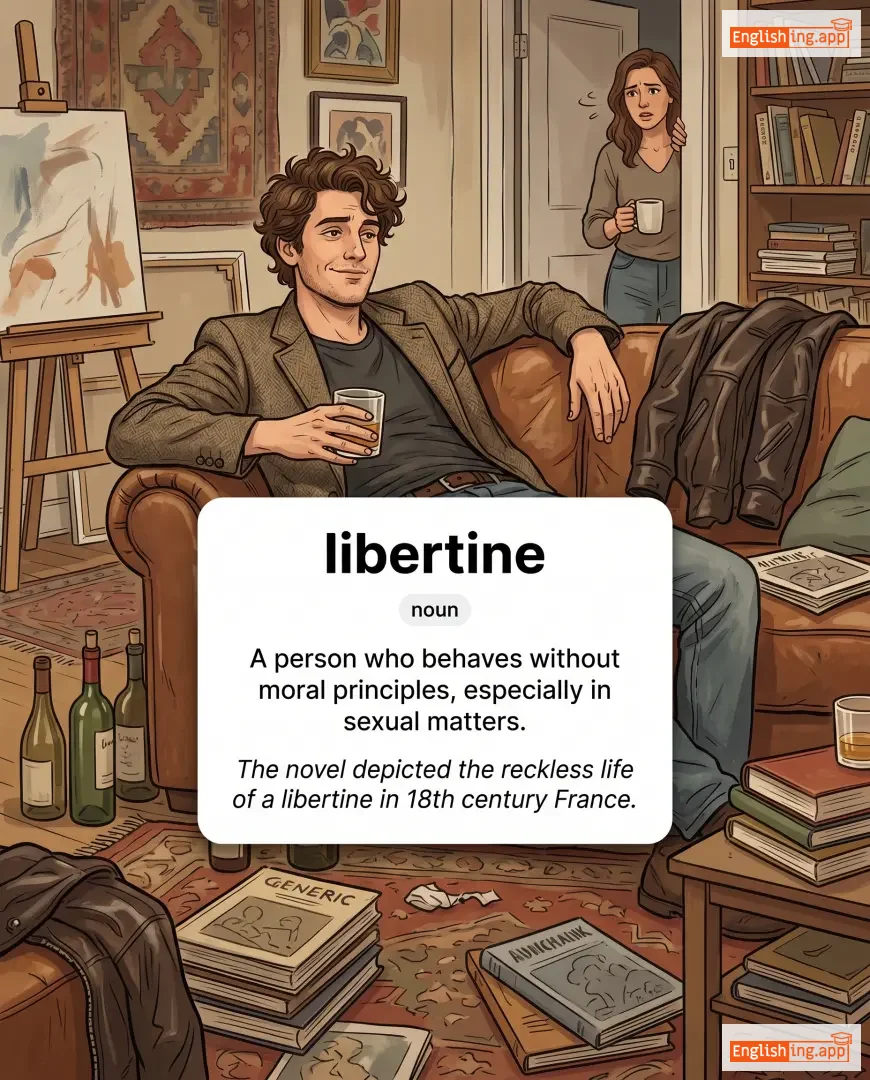
/ˈlɪbərˌtiːn/
noun
••••••
|
|
- •••••• | - •••••• | - •••••• | - •••••• | - •••••• |
A person who behaves without moral principles, especially in sexual matters.
••••••
|
The novel depicted the reckless life of a libertine in 18th century France. |
- •••••• |
libertine spirit |
An attitude of rejecting social conventions and living freely.
••••••
|
- •••••• |
debauchee, rake, profligate, hedonist, sensualist
••••••
|
puritan, moralist, ascetic
••••••
|
libertine lifestyle, notorious libertine, libertine behavior, libertine spirit
••••••
|
No •••••• |
|
#460
💋
|
/lɪˈbiːdoʊ/
noun
(リビドー)
••••••
|
|
性欲
seiyoku
••••••
|
- •••••• | - •••••• | - •••••• | - •••••• |
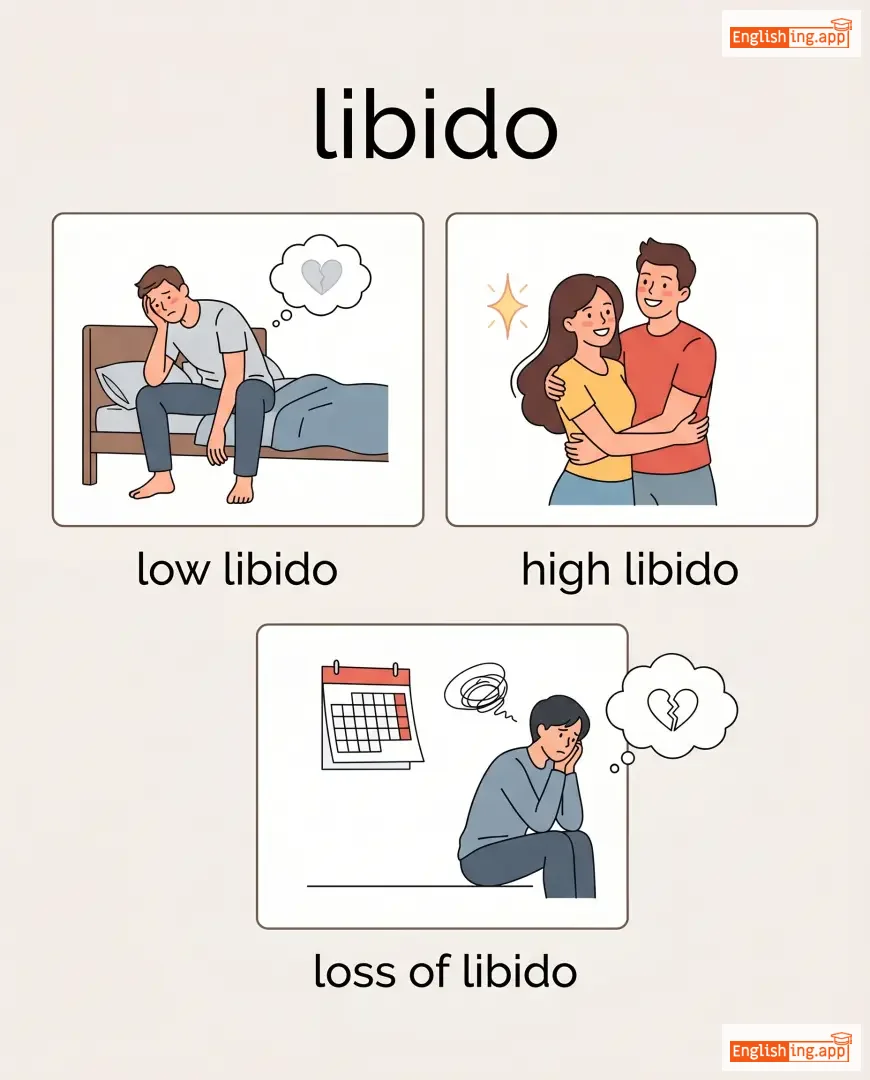
Sexual desire or drive.
••••••
|
Stress can sometimes lower a person's libido. |
ストレスは時々、ある人の性欲を減少させることがあります。
Sutoresu wa tokidoki, aru hito no seiyoku o genshō saseru koto ga arimasu.
••••••
|
high libido |
Strong or increased sexual desire.
••••••
|
高い性欲
takai seiyoku
••••••
|
sex drive, desire, passion, lust
••••••
|
apathy, frigidity
••••••
|
low libido, high libido, loss of libido
••••••
|
Libido 覚えておいて – ‘libi do’ は性的欲求を意味します。
••••••
|
|
#461
🐜
|
/ˌlɪlɪˈpjuːʃən/
adjective
(リリプチアン)
••••••
|
|
非常に小さい
hijō ni chiisai
••••••
|
- •••••• | - •••••• | - •••••• | - •••••• |
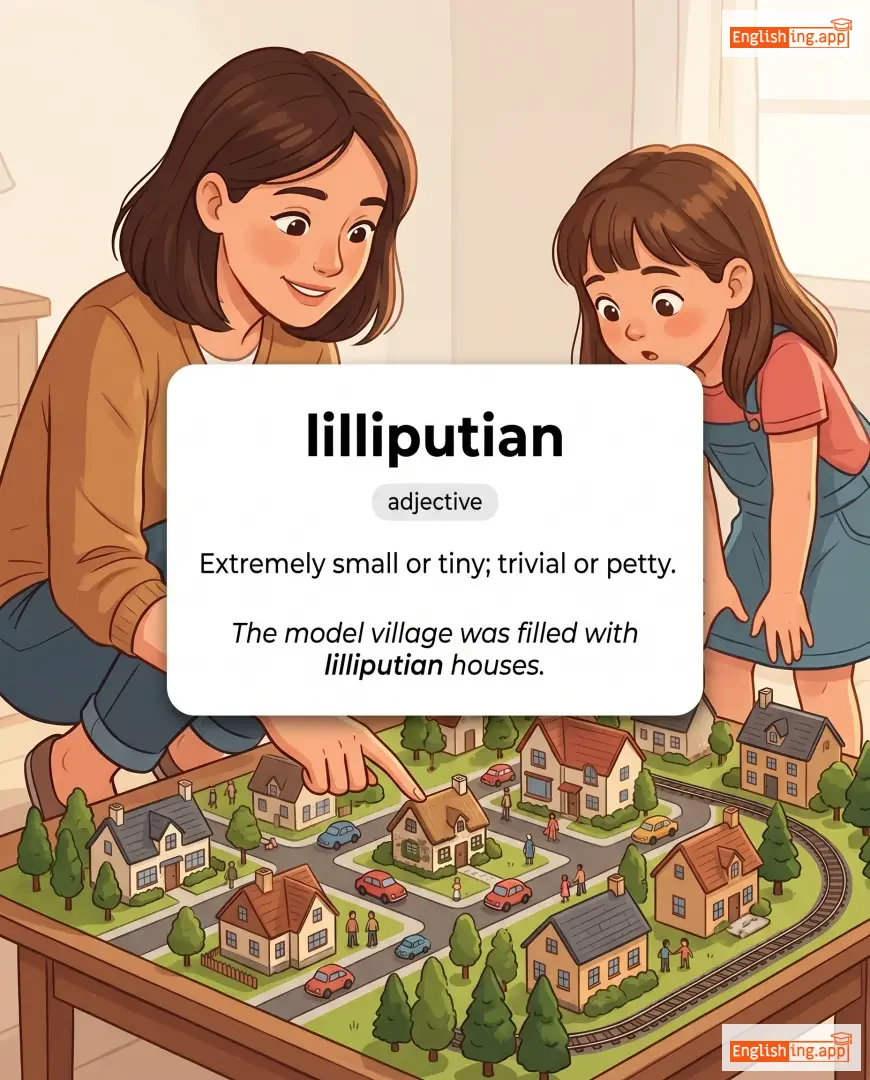
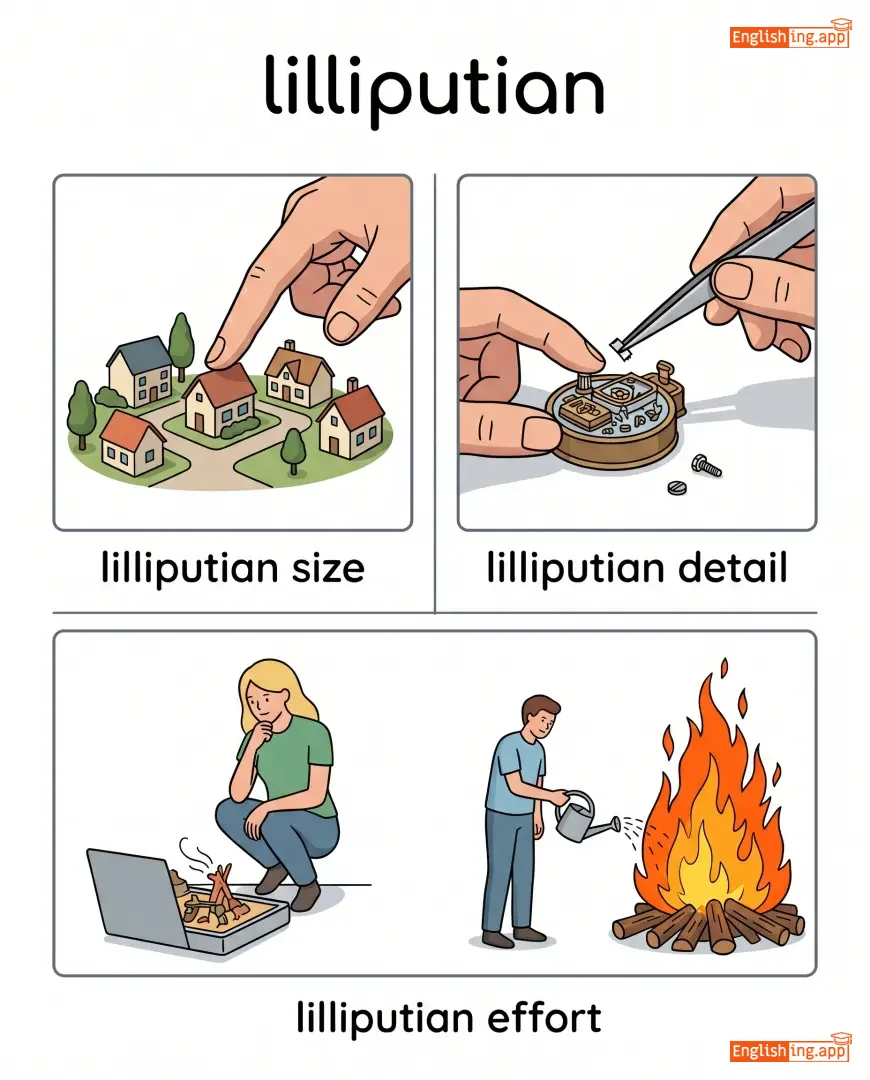
Extremely small or tiny; trivial or petty.
••••••
|
The model village was filled with lilliputian houses.
モデル村はリリプチアンの家で満たされていました。
••••••
|
モデル村は非常に小さな家で満たされていました。
Moderu mura wa hijō ni chiisana ie de mitasarete imashita.
••••••
|
- •••••• | - •••••• | - •••••• |
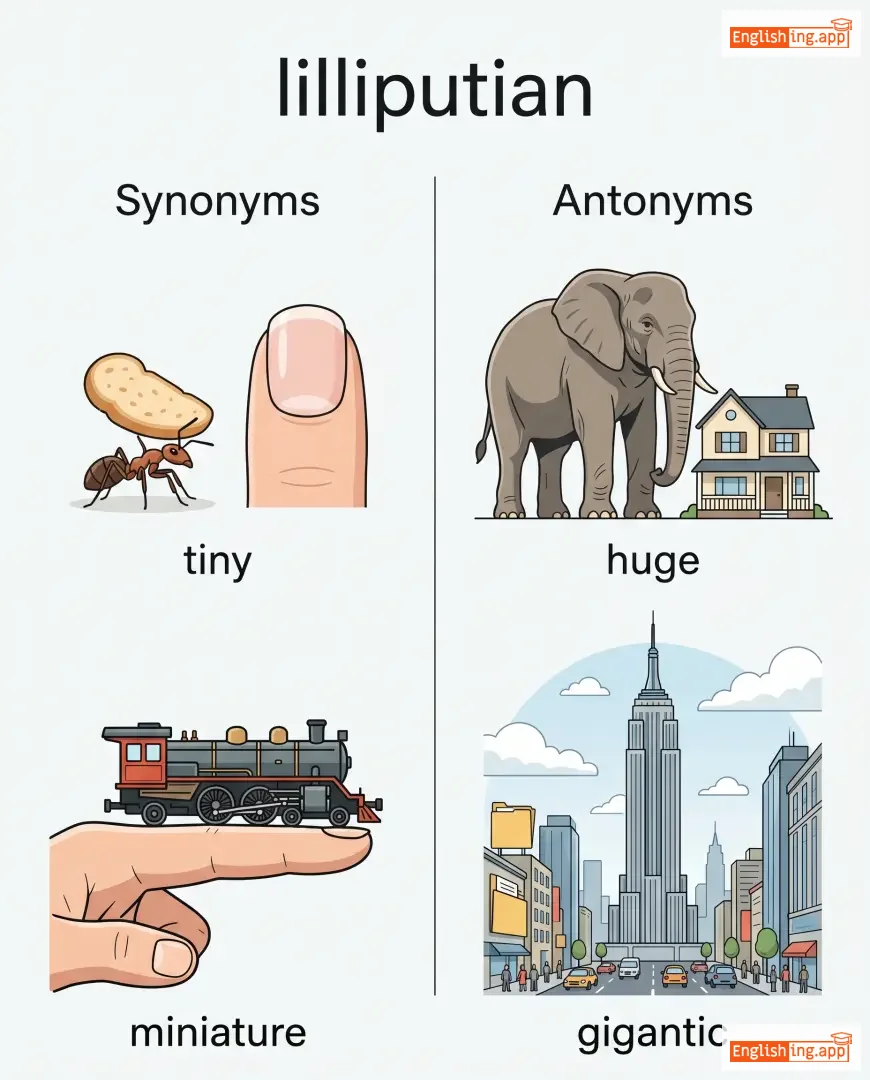
tiny, miniature, minuscule, small, petty
••••••
|
huge, gigantic, colossal
••••••
|
lilliputian size, lilliputian detail, lilliputian effort
••••••
|
Lilliput は非常に小さい場所です — Lilliputian は極めて小さい
••••••
|
|
#462
🎨
|
/lɪm/
verb
(リムン)
••••••
|
|
描写する / 表現する
byōsha suru / hyōgen suru
••••••
|
limned
リムンド
••••••
|
limned
リムンド
••••••
|
limns
リムンズ
••••••
|
limning
リムニング
••••••
|
to depict or describe something vividly in words or art.
••••••
|
The author limned the beauty of the countryside.
作者は田舎の美しさを生き生きと描写しました。
••••••
|
作者は田舎の美しさを生き生きと描写しました。
Sakusha wa inaka no utsukushisa o ikigiki to byōsha shimashita.
••••••
|
- •••••• | - •••••• | - •••••• |
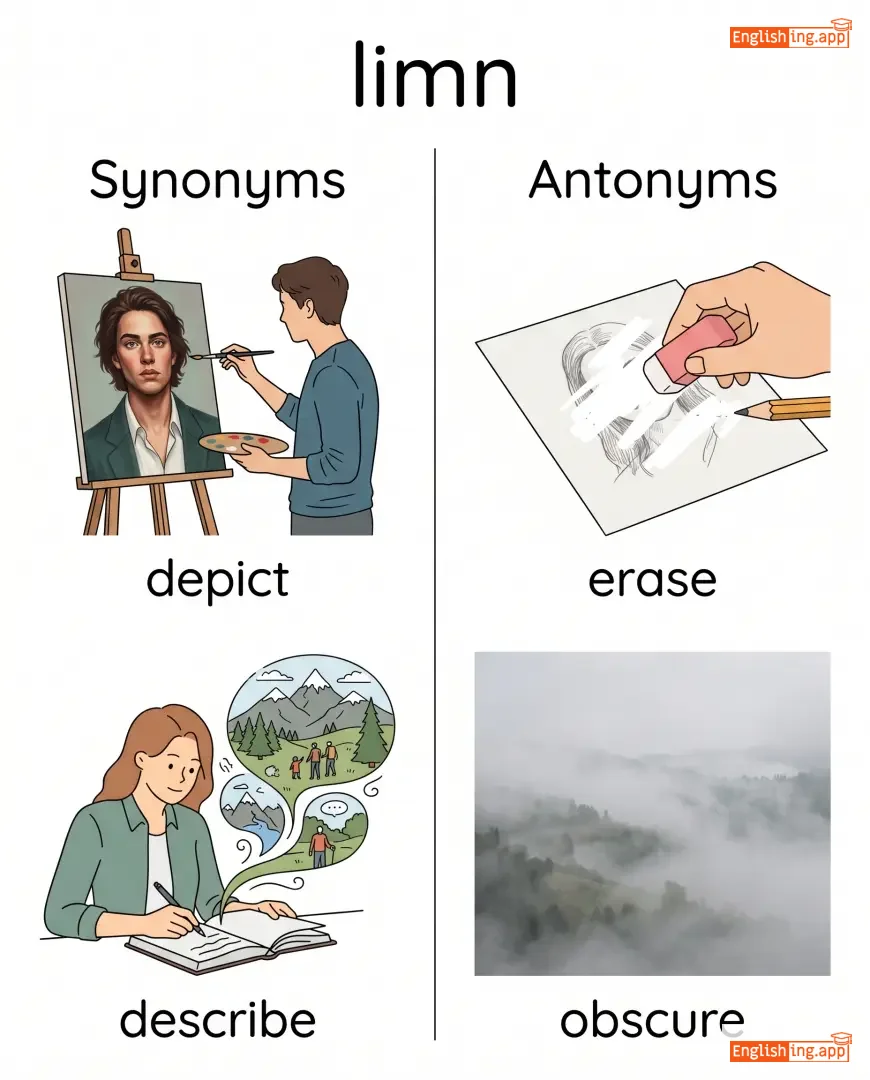
depict, describe, illustrate, portray, outline
••••••
|
erase, obscure, conceal
••••••
|
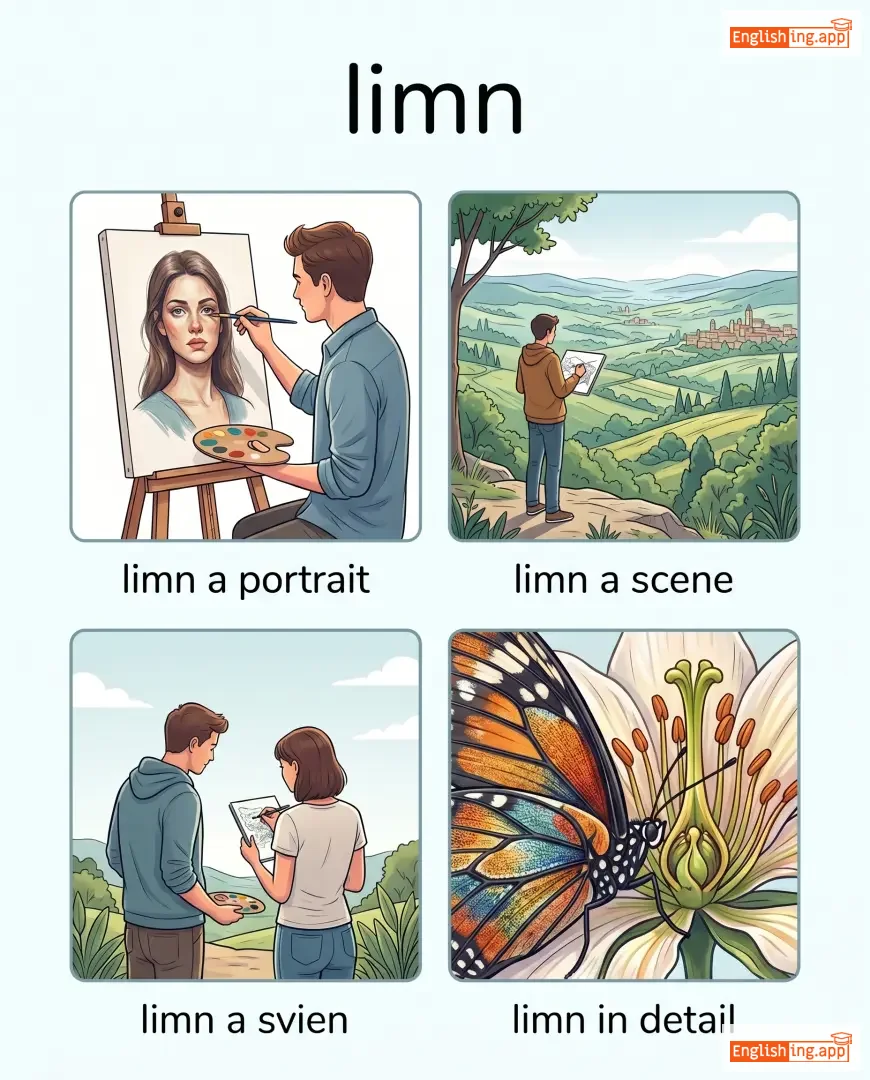
limn a portrait, limn a scene, limn in detail, limn beauty
••••••
|
Limn は「描写する」や「表現する」と考えてみましょう。
••••••
|
|
#463
💧
|
/ˈlɪmpɪd/
adjective
(リンプイド)
••••••
|
|
澄んだ
sunda
••••••
|
- •••••• | - •••••• | - •••••• | - •••••• |
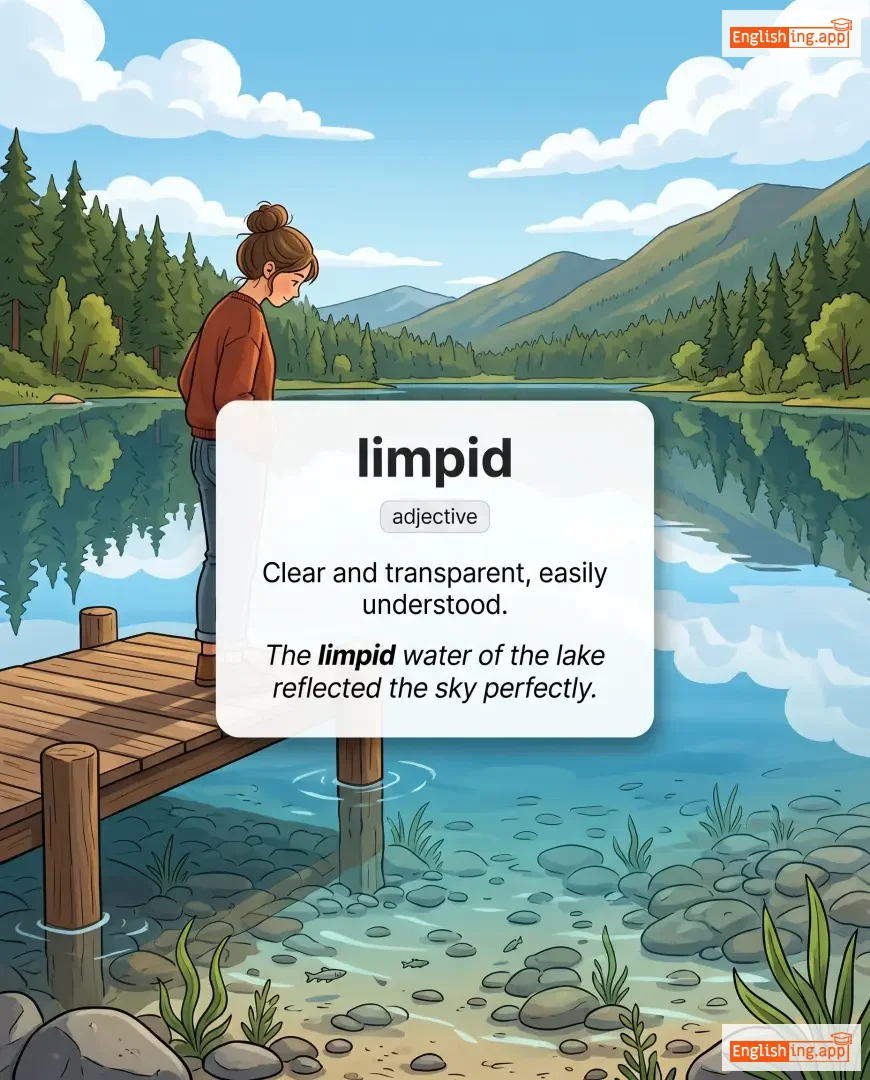
Clear and transparent, easily understood.
••••••
|
The limpid water of the lake reflected the sky perfectly.
湖の澄んだ水は完璧に空を反映していました。
••••••
|
湖の澄んだ水は完璧に空を反映していました。
Mizu no suna wa kanpeki ni sora o hanei shite imashita.
••••••
|
- •••••• | - •••••• | - •••••• |
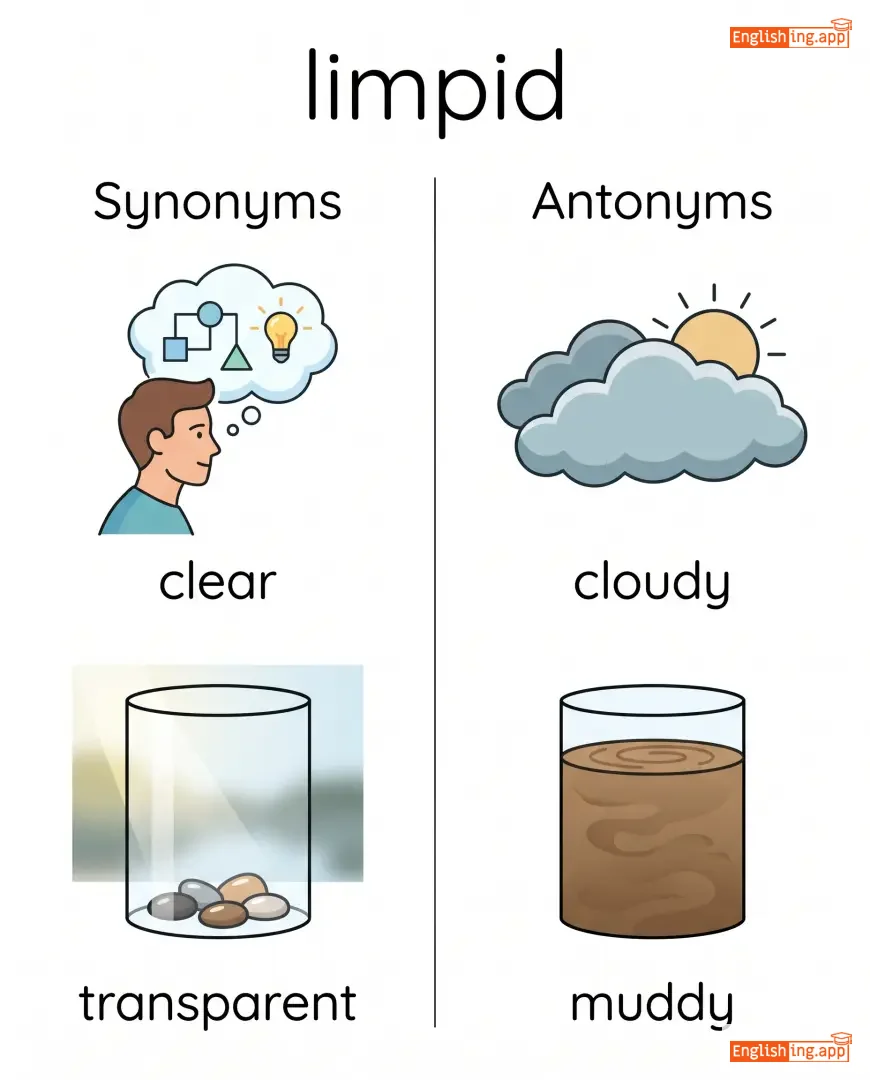
clear, transparent, lucid, crystal, pure
••••••
|
cloudy, muddy, obscure
••••••
|
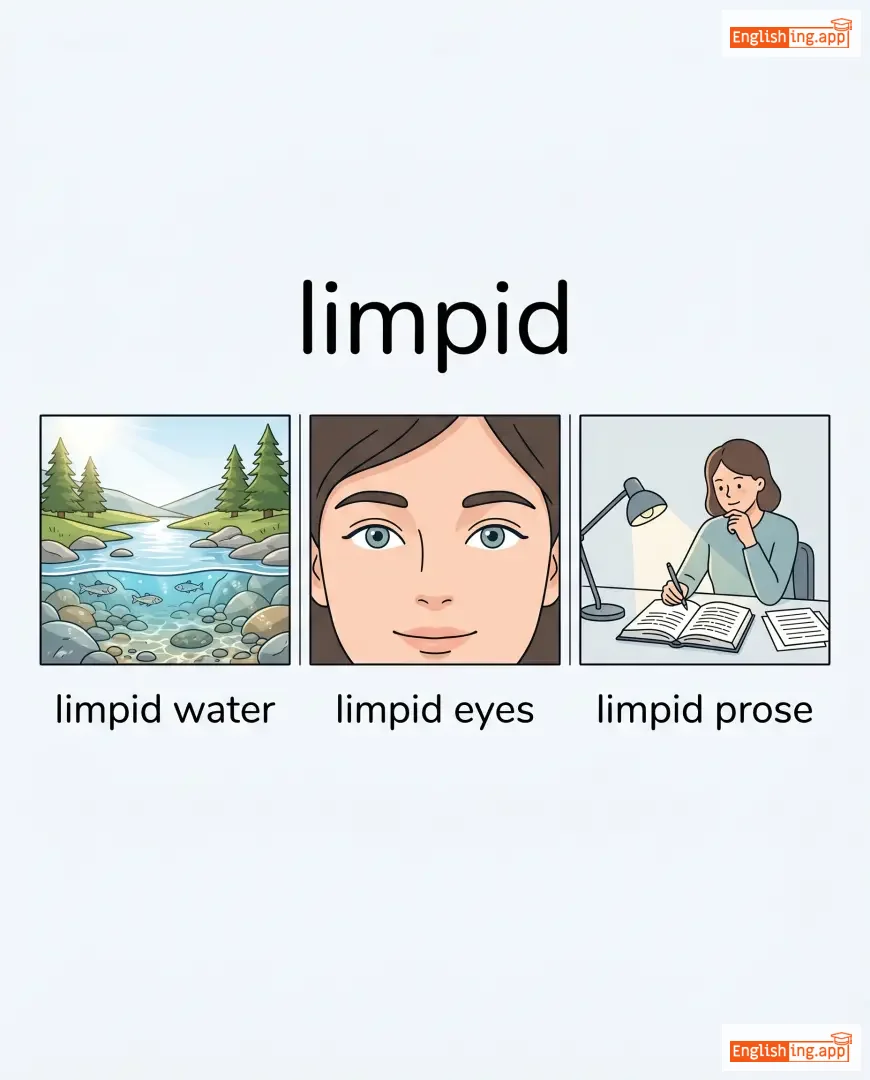
limpid water, limpid eyes, limpid prose
••••••
|
Limpidは澄んだ水のようにクリア💧
••••••
|
|
#464
📚
|
/lɪŋˈɡwɪstɪk/
adjective
(リンギウィスティック)
••••••
|
|
言語的
gengo teki
••••••
|
- •••••• | - •••••• | - •••••• | - •••••• |
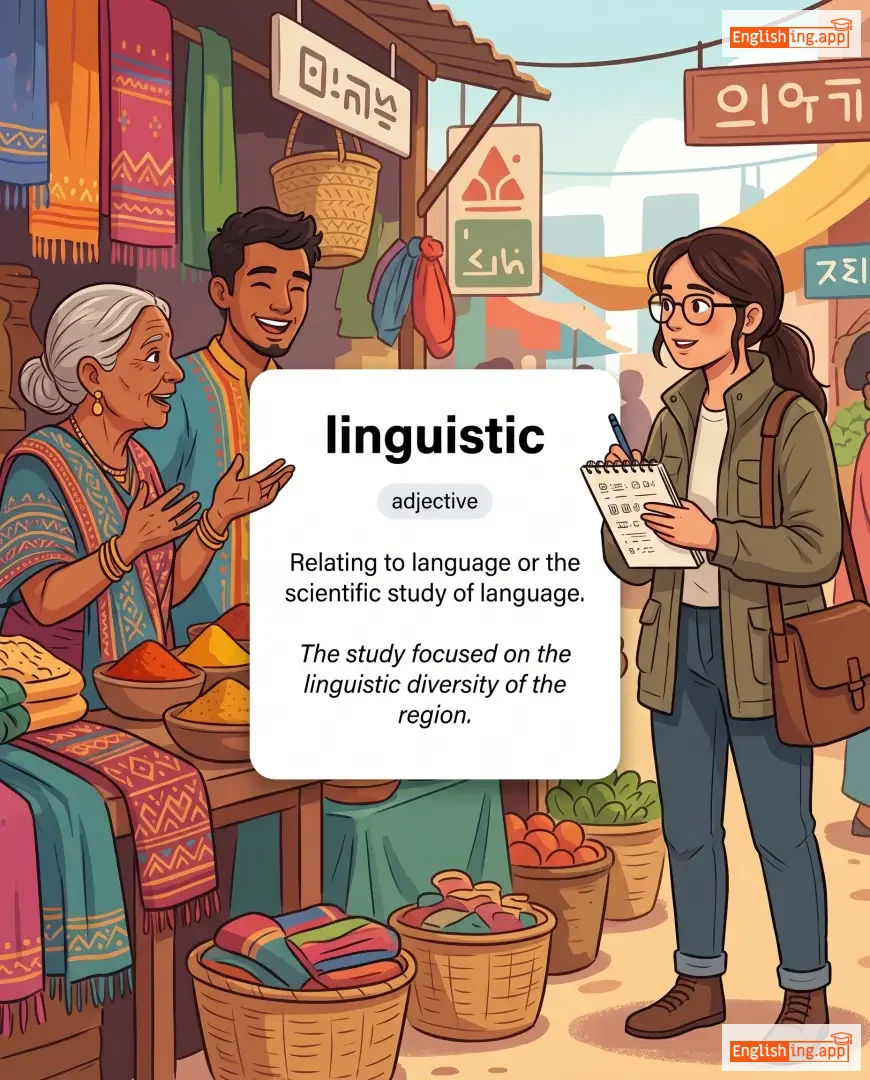
Relating to language or the scientific study of language.
••••••
|
The study focused on the linguistic diversity of the region.
その研究は地域の言語的多様性に焦点を当てました。
••••••
|
その研究は地域の言語的多様性に焦点を当てました。
Sono kenkyū wa chiiki no gengoteki tayōsei ni shōten o atemashita.
••••••
|
- •••••• | - •••••• | - •••••• |
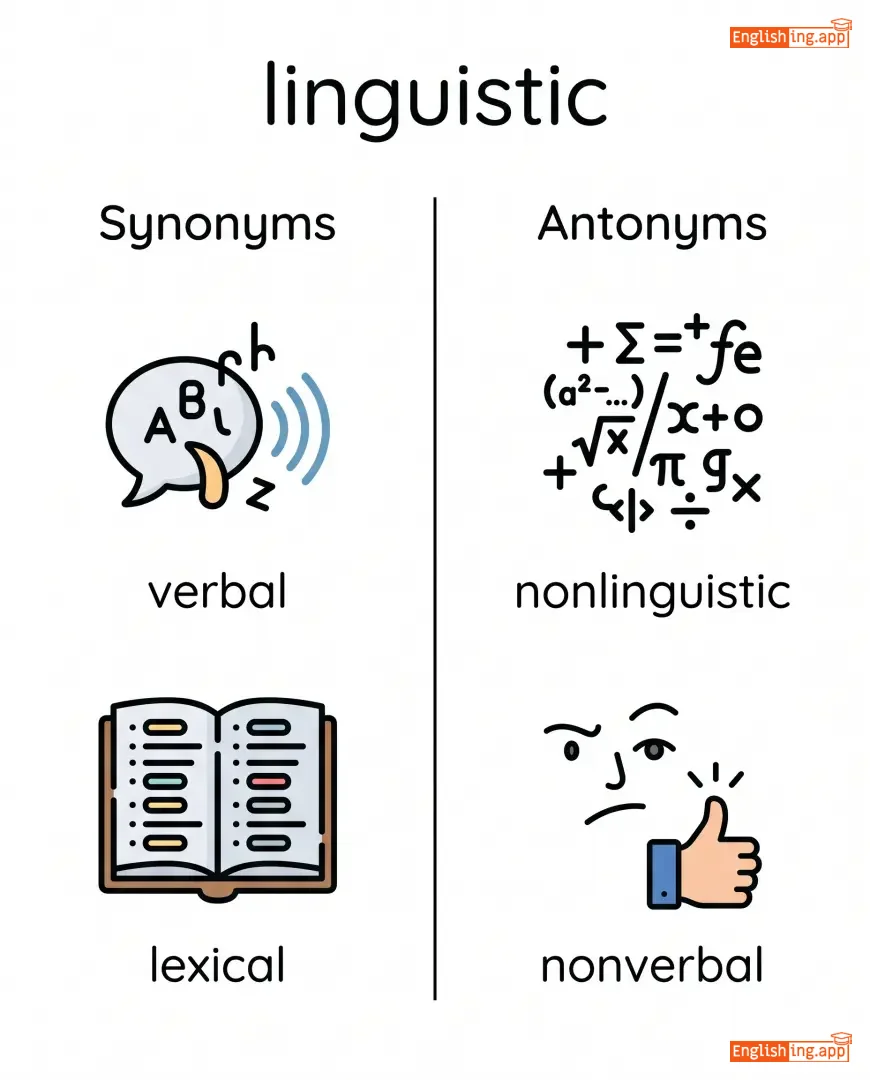
verbal, lexical, grammatical, philological
••••••
|
nonlinguistic, nonverbal
••••••
|
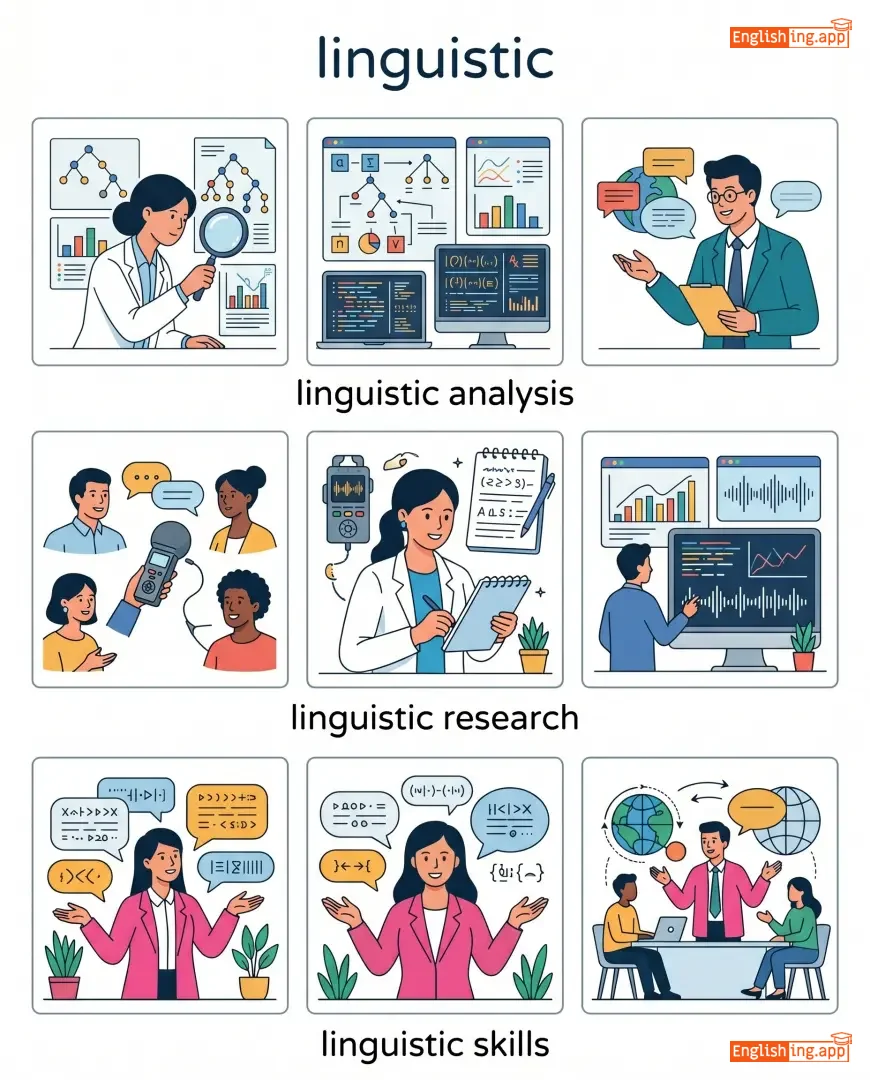
linguistic analysis, linguistic research, linguistic skills, linguistic diversity
••••••
|
言語的 = 言語 + 的 = 言語に関係
••••••
|
|
#465
📜
|
/ˈlɪtəni/
noun
••••••
|
|
- •••••• | - •••••• | - •••••• | - •••••• | - •••••• |
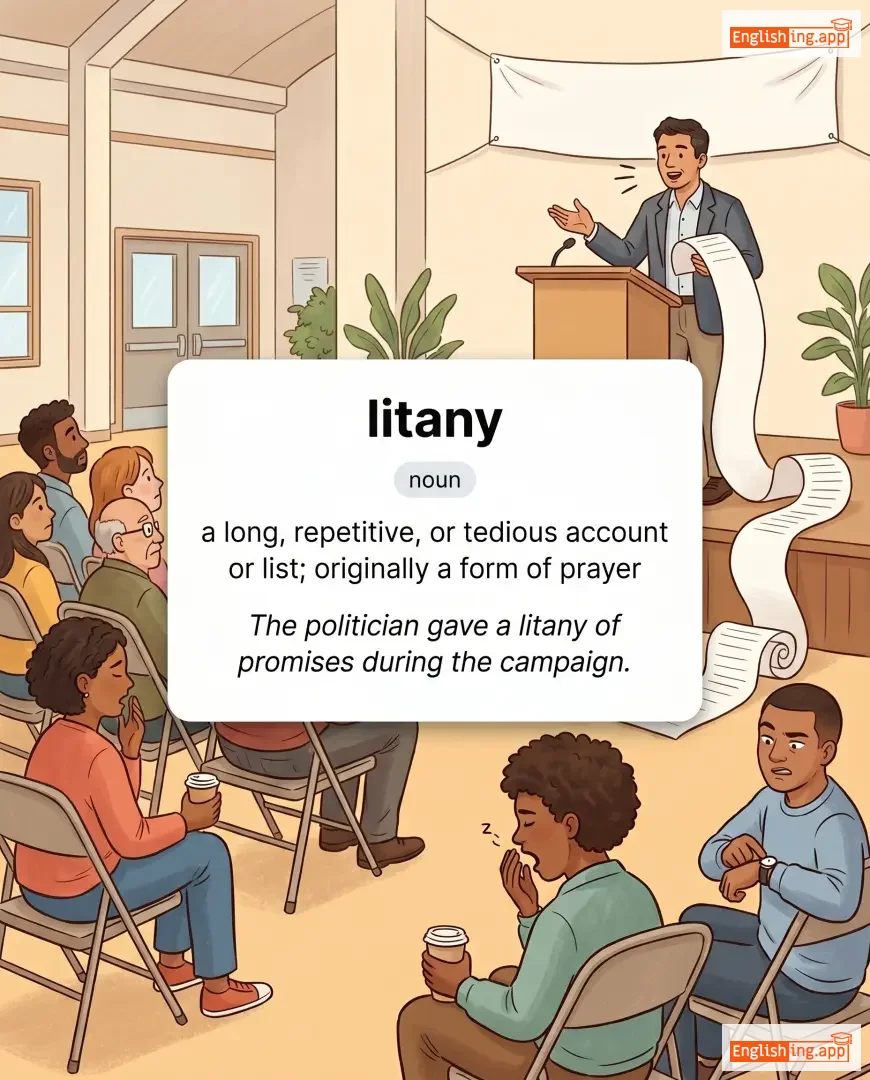
a long, repetitive, or tedious account or list; originally a form of prayer
••••••
|
The politician gave a litany of promises during the campaign. |
- •••••• |
a litany of complaints |
a long list of grievances or criticisms
••••••
|
- •••••• |
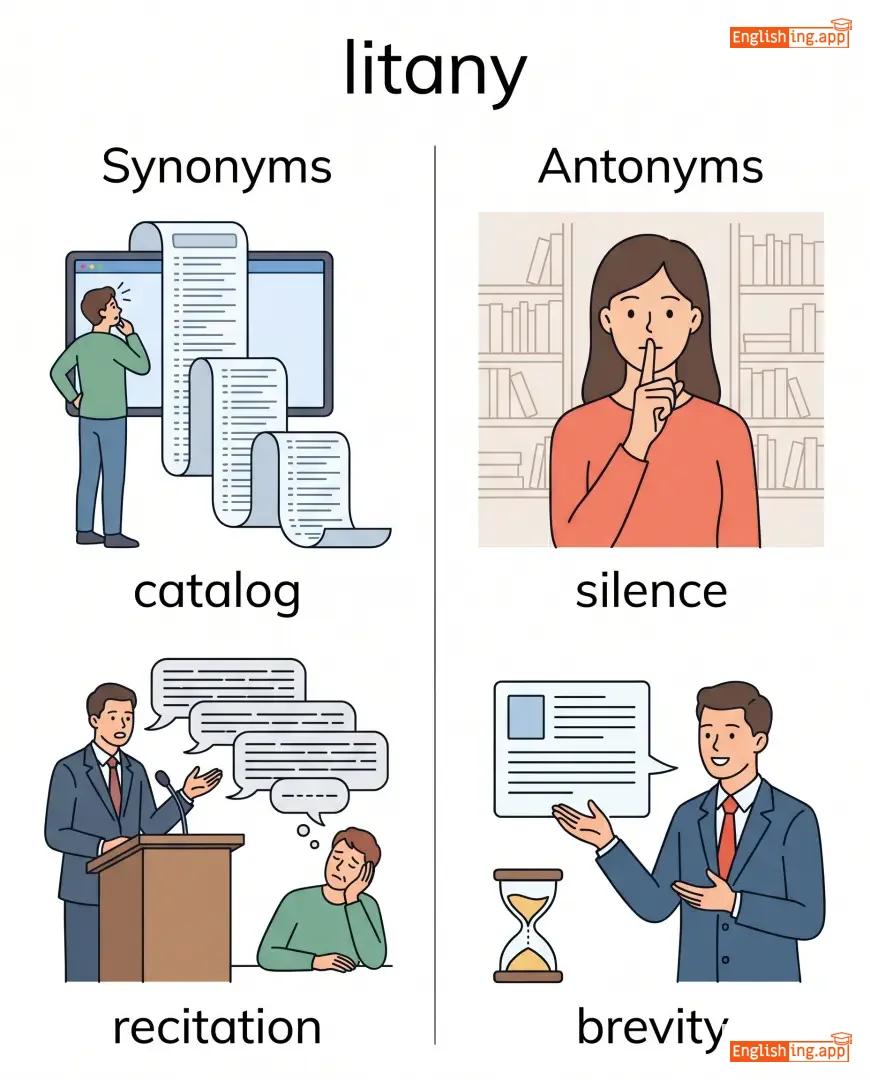
catalog, recitation, series, enumeration
••••••
|
silence, brevity
••••••
|
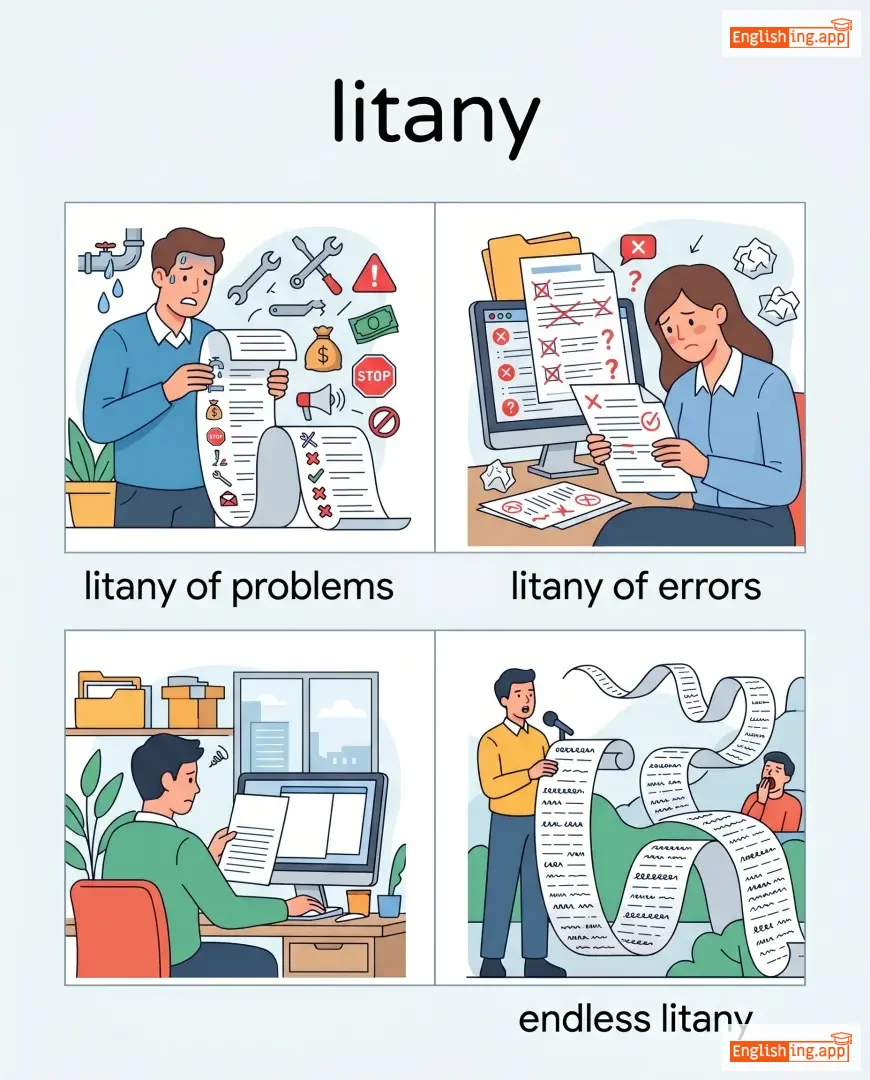
litany of problems, litany of errors, endless litany, litany of promises
••••••
|
No •••••• |
|
#466
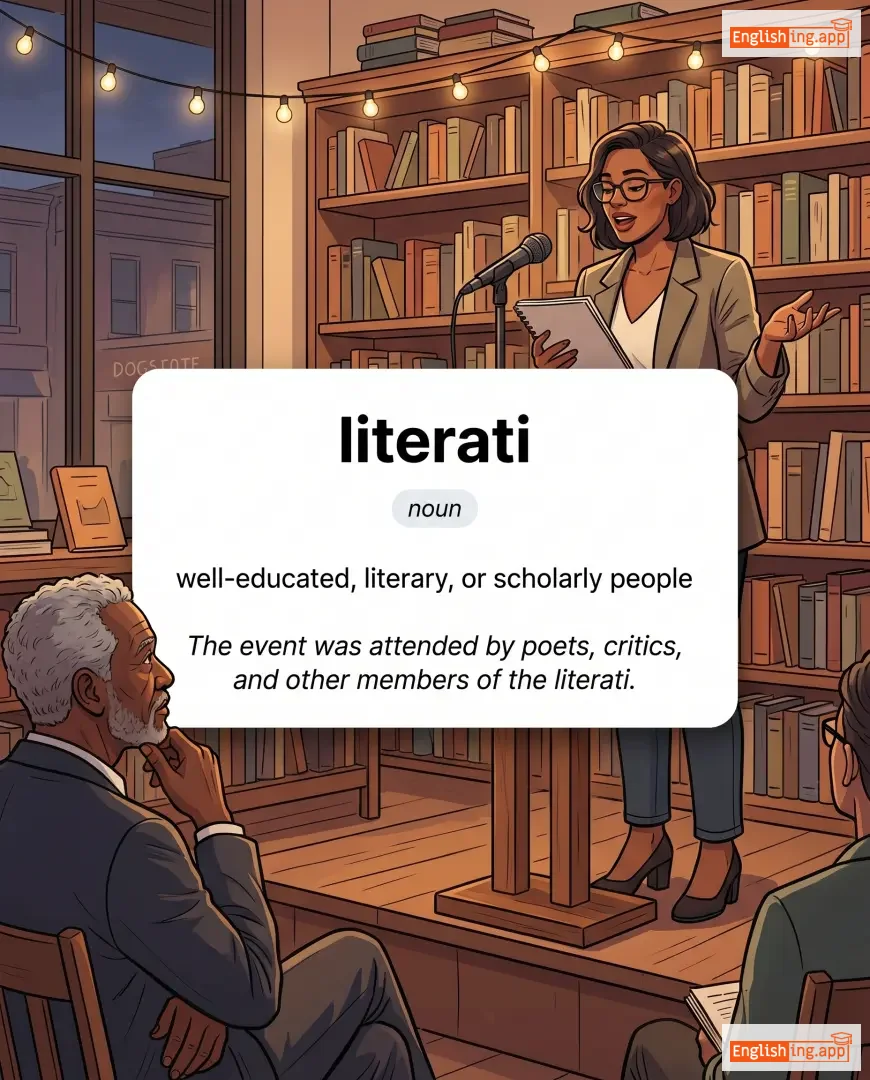
📚
|
/ˌlɪt.əˈrɑː.ti/
noun
(リテラティ)
••••••
|
|
文学者
bungakusha
••••••
|
- •••••• | - •••••• | - •••••• | - •••••• |
well-educated, literary, or scholarly people
••••••
|
The event was attended by poets, critics, and other members of the literati. |
そのイベントには詩人、批評家、その他の文学者が出席しました。
Sono ibento niwa shijin, hihyōka, sono ta no bungakusha ga shusseki shimashita.
••••••
|
- •••••• | - •••••• | - •••••• |
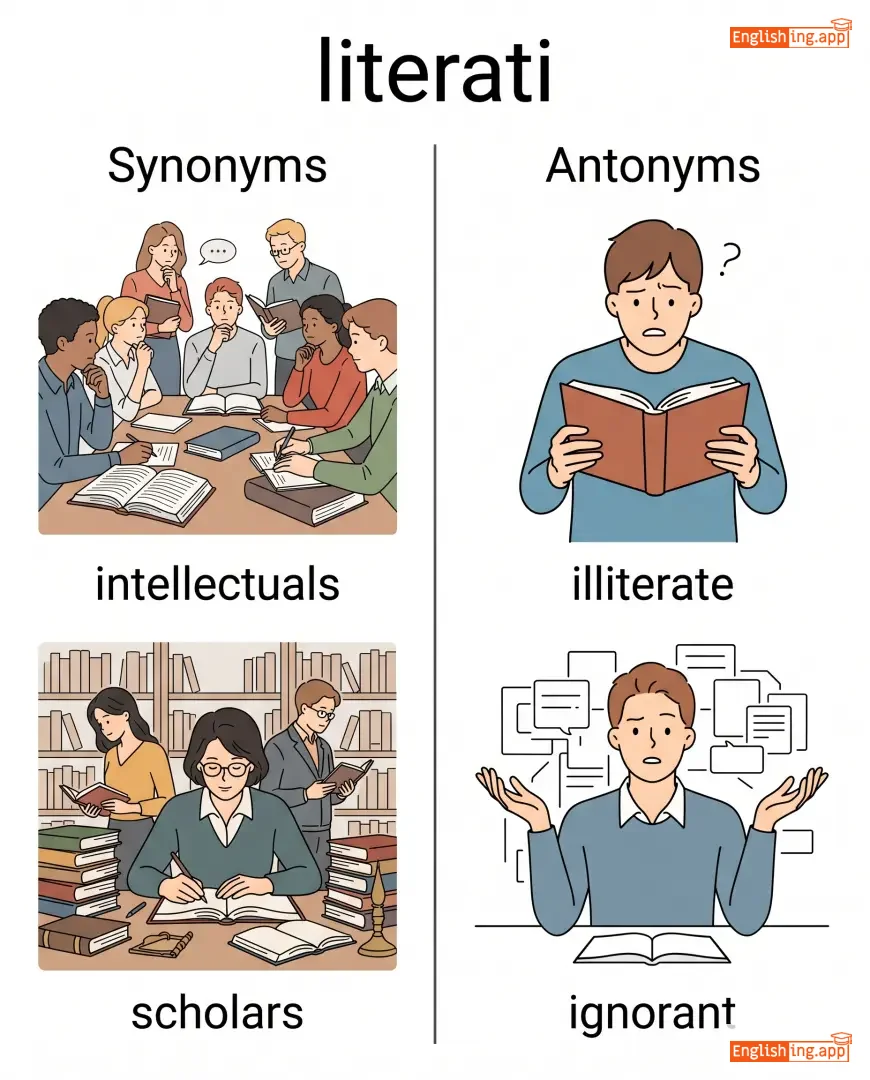
intellectuals, scholars, academics, writers, thinkers
••••••
|
illiterate, ignorant
••••••
|
literati circle, members of the literati, local literati, literary community
••••••
|
文学 = 文学者 📚
••••••
|
|
#467
📜
|
/ˌlɪtɪˈɡeɪʃən/
noun
(リチゲーション)
••••••
|
|
訴訟
soshō
••••••
|
- •••••• | - •••••• | - •••••• | - •••••• |
the process of taking legal action or resolving disputes in court
••••••
|
The litigation lasted for over three years. |
訴訟は3年以上続いた。
Soshō wa 3-nen ijō tsuzita.
••••••
|
litigation process |
the steps involved in a lawsuit
••••••
|
訴訟プロセス
soshō purosesu
••••••
|
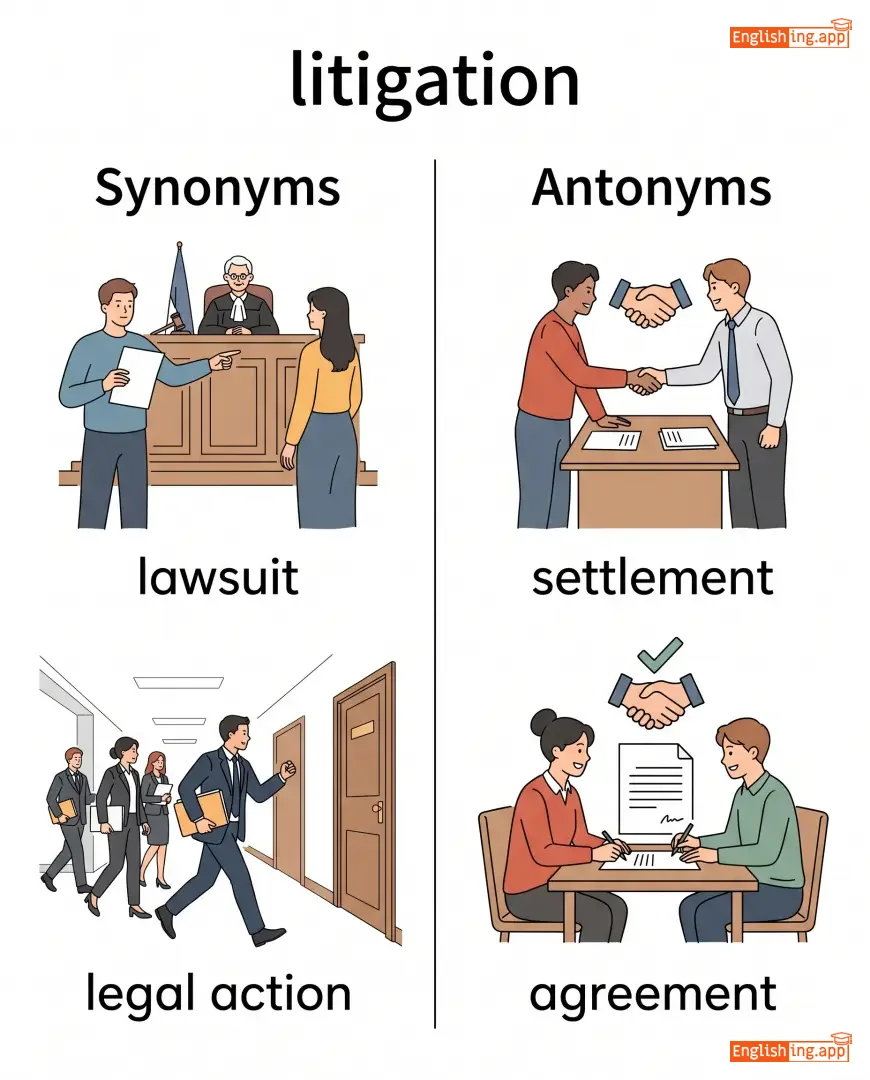
lawsuit, legal action, trial, case
••••••
|
settlement, agreement
••••••
|
civil litigation, commercial litigation, lengthy litigation
••••••
|
Litigation = 訴訟, Lit + 讼 (裁判の手続き)
••••••
|
|
#468
🌲
|
/lɒɡ/
noun, verb
(ログ)
••••••
|
|
丸太, 記録
maruta, kiroku
••••••
|
logged
ログイン
••••••
|
logged
ログイン
••••••
|
logs
ログス
••••••
|
logging
ログギング
••••••
|
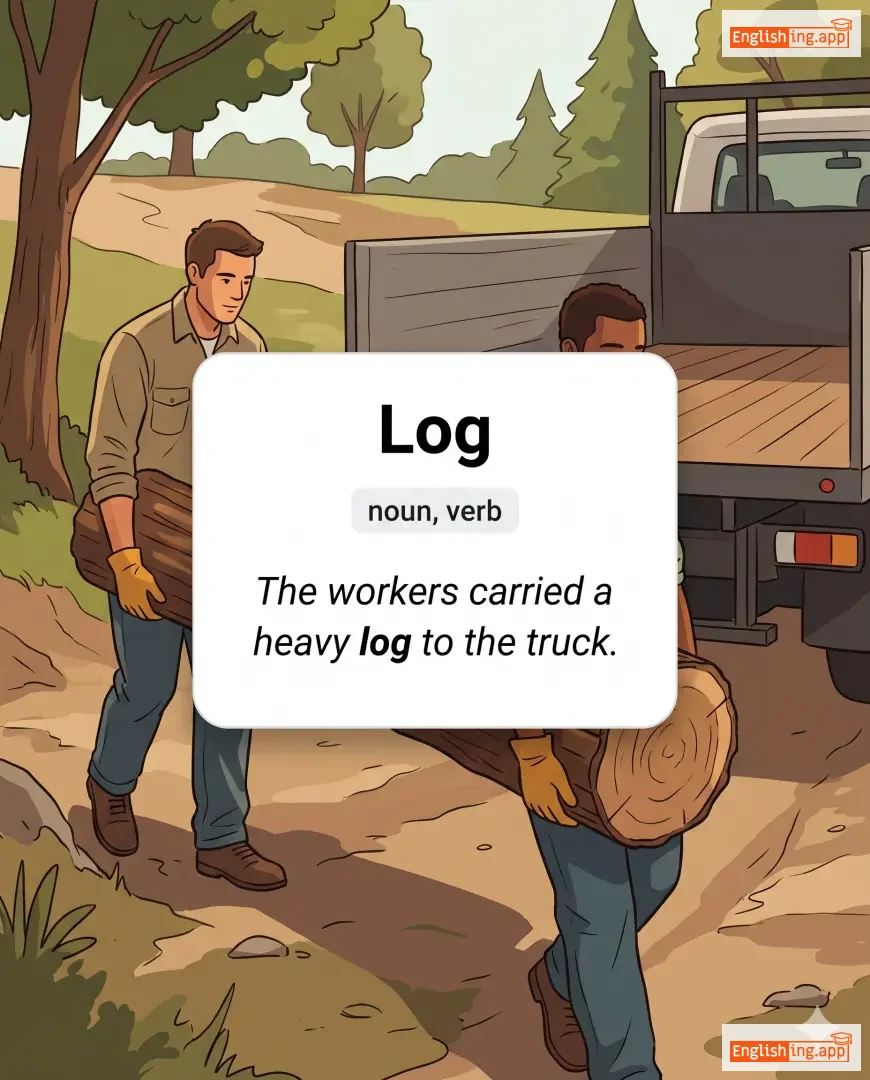
A part of the trunk or a large branch of a tree that has fallen or been cut off; also to record information systematically.
••••••
|
The workers carried a heavy log to the truck.
作業員は重い丸太をトラックに運びました。
••••••
|
作業員は重い丸太をトラックに運びました。
Sagyouin wa omoi maruta o torakku ni hakobimashita.
••••••
|
sleep like a log
丸太のように寝る
••••••
|
to sleep very deeply and soundly
••••••
|
丸太のように寝る
maruta no you ni neru
••••••
|
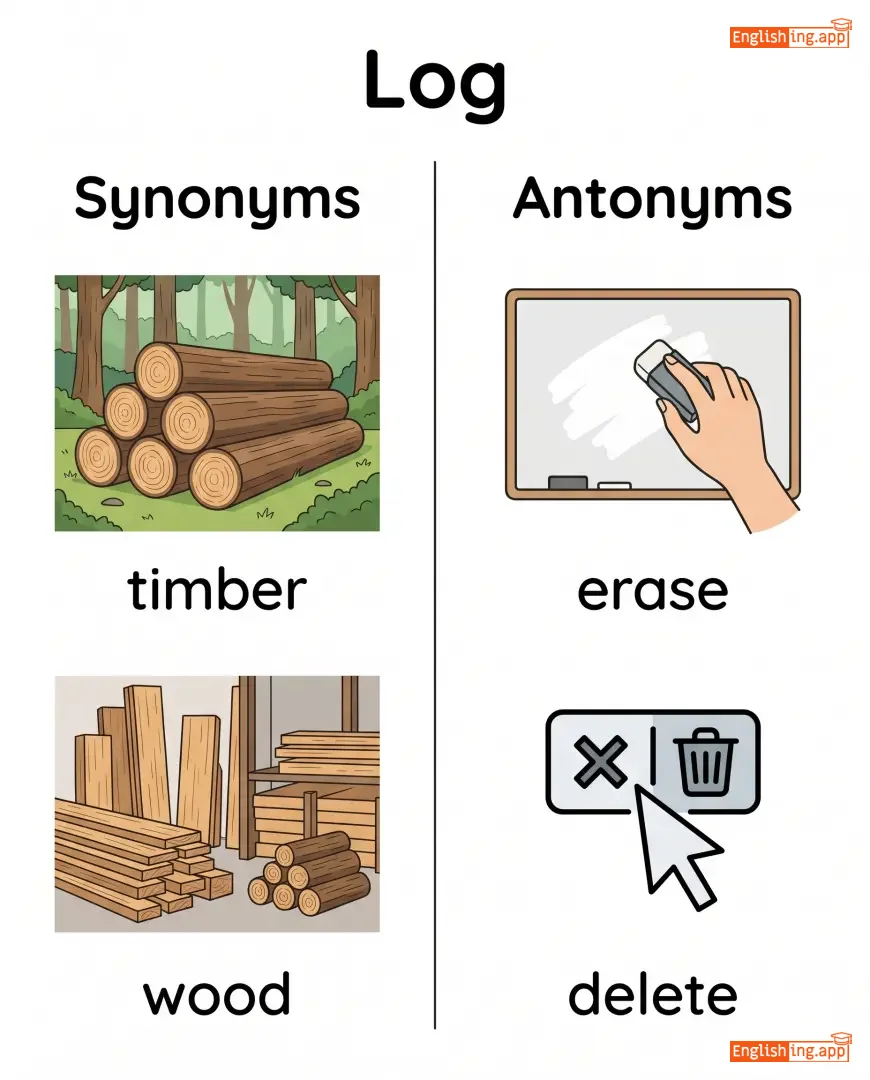
timber, wood, record, register, journal
••••••
|
erase, delete
••••••
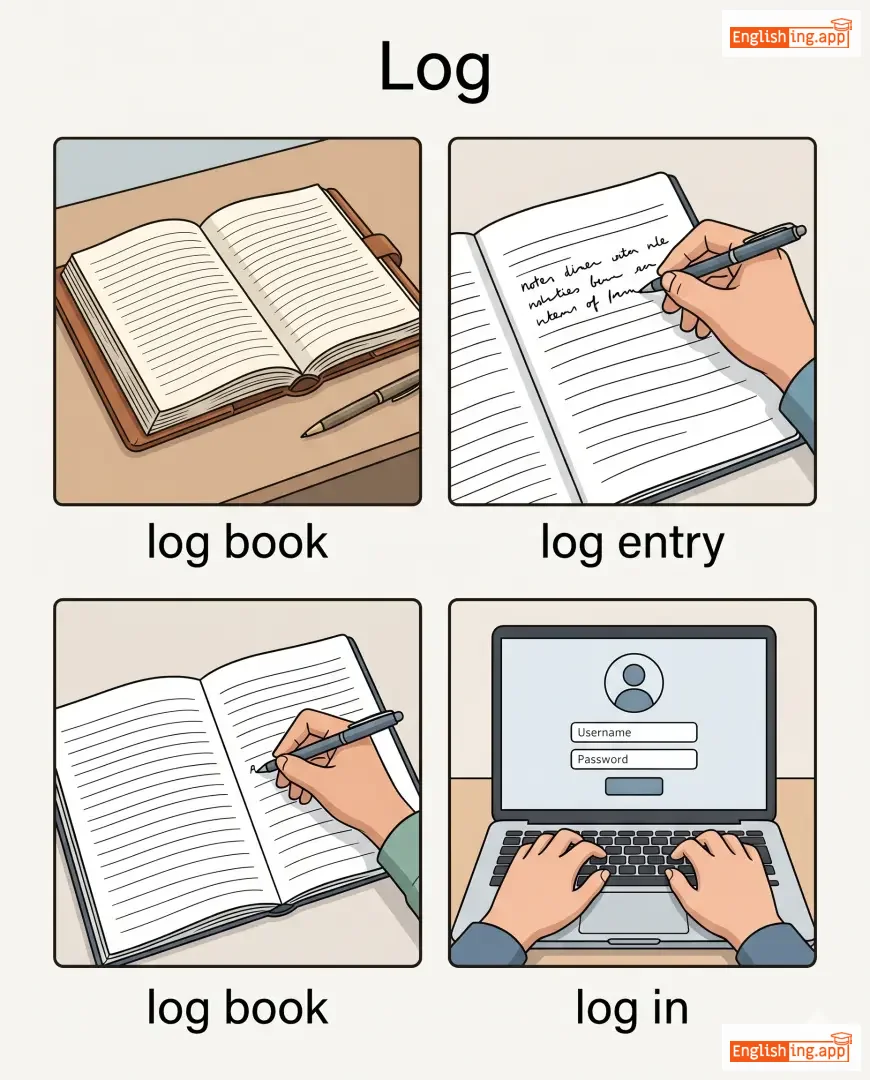
|
log book, log entry, log in, log data
••••••
|
Log (log) は丸太を意味し、ログイン (login) は記録を残すことです。
••••••
|
|
#469
🗣️
|
/loʊˈkweɪʃəs/
adjective
(ロケイシャス)
••••••
|
|
おしゃべりな
oshaberina
••••••
|
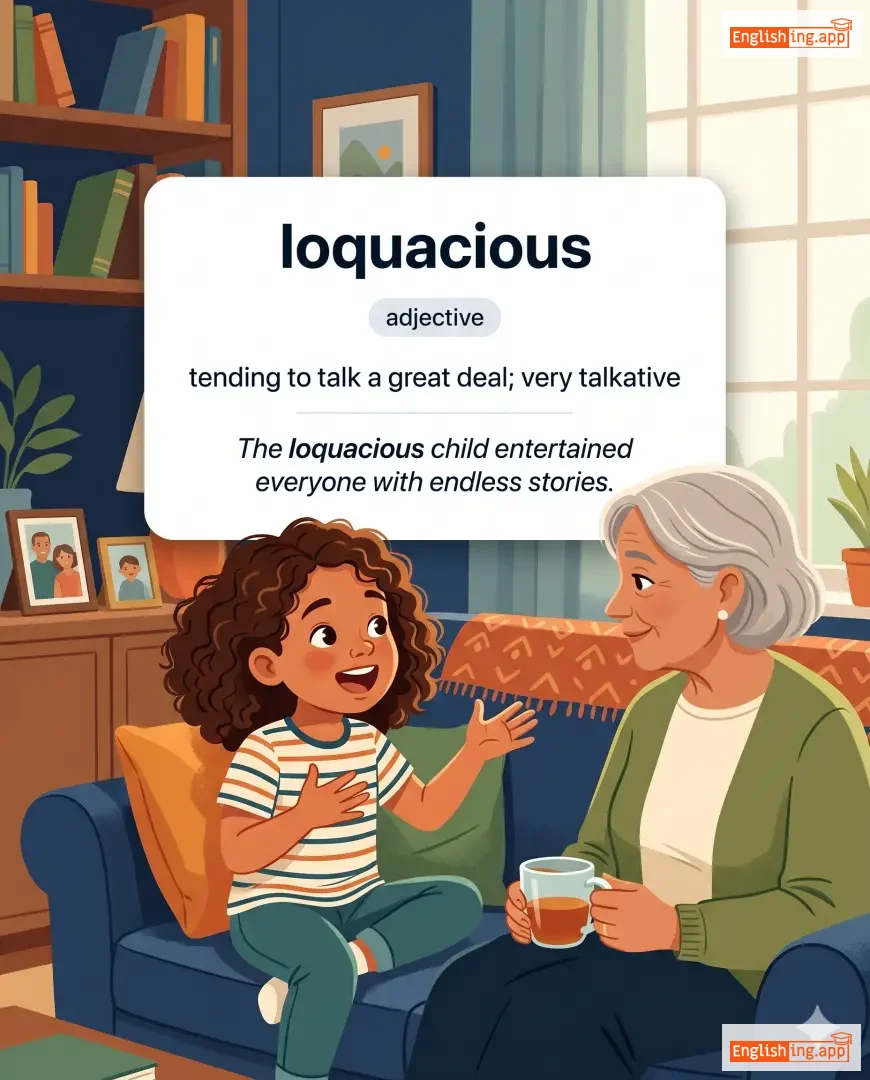
- •••••• | - •••••• | - •••••• | - •••••• |
tending to talk a great deal; very talkative
••••••
|
The loquacious child entertained everyone with endless stories.
そのおしゃべりな子供は、終わりのない物語で皆を楽しませた。
••••••
|
おしゃべりな子供は、終わりのない物語で皆を楽しませた。
Oshaberina kodomo wa, owari no nai monogatari de mina wo tanoshimaseta.
••••••
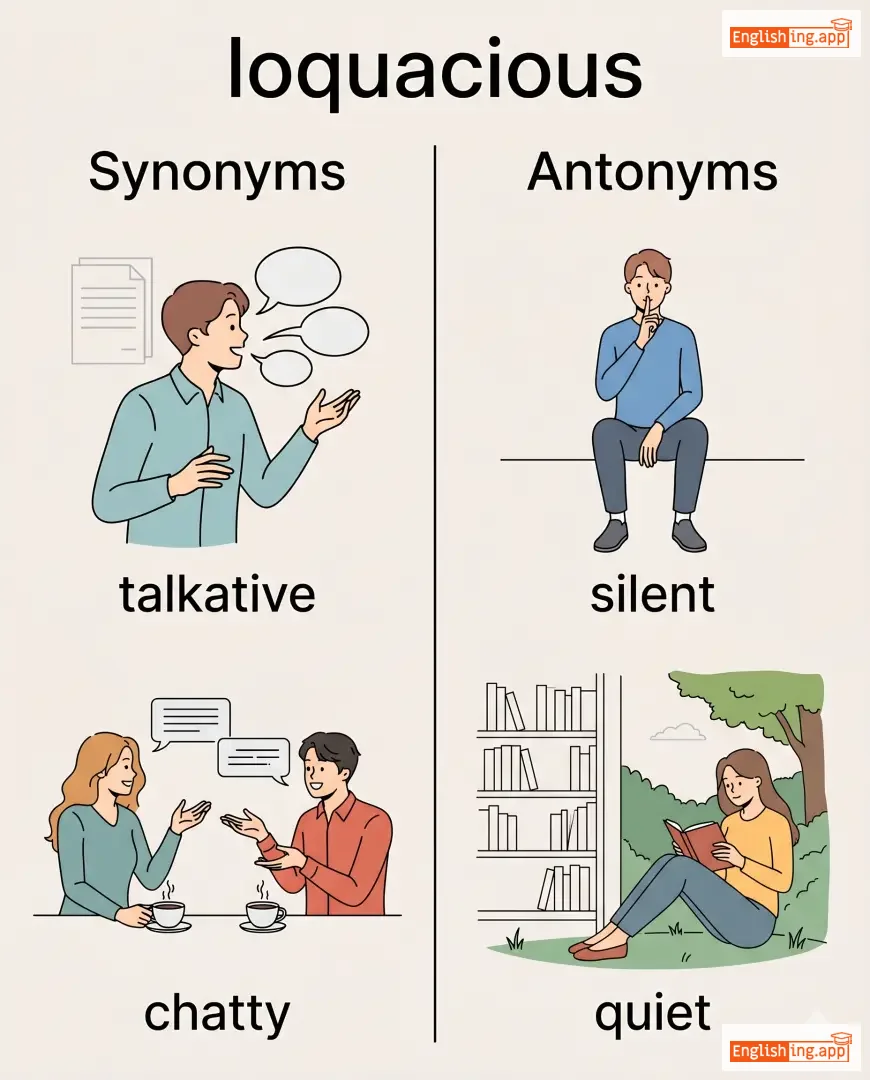
|
- •••••• | - •••••• | - •••••• |
talkative, chatty, verbose, garrulous, communicative
••••••
|
silent, quiet, reserved
••••••
|
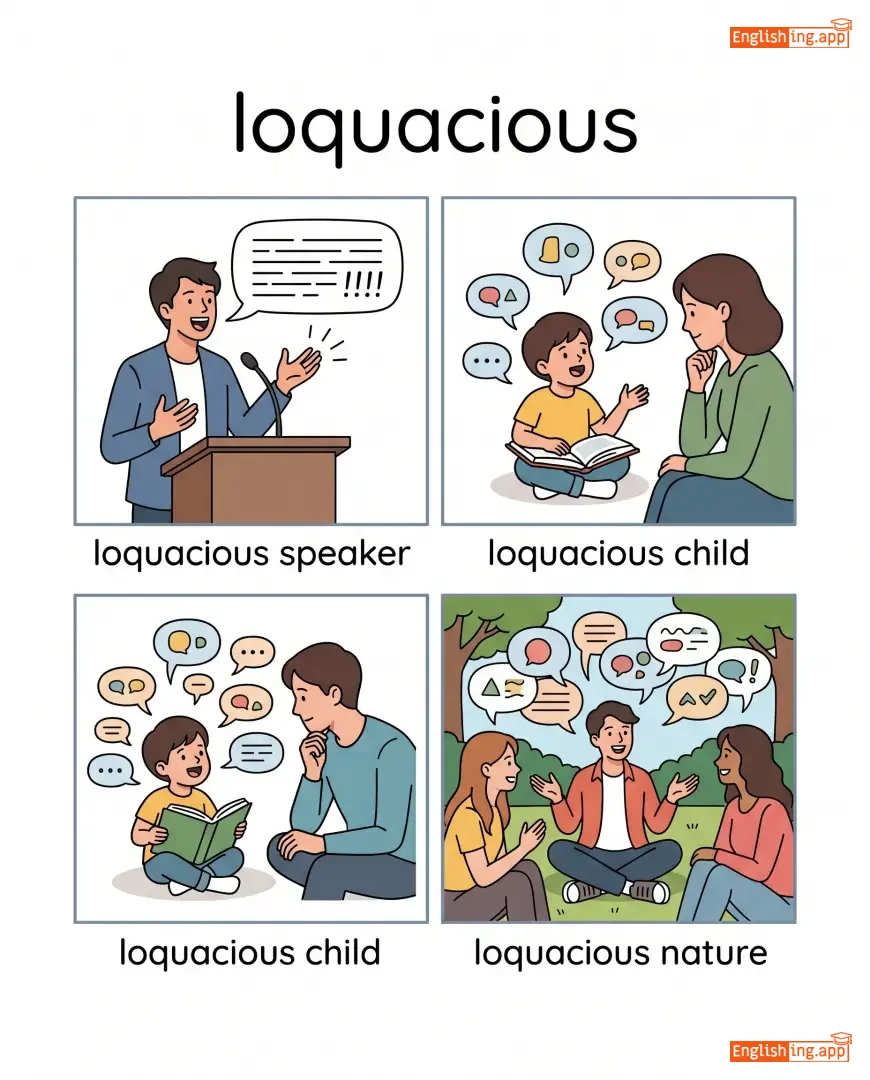
loquacious speaker, loquacious child, loquacious nature, loquacious host
••••••
|
Loquaciousは話すのが得意、'おしゃべりな'ことを思い出して。
••••••
|
|
#470
💡
|
/ˈluːsɪd/
adjective
(ルシッド)
••••••
|
|
明晰
meiseki
••••••
|
- •••••• | - •••••• | - •••••• | - •••••• |
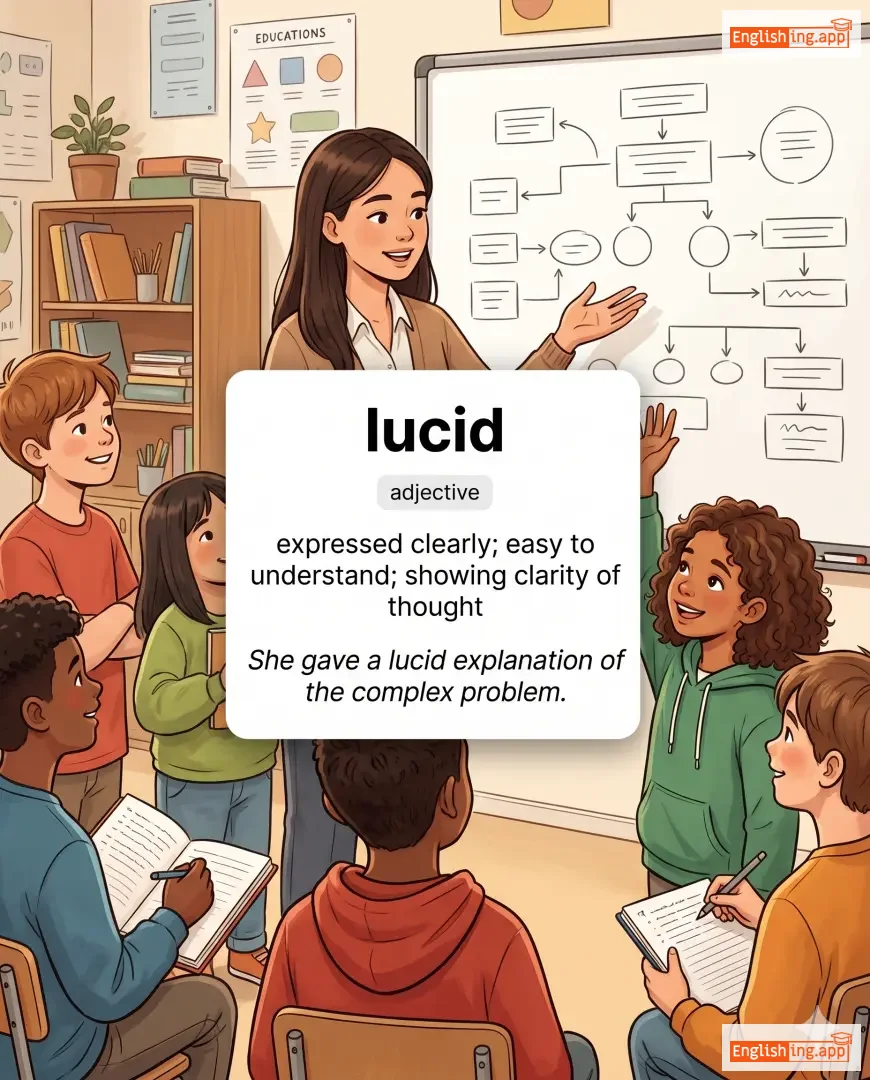
expressed clearly; easy to understand; showing clarity of thought
••••••
|
She gave a lucid explanation of the complex problem. |
彼女は複雑な問題の明確な説明をしました。
Kanojo wa fukuzatsu na mondai no meikaku na setsumei o shimashita.
••••••
|
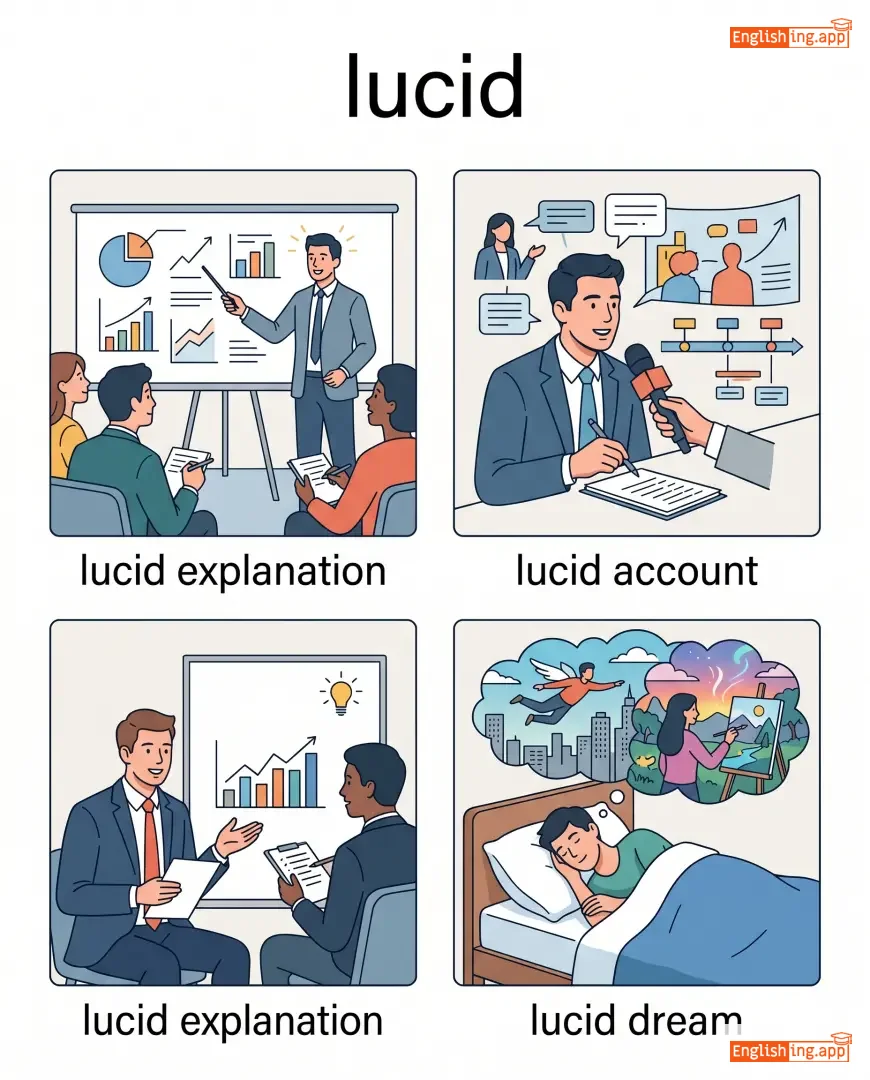
lucid dream |
a dream in which the dreamer is aware that they are dreaming
••••••
|
明晰夢
meiseki yume
••••••
|
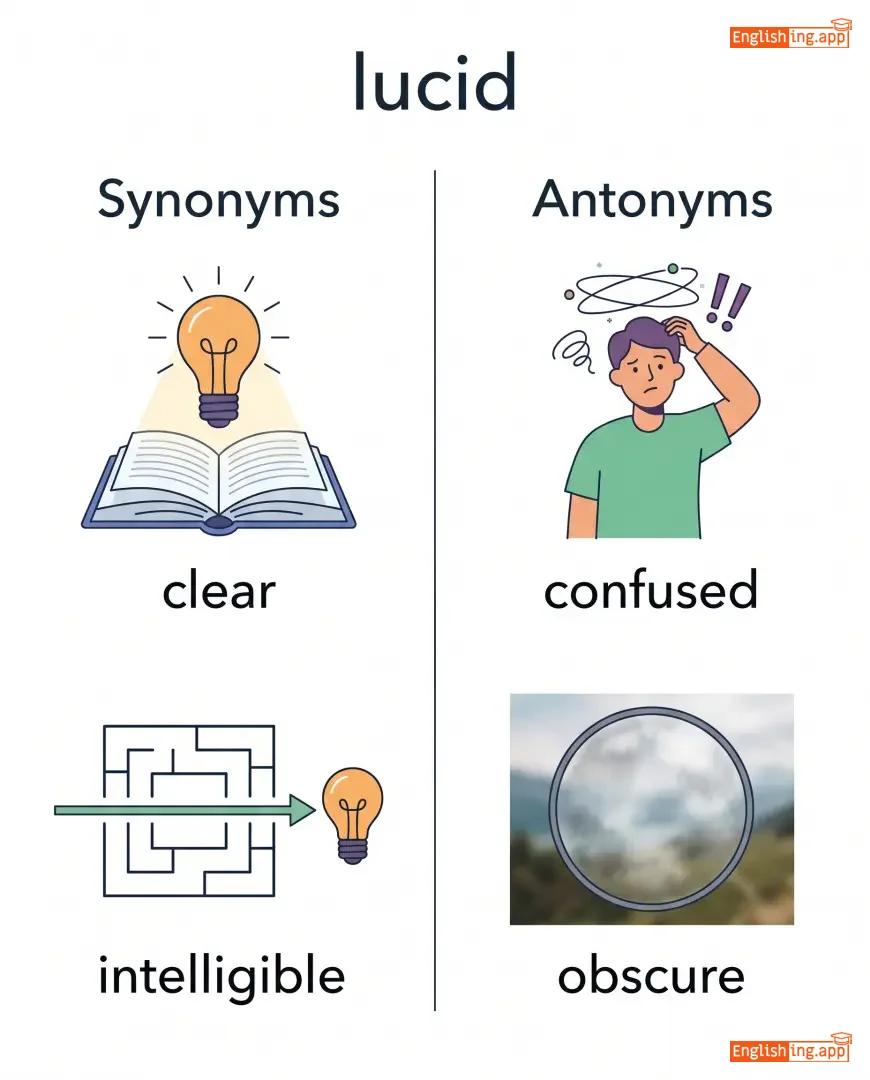
clear, intelligible, coherent, transparent, rational
••••••
|
confused, obscure, unclear
••••••
|
lucid explanation, lucid account, lucid dream, lucid style
••••••
|
明晰は明確、まるで鏡のように (meiseki)
••••••
|
|
#471
🤑
|
/ˈluːkər/
noun
(ルクレ)
••••••
|
|
利益
rieki
••••••
|
- •••••• | - •••••• | - •••••• | - •••••• |
money, especially when regarded as sordid or gained dishonorably
••••••
|
He was motivated more by lucre than by duty. |
彼は義務よりも利益に動機づけられていました。
Kare wa gimu yori mo rieki ni dōkizukerareteimashita.
••••••
|
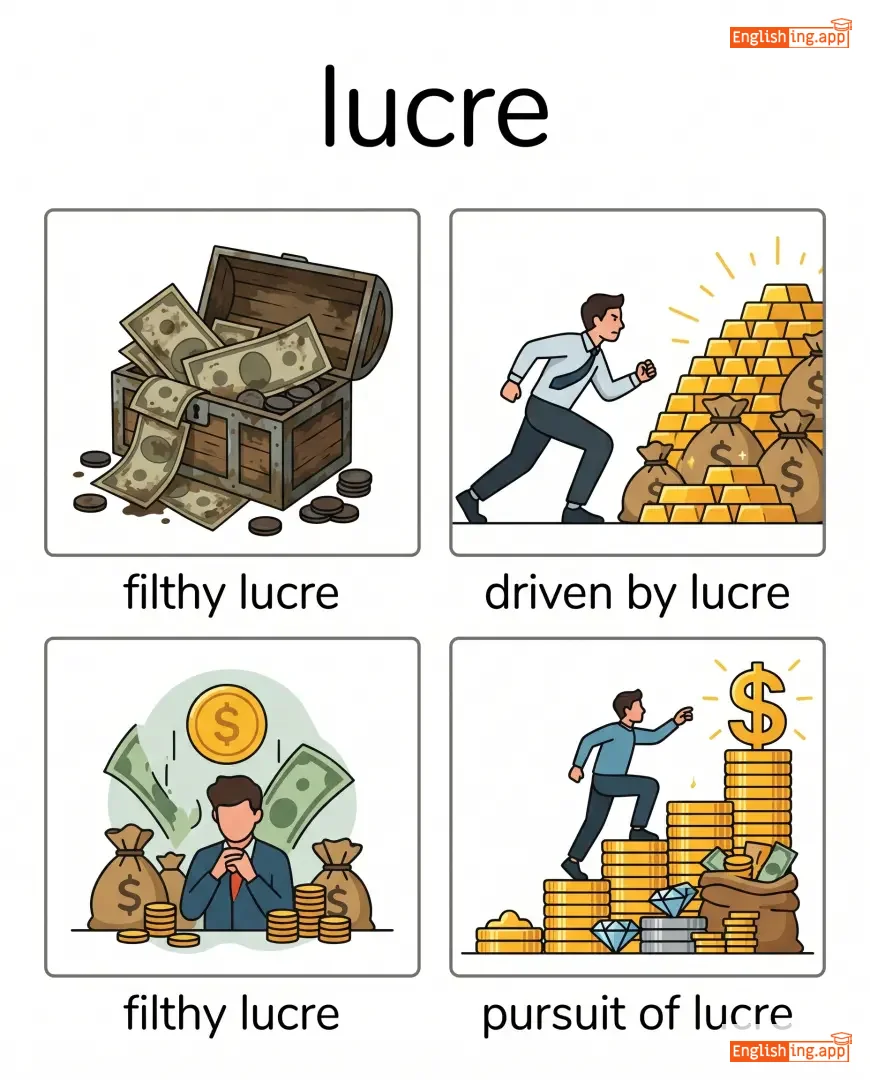
filthy lucre |
money gained in a dishonorable or immoral way
••••••
|
汚れた利益
kegareta rieki
••••••
|
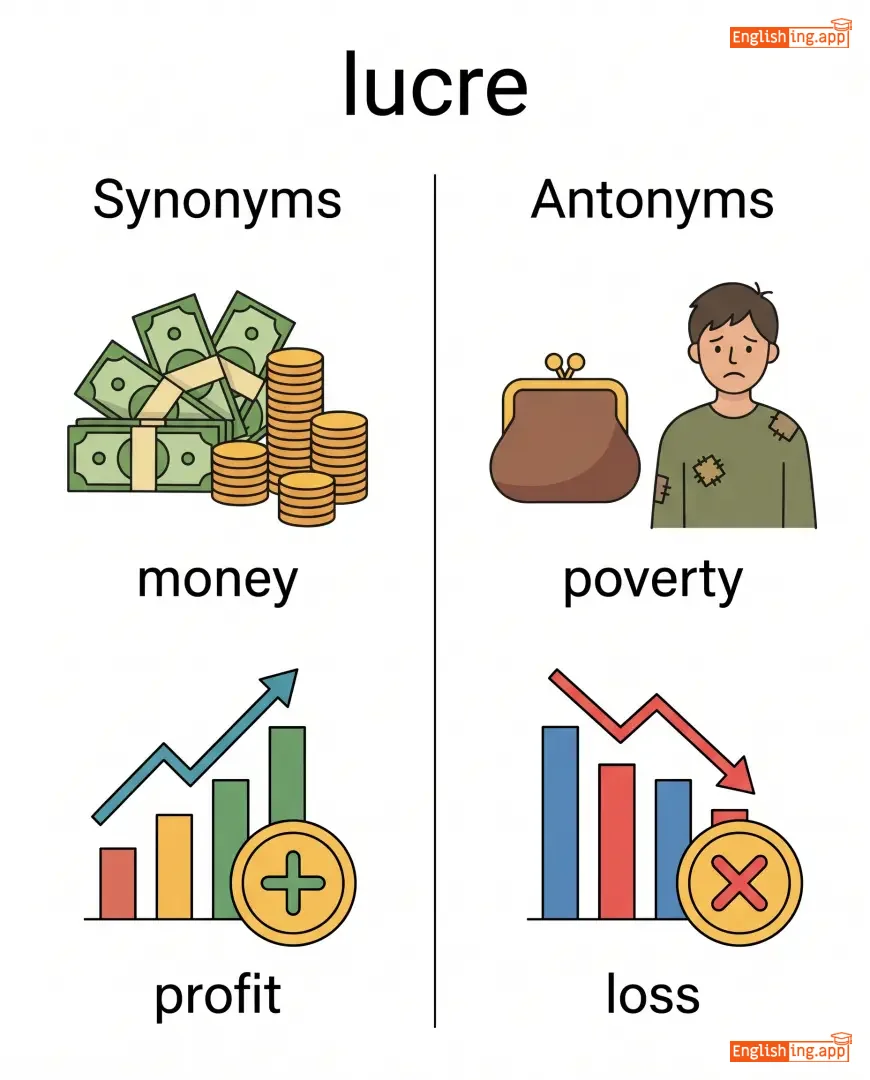
money, profit, wealth, cash
••••••
|
poverty, loss
••••••
|
filthy lucre, driven by lucre, pursuit of lucre
••••••
|
‘Lucre’は日本語で‘利益’を意味し、時には‘汚れた利益’とも呼ばれます
••••••
|
|
#472
✨
|
/ˈluː.mɪ.nəs/
adjective
(ルミナス)
••••••
|
|
光輝の
kōki no
••••••
|
- •••••• | - •••••• | - •••••• | - •••••• |
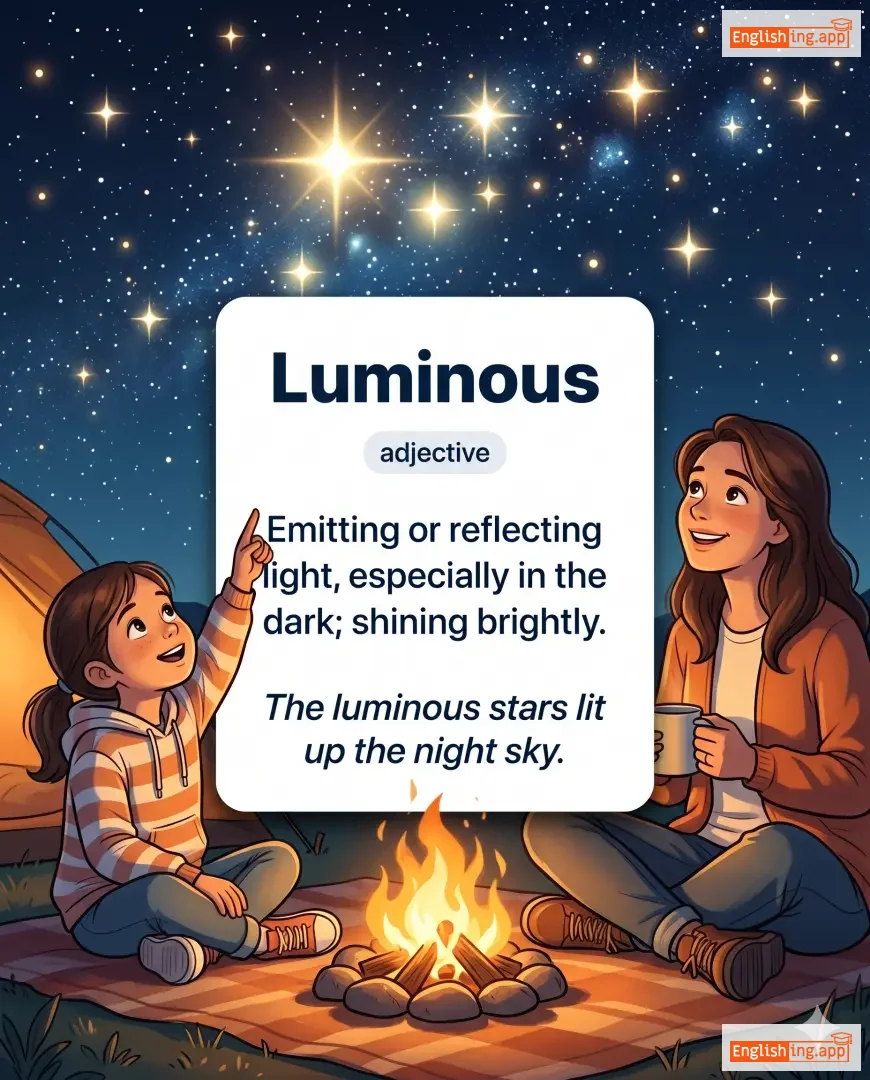
Emitting or reflecting light, especially in the dark; shining brightly.
••••••
|
The luminous stars lit up the night sky. |
光輝の星々が夜空を照らした。
Kōki no hoshiboshi ga yozora o terashita.
••••••
|
luminous beauty |
A striking and radiant kind of beauty.
••••••
|
光輝の美しさ
kōki no utsukushisa
••••••
|
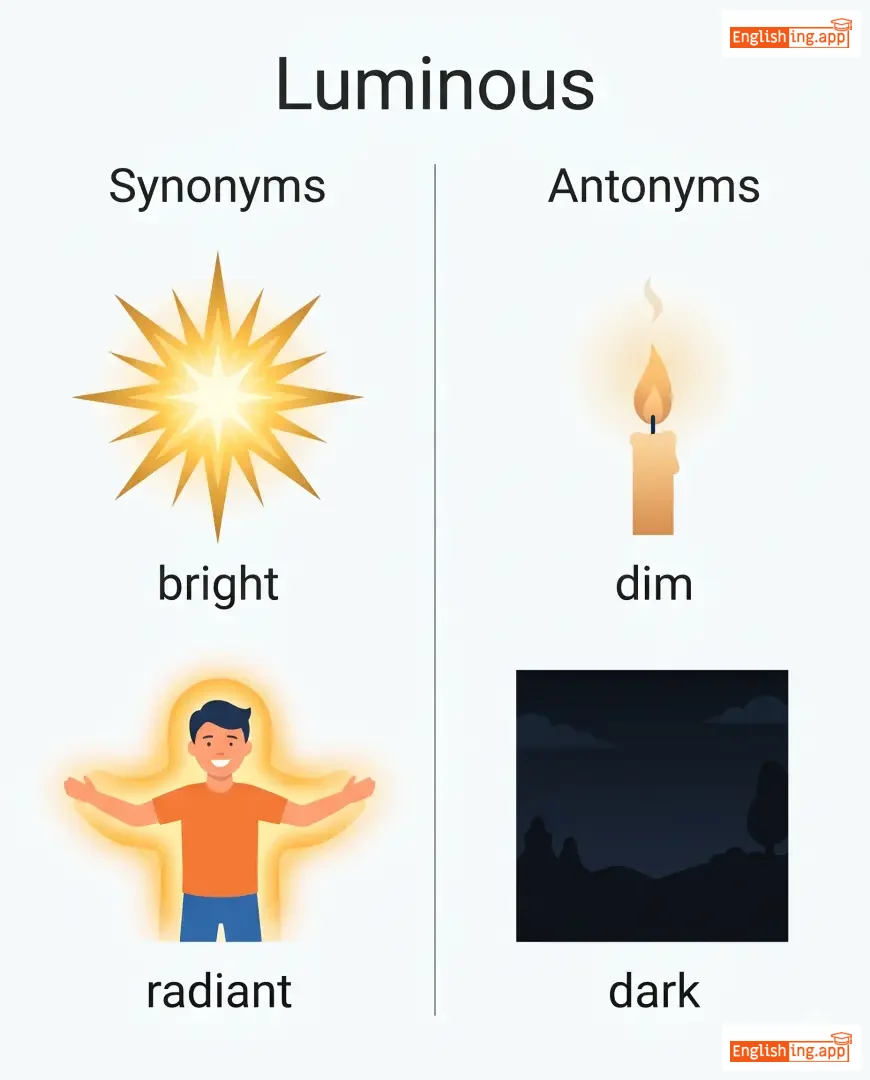
bright, radiant, glowing, shining, brilliant
••••••
|
dim, dark, dull
••••••
|
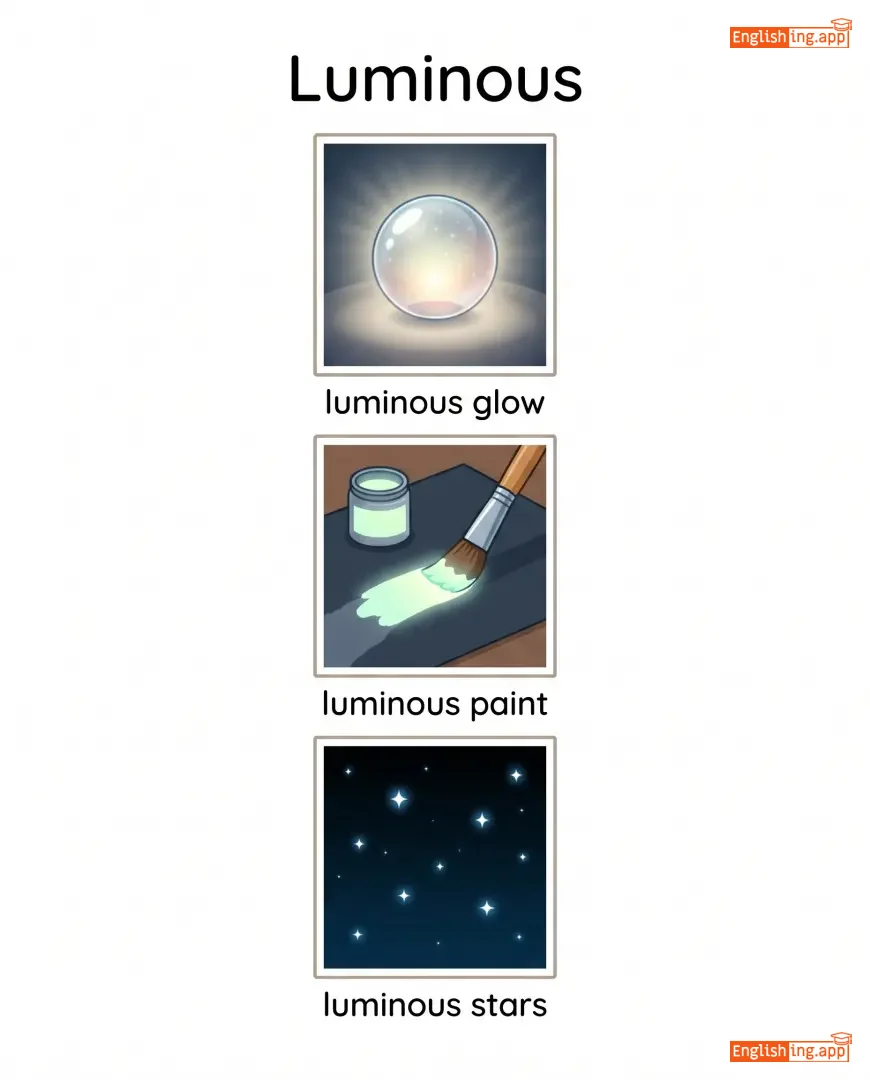
luminous glow, luminous paint, luminous stars, luminous eyes
••••••
|
Luminous は明るく光ること、まるで星のように輝くこと。
••••••
|
|
#473
💎
|
/ˈlʌstrəs/
adjective
(ラストラス)
••••••
|
|
光沢のある
kōtaku no aru
••••••
|
- •••••• | - •••••• | - •••••• | - •••••• |
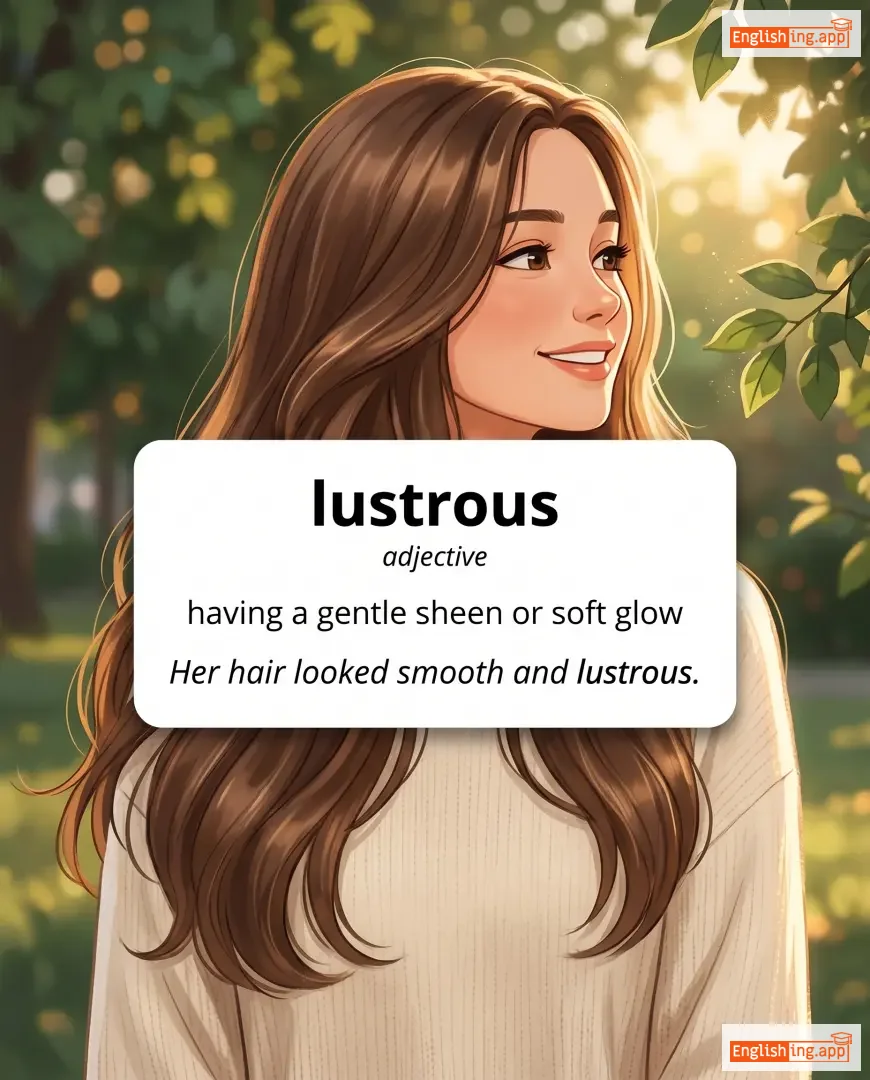
having a gentle sheen or soft glow
••••••
|
Her hair looked smooth and lustrous. |
彼女の髪は滑らかで光沢のあるように見えた。
Kanojo no kami wa nameraka de kōtaku no aru yō ni mieta.
••••••
|
- •••••• | - •••••• | - •••••• |
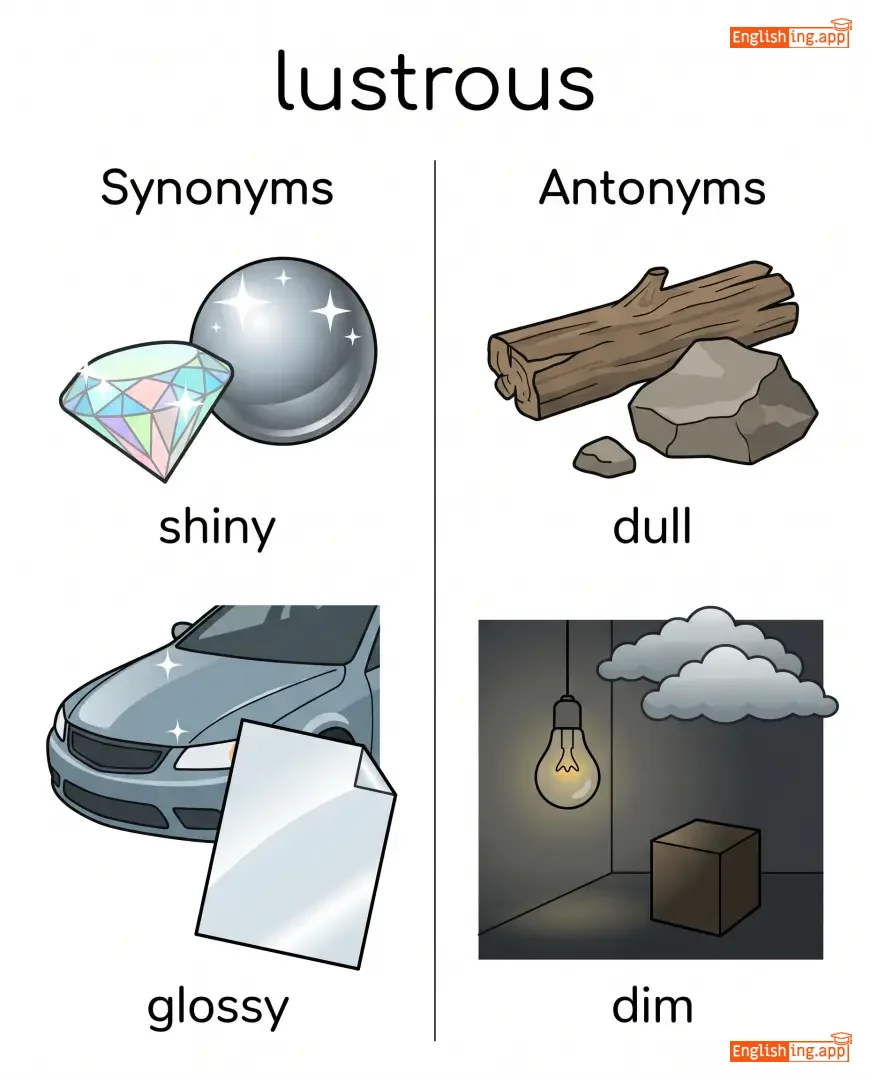
shiny, glossy, radiant, polished
••••••
|
dull, dim, matte
••••••
|
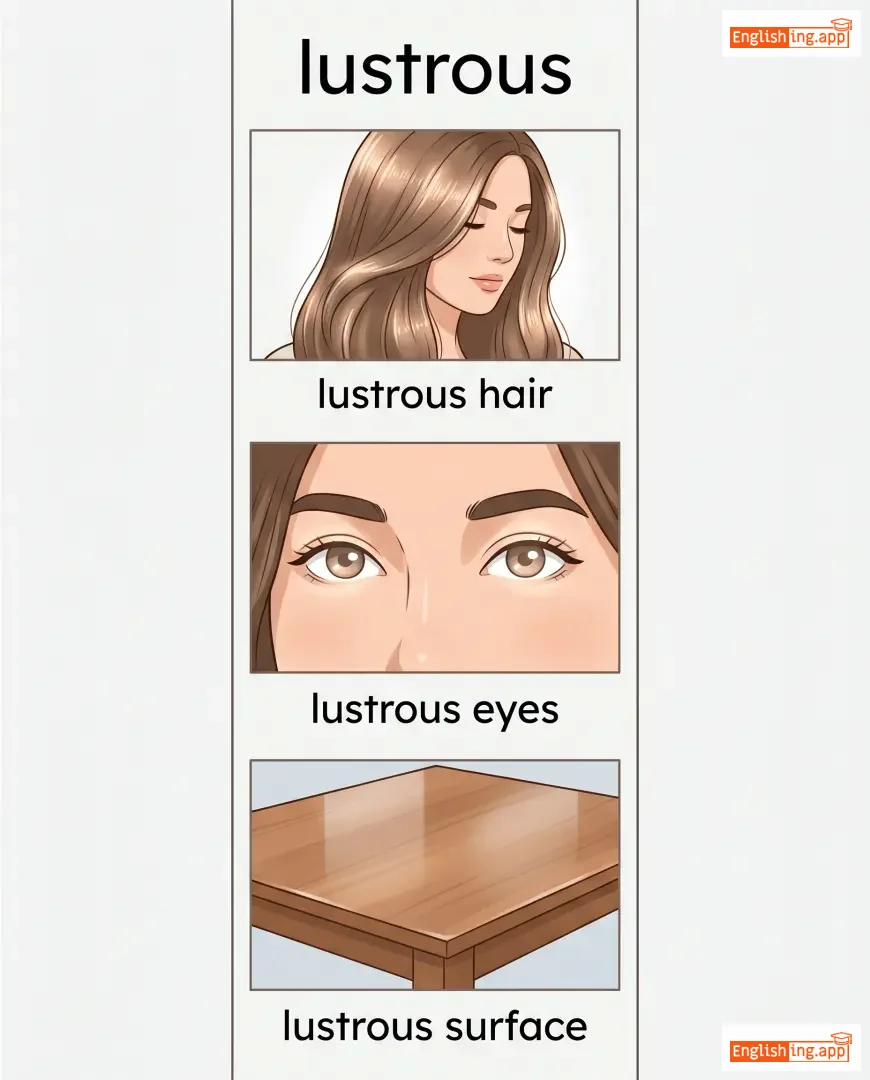
lustrous hair, lustrous eyes, lustrous surface, lustrous silk
••••••
|
Lustrous hair = 光沢のある髪
••••••
|
|
#474
🦊
|
/ˌmækɪəˈvɛliən/
adjective
(マキャヴェリアン)
••••••
|
|
陰謀的で計略的、特に政治や自分のキャリアを進めるために倫理を無視する
makyaverian
••••••
|
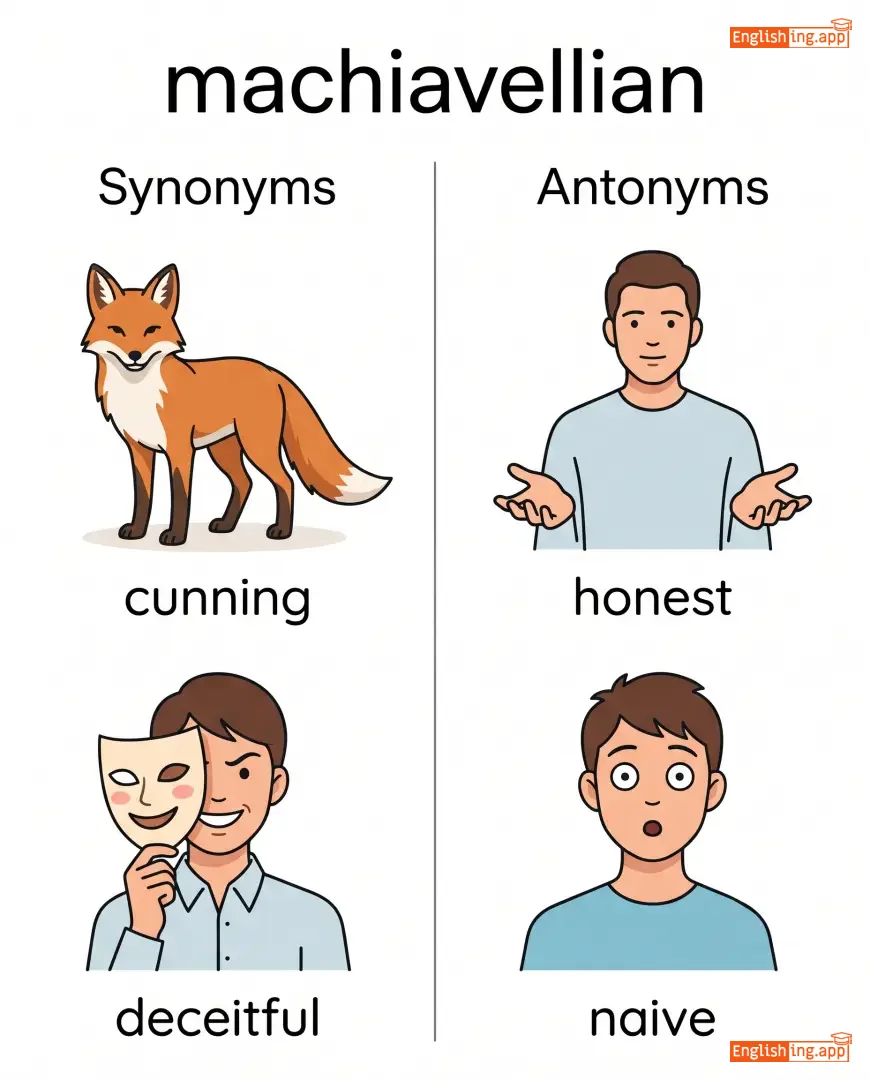
- •••••• | - •••••• | - •••••• | - •••••• |
cunning, scheming, and unscrupulous, especially in politics or in advancing one's career
••••••
|
The politician was known for his Machiavellian tactics. |
その政治家はマキャヴェリアンな戦術で知られていた。
Sono seijika wa makyaverian na senjutsu de shirareteita.
••••••
|
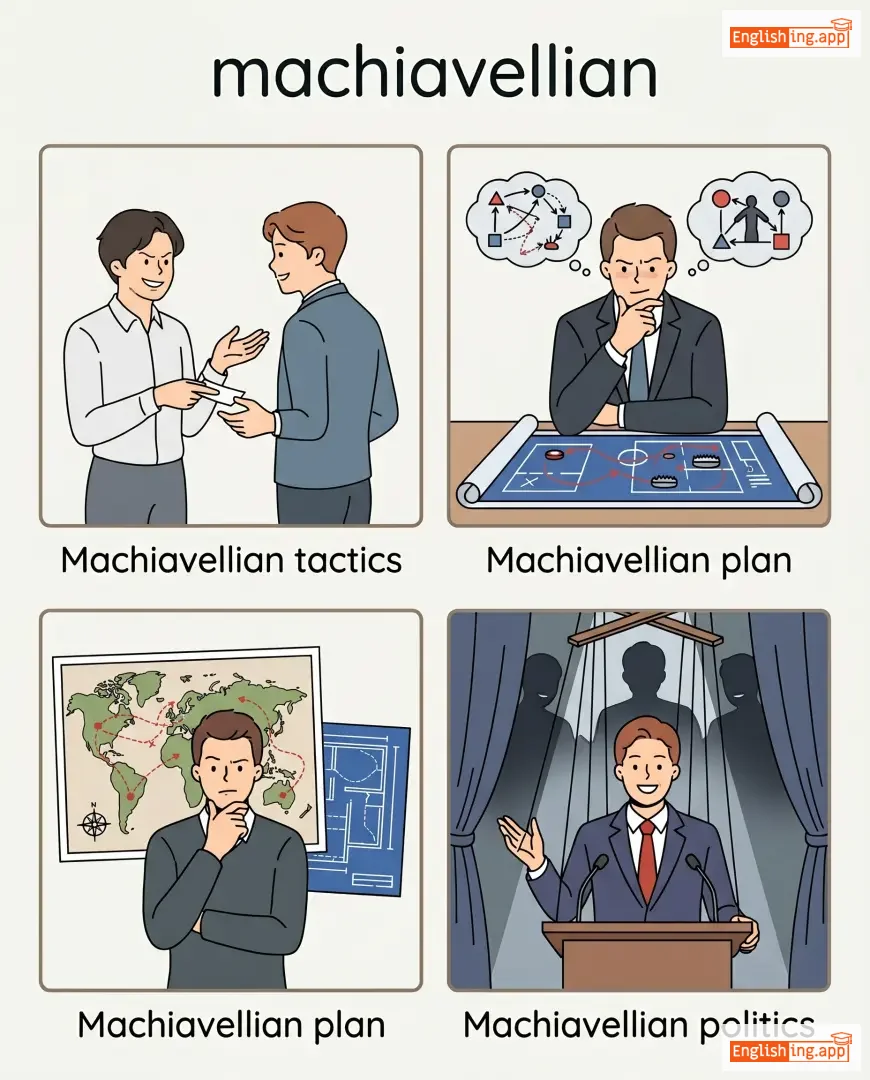
Machiavellian tactics |
scheming and deceitful strategies to achieve power
••••••
|
マキャヴェリアン戦術
makyaverian senjutsu
••••••
|
cunning, deceitful, crafty, manipulative
••••••
|
honest, naive, straightforward
••••••
|
Machiavellian tactics, Machiavellian plan, Machiavellian politics
••••••
|
Machiavellian = 政治で目的を達成するために計略を使う
••••••
|
|
#475
🕸️
|
/ˌmæk.ɪˈneɪ.ʃənz/
noun (plural)
(マキネイションズ)
••••••
|
|
陰謀
inbō
••••••
|
- •••••• | - •••••• | - •••••• | - •••••• |
complicated and secret plans, often intended to cause harm
••••••
|
The politician was brought down by his own machinations.
ザ ポリティシャン ワズ ブロット ダウン バイ ヒズ オウン マキネイションズ。
••••••
|
その政治家は自分の陰謀によって倒れた。
Sono seijika wa jibun no inbō ni yotte taoreta.
••••••
|
- •••••• | - •••••• | - •••••• |
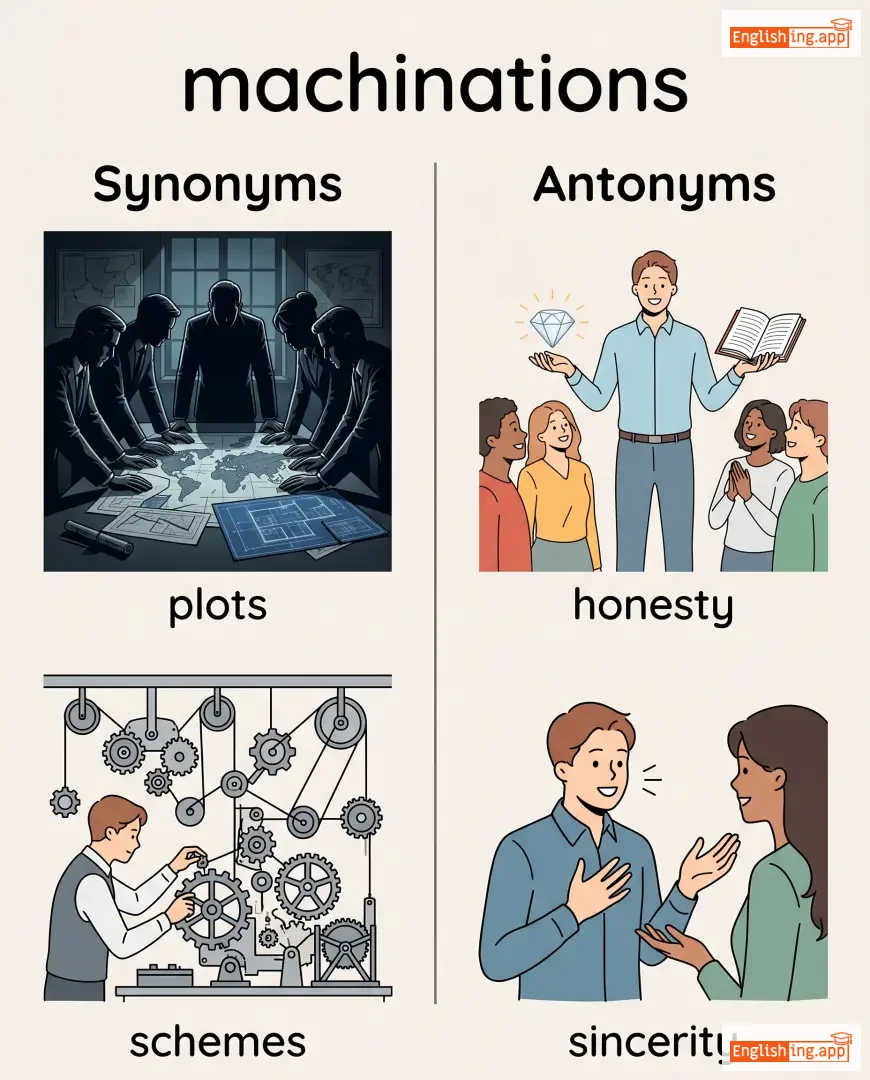
plots, schemes, intrigues, conspiracies
••••••
|
honesty, sincerity
••••••
|
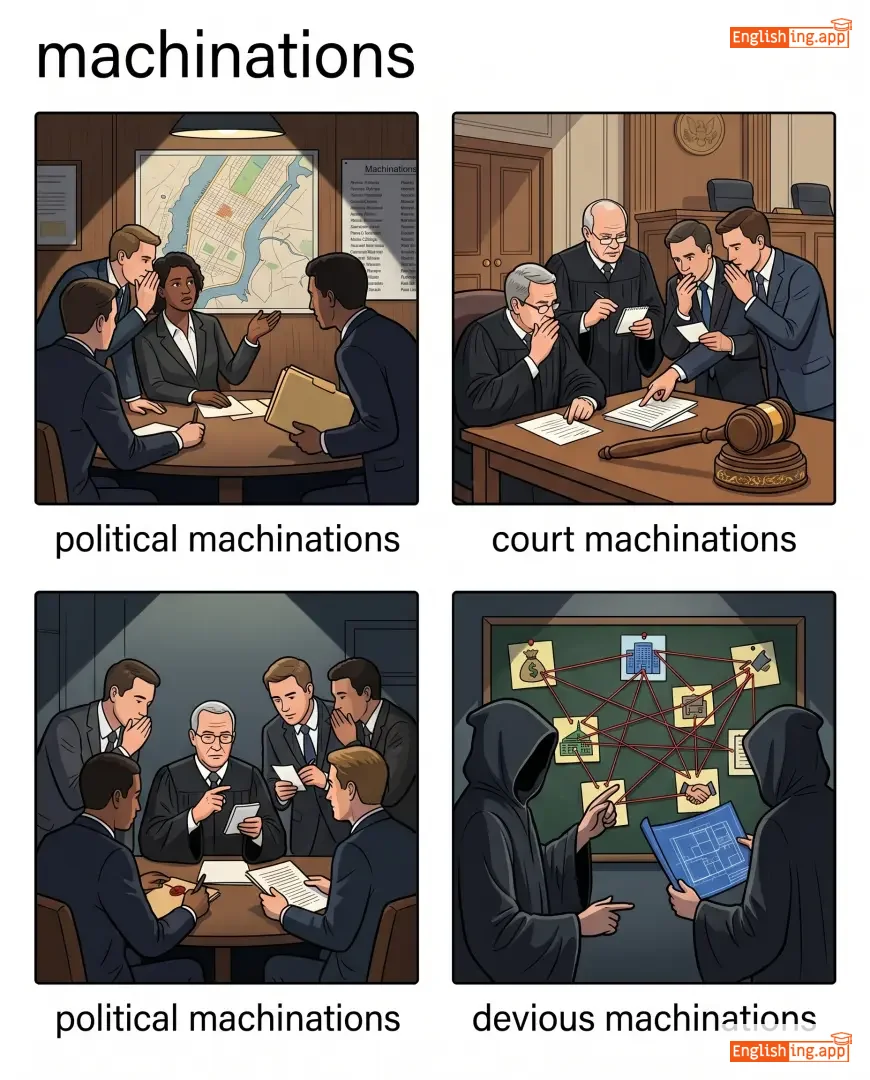
political machinations, court machinations, devious machinations
••••••
|
'ナション'たちの中に隠れた計画、それが陰謀(陰謀)です。
••••••
|
Vocabulary Quiz
Test your vocabulary by matching words with their translations or meanings.
Login to take the quiz
Comments (0)
Share your thoughts and join the discussion.
Join the discussion by logging in
Login to CommentNo comments yet
Be the first to share your thoughts!