






Swipe left or right, or use the buttons. Tap image to zoom.
例句翻译
单词
Lesson 4Lesson 4 - 遮罩切换
|
表情符号
|
单词 | Images | 翻译 | 过去时 | 过去分词 | 第三人称单数 | 动名词 | 含义 | 例句 | 例句翻译 | 示例表达 | 示例表达含义 | 示例表达翻译 | 同义词 | 反义词 | 搭配词 | 助记符 |
|---|---|---|---|---|---|---|---|---|---|---|---|---|---|---|---|---|---|
|
#76
🚗
|
/ɔːˈtɒnəməs/
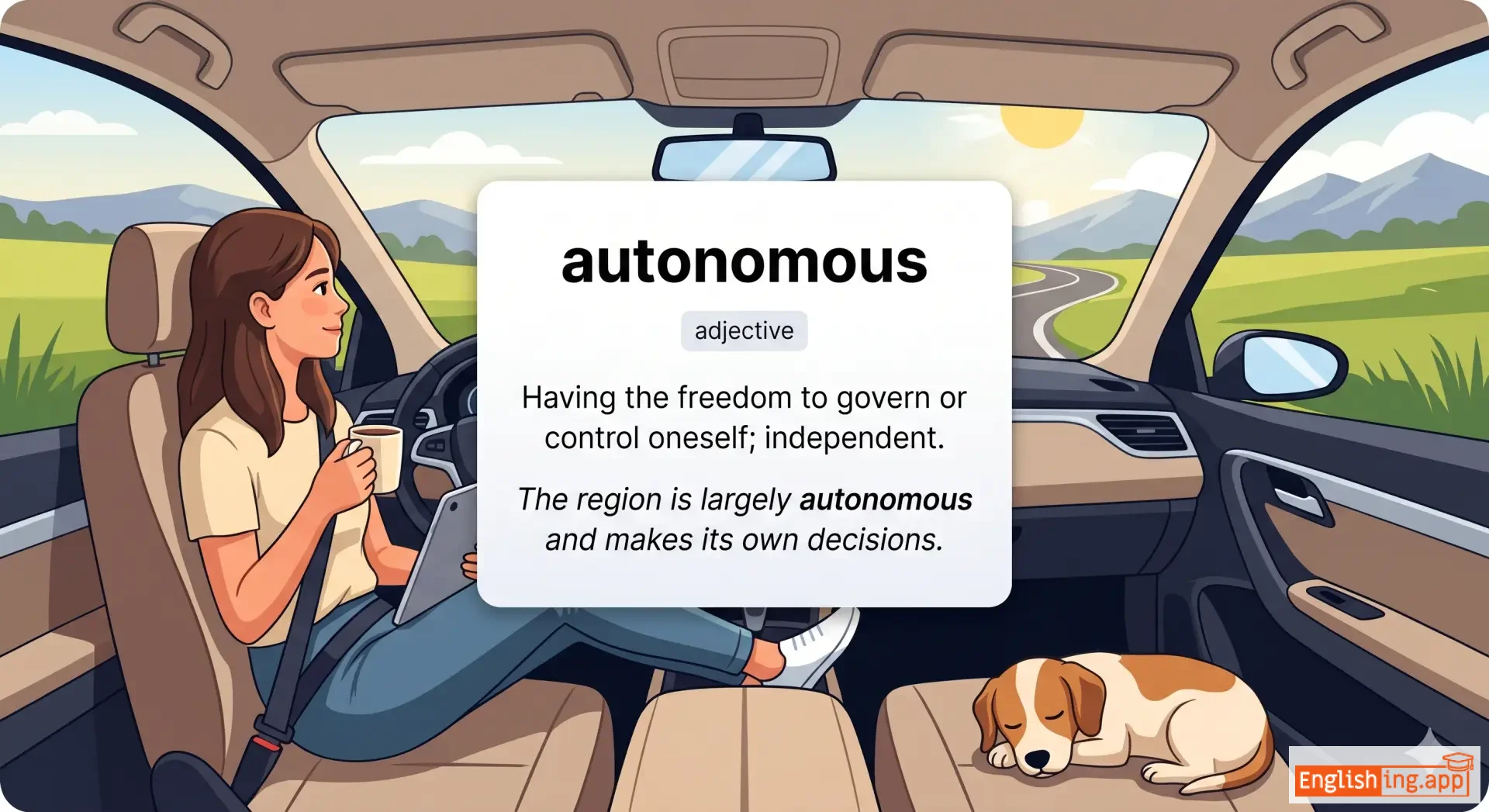
adjective
(自动的)
••••••
|
|
自动
zidong
••••••
|
- •••••• | - •••••• | - •••••• | - •••••• |
Having the freedom to govern or control oneself; independent.
••••••
|
The region is largely autonomous and makes its own decisions. |
该地区在很大程度上是自治的,并自行做出决定。
Gai diqu zai hendà chéngdù shàng shì zìzhì de, bìng zìxíng zuòchū juédìng.
••••••
|
autonomous vehicle |
A self-driving vehicle that operates without human control.
••••••
|
自动驾驶车辆
zidong jiashi cheliang
••••••
|
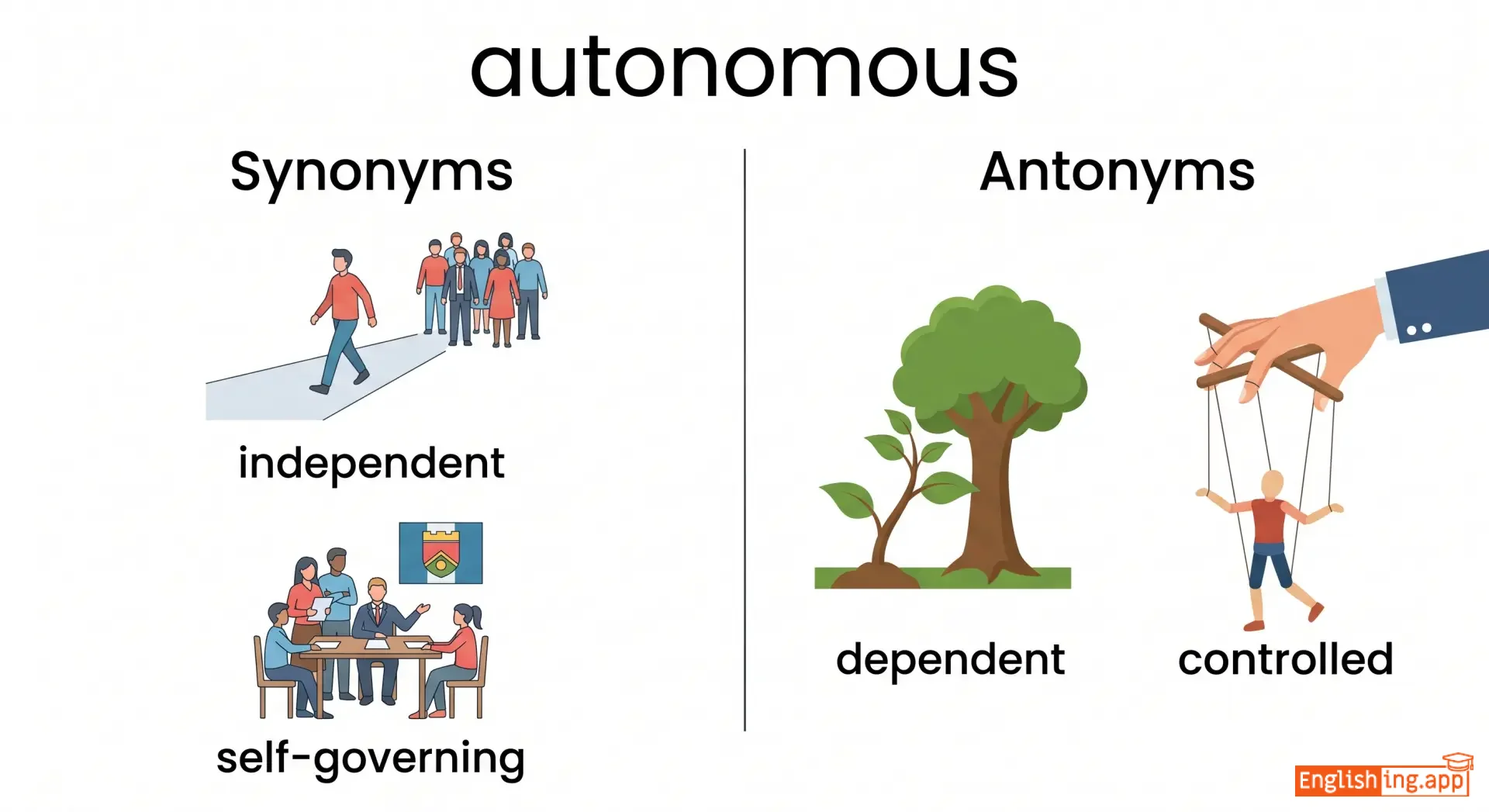
independent, self-governing, self-sufficient, sovereign
••••••
|
dependent, controlled, subordinate
••••••
|
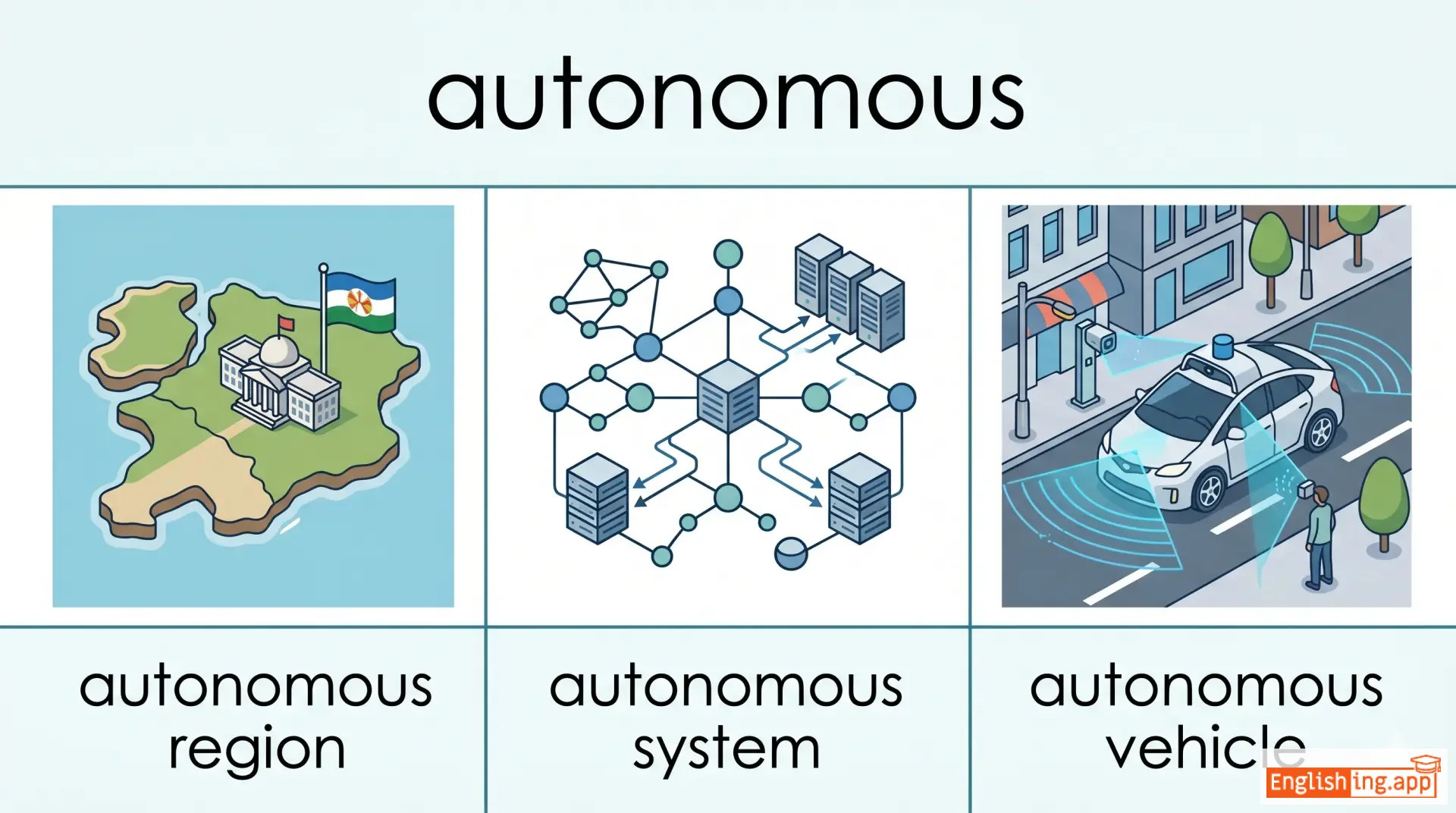
autonomous region, autonomous system, autonomous vehicle, autonomous decision
••••••
|
Auto (自己) + nomos (法律) = 按照自己的法律行驶,自动。
••••••
|
|
#77
💰
|
/ˈævərɪs/
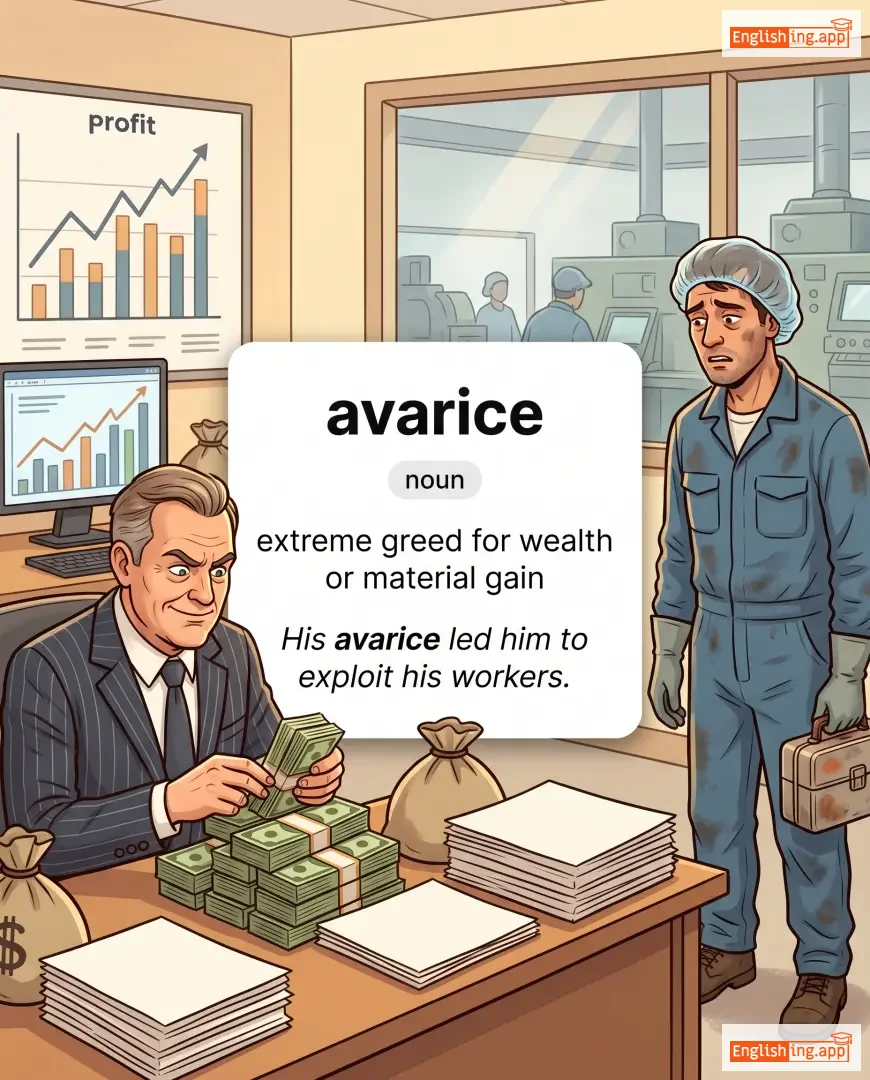
noun
(阿瓦里斯)
••••••
|
|
贪婪
tanlan
••••••
|
- •••••• | - •••••• | - •••••• | - •••••• |
extreme greed for wealth or material gain
••••••
|
His avarice led him to exploit his workers. |
他的贪婪导致他剥削工人。
Tā de tánlán dǎozhì tā bōxuē gōngrén.
••••••
|
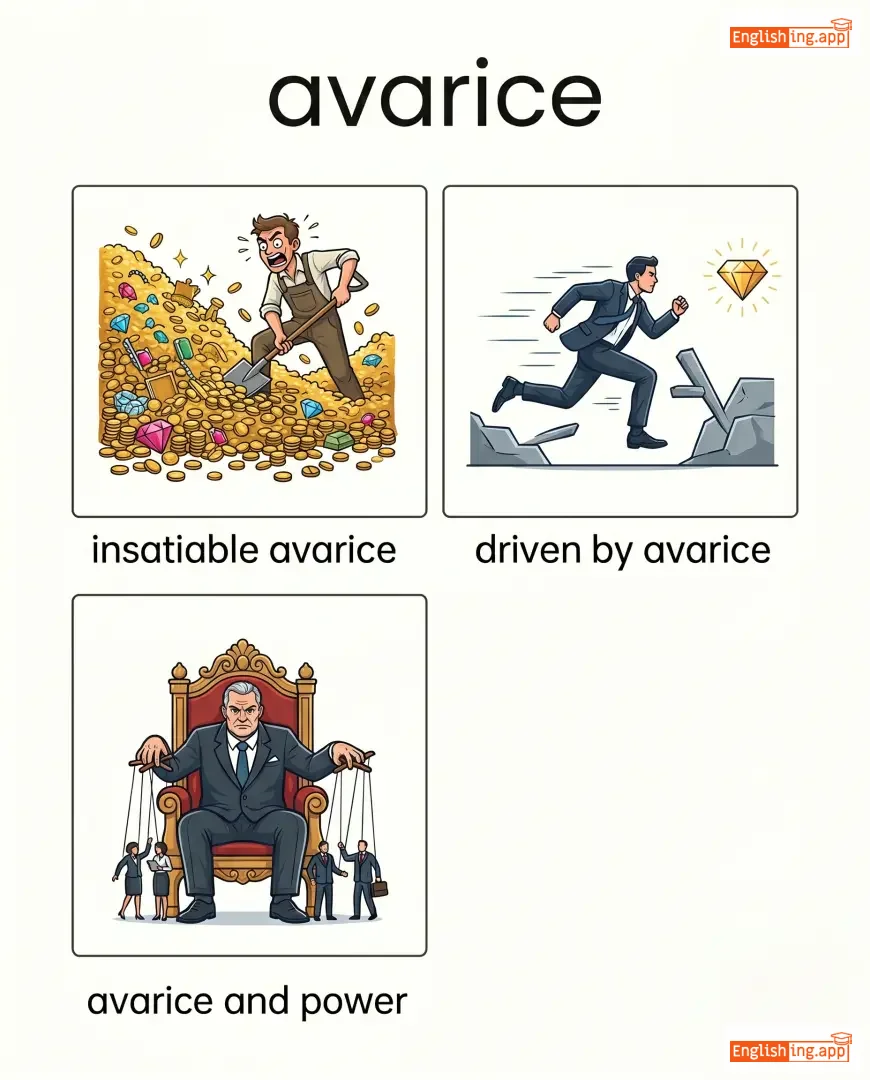
insatiable avarice |
an endless and extreme greed for wealth
••••••
|
无法满足的贪婪
wúfǎ mǎnzú de tánlán
••••••
|
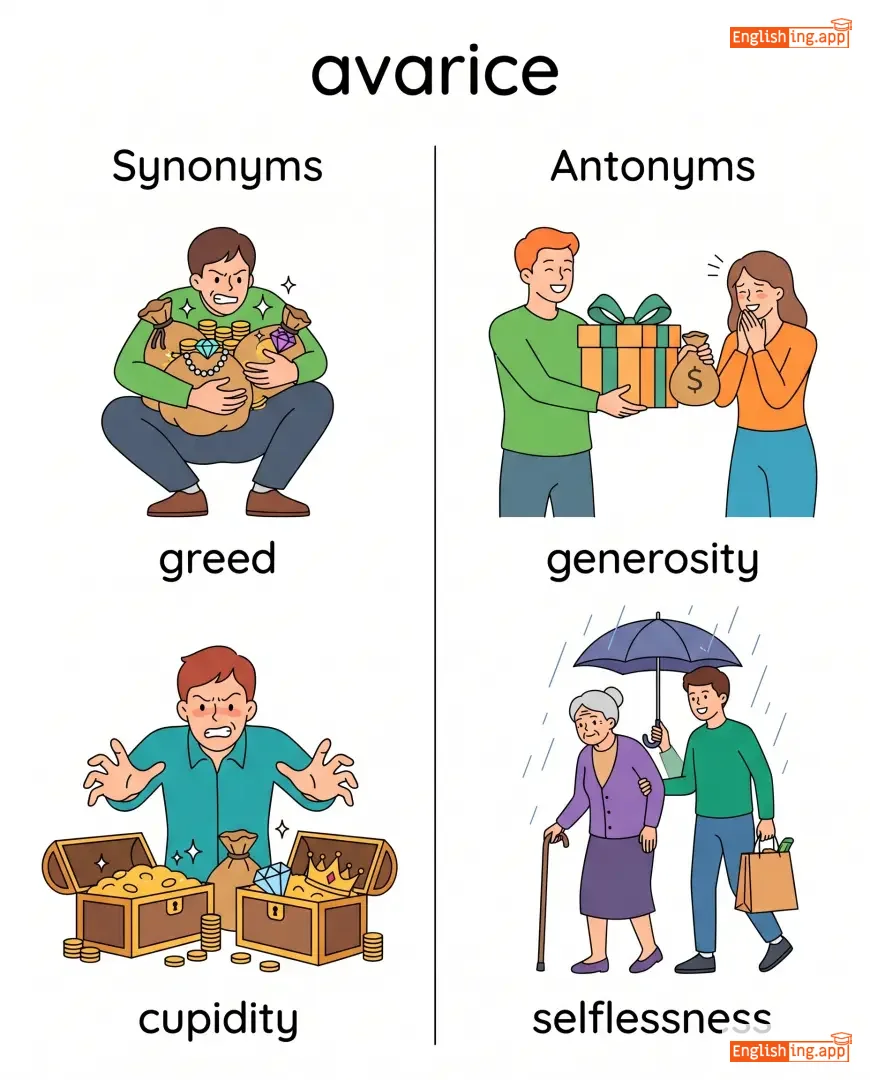
greed, cupidity, materialism, covetousness, rapacity
••••••
|
generosity, selflessness, charity
••••••
|
insatiable avarice, driven by avarice, avarice and power, human avarice
••••••
|
A+var+ice - 贪婪,像冰冻的水永远不融化。
••••••
|
|
#78
📢
|
/əˈvɜːr/
verb
(艾维尔)
••••••
|
|
坚称
jiancheng
••••••
|
averred
艾维尔德
••••••
|
averred
艾维尔德
••••••
|
avers
艾维尔斯
••••••
|
averring
艾维灵
••••••
|
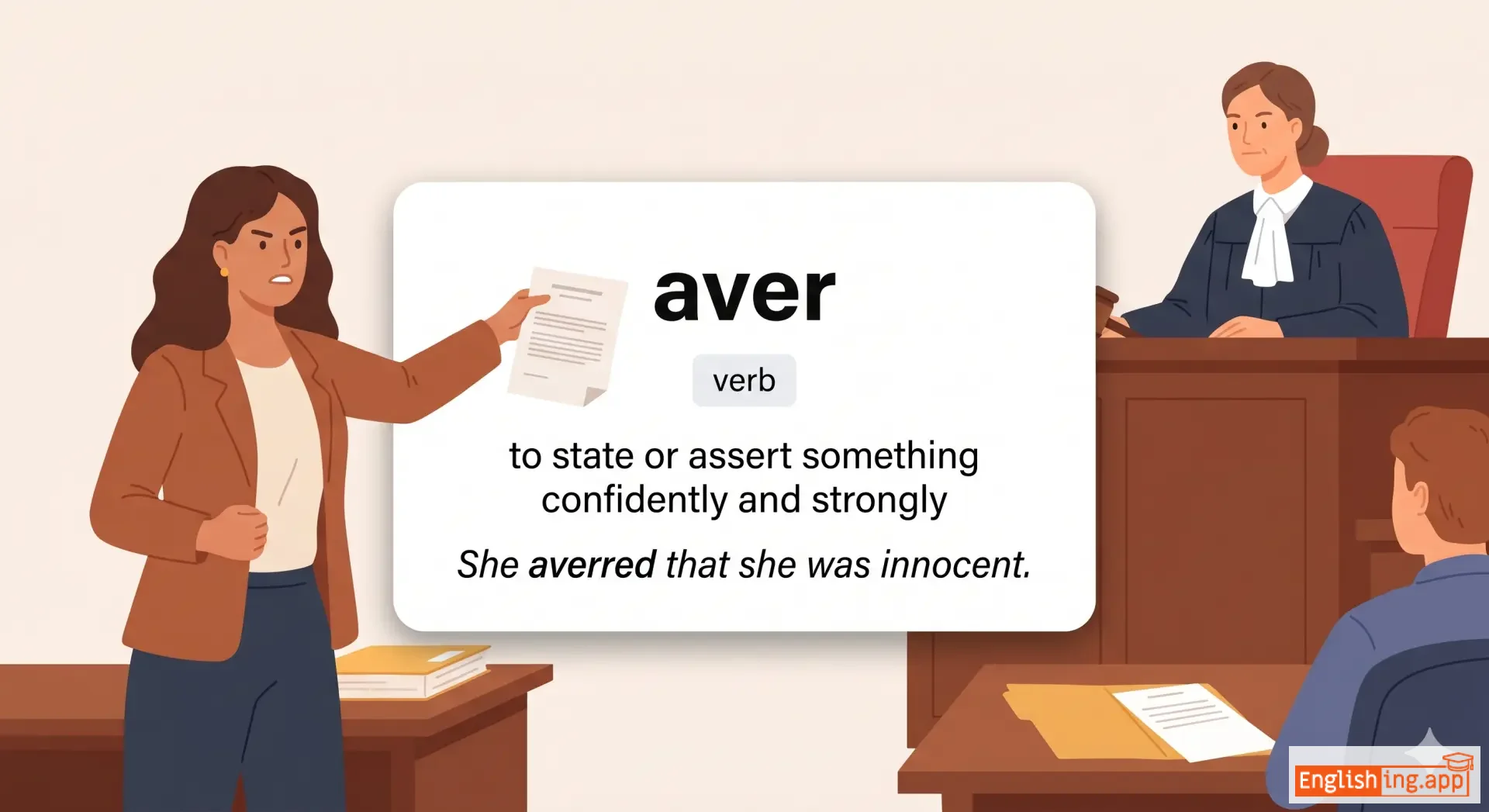
to state or assert something confidently and strongly
••••••
|
She averred that she was innocent.
她坚称她是无辜的。
••••••
|
她坚称她是无辜的。
Ta jiancheng ta shi wugu de.
••••••
|
- •••••• | - •••••• | - •••••• |
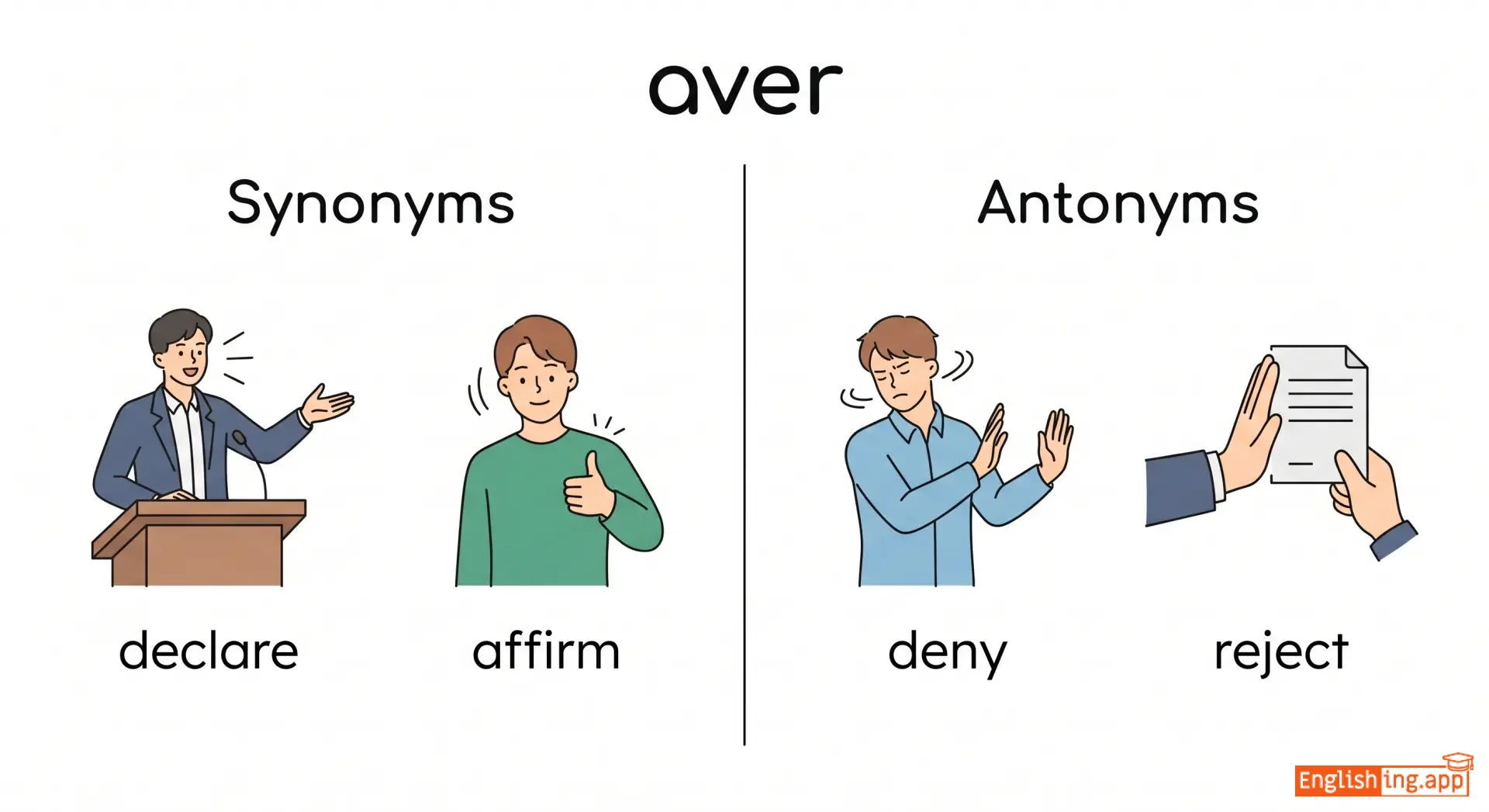
declare, affirm, assert, claim
••••••
|
deny, reject, contradict
••••••
|
aver the truth, aver innocence, aver firmly, confidently aver
••••••
|
AVER 就是当你坚定地宣称某事时。
••••••
|
|
#79
🎨
|
/ˌæv.oʊˈkeɪ.ʃən/
noun
(艾沃凯申)
••••••
|
|
副业
fuyi
••••••
|
- •••••• | - •••••• | - •••••• | - •••••• |
a hobby or minor occupation pursued in addition to one's main work
••••••
|
Painting is his avocation after office hours. |
绘画是他下班后的副业。
Huìhuà shì tā xiàbān hòu de fùyè.
••••••
|
- •••••• | - •••••• | - •••••• |
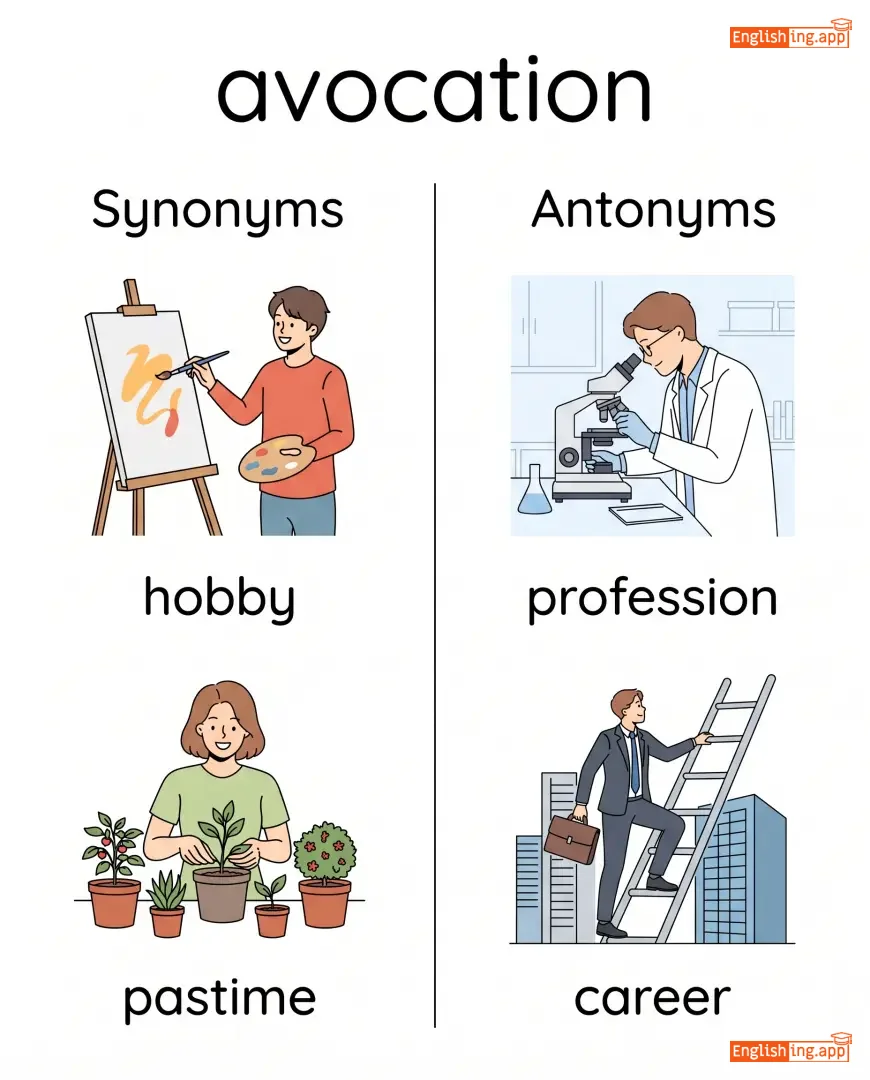
hobby, pastime, pursuit, diversion, recreation
••••••
|
profession, career, vocation
••••••
|
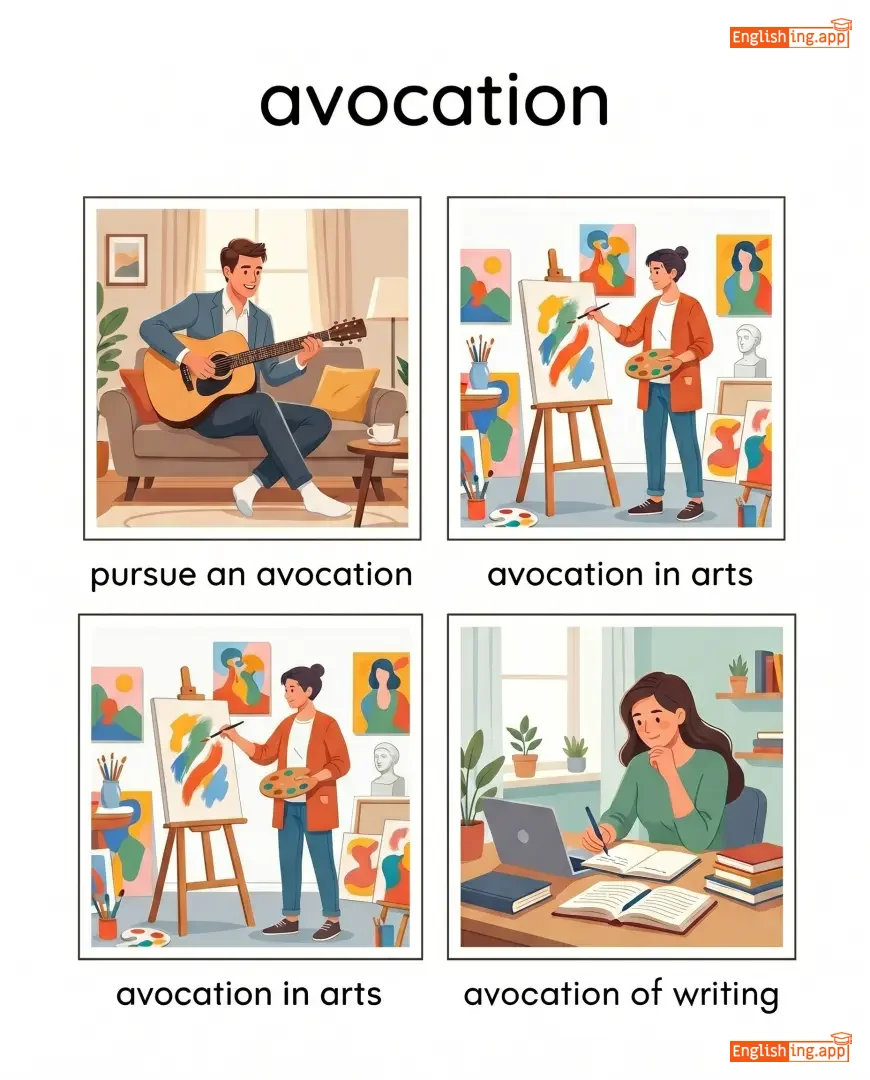
pursue an avocation, avocation in arts, avocation of writing
••••••
|
Avocation 就是 ‘vocation’ 之外的额外活动,也就是你的副业!
••••••
|
|
#80
👨🦳
|
/əˈvʌŋkjələr/
adjective
(阿冯库拉尔)
••••••
|
|
像叔叔一样友善
xiàng shūshu yīyàng yǒushàn
••••••
|
- •••••• | - •••••• | - •••••• | - •••••• |
kind and friendly, like an uncle
••••••
|
He had an avuncular manner that made everyone feel comfortable.
他有一种让每个人都感到舒适的阿冯库拉尔风度。
••••••
|
他有一种让每个人都感到舒适的阿冯库拉尔风度。
Tā yǒu yī zhǒng ràng měi gèrén dōu gǎndào shūshì de ā fēng kù lā ěr fēng dù.
••••••
|
- •••••• | - •••••• | - •••••• |
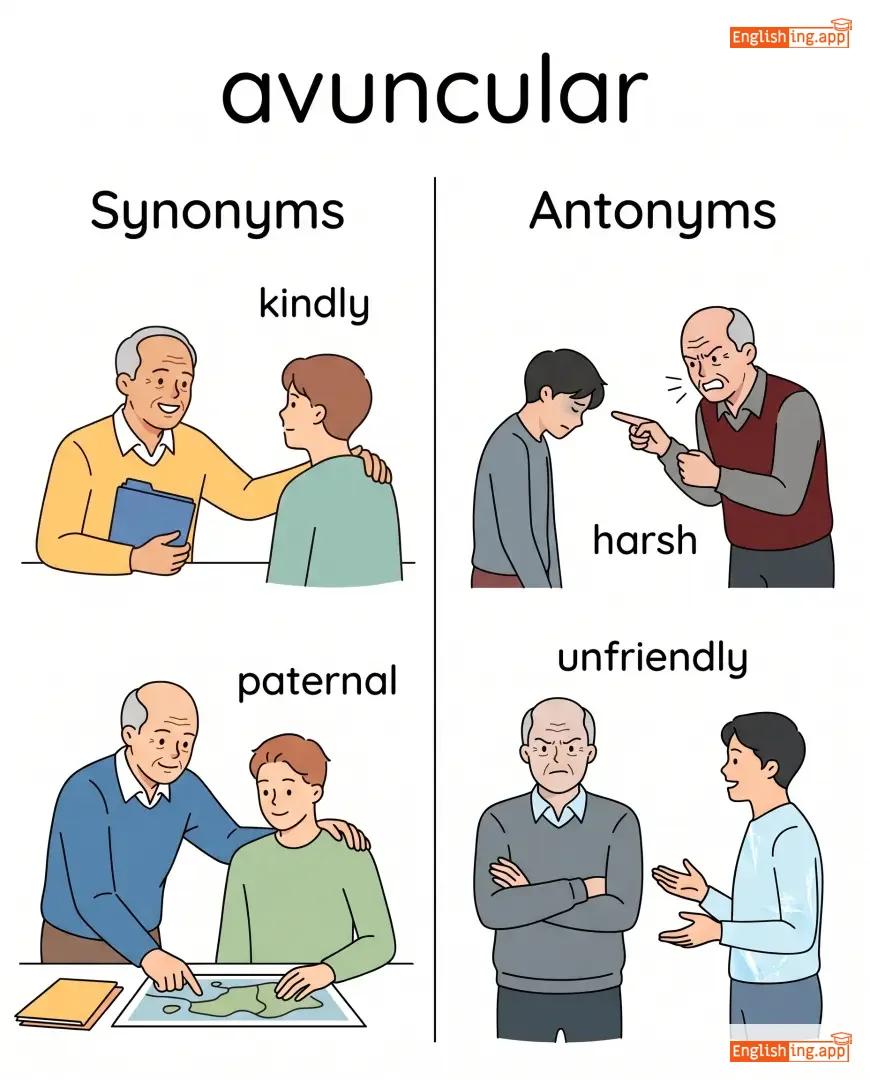
kindly, paternal, benevolent, genial
••••••
|
harsh, unfriendly, stern
••••••
|
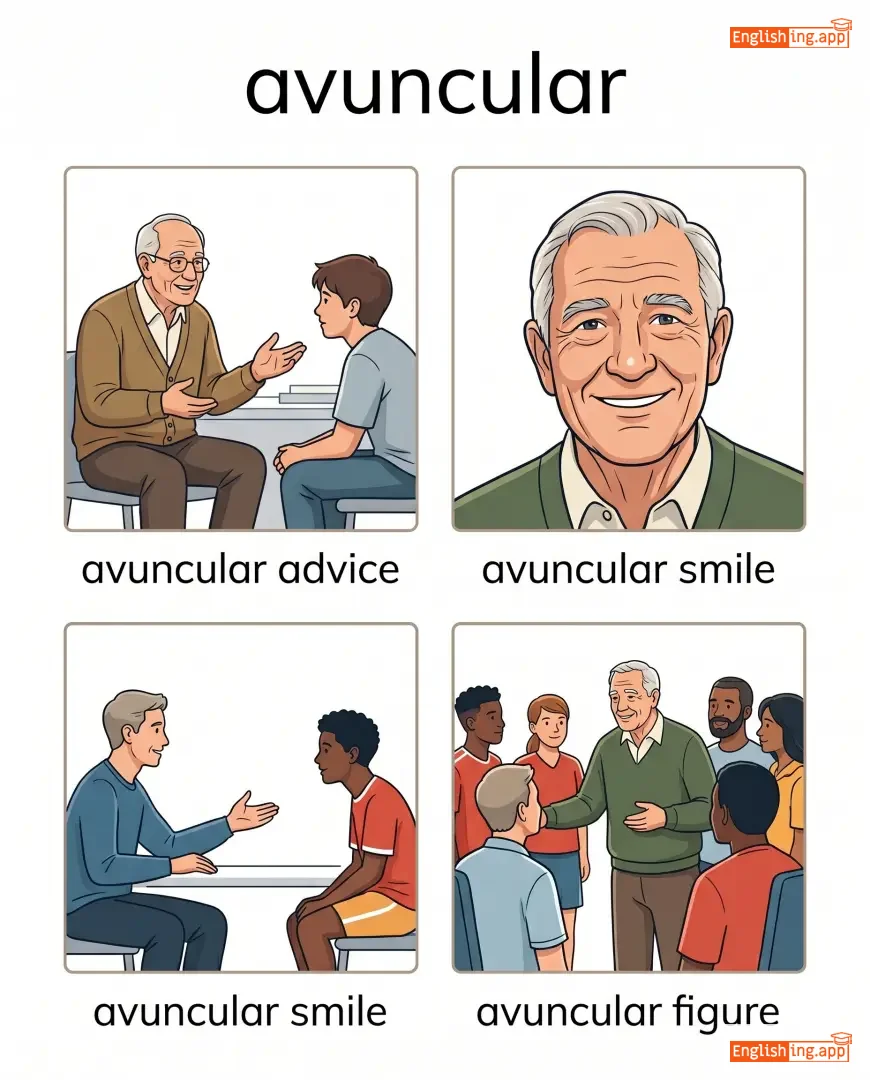
avuncular advice, avuncular smile, avuncular figure, avuncular role
••••••
|
Avuncular意味着像叔叔一样友好。
••••••
|
|
#81
✅
|
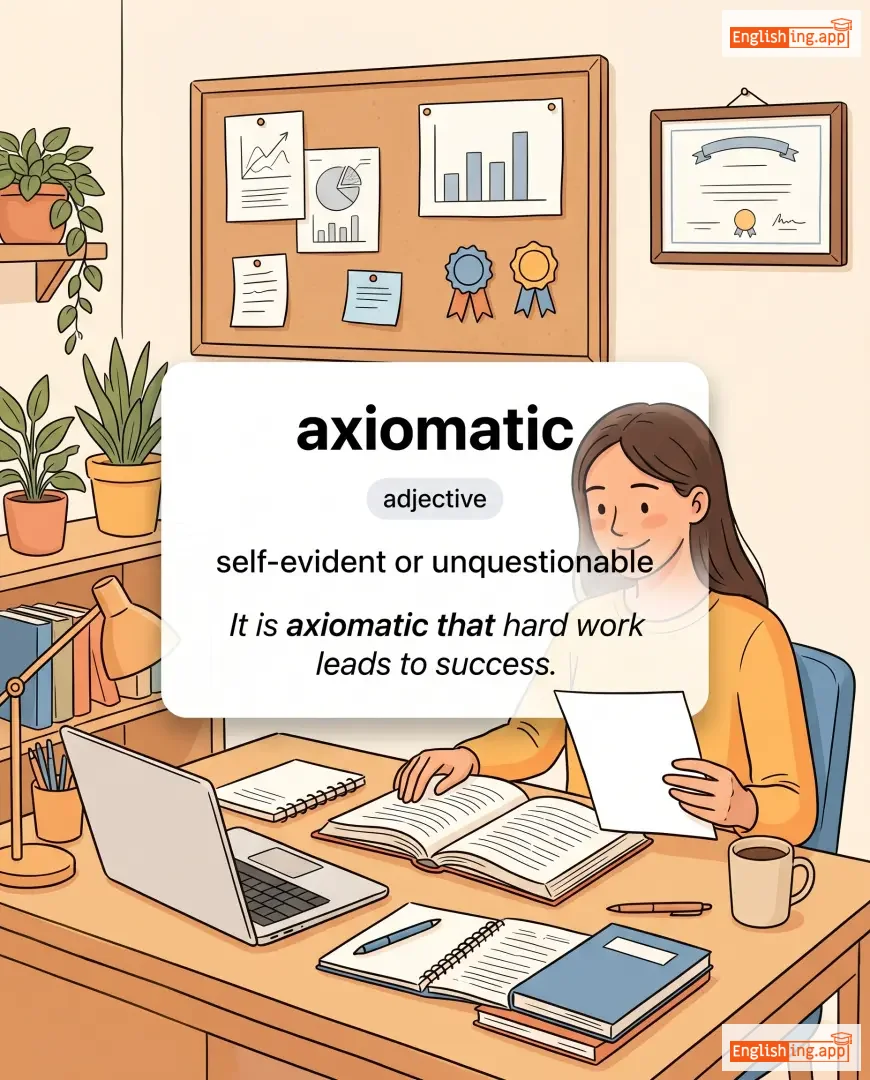
/ˌæk.si.əˈmæt.ɪk/
adjective
(āksīomàtìkè)
••••••
|
|
公理的
gōnglǐ de
••••••
|
- •••••• | - •••••• | - •••••• | - •••••• |
self-evident or unquestionable
••••••
|
It is axiomatic that hard work leads to success. |
它是公理的,努力工作带来成功。
Tā shì gōnglǐ de, nǔlì gōngzuò dàilái chénggōng.
••••••
|
- •••••• | - •••••• | - •••••• |
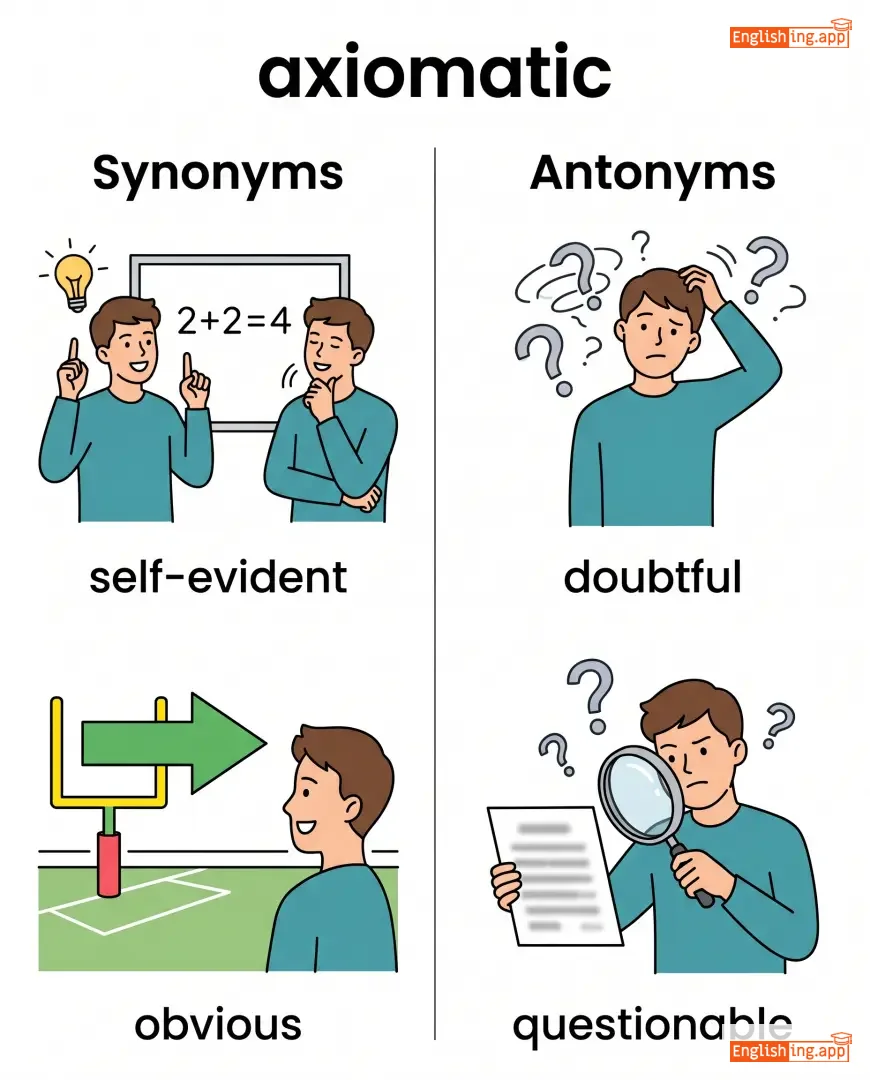
self-evident, obvious, unquestionable, indisputable
••••••
|
doubtful, questionable, uncertain
••••••
|
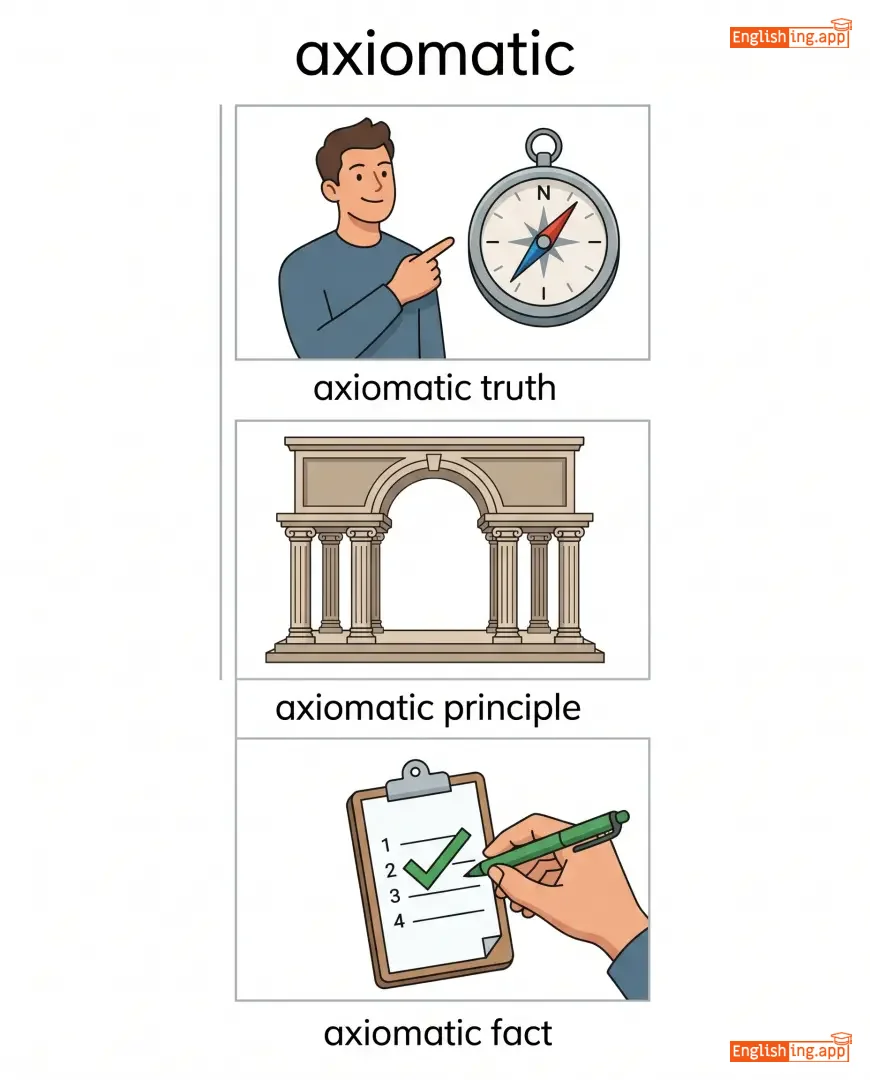
axiomatic truth, axiomatic principle, axiomatic fact
••••••
|
Axiomatic = Axiom + automatic = 如同公理一般,不需要证明的真理。
••••••
|
|
#82
🍻
|
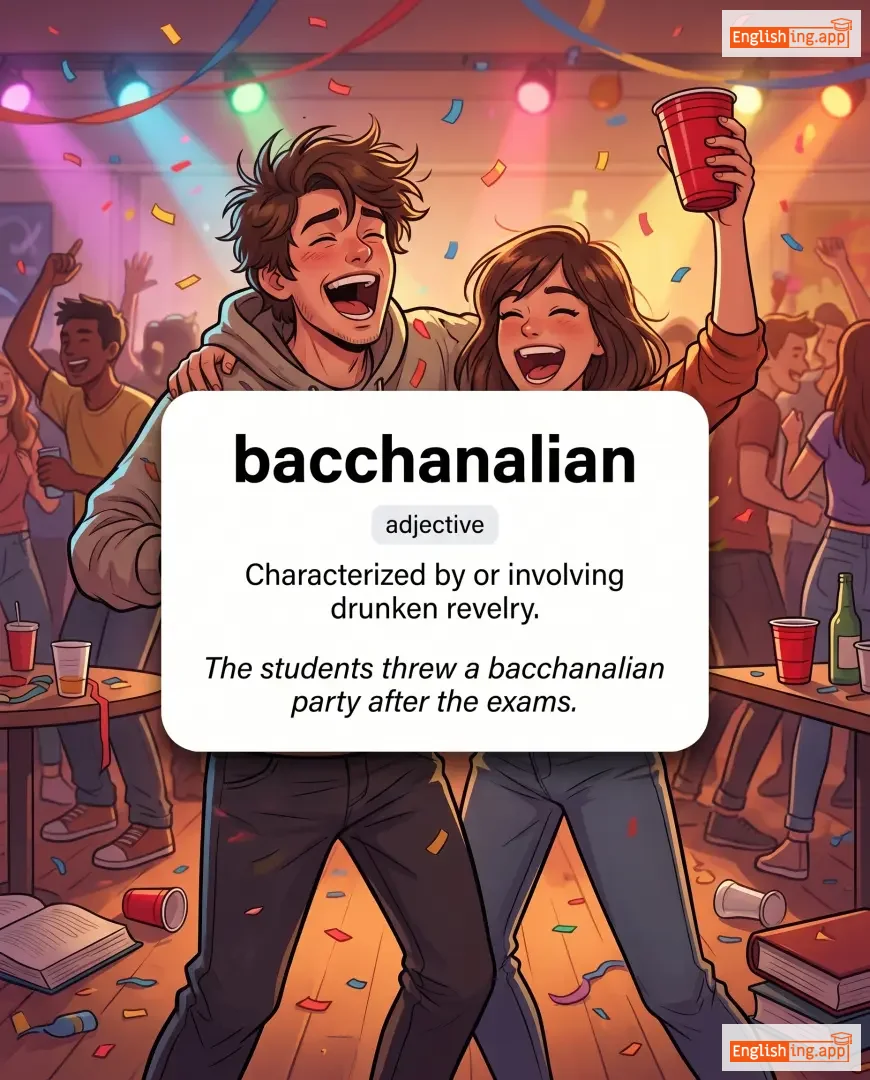
/ˌbækəˈneɪliən/
adjective
(巴卡纳利安)
••••••
|
|
与酗酒相关的
yǔ xùjiǔ xiāngguān de
••••••
|
- •••••• | - •••••• | - •••••• | - •••••• |
Characterized by or involving drunken revelry.
••••••
|
The students threw a bacchanalian party after the exams. |
学生们在考试后举办了一场与酗酒相关的派对。
Xuéshēngmen zài kǎoshì hòu jǔbànle yī chǎng yǔ xùjiǔ xiāngguān de pàiduì.
••••••
|
- •••••• | - •••••• | - •••••• |
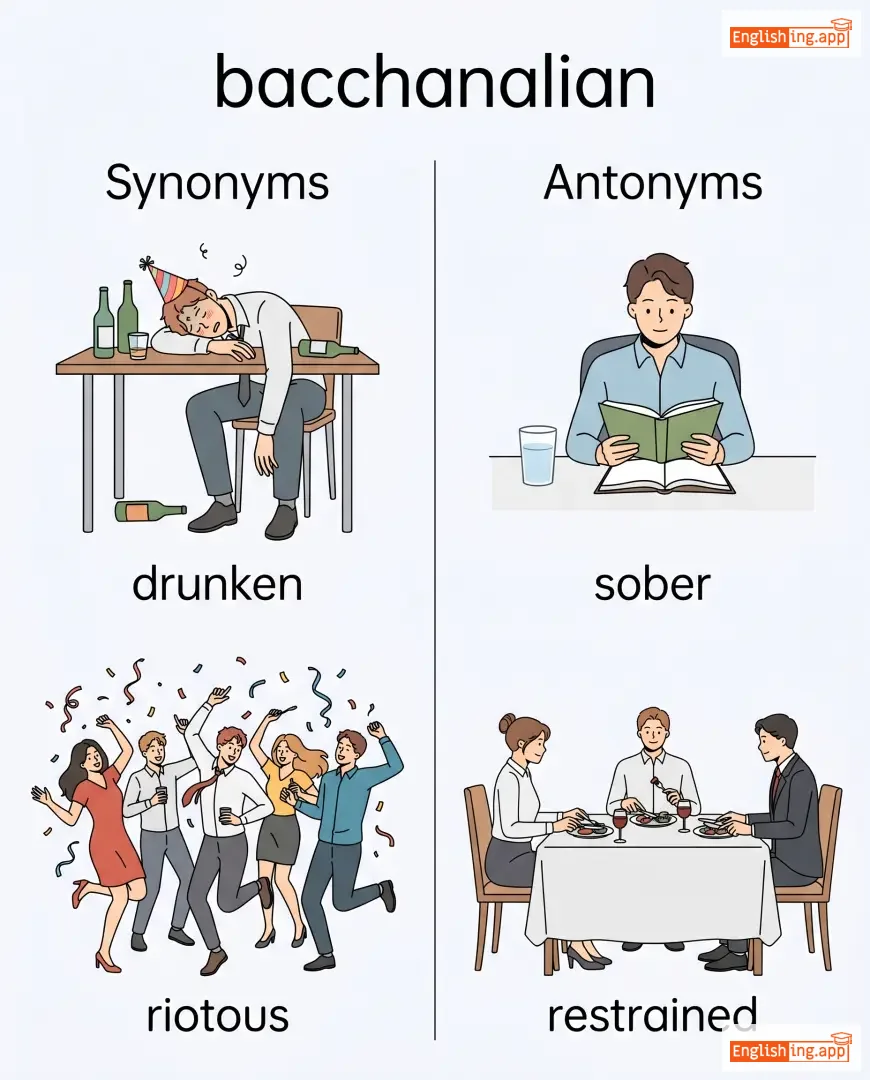
drunken, riotous, debauched, orgiastic
••••••
|
sober, restrained
••••••
|
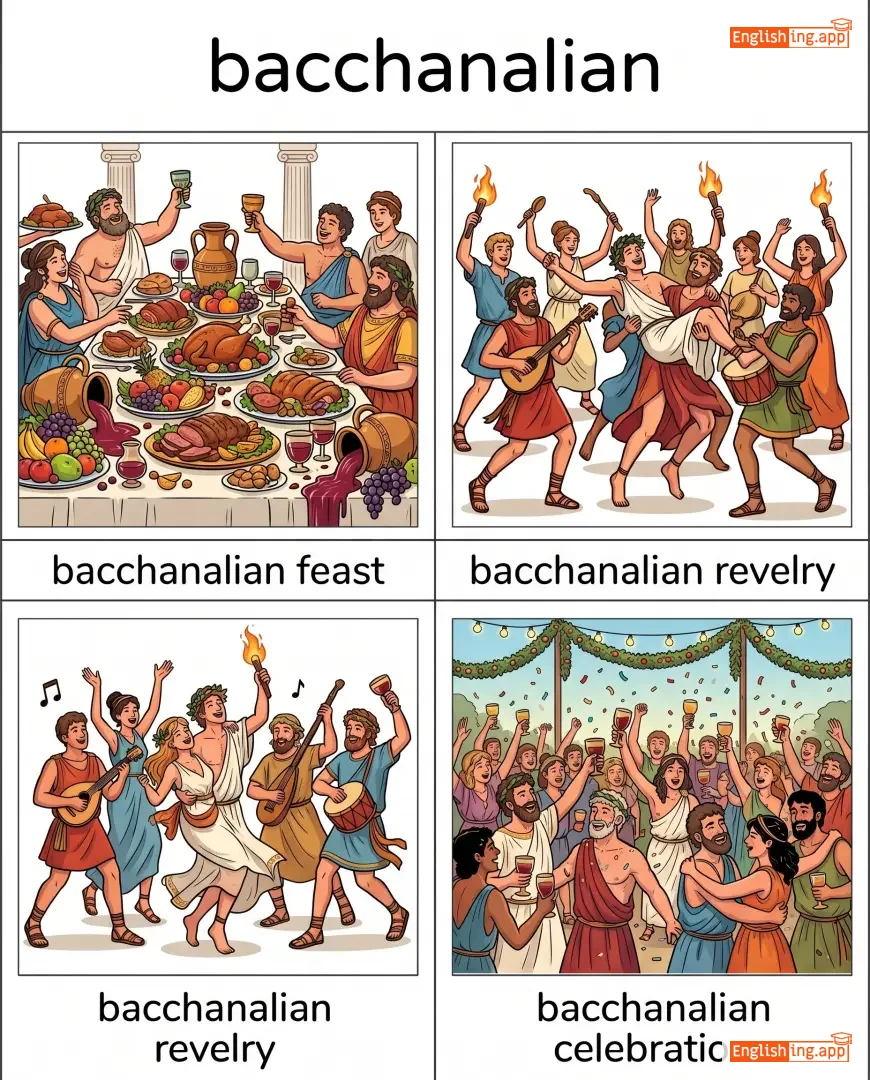
bacchanalian feast, bacchanalian revelry, bacchanalian celebration
••••••
|
Bacchanalian是像酒神巴克斯一样充满醉酒和欢庆的气氛。
••••••
|
|
#83
😴
|
/bəˈnɑːl/ or /ˈbeɪnəl/
adjective
(ba-nál)
••••••
|
|
平庸
pingyong
••••••
|
- •••••• | - •••••• | - •••••• | - •••••• |
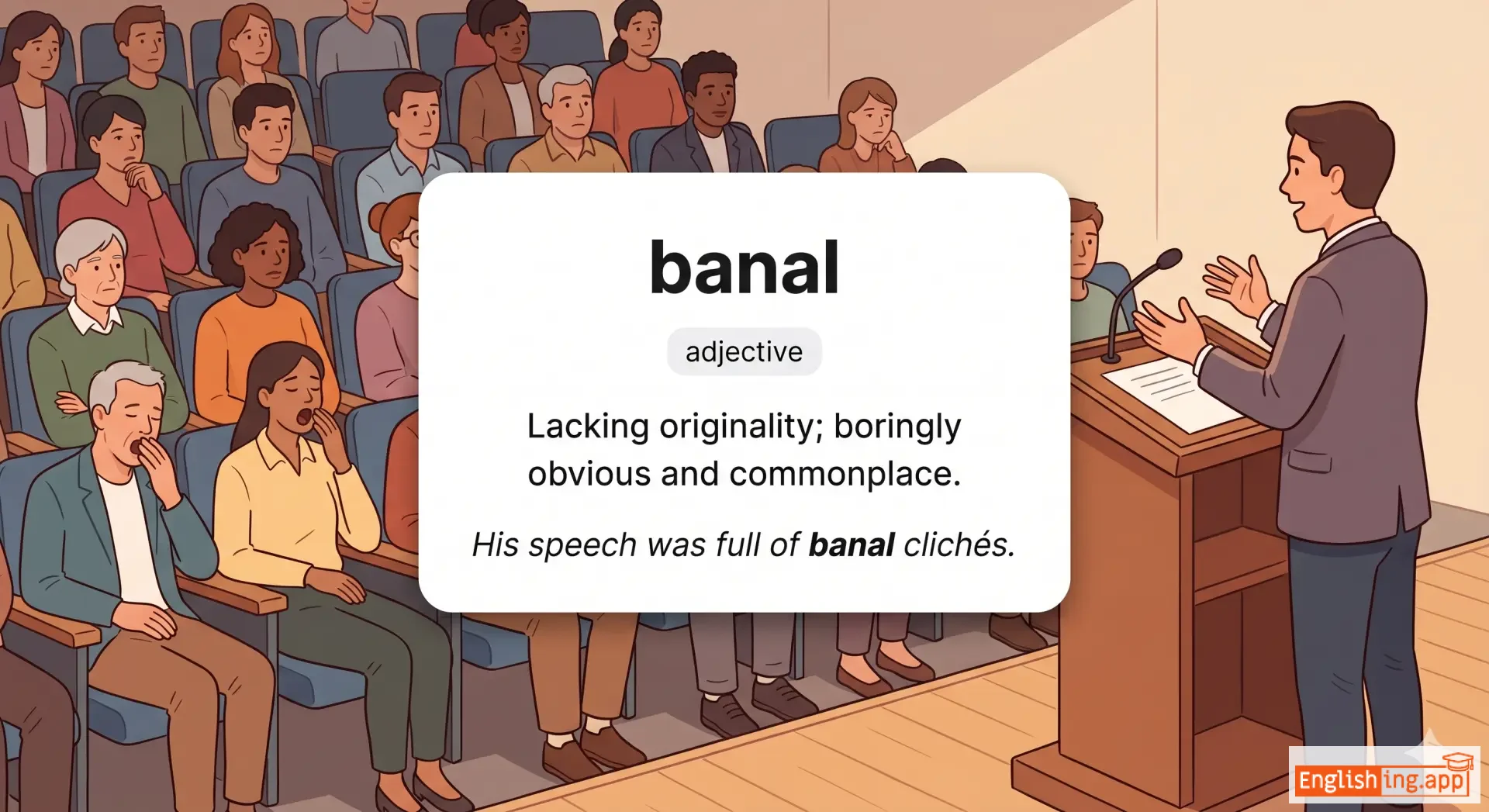
Lacking originality; boringly obvious and commonplace.
••••••
|
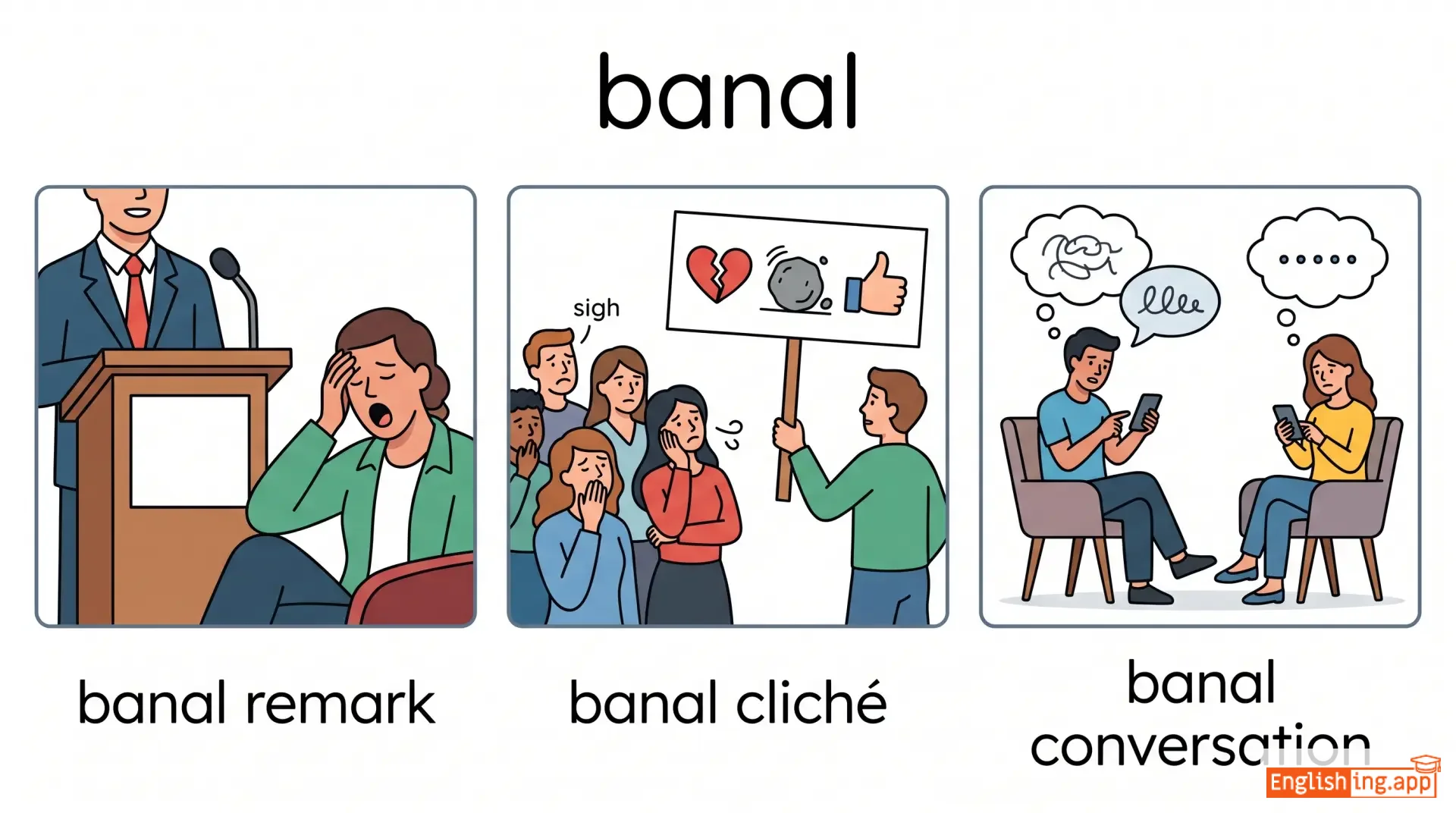
His speech was full of banal clichés. |
他的演讲充满了平庸的陈词滥调。
Tā de yǎnjiǎng chōngmǎnle píngyōng de chéncí làndiào.
••••••
|
- •••••• | - •••••• | - •••••• |
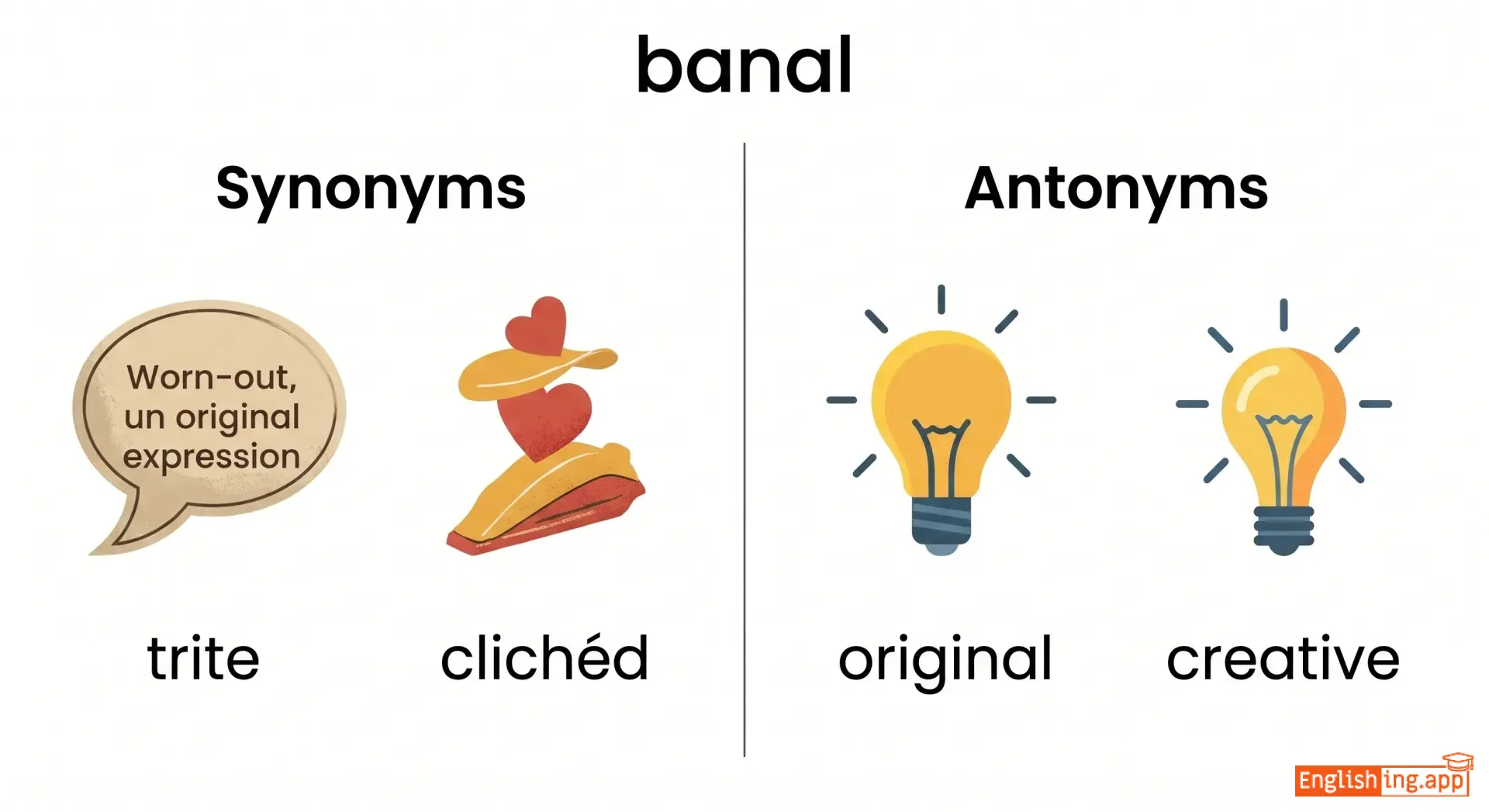
trite, clichéd, ordinary, predictable, dull
••••••
|
original, creative, unusual
••••••
|
banal remark, banal cliché, banal conversation, banal story
••••••
|
Banal 意味着无聊和普通 – 平凡的事物。
••••••
|
|
#84
😄
|
/ˈbæntər/
noun/verb
(班特)
••••••
|
|
打趣
dǎqù
••••••
|
bantered
班特德
••••••
|
bantered
班特德
••••••
|
banters
班特斯
••••••
|
bantering
班特灵
••••••
|
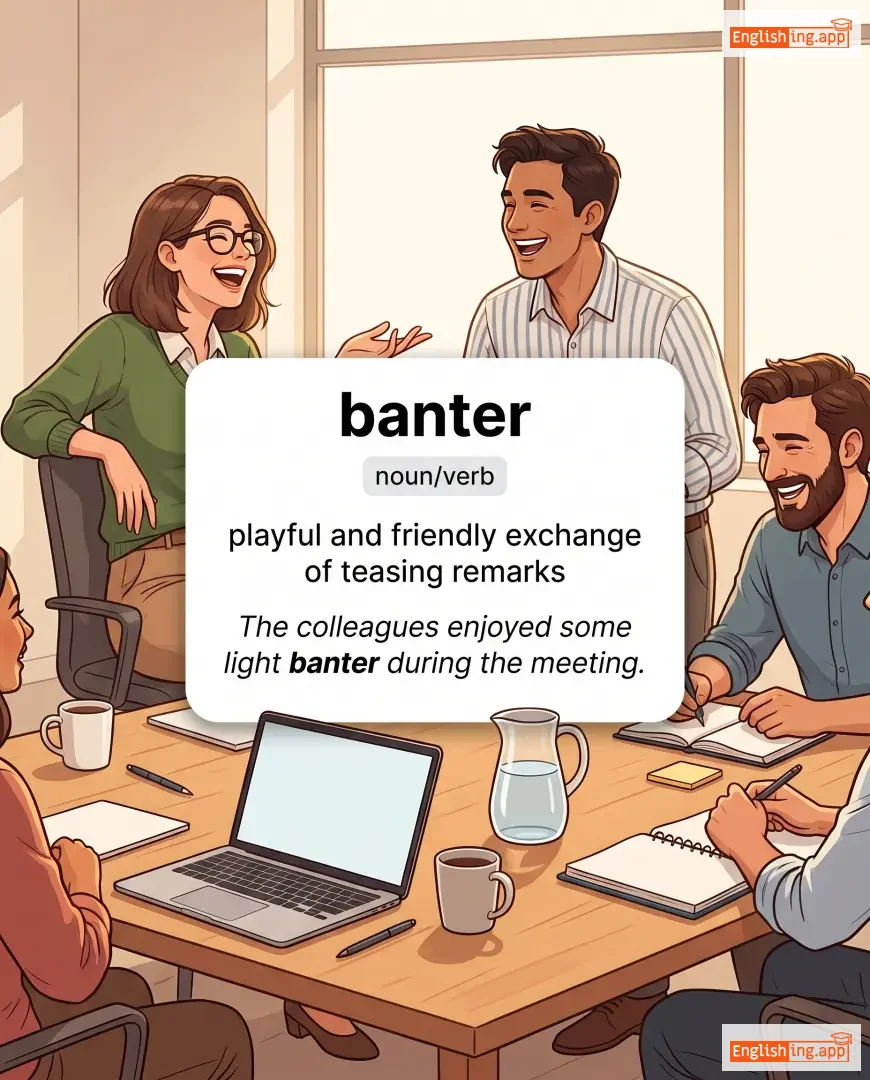
playful and friendly exchange of teasing remarks
••••••
|
The colleagues enjoyed some light banter during the meeting.
同事们在会议期间享受了一些轻松的班特。
••••••
|
同事们在会议期间享受了一些轻松的班特。
Tóngshìmen zài huìyì qījiān xiǎngshòu le yīxiē qīngsōng de bāntè.
••••••
|
- •••••• | - •••••• | - •••••• |
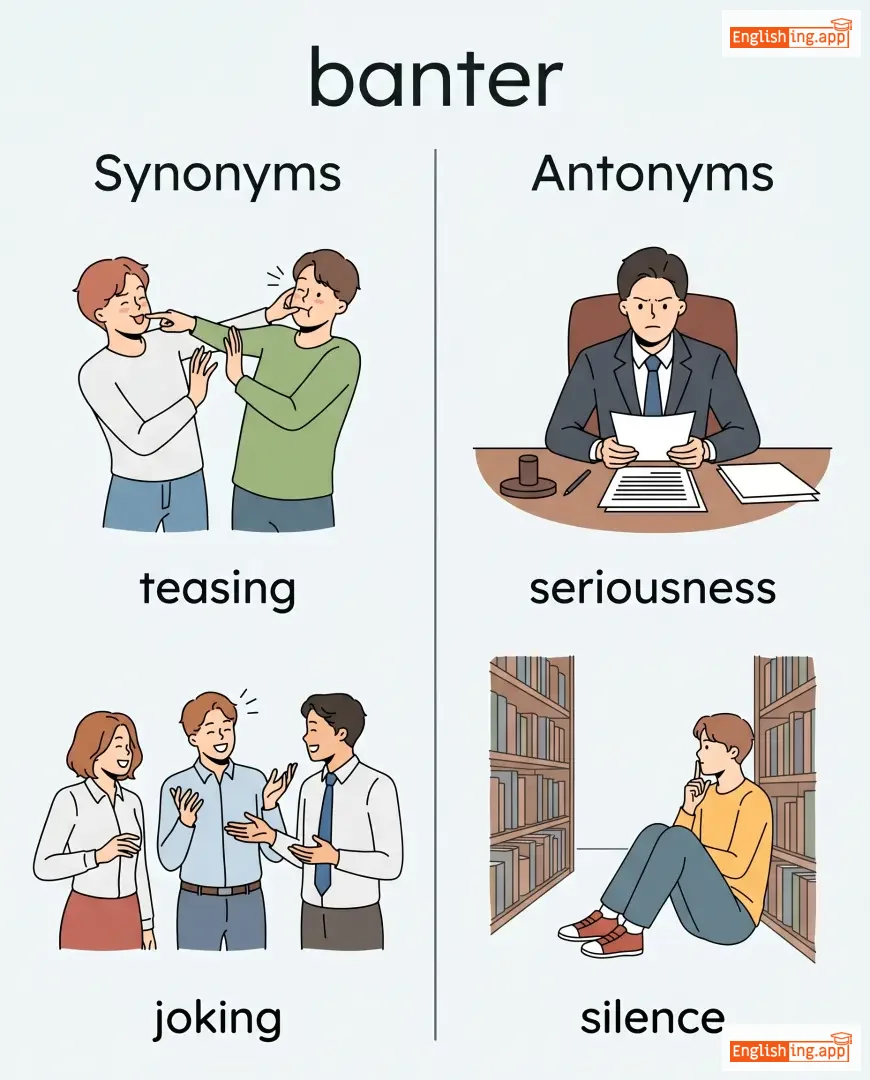
teasing, joking, kidding, repartee
••••••
|
seriousness, silence
••••••
|
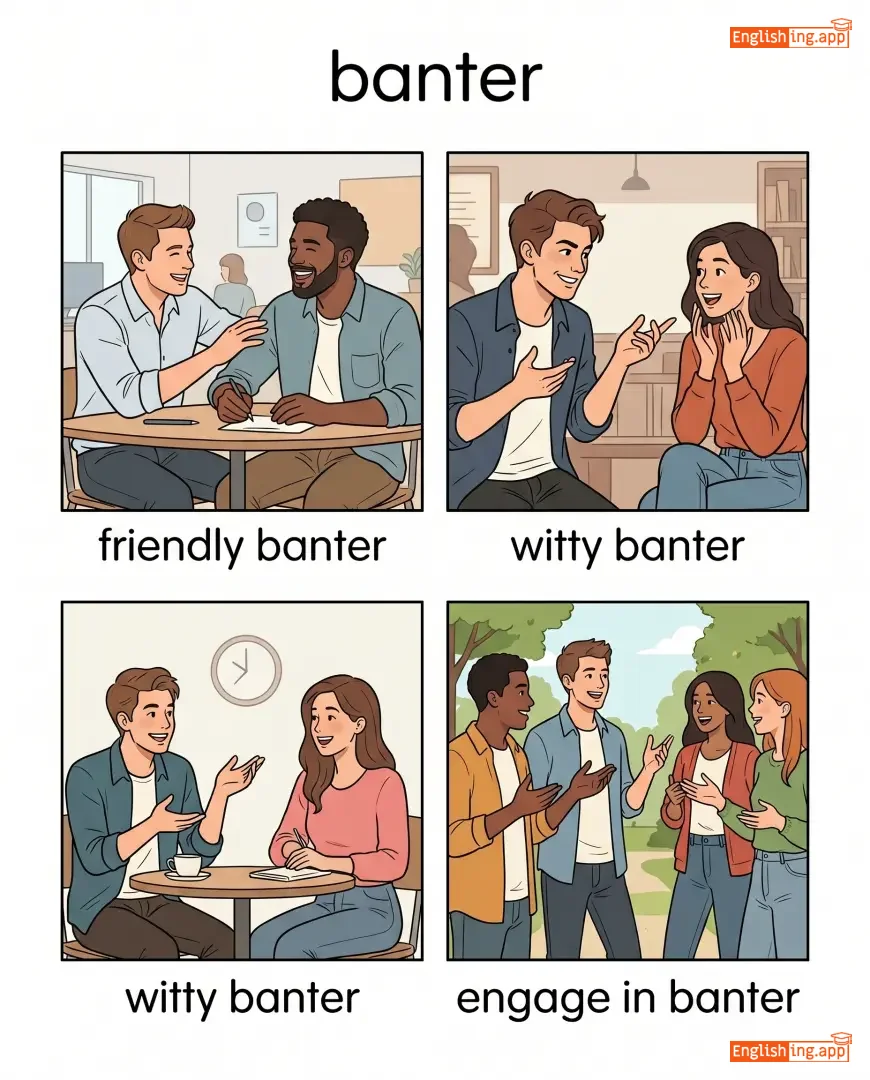
friendly banter, witty banter, engage in banter, light banter
••••••
|
Banter意味着'Ban' + 'tear' — 当你和朋友开玩笑时笑到眼泪 ('tear') 都出来了。
••••••
|
|
#85
🎭
|
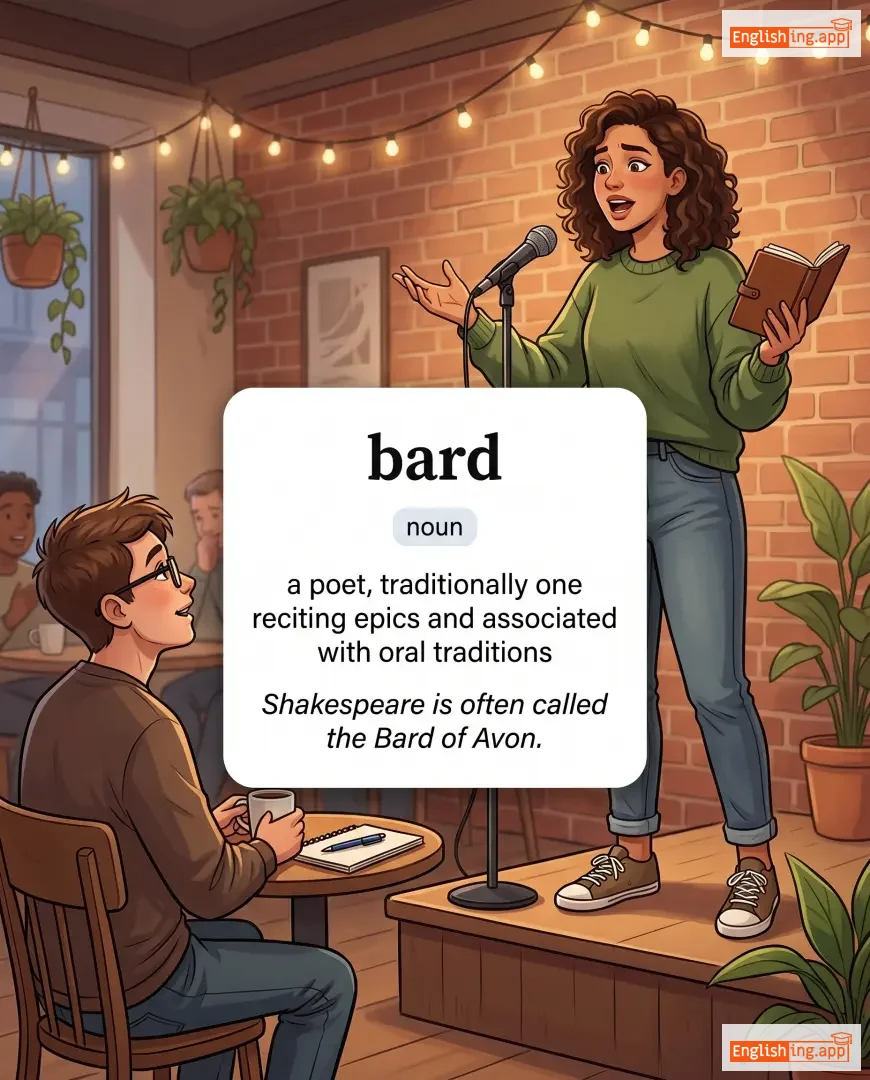
/bɑːrd/
noun
(bard)
••••••
|
|
诗人
shiren
••••••
|
- •••••• | - •••••• | - •••••• | - •••••• |
a poet, traditionally one reciting epics and associated with oral traditions
••••••
|
Shakespeare is often called the Bard of Avon. |
莎士比亚常被称为艾文的诗人。
Shāshìbǐyà cháng bèi chēng wèi ài wén de shīrén.
••••••
|
- •••••• | - •••••• | - •••••• |
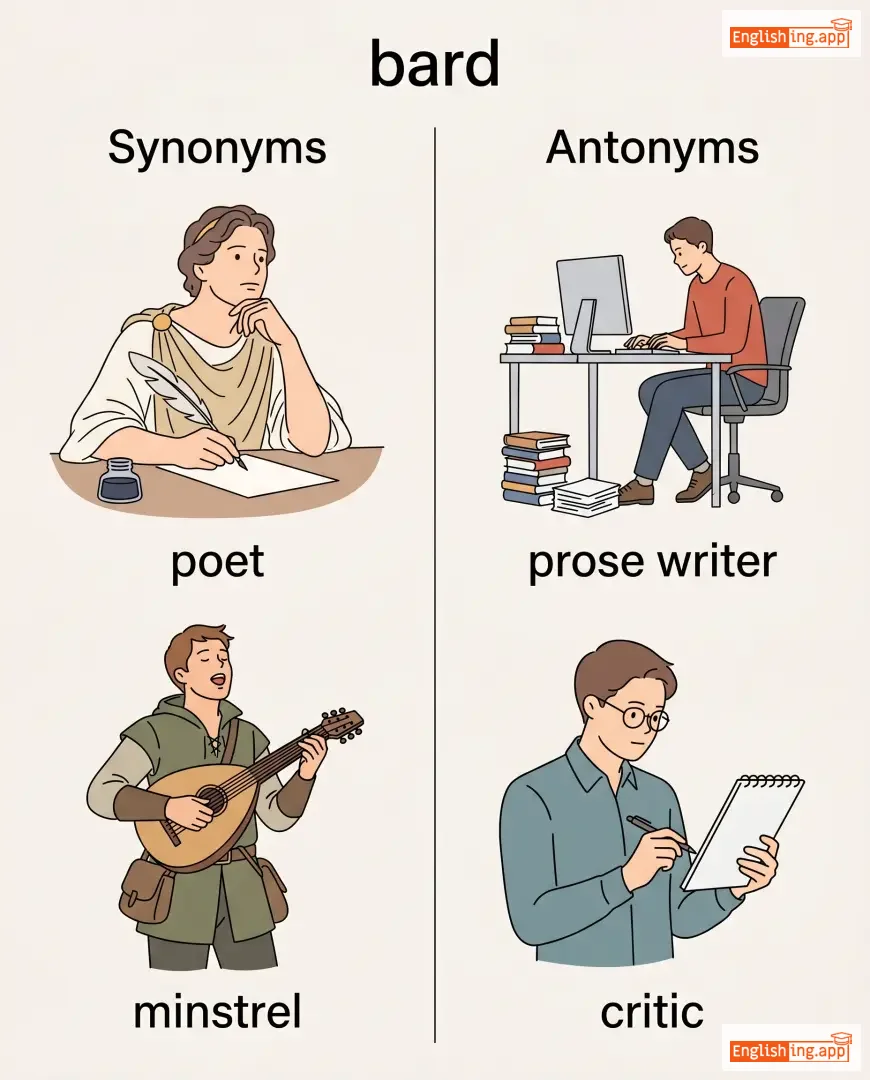
poet, minstrel, lyricist, troubadour, versifier
••••••
|
prose writer, critic
••••••
|
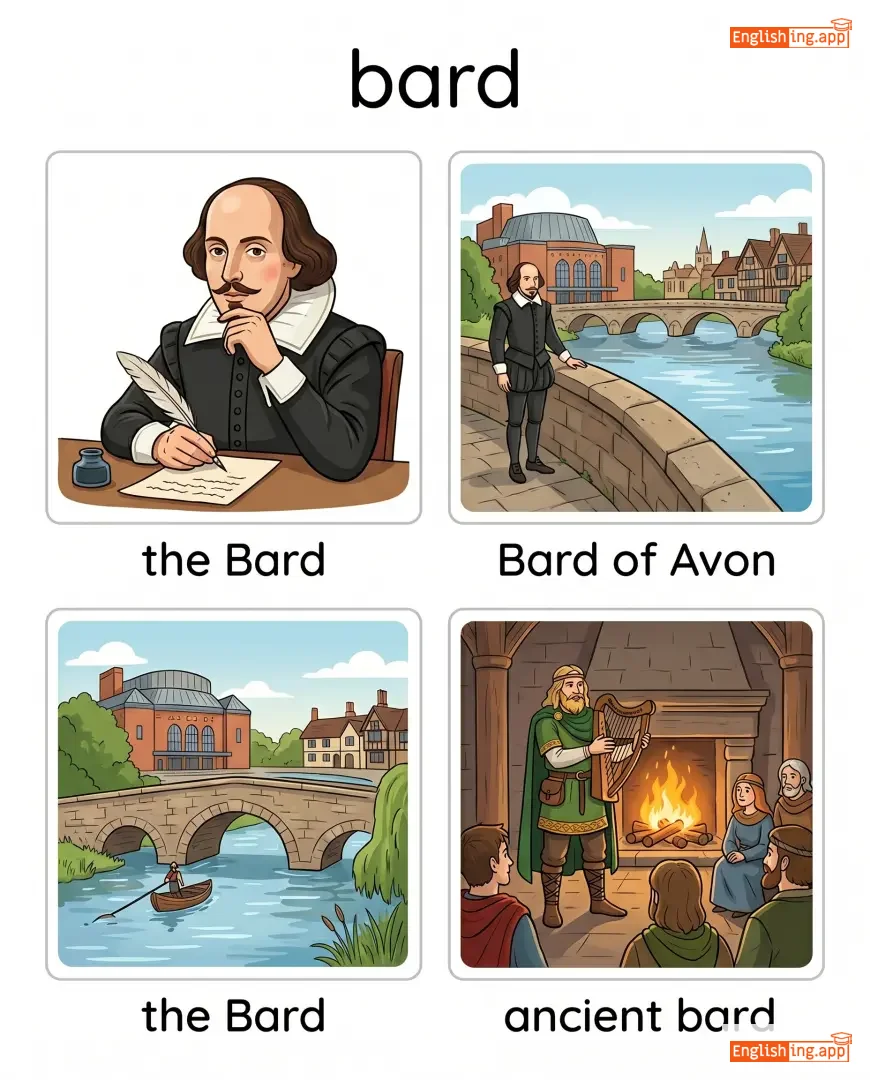
the Bard, Bard of Avon, ancient bard
••••••
|
Bard 意味着诗人,创造史诗的诗人
••••••
|
|
#86
😏
|
/ˈbɔːdi/
adjective
(bó dì)
••••••
|
|
猥亵
wei xie
••••••
|
- •••••• | - •••••• | - •••••• | - •••••• |
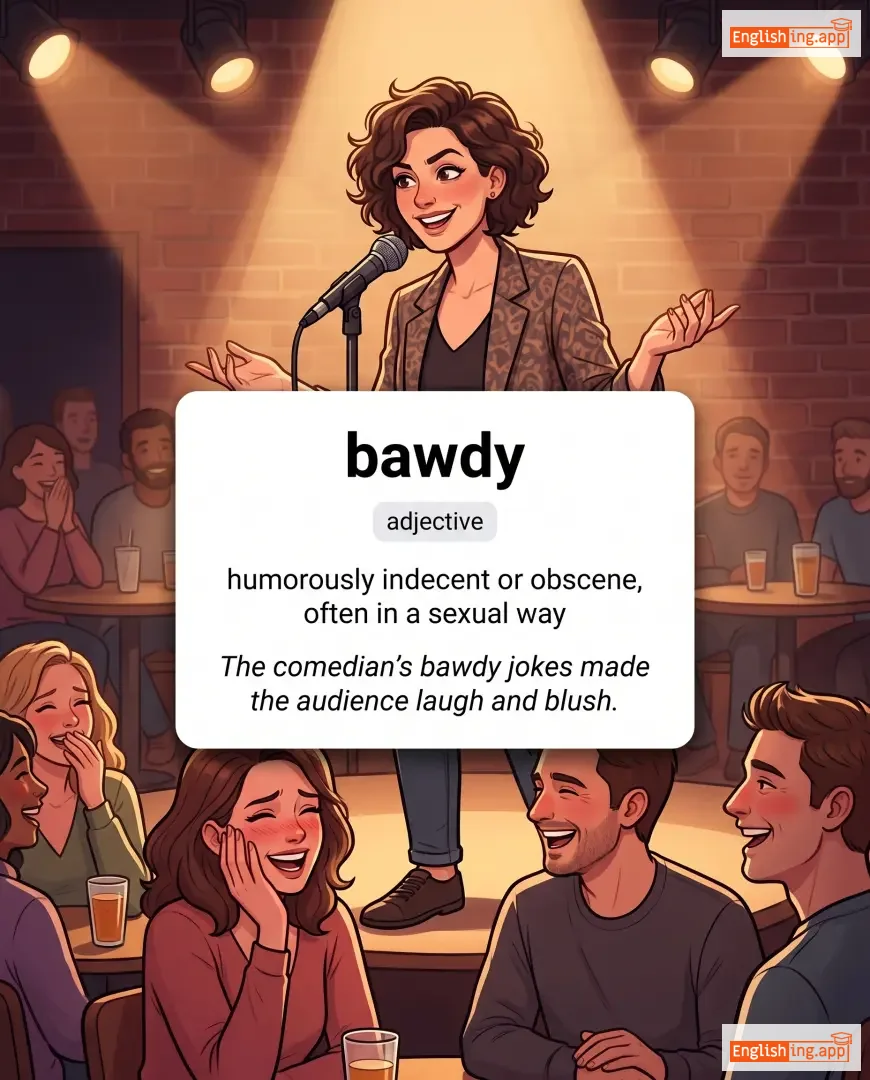
humorously indecent or obscene, often in a sexual way
••••••
|
The comedian’s bawdy jokes made the audience laugh and blush. |
喜剧演员的猥亵笑话让观众笑了并且脸红。
Xi ju yan yuan de wei xie xiao hua rang guan zhong xiao le bing qie lian hong.
••••••
|
- •••••• | - •••••• | - •••••• |
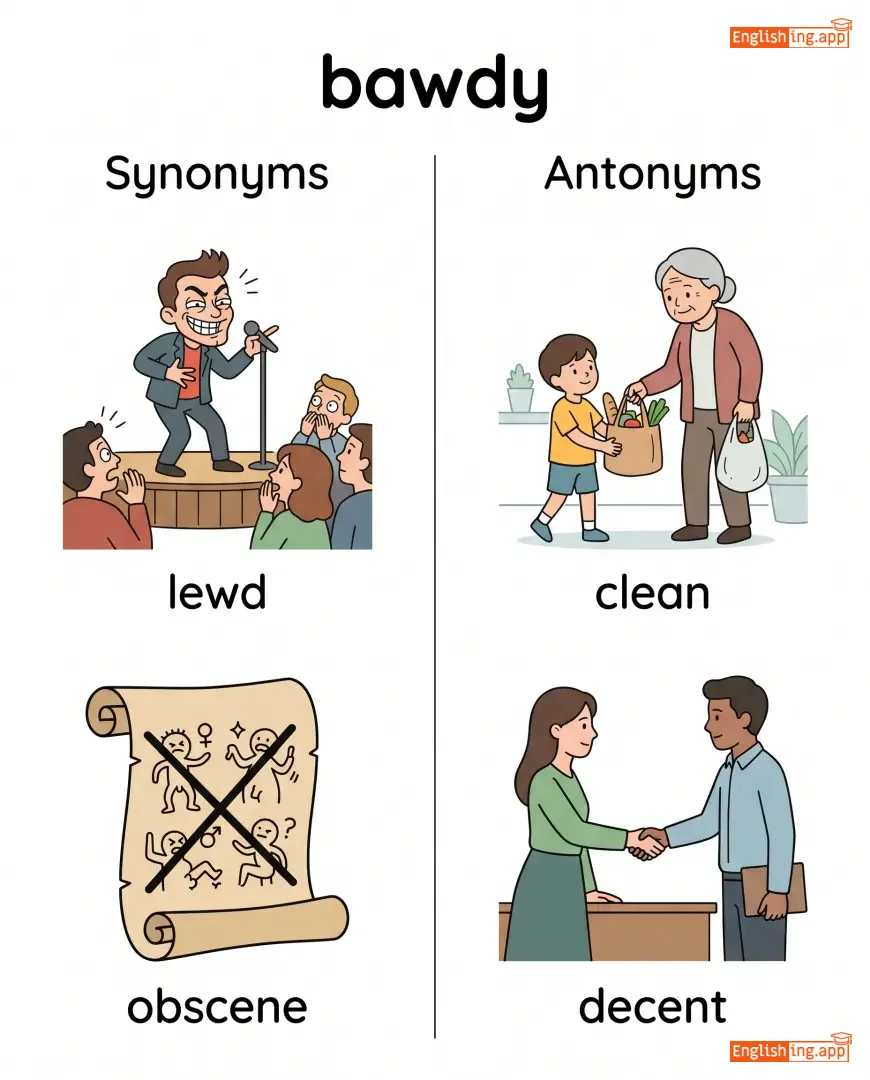
lewd, obscene, vulgar, risqué, indecent
••••••
|
clean, decent, modest
••••••
|
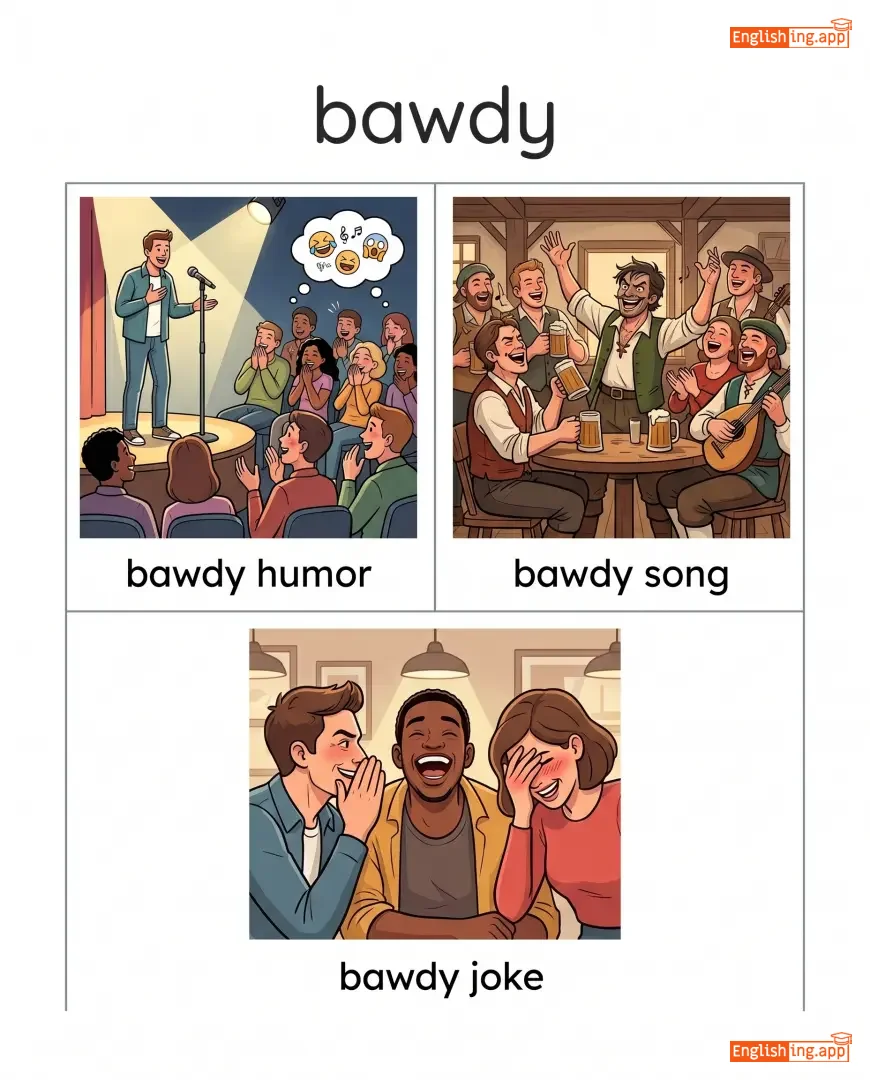
bawdy humor, bawdy song, bawdy joke, bawdy remark
••••••
|
Bawdy = 身体笑话 → 下流的笑话或性笑话
••••••
|
|
#87
🙏
|
/biˈætɪfaɪ/
verb
(bɪˈætɪfaɪ)
••••••
|
|
宣圣
xuan sheng
••••••
|
beatified
bɪˈætɪfaɪd
••••••
|
beatified
bɪˈætɪfaɪd
••••••
|
beatifies
bɪˈætɪfaɪz
••••••
|
beatifying
bɪˈætɪfaɪɪŋ
••••••
|
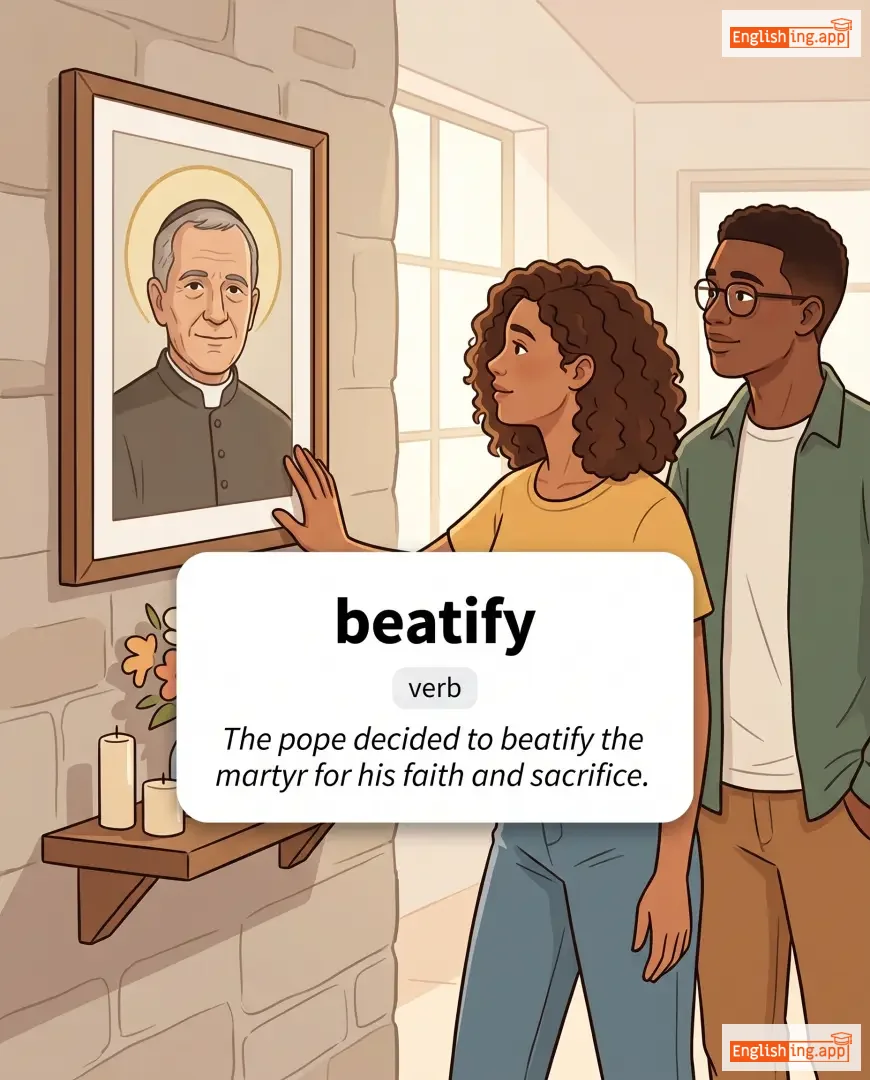
to make blessed or holy, especially in the Roman Catholic Church, to declare a deceased person to be among the blessed
••••••
|
The pope decided to beatify the martyr for his faith and sacrifice.
教皇决定因其信仰和牺牲而宣圣这位殉道者。
••••••
|
教皇决定因其信仰和牺牲而宣圣这位殉道者。
Jiaohuang jue ding yin qi xinyang he xisheng er xuansheng zhe wei xundaozhe.
••••••
|
- •••••• | - •••••• | - •••••• |
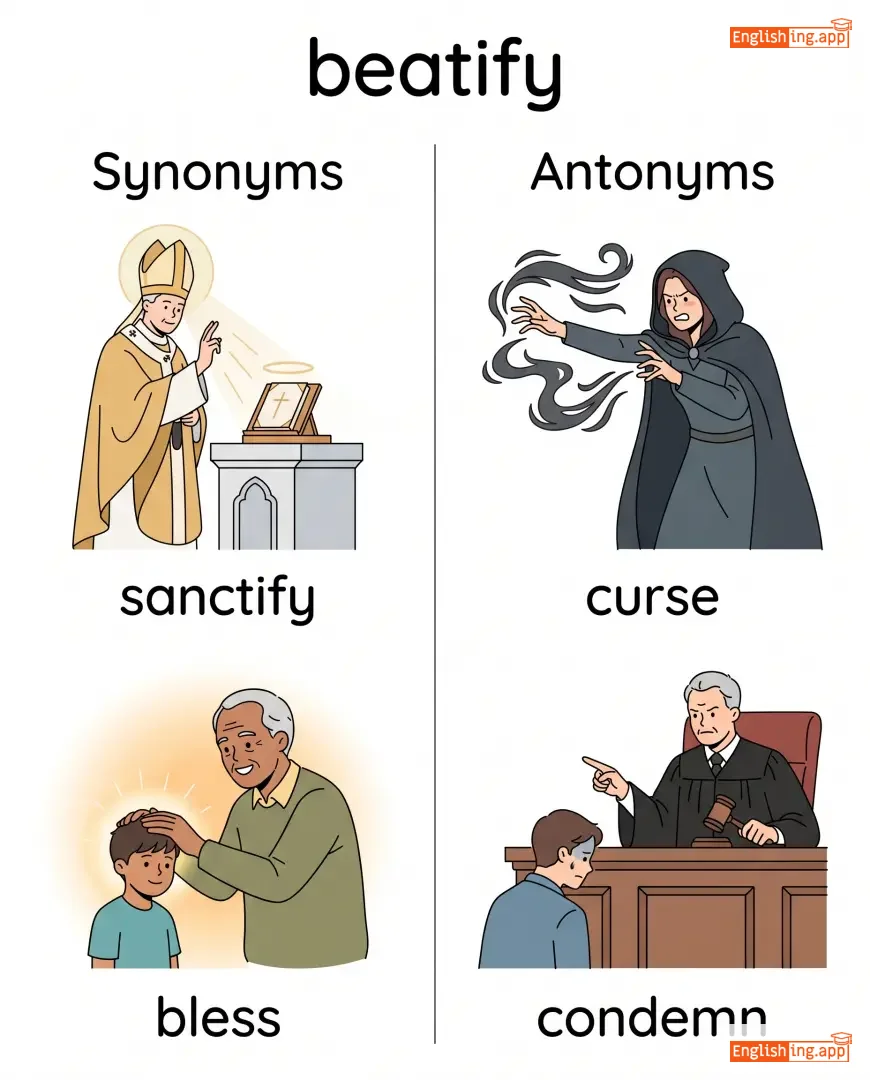
sanctify, bless, hallow, consecrate, exalt
••••••
|
curse, condemn, desecrate
••••••
|
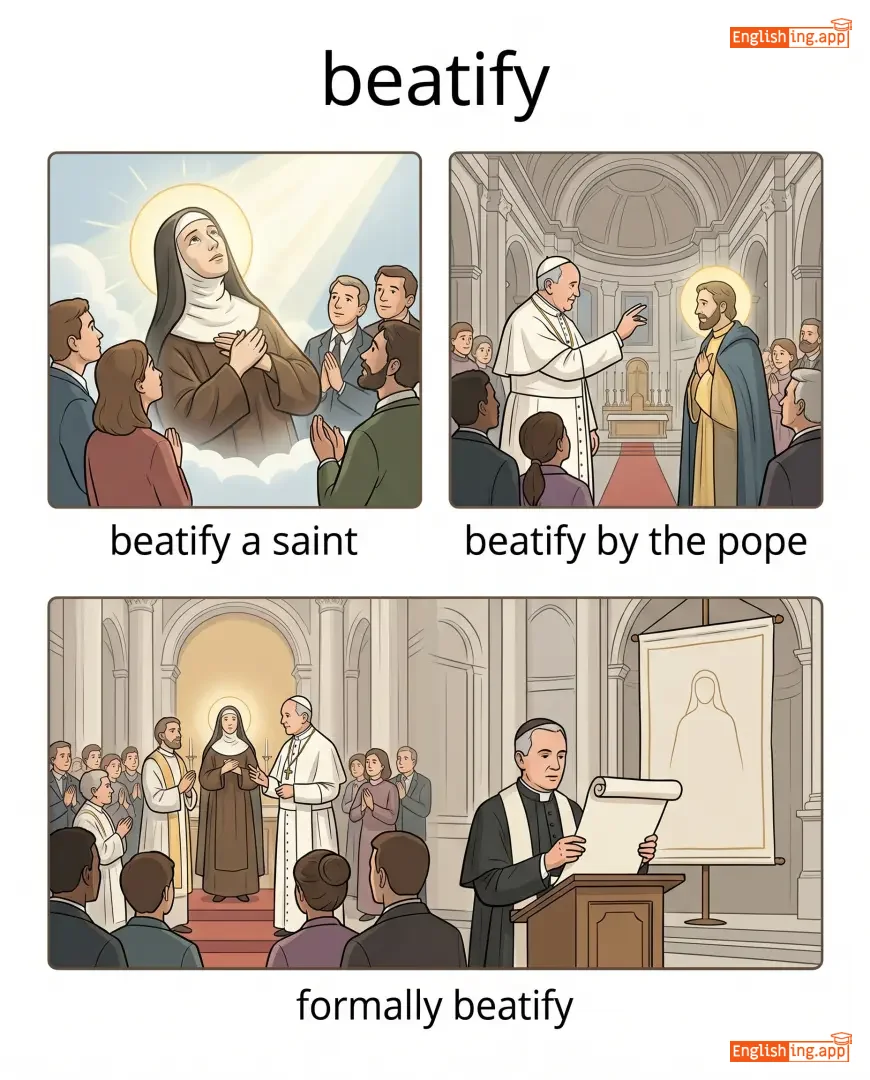
beatify a saint, beatify by the pope, formally beatify
••••••
|
宣圣意味着最终的圣洁。教皇将殉道者宣为圣人。
••••••
|
|
#88
💎
|
/bɪˈdaɪzən/
verb
(贝迪森)
••••••
|
|
华丽装饰
huálì zhuāngshì
••••••
|
bedizened
贝迪森德
••••••
|
bedizened
贝迪森德
••••••
|
bedizens
贝迪森斯
••••••
|
bedizening
贝迪森宁
••••••
|
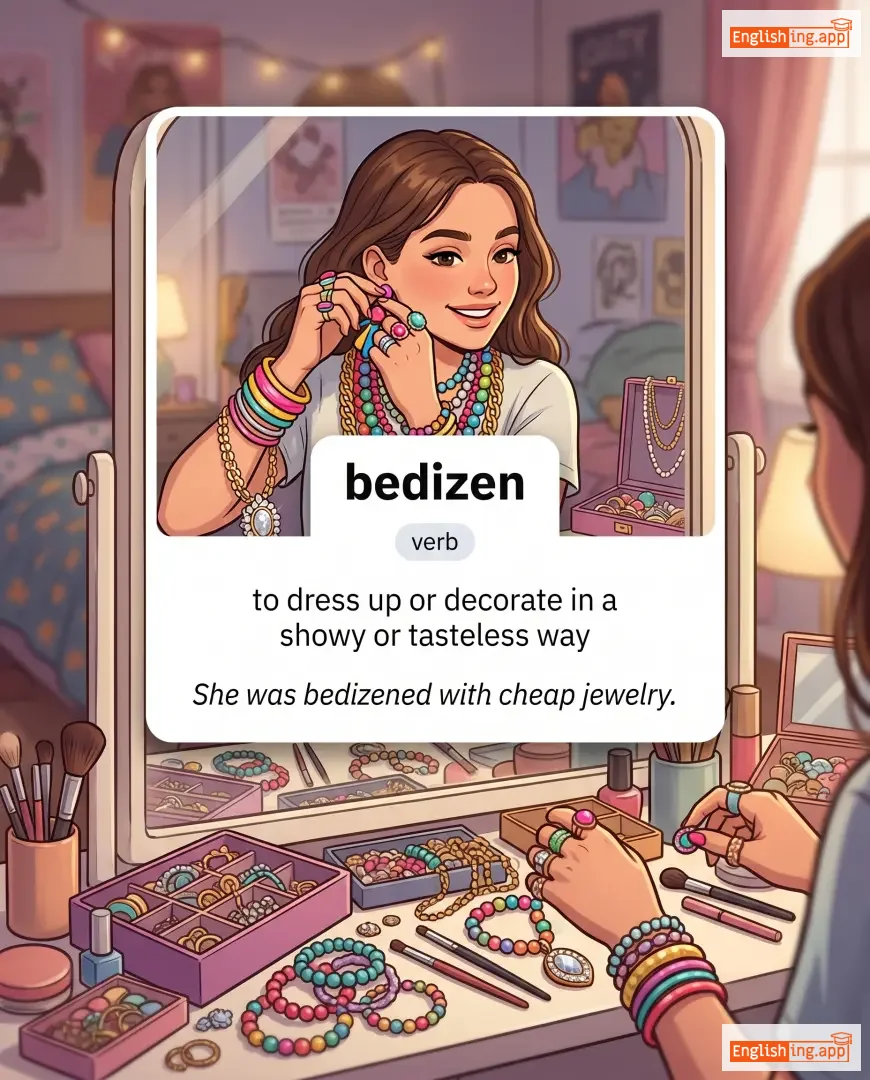
to dress up or decorate in a showy or tasteless way
••••••
|
She was bedizened with cheap jewelry.
她用便宜的珠宝装饰自己。
••••••
|
她用便宜的珠宝装饰自己。
Tā yòng piányí de zhūbǎo zhuāngshì zìjǐ.
••••••
|
- •••••• | - •••••• | - •••••• |
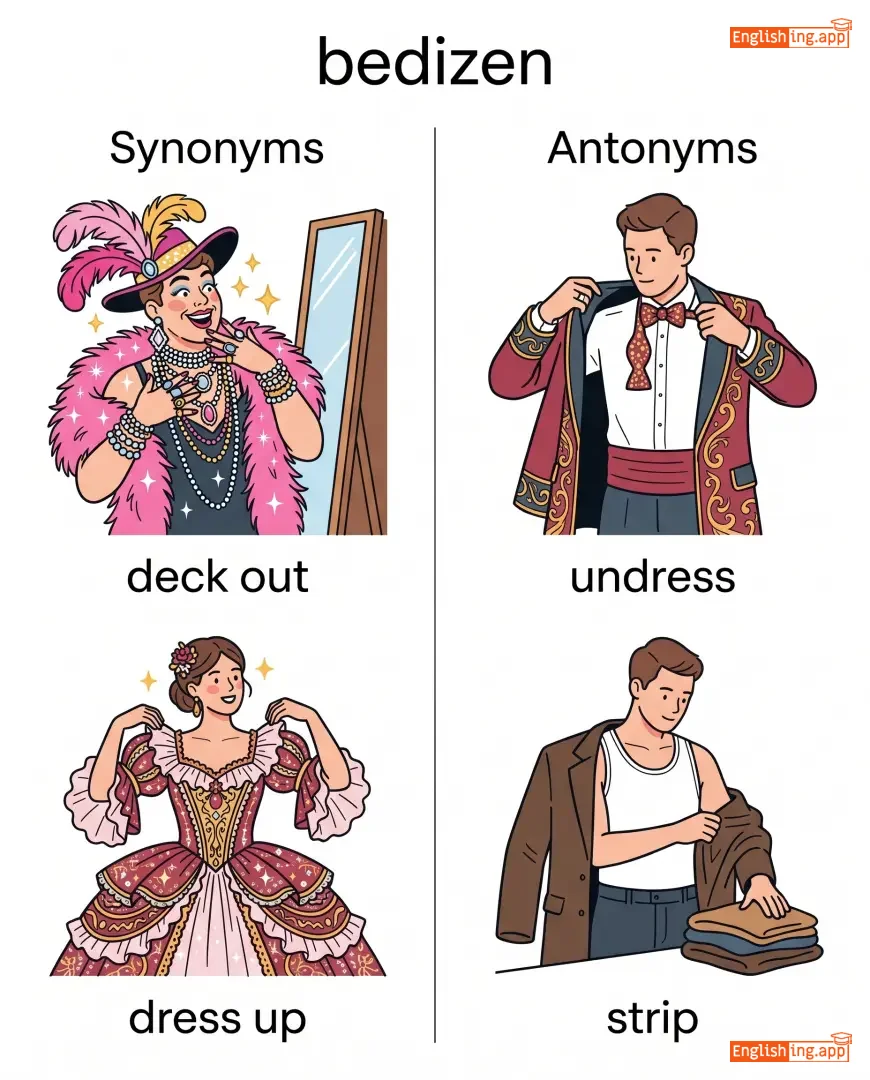
deck out, dress up, adorn, embellish, gaudy up
••••••
|
undress, strip, simplify
••••••
|
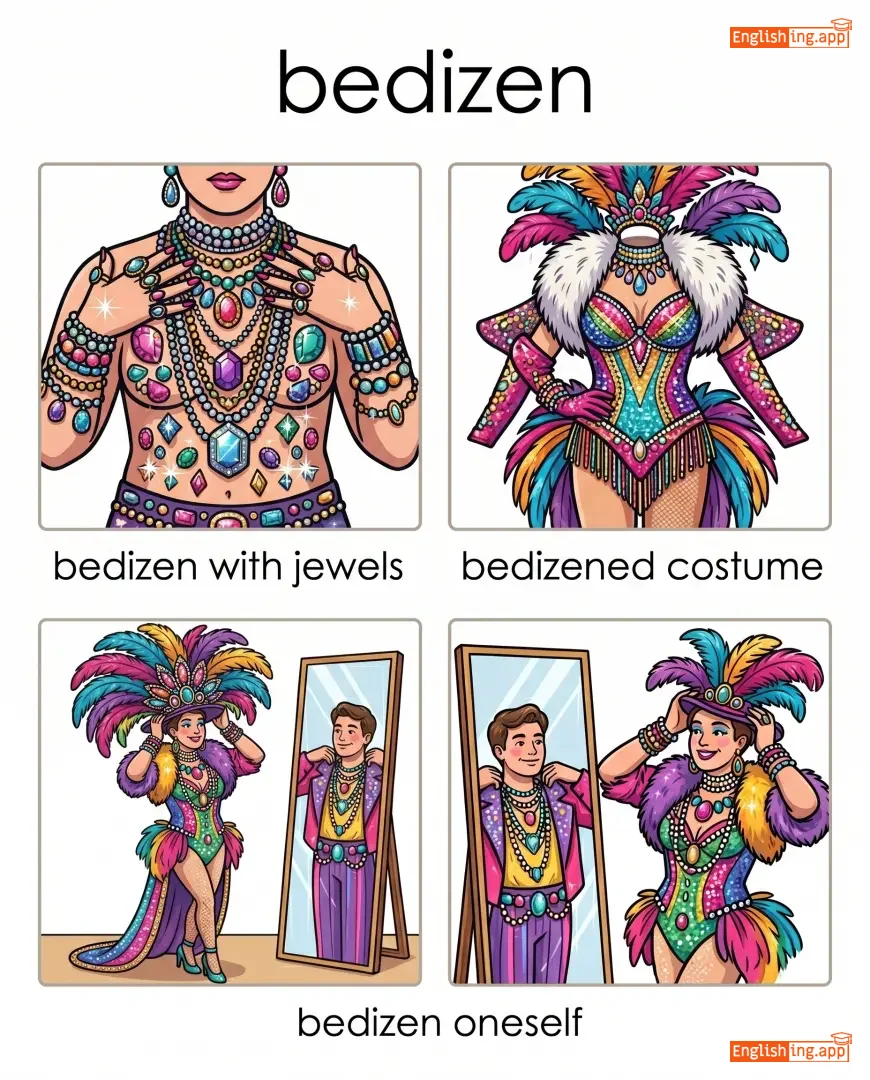
bedizen with jewels, bedizened costume, bedizen oneself
••••••
|
Bedizen是指过度装饰 — 像bedizened一样戴上很多珠宝。
••••••
|
|
#89
🐘
|
/bɪˈhiːməθ/
noun
(比赫莫斯)
••••••
|
|
巨大的生物或组织
juda de shengwu huo zuzhi
••••••
|
- •••••• | - •••••• | - •••••• | - •••••• |
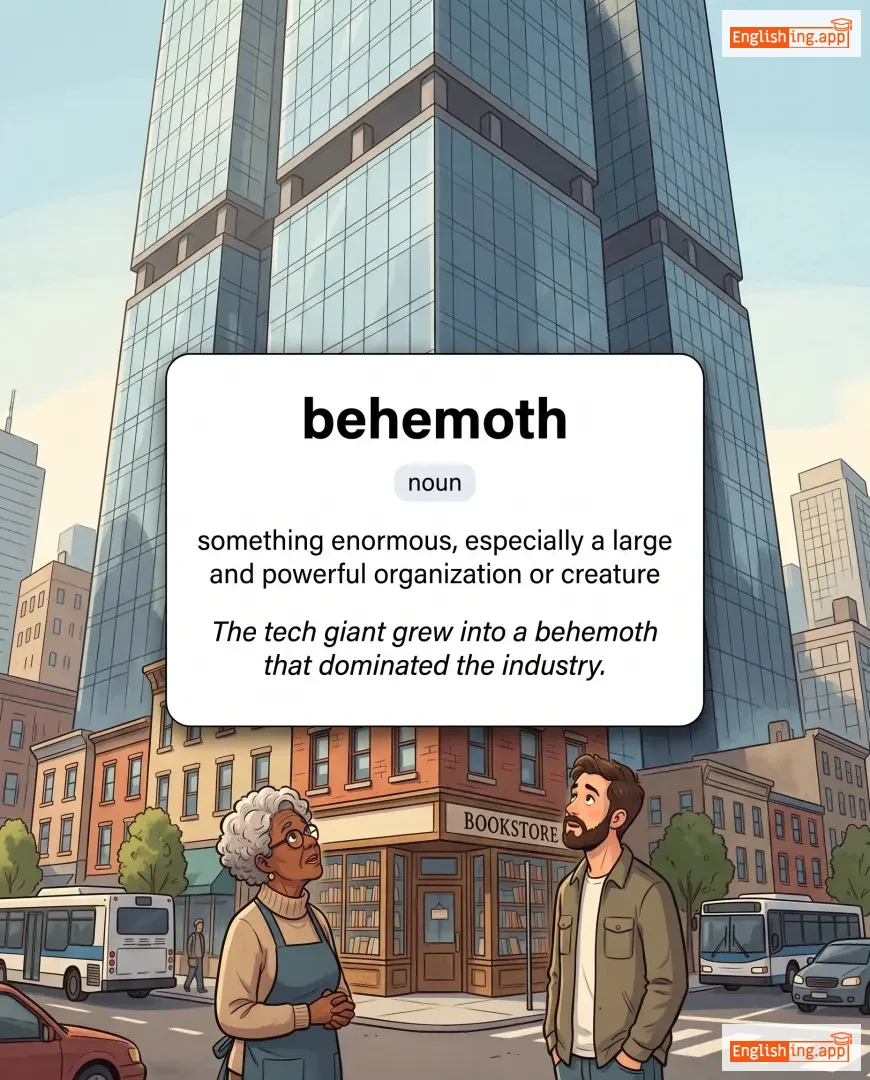
something enormous, especially a large and powerful organization or creature
••••••
|
The tech giant grew into a behemoth that dominated the industry.
科技巨头成为了一个主宰行业的庞然大物。
••••••
|
科技巨头成为了一个主宰行业的庞然大物。
Keji jituo chengwei le yige zhuzai hangye de pangran dawu.
••••••
|
- •••••• | - •••••• | - •••••• |
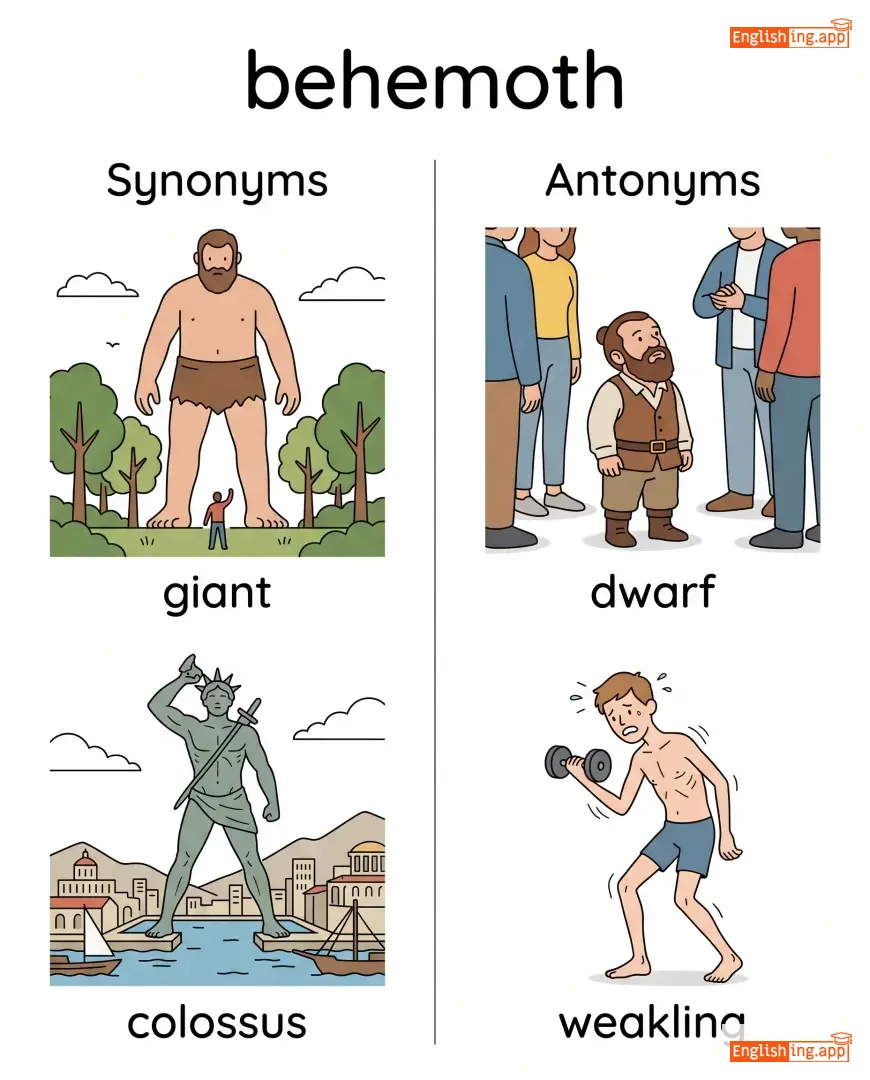
giant, colossus, titan, leviathan, powerhouse
••••••
|
dwarf, weakling, small fry
••••••
|
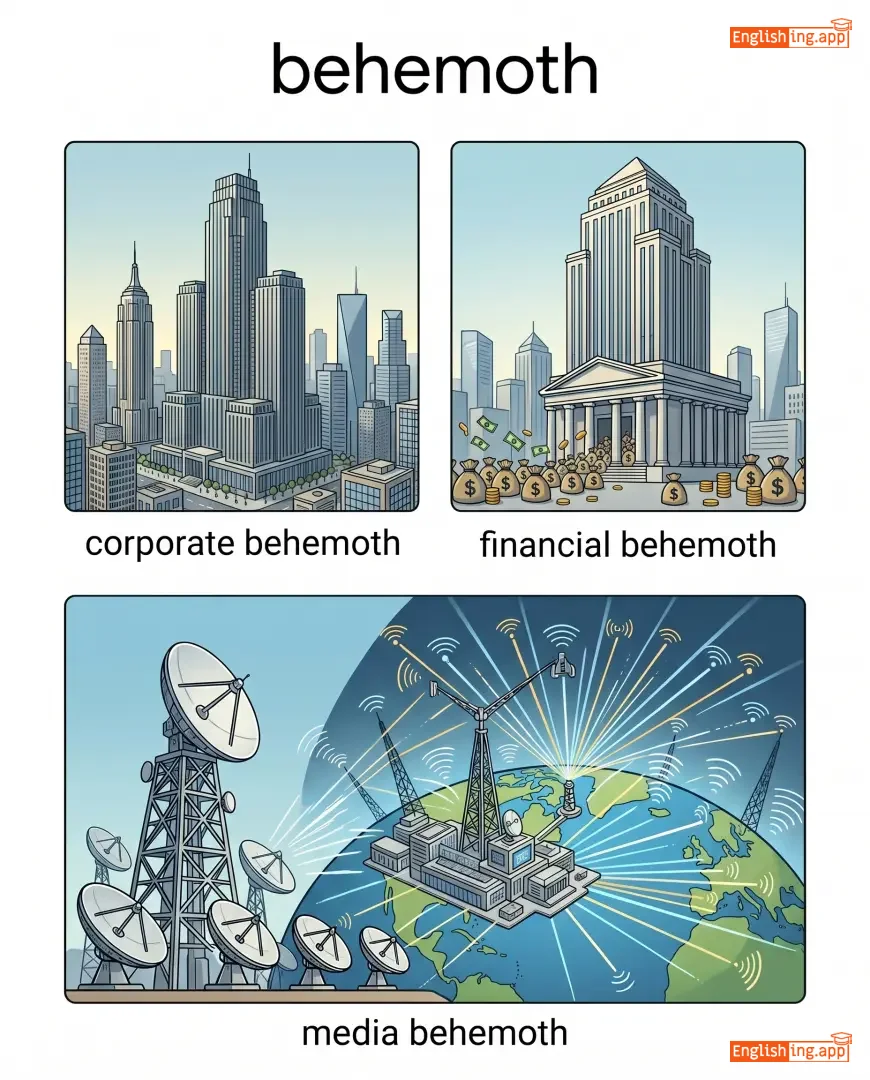
corporate behemoth, financial behemoth, media behemoth
••••••
|
Behemoth = 就像一只巨大的怪物,超乎想象!
••••••
|
|
#90
🎭
|
/bɪˈlaɪ/
verb
(bílái)
••••••
|
|
掩饰
yǎnshì
••••••
|
belied
bǐlái
••••••
|
belied
bǐlái
••••••
|
belies
bílái
••••••
|
belying
bīlái
••••••
|
To give a false impression of something; to contradict.
••••••
|
His calm face belied his inner anxiety.
His calm face belied his inner anxiety.
••••••
|
他平静的面容掩饰了他内心的焦虑。
Tā píngjìng de miànróng yǎnshìle tā nèixīn de jiāolǜ.
••••••
|
- •••••• | - •••••• | - •••••• |
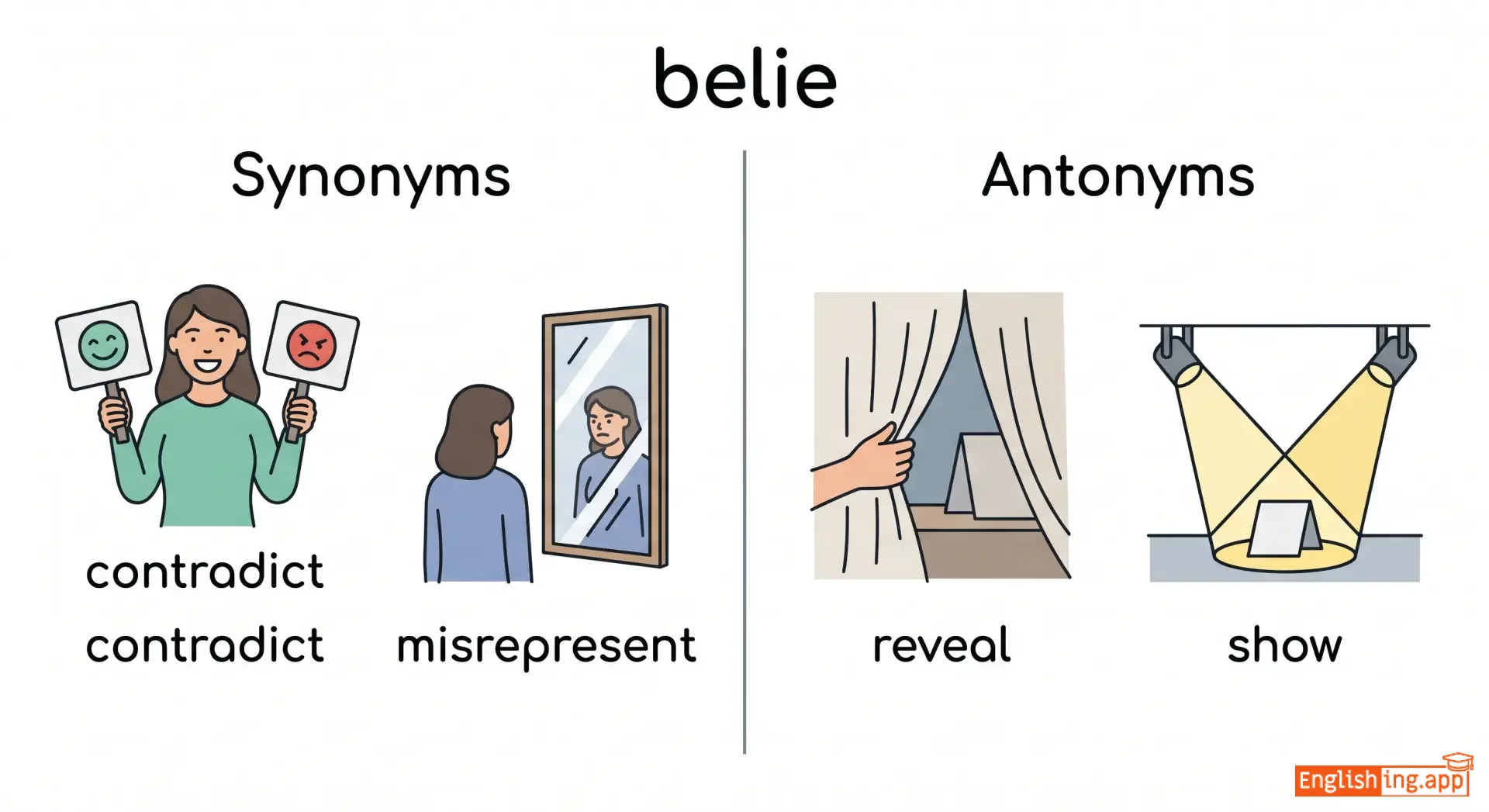
contradict, misrepresent, disguise, falsify, distort
••••••
|
reveal, show, represent
••••••
|
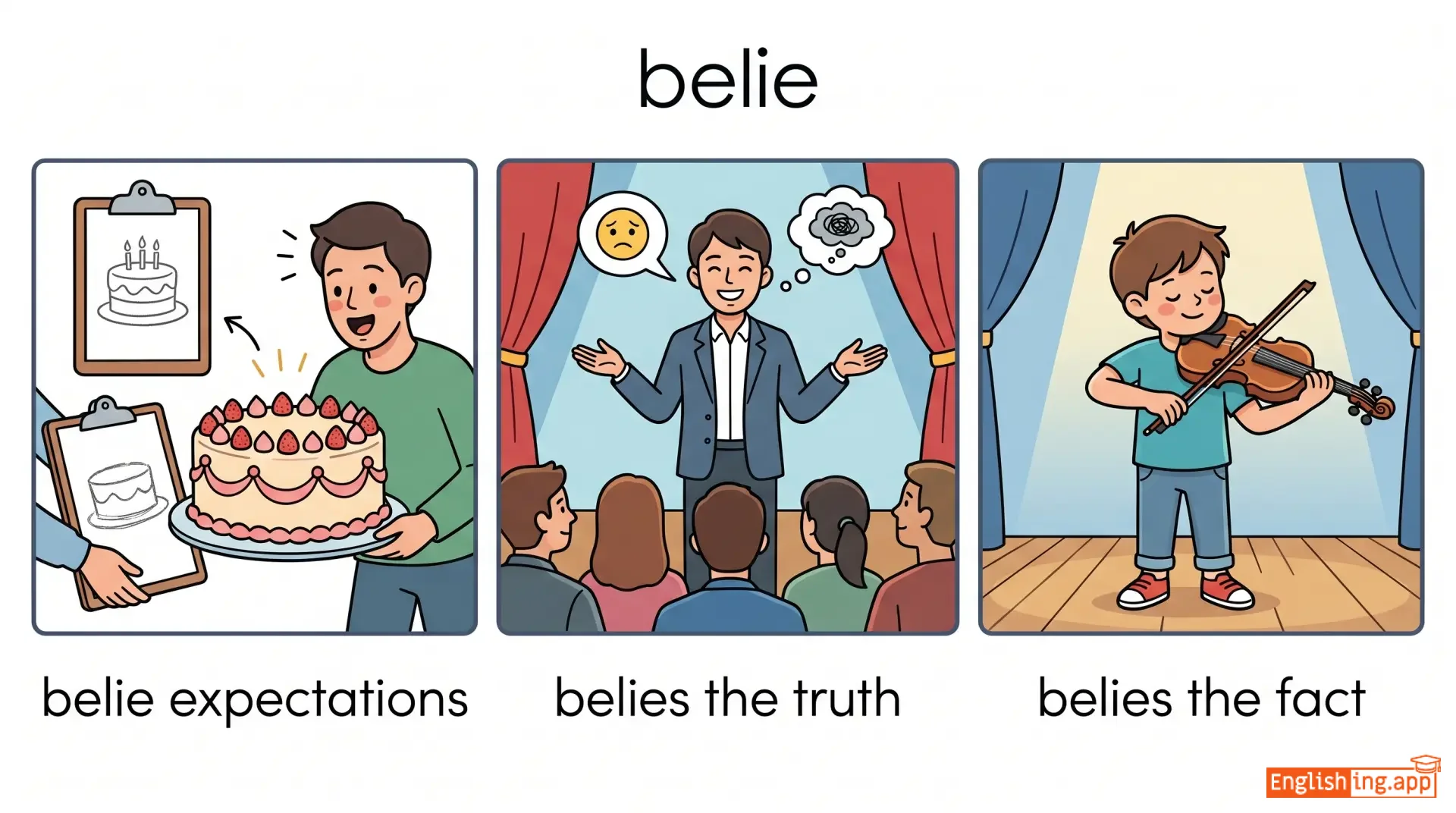
belie expectations, belies the truth, belies the fact, belied his nature
••••••
|
Belie 是 Believe 的反义词—看见的并非真实。
••••••
|
|
#91
🌟
|
/bəˈnɛfɪsənt/
adjective
(贝内费森特)
••••••
|
|
仁慈的, 慷慨的
réncí de, kāngkǎi de
••••••
|
- •••••• | - •••••• | - •••••• | - •••••• |
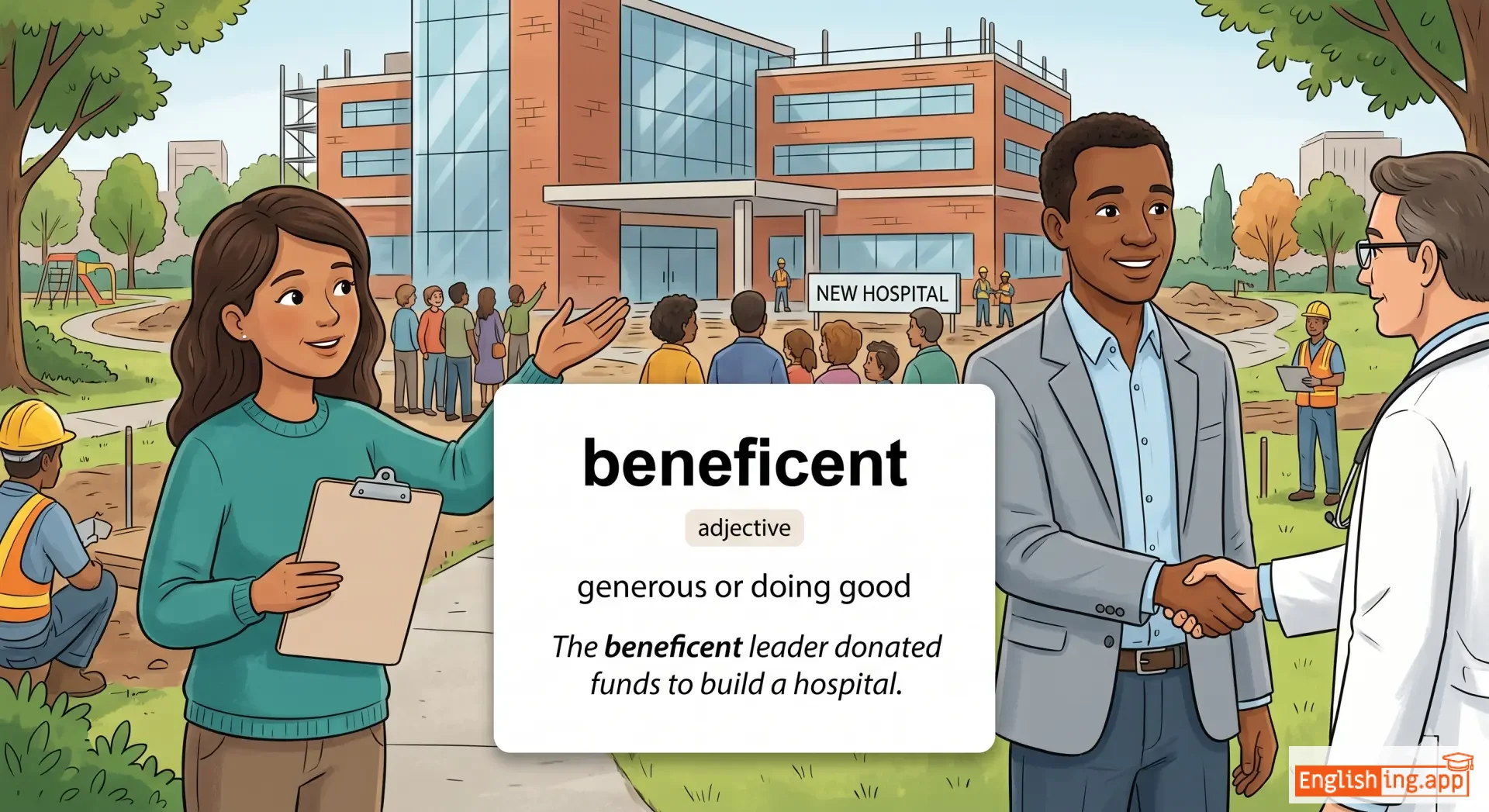
generous or doing good
••••••
|
The beneficent leader donated funds to build a hospital. |
仁慈的领导人捐赠了资金以建造医院。
Réncí de lǐngdǎo rén juānzèngle zījīn yǐ jiànzào yīyuàn.
••••••
|
- •••••• | - •••••• | - •••••• |
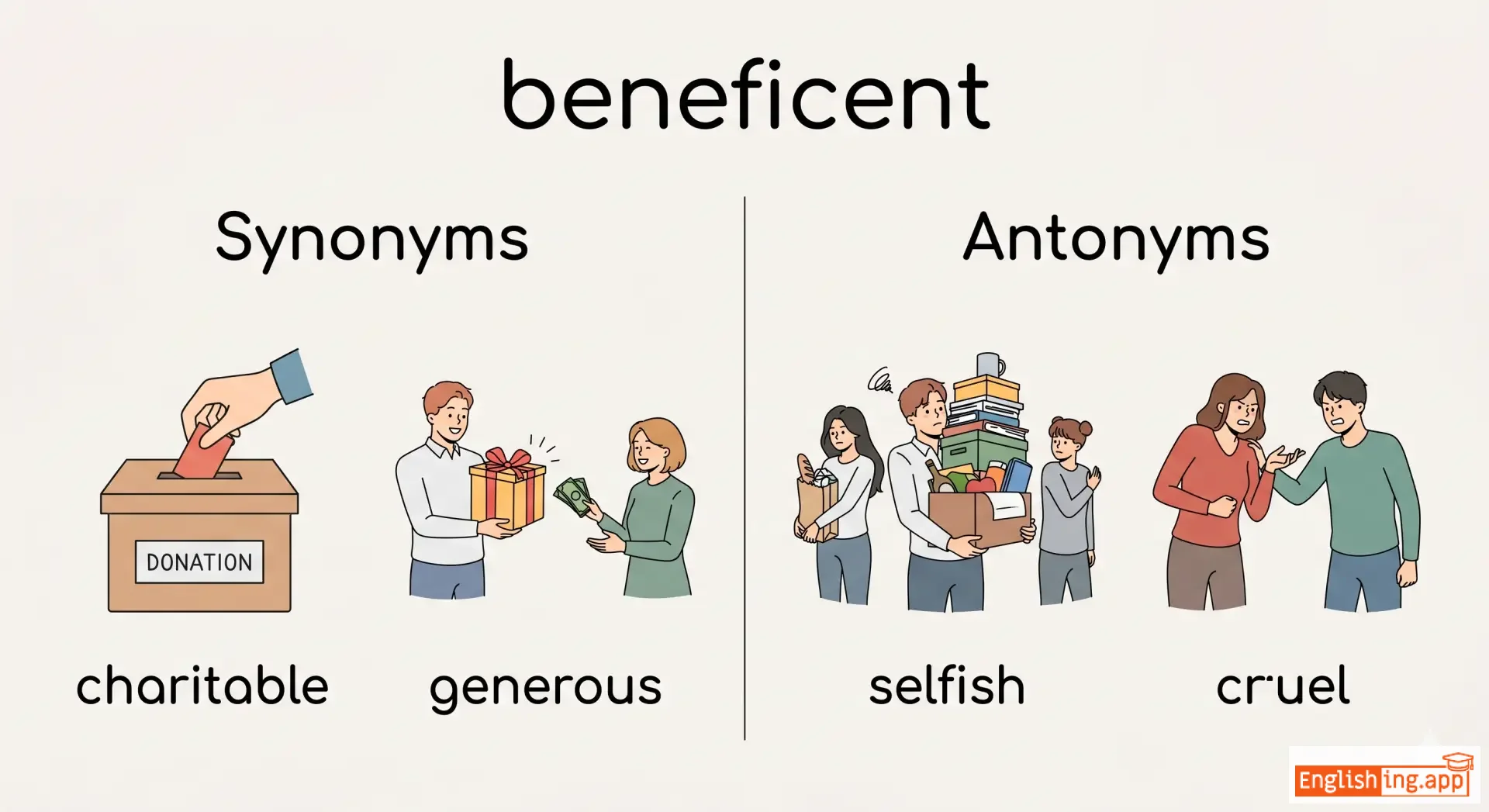
charitable, generous, kind, philanthropic
••••••
|
selfish, cruel
••••••
|
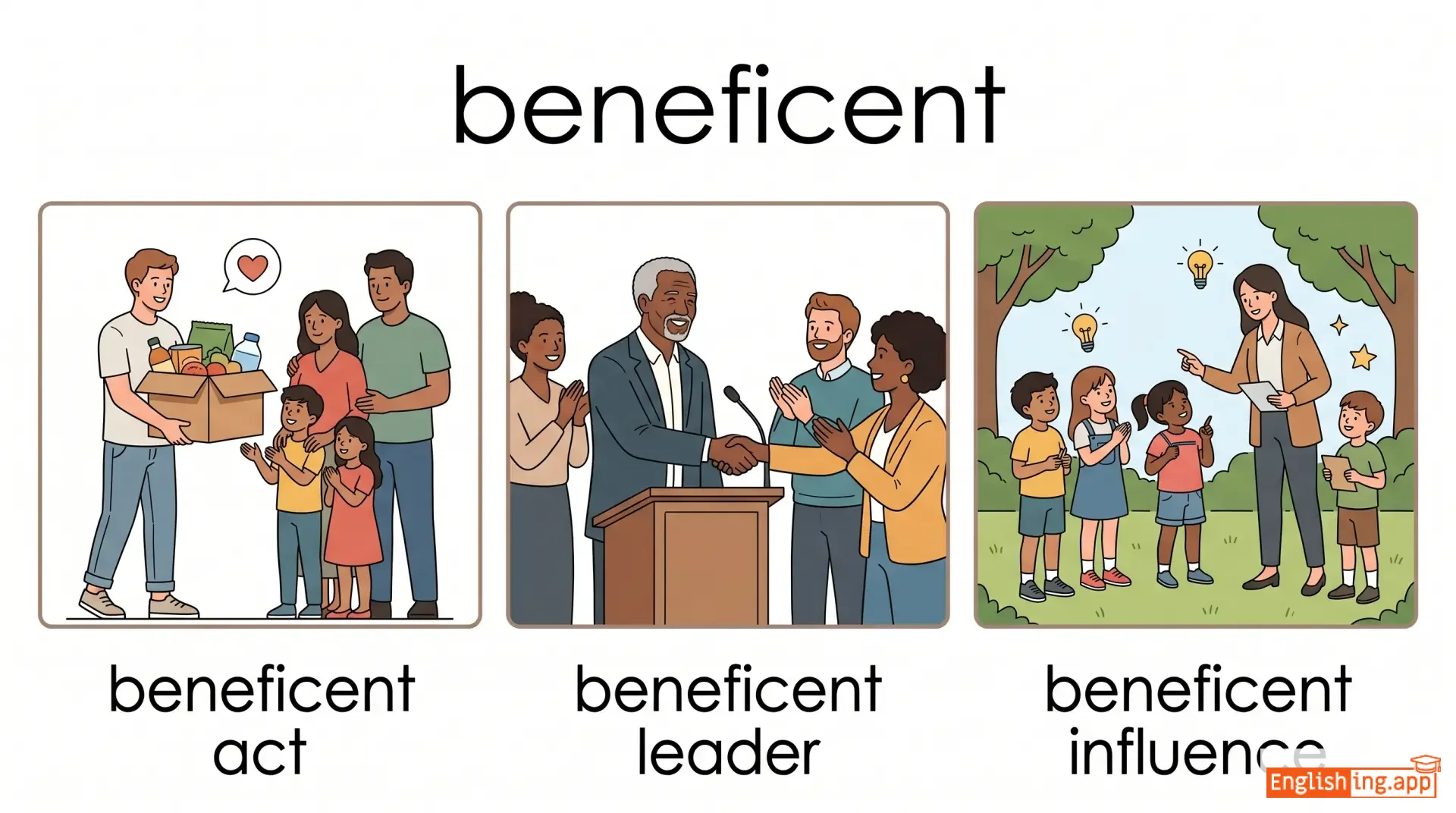
beneficent act, beneficent leader, beneficent influence
••••••
|
Beneficent = bene (好) + efficient - 做好事的高效方式。
••••••
|
|
#92
🔀
|
/ˈbaɪfərˌkeɪt/
verb
(bɪfərˈkeɪt)
••••••
|
|
分成两部分
fen cheng liang bu fen
••••••
|
bifurcated
bɪfərˈkeɪtɪd
••••••
|
bifurcated
bɪfərˈkeɪtɪd
••••••
|
bifurcates
bɪfərˈkeɪts
••••••
|
bifurcating
bɪfərˈkeɪtɪŋ
••••••
|
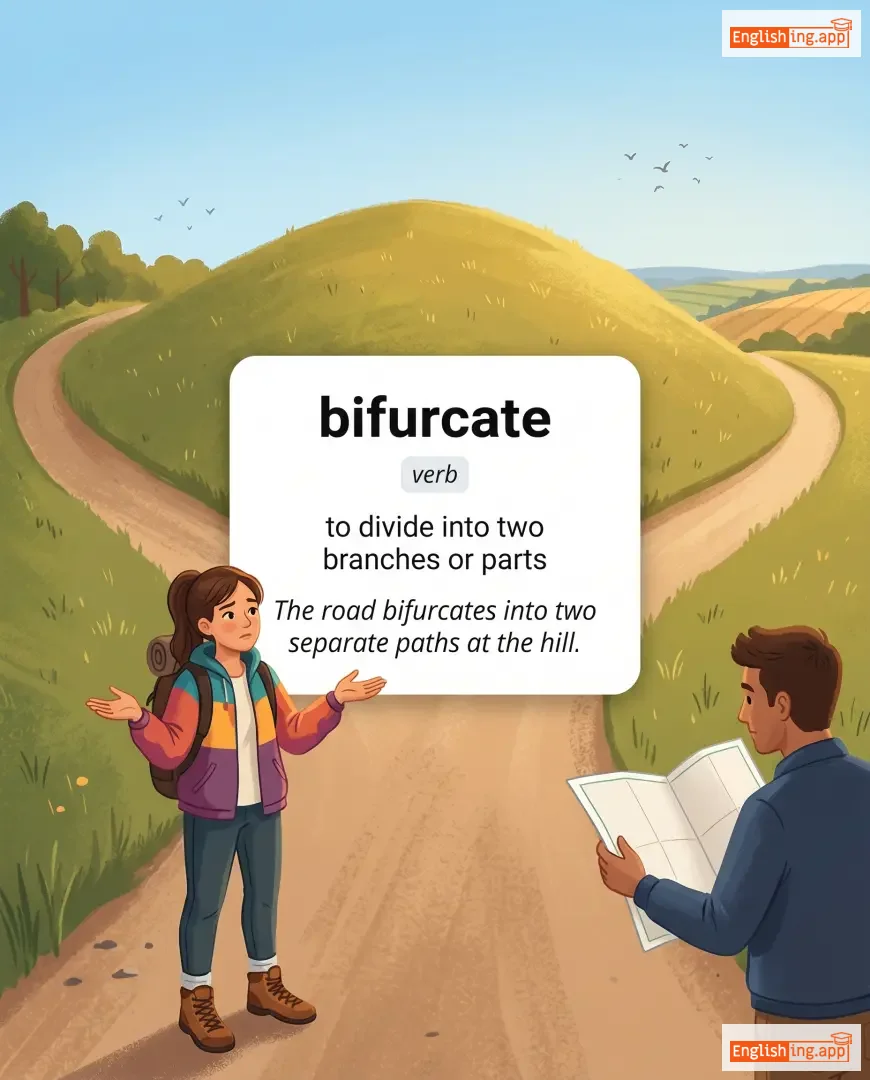
to divide into two branches or parts
••••••
|
The road bifurcates into two separate paths at the hill.
这条路在山丘处分岔成两条分开的路。
••••••
|
这条路在山丘处分岔成两条分开的路。
Zhe tiao lu zai shanqiu chu fencha cheng liang tiao fenkai de lu.
••••••
|
- •••••• | - •••••• | - •••••• |
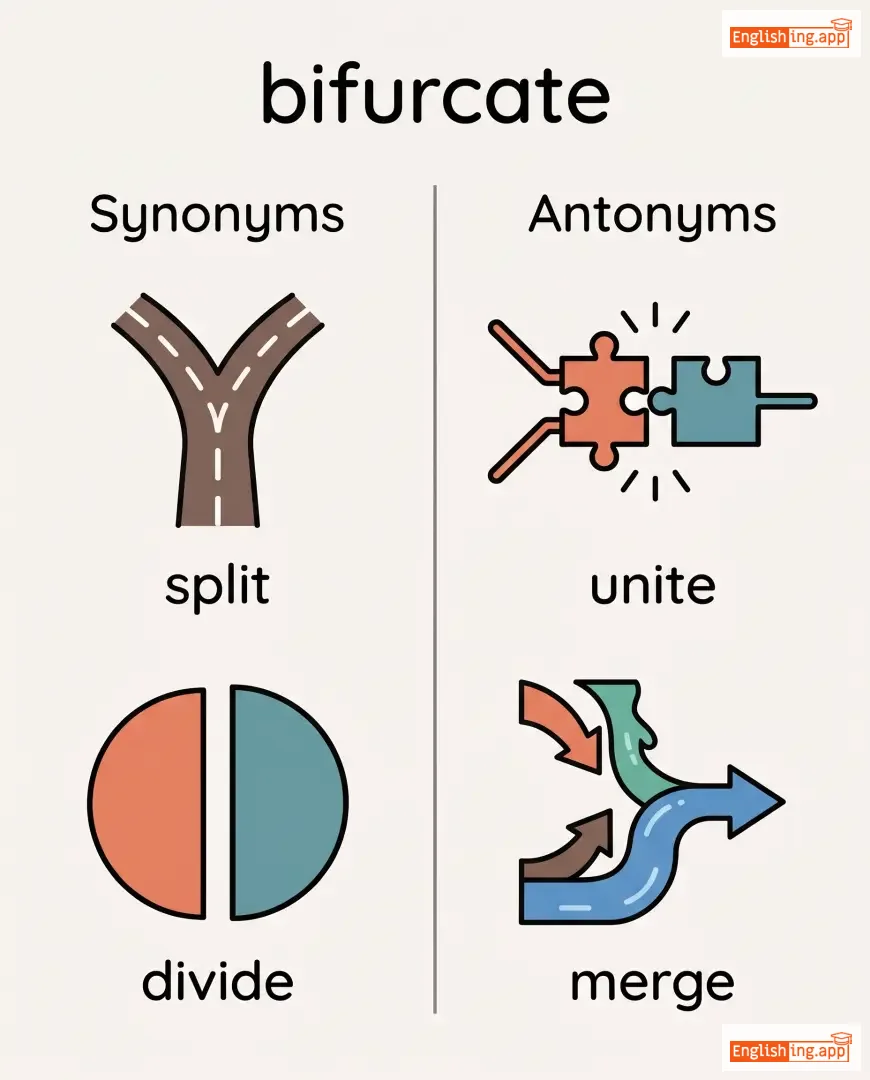
split, divide, branch, fork
••••••
|
unite, merge, join
••••••
|
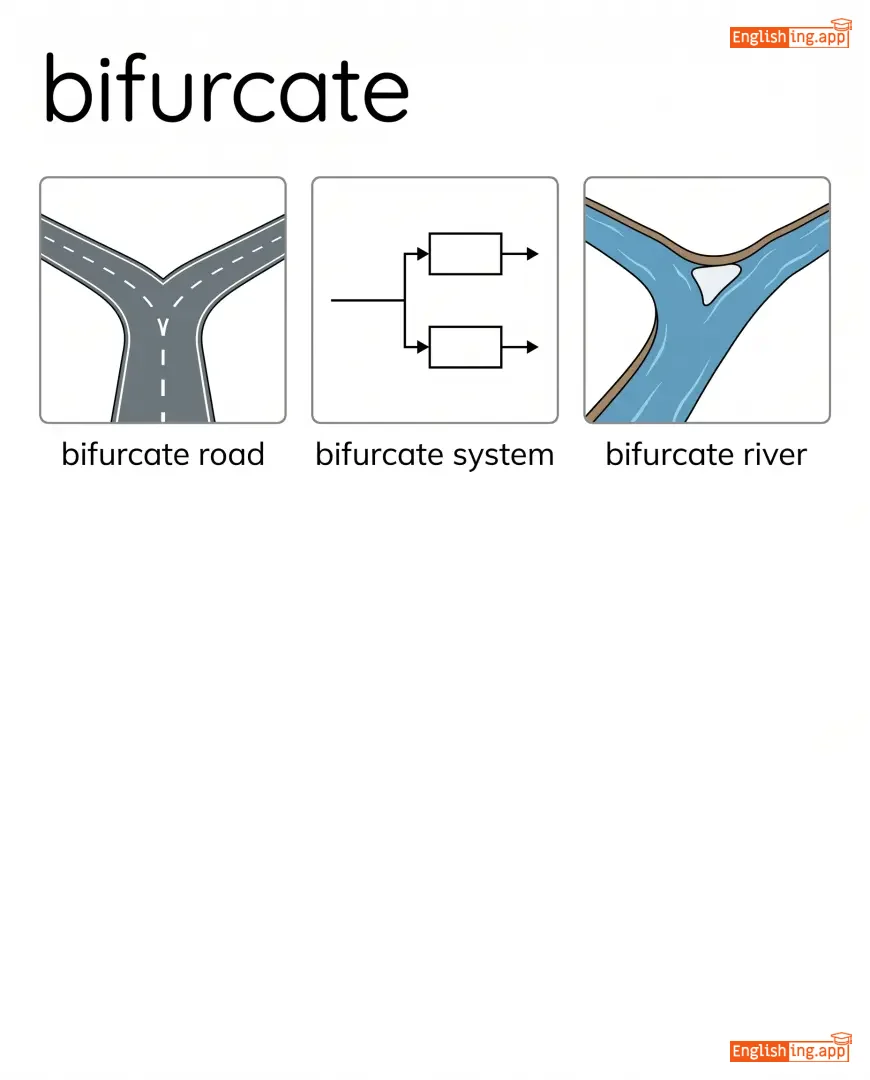
bifurcate road, bifurcate system, bifurcate river
••••••
|
BIFURCATE = 分叉像叉子
••••••
|
|
#93
🗣️
|
/ˈblændɪʃmənt/
noun
(blændɪʃmənt)
••••••
|
|
恭维
gongwei
••••••
|
- •••••• | - •••••• | - •••••• | - •••••• |
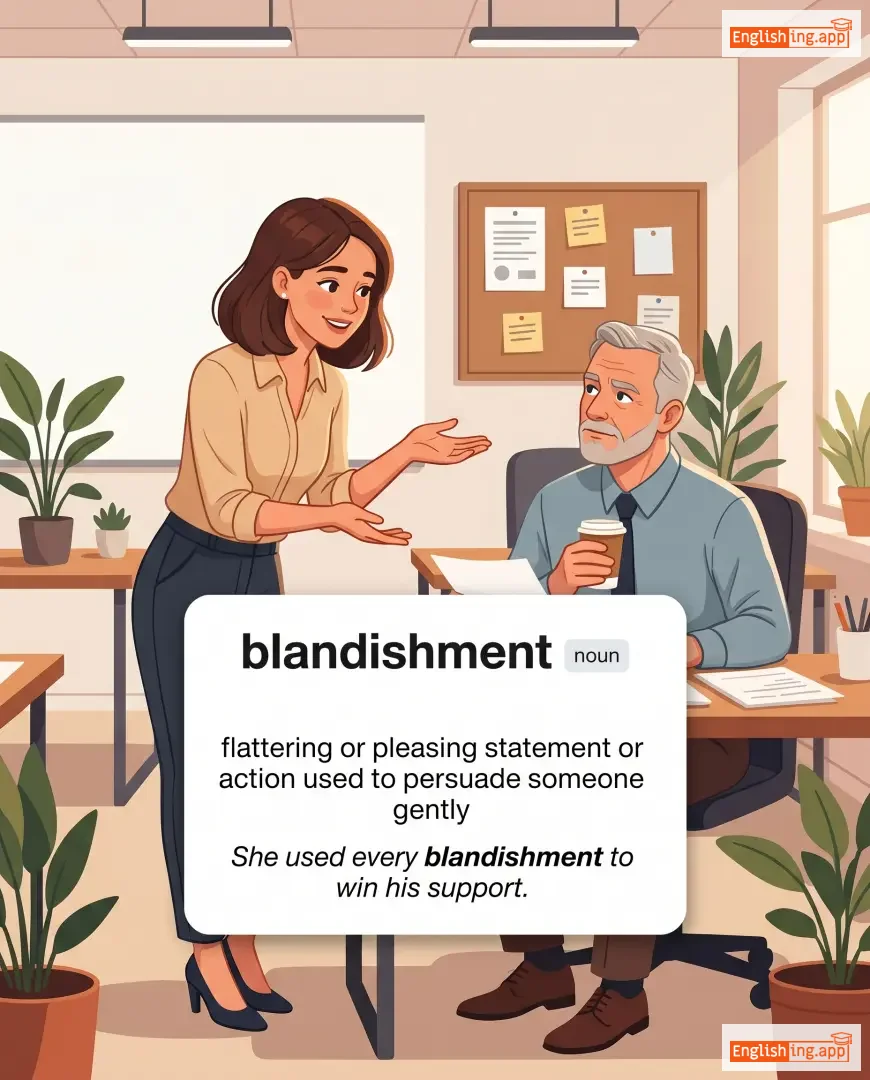
flattering or pleasing statement or action used to persuade someone gently
••••••
|
She used every blandishment to win his support. |
她用了所有的恭维来赢得他的支持。
Tā yòngle suǒyǒu de gōngwéi lái yíngdé tā de zhīchí.
••••••
|
- •••••• | - •••••• | - •••••• |
flattery, cajolery, praise, coaxing
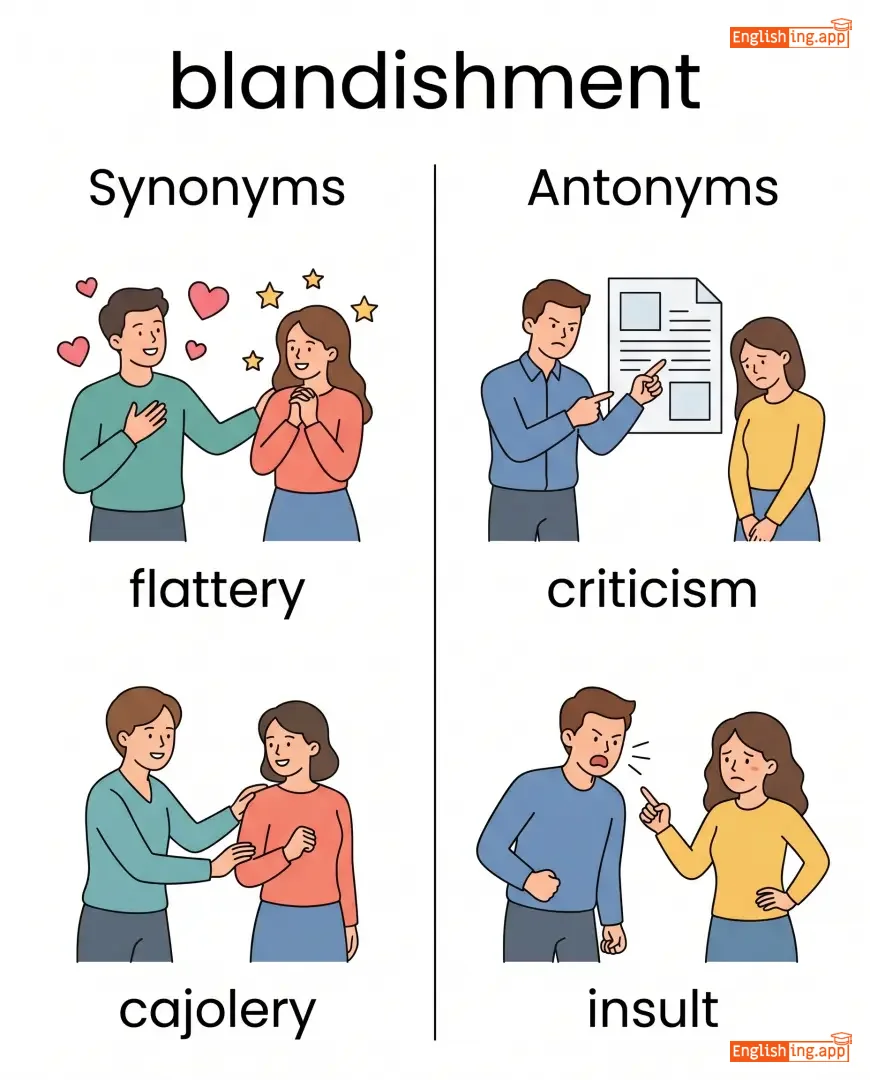
••••••
|
criticism, insult
••••••
|
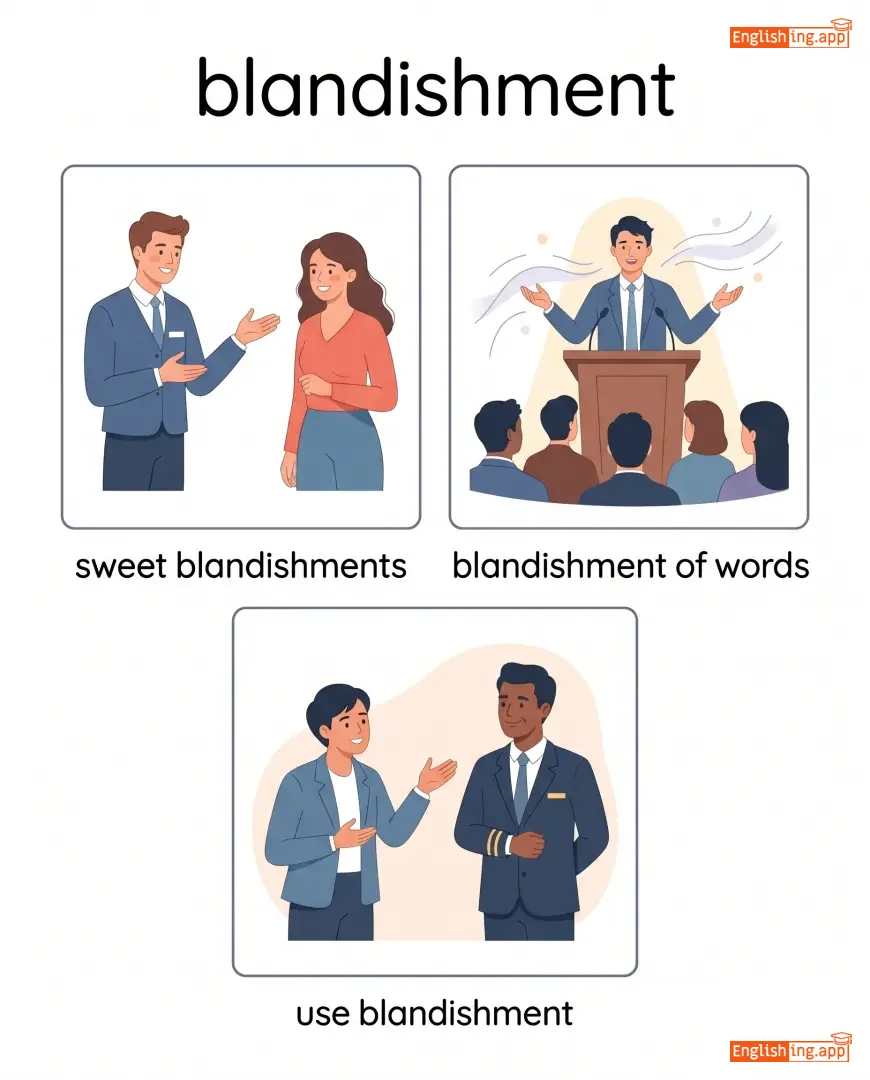
sweet blandishments, blandishment of words, use blandishment
••••••
|
Blandishment = bland + entertainment = 用恭维话获得支持。
••••••
|
|
#94
🛏️
|
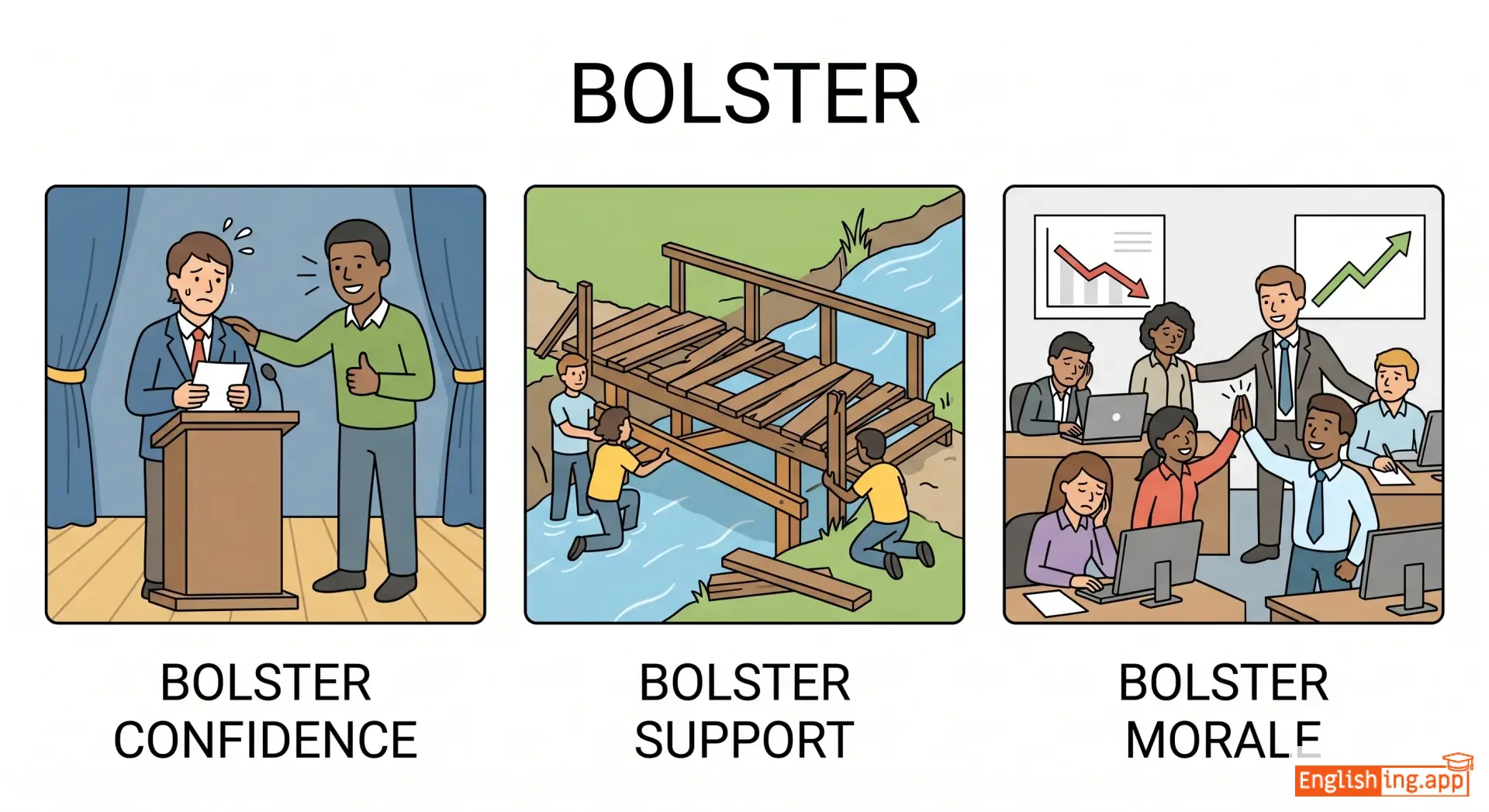
/ˈboʊlstər/
verb
••••••
|
|
- •••••• |
bolstered
••••••
|
bolstered
••••••
|
bolsters
••••••
|
bolstering
••••••
|
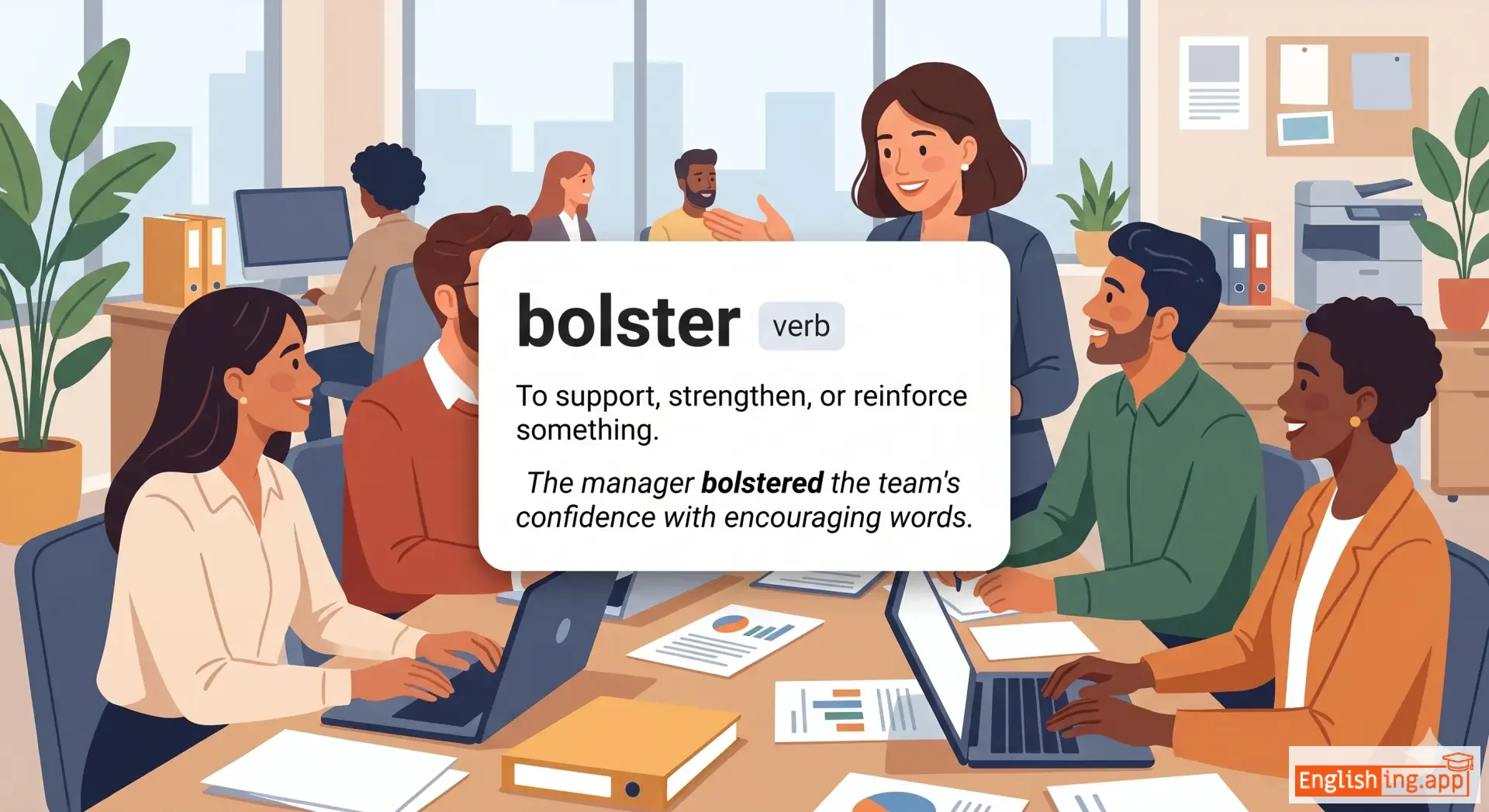
To support, strengthen, or reinforce something.
••••••
|
The manager bolstered the team's confidence with encouraging words. |
- •••••• |
bolster up |
To give support or encouragement to something or someone.
••••••
|
- •••••• |
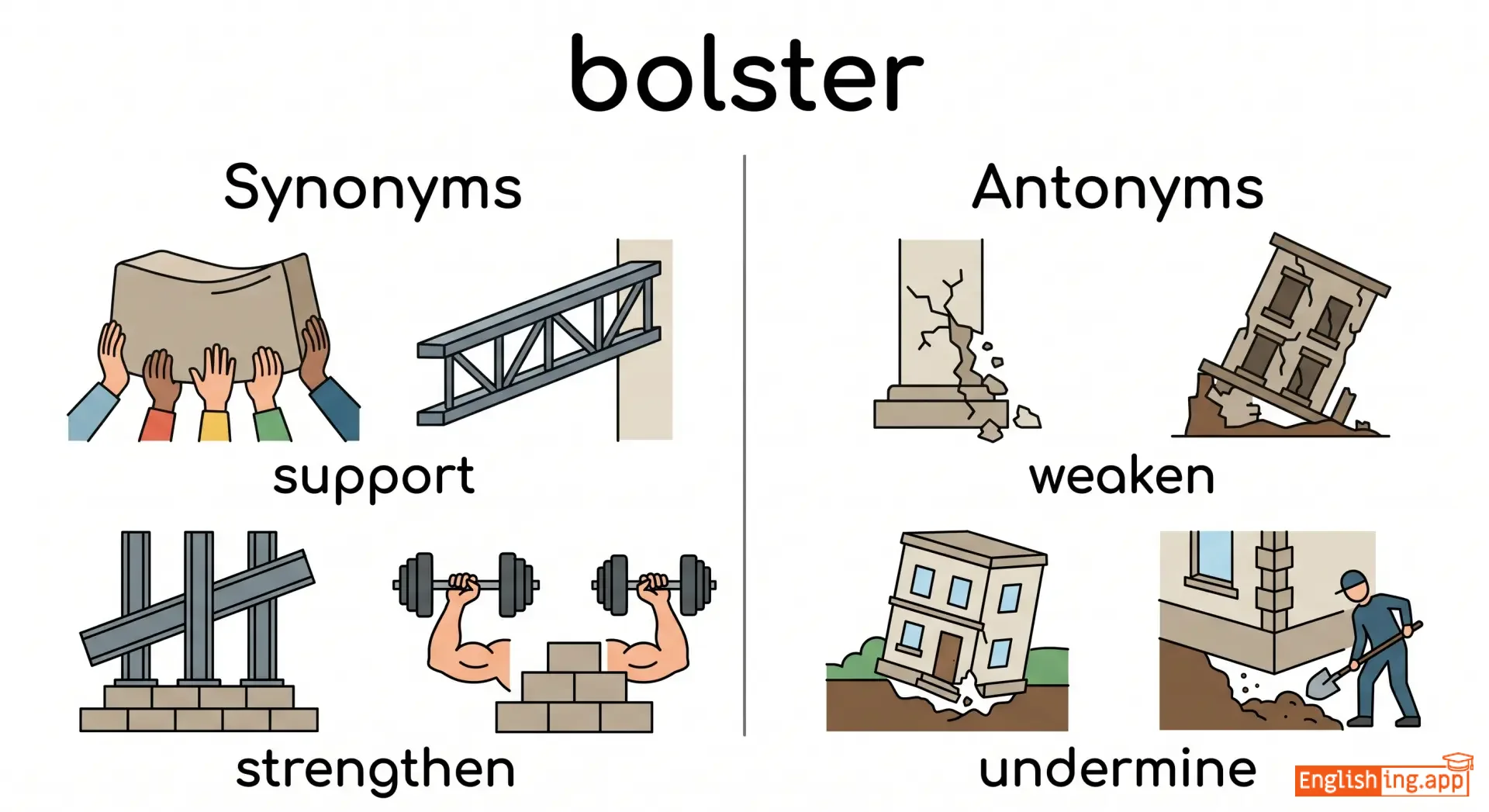
support, strengthen, boost, reinforce, encourage
••••••
|
weaken, undermine, discourage
••••••
|
bolster confidence, bolster support, bolster morale, bolster argument
••••••
|
No •••••• |
|
#95
🎙️
|
/bɒmˈbæstɪk/
adjective
(邦巴斯蒂克)
••••••
|
|
浮夸
fu kua
••••••
|
- •••••• | - •••••• | - •••••• | - •••••• |
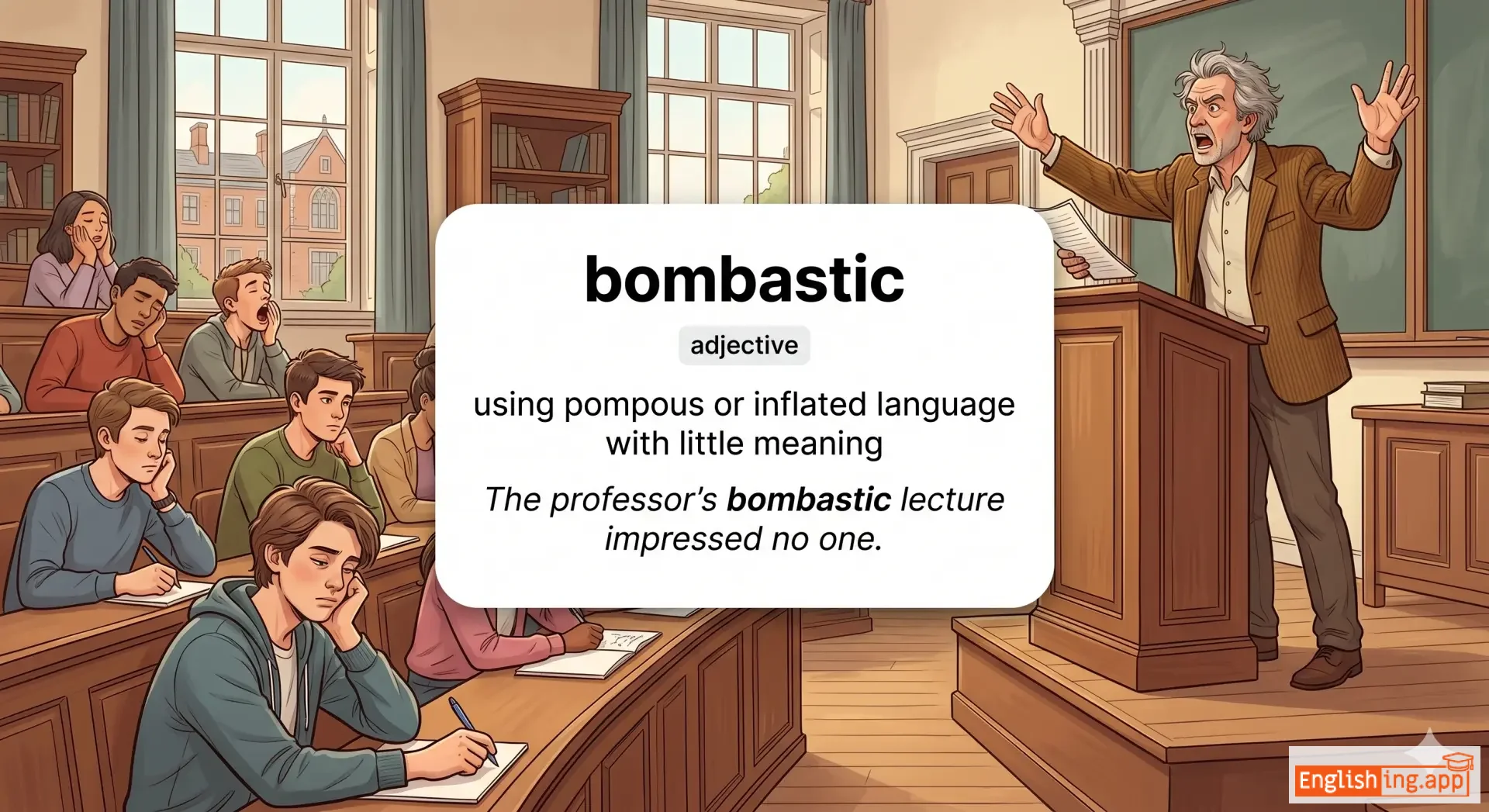
using pompous or inflated language with little meaning
••••••
|
The professor’s bombastic lecture impressed no one.
教授那场充满夸张的讲座没有给任何人留下深刻印象。
••••••
|
教授那场浮夸的讲座没有给任何人留下深刻印象。
Jiaoshou na chang fu kua de jiangzuo mei you gei renhe ren liu xia shenke yinxiang.
••••••
|
- •••••• | - •••••• | - •••••• |
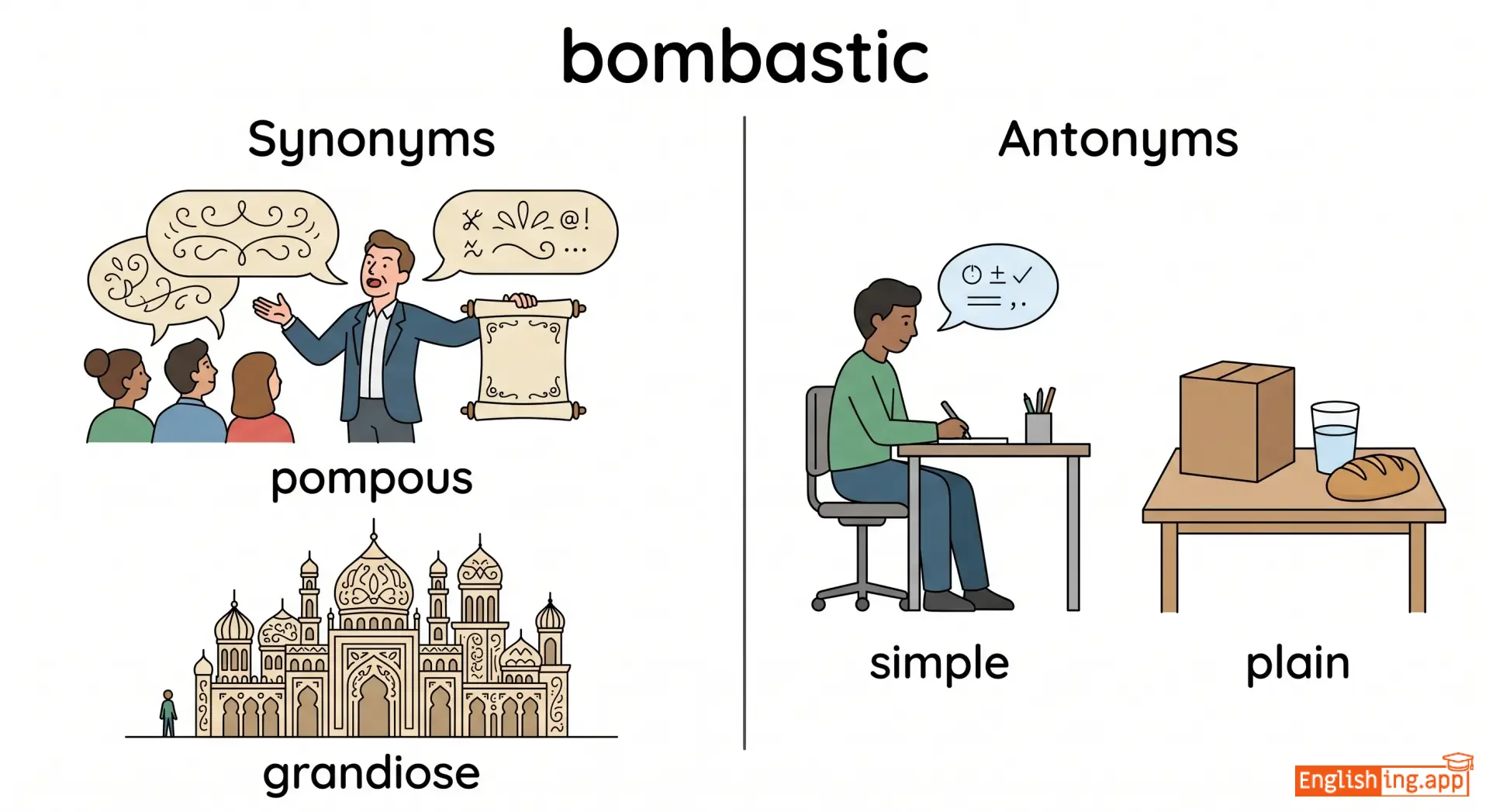
pompous, grandiose, pretentious, overblown, inflated
••••••
|
simple, plain, humble
••••••
|
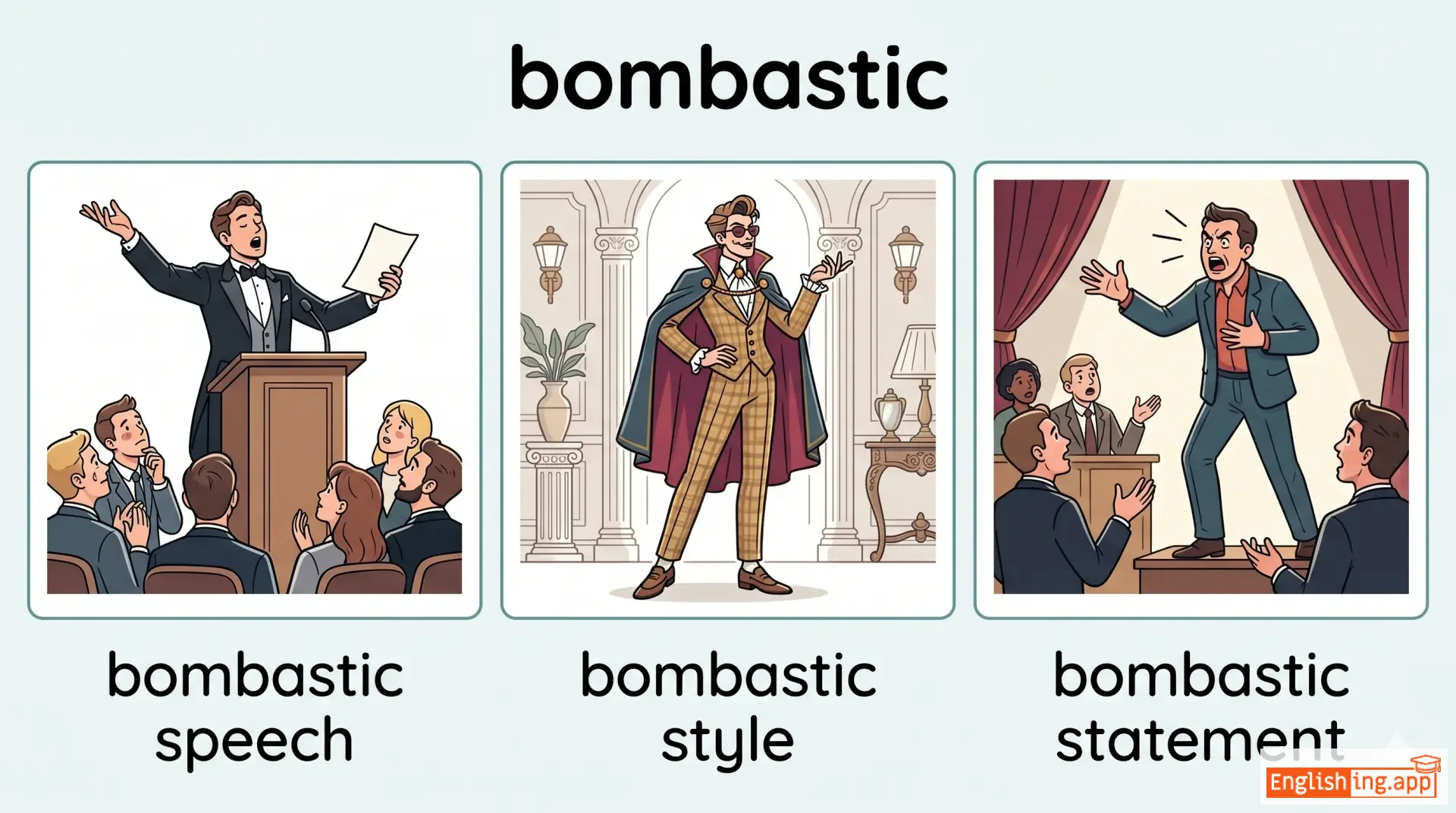
bombastic speech, bombastic style, bombastic statement
••••••
|
Bombastic意味着使用像炸弹一样的语言,外面很大,里面却是空的。
••••••
|
|
#96
🤦
|
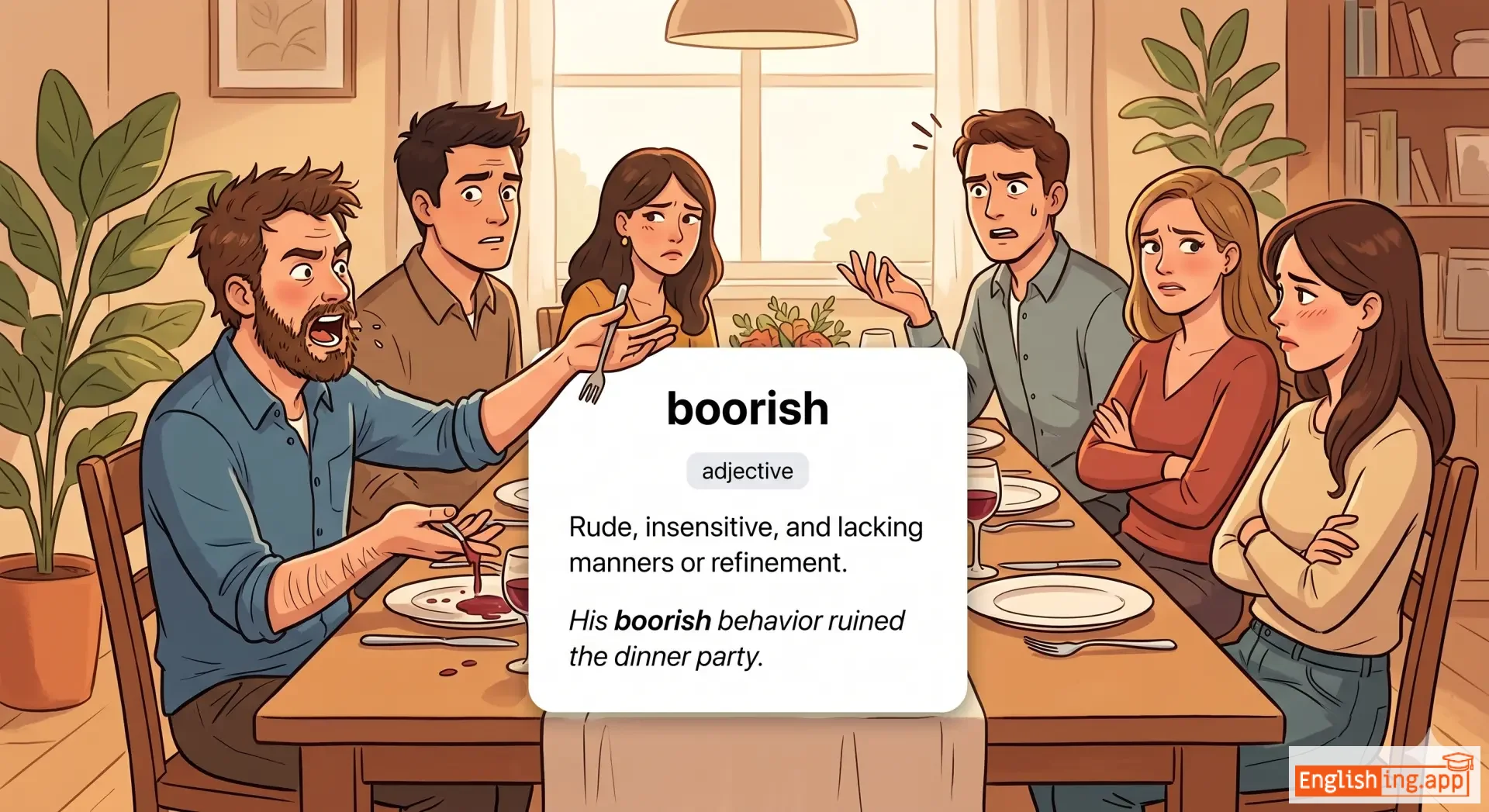
/ˈbʊərɪʃ/
adjective
(búrish)
••••••
|
|
粗鲁
culu
••••••
|
- •••••• | - •••••• | - •••••• | - •••••• |
Rude, insensitive, and lacking manners or refinement.
••••••
|
His boorish behavior ruined the dinner party.
他的búrish行为毁了晚宴。
••••••
|
他的粗鲁行为毁了晚宴。
Tā de cūlǔ xíngwéi huǐle wǎnyàn.
••••••
|
- •••••• | - •••••• | - •••••• |
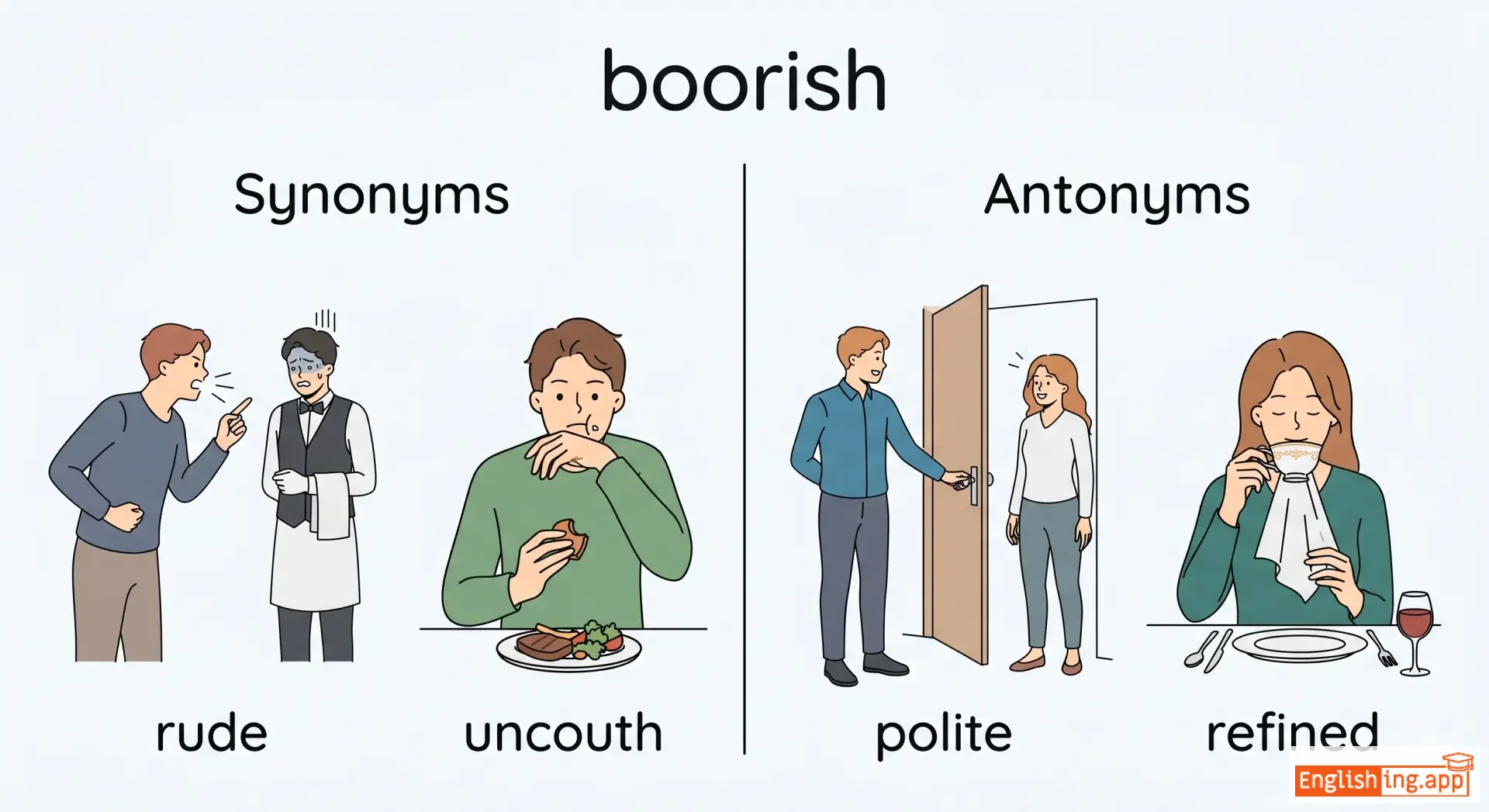
rude, uncouth, vulgar, ill-mannered, coarse
••••••
|
polite, refined, courteous
••••••
|
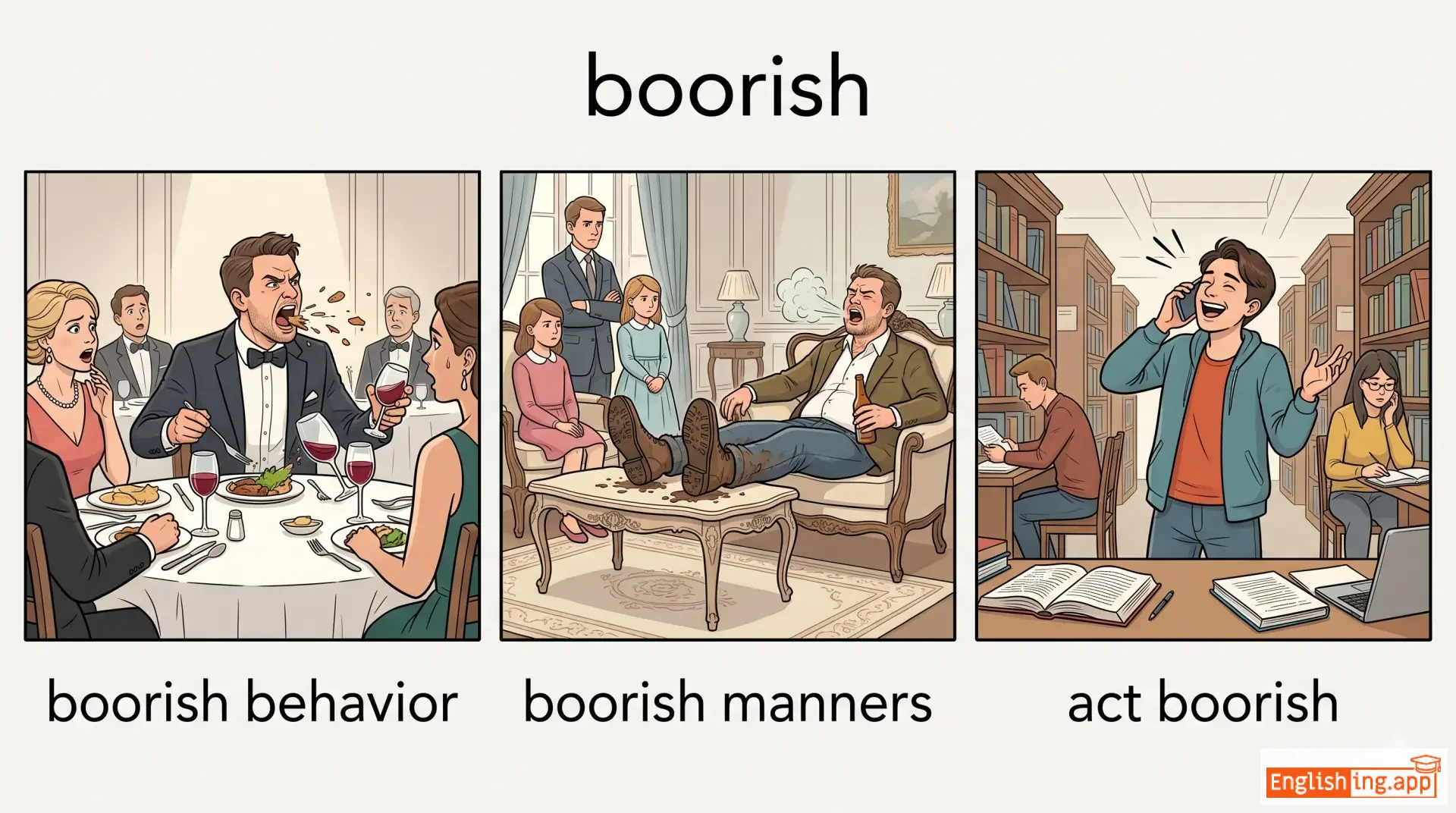
boorish behavior, boorish manners, act boorish
••••••
|
Boorish 可以记住为粗鲁的行为
••••••
|
|
#97
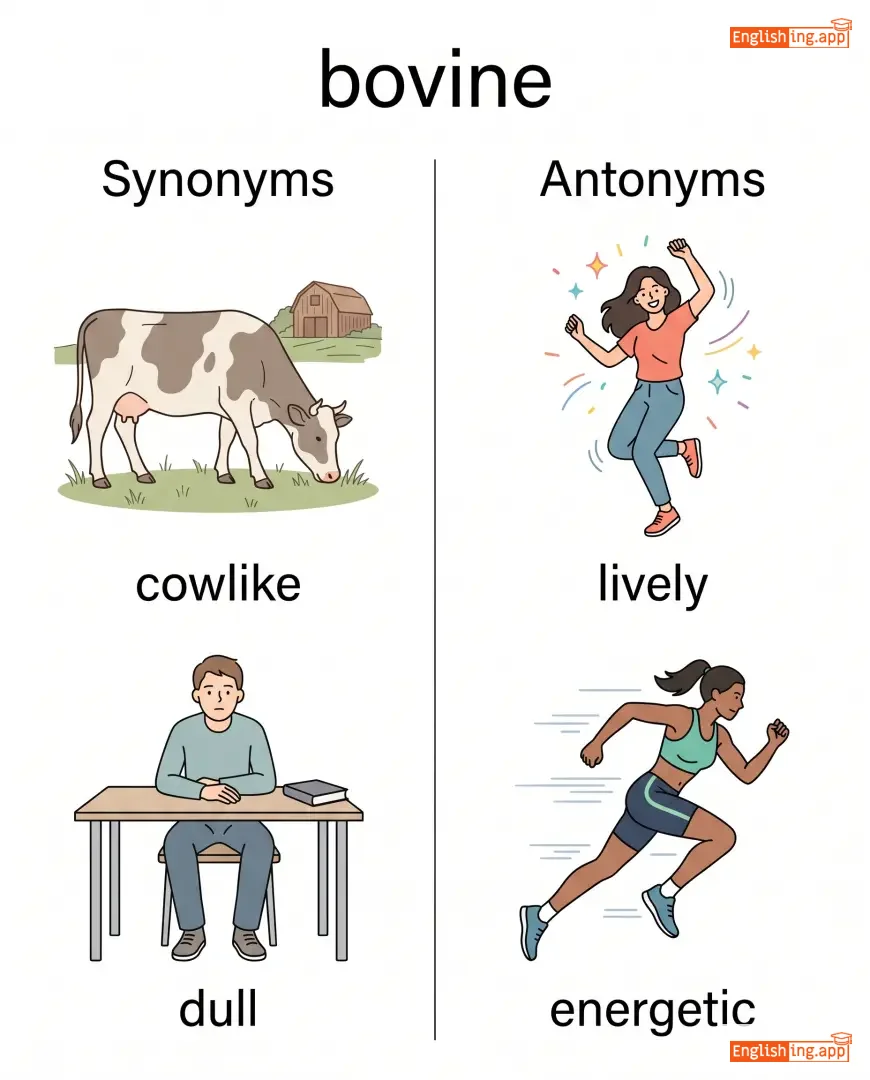
🐄
|
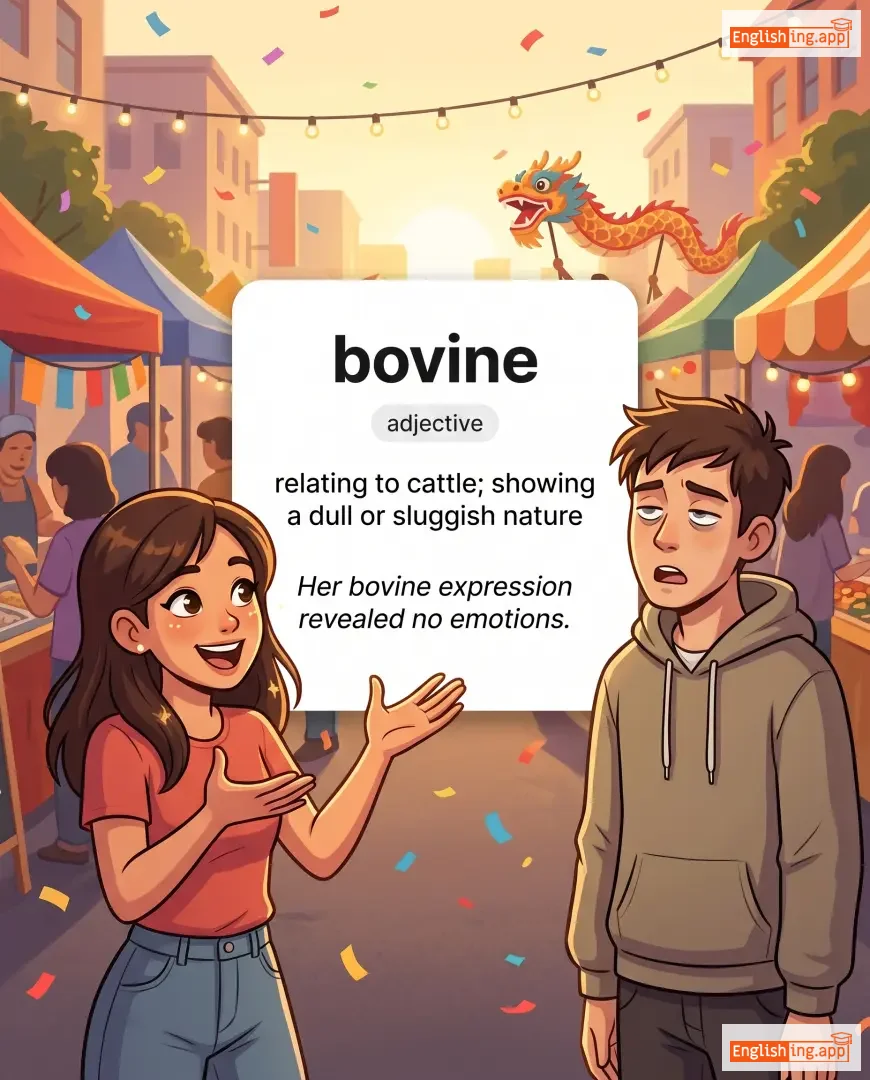
/ˈboʊvaɪn/
adjective
(牛性)
••••••
|
|
与牛相关的
yu niu xiangguan de
••••••
|
- •••••• | - •••••• | - •••••• | - •••••• |
relating to cattle; showing a dull or sluggish nature
••••••
|
Her bovine expression revealed no emotions.
她的牛性表情没有表达任何情感。
••••••
|
她的牛性表情没有表达任何情感。
Tā de niúxìng biǎoqíng méiyǒu biǎodá rènhé qínggǎn.
••••••
|
- •••••• | - •••••• | - •••••• |
cowlike, dull, sluggish, stolid
••••••
|
lively, energetic, sharp
••••••
|
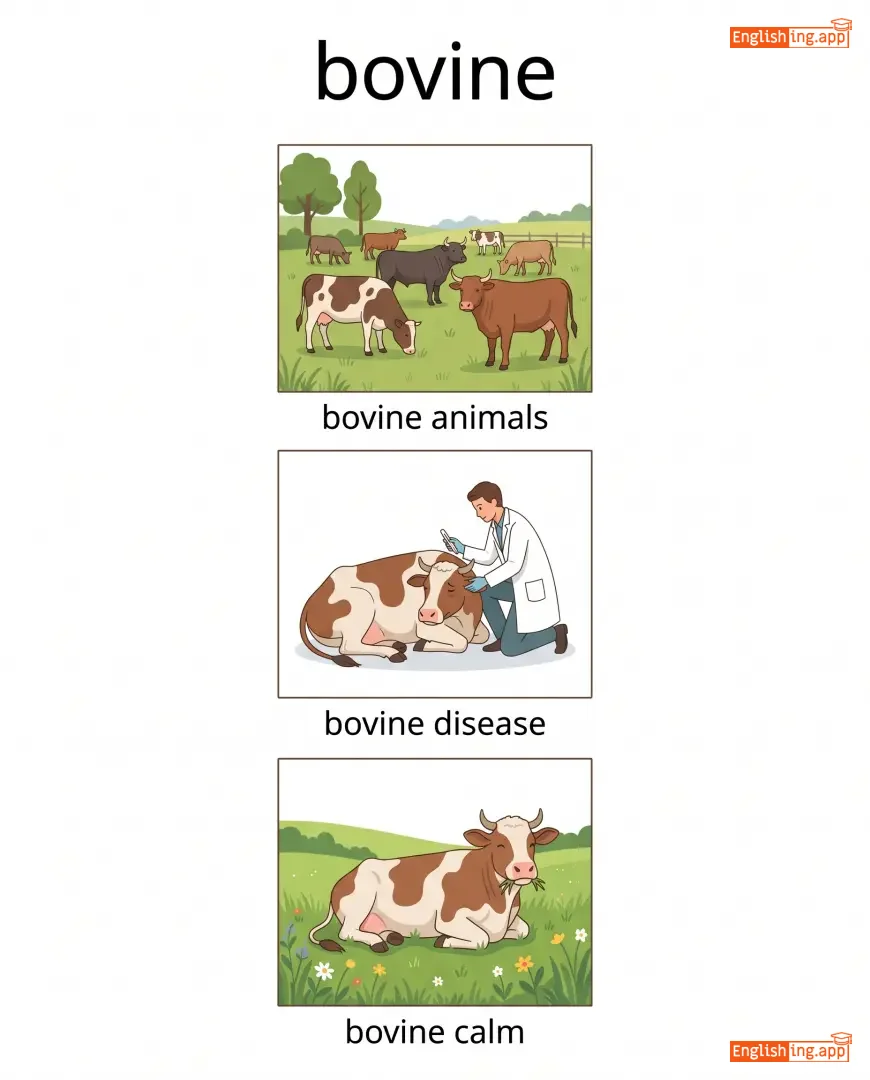
bovine animals, bovine disease, bovine calm, bovine expression
••••••
|
Bovine 就像牛一样—表情慢且无情感。
••••••
|
|
#98
😏
|
/ˈbreɪzən/
adjective
••••••
|
|
- •••••• | - •••••• | - •••••• | - •••••• | - •••••• |
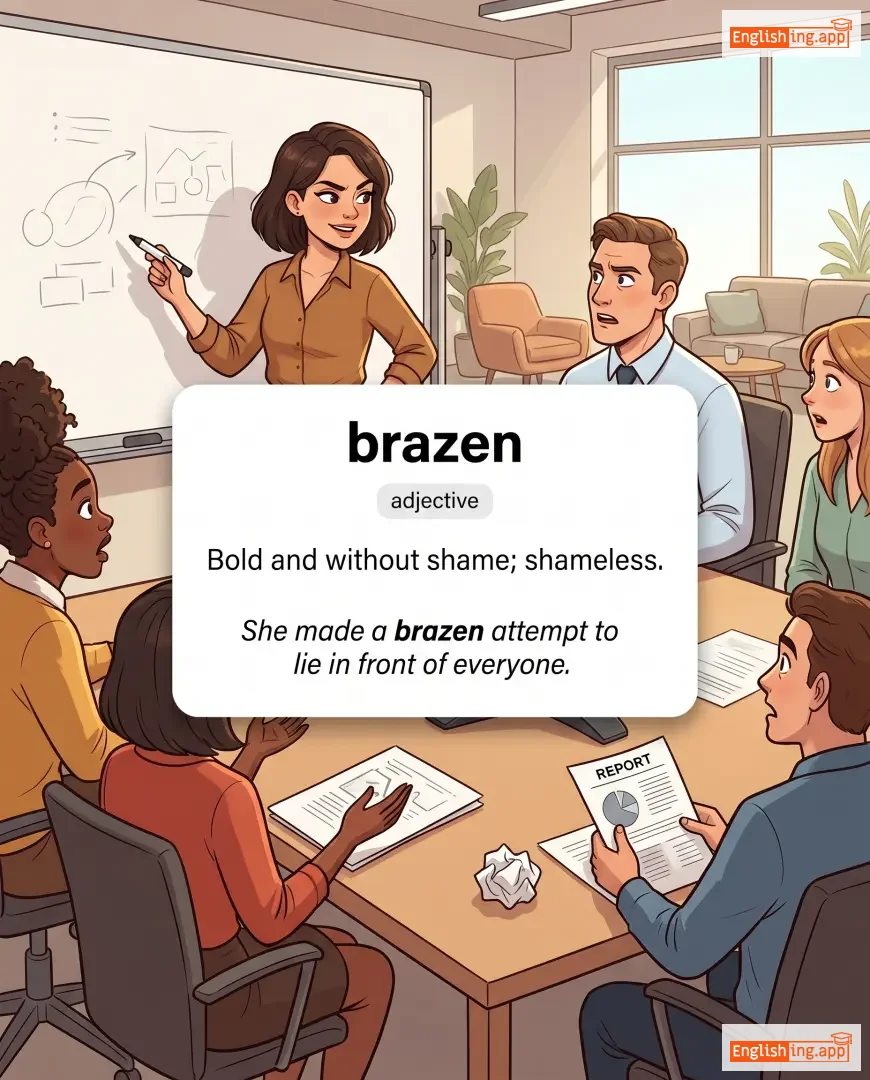
Bold and without shame; shameless.
••••••
|
She made a brazen attempt to lie in front of everyone. |
- •••••• |
brazen it out |
To face a difficult situation confidently without showing shame.
••••••
|
- •••••• |
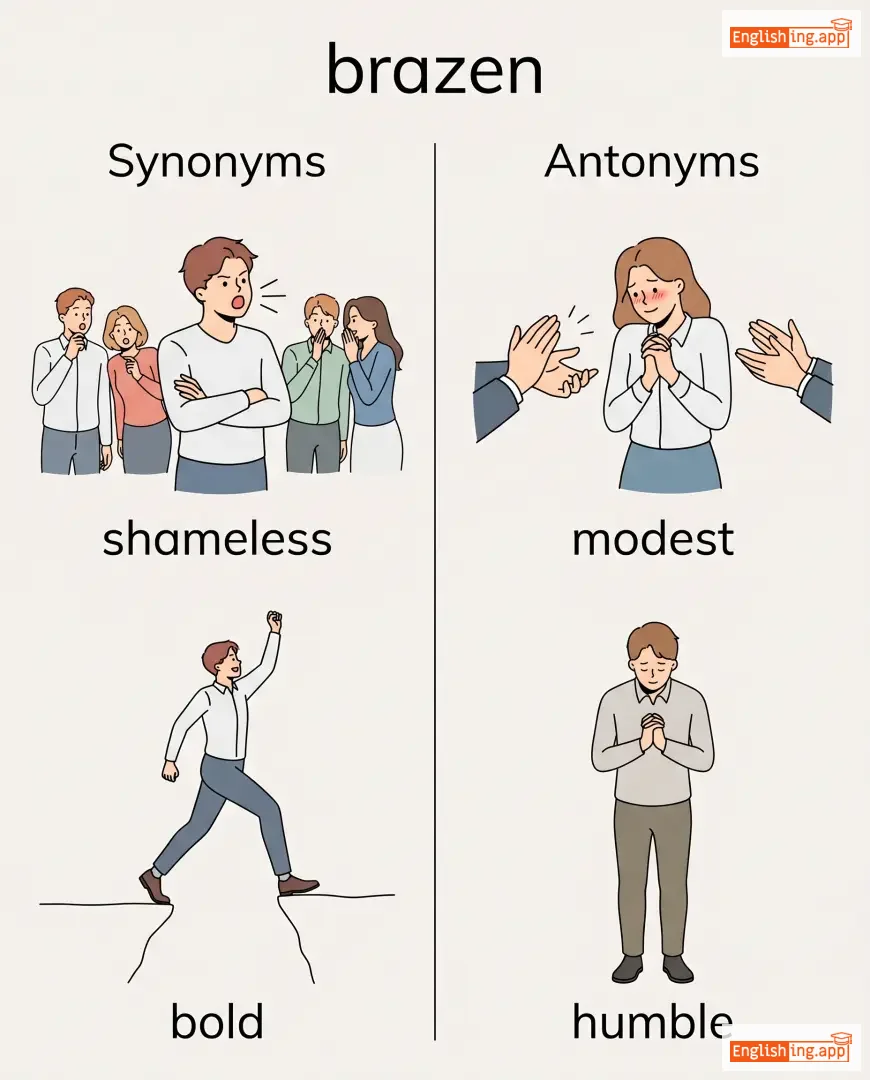
shameless, bold, audacious, impudent
••••••
|
modest, humble, shy
••••••
|
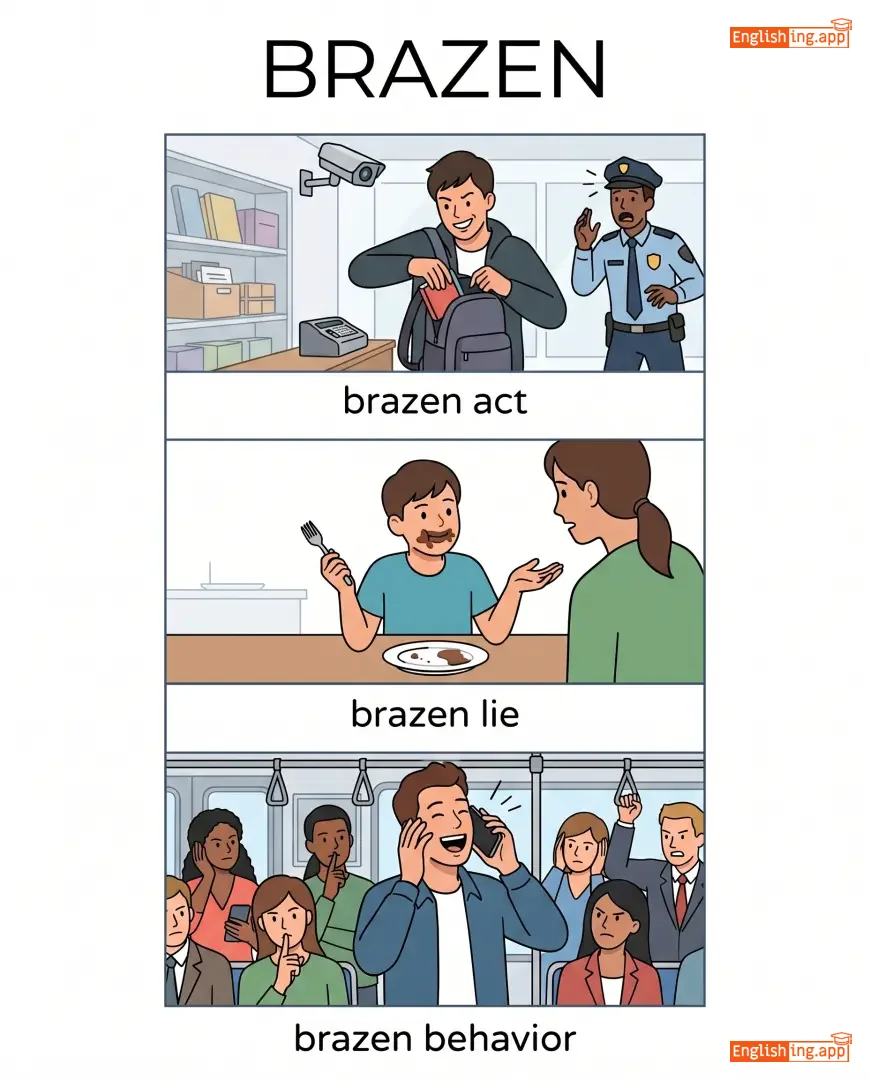
brazen act, brazen lie, brazen behavior
••••••
|
No •••••• |
|
#99
💬
|
/broʊtʃ/
verb
(broʊtʃ)
••••••
|
|
提出
tichu
••••••
|
broached
broʊtʃd
••••••
|
broached
broʊtʃd
••••••
|
broaches
broʊtʃes
••••••
|
broaching
broʊtʃɪŋ
••••••
|
to bring up a subject for discussion
••••••
|
She decided to broach the topic of salary with her manager.
她决定与经理讨论工资问题。
••••••
|
她决定与经理讨论工资问题。
Ta jueding yu jingli taolun gongzi wenti.
••••••
|
broach the subject
提出话题
••••••
|
to introduce a topic for discussion
••••••
|
提出话题
Tichu huati
••••••
|
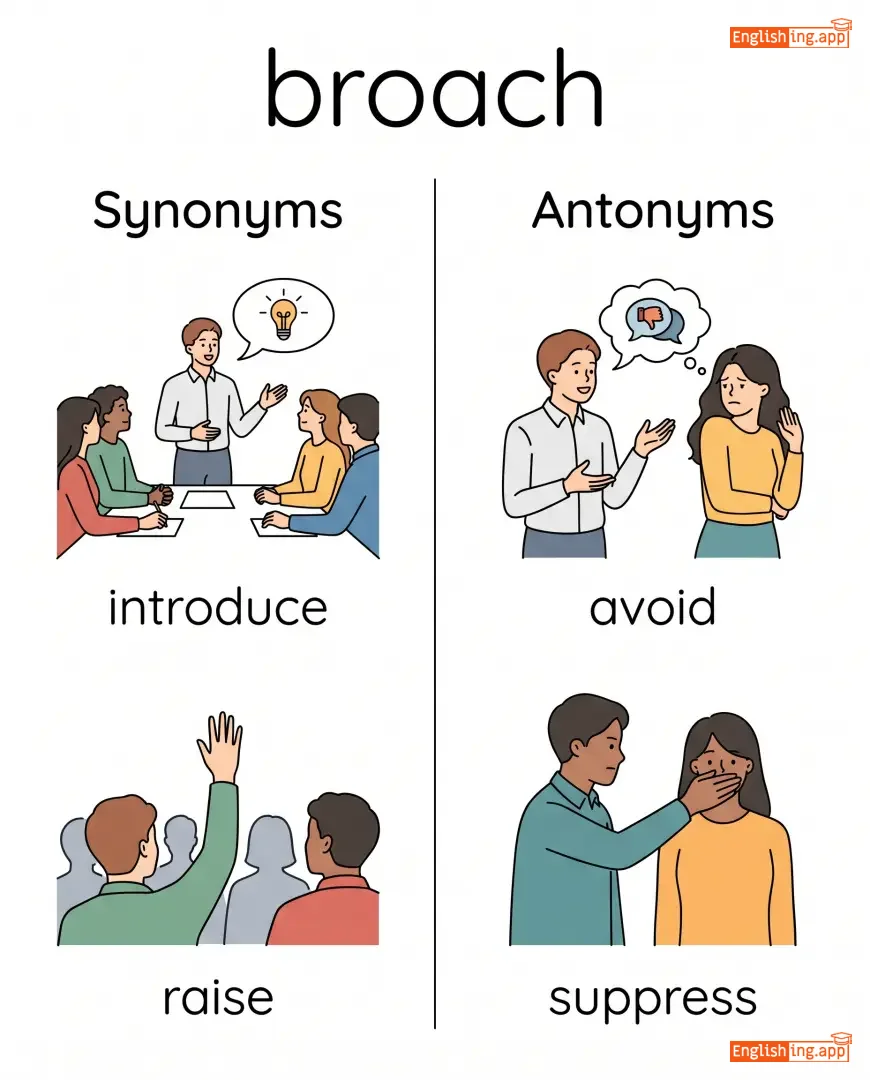
introduce, raise, mention, propose, suggest
••••••
|
avoid, suppress, conceal
••••••
|
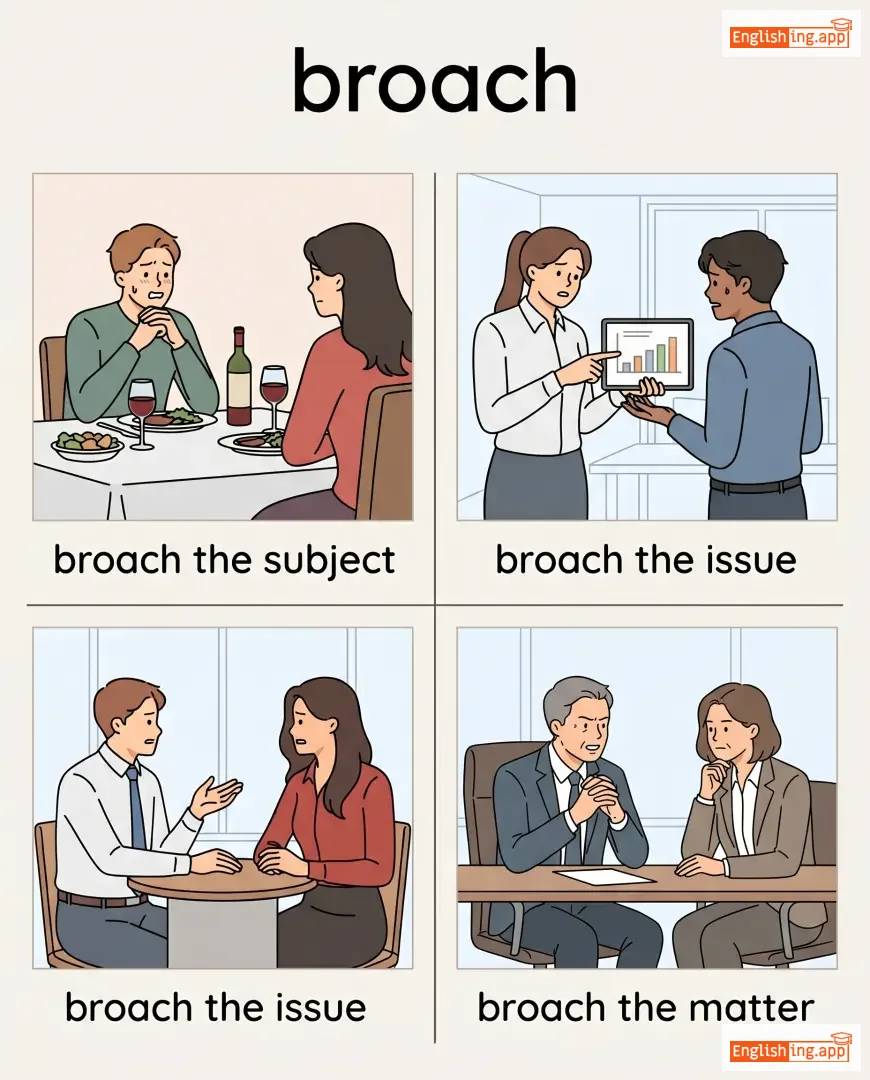
broach the subject, broach the issue, broach the matter
••••••
|
Broach 就是 Bro + Approach,表示用方法提出一个话题。
••••••
|
|
#100
🌾
|
/bjuːˈkɒlɪk/
adjective
(比尤ˈ科利克)
••••••
|
|
田园
tianyuan
••••••
|
- •••••• | - •••••• | - •••••• | - •••••• |
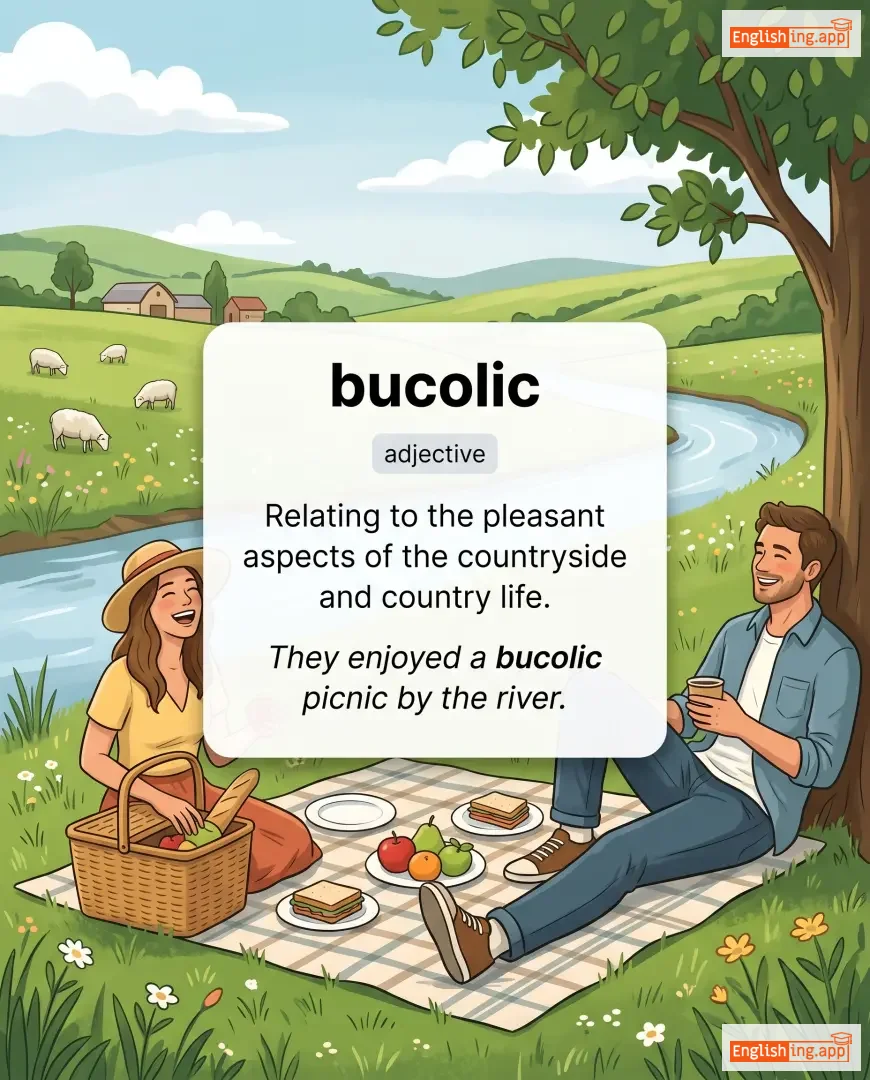
Relating to the pleasant aspects of the countryside and country life.
••••••
|
They enjoyed a bucolic picnic by the river.
他们在河边享受了一次田园式的野餐。
••••••
|
他们在河边享受了一次田园式的野餐。
Tamen zai he bian xiangshou le yici tianyuan shi de yecan.
••••••
|
- •••••• | - •••••• | - •••••• |
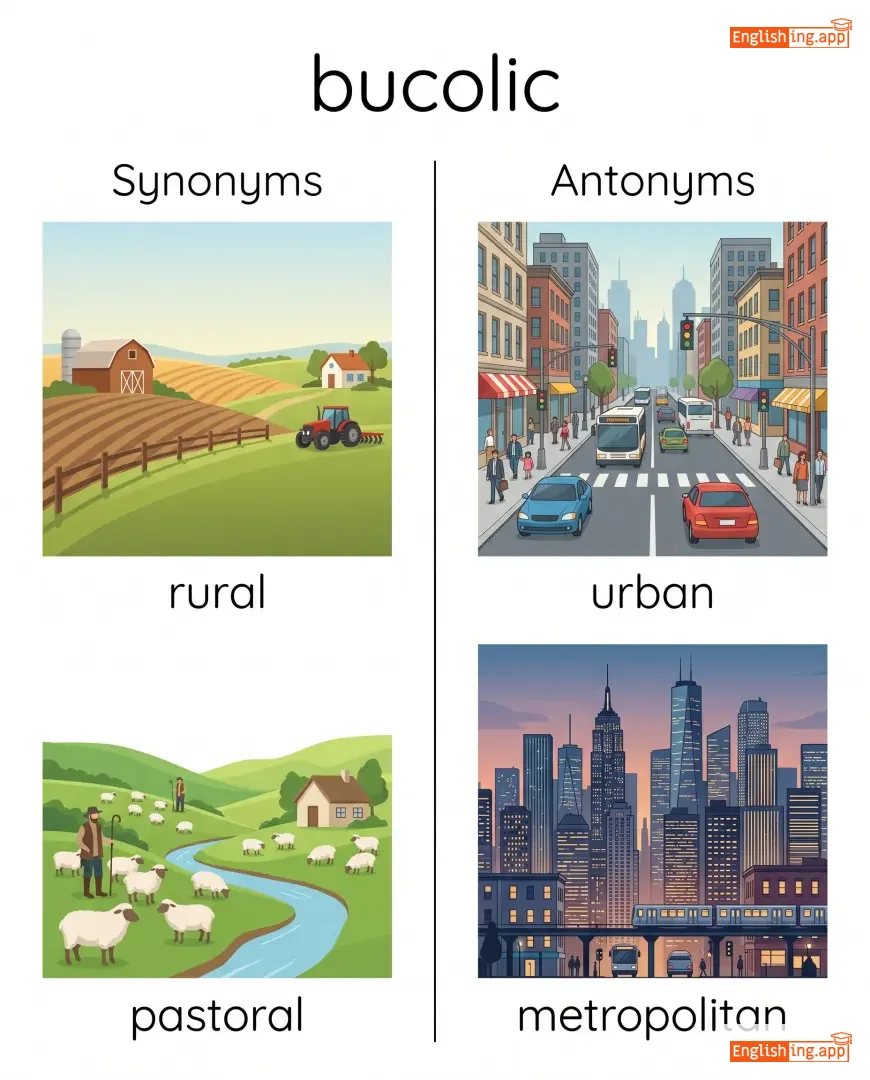
rural, pastoral, rustic, idyllic, agricultural
••••••
|
urban, metropolitan
••••••
|
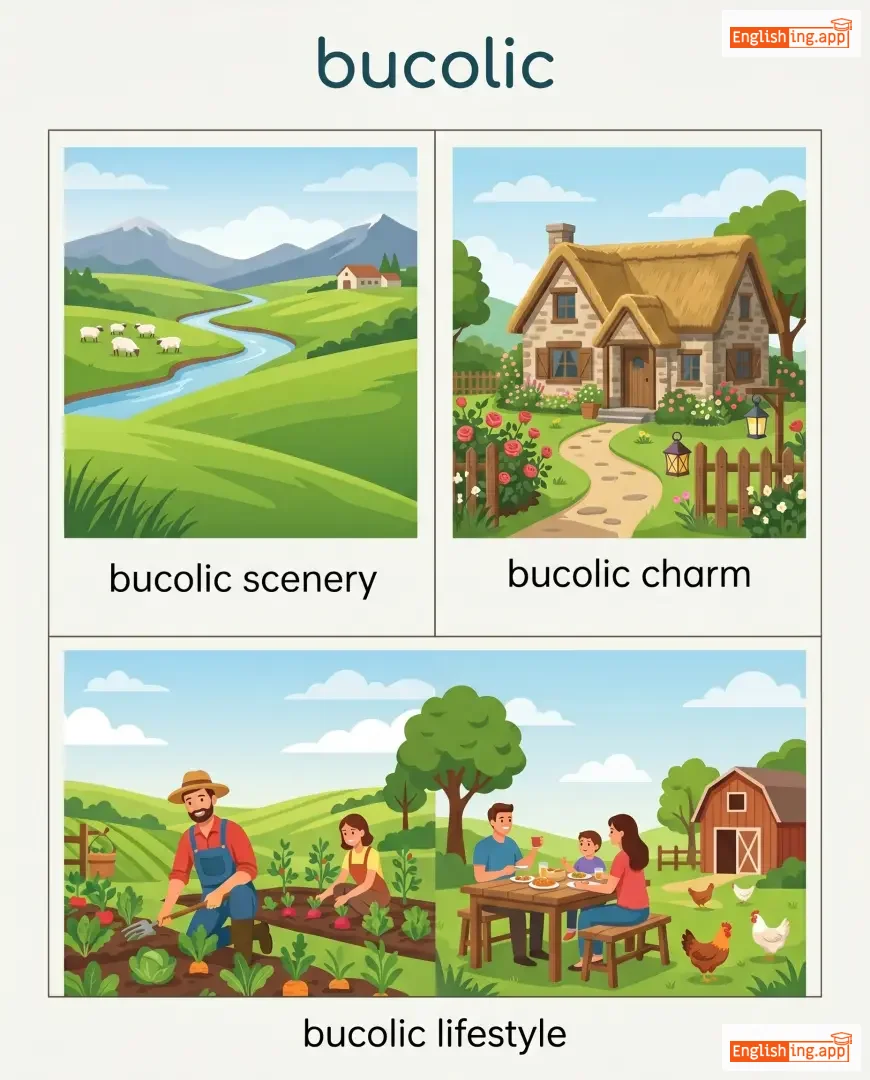
bucolic scenery, bucolic charm, bucolic lifestyle
••••••
|
Bucolic 听起来像是田园的生活,'bu' 代表乡村,'colic' 代表宁静的乡村景象。
••••••
|
Vocabulary Quiz
Test your vocabulary by matching words with their translations or meanings.
Login to take the quiz
Comments (0)
Share your thoughts and join the discussion.
Join the discussion by logging in
Login to CommentNo comments yet
Be the first to share your thoughts!