

















Swipe left or right, or use the buttons. Tap image to zoom.
例句翻译
单词
Lesson 30Lesson 30 - 遮罩切换
|
表情符号
|
单词 | Images | 翻译 | 过去时 | 过去分词 | 第三人称单数 | 动名词 | 含义 | 例句 | 例句翻译 | 示例表达 | 示例表达含义 | 示例表达翻译 | 同义词 | 反义词 | 搭配词 | 助记符 |
|---|---|---|---|---|---|---|---|---|---|---|---|---|---|---|---|---|---|
|
#726
🛐
|
/ˈsʌplɪkənt/
noun
(səˈplɪkənt)
••••••
|
|
恳求者
kěnqiú zhě
••••••
|
- •••••• | - •••••• | - •••••• | - •••••• |
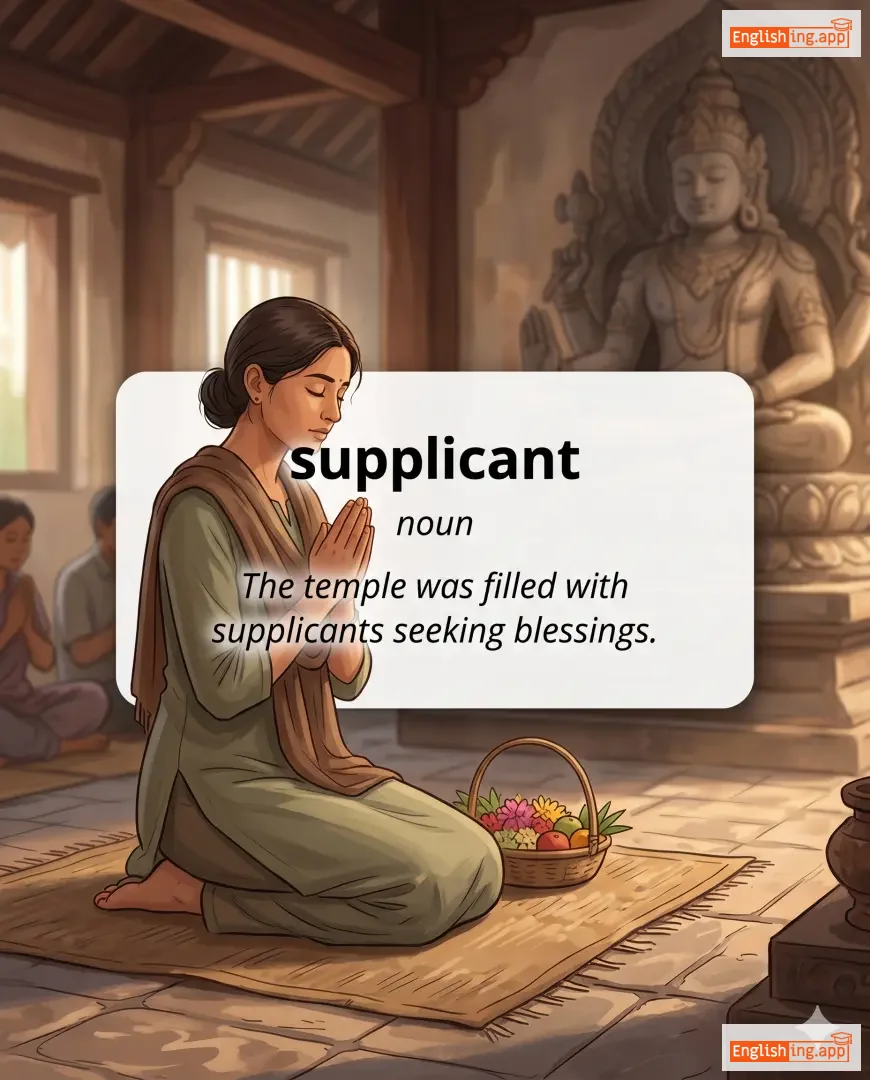
A person who humbly or earnestly asks for something, usually from a person of authority.
••••••
|
The temple was filled with supplicants seeking blessings. |
寺庙里充满了恳求者,寻找祝福。
Sìmiào lǐ chōngmǎn le kěnqiú zhě, xúnzhǎo zhùfú.
••••••
|
- •••••• | - •••••• | - •••••• |
petitioner, beggar, applicant, seeker, worshipper
••••••
|
giver, benefactor, donor
••••••
|
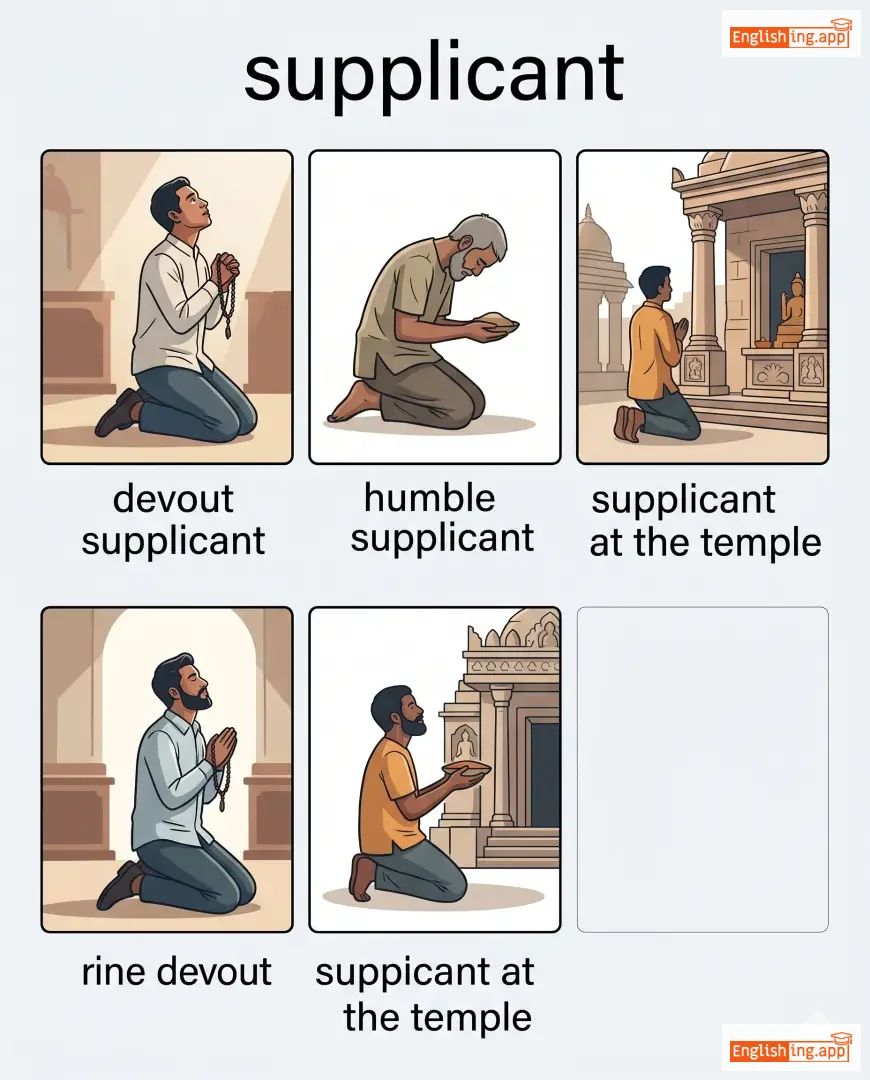
devout supplicant, humble supplicant, supplicant at the temple, supplicant before the throne
••••••
|
Supplicant = 恳求者, 记住 '谦求以获得'
••••••
|
|
#727
🤔
|
/ˌsʌpəˈzɪʃən/
noun
(假设)
••••••
|
|
假设
jiǎshè
••••••
|
- •••••• | - •••••• | - •••••• | - •••••• |
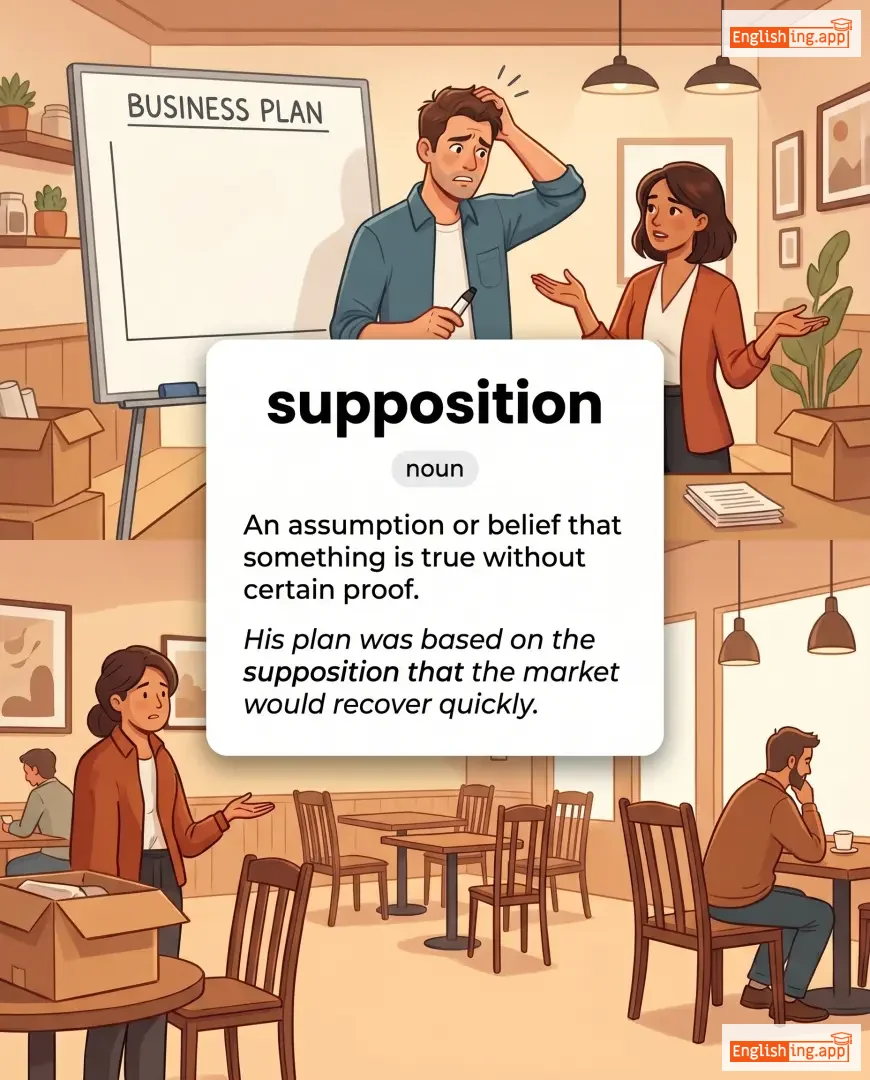
An assumption or belief that something is true without certain proof.
••••••
|
His plan was based on the supposition that the market would recover quickly. |
他的计划是基于市场将迅速恢复的假设。
tā de jìhuà shì jīyú shìchǎng jiāng xùnsù huīfù de jiǎshè.
••••••
|
on the supposition that |
Based on the assumption that something is true
••••••
|
基于假设
jīyú jiǎshè
••••••
|
assumption, presumption, hypothesis, belief, conjecture
••••••
|
fact, certainty, truth
••••••
|
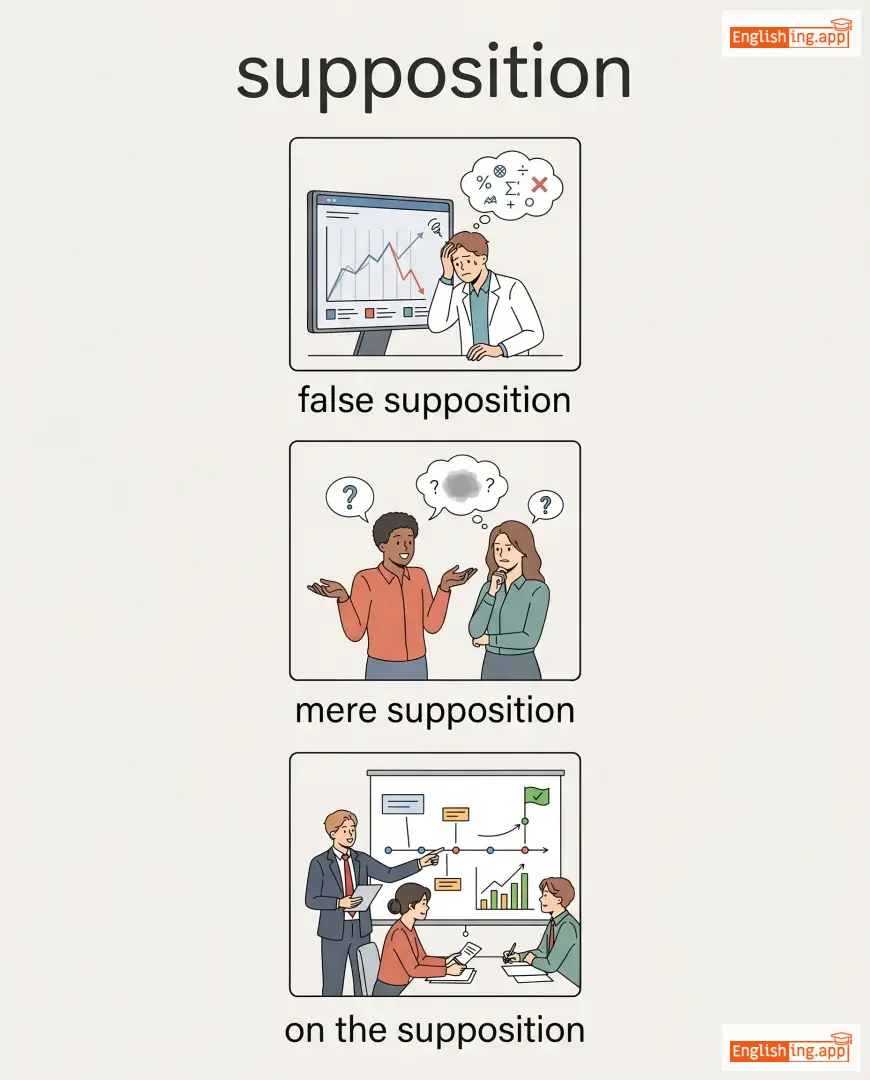
false supposition, mere supposition, on the supposition, mistaken supposition
••••••
|
Supposition = Suppose + tion = 假设, 记住 'suppose' 意味着假设。
••••••
|
|
#728
🧠
|
/ˈsɪlədʒɪzəm/
noun
(sīluójí zhī mù)
••••••
|
|
三段论
sanduanlun
••••••
|
- •••••• | - •••••• | - •••••• | - •••••• |
A form of reasoning in which a conclusion is drawn from two given or assumed premises.
••••••
|
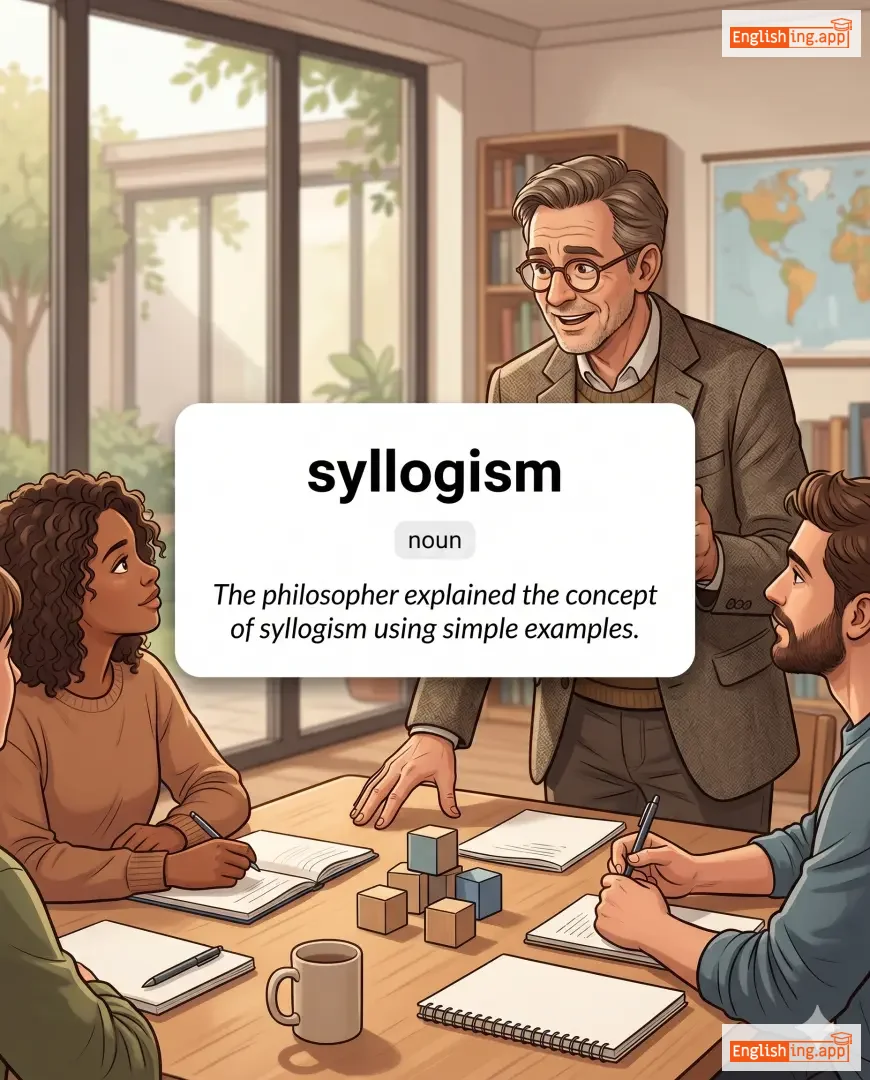
The philosopher explained the concept of syllogism using simple examples.
哲学家用简单的例子解释了三段论的概念。
••••••
|
哲学家用简单的例子解释了三段论的概念。
Zhéxuéjiā yòng jiǎndān de lìzi jiěshìle sānduànlùn de gàiniàn.
••••••
|
- •••••• | - •••••• | - •••••• |
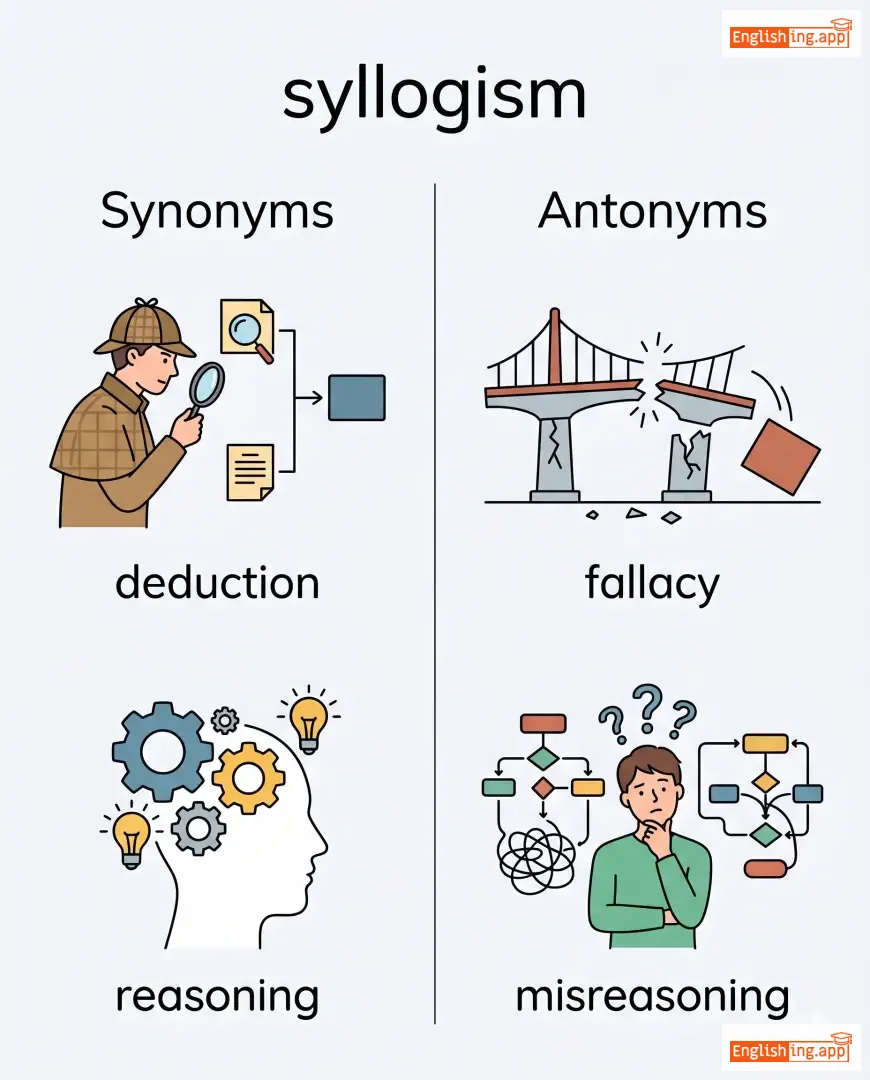
deduction, reasoning, logic, inference
••••••
|
fallacy, misreasoning
••••••
|
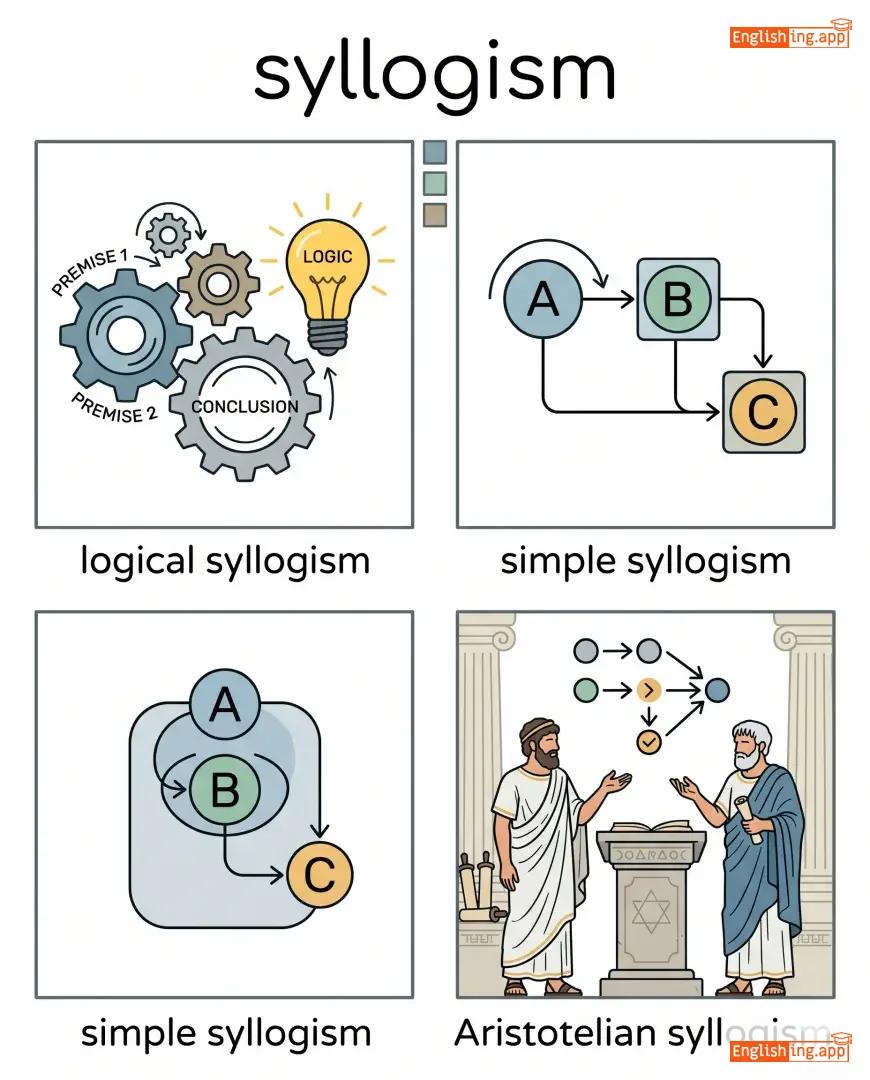
logical syllogism, simple syllogism, Aristotelian syllogism, valid syllogism
••••••
|
三段论是一个逻辑系统,就像所有的逻辑都存储在一个筒仓里。
••••••
|
|
#729
🌲
|
/ˈsɪlvən/
adjective
(西尔万)
••••••
|
|
林地的
lindi de
••••••
|
- •••••• | - •••••• | - •••••• | - •••••• |
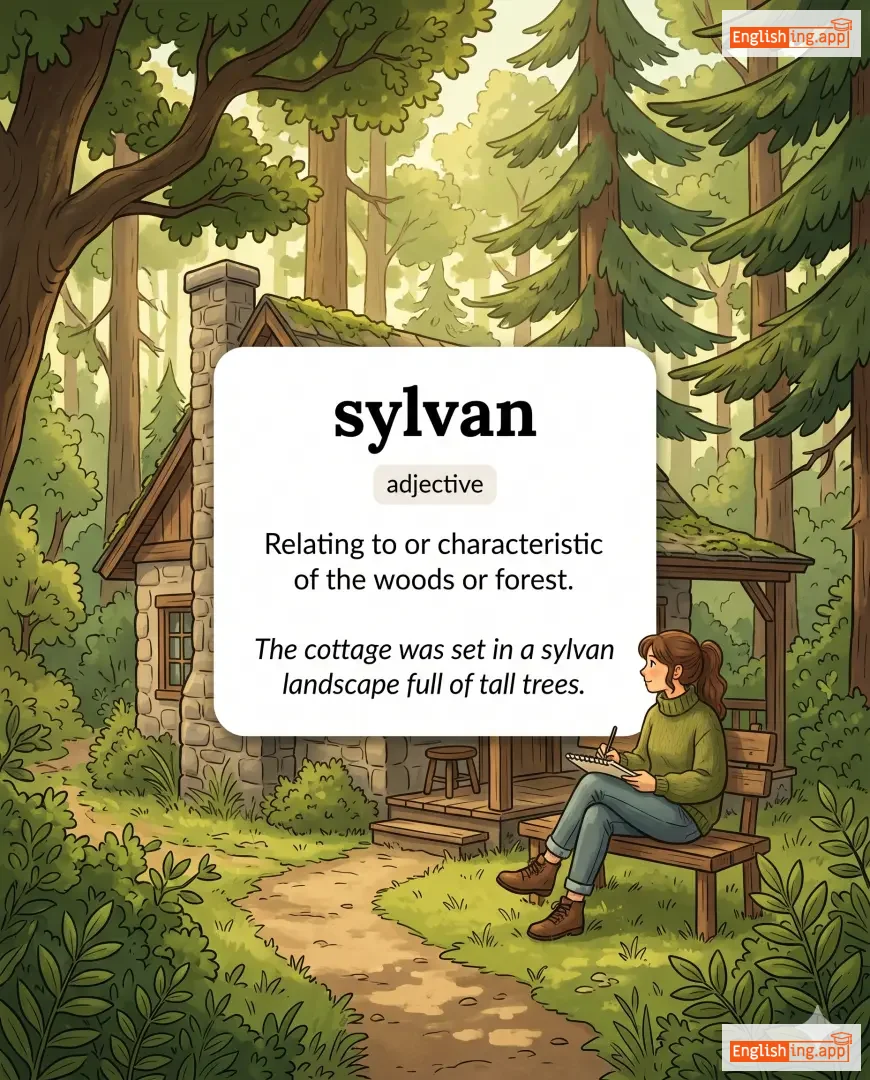
Relating to or characteristic of the woods or forest.
••••••
|
The cottage was set in a sylvan landscape full of tall trees. |
这座小屋位于一个林地的景观中,充满了高大的树木。
Zhe zuo xiaowu weiyu yige lindi de jingguan zhong, chongman le gaoda de shumu.
••••••
|
- •••••• | - •••••• | - •••••• |
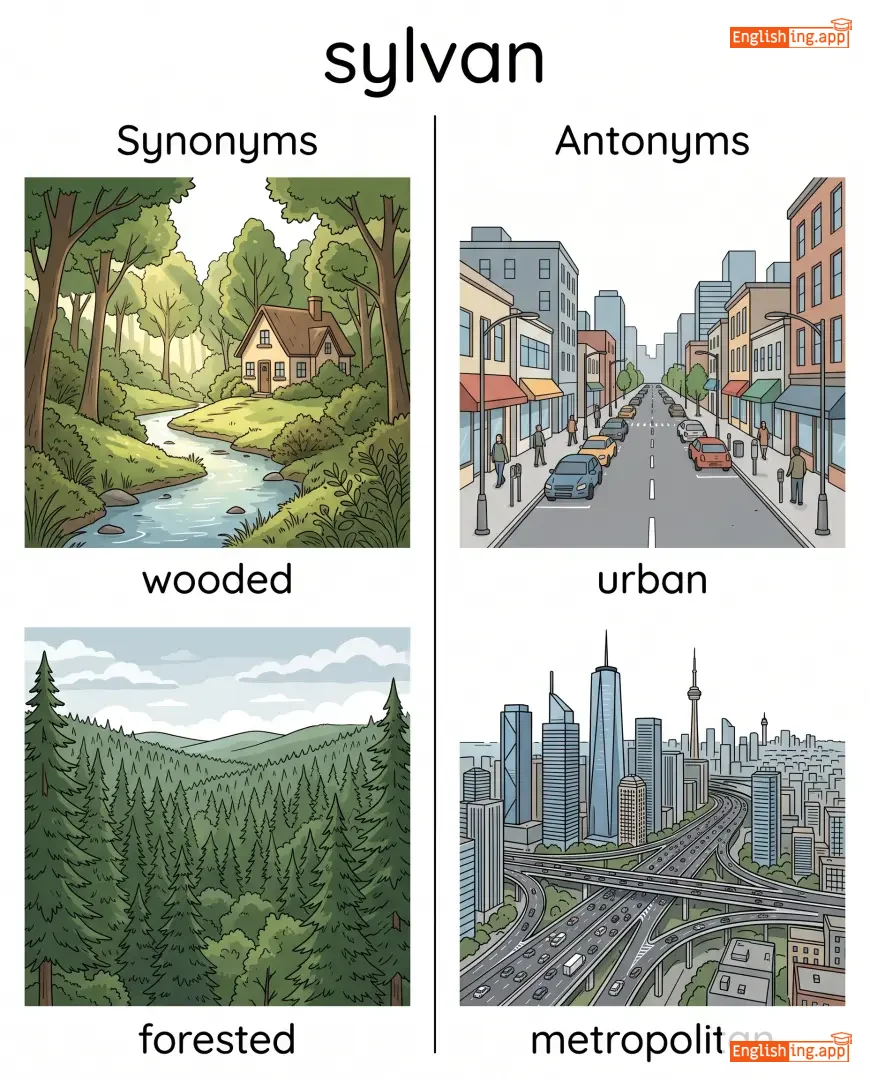
wooded, forested, rustic, pastoral
••••••
|
urban, metropolitan
••••••
|
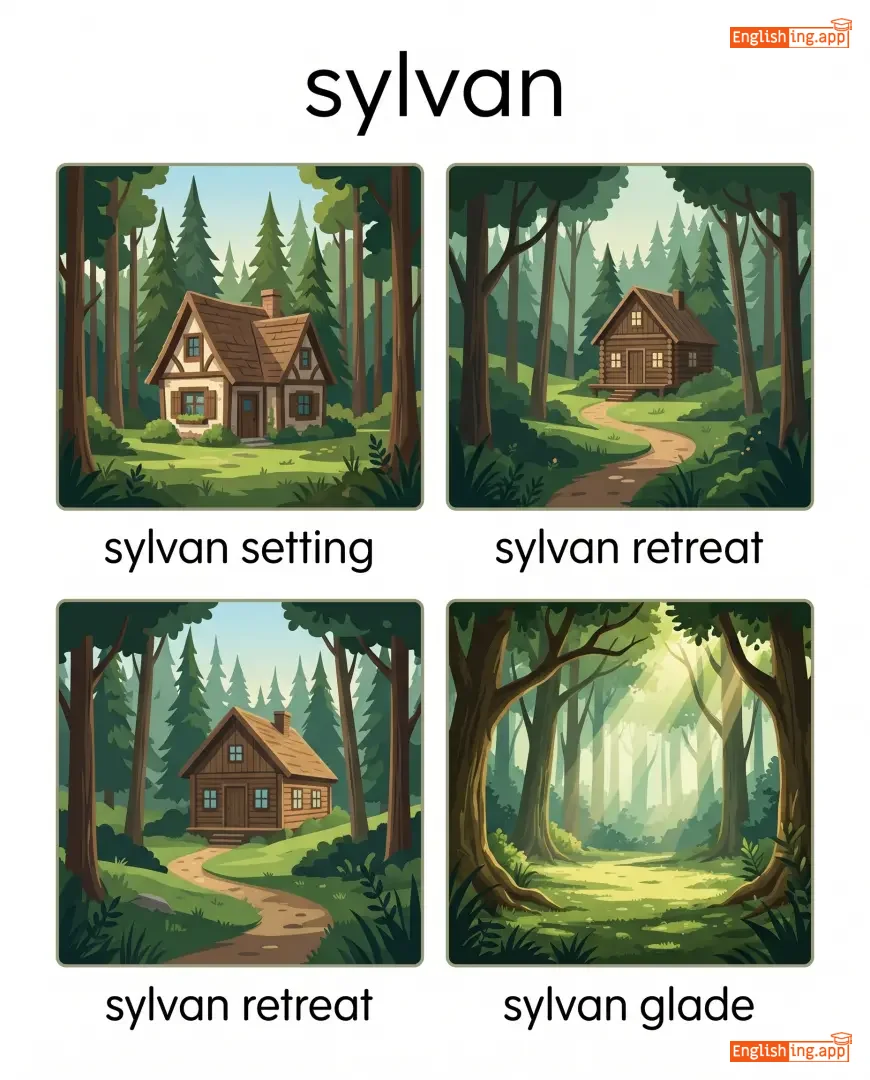
sylvan setting, sylvan retreat, sylvan glade, sylvan beauty
••••••
|
Sylvan意味着森林,想象一个森林环绕的小屋。
••••••
|
|
#730
🤫
|
/ˈtæsɪt/
adjective
(tǎsìt)
••••••
|
|
默契
moqi
••••••
|
- •••••• | - •••••• | - •••••• | - •••••• |
understood or implied without being stated
••••••
|
There was a tacit agreement to avoid the subject. |
有一个默契的协议,避免讨论这个话题。
You yi ge moqi de xieyi, bianmi taolun zhege huati.
••••••
|
tacit agreement |
an unspoken understanding between people
••••••
|
默契协议
moqi xieyi
••••••
|
implicit, unspoken, understood, silent
••••••
|
explicit, stated, expressed
••••••
|
tacit consent, tacit approval, tacit understanding
••••••
|
Tacit 意味着默契,就像人们之间不说话却互相理解的协议。
••••••
|
|
#731
🔮
|
/ˈtælɪzmən/
noun
(塔利斯曼)
••••••
|
|
护身符
hù shēn fú
••••••
|
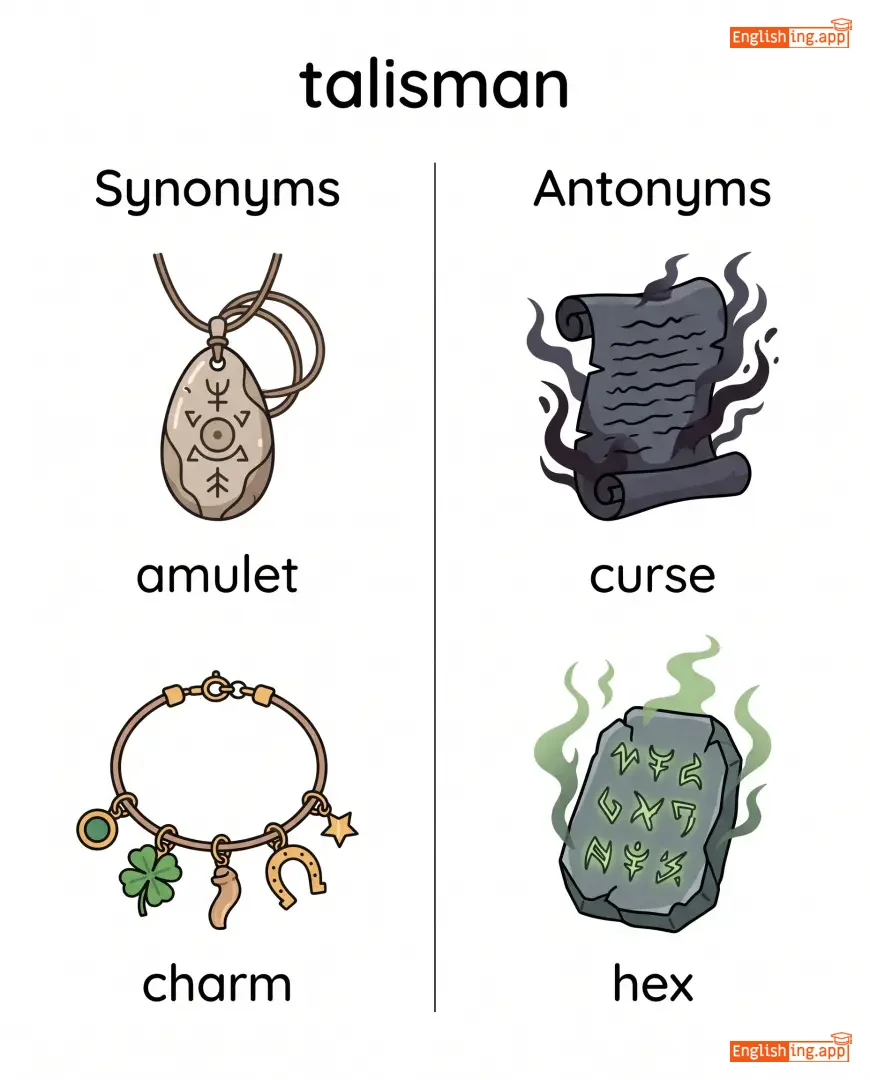
- •••••• | - •••••• | - •••••• | - •••••• |
An object believed to have magical powers or bring good luck.
••••••
|
He always carried a small talisman in his pocket for luck. |
他总是随身携带一个小护身符,以求好运。
Tā zǒng shì suíshēn xiédài yīgè xiǎo hù shēn fú, yǐ qiú hǎo yùn.
••••••
|
- •••••• | - •••••• | - •••••• |
amulet, charm, lucky charm, totem, trinket
••••••
|
curse, hex
••••••
|
carry a talisman, magic talisman, protective talisman, lucky talisman
••••••
|
Talisman 就是护身符 — 记住 'Tali' 和 '护身符'。
••••••
|
|
#732
↔️
|
/tænˈdʒɛnʃəl/
adjective
(tænˈdʒɛnʃəl)
••••••
|
|
切线的
qiēxiàn de
••••••
|
- •••••• | - •••••• | - •••••• | - •••••• |
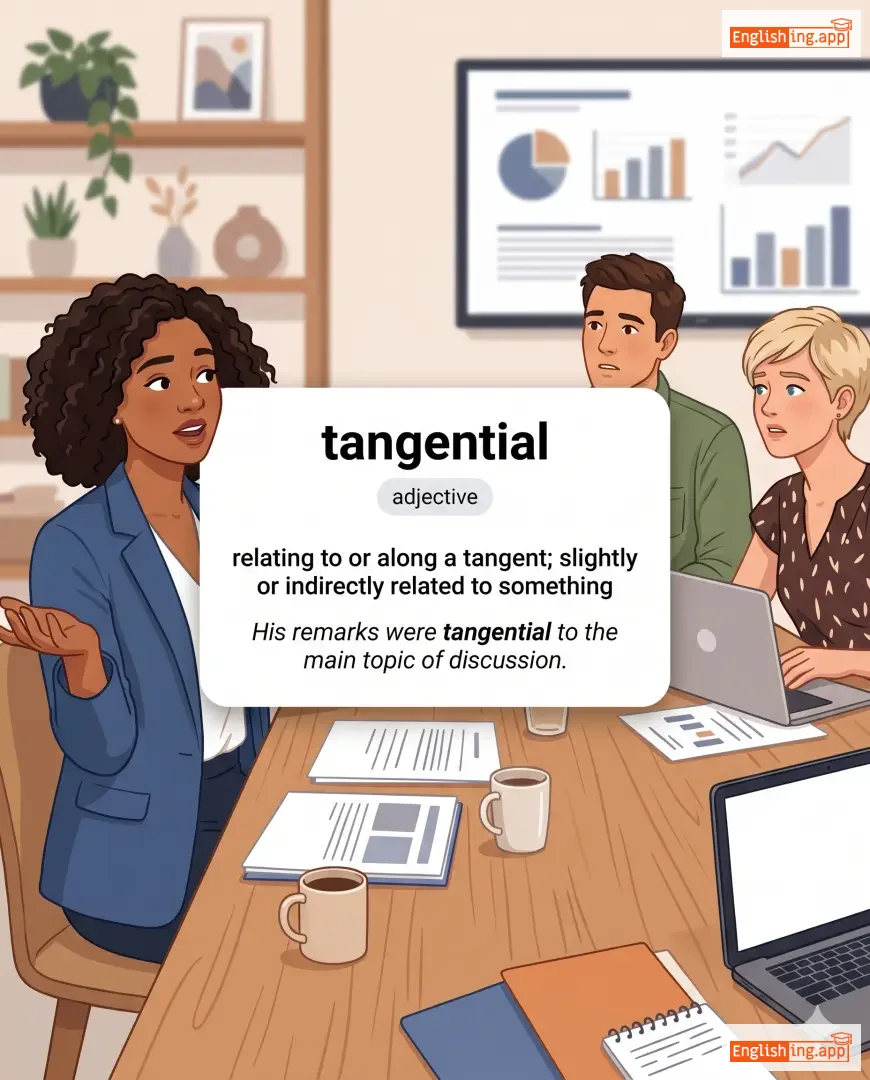
relating to or along a tangent; slightly or indirectly related to something
••••••
|
His remarks were tangential to the main topic of discussion.
他的评论与讨论的主题有点关系。
••••••
|
他的评论与讨论的主题有点关系。
Tā de pínglùn yǔ tǎolùn de zhǔtí yǒudiǎn guānxì.
••••••
|
- •••••• | - •••••• | - •••••• |
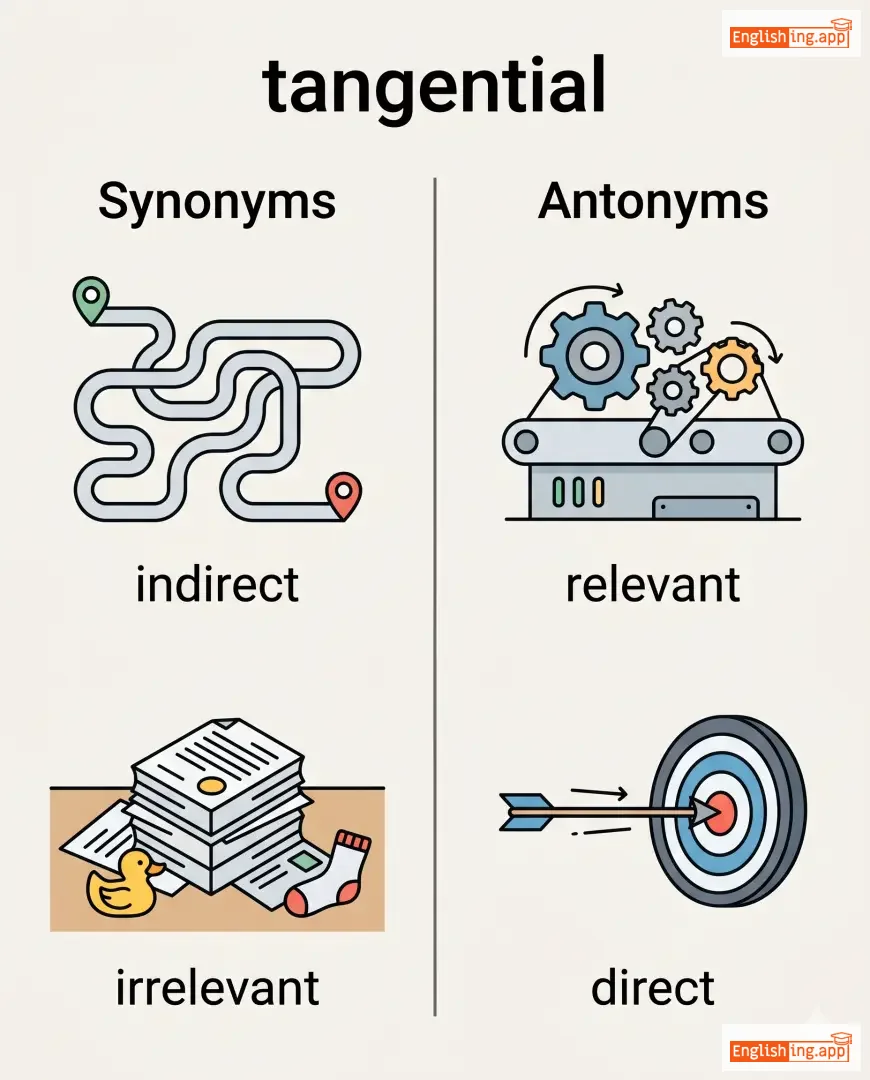
indirect, irrelevant, peripheral, secondary
••••••
|
relevant, direct
••••••
|
tangential remarks, tangential connection, tangential issue
••••••
|
切线的 = 话题有点关联,但不是主要的。
••••••
|
|
#733
♾️
|
/tɔːˈtɒlədʒi/
noun
(套词论)
••••••
|
|
不必要的重复
bù bì yào de chóng fù
••••••
|
- •••••• | - •••••• | - •••••• | - •••••• |
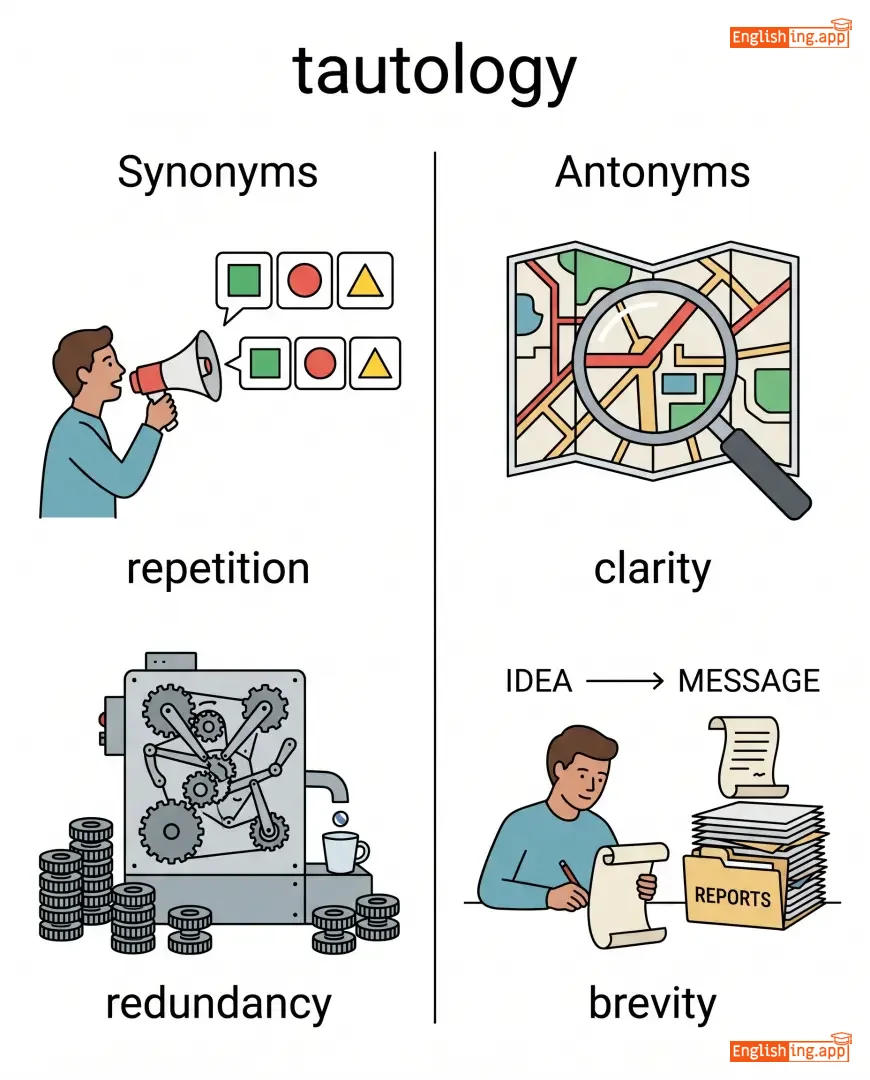
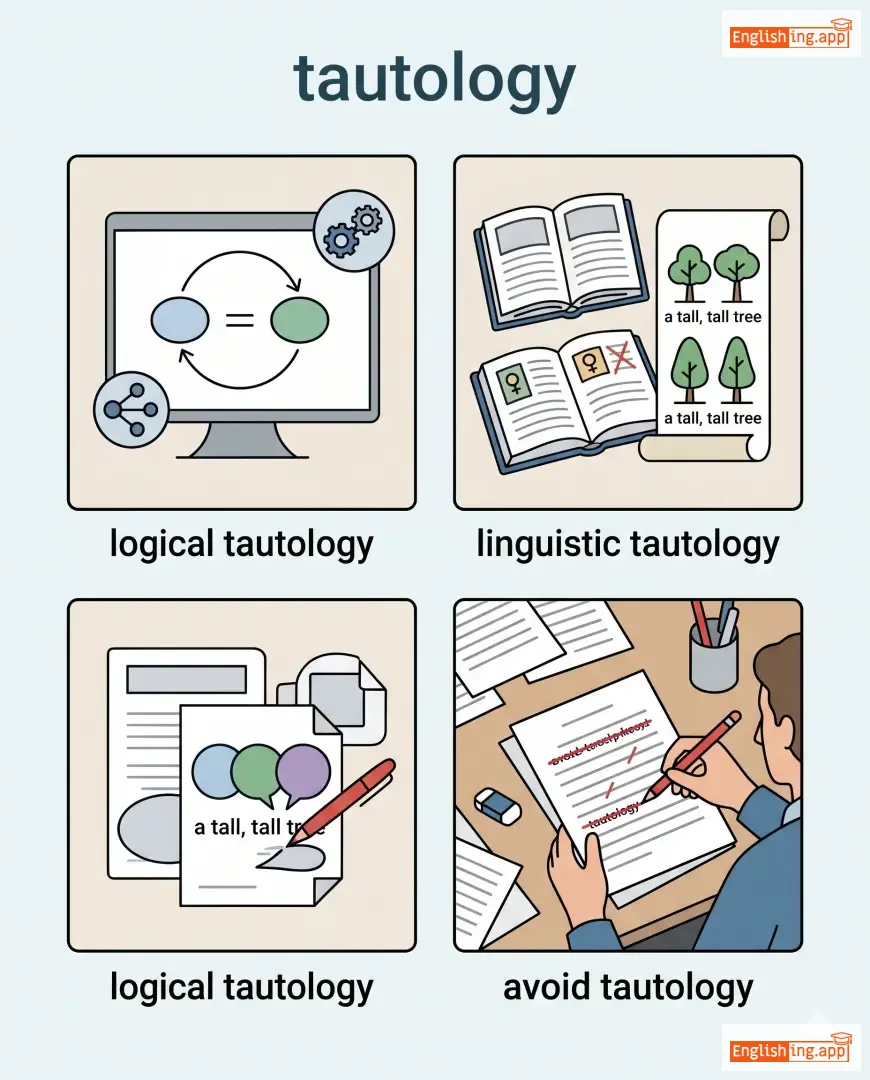
the unnecessary repetition of the same idea in different words
••••••
|
The phrase 'it will happen or it won’t' is a tautology. |
'它会发生,或者不会发生' 这句话就是一个套词论。
'tā huì fā shēng, huò zhě bù huì fā shēng' zhè jù huà jiù shì yī gè tào cí lùn.
••••••
|
- •••••• | - •••••• | - •••••• |
repetition, redundancy, reiteration, circularity
••••••
|
clarity, brevity, precision
••••••
|
logical tautology, linguistic tautology, avoid tautology
••••••
|
套词论是指用不同的词重复相同的意思。
••••••
|
|
#734
📚
|
/tækˈsɒnəmi/
noun
(分类学)
••••••
|
|
分类科学
fenlei kexue
••••••
|
- •••••• | - •••••• | - •••••• | - •••••• |
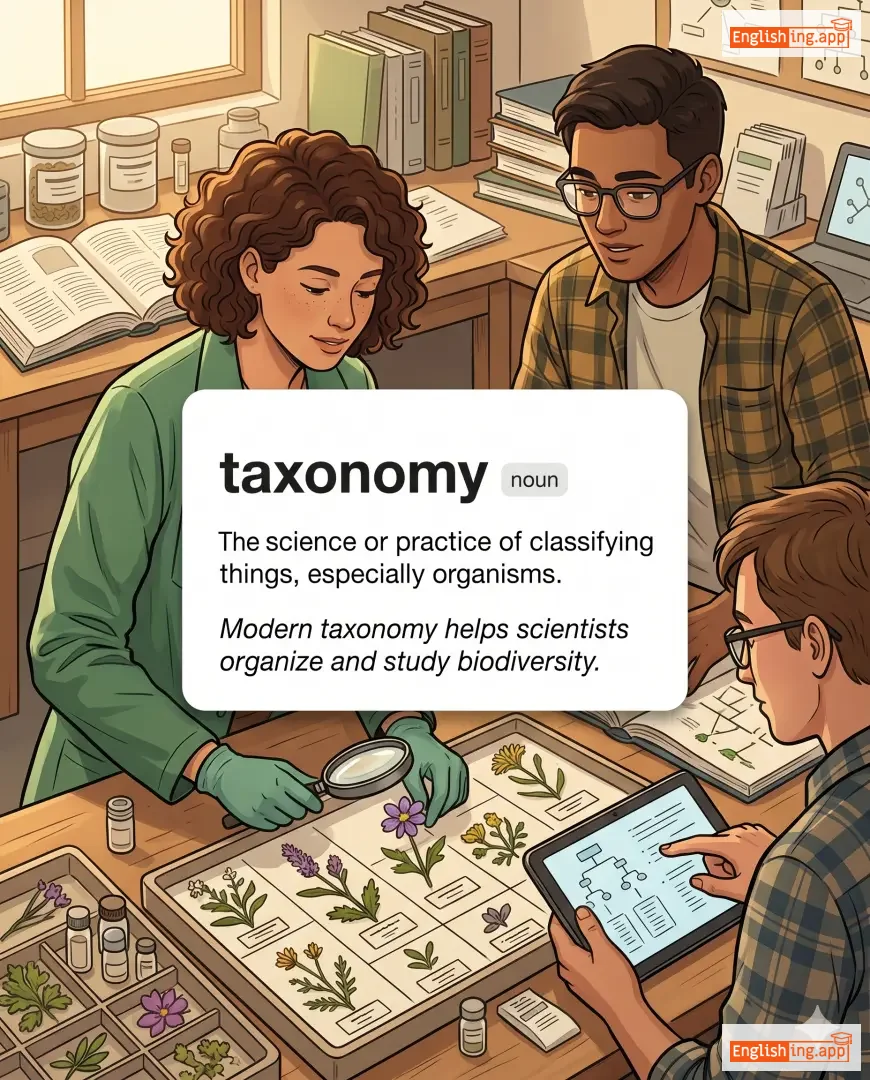
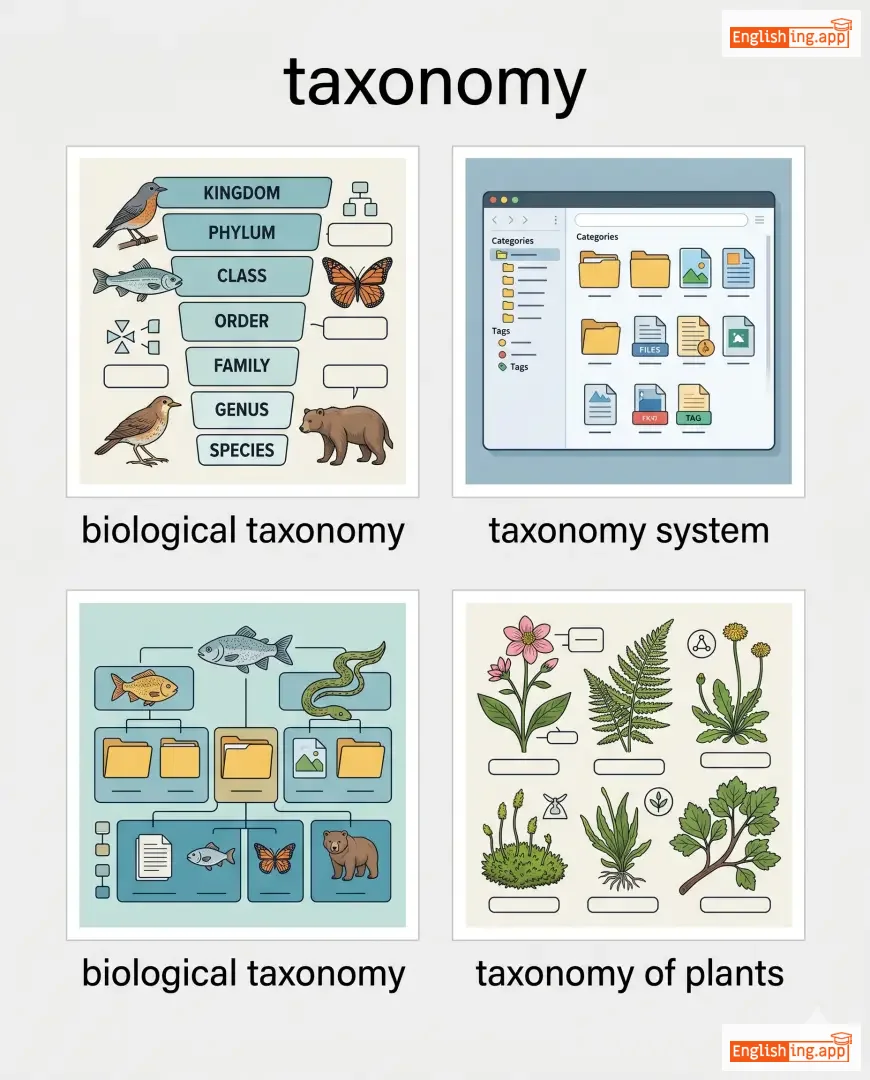
The science or practice of classifying things, especially organisms.
••••••
|
Modern taxonomy helps scientists organize and study biodiversity. |
现代分类学帮助科学家组织和研究生物多样性。
xiandai fenlei xue bangzhu kexuejia zuzhi he yanjiu shengwu duoyangxing.
••••••
|
- •••••• | - •••••• | - •••••• |
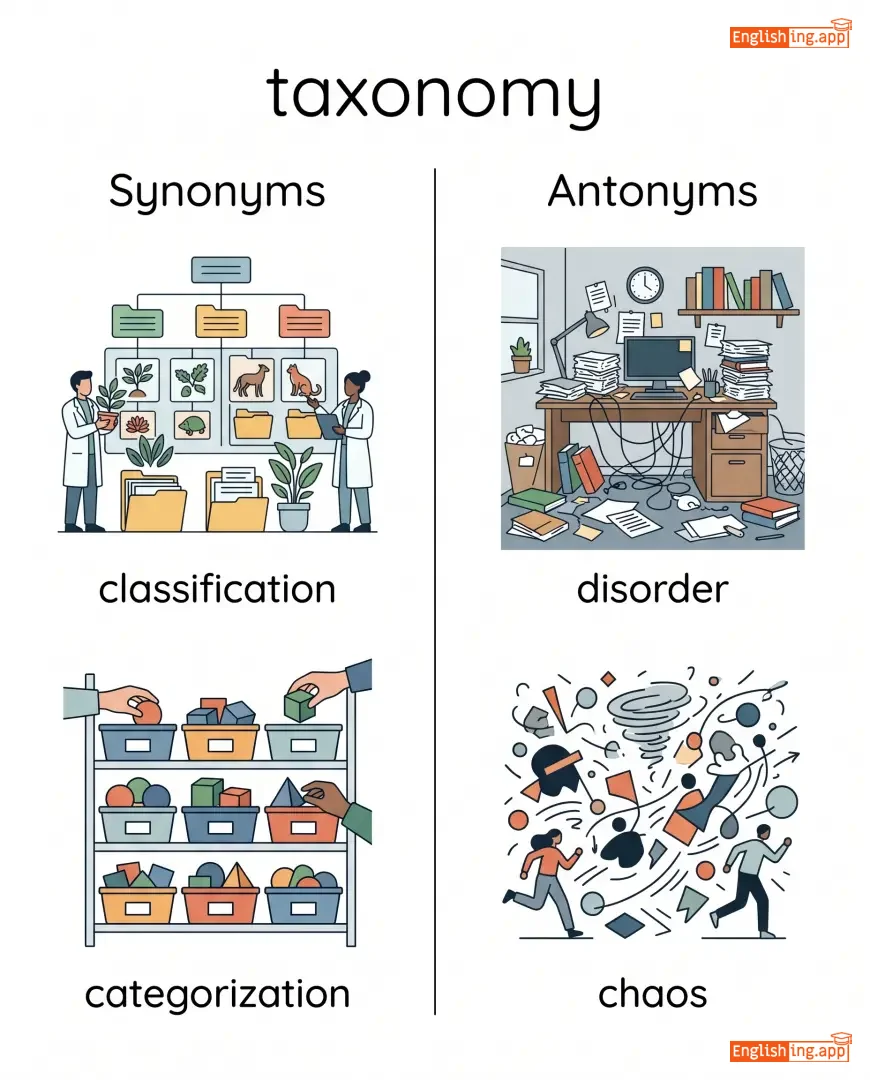
classification, categorization, systematics, grouping, nomenclature
••••••
|
disorder, chaos
••••••
|
biological taxonomy, taxonomy system, taxonomy of plants, taxonomy classification
••••••
|
Taxo + nomia = 分类的科学
••••••
|
|
#735
📜
|
/ˈtɛnɪt/
noun
(特奈特)
••••••
|
|
原则
yuánzé
••••••
|
- •••••• | - •••••• | - •••••• | - •••••• |
a principle, belief, or doctrine held to be true
••••••
|
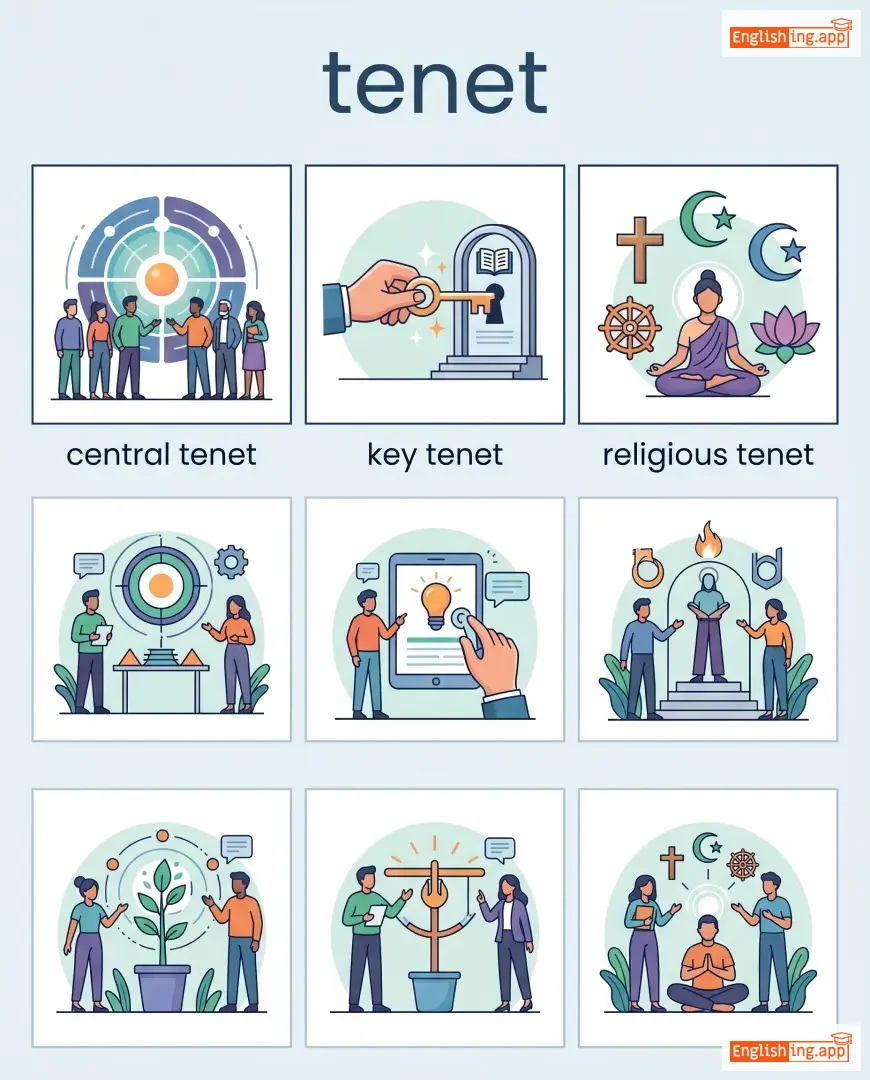
Honesty is a central tenet of their philosophy. |
诚实是他们哲学的核心原则。
Chéngshí shì tāmen zhéxué de héxīn yuánzé.
••••••
|
- •••••• | - •••••• | - •••••• |
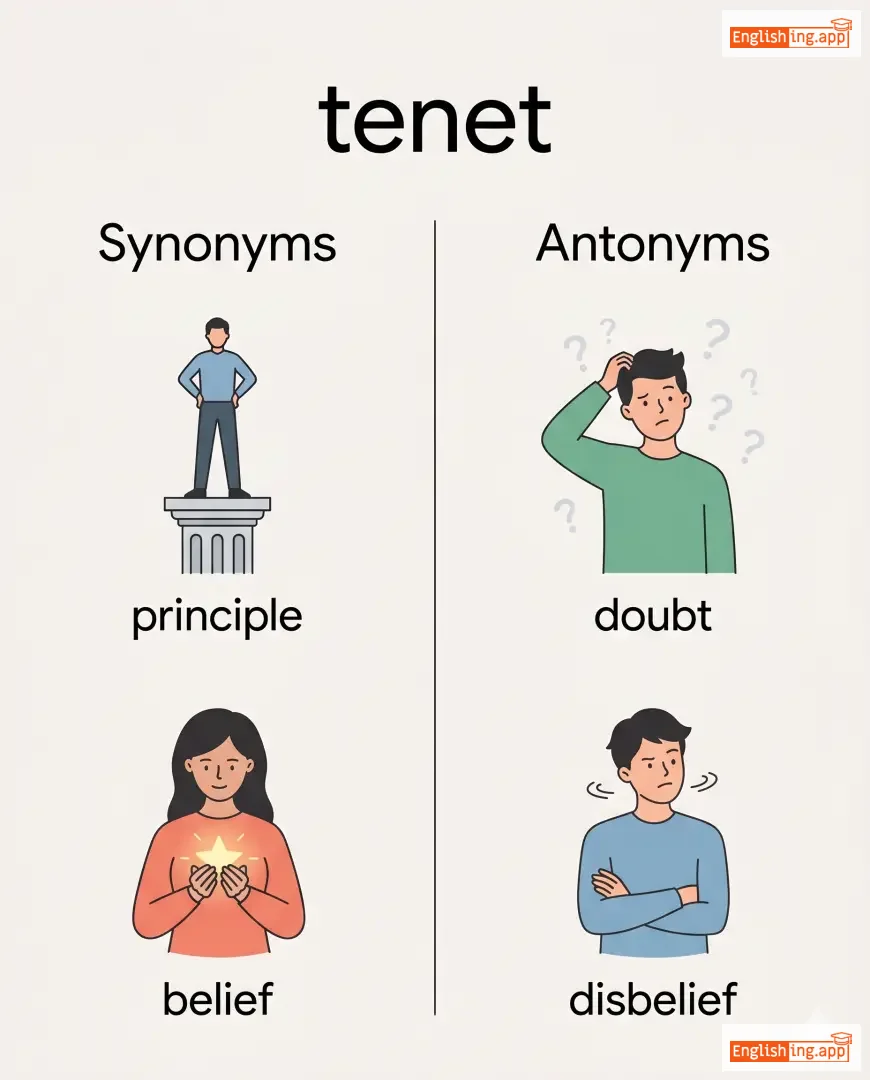
principle, belief, doctrine, dogma, conviction
••••••
|
doubt, disbelief, rejection
••••••
|
central tenet, key tenet, religious tenet, philosophical tenet
••••••
|
Tenet 发音像 '特' — 生活中要遵守原则。
••••••
|
|
#736
🕸️
|
/ˈtɛn.ju.əs/
adjective
(tè niu āsī)
••••••
|
|
薄弱 / 稀薄
bó ruò / xī bó
••••••
|
- •••••• | - •••••• | - •••••• | - •••••• |
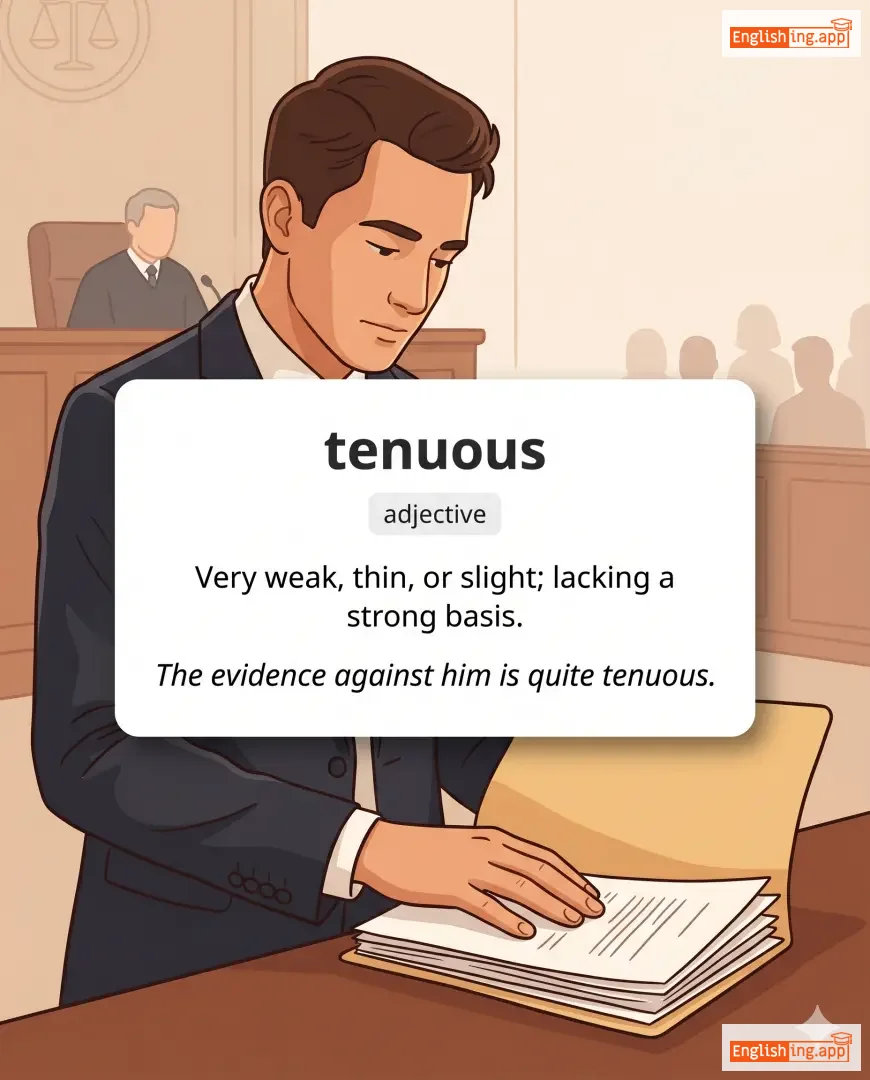
Very weak, thin, or slight; lacking a strong basis.
••••••
|
The evidence against him is quite tenuous.
对他不利的证据相当薄弱。
••••••
|
对他不利的证据相当薄弱。
Duì tā bù lì de zhèngjù xiāngdāng bó ruò.
••••••
|
- •••••• | - •••••• | - •••••• |
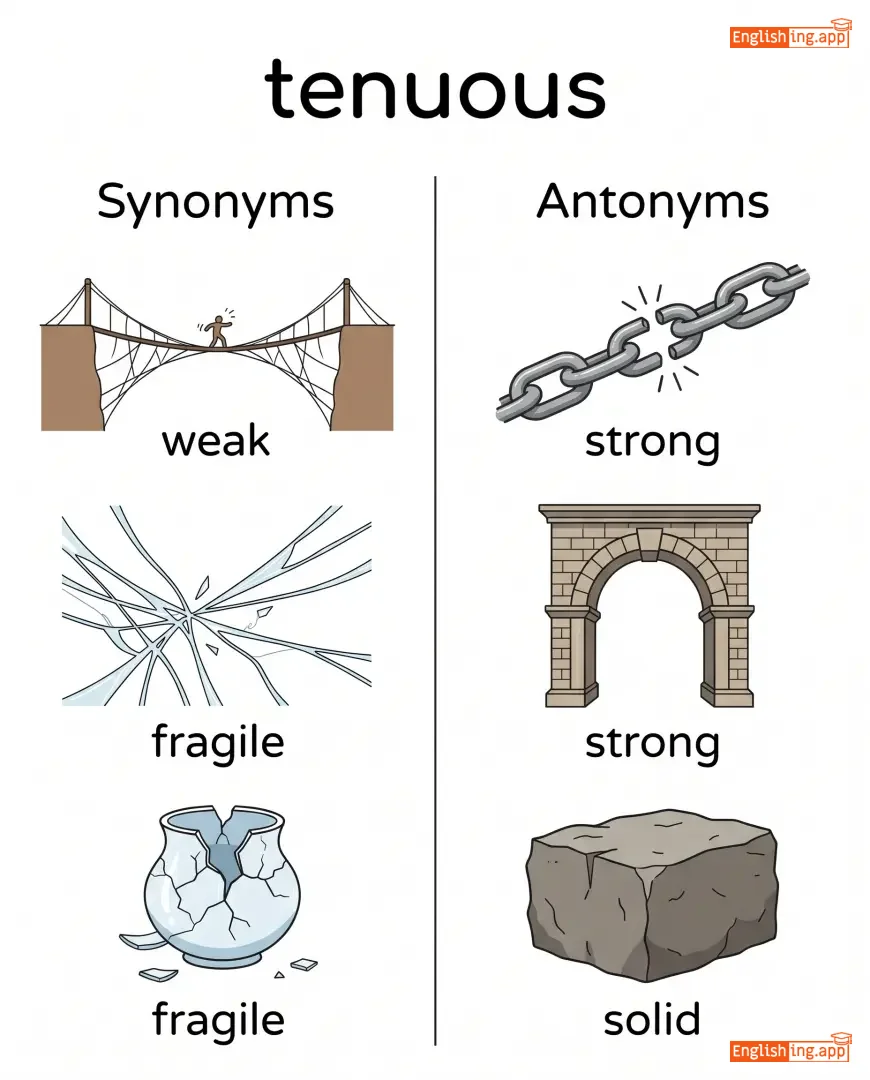
weak, fragile, thin, slight, insubstantial
••••••
|
strong, solid, firm
••••••
|
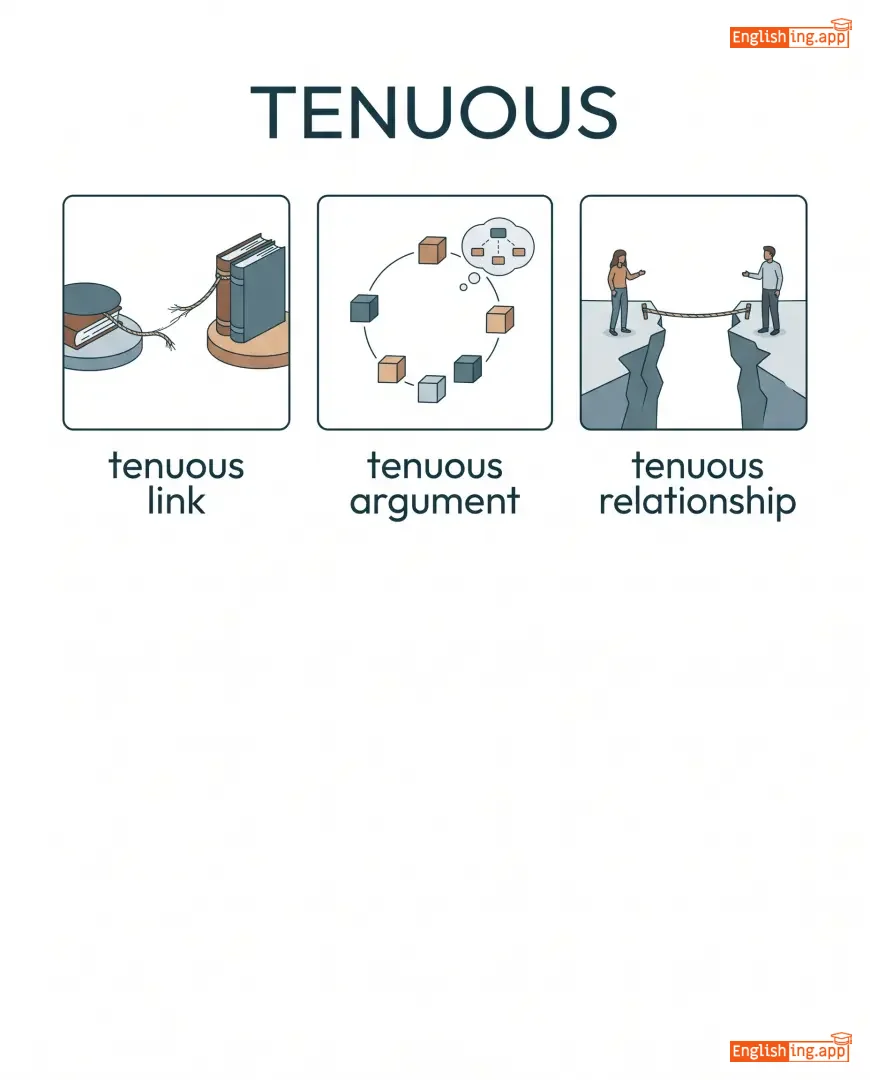
tenuous link, tenuous argument, tenuous relationship, tenuous connection
••••••
|
Tenuous 就像一根细细的丝线一样脆弱。
••••••
|
|
#737
🌍
|
/təˈrɛstriəl/
adjective
(tè léi sī tǐ ěr)
••••••
|
|
陆生
lù shēng
••••••
|
- •••••• | - •••••• | - •••••• | - •••••• |
Relating to the Earth or land as opposed to the sea or air; living or growing on land.
••••••
|
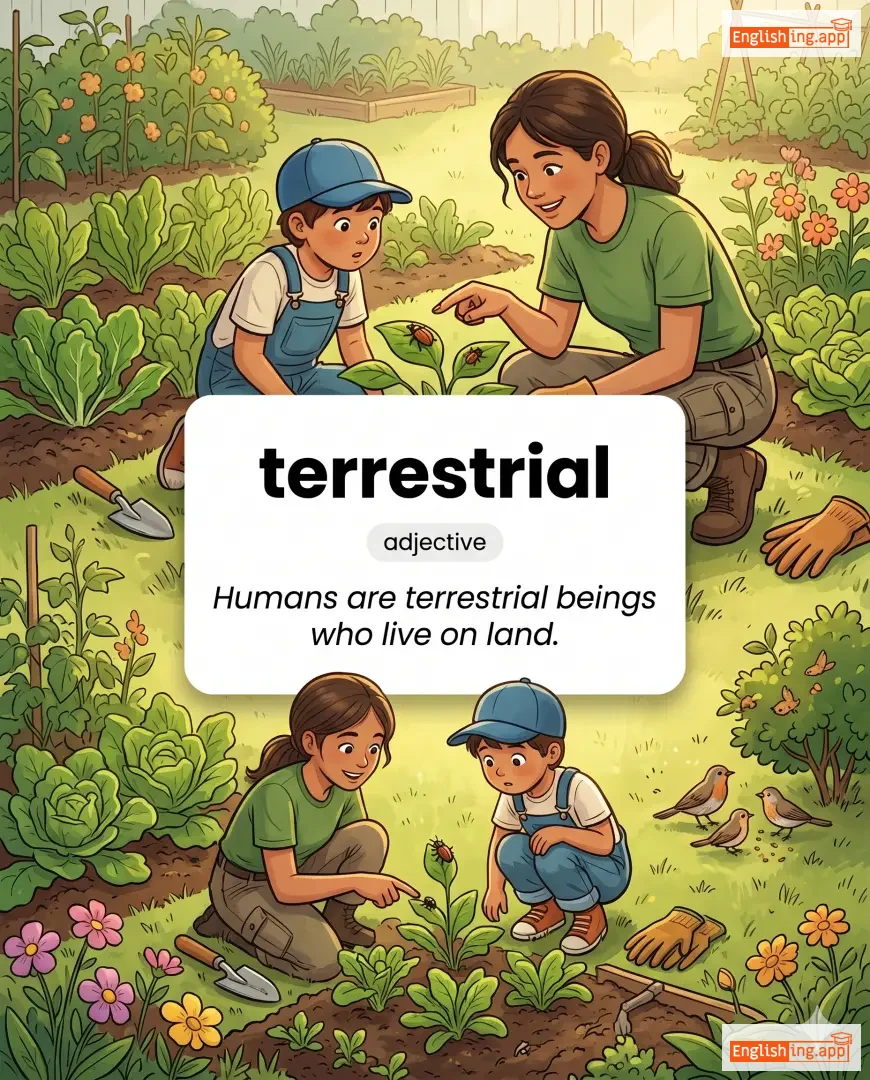
Humans are terrestrial beings who live on land. |
人类是生活在陆地上的陆生生物。
Rénlèi shì shēnghuó zài lùdì shàng de lùshēng shēngwù.
••••••
|
- •••••• | - •••••• | - •••••• |
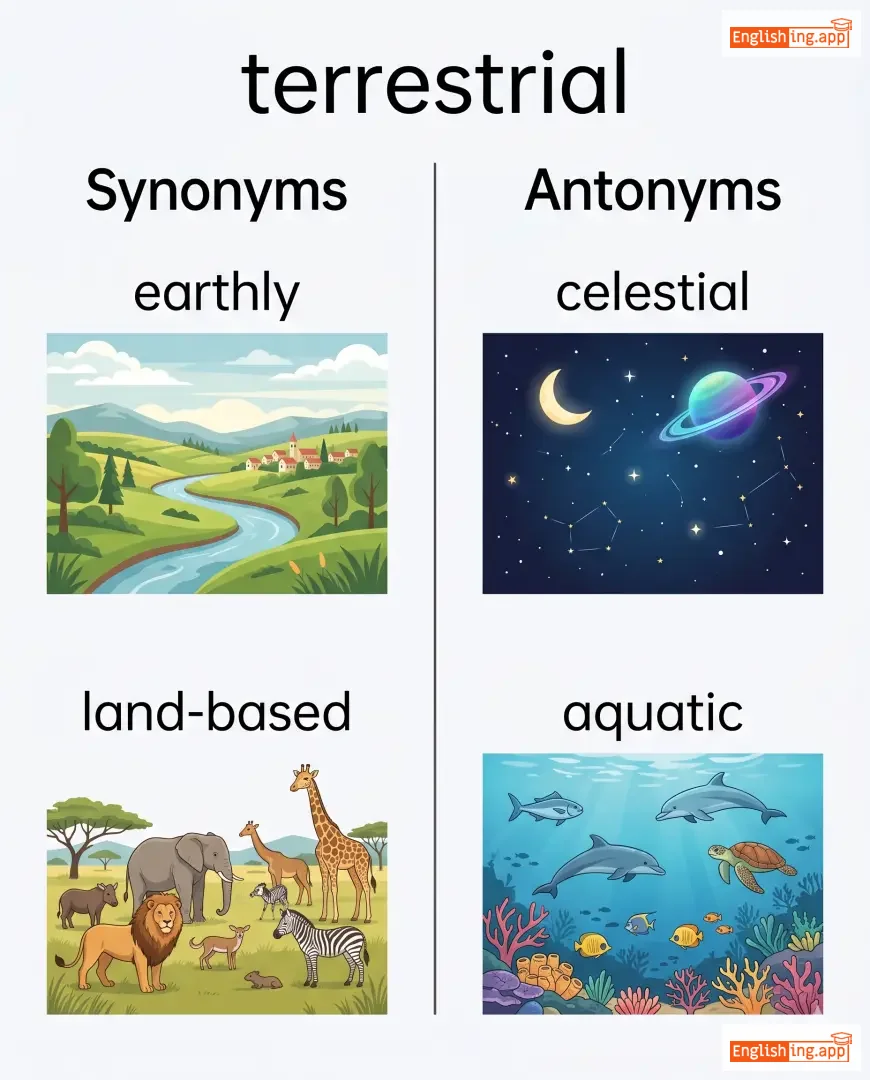
earthly, land-based, worldly, tellurian, mundane
••••••
|
celestial, aquatic, extraterrestrial
••••••
|
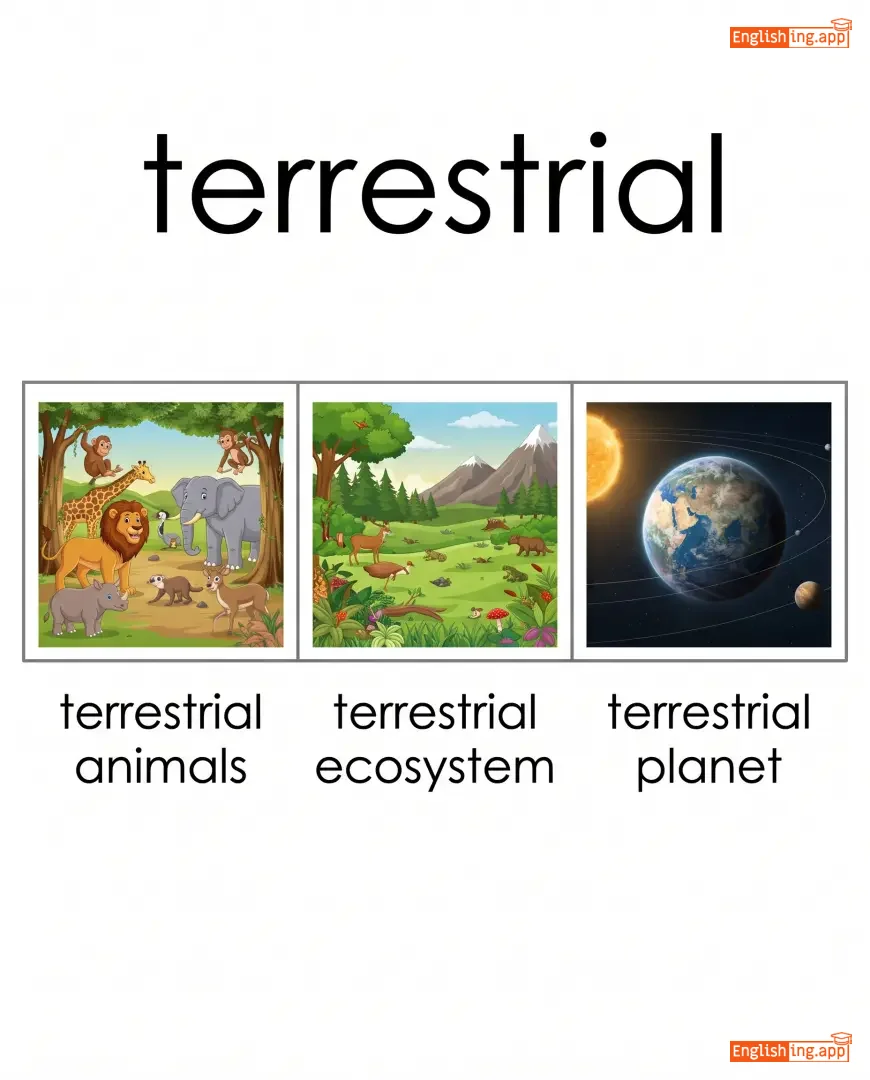
terrestrial animals, terrestrial ecosystem, terrestrial planet, terrestrial life
••••••
|
陆生指的是生活在地面上的生物,跟海洋和空中不一样。
••••••
|
|
#738
🕌
|
/θiˈɒkrəsi/
noun
(神权政治)
••••••
|
|
神权政治
shenquan zhengzhi
••••••
|
- •••••• | - •••••• | - •••••• | - •••••• |
A system of government in which priests or religious leaders rule in the name of God or a deity.
••••••
|
The country was governed as a theocracy where religious leaders had supreme authority. |
这个国家被作为一个神权政治统治,宗教领袖拥有最高的权力。
Zhege guojia bei zuowei yige shenquan zhengzhi tongzhi, zongjiao lingxiu yongyou zuigao de quanli.
••••••
|
- •••••• | - •••••• | - •••••• |
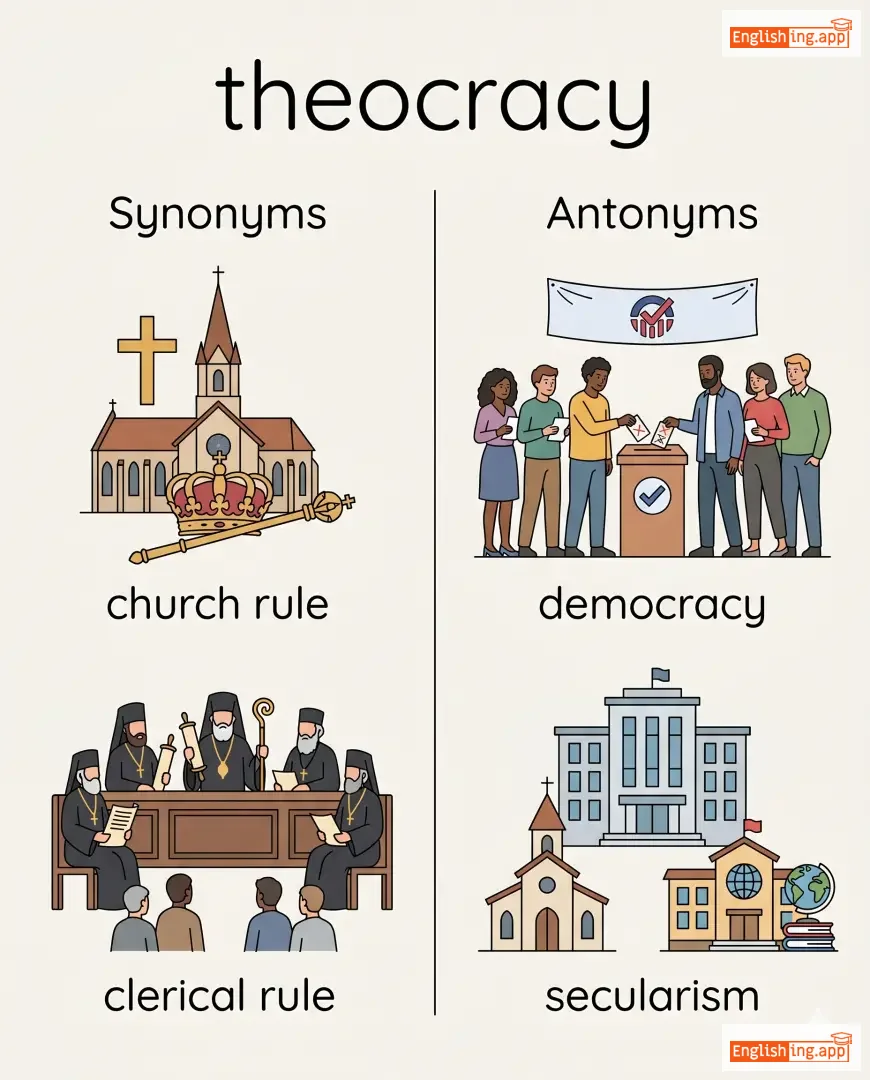
church rule, clerical rule, papal rule, spiritual governance
••••••
|
democracy, secularism, monarchy
••••••
|
religious theocracy, Islamic theocracy, ruled by theocracy
••••••
|
Theo (神) + cracy (统治) → 神权政治,神的统治
••••••
|
|
#739
🎭
|
/ˈθɛspiən/
noun
(thespian)
••••••
|
|
演员
yǎnyuán
••••••
|
- •••••• | - •••••• | - •••••• | - •••••• |
An actor or actress; relating to drama or theater.
••••••
|
The festival was filled with talented thespians from across the country. |
这个节日充满了来自全国各地的才华横溢的演员。
Zhège jiérì chōngmǎnle láizì quánguó gèdì de cáihuá héngyì de yǎnyuán.
••••••
|
- •••••• | - •••••• | - •••••• |
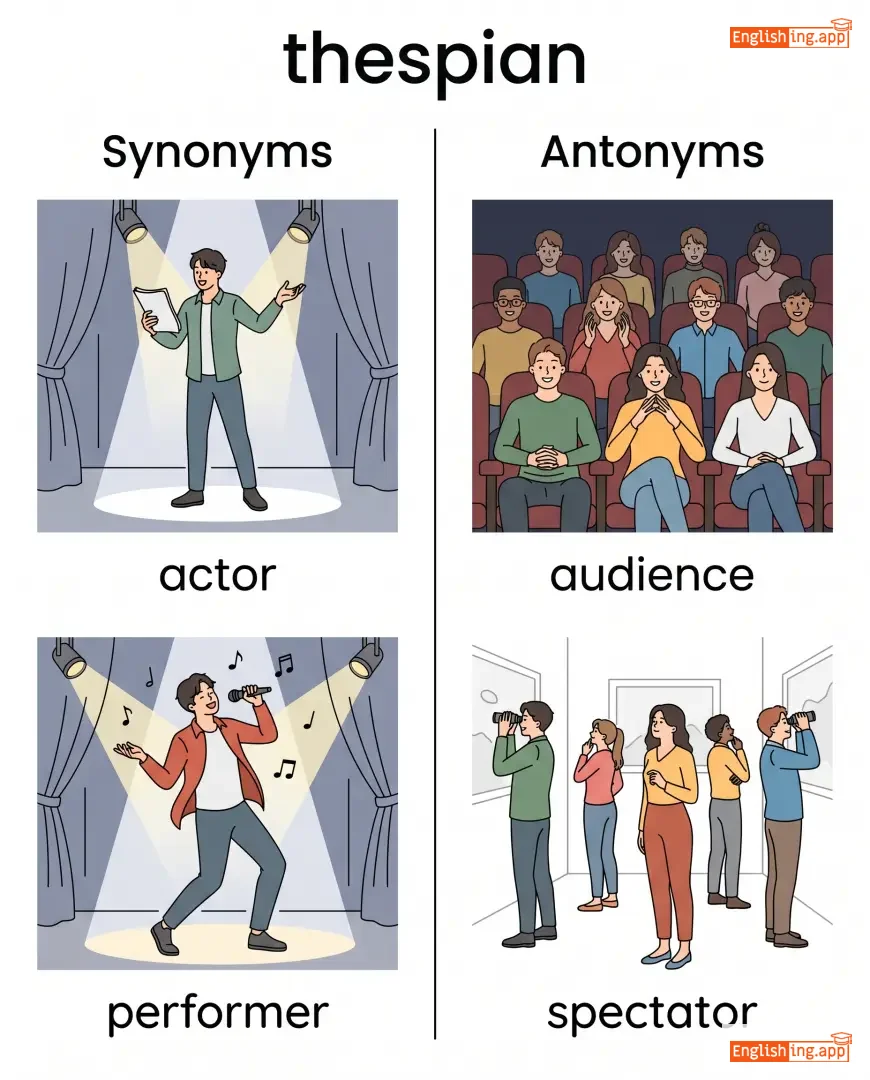
actor, performer, dramatist, stage player, entertainer
••••••
|
audience, spectator
••••••
|
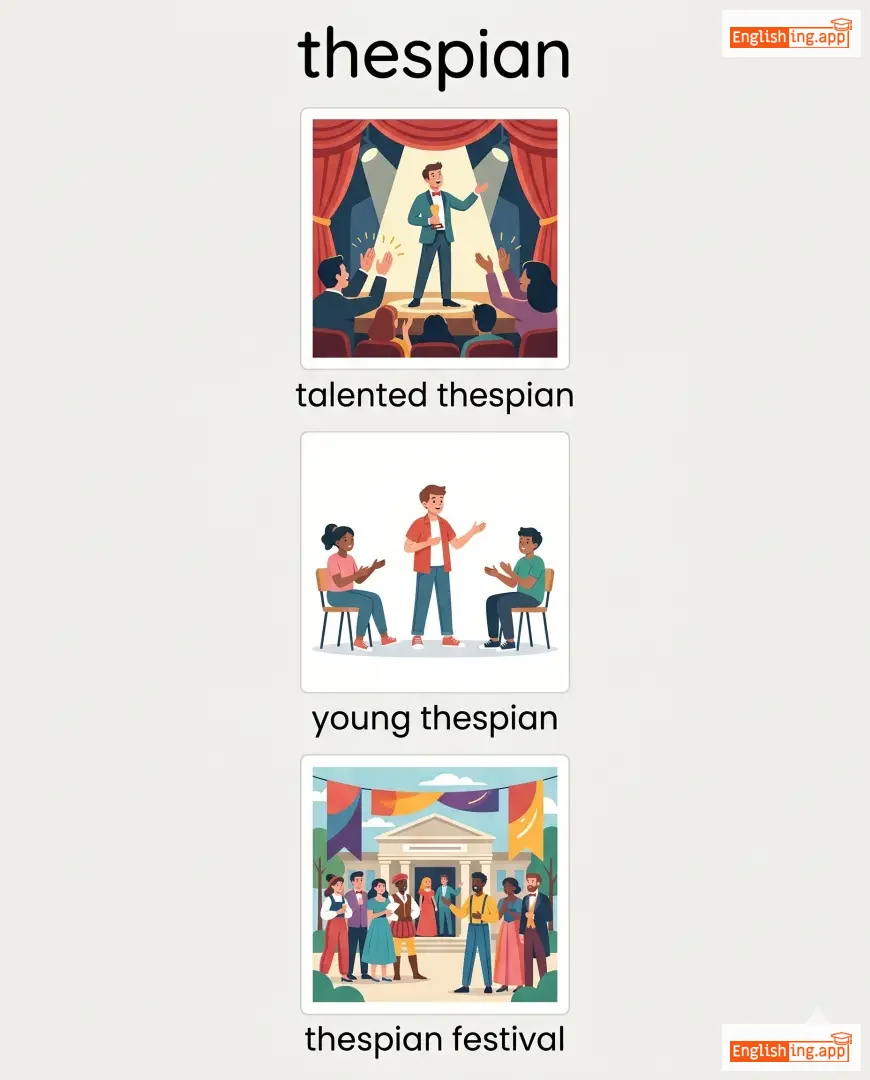
talented thespian, young thespian, thespian festival, thespian society
••••••
|
Thespian 🎭 是与剧院相关的演员。
••••••
|
|
#740
🎶
|
/ˈtæmbər/ or /ˈtɪmbər/
noun
(坦布尔)
••••••
|
- •••••• |
音色
yinse
••••••
|
- •••••• | - •••••• | - •••••• | - •••••• |
The character or quality of a musical sound or voice as distinct from its pitch and intensity.
••••••
|
Her voice had a warm timbre that soothed the audience. |
她的声音有一种温暖的音色,安抚了观众。
Ta de shengyin you yizhong wennuan de yinse, anfu le guanzhong.
••••••
|
- •••••• | - •••••• | - •••••• |
tone, sound quality, resonance, pitch, voice color
••••••
|
monotone, flatness
••••••
|
rich timbre, warm timbre, vocal timbre, instrument timbre
••••••
|
Timbre 听起来像 timber,但这里指的是声音的颜色。
••••••
|
|
#741
🗯️
|
/taɪˈreɪd/
noun
(taɪˈreɪd)
••••••
|
|
长篇怒斥
chángpiān nùchì
••••••
|
- •••••• | - •••••• | - •••••• | - •••••• |
a long, angry, or critical speech
••••••
|
The manager launched into a tirade about poor performance.
经理对糟糕的表现进行了长篇的愤怒演讲。
••••••
|
经理对糟糕的表现进行了长篇的愤怒演讲。
Jīnglǐ duì zāogāo de biǎoxiàn jìnxíngle chángpiān de fènnù yǎnjiǎng.
••••••
|
- •••••• | - •••••• | - •••••• |
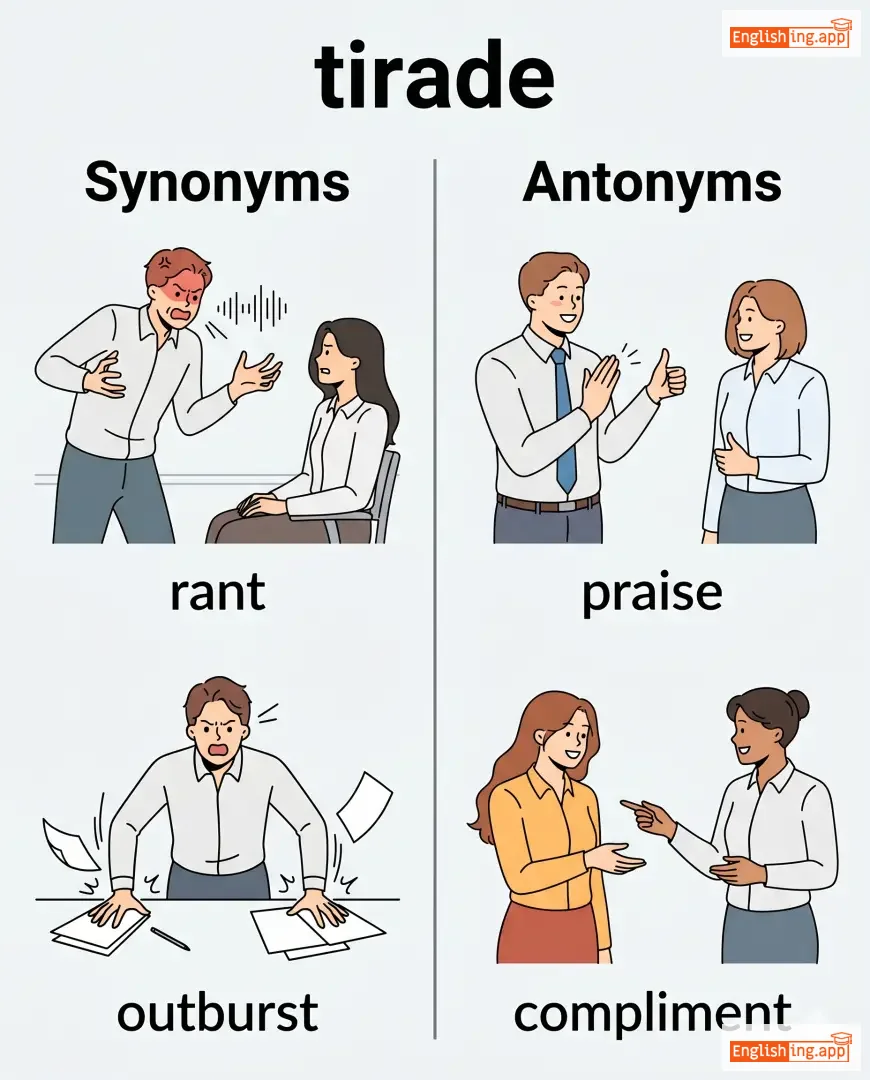
rant, outburst, diatribe, harangue, lecture
••••••
|
praise, compliment
••••••
|
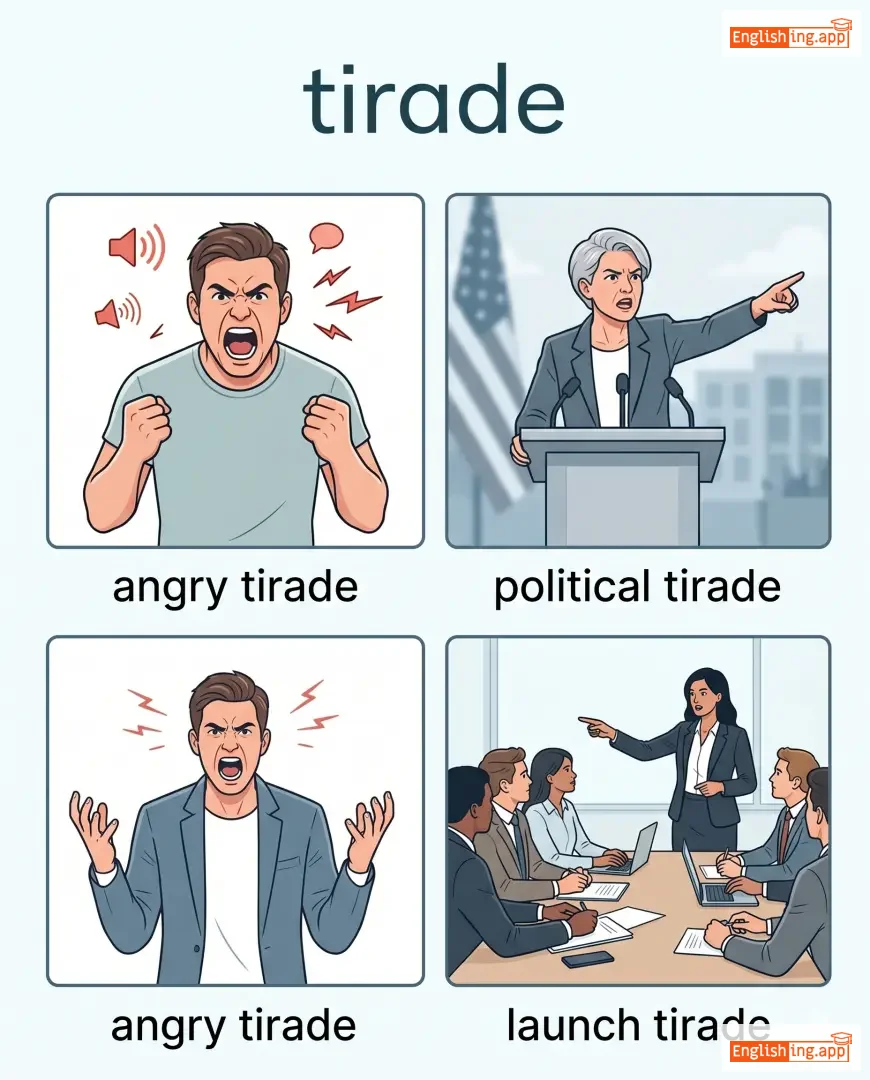
angry tirade, political tirade, launch tirade, endless tirade
••••••
|
Tirade 就像一场充满愤怒的长篇演讲。
••••••
|
|
#742
🙇♂️
|
/ˈtoʊdi/
verb
••••••
|
|
- •••••• |
toadied
••••••
|
toadied
••••••
|
toadies
••••••
|
toadying
••••••
|
to flatter or behave excessively subserviently toward someone for advantage
••••••
|
Stop toadying to the manager and speak your mind. |
- •••••• |
toady up to |
to flatter someone obsequiously to gain favor
••••••
|
- •••••• |
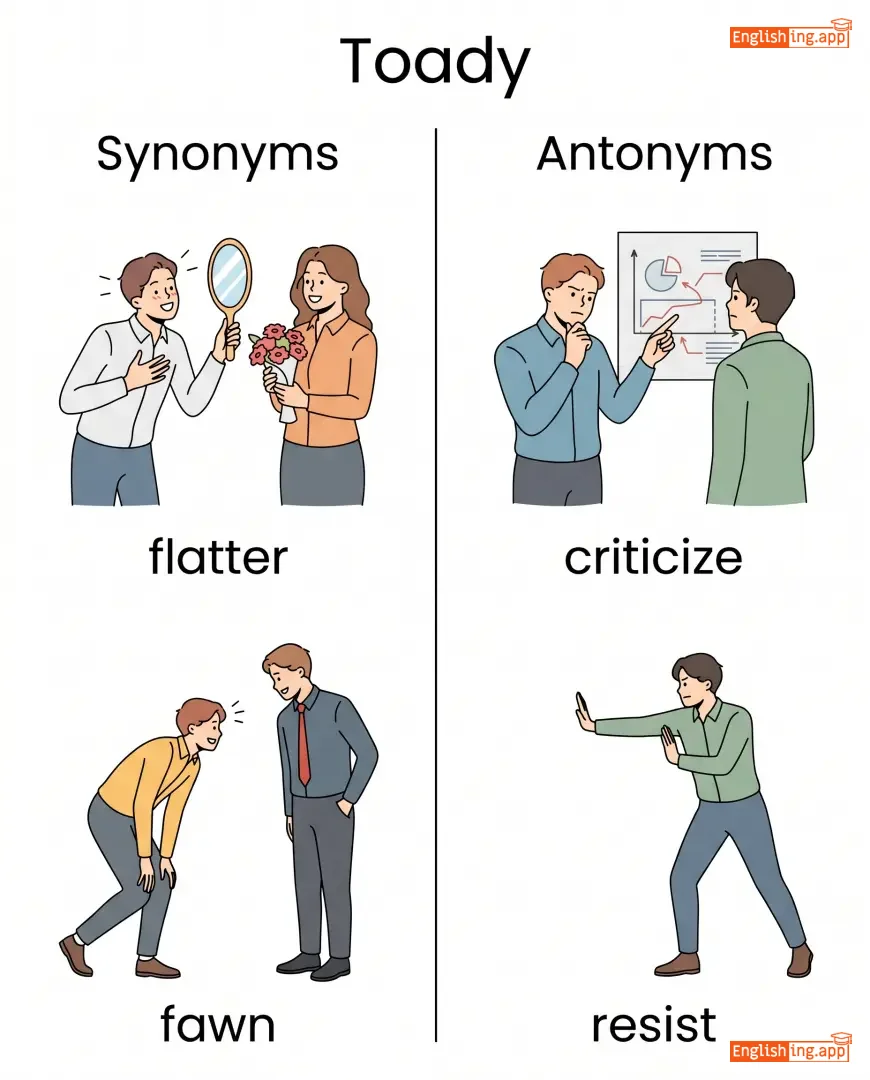
flatter, fawn, grovel, brown-nose, bootlick
••••••
|
criticize, resist, speak plainly
••••••
|
toady to the boss, shameless toady, toady up to, act like a toady
••••••
|
No •••••• |
|
#743
📚
|
/toʊm/
noun
(托姆)
••••••
|
|
厚书
hou shu
••••••
|
- •••••• | - •••••• | - •••••• | - •••••• |
a large, heavy book, often scholarly or serious in nature
••••••
|
She spent the afternoon reading an old tome on medieval history. |
她花了整个下午阅读一本关于中世纪历史的厚书。
Tā huāle zhěnggè xiàwǔ yuèdú yī běn guānyú zhōng shìjì lìshǐ de hòu shū.
••••••
|
- •••••• | - •••••• | - •••••• |
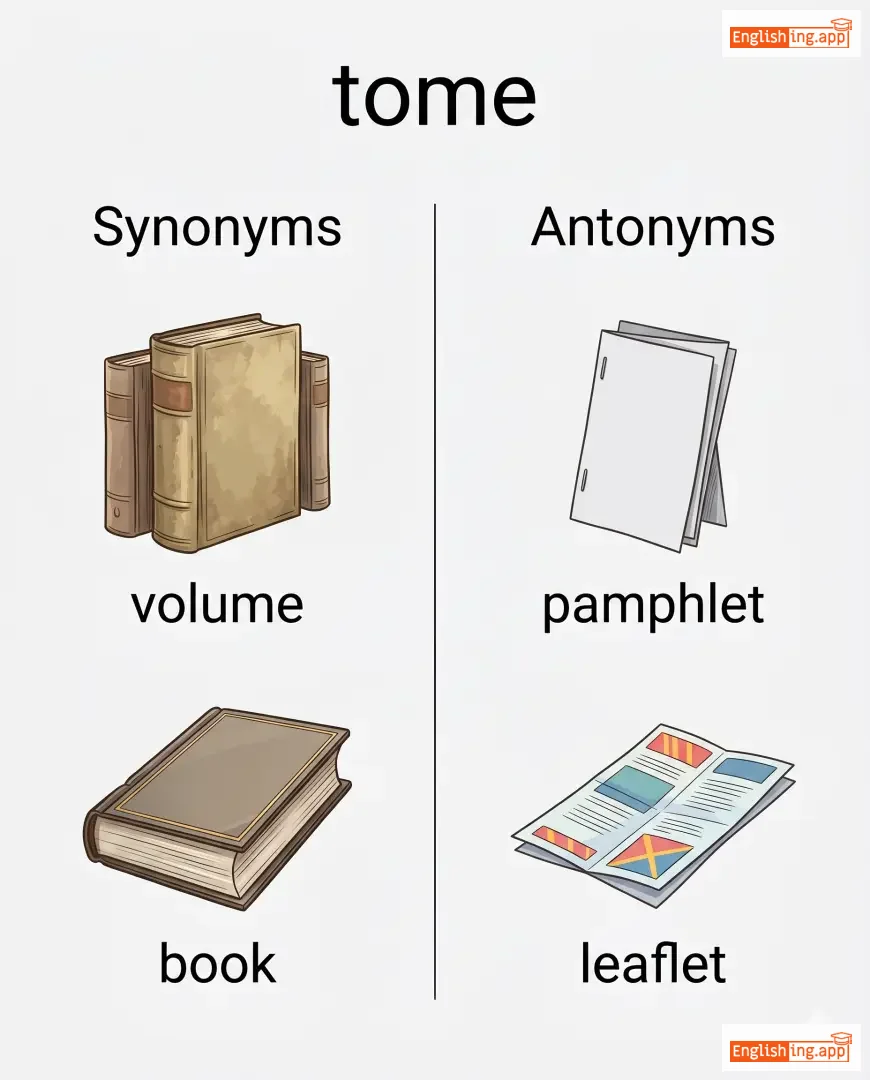
volume, book, opus, publication, manuscript
••••••
|
pamphlet, leaflet, brochure
••••••
|
ancient tome, scholarly tome, dusty tome, old tome
••••••
|
Tome 听起来像重书,想象一本厚重的书
••••••
|
|
#744
🛌
|
/ˈtɔːrpər/
noun
(托尔波尔)
••••••
|
|
昏睡
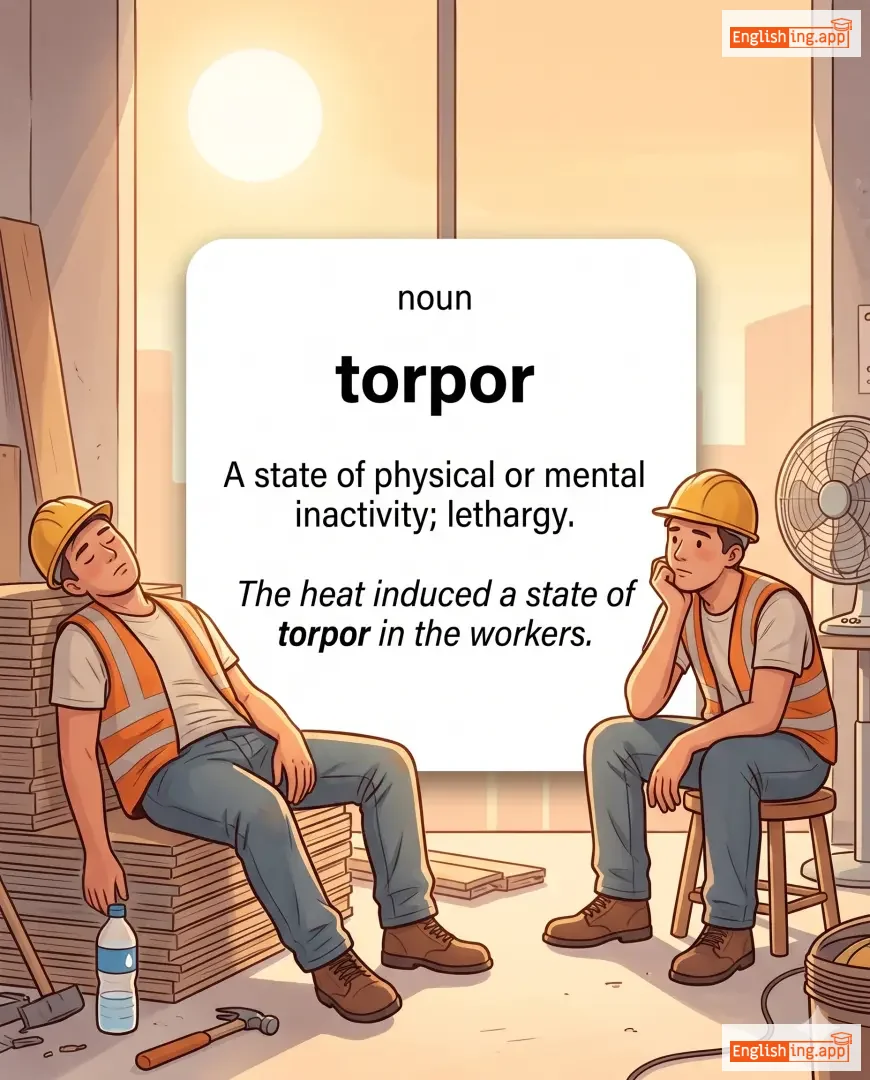
torpor
••••••
|
- •••••• | - •••••• | - •••••• | - •••••• |
A state of physical or mental inactivity; lethargy.
••••••
|
The heat induced a state of torpor in the workers. |
高温使工人们陷入了昏睡状态。
Gaowen shi gongrenmen xianru le hunshui zhuangtai.
••••••
|
sink into torpor |
to gradually become inactive or sluggish
••••••
|
陷入昏睡
xianru hunshui
••••••
|
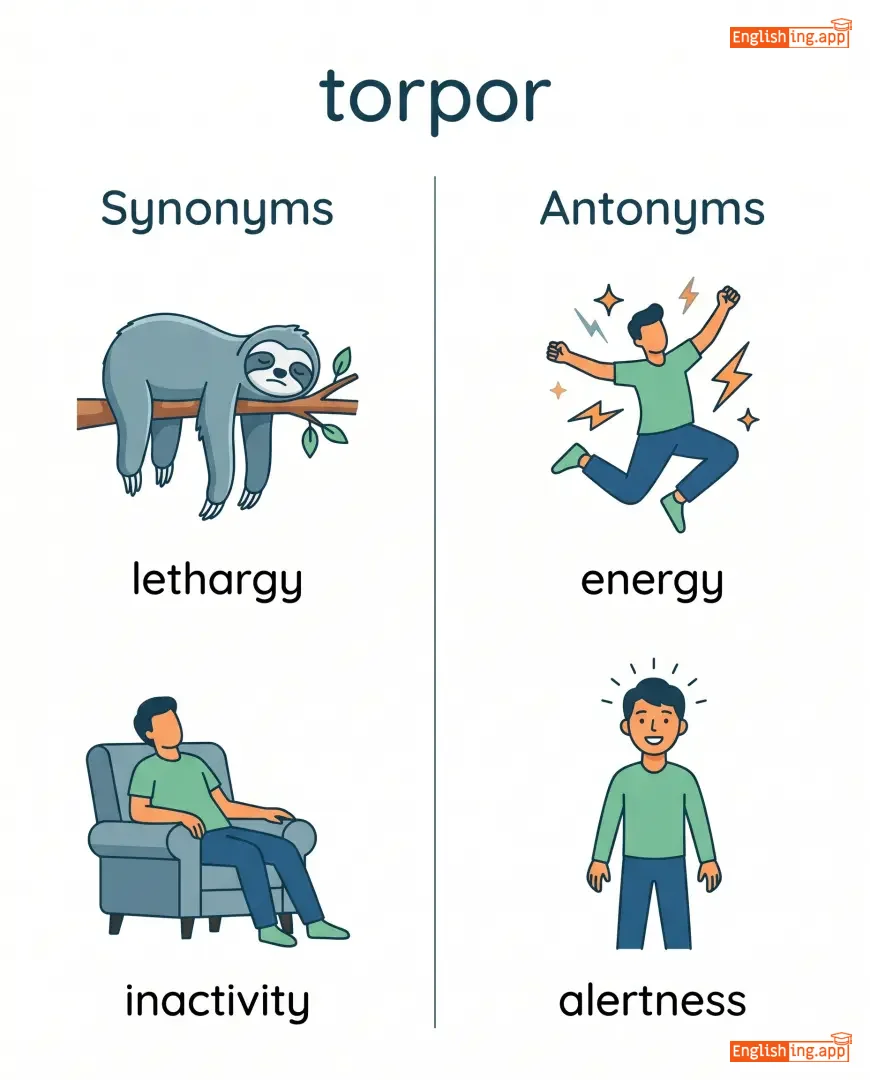
lethargy, inactivity, apathy, sluggishness
••••••
|
energy, alertness, activity
••••••
|
state of torpor, sink into torpor, mental torpor, torpor induced
••••••
|
Torpor - 托尔波尔 - 好像缺乏活力的状态,像昏睡一样。
••••••
|
|
#745
🔧
|
/tɔːrk/
noun
••••••
|
|
- •••••• | - •••••• | - •••••• | - •••••• | - •••••• |
A twisting force that causes rotation.
••••••
|
The mechanic measured the torque of the engine. |
- •••••• |
apply torque |
to use twisting force on something
••••••
|
- •••••• |
twist, rotation, force, turning power
••••••
|
balance, rest, stillness
••••••
|
engine torque, high torque, torque wrench, apply torque
••••••
|
No •••••• |
|
#746
🌀
|
/ˈtɔːrtʃuəs/
adjective
(tòruòuèisī)
••••••
|
- •••••• |
曲折,复杂
quzhe, fuzā
••••••
|
- •••••• | - •••••• | - •••••• | - •••••• |
Full of twists and turns; excessively complex or complicated.
••••••
|
The tortuous mountain road made driving very difficult. |
曲折的山路让驾驶变得非常困难。
Qūzhé de shānlù ràng jiàshǐ biàn dé fēicháng kùnnán.
••••••
|
- •••••• | - •••••• | - •••••• |
winding, twisting, convoluted, complex, meandering
••••••
|
straight, direct, simple
••••••
|
tortuous path, tortuous route, tortuous reasoning, tortuous journey
••••••
|
Tortuous就像一条弯曲的路,复杂难懂
••••••
|
|
#747
📢
|
/taʊt/
verb
(陶特)
••••••
|
- •••••• |
宣传
xuan chuan
••••••
|
touted
陶特德
••••••
|
touted
陶特德
••••••
|
touts
陶特斯
••••••
|
touting
陶特英
••••••
|
to promote, praise, or advertise aggressively
••••••
|
The company touted its new product as a game-changer.
公司将其新产品宣传为游戏改变者。
••••••
|
公司将其新产品宣传为游戏改变者。
Gongsi jiang qi xin chanpin xuanchuan wei youxi gaibian zhe.
••••••
|
tout for business
为生意宣传
••••••
|
to solicit or promote actively to get customers
••••••
|
为了吸引客户而宣传
wei le xiyan kehu er xuanchuan
••••••
|
promote, advertise, endorse, praise, hype
••••••
|
criticize, denounce, condemn
••••••
|
tout a product, tout the benefits, touted as, tout for business
••••••
|
陶特让你大声宣传 '买我产品!'
••••••
|
|
#748
🙂
|
/ˈtræktəbəl/
adjective
(特拉克塔布尔)
••••••
|
|
容易控制或影响
rongyi kongzhi huo yingxiang
••••••
|
- •••••• | - •••••• | - •••••• | - •••••• |
easy to control or influence
••••••
|
The child was surprisingly tractable during the long journey.
那个孩子在漫长的旅程中出奇的容易控制。
••••••
|
那个孩子在漫长的旅程中出奇的容易控制。
Nàgè háizi zài màncháng de lǚchéng zhōng chūqí de róngyì kòngzhì.
••••••
|
- •••••• | - •••••• | - •••••• |
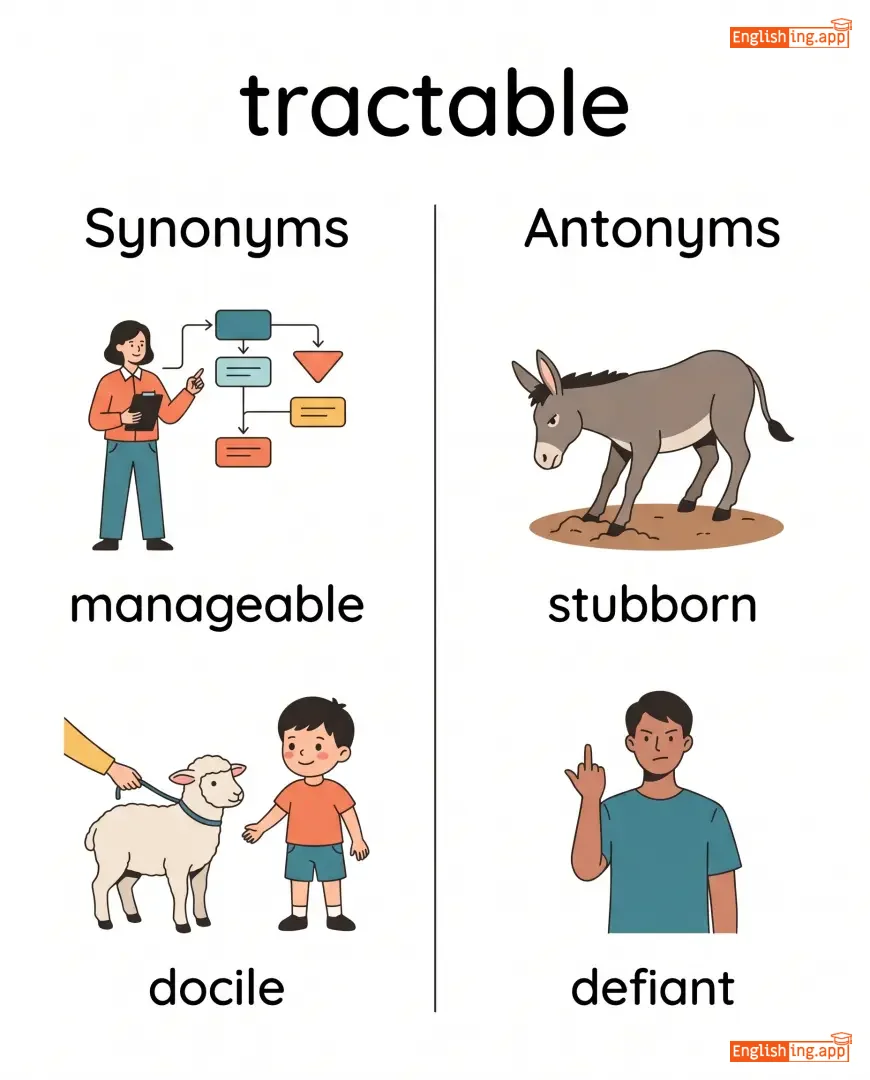
manageable, docile, obedient, compliant
••••••
|
stubborn, defiant, unmanageable
••••••
|
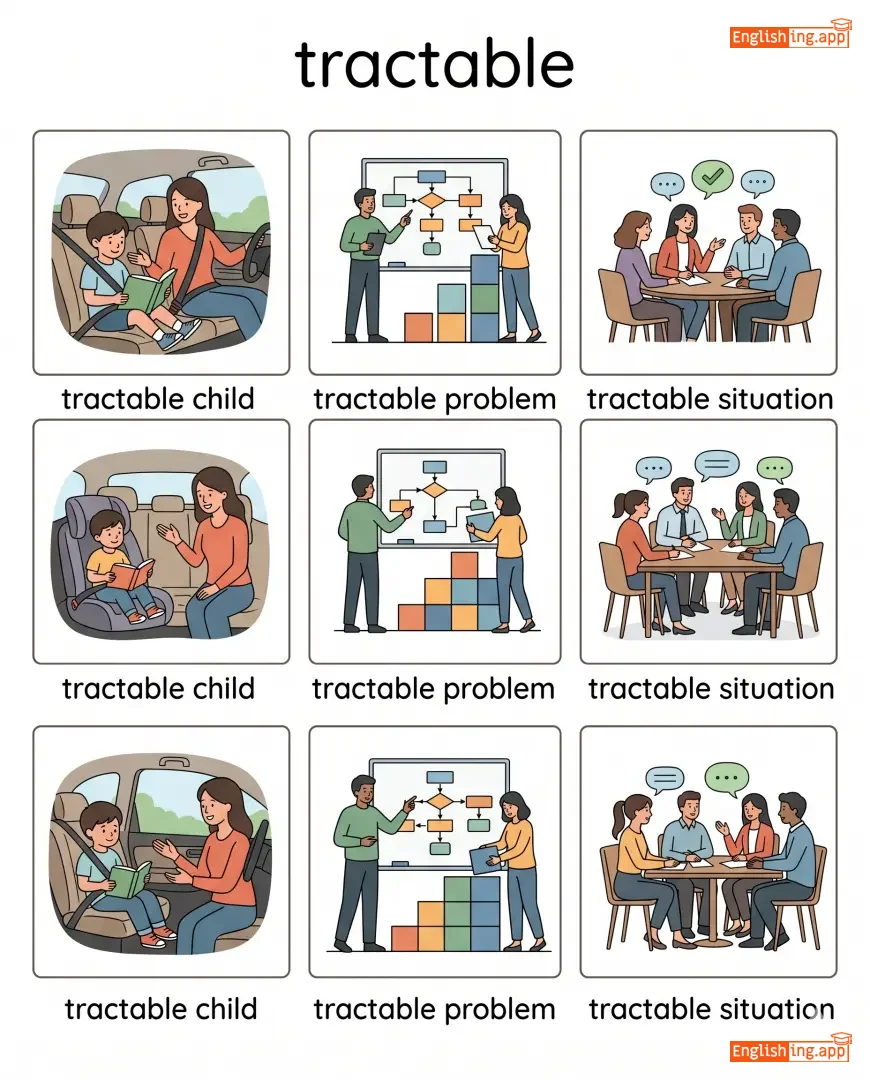
tractable child, tractable problem, tractable situation
••••••
|
Tractable 就像是一个容易被管理的孩子。
••••••
|
|
#749
⚖️
|
/trænsˈɡrɛʃən/
noun
(transgrēshēn)
••••••
|
|
违反, 罪行
wei fan, zui xing
••••••
|
- •••••• | - •••••• | - •••••• | - •••••• |
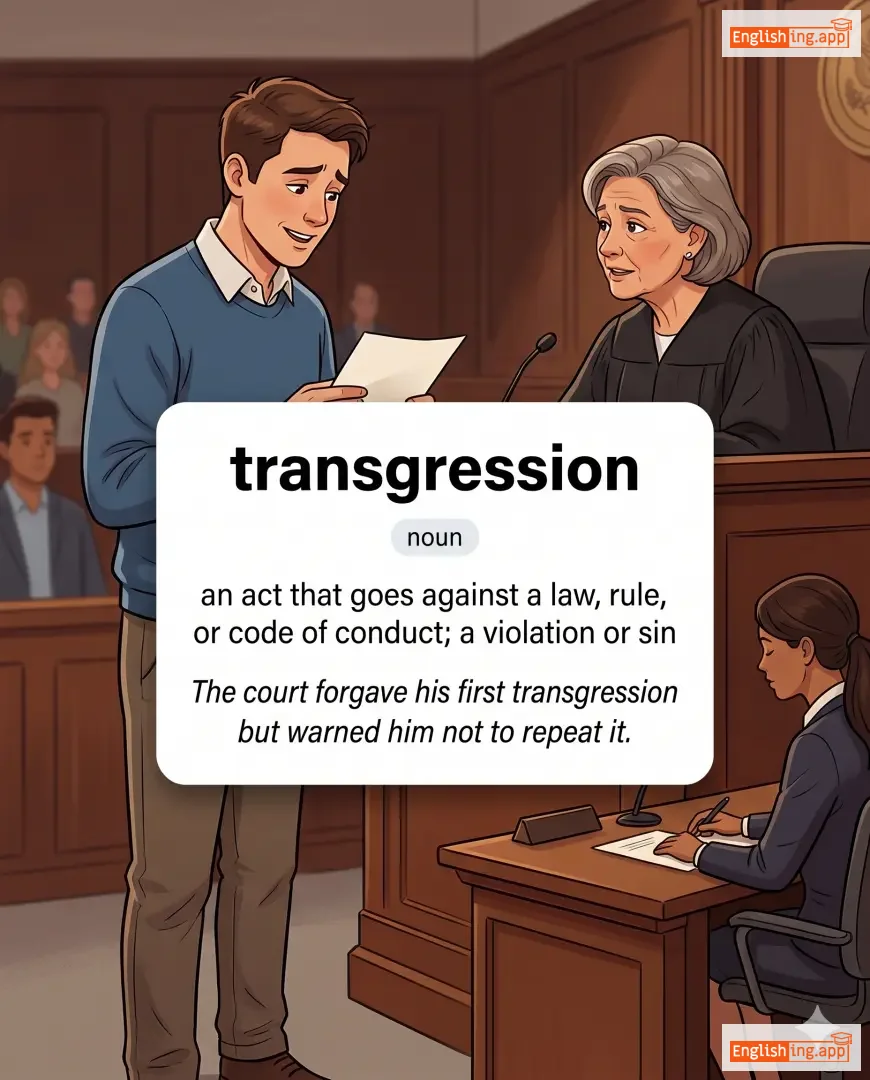
an act that goes against a law, rule, or code of conduct; a violation or sin
••••••
|
The court forgave his first transgression but warned him not to repeat it. |
法院原谅了他的第一次违反行为,但警告他不要重复。
Fa yuan yuan liang le ta de di yi ci wei fan xing wei, dan jing gao ta bu yao chong fu.
••••••
|
- •••••• | - •••••• | - •••••• |
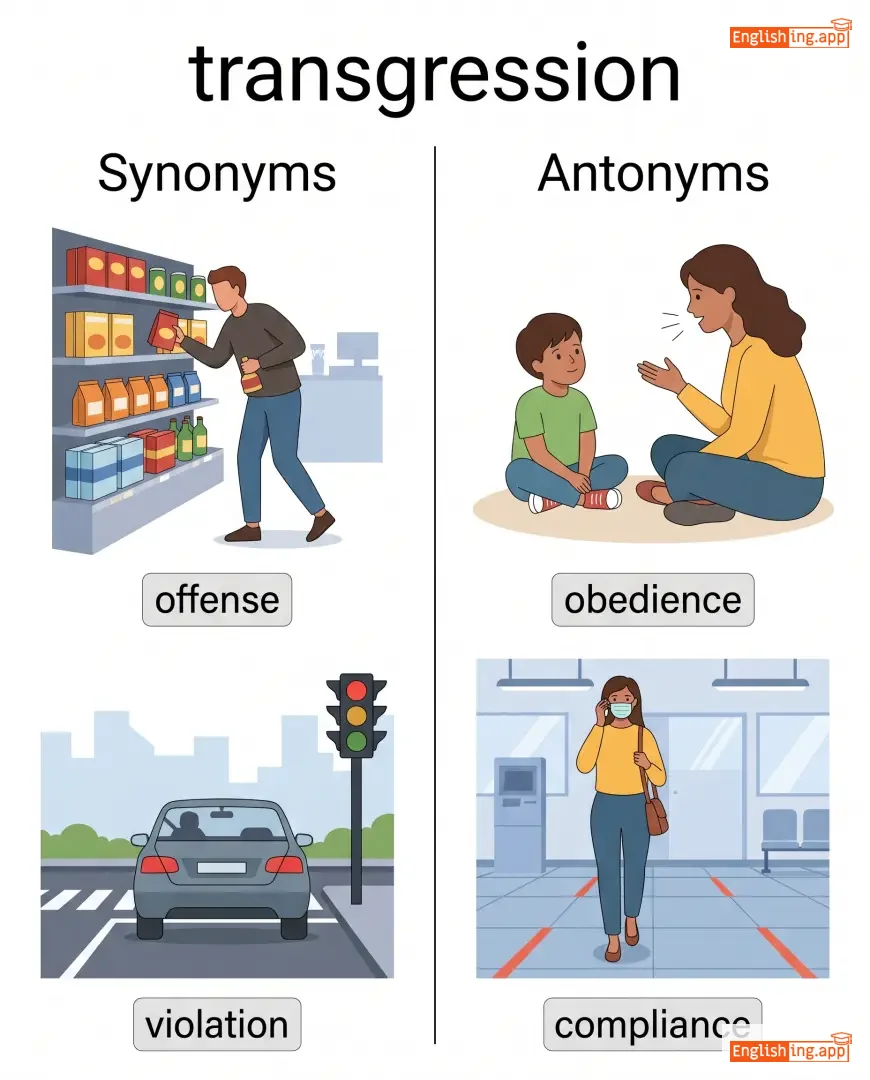
offense, violation, sin, crime, wrongdoing
••••••
|
obedience, compliance
••••••
|
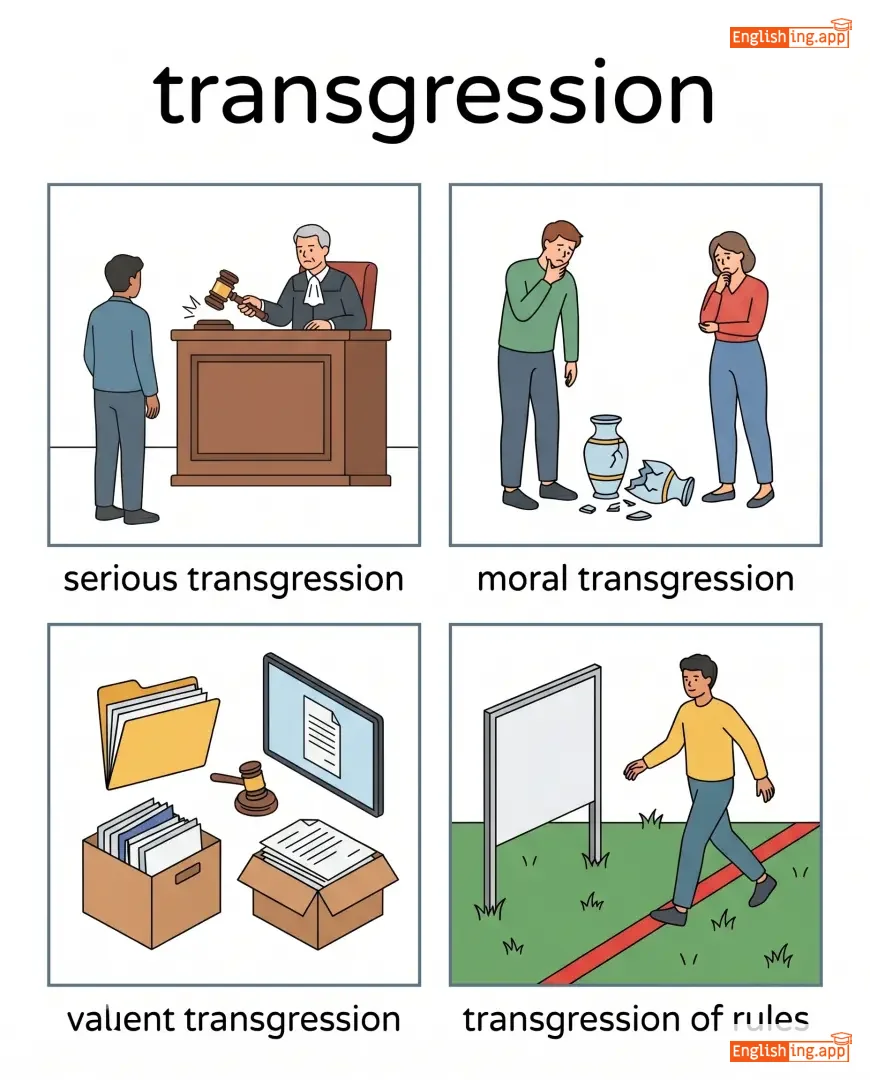
serious transgression, moral transgression, transgression of rules, forgive transgression
••••••
|
Transgression意味着违背规则,就像失去恩典(grace)一样。
••••••
|
|
#750
🌪️
|
/ˈtrænziənt/
adjective
(短暂)
••••••
|
|
短暂
duǎnzàn
••••••
|
- •••••• | - •••••• | - •••••• | - •••••• |
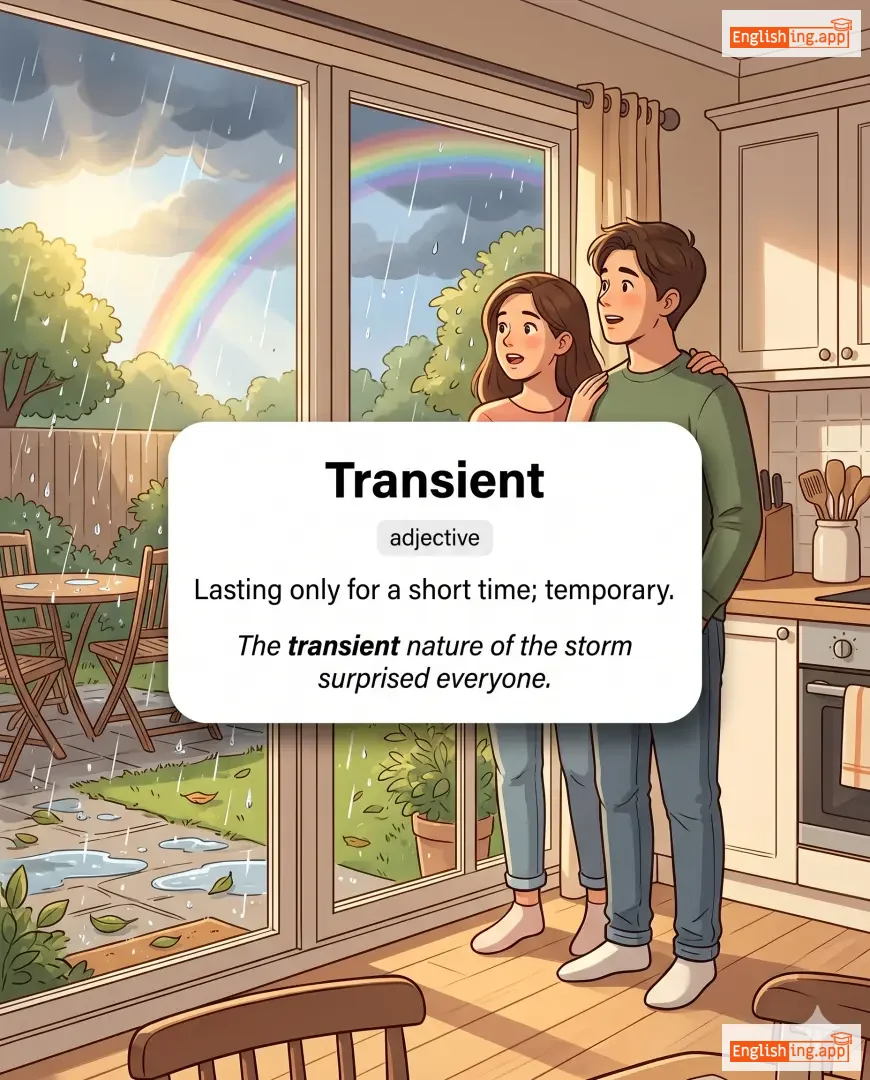
Lasting only for a short time; temporary.
••••••
|
The transient nature of the storm surprised everyone.
暴风雨的短暂本质让所有人感到惊讶。
••••••
|
暴风雨的短暂本质让所有人感到惊讶。
Bàofēngyǔ de duǎnzàn běnzhí ràng suǒyǒu rén gǎndào jīngyà.
••••••
|
transient guest
短暂的客人
••••••
|
A guest who stays for only a short period
••••••
|
短暂的客人
duǎnzàn de kèrén
••••••
|
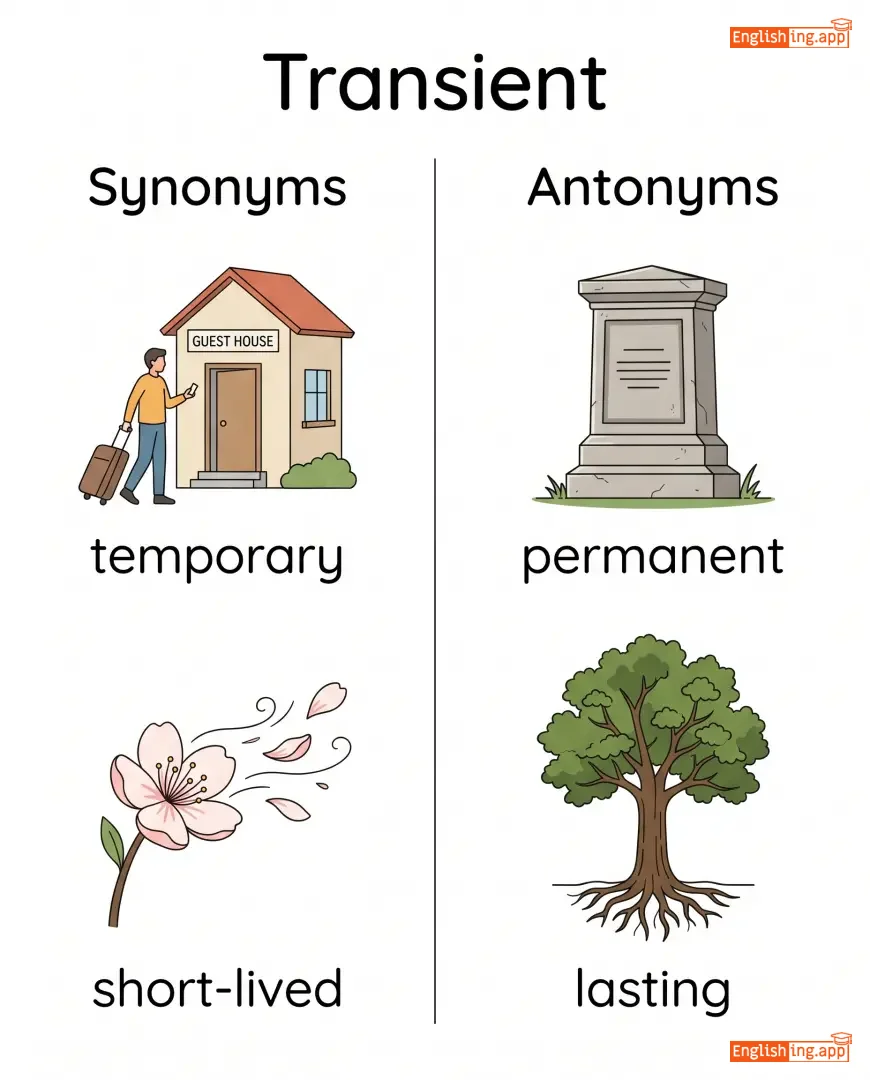
temporary, short-lived, momentary, fleeting
••••••
|
permanent, lasting
••••••
|
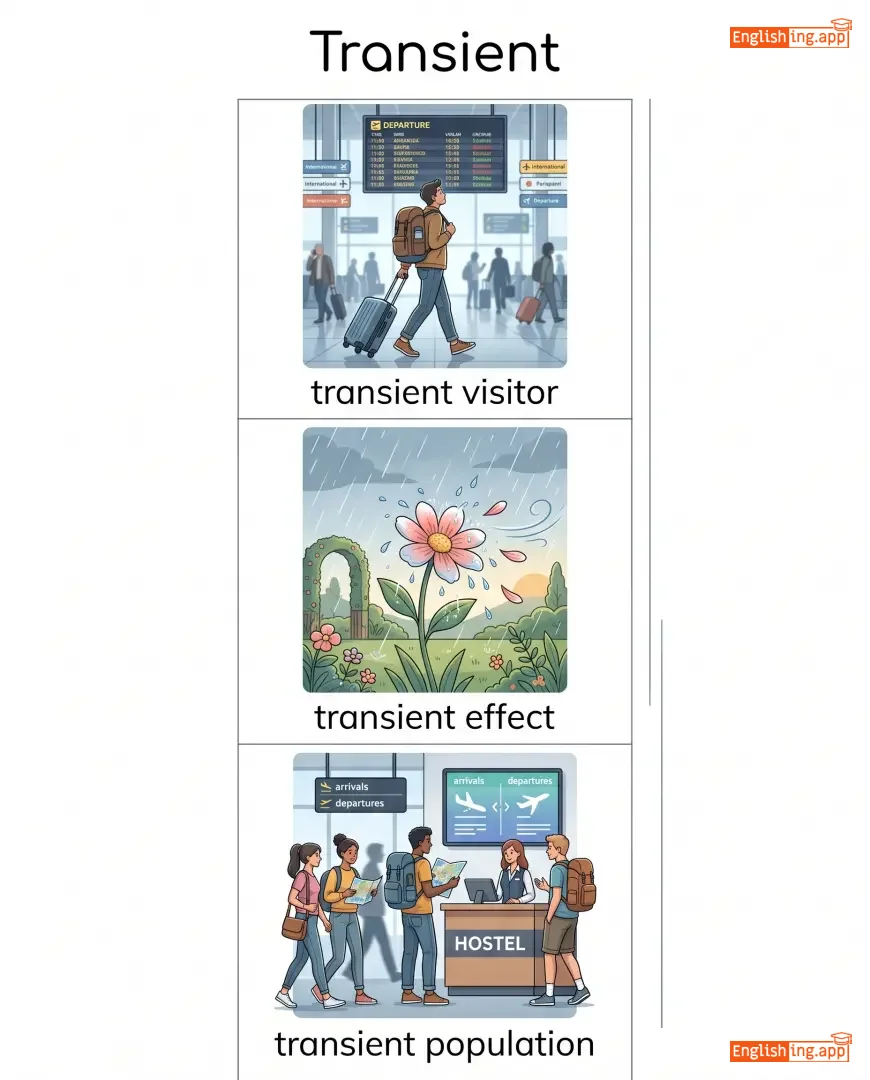
transient visitor, transient effect, transient population
••••••
|
短暂就像风暴一样,快速过去。
••••••
|
Vocabulary Quiz
Test your vocabulary by matching words with their translations or meanings.
Login to take the quiz
Comments (0)
Share your thoughts and join the discussion.
Join the discussion by logging in
Login to CommentNo comments yet
Be the first to share your thoughts!