

Lesson 12Lesson 12
Details
/
翻訳
••••••
過去
••••••
過去分詞
••••••
三人称単数
••••••
動名詞
••••••
意味
••••••
例文
••••••
例文の翻訳
••••••
同義語
••••••
対義語
••••••
コロケーション
••••••
ニーモニック
••••••
/
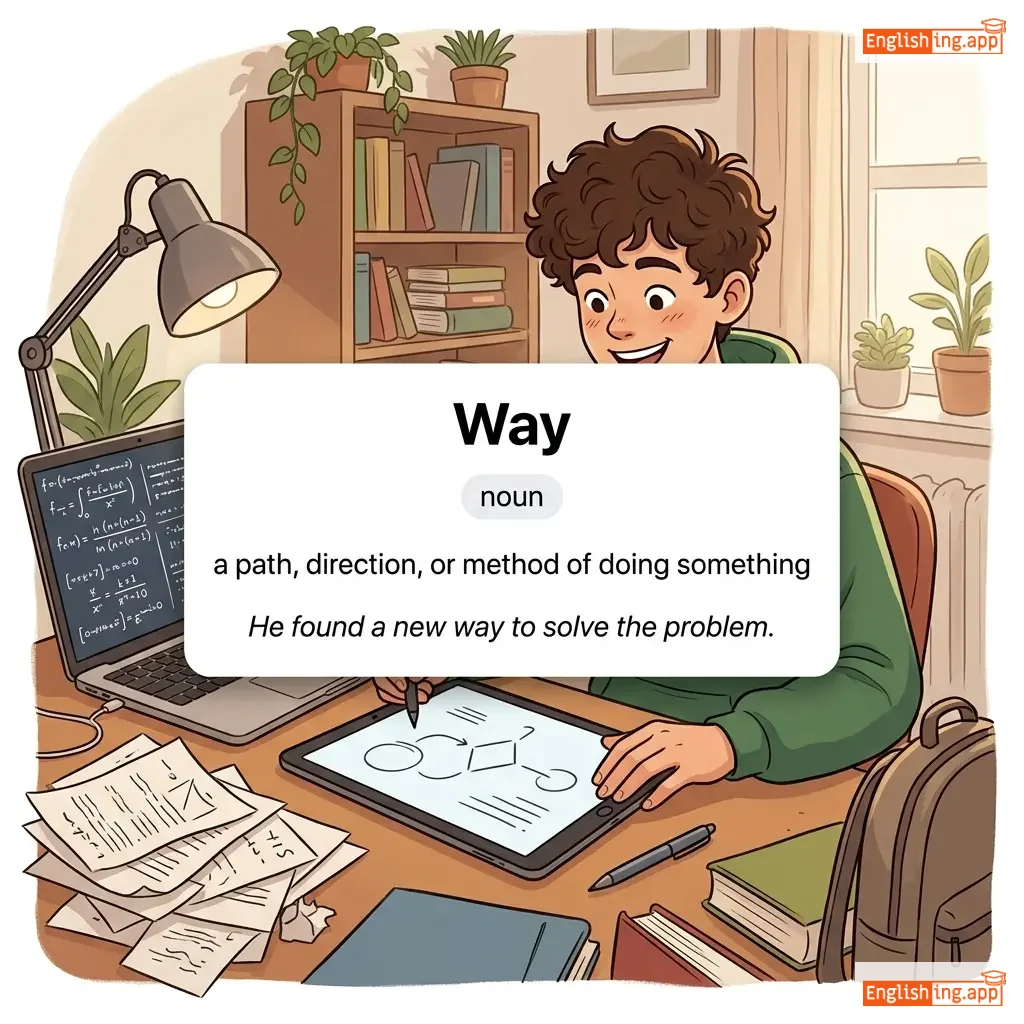
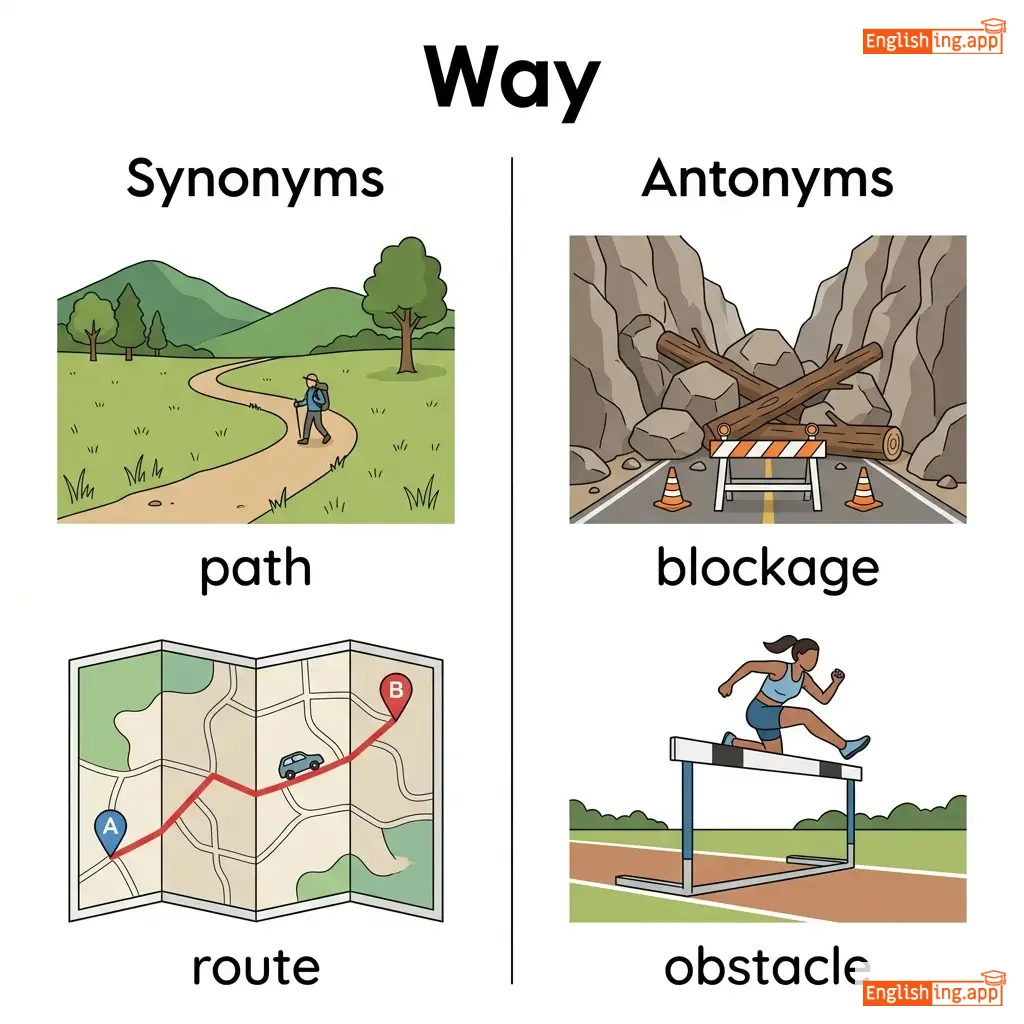
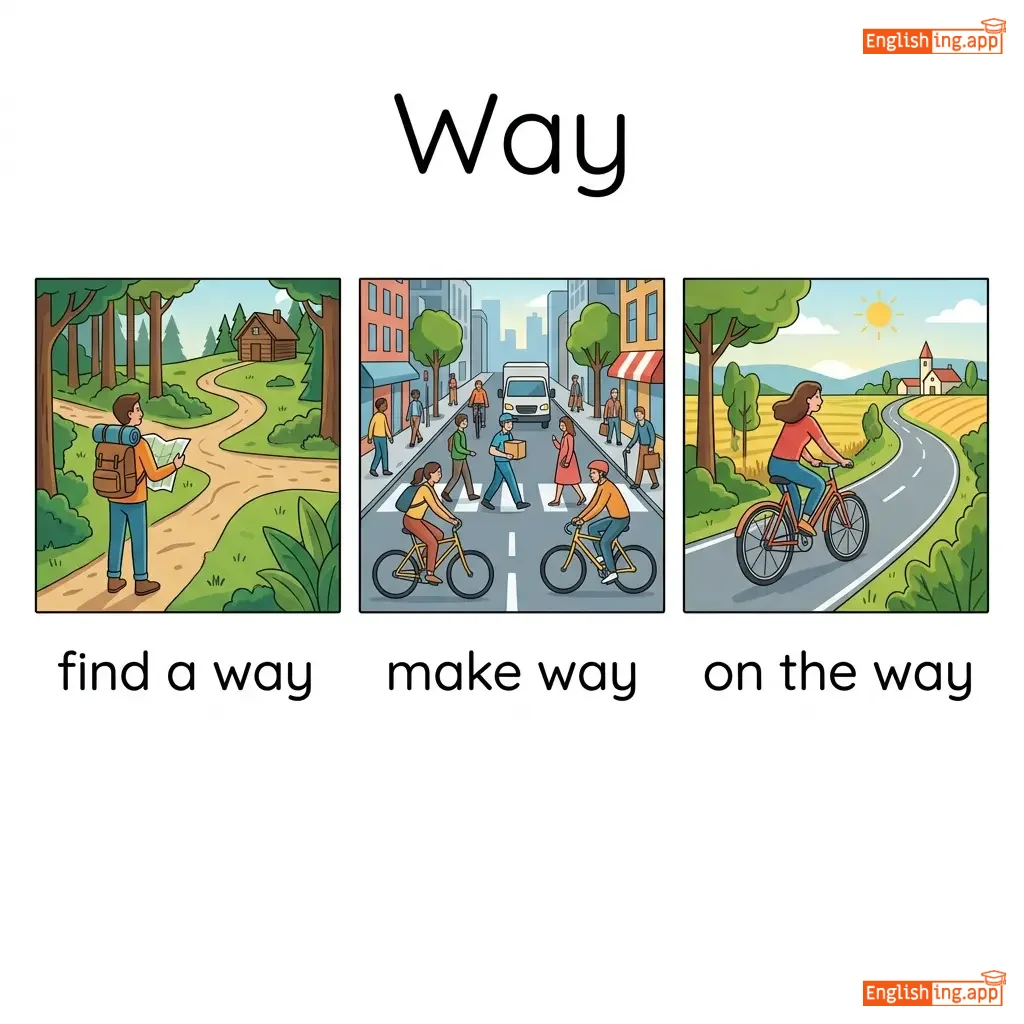
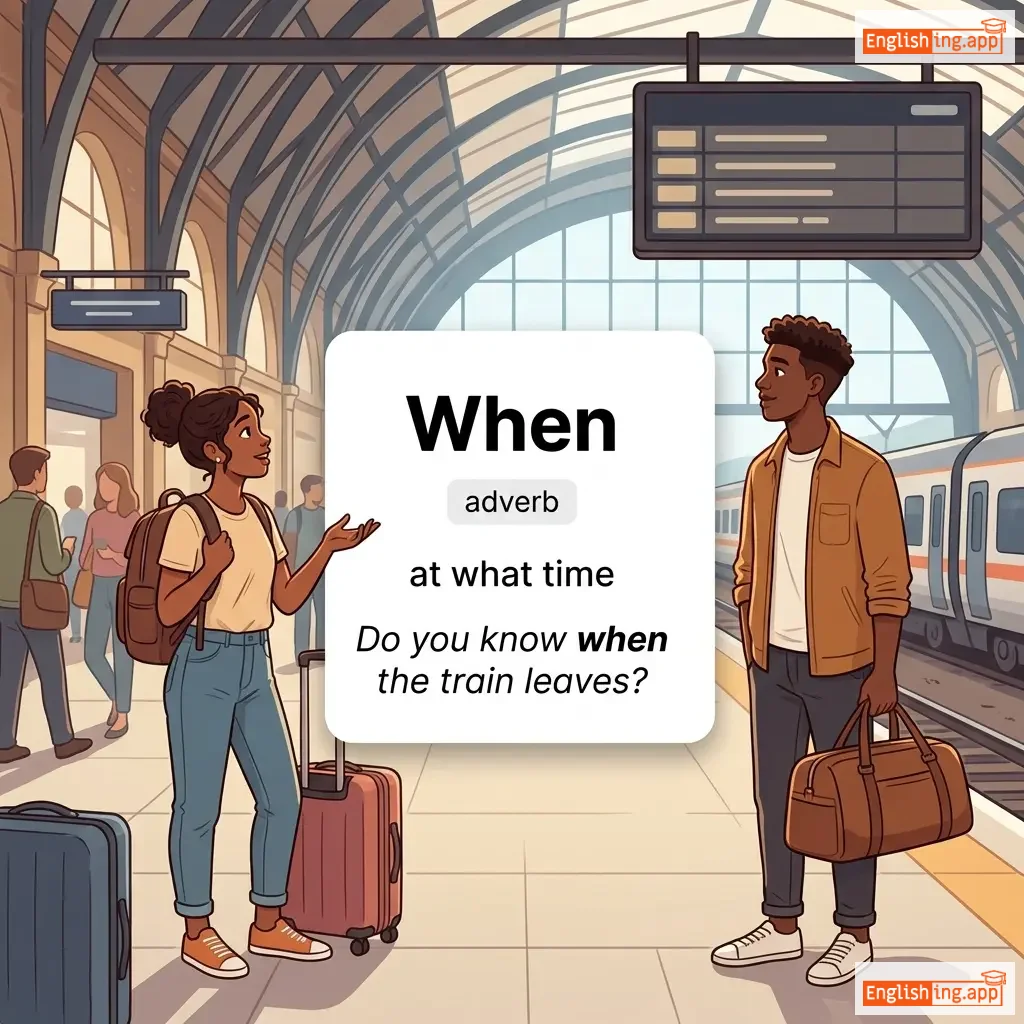
Swipe left or right, or use the buttons. Tap image to zoom.
/
例文の翻訳
••••••
単語
••••••
Lesson 12Lesson 12 - マスクトグル
|
絵文字
|
単語 | Images | 翻訳 | 意味 | 例文 | 例文の翻訳 | 同義語 | 対義語 | コロケーション | ニーモニック |
|---|---|---|---|---|---|---|---|---|---|---|
|
#221
📍
|
/weɪ/
adverb
(ウェイ)
••••••
|
|
多く; 大きな程度で; 大量で
ōku; ōkina teido de; tairyo de
••••••
|
to a great degree; much; by a large amount
••••••
|
The movie was way better than I expected. |
その映画は私の予想よりずっと良かった。
Sono eiga wa watashi no yosō yori zutto yokatta.
••••••
|
much, far, greatly, considerably
••••••
|
slightly, barely, hardly
••••••
|
way better, way too much, way ahead
••••••
|
'Way' は何かをより多く、より良くする道を意味します。
••••••
|
|
#222
📍
|
/weər/
adverb
(どこ)
••••••
|
- •••••• |
どこ
doko
••••••
|
In or to what place or position; used to inquire about location
••••••
|
Where did you put my keys?
私の鍵をどこに置きましたか?
••••••
|
私の鍵をどこに置きましたか?
watashi no kagi o doko ni okimashita ka
••••••
|
whereabouts, whither
••••••
|
here, there
••••••
|
where are you, where to go, where from
••••••
|
Doko is Where in Japanese; picture a detective dog asking 'Where's my key?' どこ
••••••
|
|
#223
😊
|
/ˈwɪl.ɪŋ.li/
adverb
(ウィリングリー)
••••••
|
- •••••• |
自発的に
jihatsuteki ni
••••••
|
in a willing manner; voluntarily; with free will
••••••
|
She willingly helped her neighbors during the emergency. |
彼女は緊急時に自発的に隣人を助けました。
kanojo wa kinkyū-ji ni jihatsuteki ni rinjin o tasukemashita
••••••
|
voluntarily, eagerly, gladly, readily, freely
••••••
|
reluctantly, unwillingly, forcibly, involuntarily
••••••
|
willingly accept, willingly participate, willingly cooperate, willingly volunteer
••••••
|
自発的に何かをするのは、‘自分の意志でやりたかった’という気持ちです。
••••••
|
|
#224
📅
|
/ˈwiːkli/
adverb
(ウィークリー)
••••••
|
- •••••• |
毎週
wiikurii
••••••
|
happening or done once every week; every week
••••••
|
I visit my grandmother weekly on Sundays.
私は日曜日に毎週、祖母を訪ねます。
••••••
|
私は日曜日に毎週、祖母を訪ねます。
Watashi wa nichiyoubi ni maishuu sobo o tazunemasu.
••••••
|
every week, once a week, hebdomadally
••••••
|
daily, monthly, annually
••••••
|
weekly meeting, weekly report, weekly basis
••••••
|
Week-リー = Week + lee; imagine a calendar shouting 毎週 on Sundays to remember weekly
••••••
|
|
#225
🌍
|
/werˈevər/
adverb
(ウェアエヴァー)
••••••
|
- •••••• |
どこでも
doko demo
••••••
|
In every place that; anywhere that; no matter where
••••••
|
Wherever you go, I will follow.
どこへ行っても、私はあなたについていきます。
••••••
|
どこへ行っても、私はあなたについていきます。
Doko e ittemo, watashi wa anata ni tsuite ikimasu.
••••••
|
anywhere, everywhere, wherever
••••••
|
nowhere, somewhere specific
••••••
|
wherever possible, wherever you are, wherever that may be
••••••
|
どこでも行けば、'幸せ'が一緒にいる
••••••
|
|
#226
⏰
|
/jet/
adverb
(yet)
••••••
|
- •••••• |
まだ; 今まで;
mada; imade
••••••
|
up to now or a specified time; still; however; nevertheless
••••••
|
He hasn't finished his homework yet. |
彼はまだ宿題を終わらせていない。
Kare wa mada shukudai o owarasete inai
••••••
|
still, so far, thus far, up to now, until now
••••••
|
already, previously, before, earlier
••••••
|
not yet, yet again, yet another, yet to come
••••••
|
まだ終わらず、今まで進んでいる。
••••••
|
|
#227
👍
|
/wel/
adverb
(ウェル)
••••••
|
- •••••• |
良い; 完璧に; 熟練して; 高い基準で
yoi; kanpeki ni; jūren shite; takai kijun de
••••••
|
in a good way; thoroughly; skillfully; to a high standard
••••••
|
She performed very well in the exam. |
彼女は試験で非常に良い成績を収めました。
Kanojo wa shiken de hijō ni yoi seiseki o osamemashita.
••••••
|
properly, correctly, successfully, expertly
••••••
|
badly, poorly, incorrectly
••••••
|
well done, well known, very well
••••••
|
上手くやった!'Yoi' は日本語で 'well' です。
••••••
|
|
#228
🎭
|
/ˈwɪmzɪkli/
adverb
(ウィムズィカリー)
••••••
|
- •••••• |
遊び心いっぱいに
uimuzikarii
••••••
|
In a playful, fanciful, or capricious manner; with sudden changes of mind
••••••
|
She decorated her room whimsically with colorful balloons.
彼女は部屋をカラフルな風船で遊び心いっぱいに飾った。
••••••
|
彼女は部屋をカラフルな風船で遊び心いっぱいに飾った。
Kanojo wa heya o karafuru na fuusen de asobigokoro ippai ni kazatta.
••••••
|
playfully, capriciously, fancifully
••••••
|
seriously, methodically, systematically
••••••
|
decorated whimsically, behave whimsically, designed whimsically
••••••
|
Whimsically = whim + zical; imagine a small fairy (妖精) wearing ウィムジカル (whimsical) gear saying asobi gokoro ippai while decorating with balloons
••••••
|
|
#229
⏰
|
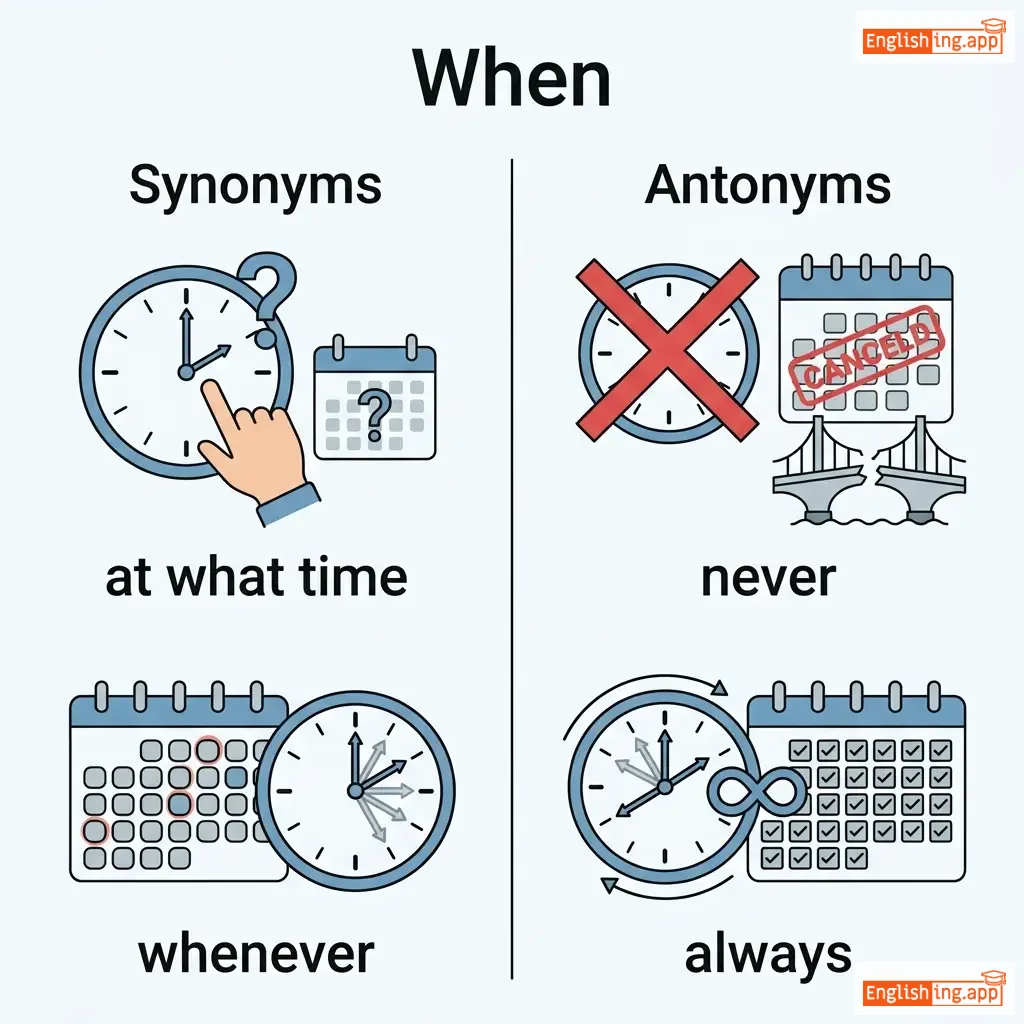
/wen/
adverb
(ウェン)
••••••
|
|
いつ
itsu
••••••
|
at what time; at the time that; during the time that
••••••
|
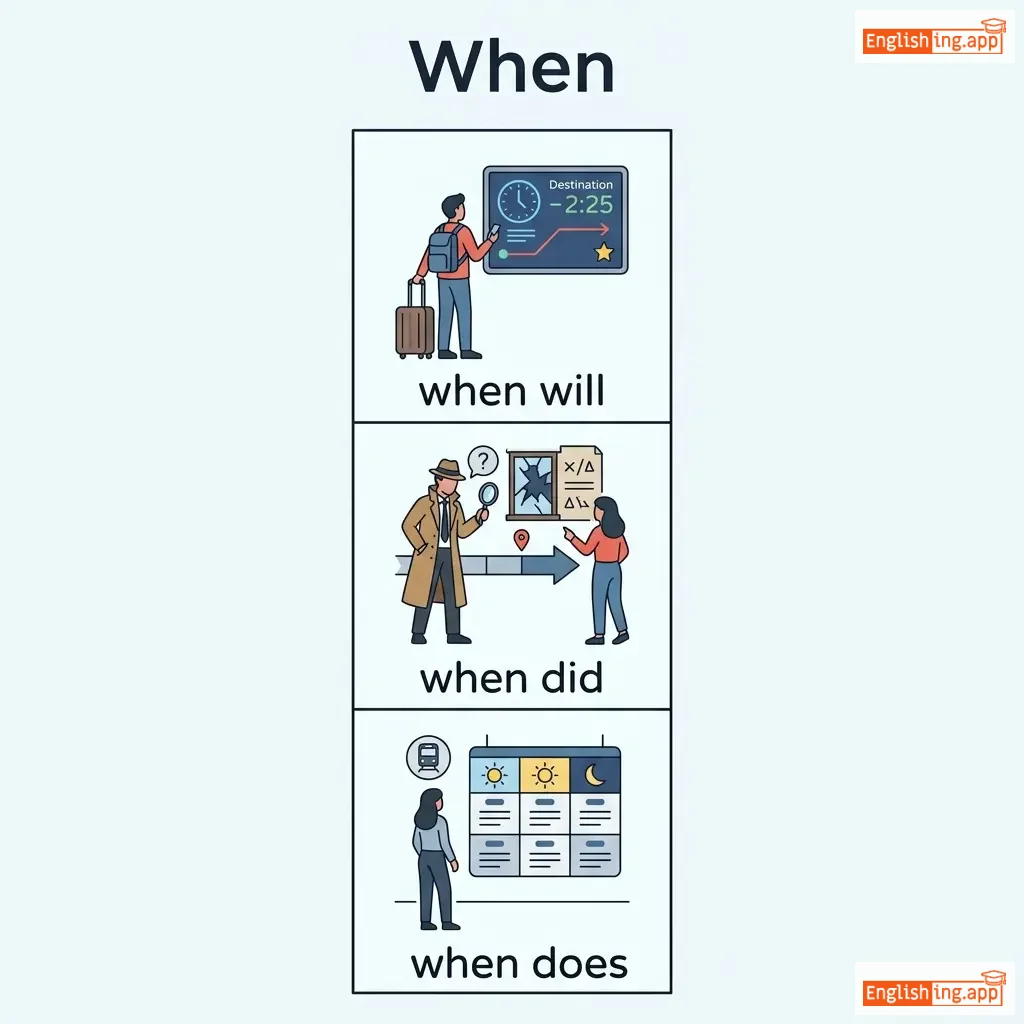
When will you arrive at the station?
駅にいつ到着しますか?
••••••
|
駅にいつ到着しますか?
Eki ni itsu tōchaku shimasu ka?
••••••
|
at what time, at which time, while
••••••
|
- •••••• |
when exactly, when possible, when necessary
••••••
|
何時に尋ねるなら、'いつ'が必要です!
••••••
|
|
#230
💯
|
/ˈhoʊli/
adverb
(hōrī)
••••••
|
- •••••• |
完全に; 完全に
kanzen ni; kanzen ni
••••••
|
Entirely; completely; to the full extent
••••••
|
I am wholly committed to this project. |
私はこのプロジェクトに完全にコミットしています。
watashi wa kono purojekuto ni kanzen ni komitto shiteimasu.
••••••
|
completely, entirely, totally, fully
••••••
|
partially, partly, incompletely
••••••
|
wholly owned, wholly responsible, wholly different
••••••
|
完全に、全力で入れ込む感じ
••••••
|
|
#231
🕐
|
/wenˈevər/
adverb
(ウェネヴァー)
••••••
|
- •••••• |
いつでも
wenevaa
••••••
|
at any time that; every time that; no matter when
••••••
|
Call me whenever you need help.
困ったら、いつでも私に電話してください。
••••••
|
困ったら、いつでも私に電話してください。
Komattara, itsu demo watashi ni denwa shite kudasai.
••••••
|
anytime, every time, no matter when
••••••
|
never, at no time
••••••
|
whenever possible, whenever necessary, whenever you want
••••••
|
When ever = いつ + demo -> いつでも; remember to call me any time
••••••
|
|
#232
❓
|
/waɪ/
adverb
(wai)
••••••
|
- •••••• |
なぜ
naze
••••••
|
For what reason or purpose; used to ask about the cause of something
••••••
|
Why are you late today? |
今日はなぜ遅れましたか?
kyō wa naze okuremashita ka?
••••••
|
wherefore, how come
••••••
|
because, therefore
••••••
|
why not, that's why, reason why
••••••
|
No •••••• |
Vocabulary Quiz
Test your vocabulary by matching words with their translations or meanings.
Login to take the quizコースのレッスン
Mastering the Most Frequent Adverbs
(最も頻繁に使用される副詞の習得)
/12
1
2
3
4
5
6
7
8
9
10
11
12
Lesson 1: Mastering the Most Frequent Adverbs
(レッスン1:最も頻繁に使われる副詞をマスターする)
Lesson 2: Mastering the Most Frequent Adverbs
(レッスン2: 最も頻繁に使われる副詞をマスターする)
Lesson 3: Mastering the Most Frequent Adverbs
(レッスン3:最も一般的な副詞をマスターする)
Lesson 4: Mastering the Most Frequent Adverbs
(レッスン4: 最も頻繁に使用される副詞のマスター)
Lesson 5: Mastering the Most Frequent Adverbs
(レッスン5: 最も頻繁に使用される副詞をマスターする)
Lesson 6: Mastering the Most Frequent Adverbs
(レッスン6: 最も頻繁に使われる副詞をマスターする)
Lesson 7: Mastering the Most Frequent Adverbs
(レッスン7:最も頻繁に使用される副詞の習得)
Lesson 8: Mastering the Most Frequent Adverbs
(レッスン8:最も頻繁に使われる副詞の習得)
Lesson 9: Mastering the Most Frequent Adverbs
(レッスン9:最も頻繁に使われる副詞の習得)
Lesson 10: Mastering the Most Frequent Adverbs
(レッスン10: 最も頻繁に使われる副詞をマスターする)
Lesson 11: Mastering the Most Frequent Adverbs
(レッスン11:最も頻繁に使われる副詞の習得)
Lesson 12: Mastering the Most Frequent Adverbs
(レッスン12: 最も頻繁に使用される副詞の習得)
Comments (0)
Share your thoughts and join the discussion.
Join the discussion by logging in
Login to CommentNo comments yet
Be the first to share your thoughts!