

翻訳
過去
過去分詞
三人称単数
動名詞
意味
例文
例文の翻訳
同義語
対義語
コロケーション
ニーモニック



Swipe left or right, or use the buttons. Tap image to zoom.
例文の翻訳
単語
Lesson 11Lesson 11 - マスクトグル
|
絵文字
|
単語 | Images | 翻訳 | 意味 | 例文 | 例文の翻訳 | 同義語 | 対義語 | コロケーション | ニーモニック |
|---|---|---|---|---|---|---|---|---|---|---|
|
#201
⏭️
|
/ˌðeərəˈpɒn/
adverb
(ðeərəpɒn)
••••••
|
- •••••• |
その後すぐに;
sono ato sugu ni
••••••
|
immediately after that; following that event
••••••
|
He finished his speech and thereupon left the stage. |
彼はスピーチを終え、その後すぐにステージを離れました。
Kare wa supīchi o oe, sono ato sugu ni sutēji o hanaremashita.
••••••
|
thereafter, subsequently, then, next
••••••
|
beforehand, previously, earlier
••••••
|
thereupon he left, thereupon decided, thereupon began
••••••
|
何かが起こった後すぐに次の出来事が続く、すぐ後にすぐ次が来るように。
••••••
|
|
#202
🔄
|
/ˈjuː.ʒu.ə.li/
adverb
(yūzhūarī)
••••••
|
- •••••• |
通常; 一般的に
tsūjō; ippan teki ni
••••••
|
in most cases; generally; as a rule
••••••
|
I usually wake up at 7 AM every morning. |
私は通常、毎朝7時に起きます。
Watashi wa tsūjō, mai asa 7-ji ni okimasu.
••••••
|
generally, typically, normally, commonly, ordinarily
••••••
|
rarely, seldom, never, unusually
••••••
|
usually do, usually happens, usually takes, usually go
••••••
|
毎朝7時に起きるのが私の通常です。
••••••
|
|
#203
📅
|
/təˈdeɪ/
adverb
(トゥデイ)
••••••
|
- •••••• |
今日
kyou
••••••
|
on this day; at the present time
••••••
|
Today is a beautiful day for a walk.
今日は散歩にぴったりの美しい日です。
••••••
|
今日は散歩にぴったりの美しい日です。
Kyou wa sanpo ni pittari no utsukushii hi desu.
••••••
|
nowadays, currently, presently
••••••
|
yesterday, tomorrow
••••••
|
today's weather, starting today, from today
••••••
|
今日が新しいスタートです!
••••••
|
|
#204
✅
|
/ˈtruːli/
adverb
(トゥルーリー)
••••••
|
- •••••• |
本当に
hontōni
••••••
|
in accordance with fact or reality; genuinely
••••••
|
She truly loves her family. |
彼女は本当に家族を愛しています。
Kanojo wa hontōni kazoku o aishiteimasu.
••••••
|
really, genuinely, honestly, sincerely
••••••
|
falsely, dishonestly, insincerely
••••••
|
truly believe, truly amazing, truly grateful
••••••
|
'本当に' は、日本語で真実や本当の意味を表現する言葉です。
••••••
|
|
#205
🤝
|
/ˌðeərˈwɪð/
adverb
(zeairwizu)
••••••
|
- •••••• |
それと一緒に;
sore to issho ni
••••••
|
together with that; in addition to that
••••••
|
He handed me the contract and the pen therewith. |
彼は契約書とペンをそれと一緒に私に渡した。
Kare wa keiyaku-sho to pen o sore to issho ni watashita.
••••••
|
alongside, together with, along with, including
••••••
|
separately, apart from, without
••••••
|
handed therewith, provided therewith, came therewith
••••••
|
覚えておいて、'それと一緒に' は 'therewith' という意味です!
••••••
|
|
#206
💯
|
/ˈʌt.ə.li/
adverb
(アターリー)
••••••
|
- •••••• |
完全に; 絶対に; 完全に
kanzen ni; zettai ni; kanzen ni
••••••
|
completely; absolutely; totally
••••••
|
The movie was utterly boring and I fell asleep. |
その映画は完全に退屈で、私は寝てしまいました。
Sono eiga wa kanzen ni taikutsu de, watashi wa nete shimaimashita.
••••••
|
completely, totally, absolutely, entirely, wholly
••••••
|
partially, somewhat, slightly, incompletely
••••••
|
utterly ridiculous, utterly destroyed, utterly confused, utterly silent
••••••
|
映画が完全に退屈すれば、あなたは寝てしまいます。
••••••
|
|
#207
🤝
|
/juːˈnænɪməsli/
adverb
(ユナニマスリー)
••••••
|
|
全会一致で
zenkai icchi de
••••••
|
with the agreement of all people involved; without opposition
••••••
|
The committee unanimously agreed to the proposal. |
委員会は全会一致で提案を承認した。
Iinkai wa zenkai icchi de teian o shōnin shita.
••••••
|
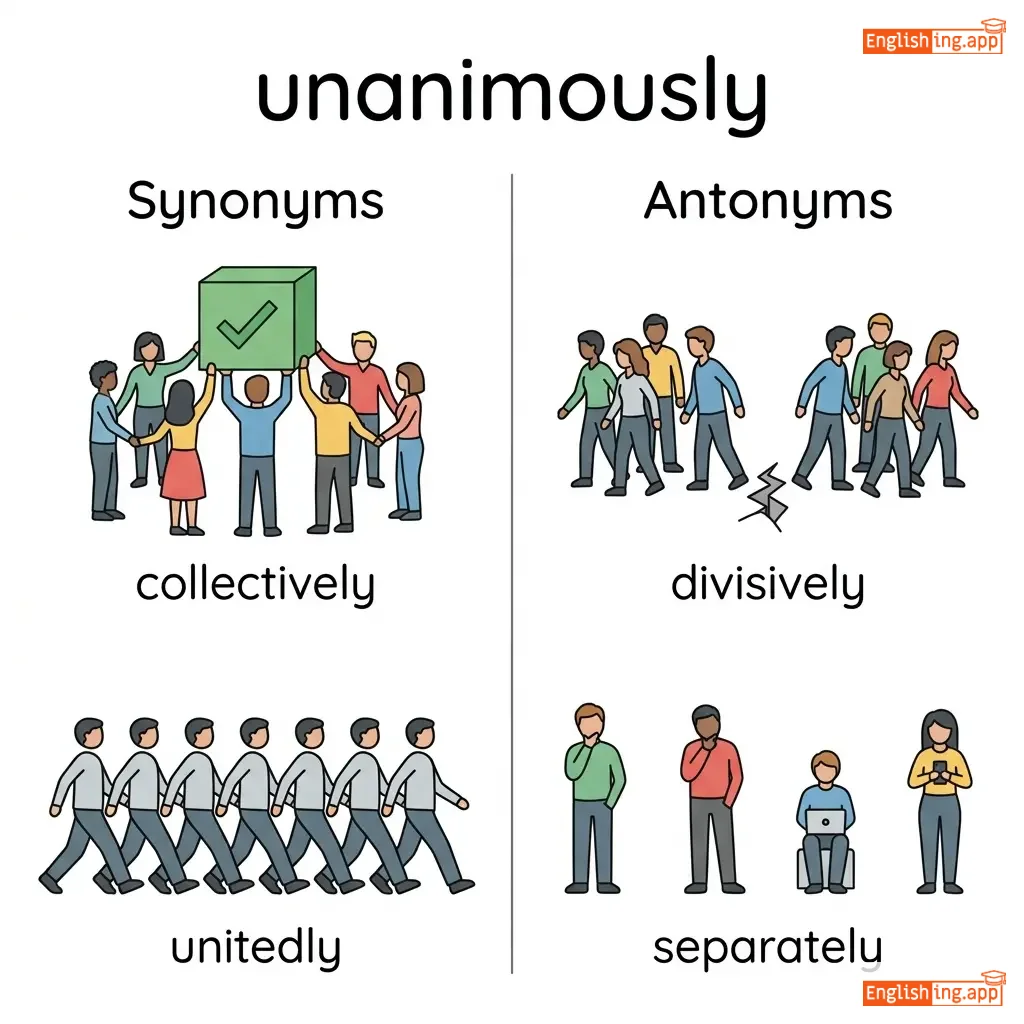
collectively, unitedly, as one, together
••••••
|
divisively, separately, individually
••••••
|
unanimously approved, unanimously elected, unanimously decided
••••••
|
全会一致で決まると、誰も反対しないことが確認できる。
••••••
|
|
#208
📆
|
/təˈmɒroʊ/
adverb
(トゥモロー)
••••••
|
- •••••• |
明日
ashita
••••••
|
on the day after today; in the future
••••••
|
Tomorrow we will visit the museum. |
明日、私たちは博物館を訪れます。
Ashita, watashitachi wa hakubutsukan o otozuremasu.
••••••
|
next day, following day
••••••
|
today, yesterday
••••••
|
tomorrow morning, by tomorrow, tomorrow's meeting
••••••
|
明日は今日の次の日です
••••••
|
|
#209
🌙
|
/təˈnaɪt/
adverb
(トゥナイト)
••••••
|
- •••••• |
今晩
konban
••••••
|
during the night of today; this evening
••••••
|
Tonight we are going to watch a movie. |
今晩映画を見に行きます。
Konban eiga wo mi ni ikimasu.
••••••
|
this evening, this night
••••••
|
this morning, last night
••••••
|
tonight's show, see you tonight, tonight only
••••••
|
今晩映画、忘れられない時間。
••••••
|
|
#210
😔
|
/ʌnˈfɔːrtʃənətli/
adverb
(アンフォーチュンリー)
••••••
|
- •••••• |
残念ながら
unfortunately
••••••
|
used to express regret or disappointment about something
••••••
|
Unfortunately, the weather was bad for our picnic.
残念ながら、私たちのピクニックには天気が悪かった。
••••••
|
残念ながら、私たちのピクニックには天気が悪かった。
Zannen nagara watashitachi no pikunikku ni wa tenki ga warukatta
••••••
|
sadly, regrettably, unluckily, unhappily
••••••
|
fortunately, luckily, happily
••••••
|
unfortunately true, unfortunately common, unfortunately necessary
••••••
|
アンフォーチュンリー = unlucky fortune, so when luck runs out you say 残念ながら
••••••
|
|
#211
🌲
|
/ˈθɪkli/
adverb
(zikuri)
••••••
|
- •••••• |
密集して
misshū shite
••••••
|
in a thick manner; densely; heavily
••••••
|
The forest was thickly wooded with tall pine trees.
森は高い松の木で厚く覆われていた。
••••••
|
森は高い松の木で密集して覆われていた。
Mori wa takai matsu no ki de misshū shite ōwarete ita.
••••••
|
densely, heavily, closely, compactly
••••••
|
thinly, sparsely, lightly, scarcely
••••••
|
thickly wooded, thickly populated, thickly spread
••••••
|
密集して、木々が密集した森のように
••••••
|
|
#212
⬆️
|
/ˈver.i/
adverb
(ベリ)
••••••
|
- •••••• |
非常に; 極端に; とても
hijōni; kyokutōni; totemo
••••••
|
to a high degree; extremely; greatly
••••••
|
She is very intelligent and works very hard. |
彼女は非常に賢く、非常に一生懸命働いています。
Kanojo wa hijōni kashikoku, hijōni isshōkenmei hataraiteimasu.
••••••
|
extremely, highly, greatly, exceptionally, remarkably
••••••
|
slightly, barely, hardly, somewhat
••••••
|
very good, very bad, very much, very well, very important
••••••
|
成功するためには非常に努力することが大切
••••••
|
|
#213
🤝
|
/təˈɡeðər/
adverb
(トゥギャザー)
••••••
|
|
一緒に
issho ni
••••••
|
with each other; in unity; at the same time
••••••
|
We should work together to solve this problem.
この問題を解決するために一緒に働くべきです。
••••••
|
この問題を解決するために一緒に働くべきです。
Kono mondai o kaiketsu suru tame ni issho ni hataraku beki desu.
••••••
|
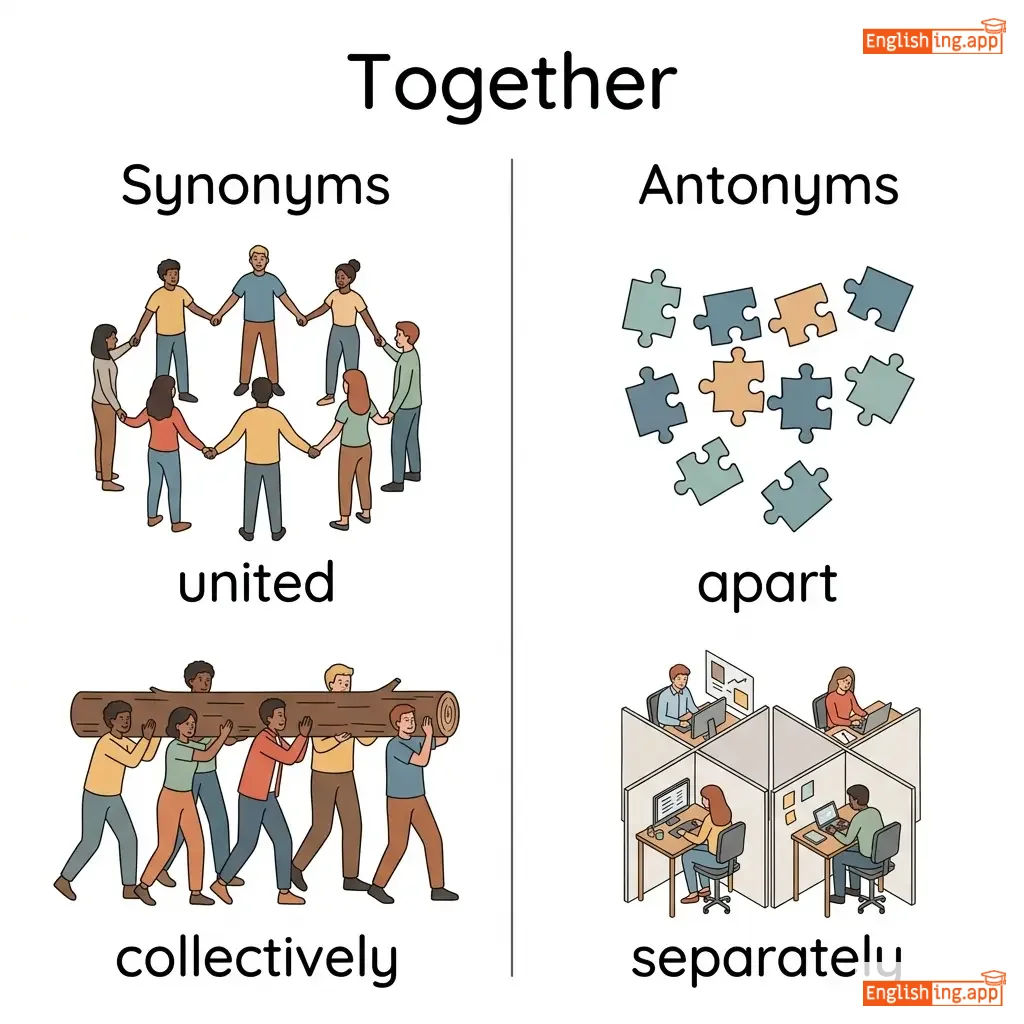
jointly, collectively, unitedly
••••••
|
separately, apart, alone
••••••
|
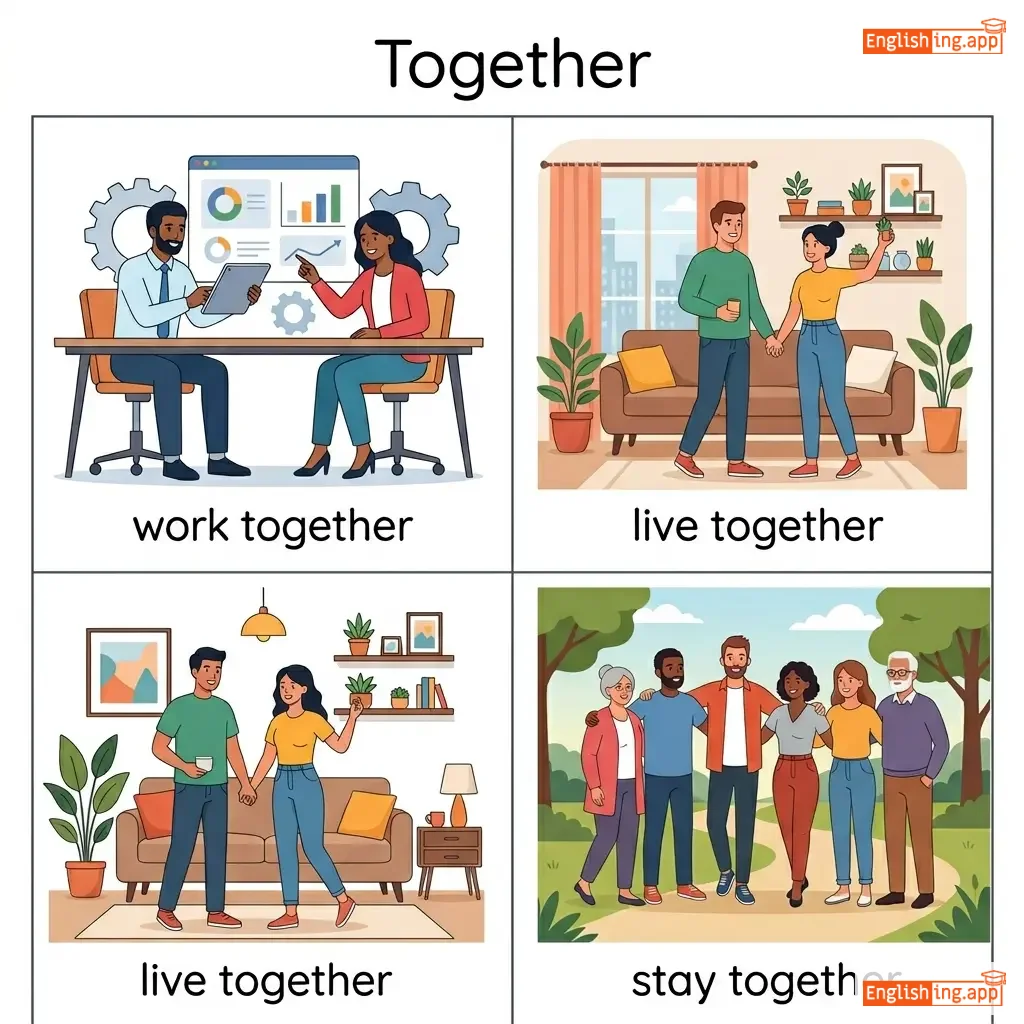
work together, come together, live together
••••••
|
In Japanese, '一緒に' means 'together,' and is pronounced 'issho ni.'
••••••
|
|
#214
🚫
|
/ʌnˈnesəserəli/
adverb
(アンネセサリリ)
••••••
|
- •••••• |
不必要に
fuhitsuyou ni
••••••
|
to a greater extent than is needed; without necessity
••••••
|
Don't worry unnecessarily about the exam. |
試験について不必要に心配しないでください。
shiken ni tsuite fuhitsuyou ni shinpai shinaide kudasai.
••••••
|
needlessly, pointlessly, excessively, superfluously
••••••
|
necessarily, essentially, importantly
••••••
|
unnecessarily complicated, unnecessarily harsh, unnecessarily worried
••••••
|
必要以上に心配しないように、何もないところで過剰に心配していることを思い出す。
••••••
|
|
#215
✅
|
/ˈθʌrəli/
adverb
(thōrli)
••••••
|
- •••••• |
徹底的に; 完全に;
tetteiteki ni; kanzen ni;
••••••
|
completely; entirely; in a thorough manner
••••••
|
She thoroughly cleaned the entire house before the guests arrived.
彼女はゲストが到着する前に家全体を徹底的に掃除しました。
••••••
|
彼女はゲストが到着する前に家全体を徹底的に掃除しました。
Kanojo wa gesuto ga tōchaku suru mae ni ie zentai o tetteiteki ni sōji shimashita.
••••••
|
completely, entirely, fully, totally, utterly
••••••
|
partially, incompletely, superficially, hastily
••••••
|
thoroughly cleaned, thoroughly examined, thoroughly enjoyed
••••••
|
完璧に掃除して、すべてきれいにする。
••••••
|
|
#216
🔄
|
/ˈvɜː.tʃu.ə.li/
adverb
(ヴァーチュアリー)
••••••
|
- •••••• |
実質的に; ほぼ;
jisshitsuteki ni; hobo;
••••••
|
nearly; almost; in effect though not in name
••••••
|
The building was virtually destroyed in the earthquake.
その建物は地震でほぼ破壊されました。
••••••
|
その建物は地震でほぼ破壊されました。
Sono tatemono wa jishin de hobo hakai saremashita.
••••••
|
practically, nearly, almost, essentially, effectively
••••••
|
actually, really, completely, entirely
••••••
|
virtually impossible, virtually certain, virtually unknown, virtually identical
••••••
|
ヴァーチャリーはほぼ、実際には名前ではなく効果の意味です。
••••••
|
|
#217
💯
|
/ˈtoʊtəli/
adverb
(トータリー)
••••••
|
- •••••• |
完全に
kanzen ni
••••••
|
completely; entirely; absolutely
••••••
|
I totally agree with your opinion. |
私はあなたの意見に完全に同意します。
Watashi wa anata noiken ni kanzen ni doui shimasu.
••••••
|
completely, entirely, absolutely
••••••
|
partially, partly, incompletely
••••••
|
totally different, totally wrong, totally agree
••••••
|
完全に同意することは、何も漏らさない!
••••••
|
|
#218
🤏
|
/ˈtaɪtli/
adverb
(taitori)
••••••
|
- •••••• |
しっかり; 強く
shikkari; tsuyoku
••••••
|
in a tight manner; firmly; securely
••••••
|
Hold the rope tightly so you don't fall.
ロープをしっかり持って、落ちないようにします。
••••••
|
ロープをしっかり持って、落ちないようにします。
Ropu wo shikkari motte, ochinai you ni shimasu.
••••••
|
firmly, securely, closely, strongly
••••••
|
loosely, weakly, gently, lightly
••••••
|
hold tightly, grip tightly, packed tightly
••••••
|
ロープをしっかり持つことで、落ちるのを防ぎます。
••••••
|
|
#219
🙃
|
/ˌʌpsaɪd ˈdaʊn/
adverb
(apusaido-daun)
••••••
|
- •••••• |
逆さま
sakasama
••••••
|
with the upper part at the bottom; in or into a reversed position
••••••
|
The picture was hanging upside-down on the wall. |
絵は壁に逆さまに掛かっていた。
E wa kabe ni sakasama ni kakatte ita
••••••
|
inverted, reversed, overturned, flipped
••••••
|
right-side up, upright, correctly positioned
••••••
|
turn upside-down, hang upside-down, placed upside-down
••••••
|
逆さまを想像して、全てがひっくり返っている状態。
••••••
|
|
#220
🤗
|
/ˈwɔːm.li/
adverb
(ワームリー)
••••••
|
- •••••• |
温かく; 愛情を込めて
atatakaku; aijou wo komete
••••••
|
in a warm manner; with warmth; cordially; affectionately
••••••
|
She welcomed the guests warmly at the door. |
彼女はドアでゲストを温かく迎えました。
Kanojo wa doa de gesuto wo atataku mukaemashita.
••••••
|
cordially, affectionately, kindly, heartily, enthusiastically
••••••
|
coldly, harshly, rudely, unfriendly
••••••
|
warmly welcome, warmly received, warmly greet, warmly embrace
••••••
|
温かい気持ちで人を迎えることは、愛情の表れです。
••••••
|
Vocabulary Quiz
Test your vocabulary by matching words with their translations or meanings.
Login to take the quiz
Comments (0)
Share your thoughts and join the discussion.
Join the discussion by logging in
Login to CommentNo comments yet
Be the first to share your thoughts!