The Shop Owner's Choice
ハサンは小さな local 店の owner だった。彼の店は地域社会の piece であり、みんなが彼を知り、信頼していた。顧客は loyal で、彼が公平に扱っていたからだ。
「あなたの店は quite 特別ね」と local の人々は言った。「あなたは品質と適正な価格を match させている。珍しいことよ。」
ある日、large 企業が提案を持ってきた。「あなたの店と merge したい」と言う。「良いお金を払う。あなたは ought 受け入れるべきだ。これが power、これが成長だ。」
ハサンは混乱した。お金は魅力的だった。Maybe これは賢い選択かもしれない。しかし、何かが間違っていると感じた。
「何が point なんだ?」と彼は尋ねた。「私は顧客のことを ought 考えるべきだ。」
「Later に考えろ」と会社の代表は急かした。「この phase は長く続かない。今すぐ署名して、詳細は later 決めよう。」
しかしハサンには質問する nerve があった。「Local 仕入れ業者は?価格は?常連客からの orders は?」
答えは曖昧だった。「いくつかは maybe 残す。Maybe 残さない。それが point じゃない。Point は利益だ。」
ハサンは panic 状態に陥った。決断は大きすぎた。彼は prior の年月を思い出した——信頼を築き、公正な価格を保ち、local 家族が彼の店に頼っていた日々を。
「私は何かを prove しなければ」と彼は悟った。「彼らにではなく、自分自身に。もし noble な価値を失えば、私の power に何の意味がある?」
彼は loyal な顧客を集めた。「Large 会社が merge したいと言っている」と説明した。「Maybe 金銭的には良いことだ。Maybe 違う。でも私はあなたたちに ought 聞かなければならない——local 店が企業の piece になったら何の point がある?」
顧客たちは明確に答えた。「あなたは私たちのニーズに match している。大企業はそうじゃない。大量に order し、あとで価格を上げ、local コミュニティを気にしない。」
「Quite 正直に言って、あなたは独立を保つべきだ。Ought stay independent。それがあなたの power、local であり loyal であることだ。」
ハサンは決断した。「私は proving、noble な価値が match power できると。」と彼は会社に言った。「Maybe あなたたちの提案は large だが、quite 正直に言って、point は金だけではない。私はコミュニティに loyal であるべきだ。この店は単なるビジネス piece ではなく、local な存在なのだ。」
数年 later、その large 企業が地域を去った後も、ハサンの店は繁盛していた。彼の loyal 顧客、公正な orders、local とのつながり——それが本当の power だった。
「Maybe 私は金持ちになれたかもしれない」と彼は息子に言った。「でも何の point がある?私は proved んだ。Local owner が nerve を持って『ノー』と言い、コミュニティに loyalty を持ち、noble な信念を持てば、どんな large 企業にも match できる。Merger の提案を受けたその phase に私は panic した。Ought 感じたのは欲の power だった。しかし私は違う power を選んだ——local で loyal、そして quite 独立した power を。Later、私は正しい選択をしたとわかった。Large 企業は来ては去る。しかし local の信頼、loyal な顧客、noble な奉仕——それらは真の power の永遠の pieces だ。だから、もしあなたが owner になるなら覚えておけ:Maybe large な取引は魅力的に見える。Maybe merger の提案が来る。でも point は規模ではなく、自分の価値観と行動の match だ。信頼してくれる人々に loyalty を prove しろ。Nerve を持ち、local に、quite 独立していろ。誘惑が large でも。利益に prior して人を思え。それが noble power、そしてそれがあなたを ought 導くものだ。
|
絵文字
|
単語 | Images | 翻訳 | 過去 | 過去分詞 | 三人称単数 | 動名詞 | 意味 | 例文 | 例文の翻訳 | 表現例 | 表現例の意味 | 表現例の翻訳 | 同義語 | 対義語 | コロケーション | ニーモニック |
|---|---|---|---|---|---|---|---|---|---|---|---|---|---|---|---|---|---|
|
📏
••••••
|
/lɑrdʒ/
adjective
(ラージ)
••••••
|
- •••••• |
大きい
ookii
••••••
|
- •••••• | - •••••• | - •••••• | - •••••• |
big in size, amount, or number
••••••
|
They live in a large house near the river.
彼らは川の近くの大きな家に住んでいます。
••••••
|
彼らは川の近くの大きな家に住んでいます。
Karera wa kawa no chikaku no ookina ie ni sundeimasu.
••••••
|
at large
大規模に
••••••
|
free, not captured
••••••
|
自由で、捕まっていない
jiyuu de, tsukamatte inai
••••••
|
big, huge, massive, enormous, substantial
••••••
|
small, tiny, little
••••••
|
large house, large number, large scale, large amount
••••••
|
大きいというのは大きな家のようなものです。
••••••
|
|
⏰
••••••
|
/ˈleɪtər/
adverb
(レイター)
••••••
|
- •••••• |
後で
ato de
••••••
|
- •••••• | - •••••• | - •••••• | - •••••• |
At a time subsequent to a reference time; afterwards.
••••••
|
We will discuss the details later. |
私たちは後で詳細について話します。
Watashitachi wa ato de shōsai ni tsuite hanashimasu.
••••••
|
sooner or later |
Eventually, at some unspecified future time.
••••••
|
そのうち
sono uchi
••••••
|
afterwards, subsequently, eventually, afterward, in time
••••••
|
earlier, before, prior
••••••
|
later stage, later time, later date, talk later
••••••
|
Later は '後で' → 何かは後で起こる。
••••••
|
|
📍
••••••
|
/ˈloʊkəl/
adjective/noun
(ローカル)
••••••
|
- •••••• |
地元
jimoto
••••••
|
- •••••• | - •••••• | - •••••• | - •••••• |
relating to a particular area or neighborhood
••••••
|
We prefer buying fruits from the local market. |
私たちは地元の市場で果物を買うのが好きです。
Watashitachi wa jimoto no ichiba de kudamono o kau no ga suki desu.
••••••
|
go local |
to support nearby or community-based products or services
••••••
|
ローカルに行こう
rōkaru ni ikō
••••••
|
regional, nearby, community, native, domestic
••••••
|
global, foreign, distant
••••••
|
local community, local business, local government, local area
••••••
|
Localは地元の意味で、地元の市場のようなものです。
••••••
|
|
🤍
••••••
|
/ˈlɔɪəl/
adjective
(ロイヤル)
••••••
|
- •••••• |
忠実, 忠誠
chūjitsu, chūsei
••••••
|
- •••••• | - •••••• | - •••••• | - •••••• |
showing firm and constant support or allegiance to someone or something
••••••
|
She remained loyal to her friends even in hard times. |
彼女は困難な時でも友人に忠実であり続けた。
Kanojo wa konnan na toki demo yūjin ni chūjitsu de aritsuzuketa.
••••••
|
loyal to the core |
completely devoted and faithful
••••••
|
芯から忠実
shin kara chūjitsu
••••••
|
faithful, devoted, trustworthy, reliable, dedicated
••••••
|
disloyal, unfaithful, untrustworthy
••••••
|
loyal customer, loyal friend, loyal supporter, loyal employee
••••••
|
Loyal = love + royal — 王様のように忠実 👑
••••••
|
|
⚽
••••••
|
/mætʃ/
noun, verb
(マッチ)
••••••
|
|
試合 / コンペティション
shiai / konpetishon
••••••
|
matched
マッチド
••••••
|
matched
マッチド
••••••
|
matches
マッチェス
••••••
|
matching
マッチング
••••••
|
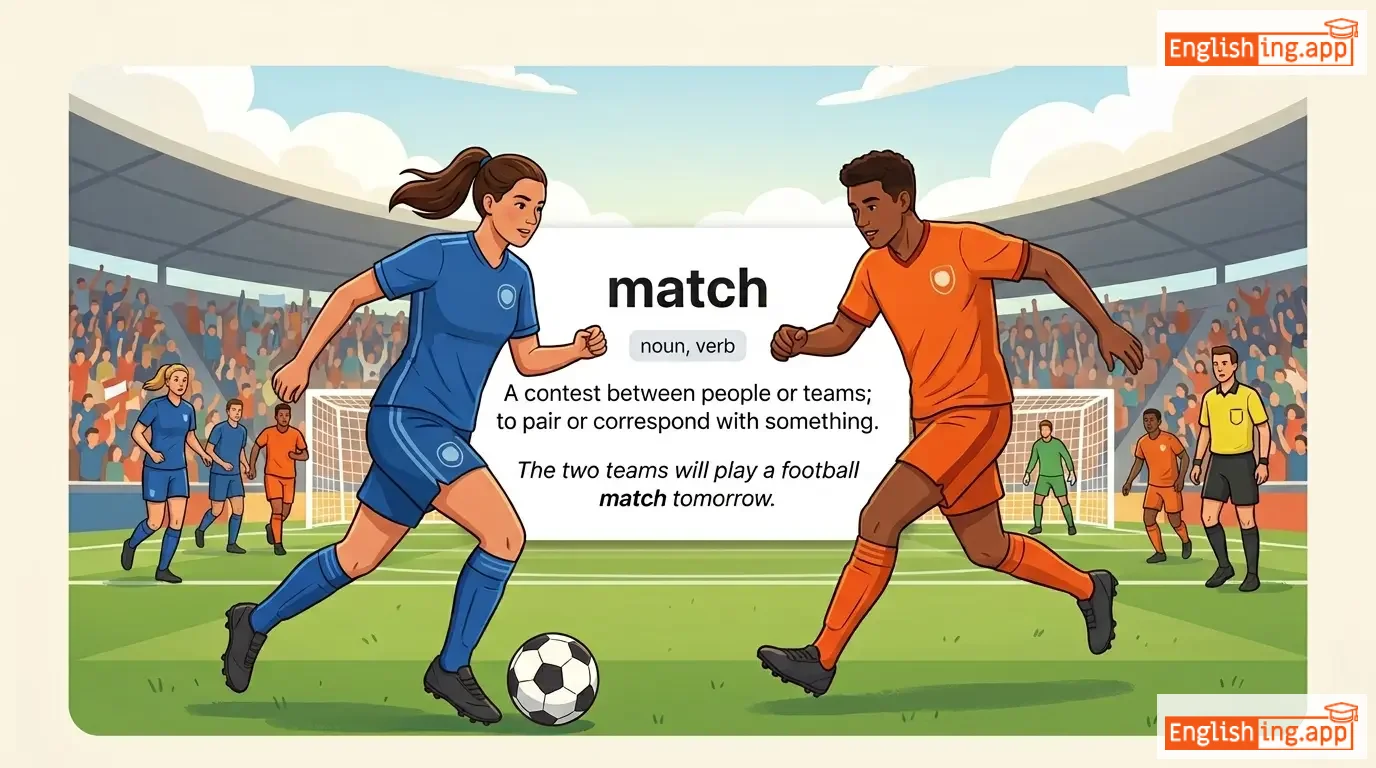
A contest between people or teams; to pair or correspond with something.
••••••
|
The two teams will play a football match tomorrow.
2つのチームが明日サッカーマッチを行います。
••••••
|
2つのチームが明日サッカーマッチを行います。
Futatsu no chīmu ga ashita sakkā matchi o okonai masu.
••••••
|
perfect match
完璧な組み合わせ
••••••
|
Two people or things that go very well together.
••••••
|
完璧なペア
kanpeki na pea
••••••
|
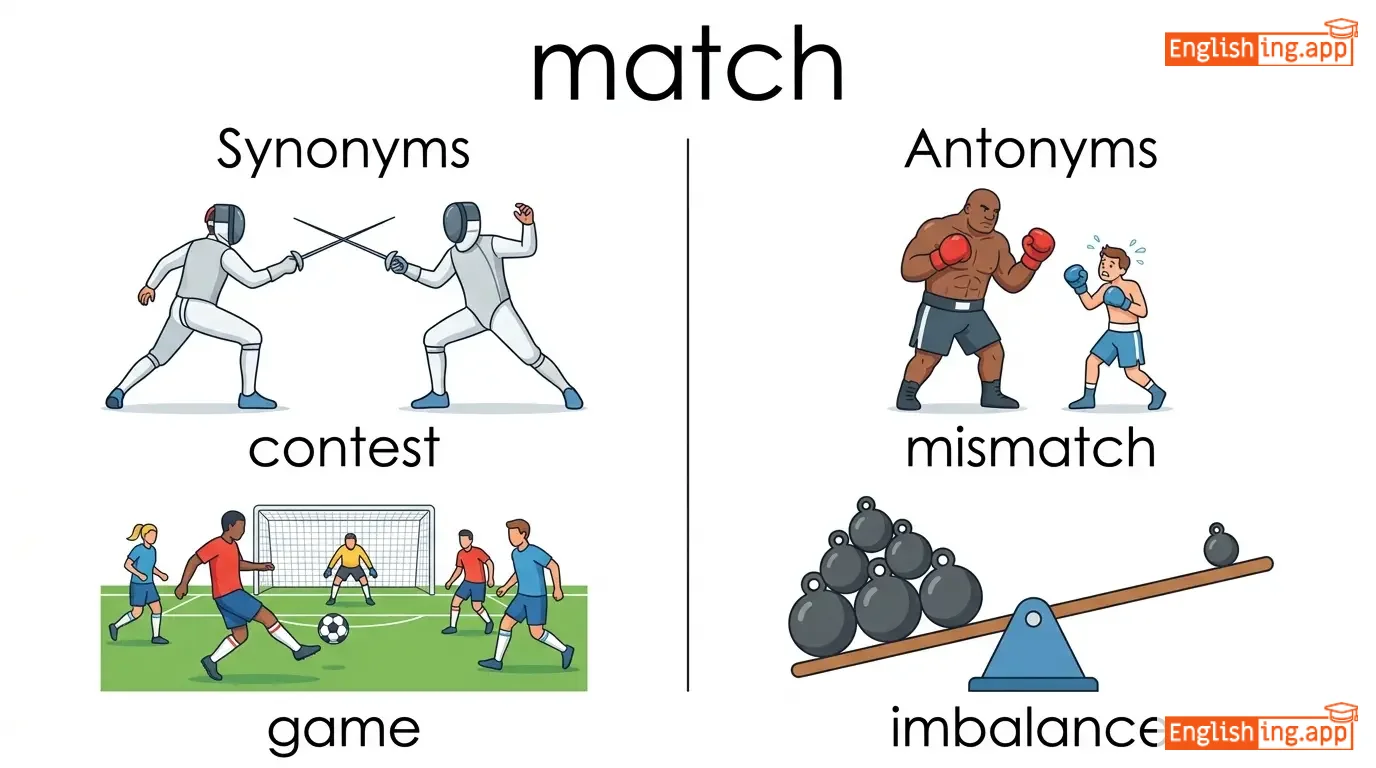
contest, game, pair, partner, counterpart
••••••
|
mismatch, imbalance
••••••
|
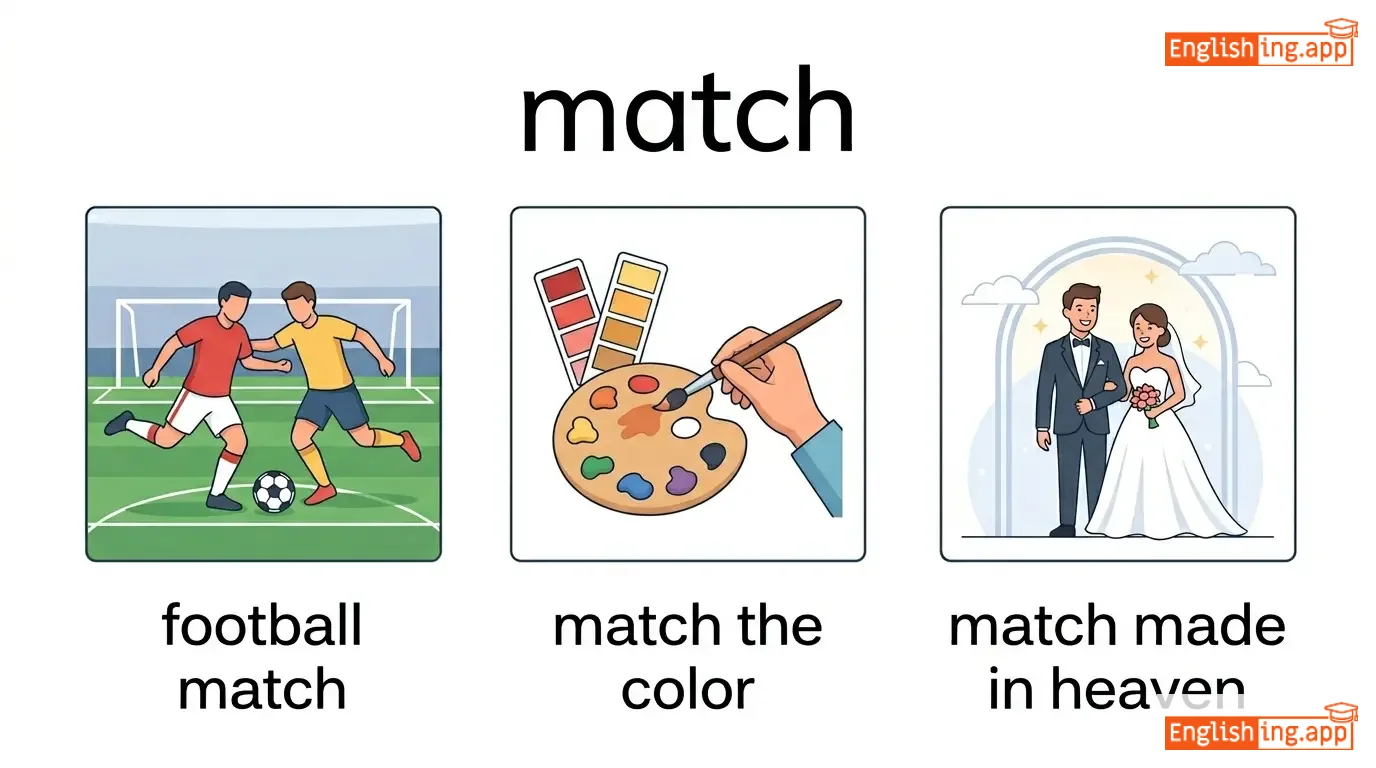
football match, match the color, match made in heaven
••••••
|
サッカーのMATCHは競争です。MATCHは競争を意味します。
••••••
|
|
🤔
••••••
|
/ˈmeɪbi/
adverb
(メイビー)
••••••
|
- •••••• |
たぶん
tabun
••••••
|
- •••••• | - •••••• | - •••••• | - •••••• |
used to express possibility or uncertainty
••••••
|
Maybe we will go to the park tomorrow. |
たぶん明日公園に行くでしょう。
Tabun ashita kōen ni iku deshō.
••••••
|
just maybe |
indicating a slight possibility
••••••
|
ただたぶん
tada tabun
••••••
|
perhaps, possibly, might, could be
••••••
|
certainly, surely, definitely
••••••
|
maybe later, maybe someday, maybe not, maybe tomorrow
••••••
|
Maybeは「maybe はい、maybe いいえ」→たぶんはい、たぶんいいえ。
••••••
|
|
🔗
••••••
|
/mɜːrdʒ/
verb
(マージ)
••••••
|
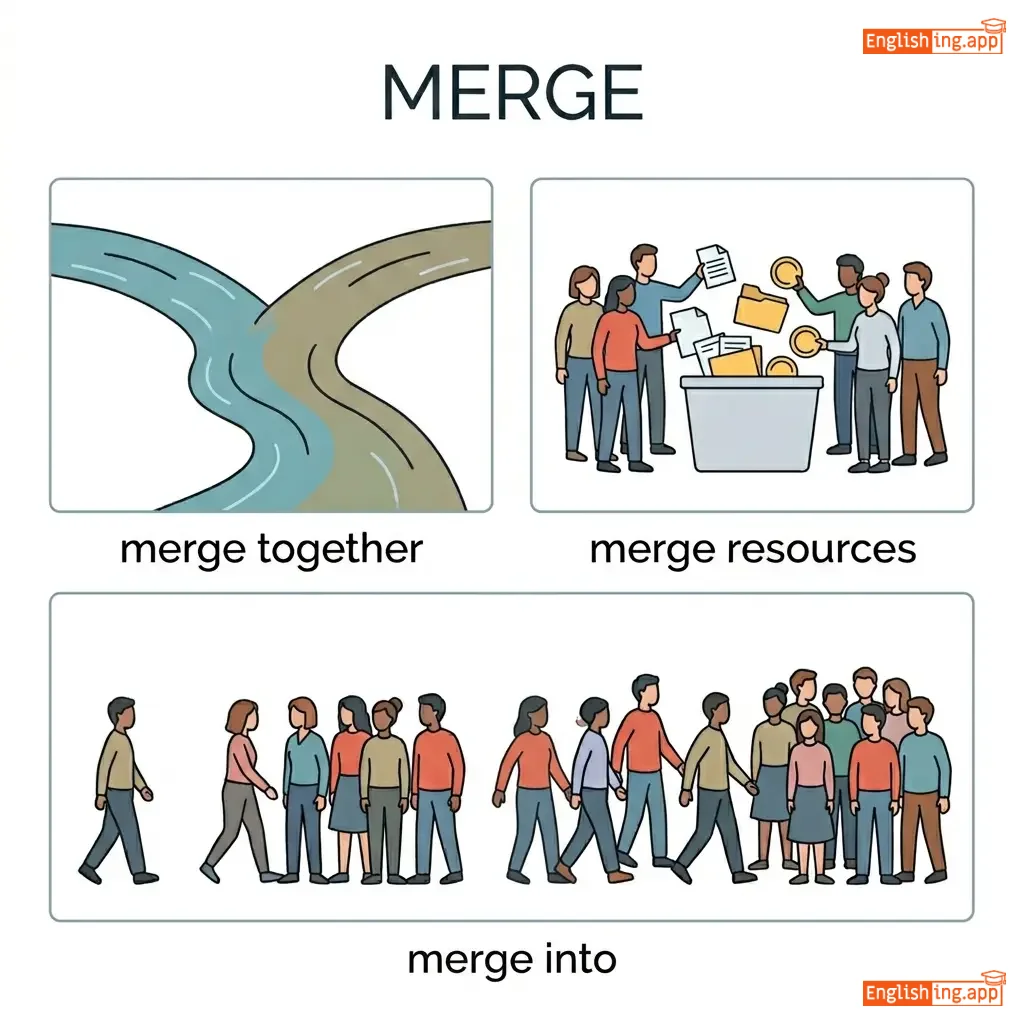
|
統合する
tōgō suru
••••••
|
merged
マージド
••••••
|
merged
マージド
••••••
|
merges
マージズ
••••••
|
merging
マージング
••••••
|
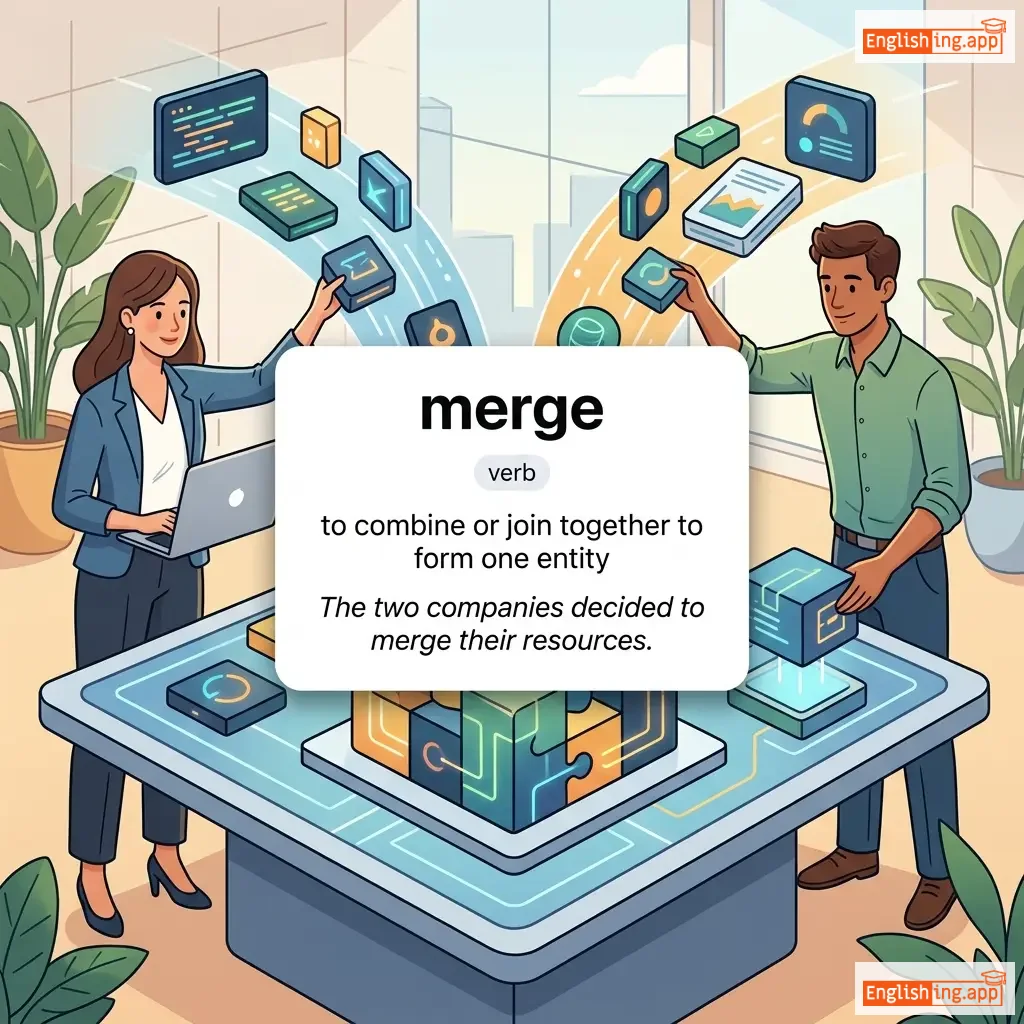
to combine or join together; to blend into one
••••••
|
The two companies decided to merge to increase their market share.
2つの会社は市場シェアを増やすために合併することを決定しました。
••••••
|
2つの会社は市場シェアを増やすために合併することを決定しました。
Futatsu no kaisha wa shijō shea o fuyasu tame ni gōbetsu suru koto o kettei shimashita.
••••••
|
- •••••• | - •••••• | - •••••• |
combine, unite, join, blend
••••••
|
separate, divide, split, disconnect
••••••
|
merge companies, merge files, merge lanes, merge successfully, merge together
••••••
|
統合する:二つの会社が一つになる様子を想像してください!
••••••
|
|
🧠
••••••
|
/nɜːrv/
noun, verb
(ナーヴ)
••••••
|
- •••••• |
神経; 勇気
shinkei; yūki
••••••
|
nerved
ナーヴド
••••••
|
nerved
ナーヴド
••••••
|
nerves
ナーヴズ
••••••
|
nerving
ナーヴィング
••••••
|
A bundle of fibers in the body that transmits signals between the brain and other parts; also courage or audacity.
••••••
|
She gathered the nerve to speak in front of the large audience.
彼女は大きな観客の前で話す勇気を持っていた。
••••••
|
彼女は大きな観客の前で話す勇気を持っていた。
Kanojo wa ōkina kankyaku no mae de hanasu yūki o motte ita.
••••••
|
get on someone's nerves
誰かの神経を逆なでする
••••••
|
to irritate or annoy someone
••••••
|
誰かの神経を逆なでする
Dareka no shinkei o sakandaseru
••••••
|
courage, boldness, audacity, fiber, bravery
••••••
|
fear, cowardice, timidity
••••••
|
have the nerve, lose nerve, get on nerves, damaged nerve
••••••
|
Nerveは神経を意味しますが、勇気も意味します → 神経を持つことは勇気を持つことです
••••••
|
|
👑
••••••
|
/ˈnoʊbəl/
adjective
(ノーブル)
••••••
|
- •••••• |
高貴な性格や高い道徳的原則を示す、または高い社会的地位を持つ
Kōkina seikaku ya takai dōtoku-teki gensoku o shimesu, mata wa takai shakai-teki chii o motsu
••••••
|
- •••••• | - •••••• | - •••••• | - •••••• |
Having or showing fine personal qualities, high moral principles, or being of high social rank.
••••••
|
He is admired for his noble character and generosity. |
彼はその高貴な性格と寛大さで賞賛されています。
Kare wa sono kōkina seikaku to kandaisa de shōsan sareteimasu.
••••••
|
noble cause |
A morally good or worthwhile reason or objective
••••••
|
高貴な目的
Kōkina mokuteki
••••••
|
honorable, dignified, virtuous, aristocratic
••••••
|
dishonorable, ignoble, base
••••••
|
noble cause, noble family, noble effort, noble character
••••••
|
Nobleはnoble-人を意味する — 王様のように。
••••••
|
|
📋
••••••
|
/ˈɔːrdər/
verb
(オーダー)
••••••
|
|
命令する
meirei suru
••••••
|
ordered
オーダード
••••••
|
ordered
オーダード
••••••
|
orders
オーダーズ
••••••
|
ordering
オーダリング
••••••
|
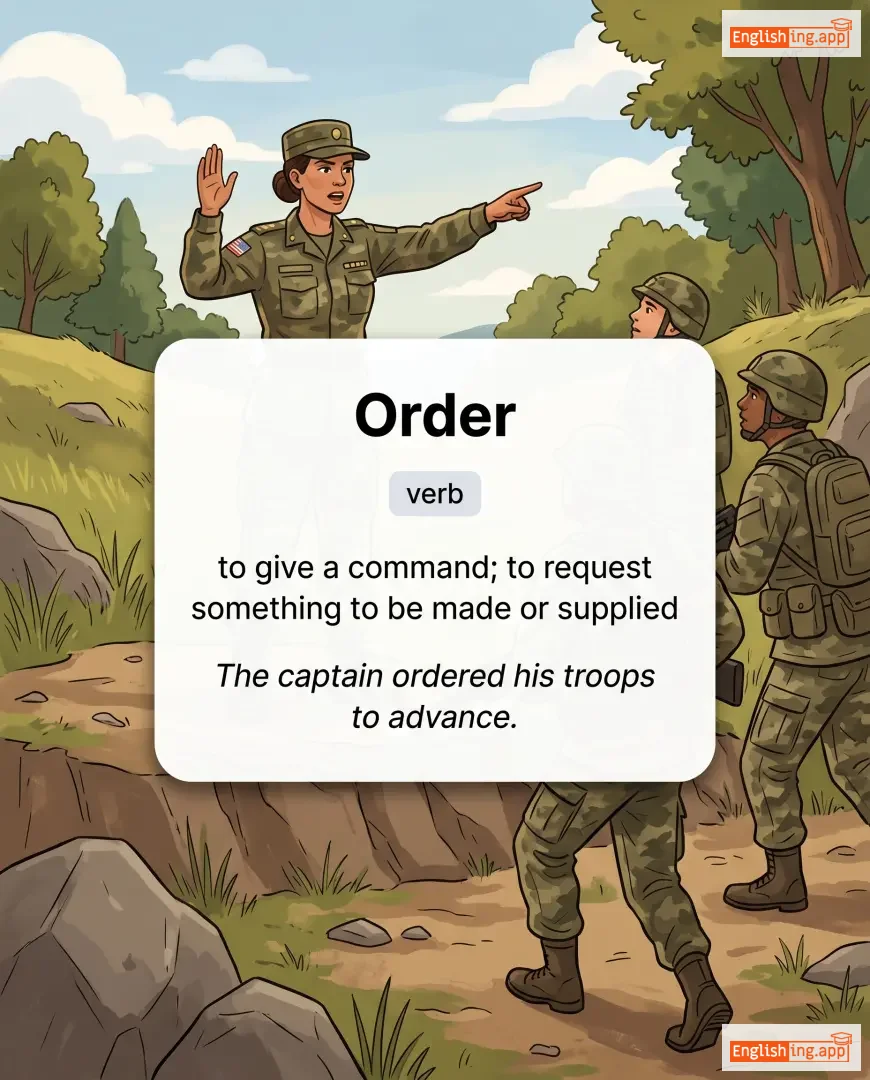
to give a command; to request something to be made or supplied
••••••
|
The captain ordered his troops to advance.
キャプテンは部隊に前進するよう命じた。
••••••
|
キャプテンは部隊に前進するよう命じた。
Kyaputen wa butai ni zenshin suru yō meijita
••••••
|
- •••••• | - •••••• | - •••••• |
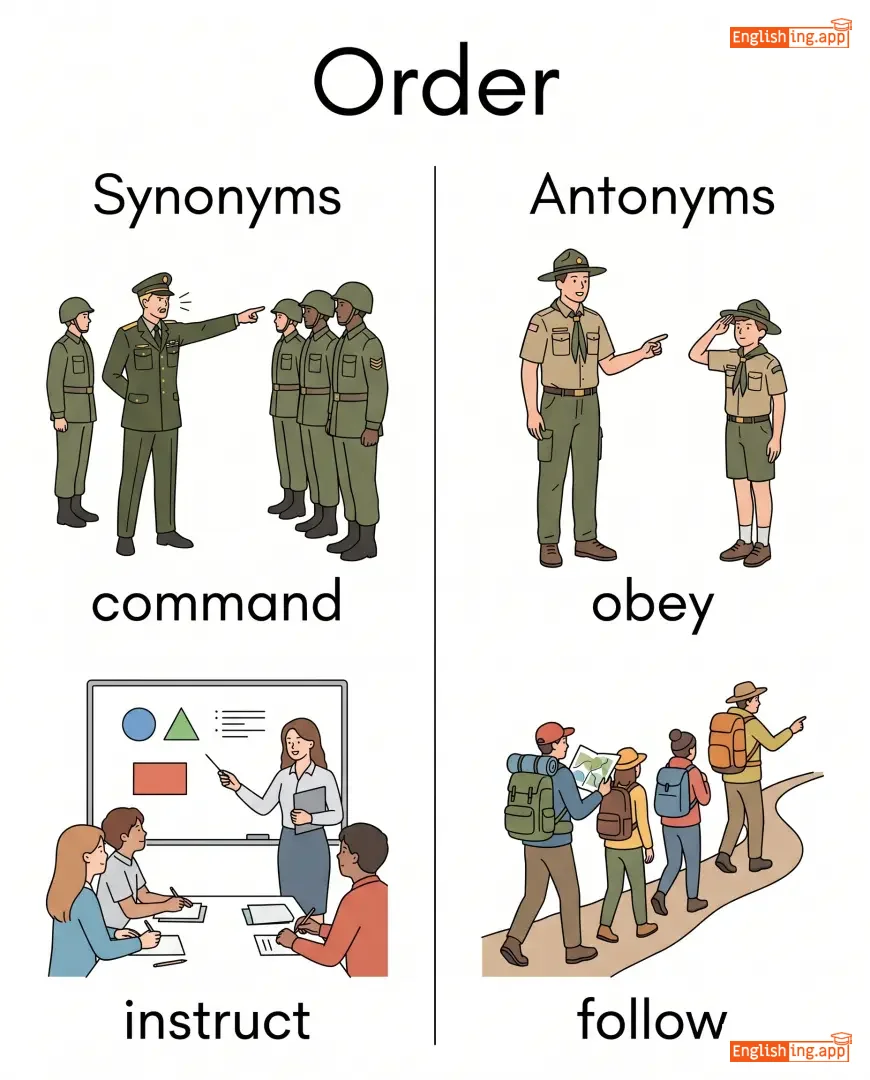
command, instruct, direct, request
••••••
|
obey, follow, comply, submit
••••••
|
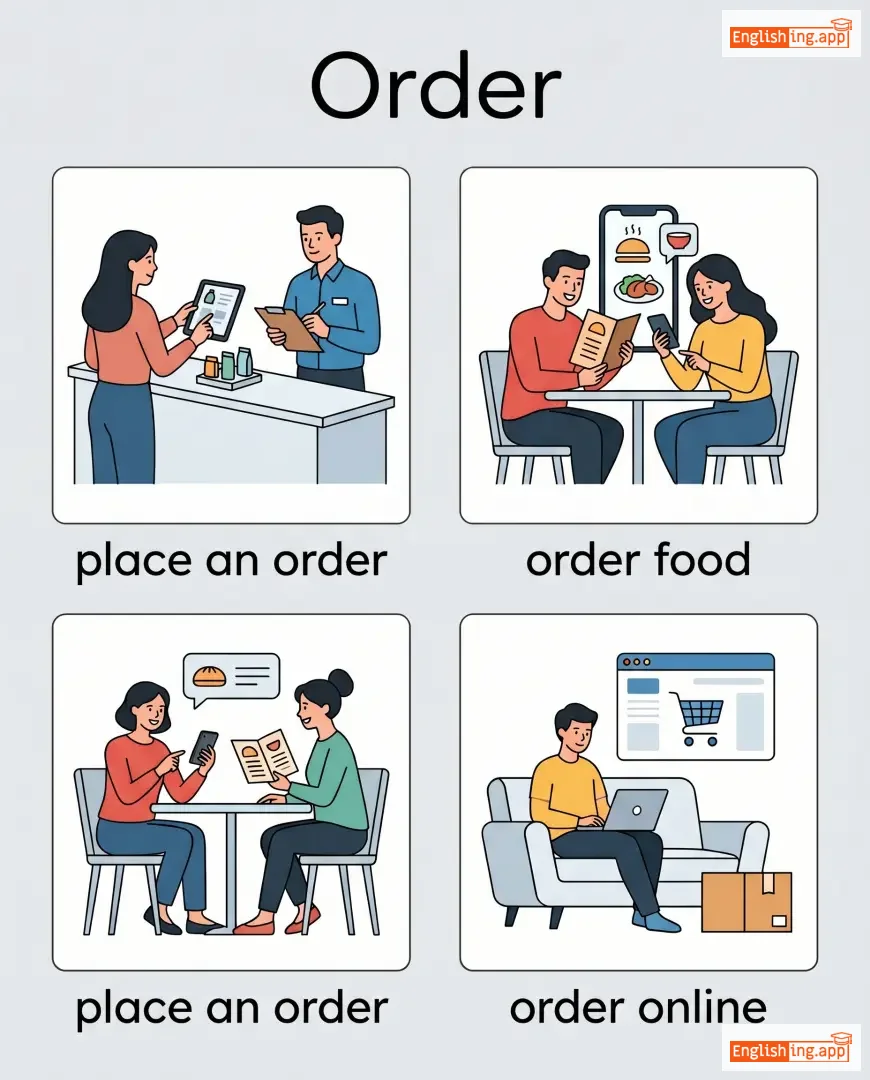
place an order, order food, order online, standing order, order of business
••••••
|
Japanese '命令する' sounds like giving orders, just like commanding a group.
••••••
|
|
✔️
••••••
|
/ɔːt/
modal verb
(アウト)
••••••
|
- •••••• |
べき
beki
••••••
|
- •••••• | - •••••• | - •••••• | - •••••• |
Used to indicate duty, correctness, or moral obligation.
••••••
|
You ought to respect your elders. |
あなたは年長者を尊敬すべきです。
Anata wa nenchōsha o sonkei subeki desu.
••••••
|
- •••••• | - •••••• | - •••••• |
should, must, have to, need to
••••••
|
must not, should not
••••••
|
ought to do, ought not to, one ought to
••••••
|
Oughtはべきという意味です。'ought to respect'は'べき尊敬する'です。
••••••
|
|
💼
••••••
|
/ˈoʊ.nər/
noun
(ōnā)
••••••
|
- •••••• |
所有者
shoyūsha
••••••
|
- •••••• | - •••••• | - •••••• | - •••••• |
a person who owns something; someone who has legal possession of property
••••••
|
The owner of the restaurant greeted us warmly. |
レストランの所有者は私たちを温かく迎え入れてくれました。
resutoran no shoyūsha wa watashitachi o atatakai kakeirete kuremashita.
••••••
|
- •••••• | - •••••• | - •••••• |
proprietor, possessor, holder, landlord
••••••
|
tenant, renter, borrower, user
••••••
|
business owner, property owner, car owner
••••••
|
In Japanese, '所有者' means the one who owns, just like an 'owner'.
••••••
|
|
😱
••••••
|
/ˈpænɪk/
noun/verb
(ハピネス)
••••••
|
- •••••• |
幸福
kōfuku
••••••
|
panicked
••••••
|
panicked
••••••
|
panics
••••••
|
panicking
••••••
|
a sudden overwhelming fear or anxiety causing irrational behavior
••••••
|
The crowd panicked when the fire alarm went off. |
彼女は賞を受け取ったとき、幸せを隠すことができませんでした。
Kanojo wa shō o uketotta toki, kōfuku o kakusu koto ga dekimasen deshita.
••••••
|
panic attack |
a sudden episode of intense fear or anxiety
••••••
|
幸福の追求
kōfuku no tsuikyū
••••••
|
fear, alarm, dread, hysteria, terror
••••••
|
calm, composure, tranquility
••••••
|
panic attack, mass panic, cause panic, widespread panic
••••••
|
幸福とは、心が満たされ、穏やかな気持ちで包まれることです。
••••••
|
|
🔄
••••••
|
/feɪz/
noun
(フェイズ)
••••••
|
- •••••• |
段階; 変化や発展の過程での特定の期間または段階
dankai; henka ya hatten no katei de no tokutei no kikan matawa dankai
••••••
|
- •••••• | - •••••• | - •••••• | - •••••• |
a distinct period or stage in a process of change or development
••••••
|
The project is now in its final phase. |
プロジェクトは現在最終段階にあります。
Purojekuto wa genzai saishuu dankai ni arimasu.
••••••
|
- •••••• | - •••••• | - •••••• |
stage, step, period, chapter
••••••
|
whole, entirety, completion
••••••
|
development phase, testing phase, final phase
••••••
|
Phase means 'dankai' in Japanese, like the phase of a project.
••••••
|
|
🍰
••••••
|
/piːs/
noun
(ピース)
••••••
|
- •••••• |
一片
ippen
••••••
|
- •••••• | - •••••• | - •••••• | - •••••• |
a portion or part of something
••••••
|
He gave me a piece of cake.
彼は私にケーキの一切れをくれました。
••••••
|
彼は私にケーキの一切れをくれました。
Kare wa watashi ni kēki no hitokire o kuremashita.
••••••
|
piece of mind
心の平和
••••••
|
freedom from worry or trouble
••••••
|
心の平穏
kokoro no heion
••••••
|
portion, fragment, segment, part
••••••
|
whole, entirety
••••••
|
piece of cake, piece of advice, piece of art, give a piece
••••••
|
Piece of cake 食べるのは簡単 - Piece は何かの一部を意味します
••••••
|
|
👉
••••••
|
/pɔɪnt/
noun
(ポイント)
••••••
|
- •••••• |
ポイント; 詳細; 目的
pointo
••••••
|
- •••••• | - •••••• | - •••••• | - •••••• |
a particular detail, idea, or fact; the sharp end of something
••••••
|
What's the point of arguing about this issue?
この問題について議論する意味は何ですか?
••••••
|
この問題について議論する意味は何ですか?
Kono mondai ni tsuite giron suru imi wa nan desu ka?
••••••
|
- •••••• | - •••••• | - •••••• |
detail, fact, idea, tip
••••••
|
whole, entirety, generality
••••••
|
main point, key point, turning point
••••••
|
ポイントを探し、最終的な目的を達成する
••••••
|
|
⚡
••••••
|
/ˈpaʊər/
noun
(パワー)
••••••
|
|
力
chikara
••••••
|
- •••••• | - •••••• | - •••••• | - •••••• |
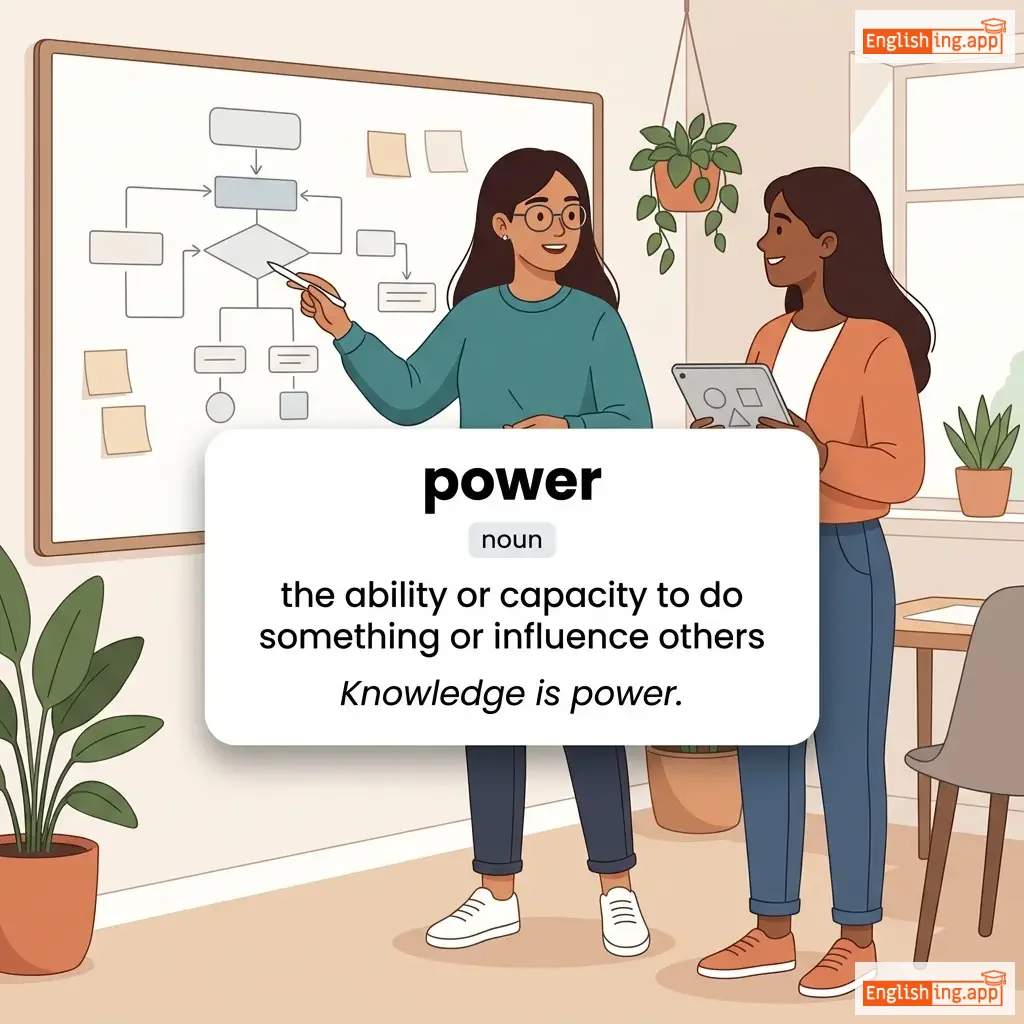
the ability or capacity to do something or influence others
••••••
|
Knowledge is power.
知識は力です。
••••••
|
知識は力です。
Chishiki wa chikara desu.
••••••
|
absolute power
絶対的な力
••••••
|
complete authority without limits
••••••
|
絶対的な力
zettaiteki na chikara
••••••
|
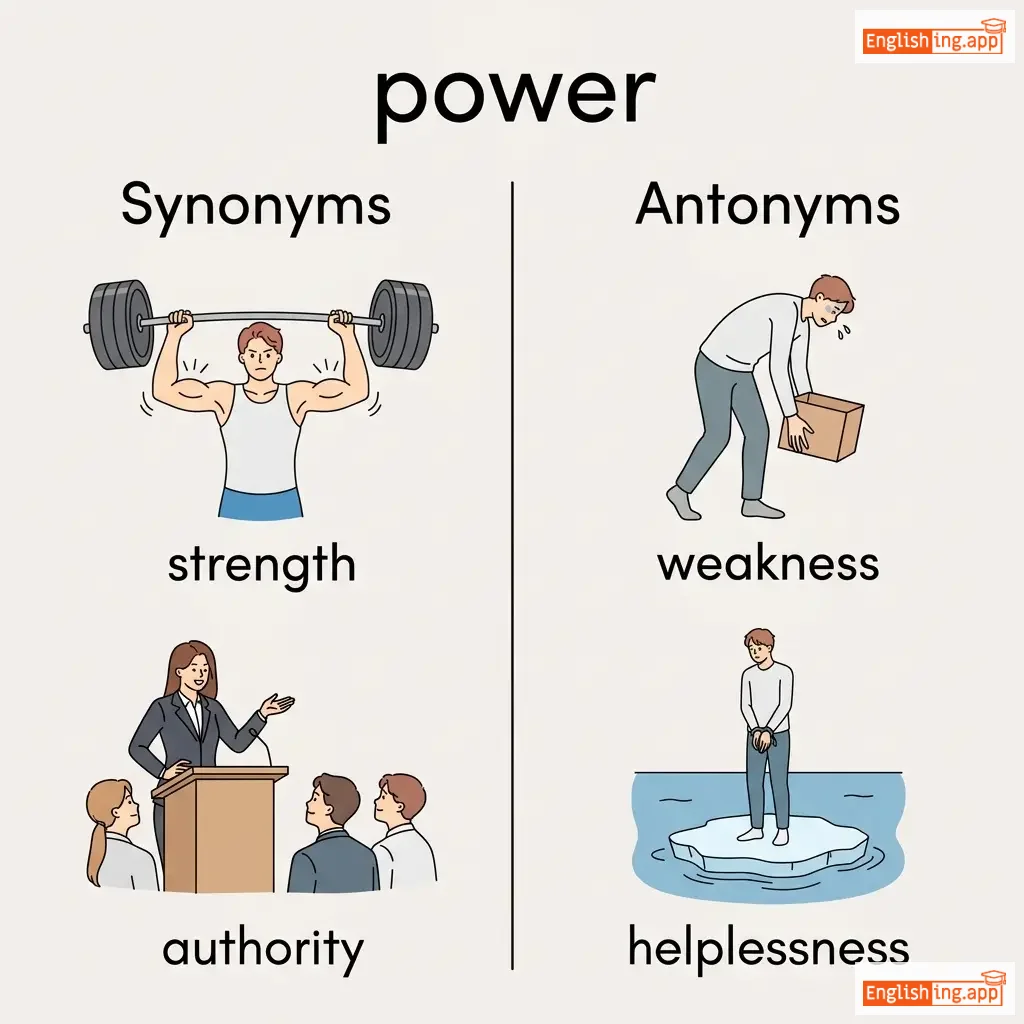
strength, authority, control, energy, force
••••••
|
weakness, helplessness
••••••
|
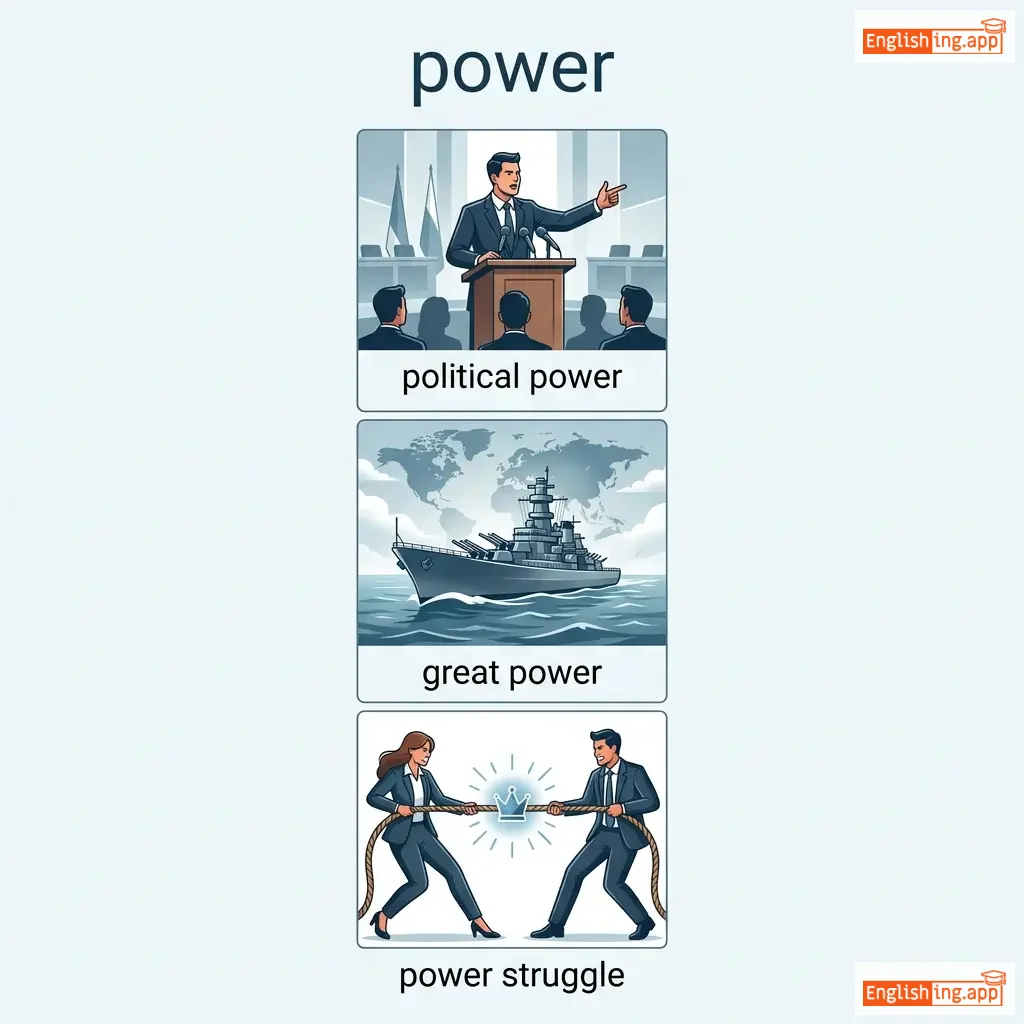
political power, great power, power struggle, power supply
••••••
|
Power = 力, まるでスーパーヒーローの力のように。
••••••
|
|
⏪
••••••
|
/ˈpraɪ.ər/
adjective
(プライアー)
••••••
|
- •••••• |
事前の
puraiya
••••••
|
- •••••• | - •••••• | - •••••• | - •••••• |
existing or coming before in time; previous; earlier
••••••
|
You need prior approval before making any changes to the system.
システムに変更を加える前には、事前の承認が必要です。
••••••
|
システムに変更を加える前には、事前の承認が必要です。
Shisutemu ni henkou o kuwaeru mae ni wa jizen no shonin ga hitsuyou desu
••••••
|
- •••••• | - •••••• | - •••••• |
previous, earlier, former, preceding
••••••
|
subsequent, later, following, after
••••••
|
prior approval, prior experience, prior knowledge, prior notice
••••••
|
PRE zen no shonin: imagine a door tag that says PRE ZEN NO SHONIN to remember that Prior means 事前の and you need prior approval
••••••
|
|
✅
••••••
|
/pruːv/
verb
(プルーブ)
••••••
|
|
証明する
shōmei suru
••••••
|
proved
プルーヴド
••••••
|
proved
プルーヴド
••••••
|
proves
プルーヴス
••••••
|
proving
プルーヴィング
••••••
|
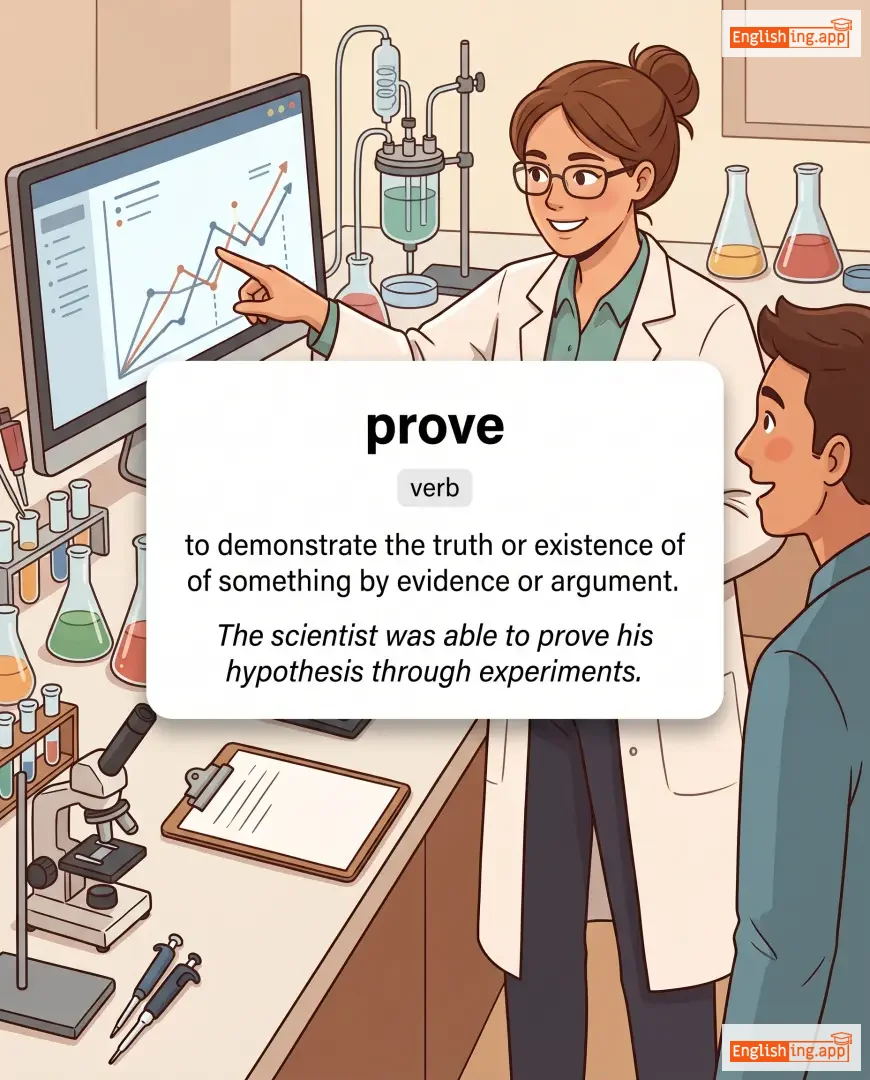
to show that something is true; to demonstrate
••••••
|
The evidence will prove his innocence.
証拠は彼の無実を証明するだろう。
••••••
|
証拠は彼の無実を証明するだろう。
Shōko wa kare no mujitsu o shōmei suru darō.
••••••
|
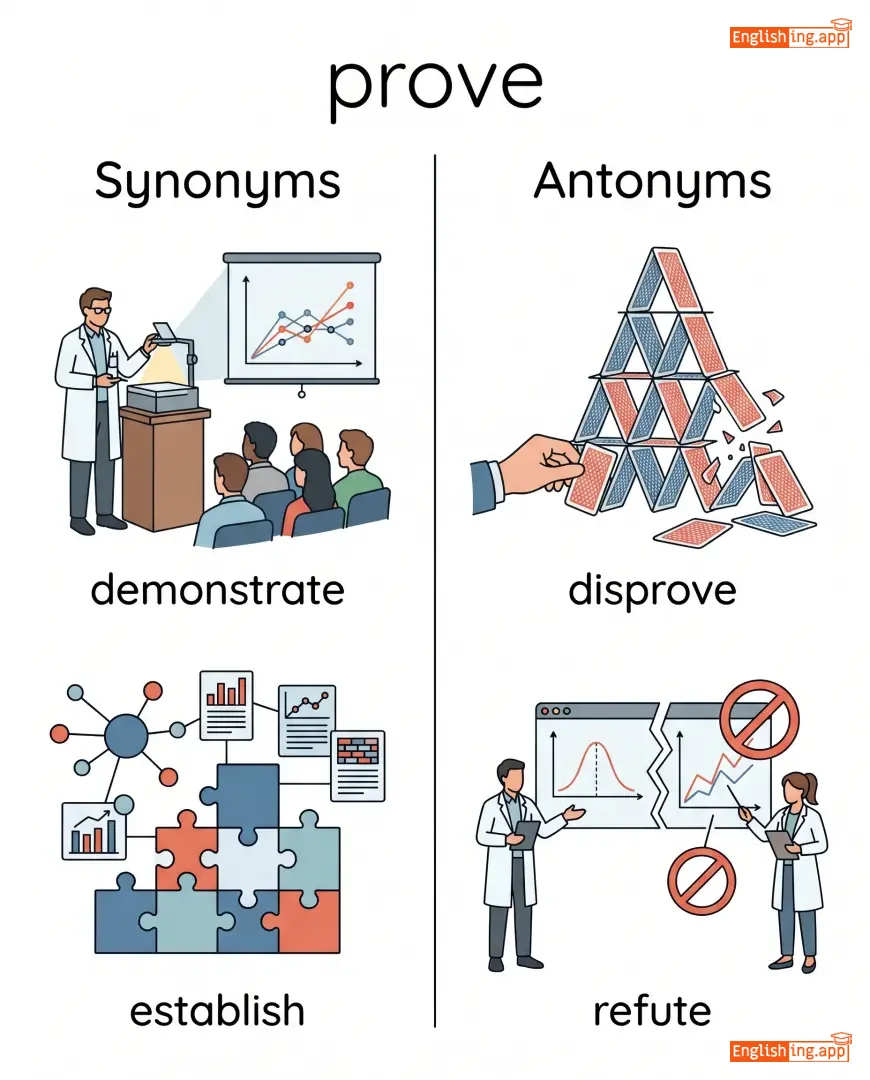
- •••••• | - •••••• | - •••••• |
demonstrate, establish, verify, confirm
••••••
|
disprove, refute, contradict
••••••
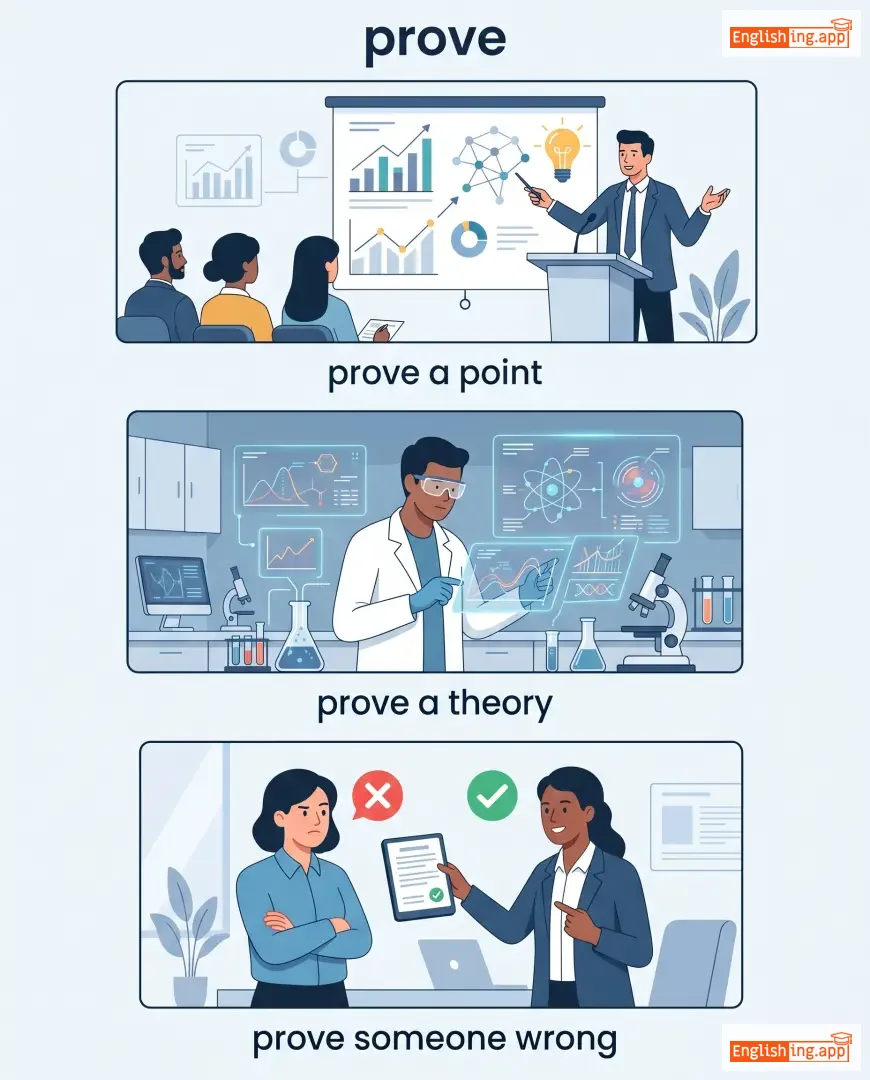
|
prove innocence, prove wrong, prove right, prove point
••••••
|
日本語では'証明する'が英語の'prove'に似ていて、何かの真実を証拠で示すことです。
••••••
|
|
👌
••••••
|
/kwaɪt/
adverb
(クワイト)
••••••
|
- •••••• |
かなり / とても
kanari / totemo
••••••
|
- •••••• | - •••••• | - •••••• | - •••••• |
To a certain or considerable extent; very or completely.
••••••
|
She was quite happy with the results. |
彼女は結果にかなり満足していた。
Kanojo wa kekka ni kanari manzoku shite ita.
••••••
|
not quite |
Almost but not completely.
••••••
|
完全ではない
kanzen dewa nai
••••••
|
fairly, rather, very, completely, absolutely
••••••
|
barely, hardly
••••••
|
quite happy, quite good, quite interesting, not quite
••••••
|
Quite はかなりを意味する—'Quite quiet' はとても静かを意味する。
••••••
|

