The Entrepreneur's Second Chance
ラフィは5年前に夢を持ってダッカに来ました。彼は新鮮なアイデアでテクノロジースタートアップを立ち上げたいと考えていました。最初はすべて順調でした-投資家が来て、オフィスを借り、チームが成長していました。しかし突然すべてが崩れました。予想もしなかった法的な問題が発生しました。
彼のビジネスパートナーは、アイデアが彼のものであると偽の 主張をしました。オフィス全体は混乱に変わりました。ラフィの心に疑念が生まれました-彼はこのドラマに本当に対処できるのでしょうか?彼のすべての貯金は使い果たされ、投資家たちは彼を批判し始めました。このような大きな誤りの後、彼には再びチャンスがあったのでしょうか?
悲しみの中でさえ、ラフィはあきらめたくありませんでした。彼は法的な専門家と話し、彼を導くことができました。2ヶ月の裁判の後、彼は勝ちました。しかしその時までにすべては終わっていました。会社は閉鎖しなければならず、従業員は去りました。
1年後、ラフィは再び熱心になりました。今度は彼はもっと集中して、もっと慎重でした。小さなイベントに行き、新しい投資家に会いました。その投資家はラフィの道徳的な強さに感動しました。「あなたは幸運です、あなたの名誉を守ったからです」と彼は言いました。「それが本当の価値です。」
今日は、ラフィには新しい会社があります。小さいですが、持続可能です。彼は今、成功は単に大きくなることだけではないと理解しています。それは誠実に歩み、理想を信じることです。最初の失敗は彼に教訓を与えました。どの教科書にも載っていない重要なレッスンです。
|
絵文字
|
単語 | Images | 翻訳 | 過去 | 過去分詞 | 三人称単数 | 動名詞 | 意味 | 例文 | 例文の翻訳 | 表現例 | 表現例の意味 | 表現例の翻訳 | 同義語 | 対義語 | コロケーション | ニーモニック |
|---|---|---|---|---|---|---|---|---|---|---|---|---|---|---|---|---|---|
|
🏗️
••••••
|
/bɪld/
verb
(ビルド)
••••••
|
|
建てる
tateru
••••••
|
built
ビルト
••••••
|
built
ビルト
••••••
|
builds
ビルズ
••••••
|
building
ビルディング
••••••
|
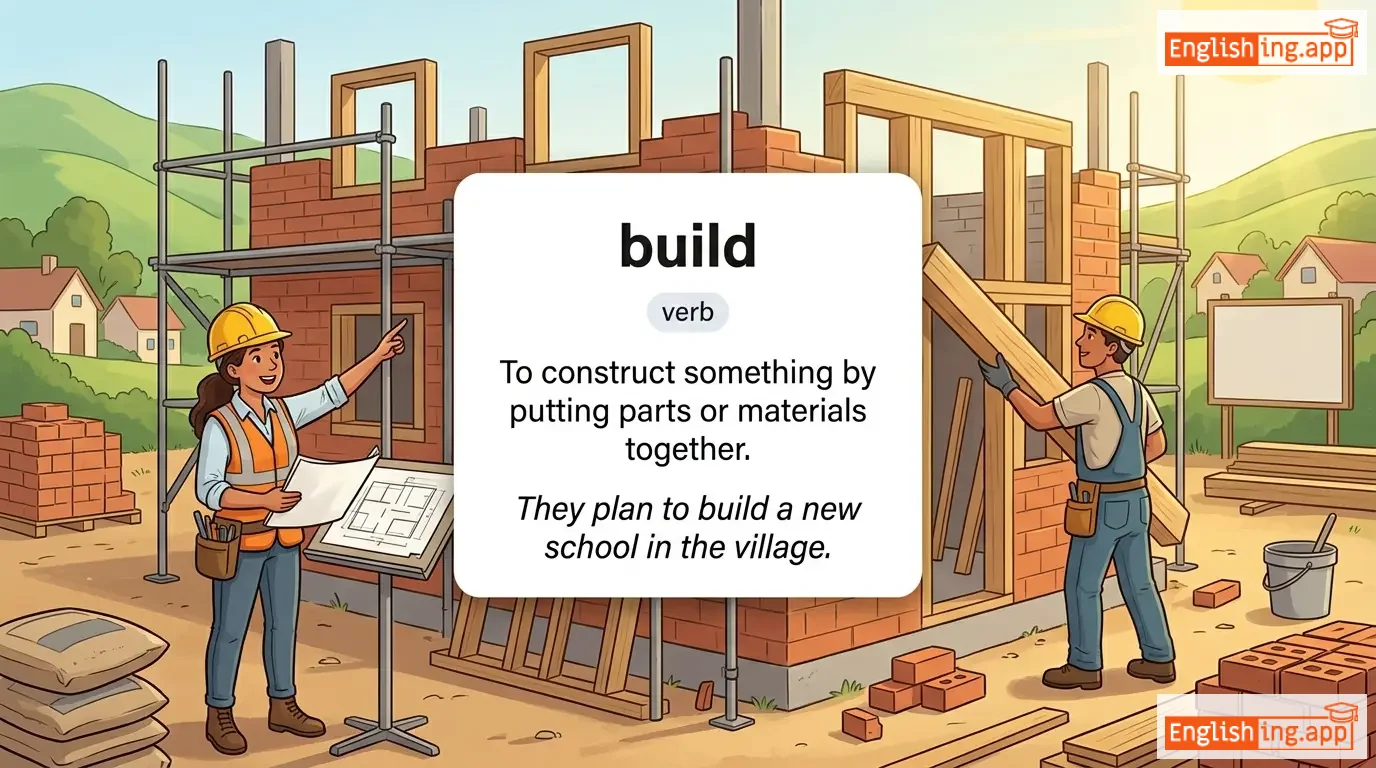
To construct something by putting parts or materials together.
••••••
|
They plan to build a new school in the village.
彼らは村に新しい学校を建てる計画を立てています。
••••••
|
彼らは村に新しい学校を建てる計画を立てています。
Karera wa mura ni atarashii gakkou wo tateru keikaku wo tatemasu.
••••••
|
build up
ビルドアップ
••••••
|
To increase or develop something gradually.
••••••
|
増やす
fuyasu
••••••
|
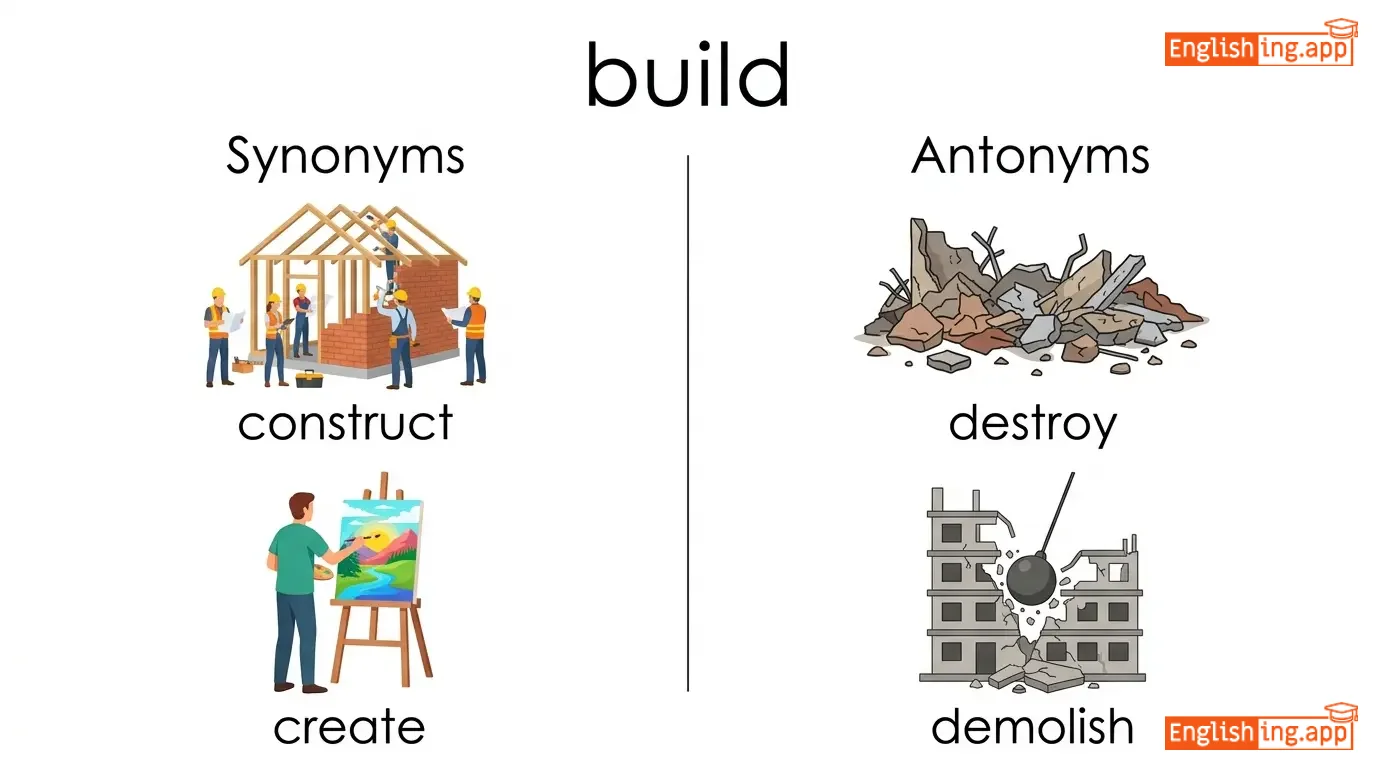
construct, create, assemble, develop, establish
••••••
|
destroy, demolish, break
••••••
|
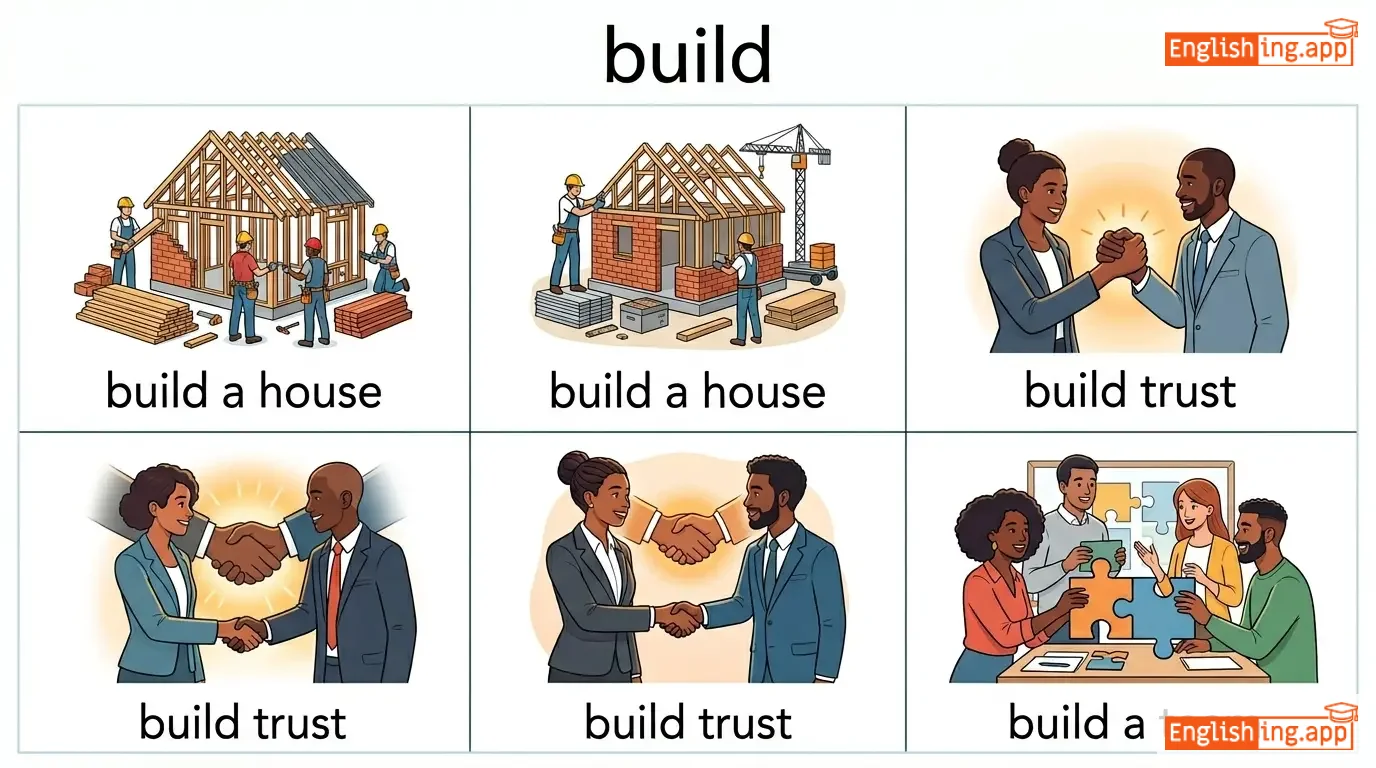
build a house, build trust, build a team, build strength
••••••
|
Build は「建てる」と覚えよう。
••••••
|
|
🌪️
••••••
|
/ˈkeɪɒs/
noun
(ke-osu)
••••••
|
- •••••• |
混乱
konran
••••••
|
- •••••• | - •••••• | - •••••• | - •••••• |
A state of complete disorder and confusion.
••••••
|
The sudden storm caused chaos in the city. |
突然の嵐が都市で混乱を引き起こした。
Totsuzen no arashi ga toshi de konran o hikiokoshita.
••••••
|
utter chaos |
a situation of complete and total disorder
••••••
|
完全な混乱
Kanzen na konran
••••••
|
disorder, confusion, turmoil, mayhem, pandemonium
••••••
|
order, harmony, calm
••••••
|
create chaos, chaos theory, complete chaos, chaos in
••••••
|
Chaos はカオスと同じ — 完全な混乱。
••••••
|
|
📢
••••••
|
/kleɪm/
verb
(クレイム)
••••••
|
|
主張する
shuchou suru
••••••
|
claimed
クレイムド
••••••
|
claimed
クレイムド
••••••
|
claims
クレイムス
••••••
|
claiming
クレイミング
••••••
|
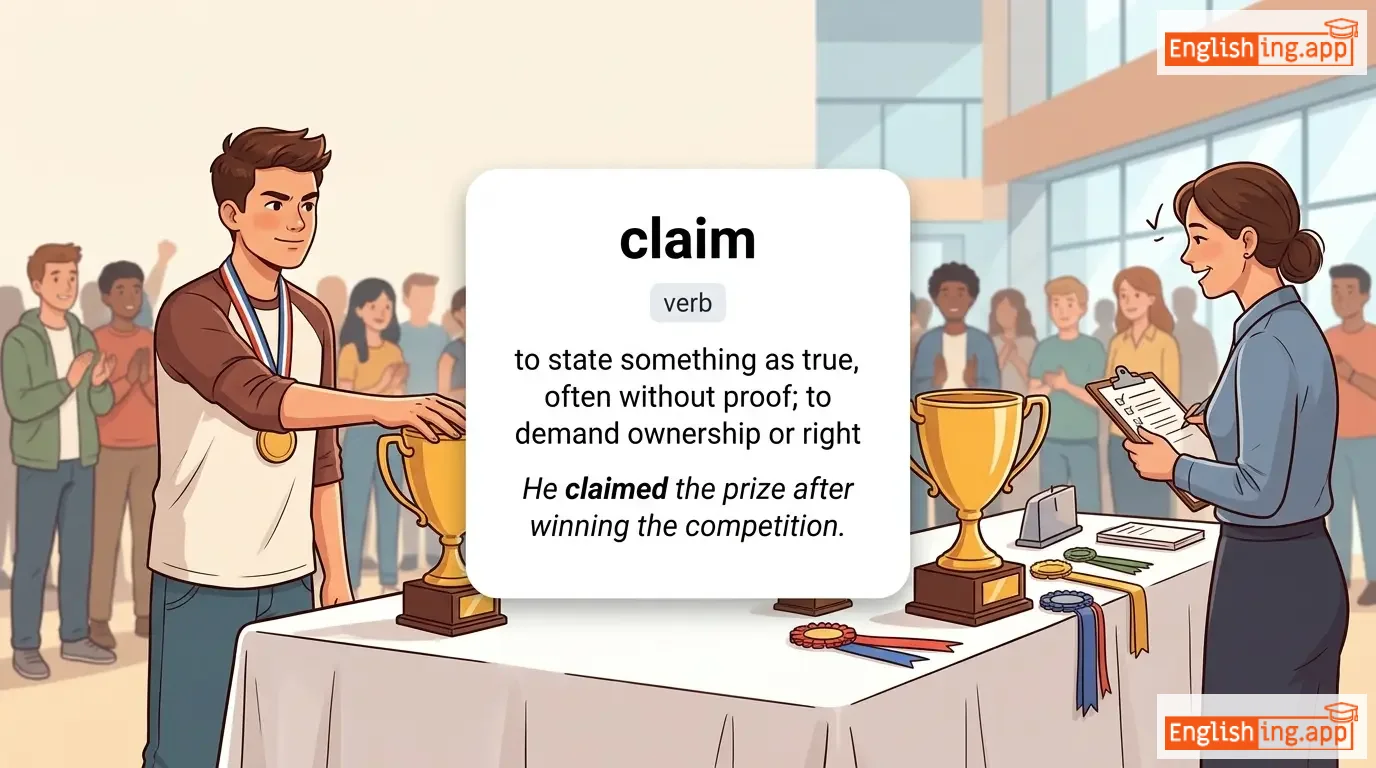
to state something as true, often without proof; to demand ownership or right
••••••
|
He claimed the prize after winning the competition.
彼は競技会に勝った後、賞金を主張しました。
••••••
|
彼は競技会に勝った後、賞金を主張しました。
Kare wa kyougikai ni katta ato, shoukin o shuchou shimashita.
••••••
|
claim to fame
名声の主張
••••••
|
the thing that makes someone famous or notable
••••••
|
名声の主張
meisei no shuchou
••••••
|
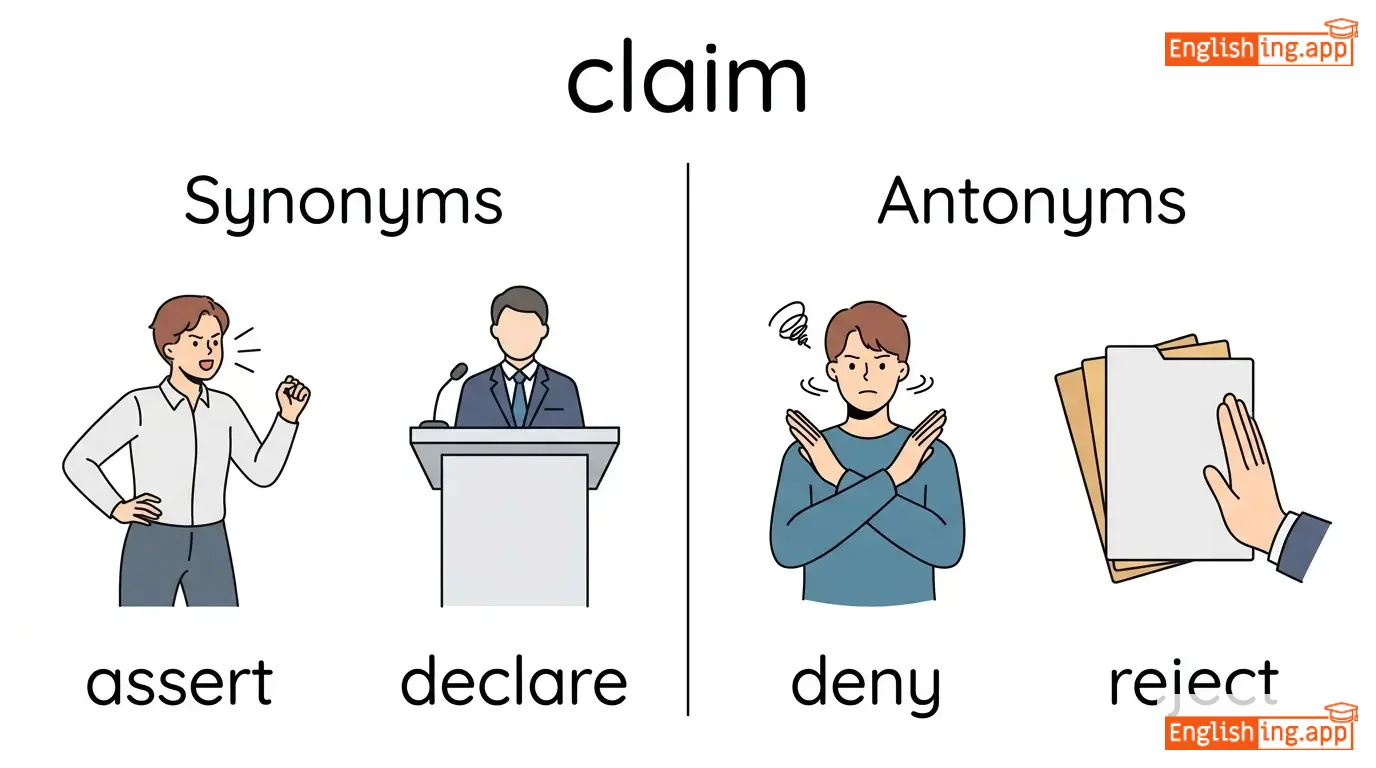
assert, declare, allege, demand, request
••••••
|
deny, reject, disclaim
••••••
|
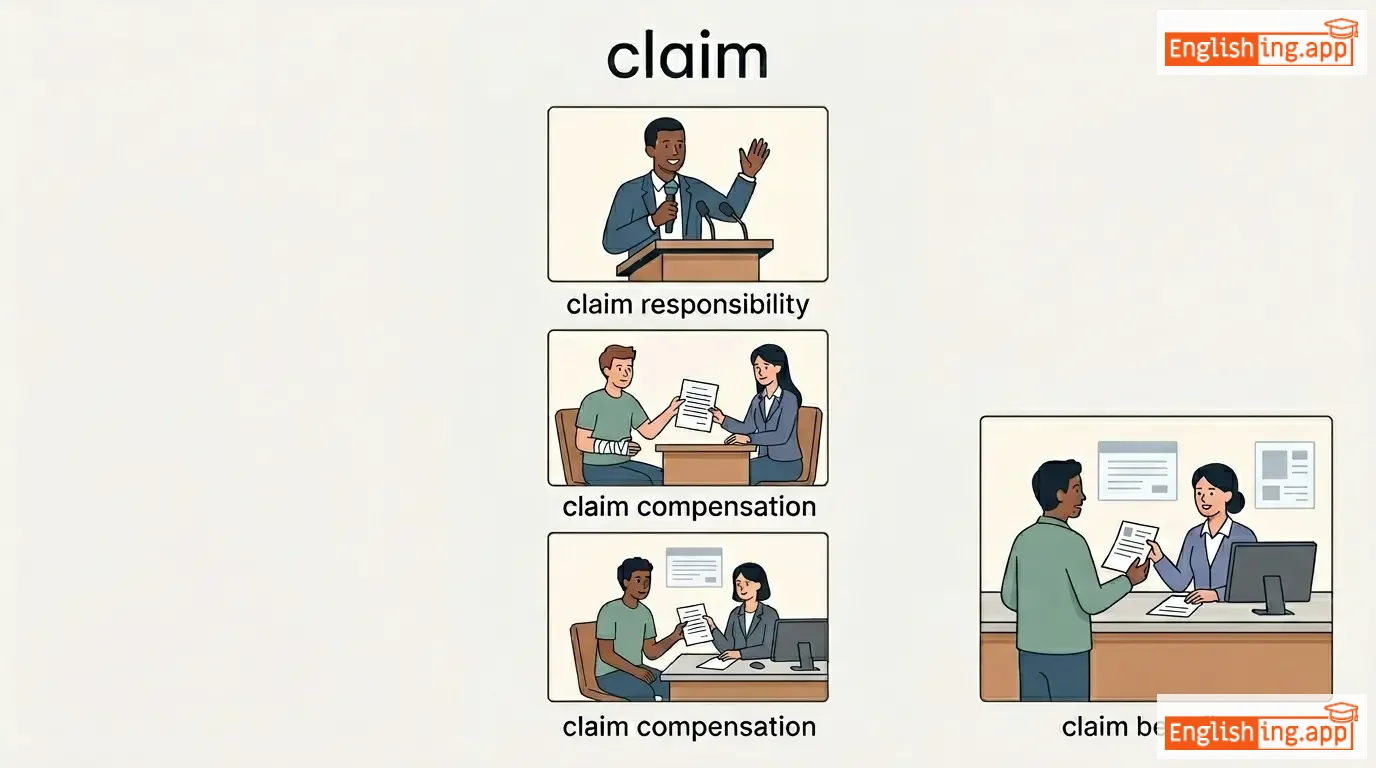
claim responsibility, claim compensation, claim benefits, claim ownership
••••••
|
Claimは主張すること: 保険の請求のように
••••••
|
|
💥
••••••
|
/kræʃ/
verb
(ハピネス)
••••••
|
- •••••• |
幸せ
shiawase
••••••
|
crashed
••••••
|
crashed
••••••
|
crashes
••••••
|
crashing
••••••
|
To collide violently; to suddenly stop working (for machines or computers).
••••••
|
The car crashed into the wall at high speed. |
彼女は賞を受け取ったとき、自分の幸せを隠せなかった。
Kanojo wa shō o uketotta toki, jibun no shiawase o kakusenakatta.
••••••
|
computer crash |
When a computer suddenly stops working.
••••••
|
幸せを求めて
shiawase o motomete
••••••
|
collide, smash, wreck, fall
••••••
|
avoid, continue, function
••••••
|
car crash, plane crash, system crash, crash into
••••••
|
幸せ = 幸せを感じると心が軽くなる。
••••••
|
|
❓
••••••
|
/daʊt/
noun/verb
(dauto)
••••••
|
|
疑い
utagai
••••••
|
doubted
dauted
••••••
|
doubted
dauted
••••••
|
doubts
dauts
••••••
|
doubting
douting
••••••
|
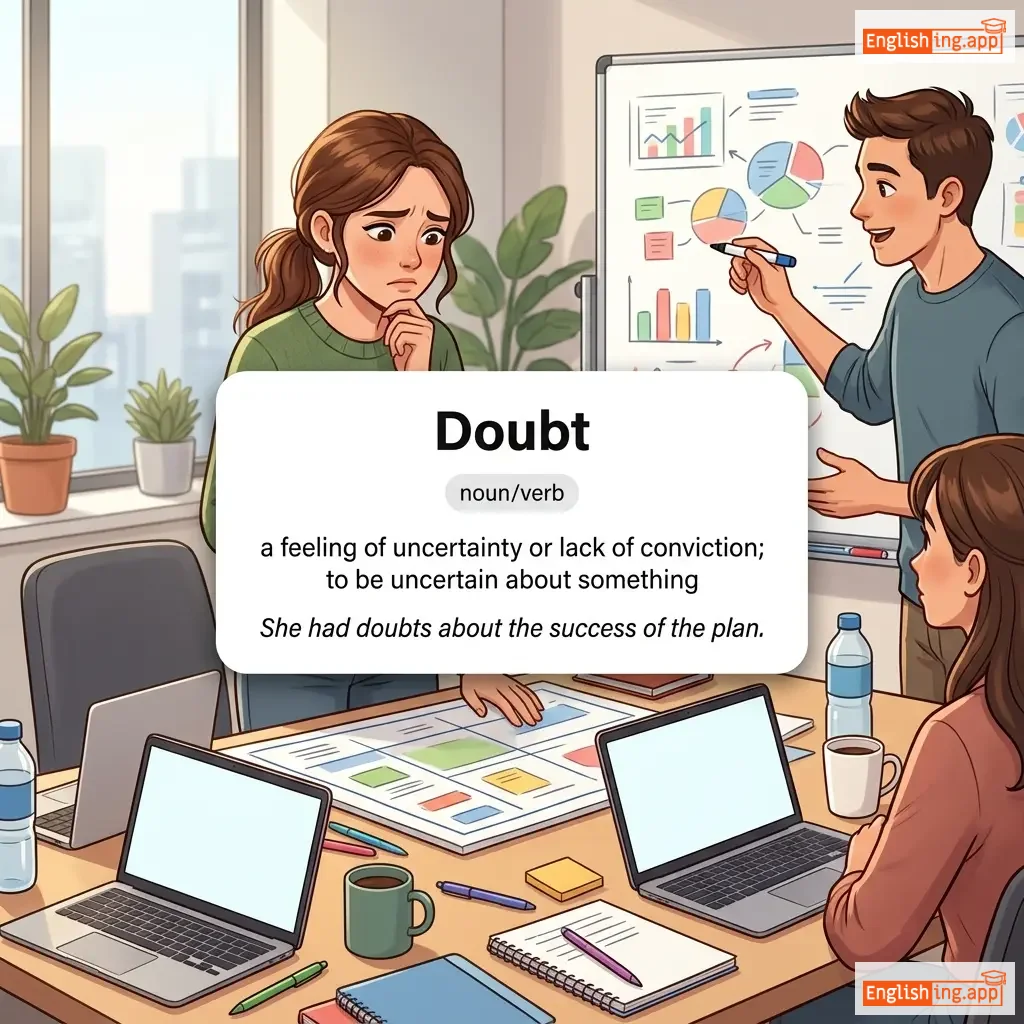
a feeling of uncertainty or lack of conviction; to be uncertain about something
••••••
|
She had doubts about the success of the plan.
彼女は計画の成功に疑問を抱いていた。
••••••
|
彼女は計画の成功に疑問を抱いていた。
Kanojo wa keikaku no seikou ni gimon o daiteita.
••••••
|
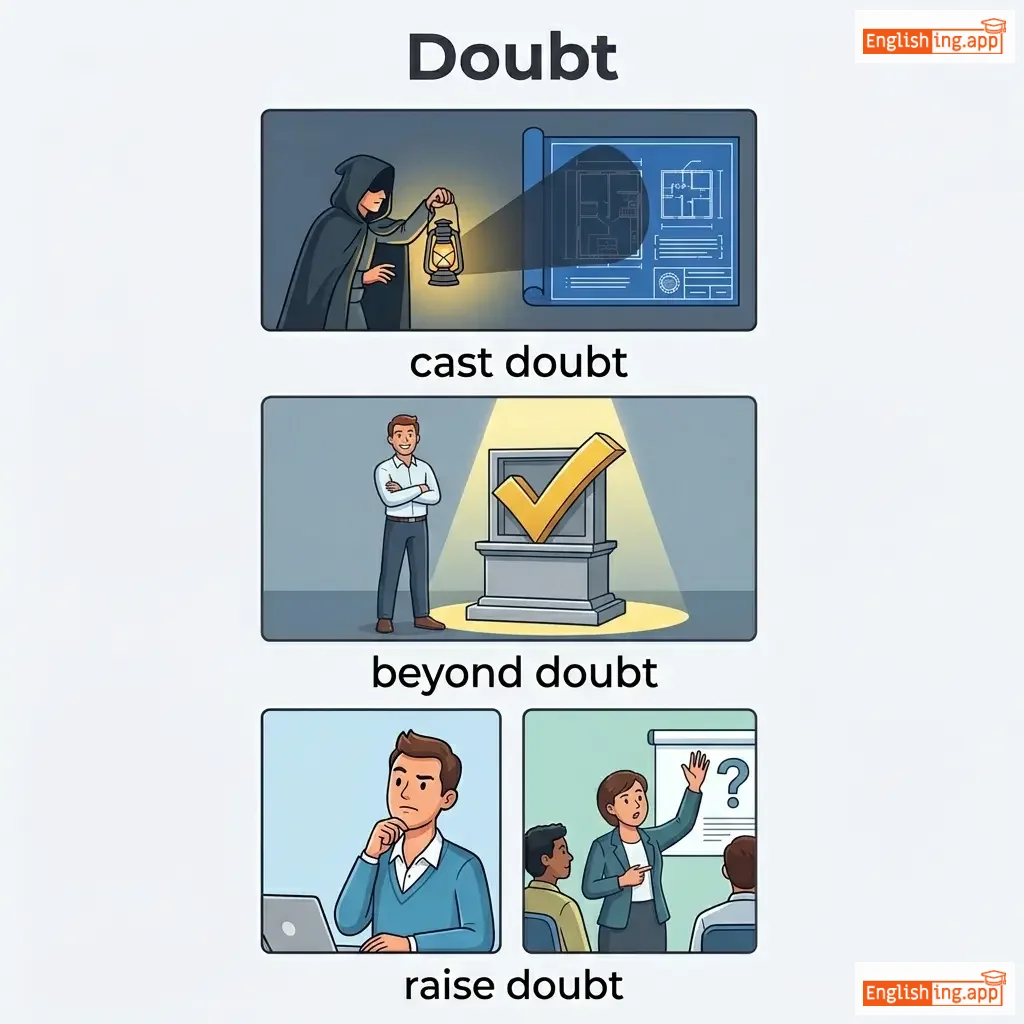
beyond doubt
疑いの余地なく
••••••
|
certain; without question
••••••
|
疑いの余地なく
utagai no yochi naku
••••••
|
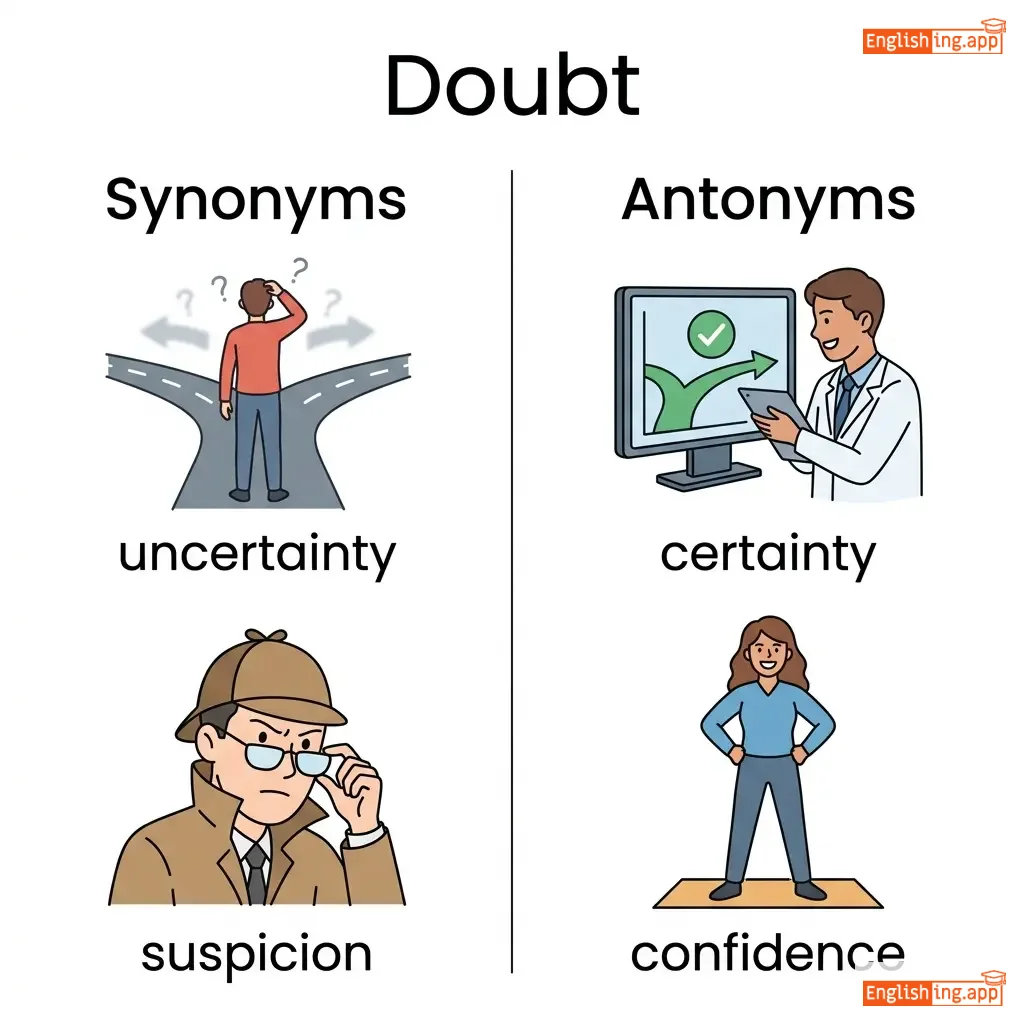
uncertainty, suspicion, disbelief, hesitation
••••••
|
certainty, confidence, assurance
••••••
|
cast doubt, beyond doubt, raise doubt, doubt remains
••••••
|
Doubtは日本語で疑い、疑うことを思い出すためにはダウトを覚えましょう!
••••••
|
|
🎭
••••••
|
/ˈdrɑː.mə/
noun
(ドラマ)
••••••
|
- •••••• |
ドラマ
dorama
••••••
|
- •••••• | - •••••• | - •••••• | - •••••• |
a play for theater, radio, or television, or an exciting or emotional situation
••••••
|
She loves watching historical drama series. |
彼女は歴史的なドラマシリーズを見るのが好きです。
kanojo wa rekishiteki na dorama shirīzu o miru no ga suki desu.
••••••
|
make a drama out of nothing |
to exaggerate a situation unnecessarily
••••••
|
何もないところからドラマを作る
nanimo nai tokoro kara dorama o tsukuru
••••••
|
play, performance, act, show
••••••
|
comedy, farce
••••••
|
drama series, school drama, intense drama, family drama
••••••
|
ドラマは日本語でも英語と同じく感情的な状況を表現する言葉です。
••••••
|
|
💭
••••••
|
/driːm/
noun/verb
(ドリーム)
••••••
|
|
夢
yume
••••••
|
dreamed
ドリームド
••••••
|
dreamed
ドリームド
••••••
|
dreams
ドリームズ
••••••
|
dreaming
ドリーミング
••••••
|
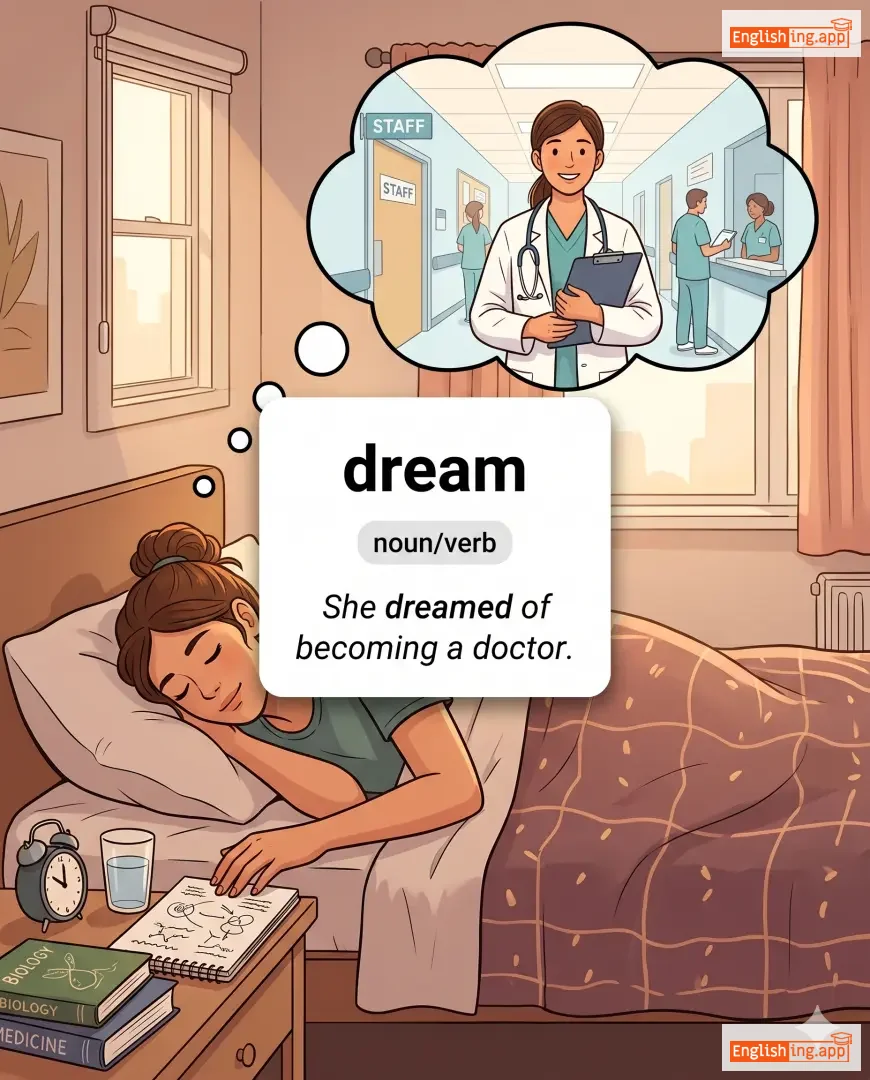
a series of thoughts, images, or emotions occurring during sleep; a cherished aspiration or goal
••••••
|
She dreamed of becoming a doctor.
彼女は医者になることを夢見ていました。
••••••
|
彼女は医者になることを夢見ていました。
Kanojo wa isha ni naru koto wo yumemiteimashita.
••••••
|
living the dream
夢のような生活
••••••
|
enjoying life as if in an ideal situation
••••••
|
夢のような生活
Yume no youna seikatsu
••••••
|
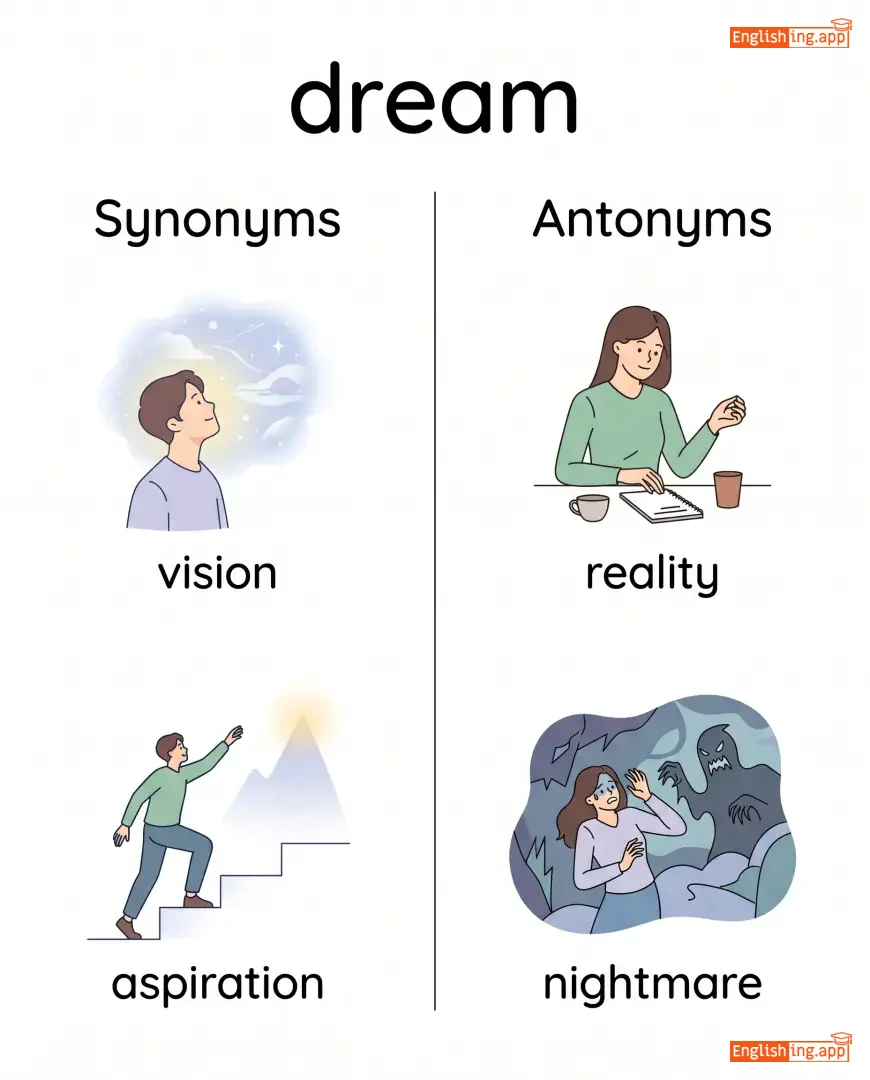
vision, aspiration, goal, fantasy
••••••
|
reality, nightmare
••••••
|
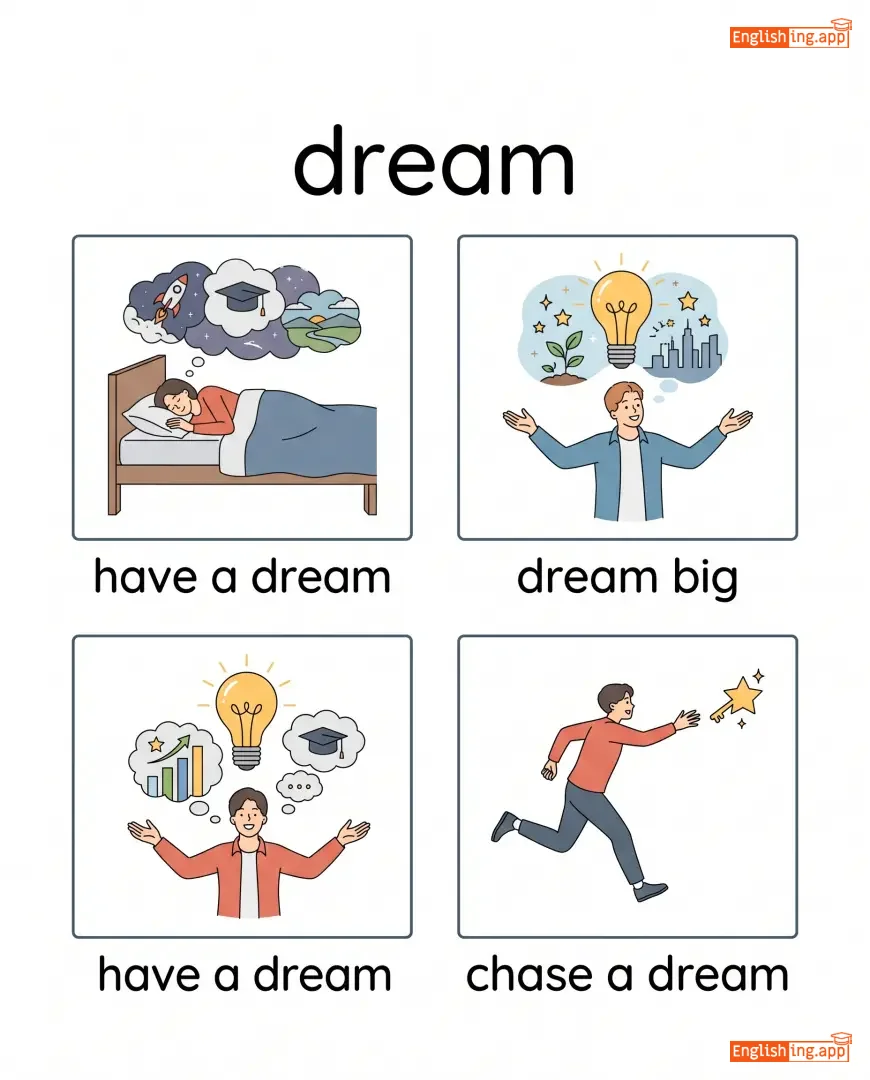
have a dream, dream big, chase a dream, dream come true
••••••
|
夢、無限の可能性。
••••••
|
|
🤩
••••••
|
/ˈiːɡər/
adjective
(イーガー)
••••••
|
- •••••• |
熱心な / 待ち遠しい
nesshin na / machidōshii
••••••
|
- •••••• | - •••••• | - •••••• | - •••••• |
very excited and interested; keen to do something
••••••
|
The children were eager to open their gifts. |
子供たちはプレゼントを開けるのを待ちきれませんでした。
Kodomotachi wa purezento o akeru no o machikiremasen deshita.
••••••
|
eager beaver |
a person who is extremely enthusiastic and hard-working
••••••
|
熱心な人
nesshin na hito
••••••
|
keen, enthusiastic, excited, avid
••••••
|
reluctant, indifferent
••••••
|
eager to learn, eager for success, eager anticipation, eager smile
••••••
|
Eager = 待ち遠しい 🤩— プレゼントを開けるために子供たちはeagerです。
••••••
|
|
⚠️
••••••
|
/ˈɛrər/
noun
(エラー)
••••••
|
- •••••• |
誤り
ayamari
••••••
|
- •••••• | - •••••• | - •••••• | - •••••• |
A mistake or inaccuracy in action, thought, or judgment.
••••••
|
The report contained a major error in the data analysis. |
レポートにはデータ分析における重大な誤りが含まれていました。
Repoto ni wa deeta bunseki ni okeru juudaina ayamari ga fukumarete imashita.
••••••
|
trial and error |
A way of solving problems by trying different methods until finding one that works.
••••••
|
試行錯誤
shikou sakugo
••••••
|
mistake, fault, blunder, slip, inaccuracy
••••••
|
accuracy, correctness, precision
••••••
|
human error, computer error, make an error, error message
••••••
|
誤りは日本語でミスを意味します。何か間違ったことが起きると、私たちは '誤り' と言います。
••••••
|
|
🎉
••••••
|
/ɪˈvent/
noun
(イベント)
••••••
|
- •••••• |
出来事
dekigoto
••••••
|
- •••••• | - •••••• | - •••••• | - •••••• |
something that happens, especially something important
••••••
|
The concert was the biggest event of the year. |
コンサートは今年最大の出来事でした。
Konsāto wa kotoshi saidai no dekigoto deshita.
••••••
|
in any event |
whatever happens; regardless of the circumstances
••••••
|
いずれにせよ
izureniseyo
••••••
|
incident, occurrence, happening, affair
••••••
|
nonoccurrence, inactivity
••••••
|
major event, sporting event, social event, special event
••••••
|
出来事 = 特別で忘れられない出来事! 🎉
••••••
|
|
❌
••••••
|
/fɔːls/
adjective
(フォールス)
••••••
|
- •••••• |
偽の
nise no
••••••
|
- •••••• | - •••••• | - •••••• | - •••••• |
not true or correct; intended to deceive
••••••
|
He was accused of giving false information.
彼は虚偽の情報を提供したとして告発されました。
••••••
|
彼は虚偽の情報を提供したとして告発されました。
Kare wa kyogi no jōhō o teikyō shita to shite kokuhatsu saremashita.
••••••
|
false alarm
虚偽の警報
••••••
|
a warning or signal that turns out to be untrue
••••••
|
虚偽の警報
kyogi no keihō
••••••
|
untrue, wrong, fake, deceptive, misleading
••••••
|
true, correct, real
••••••
|
false claim, false hope, false promise, false impression
••••••
|
偽の意味は偽りで、間違っていることは偽りです。
••••••
|
|
🎯
••••••
|
/ˈfoʊ.kəs/
verb
(フォーカス)
••••••
|
|
集中する
shūchū suru
••••••
|
focused
フォーカスト
••••••
|
focused
フォーカスト
••••••
|
focuses
フォーカセス
••••••
|
focusing
フォーカシング
••••••
|
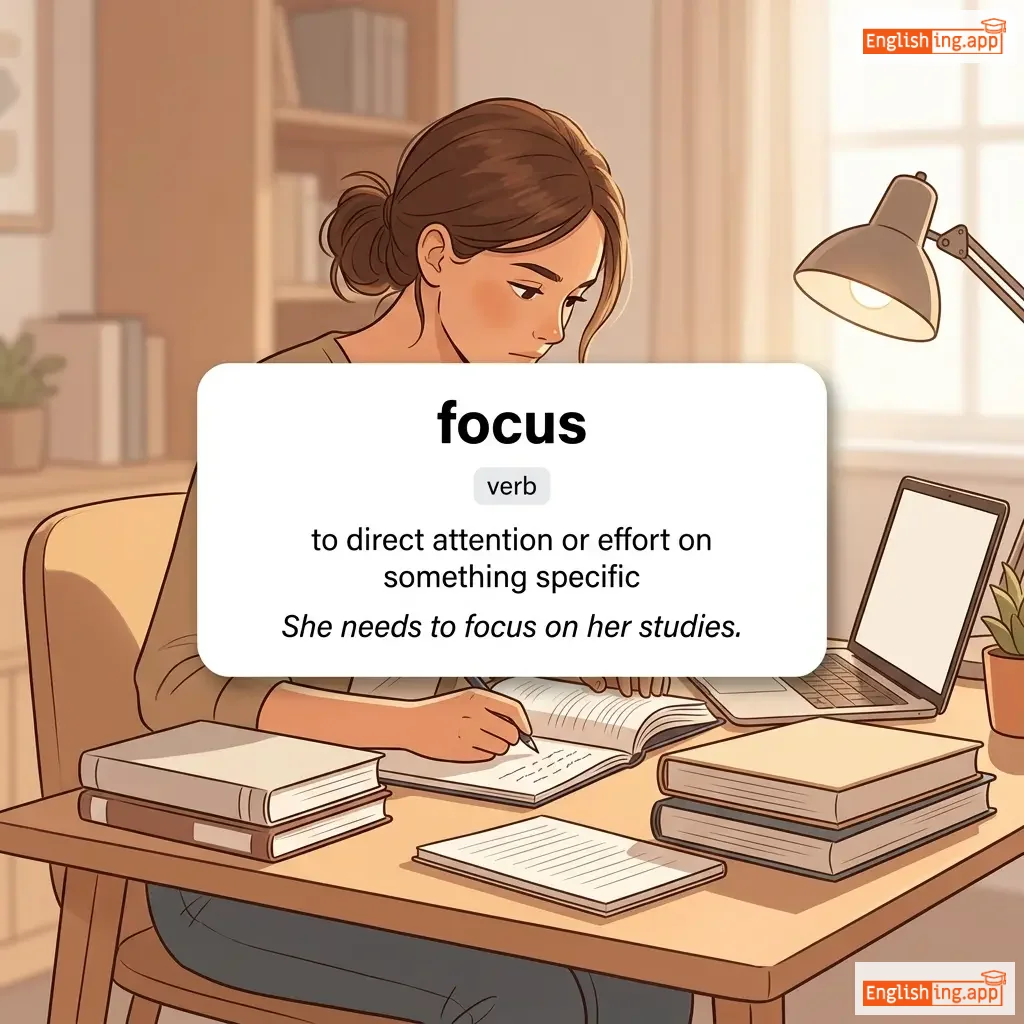
to direct attention or effort on something specific
••••••
|
She needs to focus on her studies.
彼女は勉強に集中する必要があります。
••••••
|
彼女は勉強に集中する必要があります。
Kanojo wa benkyō ni shūchū suru hitsuyō ga arimasu.
••••••
|
in focus
フォーカス中
••••••
|
clear and sharp in appearance or understanding
••••••
|
焦点内
shōten-nai
••••••
|
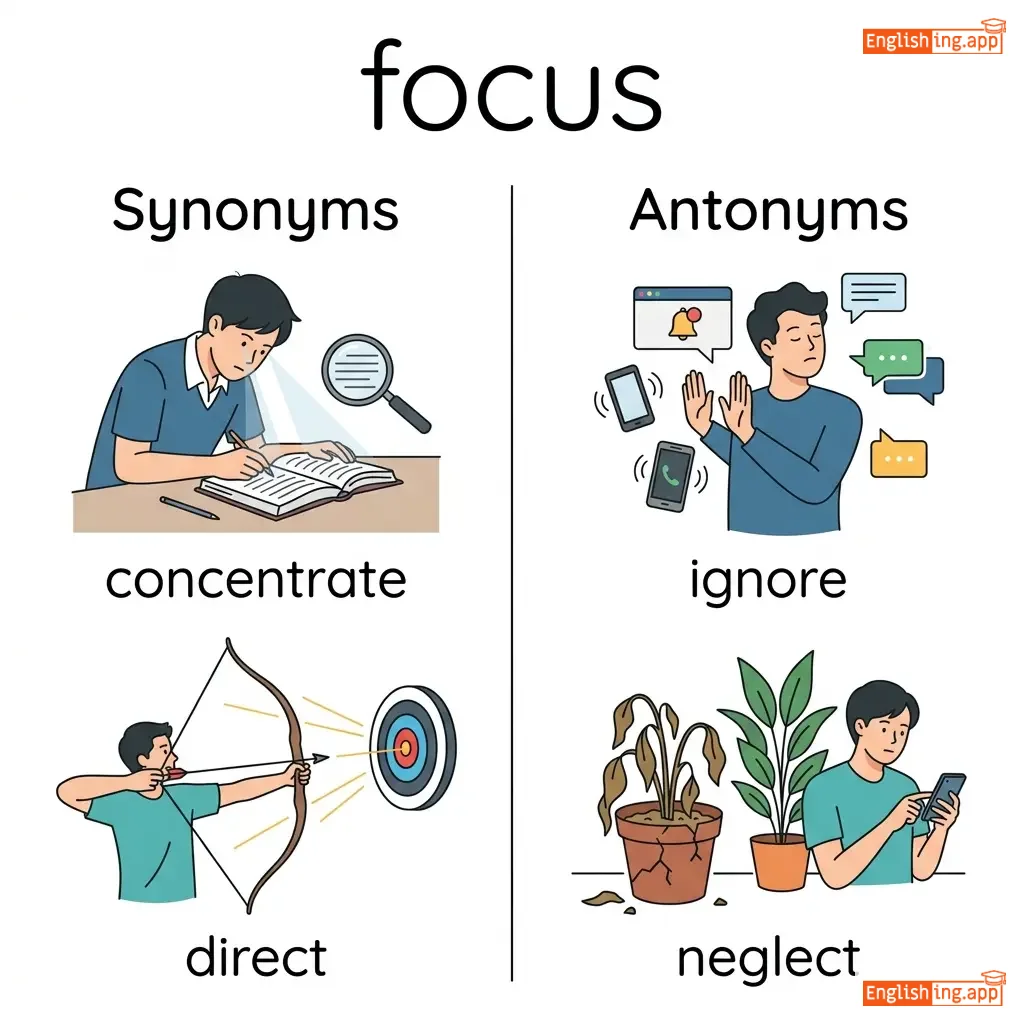
concentrate, direct, aim, emphasize, highlight
••••••
|
ignore, neglect, distract
••••••
|
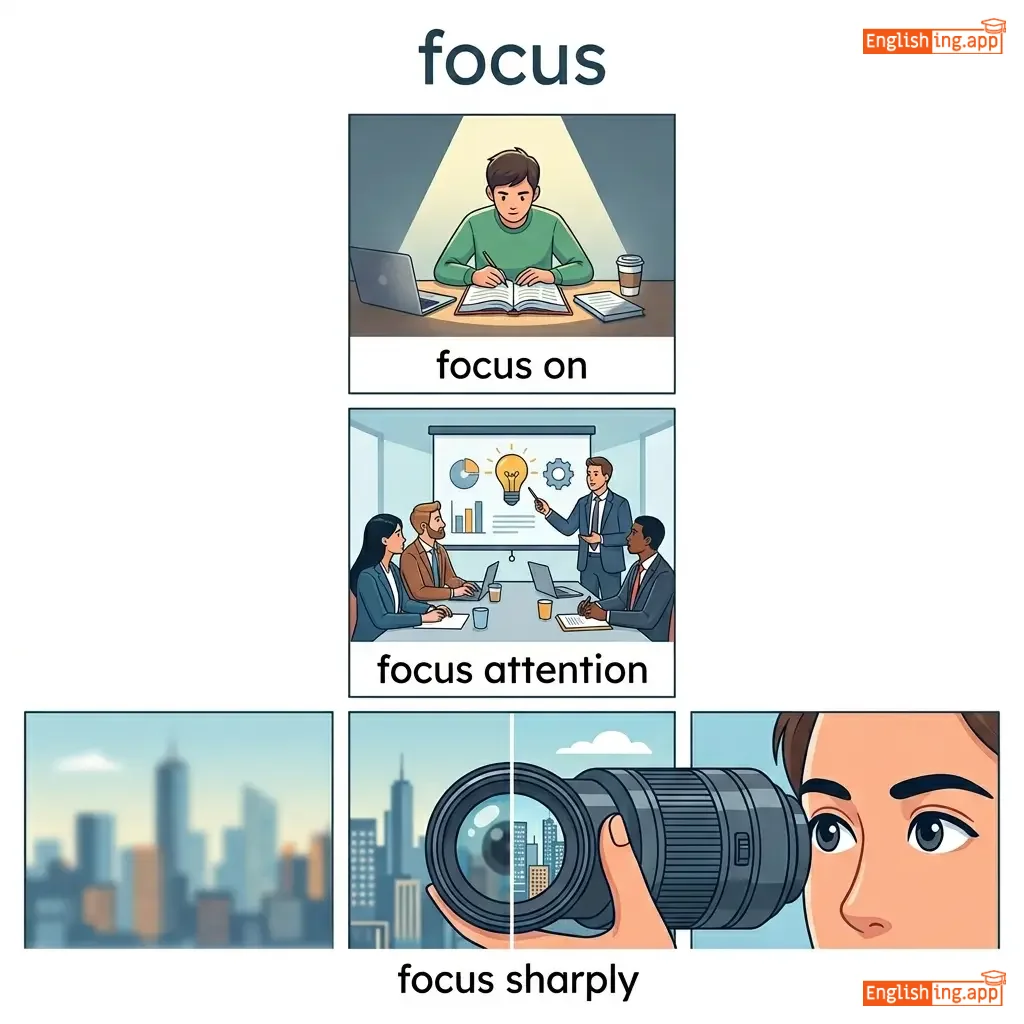
focus on, focus attention, focus sharply, focus clearly
••••••
|
Focusは集中すること、試験で集中しないと失敗することを意味します。
••••••
|
|
🌱
••••••
|
/frɛʃ/
adjective
(フレッシュ)
••••••
|
- •••••• |
新鮮
shinsen
••••••
|
- •••••• | - •••••• | - •••••• | - •••••• |
new, recently made, or clean and pure
••••••
|
The bread is still fresh from the oven.
パンはオーブンから出たばかりです。
••••••
|
パンはオーブンから出たばかりです。
Pan wa ōbun kara deta bakari desu.
••••••
|
fresh start
新たなスタート
••••••
|
a new beginning
••••••
|
新たなスタート
Aratana sutāto
••••••
|
new, recent, clean, pure, original
••••••
|
stale, old, rotten
••••••
|
fresh air, fresh start, fresh bread, fresh idea
••••••
|
新鮮なパンの香り!
••••••
|
|
😢
••••••
|
/ɡriːf/
noun
(グリーフ)
••••••
|
- •••••• |
悲しみ
kanashimi
••••••
|
- •••••• | - •••••• | - •••••• | - •••••• |
Deep sorrow, especially caused by someone's death.
••••••
|
She was overcome with grief after her father's passing. |
彼女は父親の死後、悲しみに打ちひしがれていた。
Kanojo wa chichioya no shigo, kanashimi ni uchi hisigarete ita.
••••••
|
Good grief |
An exclamation expressing surprise, dismay, or annoyance.
••••••
|
なんてこった
Nante kotta
••••••
|
sorrow, sadness, anguish, heartbreak, mourning
••••••
|
joy, happiness, delight
••••••
|
deep grief, grief and sorrow, grief over loss
••••••
|
Griefは悲しみ → 結婚式で涙が流れる悲しみを想像してみてください。
••••••
|
|
🧭
••••••
|
/ɡaɪd/
verb, noun
(ハピネス)
••••••
|
|
幸福
kōfuku
••••••
|
guided
••••••
|
guided
••••••
|
guides
••••••
|
guiding
••••••
|
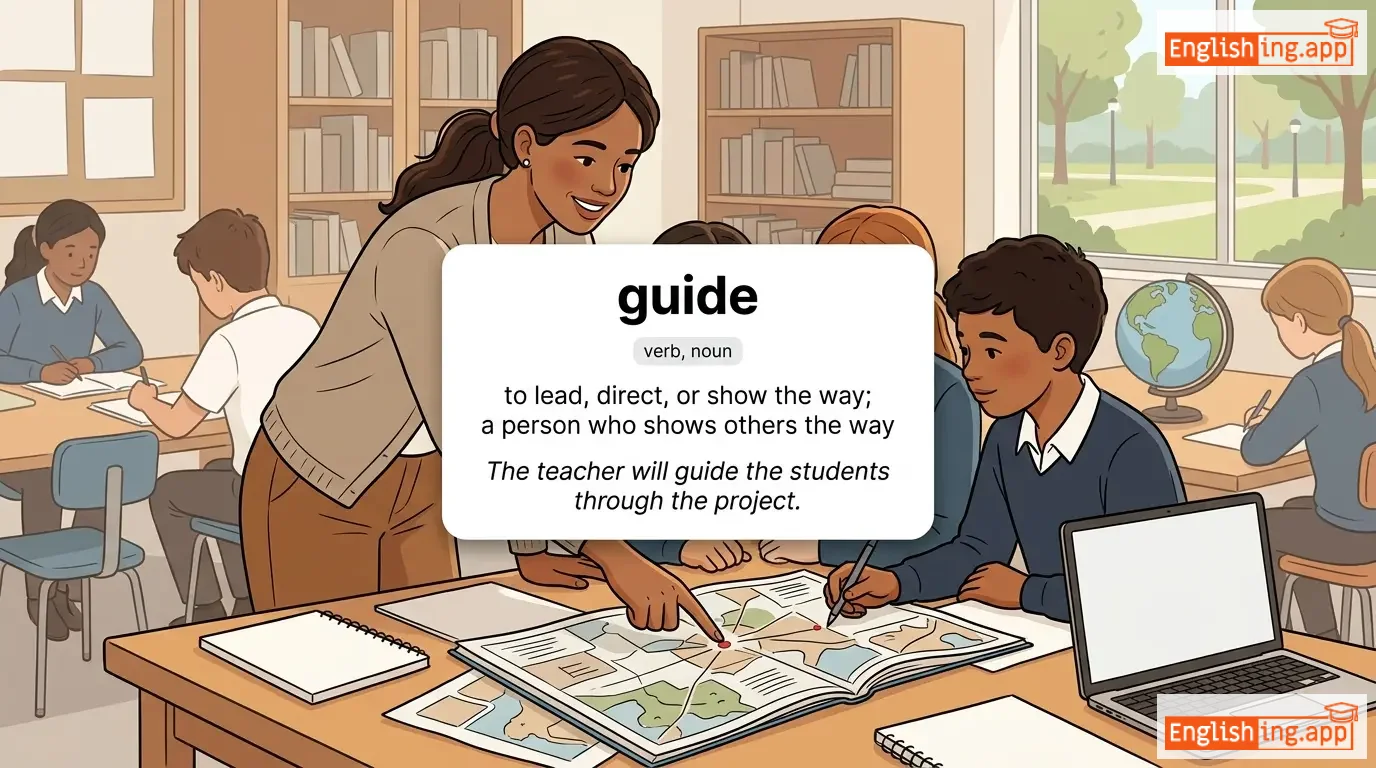
to lead, direct, or show the way; a person who shows others the way
••••••
|
The teacher will guide the students through the project. |
彼女は賞を受け取ったとき、自分の幸福を隠すことができませんでした。
Kanojo wa shō o uketotta toki, jibun no kōfuku o kakusu koto ga dekimasen deshita.
••••••
|
spiritual guide |
a person who offers wisdom or advice in spiritual matters
••••••
|
幸福の追求
kōfuku no tsuikyū
••••••
|
lead, direct, mentor, instructor, show
••••••
|
mislead, confuse, follow
••••••
|
guide book, tourist guide, guide the way, guide someone
••••••
|
幸福と happiness はどちらも人生の最高の目標です。
••••••
|
|
🏅
••••••
|
/ˈɑːnər/
noun
(オナー)
••••••
|
- •••••• |
名誉
meiyo
••••••
|
- •••••• | - •••••• | - •••••• | - •••••• |
high respect; great esteem
••••••
|
He received an award in honor of his achievements. |
彼は業績を讃えて名誉を受け取った。
Kare wa gyōseki o tataete meiyo o uketotta.
••••••
|
do someone the honor |
to respectfully accept or recognize someone
••••••
|
誰かに名誉を授ける
dareka ni meiyo o sasugeru
••••••
|
respect, esteem, recognition, dignity, admiration
••••••
|
dishonor, disgrace, shame
••••••
|
in honor of, bring honor, great honor, honor code
••••••
|
名誉は尊敬を意味し、'名誉ある人'は常に名誉を受け取ります。
••••••
|
|
✨
••••••
|
/aɪˈdiːəl/
adjective
(アイディアル)
••••••
|
- •••••• |
理想的な
risōtekina
••••••
|
- •••••• | - •••••• | - •••••• | - •••••• |
the best possible; perfect for a situation
••••••
|
This place is ideal for a picnic. |
この場所はピクニックに理想的です。
Kono basho wa pikunikku ni risōteki desu.
••••••
|
- •••••• | - •••••• | - •••••• |
perfect, excellent, optimal, model, flawless
••••••
|
imperfect, flawed, unsuitable
••••••
|
ideal situation, ideal choice, ideal candidate, ideal time
••••••
|
理想的なは完璧という意味、例えば‘理想的な仕事’は完璧な仕事。
••••••
|
|
⚖️
••••••
|
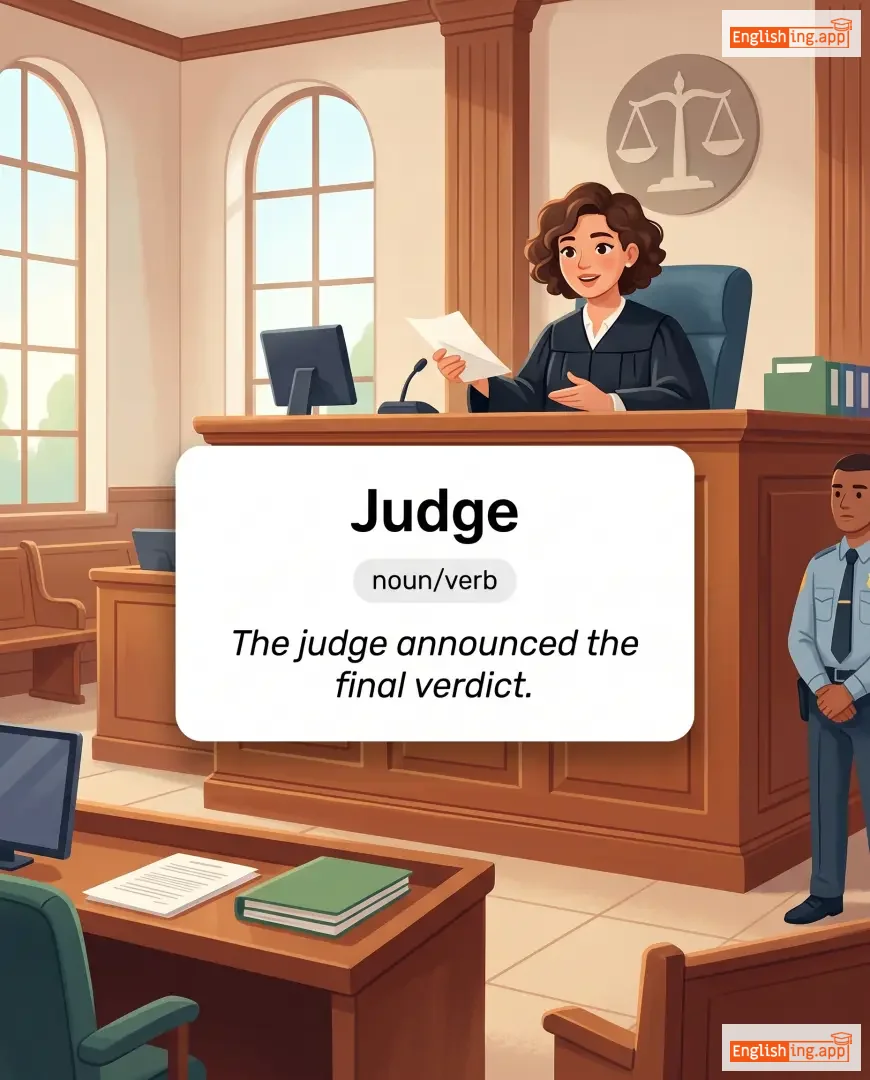
/dʒʌdʒ/
noun/verb
(ジャッジ)
••••••
|
|
裁判官 / 判断する
saibankan / handan suru
••••••
|
judged
ジャッジド
••••••
|
judged
ジャッジド
••••••
|
judges
ジャッジズ
••••••
|
judging
ジャッジング
••••••
|
a person who makes decisions in a court of law; or to form an opinion about something
••••••
|
The judge announced the final verdict.
ジャッジは最終的な判決を発表した。
••••••
|
裁判官は最終的な判決を発表した。
Saibankan wa saishūteki na hanketsu o happyō shita.
••••••
|
don't judge a book by its cover
表紙で本を判断しないでください
••••••
|
don't form an opinion based only on appearances
••••••
|
表紙で本を判断しないでください
Hyōshi de hon o handan shinaide kudasai
••••••
|
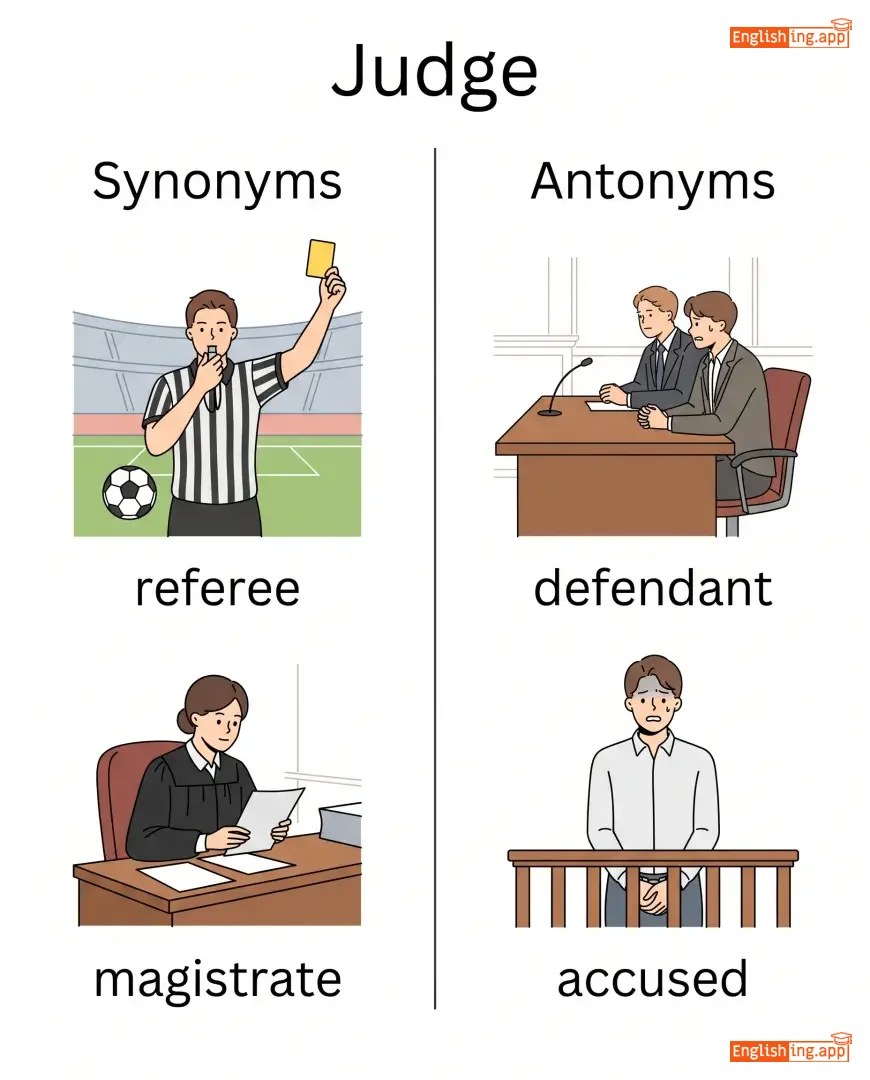
referee, magistrate, critic, evaluator
••••••
|
defendant, accused
••••••
|
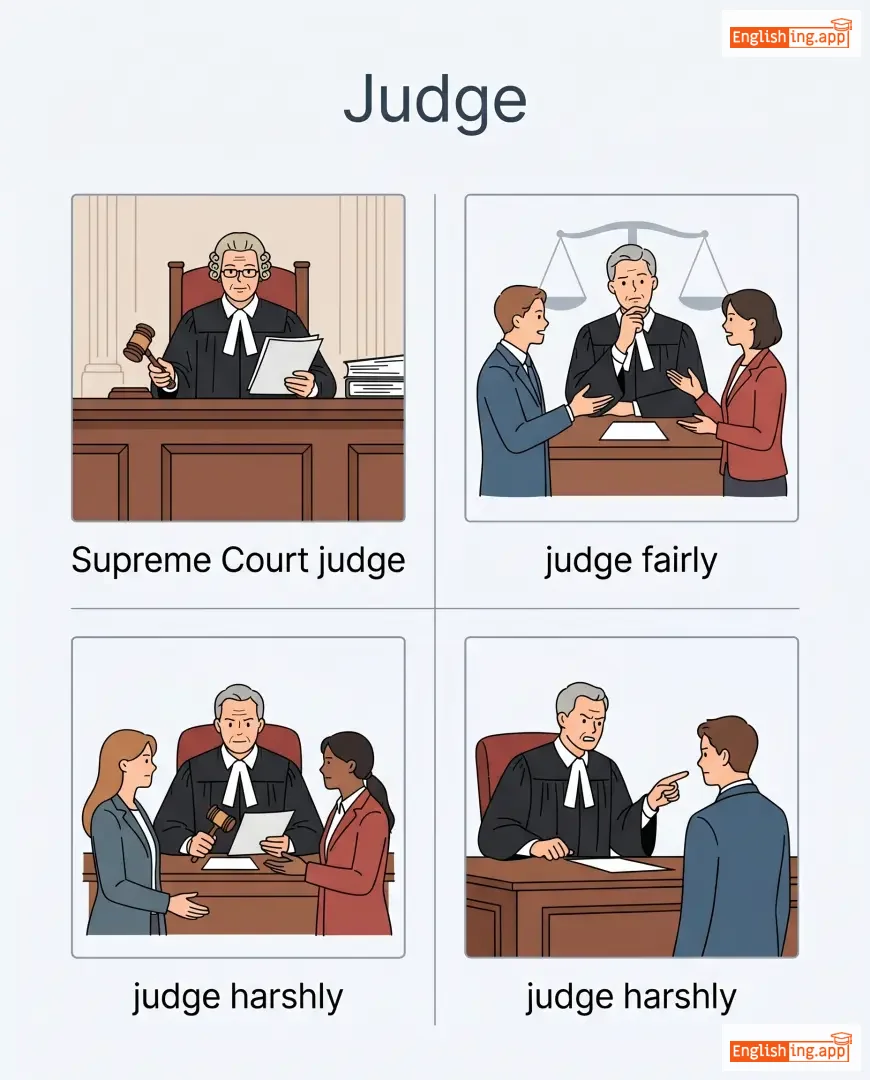
Supreme Court judge, judge fairly, judge harshly, judge wisely
••••••
|
Judgeは裁判官、外見で判断しないで。
••••••
|
|
⚖️
••••••
|
/ˈliːɡəl/
adjective
(リーガル)
••••••
|

|
法的
hōteki
••••••
|
- •••••• | - •••••• | - •••••• | - •••••• |
relating to the law
••••••
|
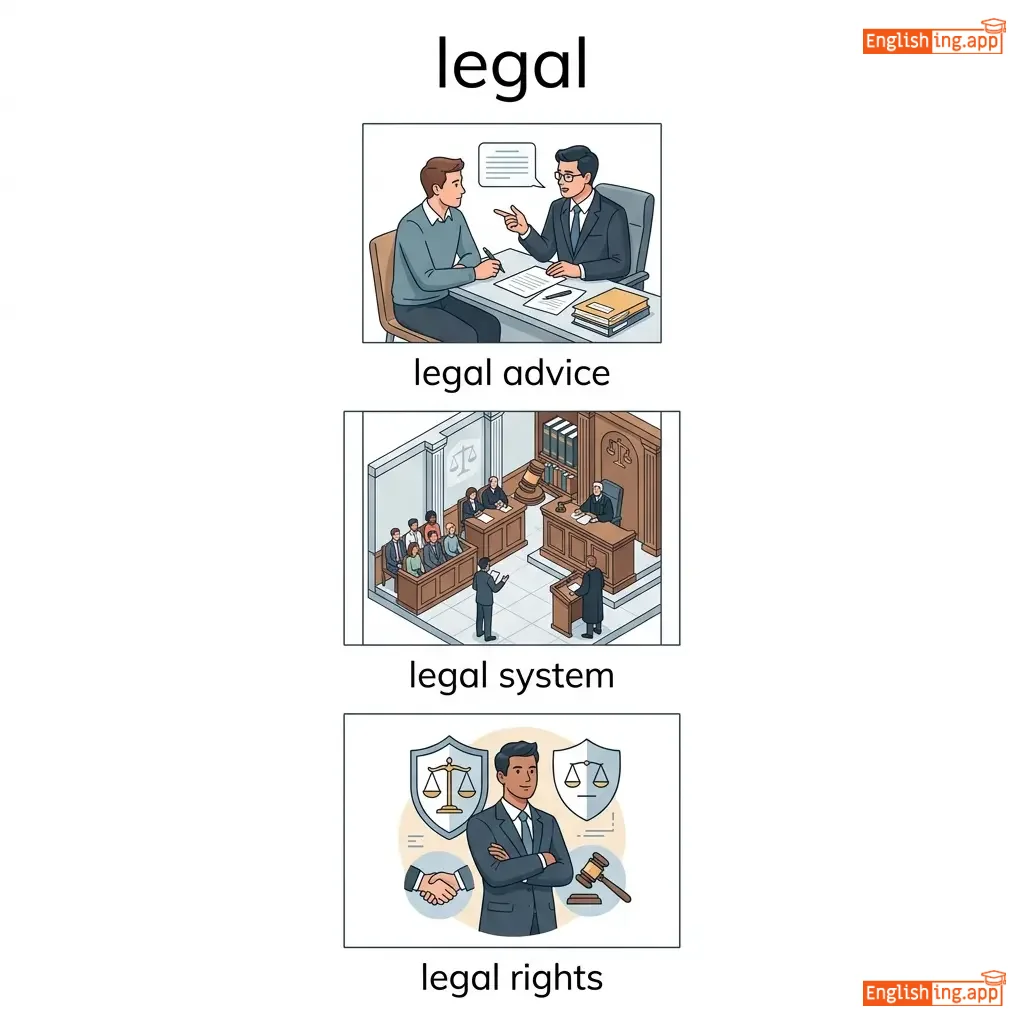
He sought legal advice before signing the contract.
彼は契約書に署名する前に法的アドバイスを求めました。
••••••
|
彼は契約書に署名する前に法的アドバイスを求めました。
Kare wa keiyaku-sho ni shomei suru mae ni hōteki adobaisu o motomemashita.
••••••
|
legal loophole
法的抜け穴
••••••
|
a gap or ambiguity in the law that allows someone to avoid following it
••••••
|
法的抜け穴
hōteki nukeana
••••••
|
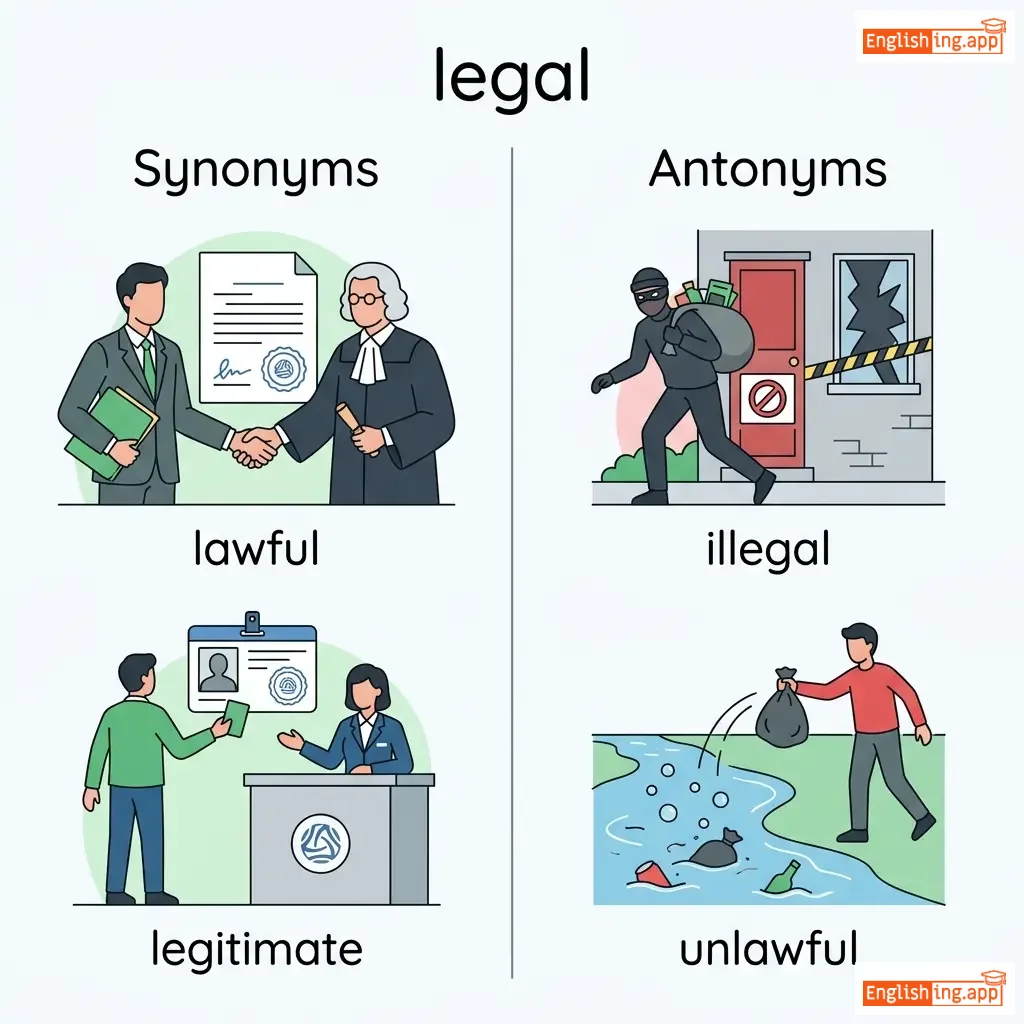
lawful, legitimate, valid, authorized
••••••
|
illegal, unlawful, illicit
••••••
|
legal advice, legal system, legal rights, legal action
••••••
|
Legalは法的であり、法的な文書は有効です。
••••••
|
|
🍀
••••••
|
/ˈlʌki/
adjective
(ラッキー)
••••••
|
- •••••• |
運が良い
un ga yoi
••••••
|
- •••••• | - •••••• | - •••••• | - •••••• |
having good fortune or favorable circumstances
••••••
|
She felt lucky to have such supportive friends. |
彼女はそのような支えてくれる友達がいてラッキーだと感じていた。
Kanojo wa sonoyouna sasaete kureru tomodachi ga ite rakkii da to kanjite ita.
••••••
|
lucky break |
an unexpected opportunity or good fortune
••••••
|
運命の一発
unmei no ippatsu
••••••
|
fortunate, blessed, favored, charmed
••••••
|
unlucky, unfortunate
••••••
|
lucky chance, lucky day, lucky number, lucky star
••••••
|
Luckyは運が良いという意味 — 運が良ければ、人生はうまくいく
••••••
|
|
🏅
••••••
|
/ˈmɛrɪt/
noun/verb
(メリット)
••••••
|
- •••••• |
メリット
meritto
••••••
|
merited
メリットされた
••••••
|
merited
メリットされた
••••••
|
merits
メリットする
••••••
|
meriting
メリットしている
••••••
|
A quality or feature that deserves praise or reward; to deserve or be worthy of.
••••••
|
The plan has the merit of being simple and practical.
この計画のメリットはシンプルで実用的であることです。
••••••
|
この計画のメリットはシンプルで実用的であることです。
Kono keikaku no meritto wa shinpuru de jitsuyō-teki de aru koto desu.
••••••
|
on its own merits
自分のメリットに基づいて
••••••
|
Judged based on its own qualities without bias.
••••••
|
自分のメリットに基づいて
jibun no meritto ni motozuite
••••••
|
value, worth, virtue, advantage, credit
••••••
|
fault, defect, demerit
••••••
|
academic merit, merit system, merit scholarship, without merit
••••••
|
Meritは価値のある特性、リストに載るようなものです。
••••••
|
|
📖
••••••
|
/ˈmɔːrəl/
adjective, noun
(モラル)
••••••
|
- •••••• |
道徳
dōtoku
••••••
|
- •••••• | - •••••• | - •••••• | - •••••• |
Adjective: concerned with principles of right and wrong. Noun: a lesson about right and wrong from a story or experience.
••••••
|
The moral of the story is that honesty is the best policy. |
物語の教訓は、正直が最良の政策であることです。
Monogatari no kyōkun wa, shōjiki ga sairyō no seisaku de aru koto desu.
••••••
|
moral of the story |
The lesson that can be learned from an event or tale.
••••••
|
物語の教訓
Monogatari no kyōkun
••••••
|
ethical, virtuous, lesson, righteous
••••••
|
immoral, unethical
••••••
|
moral values, moral lesson, moral obligation
••••••
|
Moralは道徳的な教訓を意味します - 物語の中の教訓のように。
••••••
|

