Vocabularios

Descubra, aprenda y domine el vocabulario en inglés

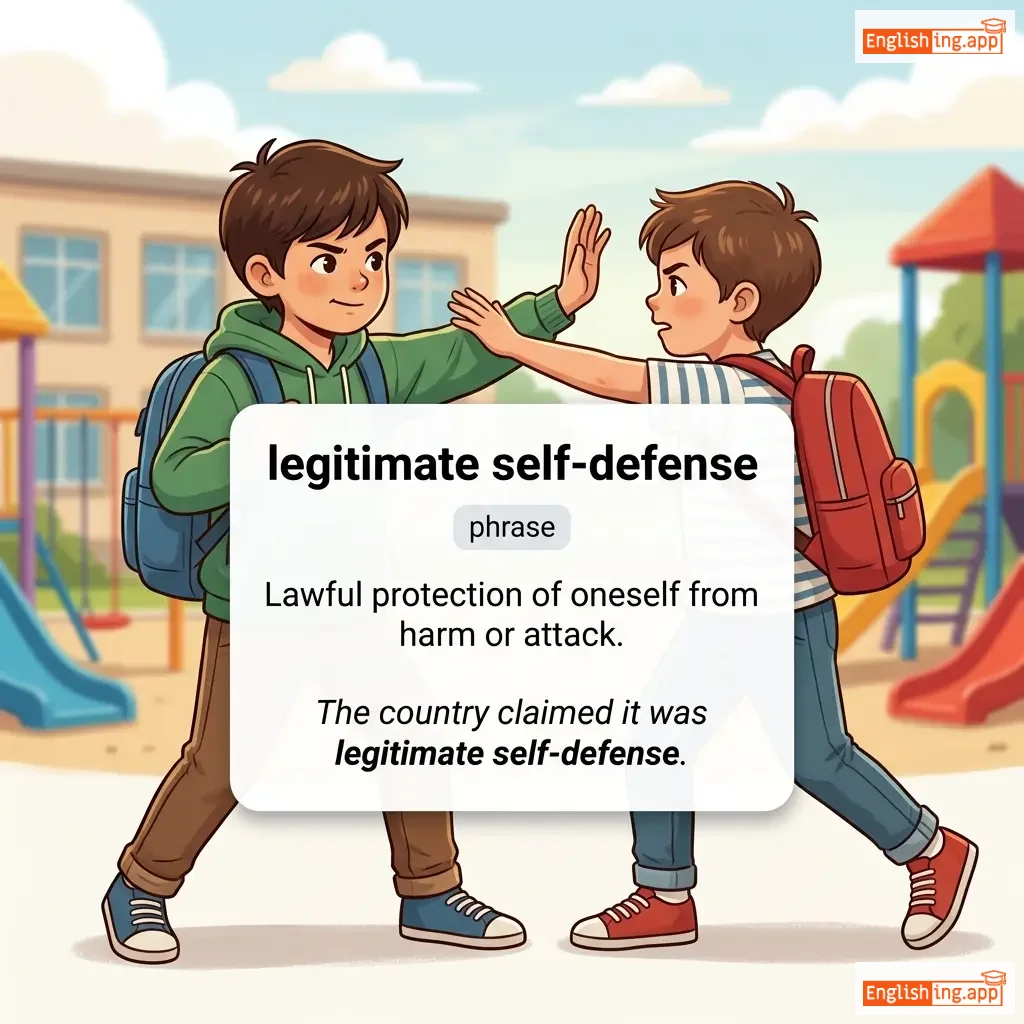
legitimate self-defense definition card — visual illustration of the meaning
phrase
lɪˈdʒɪt.ɪ.mət sɛlf dɪˈfens
defensa legítima (defensa legitima)

Lawful protection of oneself from harm or attack.

"The country claimed it was legitimate self-defense."

"El país afirmó que era defensa legítima." (El pais afirmo que era defensa legitima.)
noun
/ˈliːʒər/ or /ˈlɛʒər/
ocio (ocio)

Free time when one is not working or occupied; time for relaxation.

"She spends her leisure reading novels."

"Ella pasa su ocio leyendo novelas." (Ella pasa su ocio leyendo novelas.)
noun
/ˈlɛmən/
limón (limon)

a yellow citrus fruit with a sour taste

"She added lemon to the tea for extra flavor."

"Ella añadió limón al té para darle más sabor." (Ella anadio limon al te para darle mas sabor.)
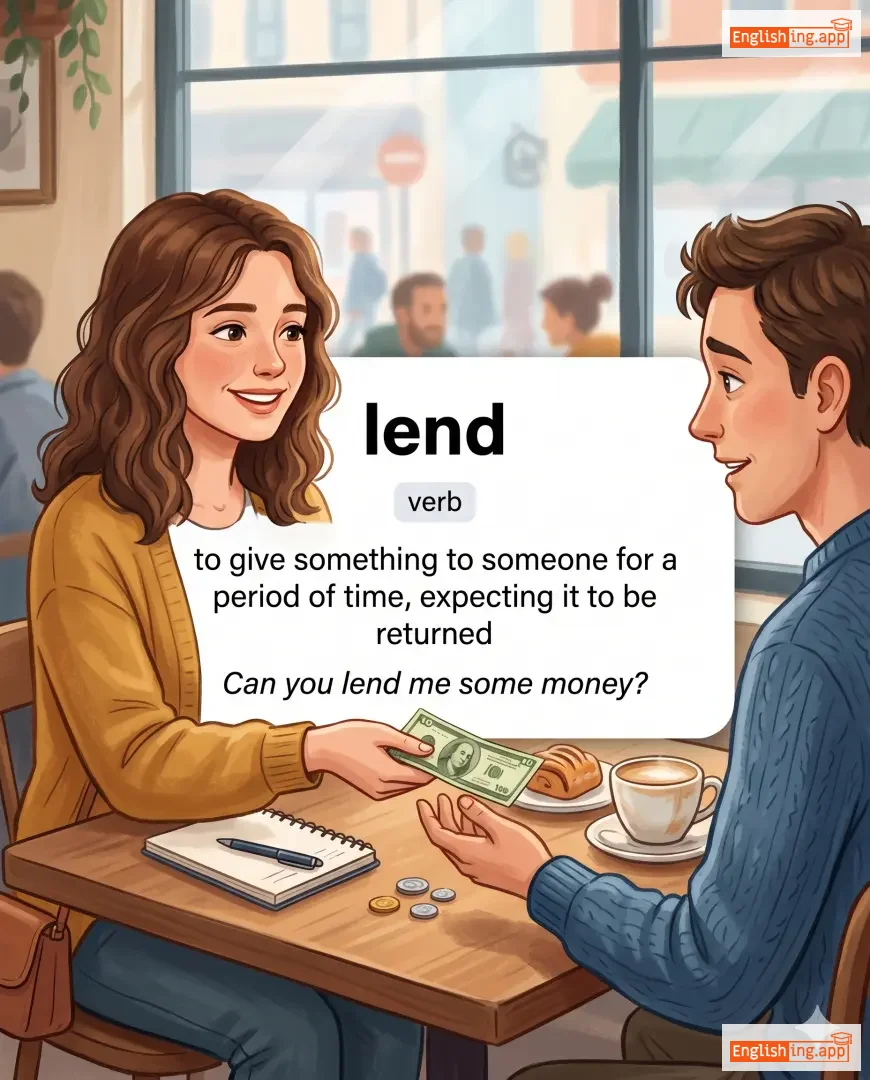
lend definition card — visual illustration of the meaning
verb
/lend/
felicidad (felicidad)

to give something to someone for a period of time, expecting it to be returned

"Can you lend me some money?"

"¿Puedes prestarme algo de dinero?" (¿Puedes prestarme algo de dinero?)
noun
/lɛŋkθ/
longitud (longitud)

The measurement or extent of something from end to end.

"The length of the bridge is two kilometers."

"La longitud del puente es de dos kilómetros." (La longitud del puente es de dos kilometros.)
adverb
/ˈleŋθ.waɪz/
a lo largo; en la dirección más larga (a lo largo; en la direccion mas larga)

in the direction of the length; along the longest dimension

"Fold the paper lengthwise to make it easier to carry."

"Dobla el papel a lo largo para que sea más fácil de llevar." (Dobla el papel a lo largo para que sea mas facil de llevar.)
adjective
/ˈlɛŋθi/
largo (largo)

long in duration or extent

"The meeting was lengthy, lasting over three hours."

"La reunión fue larga, duró más de tres horas." (La reunion fue larga, duro mas de tres horas.)
noun
/ˈliːniənsi/
lenidad (lenidad)

The quality of being more merciful or tolerant than expected.

"The judge showed leniency in his ruling."

"El juez mostró lenidad en su fallo." (El juez mostró lenidad en su fallo.)
adjective
/ˈliːniənt/
tolerante (tolerante)

Permissive, merciful, or tolerant.

"Her parents are lenient with her curfew."

"Sus padres son tolerantes con su hora de llegada." (Sus padres son tolerantes con su hora de llegada.)
noun
/lenz/
lente (lente)

a curved piece of glass or plastic that makes things look clearer or larger when you look through it

"He cleaned the camera lens before taking the picture."

"Él limpió la lente de la cámara antes de tomar la foto." (Él limpió la lente de la cámara antes de tomar la foto.)
noun
/ˈlen.tɪl/
lenteja (lenteja)

a small round flat seed of a leguminous plant, used as food

"Lentils are a good source of protein for vegetarians."

"Las lentejas son una buena fuente de proteína para los vegetarianos." (Las lentejas son una buena fuente de proteina para los vegetarianos)
adjective
/ˈliːənaɪn/
leonino (leonino)

Of or resembling a lion.

"His leonine hair made him stand out in the crowd."

"Su cabello leonino lo hacía destacar entre la multitud." (Su cabello leonino lo hacia destacar entre la multitud.)
noun
/ˈlep.ərd/
leopardo (leopardo)

a large wild cat with yellow fur and black spots

"The leopard climbed the tree to rest in the shade."

"El leopardo subió al árbol para descansar en la sombra." (El leopardo subió al árbol para descansar en la sombra.)
noun/adjective
/ˈlɛzbiən/
lesbiana (lesbiana)

a woman who is romantically or sexually attracted to other women

"She is a proud lesbian and advocates for equal rights."

"Ella es una lesbiana orgullosa y aboga por los derechos iguales." (Ella es una lesbiana orgullosa y aboga por los derechos iguales.)
noun
/ˈliːʒən/
lesión (lesion)

An area of damage or abnormal change in the tissue of an organism, often caused by injury or disease.

"The doctor examined the skin lesion carefully."

"El doctor examinó cuidadosamente la lesión en la piel." (El doctor examino cuidadosamente la lesion en la piel.)
adjective/adverb
/lɛs/
menos (menos)

A smaller amount; not as much.

"She spends less money than her brother."

"Ella gasta menos dinero que su hermano." (Ella gasta menos dinero que su hermano.)
adjective
/ˈlɛsər/
menos importante (menos importante)

of lower importance or smaller in degree or amount

"The lesser known facts about the topic were fascinating."

"Los hechos menos conocidos sobre el tema eran fascinantes." (Los hechos menos conocidos sobre el tema eran fascinantes.)
noun
/ˈlɛsən/
lección (leccion)

A unit of teaching or something learned through experience.

"The teacher explained the lesson clearly."

"El maestro explicó la lección claramente." (El maestro explico la leccion claramente.)
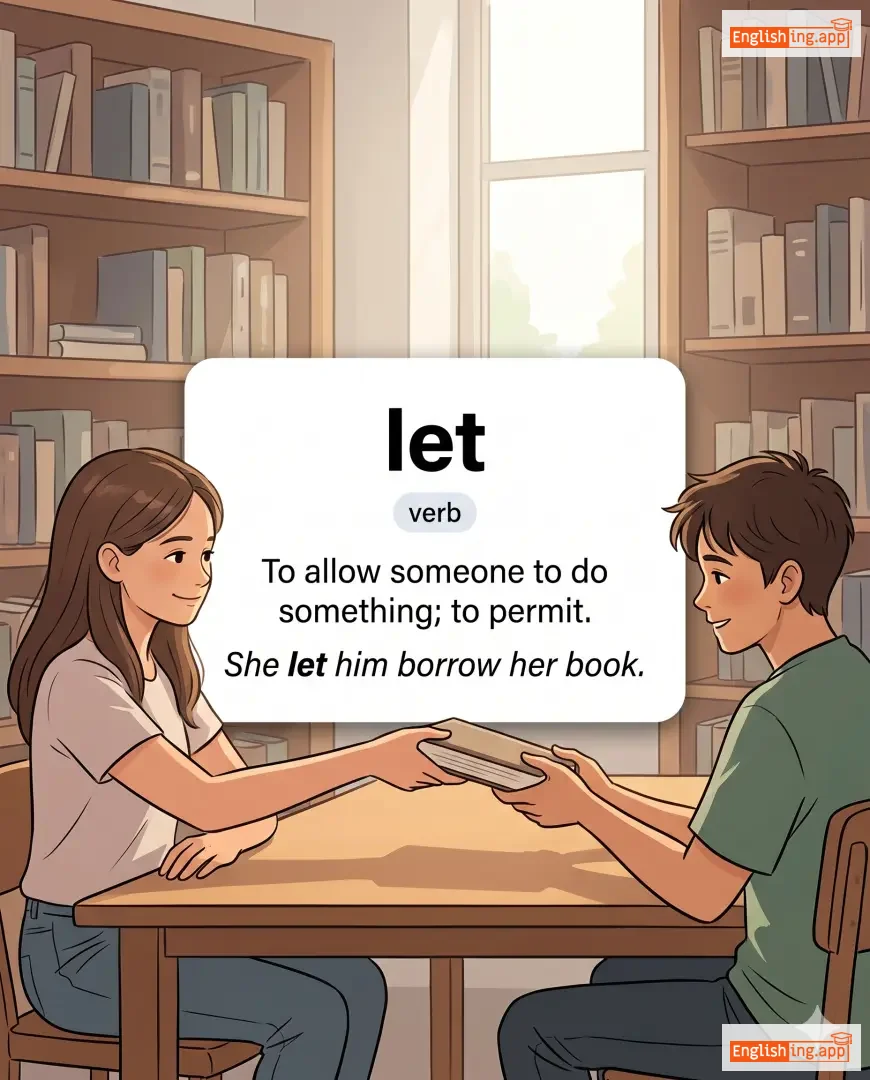
let definition card — visual illustration of the meaning
verb
/lɛt/
dejar (dejar)

To allow someone to do something; to permit.

"She let him borrow her book."

"Ella le dejó tomar prestado su libro." (Ella le dejo tomar prestado su libro.)
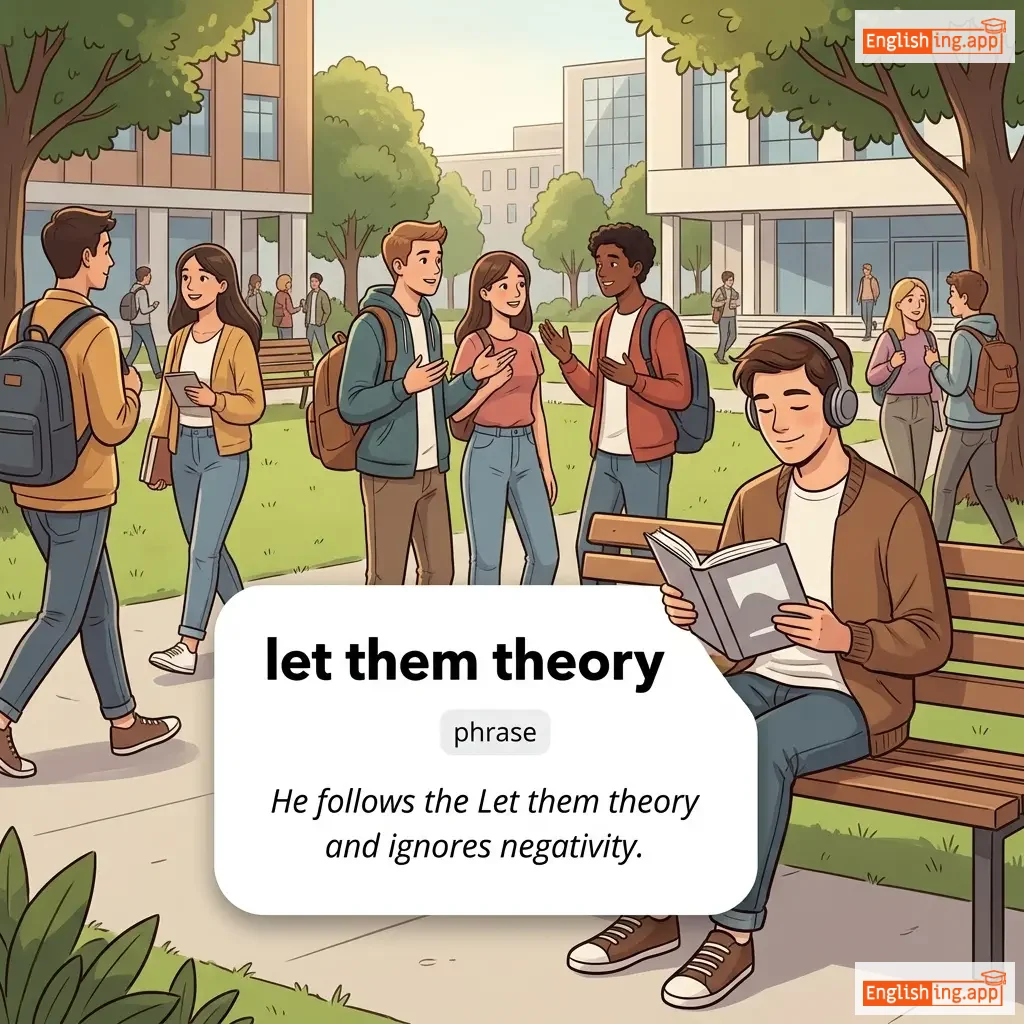
let them theory definition card — visual illustration of the meaning
phrase
/lɛt ðɛm ˈθɪə.ri/
teoría de dejar que otros piensen lo que quieran (teoria de dejar que otros piensen lo que quieran)

A philosophy of not trying to control others' actions or opinions and allowing them to be themselves.

"He follows the Let them theory and ignores negativity."

"Él sigue la teoría de 'dejar que ellos' y ignora la negatividad." (El sigue la teoria de 'dejar que ellos' y ignora la negatividad.)
adjective
/ˈliːθəl/
letal (letal)

Able to cause death; deadly.

"The snake's venom is extremely lethal."

"El veneno de la serpiente es extremadamente letal." (El veneno de la serpiente es extremadamente letal.)
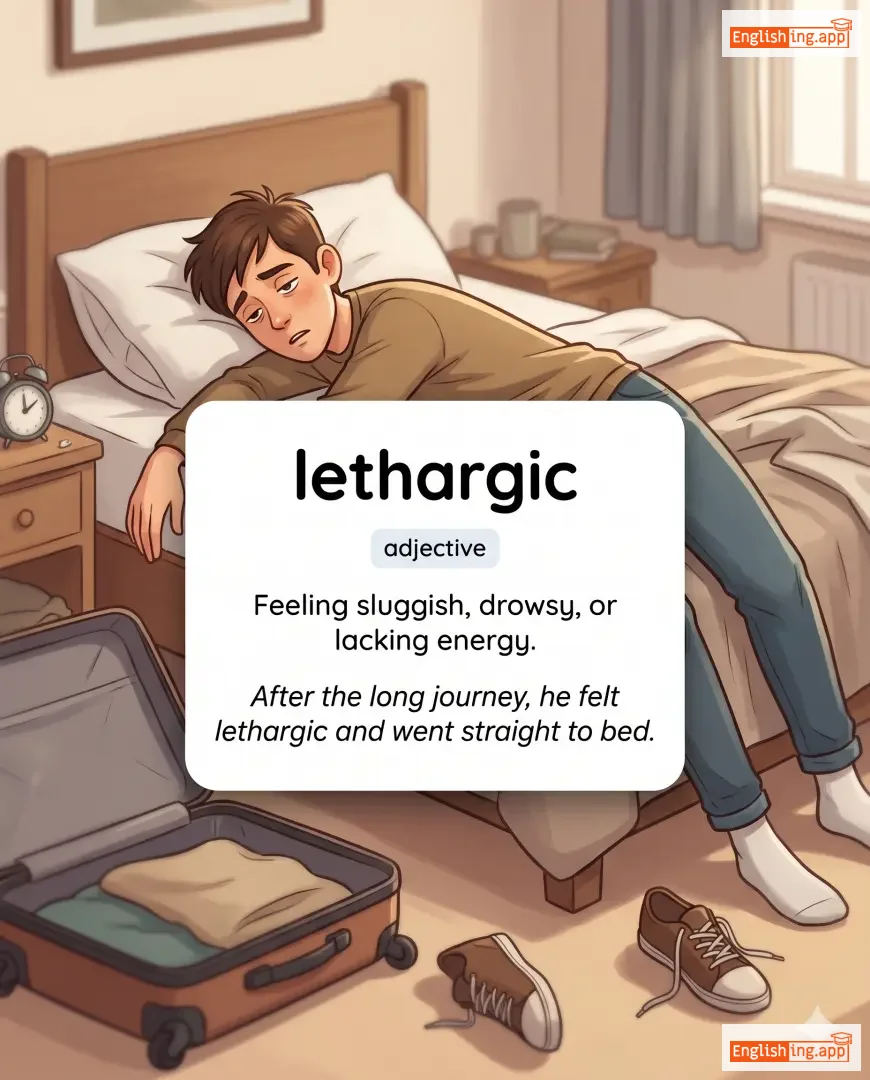
lethargic definition card — visual illustration of the meaning
adjective
/ləˈθɑːrdʒɪk/
letárgico (letargico)

Feeling sluggish, drowsy, or lacking energy.

"After the long journey, he felt lethargic and went straight to bed."

"Después del largo viaje, se sintió letárgico y se fue directo a la cama." (Despuès del largo viaje, se sintió letárgico y se fue directo a la cama.)
noun
/ˈleθərdʒi/
letargo (letargo)

A state of tiredness, lack of energy, or drowsiness.

"The hot weather caused a feeling of lethargy among the workers."

"El clima caluroso causó una sensación de letargo entre los trabajadores." (El clima caluroso causó una sensación de letargo entre los trabajadores.)
noun
/ˈlɛtər/
carta (carta)

A written or printed message sent to someone.

"He wrote a letter to his friend."

"Él escribió una carta a su amigo." (Él escribió una carta a su amigo.)
noun
/ˈlɛtɪs/
lechuga (lechuga)

a leafy green vegetable commonly used in salads and sandwiches

"She added fresh lettuce to the sandwich."

"Ella añadió lechuga fresca al sándwich." (ella anadio lechuga fresca al sandwich)
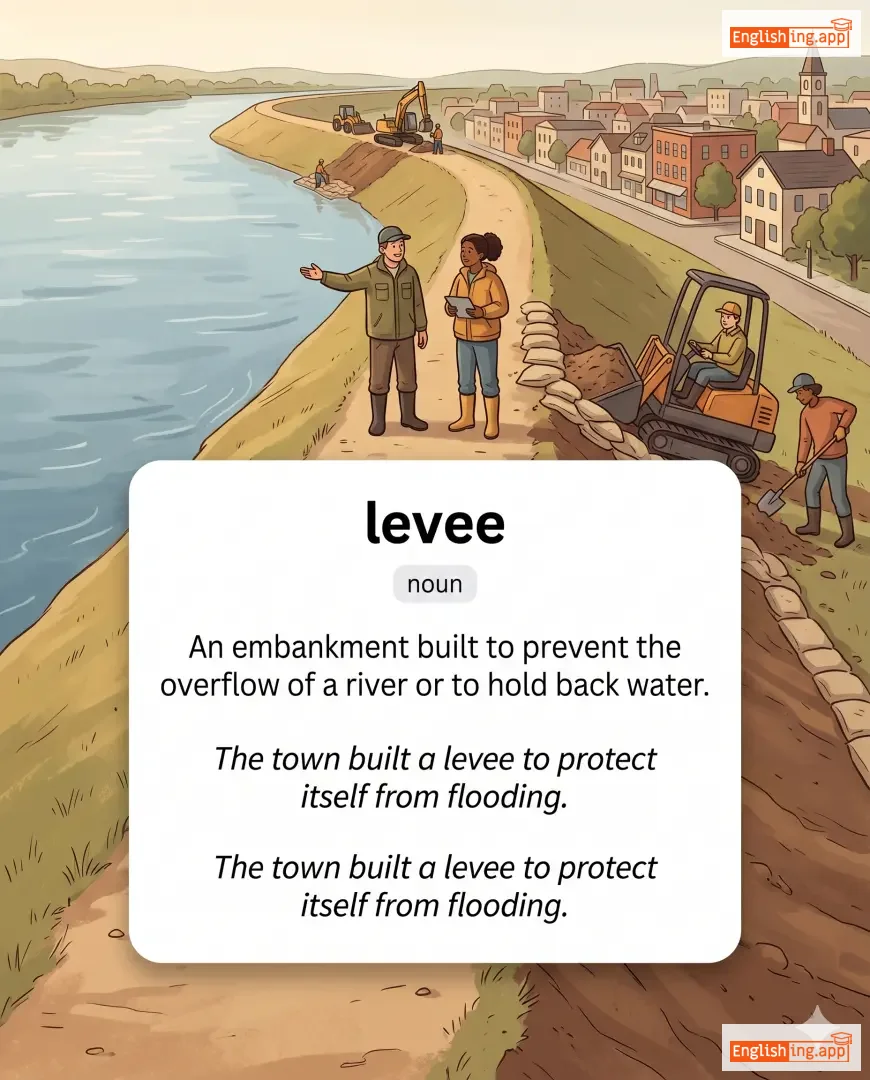
levee definition card — visual illustration of the meaning
noun
/ˈlɛvi/
dique (dike)

An embankment built to prevent the overflow of a river or to hold back water.

"The town built a levee to protect itself from flooding."

"La ciudad construyó un dique para protegerse de las inundaciones." (La ciudad construyó un dike para protegerse de las inundaciones.)
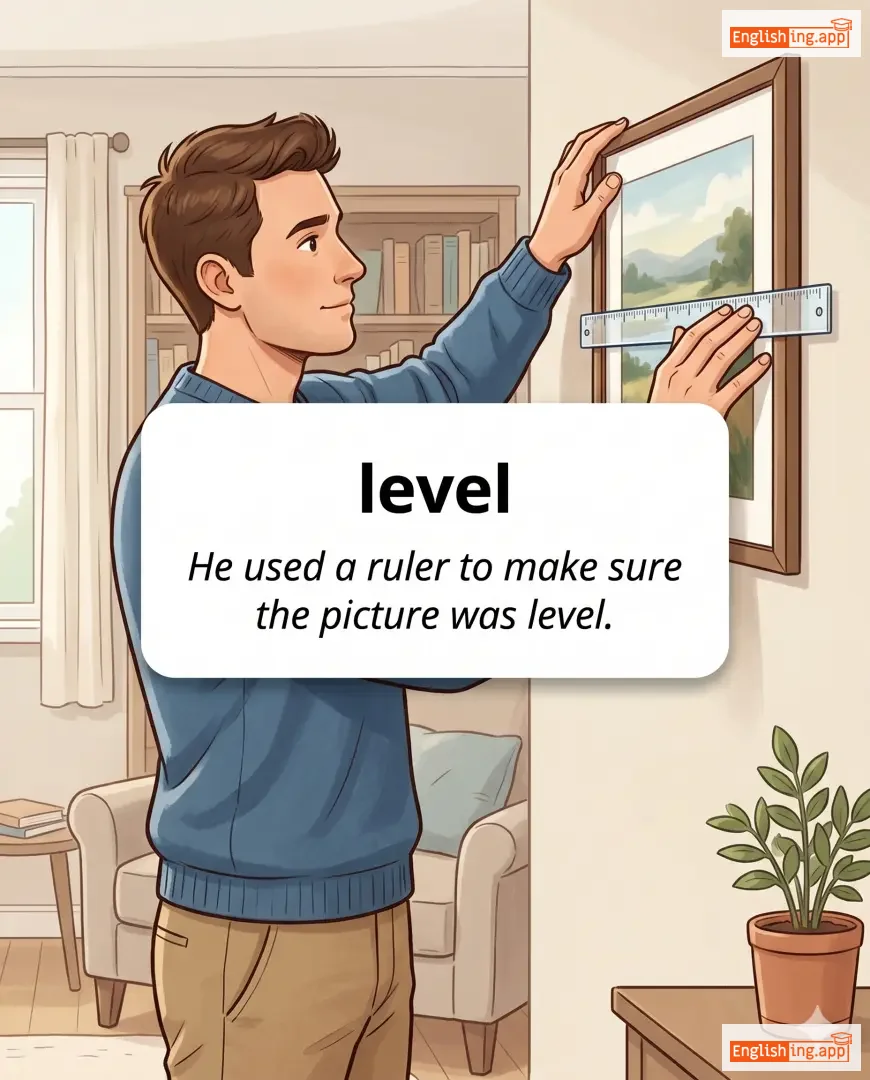
level definition card — visual illustration of the meaning
noun, verb, adjective
/ˈlɛvəl/
nivel, etapa (nivel, etapa)

a flat or even surface; a stage in scale or rank; to make something flat or equal.

"He used a ruler to make sure the picture was level."

"Él usó una regla para asegurarse de que la imagen estuviera nivelada." (El uso una regla para asegurarse de que la imagen estuviera nivelada.)
adjective
/ˌlɛvəlˈhɛdɪd/
calmado y sensato (calmado y sensato)

calm and sensible; showing good judgment.

"She remained levelheaded during the crisis."

"Ella permaneció calmada durante la crisis." (Ella permaneció calmada durante la crisis.)
noun, verb
/ˈliːvər/ or /ˈlɛvər/
palanca, barra rígida (palanca, barra rigida)

a rigid bar used to move or lift heavy objects; to move something using leverage.

"He used a lever to lift the heavy stone."

"Él usó una palanca para levantar la piedra pesada." (El uso una palanca para levantar la piedra pesada.)
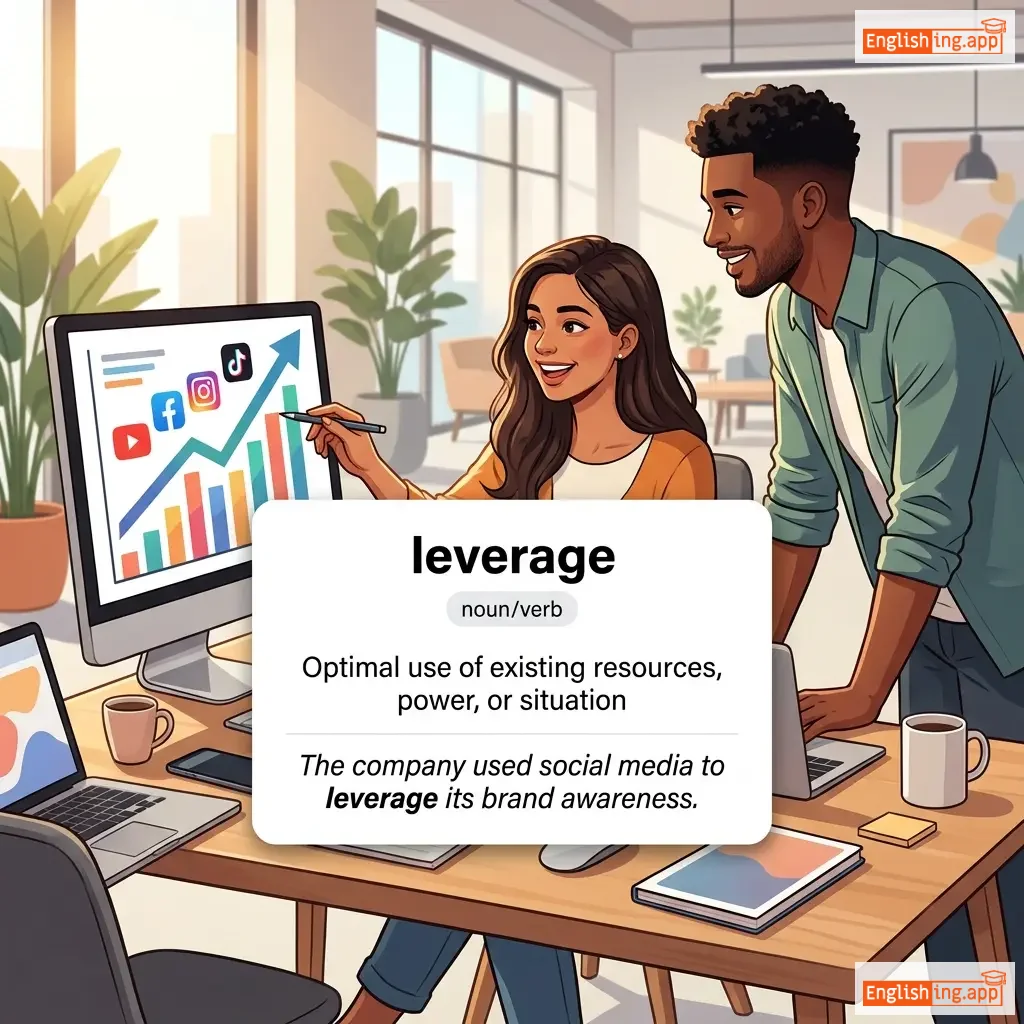
leverage definition card — visual illustration of the meaning
noun/verb
/ˈlɛv.ər.ɪdʒ/
aprovechar (aprovechar)

Optimal use of existing resources, power, or situation

"The company used social media to leverage its brand awareness."

"La empresa utilizó las redes sociales para aprovechar su conocimiento de marca." (La empresa utilizo las redes sociales para aprovechar su conocimiento de marca.)
noun
/lɪˈvaɪəθən/
monstruo marino gigante (monstruo marino gigante)

a huge sea monster or something very large and powerful.

"The ship looked like a leviathan on the horizon."

"El barco se veía como un monstruo marino gigante en el horizonte." (El barco se veía como un monstruo marino gigante en el horizonte.)
verb
/ˈlɛvɪteɪt/
levitar (levitar)

to rise or float in the air, usually without visible support.

"The magician made the table levitate during the show."

"El mago hizo levitar la mesa durante el espectáculo." (El mago hizo levitar la mesa durante el espectáculo.)
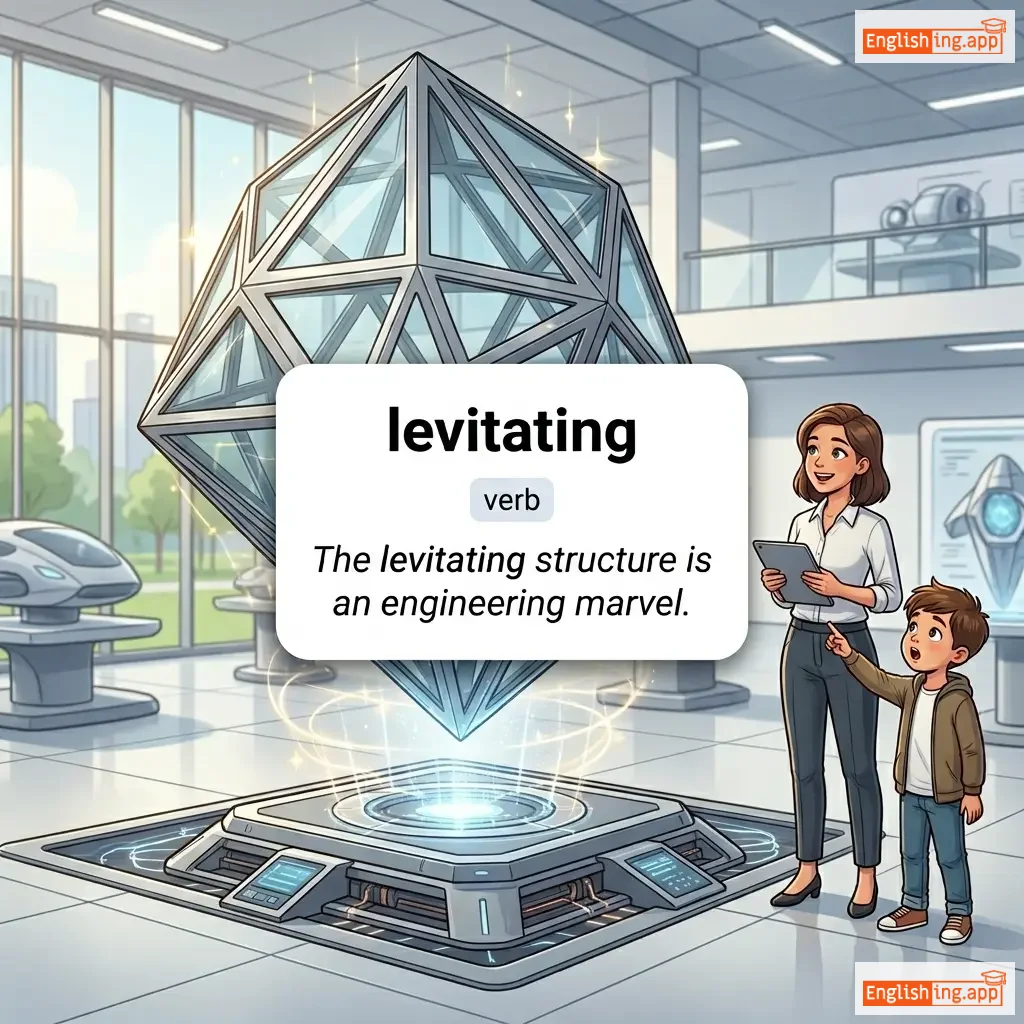
levitating definition card — visual illustration of the meaning
verb
ˈlev.ɪ.teɪ.tɪŋ
levitante (levitante)

Rising and hovering in the air, especially as a result of supernatural or magical power.

"The levitating structure is an engineering marvel."

"La estructura levitante es una maravilla de la ingeniería." (La estructura levitante es una maravilla de la ingeniería.)
Levity definition card — visual illustration of the meaning
noun
/ˈlɛvɪti/
ligereza, falta de seriedad (ligereza, falta de seriedad)

Lightness of manner or speech, especially when inappropriate; lack of seriousness.

"His attempt to bring levity to the tense meeting was appreciated."

"Su intento de traer ligereza a la tensa reunión fue apreciado." (Su intento de traer ligereza a la tensa reunión fue apreciado.)
verb
/ˈlɛvi/
imponer (imponer)

To impose or collect, especially a tax or fine.

"The government decided to levy a new tax on luxury goods."

"El gobierno decidió imponer un nuevo impuesto sobre los productos de lujo." (El gobierno decidió imponer un nuevo impuesto sobre los productos de lujo.)
adjective
/luːd/
obsceno (obsceno)

Sexually offensive, obscene, or vulgar.

"He was arrested for making lewd remarks in public."

"Fue arrestado por hacer comentarios obscenos en público." (Fue arrestado por hacer comentarios obscenos en público.)
noun
/ˌlɛksɪˈkɒɡrəfər/
lexicógrafo (lexicografo)

A person who compiles, writes, or edits dictionaries.

"The lexicographer spent years compiling the dictionary."

"El lexicógrafo pasó años recopilando el diccionario." (El lexicografo paso anos recopilando el diccionario.)
noun
/ˌlɛksɪˈkɒɡrəfi/
lexicografía (lexicografia)

The art or practice of compiling dictionaries.

"Lexicography requires both linguistic and cultural knowledge."

"La lexicografía requiere tanto conocimiento lingüístico como cultural." (La lexicografia requiere tanto conocimiento linguistico como cultural.)
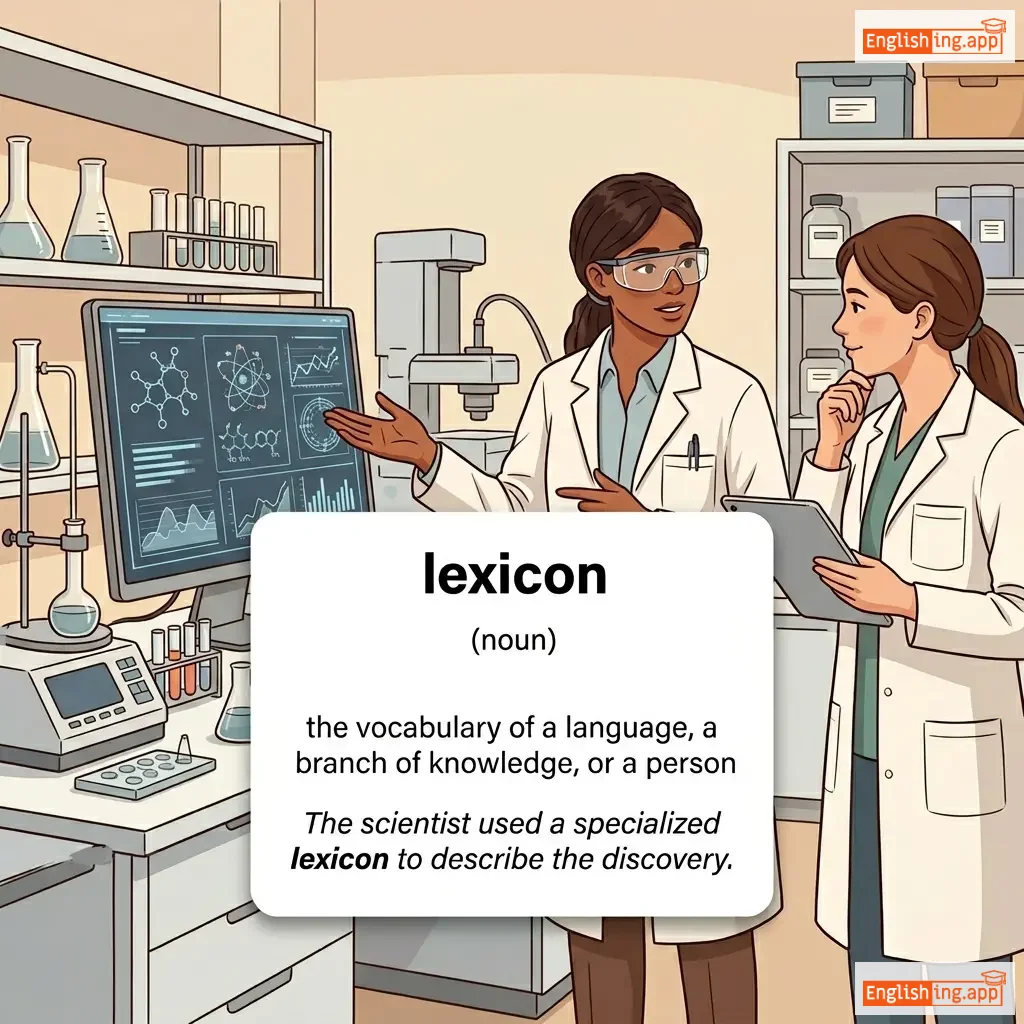
lexicon definition card — visual illustration of the meaning
noun
/ˈlɛksɪkən/
léxico (lexico)

the vocabulary of a language, a branch of knowledge, or a person

"The scientist used a specialized lexicon to describe the discovery."

"El científico usó un léxico especializado para describir el descubrimiento." (El científico usó un léxico especializado para describir el descubrimiento.)
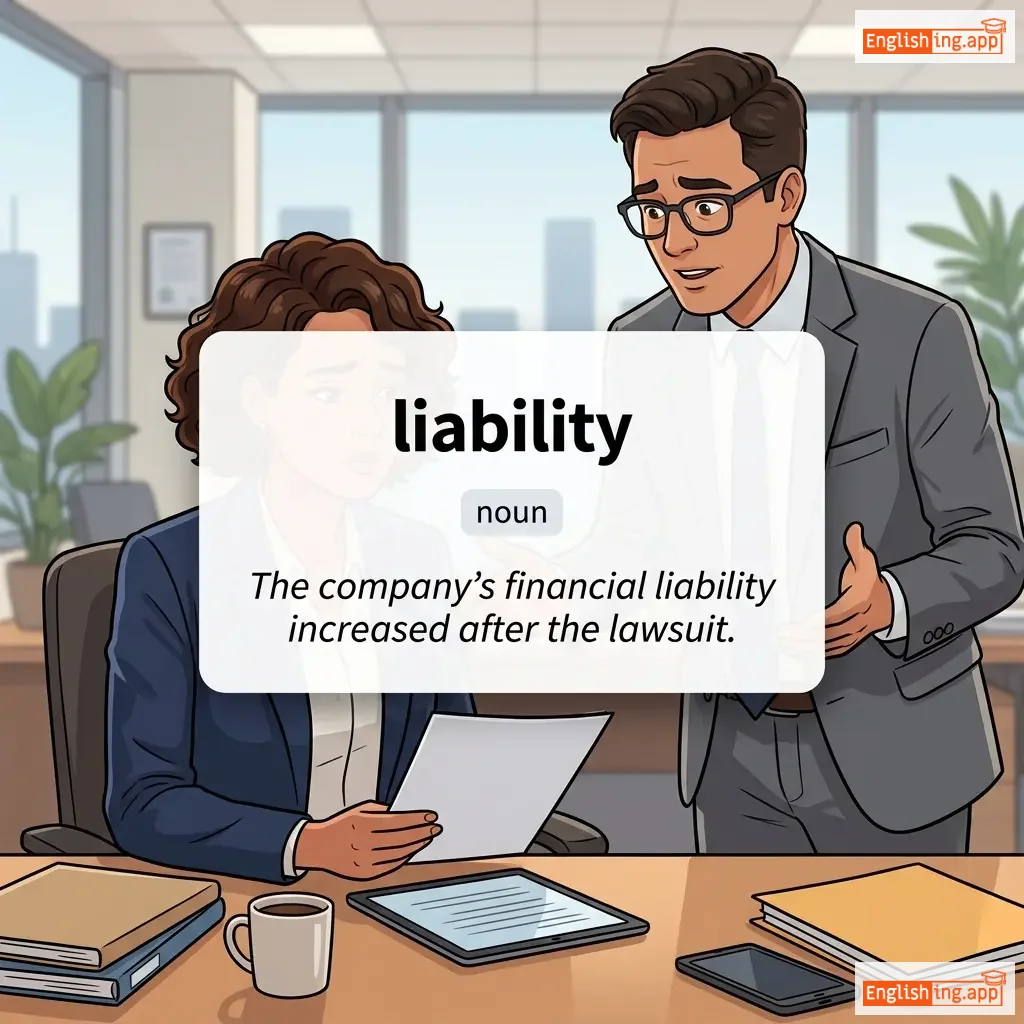
liability definition card — visual illustration of the meaning
noun
/ˌlaɪəˈbɪləti/
responsabilidad (responsabilidad)

the state of being legally responsible for something; something that acts as a disadvantage

"The company’s financial liability increased after the lawsuit."

"La responsabilidad financiera de la empresa aumentó después de la demanda." (La responsabilidad financiera de la empresa aumentó después de la demanda.)
adjective
/ˈlaɪəbl/
responsable (responsable)

legally responsible or likely to be affected by something

"He is liable to pay damages for the accident."

"Él es responsable de pagar los daños por el accidente." (El es responsable de pagar los danos por el accidente.)
noun
/liˈeɪzɒn/
enlace (enlace)

communication or cooperation between people or groups for a smooth working relationship

"She works as a liaison between the company and its clients."

"Ella trabaja como un enlace entre la empresa y sus clientes." (Ella trabaja como un enlace entre la empresa y sus clientes.)
noun
/ˈlaɪ.ər/
mentiroso (mentiroso)

a person who tells lies; someone who does not tell the truth

"Nobody trusts him because he is a liar."

"Nadie le cree porque él es un mentiroso." (Nadie le cree porque él es un mentiroso.)
noun
/ˈlaɪbəl/
difamación (difamacion)

a published false statement that damages a person's reputation

"The newspaper was sued for libel after publishing false claims."

"El periódico fue demandado por difamación después de publicar falsas afirmaciones." (El periodico fue demandado por difamacion despues de publicar falsas afirmaciones.)
adjective
/ˈlaɪbələs/
calumnioso (calumnioso)

containing or constituting a false published statement that damages a person's reputation

"The article was found to be libelous and had to be retracted."

"El artículo fue considerado calumnioso y tuvo que ser retractado." (El articulo fue considerado calumnioso y tuvo que ser retractado)
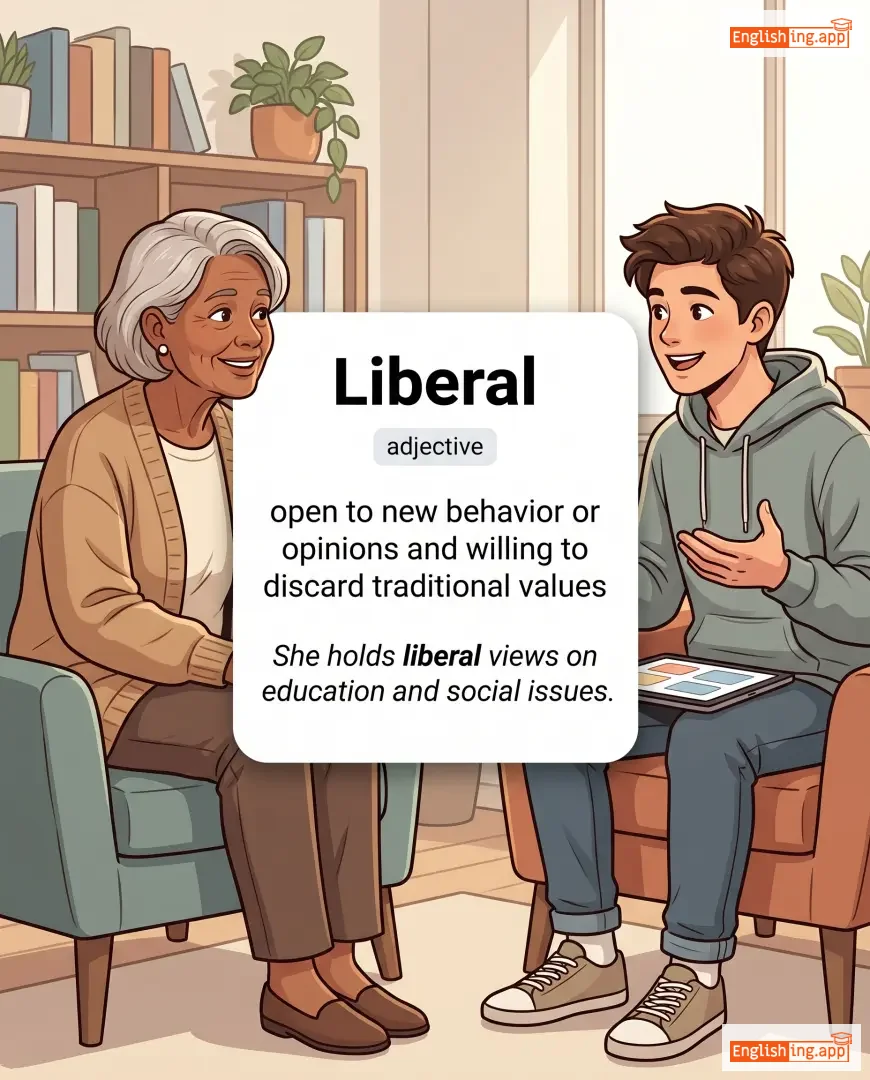
Liberal definition card — visual illustration of the meaning
adjective
/ˈlɪbərəl/
liberal (liberal)

open to new behavior or opinions and willing to discard traditional values

"She holds liberal views on education and social issues."

"Ella tiene puntos de vista liberales sobre la educación y los problemas sociales." (Ella tiene puntos de vista liberales sobre la educación y los problemas sociales.)
noun
/ˈlɪbərəlɪzəm/
liberalismo (liberalismo)

a political and social philosophy advocating individual freedoms, democracy, and equality

"Liberalism emphasizes freedom of speech and human rights."

"El liberalismo enfatiza la libertad de expresión y los derechos humanos." (El liberalismo enfatiza la libertad de expresion y los derechos humanos.)
noun
/ˈlɪbərəlɪst/
liberalista (liberalista)

a person who supports liberal ideas and principles

"He is a well-known liberalist advocating human rights."

"Él es un conocido liberalista que aboga por los derechos humanos." (El es un conocido liberalista que aboga por los derechos humanos.)
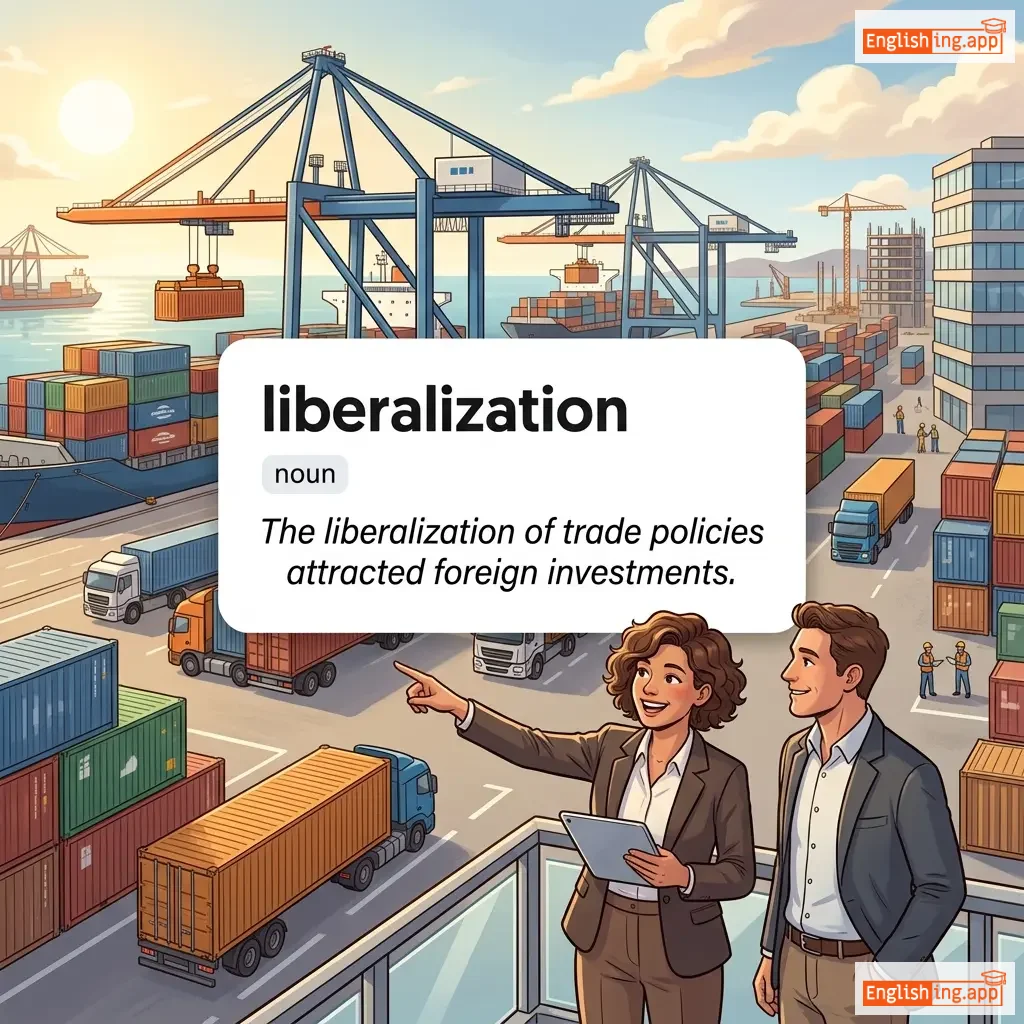
liberalization definition card — visual illustration of the meaning
noun
ˌlɪb.ər.ə.laɪˈzeɪ.ʃən
liberalización (liberalizacion)

The removal or loosening of restrictions on something, typically an economic or political system.

"The liberalization of trade policies attracted foreign investments."

"La liberalización de las políticas comerciales atrajo inversiones extranjeras." (La liberalizacion de las politicas comerciales atrajo inversiones extranjeras.)
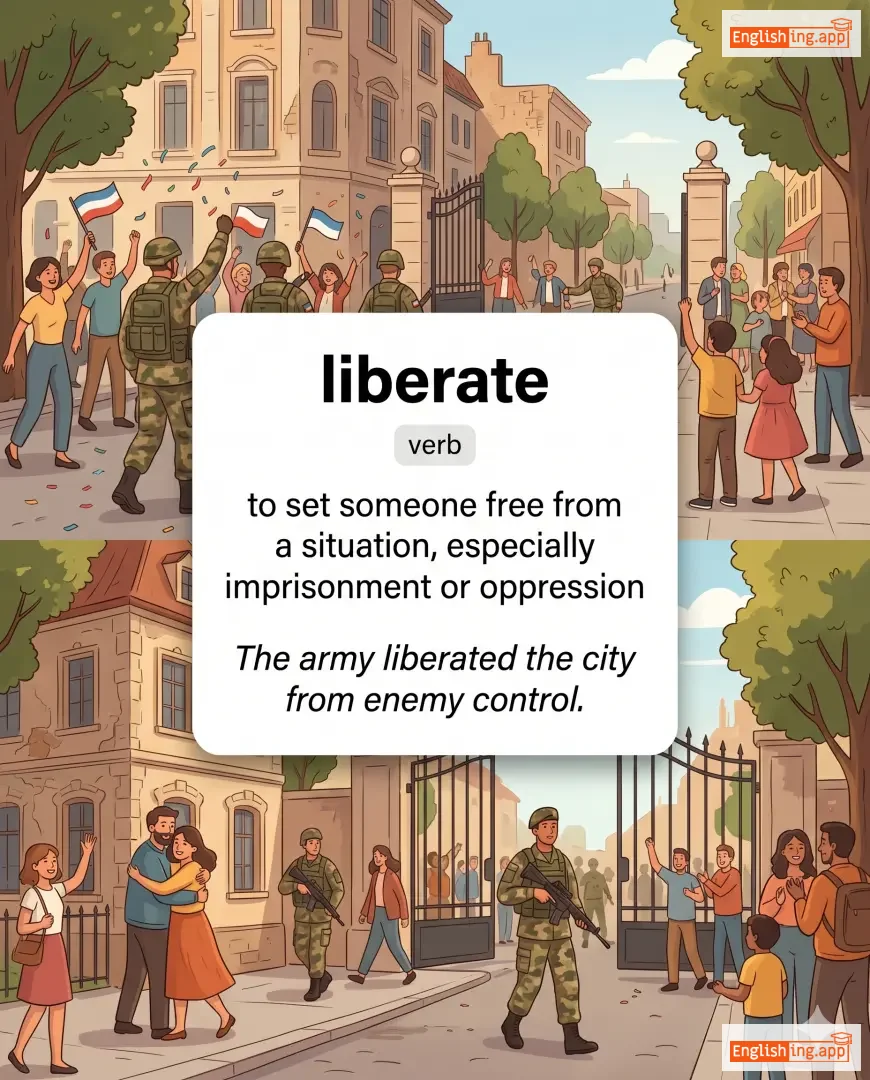
liberate definition card — visual illustration of the meaning
verb
/ˈlɪbəreɪt/
liberar (liberar)

to set someone free from a situation, especially imprisonment or oppression

"The army liberated the city from enemy control."

"El ejército liberó la ciudad del control enemigo." (El ejercito libero la ciudad del control enemigo.)