|
絵文字
|
単語 | Images | 翻訳 | 過去 | 過去分詞 | 三人称単数 | 動名詞 | 意味 | 例文 | 例文の翻訳 | 表現例 | 表現例の意味 | 表現例の翻訳 | 同義語 | 対義語 | コロケーション | ニーモニック |
|---|---|---|---|---|---|---|---|---|---|---|---|---|---|---|---|---|---|
|
🎉
••••••
|
/ɪˈvent/
noun
(イベント)
••••••
|
- •••••• |
出来事
dekigoto
••••••
|
- •••••• | - •••••• | - •••••• | - •••••• |
something that happens, especially something important
••••••
|
The concert was the biggest event of the year. |
コンサートは今年最大の出来事でした。
Konsāto wa kotoshi saidai no dekigoto deshita.
••••••
|
in any event |
whatever happens; regardless of the circumstances
••••••
|
いずれにせよ
izureniseyo
••••••
|
incident, occurrence, happening, affair
••••••
|
nonoccurrence, inactivity
••••••
|
major event, sporting event, social event, special event
••••••
|
出来事 = 特別で忘れられない出来事! 🎉
••••••
|
|
🔚
••••••
|
/ɪˈventʃuəli/
adverb
(エヴェンチュアリー)
••••••
|
- •••••• |
最終的に; 結局
saishūteki ni; kekkyoku
••••••
|
- •••••• | - •••••• | - •••••• | - •••••• |
in the end; finally; at last
••••••
|
After years of hard work, she eventually became a doctor. |
何年もの努力の後、彼女は最終的に医者になった。
Nannen mo no doryoku no ato, kanojo wa saishūteki ni isha ni natta.
••••••
|
- •••••• | - •••••• | - •••••• |
finally, ultimately, in the end, at last
••••••
|
initially, immediately, never
••••••
|
eventually succeed, eventually realize, eventually become
••••••
|
Eventually sounds like 'エヴェンチュアリー' and '最終的に' meaning 'finally' in Japanese.
••••••
|
|
♾️
••••••
|
/ˈev.ər/
adverb
(エバー)
••••••
|
- •••••• |
今まで
ima made
••••••
|
- •••••• | - •••••• | - •••••• | - •••••• |
at any time; always; continuously
••••••
|
Have you ever been to London?
ロンドンに行ったことがありますか?
••••••
|
ロンドンに行ったことがありますか?
Rondon ni itta koto ga arimasu ka?
••••••
|
ever since
それ以来
••••••
|
from a particular time in the past until now
••••••
|
それ以来
sore irai
••••••
|
always, continuously, at any time, forever
••••••
|
never
••••••
|
ever seen, ever heard, best ever, hardly ever
••••••
|
Ever = 永遠, ずっと続くようなもの
••••••
|
|
📚
••••••
|
/ˈɛvri/
determiner
(エヴリ)
••••••
|
- •••••• |
すべて
subete
••••••
|
- •••••• | - •••••• | - •••••• | - •••••• |
used to refer to all members of a group without exception
••••••
|
She reads every book she can find. |
彼女は見つけたすべての本を読んでいます。
Kanojo wa mitsuketa subete no hon o yondeimasu.
••••••
|
every now and then |
occasionally, from time to time
••••••
|
時々
tokidoki
••••••
|
each, all, any, entire, whole
••••••
|
none, some
••••••
|
every day, every year, every chance, every effort
••••••
|
すべてはEveryの意味 - すべての本を読むことがすべてを意味します。
••••••
|
|
👥
••••••
|
/ˈɛvribɒdi/
pronoun
(ˈɛvɾibɒdi)
••••••
|
- •••••• |
皆
minna
••••••
|
- •••••• | - •••••• | - •••••• | - •••••• |
all people; everyone
••••••
|
Everybody enjoyed the party.
皆がパーティーを楽しんでいました。
••••••
|
皆がパーティーを楽しんでいました。
Minna ga pātii o tanoshinde imashita.
••••••
|
- •••••• | - •••••• | - •••••• |
everyone, all, people, all persons
••••••
|
nobody, no one
••••••
|
everybody knows, everybody says, everybody agrees
••••••
|
Everybody は皆を意味します - Imagine 皆 (minna) がパーティーで踊っている
••••••
|
|
📅
••••••
|
/ˈɛvrideɪ/
adjective
(エブリデイ)
••••••
|
- •••••• |
日常
nichijou
••••••
|
- •••••• | - •••••• | - •••••• | - •••••• |
common or ordinary; occurring daily
••••••
|
These shoes are perfect for everyday use. |
これらの靴は日常使いに最適です。
Korera no kutsu wa nichijou tsukai ni saiteki desu.
••••••
|
- •••••• | - •••••• | - •••••• |
ordinary, daily, routine, common
••••••
|
extraordinary, unusual
••••••
|
everyday life, everyday use, everyday routine
••••••
|
Everyday は日常を意味し、毎日のようなものです。
••••••
|
|
👫
••••••
|
/ˈɛvrɪwʌn/
pronoun
(エヴリワン)
••••••
|
- •••••• |
みんな
minna
••••••
|
- •••••• | - •••••• | - •••••• | - •••••• |
every person; all people
••••••
|
Everyone must bring their own lunch. |
みんな自分のランチを持ってこなければならない。
Minna jibun no ranchi o mottekonakereba naranai.
••••••
|
- •••••• | - •••••• | - •••••• |
everybody, all, people, all persons
••••••
|
no one, nobody
••••••
|
everyone knows, everyone agrees, everyone must
••••••
|
Everyoneは日本語でみんなです。
••••••
|
|
🎒
••••••
|
/ˈɛvrɪθɪŋ/
pronoun
(エヴリシング)
••••••
|
- •••••• |
すべて
subete
••••••
|
- •••••• | - •••••• | - •••••• | - •••••• |
all things; the whole lot
••••••
|
He packed everything in his suitcase. |
彼はすべてをスーツケースに詰め込んだ。
Kare wa subete o sūtsukēsu ni tsumekonda.
••••••
|
everything under the sun |
all things possible; anything imaginable
••••••
|
太陽の下のすべて
taiyō no moto no subete
••••••
|
all, whole, entirety, totality
••••••
|
nothing, little
••••••
|
everything possible, everything ready, everything needed
••••••
|
Everythingはすべてを意味します - 'Every Thing'はすべてのもの
••••••
|
|
🌍
••••••
|
/ˈɛv.ri.wɛər/
adverb
(エヴリウェア)
••••••
|
- •••••• |
どこでも
dokodemo
••••••
|
- •••••• | - •••••• | - •••••• | - •••••• |
in or to all places
••••••
|
Tourists can be seen everywhere in the city during summer. |
夏の間、観光客は都市のどこでも見かけることができます。
Natsu no aida, kankōkyaku wa toshi no dokodemo mikakeru koto ga dekimasu.
••••••
|
here, there, and everywhere |
in all places without exception
••••••
|
ここ、あそこ、そしてどこでも
Koko, asoko, soshite dokodemo
••••••
|
all around, throughout, all over, universally, omnipresently
••••••
|
nowhere, somewhere
••••••
|
found everywhere, seen everywhere, spread everywhere, everywhere else
••••••
|
Everywhereはどこでもを意味します-世界中のどこにでもいるように想像してみてください!
••••••
|
|
🔍
••••••
|
/ˈɛv.ɪ.dəns/
noun
(エヴィデンス)
••••••
|
- •••••• |
証拠
shōko
••••••
|
- •••••• | - •••••• | - •••••• | - •••••• |
facts or information that show whether something is true or not
••••••
|
The lawyer presented new evidence in court. |
弁護士は法廷で新しい証拠を提出しました。
Bengoshi wa hotei de atarashī shōko o teishutsu shimashita.
••••••
|
hard evidence |
strong, undeniable proof
••••••
|
決定的証拠
ketteiteki shōko
••••••
|
proof, testimony, confirmation, validation, indication
••••••
|
denial, contradiction, disproof
••••••
|
present evidence, gather evidence, strong evidence, lack of evidence
••••••
|
証拠 = 何かが真実かを証明するもの。
••••••
|
|
👀
••••••
|
/ˈɛvɪdənt/
adjective
(エヴィデント)
••••••
|

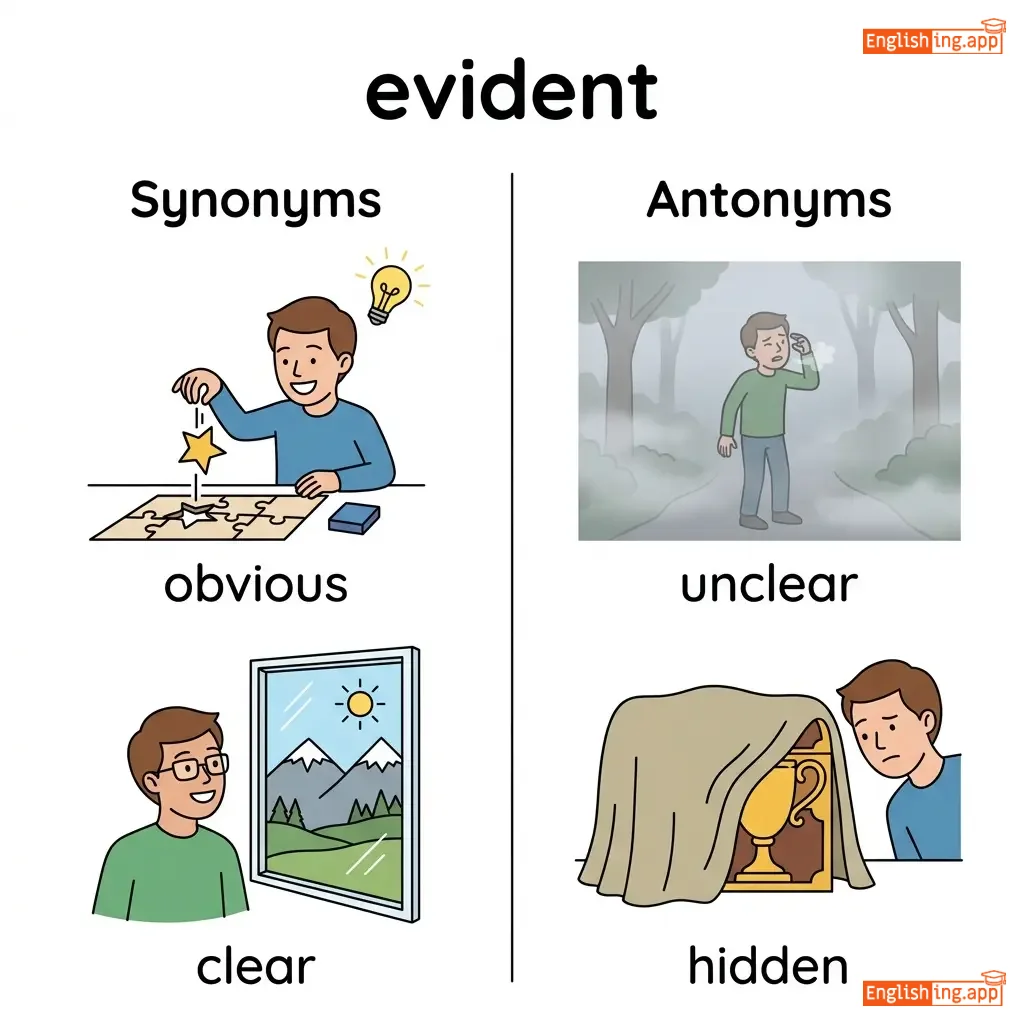
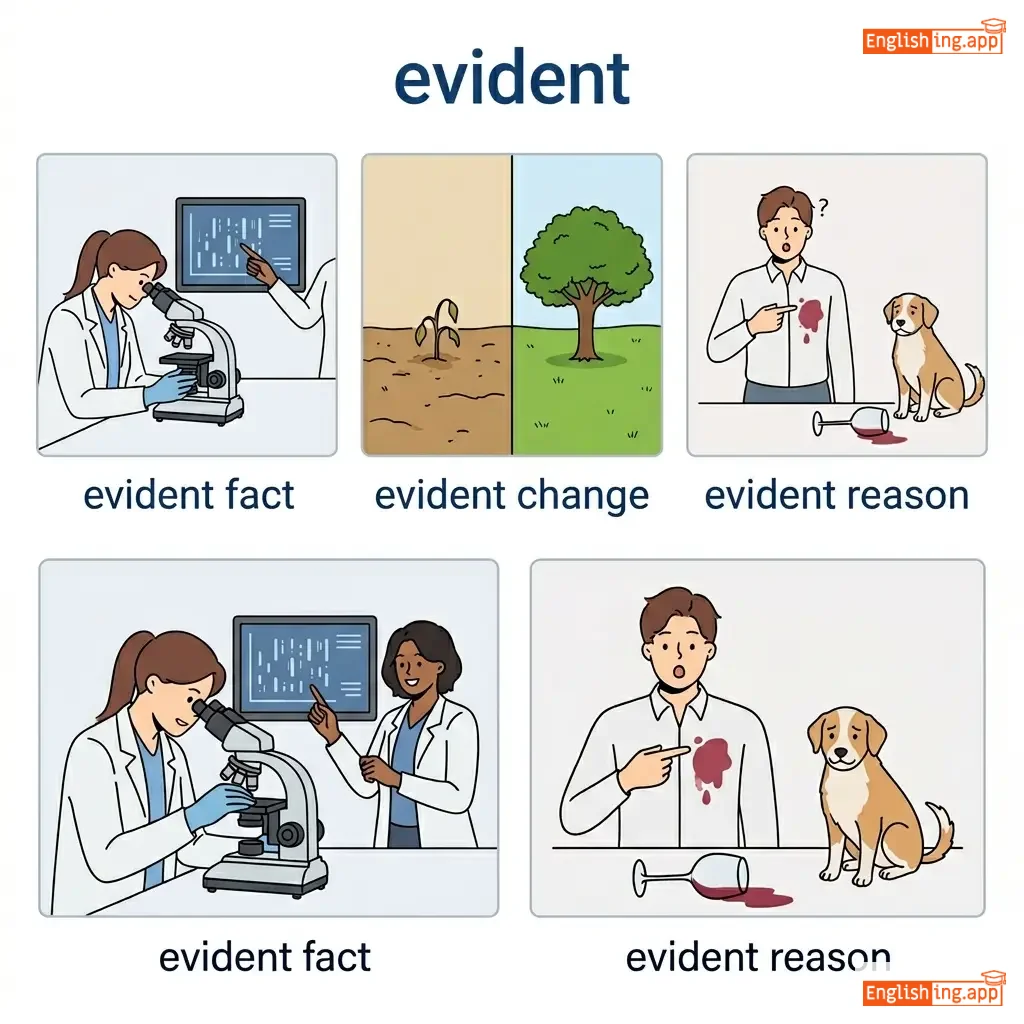
|
明白
meihaku
••••••
|
- •••••• | - •••••• | - •••••• | - •••••• |
clearly seen or understood; obvious
••••••
|
It was evident that she was upset.
それは彼女が動揺していることが明らかでした。
••••••
|
それは彼女が動揺していることが明らかでした。
Sore wa kanojo ga dōyō shite iru koto ga akiraka deshita.
••••••
|
self-evident
自己明白
••••••
|
obvious without needing explanation
••••••
|
自己明白
jiko-meihaku
••••••
|
obvious, clear, apparent, manifest, plain
••••••
|
unclear, hidden, obscure
••••••
|
evident fact, evident change, evident reason, evident truth
••••••
|
明白は証拠のように明確に見えることです。
••••••
|
|
😈
••••••
|
/ˈiːvəl/
adjective
(イービル)
••••••
|
- •••••• |
邪悪
jaaku
••••••
|
- •••••• | - •••••• | - •••••• | - •••••• |
Profoundly immoral and wicked.
••••••
|
They believed the villain was the embodiment of evil. |
彼らは悪役が邪悪の具現であると信じていた。
Karera wa akuyaku ga jaaku no gugen de aru to shinjite ita.
••••••
|
root of all evil |
the fundamental source of wickedness or problems
••••••
|
すべての悪の根源
subete no aku no kongen
••••••
|
wicked, immoral, malevolent, sinful, corrupt
••••••
|
good, virtuous, righteous
••••••
|
evil deeds, pure evil, embodiment of evil
••••••
|
Evilは邪悪→ Devilの中にEvilが隠れている
••••••
|
|
🎶
••••••
|
/ɪˈvoʊk/
verb
(イヴォーク)
••••••
|
- •••••• |
呼び起こす
yobikokosu
••••••
|
evoked
イヴォークド
••••••
|
evoked
イヴォークド
••••••
|
evokes
イヴォークス
••••••
|
evoking
イヴォーキング
••••••
|
to bring a feeling, memory, or image into the mind
••••••
|
The old song evoked memories of her childhood.
その古い歌は彼女の子供時代の思い出を呼び起こしました。
••••••
|
その古い歌は彼女の子供時代の思い出を呼び起こしました。
Sono furui uta wa kanojo no kodomojidai no omoide o yobikokoshimashita.
••••••
|
evoke sympathy
同情を呼び起こす
••••••
|
to make someone feel compassion or pity
••••••
|
同情を呼び起こす
dōjō o yobikokosu
••••••
|
arouse, elicit, provoke, stimulate, inspire
••••••
|
suppress, stifle, ignore
••••••
|
evoke memories, evoke feelings, evoke sympathy, evoke laughter
••••••
|
呼び起こすは記憶を蘇らせるように、'イヴォーク'は感情を引き起こす。
••••••
|
|
🧬
••••••
|
/ˌɛvəˈluːʃən/
noun
(エボリューション)
••••••
|
- •••••• |
進化
shinka
••••••
|
- •••••• | - •••••• | - •••••• | - •••••• |
the gradual development of something, especially from a simple to a more complex form
••••••
|
The theory of evolution explains how species change over time. |
進化論は、種が時間とともにどのように変化するかを説明しています。
Shinkaron wa, shu ga jikan to tomo ni dono you ni henka suru ka wo setsumei shiteimasu.
••••••
|
- •••••• | - •••••• | - •••••• |
development, progression, growth, transformation
••••••
|
regression, stagnation
••••••
|
theory of evolution, cultural evolution, human evolution, natural evolution
••••••
|
進化は物の進行形、種の進化に似ている。
••••••
|
|
🔄
••••••
|
/ˌɛvəlʊˈʃɛnəri/
adjective
••••••
|
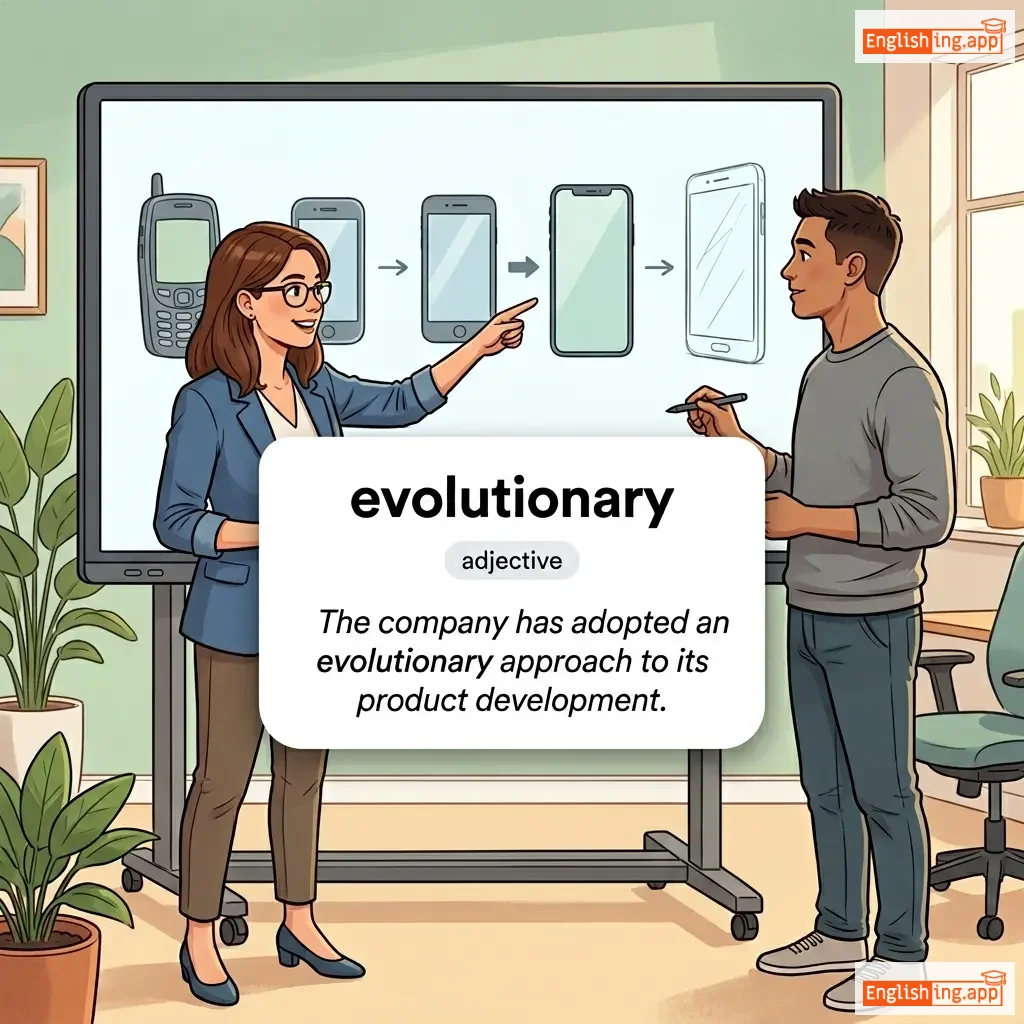
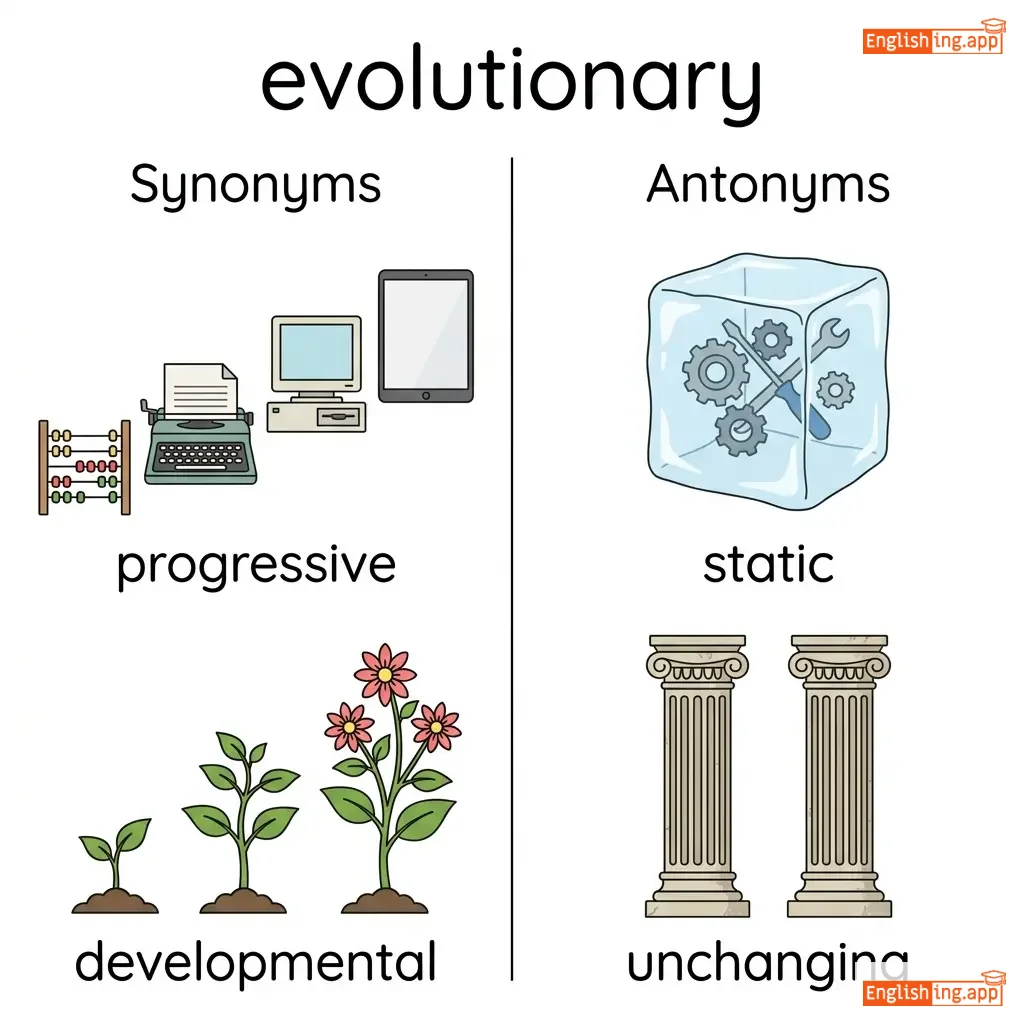
|
- •••••• | - •••••• | - •••••• | - •••••• | - •••••• |
relating to or characterized by evolution, especially in terms of gradual development or change
••••••
|
The company has adopted an evolutionary approach to its product development. |
- •••••• | - •••••• | - •••••• | - •••••• |
progressive, developmental, transformative
••••••
|
static, unchanging
••••••
|
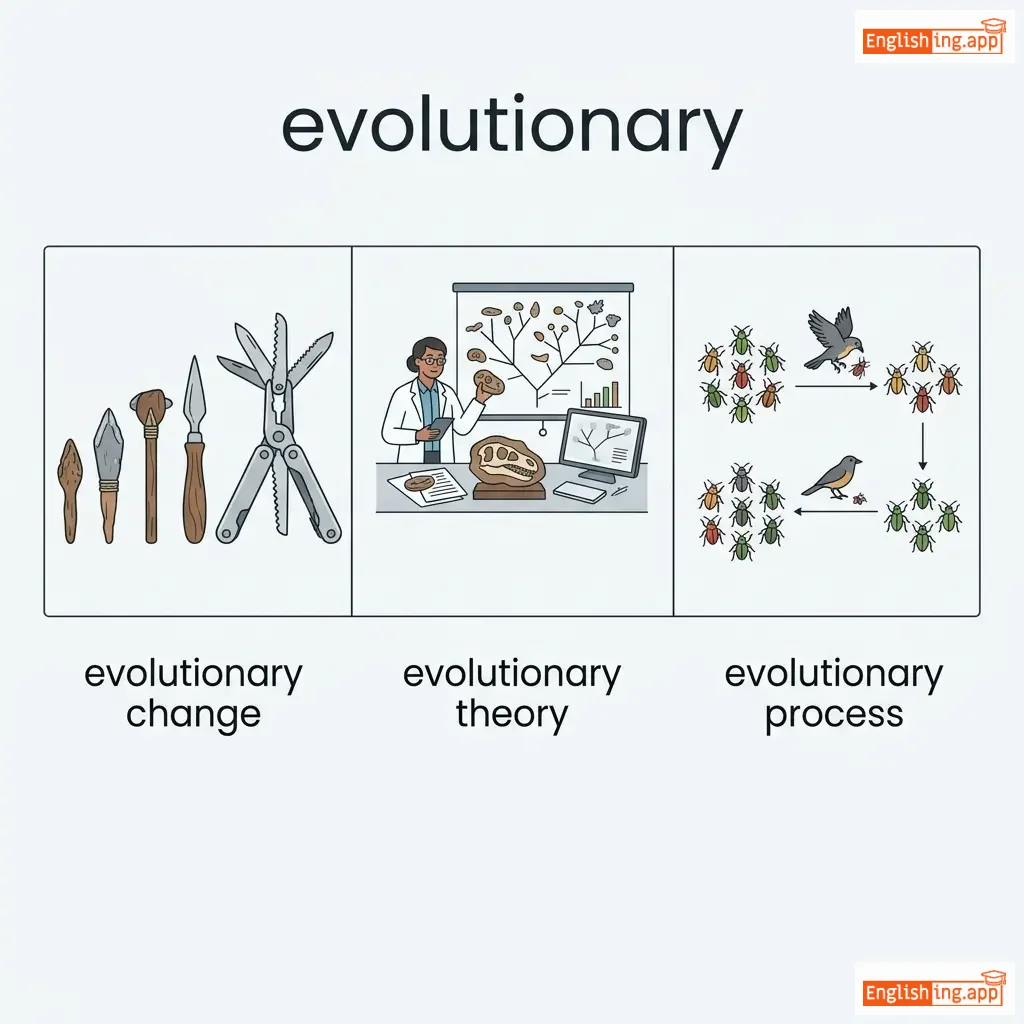
evolutionary change, evolutionary theory, evolutionary process, evolutionary development
••••••
|
No •••••• |
|
🌱
••••••
|
/ɪˈvɑːlv/
verb
••••••
|
- •••••• | - •••••• |
evolved
••••••
|
evolved
••••••
|
evolves
••••••
|
evolving
••••••
|
to develop gradually, especially into a more complex or advanced state
••••••
|
Over time, the company evolved into a global brand. |
- •••••• |
evolve over time |
to change or develop slowly as time passes
••••••
|
- •••••• |
develop, progress, transform, advance, grow
••••••
|
regress, decline, stagnate
••••••
|
evolve into, evolve over time, evolve naturally, evolve gradually
••••••
|
No •••••• |
|
🎯
••••••
|
/ɪɡˈzækt/
adjective, verb
(エグザクト)
••••••
|
|
正確
seikaku
••••••
|
exacted
エグザクテッド
••••••
|
exacted
エグザクテッド
••••••
|
exacts
エグザクツ
••••••
|
exacting
エグザクティング
••••••
|
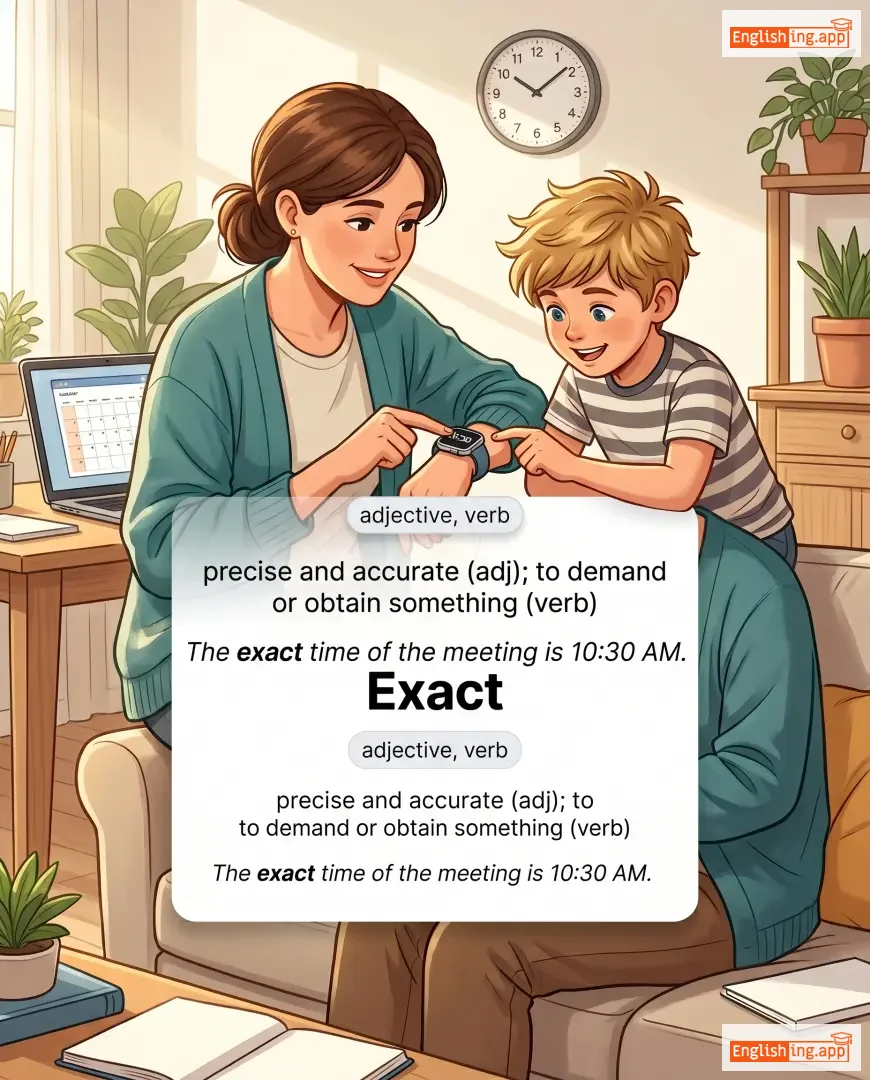
precise and accurate (adj); to demand or obtain something (verb)
••••••
|
The exact time of the meeting is 10:30 AM.
会議の正確な時間は10:30 AMです。
••••••
|
会議の正確な時間は10:30 AMです。
Kaigi no seikaku na jikan wa 10:30 AM desu.
••••••
|
to exact revenge
復讐を遂げる
••••••
|
to inflict punishment or harm in return for an injury or wrong
••••••
|
復讐する
fukushuu suru
••••••
|
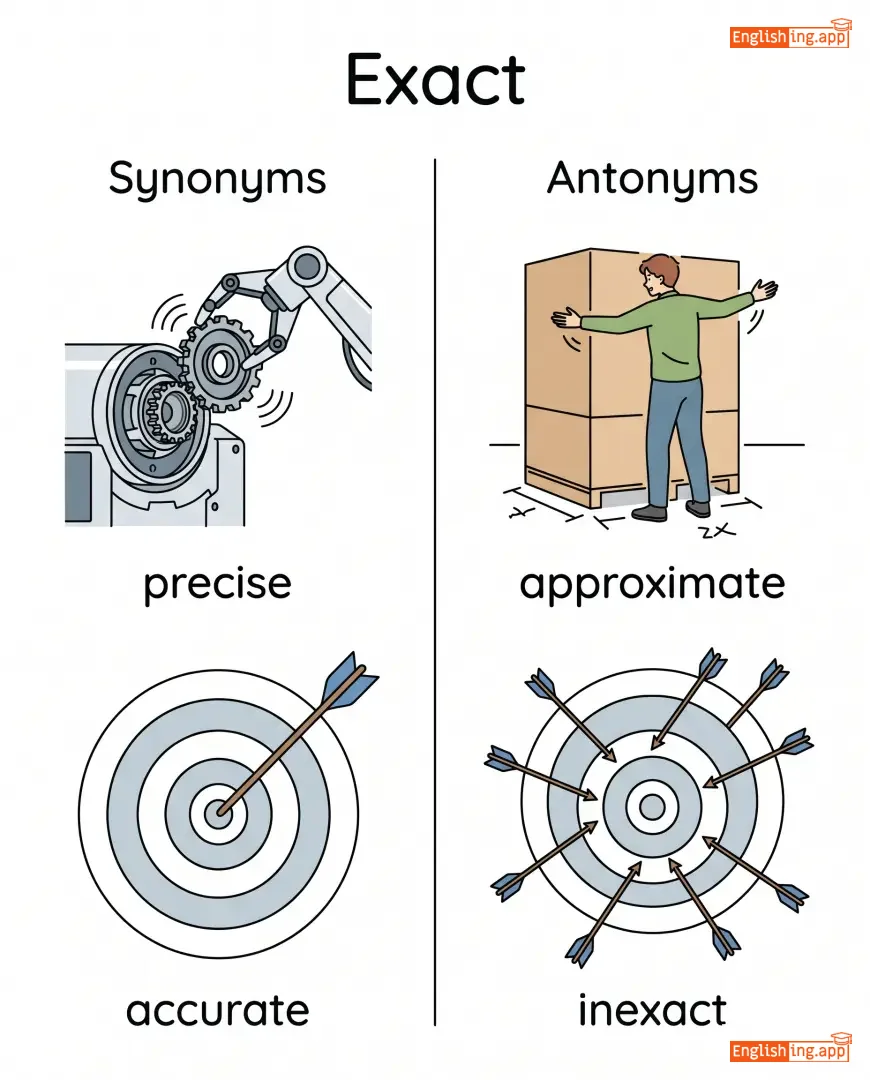
precise, accurate, demand, require, strict
••••••
|
approximate, inexact, lenient
••••••
|
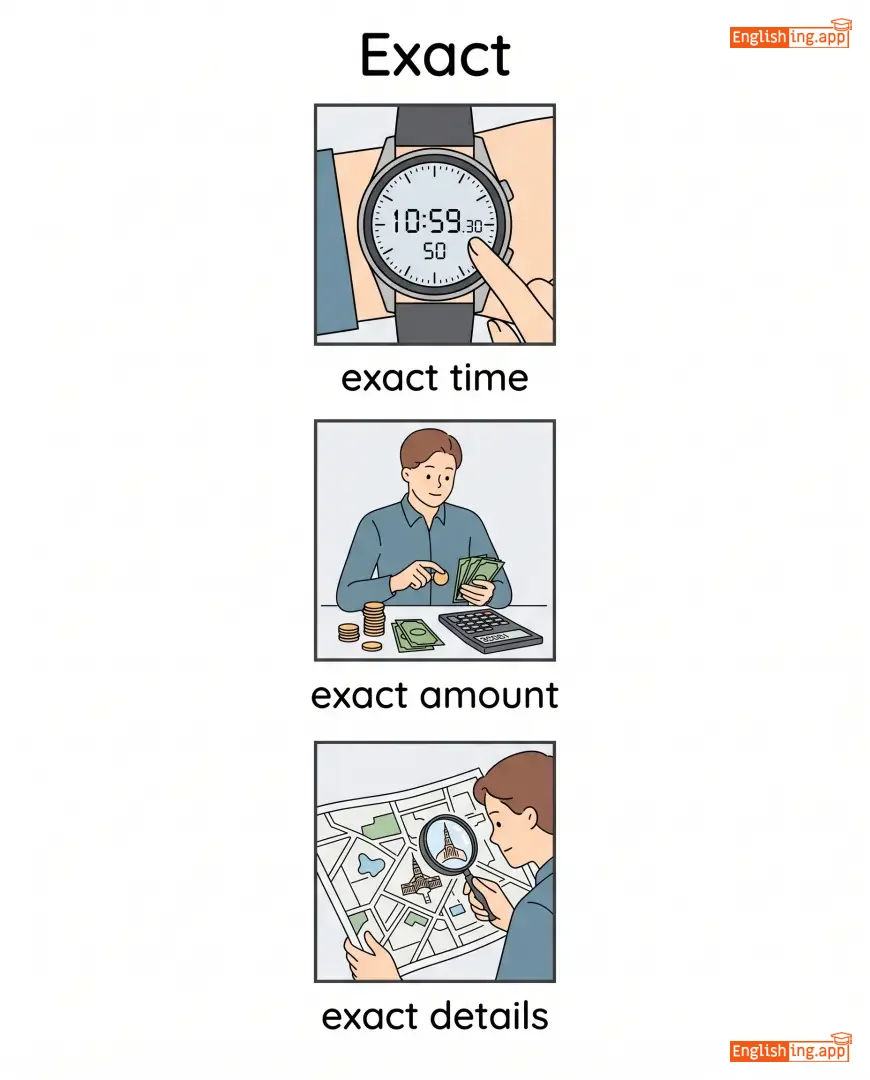
exact time, exact amount, exact details, exact revenge
••••••
|
Exactは正確、そうでなければ復讐が来る!
••••••
|
|
🎯
••••••
|
/ɪɡˈzæktli/
adverb
(イグザクトリー)
••••••
|
- •••••• |
正確に
seikaku ni
••••••
|
- •••••• | - •••••• | - •••••• | - •••••• |
in a precise or accurate manner; without any error
••••••
|
She explained the process exactly as it happened. |
彼女はプロセスを正確に説明しました。
Kanojo wa purosesu o seikaku ni setsumei shimashita.
••••••
|
to be exact |
to give precise or accurate details
••••••
|
正確に言うと
seikaku ni iu to
••••••
|
precisely, accurately, correctly, strictly
••••••
|
roughly, approximately
••••••
|
exactly right, exactly the same, exactly what, exactly how
••••••
|
正確に、完璧なターゲットのように、エラーなしで!
••••••
|
|
📢
••••••
|
/ɪɡˈzædʒəˌreɪt/
verb
(イグザジェレイト)
••••••
|
- •••••• |
誇張する
kochou suru
••••••
|
exaggerated
イグザジェレイテッド
••••••
|
exaggerated
イグザジェレイテッド
••••••
|
exaggerates
イグザジェレイツ
••••••
|
exaggerating
イグザジェレイティング
••••••
|
to describe something as better, worse, or more important than it really is
••••••
|
He tends to exaggerate his achievements.
彼は自分の業績を誇張しがちだ。
••••••
|
彼は自分の業績を誇張しがちだ。
kare wa jibun no gyouseki o kochou shigachi da.
••••••
|
make a mountain out of a molehill
山を作って、モグラの丘を作る
••••••
|
to make a small problem seem much bigger than it is
••••••
|
山を作って、モグラの丘を作る
yama o tsukutte, mogura no oka o tsukuru
••••••
|
overstate, overemphasize, amplify, embellish
••••••
|
understate, minimize, downplay
••••••
|
exaggerate claims, exaggerate importance, exaggerate details, exaggerate achievements
••••••
|
誇張するは大げさに言うことで、山を作ってモグラの丘を作るようなものです。
••••••
|
|
✍️
••••••
|
/ɪɡˌzæm.ɪˈneɪ.ʃən/
noun
(試験)
••••••
|
- •••••• |
試験
shiken
••••••
|
- •••••• | - •••••• | - •••••• | - •••••• |
a formal test of knowledge or ability
••••••
|
She is preparing for her final examination. |
彼女は最終試験の準備をしています。
Kanojo wa saishū shiken no junbi o shiteimasu.
••••••
|
under examination |
being carefully inspected or studied
••••••
|
試験中
shiken-chū
••••••
|
test, assessment, evaluation, inspection, quiz
••••••
|
ignorance, neglect
••••••
|
take examination, pass examination, final examination, medical examination
••••••
|
Examinationは試験を意味します✍️ - 試験を受けて、国が震えます!
••••••
|
|
🔎
••••••
|
/ɪɡˈzæm.ɪn/
verb
(ハピネス)
••••••
|
- •••••• |
幸福
kōfuku
••••••
|
examined
••••••
|
examined
••••••
|
examines
••••••
|
examining
••••••
|
to look at something carefully in order to understand it
••••••
|
The doctor will examine the patient tomorrow. |
彼女は賞を受け取ったとき、幸せを隠せませんでした。
Kanojo wa shō o uketotta toki, kōfuku o kakusemasen deshita.
••••••
|
cross-examine |
to question someone thoroughly, especially in a court
••••••
|
幸せの追求
shiawase no tsuikyū
••••••
|
inspect, analyze, investigate, check, study
••••••
|
ignore, overlook, neglect
••••••
|
examine carefully, examine evidence, examine thoroughly, examine closely
••••••
|
幸せ=幸 (kou) + 服 (fuku) = 幸福
••••••
|
|
📝
••••••
|
/ɪɡˌzæm.ɪˈniː/
noun
(egzaminí)
••••••
|
- •••••• |
受験者
juken-sha
••••••
|
- •••••• | - •••••• | - •••••• | - •••••• |
a person who is being tested in an examination
••••••
|
Each examinee was given two hours to complete the test.
イチエグザミニー ワズ ギヴン トゥ アワーズ トゥ コンプリート ザ テスト。
••••••
|
各受験者には試験を完了するために2時間が与えられました。
Kaku juken-sha ni wa shiken o kanryou suru tame ni 2 jikan ga ataeraremashita.
••••••
|
- •••••• | - •••••• | - •••••• |
candidate, test taker, student, applicant
••••••
|
examiner, teacher, instructor, assessor
••••••
|
qualified examinee, nervous examinee, examinee number
••••••
|
Juken-sha comes from 'juken' (exam) and 'sha' (person).
••••••
|
|
📝
••••••
|
/ɪɡˈzæmɪnər/
noun
(イグザミナー)
••••••
|
- •••••• |
試験官
shikenkkan
••••••
|
- •••••• | - •••••• | - •••••• | - •••••• |
A person who tests or inspects knowledge, skills, or qualifications
••••••
|
The examiner reviewed each student's answer sheet carefully.
イグザミナーは各学生の答案用紙を注意深く確認した。
••••••
|
試験官は各学生の答案用紙を注意深く確認した。
Shikenkkan wa kaku gakusei no touan youshi wo chuibukaku kakunin shita
••••••
|
- •••••• | - •••••• | - •••••• |
assessor, inspector, evaluator, tester, reviewer
••••••
|
candidate, examinee
••••••
|
examiner report, board examiner, medical examiner, chief examiner
••••••
|
試験 (exam) + 官 (official) = 試験官
••••••
|
|
📖
••••••
|
/ɪɡˈzɑːm.pəl/
noun
(エクサンプル)
••••••
|
- •••••• |
例
rei
••••••
|
- •••••• | - •••••• | - •••••• | - •••••• |
a thing or person regarded as a model to be followed or avoided
••••••
|
He is a good example of a hardworking student.
彼は勤勉な学生の良い例です。
••••••
|
彼は勤勉な学生の良い例です。
Kare wa kinben na gakusei no yoi rei desu.
••••••
|
set an example
例を示す
••••••
|
to behave in a way that others should copy
••••••
|
例を示す
Rei o shimesu
••••••
|
model, instance, case, sample, illustration
••••••
|
counterexample, deviation
••••••
|
give example, provide example, set an example, classic example
••••••
|
Rei は例 📖 - 試験の際に例が示されます。
••••••
|
|
🚀
••••••
|
/ɪkˈsiːd/
verb
(exceed)
••••••
|
- •••••• |
超える
koeru
••••••
|
exceeded
exceeded
••••••
|
exceeded
exceeded
••••••
|
exceeds
exceeds
••••••
|
exceeding
exceeding
••••••
|
to go beyond a limit or expectation
••••••
|
The athlete exceeded everyone's expectations by winning the gold medal.
The athlete exceeded everyone's expectations by winning the gold medal.
••••••
|
アスリートは金メダルを獲得することで皆の期待を超えました。
Asurīto wa kin medaru o kakutoku suru koto de mina no kitai o koemashita.
••••••
|
exceed the limit
exceed the limit
••••••
|
to go beyond what is allowed or acceptable
••••••
|
限界を超える
genkai o koeru
••••••
|
surpass, outdo, transcend, overstep, excel
••••••
|
fail, fall short, underperform
••••••
|
exceed expectations, exceed limits, exceed authority, exceed capacity
••••••
|
EXtra SEED🚀 限界を超える - それは限界を越えることです!
••••••
|
|
🏆
••••••
|
/ɪkˈsɛl/
verb
(エクセル)
••••••
|
- •••••• |
優れる
sugureru
••••••
|
excelled
エクセルド
••••••
|
excelled
エクセルド
••••••
|
excels
エクセルズ
••••••
|
excelling
エクセリング
••••••
|
to be exceptionally good at or proficient in an activity or subject
••••••
|
She always tries to excel in her studies.
彼女はいつも勉強で優れた成果を上げようとしています。
••••••
|
彼女はいつも勉強で優れた成果を上げようとしています。
Kanojo wa itsumo benkyō de sugureta seika o ageyō to shiteimasu.
••••••
|
excel oneself
自分を超える
••••••
|
to do better than one usually does
••••••
|
自分を超える
jibun o koeru
••••••
|
shine, surpass, outdo, triumph, succeed
••••••
|
fail, lose, fall behind
••••••
|
excel in, excel at, excel oneself, excel academically
••••••
|
Excelソフトのように、人生でも優れた成果を上げる必要があります。
••••••
|
|
🌟
••••••
|
/ˈɛksələns/
noun
(エクセレンス)
••••••
|
- •••••• |
卓越
taketsu
••••••
|
- •••••• | - •••••• | - •••••• | - •••••• |
the quality of being outstanding or extremely good
••••••
|
The school is known for its academic excellence. |
その学校は学術的な卓越性で知られています。
Sono gakkō wa gakujutsuteki na taketsu-sei de shirareteimasu.
••••••
|
par excellence |
better or more than all others of the same kind
••••••
|
卓越の極み
taketsu no kiwami
••••••
|
superiority, greatness, distinction, merit, brilliance
••••••
|
inferiority, mediocrity
••••••
|
academic excellence, strive for excellence, standard of excellence, pursuit of excellence
••••••
|
卓越 = Extraレンズで物事がより明確に見える。
••••••
|
|
⭐
••••••
|
/ˈeksələnt/
adjective
(エクセレント)
••••••
|
- •••••• |
優れた; 卓越した; 完璧な;
sugureta; takusetsu shita; kanpeki na
••••••
|
- •••••• | - •••••• | - •••••• | - •••••• |
extremely good; outstanding; superior
••••••
|
She received excellent grades in all her subjects.
彼女はすべての科目で優れた成績を収めました。
••••••
|
彼女はすべての科目で優れた成績を収めました。
Kanojo wa subete no kamoku de sugureta seiseki o osamemashita.
••••••
|
- •••••• | - •••••• | - •••••• |
outstanding, superb, magnificent, brilliant
••••••
|
poor, terrible, awful, mediocre
••••••
|
excellent performance, excellent quality, excellent service, excellent condition
••••••
|
'優れた' とは何かが抜きんでて良いことを示しています。
••••••
|
|
🚫
••••••
|
/ɪkˈsɛpt/
preposition/conjunction
(エクセプト)
••••••
|
- •••••• |
除いて
nozoite
••••••
|
- •••••• | - •••••• | - •••••• | - •••••• |
not including; other than
••••••
|
Everyone was invited except John.
全員が招待されましたが、ジョンを除いて。
••••••
|
全員が招待されましたが、ジョンを除いて。
Zen'in ga shoutai saremashita ga, Jon o nozoite.
••••••
|
take exception to
例外を取る
••••••
|
to be offended or disagree with something
••••••
|
例外を取る
reigai o toru
••••••
|
excluding, apart from, barring, save
••••••
|
including, with
••••••
|
except for, except that, no one except, everyone except
••••••
|
除外 + ステップ - 誰かを除外する
••••••
|
|
🚫
••••••
|
/ɪkˈsɛpʃən/
noun
(ikusepushon)
••••••
|
- •••••• |
例外
reiwai
••••••
|
- •••••• | - •••••• | - •••••• | - •••••• |
A case or instance that does not follow a general rule.
••••••
|
Every rule has an exception. |
すべての規則には例外があります。
Subete no kisoku ni wa reiwai ga arimasu.
••••••
|
take exception to |
to be offended by something
••••••
|
異議を唱える
igi o tonaeru
••••••
|
anomaly, irregularity, deviation, exclusion, exemption
••••••
|
rule, norm, standard
••••••
|
make an exception, without exception, rare exception, exception to the rule
••••••
|
Exception は例外を意味します — みんなが試験に合格したが、1人だけが落ちた = 例外。
••••••
|
|
🌟
••••••
|
/ɪkˈsɛpʃənl/
adjective
(ikˈsɛpʃənl)
••••••
|
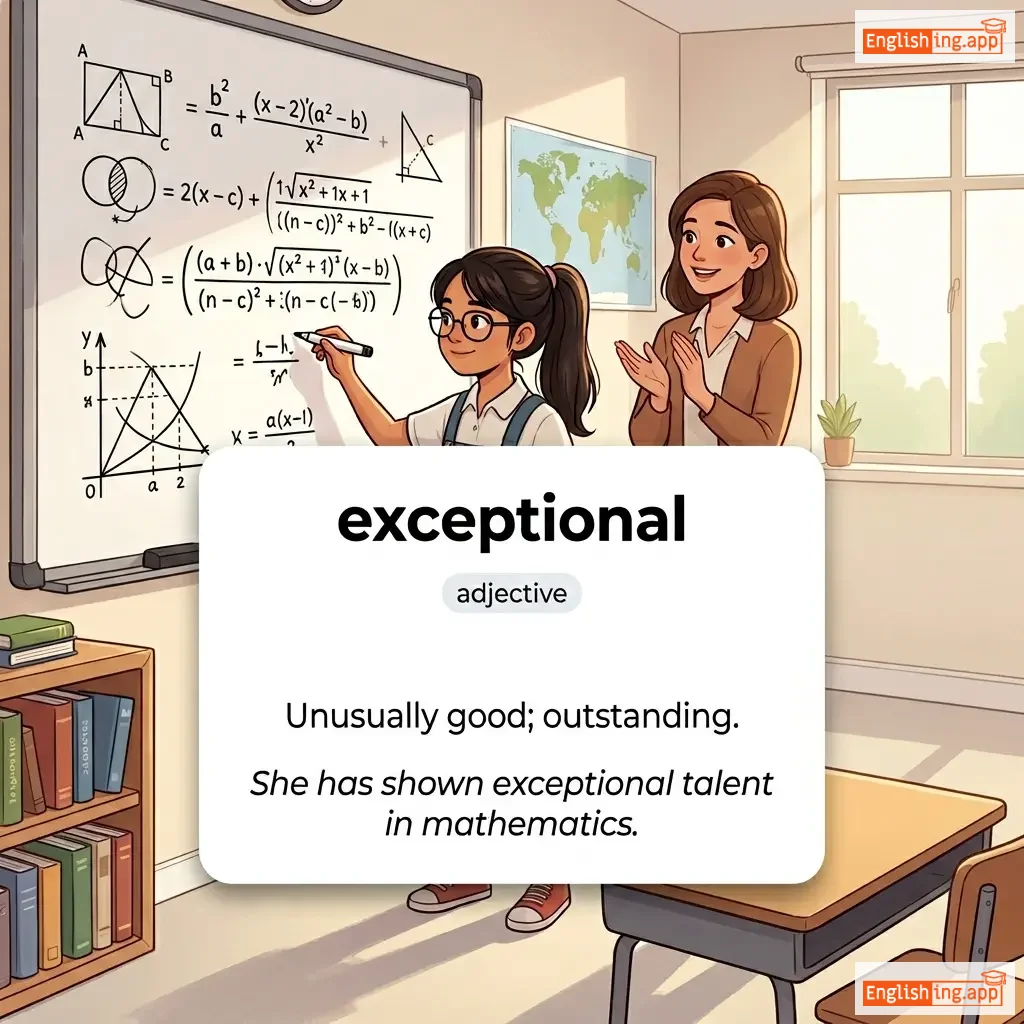
|
並外れた
hamorareta
••••••
|
- •••••• | - •••••• | - •••••• | - •••••• |
Unusually good; outstanding.
••••••
|
She has shown exceptional talent in mathematics. |
彼女は数学において並外れた才能を示しました。
Kanojo wa suugaku ni oite hamorareta sainou o shimeshimashita.
••••••
|
of exceptional quality |
something of very high or outstanding quality
••••••
|
並外れた品質
hamorareta hinshitsu
••••••
|
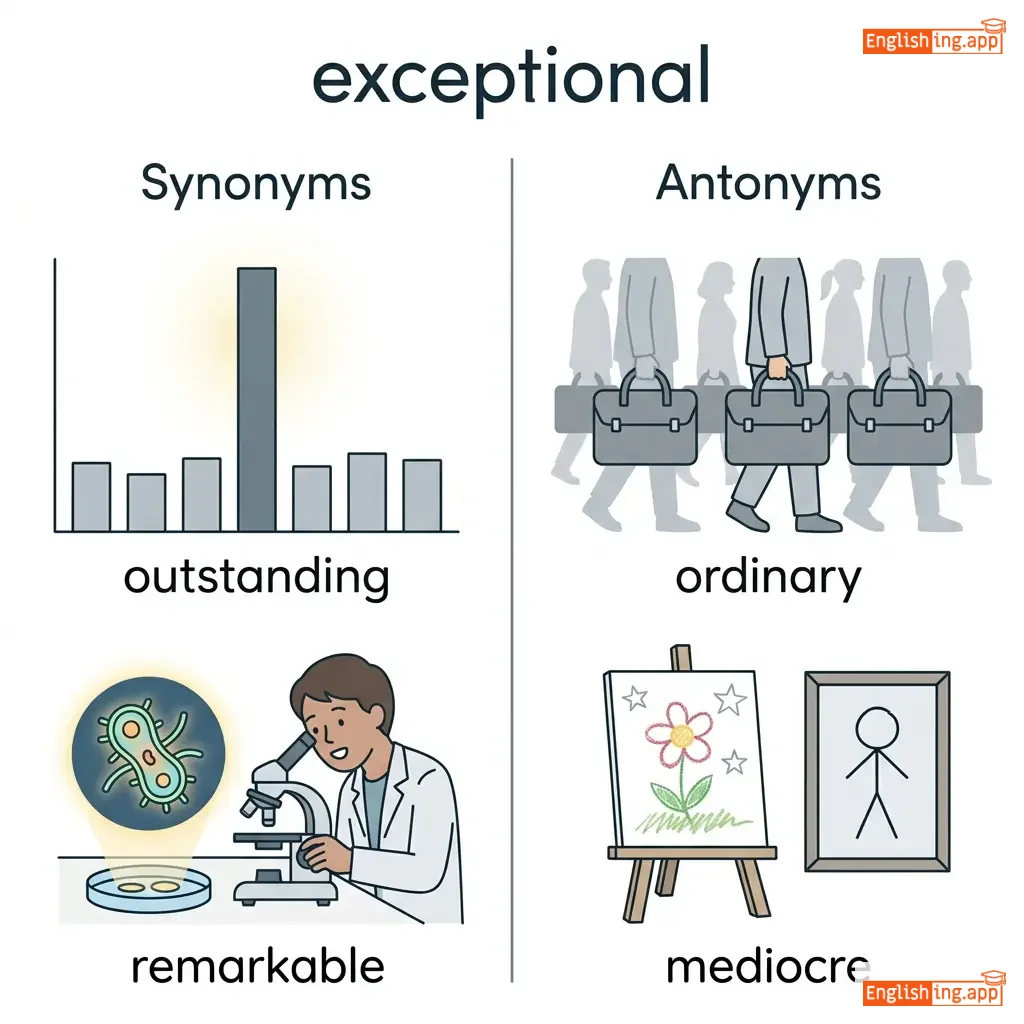
outstanding, remarkable, extraordinary, superb
••••••
|
ordinary, mediocre, common
••••••
|
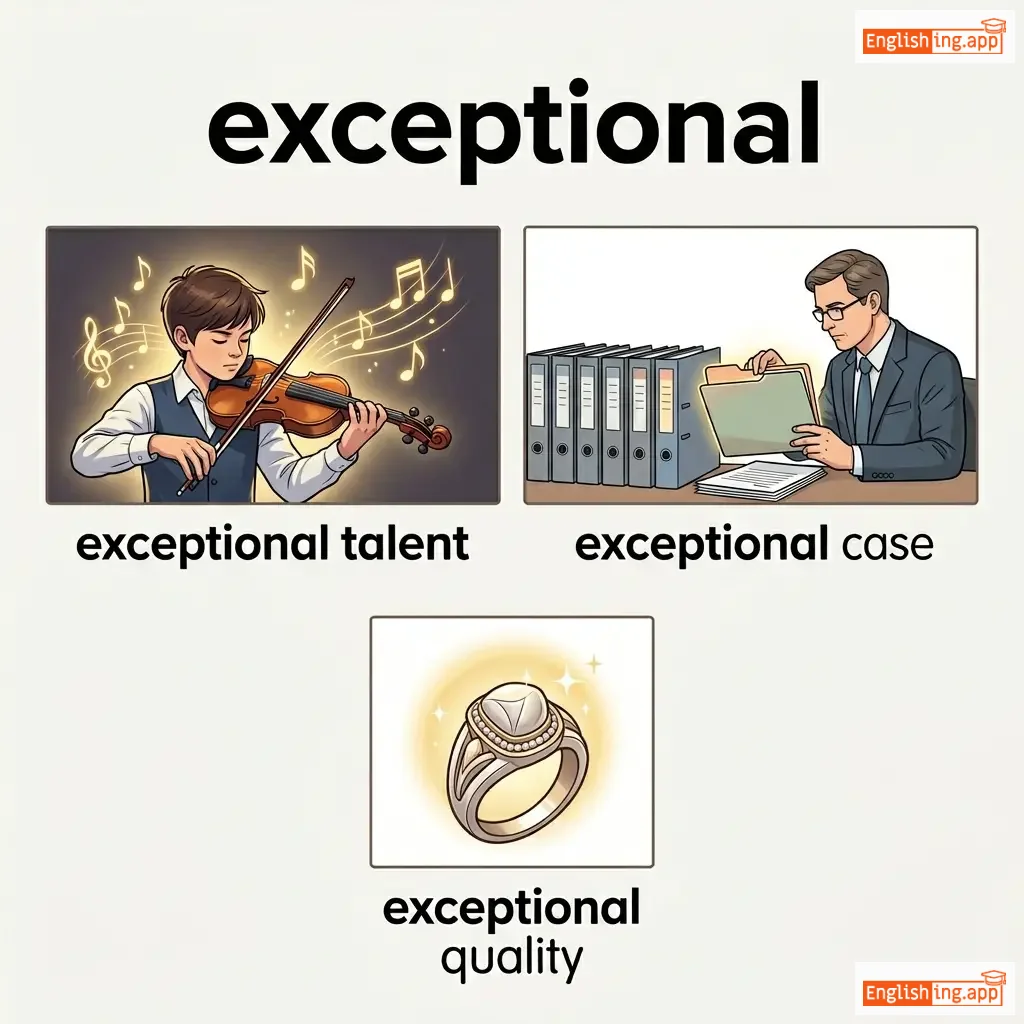
exceptional talent, exceptional case, exceptional quality, exceptional opportunity
••••••
|
Exceptional = Extra Special → 並外れた
••••••
|
|
➕
••••••
|
/ɪkˈsɛs/
noun
(ikusesu)
••••••
|
- •••••• |
過剰
kajo
••••••
|
- •••••• | - •••••• | - •••••• | - •••••• |
An amount more than necessary, permitted, or desirable.
••••••
|
Too much sugar can lead to excess weight gain. |
過剰な砂糖は体重増加を引き起こす可能性があります。
Kajō na satō wa taijū zōka o hikiokosu kanōsei ga arimasu.
••••••
|
in excess of |
more than a particular amount
••••••
|
過剰に
kajō ni
••••••
|
surplus, overflow, overabundance, superfluity
••••••
|
shortage, lack, insufficiency
••••••
|
excess weight, excess baggage, excess demand, in excess of
••••••
|
Excess = 過剰な食べ物は良くない、健康を害する!
••••••
|
|
🚫
••••••
|
/ɪkˈsɛsɪv/
adjective
(ikˈsɛsɪv)
••••••
|
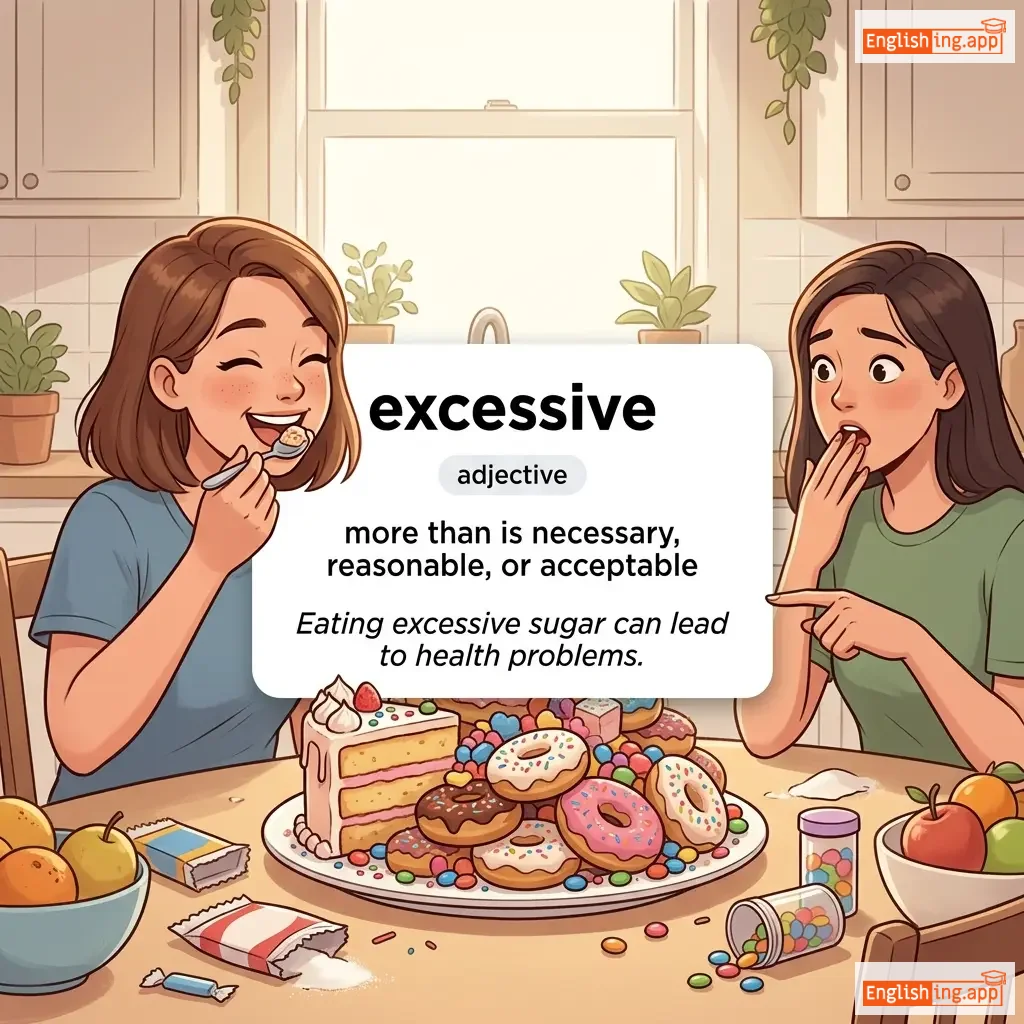
|
過度
kado
••••••
|
- •••••• | - •••••• | - •••••• | - •••••• |
more than is necessary, reasonable, or acceptable
••••••
|
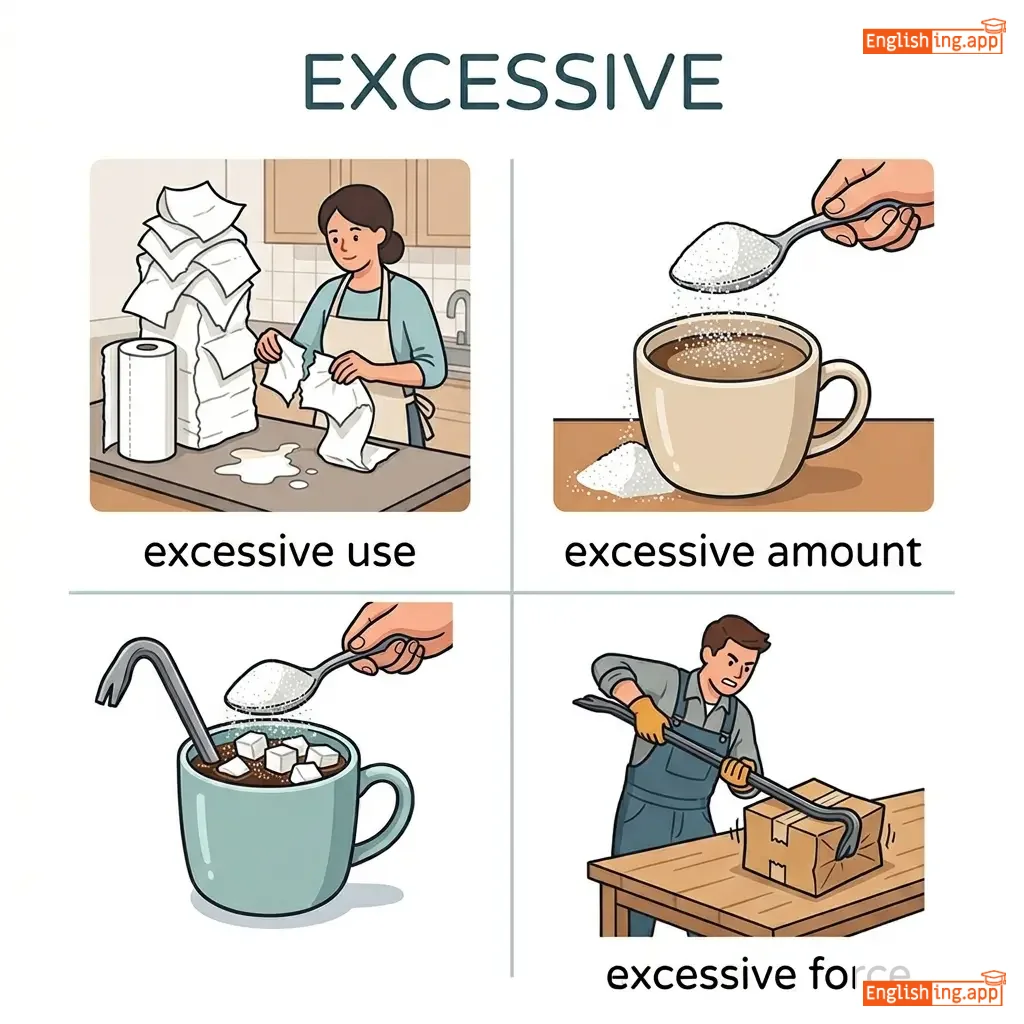
Eating excessive sugar can lead to health problems. |
過剰な砂糖の摂取は健康問題を引き起こす可能性があります。
Kajou na satou no sesshu wa kenko mondai o hikiokosu kanousei ga arimasu.
••••••
|
excessive force |
more physical power or effort than necessary
••••••
|
過度な力
kado na chikara
••••••
|
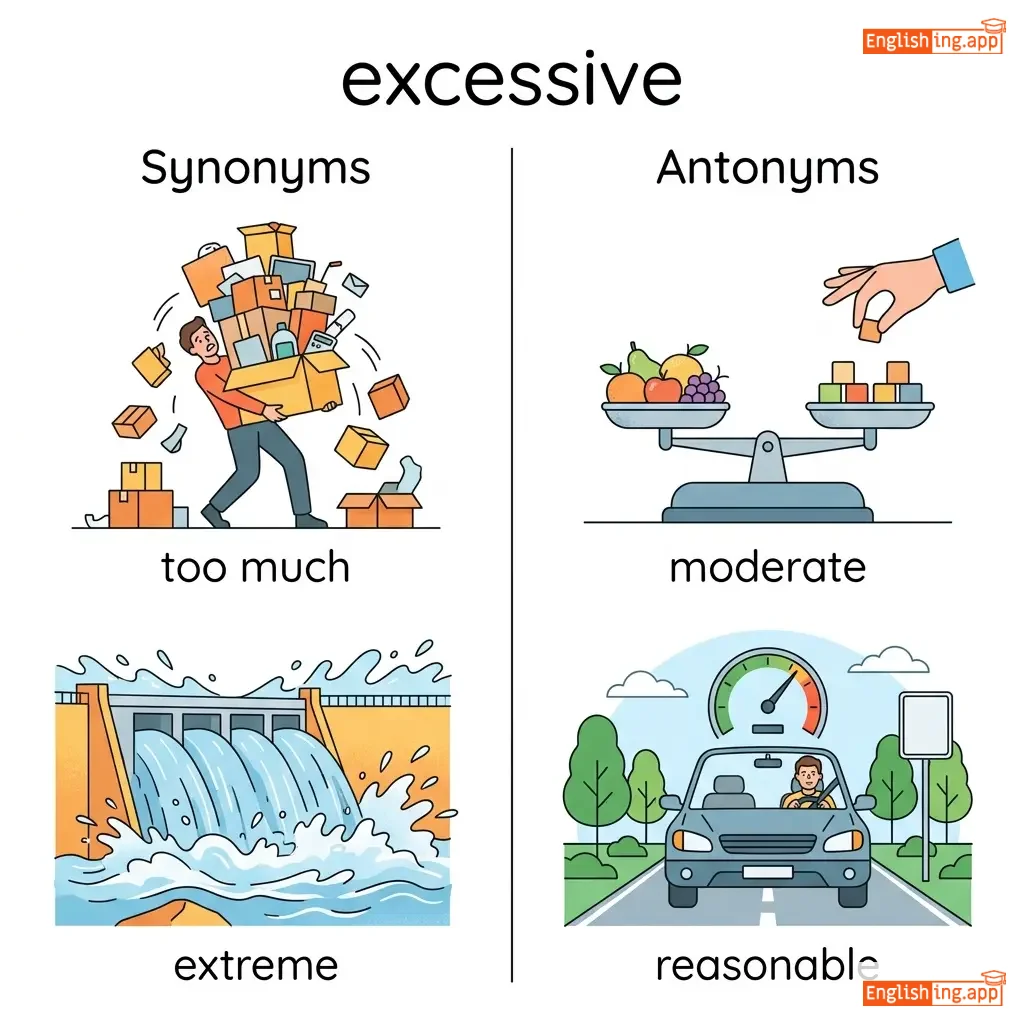
too much, extreme, unreasonable, extravagant, overdone
••••••
|
moderate, reasonable, limited
••••••
|
excessive use, excessive amount, excessive force, excessive cost
••••••
|
過度 = Excessはたくさんの意味です, だから過度!
••••••
|
|
🔄
••••••
|
/ɪksˈtʃeɪndʒ/
verb
(エクスチェンジ)
••••••
|
|
交換
koukan
••••••
|
exchanged
エクスチェンジド
••••••
|
exchanged
エクスチェンジド
••••••
|
exchanges
エクスチェンジズ
••••••
|
exchanging
エクスチェンジング
••••••
|
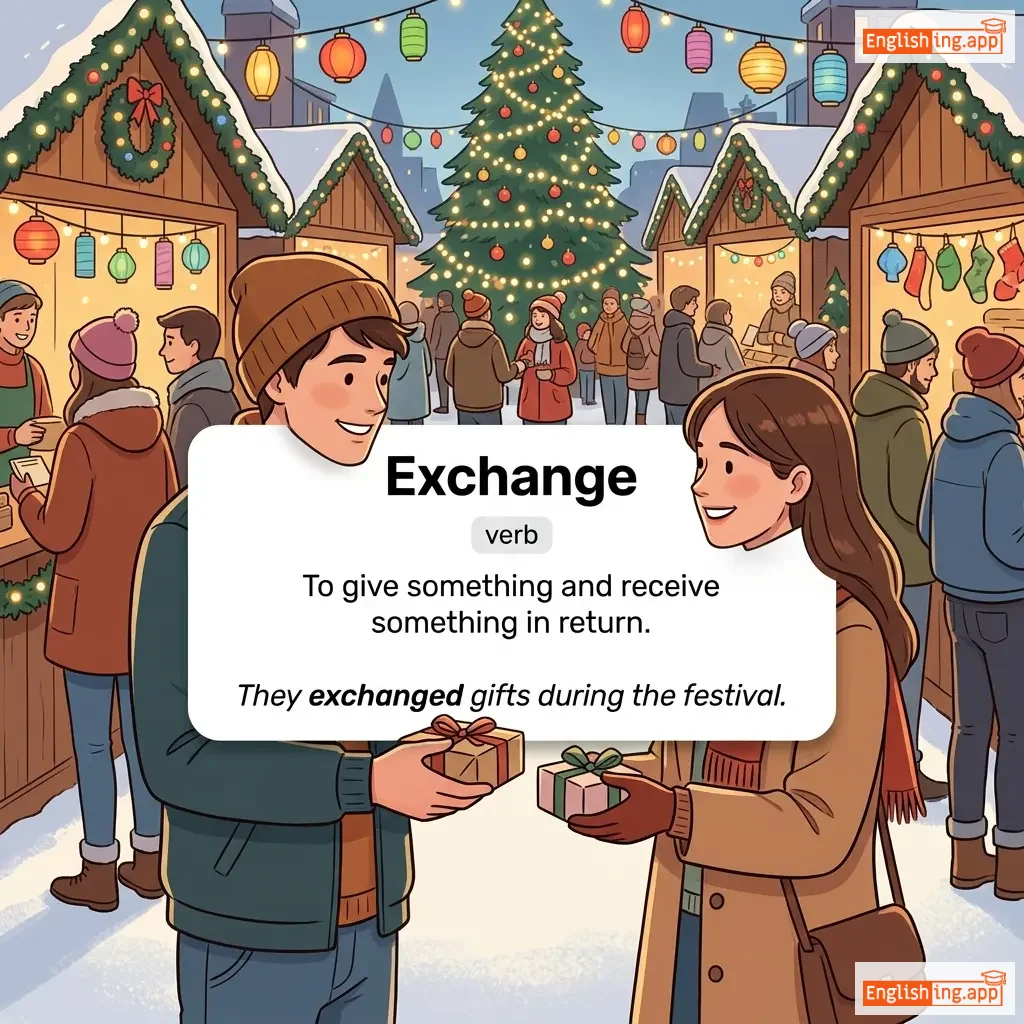
To give something and receive something in return.
••••••
|
They exchanged gifts during the festival.
彼らは祭りの間に贈り物を交換しました。
••••••
|
彼らは祭りの間に贈り物を交換しました。
Karera wa matsuri no aida ni okurimono o koukan shimashita.
••••••
|
exchange views
意見交換
••••••
|
to share opinions or ideas
••••••
|
意見交換
iken koukan
••••••
|
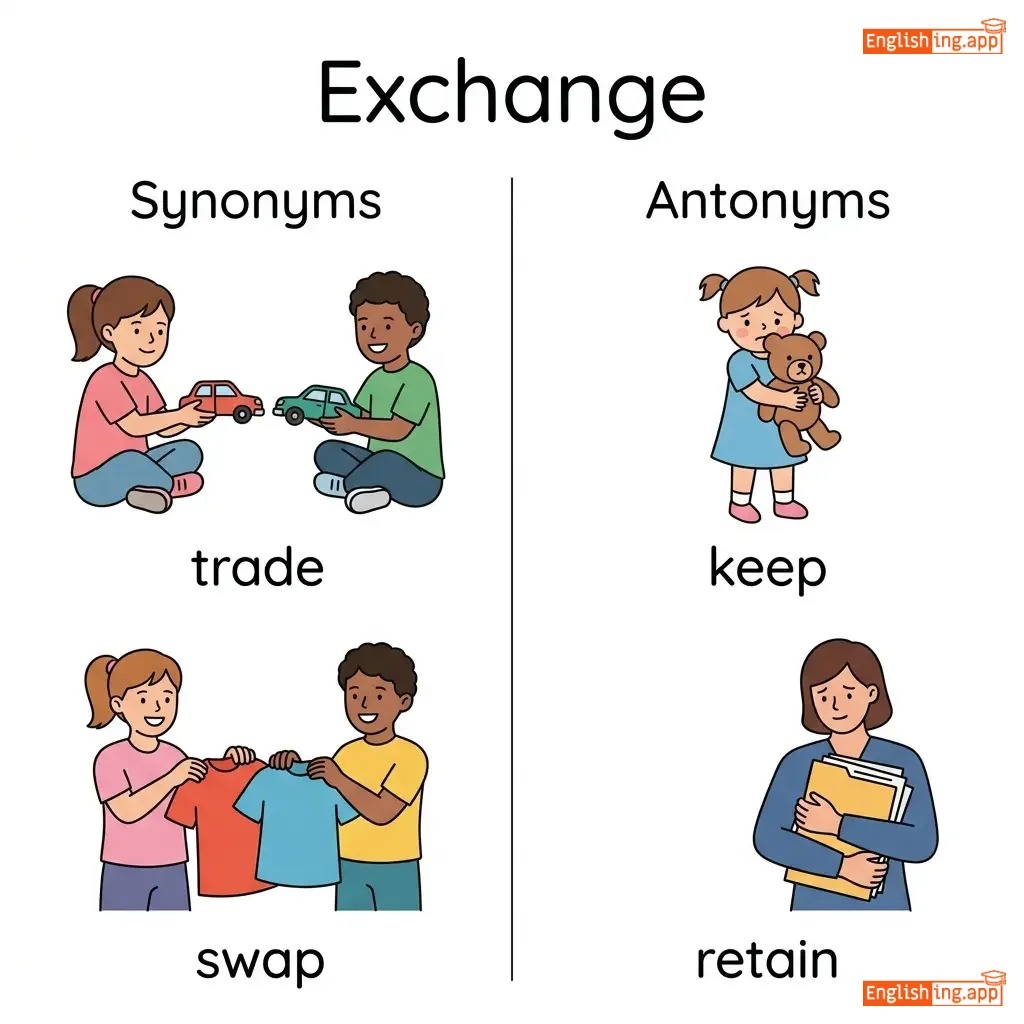
trade, swap, barter, interchange, replace
••••••
|
keep, retain
••••••
|
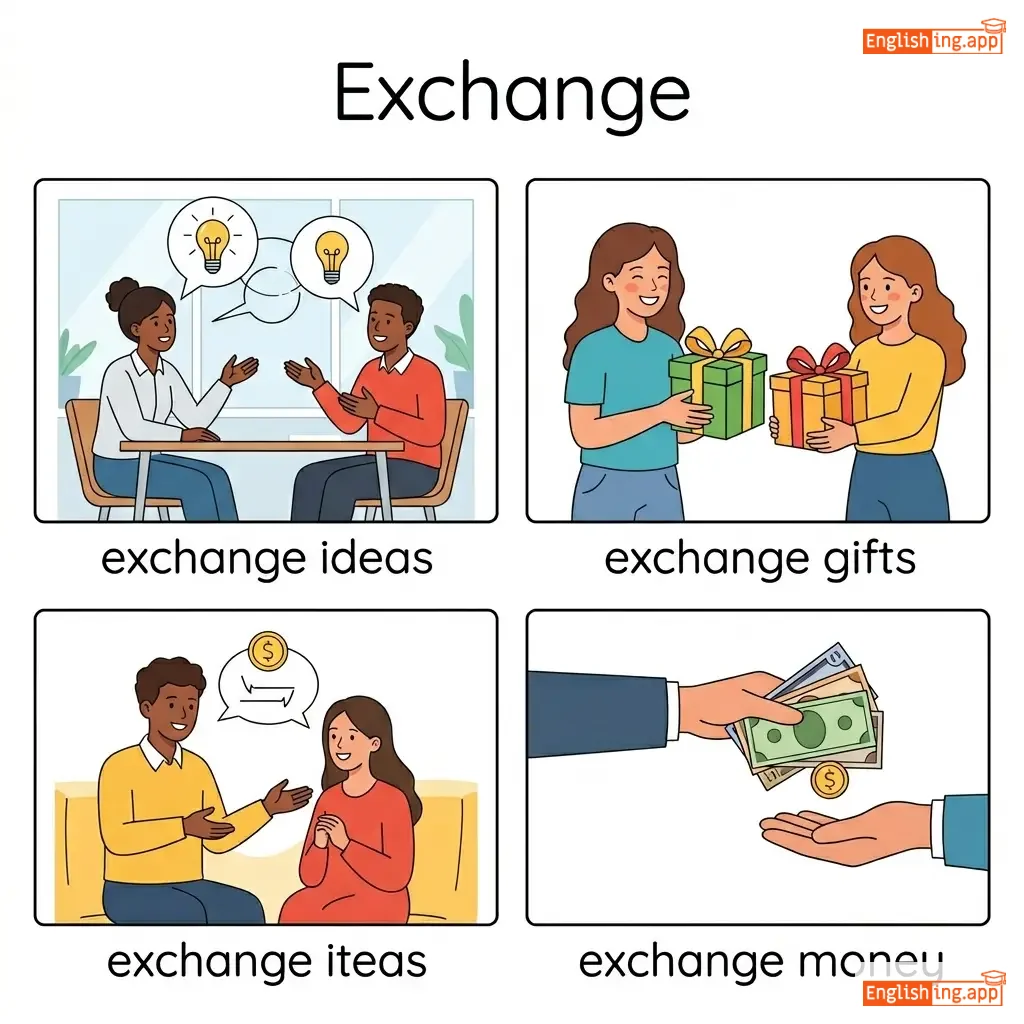
exchange ideas, exchange gifts, exchange money, exchange information
••••••
|
Exchange は '交換' — 物を交換することです。
••••••
|
|
🤩
••••••
|
/ɪkˈsaɪt/
verb
(ikusaido)
••••••
|
- •••••• |
興奮させる
koufun saseru
••••••
|
excited
ikusaitedo
••••••
|
excited
ikusaitedo
••••••
|
excites
ikusaitsu
••••••
|
exciting
ikusaitingu
••••••
|
to cause strong feelings of enthusiasm or eagerness
••••••
|
The idea of traveling abroad excites her.
海外旅行のアイデアが彼女を興奮させる。
••••••
|
海外旅行のアイデアが彼女を興奮させる。
Kaigai ryokou no aidea ga kanojo o koufun saseru.
••••••
|
get excited
興奮する
••••••
|
to become enthusiastic or thrilled
••••••
|
興奮する
koufun suru
••••••
|
thrill, stimulate, arouse, energize
••••••
|
calm, bore, depress
••••••
|
excite interest, excite curiosity, excite passion, excite emotions
••••••
|
Excite: 海外旅行のアイデアに興奮する!
••••••
|
|
🤩
••••••
|
/ɪkˈsaɪtɪd/
adjective
(エキサイト)
••••••
|
- •••••• |
興奮した
koufun shita
••••••
|
- •••••• | - •••••• | - •••••• | - •••••• |
very enthusiastic and eager about something
••••••
|
The children were excited to open their presents. |
子供たちはプレゼントを開けるのを楽しみにして興奮していました。
Kodomotachi wa purezento o akeru no o tanoshimi ni shite koufun shite imashita.
••••••
|
get excited about |
to become enthusiastic or eager about something
••••••
|
何かに対して興奮する
nanika ni taishite koufun suru
••••••
|
thrilled, delighted, enthusiastic, eager, joyful
••••••
|
bored, indifferent, calm
••••••
|
feel excited, get excited, excited about, excited to see
••••••
|
Excitedは‘興奮した’、待ちきれない気持ちのように、特別な瞬間を待つ時に使う言葉です。
••••••
|
|
🎉
••••••
|
/ɪkˈsaɪtmənt/
noun
(エキサイトメント)
••••••
|
- •••••• |
興奮
koufun
••••••
|
- •••••• | - •••••• | - •••••• | - •••••• |
a feeling of great enthusiasm and eagerness
••••••
|
There was a lot of excitement before the concert began. |
コンサートが始まる前に多くの興奮がありました。
Konsāto ga hajimaru mae ni ōku no kōfun ga arimashita.
••••••
|
in a state of excitement |
feeling or showing strong enthusiasm or agitation
••••••
|
興奮状態で
kōfun jōtai de
••••••
|
thrill, joy, enthusiasm, eagerness, delight
••••••
|
boredom, calm, indifference
••••••
|
feel excitement, great excitement, cause excitement, full of excitement
••••••
|
Excitement は日本語で興奮— 何か大きなことが始まる時のワクワク感!
••••••
|
|
🎉
••••••
|
/ɪkˈsaɪtɪŋ/
adjective
(エキサイティング)
••••••
|


|
興奮させる
kōfun saseru
••••••
|
- •••••• | - •••••• | - •••••• | - •••••• |
causing feelings of enthusiasm and eagerness; thrilling
••••••
|
The roller coaster ride was very exciting and thrilling. |
ローラーコースターの乗り物は非常に興奮させるもので、スリル満点でした。
Rōrā kōsutā no norimono wa hijō ni kōfun saseru mono de, suriru manten deshita.
••••••
|
- •••••• | - •••••• | - •••••• |
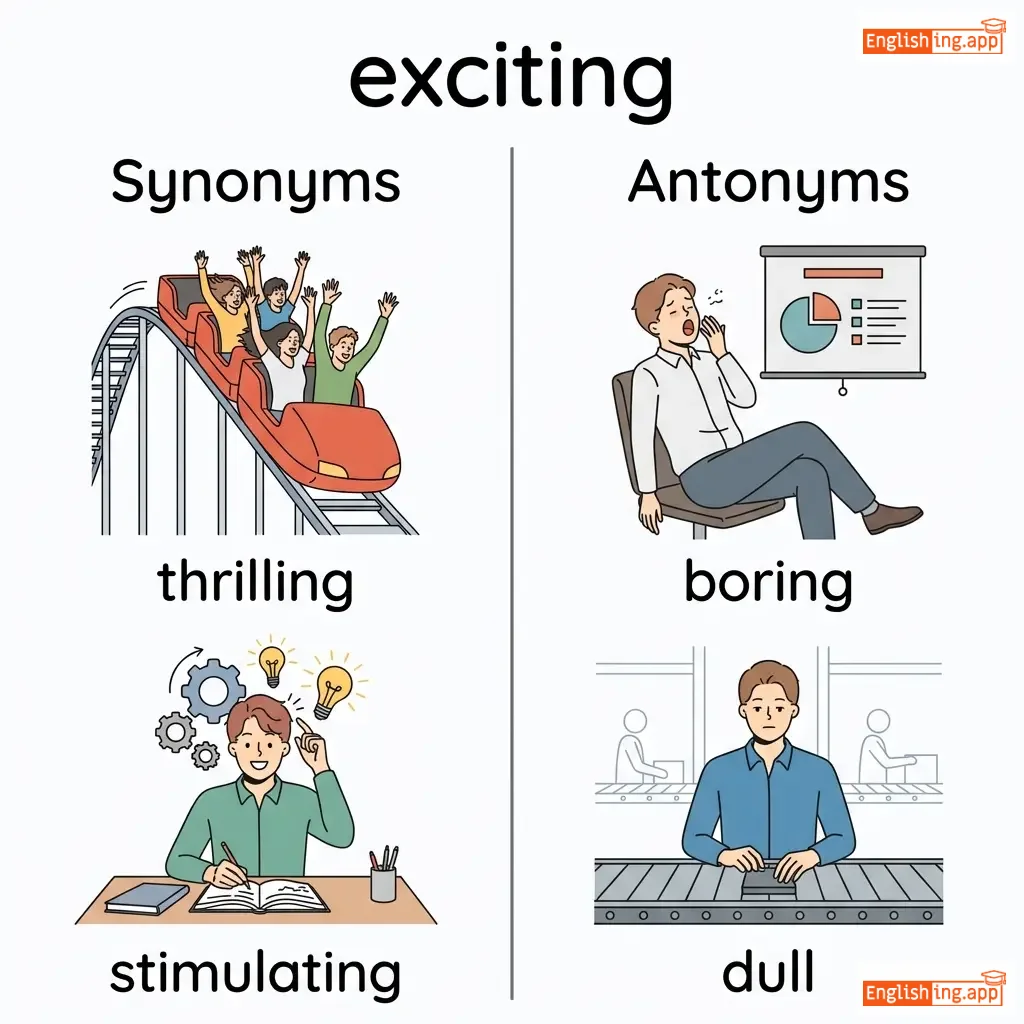
thrilling, stimulating, exhilarating, electrifying
••••••
|
boring, dull, tedious, uninteresting
••••••
|
exciting news, exciting adventure, exciting opportunity
••••••
|
興奮するエキサイティングな乗り物
••••••
|
|
🚫
••••••
|
/ɪkˈskluːd/
verb
(エクスクルード)
••••••
|
- •••••• |
除外する
jogai suru
••••••
|
excluded
エクスクルーデッド
••••••
|
excluded
エクスクルーデッド
••••••
|
excludes
エクスクルーズ
••••••
|
excluding
エクスクルーディング
••••••
|
To deliberately leave out or prevent someone or something from being included.
••••••
|
The list excludes temporary workers.
リストは臨時労働者を除外しています。
••••••
|
リストは臨時労働者を除外しています。
Risutowa rinji rōdōsha o jogai shiteimasu.
••••••
|
exclude from consideration
考慮から除外する
••••••
|
To not take something into account.
••••••
|
考慮から除外する
Kōryo kara jogai suru
••••••
|
omit, ban, reject, prevent, bar
••••••
|
include, admit, accept
••••••
|
exclude someone, exclude possibility, exclude group
••••••
|
Excludeの意味はEXit + includeなし-外に除外すること。
••••••
|
|
❌
••••••
|
/ɪkˈskluːʒən/
noun
(エクスクリュージョン)
••••••
|
- •••••• |
排除
haijo
••••••
|
- •••••• | - •••••• | - •••••• | - •••••• |
The process or state of being left out or denied access.
••••••
|
The policy led to the exclusion of certain groups. |
その政策は特定のグループの排除を招いた。
Sono seisaku wa tokutei no gurūpu no haijo o manaita.
••••••
|
social exclusion |
The act of preventing certain people from participating in society.
••••••
|
社会的排除
shakaiteki haijo
••••••
|
banishment, rejection, omission, prohibition, segregation
••••••
|
inclusion, acceptance, admission
••••••
|
exclusion policy, exclusion zone, social exclusion
••••••
|
排除 = Exit + Conclusion
••••••
|
|
🚪
••••••
|
/ɪkˈskluːsɪv/
adjective
(エクスクルーシブ)
••••••
|
- •••••• |
特定の人物、グループ、またはエリアに制限された; 他の人と共有しない
tokutei no jinbutsu, gurūpu, matawa eria ni seigen sareta; hoka no hito to kyōyū shinai
••••••
|
- •••••• | - •••••• | - •••••• | - •••••• |
restricted to a particular person, group, or area; not shared with others
••••••
|
The hotel offers exclusive access to a private beach. |
ホテルはプライベートビーチへのエクスクルーシブなアクセスを提供します。
Hoteru wa puraibēto bīchi e no ekusukurūshibu na akusesu o teikyō shimasu.
••••••
|
exclusive club |
a private club open only to select members
••••••
|
エクスクルーシブクラブ
ekusukurūshibu kurabu
••••••
|
restricted, limited, private, elite, unique
••••••
|
inclusive, common, public
••••••
|
exclusive interview, exclusive offer, exclusive rights, exclusive access
••••••
|
エクスクルーシブは、あなた以外に誰もクルース (clues) を持っていないことを意味します!
••••••
|
|
🔒
••••••
|
/ɪkˈskluːsɪvli/
adverb
(イクスクルーシブリー)
••••••
|
- •••••• |
独占的に
dokusenteki ni
••••••
|
- •••••• | - •••••• | - •••••• | - •••••• |
only; not shared with others
••••••
|
This service is available exclusively to premium members. |
このサービスはプレミアムメンバーのみが利用できます。
Kono sābisu wa puremiamu menbā nomi ga riyō dekimasu.
••••••
|
- •••••• | - •••••• | - •••••• |
solely, only, entirely, uniquely, purely
••••••
|
jointly, commonly, generally
••••••
|
exclusively for, available exclusively, exclusively designed, exclusively produced
••••••
|
独占的に - あなた専用!
••••••
|
|
🙏
••••••
|
/ɪkˈskjuːz/
verb
(エクスキューズ)
••••••
|
- •••••• |
許す, 言い訳
yurusu, iiwake
••••••
|
excused
エクスキューズド
••••••
|
excused
エクスキューズド
••••••
|
excuses
エクスキューズズ
••••••
|
excusing
エクスキューズイング
••••••
|
to forgive someone for doing something wrong or to justify an action
••••••
|
Please excuse my lateness; there was heavy traffic.
遅れてすみません、渋滞がひどかったです。
••••••
|
遅れてすみません、渋滞がひどかったです。
Okurete sumimasen, jūtai ga hidokatta desu.
••••••
|
make an excuse
言い訳をする
••••••
|
to give a reason to avoid blame or responsibility
••••••
|
言い訳をする
iiwake o suru
••••••
|
forgive, pardon, justify, explain, overlook
••••••
|
blame, accuse, condemn
••••••
|
excuse me, make an excuse, good excuse, poor excuse
••••••
|
エクスキューズ – 言い訳をするために、許しを得る!
••••••
|
|
✅
••••••
|
/ˈɛksɪkjuːt/
verb
(エクスキュート)
••••••
|

|
実行する
jikkou suru
••••••
|
executed
エクスキューテッド
••••••
|
executed
エクスキューテッド
••••••
|
executes
エクスキューツ
••••••
|
executing
エクスキューティング
••••••
|
To carry out a plan, order, or action; to perform or put into effect.
••••••
|
The company plans to execute its new strategy next year.
その会社は来年、新しい戦略を実行する予定です。
••••••
|
その会社は来年、新しい戦略を実行する予定です。
Sono kaisha wa rainen, atarashī senryaku wo jikkou suru yotei desu.
••••••
|
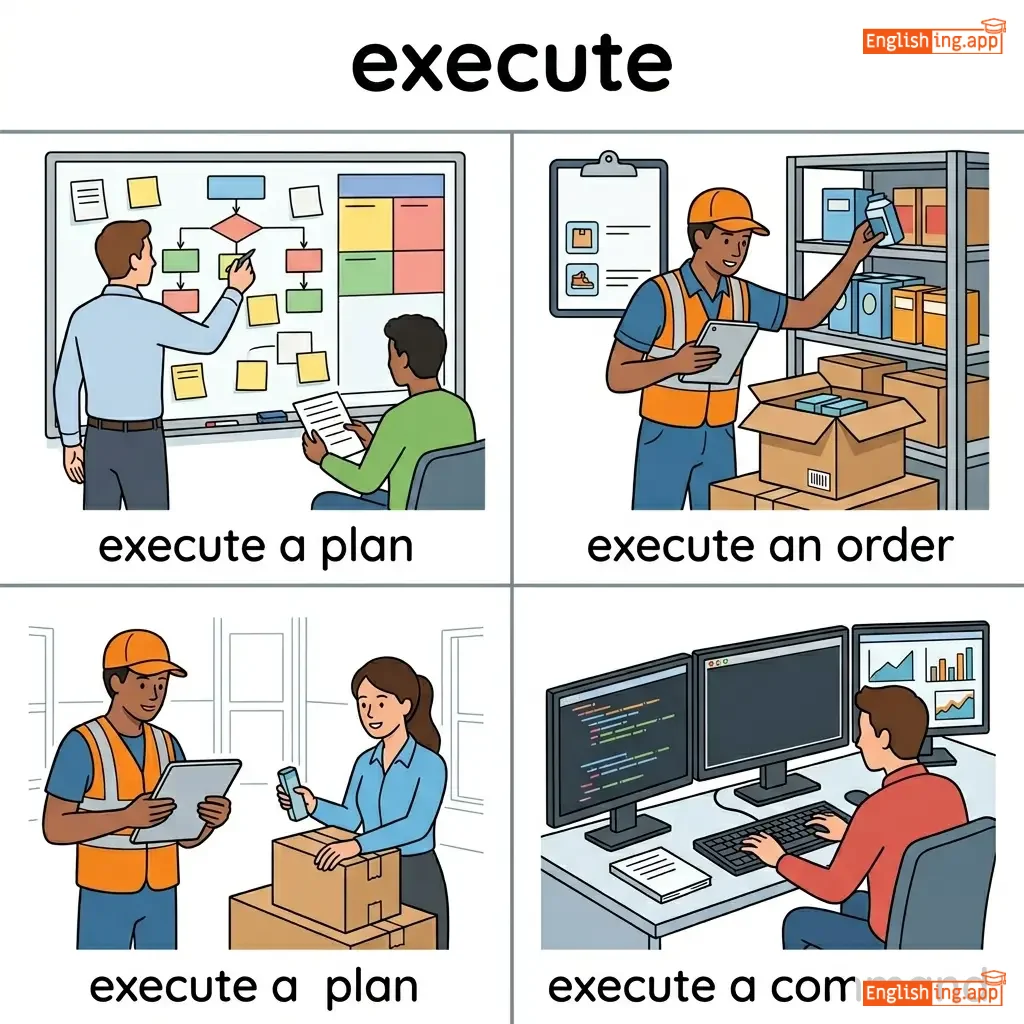
execute a plan
計画を実行する
••••••
|
to put a plan into action
••••••
|
計画を実行する
keikaku wo jikkou suru
••••••
|
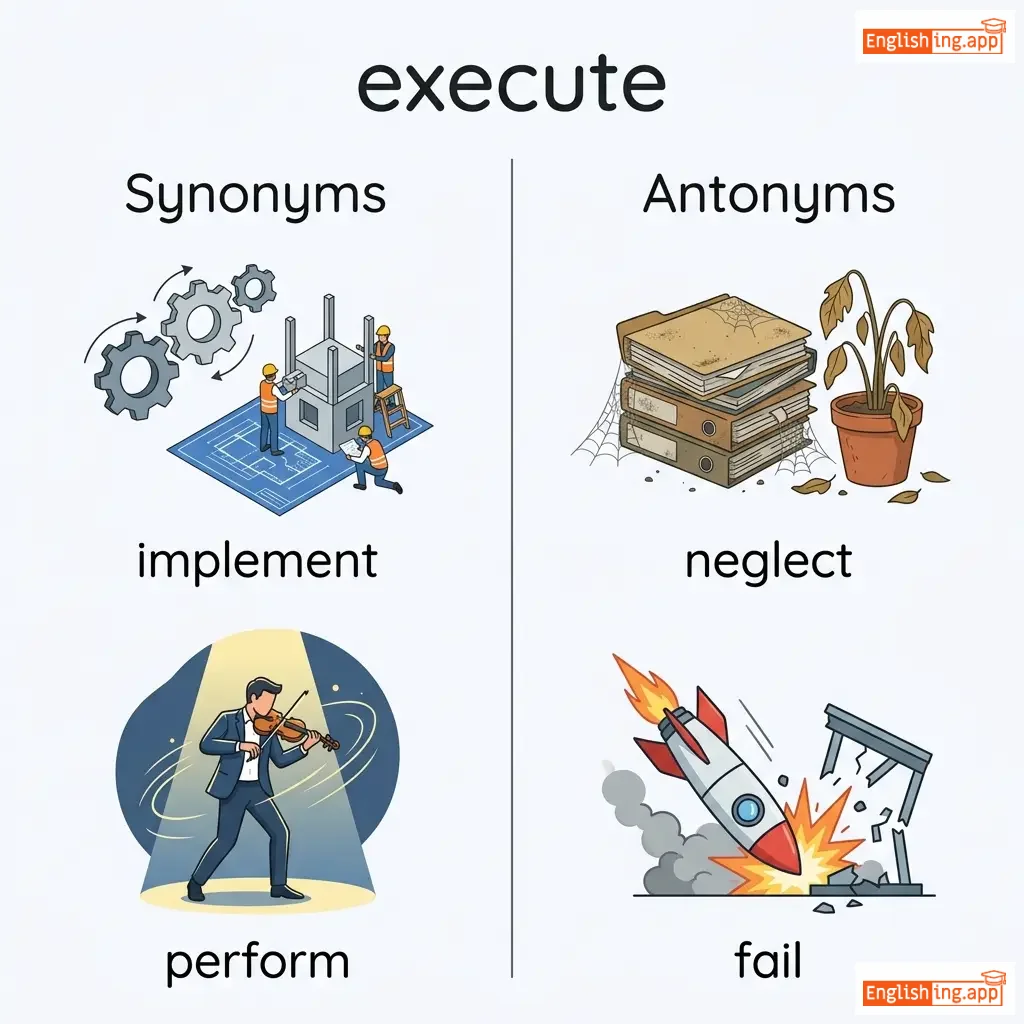
implement, perform, accomplish, enforce, carry out
••••••
|
neglect, fail, ignore
••••••
|
execute a plan, execute an order, execute a command, execute perfectly
••••••
|
Executeは計画を実行に移すことです。
••••••
|
|
⚙️
••••••
|
/ˌɛksɪˈkjuːʃən/
noun
(エグゼキューション)
••••••
|
- •••••• |
実行、遂行
jikkou, suikou
••••••
|
- •••••• | - •••••• | - •••••• | - •••••• |
the act of carrying out a plan, order, or legal sentence
••••••
|
The success of a project depends on its proper execution. |
プロジェクトの成功はその適切な実行に依存します。
Purojekuto no seikō wa sono tekisetsuna jikkō ni izon shimasu.
••••••
|
flawless execution |
perfect implementation without mistakes
••••••
|
完璧な実行
kanpeki na jikkou
••••••
|
implementation, performance, accomplishment, realization
••••••
|
failure, neglect, omission
••••••
|
execution plan, execution strategy, proper execution, flawless execution
••••••
|
Execution は仕事を遂行すること - 仕事を正しく遂行することが成功です!
••••••
|
|
💼
••••••
|
/ɪɡˈzɛkjətɪv/
noun/adjective
(エグゼクティブ)
••••••
|


|
経営幹部
keiei kanbu
••••••
|
- •••••• | - •••••• | - •••••• | - •••••• |
A person with senior managerial responsibility in a business; relating to the execution of plans or laws.
••••••
|
She works as an executive in a multinational company.
彼女は多国籍企業でエグゼクティブとして働いています。
••••••
|
彼女は多国籍企業でエグゼクティブとして働いています。
Kanojo wa takokuseki kigyō de eguzekutibu to shite hataraiteimasu.
••••••
|
executive decision
エグゼクティブ決定
••••••
|
a final decision made by a person in authority
••••••
|
エグゼクティブ決定
eguzekutibu kettei
••••••
|
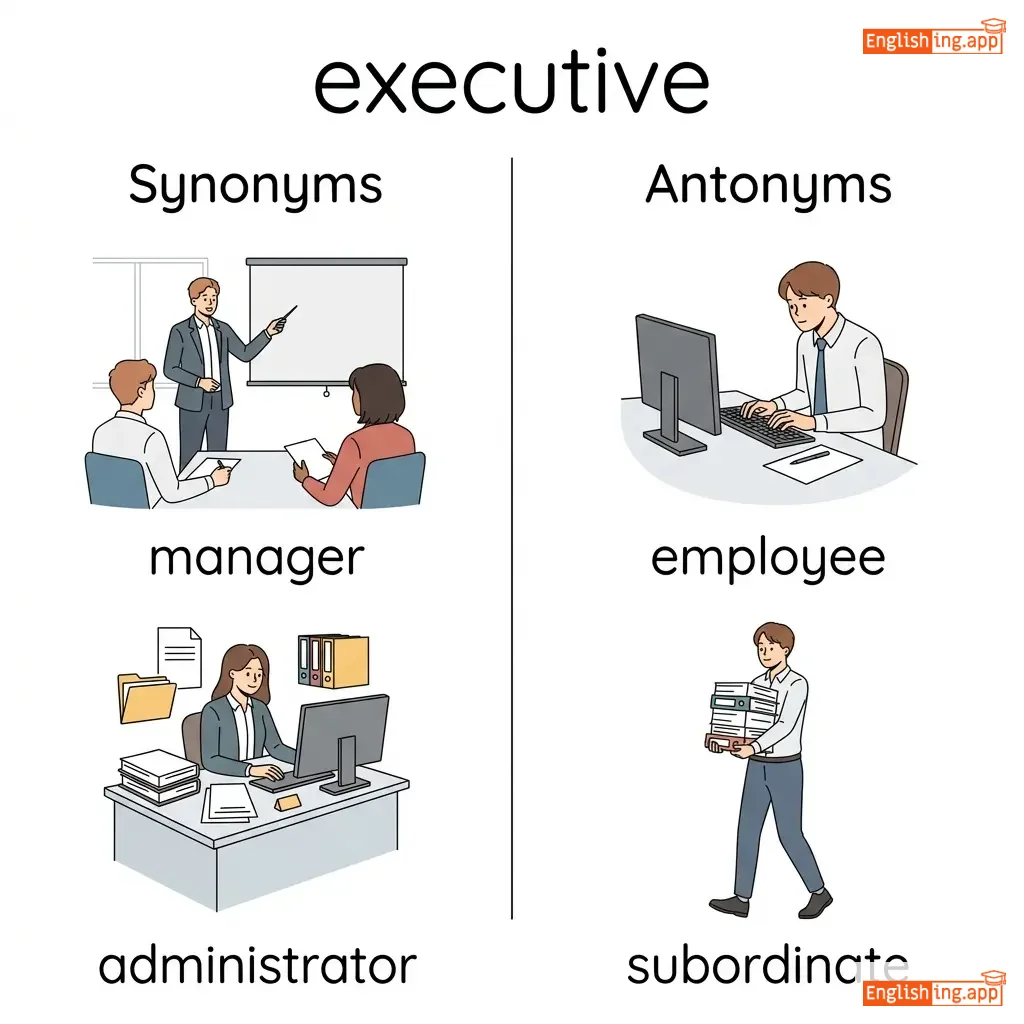
manager, administrator, director, officer, chief
••••••
|
employee, subordinate
••••••
|
executive officer, executive decision, executive position, executive power
••••••
|
経営幹部 = 重要な決定を実行する人
••••••
|
|
🏋️
••••••
|
/ˈɛksərsaɪz/
noun/verb
(エクササイズ)
••••••
|
|
運動
undou
••••••
|
exercised
エクササイズド
••••••
|
exercised
エクササイズド
••••••
|
exercises
エクササイズズ
••••••
|
exercising
エクササイズング
••••••
|
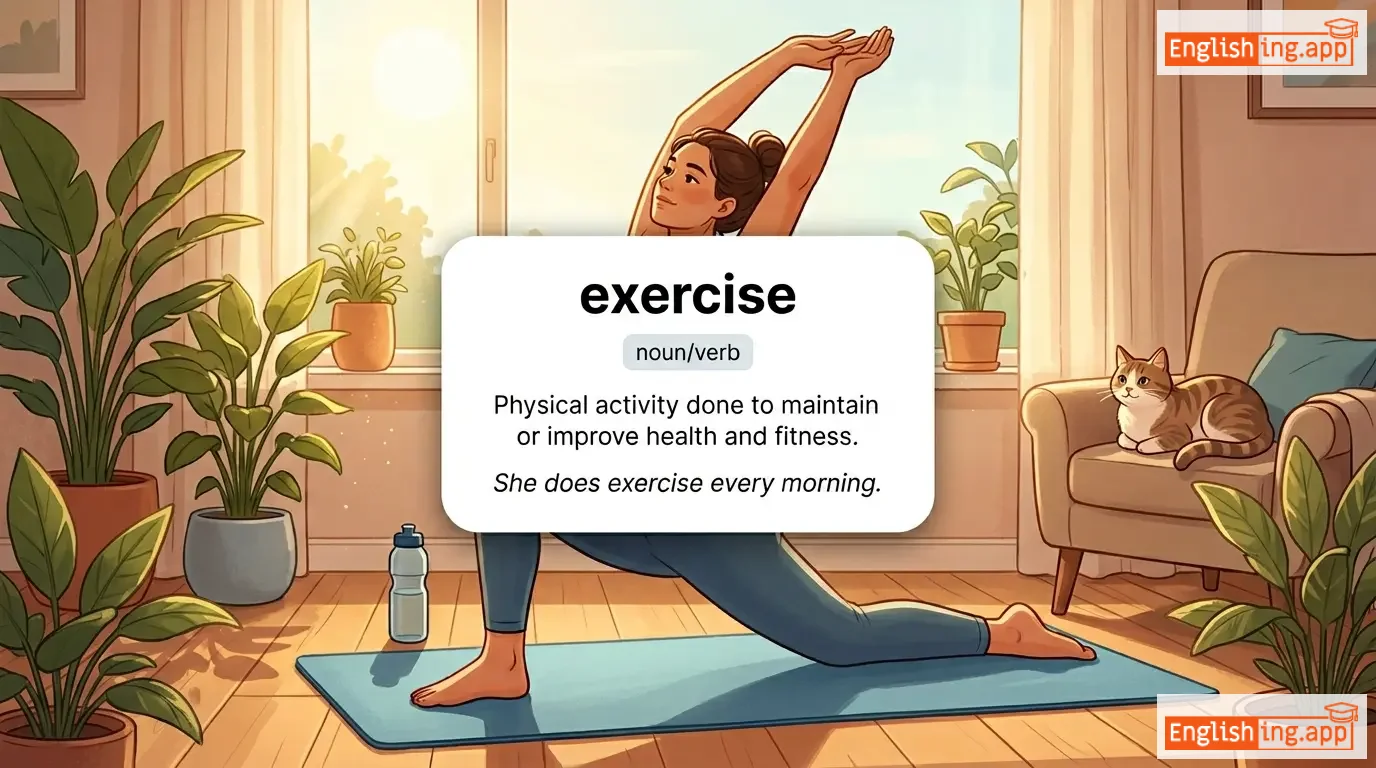
Physical activity done to maintain or improve health and fitness.
••••••
|
She does exercise every morning.
彼女は毎朝エクササイズをします。
••••••
|
彼女は毎朝運動をします。
kanojo wa mai asa undou wo shimasu.
••••••
|
exercise control
コントロールを行使する
••••••
|
to use or apply control
••••••
|
コントロールを行使する
kontorooru wo koushi suru
••••••
|
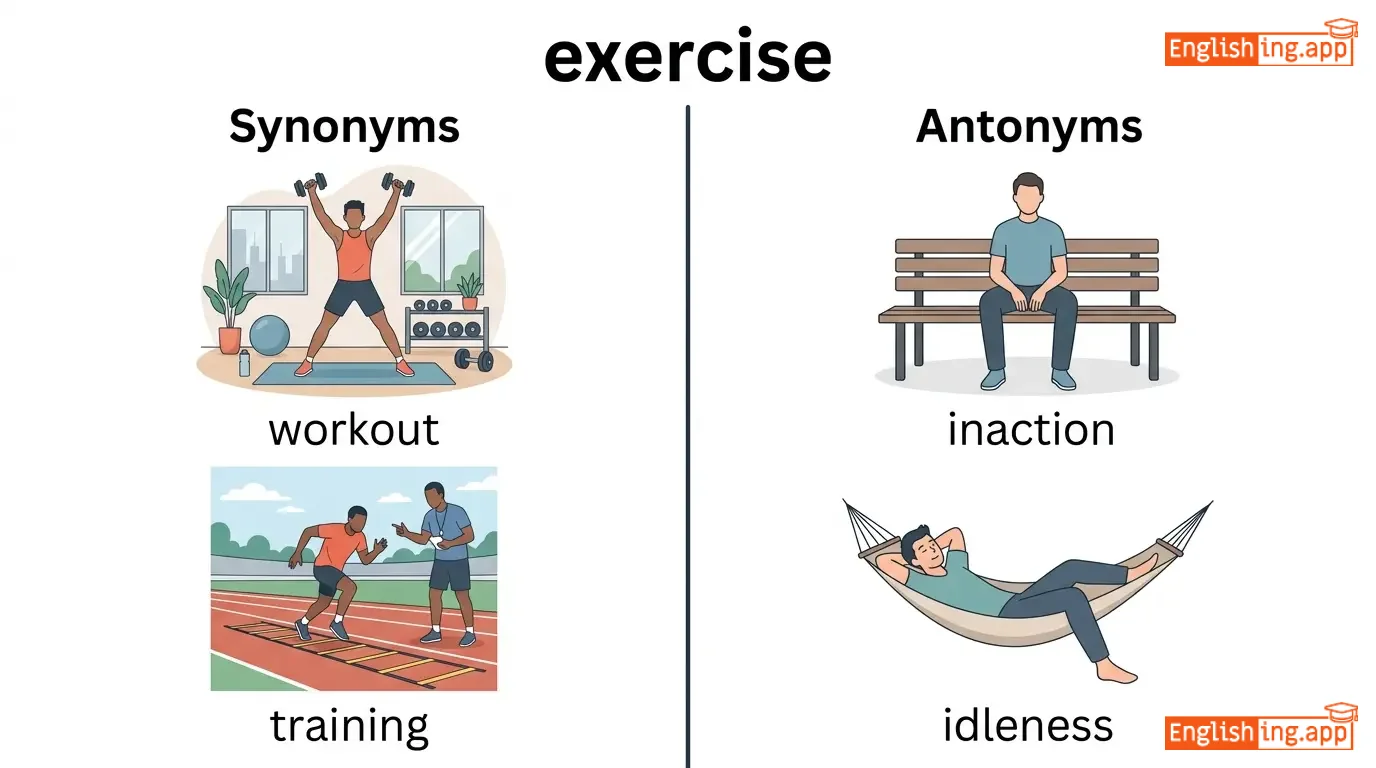
workout, training, practice, drill, activity
••••••
|
inaction, idleness
••••••
|
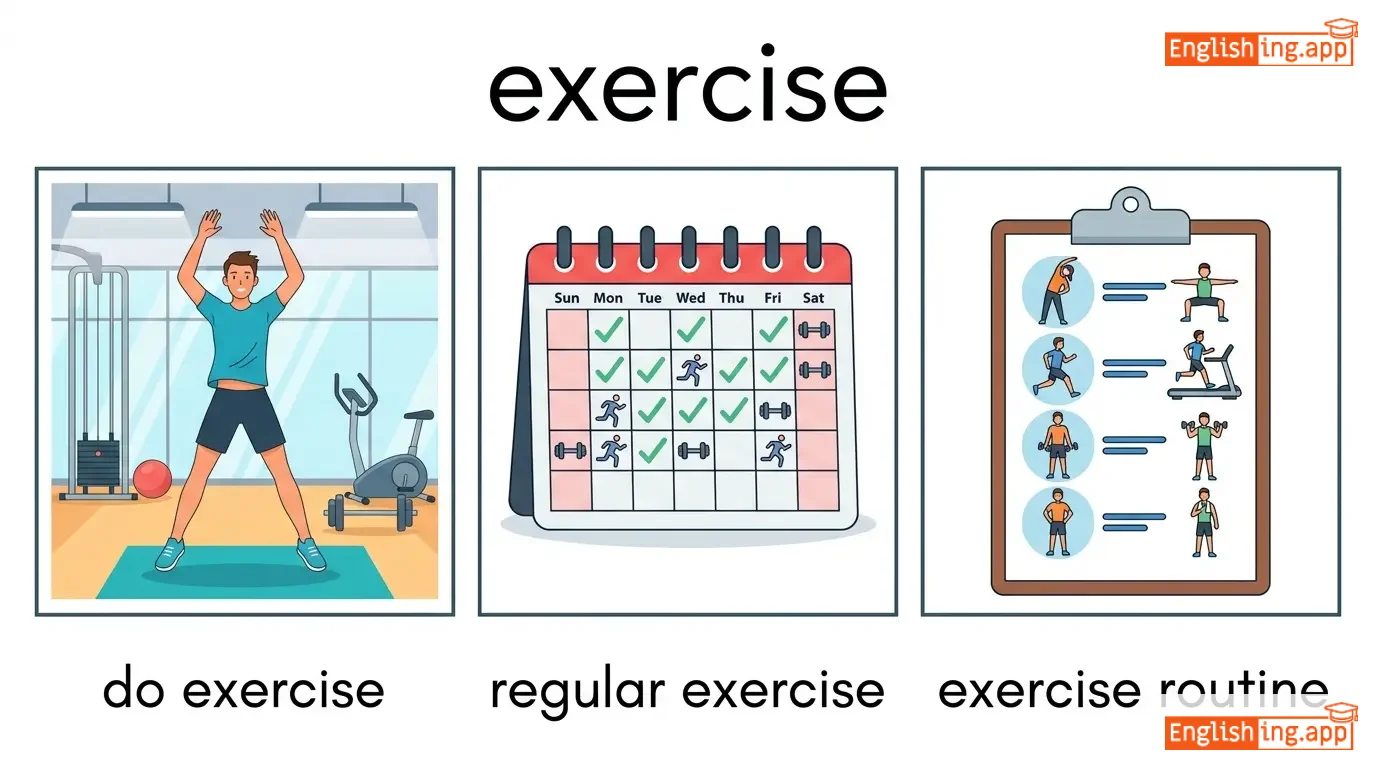
do exercise, regular exercise, exercise routine, exercise program
••••••
|
運動はエクササイズのようなもの — 考えてみて、試験に合格するためには運動が必要です!
••••••
|
|
💪
••••••
|
/ɪɡˈzɜːrt/
verb
(エクザート)
••••••
|
|
努力する
doryoku suru
••••••
|
exerted
エクザーテッド
••••••
|
exerted
エクザーテッド
••••••
|
exerts
エクザーツ
••••••
|
exerting
エクザーティング
••••••
|
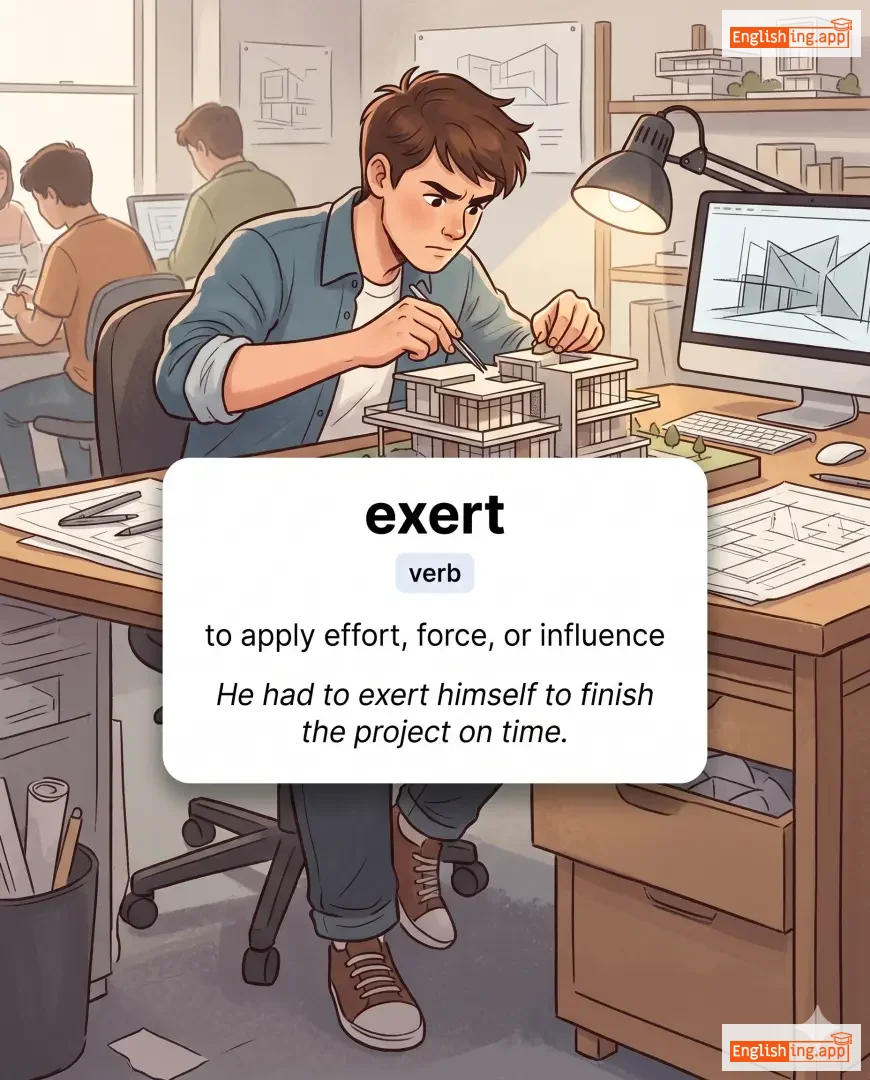
to apply effort, force, or influence
••••••
|
He had to exert himself to finish the project on time.
彼はプロジェクトを時間通りに終わらせるために努力しなければなりませんでした。
••••••
|
彼はプロジェクトを時間通りに終わらせるために努力しなければなりませんでした。
Kare wa purojekuto o jikan-dōri ni owaraseru tame ni doryoku shinakereba narimasen deshita.
••••••
|
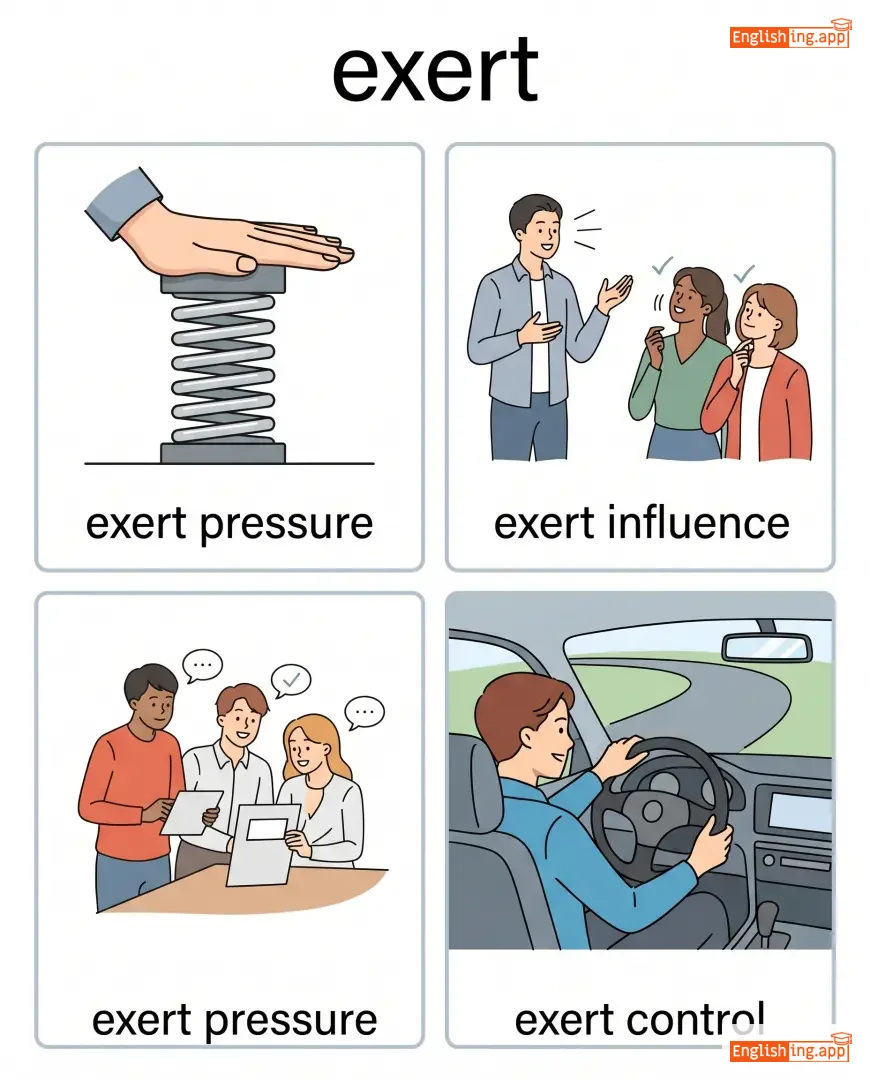
exert control
コントロールを行使する
••••••
|
to use power or influence over something or someone
••••••
|
コントロールを行使する
kontorōru o kōshi suru
••••••
|
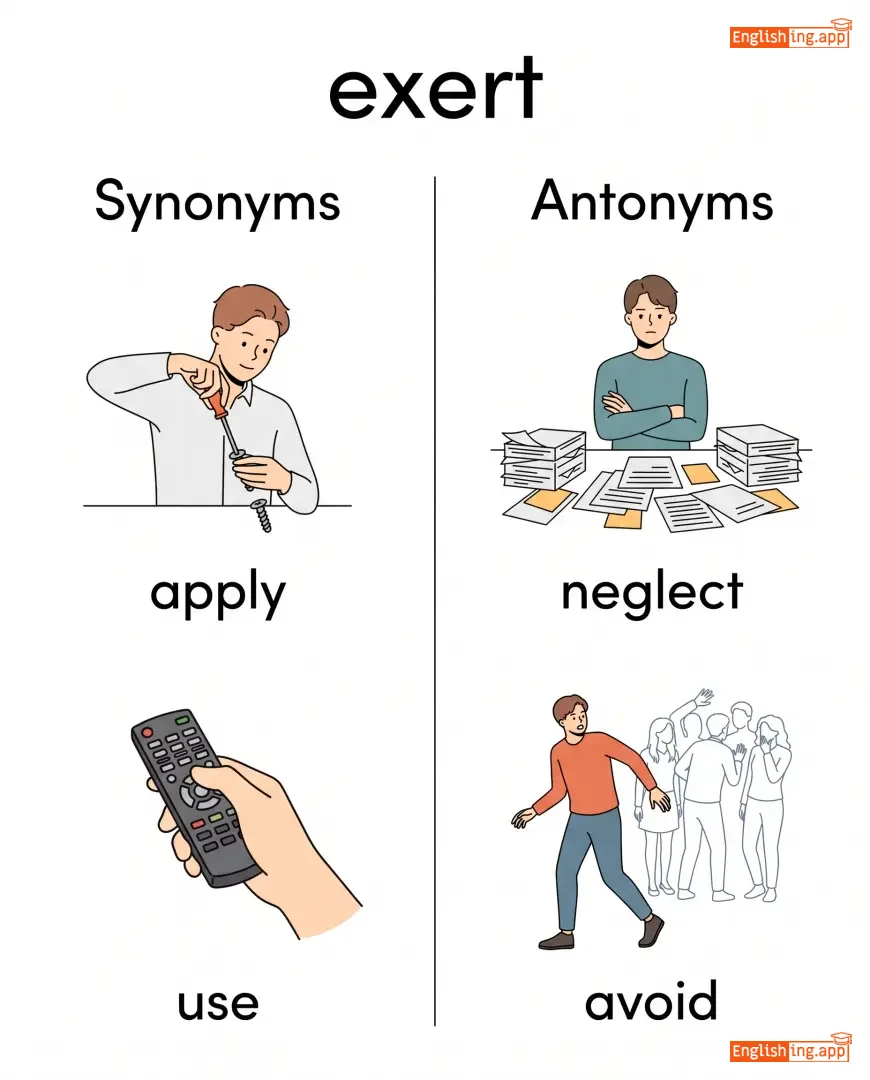
apply, use, exercise, employ, wield
••••••
|
neglect, avoid, ignore
••••••
|
exert pressure, exert influence, exert control, exert effort
••••••
|
EXtra 努力が必要な時は EXert コントロール
••••••
|
|
🖼️
••••••
|
/ɪɡˈzɪbɪt/
verb/noun
(展示する)
••••••
|
- •••••• |
展示する
tenji suru
••••••
|
exhibited
展示した
••••••
|
exhibited
展示した
••••••
|
exhibits
展示する
••••••
|
exhibiting
展示している
••••••
|
To display or show publicly; something put on display.
••••••
|
The museum will exhibit ancient artifacts.
博物館は古代の遺物を展示する予定です。
••••••
|
博物館は古代の遺物を展示する予定です。
Hakubutsukan wa kodai no ibutsu wo tenji suru yotei desu.
••••••
|
exhibit behavior
行動を展示する
••••••
|
to show a particular kind of behavior
••••••
|
行動を展示する
kōdō wo tenji suru
••••••
|
display, present, demonstrate, showcase, reveal
••••••
|
conceal, hide
••••••
|
exhibit art, exhibit talent, exhibit symptoms, exhibit courage
••••••
|
Exhibit は展示することを意味します — 試験中に学生たちは緊張感を展示します。
••••••
|

