

Passez à la version Pro pour accéder à tout le vocabulaire
Message vocabulaire Pro
Passer à la version ProTraduction
Passé
Participe Passé
Troisième Personne du Singulier
Gérondif
Signification
Phrase d'Exemple
Traduction de la Phrase d'Exemple
Synonymes
Antonymes
Collocations
Mnémonique



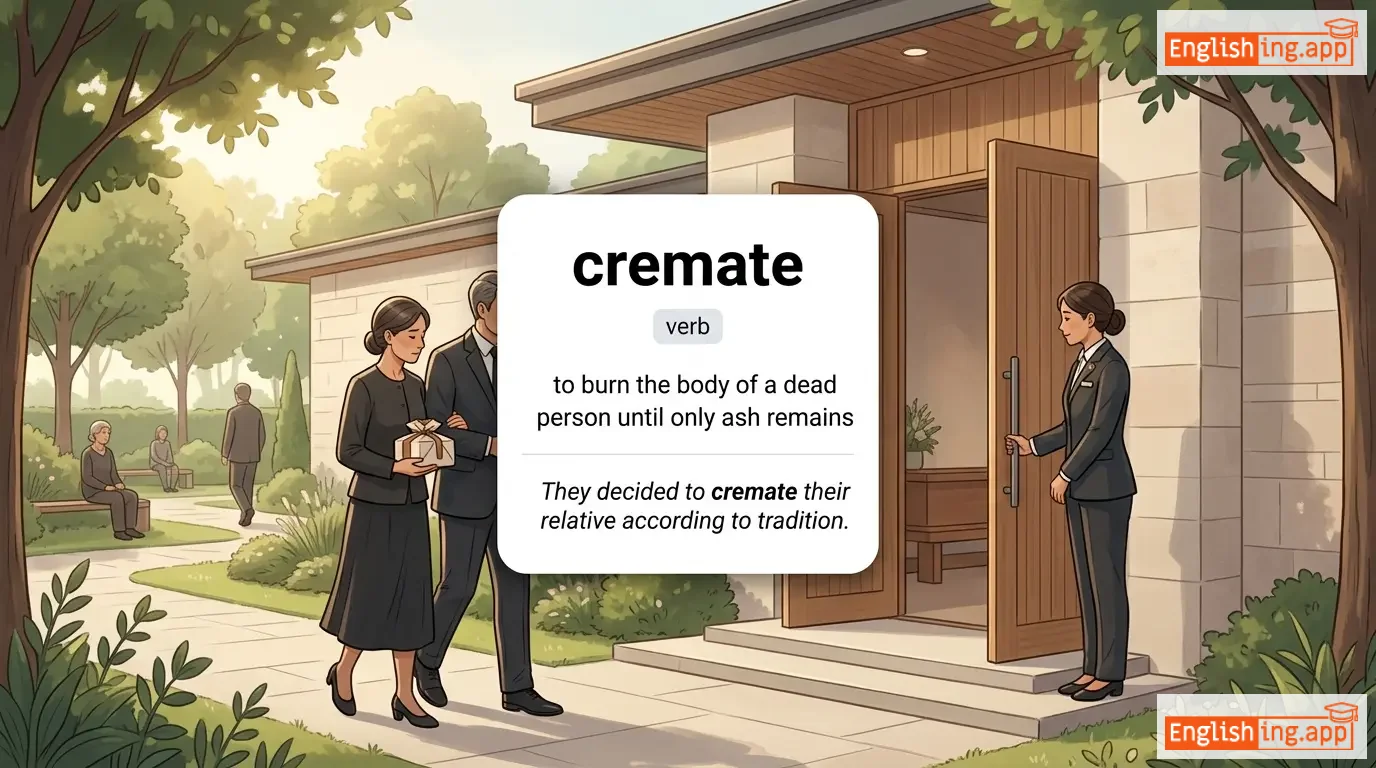
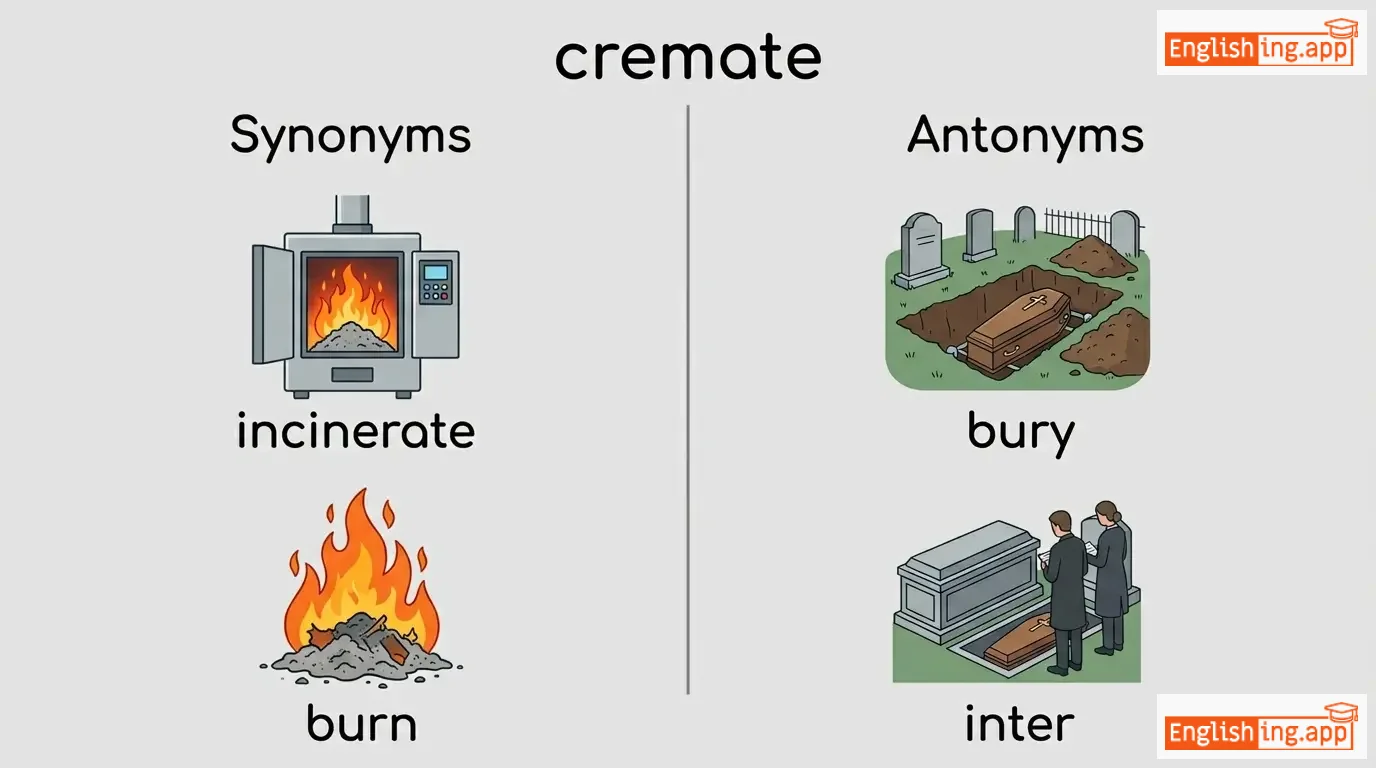
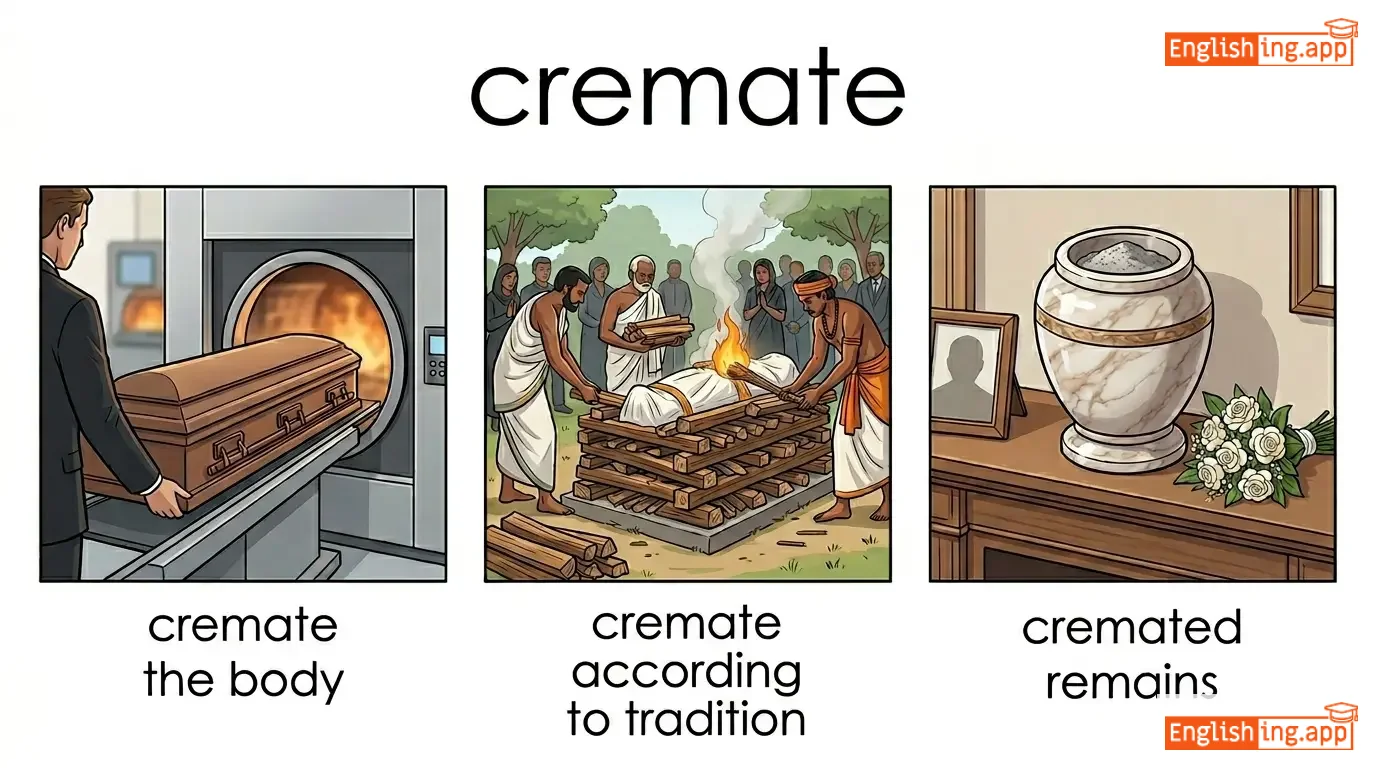
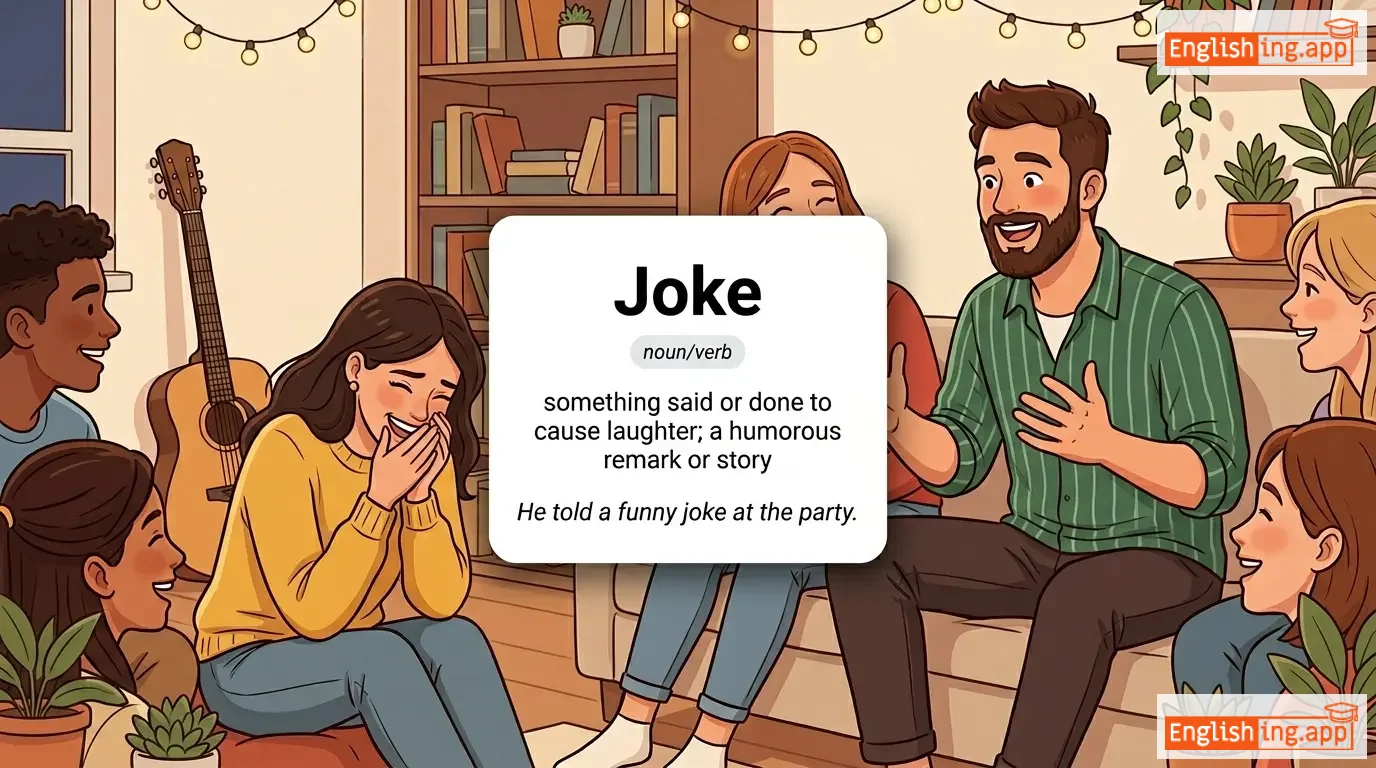


Swipe left or right, or use the buttons. Tap image to zoom.
Passez à la version Pro pour accéder à toutes les phrases
Message phrases Pro
Passer à la version ProTraduction de la Phrase d'Exemple
Mot
Lesson 24: Mastering the Most Frequent Verbs & TensesLesson 24: Mastering the Most Frequent Verbs & Tenses - Basculement de Masque
|
Émoji
|
Mot | Images | Traduction | Passé | Participe Passé | Troisième Personne du Singulier | Gérondif | Signification | Phrase d'Exemple | Traduction de la Phrase d'Exemple | Synonymes | Antonymes | Collocations | Mnémonique |
|---|---|---|---|---|---|---|---|---|---|---|---|---|---|---|
|
#686
🔒
|
/kiːp/
verb
(kip)
••••••
|
|
garder
garder
••••••
|
kept
kept
••••••
|
kept
kept
••••••
|
keeps
kips
••••••
|
keeping
kiping
••••••
|
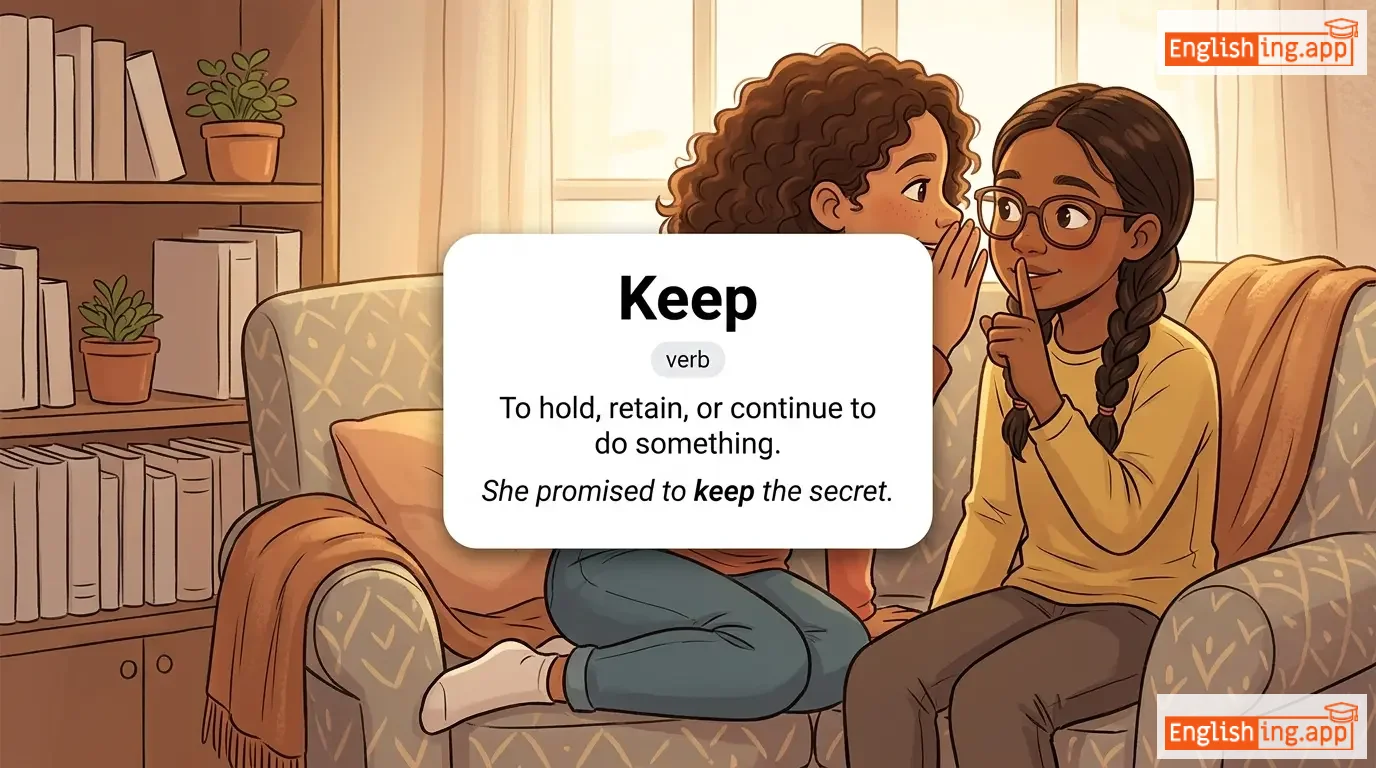
to have and retain possession of; to continue doing
••••••
|
I keep my books on the shelf.
ai kip mai buks on de shelf
••••••
|
Je garde mes livres sur l'étagère.
Zh gard me livr sur letazher.
••••••
|
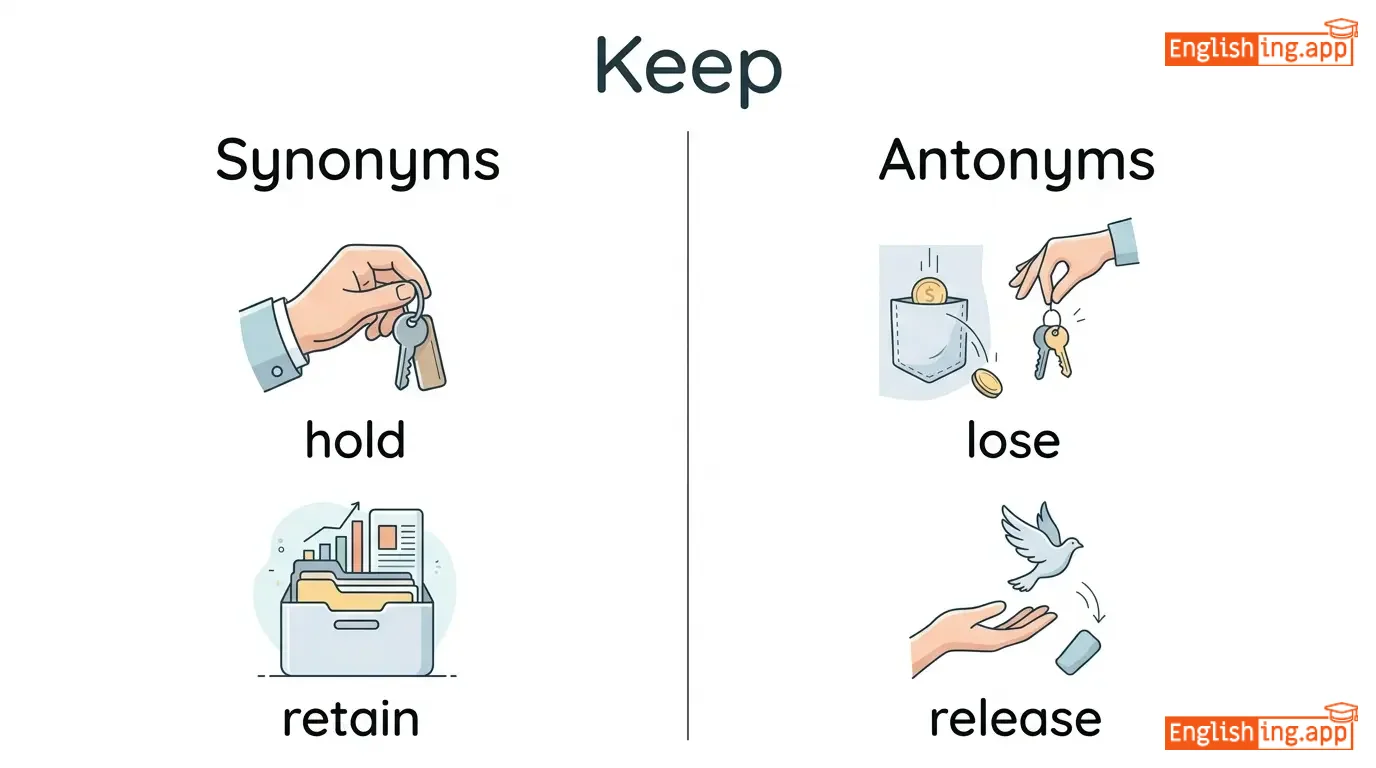
retain, maintain, preserve, hold
••••••
|
lose, discard, throw away, give up
••••••
|
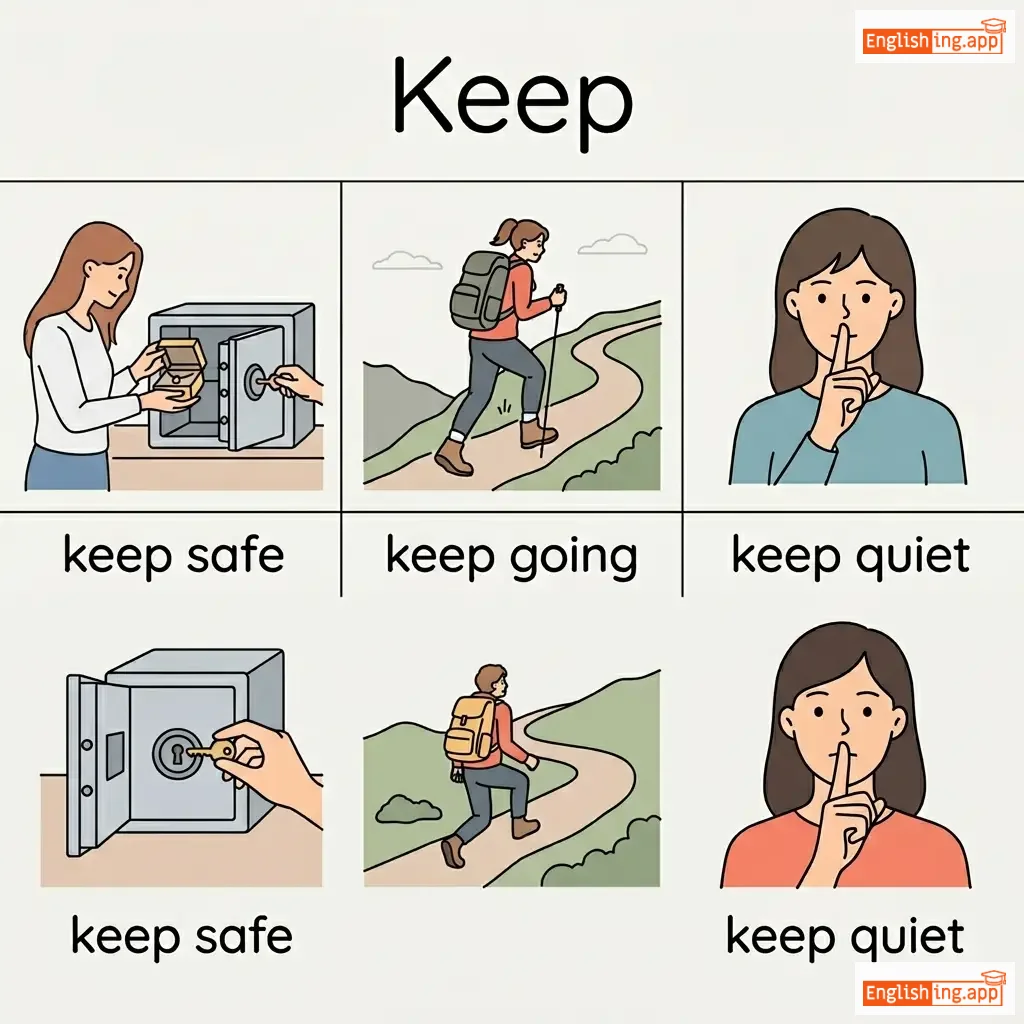
keep safe, keep quiet, keep calm, keep secret, keep in mind, keep track of, keep up with
••••••
|
Keep = garder — like guarding something you keep safe.
••••••
|
|
#687
🤗
|
/ˈsɪmpəθaɪz/
verb
(simpanthaiz)
••••••
|
|
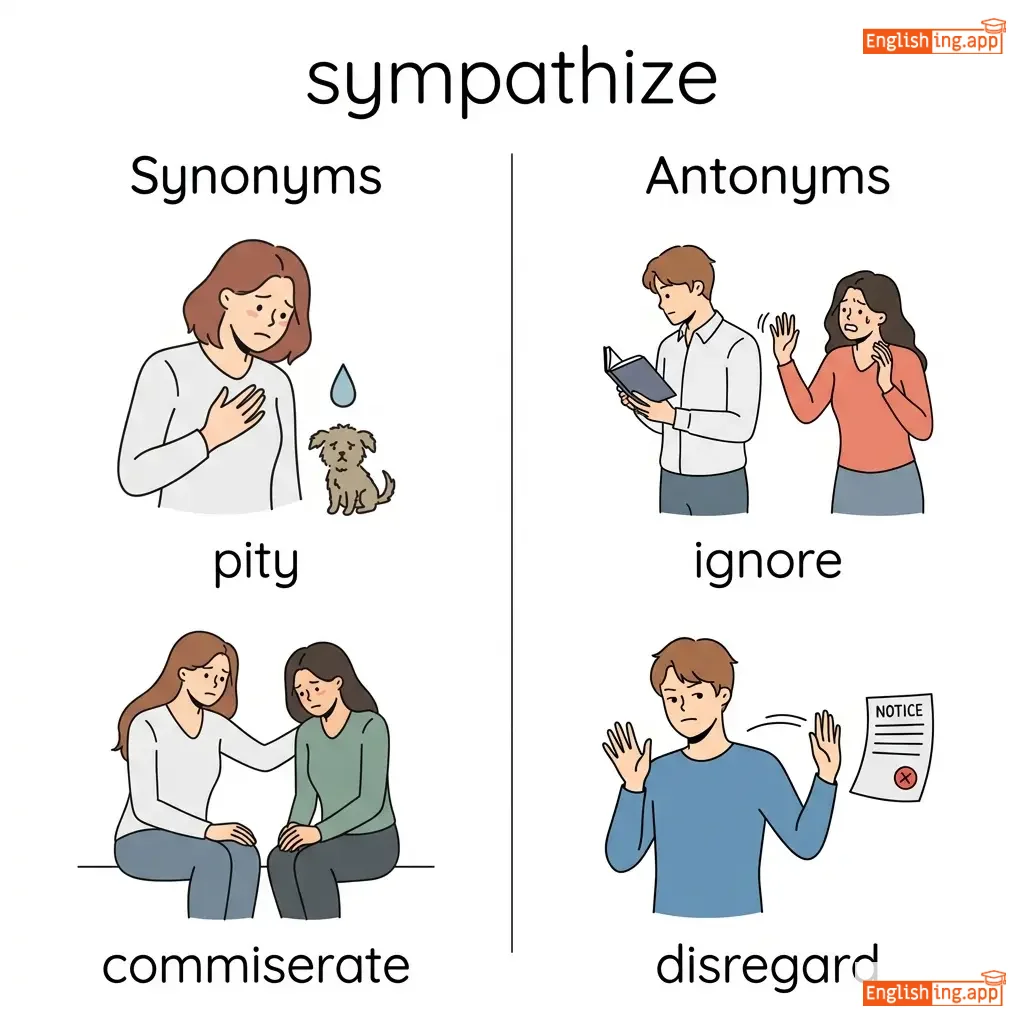
compatir
kompatir
••••••
|
sympathized
simpanthaizd
••••••
|
sympathized
simpanthaizd
••••••
|
sympathizes
simpanthaiz
••••••
|
sympathizing
simpanthaizing
••••••
|
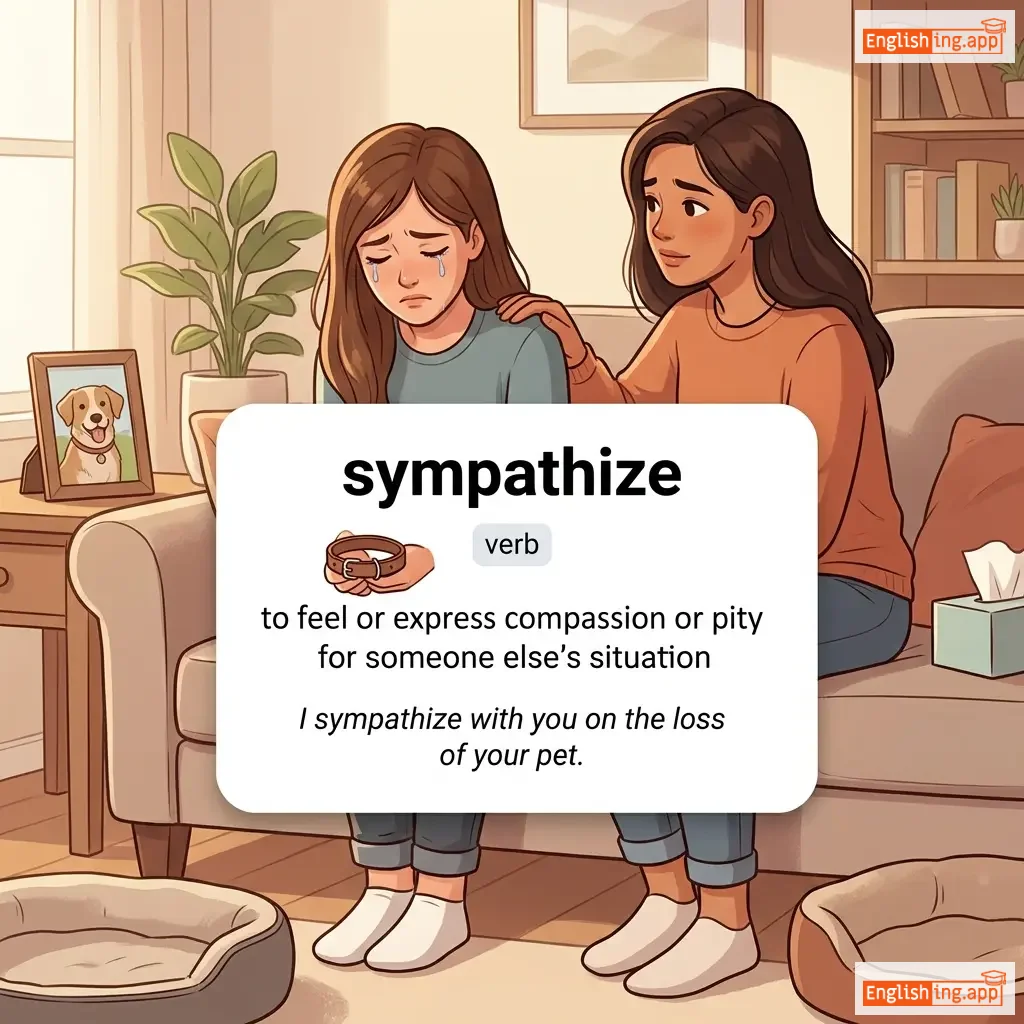
to feel sorry for someone; to understand and share someone's feelings
••••••
|
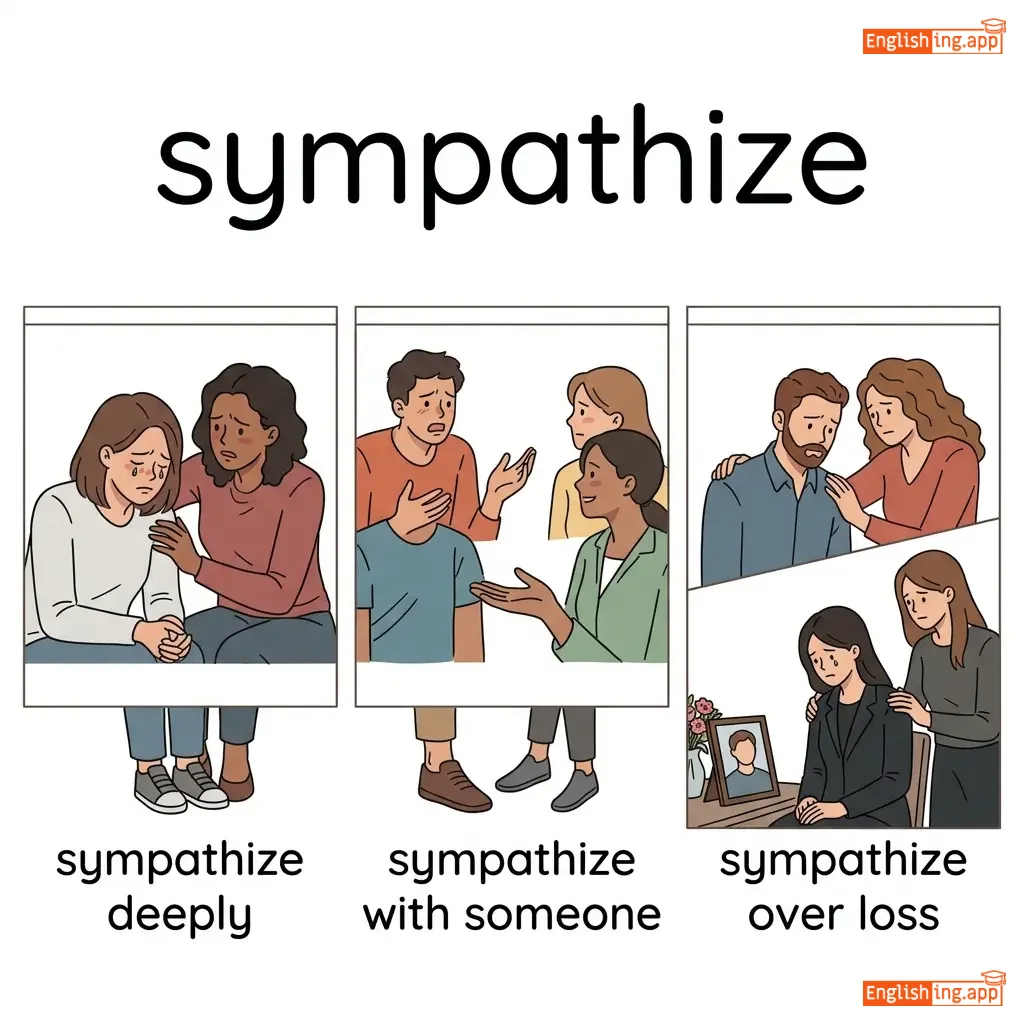
I sympathize with your loss.
je simpataiz avek yur los.
••••••
|
Je compatis à ta perte.
Je kompatia ta pert
••••••
|
empathize, commiserate, understand, feel for
••••••
|
ignore, dismiss, disregard
••••••
|
sympathize with, deeply sympathize, sympathize completely, sympathize sincerely, sympathize wholeheartedly
••••••
|
Sympathize = compatir, both share the idea of compassion (‘com-patir’ = suffer with).
••••••
|
|
#688
🧹
|
/swiːp/
verb
(souip)
••••••
|
|
balayer
balayer
••••••
|
swept
souépt
••••••
|
swept
souépt
••••••
|
sweeps
souips
••••••
|
sweeping
souiping
••••••
|
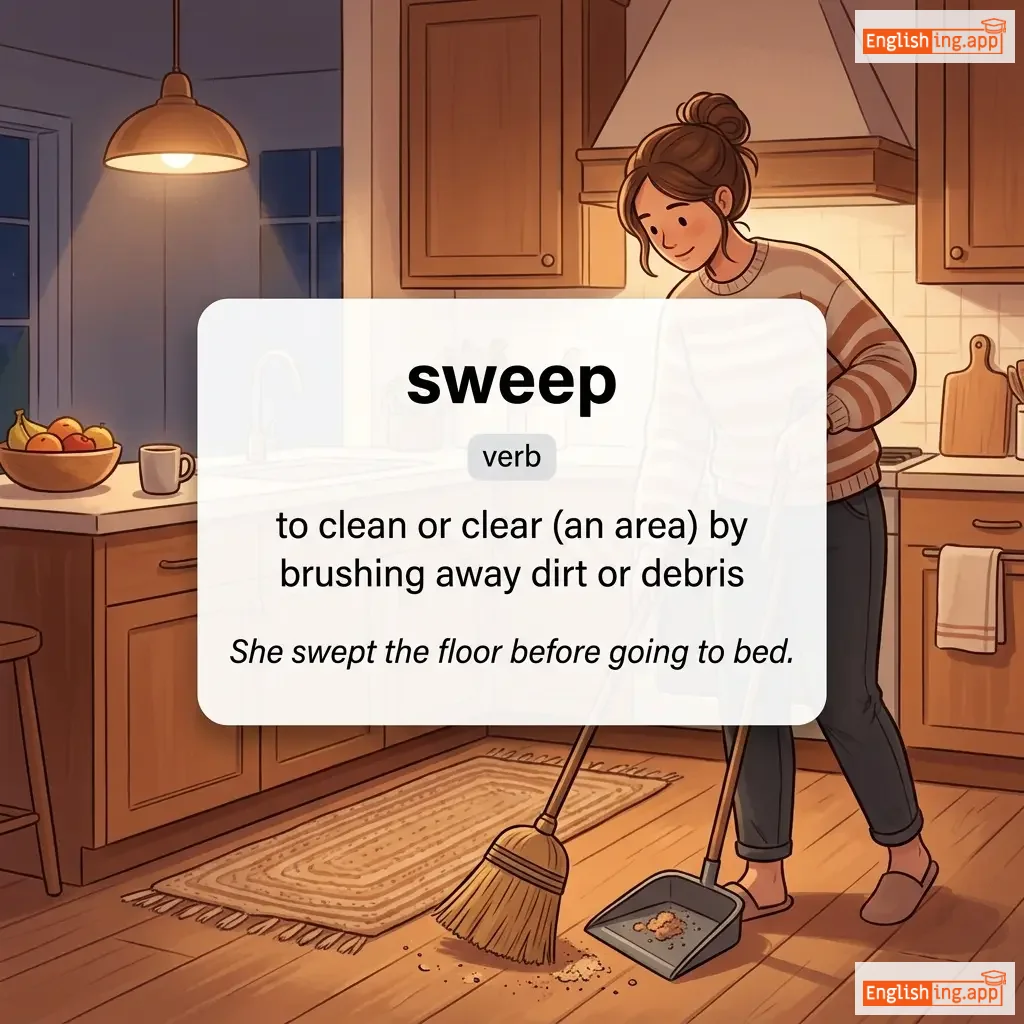
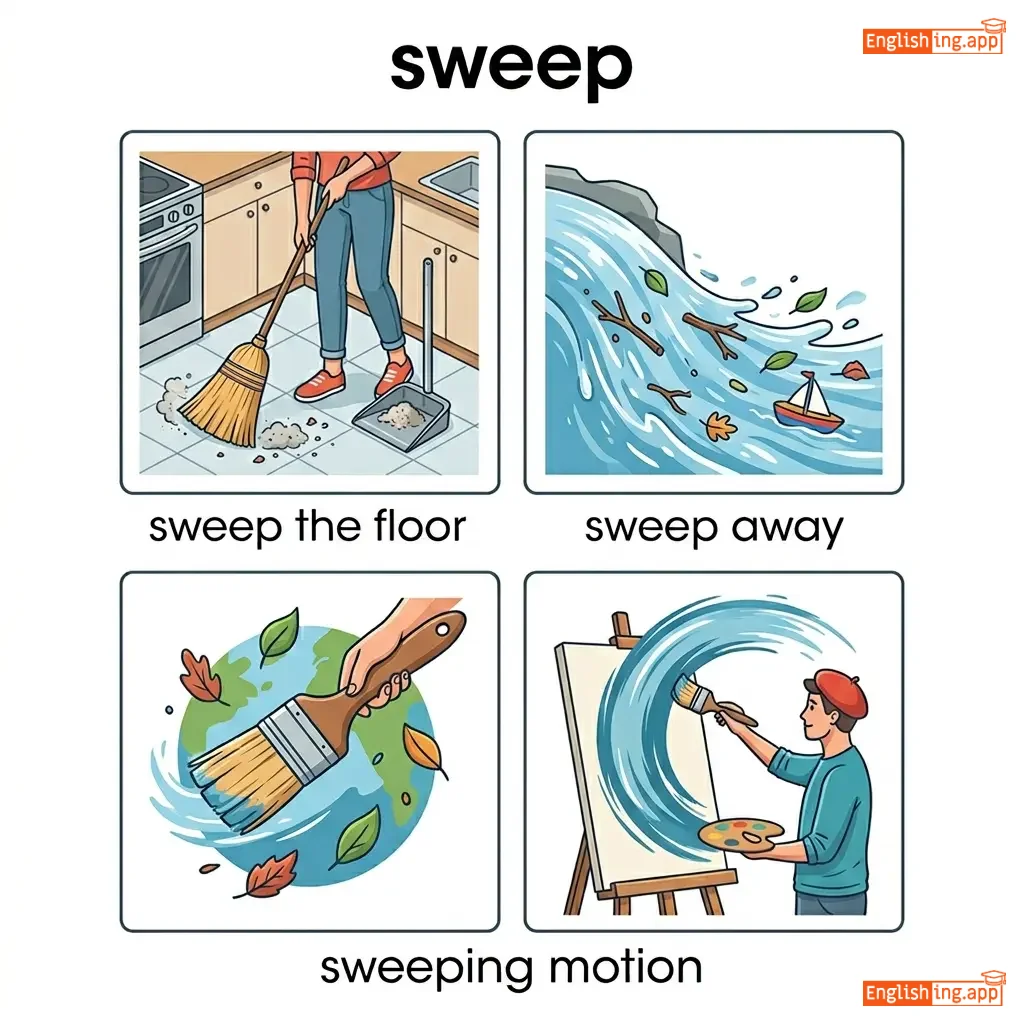
to clean by brushing; to move quickly and smoothly
••••••
|
She sweeps the floor every morning.
chi souips ze flòr évri morning
••••••
|
Elle balaie le sol chaque matin.
El balaye le sol shak matin
••••••
|
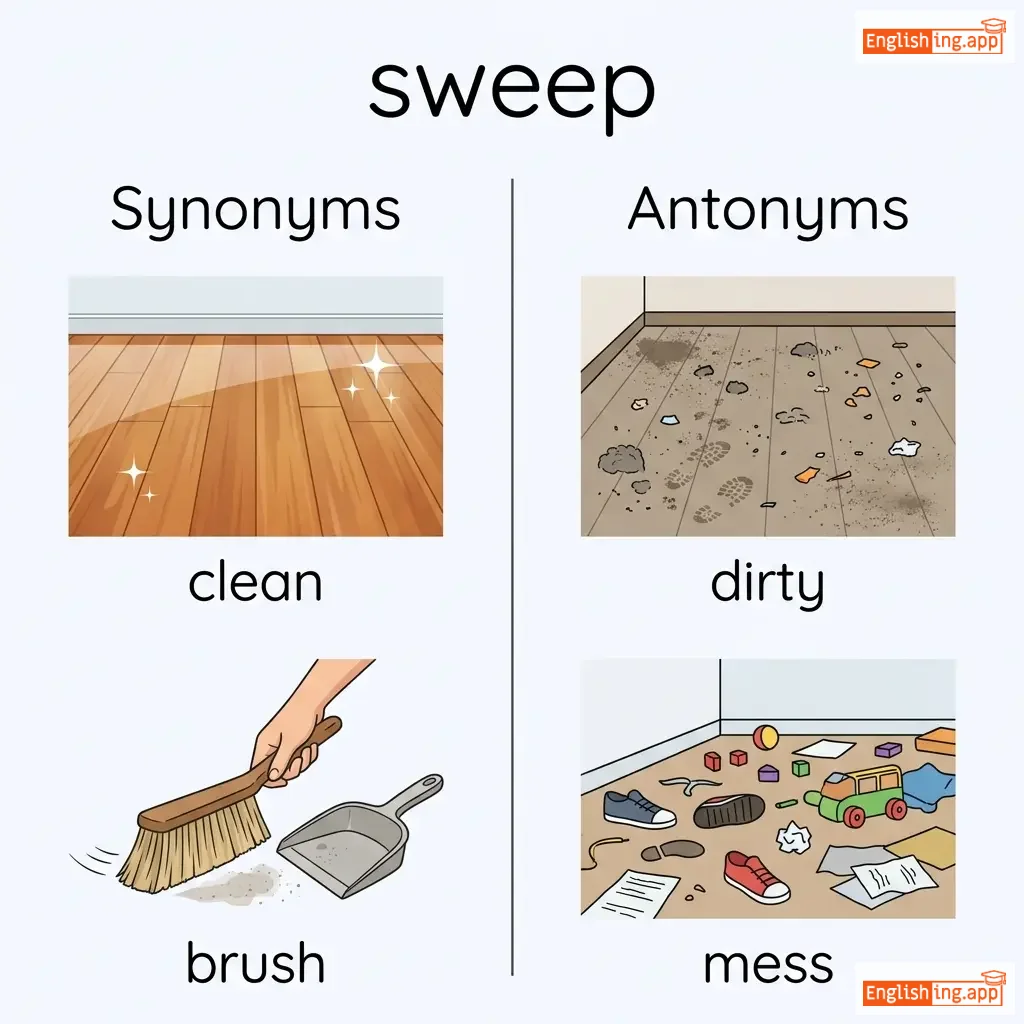
brush, clean, move quickly, glide
••••••
|
dirty, mess up
••••••
|
sweep away, sweep clean, sweep up, sweep aside, sweep through, sweep under
••••••
|
‘Sweep’ and ‘balayer’ both move the dust away!
••••••
|
|
#689
🪢
|
/baɪnd/
verb
(baïnd)
••••••
|
|
lier
lier
••••••
|
bound
baund
••••••
|
bound
baund
••••••
|
binds
baïnds
••••••
|
binding
baïnding
••••••
|
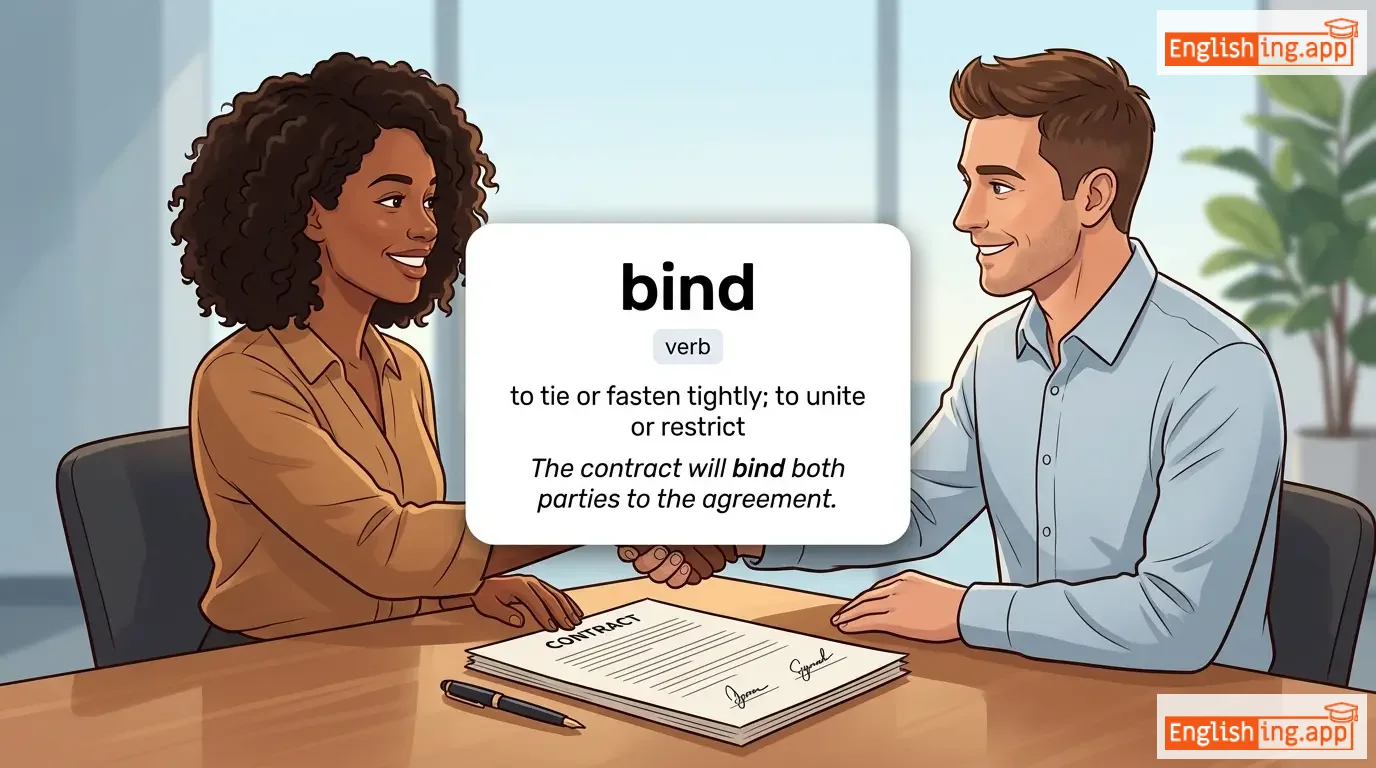
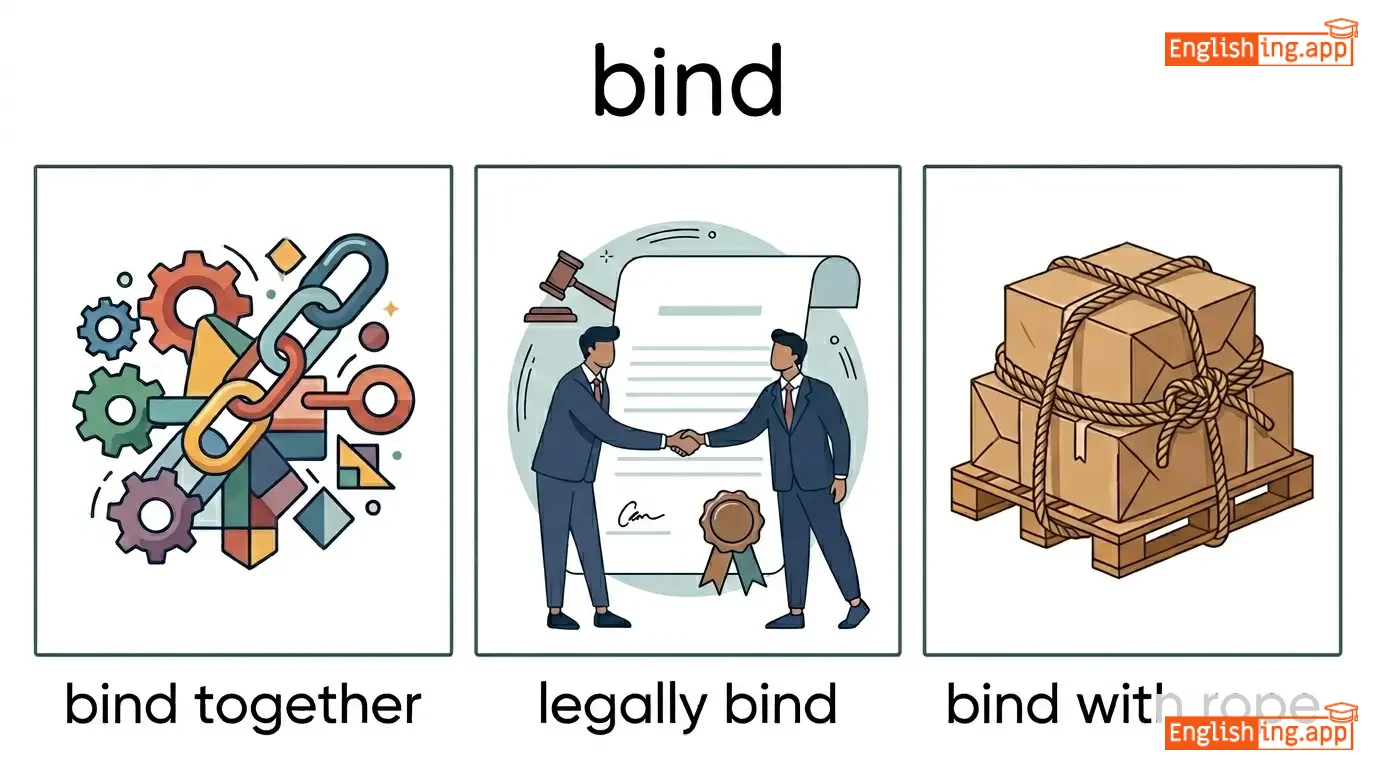
to tie together; to make a legal agreement; to put a cover on a book
••••••
|
The rope binds the packages together.
ze roup baïnds ze paquedjes togedeur
••••••
|
La corde lie les paquets ensemble.
la corde lie les paquets ensemble
••••••
|
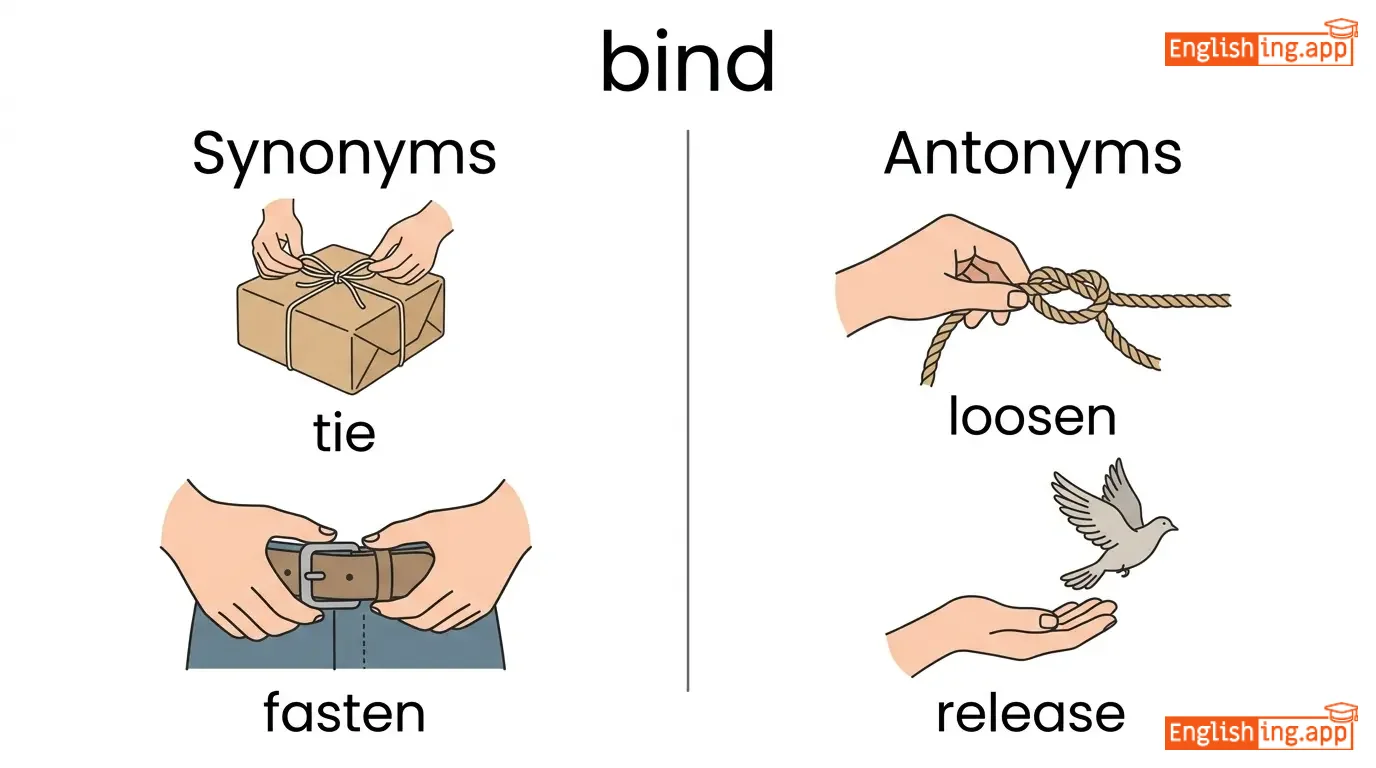
tie, fasten, secure, unite
••••••
|
untie, release, free, separate
••••••
|
bind together, bind tightly, bind securely, legally bind, bind up, bind with
••••••
|
Bind and 'lier' both connect things—think of linking ideas!
••••••
|
|
#690
😈
|
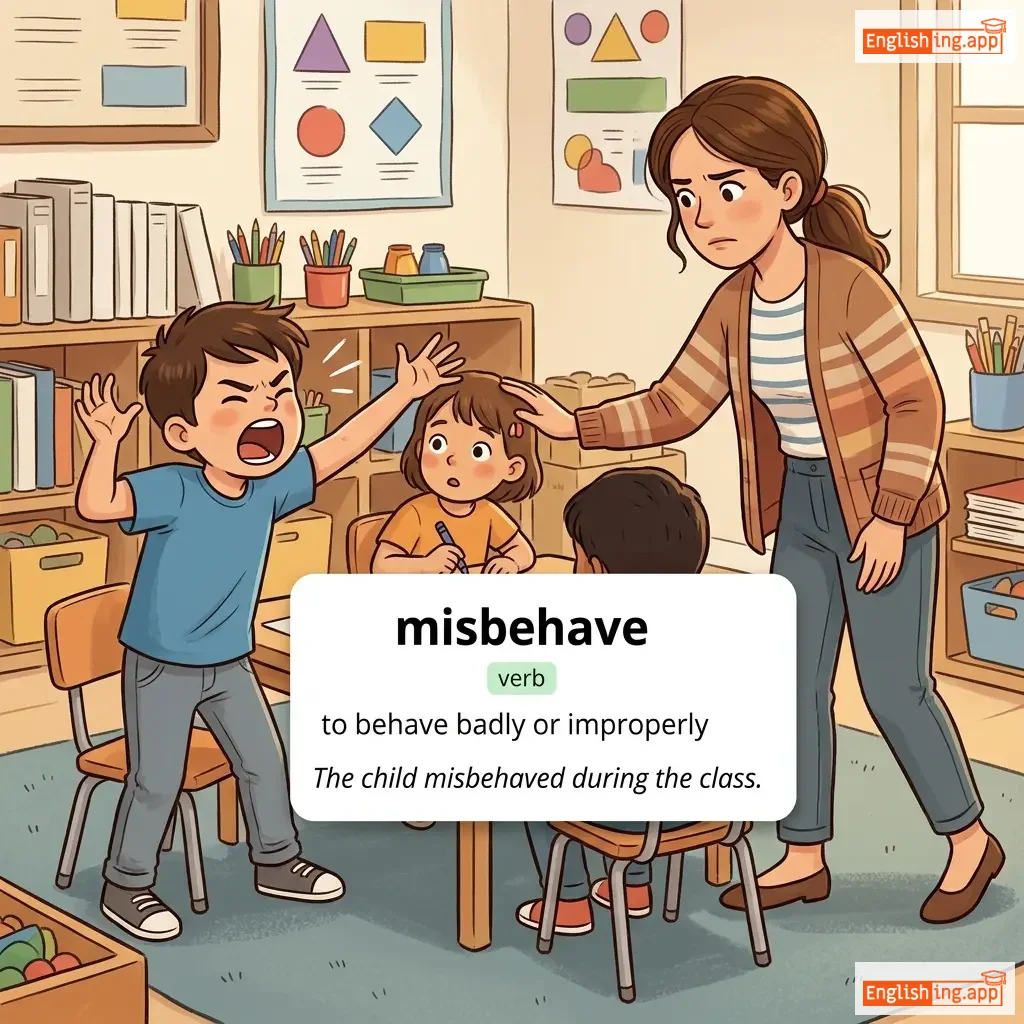
/ˌmɪsbɪˈheɪv/
verb
(misbehev)
••••••
|
|
mal se comporter
mal se comporter
••••••
|
misbehaved
misbehevd
••••••
|
misbehaved
misbehevd
••••••
|
misbehaves
misbehevs
••••••
|
misbehaving
misbeheving
••••••
|
to behave badly or inappropriately; to act in an unacceptable way
••••••
|
The children misbehaved during the school assembly.
ze childeren misbehevd during ze skul asambli
••••••
|
Les enfants se sont mal comportés pendant l'assemblée de l'école.
Lez anfan se son mal comporte pendant lasamble de lekol
••••••
|
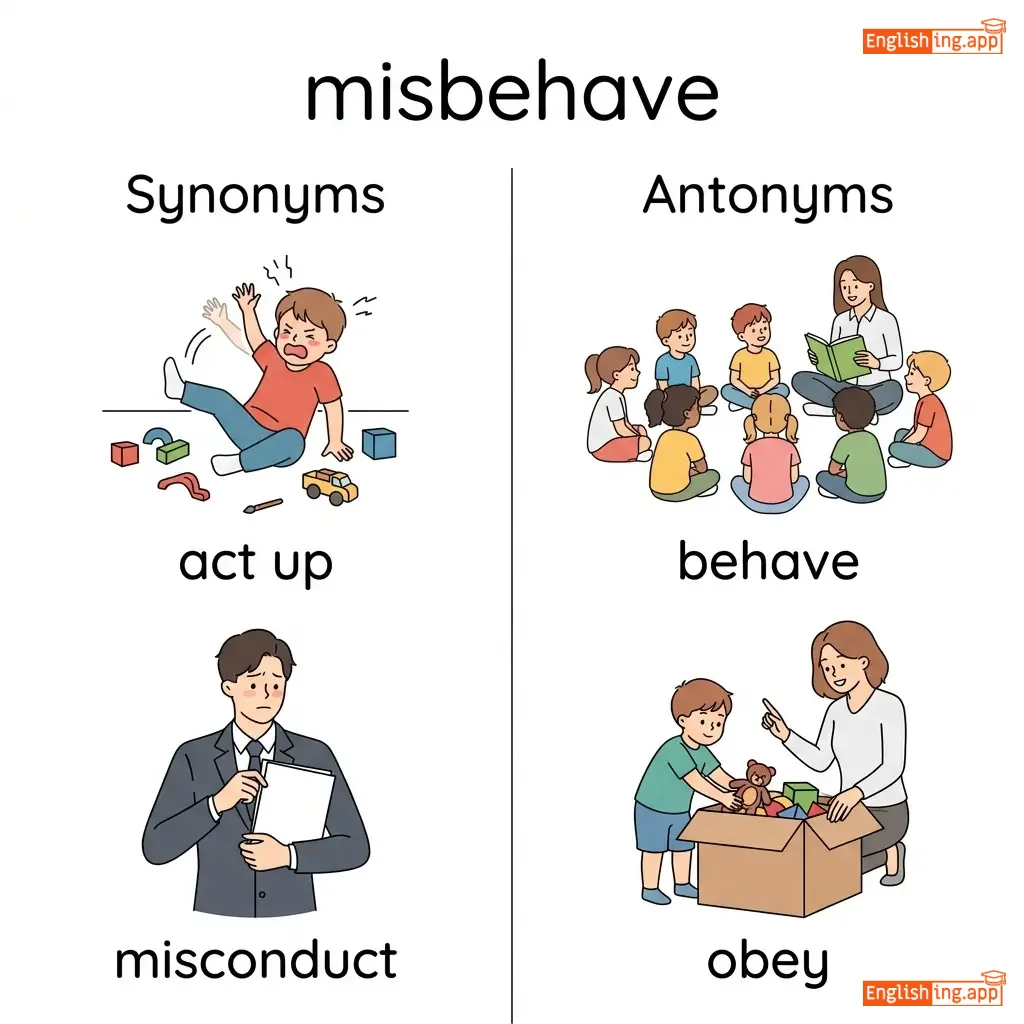
act up, misconduct, be naughty, disobey
••••••
|
behave, obey, comply, follow rules
••••••
|
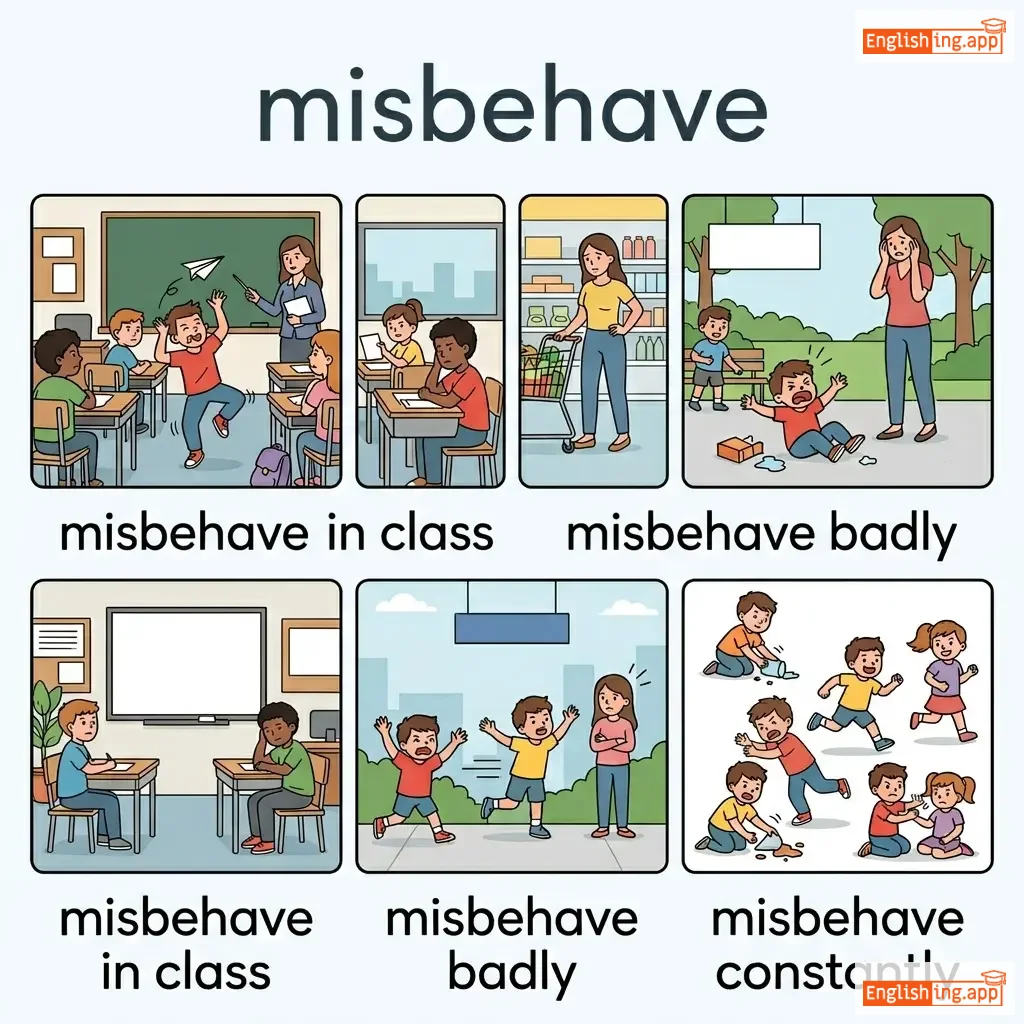
misbehave badly, constantly misbehave, children misbehave, misbehave in school, misbehave at home
••••••
|
‘Mis’ comme ‘mal’ en français — misbehave = mal se comporter.
••••••
|
|
#691
⚠️
|
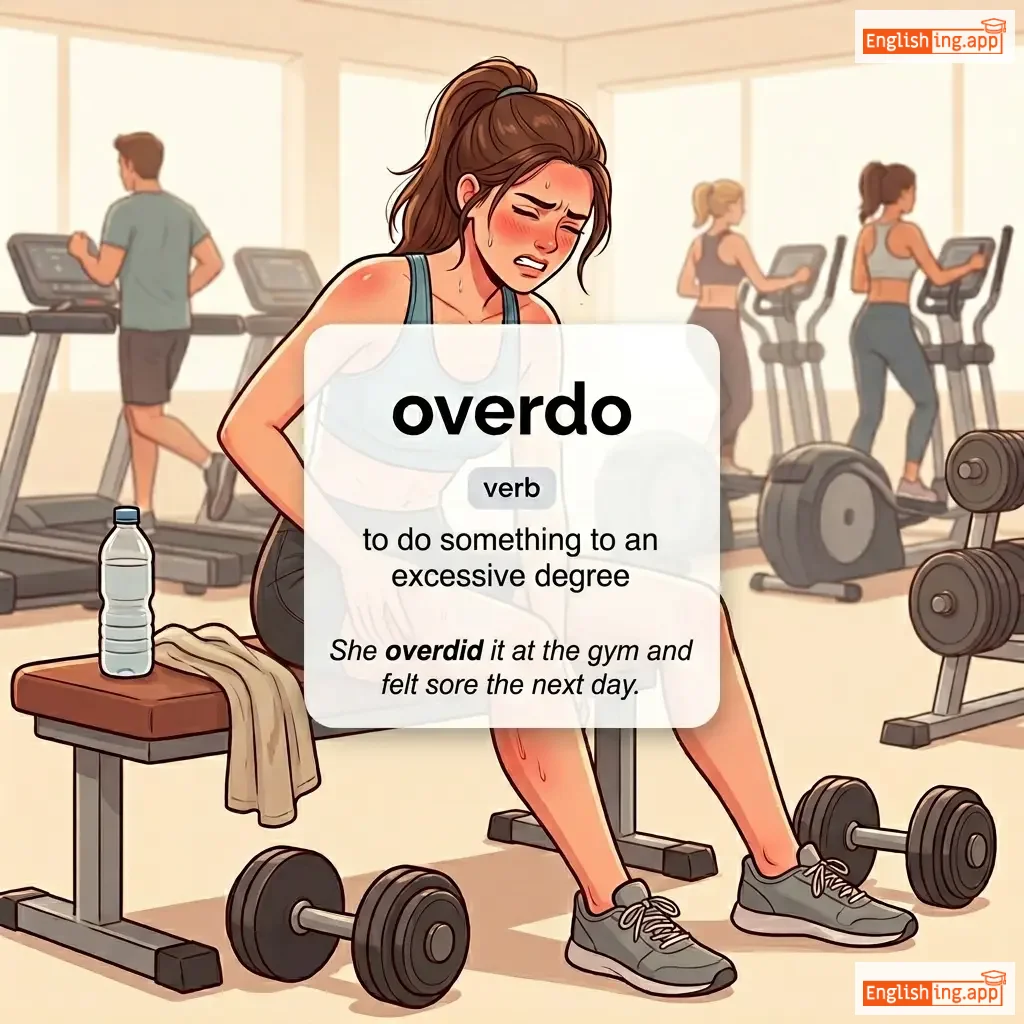
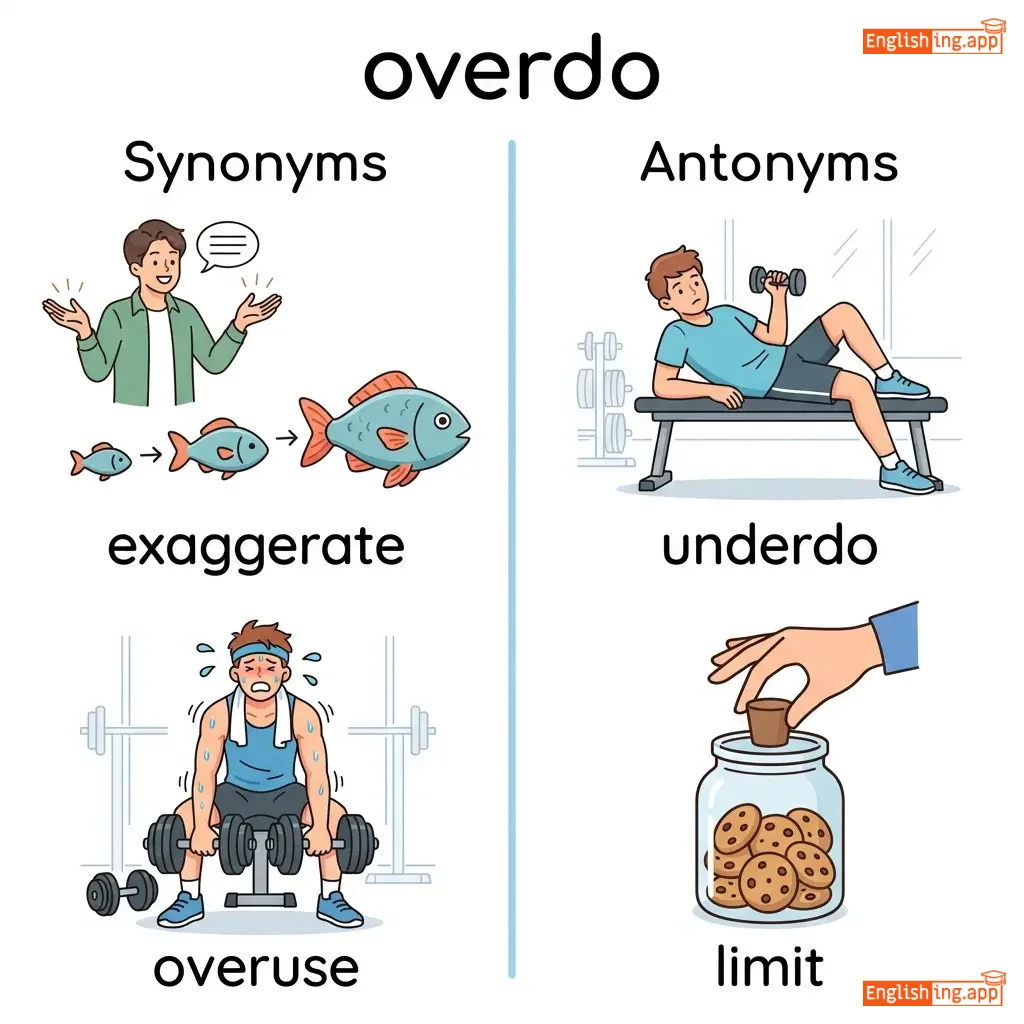
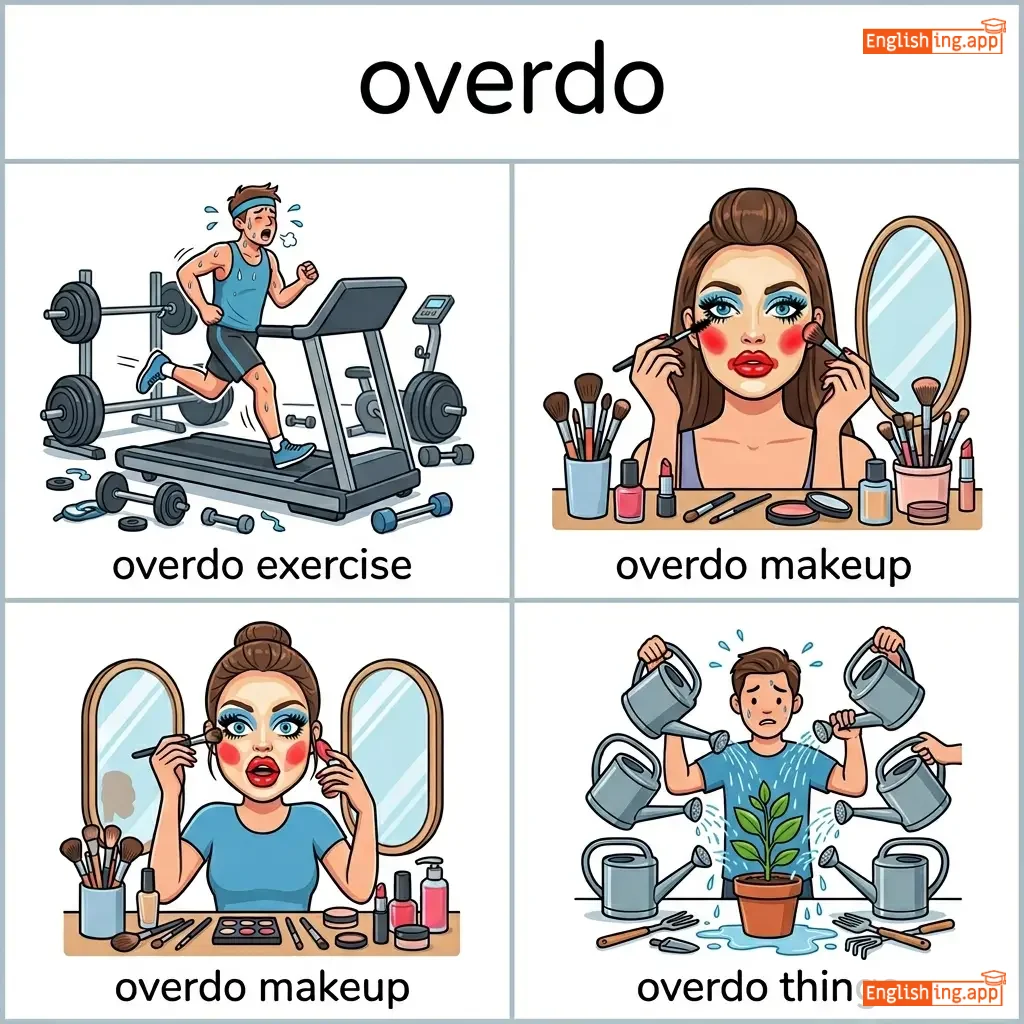
/ˌoʊvərˈduː/
verb
(ovardou)
••••••
|
|
exagérer
exagerer
••••••
|
overdid
ovardid
••••••
|
overdone
ovardon
••••••
|
overdoes
ovardoz
••••••
|
overdoing
ovardouing
••••••
|
to do something too much; to exaggerate or carry to excess
••••••
|
Don't overdo the exercise on your first day at the gym.
Don’t ovardou ze eksersaiz on yor first de at ze jim.
••••••
|
Ne fais pas trop d'exercice le premier jour à la salle de sport.
ne fe pa tro deksercis le premier jour a la sal de spor
••••••
|
exaggerate, overwork, exceed, overindulge
••••••
|
underdo, moderate, restrain, limit
••••••
|
overdo it, overdo exercise, overdo work, don't overdo, overdo things, overdo yourself
••••••
|
Overdo = exagérer — imagine que tu fais trop, donc tu exagères.
••••••
|
|
#692
🤝
|
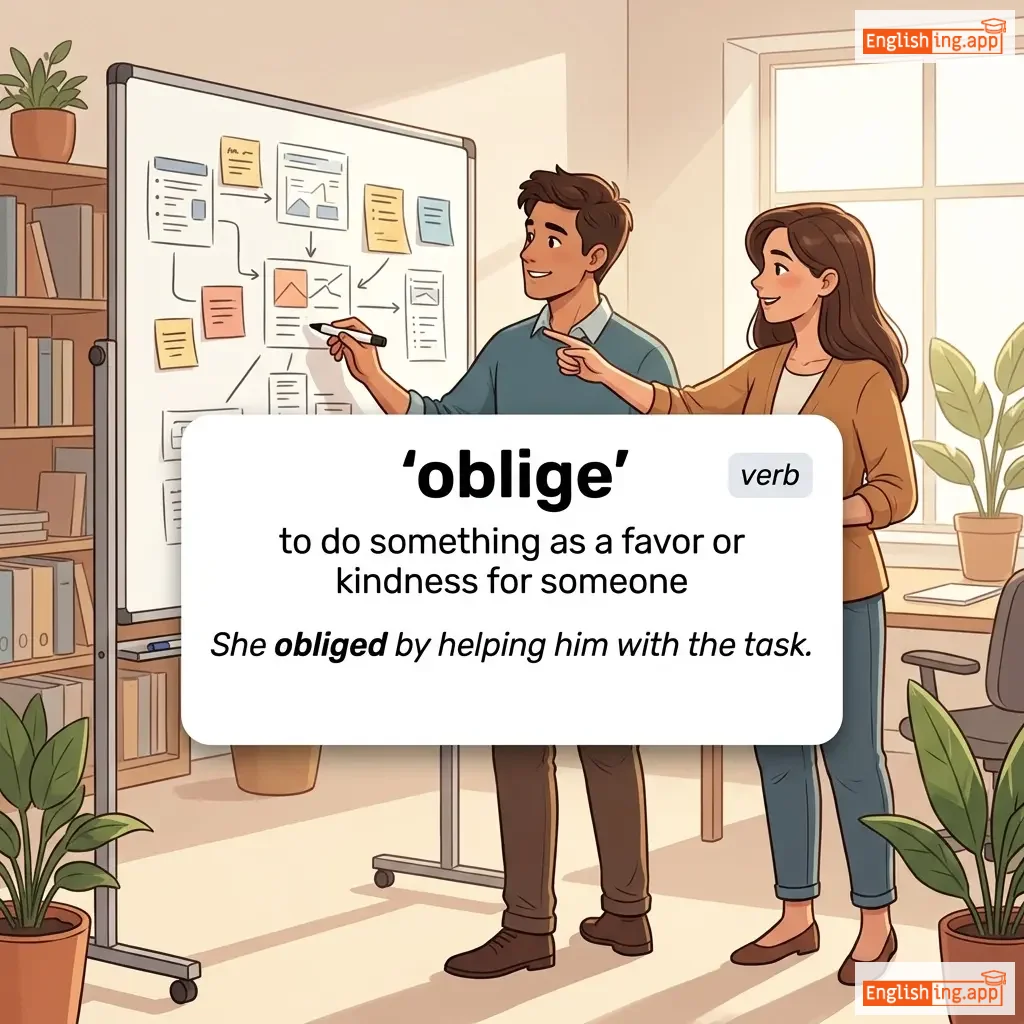
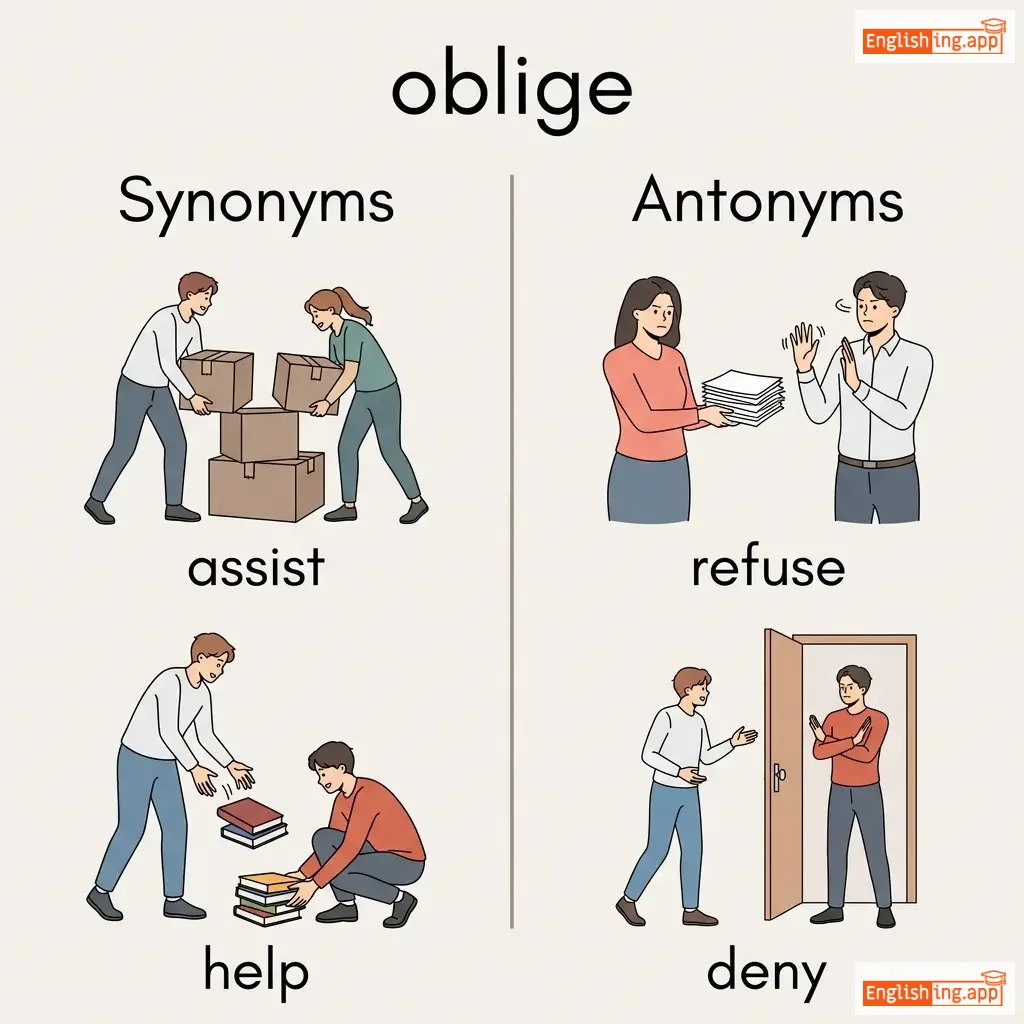
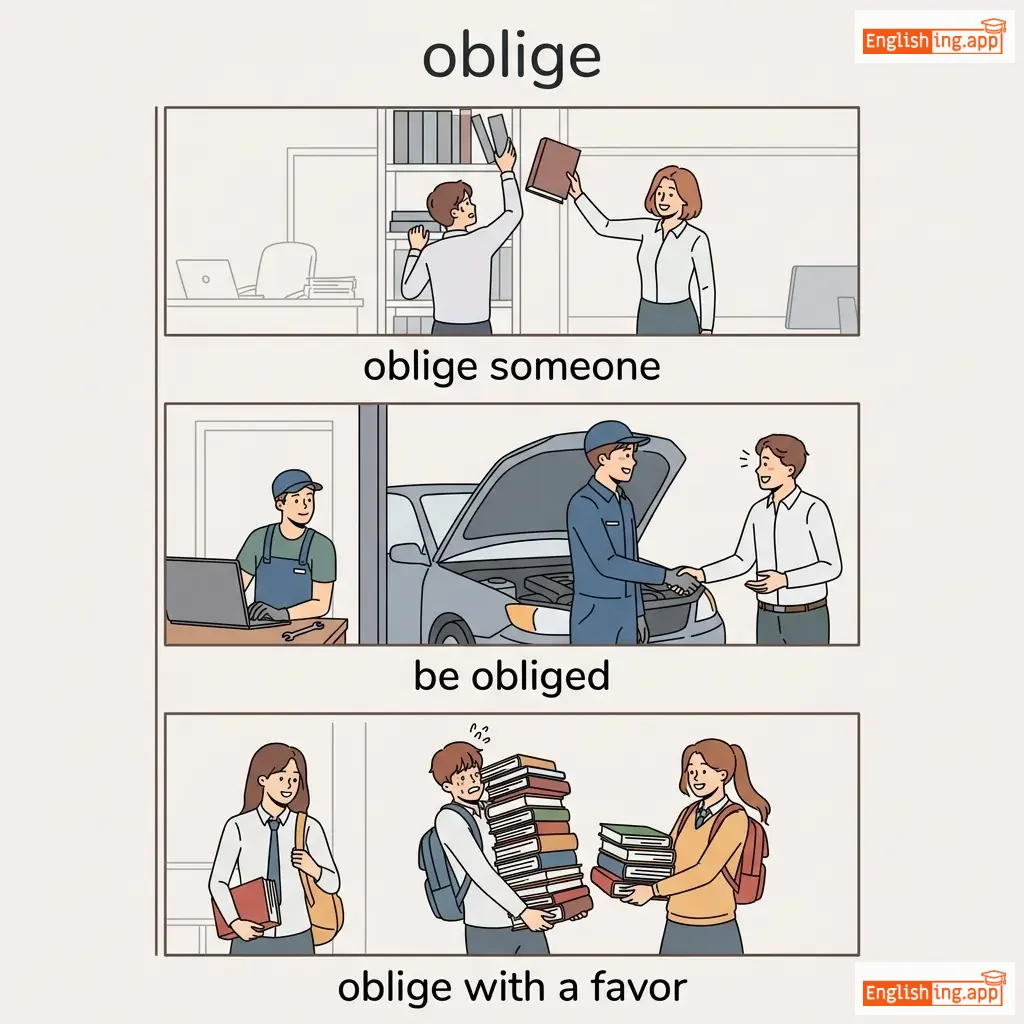
/əˈblaɪdʒ/
verb
(oblaïdj)
••••••
|
|
obliger
obliger
••••••
|
obliged
oblaïdjd
••••••
|
obliged
oblaïdjd
••••••
|
obliges
oblaïdjes
••••••
|
obliging
oblaïdjing
••••••
|
to compel or require someone to do something; to help or do a favor
••••••
|
I would be happy to oblige you with the information you need.
aï woud bi hapi tou oblaïdj you ouiz ze infor-mé-chion you nid.
••••••
|
Je serais heureux de vous obliger avec les informations dont vous avez besoin.
Je serais heureux de vous obliger avec les informations dont vous avez besoin.
••••••
|
compel, require, help, assist
••••••
|
free, release, refuse, deny
••••••
|
happily oblige, oblige someone, oblige with, willing to oblige, greatly oblige, kindly oblige
••••••
|
‘Oblige’ and French ‘obliger’ are almost twins — both about helping or compelling politely.
••••••
|
|
#693
💼
|
/wɜːrk/
verb
(wœrk)
••••••
|
|
travailler
travailler
••••••
|
worked
wœrkt
••••••
|
worked
wœrkt
••••••
|
works
wœrks
••••••
|
working
wœrking
••••••
|
to perform tasks or duties to earn money or achieve goals
••••••
|
He works as a teacher at the local school.
i wœrks az a titcheur at ze lokal skul
••••••
|
Il travaille comme enseignant à l'école locale.
Il travaille comme enseignant a l'ecole locale
••••••
|
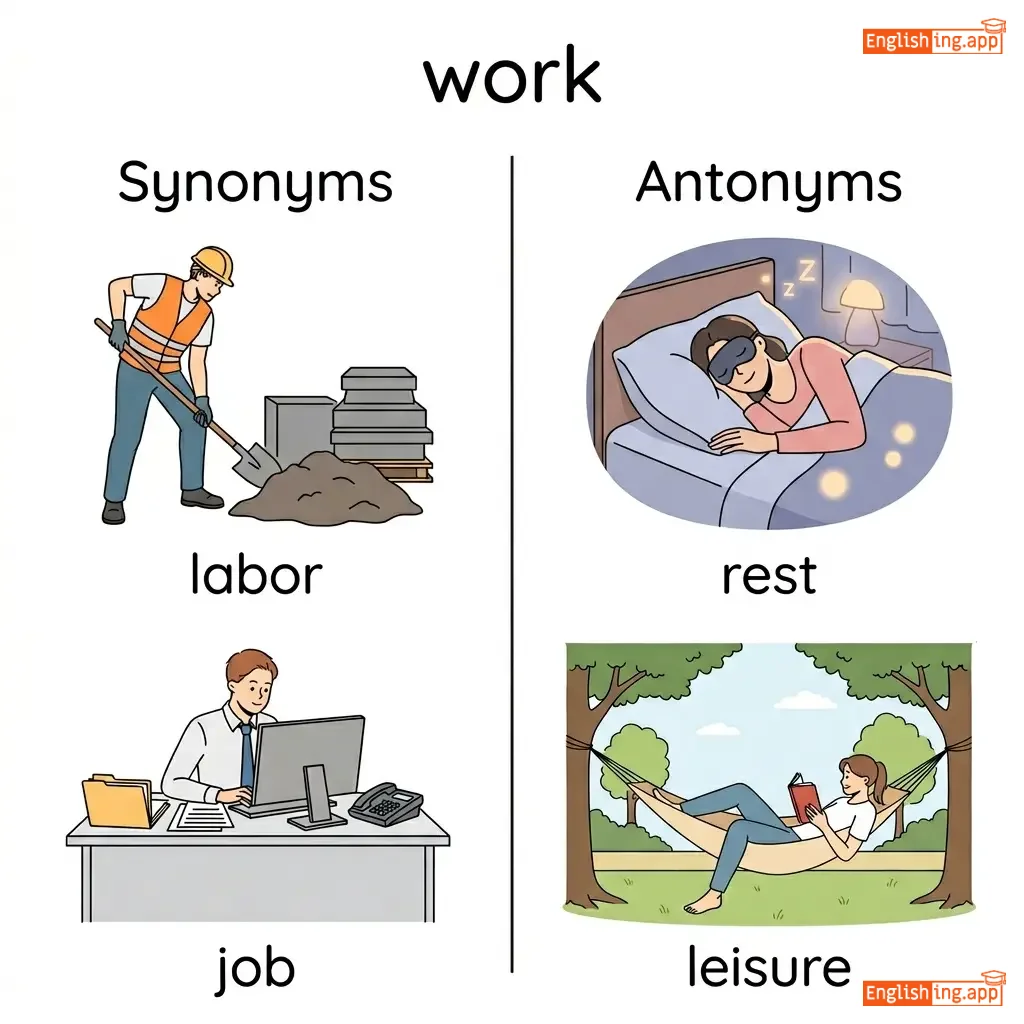
labor, toil, function, operate
••••••
|
rest, relax, play, idle
••••••
|
work hard, work together, work from home, work late, work overtime, work efficiently
••••••
|
‘Travailler’ sounds like ‘travel with effort’ — work involves effort.
••••••
|
|
#694
🍽️
|
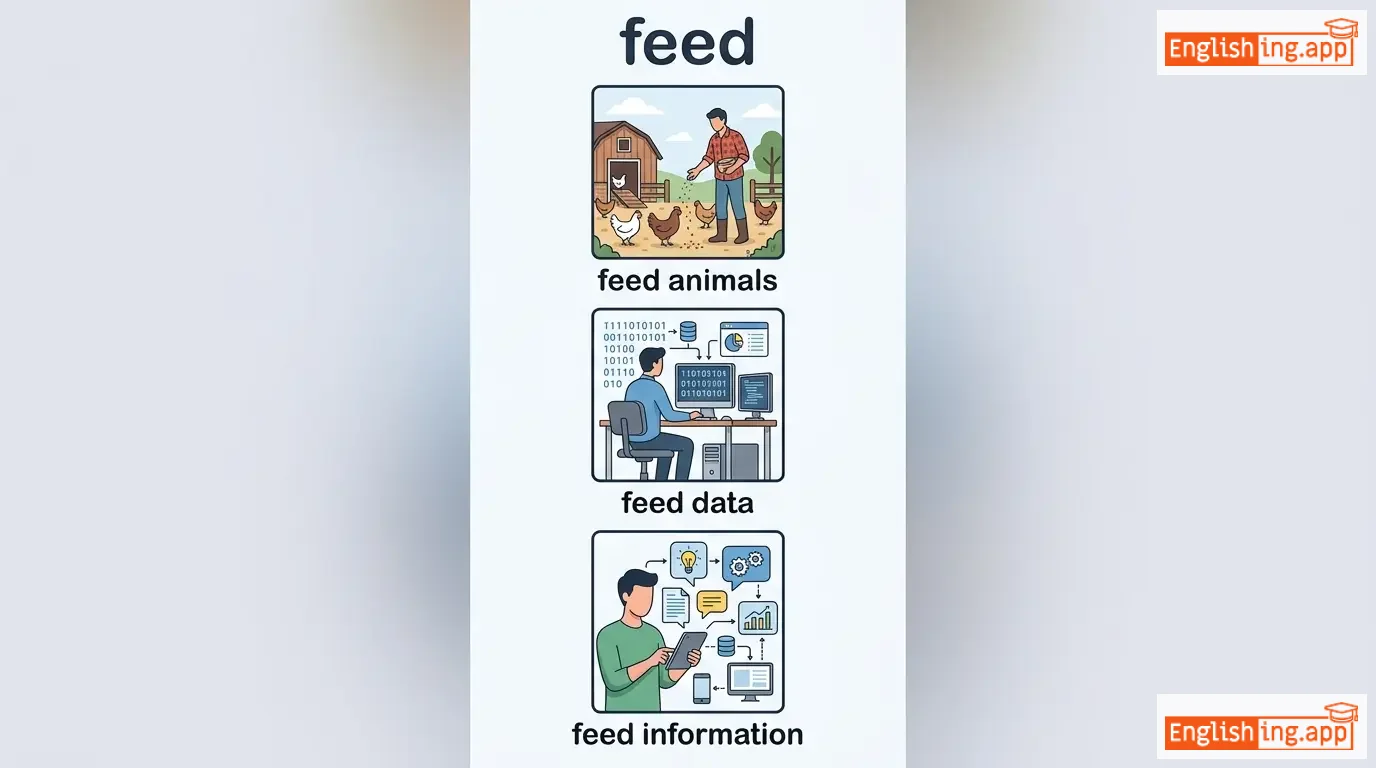
/fiːd/
verb
(fid)
••••••
|
|
nourrir
nourrir
••••••
|
fed
fed
••••••
|
fed
fed
••••••
|
feeds
fids
••••••
|
feeding
fiding
••••••
|
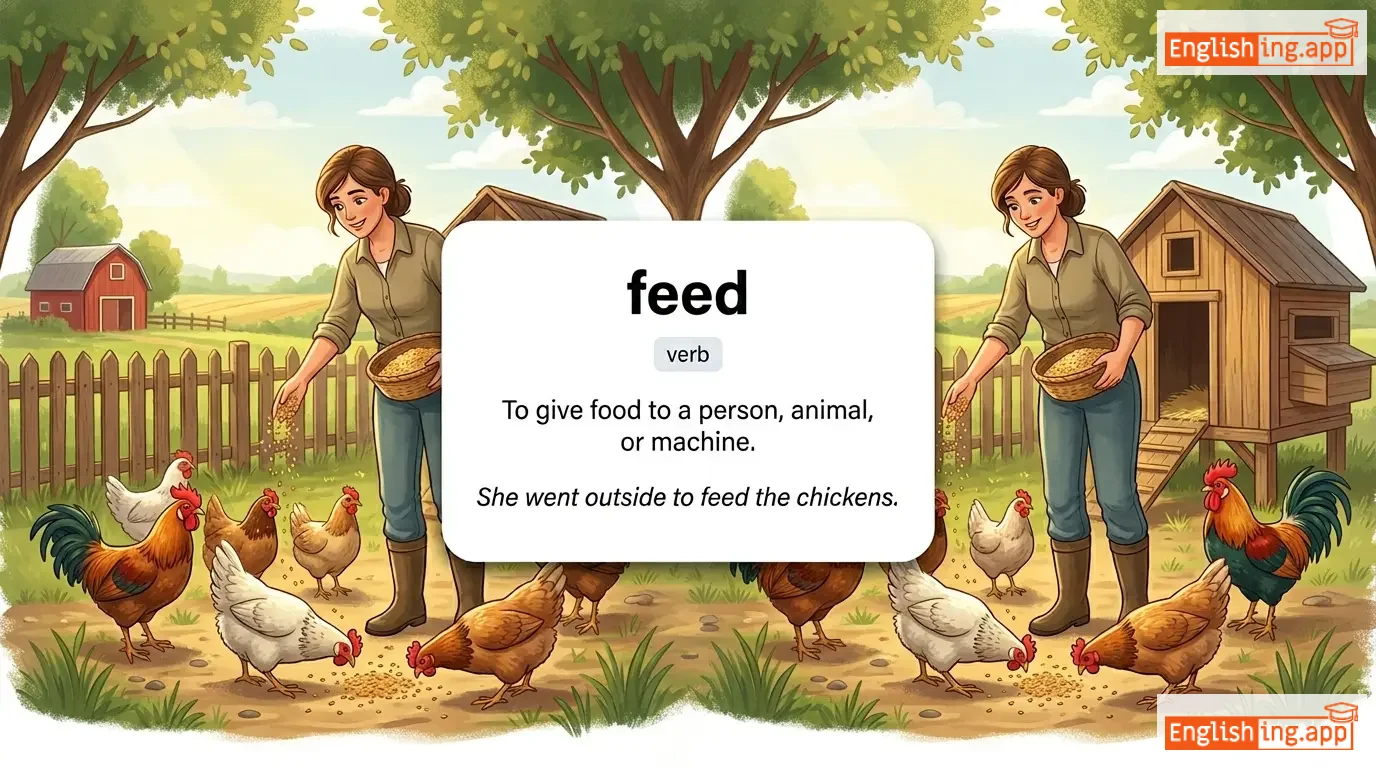
to give food to a person or animal
••••••
|
She feeds the birds every morning.
shi fids ze berds evri mornin
••••••
|
Elle nourrit les oiseaux chaque matin.
el nourrit le oiseau shak matin
••••••
|
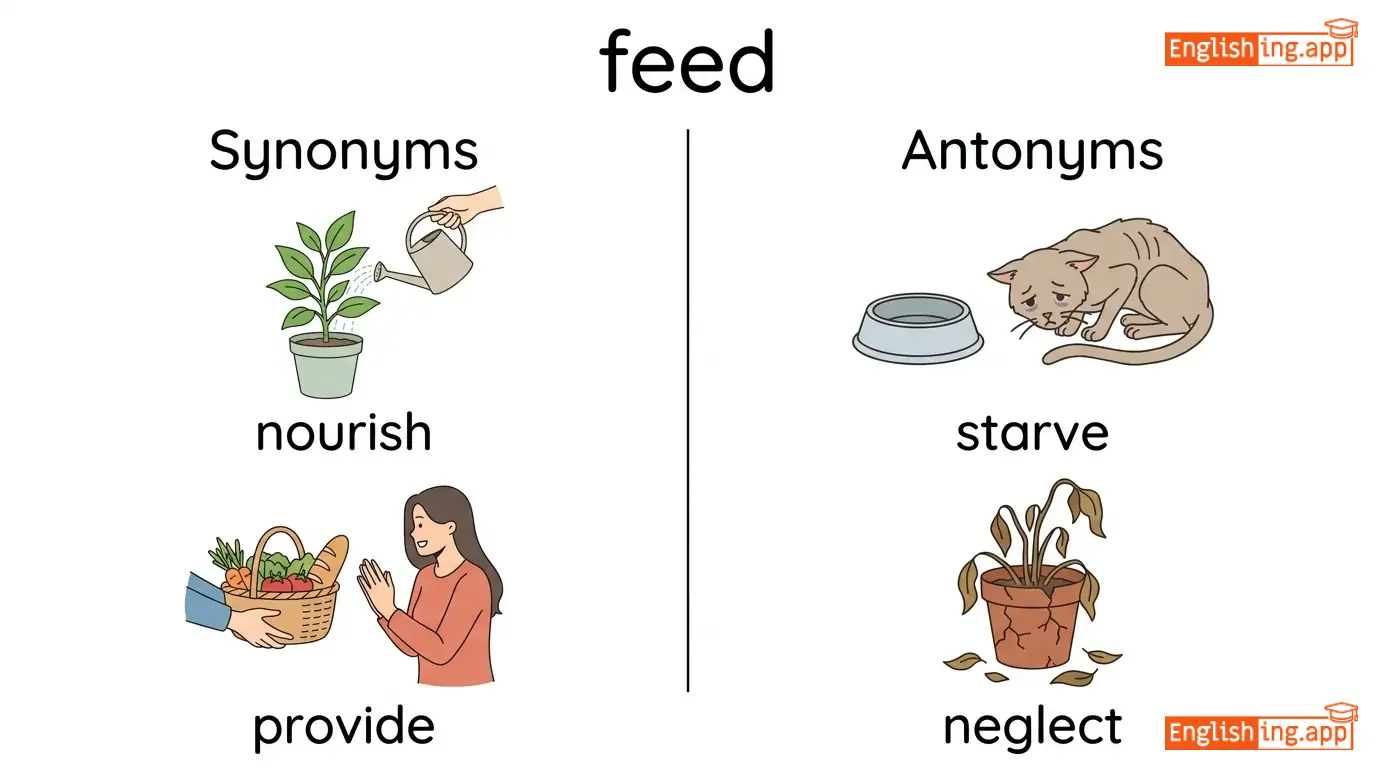
nourish, provide food, give food
••••••
|
starve, deprive, withhold food
••••••
|
feed the baby, feed animals, feed birds, feed hungry, properly feed, hand feed
••••••
|
Feed = nourrir, like nourishment.
••••••
|
|
#695
⚕️
|
/ˈɒpəreɪt/
verb
(opéret)
••••••
|
|
fonctionner
fonsyonner
••••••
|
operated
opéreted
••••••
|
operated
opéreted
••••••
|
operates
opérets
••••••
|
operating
opérétìng
••••••
|
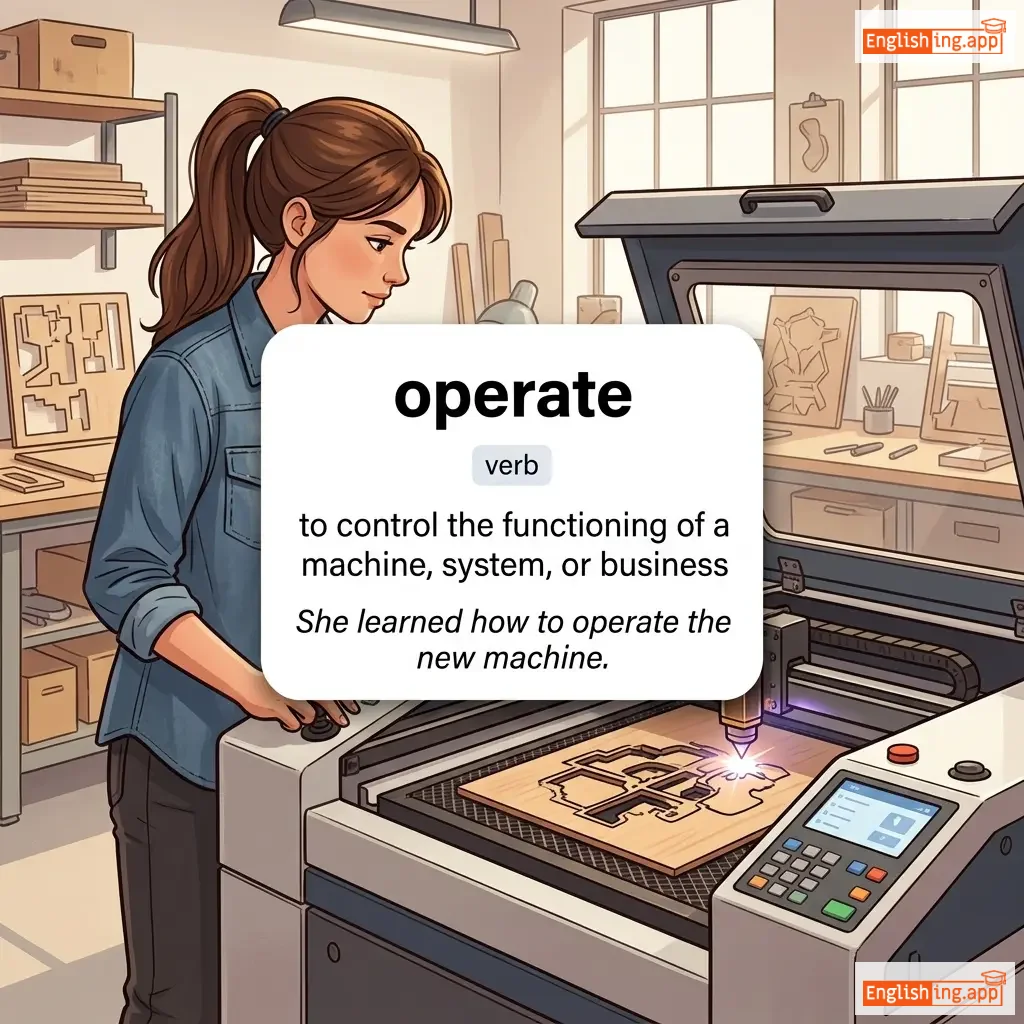
to function; to control or manage; to perform surgery
••••••
|
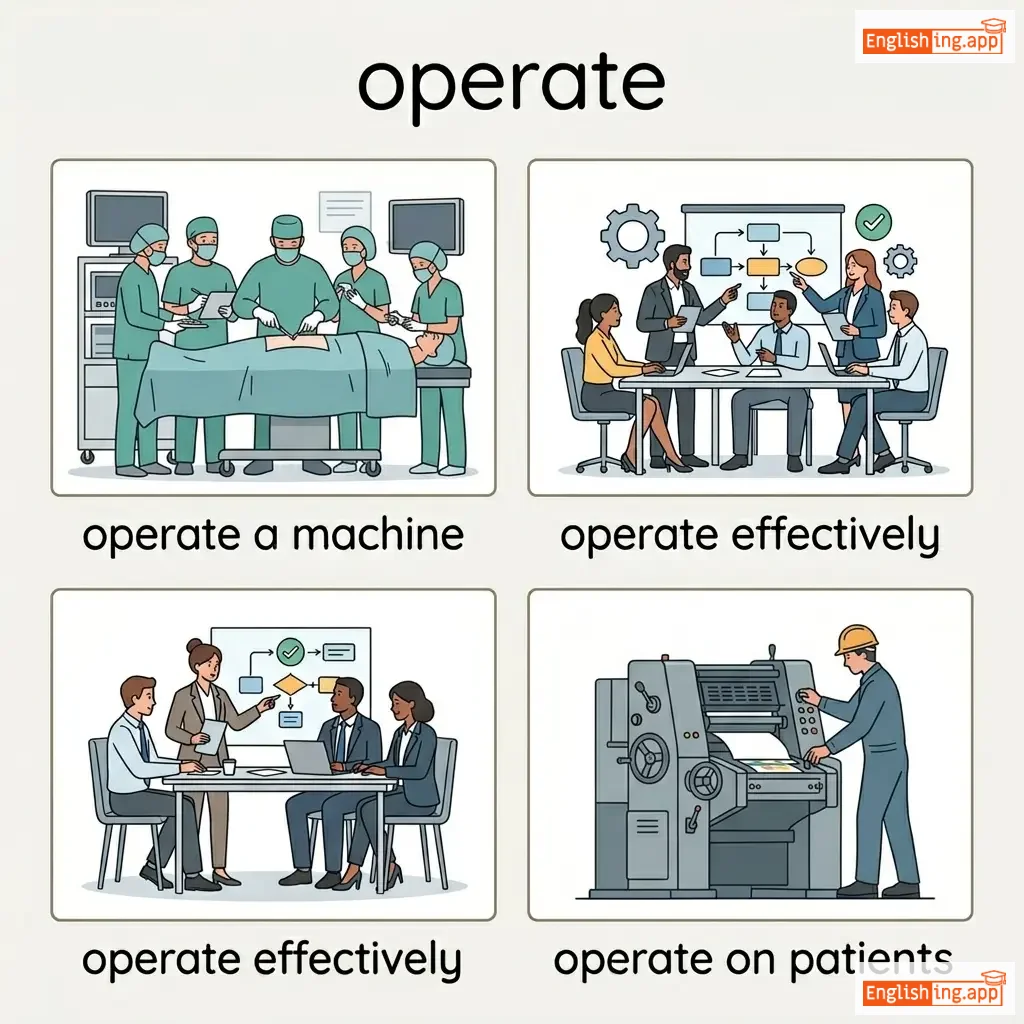
The surgeon will operate on the patient tomorrow.
Le surgeun vil opéret on le pasient tumaoro.
••••••
|
Le chirurgien opérera le patient demain.
le shirurjien operera le pasion deman
••••••
|
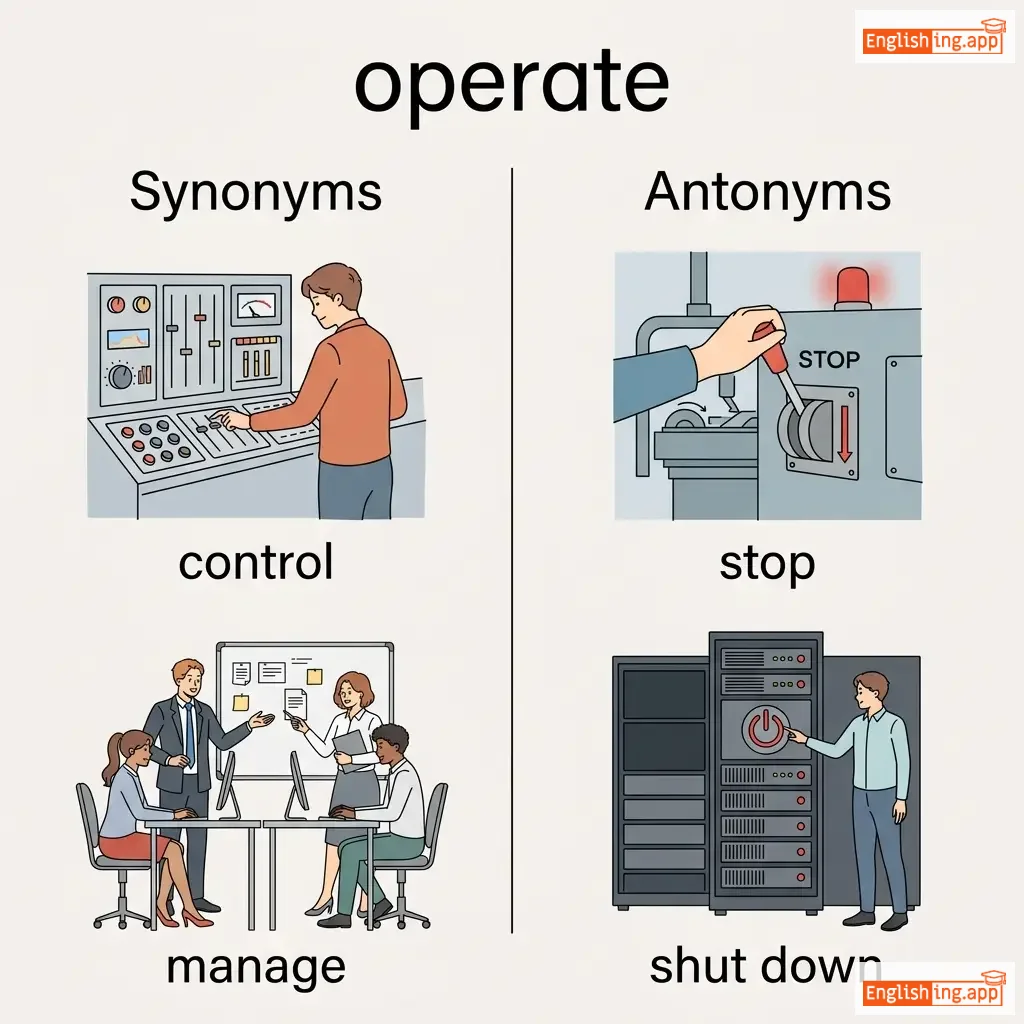
function, run, manage, control
••••••
|
malfunction, stop, cease, halt
••••••
|
operate smoothly, operate efficiently, operate machinery, operate business, operate successfully
••••••
|
Operate and 'opérer' sound similar — both mean to function or perform surgery.
••••••
|
|
#696
👁️🗨️
|
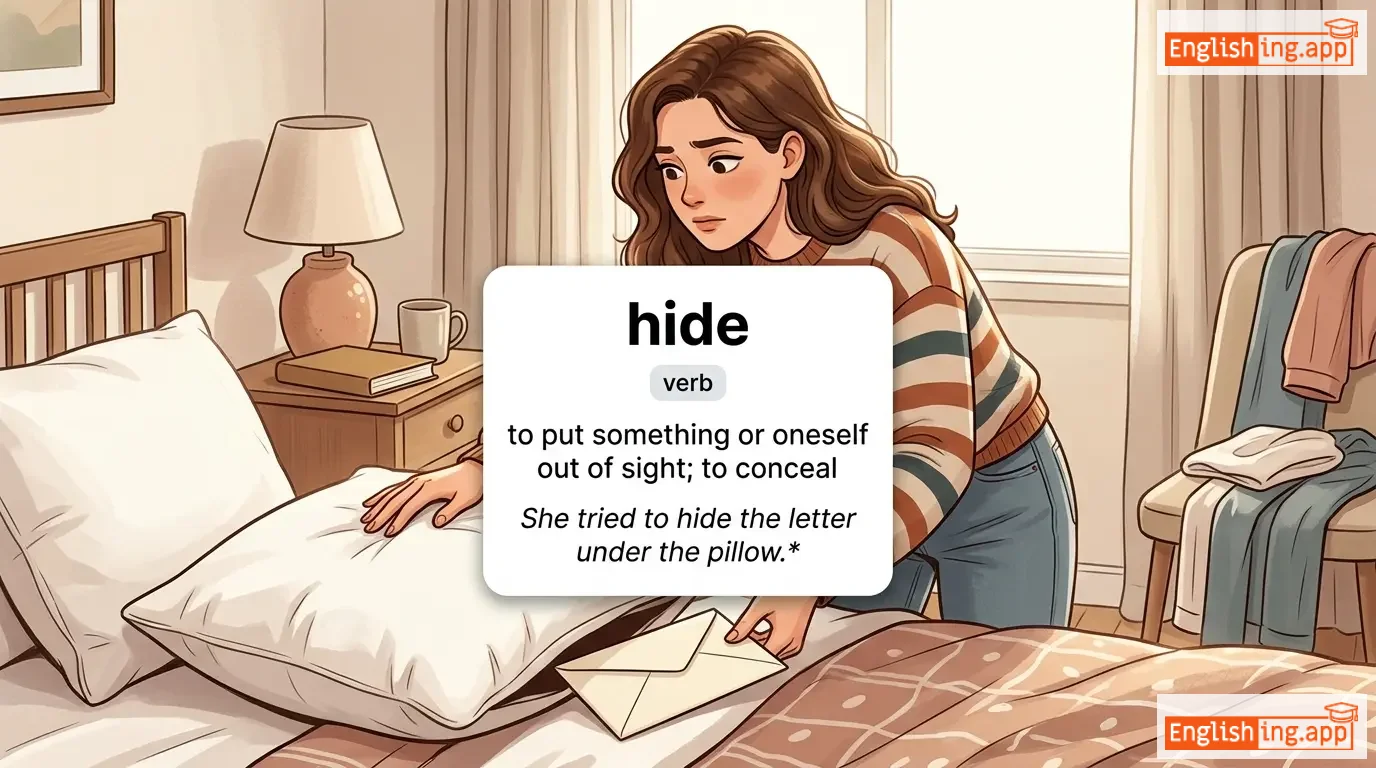
/haɪd/
verb
(haïd)
••••••
|
|
cacher
kache
••••••
|
hid
hid
••••••
|
hidden
hiden
••••••
|
hides
haïds
••••••
|
hiding
haïding
••••••
|
to put or keep out of sight; to conceal from view
••••••
|
Children like to hide during games.
childeren laik tou haïd during geims.
••••••
|
Les enfants aiment se cacher pendant les jeux.
le anfan em se kache pendant le jeu
••••••
|
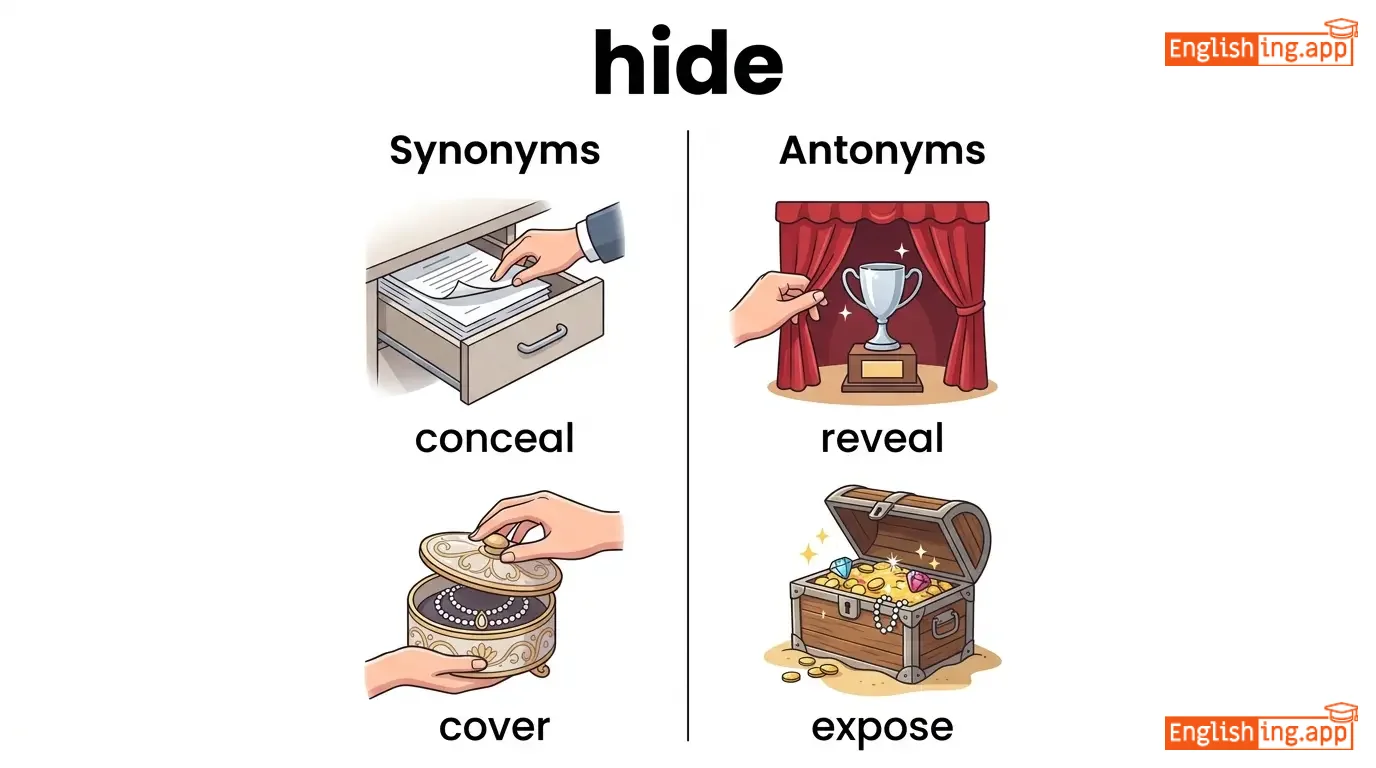
conceal, cover, disguise, mask
••••••
|
show, reveal, display, expose
••••••
|
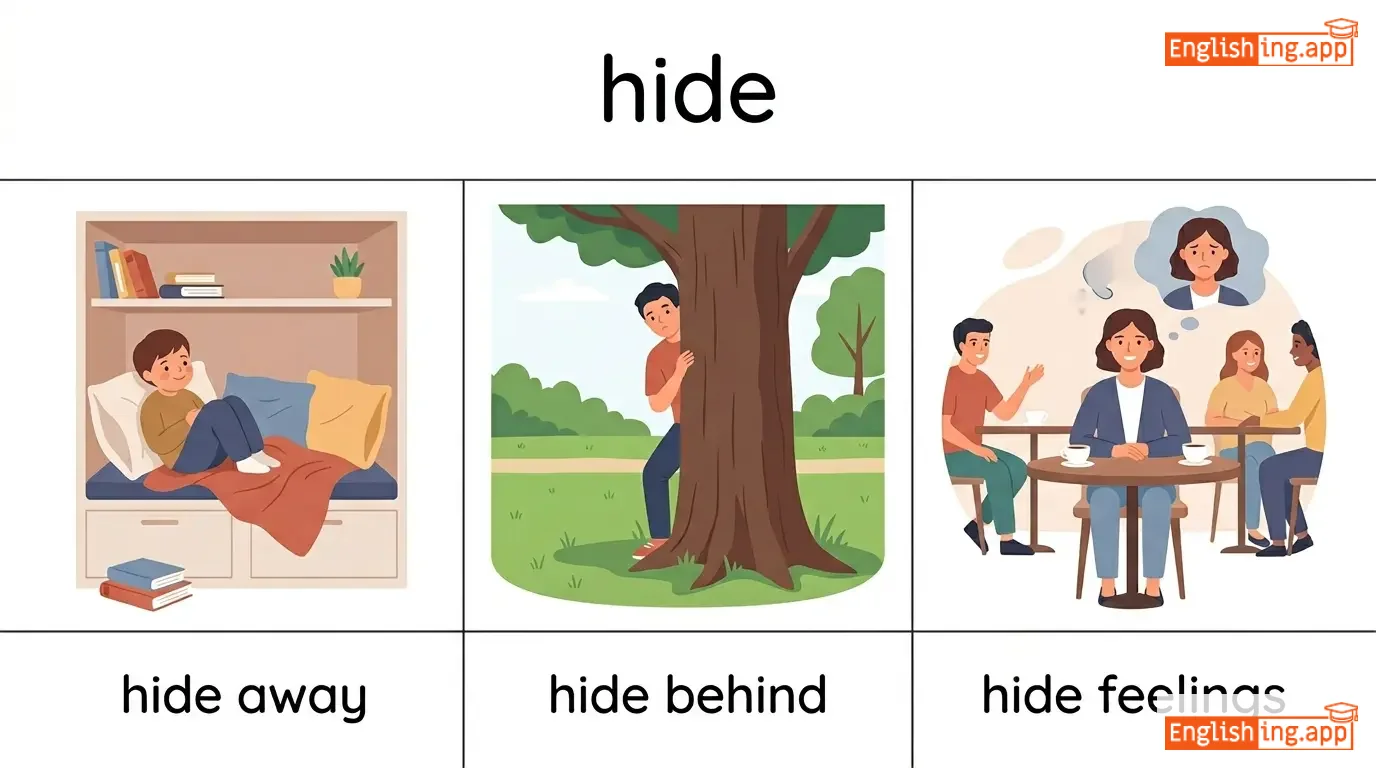
hide away, hide behind, hide from, hide under, hide inside, carefully hide
••••••
|
Hide is 'cacher' — when you hide, you 'cache' yourself away!
••••••
|
|
#697
🤏
|
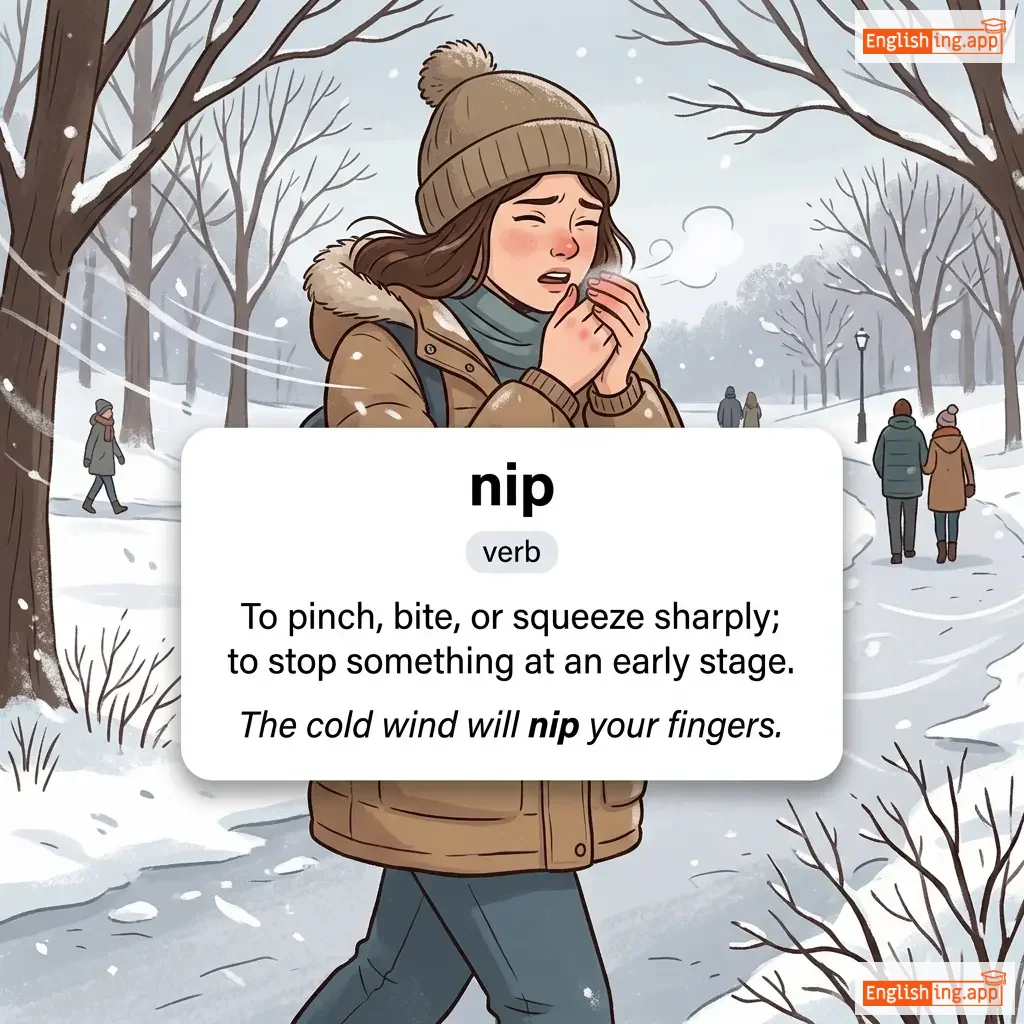
/nɪp/
verb
(nip)
••••••
|
|
pincer
panser
••••••
|
nipped
nipt
••••••
|
nipped
nipt
••••••
|
nips
nips
••••••
|
nipping
niping
••••••
|
to pinch or bite lightly; to move quickly
••••••
|
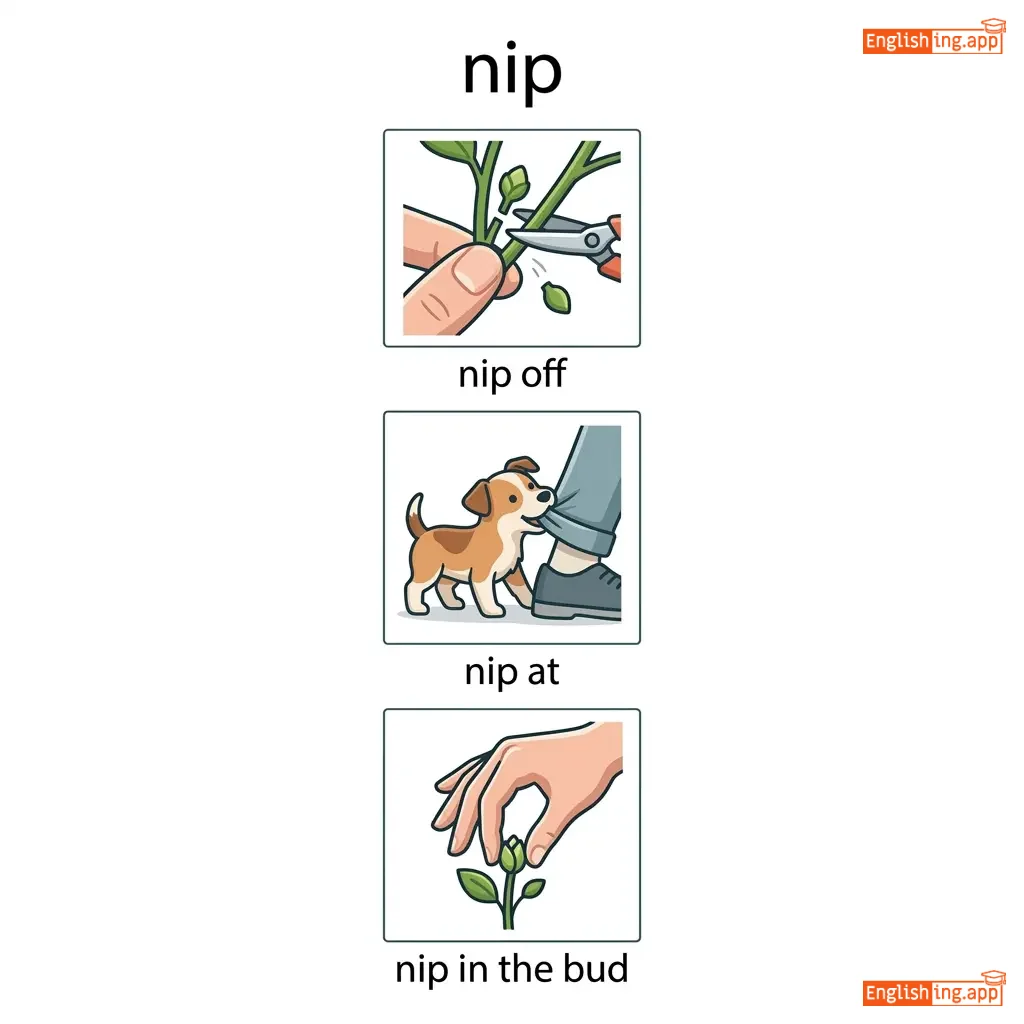
The cold wind nipped at my face.
le cold wind nipt a ma fes
••••••
|
Le vent froid m’a pincé le visage.
Le von frwa ma panse le visaj
••••••
|
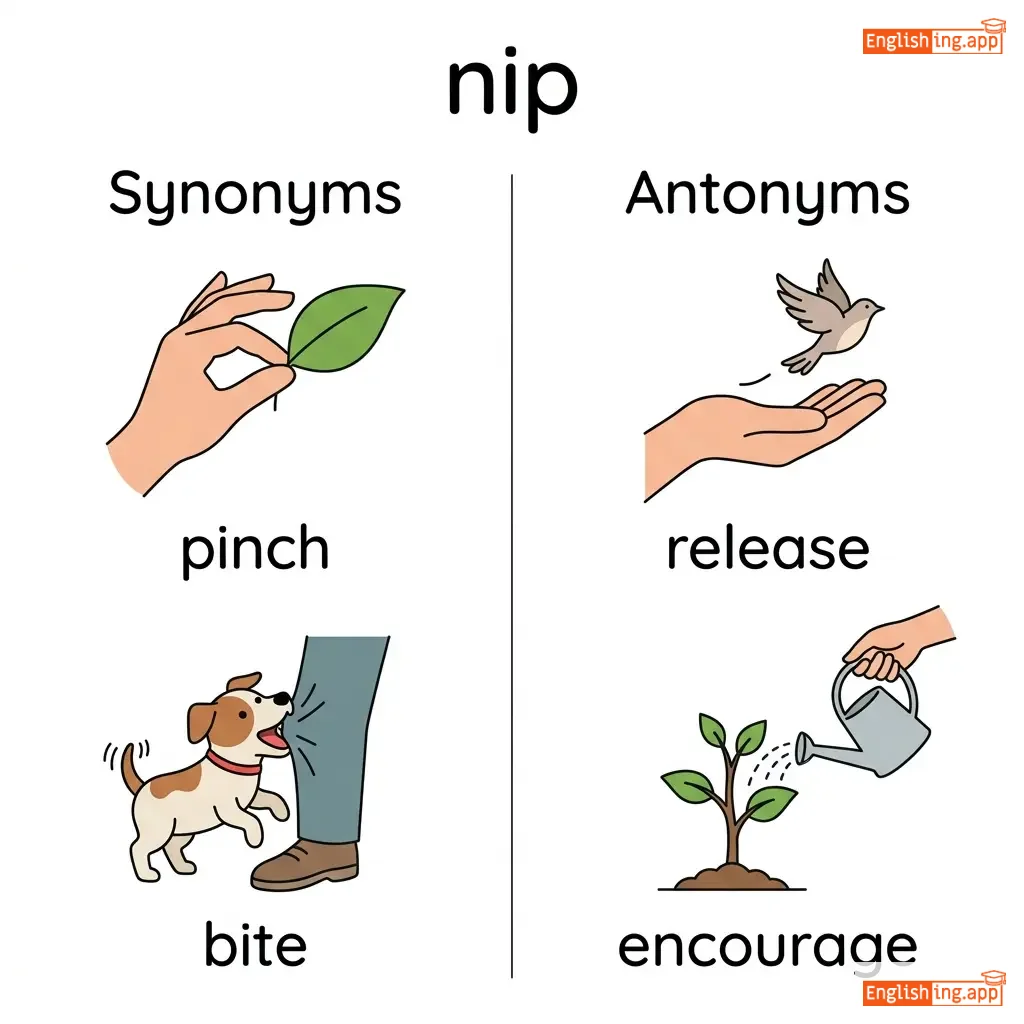
pinch, bite, squeeze, clip
••••••
|
release, let go
••••••
|
nip quickly, nip gently, nip at, cold nip, frost nip, nip in bud
••••••
|
‘Nip’ is like ‘pincer’ in French — a small pinch or bite.
••••••
|
|
#698
🔀
|
/ˈdʒʌmbəl/
verb
(djomble)
••••••
|
|
mélanger
melanger
••••••
|
jumbled
djombeld
••••••
|
jumbled
djombeld
••••••
|
jumbles
djombles
••••••
|
jumbling
djombling
••••••
|
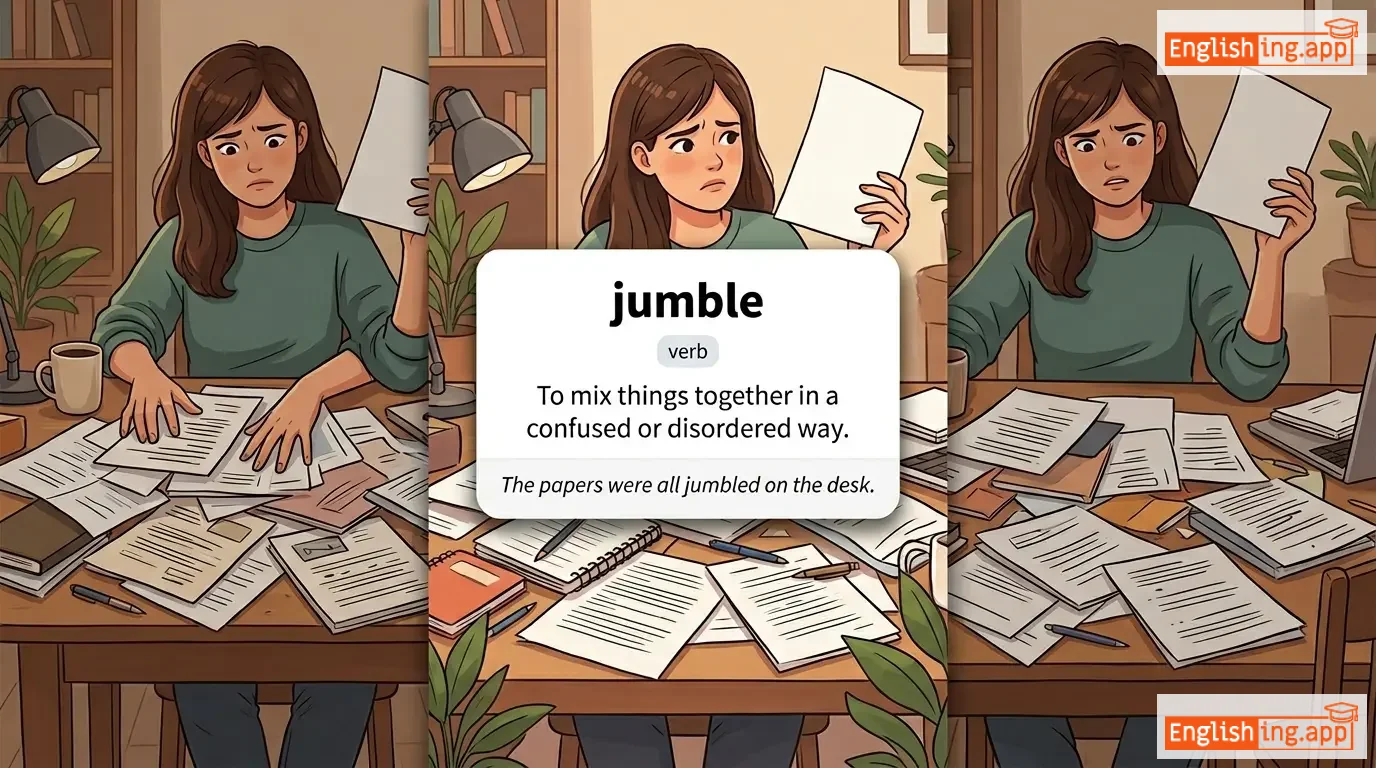
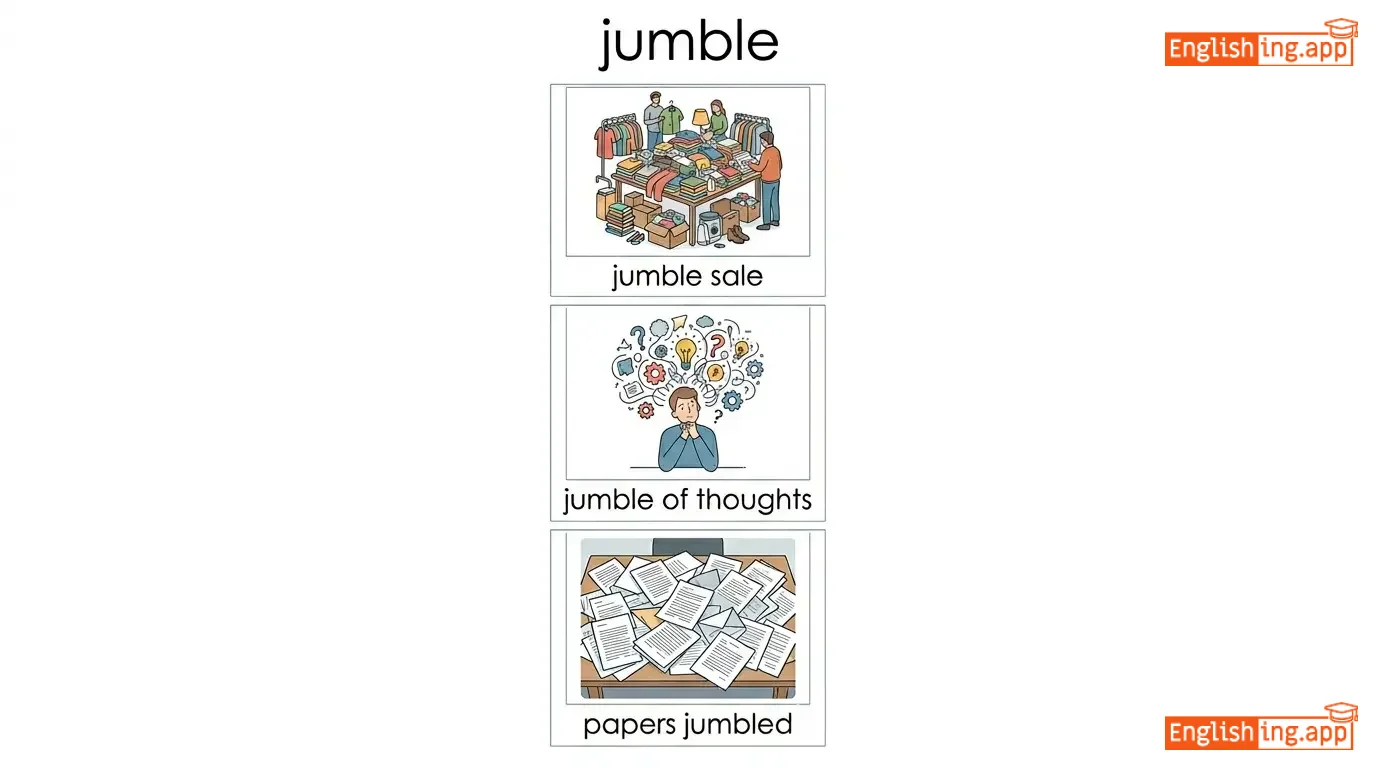
to mix things together in a confused or untidy way
••••••
|
Don't jumble all the papers together in one pile.
Dont djomble ol de papers together in ouan payl.
••••••
|
Ne mélange pas tous les papiers dans une seule pile.
Ne melange pas tous les papiers dans une seule pile
••••••
|
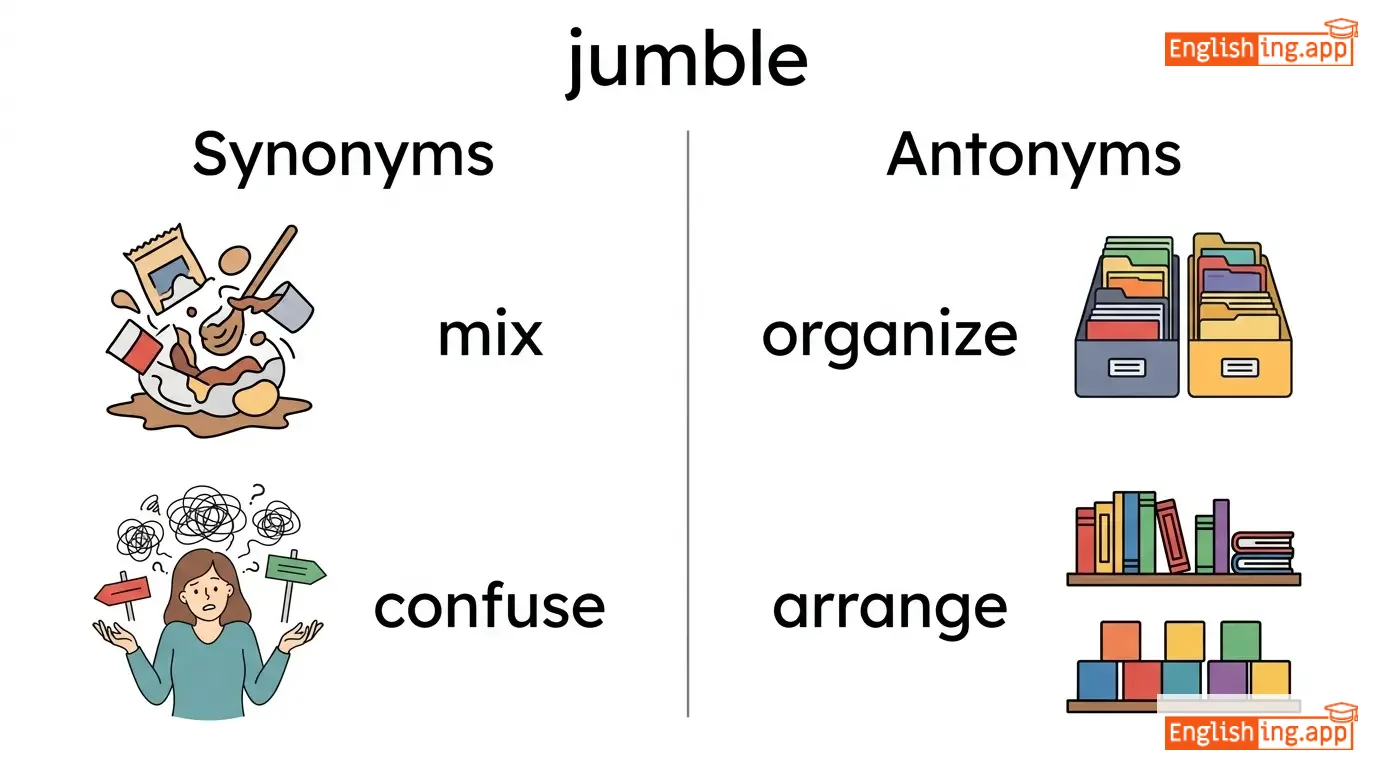
mix up, muddle, confuse, scramble, tangle
••••••
|
organize, arrange, sort, separate, order
••••••
|
jumble together, jumble up, jumble words, jumble everything, completely jumble, randomly jumble
••••••
|
Jumble → mélanger sans ordre — imagine a messy French desk!
••••••
|
|
#699
🤝
|
/ˈkɒmprəmaɪz/
verb
(kompromaïz)
••••••
|
|
faire un compromis
fer an kompromi
••••••
|
compromised
kompromaïzd
••••••
|
compromised
kompromaïzd
••••••
|
compromises
kompromaïz
••••••
|
compromising
kompromaïzing
••••••
|
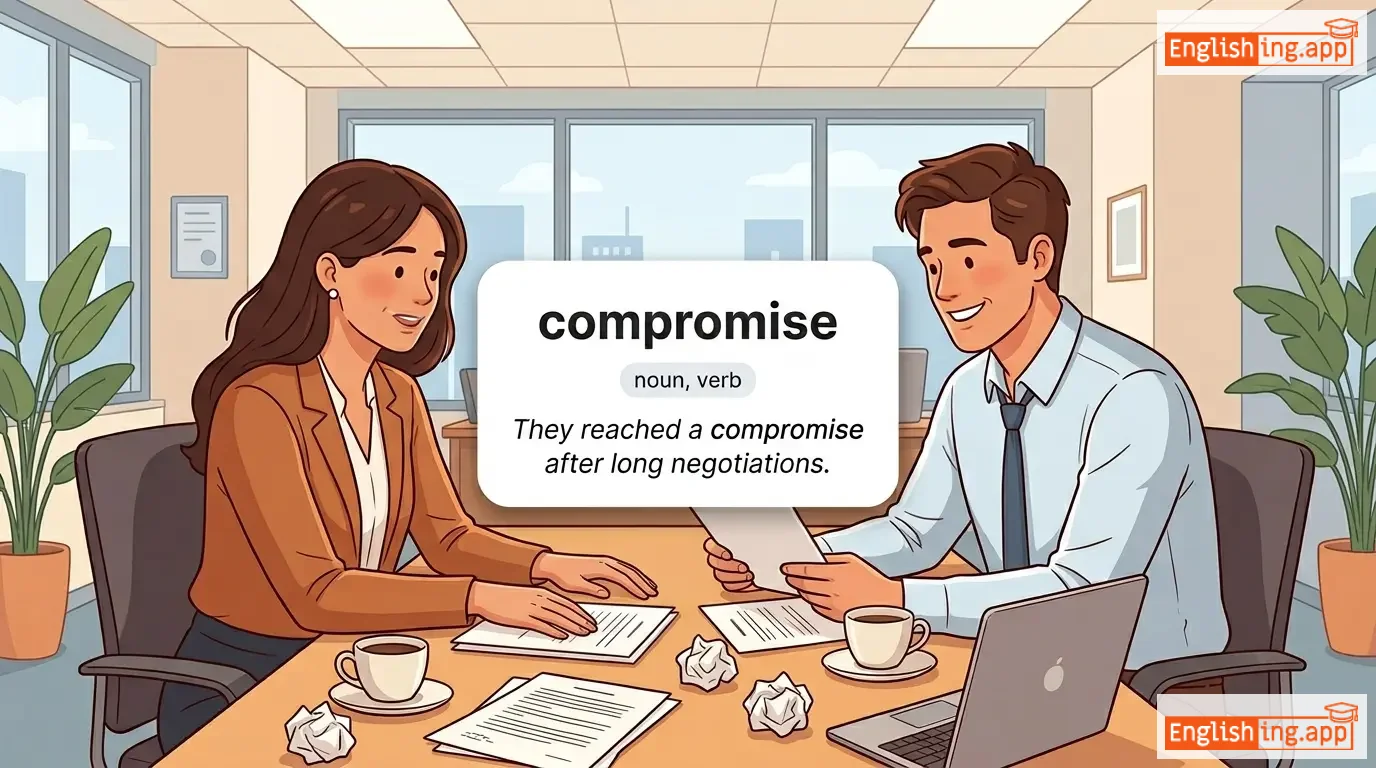
to accept standards that are lower than is desirable; to settle a dispute by mutual concession
••••••
|
They had to compromise on the budget to reach an agreement.
dé had tou kompromaïz on ze bodjet tou ritch an agriment.
••••••
|
Ils ont dû faire un compromis sur le budget pour parvenir à un accord.
il on du fer an kompromi sur le budje pur parvenir a un akor
••••••
|
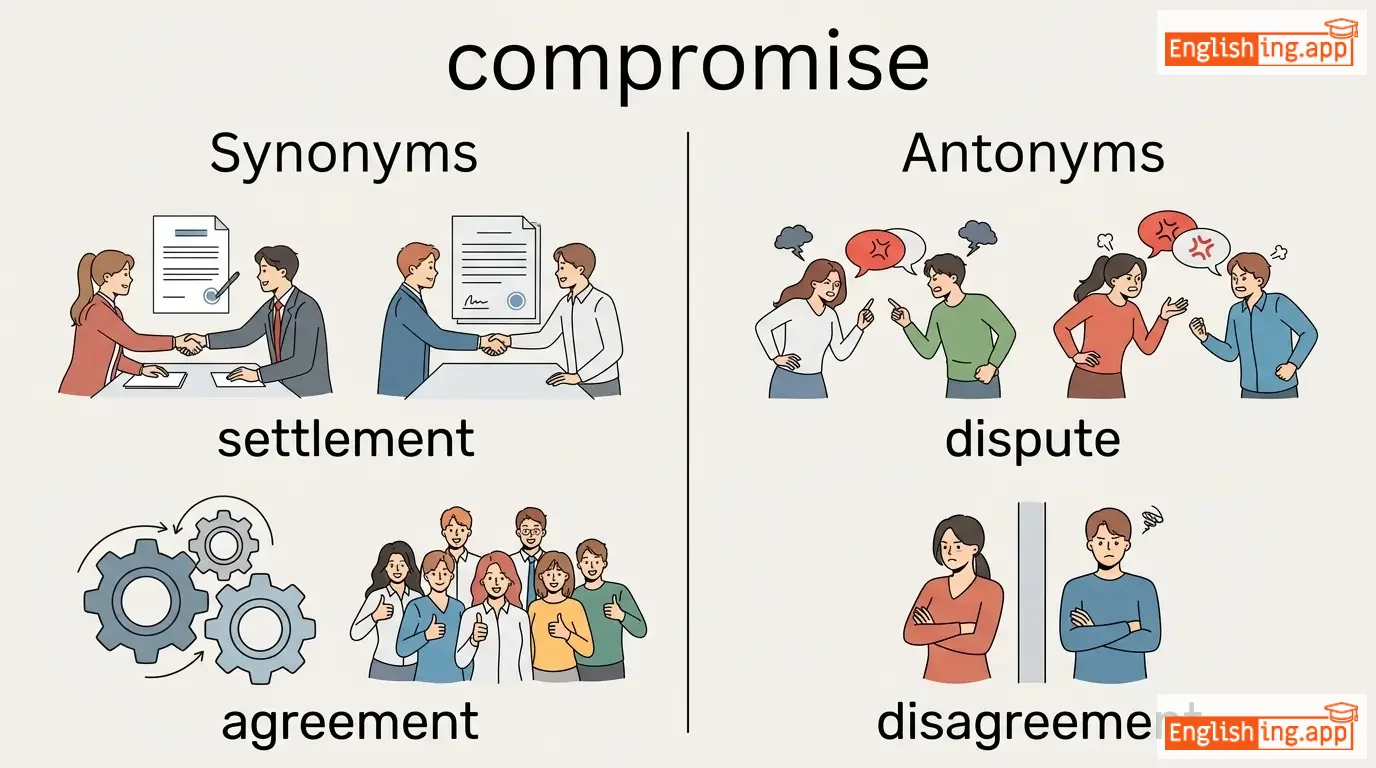
negotiate, settle, concede, adjust
••••••
|
insist, demand, refuse, resist
••••••
|
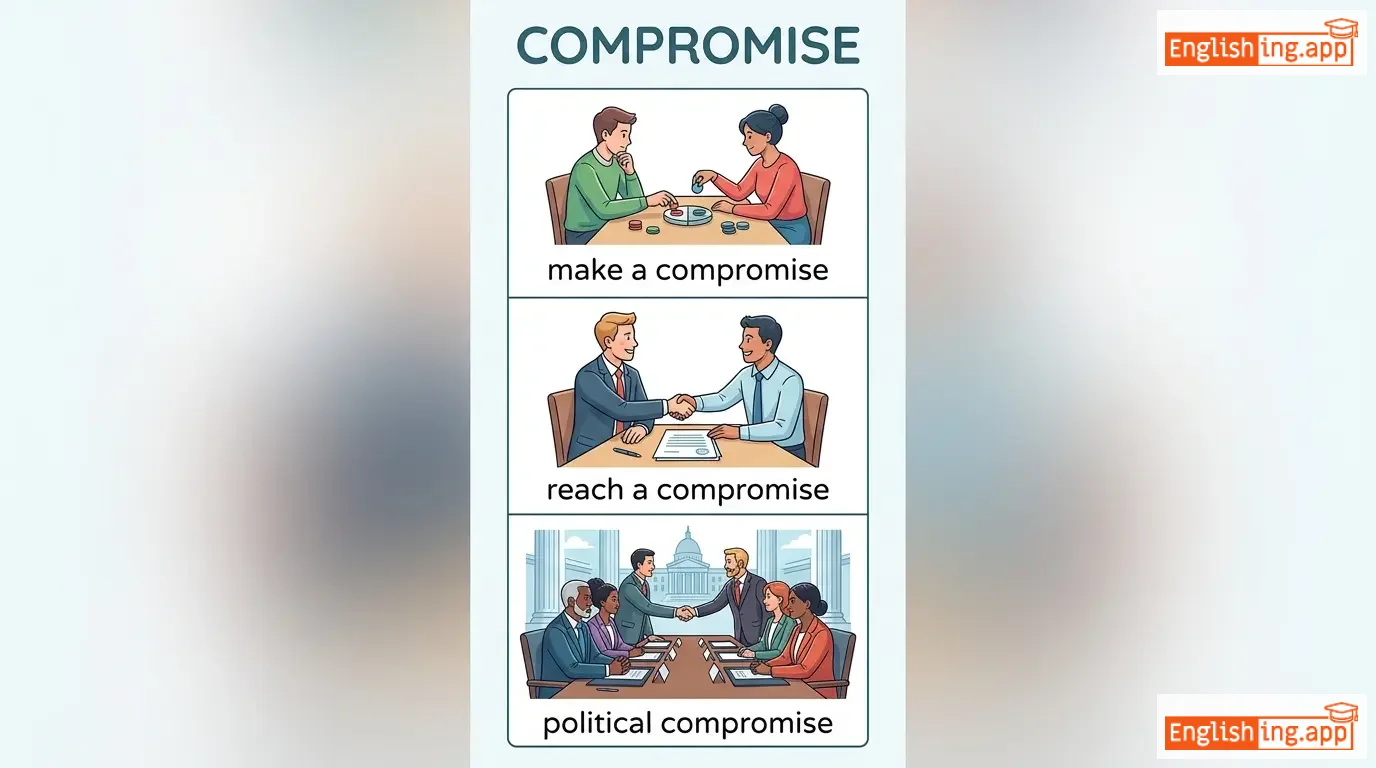
compromise on, willing to compromise, compromise between, compromise with, reach compromise
••••••
|
In French, ‘faire un compromis’ sounds like compromise — both mean to meet halfway.
••••••
|
|
#700
🍽️
|
/iːt/
verb
(iit)
••••••
|
|
manger
monzhe
••••••
|
ate
et
••••••
|
eaten
iten
••••••
|
eats
iits
••••••
|
eating
iting
••••••
|
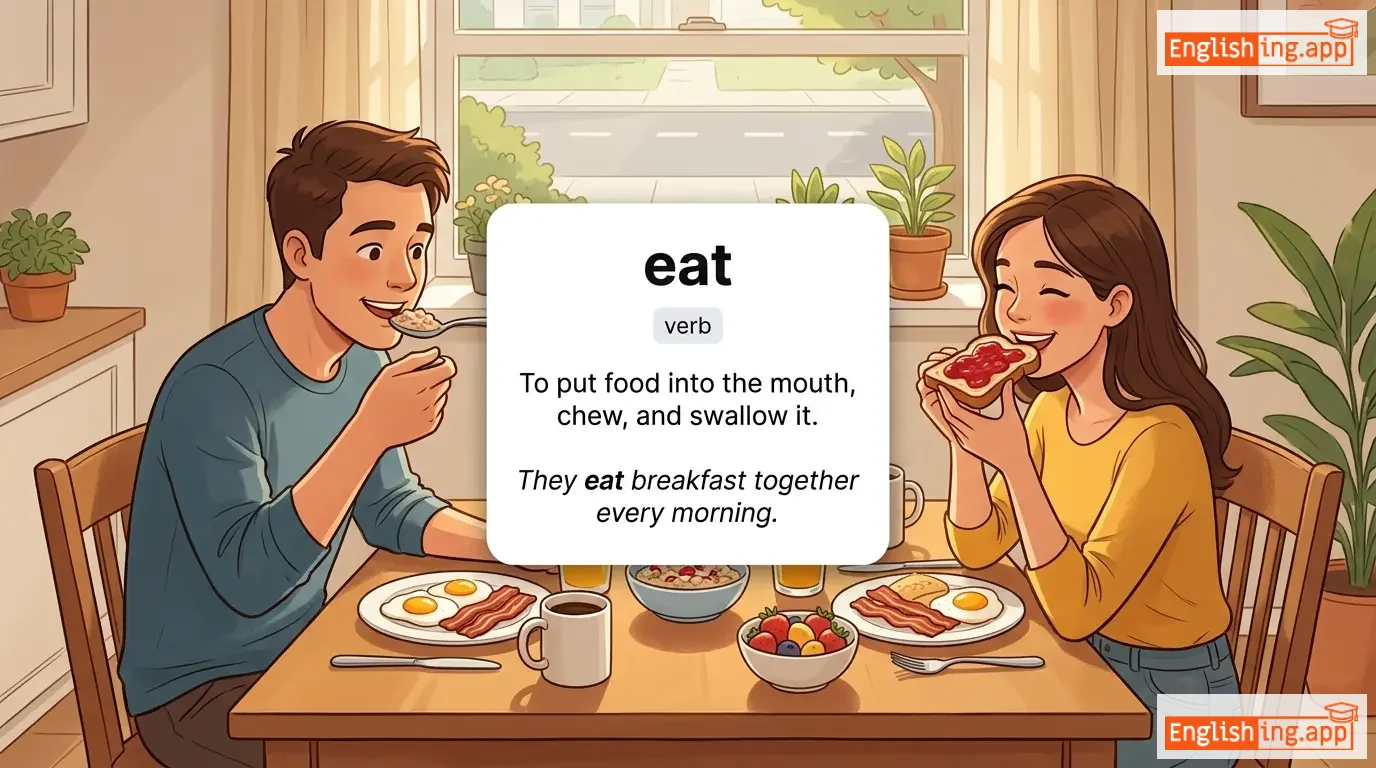
to put food in the mouth and chew and swallow it
••••••
|
We eat dinner at 7 PM.
oui iit dineur a sept pee em
••••••
|
Nous mangeons le dîner à 19 heures.
nu monzhon le dine a disneuf eur
••••••
|
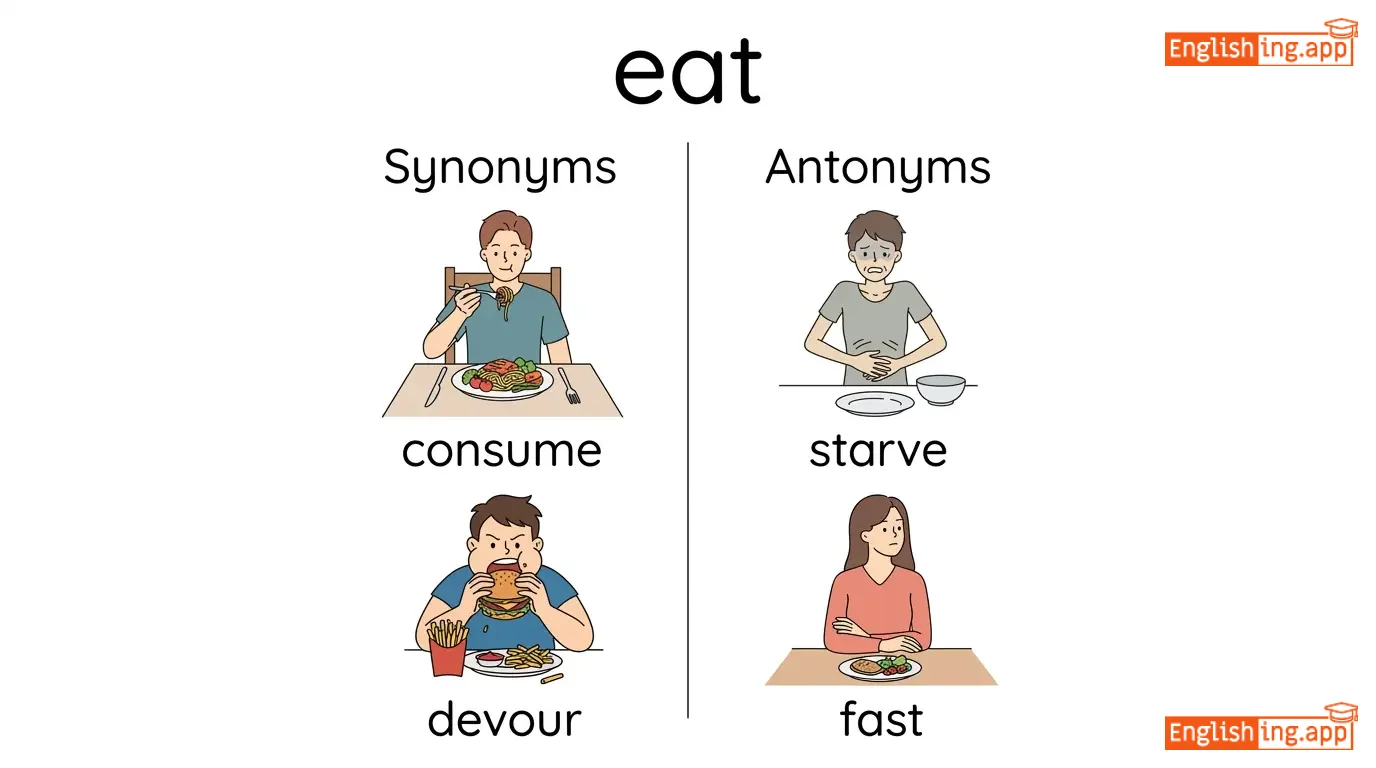
consume, devour, munch, dine
••••••
|
fast, starve, abstain, refuse
••••••
|
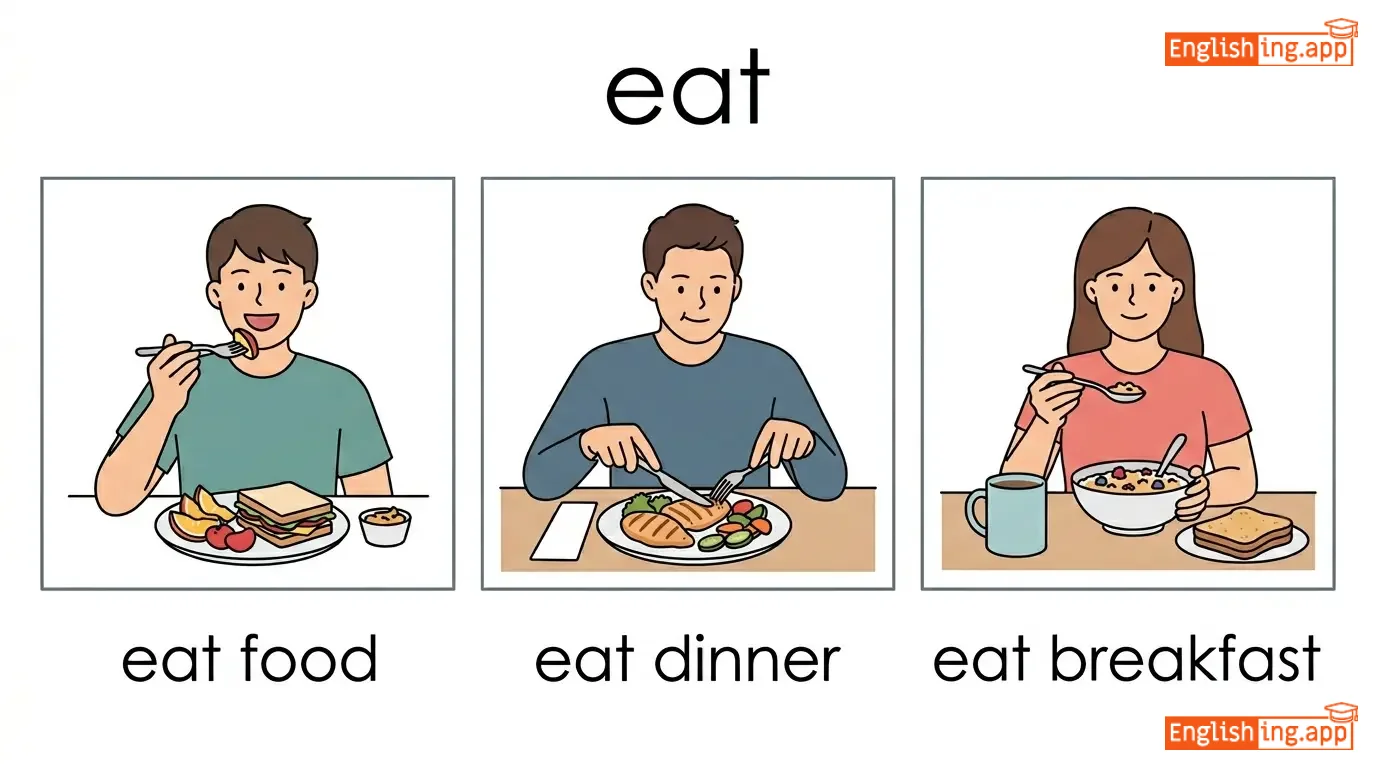
eat breakfast, eat lunch, eat dinner, eat healthy, eat out, eat together
••••••
|
If you're hungry, say ‘manger’ and grab your meal!
••••••
|
|
#701
🏭
|
/pəˈluːt/
verb
(polut)
••••••
|
|
polluer
polue
••••••
|
polluted
poluted
••••••
|
polluted
poluted
••••••
|
pollutes
poluts
••••••
|
polluting
poluting
••••••
|
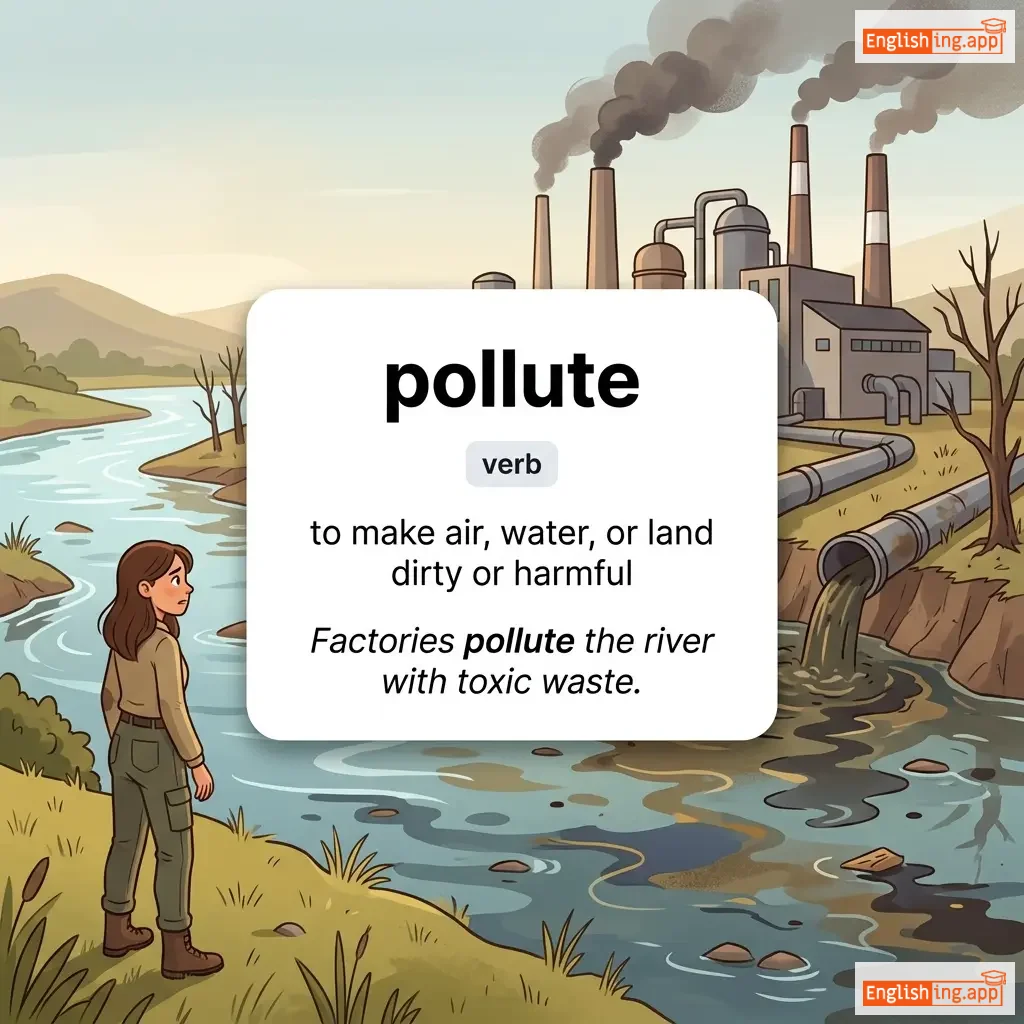
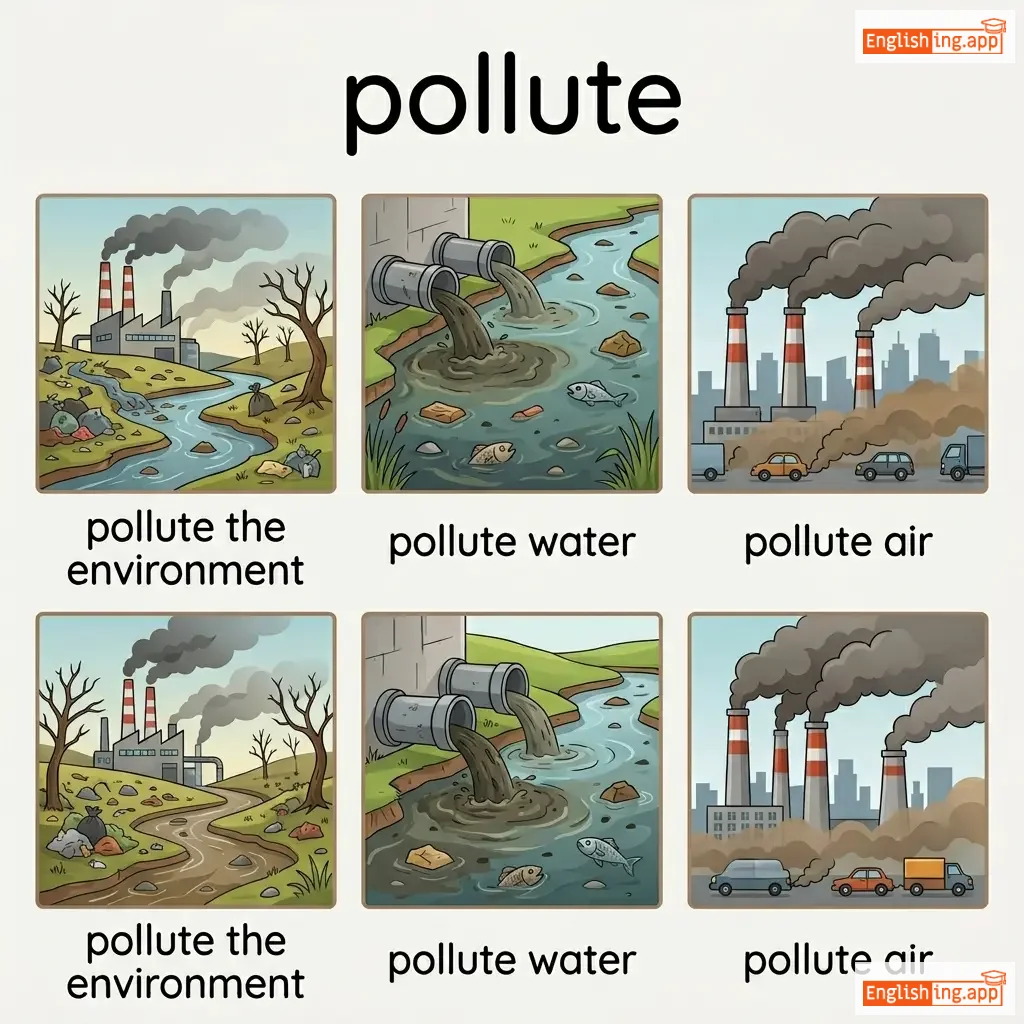
to make air, water, or land dirty and harmful to people, animals, and plants
••••••
|
Factories pollute the environment with toxic chemicals.
faktoris polut de anviromã avek toksik kemikal
••••••
|
Les usines polluent l’environnement avec des produits chimiques toxiques.
Le uzin polue lavironman avek de produ kimik toksik
••••••
|
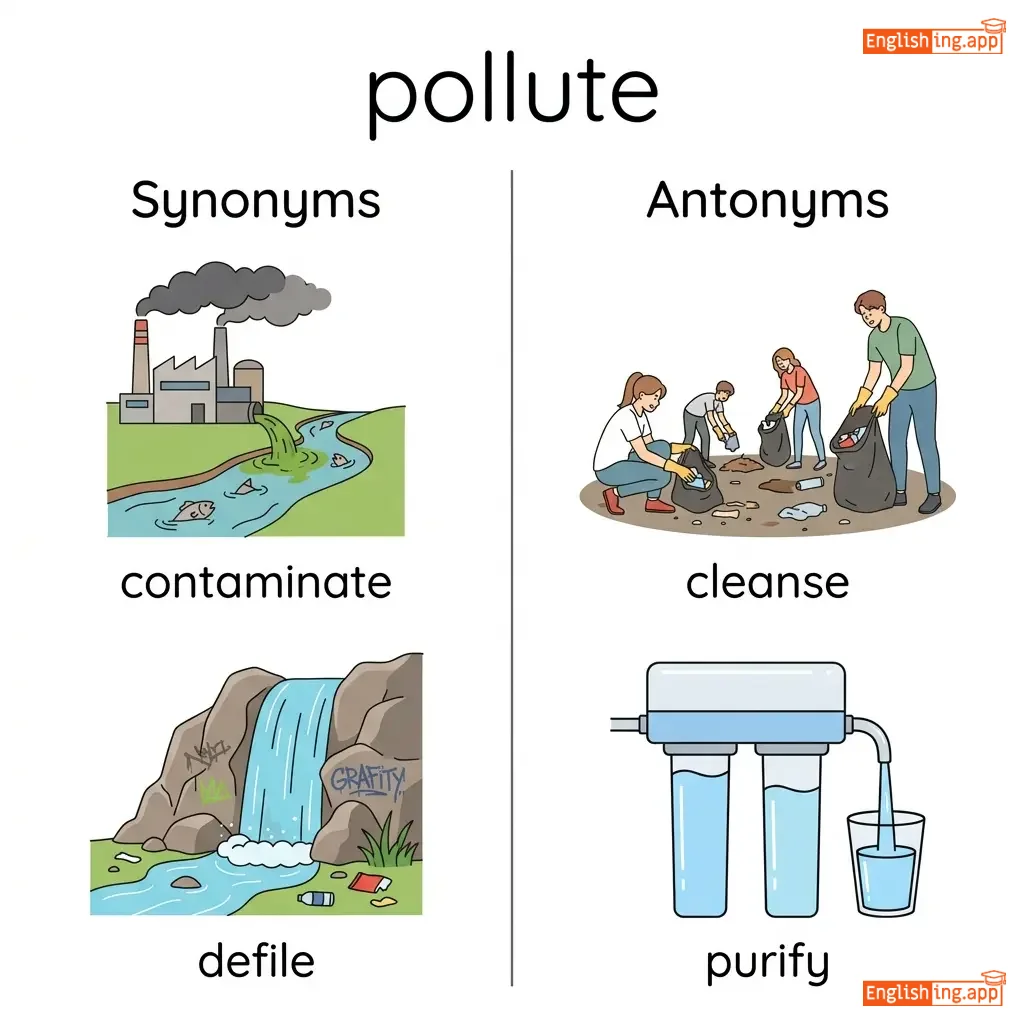
contaminate, dirty, taint, poison
••••••
|
purify, clean, cleanse
••••••
|
pollute environment, pollute air, pollute water, heavily pollute, pollute atmosphere
••••••
|
Pollute → polluer — looks similar, just with a French touch!
••••••
|
|
#702
🤝
|
/pɑːrˈtɪsɪpeɪt/
verb
(partissipeit)
••••••
|
|
participer
participer
••••••
|
participated
partissipeited
••••••
|
participated
partissipeited
••••••
|
participates
partissipeits
••••••
|
participating
partissipeiting
••••••
|
to take part in or become involved in an activity
••••••
|
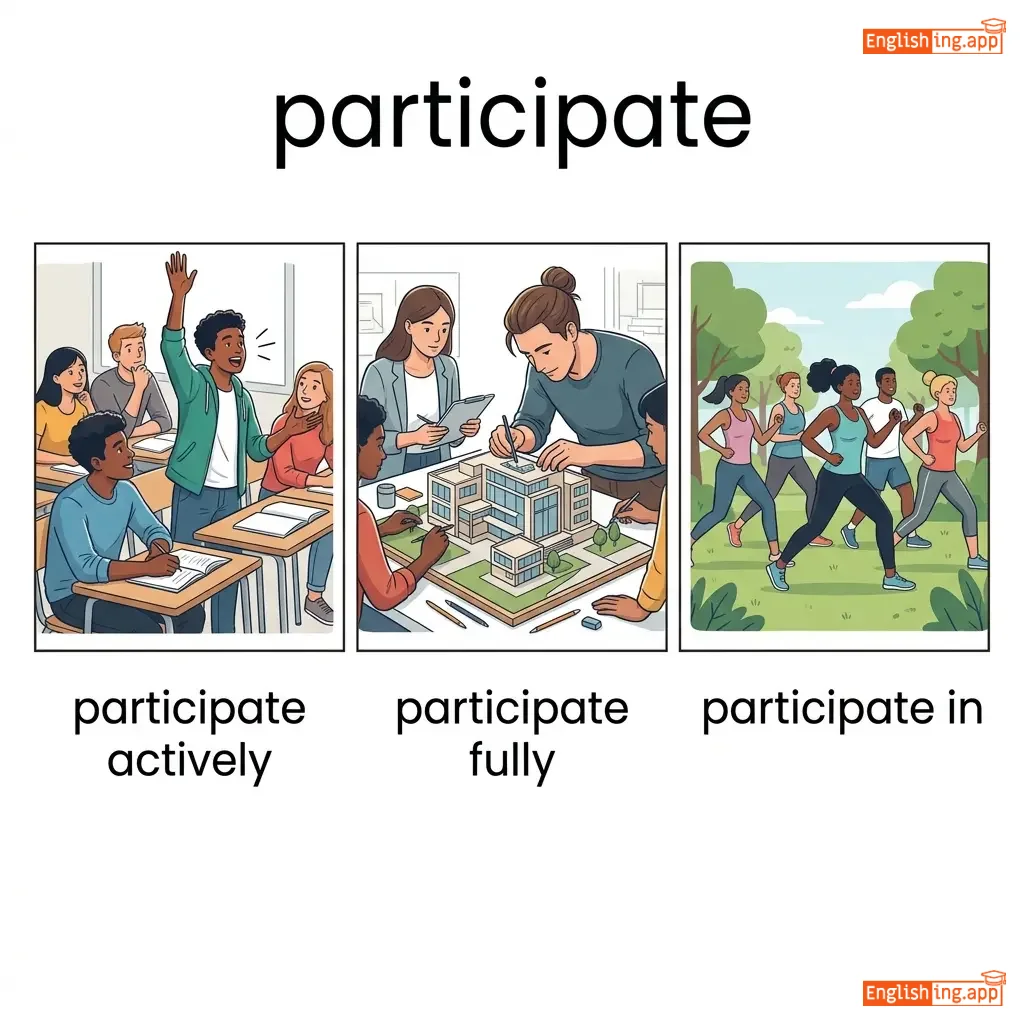
Students are encouraged to participate in extracurricular activities.
Etudiants are encouragés tou partissipeit in extracurricular activitiz.
••••••
|
Les étudiants sont encouragés à participer à des activités parascolaires.
le etudiants sont encourages a participer a des activites parascolaires.
••••••
|
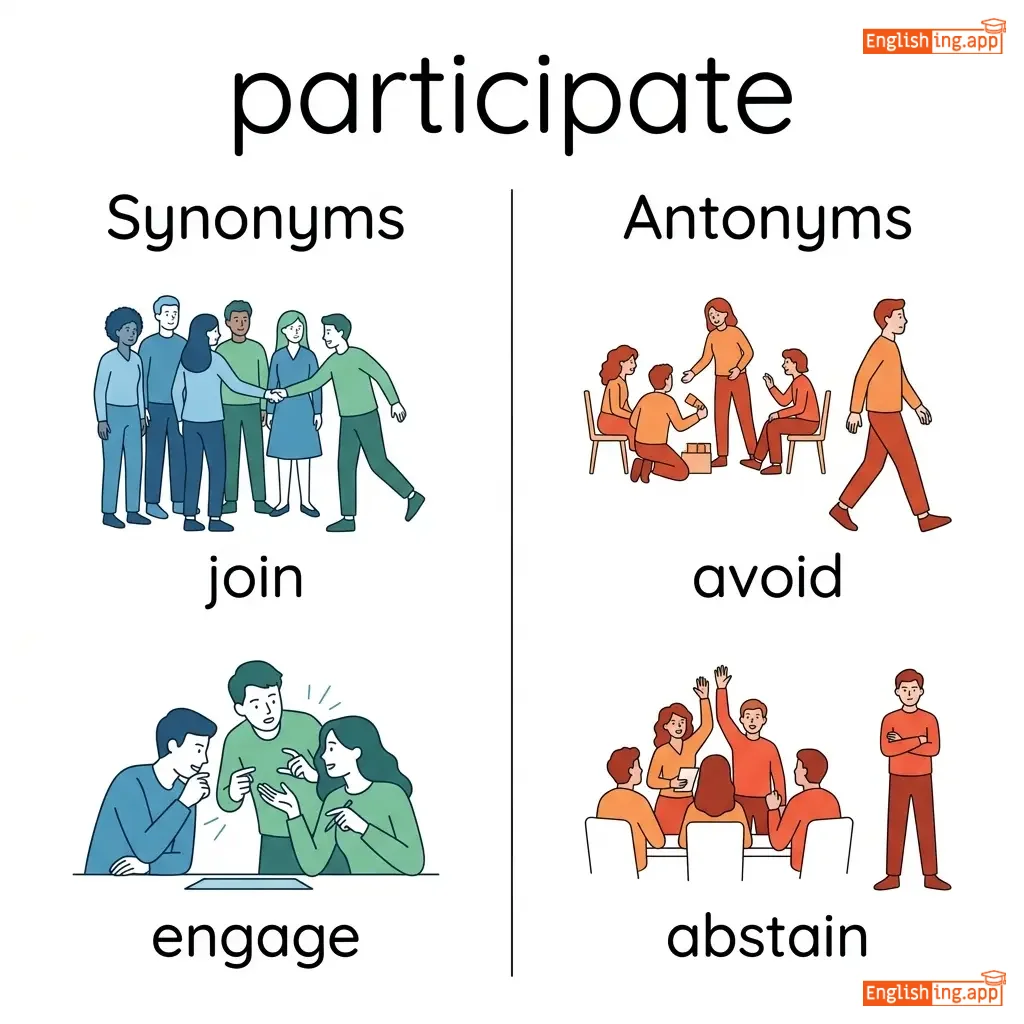
join, engage, contribute, take part
••••••
|
abstain, withdraw, avoid, exclude
••••••
|
participate in, actively participate, participate fully, participate together, participate willingly
••••••
|
Participate = participer — they sound and look very similar in English and French!
••••••
|
|
#703
🍳
|
/prɪˈpɛər/
verb
(prépair)
••••••
|
|
préparer
preparer
••••••
|
prepared
prépaird
••••••
|
prepared
prépaird
••••••
|
prepares
prépairz
••••••
|
preparing
prépairing
••••••
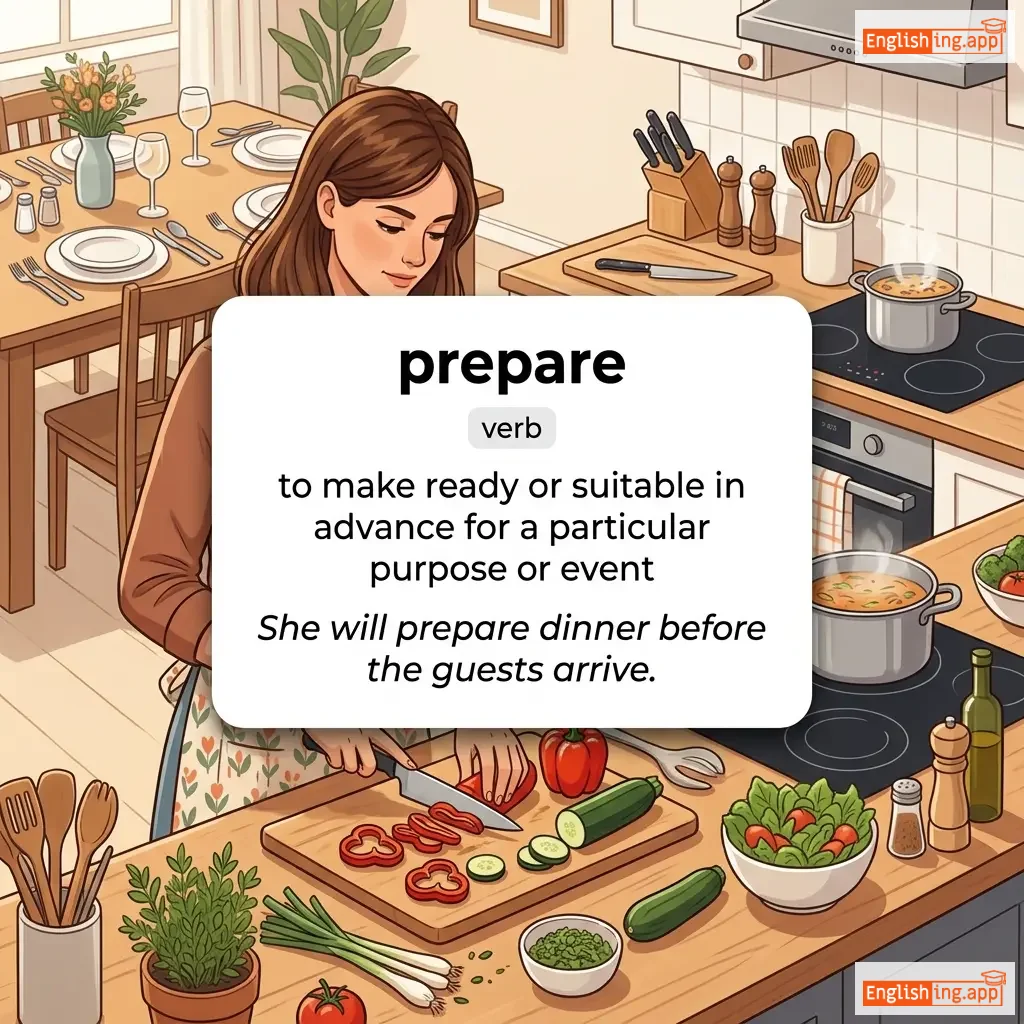
|
to make ready; to get something ready for use
••••••
|
She needs to prepare dinner for her family.
shi nid tou prépair dinor for her famili.
••••••
|
Elle doit préparer le dîner pour sa famille.
El dwa prepar le diner pur sa fami
••••••
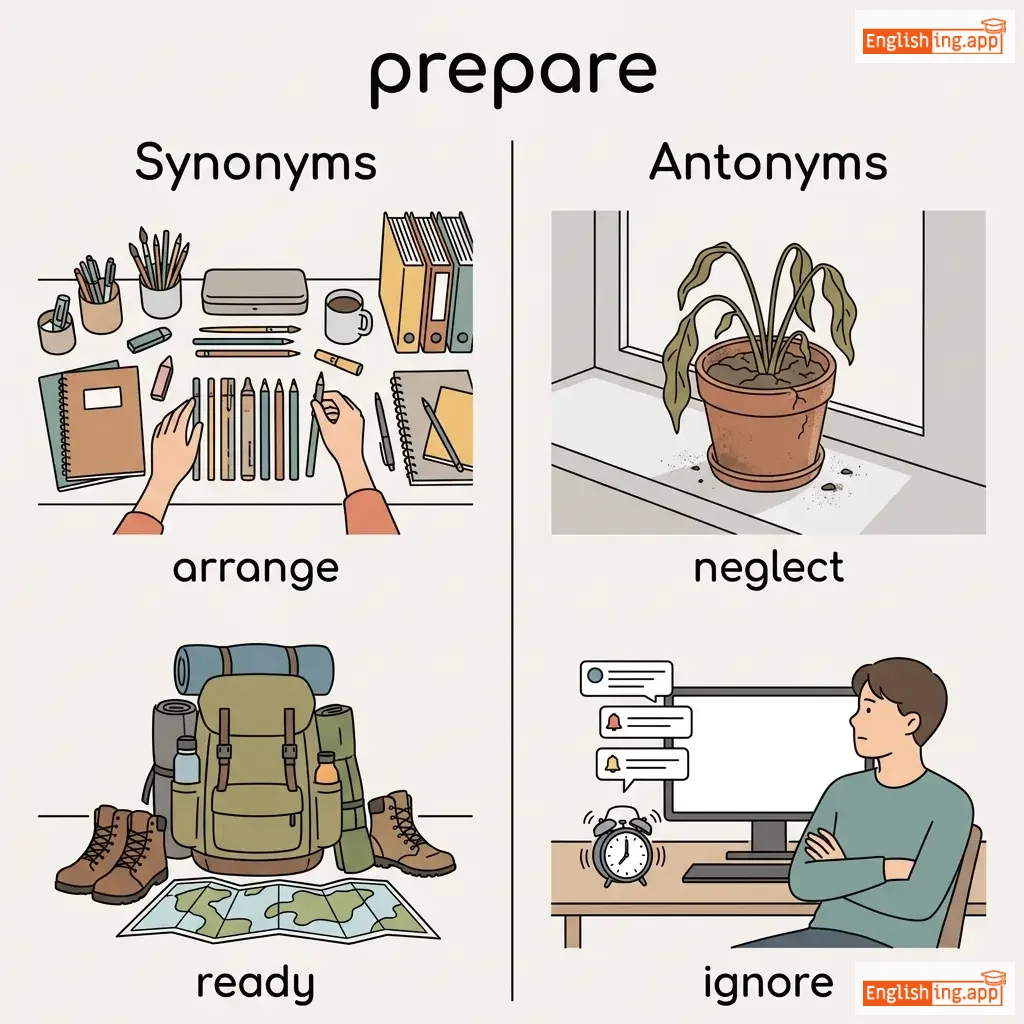
|
ready, arrange, organize, plan
••••••
|
neglect, ignore, abandon, destroy
••••••
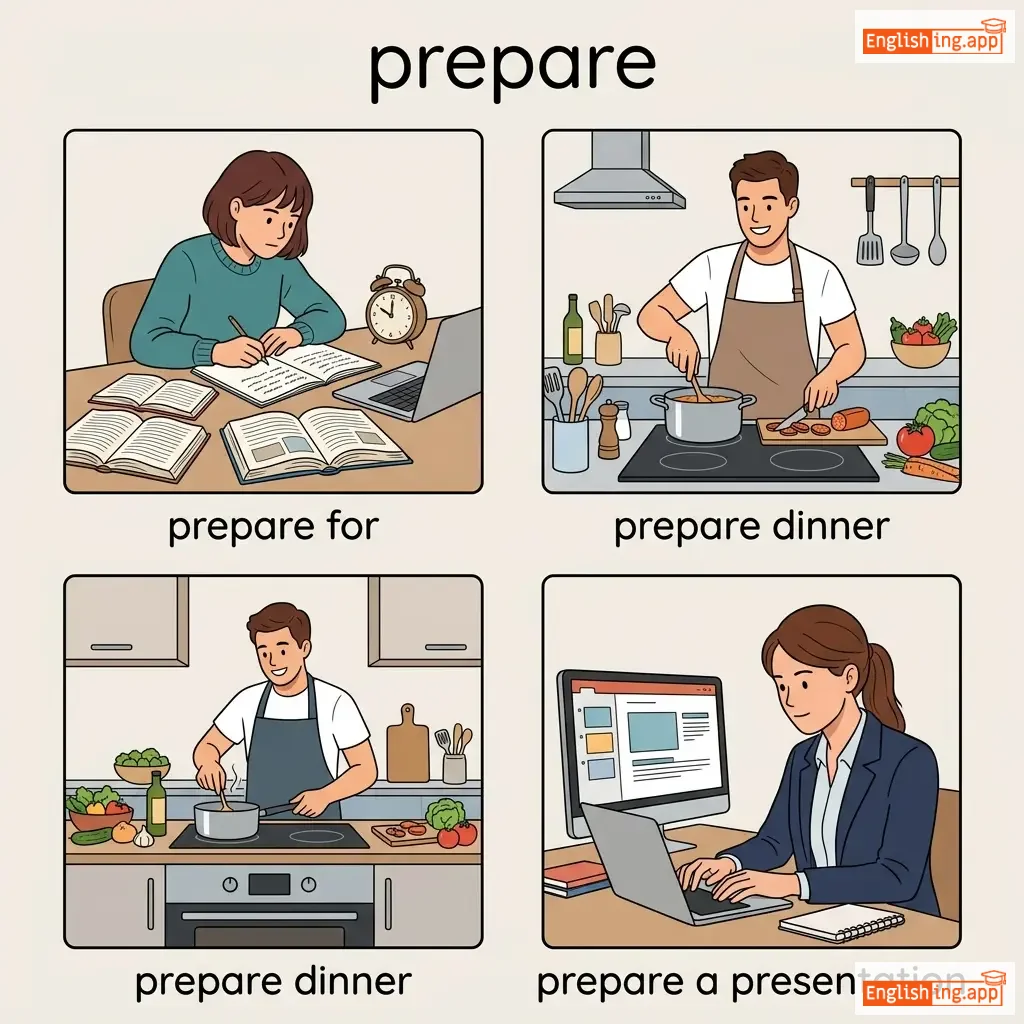
|
prepare for, prepare carefully, prepare dinner, prepare ahead, well prepared, prepare thoroughly
••••••
|
Prepare and préparer are almost twins – both mean to get ready!
••••••
|
|
#704
📋
|
/əˈreɪndʒ/
verb
(aréinj)
••••••
|
|
organiser
organiser
••••••
|
arranged
aréinjé
••••••
|
arranged
aréinjé
••••••
|
arranges
aréinj
••••••
|
arranging
aréinjant
••••••
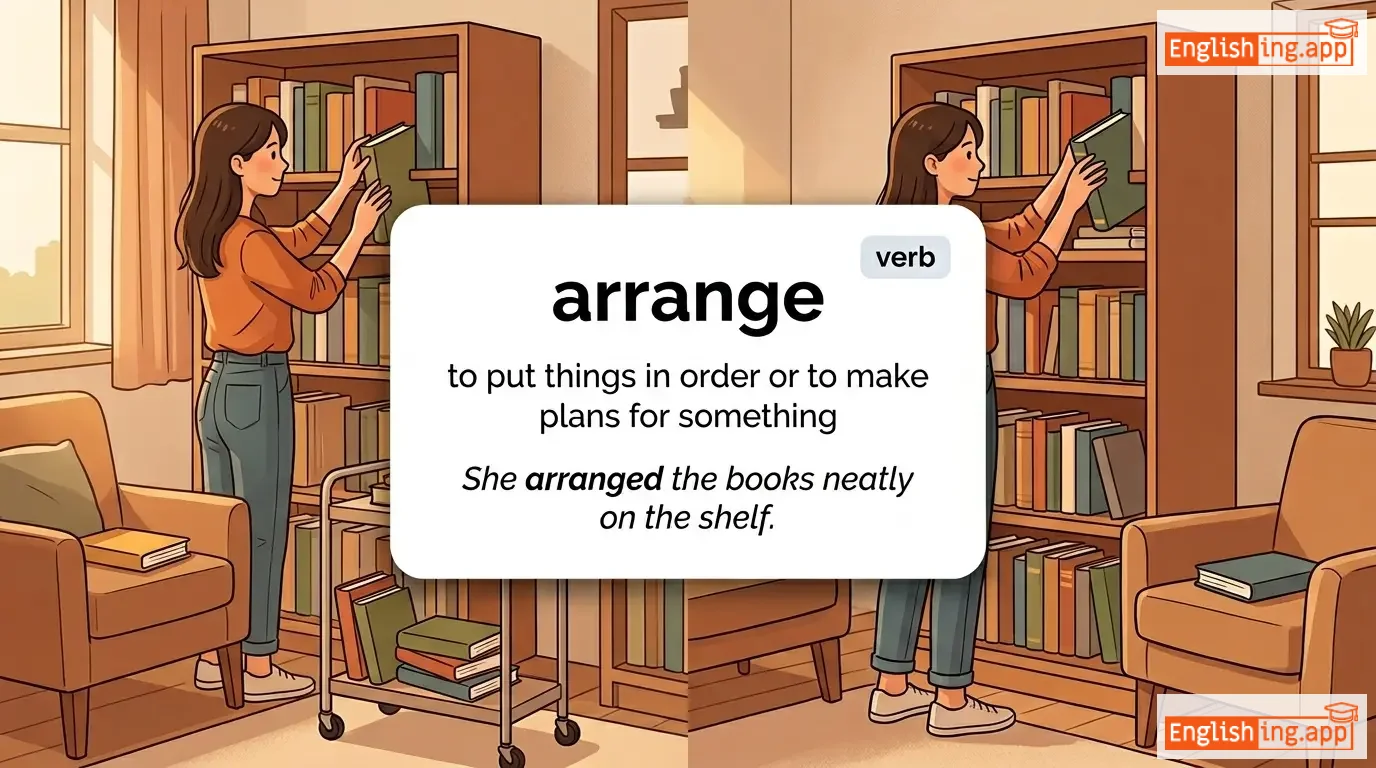
|
to organize or put in order; to plan or prepare
••••••
|
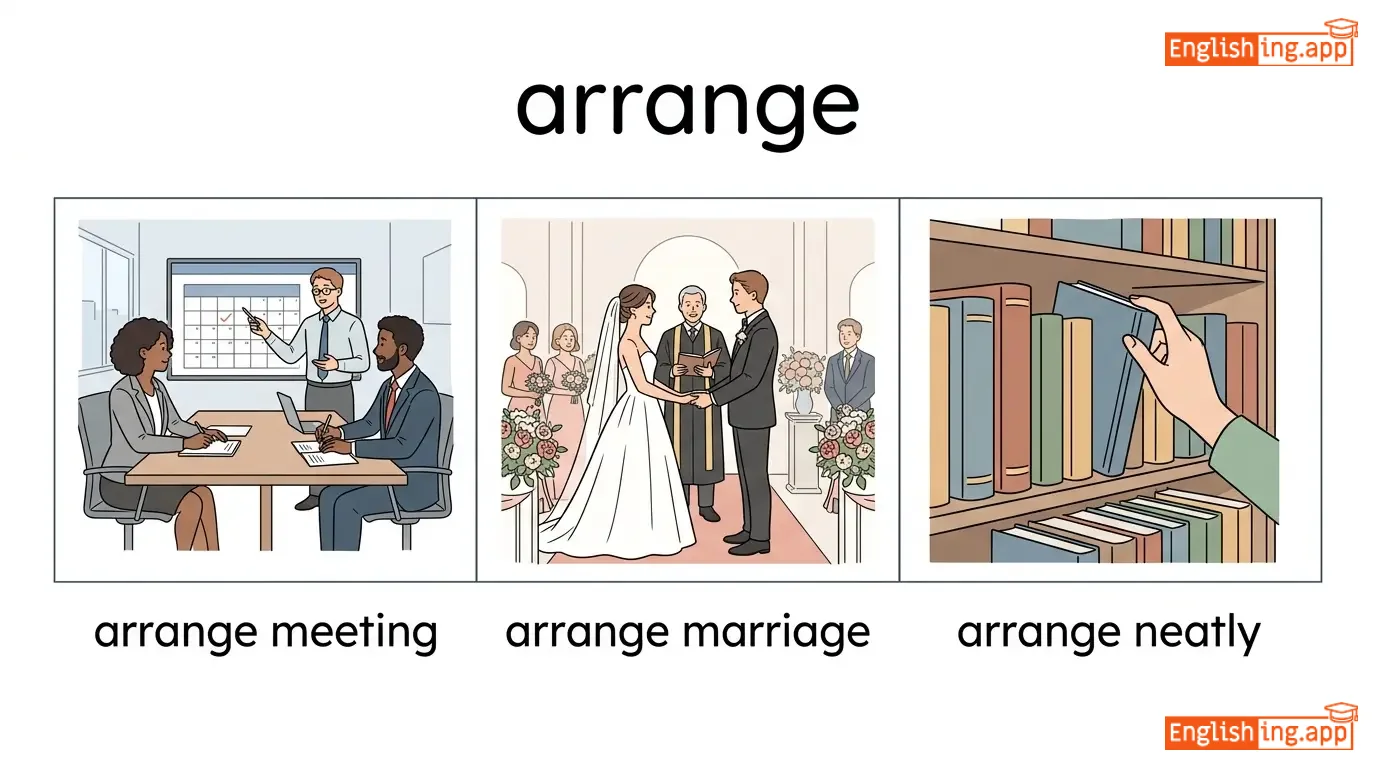
She arranged the flowers in a vase.
shi aréinj lé flor dan yn vaz
••••••
|
Elle a arrangé les fleurs dans un vase.
el a arrange le flur dan un vaz
••••••
|
organize, order, plan, prepare
••••••
|
disorganize, scatter, mess up, disorder
••••••
|
arrange carefully, arrange properly, arrange meeting, arrange flowers, arrange in order
••••••
|
Arrange and arranger in French both mean to put in order — easy link!
••••••
|
|
#705
💡
|
/ˈɛmfəˌsaɪz/
verb
(èmfasèz)
••••••
|
|
souligner
souligner
••••••
|
emphasized
èmfasèzd
••••••
|
emphasized
èmfasèzd
••••••
|
emphasizes
èmfasèz
••••••
|
emphasizing
èmfasèzing
••••••
|
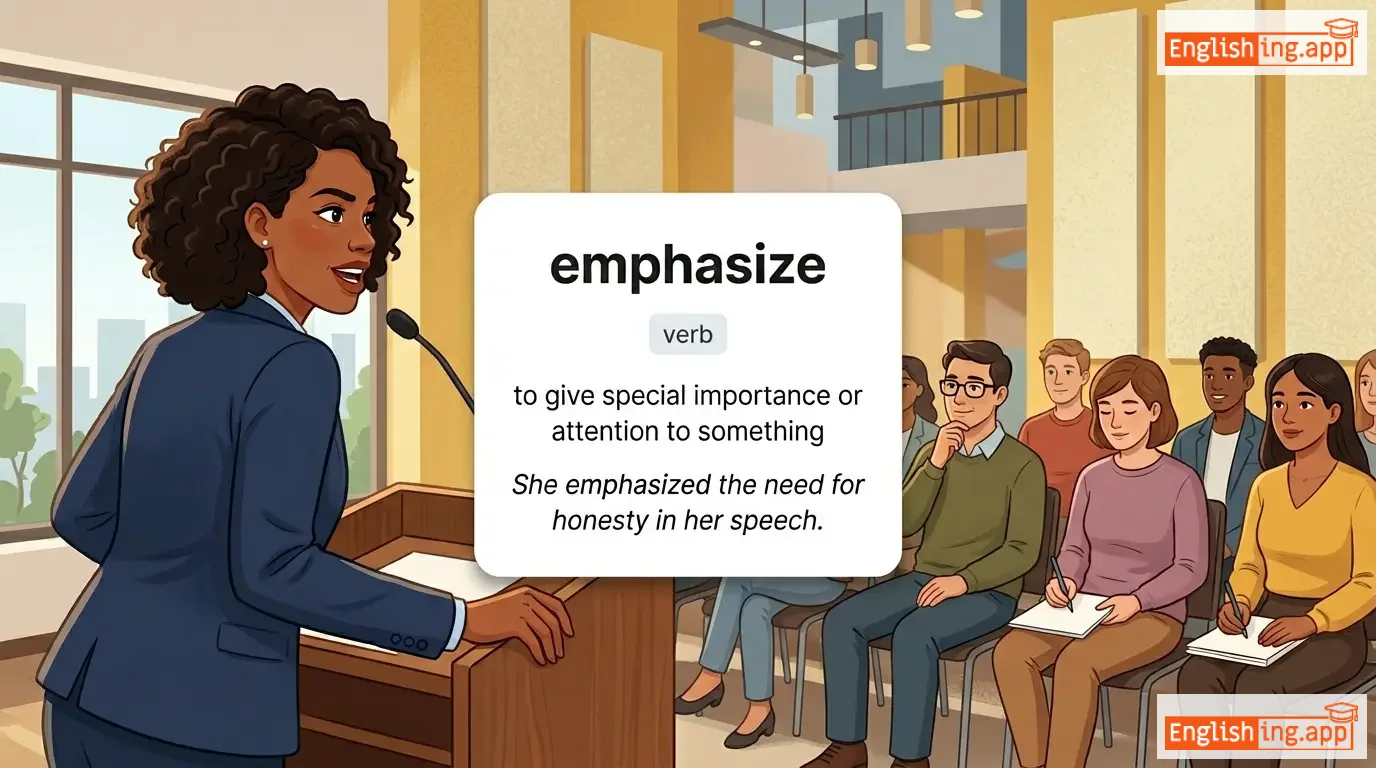
to give special importance or attention to something
••••••
|
The teacher emphasized the importance of homework.
le titcheur èmfasèzd l'importans deu homework.
••••••
|
Le professeur a souligné l'importance des devoirs.
Le professeur a souligne l'importance des devoirs
••••••
|
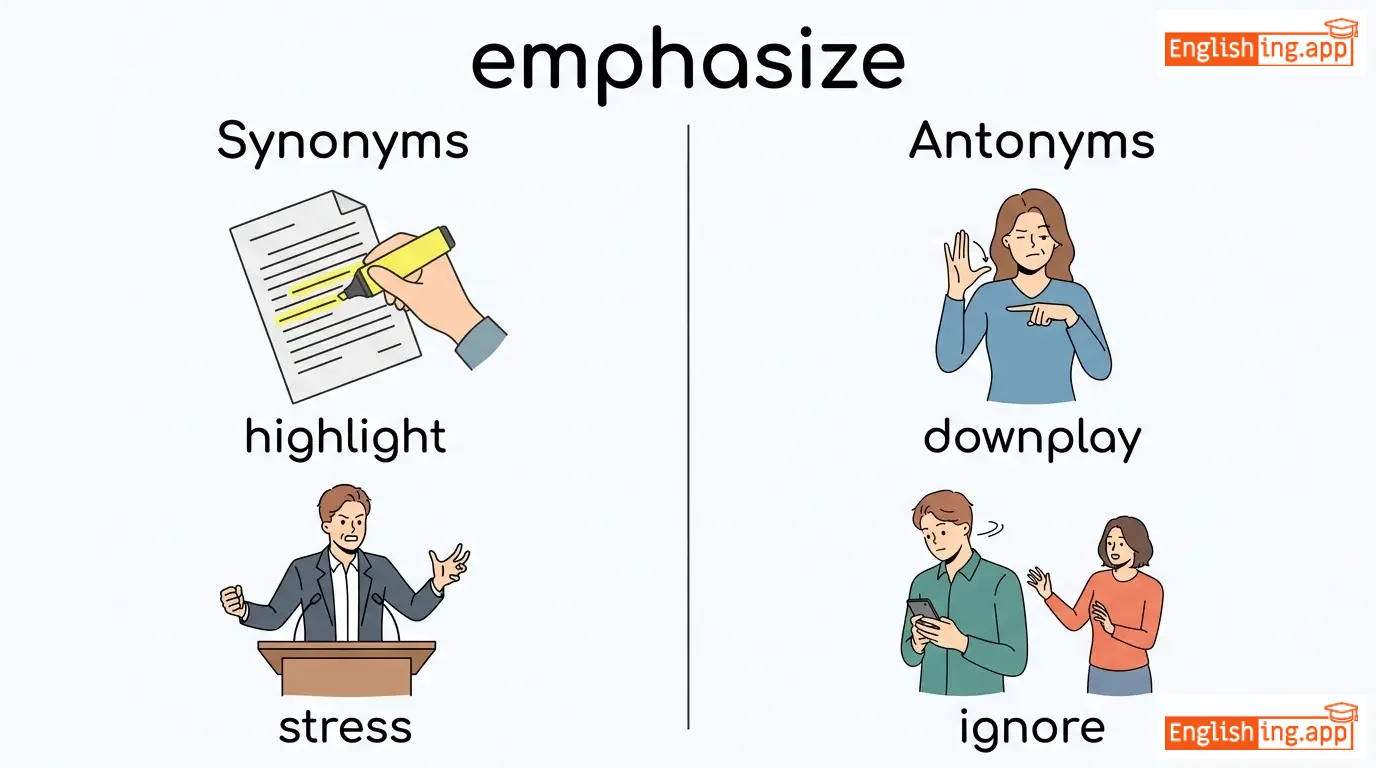
stress, highlight, underline, accentuate
••••••
|
downplay, minimize, ignore
••••••
|
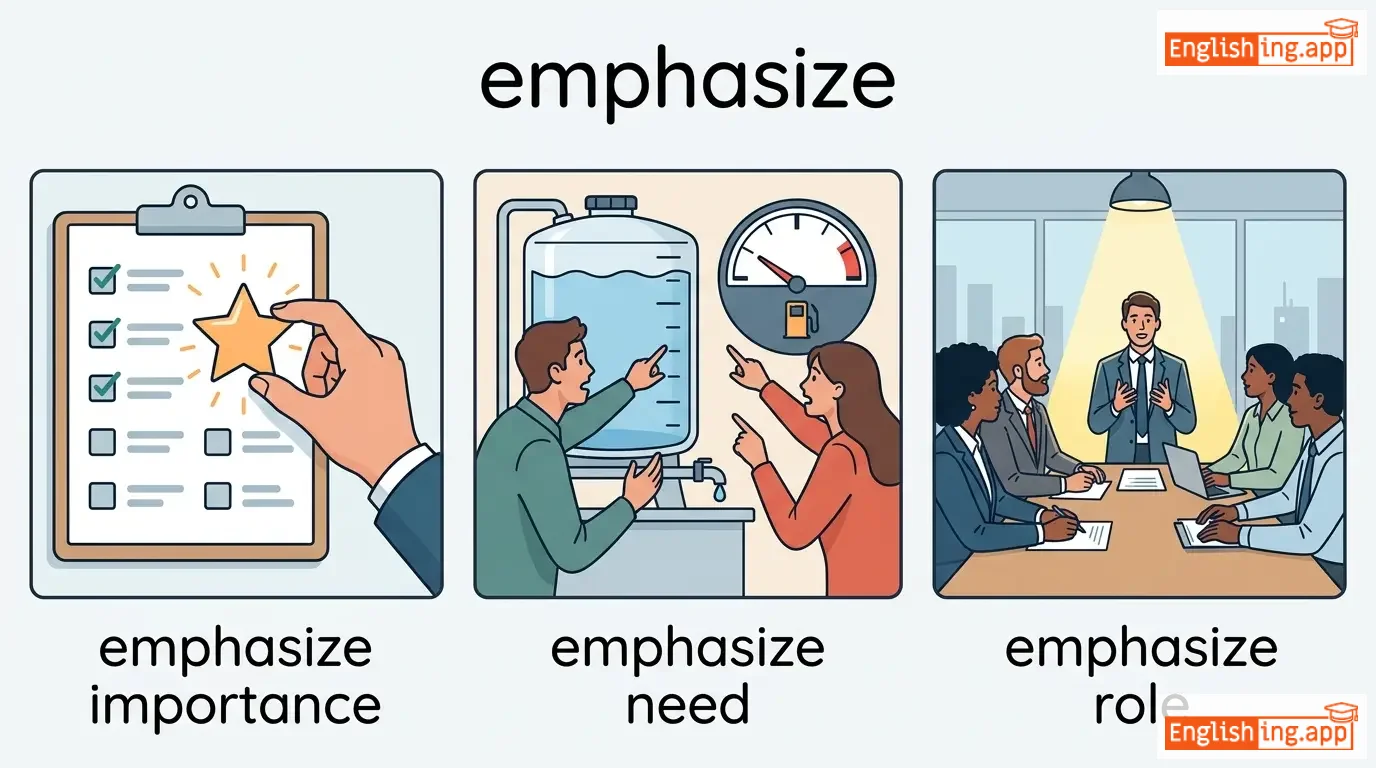
emphasize importance, strongly emphasize, emphasize point, emphasize need, clearly emphasize
••••••
|
To emphasize in French, you 'souligner' — imagine underlining (souligner) your point!
••••••
|
|
#706
🚪
|
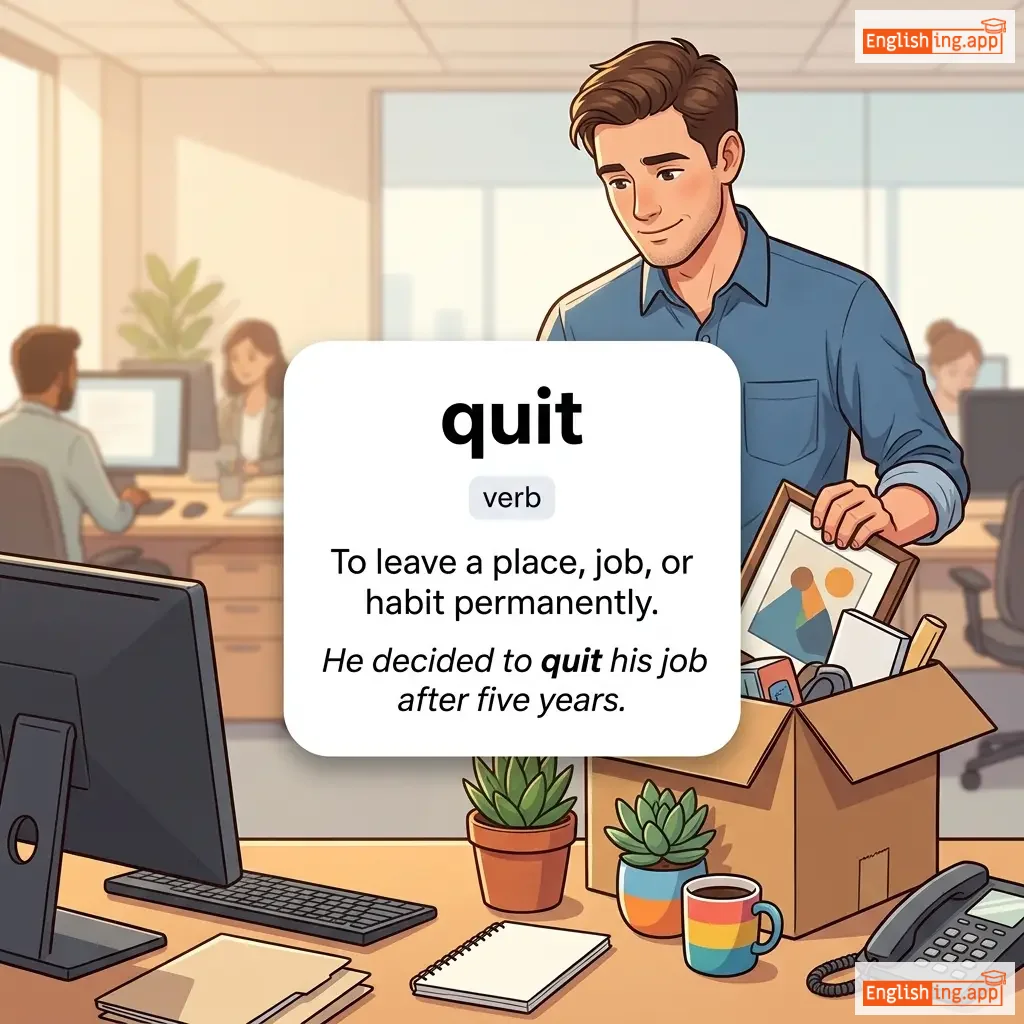
/kwɪt/
verb
(kwit)
••••••
|
|
quitter
quitter
••••••
|
quit/quitted
kwit/kwited
••••••
|
quit/quitted
kwit/kwited
••••••
|
quits
kwits
••••••
|
quitting
kwiting
••••••
|
to stop doing something; to leave a job or position
••••••
|
She decided to quit her job and start her own business.
Chi decidaid tou kwit her job and start her own biznes.
••••••
|
Elle a décidé de quitter son travail et de créer sa propre entreprise.
El a decide de quitter son travail e de creer sa propre entreprise.
••••••
|
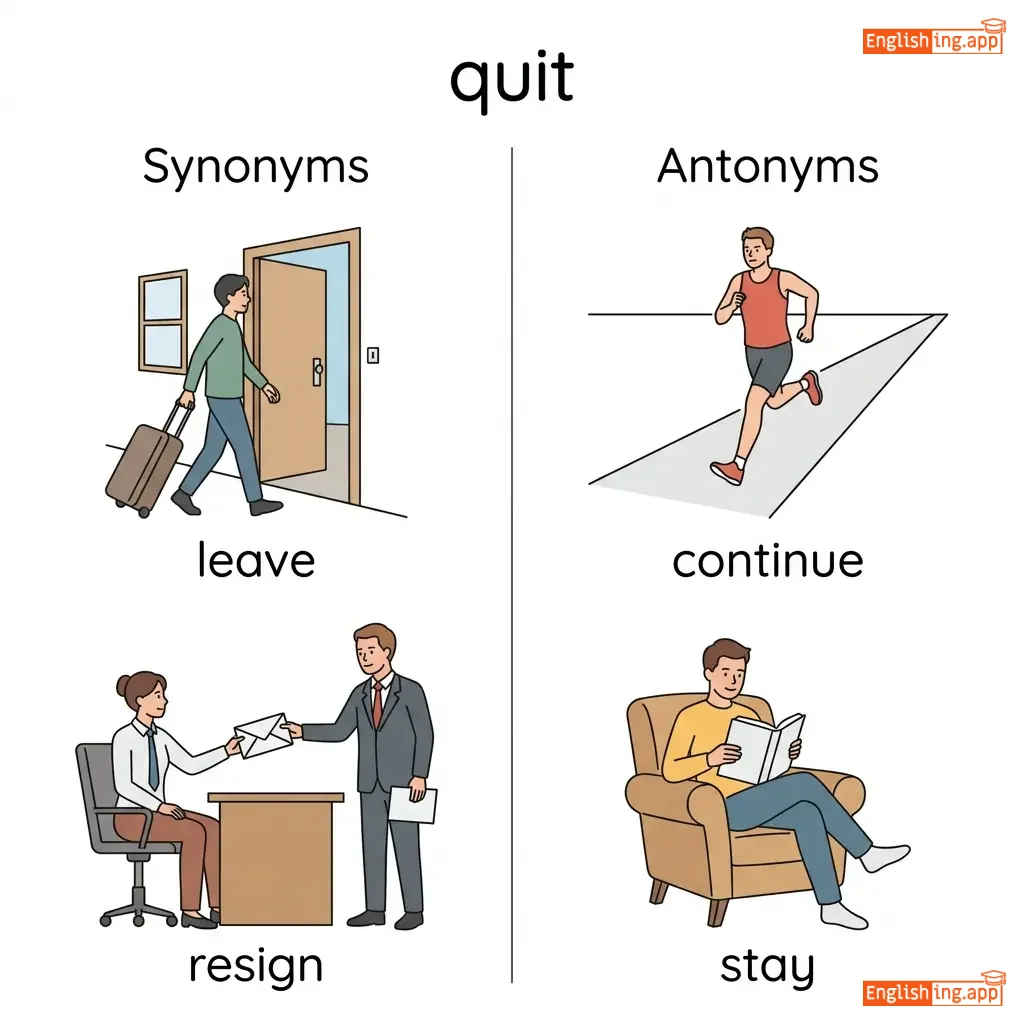
stop, cease, leave, resign
••••••
|
start, begin, continue, persist
••••••
|
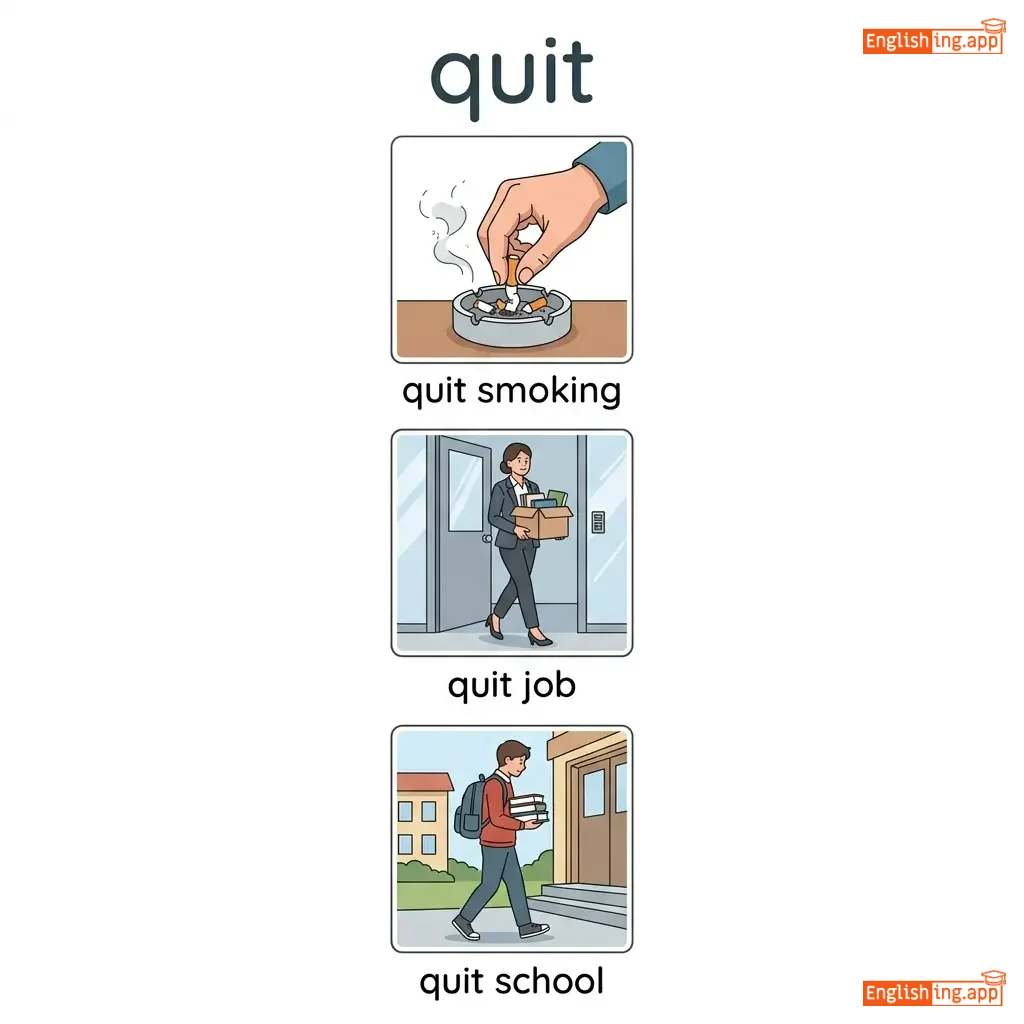
quit job, quit smoking, quit school, quit trying, quit suddenly, quit forever
••••••
|
Quit and quitter look the same—both mean to leave or stop.
••••••
|
|
#707
📄
|
/səbˈmɪt/
verb
(səbˈmɪt)
••••••
|
|
soumettre
soumettre
••••••
|
submitted
səbˈmɪtəd
••••••
|
submitted
səbˈmɪtəd
••••••
|
submits
səbˈmɪts
••••••
|
submitting
səbˈmɪtɪŋ
••••••
|
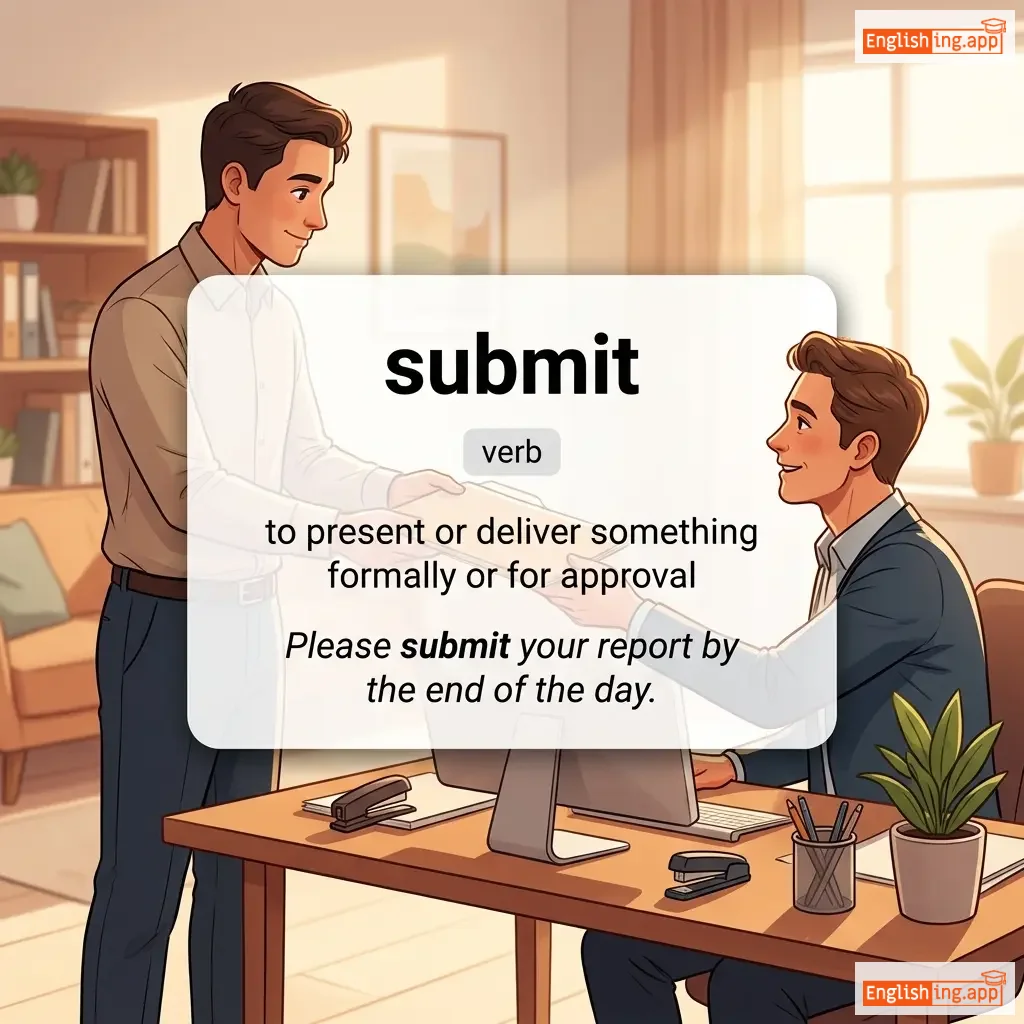
to present for consideration; to surrender; to yield
••••••
|
Please submit your assignment by Friday.
Veuillez soumettre votre devoir d'ici vendredi.
••••••
|
Veuillez soumettre votre devoir d'ici vendredi.
Veuillez soumettre votre devoir d'ici vendredi.
••••••
|
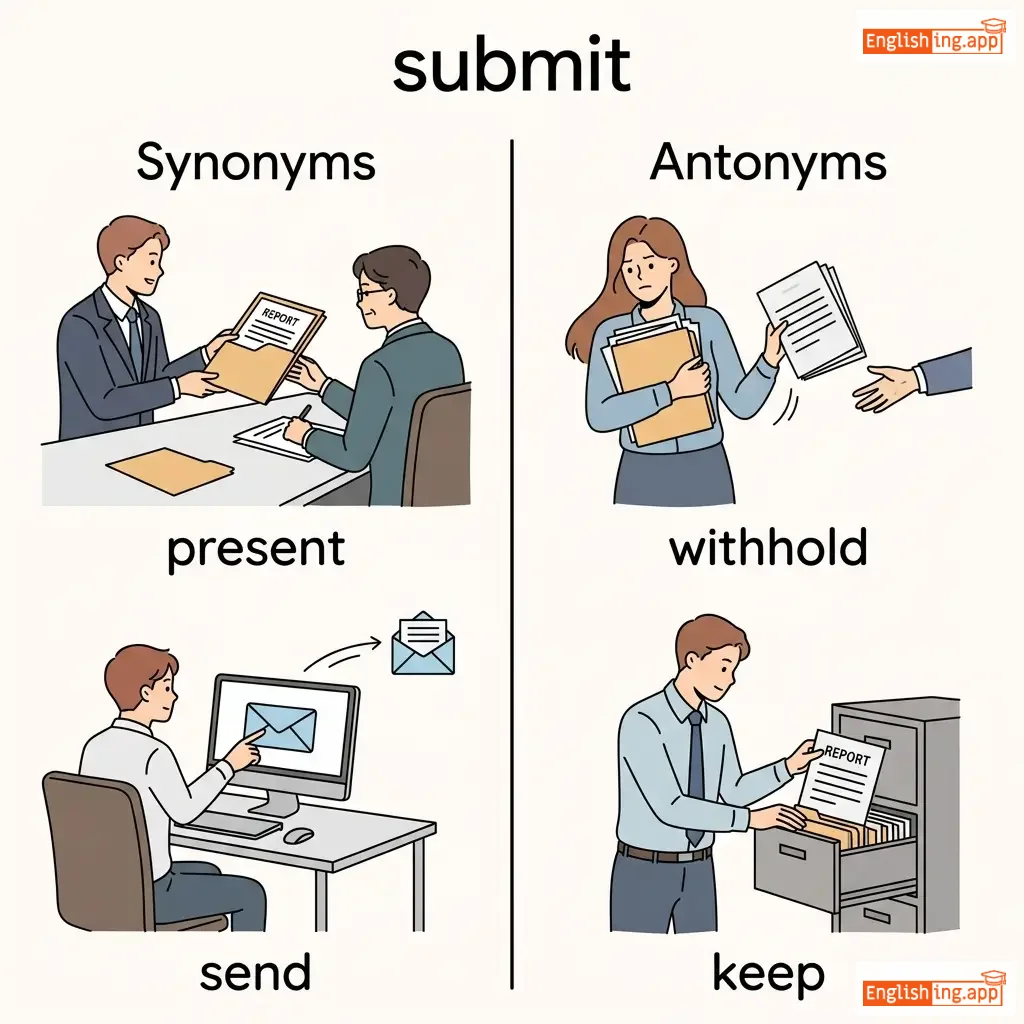
present, hand in, surrender, yield
••••••
|
withdraw, resist, refuse, reject
••••••
|
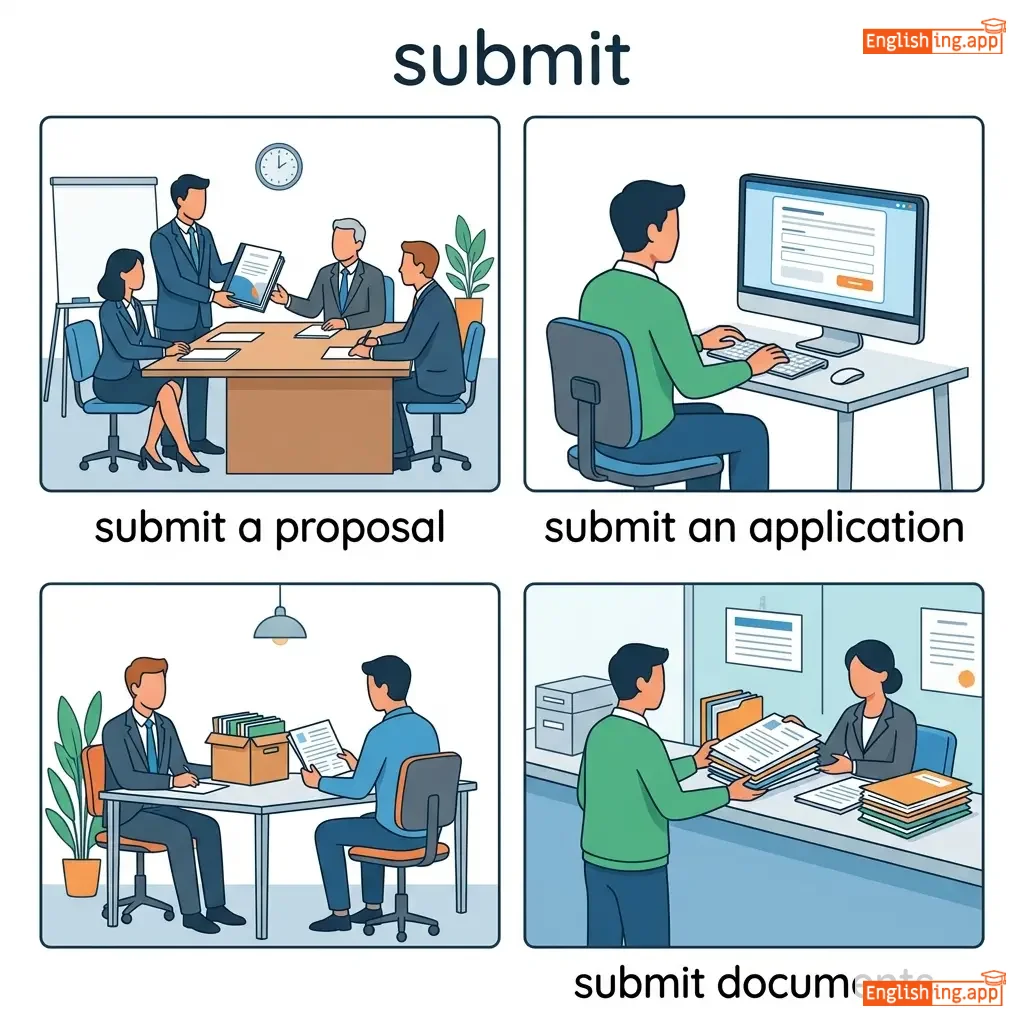
submit application, submit report, submit assignment, submit proposal, submit documents
••••••
|
Soumettre son devoir, c'est céder aux exigences!
••••••
|
|
#708
🤝
|
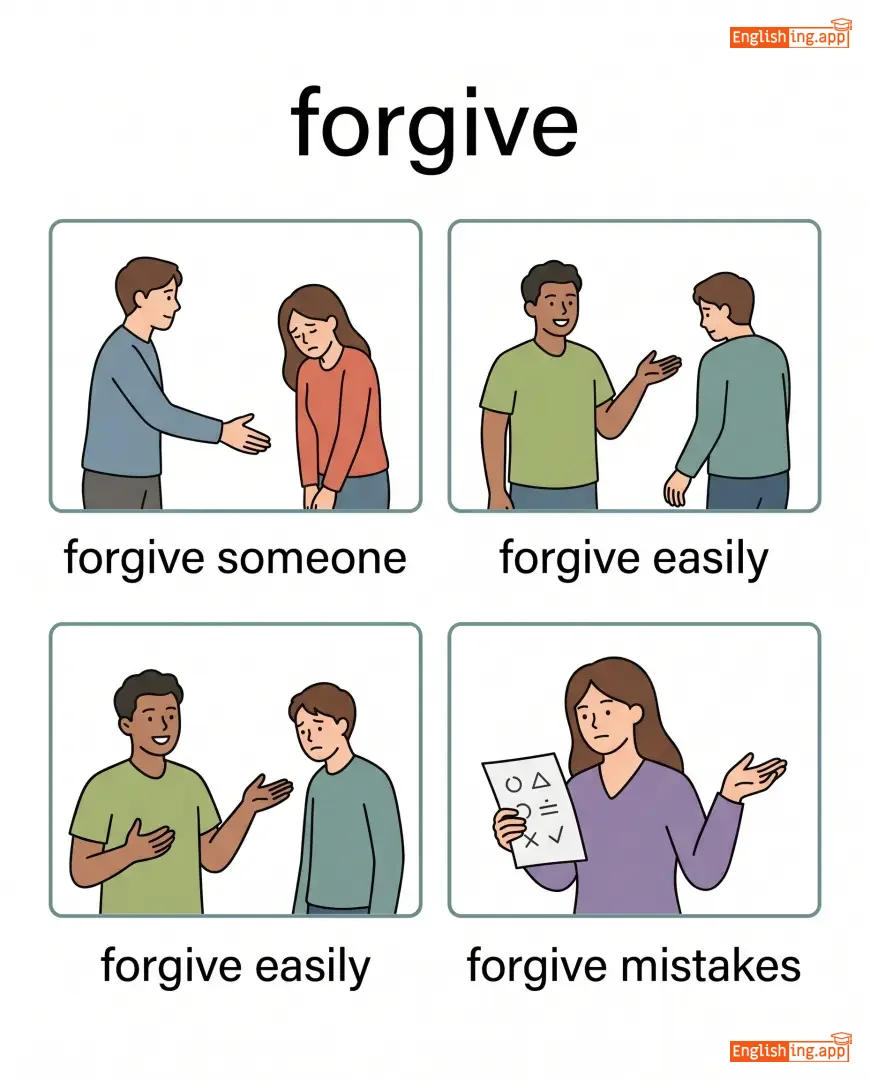
/fərˈɡɪv/
verb
(forgiv)
••••••
|
|
pardonner
pardonner
••••••
|
forgave
forgev
••••••
|
forgiven
forgiven
••••••
|
forgives
forgivz
••••••
|
forgiving
forgiving
••••••
|
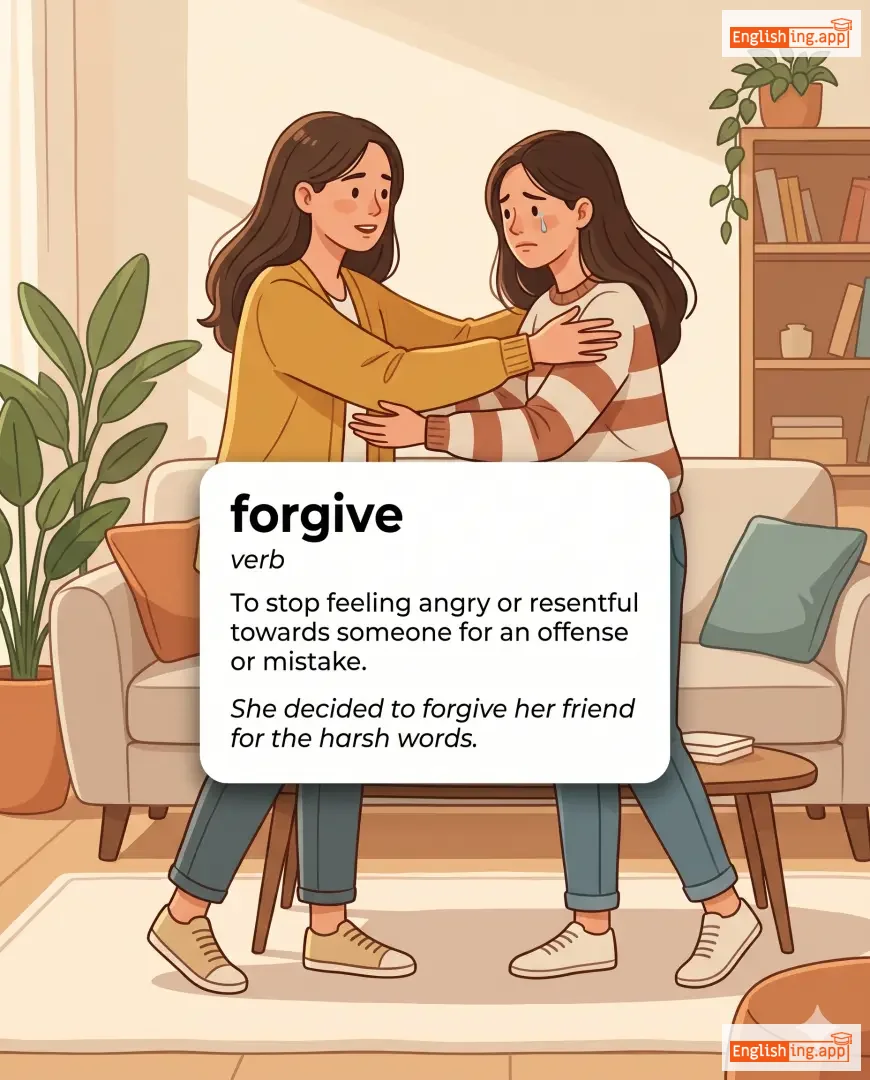
to stop feeling angry or resentful toward someone for an offense
••••••
|
I forgive you for your mistake.
ai forgiv yu for yor mistake
••••••
|
Je te pardonne pour ton erreur.
Je te pardonne pour ton erreur.
••••••
|
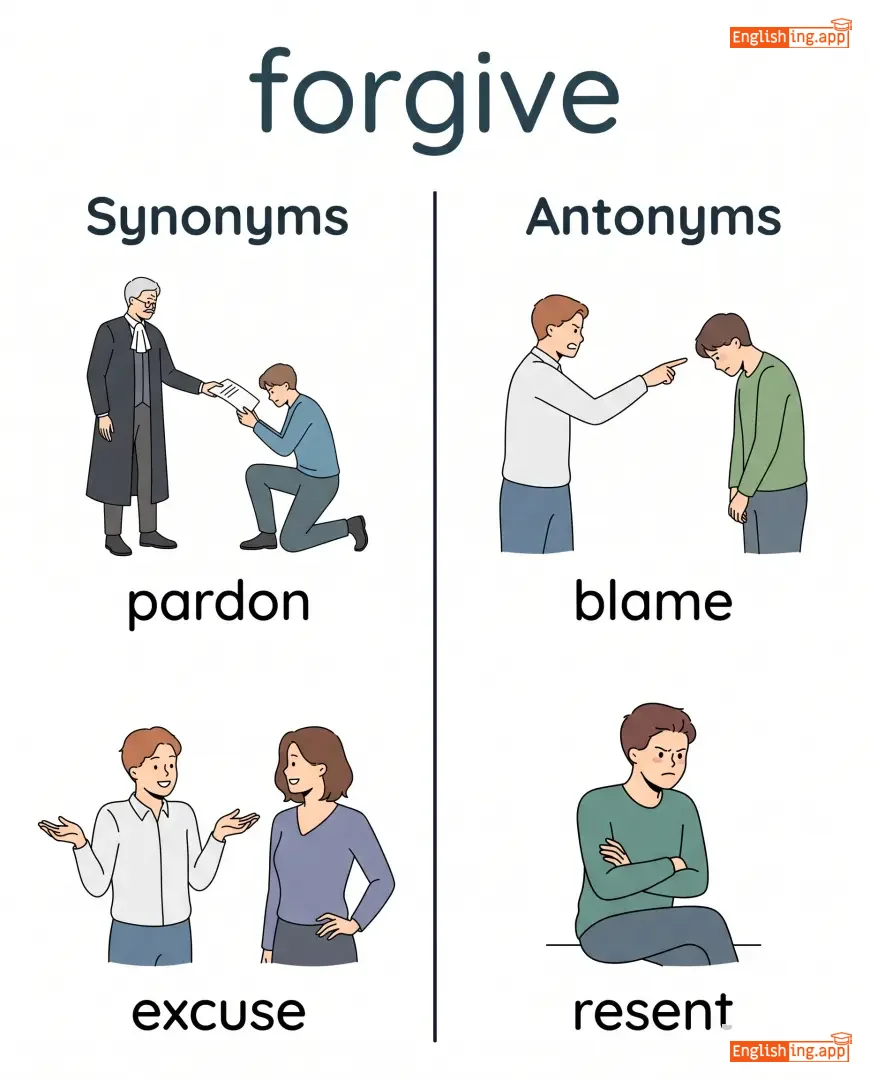
pardon, excuse, absolve
••••••
|
blame, condemn, resent
••••••
|
forgive completely, forgive mistake, forgive someone, please forgive, forgive and forget
••••••
|
Forgive and ‘pardonner’ both start soft — both mean to let go of anger.
••••••
|
|
#709
⚖️
|
/ˌoʊvərˈruːl/
verb
(ovérroul)
••••••
|
|
rejeter
rejeter
••••••
|
overruled
ovérrould
••••••
|
overruled
ovérrould
••••••
|
overrules
ovérrouls
••••••
|
overruling
ovérrouling
••••••
|
to reject or disallow by exercising one's superior authority; to override a decision
••••••
|
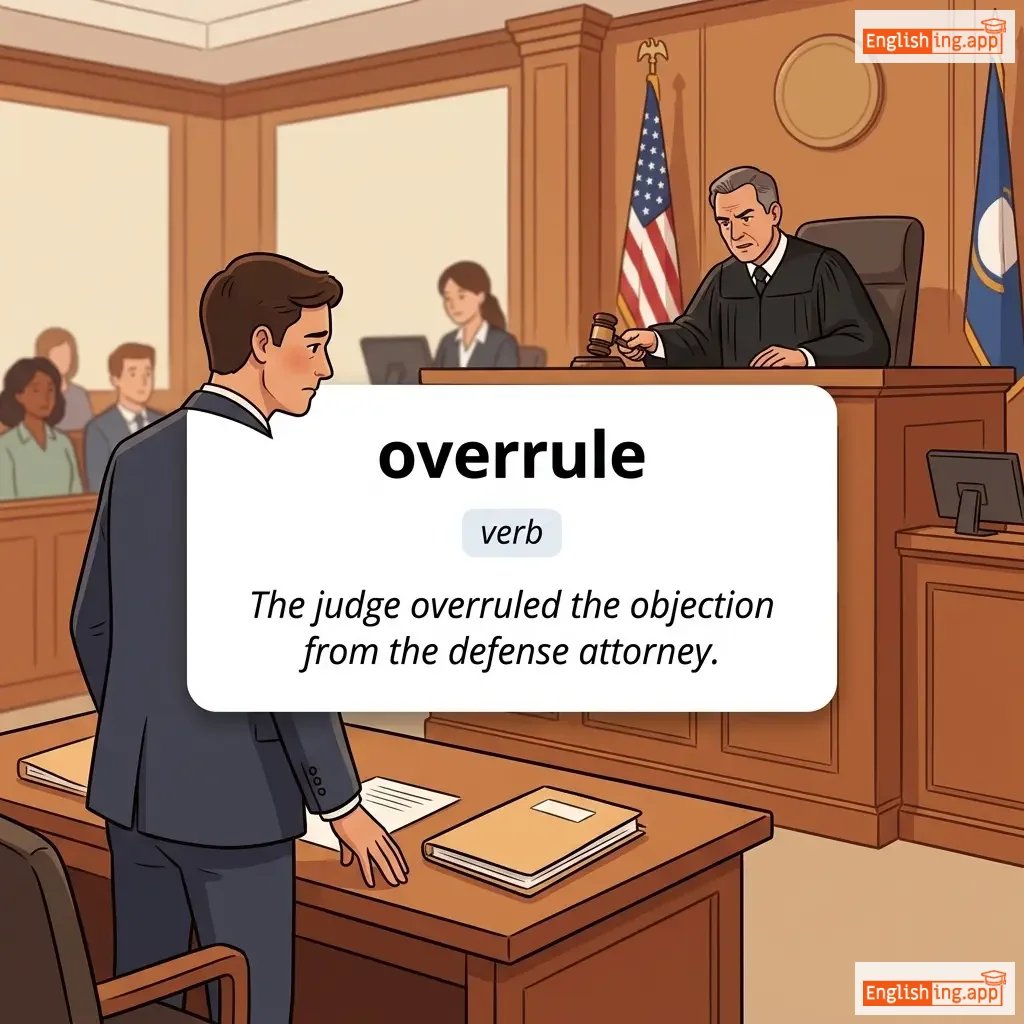
The judge overruled the objection from the defense attorney.
Le juge ovérrould l'objection du avocat de la défense.
••••••
|
Le juge a rejeté l'objection de l'avocat de la défense.
Le zhuj a rejete lobzhekshon de lavoka de la defans.
••••••
|
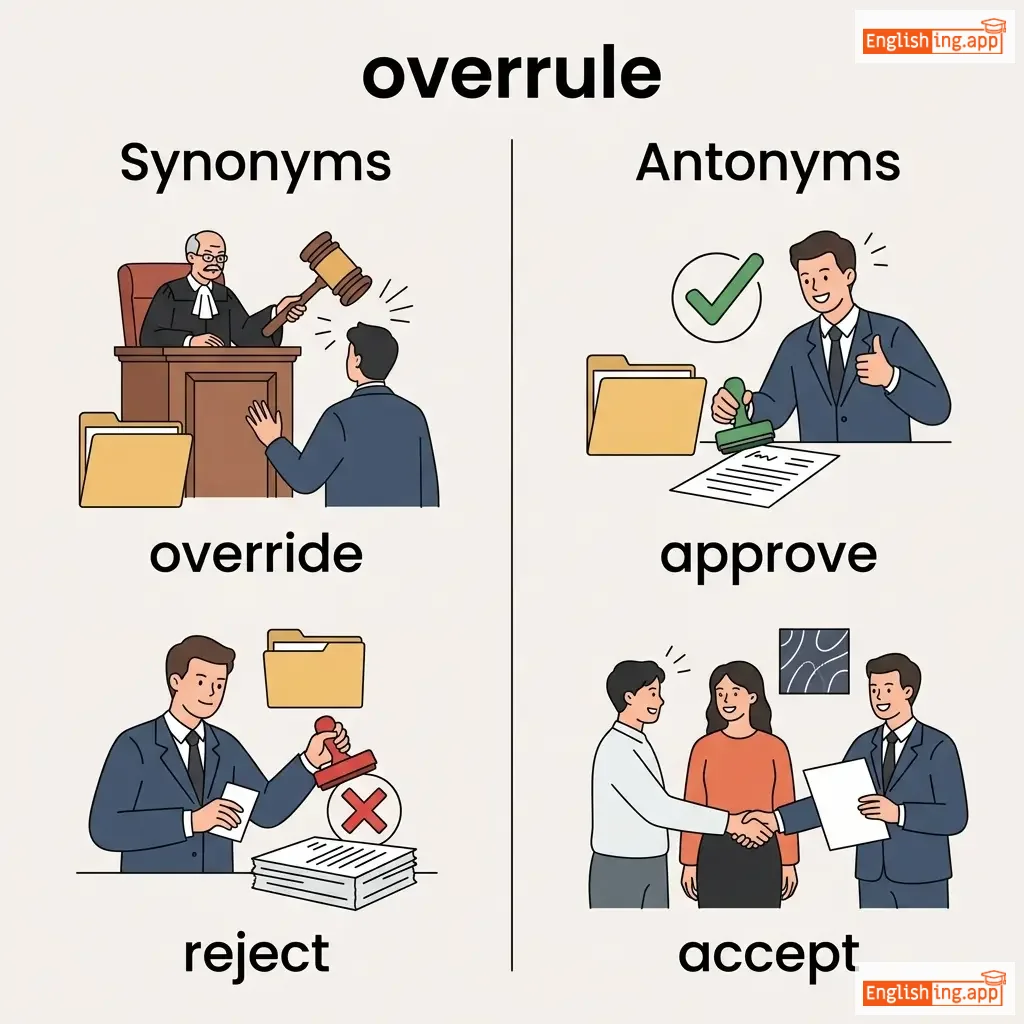
override, reject, veto, dismiss
••••••
|
approve, accept, uphold, sustain
••••••
|
overrule decision, overrule objection, overrule vote, judge overrule, overrule authority
••••••
|
Think of 'rejeter' — to reject or throw out, similar to overrule.
••••••
|
|
#710
🤔
|
/səˈspɛkt/
verb
(suspekt)
••••••
|
|
soupçonner
soupconner
••••••
|
suspected
suspekted
••••••
|
suspected
suspekted
••••••
|
suspects
suspekts
••••••
|
suspecting
suspekting
••••••
|
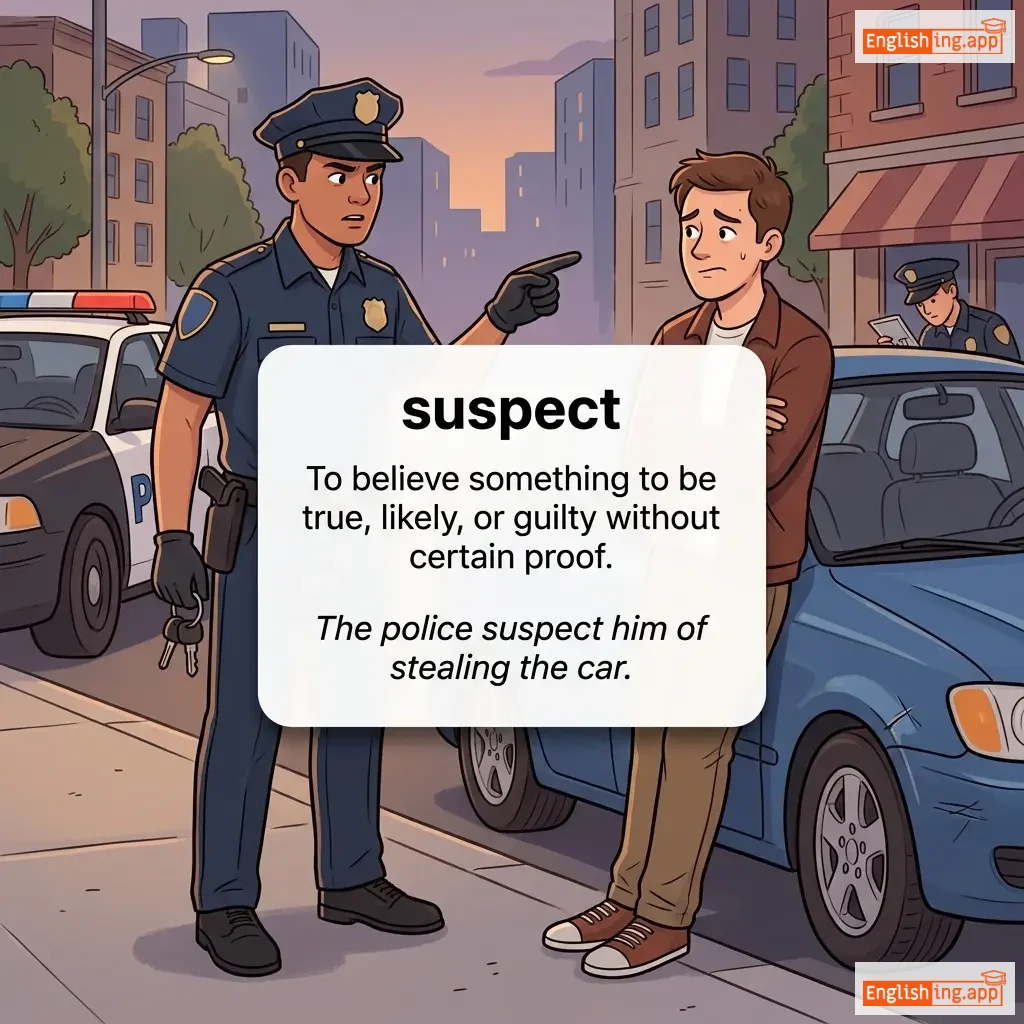
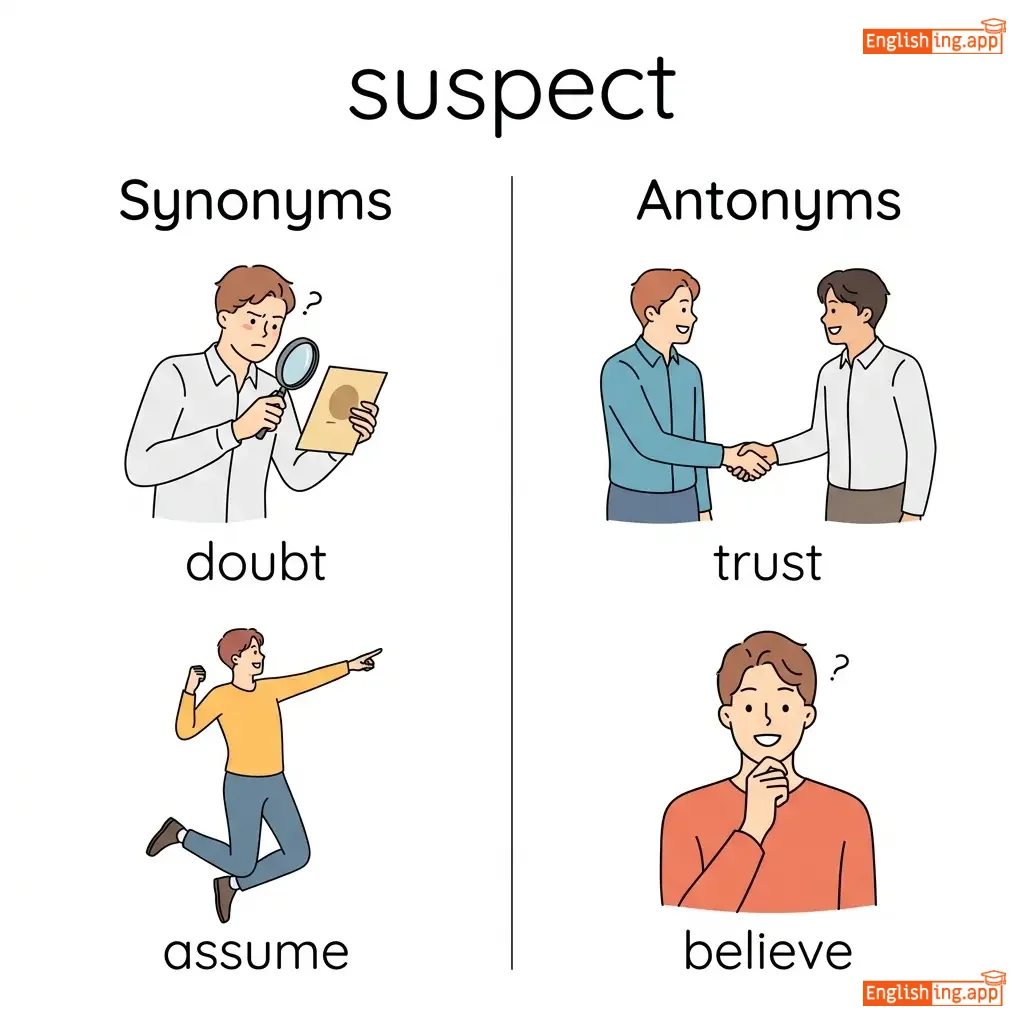
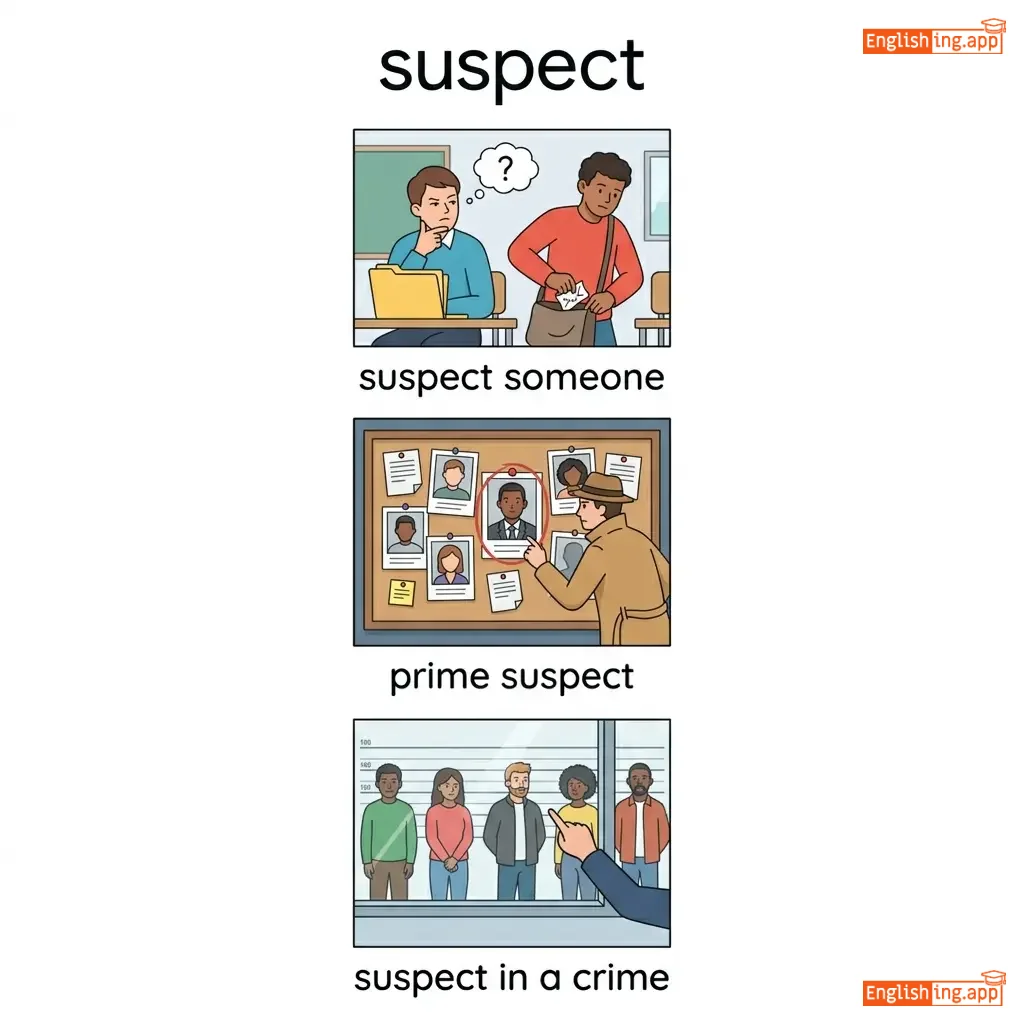
to believe that someone has done something wrong; to doubt or mistrust
••••••
|
I suspect he is lying about his whereabouts.
aï suspekt i iz laïing abaut iz ouèrabauts.
••••••
|
Je soupçonne qu'il ment sur son emplacement.
je soupconne kil mon sur son emplacement
••••••
|
doubt, mistrust, believe, think
••••••
|
trust, believe, accept
••••••
|
suspect someone, strongly suspect, suspect of, suspect crime, suspect wrongdoing
••••••
|
'Suspect' and 'soupçonner' both sound sneaky—think of 'soup' with suspicion.
••••••
|
|
#711
💬
|
/seɪ/
verb
(sé)
••••••
|
|
dire
dir
••••••
|
said
sèd
••••••
|
said
sèd
••••••
|
says
sèz
••••••
|
saying
séing
••••••
|
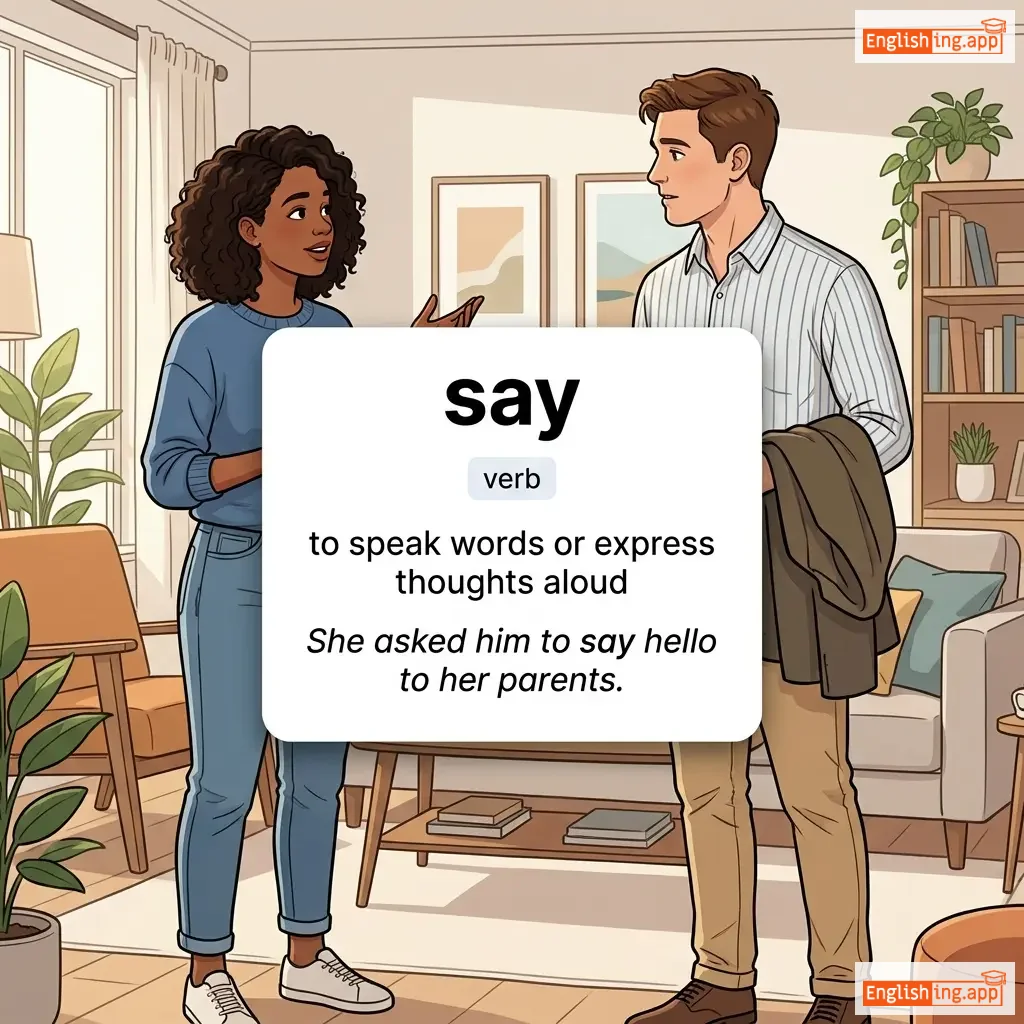
to speak words; to express something in words
••••••
|
She said hello to me.
chi sèd èlo tu mi.
••••••
|
Elle m'a dit bonjour.
El ma di bonjour.
••••••
|
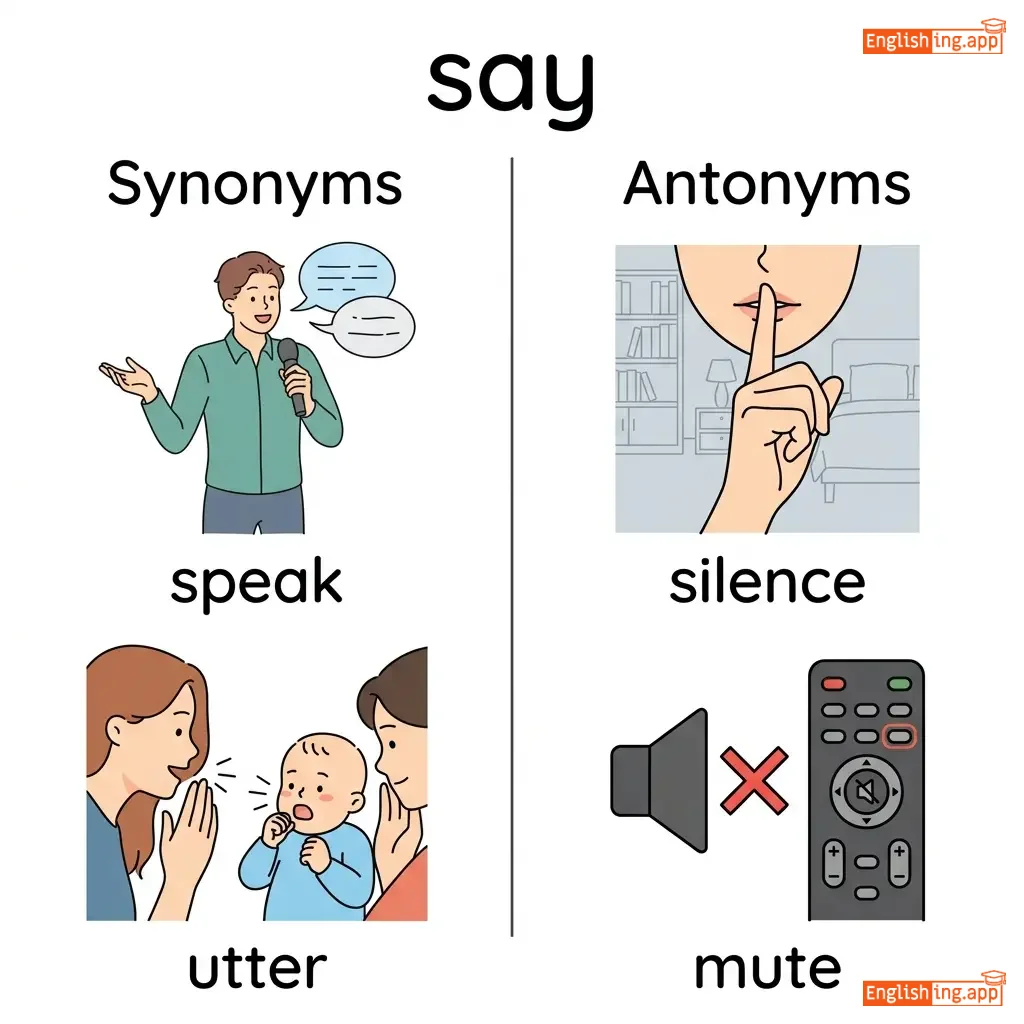
speak, tell, express, utter
••••••
|
listen, hear, remain silent
••••••
|
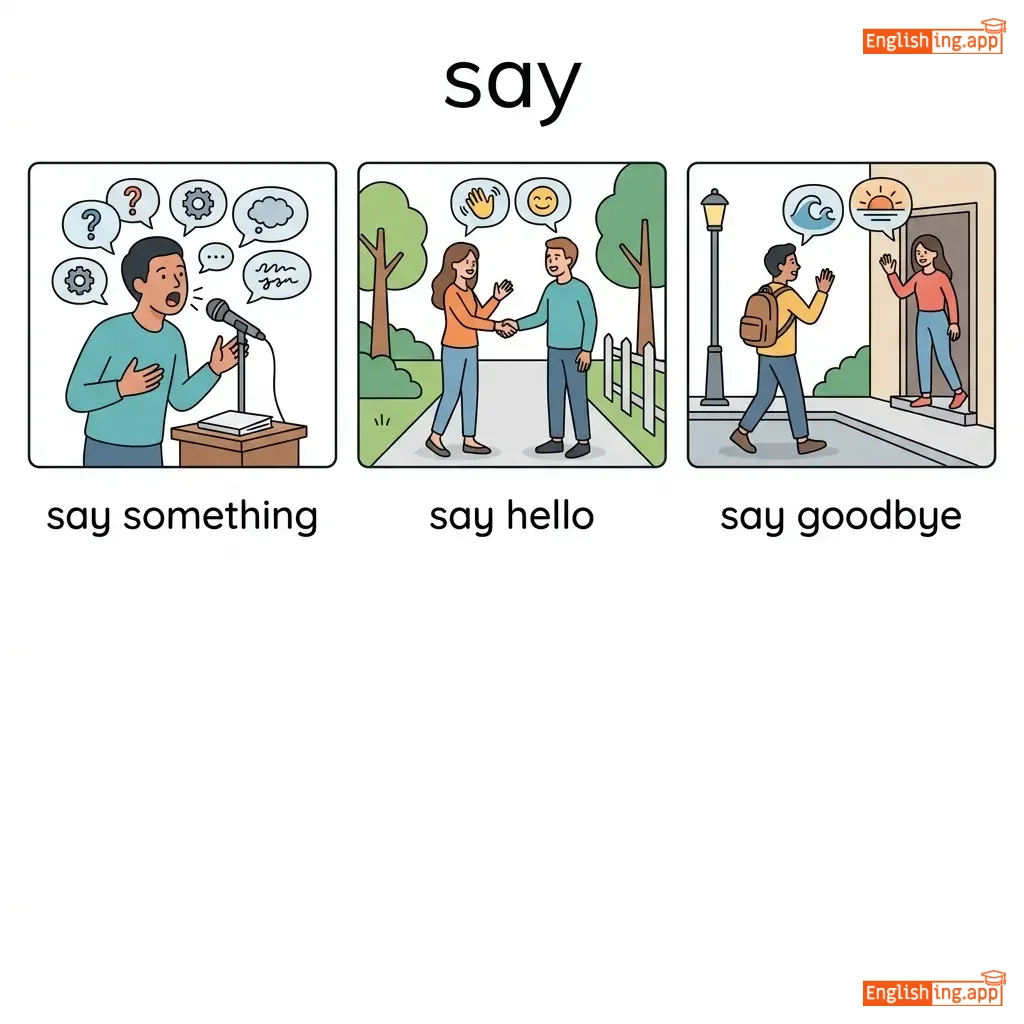
say hello, say goodbye, say something, say yes, say no, say please
••••••
|
'Dire' sounds like 'dear'—to say something dear to someone.
••••••
|
|
#712
✈️
|
/lænd/
verb
(land)
••••••
|
|
atterrir
atterrir
••••••
|
landed
landed
••••••
|
landed
landed
••••••
|
lands
lands
••••••
|
landing
landing
••••••
|
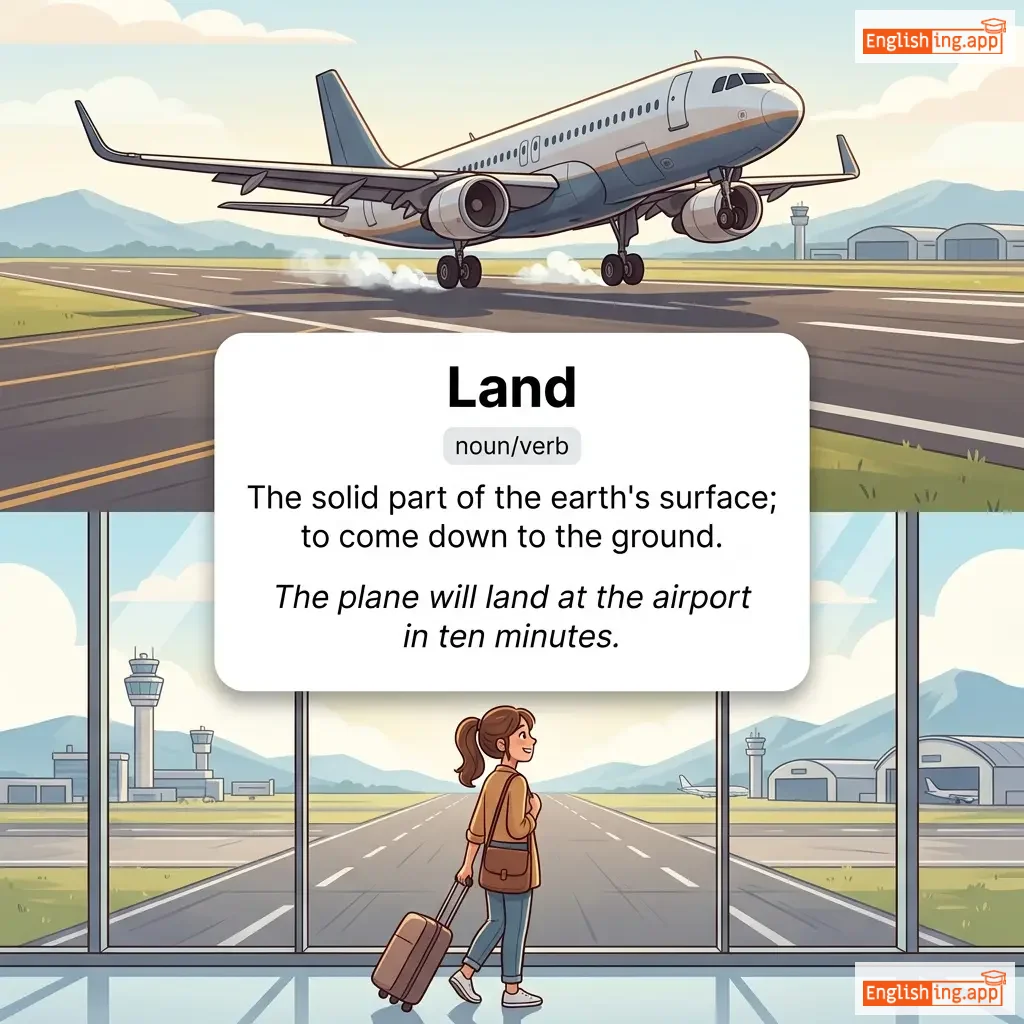
to come down or bring down to the ground; to arrive at a place
••••••
|
The plane will land at the airport in ten minutes.
L’avion atterrira à l’aéroport dans dix minutes.
••••••
|
L’avion atterrira à l’aéroport dans dix minutes.
Lavion atterrira a laeroport dans dix minutes
••••••
|
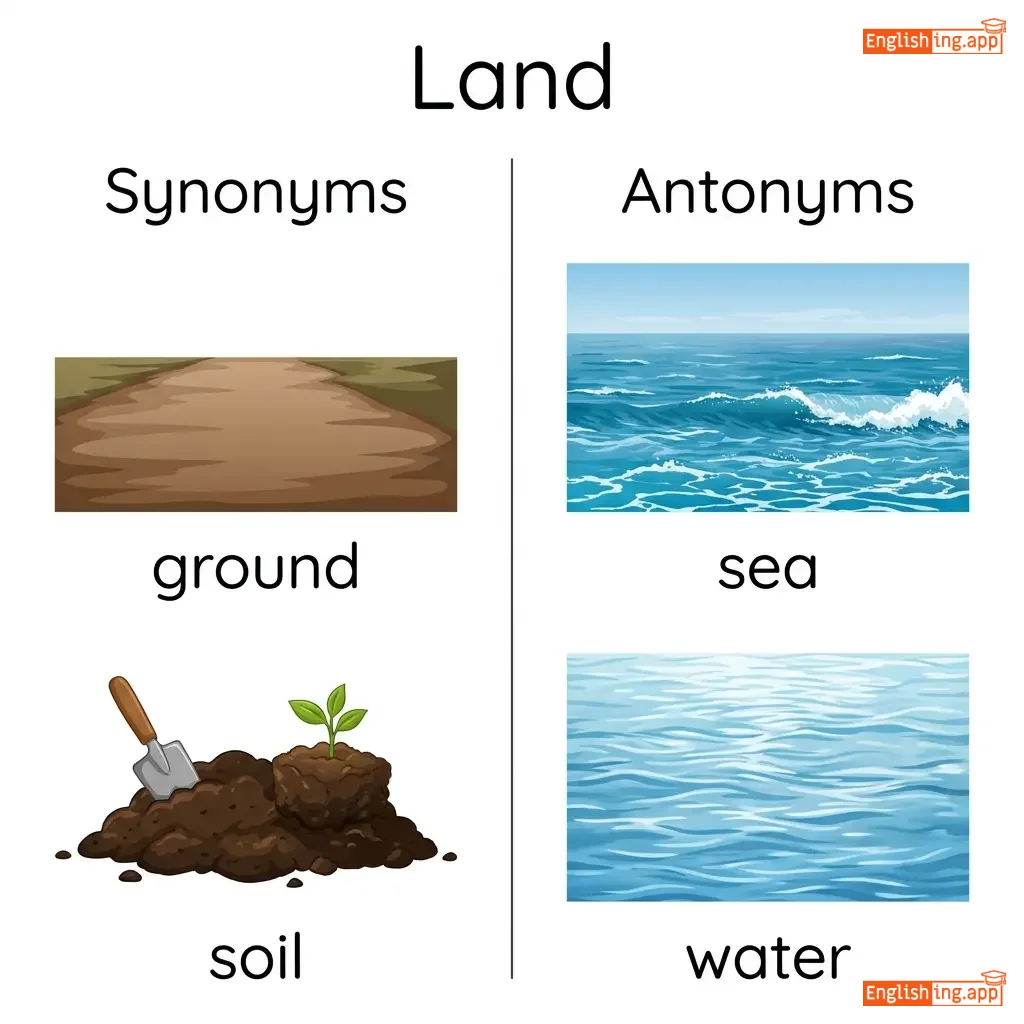
arrive, touch down, alight, descend
••••••
|
take off, depart, ascend, launch
••••••
|
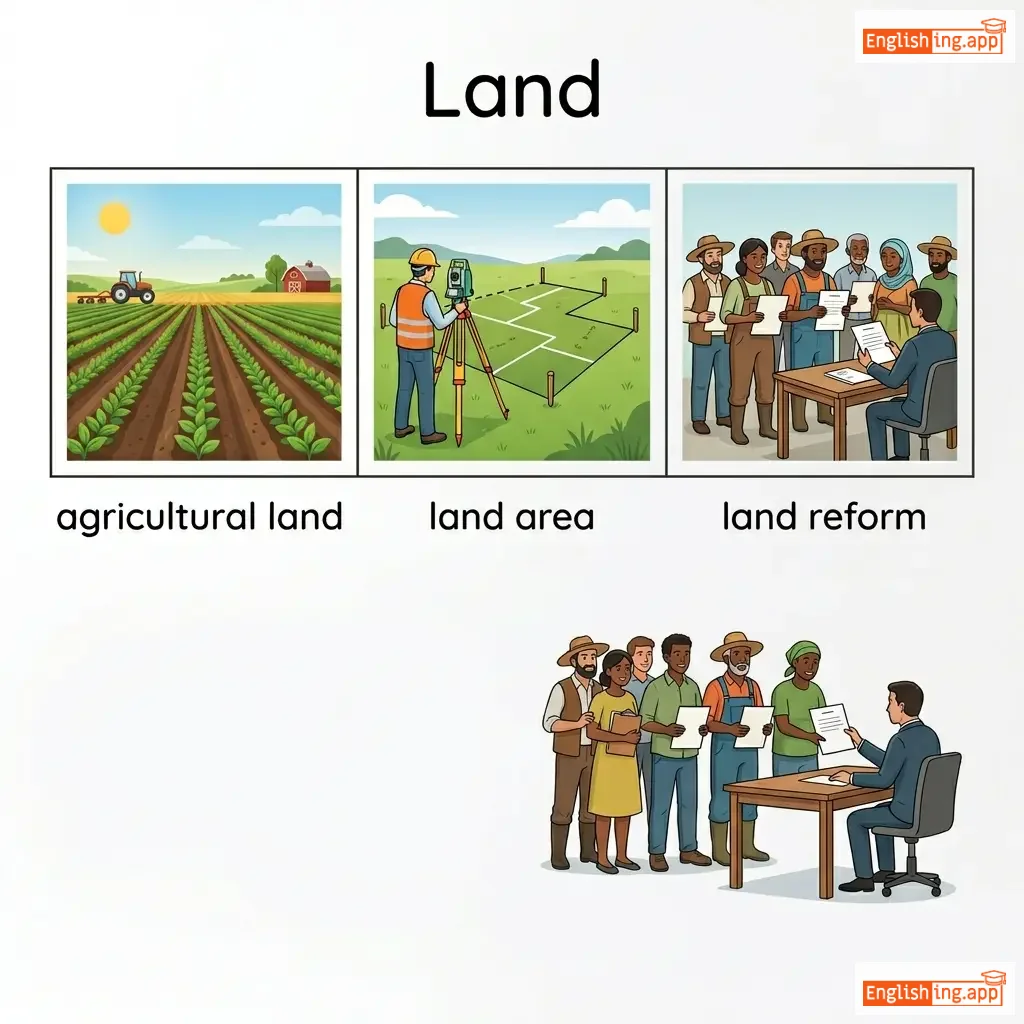
land safely, plane land, land on, soft land, emergency land, land at airport
••••••
|
Land → atterrir — imagine landing ‘at the terre’ (earth).
••••••
|
|
#713
🔥
|
/ˈkriːmeɪt/
verb
(krimeit)
••••••
|
|
incinérer
incinerer
••••••
|
cremated
krimeited
••••••
|
cremated
krimeited
••••••
|
cremates
krimeits
••••••
|
cremating
krimeiting
••••••
|
to burn a dead body to ashes as a funeral rite
••••••
|
According to his wishes, they cremated his body after the funeral.
According to his wishes, they cremated his body after the funeral.
••••••
|
Selon ses volontés, ils ont incinéré son corps après les funérailles.
Selon ses volontes, ils ont incinere son corps apres les funerailles.
••••••
|
incinerate, burn, reduce to ashes
••••••
|
bury, inter, entomb
••••••
|
cremate body, cremate remains, cremate after death, decision to cremate, cremation ceremony
••••••
|
cremate → incinérer (imagine 'in-sin-er-er' to burn into cendres)
••••••
|
|
#714
😂
|
/dʒoʊk/
verb
(djoak)
••••••
|
|
plaisanter
plaisanter
••••••
|
joked
djoakt
••••••
|
joked
djoakt
••••••
|
jokes
djoaks
••••••
|
joking
djoaking
••••••
|
to say something funny or amusing; to make fun
••••••
|
He likes to joke around with his friends.
il aim djoak avk se zami
••••••
|
Il aime plaisanter avec ses amis.
Il em plaisanter avek ses ami.
••••••
|
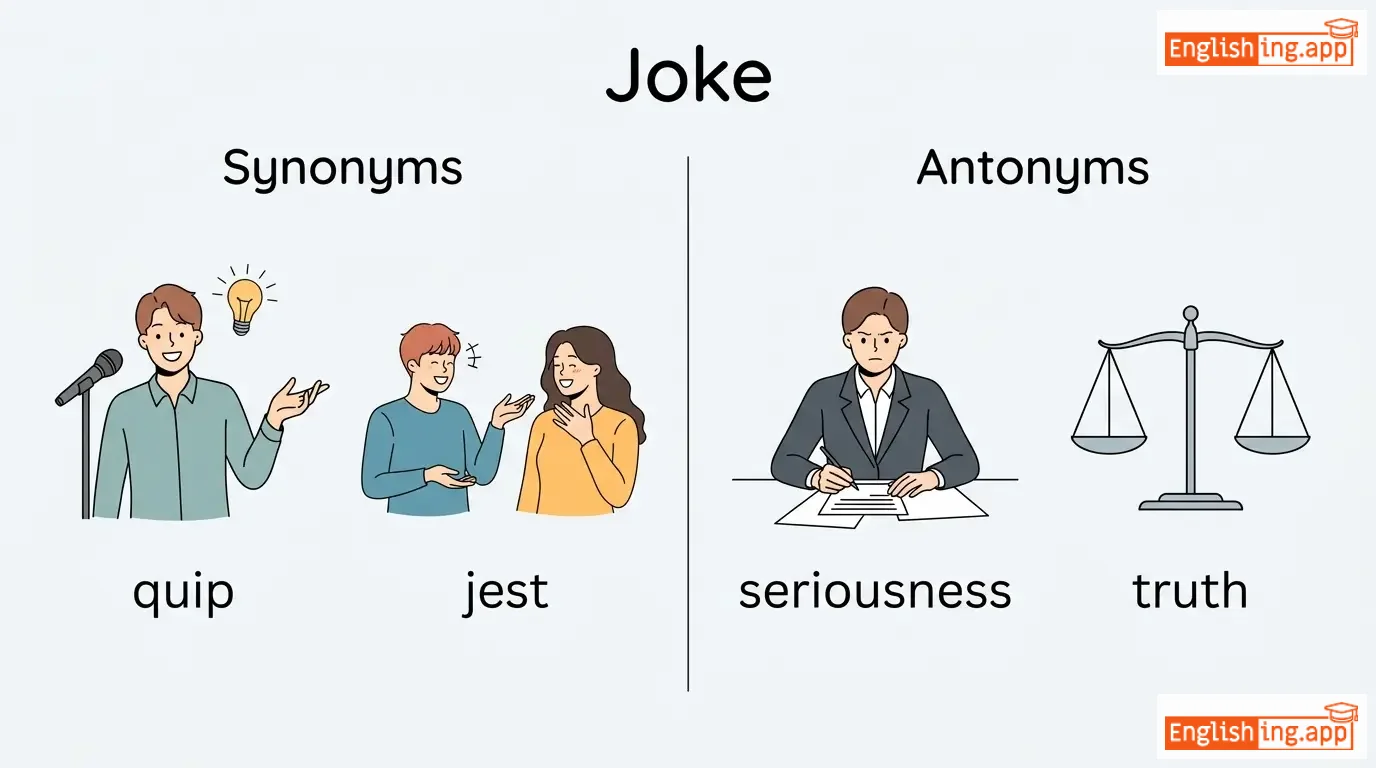
jest, kid, tease, amuse, fool around
••••••
|
serious, formal, stern, grave, solemn
••••••
|
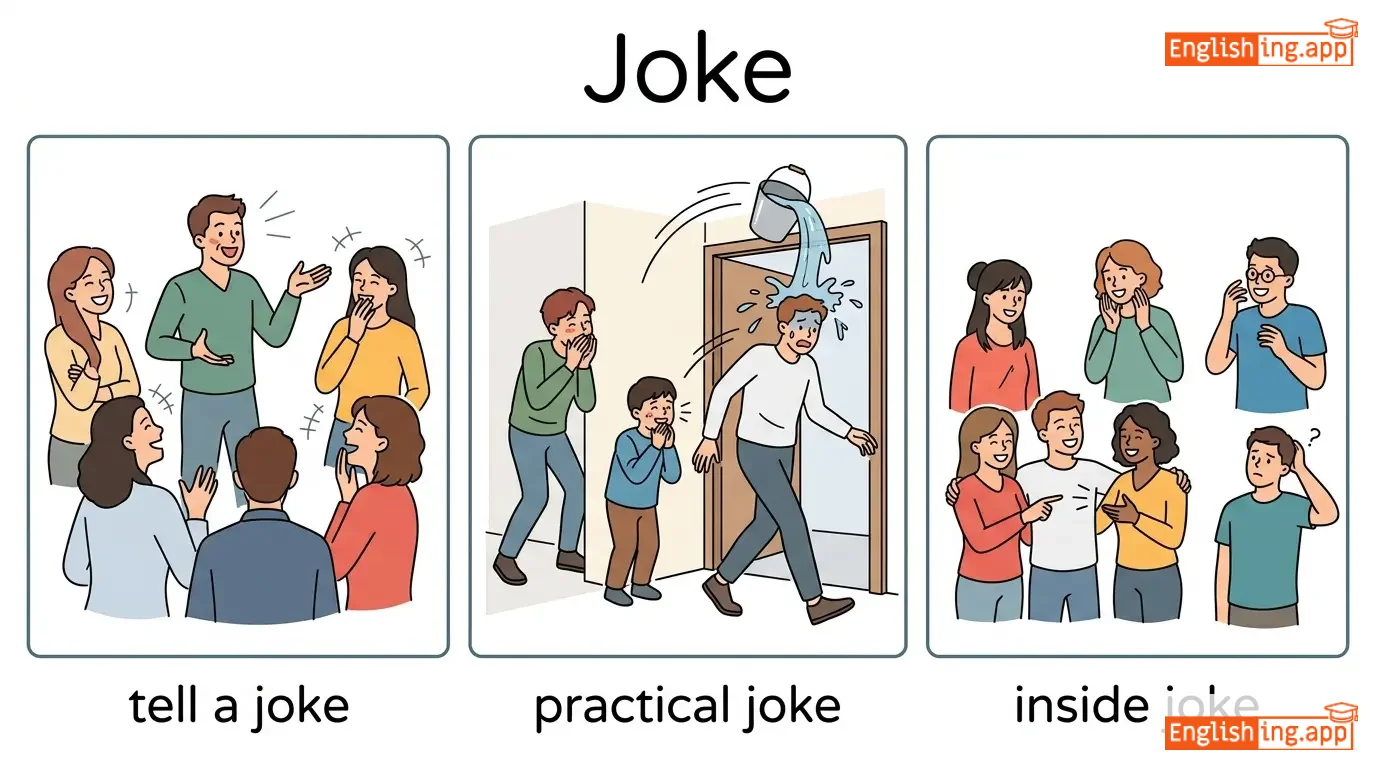
joke around, make joke, funny joke, tell joke, practical joke, joke about
••••••
|
French 'plaisanter' has 'plaisir' (pleasure) inside — joking brings pleasure!
••••••
|
|
#715
📢
|
/ˈædvərˌtaɪz/
verb
(adverteïz)
••••••
|
|
faire de la publicité
fer de la publisite
••••••
|
advertised
adverteïzd
••••••
|
advertised
adverteïzd
••••••
|
advertises
adverteïz
••••••
|
advertising
adverteïzing
••••••
|
to promote or publicize a product or service
••••••
|
They advertise their products on television.
zé adverteïz deure produi sur la télévision
••••••
|
Ils font de la publicité pour leurs produits à la télévision.
Il fon de la publisite pur leur produi a la television.
••••••
|
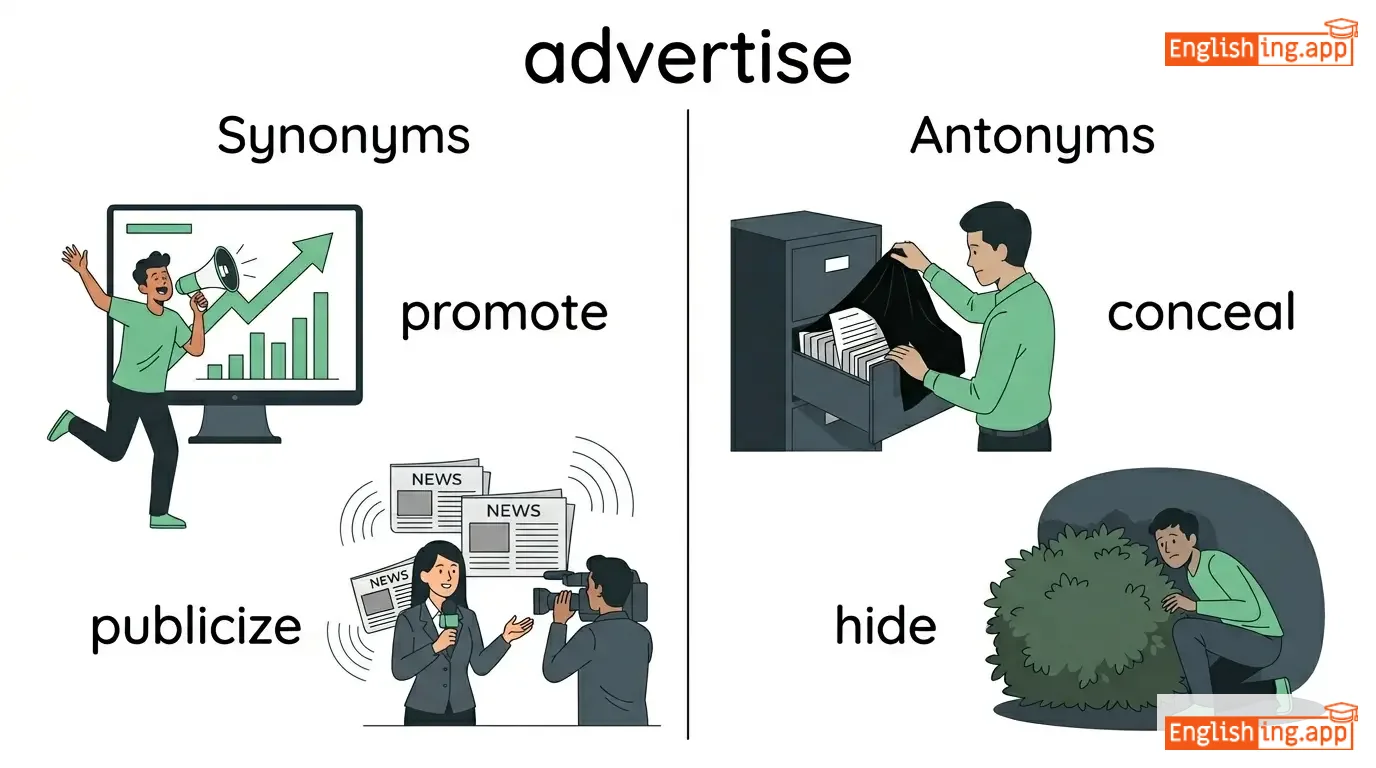
promote, publicize, market, announce
••••••
|
hide, conceal, suppress, withhold
••••••
|
advertise product, advertise service, advertise online, advertise widely, advertise business
••••••
|
To advertise is ‘faire de la publicité’—think of putting your product in public!
••••••
|
Vocabulary Quiz
Test your vocabulary by matching words with their translations or meanings.
Login to take the quiz
Comments (0)
Share your thoughts and join the discussion.
Join the discussion by logging in
Login to CommentNo comments yet
Be the first to share your thoughts!