ভোকাবুলারিসমূহ

ইংরেজি শব্দের বাংলা অর্থ | English to Bangla Word Meaning Dictionary

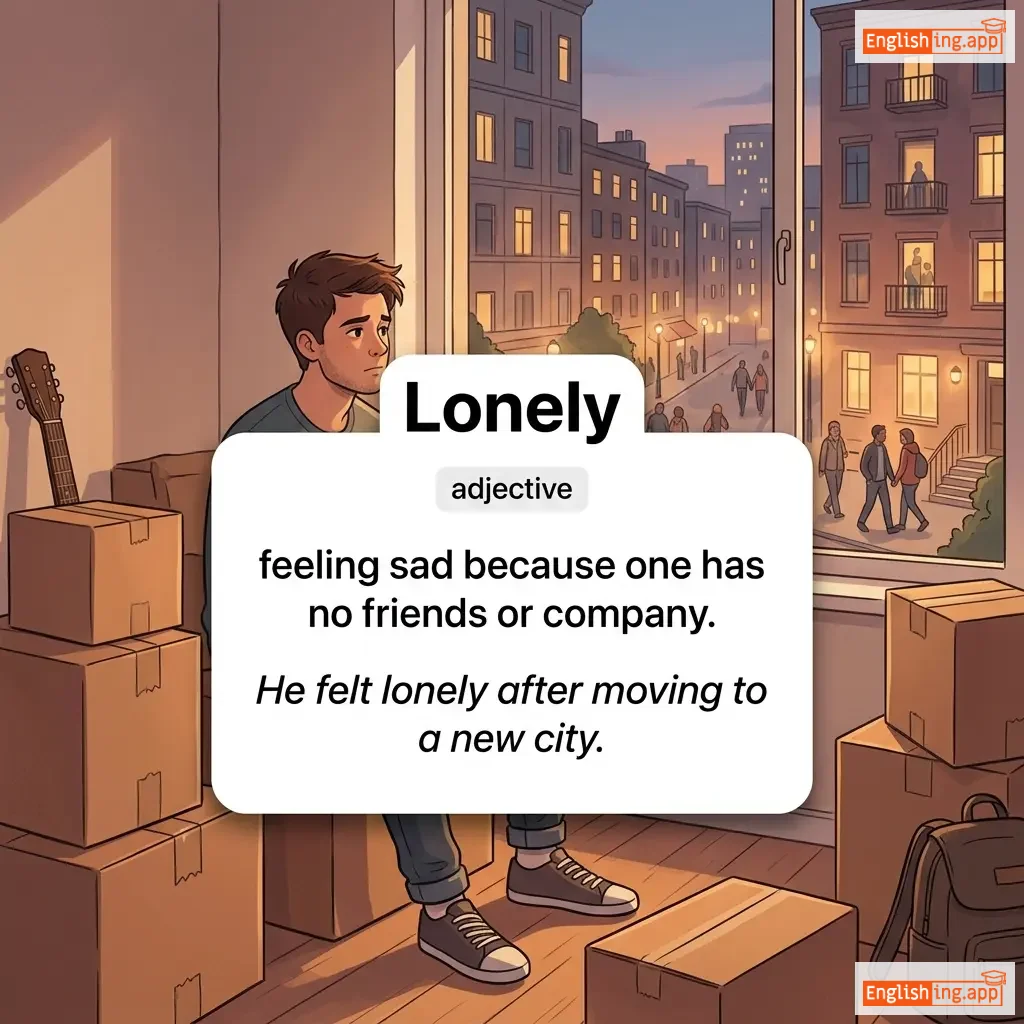
Lonely definition card — visual illustration of the meaning
adjective
/ˈloʊnli/
একাকী (ekaki)

feeling sad because one has no friends or company.

"He felt lonely after moving to a new city."

"নতুন শহরে যাওয়ার পর সে একাকী অনুভব করেছিল।" (Notun shohoore jawar por se ekaki onubhob korechilo.)
noun, verb
/lɪst/
তালিকা (talika)

A series of names, items, or tasks written or printed together; also, to record or register items in such a way.

"She wrote a shopping list before going to the market."

"সে বাজারে যাওয়ার আগে একটি কেনাকাটার তালিকা লিখেছিল।" (Se bajare jawar age ekti kenakatar talika likhechhilo.)
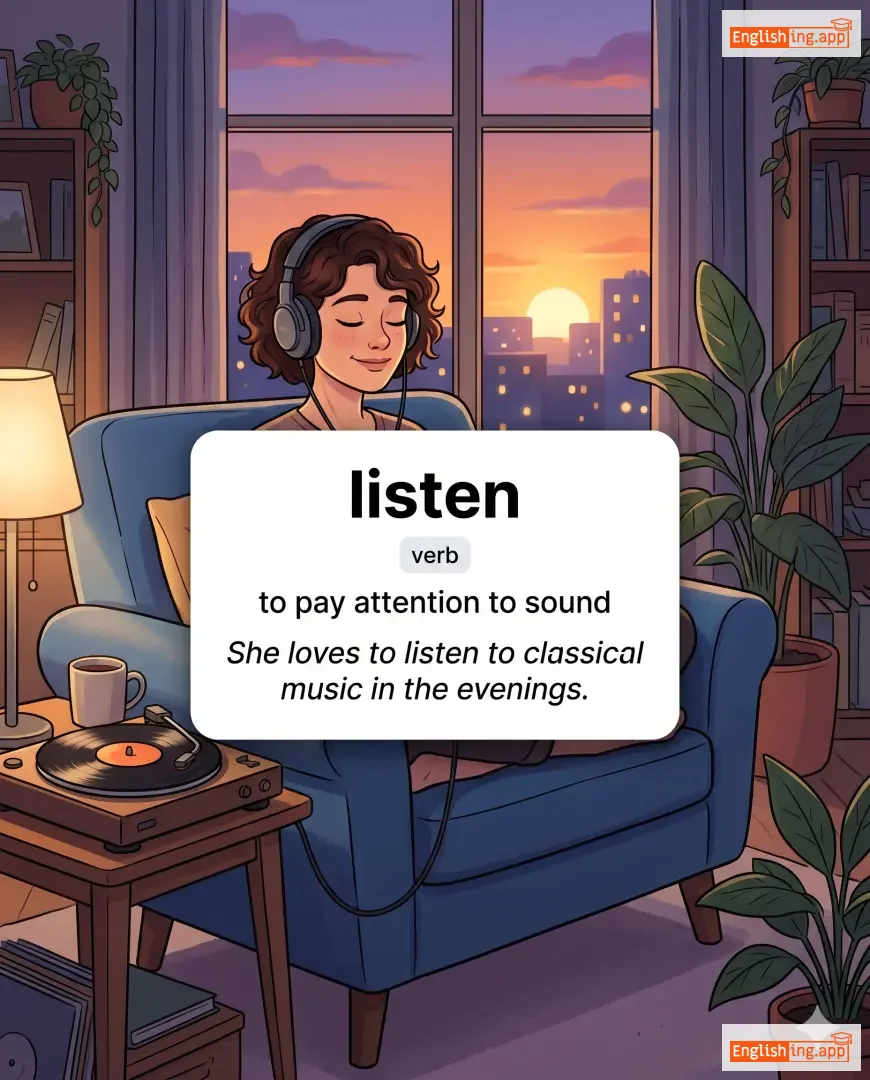
listen definition card — visual illustration of the meaning
verb
/ˈlɪs.ən/
শোনা (shona)

to pay attention to sound

"She loves to listen to classical music in the evenings."

"সে সন্ধ্যায় ধ্রুপদী সঙ্গীত শুনতে ভালোবাসে।" (Se sondhay dhrupodi shongit shunte bhalobashe.)
noun
/ˈlɪsənər/
শ্রোতা (shrota)

a person who listens or pays attention to something, especially to a speaker or sound.

"She is a good listener who always understands others' problems."

"সে একজন ভালো শ্রোতা, যে সবসময় অন্যের সমস্যা বোঝে।" (Se ekjon bhalo shrota, je sobsomoy onnoder shomosha bojhe.)
noun
/ˈlɪstɪŋ/
তালিকা (talika)

a series of items or names written or printed in a specific order

"The listing of available jobs was updated daily."

"উপলব্ধ চাকরির তালিকা দৈনিক আপডেট করা হতো।" (Upolobdho chakrir talika dainik update kora hoto.)
adjective
/ˈlɪstləs/
অবসন্ন (obosonno)

lacking energy, enthusiasm, or interest

"She felt listless after working long hours without rest."

"দীর্ঘ সময় বিশ্রাম ছাড়া কাজ করার পর সে অবসন্ন বোধ করেছিল।" (Dirgho shomoy bishram chhara kaj korar por se obosonno bodh korechhilo.)
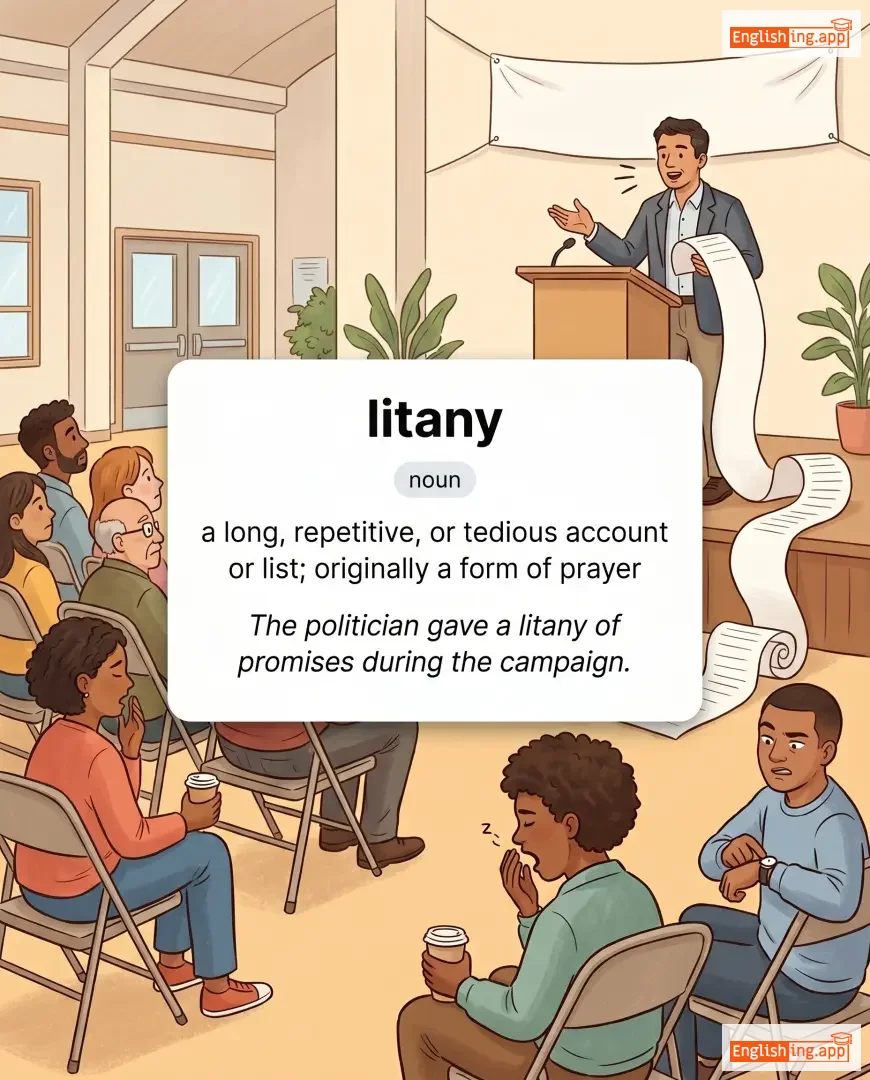
litany definition card — visual illustration of the meaning
noun
/ˈlɪtəni/
অন্তহীন তালিকা (ontohin talika)

a long, repetitive, or tedious account or list; originally a form of prayer

"The politician gave a litany of promises during the campaign."

"প্রচারণার সময় রাজনীতিবিদ প্রতিশ্রুতির একটি দীর্ঘ তালিকা দিয়েছিলেন।" (Procharonar shomoy rajnaitibid protishruter ekti dirgho talika diyechhilen.)
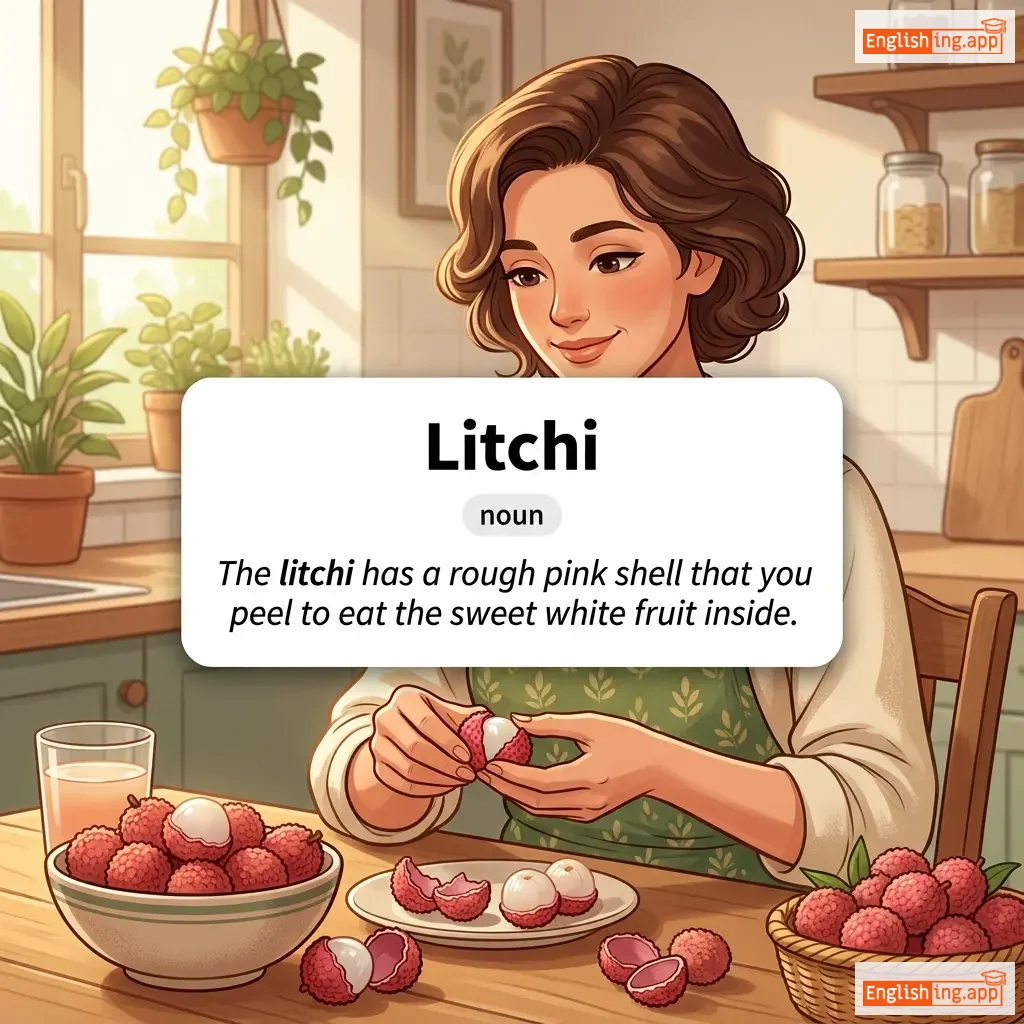
Litchi definition card — visual illustration of the meaning
noun
/ˈlaɪtʃi/
লিচু (lichu)

a small oval pink-red tropical fruit with white translucent flesh and sweet taste

"The litchi has a rough pink shell that you peel to eat the sweet white fruit inside."

"লিচুর একটি রুক্ষ গোলাপি খোসা আছে যা আপনি ছাড়িয়ে ভিতরের মিষ্টি সাদা ফল খান।" (lichur ekti ruksha golapi khosa ache ja apni chariye vitorer mishti shada phol khan.)
noun
/ˈlɪtə(r)/
লিটার (litar)

a metric unit of volume equal to one cubic decimeter

"The recipe calls for two liters of water."

"রেসিপিটি দুটি লিটার পানি চায়।" (Resipti duti liter pani chay.)
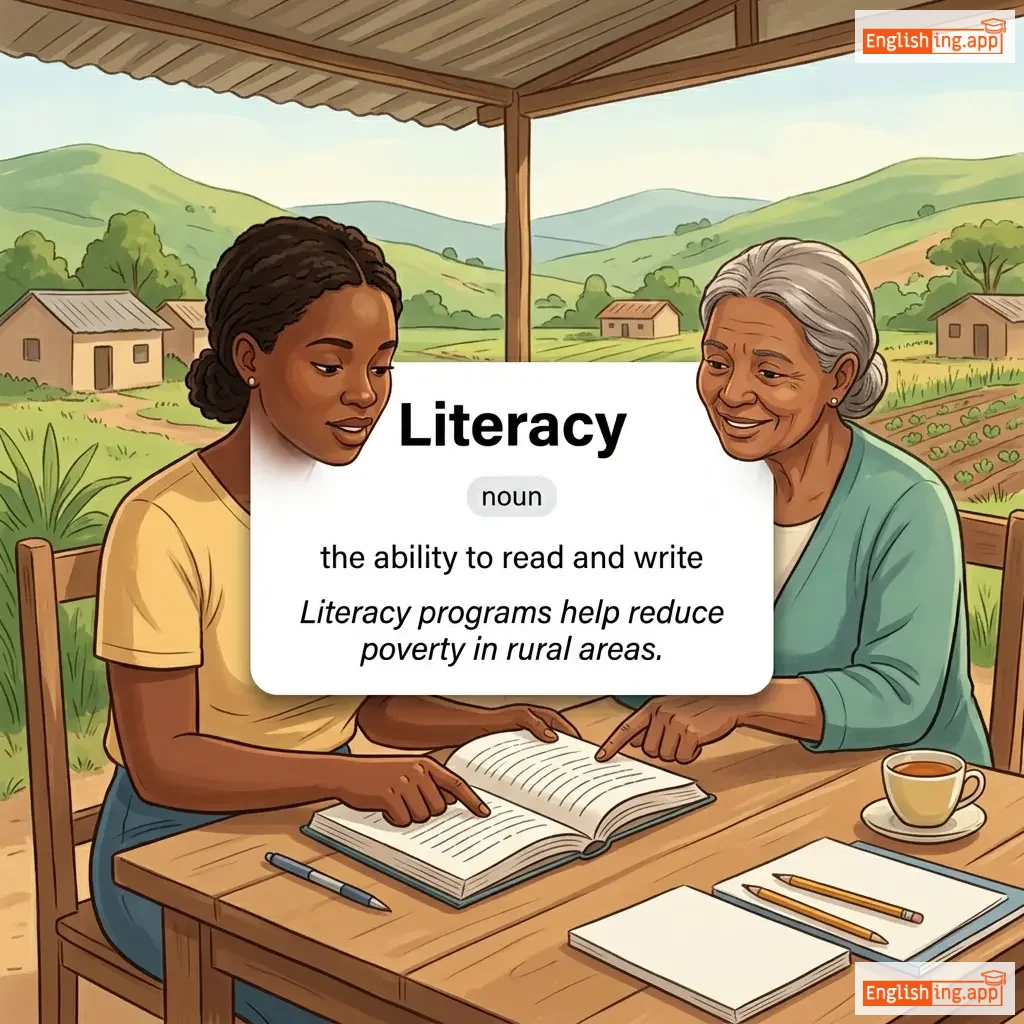
Literacy definition card — visual illustration of the meaning
noun
/ˈlɪtərəsi/
সাক্ষরতা (sakhhoro ta)

the ability to read and write

"Literacy programs help reduce poverty in rural areas."

"সাক্ষরতা কর্মসূচি গ্রামীণ অঞ্চলে দারিদ্র্য কমাতে সাহায্য করে।" (Sakhhorota kormosuchi grameen onchole daridryo komate sahajyo kore.)
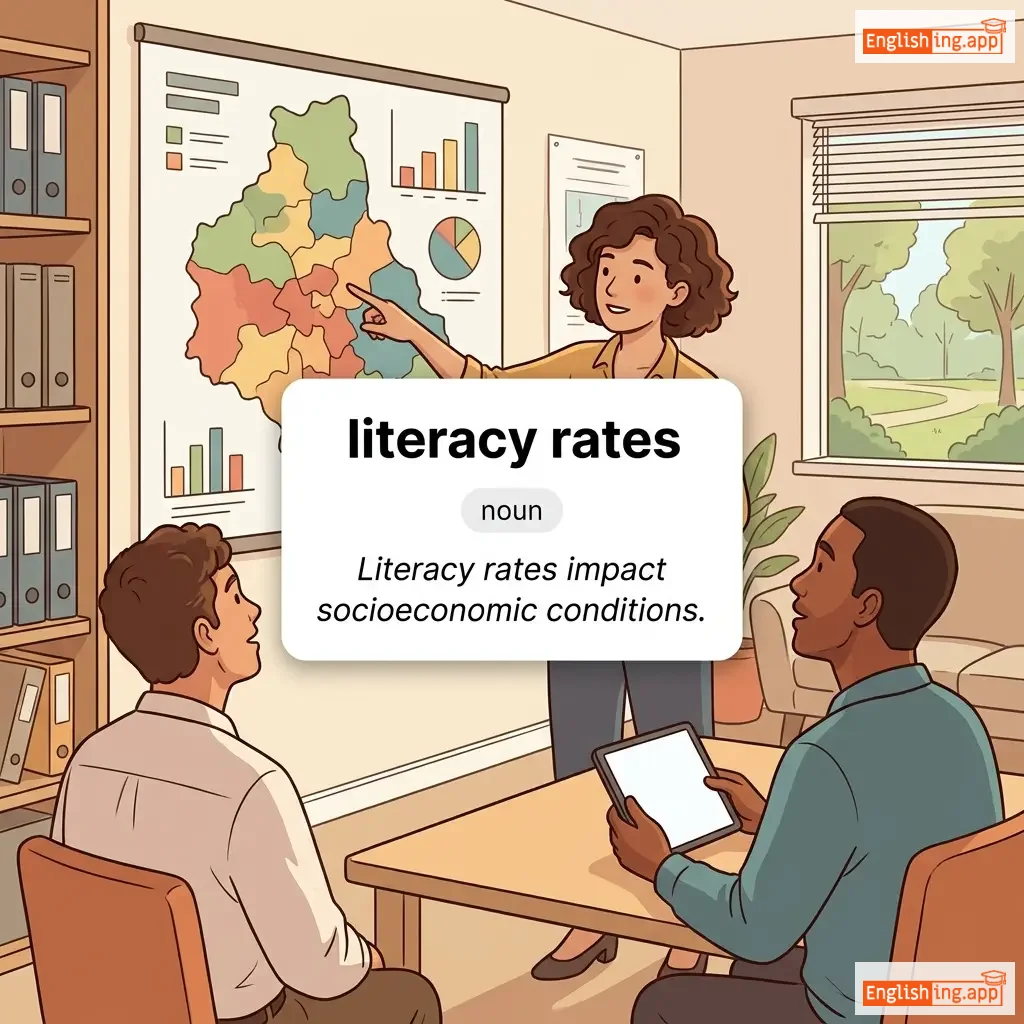
literacy rates definition card — visual illustration of the meaning
noun
ˈlɪt.ər.ə.si ˌreɪts
সাক্ষরতার হার (shakkhrotar har)

The percentage of people in a population who can read and write; measures of educational levels in a population.

"Literacy rates impact socioeconomic conditions."

"সাক্ষরতার হার আর্থসামাজিক অবস্থার উপর প্রভাব ফেলে।" (Shakkhrotar har arthoshamajik obosthar upor prohabo phele.)
adjective
/ˈlɪtərəl/
আক্ষরিক (akshorik)

taking words in their usual or most basic sense without metaphor or exaggeration

"His comment was meant as a joke, not to be taken in a literal sense."

"তার মন্তব্যটি একটি রসিকতা হিসেবে বলা হয়েছিল, আক্ষরিক অর্থে নয়।" (Tar montobotiti ekti roshikota hisebe bola hoyechhilo, akshorik orthe noy.)
adverb
/ˈlɪtərəli/
আক্ষরিকভাবে (akshorikvabe)

in a literal manner or sense; exactly

"He was literally running for three hours without stopping."

"সে আক্ষরিকভাবে তিন ঘন্টা ধরে থেমে না থেকে দৌড়াচ্ছিল।" (Se akshorikvabe tin ghonta dhore theme na theke dourachchilo.)
adjective
/ˈlɪtərɛri/
সাহিত্যিক (sahittik)

concerning the writing, study, or content of literature

"She is a well-known figure in the literary world."

"সে সাহিত্য জগতে সুপরিচিত একজন ব্যক্তিত্ব।" (Se sahitto jogote suparichito ekjon bektitto.)
adjective
/ˈlɪt.ər.ət/
অক্ষরজ্ঞানসম্পন্ন; শিক্ষিত; সুশিক্ষিত; (litaret)

able to read and write; educated; well-educated

"She is a very literate person who reads extensively."

"তিনি একজন অত্যন্ত শিক্ষিত ব্যক্তি যিনি ব্যাপকভাবে পড়াশোনা করেন।" (tini ekjon ottyonto shikkhito byokti jini byapokbhabe porasona koren.)
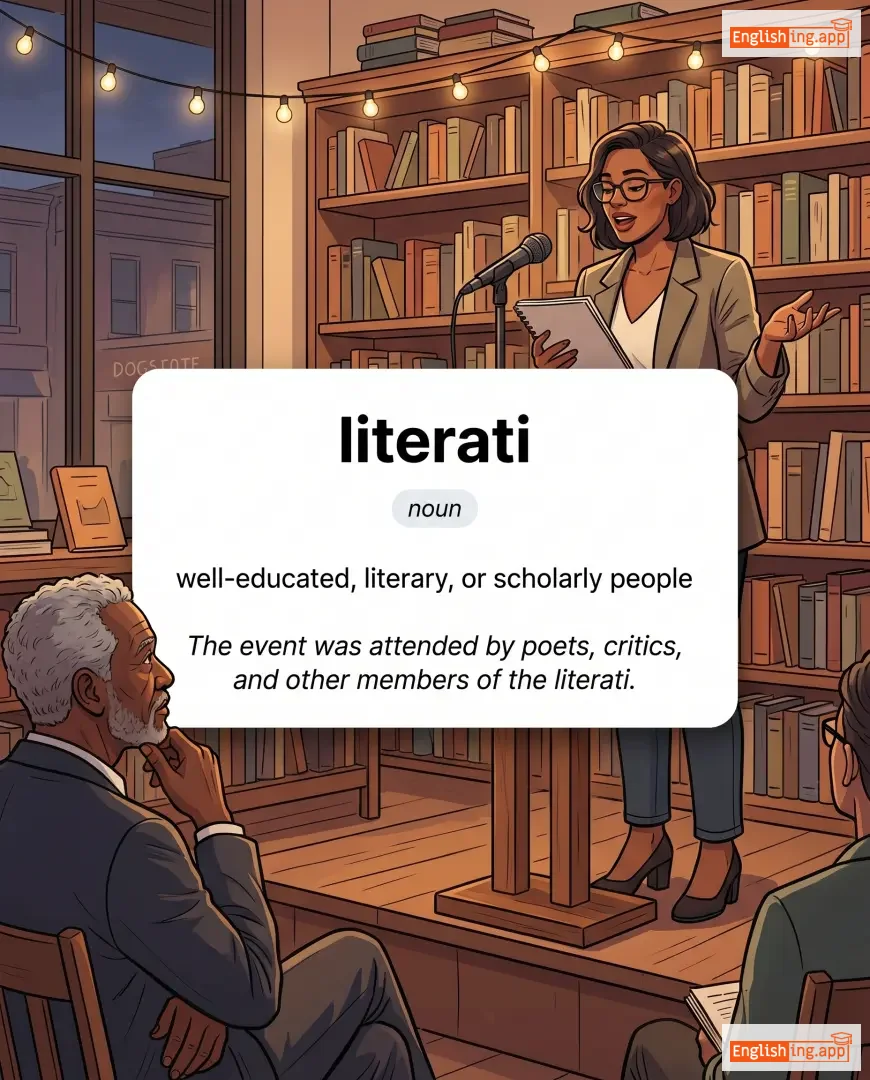
literati definition card — visual illustration of the meaning
noun
/ˌlɪt.əˈrɑː.ti/
সাহিত্যপ্রেমী পণ্ডিতগণ (sahittopremi ponditgon)

well-educated, literary, or scholarly people

"The event was attended by poets, critics, and other members of the literati."

"অনুষ্ঠানে কবি, সমালোচক এবং অন্যান্য সাহিত্যপ্রেমী পণ্ডিতগণ উপস্থিত ছিলেন।" (Onushthane kobi, somalochok ebong onnyanno sahittopremi ponditgon uposthit chilen.)
noun
/ˈlɪtərətʃər/
সাহিত্য (sahitto)

written works, especially those considered of superior or lasting artistic merit

"He studied English literature at university."

"সে বিশ্ববিদ্যালয়ে ইংরেজি সাহিত্য অধ্যয়ন করেছিল।" (Se bishwobidyaloye ingreji sahitto oddhoyon korechhilo.)
/laɪð/
নমনীয় ও সুশ্রী (nomoniyo o sushri)

thin, supple, and graceful in movement

"The lithe dancer captivated the audience with her graceful spins."

"নমনীয় নর্তকী তার সুশ্রী ঘূর্ণনে দর্শকদের মুগ্ধ করেছিল।" (nomoniyo nartoki tar sushri ghurnone dorshokder mugdho korechilo.)
adjective
/ˈlaɪðsəm/
সুন্দরভাবে নমনীয় (sundorbhabhe nomoniyo)

gracefully flexible and supple

"Her lithesome figure allowed her to move like a ballerina."

"তার নমনীয় দেহ তাকে ব্যালেরিনার মতো নাচতে সাহায্য করেছিল।" (tar nomoniyo deho take balerinar moto nachte sahajyo korechilo.)
noun
/ˈlɪθəˌɡræf/
লিথোগ্রাফ (ছাপচিত্র) (lithograph (chapchitra))

a print made by lithography, often artistic

"The museum displayed a rare lithograph from the 19th century."

"মিউজিয়ামে উনবিংশ শতাব্দীর একটি বিরল লিথোগ্রাফ প্রদর্শিত হয়েছিল।" (museum e unobingsho shotabdir ekti biral lithograph prodorshito hoyechilo.)
noun
/ˈlɪθəˌtaɪp/
লিথোটাইপ (মুদ্রণ প্রকার) (lithotype (mudron prokar))

a printing surface or type made for lithography

"The printer used a lithotype to produce multiple copies of the design."

"প্রিন্টারটি ডিজাইনের একাধিক কপি তৈরি করতে লিথোটাইপ ব্যবহার করেছিল।" (printerti design er ekadhik copy toiri korte lithotype byabohar korechilo.)
noun
/ˈlɪtɪɡənt/
মামলার পক্ষভুক্ত ব্যক্তি (mamlar pokkho bhukto bekti)

a person involved in a lawsuit

"The court summoned both litigants for the hearing."

"আদালত শুনানির জন্য উভয় পক্ষভুক্ত ব্যক্তিকে তলব করেছিল।" (adalot shunani r jonno ubhoy pokkho bhukto bektike tolab korechilo.)
verb
/ˈlɪtɪˌɡeɪt/
মামলা করা (mamla kora)

to engage in legal proceedings or take a dispute to court

"The company decided to litigate the contract dispute."

"কোম্পানিটি চুক্তি বিরোধ নিয়ে মামলা করার সিদ্ধান্ত নেয়।" (Kompani ti chukti birodh niye mamla korar siddhanto neye.)
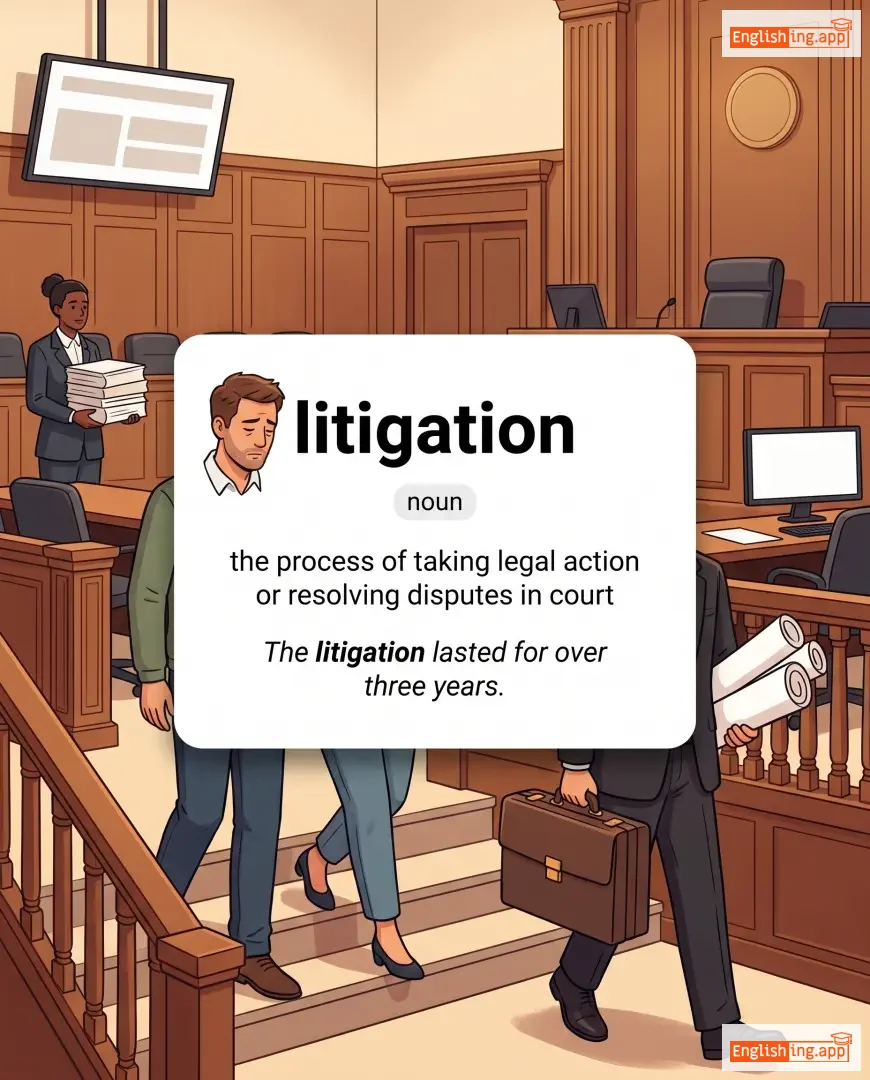
litigation definition card — visual illustration of the meaning
noun
/ˌlɪtɪˈɡeɪʃən/
মামলা (mamla)

the process of taking legal action or resolving disputes in court

"The litigation lasted for over three years."

"মামলাটি তিন বছরেরও বেশি সময় ধরে চলেছিল।" (Mamla ti tin bochorer o beshi somoy dhore cholchilo.)
adjective
/lɪˈtɪdʒəs/
মামলাবাজ (mamlabaj)

prone to engage in lawsuits or overly inclined to argue legally

"He is known as a litigious neighbor who often sues people."

"সে একজন মামলাবাজ প্রতিবেশী হিসেবে পরিচিত, যিনি প্রায়ই মামলা করেন।" (Se ekjon mamlabaj protibeshi hisebe porichito, jini prayoi mamla koren.)
noun
/ˈlaɪtoʊtiːz/
অল্পোক্তি (olpokti)

a figure of speech in which an affirmative is expressed by the negative of its contrary

"Saying 'not bad' as a compliment is an example of litotes."

"'খারাপ না' বলা প্রশংসা হিসেবে লিটোটিস এর উদাহরণ।" ('Kharap na' bola proshongsha hisebe litotis er udahoron.)
noun
/ˈliːtər/
লিটার (litar)

a metric unit of volume equal to 1,000 cubic centimeters; commonly used to measure liquids

"She bought a litre of milk from the shop."

"সে দোকান থেকে এক লিটার দুধ কিনেছে।" (se dokan theke ek litar dudh kineche)
noun/verb
/ˈlɪtər/
আবর্জনা (aborjona)

rubbish or waste left lying in a public place; to make a place untidy by leaving rubbish

"The park was full of litter after the festival."

"উৎসবের পর পার্কটি আবর্জনায় ভর্তি ছিল।" (Utsober por parkti aborjonay vorti chilo.)
adjective
/ˈlɪtl/
ছোট (chhoto)

Small in size, amount, or degree.

"He drank a little water before going to bed."

"সে ঘুমাতে যাওয়ার আগে অল্প পানি পান করেছিল।" (Se ghumate jawar age olpo pani pan korechilo.)
adjective
/ˈlɪtərəl/
সৈকতসংলগ্ন (soikotsonglogno)

Related to or situated on the shore of the sea or a lake.

"The littoral zone is home to many unique marine species."

"লিটারাল অঞ্চল অনেক অনন্য সামুদ্রিক প্রাণীর আবাস।" (Littoral onchol onek ononno samudrik pranir abash.)
noun
/ˈlɪtərdʒi/
ধর্মীয় আচারপদ্ধতি (dhormiyo acharpoddhoti)

A form or formulary according to which public religious worship is conducted.

"The priest followed the liturgy during the Sunday mass."

"যাজক রবিবারের প্রার্থনায় লিটারজি অনুসরণ করেছিলেন।" (Jajak robibarer prarthonay liturgy onusoron korechilen.)
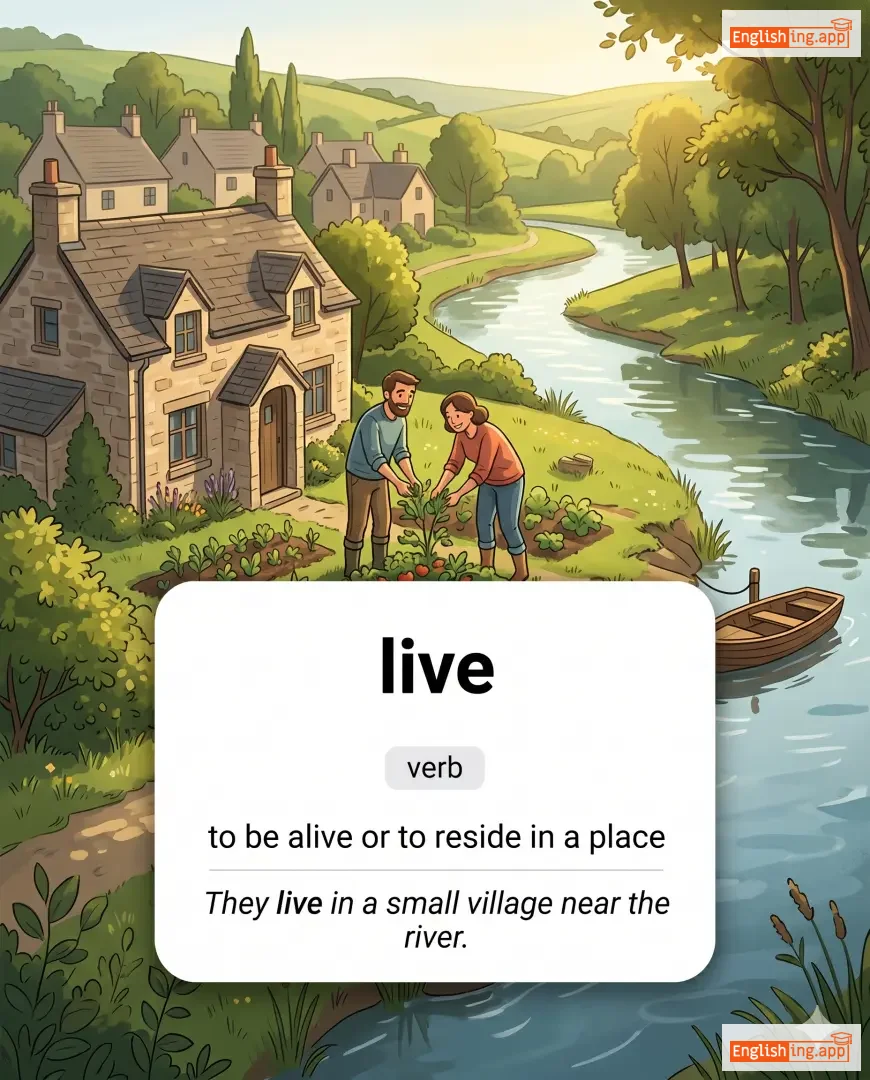
live definition card — visual illustration of the meaning
verb
/lɪv/
বাস করা / বাঁচা (bash kora / bacha)

to be alive or to reside in a place

"They live in a small village near the river."

"তারা নদীর পাশে একটি ছোট গ্রামে থাকে।" (tara nodir pashe ekti choto grame thake.)
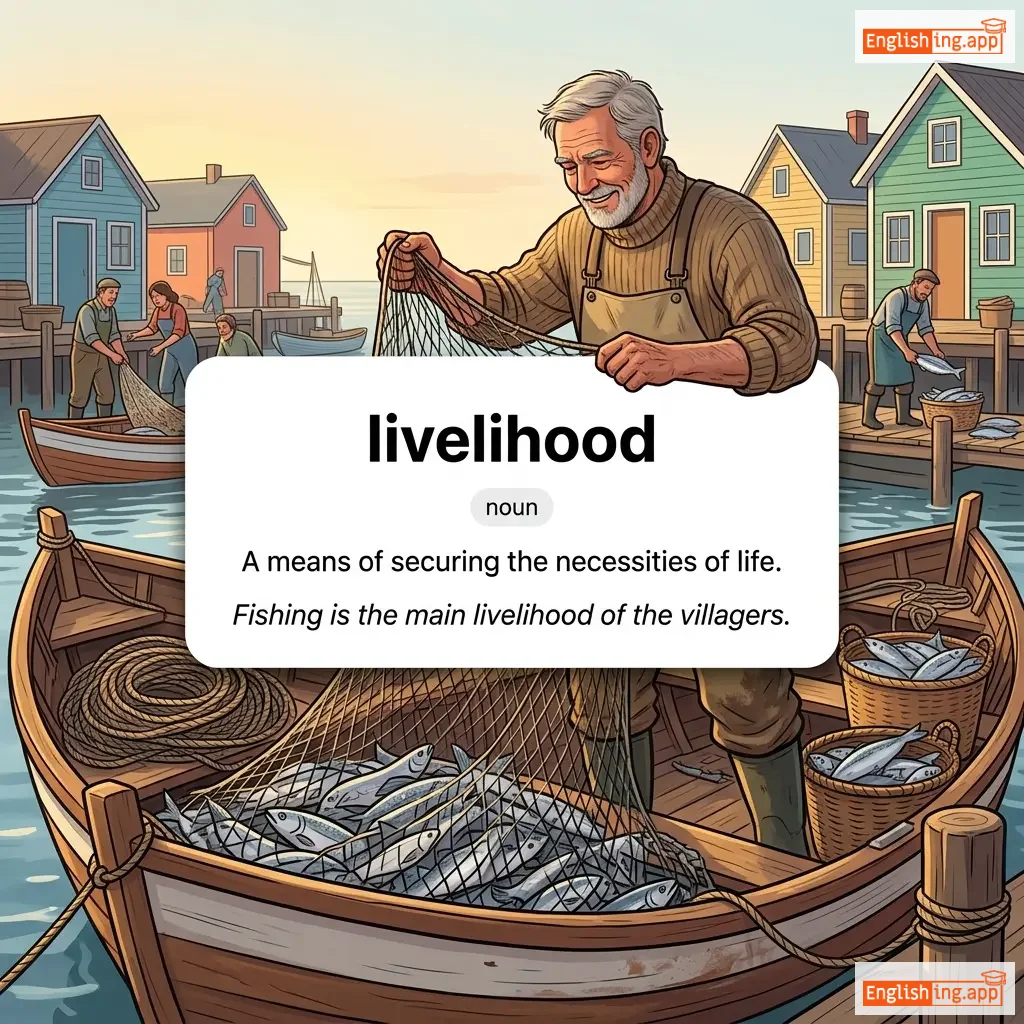
livelihood definition card — visual illustration of the meaning
noun
/ˈlaɪvlihʊd/
জীবিকা (jibika)

A means of securing the necessities of life.

"Fishing is the main livelihood of the villagers."

"মাছ ধরা গ্রামবাসীর প্রধান জীবিকা।" (Mach dhora grambashir prodhan jibika.)
adjective
/ˈlaɪv.li/
প্রাণবন্ত; চঞ্চল; হাসিখুশি; (laibli)

full of life and energy; animated; cheerful

"The children had a lively discussion about their favorite books."

"শিশুরা তাদের প্রিয় বই নিয়ে একটি প্রাণবন্ত আলোচনা করেছিল।" (shishura tader priyo boi niye ekti pranbonto alochona korechilo.)
noun
/ˈlɪvər/
যকৃত (jokrit)

a large organ in the body that cleans the blood and produces bile to help digest food.

"The liver plays a vital role in removing toxins from the body."

"যকৃত দেহ থেকে বিষাক্ত পদার্থ অপসারণে গুরুত্বপূর্ণ ভূমিকা পালন করে।" (Jokrit deho theke bishokto podartho opsorone guruttopurno bhumika palon kore.)
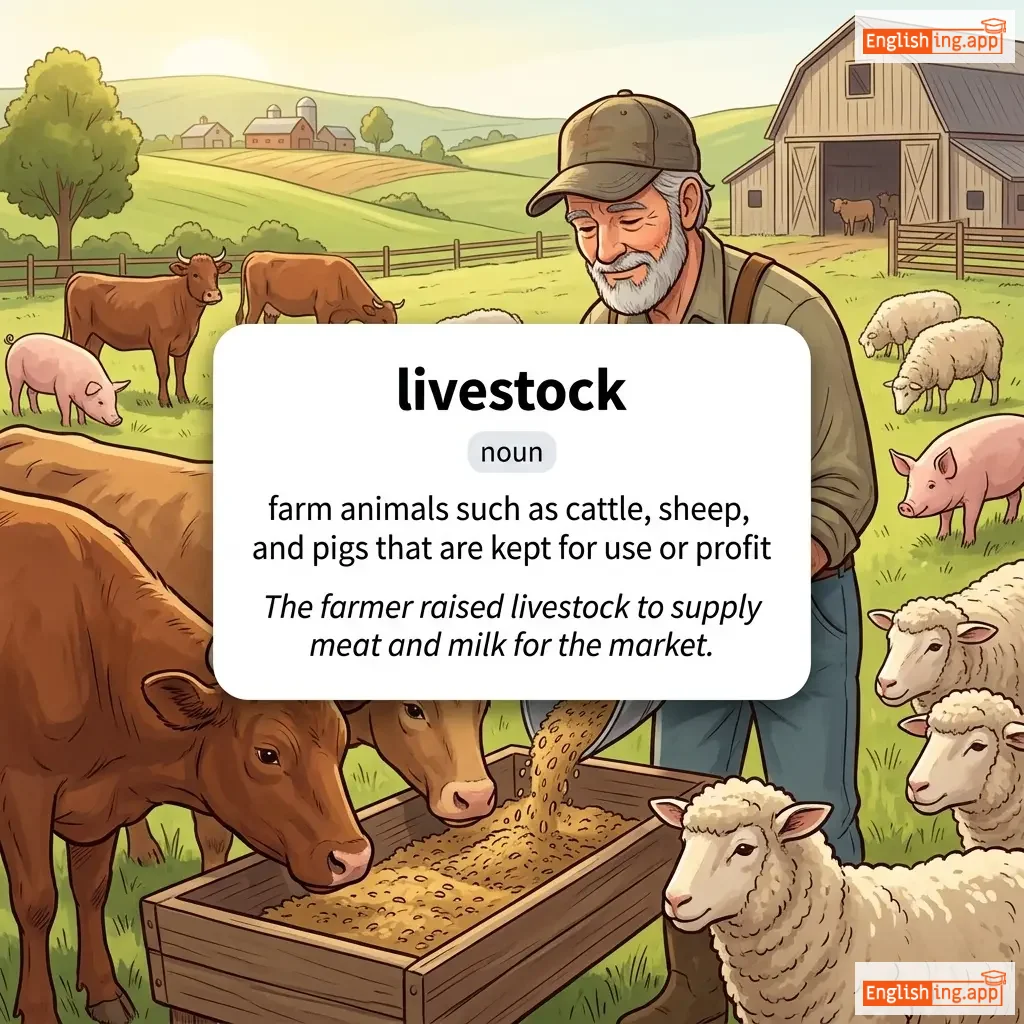
livestock definition card — visual illustration of the meaning
noun
/ˈlaɪv.stɒk/
গৃহপালিত পশু (gruhopalito poshu)

farm animals such as cattle, sheep, and pigs that are kept for use or profit

"The farmer raised livestock to supply meat and milk for the market."

"কৃষক বাজারে মাংস ও দুধ সরবরাহের জন্য গৃহপালিত পশু পালন করতেন।" (Krishok bajare mangsho o dudh soraboraher jonno gruhopalito poshu palon korten.)
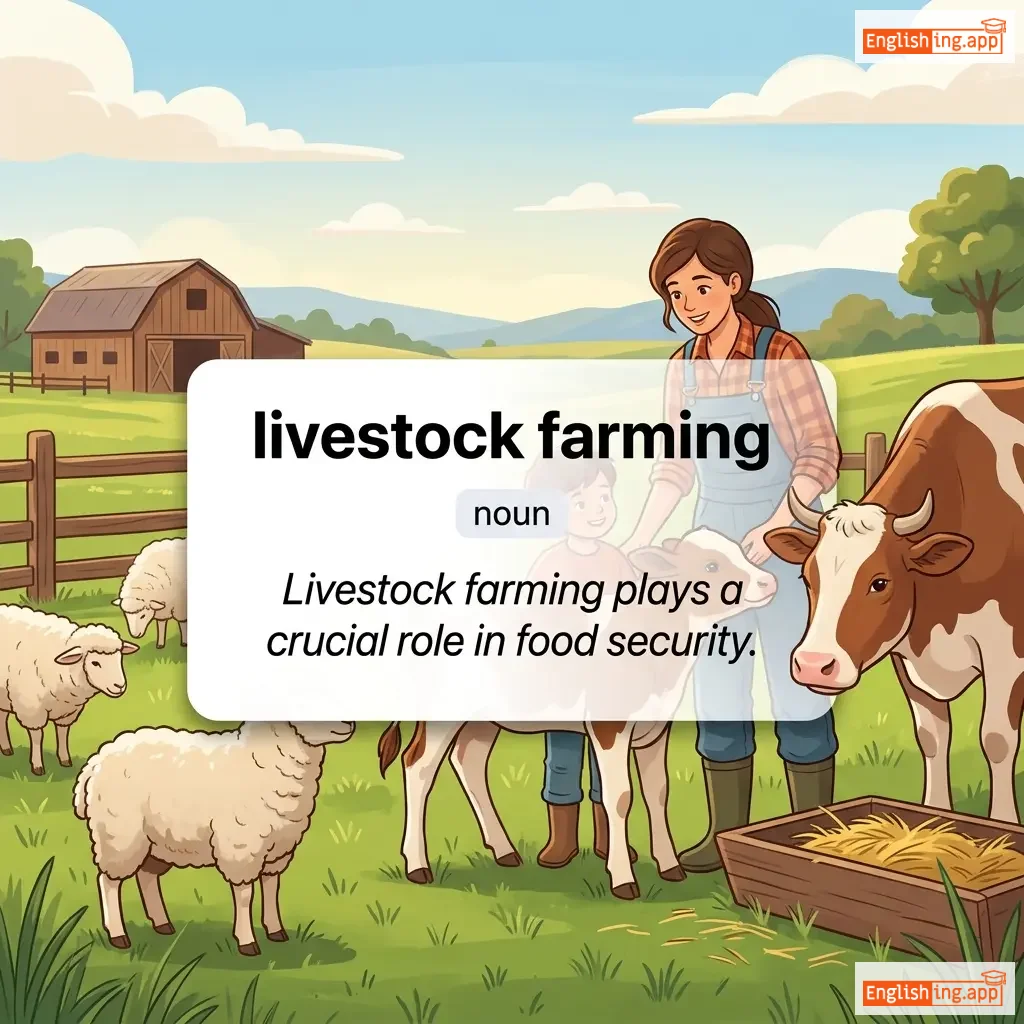
livestock farming definition card — visual illustration of the meaning
noun
ˈlaɪv.stɒk ˈfɑː.mɪŋ
গবাদি পশু পালন, পশু খামার ব্যবস্থাপনা, প্রাণিসম্পদ চাষ (gobadi poshu palon, poshu khamar bebostthapona, pranisomp0d chas)

The breeding, raising, and care of farm animals such as cattle, horses, sheep, and pigs for food, fiber, and other products.

"Livestock farming plays a crucial role in food security."

"লাইভস্টক ফার্মিং খাদ্য নিরাপত্তায় গুরুত্বপূর্ণ ভূমিকা রাখে।" (Livestock farming khaddo nirappottay gurutpurno bhumika rakhe.)
noun
/ˈlɒdʒɪk/
যুক্তি (jukti)

Reasoning conducted or assessed according to strict principles of validity.

"Her argument was based on sound logic."

"তার যুক্তি সঠিক যুক্তির উপর ভিত্তি করে ছিল।" (Tar jukti sothik juktir upor vitti kore chilo.)
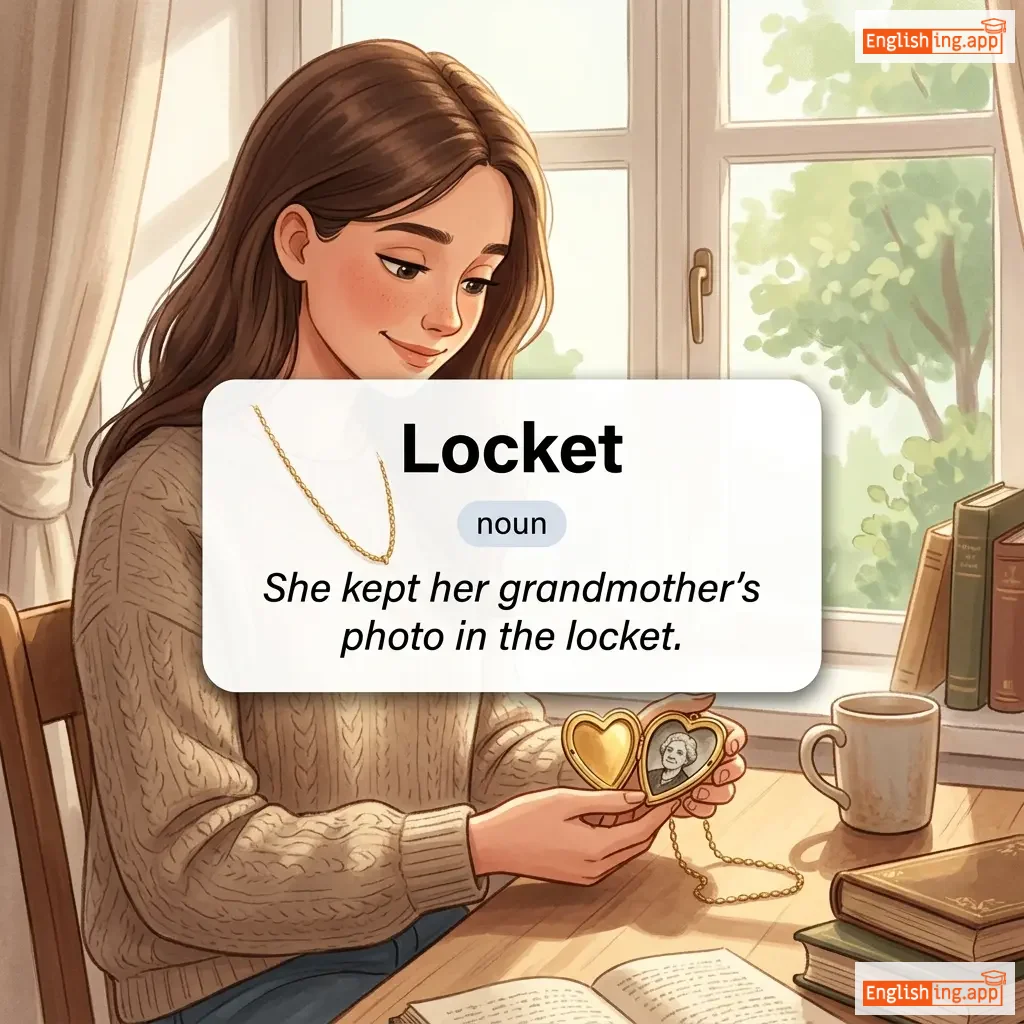
Locket definition card — visual illustration of the meaning
noun
/ˈlɒk.ɪt/
লকেট (loket)

a small ornamental case, typically made of gold or silver, worn on a chain around the neck

"She kept her grandmother's photo in the locket."

"সে লকেটে তার দাদির ছবি রেখেছিল।" (she lokete tar dadir chhobi rekhechilo)
noun
/ˌloʊkəˈmoʊʃən/
গমনাগমন (gomonagomon)

movement or the ability to move from one place to another

"Walking is the most common form of human locomotion."

"হাঁটা মানুষের সবচেয়ে সাধারণ গমনাগমনের ধরন।" (Hata manusher sobcheye samanno gomonagomoner dhoron.)
noun
/ˌloʊ.kəˈmoʊ.tɪv/
রেল ইঞ্জিন (rel engine)

A powered rail vehicle used for pulling trains.

"The old steam locomotive was restored for the museum."

"পুরোনো স্টিম লোকোমোটিভটি জাদুঘরের জন্য পুনরুদ্ধার করা হয়েছিল।" (Purono steam locomotive ti jadughorer jonne punoruddhar kora hoyechilo.)
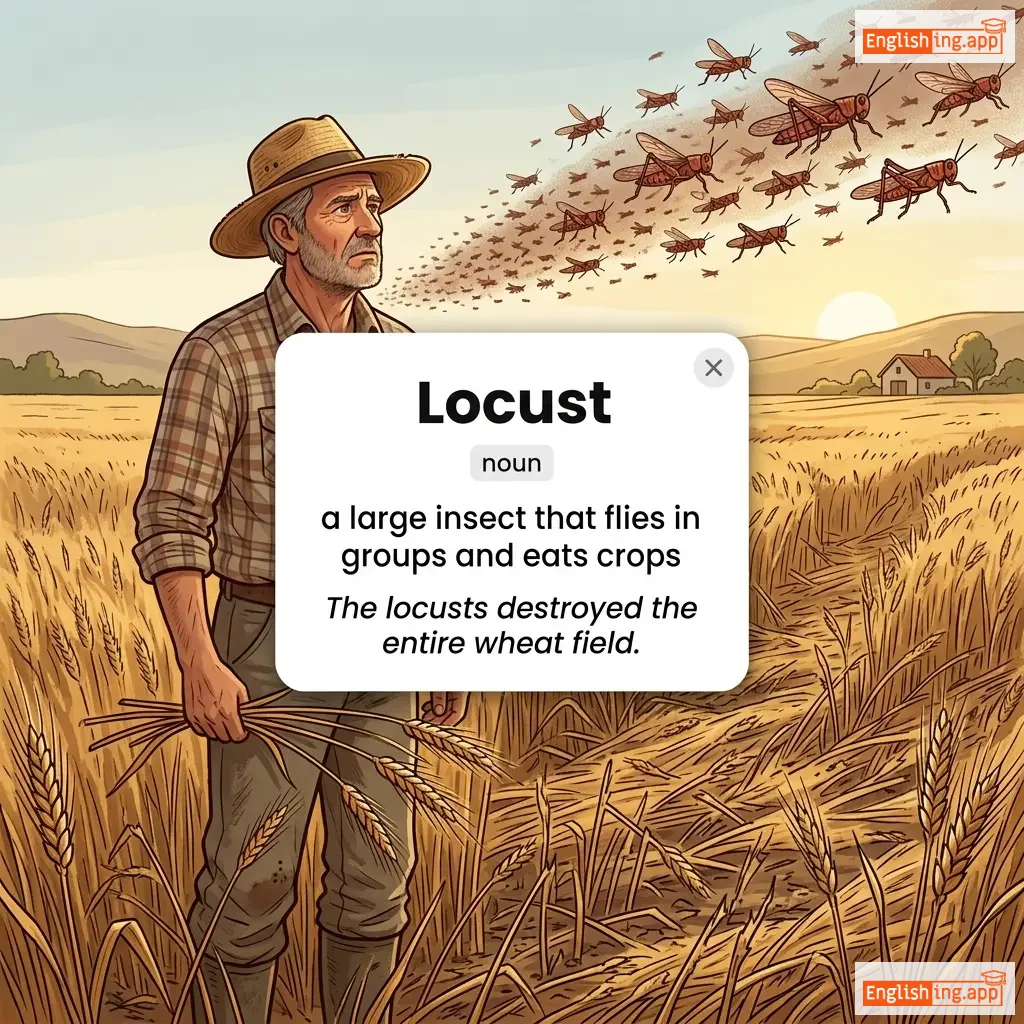
Locust definition card — visual illustration of the meaning
noun
/ˈloʊ.kəst/
পঙ্গপাল (ponggopal)

a large insect that flies in groups and eats crops

"The locusts destroyed the entire wheat field."

"পঙ্গপালরা পুরো গমের ক্ষেত ধ্বংস করে দিল।" (ponggopal-ra puro gomer khet dhonggsho kore dilo)
noun
/loʊd/
খনিজ শিরা (khonij shira)

A rich source of something, often a vein of valuable metal in the earth.

"The miners discovered a rich lode of silver."

"খনিশ্রমিকরা একটি সমৃদ্ধ রূপার শিরা আবিষ্কার করল।" (Khonishromikra ekti somriddho rupar shira abishkar korlo.)
noun
/ˈlɒdʒ.mənt/
অস্থায়ী আবাস (osthai abas)

The act of lodging or a place of temporary stay; also a deposit of something.

"The soldiers found lodgment in the abandoned house."

"সৈন্যরা পরিত্যক্ত বাড়িতে অস্থায়ী আশ্রয় পেয়েছিল।" (Soinyora porityokto barite osthai ashroy peyechilo.)
noun
/lɒft/
চিলেকোঠা (chilekotha)

An upper room or space, often under the roof of a building.

"She converted the old loft into a modern studio."

"সে পুরোনো চিলেকোঠাটিকে আধুনিক স্টুডিওতে রূপান্তরিত করল।" (Se purono chilekotha tike adunik studio te rupantorito korlo.)
adjective
/ˈlɒf.ti/
উচ্চ (uccho)

Of great height; elevated in character or style; noble.

"He set himself the lofty goal of ending poverty."

"সে দারিদ্র্য দূর করার উচ্চ লক্ষ্য স্থির করেছিল।" (Se daridryo dur korar uccho lokkho sthir korechilo.)
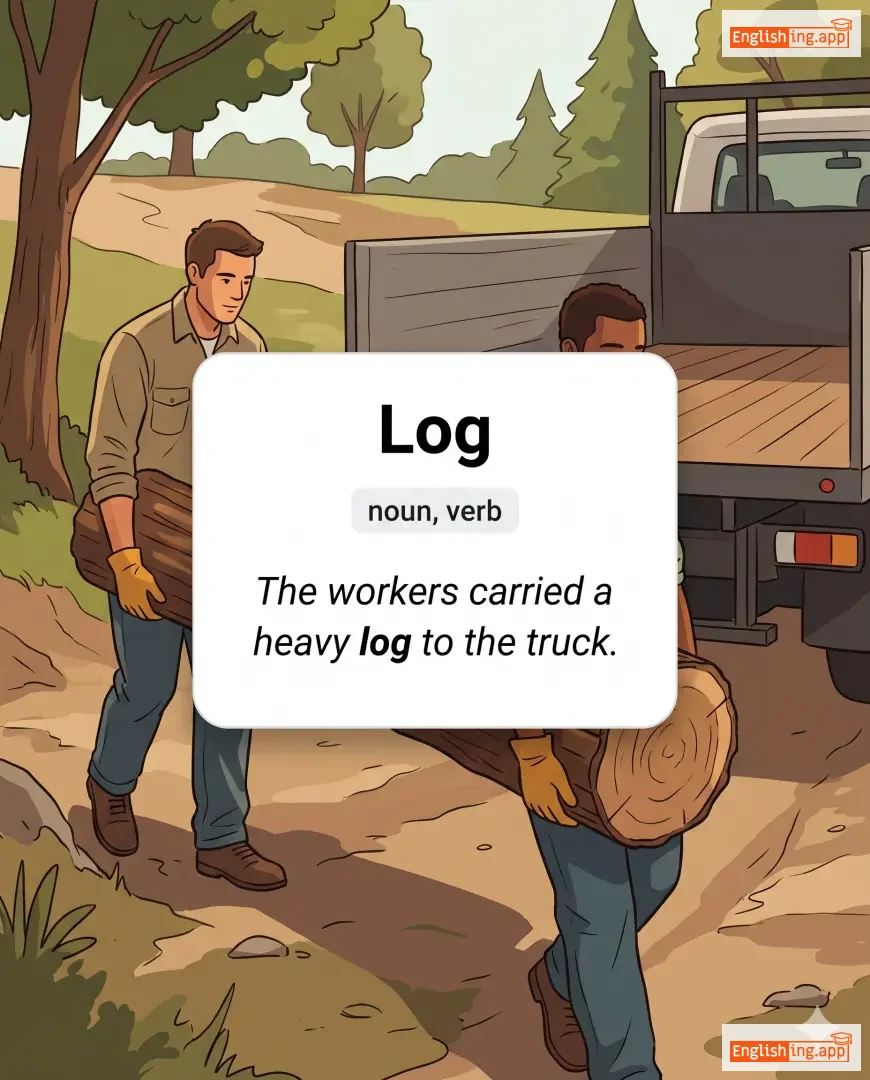
Log definition card — visual illustration of the meaning
noun, verb
/lɒɡ/
কাঠ, রেকর্ড (kath, record)

A part of the trunk or a large branch of a tree that has fallen or been cut off; also to record information systematically.

"The workers carried a heavy log to the truck."

"কর্মীরা একটি ভারী কাঠ ট্রাকে তুলেছিল।" (Kormira ekti bhari kath trake tulechilo.)
verb
/lɑːl/
অলসভাবে বসা (oloshbhabe bosa)

To sit, lie, or stand in a lazy, relaxed way.

"He lolled on the sofa after a long day at work."

"কাজের দীর্ঘ দিনের পর সে সোফায় অলসভাবে বসে ছিল।" (Kajer dirgho diner por se sofay oloshbhabe bose chilo.)
verb
/ˈlɔɪtər/
আড্ডা মারা, উদ্দেশ্যহীনভাবে দাঁড়িয়ে থাকা (adda mara, uddeshhohinvabe dariye thaka)

To stand or wait around idly without apparent purpose.

"The teenagers were told not to loiter outside the shop."

"কিশোরদের দোকানের বাইরে উদ্দেশ্যহীনভাবে দাঁড়াতে নিষেধ করা হয়েছিল।" (Kishorder dokaner baire uddeshhohinvabe dariate nisheddho kora hoyechilo.)
noun
/ˈlɔɪtərər/
আবদারী, উদ্দেশ্যহীন ঘোরাফেরা করা লোক (abodari, uddeshyohin ghorafora kora lok)

A person who lingers aimlessly in a place without purpose.

"The police questioned the loiterer outside the store."

"পুলিশ দোকানের বাইরে লয়টারারকে জিজ্ঞাসাবাদ করল।" (Police dokaner baire loiterarke jiggasabad korlo.)