The Boy and the Shy Dog
ラヒムは動物が大好きな boy でした。One day、彼は公園に遊びに行き、ひとりで座っている old dog を見ました。
「Dad、見て!」とラヒムが言いました。「Dog だ!」
その dog はとても shy でした。ラヒムが近づくと、dog は離れました。でもその目は悲しそうでした。
「Can 僕たち take 彼を家に連れて帰れる?」とラヒムが聞きました。
Dad は言いました。「わからないね。もう猫がいるし、この dog は old だ。How 世話できるかな?」
「お願い、dad!」とラヒムが言いました。「彼は shy なだけで、bad じゃないよ。見て、how 寂しそうだ。」
Dad は見つめました。Dog はやせて汚れていました。「Let 考えさせてくれ」と言いました。
ラヒムは座り、ゆっくりと shy dog に近づきました。「Hey boy」とやさしく言いました。「君は can stay 僕たちと一緒にいられるよ。」
Dog は彼を見ました。Soon、少し近づきました。ラヒムは笑顔になりました。バッグの中から toy を取り出して、やさしく投げました。
Dog は見て、それからゆっくり toy を拾いました。
「Dad、見て!」とラヒムが嬉しそうに言いました。「彼は bad じゃない!愛が必要なだけだよ!」
Dad's 心は温かくなりました。「Okay」と彼は言いました。「Yes、彼を can take 帰ろう。でもちゃんと世話をするんだよ。」
「Yes! Yes!」とラヒムは飛び跳ねました。「約束するよ、dad!」
彼らは dog を took 家に連れて帰りました。Soon、その shy old dog は家族の一員になりました。ラヒムはその犬をロッキーと名付けました。
Now、毎日学校の day が終わると、ラヒムはロッキーと遊びました。Dog はもう shy ではなく、幸せでした。
ある日、ラヒムの dad は言いました。「あのときお前が take したいと言った old dog、あれは bad アイデアだと思ったよ。How 世話できるかと思ってね。でも now わかったんだ。お前は私に教えてくれた。その shy old dog はただチャンスを必要としていたんだ。」
「すべての pet は愛されるべきだよ、dad。」とラヒムはロッキーを抱きしめながら言いました。「たとえ old でも shy でも big じゃなくても、みんな can いい pets になれるんだ。私たちが let あげればね。」
数年 later、ラヒムが big に成長したとき、彼は獣医になりました。多くの shy、old、捨てられた pets get に新しい家を見つけてあげました。
「僕が kid だったあの day、」と彼は人々に話しました。「僕は学んだんだ。how 僕たちが shy な子や old な命、怖がっている存在に接するかで、人がわかるんだ。Dad let 僕 take あの dog を家に連れて帰らせてくれた。Now 僕は kids とその家族を助けて get pets してる。ある dogs は shy、ある猫は old、ある pets は bad に見えるけど、ただ怖いだけ。Can 君たちはチャンスをあげられる?Yes?じゃあ take してあげよう。Let 彼らを stay させよう。Soon 君たちは気づくよ——彼らは bad じゃない。ただ愛を待っているだけなんだ。すべての boy、kid、そして人間が can 世界を変えられる。僕の dad let 僕にロッキーを take させてくれたあの day のように。Now、how 多くの pets can 僕たちは今日助けられるだろう?Yes、let's get 始めよう。」
そして彼の診療所には毎 day shy pets がやって来て、soon 新しい飼い主と big な笑顔で帰っていきました。ひとりの boy が、ある day、証明したのです。Old と shy は bad を意味しない。ただ、誰かが yes と言ってくれるのを待っているだけなのです。
|
絵文字
|
単語 | Images | 翻訳 | 過去 | 過去分詞 | 三人称単数 | 動名詞 | 意味 | 例文 | 例文の翻訳 | 表現例 | 表現例の意味 | 表現例の翻訳 | 同義語 | 対義語 | コロケーション | ニーモニック |
|---|---|---|---|---|---|---|---|---|---|---|---|---|---|---|---|---|---|
|
👎
••••••
|
/bæd/
adjective
(バッド)
••••••
|
- •••••• |
悪い
warui
••••••
|
- •••••• | - •••••• | - •••••• | - •••••• |
not good; unpleasant, harmful, or of poor quality
••••••
|
The milk smells bad, so don’t drink it.
牛乳は悪臭がするので飲まないでください。
••••••
|
牛乳は悪臭がするので飲まないでください。
Gyuunyuu wa akushuu ga suru node nomanaide kudasai.
••••••
|
bad blood
悪い血
••••••
|
ill feeling or hostility between people
••••••
|
悪い血
warui chi
••••••
|
awful, terrible, poor, unpleasant, harmful
••••••
|
good, excellent, pleasant
••••••
|
bad habit, bad luck, bad idea, bad weather
••••••
|
Badは悪いという意味、Bad boyは悪い男の子という意味です。
••••••
|
|
📏
••••••
|
/bɪɡ/
adjective
(ビッグ)
••••••
|
- •••••• |
大きい
ookii
••••••
|
- •••••• | - •••••• | - •••••• | - •••••• |
large in size, extent, or importance
••••••
|
They moved into a big house with plenty of space. |
彼らは広いスペースのある大きな家に引っ越しました。
Karera wa hiroi supēsu no aru ōkina ie ni hikkoshimashita.
••••••
|
think big |
to have ambitious or grand ideas
••••••
|
大きく考える
ookiku kangaeru
••••••
|
large, huge, massive, enormous, vast
••••••
|
small, tiny, little
••••••
|
big house, big city, big problem, big chance
••••••
|
Big は日本語で大きいという意味です – Big = Ookii.
••••••
|
|
👦
••••••
|
/bɔɪ/
noun
(ボーイ)
••••••
|
- •••••• |
男の子
otokonoko
••••••
|
- •••••• | - •••••• | - •••••• | - •••••• |
a male child or young male person
••••••
|
The boy ran across the playground. |
その男の子は遊び場を走り回った。
Sono otokonoko wa asobiba o hashirimatta.
••••••
|
boys will be boys |
a phrase implying that boys or men often behave in certain stereotypical ways
••••••
|
男の子は男の子であり続ける
Otokonoko wa otokonoko de aritsudzukeru
••••••
|
lad, youngster, child, son, male
••••••
|
girl, female, woman
••••••
|
little boy, young boy, school boy, boy scout
••••••
|
Boyは男の子を意味し、'Boy'と'Baka'は両方とも男性を示します。
••••••
|
|
✅
••••••
|
/kæn/
modal verb
(カン)
••••••
|
- •••••• |
できる
dekiru
••••••
|
- •••••• | - •••••• | - •••••• | - •••••• |
to be able to; to have the ability or possibility to do something
••••••
|
I can solve this problem easily. |
私はこの問題を簡単に解決できます。
Watashi wa kono mondai o kantan ni kaiketsu dekimasu.
••••••
|
can-do attitude |
a positive, confident approach to challenges
••••••
|
できる精神
dekiru seishin
••••••
|
able, capable, possible, may
••••••
|
cannot, unable
••••••
|
can help, can do, can be, can solve
••••••
|
Canはできる意味 — ちょうど「できる、やってみるよ!」という感じ。
••••••
|
|
👨
••••••
|
/dæd/
noun
(ダッド)
••••••
|
- •••••• |
お父さん
otōsan
••••••
|
- •••••• | - •••••• | - •••••• | - •••••• |
an informal term for father
••••••
|
My dad taught me how to ride a bike. |
私のお父さんは自転車の乗り方を教えてくれました。
Watashi no otōsan wa jitensha no norikata o oshiete kuremashita.
••••••
|
like father, like son |
a child often resembles or behaves like their father
••••••
|
父親に似ている息子
Chichioya ni nite iru musuko
••••••
|
father, papa, daddy, pa
••••••
|
mother, mom
••••••
|
dad joke, dad's advice, proud dad, dad and son
••••••
|
Dadはお父さん、'Dad'と言えばお父さんがすぐ来る!
••••••
|
|
🌞
••••••
|
/deɪ/
noun
(デイ)
••••••
|
- •••••• |
日
hi
••••••
|
- •••••• | - •••••• | - •••••• | - •••••• |
a period of 24 hours or the time between sunrise and sunset
••••••
|
She enjoyed a relaxing day at the beach. |
彼女はビーチでリラックスした一日を楽しみました。
Kanojo wa bīchi de rirakkusu shita ichinichi o tanoshimimashita.
••••••
|
call it a day |
to stop working for the rest of the day
••••••
|
今日はここまでにしましょう
Kyou wa koko made ni shimashou
••••••
|
daytime, period, date, occasion
••••••
|
night, darkness
••••••
|
working day, day off, day long, happy day
••••••
|
日には太陽が昇り、沈みます。
••••••
|
|
🐶
••••••
|
/dɔːɡ/
noun
(ドッグ)
••••••
|
- •••••• |
犬
inu
••••••
|
- •••••• | - •••••• | - •••••• | - •••••• |
a domesticated carnivorous mammal kept as a pet or for work
••••••
|
The dog barked loudly at the stranger. |
犬は見知らぬ人に向かって大きな声で吠えた。
Inu wa mishiranu hito ni mukatte ookina koe de hoeta.
••••••
|
every dog has its day |
everyone will have a chance to succeed or be lucky at some point
••••••
|
犬にも一日がある
Inu ni mo ichinichi ga aru
••••••
|
canine, hound, pooch, pup, mongrel
••••••
|
cat, feline
••••••
|
pet dog, stray dog, guard dog, dog bark
••••••
|
Dog = 犬 🐕 - 犬は毎日が特別な日。
••••••
|
|
📦
••••••
|
/ɡɛt/
verb
(ゲット)
••••••
|
|
得る
eru
••••••
|
got
ゴット
••••••
|
gotten
ゴットン
••••••
|
gets
ゲッツ
••••••
|
getting
ゲッティング
••••••
|
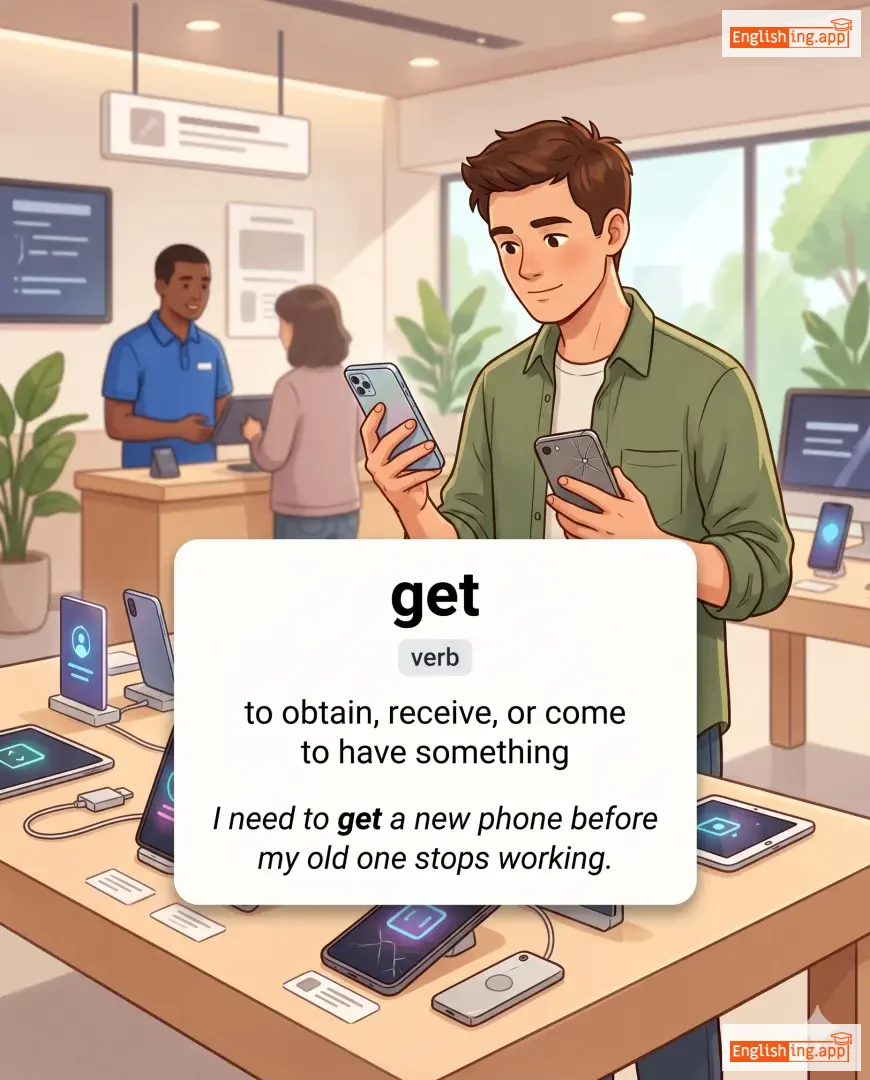
to obtain, receive, or come to have something
••••••
|
I need to get a new phone before my old one stops working.
新しい電話を手に入れる必要がある、古いものが動かなくなる前に。
••••••
|
新しい電話を手に入れる必要がある、古いものが動かなくなる前に。
Atarashii denwa wo te ni ireru hitsuyou ga aru, furui mono ga ugokanakunaru mae ni.
••••••
|
get going
始める
••••••
|
to start moving or to begin something
••••••
|
始める
hajimeru
••••••
|
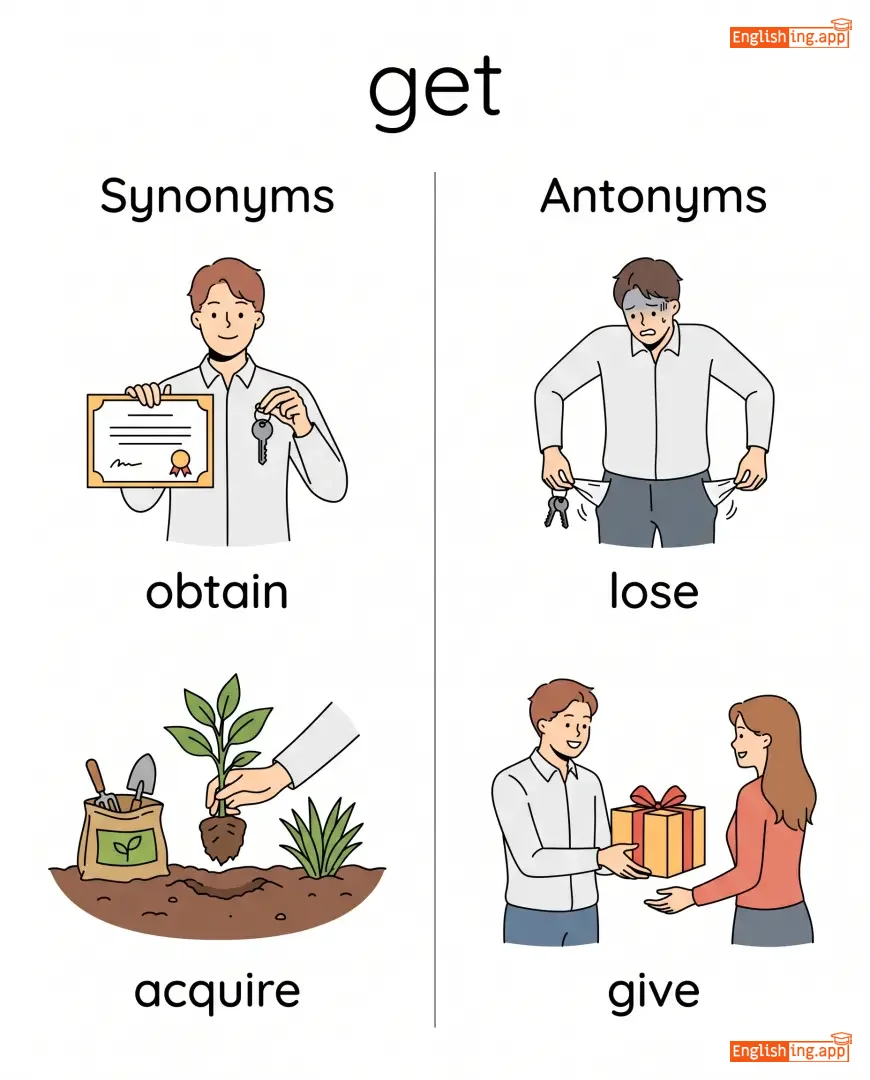
obtain, acquire, receive, gain, secure
••••••
|
lose, give
••••••
|
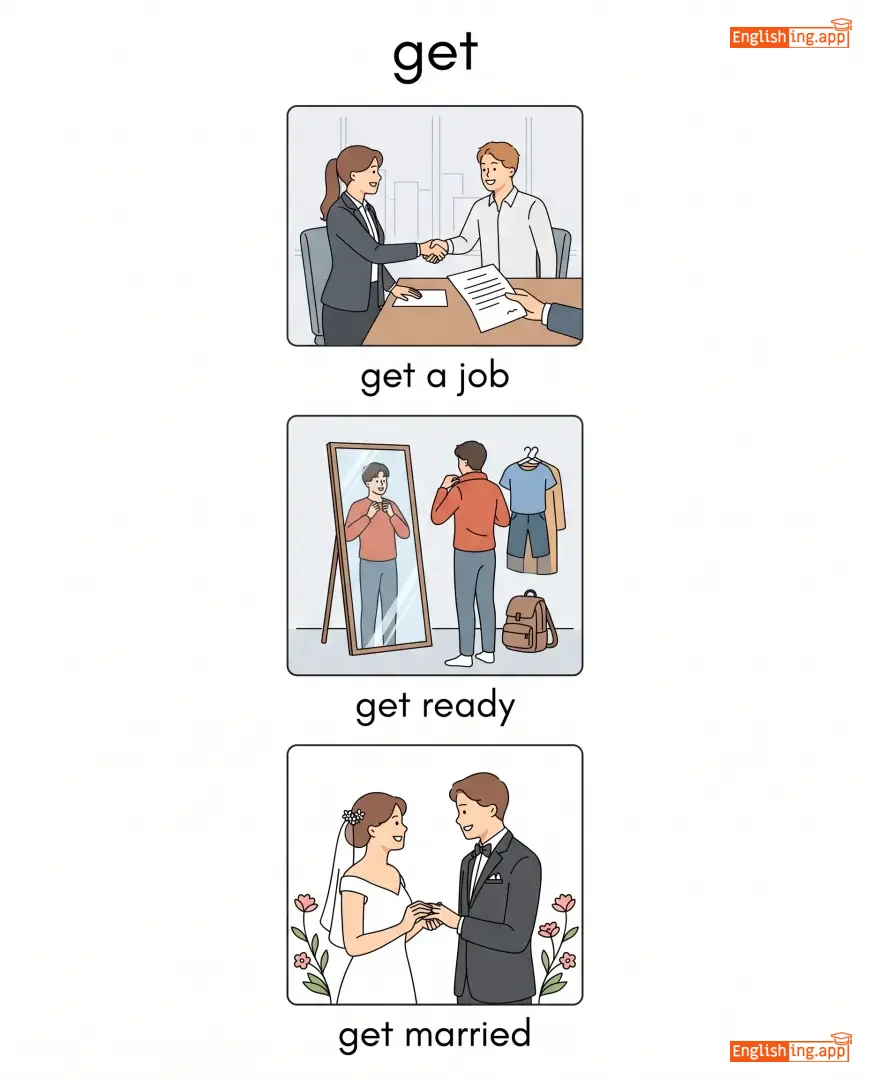
get a job, get ready, get married, get lost, get better
••••••
|
何かを得るためにはゲート(gate)を通る必要がある - getは得ることを意味する
••••••
|
|
❓
••••••
|
/haʊ/
adverb
(ハウ)
••••••
|
- •••••• |
どう
dou
••••••
|
- •••••• | - •••••• | - •••••• | - •••••• |
in what way or manner; by what means
••••••
|
How do you solve this problem?
この問題をどう解決しますか?
••••••
|
この問題をどう解決しますか?
Kono mondai o dou kaiketsu shimasu ka?
••••••
|
how come
どうしてそうなったのですか?
••••••
|
used to ask why something has happened
••••••
|
どうしてそうなったのですか?
Doushite sou natta no desu ka?
••••••
|
in what way, by what means, in what manner
••••••
|
why not, never
••••••
|
how often, how much, how many, how long
••••••
|
Howは日本語でどう、覚えておいてね、何かを尋ねるときに使う言葉。
••••••
|
|
😄
••••••
|
/kɪd/
verb
(キッド)
••••••
|
- •••••• |
冗談を言う
joudan wo iu
••••••
|
kidded
キデッド
••••••
|
kidded
キデッド
••••••
|
kids
キッズ
••••••
|
kidding
キディング
••••••
|
to joke or tease; to speak in a playful manner
••••••
|
I'm just kidding with you.
私はただあなたと冗談を言っているだけです。
••••••
|
私はただあなたと冗談を言っているだけです。
Watashi wa tada anata to joudan wo itteiru dake desu.
••••••
|
- •••••• | - •••••• | - •••••• |
joke, tease, jest, fool
••••••
|
serious, sincere, honest
••••••
|
just kidding, kid around, stop kidding, no kidding
••••••
|
Imagine a kid joking around playfully in Japanese.
••••••
|
|
✅
••••••
|
/lɛt/
verb
(レット)
••••••
|
|
許可する
kyoka suru
••••••
|
let
レット
••••••
|
let
レット
••••••
|
lets
レッツ
••••••
|
letting
レッティング
••••••
|
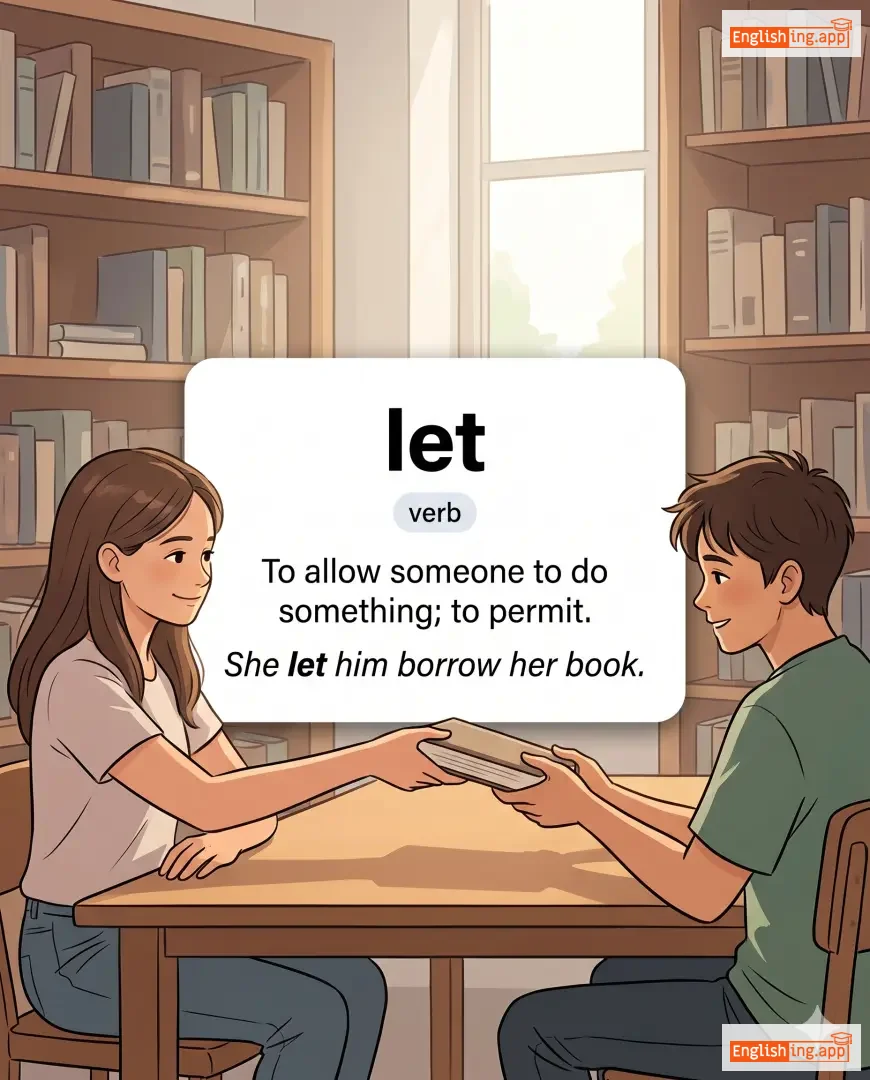
To allow someone to do something; to permit.
••••••
|
She let him borrow her book.
シー レット ヒム バロウ ハー ブック。
••••••
|
彼女は彼に彼女の本を借りさせた。
Kanojo wa kare ni kanojo no hon wo karisaseta.
••••••
|
let it be
レット イット ビー
••••••
|
accept a situation without trying to change it
••••••
|
そのままにしておく
sono mama ni shite oku
••••••
|
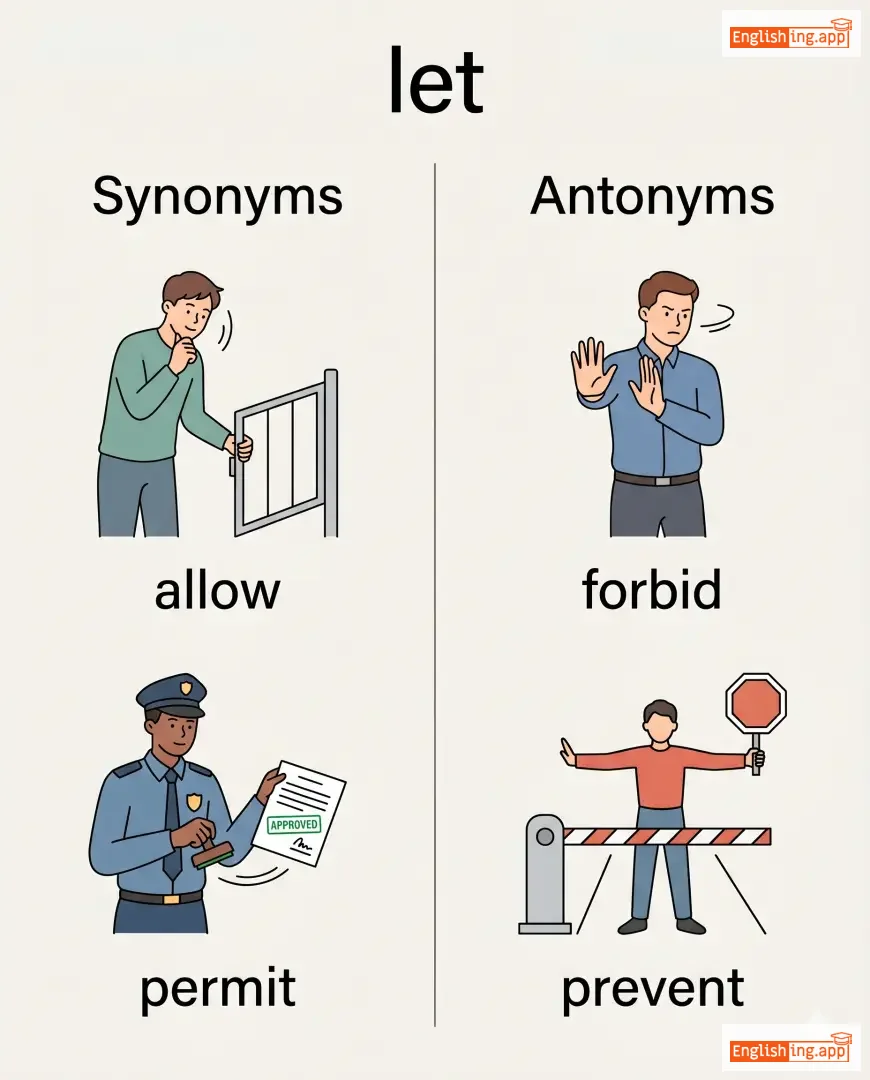
allow, permit, enable, grant
••••••
|
forbid, prevent, refuse
••••••
|
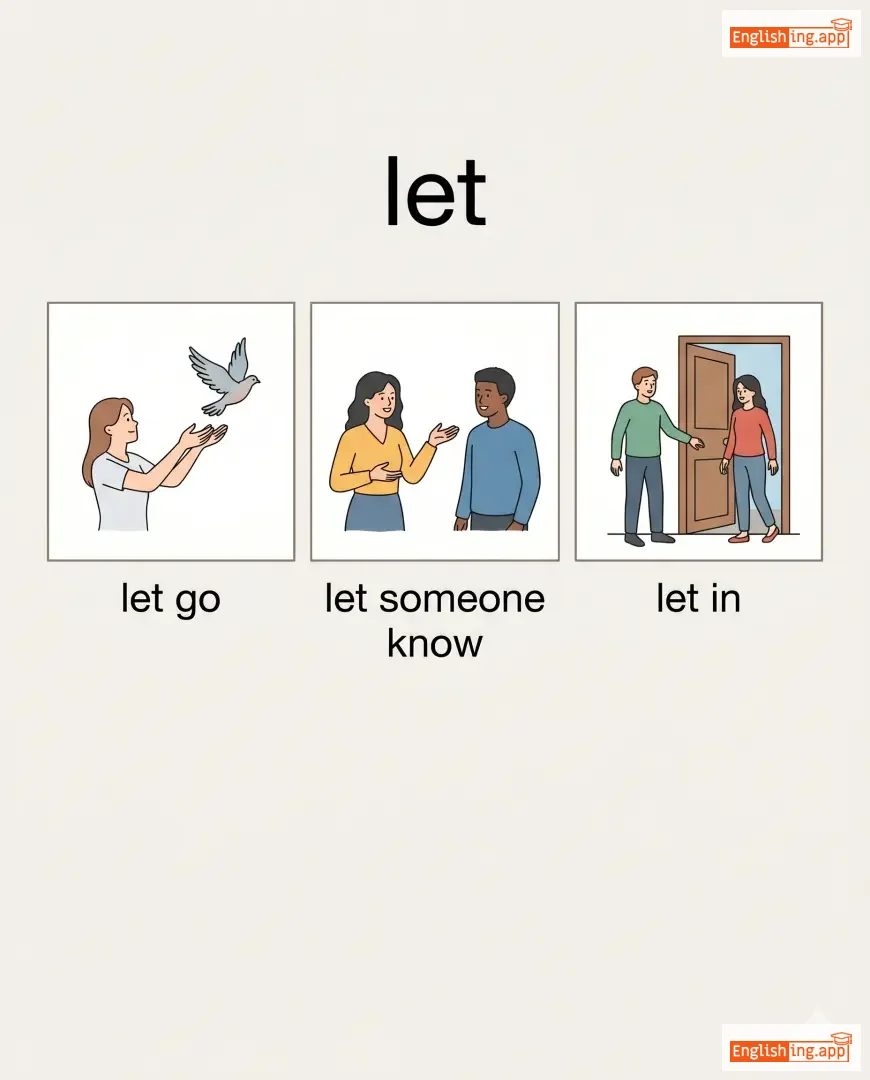
let go, let someone know, let in, let out
••••••
|
LETは許可するという意味 — ママがLET him goと言うのは、彼を行かせるという意味です ✅
••••••
|
|
⏰
••••••
|
/naʊ/
adverb
(ナウ)
••••••
|
- •••••• |
今
ima
••••••
|
- •••••• | - •••••• | - •••••• | - •••••• |
at the present moment or time
••••••
|
I am studying now. |
私は今勉強しています。
Watashi wa ima benkyou shiteimasu.
••••••
|
- •••••• | - •••••• | - •••••• |
currently, at present, at this moment
••••••
|
later, then
••••••
|
right now, as of now, now or never
••••••
|
Now is like ‘Naa oo!’ – It’s NOW or never!
••••••
|
|
👴
••••••
|
/oʊld/
adjective
(オールド)
••••••
|
- •••••• |
古い
furui
••••••
|
- •••••• | - •••••• | - •••••• | - •••••• |
having lived for a long time; not new or young
••••••
|
He still drives his old car. |
彼は今でも古い車を運転しています。
Kare wa imademo furui kuruma o unten shiteimasu.
••••••
|
old habits die hard |
It is difficult to stop doing things you have been doing for a long time
••••••
|
古い習慣はなかなか変わらない
Furui shūkan wa nakanaka kawaranai
••••••
|
aged, elderly, ancient, worn, mature
••••••
|
young, new, fresh
••••••
|
old man, old friend, old building, old story
••••••
|
古いものが大切だと感じること
••••••
|
|
🐶
••••••
|
/pɛt/
noun
(ペット)
••••••
|
- •••••• |
ペット
petto
••••••
|
- •••••• | - •••••• | - •••••• | - •••••• |
a domesticated animal kept for companionship or pleasure
••••••
|
My dog is my favorite pet. |
私の犬は私のお気に入りのペットです。
Watashi no inu wa watashi no okiniiri no petto desu.
••••••
|
- •••••• | - •••••• | - •••••• |
companion, animal, domestic animal, house pet
••••••
|
wild animal, stray
••••••
|
pet dog, pet cat, pet store, take care of a pet
••••••
|
ペットは家で飼う動物、例えば犬や猫です (Pets are animals kept at home, like dogs and cats).
••••••
|
|
🙈
••••••
|
/ʃaɪ/
adjective
(shai)
••••••
|
- •••••• |
恥ずかしがり屋
hazukashigariya
••••••
|
- •••••• | - •••••• | - •••••• | - •••••• |
Being reserved or nervous around other people.
••••••
|
The child was too shy to speak in class. |
その子はクラスで話すのが恥ずかしすぎた。
Sono ko wa kurasu de hanasu no ga hazukashisugita.
••••••
|
shy away |
to avoid something because of fear or lack of confidence
••••••
|
避ける
sakeru
••••••
|
timid, bashful, reserved, modest
••••••
|
bold, confident, outgoing
••••••
|
shy smile, shy away, shy child, shy personality
••••••
|
恥ずかしがり屋の子供がクラスで話すのを避ける。
••••••
|
|
⏰
••••••
|
/suːn/
adverb
(スーン)
••••••
|
- •••••• |
すぐに
suguni
••••••
|
- •••••• | - •••••• | - •••••• | - •••••• |
in a short time; before long; quickly
••••••
|
The train will arrive soon. |
電車はすぐに到着します。
Densha wa suguni touchaku shimasu
••••••
|
- •••••• | - •••••• | - •••••• |
quickly, shortly, before long, in a moment
••••••
|
late, slowly, never, eventually
••••••
|
very soon, coming soon, soon after
••••••
|
Japanese 'すぐに' (suguni) is similar to 'soon' in English.
••••••
|
|
🏠
••••••
|
/steɪ/
verb
(sutē)
••••••
|
|
滞在
taizai
••••••
|
stayed
sutēdo
••••••
|
stayed
sutēdo
••••••
|
stays
sutēzu
••••••
|
staying
sutēingu
••••••
|
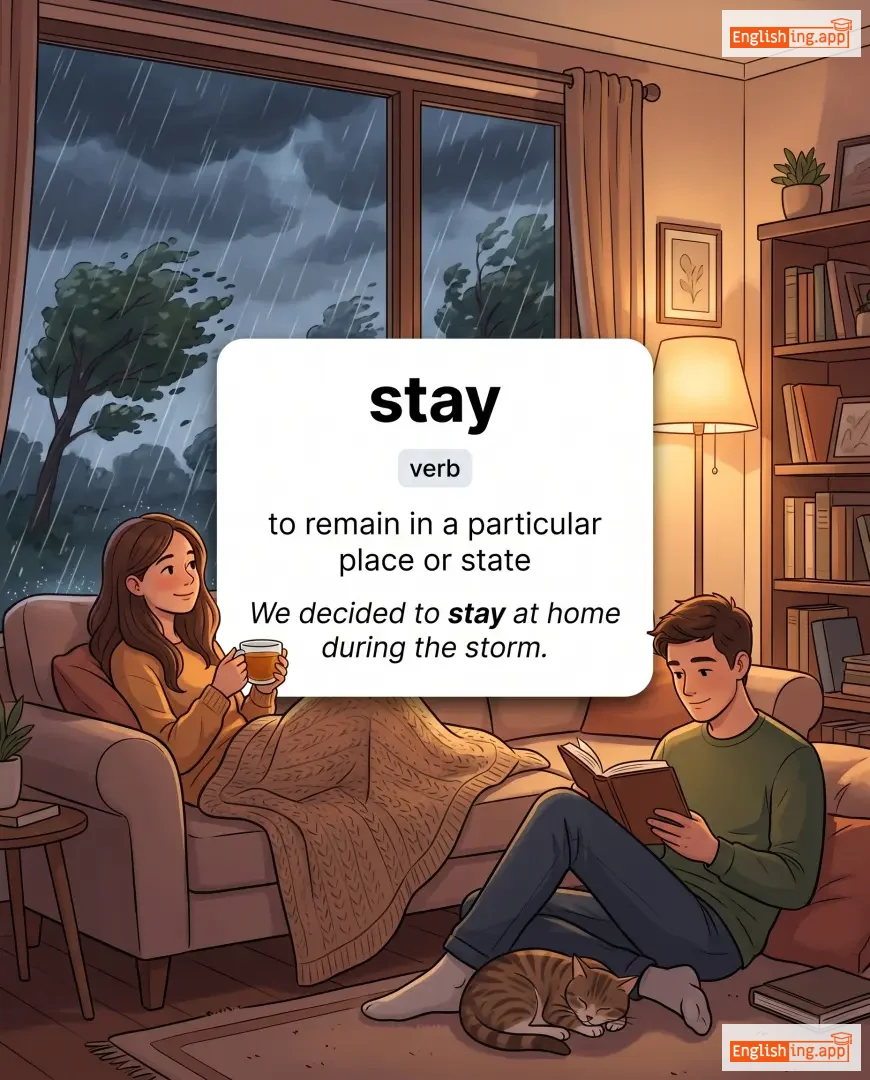
to remain in the same place; to continue being
••••••
|
Please stay here until I return.
どうぞ、私が戻るまでここにいてください。
••••••
|
どうぞ、私が戻るまでここにいてください。
Dōzo, watashi ga modoru made koko ni ite kudasai.
••••••
|
- •••••• | - •••••• | - •••••• |
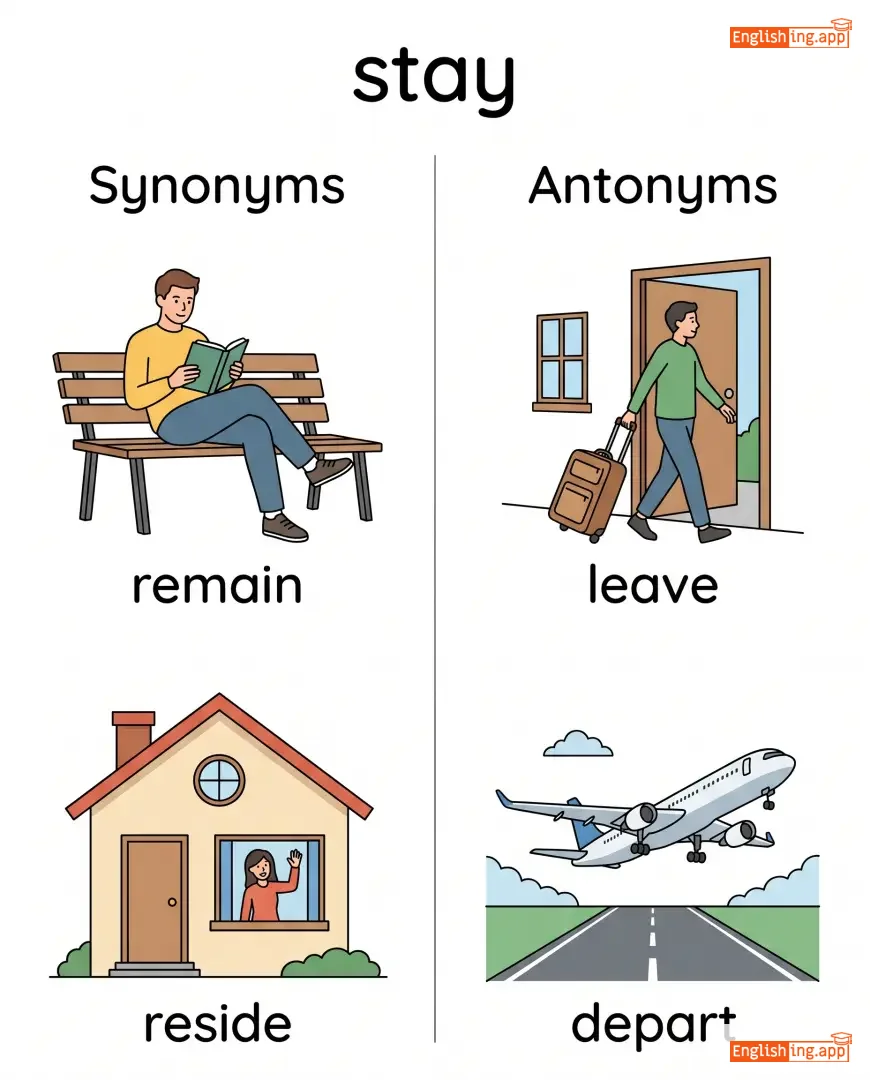
remain, continue, wait, linger
••••••
|
leave, go, depart, move
••••••
|
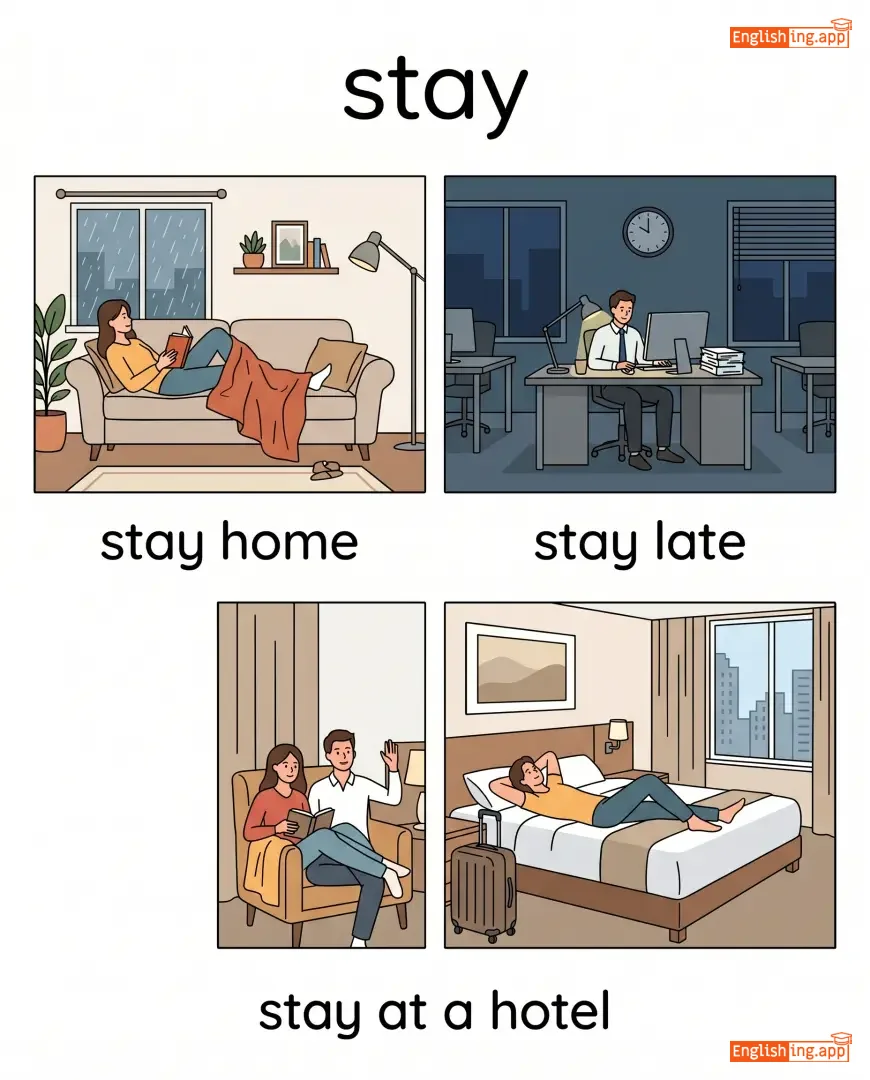
stay home, stay calm, stay away, stay up, stay put
••••••
|
Stay in Japanese, just like 'taizai' for stay!
••••••
|
|
🚌
••••••
|
/teɪk/
verb
(teiku)
••••••
|
|
取る
toru
••••••
|
took
tooku
••••••
|
taken
teiken
••••••
|
takes
teikus
••••••
|
taking
teiking
••••••
|
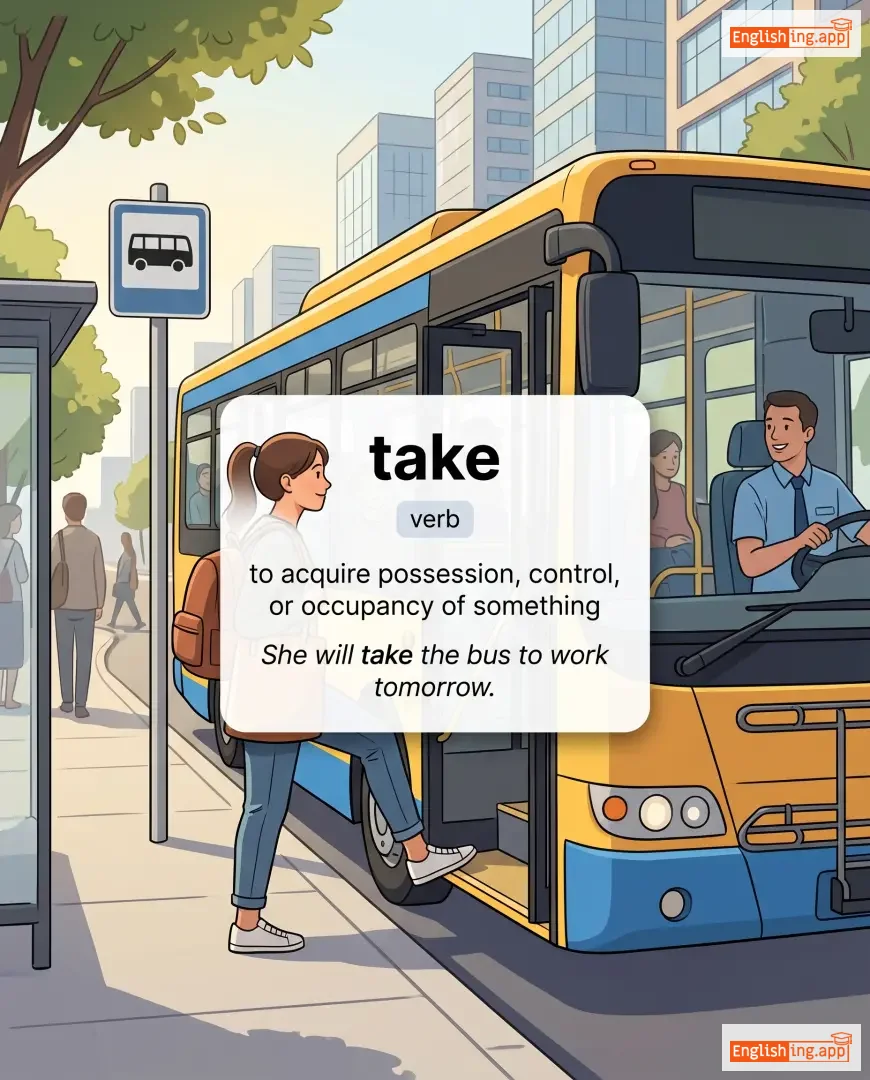
to acquire possession, control, or occupancy of something
••••••
|
She will take the bus to work tomorrow.
彼女は明日バスで仕事に行く。
••••••
|
彼女は明日バスで仕事に行く。
Kanojo wa ashita basu de shigoto ni iku.
••••••
|
take advantage of
利用する
••••••
|
to exploit or make good use of an opportunity
••••••
|
利用する
riyousuru
••••••
|
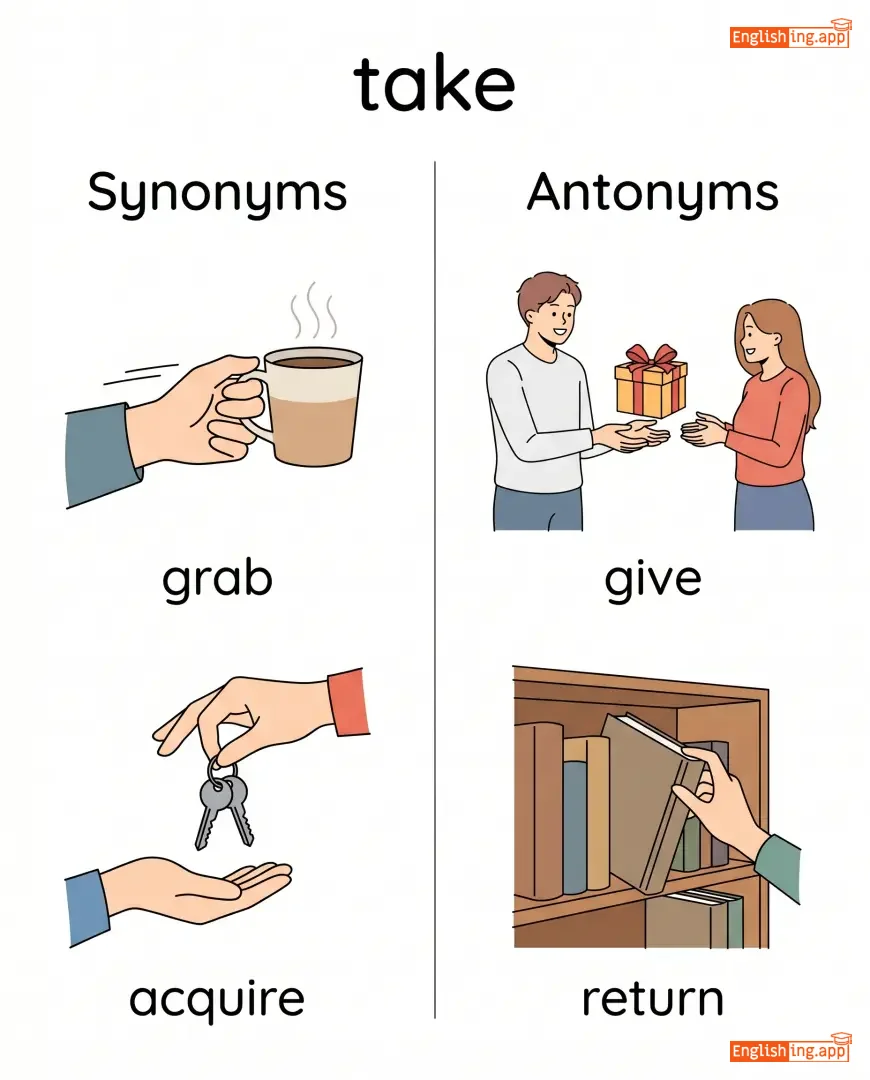
grab, acquire, seize, accept
••••••
|
give, return, release
••••••
|
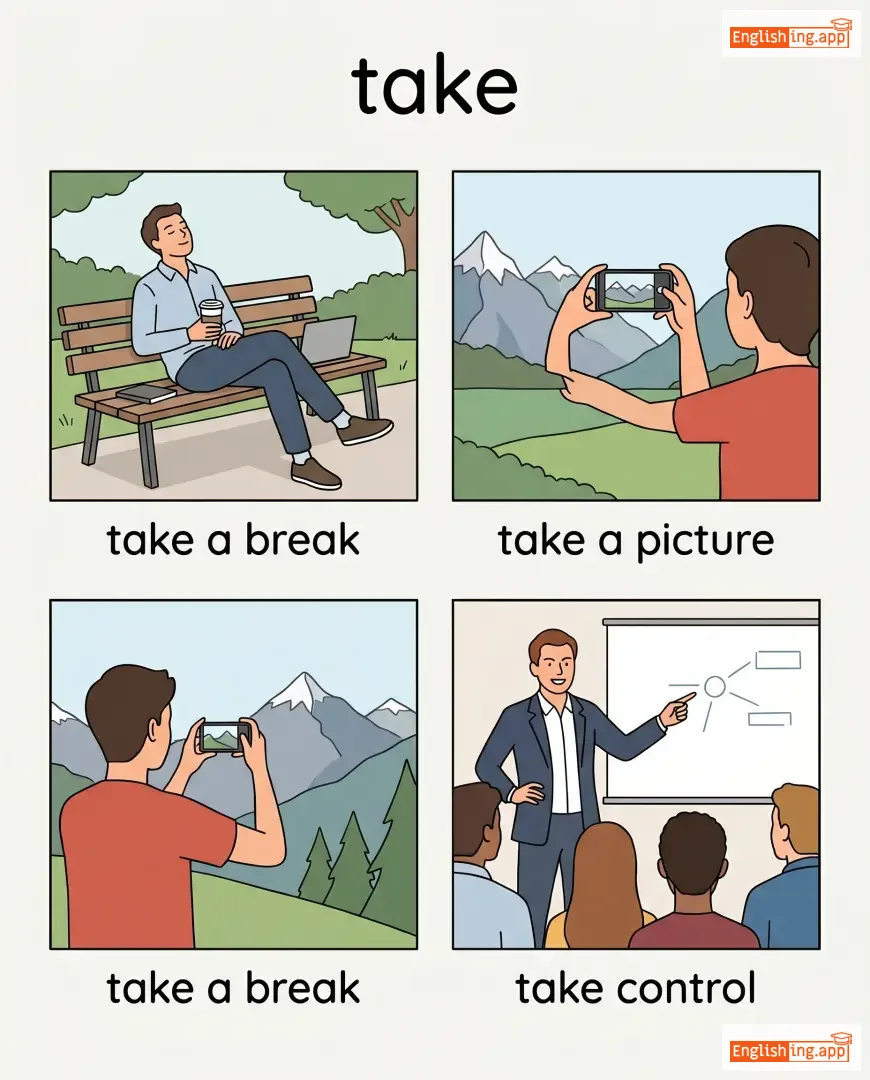
take a break, take a picture, take control
••••••
|
取る (take) なら、あなたはそれを得る - If you take it, you will have it.
••••••
|
|
🧸
••••••
|
/tɔɪ/
noun
(トイ)
••••••
|
- •••••• |
おもちゃ
omocha
••••••
|
- •••••• | - •••••• | - •••••• | - •••••• |
an object for children to play with
••••••
|
The child received a toy car for his birthday. |
その子は誕生日におもちゃの車をもらいました。
Sono ko wa tanjoubi ni omocha no kuruma o moraimashita.
••••••
|
not a toy |
used to emphasize that something should not be taken lightly
••••••
|
おもちゃではない
omocha de wa nai
••••••
|
plaything, game, doll, trinket
••••••
|
tool, equipment
••••••
|
toy car, toy shop, toy soldier, toy industry
••••••
|
Toy 🧸 はおもちゃを意味し、おもちゃは子供が遊ぶための物です。
••••••
|
|
👍
••••••
|
/jɛs/
adverb
(はい)
••••••
|
- •••••• |
はい
hai
••••••
|
- •••••• | - •••••• | - •••••• | - •••••• |
used to express affirmation, agreement, or consent
••••••
|
Yes, I will be there at 5 o'clock. |
はい、5時にそこに行きます。
Hai, go ji ni soko ni ikimasu.
••••••
|
- •••••• | - •••••• | - •••••• |
certainly, definitely, absolutely, of course
••••••
|
no, not at all
••••••
|
say yes, agree with yes, say yes to, yes or no
••••••
|
Yes, I say Hai when I agree.
••••••
|

