|
絵文字
|
単語 | Images | 翻訳 | 過去 | 過去分詞 | 三人称単数 | 動名詞 | 意味 | 例文 | 例文の翻訳 | 表現例 | 表現例の意味 | 表現例の翻訳 | 同義語 | 対義語 | コロケーション | ニーモニック |
|---|---|---|---|---|---|---|---|---|---|---|---|---|---|---|---|---|---|
|
👀
••••••
|
/əˈtɛnʃən/
noun
(アテンション)
••••••
|
- •••••• |
注意
chuui
••••••
|
- •••••• | - •••••• | - •••••• | - •••••• |
the act of focusing on something or someone
••••••
|
The teacher asked for the students' attention. |
先生は学生の注意を求めました。
Sensei wa gakusei no chuui o motomemashita.
••••••
|
pay attention |
to listen or concentrate carefully
••••••
|
注意を払う
chuui o harau
••••••
|
focus, notice, concentration, regard
••••••
|
ignore, neglect, inattention
••••••
|
draw attention, attract attention, pay attention, special attention
••••••
|
Attentionは日本語で注意、つまり集中することです。
••••••
|
|
👂
••••••
|
/əˈtɛntɪv/
adjective
(アテンティブ)
••••••
|
- •••••• |
注意深い
chūibukai
••••••
|
- •••••• | - •••••• | - •••••• | - •••••• |
Paying close attention to something or someone; being considerate and alert.
••••••
|
The teacher praised the students for being attentive during the lesson. |
先生は授業中に注意深くしていた学生たちを褒めました。
Sensei wa jugyō-chū ni chūibukai shite ita gakusei-tachi o homemashita.
••••••
|
attentive ear |
to listen carefully and sympathetically
••••••
|
注意深い耳
chūibukai mimi
••••••
|
alert, observant, considerate, mindful, watchful
••••••
|
inattentive, careless
••••••
|
attentive listener, attentive audience, attentive service
••••••
|
Attentive = attention + full = 注意深い
••••••
|
|
👂
••••••
|
/əˈten.tɪv.li/
adverb
(アテントブリー)
••••••
|
- •••••• |
注意深く
chūibukaku
••••••
|
- •••••• | - •••••• | - •••••• | - •••••• |
with careful attention; in a focused manner
••••••
|
She listened attentively to her teacher's instructions.
シー リスンド アテントブリー トゥ ハー ティーチャーズ インストラクションズ。
••••••
|
彼女は先生の指示を注意深く聞いた。
Kanojo wa sensei no shiji o chūibukaku kiita.
••••••
|
- •••••• | - •••••• | - •••••• |
carefully, closely, intently
••••••
|
carelessly, inattentively, distractedly
••••••
|
listen attentively, watch attentively, study attentively
••••••
|
注意深く聞くこと、それが最良の方法です。
••••••
|
|
📝
••••••
|
/əˈtɛst/
verb
(アテスト)
••••••
|
- •••••• |
証明する
shōmei suru
••••••
|
attested
アテステッド
••••••
|
attested
アテステッド
••••••
|
attests
アテスツ
••••••
|
attesting
アテスティング
••••••
|
To provide or serve as clear evidence of; to confirm or certify the truth of something.
••••••
|
The witness attested to the accuracy of the report.
証人は報告書の正確さを証明しました。
••••••
|
証人は報告書の正確さを証明しました。
Shōnin wa hōkokusho no seikakusa o shōmei shimashita.
••••••
|
bear witness
証言する
••••••
|
to confirm something based on experience or knowledge
••••••
|
証言する
shōgen suru
••••••
|
confirm, verify, authenticate, certify, prove
••••••
|
deny, refute
••••••
|
attest to, legally attest, attest document
••••••
|
Attestはテストで証言することを意味します。
••••••
|
|
🙂
••••••
|
/ˈætɪˌtjuːd/
noun
••••••
|
- •••••• | - •••••• | - •••••• | - •••••• | - •••••• | - •••••• |
A settled way of thinking or feeling about someone or something, often reflected in behavior.
••••••
|
Her positive attitude helped her overcome many challenges. |
- •••••• |
attitude adjustment |
A change in one’s approach, outlook, or behavior.
••••••
|
- •••••• |
mindset, outlook, perspective, stance, viewpoint
••••••
|
indifference, apathy, neutrality
••••••
|
positive attitude, negative attitude, change in attitude, attitude problem
••••••
|
No •••••• |
|
⚖️
••••••
|
/əˈtɜːrni/
noun
(アトーニー)
••••••
|
- •••••• |
弁護士
bengoshi
••••••
|
- •••••• | - •••••• | - •••••• | - •••••• |
a person who practices law; a lawyer
••••••
|
She hired an attorney to represent her in court. |
彼女は裁判所で彼女を代表するために弁護士を雇いました。
Kanojo wa saibansho de kanojo o daihyō suru tame ni bengoshi o yatomimashita.
••••••
|
power of attorney |
the legal authority to act for another person
••••••
|
委任状
ininjō
••••••
|
lawyer, advocate, counsel, solicitor
••••••
|
client, defendant
••••••
|
defense attorney, criminal attorney, power of attorney, hire attorney
••••••
|
Attorneyは日本語で弁護士, 弁護士は法廷であなたを代表します。
••••••
|
|
🧲
••••••
|
/əˈtrækt/
verb
(アトラクト)
••••••
|
- •••••• |
引き付ける
hikitsukeru
••••••
|
attracted
アトラクテッド
••••••
|
attracted
アトラクテッド
••••••
|
attracts
アトラクツ
••••••
|
attracting
アトラキン
••••••
|
to cause someone to have interest or draw something towards
••••••
|
The flowers attract bees with their bright colors.
ザ・フラワーズ アトラクト ビーズ ウィズ ゼア ブライト カラーズ。
••••••
|
花はその鮮やかな色で蜂を引き寄せます。
Hana wa sono azayakana iro de hachi o hikiyosemasu.
••••••
|
attract attention
アトラクト アテンション
••••••
|
to cause people to notice
••••••
|
注目を集める
chūmoku o atsumeru
••••••
|
draw, allure, entice, fascinate
••••••
|
repel, deter, reject
••••••
|
attract customers, attract investment, attract tourists, attract attention
••••••
|
引き付けるは花が蜂を引き寄せるように。
••••••
|
|
🧲
••••••
|
/əˈtræktɪd/
verb (past tense / past participle)
(アトラクテッド)
••••••
|
- •••••• |
惹かれた
hikareta
••••••
|
attracted
アトラクテッド
••••••
|
attracted
アトラクテッド
••••••
|
attracts
アトラクツ
••••••
|
attracting
アトラクティング
••••••
|
felt interest or liking toward someone or something; was drawn by appeal or force
••••••
|
She was attracted to the idea of studying abroad.
シー ワズ アトラクテッド トゥ ザ アイディア オブ スタディング アブロード。
••••••
|
彼女は留学するという考えに惹かれた。
kanojo wa ryuugaku suru to iu kangae ni hikareta
••••••
|
attracted to
attracted to
••••••
|
to feel interest or liking toward someone or something
••••••
|
~に惹かれる
ni hikareru
••••••
|
drawn to, appealed to, fascinated by, interested in
••••••
|
repelled by, uninterested in, averse to
••••••
|
sexually attracted, strongly attracted, emotionally attracted, attracted attention
••••••
|
アトラクションは人を引きつける → attracted
••••••
|
|
🎡
••••••
|
/əˈtrækʃən/
noun
(アトラクション)
••••••
|
- •••••• |
アトラクション
atorakushon
••••••
|
- •••••• | - •••••• | - •••••• | - •••••• |
something that draws attention, interest, or enjoyment
••••••
|
The Eiffel Tower is a major tourist attraction in Paris. |
エッフェル塔はパリの主要な観光名所です。
Efferu tō wa Pari no shuyō na kankō meisho desu.
••••••
|
law of attraction |
the belief that positive or negative thoughts bring corresponding experiences into a person's life
••••••
|
引き寄せの法則
hikiyose no hōsoku
••••••
|
charm, appeal, magnetism, allure, fascination
••••••
|
repulsion, aversion, dislike
••••••
|
main attraction, tourist attraction, strong attraction, physical attraction
••••••
|
ATTRACTION はアトラクション — テーマパークにたくさんのワクワクするアトラクションがあると想像してみてください!
••••••
|
|
😍
••••••
|
/əˈtræktɪv/
adjective
(アトラクティブ)
••••••
|
- •••••• |
魅力的
miryokuteki
••••••
|
- •••••• | - •••••• | - •••••• | - •••••• |
pleasing or appealing to the senses or mind; having qualities that arouse interest or admiration
••••••
|
The attractive design of the house caught everyone's attention. |
その家の魅力的なデザインは、誰もが注目することを引きました。
Sono ie no miryokuteki na dezain wa, daremo ga chūmoku suru koto o hikimashita.
••••••
|
look attractive |
to appear pleasing or appealing
••••••
|
魅力的に見える
miryokuteki ni mieru
••••••
|
appealing, charming, pretty, engaging, lovely
••••••
|
unattractive, ugly, unpleasant
••••••
|
attractive offer, attractive price, attractive personality, attractive appearance
••••••
|
Attractiveのように、何かがあなたを引きつけ、心地よいものにします。
••••••
|
|
✨
••••••
|
/əˈtræktɪvli/
adverb
(アトラクティブリー)
••••••
|
- •••••• |
魅力的に
miryokuteki ni
••••••
|
- •••••• | - •••••• | - •••••• | - •••••• |
in a pleasing or appealing way; in a manner that draws interest or admiration
••••••
|
The room was attractively decorated with soft lights and plants.
ザ ルーム ワズ アトラクティブリー デコレイテッド
••••••
|
その部屋は柔らかい照明と植物で魅力的に飾られていた。
sono heya wa yawarakai shoumei to shokubutsu de miryokuteki ni kazararete ita
••••••
|
- •••••• | - •••••• | - •••••• |
appealingly, beautifully, charmingly, pleasingly
••••••
|
unattractively, unpleasantly
••••••
|
attractively designed, attractively decorated, attractively priced
••••••
|
ミリョク = charm, miryokuteki ni = attractively
••••••
|
|
✨
••••••
|
/ˈætrɪˌbjuːt/ (noun), /əˈtrɪbjuːt/ (verb)
noun, verb
••••••
|
|
- •••••• |
attributed
••••••
|
attributed
••••••
|
attributes
••••••
|
attributing
••••••
|
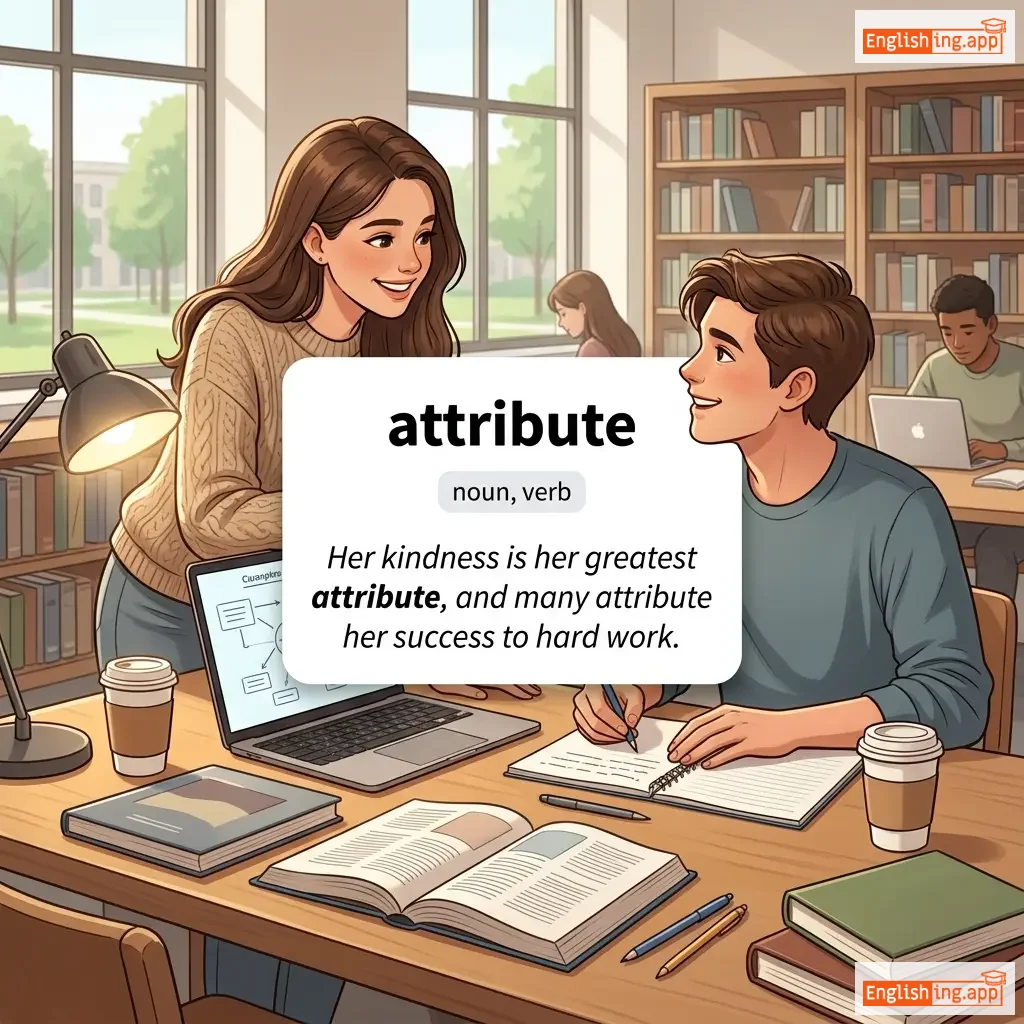
As a noun: a quality or characteristic of someone or something. As a verb: to regard something as being caused by someone or something.
••••••
|
Her kindness is her greatest attribute, and many attribute her success to hard work. |
- •••••• |
attribute to |
To credit something as the cause of a result.
••••••
|
- •••••• |
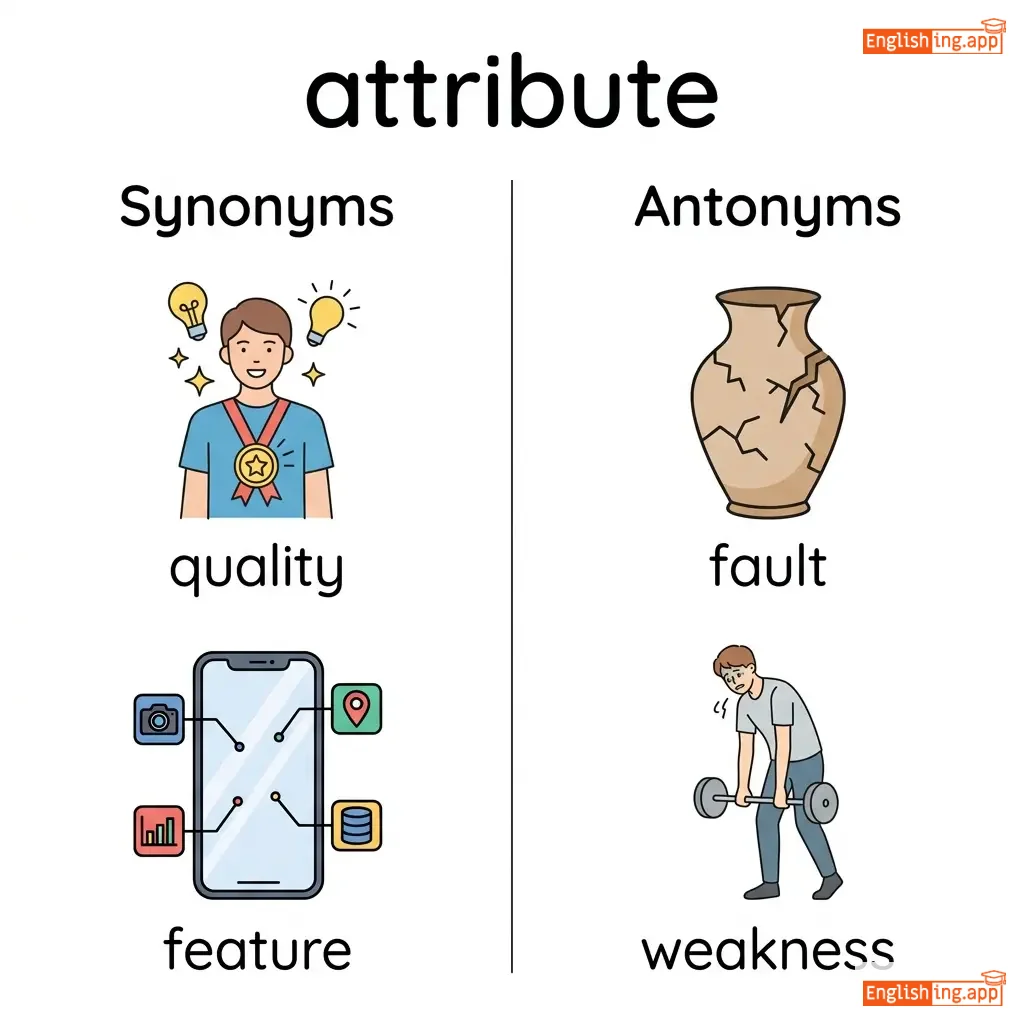
quality, feature, trait, characteristic, credit
••••••
|
fault, weakness, discredit
••••••
|
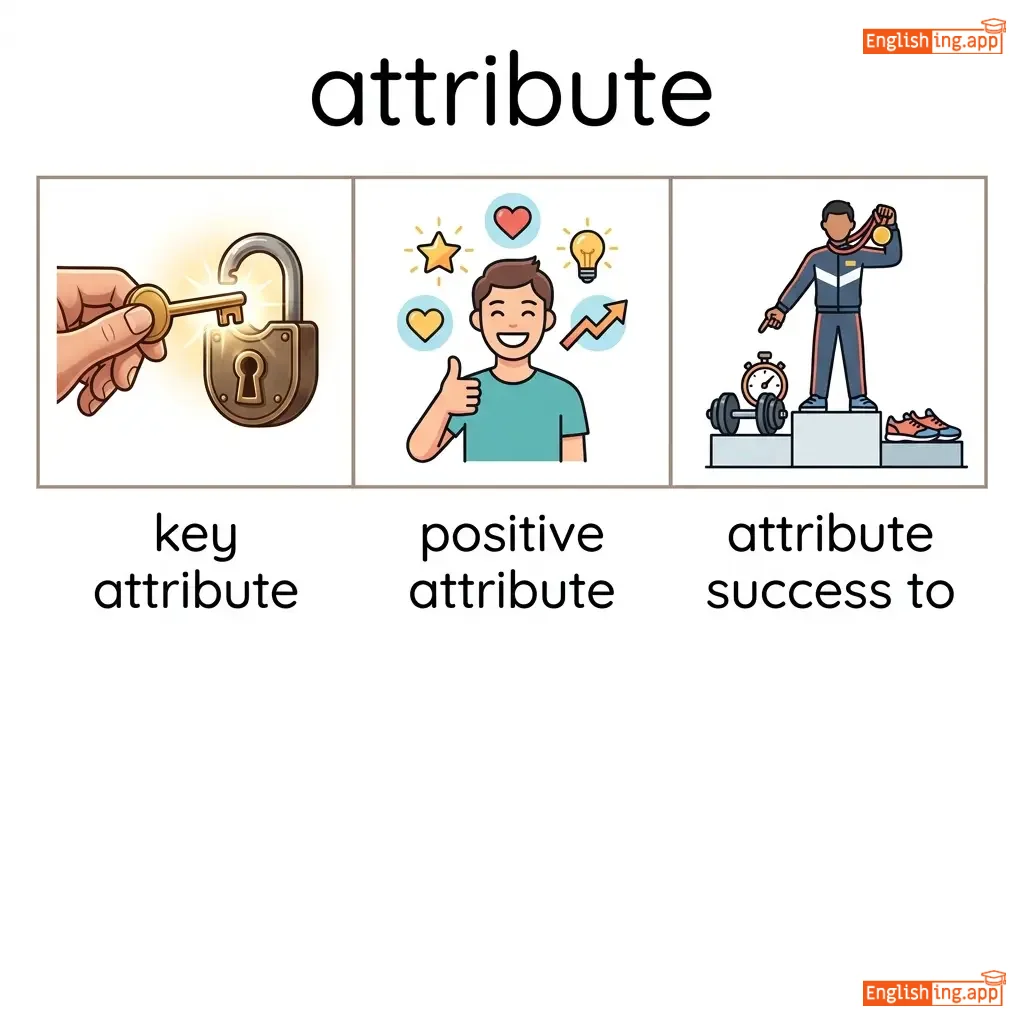
key attribute, positive attribute, attribute success to, attribute cause
••••••
|
No •••••• |
|
🎧
••••••
|
/əˈtjuːn/
verb
(アチューン)
••••••
|
- •••••• |
順応させる
junou saseru
••••••
|
attuned
アチューンド
••••••
|
attuned
アチューンド
••••••
|
attunes
アチューンズ
••••••
|
attuning
アチューニング
••••••
|
to make someone or something aware of or responsive to something; to adjust or harmonize
••••••
|
She quickly attuned herself to the needs of her new team.
シー クイックリー アチューンド ハーセルフ トゥ ザ ニーズ オブ ハー ニュー チーム。
••••••
|
彼女は新しいチームのニーズにすぐ順応した。
Kanojo wa atarashii chiimu no niizu ni sugu junou shita
••••••
|
attune oneself to
attune oneself to
••••••
|
to become sensitive or responsive to something
••••••
|
順応する
junou suru
••••••
|
adjust, adapt, harmonize, sensitize, align
••••••
|
ignore, disconnect, misalign
••••••
|
attune oneself to, attune ears to, attune mind to, emotionally attuned
••••••
|
attune = チューンして心を合わせる
••••••
|
|
🔨
••••••
|
/ˈɔːkʃən/
noun
(okushon)
••••••
|
- •••••• |
オークション
ōkushon
••••••
|
- •••••• | - •••••• | - •••••• | - •••••• |
a public sale where goods are sold to the highest bidder
••••••
|
The painting was sold at an auction for a record price. |
その絵画はオークションで記録的な価格で売られました。
Sono kaiga wa ōkushon de kirokuteki na kakaku de uraremashita.
••••••
|
go under the hammer |
to be sold at an auction
••••••
|
ハンマーの下を通る
hanmā no shita o tōru
••••••
|
bidding, sale, offering, trade
••••••
|
purchase, buyback
••••••
|
public auction, online auction, art auction, charity auction
••••••
|
Auctionはオークション、最も高い入札者に売られる!
••••••
|
|
🔨
••••••
|
/ˌɔːkʃəˈnɪər/
noun
(オークショニア)
••••••
|
- •••••• |
競売人
kyoubainin
••••••
|
- •••••• | - •••••• | - •••••• | - •••••• |
a person who conducts auctions by calling out bids and selling items to the highest bidder
••••••
|
The auctioneer quickly raised the price as bidders competed for the painting.
オークショニアは素早く値段を上げた。
••••••
|
競売人は入札が進む中で素早く価格を上げた。
kyoubainin wa nyuusatsu ga susumu naka de subayaku kakaku o ageta
••••••
|
under the hammer
ハンマーの下で
••••••
|
to be sold at an auction
••••••
|
競売にかけられる
kyoubai ni kakerareru
••••••
|
bid caller, seller, auction agent, broker
••••••
|
buyer, bidder
••••••
|
professional auctioneer, licensed auctioneer, auctioneer calls bids, auctioneer sells
••••••
|
オークションで話す人=オークショニア
••••••
|
|
👥
••••••
|
/ˈɔːdiəns/
noun
(オーディエンス)
••••••
|
- •••••• |
観客
kankyaku
••••••
|
- •••••• | - •••••• | - •••••• | - •••••• |
A group of people who gather to watch, listen to, or experience a performance, event, or broadcast.
••••••
|
The audience clapped loudly after the performance. |
パフォーマンス後、観客は大きな拍手を送った。
Pafōmansu go, kankyaku wa ōkina hakushu o okutta.
••••••
|
captive audience |
An audience that has no choice but to listen or pay attention.
••••••
|
囚われの観客
toraware no kankyaku
••••••
|
spectators, viewers, listeners, crowd, public
••••••
|
performer, speaker
••••••
|
large audience, live audience, attract an audience, audience reaction
••••••
|
オーディエンスは公演を観るために集まった人々、例えば大きなホールにいる観客のように。
••••••
|
|
🔊
••••••
|
/ˈɔːdiəʊ/
noun
(オーディオ)
••••••
|
- •••••• |
音声
onsei
••••••
|
- •••••• | - •••••• | - •••••• | - •••••• |
sound, especially when recorded or transmitted
••••••
|
The audio quality of the podcast was excellent. |
ポッドキャストの音声品質は素晴らしかった。
Poddokyasuto no onsei hinshitsu wa subarashikatta.
••••••
|
- •••••• | - •••••• | - •••••• |
sound, recording, broadcast, hearing
••••••
|
silence
••••••
|
audio file, audio equipment, audio recording
••••••
|
Audio - オーディションで素晴らしい音声を聞こう!
••••••
|
|
📋
••••••
|
/ˈɔːdɪt/
noun/verb
(オーディット)
••••••
|
|
監査
kansa
••••••
|
audited
オーディットされた
••••••
|
audited
オーディットされた
••••••
|
audits
オーディットします
••••••
|
auditing
オーディットしている
••••••
|
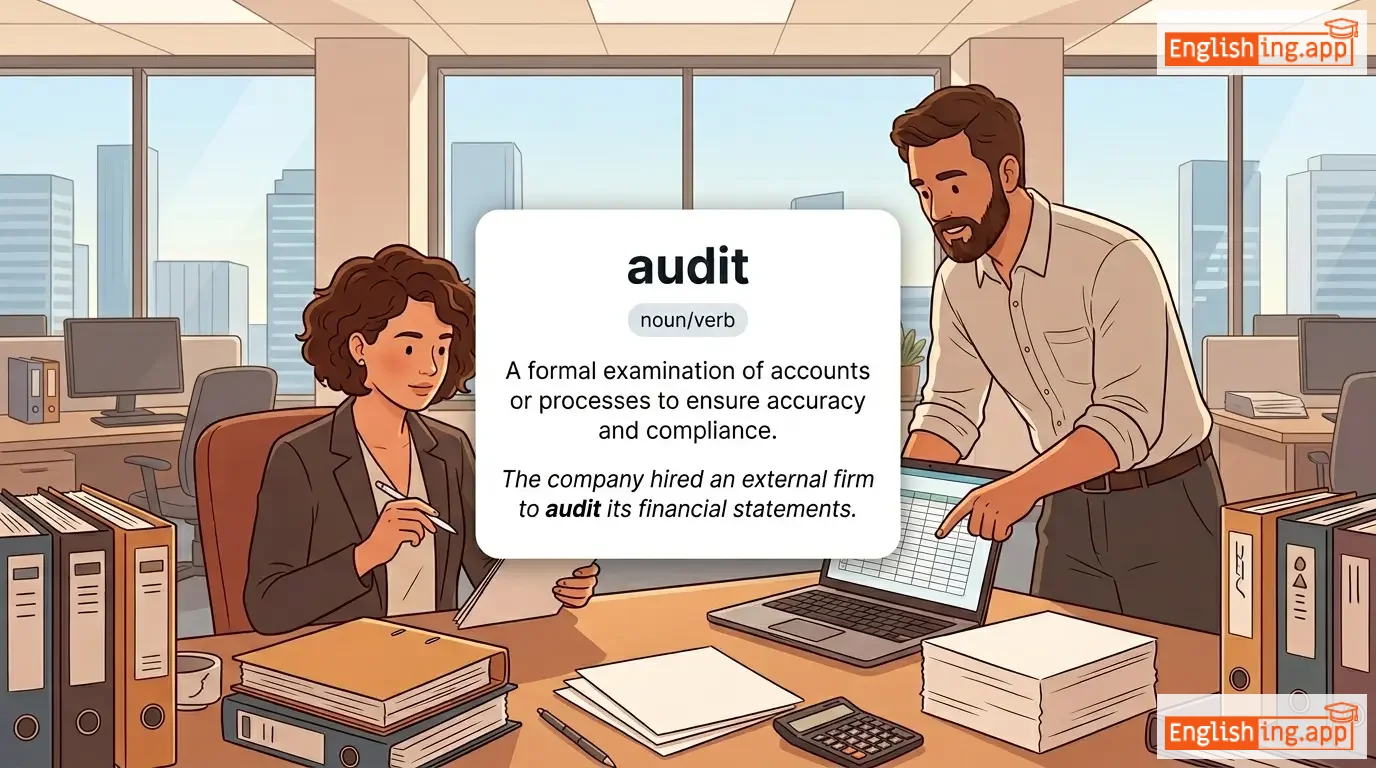
A formal examination of accounts or processes to ensure accuracy and compliance.
••••••
|
The company hired an external firm to audit its financial statements.
その会社は財務諸表を監査するために外部の企業を雇いました。
••••••
|
その会社は財務諸表を監査するために外部の企業を雇いました。
Sono kaisha wa zaimu shohyo o kansa suru tame ni gaibu no kigyo o yatotta.
••••••
|
audit trail
監査記録
••••••
|
A record that shows who has accessed a system and what operations they performed.
••••••
|
監査記録
Kansa kiroku
••••••
|
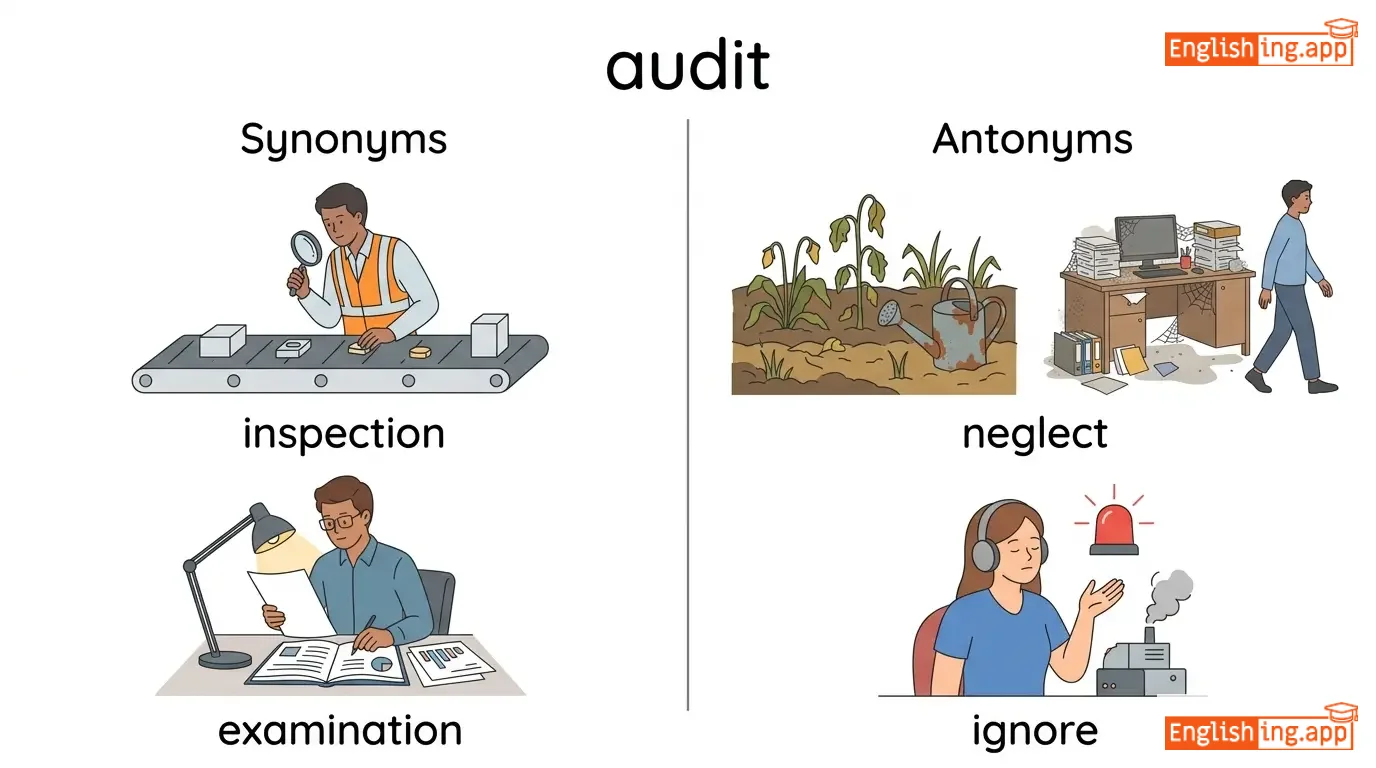
inspection, examination, review, assessment, evaluation
••••••
|
neglect, ignore, overlook
••••••
|
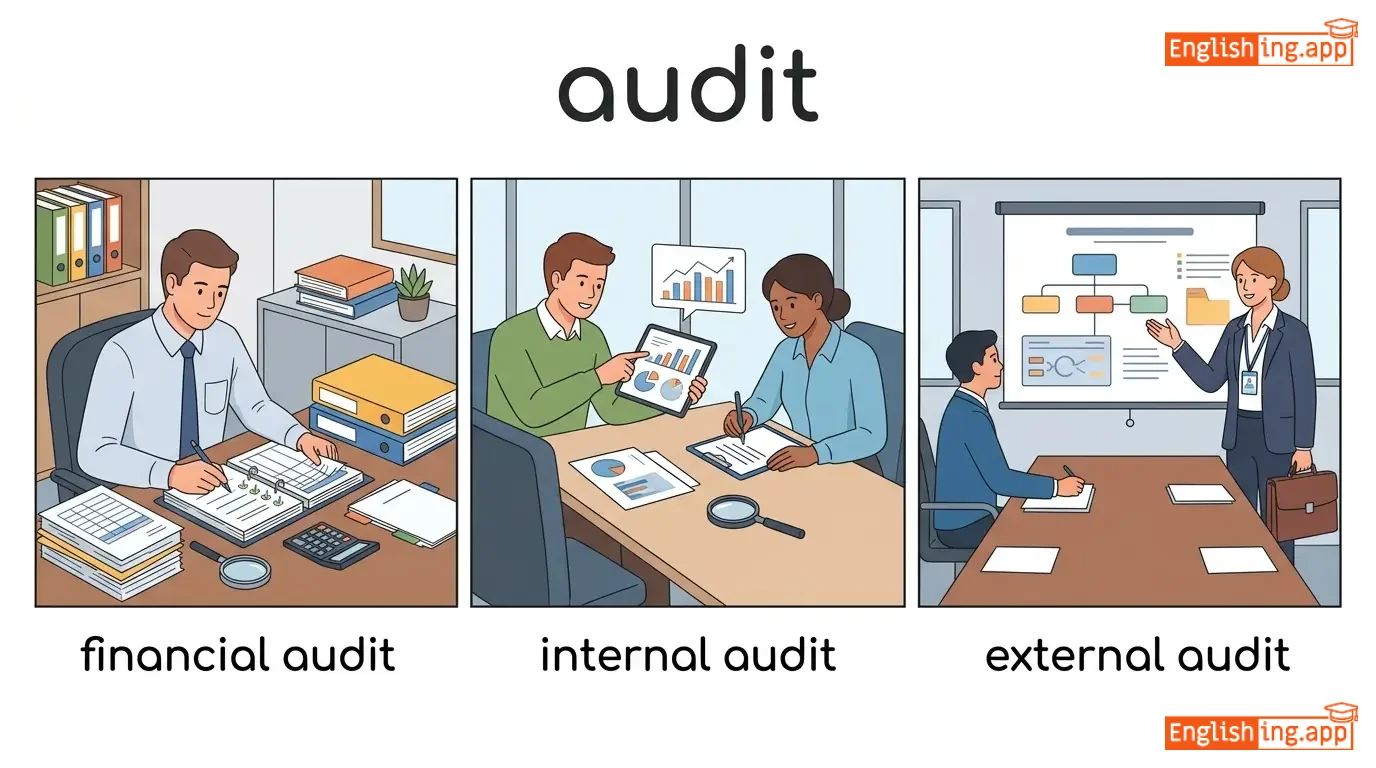
financial audit, internal audit, external audit, audit report, audit committee
••••••
|
監査 - すべての数字をチェックしてミスを防ぐ!
••••••
|
|
➕
••••••
|
/ɔːɡˈmɛnt/
verb
(オグメント)
••••••
|
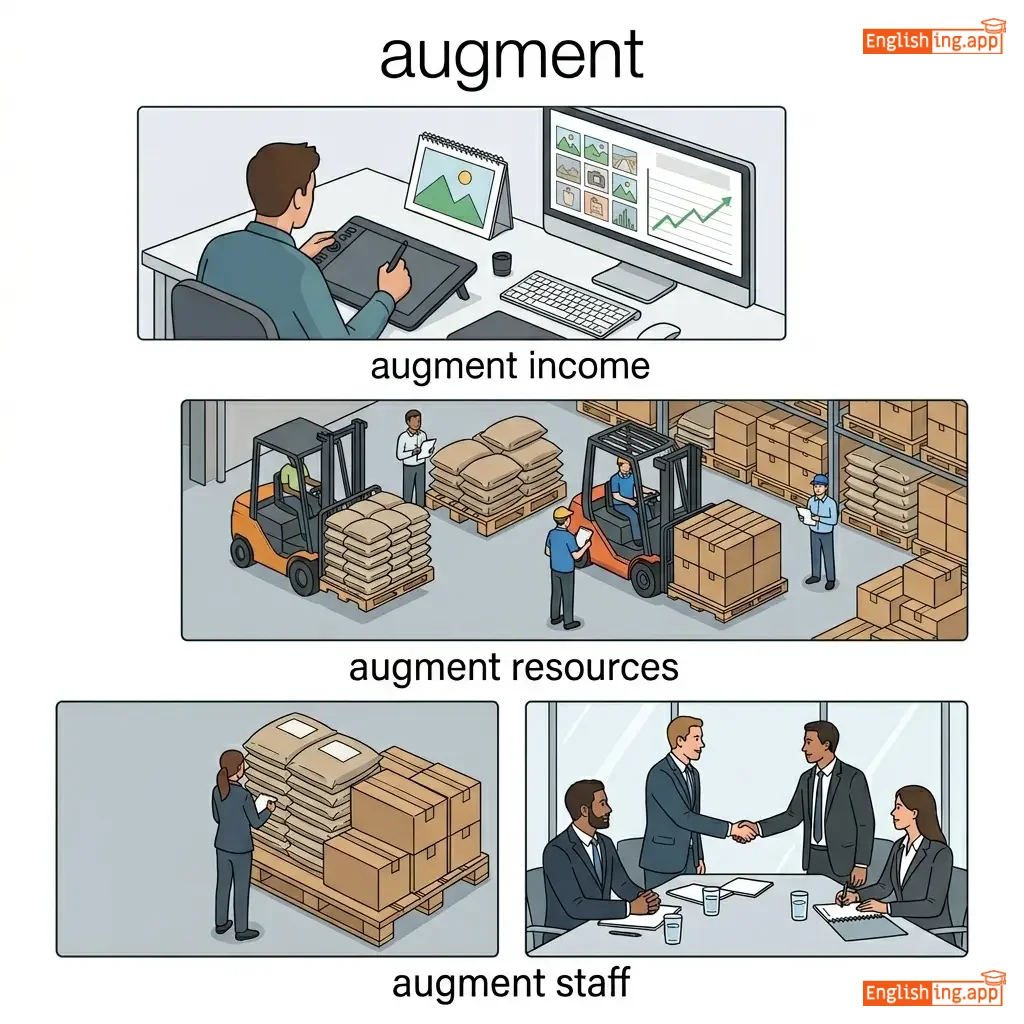
|
増加
zouka
••••••
|
augmented
オグメンテッド
••••••
|
augmented
オグメンテッド
••••••
|
augments
オグメンツ
••••••
|
augmenting
オグメンティング
••••••
|
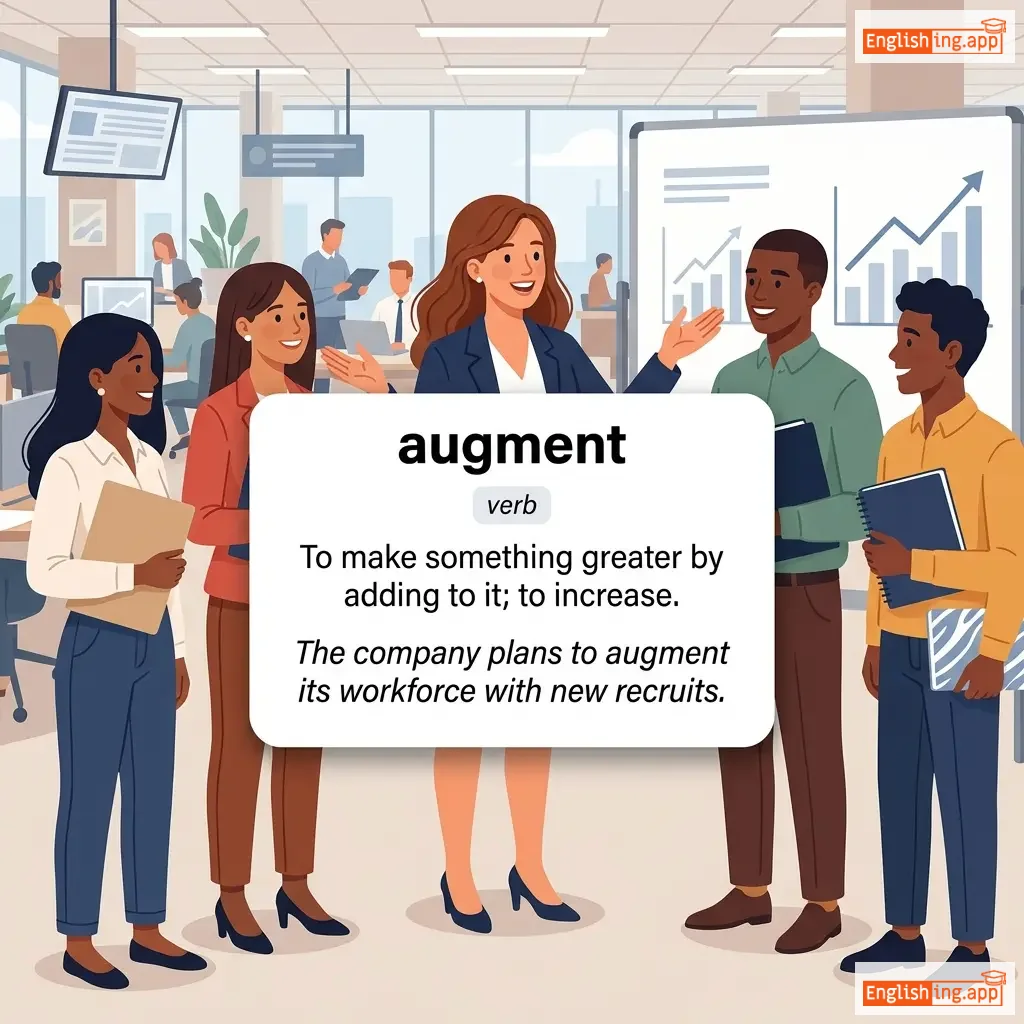
To make something greater by adding to it; to increase.
••••••
|
The company plans to augment its workforce with new recruits.
その会社は新しい採用者で労働力を増強する予定です。
••••••
|
その会社は新しい採用者で労働力を増強する予定です。
Sono kaisha wa atarashī saiyō-sha de rōdōryoku o zōkyō suru yotei desu.
••••••
|
augmented reality
拡張現実
••••••
|
A technology that overlays digital information onto the real world.
••••••
|
拡張現実
kakuchou genshitsu
••••••
|
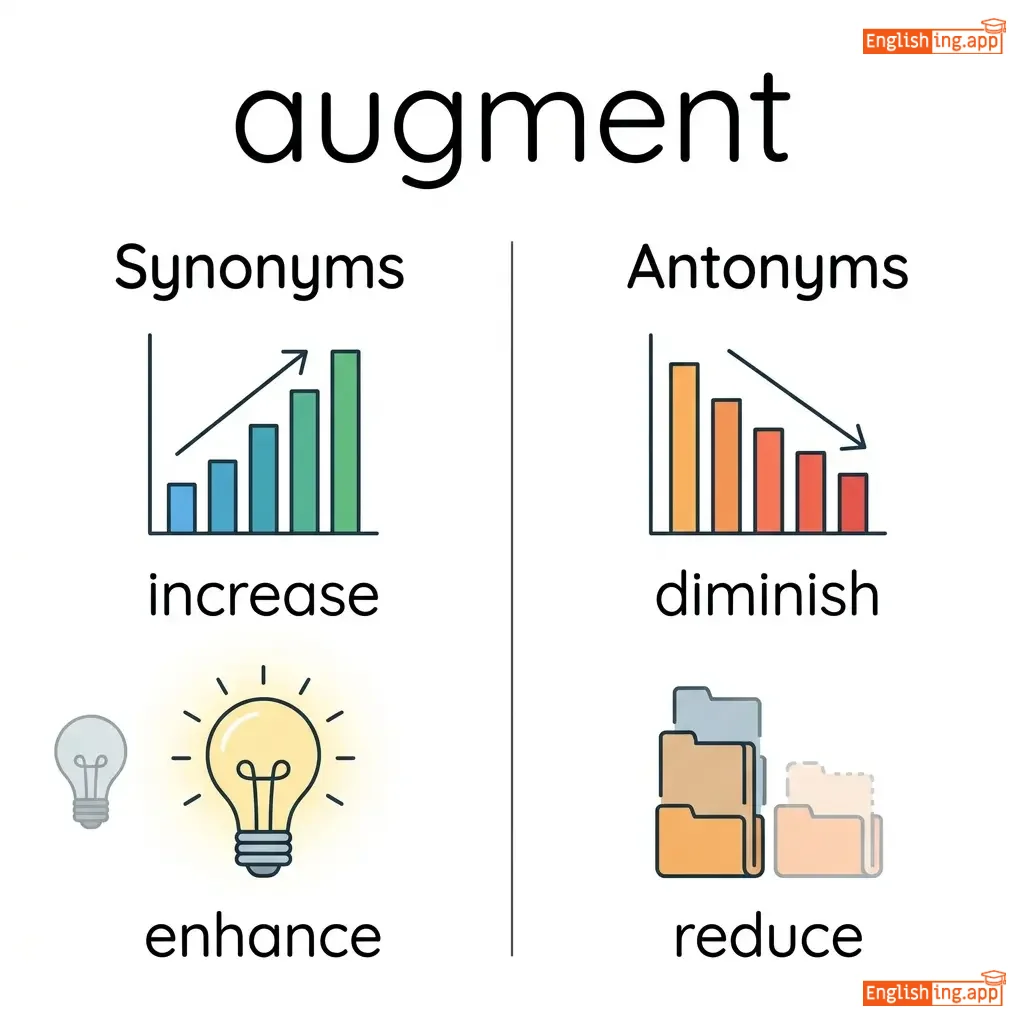
increase, enhance, boost, expand, enlarge
••••••
|
diminish, reduce, lessen
••••••
|
augment income, augment resources, augment staff, augment capacity
••••••
|
増加は追加して大きくすることを意味します。
••••••
|
|
👑
••••••
|
/ɔːˈɡʌst/
adjective
(オーガスト)
••••••
|
- •••••• |
威厳
igen
••••••
|
- •••••• | - •••••• | - •••••• | - •••••• |
Respected and impressive; inspiring reverence or admiration.
••••••
|
The king entered the hall with an august presence. |
王は威厳のある存在感でホールに入ってきた。
Ō wa igen no aru sonzaikan de hōru ni haittekita.
••••••
|
- •••••• | - •••••• | - •••••• |
majestic, grand, dignified, noble
••••••
|
ordinary, common, trivial
••••••
|
august personality, august gathering, august presence, august institution
••••••
|
Augustは単なる月ではなく、威厳ある存在を意味します。
••••••
|
|
👩🦳
••••••
|
/ænt/
noun
(ænt)
••••••
|
- •••••• |
おば
oba
••••••
|
- •••••• | - •••••• | - •••••• | - •••••• |
the sister of your father or mother, or the wife of your uncle
••••••
|
My aunt always gives me gifts on my birthday. |
私の叔母はいつも私の誕生日にプレゼントをくれます。
Watashi no oba wa itsumo watashi no tanjōbi ni purezento o kuremasu.
••••••
|
- •••••• | - •••••• | - •••••• |
relative, family member, guardian
••••••
|
uncle, stranger
••••••
|
dear aunt, loving aunt, aunt and uncle, aunt’s house
••••••
|
おば — あなたに誕生日プレゼントをくれるおばを思い出して。
••••••
|
|
👩
••••••
|
/ˈɑːnti/
noun
(アンティ)
••••••
|
- •••••• |
おば
oba
••••••
|
- •••••• | - •••••• | - •••••• | - •••••• |
the sister of one’s father or mother; a term of respectful address for an older woman, especially in South Asian usage
••••••
|
My aunty lives near our house and often visits us.
マイ アンティ リブズ ニア アワー ハウス アンド オフン ビジッツ アス。
••••••
|
私のおばは家の近くに住んでいて、よく私たちを訪ねます。
watashi no oba wa ie no chikaku ni sunde ite yoku watashitachi o tazunemasu
••••••
|
- •••••• | - •••••• | - •••••• |
aunt, auntie, relative, family member
••••••
|
uncle, nephew
••••••
|
dear aunty, maternal aunty, paternal aunty, favorite aunty
••••••
|
AUNTY=おば、家族のやさしい存在。
••••••
|
|
✔️
••••••
|
/ɔːˈθɛntɪk/
adjective
(オーセンティック)
••••••
|
- •••••• |
本物
honmono
••••••
|
- •••••• | - •••••• | - •••••• | - •••••• |
Genuine and real; not fake or copied.
••••••
|
The museum displayed an authentic painting by Picasso. |
美術館はピカソの本物の絵を展示しました。
Bijutsukan wa Picasso no honmono no e o tenji shimashita.
••••••
|
authentic self |
Being true to one's real personality and values.
••••••
|
本物の自分
Honmono no jibun
••••••
|
genuine, real, original, true, legitimate
••••••
|
fake, false, counterfeit
••••••
|
authentic document, authentic voice, authentic experience
••••••
|
Authenticは本物、偽物ではない → Authentic食べ物は本物の味を意味する。
••••••
|
|
🎭
••••••
|
/ɔːˈθentɪkli/
adverb
(オーセンティックリー)
••••••
|
- •••••• |
本物らしく
honmono rashiku
••••••
|
- •••••• | - •••••• | - •••••• | - •••••• |
in a genuine, real, or true manner; in a way that reflects true character or origin
••••••
|
She speaks authentically about her experiences.
シー スピークス オーセンティックリー アバウト ハー エクスペリエンシズ。
••••••
|
彼女は自分の経験について本物らしく話す。
kanojo wa jibun no keiken ni tsuite honmono rashiku hanasu
••••••
|
- •••••• | - •••••• | - •••••• |
genuinely, truly, honestly, sincerely, realistically
••••••
|
artificially, falsely, insincerely
••••••
|
authentically expressed, authentically lived, authentically designed, authentically portrayed
••••••
|
authentic = 本物, authentically = 本物らしく
••••••
|
|
🔐
••••••
|
/ɔːˈθɛntɪkeɪt/
verb
(オーセンティケート)
••••••
|
- •••••• |
認証する
ninshou suru
••••••
|
authenticated
オーセンティケーテッド
••••••
|
authenticated
オーセンティケーテッド
••••••
|
authenticates
オーセンティケーツ
••••••
|
authenticating
オーセンティケーティング
••••••
|
To prove or show that something is genuine or true.
••••••
|
The bank uses advanced technology to authenticate online transactions.
銀行はオンライン取引を認証するために高度な技術を使用しています。
••••••
|
銀行はオンライン取引を認証するために高度な技術を使用しています。
Ginkou wa onrain torihiki o ninshou suru tame ni koudo na gijutsu o shiyou shiteimasu.
••••••
|
- •••••• | - •••••• | - •••••• |
verify, validate, confirm, prove
••••••
|
falsify, disprove
••••••
|
authenticate documents, authenticate signature, authenticate identity
••••••
|
Authenticate = 権威 + 技術で本物を確認
••••••
|
|
✅
••••••
|
/ɔːˌθenˈtɪsɪti/
noun
(オーセンティシティ)
••••••
|
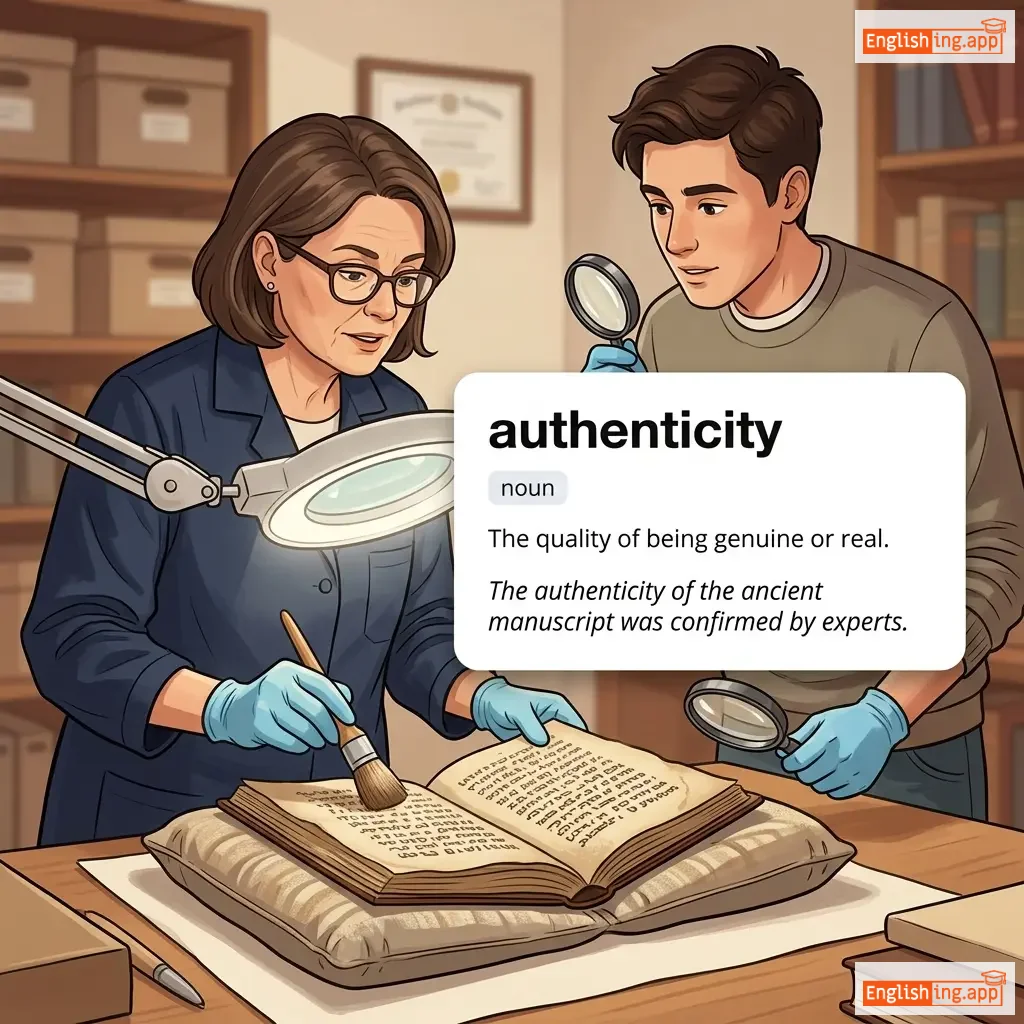
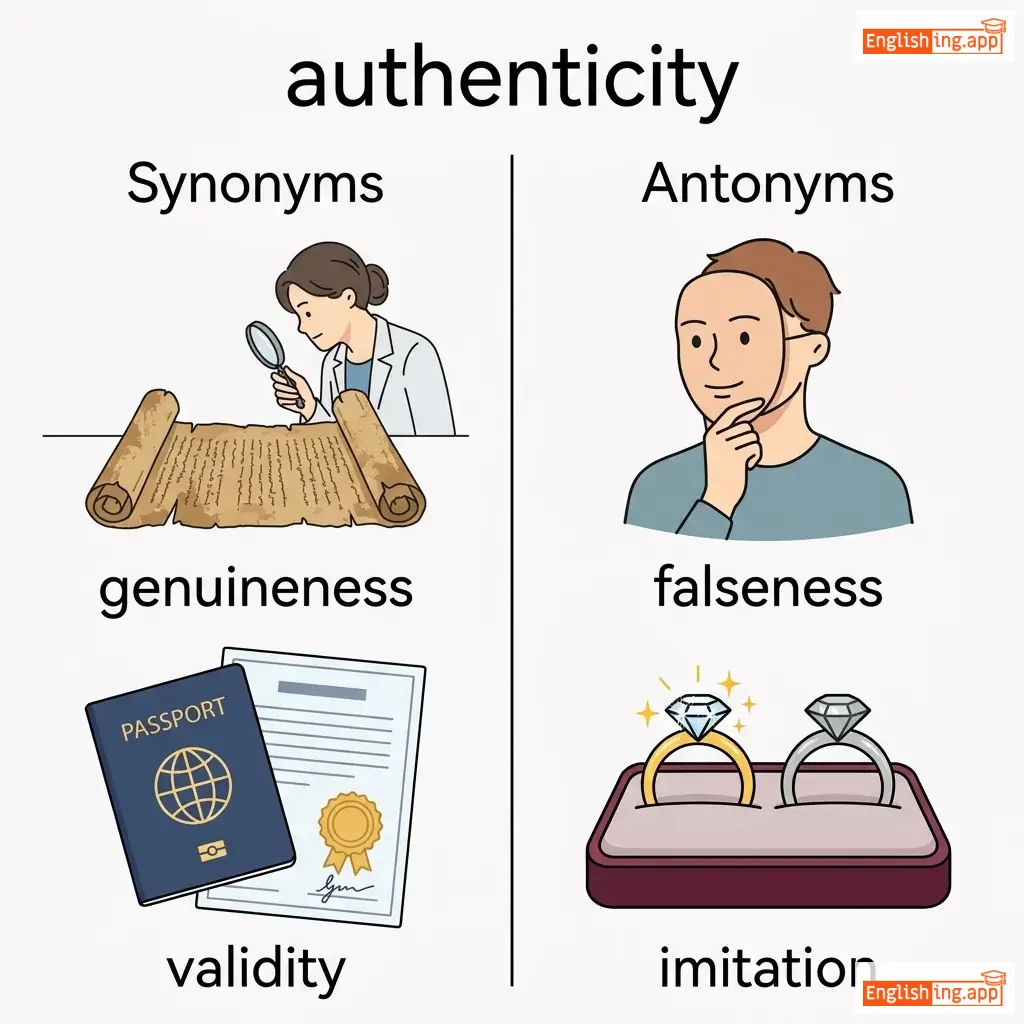
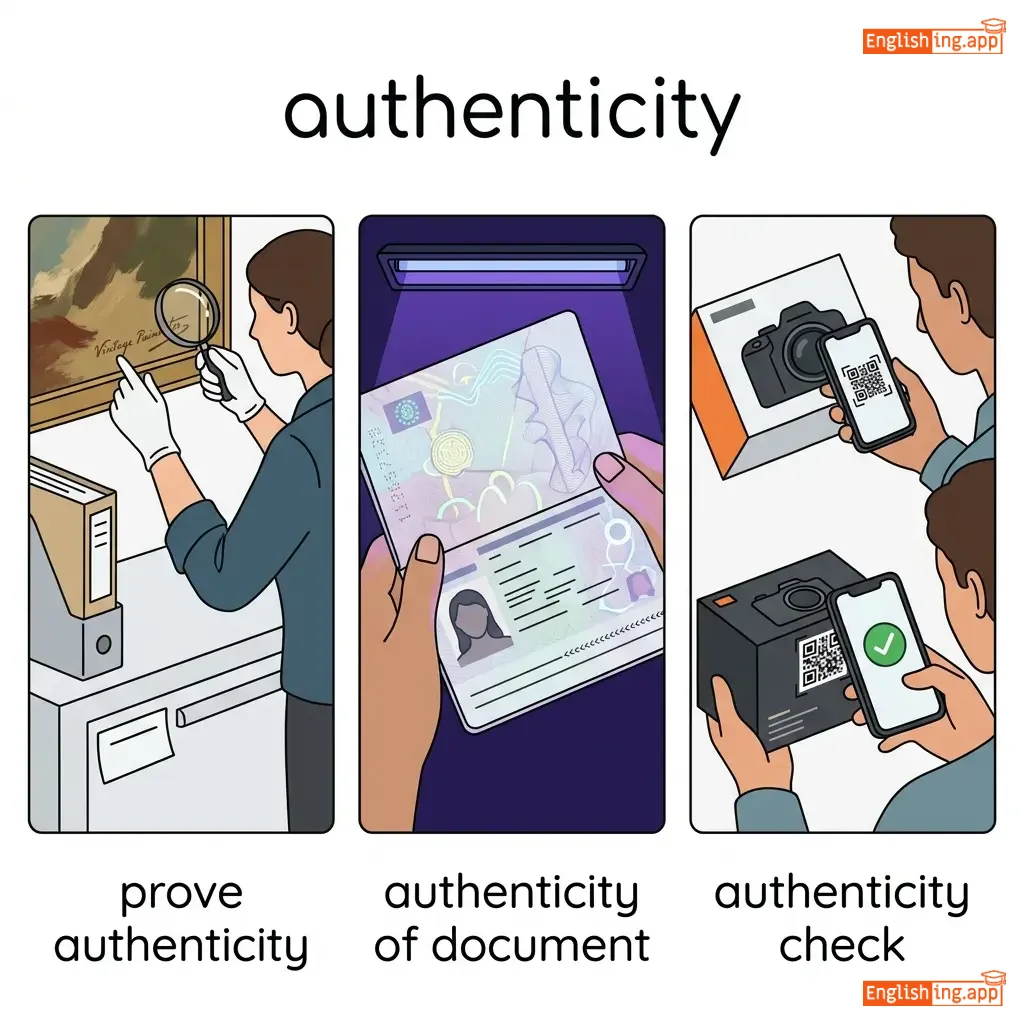
|
真正性
shinseisei
••••••
|
- •••••• | - •••••• | - •••••• | - •••••• |
the quality of being genuine or real; not copied or false
••••••
|
The authenticity of the ancient artifact was confirmed by experts. |
古代の遺物の真正性は専門家によって確認されました。
Kodai no ibutsu no shinseisei wa senmonka ni yotte kakunin saremashita.
••••••
|
- •••••• | - •••••• | - •••••• |
genuineness, validity, legitimacy
••••••
|
falseness, artificiality, counterfeit
••••••
|
authentic document, verify authenticity, question authenticity
••••••
|
Authenticity in Japanese: '真正性' means 'true and real', just like 'authenticity'.
••••••
|
|
✍️
••••••
|
/ˈɔːθər/
noun
(オーサー)
••••••
|
- •••••• |
著者
chosha
••••••
|
- •••••• | - •••••• | - •••••• | - •••••• |
A person who writes books, articles, or other literary works.
••••••
|
She is the author of several bestselling novels. |
彼女は何冊かのベストセラー小説の著者です。
Kanojo wa nansatsu ka no besutoserā shōsetsu no chosha desu.
••••••
|
author of one's own fate |
To be responsible for shaping one's own future.
••••••
|
自分の運命の著者
Jibun no unmei no chosha
••••••
|
writer, novelist, creator, originator, composer
••••••
|
reader, follower
••••••
|
famous author, best-selling author, author of a book, aspiring author
••••••
|
Author は著者を意味する — Author は書き、他の人が読む。
••••••
|
|
👑
••••••
|
/əˈθɔːrəti/
noun
(オーソリティ)
••••••
|
|
権限
kengen
••••••
|
- •••••• | - •••••• | - •••••• | - •••••• |
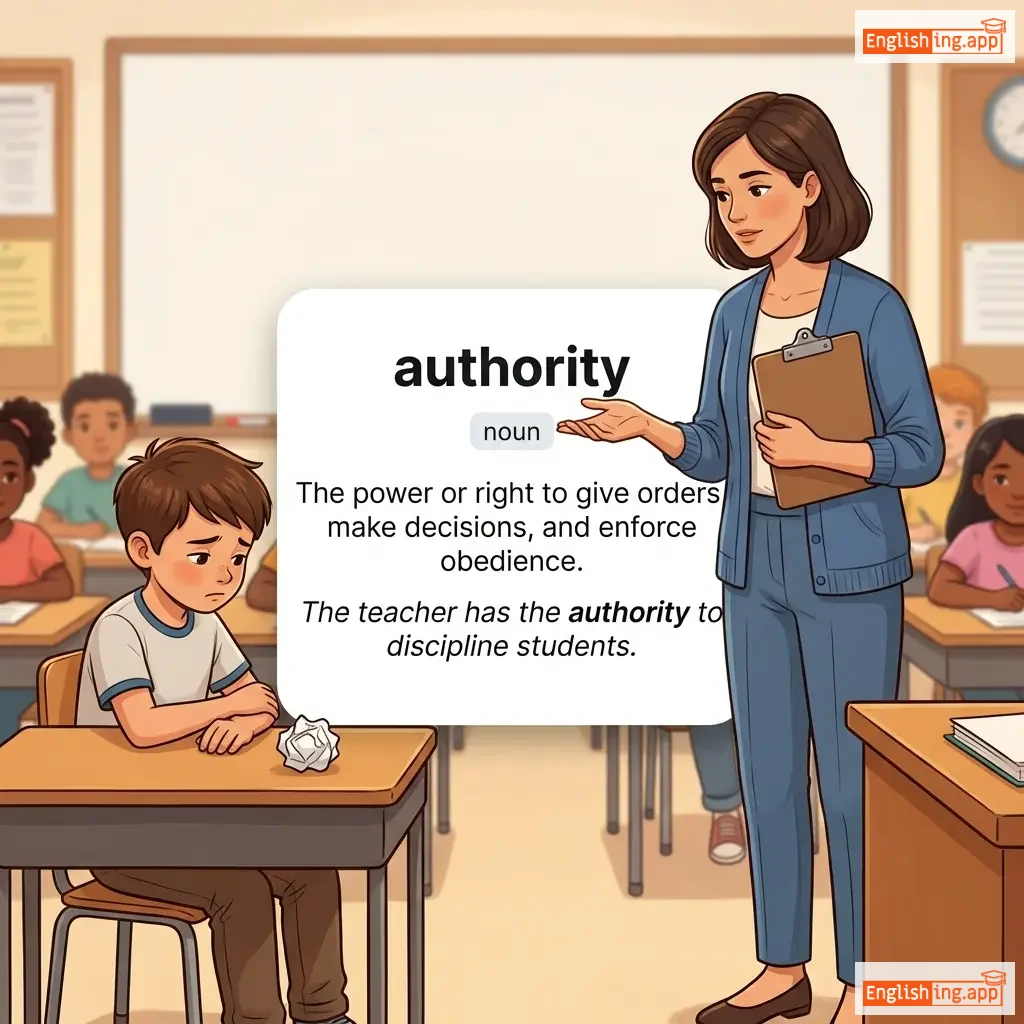
The power or right to give orders, make decisions, and enforce obedience.
••••••
|
The teacher has the authority to discipline students. |
教師は学生を罰する権限を持っています。
Kyoushi wa gakusei o bassuru kengen o motteimasu.
••••••
|
in authority |
Holding an official position of power.
••••••
|
権限を持つ
Kengen o motsu
••••••
|
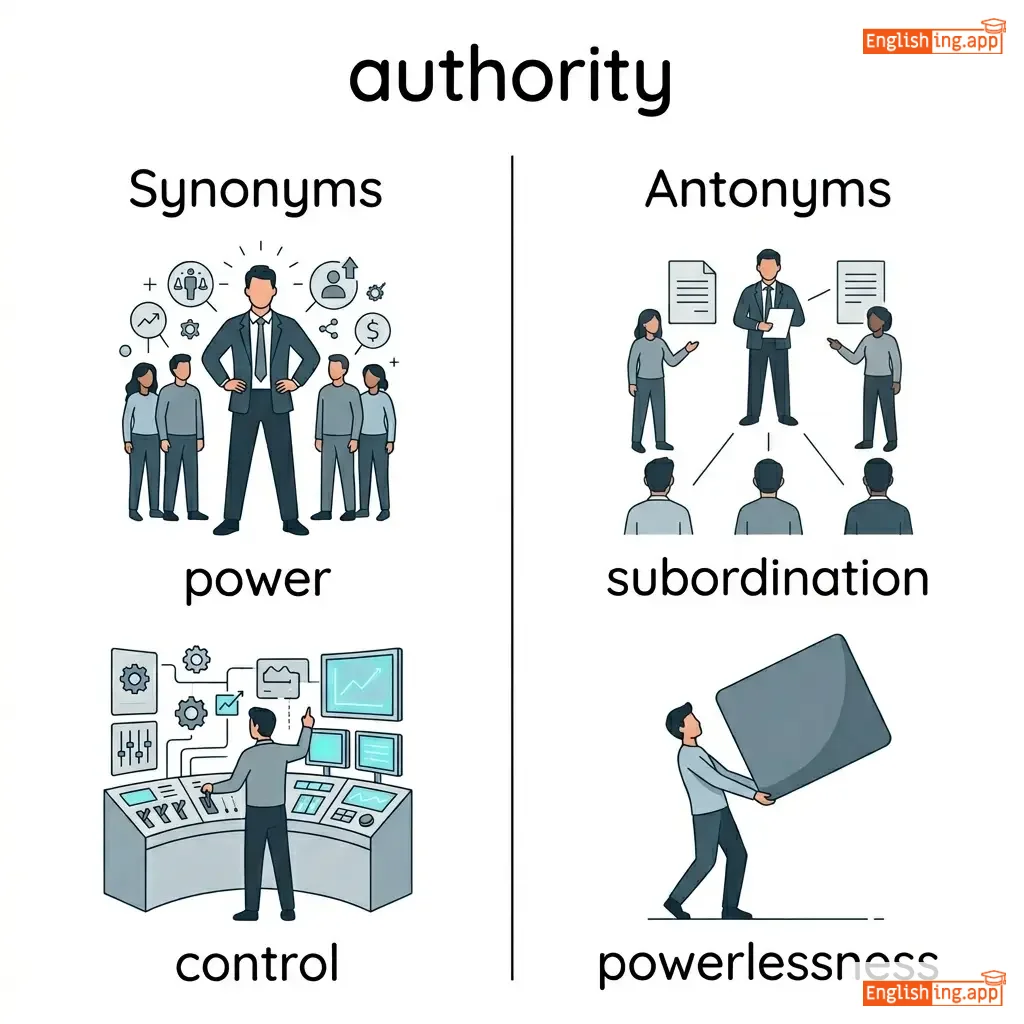
power, control, command, influence, jurisdiction
••••••
|
powerlessness, subordination
••••••
|
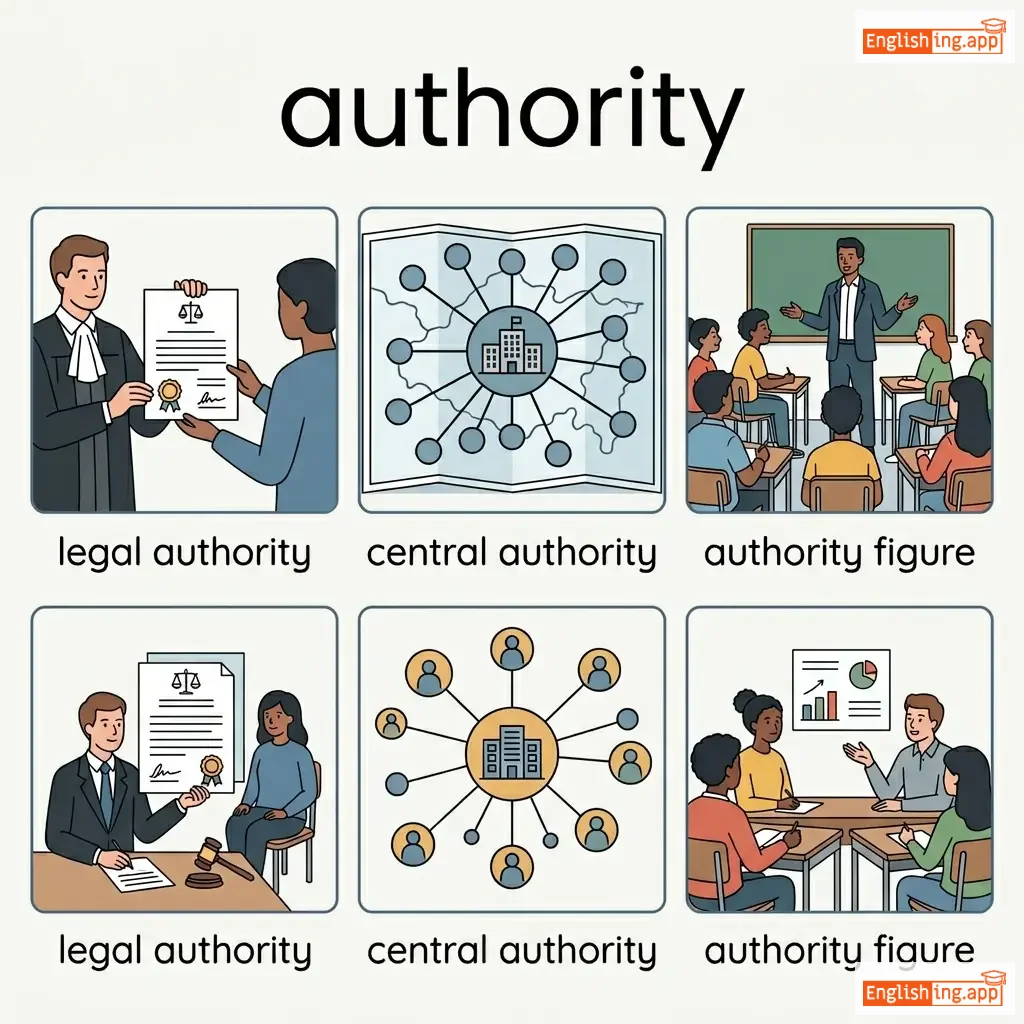
legal authority, central authority, authority figure, in authority
••••••
|
Authorityは 'author' のように命令を出せる立場のことです。
••••••
|
|
✅
••••••
|
/ˈɔːθəraɪz/
verb
(オーソライズ)
••••••
|
|
承認する
shōnin suru
••••••
|
authorized
オーソライズド
••••••
|
authorized
オーソライズド
••••••
|
authorizes
オーソライズズ
••••••
|
authorizing
オーソライズイング
••••••
|
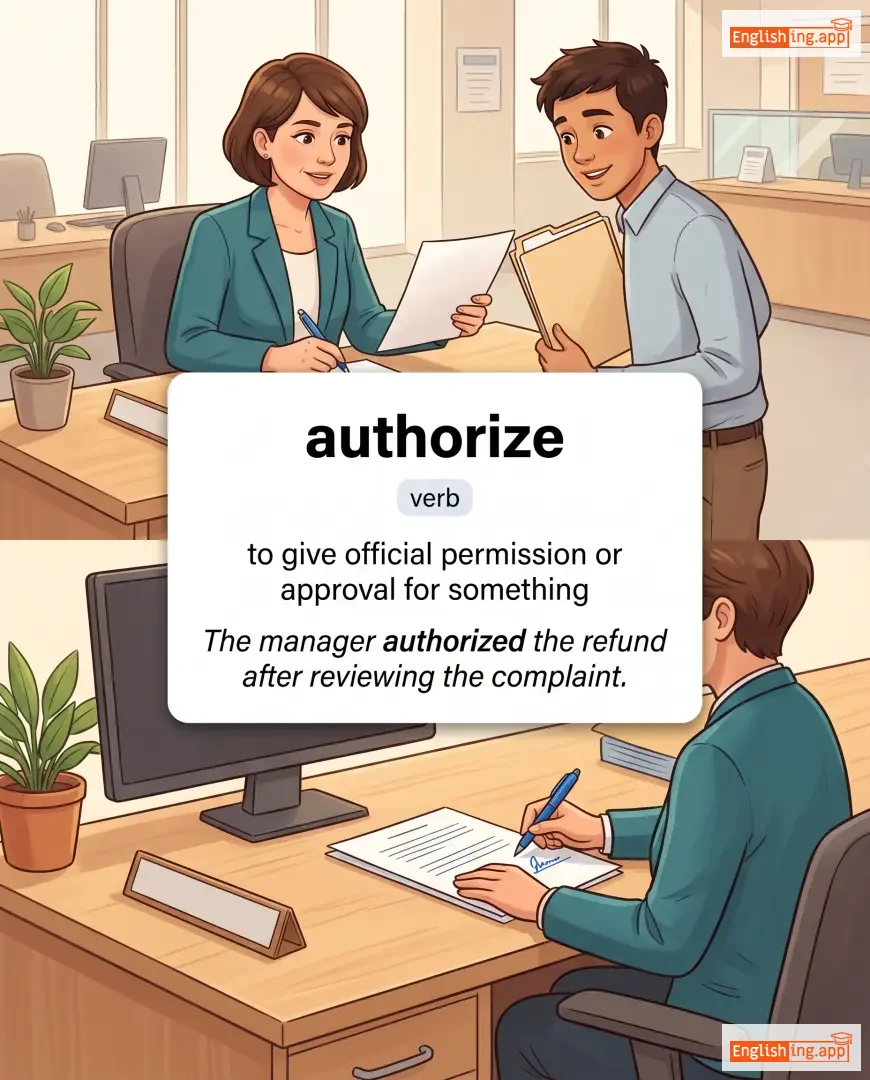
to give official permission or approval for something
••••••
|
The manager authorized the refund after reviewing the complaint.
マネージャーは苦情を確認した後、払い戻しを承認しました。
••••••
|
マネージャーは苦情を確認した後、払い戻しを承認しました。
Manējā wa kujō o kakunin shita ato, haraimodoshi o shōnin shimashita.
••••••
|
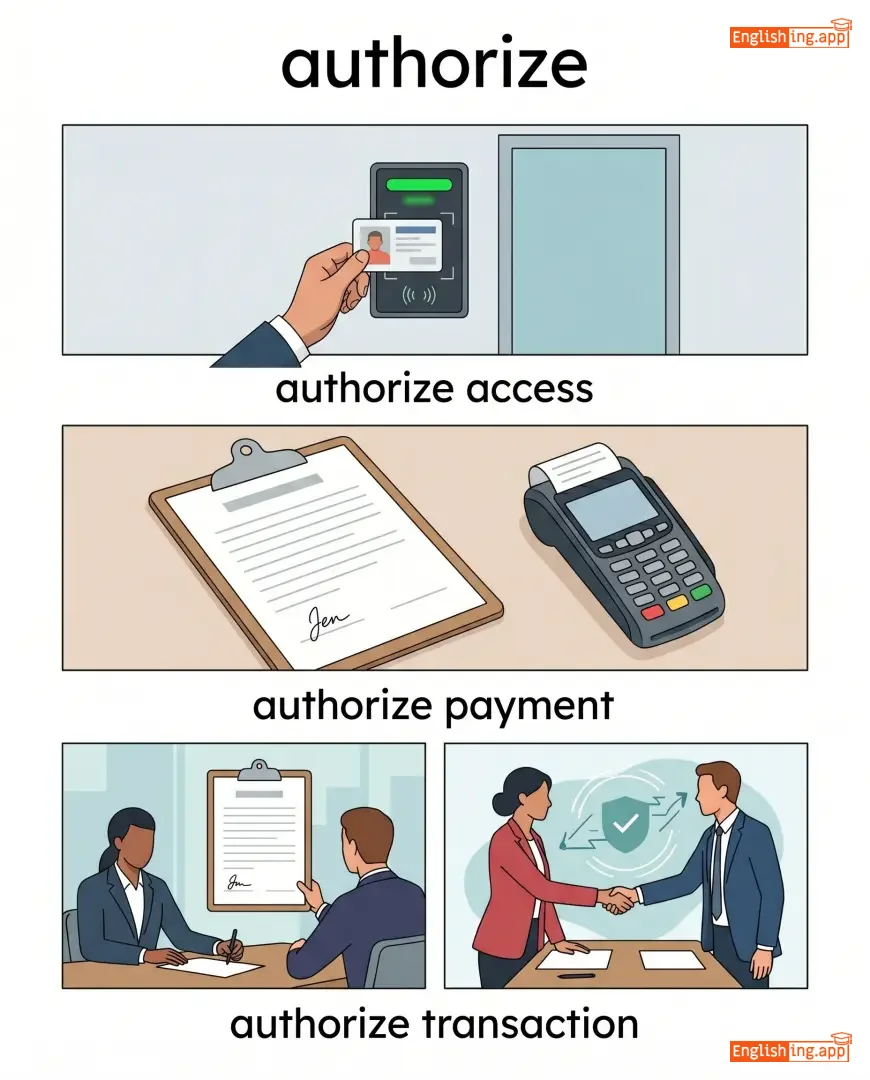
authorize payment
支払いを承認する
••••••
|
to officially approve a transaction or payment
••••••
|
支払いを承認する
Shiharai o shōnin suru
••••••
|
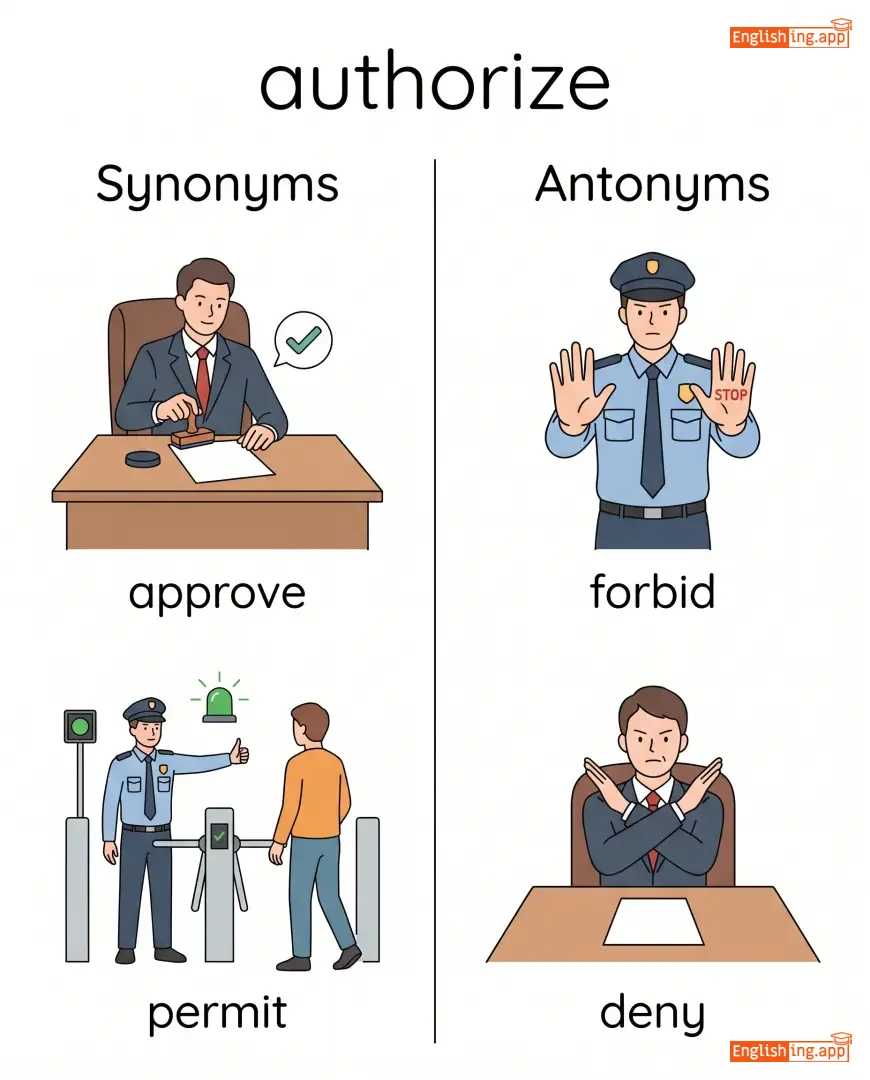
approve, permit, sanction, empower, allow
••••••
|
forbid, deny, reject
••••••
|
authorize access, authorize payment, authorize transaction, authorize use
••••••
|
承認するは許可を与えること —まるで許可証を渡すようなもの!
••••••
|
|
🚗
••••••
|
/ˈɔːtoʊ/
noun
(オート)
••••••
|
- •••••• |
オート
o-to
••••••
|
- •••••• | - •••••• | - •••••• | - •••••• |
A motor vehicle, especially a car.
••••••
|
He drove his auto to the market.
彼はオートで市場に行きました。
••••••
|
彼はオートで市場に行きました。
Kare wa o-to de shijou ni ikimashita.
••••••
|
auto industry
自動車産業
••••••
|
The industry that designs, manufactures, and sells cars.
••••••
|
自動車産業
jidousha sangyou
••••••
|
car, automobile, vehicle, motorcar
••••••
|
bicycle, pedestrian
••••••
|
auto repair, auto industry, auto parts, auto shop
••••••
|
Auto(オート)といえば車、まさに自動車産業のこと!
••••••
|
|
🤖
••••••
|
/ˈɔːtəmeɪt/
verb
••••••
|

|
- •••••• |
automated
••••••
|
automated
••••••
|
automates
••••••
|
automating
••••••
|
To use machines or computers to control or operate a process, making it automatic.
••••••
|
The company decided to automate its customer service operations. |
- •••••• |
fully automate |
To make a system or process completely automatic.
••••••
|
- •••••• |
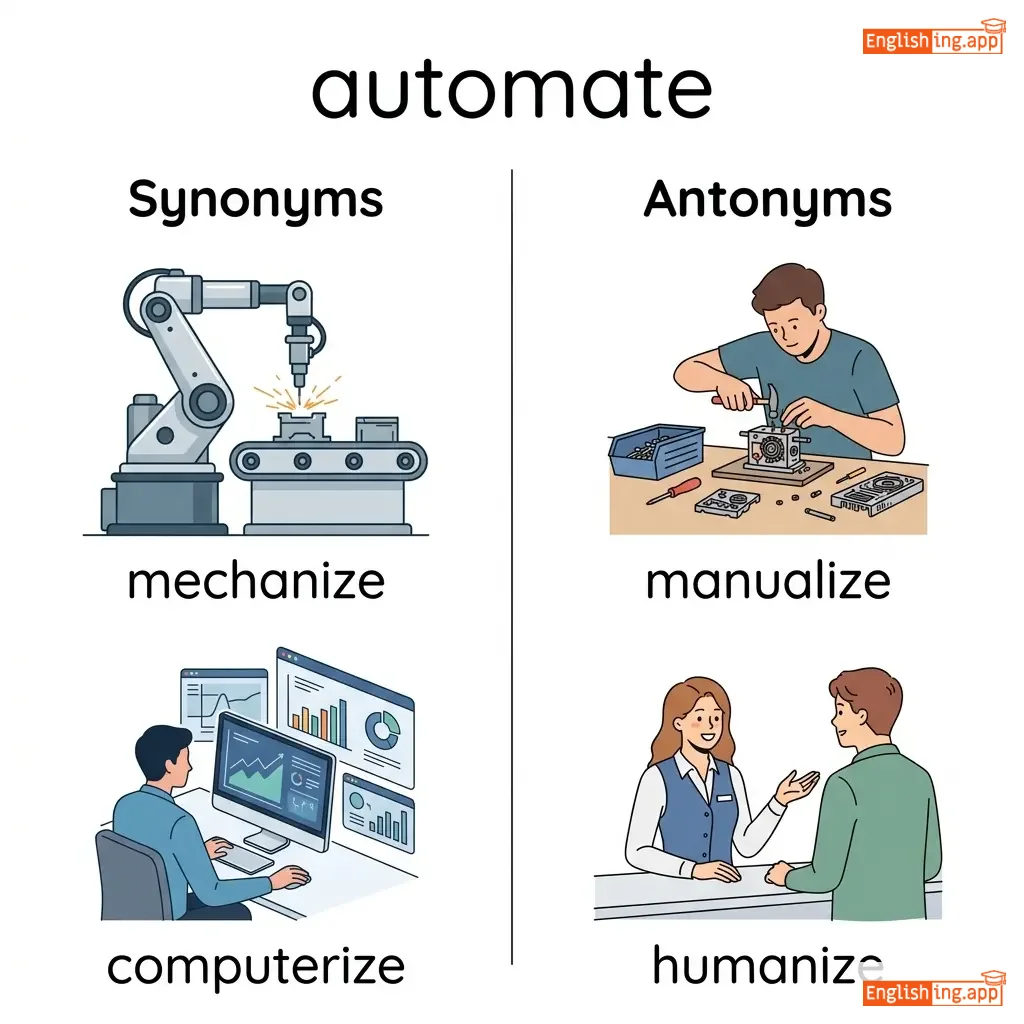
mechanize, computerize, digitize, systematize
••••••
|
manualize, humanize
••••••
|
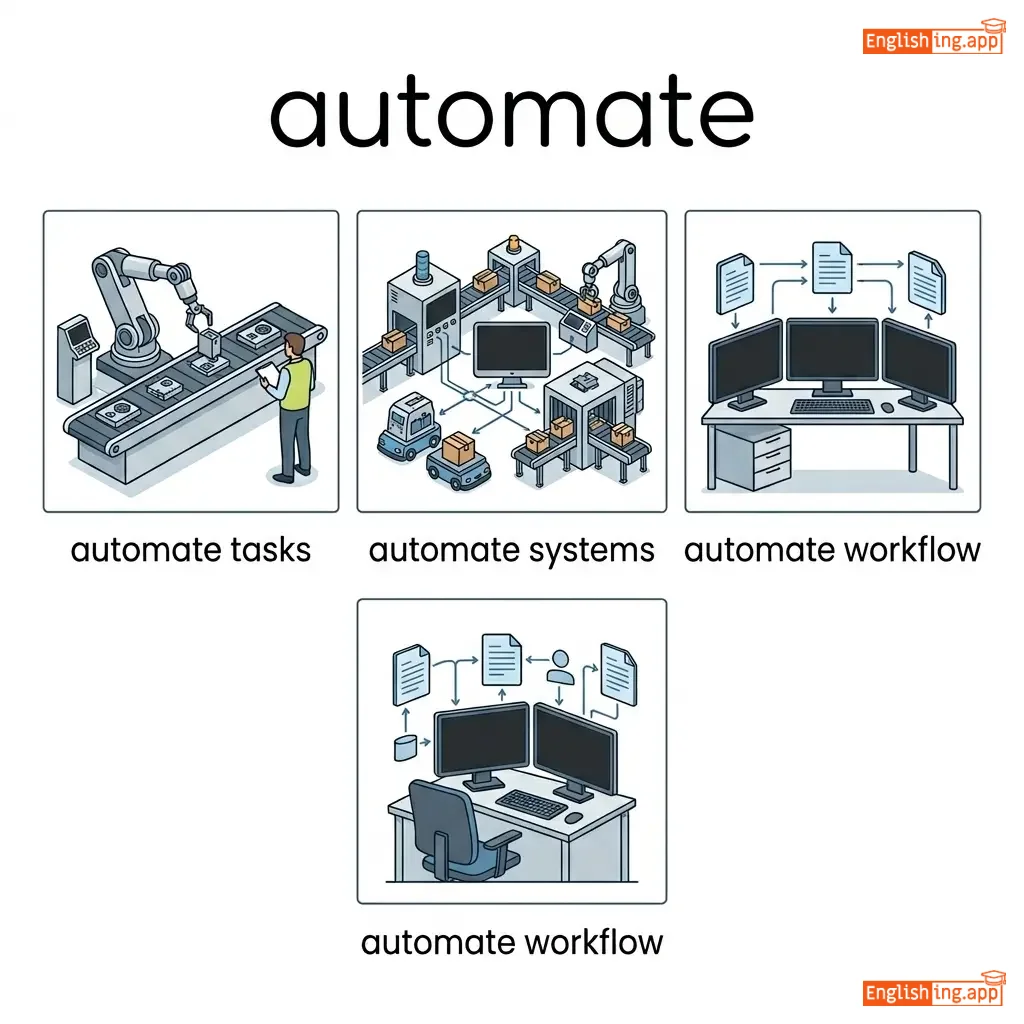
automate tasks, automate systems, automate workflow, fully automate
••••••
|
No •••••• |
|
⚙️
••••••
|
/ˌɔːtəˈmætɪk/
adjective
(オートマチック)
••••••
|
- •••••• |
自動
jidou
••••••
|
- •••••• | - •••••• | - •••••• | - •••••• |
working by itself without direct human control
••••••
|
This car has an automatic transmission. |
この車には自動変速機があります。
Kono kuruma ni wa jidou hensokuki ga arimasu.
••••••
|
automatic response |
an instinctive or unthinking reaction
••••••
|
自動反応
jidou hannou
••••••
|
mechanical, self-operating, programmed, robotic
••••••
|
manual, controlled, deliberate
••••••
|
automatic door, automatic system, automatic response, automatic payment
••••••
|
自動は自分で働くことを意味します — 例えば自動ドアが開くように 😄
••••••
|
|
⚙️
••••••
|
/ˌɔːtəˈmætɪkli/
adverb
(オートマチックに)
••••••
|
- •••••• |
自動的に
jidouteki ni
••••••
|
- •••••• | - •••••• | - •••••• | - •••••• |
without human control or intervention; done by itself
••••••
|
The door closes automatically after you enter.
ドアは自動的に閉まります。
••••••
|
ドアは自動的に閉まります。
Doa wa jidouteki ni shimari masu.
••••••
|
- •••••• | - •••••• | - •••••• |
instinctively, mechanically, involuntarily, spontaneously, unconsciously
••••••
|
manually, deliberately
••••••
|
open automatically, shut automatically, update automatically, restart automatically
••••••
|
Autoは自分でという意味なので、自動的には何かが自分で起こるという意味です 🌀
••••••
|
|
🤖
••••••
|
ˌɔː.təˈmeɪ.ʃən
noun
(オートメーション)
••••••
|
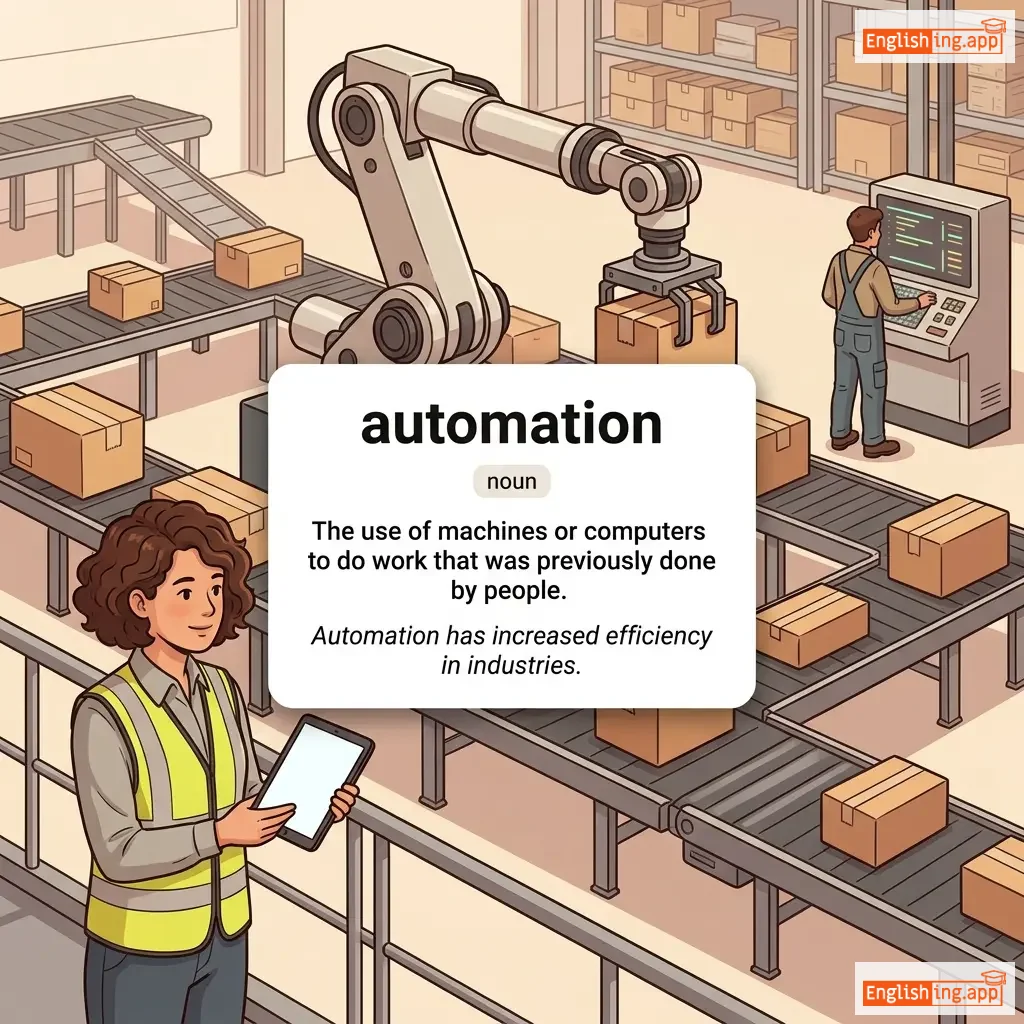
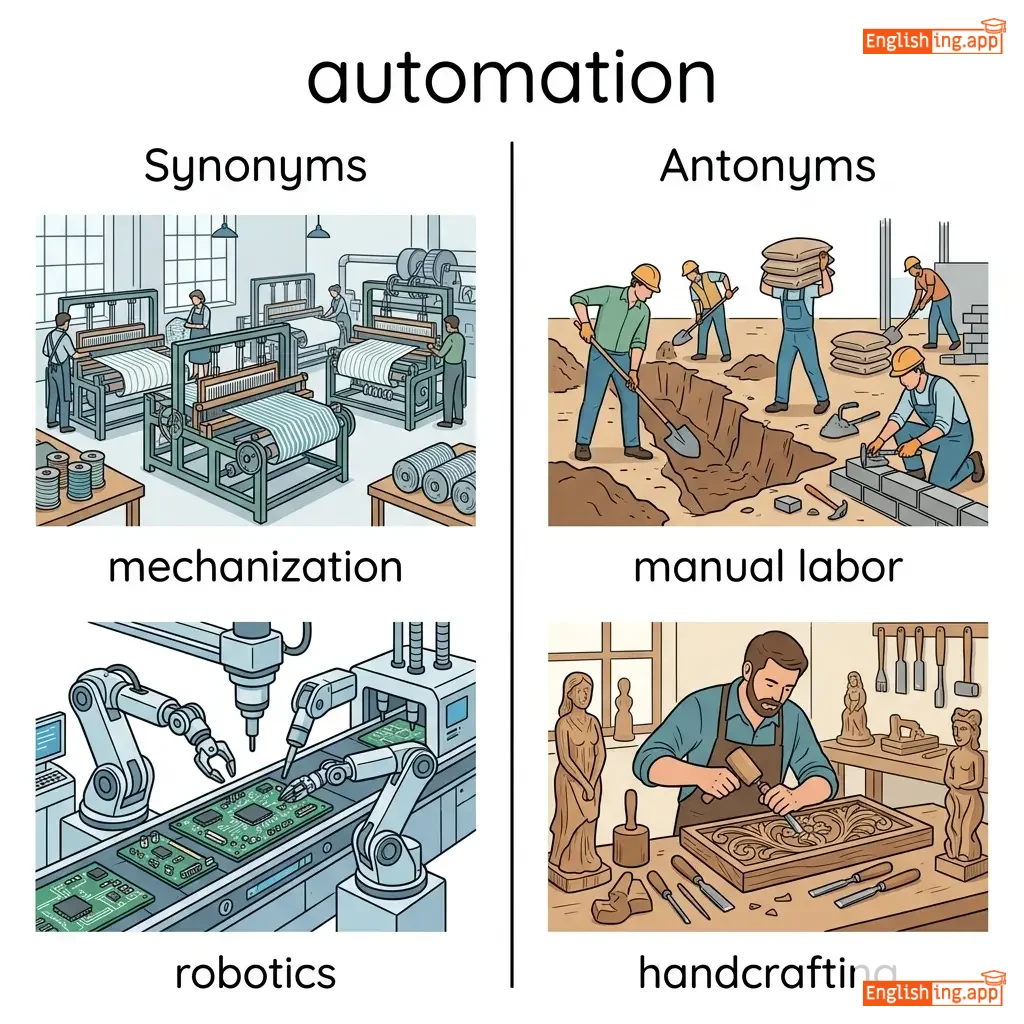
|
自動化
jidōka
••••••
|
- •••••• | - •••••• | - •••••• | - •••••• |
Replacing manual work with machines or software.
••••••
|
Automation increases efficiency and reduces errors in production.
オートメーションは生産効率を高め、誤りを減らします。
••••••
|
自動化は生産効率を高め、誤りを減らします。
Jidōka wa seisan kōritsu o takame, ayamari o herashimasu.
••••••
|
- •••••• | - •••••• | - •••••• |
mechanization, robotics, AI integration
••••••
|
manual operation, human labor, handcrafted
••••••
|
- •••••• |
自動化は機械が手作業を置き換えます。
••••••
|
|
🗽
••••••
|
/ɔːˈtɒnəmi/
noun
(オートノミー)
••••••
|
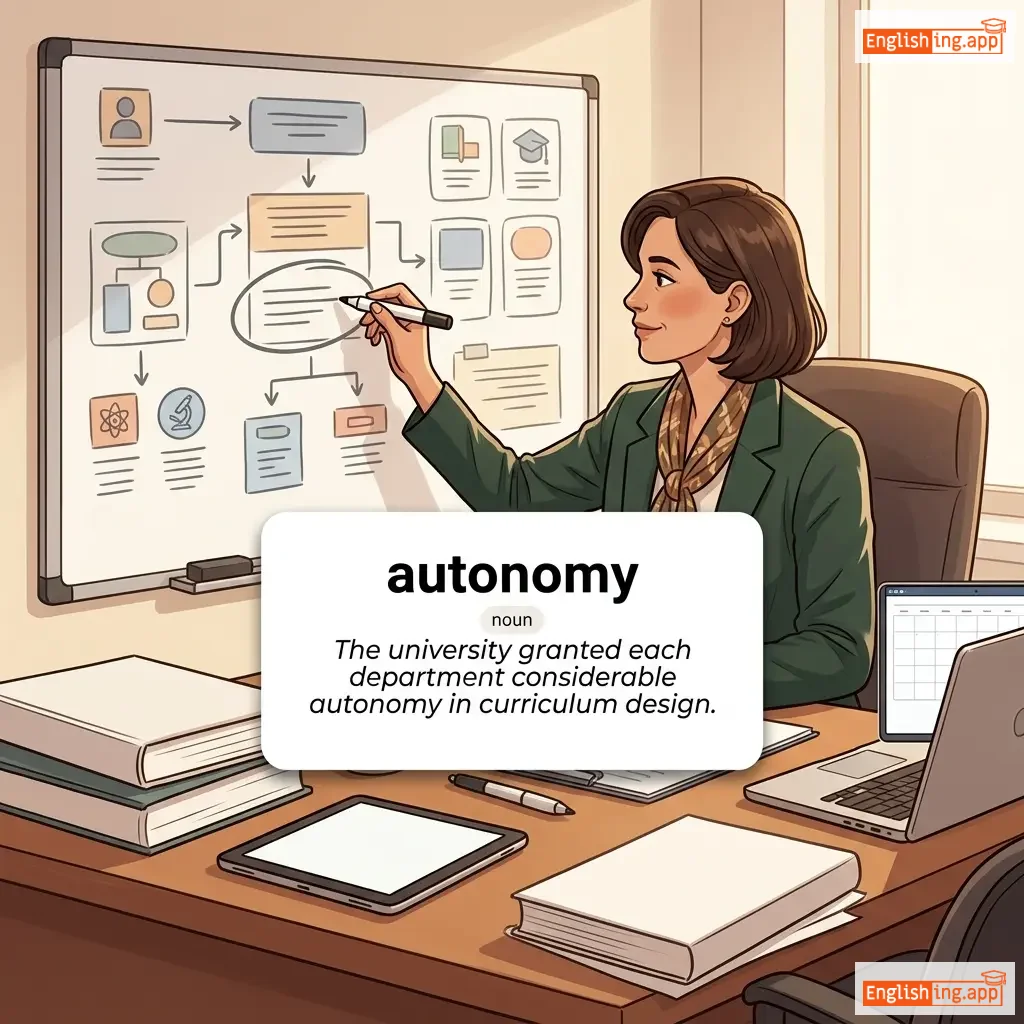
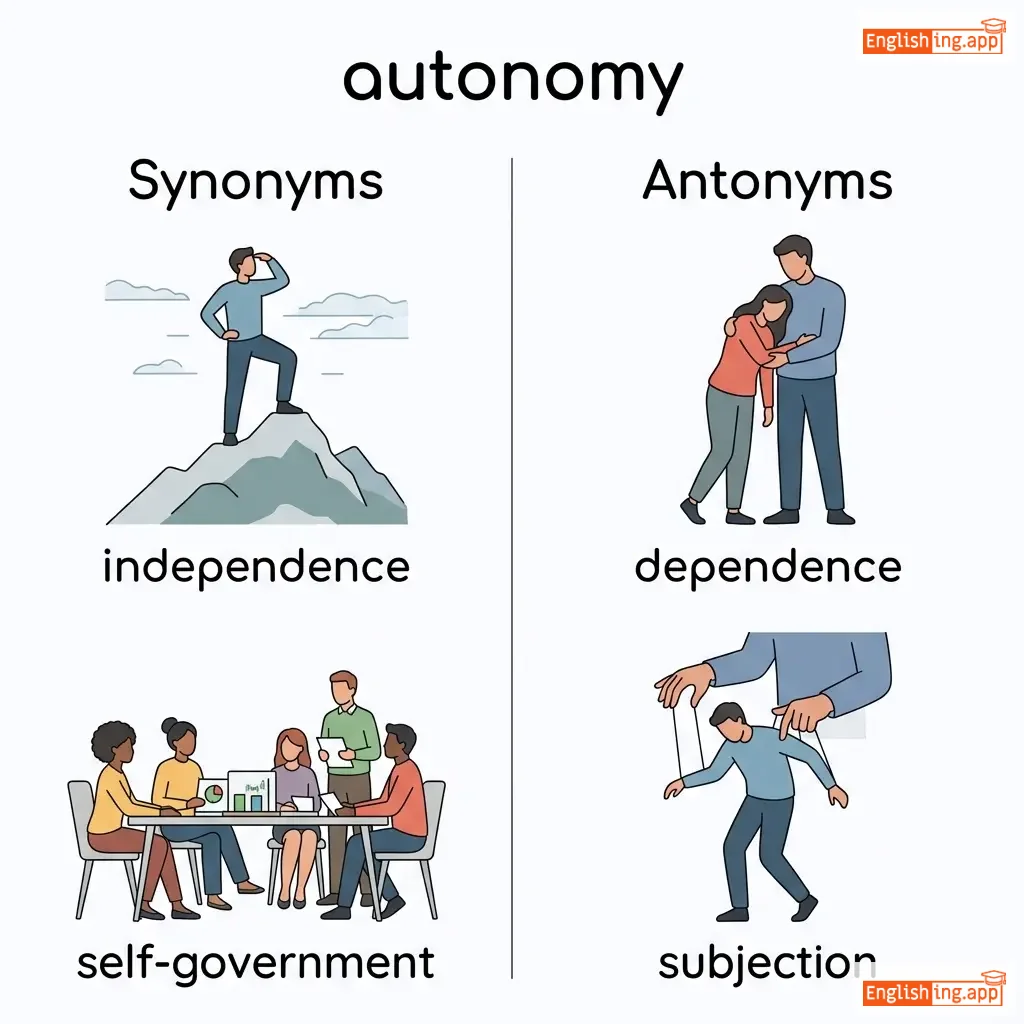
|
自律
jiritsu
••••••
|
- •••••• | - •••••• | - •••••• | - •••••• |
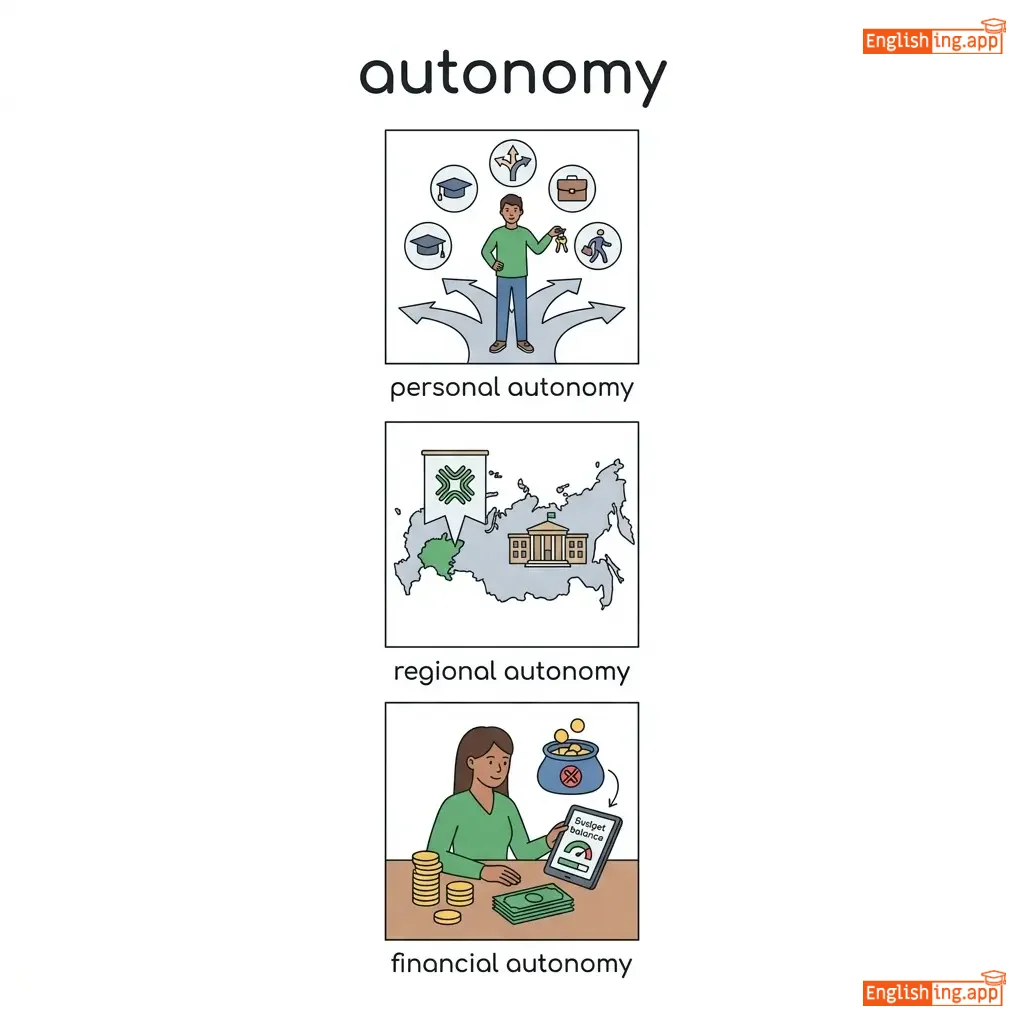
the right or condition of self-government; independence or freedom to act or make decisions
••••••
|
The university granted each department considerable autonomy in curriculum design. |
大学は各部門にカリキュラム設計において相当の自律を認めました。
Daigaku wa kaku bumon ni karikyuramu sekkei ni oite sōtō no jiritsu o mitomemashita.
••••••
|
personal autonomy |
the ability to make one's own decisions and control one's own life
••••••
|
個人的な自律
kojinteki na jiritsu
••••••
|
independence, self-government, sovereignty, freedom, self-rule
••••••
|
dependence, subjection, control
••••••
|
personal autonomy, regional autonomy, financial autonomy, autonomy and independence, grant autonomy
••••••
|
AUTO-NOMYとはAUTOの自己管理 - 自律 (jiritsu) によって私たちの決定!
••••••
|
|
📌
••••••
|
/əˈveɪl/
verb
(アヴェイル)
••••••
|
- •••••• |
利用する
riyousuru
••••••
|
availed
アヴェイルド
••••••
|
availed
アヴェイルド
••••••
|
avails
アヴェイルズ
••••••
|
availing
アヴェイリング
••••••
|
to make use of something; to be of use or benefit
••••••
|
You should avail yourself of this opportunity.
ユー シュッド アヴェイル ユアセルフ オブ ディス オポチュニティ。
••••••
|
この機会を利用すべきです。
kono kikai o riyou subeki desu
••••••
|
avail oneself of
アヴェイル ワンセルフ オブ
••••••
|
to take advantage of something
••••••
|
機会を利用する
kikai o riyou suru
••••••
|
use, utilize, employ, benefit from, take advantage of
••••••
|
waste, ignore, neglect
••••••
|
avail yourself of, avail the opportunity, avail the service
••••••
|
Avail = availして利用する
••••••
|
|
🟢
••••••
|
/əˌveɪləˈbɪləti/
noun
(アヴェイラビリティ)
••••••
|
- •••••• |
利用可能性
riyō kanōsei
••••••
|
- •••••• | - •••••• | - •••••• | - •••••• |
the state of being able to be used or obtained
••••••
|
The availability of clean water is crucial for health. |
清潔な水の利用可能性は健康にとって非常に重要です。
Seiketsu na mizu no riyō kanōsei wa kenkō ni totte hijō ni jūyōdesu.
••••••
|
subject to availability |
only if something is in stock or accessible
••••••
|
利用可能性に基づいて
riyō kanōsei ni motozuite
••••••
|
accessibility, readiness, presence, supply, presence
••••••
|
scarcity, absence, shortage
••••••
|
check availability, ensure availability, product availability, room availability
••••••
|
良いものの利用可能性はavailability — 簡単に手に入ります 😄
••••••
|
|
✅
••••••
|
/əˈveɪləbl/
adjective
(アヴェイラブル)
••••••
|
- •••••• |
利用可能
riyō kanō
••••••
|
- •••••• | - •••••• | - •••••• | - •••••• |
Able to be used, obtained, or accessed.
••••••
|
The product is now available in all stores. |
その製品はすべての店舗で利用可能です。
Sono seihin wa subete no tenpo de riyō kanō desu.
••••••
|
readily available |
Easy to obtain or use.
••••••
|
簡単に利用可能
kantan ni riyō kanō
••••••
|
accessible, obtainable, ready, at hand, convenient
••••••
|
unavailable, inaccessible, limited
••••••
|
make available, available resources, available information, readily available
••••••
|
利用可能は、'リオ'と覚えて、簡単に手に入るもの。
••••••
|
|
⚔️
••••••
|
/əˈvɛndʒ/
verb
(アヴェンジ)
••••••
|
- •••••• |
復讐する
fukushū suru
••••••
|
avenged
アヴェンジド
••••••
|
avenged
アヴェンジド
••••••
|
avenges
アヴェンジス
••••••
|
avenging
アヴェンジング
••••••
|
to inflict harm in return for an injury or wrong done to oneself or another
••••••
|
He vowed to avenge his brother's death.
彼は兄の死を復讐することを誓った。
••••••
|
彼は兄の死を復讐することを誓った。
Kare wa ani no shi o fukushū suru koto o chikatta.
••••••
|
avenge oneself
自分自身を復讐する
••••••
|
to take revenge for an insult or injury done to oneself
••••••
|
自分自身を復讐する
jibun jishin o fukushū suru
••••••
|
revenge, retaliate, redress, punish
••••••
|
forgive, pardon, excuse
••••••
|
avenge a crime, avenge a death, avenge the wrong, avenge oneself
••••••
|
AVENge = avengeの意味は復讐 (fukushū) です。
••••••
|
|
➗
••••••
|
/ˈævərɪdʒ/
noun/adjective/verb
(アヴェレージ)
••••••
|
|
平均
heikin
••••••
|
averaged
アヴェレージド
••••••
|
averaged
アヴェレージド
••••••
|
averages
アヴェレージズ
••••••
|
averaging
アヴェレージング
••••••
|
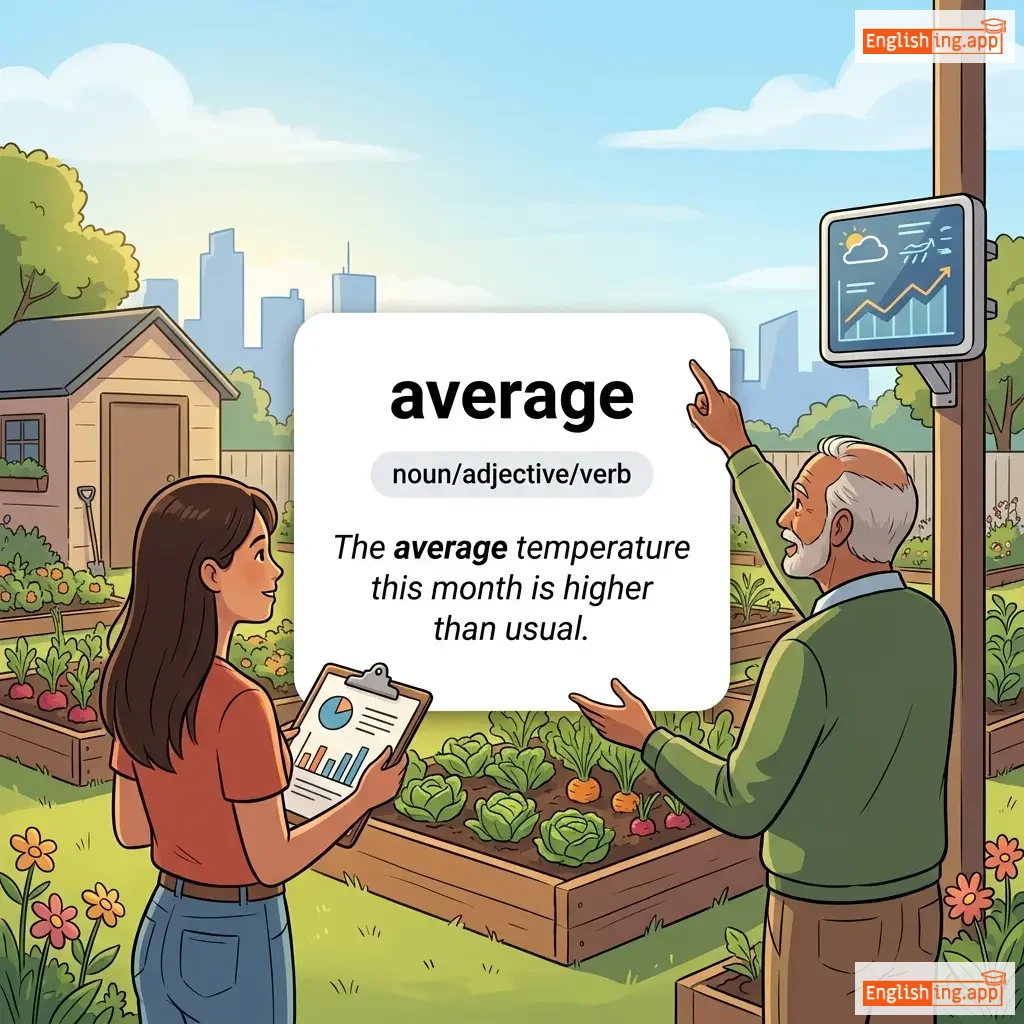
the result obtained by adding several quantities together and then dividing by the number of quantities; typical or normal level
••••••
|
The average temperature this month is higher than usual.
今月の平均気温は通常より高いです。
••••••
|
今月の平均気温は通常より高いです。
Kongetsu no heikin kion wa tsūjō yori takai desu.
••••••
|
on average
平均して
••••••
|
as a usual or typical amount or level
••••••
|
平均して
heikin shite
••••••
|
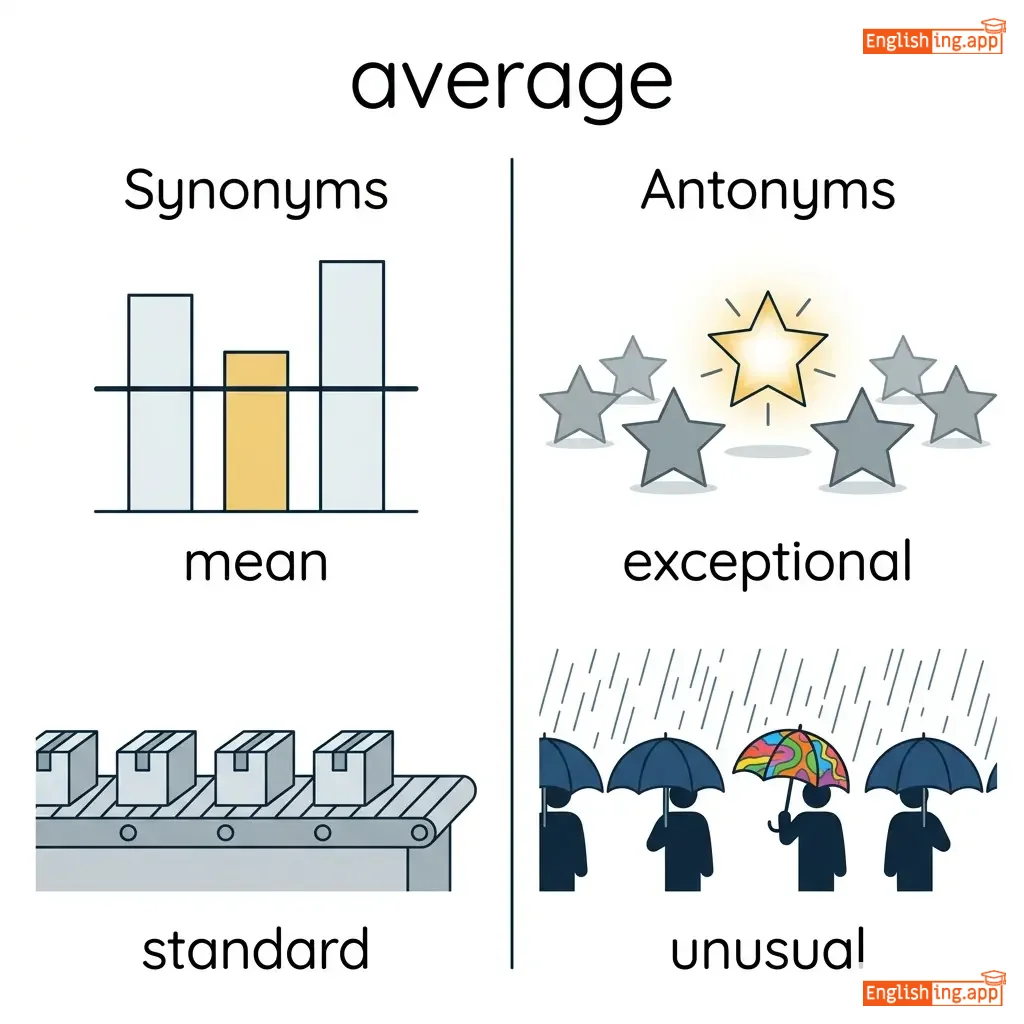
mean, standard, ordinary, typical, common
••••••
|
exceptional, unusual, extraordinary
••••••
|
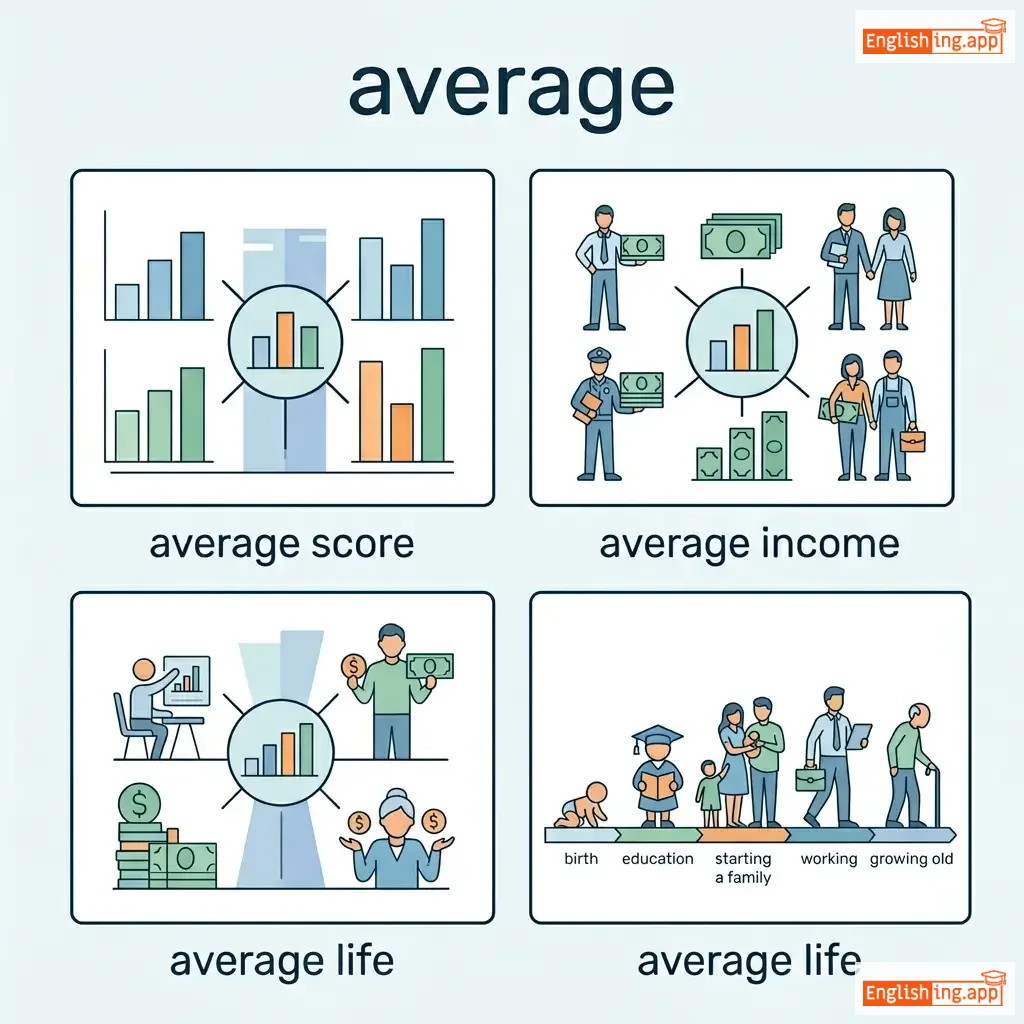
average score, average income, average life, average cost
••••••
|
平均は加算して分割することで得られるバランスです。
••••••
|
|
🙅
••••••
|
/əˈvɔɪd/
verb
(アヴォイド)
••••••
|
- •••••• |
避ける
sakeru
••••••
|
avoided
アヴォイデッド
••••••
|
avoided
アヴォイデッド
••••••
|
avoids
アヴォイッズ
••••••
|
avoiding
アヴォイディング
••••••
|
To keep away from or stop oneself from doing something.
••••••
|
He tries to avoid junk food.
彼はジャンクフードを避けようとしています。
••••••
|
彼はジャンクフードを避けようとしています。
Kare wa janku fūdo o sakeyō to shiteimasu.
••••••
|
avoid like the plague
疫病のように避ける
••••••
|
To stay far away from something or someone.
••••••
|
疫病のように避ける
Ekyō no yō ni sakeru
••••••
|
evade, escape, dodge, shun, bypass
••••••
|
face, confront, seek
••••••
|
avoid conflict, avoid risk, avoid mistakes, avoid responsibility
••••••
|
避ける=ジャンクフードを避けて健康を守ろう!
••••••
|
|
🚫
••••••
|
/əˈvɔɪdəbl/
adjective
(アボイダブル)
••••••
|
- •••••• |
避けられる
sakerareru
••••••
|
- •••••• | - •••••• | - •••••• | - •••••• |
able to be prevented or avoided
••••••
|
Most of the damage was avoidable with proper planning.
モスト オブ ザ ダメージ ワズ アボイダブル ウィズ プロパー プランニング。
••••••
|
適切な計画があれば、ほとんどの被害は避けられた。
tekisetsu na keikaku ga areba hotondo no higai wa sakerareta
••••••
|
- •••••• | - •••••• | - •••••• |
preventable, avertible, escapable, avoidant
••••••
|
inevitable, unavoidable
••••••
|
avoidable mistake, avoidable risk, easily avoidable, largely avoidable
••••••
|
避ける = avoid, 避けられる = avoidable
••••••
|
|
🚫
••••••
|
/əˈvɔɪdəns/
noun
(アボイダンス)
••••••
|
- •••••• |
回避
kaihi
••••••
|
- •••••• | - •••••• | - •••••• | - •••••• |
the act of staying away from something; deliberate prevention of contact or confrontation
••••••
|
Avoidance of difficult conversations can create bigger problems later.
アボイダンス オブ ディフィカルト カンバセーションズ キャン クリエイト ビガー プロブレムズ レイター。
••••••
|
難しい会話を回避すると、後でより大きな問題を生むことがある。
muzukashii kaiwa o kaihi suru to atode yori ookina mondai o umu koto ga aru
••••••
|
- •••••• | - •••••• | - •••••• |
evasion, abstention, prevention, shunning, circumvention
••••••
|
confrontation, engagement, acceptance
••••••
|
avoidance behavior, conflict avoidance, risk avoidance, avoidance strategy
••••••
|
Avoidance = 回避、アボイダンスと覚える。
••••••
|
|
⏳
••••••
|
/əˈweɪt/
verb
(アウェイト)
••••••
|
|
待つ
matsu
••••••
|
awaited
アウェイテッド
••••••
|
awaited
アウェイテッド
••••••
|
awaits
アウェイツ
••••••
|
awaiting
アウェイティング
••••••
|
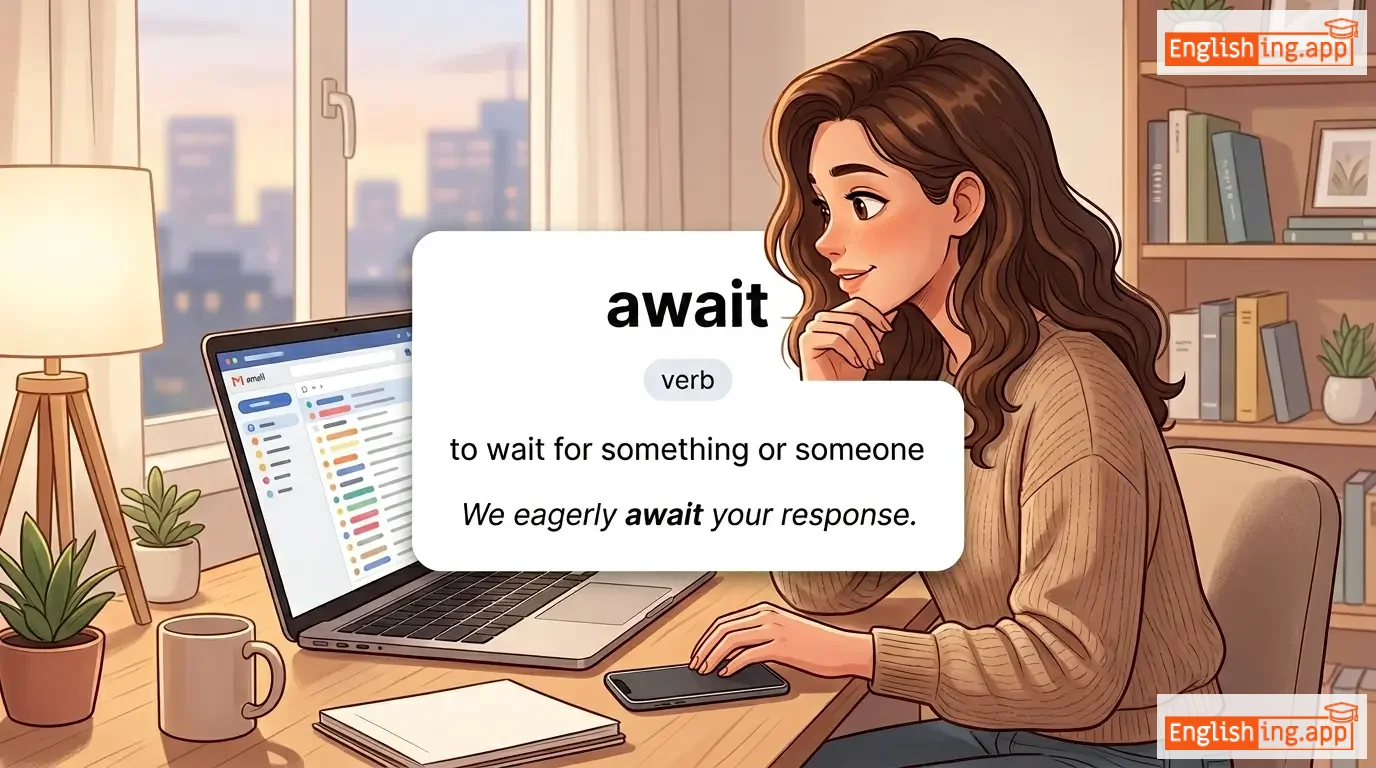
to wait for something or someone
••••••
|
We eagerly await your response.
私たちはあなたの返答を楽しみに待っています。
••••••
|
私たちはあなたの返答を楽しみに待っています。
Watashitachi wa anata no hentou o tanoshimi ni matteimasu.
••••••
|
await trial
裁判を待つ
••••••
|
to be waiting for a court judgment
••••••
|
裁判を待つ
Saiban o matsu
••••••
|
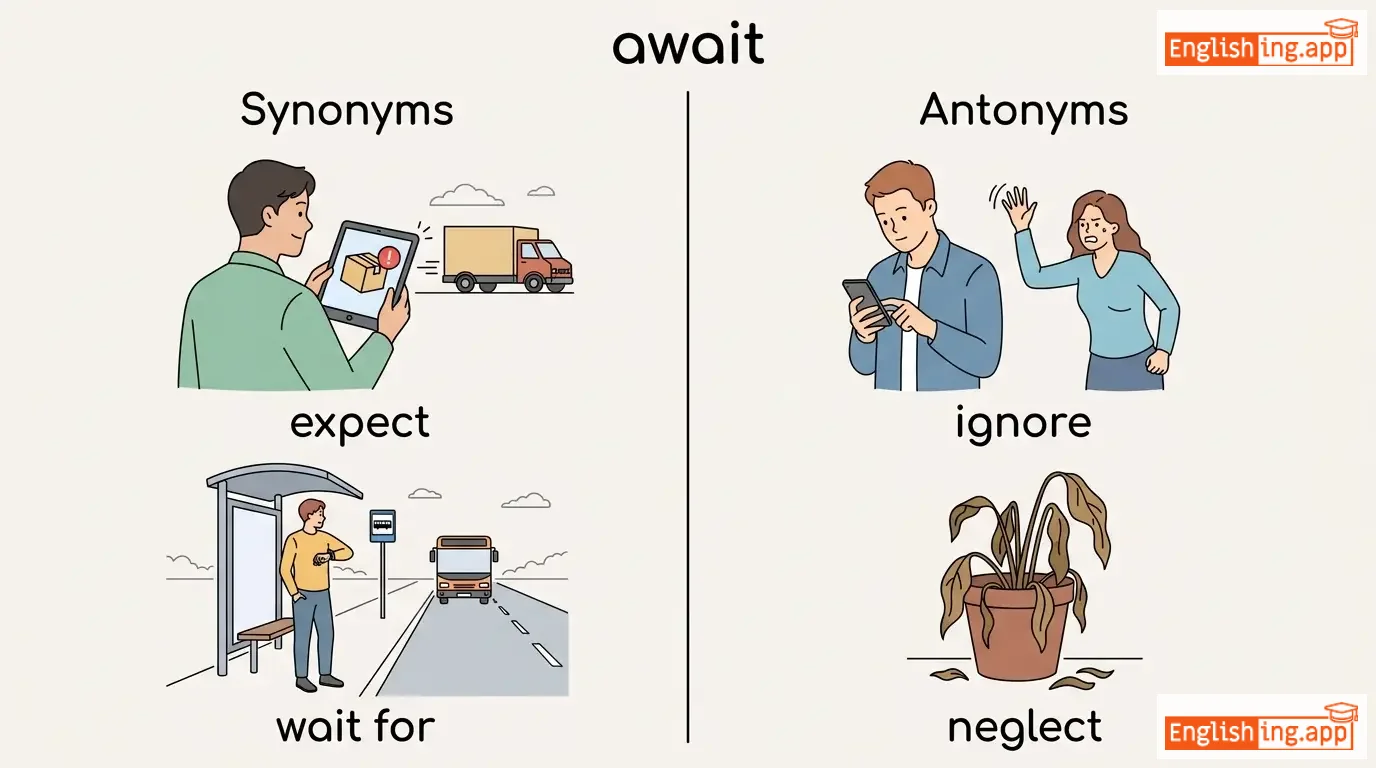
expect, wait for, anticipate, look forward to
••••••
|
ignore, neglect
••••••
|
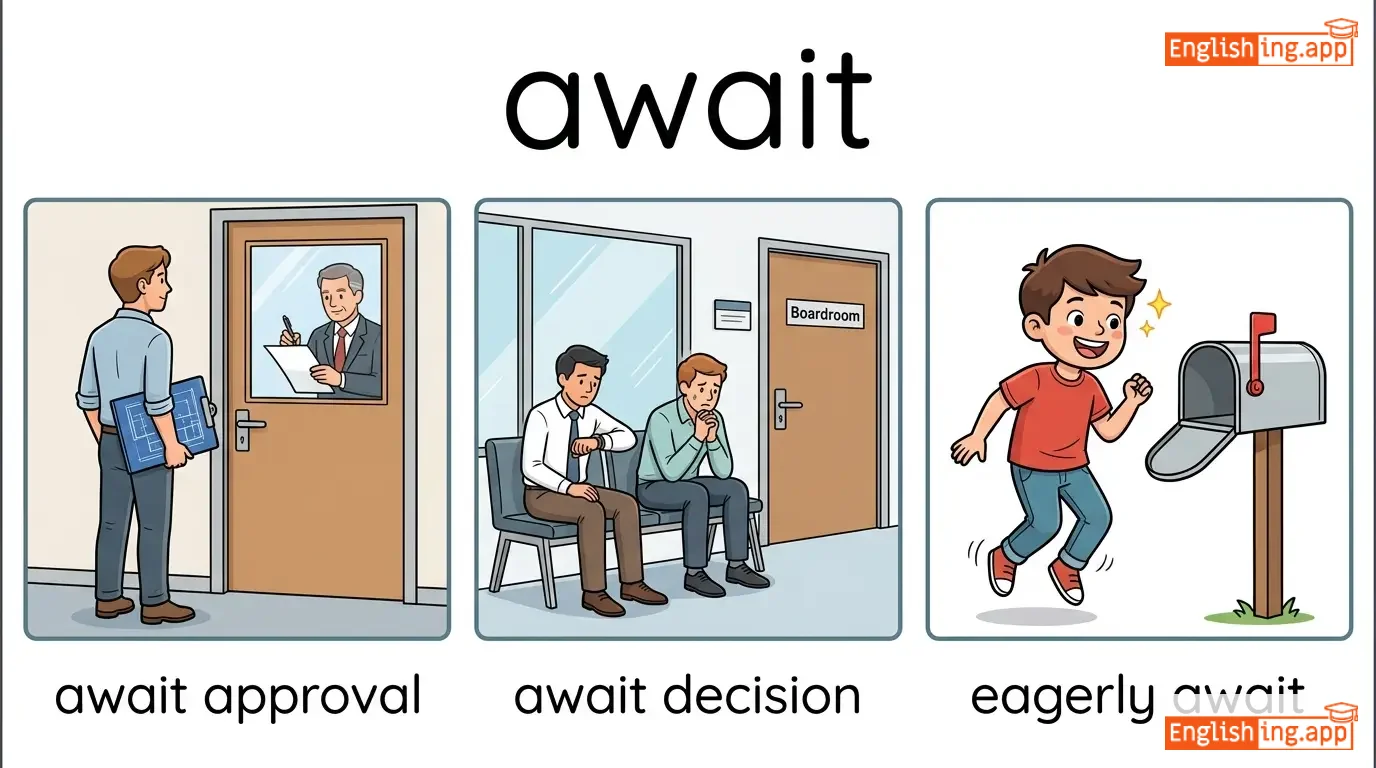
await approval, await decision, eagerly await, await response
••••••
|
‘待つ’と‘await’は同じ意味です。みんな待っています!
••••••
|
|
😳
••••••
|
/əˈweɪk/
verb/adjective
(アウェイク)
••••••
|
- •••••• |
目覚めている
mezameteiru
••••••
|
awoke
アウォーク
••••••
|
awoken
アウォウケン
••••••
|
awakes
アウェイクス
••••••
|
awaking
アウェイキング
••••••
|
to stop sleeping; not asleep
••••••
|
She was still awake when I got home.
シー ワズ スティル アウェイク ウェン アイ ゴット ホーム。
••••••
|
彼女は帰宅したときもまだ目覚めていた。
Kanojo wa kitaku shita toki mo mada mezamete ita.
••••••
|
stay awake
ステイ アウェイク
••••••
|
to remain not sleeping
••••••
|
目覚め続ける
mezame tsuzukeru
••••••
|
wake, arouse, rouse, alert
••••••
|
sleep, doze, slumber
••••••
|
stay awake, keep awake, fully awake, remain awake
••••••
|
awake = 目を覚ますこと、だから完全に目覚めている!
••••••
|
|
⏰
••••••
|
/əˈweɪkən/
verb
(アウェイクン)
••••••
|
- •••••• |
目覚めさせる
mezamesaseru
••••••
|
awakened
アウェイケンド
••••••
|
awakened
アウェイケンド
••••••
|
awakens
アウェイケンズ
••••••
|
awakening
アウェイケニング
••••••
|
to stop sleeping; to cause to become aware
••••••
|
The loud noise awakened the entire neighborhood.
大きな音がアウェイケンド、近所全体を目覚めさせた。
••••••
|
大きな音が目覚めさせ、近所全体を起こした。
Ookina oto ga mezamesase, kinjo zentai wo okoshita.
••••••
|
awaken interest
アウェイケンインタレスト
••••••
|
to make someone become interested in something
••••••
|
興味を目覚めさせる
kyoumi wo mezamesaseru
••••••
|
arouse, rouse, wake, stir
••••••
|
sleep, ignore, neglect
••••••
|
awaken early, awaken suddenly, awaken feelings, awaken interest
••••••
|
Awakenはアラームで目覚めさせる⏰
••••••
|
|
🏃♂️
••••••
|
/əˈweɪ/
adverb
(アウェイ)
••••••
|
- •••••• |
遠く
tōku
••••••
|
- •••••• | - •••••• | - •••••• | - •••••• |
at a distance from a particular place, person, or thing
••••••
|
She walked away without saying a word. |
彼女は一言も言わずに歩いて行った。
Kanojo wa hitokoto mo iwazu ni aruite itta.
••••••
|
far away |
at a great distance
••••••
|
とても遠く
totemo tōku
••••••
|
absent, distant, gone, apart, afar
••••••
|
near, close, present
••••••
|
go away, run away, far away, turn away
••••••
|
Awayは '遠く' を意味します - 遠くに行く
••••••
|
|
😖
••••••
|
/ˈɔːfəl/
adjective
(アフル)
••••••
|
- •••••• |
ひどい
hidoi
••••••
|
- •••••• | - •••••• | - •••••• | - •••••• |
very bad or unpleasant
••••••
|
The weather was awful during our trip. |
旅行中、天気はひどかった。
Ryokō-chū, tenki wa hidokatta.
••••••
|
awful lot |
a great deal or large amount of something
••••••
|
たくさん
takusan
••••••
|
terrible, dreadful, horrible, unpleasant, appalling
••••••
|
wonderful, pleasant, delightful
••••••
|
feel awful, look awful, awful weather, awful mistake
••••••
|
Awfulはひどい、すべてが悪い
••••••
|

