Breaking Through the Darkness
サラはここ数ヶ月間、depression に悩まされており、彼女の人生は耐え難いものとなっていました。毎朝目を覚ますのは frustrating で、完全に isolation の中にいると感じていました。彼女の母親はサラが seriously 困っていることに気づき、psychologist のところへ連れて行きました。最初のセッションでサラは vulnerable に感じていましたが、徐々に自分の気持ちを共有し始めました。Psychologist は彼女に、depression を克服するのは impossible ではなく、時間と適切なサポートが必要だと言いました。サラは自分の self-esteem と well-being の significance を理解しました。日々の frustration と difficulty を管理することは大きな挑戦でした。しかし、彼女の家族は彼女の最大の supporter であり、決して彼女を一人にさせませんでした。Psychologist は彼女に、どのように自分の limitations を acknowledge し、自分を受け入れる acceptance を育むかを教えました。サラは自分の sensitivity を弱点としてではなく、強さとして見ることを学びました。overwhelmed に感じたとき、彼女は深呼吸と瞑想を練習しました。数ヶ月後、サラは自分の consciousness と精神状態が大きく改善されたと感じました。彼女の inadequate 感情は徐々に減少し、再び人生の小さなことを楽しみ始めました。サラの旅は、心理的健康を seriously 考え、助けを求めることに恥ずかしさはないことを教えてくれました。今日、サラ自身が depression と戦っている他の人々を励まし続けています。
|
絵文字
|
単語 | Images | 翻訳 | 過去 | 過去分詞 | 三人称単数 | 動名詞 | 意味 | 例文 | 例文の翻訳 | 表現例 | 表現例の意味 | 表現例の翻訳 | 同義語 | 対義語 | コロケーション | ニーモニック |
|---|---|---|---|---|---|---|---|---|---|---|---|---|---|---|---|---|---|
|
🤲
••••••
|
/əkˈsɛptəns/
noun
(akusetansu)
••••••
|
- •••••• |
受け入れ
ukeire
••••••
|
- •••••• | - •••••• | - •••••• | - •••••• |
the act of agreeing to receive or undertake something offered
••••••
|
Her acceptance of the award was met with applause. |
賞を受け入れる彼女は拍手で迎えられました。
Shou o ukeireru kanojo wa hakushu de mukaeraremashita.
••••••
|
acceptance speech |
a speech given when accepting an award or honor
••••••
|
受け入れスピーチ
ukeire supiichi
••••••
|
approval, agreement, consent, recognition
••••••
|
rejection, refusal, denial
••••••
|
letter of acceptance, acceptance speech, acceptance of offer, gain acceptance
••••••
|
Acceptance: 受け入れたら拍手でお祝いしよう!
••••••
|
|
🙏
••••••
|
/əkˈnɒlɪdʒ/
verb
(ak-norijji)
••••••
|
- •••••• |
認める
mitomeru
••••••
|
acknowledged
ak-norijiddo
••••••
|
acknowledged
ak-norijiddo
••••••
|
acknowledges
ak-norijizu
••••••
|
acknowledging
ak-norijingu
••••••
|
to accept, admit, or recognize the truth or existence of something
••••••
|
She refused to acknowledge her mistake.
彼女は自分の間違いを認めようとしなかった。
••••••
|
彼女は自分の間違いを認めようとしなかった。
Kanojo wa jibun no machigai o mitomeyou to shinakatta.
••••••
|
acknowledge receipt
受け取りの確認
••••••
|
to confirm that something has been received
••••••
|
受け取りの確認
uketori no kakunin
••••••
|
admit, accept, recognize, concede, confirm
••••••
|
deny, ignore, reject
••••••
|
acknowledge mistake, acknowledge receipt, acknowledge contribution, acknowledge truth
••••••
|
Acknowledge = 知識を認めること
••••••
|
|
🧠
••••••
|
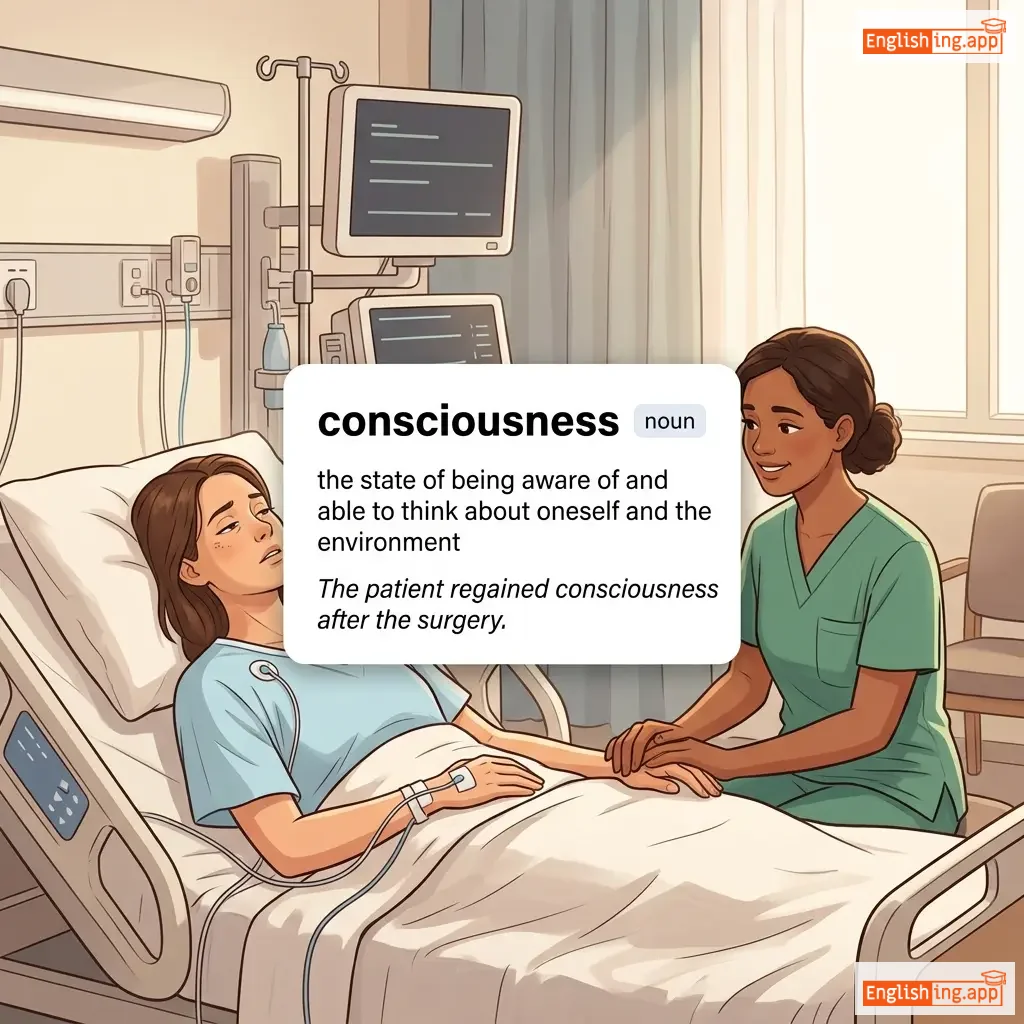
/ˈkɒnʃəsnəs/
noun
(コンシャスネス)
••••••
|
|
意識
ishiki
••••••
|
- •••••• | - •••••• | - •••••• | - •••••• |
the state of being aware of and able to think about oneself and the environment
••••••
|
The patient regained consciousness after the surgery. |
手術後、患者は意識を取り戻しました。
Shujutsugo, kanja wa ishiki o torimodoshimashita.
••••••
|
stream of consciousness |
a literary style that presents a character's continuous flow of thoughts and feelings
••••••
|
意識の流れ
ishiki no nagare
••••••
|
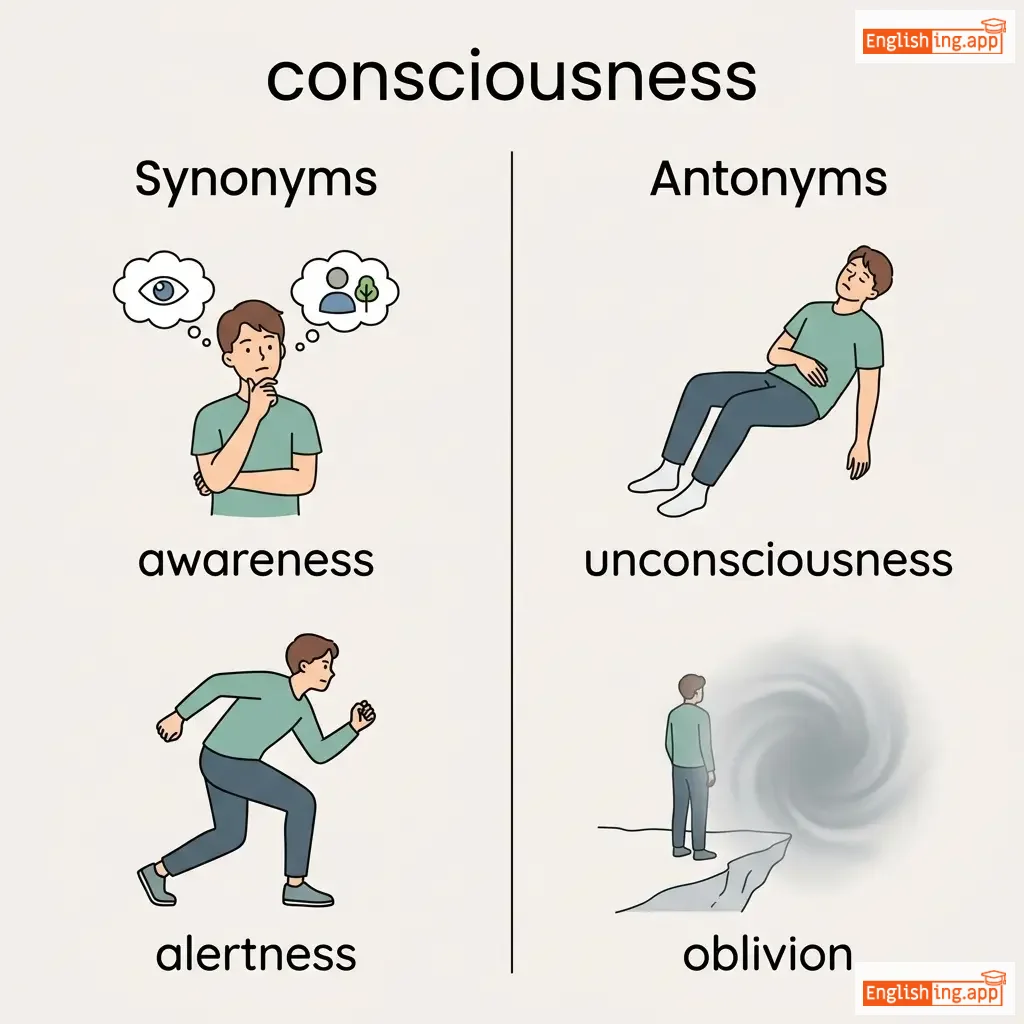
awareness, alertness, perception, mindfulness, sentience
••••••
|
unconsciousness, oblivion, ignorance
••••••
|
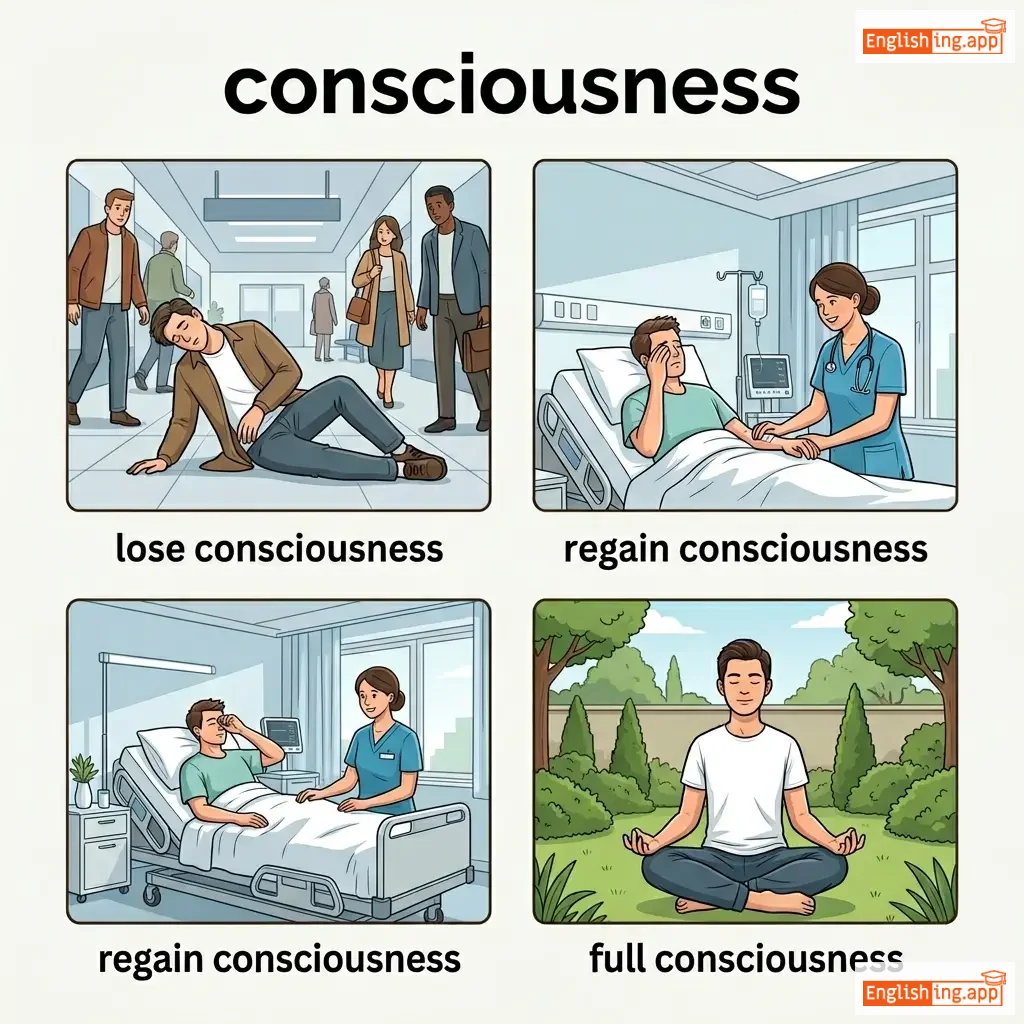
lose consciousness, regain consciousness, full consciousness, human consciousness
••••••
|
英語の'consciousness'と日本語の'意識'は意味が似ている。
••••••
|
|
😔
••••••
|
/dɪˈprɛʃən/
noun
(デプレッション)
••••••
|
- •••••• |
デプレッション
depresshon
••••••
|
- •••••• | - •••••• | - •••••• | - •••••• |
A state of severe sadness or hopelessness; also a prolonged downturn in economic activity.
••••••
|
She has been battling depression for several months. |
彼女は数ヶ月間、デプレッションと戦っています。
Kanojo wa suukagetsu kan, depresshon to tatakatteimasu.
••••••
|
economic depression |
A long-term downturn in economic activity.
••••••
|
経済的なデプレッション
keizaiteki na depresshon
••••••
|
melancholy, sadness, gloom, slump, recession
••••••
|
happiness, joy, boom
••••••
|
suffer from depression, clinical depression, deep depression, economic depression
••••••
|
デプレッション = deep + pressure = 心の深い圧力感。
••••••
|
|
⚠️
••••••
|
/ˈdɪfɪkəlti/
noun
••••••
|
- •••••• | - •••••• | - •••••• | - •••••• | - •••••• | - •••••• |
the state or condition of being hard to do, deal with, or understand
••••••
|
He faced great difficulty in learning a new language. |
- •••••• |
in difficulty |
to be in trouble or facing problems
••••••
|
- •••••• |
challenge, hardship, obstacle, struggle, trouble
••••••
|
ease, simplicity, comfort
••••••
|
face difficulty, great difficulty, difficulty in, experience difficulty
••••••
|
No •••••• |
|
😩
••••••
|
/ˈfrʌstreɪtɪŋ/
adjective
(フラストレイティング)
••••••
|
- •••••• |
苛立たしい
iradateshii
••••••
|
- •••••• | - •••••• | - •••••• | - •••••• |
causing annoyance or dissatisfaction
••••••
|
The slow internet connection was really frustrating. |
遅いインターネット接続は本当に苛立たしかった。
Osui intānetto setsuzoku wa hontōni iradateshikatta.
••••••
|
- •••••• | - •••••• | - •••••• |
annoying, exasperating, irritating
••••••
|
pleasing, satisfying, enjoyable
••••••
|
frustrating experience, frustrating situation, frustrating delay
••••••
|
Frustrating situations feel like 'frozen traffic' – you just can't move ahead.
••••••
|
|
😣
••••••
|
/frʌˈstreɪʃən/
noun
(furasutoreishon)
••••••
|
- •••••• |
フラストレーション
furasutoreeshon
••••••
|
- •••••• | - •••••• | - •••••• | - •••••• |
The feeling of being upset or annoyed due to inability to achieve something.
••••••
|
He felt deep frustration when his plans failed. |
彼は自分の計画が失敗したとき、深いフラストレーションを感じました。
Kare wa jibun no keikaku ga shippai shita toki, fukai furasutoreeshon o kanjimashita.
••••••
|
vent frustration |
To express anger or annoyance openly.
••••••
|
フラストレーションを表現する
furasutoreeshon o hyōgen suru
••••••
|
annoyance, irritation, disappointment, exasperation, discontent
••••••
|
satisfaction, contentment, delight
••••••
|
cause frustration, deep frustration, express frustration, frustration level
••••••
|
フラストレーション(furasutoreeshon)は、達成できないことに対する怒りです。
••••••
|
|
🚫
••••••
|
/ɪmˈpɑːsəbl/
adjective
(インポッシブル)
••••••
|
- •••••• |
不可能
fukanou
••••••
|
- •••••• | - •••••• | - •••••• | - •••••• |
not able to occur, exist, or be done
••••••
|
It is impossible to finish this work in one day.
この仕事を1日で終わらせるのは不可能です。
••••••
|
この仕事を1日で終わらせるのは不可能です。
Kono shigoto wo ichinichi de owaraseru no wa fukanou desu.
••••••
|
nothing is impossible
何事も不可能ではない
••••••
|
everything can be achieved with effort
••••••
|
何事も不可能ではない
Nanikoto mo fukanou de wa nai
••••••
|
unachievable, unattainable, hopeless, impracticable
••••••
|
possible, achievable, feasible
••••••
|
seem impossible, make impossible, impossible task, impossible mission
••••••
|
不可能、それは挑戦することを意味します!💪
••••••
|
|
⚠️
••••••
|
/ɪnˈædɪkwət/
adjective
(イナデクウェイト)
••••••
|
- •••••• |
不十分
fujūbun
••••••
|
- •••••• | - •••••• | - •••••• | - •••••• |
Not sufficient or good enough.
••••••
|
The funding was inadequate to complete the project. |
プロジェクトを完成させるには資金が不十分でした。
Purojekuto o kansei saseru ni wa shikin ga fujūbun deshita.
••••••
|
inadequate resources |
Not enough resources to meet requirements.
••••••
|
不十分なリソース
fujūbun na risōsu
••••••
|
insufficient, deficient, lacking, meager, incomplete
••••••
|
adequate, sufficient, enough
••••••
|
inadequate funding, inadequate resources, inadequate support, inadequate system
••••••
|
Adequateは十分を意味します。したがってInadequate = 十分ではない → 不十分
••••••
|
|
🧍♂️
••••••
|
/ˌaɪsəˈleɪʃən/
noun
(アイソレーション)
••••••
|
- •••••• |
隔離
kakuri
••••••
|
- •••••• | - •••••• | - •••••• | - •••••• |
the state of being separated from others; solitude or detachment
••••••
|
He lived in complete isolation after his retirement. |
彼は引退後、完全に隔離された生活をしていました。
Kare wa intai-go, kanzen ni kakuri sareta seikatsu o shiteimashita.
••••••
|
in isolation |
alone or without contact with others
••••••
|
隔離の中で
kakuri no naka de
••••••
|
seclusion, loneliness, separation, detachment, solitude
••••••
|
connection, inclusion, community
••••••
|
social isolation, in isolation, complete isolation
••••••
|
Isolation とは一人でいること — 'I so alone' → 隔離 🧍♂️
••••••
|
|
⛔
••••••
|
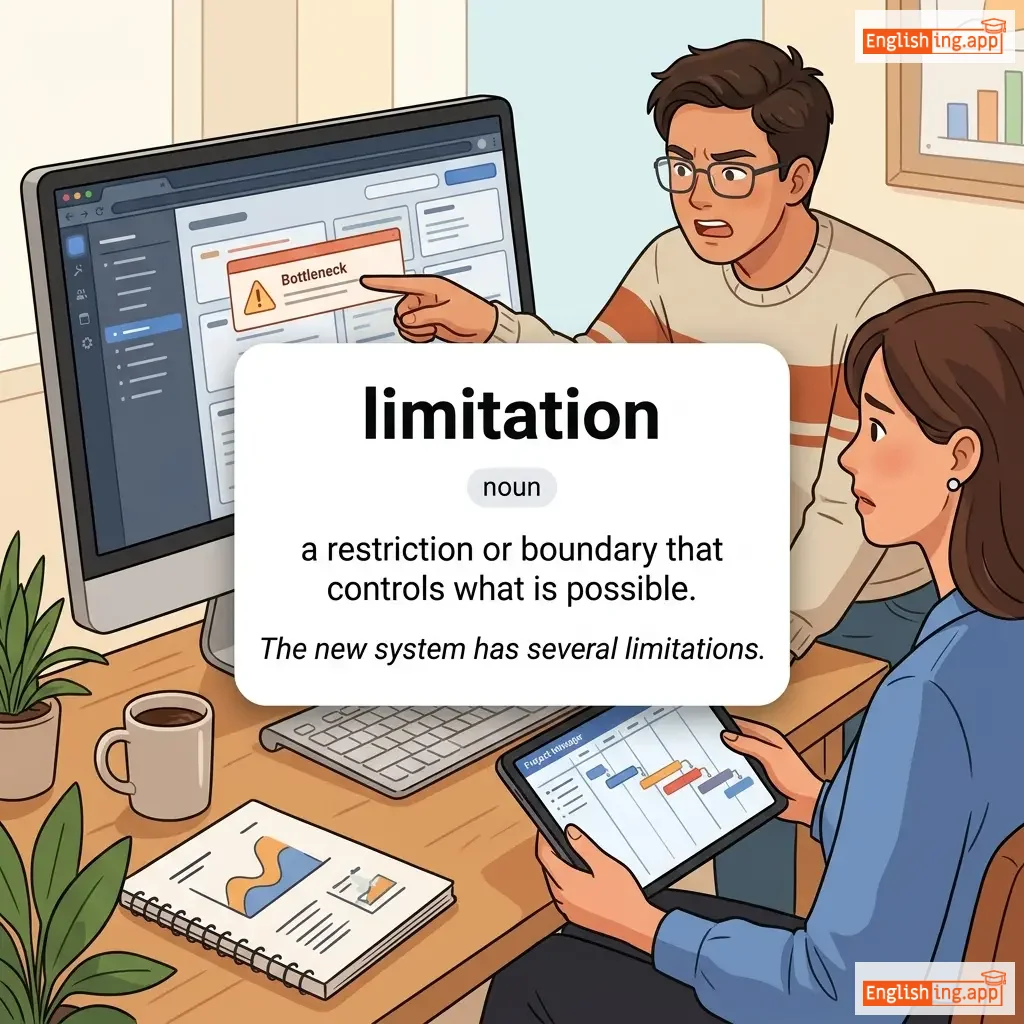
/ˌlɪmɪˈteɪʃən/
noun
(リミテーション)
••••••
|
|
制限
seigen
••••••
|
- •••••• | - •••••• | - •••••• | - •••••• |
a restriction or boundary that controls what is possible.
••••••
|
The new system has several limitations. |
新しいシステムにはいくつかの制限があります。
Atarashii shisutemu ni wa ikutsuka no seigen ga arimasu.
••••••
|
know your limitations |
be aware of your own weaknesses or boundaries.
••••••
|
自分の制限を知る
jibun no seigen wo shiru
••••••
|
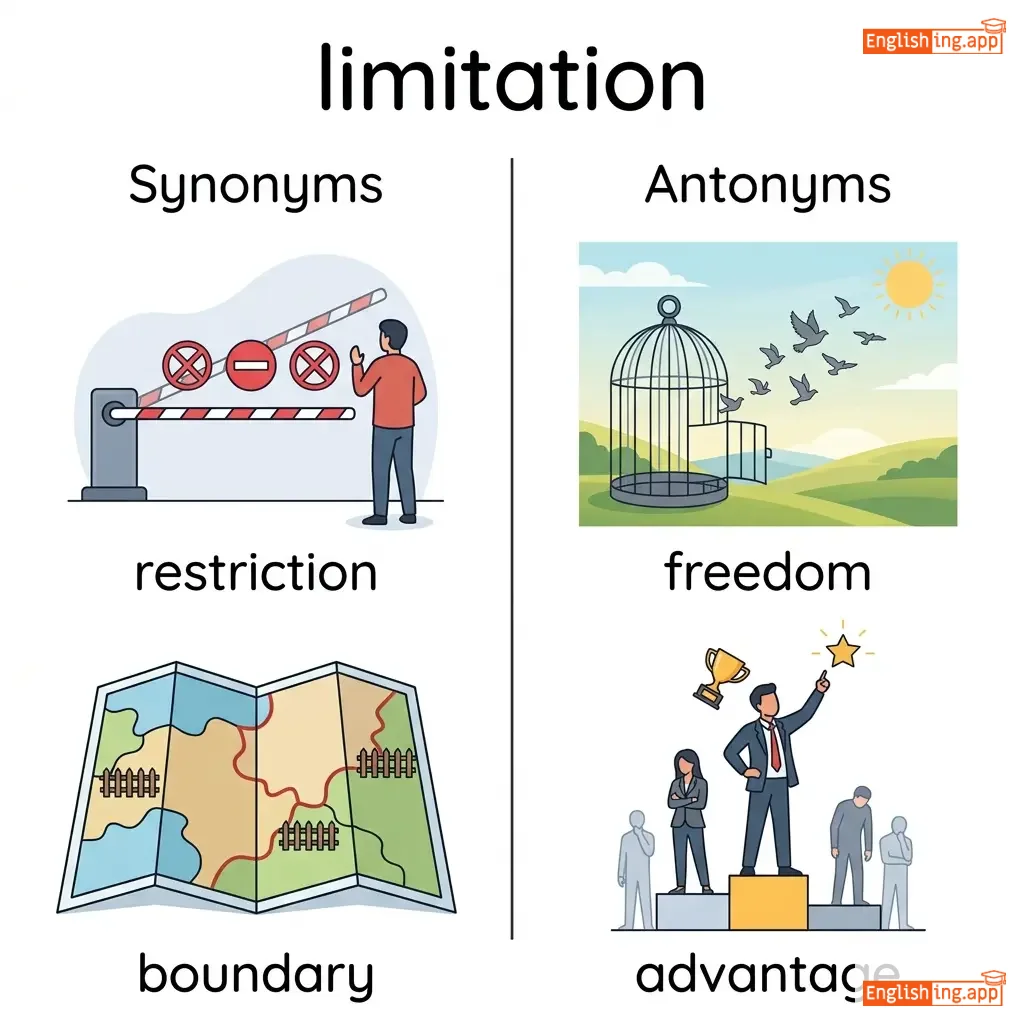
restriction, boundary, constraint, drawback, shortcoming
••••••
|
freedom, advantage, strength
••••••
|
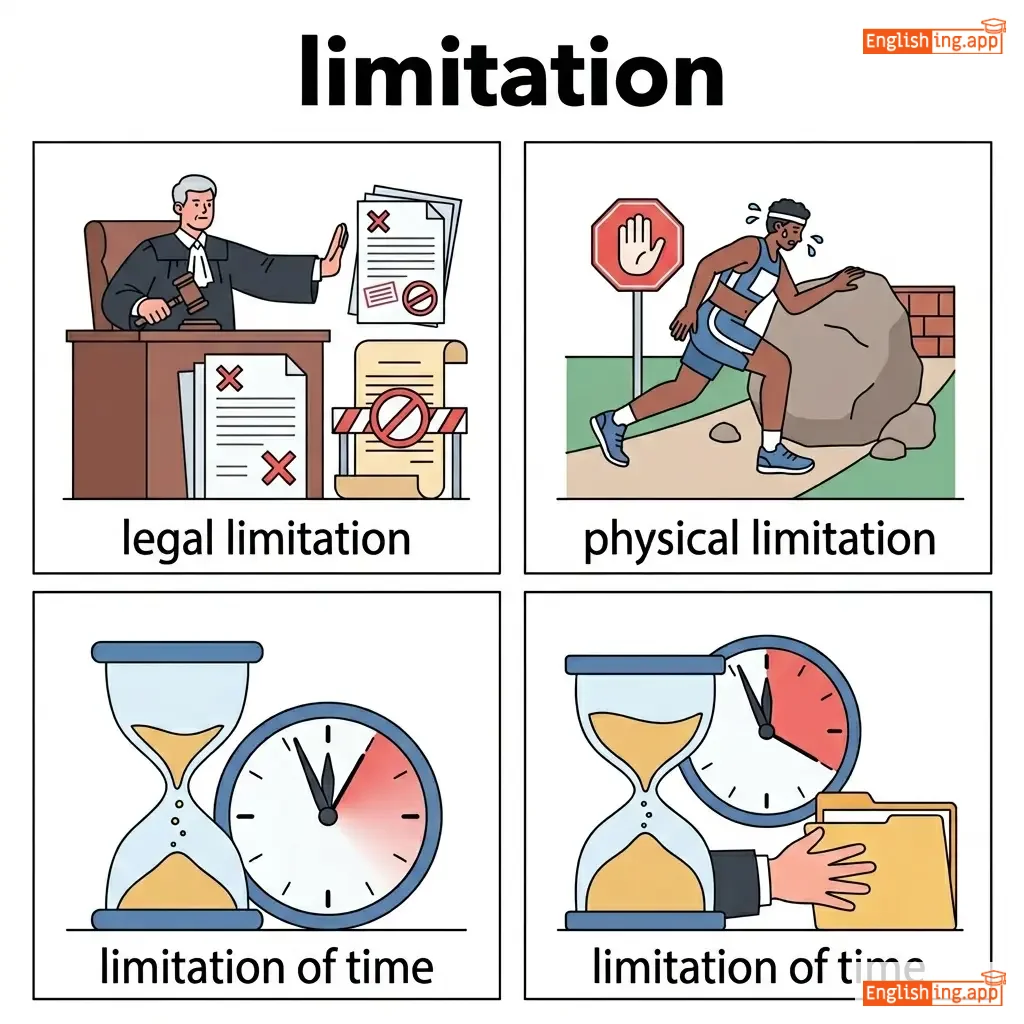
legal limitation, physical limitation, limitation of time, limitation on rights
••••••
|
制限は‘limit’から派生した言葉で、境界を意味します。
••••••
|
|
🌊
••••••
|
/ˌoʊvərˈwɛlm/
verb
••••••
|
- •••••• | - •••••• |
overwhelmed
••••••
|
overwhelmed
••••••
|
overwhelms
••••••
|
overwhelming
••••••
|
to overpower someone emotionally or physically; to be too much to handle
••••••
|
She was overwhelmed with gratitude after receiving the help. |
- •••••• |
overwhelmed with joy |
to feel extreme happiness
••••••
|
- •••••• |
overpower, crush, engulf, overcome, astonish
••••••
|
calm, comfort, underwhelm
••••••
|
overwhelm with work, overwhelm the enemy, overwhelmed by emotions
••••••
|
No •••••• |
|
🧠
••••••
|
/saɪˈkɒlədʒɪst/
noun
(サイコロジスト)
••••••
|
- •••••• |
心理学者
shinrigakusha
••••••
|
- •••••• | - •••••• | - •••••• | - •••••• |
a person who studies mental processes and behavior
••••••
|
The psychologist helped him cope with his anxiety. |
心理学者は彼が不安に対処するのを助けました。
Shinrigakusha wa kare ga fuan ni taisho suru no o tasukemashita.
••••••
|
- •••••• | - •••••• | - •••••• |
therapist, counselor, psychiatrist, analyst
••••••
|
patient, sufferer
••••••
|
clinical psychologist, child psychologist, psychologist consultation
••••••
|
心理学者 (shinrigakusha) は心の問題を解決する専門家です。
••••••
|
|
💪
••••••
|
/ˌsɛlf ɪˈstiːm/
noun
(self-esteem)
••••••
|
- •••••• |
自尊心
jisonshin
••••••
|
- •••••• | - •••••• | - •••••• | - •••••• |
confidence in one's own worth or abilities; self-respect
••••••
|
Building self-esteem takes time and consistent effort. |
自尊心を築くには時間と一貫した努力が必要です。
Jisonshin wo kizuku ni wa jikan to ikkan shita doryoku ga hitsuyou desu.
••••••
|
low self-esteem |
a lack of confidence and negative view of oneself
••••••
|
低い自尊心
hikui jisonshin
••••••
|
self-confidence, self-respect, pride, dignity, morale
••••••
|
self-doubt, insecurity, shame
••••••
|
high self-esteem, low self-esteem, boost self-esteem, develop self-esteem
••••••
|
自尊心を持って、自己価値を高めよう。
••••••
|
|
💗
••••••
|
/ˌsɛnsɪˈtɪvɪti/
noun
(センシティビティ)
••••••
|
|
感受性
kanjusei
••••••
|
- •••••• | - •••••• | - •••••• | - •••••• |
the quality of being sensitive; ability to detect or respond to slight changes or emotions
••••••
|
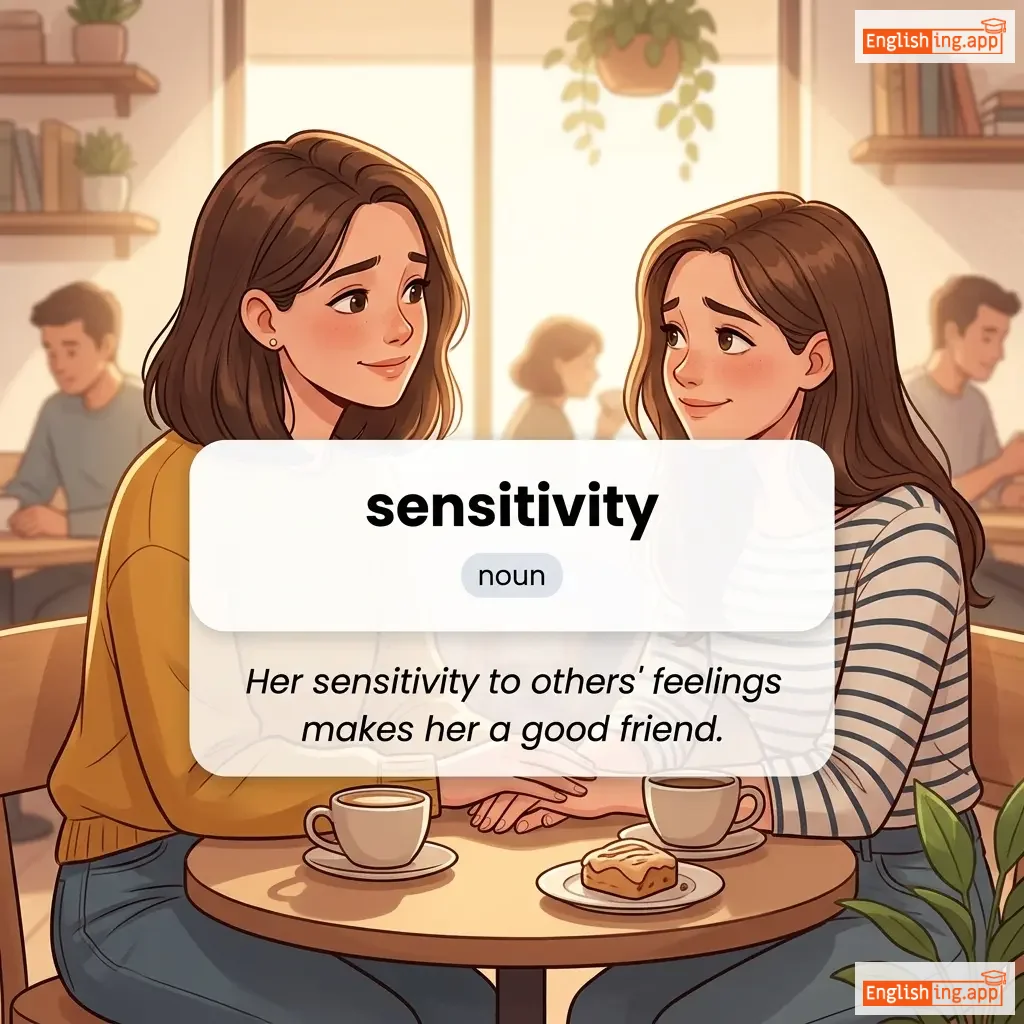
Her sensitivity to others' feelings makes her a good friend.
他人の感情に対する彼女の感受性は、彼女を良い友人にします。
••••••
|
他人の感情に対する彼女の感受性は、彼女を良い友人にします。
Tanin no kanjō ni taisuru kanojo no kanjusei wa, kanojo o yoi yūjin ni shimasu.
••••••
|
cultural sensitivity
文化的感受性
••••••
|
awareness and respect for cultural differences
••••••
|
文化的感受性
bunkateki kanjusei
••••••
|
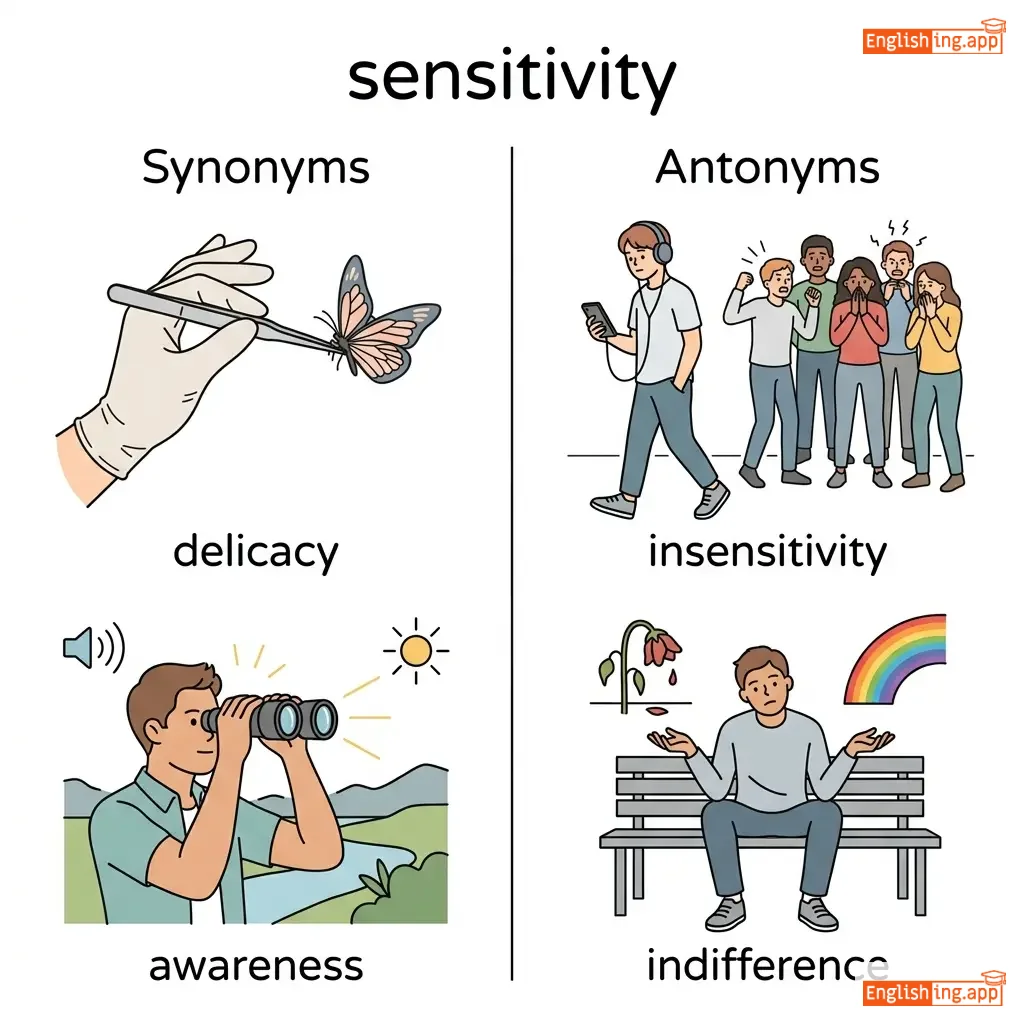
delicacy, awareness, responsiveness, empathy, receptivity
••••••
|
insensitivity, indifference, numbness
••••••
|
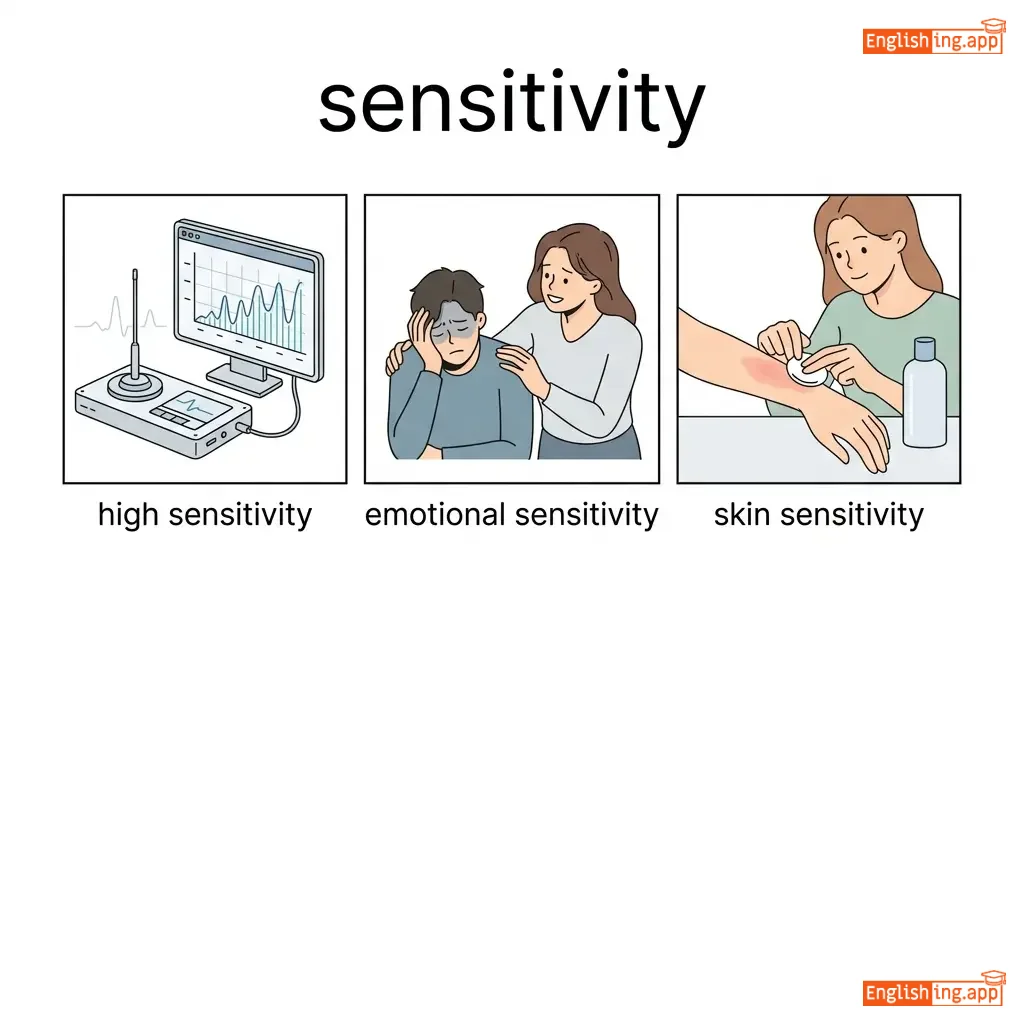
high sensitivity, emotional sensitivity, skin sensitivity, cultural sensitivity
••••••
|
感受性 = 感じる + 性, 微細な感情を感じる力
••••••
|
|
😐
••••••
|
/ˈsɪə.ri.əs.li/
adverb
(シリアスリー)
••••••
|
- •••••• |
真剣に
shinken ni
••••••
|
- •••••• | - •••••• | - •••••• | - •••••• |
in a solemn or thoughtful manner
••••••
|
She took the matter very seriously. |
彼女はその問題を非常に真剣に取り扱った。
Kanojo wa sono mondai o hijō ni shinken ni toriatsukatta.
••••••
|
- •••••• | - •••••• | - •••••• |
earnestly, sincerely, thoughtfully, profoundly
••••••
|
lightly, casually, humorously
••••••
|
take seriously, treat seriously, speak seriously
••••••
|
Serious people always take matters 'seriously' in Japan!
••••••
|
|
📌
••••••
|
/sɪɡˈnɪfɪkəns/
noun
(シグニフィカンス)
••••••
|
- •••••• |
重要性
jūyō-sei
••••••
|
- •••••• | - •••••• | - •••••• | - •••••• |
the quality of being important, meaningful, or worthy of attention
••••••
|
The significance of the discovery was recognized worldwide. |
その発見の重要性は世界中で認識されました。
Sono hakken no jūyō-sei wa sekaijū de ninshiki saremashita.
••••••
|
of great significance |
something very important or meaningful
••••••
|
非常に重要
hijō ni jūyō
••••••
|
importance, meaning, value, weight, consequence
••••••
|
insignificance, triviality
••••••
|
historical significance, cultural significance, great significance, significance level
••••••
|
Significanceは重要性を意味します - 重要なことには意味があります
••••••
|
|
💪
••••••
|
/səˈpɔːtər/
noun
(サポーター)
••••••
|
- •••••• |
サポーター
sapōtā
••••••
|
- •••••• | - •••••• | - •••••• | - •••••• |
a person who supports someone or something
••••••
|
She is a strong supporter of the local animal shelter.
彼女は地元の動物シェルターの強力なサポーターです。
••••••
|
彼女は地元の動物シェルターの強力なサポーターです。
Kanojo wa jimoto no dōbutsu shertā no kyōryokuna sapōtā desu.
••••••
|
- •••••• | - •••••• | - •••••• |
advocate, backer, champion, fan
••••••
|
opponent, adversary, critic
••••••
|
supporter of, strong supporter, loyal supporter, passionate supporter
••••••
|
サポーターは常にサポートする人、地元の動物シェルターをサポートするように。
••••••
|
|
🛡️
••••••
|
/ˈvʌl.nər.ə.bəl/
adjective
(ヴァルネラブル)
••••••
|
- •••••• |
脆弱
zōjaku
••••••
|
- •••••• | - •••••• | - •••••• | - •••••• |
susceptible to physical or emotional harm
••••••
|
Children are often the most vulnerable in times of crisis.
子供たちは危機の際に最も脆弱な存在です。
••••••
|
子供たちは危機の際に最も脆弱な存在です。
Kodomo-tachi wa kiki no sai ni mottomo zōjaku na sonzai desu.
••••••
|
vulnerable position
脆弱な立場
••••••
|
a situation of weakness or exposure to harm
••••••
|
脆弱な立場
zōjaku na tachiba
••••••
|
defenseless, exposed, weak, fragile, unprotected
••••••
|
strong, secure, protected
••••••
|
vulnerable groups, vulnerable people, vulnerable position
••••••
|
Vulnerableは'Val Na Roble' - 'ヴァルナロブレ'で脆弱になれる
••••••
|
|
😊
••••••
|
/ˈwel.biː.ɪŋ/
noun
(wɛlˈbiɪŋ)
••••••
|
|
ウェルビーイング
wērubīingu
••••••
|
- •••••• | - •••••• | - •••••• | - •••••• |
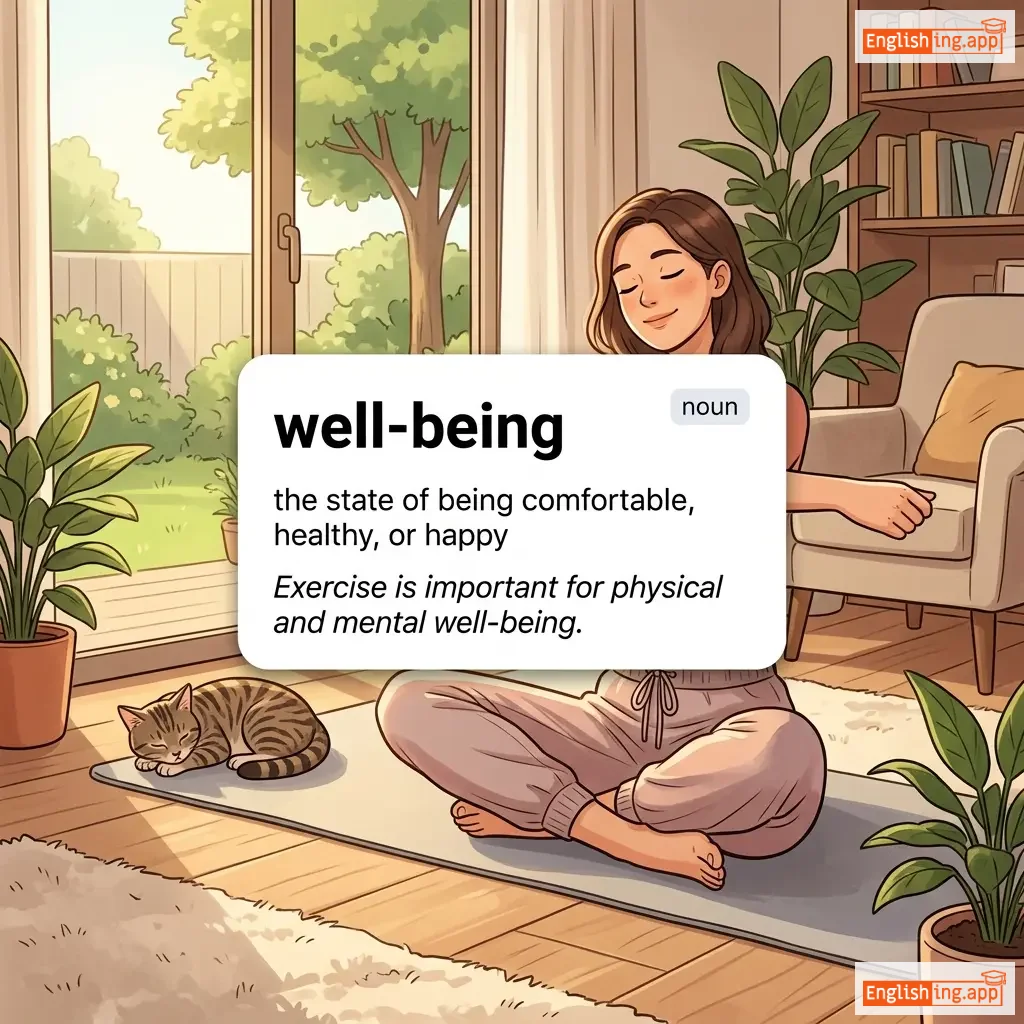
the state of being comfortable, healthy, or happy
••••••
|
Regular exercise contributes to physical and mental well-being. |
定期的な運動は身体的および精神的なウェルビーイングに貢献します。
Teikiteki na undō wa shintai-teki oyobi seishin-teki na wērubīingu ni kōken shimasu.
••••••
|
- •••••• | - •••••• | - •••••• |
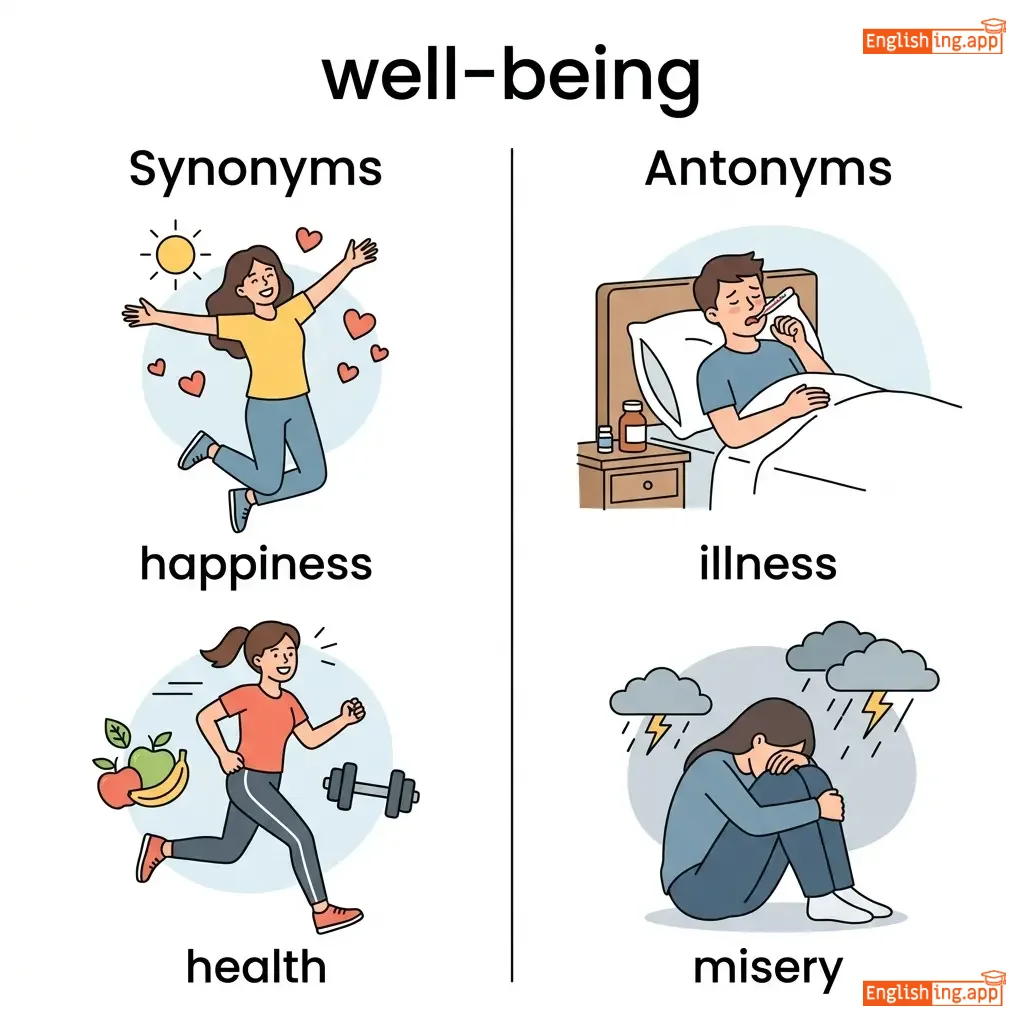
welfare, health, happiness, comfort
••••••
|
suffering, distress, misery
••••••
|
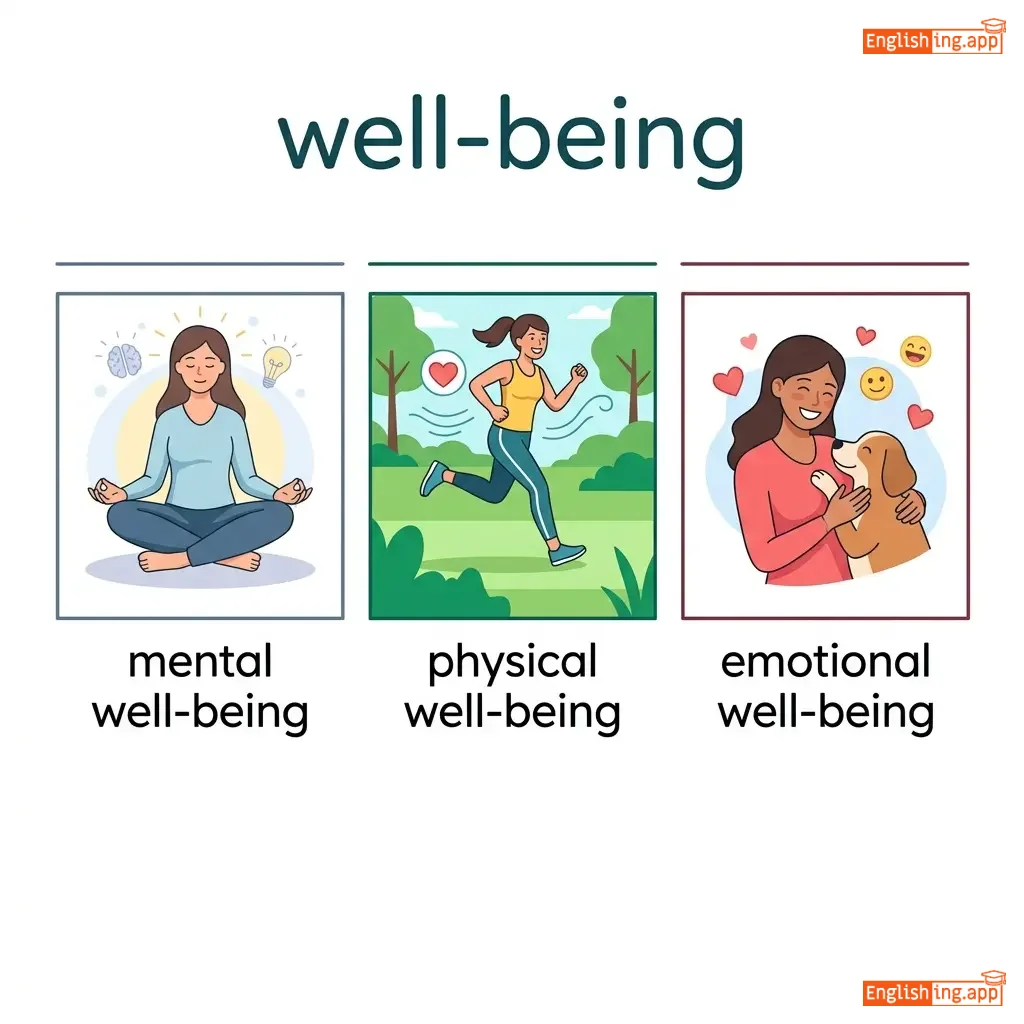
physical well-being, mental well-being, emotional well-being
••••••
|
ウェルビーイング (wērubīingu) is the same as 'well-being' in Japanese, with 'ウェル' sounding like 'well' and 'ビーイング' for 'being.'
••••••
|

