The Prisoner Who Found Light
ラフィはprisonに座り、pillowに頭を預けて考えていました。彼は自分が今nobodyだと思っていましたが、新しいnotionが彼に浮かびました。ある日、pastorがやってきて、openly彼と話をし、希望についてpreachedしました。ラフィは以前、このような話をopposeしていましたが、今ではpreferredして聞いていました。そのpastorは彼にpurpleのカバーの本を渡し、poetryとprayersが書かれていました。ラフィは常にorangeをpocketに入れており、それは外の世界を思い出させました。彼はpretty定期的にpoetryを書き始め、各phraseが彼の変革の物語を語っていました。彼の書くものにはplentyの希望とpraiseが含まれていました。ラフィはproperなprayerが彼に力を与えることを知っていました。彼はいつかpalaceのような美しい場所に住むことを夢見ていましたが、それはprisonからは遠く離れていました。しかし、彼のpoetryとprayerは彼にopenly夢を見る勇気を与えました。ラフィは内面的な平和が外的な自由よりも重要だと理解しました。彼はpillowに頭を預け、祈りながら、心の中でplentyの光を感じました。最後に、ラフィはnobodyから変わり果てた魂となりました。
|
絵文字
|
単語 | Images | 翻訳 | 過去 | 過去分詞 | 三人称単数 | 動名詞 | 意味 | 例文 | 例文の翻訳 | 表現例 | 表現例の意味 | 表現例の翻訳 | 同義語 | 対義語 | コロケーション | ニーモニック |
|---|---|---|---|---|---|---|---|---|---|---|---|---|---|---|---|---|---|
|
🙅♂️
••••••
|
/ˈnoʊˌbɑːdi/
pronoun
(ノーボディ)
••••••
|
- •••••• |
誰もいない
dare mo inai
••••••
|
- •••••• | - •••••• | - •••••• | - •••••• |
no person; not anyone
••••••
|
Nobody came to the party.
誰もパーティに来なかった。
••••••
|
誰もパーティに来なかった。
Dare mo pāti ni konakatta.
••••••
|
- •••••• | - •••••• | - •••••• |
no one, none, not a soul
••••••
|
someone, anybody
••••••
|
nobody knows, nobody cares, nobody else
••••••
|
誰も来ない、もし誰も聞いていないなら - Nobody comes if nobody listens
••••••
|
|
💡
••••••
|
/ˈnoʊʃən/
noun
(ノーション)
••••••
|
- •••••• |
概念
gainen
••••••
|
- •••••• | - •••••• | - •••••• | - •••••• |
An idea, belief, or concept about something.
••••••
|
He had a vague notion of what she wanted. |
彼は彼女が何を望んでいるのかについて漠然とした概念を持っていました。
Kare wa kanojo ga nani o nozonde iru no ka ni tsuite bakuzento shita gainen o motte imashita.
••••••
|
fancy notion |
An unrealistic or fanciful idea.
••••••
|
幻想的な概念
gensoteki na gainen
••••••
|
idea, concept, belief, impression, thought
••••••
|
reality, fact
••••••
|
notion of, vague notion, challenge the notion, false notion
••••••
|
Notion = ノートに書いたアイデアは概念です。
••••••
|
|
🗣️
••••••
|
/ˈəʊpənli/
adverb
(オープンリー)
••••••
|
- •••••• |
率直に
sotchoku ni
••••••
|
- •••••• | - •••••• | - •••••• | - •••••• |
in a way that is not secret or hidden
••••••
|
He spoke openly about his past mistakes. |
彼は自分の過去の過ちについて率直に話した。
Kare wa jibun no kako no ayamachi ni tsuite sotchoku ni hanashita.
••••••
|
openly admit |
to confess something without hesitation or secrecy
••••••
|
率直に認める
sotchoku ni mitomeru
••••••
|
frankly, honestly, publicly, freely, visibly
••••••
|
secretly, privately, covertly
••••••
|
speak openly, discuss openly, act openly
••••••
|
Openlyとは率直に言うことで、隠すことなく話すことです。
••••••
|
|
✊
••••••
|
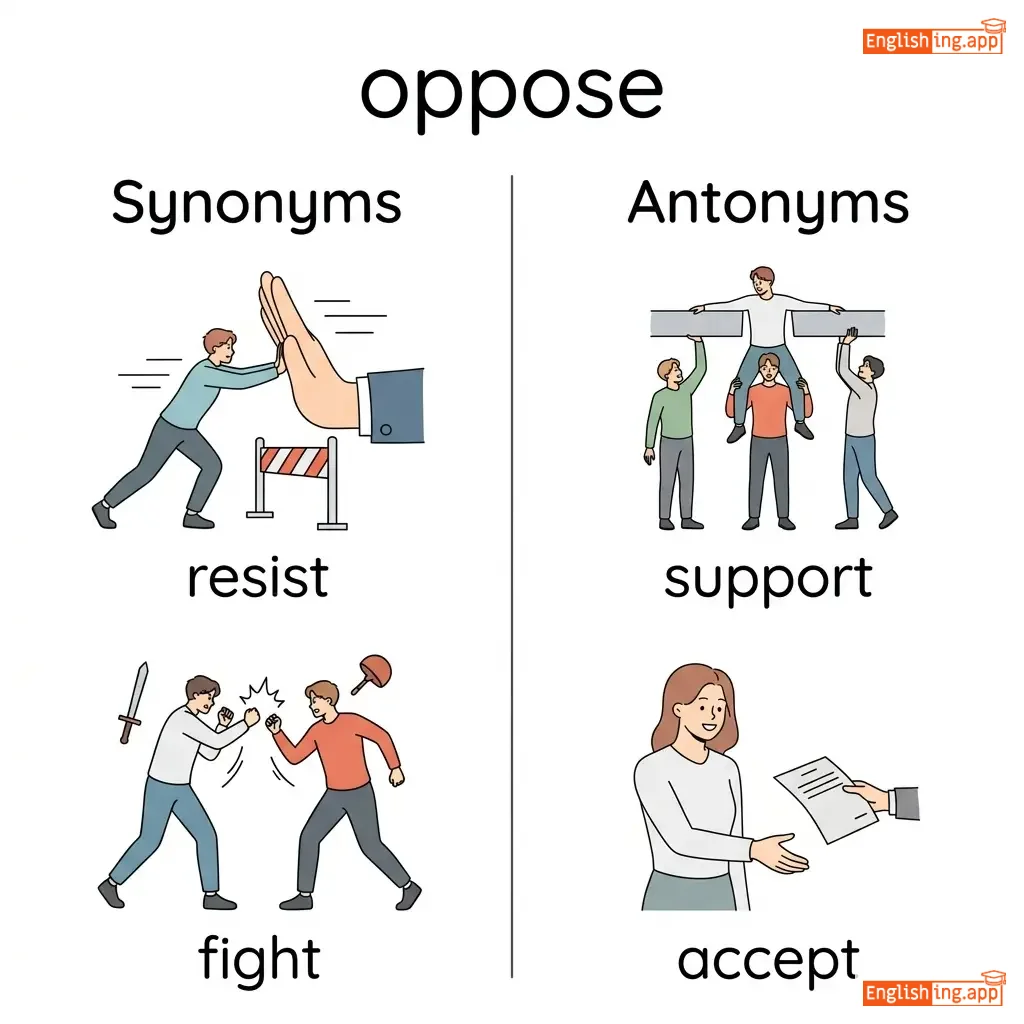
/əˈpoʊz/
verb
(オポーズ)
••••••
|
|
反対する
hantai suru
••••••
|
opposed
オポーズド
••••••
|
opposed
オポーズド
••••••
|
opposes
オポーズズ
••••••
|
opposing
オポージング
••••••
|
to disagree with or resist; to act against
••••••
|
Many citizens oppose the new tax policy.
多くの市民が新しい税制政策に反対しています。
••••••
|
多くの市民が新しい税制政策に反対しています。
Ōku no shimin ga atarashī zeisei seisaku ni hantai shiteimasu.
••••••
|
- •••••• | - •••••• | - •••••• |
resist, object, counter, protest
••••••
|
support, agree, approve, endorse
••••••
|
strongly oppose, actively oppose, oppose plans, oppose changes, oppose policy
••••••
|
反対 (hantai) = oppose, '反' means 'against'
••••••
|
|
🟠
••••••
|
/ˈɔːr.ɪndʒ/
adjective
(オレンジ)
••••••
|
- •••••• |
オレンジ色
orenji iro
••••••
|
- •••••• | - •••••• | - •••••• | - •••••• |
having a color between red and yellow like that of a ripe orange fruit
••••••
|
The orange sunset painted the sky magnificently.
オレンジ色の夕日は空を素晴らしく彩った。
••••••
|
オレンジ色の夕日は空を素晴らしく彩った。
Orenji iro no yūhi wa sora o subarashiku irodotta.
••••••
|
- •••••• | - •••••• | - •••••• |
amber, tangerine, peach
••••••
|
blue, violet, purple
••••••
|
bright orange, orange juice, orange peel, orange light
••••••
|
オレンジ色、オレンジの色
••••••
|
|
🏰
••••••
|
/ˈpælɪs/
noun
(パレス)
••••••
|
- •••••• |
宮殿
kyūden
••••••
|
- •••••• | - •••••• | - •••••• | - •••••• |
a large and impressive building that is the official home of a king, queen, or other ruler
••••••
|
The royal family lives in a magnificent palace.
王室は素晴らしい宮殿に住んでいます。
••••••
|
王室は素晴らしい宮殿に住んでいます。
Ōshitsu wa subarashī kyūden ni sundeimasu.
••••••
|
a palace fit for a king
王にふさわしい宮殿
••••••
|
a place that is luxurious and grand
••••••
|
王にふさわしい宮殿
ō ni fusawashī kyūden
••••••
|
castle, mansion, fortress, residence, estate
••••••
|
hut, cabin, shack
••••••
|
royal palace, presidential palace, ancient palace, marble palace
••••••
|
Palace means place for king — 王のための宮殿!
••••••
|
|
⛪
••••••
|
/ˈpæstər/
noun
(パスター)
••••••
|
- •••••• |
牧師
bokushi
••••••
|
- •••••• | - •••••• | - •••••• | - •••••• |
a minister in charge of a Christian church or congregation
••••••
|
The pastor delivered a heartfelt sermon on compassion.
牧師は思いやりのある説教をしました。
••••••
|
牧師は思いやりのある説教をしました。
Bokushi wa omoiyari no aru sekkyou o shimashita.
••••••
|
- •••••• | - •••••• | - •••••• |
minister, priest, clergyman, reverend, preacher
••••••
|
layman, atheist, follower
••••••
|
pastor of the church, senior pastor, youth pastor, church pastor
••••••
|
牧師が教会で説教する — ‘pastor’ はキリスト教のリーダー ⛪
••••••
|
|
🗣️
••••••
|
/freɪz/
noun
(fureizu)
••••••
|
- •••••• |
フレーズ
fureezu
••••••
|
- •••••• | - •••••• | - •••••• | - •••••• |
a small group of words standing together as a conceptual unit
••••••
|
He gave a memorable phrase at the conference.
彼は会議で記憶に残るフレーズを言った。
••••••
|
彼は会議で記憶に残るフレーズを言った。
Kare wa kaigi de kioku ni nokoru fureezu o itta.
••••••
|
- •••••• | - •••••• | - •••••• |
expression, saying, remark, slogan
••••••
|
sentence, clause
••••••
|
common phrase, catchphrase, famous phrase
••••••
|
フレーズ (phrase) の中で記憶に残るフレーズ!
••••••
|
|
🛏️
••••••
|
/ˈpɪloʊ/
noun
(ピロー)
••••••
|
- •••••• |
枕
makura
••••••
|
- •••••• | - •••••• | - •••••• | - •••••• |
a soft cushion filled with material used to support the head while sleeping or resting
••••••
|
She placed her head on the soft pillow and fell asleep quickly. |
彼女は柔らかい枕に頭を乗せ、すぐに眠りにつきました。
Kanojo wa yawarakai makura ni atama o nose, sugu ni nemuri ni tsukimashita.
••••••
|
rest your head on a pillow |
to relax or prepare for sleep
••••••
|
枕に頭を乗せる
makura ni atama o noseru
••••••
|
cushion, bolster, pad, headrest, support
••••••
|
hard surface, floor
••••••
|
soft pillow, pillow cover, pillow fight, pillow case
••••••
|
Pillowは日本語で枕 — 寝る前に言おう ‘枕に頭を乗せよう!’
••••••
|
|
🌾
••••••
|
/ˈplen.ti/
noun
(プレンティ)
••••••
|
- •••••• |
豊富; 十分
hōfu; jūbun
••••••
|
- •••••• | - •••••• | - •••••• | - •••••• |
a large or sufficient amount; abundance
••••••
|
There is plenty of food for everyone at the party.
パーティーには皆に十分な食べ物があります。
••••••
|
パーティーには皆に十分な食べ物があります。
Pātī ni wa mina ni jūbun na tabemono ga arimasu.
••••••
|
- •••••• | - •••••• | - •••••• |
abundance, ample, sufficient, lots
••••••
|
scarcity, shortage, lack, insufficient
••••••
|
plenty of time, plenty of money, plenty to eat
••••••
|
Plentyは豊富な食べ物を意味し、'パーティーには皆に十分な食べ物があります'。
••••••
|
|
👖
••••••
|
/ˈpɒkɪt/
noun
••••••
|
- •••••• | - •••••• | - •••••• | - •••••• | - •••••• | - •••••• |
a small, enclosed space in clothing for carrying items
••••••
|
He put his phone in his pocket. |
- •••••• | - •••••• | - •••••• | - •••••• |
compartment, pouch, bag
••••••
|
open space, outside
••••••
|
pocket size, shirt pocket, pocket money
••••••
|
No •••••• |
|
📚
••••••
|
/ˈpoʊɪtri/
noun
(ポエトリー)
••••••
|
- •••••• |
詩
shi
••••••
|
- •••••• | - •••••• | - •••••• | - •••••• |
a literary form that uses rhythmic and metaphorical language to express emotions or ideas
••••••
|
She loves reading poetry in her free time. |
彼女は自由時間に詩を読むのが好きです。
Kanojo wa jiyuu jikan ni shi o yomu no ga suki desu.
••••••
|
- •••••• | - •••••• | - •••••• |
verse, rhymes, ballads
••••••
|
prose, narrative
••••••
|
read poetry, write poetry, modern poetry
••••••
|
Poetry is the bridge between heart and words.
••••••
|
|
👏
••••••
|
/preɪz/
verb
(preizu)
••••••
|
|
賛美する
sanbi suru
••••••
|
praised
preizudo
••••••
|
praised
preizudo
••••••
|
praises
preizuzu
••••••
|
praising
preizingu
••••••
|
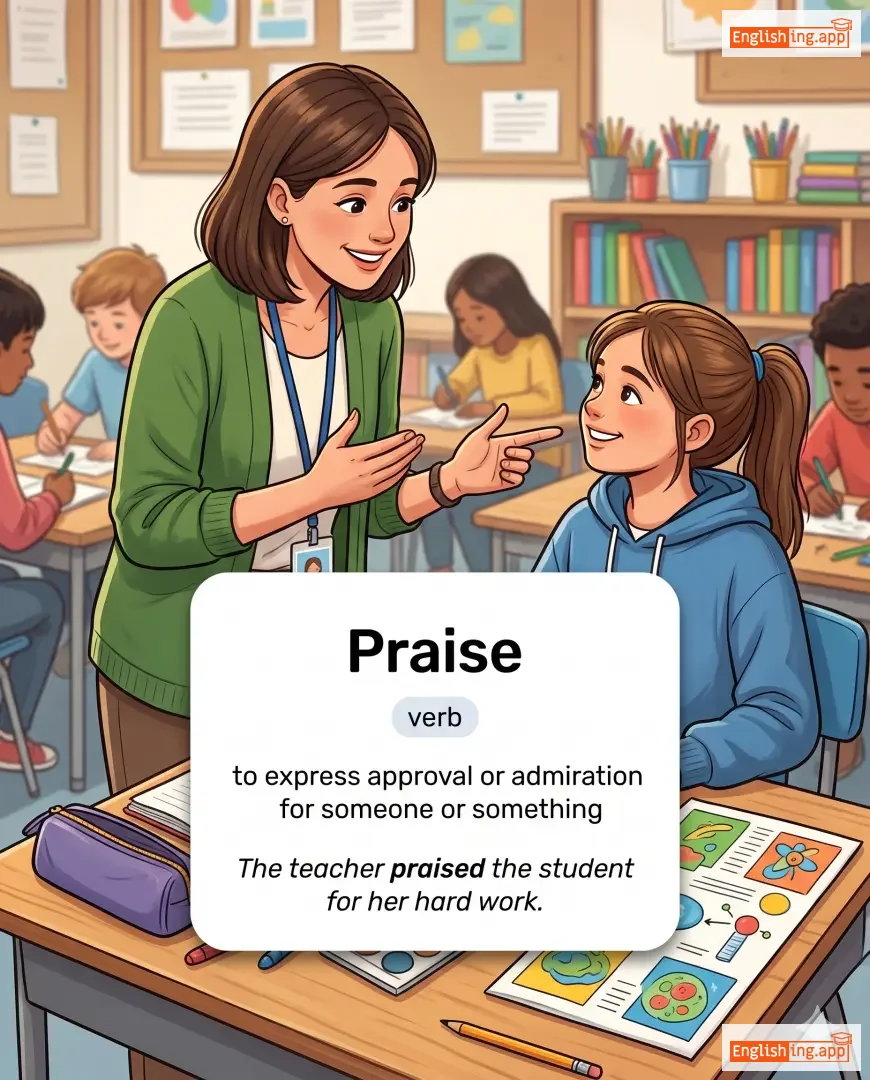
to express approval or admiration for someone or something
••••••
|
The teacher praised the student for her hard work.
先生は学生の努力を称賛しました。
••••••
|
先生は学生の努力を称賛しました。
Sensei wa gakusei no doryoku o shousan shimashita.
••••••
|
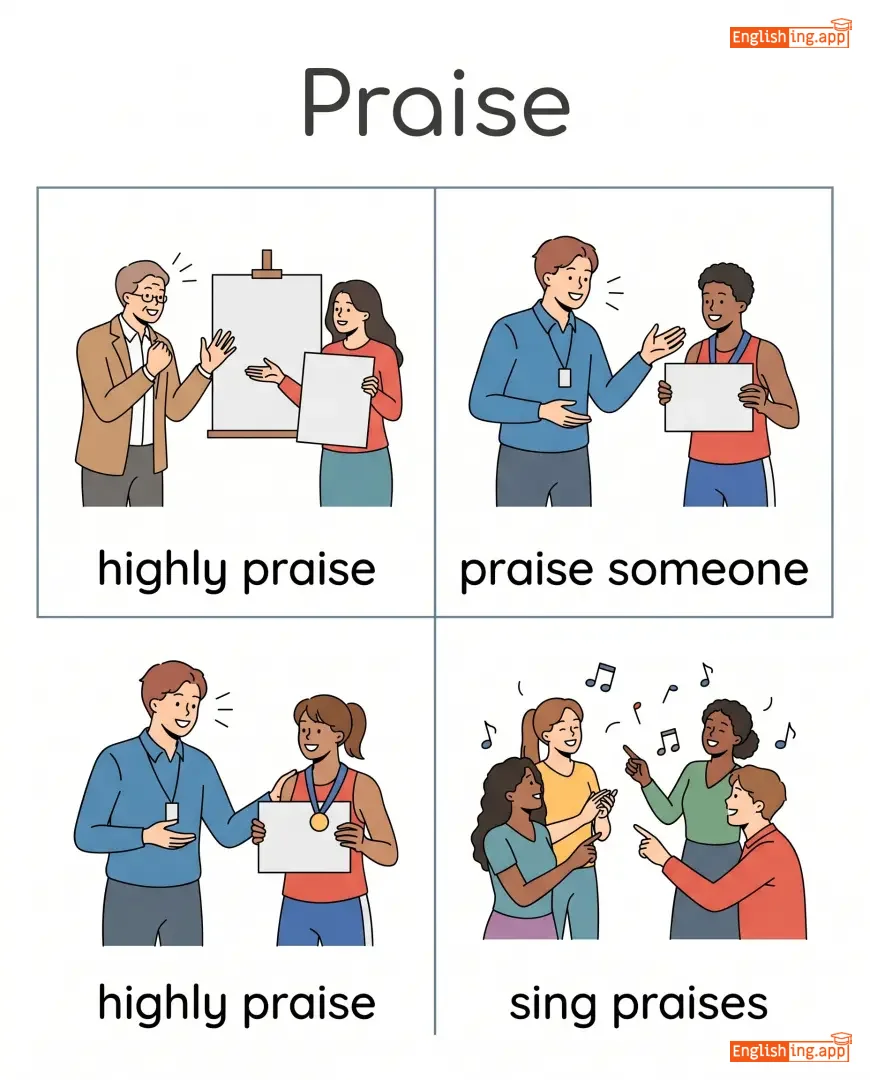
sing someone’s praises
誰かを称賛する
••••••
|
to enthusiastically talk about how good someone is
••••••
|
誰かを称賛する
dareka o shousan suru
••••••
|
commend, compliment, applaud, admire, honor
••••••
|
criticize, blame, condemn
••••••
|
highly praise, praise someone, sing praises, praise for efforts
••••••
|
Sanbi suru は称賛する — クラスで良いことをするとみんな 'サンビ' するよ!
••••••
|
|
🕊️
••••••
|
/ˈprɛər/
noun
(purea)
••••••
|
- •••••• |
祈り
inori
••••••
|
- •••••• | - •••••• | - •••••• | - •••••• |
a solemn request for help or expression of thanks addressed to God or another deity
••••••
|
She recited a prayer before the meal. |
彼女は食事の前に祈りを捧げました。
Kanojo wa shokuji no mae ni inori o sasagemashita.
••••••
|
answer one's prayer |
to fulfill a person's request made in prayer
••••••
|
誰かの祈りに応える
Dareka no inori ni kotaeru
••••••
|
supplication, devotion, plea, invocation
••••••
|
curse, blasphemy
••••••
|
say a prayer, prayer meeting, prayer time
••••••
|
夜に祈りを捧げ、願いが叶うように。
••••••
|
|
🙏
••••••
|
/priːtʃ/
verb
(puriichi)
••••••
|
- •••••• |
説教する
sekkyou suru
••••••
|
preached
puriichido
••••••
|
preached
puriichido
••••••
|
preaches
puriichesu
••••••
|
preaching
puriichingu
••••••
|
to deliver a religious or moral talk, often in a church setting
••••••
|
The pastor preached about forgiveness and kindness.
牧師は許しと親切について説教しました。
••••••
|
牧師は許しと親切について説教しました。
Bokusha wa yurushi to shinsetsu ni tsuite sekkyou shimashita.
••••••
|
practice what you preach
説教したことを実践する
••••••
|
to behave in the way you encourage others to behave
••••••
|
説教したことを実践する
sekkyou shita koto o jissen suru
••••••
|
sermonize, exhort, evangelize, lecture, instruct
••••••
|
ignore, neglect, conceal
••••••
|
preach forgiveness, preach love, preach tolerance, preach against
••••••
|
説教するとは、あなたが説教することをすることです。
••••••
|
|
👍
••••••
|
/prɪˈfɜːr/
verb
(プリファー)
••••••
|
|
好む
konomu
••••••
|
preferred
プリファード
••••••
|
preferred
プリファード
••••••
|
prefers
プリファーズ
••••••
|
preferring
プリファリング
••••••
|
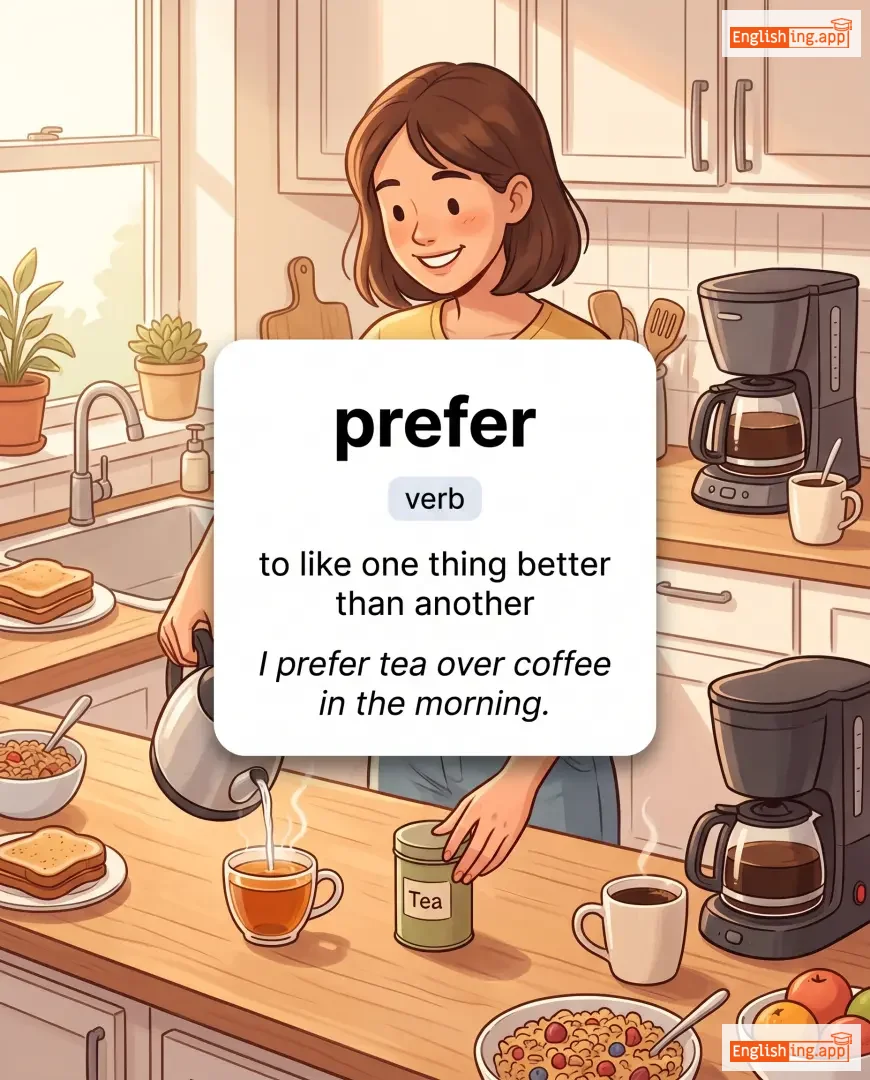
to like one thing better than another
••••••
|
I prefer tea over coffee in the morning.
私は朝にコーヒーよりもお茶を好みます。
••••••
|
私は朝にコーヒーよりもお茶を好みます。
Watashi wa asa ni kōhī yori mo ocha o konomimasu.
••••••
|
prefer not to say
言わないほうがいい
••••••
|
to avoid giving an answer or sharing information
••••••
|
言わないほうがいい
Iwanai hō ga ii
••••••
|
choose, favor, like, favor over
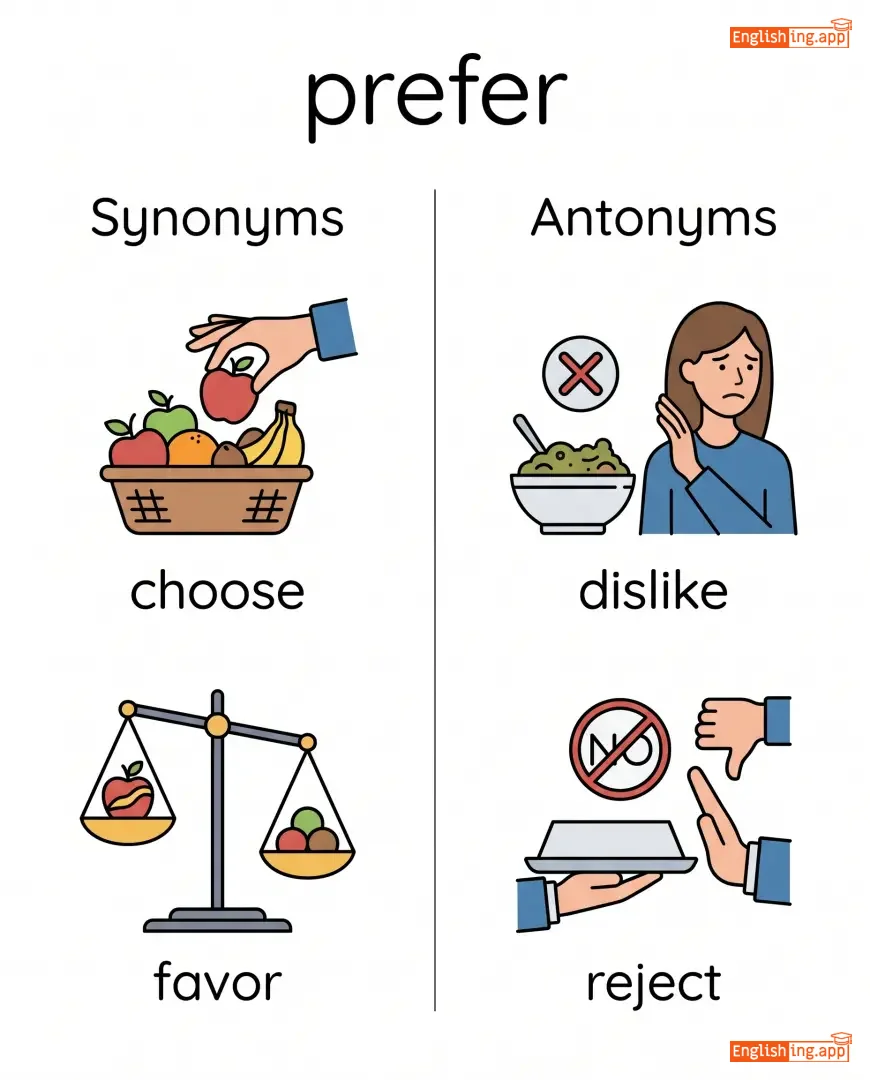
••••••
|
dislike, reject, avoid
••••••
|
prefer to, prefer over, prefer doing
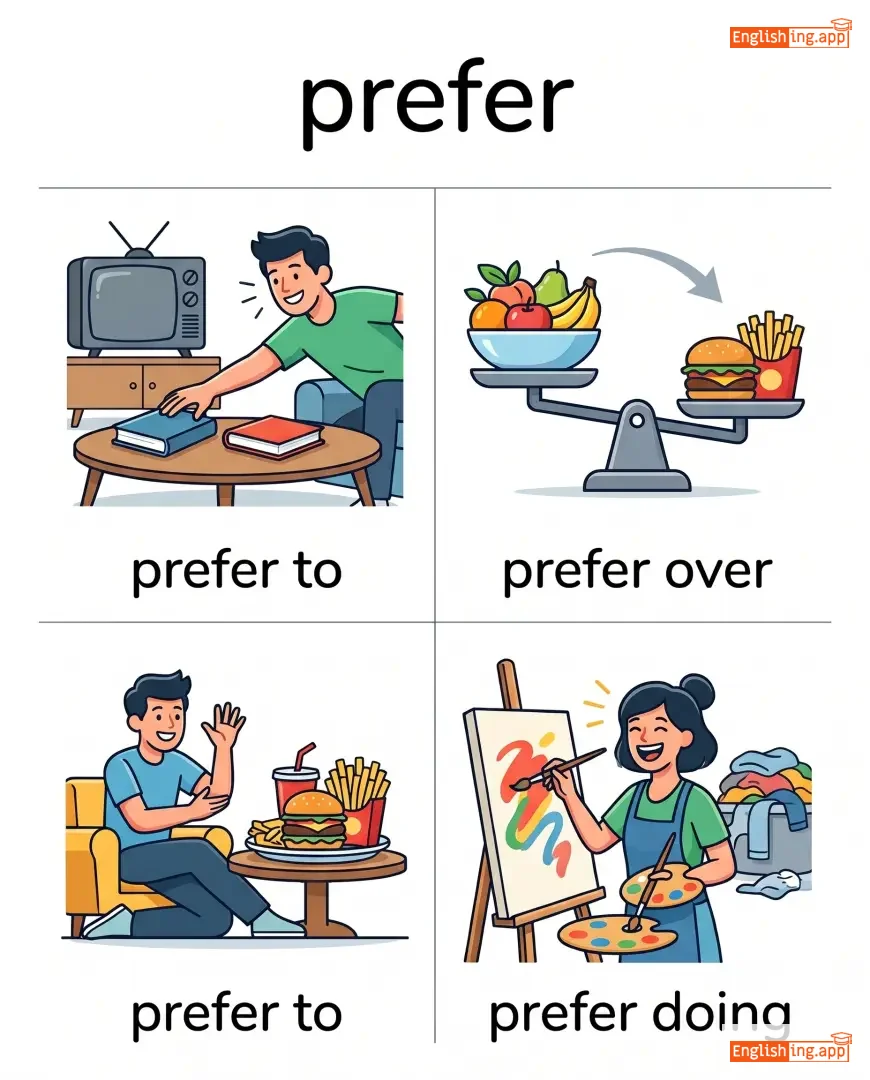
••••••
|
好むは何かを選ぶことで、優先することを意味します
••••••
|
|
🌸
••••••
|
/ˈprɪti/
adjective
(プリティ)
••••••
|
- •••••• |
きれい
kirei
••••••
|
- •••••• | - •••••• | - •••••• | - •••••• |
Attractive in a delicate way without being truly beautiful.
••••••
|
She looked pretty in her new dress. |
彼女は新しいドレスできれいに見えた。
Kanojo wa atarashī doresu de kirei ni mieta.
••••••
|
pretty good |
Fairly good or satisfactory.
••••••
|
かなり良い
kanari yoi
••••••
|
lovely, attractive, cute, charming, fair
••••••
|
ugly, unattractive, plain
••••••
|
pretty face, pretty girl, pretty well, pretty good
••••••
|
Prettyはきれい、でも少し控えめな美しさを意味します。
••••••
|
|
🏚️
••••••
|
/ˈprɪzən/
noun
(プリズン)
••••••
|
- •••••• |
刑務所
keimusho
••••••
|
- •••••• | - •••••• | - •••••• | - •••••• |
a building where people are kept as punishment for a crime or while waiting for trial
••••••
|
He was sent to prison for his crimes. |
彼は犯罪のために刑務所に送られた。
Kare wa hanzai no tame ni keimusho ni okurareta.
••••••
|
- •••••• | - •••••• | - •••••• |
jail, penitentiary, correctional facility, lockup
••••••
|
freedom, liberty, release
••••••
|
prison sentence, prison cell, go to prison
••••••
|
Think of '刑務所' in Japanese, where criminals are held until justice is served.
••••••
|
|
👔
••••••
|
/ˈprɒpər/
adjective
(プロパー)
••••••
|
- •••••• |
適切な
tekisetsu na
••••••
|
- •••••• | - •••••• | - •••••• | - •••••• |
conforming to accepted standards of behavior or morality
••••••
|
He made sure to wear proper attire for the interview.
ヒーメイドシュアトゥウェアプロパーアタイアフォーダインタービュー
••••••
|
彼は面接のために適切な服を着ることを確認しました。
Kare wa mensetsu no tame ni tekisetsu na fuku o kiru koto o kakunin shimashita.
••••••
|
- •••••• | - •••••• | - •••••• |
suitable, appropriate, correct, fitting
••••••
|
improper, unsuitable, incorrect
••••••
|
proper attire, proper behavior, proper procedure
••••••
|
Proper means right, just like wearing the right attire!
••••••
|
|
🟣
••••••
|
/ˈpɜː.pəl/
adjective
(パープル)
••••••
|
- •••••• |
紫
murasaki
••••••
|
- •••••• | - •••••• | - •••••• | - •••••• |
a color that is a mix of red and blue
••••••
|
She wore a beautiful purple dress to the party. |
彼女はパーティーに美しい紫のドレスを着て行きました。
Kanojo wa pātii ni utsukushī murasaki no doresu o kite ikimashita.
••••••
|
born to the purple |
born into a royal or noble family
••••••
|
紫禁城で生まれる
shikinjō de umareru
••••••
|
violet, lavender, mauve, lilac, plum
••••••
|
colorless, pale, white
••••••
|
purple dress, purple flower, deep purple, light purple
••••••
|
紫 = Purple, 王族にふさわしい色。
••••••
|

