The Prisoner Who Found Light
拉菲坐在prison里,头靠在pillow上,思考着。他认为自己现在是nobody,但一个新的notion出现在他的脑海里。一天,一位pastor走过来,和他openly交谈,并preached关于希望的事情。拉菲曾经oppose这类谈话,但现在他preferred听下去。那位pastor给了他一本封面purple的书,里面是poetry和prayers。拉菲总是把一个orange放在他的pocket里,这让他想起外面的世界。他开始pretty定期地写poetry,每个phrase都在讲述他转变的故事。他的写作中充满了plenty的希望和praise。拉菲知道proper的prayer能给他力量。他想象着有一天能住在一个像palace一样美丽的地方,虽然这离prison很远。但他的poetry和prayer给了他勇气去openly梦想。拉菲明白内心的平静比外在的自由更重要。他把头靠在pillow上,祈祷着,感觉到心中有plenty的光明。最后,拉菲从nobody变成了一个转变的灵魂。
|
表情符号
|
单词 | Images | 翻译 | 过去时 | 过去分词 | 第三人称单数 | 动名词 | 含义 | 例句 | 例句翻译 | 示例表达 | 示例表达含义 | 示例表达翻译 | 同义词 | 反义词 | 搭配词 | 助记符 |
|---|---|---|---|---|---|---|---|---|---|---|---|---|---|---|---|---|---|
|
🙅♂️
••••••
|
/ˈnoʊˌbɑːdi/
pronoun
(nobody)
••••••
|
- •••••• |
没有人
méiyǒu rén
••••••
|
- •••••• | - •••••• | - •••••• | - •••••• |
no person; not anyone
••••••
|
Nobody came to the party.
没有人来参加派对。
••••••
|
没有人来参加派对。
Méiyǒu rén lái cānjiā pàiduì.
••••••
|
- •••••• | - •••••• | - •••••• |
no one, none, not a soul
••••••
|
someone, anybody
••••••
|
nobody knows, nobody cares, nobody else
••••••
|
没有人来,如果没有人听 - Nobody comes if nobody listens
••••••
|
|
💡
••••••
|
/ˈnoʊʃən/
noun
(诺申)
••••••
|
- •••••• |
概念
gai nian
••••••
|
- •••••• | - •••••• | - •••••• | - •••••• |
An idea, belief, or concept about something.
••••••
|
He had a vague notion of what she wanted. |
他对她想要什么有一个模糊的概念。
Ta dui ta xiang yao shenme you yige mohu de gainian.
••••••
|
fancy notion |
An unrealistic or fanciful idea.
••••••
|
虚幻的概念
xuhuan de gainian
••••••
|
idea, concept, belief, impression, thought
••••••
|
reality, fact
••••••
|
notion of, vague notion, challenge the notion, false notion
••••••
|
Notion = 就像是笔记中的一个想法。
••••••
|
|
🗣️
••••••
|
/ˈəʊpənli/
adverb
(ˈoʊpənli)
••••••
|
- •••••• |
公开地
gōngkāi de
••••••
|
- •••••• | - •••••• | - •••••• | - •••••• |
in a way that is not secret or hidden
••••••
|
He spoke openly about his past mistakes. |
他公开地谈论了他的过去错误。
Tā gōngkāi de tánlùnle tā de guòqù cuòwù.
••••••
|
openly admit |
to confess something without hesitation or secrecy
••••••
|
公开承认
gōngkāi chéngrèn
••••••
|
frankly, honestly, publicly, freely, visibly
••••••
|
secretly, privately, covertly
••••••
|
speak openly, discuss openly, act openly
••••••
|
Openly 是指公开地说出真相,毫无保留。
••••••
|
|
✊
••••••
|
/əˈpoʊz/
verb
(对抗)
••••••
|
|
反对
fǎnduì
••••••
|
opposed
对抗了
••••••
|
opposed
对抗了
••••••
|
opposes
对抗
••••••
|
opposing
对抗
••••••
|
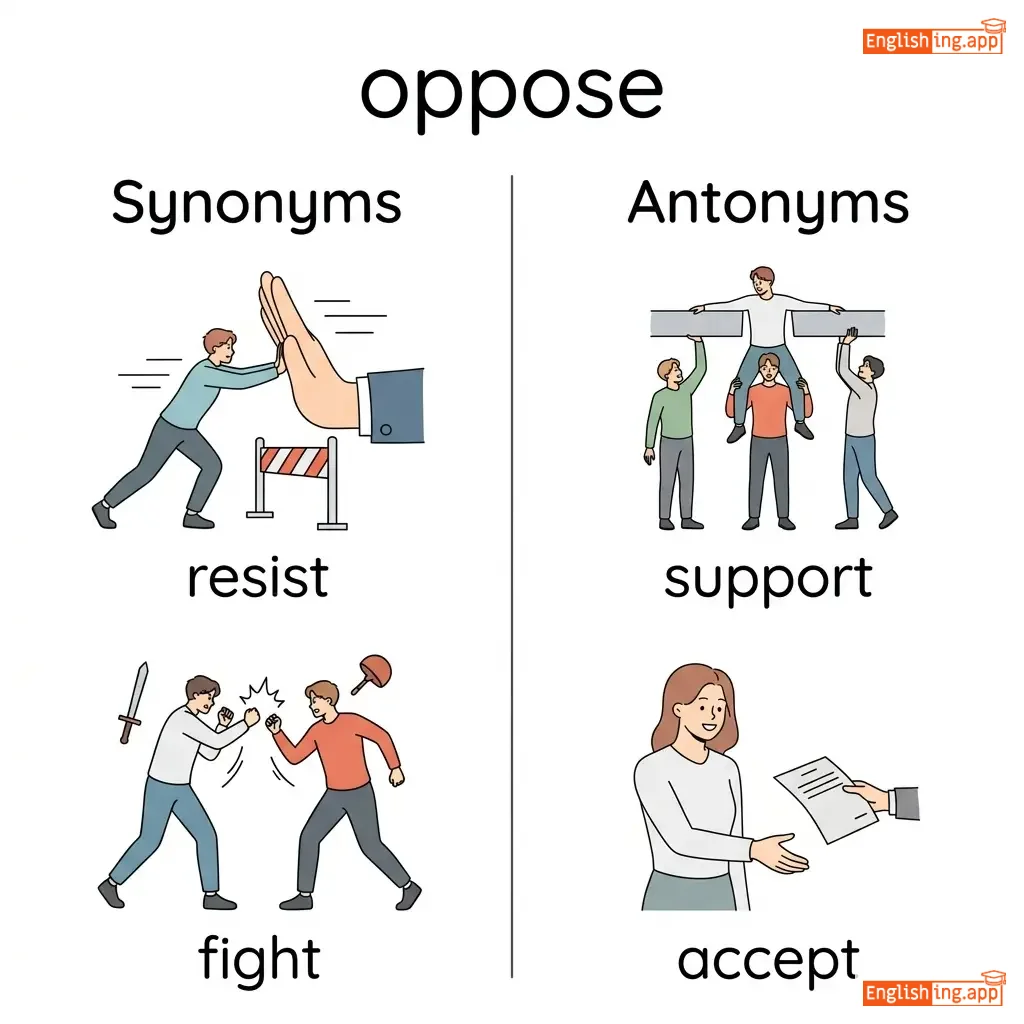
to disagree with or resist; to act against
••••••
|
Many citizens oppose the new tax policy.
许多公民反对新的税收政策。
••••••
|
许多公民反对新的税收政策。
Xǔduō gōngmín fǎnduì xīn de shuìshōu zhèngcè.
••••••
|
- •••••• | - •••••• | - •••••• |
resist, object, counter, protest
••••••
|
support, agree, approve, endorse
••••••
|
strongly oppose, actively oppose, oppose plans, oppose changes, oppose policy
••••••
|
反对 (fǎnduì) = oppose, '反' means 'against'
••••••
|
|
🟠
••••••
|
/ˈɔːr.ɪndʒ/
adjective
(chéng)
••••••
|
- •••••• |
橙色
chéng sè
••••••
|
- •••••• | - •••••• | - •••••• | - •••••• |
having a color between red and yellow like that of a ripe orange fruit
••••••
|
The orange sunset painted the sky magnificently.
橙色的日落把天空画得非常壮丽。
••••••
|
橙色的日落把天空画得非常壮丽。
Chéngsè de rìluò bǎ tiānkōng huà de fēicháng zhuànglì.
••••••
|
- •••••• | - •••••• | - •••••• |
amber, tangerine, peach
••••••
|
blue, violet, purple
••••••
|
bright orange, orange juice, orange peel, orange light
••••••
|
橙色, 就像橙子
••••••
|
|
🏰
••••••
|
/ˈpælɪs/
noun
(宫殿)
••••••
|
- •••••• |
宫殿
gongdian
••••••
|
- •••••• | - •••••• | - •••••• | - •••••• |
a large and impressive building that is the official home of a king, queen, or other ruler
••••••
|
The royal family lives in a magnificent palace.
皇室家庭住在一个宏伟的宫殿里。
••••••
|
皇室家庭住在一个宏伟的宫殿里。
Huangshi jiating zhuzai yige hongwei de gongdian li.
••••••
|
a palace fit for a king
适合国王的宫殿
••••••
|
a place that is luxurious and grand
••••••
|
适合国王的宫殿
shihua guowang de gongdian
••••••
|
castle, mansion, fortress, residence, estate
••••••
|
hut, cabin, shack
••••••
|
royal palace, presidential palace, ancient palace, marble palace
••••••
|
Palace means place for king — 国王的宫殿!
••••••
|
|
⛪
••••••
|
/ˈpæstər/
noun
(牧师)
••••••
|
- •••••• |
牧师
mùshī
••••••
|
- •••••• | - •••••• | - •••••• | - •••••• |
a minister in charge of a Christian church or congregation
••••••
|
The pastor delivered a heartfelt sermon on compassion.
牧师讲了一场充满同情的讲道。
••••••
|
牧师讲了一场充满同情的讲道。
Mùshī jiǎngle yī chǎng chōngmǎn tóngqíng de jiǎngdào.
••••••
|
- •••••• | - •••••• | - •••••• |
minister, priest, clergyman, reverend, preacher
••••••
|
layman, atheist, follower
••••••
|
pastor of the church, senior pastor, youth pastor, church pastor
••••••
|
牧师在教堂讲道 — ‘Pastor’ 就是传教的牧师 ⛪
••••••
|
|
🗣️
••••••
|
/freɪz/
noun
(fureizu)
••••••
|
- •••••• |
短语
duǎnyǔ
••••••
|
- •••••• | - •••••• | - •••••• | - •••••• |
a small group of words standing together as a conceptual unit
••••••
|
He gave a memorable phrase at the conference.
他在会议上说了一句令人难忘的话。
••••••
|
他在会议上说了一句令人难忘的话。
Tā zài huìyì shàng shuōle yī jù lìngrén nánwàng de huà.
••••••
|
- •••••• | - •••••• | - •••••• |
expression, saying, remark, slogan
••••••
|
sentence, clause
••••••
|
common phrase, catchphrase, famous phrase
••••••
|
短语 (phrase) 和 memorable phrase 联想!
••••••
|
|
🛏️
••••••
|
/ˈpɪloʊ/
noun
(枕头)
••••••
|
- •••••• |
枕头
zhěntou
••••••
|
- •••••• | - •••••• | - •••••• | - •••••• |
a soft cushion filled with material used to support the head while sleeping or resting
••••••
|
She placed her head on the soft pillow and fell asleep quickly. |
她把头放在柔软的枕头上,快速入睡。
Tā bǎ tóu fàng zài róuruǎn de zhěntou shàng, kuàisù rùshuì.
••••••
|
rest your head on a pillow |
to relax or prepare for sleep
••••••
|
将头放在枕头上
jiāng tóu fàng zài zhěntou shàng
••••••
|
cushion, bolster, pad, headrest, support
••••••
|
hard surface, floor
••••••
|
soft pillow, pillow cover, pillow fight, pillow case
••••••
|
Pillow 在中文中是枕头 — 在睡觉前说 ‘把头放在枕头上!’
••••••
|
|
🌾
••••••
|
/ˈplen.ti/
noun
(plenti)
••••••
|
- •••••• |
丰富; 足够
fengfu; zhuigou
••••••
|
- •••••• | - •••••• | - •••••• | - •••••• |
a large or sufficient amount; abundance
••••••
|
There is plenty of food for everyone at the party.
聚会中有足够的食物供每个人享用。
••••••
|
聚会中有足够的食物供每个人享用。
Juhui zhong you zhuigou de shiwun gong meige ren xiangyong.
••••••
|
- •••••• | - •••••• | - •••••• |
abundance, ample, sufficient, lots
••••••
|
scarcity, shortage, lack, insufficient
••••••
|
plenty of time, plenty of money, plenty to eat
••••••
|
Plenty意味着充足,如'聚会中有足够的食物'.
••••••
|
|
👖
••••••
|
/ˈpɒkɪt/
noun
••••••
|
- •••••• | - •••••• | - •••••• | - •••••• | - •••••• | - •••••• |
a small, enclosed space in clothing for carrying items
••••••
|
He put his phone in his pocket. |
- •••••• | - •••••• | - •••••• | - •••••• |
compartment, pouch, bag
••••••
|
open space, outside
••••••
|
pocket size, shirt pocket, pocket money
••••••
|
No •••••• |
|
📚
••••••
|
/ˈpoʊɪtri/
noun
(诗歌)
••••••
|
- •••••• |
诗歌
shige
••••••
|
- •••••• | - •••••• | - •••••• | - •••••• |
a literary form that uses rhythmic and metaphorical language to express emotions or ideas
••••••
|
She loves reading poetry in her free time. |
她喜欢在空闲时间阅读诗歌。
Ta xihuan zai kongxian shijian yuedu shige.
••••••
|
- •••••• | - •••••• | - •••••• |
verse, rhymes, ballads
••••••
|
prose, narrative
••••••
|
read poetry, write poetry, modern poetry
••••••
|
Poetry is the art of capturing emotions in words.
••••••
|
|
👏
••••••
|
/preɪz/
verb
(preiz)
••••••
|
|
称赞
chengzan
••••••
|
praised
preizd
••••••
|
praised
preizd
••••••
|
praises
preizes
••••••
|
praising
preizing
••••••
|
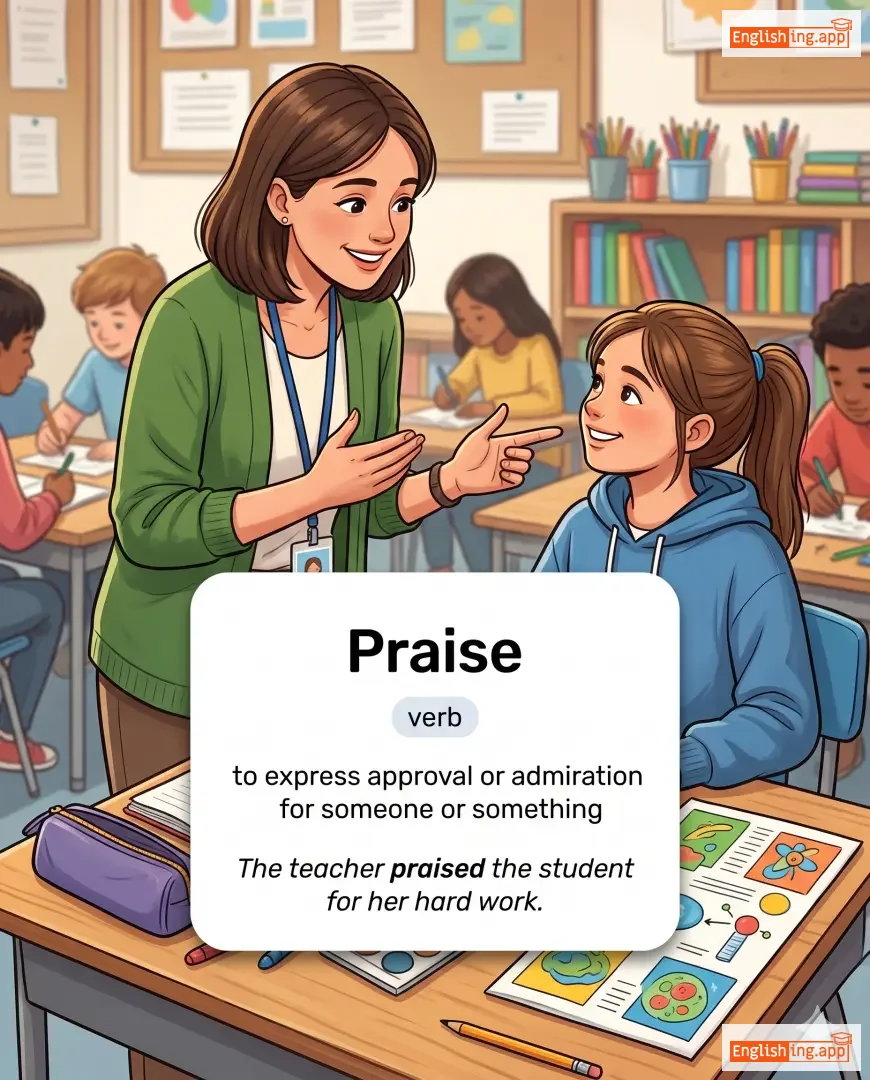
to express approval or admiration for someone or something
••••••
|
The teacher praised the student for her hard work.
老师表扬了学生的辛勤工作。
••••••
|
老师表扬了学生的辛勤工作。
Laoshi biaoyang le xuesheng de xinqin gongzuo.
••••••
|
sing someone’s praises
为某人唱赞歌
••••••
|
to enthusiastically talk about how good someone is
••••••
|
为某人唱赞歌
wei mou ren chang zangge
••••••
|
commend, compliment, applaud, admire, honor
••••••
|
criticize, blame, condemn
••••••
|
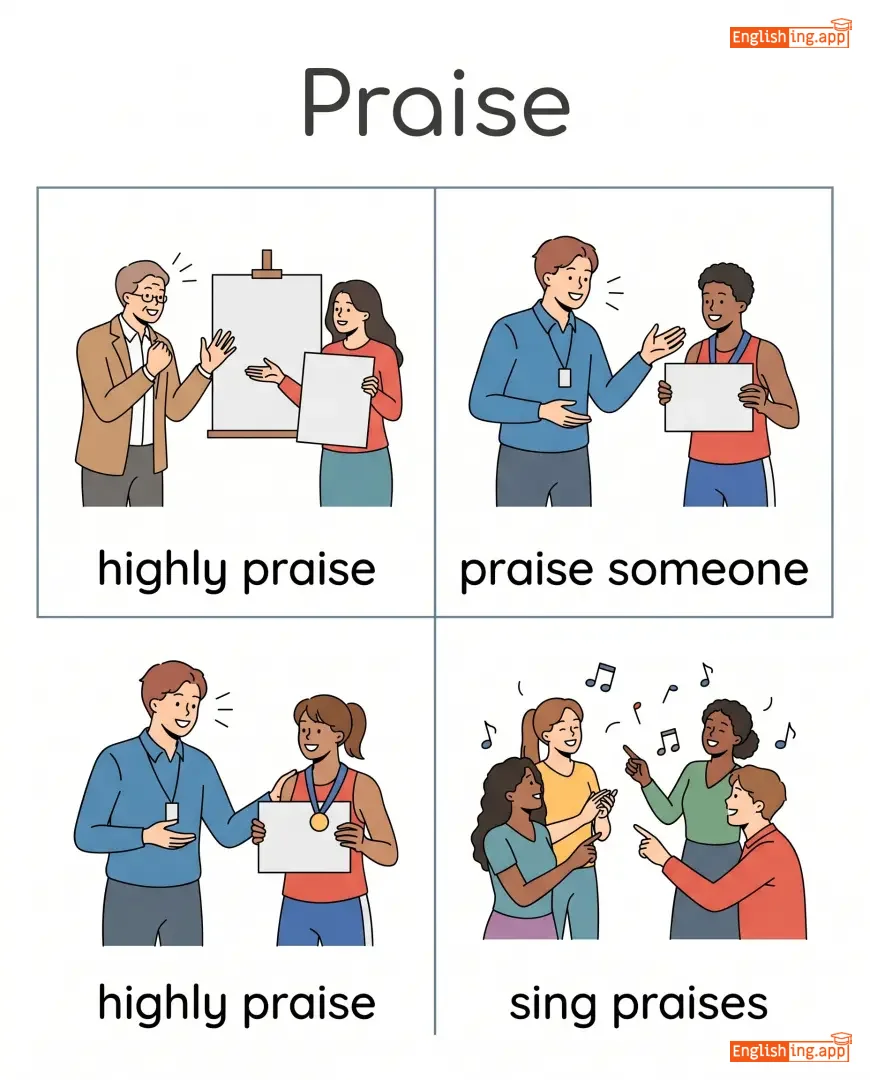
highly praise, praise someone, sing praises, praise for efforts
••••••
|
Chengzan 意味着称赞 — 如果你做得好,大家都会说 '称赞!'
••••••
|
|
🕊️
••••••
|
/ˈprɛər/
noun
(prèir)
••••••
|
- •••••• |
祈祷
qidao
••••••
|
- •••••• | - •••••• | - •••••• | - •••••• |
a solemn request for help or expression of thanks addressed to God or another deity
••••••
|
She recited a prayer before the meal. |
她在饭前念了祈祷词。
Ta zai fan qian nian le qidao ci.
••••••
|
answer one's prayer |
to fulfill a person's request made in prayer
••••••
|
回答某人的祈祷
Huidao mou ren de qidao
••••••
|
supplication, devotion, plea, invocation
••••••
|
curse, blasphemy
••••••
|
say a prayer, prayer meeting, prayer time
••••••
|
在晚上祈祷,祈愿你的愿望成真。
••••••
|
|
🙏
••••••
|
/priːtʃ/
verb
(pǔ lǐ qí)
••••••
|
- •••••• |
宣讲
xuān jiǎng
••••••
|
preached
pǔ lǐ qí de
••••••
|
preached
pǔ lǐ qí de
••••••
|
preaches
pǔ lǐ qí
••••••
|
preaching
pǔ lǐ qí zhōng
••••••
|
to deliver a religious or moral talk, often in a church setting
••••••
|
The pastor preached about forgiveness and kindness.
牧师讲解了宽恕与善良。
••••••
|
牧师宣讲了宽恕与善良。
Mùshī xuānjiǎng le kuānshù yǔ shànliáng.
••••••
|
practice what you preach
实践你所讲的
••••••
|
to behave in the way you encourage others to behave
••••••
|
实践你所讲的
shíjiàn nǐ suǒ jiǎng de
••••••
|
sermonize, exhort, evangelize, lecture, instruct
••••••
|
ignore, neglect, conceal
••••••
|
preach forgiveness, preach love, preach tolerance, preach against
••••••
|
宣讲意味着做你所宣讲的。
••••••
|
|
👍
••••••
|
/prɪˈfɜːr/
verb
(普雷费尔)
••••••
|
|
更喜欢
gèng xǐ huān
••••••
|
preferred
普雷费尔德
••••••
|
preferred
普雷费尔德
••••••
|
prefers
普雷费尔斯
••••••
|
preferring
普雷费林
••••••
|
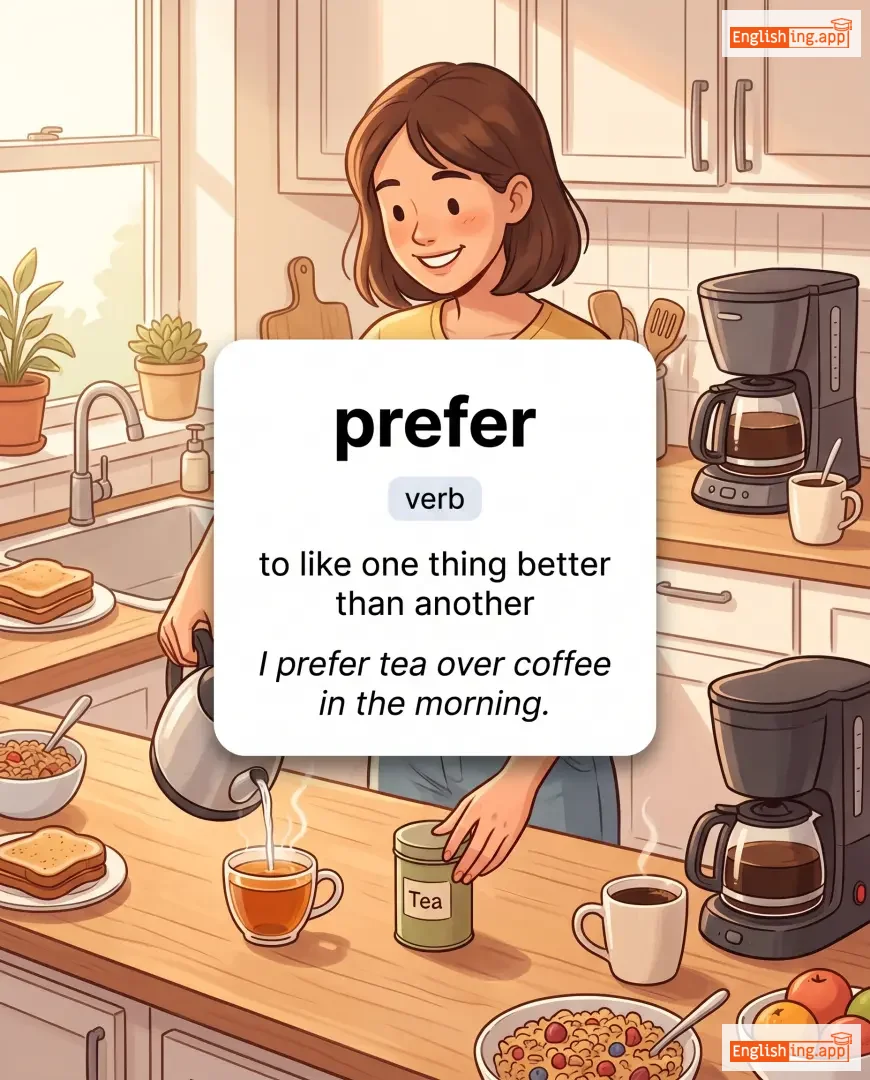
to like one thing better than another
••••••
|
I prefer tea over coffee in the morning.
我早上更喜欢喝茶而不是咖啡。
••••••
|
我早上更喜欢喝茶而不是咖啡。
Wǒ zǎo shang gèng xǐ huān hē chá ér bù shì kā fēi.
••••••
|
prefer not to say
更喜欢不说
••••••
|
to avoid giving an answer or sharing information
••••••
|
更喜欢不说
gèng xǐ huān bù shuō
••••••
|
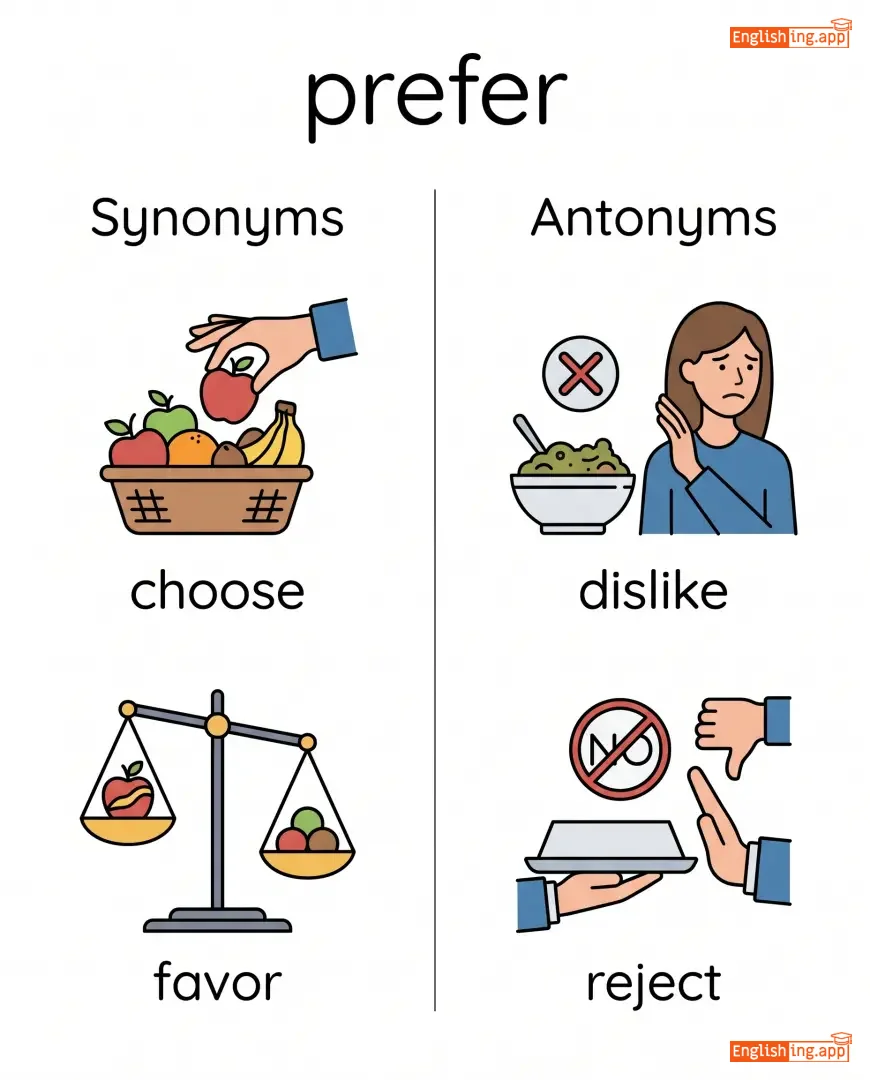
choose, favor, like, favor over
••••••
|
dislike, reject, avoid
••••••
|
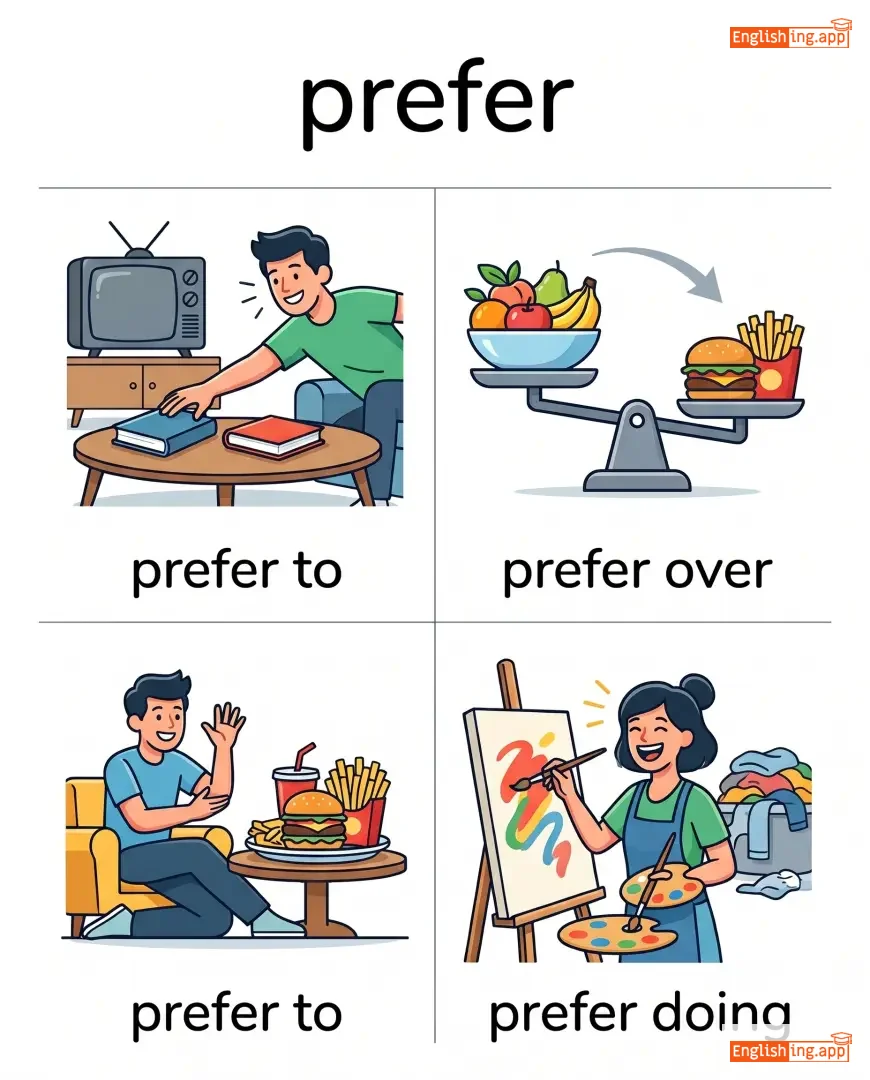
prefer to, prefer over, prefer doing
••••••
|
更喜欢就是先挑出自己最爱的那个
••••••
|
|
🌸
••••••
|
/ˈprɪti/
adjective
(普雷蒂)
••••••
|
- •••••• |
漂亮
piaoliang
••••••
|
- •••••• | - •••••• | - •••••• | - •••••• |
Attractive in a delicate way without being truly beautiful.
••••••
|
She looked pretty in her new dress. |
她穿着新裙子看起来很漂亮。
Tā chuānzhuó xīn qúnzi kàn qǐlái hěn piàoliang.
••••••
|
pretty good |
Fairly good or satisfactory.
••••••
|
相当好
xiāngdāng hǎo
••••••
|
lovely, attractive, cute, charming, fair
••••••
|
ugly, unattractive, plain
••••••
|
pretty face, pretty girl, pretty well, pretty good
••••••
|
Pretty意味着漂亮,但并不炫目。
••••••
|
|
🏚️
••••••
|
/ˈprɪzən/
noun
(监狱)
••••••
|
- •••••• |
监狱
jianyu
••••••
|
- •••••• | - •••••• | - •••••• | - •••••• |
a building where people are kept as punishment for a crime or while waiting for trial
••••••
|
He was sent to prison for his crimes. |
他因犯下罪行而被送进监狱。
Ta yin fànxià zuìxíng ér bèi sòng jìn jiānyù.
••••••
|
- •••••• | - •••••• | - •••••• |
jail, penitentiary, correctional facility, lockup
••••••
|
freedom, liberty, release
••••••
|
prison sentence, prison cell, go to prison
••••••
|
Think of '监狱' in Chinese, where people who break the law are sent.
••••••
|
|
👔
••••••
|
/ˈprɒpər/
adjective
(pròpèr)
••••••
|
- •••••• |
适当的
shìdàng de
••••••
|
- •••••• | - •••••• | - •••••• | - •••••• |
conforming to accepted standards of behavior or morality
••••••
|
He made sure to wear proper attire for the interview.
Hī māked shūer tū wēr pròper ātàir fóor dè īntervīū.
••••••
|
他确保为面试穿上了适当的服装。
Tā quèbǎo wèi miànshì chuān shàngle shìdàng de fúzhuāng.
••••••
|
- •••••• | - •••••• | - •••••• |
suitable, appropriate, correct, fitting
••••••
|
improper, unsuitable, incorrect
••••••
|
proper attire, proper behavior, proper procedure
••••••
|
Proper means right, just like wearing the right attire!
••••••
|
|
🟣
••••••
|
/ˈpɜː.pəl/
adjective
(pɜːrpl)
••••••
|
- •••••• |
紫色
zǐsè
••••••
|
- •••••• | - •••••• | - •••••• | - •••••• |
a color that is a mix of red and blue
••••••
|
She wore a beautiful purple dress to the party. |
她穿了一件漂亮的紫色裙子去参加聚会。
Tā chuānle yī jiàn piàoliang de zǐsè qúnzi qù cānjiā jùhuì.
••••••
|
born to the purple |
born into a royal or noble family
••••••
|
生于紫禁城
shēng yú zǐjìnchéng
••••••
|
violet, lavender, mauve, lilac, plum
••••••
|
colorless, pale, white
••••••
|
purple dress, purple flower, deep purple, light purple
••••••
|
紫色 = Purple, 高贵的颜色。
••••••
|

