Runway of Relief
ハズラット・シャージャラルのterminal内で午前1時だったが、照明はまだ点灯していた。nationwide救援flightの準備が進んでいた。コントロールルームでは、メズハビーンが最新のradarトラックをdesktopで確認し、天候の窓を確認していた。Maintenanceクルーと訪問中のfederal検査官が緊急のconsultationのために集まった。航空機がinspectionを通過すると、全員が安堵の息をついた。gateの前に立っていたpilotが言った、「私たちはその島に医療用oxygenを届けます。」地上スタッフはuniformを整え、専門のcargoコンパートメントを整備した。オペレーションは彼らに「私たちのairlineはこの任務に完全にcommitしなければならない」と警告した。アシスタントのムクタはscheduleを再確認して、遅延がないようにした。乗客は搭乗していなかったが、市内からの寄付により感動的なpromotionが行われた。すべてのチームメンバーは安全complianceチェックリストにサインした。ナズルルは、荷物担当者がoxygenシリンダーを固定するのを見ていた。給油チームは無線で「すべて準備完了、gateはクリア」と伝えた。離陸前、キャプテンは簡単なブリーフィングを行った。「私たちに依存しているすべての人々のために一緒に祈りましょう。」航空機が滑走路を走ると、チームは都市であまり見られない団結を感じた。
|
絵文字
|
単語 | Images | 翻訳 | 過去 | 過去分詞 | 三人称単数 | 動名詞 | 意味 | 例文 | 例文の翻訳 | 表現例 | 表現例の意味 | 表現例の翻訳 | 同義語 | 対義語 | コロケーション | ニーモニック |
|---|---|---|---|---|---|---|---|---|---|---|---|---|---|---|---|---|---|
|
🛫
••••••
|
/ˈɛər.laɪn/
noun
(エアライン)
••••••
|
- •••••• |
航空会社
kōkū gaisha
••••••
|
- •••••• | - •••••• | - •••••• | - •••••• |
A company that provides regular flights for passengers and goods.
••••••
|
The airline announced a discount on international tickets. |
その航空会社は国際線チケットの割引を発表しました。
Sono kōkū gaisha wa kokusaiken chiketto no waribiki o happyō shimashita.
••••••
|
- •••••• | - •••••• | - •••••• |
carrier, flight operator, aviation company
••••••
|
individual pilot, private flyer
••••••
|
airline company, airline ticket, airline industry, airline staff
••••••
|
航空会社は空を飛ぶ会社です。
••••••
|
|
🚢
••••••
|
/ˈkɑːrɡoʊ/
noun
(カーゴ)
••••••
|
- •••••• |
貨物
kamotsu
••••••
|
- •••••• | - •••••• | - •••••• | - •••••• |
goods carried by a ship, plane, or other transport
••••••
|
The ship was loaded with valuable cargo. |
船は貴重な貨物で満載でした。
fune wa kichō na kamotsu de mansai deshita.
••••••
|
cargo ship |
a ship that carries goods rather than passengers
••••••
|
貨物船
kamotsu-sen
••••••
|
freight, shipment, load, consignment, goods
••••••
|
baggage, passenger
••••••
|
cargo ship, cargo plane, cargo hold, cargo transport
••••••
|
Cargo = 車 (kuruma) が貨物を運ぶ
••••••
|
|
✍️
••••••
|
/kəˈmɪt/
verb
••••••
|
- •••••• | - •••••• |
committed
••••••
|
committed
••••••
|
commits
••••••
|
committing
••••••
|
To carry out or perpetrate an act; to pledge or bind to a course of action.
••••••
|
He committed a serious mistake in the report. |
- •••••• |
commit to memory |
To learn something so well that you can remember it perfectly.
••••••
|
- •••••• |
perform, perpetrate, pledge, dedicate, undertake
••••••
|
neglect, abstain, withdraw
••••••
|
commit a crime, commit suicide, commit oneself, commit to
••••••
|
No •••••• |
|
✅
••••••
|
/kəmˈplaɪəns/
noun
(コンプライアンス)
••••••
|
|
コンプライアンス
konpuraiansu
••••••
|
- •••••• | - •••••• | - •••••• | - •••••• |
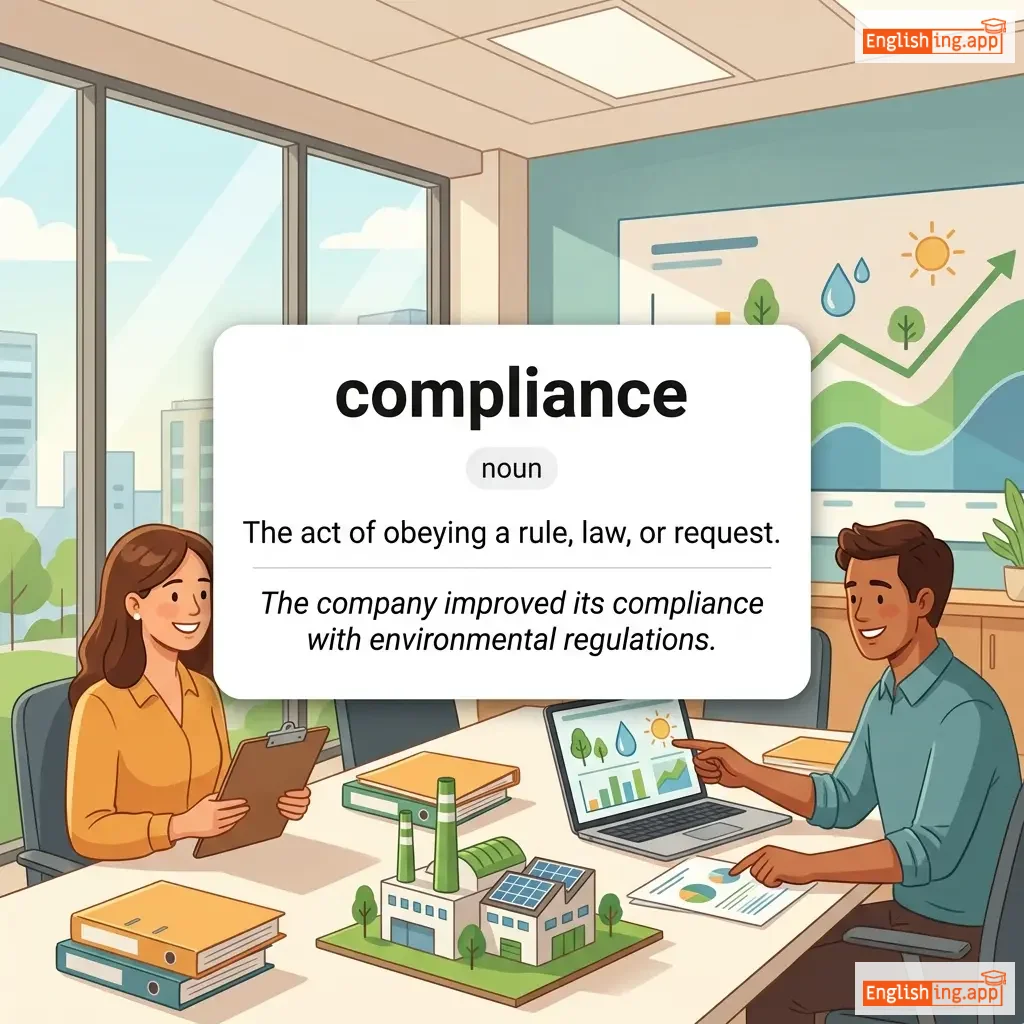
The act of obeying a rule, law, or request.
••••••
|
The company improved its compliance with environmental regulations. |
企業は環境規制へのコンプライアンスを改善しました。
Kigyou wa kankyō kisei e no konpuraiansu o kaizen shimashita.
••••••
|
in compliance with |
Acting according to rules, laws, or standards.
••••••
|
規則に従う
kisoku ni shitagau
••••••
|
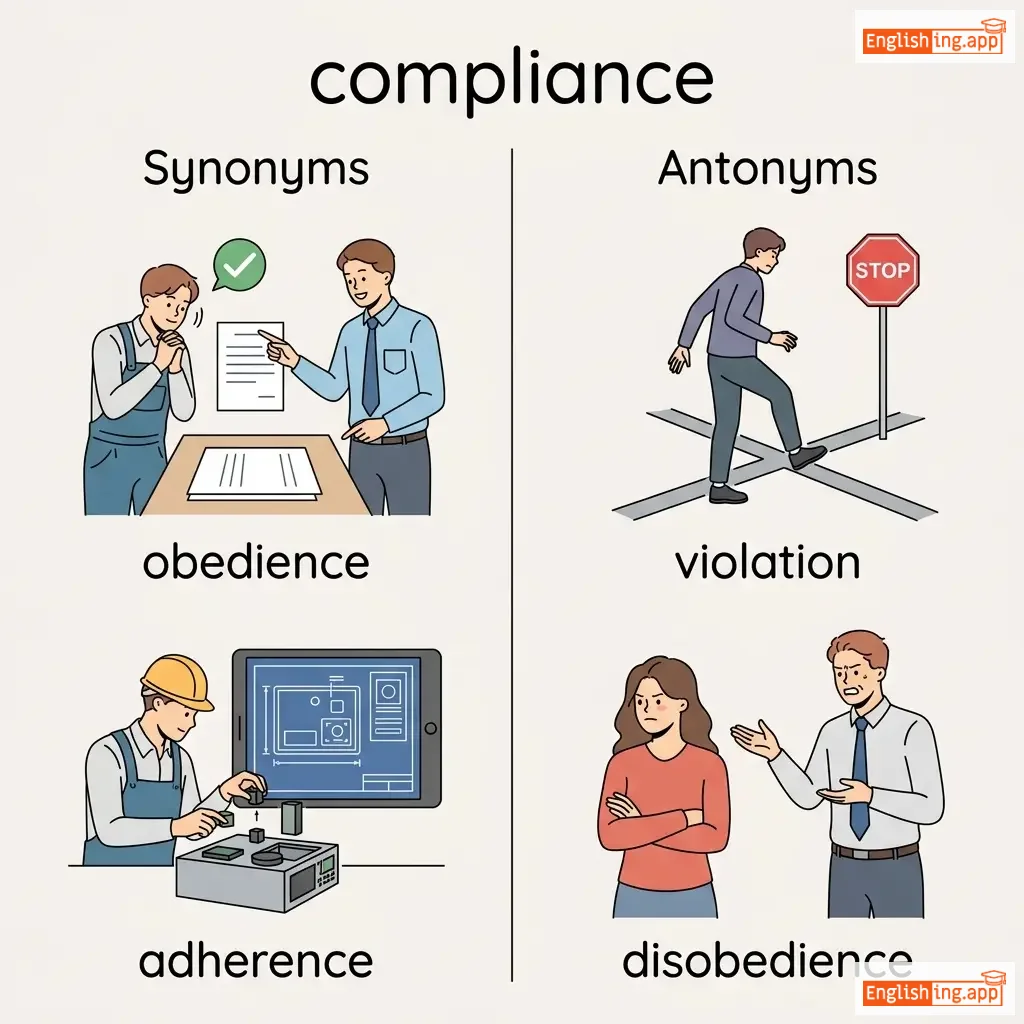
obedience, adherence, conformity, observance
••••••
|
violation, disobedience, defiance
••••••
|
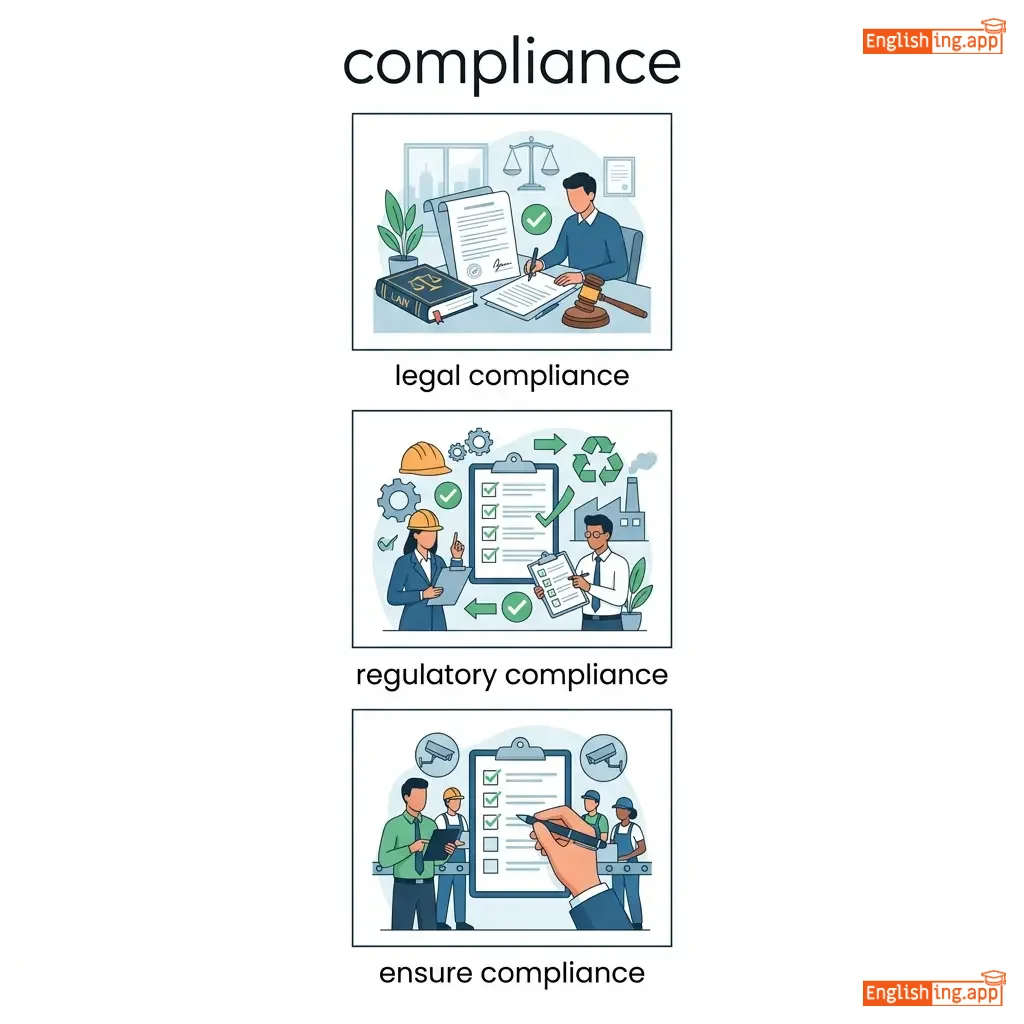
legal compliance, regulatory compliance, ensure compliance, compliance check
••••••
|
コンプライアンスはルールに従うこと ✅
••••••
|
|
💼
••••••
|
/ˌkɒnsʌlˈteɪʃən/
noun
(コンサルテーション)
••••••
|
|
相談
soudan
••••••
|
- •••••• | - •••••• | - •••••• | - •••••• |
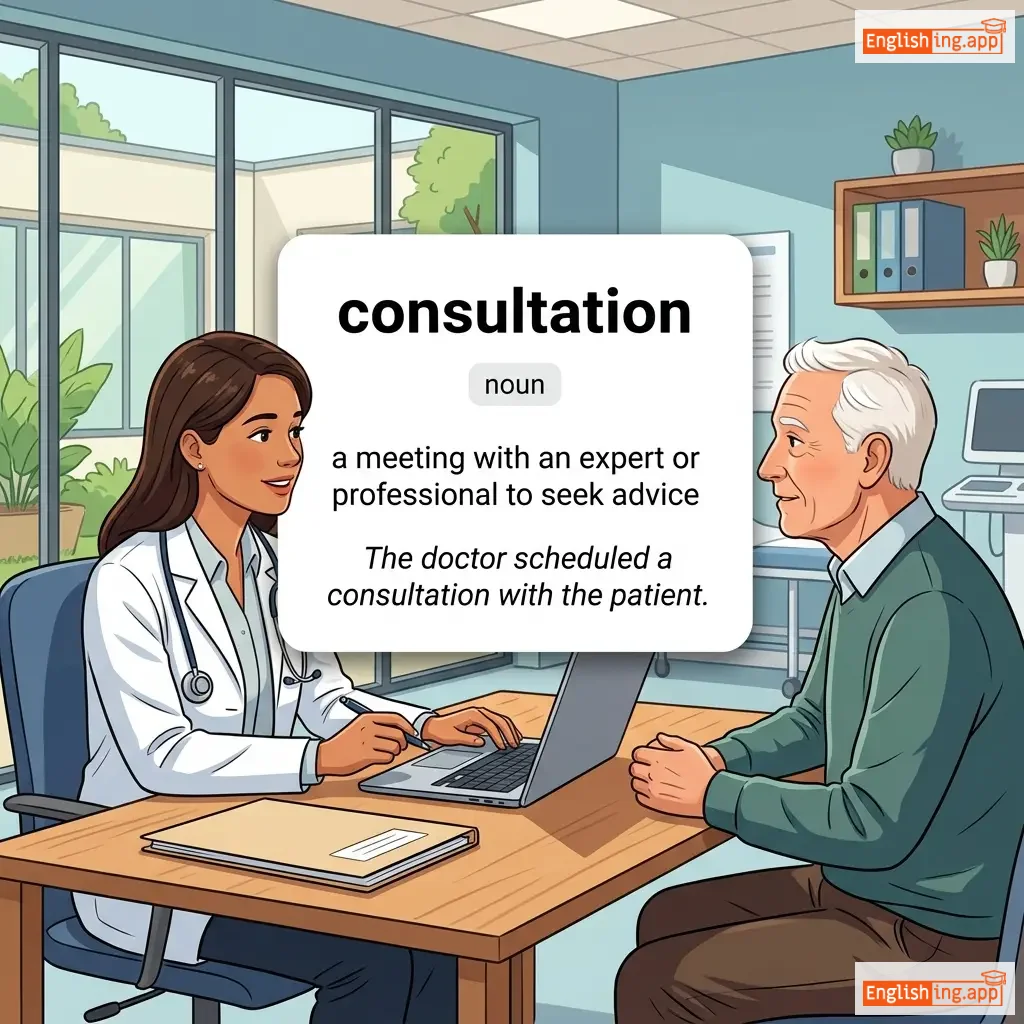
a meeting with an expert or professional to seek advice
••••••
|
The doctor scheduled a consultation with the patient. |
医師は患者との相談を予定しました。
Ishi wa kanja to no soudan o yotei shimashita.
••••••
|
- •••••• | - •••••• | - •••••• |
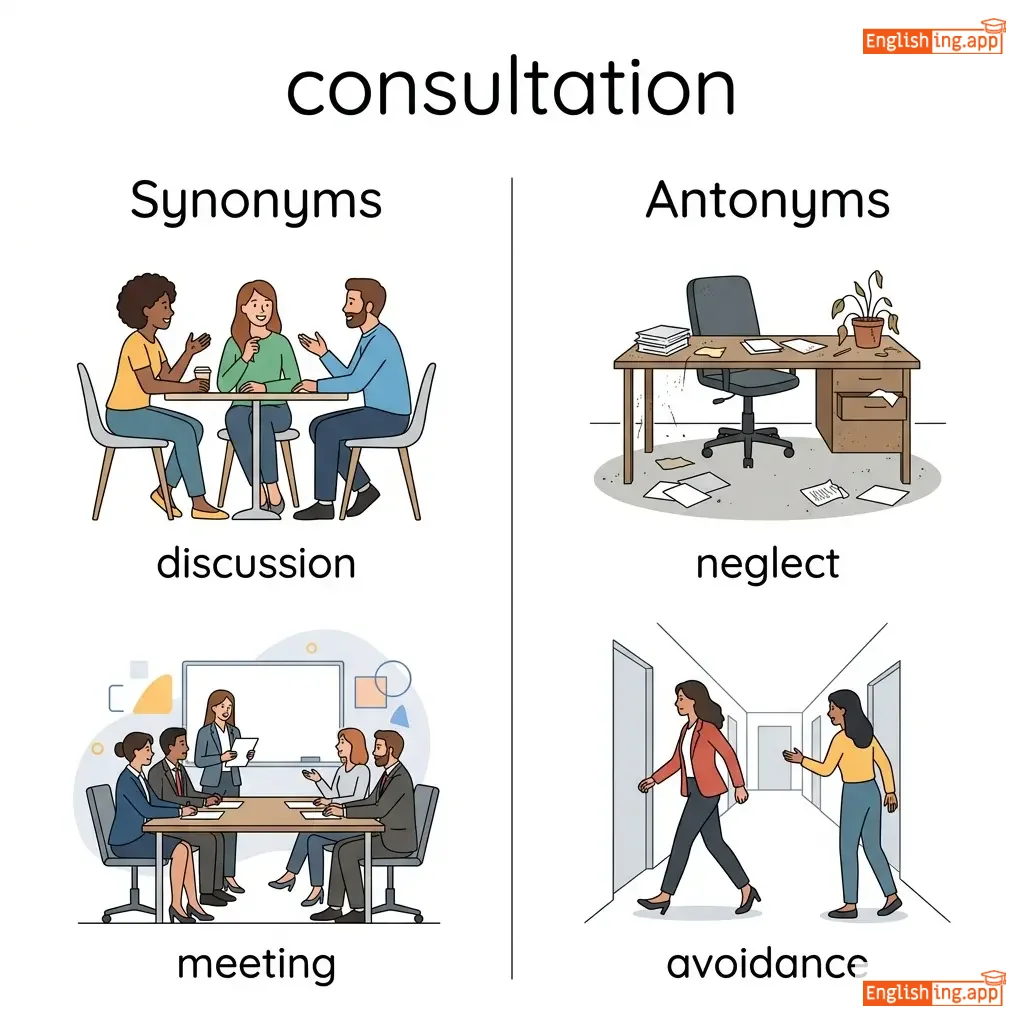
discussion, meeting, conference, advice
••••••
|
neglect, avoidance, ignoring
••••••
|
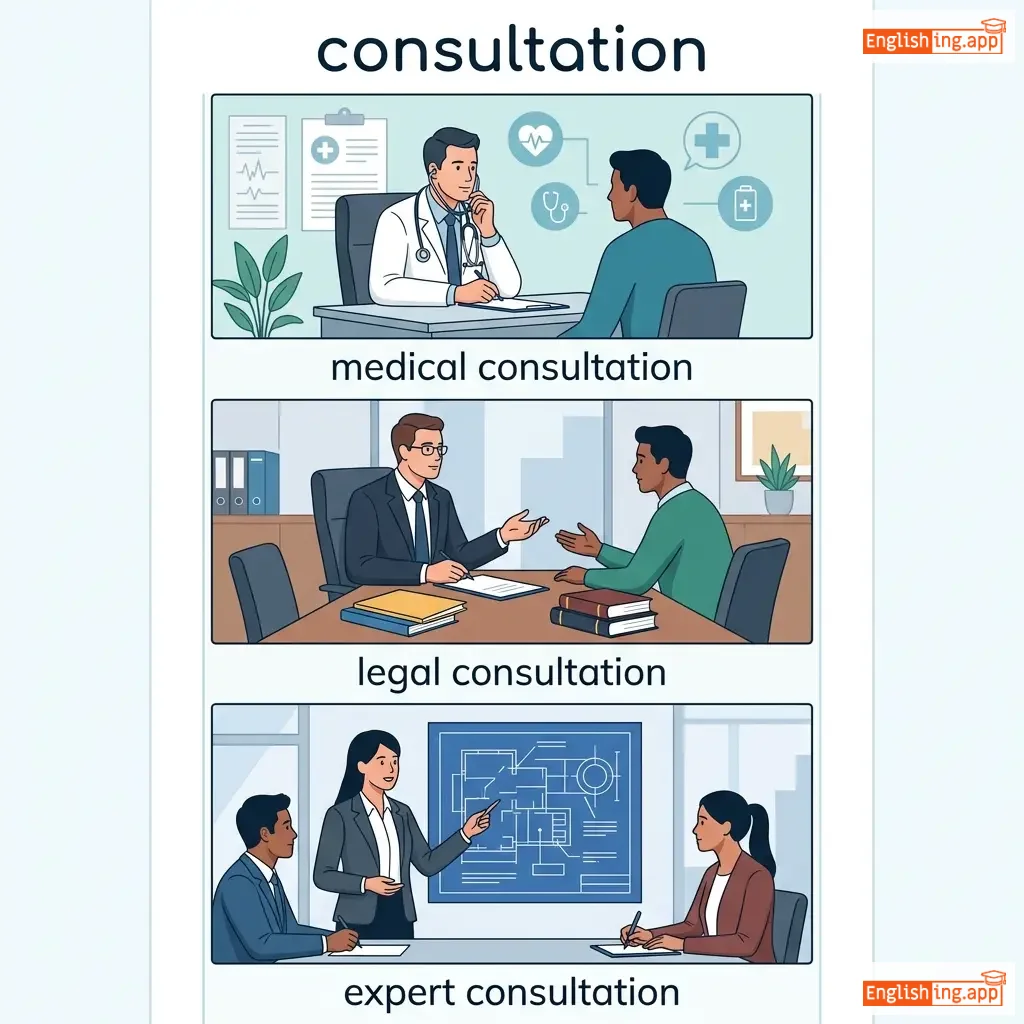
medical consultation, legal consultation, expert consultation
••••••
|
医者に相談するための相談!
••••••
|
|
⏳
••••••
|
/dɪˈleɪ/
verb
(ディレイ)
••••••
|
- •••••• |
遅延
chien
••••••
|
delayed
ディレイド
••••••
|
delayed
ディレイド
••••••
|
delays
ディレイズ
••••••
|
delaying
ディレイイング
••••••
|
to make something happen later than planned
••••••
|
The flight was delayed due to bad weather.
悪天候のため、飛行機が遅れました。
••••••
|
悪天候のため、飛行機が遅れました。
Akutenkō no tame, hikōki ga okuremashita.
••••••
|
without delay
遅れずに
••••••
|
immediately, without waiting
••••••
|
遅れずに
okurezu ni
••••••
|
postpone, defer, stall, hinder, procrastinate
••••••
|
advance, expedite, hasten
••••••
|
cause delay, long delay, delay in delivery, unexpected delay
••••••
|
Delayは遅延を意味します。飛行機の遅れのように。
••••••
|
|
💻
••••••
|
/ˈdɛsktɒp/
noun
••••••
|
- •••••• | - •••••• | - •••••• | - •••••• | - •••••• | - •••••• |
a computer designed to be used on a desk, typically with a separate monitor, keyboard, and mouse
••••••
|
I keep my documents on the desktop for easy access. |
- •••••• | - •••••• | - •••••• | - •••••• |
workstation, computer, PC
••••••
|
laptop, mobile
••••••
|
desktop computer, desktop screen, desktop icon, desktop environment
••••••
|
No •••••• |
|
🏛️
••••••
|
/ˈfɛdərəl/
adjective
(フェデラル)
••••••
|
- •••••• |
フェデラル
federal
••••••
|
- •••••• | - •••••• | - •••••• | - •••••• |
Relating to the central government of a federation.
••••••
|
The federal government passed a new law on healthcare. |
連邦政府は医療制度に関する新しい法律を通過させました。
Renpō seifu wa iryō seido ni kansuru atarashī hōritsu o tsūka sasemashita.
••••••
|
- •••••• | - •••••• | - •••••• |
national, central, governmental, administrative
••••••
|
local, regional
••••••
|
federal law, federal court, federal government, federal system
••••••
|
フェデラルは連邦政府に関連することを意味します。
••••••
|
|
✈️
••••••
|
/flaɪt/
noun
(フライト)
••••••
|
- •••••• |
フライト / フライト
furaito / furaito
••••••
|
- •••••• | - •••••• | - •••••• | - •••••• |
the act of flying, typically through the air; or a scheduled trip by an aircraft
••••••
|
Our flight to London was delayed due to bad weather. |
ロンドン行きのフライトは悪天候のため遅れました。
Rondon yuki no furaito wa akutenkou no tame okuremashita.
••••••
|
take flight |
to escape or run away suddenly
••••••
|
飛ぶ
tobu
••••••
|
journey, trip, voyage, escape, air travel
••••••
|
landing, stay, halt
••••••
|
catch a flight, book a flight, flight attendant, flight schedule
••••••
|
フライト、飛ぶこと — 飛行機に乗って空を飛ぶ
••••••
|
|
🚪
••••••
|
/ɡeɪt/
noun
(ハピネス)
••••••
|
- •••••• |
幸せ
shiawase
••••••
|
- •••••• | - •••••• | - •••••• | - •••••• |
A movable barrier that opens and closes to allow or prevent entry through an opening.
••••••
|
She closed the gate behind her as she left the garden. |
彼女は賞を受け取ったとき、喜びを隠すことができませんでした。
Kanojo wa shō o uketotta toki, yorokobi o kakusu koto ga dekimasen deshita.
••••••
|
at death's gate |
very close to dying
••••••
|
幸せの追求
shiawase no tsuikyū
••••••
|
door, entrance, barrier, portal, gateway
••••••
|
exit, opening
••••••
|
front gate, garden gate, iron gate, open the gate
••••••
|
幸せはあなたが追い求めるべき目標です。
••••••
|
|
🔍
••••••
|
/ɪnˈspekʃən/
noun
(インスペクション)
••••••
|
- •••••• |
検査
kensa
••••••
|
- •••••• | - •••••• | - •••••• | - •••••• |
a careful examination of something, especially to check that it is correct or safe
••••••
|
The building passed the safety inspection last week. |
その建物は先週、安全検査に合格しました。
Sono tatemono wa senshuu, anzen kensa ni goukaku shimashita.
••••••
|
under inspection |
being examined carefully
••••••
|
検査中
kensachu
••••••
|
examination, review, scrutiny, check, audit
••••••
|
neglect, overlook
••••••
|
safety inspection, routine inspection, detailed inspection, building inspection
••••••
|
Inspection は検査(チェック)することを意味します 🔎
••••••
|
|
🛠️
••••••
|
/ˈmeɪntənəns/
noun
(メンテナンス)
••••••
|
|
メンテナンス
mentenansu
••••••
|
- •••••• | - •••••• | - •••••• | - •••••• |
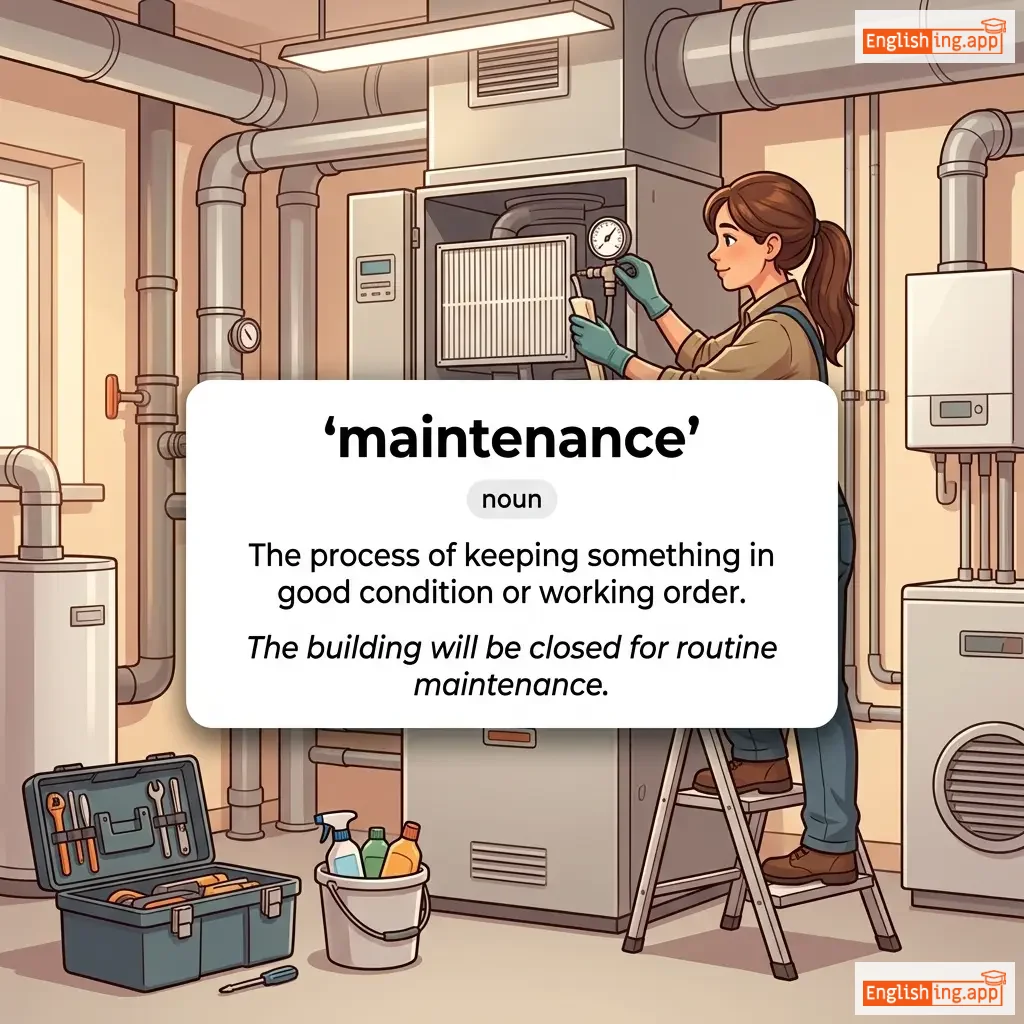
The process of keeping something in good condition or working order.
••••••
|
The building will be closed for routine maintenance. |
その建物は定期的なメンテナンスのために閉鎖されます。
Sono tatemono wa teikiteki na mentenansu no tame ni heisa saremasu.
••••••
|
maintenance work |
Regular work done to preserve or repair something
••••••
|
メンテナンス作業
mentenansu sagyō
••••••
|
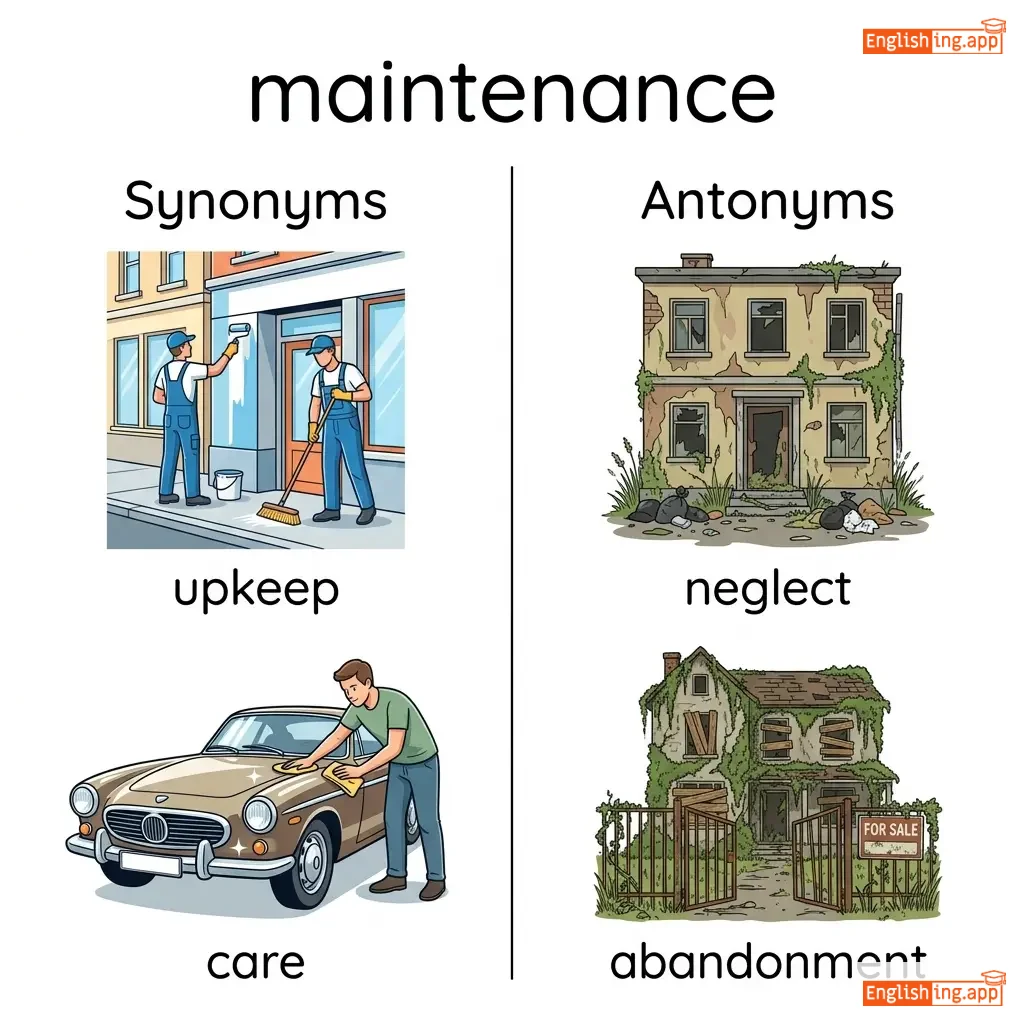
upkeep, care, preservation, repair, servicing
••••••
|
neglect, abandonment
••••••
|
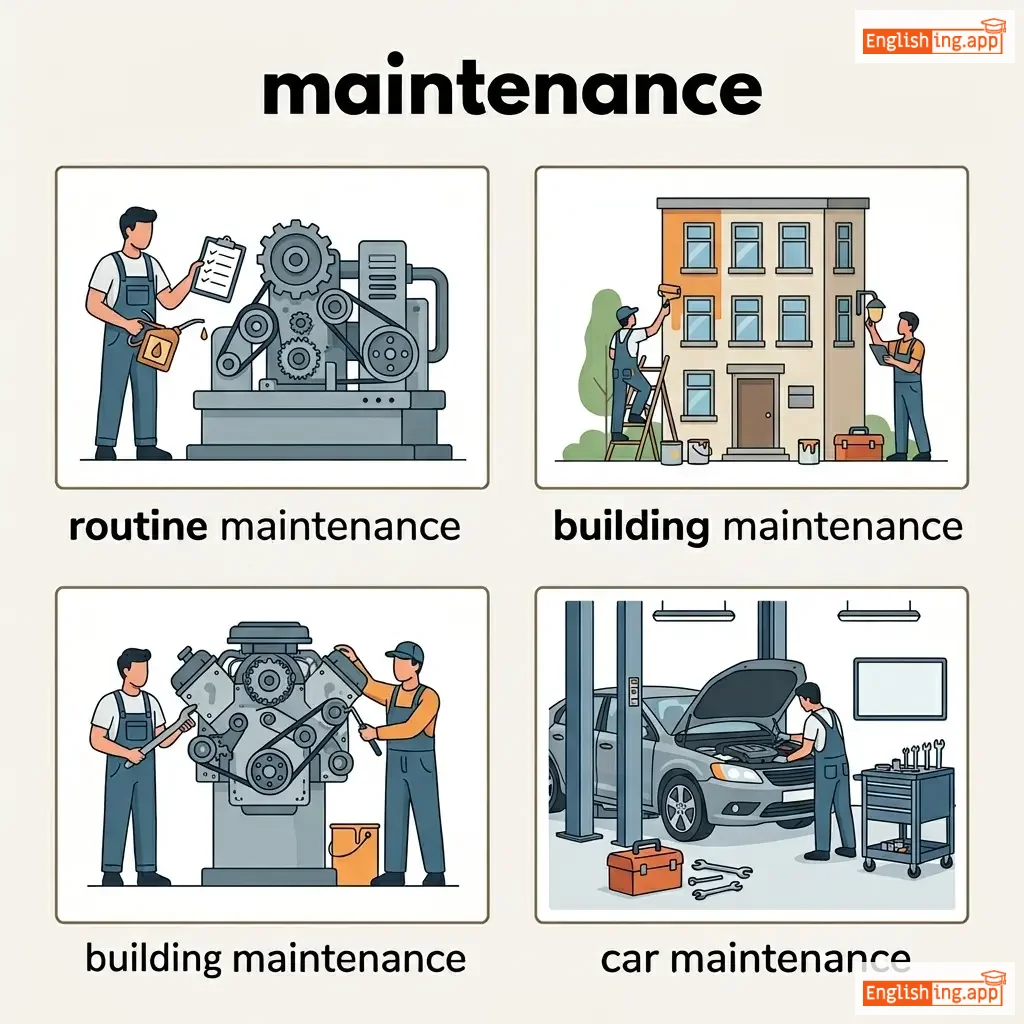
routine maintenance, building maintenance, car maintenance, maintenance cost
••••••
|
Maintenance は物を正しく動かすための手助け
••••••
|
|
🌍
••••••
|
/ˈneɪʃənˌwaɪd/
adjective, adverb
(ネイションワイド)
••••••
|
- •••••• |
全国規模
zenkoku kibo
••••••
|
- •••••• | - •••••• | - •••••• | - •••••• |
existing or happening throughout an entire nation
••••••
|
The campaign received nationwide support.
キャンペーンは全国的な支持を得ました。
••••••
|
キャンペーンは全国的な支持を得ました。
Kyanpēn wa zenkokuteki na shiji o emashita.
••••••
|
- •••••• | - •••••• | - •••••• |
countrywide, national, across the country, all over the nation
••••••
|
local, regional
••••••
|
nationwide survey, nationwide network, nationwide strike, nationwide coverage
••••••
|
Nation + wide = 全国規模; ‘nationwide’の意味は全国規模です。
••••••
|
|
🌬️
••••••
|
/ˈɒksɪdʒən/
noun
(オキシジェン)
••••••
|
|
酸素
sanso
••••••
|
- •••••• | - •••••• | - •••••• | - •••••• |
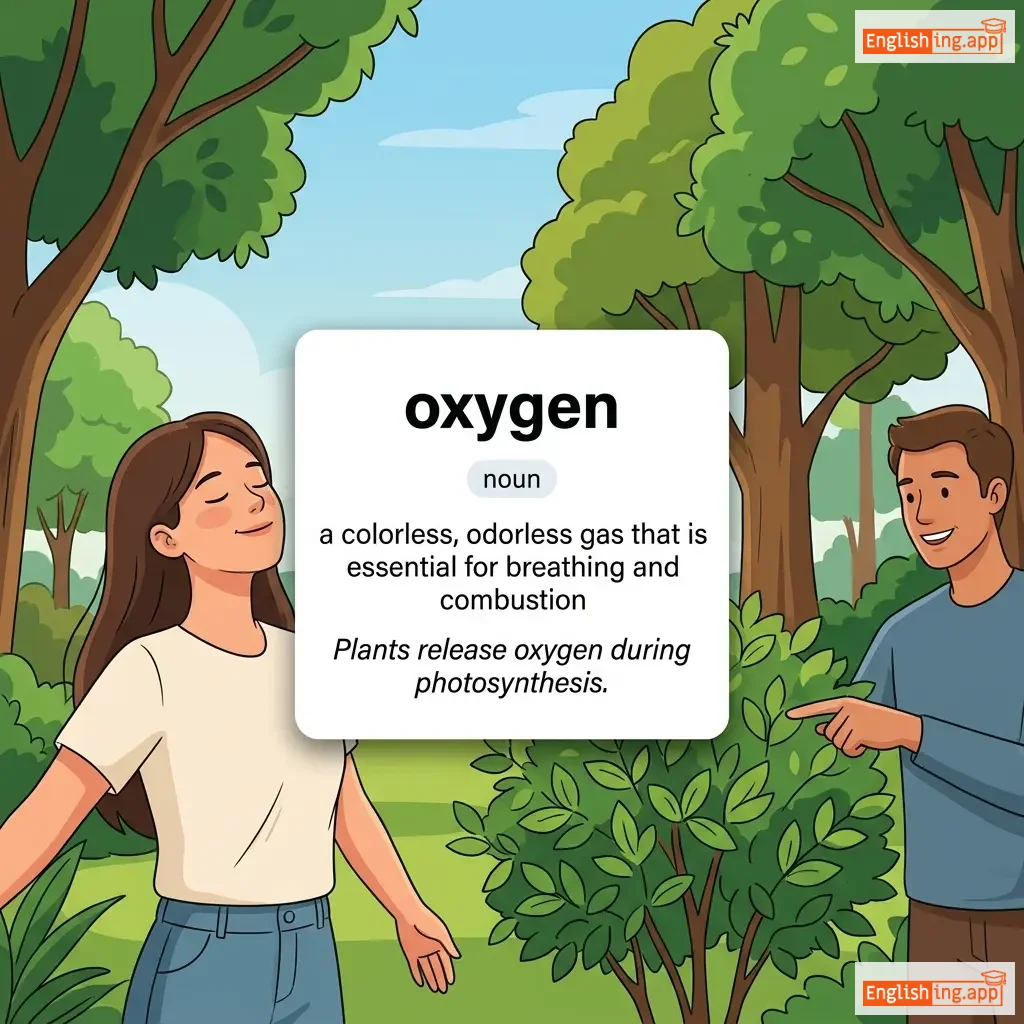
a colorless, odorless gas that is essential for breathing and combustion
••••••
|
Plants release oxygen during photosynthesis.
植物は光合成中に酸素を放出します。
••••••
|
植物は光合成中に酸素を放出します。
Shokubutsu wa kougousei chuu ni sanso wo houshutsushimasu.
••••••
|
like oxygen
酸素のように
••••••
|
something essential for survival
••••••
|
生存に不可欠
seizon ni fukaketsu
••••••
|
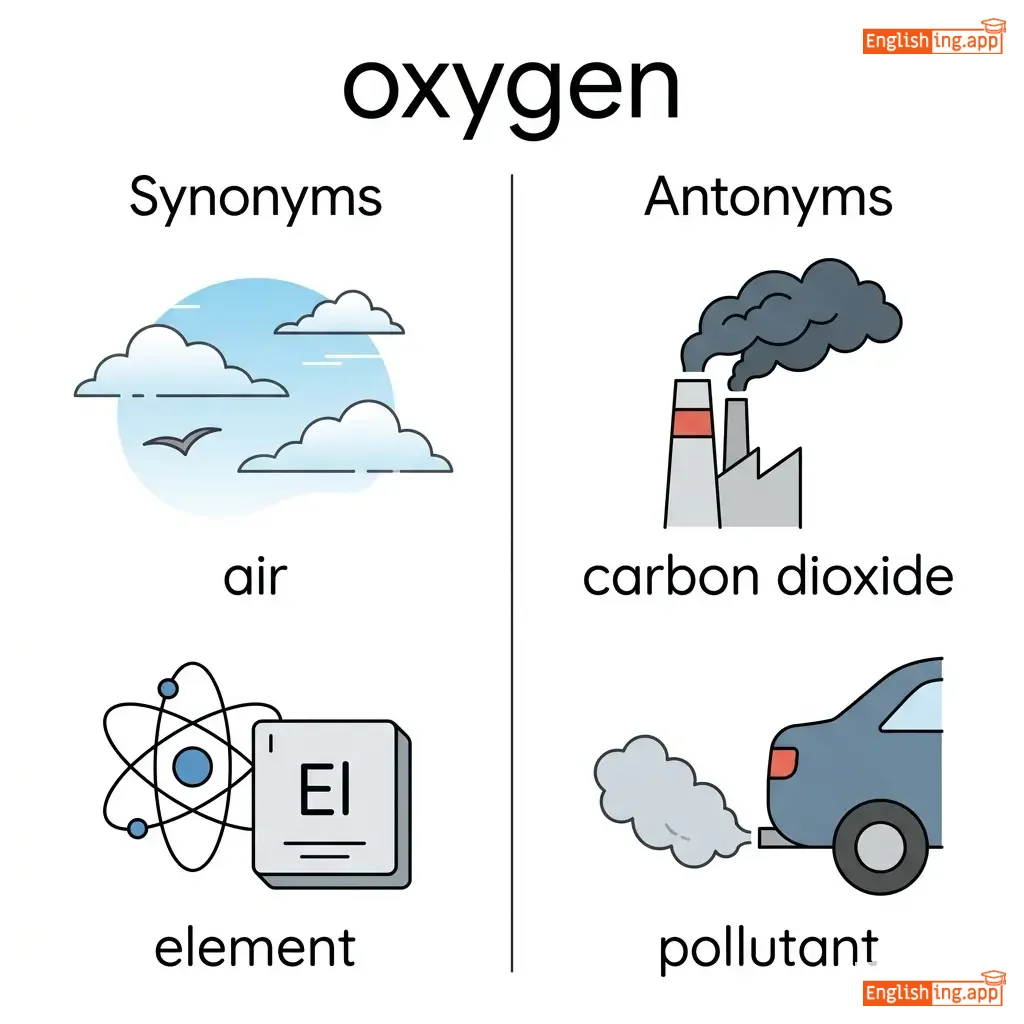
air, element, gas, life-support, breath
••••••
|
carbon dioxide, pollutant
••••••
|
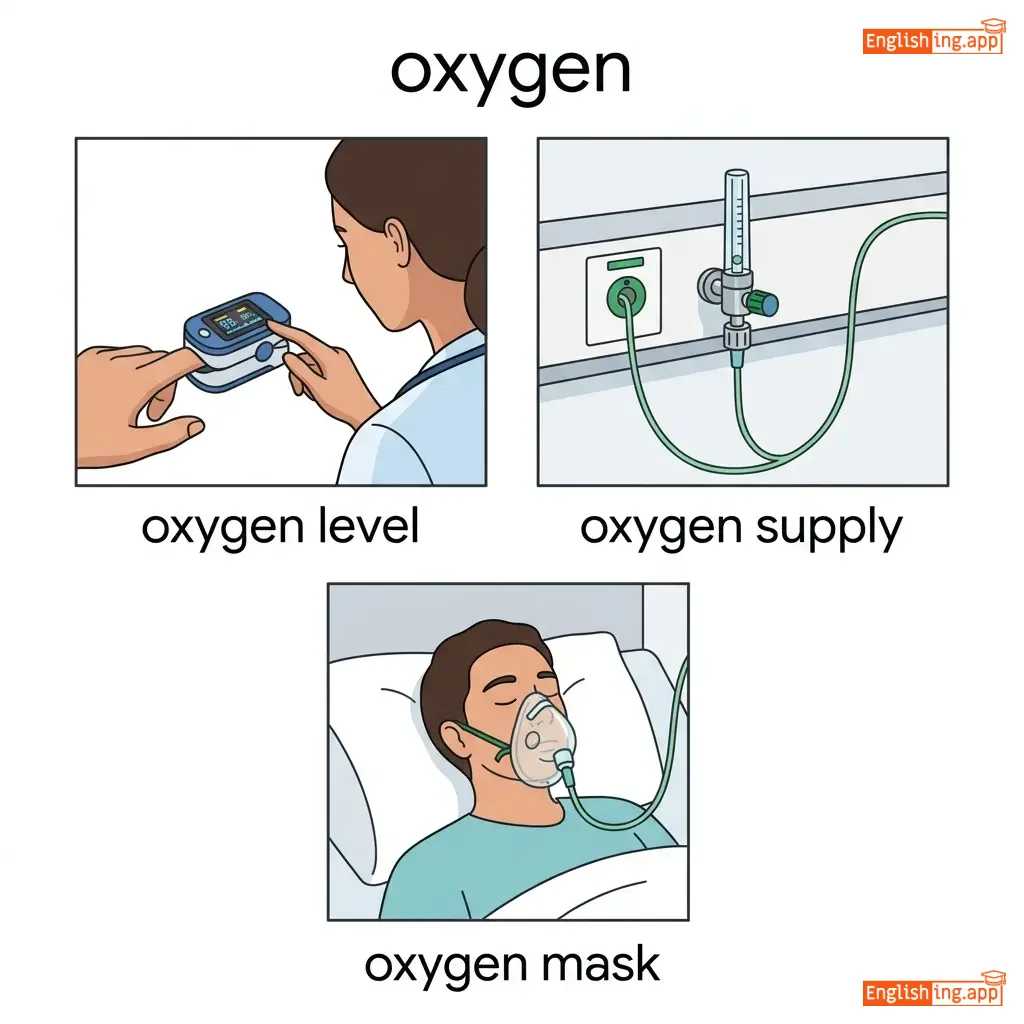
oxygen level, oxygen supply, oxygen mask, pure oxygen
••••••
|
酸素なしでは人間は生きられません — だから覚えておいて ‘酸素 = 生命’
••••••
|
|
✈️
••••••
|
/ˈpaɪlət/
noun/verb
(パイロット)
••••••
|
- •••••• |
パイロット
pairotto
••••••
|
piloted
パイロッテッド
••••••
|
piloted
パイロッテッド
••••••
|
pilots
パイロッツ
••••••
|
piloting
パイロッティング
••••••
|
a person who operates an aircraft / to guide or lead through a trial
••••••
|
She piloted the plane safely through the storm.
シー パイロッテッド ザ プレイン セーフリー スルー ザ ストーム。
••••••
|
彼女は嵐の中、飛行機を安全に操縦した。
Kanojo wa arashi no naka, hikouki o anzen ni souju shita.
••••••
|
pilot project
パイロットプロジェクト
••••••
|
a small-scale preliminary study to evaluate feasibility
••••••
|
パイロットプロジェクト
pairotto purojekuto
••••••
|
aviator, guide, navigator, steer
••••••
|
abandon, drift
••••••
|
commercial pilot, piloting skills, pilot the plane, pilot project
••••••
|
パイロットが飛行機を空を越えて操縦する
••••••
|
|
📈
••••••
|
/prəˈmoʊʃən/
noun
(プロモーション)
••••••
|
- •••••• |
昇進, 宣伝
shōshin, senden
••••••
|
- •••••• | - •••••• | - •••••• | - •••••• |
the act of raising someone to a higher position or of marketing something to increase sales or awareness
••••••
|
The company announced a big promotion campaign for their new product. |
その会社は新しい製品のための大規模な宣伝キャンペーンを発表しました。
Sono kaisha wa atarashī seihin no tame no daikibo na senden kyampēn o happyō shimashita.
••••••
|
get a promotion |
to be raised to a higher position at work
••••••
|
昇進を得る
shōshin o eru
••••••
|
advancement, upgrade, publicity, marketing, boost
••••••
|
demotion, neglect
••••••
|
job promotion, sales promotion, promotional offer, career promotion
••••••
|
Promotionは昇進を意味します。上司が 'Pro motion' と言っていると思いましょう、それは前進することです!
••••••
|
|
📡
••••••
|
/ˈreɪdɑːr/
noun
(レーダー)
••••••
|
- •••••• |
レーダー
rēdā
••••••
|
- •••••• | - •••••• | - •••••• | - •••••• |
a system that uses radio waves to detect the position and speed of objects
••••••
|
The plane was detected by the airport's radar system. |
その飛行機は空港のレーダーシステムによって検出されました。
sono hikōki wa kūkō no rēdā shisutemu ni yotte kenshutsu saremashita.
••••••
|
under the radar |
to go unnoticed or be ignored
••••••
|
レーダー下で
rēdā-shita de
••••••
|
scanner, detector, sensor, locator
••••••
|
blind spot, invisibility
••••••
|
radar system, radar signal, air radar, weather radar
••••••
|
Ra + dar は '無線で発見する' を意味します — レーダーは隠れた物を見つけます。
••••••
|
|
📅
••••••
|
/ˈskɛdʒʊl/
noun
(スケジュール)
••••••
|
- •••••• |
スケジュール
sukējūru
••••••
|
- •••••• | - •••••• | - •••••• | - •••••• |
a plan for carrying out a process or task, showing the time and sequence of actions
••••••
|
I have a busy schedule for today. |
今日は忙しいスケジュールがあります。
Kyō wa isogashī sukējūru ga arimasu.
••••••
|
follow a strict schedule |
to stick to a planned timeline
••••••
|
厳格なスケジュールに従う
Genkaku na sukējūru ni shitagau
••••••
|
agenda, timetable, plan, program
••••••
|
chaos, disorganization
••••••
|
tight schedule, busy schedule, daily schedule, work schedule
••••••
|
Schedule your 'school' events, keeping your 'schedule' tidy.
••••••
|
|
🛫
••••••
|
/ˈtɜːrmɪnəl/
noun/adjective
(ターミナル)
••••••
|
- •••••• |
ターミナル、終点、末期の病
taaminaru, shūten, maki no yamai
••••••
|
- •••••• | - •••••• | - •••••• | - •••••• |
As a noun: A place where transport routes begin or end. As an adjective: Relating to the end or final stage of something, often an illness.
••••••
|
He waited for the bus at the central terminal. |
彼は中央ターミナルでバスを待っていた。
kare wa chūō taaminaru de basu o matte ita.
••••••
|
terminal illness |
An illness that cannot be cured and will eventually lead to death.
••••••
|
末期の病
maki no yamai
••••••
|
station, depot, final, ultimate, incurable
••••••
|
initial, beginning
••••••
|
bus terminal, airport terminal, terminal illness, terminal stage
••••••
|
ターミナルは終わりの場所、末期の病は命の終わりを意味します。
••••••
|
|
👔
••••••
|
/ˈjuːnɪfɔːrm/
adjective
(ユニフォーム)
••••••
|
- •••••• |
制服
seifuku
••••••
|
- •••••• | - •••••• | - •••••• | - •••••• |
consistent; identical; standardized
••••••
|
All students must wear a uniform to school.
すべての学生は学校で制服を着なければなりません。
••••••
|
すべての学生は学校で制服を着なければなりません。
Subete no gakusei wa gakkou de seifuku o kinakereba narimasen.
••••••
|
- •••••• | - •••••• | - •••••• |
consistent, identical, standardized, regular, even
••••••
|
varied, different, irregular, inconsistent, diverse
••••••
|
school uniform, military uniform, uniform distribution, uniform standards
••••••
|
日本語で「制服」は学校でみんなが着る服を意味します。
••••••
|

