Constitutional Reform Commission
6 октября 2024 года в Бангладеш была создана Constitutional Reform Commission. Renowned political scientist профессор Али Риаз был appointed главой этого девятичленного органа. Основная цель commission — пересмотреть existing provisions и дать рекомендации по necessary amendments.
Работа commission включает обеспечение equality, social justice и balance power посредством modifications конституции. Установление равновесия между тремя ветвями власти — executive, legislature и judiciary, fascist governance prevention и effective decentralization являются основными целями commission.
Эта initiative сыграет роль в создании inclusive democratic framework и разработке inclusive constitution, отражающей стремления народа. Commission представит свои окончательные recommendations interim government в течение 90 дней.
Получите неограниченный доступ ко всем словам с подпиской Pro
Обновить до ProПолучите неограниченный доступ ко всем предложениям с подпиской Pro
Обновить до Pro|
Эмодзи
|
Слово | Images | Значение | Пример предложения | Синонимы | Антонимы |
|---|---|---|---|---|---|---|
|
#858
📜
|
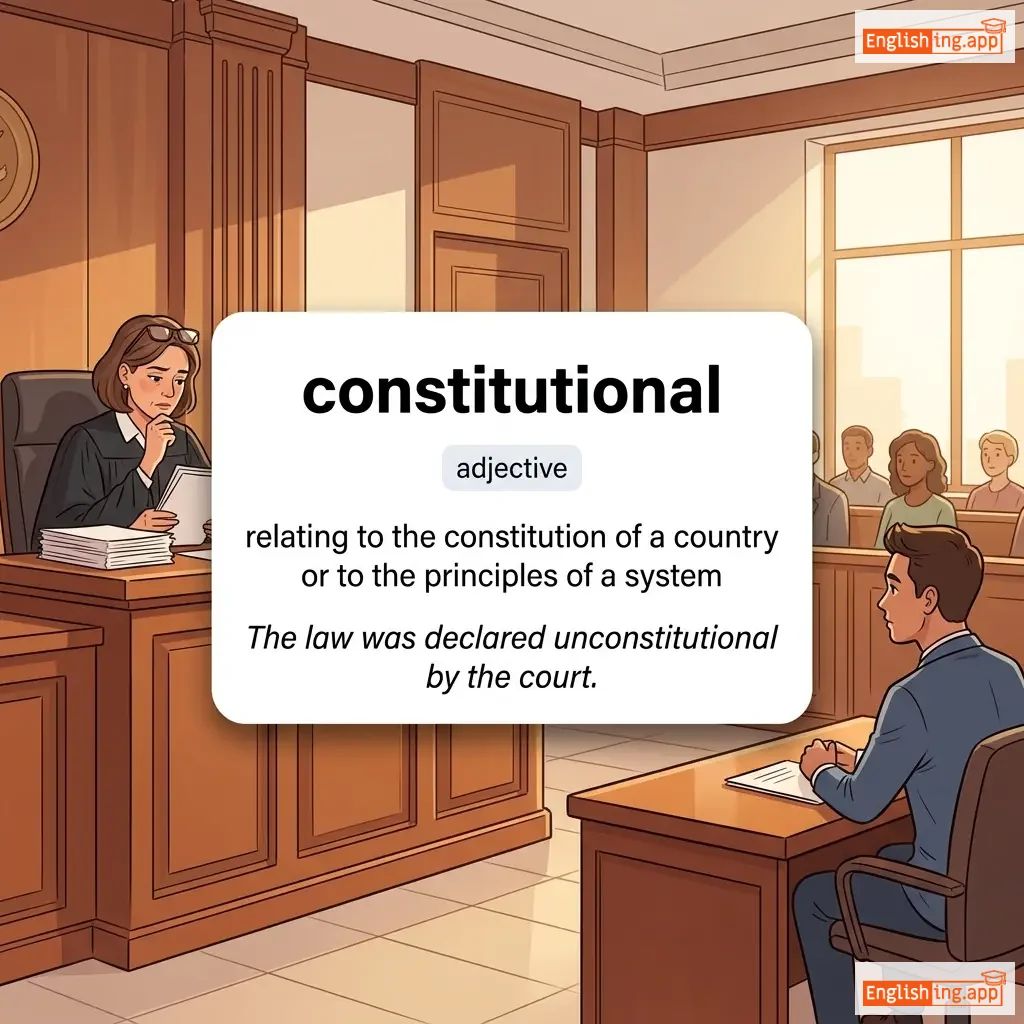
ˌkɒn.stɪˈtjuː.ʃən.əl
adjective
••••••
|
|
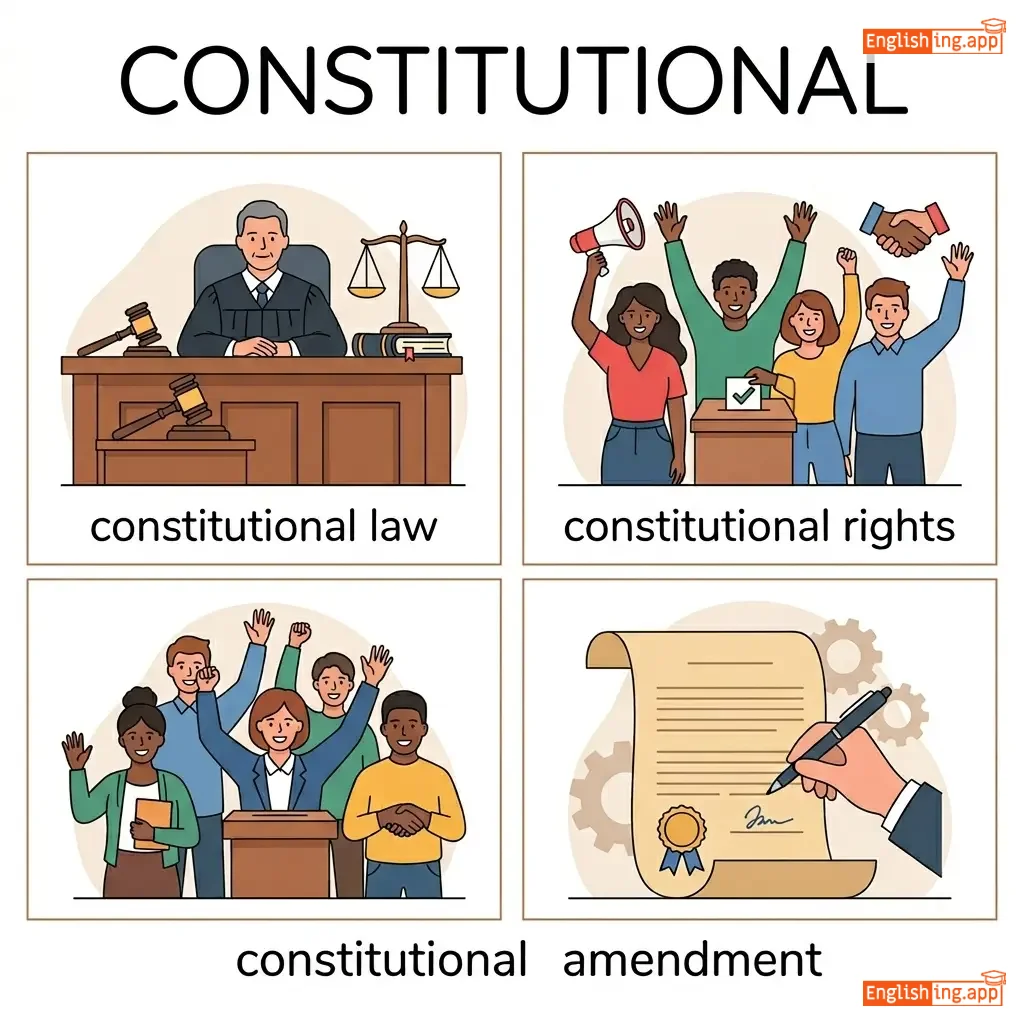
Relating to or in accordance with a constitution, especially of a country.
••••••
|
Constitutional provisions ensure fairness. |
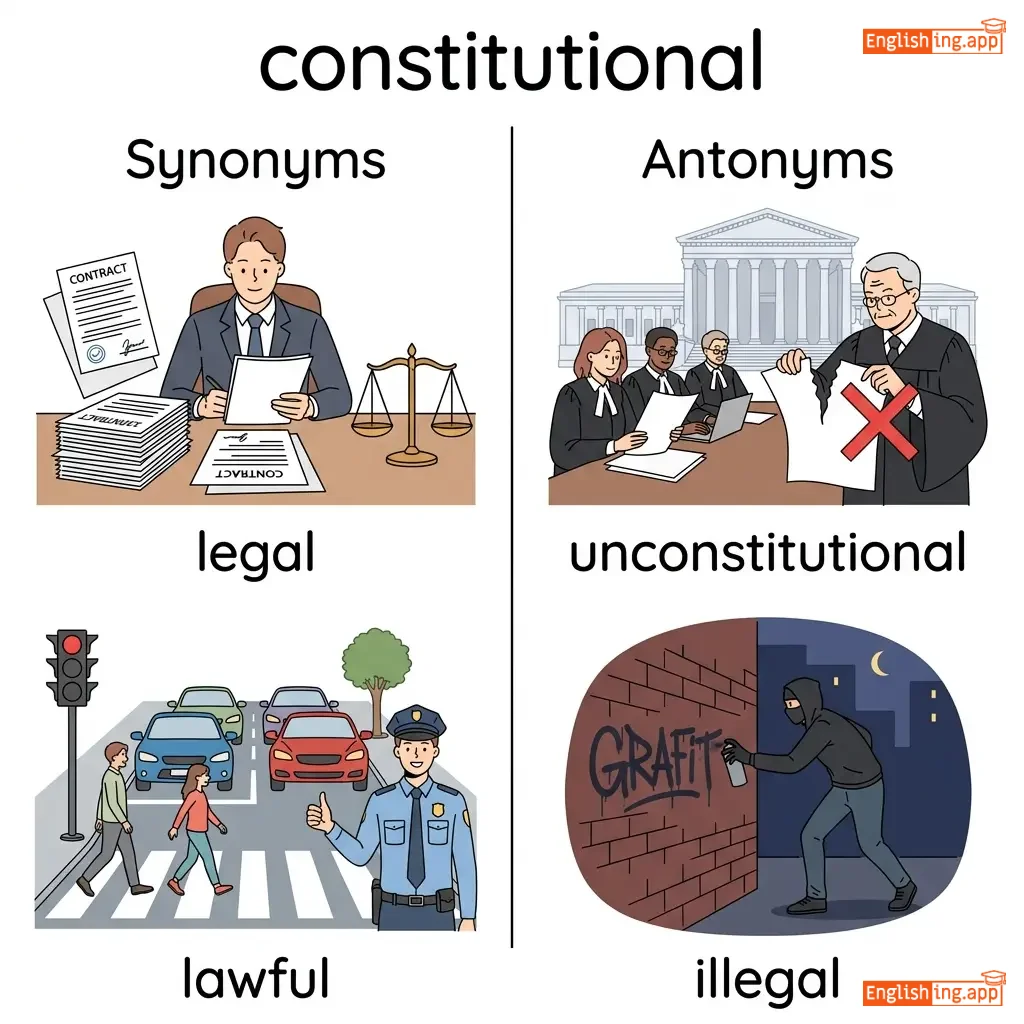
legal, chartered, authorized, lawful, legitimate, statutory
••••••
|
unconstitutional, illegal, unlawful, unauthorized, illegitimate, invalid
••••••
|
|
#859
🔄
|
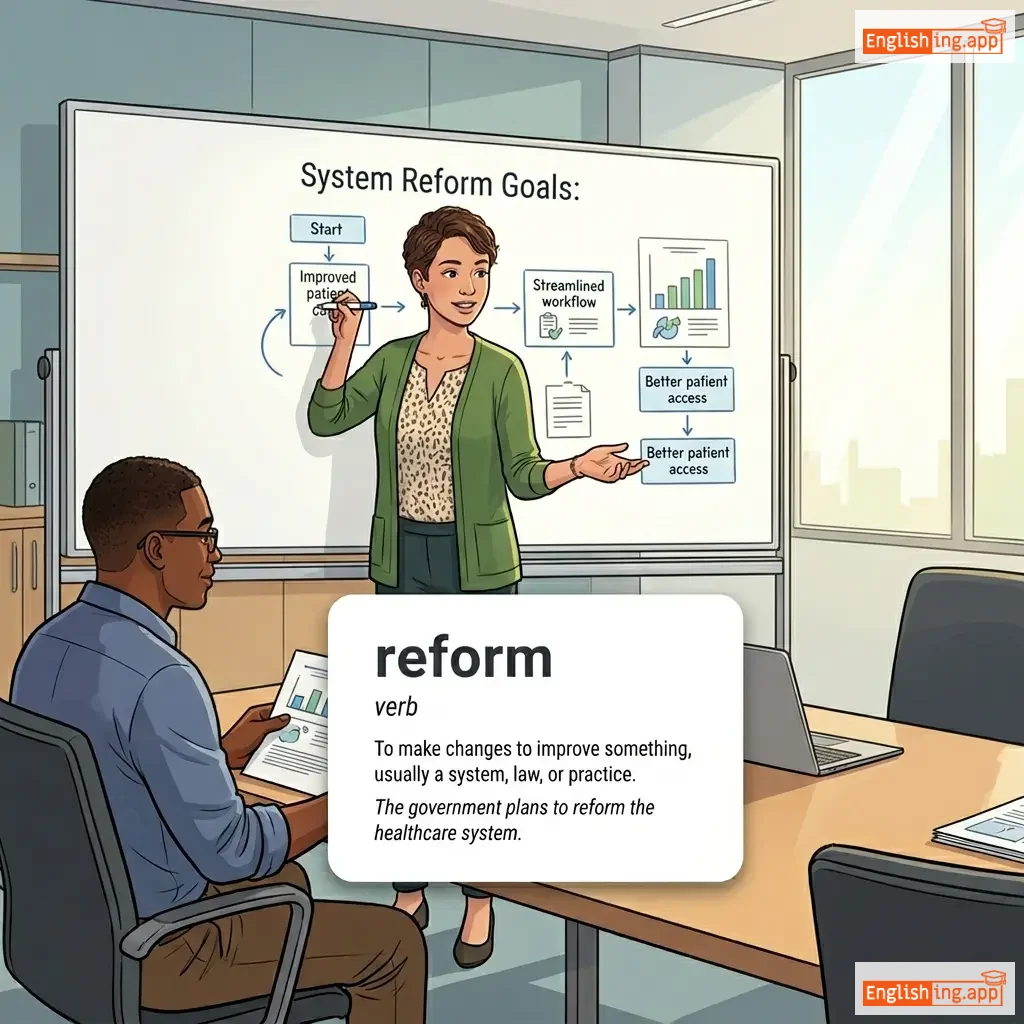
rɪˈfɔːm
noun
••••••
|
|
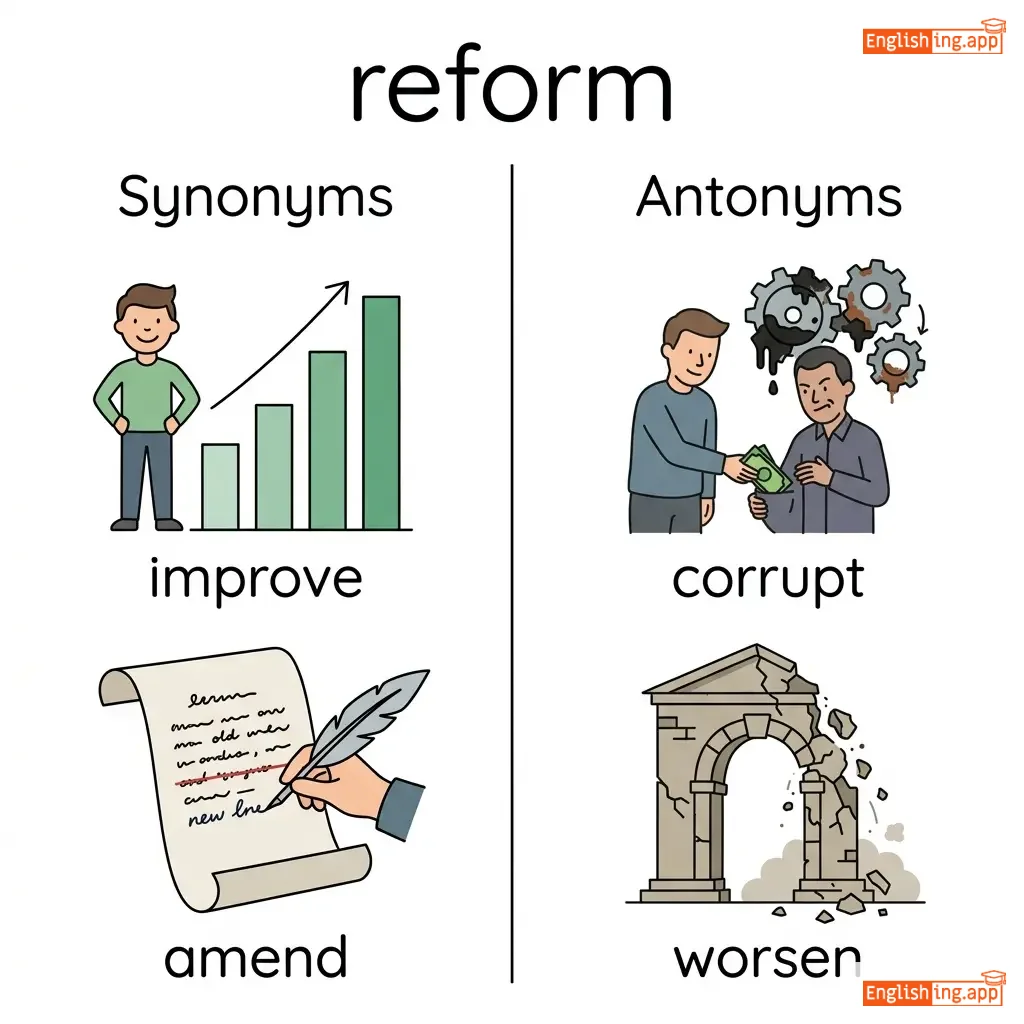
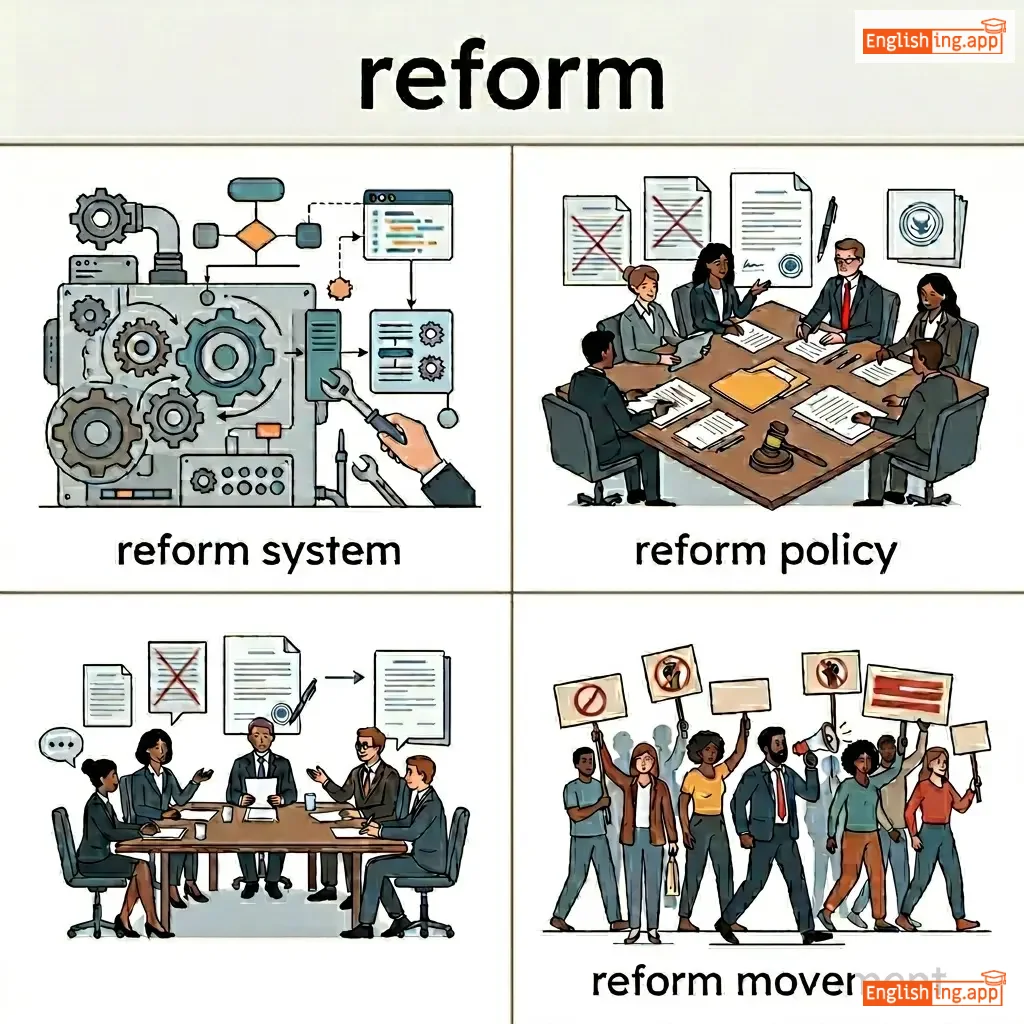
The action of reforming an institution or practice; improvement or amendment.
••••••
|
Reform strengthens governance systems. |
improvement, amendment, revision, modification, restructuring, transformation
••••••
|
deterioration, corruption, regression, decline, stagnation, decay
••••••
|
|
#860
👥
|
kəˈmɪʃ.ən
noun
••••••
|


|
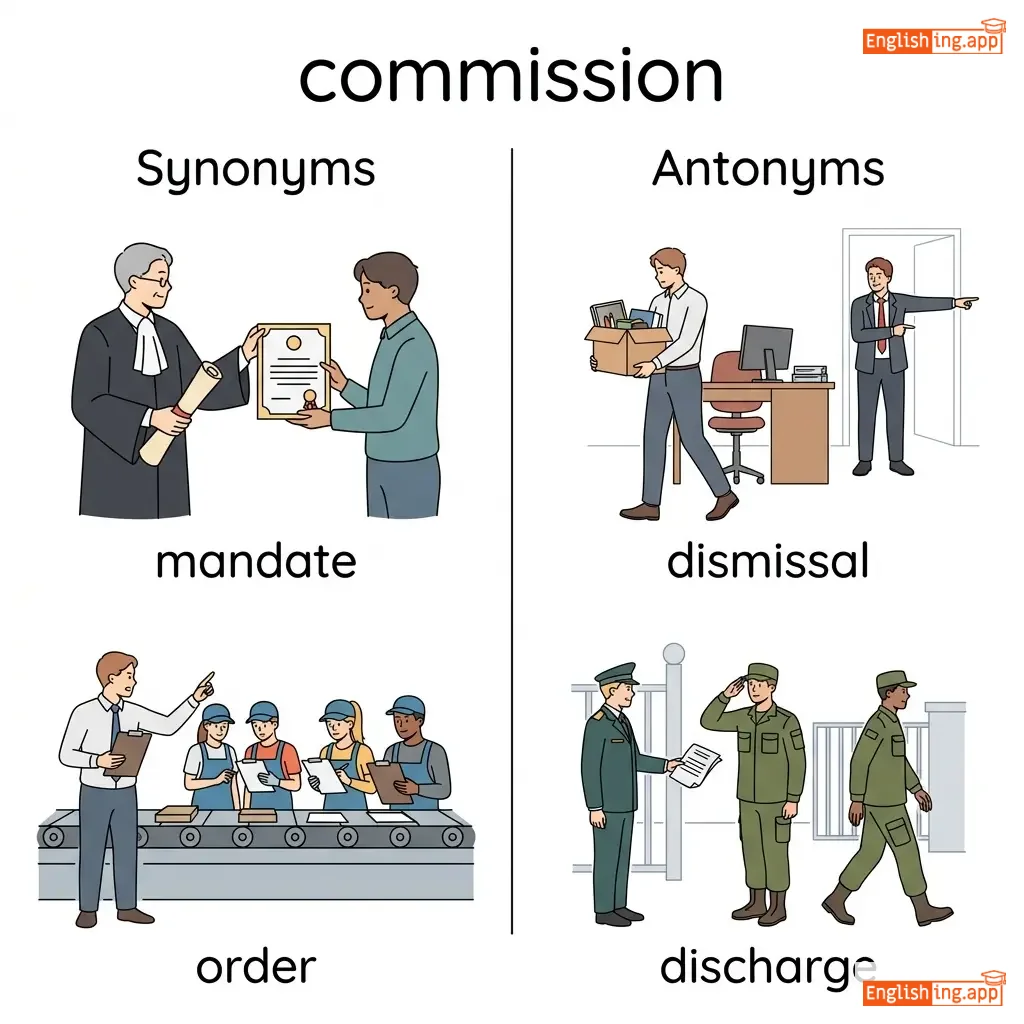
An official group of people entrusted by a government with a particular function.
••••••
|
The commission recommends constitutional reforms. |
panel, board, committee, council, body, authority
••••••
|
individual, solo entity, single person, lone actor, unilateral body, independent unit
••••••
|
|
#861
⭐
|
rɪˈnaʊnd
adjective
••••••
|


|
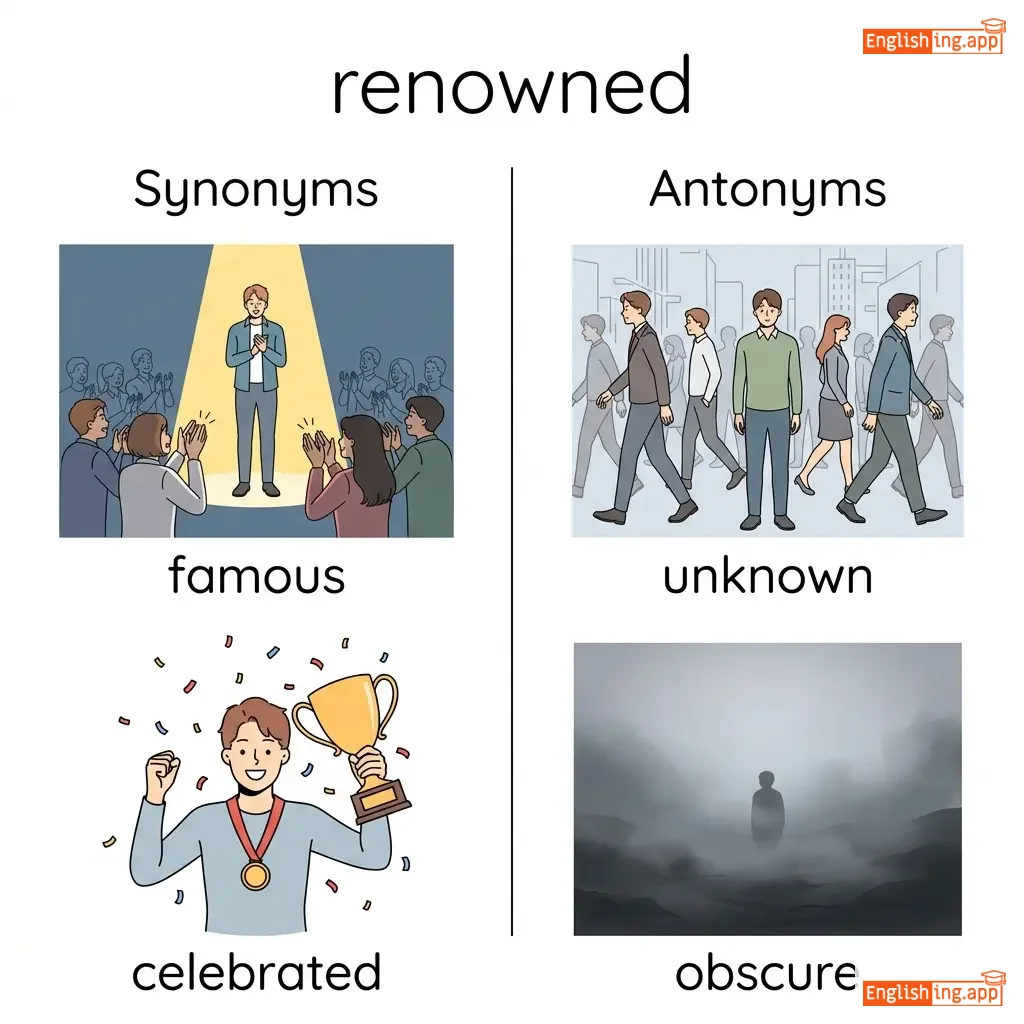
Known or talked about by many people; famous.
••••••
|
The renowned scientist led the reform panel. |
famous, prominent, distinguished, celebrated, acclaimed, notable
••••••
|
unknown, obscure, anonymous, unrecognized, unheard of, insignificant
••••••
|
|
#862
🏛️
|
pəˈlɪt.ɪ.kəl
adjective
••••••
|
|
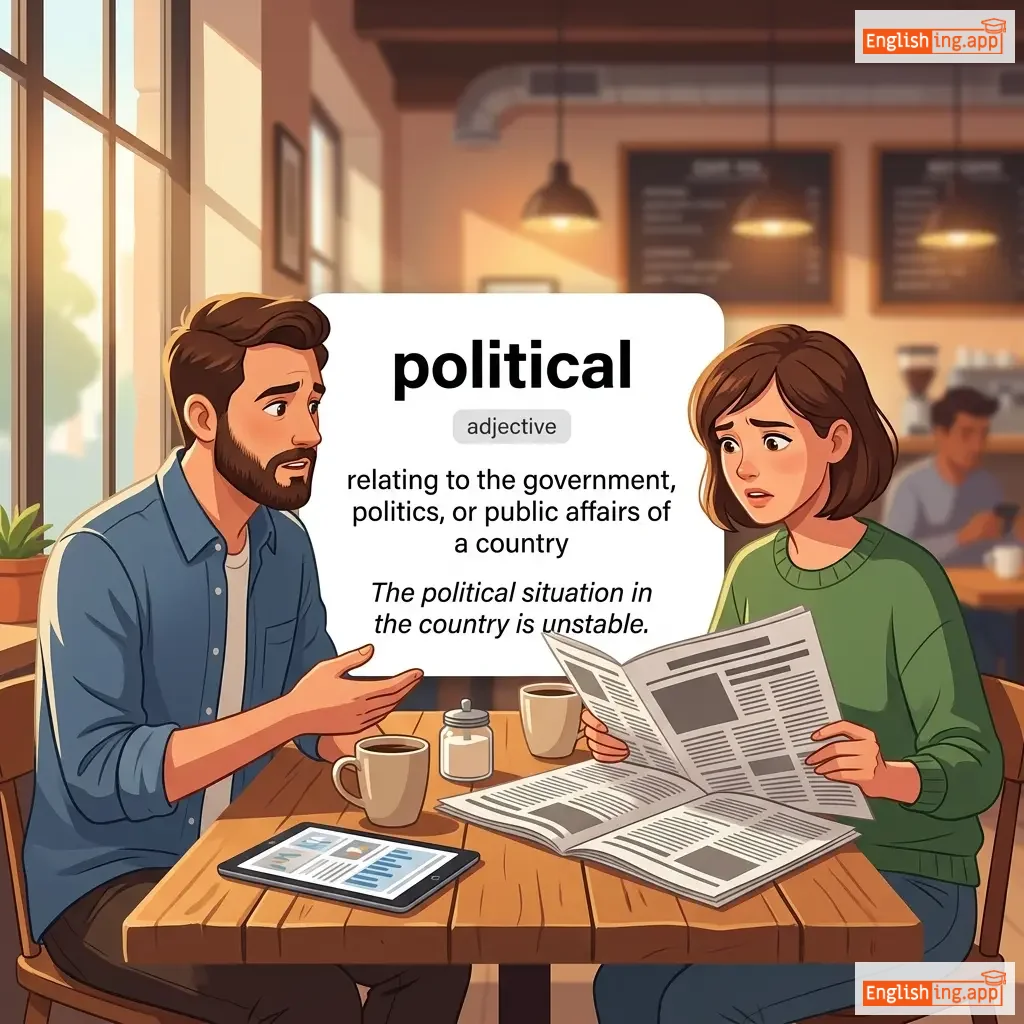
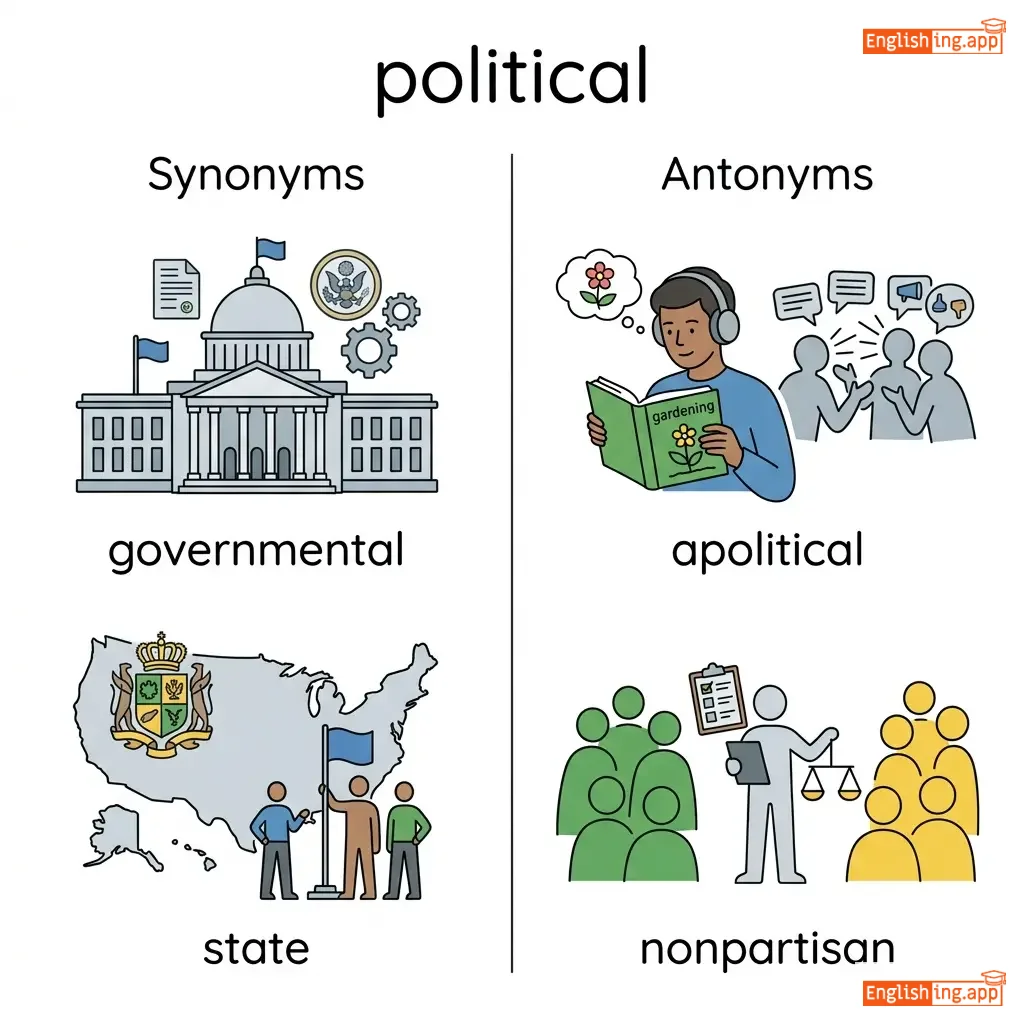
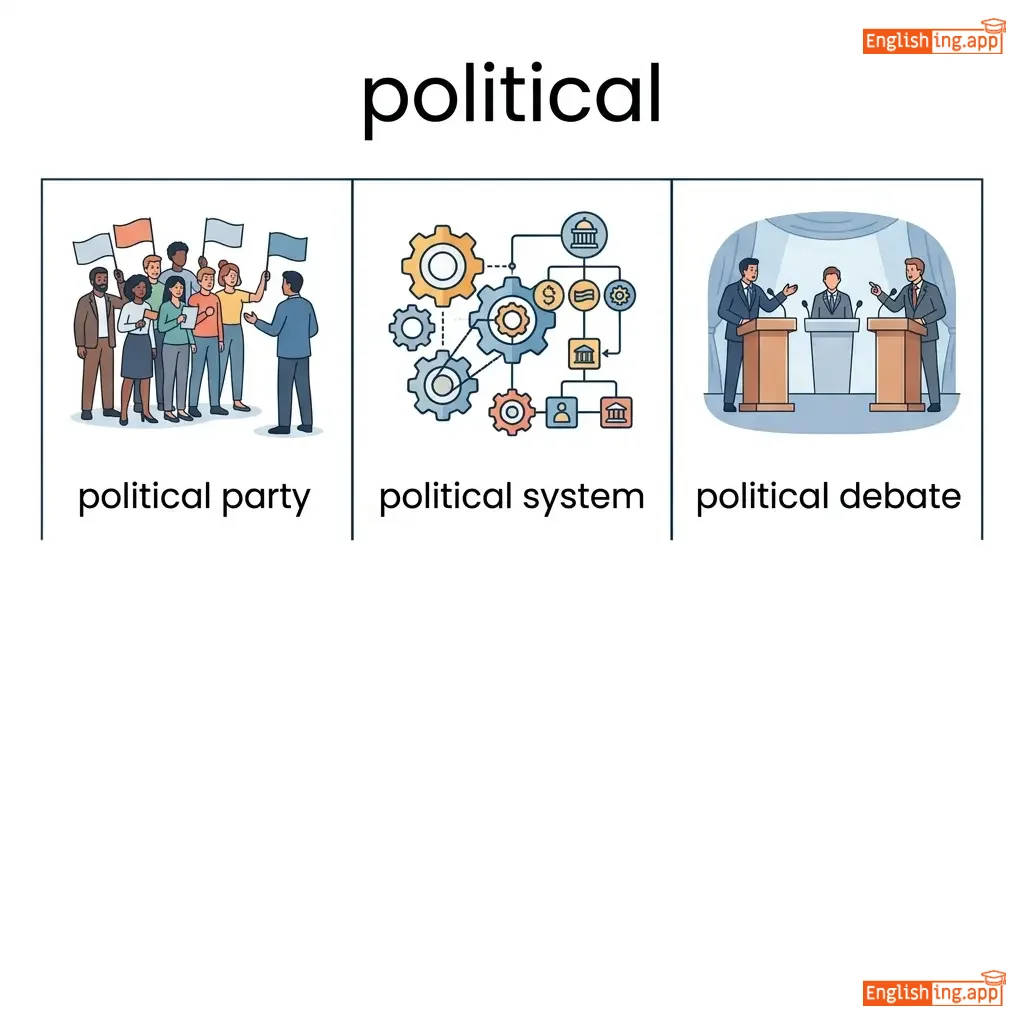
Relating to the government or public affairs of a country.
••••••
|
Political changes influence social reforms. |
governmental, civic, public, administrative, state, official
••••••
|
non-political, apolitical, private, personal, non-governmental, civilian
••••••
|
|
#863
🔬
|
ˈsaɪən.tɪst
noun
••••••
|


|
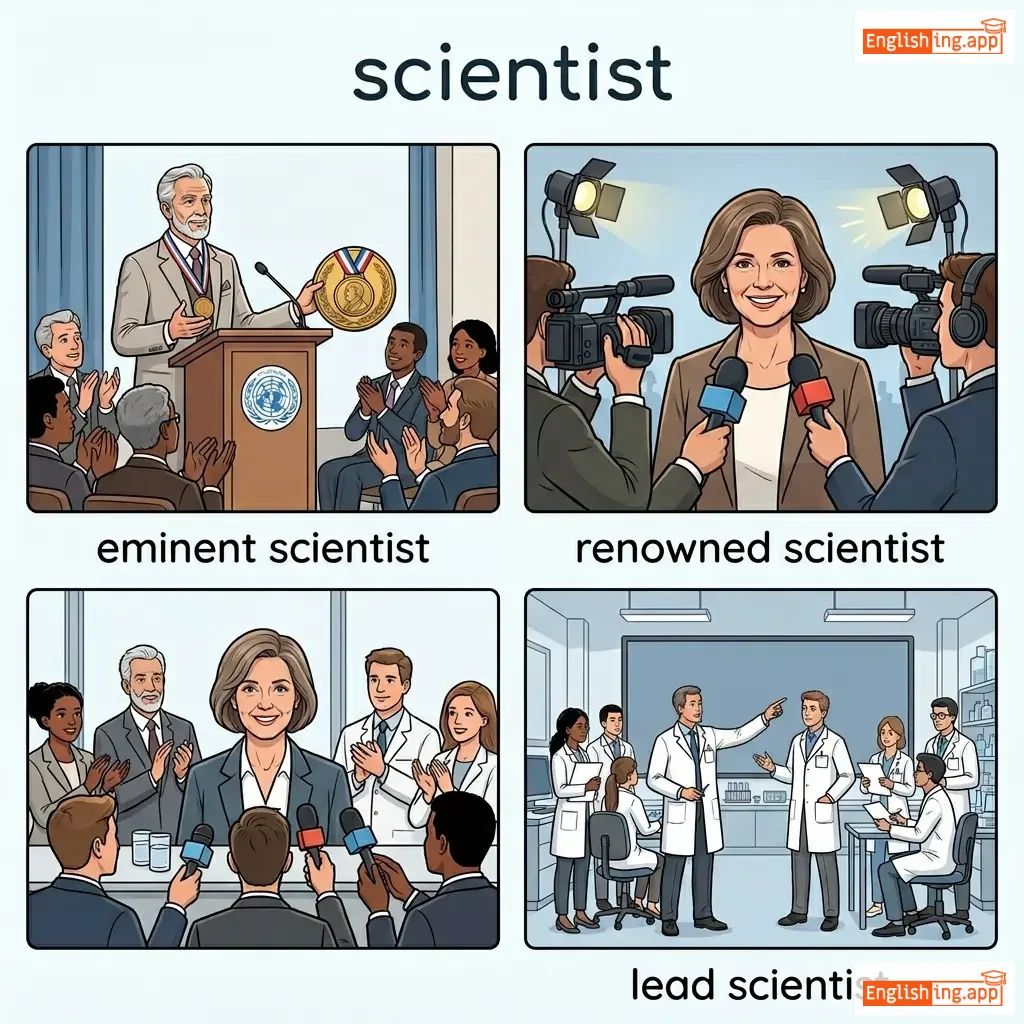
A person who is studying or has expert knowledge of one or more of the natural or physical sciences.
••••••
|
The scientist proposed data-driven reforms. |
researcher, scholar, expert, academic, investigator, analyst
••••••
|
layperson, amateur, novice, non-expert, generalist, outsider
••••••
|
|
#864
👔
|
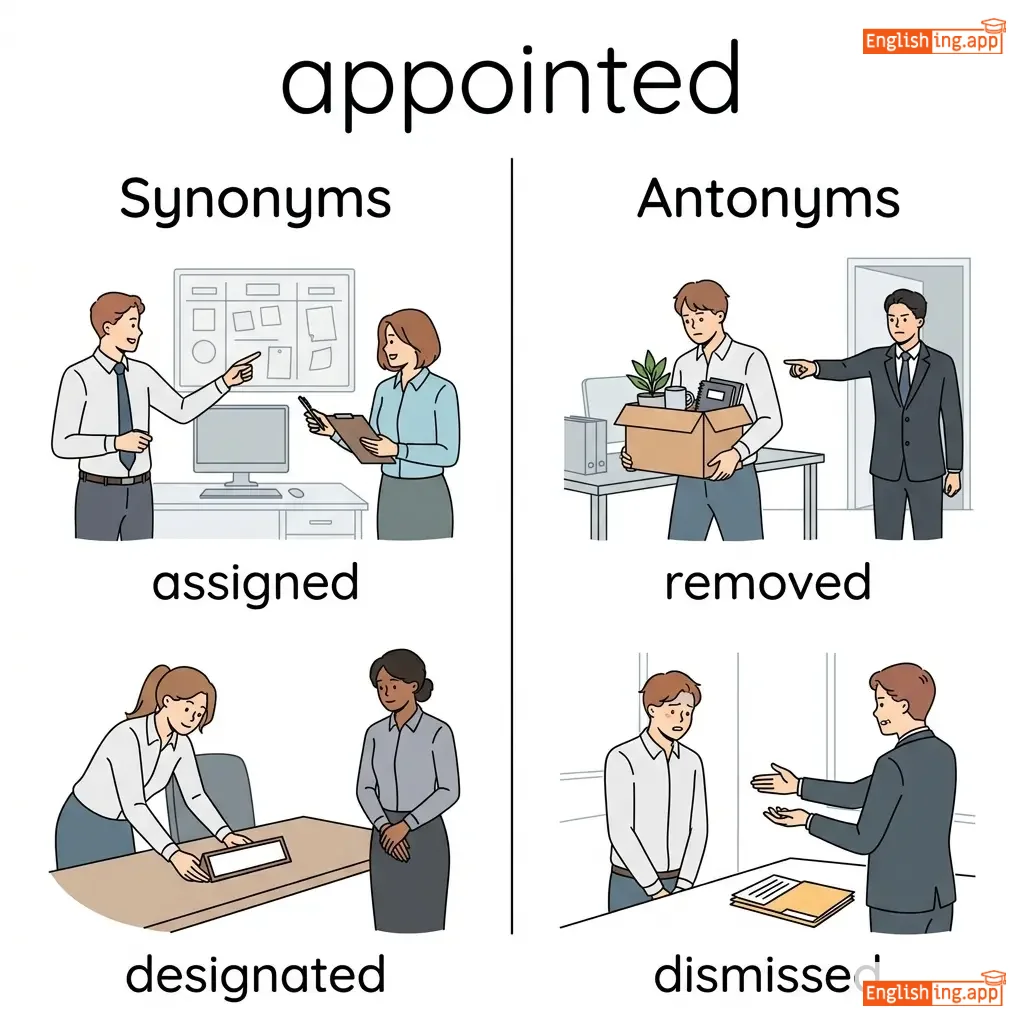
əˈpɔɪn.tɪd
verb
••••••
|

|
Assigned to a job or role; nominated or designated for a position.
••••••
|
He was appointed as the commission leader. |
assigned, designated, nominated, selected, chosen, commissioned
••••••
|
removed, dismissed, discharged, fired, terminated, unassigned
••••••
|
|
#865
📋
|
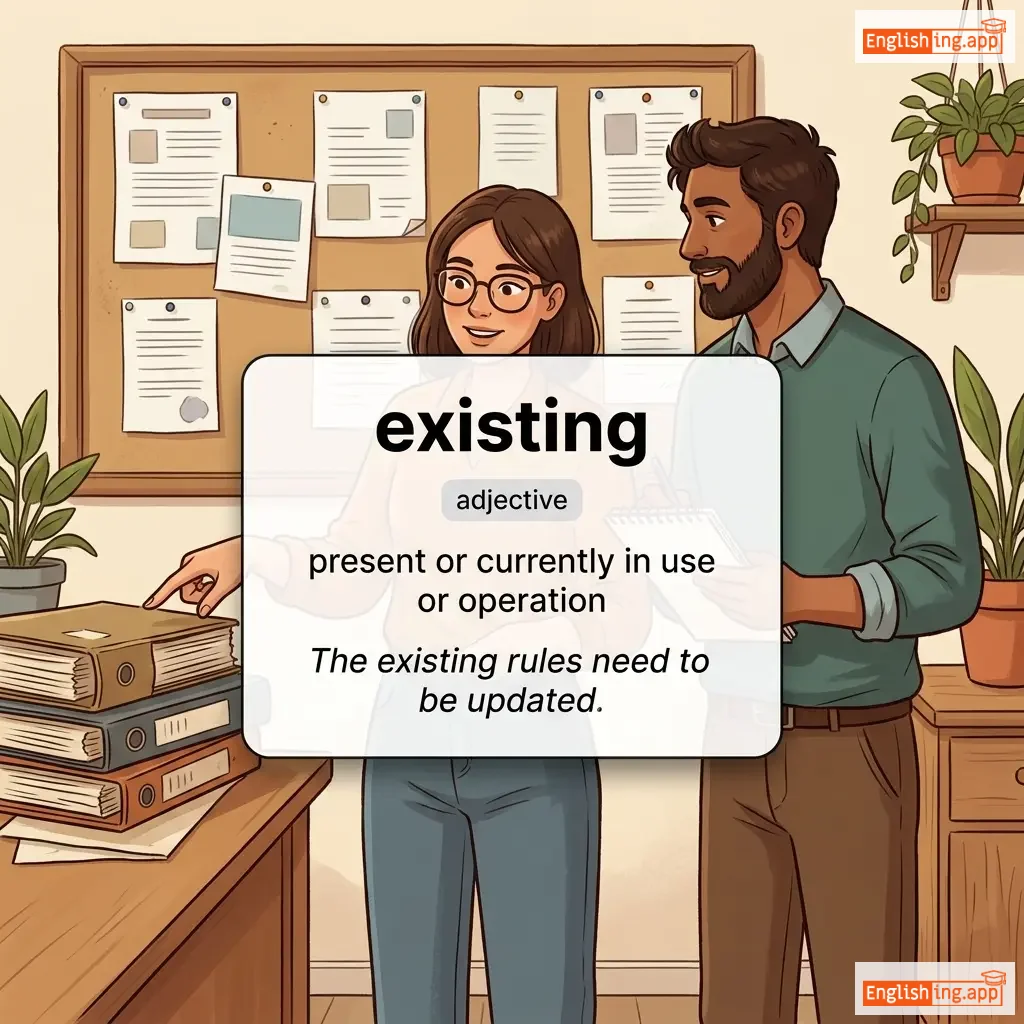
ɪɡˈzɪs.tɪŋ
adjective
••••••
|
|
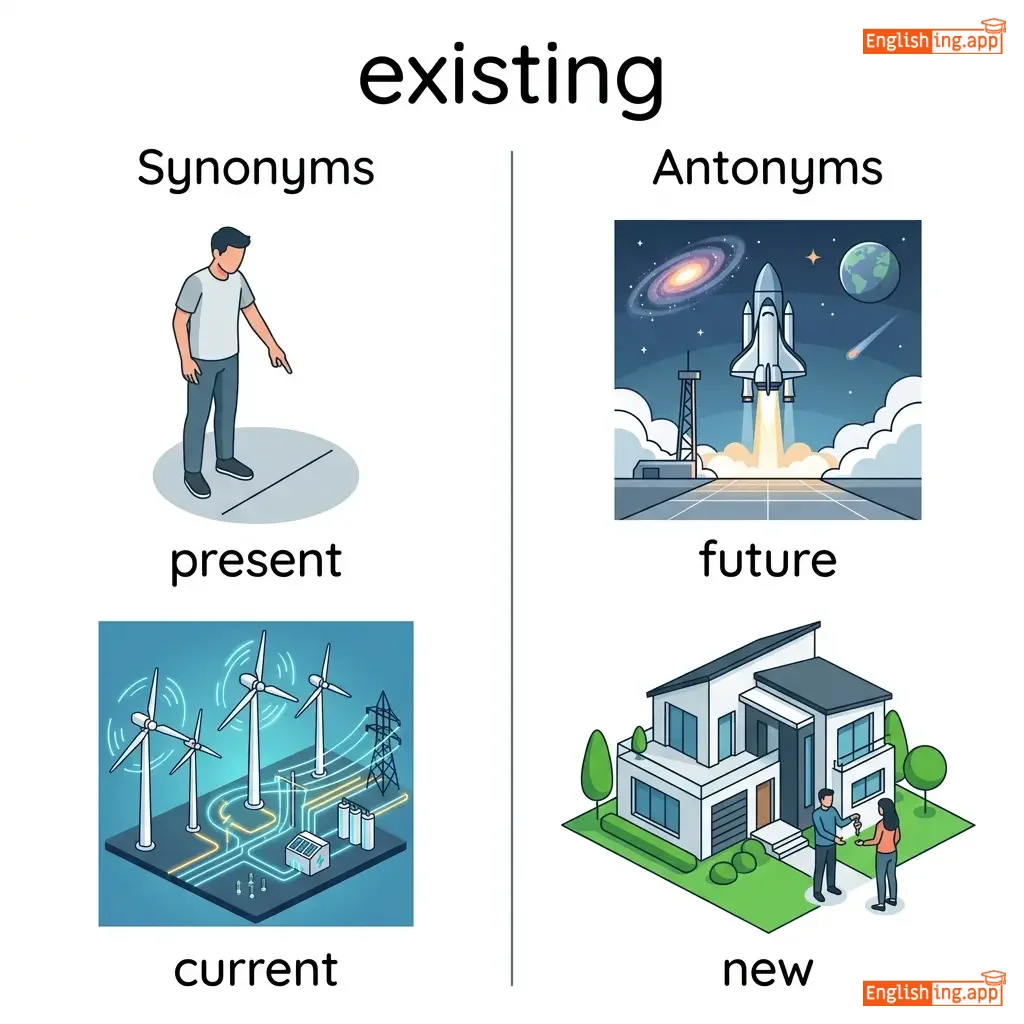
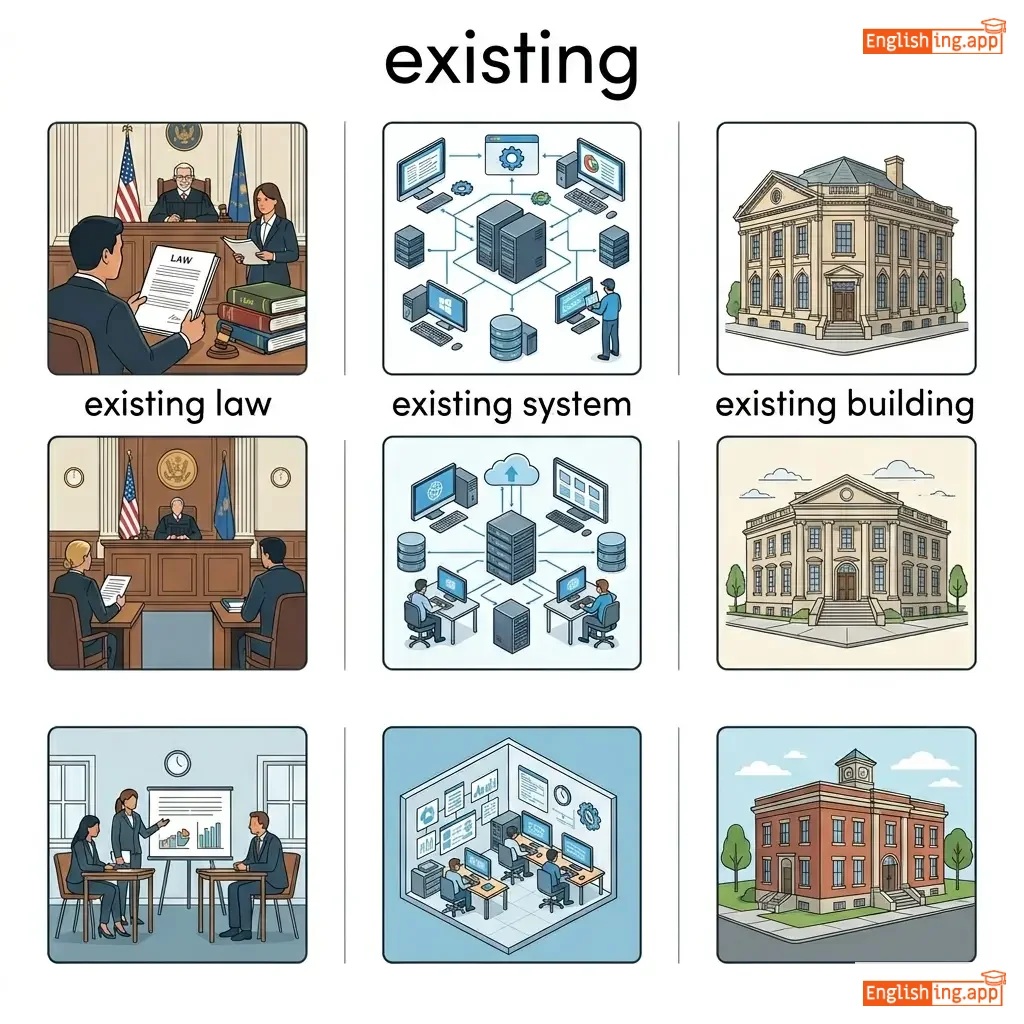
In existence; present; current.
••••••
|
The commission reviews existing provisions. |
present, current, ongoing, established, in place, active
••••••
|
absent, obsolete, discontinued, terminated, non-existent, expired
••••••
|
|
#866
📑
|
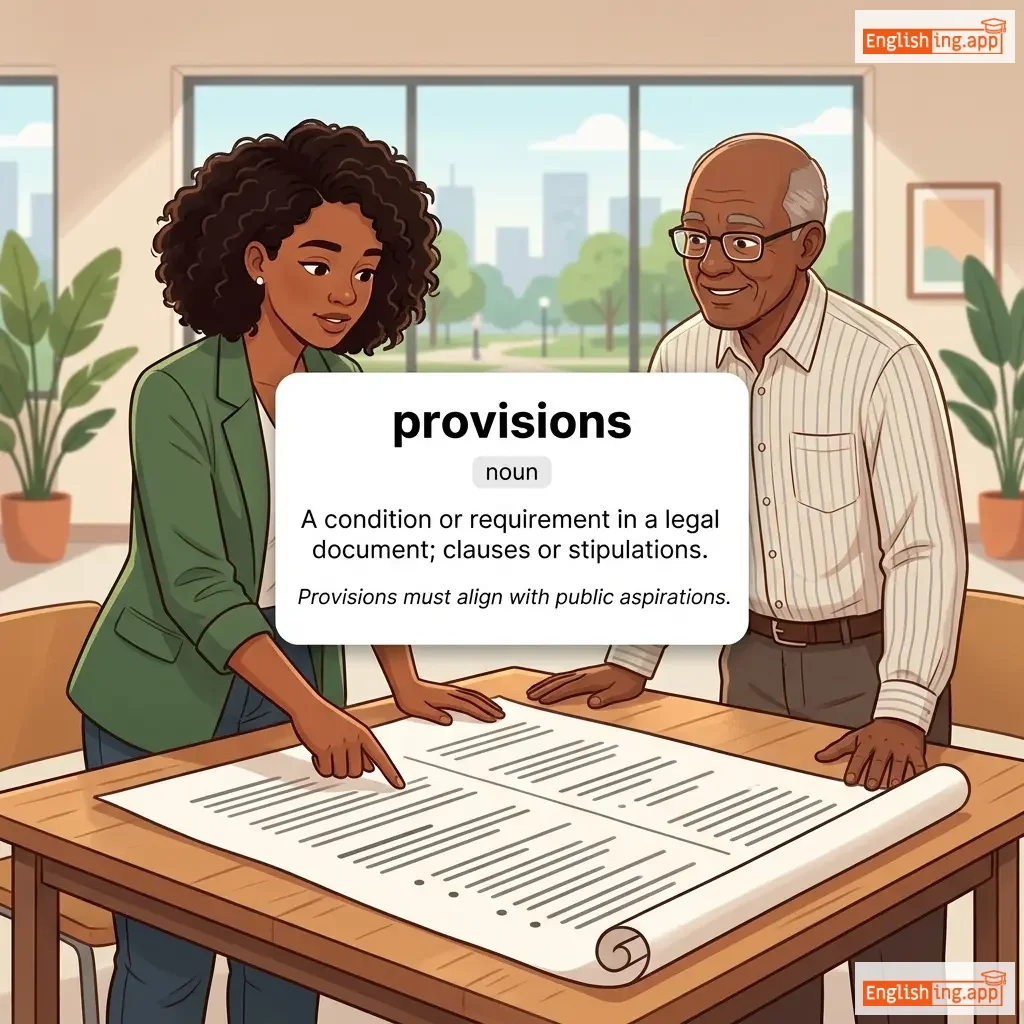
prəˈvɪʒ.ənz
noun
••••••
|
|
A condition or requirement in a legal document; clauses or stipulations.
••••••
|
Provisions must align with public aspirations. |
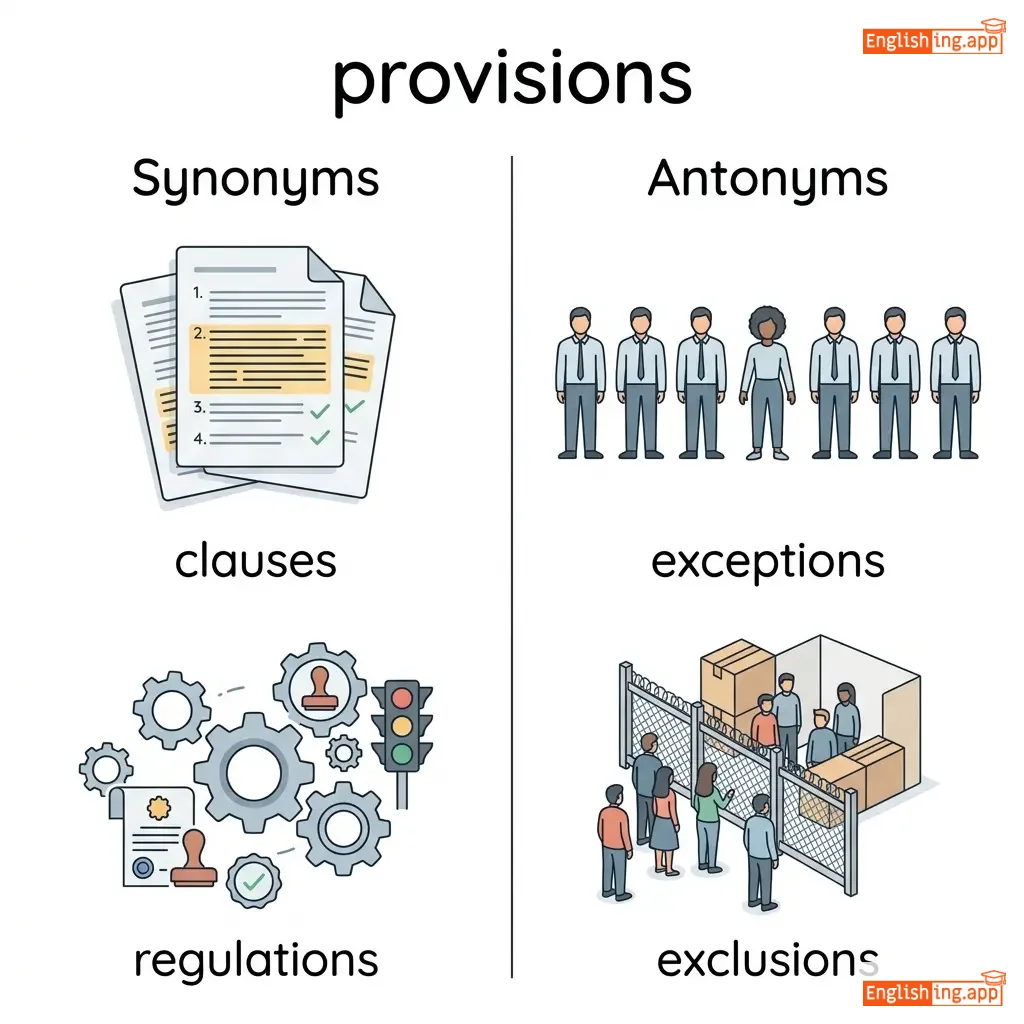
clauses, regulations, stipulations, terms, conditions, requirements
••••••
|
exceptions, exclusions, omissions, gaps, loopholes, exemptions
••••••
|
|
#867
❗
|
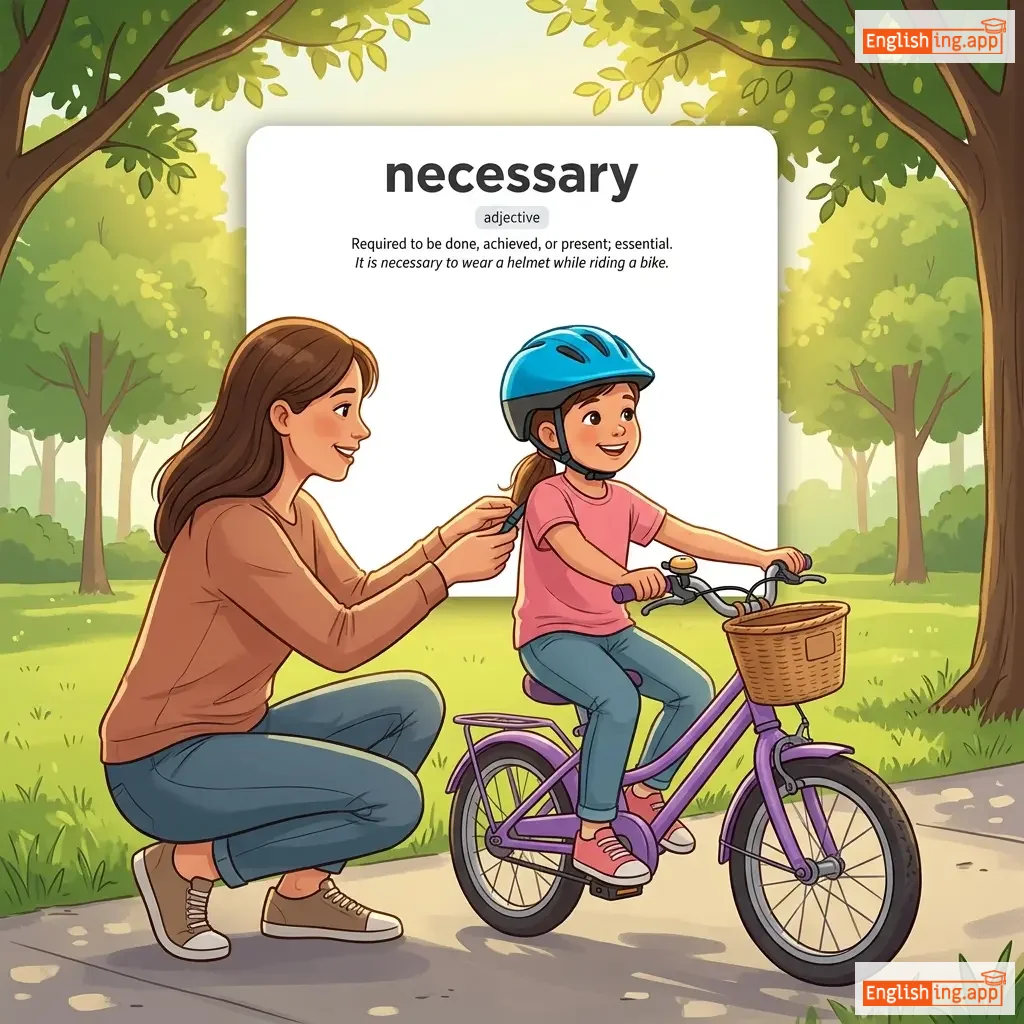
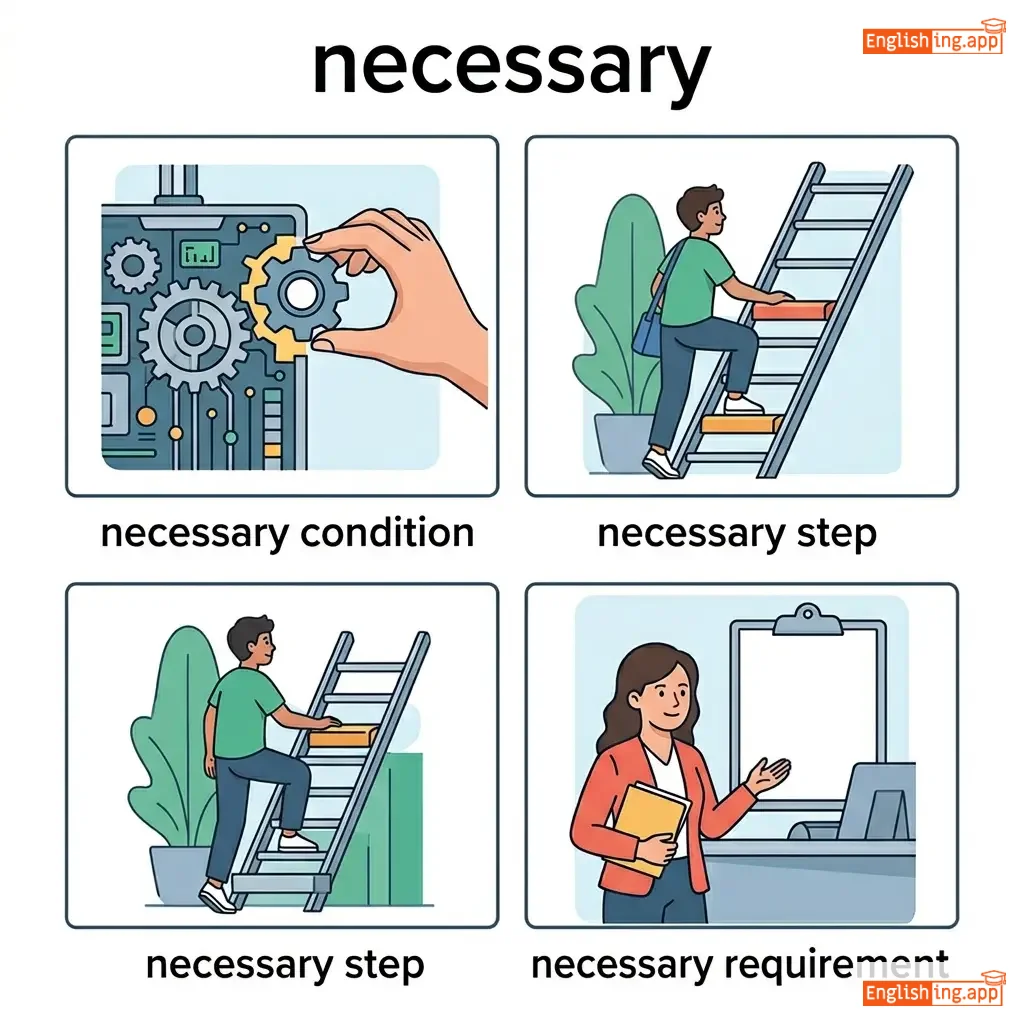
ˈnes.ə.ser.i
adjective
••••••
|
|
Required to be done, achieved, or present; needed; essential.
••••••
|
Necessary reforms improve governance. |
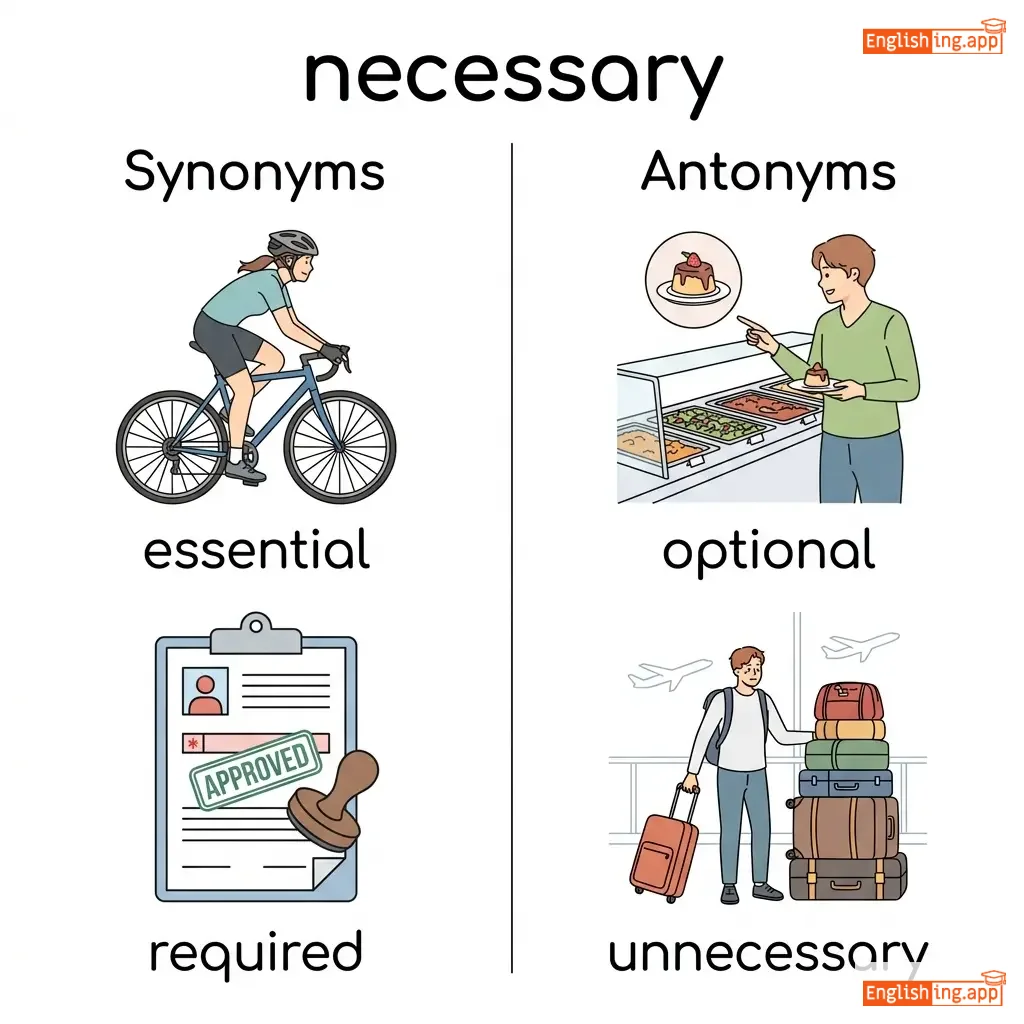
essential, mandatory, required, vital, crucial, indispensable
••••••
|
optional, unnecessary, dispensable, voluntary, superfluous, redundant
••••••
|
|
#868
✏️
|
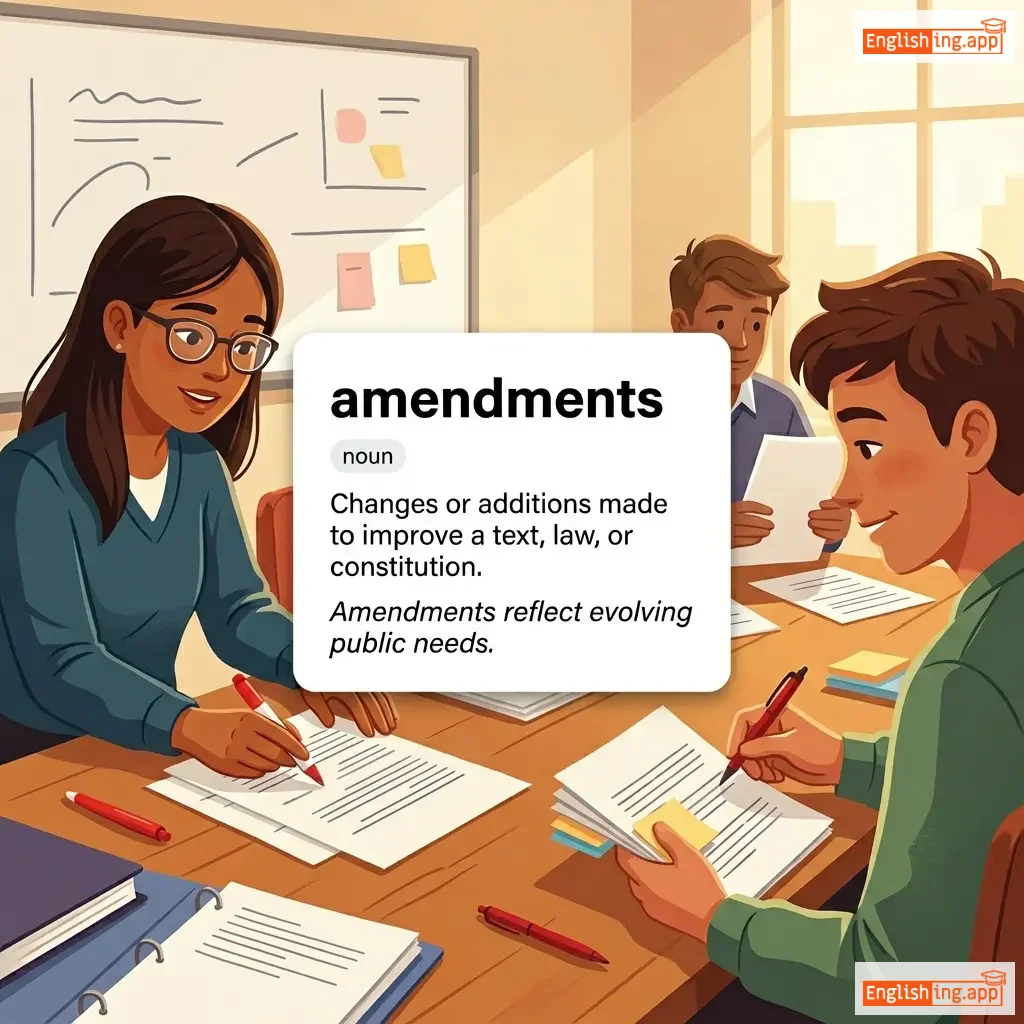
əˈmend.mənts
noun
••••••
|
|
Changes or additions made to improve a text, law, or constitution.
••••••
|
Amendments reflect evolving public needs. |
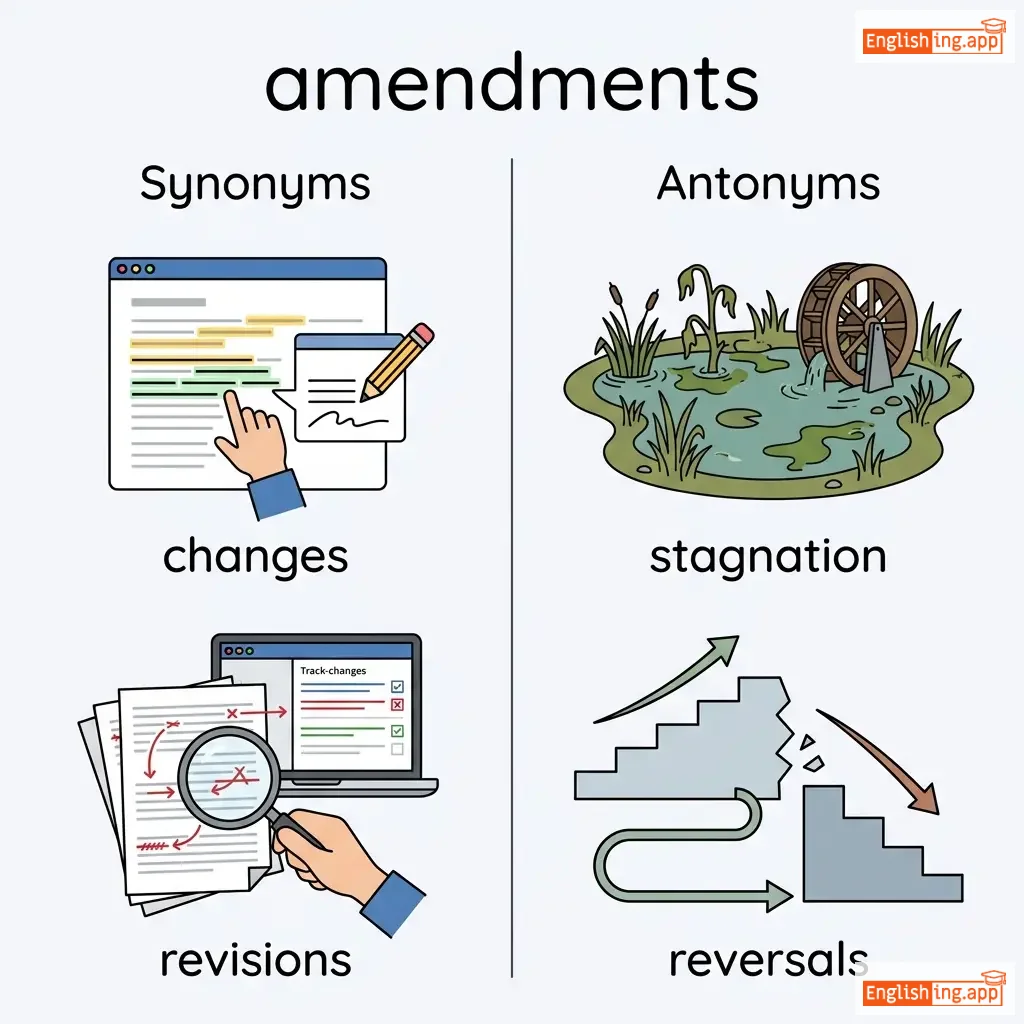
changes, revisions, modifications, alterations, improvements, updates
••••••
|
stagnation, reversals, deterioration, regression, corruption, decline
••••••
|
|
#869
🔧
|
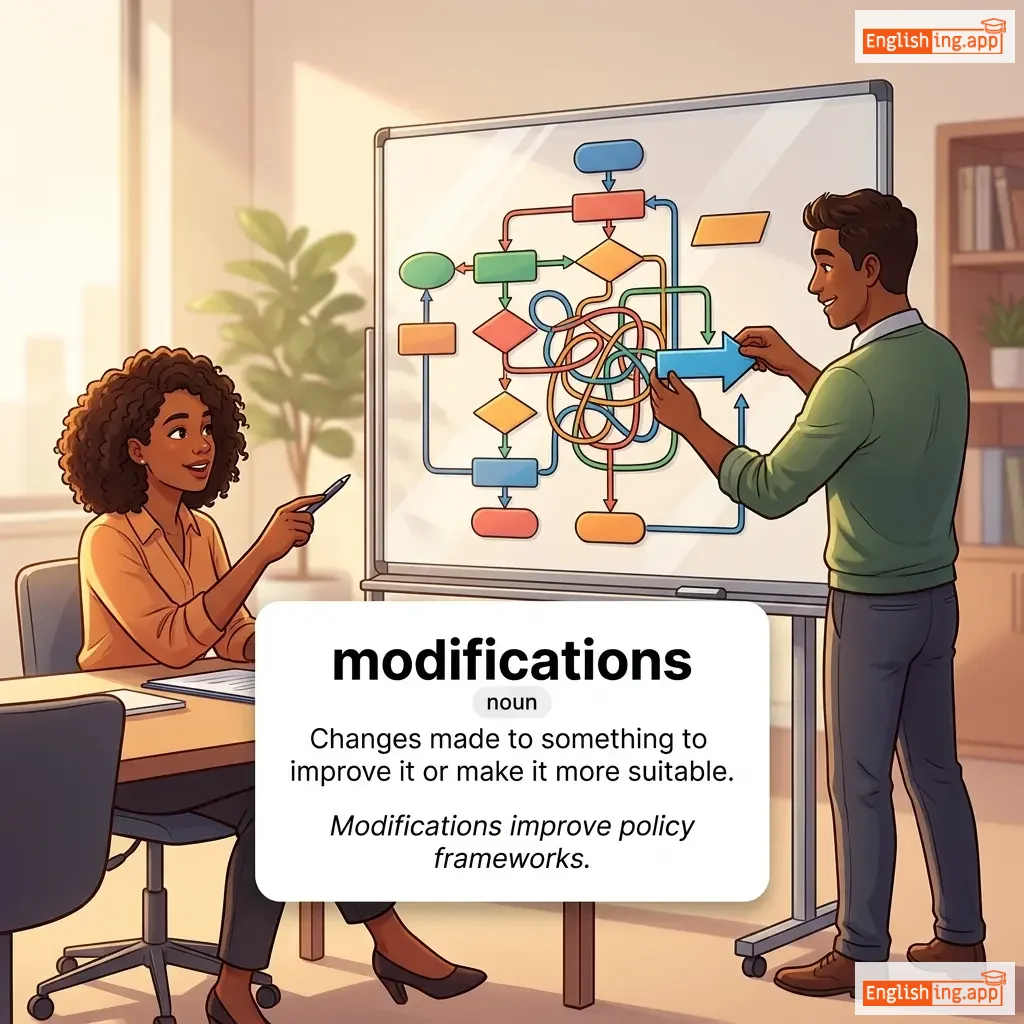
ˌmɒd.ɪ.fɪˈkeɪ.ʃənz
noun
••••••
|
|
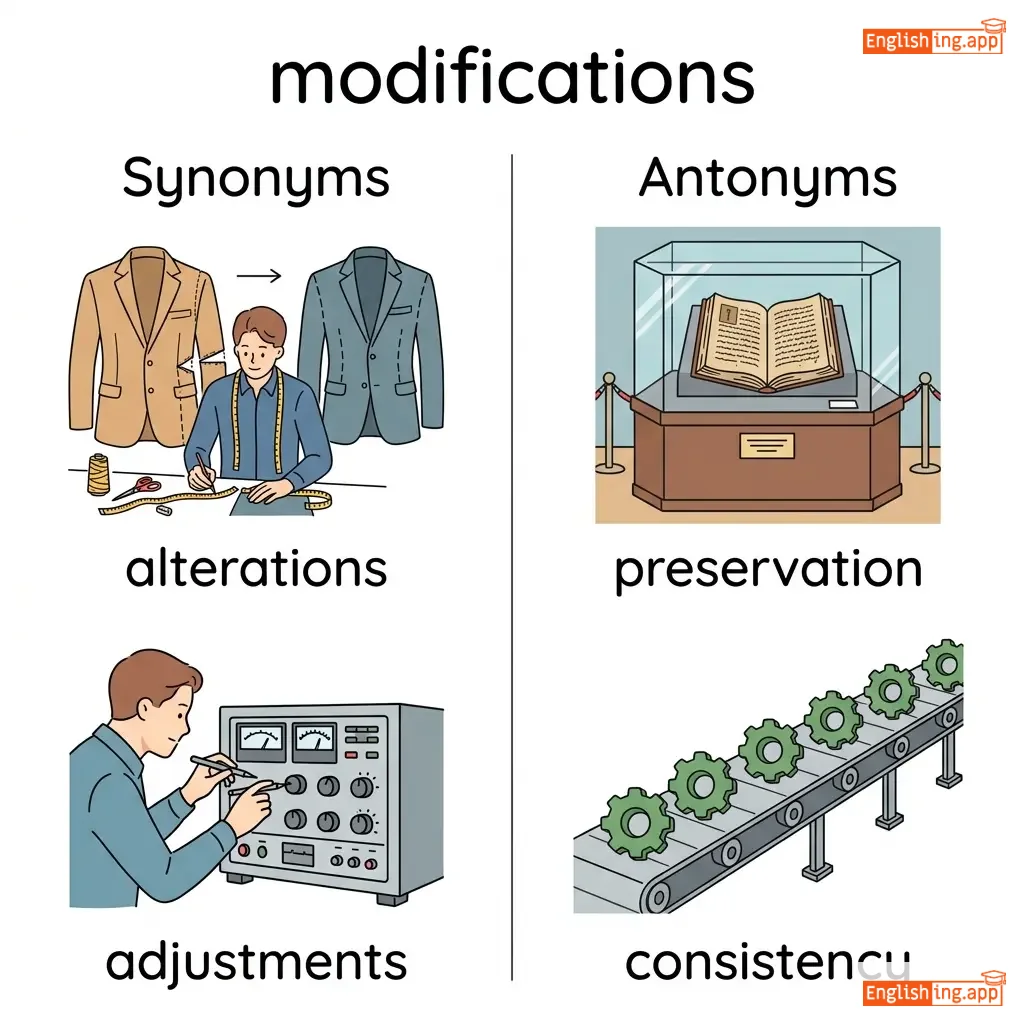
Changes made to something to improve it or make it more suitable.
••••••
|
Modifications improve policy frameworks. |
alterations, adjustments, changes, revisions, improvements, adaptations
••••••
|
preservation, consistency, maintenance, stagnation, immutability, rigidity
••••••
|
|
#870
⚖️
|
iːˈkwɒl.ɪ.ti
noun
••••••
|
|
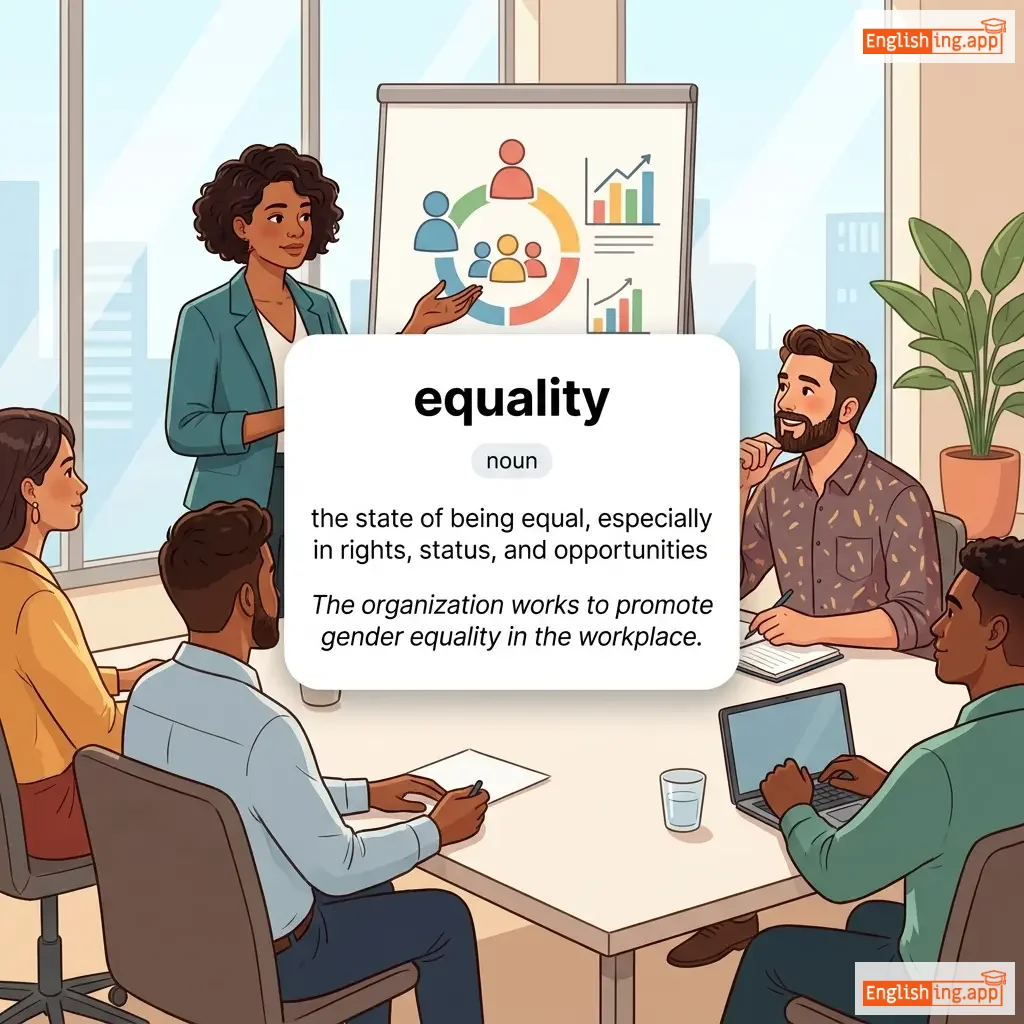
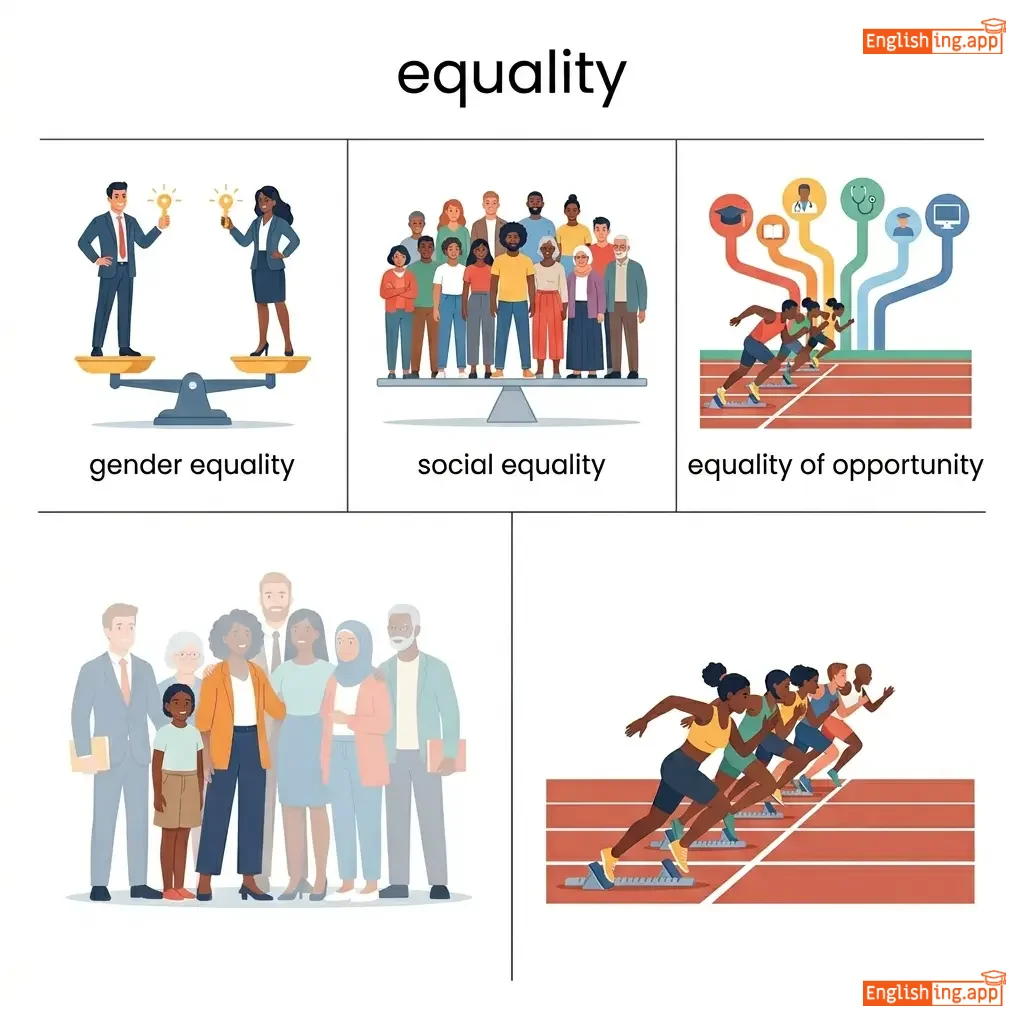
The state of being equal, especially in status, rights, and opportunities.
••••••
|
Equality fosters harmony in society. |
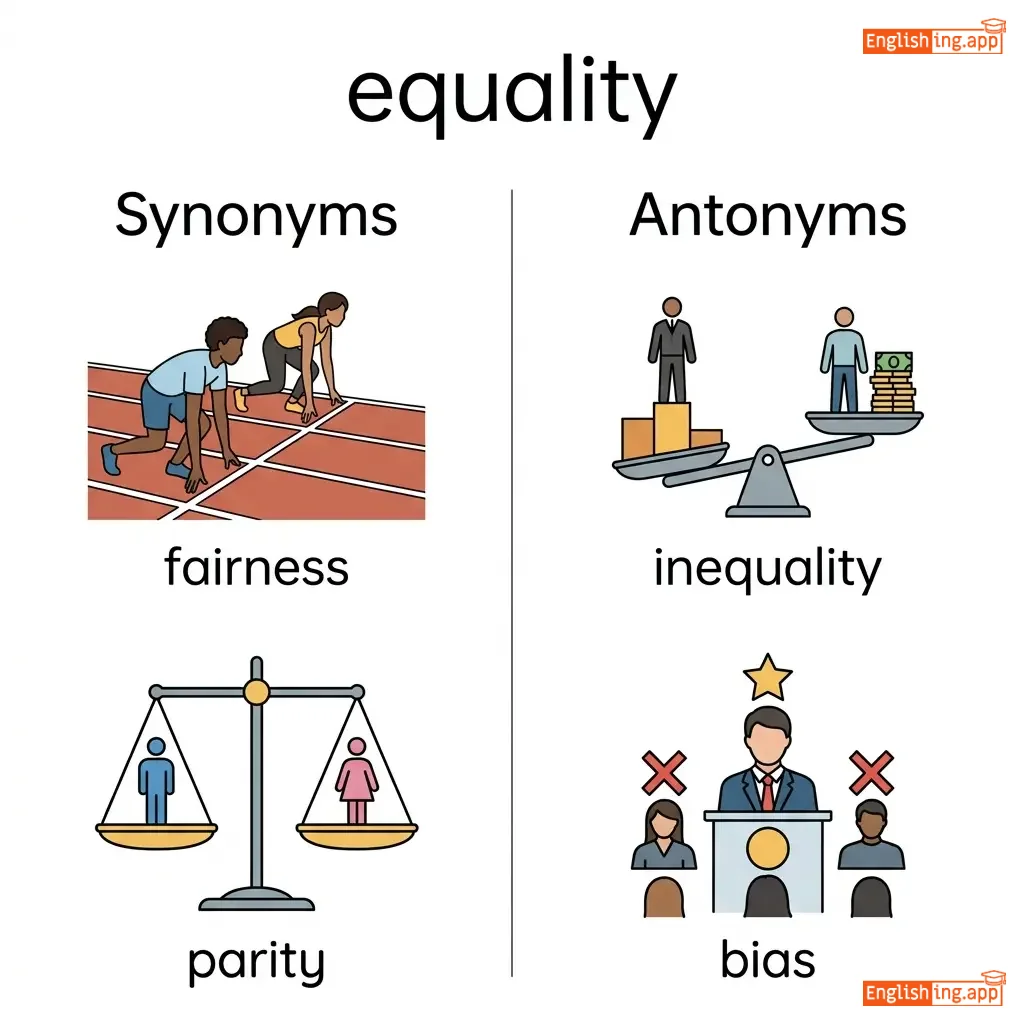
fairness, parity, justice, balance, equity, uniformity
••••••
|
inequality, bias, discrimination, disparity, unfairness, imbalance
••••••
|
|
#871
🤝
|
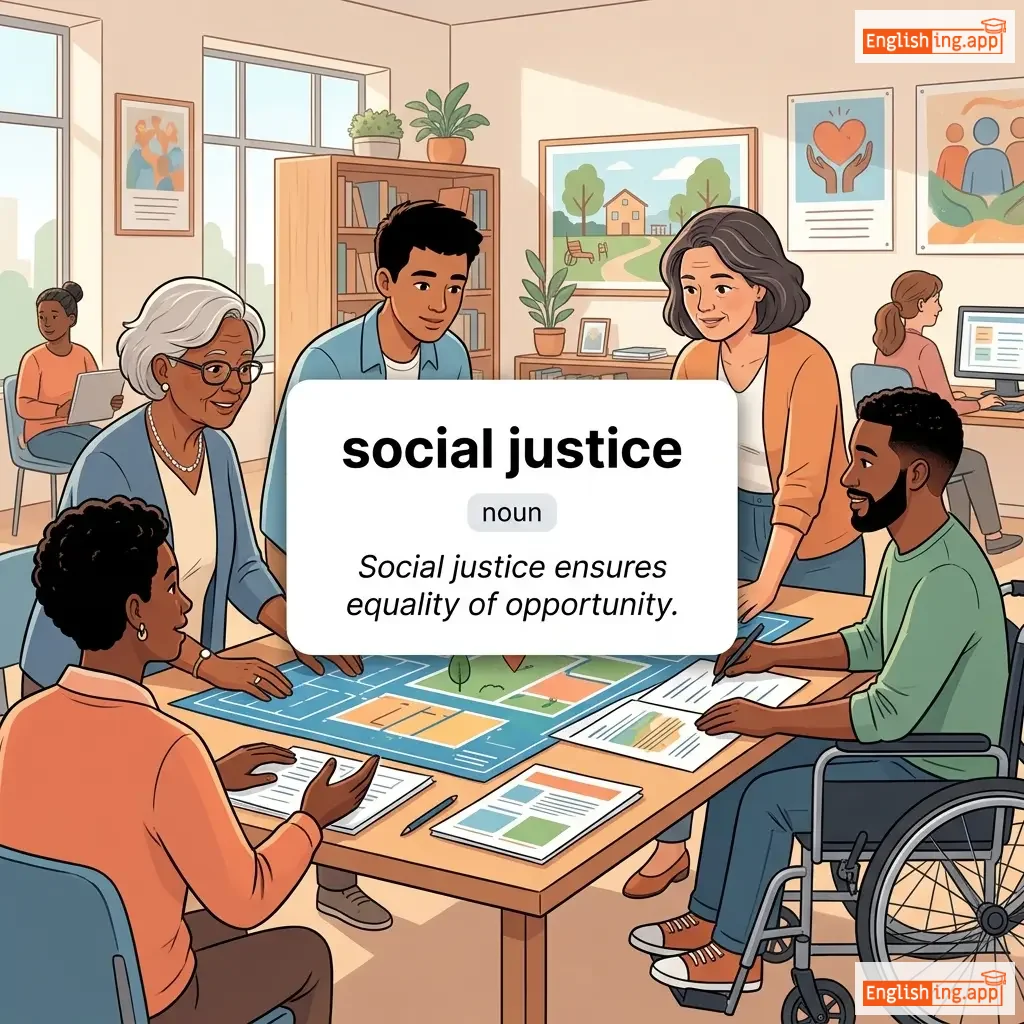
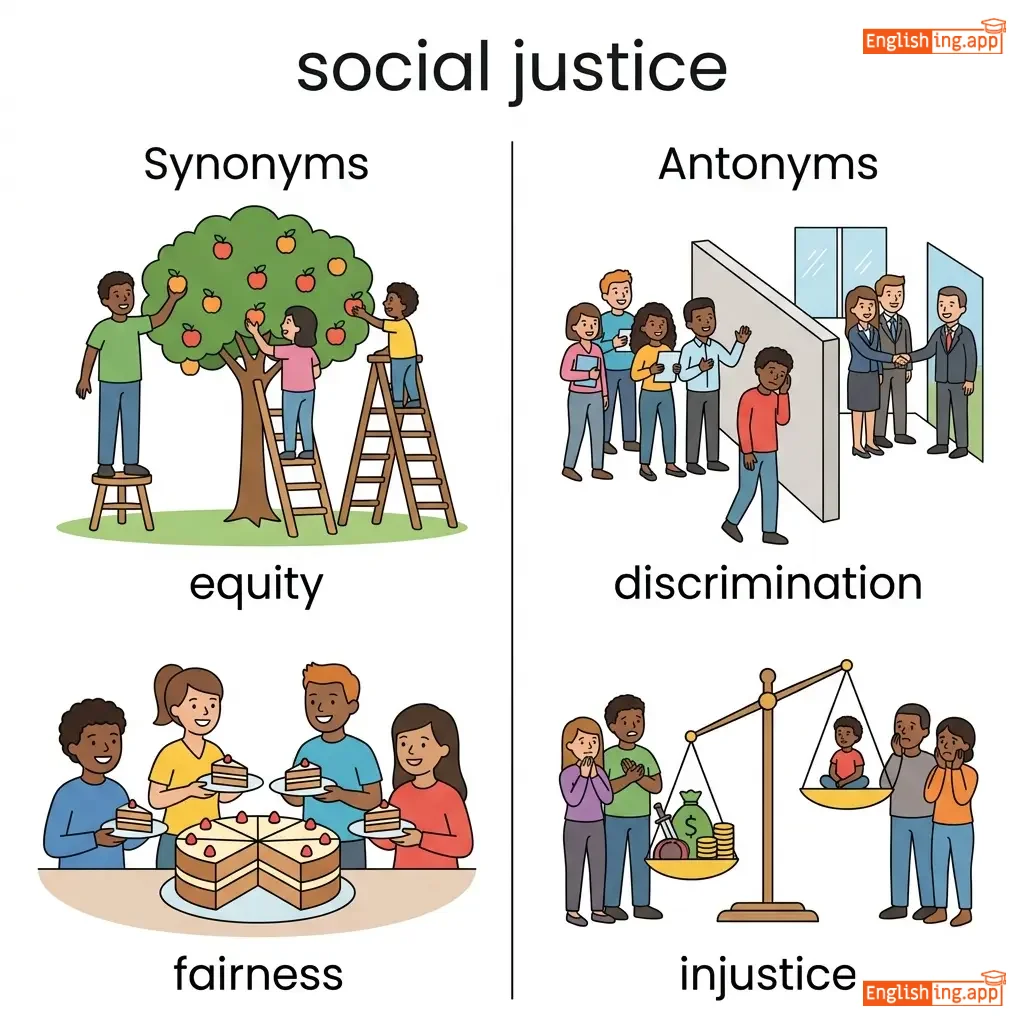
ˈsəʊ.ʃəl ˈdʒʌs.tɪs
noun
••••••
|
|
Justice in terms of the distribution of wealth, opportunities, and privileges within a society.
••••••
|
Social justice ensures equality of opportunity. |
equity, fairness, equal rights, civil rights, human rights, justice
••••••
|
discrimination, injustice, inequality, oppression, prejudice, bias
••••••
|
|
#872
⚖️
|
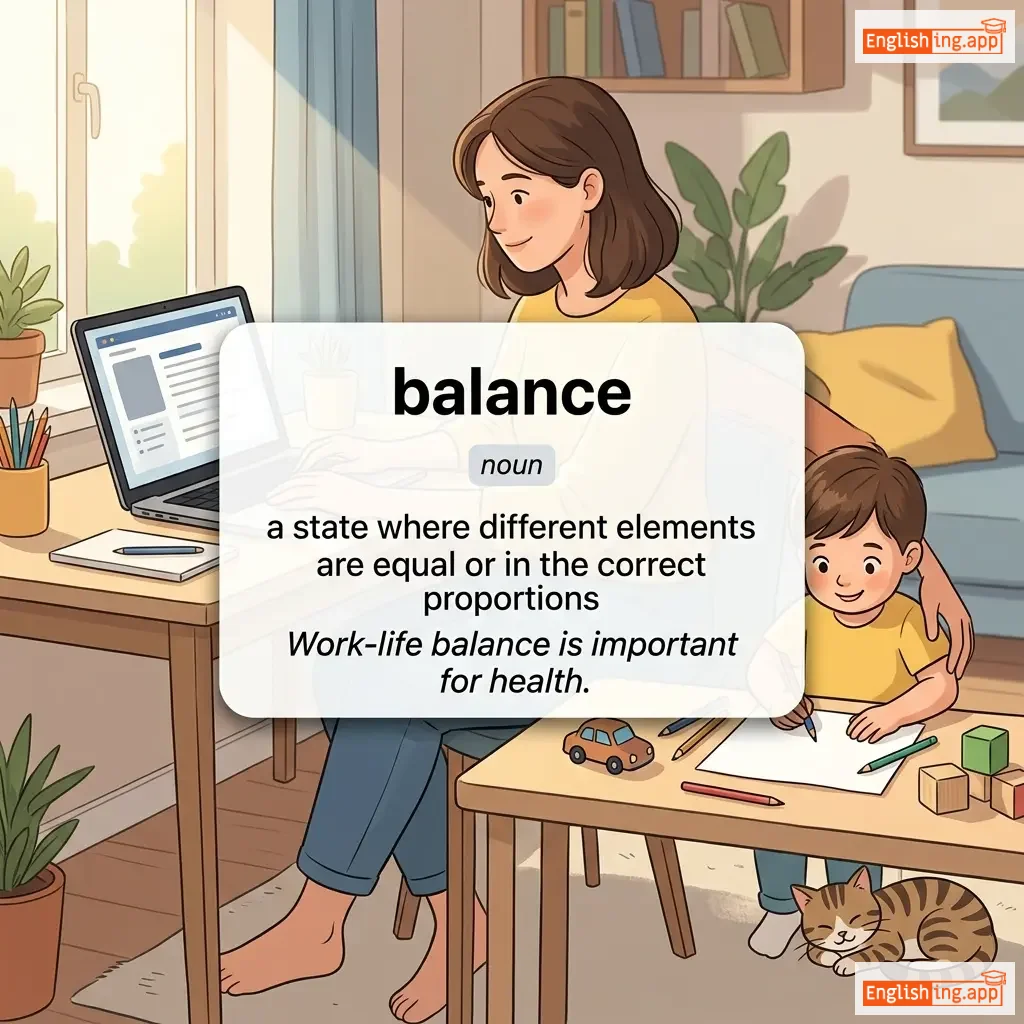
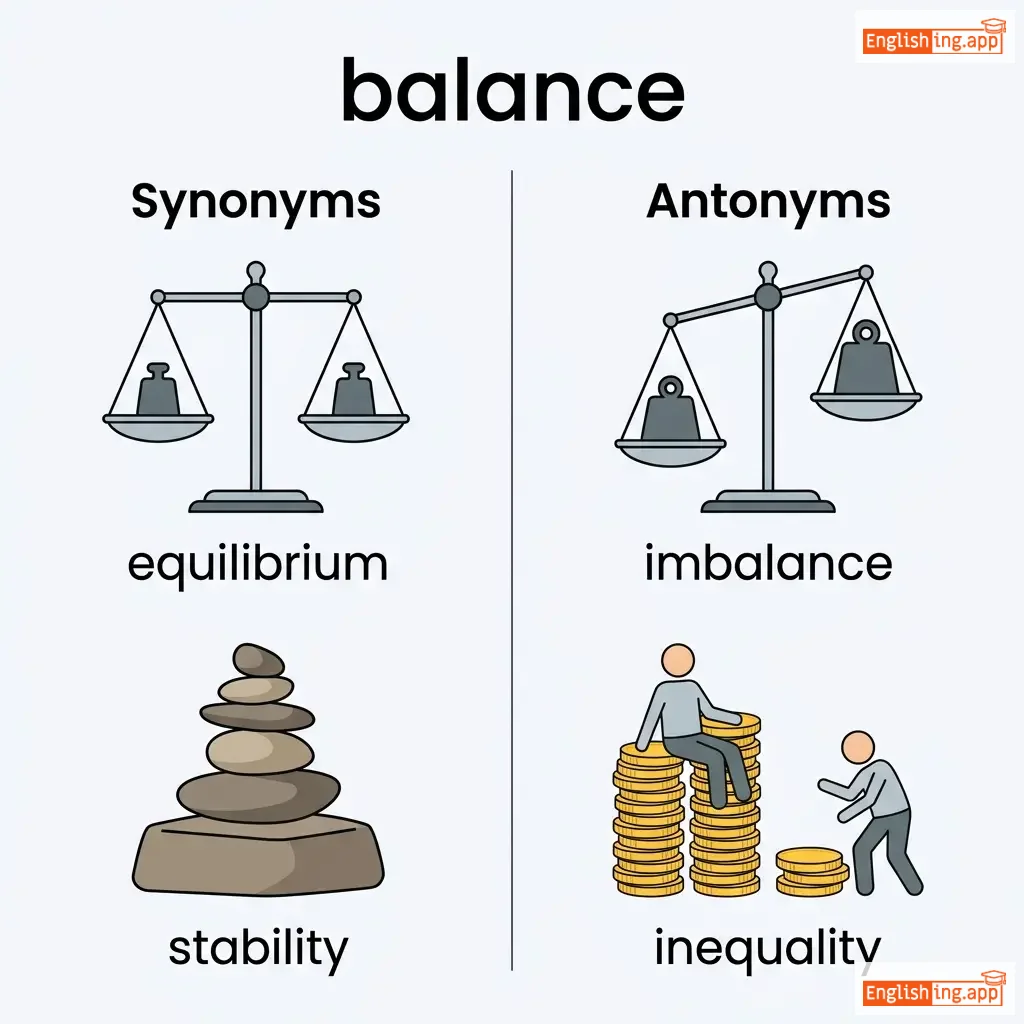
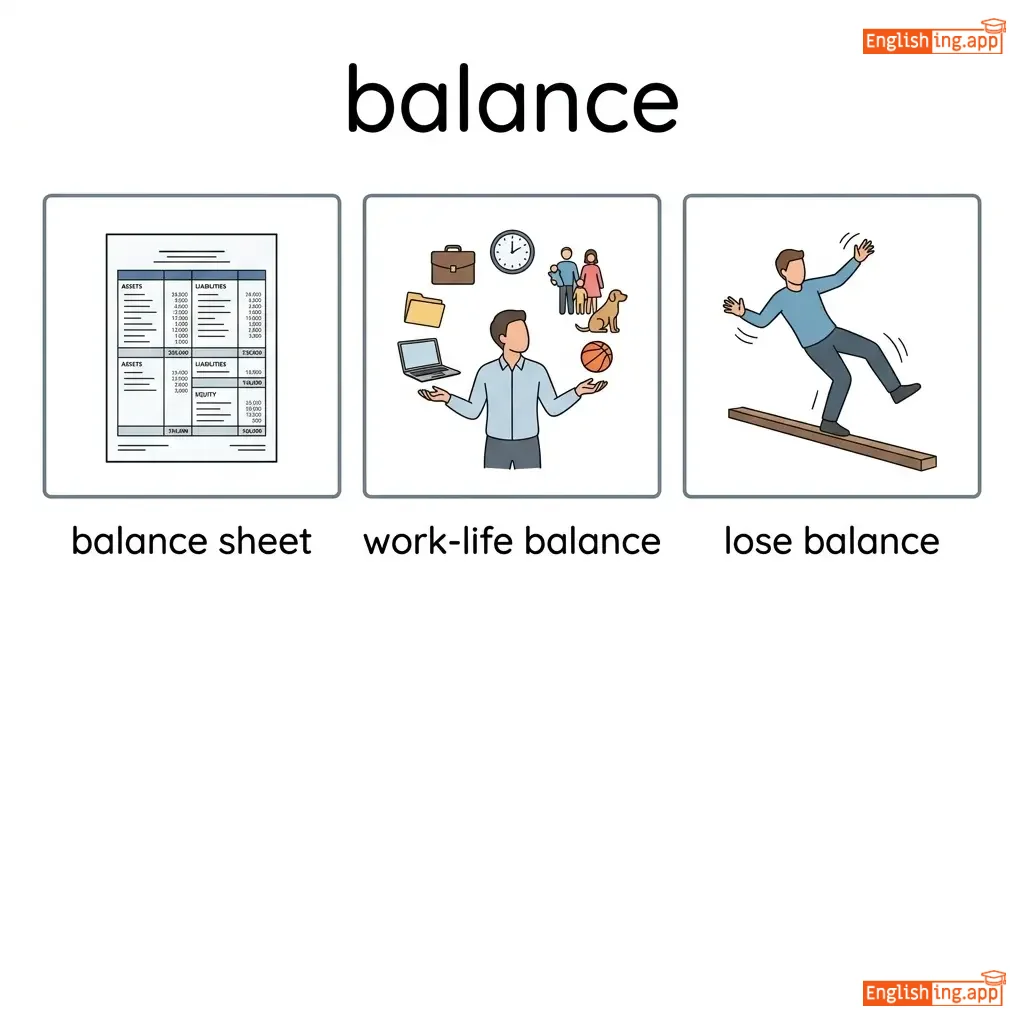
ˈbæl.əns
noun
••••••
|
|
A condition in which different elements are equal or in the correct proportions.
••••••
|
Balance among powers prevents conflicts. |
equilibrium, stability, harmony, proportion, symmetry, poise
••••••
|
imbalance, disorder, instability, disproportion, chaos, disruption
••••••
|
|
#873
💪
|
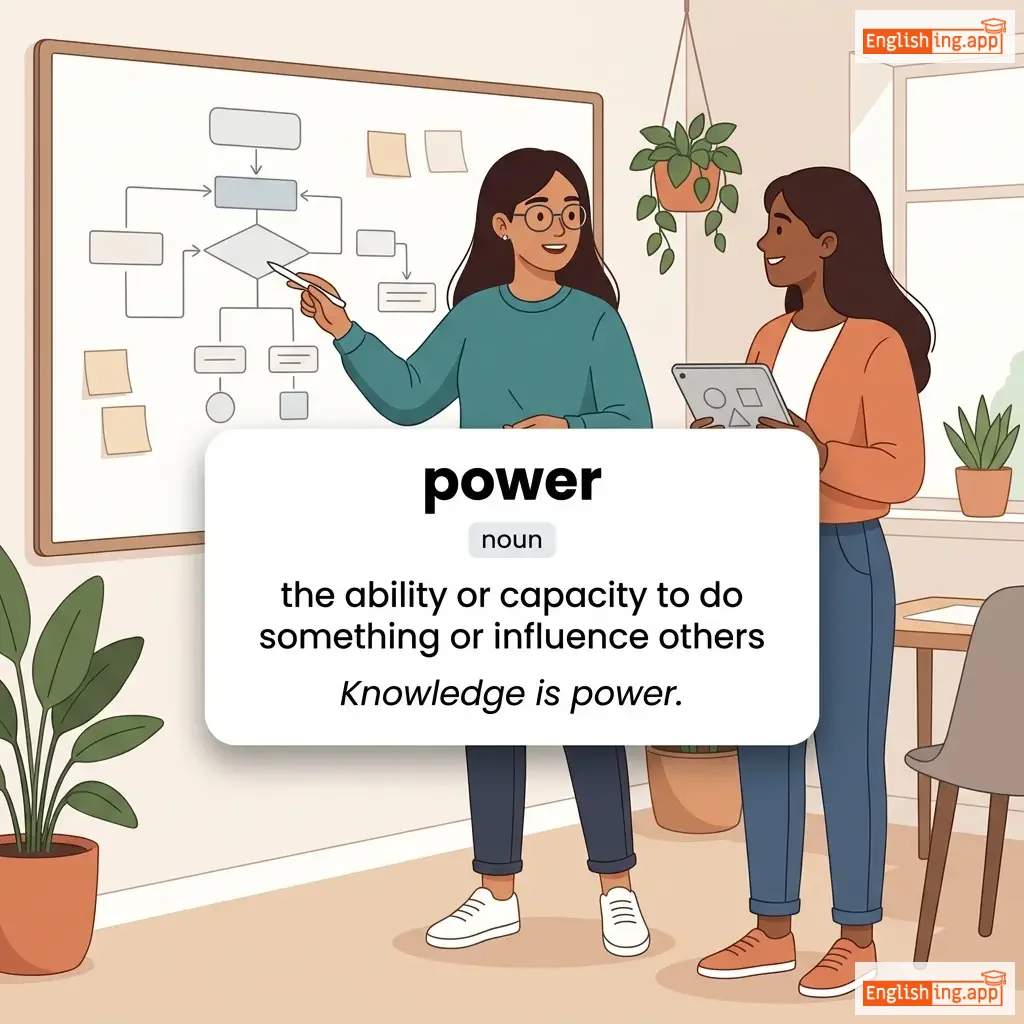
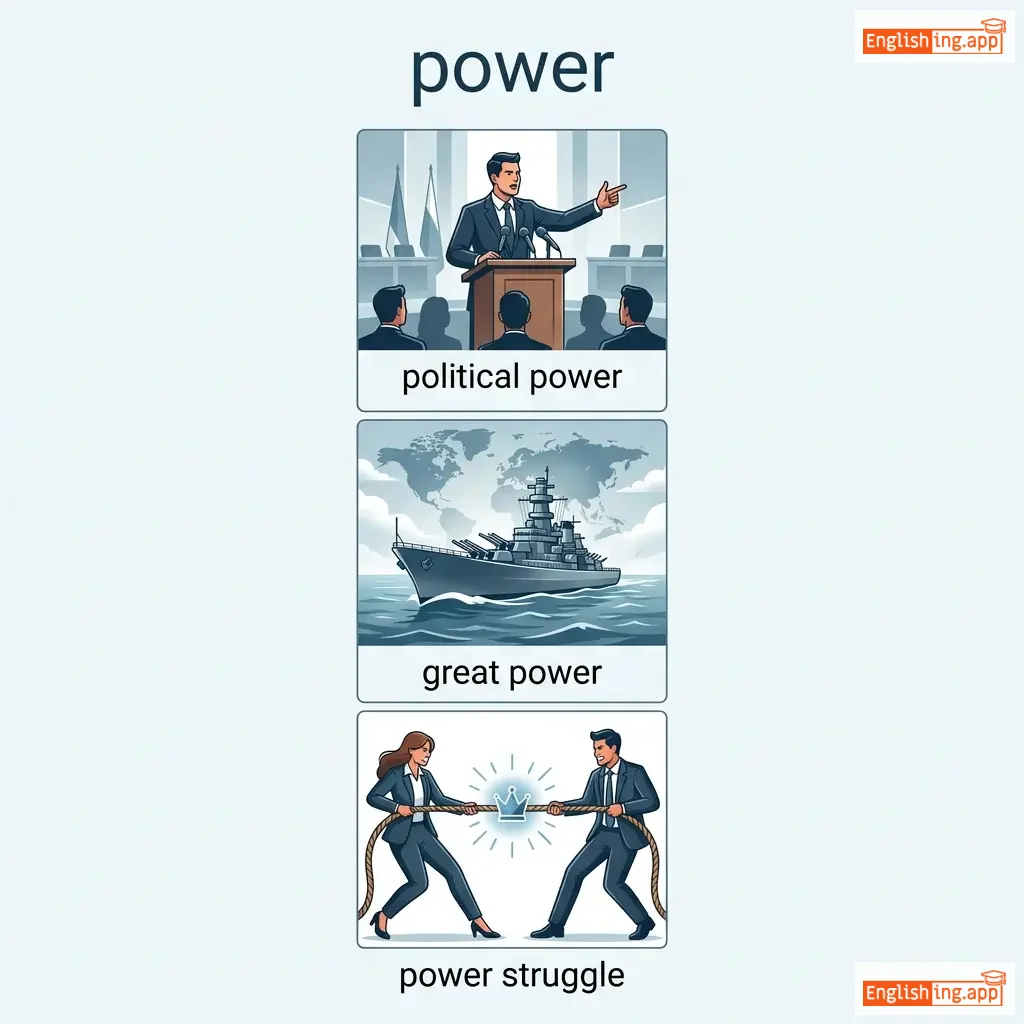
ˈpaʊ.ər
noun
••••••
|
|
The ability or capacity to do something or act in a particular way; authority.
••••••
|
Power distribution ensures efficiency. |
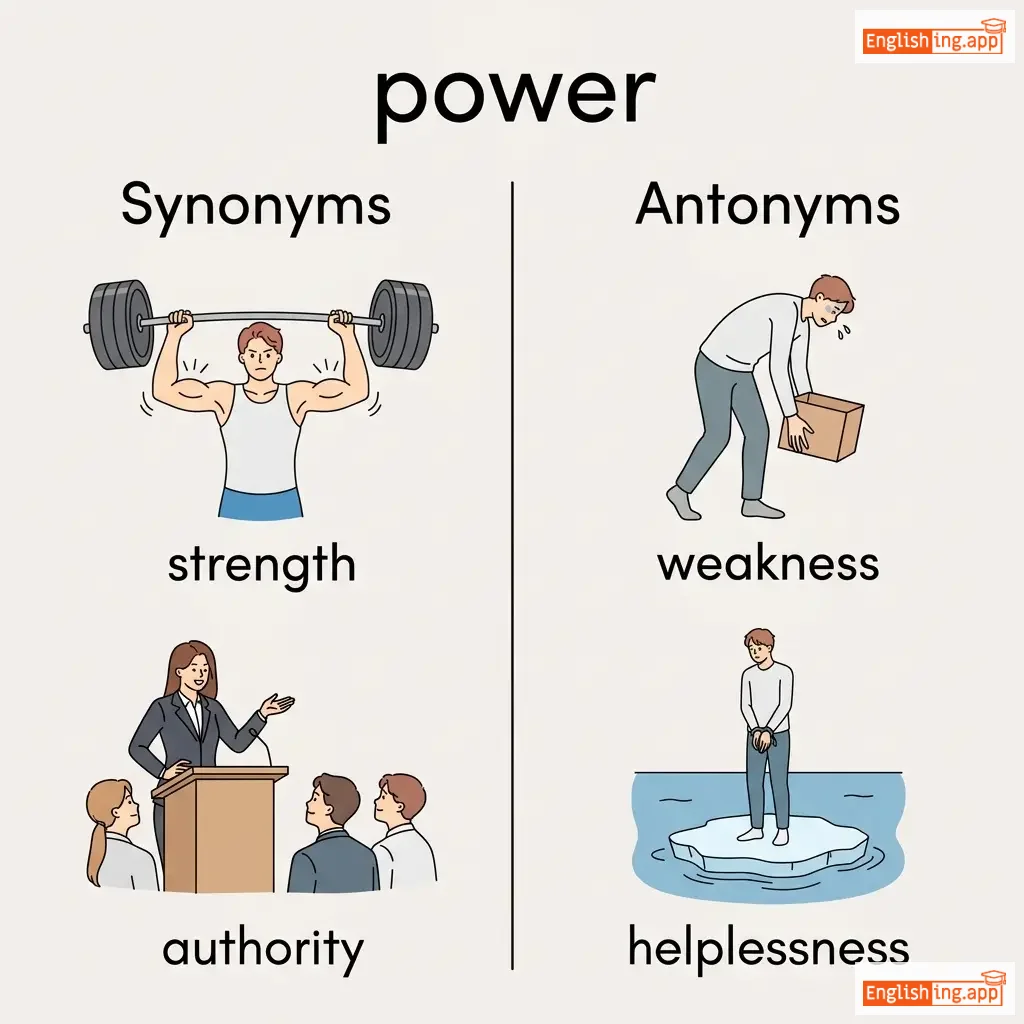
authority, control, influence, strength, force, dominance
••••••
|
weakness, impotence, helplessness, powerlessness, inability, incapacity
••••••
|
|
#874
👨💼
|
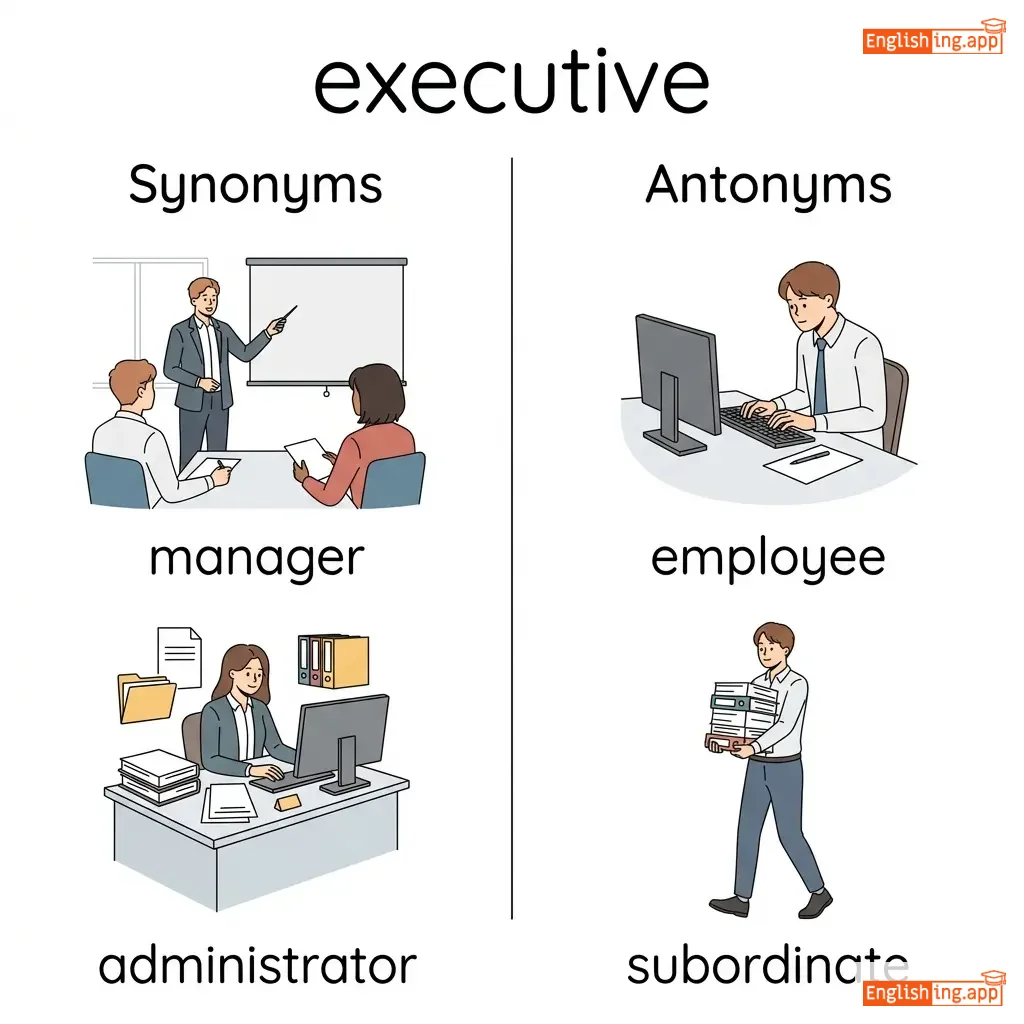
ɪɡˈzek.jə.tɪv
noun
••••••
|


|
The branch of government responsible for implementing and enforcing laws.
••••••
|
The executive body enforces policies. |
administrator, director, manager, leader, official, head
••••••
|
subordinate, follower, employee, worker, underling, assistant
••••••
|
|
#875
🏛️
|
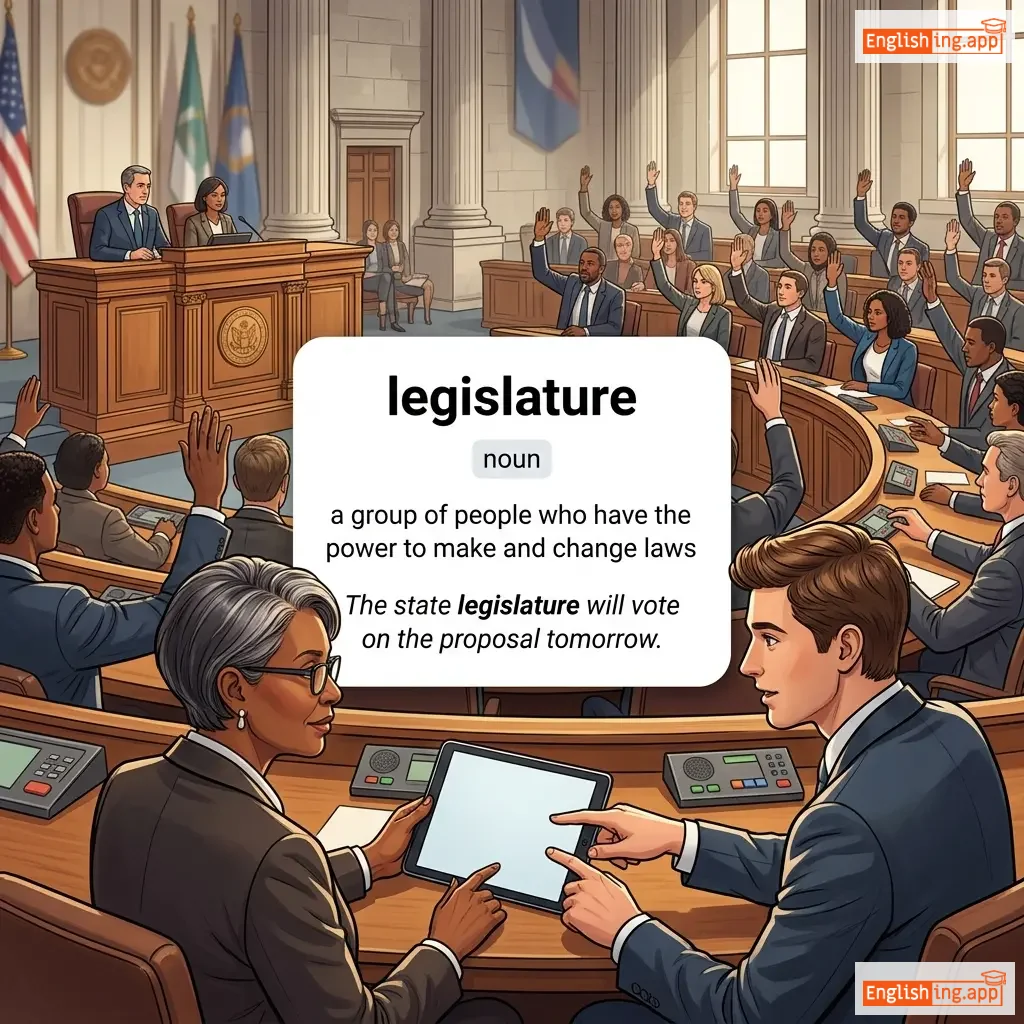
ˈledʒ.ɪ.slə.tʃər
noun
••••••
|
|
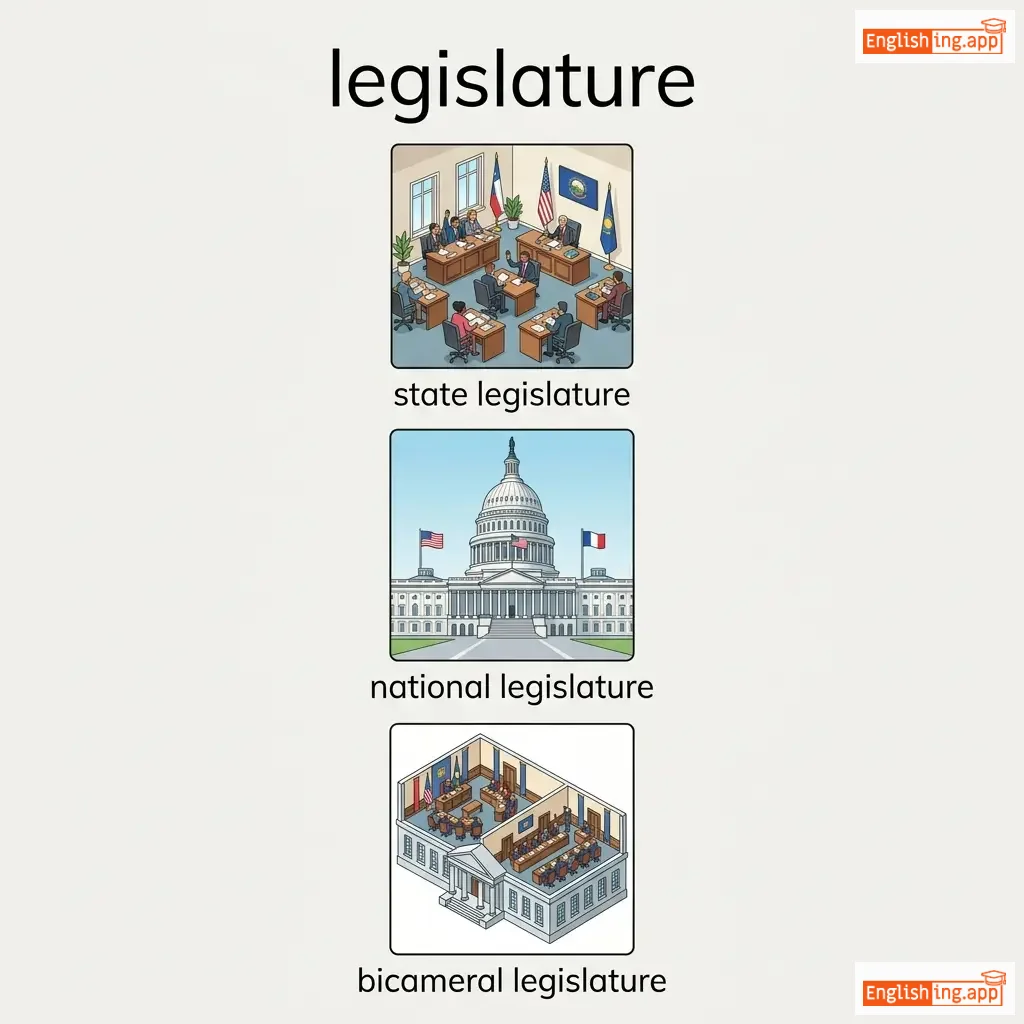
The legislative body of a country or state; the branch of government that makes laws.
••••••
|
The legislature drafts laws for governance. |
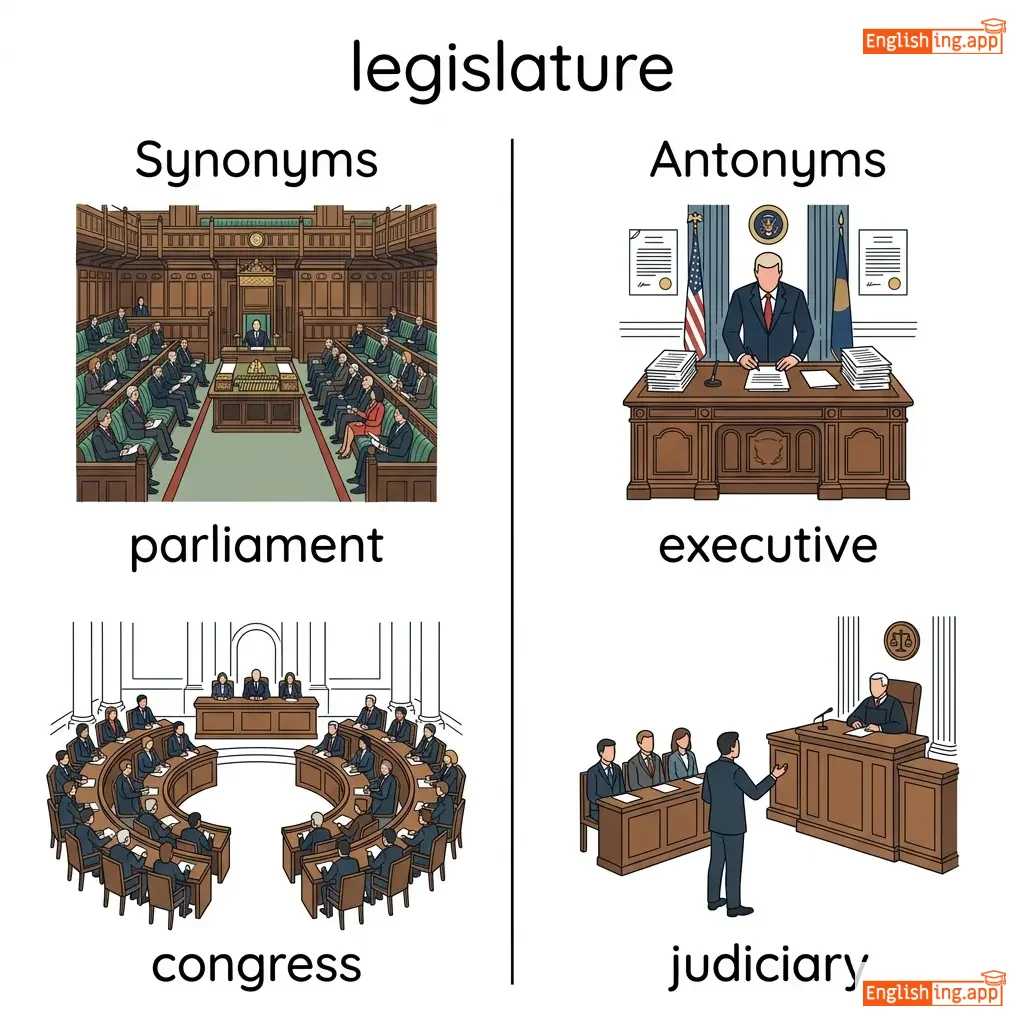
parliament, assembly, congress, council, senate, house
••••••
|
judiciary, executive, administration, bureaucracy, enforcement, implementation
••••••
|
|
#876
⚖️
|
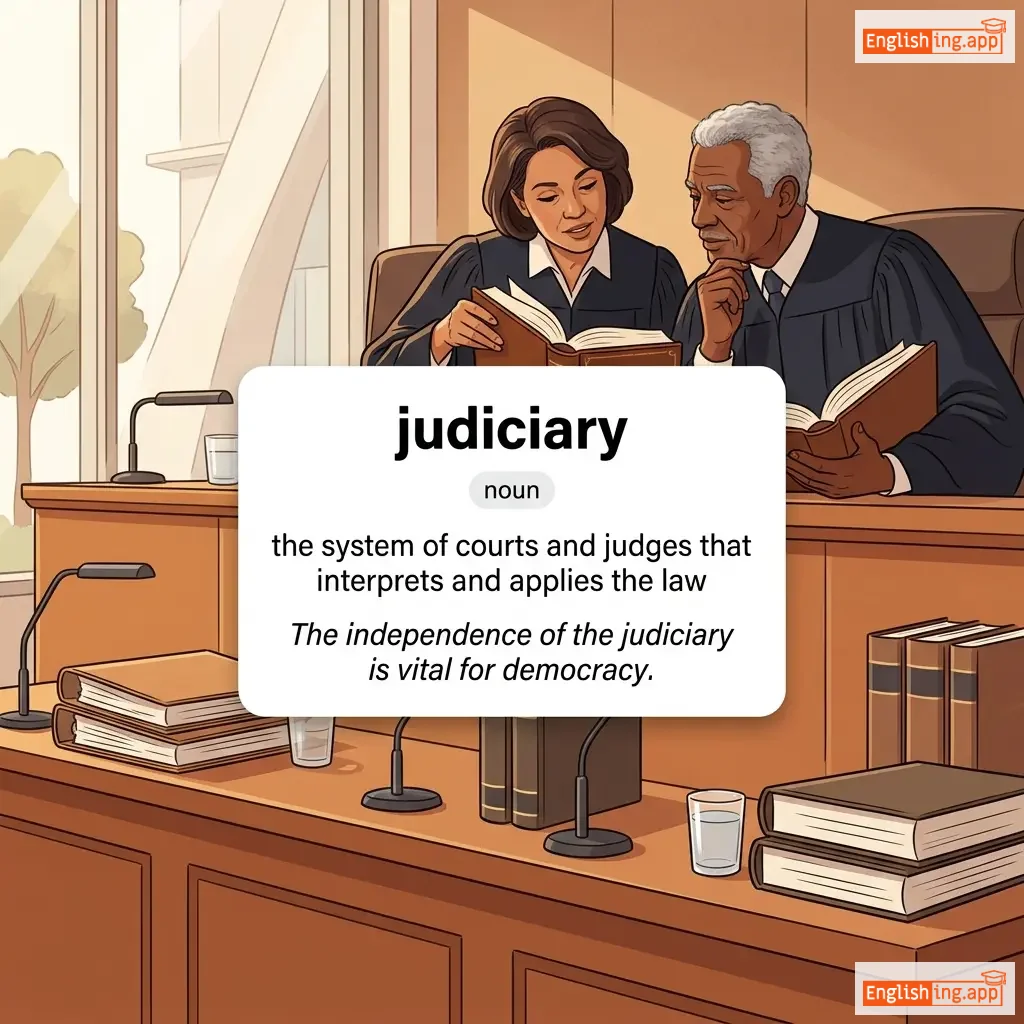
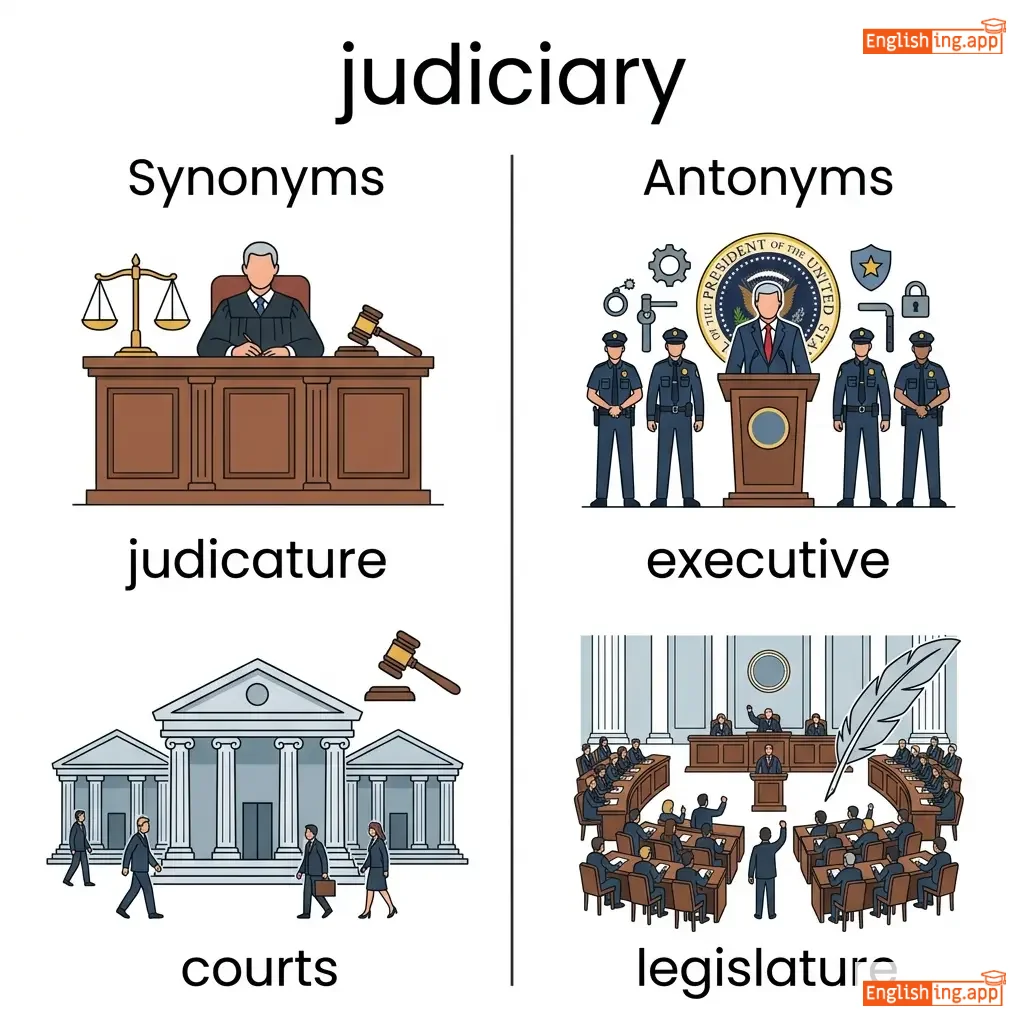
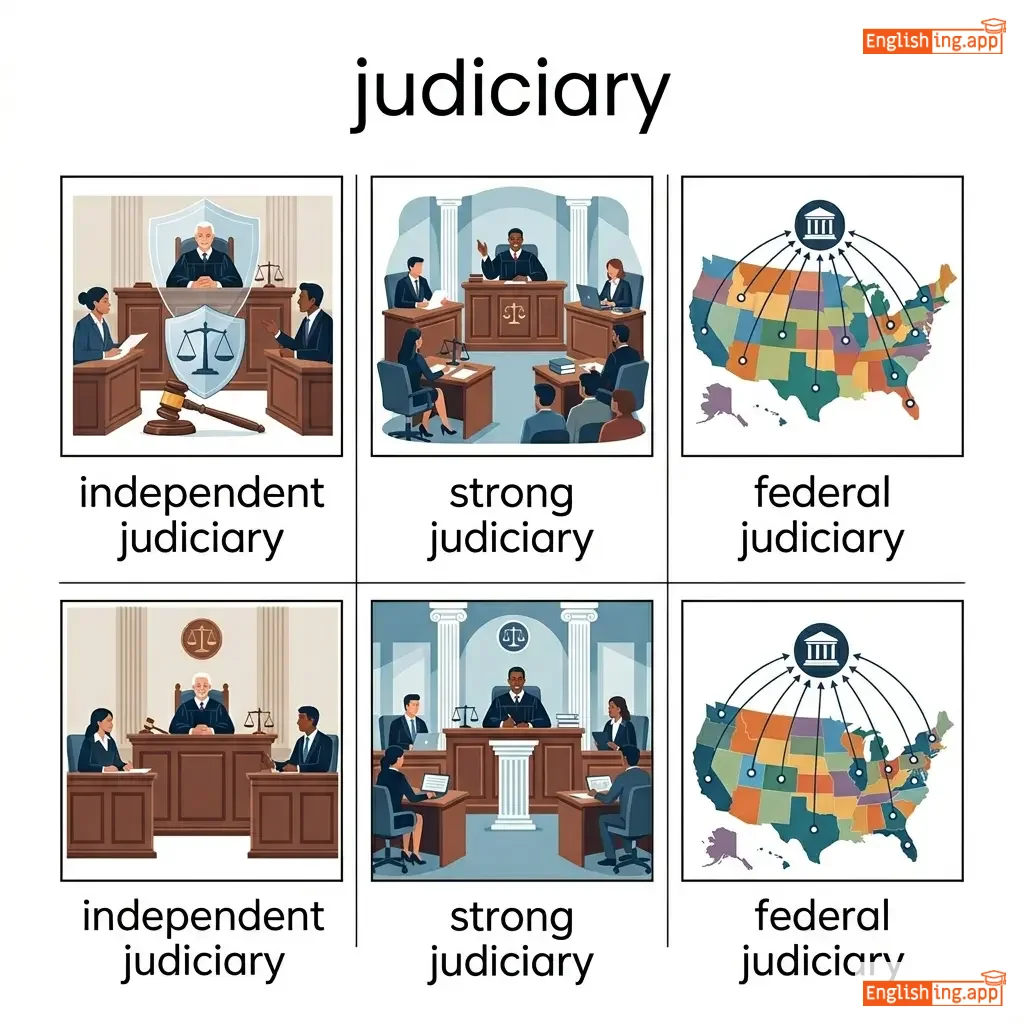
dʒuːˈdɪʃ.ər.i
noun
••••••
|
|
The judicial authorities of a country; the system of courts that interprets and applies the law.
••••••
|
The judiciary ensures the rule of law. |
court, bench, tribunal, judicial system, legal system, justice system
••••••
|
legislature, executive, administration, government, enforcement, politics
••••••
|
|
#877
🚫
|
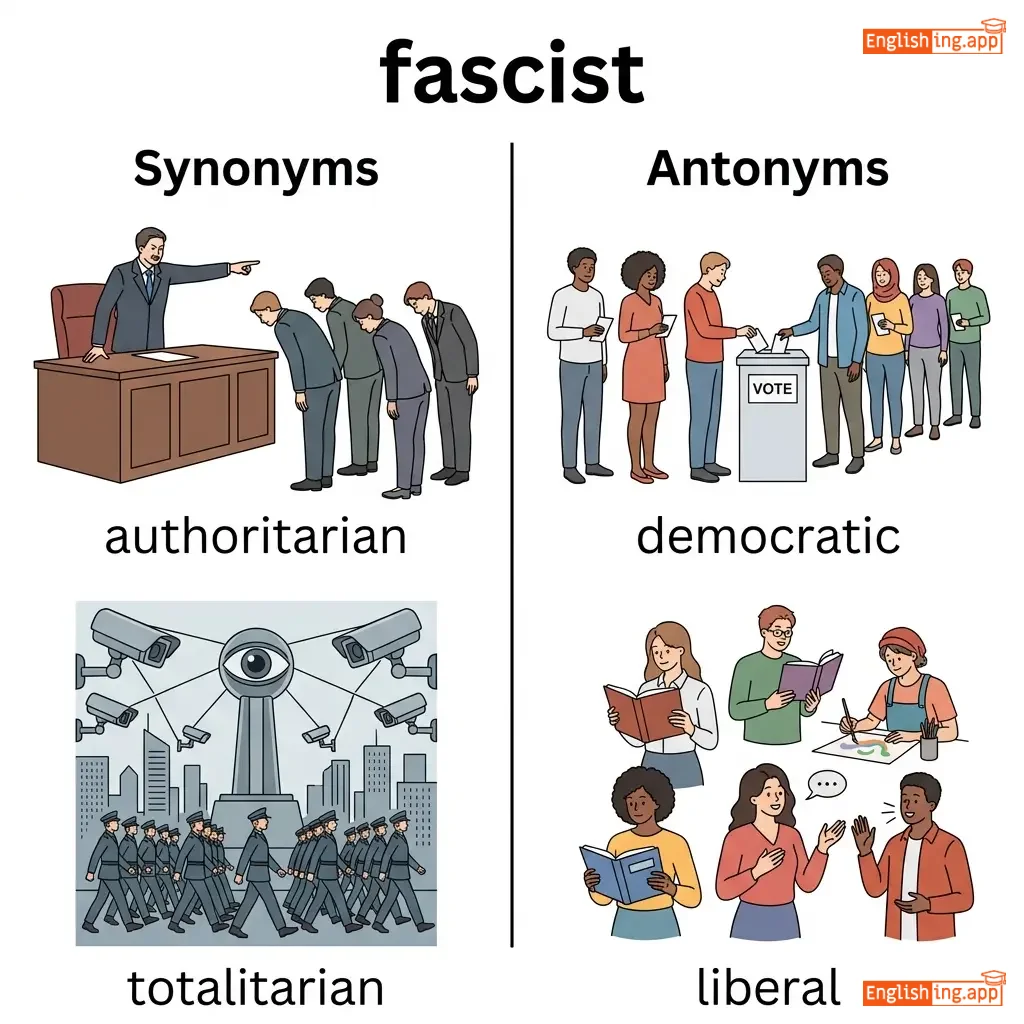
ˈfæʃ.ɪst
adjective
••••••
|

|
Relating to or characteristic of fascism; extremely authoritarian.
••••••
|
Fascist governance undermines freedom. |
authoritarian, totalitarian, dictatorial, oppressive, tyrannical, despotic
••••••
|
democratic, liberal, free, libertarian, progressive, egalitarian
••••••
|
|
#878
🏛️
|
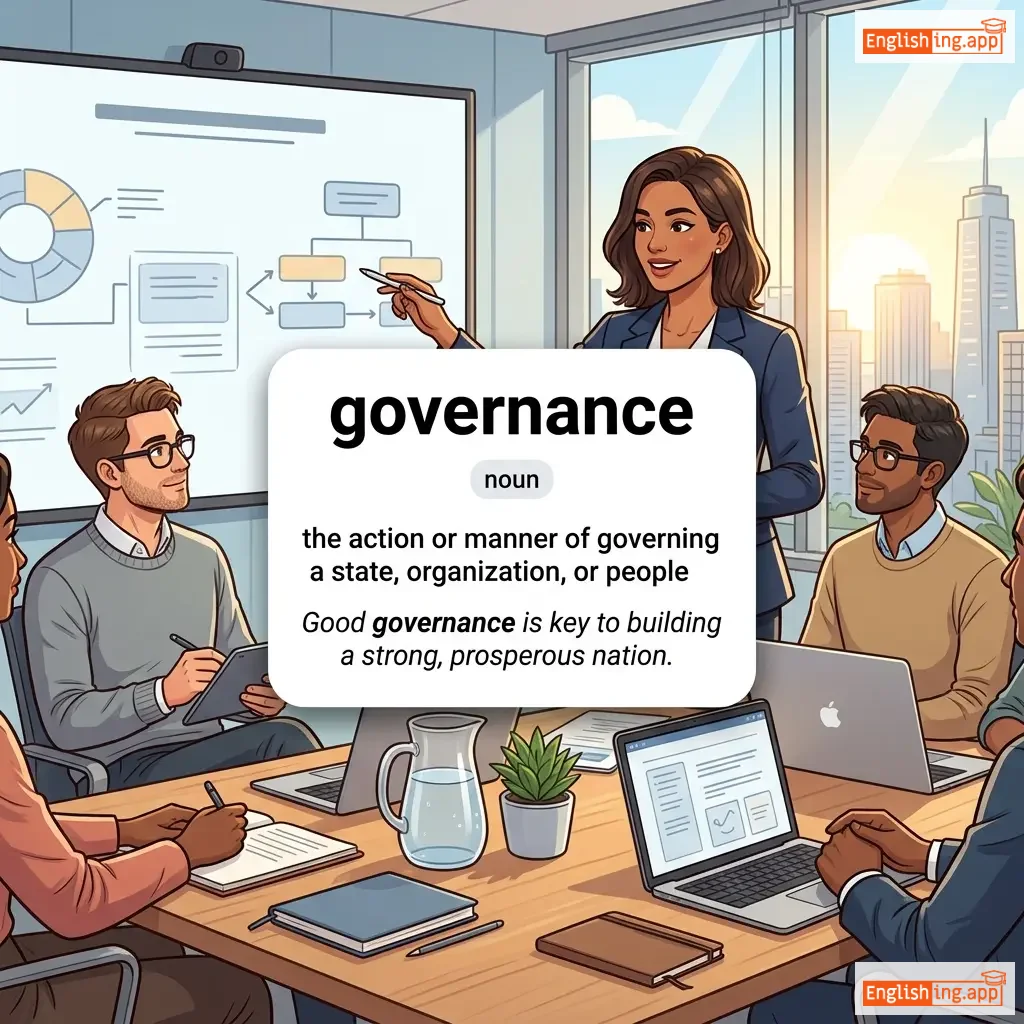
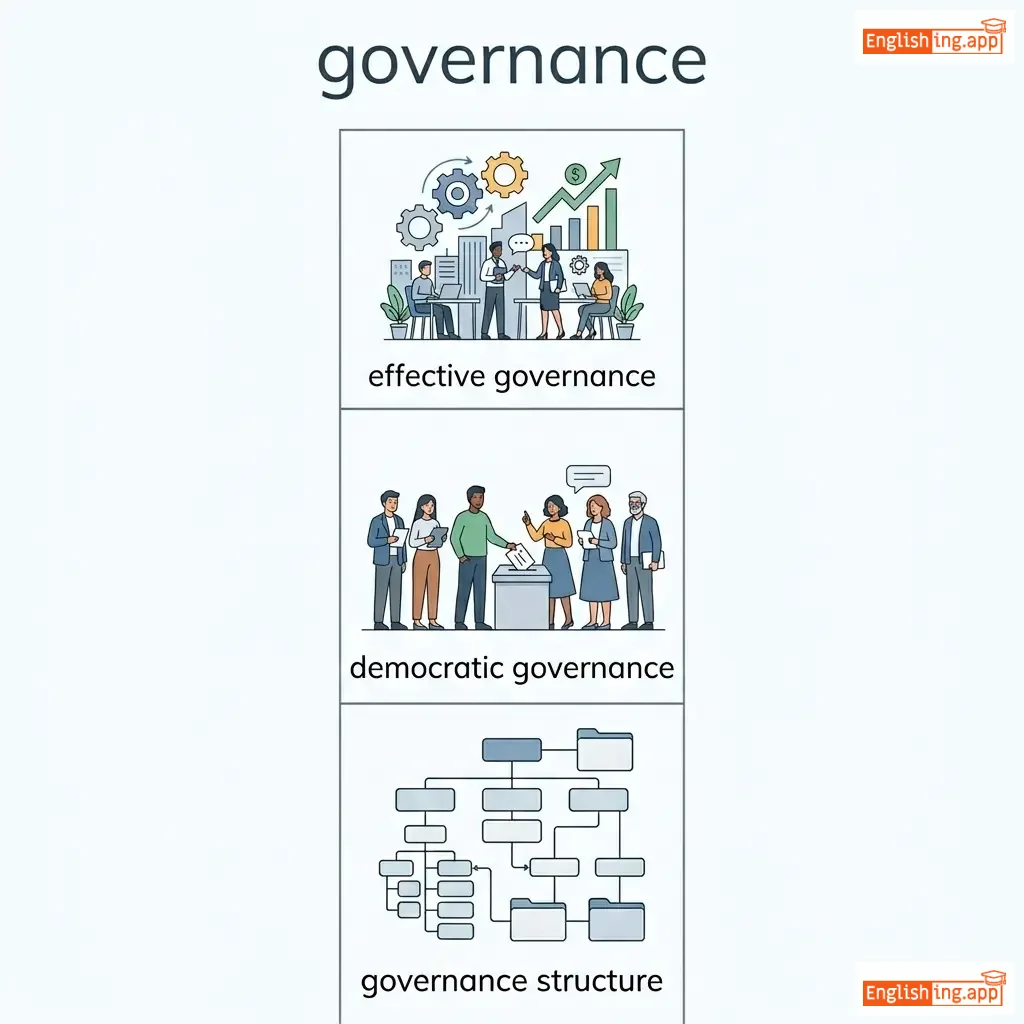
ˈɡʌv.ən.əns
noun
••••••
|
|
The action or manner of governing; the system by which a state or organization is controlled.
••••••
|
Governance reforms enhance efficiency. |
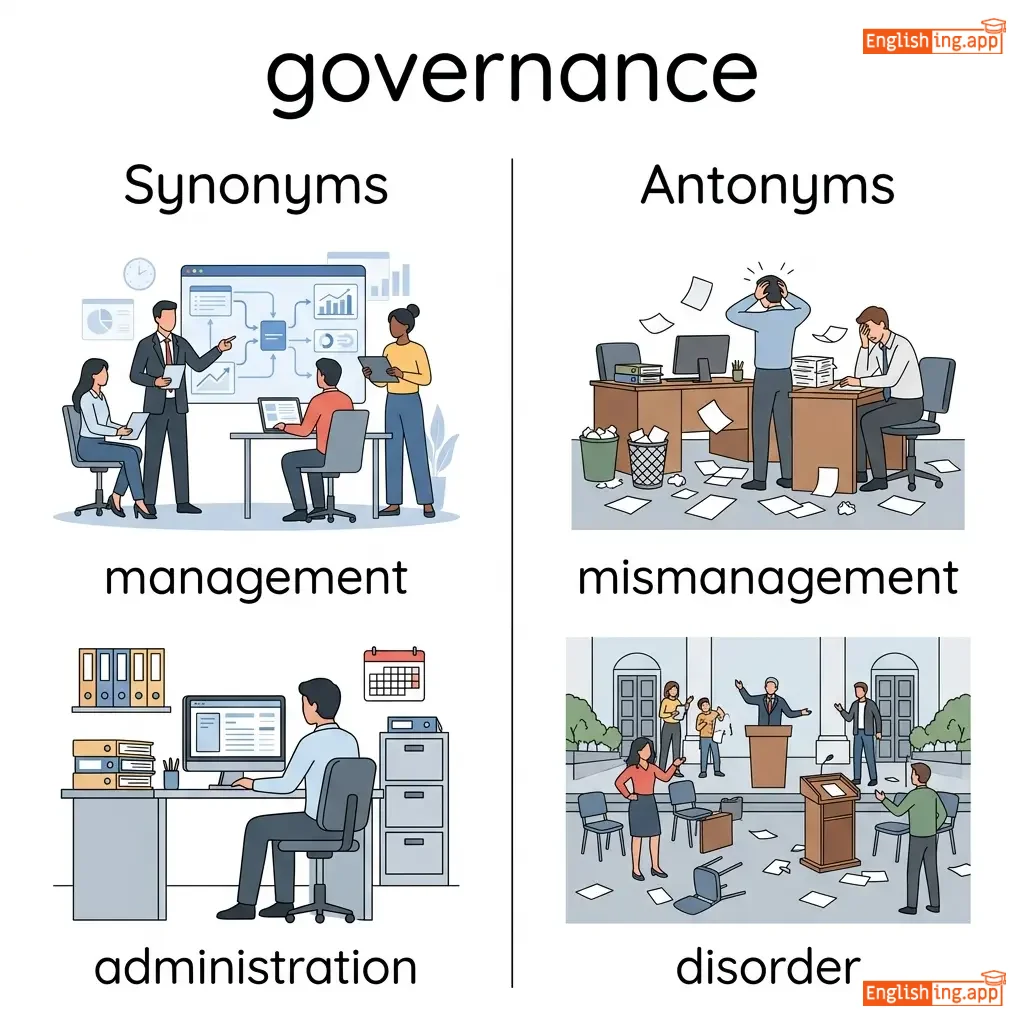
administration, management, leadership, control, government, rule
••••••
|
disorder, mismanagement, anarchy, chaos, lawlessness, dysfunction
••••••
|
|
#879
🛡️
|
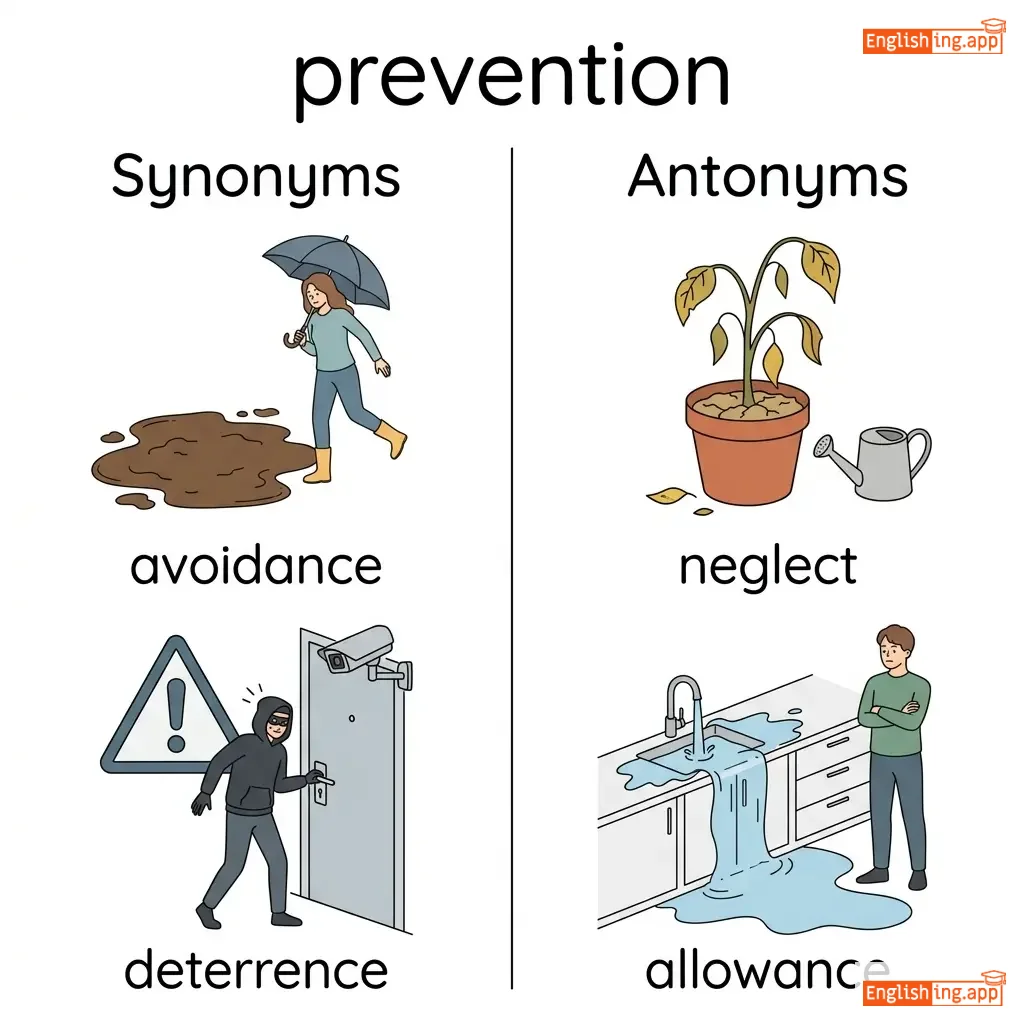
prɪˈven.ʃən
noun
••••••
|


|
The action of stopping something from happening or arising.
••••••
|
Prevention of fascism ensures democracy. |
hindrance, deterrence, obstruction, blockage, inhibition, restraint
••••••
|
encouragement, facilitation, promotion, assistance, support, advancement
••••••
|
|
#880
✅
|
ɪˈfek.tɪv
adjective
••••••
|
|
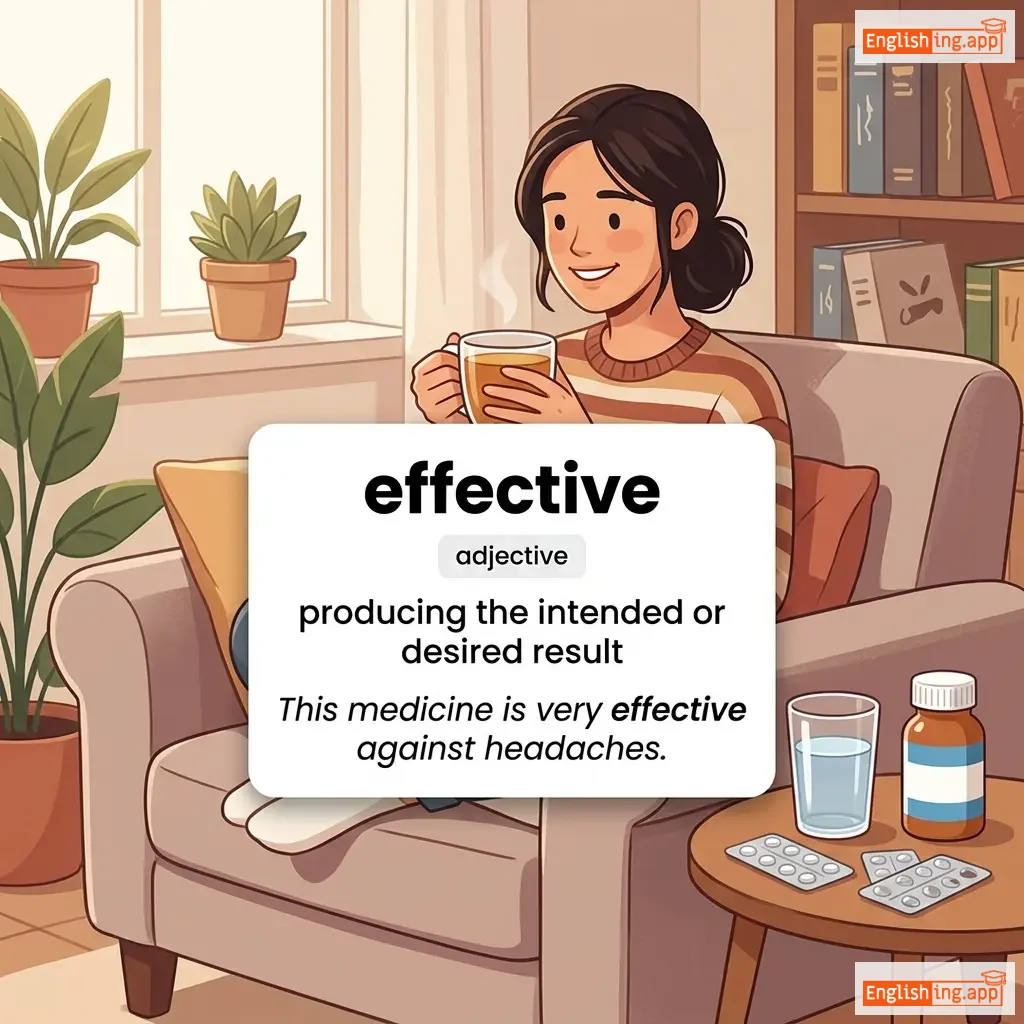
Successful in producing a desired or intended result.
••••••
|
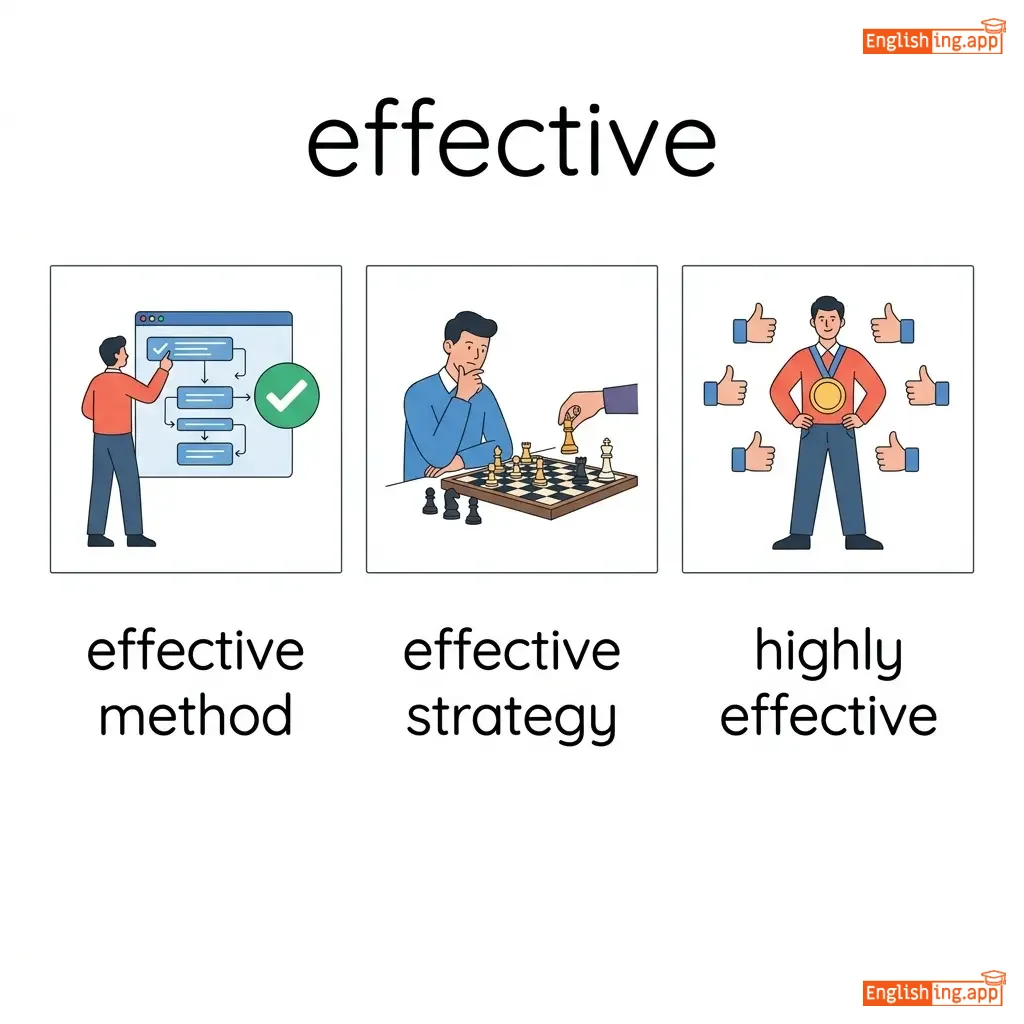
Effective reforms enhance governance quality. |
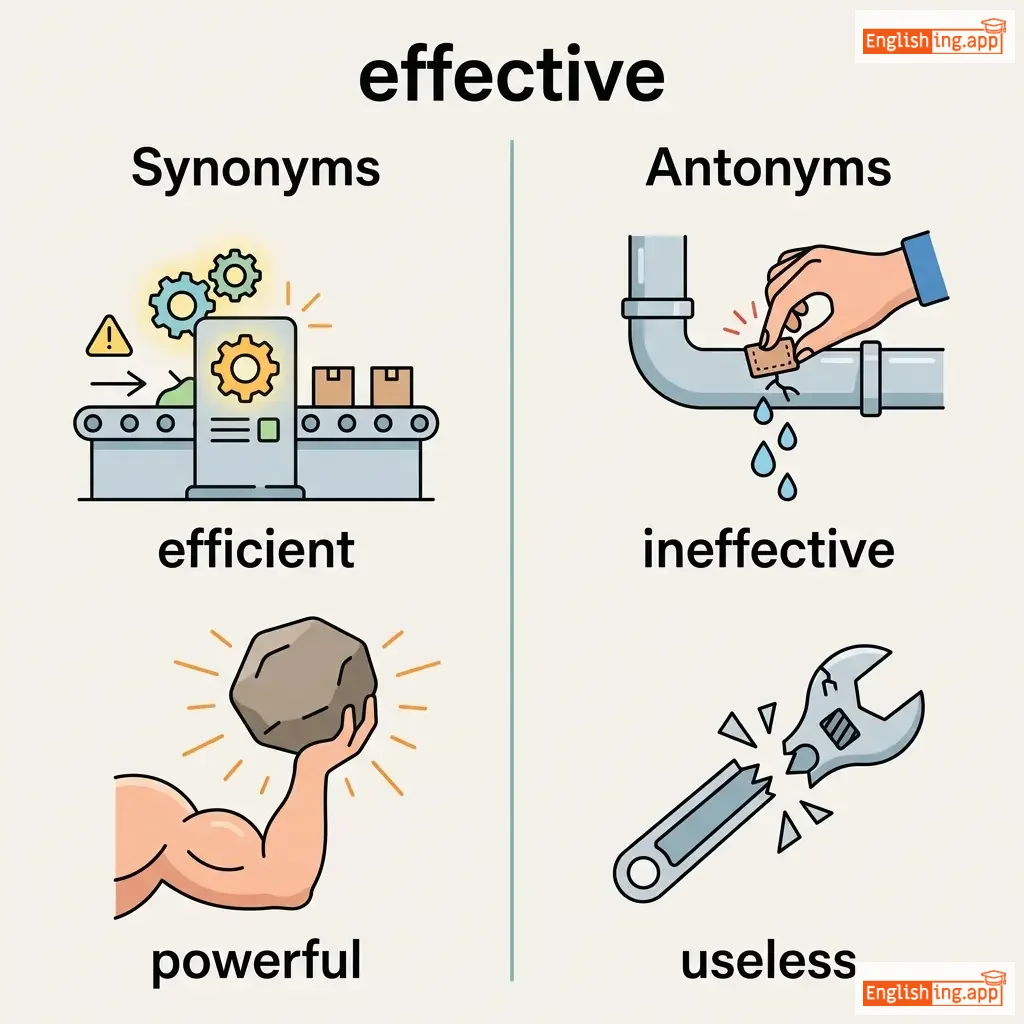
efficient, productive, successful, useful, beneficial, advantageous
••••••
|
ineffective, unproductive, useless, unsuccessful, harmful, disadvantageous
••••••
|
|
#881
🌐
|
ˌdiː.sen.trə.laɪˈzeɪ.ʃən
noun
••••••
|
|
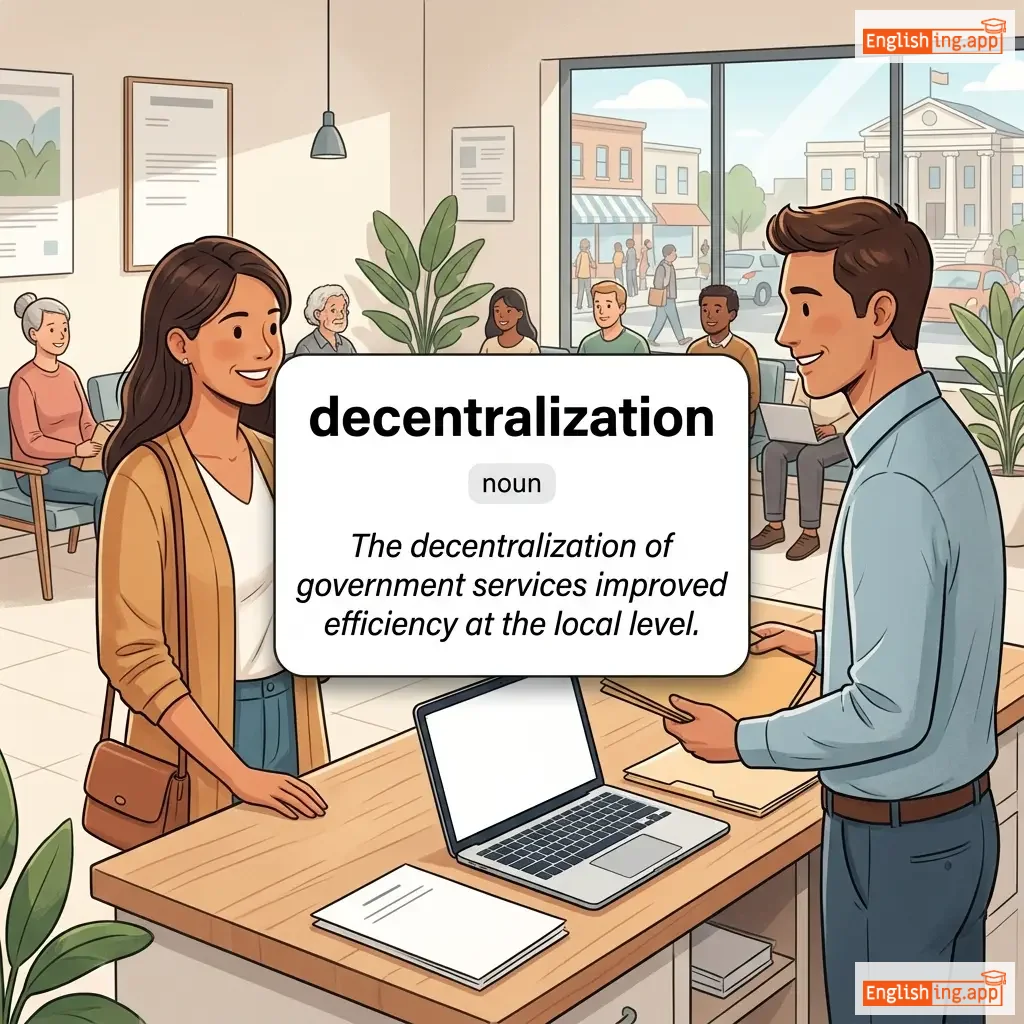
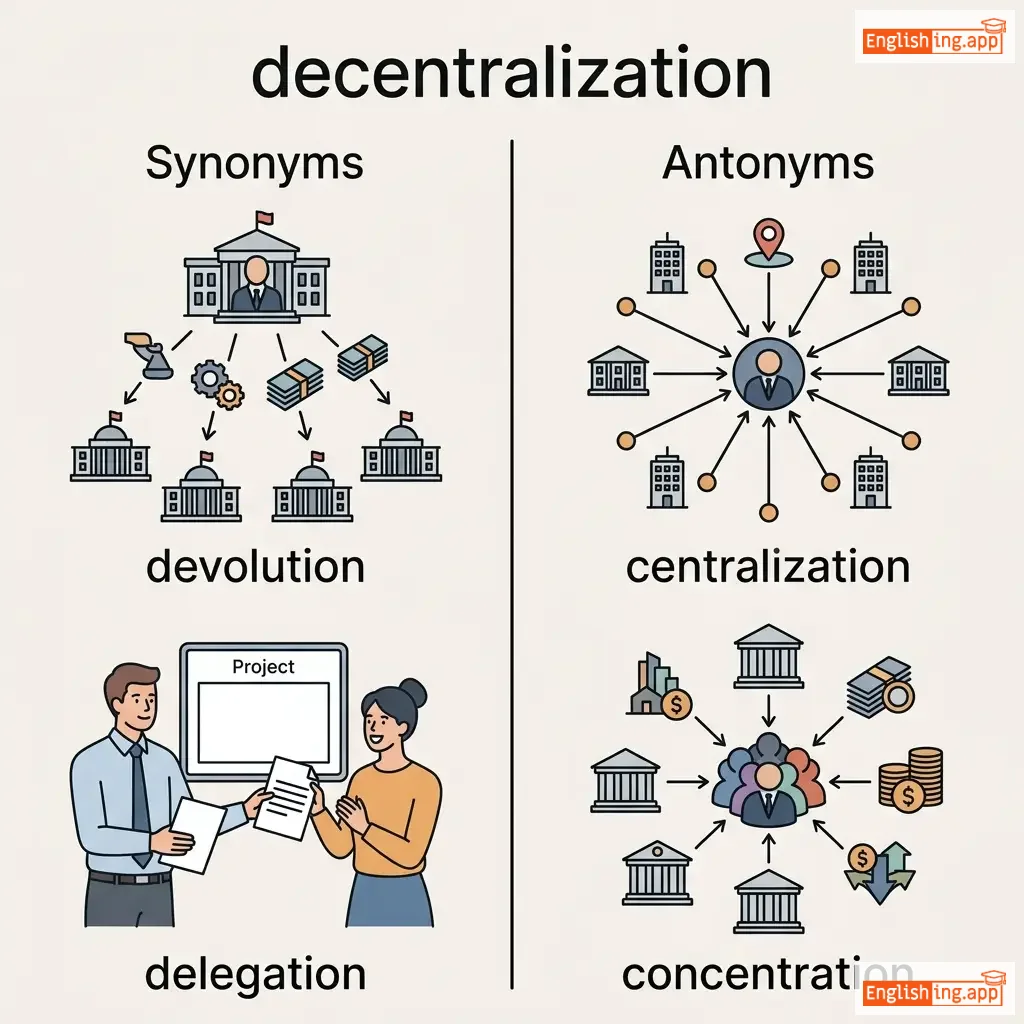
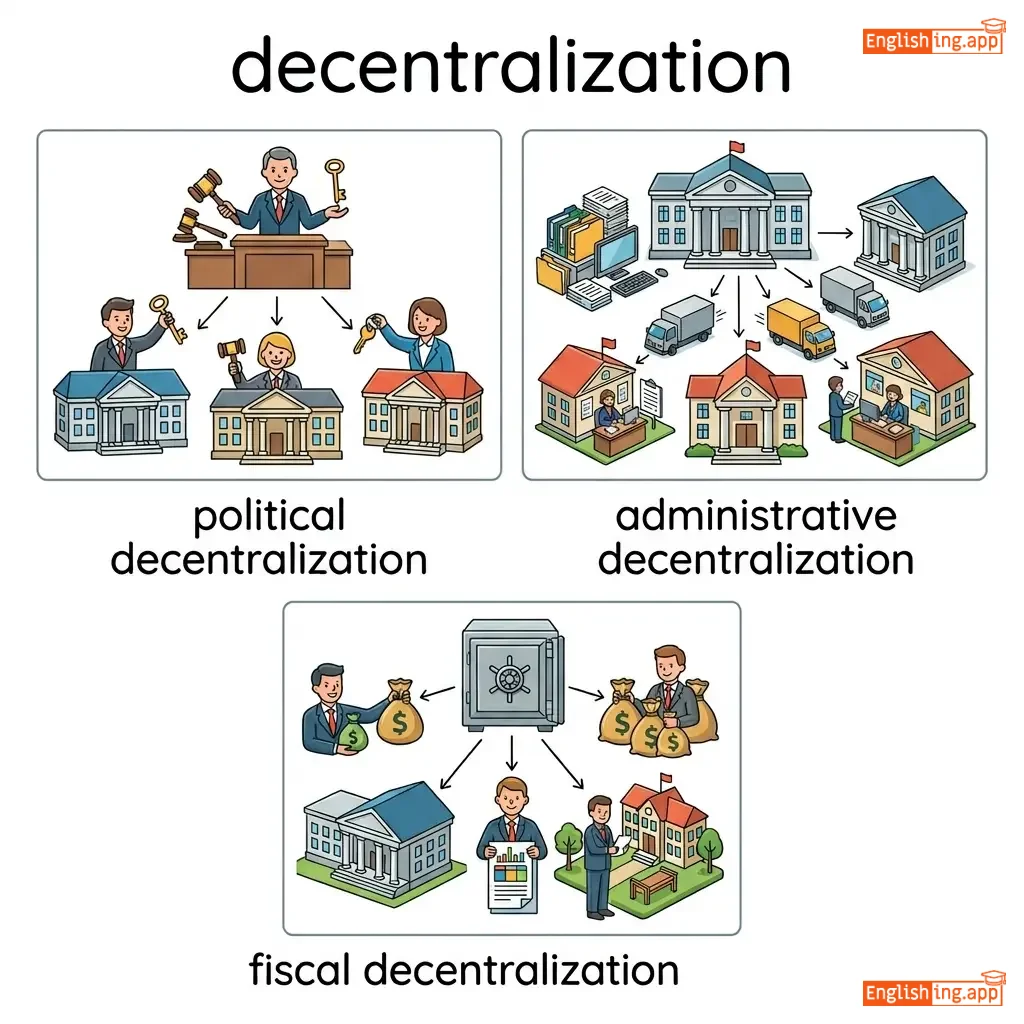
The transfer of authority from central to local government.
••••••
|
Decentralization promotes regional autonomy. |
delegation, devolution, distribution, dispersal, deconcentration, localization
••••••
|
centralization, monopoly, concentration, consolidation, unification, centralization
••••••
|
|
#882
🚀
|
ɪˈnɪʃ.ə.tɪv
noun
••••••
|


|
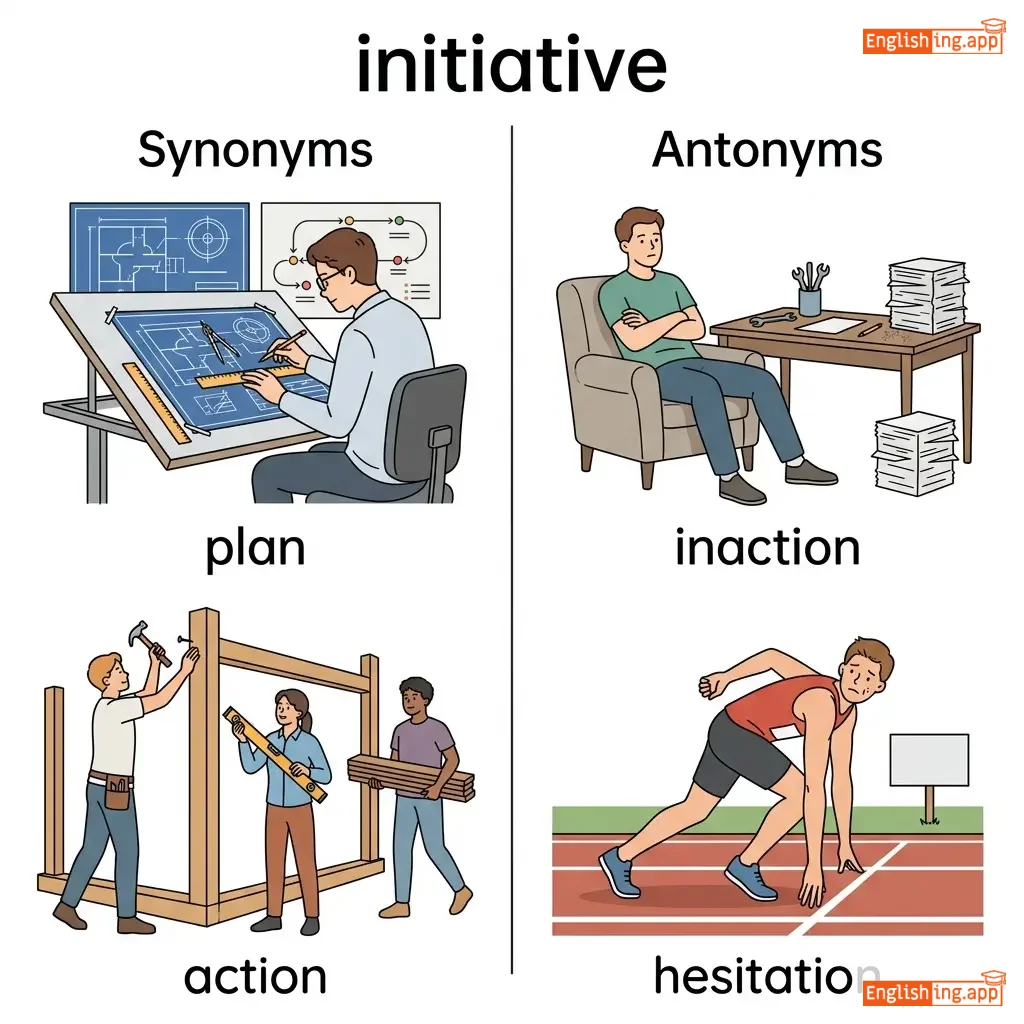
An act or strategy intended to resolve a difficulty or improve a situation.
••••••
|
This initiative aims to strengthen democracy. |
proposal, action, plan, project, scheme, program
••••••
|
inaction, apathy, passivity, neglect, indifference, stagnation
••••••
|
|
#883
🤗
|
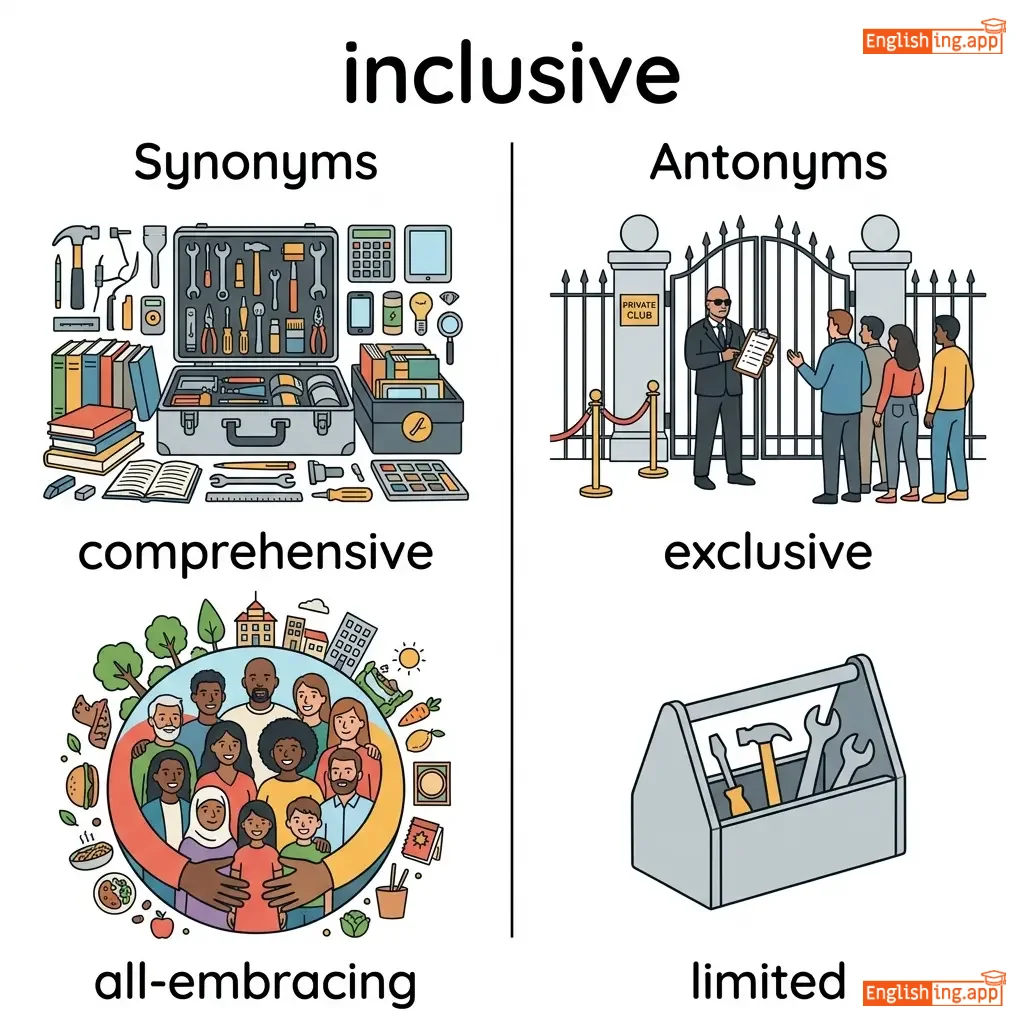
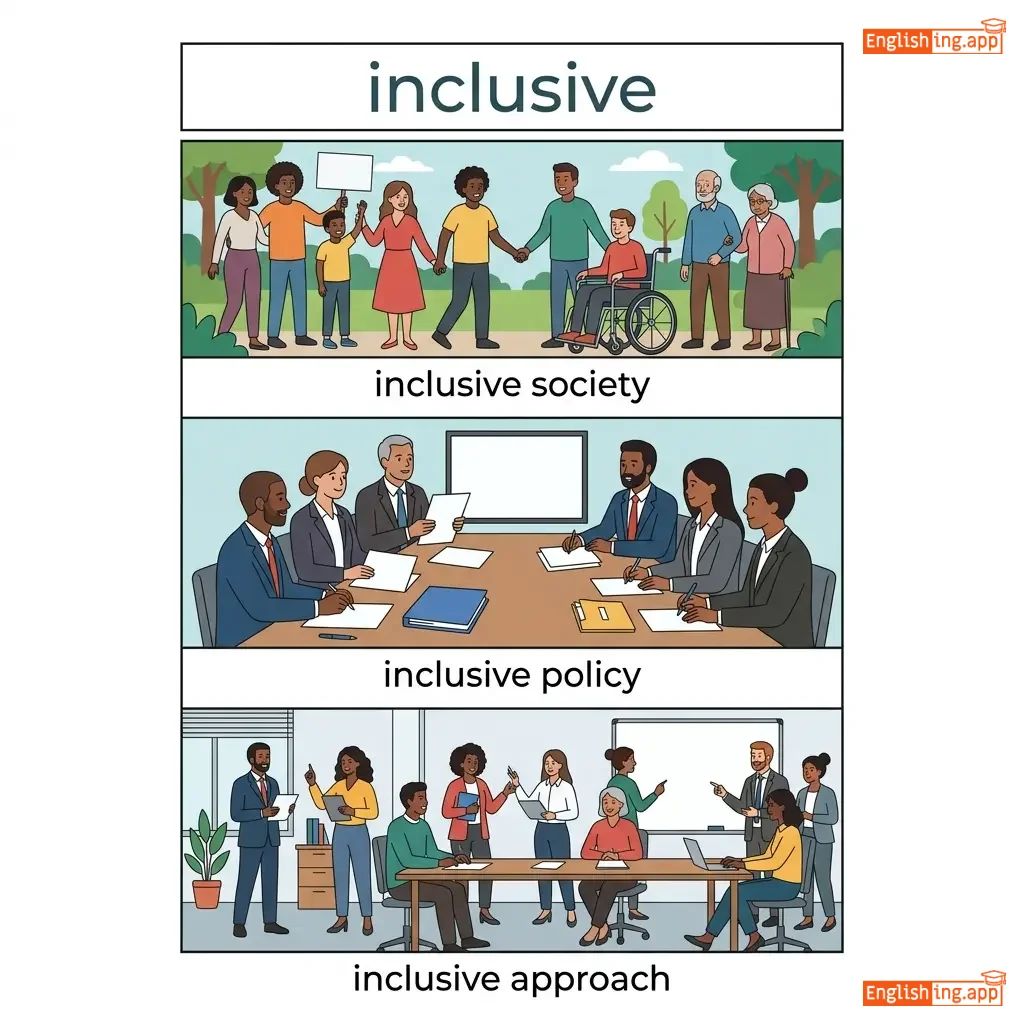
ɪnˈkluː.sɪv
adjective
••••••
|
|
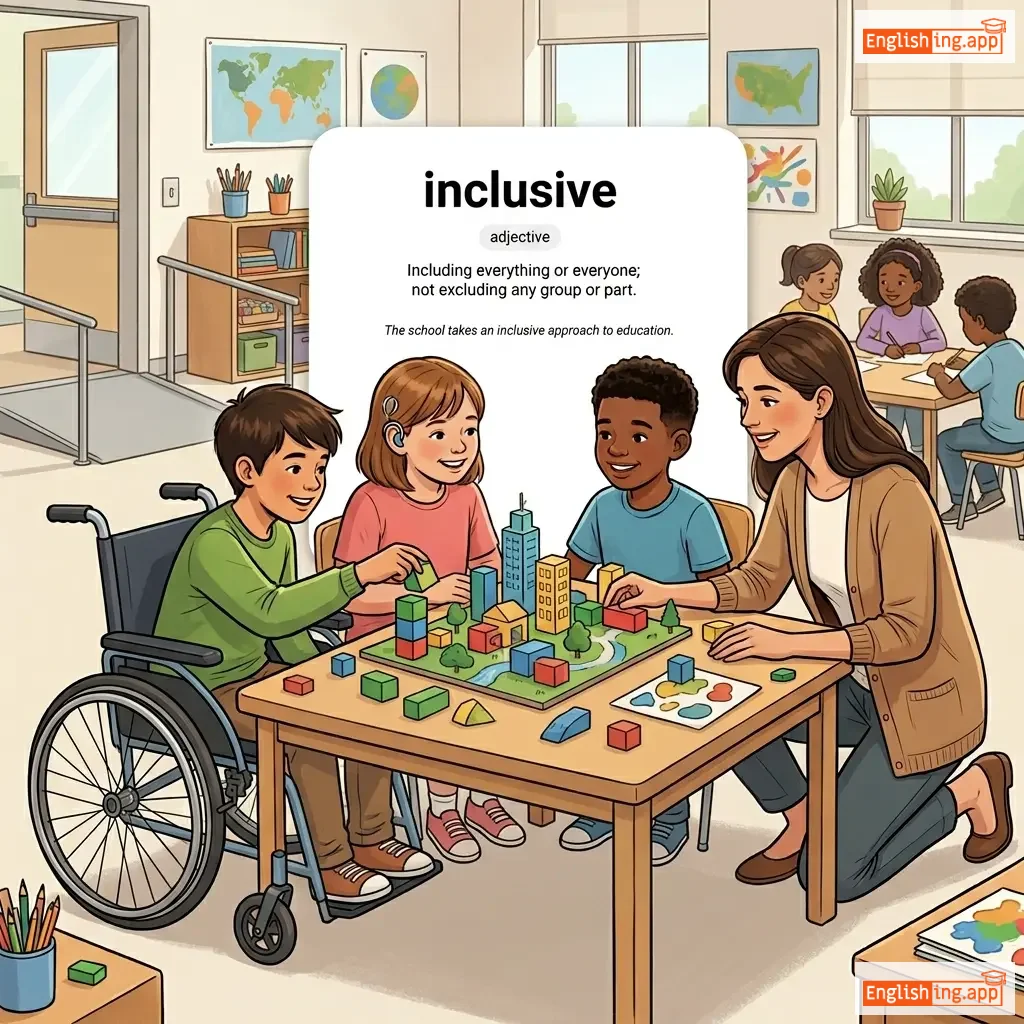
Including all the services, facilities, or items normally expected or required.
••••••
|
An inclusive framework reflects public needs. |
comprehensive, integrative, broad, universal, all-encompassing, holistic
••••••
|
exclusive, selective, restrictive, limited, narrow, discriminatory
••••••
|
|
#884
🗳️
|
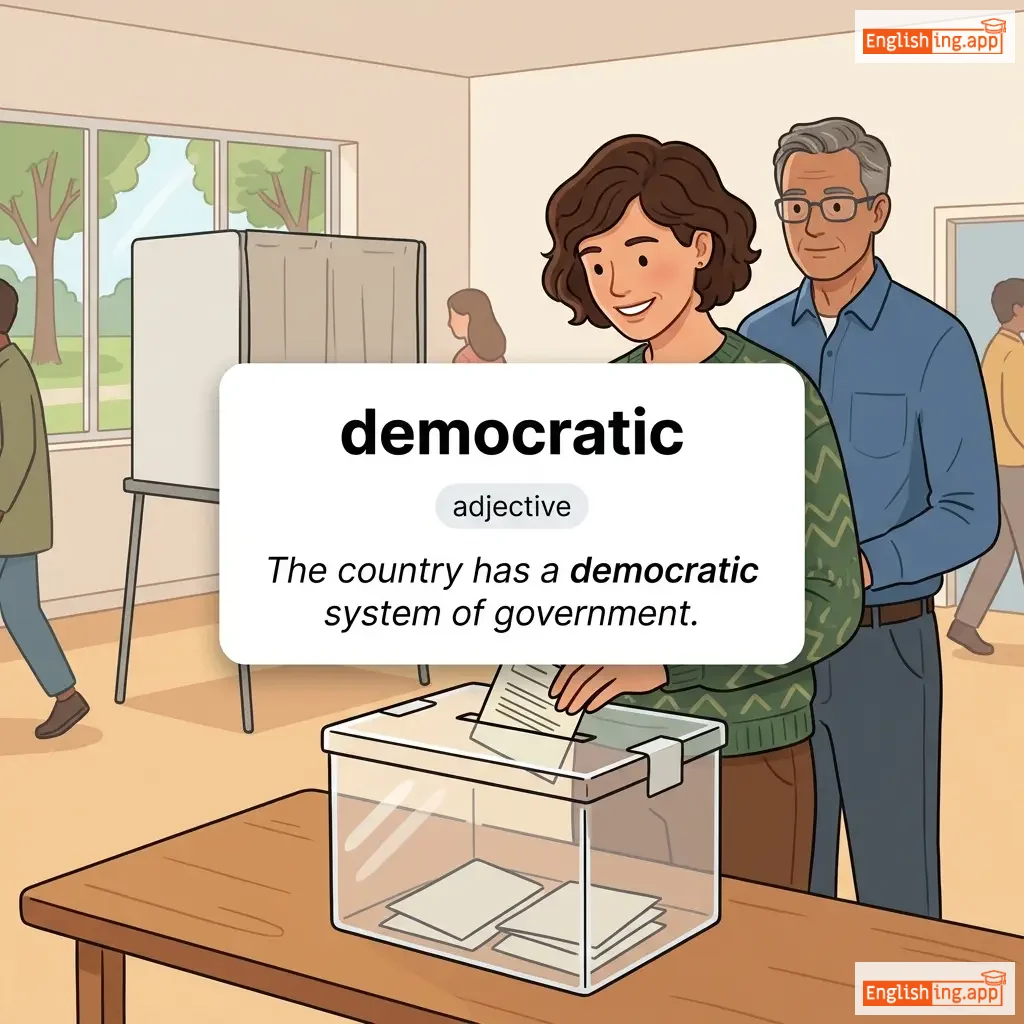
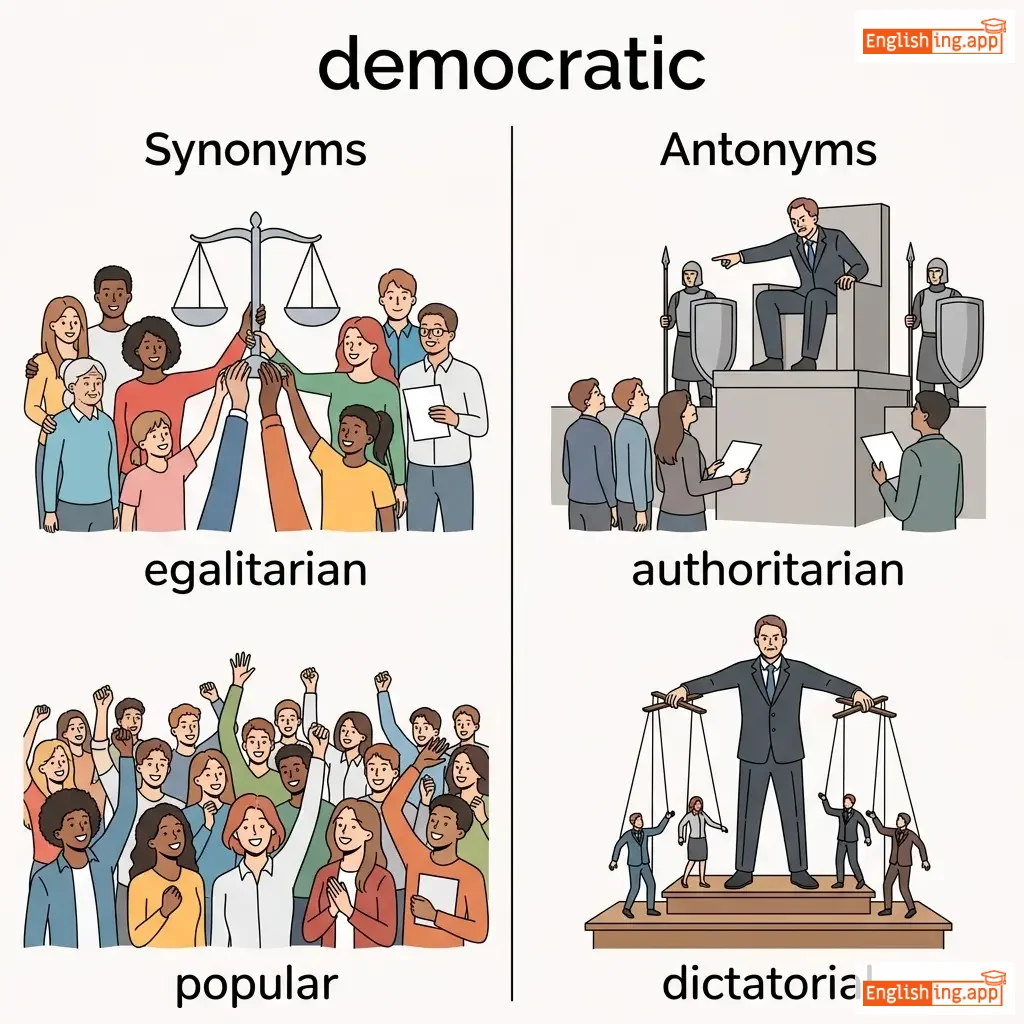
ˌdem.əˈkræt.ɪk
adjective
••••••
|
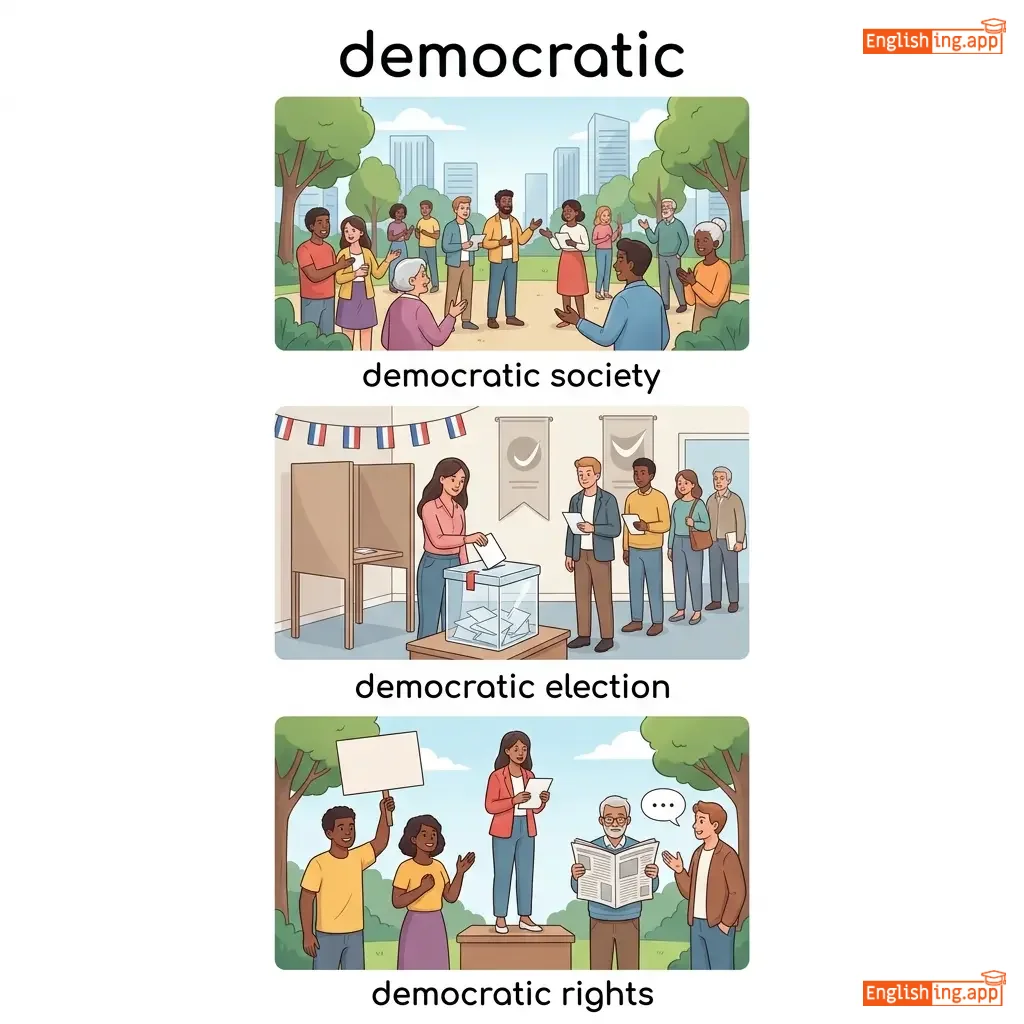
|
Relating to or supporting democracy or its principles.
••••••
|
Democratic governance ensures equal rights. |
republican, participatory, egalitarian, popular, representative, constitutional
••••••
|
authoritarian, fascist, dictatorial, totalitarian, autocratic, tyrannical
••••••
|
|
#885
🏗️
|
ˈfreɪm.wɜːk
noun
••••••
|
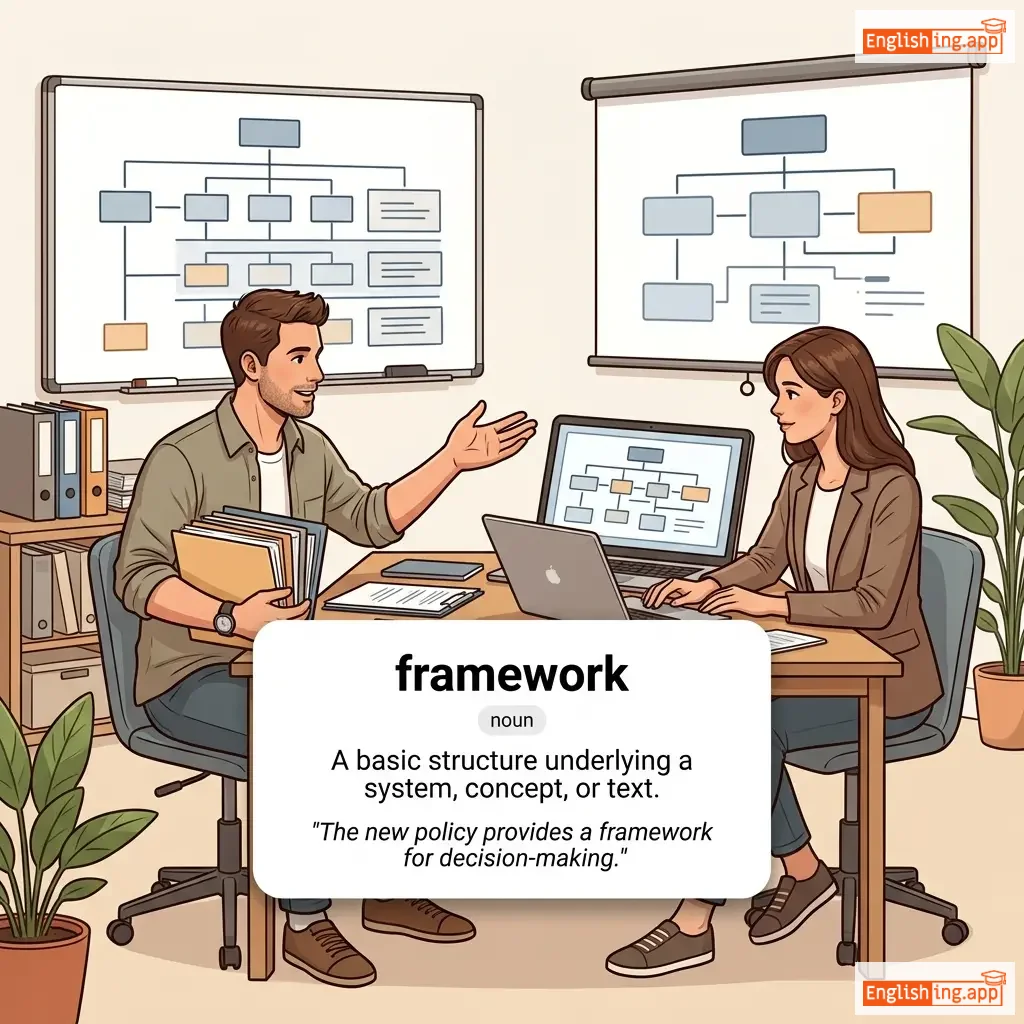
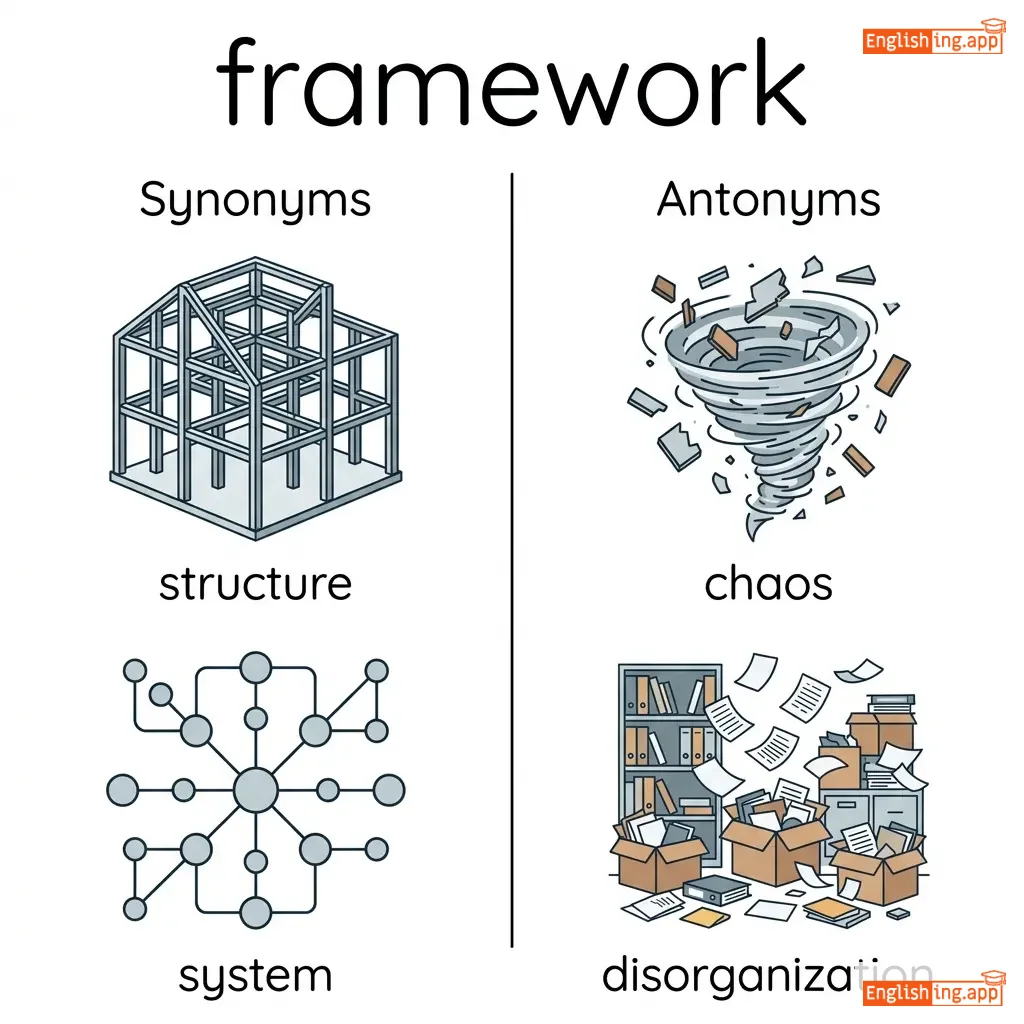
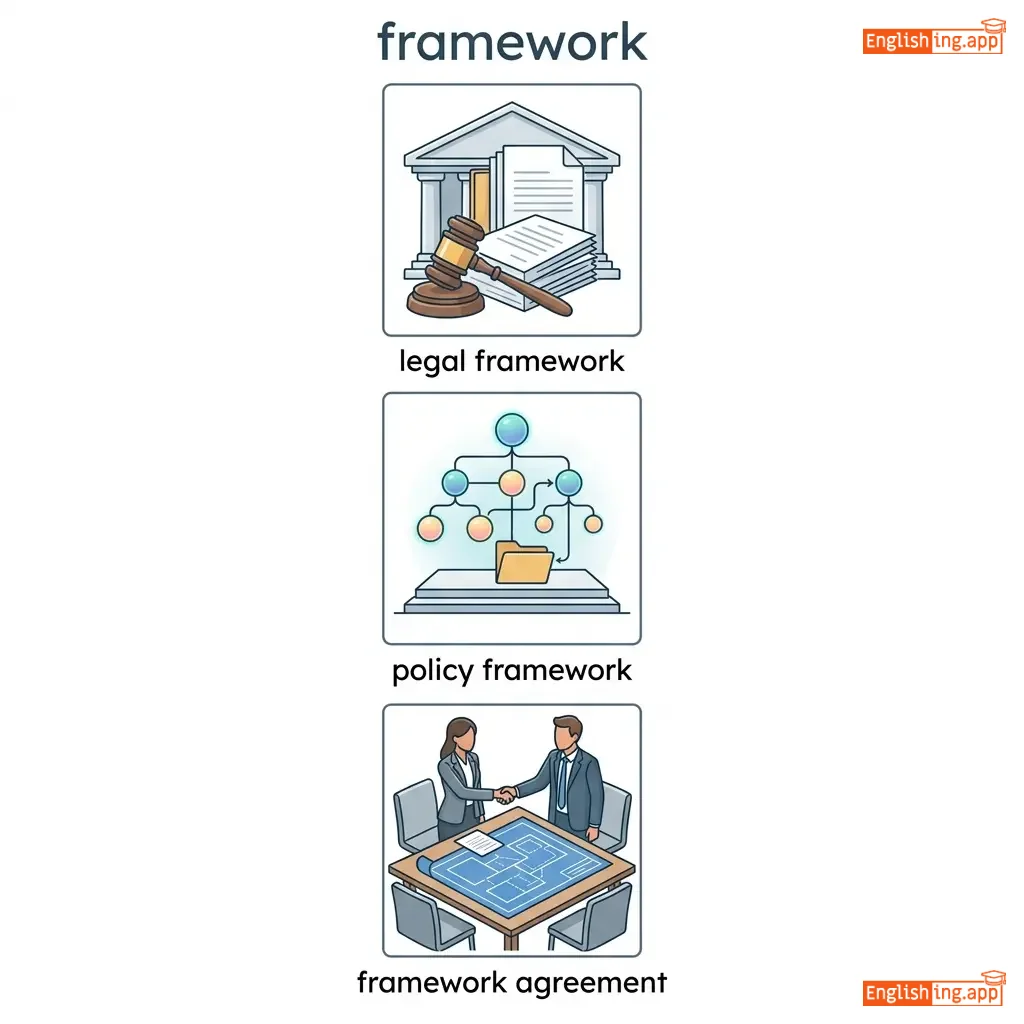
|
A basic structure underlying a system, concept, or text.
••••••
|
A robust framework ensures transparency. |
structure, foundation, system, architecture, scaffold, skeleton
••••••
|
chaos, disarray, disorder, confusion, randomness, anarchy
••••••
|
|
#886
📜
|
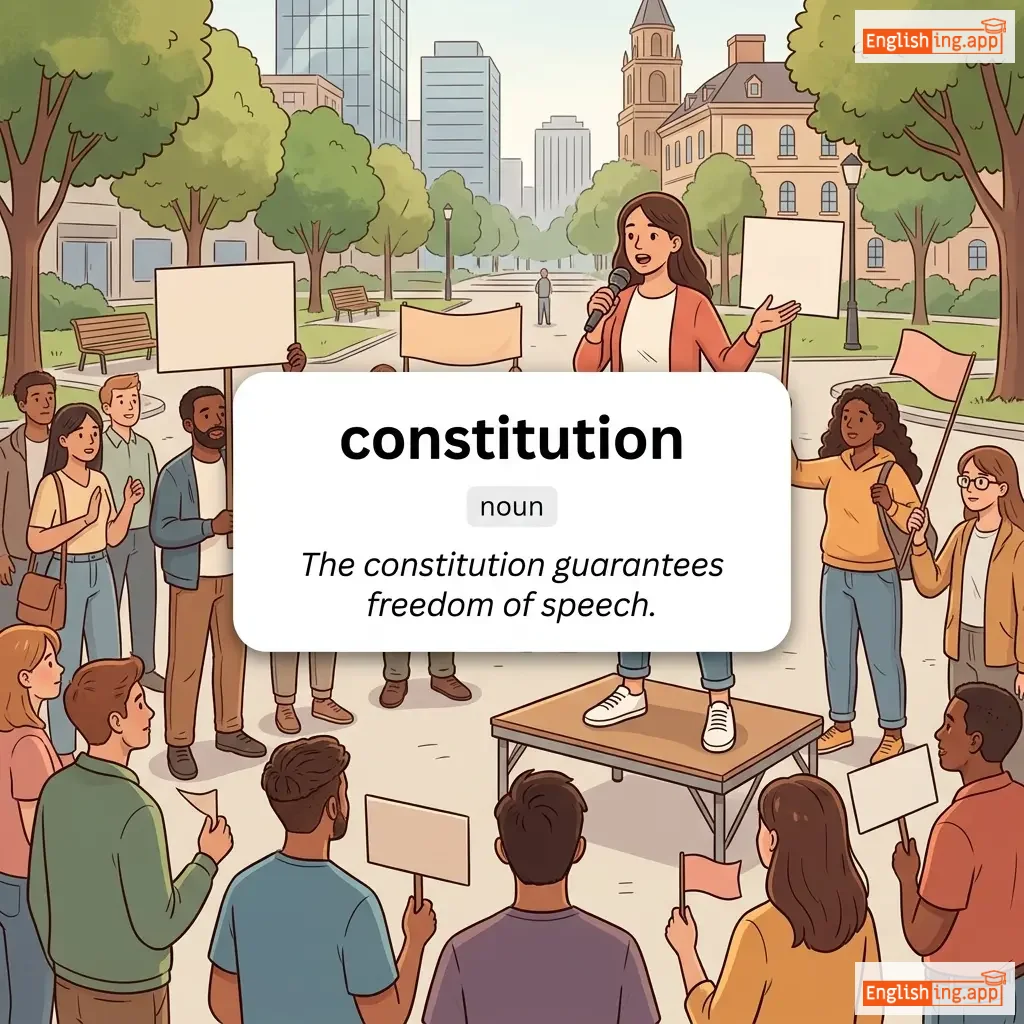
ˌkɒn.stɪˈtjuː.ʃən
noun
••••••
|
|
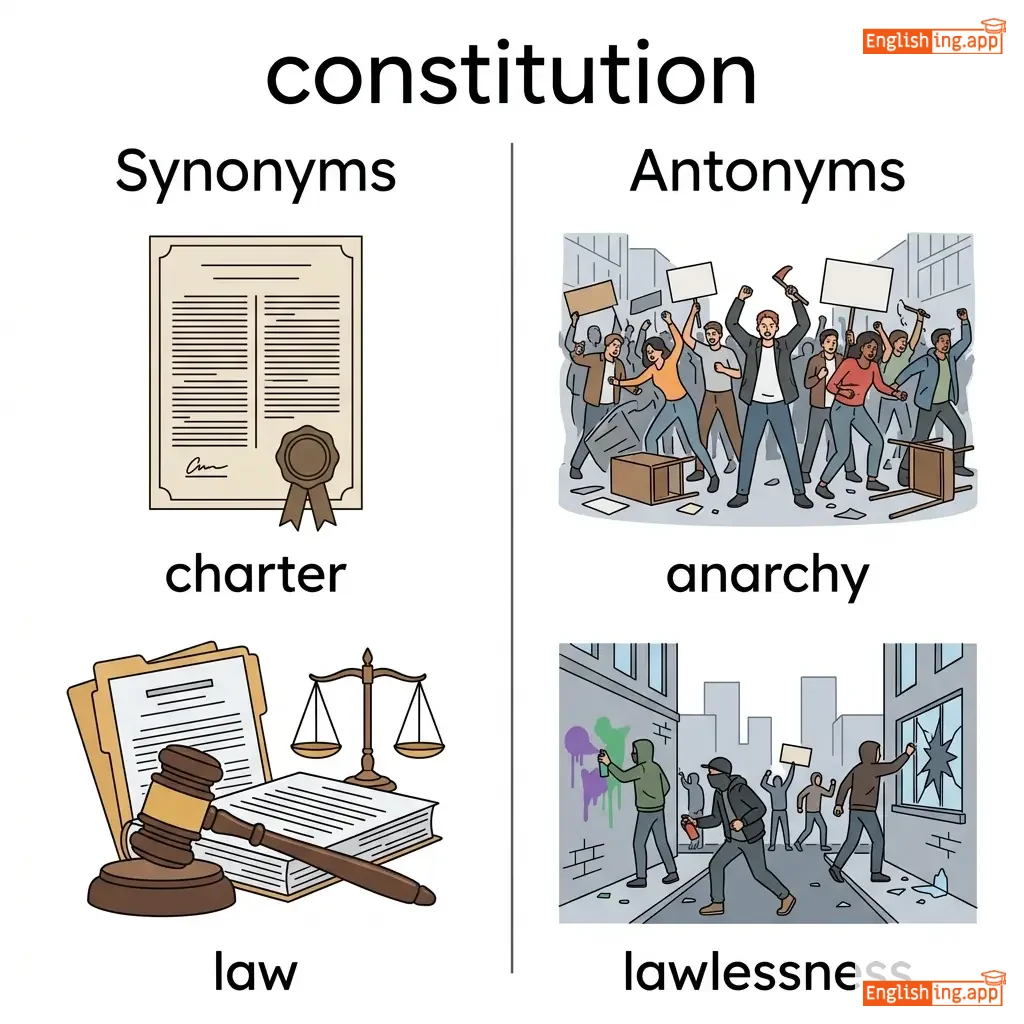
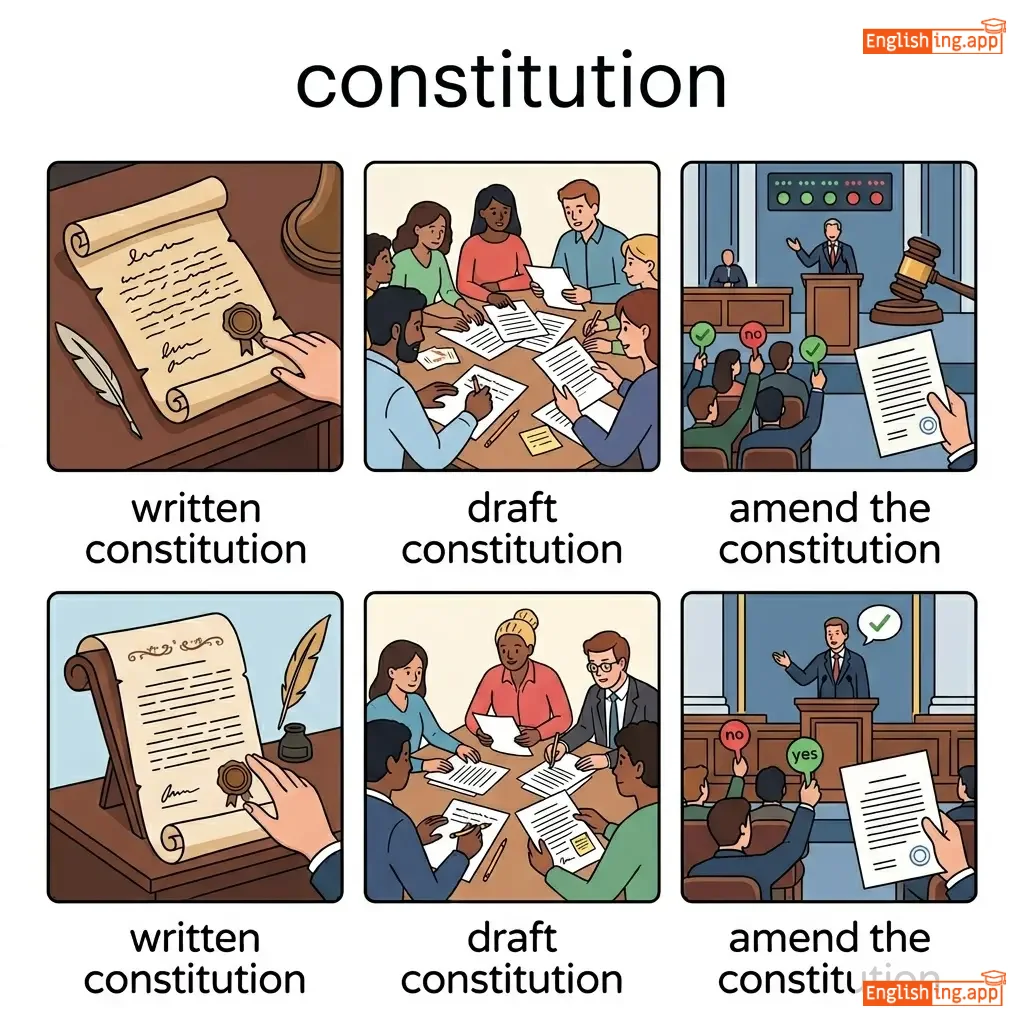
A body of fundamental principles or established precedents according to which a state is governed.
••••••
|
Constitutional reforms ensure equity. |
charter, bylaws, code, statute, fundamental law, basic law
••••••
|
anarchy, disorganization, lawlessness, chaos, disorder, arbitrary rule
••••••
|
|
#887
📋
|
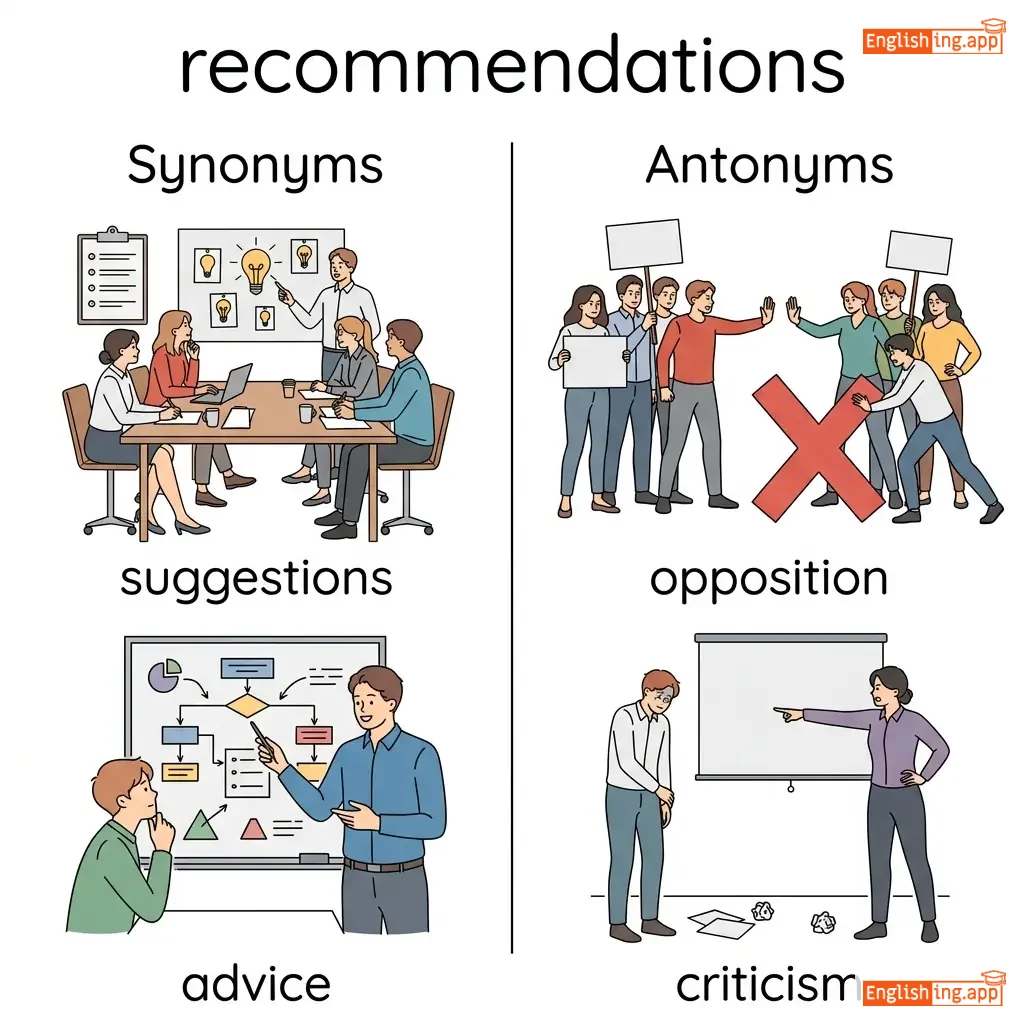
ˌrek.ə.menˈdeɪ.ʃənz
noun
••••••
|

|
Suggestions or proposals as to the best course of action.
••••••
|
The commission submitted their recommendations. |
suggestions, advice, proposals, guidance, counsel, directions
••••••
|
opposition, criticism, disapproval, rejection, condemnation, objection
••••••
|
|
#888
⏳
|
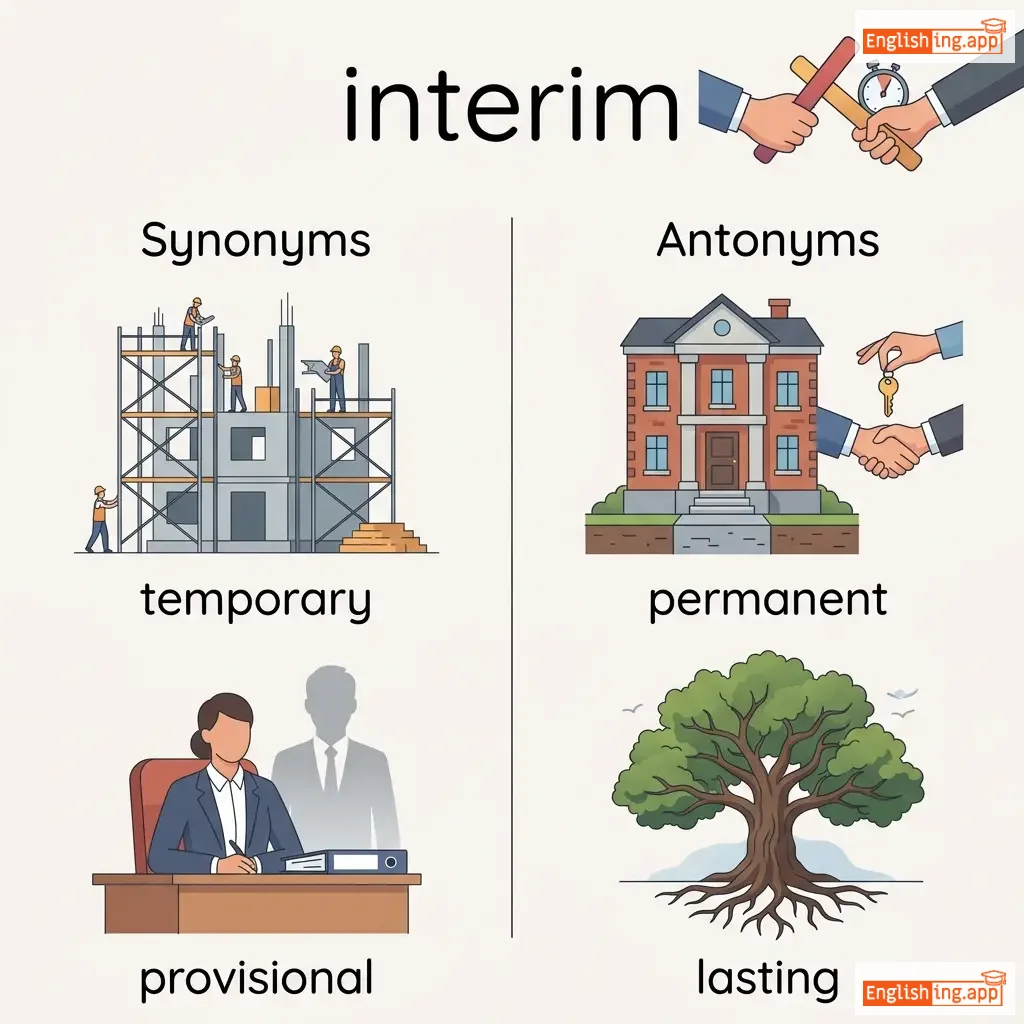
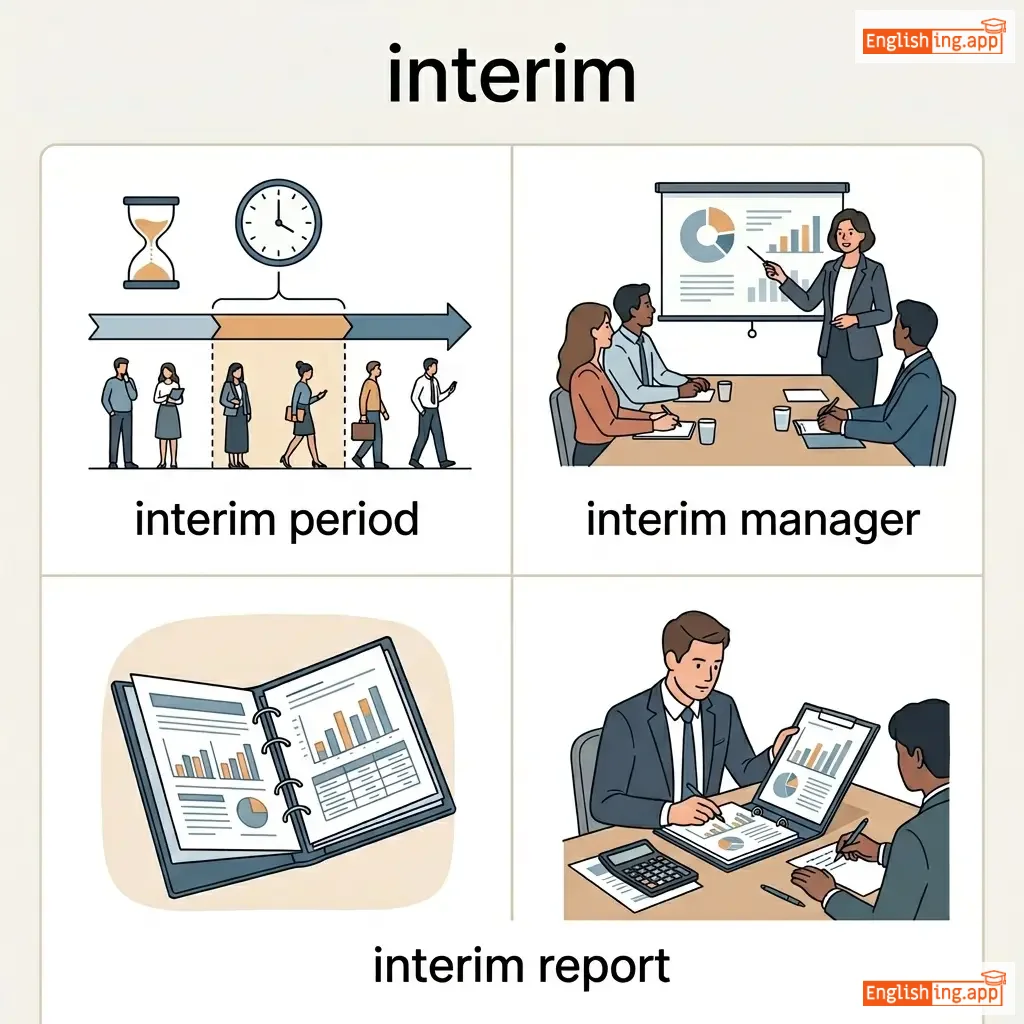
ˈɪn.tər.ɪm
adjective
••••••
|

|
In or for the intervening period; provisional or temporary.
••••••
|
Interim governments manage transitional phases. |
temporary, provisional, transitional, short-term, acting, caretaker
••••••
|
permanent, final, lasting, definitive, established, enduring
••••••
|
|
#889
🏛️
|
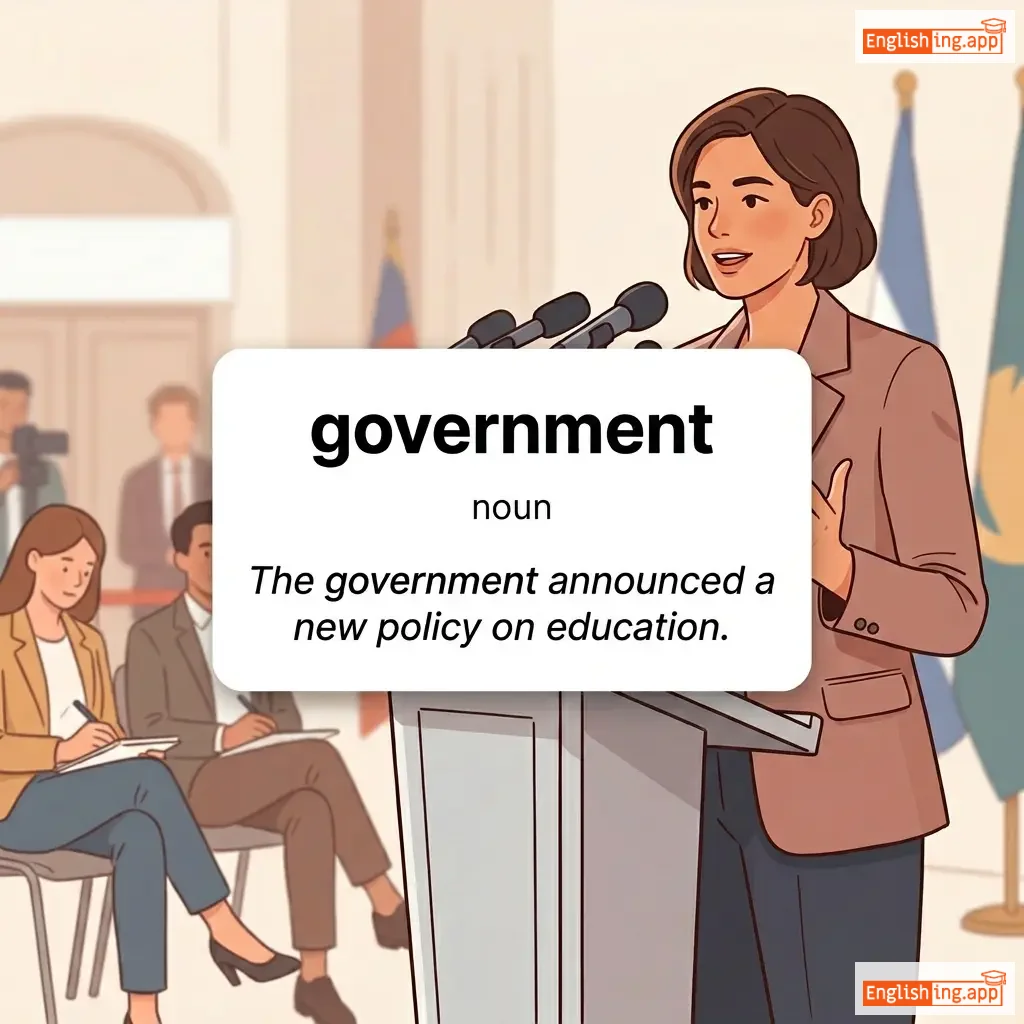
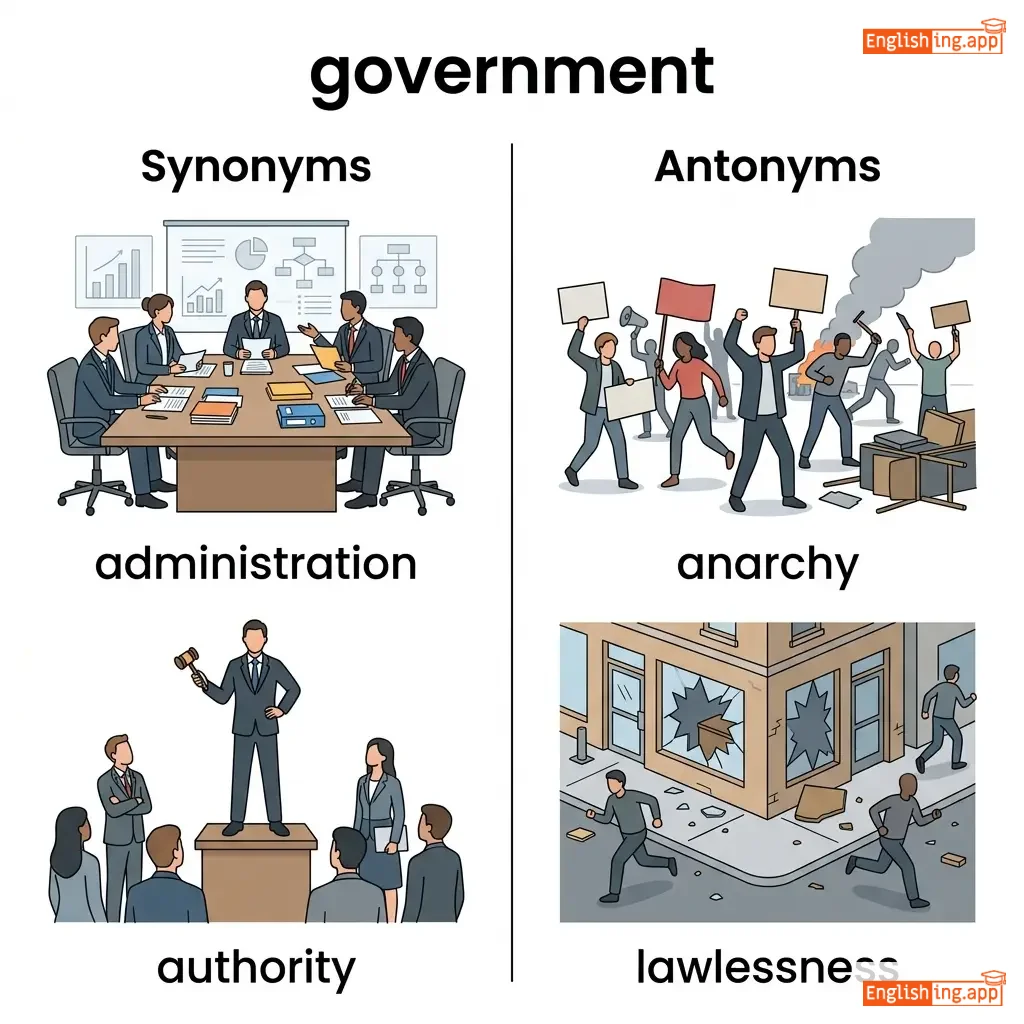
ˈɡʌv.ən.mənt
noun
••••••
|
|
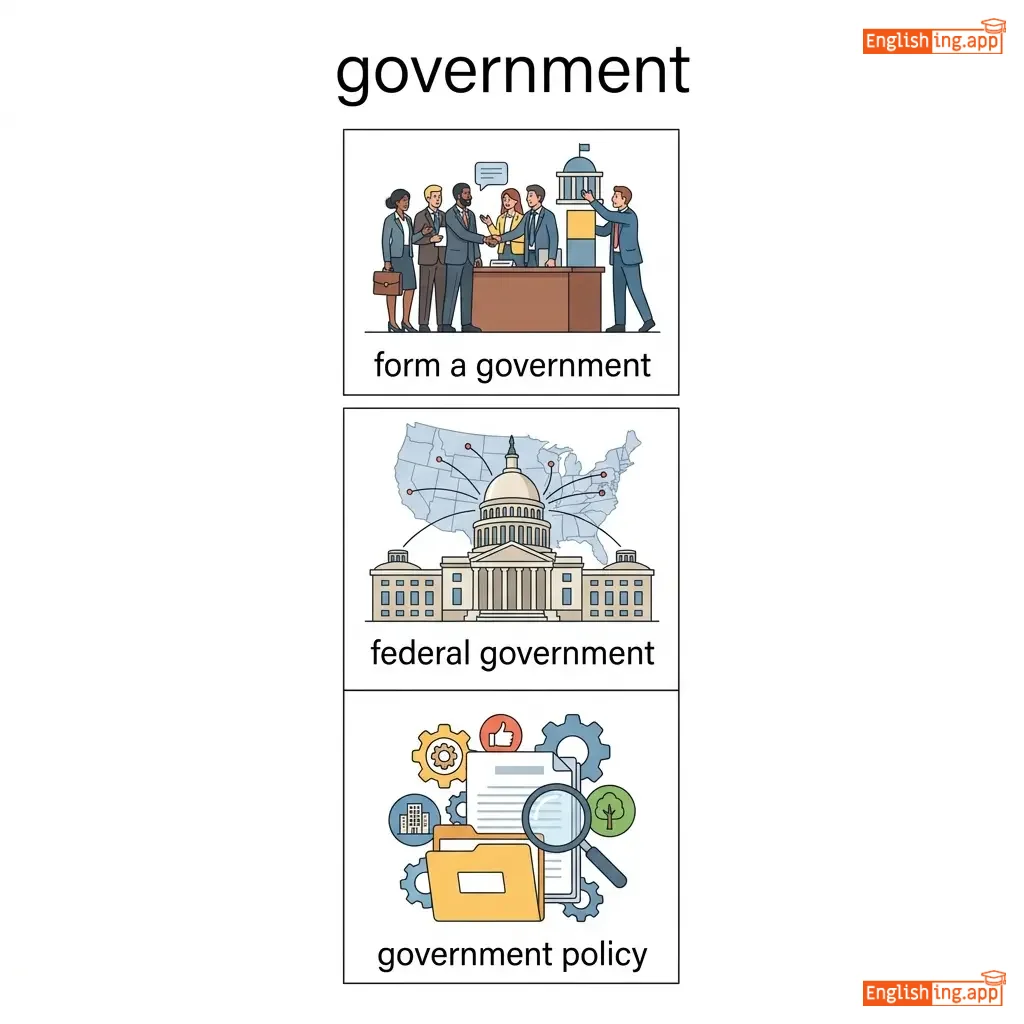
The governing body of a nation, state, or community.
••••••
|
Governments ensure law and order. |
administration, authority, regime, state, executive, leadership
••••••
|
anarchy, chaos, disorder, lawlessness, rebellion, revolution
••••••
|

