The Cleaning Day
サビールの bedroom は完全な mess だった。Clothes があちこちに散らばり、dirty な皿、床には dirt、glass の窓には spots——まさに混乱そのものだった。
「この mess を片付けなさい!」と母親が言った。「Bathroom も掃除が必要よ。今すぐ始めなさい。」
サビールはため息をついたが、母が正しいと分かっていた。彼は bedroom から始めた。まず clothes を集めた。Wet なものもあれば dry なものもあり、全部が混ざっていた。
「Bucket が必要だな」と思った。彼は bucket を持ってきて水を入れ、cloth を手に取り家具のほこりを wiped した。Dirt は至るところにあった——beneath ベッドの下、beneath 机の下、タンスの後ろ。
Glass の窓は dirty な spots だらけだった。彼は wet cloth で丁寧に wiped し、次に dry cloth で乾かした。窓は少しずつ輝きを取り戻した。
次は床の番だった。サビールは家具を dragged し、すべての下を wiped beneath した。あらゆる spot、あらゆる dirt を取り除いた。Wet cloth で wipe し、再び dry cloth で仕上げた。
今度は bathroom。Bathroom はさらにひどかった。鏡には dirty spots、床には wet towel、soap のかけらが散乱し、シンクの beneath には dirt。Mess は圧倒的だった。
「さあ、始めよう」とサビールは自分に言い聞かせた。彼は bucket に水を入れ、洗剤を加えて wiping を始めた。すべての glass 面、すべての spot、すべての dirty な角を。
シンクは dirty だった。サビールは wet cloth で wiped し、水栓の beneath にたまった dirt をきれいにした。Soap の残りや水の spots——すべてを wiped した。
鏡は水の drops と spots でいっぱいだった。彼は慎重に wet cloth で wiped し、その後 dry towel で乾かした。鏡ははっきりと映るようになった。
床は wet で dirty。トイレの beneath、シンクの beneath——どこも dirt だらけ。サビールは bucket を dragged して念入りに wiped した。すべての spot に気を配った。
「Towel は dry で清潔であるべきだ」と思った。彼は wet, dirty towels を集め、dry clothes をきちんとかけた。Bathroom は徐々に変わっていった。
数時間後、bedroom も bathroom もピカピカになった。Mess も dirt も dirty spots もない。Glass は輝き、床は清潔で、clothes は整頓されていた。
「すごいわ!」と母が叫んだ。「Mess も dirt もない!全部 dry で清潔よ!」
サビールは疲れていたが、誇らしかった。「掃除で学んだんだ」と彼は言った。「Mess は勝手に消えない。Bucket, cloth, soap、そして努力が必要なんだ。Dirty spots は wiping が必要だし、wet な面は dried しなければならない。Dirt は beneath 家具の下や扉の後ろに隠れている。だから drag して、beneath を確認し、すべての spot を wipe するんだ。」
|
絵文字
|
単語 | Images | 翻訳 | 過去 | 過去分詞 | 三人称単数 | 動名詞 | 意味 | 例文 | 例文の翻訳 | 表現例 | 表現例の意味 | 表現例の翻訳 | 同義語 | 対義語 | コロケーション | ニーモニック |
|---|---|---|---|---|---|---|---|---|---|---|---|---|---|---|---|---|---|
|
🛁
••••••
|
/bɑːθ/
noun
(バス)
••••••
|
- •••••• |
お風呂
ofuro
••••••
|
- •••••• | - •••••• | - •••••• | - •••••• |
an act of washing the body in water; or the container used for this purpose
••••••
|
She took a long bath after work. |
彼女は仕事の後で長いお風呂に入りました。
Kanojo wa shigoto no ato de nagai ofuro ni hairimashita.
••••••
|
throw the baby out with the bathwater |
to lose something valuable while trying to get rid of something unwanted
••••••
|
お風呂の水で赤ちゃんを捨てる
ofuro no mizu de akachan o suteru
••••••
|
wash, soak, shower, cleaning
••••••
|
dirt, filth
••••••
|
take a bath, hot bath, bubble bath, bath tub
••••••
|
Bath はお風呂を意味します — Bath を持って、体がきれいになります!
••••••
|
|
🚽
••••••
|
/ˈbɑːθruːm/
noun
(バスルーム)
••••••
|
- •••••• |
バスルーム
basurūmu
••••••
|
- •••••• | - •••••• | - •••••• | - •••••• |
a room containing a toilet and usually a sink or shower
••••••
|
The bathroom is on the second floor. |
バスルームは2階にあります。
Basurūmu wa nikai ni arimasu.
••••••
|
- •••••• | - •••••• | - •••••• |
washroom, restroom, lavatory, toilet
••••••
|
kitchen, living room
••••••
|
clean bathroom, bathroom door, bathroom sink, bathroom floor
••••••
|
Bath + Room = お風呂やトイレのある部屋
••••••
|
|
🛏️
••••••
|
/ˈbɛdruːm/
noun
(ベッドルーム)
••••••
|
- •••••• |
寝室
shinshitsu
••••••
|
- •••••• | - •••••• | - •••••• | - •••••• |
A room used for sleeping in.
••••••
|
The children were playing in the bedroom.
子供たちはベッドルームで遊んでいました。
••••••
|
子供たちは寝室で遊んでいました。
Kodomotachi wa shinshitsu de asonde imashita.
••••••
|
bedroom eyes
ベッドルームアイズ
••••••
|
A seductive or alluring look.
••••••
|
魅惑的な目
miwaku-teki na me
••••••
|
sleeping room, chamber, boudoir, dormitory
••••••
|
living room, kitchen
••••••
|
master bedroom, small bedroom, bedroom furniture, bedroom window
••••••
|
寝室はベッドがある場所、'bed'と同じ意味です。
••••••
|
|
⬇️
••••••
|
/bɪˈniːθ/
adverb
(ビニス)
••••••
|
- •••••• |
下; 下方
shita, gehou
••••••
|
- •••••• | - •••••• | - •••••• | - •••••• |
under; below; underneath
••••••
|
The treasure lies beneath the old tree.
The treasure lies ビニス the old tree.
••••••
|
宝物は古い木の下にあります。
Takaramono wa furui ki no shita ni arimasu.
••••••
|
- •••••• | - •••••• | - •••••• |
under, below, underneath, down
••••••
|
above, over, on top, beyond
••••••
|
beneath the surface, beneath contempt, beneath notice
••••••
|
Visualize a treasure buried beneath a tree, with '下' meaning beneath in Japanese.
••••••
|
|
🪣
••••••
|
/ˈbʌkɪt/
noun
(バケツ)
••••••
|
- •••••• |
バケツ
baketsu
••••••
|
- •••••• | - •••••• | - •••••• | - •••••• |
a round open container with a handle, used for carrying liquids or other things
••••••
|
He filled the bucket with water and carried it to the garden. |
彼はバケツに水を入れて、庭に持って行きました。
kare wa baketsu ni mizu o irete, niwa ni motte ikimashita.
••••••
|
kick the bucket |
to die (informal idiom)
••••••
|
バケツを蹴る
baketsu o keru
••••••
|
pail, container, tub, vessel, receptacle
••••••
|
emptiness, void, drought
••••••
|
bucket of water, plastic bucket, mop bucket, carry a bucket, empty the bucket
••••••
|
Bucket = バケツ、バケツで水を運んでいる様子を想像してみてください。
••••••
|
|
🧵
••••••
|
/klɒθ/
noun
(クロス)
••••••
|
- •••••• |
布
nuno
••••••
|
- •••••• | - •••••• | - •••••• | - •••••• |
fabric or material made by weaving or knitting fibers
••••••
|
The table was covered with a white cloth. |
テーブルは白い布で覆われていました。
Tēburu wa shiroi nuno de ōwarete imashita.
••••••
|
cut from the same cloth |
having similar qualities or characteristics
••••••
|
同じ布から切り取られた
Onaji nuno kara kiritorareta
••••••
|
fabric, textile, material, drapery, fiber
••••••
|
metal, plastic
••••••
|
piece of cloth, silk cloth, cotton cloth, cleaning cloth
••••••
|
Cloth は布 — 衣服は布でできています!
••••••
|
|
👗
••••••
|
/kloʊðz/
noun
(kuroozu)
••••••
|
- •••••• |
服
fuku
••••••
|
- •••••• | - •••••• | - •••••• | - •••••• |
garments worn on the body
••••••
|
She bought new clothes for the party.
彼女はパーティーのために新しい服を買いました。
••••••
|
彼女はパーティーのために新しい服を買いました。
Kanojo wa paatii no tame ni atarashii fuku o kaimashita.
••••••
|
change clothes
服を変える
••••••
|
to put on different garments
••••••
|
服を変える
Fuku o kaeru
••••••
|
garments, apparel, attire, outfit, wardrobe
••••••
|
nakedness, bareness
••••••
|
wear clothes, change clothes, wash clothes, fashionable clothes
••••••
|
Clothes は服—クローゼットに服がいっぱいあると考えて、それが clothes です。
••••••
|
|
🪨
••••••
|
/dɜːrt/
noun
(ダート)
••••••
|
- •••••• |
土、汚れ
tsuchi, yogore
••••••
|
- •••••• | - •••••• | - •••••• | - •••••• |
Loose soil or unclean matter; anything that makes a surface unclean.
••••••
|
Her shoes were covered in dirt after walking through the field. |
畑を歩いた後、彼女の靴は泥だらけだった。
Hatake o aruita ato, kanojo no kutsu wa dora darake datta.
••••••
|
treat someone like dirt |
to treat someone badly or with no respect
••••••
|
誰かをゴミのように扱う
Dareka o gomi no yō ni atsukau
••••••
|
soil, earth, dust, grime, filth
••••••
|
cleanliness, purity
••••••
|
dirt road, covered in dirt, sweep the dirt, dirt cheap
••••••
|
Dirt = 土、例えばスポーツのフィールドで土が汚いと、試合がうまくいかない。
••••••
|
|
🧼
••••••
|
/ˈdɜːr.ti/
adjective
(ダーティ)
••••••
|
- •••••• |
汚い
kitanai
••••••
|
- •••••• | - •••••• | - •••••• | - •••••• |
Covered with or containing an unclean substance.
••••••
|
His shoes were dirty after walking in the mud. |
泥の中を歩いた後、彼の靴は汚れていた。
Doro no naka o aruita ato, kare no kutsu wa yogorete ita.
••••••
|
dirty work |
Unpleasant or dishonorable tasks.
••••••
|
汚い仕事
kitanai shigoto
••••••
|
unclean, filthy, messy, grimy, polluted
••••••
|
clean, pure, tidy
••••••
|
dirty clothes, dirty hands, dirty joke, dirty tricks
••••••
|
Dirtyは汚いという意味 — あなたの靴に泥がついているのを想像してみてください。
••••••
|
|
🛷
••••••
|
/dræɡ/
verb
(ドラッグ)
••••••
|
|
引きずる
hikizuru
••••••
|
dragged
ドラッグド
••••••
|
dragged
ドラッグド
••••••
|
drags
ドラッグス
••••••
|
dragging
ドラッギング
••••••
|
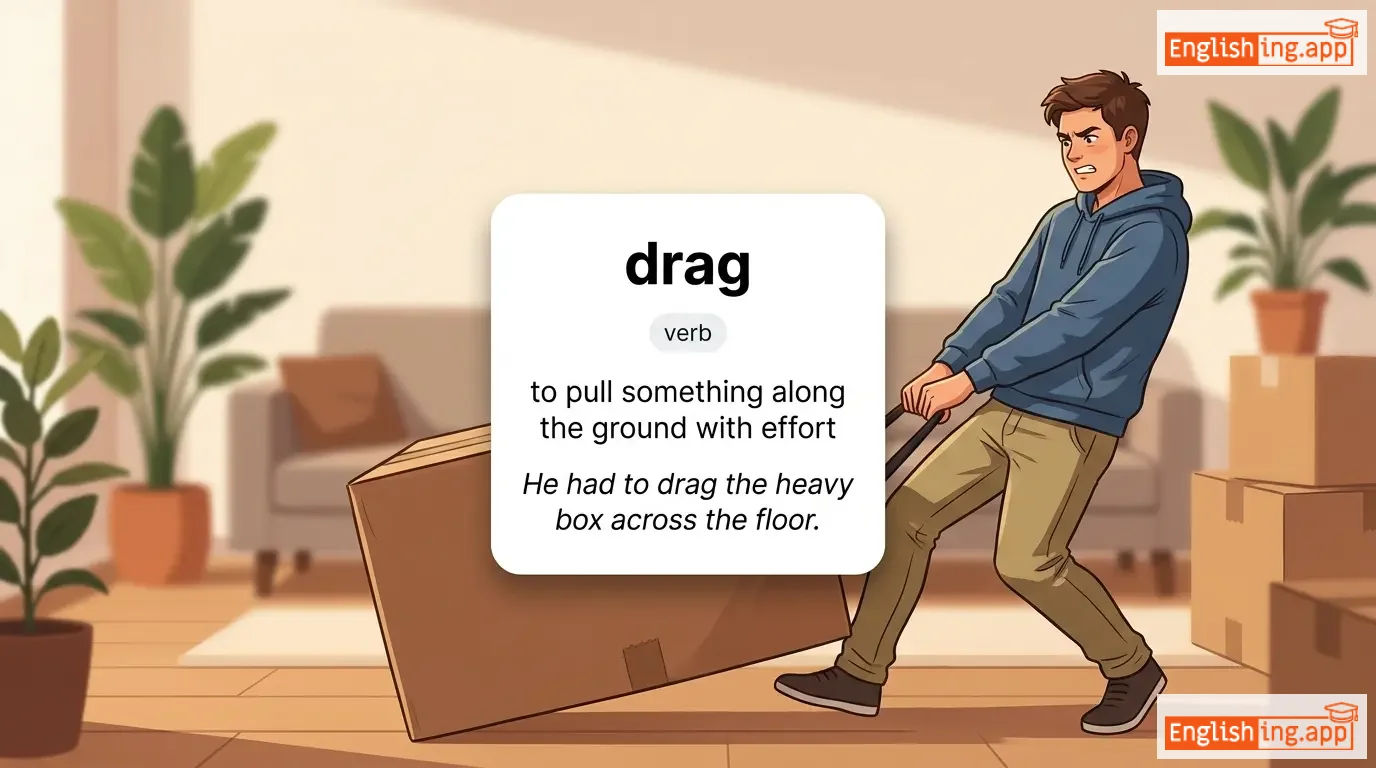
to pull something along the ground with effort
••••••
|
He had to drag the heavy box across the floor.
彼は重い箱を床に引きずらなければならなかった。
••••••
|
彼は重い箱を床に引きずらなければならなかった。
Kare wa omoi hako o yuka ni hikizurana kereba naranakatta.
••••••
|
drag one's feet
足を引きずる
••••••
|
to delay doing something deliberately
••••••
|
時間を無駄にする
jikan wo muda ni suru
••••••
|
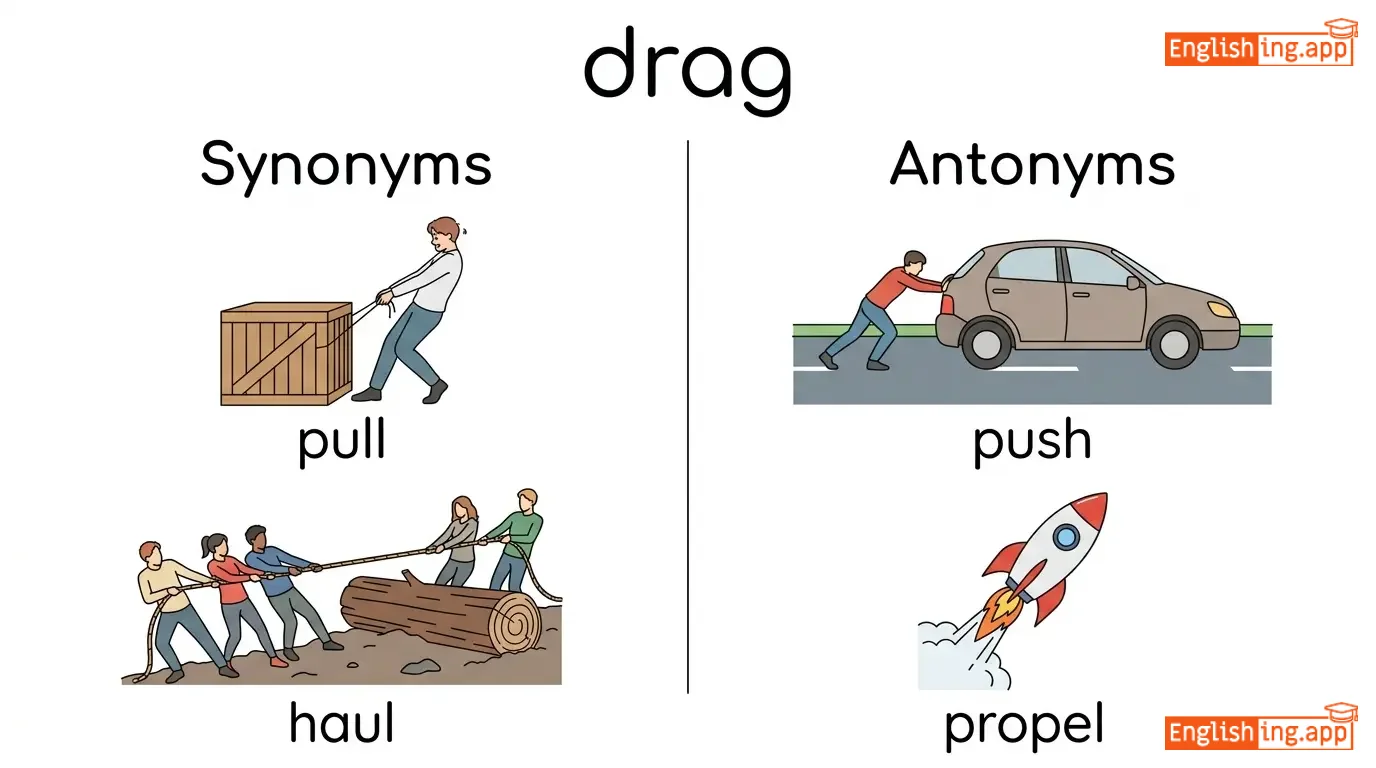
pull, haul, tow, tug
••••••
|
push, propel
••••••
|
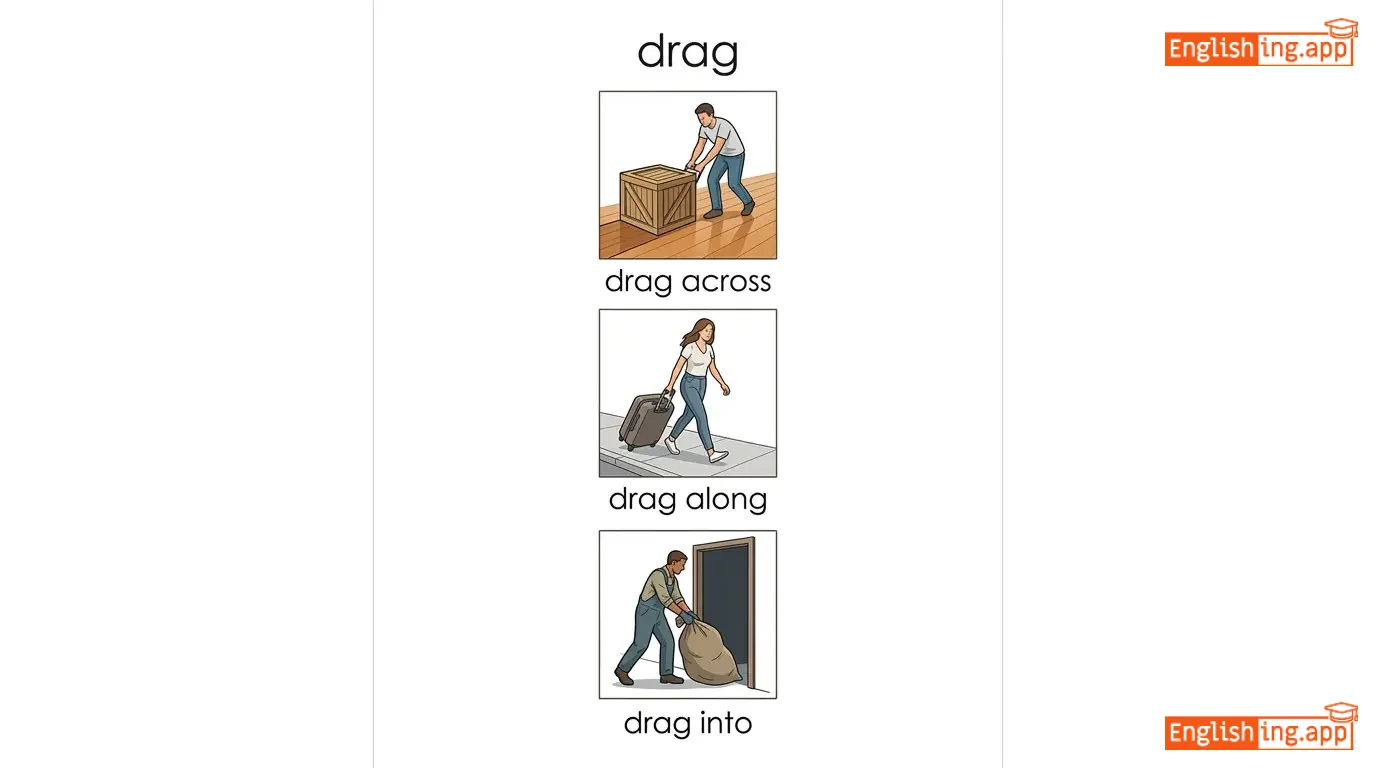
drag across, drag along, drag into, drag down
••••••
|
Dragは引きずる意味で、引きずると時間がかかります!
••••••
|
|
💧
••••••
|
/drɒp/
verb, noun
(ドロップ)
••••••
|
- •••••• |
落とす / 液滴
otosu / ekitaki
••••••
|
dropped
ドロップド
••••••
|
dropped
ドロップド
••••••
|
drops
ドロップス
••••••
|
dropping
ドロッピング
••••••
|
to let something fall; a small quantity of liquid
••••••
|
Be careful not to drop your phone.
携帯電話を落とさないように気をつけてください。
••••••
|
携帯電話を落とさないように気をつけてください。
Keitai denwa wo otosana you ni ki wo tsukete kudasai.
••••••
|
drop the ball
ボールを落とす
••••••
|
to make a mistake or fail to do something
••••••
|
間違いを犯す
machigai wo okasu
••••••
|
fall, release, decline, drip, descend
••••••
|
lift, raise, pick up
••••••
|
drop out, drop by, drop off, raindrop
••••••
|
Dropは落とすを意味し、水滴のように=水を落とす。
••••••
|
|
☀️
••••••
|
/draɪ/
verb
(dorai)
••••••
|
|
乾燥
kansou
••••••
|
dried
doraido
••••••
|
dried
doraido
••••••
|
dries
doraizu
••••••
|
drying
doraining
••••••
|
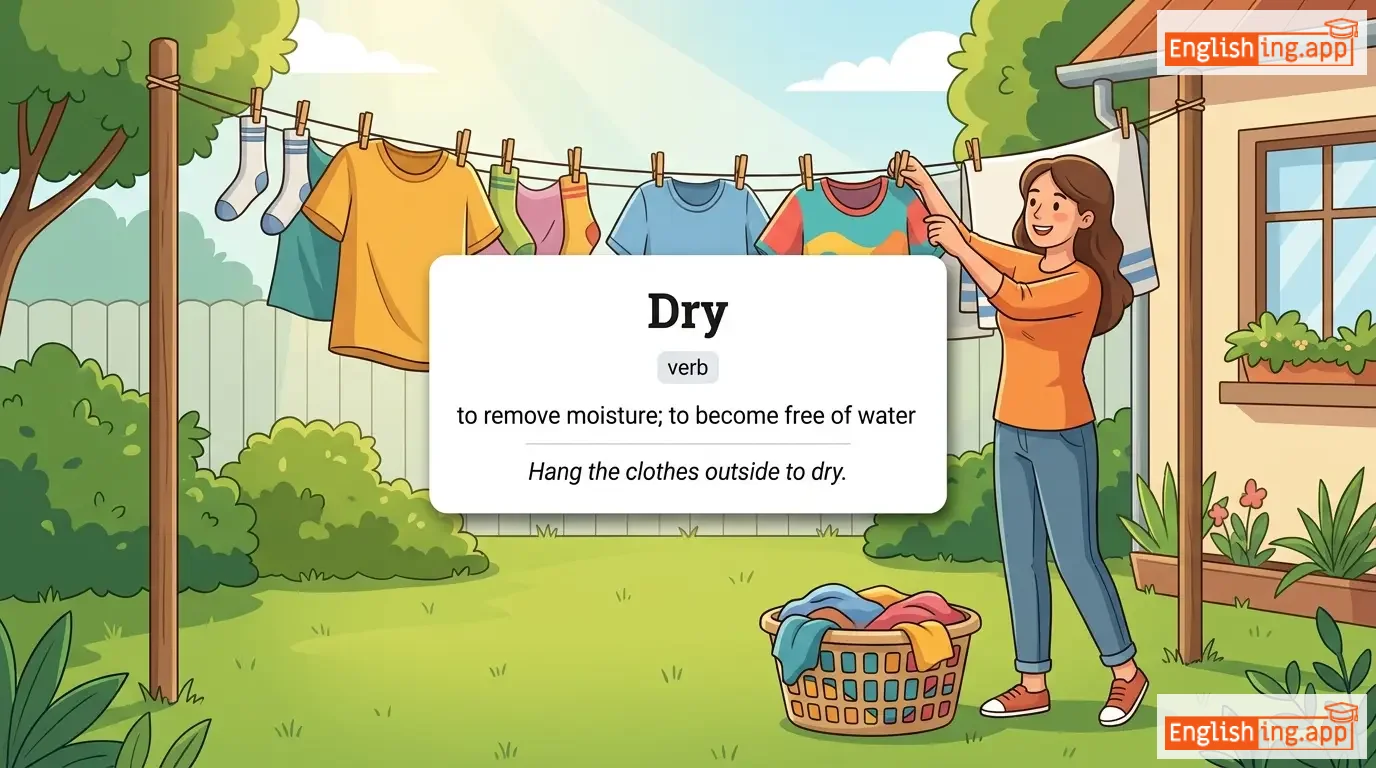
to remove moisture; to become free of water
••••••
|
Hang the clothes outside to dry.
外に服を干して乾かす。
••••••
|
外に服を干して乾かす。
Soto ni fuku o hoshite kawakasu.
••••••
|
- •••••• | - •••••• | - •••••• |
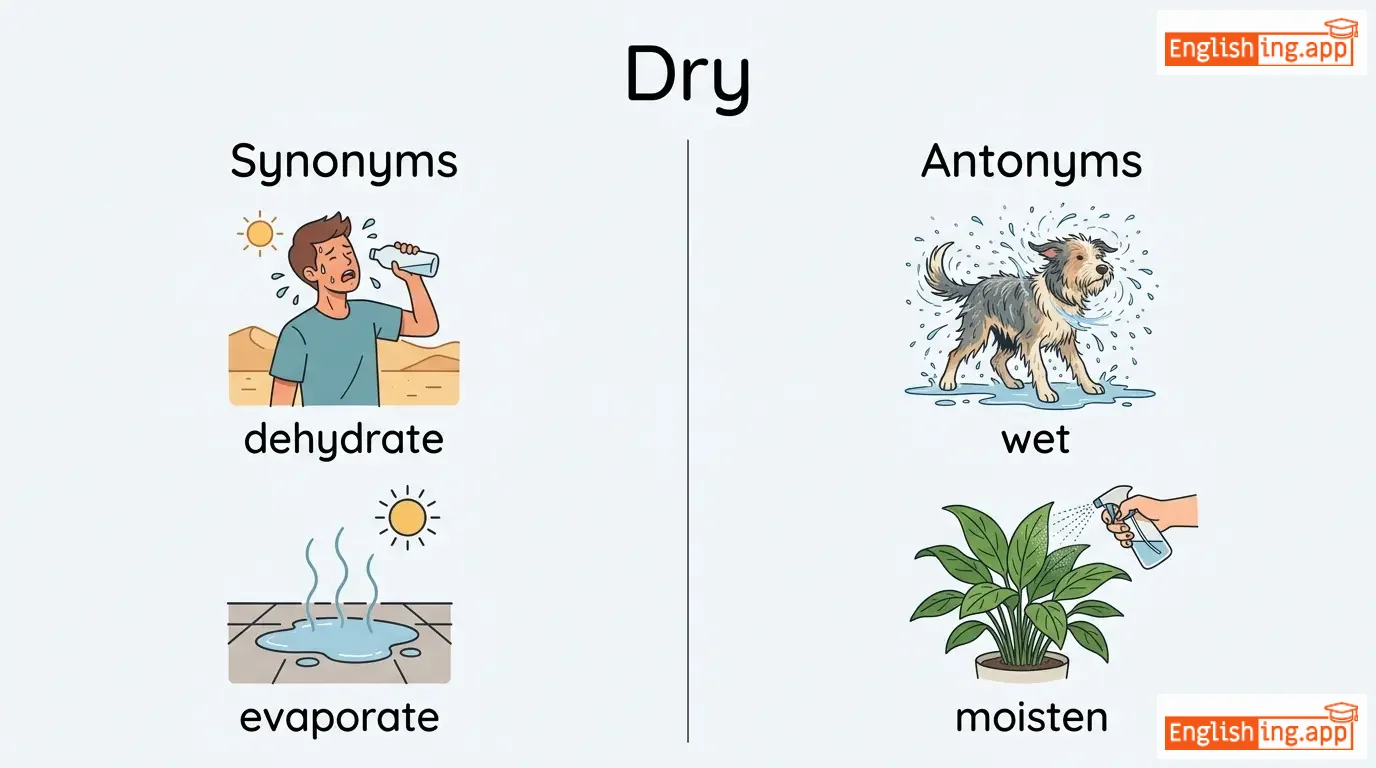
dehydrate, evaporate, drain, wither
••••••
|
wet, moisten, dampen, soak
••••••
|
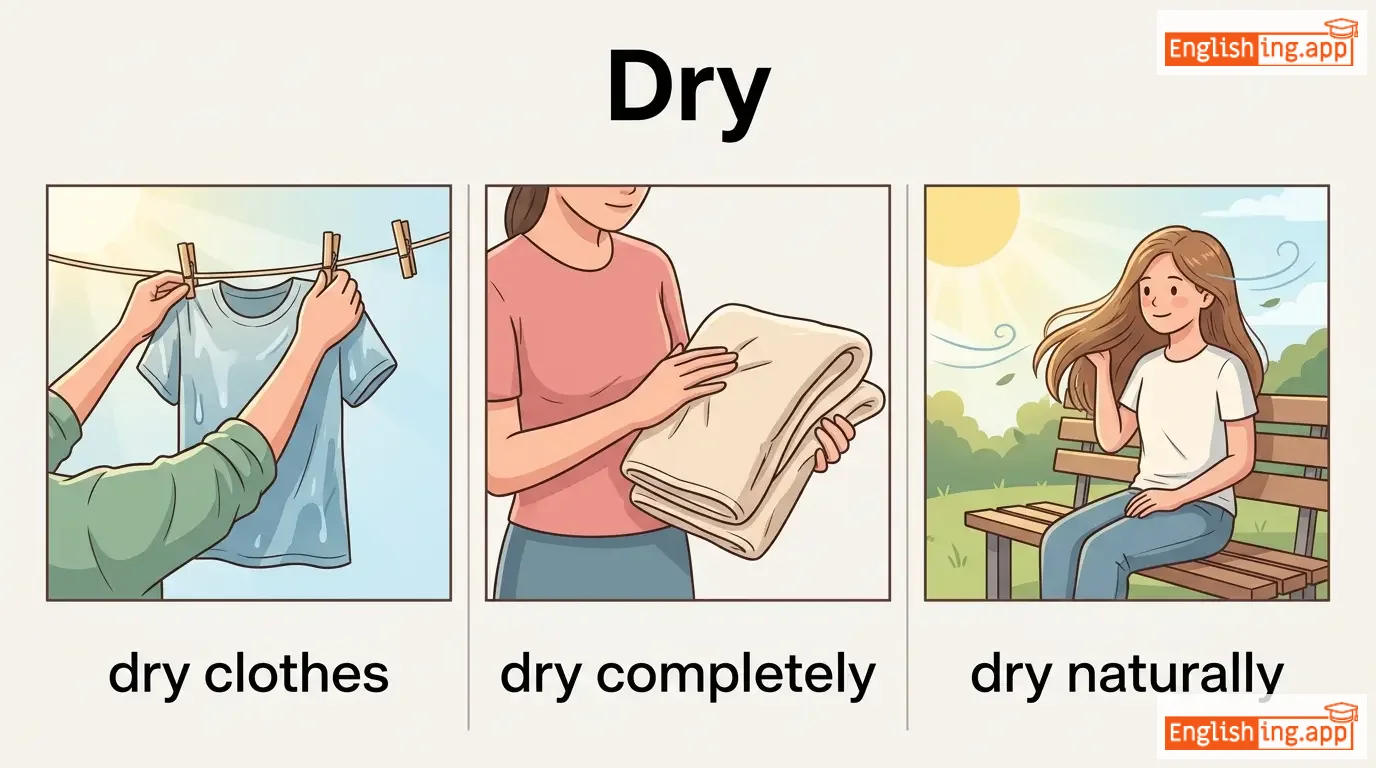
dry clothes, dry completely, dry naturally, dry thoroughly, dry in the sun
••••••
|
'乾燥' in Japanese means dry, symbolizing the process of removing moisture.
••••••
|
|
🌊
••••••
|
/floʊ/
verb
(フロー)
••••••
|
|
流れ
nagare
••••••
|
flowed
フローズ
••••••
|
flowed
フローズ
••••••
|
flows
フローズ
••••••
|
flowing
フローイング
••••••
|
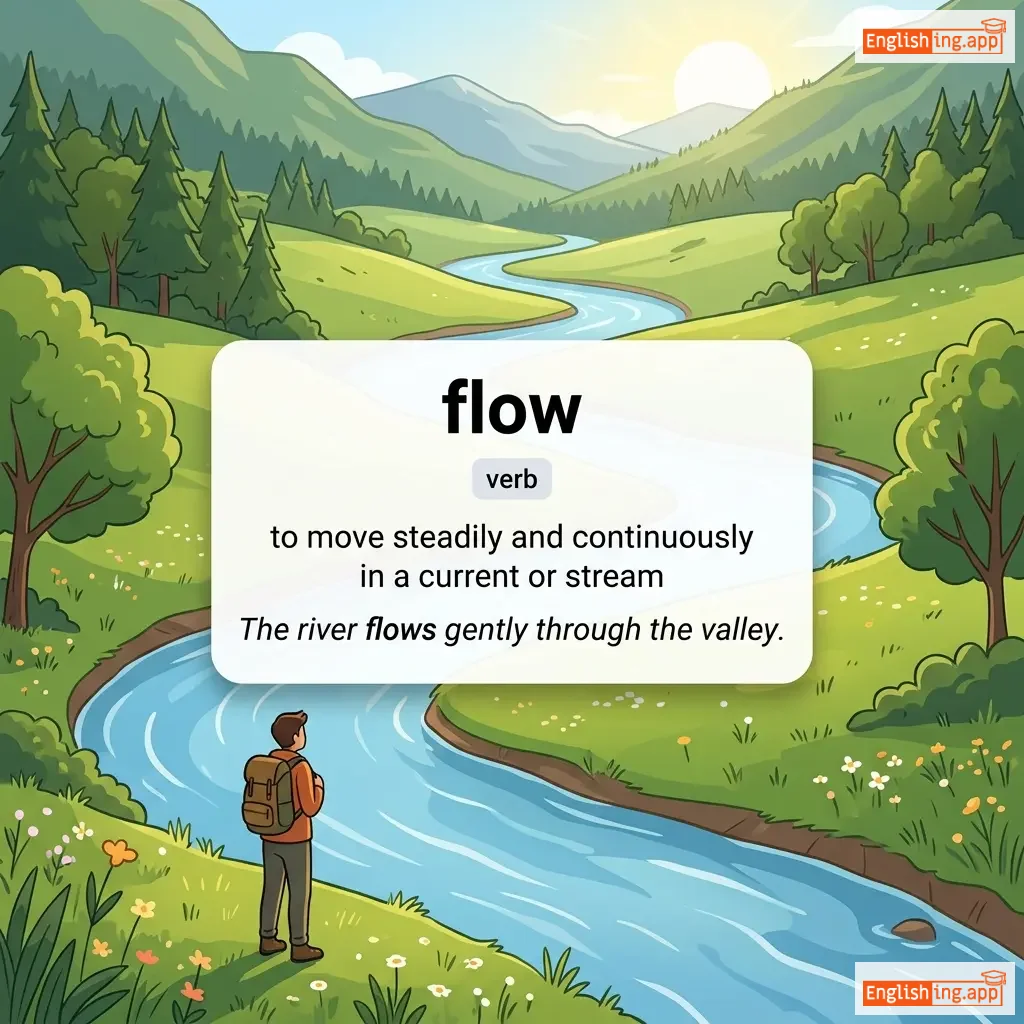
to move steadily and continuously in a current or stream
••••••
|
The river flows gently through the valley.
川は谷を穏やかに流れる。
••••••
|
川は谷を穏やかに流れる。
Kawa wa tani o odayaka ni nagareru.
••••••
|
go with the flow
流れに任せる
••••••
|
to relax and accept a situation without trying to change it
••••••
|
流れに身を任せる
nagare ni mi o makaseru
••••••
|
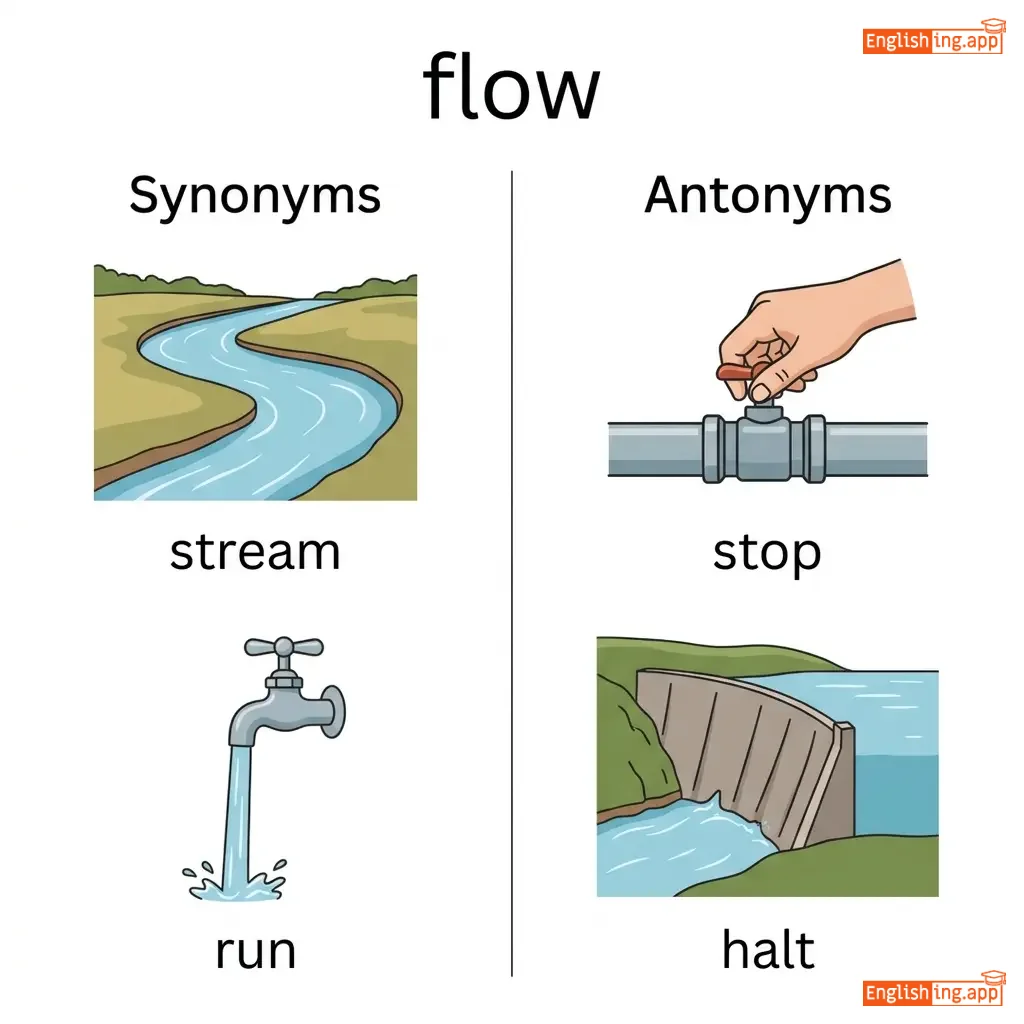
stream, run, circulate, pour, glide
••••••
|
stop, halt, stagnate
••••••
|
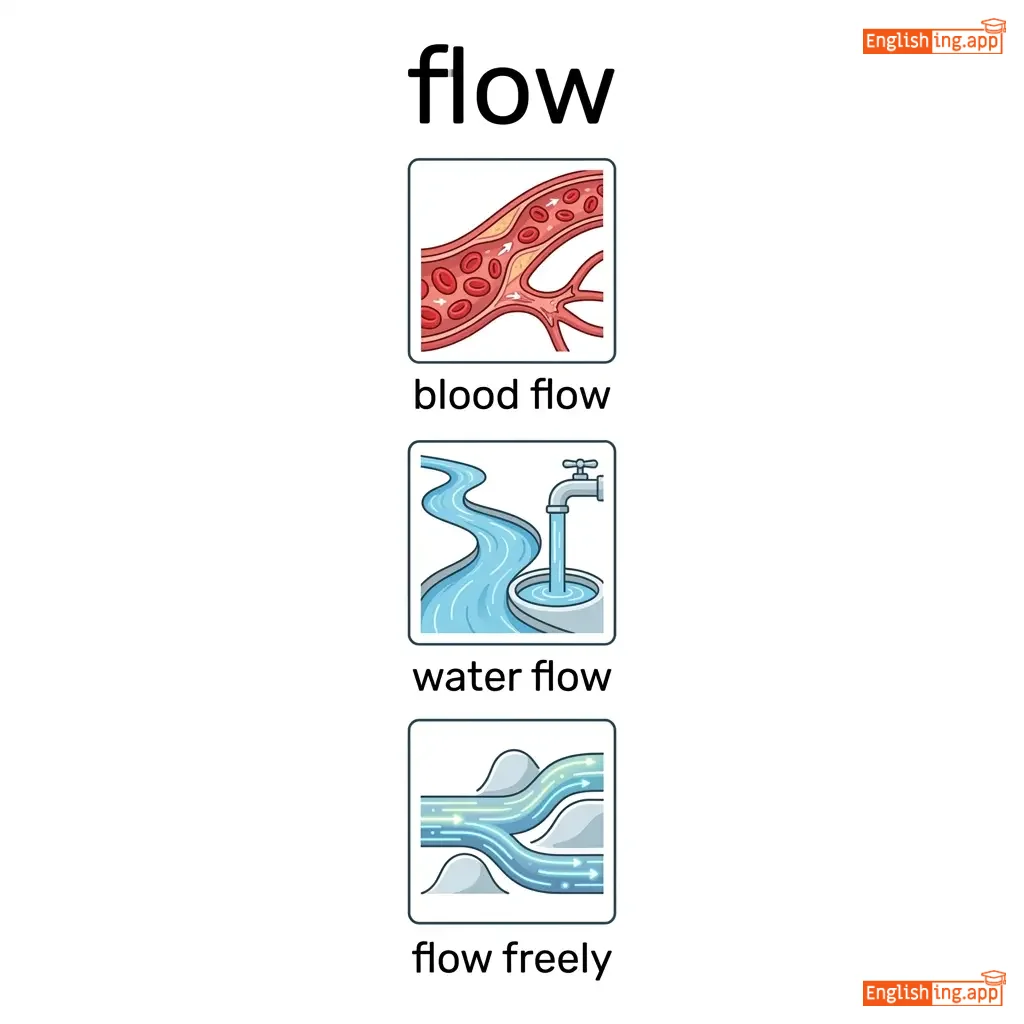
blood flow, water flow, flow freely, flow rate
••••••
|
流れは川のように、身を任せてリラックスしよう!
••••••
|
|
🥛
••••••
|
/ɡlæs/
noun
(グラス)
••••••
|
- •••••• |
ガラス
garasu
••••••
|
- •••••• | - •••••• | - •••••• | - •••••• |
a hard, transparent material used for windows, bottles, and other objects
••••••
|
She poured water into a glass and handed it to me.
彼女は水をグラスに注ぎ、それを私に渡しました。
••••••
|
彼女は水をグラスに注ぎ、それを私に渡しました。
Kanojo wa mizu o gurasu ni sosogi, sore o watashi ni watashimashita.
••••••
|
raise a glass
グラスを持ち上げる
••••••
|
to make a toast by lifting a drink
••••••
|
グラスを持ち上げる
gurasu o mochiageru
••••••
|
cup, tumbler, goblet, crystal
••••••
|
plastic, wood
••••••
|
glass of water, glass window, broken glass, glass bottle
••••••
|
ガラスは透明で、グラスに入れた水を覚えやすくします。
••••••
|
|
🌀
••••••
|
/mɛs/
noun
(メス)
••••••
|
- •••••• |
混乱
konran
••••••
|
- •••••• | - •••••• | - •••••• | - •••••• |
A state of disorder or untidiness.
••••••
|
The kids left the room in a complete mess. |
子供たちは部屋を完全に混乱させました。
Kodomotachi wa heya o kanzen ni konran sasemashita.
••••••
|
make a mess |
To cause disorder or problems
••••••
|
混乱を引き起こす
konran o hikiokosu
••••••
|
chaos, disorder, confusion, clutter, disarray
••••••
|
order, neatness, tidiness
••••••
|
make a mess, big mess, messy situation, clean up the mess
••••••
|
MESS は混乱を意味します— 'Mess in the 部屋 は混乱を意味します'
••••••
|
|
🧼
••••••
|
/soʊp/
noun
••••••
|
- •••••• | - •••••• | - •••••• | - •••••• | - •••••• | - •••••• |
a substance used for washing and cleaning, typically made from fats and alkalis
••••••
|
She washed her hands with soap and water. |
- •••••• |
soap opera |
a television or radio drama series about daily life
••••••
|
- •••••• |
cleanser, detergent, wash, suds, bar
••••••
|
dirt, grime
••••••
|
bar of soap, liquid soap, hand soap, soap bubbles
••••••
|
No •••••• |
|
📍
••••••
|
/spɒt/
noun
(スポット)
••••••
|
- •••••• |
場所
basho
••••••
|
- •••••• | - •••••• | - •••••• | - •••••• |
a particular place or position
••••••
|
I found a great spot for a picnic in the park. |
公園でピクニックをするための素晴らしい場所を見つけました。
Kouen de pikunikku o suru tame no subarashii basho o mitsukemashita.
••••••
|
- •••••• | - •••••• | - •••••• |
location, place, area, position
••••••
|
void, space, gap
••••••
|
hot spot, tourist spot, perfect spot
••••••
|
Spot the perfect picnic spot in the park.
••••••
|
|
🧻
••••••
|
/ˈtaʊəl/
noun
(タオル)
••••••
|
- •••••• |
タオル
taoru
••••••
|
- •••••• | - •••••• | - •••••• | - •••••• |
a piece of absorbent cloth used for drying or wiping
••••••
|
She grabbed a towel after her shower. |
彼女はシャワー後にタオルを取った。
Kanojo wa shawāgo ni taoru o totta.
••••••
|
throw in the towel |
to give up or admit defeat
••••••
|
タオルを投げる
taoru o nageru
••••••
|
cloth, napkin, wipe, hand towel, rag
••••••
|
none
••••••
|
bath towel, hand towel, paper towel, wet towel
••••••
|
Towel 🧻 = タオル — ‘タオルを投げる’ は降伏する意味。
••••••
|
|
💧
••••••
|
/wet/
adjective
(ウエット)
••••••
|
- •••••• |
濡れた; びしょびしょな;
nureta; bishobishona;
••••••
|
- •••••• | - •••••• | - •••••• | - •••••• |
covered or saturated with water or another liquid; not dry
••••••
|
My clothes are still wet from the rain.
私の服はまだ雨で濡れています。
••••••
|
私の服はまだ雨で濡れています。
watashi no fuku wa mada ame de nureteimasu.
••••••
|
- •••••• | - •••••• | - •••••• |
damp, moist, soaked, drenched
••••••
|
dry, arid, parched, dehydrated
••••••
|
wet clothes, wet weather, get wet
••••••
|
雨が降ると、何でも濡れてしまう。
••••••
|
|
🧽
••••••
|
/waɪp/
verb
(ワイプ)
••••••
|
|
拭く
fuku
••••••
|
wiped
ワイプド
••••••
|
wiped
ワイプド
••••••
|
wipes
ワイプス
••••••
|
wiping
ワイピング
••••••
|
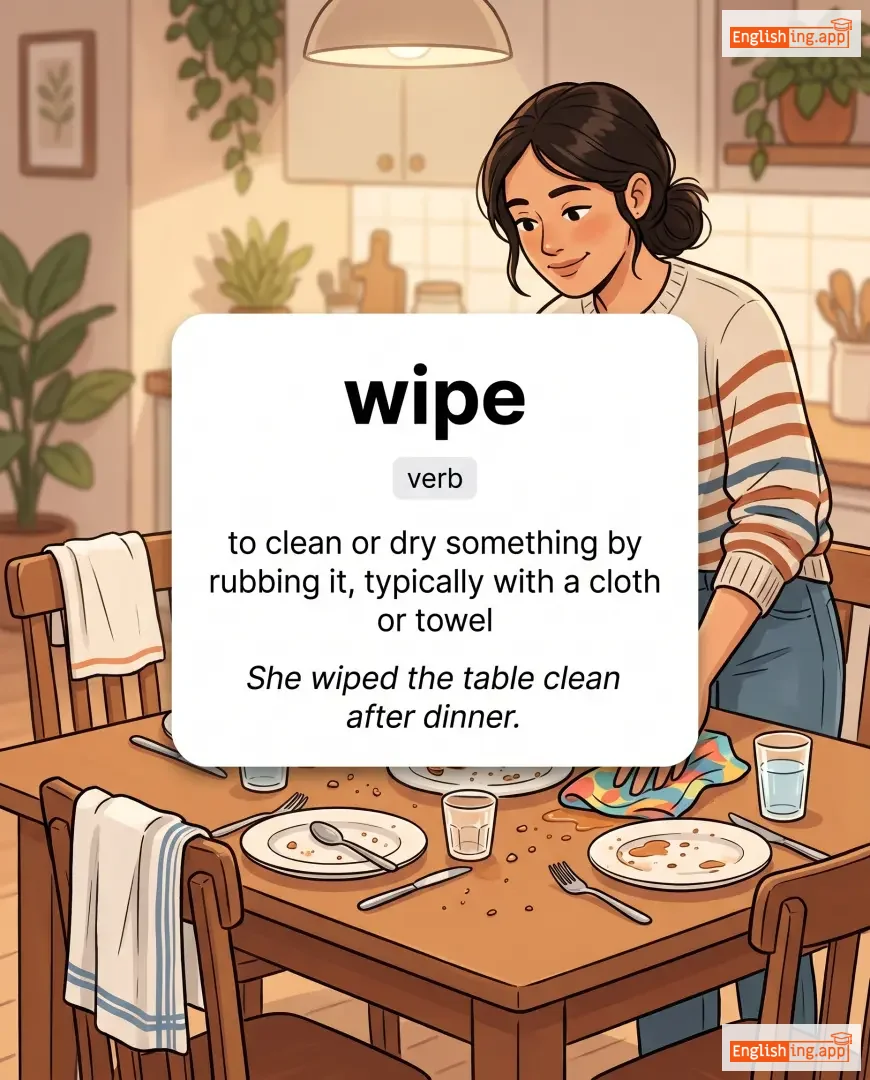
to clean or dry something by rubbing with a cloth or tissue
••••••
|
Please wipe the table clean.
テーブルを拭いてください。
••••••
|
テーブルを拭いてください。
Tēburu o fuite kudasai.
••••••
|
- •••••• | - •••••• | - •••••• |
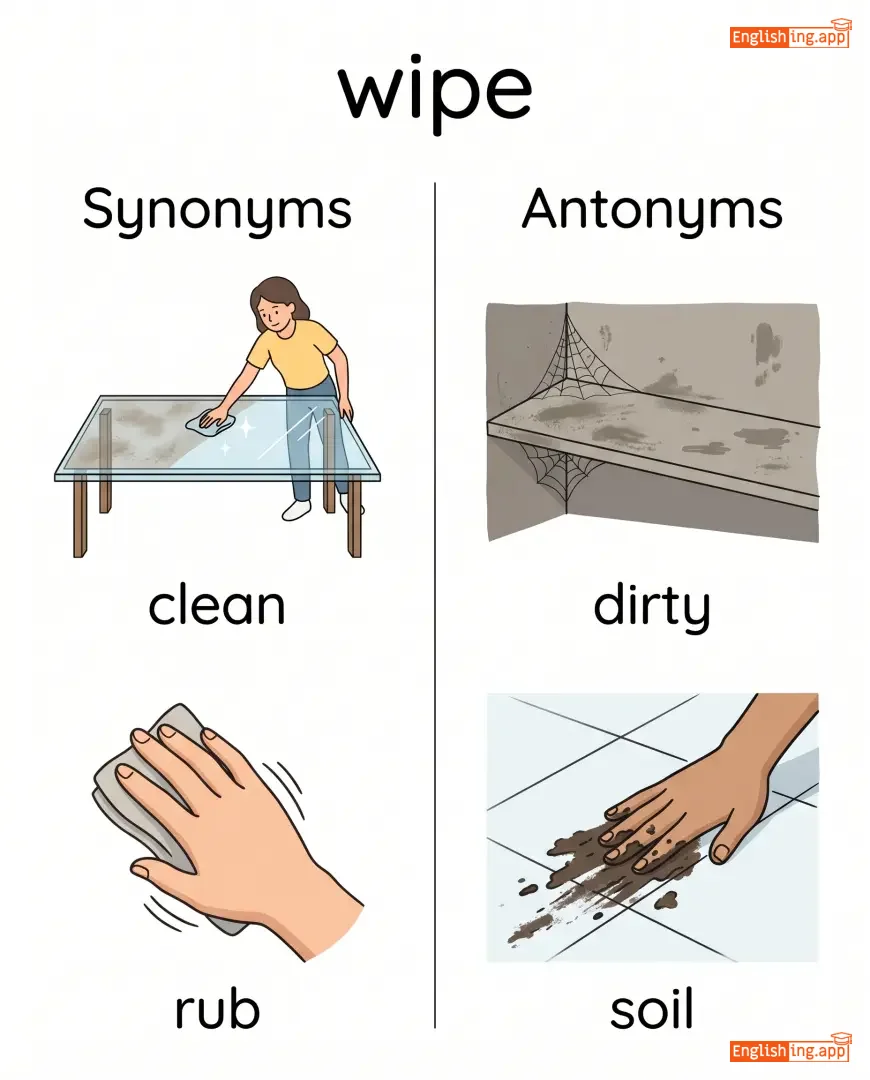
clean, rub, dry, polish
••••••
|
dirty, soil, stain, mess
••••••
|
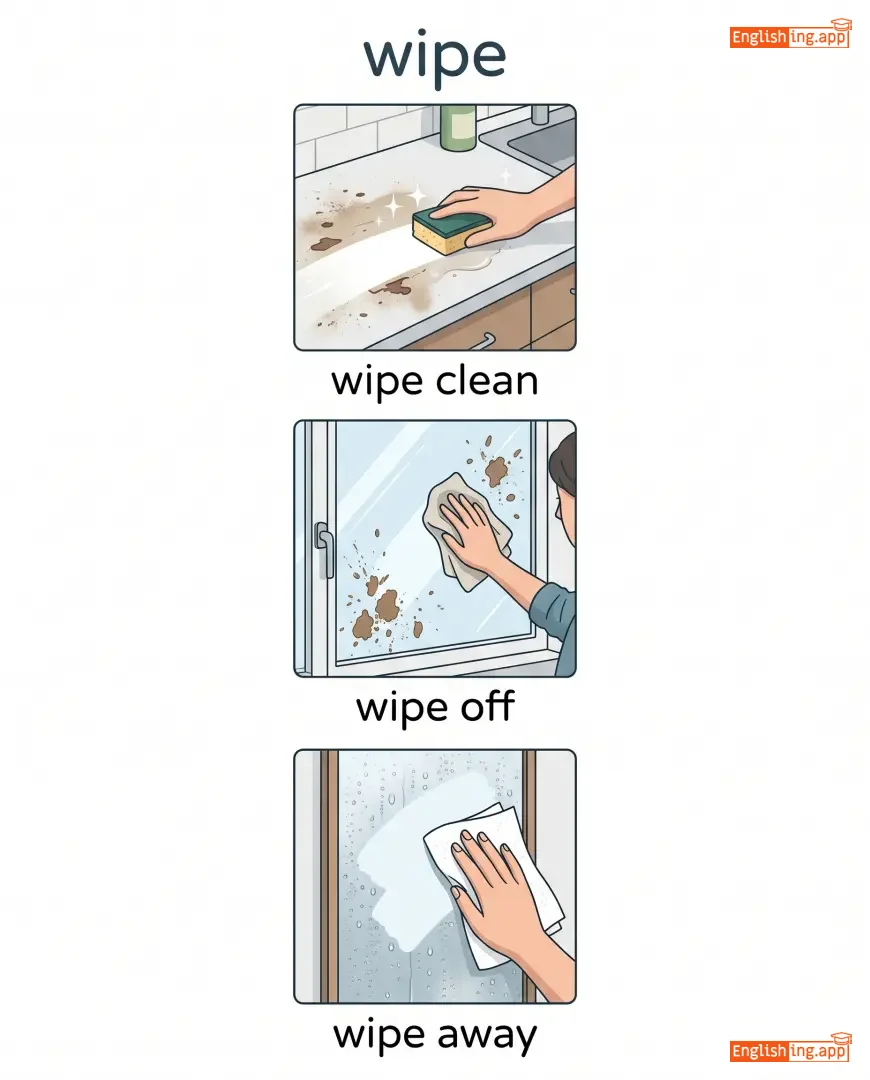
wipe clean, wipe away, wipe off, wipe down, wipe out
••••••
|
テーブルを拭いてきれいにすることができます。
••••••
|

