|
絵文字
|
単語 | Images | 翻訳 | 過去 | 過去分詞 | 三人称単数 | 動名詞 | 意味 | 例文 | 例文の翻訳 | 表現例 | 表現例の意味 | 表現例の翻訳 | 同義語 | 対義語 | コロケーション | ニーモニック |
|---|---|---|---|---|---|---|---|---|---|---|---|---|---|---|---|---|---|
|
✅
••••••
|
/ˈfɪnɪʃ/
verb
(フィニッシュ)
••••••
|
|
終わらせる
owaraseru
••••••
|
finished
フィニッシュド
••••••
|
finished
フィニッシュド
••••••
|
finishes
フィニッシュズ
••••••
|
finishing
フィニッシング
••••••
|
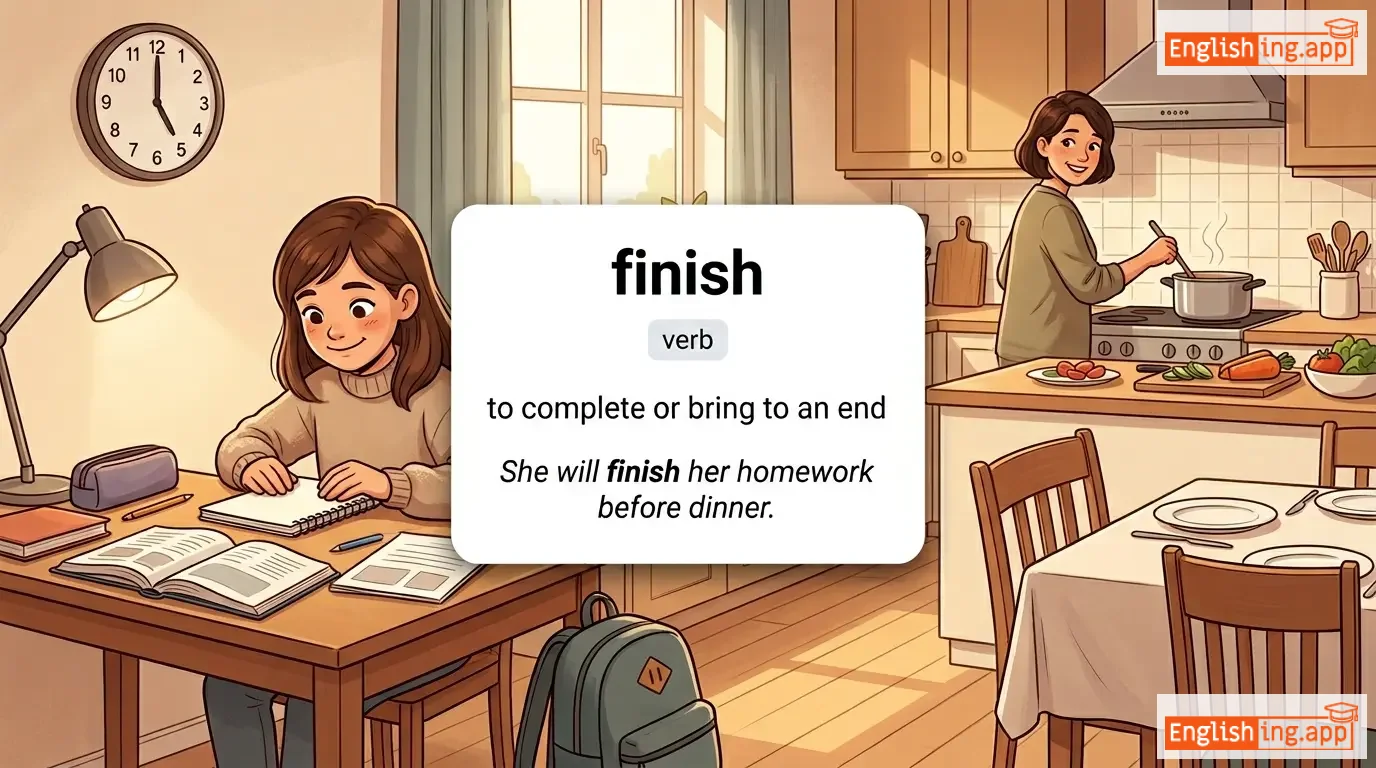
to complete or bring to an end; to reach the final point
••••••
|
She finished her homework before dinner.
彼女は夕食前に宿題を終わらせた。
••••••
|
彼女は夕食前に宿題を終わらせた。
Kanojo wa yūshoku mae ni shukudai o owaraseta.
••••••
|
- •••••• | - •••••• | - •••••• |
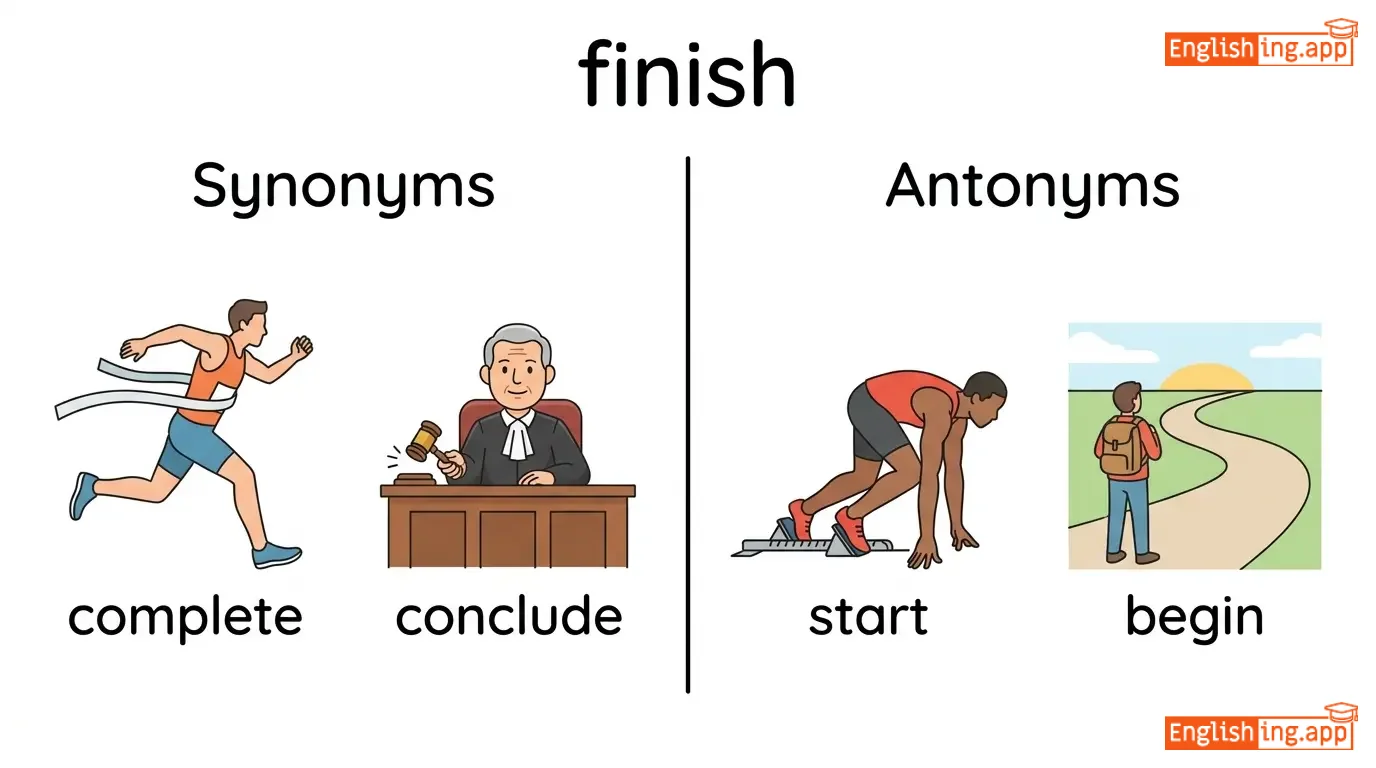
complete, conclude, end, finalize
••••••
|
start, begin, commence, initiate
••••••
|
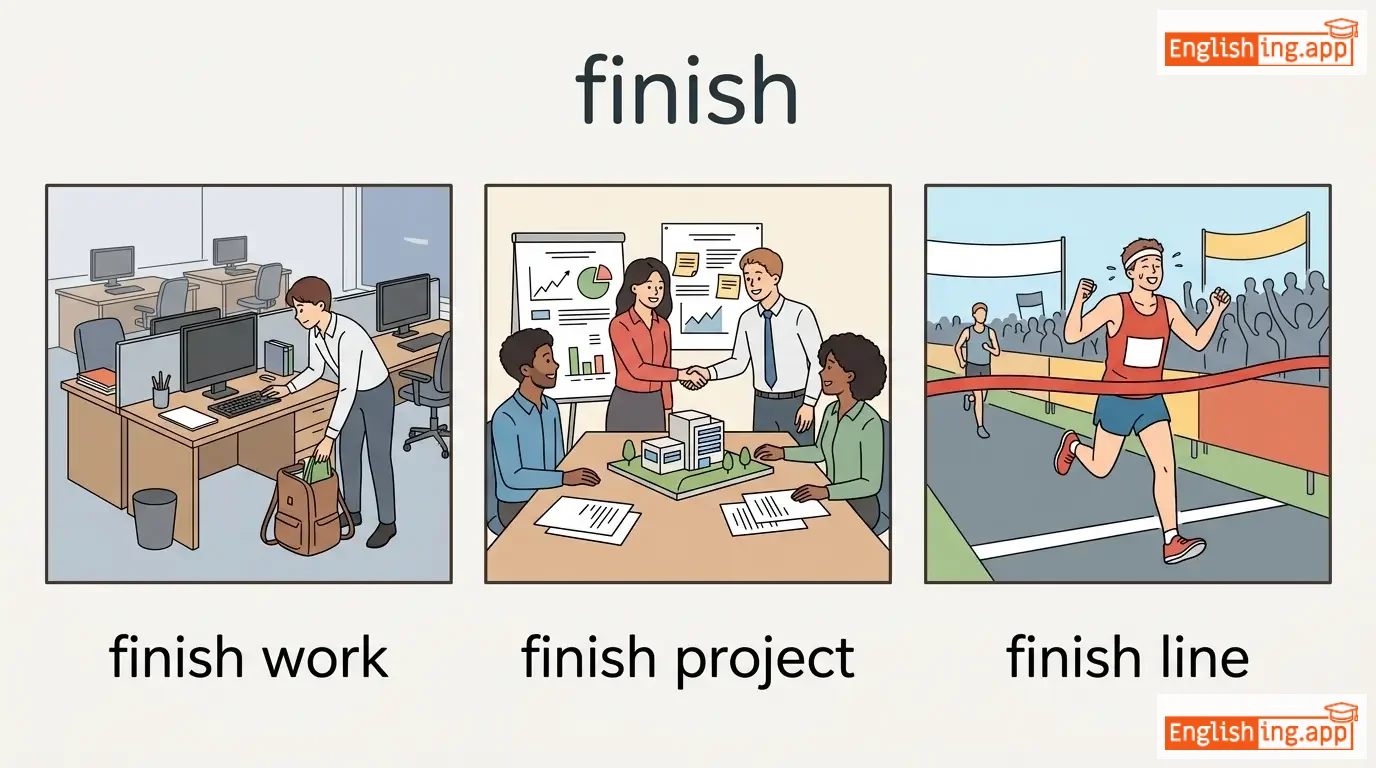
finish work, finish homework, finish eating, finish reading, finish quickly
••••••
|
No •••••• |
|
🏁
••••••
|
/ˈfɪnɪʃ laɪn/
noun
(フィニッシュ ライン)
••••••
|
- •••••• |
ゴールライン
gooru rain
••••••
|
- •••••• | - •••••• | - •••••• | - •••••• |
The line or point at the end of a race or competition where participants complete it.
••••••
|
She sprinted towards the finish line and won the race.
彼女はフィニッシュラインに向かって全力で走り、レースに勝った。
••••••
|
彼女はフィニッシュラインに向かって全力で走り、レースに勝った。
Kanojo wa finish rain ni mukatte zenryoku de hashiri, reesu ni katta.
••••••
|
- •••••• | - •••••• | - •••••• |
goal line, end point, completion point, terminus
••••••
|
start line, beginning, outset
••••••
|
cross the finish line, reach the finish line, race to the finish line
••••••
|
Imagine a Japanese runner shouting 'Gooru rain!' at the finish.
••••••
|
|
🔥
••••••
|
/ˈfaɪər/
noun/verb
(ファイア)
••••••
|
- •••••• |
火 / 解雇する
hi / kaiko suru
••••••
|
fired
ファイアード
••••••
|
fired
ファイアード
••••••
|
fires
ファイアーズ
••••••
|
firing
ファイアリング
••••••
|
the phenomenon of combustion, or to dismiss someone from a job
••••••
|
The company decided to fire two employees last week.
その会社は先週二人の社員を解雇することを決定しました。
••••••
|
その会社は先週二人の社員を解雇することを決定しました。
Sono kaisha wa senshū futari no shain o kaiko suru koto o kettei shimashita.
••••••
|
play with fire
火遊びをする
••••••
|
to take dangerous risks
••••••
|
火遊びをする
hi asobi o suru
••••••
|
blaze, flame, ignite, dismiss, sack
••••••
|
extinguish, hire
••••••
|
start a fire, put out fire, fire alarm, fire someone
••••••
|
火は危険で、解雇されることも危険です。
••••••
|
|
🔫
••••••
|
/ˈfaɪərɑːm/
noun
(ファイアアーム)
••••••
|
- •••••• |
火器
kaki
••••••
|
- •••••• | - •••••• | - •••••• | - •••••• |
a weapon capable of firing a projectile using gunpowder or other propellant
••••••
|
The police found a hidden firearm during the investigation.
警察は調査中に隠された銃器を発見しました。
••••••
|
警察は調査中に隠された銃器を発見しました。
Keisatsu wa chousa-chuu ni kakusareta kiki o hakken shimashita.
••••••
|
- •••••• | - •••••• | - •••••• |
weapon, gun, rifle, pistol
••••••
|
peace, safety, security
••••••
|
firearm possession, illegal firearm, firearm use
••••••
|
火器(kaki)は銃や武器の一種、必ず使う前に安全確認
••••••
|
|
👨🚒
••••••
|
/ˈfaɪəˌfaɪtə/
noun
(ファイヤーファイター)
••••••
|
- •••••• |
消防士
shōbōshi
••••••
|
- •••••• | - •••••• | - •••••• | - •••••• |
a person whose job is to put out fires
••••••
|
The firefighter saved the family from the burning building. |
消防士は燃える建物から家族を救いました。
Shōbōshi wa moeru tatemono kara kazoku o sukūmashita.
••••••
|
- •••••• | - •••••• | - •••••• |
fireman, firewoman, rescuer, emergency worker
••••••
|
arsonist, incendiary
••••••
|
brave firefighter, firefighter gear, firefighter training
••••••
|
消防士は火と戦わなければならない - Firefighter has to fight fire!
••••••
|
|
🎆
••••••
|
/ˈfaɪəˌwɜːk/
noun
(ファイヤーワーク)
••••••
|
- •••••• |
花火
hanabi
••••••
|
- •••••• | - •••••• | - •••••• | - •••••• |
a device that explodes or creates a display of lights and sounds, often used in celebrations
••••••
|
The fireworks lit up the sky during the New Year's Eve celebration. |
花火は新年の前夜祭で空を照らしました。
Hanabi wa shinnen no zenya-sai de sora o terashimashita.
••••••
|
- •••••• | - •••••• | - •••••• |
sparkler, roman candle, display, pyrotechnics
••••••
|
whimper, silence
••••••
|
colorful fireworks, fireworks display, fireworks show
••••••
|
花火が上がると、心が弾けるような気持ちになる!
••••••
|
|
🏢
••••••
|
/fɜːrm/
noun/adjective
(ファーム)
••••••
|
- •••••• |
会社 / 堅固
kaisha / kengo
••••••
|
- •••••• | - •••••• | - •••••• | - •••••• |
a business organization, or solid and steady
••••••
|
She works at a law firm in the city.
彼女は都市の法律事務所で働いています。
••••••
|
彼女は都市の法律事務所で働いています。
Kanojo wa toshi no hōritsu jimusho de hataraiteimasu.
••••••
|
stand firm
強く立つ
••••••
|
to remain strong in one’s position
••••••
|
強く立つ
Tsuyoku tatsu
••••••
|
company, business, solid, steady, strong
••••••
|
weak, unstable
••••••
|
law firm, consulting firm, firm decision, firm grip
••••••
|
Firmは会社を意味し、しっかりと立っている企業のようです。
••••••
|
|
✊
••••••
|
/ˈfɜːmli/
adverb
(fɜːrmli)
••••••
|
- •••••• |
しっかりと
shikkari to
••••••
|
- •••••• | - •••••• | - •••••• | - •••••• |
in a strong, steady, or determined way
••••••
|
She held his hand firmly as they crossed the road.
彼女は手をしっかりと握りながら、道路を渡りました。
••••••
|
彼女は手をしっかりと握りながら、道路を渡りました。
Kanojo wa te o shikkari to nigirinagara, dōro o watarimashita.
••••••
|
stand firmly
しっかり立つ
••••••
|
to remain strong or determined in one’s position
••••••
|
しっかり立つ
shikkari tatsu
••••••
|
strongly, steadily, tightly, resolutely
••••••
|
loosely, weakly, softly
••••••
|
hold firmly, believe firmly, stand firmly, grip firmly
••••••
|
Firmly は ‘しっかり’、決して揺るがないように。
••••••
|
|
🥇
••••••
|
/fɜːrst/
adjective
(ファースト)
••••••
|
- •••••• |
最初
saisho
••••••
|
- •••••• | - •••••• | - •••••• | - •••••• |
coming before all others in time, order, or importance
••••••
|
She was the first to arrive at the meeting. |
彼女は会議に最初に到着した。
Kanojo wa kaigi ni saisho ni touchaku shita.
••••••
|
first come, first served |
those who arrive earliest are served before others
••••••
|
早起きは三文の得
Hayaoki wa sanmon no toku
••••••
|
foremost, primary, leading, earliest
••••••
|
last, subsequent
••••••
|
first place, first priority, first impression, first attempt
••••••
|
最初の一歩を踏み出すことが大切 - Taking the first step is important.
••••••
|
|
🩹
••••••
|
/ˌfɜːrst ˈeɪd/
noun
(ファースト エイド)
••••••
|
- •••••• |
応急処置
oukyuu shochi
••••••
|
- •••••• | - •••••• | - •••••• | - •••••• |
Immediate assistance given to a sick or injured person until full medical treatment is available
••••••
|
He gave first aid to the injured cyclist before the ambulance arrived.
彼は救急車が来る前に、負傷した自転車乗りに応急処置を施した。
••••••
|
彼は救急車が来る前に、負傷した自転車乗りに応急処置を施した。
Kare wa kyuukyuusha ga kuru mae ni, fushoushita jitensha nori ni oukyuu shochi o hodokoshita
••••••
|
first aid kit
救急箱
••••••
|
A set of supplies used to give first aid
••••••
|
救急箱
kyuukyuubako
••••••
|
emergency care, medical aid, initial treatment, urgent care
••••••
|
neglect, inattention
••••••
|
first aid training, first aid course, first aid box, administer first aid
••••••
|
応急処置 = first aid、最初に助けるイメージで覚える
••••••
|
|
🩹
••••••
|
/ˌfɜːrst eɪd kɪt/
noun
(ファースト エイド キット)
••••••
|
- •••••• |
救急箱
kyuukyuu-bako
••••••
|
- •••••• | - •••••• | - •••••• | - •••••• |
A collection of medical supplies for giving initial treatment in emergencies
••••••
|
I always keep a first aid kit in my car for emergencies.
私は常に車に救急箱を置いて、緊急時に備えています。
••••••
|
私は常に車に救急箱を置いて、緊急時に備えています。
Watashi wa tsune ni kuruma ni kyuukyuu-bako wo oite, kinkyuuji ni sonaeteimasu.
••••••
|
- •••••• | - •••••• | - •••••• |
medical kit, emergency kit, trauma kit, health kit
••••••
|
none, non-medical supplies
••••••
|
carry a first aid kit, stock a first aid kit, emergency first aid kit
••••••
|
救急 = emergency aid, 箱 = box
••••••
|
|
1️⃣
••••••
|
/ˈfɜːrstli/
adverb
(ファーストリー)
••••••
|
- •••••• |
まず
mazu
••••••
|
- •••••• | - •••••• | - •••••• | - •••••• |
used to introduce the first point or reason in a discussion or argument
••••••
|
Firstly, we need to address the budget issue before proceeding.
Firstly、まず予算の問題に対処する必要があります。
••••••
|
まず、予算の問題に対処する必要があります。
Mazu, yosan no mondai ni taisho suru hitsuyo ga arimasu.
••••••
|
- •••••• | - •••••• | - •••••• |
primarily, initially, to begin with, in the first place
••••••
|
lastly, finally
••••••
|
firstly of all, firstly consider, firstly address
••••••
|
Mazu = 'ma' + 'zu' → imagine starting first step
••••••
|
|
🐟
••••••
|
/fɪʃ/
noun/verb
(ハピネス)
••••••
|
- •••••• |
幸せ
shiawase
••••••
|
fished
••••••
|
fished
••••••
|
fishes
••••••
|
fishing
••••••
|
an aquatic animal with gills, or to try to catch such animals
••••••
|
He went to the lake to fish early in the morning.
彼女は賞を受け取ったとき、幸せを隠すことができなかった。
••••••
|
彼女は賞を受け取ったとき、幸せを隠すことができなかった。
Kanojo wa shō o uketotta toki, shiawase o kakusu koto ga dekinakatta.
••••••
|
a big fish
幸せの追求
••••••
|
an important or powerful person
••••••
|
幸せの追求
Shiawase no tsuikyū
••••••
|
seafood, catch, angling, aquatic animal
••••••
|
mammal, invertebrate
••••••
|
catch fish, fried fish, fish market, fish tank
••••••
|
幸せは太陽の光のように周りを照らす。
••••••
|
|
🎣
••••••
|
/ˈfɪʃɪŋ/
noun/verb
(フィッシング)
••••••
|
- •••••• |
釣り
tsuri
••••••
|
- •••••• | - •••••• | - •••••• |
fishing
フィッシング
••••••
|
the activity of catching fish
••••••
|
Fishing is a popular activity in coastal villages.
フィッシングは沿岸の村で人気のある活動です。
••••••
|
フィッシングは沿岸の村で人気のある活動です。
Fisshingu wa engan no mura de ninki no aru katsudou desu.
••••••
|
fishing for compliments
お世辞を言う
••••••
|
trying to get praise or approval indirectly
••••••
|
お世辞を言う
oseji wo iu
••••••
|
angling, catching fish, netting, trawling
••••••
|
ignoring fish, land activity
••••••
|
go fishing, fishing trip, fishing boat, fishing industry
••••••
|
釣り = 魚を釣ること、🎣 海の近くの活動です。
••••••
|
|
👟
••••••
|
/fɪt/
verb, adjective, noun
(フィット)
••••••
|
- •••••• |
フィットする、適切である
fit suru, tekisetsu de aru
••••••
|
fit
フィット
••••••
|
fit
フィット
••••••
|
fits
フィッツ
••••••
|
fitting
フィッティング
••••••
|
to be of the right size, shape, or type; suitable or healthy
••••••
|
These shoes fit me perfectly.
これらの靴は私にぴったり合っています。
••••••
|
これらの靴は私の足に完璧にフィットしています。
Korera no kutsu wa watashi no ashi ni kanpeki ni fitto shiteimasu.
••••••
|
fit as a fiddle
元気いっぱい
••••••
|
in very good health or condition
••••••
|
元気で健康
genki de kenkou
••••••
|
suit, match, adjust, accommodate
••••••
|
ill-suited, inappropriate, unfit
••••••
|
fit perfectly, fit well, fit into, fit for purpose
••••••
|
フィットした靴は健康な身体のようにぴったり。
••••••
|
|
💪
••••••
|
/ˈfɪtnəs/
noun
(フィットネス)
••••••
|
|
フィットネス
fitness
••••••
|
- •••••• | - •••••• | - •••••• | - •••••• |
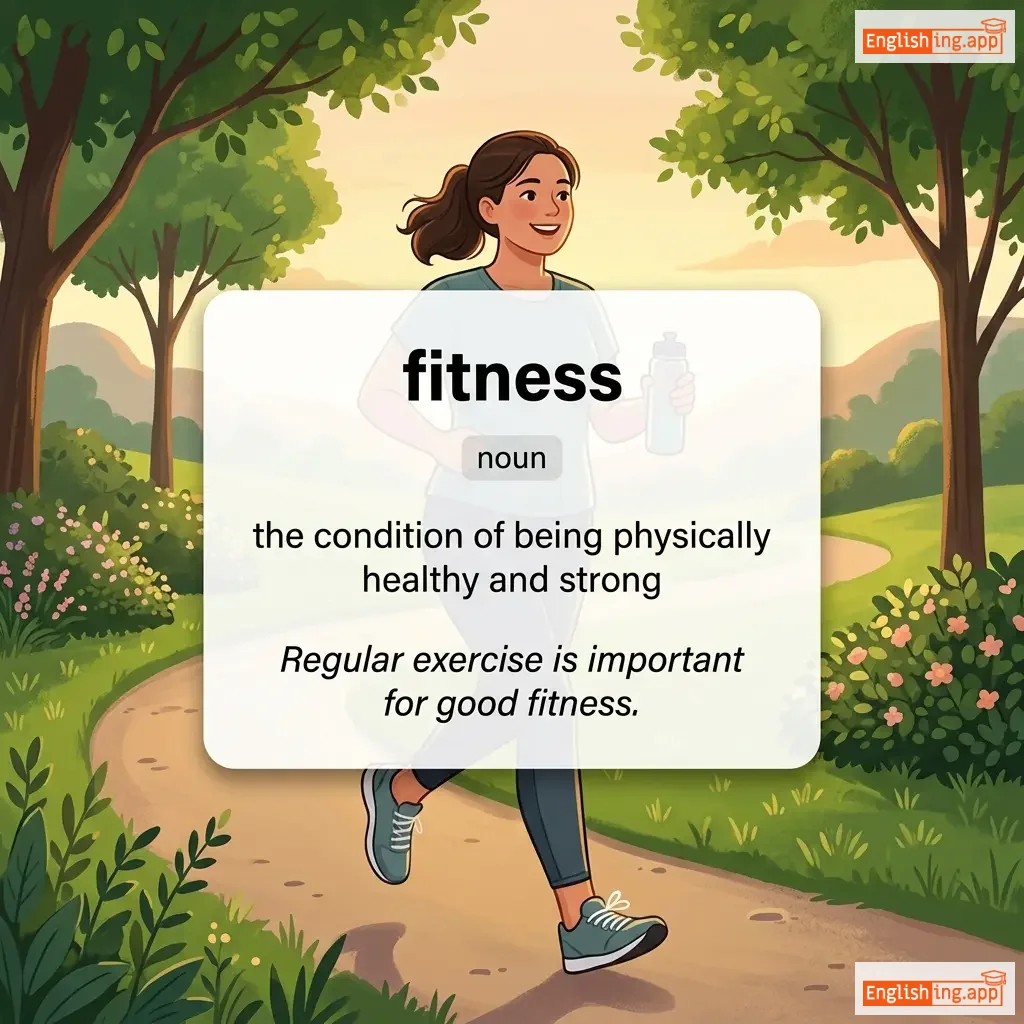
the condition of being physically healthy and strong
••••••
|
Regular exercise is important for good fitness. |
定期的な運動は良いフィットネスを維持するために重要です。
Teikiteki na undou wa yoi fitness wo iji suru tame ni juuyou desu.
••••••
|
peak fitness |
the best level of physical health and strength
••••••
|
ピークフィットネス
pi-ku fitness
••••••
|
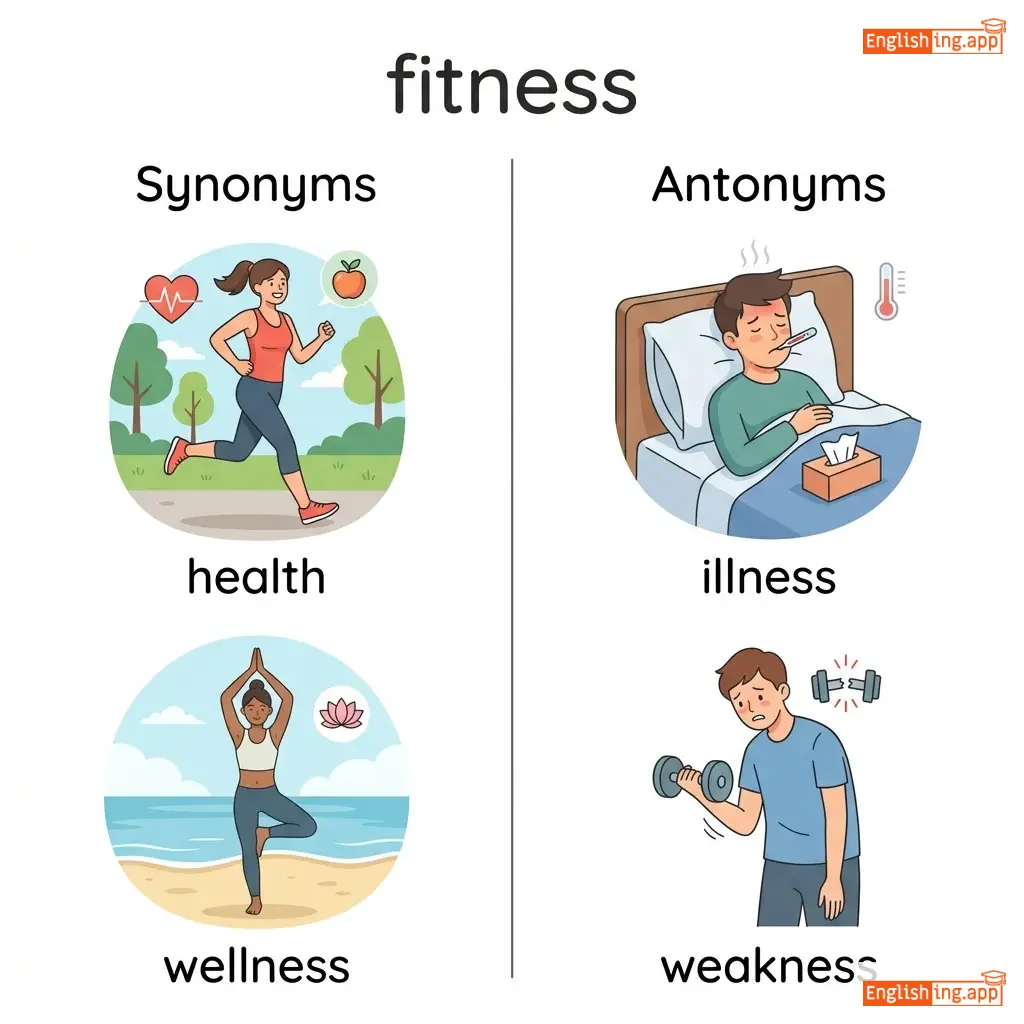
health, wellness, strength, conditioning, vitality
••••••
|
illness, weakness, unhealthiness
••••••
|
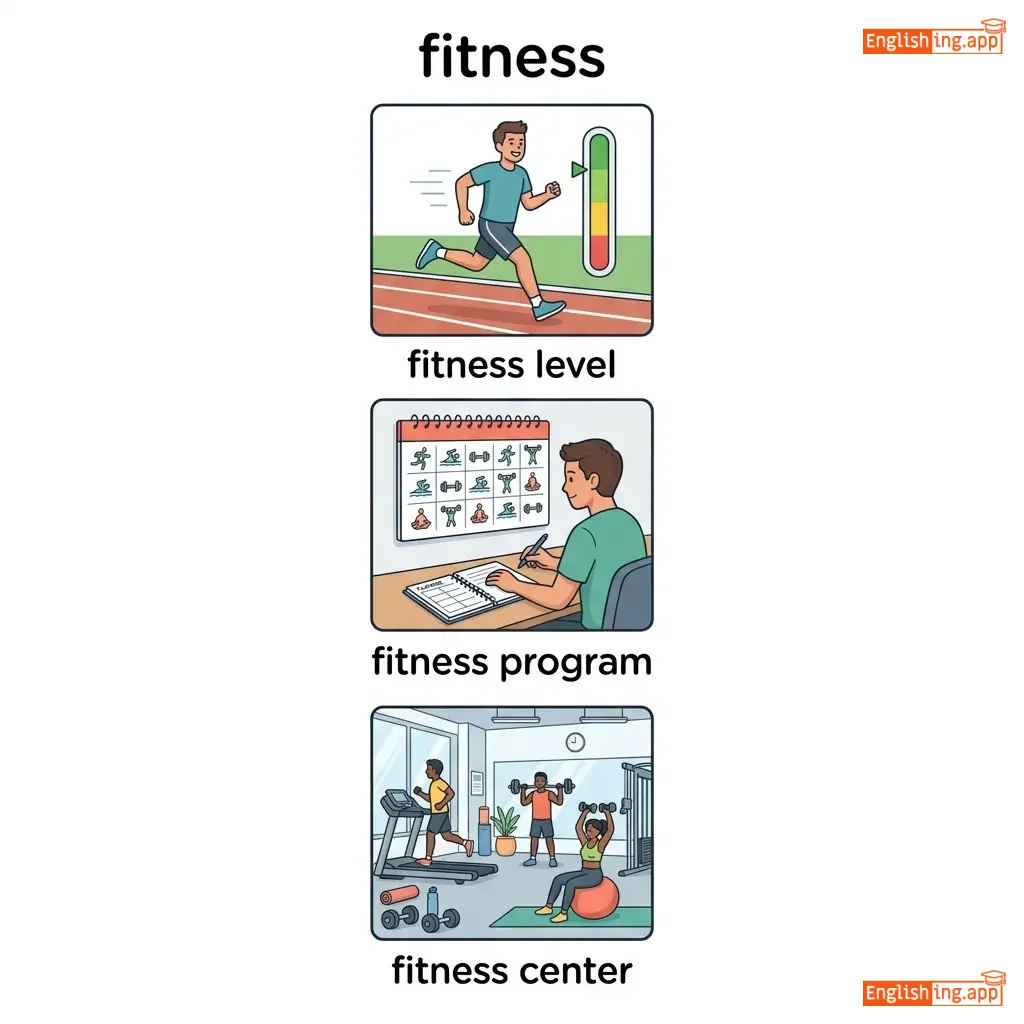
fitness level, fitness program, fitness center, fitness test
••••••
|
フィットネスは、ジムに行くことを意味し、いつでも完璧な準備ができていることです。
••••••
|
|
5️⃣
••••••
|
/faɪv/
noun
(faivu)
••••••
|
- •••••• |
五
go
••••••
|
- •••••• | - •••••• | - •••••• | - •••••• |
The number 5; one more than four and one less than six.
••••••
|
She bought five apples from the market. |
彼女は市場で五つのリンゴを買いました。
Kanojo wa ichiba de itsutsu no ringo o kaimashita.
••••••
|
High five |
A gesture of celebration or greeting in which two people slap their raised hands together.
••••••
|
ハイファイブ
hai faibu
••••••
|
5, quintet, pentad, V
••••••
|
four, six
••••••
|
five years, five minutes, five times, high five
••••••
|
'五'は手の五本の指を使って覚えよう。ハイファイブ ✋
••••••
|
|
🔧
••••••
|
/fɪks/
verb
••••••
|
- •••••• | - •••••• |
fixed
••••••
|
fixed
••••••
|
fixes
••••••
|
fixing
••••••
|
To repair or make something work again.
••••••
|
The mechanic fixed the broken car. |
- •••••• |
in a fix |
In a difficult or awkward situation.
••••••
|
- •••••• |
repair, mend, adjust, restore, solve
••••••
|
break, damage, ruin
••••••
|
fix a problem, fix the car, fix dinner, fix the issue
••••••
|
No •••••• |
|
🚿
••••••
|
/ˈfɪks.tʃər/
noun
(fikkusha)
••••••
|
- •••••• |
固定物、設置された設備
kotei-mono, setchi sareta setsubi
••••••
|
- •••••• | - •••••• | - •••••• | - •••••• |
a permanent or fixed object, often in a house or building
••••••
|
The bathroom fixture was installed yesterday.
バスルームの設備は昨日設置されました。
••••••
|
バスルームの設備は昨日設置されました。
Basurūmu no setsubi wa kinou setchi saremashita.
••••••
|
- •••••• | - •••••• | - •••••• |
installation, fitting, attachment, appliance
••••••
|
movable, temporary
••••••
|
bathroom fixture, light fixture, plumbing fixture
••••••
|
フィクスチャ = Fixされた物 - Fixturesは固定されている
••••••
|
|
🚩
••••••
|
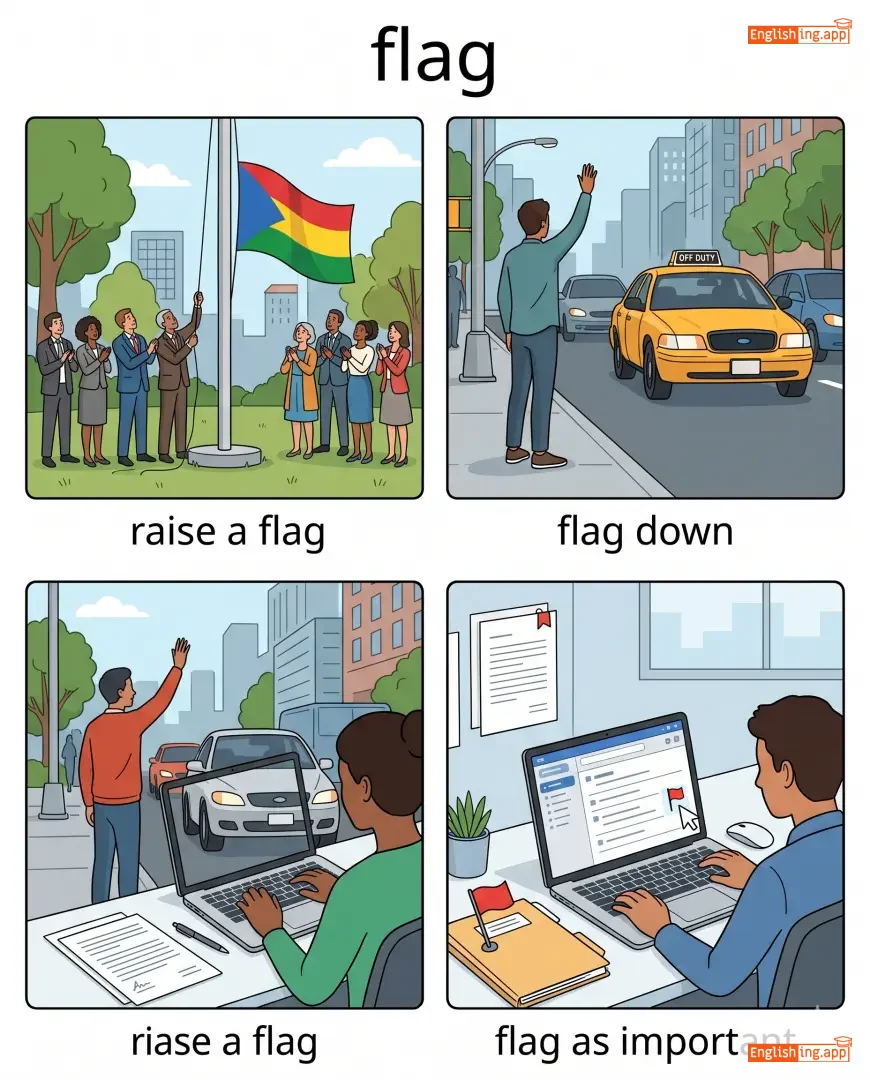
/flæɡ/
noun, verb
••••••
|
|
- •••••• |
flagged
••••••
|
flagged
••••••
|
flags
••••••
|
flagging
••••••
|
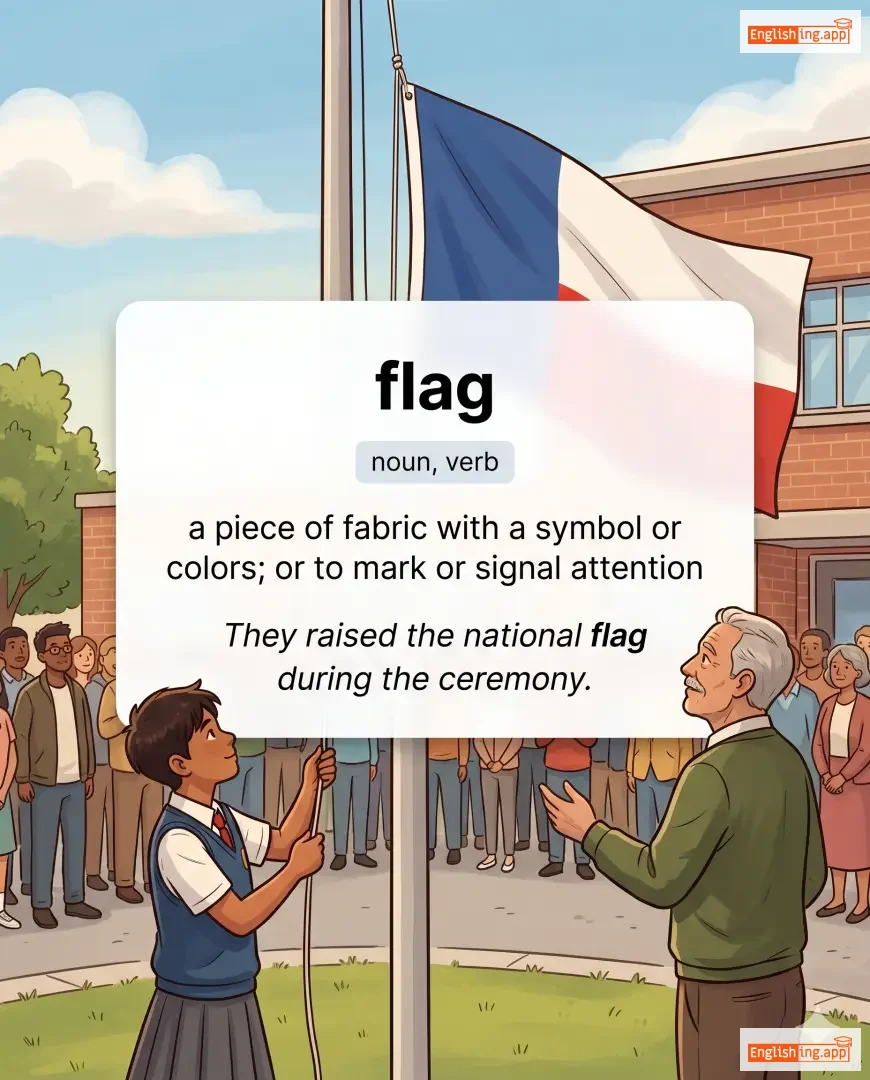
a piece of fabric with a symbol or colors; or to mark or signal attention
••••••
|
They raised the national flag during the ceremony. |
- •••••• |
red flag |
a warning sign or indication of danger
••••••
|
- •••••• |
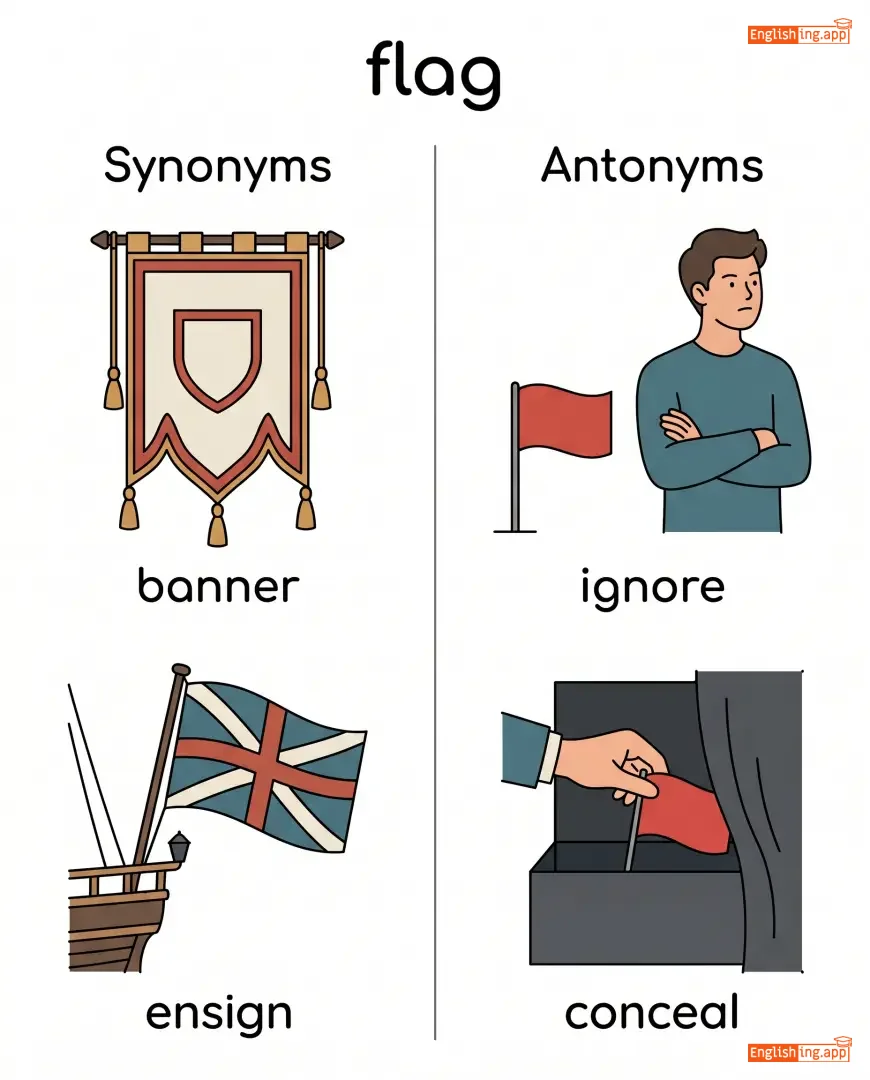
banner, ensign, signal, mark
••••••
|
ignore, conceal
••••••
|
raise a flag, flag down, flag as important, flag a message
••••••
|
No •••••• |
|
🔥
••••••
|
/fleɪm/
noun
(fureimu)
••••••
|
- •••••• |
炎
honoo
••••••
|
- •••••• | - •••••• | - •••••• | - •••••• |
A hot glowing body of ignited gas that is generated by something on fire.
••••••
|
The flame from the candle lit up the dark room. |
ろうそくの炎が暗い部屋を照らしました。
Rōsoku no honō ga kurai heya o terashimashita.
••••••
|
add fuel to the flames |
To make an already bad situation worse.
••••••
|
火に油を注ぐ
Hi ni abura o sosogu
••••••
|
fire, blaze, light, spark
••••••
|
smoke, ash
••••••
|
flame of fire, candle flame, burning flame, flame out
••••••
|
Flameとは炎で、'炎'という日本語がぴったりです。
••••••
|
|
📏
••••••
|
/flæt/
adjective
(フラット)
••••••
|
- •••••• |
平ら
taira
••••••
|
- •••••• | - •••••• | - •••••• | - •••••• |
Smooth and level, without raised areas or curves.
••••••
|
The road ahead was completely flat.
前方の道路は完全にフラットでした。
••••••
|
前方の道路は完全に平らでした。
Zenpou no douro wa kanzen ni taira deshita.
••••••
|
fall flat
フラットに落ちる
••••••
|
To fail completely to produce the intended effect.
••••••
|
完全に失敗する
kanzen ni shippai suru
••••••
|
even, smooth, level, plain, horizontal
••••••
|
bumpy, uneven, rough
••••••
|
flat surface, flat tire, flat rate, flat shoes
••••••
|
平らな道を思い浮かべて、滑らかさを感じよう!
••••••
|
|
🍦
••••••
|
/ˈfleɪvər/
noun
(fureibā)
••••••
|
- •••••• |
味
aji
••••••
|
- •••••• | - •••••• | - •••••• | - •••••• |
The distinctive taste of a food or drink.
••••••
|
This ice cream has a delicious mango flavor.
このアイスクリームはおいしいマンゴーのフレーバーがあります。
••••••
|
このアイスクリームはおいしいマンゴーのフレーバーがあります。
Kono aisukurīmu wa oishī mangō no furebā ga arimasu.
••••••
|
taste of your own medicine
自分の薬を味わう
••••••
|
Experiencing the same unpleasant treatment that one has given to others.
••••••
|
自分の薬を味わう
Jibun no kusuri o ajiwau
••••••
|
taste, savor, relish, tang, essence
••••••
|
blandness, tastelessness
••••••
|
flavor of ice cream, unique flavor, flavor profile, flavor combination
••••••
|
フレーバーは、私たちが口の中で感じる味 - 例えば、このマンゴーのフレーバーのように🍦
••••••
|
|
👅
••••••
|
/ˈfleɪ.vər/
noun
(フレーバー)
••••••
|
- •••••• |
風味
fūmi
••••••
|
- •••••• | - •••••• | - •••••• | - •••••• |
the distinctive taste of a food or drink; a particular quality or atmosphere
••••••
|
The soup had a rich flavour of herbs and spices from the garden.
スープには庭からのハーブとスパイスの豊かな風味がありました。
••••••
|
スープには庭からのハーブとスパイスの豊かな風味がありました。
Sūpu ni wa niwa kara no hābu to supaisu no yutaka na fūmi ga arimashita.
••••••
|
- •••••• | - •••••• | - •••••• |
taste, savor, essence, aroma
••••••
|
blandness, tastelessness, flavorlessness, dullness
••••••
|
natural flavour, artificial flavour, flavour enhancer
••••••
|
In Japanese, '風味' (fūmi) describes the flavor, just as in English.
••••••
|
|
💔
••••••
|
/flɔː/
noun
(フロー)
••••••
|
- •••••• |
欠陥
kekkan
••••••
|
- •••••• | - •••••• | - •••••• | - •••••• |
a defect or imperfection in something
••••••
|
The diamond had a small flaw that was barely visible.
ダイヤモンドにはほとんど見えない小さな欠陥がありました。
••••••
|
ダイヤモンドにはほとんど見えない小さな欠陥がありました。
Daiyamondo ni wa hotondo mienai chīsana kekkan ga arimashita.
••••••
|
- •••••• | - •••••• | - •••••• |
defect, imperfection, blemish, fault
••••••
|
perfection, strength
••••••
|
major flaw, design flaw, flaw in logic
••••••
|
欠陥は完璧なダイヤモンドに小さなひびのようなものです。
••••••
|
|
❌
••••••
|
/flɔːd/
adjective
(フロウド)
••••••
|
- •••••• |
欠陥のある
kenkan no aru
••••••
|
- •••••• | - •••••• | - •••••• | - •••••• |
having a mistake or fault that reduces its value or quality
••••••
|
The flawed design of the car led to a recall. |
車の欠陥のあるデザインがリコールを引き起こした。
Kuruma no kenkan no aru dezain ga rikōru o hikiokoshita.
••••••
|
- •••••• | - •••••• | - •••••• |
imperfect, faulty, damaged, defective
••••••
|
perfect, flawless
••••••
|
flawed reasoning, flawed argument, flawed judgment
••••••
|
欠陥のあるデザインは、何かが間違っていることを意味します - Flawed design means something is wrong.
••••••
|
|
🏃♂️
••••••
|
/fliː/
verb
(フリー)
••••••
|
- •••••• |
逃げる
nigeru
••••••
|
fled
フレッド
••••••
|
fled
フレッド
••••••
|
flees
フリーズ
••••••
|
fleeing
フリーイング
••••••
|
To run away from danger or a threatening situation.
••••••
|
The villagers had to flee during the flood.
村人たちは洪水の間に逃げなければなりませんでした。
••••••
|
村人たちは洪水の間に逃げなければなりませんでした。
Murabito-tachi wa kōzui no aida ni nige nakereba narimasen deshita.
••••••
|
flee the scene
現場から逃げる
••••••
|
To quickly leave the place where an incident or crime has happened.
••••••
|
事件現場から逃げる
Jiken genba kara nigeru
••••••
|
escape, run, abscond, bolt, evacuate
••••••
|
stay, remain
••••••
|
flee from danger, flee the country, flee war, flee the scene
••••••
|
Flee は逃げるという意味です 🏃♂️ - 洪水のときに皆逃げます。
••••••
|
|
🚢
••••••
|
/fliːt/
noun
(fureeto)
••••••
|
- •••••• |
艦隊
kantai
••••••
|
- •••••• | - •••••• | - •••••• | - •••••• |
a group of ships, vehicles, or aircraft operating together under one command
••••••
|
The navy deployed its entire fleet for the exercise. |
海軍は演習のためにその全艦隊を展開した。
Kaigun wa enshū no tame ni sono zen kantai o tenkai shita.
••••••
|
a fleet of foot |
very fast and agile in movement
••••••
|
風のように速い
kaze no yō ni hayai
••••••
|
armada, squadron, convoy, flotilla, group
••••••
|
individual, single
••••••
|
naval fleet, fishing fleet, fleet of cars, merchant fleet
••••••
|
Fleet は '艦隊'、複数の船が一緒に進むような感じです。
••••••
|
|
🍖
••••••
|
/flɛʃ/
noun
(フレッシュ)
••••••
|
- •••••• |
肉
niku
••••••
|
- •••••• | - •••••• | - •••••• | - •••••• |
the soft substance consisting of muscle and fat that is found between the skin and bones of animals or humans
••••••
|
The wound cut deep into the flesh of his arm. |
傷は彼の腕の肉に深く切り込んでいた。
Kizu wa kare no ude no niku ni fukaku kirikonde ita.
••••••
|
in the flesh |
in person, not through pictures or descriptions
••••••
|
実物で
jitsumotsu de
••••••
|
meat, tissue, muscle, body, skin
••••••
|
bone, spirit, soul
••••••
|
human flesh, tender flesh, flesh and blood, flesh wound
••••••
|
Flesh は肉です。Fish と一緒に肉を食べることがあります
••••••
|
|
🤸
••••••
|
/ˌflɛksəˈbɪləti/
noun
(フレキシビリティ)
••••••
|


|
柔軟性
jūnansē
••••••
|
- •••••• | - •••••• | - •••••• | - •••••• |
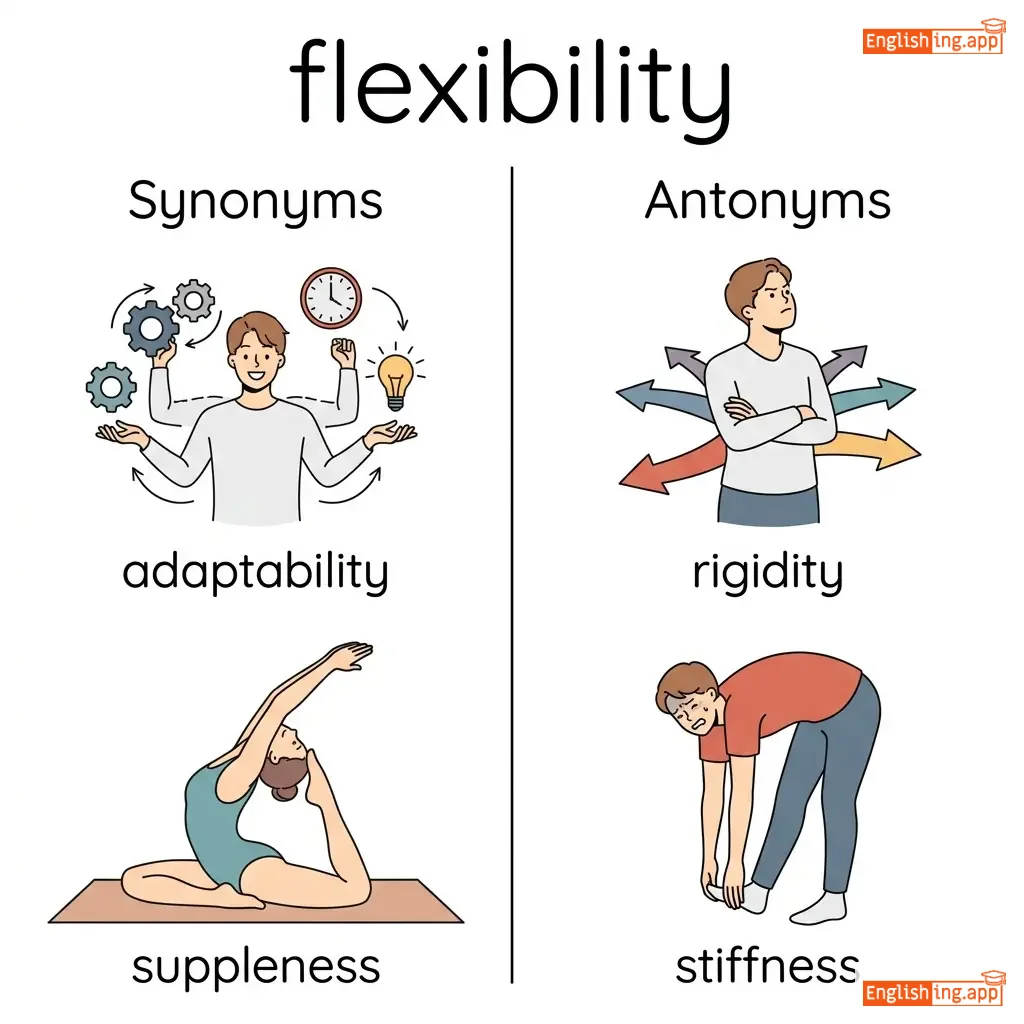
the ability to bend easily without breaking or to adapt to new situations
••••••
|
Flexibility is essential for success in a changing work environment. |
変化する職場環境で成功するためには柔軟性が不可欠です。
henka suru shokuba kankyō de seikō suru tame ni wa jūnansē ga fukaketsu desu.
••••••
|
mental flexibility |
the ability to think about different things at the same time or adapt to new ideas
••••••
|
メンタル柔軟性
mentaru jūnansē
••••••
|
adaptability, suppleness, versatility, resilience, elasticity
••••••
|
rigidity, stiffness, inflexibility
••••••
|
physical flexibility, job flexibility, schedule flexibility, flexibility training
••••••
|
柔軟性 = フレキシブルな、ヨガのように体と心が柔軟になる!
••••••
|
|
✈️
••••••
|
/flaɪt/
noun
(フライト)
••••••
|
- •••••• |
フライト / フライト
furaito / furaito
••••••
|
- •••••• | - •••••• | - •••••• | - •••••• |
the act of flying, typically through the air; or a scheduled trip by an aircraft
••••••
|
Our flight to London was delayed due to bad weather. |
ロンドン行きのフライトは悪天候のため遅れました。
Rondon yuki no furaito wa akutenkou no tame okuremashita.
••••••
|
take flight |
to escape or run away suddenly
••••••
|
飛ぶ
tobu
••••••
|
journey, trip, voyage, escape, air travel
••••••
|
landing, stay, halt
••••••
|
catch a flight, book a flight, flight attendant, flight schedule
••••••
|
フライト、飛ぶこと — 飛行機に乗って空を飛ぶ
••••••
|
|
🛶
••••••
|
/floʊt/
verb
(フロート)
••••••
|
- •••••• |
浮かぶ
ukabu
••••••
|
floated
フローテッド
••••••
|
floated
フローテッド
••••••
|
floats
フローツ
••••••
|
floating
フローイング
••••••
|
to rest or move on the surface of a liquid or in the air without sinking
••••••
|
The boat began to float gently down the river.
ボートは静かに川を下って浮かび始めました。
••••••
|
ボートは静かに川を下って浮かび始めました。
Bo-to wa shizuka ni kawa o kudatte ukabi hajimemashita.
••••••
|
float an idea
アイデアを浮かべる
••••••
|
to suggest something for consideration
••••••
|
アイデアを提案する
Aidea o teian suru
••••••
|
drift, hover, sail, glide, buoy
••••••
|
sink, submerge, drop
••••••
|
float on water, float down, float away, float idea
••••••
|
浮かぶは浮かぶ、ボートはいつも水の上に浮かぶ
••••••
|
|
🛶
••••••
|
/ˈfloʊtɪŋ/
adjective, verb (present participle)
(フローティング)
••••••
|
- •••••• |
浮かんでいる
ukande iru
••••••
|
- •••••• | - •••••• | - •••••• |
floating
フローティング
••••••
|
remaining on the surface of a liquid without sinking; moving lightly or freely
••••••
|
The boat was floating gently on the calm lake.
ボートは穏やかな湖の上で優しくフローティングしていた。
••••••
|
ボートは穏やかな湖の上で優しく浮かんでいた。
Bo-to wa odayaka na mizuumi no ue de yasashiku ukande ita.
••••••
|
floating on air
空中に浮かぶ
••••••
|
feeling extremely happy or elated
••••••
|
空中に浮かぶ
kuuchuu ni ukabu
••••••
|
drifting, buoyant, hovering, gliding
••••••
|
sinking, grounded
••••••
|
floating object, floating market, floating point, floating island
••••••
|
穏やかな湖の上でボートが浮かんでいる様子を想像してください。
••••••
|
|
🌊
••••••
|
/flʌd/
noun
(フラッド)
••••••
|
- •••••• |
洪水
kōzui
••••••
|
flooded
フラデッド
••••••
|
flooded
フラデッド
••••••
|
floods
フラッズ
••••••
|
flooding
フラッディング
••••••
|
a large amount of water covering land that is usually dry
••••••
|
The flood destroyed several houses in the village.
フラッドは村のいくつかの家を破壊しました。
••••••
|
洪水は村のいくつかの家を破壊しました。
Kōzui wa mura no ikutsuka no ie o hakai shimashita.
••••••
|
a flood of tears
涙の洪水
••••••
|
crying a lot; weeping heavily
••••••
|
涙の洪水
namida no kōzui
••••••
|
deluge, overflow, inundation, torrent, surge
••••••
|
drought, dryness, scarcity
••••••
|
flood water, flood damage, flood control, flash flood, flood zone
••••••
|
Floodは日本語で洪水、涙の洪水のように溢れ出します。
••••••
|
|
🏠
••••••
|
/flɔːr/
noun
(フロア)
••••••
|
- •••••• |
床
yuka
••••••
|
- •••••• | - •••••• | - •••••• | - •••••• |
the lower surface of a room, on which one may walk
••••••
|
The floor was covered with a soft carpet. |
床は柔らかいカーペットで覆われていました。
Yuka wa yawarakai kāpetto de ōwarete imashita.
••••••
|
wipe the floor with |
to defeat someone completely
••••••
|
床を拭く
yuka o fuku
••••••
|
ground, surface, deck, level, platform
••••••
|
ceiling, roof
••••••
|
clean the floor, wooden floor, ground floor, floor tiles
••••••
|
床(yuka)— 部屋に入って最初に足を踏み入れる場所
••••••
|
|
🥖
••••••
|
/ˈflaʊ.ər/
noun
(フラワー)
••••••
|
- •••••• |
小麦粉
komugiko
••••••
|
- •••••• | - •••••• | - •••••• | - •••••• |
a powder made by grinding grains, used for making bread, cakes, etc.
••••••
|
She bought a bag of flour to bake a cake. |
彼女はケーキを焼くために小麦粉を一袋買いました。
Kanojo wa keeki wo yaku tame ni komugiko wo hitofukuro kaimashita.
••••••
|
- •••••• | - •••••• | - •••••• |
meal, powder, starch, grain, ingredient
••••••
|
none, null
••••••
|
wheat flour, rice flour, all-purpose flour, cake flour
••••••
|
FlourとFlowerは似ているけれど、ケーキを作るにはFlourが必要で、花は必要ない!
••••••
|
|
🌱
••••••
|
/ˈflʌrɪʃ/
verb
••••••
|

|
- •••••• |
flourished
••••••
|
flourished
••••••
|
flourishes
••••••
|
flourishing
••••••
|
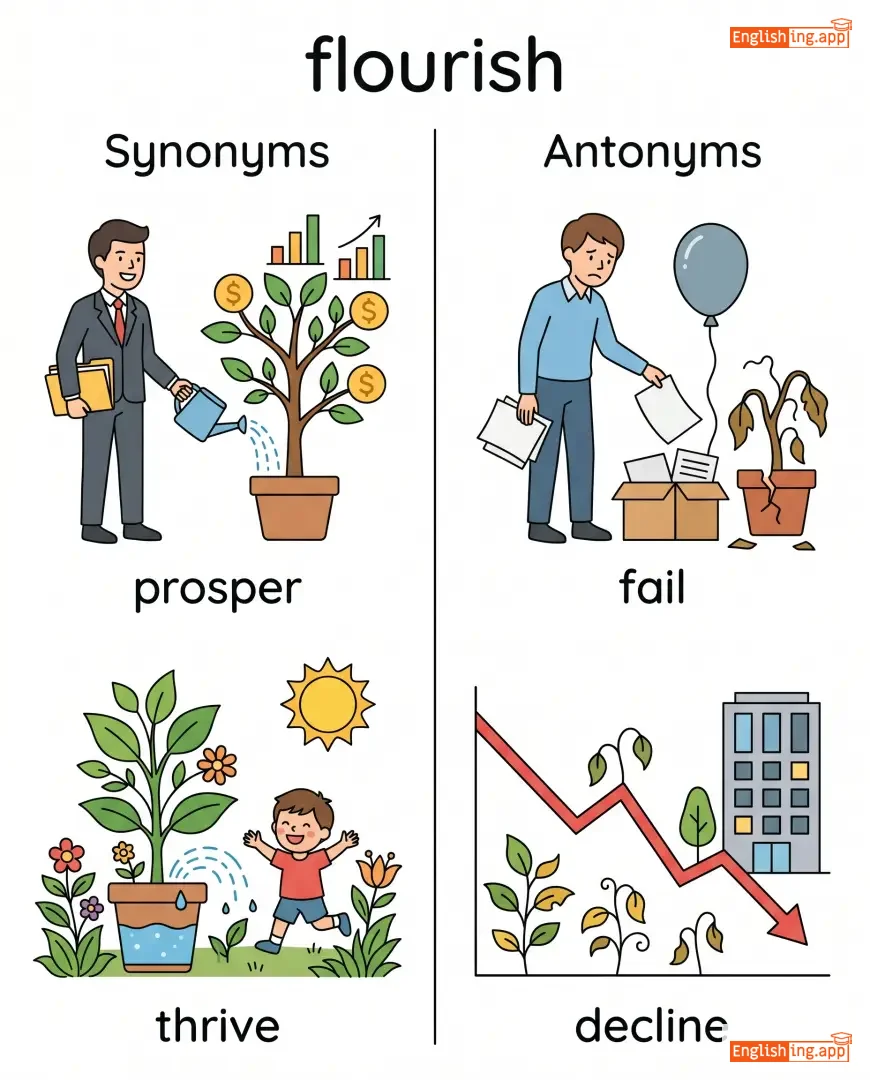
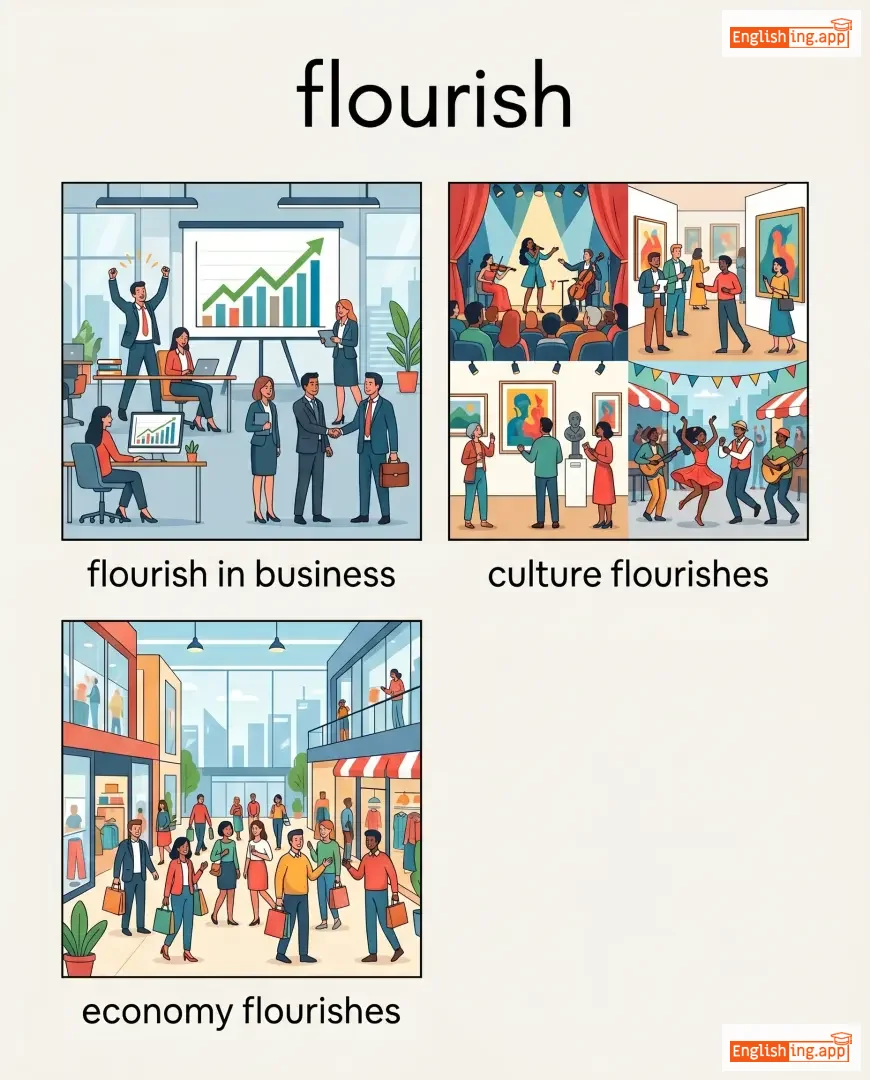
To grow or develop in a healthy or successful way.
••••••
|
Her business began to flourish after she introduced online sales. |
- •••••• |
in full flourish |
At the peak of success or growth.
••••••
|
- •••••• |
prosper, thrive, bloom, succeed, grow
••••••
|
fail, decline, wither
••••••
|
flourish in business, culture flourishes, economy flourishes
••••••
|
No •••••• |
|
🌊
••••••
|
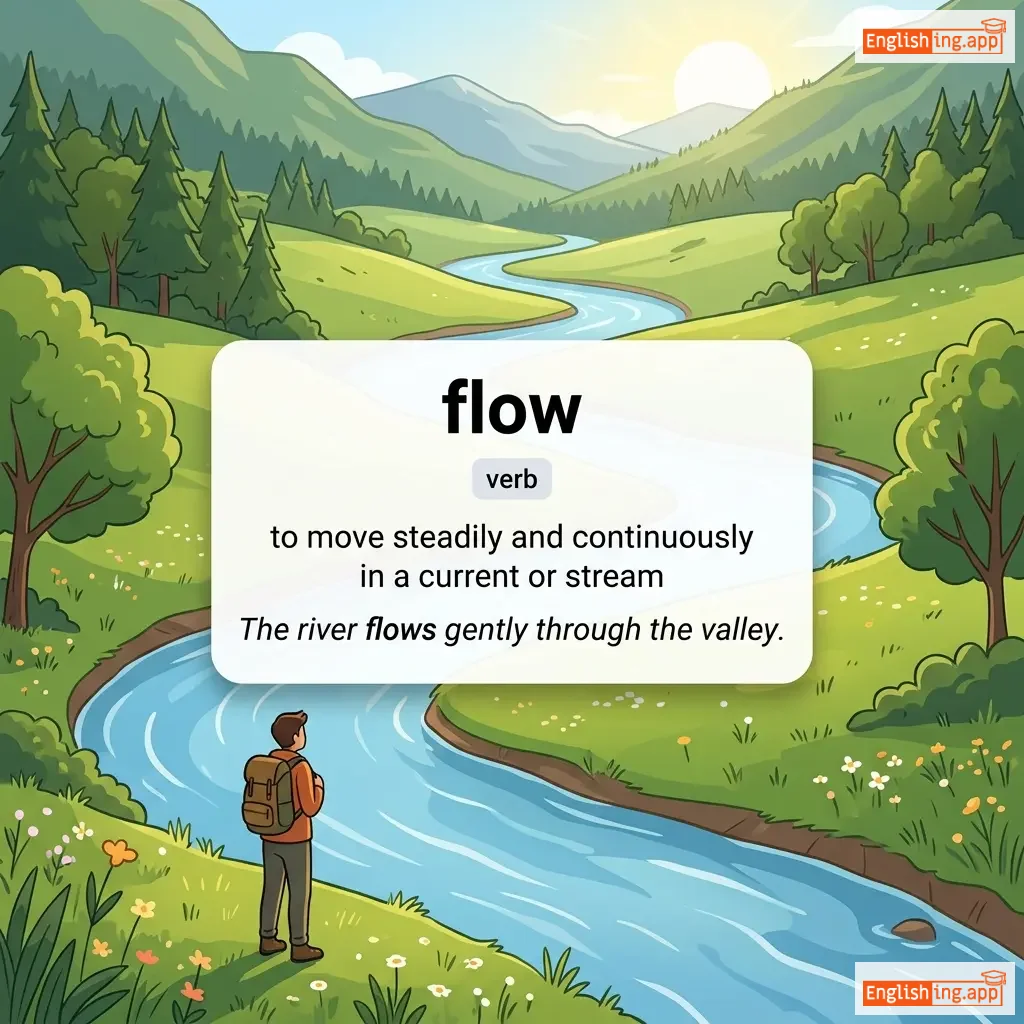
/floʊ/
verb
(フロー)
••••••
|
|
流れ
nagare
••••••
|
flowed
フローズ
••••••
|
flowed
フローズ
••••••
|
flows
フローズ
••••••
|
flowing
フローイング
••••••
|
to move steadily and continuously in a current or stream
••••••
|
The river flows gently through the valley.
川は谷を穏やかに流れる。
••••••
|
川は谷を穏やかに流れる。
Kawa wa tani o odayaka ni nagareru.
••••••
|
go with the flow
流れに任せる
••••••
|
to relax and accept a situation without trying to change it
••••••
|
流れに身を任せる
nagare ni mi o makaseru
••••••
|
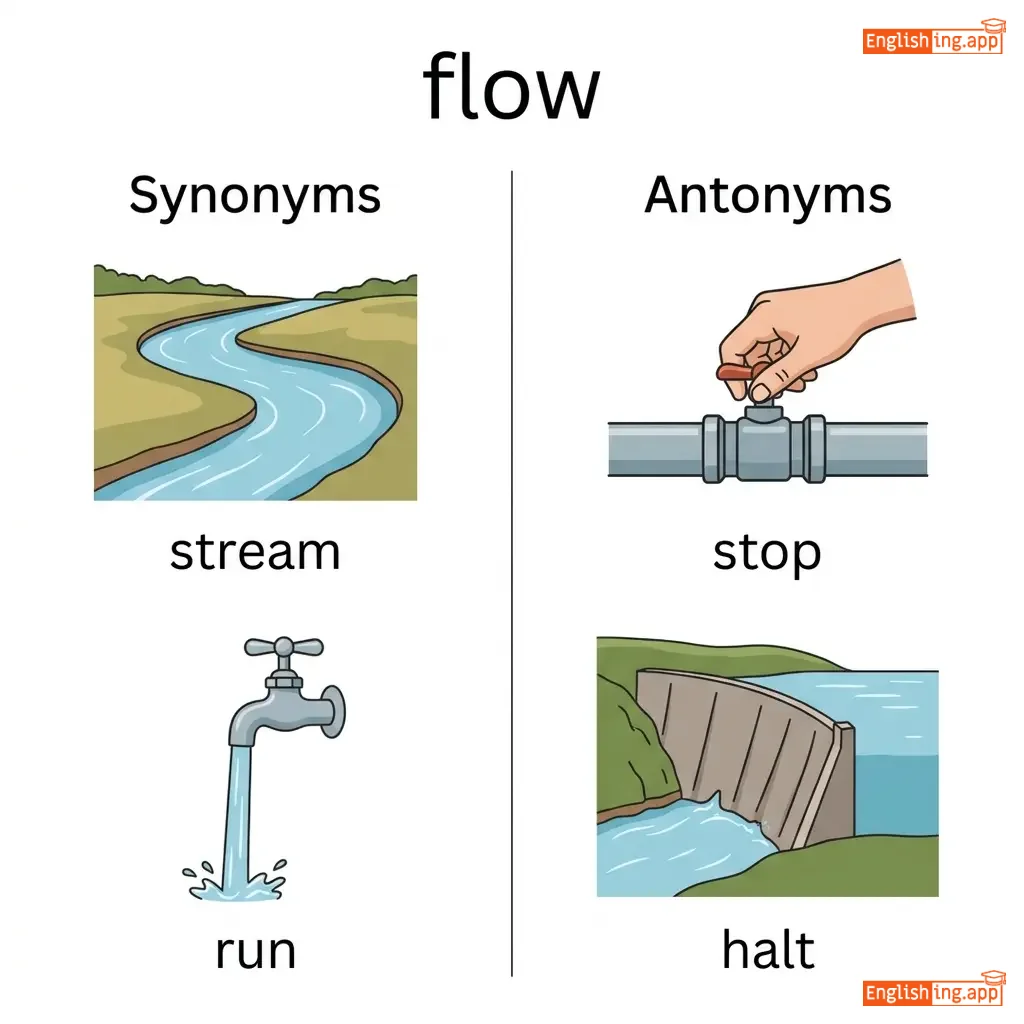
stream, run, circulate, pour, glide
••••••
|
stop, halt, stagnate
••••••
|
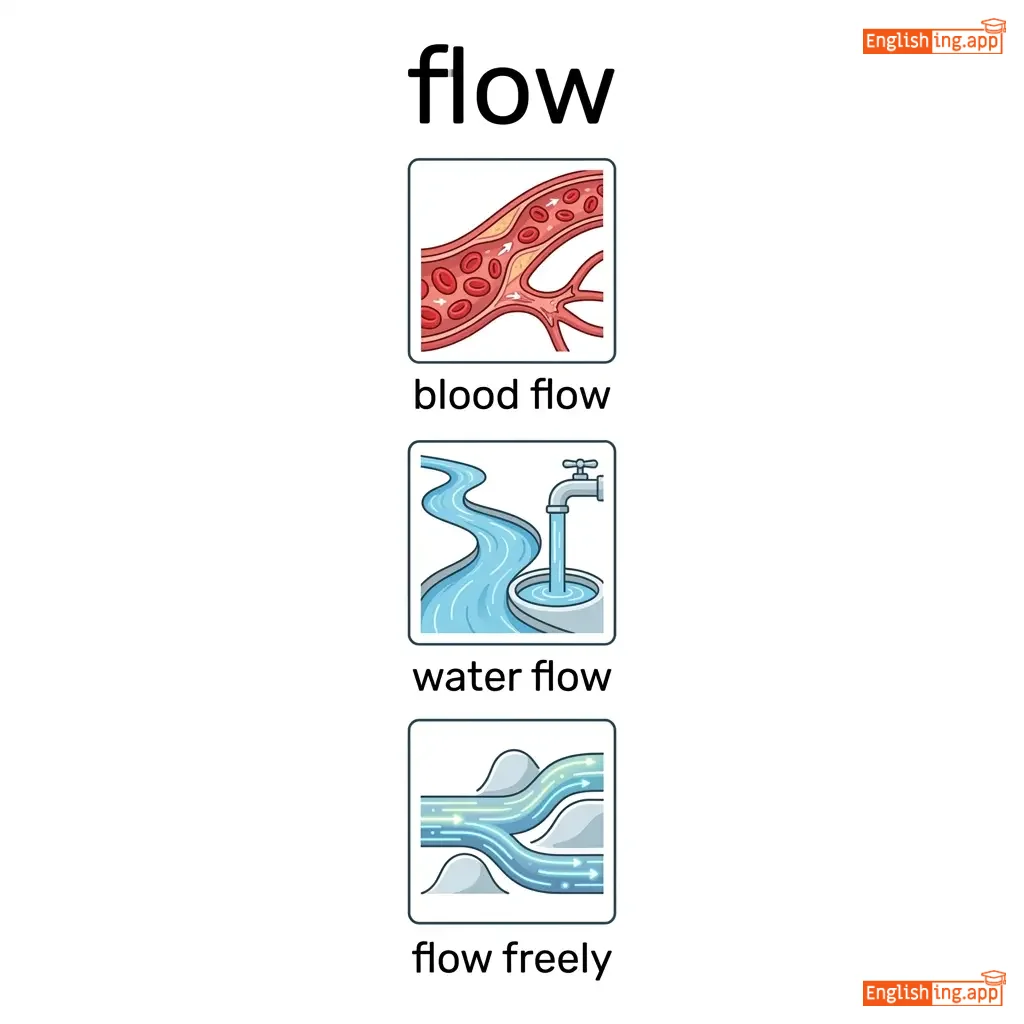
blood flow, water flow, flow freely, flow rate
••••••
|
流れは川のように、身を任せてリラックスしよう!
••••••
|
|
🌸
••••••
|
/ˈflaʊər/
noun
(フラワー)
••••••
|
- •••••• |
花
hana
••••••
|
- •••••• | - •••••• | - •••••• | - •••••• |
the seed-bearing part of a plant, often colorful and fragrant, that blossoms
••••••
|
The garden was full of colorful flowers. |
庭はカラフルな花でいっぱいでした。
Niwa wa karafuru na hana de ippai deshita.
••••••
|
in full flower |
in a state of peak beauty or development
••••••
|
花が満開に
hana ga mankai ni
••••••
|
blossom, bloom, flora, bud, petal
••••••
|
wilt, decay, wither
••••••
|
pick a flower, flower garden, flower shop, flower arrangement
••••••
|
Flower = 花 — 花を見て心が和む
••••••
|
|
🤒
••••••
|
/fluː/
noun
(フルー)
••••••
|
- •••••• |
インフルエンザ
infuruenzā
••••••
|
- •••••• | - •••••• | - •••••• | - •••••• |
a contagious viral illness causing fever, aches, and respiratory symptoms; influenza
••••••
|
She stayed home because she had the flu.
シー ステイド ホーム ビコーズ シー ハッド ザ フルー。
••••••
|
彼女はインフルエンザなので家にいました。
Kanojo wa infuruenzā na node ie ni imashita
••••••
|
catch the flu
キャッチ ザ フルー
••••••
|
to become ill with influenza
••••••
|
インフルエンザにかかる
infuruenzā ni kakaru
••••••
|
influenza, grippe, viral illness, flu infection
••••••
|
health, wellness
••••••
|
seasonal flu, flu symptoms, flu virus, flu shot, flu outbreak
••••••
|
フルー=インフルエンザ、冬に注意
••••••
|
|
💧
••••••
|
/ˈfluːɪd/
noun/adjective
(フルイド)
••••••
|
- •••••• |
流体
ryūtai
••••••
|
- •••••• | - •••••• | - •••••• | - •••••• |
a substance that can flow easily, such as liquid or gas; smooth and adaptable
••••••
|
The artist's fluid movements impressed the audience. |
アーティストの流れるような動きは観客を感動させました。
Ātisuto no nagareru yō na ugoki wa kankyaku o kandō sasemashita.
••••••
|
go with the fluid |
adapt easily to changes
••••••
|
流れに任せる
nagare ni makaseru
••••••
|
liquid, flowing, smooth, adaptable
••••••
|
solid, rigid, fixed
••••••
|
fluid motion, fluid design, body fluid, fluid system
••••••
|
流体は液体のように、簡単に流れます。
••••••
|
|
🕊️
••••••
|
/flaɪ/
verb
(フライ)
••••••
|
|
飛ぶ
tobu
••••••
|
flew
フル
••••••
|
flown
フローン
••••••
|
flies
フライズ
••••••
|
flying
フライング
••••••
|
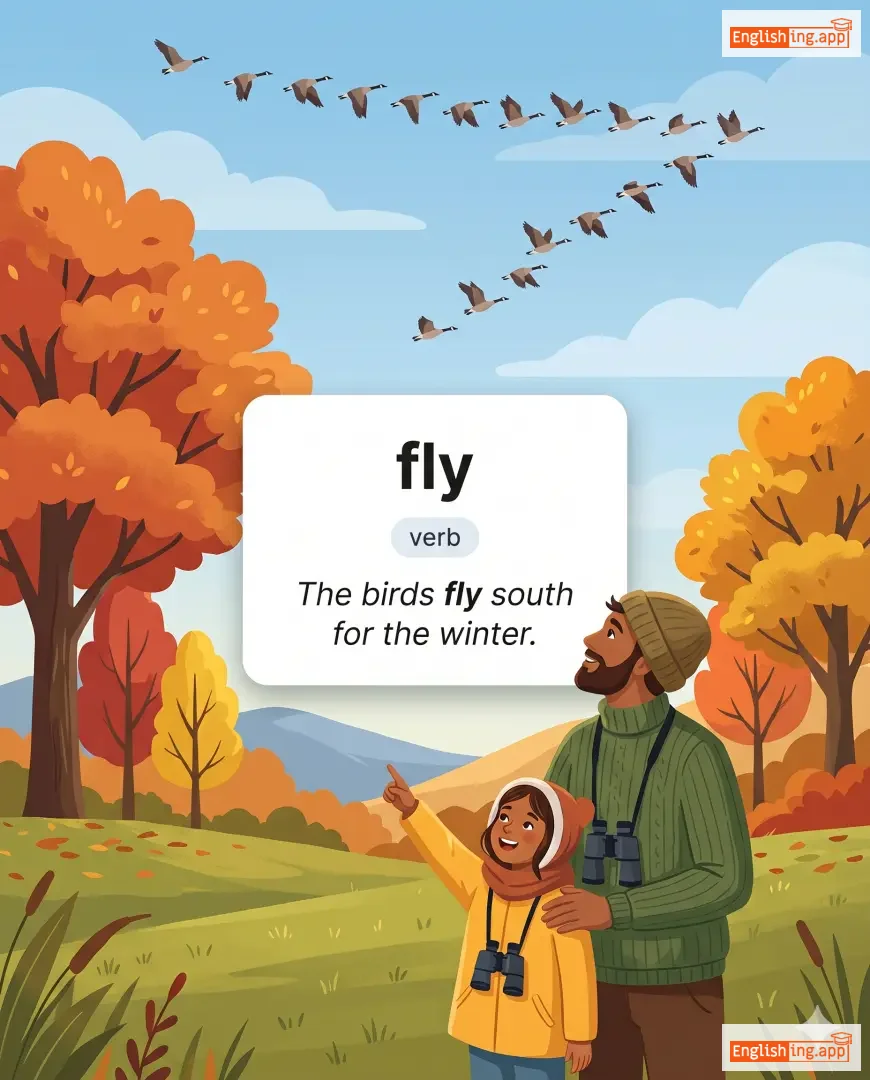
to move through the air using wings or by being carried by the wind or an aircraft
••••••
|
The birds fly south for the winter.
鳥は冬に南へ飛んでいきます。
••••••
|
鳥は冬に南へ飛んでいきます。
Tori wa fuyu ni minami e tonde ikimasu.
••••••
|
fly high
高く飛ぶ
••••••
|
to be very successful or happy
••••••
|
高く飛ぶ
Takaku tobu
••••••
|
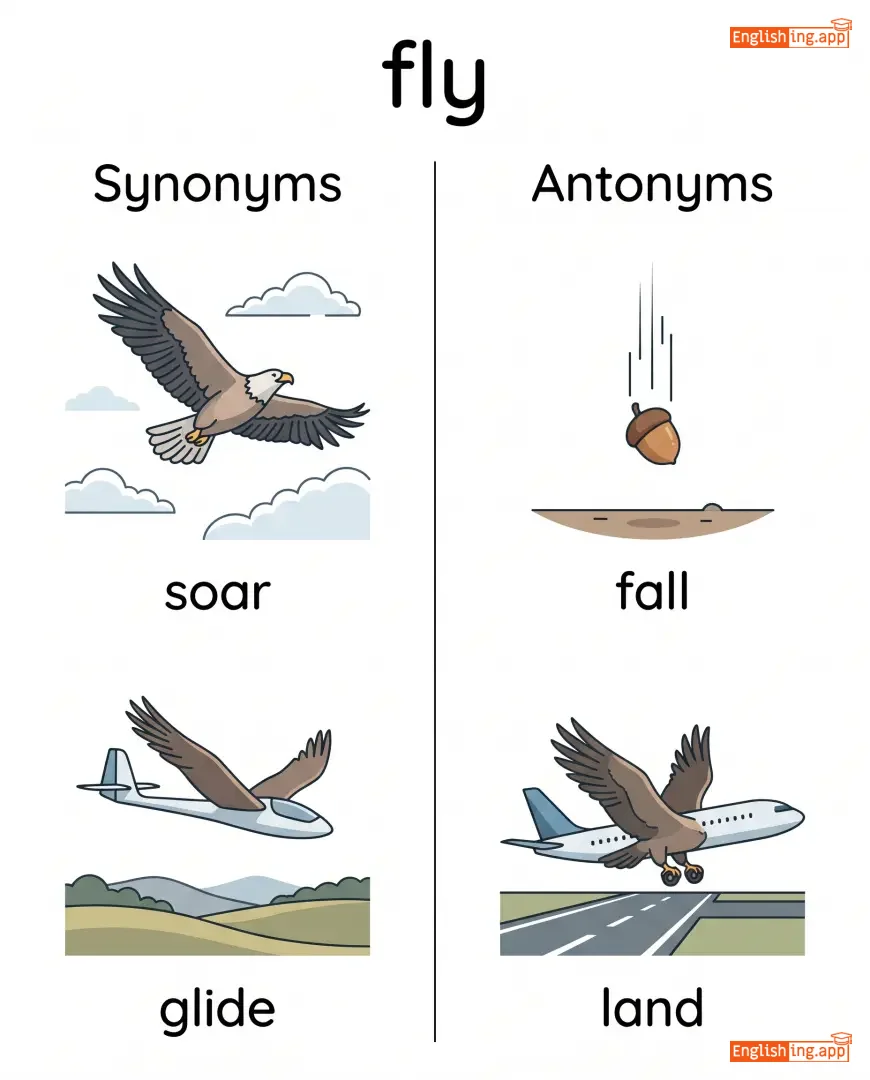
soar, glide, hover, ascend, travel
••••••
|
fall, land, drop
••••••
|
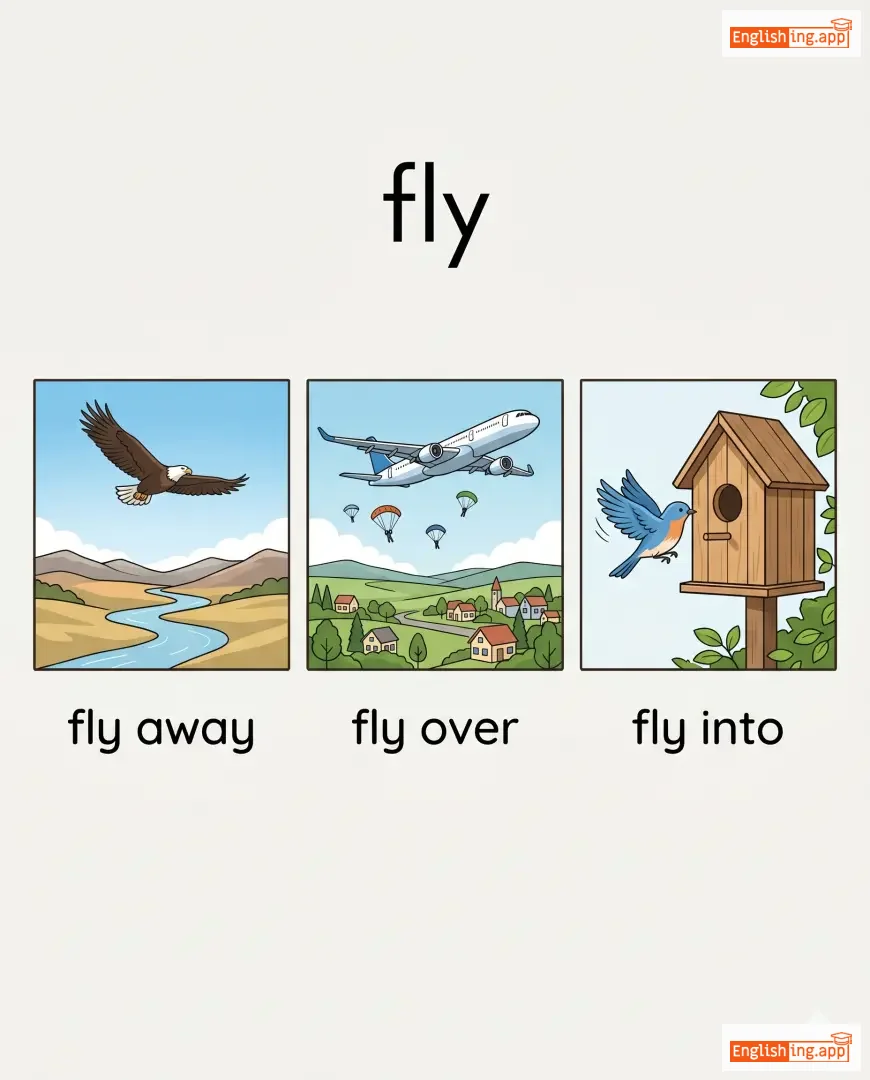
fly away, fly over, fly into, fly fast, fly high
••••••
|
Flyは飛ぶという意味です。覚えておいてください:鳥は空を飛びます。
••••••
|
|
🎯
••••••
|
/ˈfoʊ.kəs/
verb
(フォーカス)
••••••
|

|
集中する
shūchū suru
••••••
|
focused
フォーカスト
••••••
|
focused
フォーカスト
••••••
|
focuses
フォーカセス
••••••
|
focusing
フォーカシング
••••••
|
to direct attention or effort on something specific
••••••
|
She needs to focus on her studies.
彼女は勉強に集中する必要があります。
••••••
|
彼女は勉強に集中する必要があります。
Kanojo wa benkyō ni shūchū suru hitsuyō ga arimasu.
••••••
|
in focus
フォーカス中
••••••
|
clear and sharp in appearance or understanding
••••••
|
焦点内
shōten-nai
••••••
|
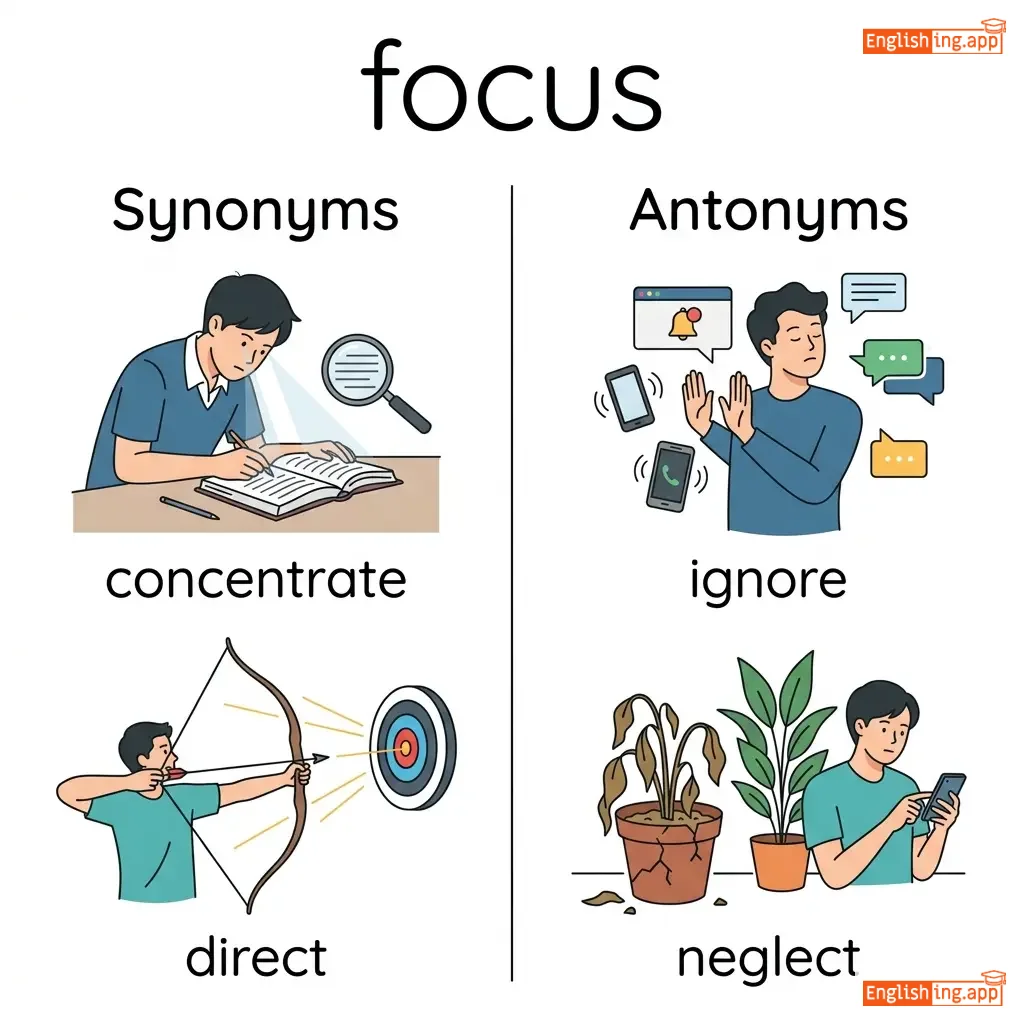
concentrate, direct, aim, emphasize, highlight
••••••
|
ignore, neglect, distract
••••••
|
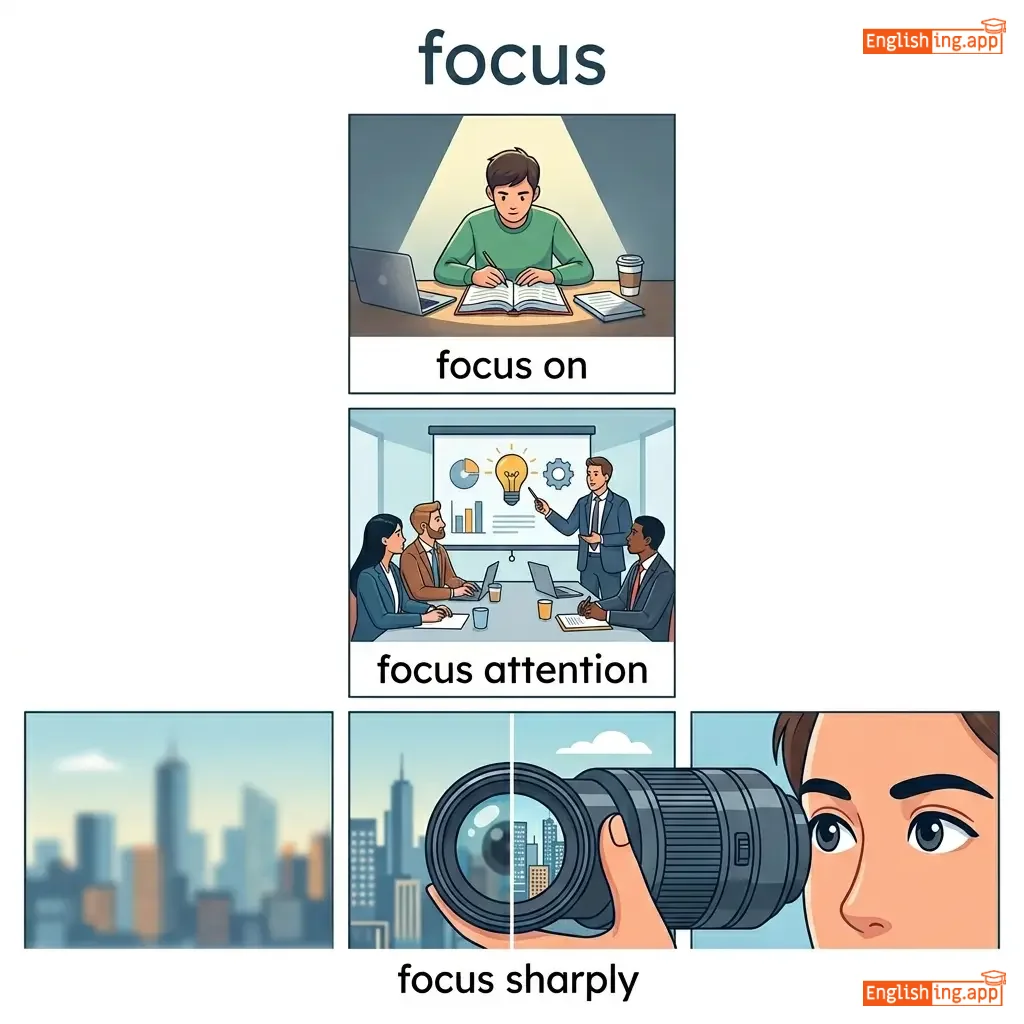
focus on, focus attention, focus sharply, focus clearly
••••••
|
Focusは集中すること、試験で集中しないと失敗することを意味します。
••••••
|
|
📄
••••••
|
/fəʊld/
verb
••••••
|
- •••••• | - •••••• |
folded
••••••
|
folded
••••••
|
folds
••••••
|
folding
••••••
|
to bend something, especially paper or cloth, so that one part covers another
••••••
|
She folded the letter neatly before placing it in the envelope. |
- •••••• |
fold up |
to close or collapse something that opens out
••••••
|
- •••••• |
bend, crease, wrap, double, pleat
••••••
|
unfold, open, spread
••••••
|
fold clothes, fold paper, fold arms, neatly folded
••••••
|
No •••••• |
|
📁
••••••
|
/ˈfoʊldər/
noun
(フォルダー)
••••••
|
- •••••• |
フォルダー
forudaa
••••••
|
- •••••• | - •••••• | - •••••• | - •••••• |
a container or directory used to store and organize papers or digital files
••••••
|
I saved all the photos in a separate folder.
アイ セーブド オール ザ フォトズ イン ア セパレート フォルダー。
••••••
|
すべての写真を別のフォルダーに保存しました。
subete no shashin o betsu no forudaa ni hozon shimashita
••••••
|
folder structure
フォルダー構造
••••••
|
the organized arrangement of folders and subfolders
••••••
|
フォルダー構造
forudaa kouzou
••••••
|
directory, file, binder, dossier, container
••••••
|
disorder, mess
••••••
|
create a folder, open a folder, shared folder, file folder, folder structure
••••••
|
フォルダー is folder for files
••••••
|

