Rainy Village Rally
雨が止むとすぐに、村人たちはコミュニティのlawnに集まりました。 池から水がleakして田んぼに流れ込んでいました。 彼らは参加者に地面にleanしてお茶を飲むように招待しました。 みんなは子供たちがゲートをleapするのを見て笑顔になりました。 カメラマンのlensは霧で曇り続けていました。 彼らは噂のためにlessのスペースを残すために明確なデータを共有しました。 救急隊は怪我をしたlimbを支えました。 スカウトたちは彼らの通信linkを強化しました。 学生は川のlion野生動物に関するポスターを発表しました。 彼らは集会でヘルパーのlistを読み上げました。 主催者たちは環境ミッションのための新しいloanの承認を発表しました。 倉庫のlockはクリックして開き、太陽光ランプが現れました。 村には今、logo付きの新しい井戸があります。 彼らは計画を迅速に実施するために、嵐の前に書類をloomし始めました。 新しいパイプ接続がloopの形で配置されました。 彼らはもう二度と希望をloseしないと誓いました。 彼らは古い問題に直面してもlostと感じないと決めました。 フィールドキットのlotsのアクセサリーがいろいろな方法で使用されました。 彼らは冗談を言いましたが、山風で少しluckがあれば、イベントがもっと素晴らしいものになるだろうと言いました。 村の医者は、すべての喘息患者のlungに気をつけるようにと彼らに注意しました。
|
絵文字
|
単語 | Images | 翻訳 | 過去 | 過去分詞 | 三人称単数 | 動名詞 | 意味 | 例文 | 例文の翻訳 | 表現例 | 表現例の意味 | 表現例の翻訳 | 同義語 | 対義語 | コロケーション | ニーモニック |
|---|---|---|---|---|---|---|---|---|---|---|---|---|---|---|---|---|---|
|
🌱
••••••
|
/lɔːn/
noun
(ロン)
••••••
|
- •••••• |
芝生
shiba fuku
••••••
|
- •••••• | - •••••• | - •••••• | - •••••• |
an area of short, regularly mown grass in the grounds of a house or in a park
••••••
|
She waters the lawn every morning.
彼女は毎朝芝生に水をやります。
••••••
|
彼女は毎朝芝生に水をやります。
Kanojo wa mai asa shibafu ni mizu o yarimasu.
••••••
|
- •••••• | - •••••• | - •••••• |
grass, yard, garden, field
••••••
|
pavement, concrete
••••••
|
mow the lawn, green lawn, front lawn
••••••
|
芝生はきれいに刈られた草が広がる場所、庭や公園に多く見られます。
••••••
|
|
💧
••••••
|
/liːk/
noun/verb
(リック)
••••••
|
- •••••• |
漏れ
more
••••••
|
leaked
リックド
••••••
|
leaked
リックド
••••••
|
leaks
リックス
••••••
|
leaking
リッキング
••••••
|
to allow liquid or gas to escape; or a hole through which liquid or gas can escape
••••••
|
Water started to leak from the ceiling after the storm.
嵐の後、天井から水が漏れ始めた。
••••••
|
嵐の後、天井から水が漏れ始めた。
Arashi no ato, tenjō kara mizu ga more hajimeta.
••••••
|
leak like a sieve
ふるいように漏れる
••••••
|
to leak a lot, usually referring to a very porous or defective object
••••••
|
ふるいように漏れる
Furui yō ni moreru
••••••
|
spill, escape, ooze
••••••
|
seal, close
••••••
|
leak water, leak information, leak pipe
••••••
|
漏れ - 水がふるいように漏れています
••••••
|
|
↘️
••••••
|
/liːn/
verb
(リン)
••••••
|

|
寄りかかる
yorikakaru
••••••
|
leaned
リンド
••••••
|
leaned
リンド
••••••
|
leans
リンズ
••••••
|
leaning
リーニング
••••••
|
To move or bend your body in a particular direction.
••••••
|
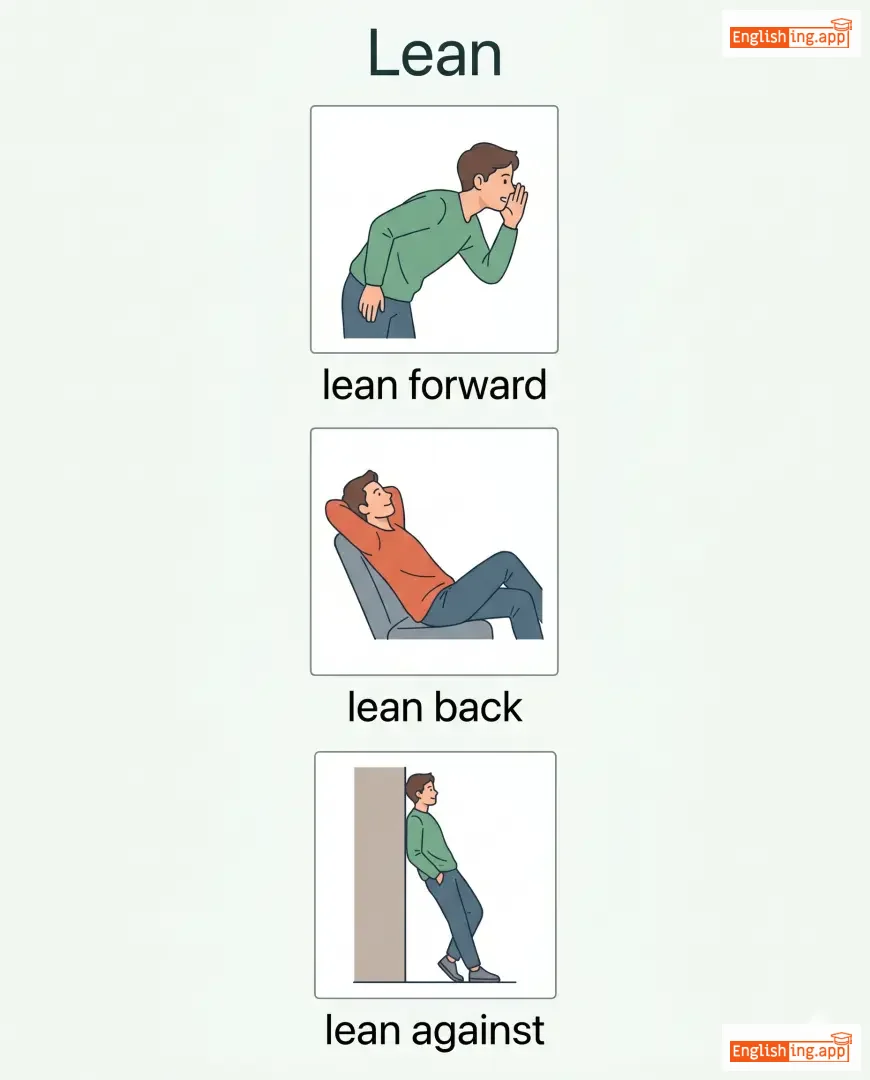
He had to lean forward to hear her clearly.
彼は彼女の声をはっきり聞くために前かがみにならなければならなかった。
••••••
|
彼は彼女の声をはっきり聞くために前かがみにならなければならなかった。
Kare wa kanojo no koe o hakkiri kiku tame ni mae kagami ni naranakereba naranakatta.
••••••
|
lean on someone
誰かに頼る
••••••
|
to rely on someone for support
••••••
|
誰かに頼る
Dareka ni tayoru
••••••
|
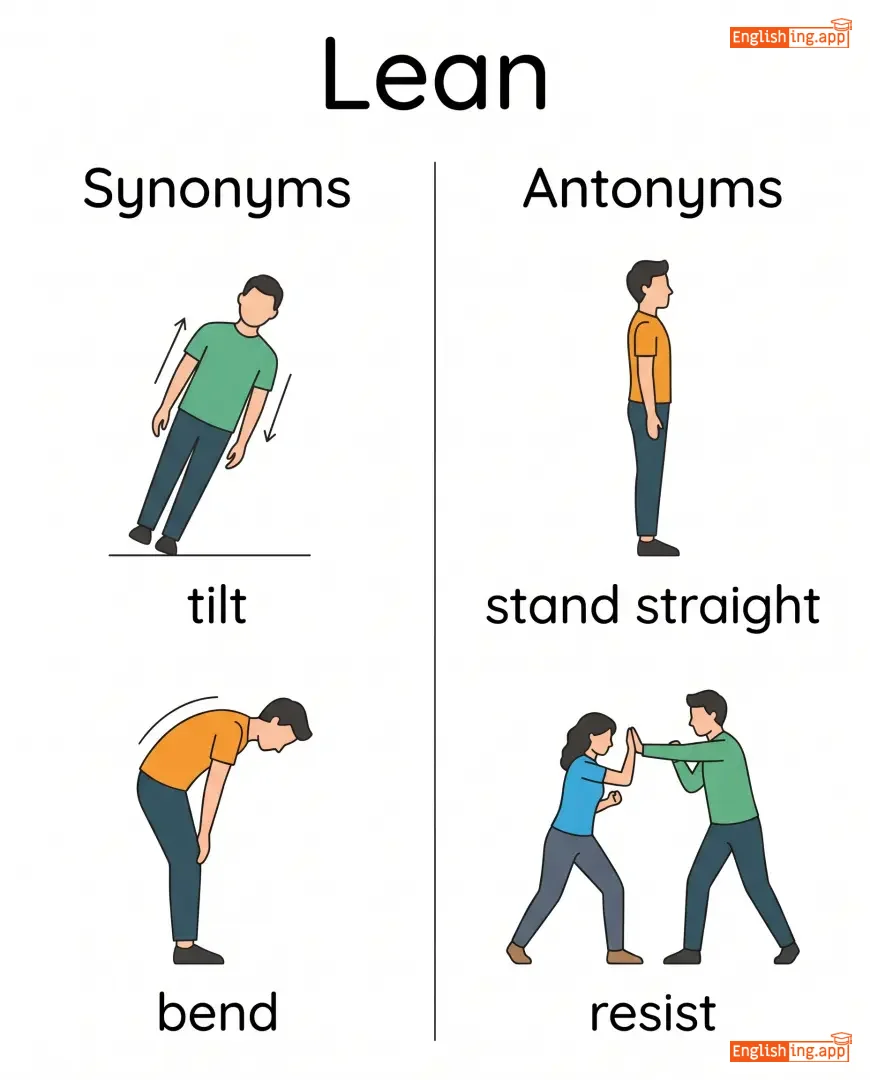
tilt, bend, rest, incline
••••••
|
stand straight, resist
••••••
|
lean forward, lean back, lean against, lean towards
••••••
|
寄りかかるとは頼ること、試験中に寄りかかるためには誰かに頼る必要がある。
••••••
|
|
🏃♂️
••••••
|
/liːp/
verb
(リープ)
••••••
|


|
跳ぶ
tobu
••••••
|
leapt
レプト
••••••
|
leapt
レプト
••••••
|
leaps
リープス
••••••
|
leaping
リーピング
••••••
|
to jump or spring a long way or to a great height
••••••
|
The cat leapt onto the wall effortlessly.
猫は簡単に壁に飛び乗った。
••••••
|
猫は簡単に壁に飛び乗った。
Neko wa kantan ni kabe ni tobinotta.
••••••
|
leap of faith
Leap of faith
••••••
|
an act of believing in something uncertain
••••••
|
信念の飛躍
shinnen no hiyaku
••••••
|
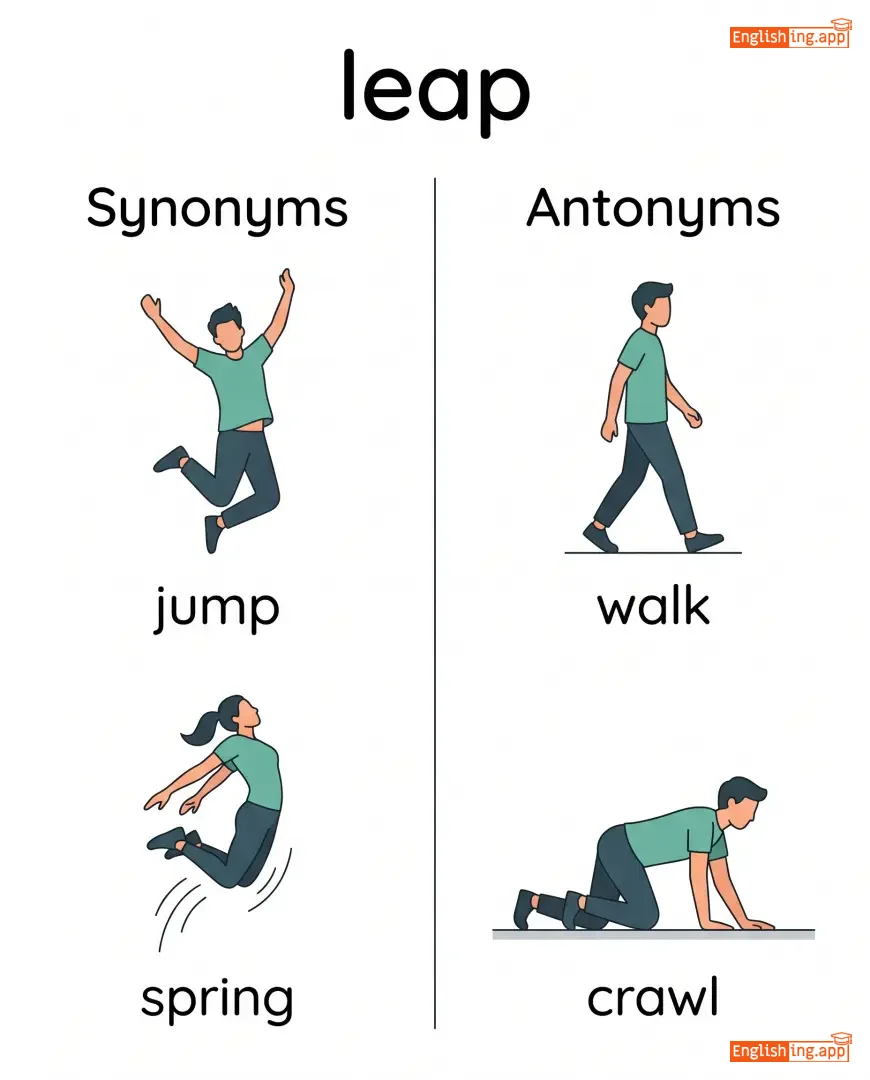
jump, spring, bound, hop, vault
••••••
|
walk, crawl, step
••••••
|
leap over, leap into, leap forward, leap of joy
••••••
|
Leap は跳ぶという意味 — 跳んで、前に向かって leap しよう!
••••••
|
|
📷
••••••
|
/lenz/
noun
(レンズ)
••••••
|
- •••••• |
レンズ
renzu
••••••
|
- •••••• | - •••••• | - •••••• | - •••••• |
a curved piece of glass or plastic that makes things look clearer or larger when you look through it
••••••
|
He cleaned the camera lens before taking the picture. |
彼は写真を撮る前にカメラのレンズをきれいにしました。
Kare wa shashin o toru mae ni kamera no renzu o kirei ni shimashita.
••••••
|
through the lens of |
viewed or interpreted from a particular perspective
••••••
|
レンズを通して
renzu o tōshite
••••••
|
glass, optic, focus, viewpoint, filter
••••••
|
blindspot, obstruction
••••••
|
camera lens, contact lens, wide lens, lens cover
••••••
|
レンズを通して世界を見ることで、よりクリアに見ることができます。
••••••
|
|
➖
••••••
|
/lɛs/
adjective/adverb
(レス)
••••••
|
- •••••• |
少ない
sukunai
••••••
|
- •••••• | - •••••• | - •••••• | - •••••• |
A smaller amount; not as much.
••••••
|
She spends less money than her brother. |
彼女は兄よりお金を使うのが少ない。
Kanojo wa ani yori okane o tsukau no ga sukunai.
••••••
|
less is more |
simplicity is more effective than complexity
••••••
|
少ない方が多い
sukunai hō ga ōi
••••••
|
fewer, reduced, diminished, lower
••••••
|
more, greater, higher
••••••
|
less time, less money, less important, less than
••••••
|
LESSは少ないという意味 — 少ないお金、もっと貯金する。
••••••
|
|
🦵
••••••
|
/lɪm/
noun
(リム)
••••••
|
- •••••• |
手足
tezoku
••••••
|
- •••••• | - •••••• | - •••••• | - •••••• |
an arm or leg of a person or animal; a large branch of a tree
••••••
|
He broke a limb while climbing the tree. |
彼は木に登るときに手足を折った。
Kare wa ki ni noboru toki ni tezoku o otta.
••••••
|
out on a limb |
in a risky or vulnerable position
••••••
|
危険な位置にいる
kiken na ichi ni iru
••••••
|
arm, leg, branch, extension
••••••
|
trunk, core
••••••
|
upper limb, lower limb, tree limb, limb injury
••••••
|
Limbは手足を意味します — ‘limber’を覚えておいてください、それは柔軟性があることを意味します、あなたの手足は簡単に動きます。
••••••
|
|
🔗
••••••
|
/lɪŋk/
noun, verb
(リンク)
••••••
|
- •••••• |
リンク
link
••••••
|
linked
リンクド
••••••
|
linked
リンクド
••••••
|
links
リンクス
••••••
|
linking
リンクイング
••••••
|
a connection between two things; to connect or associate
••••••
|
The article includes a link to the official website.
記事には公式ウェブサイトへのリンクが含まれています。
••••••
|
記事には公式ウェブサイトへのリンクが含まれています。
Kiji ni wa kōshiki webusaito e no link ga fukumareteimasu.
••••••
|
missing link
欠落したリンク
••••••
|
an important connection that is needed to complete something
••••••
|
欠落したリンク
ketsuraku shita link
••••••
|
connection, tie, relation, bond, association
••••••
|
separation, break, disconnection
••••••
|
strong link, direct link, missing link, link to
••••••
|
🔗 Linkは接続の意味。日本語でも 'リンク' という言葉を使う。
••••••
|
|
🦁
••••••
|
/ˈlaɪən/
noun
(ライオン)
••••••
|
- •••••• |
ライオン
raion
••••••
|
- •••••• | - •••••• | - •••••• | - •••••• |
a large wild animal of the cat family that lives in Africa and Asia, known as the king of the jungle
••••••
|
The lion roared loudly in the distance.
ライオンは遠くで大きな声で吠えました。
••••••
|
ライオンは遠くで大きな声で吠えました。
Raion wa tōku de ōkina koe de hoemashita.
••••••
|
lion’s share
ライオンの分け前
••••••
|
the largest portion of something
••••••
|
ライオンの取り分
Raion no toribun
••••••
|
big cat, panthera leo, beast, predator
••••••
|
prey, deer
••••••
|
male lion, lion cub, pride of lions, lion roar
••••••
|
ライオンはジャングルの王 🦁 - ライオンはいつも最大の取り分を得る!
••••••
|
|
📋
••••••
|
/lɪst/
noun, verb
••••••
|
- •••••• | - •••••• |
listed
••••••
|
listed
••••••
|
lists
••••••
|
listing
••••••
|
A series of names, items, or tasks written or printed together; also, to record or register items in such a way.
••••••
|
She wrote a shopping list before going to the market. |
- •••••• |
hit list |
A list of people or things targeted for attention, often negatively.
••••••
|
- •••••• |
catalog, register, inventory, roll, record
••••••
|
disorder, jumble, mess
••••••
|
shopping list, guest list, to list items, to be listed
••••••
|
No •••••• |
|
💰
••••••
|
/loʊn/
noun
(ローン)
••••••
|
- •••••• |
ローン
ron
••••••
|
- •••••• | - •••••• | - •••••• | - •••••• |
money that is borrowed and expected to be paid back with interest
••••••
|
She took a loan from the bank to buy a house. |
彼女は家を買うために銀行からローンを借りました。
kanojo wa ie o kau tame ni ginkou kara ron o karimashita.
••••••
|
loan shark |
a person who lends money at very high interest rates
••••••
|
高利貸し
kourigashi
••••••
|
credit, advance, debt, mortgage
••••••
|
repayment, settlement
••••••
|
take a loan, bank loan, student loan, repay a loan
••••••
|
Loanはローン、'ローンで車を買う'のような感じ。
••••••
|
|
🔒
••••••
|
/lɒk/
verb, noun
(ロック)
••••••
|
|
鍵、ロックする
kagi, rokku suru
••••••
|
locked
ロックド
••••••
|
locked
ロックド
••••••
|
locks
ロックス
••••••
|
locking
ロッキング
••••••
|
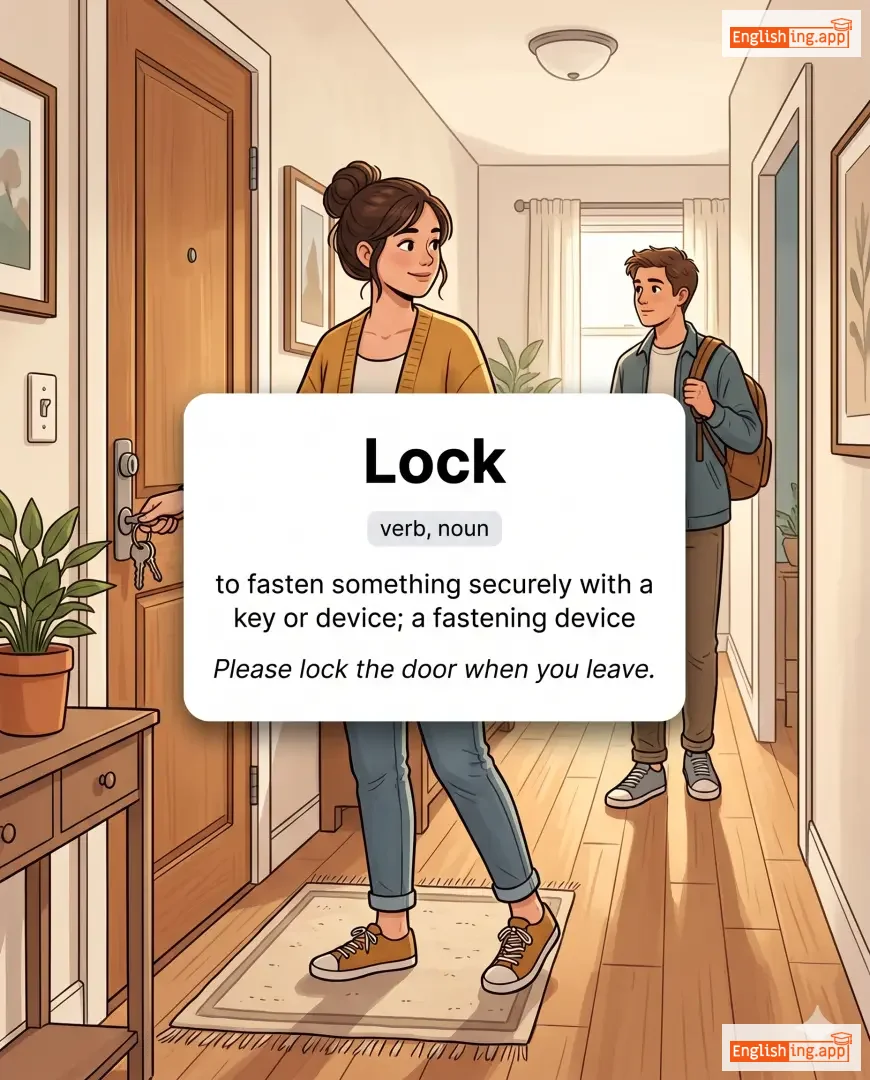
to fasten something securely with a key or device; a fastening device
••••••
|
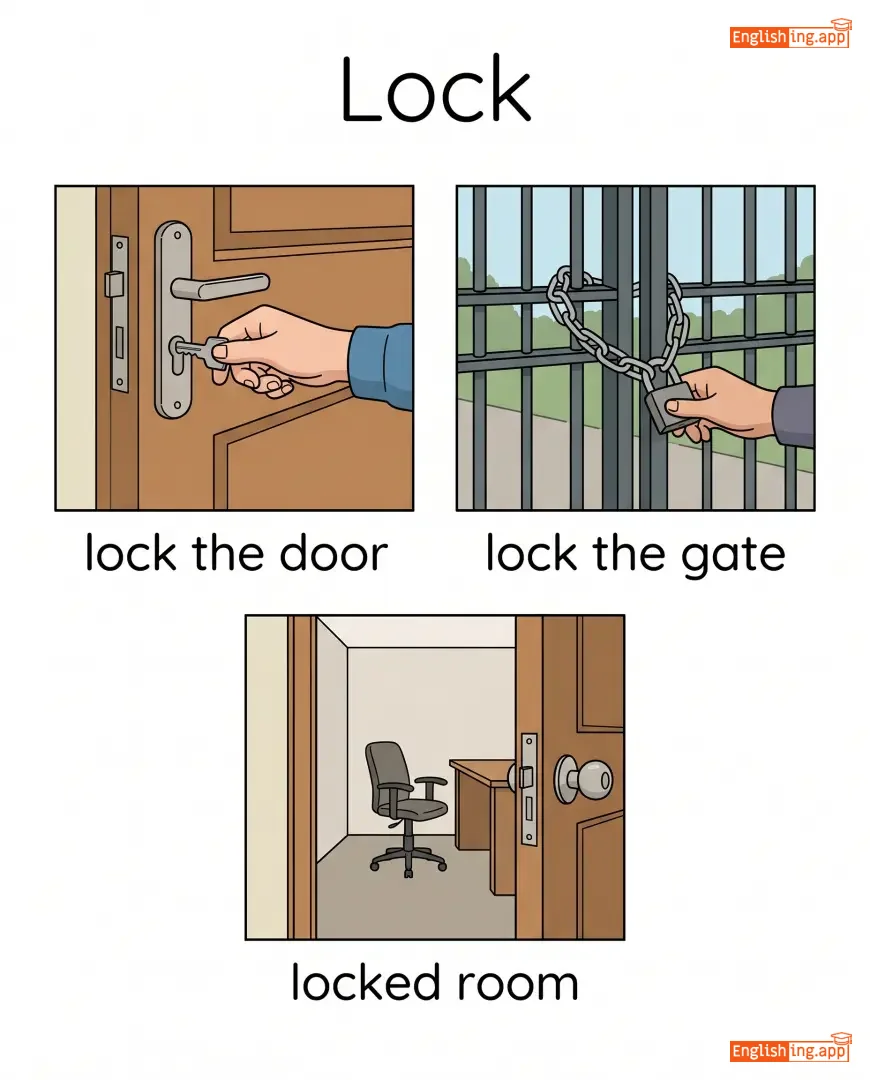
Please lock the door when you leave.
出かけるときはドアをロックしてください。
••••••
|
出かけるときはドアをロックしてください。
dekakeru toki wa doa o rokku shite kudasai.
••••••
|
lock horns
ロックホルンズ
••••••
|
to become involved in conflict or argument
••••••
|
争いに巻き込まれる
arasoi ni makikomareru
••••••
|
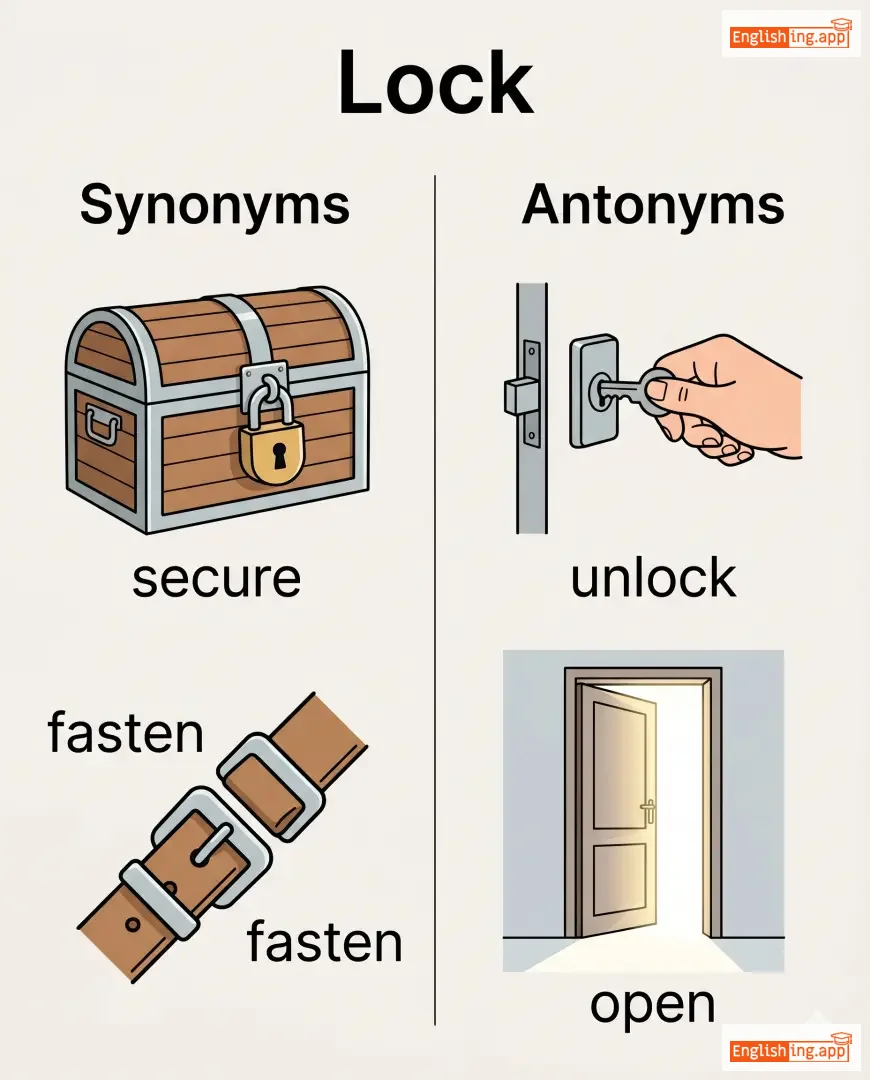
secure, fasten, latch, seal
••••••
|
unlock, open
••••••
|
lock the door, lock the gate, locked room, lock securely
••••••
|
Lockはドアを閉じる、鍵でドアを守ること
••••••
|
|
🖼️
••••••
|
/ˈləʊɡəʊ/
noun
••••••
|
- •••••• | - •••••• | - •••••• | - •••••• | - •••••• | - •••••• |
a symbol or other small design adopted by an organization to identify its products, uniform, vehicles, etc.
••••••
|
The company's logo was redesigned to reflect its new image. |
- •••••• | - •••••• | - •••••• | - •••••• |
emblem, symbol, trademark, insignia
••••••
|
plain, generic
••••••
|
company logo, brand logo, business logo, new logo
••••••
|
No •••••• |
|
🌩️
••••••
|
/luːm/
verb
••••••
|
- •••••• | - •••••• |
loomed
••••••
|
loomed
••••••
|
looms
••••••
|
looming
••••••
|
to appear as a large, often frightening or unclear shape, usually something threatening or about to happen
••••••
|
Dark clouds loomed over the city, signaling an approaching storm. |
- •••••• |
loom large |
to be of great importance or concern
••••••
|
- •••••• |
emerge, appear, threaten, overshadow, hover
••••••
|
fade, disappear, vanish
••••••
|
loom large, loom ahead, storm looms, crisis looms
••••••
|
No •••••• |
|
🔁
••••••
|
/luːp/
noun
(ループ)
••••••
|
- •••••• |
ループ, 輪
rūpu, wa
••••••
|
- •••••• | - •••••• | - •••••• | - •••••• |
a shape produced by a curve that bends around and crosses itself
••••••
|
The string formed a neat loop around the package.
糸はパッケージの周りにきれいなループを作りました。
••••••
|
糸はパッケージの周りにきれいなループを作りました。
Ito wa pakkēji no mawari ni kireina rūpu o tsukurimashita.
••••••
|
in the loop
ループ内にいる
••••••
|
to be informed or included in communication
••••••
|
ループ内にいる
rūpu-nai ni iru
••••••
|
circle, ring, coil, curve, twist
••••••
|
line, straight, break
••••••
|
infinite loop, feedback loop, closed loop, data loop
••••••
|
ループは繰り返し回ること—無限ループのように、常に回り続ける 🔁
••••••
|
|
😞
••••••
|
/luːz/
verb
(ハピネス)
••••••
|
|
幸福
kōfuku
••••••
|
lost
••••••
|
lost
••••••
|
loses
••••••
|
losing
••••••
|
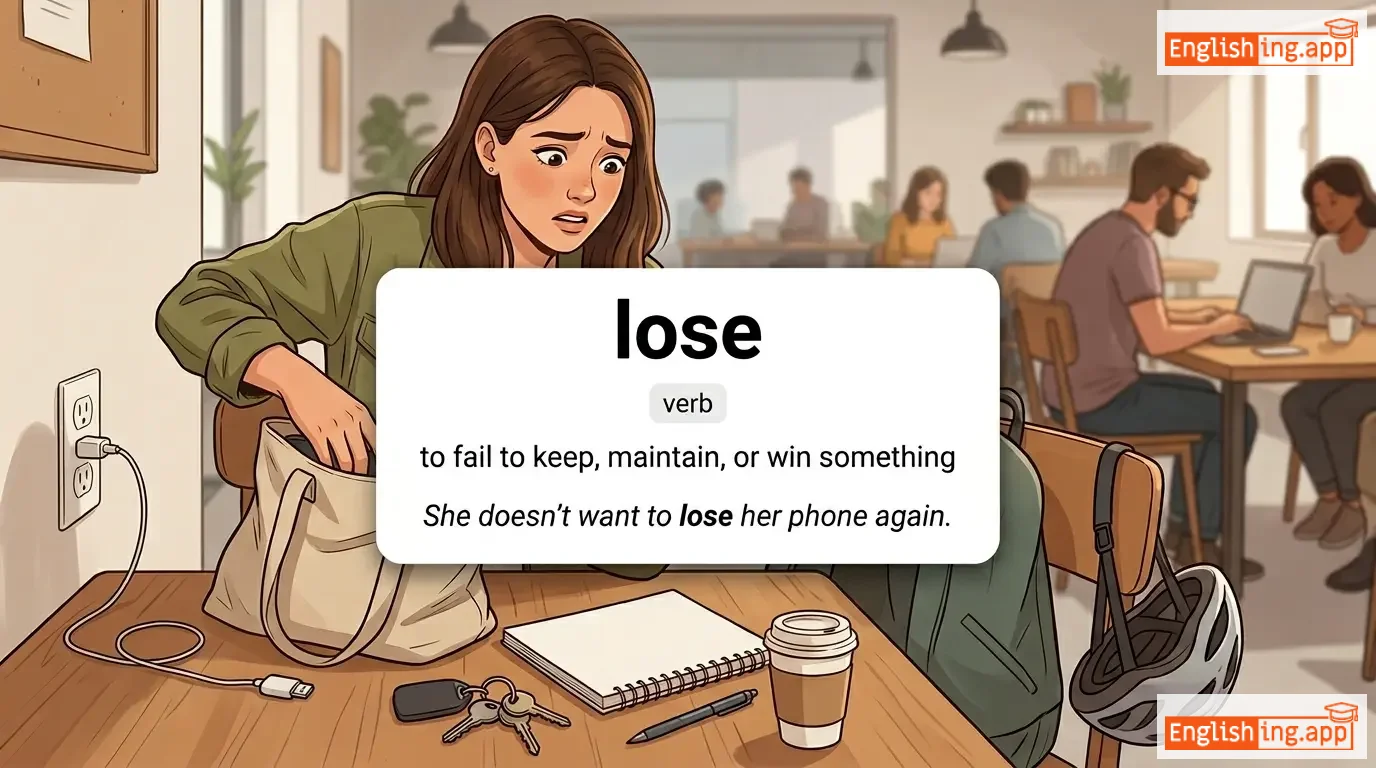
to fail to keep, maintain, or win something
••••••
|
She doesn’t want to lose her phone again.
彼女は賞を受け取ったとき、幸せを隠すことができませんでした。
••••••
|
彼女は賞を受け取ったとき、幸せを隠すことができませんでした。
Kanojo wa shō o uketotta toki, kōfuku o kakusu koto ga dekimasen deshita.
••••••
|
lose track
幸福の追求
••••••
|
to fail to keep informed or aware of something
••••••
|
幸福の追求
kōfuku no tsuikyū
••••••
|
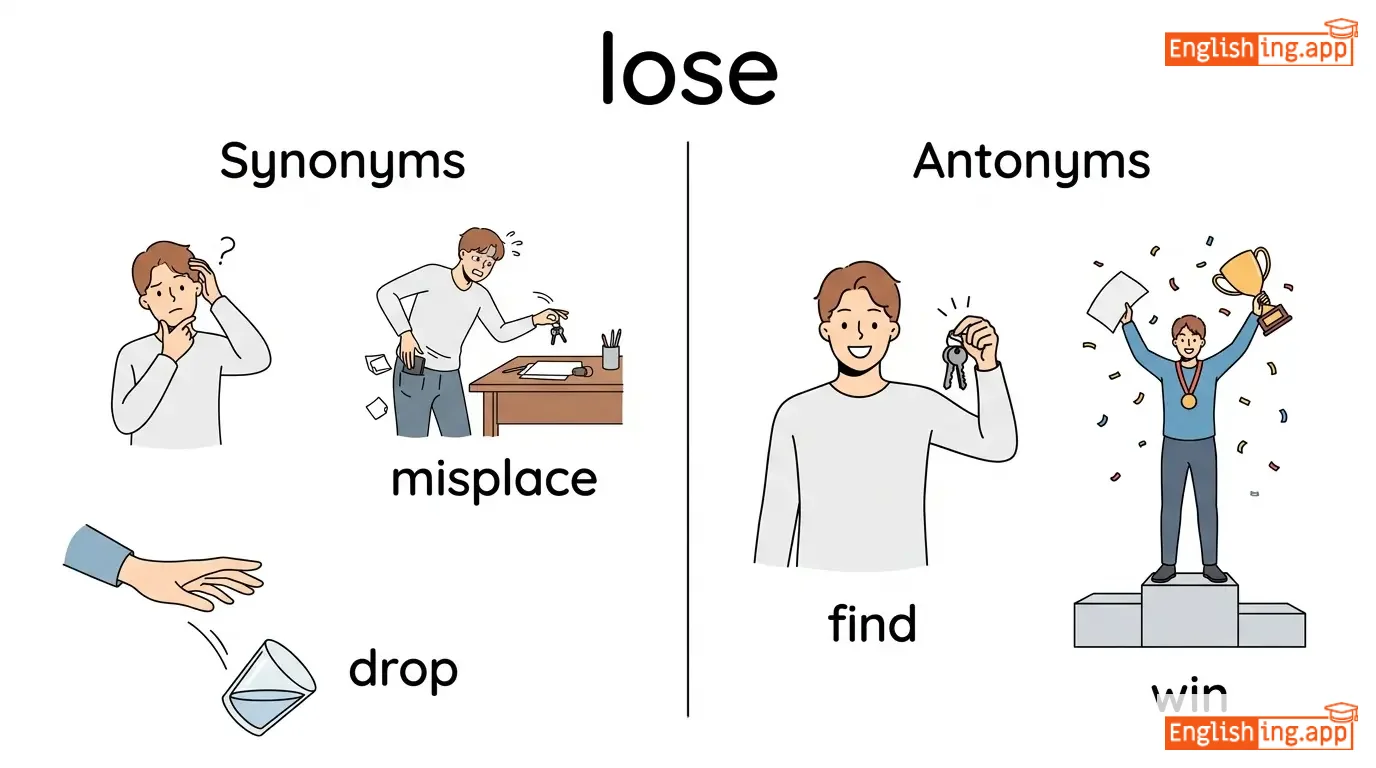
misplace, drop, forfeit, miss
••••••
|
find, win, gain
••••••
|
lose weight, lose a game, lose hope, lose control
••••••
|
幸福は自分の中にあり、探し続けることで見つかる宝物のようです。
••••••
|
|
🧭
••••••
|
/lɒst/
verb/adjective
(ロスト)
••••••
|
- •••••• |
失われた
ushinawareta
••••••
|
lost
ロスト
••••••
|
lost
ロスト
••••••
|
loses
ローズ
••••••
|
losing
ローズィング
••••••
|
Unable to find the way; no longer in possession of something.
••••••
|
He lost his keys and couldn’t enter the house.
彼は鍵を失い、家に入れませんでした。
••••••
|
彼は鍵を失い、家に入れませんでした。
Kare wa kagi o ushinai, ie ni iremasen deshita.
••••••
|
lost cause
失われた原因
••••••
|
a hopeless situation with no chance of success
••••••
|
失われた原因
Ushinawareta gen'in
••••••
|
gone, misplaced, vanished, defeated
••••••
|
found, recovered, won
••••••
|
get lost, lost keys, lost opportunity, feel lost
••••••
|
Lost = 失われた、例えば Lost 携帯 = 失われた携帯。
••••••
|
|
🔢
••••••
|
/lɒts/
pronoun/noun
(ロッツ)
••••••
|
- •••••• |
たくさん
takusan
••••••
|
- •••••• | - •••••• | - •••••• | - •••••• |
A large number or amount of something.
••••••
|
She has lots of friends in the city.
彼女は街にたくさんの友達がいます。
••••••
|
彼女は街にたくさんの友達がいます。
Kanojo wa machi ni takusan no tomodachi ga imasu.
••••••
|
lots of luck
たくさんの幸運を祈ります
••••••
|
wishing someone good fortune
••••••
|
幸運を祈ります
kōun o inorimasu
••••••
|
many, plenty, loads, abundance
••••••
|
few, little, scarcity
••••••
|
lots of money, lots of people, lots of time, lots of friends
••••••
|
Lotsはたくさん、たくさんのことを意味します。
••••••
|
|
🍀
••••••
|
/lʌk/
noun
••••••
|
- •••••• | - •••••• | - •••••• | - •••••• | - •••••• | - •••••• |
success or failure apparently brought by chance rather than through one’s actions
••••••
|
He had the luck to find a good job quickly. |
- •••••• |
good luck |
a wish for success or fortune
••••••
|
- •••••• |
fortune, chance, fate, destiny
••••••
|
misfortune, bad luck
••••••
|
good luck, bad luck, stroke of luck, bring luck
••••••
|
No •••••• |
|
🫁
••••••
|
/lʌŋ/
noun
(lʌŋ)
••••••
|
- •••••• |
肺
hai
••••••
|
- •••••• | - •••••• | - •••••• | - •••••• |
Either of the two organs in the chest that are responsible for breathing and exchanging oxygen and carbon dioxide.
••••••
|
Smoking can seriously damage your lungs. |
喫煙はあなたの肺に深刻なダメージを与える可能性があります。
Kitsuen wa anata no hai ni shinkoku na damēji o ataeru kanōsei ga arimasu.
••••••
|
burst a lung |
to make a huge effort, usually physically
••••••
|
全力を尽くす
zenryoku o tsukusu
••••••
|
respiratory organ, pulmonary organ, chest organ, airway, breathing organ
••••••
|
heart, liver
••••••
|
lung cancer, lung disease, lung capacity, lung infection
••••••
|
Lungは『肺』を意味します。呼吸できない時、あなたは『肺』が必要です。
••••••
|

