The Publisher's Principle
Rahat はダッカで成功した publisher でした。彼の会社の基本的な principle は、どんなに難しくても真実を明らかにすることでした。ある日、彼は大きな accusation に直面しました。有名な政治家に対する allegation があり、ジャーナリストが彼の confession を持ってきました。Rahat は、このニュースが多くの人々にとって offensive に感じられるかもしれないと知っていました。彼の同僚の中には objection を提起する者もいましたが、それは危険だと言われました。しかし、Rahat の viewpoint は明確でした - ジャーナリズムの threshold を超えてはいけません。ニュースが公開されると、全員が spotlight に入ってきました。最初は多くの人が skeptical でしたが、証拠を見た後で信じました。ニュースは primarily ダッカのメディアで広まりました。seemingly 簡単な決定は実際には非常に難しかったです。多くの電話がかかってきて彼を interrupt し、圧力をかけました。しかし、Rahat はこれは necessity だと理解しました。人々には知る権利があります。このニュースの relevance は国の未来に関わっていました。彼の assumption は正しかった - 人々は真実を支持しました。最初は suspicious に思えた状況が altogether 最後には正義が勝ちました。Rahat の contention は、真実のためにどんな代償でも払う準備が必要だということでした。その日、彼は誠実さが常に勝つことを証明しました。
|
絵文字
|
単語 | Images | 翻訳 | 過去 | 過去分詞 | 三人称単数 | 動名詞 | 意味 | 例文 | 例文の翻訳 | 表現例 | 表現例の意味 | 表現例の翻訳 | 同義語 | 対義語 | コロケーション | ニーモニック |
|---|---|---|---|---|---|---|---|---|---|---|---|---|---|---|---|---|---|
|
☝️
••••••
|
/ˌæk.jʊˈzeɪ.ʃən/
noun
(アクザセーション)
••••••
|
- •••••• |
告発
kokuhatsu
••••••
|
- •••••• | - •••••• | - •••••• | - •••••• |
A statement that someone has done something wrong or illegal.
••••••
|
She made an accusation of theft against her colleague.
彼女は同僚に対して窃盗の告発を行いました。
••••••
|
彼女は同僚に対して窃盗の告発を行いました。
Kanojo wa dōryō ni taishite settō no kokuhatsu o okonai mashita.
••••••
|
false accusation
虚偽の告発
••••••
|
An untrue claim blaming someone.
••••••
|
虚偽の告発
kyogi no kokuhatsu
••••••
|
allegation, charge, complaint, blame
••••••
|
praise, acquittal
••••••
|
serious accusation, false accusation, accusation of theft
••••••
|
告発はaccusationの日本語、誰かを告発するのは告発です。
••••••
|
|
⚖️
••••••
|
/ˌæl.əˈɡeɪ.ʃən/
noun
(アレゲーション)
••••••
|
- •••••• |
告発
kokuhatsu
••••••
|
- •••••• | - •••••• | - •••••• | - •••••• |
a claim that someone has done something wrong or illegal
••••••
|
The allegation against him was proven false. |
彼に対する告発は虚偽であることが証明された。
Kare ni taisuru kokuhatsu wa kyogi de aru koto ga shōmei sareta.
••••••
|
- •••••• | - •••••• | - •••••• |
accusation, charge, claim, assertion
••••••
|
vindication, exoneration, proof of innocence
••••••
|
serious allegation, false allegation, investigate allegation
••••••
|
告発 (Kokuhatsu) — 何か悪いことが行われた場合に告発がなされます。
••••••
|
|
🔄
••••••
|
/ˌɔːltəˈɡɛðər/
adverb
(オールトゥゲザー)
••••••
|
- •••••• |
完全に
kanzen ni
••••••
|
- •••••• | - •••••• | - •••••• | - •••••• |
completely; in total; entirely
••••••
|
The project was altogether successful despite the challenges. |
そのプロジェクトは挑戦にもかかわらず完全に成功しました。
Sono purojekuto wa chōsen ni mo kakawarazu kanzen ni seikō shimashita.
••••••
|
altogether now |
used to encourage a group of people to do or say something at the same time
••••••
|
今みんなで
ima minna de
••••••
|
completely, entirely, totally, wholly, fully
••••••
|
partially, incompletely
••••••
|
altogether different, not altogether, altogether impossible, altogether wrong
••••••
|
完全に ALL TOGETHER は完全または合計を意味します。
••••••
|
|
🤔
••••••
|
/əˈsʌmpʃən/
noun
(アサンプション)
••••••
|
- •••••• |
仮定
katei
••••••
|
- •••••• | - •••••• | - •••••• | - •••••• |
A belief or statement taken for granted without proof.
••••••
|
His assumption about the results turned out to be wrong.
ヒズアサンプションアバウトザリザルツターンドアウトトゥビーウォング。
••••••
|
彼の結果に関する仮定は間違っていることが証明された。
Kare no kekka ni kansuru katei wa machigatte iru koto ga shōmei sareta.
••••••
|
work on the assumption
ワークオンザアサンプション
••••••
|
to proceed based on something being true
••••••
|
仮定に基づいて作業する
katei ni motozuite sagyō suru
••••••
|
belief, presumption, supposition, expectation
••••••
|
fact, certainty, reality
••••••
|
make an assumption, false assumption, assumption of power
••••••
|
仮定は、証拠なしで真実だと思い込むこと。
••••••
|
|
🙏
••••••
|
/kənˈfɛʃən/
noun
(コンフェッション)
••••••
|
- •••••• |
告白
kokuhaku
••••••
|
- •••••• | - •••••• | - •••••• | - •••••• |
a statement admitting that one is guilty of a crime or has done something wrong
••••••
|
The suspect made a full confession to the police. |
容疑者は警察に完全な告白をした。
Yōgisha wa keisatsu ni kanzen'na kokuhaku o shita.
••••••
|
make a confession |
to admit to doing something wrong
••••••
|
告白する
kokuhaku suru
••••••
|
admission, acknowledgment, declaration, disclosure, revelation
••••••
|
denial, concealment, secrecy
••••••
|
make a confession, public confession, written confession, emotional confession
••••••
|
Confession は自分の間違いを認めること 🙏
••••••
|
|
⚔️
••••••
|
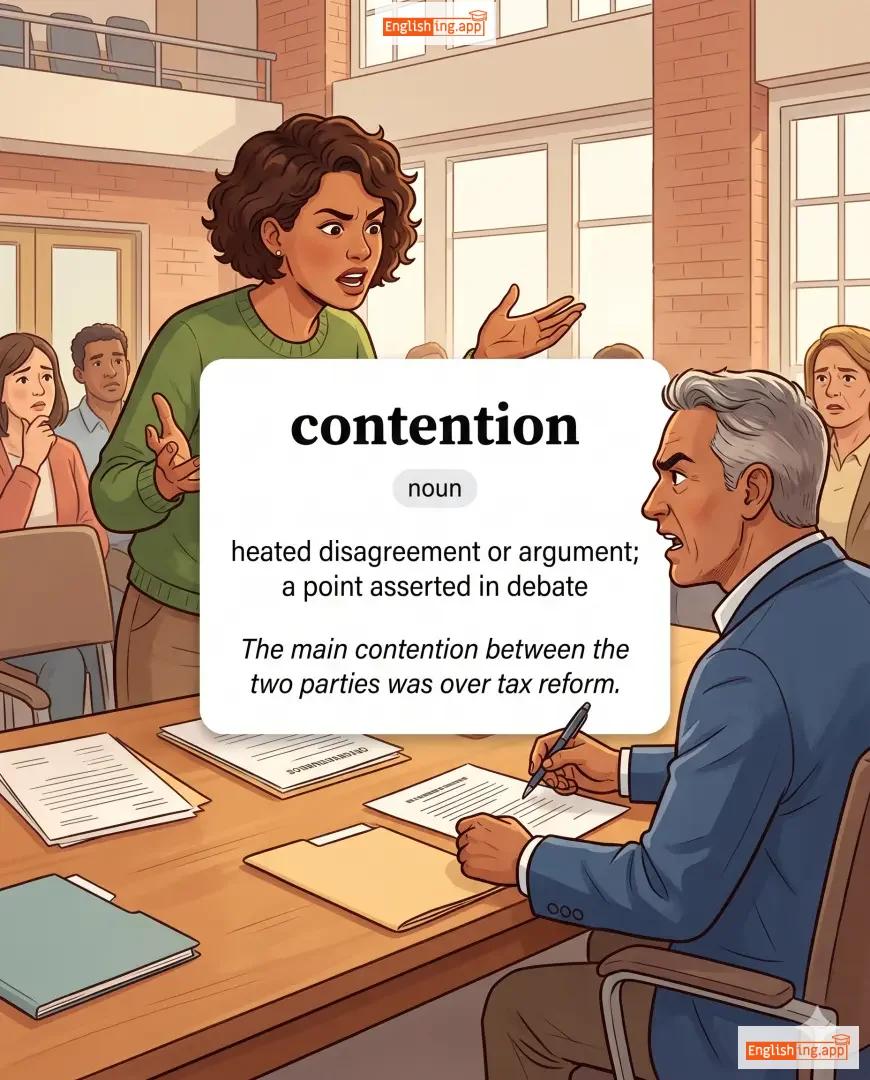
/kənˈtɛnʃən/
noun
(コンテンション)
••••••
|
|
争い, 意見の相違
arasoi, iken no soui
••••••
|
- •••••• | - •••••• | - •••••• | - •••••• |
heated disagreement or argument; a point asserted in debate
••••••
|
The main contention between the two parties was over tax reform. |
二つの党派間での主要な争いは税制改革に関するものでした。
Futatsu no tōhakanai de no shuyō na arasoi wa zeisei kaikaku ni kansuru mono deshita.
••••••
|
- •••••• | - •••••• | - •••••• |
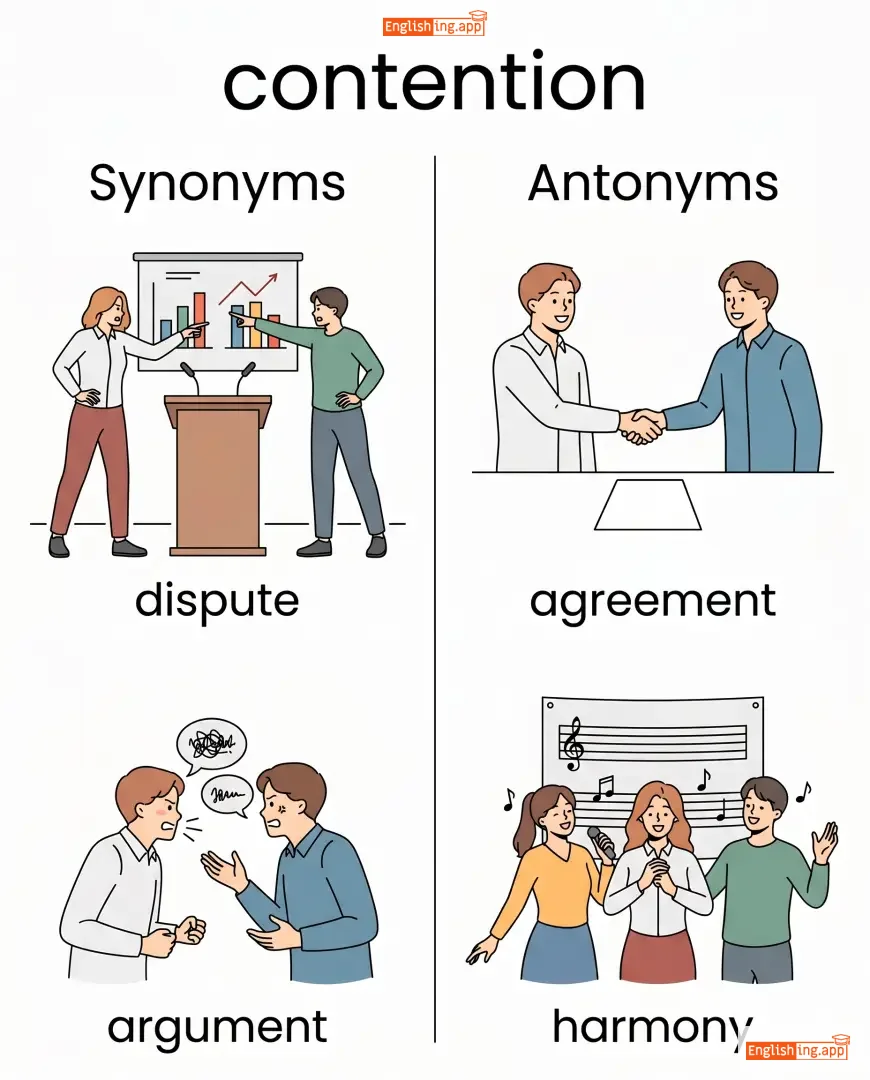
dispute, argument, debate, disagreement
••••••
|
agreement, harmony
••••••
|
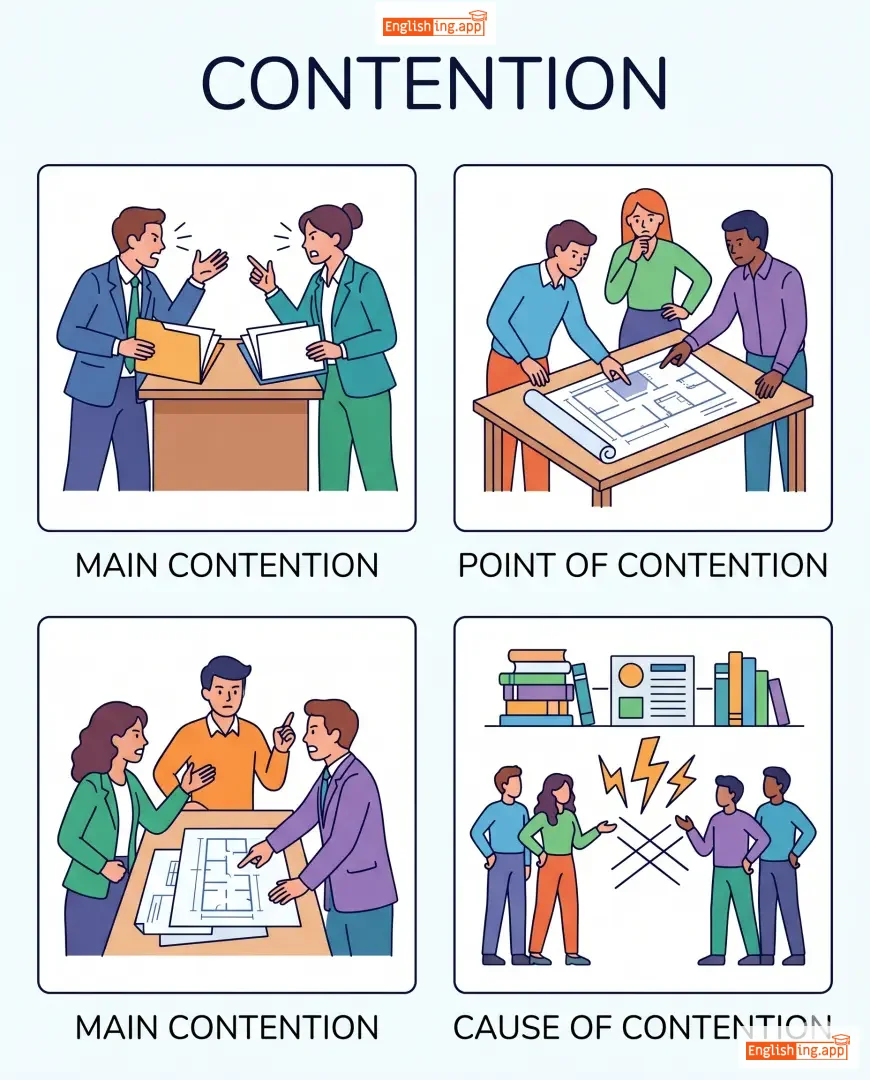
main contention, point of contention, cause of contention, fierce contention
••••••
|
Contention では二つの党派が争っています - Imagine two parties in contention
••••••
|
|
⏸️
••••••
|
/ˌɪntəˈrʌpt/
verb
(インタラプト)
••••••
|
- •••••• |
割り込む
warikomu
••••••
|
interrupted
••••••
|
interrupted
••••••
|
interrupts
••••••
|
interrupting
••••••
|
to stop someone from speaking or doing something by suddenly saying or doing something
••••••
|
She tried not to interrupt while he was speaking. |
彼女は彼が話している間、割り込まないようにした。
Kanojo wa kare ga hanashite iru aida, warikomanai yō ni shita.
••••••
|
interrupt the flow |
to break the natural course of something
••••••
|
流れを割り込む
nagare o warikomu
••••••
|
disturb, hinder, intrude, disrupt, break in
••••••
|
continue, allow, support
••••••
|
interrupt the conversation, interrupt the process, rudely interrupt
••••••
|
割り込むは、会話の流れを急に止めること。
••••••
|
|
🥖
••••••
|
/nəˈsɛsəti/
noun
(ネセシティ)
••••••
|
|
必要性
hitsuyousei
••••••
|
- •••••• | - •••••• | - •••••• | - •••••• |
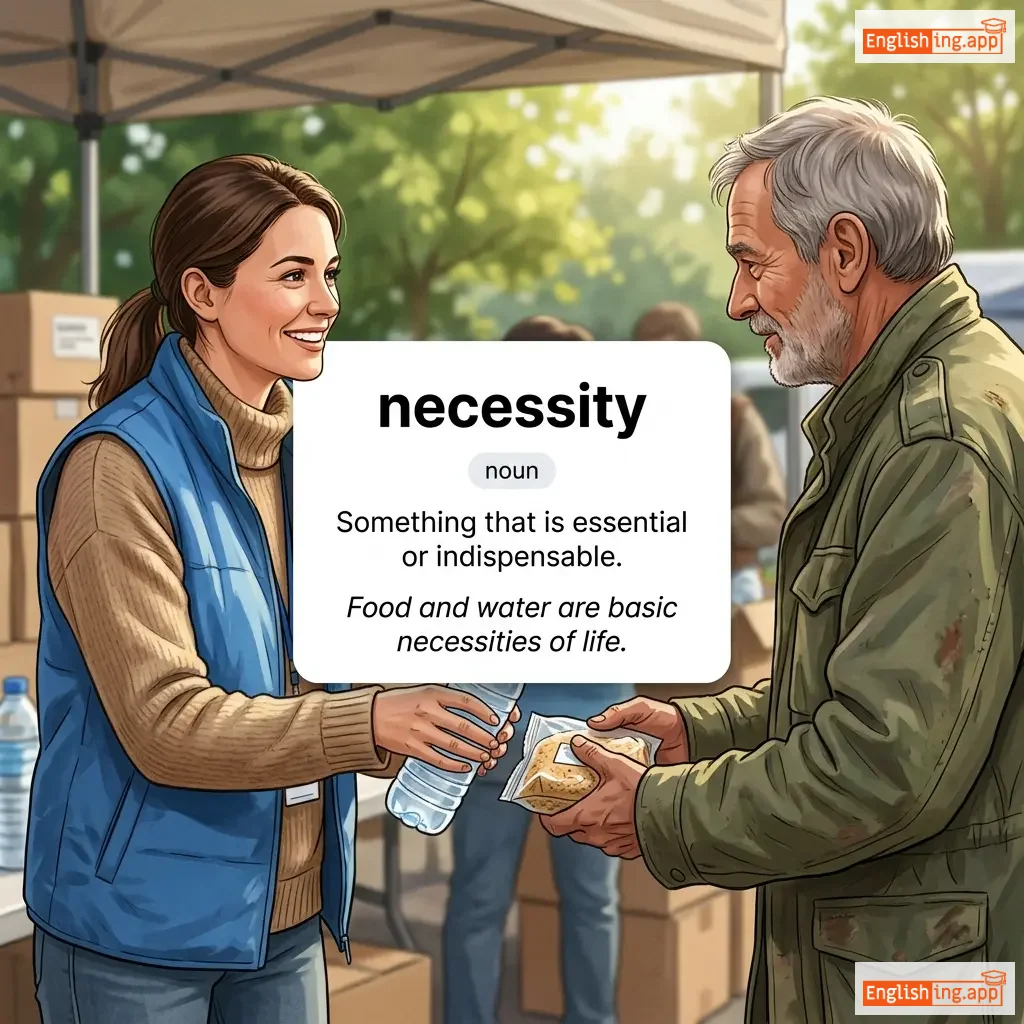
Something that is essential or indispensable.
••••••
|
Food and water are basic necessities of life. |
食べ物と水は生活の基本的な必要性です。
Tabemono to mizu wa seikatsu no kihonteki na hitsuyousei desu.
••••••
|
out of necessity |
because it is necessary
••••••
|
必要から
hitsuyou kara
••••••
|
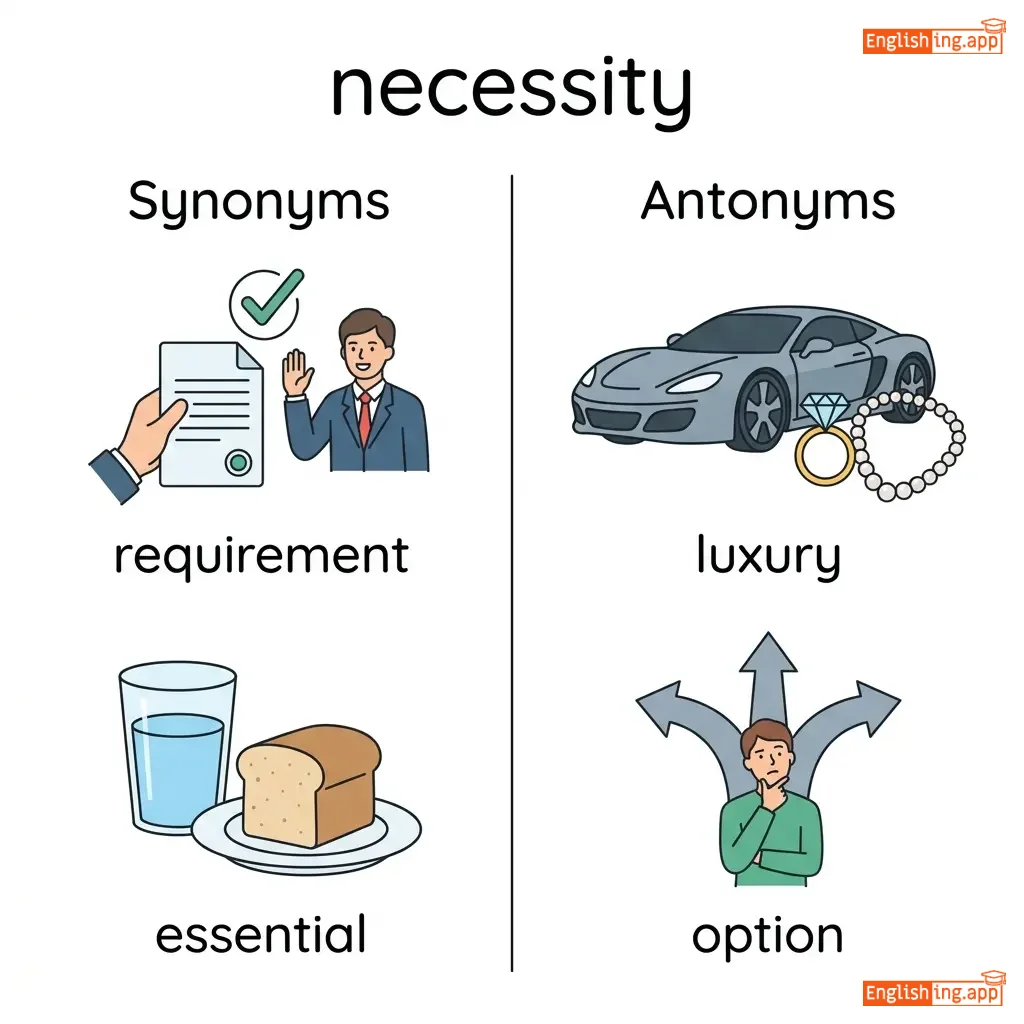
requirement, essential, need, must
••••••
|
luxury, option
••••••
|
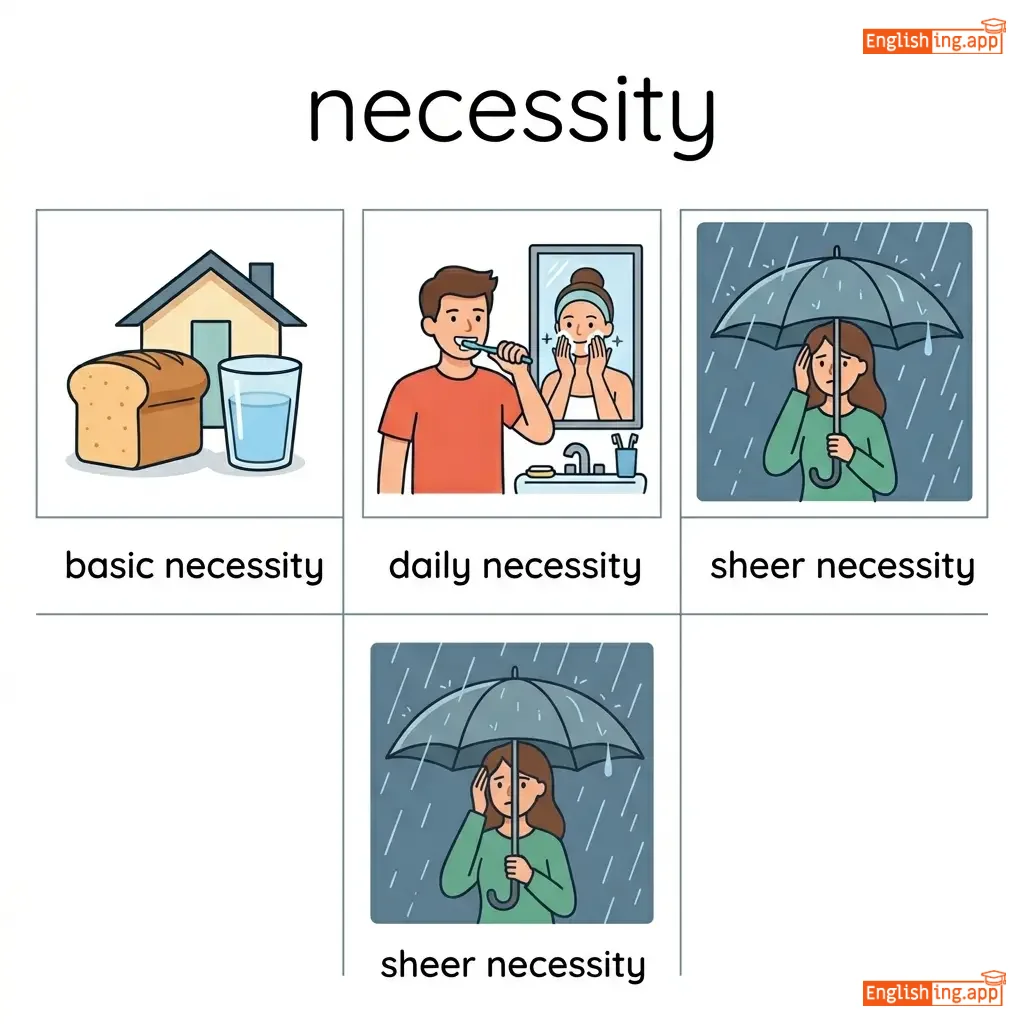
basic necessity, daily necessity, sheer necessity
••••••
|
Necessity は必要性を意味します — 食べ物と水なしでは生命は不可能です。
••••••
|
|
✋
••••••
|
/əbˈdʒɛkʃən/
noun
(オブジェクション)
••••••
|
- •••••• |
異議
igi
••••••
|
- •••••• | - •••••• | - •••••• | - •••••• |
an expression or feeling of disapproval or opposition
••••••
|
The lawyer raised an objection during the trial.
弁護士は裁判中に異議を申し立てました。
••••••
|
弁護士は裁判中に異議を申し立てました。
Bengoshi wa saiban-chuu ni igi wo moushitatemashita.
••••••
|
raise an objection
異議を申し立てる
••••••
|
to express disapproval or disagreement formally
••••••
|
異議を申し立てる
igi wo moushateru
••••••
|
protest, complaint, opposition, dissent, disagreement
••••••
|
approval, consent, agreement
••••••
|
strong objection, raise an objection, legal objection, no objection, objection letter
••••••
|
Objection は異議の意味です — 裁判所で ‘異議あり!’ ✋ それは反対を意味します!
••••••
|
|
😠
••••••
|
/əˈfɛnsɪv/
adjective
(オフェンシブ)
••••••
|
- •••••• |
攻撃的
kougekiteki
••••••
|
- •••••• | - •••••• | - •••••• | - •••••• |
Causing hurt, anger, or annoyance; also relating to attacking in sports or war.
••••••
|
His offensive remarks upset everyone at the meeting. |
彼の攻撃的な発言は、会議にいた全員を不快にさせました。
Kare no kougekiteki na hatsugen wa, kaigi ni ita zen'in o fukai ni sasemashita.
••••••
|
take offense |
To feel hurt or insulted by something said or done.
••••••
|
気を悪くする
Ki o warukusuru
••••••
|
insulting, rude, disrespectful, abusive
••••••
|
polite, respectful, pleasant
••••••
|
offensive remark, offensive language, offensive strategy, take offense
••••••
|
Offensiveは攻撃的-攻撃的な発言。
••••••
|
|
⚡
••••••
|
/praɪˈmɛrɪli/
adverb
(プライマリリー)
••••••
|
- •••••• |
主に
omoni
••••••
|
- •••••• | - •••••• | - •••••• | - •••••• |
for the most part; mainly
••••••
|
She is primarily responsible for managing the finances. |
彼女は主に財務の管理を担当しています。
Kanojo wa omoni zaimu no kanri o tantou shiteimasu.
••••••
|
- •••••• | - •••••• | - •••••• |
mainly, chiefly, principally, mostly
••••••
|
secondarily, additionally
••••••
|
primarily concerned, primarily used, primarily focused
••••••
|
Primarily, 'pri' means 'prime' which is main, and that's the core idea!
••••••
|
|
📜
••••••
|
/ˈprɪnsəpəl/
noun
(purinsiparu)
••••••
|
|
原則
gensoku
••••••
|
- •••••• | - •••••• | - •••••• | - •••••• |
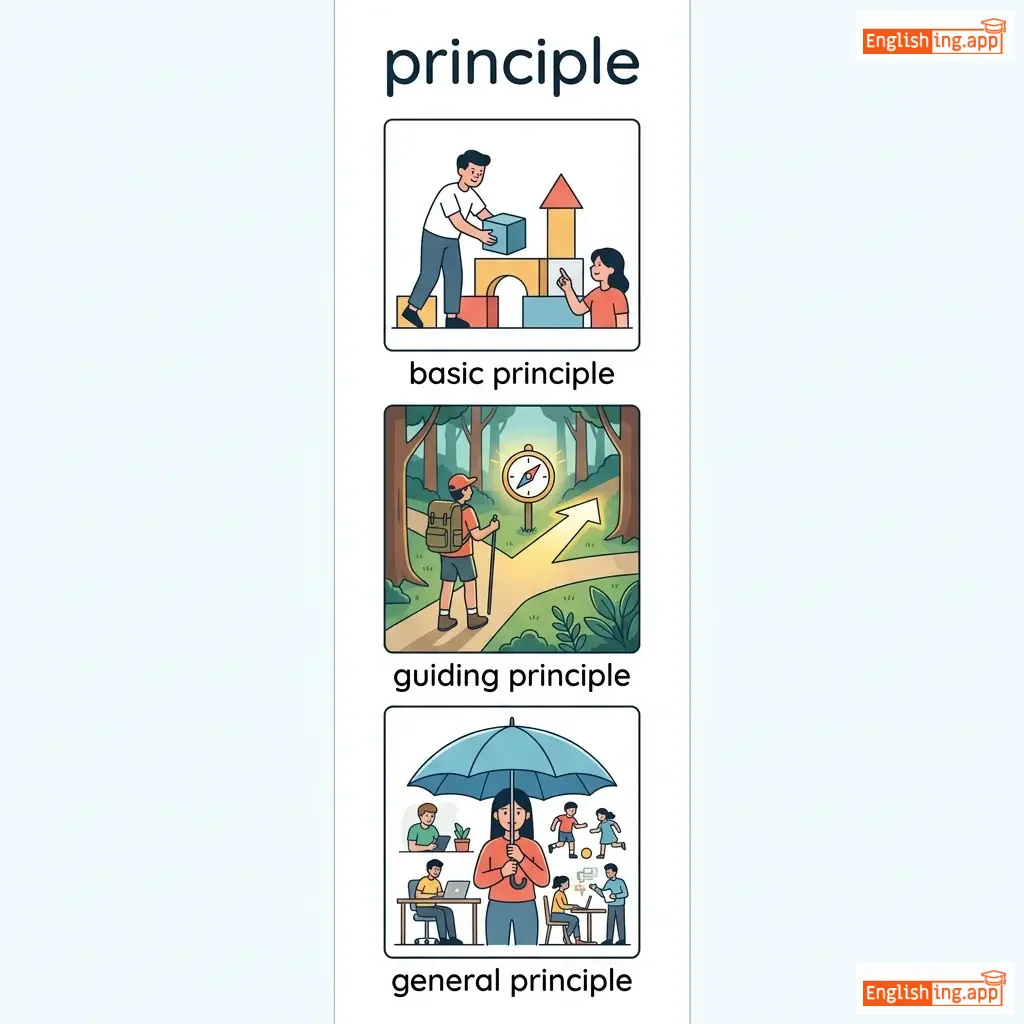
a fundamental truth, law, or rule that serves as the foundation for a system of belief or behavior
••••••
|
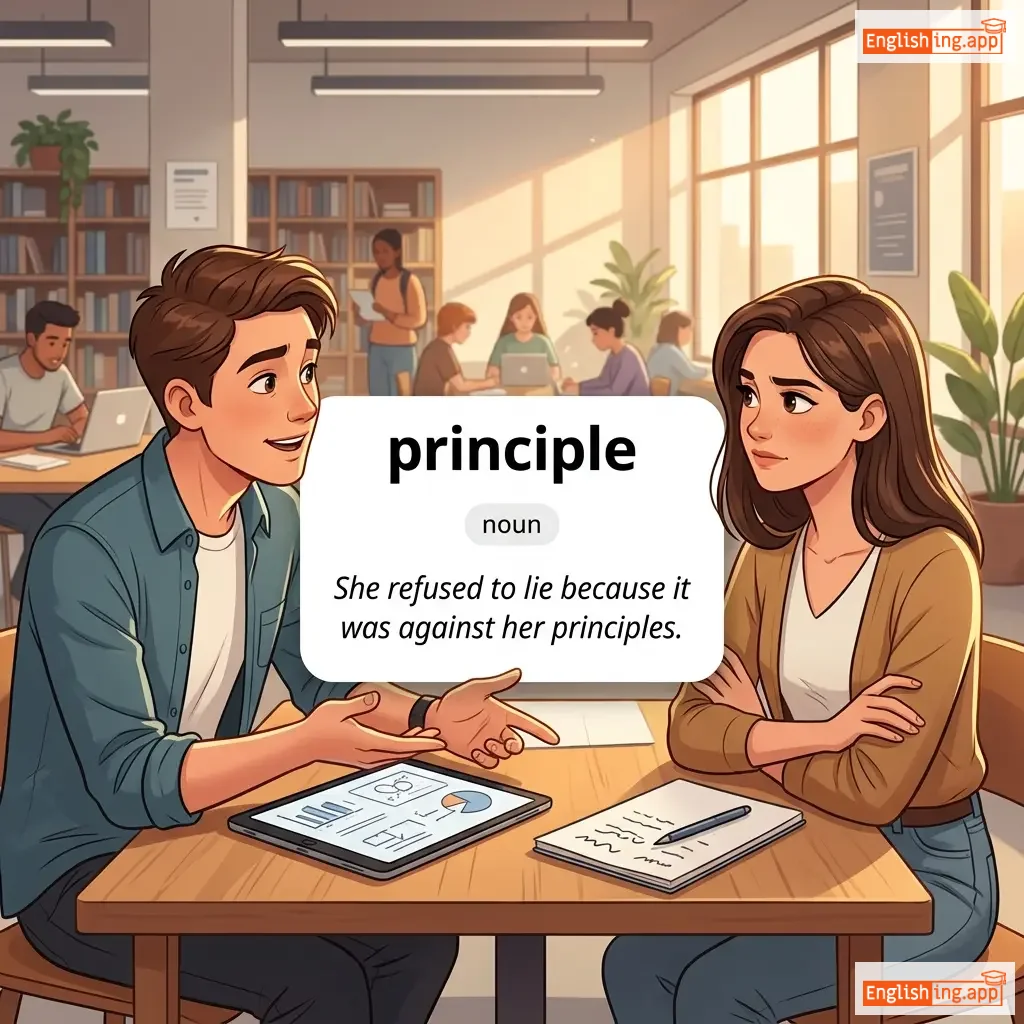
She refused to lie because it was against her principles. |
彼女は嘘をつくことを拒否しました、それは彼女の原則に反していたからです。
Kanojo wa uso o tsuku koto o kyohi shimashita, sore wa kanojo no gensoku ni hanshite ita kara desu.
••••••
|
in principle |
as a general idea or rule, even if not applied in practice
••••••
|
原則的に
gensokuteki ni
••••••
|
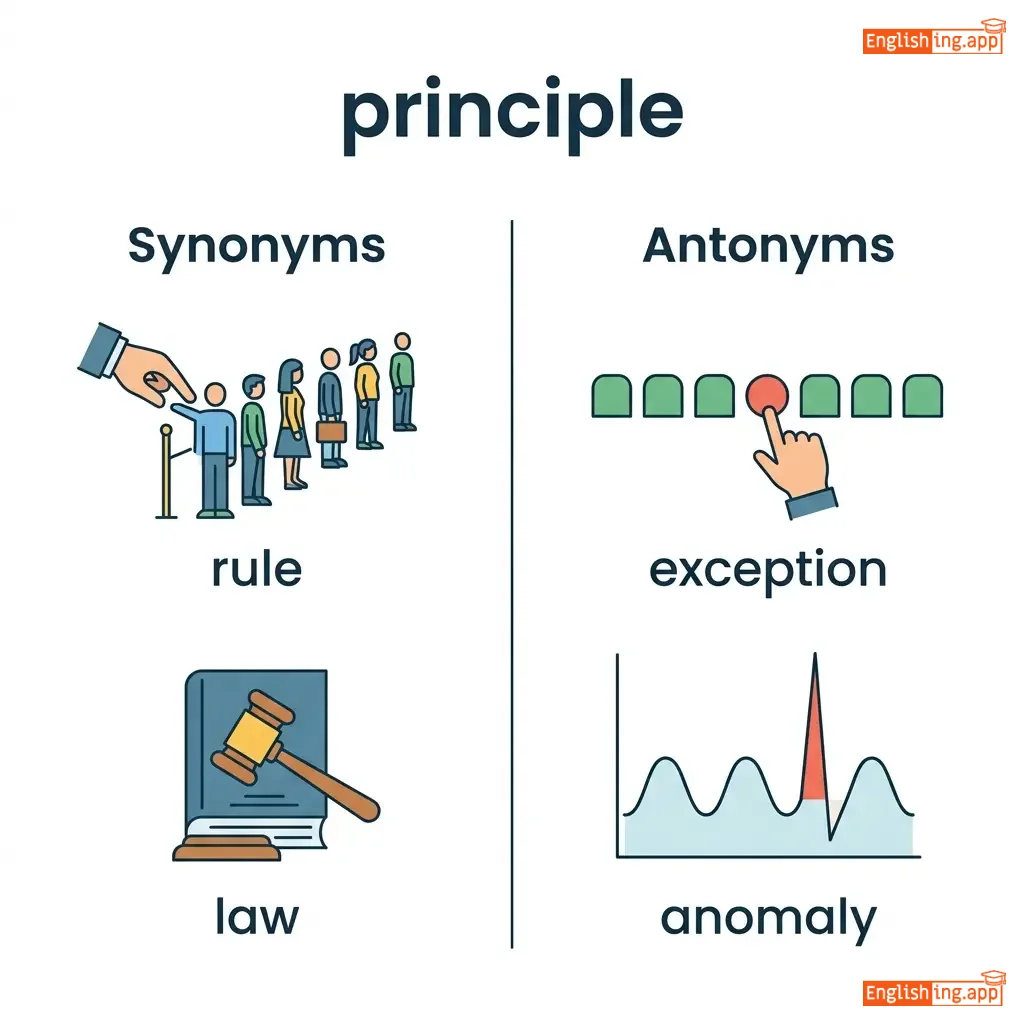
rule, law, tenet, belief, doctrine
••••••
|
exception, anomaly
••••••
|
basic principle, guiding principle, general principle, moral principle
••••••
|
原則は基本的なルール—'学校の規律の原則'は学校の秩序を守るルールです
••••••
|
|
📚
••••••
|
/ˈpʌb.lɪ.ʃər/
noun
(パブリッシャー)
••••••
|
- •••••• |
出版社
shuppansha
••••••
|
- •••••• | - •••••• | - •••••• | - •••••• |
a person or company that produces and distributes books, magazines, or newspapers
••••••
|
The publisher decided to print 10,000 copies of the new novel. |
出版社は新しい小説の10,000部を印刷することに決めました。
Shuppansha wa atarashī shōsetsu no 10,000-bu o insatsu suru koto ni kimemashita.
••••••
|
- •••••• | - •••••• | - •••••• |
editor, printer, distributor
••••••
|
reader, consumer
••••••
|
book publisher, magazine publisher, academic publisher, digital publisher
••••••
|
出版社が本を世界に届ける役割を担う
••••••
|
|
📌
••••••
|
/ˈrɛlɪvəns/
noun
(レレヴァンス)
••••••
|
- •••••• |
関連性
kanrensei
••••••
|
- •••••• | - •••••• | - •••••• | - •••••• |
the quality or state of being closely connected or appropriate
••••••
|
The relevance of the information was clear to everyone. |
情報の関連性はすべての人に明確でした。
Jouhou no kanrensei wa subete no hito ni meikaku deshita.
••••••
|
- •••••• | - •••••• | - •••••• |
importance, significance, pertinence, applicability
••••••
|
irrelevance, insignificance, unimportance
••••••
|
relevance to, relevance of topic, great relevance
••••••
|
Relevance is like the importance of a subject everyone in class talks about.
••••••
|
|
🤔
••••••
|
/ˈsiː.mɪŋ.li/
adverb
(シーミングリー)
••••••
|
- •••••• |
一見, 見た目では静か
ikken, mitamede wa shizuka
••••••
|
- •••••• | - •••••• | - •••••• | - •••••• |
appearing to be true, but not necessarily so
••••••
|
He was seemingly calm despite the chaos around him. |
周りの混乱にもかかわらず、彼は一見静かだった。
Mawari no konran ni mo kakawarazu, kare wa ikken shizuka datta.
••••••
|
- •••••• | - •••••• | - •••••• |
apparently, outwardly, ostensibly, supposedly, evidently
••••••
|
actually, truly, really
••••••
|
seemingly impossible, seemingly calm, seemingly endless, seemingly perfect
••••••
|
seem (見える) + ingly (そのように) → 一見は‘そのように見える’
••••••
|
|
🤔
••••••
|
/ˈskɛptɪkəl/
adjective
(スケプティカル)
••••••
|
- •••••• |
懐疑的な
kaigiteki na
••••••
|
- •••••• | - •••••• | - •••••• | - •••••• |
not easily convinced; having doubts or reservations
••••••
|
She was skeptical about the new plan. |
彼女は新しい計画に懐疑的だった。
Kanojo wa atarashī keikaku ni kaigiteki datta.
••••••
|
healthy skepticism |
a balanced doubt that helps in rational judgment
••••••
|
健康的な懐疑心
kenkō-teki na kaigishin
••••••
|
doubtful, suspicious, unconvinced, hesitant
••••••
|
trusting, convinced, certain
••••••
|
skeptical attitude, skeptical view, skeptical mind, skeptical about
••••••
|
Skeptical は懐疑的な意味 — 懐疑的なら、すべての計画に‘疑い’を持つ。
••••••
|
|
🔦
••••••
|
/ˈspɒt.laɪt/
noun
••••••
|
- •••••• | - •••••• | - •••••• | - •••••• | - •••••• | - •••••• |
a strong beam of light directed onto a particular area; figuratively, public attention
••••••
|
The singer stood proudly in the spotlight. |
- •••••• |
in the spotlight |
receiving a lot of public attention
••••••
|
- •••••• |
highlight, focus, limelight, glare
••••••
|
obscurity, shadow
••••••
|
under spotlight, grab spotlight, media spotlight, stage spotlight
••••••
|
No •••••• |
|
🕵️
••••••
|
/səˈspɪʃəs/
adjective
(サスピシャス)
••••••
|
- •••••• |
疑わしい
utagawashī
••••••
|
- •••••• | - •••••• | - •••••• | - •••••• |
Feeling doubt or distrust about someone or something.
••••••
|
She gave me a suspicious look when I entered late. |
遅れて入ったとき、彼女は私を疑わしい目で見ました。
Okurete haitta toki, kanojo wa watashi o utagawashī me de mimashita.
••••••
|
under suspicious circumstances |
In a way that causes doubt or mistrust.
••••••
|
疑わしい状況下で
utagawashī jōkyōka de
••••••
|
distrustful, doubtful, wary, skeptical, uneasy
••••••
|
trusting, certain, confident
••••••
|
suspicious activity, suspicious behavior, suspicious look, suspicious mind
••••••
|
疑わしい—何か怪しい時、それが疑わしいという意味です。
••••••
|
|
🚪
••••••
|
/ˈθreʃ.həʊld/
noun
(スレッショルド)
••••••
|
|
しきい
shiki
••••••
|
- •••••• | - •••••• | - •••••• | - •••••• |
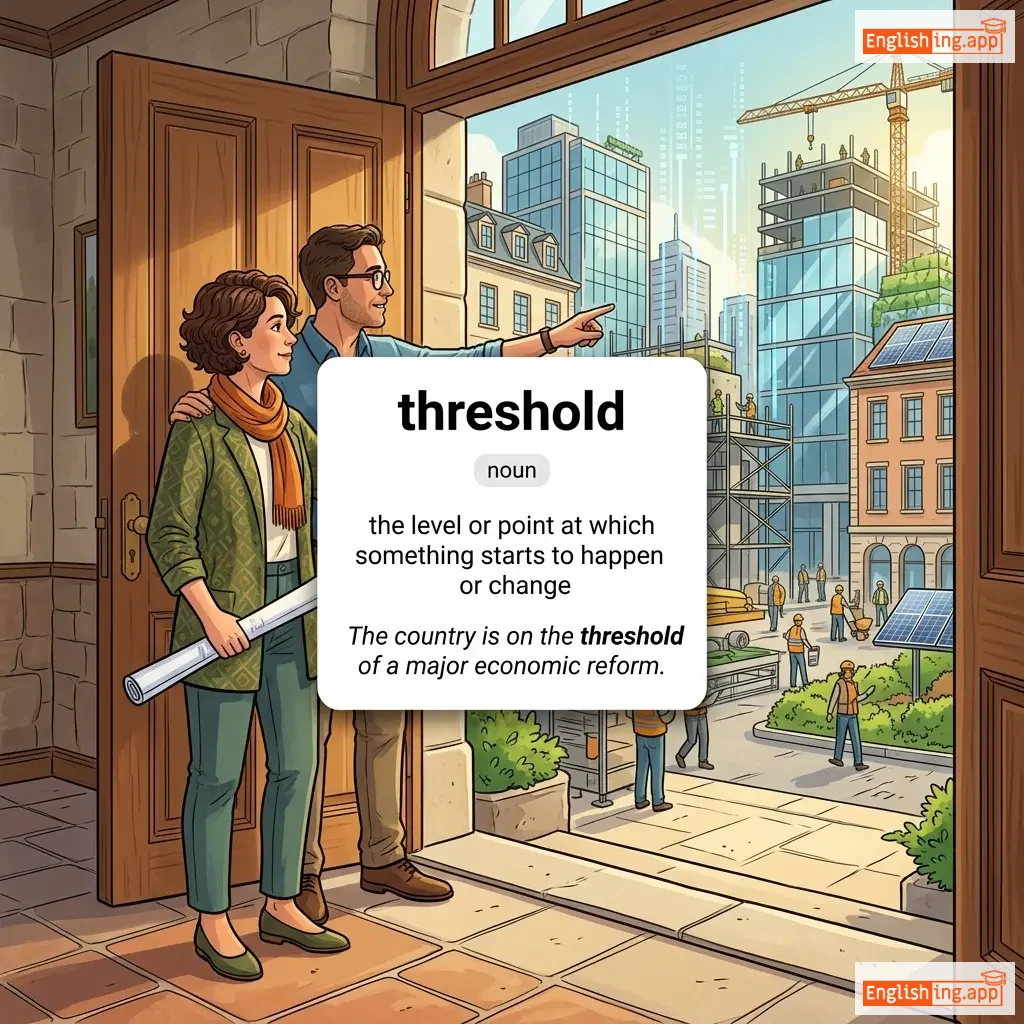
the level or point at which something starts to happen or change
••••••
|
The country is on the threshold of a major economic reform. |
その国は重要な経済改革のしきいにあります。
Sono kuni wa juuyou na keizai kaikaku no shikai ni arimasu.
••••••
|
cross the threshold |
to begin a new phase or experience
••••••
|
- •••••• |
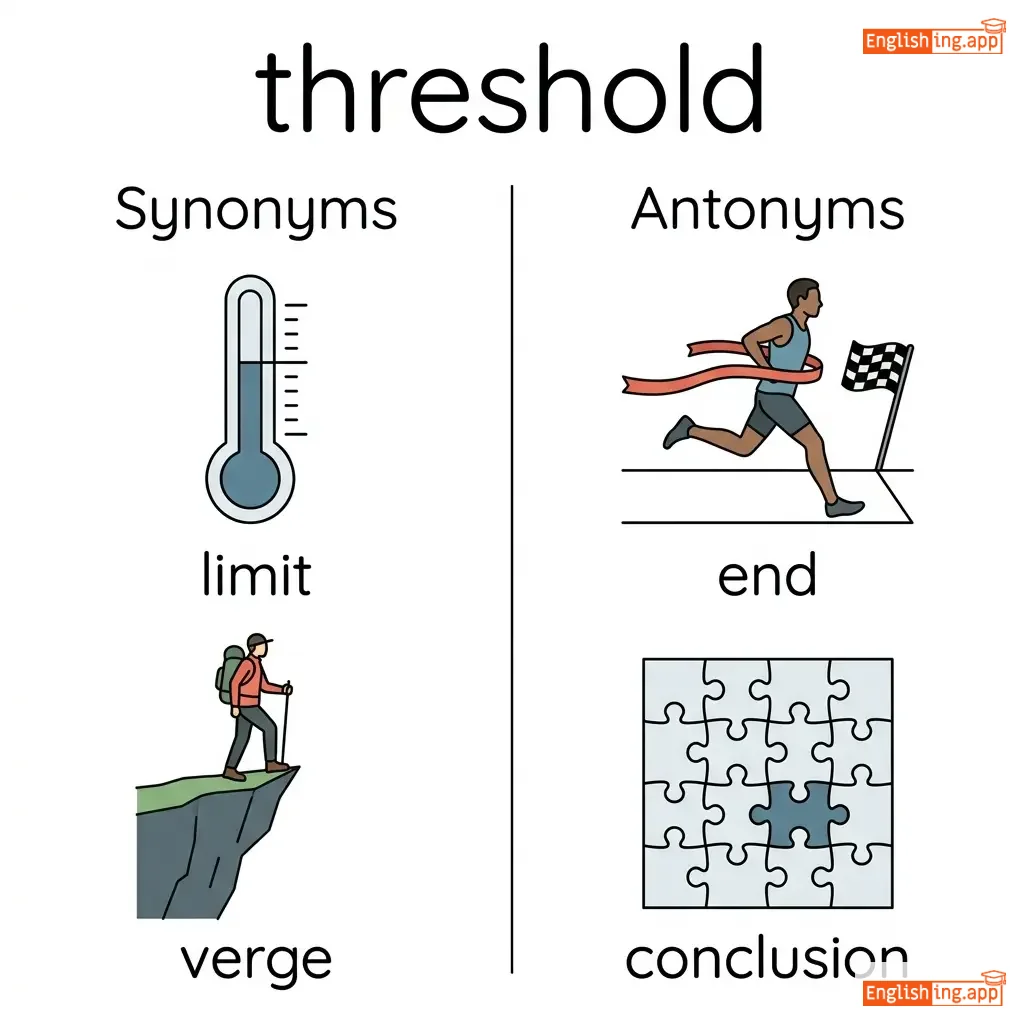
limit, verge, brink, gateway, entry
••••••
|
end, conclusion
••••••
|
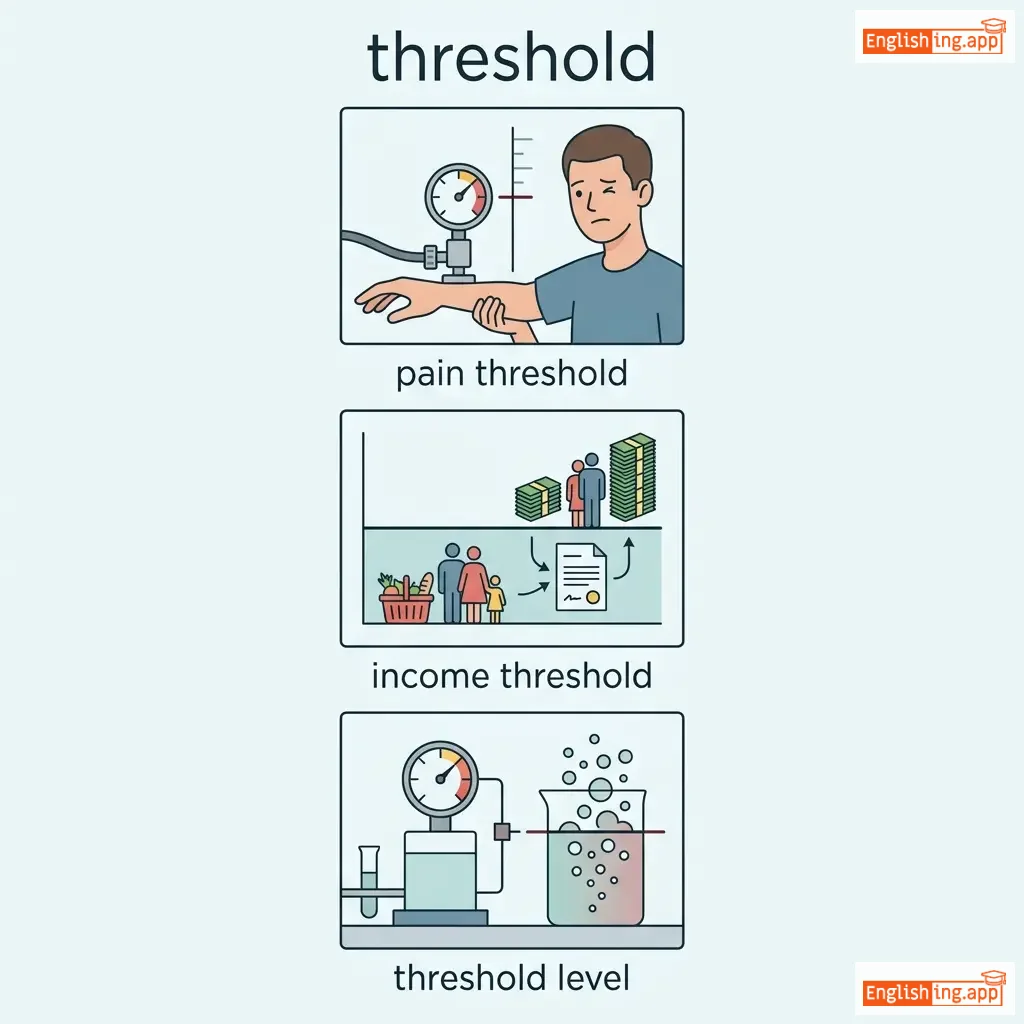
pain threshold, income threshold, threshold level, at the threshold
••••••
|
しきいは新しい段階の始まりの瞬間です。
••••••
|
|
👀
••••••
|
/ˈvjuːpɔɪnt/
noun
(ビュー・ポイント)
••••••
|
- •••••• |
視点
shiten
••••••
|
- •••••• | - •••••• | - •••••• | - •••••• |
a particular attitude or way of considering a matter
••••••
|
From his viewpoint, the situation was hopeless.
彼の視点から見ると、その状況は絶望的でした。
••••••
|
彼の視点から見ると、その状況は絶望的でした。
Kare no shiten kara miru to, sono jōkyō wa zetsubō-teki deshita.
••••••
|
point of view
視点
••••••
|
the position from which something is considered or evaluated
••••••
|
視点
shiten
••••••
|
perspective, outlook, angle, stance
••••••
|
misunderstanding, confusion
••••••
|
different viewpoint, personal viewpoint, from my viewpoint
••••••
|
視点のように、すべてが明確に見える!
••••••
|

