The Warrior Who Chose Peace
セイバーは伝説的な戦士で、彼の sword の技で知られていた。彼は three つの大きな戦いに参加した。彼の third の勝利は最も重要だった。しかし there、彼は暴力を疑問視する瞬間があった。戦争の後、surge の難民が押し寄せた。セイバーは their 苦しみを見た——家族は離れ、家は破壊された。それが彼を tempted し、自らの道を見直すきっかけとなった。ある日、和平交渉が開かれた。指導者たちは table を囲み、terms について話し合った。theme は和解だった。長年の訓練で thick くなったセイバーの筋肉は、聞きながら緊張していた。彼の thigh には戦いの傷跡が残っていた。しかし今、彼は these 傷跡を最後のものにしたいと思っていた。議論は激しく、sweat が額から流れ落ちた。いくつかの提案は、緊張を和らげるどころか swell させる恐れがあった。セイバーは別のアプローチを提案した。「平和に向かって swing しよう」と彼は言った。反対者たちは theft their 権利を恐れて議論した。しかしセイバーの言葉は力強かった——「平和は恐れるべき thing ではない。」会議は何時間も続いた。セイバーは、一部の代表がとても super 防御的であることに気づいた。誰かの sword が誤って落ち、大きな音を立てて皆を驚かせたのは、面白い瞬間だった。最終的に、合意が成立した。Those 平和に反対していた人々も同意した。セイバーは、真の強さとは戦いではなく平和を選ぶことだと証明した。彼の戦士から平和の使者への変化は、世代を超えて人々に感動を与えた。
|
絵文字
|
単語 | Images | 翻訳 | 過去 | 過去分詞 | 三人称単数 | 動名詞 | 意味 | 例文 | 例文の翻訳 | 表現例 | 表現例の意味 | 表現例の翻訳 | 同義語 | 対義語 | コロケーション | ニーモニック |
|---|---|---|---|---|---|---|---|---|---|---|---|---|---|---|---|---|---|
|
💪
••••••
|
/ˈsuːpər/
adjective
(スーパー)
••••••
|
- •••••• |
スーパー
suupaa
••••••
|
- •••••• | - •••••• | - •••••• | - •••••• |
excellent; very good
••••••
|
She did a super job on the project. |
彼女はプロジェクトで素晴らしい仕事をしました。
Kanojo wa purojekuto de subarashii shigoto o shimashita.
••••••
|
- •••••• | - •••••• | - •••••• |
excellent, great, outstanding, remarkable
••••••
|
poor, mediocre
••••••
|
super fast, super cool, super hero, super strong
••••••
|
Suupaa is super cool and super helpful!
••••••
|
|
🌊
••••••
|
/sɜːrdʒ/
verb
(サージ)
••••••
|
- •••••• |
急増
kyuuzou
••••••
|
surged
サージド
••••••
|
surged
サージド
••••••
|
surges
サージェス
••••••
|
surging
サージング
••••••
|
to move suddenly and powerfully forward or upward
••••••
|
The crowd surged forward when the gates opened.
ゲートが開くと、群衆は前方に押し寄せました。
••••••
|
ゲートが開くと、群衆は前方に押し寄せました。
Geeto ga hiraku to, gunshuu wa zenpou ni oshiyosemashita.
••••••
|
surge of energy
エネルギーの急増
••••••
|
a sudden increase of energy or enthusiasm
••••••
|
エネルギーの急増
Enerugii no kyuuzou
••••••
|
rush, swell, rise, increase, outpouring
••••••
|
decline, decrease, drop
••••••
|
surge in demand, surge of energy, surge forward, surge upward
••••••
|
Surge: 海のように力強く押し寄せる。
••••••
|
|
💦
••••••
|
/swɛt/
verb
(スウェット)
••••••
|
- •••••• |
汗
ase
••••••
|
sweated
スウェットした
••••••
|
sweated
スウェットした
••••••
|
sweats
スウェットする
••••••
|
sweating
スウェットしている
••••••
|
to produce liquid from your skin when you are hot or nervous
••••••
|
He was sweating after running for an hour.
彼は1時間走った後、汗をかいていた。
••••••
|
彼は1時間走った後、汗をかいていた。
Kare wa 1 jikan hashitta ato, ase o kaite ita.
••••••
|
break a sweat
汗をかく
••••••
|
to begin to perspire, usually from physical effort
••••••
|
汗をかく
ase o kaku
••••••
|
perspire, exude, drip, toil, labor
••••••
|
rest, relax, cool
••••••
|
heavy sweat, cold sweat, sweat profusely, make someone sweat
••••••
|
Sweaterを着ると汗(sweat)が出る!
••••••
|
|
💨
••••••
|
/swɛl/
verb
(スウェル)
••••••
|
- •••••• |
膨れる
fukurero
••••••
|
swelled
スウェルド
••••••
|
swelled
スウェルド
••••••
|
swells
スウェルズ
••••••
|
swelling
スウェリング
••••••
|
to increase in size or volume, often due to internal pressure or emotional intensity
••••••
|
Her ankle began to swell after the injury.
怪我をした後、彼女の足首が腫れ始めた。
••••••
|
怪我をした後、彼女の足首が腫れ始めた。
Kega o shita ato, kanojo no ashi kubi ga hare hajimeta.
••••••
|
swell with pride
誇りで膨れ上がる
••••••
|
to feel very proud
••••••
|
誇りで膨れ上がる
hokori de fukureagaru
••••••
|
expand, enlarge, grow, bulge, inflate
••••••
|
shrink, contract
••••••
|
swell up, swell with pride, swell in number
••••••
|
SWEater 膨らむ、だから膨れるが swell
••••••
|
|
⛓️
••••••
|
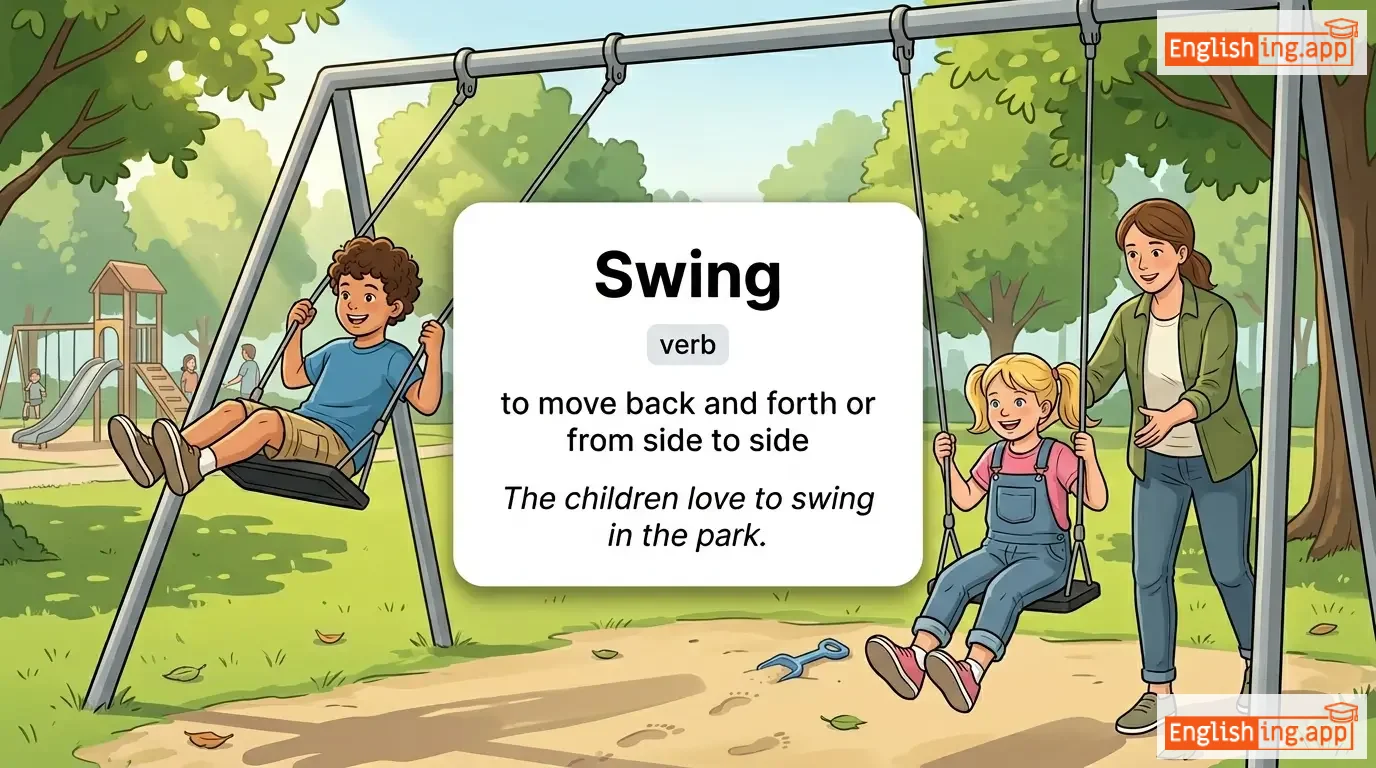
/swɪŋ/
verb
(スウィング)
••••••
|
|
ブランコをする
buranko wo suru
••••••
|
swung
スワング
••••••
|
swung
スワング
••••••
|
swings
スウィングス
••••••
|
swinging
スウィンギング
••••••
|
to move back and forth or from side to side
••••••
|
The children love to swing in the park.
子供たちは公園でブランコをするのが大好きです。
••••••
|
子供たちは公園でブランコをするのが大好きです。
Kodomotachi wa kōen de buranko o suru no ga daisuki desu.
••••••
|
swing into action
すぐに行動を起こす
••••••
|
to start doing something quickly and effectively
••••••
|
迅速に行動を起こす
Jinsoku ni kōdō o okosu
••••••
|
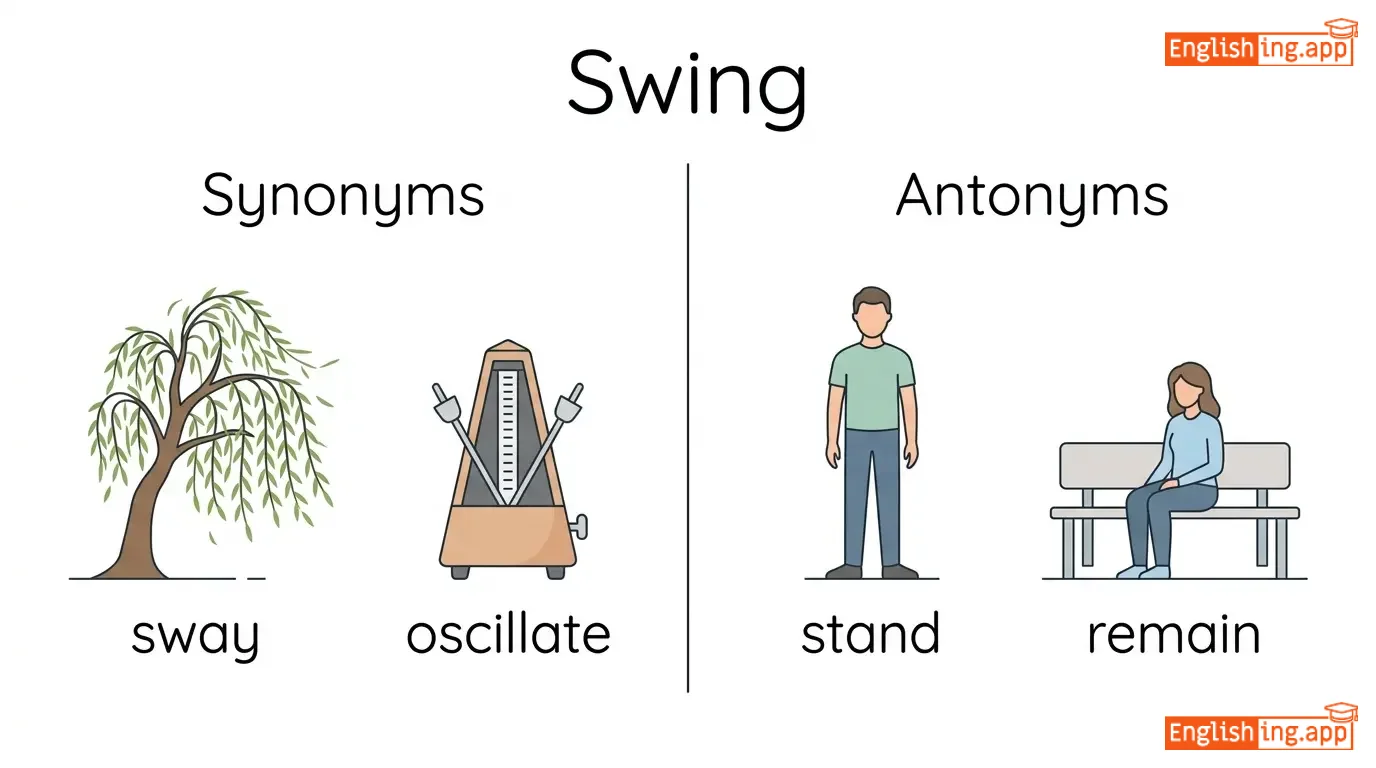
sway, oscillate, rotate, wave
••••••
|
stand, remain, stay
••••••
|
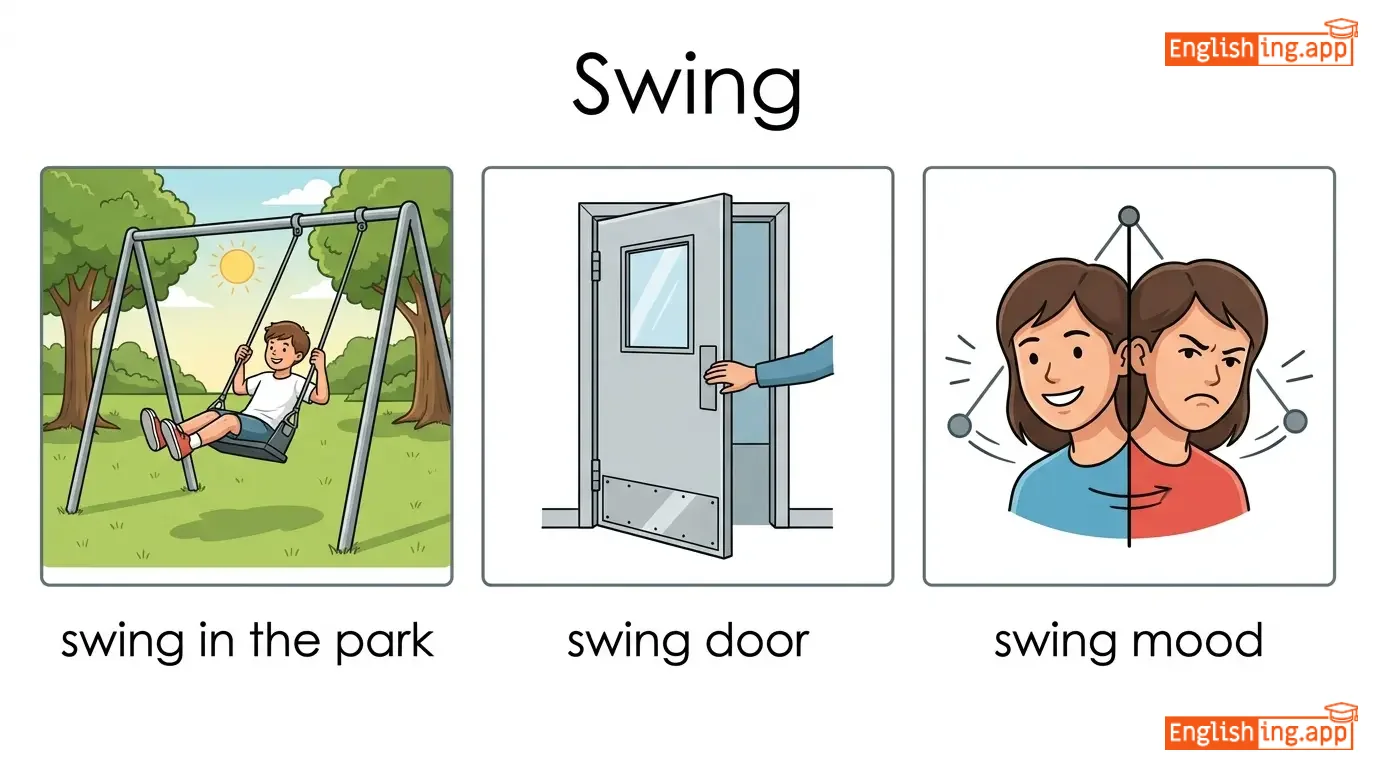
swing in the park, swing door, swing mood, swing votes
••••••
|
Swingのように揺れる、ブランコの動き
••••••
|
|
⚔️
••••••
|
/sɔːrd/
noun
(ソード)
••••••
|
- •••••• |
剣
ken
••••••
|
- •••••• | - •••••• | - •••••• | - •••••• |
a weapon with a long metal blade used for fighting
••••••
|
The knight drew his sword to defend the castle. |
騎士は城を守るために剣を抜いた。
Kishi wa shiro o mamoru tame ni ken o nuīta.
••••••
|
cross swords |
to argue or fight with someone
••••••
|
剣を交える
ken o majiru
••••••
|
blade, dagger, saber, weapon, cutlass
••••••
|
shield, peace
••••••
|
draw a sword, sharp sword, sword fight, sword blade
••••••
|
SWOrdは剣の意味!剣で戦いましょう!
••••••
|
|
🍽️
••••••
|
/ˈteɪbəl/
noun
(テーブル)
••••••
|
- •••••• |
テーブル
teeburu
••••••
|
- •••••• | - •••••• | - •••••• | - •••••• |
A piece of furniture with a flat top and legs, used for working at or placing items on.
••••••
|
They placed the documents on the table. |
彼らは書類をテーブルに置きました。
Karera wa shorui o teeburu ni okimashita.
••••••
|
turn the tables |
To reverse a situation and gain an advantage over someone.
••••••
|
局面を逆転する
Kyokumen o gyakuten suru
••••••
|
desk, counter, bench, surface
••••••
|
floor, ground
••••••
|
dining table, coffee table, round table, table manners
••••••
|
テーブル (teeburu) の上に置いた書類を使って、局面を逆転させましょう。
••••••
|
|
🍰
••••••
|
/tɛmpt/
verb
(テンプト)
••••••
|
- •••••• |
誘惑する
yūwaku suru
••••••
|
tempted
テンプテッド
••••••
|
tempted
テンプテッド
••••••
|
tempts
テンプツ
••••••
|
tempting
テンプティング
••••••
|
to entice or attract someone to do something, often something wrong or unwise
••••••
|
The smell of fresh bread tempted him to enter the bakery.
新鮮なパンの匂いが彼をパン屋に入らせました。
••••••
|
新鮮なパンの匂いが彼をパン屋に入らせました。
Shinsen na pan no nioi ga kare o panya ni irasemashita.
••••••
|
tempt fate
運命を試す
••••••
|
to take a risk that might lead to trouble or danger
••••••
|
運命を試す
unmei o tamesu
••••••
|
entice, lure, attract, seduce, persuade
••••••
|
deter, repel, discourage
••••••
|
tempt someone, tempt fate, tempting offer, hard to tempt
••••••
|
Tempt は誘惑するという意味です。たとえば、美味しそうなケーキを見て、食べたくてたまらなくなるようなことです。
••••••
|
|
📜
••••••
|
/tɜːmz/
noun
(tërmz)
••••••
|
- •••••• |
条件
jouken
••••••
|
- •••••• | - •••••• | - •••••• | - •••••• |
plural of term; conditions or rules in a contract or agreement
••••••
|
The terms of the agreement are clearly outlined in the contract.
契約条件は契約書に明確に記載されています。
••••••
|
契約条件は契約書に明確に記載されています。
Keiyaku jouken wa keiyakusho ni meikaku ni kisai sareteimasu.
••••••
|
- •••••• | - •••••• | - •••••• |
conditions, clauses, provisions, requirements
••••••
|
freedom, flexibility
••••••
|
contract terms, payment terms, terms and conditions
••••••
|
Terms are the clauses - remember to check ‘jouken’ in the contract.
••••••
|
|
💼
••••••
|
/θɛft/
noun
(ゼフト)
••••••
|
- •••••• |
窃盗
settou
••••••
|
- •••••• | - •••••• | - •••••• | - •••••• |
the action or crime of stealing
••••••
|
The theft of his wallet was reported to the police.
彼の財布の盗難は警察に報告されました。
••••••
|
彼の財布の盗難は警察に報告されました。
Kare no saifu no settou wa keisatsu ni hōkoku saremashita.
••••••
|
- •••••• | - •••••• | - •••••• |
burglary, robbery, larceny, stealing
••••••
|
honesty, integrity
••••••
|
committed theft, petty theft, reported theft
••••••
|
Settou is theft - In settou, naifu (knife) wo tsukatte nusumu.
••••••
|
|
👨👩👧👦
••••••
|
/ðɛər/
pronoun
(ðɛər)
••••••
|
- •••••• |
彼らの
karera no
••••••
|
- •••••• | - •••••• | - •••••• | - •••••• |
belonging to or associated with the people or things previously mentioned
••••••
|
Their house is on the corner. |
彼らの家は角にあります。
Karera no ie wa kado ni arimasu.
••••••
|
- •••••• | - •••••• | - •••••• |
his, her, its
••••••
|
my, your
••••••
|
their car, their family, their opinion
••••••
|
Their - 彼らの家
••••••
|
|
🎨
••••••
|
/θiːm/
noun
(テーマ)
••••••
|
|
テーマ
teema
••••••
|
- •••••• | - •••••• | - •••••• | - •••••• |
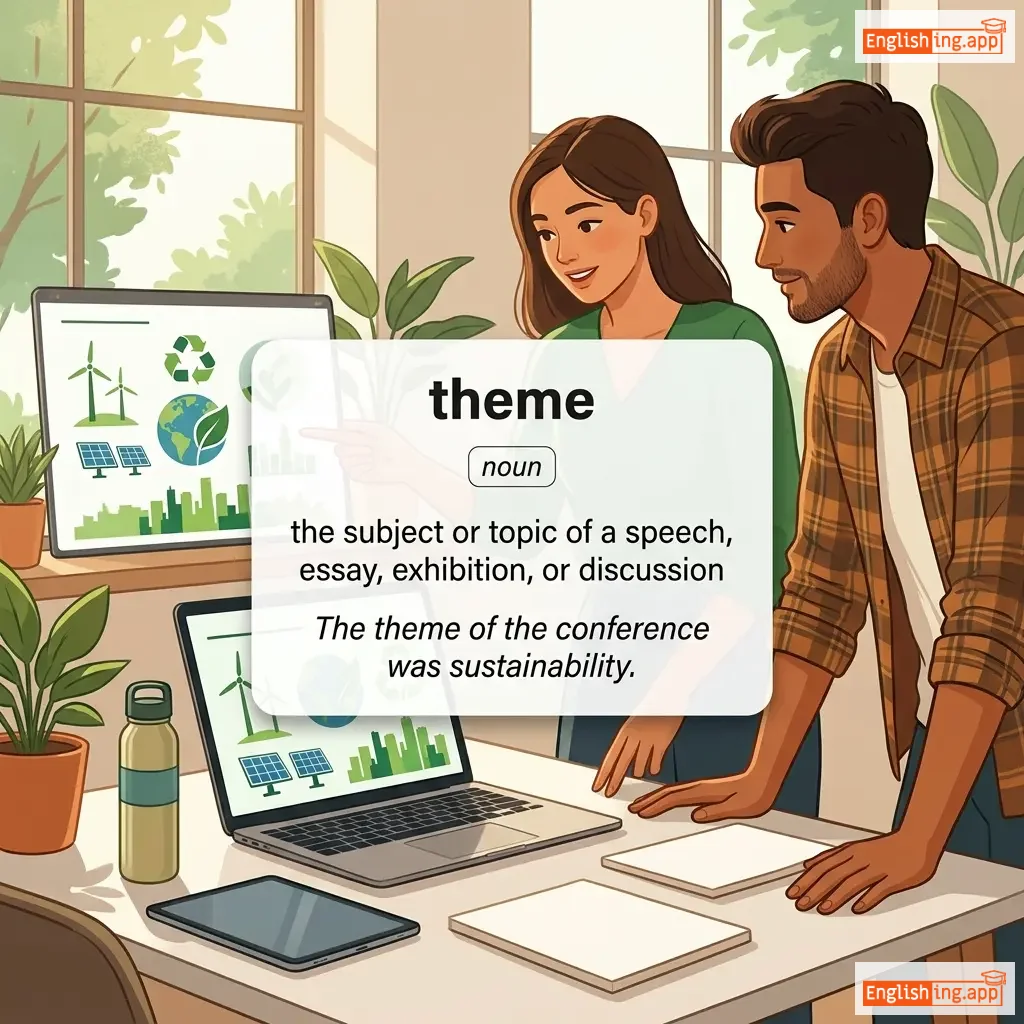
the subject or topic of a speech, essay, exhibition, or discussion
••••••
|
The theme of the conference was sustainability. |
会議のテーマは持続可能性でした。
Kaigi no teema wa jizoku kanousei deshita.
••••••
|
- •••••• | - •••••• | - •••••• |
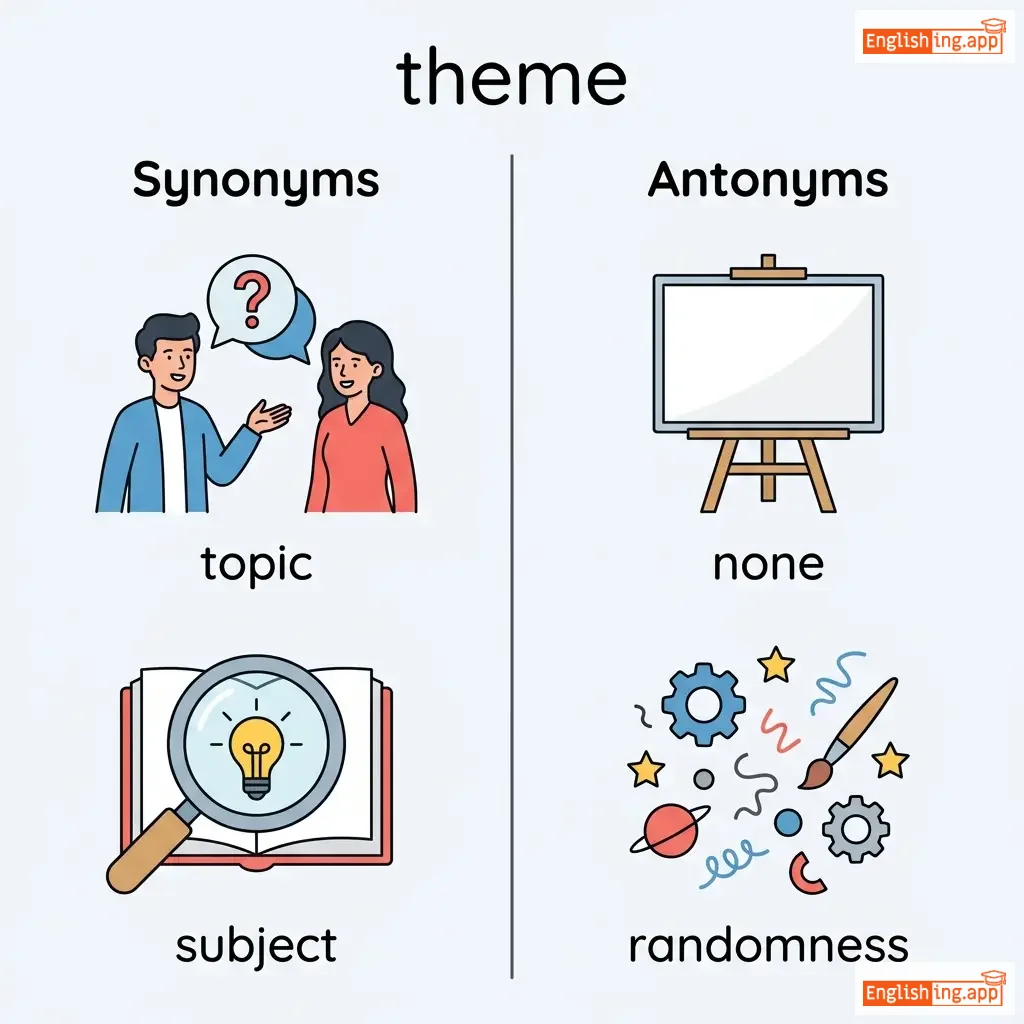
topic, subject, motif, idea
••••••
|
none
••••••
|
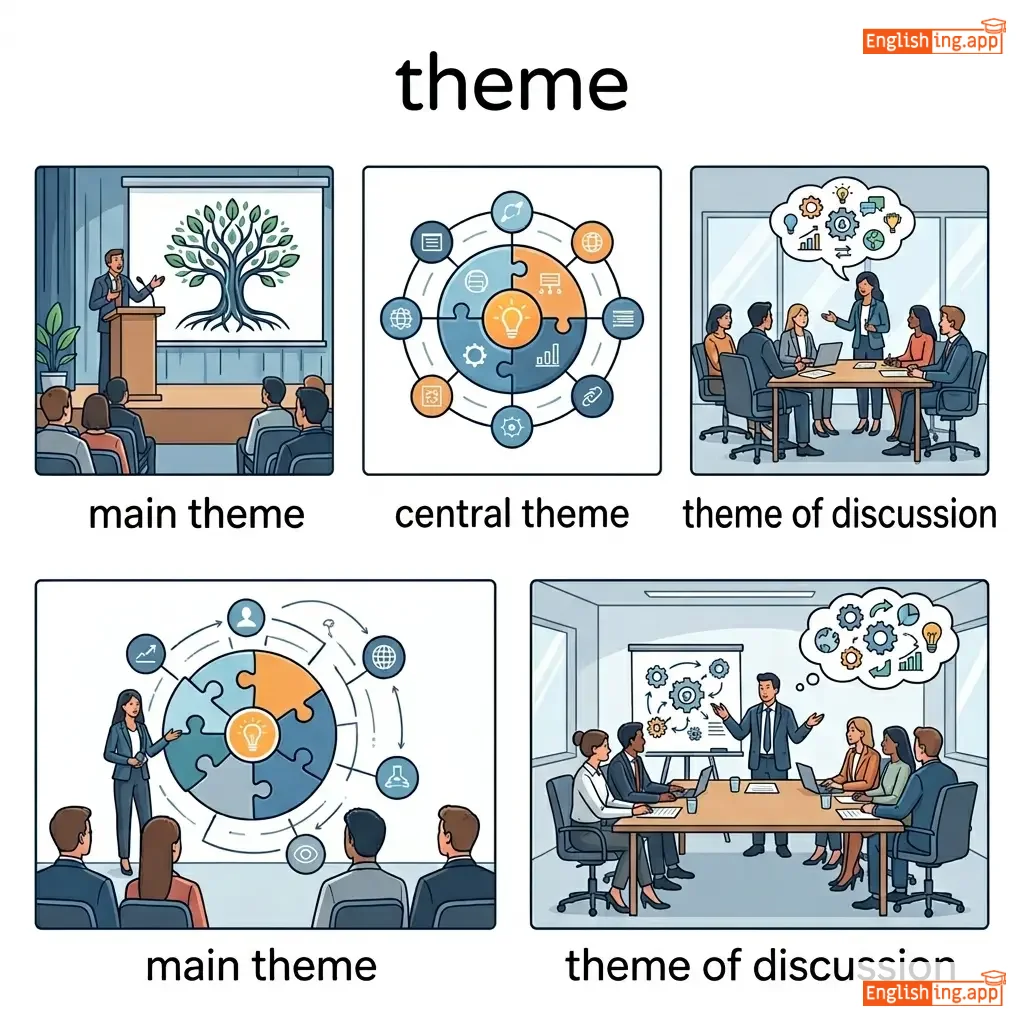
main theme, central theme, theme of discussion
••••••
|
テーマ (teema) は発表の根幹
••••••
|
|
👉
••••••
|
/ðeər/
adverb
(ðeər)
••••••
|
- •••••• |
そこ
soko
••••••
|
- •••••• | - •••••• | - •••••• | - •••••• |
in or at that place; to that place
••••••
|
I will meet you there at 5 PM. |
私は午後5時にそこであなたに会います。
Watashi wa gogo 5-ji ni soko de anata ni aimasu.
••••••
|
- •••••• | - •••••• | - •••••• |
over there, in that place, at that location
••••••
|
here, nowhere, everywhere
••••••
|
over there, right there, out there
••••••
|
そこでは午後5時に会います。
••••••
|
|
👥
••••••
|
/ðiːz/
pronoun
(ðiz)
••••••
|
- •••••• |
これら
korera
••••••
|
- •••••• | - •••••• | - •••••• | - •••••• |
used to refer to things or people that are near or present
••••••
|
These are my friends. |
これらは私の友達です。
Korera wa watashi no tomodachi desu.
••••••
|
- •••••• | - •••••• | - •••••• |
this, those, such
••••••
|
those
••••••
|
these things, these people, these books
••••••
|
These things are close to me - これらのものは私の近くにあります。
••••••
|
|
📚
••••••
|
/θɪk/
adjective
(ハピネス)
••••••
|
- •••••• |
厚い
atsui
••••••
|
- •••••• | - •••••• | - •••••• | - •••••• |
having a large distance between two sides; not thin
••••••
|
The book was so thick it took weeks to finish. |
その本はとても厚くて、終わらせるのに数週間かかりました。
Sono hon wa totemo atsukute, owaraseru noni suushukan kakarimashita.
••••••
|
thick and thin |
through good times and bad
••••••
|
厚みと薄さ
atsumi to ususa
••••••
|
dense, heavy, wide, bulky
••••••
|
thin, slim, narrow
••••••
|
thick book, thick wall, thick hair, thick fog
••••••
|
Thickは厚いという意味で、厚い本のようにたくさんのページがあります
••••••
|
|
🦵
••••••
|
/θaɪ/
noun
(θaɪ)
••••••
|
- •••••• |
太もも
thighmomo
••••••
|
- •••••• | - •••••• | - •••••• | - •••••• |
the part of the leg between the hip and the knee
••••••
|
He felt pain in his right thigh after running for an hour. |
1時間走った後、右太ももに痛みを感じました。
1 jikan hashitta ato, migi thighmomo ni itami o kanjimashita.
••••••
|
thigh bone's connected to the hip bone |
a phrase from a children's song describing body parts connection
••••••
|
太ももの骨は股関節の骨に繋がっている
Thighmomo no hone wa kokansetsu no hone ni tsunagatte iru
••••••
|
upper leg, femur, limb, lap
••••••
|
shin, calf
••••••
|
thigh muscle, chicken thigh, inner thigh, upper thigh
••••••
|
タイ料理では通常、鶏の太もも🍗 が使われます — 'thigh' は太ももを意味します。
••••••
|
|
📦
••••••
|
/θɪŋ/
noun
(θɪŋ)
••••••
|
- •••••• |
物
mono
••••••
|
- •••••• | - •••••• | - •••••• | - •••••• |
an object, idea, or matter that is being referred to or dealt with
••••••
|
This is the thing I was looking for. |
これは私が探していた物です。
Kore wa watashi ga sagashite ita mono desu.
••••••
|
- •••••• | - •••••• | - •••••• |
item, object, matter, article
••••••
|
nothing, nonentity
••••••
|
the thing, a thing, important thing, one thing
••••••
|
Think of a 'thing' as a 'mono' (物) that you always find somewhere.
••••••
|
|
3️⃣
••••••
|
/θɜrd/
adjective
(サード)
••••••
|
- •••••• |
三番目
sanbanme
••••••
|
- •••••• | - •••••• | - •••••• | - •••••• |
constituting number three in a sequence
••••••
|
She finished in third place. |
彼女は三番目に終わった。
Kanojo wa sanbanme ni owatta.
••••••
|
- •••••• | - •••••• | - •••••• |
thirdly, tertiary, trinal
••••••
|
first, second
••••••
|
third place, third time, third attempt
••••••
|
「三番目」のメダル(🥉)を思い出してください。
••••••
|
|
👢
••••••
|
/ðoʊz/
pronoun
(ðoʊz)
••••••
|
- •••••• |
それら
sorera
••••••
|
- •••••• | - •••••• | - •••••• | - •••••• |
used to refer to people or things that are far away or distant in space, time, or thought
••••••
|
Those are the shoes I want. |
それらは私が欲しい靴です。
Sorera wa watashi ga hoshī kutsu desu.
••••••
|
- •••••• | - •••••• | - •••••• |
those ones, those people, those things
••••••
|
this, these
••••••
|
those shoes, those days, those people
••••••
|
遠くの 'それら' (sorera)
••••••
|
|
3️⃣
••••••
|
/θriː/
numeral
(スリー)
••••••
|
- •••••• |
三
san
••••••
|
- •••••• | - •••••• | - •••••• | - •••••• |
the number equivalent to the sum of two and one
••••••
|
She has three dogs at home. |
彼女は家に三匹の犬を飼っています。
Kanojo wa ie ni sanbiki no inu o katteimasu.
••••••
|
- •••••• | - •••••• | - •••••• |
threefold, triple
••••••
|
none
••••••
|
three times, three people, three years
••••••
|
三は三人家族の中で幸運な数字です
••••••
|

