The Warrior Who Chose Peace
塞伯是一位传奇战士,以他精湛的 sword 技艺闻名。他参加了 three 场重要的战役。他的 third 次胜利最为重要。但 there 有一个时刻,他开始质疑暴力。战争结束后,一股 surge 难民到来。塞伯看到 their 的苦难——家庭分离、家园被毁。这让他 tempted 重新思考自己的道路。有一天,和平谈判被安排好。各国领导人围坐在 table 周围,讨论 terms。会议的 theme 是和解。塞伯多年训练而 thick 的肌肉在倾听时绷紧着。他的 thigh 上布满战斗留下的伤疤。但现在,他希望 these 伤疤成为最后的。讨论十分激烈——额头上的 sweat 不停滴落。一些提议可能会让紧张局势 swell 而不是缓解。塞伯提出了不同的做法。“让我们 swing 向和平吧,”他说。反对者争辩,害怕 theft their 权利。但塞伯的话语充满力量:“和平不是值得害怕的 thing。”会议持续了数小时。塞伯注意到有些代表非常 super 防御性。一个有趣的瞬间是,当有人手中的 sword 不小心掉落,发出巨响,吓了所有人一跳。最终,达成了一项协议。那些 Those 反对和平的人也同意了。塞伯证明,真正的力量在于选择和平而非战争。他从战士到和平使者的转变激励了后世。
|
表情符号
|
单词 | Images | 翻译 | 过去时 | 过去分词 | 第三人称单数 | 动名词 | 含义 | 例句 | 例句翻译 | 示例表达 | 示例表达含义 | 示例表达翻译 | 同义词 | 反义词 | 搭配词 | 助记符 |
|---|---|---|---|---|---|---|---|---|---|---|---|---|---|---|---|---|---|
|
💪
••••••
|
/ˈsuːpər/
adjective
(超级)
••••••
|
- •••••• |
超级
chaoji
••••••
|
- •••••• | - •••••• | - •••••• | - •••••• |
excellent; very good
••••••
|
She did a super job on the project. |
她在项目中做得非常好。
Ta zai xiangmu zhong zuo de feichang hao.
••••••
|
- •••••• | - •••••• | - •••••• |
excellent, great, outstanding, remarkable
••••••
|
poor, mediocre
••••••
|
super fast, super cool, super hero, super strong
••••••
|
Chaoji is super cool and super helpful!
••••••
|
|
🌊
••••••
|
/sɜːrdʒ/
verb
(sɜːrdʒ)
••••••
|
- •••••• |
激增
jizeng
••••••
|
surged
sɜːrdʒd
••••••
|
surged
sɜːrdʒd
••••••
|
surges
sɜːrdʒes
••••••
|
surging
sɜːrdʒing
••••••
|
to move suddenly and powerfully forward or upward
••••••
|
The crowd surged forward when the gates opened.
当大门打开时,人群向前涌动。
••••••
|
当大门打开时,人群向前涌动。
Dang damen dakaishi, renqun xiang qian yongdong.
••••••
|
surge of energy
能量激增
••••••
|
a sudden increase of energy or enthusiasm
••••••
|
能量激增
Nengliang jizeng
••••••
|
rush, swell, rise, increase, outpouring
••••••
|
decline, decrease, drop
••••••
|
surge in demand, surge of energy, surge forward, surge upward
••••••
|
Surge: 好像海浪一样,涌动而来。
••••••
|
|
💦
••••••
|
/swɛt/
verb
(汗水)
••••••
|
- •••••• |
汗水
hànshuǐ
••••••
|
sweated
汗水
••••••
|
sweated
汗水
••••••
|
sweats
汗水
••••••
|
sweating
汗水
••••••
|
to produce liquid from your skin when you are hot or nervous
••••••
|
He was sweating after running for an hour.
他跑了一个小时后,满身是汗。
••••••
|
他跑了一个小时后,满身是汗。
Tā pǎo le yī gè xiǎoshí hòu, mǎn shēn shì hàn.
••••••
|
break a sweat
流汗
••••••
|
to begin to perspire, usually from physical effort
••••••
|
流汗
liú hàn
••••••
|
perspire, exude, drip, toil, labor
••••••
|
rest, relax, cool
••••••
|
heavy sweat, cold sweat, sweat profusely, make someone sweat
••••••
|
Sweater 让你流汗 (sweat)!
••••••
|
|
💨
••••••
|
/swɛl/
verb
(斯威尔)
••••••
|
- •••••• |
肿胀
zhǒngzhàng
••••••
|
swelled
斯威尔德
••••••
|
swelled
斯威尔德
••••••
|
swells
斯威尔斯
••••••
|
swelling
斯威尔林
••••••
|
to increase in size or volume, often due to internal pressure or emotional intensity
••••••
|
Her ankle began to swell after the injury.
她的脚踝在受伤后开始肿胀。
••••••
|
她的脚踝在受伤后开始肿胀。
Tā de jiǎohuái zài shòushāng hòu kāishǐ zhǒngzhàng.
••••••
|
swell with pride
因自豪而膨胀
••••••
|
to feel very proud
••••••
|
因自豪而膨胀
Yīn zìháo ér péngzhàng
••••••
|
expand, enlarge, grow, bulge, inflate
••••••
|
shrink, contract
••••••
|
swell up, swell with pride, swell in number
••••••
|
SWEater 膨胀,因此肿胀是 swell
••••••
|
|
⛓️
••••••
|
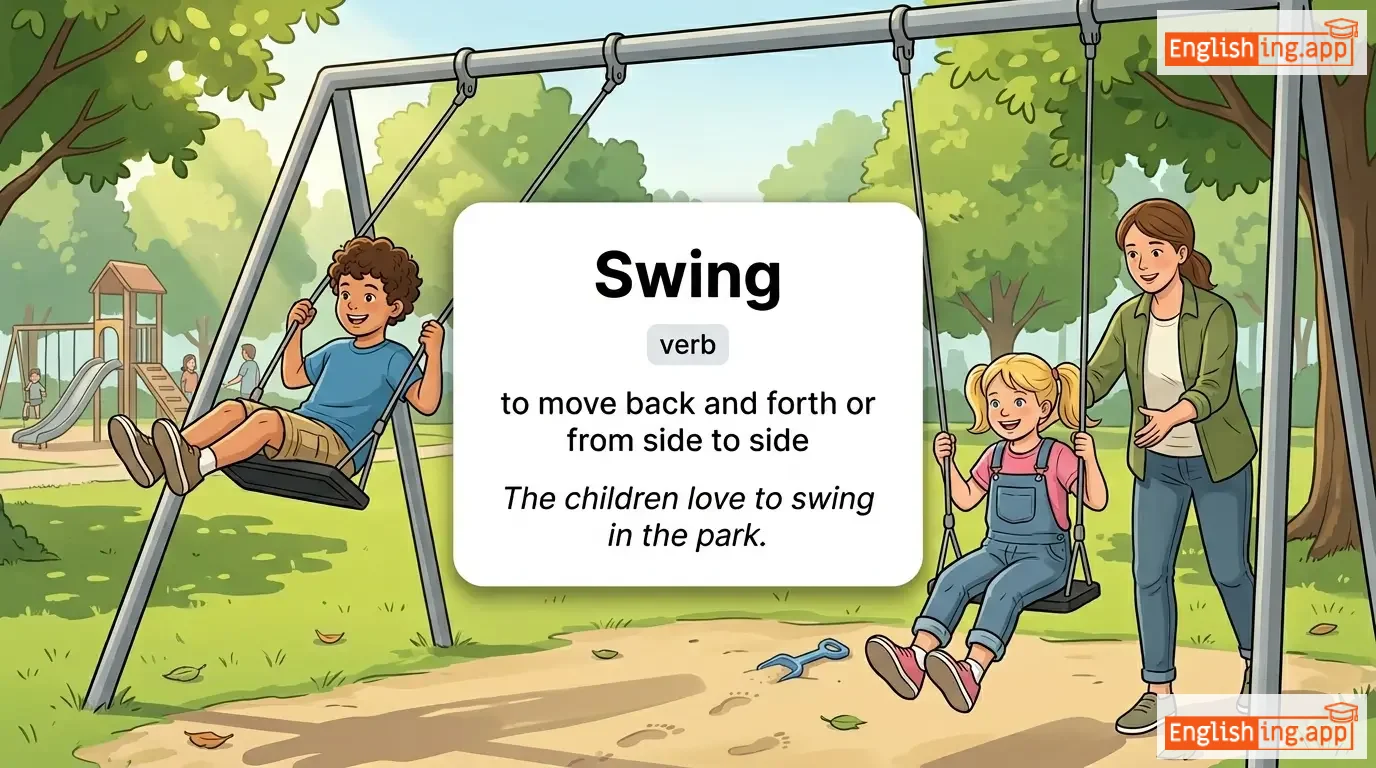
/swɪŋ/
verb
(斯温)
••••••
|
|
荡秋千
dàng qiū qiān
••••••
|
swung
斯旺
••••••
|
swung
斯旺
••••••
|
swings
斯温斯
••••••
|
swinging
斯温金
••••••
|
to move back and forth or from side to side
••••••
|
The children love to swing in the park.
孩子们喜欢在公园里荡秋千。
••••••
|
孩子们喜欢在公园里荡秋千。
Háizimen xǐhuān zài gōngyuán lǐ dàng qiū qiān.
••••••
|
swing into action
迅速进入行动
••••••
|
to start doing something quickly and effectively
••••••
|
快速采取行动
kuài sù cǎi qǔ xíng dòng
••••••
|
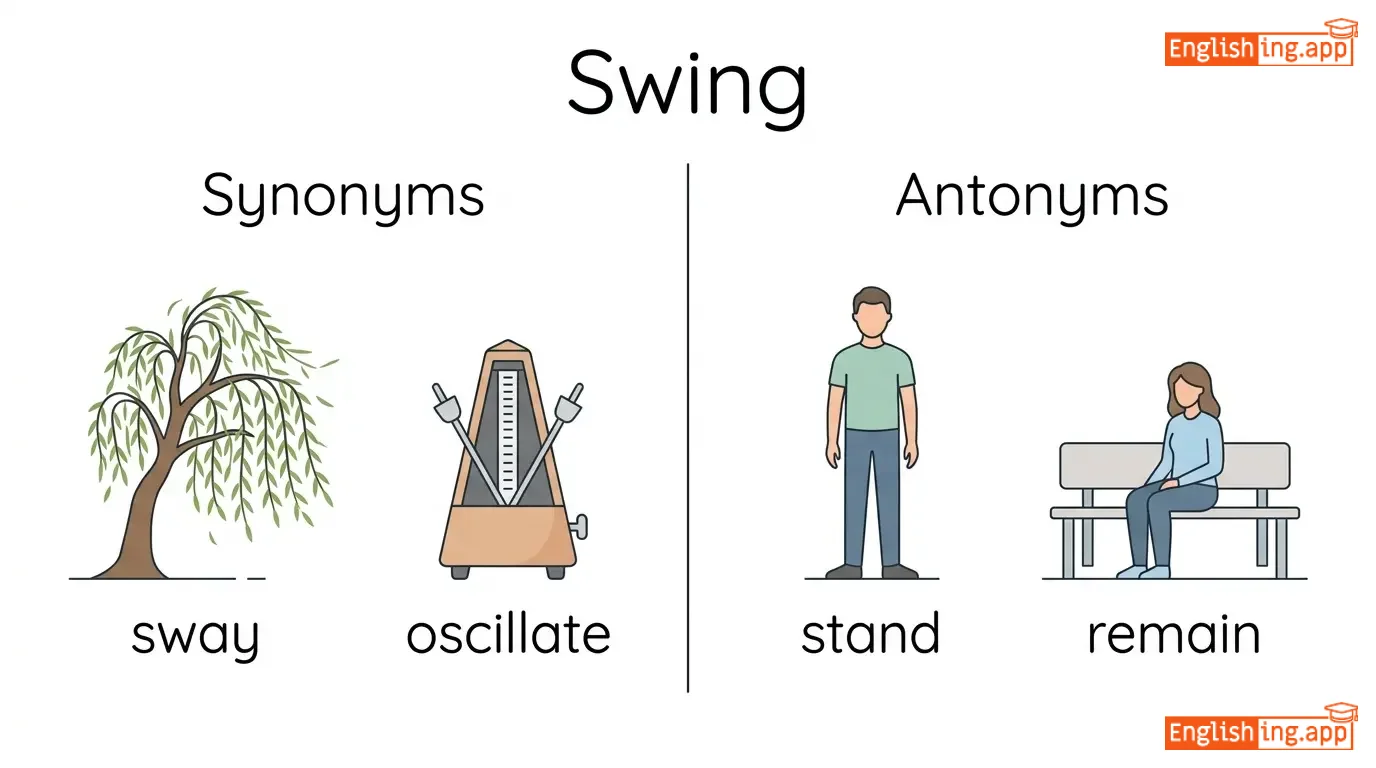
sway, oscillate, rotate, wave
••••••
|
stand, remain, stay
••••••
|
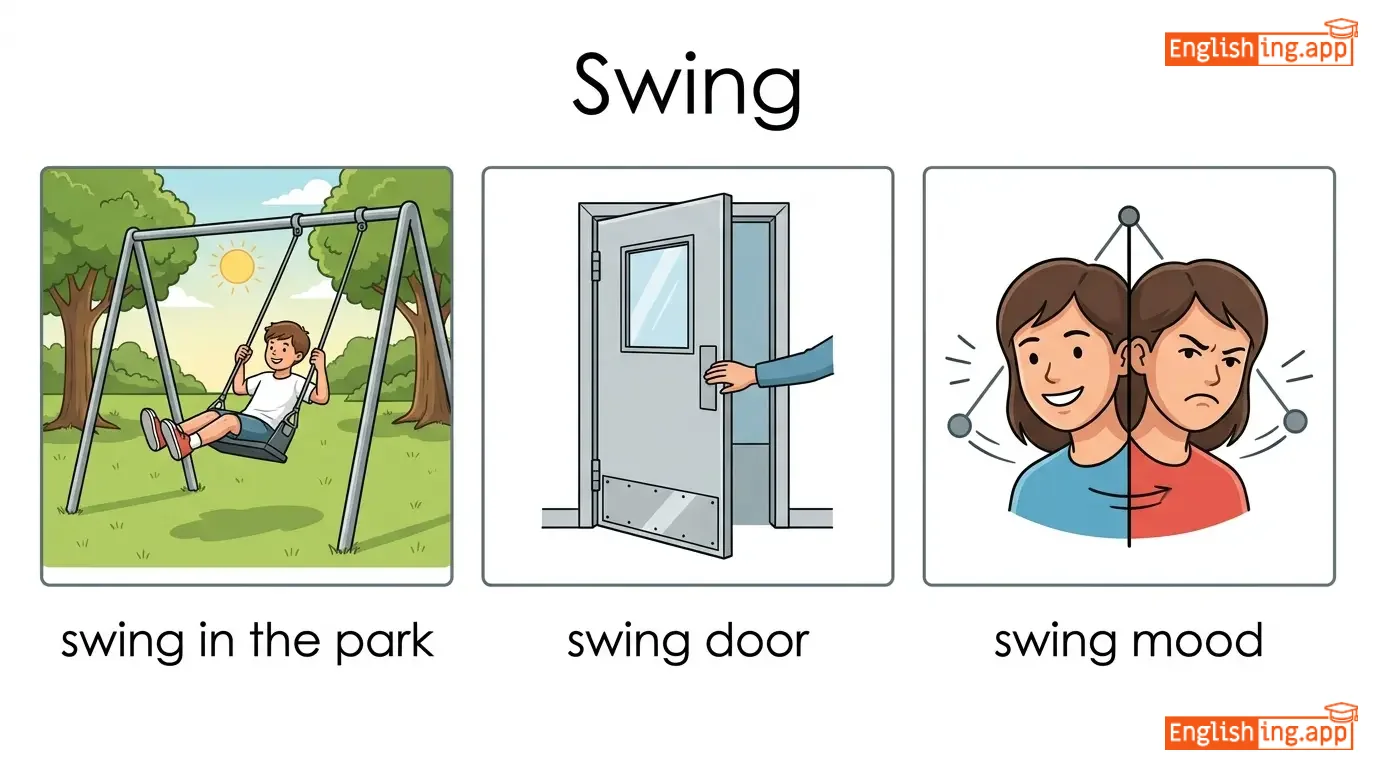
swing in the park, swing door, swing mood, swing votes
••••••
|
Swing 如荡秋千,动来动去
••••••
|
|
⚔️
••••••
|
/sɔːrd/
noun
(sword)
••••••
|
- •••••• |
剑
jian
••••••
|
- •••••• | - •••••• | - •••••• | - •••••• |
a weapon with a long metal blade used for fighting
••••••
|
The knight drew his sword to defend the castle. |
骑士拔出他的剑来保卫城堡。
qíshì bá chū tā de jiàn lái bǎowèi chéngbǎo.
••••••
|
cross swords |
to argue or fight with someone
••••••
|
交锋
jiāo fēng
••••••
|
blade, dagger, saber, weapon, cutlass
••••••
|
shield, peace
••••••
|
draw a sword, sharp sword, sword fight, sword blade
••••••
|
SWOrd = 剑,剑的武器可以战斗!
••••••
|
|
🍽️
••••••
|
/ˈteɪbəl/
noun
(tèibǎo)
••••••
|
- •••••• |
桌子
zhuōzi
••••••
|
- •••••• | - •••••• | - •••••• | - •••••• |
A piece of furniture with a flat top and legs, used for working at or placing items on.
••••••
|
They placed the documents on the table. |
他们把文件放在桌子上。
Tāmen bǎ wénjiàn fàng zài zhuōzi shàng.
••••••
|
turn the tables |
To reverse a situation and gain an advantage over someone.
••••••
|
翻转局势
fān zhuǎn júshì
••••••
|
desk, counter, bench, surface
••••••
|
floor, ground
••••••
|
dining table, coffee table, round table, table manners
••••••
|
桌子(zhuōzi)上有书和笔,翻转局势时可以用它。
••••••
|
|
🍰
••••••
|
/tɛmpt/
verb
(tempt)
••••••
|
- •••••• |
诱惑
yòuhuò
••••••
|
tempted
tempted
••••••
|
tempted
tempted
••••••
|
tempts
tempts
••••••
|
tempting
tempting
••••••
|
to entice or attract someone to do something, often something wrong or unwise
••••••
|
The smell of fresh bread tempted him to enter the bakery.
新鲜面包的味道引诱他走进了面包店。
••••••
|
新鲜面包的味道引诱他走进了面包店。
xīnxiān miànbāo de wèidào yǐn yuè tā zǒu jìn le miànbāo diàn.
••••••
|
tempt fate
挑战命运
••••••
|
to take a risk that might lead to trouble or danger
••••••
|
挑战命运
tiǎozhàn mìngyùn
••••••
|
entice, lure, attract, seduce, persuade
••••••
|
deter, repel, discourage
••••••
|
tempt someone, tempt fate, tempting offer, hard to tempt
••••••
|
Tempt 意味着诱惑,就像看到一块诱人的蛋糕,忍不住想吃掉它。
••••••
|
|
📜
••••••
|
/tɜːmz/
noun
(térmz)
••••••
|
- •••••• |
条款
tiaokuan
••••••
|
- •••••• | - •••••• | - •••••• | - •••••• |
plural of term; conditions or rules in a contract or agreement
••••••
|
The terms of the agreement are clearly outlined in the contract.
协议条款在合同中明确列出。
••••••
|
协议条款在合同中明确列出。
Xieyi tiaokuan zai hetong zhong mingque liechu.
••••••
|
- •••••• | - •••••• | - •••••• |
conditions, clauses, provisions, requirements
••••••
|
freedom, flexibility
••••••
|
contract terms, payment terms, terms and conditions
••••••
|
Terms are the clauses - remember to check ‘tiaokuan’ in the contract.
••••••
|
|
💼
••••••
|
/θɛft/
noun
(thèft)
••••••
|
- •••••• |
偷竊
tōu qiè
••••••
|
- •••••• | - •••••• | - •••••• | - •••••• |
the action or crime of stealing
••••••
|
The theft of his wallet was reported to the police.
他的錢包被報告給警方。
••••••
|
他的錢包被報告給警方。
Tā de qiánbāo bèi bàogào gěi jǐngfāng.
••••••
|
- •••••• | - •••••• | - •••••• |
burglary, robbery, larceny, stealing
••••••
|
honesty, integrity
••••••
|
committed theft, petty theft, reported theft
••••••
|
Tōu qiè for theft - In tōu qiè, yī bǎ dao (knife) shǐyòng lái tōu.
••••••
|
|
👨👩👧👦
••••••
|
/ðɛər/
pronoun
(ðɛər)
••••••
|
- •••••• |
他们的
tāmen de
••••••
|
- •••••• | - •••••• | - •••••• | - •••••• |
belonging to or associated with the people or things previously mentioned
••••••
|
Their house is on the corner. |
他们的房子在角落里。
Tāmen de fángzi zài jiǎoluò lǐ.
••••••
|
- •••••• | - •••••• | - •••••• |
his, her, its
••••••
|
my, your
••••••
|
their car, their family, their opinion
••••••
|
Their - 他们的房子
••••••
|
|
🎨
••••••
|
/θiːm/
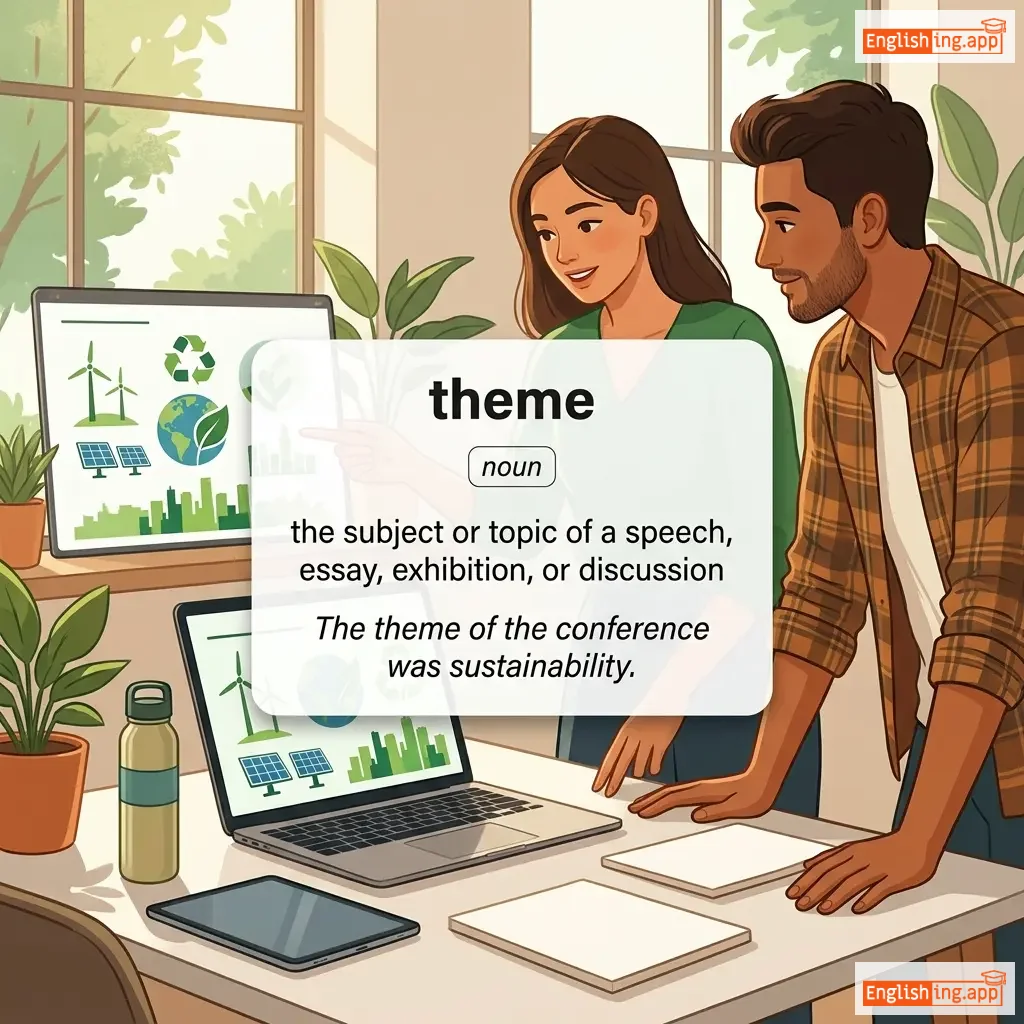
noun
(主题)
••••••
|
|
主题
zhuti
••••••
|
- •••••• | - •••••• | - •••••• | - •••••• |
the subject or topic of a speech, essay, exhibition, or discussion
••••••
|
The theme of the conference was sustainability. |
会议的主题是可持续性。
Huiyi de zhuti shi kexu xing.
••••••
|
- •••••• | - •••••• | - •••••• |
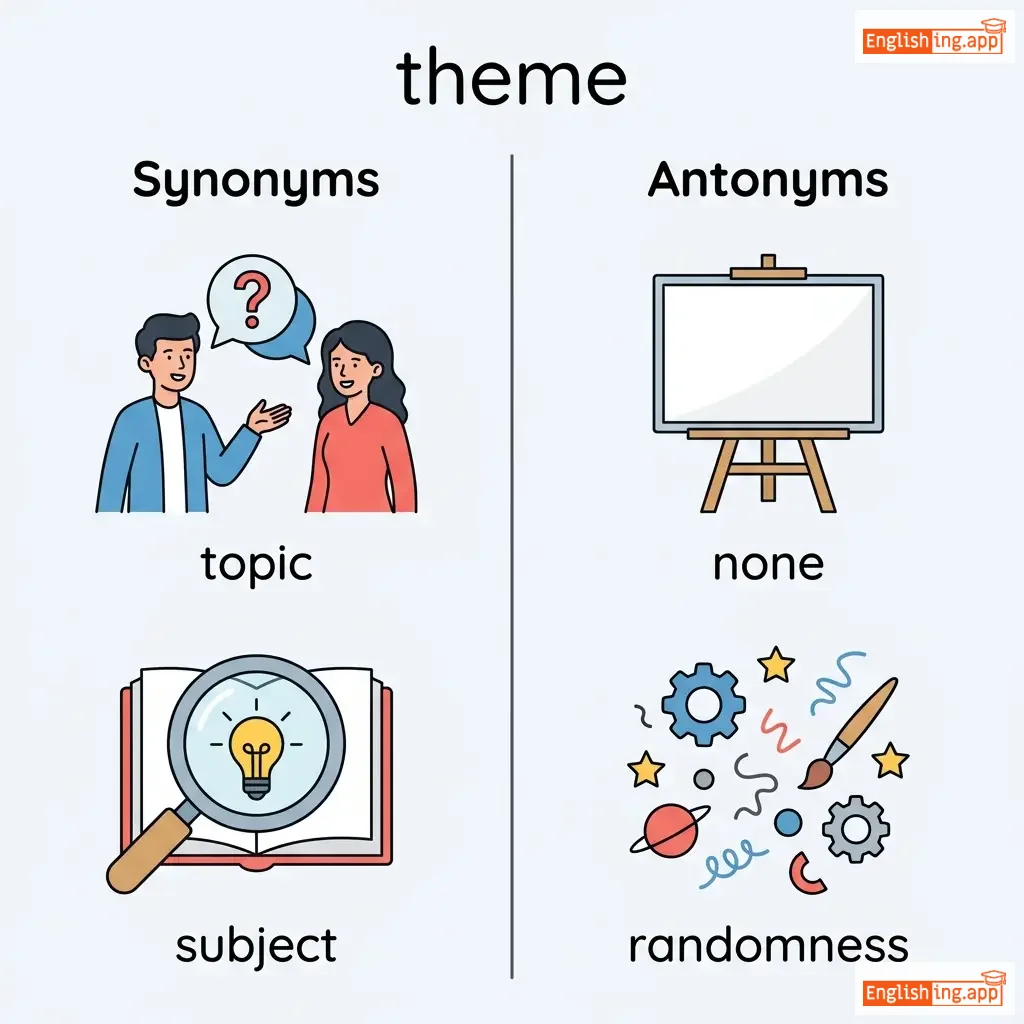
topic, subject, motif, idea
••••••
|
none
••••••
|
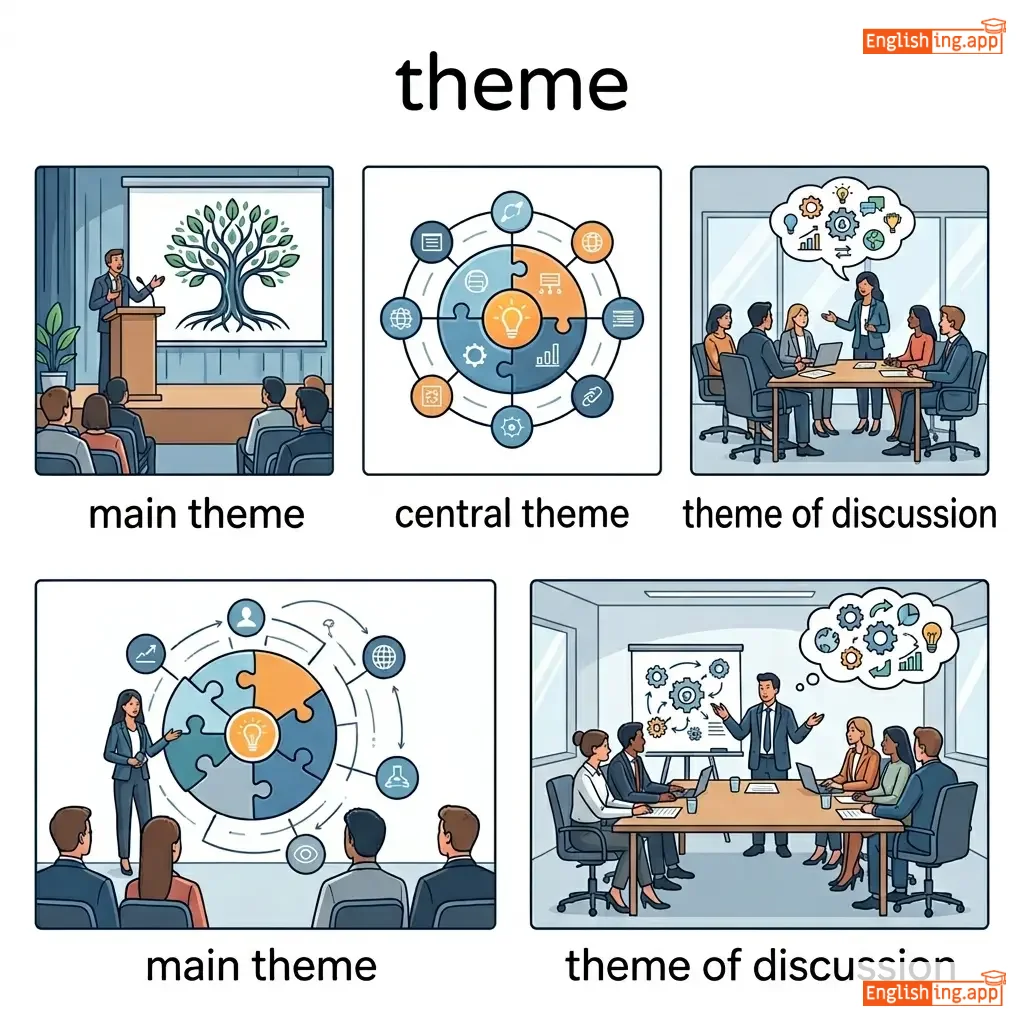
main theme, central theme, theme of discussion
••••••
|
主题 (zhuti) 是演讲的核心
••••••
|
|
👉
••••••
|
/ðeər/
adverb
(ðeər)
••••••
|
- •••••• |
那里
nàlǐ
••••••
|
- •••••• | - •••••• | - •••••• | - •••••• |
in or at that place; to that place
••••••
|
I will meet you there at 5 PM. |
我将在下午5点在那里见你。
Wǒ jiāng zài xiàwǔ 5 diǎn zài nàlǐ jiàn nǐ.
••••••
|
- •••••• | - •••••• | - •••••• |
over there, in that place, at that location
••••••
|
here, nowhere, everywhere
••••••
|
over there, right there, out there
••••••
|
那里我们下午5点见面。
••••••
|
|
👥
••••••
|
/ðiːz/
pronoun
(ðiz)
••••••
|
- •••••• |
这些
zhe xie
••••••
|
- •••••• | - •••••• | - •••••• | - •••••• |
used to refer to things or people that are near or present
••••••
|
These are my friends. |
这些是我的朋友。
Zhe xie shi wo de pengyou.
••••••
|
- •••••• | - •••••• | - •••••• |
this, those, such
••••••
|
those
••••••
|
these things, these people, these books
••••••
|
These things are close to me - 这些东西离我很近。
••••••
|
|
📚
••••••
|
/θɪk/
adjective
(θɪk)
••••••
|
- •••••• |
厚
hou
••••••
|
- •••••• | - •••••• | - •••••• | - •••••• |
having a large distance between two sides; not thin
••••••
|
The book was so thick it took weeks to finish. |
这本书很厚,需要几周才能读完。
Zhe ben shu hen hou, xuyao ji zhou cai neng du wan.
••••••
|
thick and thin |
through good times and bad
••••••
|
厚薄之差
hou bo zhi cha
••••••
|
dense, heavy, wide, bulky
••••••
|
thin, slim, narrow
••••••
|
thick book, thick wall, thick hair, thick fog
••••••
|
Thick意思是厚,就像一本很厚的书
••••••
|
|
🦵
••••••
|
/θaɪ/
noun
(θaɪ)
••••••
|
- •••••• |
大腿
daitui
••••••
|
- •••••• | - •••••• | - •••••• | - •••••• |
the part of the leg between the hip and the knee
••••••
|
He felt pain in his right thigh after running for an hour. |
他在跑了一个小时后感到右大腿疼痛。
Ta zai pao le yi ge xiaoshi hou gandao you daitui tengtong.
••••••
|
thigh bone's connected to the hip bone |
a phrase from a children's song describing body parts connection
••••••
|
大腿骨连接到臀部骨
Daitui gu lianjie dao tunbu gu
••••••
|
upper leg, femur, limb, lap
••••••
|
shin, calf
••••••
|
thigh muscle, chicken thigh, inner thigh, upper thigh
••••••
|
泰国菜通常有鸡腿 🍗 — 记得 'thigh' 是指大腿。
••••••
|
|
📦
••••••
|
/θɪŋ/
noun
(θɪŋ)
••••••
|
- •••••• |
东西
dongxi
••••••
|
- •••••• | - •••••• | - •••••• | - •••••• |
an object, idea, or matter that is being referred to or dealt with
••••••
|
This is the thing I was looking for. |
这是我在找的东西。
Zhe shi wo zai zhao de dongxi.
••••••
|
- •••••• | - •••••• | - •••••• |
item, object, matter, article
••••••
|
nothing, nonentity
••••••
|
the thing, a thing, important thing, one thing
••••••
|
Think of a 'thing' as a 'dongxi' (东西) you always find in a box.
••••••
|
|
3️⃣
••••••
|
/θɜrd/
adjective
(θɜrd)
••••••
|
- •••••• |
第三
di san
••••••
|
- •••••• | - •••••• | - •••••• | - •••••• |
constituting number three in a sequence
••••••
|
She finished in third place. |
她得了第三名。
Ta de le di san ming.
••••••
|
- •••••• | - •••••• | - •••••• |
thirdly, tertiary, trinal
••••••
|
first, second
••••••
|
third place, third time, third attempt
••••••
|
想想'第三'名的奖牌(🥉)。
••••••
|
|
👢
••••••
|
/ðoʊz/
pronoun
(ðoʊz)
••••••
|
- •••••• |
那些
nàxiē
••••••
|
- •••••• | - •••••• | - •••••• | - •••••• |
used to refer to people or things that are far away or distant in space, time, or thought
••••••
|
Those are the shoes I want. |
那些是我想要的鞋子。
Nàxiē shì wǒ xiǎng yào de xiézi.
••••••
|
- •••••• | - •••••• | - •••••• |
those ones, those people, those things
••••••
|
this, these
••••••
|
those shoes, those days, those people
••••••
|
远离的 '那些' (nàxiē)
••••••
|
|
3️⃣
••••••
|
/θriː/
numeral
(sān)
••••••
|
- •••••• |
三
san
••••••
|
- •••••• | - •••••• | - •••••• | - •••••• |
the number equivalent to the sum of two and one
••••••
|
She has three dogs at home. |
她家里有三只狗。
Tā jiālǐ yǒu sān zhī gǒu.
••••••
|
- •••••• | - •••••• | - •••••• |
threefold, triple
••••••
|
none
••••••
|
three times, three people, three years
••••••
|
三是三口之家里的幸运数字
••••••
|

