The Doctor Who Found the Truth
サラ医師は cancer の専門家だった。彼女は urban 病院で働いていた。毎日 tough な症例——tumors、感染、viruses を見ていた。
ある日、彼女の uncle が病院に来た。彼は upset だった。妻が cancer で亡くなり、今や widower だった。
「質問がある」と uncle は言った。「あなたの叔母の cancer、防げなかったのか?」
サラは weird な気持ちになった。uncle の目には truth を求める必死さがあった。
「わからないわ」とサラは正直に言った。「でも、記録を trace してみる。」
彼女は調査を始めた。古いファイル、videos、camera 映像。調べるほど weird なことが出てきた。
叔母の tumor は早期に発見されていたが、治療が遅れた。なぜ? 保険が承認しなかったという。だがそれは valid な理由ではなかった。
「これは crisis 管理じゃない」とサラは思った。「怠慢だ。」
さらに調べると、病院の経営陣や保険会社、医師たちが関係していた。コスト削減のため治療を遅らせていたのだ。
「私は truth を知らなければならない」と彼女は決意した。
彼女は密かに videos、書類、メールを記録した。毎晩、古い camera 映像を watch し、資金の流れを trace した。
Uncle が尋ねた。「何か見つけたか?」——「まだ調査中よ」と彼女は答えた。valid な証拠がないまま upset させたくなかった。
三ヶ月後、彼女は決定的な video を見つけた。CEO が言った:「Cancer 患者は利益になる。治療を遅らせ、検査を増やせ。」
サラの手は震えた。それは叔母だけでなく、何百人もの患者の問題だった。
「これは crisis だ」と彼女はささやいた。「倫理的な crisis。」
|
絵文字
|
単語 | Images | 翻訳 | 過去 | 過去分詞 | 三人称単数 | 動名詞 | 意味 | 例文 | 例文の翻訳 | 表現例 | 表現例の意味 | 表現例の翻訳 | 同義語 | 対義語 | コロケーション | ニーモニック |
|---|---|---|---|---|---|---|---|---|---|---|---|---|---|---|---|---|---|
|
📷
••••••
|
/ˈkæm.rə/
noun
••••••
|
- •••••• | - •••••• | - •••••• | - •••••• | - •••••• | - •••••• |
a device used for taking photographs or recording videos
••••••
|
She bought a new camera for her photography class. |
- •••••• |
caught on camera |
recorded by a camera
••••••
|
- •••••• |
recorder, camcorder, device, shooter, lens
••••••
|
none, memory
••••••
|
digital camera, security camera, video camera, camera lens
••••••
|
No •••••• |
|
🎗️
••••••
|
/ˈkænsər/
noun
(がん)
••••••
|
- •••••• |
がん
gan
••••••
|
- •••••• | - •••••• | - •••••• | - •••••• |
A disease in which abnormal cells divide uncontrollably and destroy body tissue.
••••••
|
Smoking is a leading cause of lung cancer. |
喫煙は肺がんの主な原因です。
Kitsuen wa haigan no omona gen'in desu.
••••••
|
fight cancer |
To battle against the disease of cancer.
••••••
|
がんと戦う
gan to tatakau
••••••
|
malignancy, tumor, neoplasm, carcinoma, illness
••••••
|
health, wellness
••••••
|
cancer treatment, cancer patient, lung cancer, breast cancer
••••••
|
がんは苦しみ + 体 (suffer) = 体にとって恐ろしい病気
••••••
|
|
⚠️
••••••
|
/ˈkraɪsɪs/
noun
(クライシス)
••••••
|
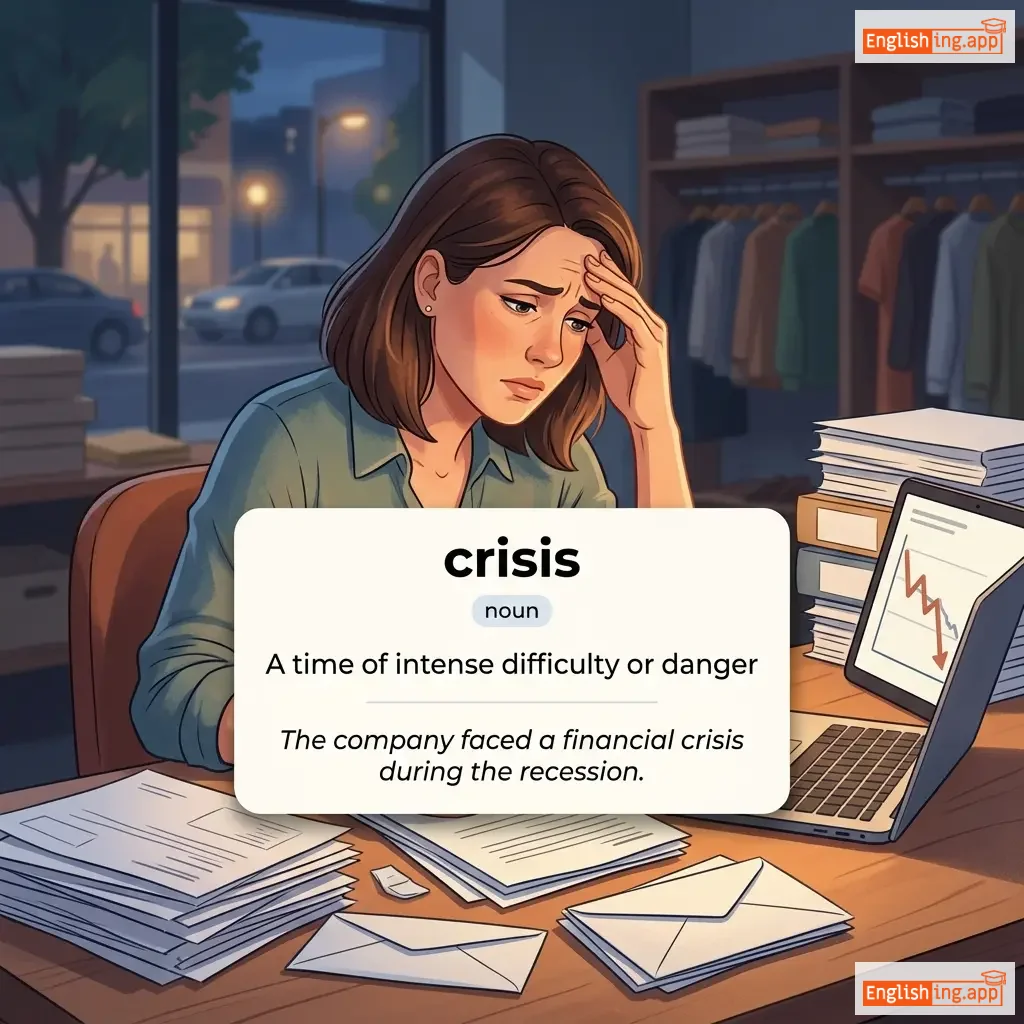
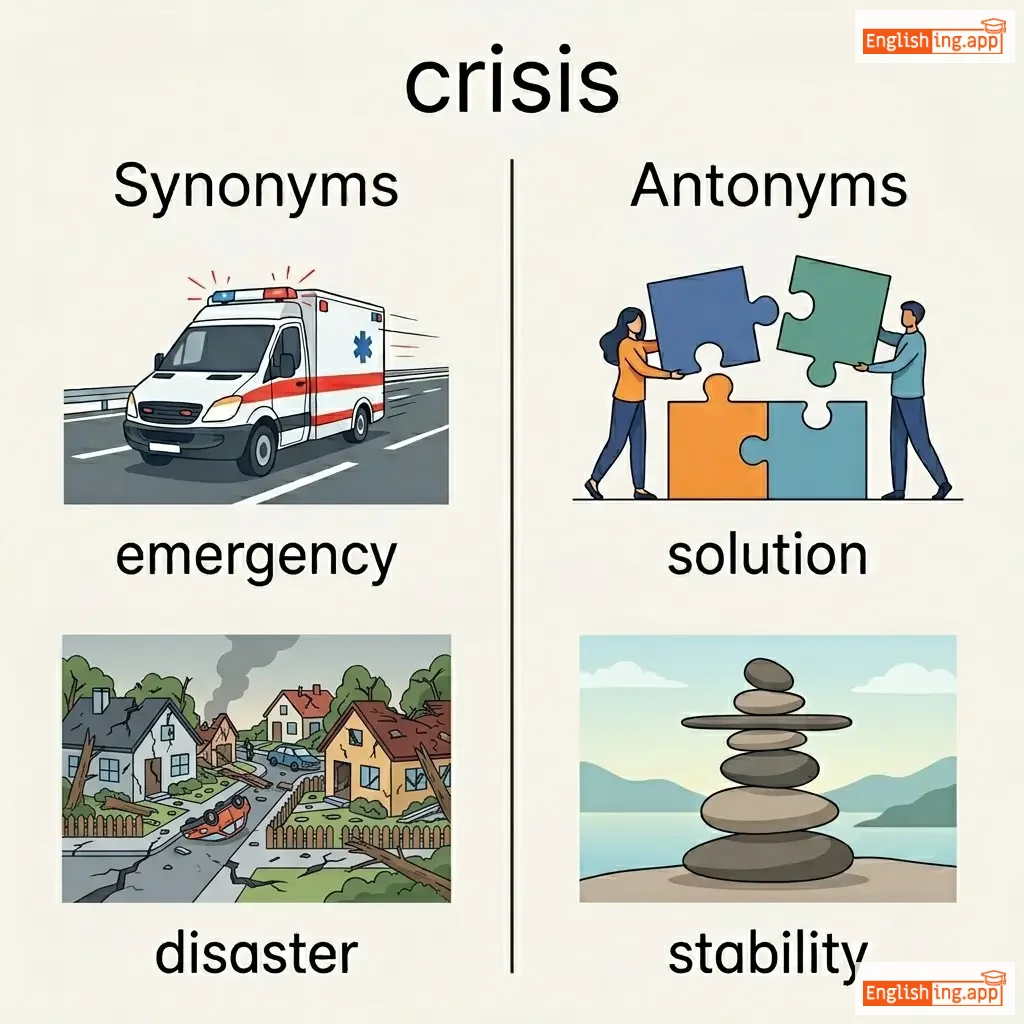
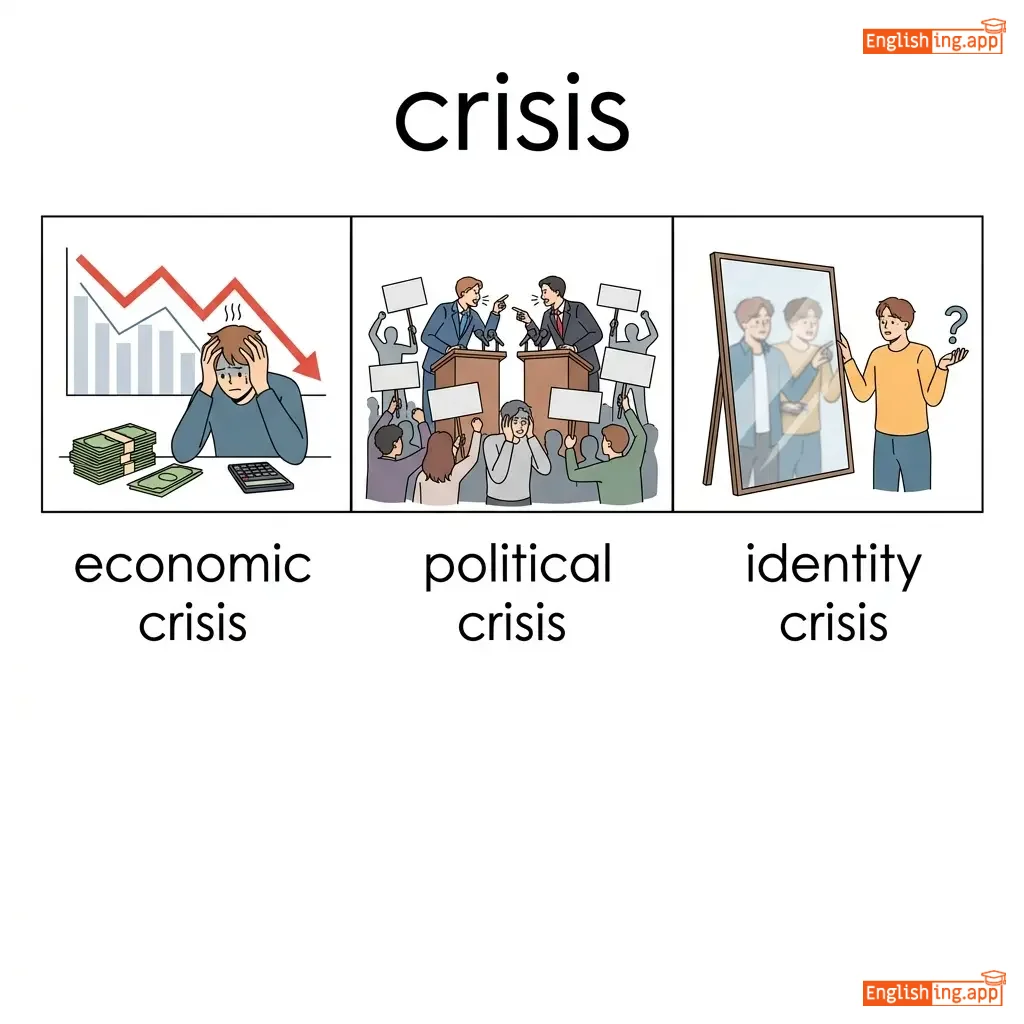
|
危機
kiki
••••••
|
- •••••• | - •••••• | - •••••• | - •••••• |
A time of intense difficulty or danger
••••••
|
The company faced a financial crisis during the recession. |
その企業は不況の中で財政的な危機に直面しました。
Sono kigyō wa fukyō no naka de zaisei-teki na kiki ni chokumen shimashita.
••••••
|
midlife crisis |
a period of doubt and anxiety in middle age about one's life
••••••
|
ミッドライフクライシス
Middoraifu kuraishisu
••••••
|
emergency, disaster, dilemma, catastrophe, trouble
••••••
|
solution, stability, peace
••••••
|
economic crisis, political crisis, identity crisis, health crisis
••••••
|
Crisis ではみんなが困っている、危機の時間!
••••••
|
|
👆
••••••
|
/tʌtʃ/
verb
(タッチ)
••••••
|
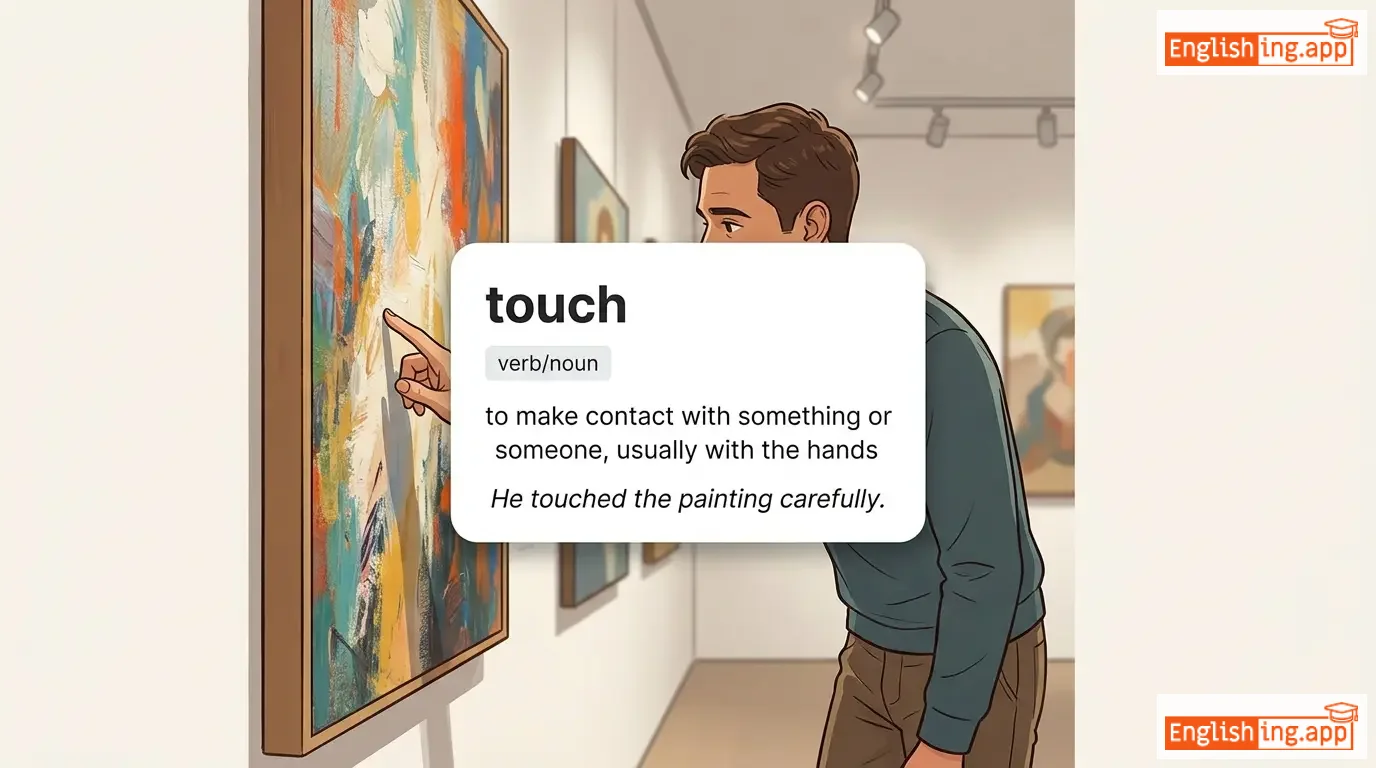
|
触れる
fureru
••••••
|
touched
タッチド
••••••
|
touched
タッチド
••••••
|
touches
タッチズ
••••••
|
touching
タッチング
••••••
|
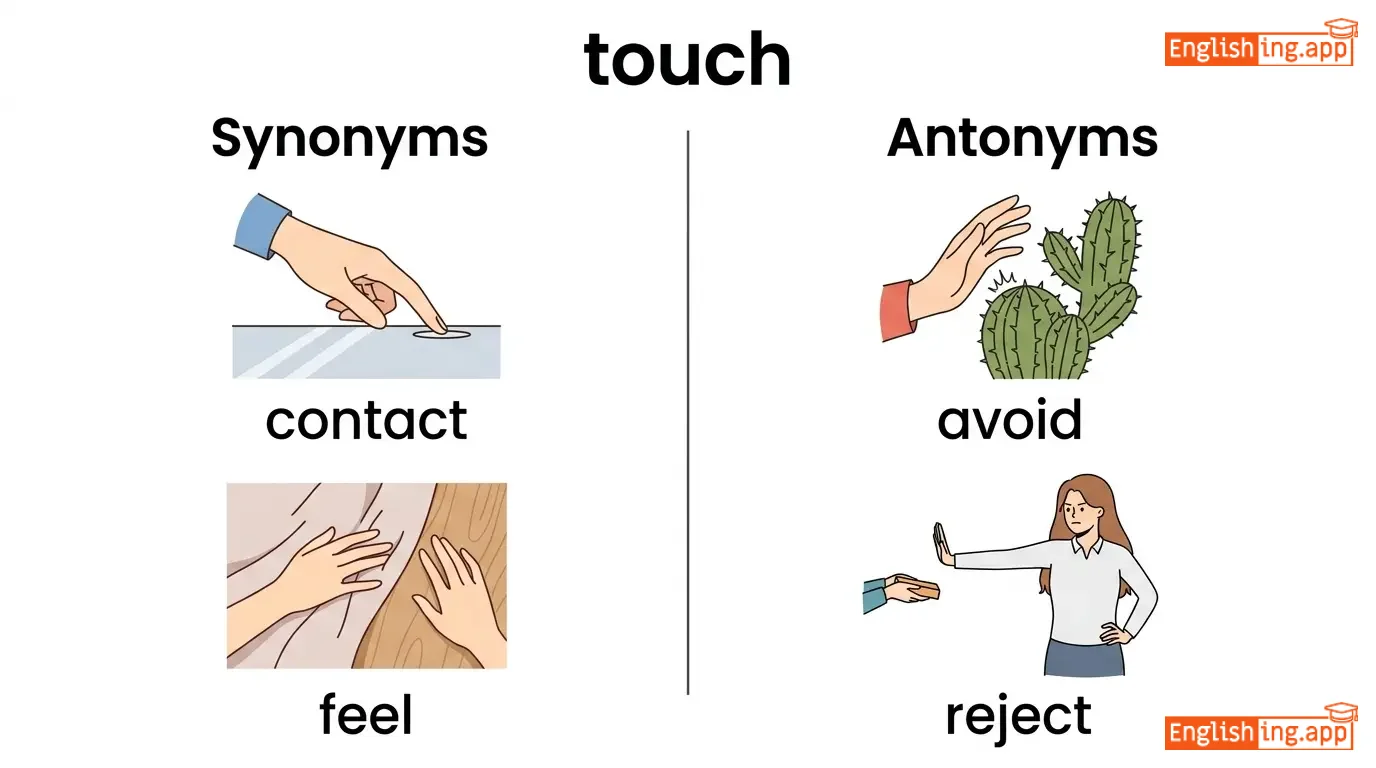
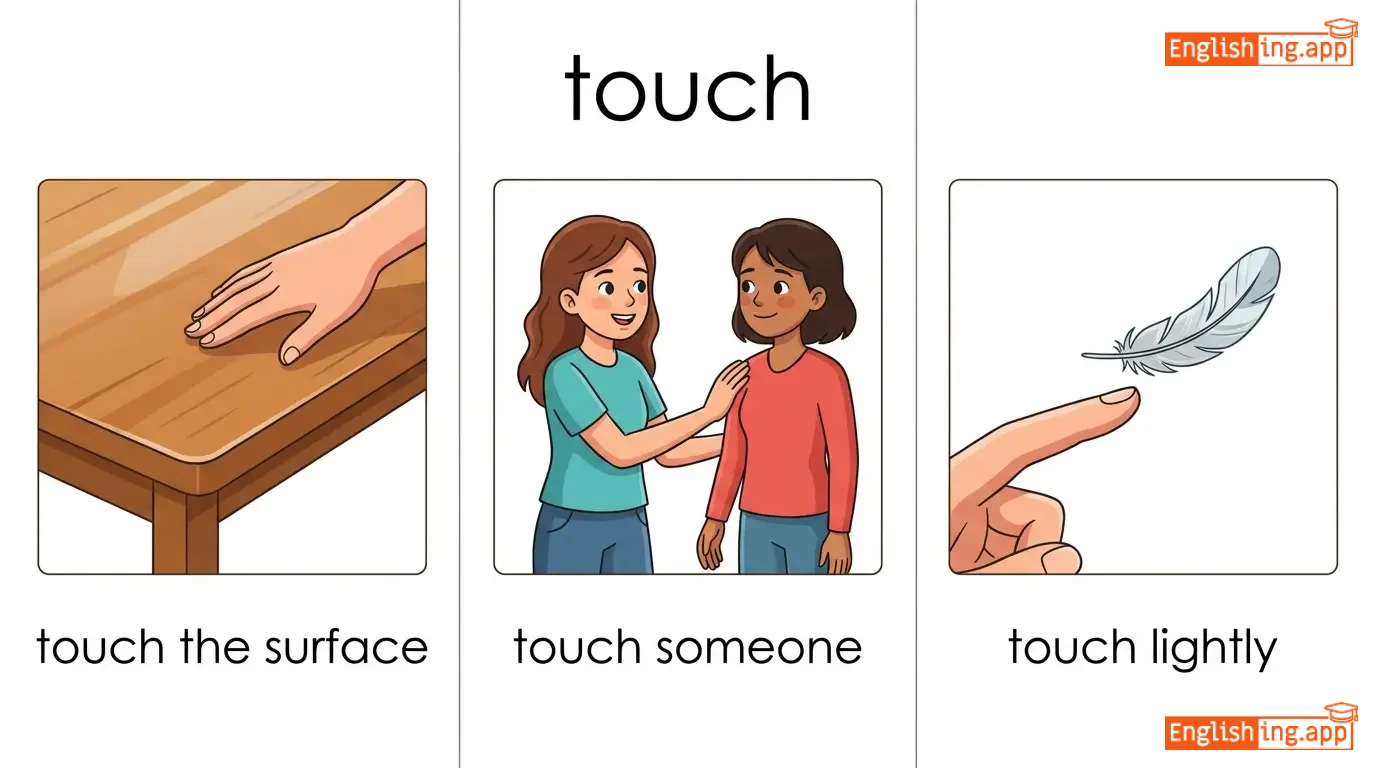
to put your hand or finger on something; to make physical contact
••••••
|
Please don't touch the wet paint.
塗りたてのペンキに触れないでください。
••••••
|
塗りたてのペンキに触れないでください。
Nuritāte no penki ni furenai de kudasai.
••••••
|
- •••••• | - •••••• | - •••••• |
feel, handle, contact, brush
••••••
|
avoid, miss
••••••
|
touch screen, touch gently, lose touch, get in touch
••••••
|
Fureru means to touch and create a mark!
••••••
|
|
💪
••••••
|
/tʌf/
adjective
(taf)
••••••
|
- •••••• |
頑丈
ganjou
••••••
|
- •••••• | - •••••• | - •••••• | - •••••• |
strong, durable, and difficult to break or deal with
••••••
|
He had a tough day at work. |
彼は仕事で厳しい一日を過ごしました。
Kare wa shigoto de kibishii ichinichi o sugoshimashita.
••••••
|
tough luck |
a phrase used to express sympathy for someone's unfortunate situation
••••••
|
不運
fuun
••••••
|
hard, durable, strong, resilient
••••••
|
soft, weak
••••••
|
tough decision, tough time, tough job
••••••
|
岩のように頑丈!
••••••
|
|
🕵️
••••••
|
/treɪs/
noun, verb
(トレース)
••••••
|
- •••••• |
痕跡
koseki
••••••
|
traced
トレースド
••••••
|
traced
トレースド
••••••
|
traces
トレースズ
••••••
|
tracing
トレースイング
••••••
|
a mark, object, or sign that shows the existence or development of something
••••••
|
She traced the path of the river on the map.
彼女は地図に川の道をトレースしました。
••••••
|
彼女は地図に川の道をトレースしました。
Kanojo wa chizu ni kawa no michi o toresu shimashita.
••••••
|
- •••••• | - •••••• | - •••••• |
track, path, sign
••••••
|
obscure, erase
••••••
|
trace the steps, trace the origin, leave a trace
••••••
|
痕跡 (koseki) は道の痕跡です - tracing the path が道を見つけるのを助けます
••••••
|
|
🌳
••••••
|
/trʌŋk/
noun
••••••
|
- •••••• | - •••••• | - •••••• | - •••••• | - •••••• | - •••••• |
the main woody stem of a tree; also a large, strong container for storage or travel; the enclosed space at the back of a car
••••••
|
She packed her clothes into a trunk before leaving for college. |
- •••••• |
pack up one's trunk |
to prepare belongings for a journey or relocation
••••••
|
- •••••• |
stem, chest, case, container, luggage
••••••
|
branch, twig
••••••
|
tree trunk, car trunk, elephant trunk, storage trunk
••••••
|
No •••••• |
|
✅
••••••
|
/truːθ/
noun
(トゥルース)
••••••
|
- •••••• |
真実; 正直;
shinjitsu
••••••
|
- •••••• | - •••••• | - •••••• | - •••••• |
the quality or state of being true; that which is true or in accordance with fact or reality
••••••
|
The witness promised to tell the truth during the court hearing.
証人は法廷で真実を語ることを約束した。
••••••
|
証人は法廷で真実を語ることを約束した。
shounin wa houtei de shinjitsu wo kataru koto wo yakusoku shita.
••••••
|
- •••••• | - •••••• | - •••••• |
fact, reality, honesty, veracity
••••••
|
lie, falsehood, deception, untruth
••••••
|
tell the truth, absolute truth, truth serum, moment of truth
••••••
|
真実は証人が語るように、明確で疑いようのないものです。
••••••
|
|
🧬
••••••
|
/ˈtjuːmər/
noun
(腫瘍)
••••••
|
- •••••• |
腫瘍
shuyou
••••••
|
- •••••• | - •••••• | - •••••• | - •••••• |
an abnormal mass of tissue caused by excessive cell growth
••••••
|
The doctor found a benign tumor during the medical check-up.
医師は健康診断中に良性の腫瘍を見つけました。
••••••
|
医師は健康診断中に良性の腫瘍を見つけました。
Ishi wa kenko shinshindan chu ni ryousei no shuyou wo mitsukemashita.
••••••
|
- •••••• | - •••••• | - •••••• |
growth, lump, swelling, neoplasm, mass
••••••
|
healthy tissue, normal cell
••••••
|
brain tumor, benign tumor, malignant tumor, tumor cells
••••••
|
腫瘍 = abnormal mass formed by excess cell growth
••••••
|
|
🌀
••••••
|
/twɪst/
verb
(ツイスト)
••••••
|
- •••••• |
ねじる, 回す
nejiru, mawasu
••••••
|
twisted
ツイステッド
••••••
|
twisted
ツイステッド
••••••
|
twists
ツイスツ
••••••
|
twisting
ツイスティング
••••••
|
to bend or turn something into a coil or spiral shape; to distort.
••••••
|
He twisted the rope tightly around the pole.
彼はロープを柱の周りにしっかりと巻きつけました。
••••••
|
彼はロープを柱の周りにしっかりと巻きつけました。
Kare wa roopu o hashira no mawari ni shikkari to makitsukemashita.
••••••
|
plot twist
物語の展開
••••••
|
an unexpected change in the story or situation
••••••
|
物語の予想外の展開
monogatari no yosōgai no tenkai
••••••
|
bend, turn, curl, spin, distort
••••••
|
straighten, flatten
••••••
|
twist the rope, twist around, twist ankle, plot twist
••••••
|
Twist は何かを素早く回すことです!
••••••
|
|
👨🦳
••••••
|
/ˈʌŋkəl/
noun
(アンケル)
••••••
|
- •••••• |
おじ/おじさん
oji/ojisan
••••••
|
- •••••• | - •••••• | - •••••• | - •••••• |
the brother of one's father or mother
••••••
|
My uncle is visiting us next week. |
私のおじさんは来週私たちを訪ねてきます。
Watashi no ojisan wa raishū watashitachi o tazunetekimasu.
••••••
|
- •••••• | - •••••• | - •••••• |
relative, kin, family member
••••••
|
- •••••• |
maternal uncle, paternal uncle, uncle and aunt
••••••
|
UNCLE is like 'uncertain' – You are uncertain if you can call him anything else!
••••••
|
|
😔
••••••
|
/ʌpˈsɛt/
verb
(ʌpˈsɛt)
••••••
|
|
動揺させる
douyou saseru
••••••
|
upset
ʌpˈsɛt
••••••
|
upset
ʌpˈsɛt
••••••
|
upsets
ʌpˈsɛts
••••••
|
upsetting
ʌpˈsɛtɪŋ
••••••
|
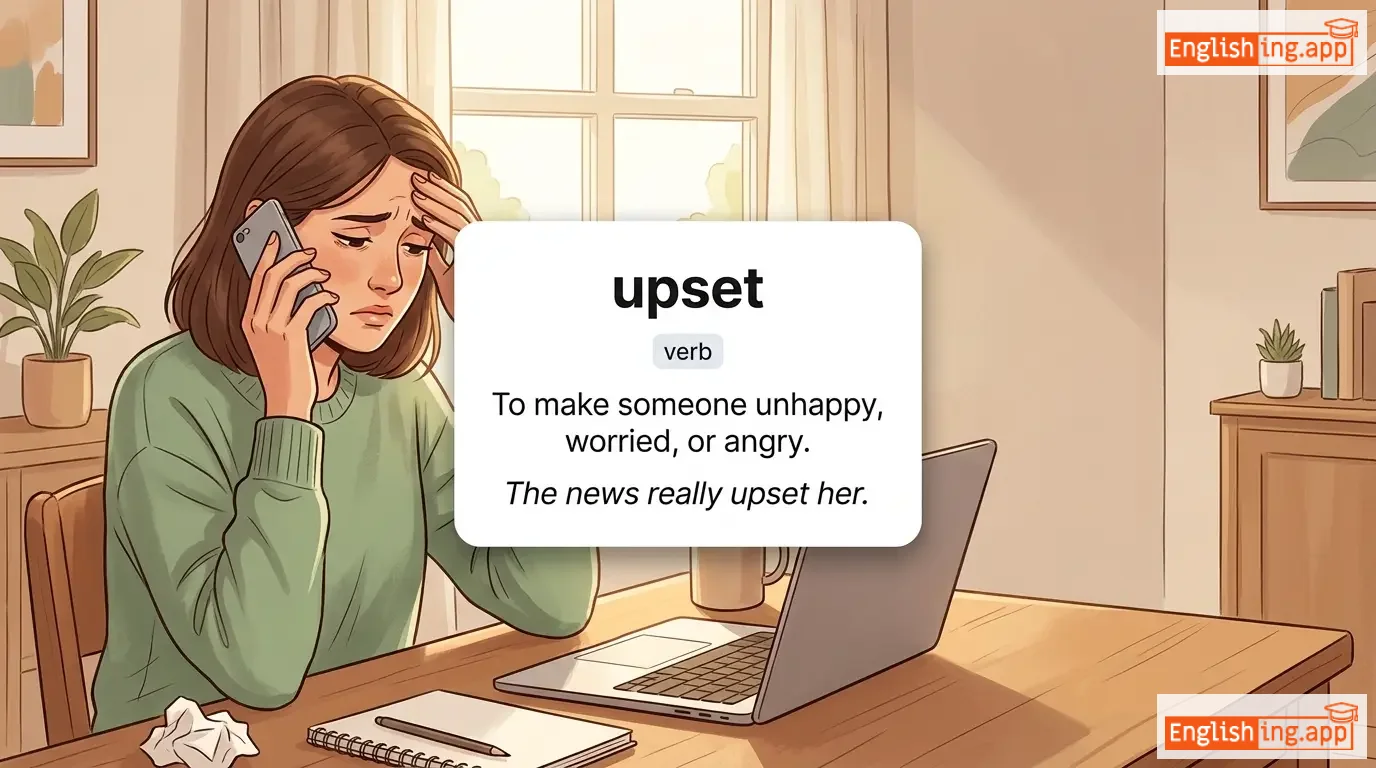
To make someone unhappy, worried, or angry.
••••••
|
The news really upset her.
ðə nuːz rɪəli ʌpˈsɛt hɜːr.
••••••
|
そのニュースは彼女を本当に動揺させました。
Sono nyu-su wa kanojo o hontou ni douyou sasemashita.
••••••
|
upset the apple cart
ʌpˈsɛt ði ˈæpl kɑːt
••••••
|
To spoil or ruin a plan or arrangement.
••••••
|
計画を台無しにする
keikaku o dainashi ni suru
••••••
|
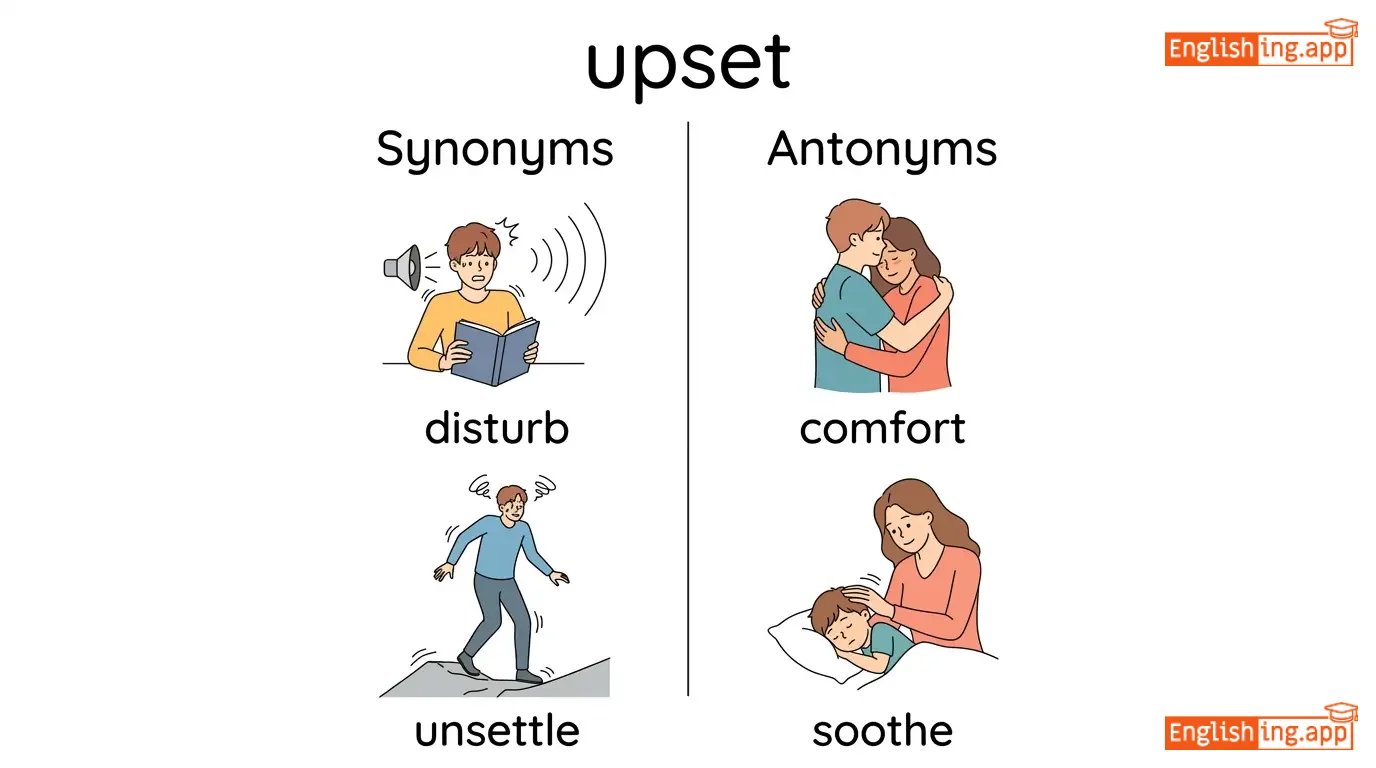
disturb, unsettle, trouble, sadden, anger
••••••
|
comfort, soothe, calm
••••••
|
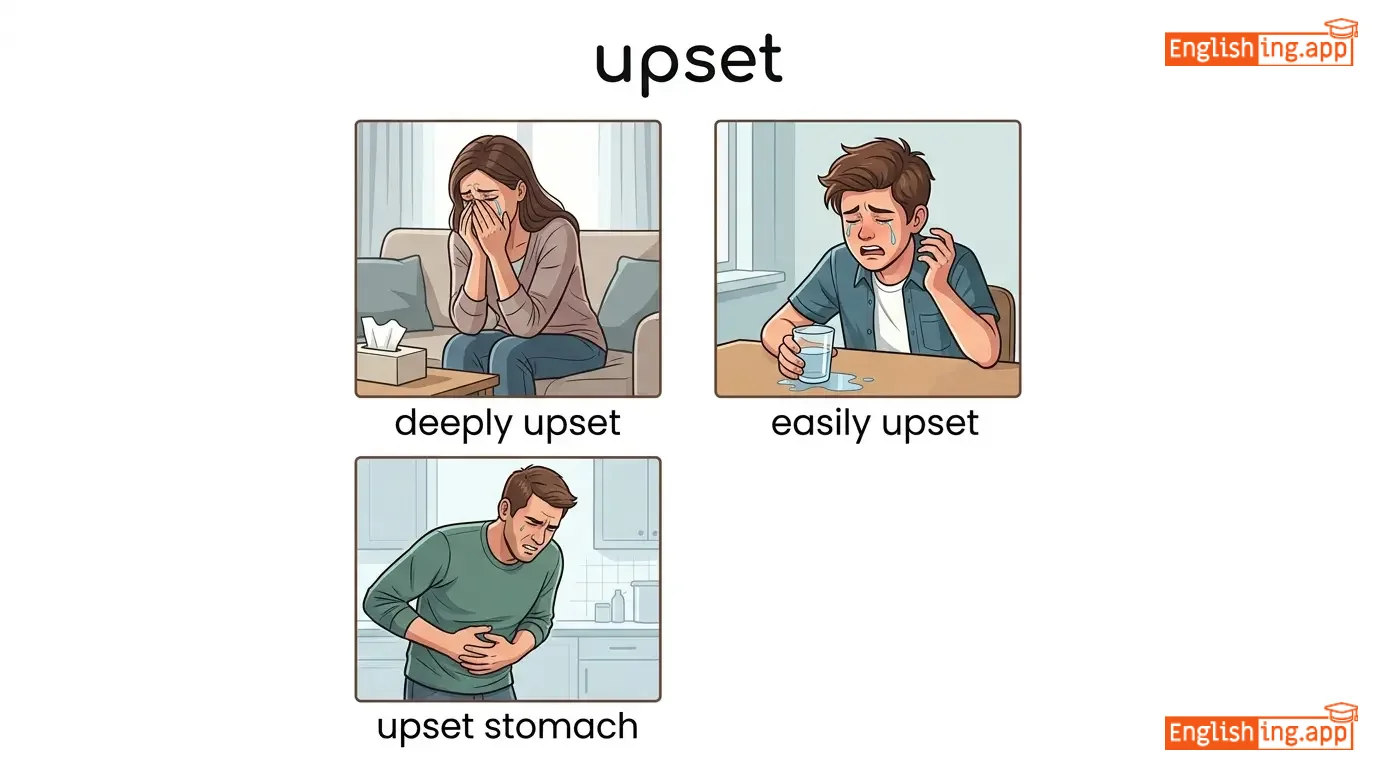
deeply upset, easily upset, upset stomach, upset feelings
••••••
|
Upset は日本語で動揺させるです。
••••••
|
|
🏙️
••••••
|
/ˈɜːrbən/
adjective
(アーバン)
••••••
|
- •••••• |
都市的な
toshiteki na
••••••
|
- •••••• | - •••••• | - •••••• | - •••••• |
related to, characteristic of, or situated in a city or town
••••••
|
Urban areas often have higher population density than rural areas. |
都市部は、農村部よりも人口密度が高いことがよくあります。
Toshi-bu wa, nouson-bu yori mo jinkou mitsudo ga takai koto ga yoku arimasu.
••••••
|
urban jungle |
a way of describing a city as crowded, dangerous, or chaotic
••••••
|
都市ジャングル
toshi janguru
••••••
|
city, metropolitan, municipal, civic
••••••
|
rural, rustic, countryside
••••••
|
urban development, urban planning, urban life, urban population
••••••
|
Urban = 都市的な – 'Urban'は'都市'を意味する!
••••••
|
|
✅
••••••
|
/ˈvælɪd/
adjective
••••••
|
- •••••• | - •••••• | - •••••• | - •••••• | - •••••• | - •••••• |
Having a sound basis in logic or fact; legally or officially acceptable.
••••••
|
Her argument was valid and convincing. |
- •••••• |
valid reason |
a good or acceptable reason
••••••
|
- •••••• |
legitimate, sound, reasonable, genuine
••••••
|
invalid, false, illegitimate
••••••
|
valid reason, valid point, valid argument, valid passport
••••••
|
No •••••• |
|
🎥
••••••
|
/ˈvɪdiəʊ/
noun
(ビデオ)
••••••
|
- •••••• |
ビデオ
bideo
••••••
|
- •••••• | - •••••• | - •••••• | - •••••• |
a recording of moving visual images made digitally or on film
••••••
|
She watched the video of her favorite concert online. |
彼女はオンラインでお気に入りのコンサートのビデオを見ました。
Kanojo wa onrain de okiniiri no konsato no bideo o mimashita.
••••••
|
- •••••• | - •••••• | - •••••• |
film, clip, recording, footage
••••••
|
audio, still image
••••••
|
watch a video, upload a video, video file, educational video
••••••
|
ビデオを見る、動く視覚を楽しむ!(Bideo o miru, ugoku shikaku o tanoshimu!)
••••••
|
|
🦠
••••••
|
/ˈvaɪrəs/
noun
(ヴァイラス)
••••••
|
- •••••• |
ウイルス
uirusu
••••••
|
- •••••• | - •••••• | - •••••• | - •••••• |
A tiny infectious agent that can replicate only inside the living cells of an organism.
••••••
|
The computer was infected with a dangerous virus. |
コンピュータは危険なウイルスに感染していました。
Konpyūta wa kiken na uirusu ni kansen shite imashita.
••••••
|
spread like a virus |
Something that spreads quickly and uncontrollably.
••••••
|
ウイルスのように広がる
Uirusu no yō ni hirogaru
••••••
|
pathogen, germ, bug, infection
••••••
|
antidote, cure
••••••
|
computer virus, deadly virus, spread virus
••••••
|
ウイルスは火のように広がります!
••••••
|
|
🗳️
••••••
|
/ˈvəʊtə/
noun
(ヴォーター)
••••••
|
- •••••• |
有権者
yūken-sha
••••••
|
- •••••• | - •••••• | - •••••• | - •••••• |
a person who votes in an election
••••••
|
Voters lined up outside the polling station to cast their ballots. |
有権者は投票所の外で列を作り、投票を行いました。
Yūken-sha wa tōhyōjo no soto de retsu o tsukuri, tōhyō o okonaimashita.
••••••
|
- •••••• | - •••••• | - •••••• |
elector, constituent, citizen
••••••
|
non-voter, abstainer
••••••
|
eligible voter, registered voter, voting rights, active voter
••••••
|
有権者—選挙で投票することで未来を選ぶ人。
••••••
|
|
👀
••••••
|
/wɒtʃ/
verb
(wotchi)
••••••
|
|
見る
miru
••••••
|
watched
wotchido
••••••
|
watched
wotchido
••••••
|
watches
wotchisu
••••••
|
watching
watching
••••••
|
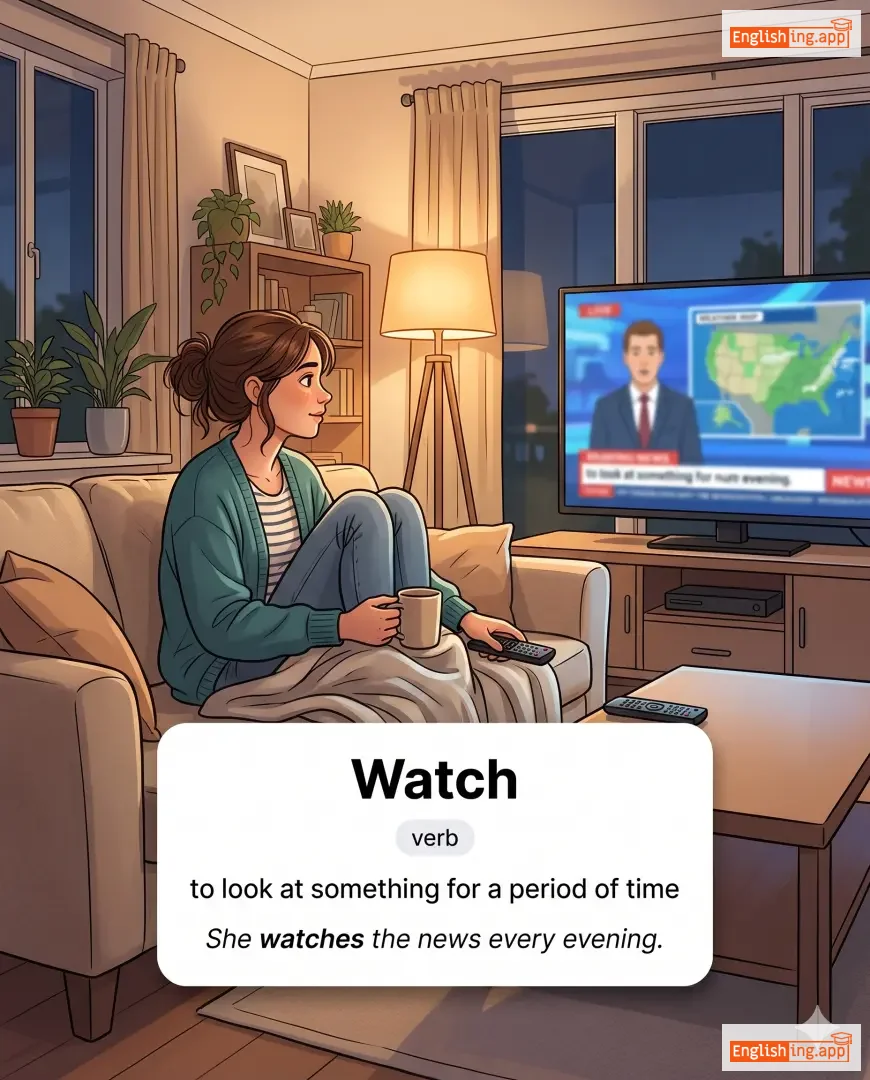
to look at or observe attentively; to keep under surveillance
••••••
|
I watch television every evening.
私は毎晩テレビを見ます。
••••••
|
私は毎晩テレビを見ます。
Watashi wa maiban terebi o mimasu
••••••
|
- •••••• | - •••••• | - •••••• |
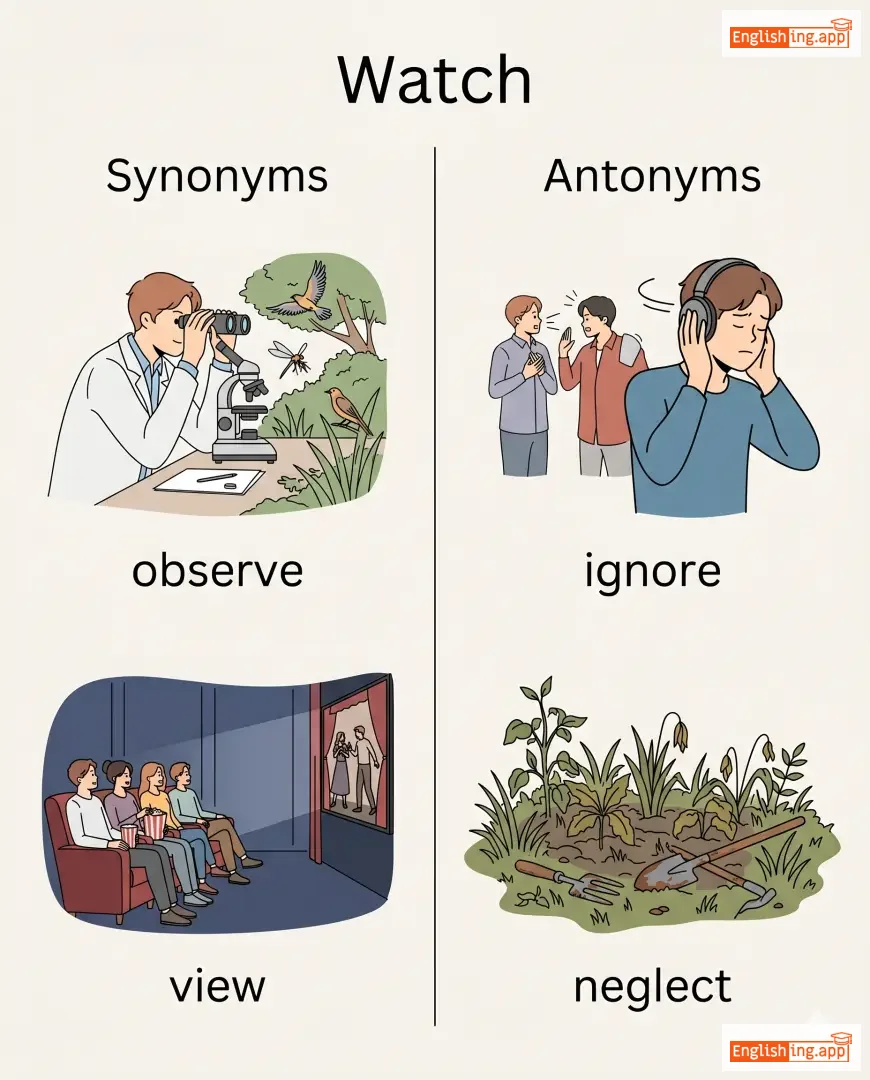
observe, monitor, view, see
••••••
|
ignore, overlook, neglect
••••••
|
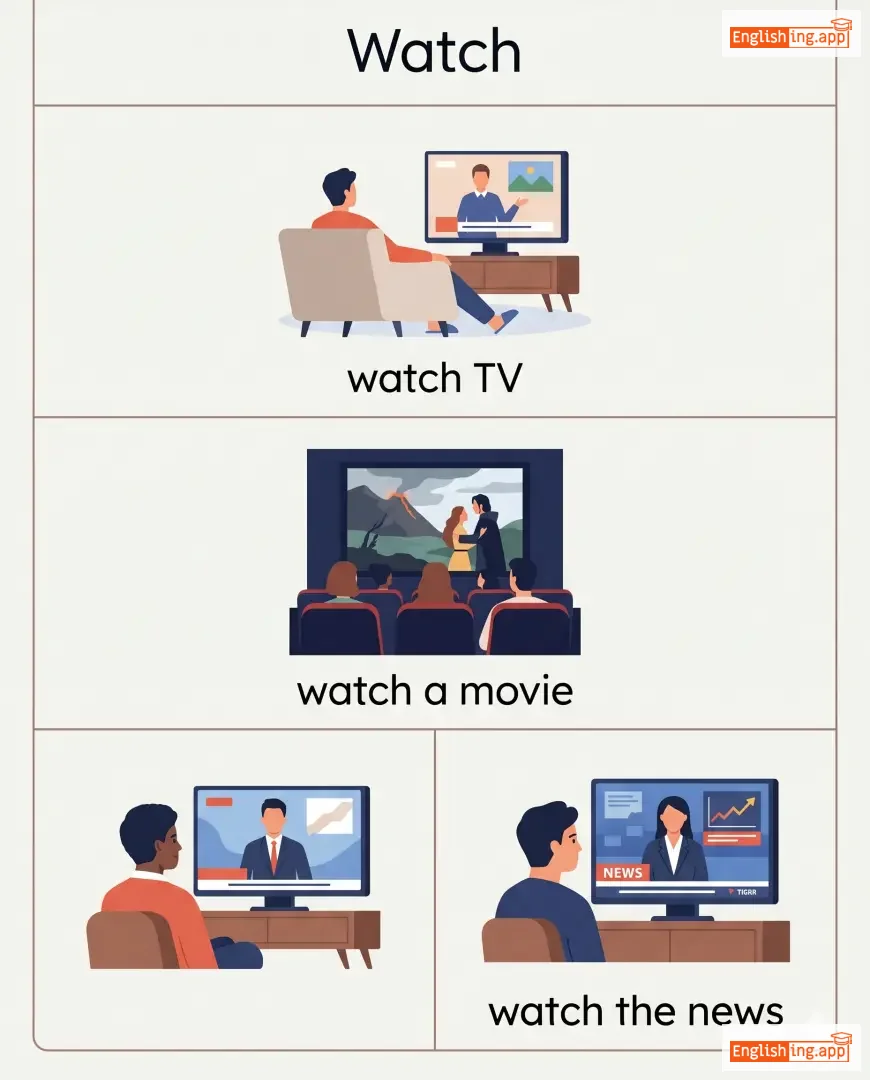
watch TV, watch movies, closely watch, carefully watch, constantly watch
••••••
|
見ると観察するの違いは、観察が監視を意味する点です。
••••••
|
|
🌀
••••••
|
/wɪrd/
adjective
(ウィアード)
••••••
|
- •••••• |
奇妙
kimyou
••••••
|
- •••••• | - •••••• | - •••••• | - •••••• |
suggesting something supernatural or very strange; unusual
••••••
|
The movie had a weird ending that nobody expected. |
映画には誰も予期しなかった奇妙な結末がありました。
Eiga ni wa dare mo yokishinakatta kimyou na ketsumatsu ga arimashita.
••••••
|
weird out |
to make someone feel uncomfortable or strange
••••••
|
誰かを不安にさせる
dareka wo fuan ni saseru
••••••
|
strange, odd, bizarre, unusual, peculiar
••••••
|
normal, ordinary, usual
••••••
|
weird feeling, weird dream, weird noise, weird behavior
••••••
|
Weirdは奇妙という意味、映画の奇妙な結末のようなもの。
••••••
|
|
🖤
••••••
|
/ˈwɪdəʊ/
noun
(ウィドウ)
••••••
|
- •••••• |
未亡人
miboujin
••••••
|
- •••••• | - •••••• | - •••••• | - •••••• |
a woman whose husband has died and who has not married again
••••••
|
She became a widow at a very young age.
彼女はとても若い年齢で未亡人になりました。
••••••
|
彼女はとても若い年齢で未亡人になりました。
Kanojo wa totemo wakai nenrei de miboujin ni narimashita.
••••••
|
grass widow
草の未亡人
••••••
|
a woman whose husband is temporarily away
••••••
|
草の未亡人
kusa no miboujin
••••••
|
bereaved woman, lone woman, wife left behind
••••••
|
wife, bride
••••••
|
young widow, war widow, become a widow, widow pension
••••••
|
未亡人は未亡人を意味します — 'We do'と言いましたが、今は '彼は行ってしまった' 😢
••••••
|

