The 6-Point Demand of 1966
针对巴基斯坦政府对东孟加拉population的极端discriminatory行为和忽视的运动与斗争,通过六点计划的autonomy要求而获得重要意义。谢赫·穆吉布·拉赫曼参加了1966年2月5日至6日在拉合尔举行的反对党会议。在那里,他召开新闻发布会,提出了保护东巴基斯坦人民rights的六项要求。
主要内容如下:
在巴基斯坦建立联邦体制下的议会制government。基于普遍suffrage的成年选举权。
仅保留中央政府的两项职权——defense和外交部。
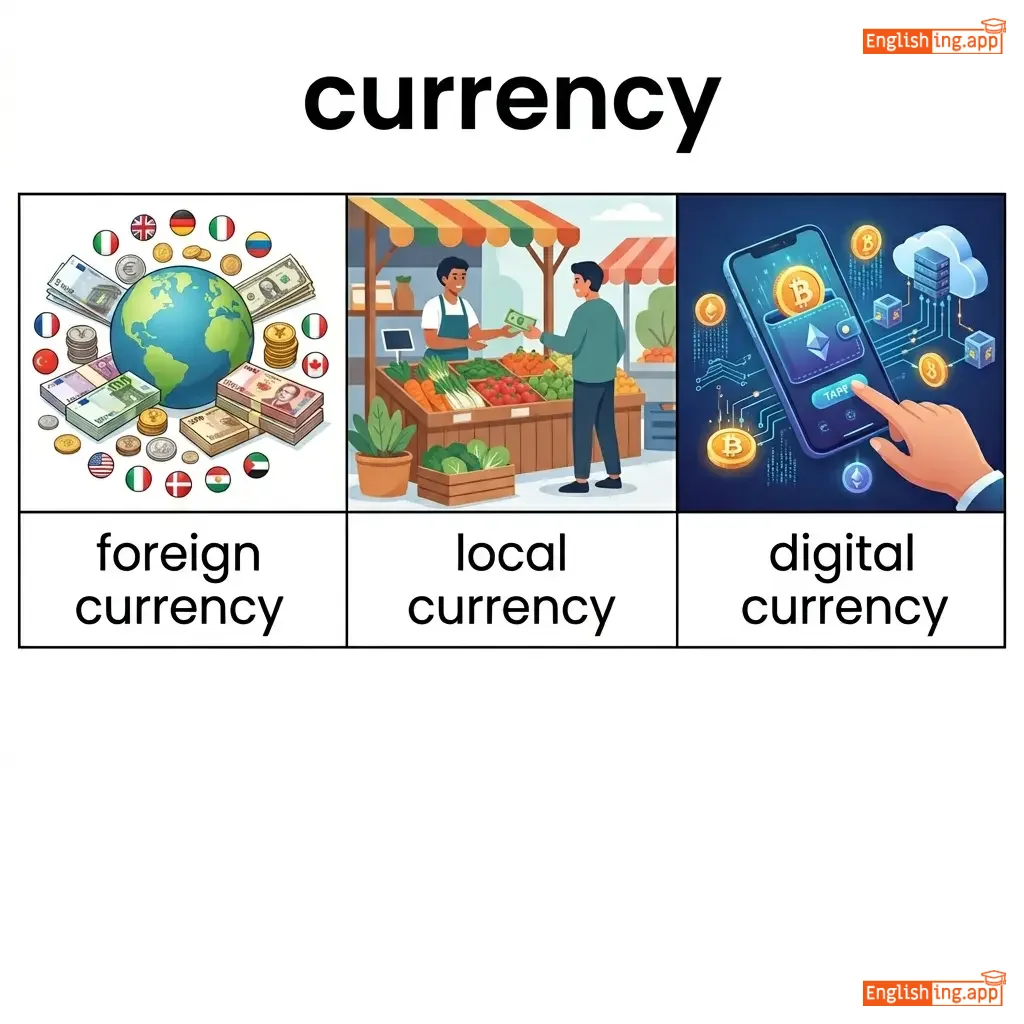
全国实行两种可自由兑换的currencies,或在特定条件下使用相同类型的currency。
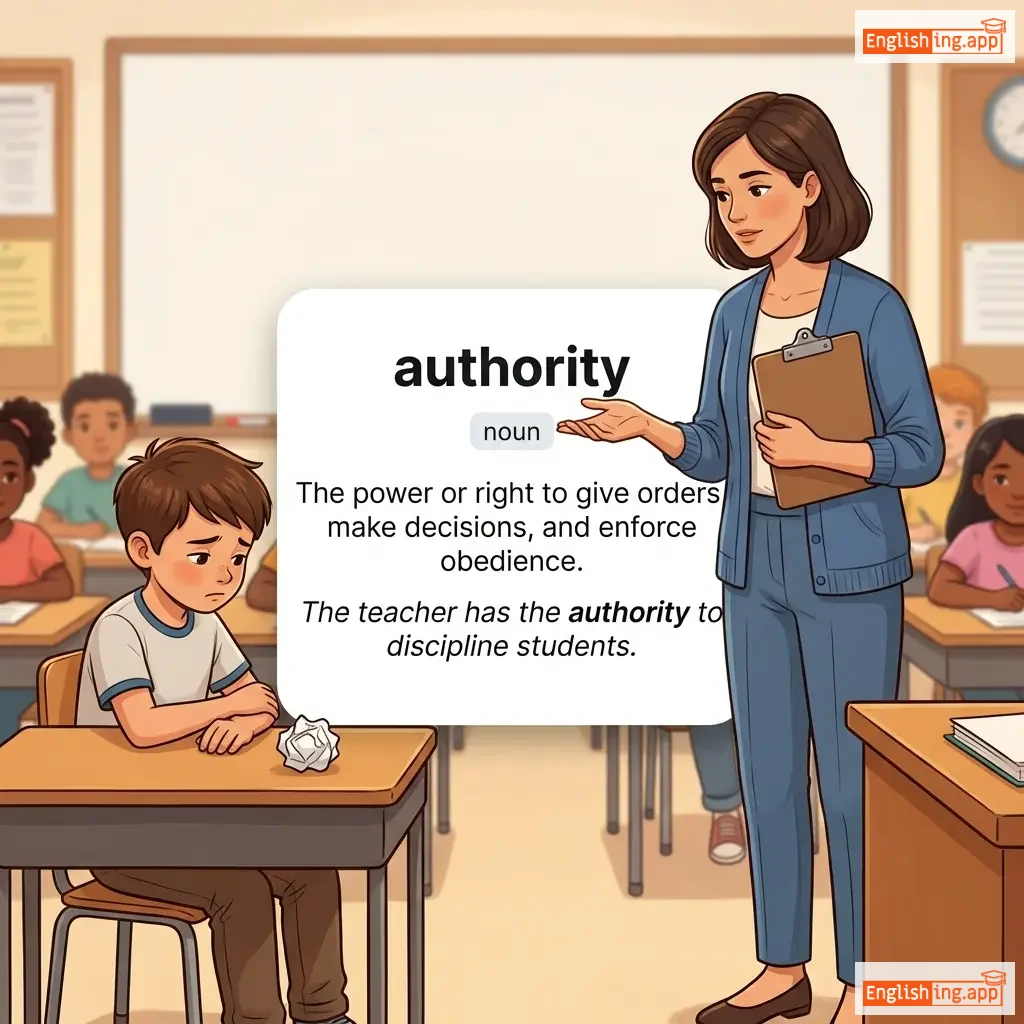
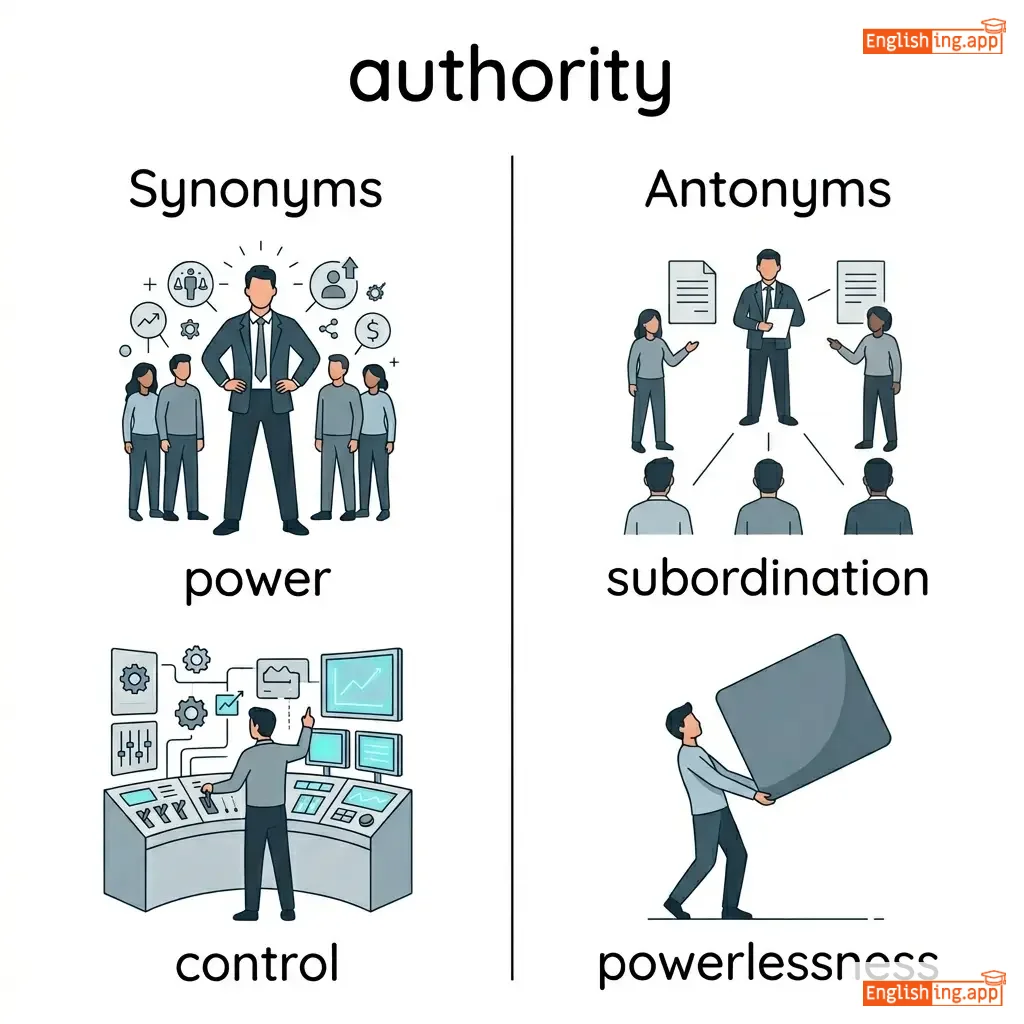
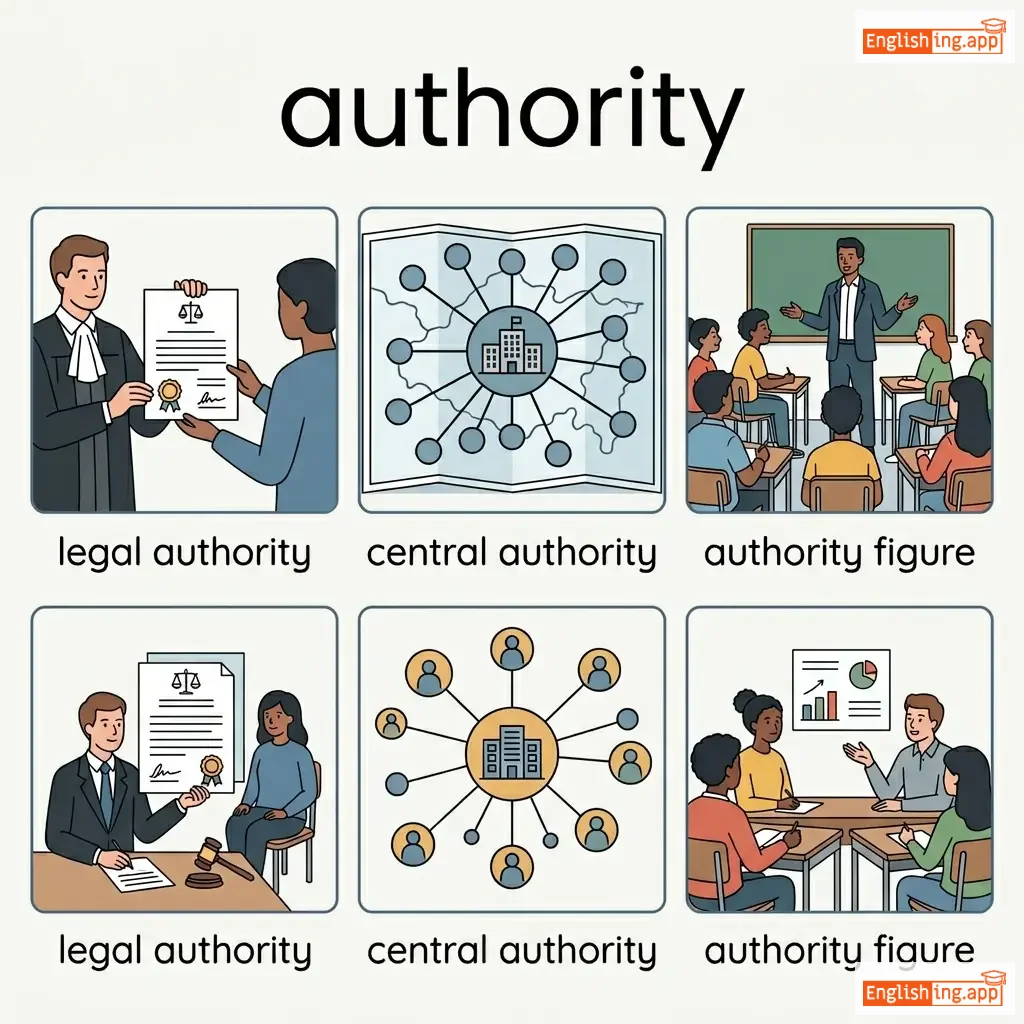
各地区政府保留征税authority。
各联邦州保留其赚取的外汇currency的ownership。
授予联邦州建立准军事部队以维护地区安全的权力。
六点纲领强调了东巴基斯坦人民的所有economic、political和军事权利。阿尤布·汗政府称其为“分离主义纲领”。虽然没有直接提到independence,但这一六点计划深深激励了孟加拉人追求independence的精神。这是孟加拉民族的解放宪章。
|
表情符号
|
单词 | Images | 含义 | 例句 | 同义词 | 反义词 |
|---|---|---|---|---|---|---|
|
#399
👥
|
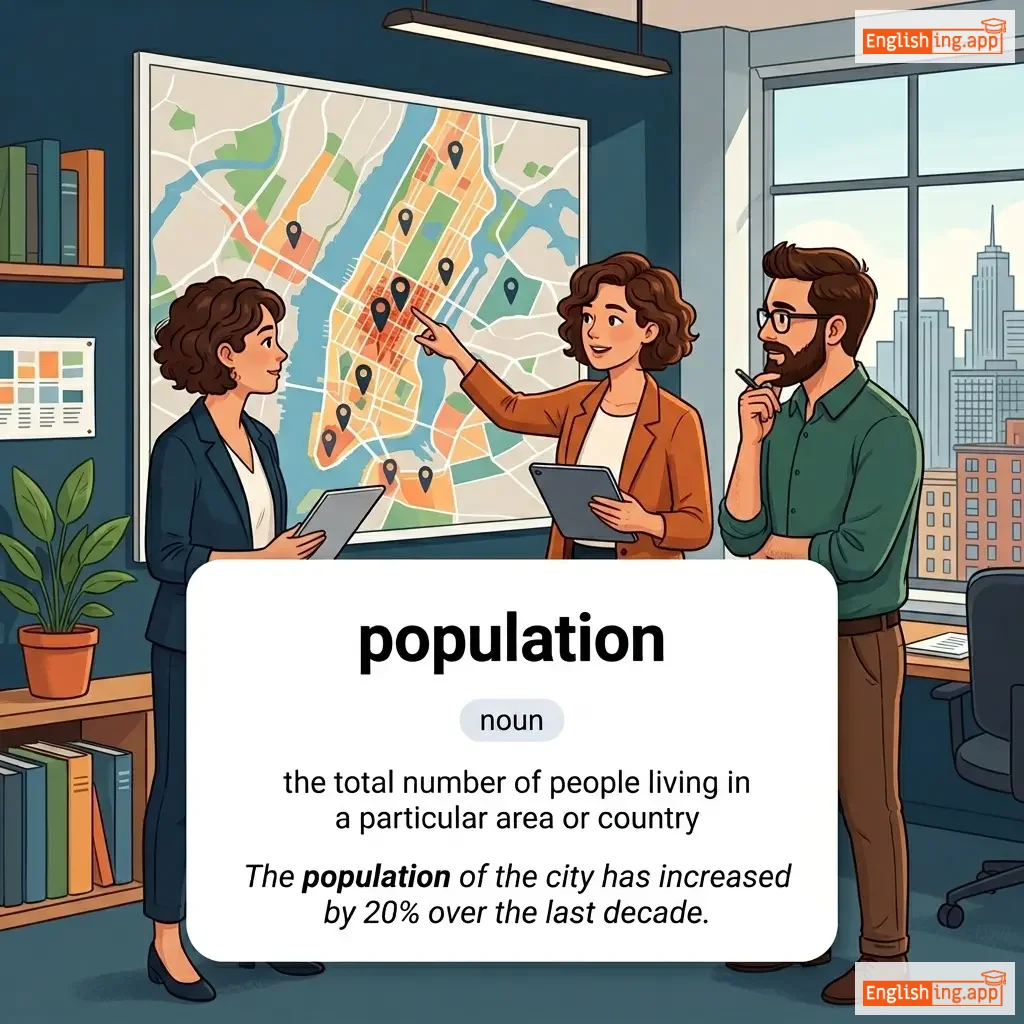
ˌpɒpjuˈleɪʃən
noun
••••••
|
|
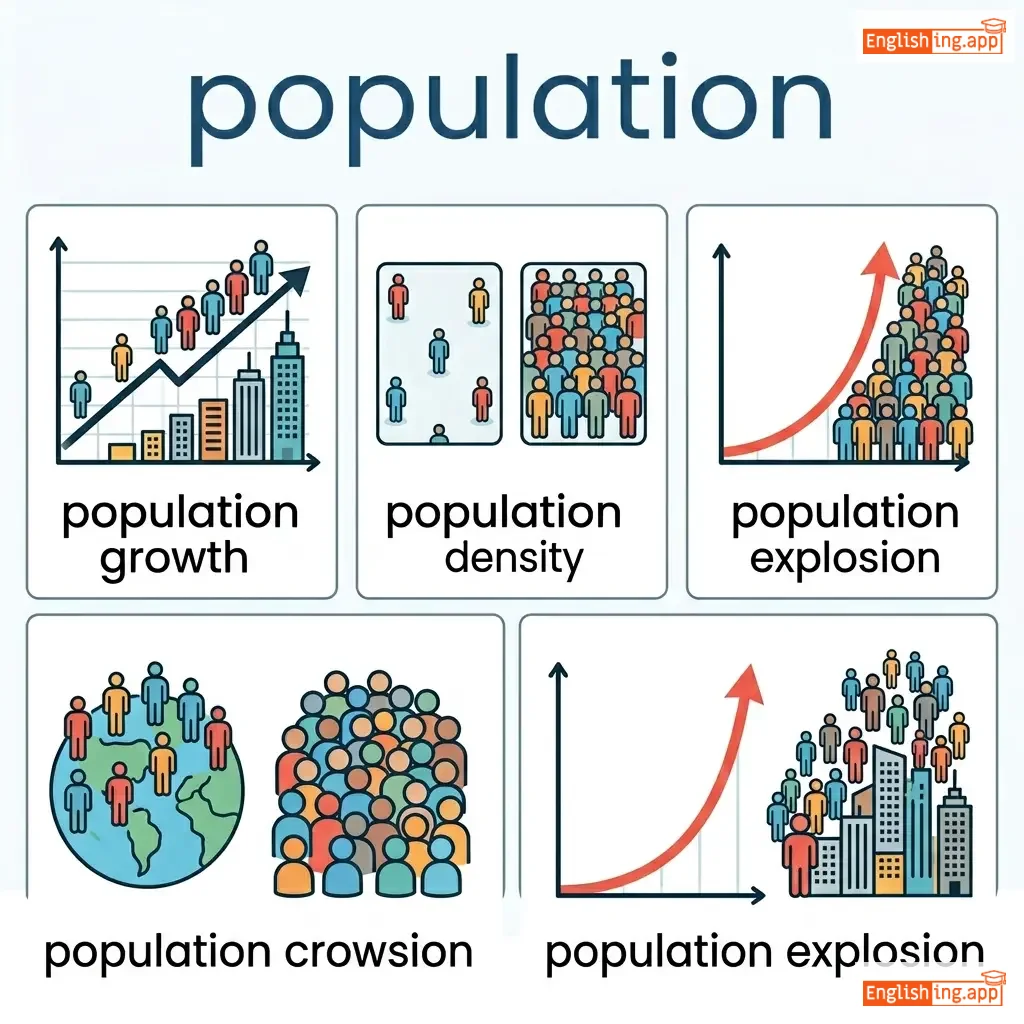
All the inhabitants of a particular place; the number of people living in a country or region.
••••••
|
The population supported autonomy. |
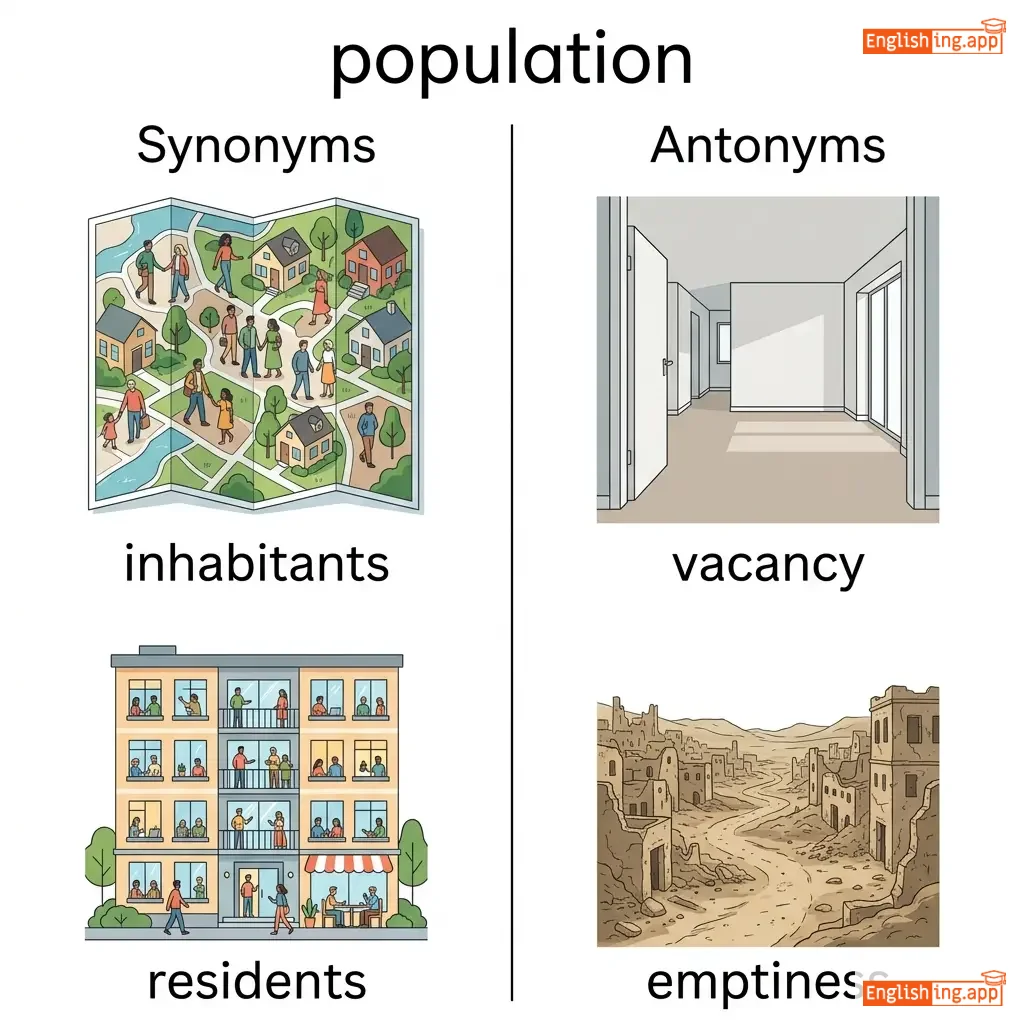
people, residents, inhabitants, citizens, community
••••••
|
emigration, isolation, depopulation, exodus, abandonment
••••••
|
|
#400
⚖️
|
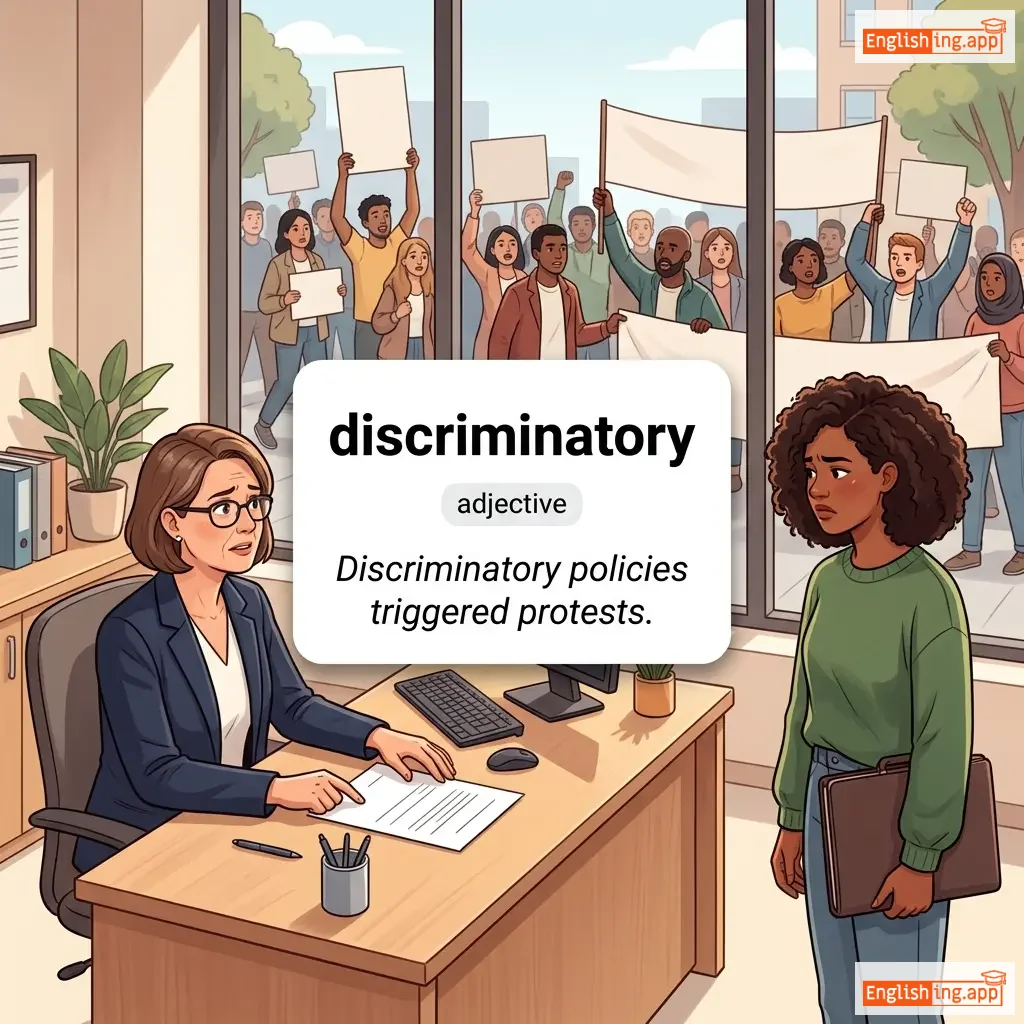
dɪˈskrɪmɪnətɔːri
adjective
••••••
|
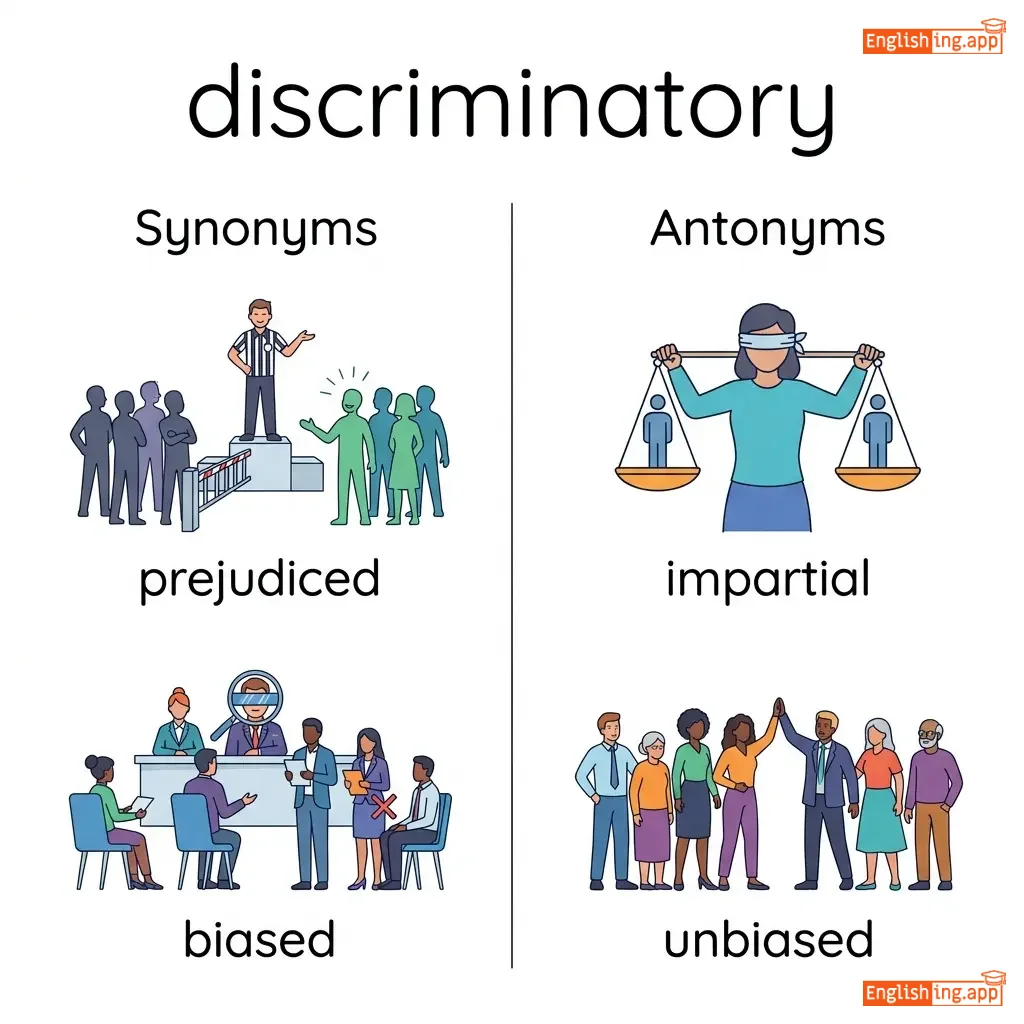
|
Making or showing an unfair or prejudicial distinction between different categories of people or things.
••••••
|
Discriminatory policies triggered protests. |
prejudiced, biased, unfair, partial, bigoted
••••••
|
impartial, unbiased, fair, equal, just
••••••
|
|
#401
🏛️
|
ɔːˈtɒnəmi
noun
••••••
|

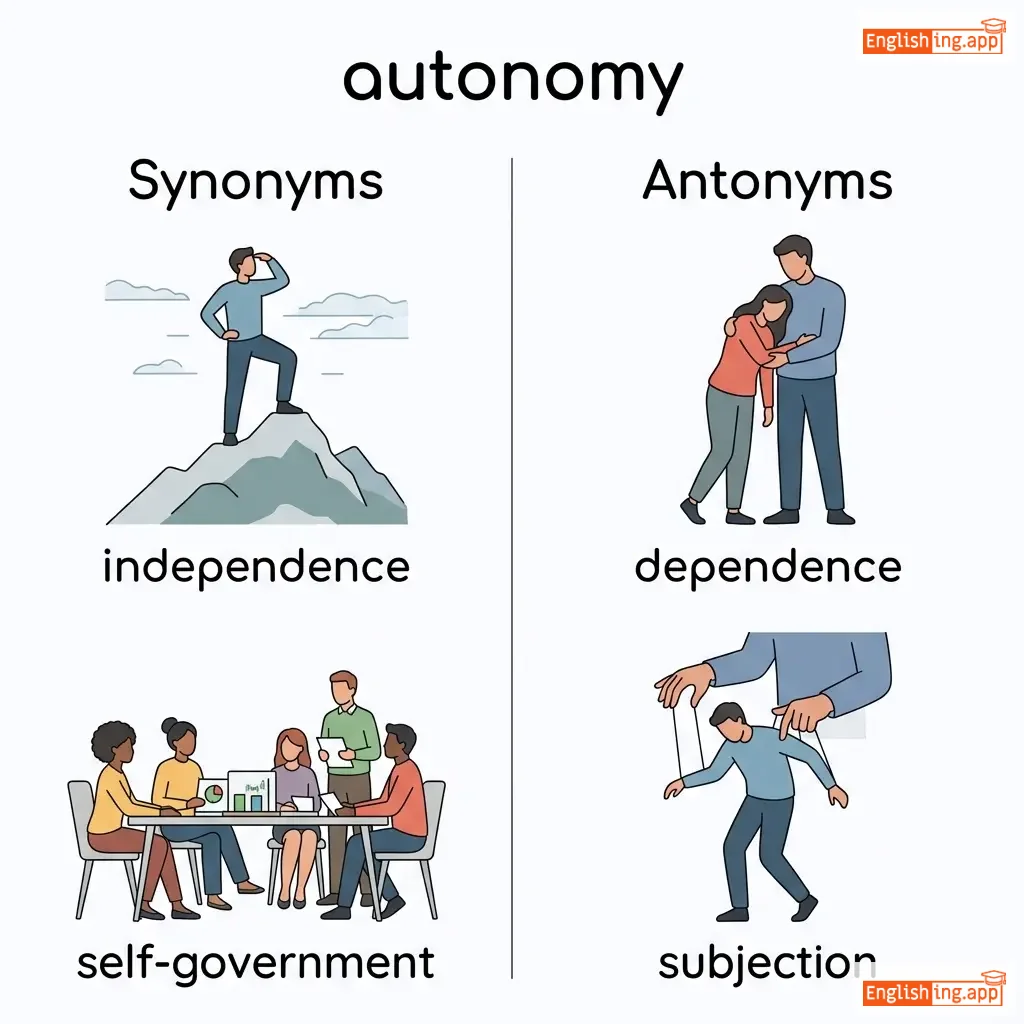
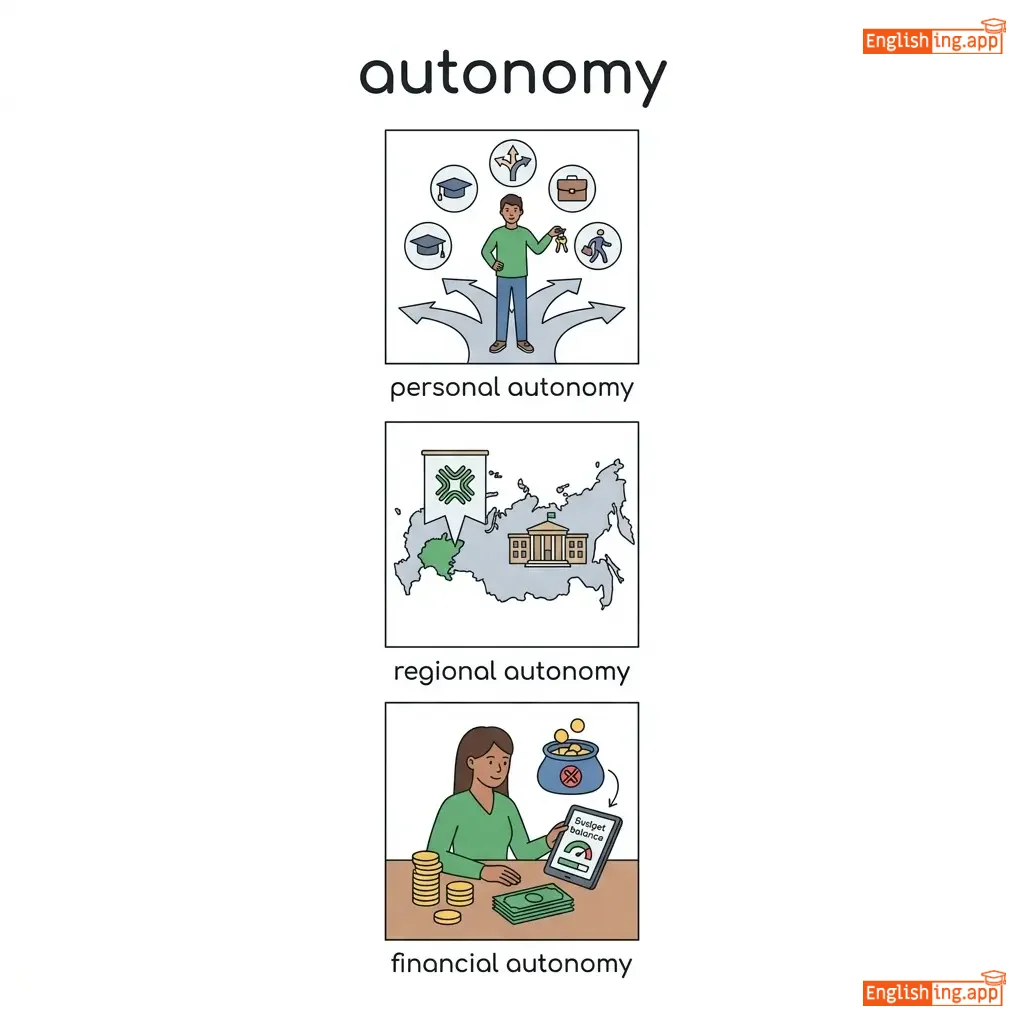
|
The right or condition of self-government; freedom from external control or influence.
••••••
|
Autonomy was a primary demand. |
independence, sovereignty, self-rule, self-determination, freedom
••••••
|
dependence, subordination, control, subjugation, domination
••••••
|
|
#402
⚖️
|
raɪts
noun
••••••
|
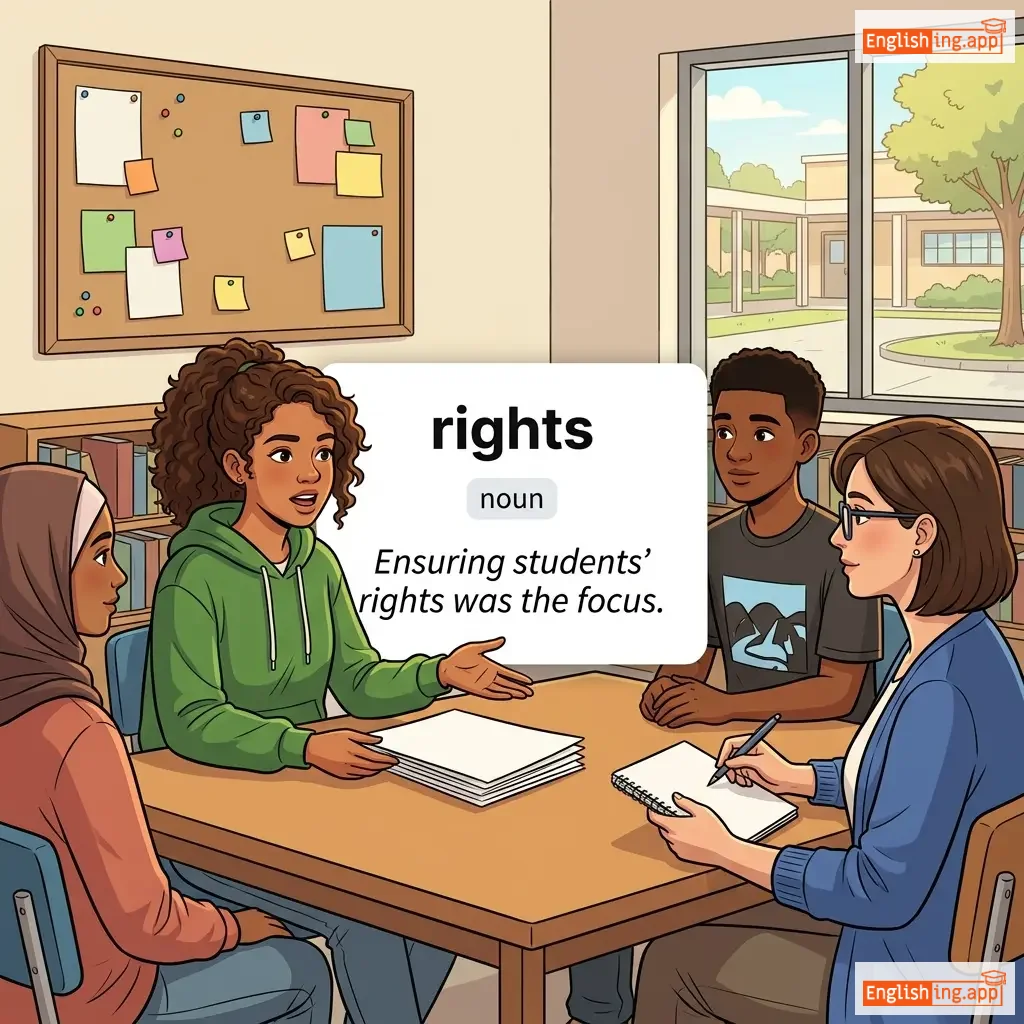
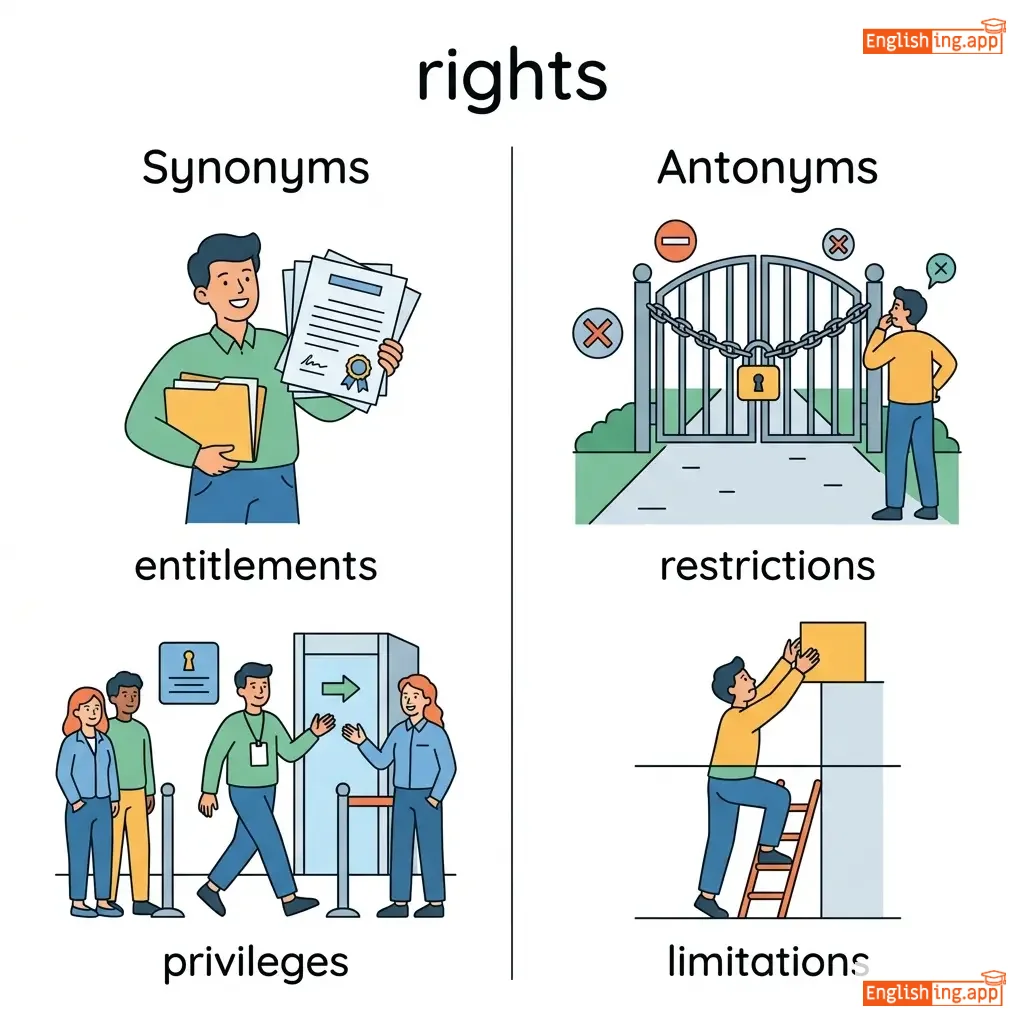
|
A moral or legal entitlement to have or obtain something or to act in a certain way.
••••••
|
The rights of people were prioritized. |
freedoms, privileges, entitlements, liberties, prerogatives
••••••
|
restrictions, limitations, prohibitions, constraints, duties
••••••
|
|
#403
🏛️
|
ˈɡʌvəmənt
noun
••••••
|
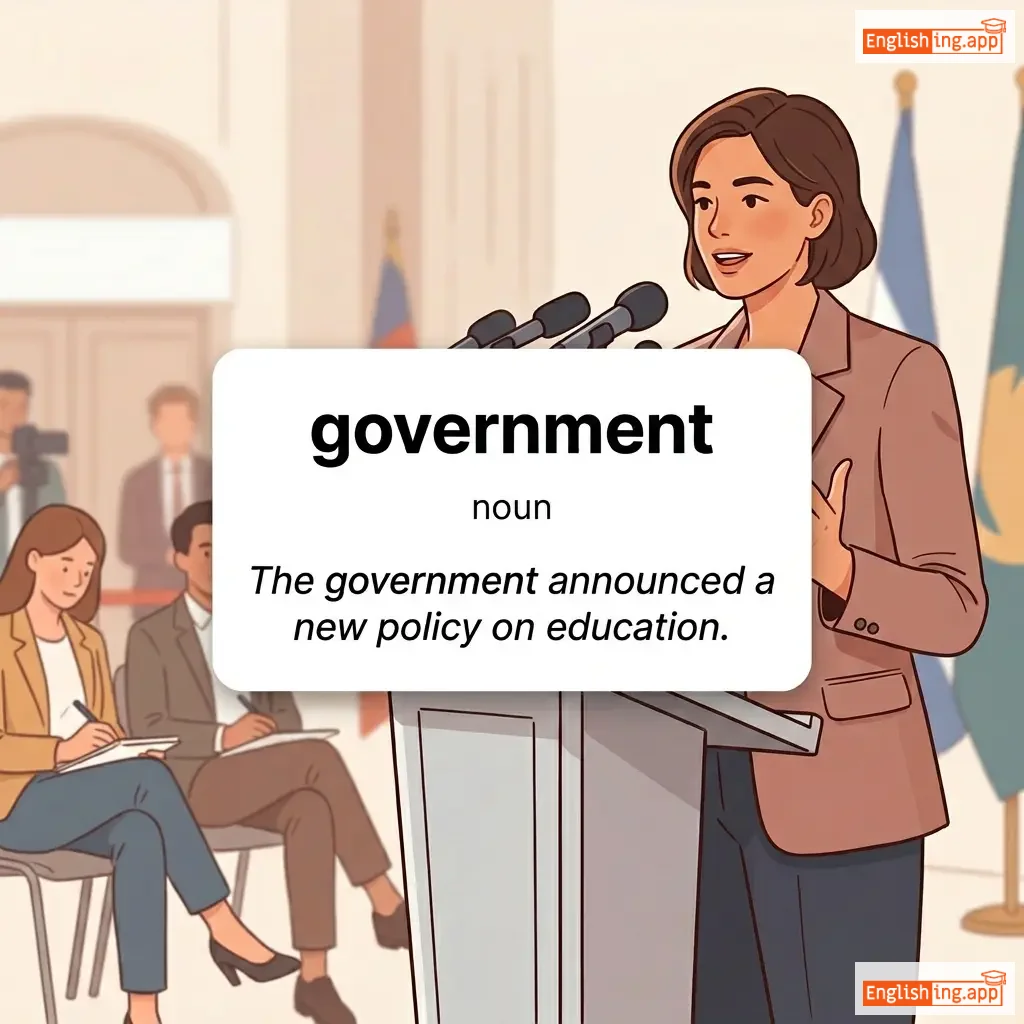
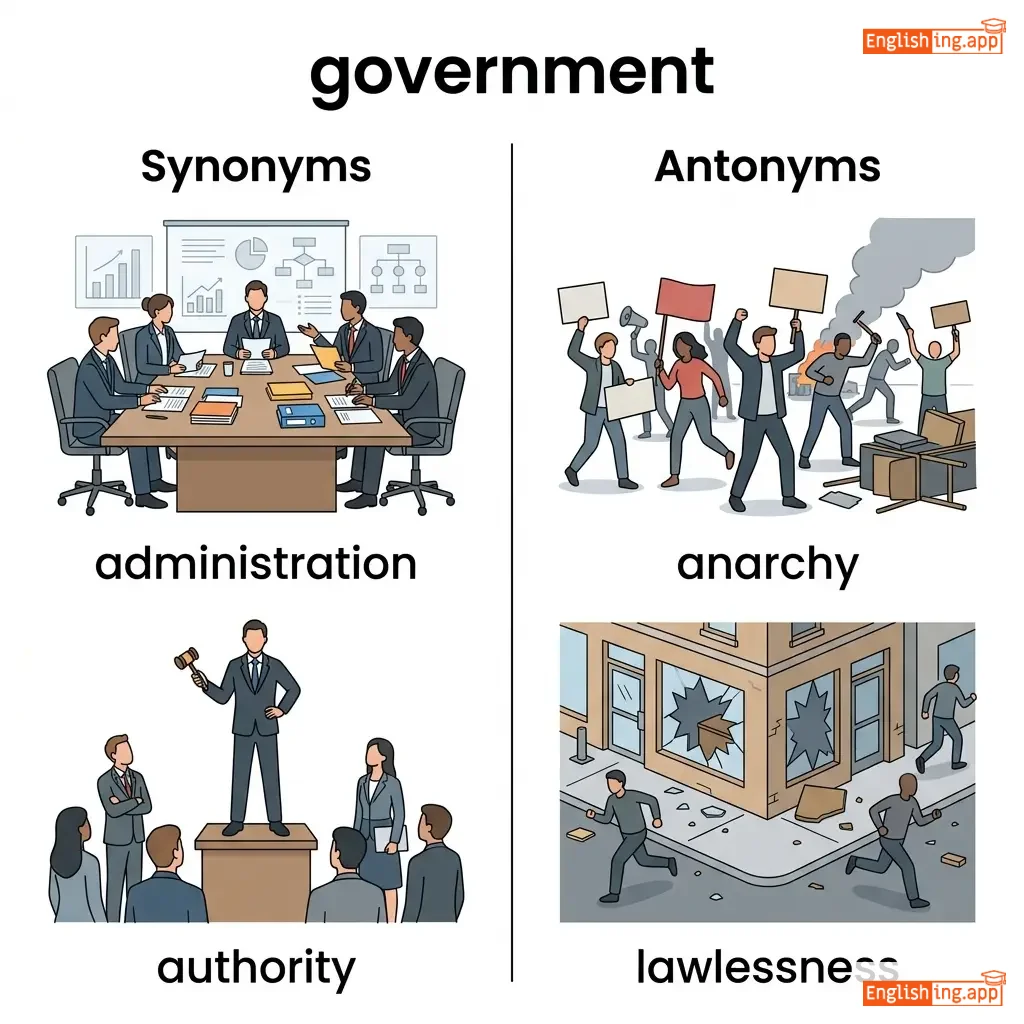
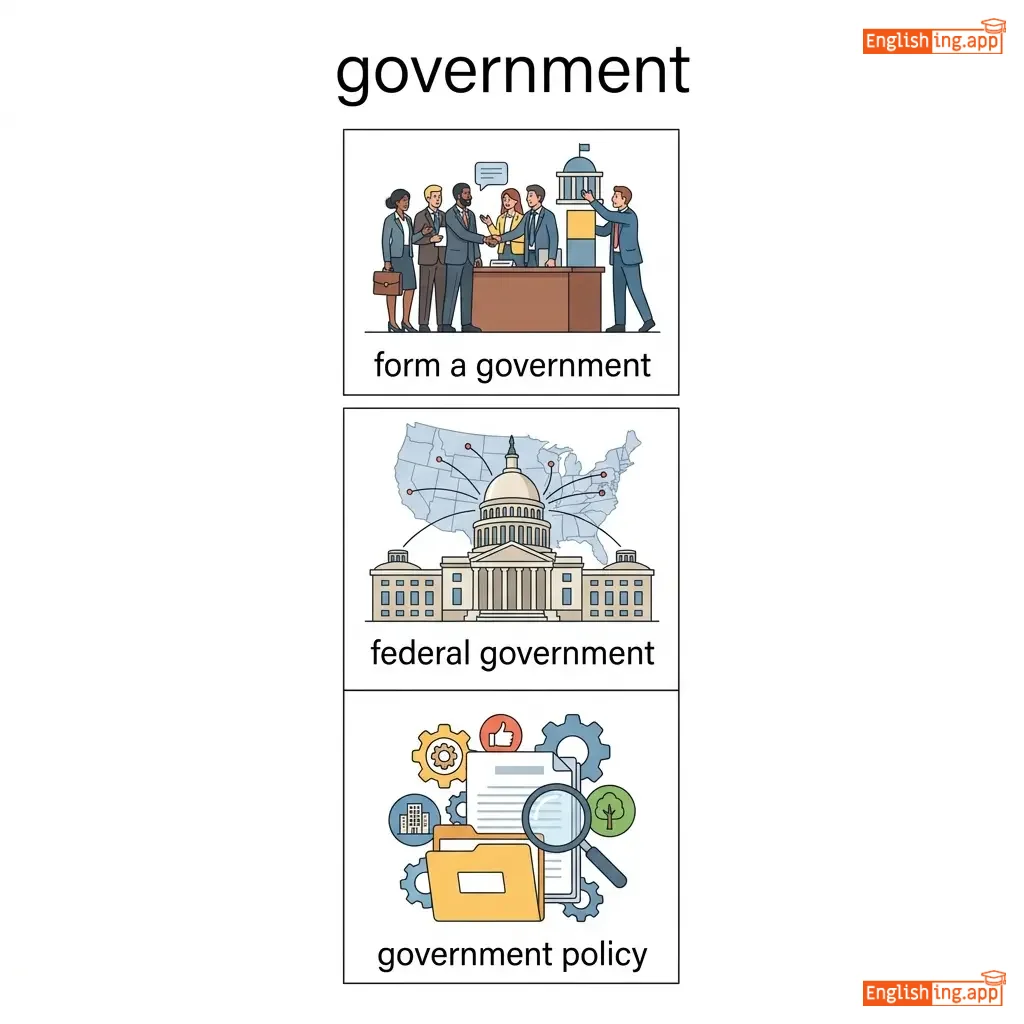
|
The governing body of a nation, state, or community; the system by which a state or community is governed.
••••••
|
The government rejected the demands. |
administration, regime, authority, state, ruling body
••••••
|
anarchy, disorder, chaos, lawlessness, revolution
••••••
|
|
#404
🗳️
|
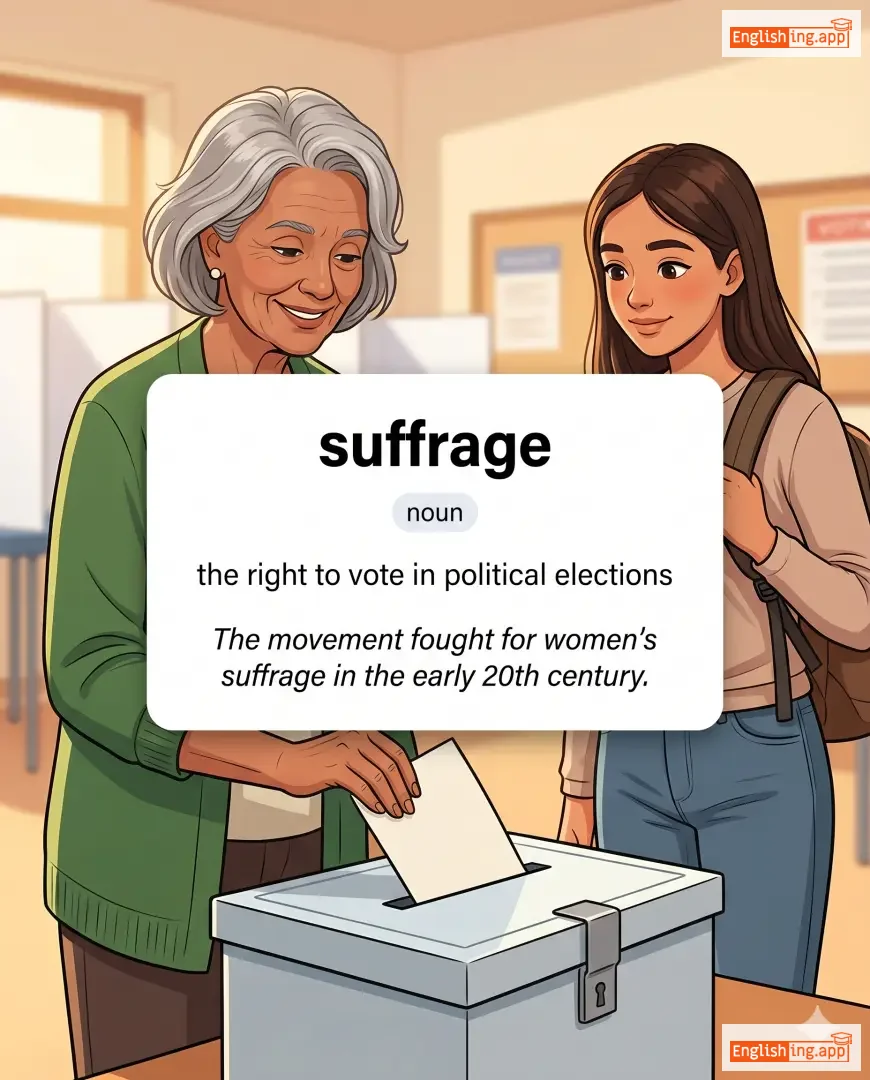
ˈsʌfrɪdʒ
noun
••••••
|
|
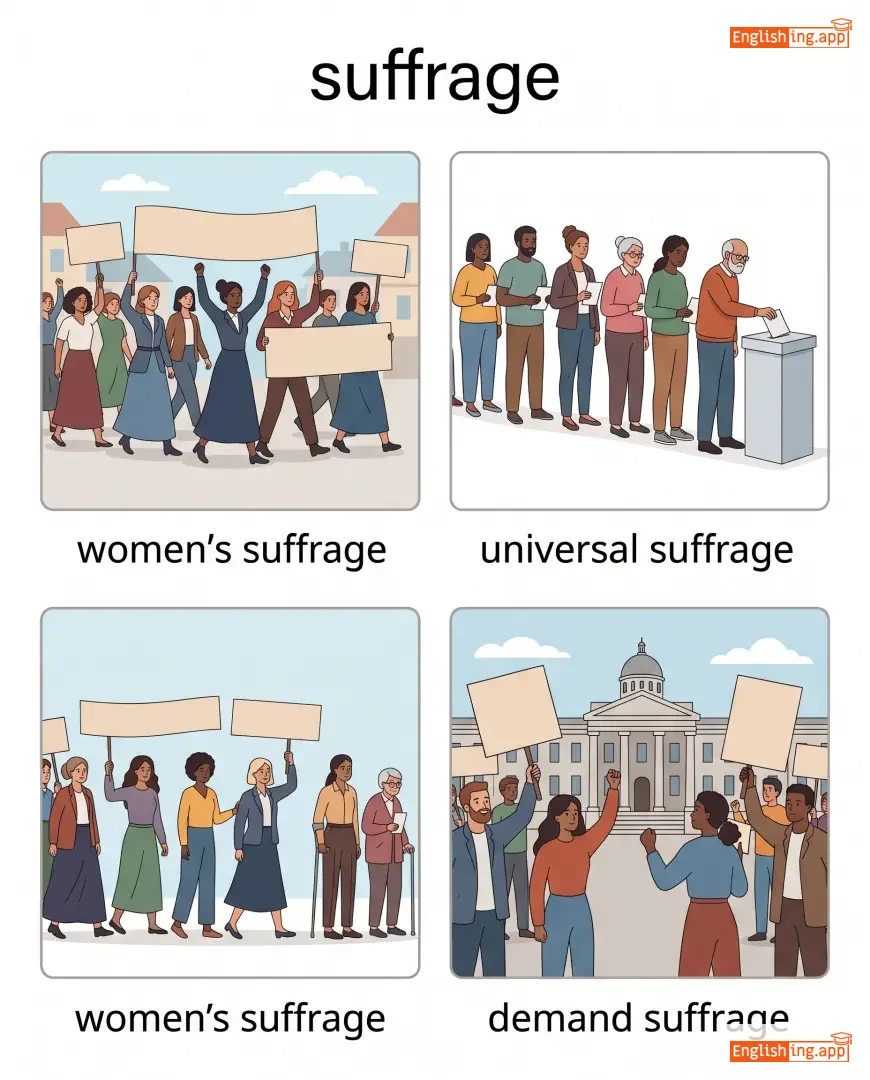
The right to vote in political elections; the principle of political representation.
••••••
|
Universal suffrage was a key demand. |
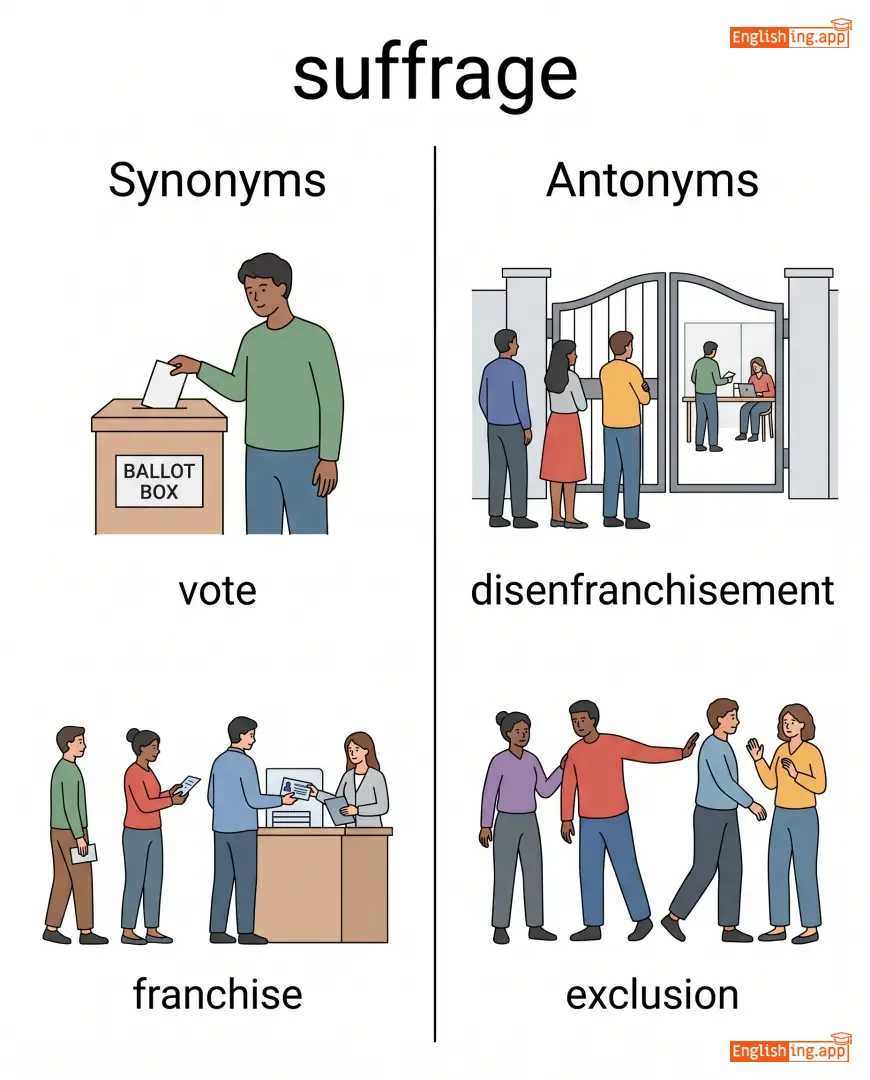
voting rights, franchise, ballot, electoral rights, democratic participation
••••••
|
disenfranchisement, exclusion, denial, prohibition, restriction
••••••
|
|
#405
🛡️
|
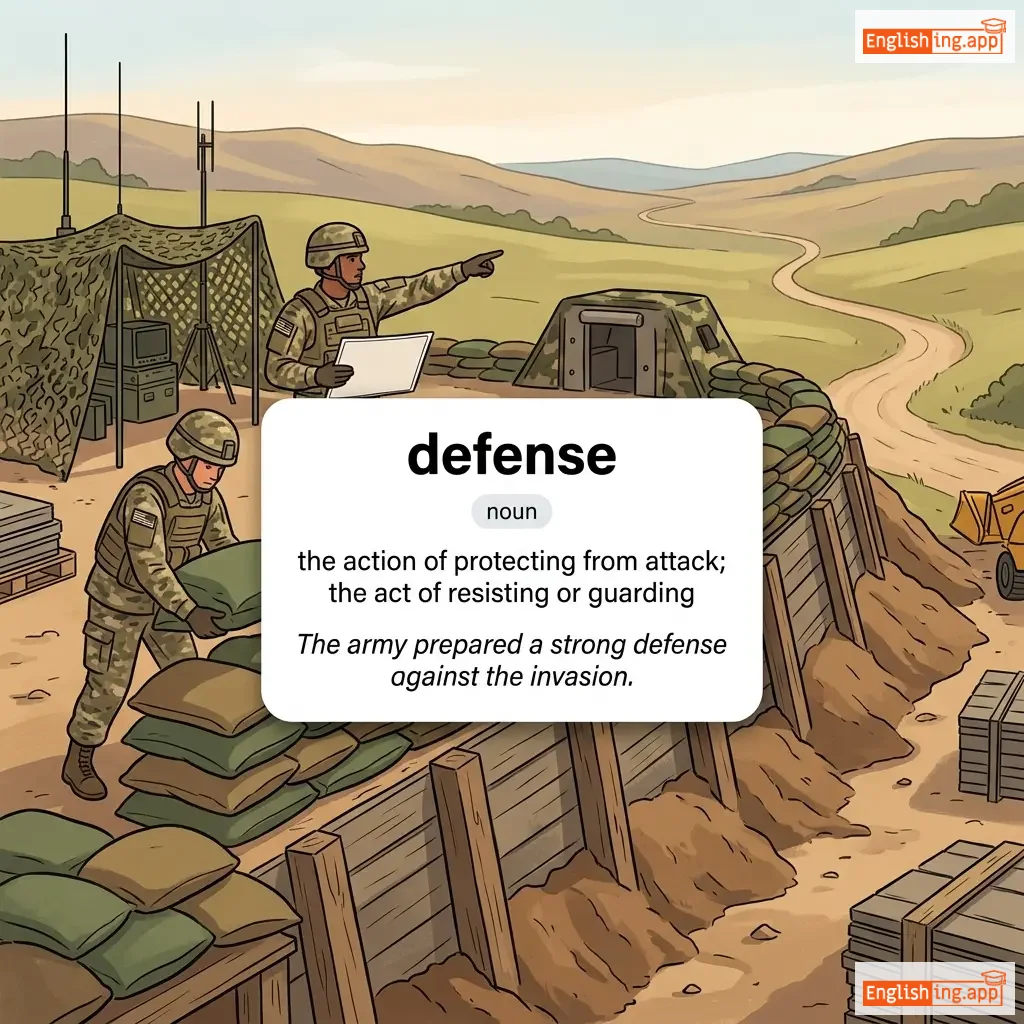
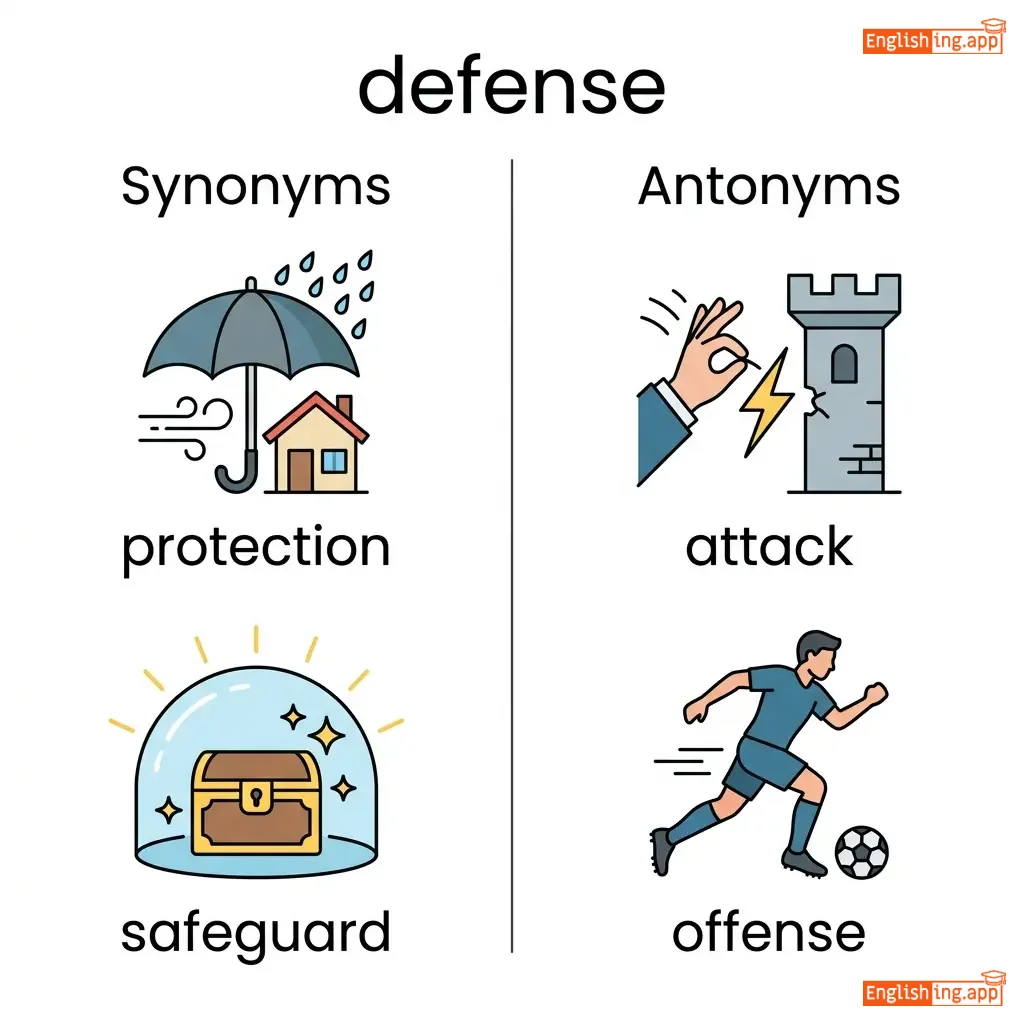
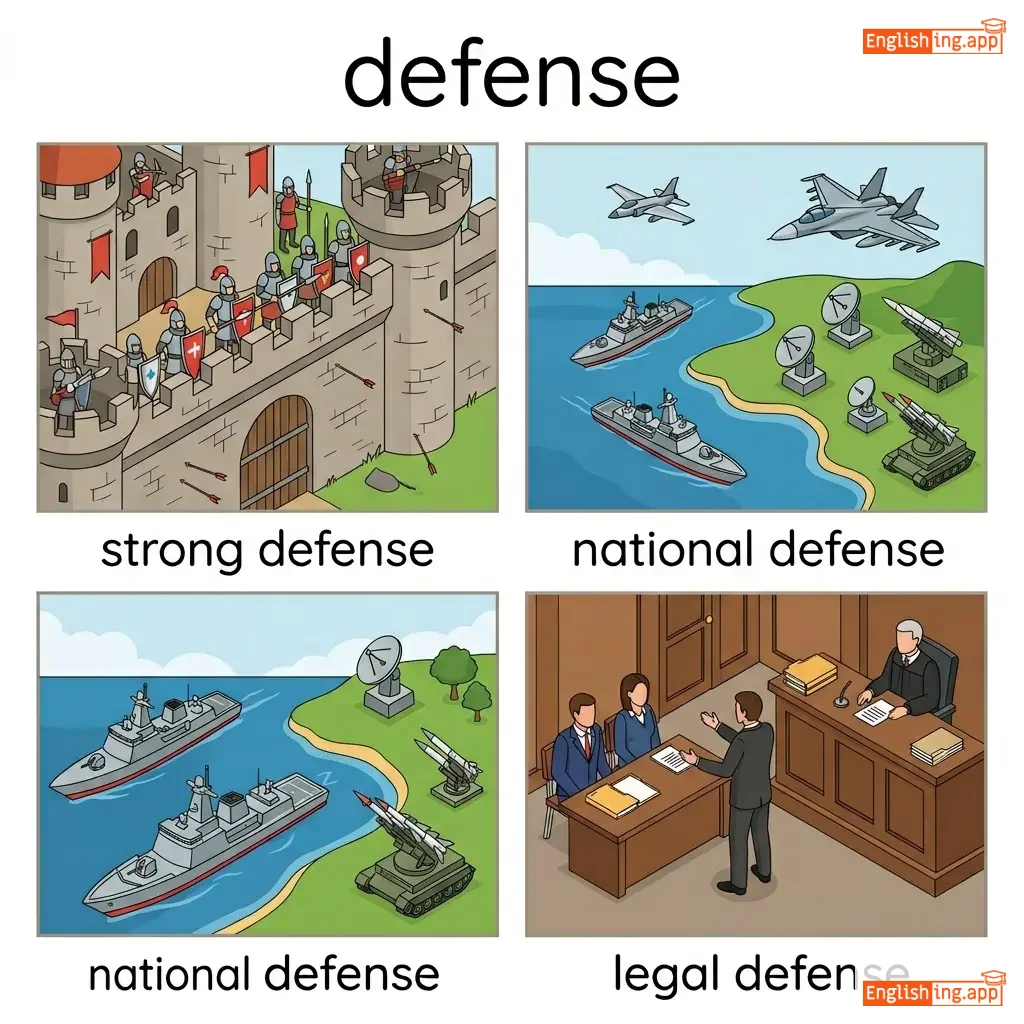
dɪˈfens
noun
••••••
|
|
The action of defending from or resisting attack; protection from harm or danger.
••••••
|
Defense was one of the central subjects. |
protection, security, safeguarding, shield, fortification
••••••
|
attack, vulnerability, offense, assault, aggression
••••••
|
|
#406
💱
|
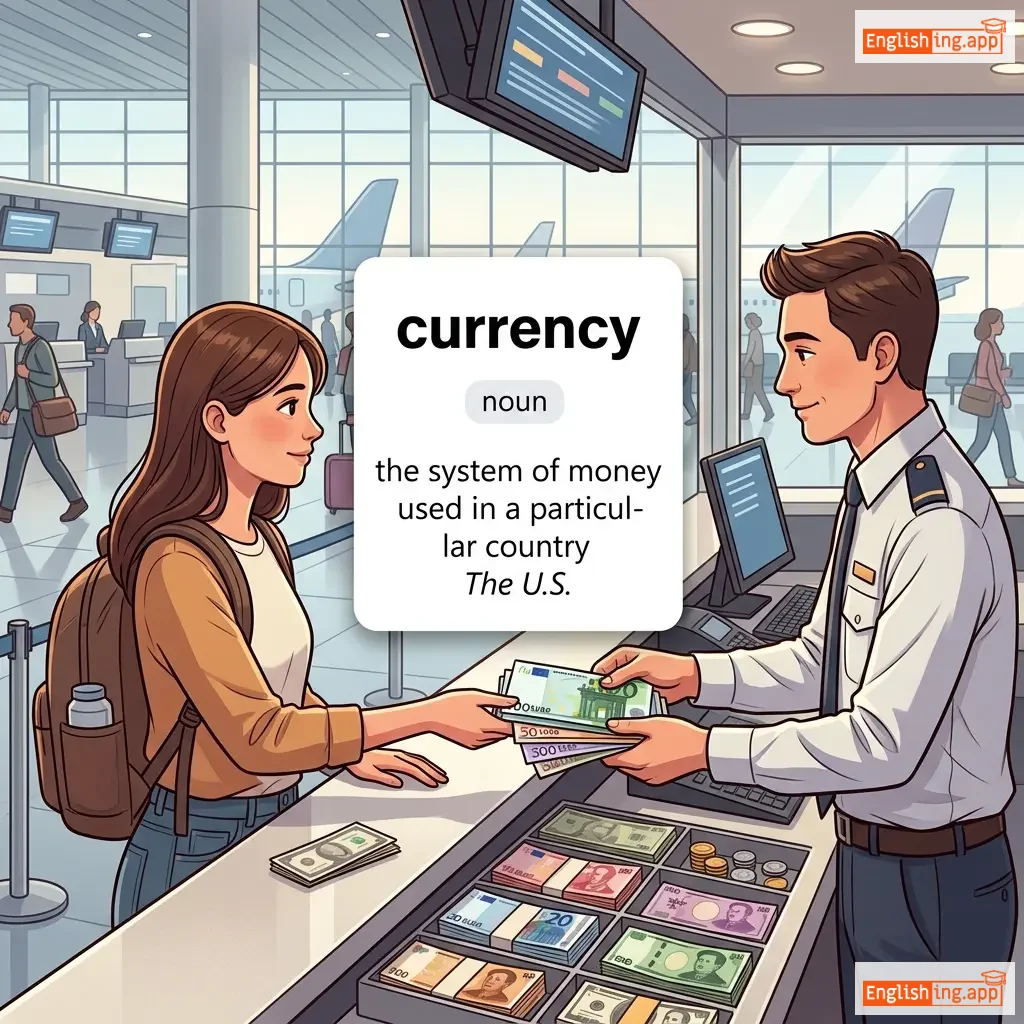
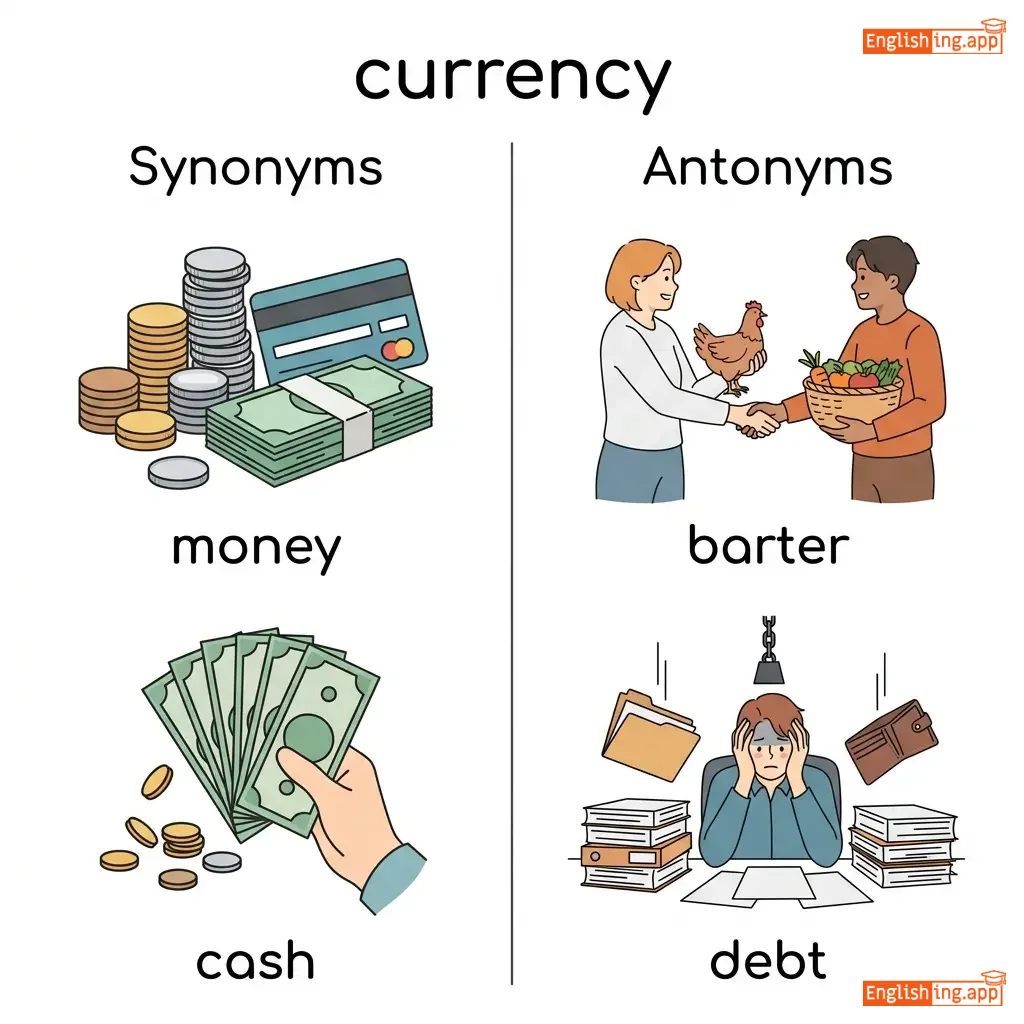
ˈkʌrənsi
noun
••••••
|
|
A system of money in general use in a particular country; the fact or quality of being generally accepted or in use.
••••••
|
Dual currency systems were proposed. |
money, cash, legal tender, coinage, banknotes
••••••
|
barter, commodities, trade, exchange, non-monetary
••••••
|
|
#407
👑
|
ɔːˈθɒrəti
noun
••••••
|
|
The power or right to give orders, make decisions, and enforce obedience; a person or organization having power or control.
••••••
|
Regional authority was emphasized. |
control, power, command, jurisdiction, dominion
••••••
|
weakness, inability, powerlessness, submission, subordination
••••••
|
|
#408
🏠
|
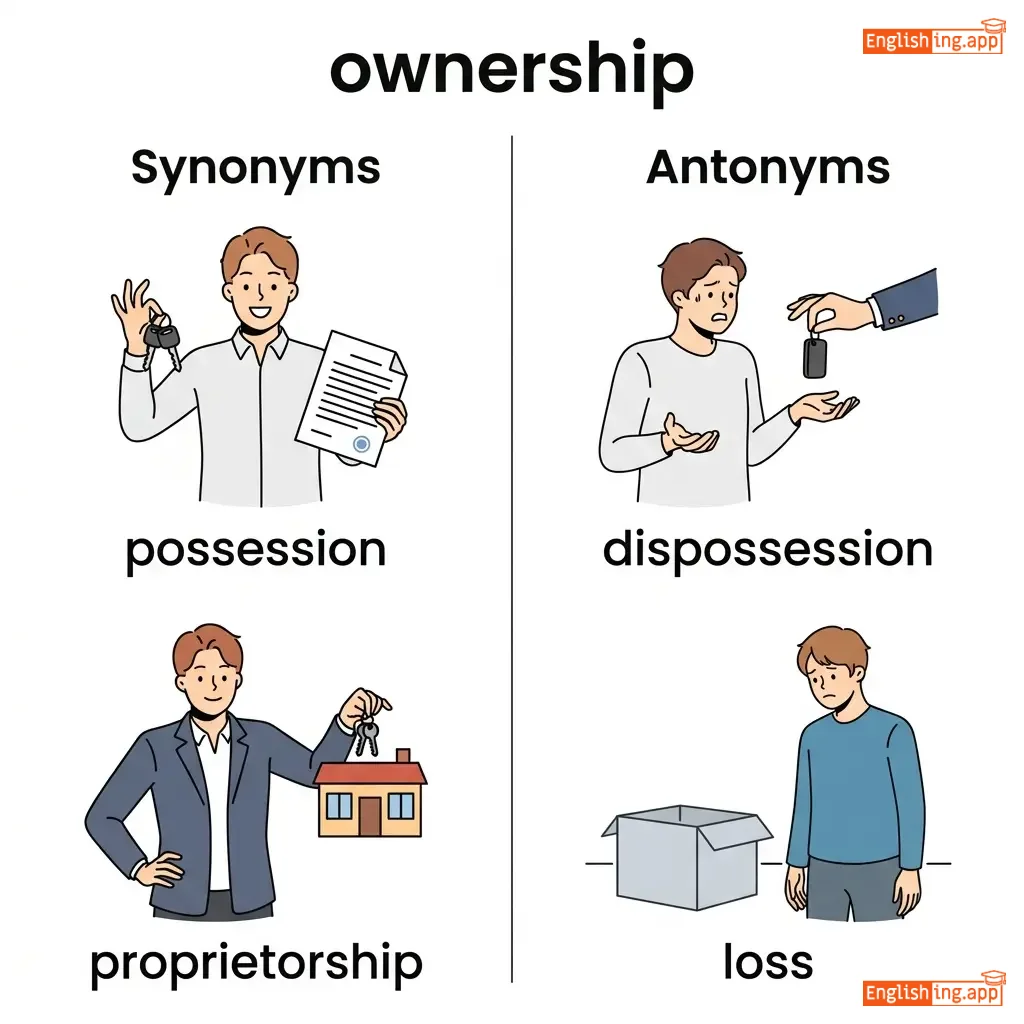
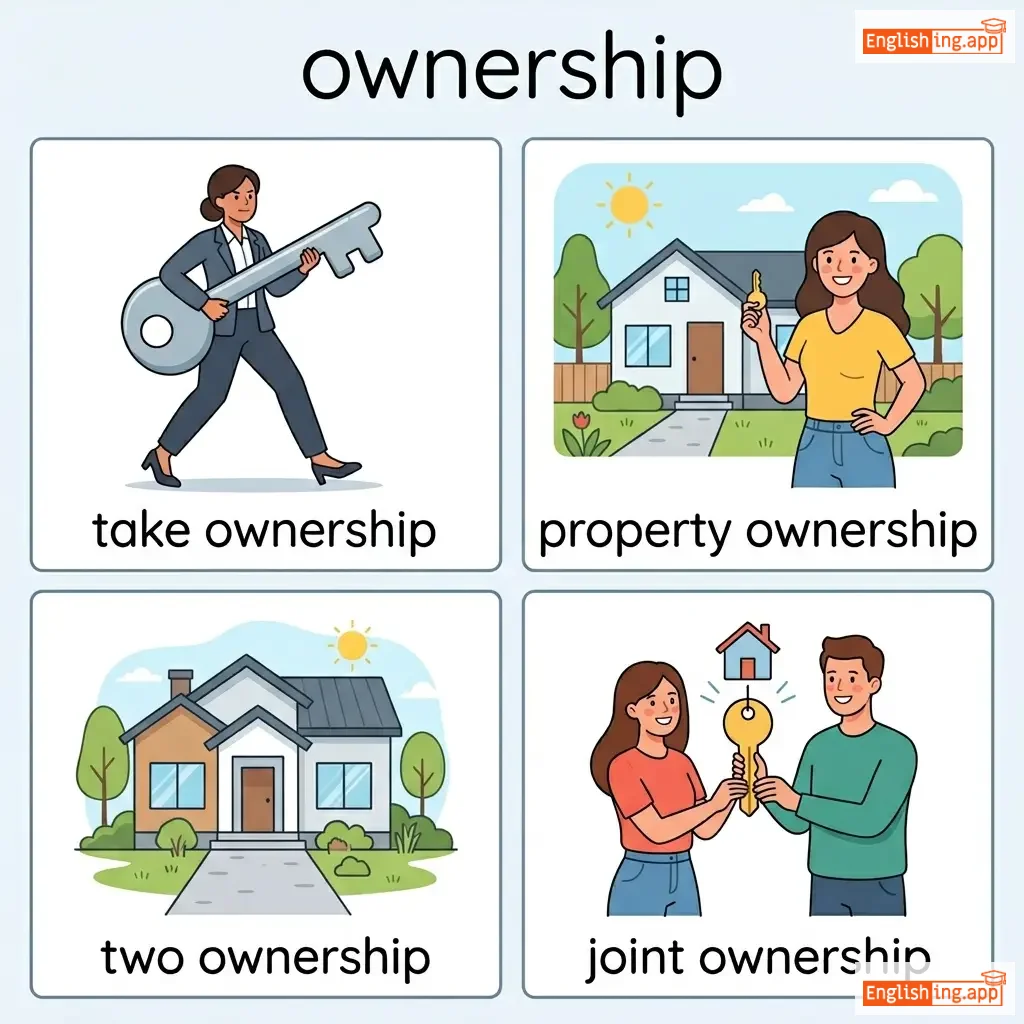
ˈəʊnəʃɪp
noun
••••••
|

|
The act, state, or right of possessing something; legal title to something.
••••••
|
Ownership of resources was crucial. |
possession, tenure, proprietorship, title, holding
••••••
|
dispossession, borrowing, renting, leasing, tenancy
••••••
|
|
#409
📈
|
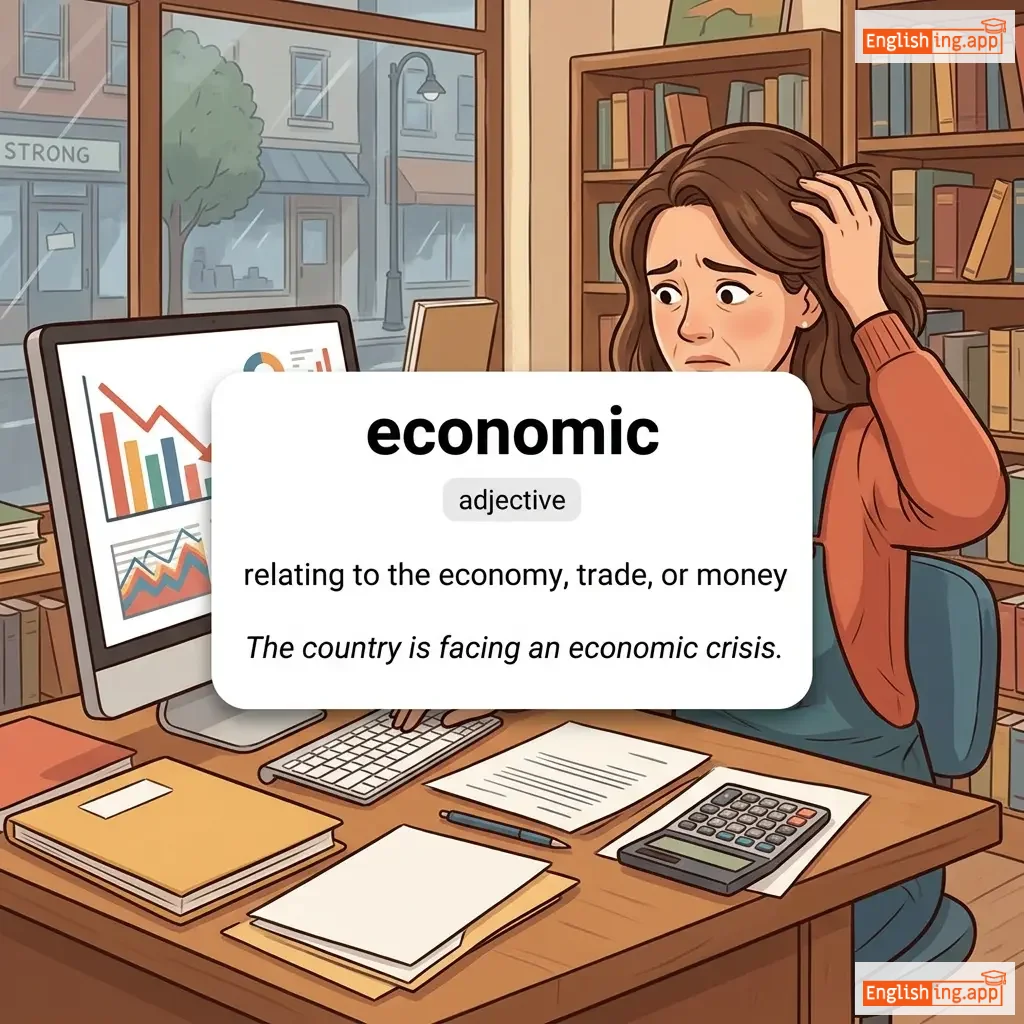
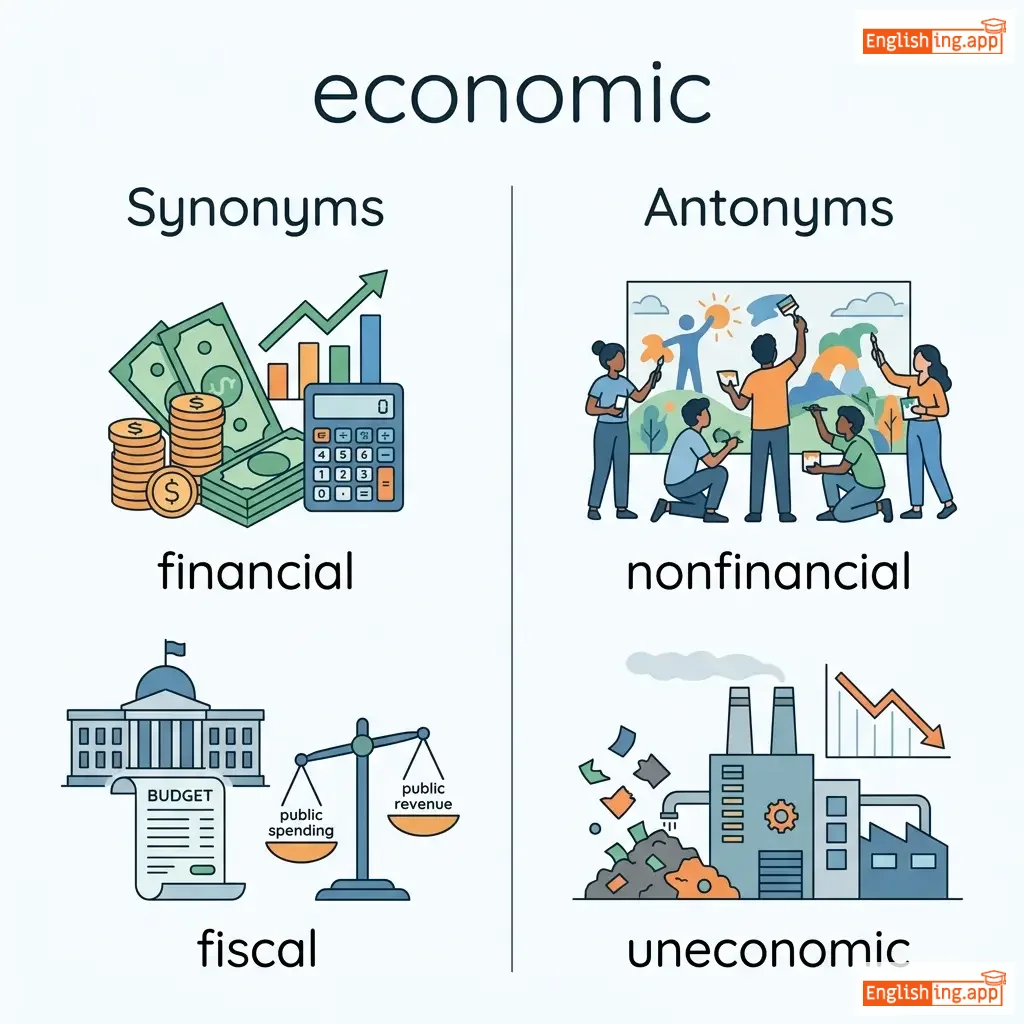
ˌiːkəˈnɒmɪk
adjective
••••••
|
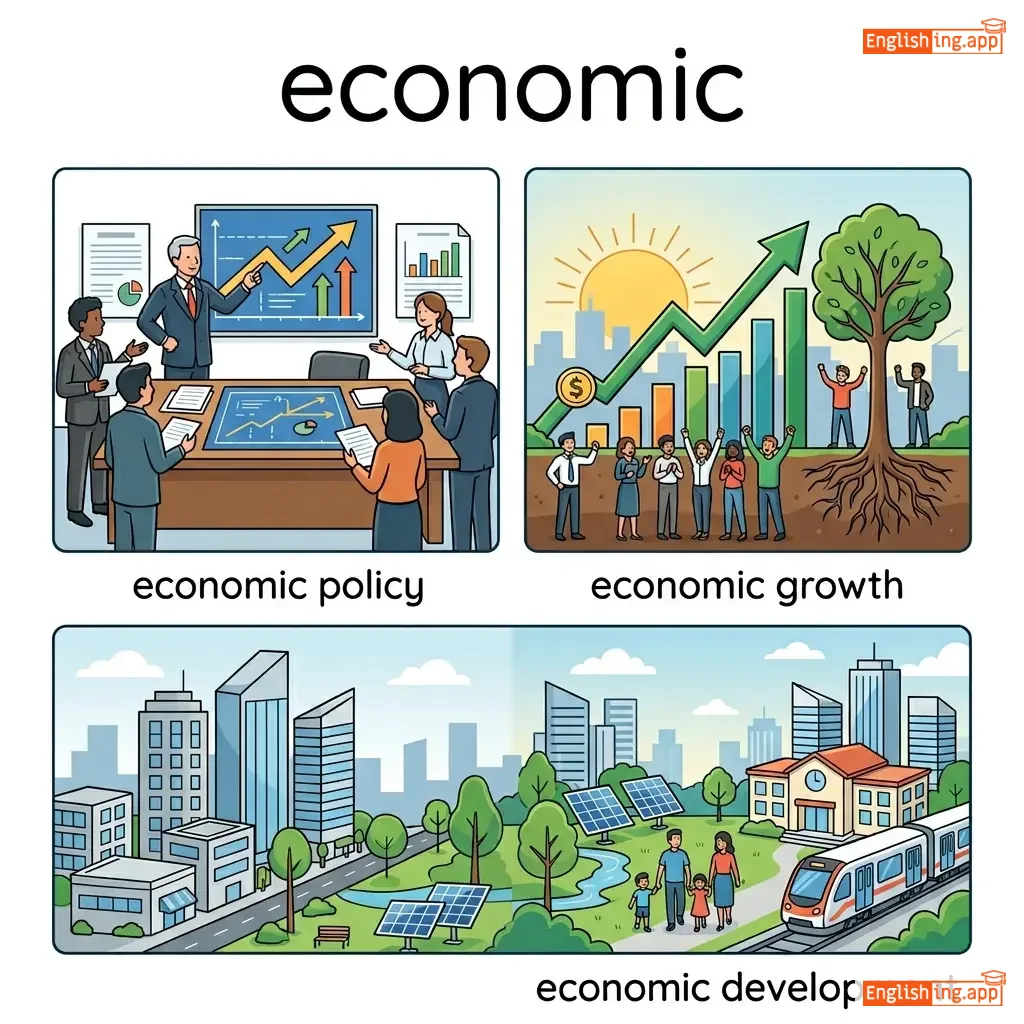
|
Relating to economics or the economy; justified in terms of profitability.
••••••
|
Economic independence was highlighted. |
financial, fiscal, monetary, commercial, trade-related
••••••
|
uneconomic, unprofitable, wasteful, inefficient, costly
••••••
|
|
#410
🏛️
|
pəˈlɪtɪkəl
adjective
••••••
|
|
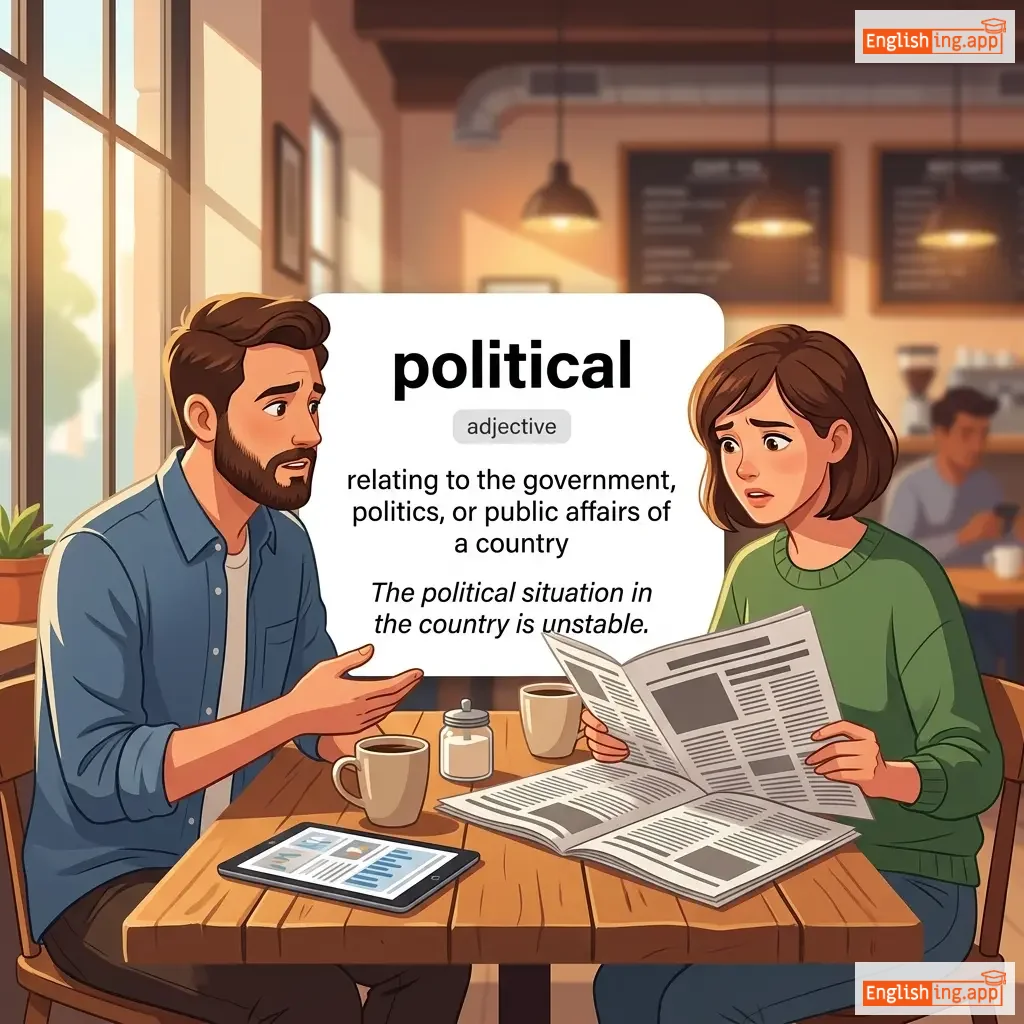
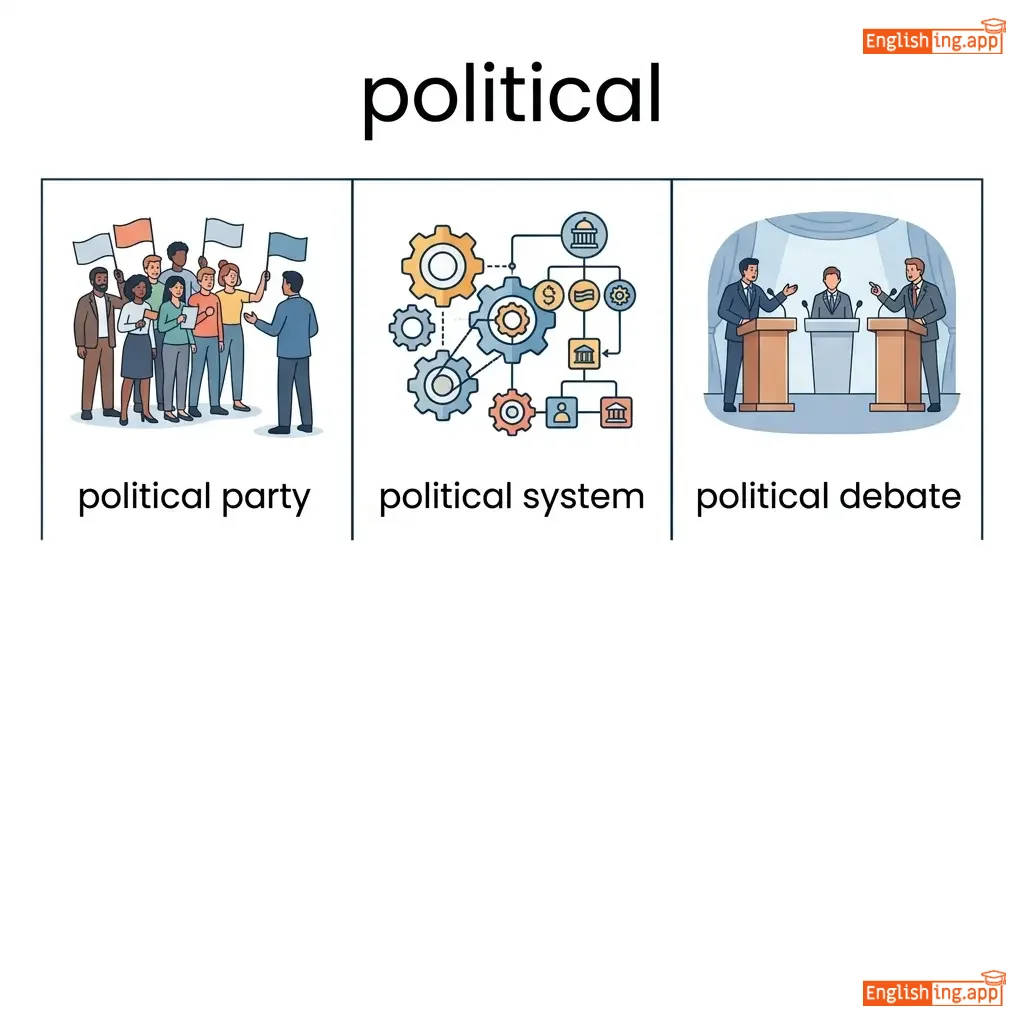
Relating to the government or public affairs of a country; relating to politics or political parties.
••••••
|
The political agenda included autonomy. |
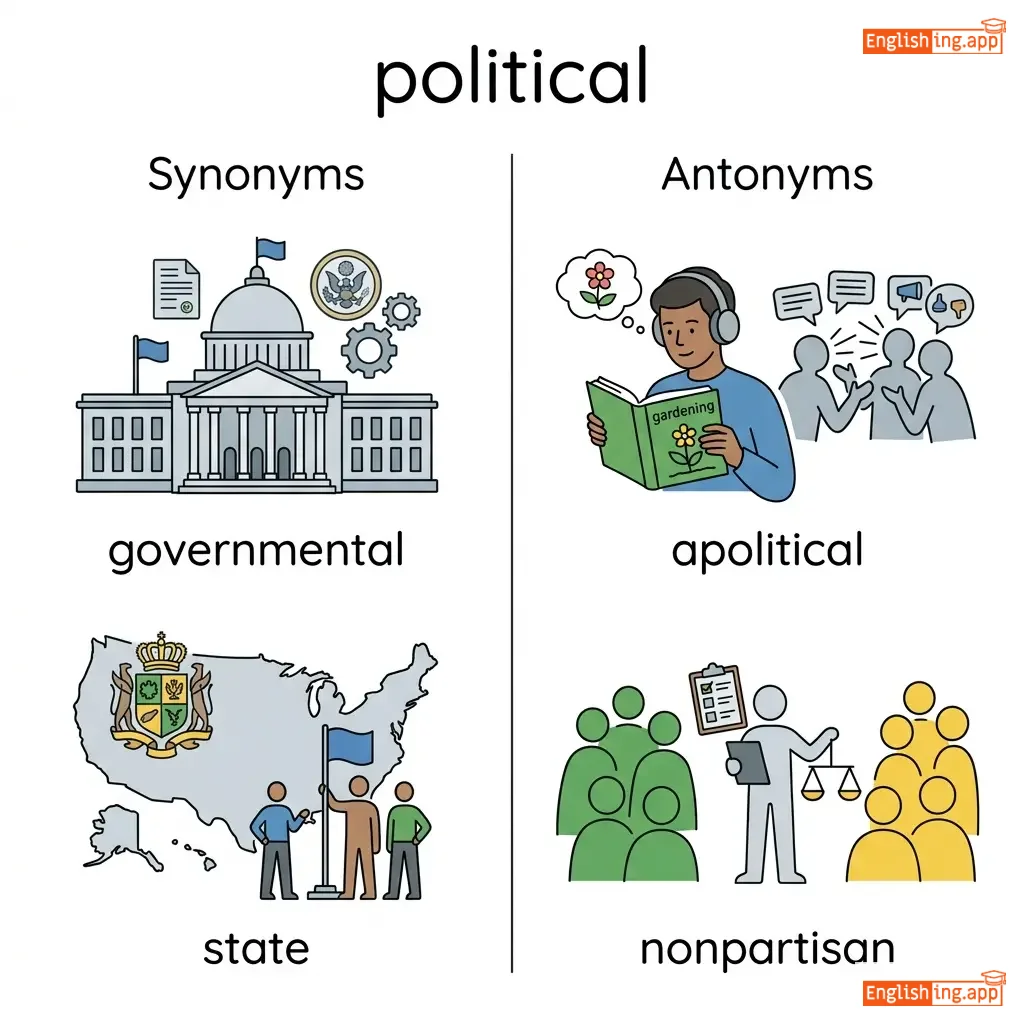
administrative, civic, governmental, public, state-related
••••••
|
apolitical, nonpolitical, private, personal, non-governmental
••••••
|
|
#411
🗽
|
ˌɪndɪˈpendəns
noun
••••••
|
|
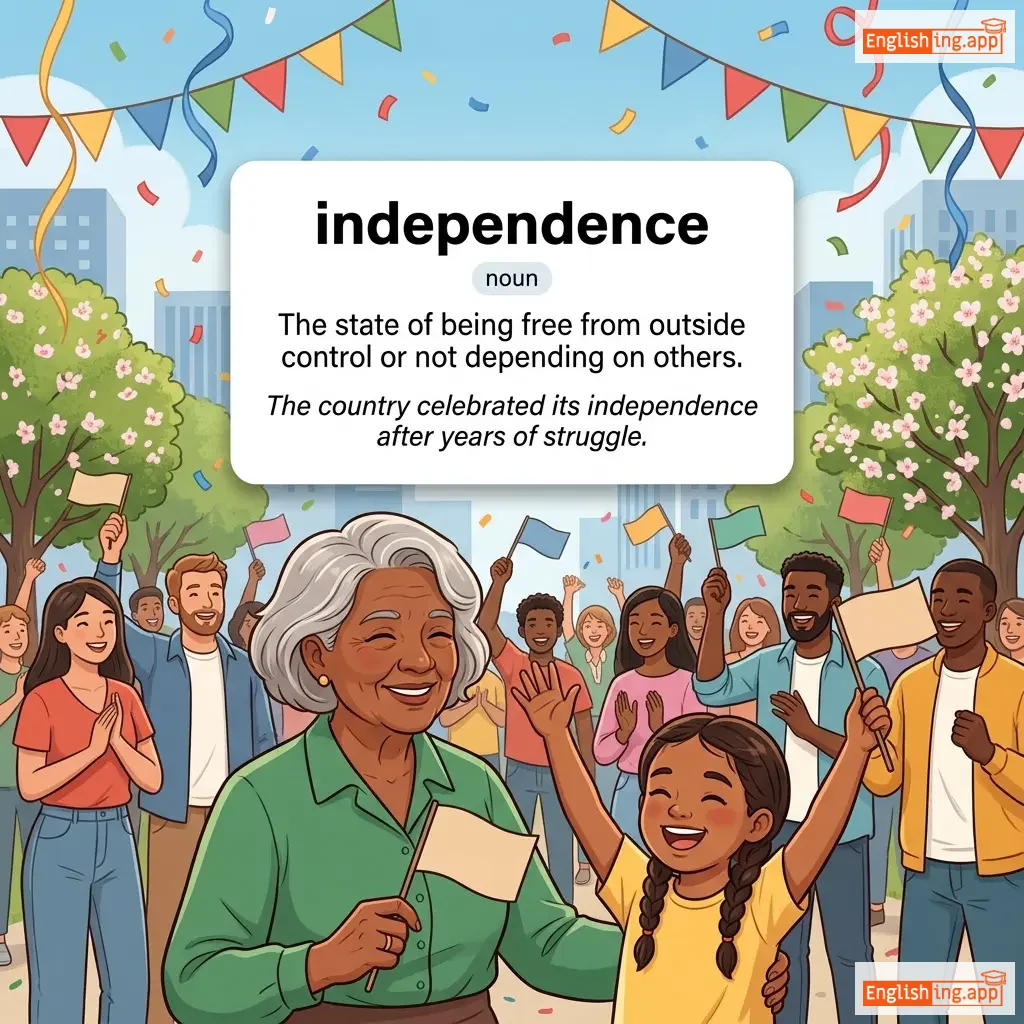
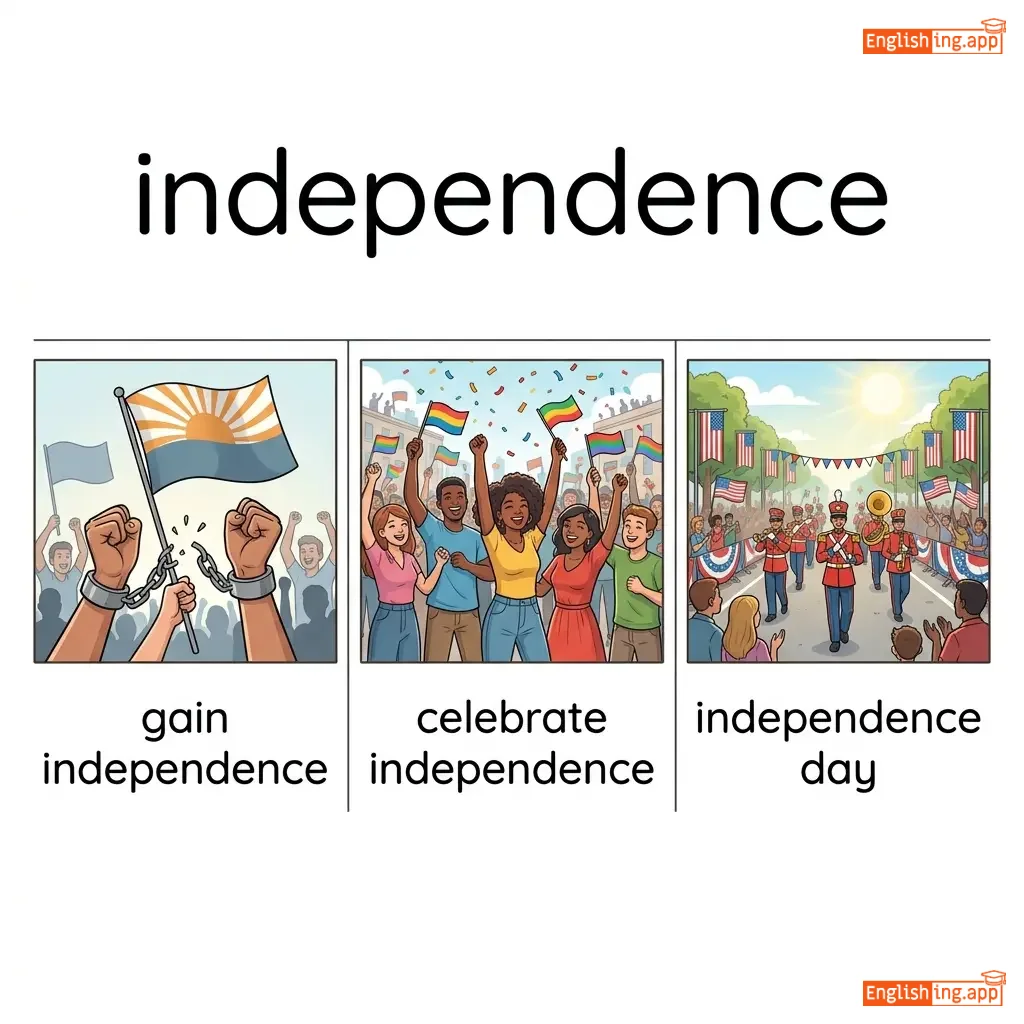
The fact or state of being independent; freedom from outside control; not being subject to another's authority.
••••••
|
Independence inspired the movement. |
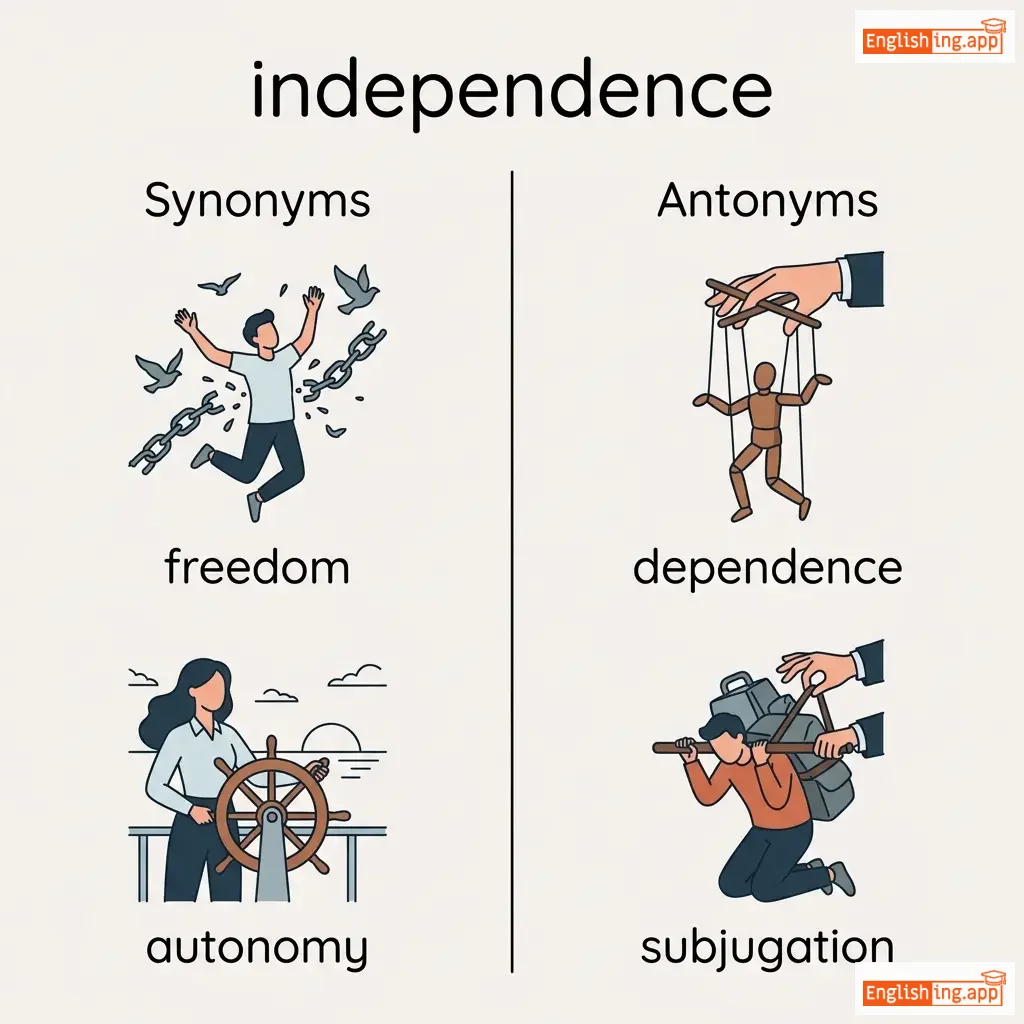
freedom, liberation, sovereignty, autonomy, self-rule
••••••
|
subjection, dependence, subordination, control, domination
••••••
|

