The 6-Point Demand of 1966
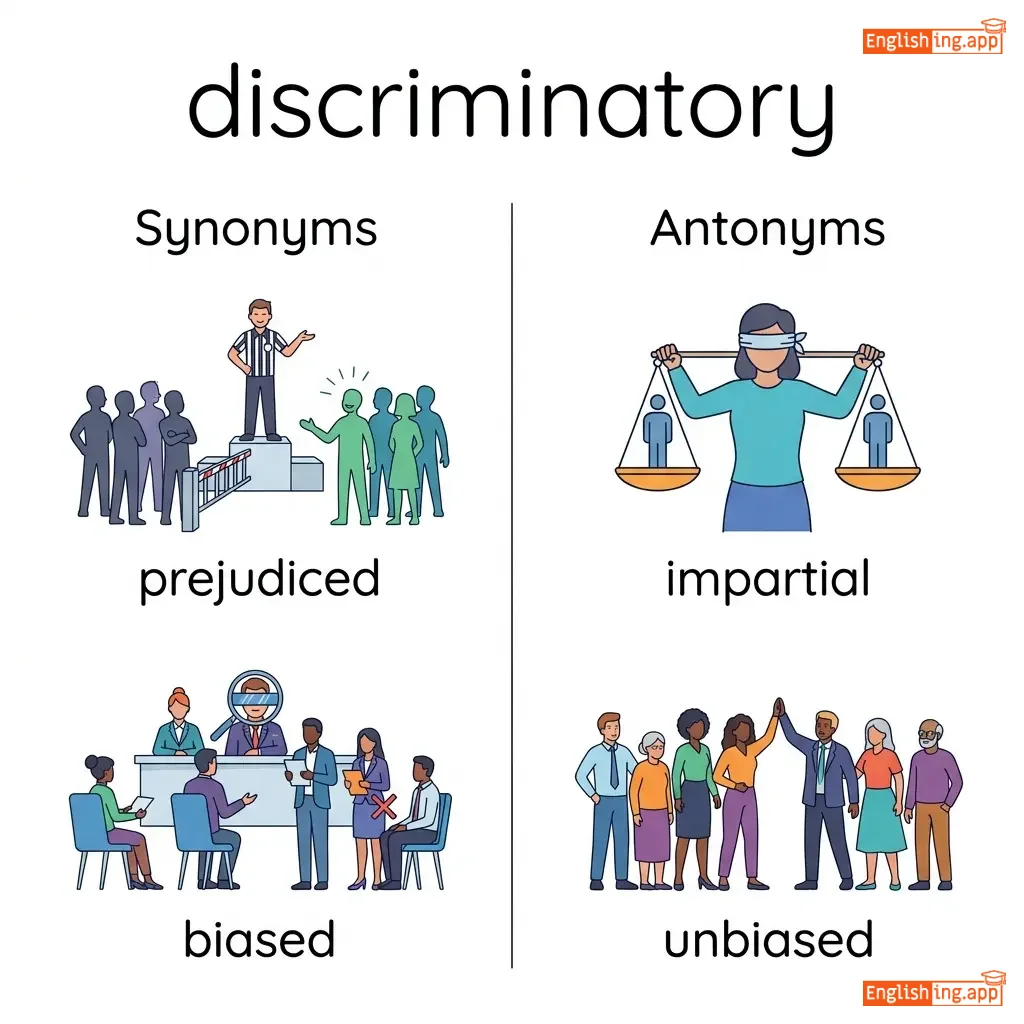
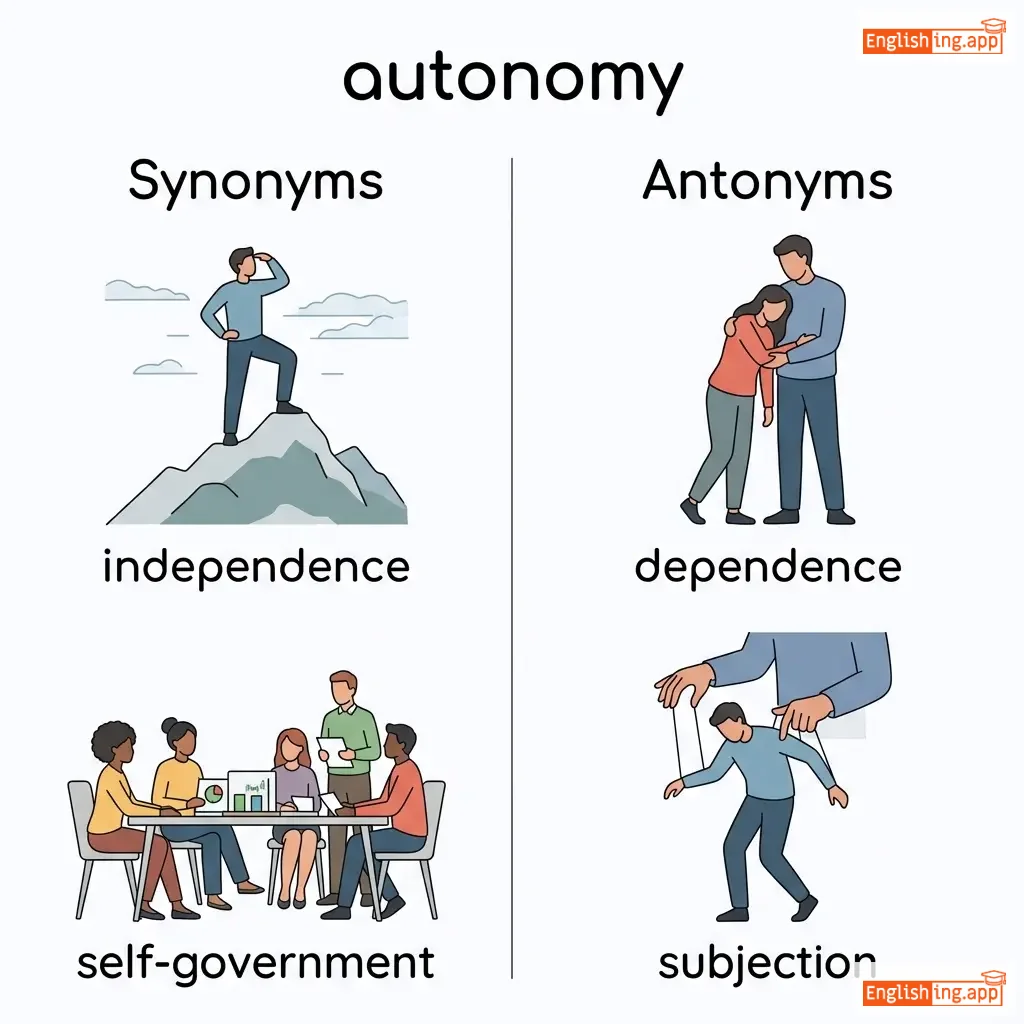
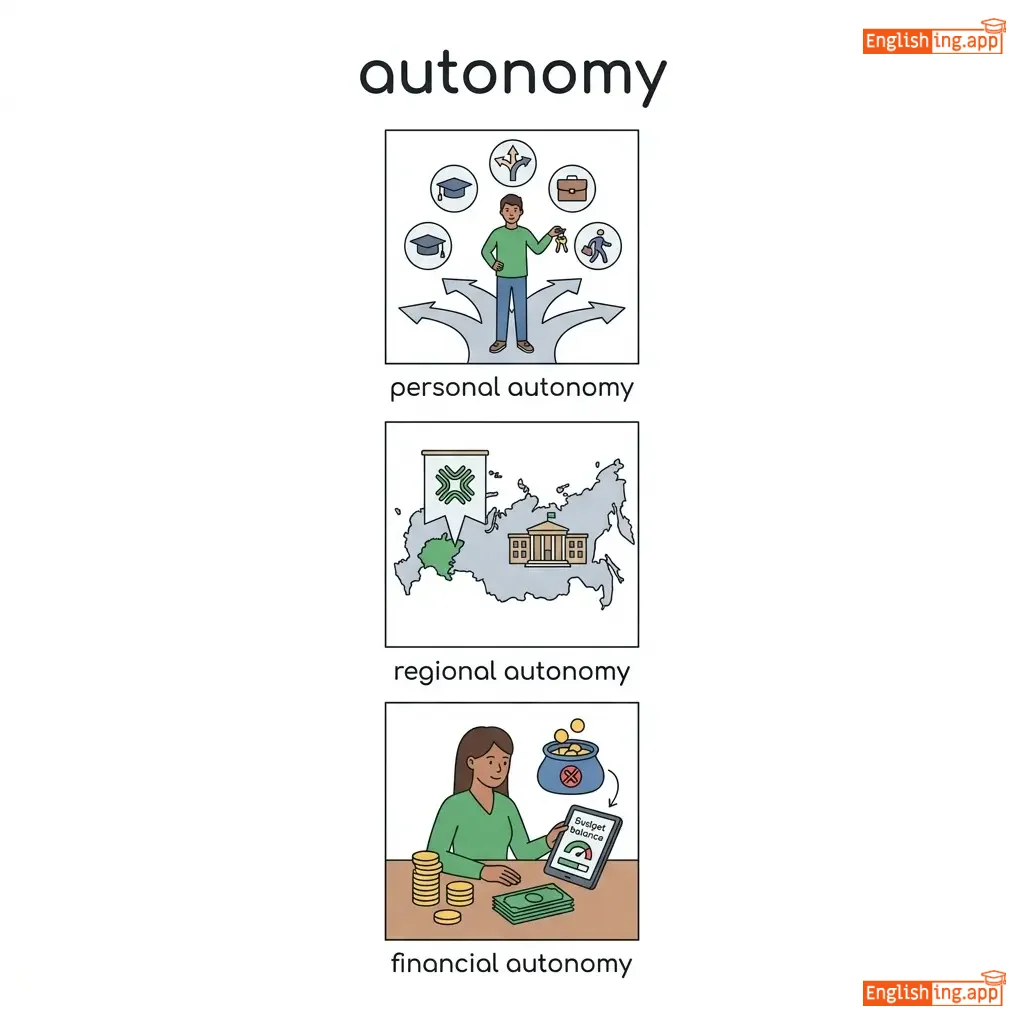
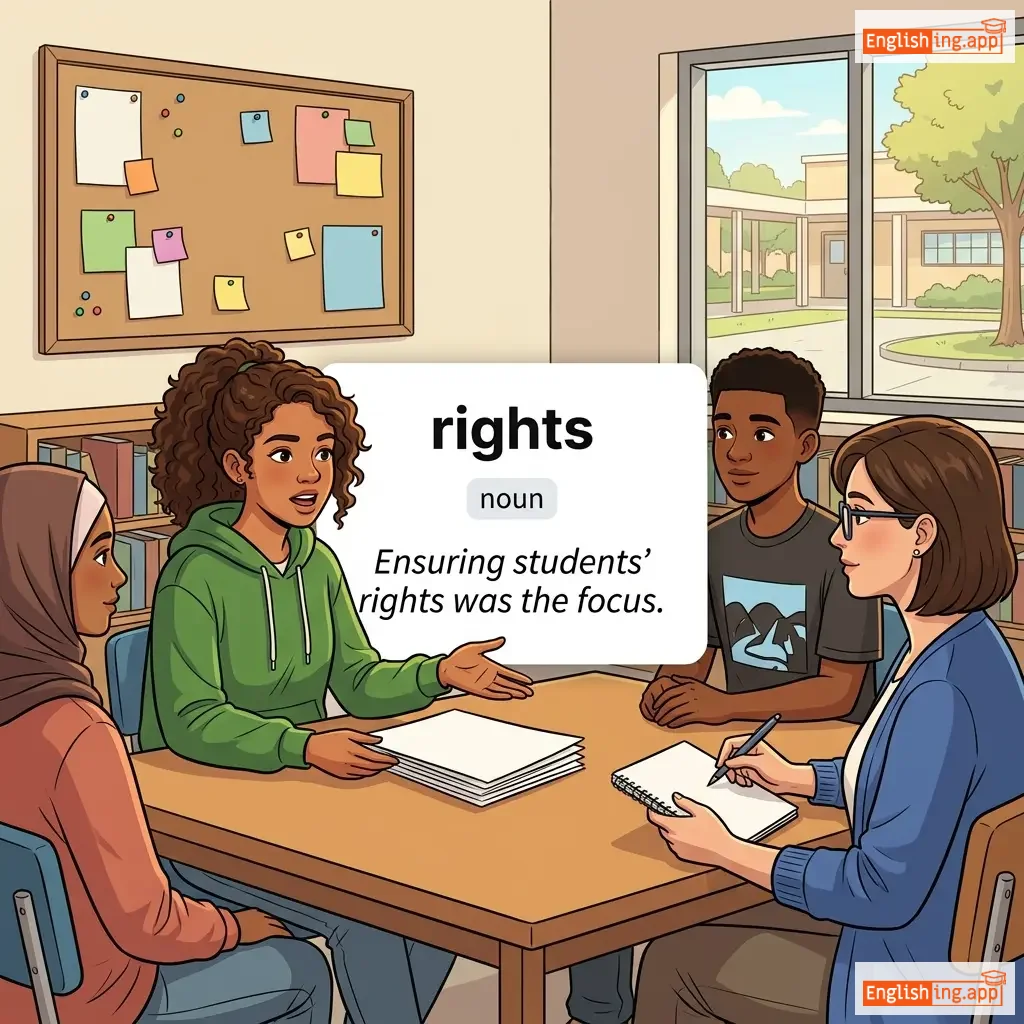
Le mouvement et la lutte contre le comportement extrêmement discriminatory et la négligence de l'État pakistanais envers la population du Bengale oriental ont pris de l'importance grâce à la demande d'autonomy du programme en six points. Sheikh Mujibur Rahman participa à la conférence des partis d'opposition tenue les 5 et 6 février 1966 à Lahore. Là, il donna une conférence de presse et présenta les six revendications pour protéger les rights du peuple du Pakistan oriental.
Les points étaient :
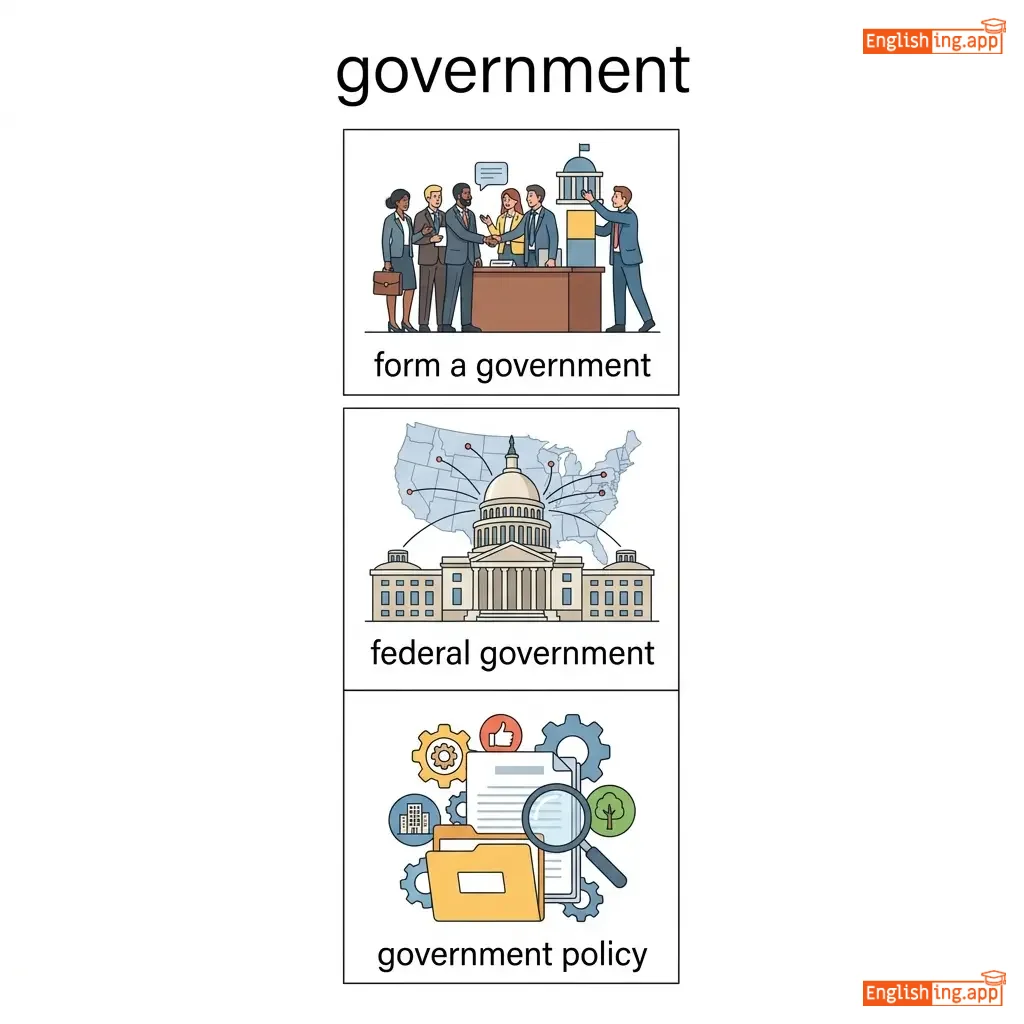
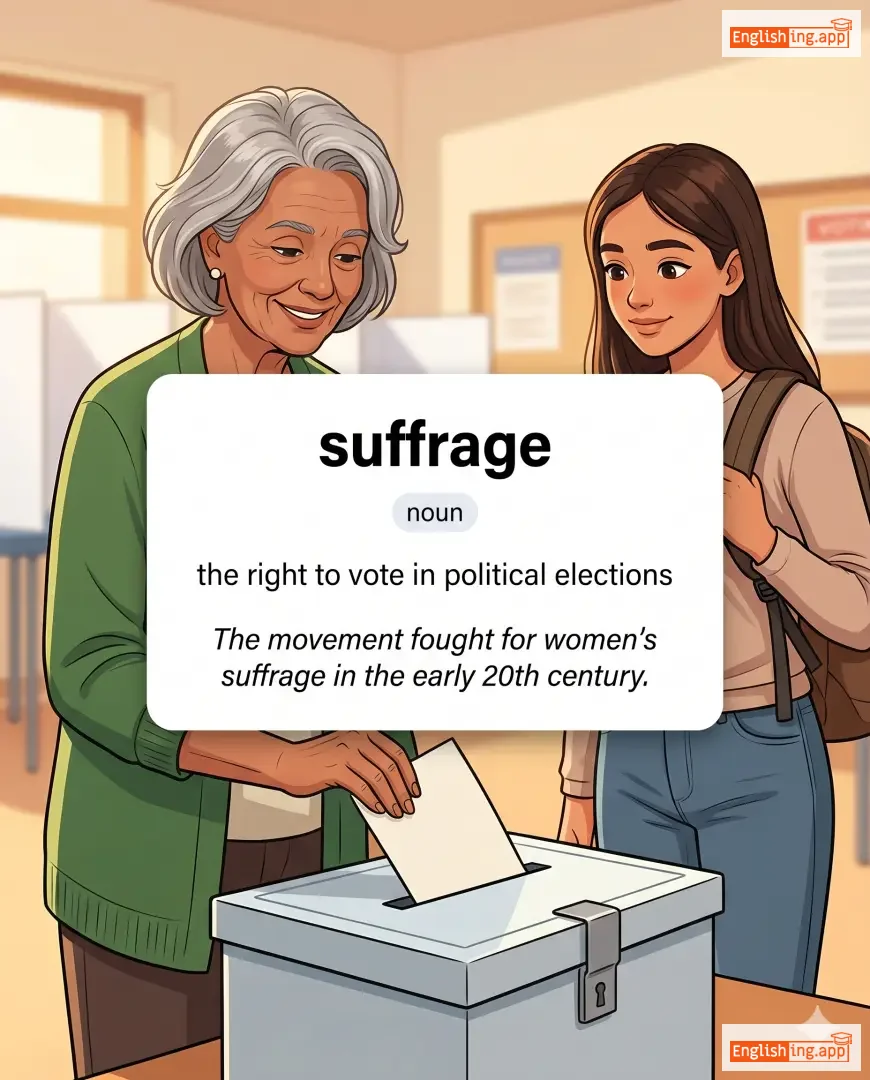
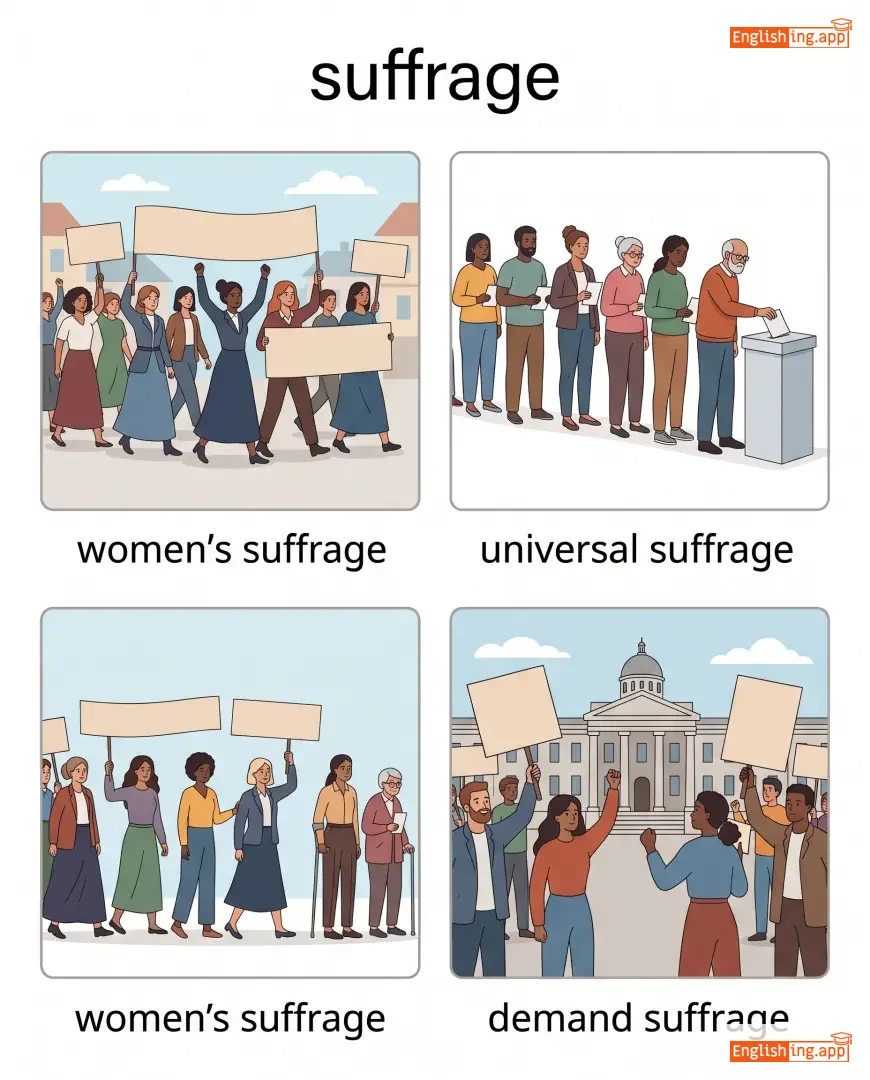
Un système parlementaire de government sous un système fédéral au Pakistan. Élections basées sur le suffrage universel avec droit de vote pour les adultes.
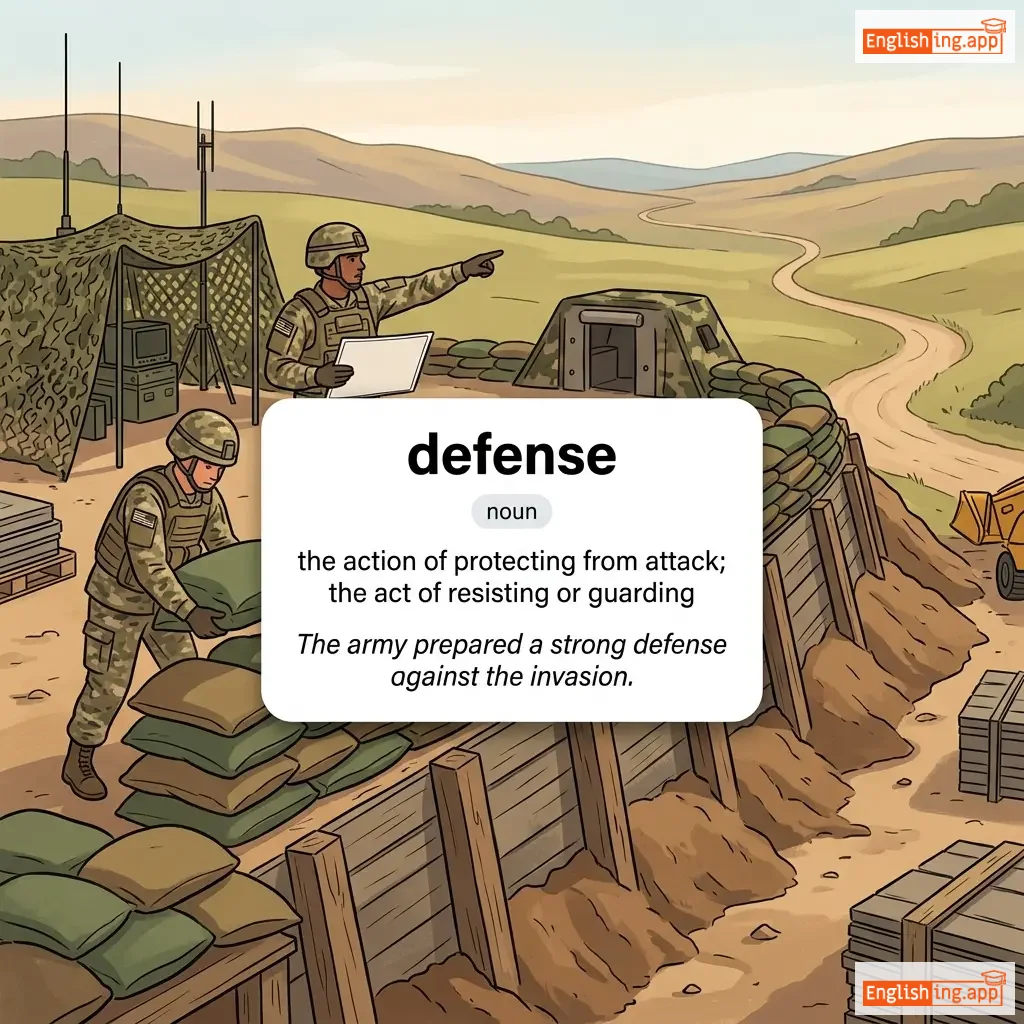
Seuls deux sujets resteraient au gouvernement central : defense et ministère des affaires étrangères.
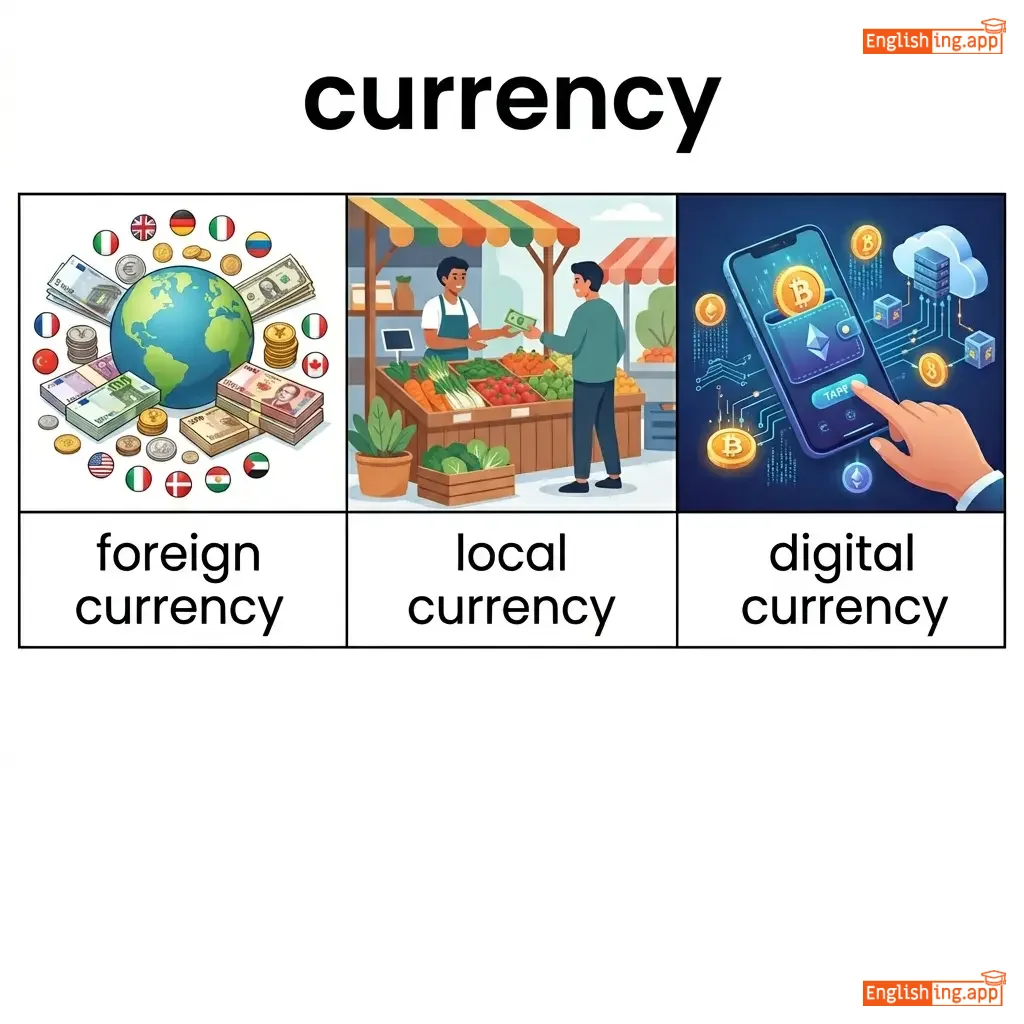
Deux currencies distinctes librement convertibles dans tout le pays, ou un même type de currency avec des conditions spéciales.
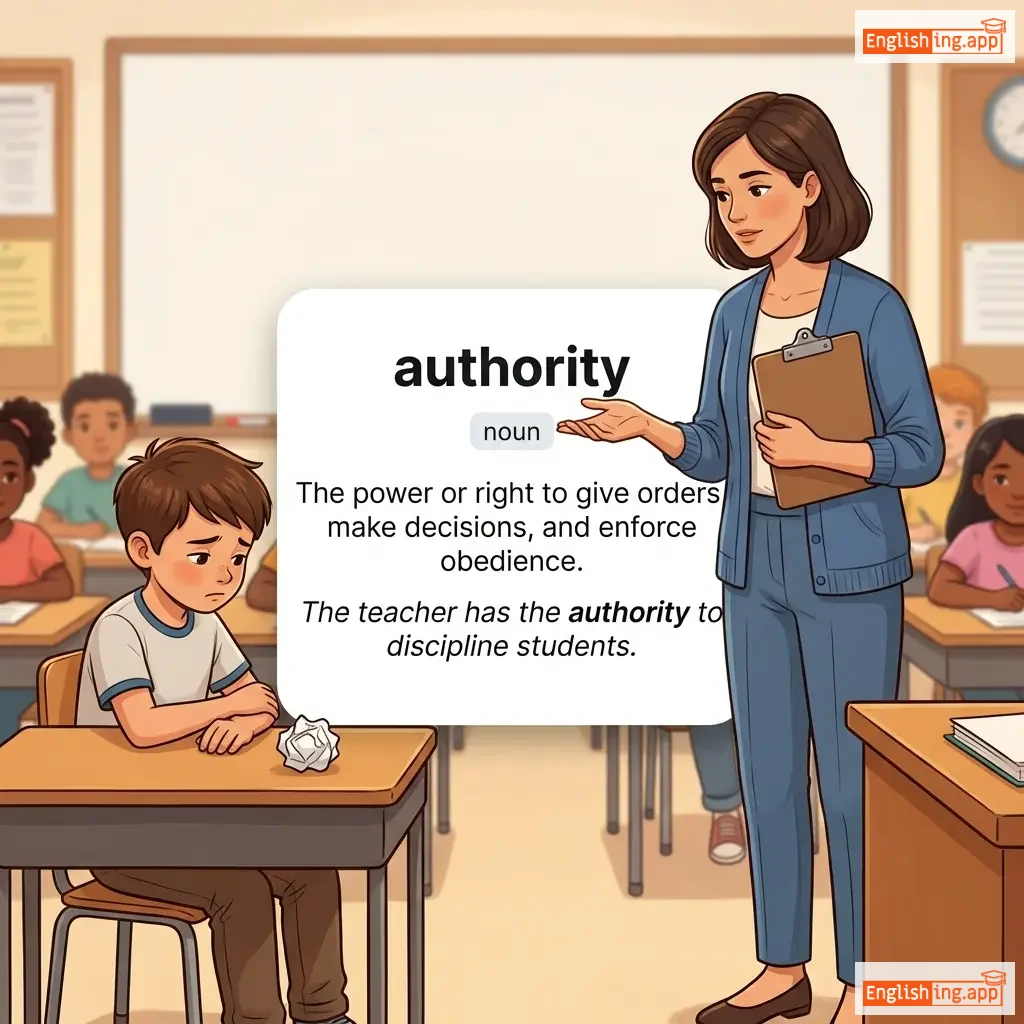
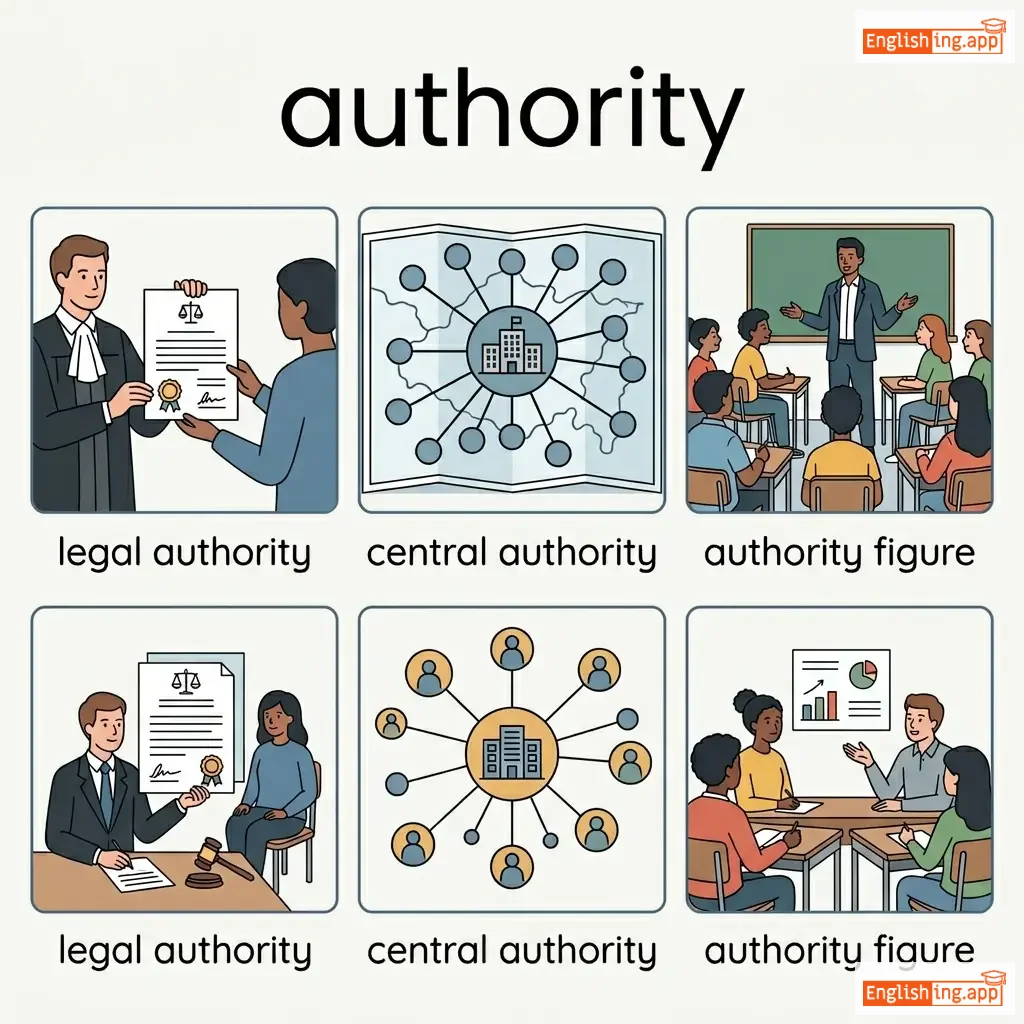
Tout le pouvoir d'imposition (authority) resterait aux gouvernements régionaux.
Les États fédéraux conserveraient la ownership de leur currency étrangère gagnée.
Donner aux États fédéraux le pouvoir de former des forces paramilitaires pour la sécurité régionale.
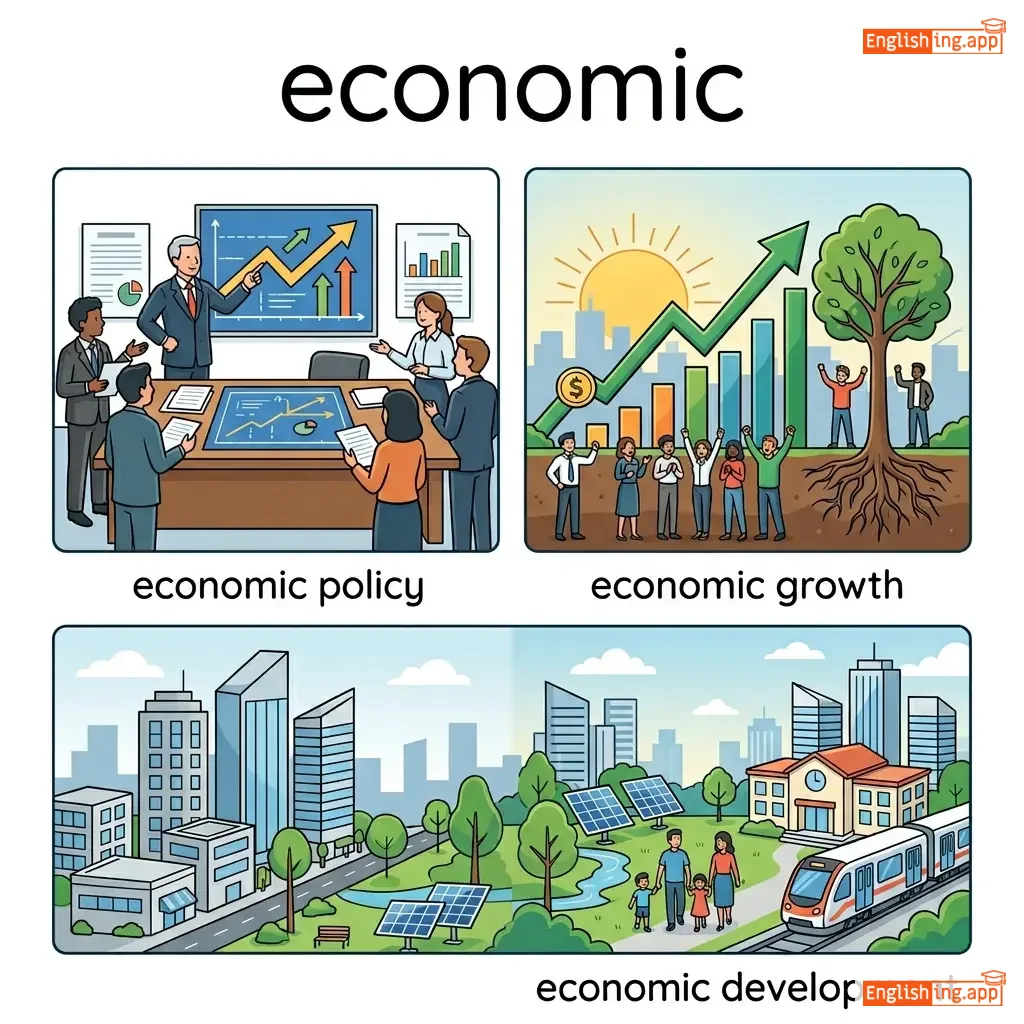
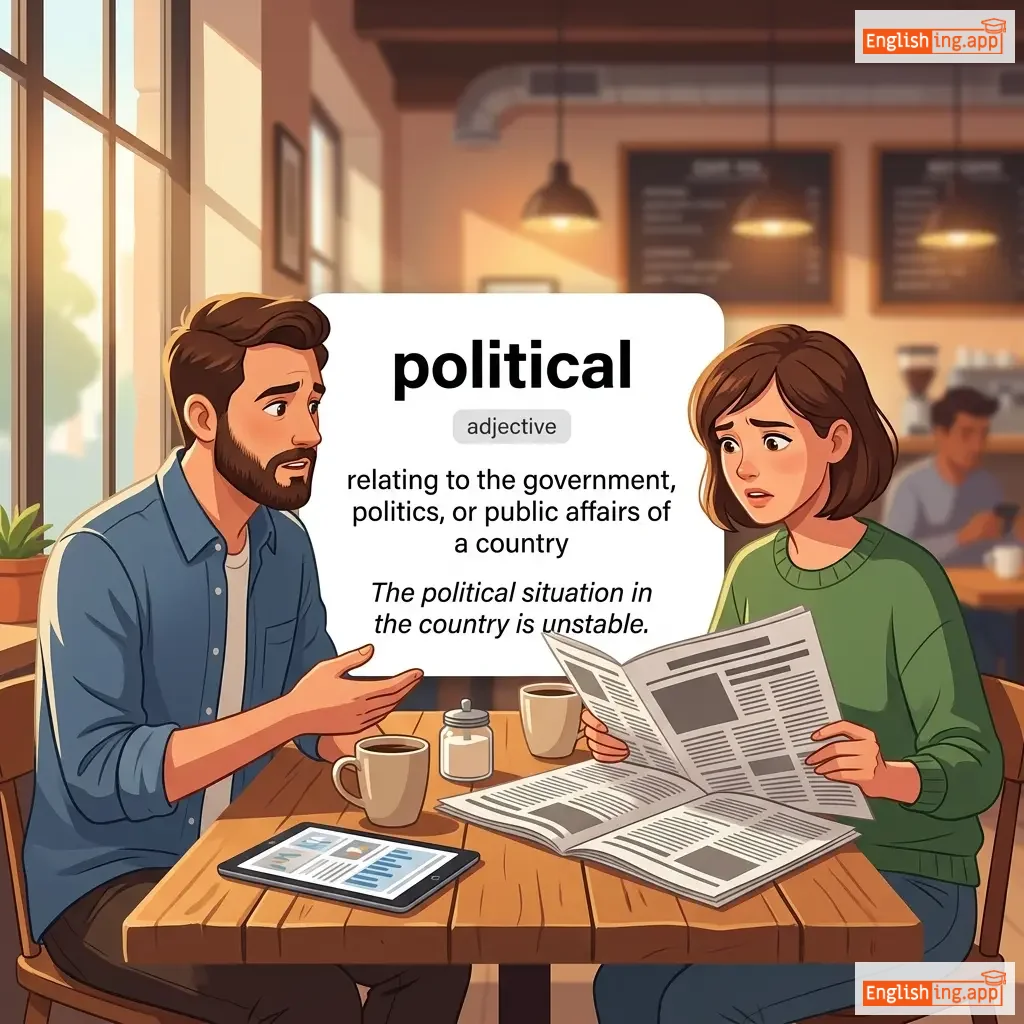
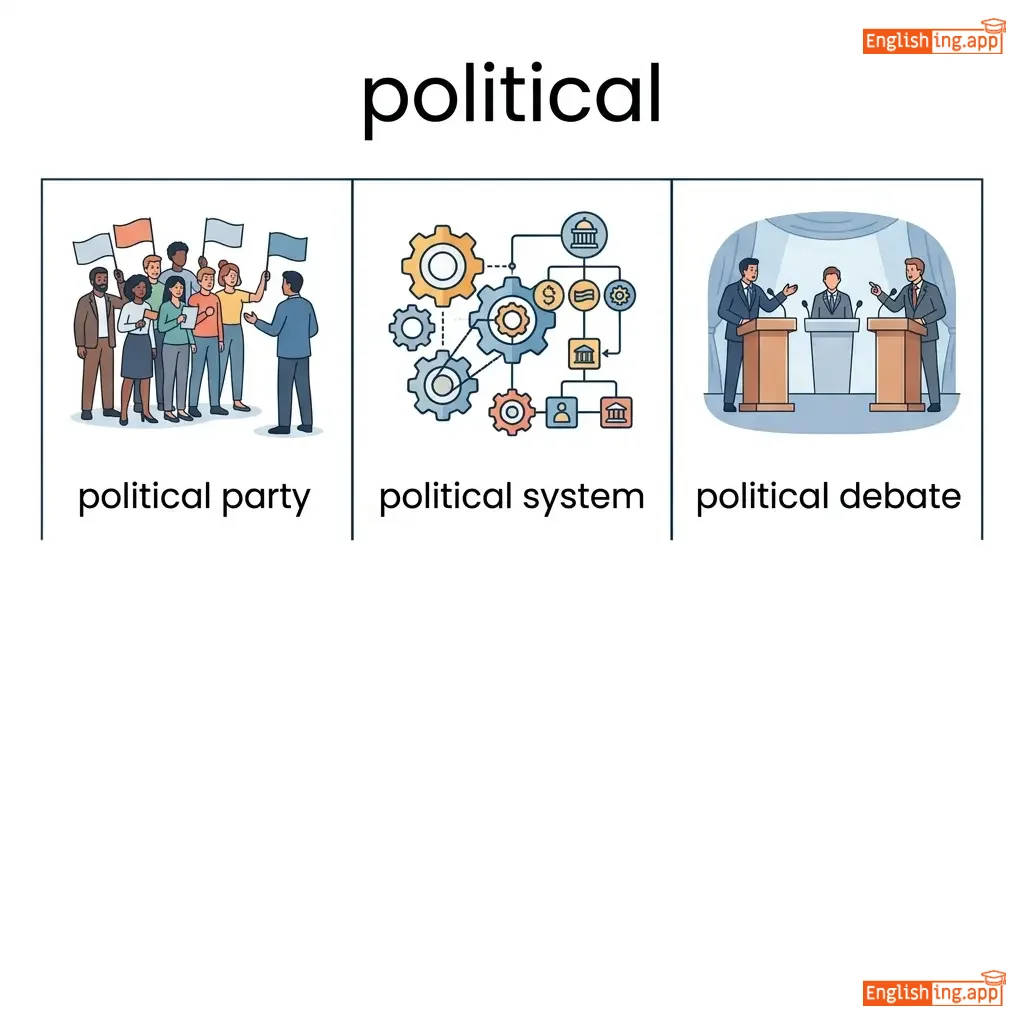
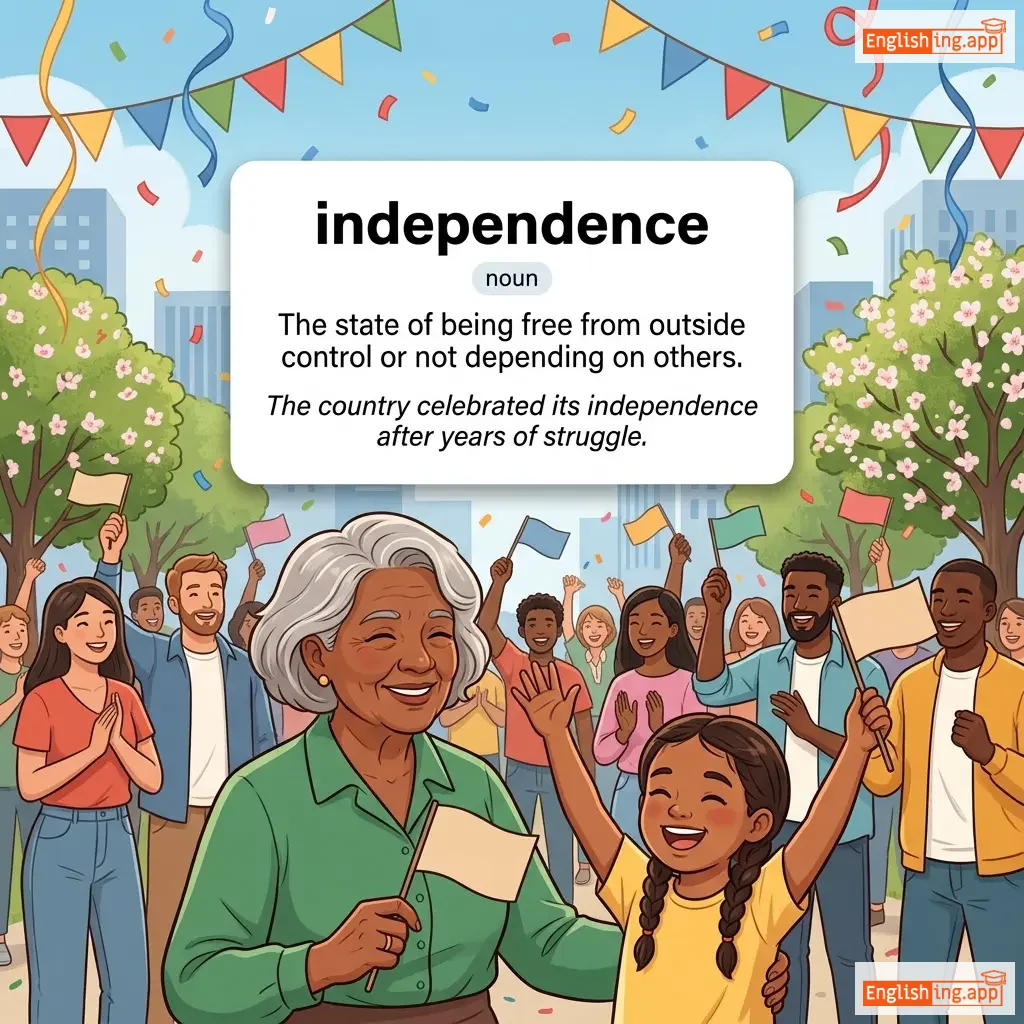
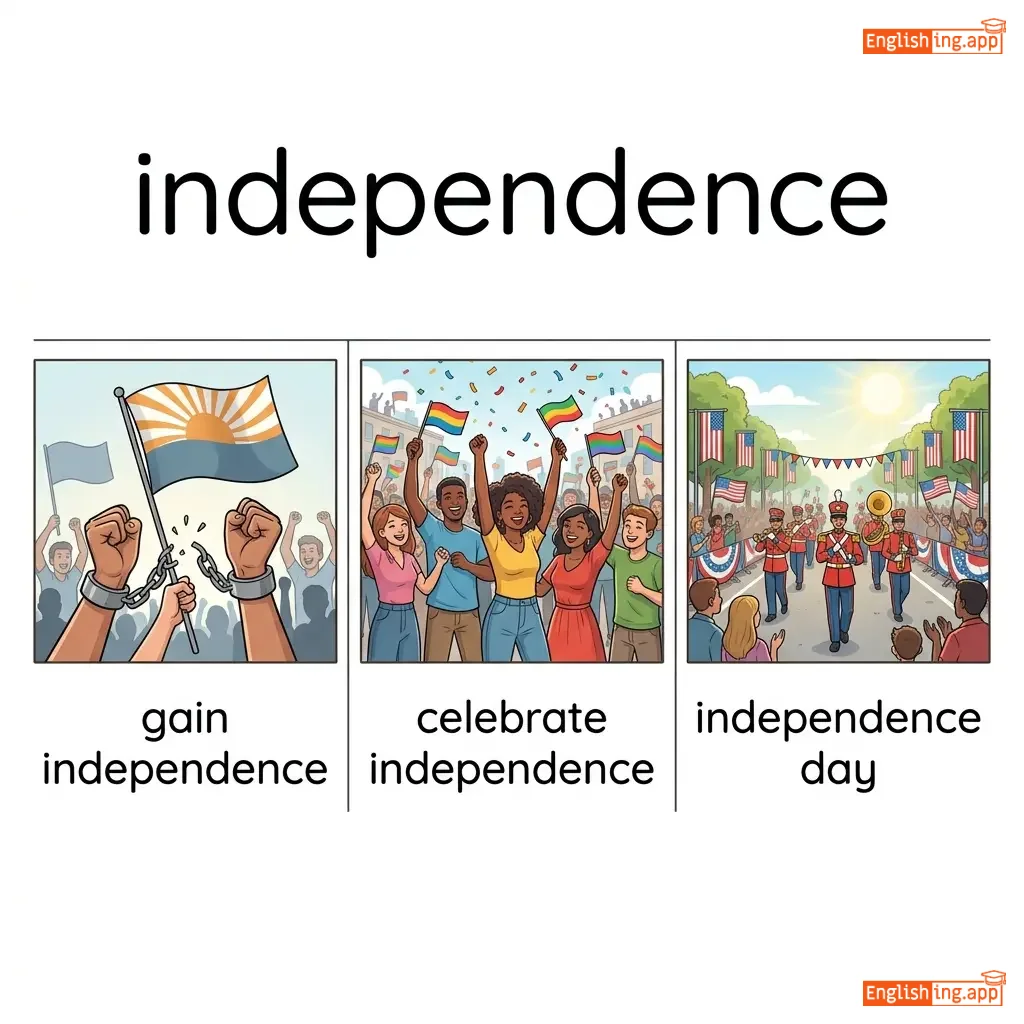
Les six points ont mis en lumière les droits economic, political, et militaires du peuple du Pakistan oriental. Le gouvernement d’Ayub Khan qualifia les six points de 'programme séparatiste'. Bien qu’ils ne parlaient pas directement d’independence, ce programme inspira profondément les Bengalis avec l’esprit d’independence. Ce fut la charte de la libération de la nation bengalie.
Message vocabulaire Pro
Passer à la version ProMessage phrases Pro
Passer à la version Pro|
Émoji
|
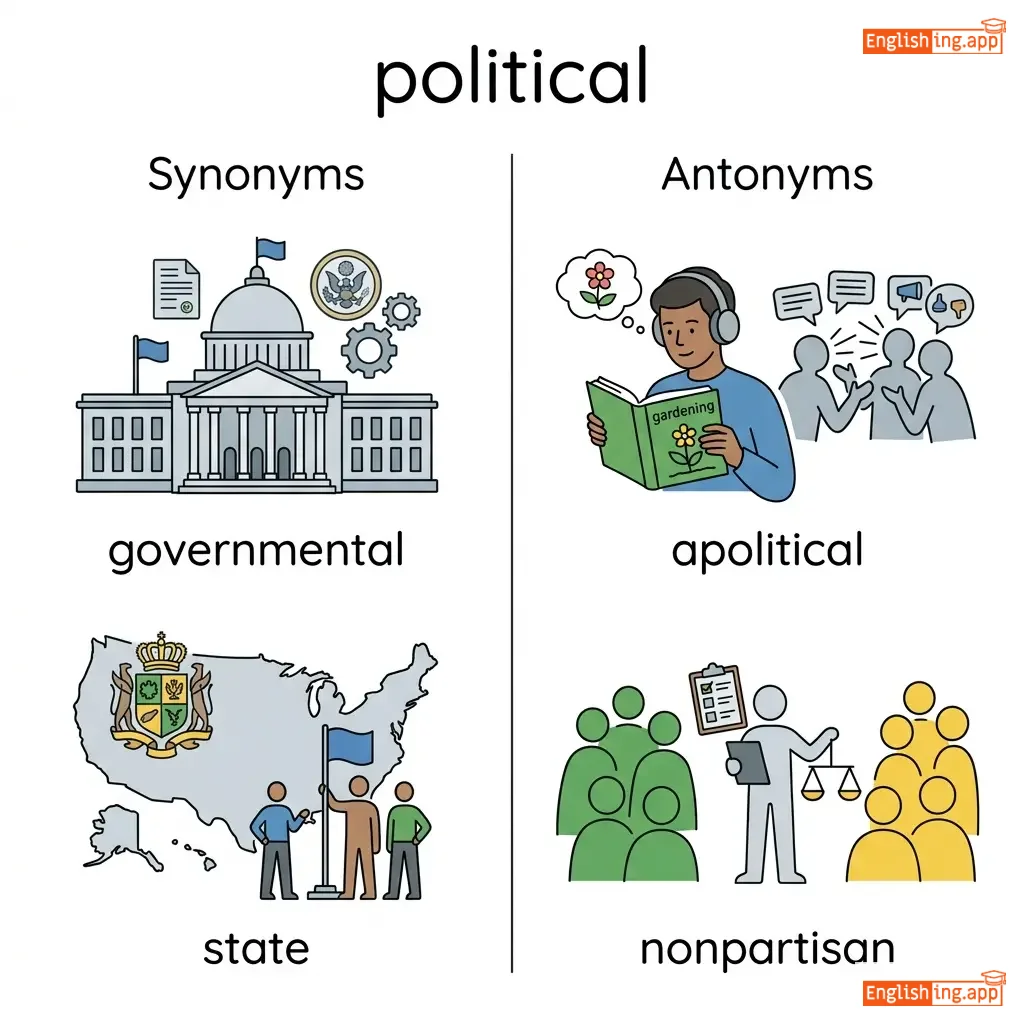
Mot | Images | Signification | Phrase d'Exemple | Synonymes | Antonymes |
|---|---|---|---|---|---|---|
|
#399
👥
|
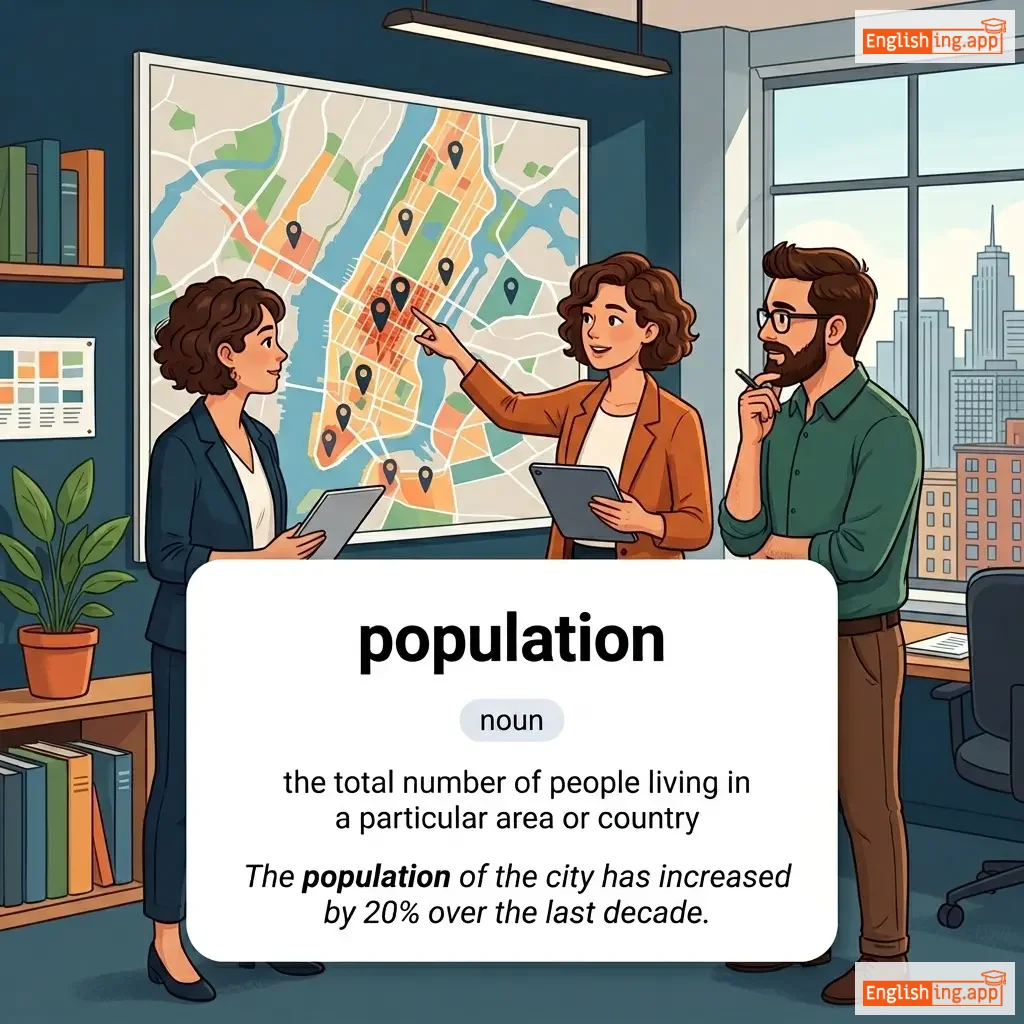
ˌpɒpjuˈleɪʃən
noun
••••••
|
•••••• |
All the inhabitants of a particular place; the number of people living in a country or region.
••••••
|
The population supported autonomy. |
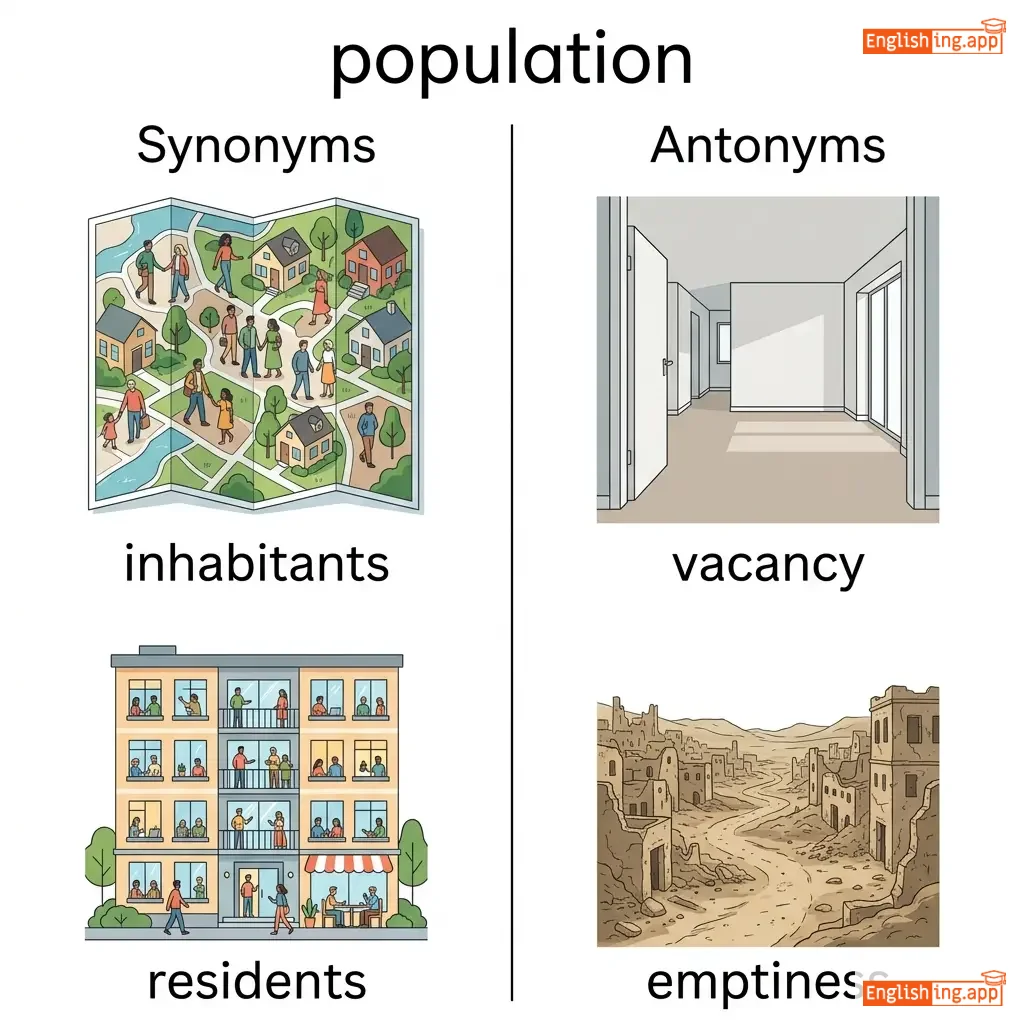
people, residents, inhabitants, citizens, community
••••••
|
emigration, isolation, depopulation, exodus, abandonment
••••••
|
|
#400
⚖️
|
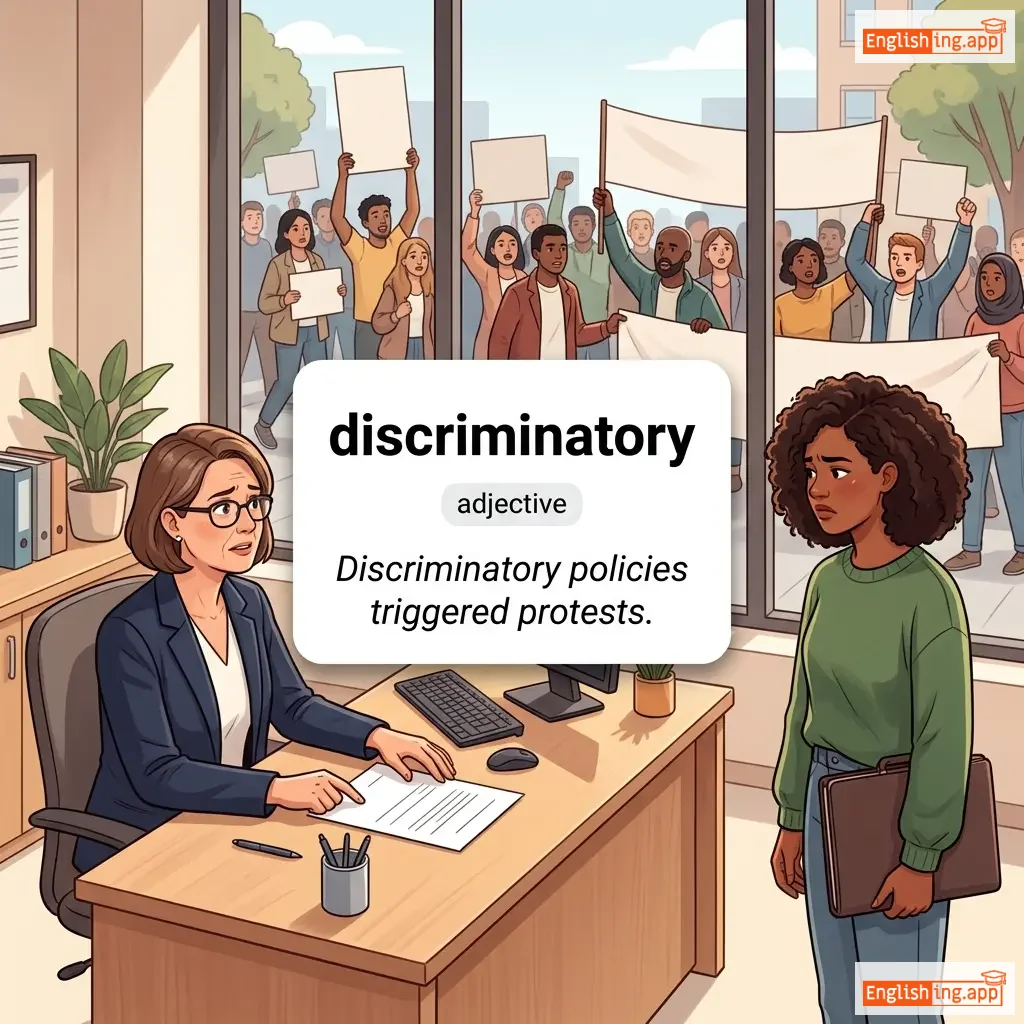
dɪˈskrɪmɪnətɔːri
adjective
••••••
|
•••••• |
Making or showing an unfair or prejudicial distinction between different categories of people or things.
••••••
|
Discriminatory policies triggered protests. |
prejudiced, biased, unfair, partial, bigoted
••••••
|
impartial, unbiased, fair, equal, just
••••••
|
|
#401
🏛️
|
ɔːˈtɒnəmi
noun
••••••
|
•••••• |
The right or condition of self-government; freedom from external control or influence.
••••••
|
Autonomy was a primary demand. |
independence, sovereignty, self-rule, self-determination, freedom
••••••
|
dependence, subordination, control, subjugation, domination
••••••
|
|
#402
⚖️
|
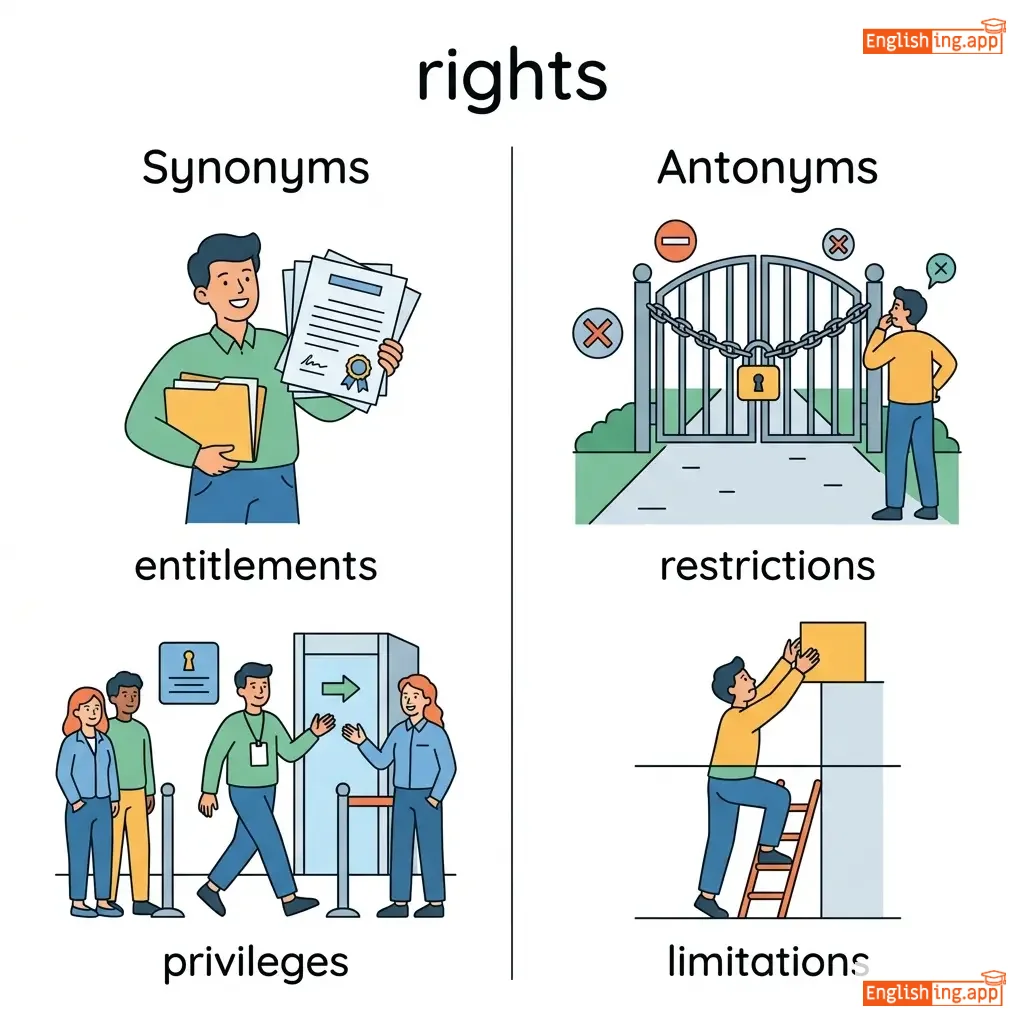
raɪts
noun
••••••
|
•••••• |
A moral or legal entitlement to have or obtain something or to act in a certain way.
••••••
|
The rights of people were prioritized. |
freedoms, privileges, entitlements, liberties, prerogatives
••••••
|
restrictions, limitations, prohibitions, constraints, duties
••••••
|
|
#403
🏛️
|
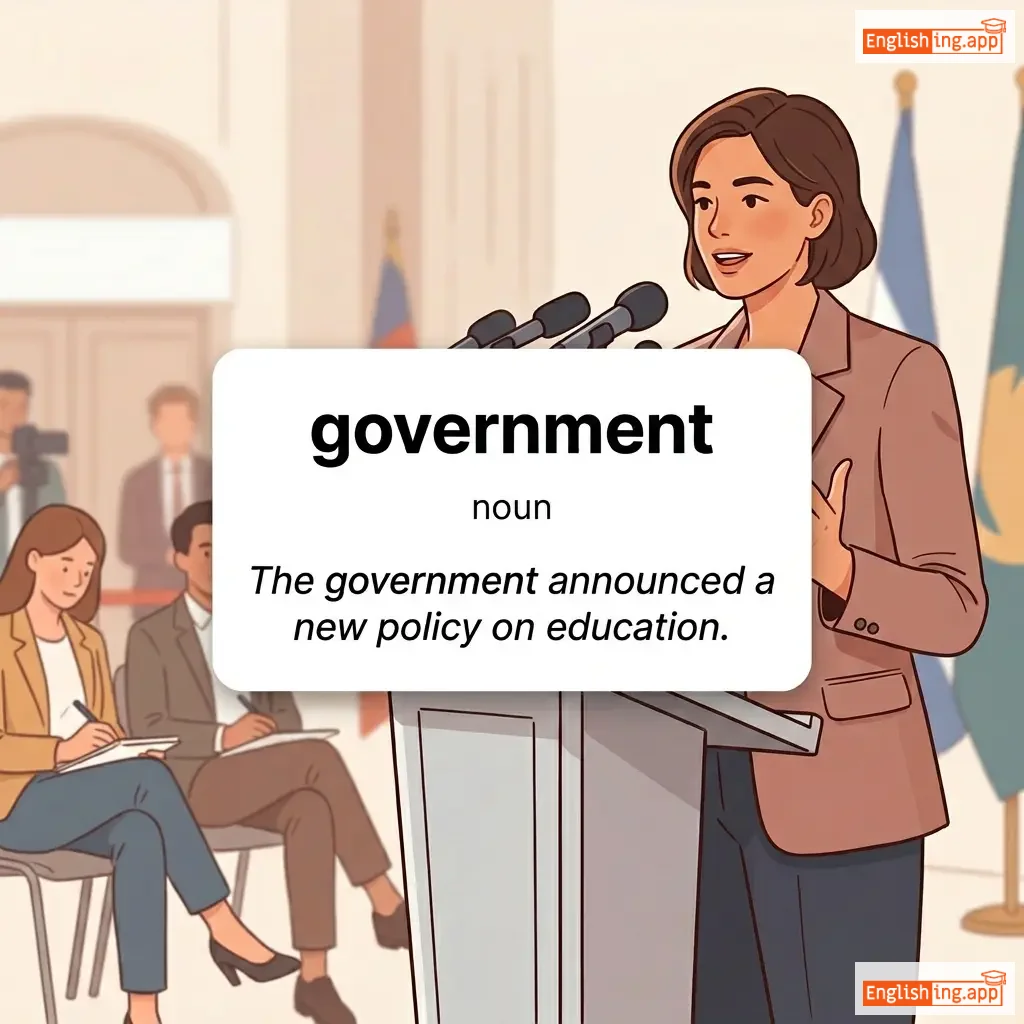
ˈɡʌvəmənt
noun
••••••
|
•••••• |
The governing body of a nation, state, or community; the system by which a state or community is governed.
••••••
|
The government rejected the demands. |
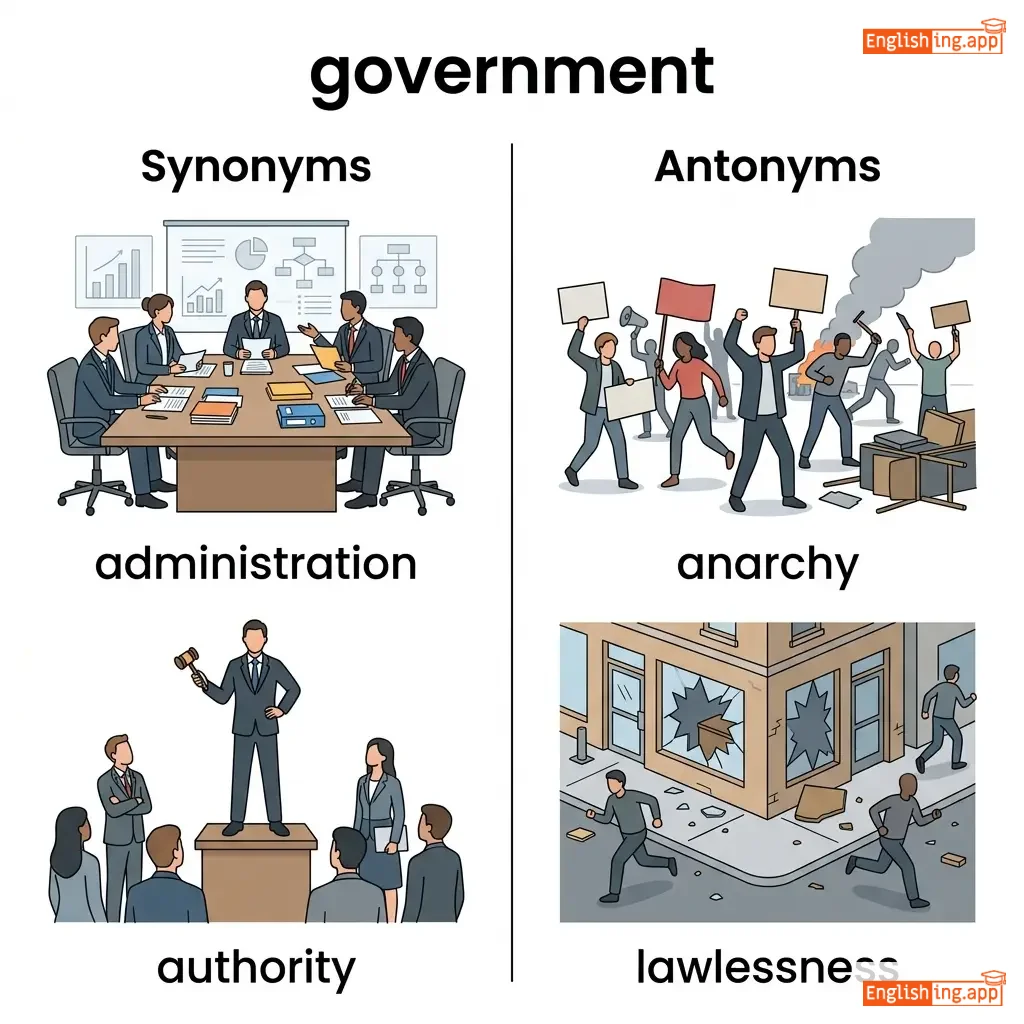
administration, regime, authority, state, ruling body
••••••
|
anarchy, disorder, chaos, lawlessness, revolution
••••••
|
|
#404
🗳️
|
ˈsʌfrɪdʒ
noun
••••••
|
•••••• |
The right to vote in political elections; the principle of political representation.
••••••
|
Universal suffrage was a key demand. |
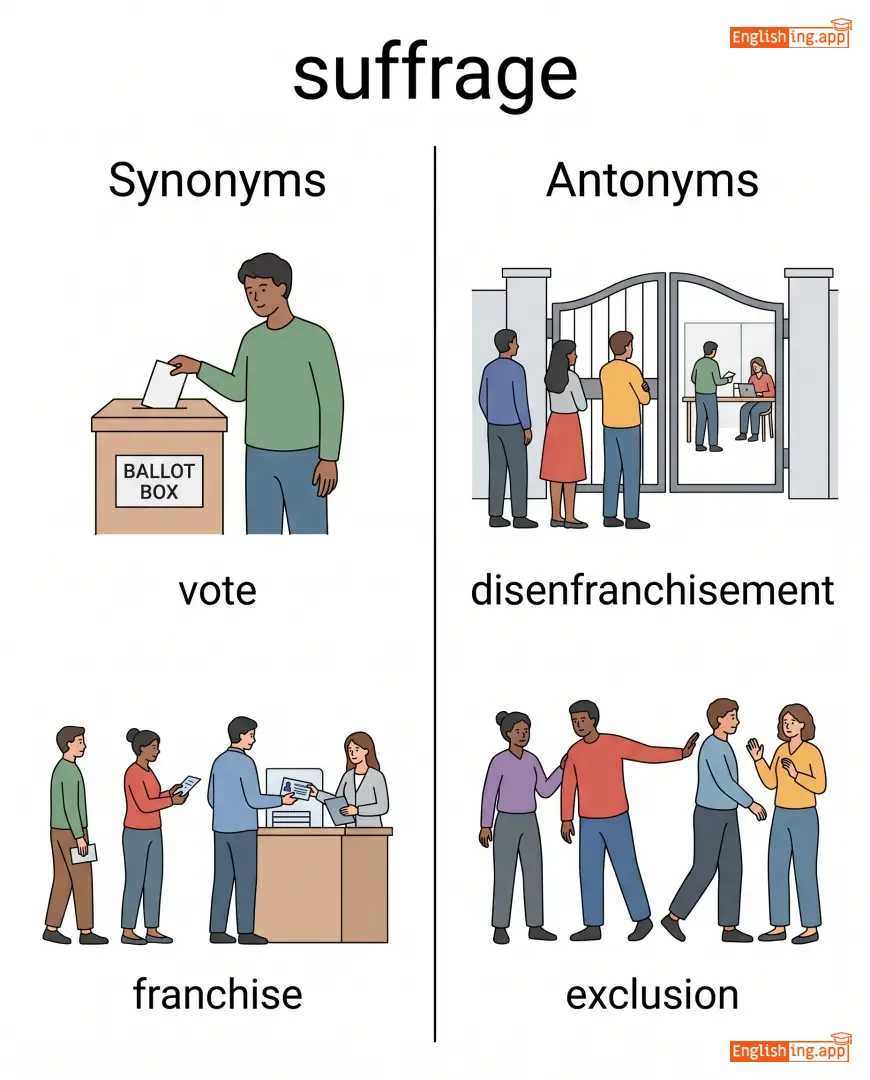
voting rights, franchise, ballot, electoral rights, democratic participation
••••••
|
disenfranchisement, exclusion, denial, prohibition, restriction
••••••
|
|
#405
🛡️
|
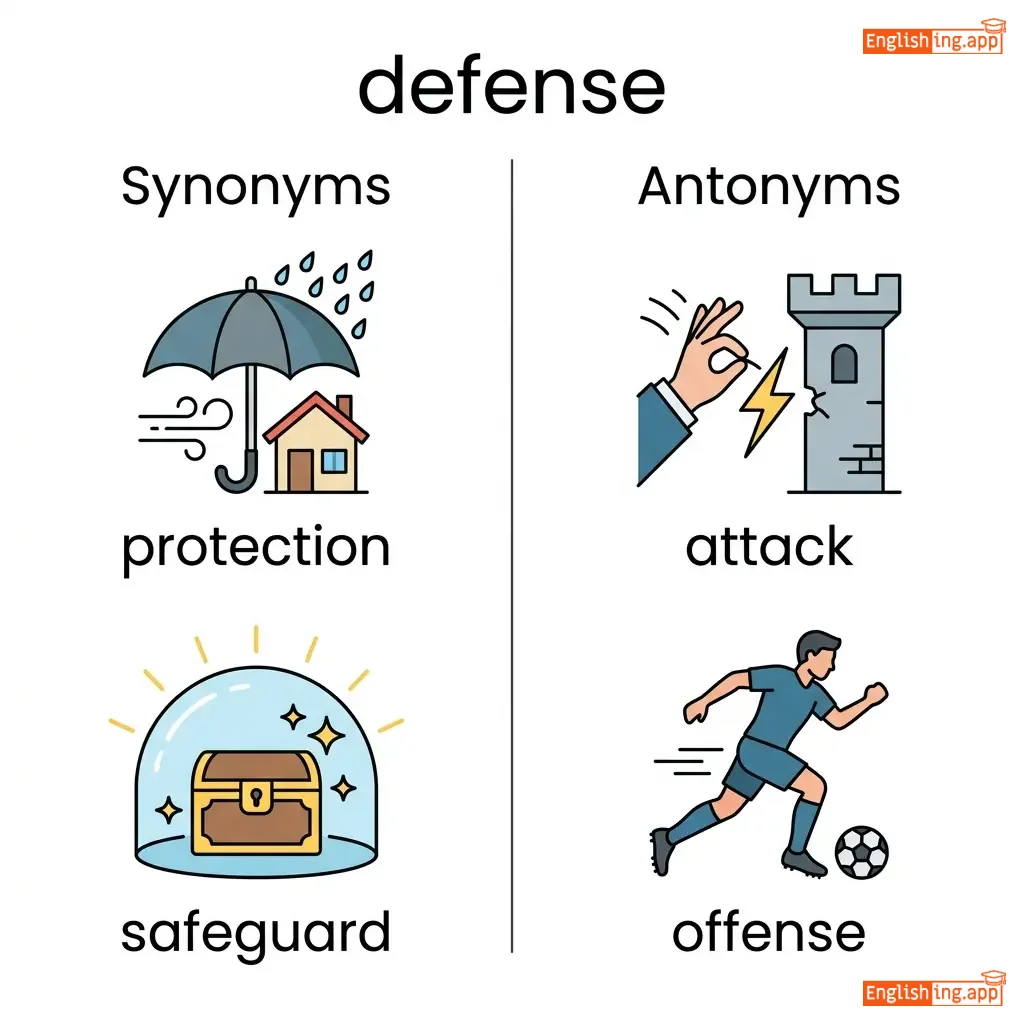
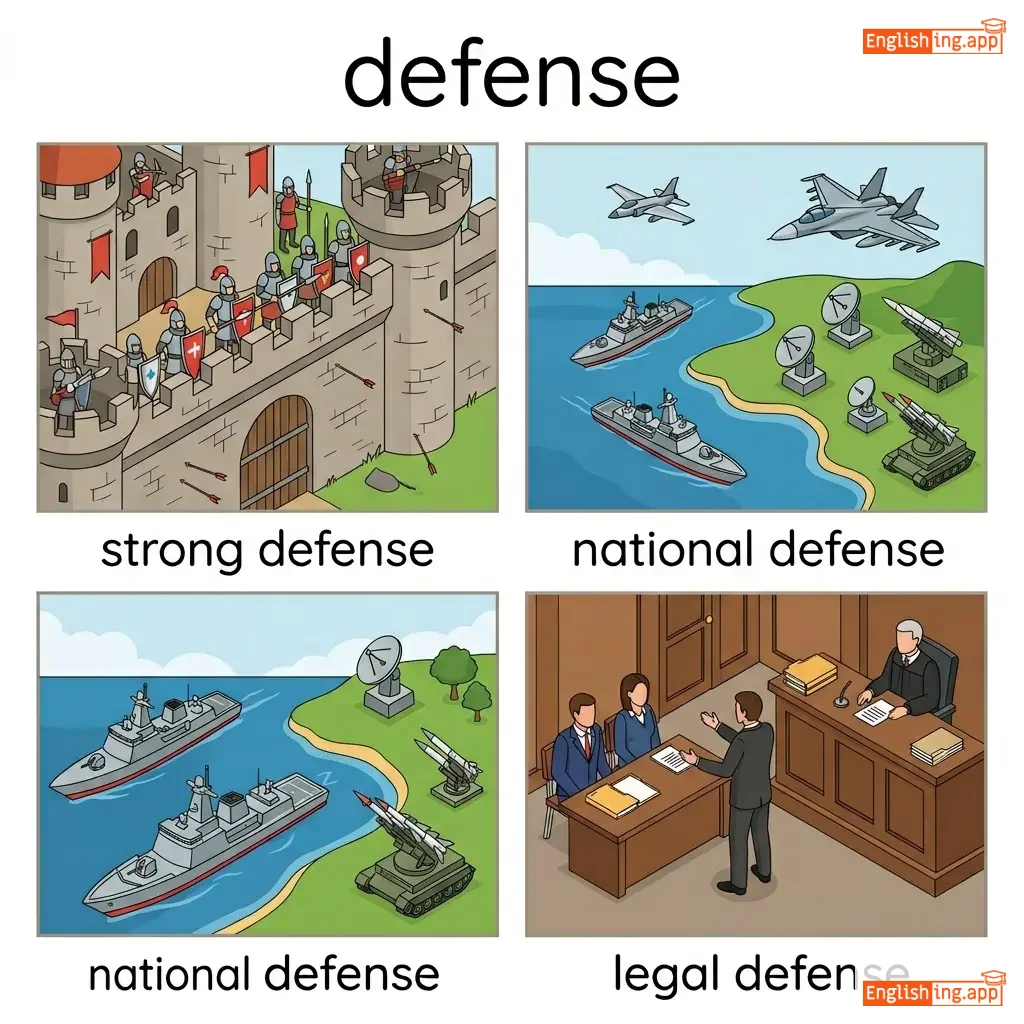
dɪˈfens
noun
••••••
|
•••••• |
The action of defending from or resisting attack; protection from harm or danger.
••••••
|
Defense was one of the central subjects. |
protection, security, safeguarding, shield, fortification
••••••
|
attack, vulnerability, offense, assault, aggression
••••••
|
|
#406
💱
|
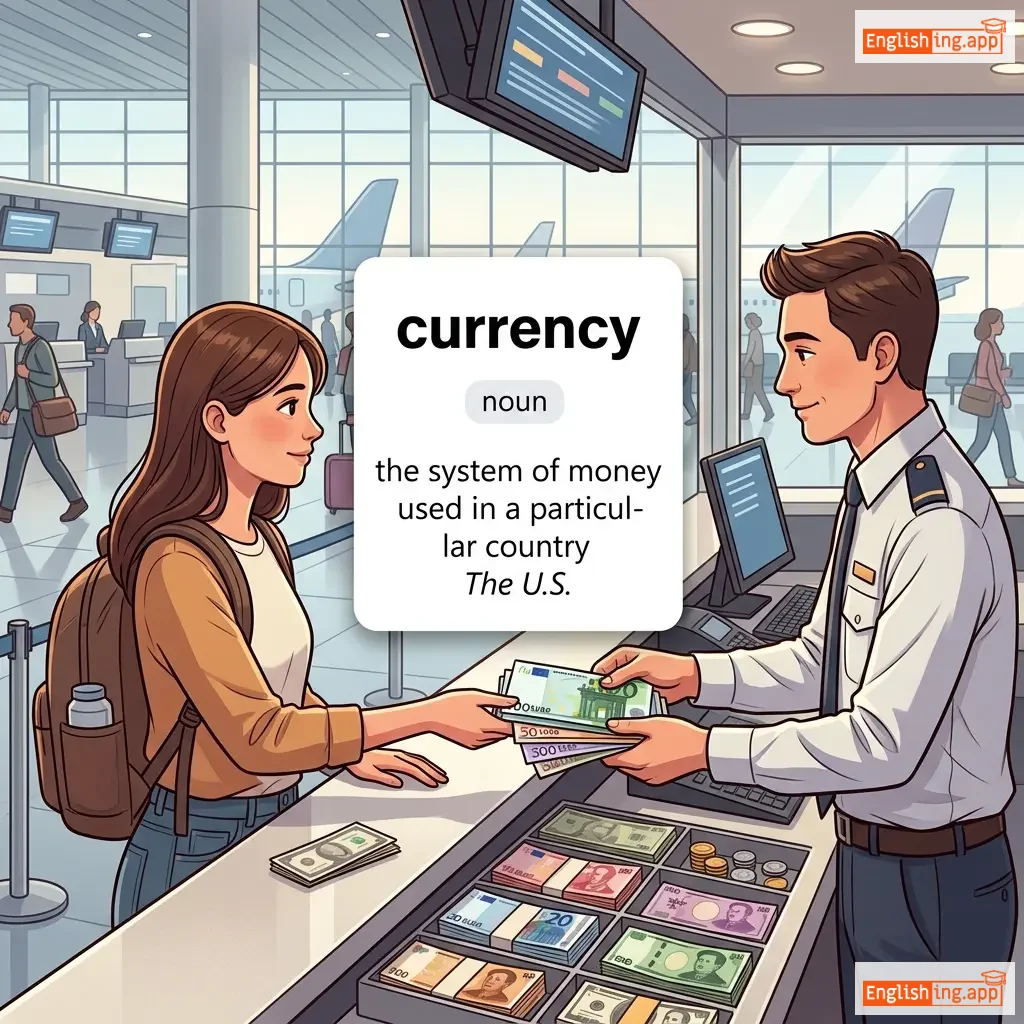
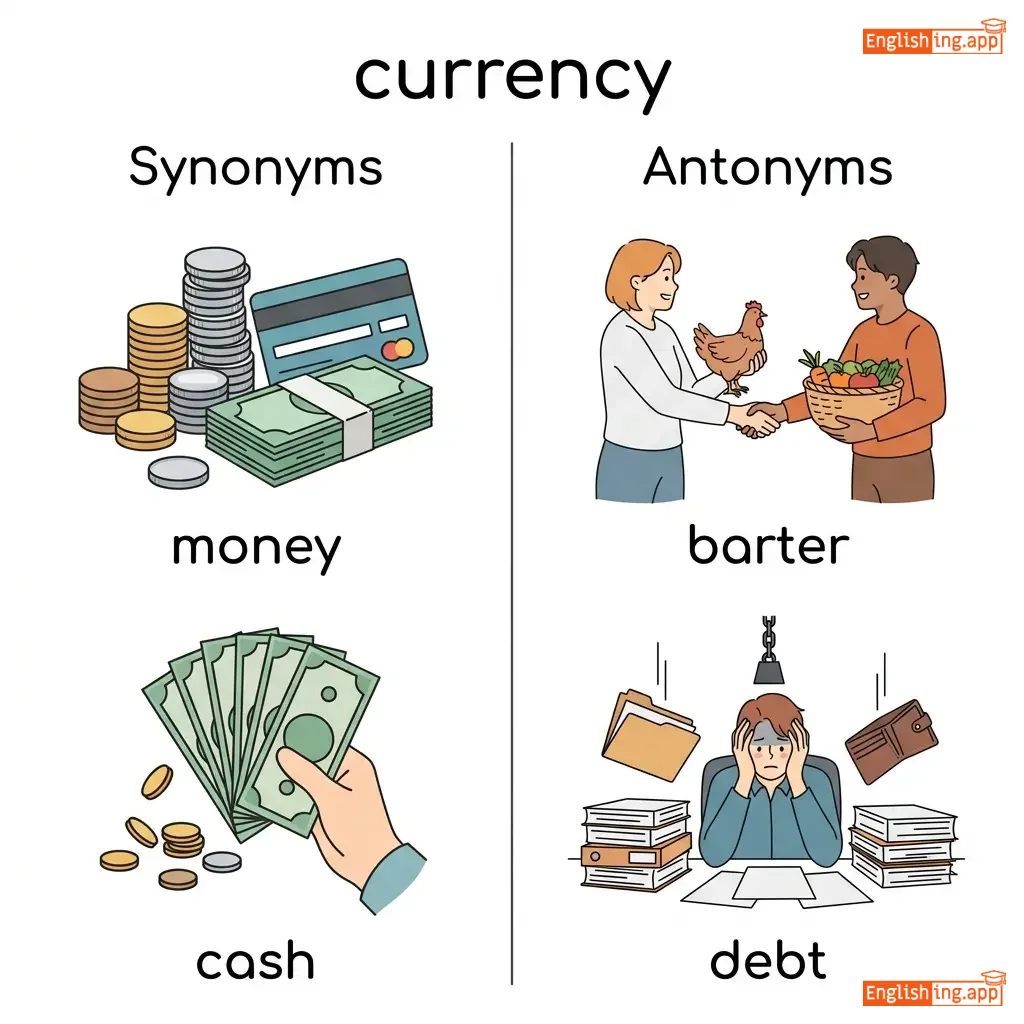
ˈkʌrənsi
noun
••••••
|
•••••• |
A system of money in general use in a particular country; the fact or quality of being generally accepted or in use.
••••••
|
Dual currency systems were proposed. |
money, cash, legal tender, coinage, banknotes
••••••
|
barter, commodities, trade, exchange, non-monetary
••••••
|
|
#407
👑
|
ɔːˈθɒrəti
noun
••••••
|
•••••• |
The power or right to give orders, make decisions, and enforce obedience; a person or organization having power or control.
••••••
|
Regional authority was emphasized. |
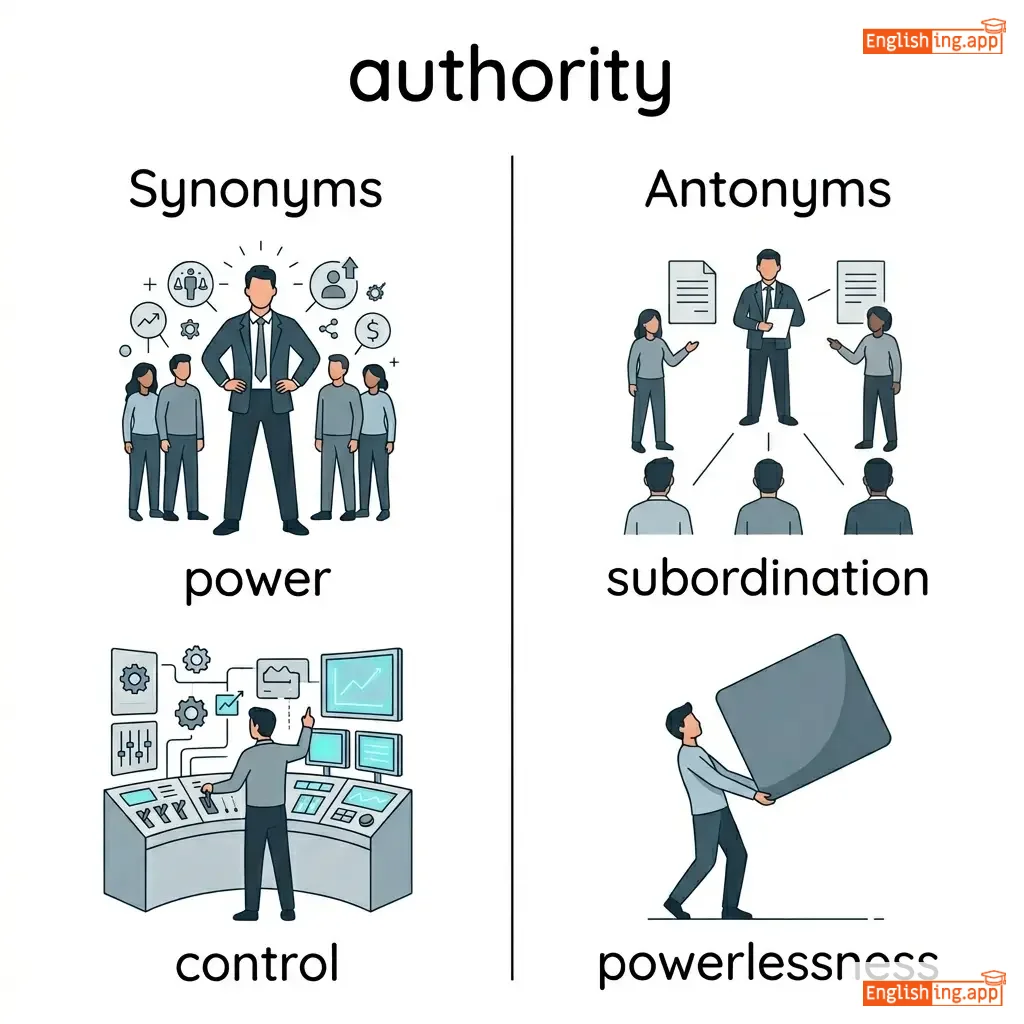
control, power, command, jurisdiction, dominion
••••••
|
weakness, inability, powerlessness, submission, subordination
••••••
|
|
#408
🏠
|
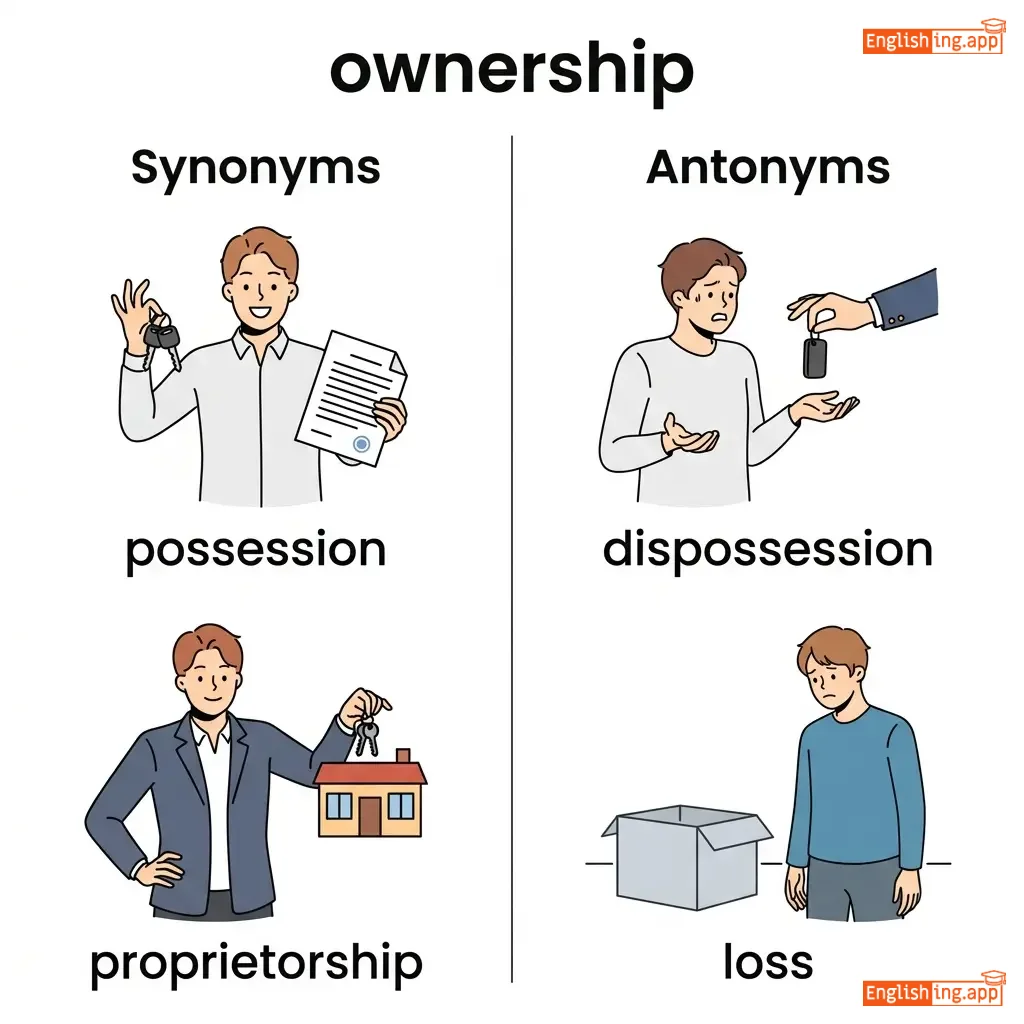
ˈəʊnəʃɪp
noun
••••••
|
•••••• |
The act, state, or right of possessing something; legal title to something.
••••••
|
Ownership of resources was crucial. |
possession, tenure, proprietorship, title, holding
••••••
|
dispossession, borrowing, renting, leasing, tenancy
••••••
|
|
#409
📈
|
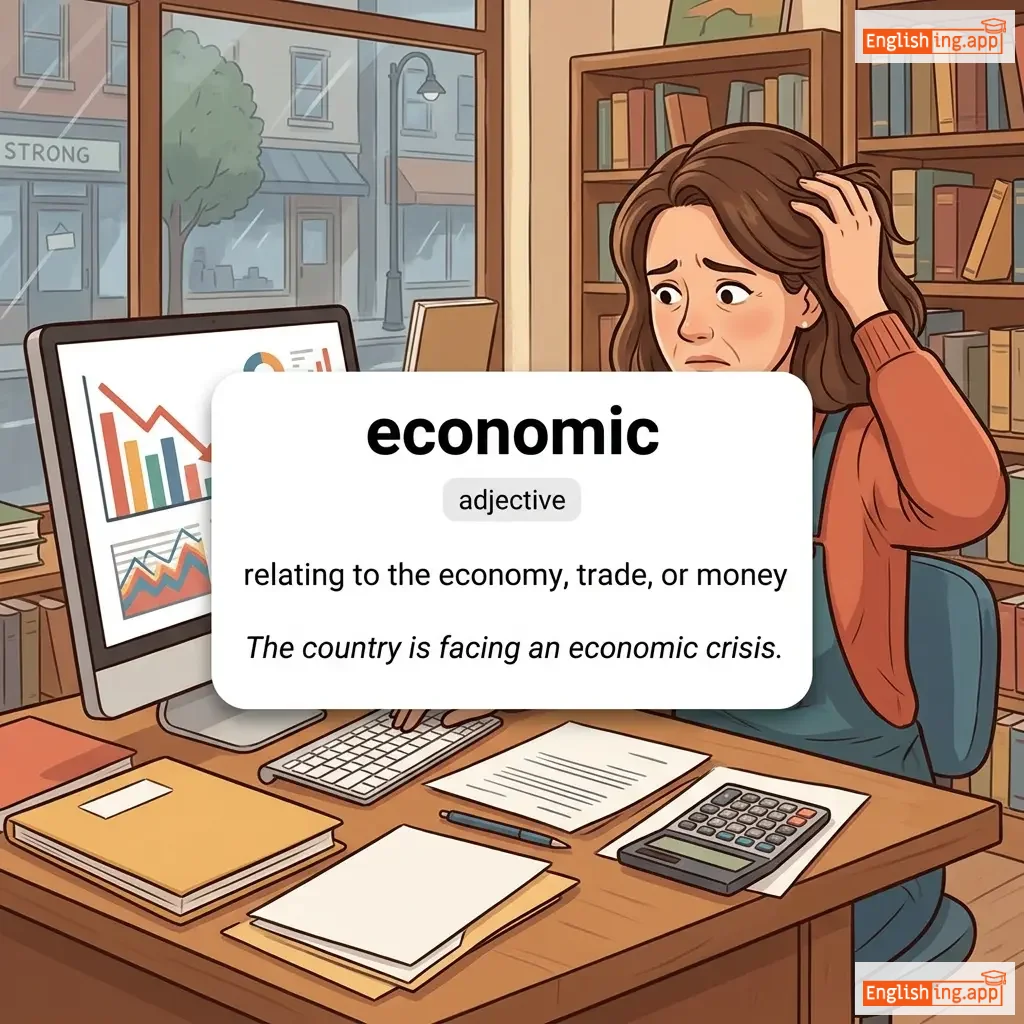
ˌiːkəˈnɒmɪk
adjective
••••••
|
•••••• |
Relating to economics or the economy; justified in terms of profitability.
••••••
|
Economic independence was highlighted. |
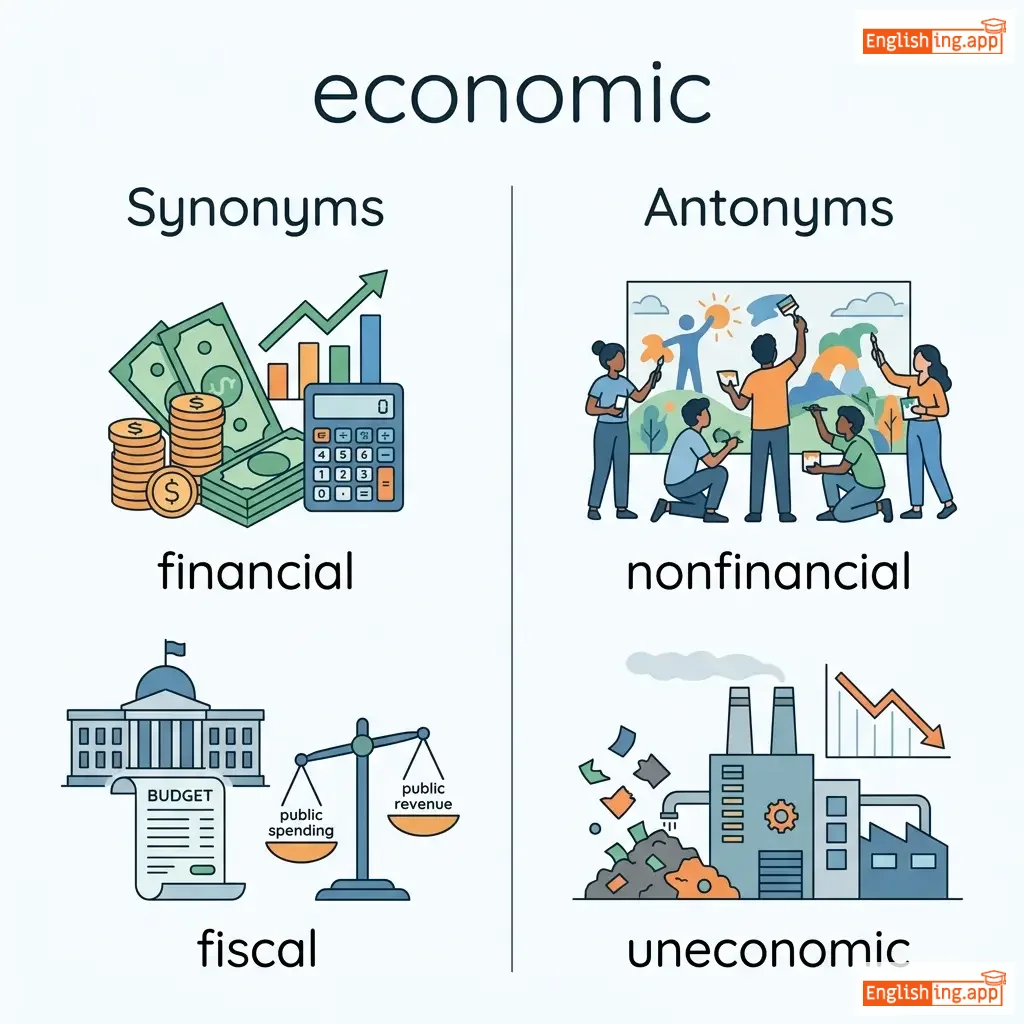
financial, fiscal, monetary, commercial, trade-related
••••••
|
uneconomic, unprofitable, wasteful, inefficient, costly
••••••
|
|
#410
🏛️
|
pəˈlɪtɪkəl
adjective
••••••
|
•••••• |
Relating to the government or public affairs of a country; relating to politics or political parties.
••••••
|
The political agenda included autonomy. |
administrative, civic, governmental, public, state-related
••••••
|
apolitical, nonpolitical, private, personal, non-governmental
••••••
|
|
#411
🗽
|
ˌɪndɪˈpendəns
noun
••••••
|
•••••• |
The fact or state of being independent; freedom from outside control; not being subject to another's authority.
••••••
|
Independence inspired the movement. |
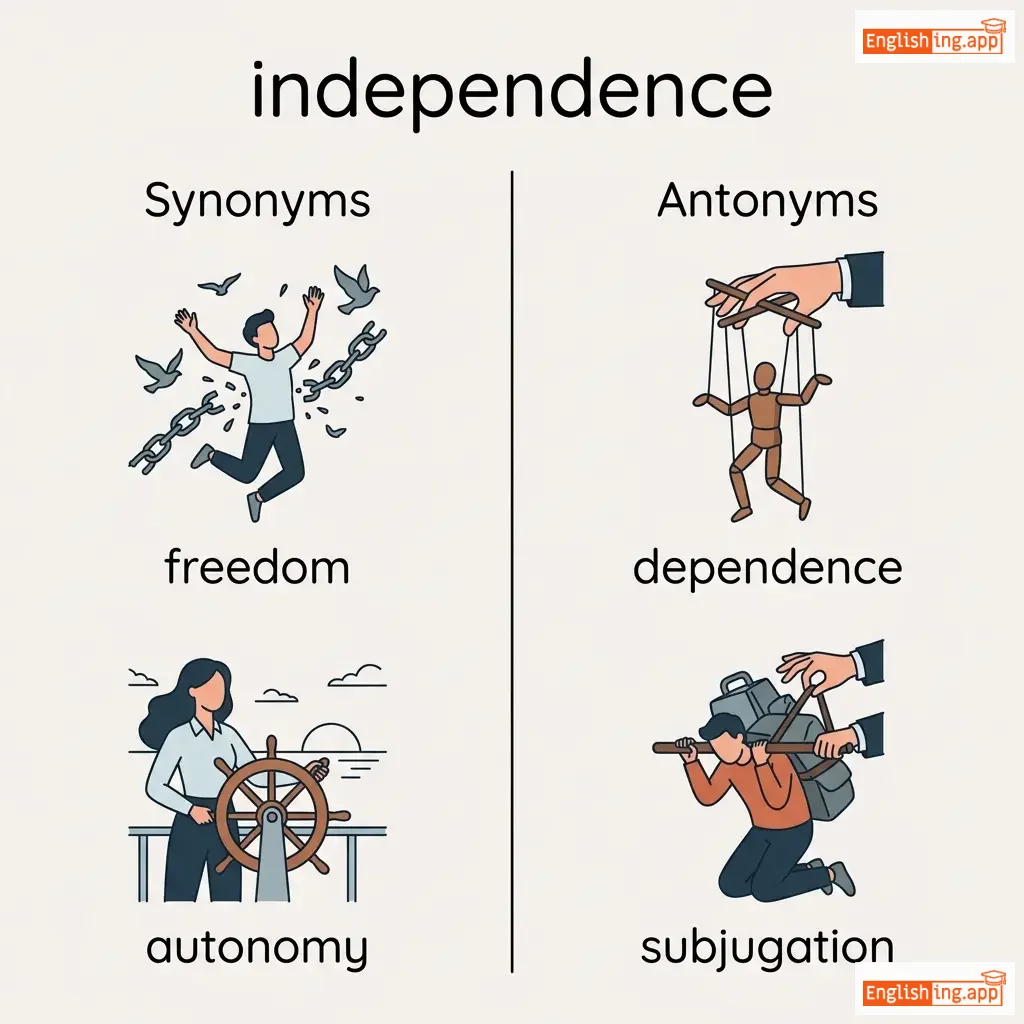
freedom, liberation, sovereignty, autonomy, self-rule
••••••
|
subjection, dependence, subordination, control, domination
••••••
|