The 6-Point Demand of 1966
Die Bewegung und der Kampf gegen das extrem discriminatory Verhalten und die Vernachlässigung des pakistanischen Staates gegenüber der population Ostbengalens gewannen durch die Forderung nach autonomy im Sechs-Punkte-Programm an Bedeutung. Sheikh Mujibur Rahman nahm an der Oppositionsparteienkonferenz am 5.–6. Februar 1966 in Lahore teil. Dort hielt er eine Pressekonferenz und präsentierte die sechs Forderungen zum Schutz der rights des Volkes von Ostpakistan.
Die Punkte waren:
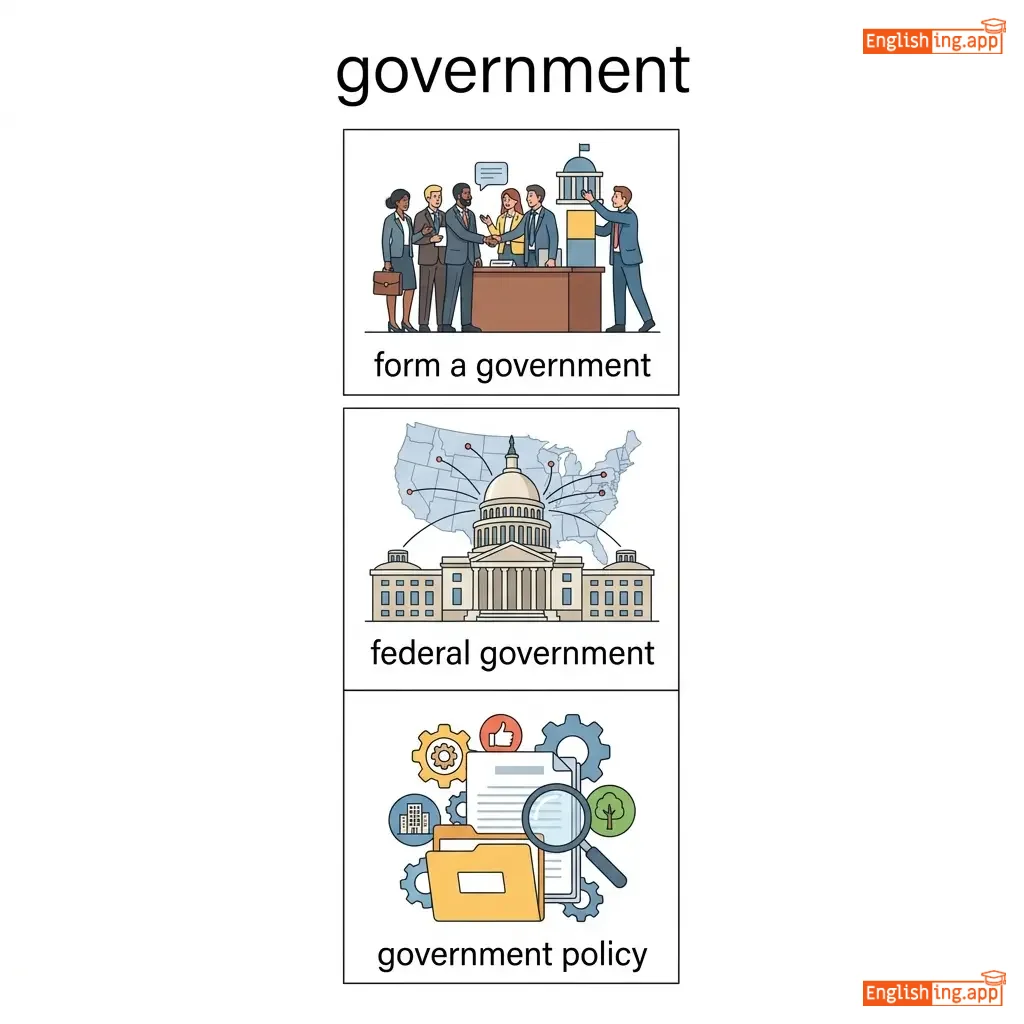
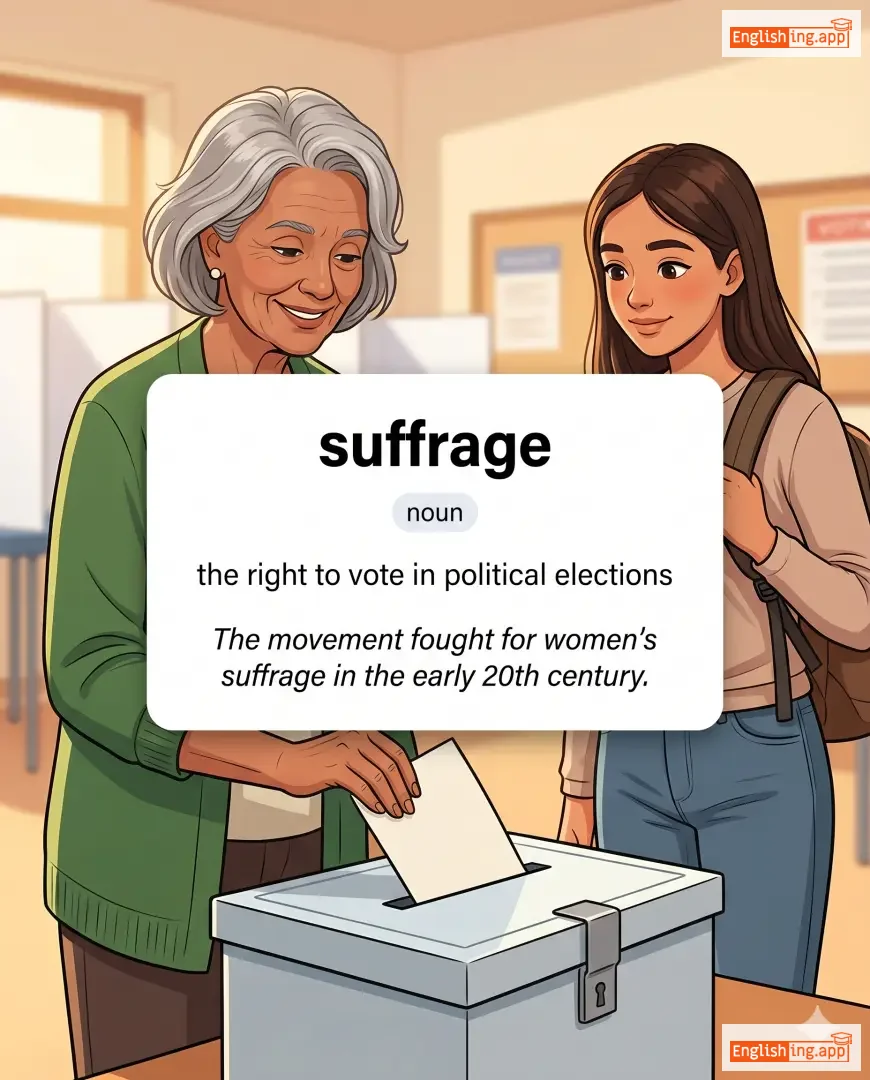
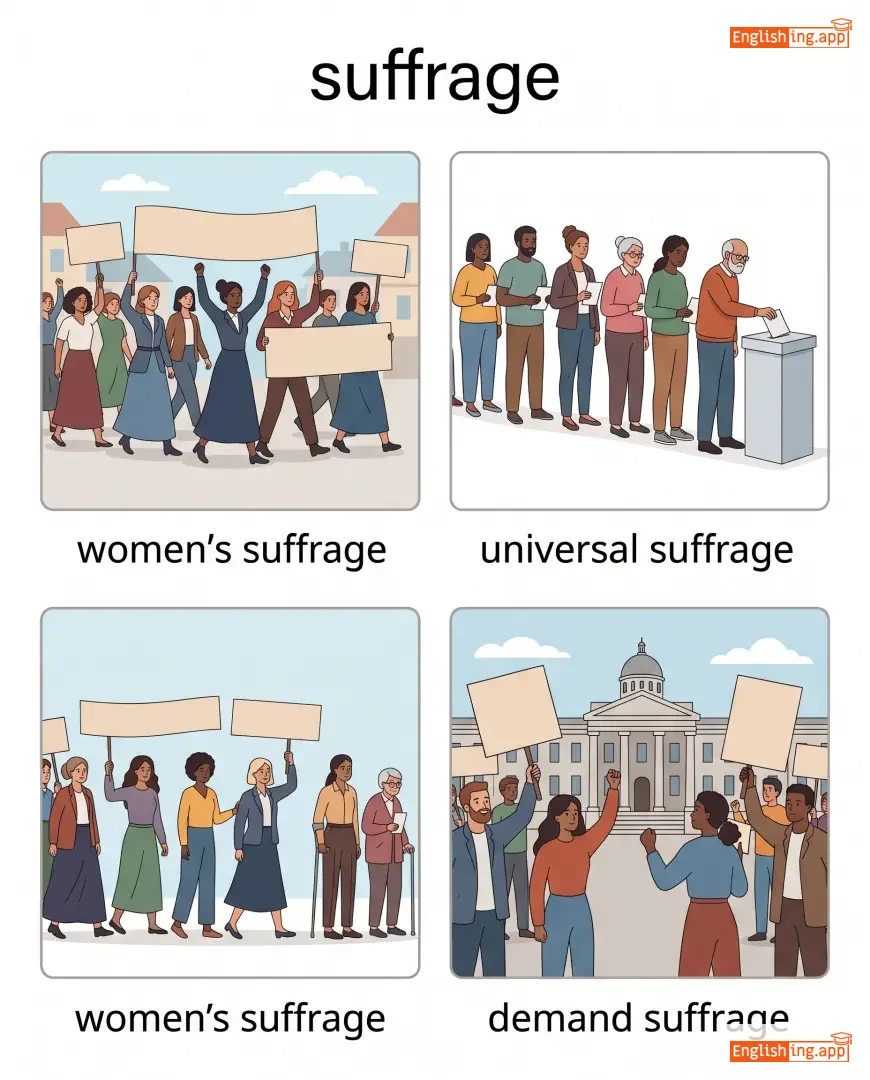
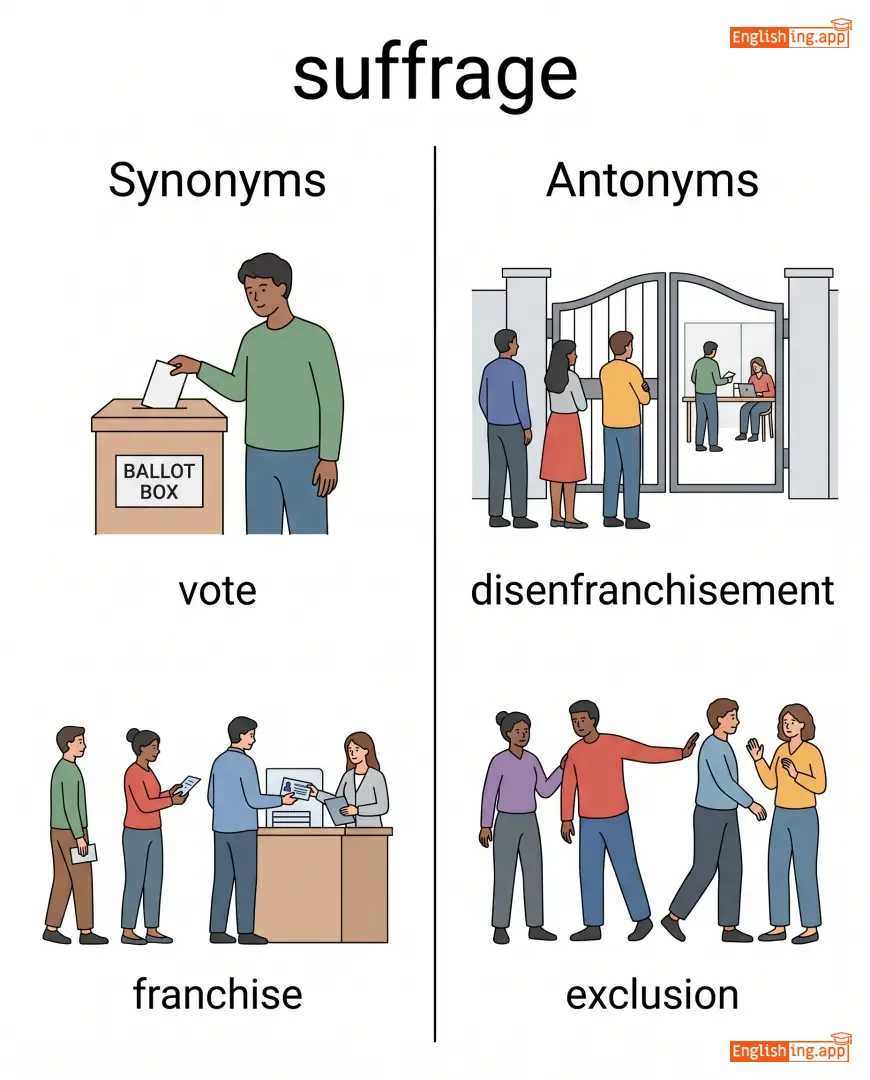
Ein parlamentarisches government unter einem föderalen System in Pakistan. Wahlen auf der Grundlage des allgemeinen suffrage mit Erwachsenenwahlrecht.
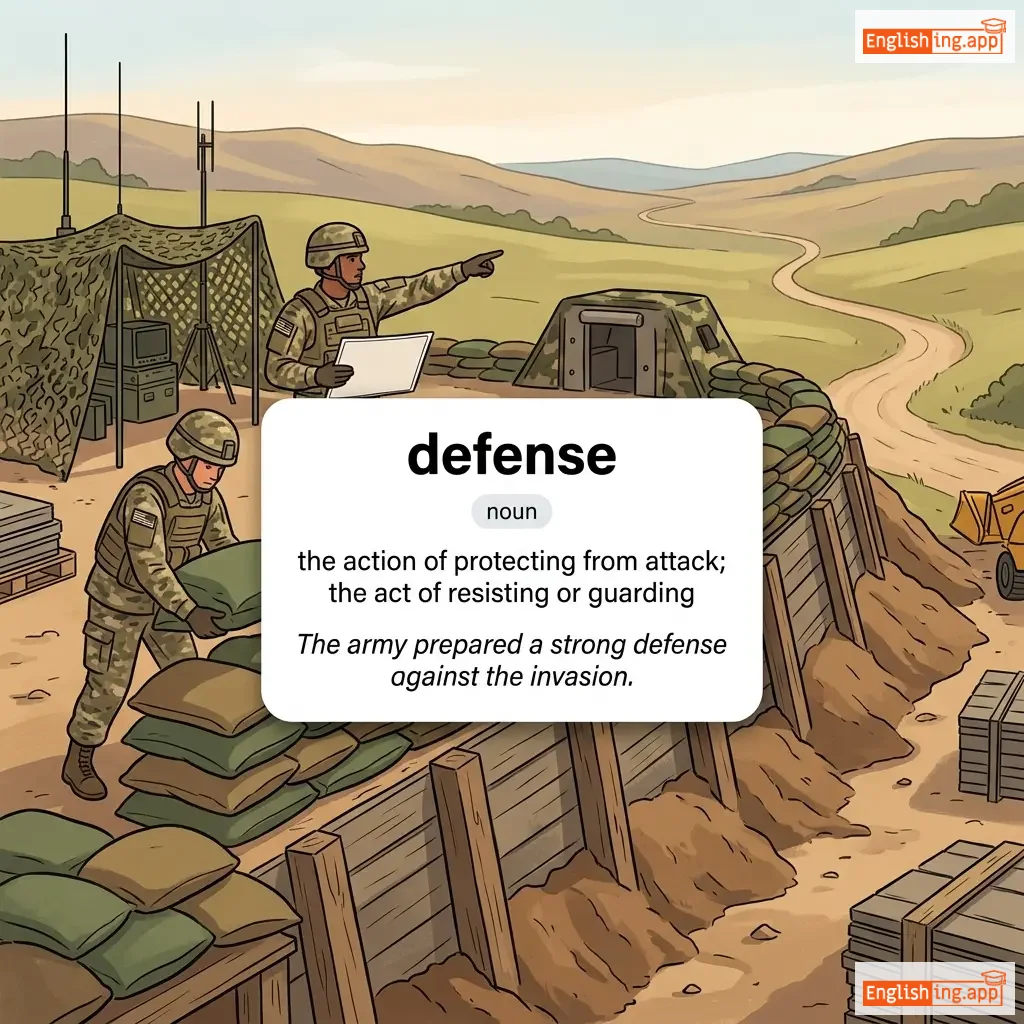
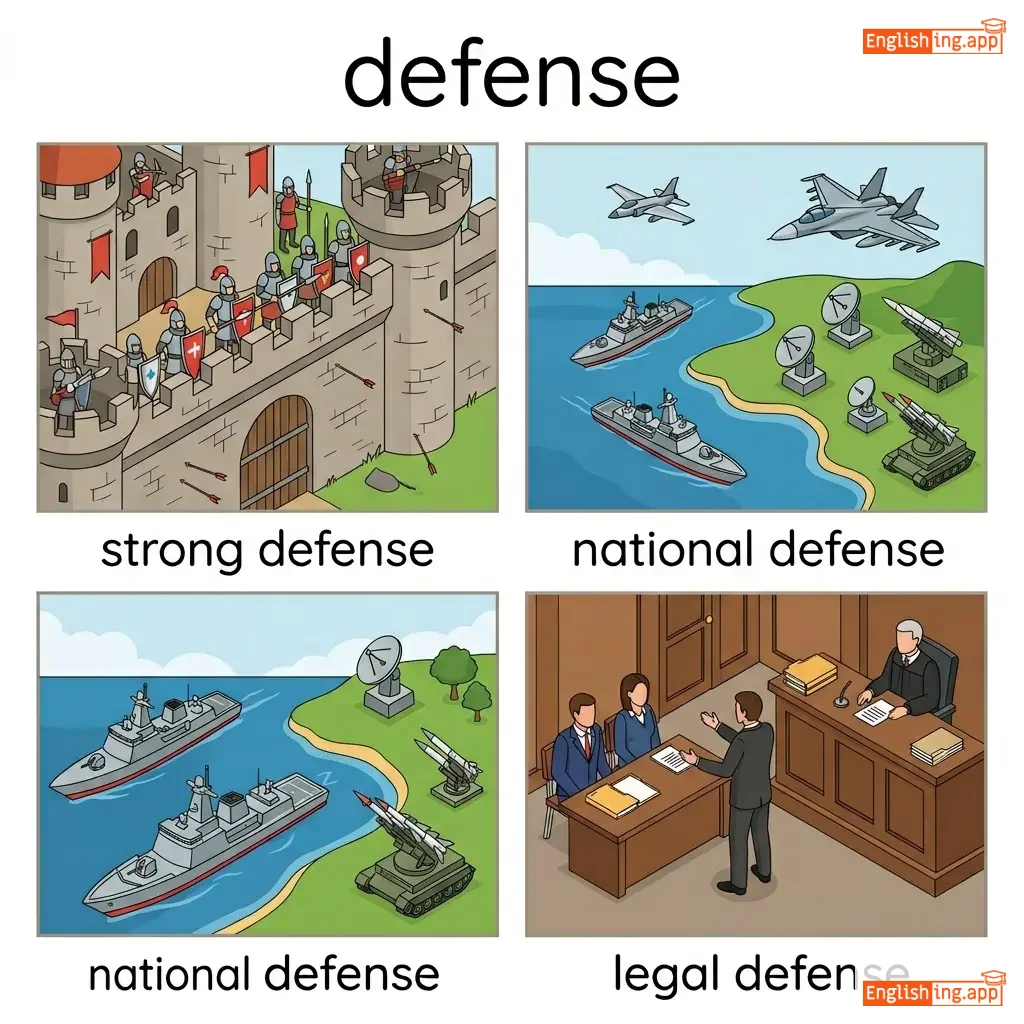
Nur zwei Bereiche sollen bei der Zentralregierung verbleiben – defense und Außenministerium.
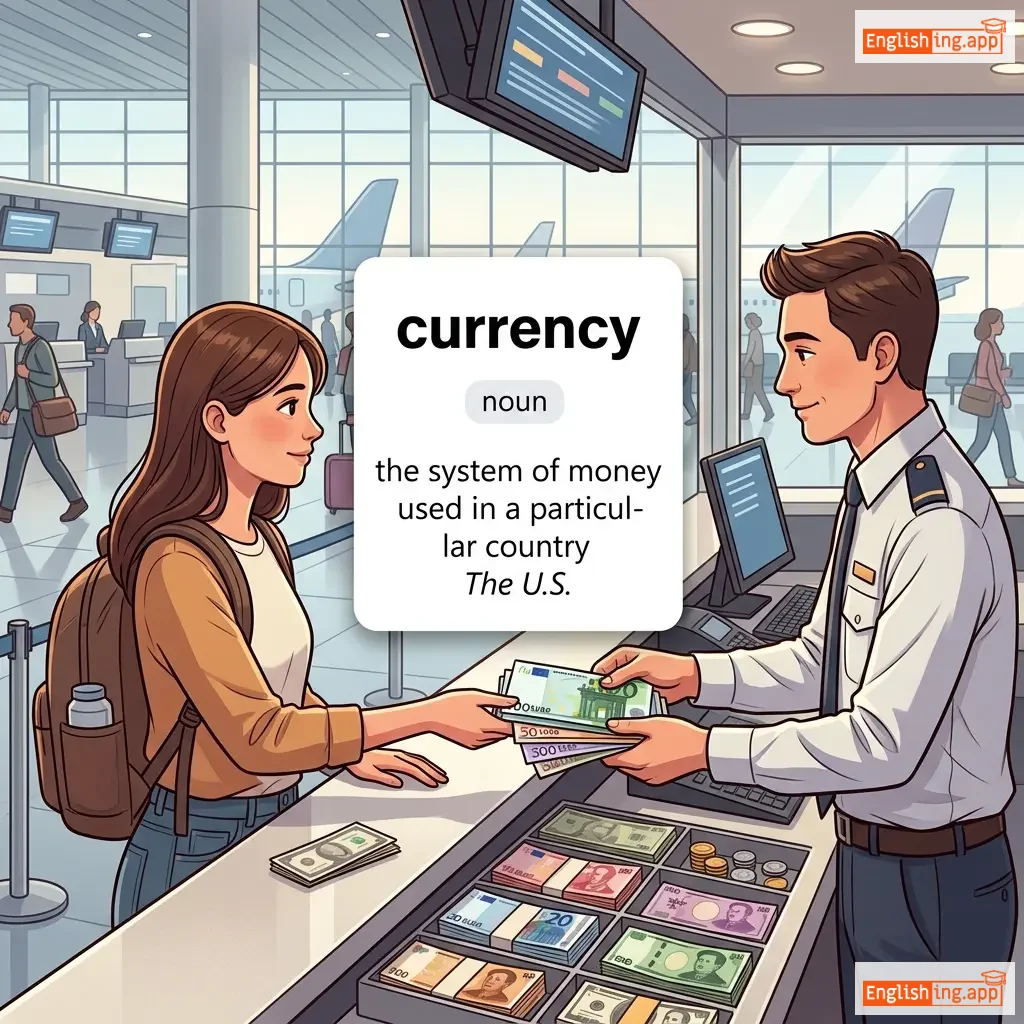
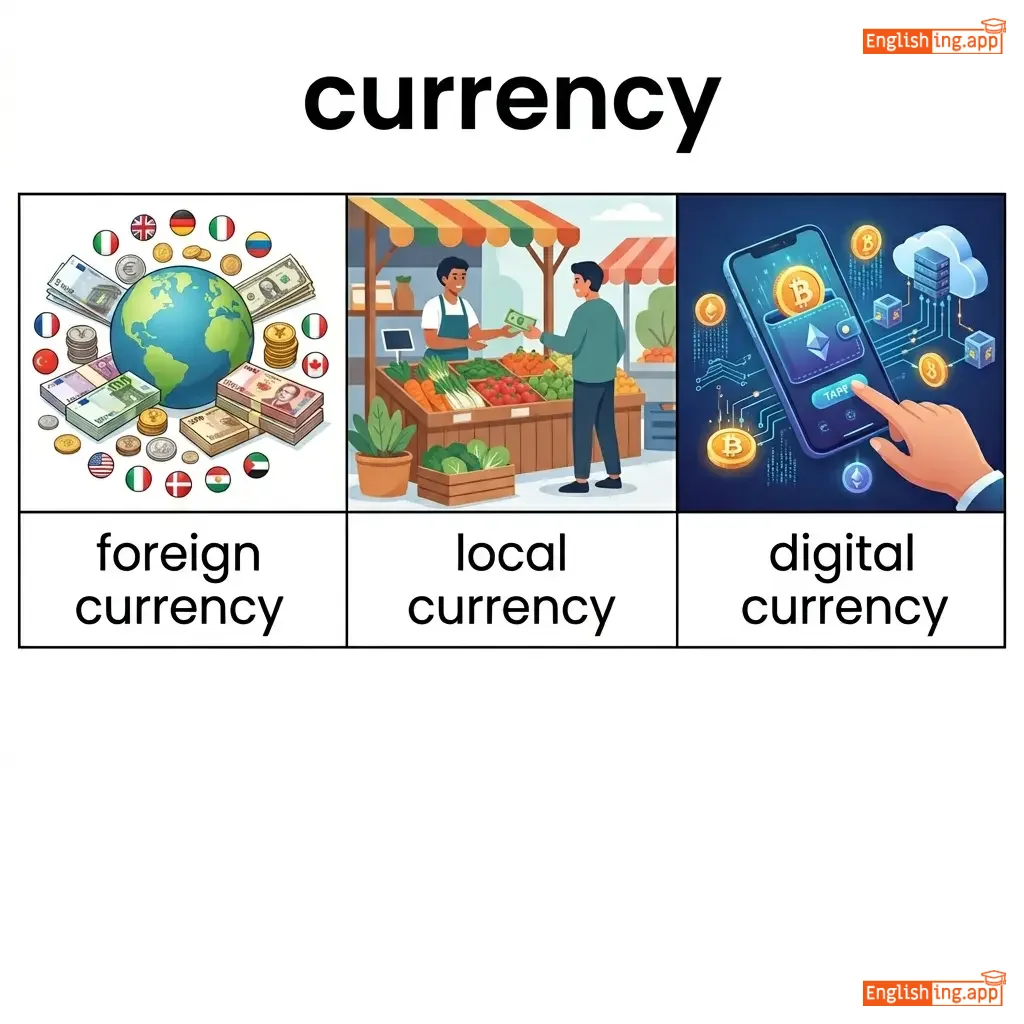
Zwei getrennte frei konvertierbare currencies im ganzen Land oder derselbe Typ von currency unter besonderen Bedingungen.
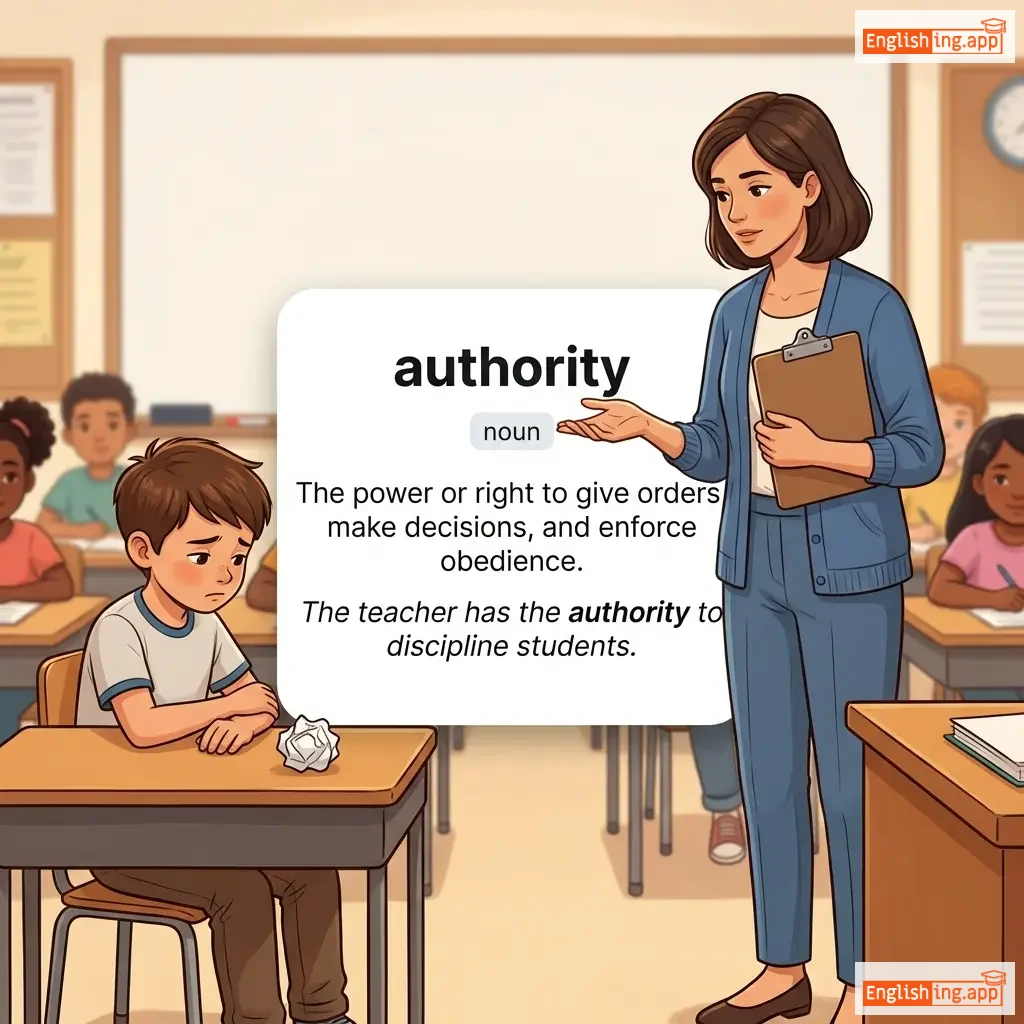
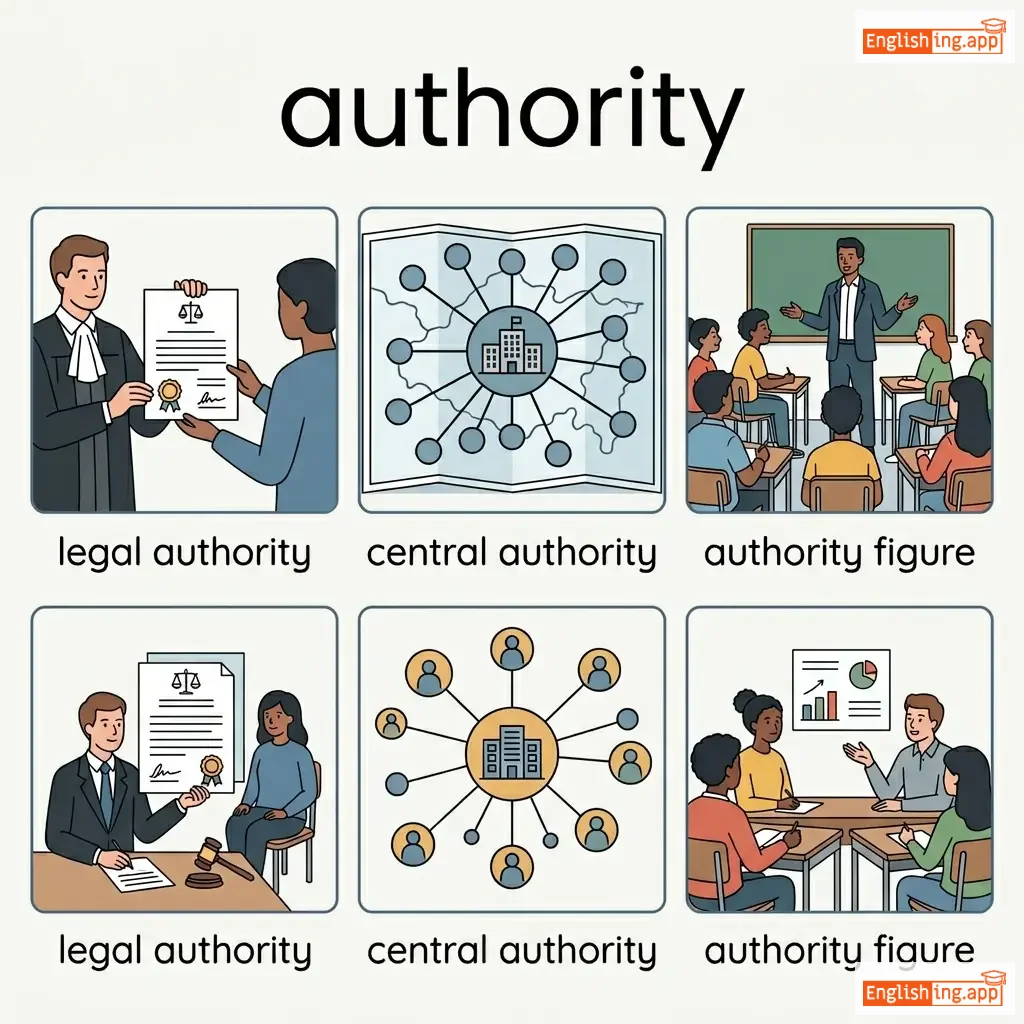
Alle Steuerbefugnisse (authority) sollen bei den Regionalregierungen verbleiben.
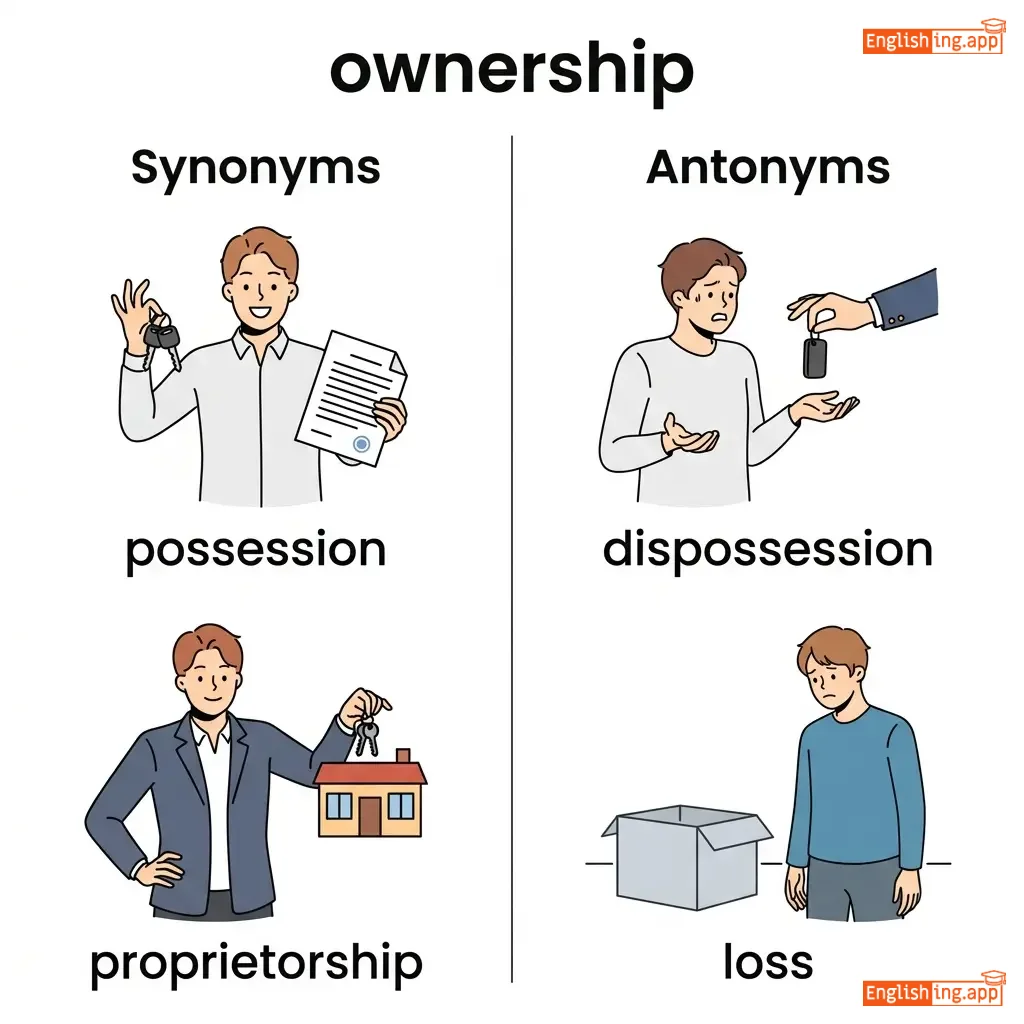
Die Bundesstaaten behalten das ownership ihrer erworbenen ausländischen currency.
Den Bundesstaaten wird die Befugnis gegeben, paramilitärische Kräfte zur regionalen Sicherheit zu bilden.
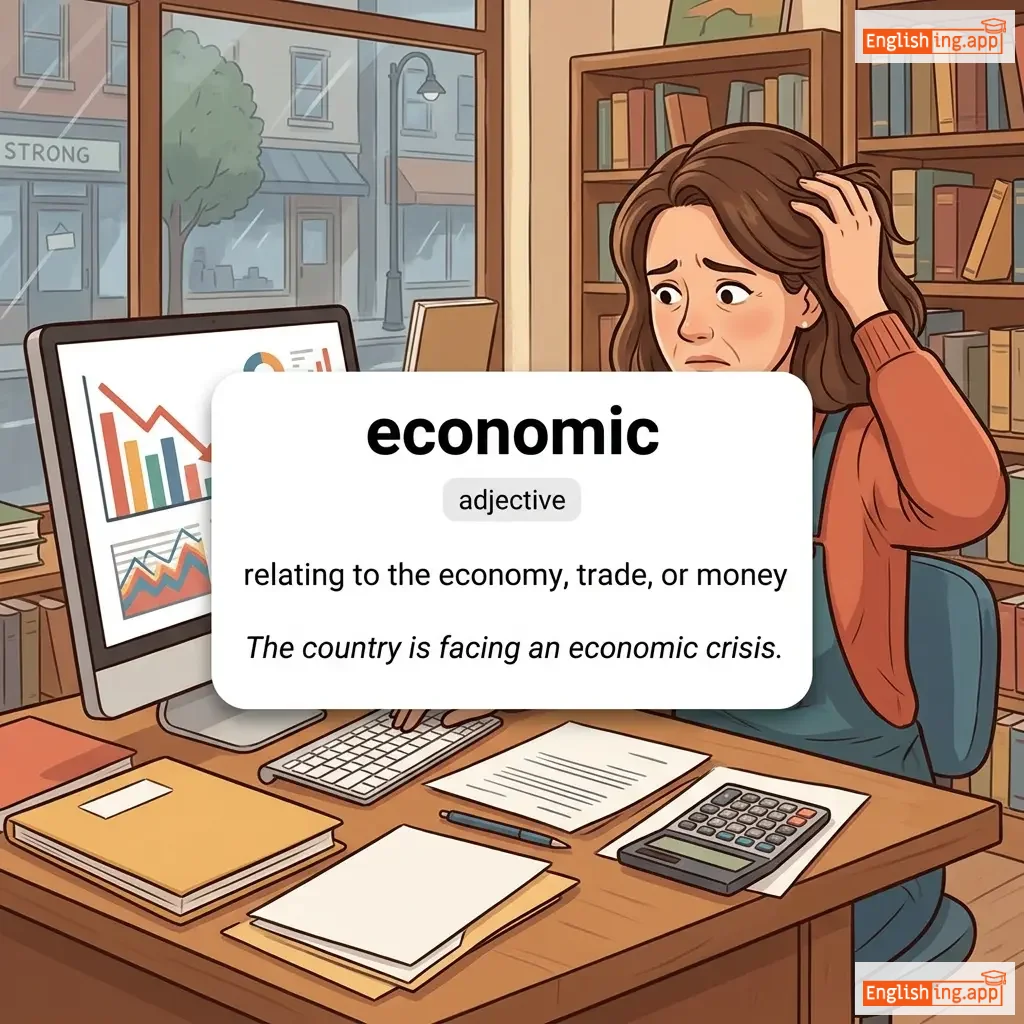
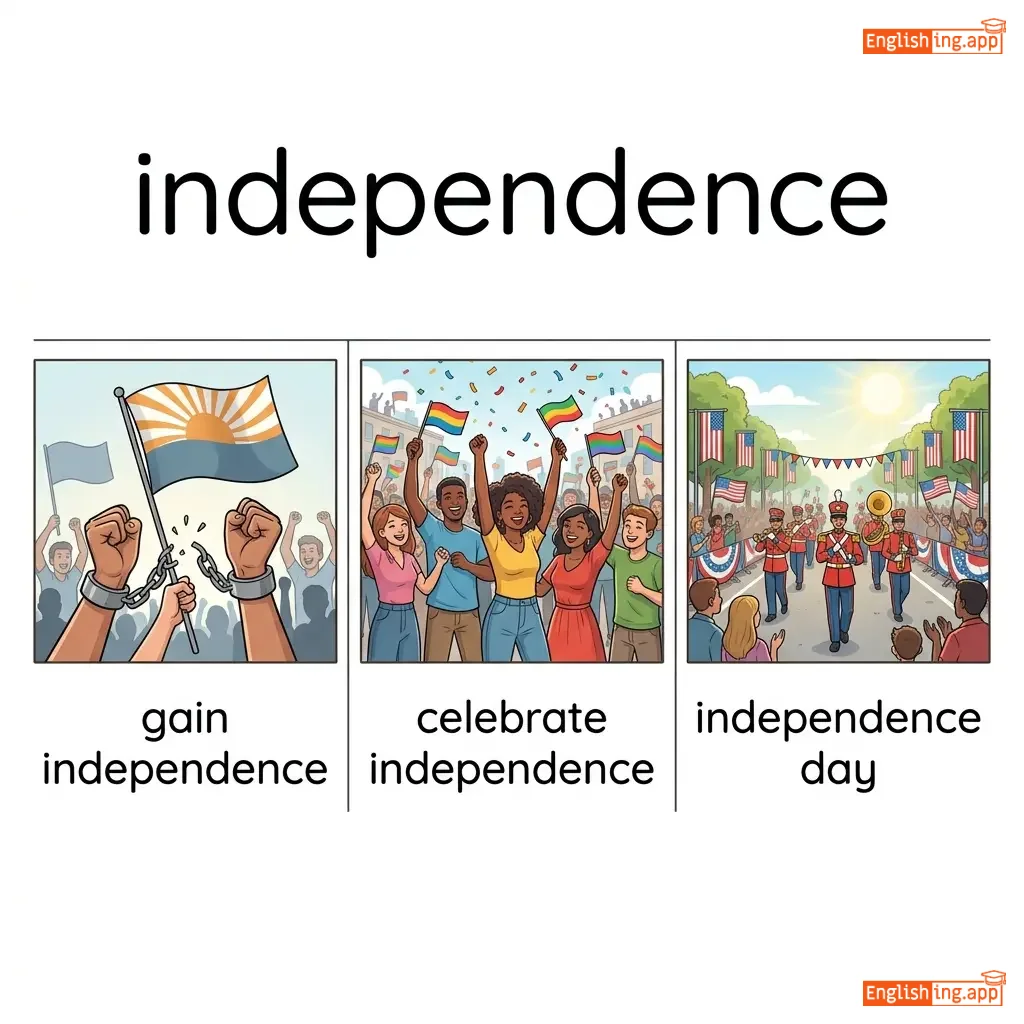
Die sechs Punkte hoben alle economic, political und militärischen Rechte des Volkes von Ostpakistan hervor. Die Regierung Ayub Khan bezeichnete die sechs Punkte als 'separatistisches Programm'. Obwohl sie nicht direkt von independence sprachen, inspirierte dieses Programm die Bengalen tief mit dem Geist der independence. Es war die Freiheitsurkunde der bengalischen Nation.
Erhalten Sie unbegrenzten Zugriff auf alle Vokabeln mit Pro-Mitgliedschaft
Upgrade auf ProErhalten Sie unbegrenzten Zugriff auf alle Sätze mit Pro-Mitgliedschaft
Upgrade auf Pro|
Emoji
|
Wort | Images | Bedeutung | Beispielsatz | Synonyme | Antonyme |
|---|---|---|---|---|---|---|
|
#399
👥
|
ˌpɒpjuˈleɪʃən
noun
••••••
|
•••••• |
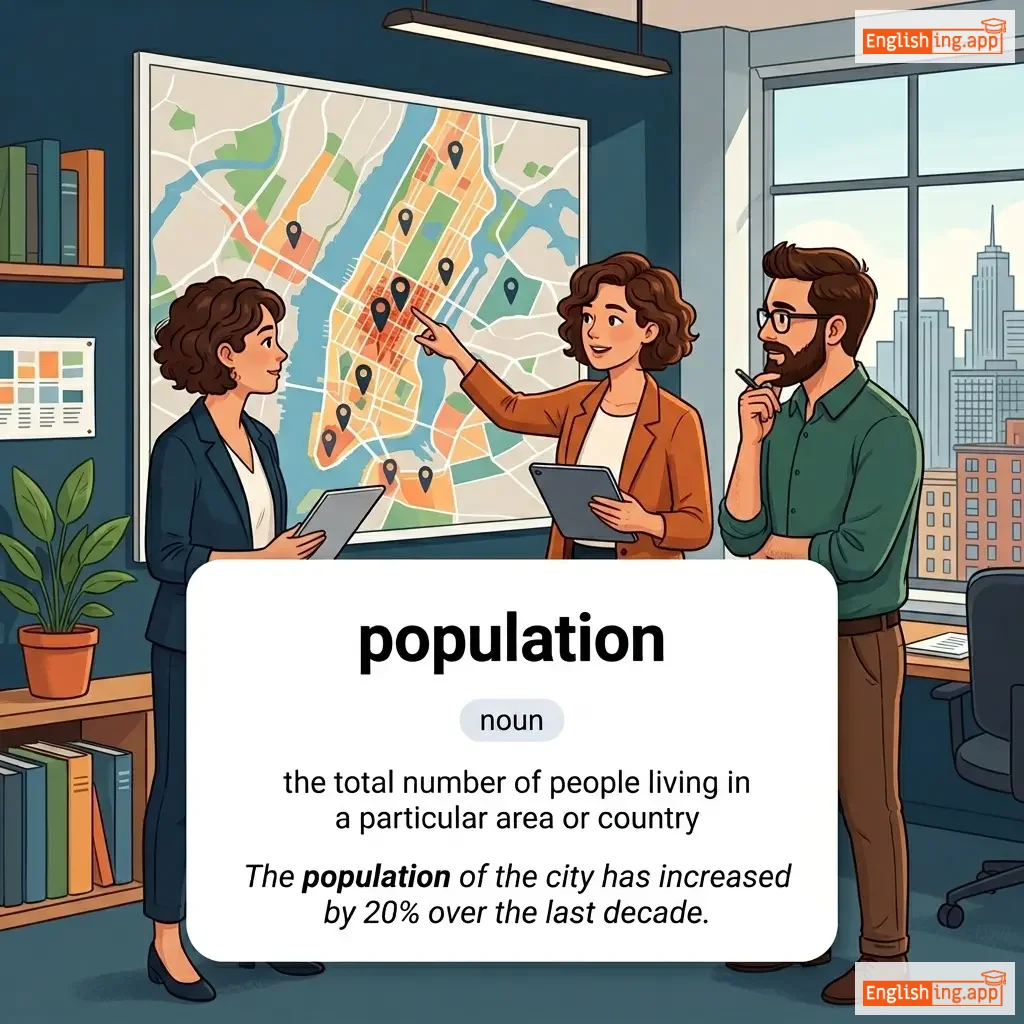
All the inhabitants of a particular place; the number of people living in a country or region.
••••••
|
The population supported autonomy. |
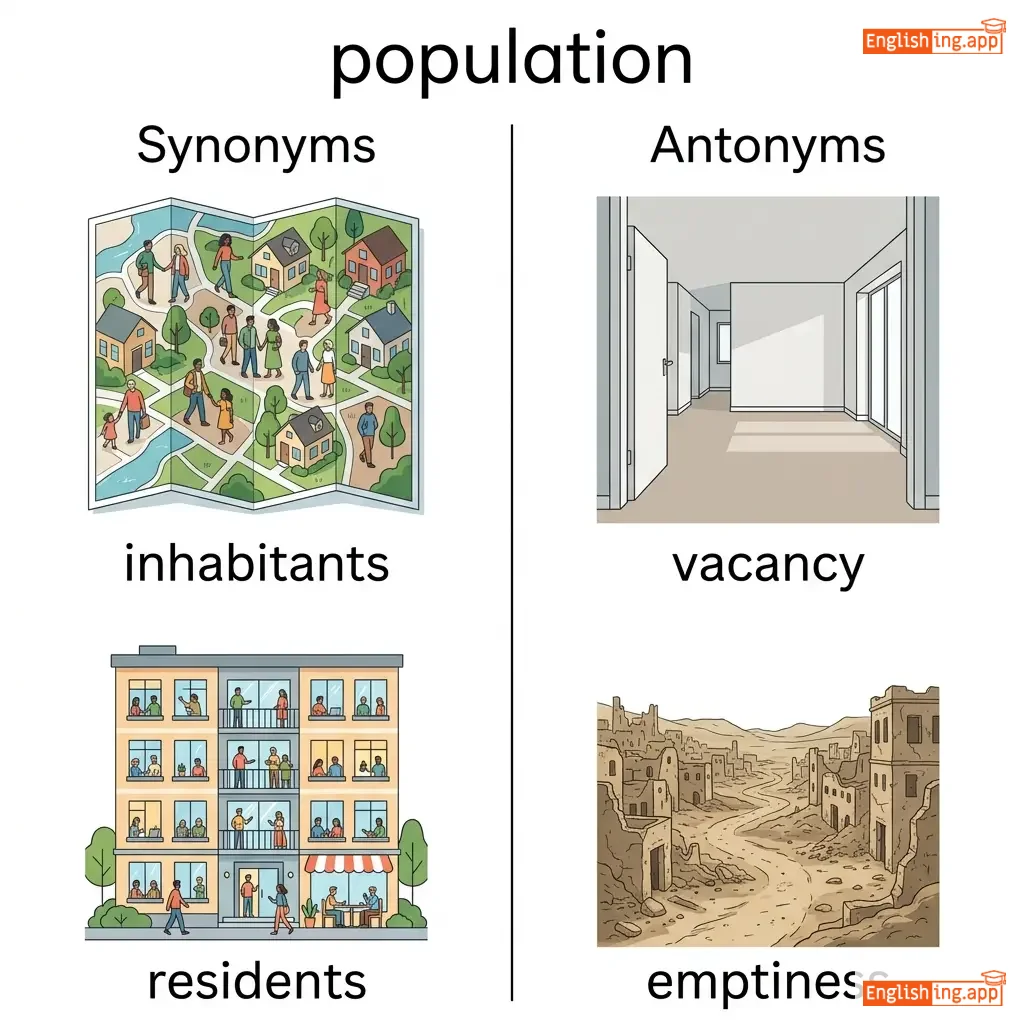
people, residents, inhabitants, citizens, community
••••••
|
emigration, isolation, depopulation, exodus, abandonment
••••••
|
|
#400
⚖️
|
dɪˈskrɪmɪnətɔːri
adjective
••••••
|
•••••• |
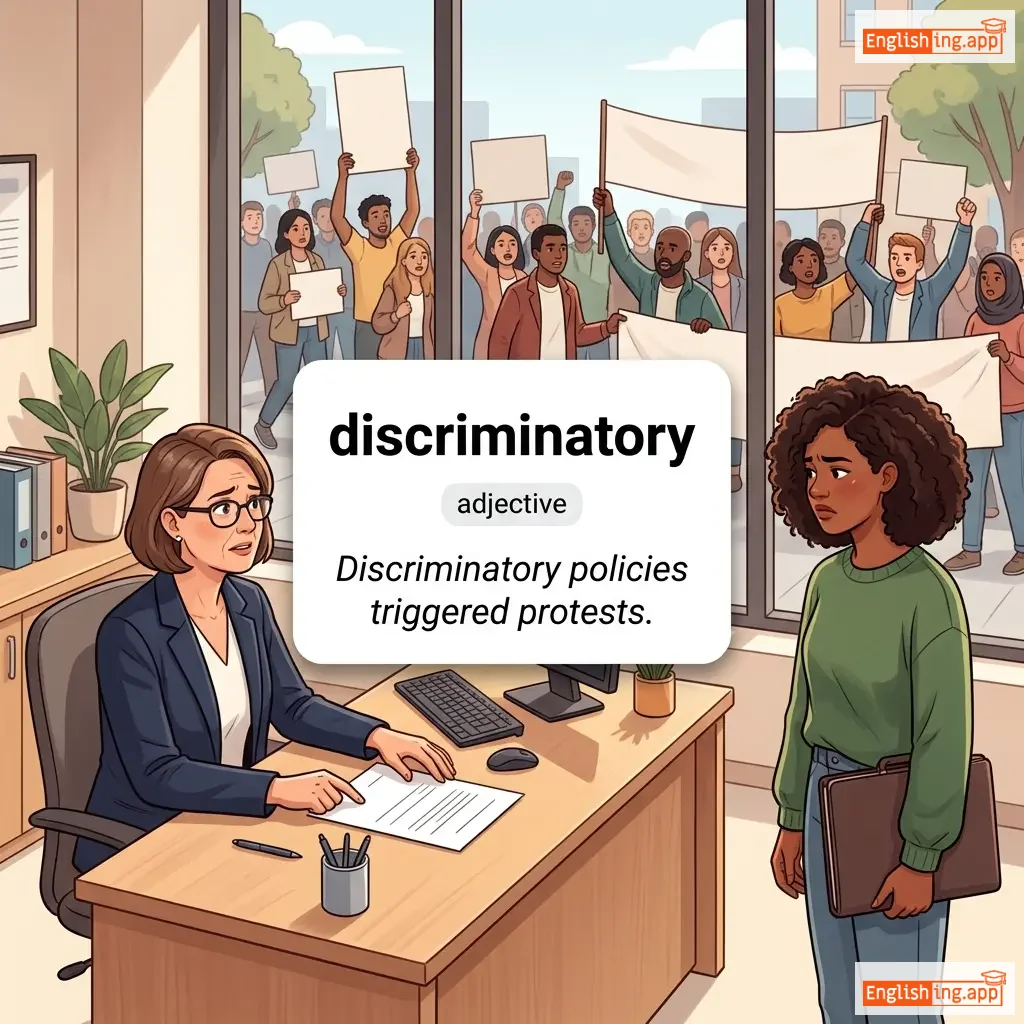
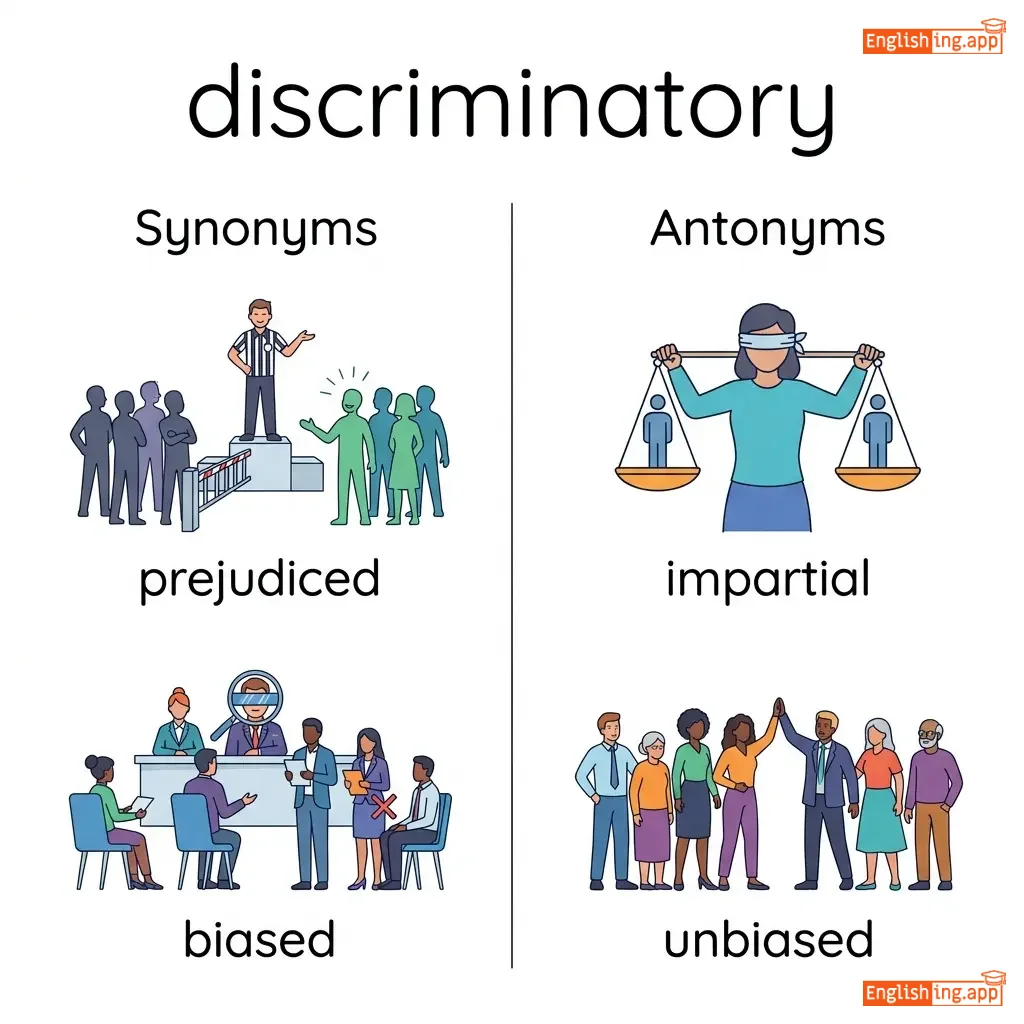
Making or showing an unfair or prejudicial distinction between different categories of people or things.
••••••
|
Discriminatory policies triggered protests. |
prejudiced, biased, unfair, partial, bigoted
••••••
|
impartial, unbiased, fair, equal, just
••••••
|
|
#401
🏛️
|
ɔːˈtɒnəmi
noun
••••••
|
•••••• |
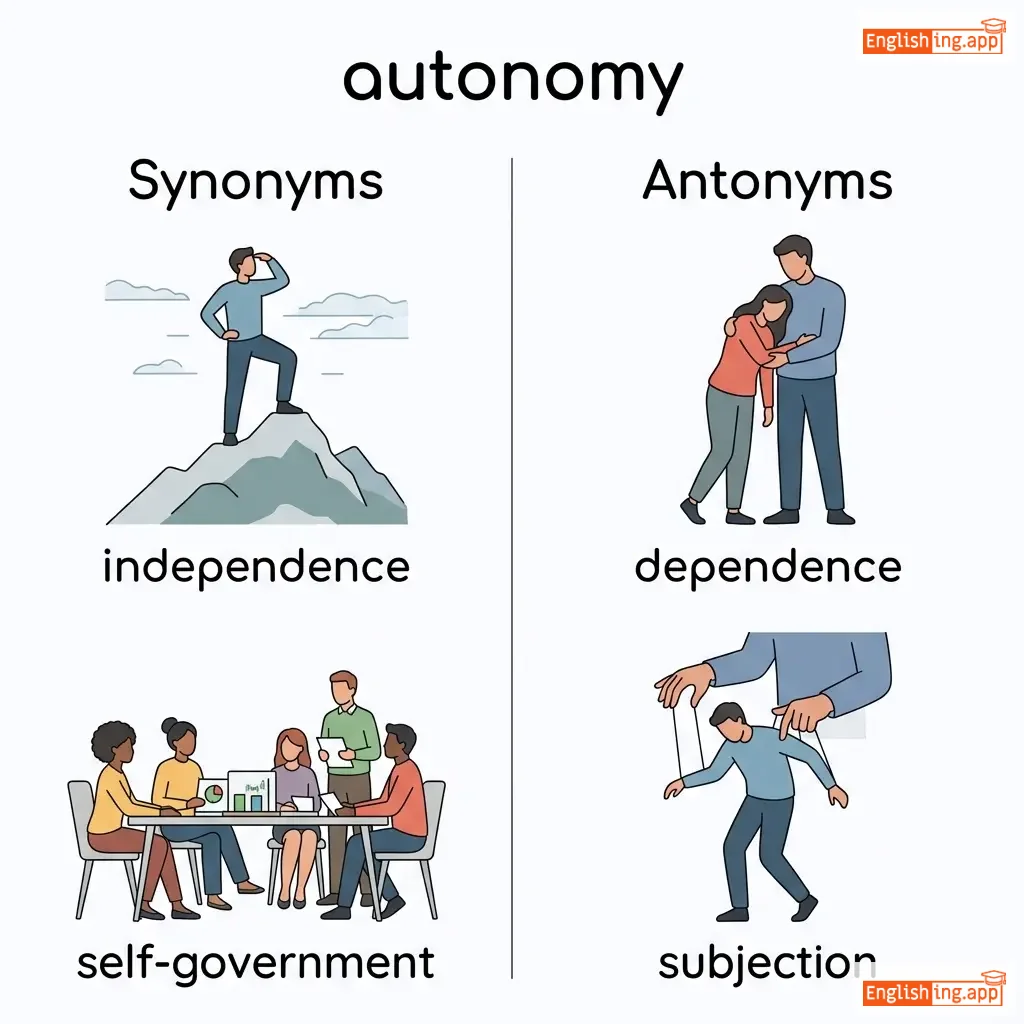
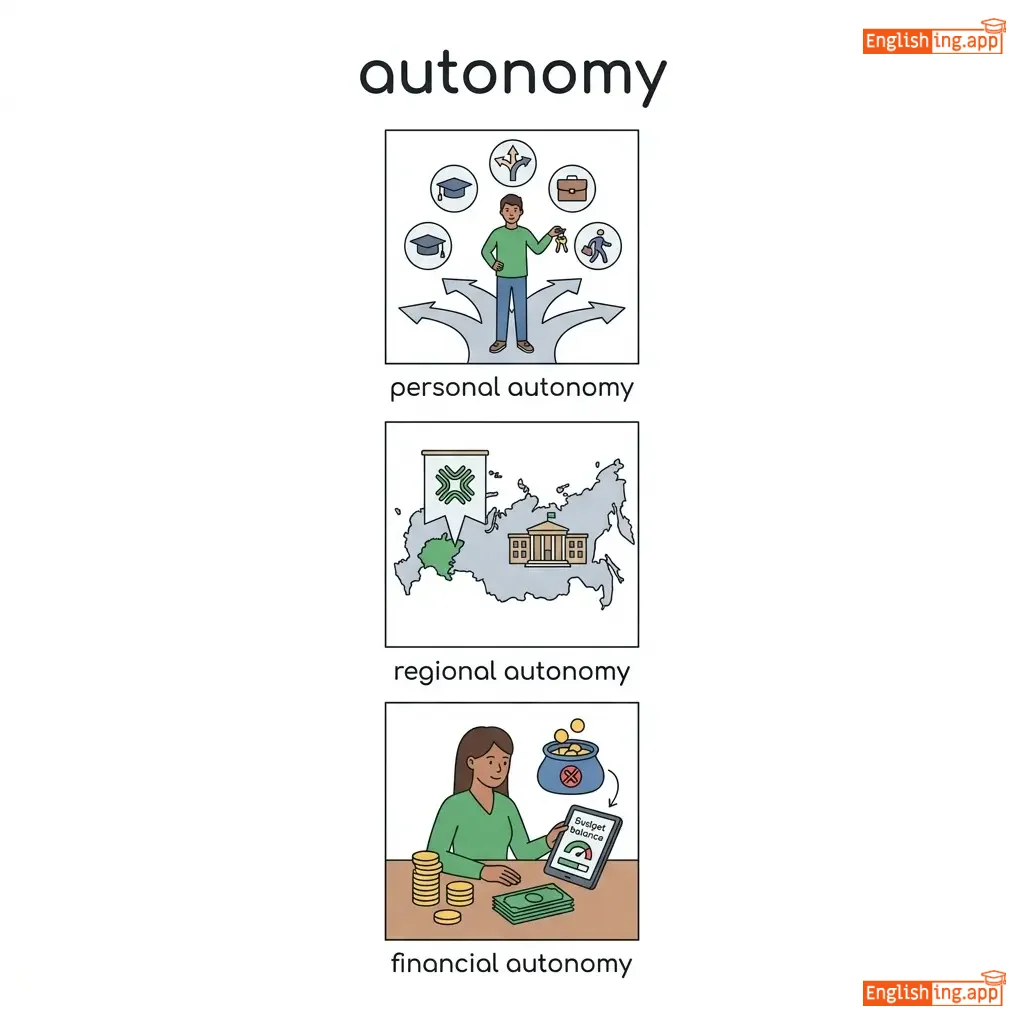
The right or condition of self-government; freedom from external control or influence.
••••••
|
Autonomy was a primary demand. |
independence, sovereignty, self-rule, self-determination, freedom
••••••
|
dependence, subordination, control, subjugation, domination
••••••
|
|
#402
⚖️
|
raɪts
noun
••••••
|
•••••• |
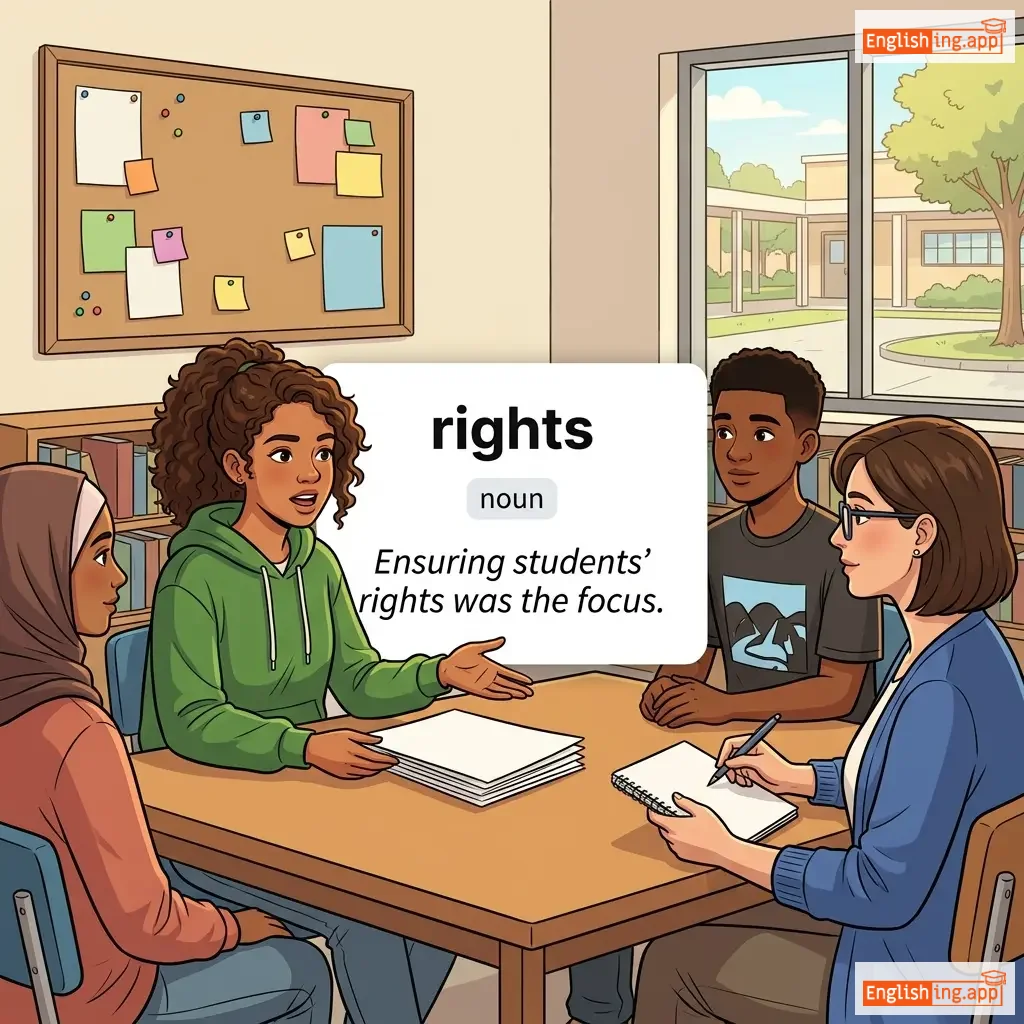
A moral or legal entitlement to have or obtain something or to act in a certain way.
••••••
|
The rights of people were prioritized. |
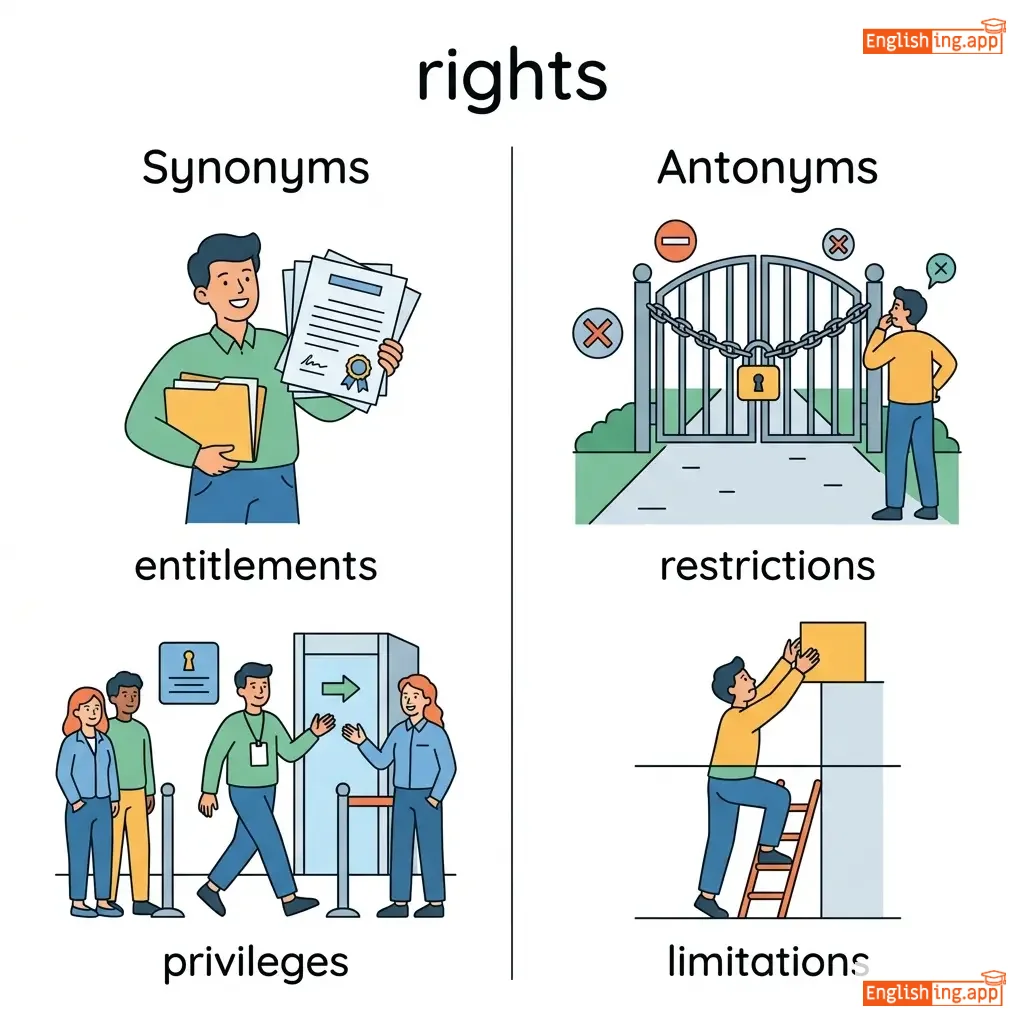
freedoms, privileges, entitlements, liberties, prerogatives
••••••
|
restrictions, limitations, prohibitions, constraints, duties
••••••
|
|
#403
🏛️
|
ˈɡʌvəmənt
noun
••••••
|
•••••• |
The governing body of a nation, state, or community; the system by which a state or community is governed.
••••••
|
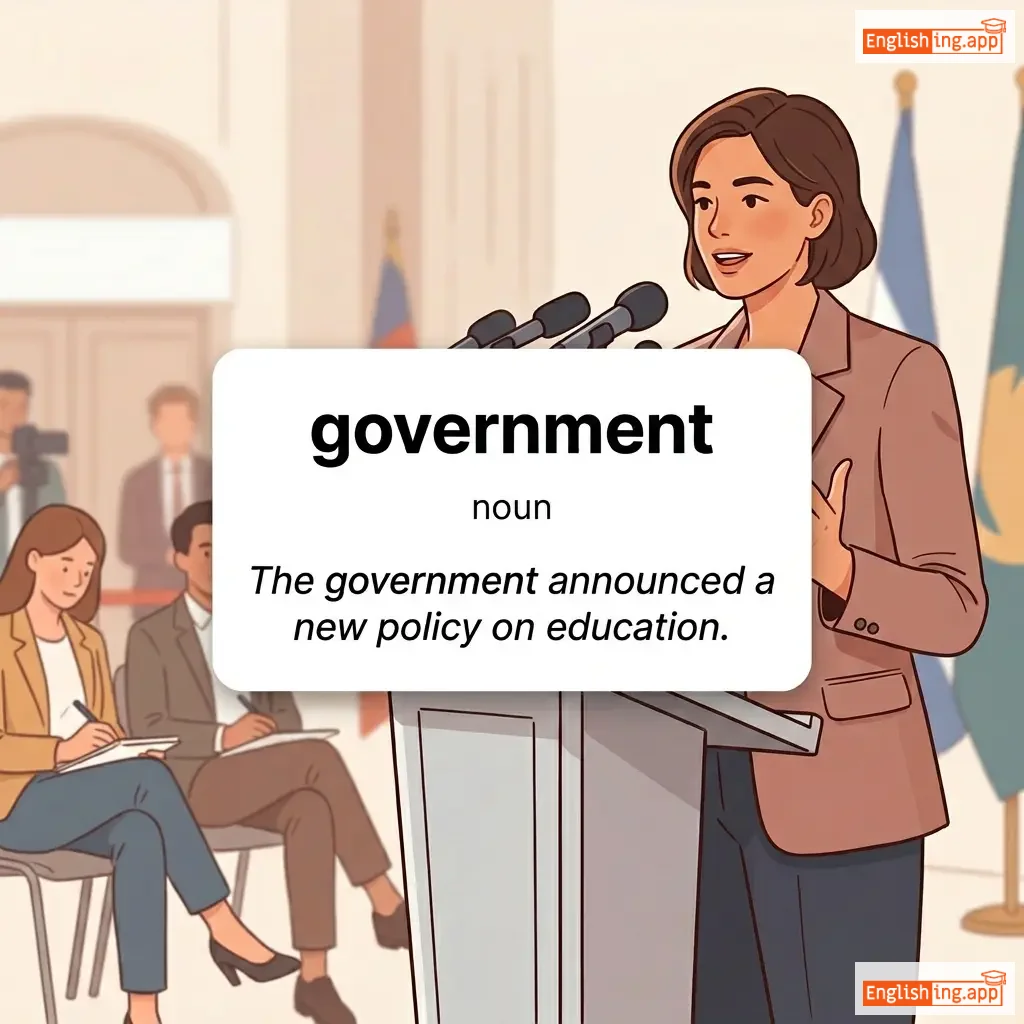
The government rejected the demands. |
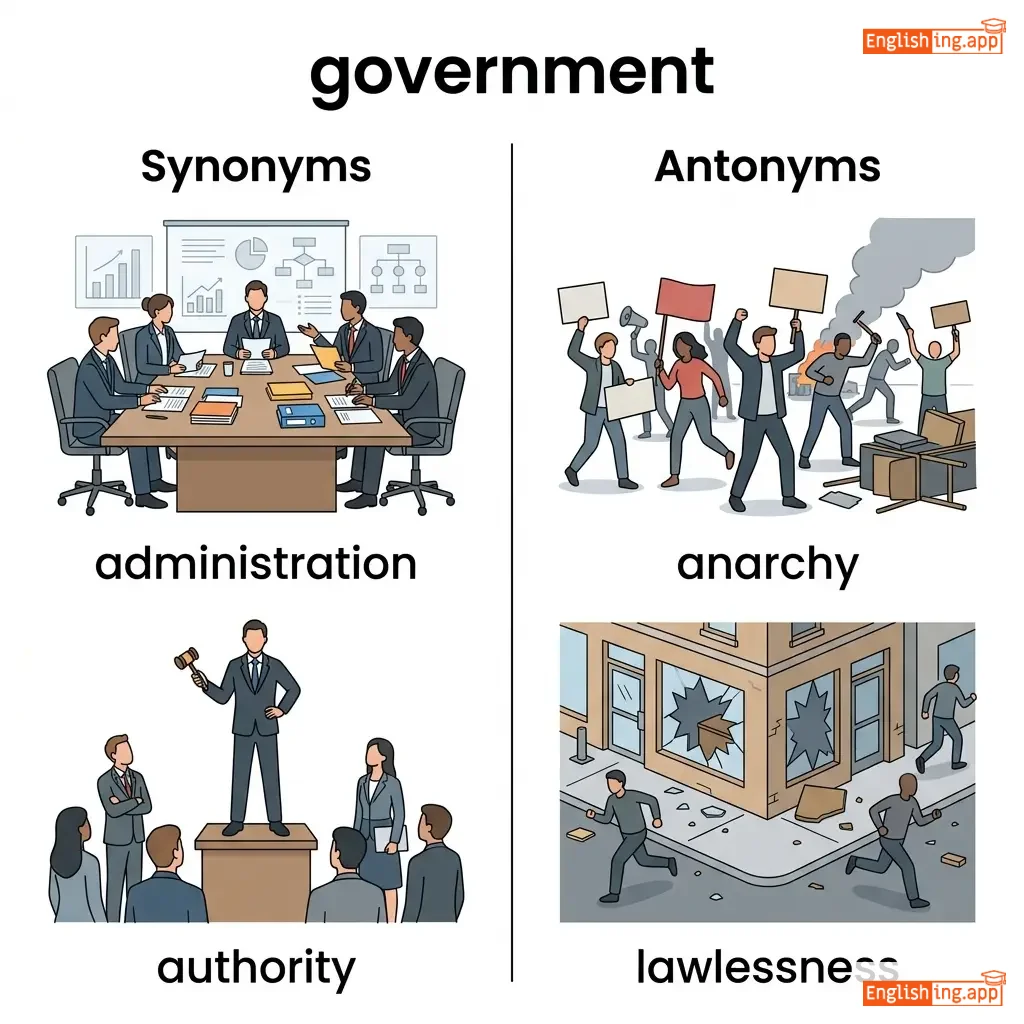
administration, regime, authority, state, ruling body
••••••
|
anarchy, disorder, chaos, lawlessness, revolution
••••••
|
|
#404
🗳️
|
ˈsʌfrɪdʒ
noun
••••••
|
•••••• |
The right to vote in political elections; the principle of political representation.
••••••
|
Universal suffrage was a key demand. |
voting rights, franchise, ballot, electoral rights, democratic participation
••••••
|
disenfranchisement, exclusion, denial, prohibition, restriction
••••••
|
|
#405
🛡️
|
dɪˈfens
noun
••••••
|
•••••• |
The action of defending from or resisting attack; protection from harm or danger.
••••••
|
Defense was one of the central subjects. |
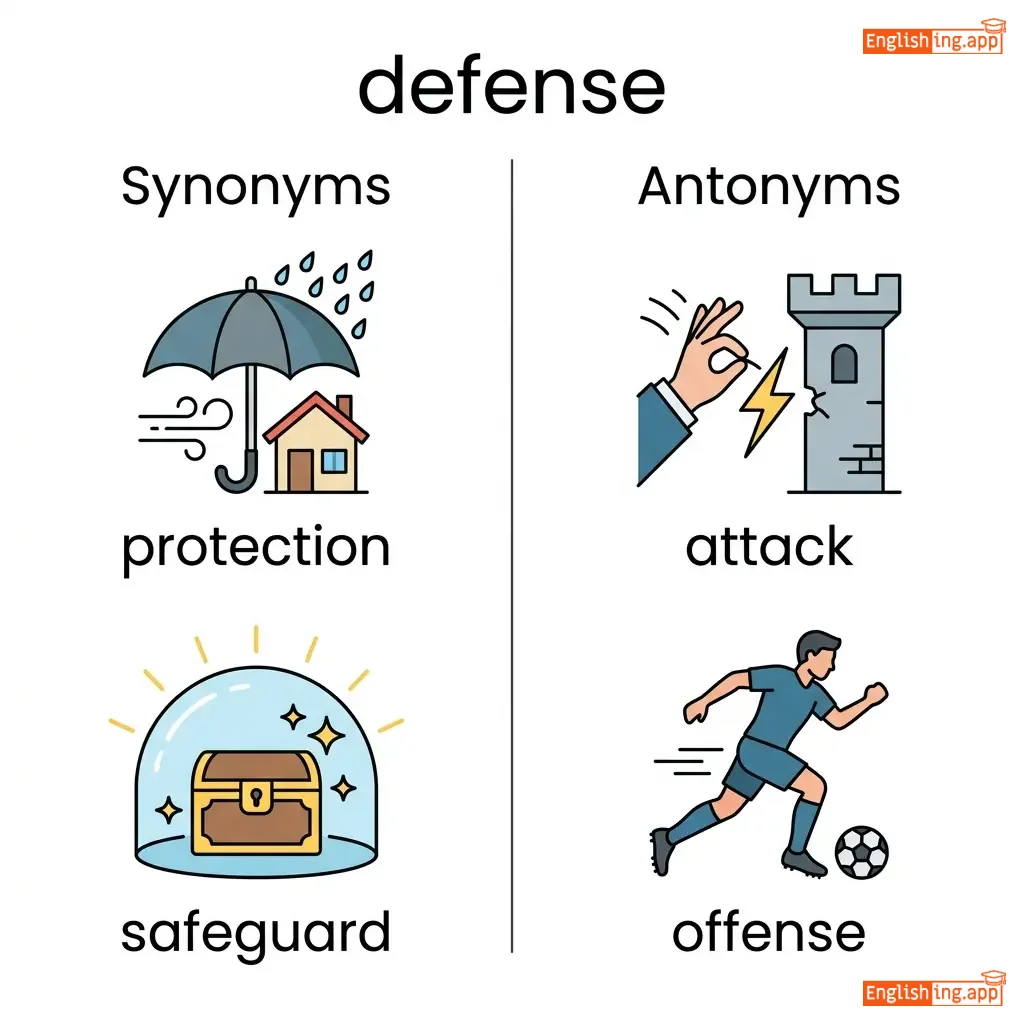
protection, security, safeguarding, shield, fortification
••••••
|
attack, vulnerability, offense, assault, aggression
••••••
|
|
#406
💱
|
ˈkʌrənsi
noun
••••••
|
•••••• |
A system of money in general use in a particular country; the fact or quality of being generally accepted or in use.
••••••
|
Dual currency systems were proposed. |
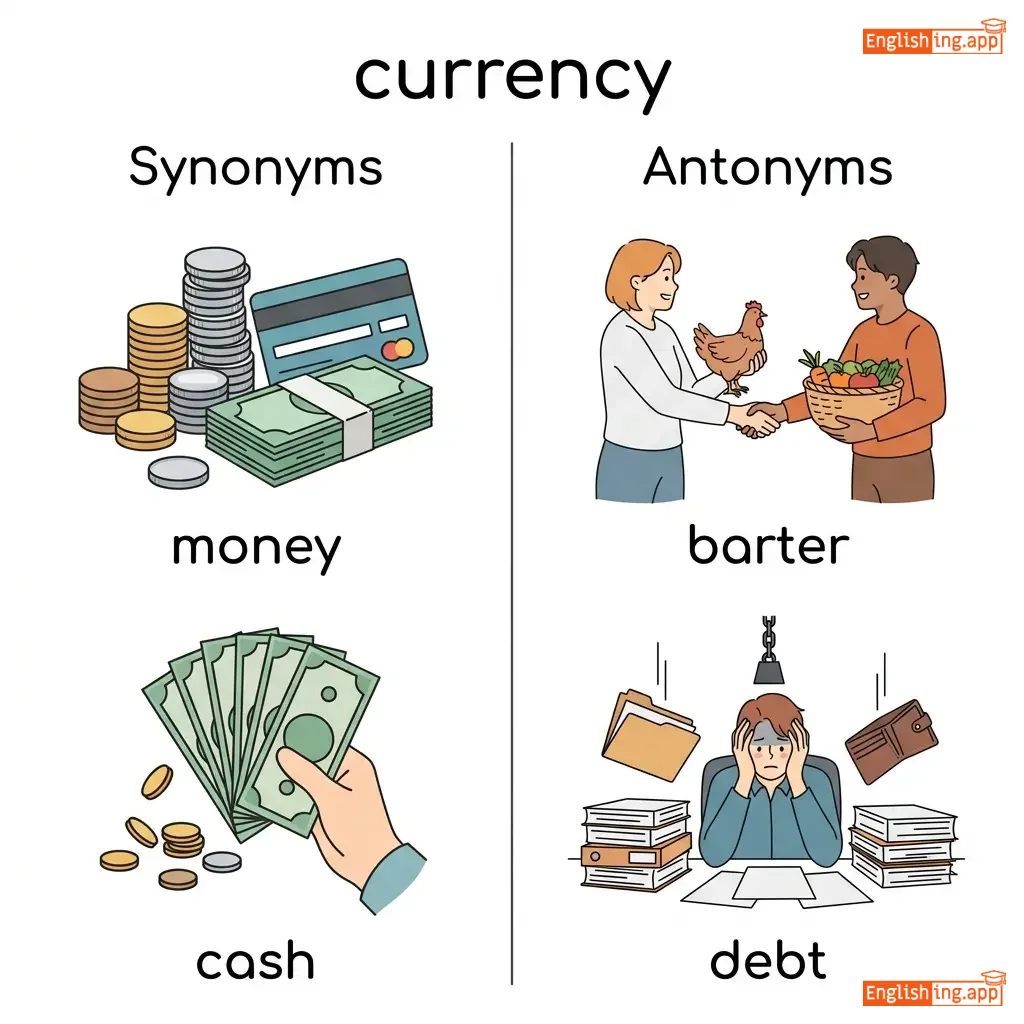
money, cash, legal tender, coinage, banknotes
••••••
|
barter, commodities, trade, exchange, non-monetary
••••••
|
|
#407
👑
|
ɔːˈθɒrəti
noun
••••••
|
•••••• |
The power or right to give orders, make decisions, and enforce obedience; a person or organization having power or control.
••••••
|
Regional authority was emphasized. |
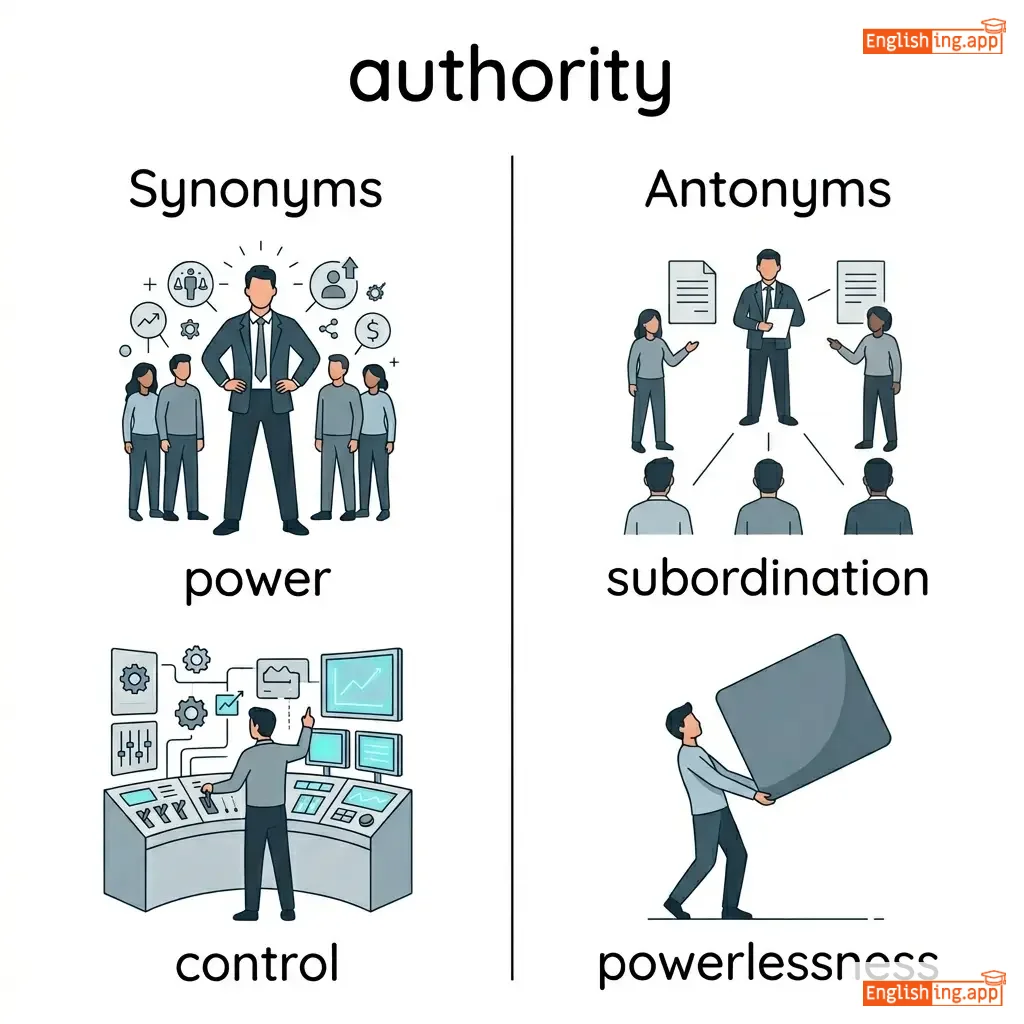
control, power, command, jurisdiction, dominion
••••••
|
weakness, inability, powerlessness, submission, subordination
••••••
|
|
#408
🏠
|
ˈəʊnəʃɪp
noun
••••••
|
•••••• |
The act, state, or right of possessing something; legal title to something.
••••••
|
Ownership of resources was crucial. |
possession, tenure, proprietorship, title, holding
••••••
|
dispossession, borrowing, renting, leasing, tenancy
••••••
|
|
#409
📈
|
ˌiːkəˈnɒmɪk
adjective
••••••
|
•••••• |
Relating to economics or the economy; justified in terms of profitability.
••••••
|
Economic independence was highlighted. |
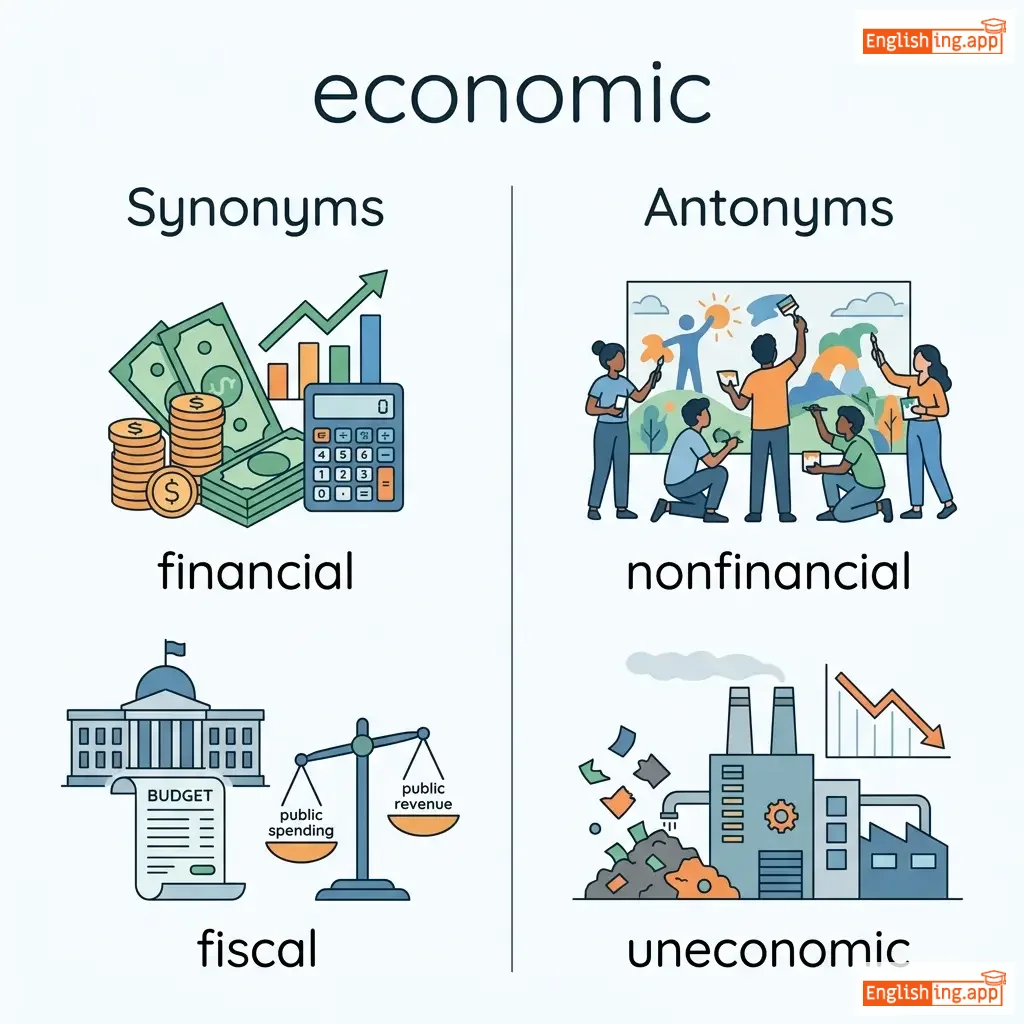
financial, fiscal, monetary, commercial, trade-related
••••••
|
uneconomic, unprofitable, wasteful, inefficient, costly
••••••
|
|
#410
🏛️
|
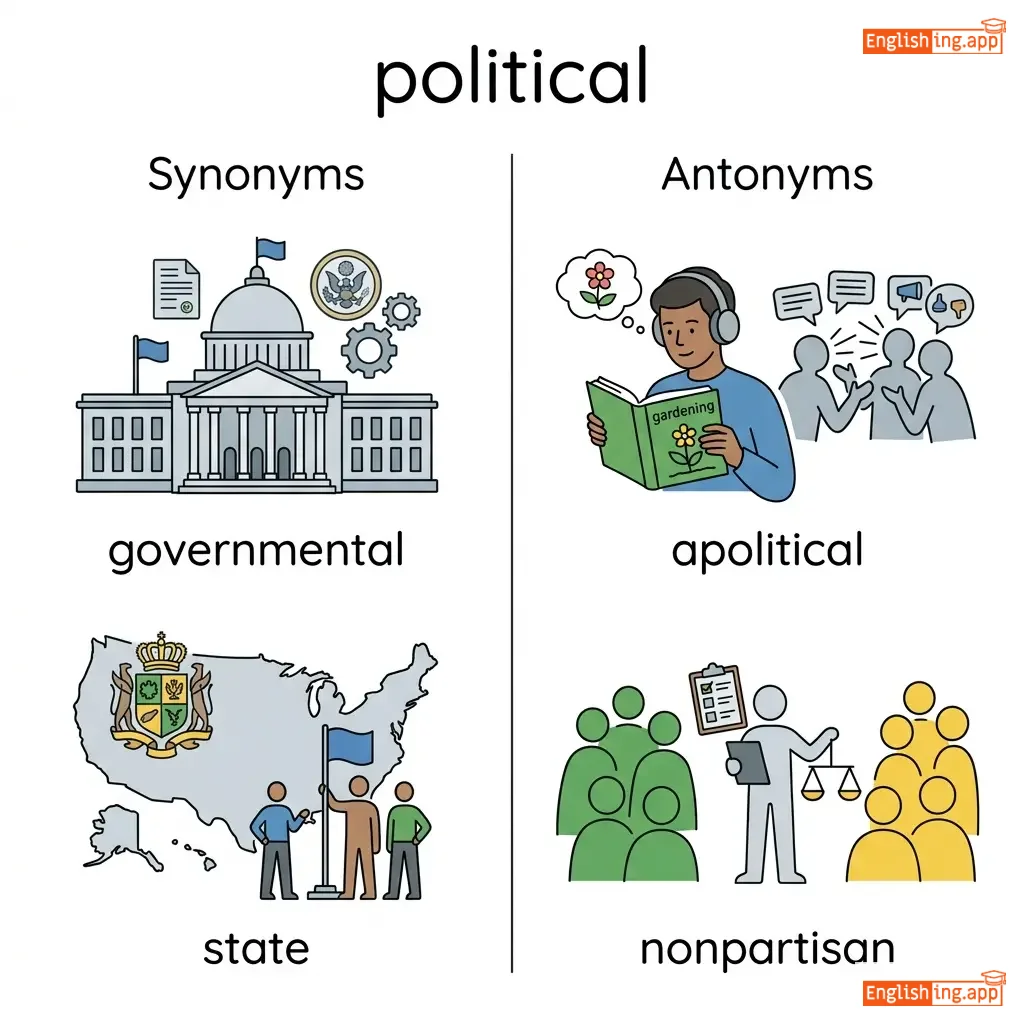
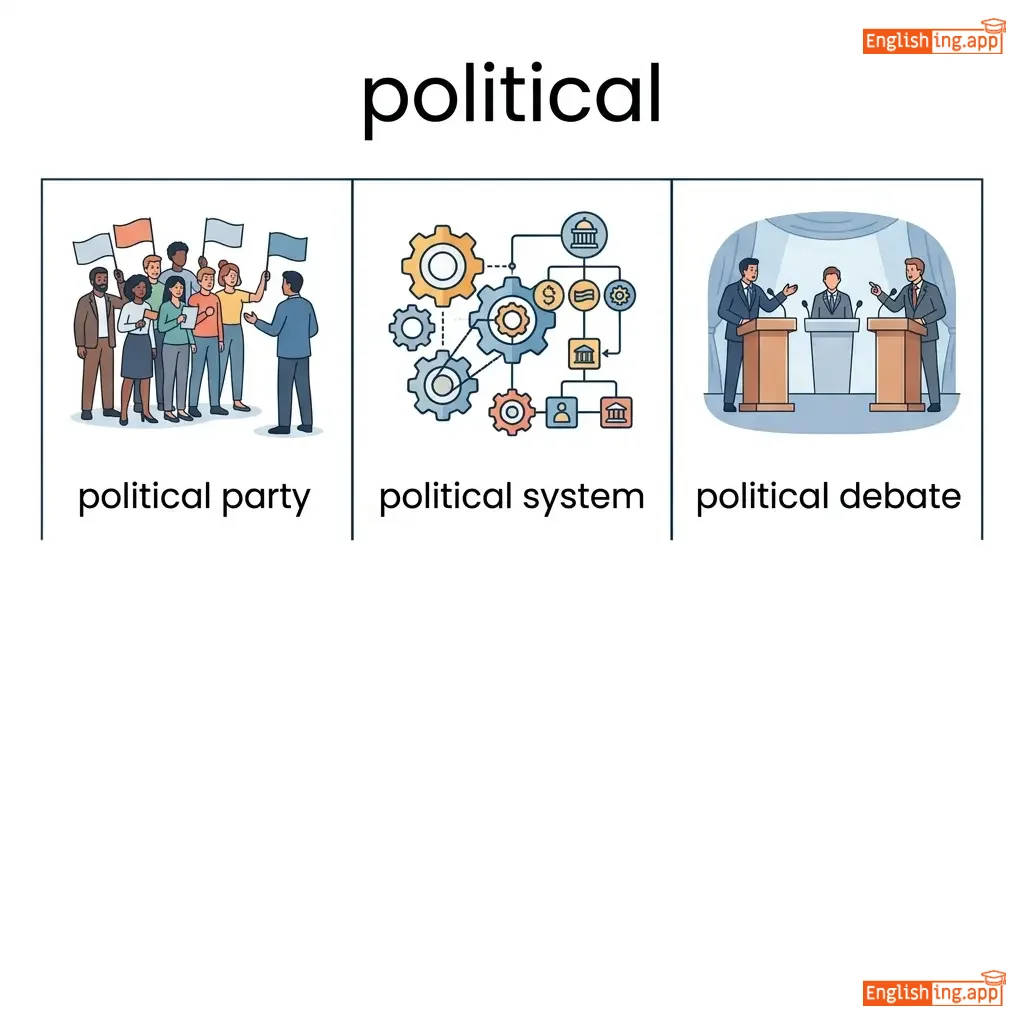
pəˈlɪtɪkəl
adjective
••••••
|
•••••• |
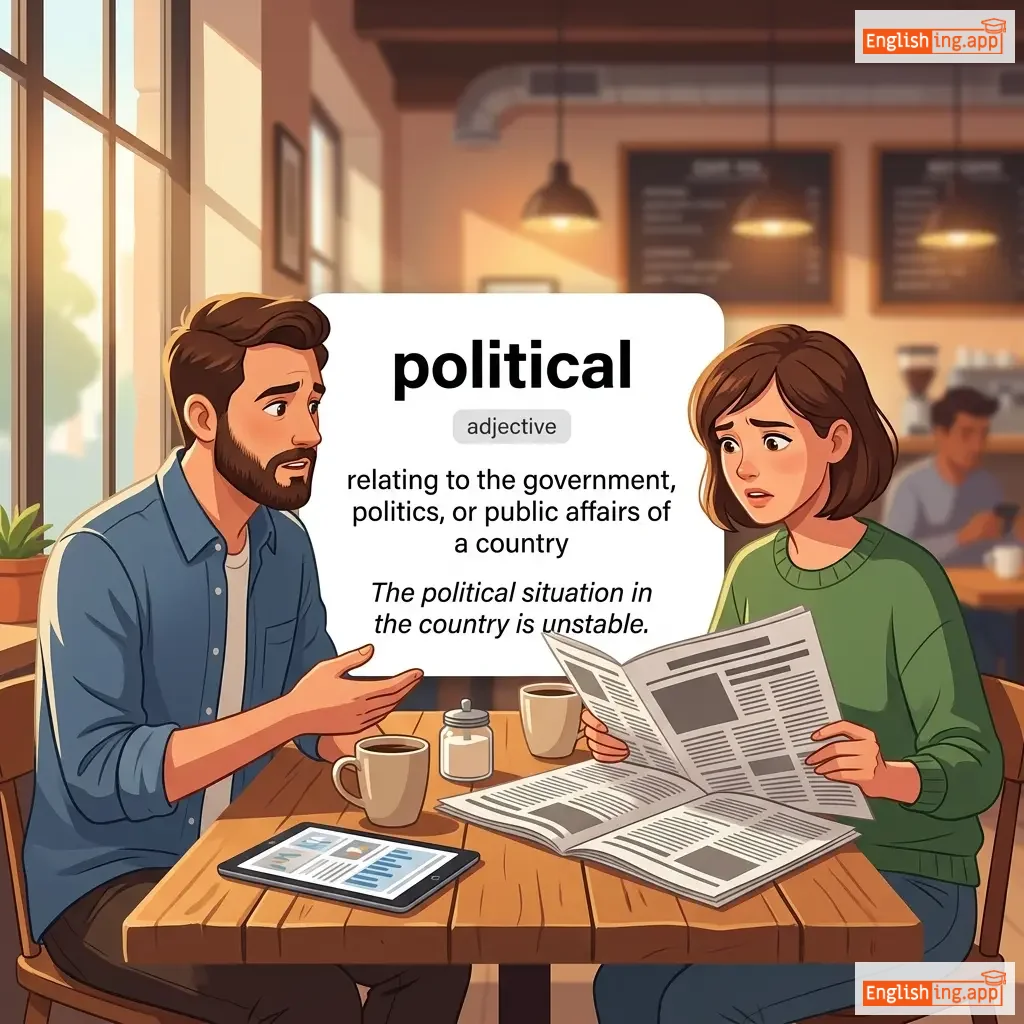
Relating to the government or public affairs of a country; relating to politics or political parties.
••••••
|
The political agenda included autonomy. |
administrative, civic, governmental, public, state-related
••••••
|
apolitical, nonpolitical, private, personal, non-governmental
••••••
|
|
#411
🗽
|
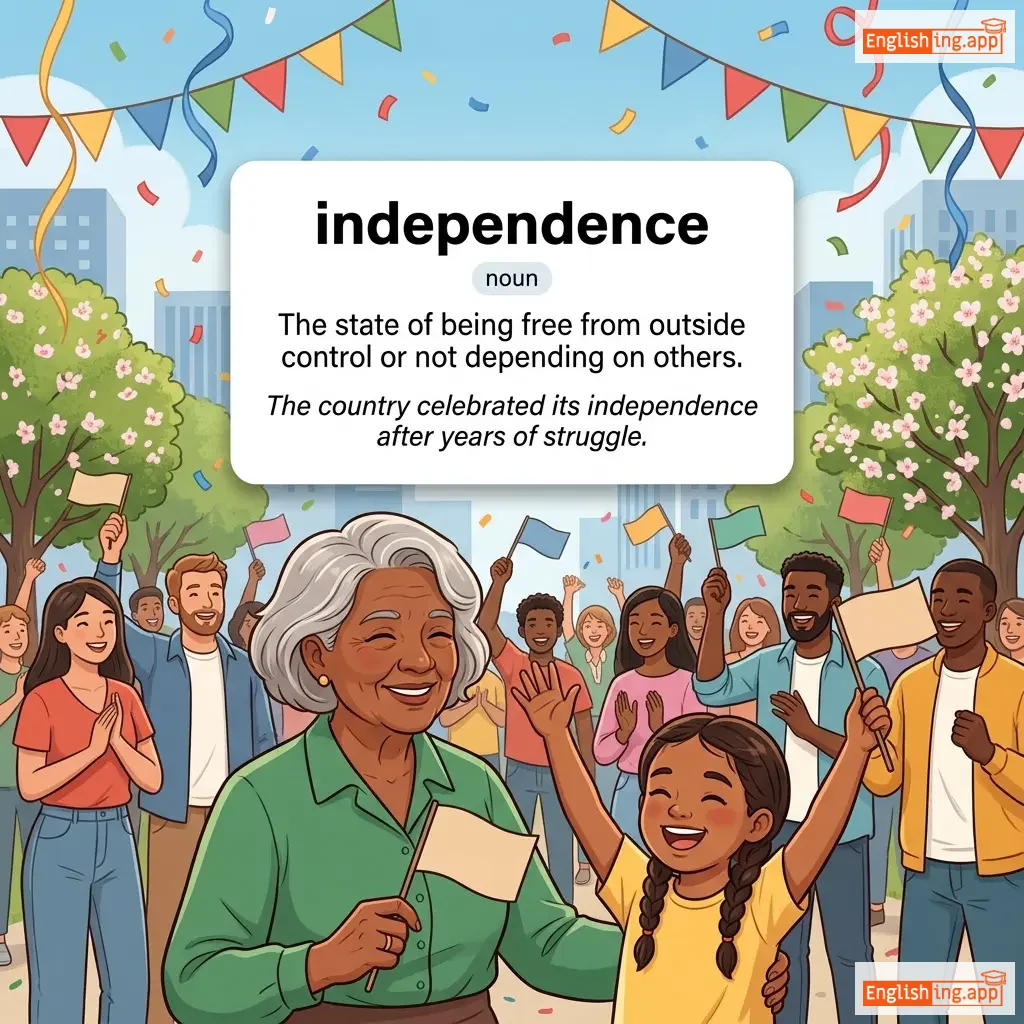
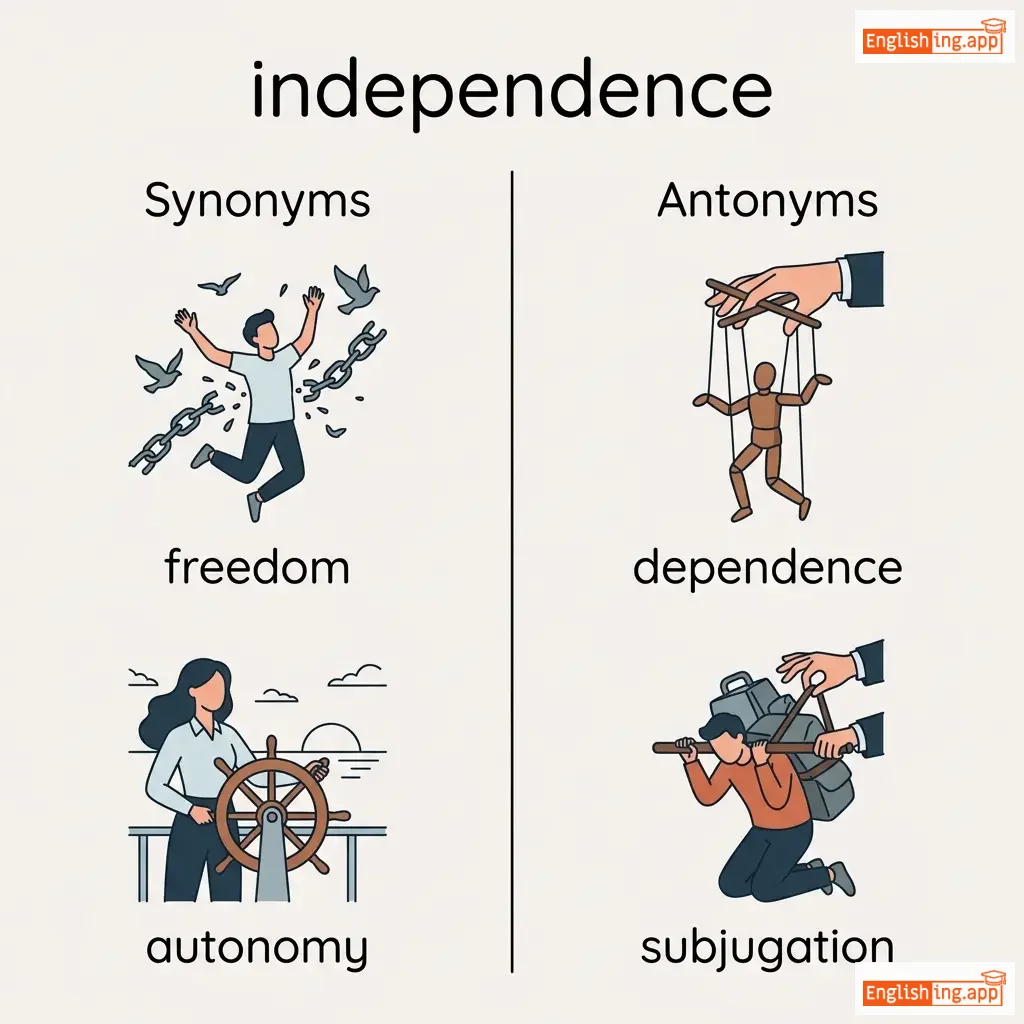
ˌɪndɪˈpendəns
noun
••••••
|
•••••• |
The fact or state of being independent; freedom from outside control; not being subject to another's authority.
••••••
|
Independence inspired the movement. |
freedom, liberation, sovereignty, autonomy, self-rule
••••••
|
subjection, dependence, subordination, control, domination
••••••
|